Designing Dreams

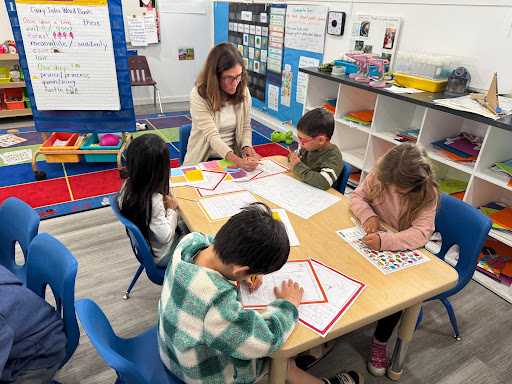
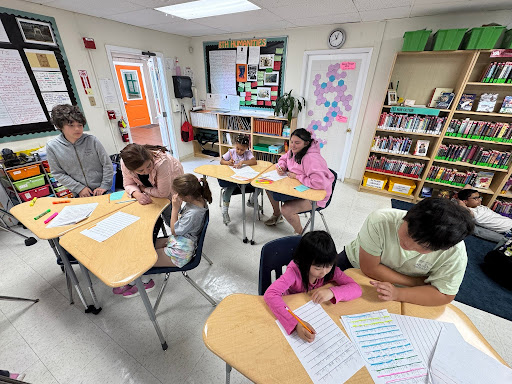
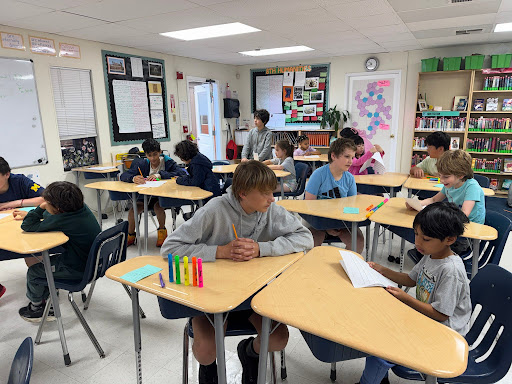
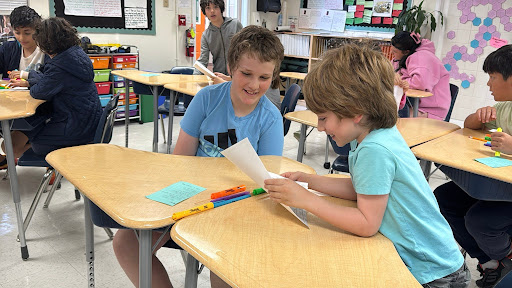
Third graders at Saklan are stepping into the role of architects with a new Project Based Learning unit that asks a compelling question: What if you could design a home that fits someone’s life perfectly—every inch intentional, every detail meaningful?

The unit began with imagination at the forefront. Inspired by If I Built a House by Chris Van Dusen, students sketched their own dream tiny homes. Their ideas ranged from whimsical treehouse escapes to cleverly designed underground hideaways, each reflecting a unique blend of creativity and personal vision. As their designs took shape, students began to think more deeply about the purpose behind their choices.

From there, the learning shifted toward real-world application. Students explored why people choose to live in tiny homes and considered the challenges of designing within a limited space. They examined how architects must carefully balance wants and needs, making thoughtful decisions about how every inch is used.

This work is closely tied to their current math studies. By applying concepts of area and perimeter, students are discovering how mathematical thinking plays a critical role in planning functional spaces. Measuring, calculating, and adjusting their designs has helped them see math as a practical and powerful tool for problem-solving.

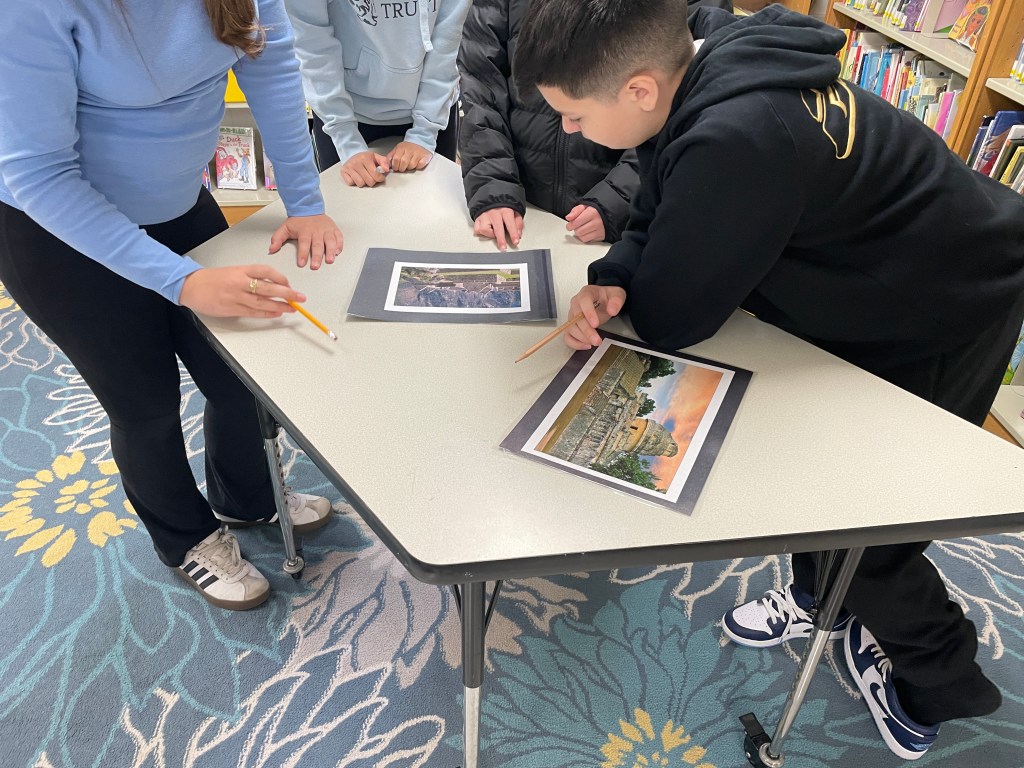
A highlight of the unit was a visit from guest expert Chris Avant of Canyon Design Build. Students had the opportunity to explore real blueprints and materials, including wood samples, glass, and color palettes. This hands-on experience brought an added layer of authenticity to their work and deepened their understanding of the design process.

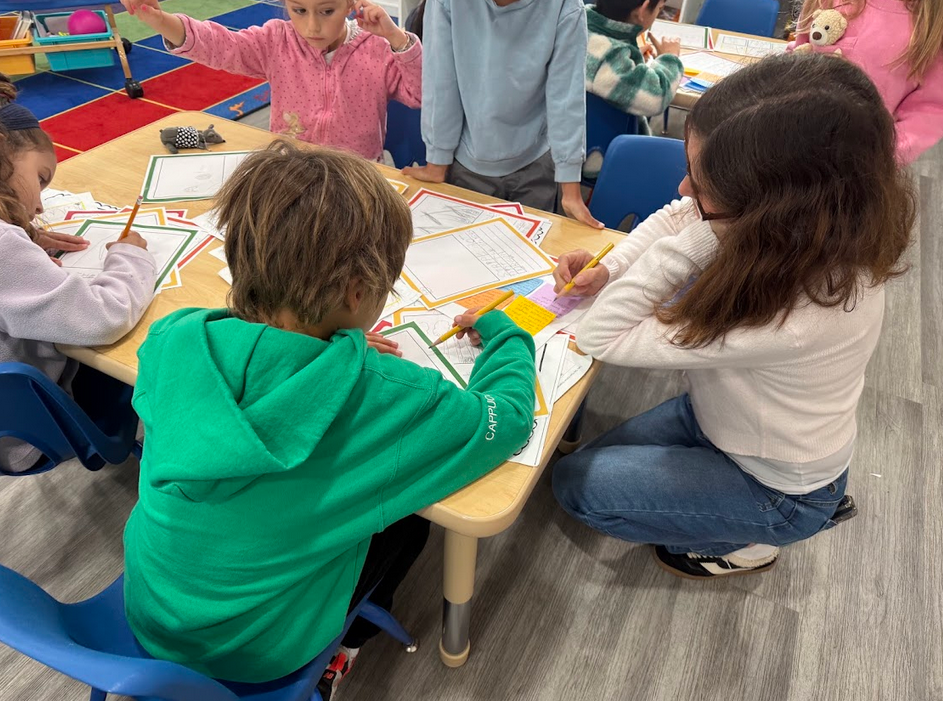
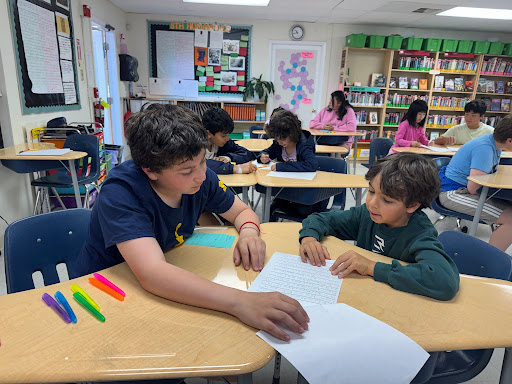
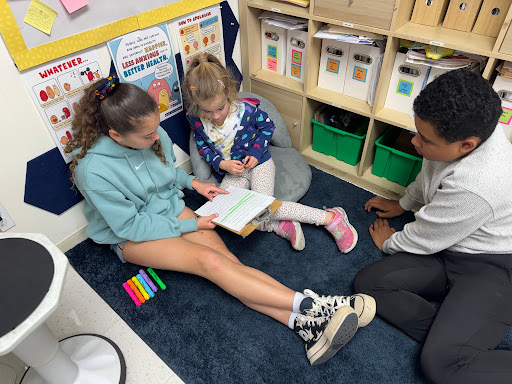
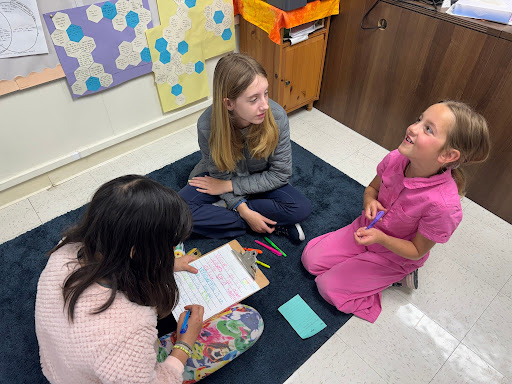
Now working in collaborative teams, students are taking on the role of architects in earnest. They are developing thoughtful questions, interviewing “clients,” and learning to listen carefully to design homes that truly meet others’ needs. This phase of the project is strengthening their communication skills and fostering purposeful collaboration.

As the unit progresses, students are transforming their ideas into tangible creations through detailed blueprints and physical models. With each step, their creativity, critical thinking, and problem-solving skills continue to grow—demonstrating the power of learning that is both meaningful and deeply engaging.

The Brain, Perception, and Human Connection

Fifth graders at Saklan are investigating a powerful question: What if everything we see, feel, and react to isn’t exactly what it seems?

Their study began with an exploration of the brain as both remarkably capable and inherently imperfect. Through hands-on learning, students mapped the different lobes of the brain onto eggs, creating a tangible model to better understand how the brain functions, and what happens when it doesn’t.

From there, students moved into a full engineering cycle, planning, designing, and testing “crash helmets” to protect their egg “brains.” Using materials like balloons, cotton balls, bubble wrap, and pompoms, they built creative prototypes with focus and purpose. The classroom quickly transformed into a hub of innovation and collaboration.

The excitement peaked during crash testing. When one “patient,” affectionately named Eggie, sustained a fracture through the temporal lobe and prefrontal cortex, students immediately shifted into diagnosis mode. Drawing on their growing understanding of brain function, they predicted how such injuries might impact memory, impulse control, and decision-making. In that moment, science became immediate and real.

Students were especially captivated by how the brain interprets, and sometimes misinterprets, what we see. When examining the viral image known as The Dress, the class was split, with about 20% seeing white and 80% seeing blue. In another activity featuring color illusions, students debated what they saw with complete confidence, only to discover that others perceived the same image entirely differently.

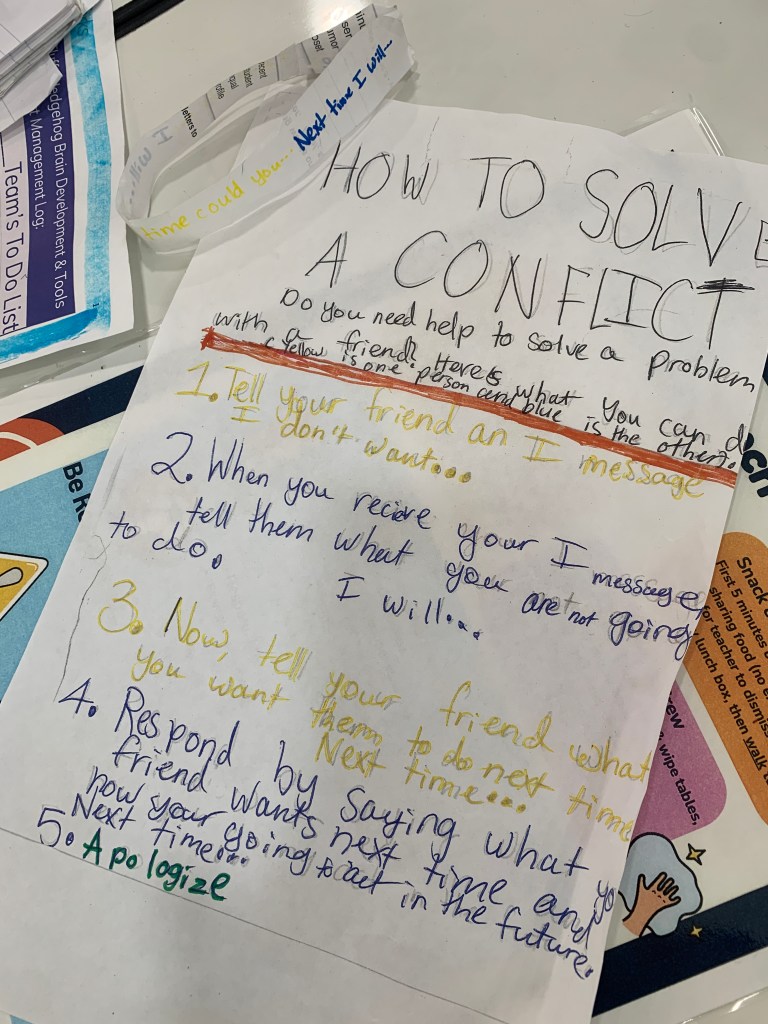
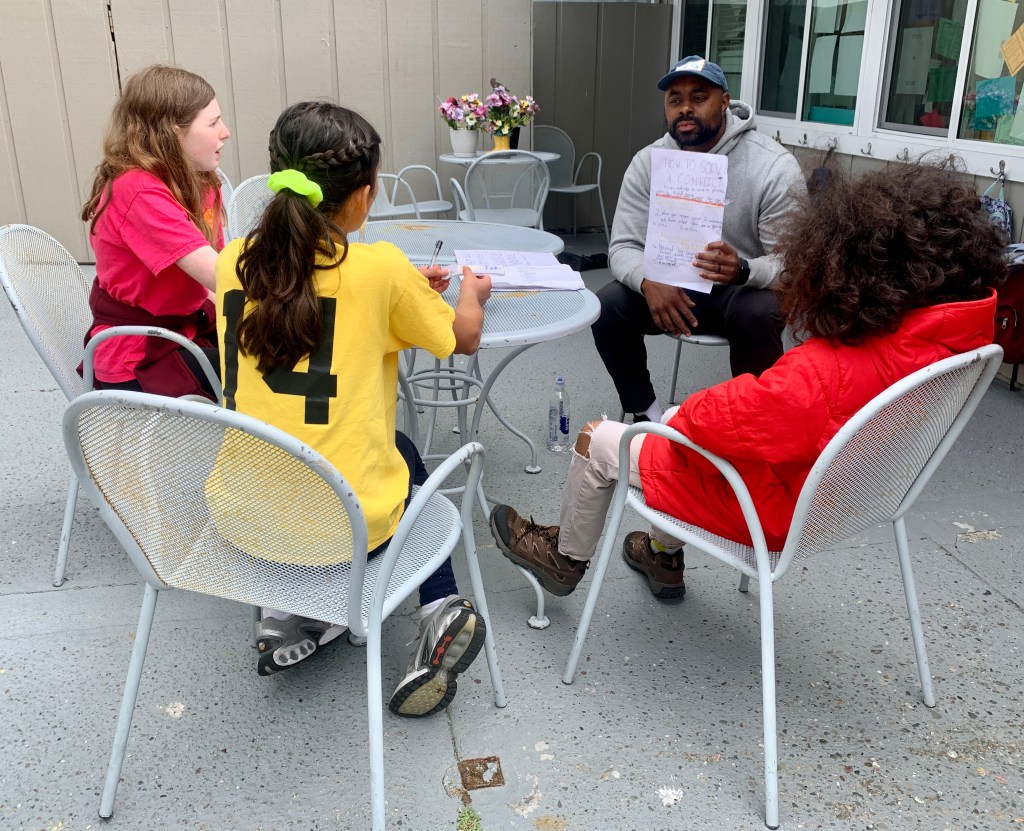
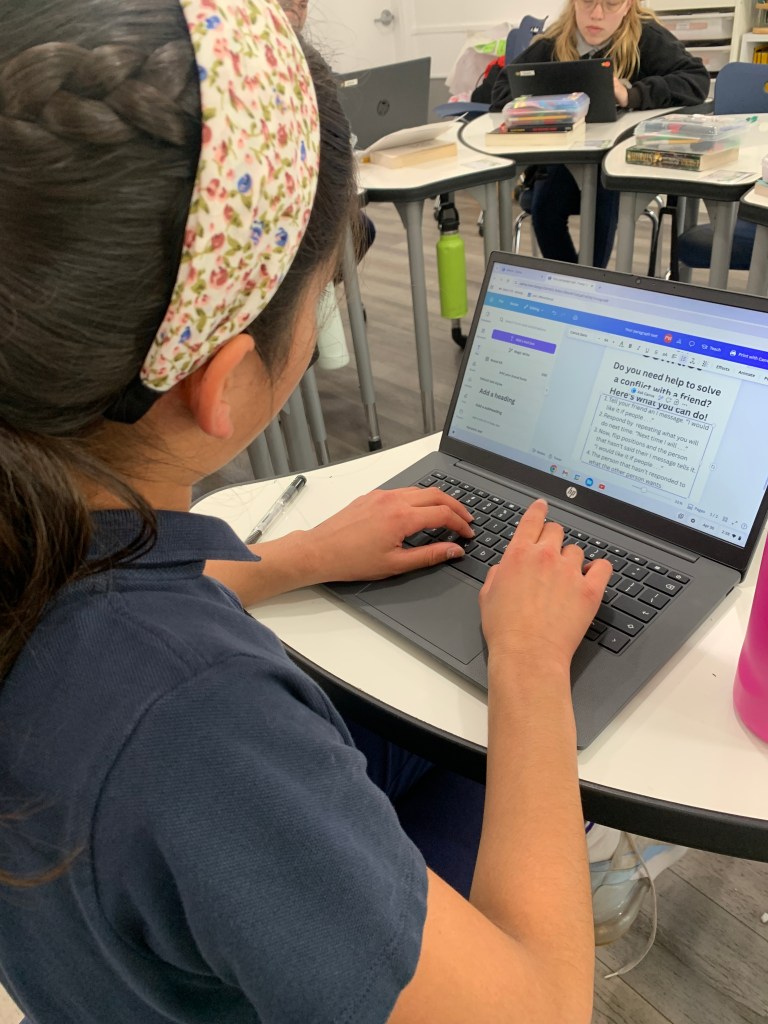
These moments sparked both curiosity and reflection. Students began to grapple with an important realization: our brains construct our experience of the world, and those constructions can vary from person to person. If it’s possible to feel completely certain and still be mistaken, or simply see things differently, what does that mean for how we navigate disagreements and treat one another?

This question lies at the heart of the project.

Earlier this year, fifth graders worked to restore the Redwood Grove, using physical tools to care for a shared environment. Now, they are beginning to design a different kind of toolkit: one that helps people pause, understand what is happening in their brains, and respond with greater awareness. Like redwoods, strong communities are built through connection, not just proximity.

The Secret Life of Seeds

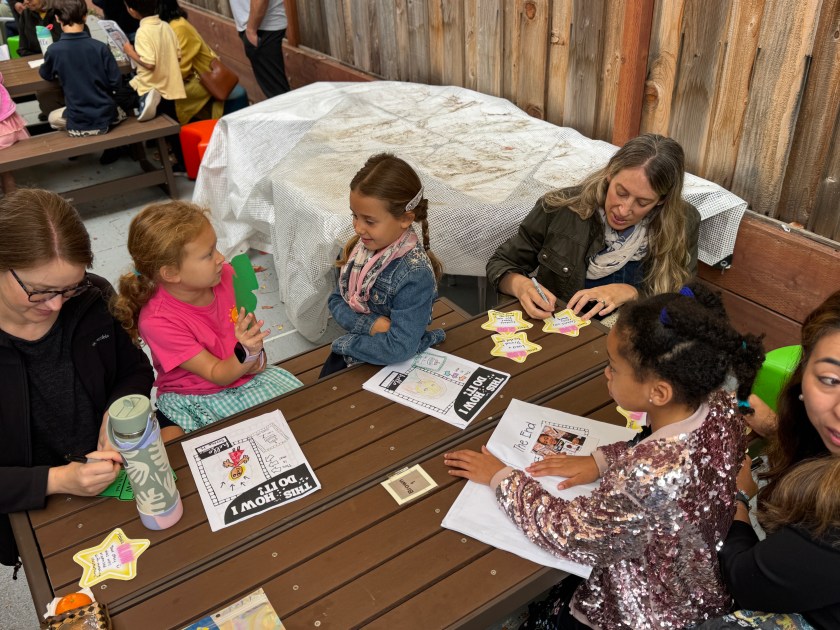
One main goal of our project work at Saklan is authentic learning that connects to the students’ world outside of the school walls. One beautiful example of how deep academic work and authentic learning come together is the current 2nd-grade PBL unit called The Secret Life of Seeds. In this unit, the students are working to answer the driving question: If a seed could tell its own story, how could we use it to teach others about seed dispersal?

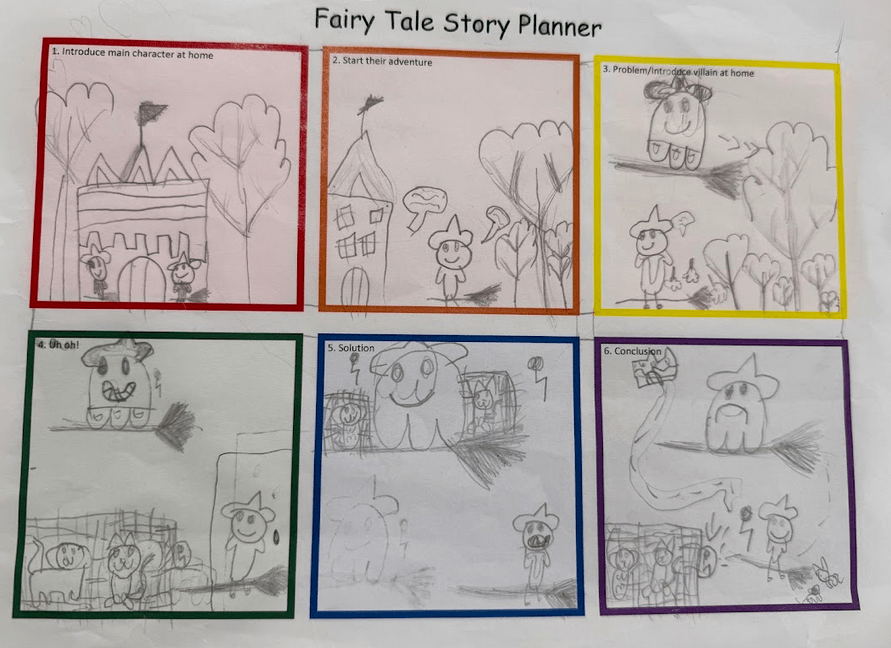
Through a blend of science labs, expository reading, imaginative story boarding and script writing, Saklan’s 2nd graders are learning how seeds travel and move through their growth cycle. They visited the Berkeley Botanical Garden, dissected foods to learn how fruit is a “suitcase” for seeds, and playfully considered how seeds move from place to place- some seeds hitch a ride on fur, feathers, or even shoes, while others are eaten and later deposited in new locations. 

These hands-on experiences, which are at the core of every Saklan PBL unit, help students see the world around them in new and complex ways while also driving authentic inquiry. Recently, students have wondered: Why do some fruits have many seeds while others only have one? Why are some seeds tiny and others large? How does the fruit help the seed survive its journey?

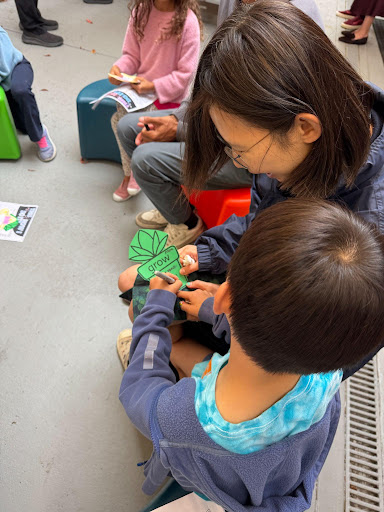
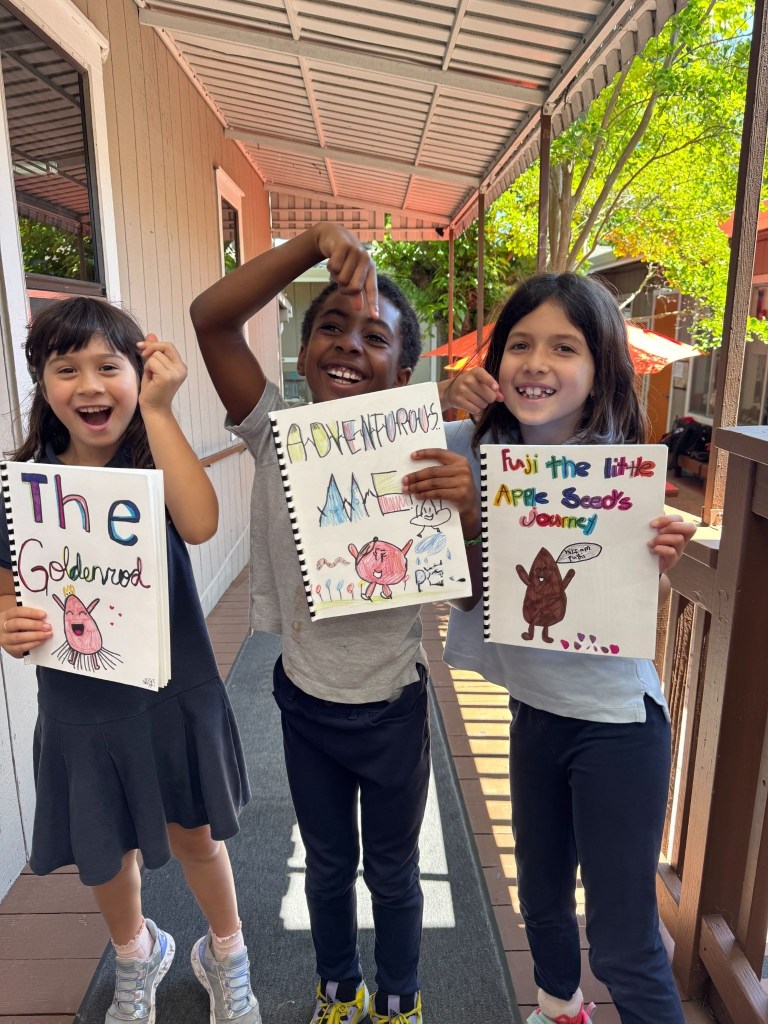
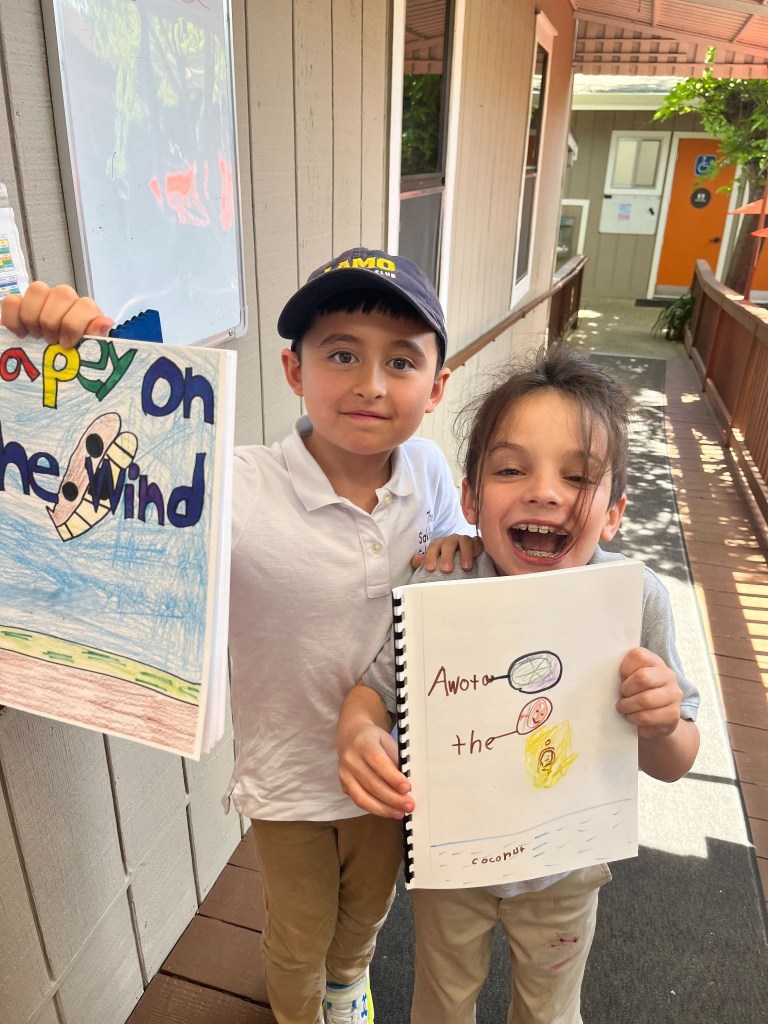
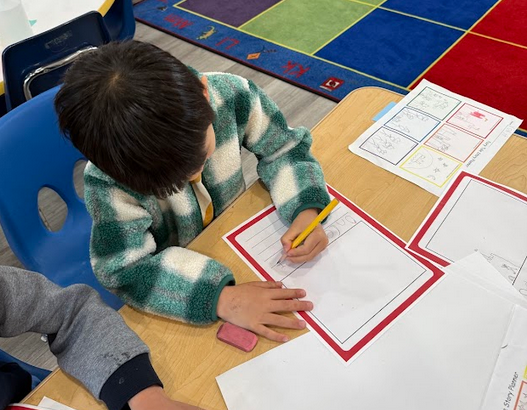
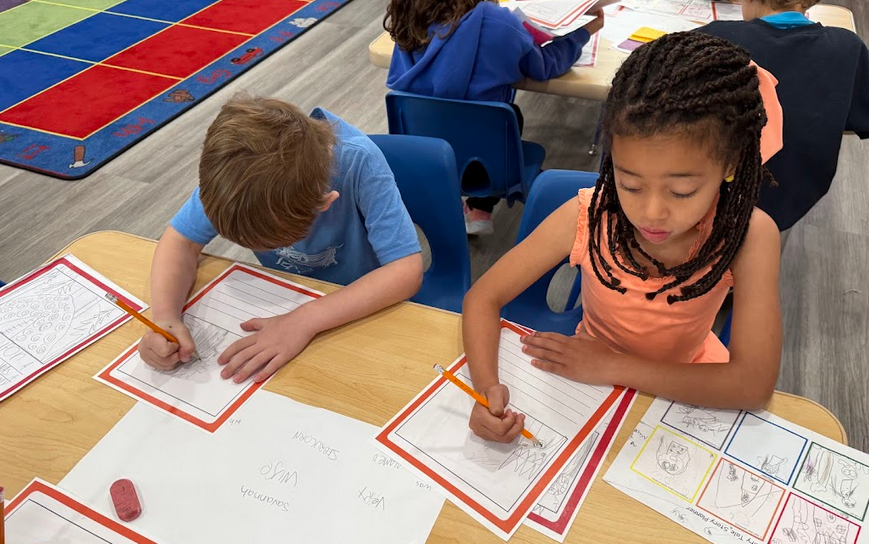
Next, students will be taking all their science learning to create stories of their own about different types of seeds and the journeys they take to grow. This work reflects the heart of Saklan’s approach—where academic content and creativity come together, and where students’ voices and ideas shine.

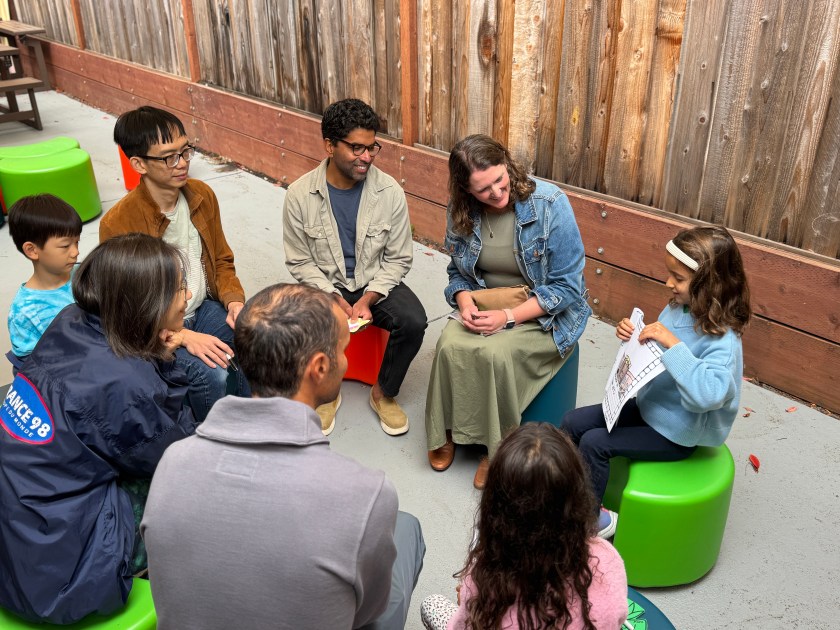
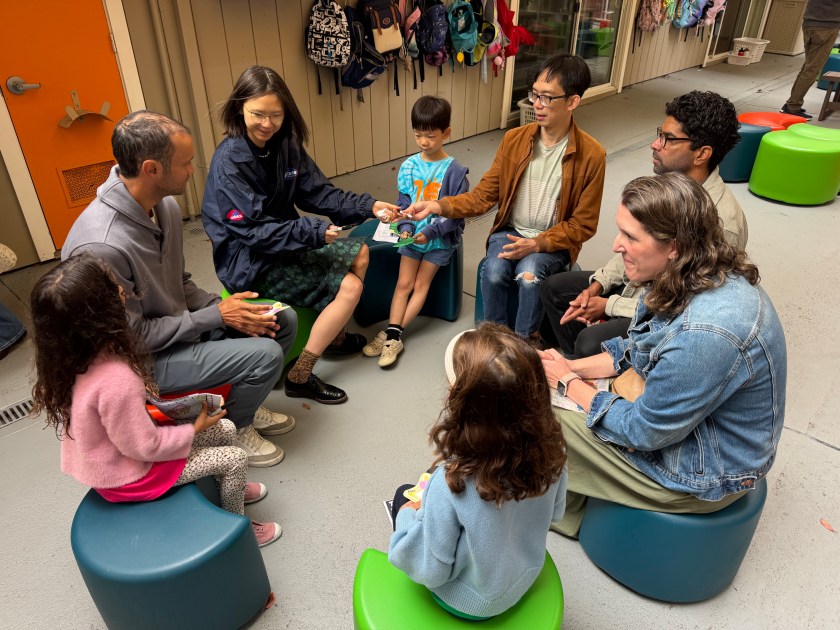
In the coming weeks, all three divisions will be sharing their project work culminations. Families are warmly invited to join in celebrating student learning and to experience firsthand what makes Saklan’s project work so meaningful.

#SaklanProjectWork

Hoot Owls Dive into Ocean Exploration with Help from Friends

The Hoot Owls are making waves with their current Project Work, taking a deep dive into the fascinating world of the ocean.

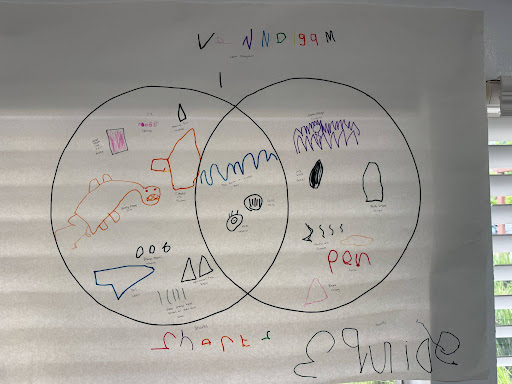
During a recent session in the Science Lab with Ms. O, the Pre-K students explored the anatomy of a squid through a hands-on dissection. They examined key features including the ink sac, eyes, throat, beak, and pen—the structure that helps the squid maintain its shape. Students even determined whether their squid was male or female. In a particularly memorable moment, some students used the squid’s pen and ink sac to write, bringing their learning to life in an unforgettable way.

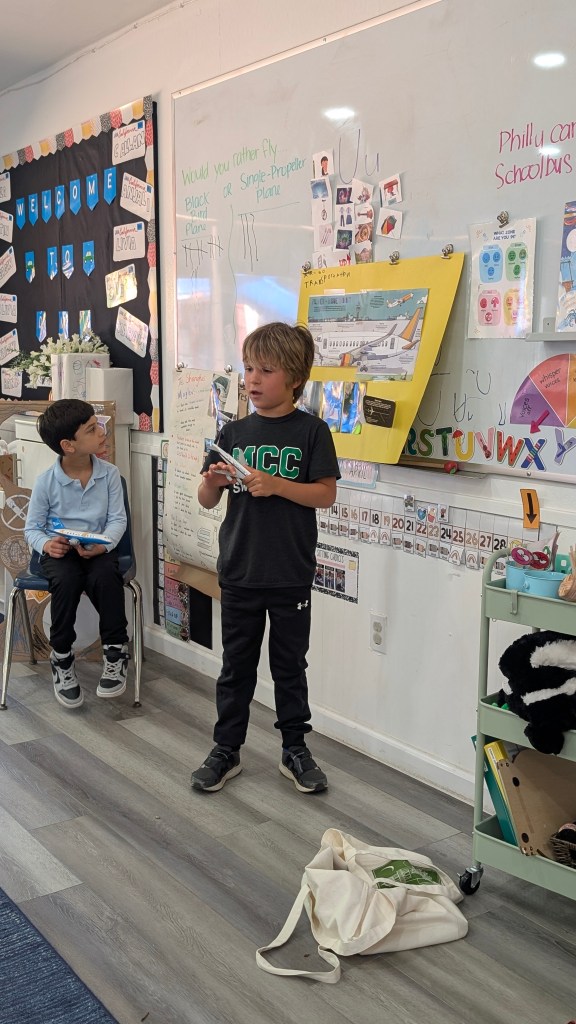
Back in the classroom, one Hoot Owl stepped into the role of expert, leading a mini-lesson on sharks. Complete with detailed drawings of a frill shark and a mako shark, the student shared fascinating facts with classmates—such as the existence of over 500 shark species, the size range from the massive whale shark (up to 40 feet) to the tiny dwarf lantern shark (about 8 inches), and insights into how sharks hunt and what they eat. The presentation sparked curiosity and led to an enthusiastic Q&A session filled with thoughtful questions.

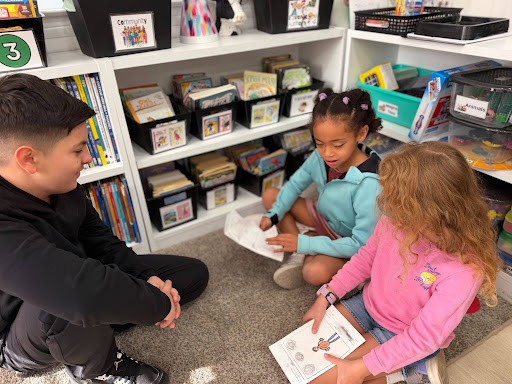
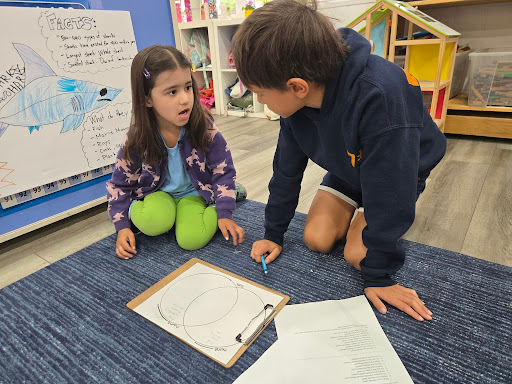
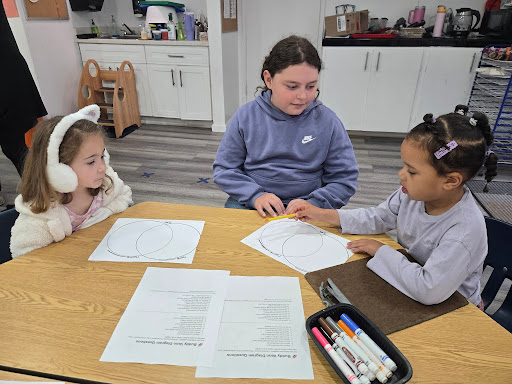
Collaboration has also been a key part of this project. The Hoot Owls partnered with their fourth-grade buddies to research sharks and squid. Each student selected a topic and worked alongside their buddy to gather interesting facts. Together, they created detailed posters featuring their findings and illustrations.

These impressive posters are now displayed around campus, showcasing the students’ hard work, curiosity, and growing expertise. Through hands-on exploration, peer collaboration, and student-led learning, the Hoot Owls are truly diving deep into discovery.

#SaklanProjectWork

Preschool Dreams Come True!

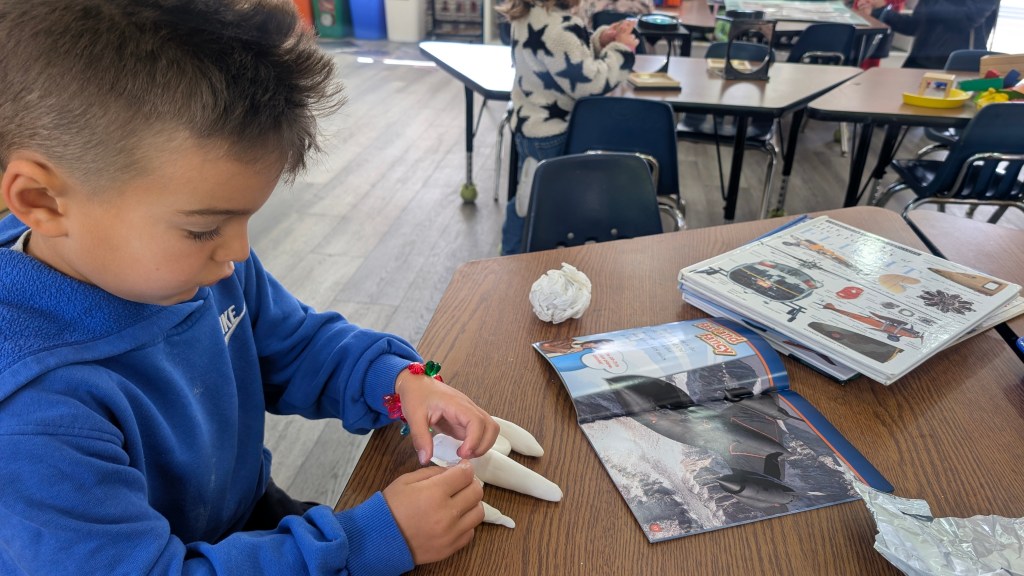
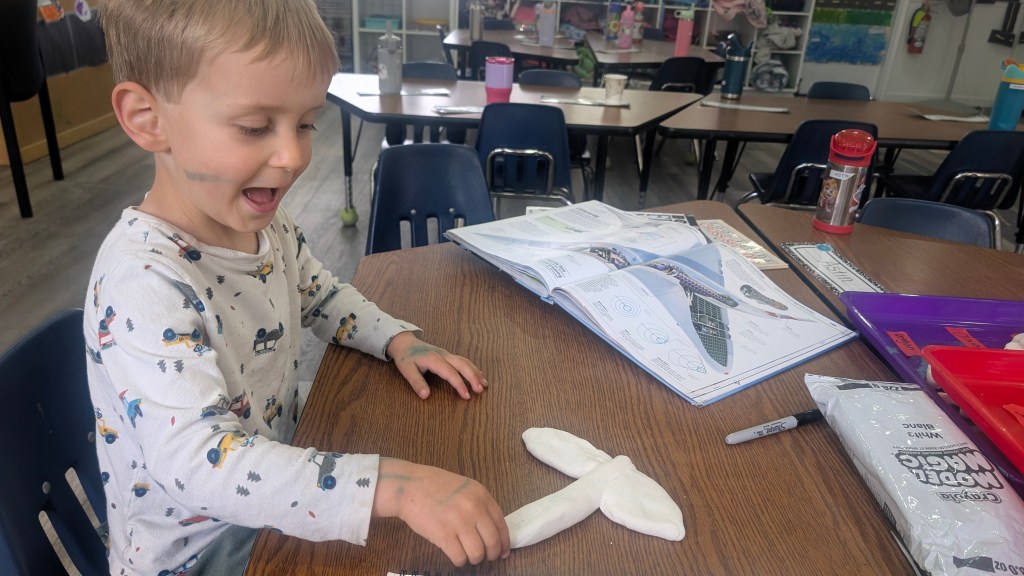
The Owlets are on the learning highway! As part of their Things That Go! project, these preschoolers have been exploring vehicles that travel on land—and recently, one of their favorite helper vehicles made a very exciting visit: a garbage truck.

It’s safe to say the garbage truck always captures their attention. No matter what is happening in the classroom, the moment one Owlet hears it pull into Saklan’s parking lot, all eyes turn to the window. This time, the excitement continued as the driver stepped out and spent about 30 minutes talking with the students and showing them the truck up close.

The Owlets were fascinated and incredibly observant. They noticed a variety of features, including a fire extinguisher (in case garbage catches fire), a ladder, and even a wooden stick used to move stuck items. They were especially excited to see the garbage grabber—just like the ones they use on the ECE yard! Students also spotted a toolbox, a whiteboard, and discovered that the engine is located in the front of the truck, unlike their school bus.

Experiences like this bring learning to life, allowing students to connect their curiosity with real-world observations. For the Owlets, this visit was not only memorable but also a meaningful step in their journey of exploration and discovery.

#SaklanProjectWork

7th Graders Take on Single-Use Plastics

Seventh graders at Saklan recently completed an engaging Project-Based Learning (PBL) unit focused on one of today’s most urgent environmental challenges: single-use plastics.

The project began with a look close to home. Students explored the impact of plastic waste found locally in Moraga and also examined the debris that washes up on beaches in Hawai‘i while studying the Pacific ecosystem. These investigations were guided by the driving question: What can we do to help reduce single-use plastics in my area?

Working in teams, students combined research, creativity, and problem-solving to develop their own eco-friendly solutions. Their ideas included biodegradable straw wrappers, edible silverware, reusable snack bags made from sustainable materials, and renewable bamboo shopping bags.

Throughout the project, students followed the engineering design process: brainstorming ideas, building prototypes, testing their designs, and refining them along the way. The classroom quickly became a hub of experimentation, collaboration, and innovation.

The unit culminated in a lively presentation to the “Sharks of Saklan,” a panel that evaluated each team’s proposal in a real-world style entrepreneurial pitch. Students confidently presented their prototypes and explained the research and thinking behind their designs. The panel praised their creativity, teamwork, and thoughtful approach to addressing a global environmental issue.

Students also extended their work beyond the classroom by writing persuasive letters to companies, encouraging them to consider adopting their ideas—or similar environmentally responsible alternatives. Now, the class is eagerly waiting to see whether any companies respond.

This project beautifully highlighted Saklan’s commitment to learning by doing. By tackling a real-world challenge, students not only deepened their understanding of environmental science but also experienced what it means to think creatively, collaborate with others, and imagine solutions that could make a positive impact on the planet.

#SaklanPBL #LearningByDoing

A Musical Collaboration

It isn’t often that a class of middle school students gets to compose music for which second graders write lyrics, but that is exactly what our music teacher, Dianne, facilitated in her recent PBL unit. Many of you even witnessed the culminating moment of that collaboration at our all-school concert at the Lesher Center this past month! 

Guided by the concert theme of belonging and music content standards, Dianne developed the driving question, “How do we, as composers, express ‘belonging’ in song?” 

Middle school percussion students began by watching videos of composers. They discussed the process of composing a piece of music by themselves and as part of a collaborative team. With that wisdom in mind, they began to brainstorm ideas for appropriate instrumentation and dynamics to effectively communicate the concert theme of belonging. After experimentation and various rounds of sharing, feedback, and revision, they decided on disparate stormy sounds to start using tom drums and a brush along a cymbal. Student musicians then wanted the song to move to a cohesive driving beat highlighted by bright-sounding instruments such as djembe and bongos.

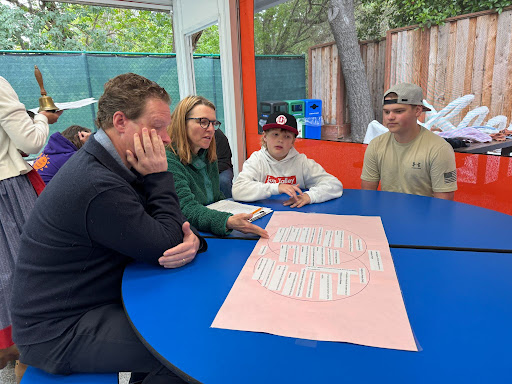
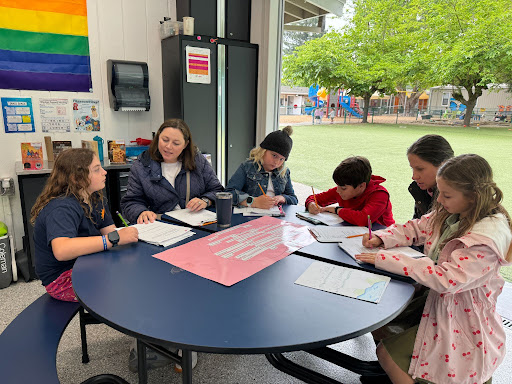
Both their music track and a chart of the song were then passed along to the second graders, who had been identifying words and phrases to express belonging. While listening to the middle school students’ track, they arranged their words and phrases on the chart while discussing the elements of song structure. Together, they built an intro, verses, and a chorus that further explored and communicated belonging. 

Both the music and lyrics explored the journey of not feeling connected to others before coming together musically and with lyrics that reinforced the theme. See the complete lyrics below!

As a teacher, Dianne’s real excitement came from watching the students support one another.

“The beauty of collaborating in composition is that middle school and lower school students got a chance to hear each other’s voices and ideas. The middle school musicians created a backdrop to lift up lower school voices while the second graders got a window into middle school music classes, which will hopefully inspire them in their musical endeavors.” 

This particular Project Based Learning unit is a beautiful example of what can happen when we blend high-quality project unit design with our Saklan values of thinking creatively, acting compassionately, and living courageously. Indeed, both groups of students needed to employ all three of these mindsets to complete this work together.

#SaklanPBL

Fifth Grade Leads Redwood Grove Restoration Project

The culmination of fifth grade’s Redwood Grove Project Based Learning unit was a powerful example of student leadership in action. After weeks of studying forest ecosystems and soil health, students led a shared effort to show their beloved redwood grove some love, restoring natural forest-like conditions to support the trees’ long-term health.

The culmination began with a purposeful walk to Outdoor Supply Hardware, where garden staff offered just the expert advice students needed. Rather than “feeding” the trees, they learned that the grove required a return to natural conditions. Mulch would help retain moisture and encourage the healthy decomposition of fallen leaves, needles, and twigs. With this knowledge, students selected shredded redwood mulch, leaf scoops, and rakes, tools that will allow fallen leaf litter to be returned to the grove year-round.

Back on campus, students worked collaboratively and followed their team contracts to prepare for service day. They drafted a formal purchase request, created hearts and ribbons with messages of appreciation, designed and hung posters, unloaded supplies, and set up tables and chairs. Every detail was thoughtfully planned and entirely student-led.

On the morning of the restoration, they were ready. Students shared their research, explained their decisions for the grove, and confidently guided family members through the work they had prepared: loosening compacted sand, carefully spreading mulch, and protecting exposed roots in one section of the grove.

As the first section wrapped up, students received a surprise gift: Dawn Redwood seeds. If successfully grown, one may eventually stand in the new redwood playground, becoming a living learning legacy for future students.

The work didn’t stop there. During recess, fifth graders invited younger students to help restore the next section of the grove, modeling leadership and stewardship. Even steady rain at lunchtime could not dampen their momentum. Paths were raked, clear “go” and “no-go” zones were established, and by the end of the day, the transformation of the grove was visible.

This project was more than a lesson in ecology. It was a lesson in agency. When students are trusted to lead meaningful work, motivation and engagement flourish.

#SaklanPBL

Communicating through Color

Every year, our Saklan community looks forward to the 2nd and 3rd grade collaborative PBL unit that culminates in the all-school concert backdrop! This unit centers on the driving question, “How can we, as a team of artists, create a backdrop that communicates belonging?” While reinforcing the concert theme, this incredible PBL unit showcases how Project Based Learning provides a rich learning experience that culminates in a product with an authentic purpose for our school community. 
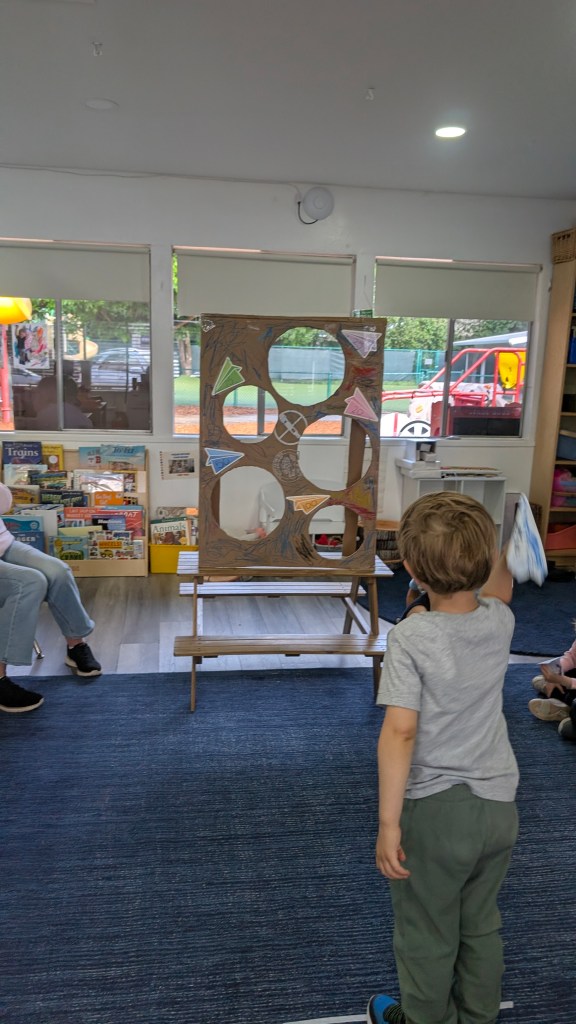
The concert theme shifts each year, so naturally, the project path shifts as well to reflect the theme and honor the strengths and interests of the students collaborating on the project in any given year. This year’s theme of belonging led the students to research artists like Jeffrey Gibson, Ashley Mary, and Byron Kim to understand how they communicate belonging through their art. Students have also been developing their expertise in color theory and color mixing. They have brought their own ideas of belonging and previous art knowledge to this process, too, as they grapple with how to use color to communicate.

Inspired by the work of Gibson, Mary, and Kim, students became curious about how the community would interpret these artists’ work. They asked students and teachers which pieces by these key artists most connected to the idea of belonging, took a poll, and reflected on the results. As a group, they considered how the community’s perspectives may help guide their choices as a team of artists.
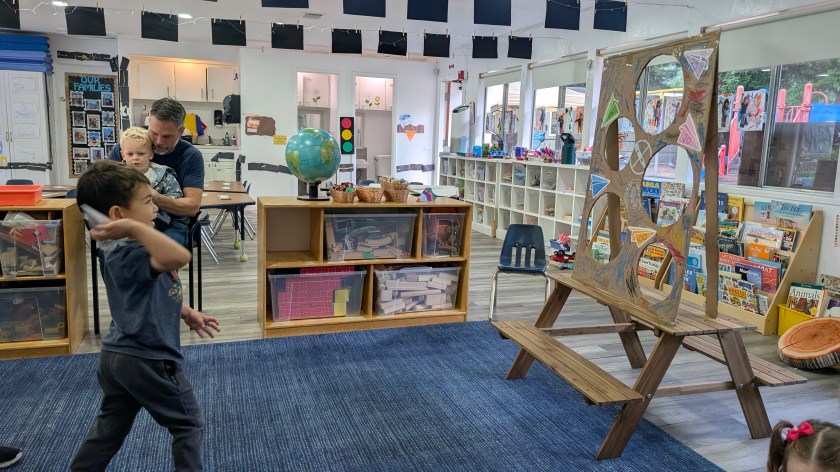
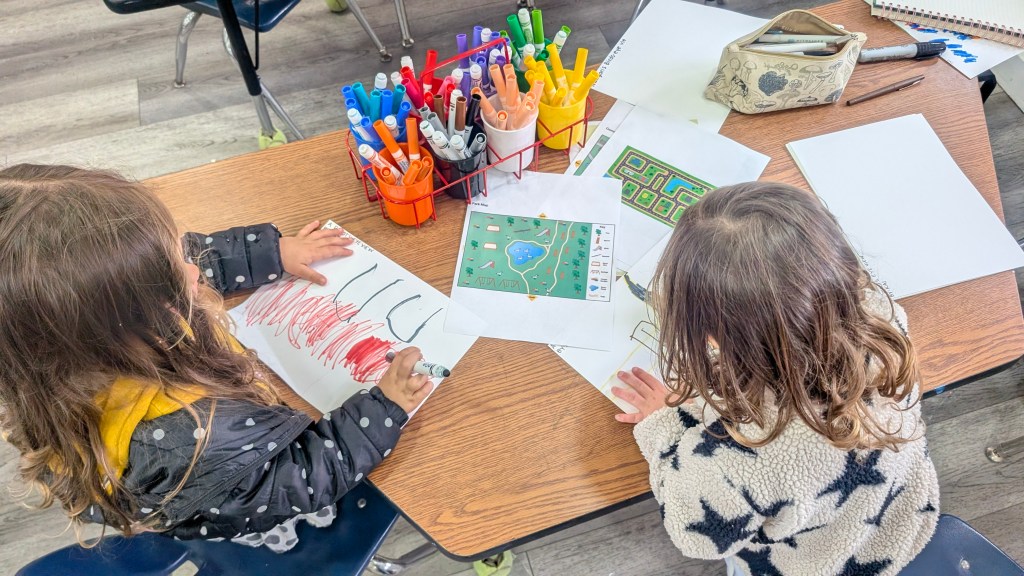
Using feedback from the community, our second and third graders considered which elements of the different artworks resonated with the Saklan community as a guide to developing their own interpretation of belonging. Students are now designing and producing their own concert backdrop to communicate the concert theme. We hope you join us on Thursday, February 12, at the Lesher Center for the Arts for our All-school Concert and to see the final backdrop installation!
#SaklanProjectWork #SaklanBelonging

Authenticity and Student Inquiry

Doing a project is not the same as Project Based Learning. The differences may seem minor at first glance, but the impact on student learning and engagement is tremendous. Two vital components that differentiate “doing a project” from Project Based Learning are authenticity and student-driven inquiry. 

High-level Project Based Learning has an authentic context. It involves tasks, questions, or ideas that connect to the world outside of the school walls: students’ personal experiences, concerns, interests, or identity. Student-driven inquiry means students are engaged in an iterative process of asking questions, gathering and interpreting data, and developing solutions or deeper questions to investigate. 

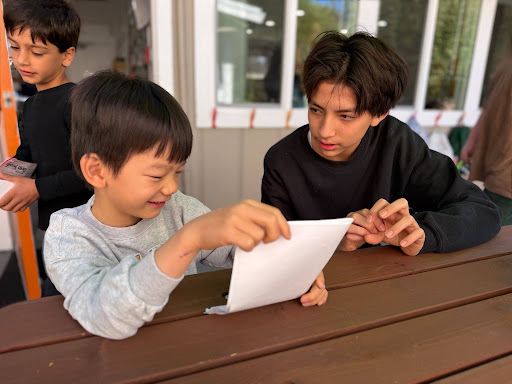
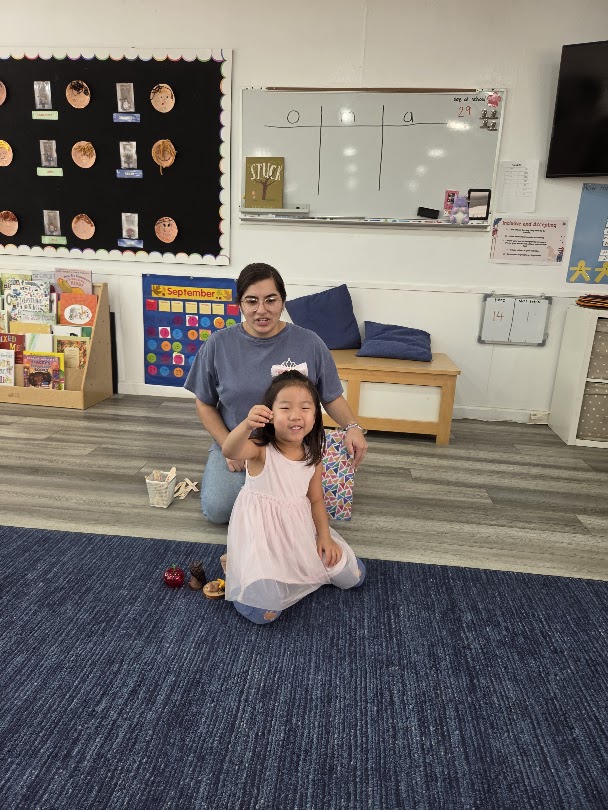
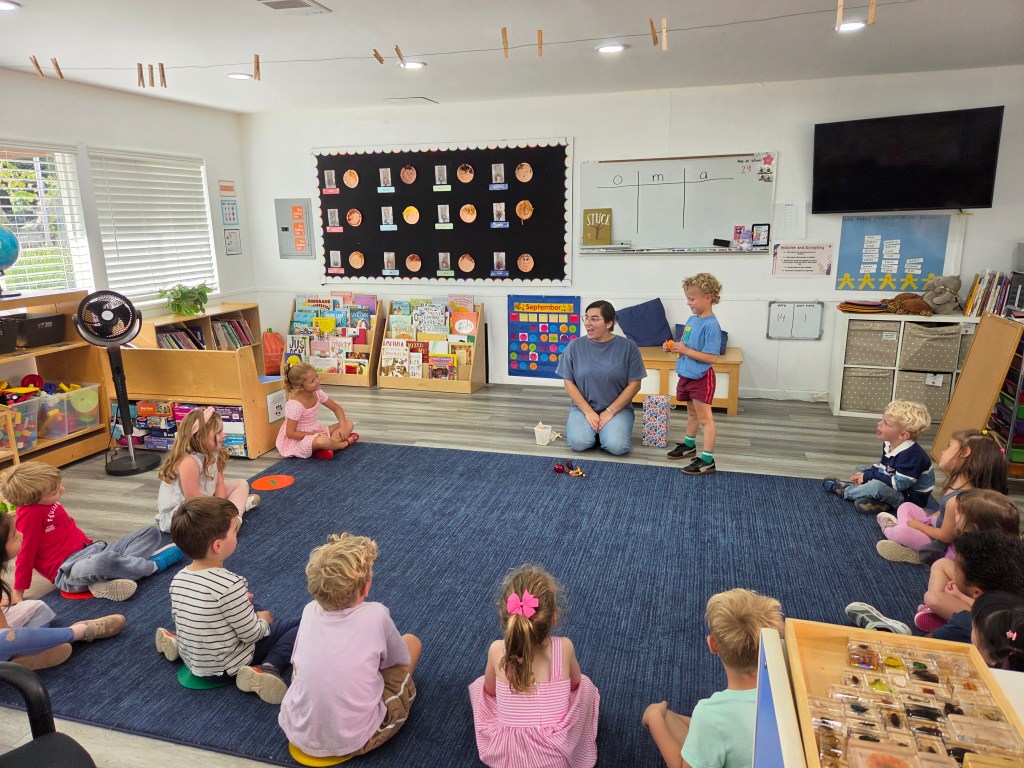
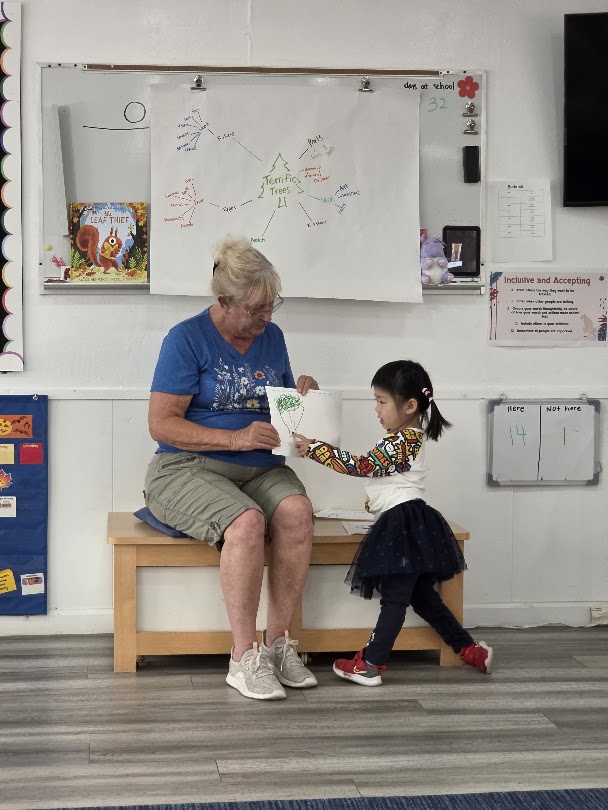
Two fantastic examples of these elements in high-level Project Based Learning at Saklan are the Kindergarten Names unit and the Owlet Leaf unit. 

Our Kindergarten names unit brings students’ family stories and cultures to the forefront of learning. The students investigate how to become better friends by learning about each other’s names. Closer bonds and deeper friendships are developed by bringing students’ rich family lives and stories into the classroom. They interview their families and each other about their names, learn to read and write each other’s names, explore ways to represent the meaning of their names together, and study how people share their names through picture books.

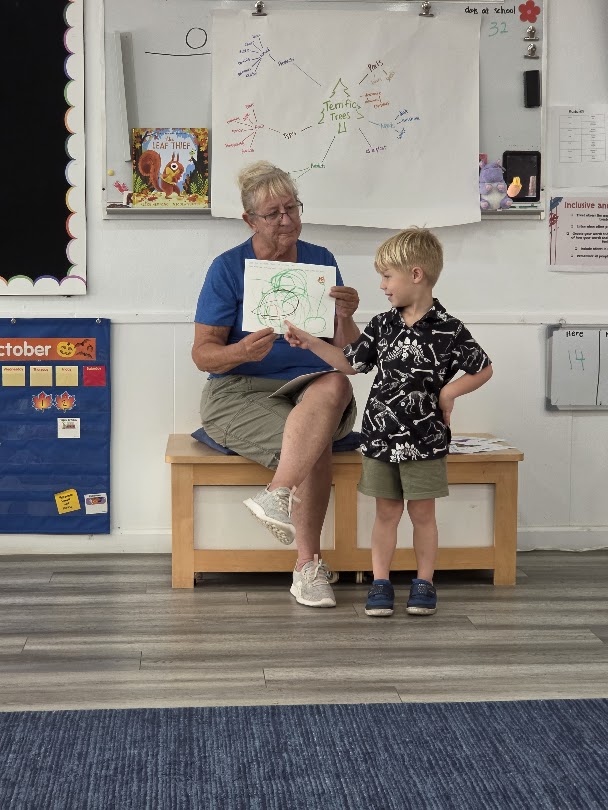
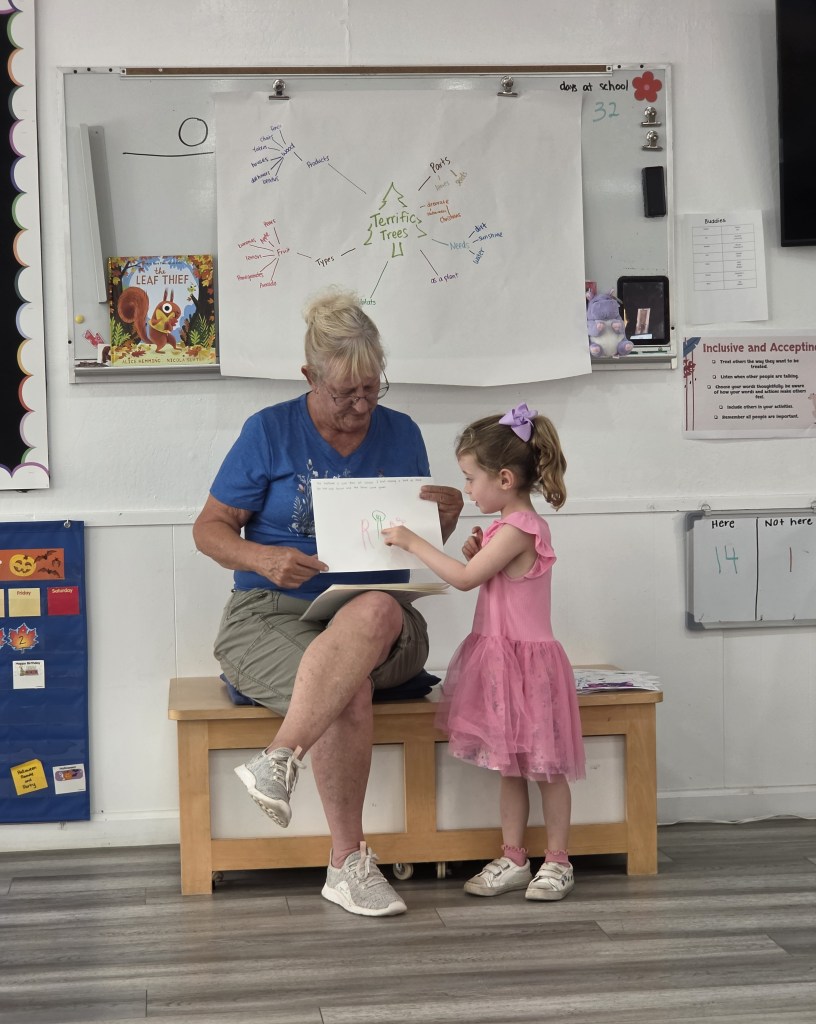
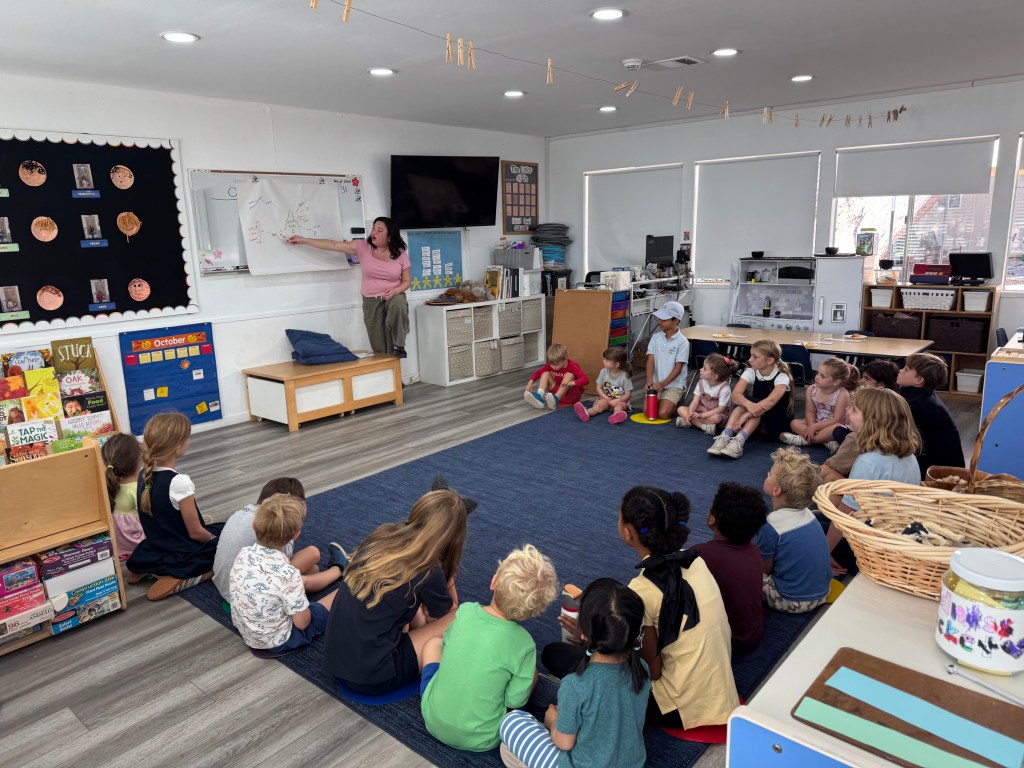
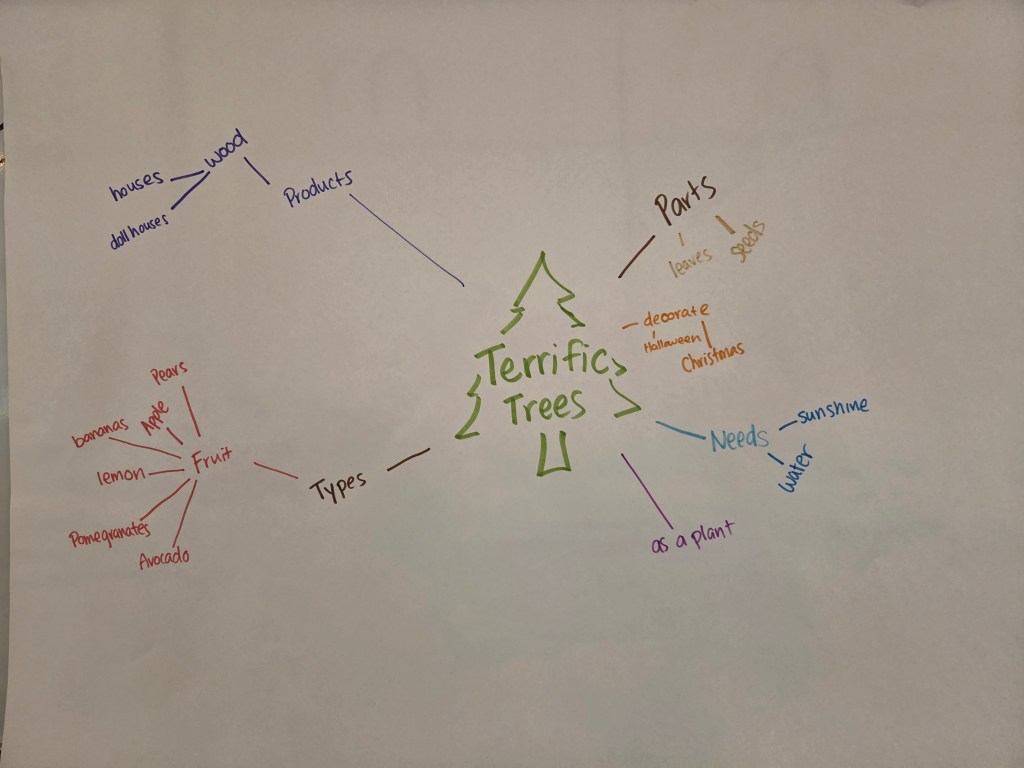
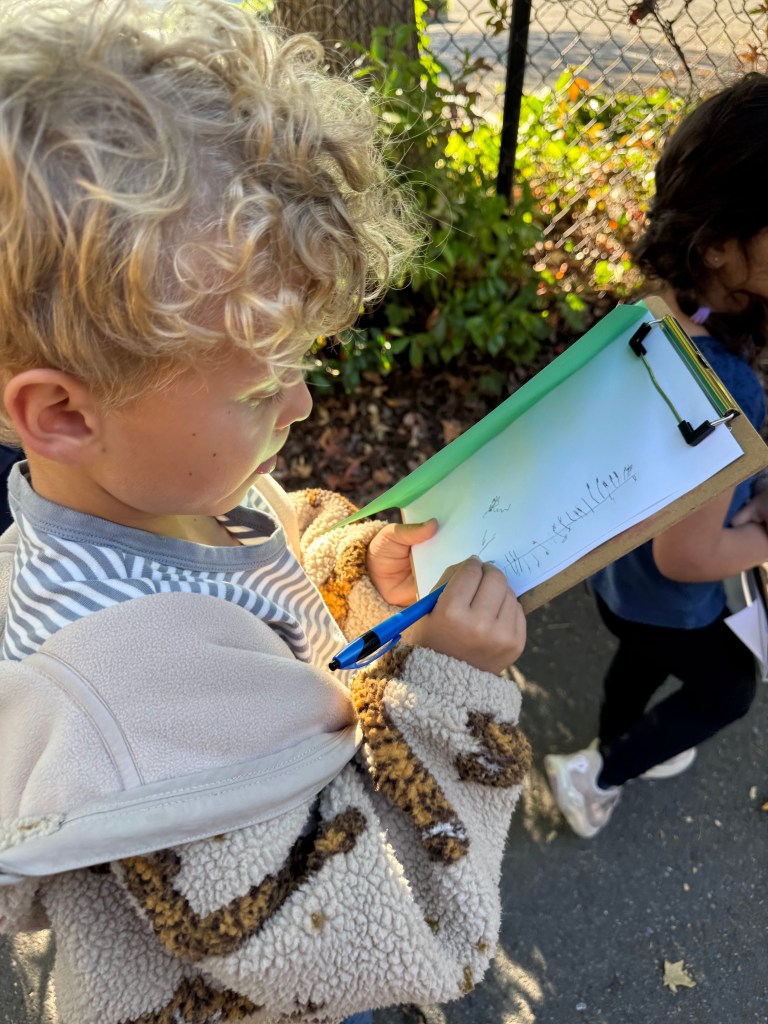
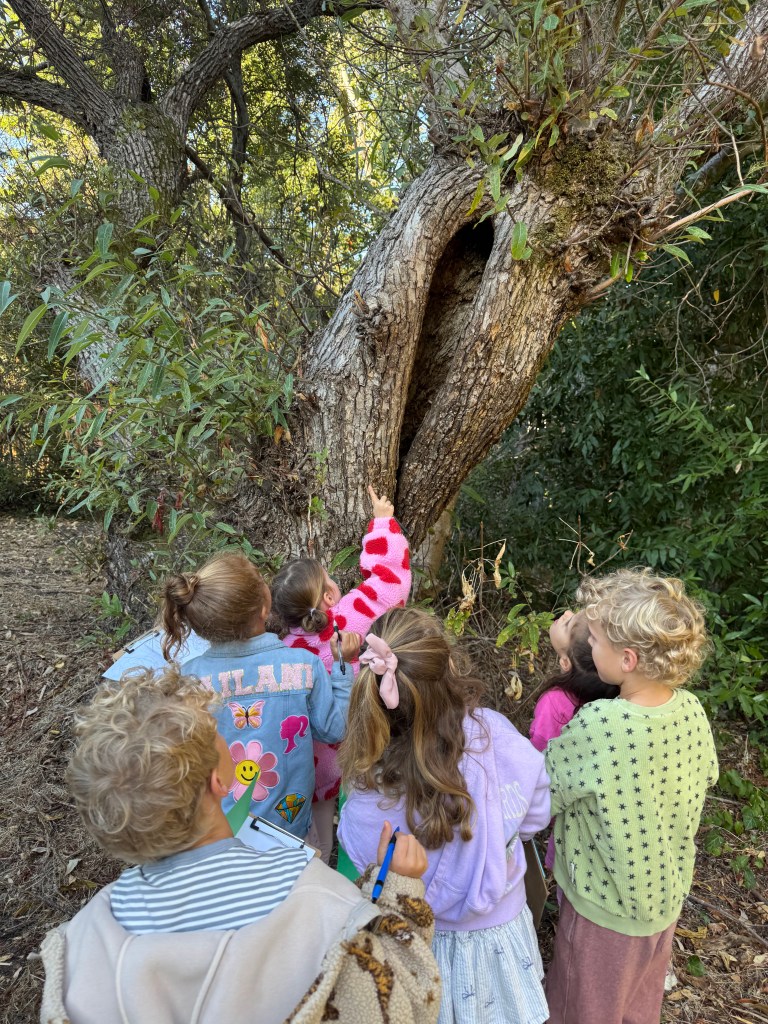
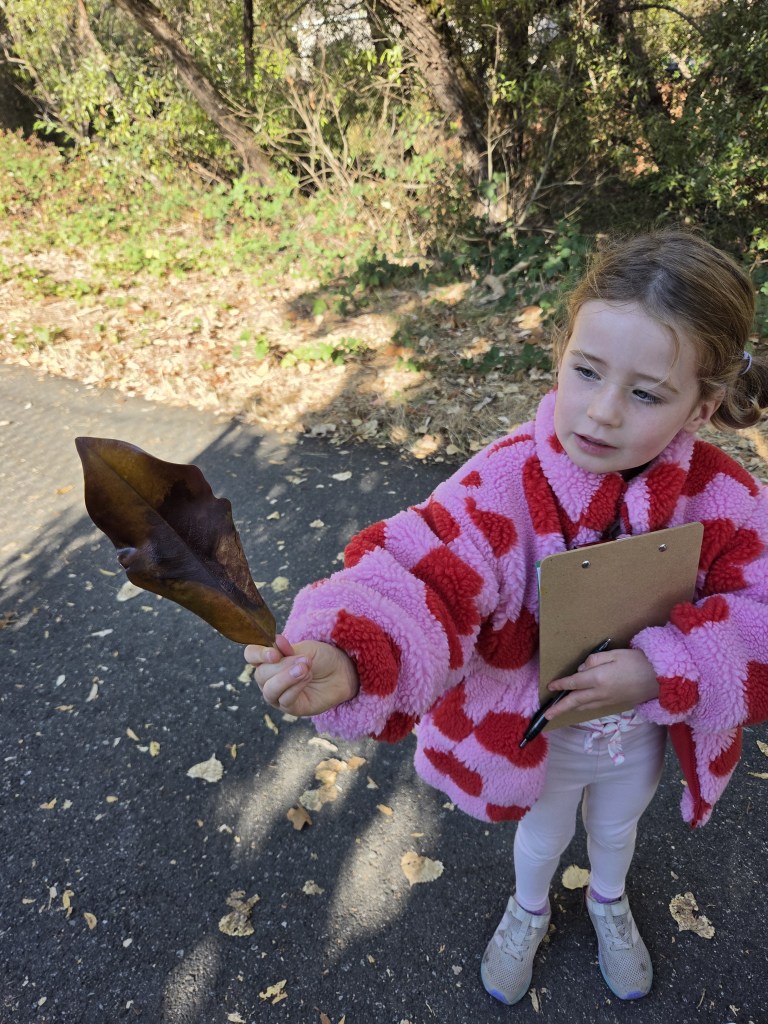
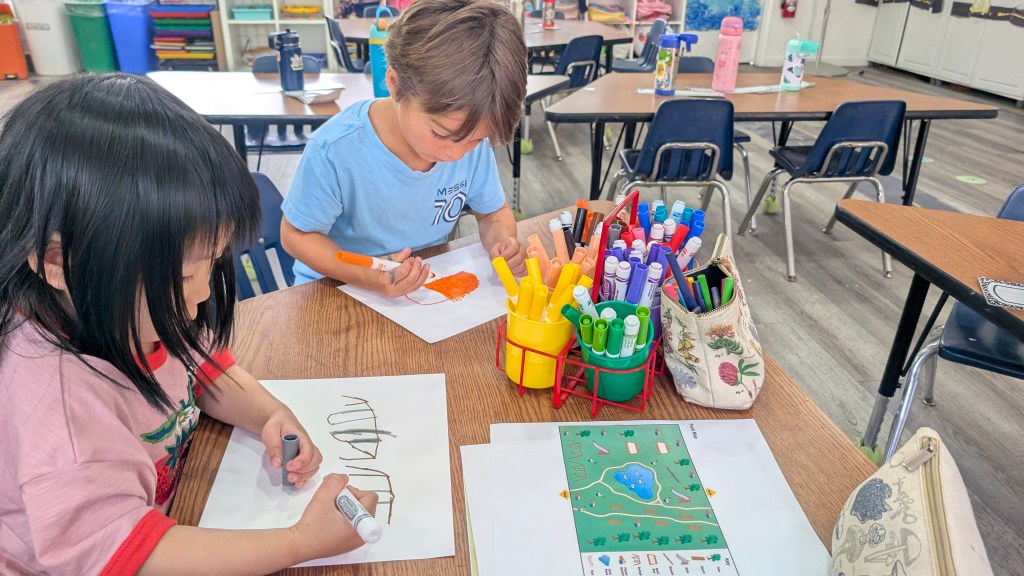
Our youngest learners, the Owlets, have been engaging in a deep exploration of leaves. For our ECE students, part of an authentic unit means pursuing a topic that they experience in their daily lives. During this time of year, when the trees are changing colors and leaves are falling to the ground all around us, student questions about leaves are abundant. They first began their study by sharing their own knowledge about leaves before generating questions. Next, the class engaged in experiences that helped them answer their questions, and then made physical representations of their growing knowledge of leaves. 

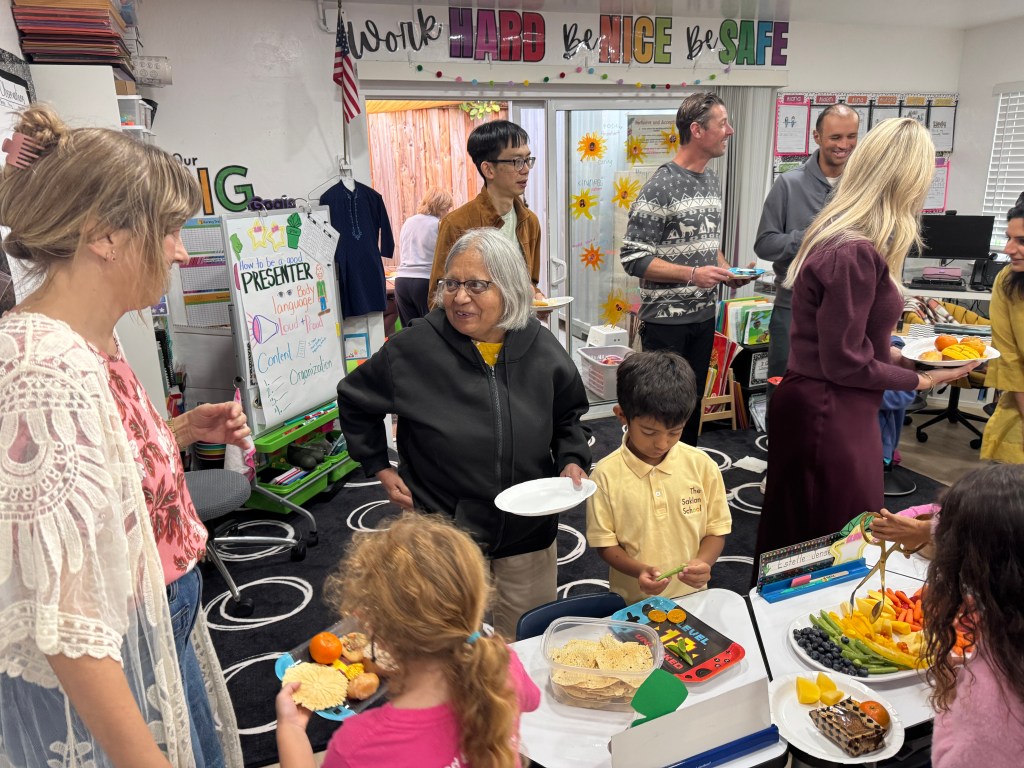
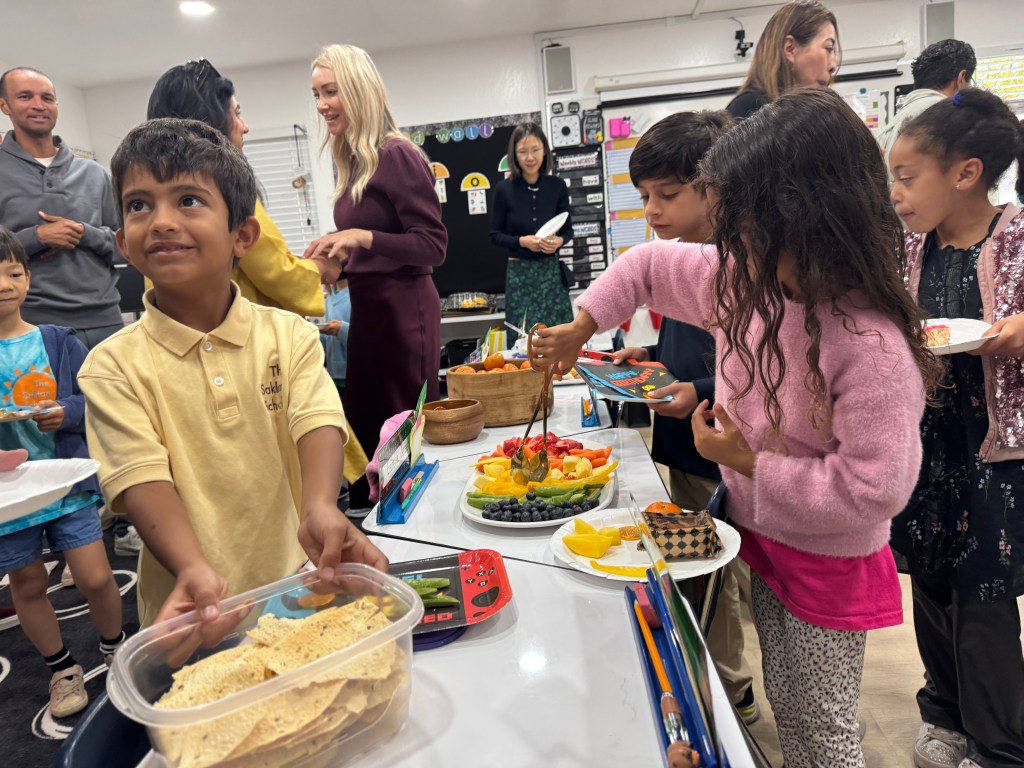
For both of these units, students engaged in multiple rounds of inquiry and had the rich opportunity to explore a topic with personal meaning while also tackling academic, social, and emotional learning goals. You are invited to join us on December 11th at 8:40 a.m. to celebrate the culmination of both of these project units. We hope you join us! 
#SaklanProjectBasedLearning