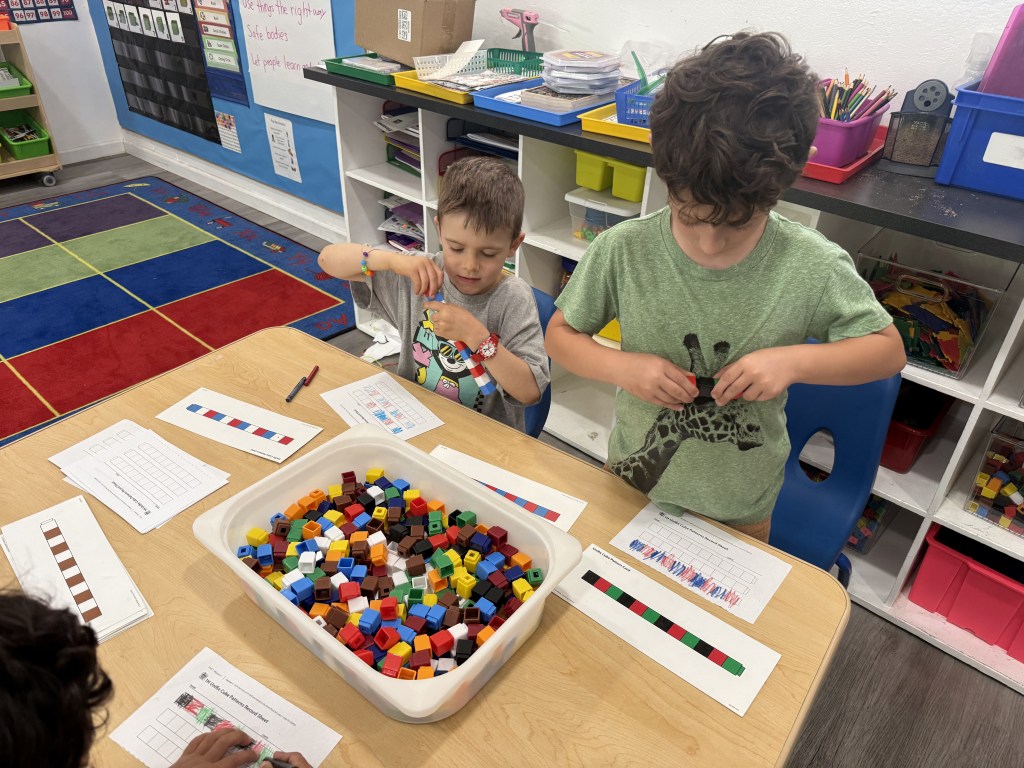
Who knew there were so many ways to make five, or ten? Our kindergarten mathematicians are finding out!
In math, students have been exploring numbers and discovering the many ways to put them together and take them apart. Five can be made with two and three, four and one, or even five and zero! Using tools called five frames and ten frames, students are becoming number detectives, looking for patterns and discovering how numbers work together. These playful investigations build a strong foundation for addition and subtraction.
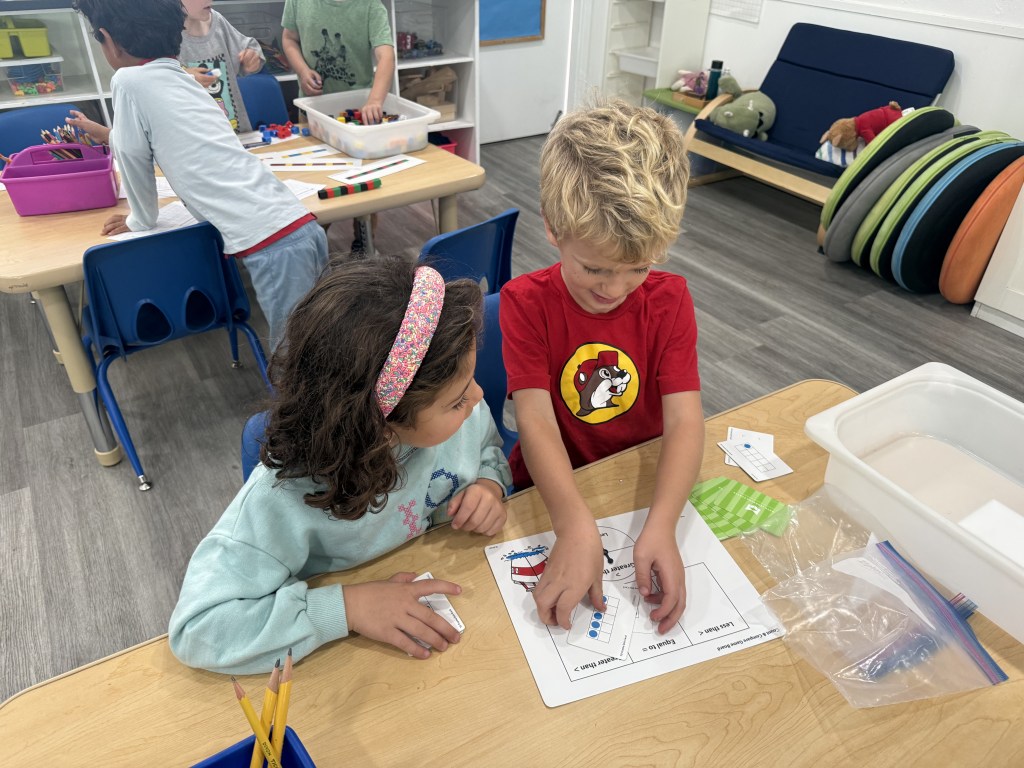
Students have also been learning to compare numbers, trading in everyday words like more and less for the mathematical vocabulary greater than and less than.
And what better way to practice than through a game? In their newest Math Work Place, Count & Compare Dots, students compare cards to determine which shows the greater or lesser number. But there’s a twist! A spinner decides whether the greater or lesser number wins each round.
Think collecting the most cards guarantees victory? Think again! A final spin determines whether the player with the most, or the fewest, cards wins the game.
Through hands-on exploration, playful challenges, and collaborative learning, our kindergartners are developing number sense, building mathematical vocabulary, and discovering that math is full of patterns, possibilities, and surprises!
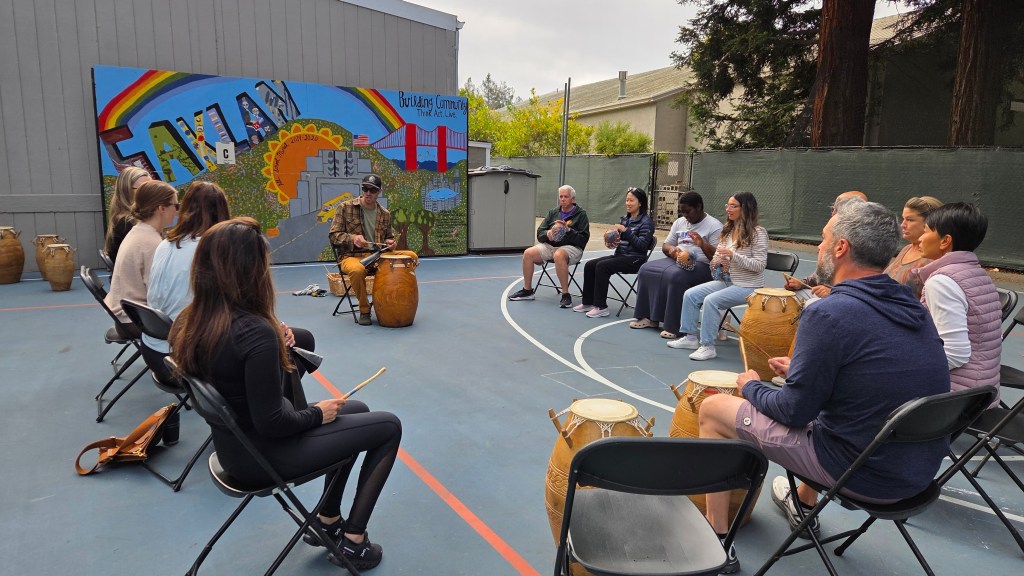
Last Friday morning, a group of Saklan parents gathered with Isaac to experience our West African drumming program firsthand.
Isaac introduced us to movements from West African music traditions and explained what they communicate to an audience. For us, those first dance steps offered another lesson: learning very often requires a willingness to step outside your comfort zone.
Dancing (sometimes awkwardly) with other adults makes us vulnerable — and connected — through movement and laughter. It was a useful reminder of what we ask of our children every day—to take risks, try new things, and trust the people around them.
As we moved into drumming, Isaac emphasized the importance of listening. He remarked that in West Ghanaian culture, there is a strong emphasis on listening over speaking, and that our first responsibility in making music together is to listen to others before adding our own contributions.
That idea reaches well beyond music. Collaboration and learning depend on noticing what others are doing, making room for their contributions, and adjusting our own. In a classroom, a conversation, or a group of musicians, listening helps us find our place while staying connected to the whole.
We ended by talking about the many kinds of learning involved in making music: attention, memory, movement, coordination, and connection with others. We left with a deeper appreciation of what our students experience in the drumming program—and why it has a meaningful place at Saklan.
For me, the morning brought several of our beliefs about learning to life. We learn through experience. We grow when we feel comfortable enough to take a risk. And we contribute more thoughtfully when we first make the effort to connect and listen.
Isaac gave us a chance to practice all three, together.
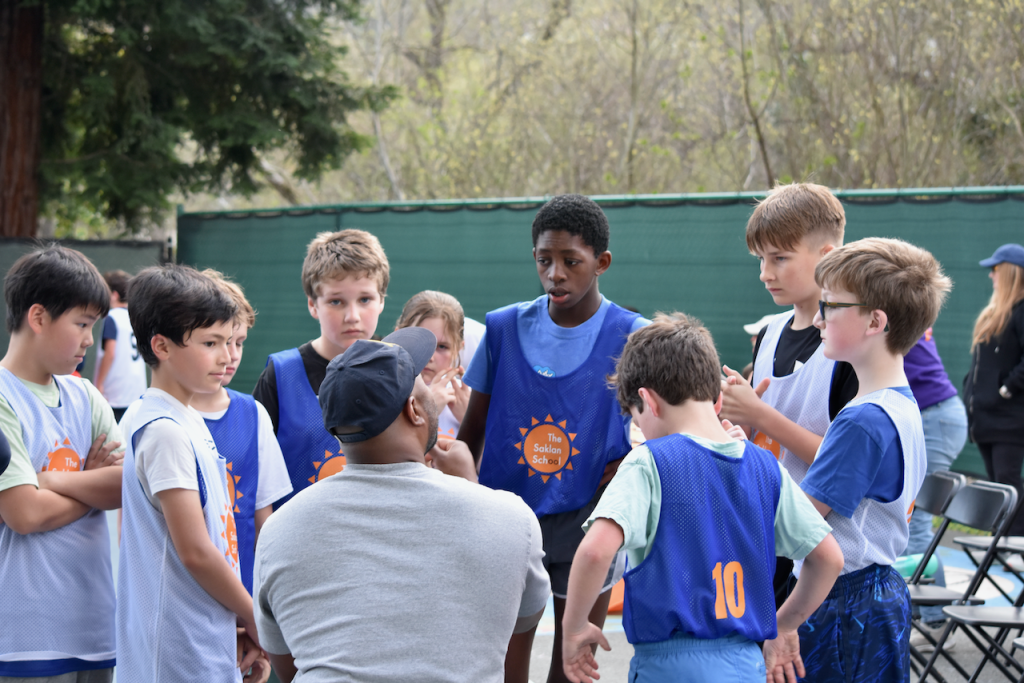
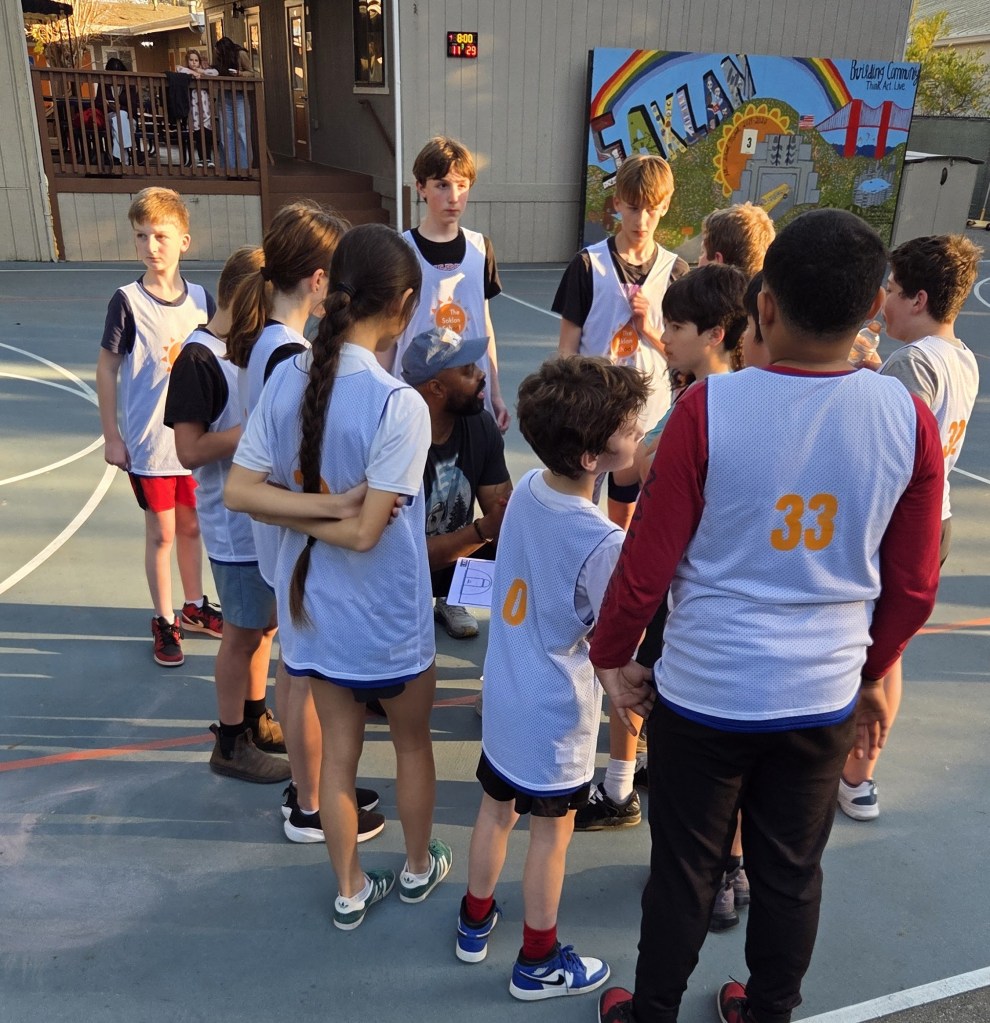
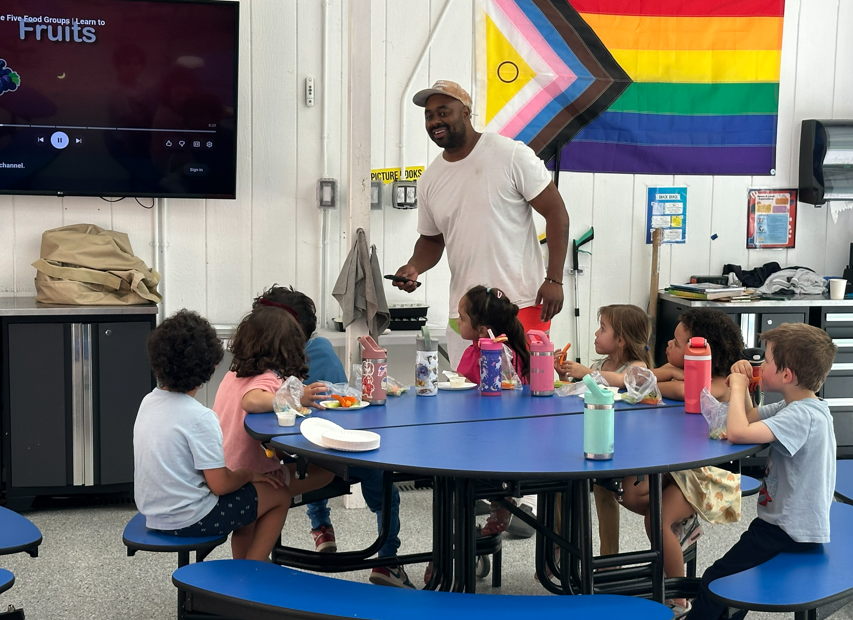
For Coach Rob, Physical Education is about much more than sports. It’s an opportunity for students to explore, take risks, build relationships, and discover what they’re capable of.
Now in his third year at Saklan, Coach Rob teaches PE to students in Kindergarten through eighth grade, giving him the unique opportunity to work with students throughout nearly their entire Saklan journey.
Coach Rob draws much of his approach to teaching from his own interests and experiences. Sport, wellness, travel, culture, and exploring new places have always been important parts of his life.
“I try to bring that same sense of curiosity and adventure into PE,” he shares. “I want students to experience new games, sports, challenges, and ways of working with people that they might not always choose on their own.”
For Coach Rob, movement can be a powerful vehicle for learning not just about physical skills, but about ourselves and the world around us.
Learning Through Play
Coach Rob sees play as an essential part of learning.
“Play gives kids the opportunity to explore, problem-solve, communicate, compete, take risks, fail safely, and try again,” he explains. “I don’t see play as something separate from learning. I think it’s one of the ways kids learn best.”
His goal is to create an environment where students can be present, challenge themselves, try new things, and most importantly, enjoy moving.
One of the most rewarding parts of teaching PE is watching students discover that they don’t have to fit a particular definition of an “athlete” to find success.
Coach Rob especially enjoys seeing a student who may not initially consider themselves athletic or have much interest in sports find an activity they genuinely enjoy. That might be a sport, a game, running, an adventure, a team challenge, or simply realizing they can accomplish something they didn’t think they could do.
“I want every student to understand that there is more than one way to be successful in Physical Education,” he says.
Be Willing to Try
If Coach Rob could offer his students one piece of advice, it would be simple: Be willing to try.
“You don’t have to be the best at everything. Be present, give your best effort, try something new, and be willing to be uncomfortable sometimes. That’s usually where growth starts.”
Ultimately, Coach Rob hopes students remember his classes not simply for the games they played or the skills they learned, but for how they felt while learning.
“I hope they remember that we played. We explored. We competed. We laughed. We tried things we weren’t always good at. And we learned how to work with different people.”
More than anything, he hopes students leave PE with healthy habits, healthy relationships, and the confidence to step into whatever comes next.
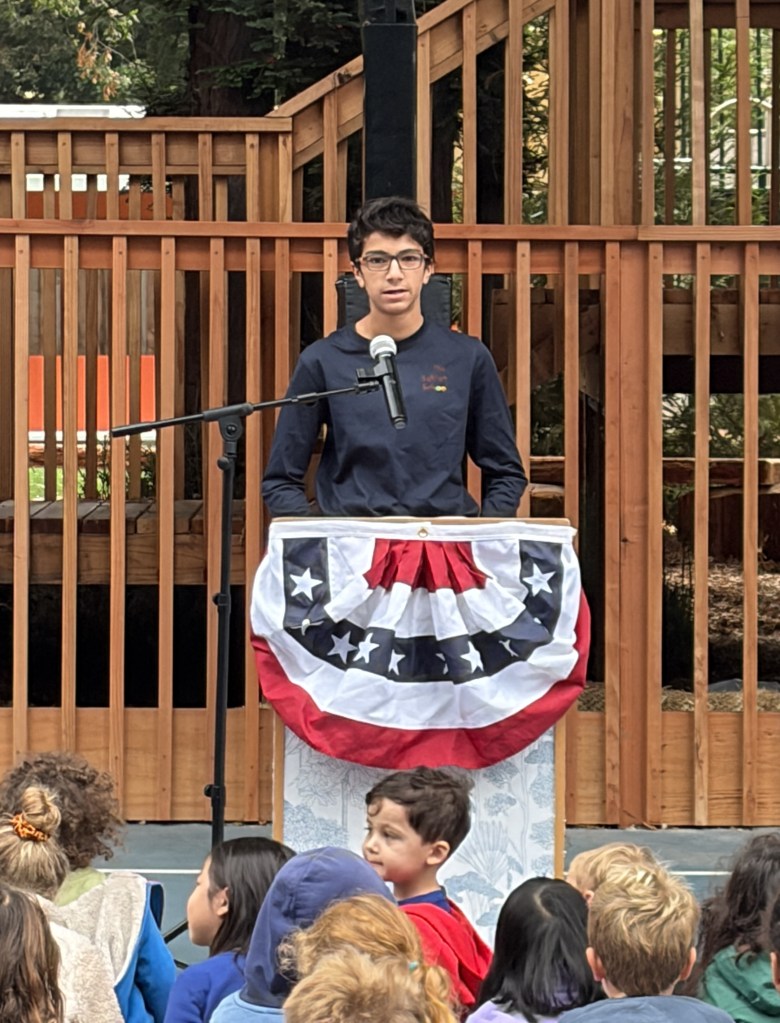
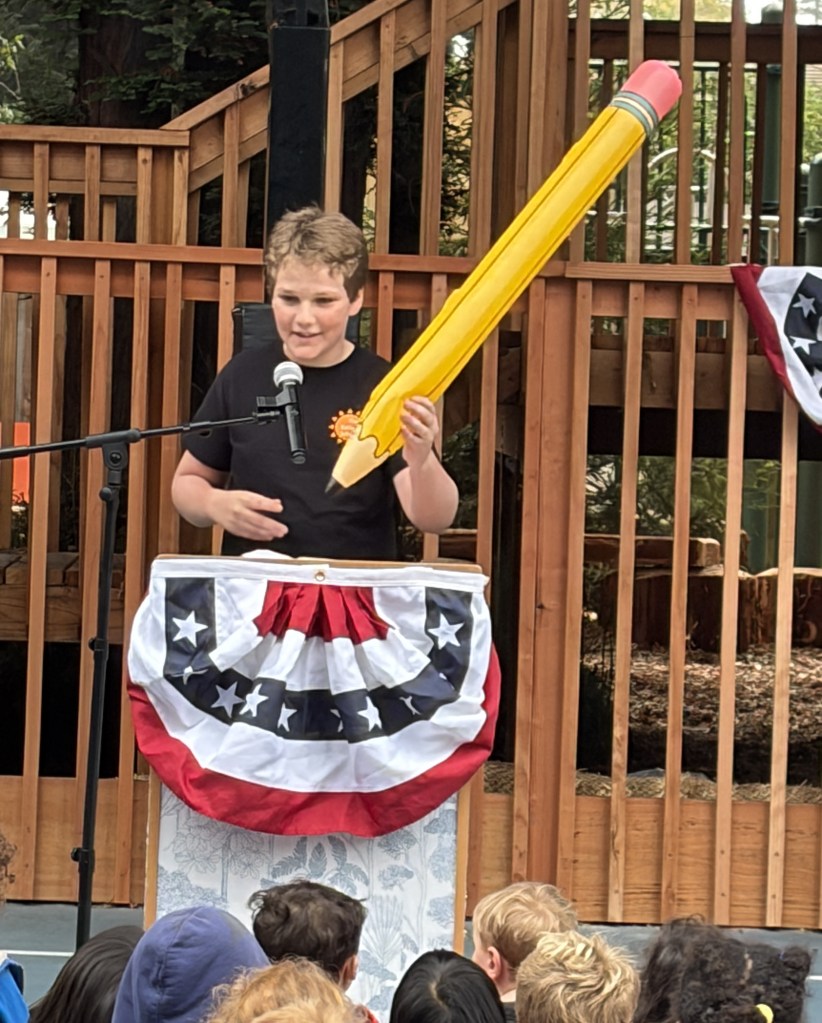
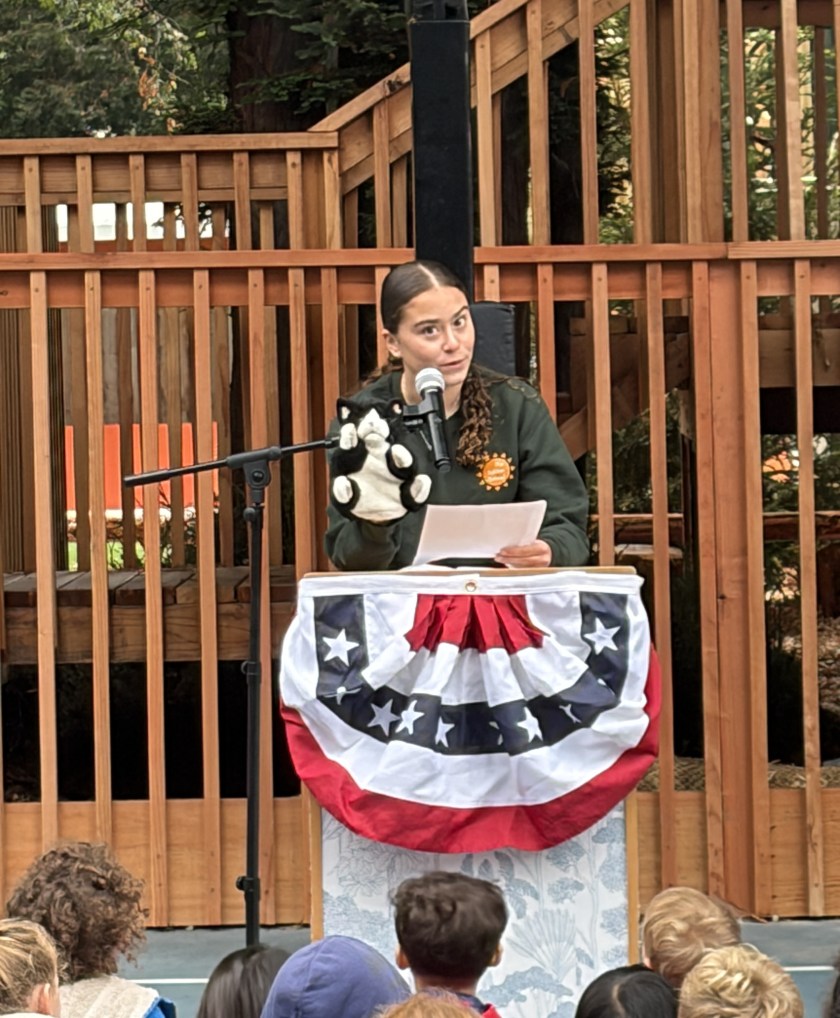
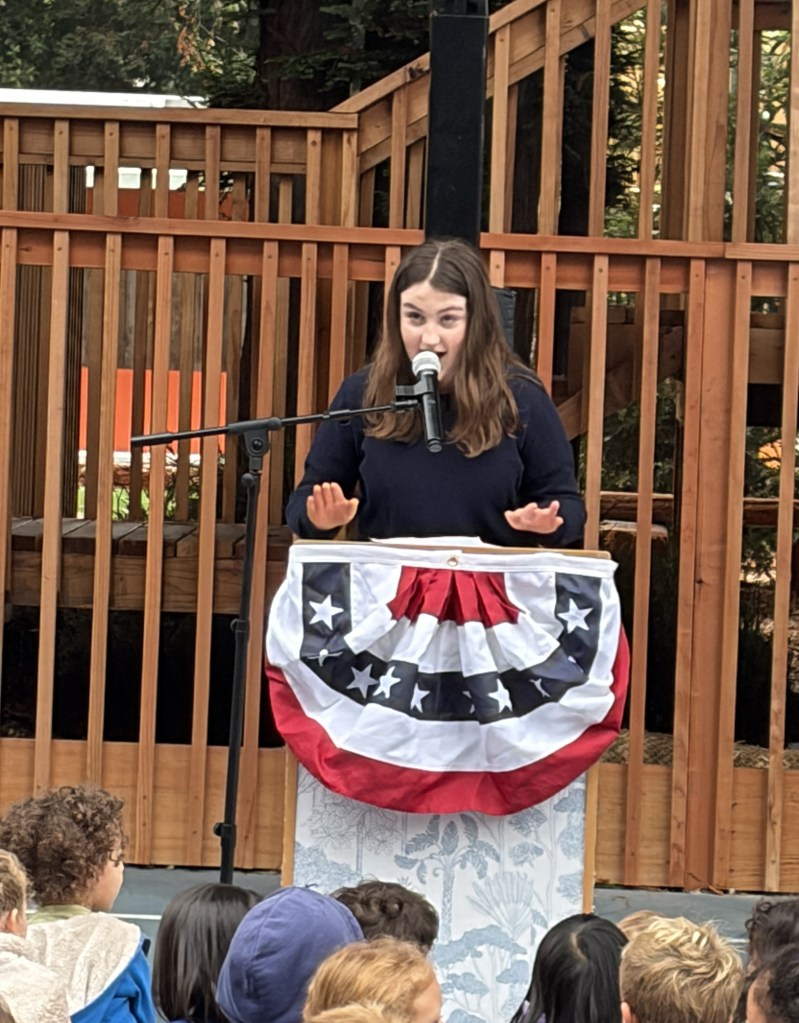
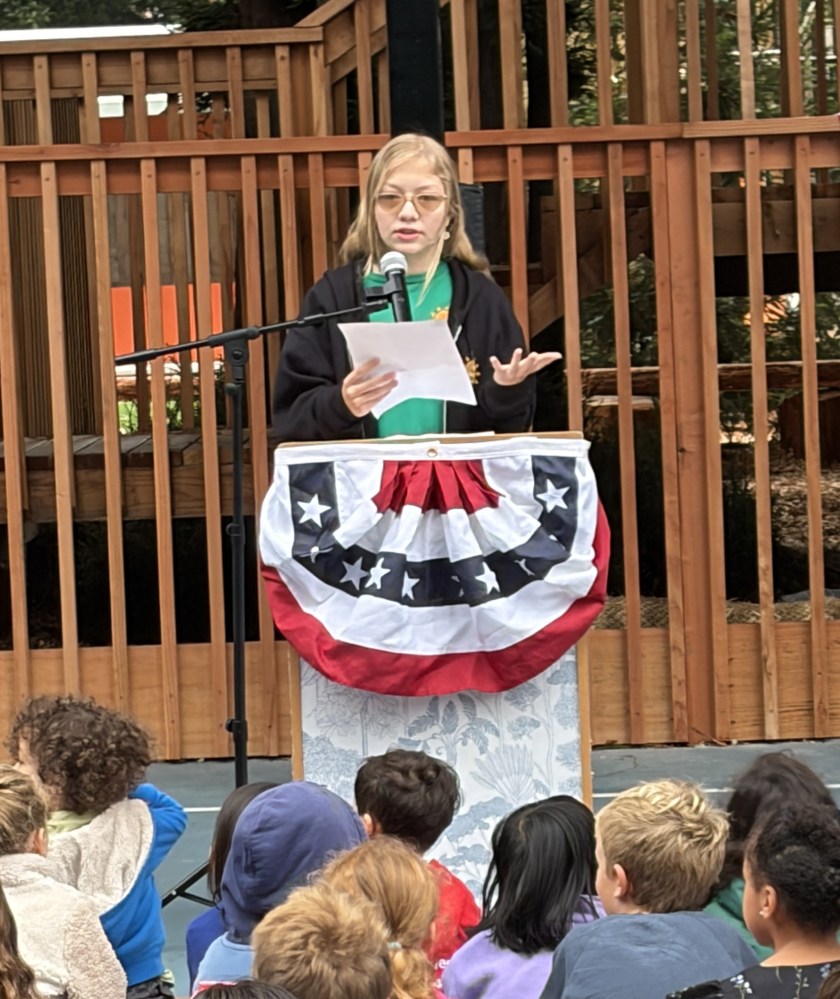
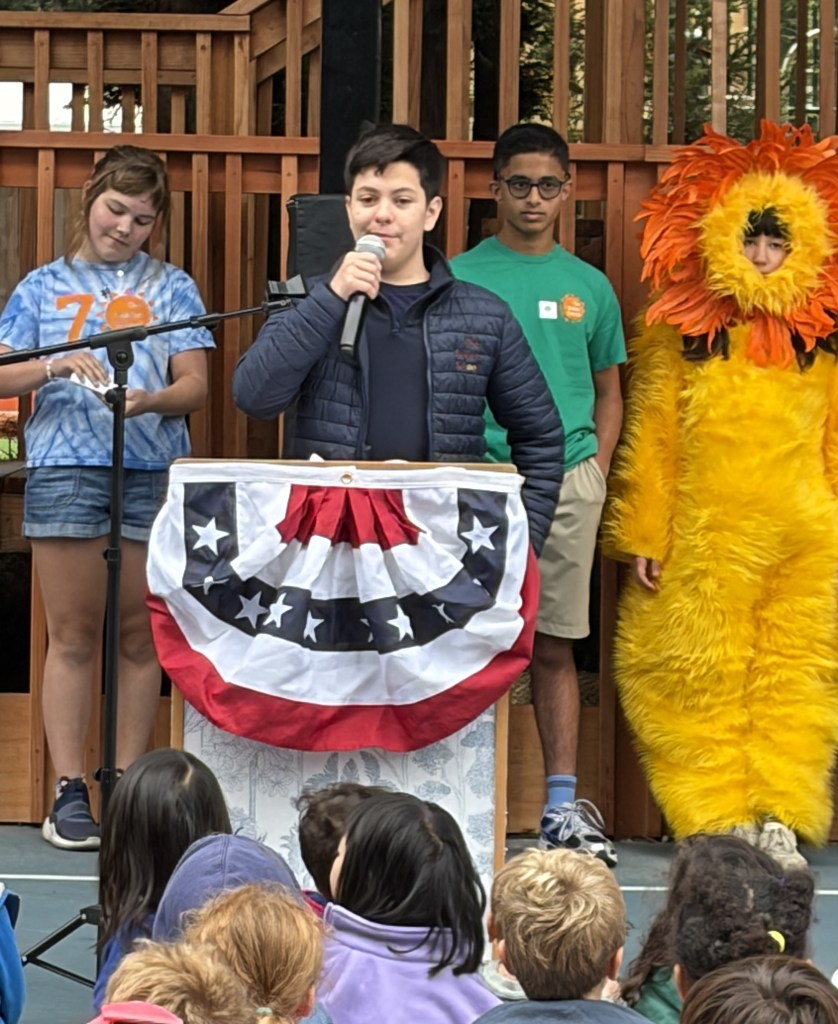
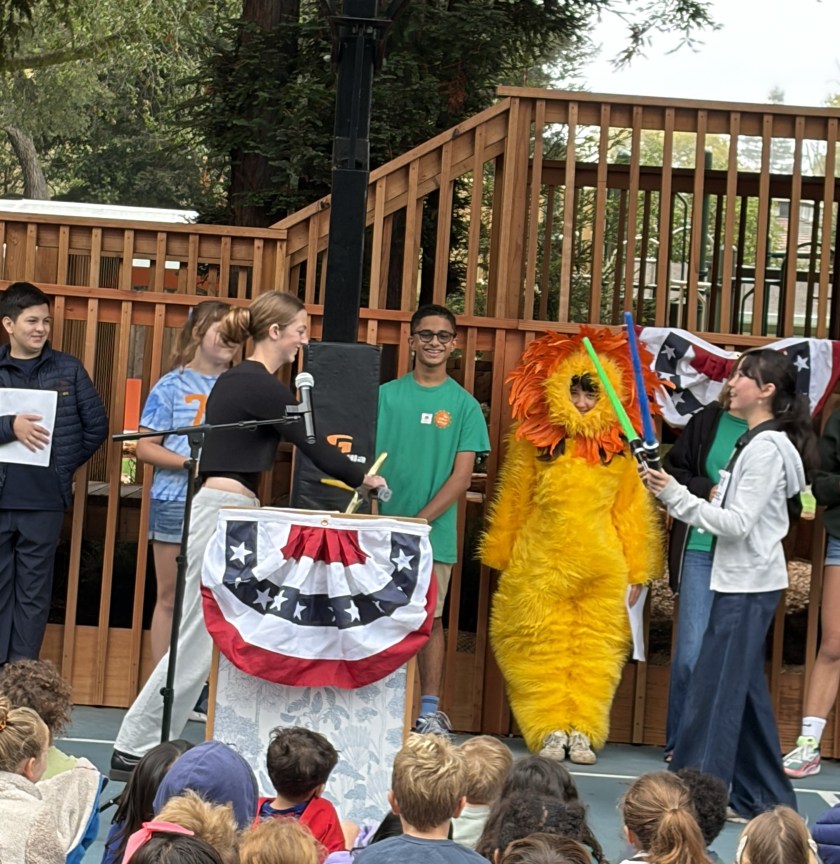
Another exciting Student Council election cycle came to a close at Saklan last Friday, offering a wonderful reminder of the importance of student voice and civic engagement within the school community.
This year, fifteen out of thirty-three Middle School students submitted their candidacies for Student Council officer positions, and each candidate put forth a strong effort throughout the election process.
The Middle School officer candidates presented lively and engaging speeches at CLAS last Friday. Students in Grades 1–8 then participated in the balloting process in their classrooms, with the results of the Middle School election announced just before the end of the school day.
Earning a seat as a Saklan Student Council officer involves more than simply winning the popular vote. Each candidate had to submit a Letter of Intent, make a campaign poster, sit for an interview conducted by Jennifer Lettieri and Kim Parks, and share slogans and stickers with the Lower School students during lunch recess. The speeches presented at CLAS were the culmination of their campaigning.
Candidates were awarded points for timeliness and quality when carrying out each of these tasks, and the candidates with the most points were the winners.
Lower School Student Council representatives were selected by their classmates and respective homeroom teachers in grades 1-5. This year, two Kindergarten representatives were also selected, and they will join the Lower and Middle School students at regular Student Council meetings every other Wednesday.
Congratulations to our 2026-2027 Student Council members!
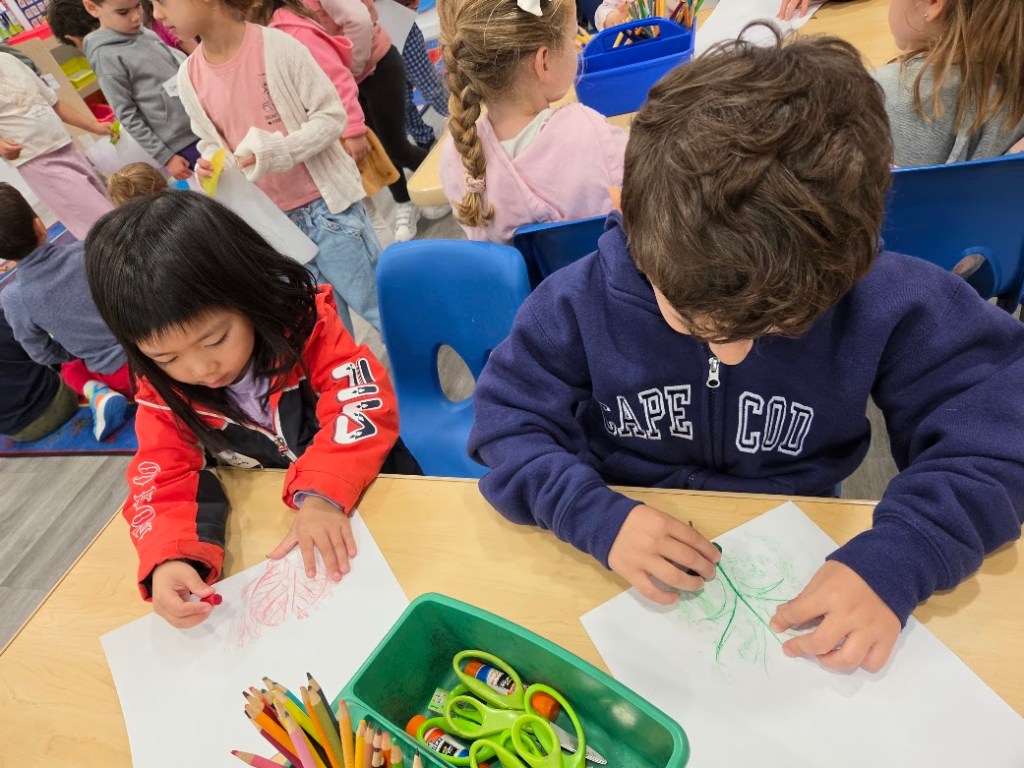
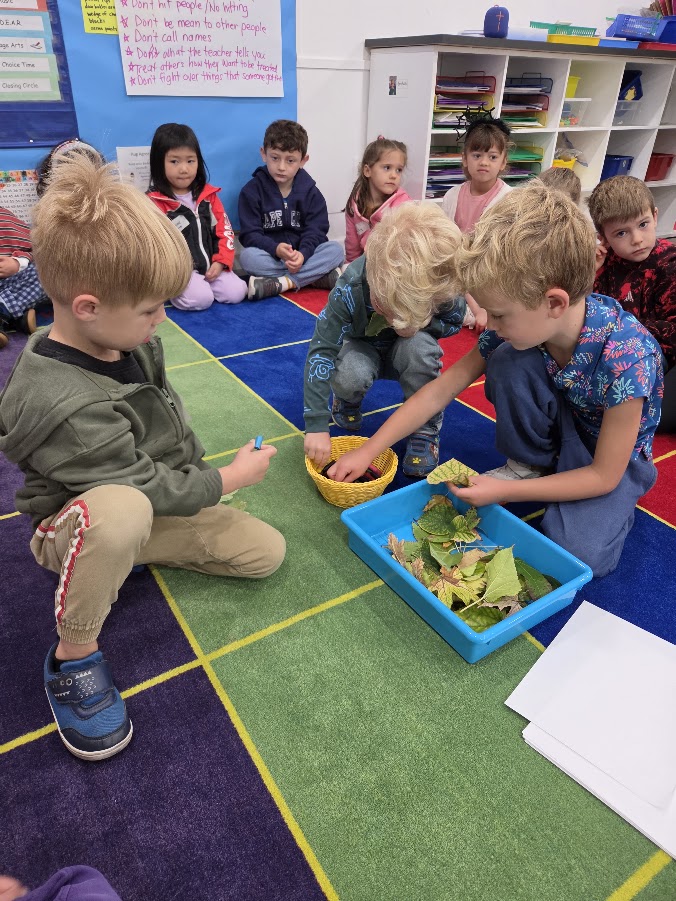
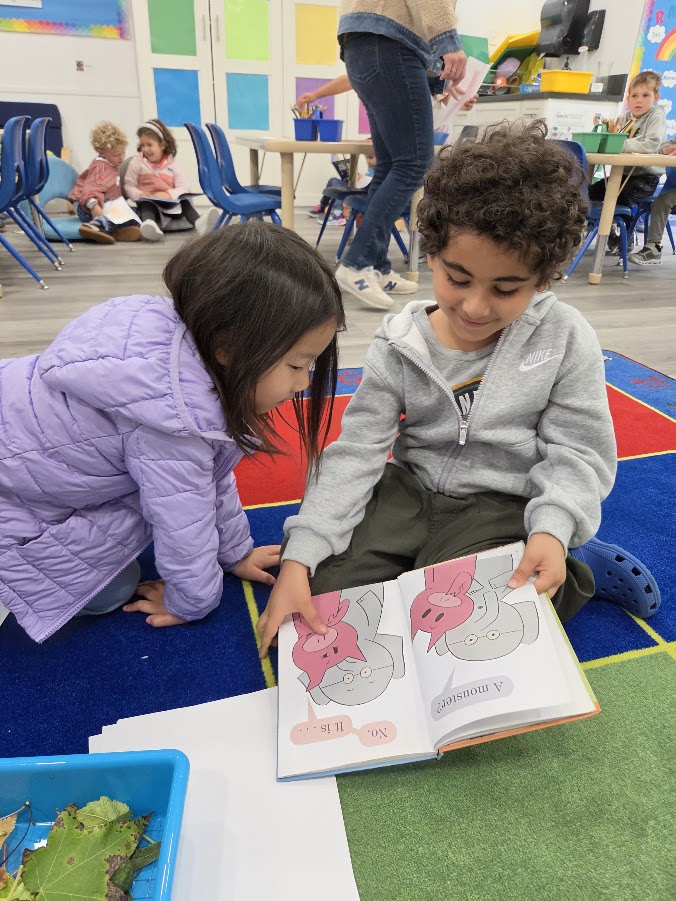
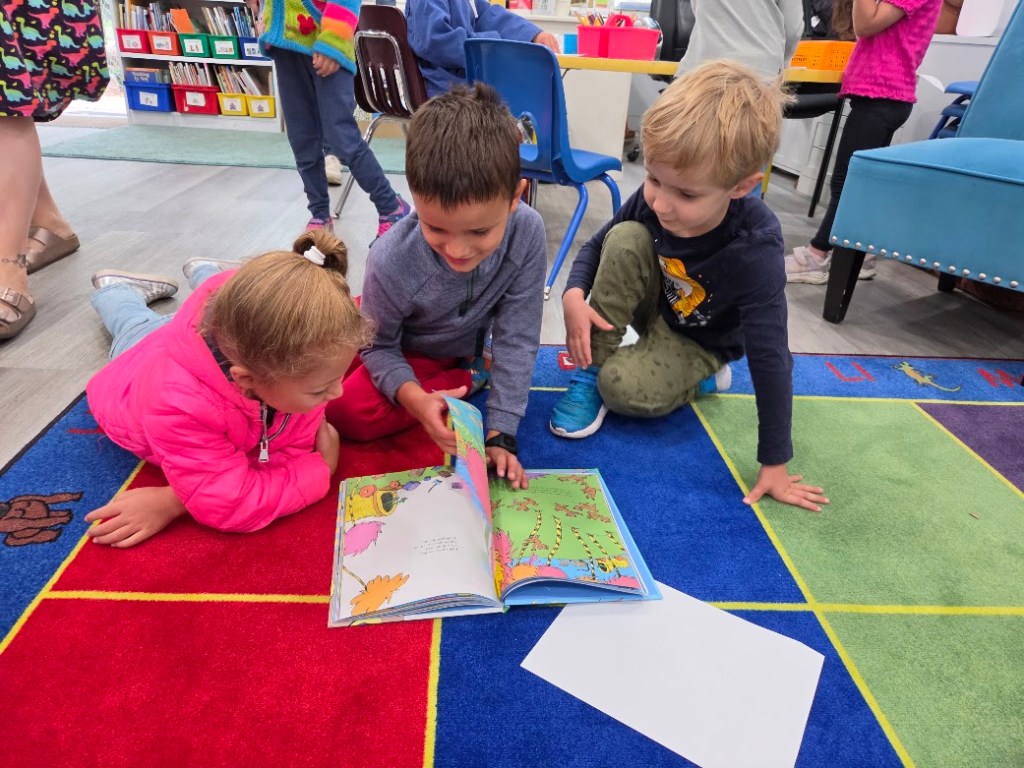
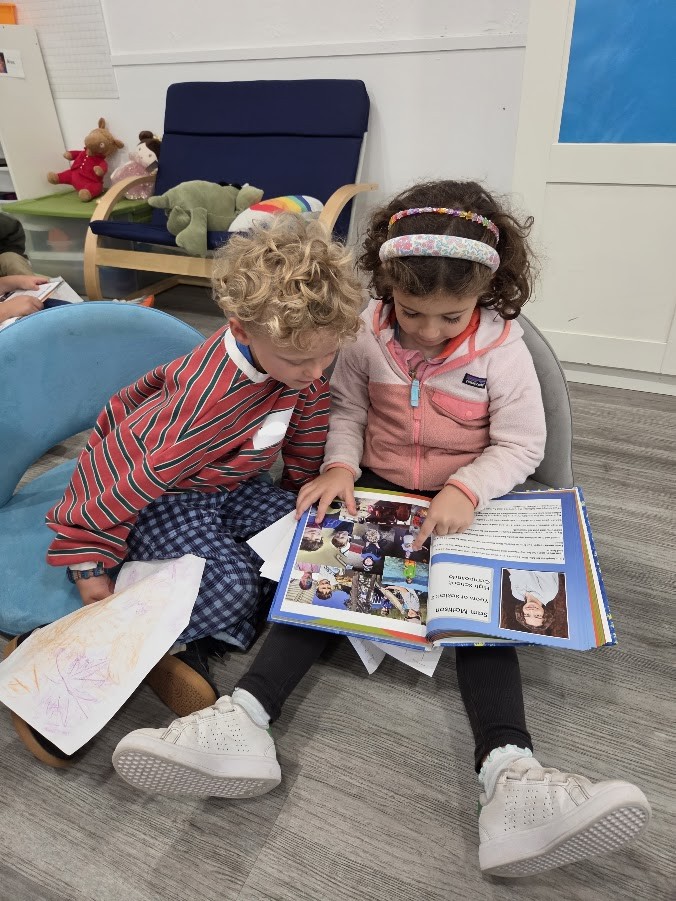
One of the special traditions Hoot Owls and Kindergartners experience at Saklan is Kinder Korner. These gatherings give Kindergarteners the chance to step into leadership roles as they guide the Hoot Owls through fun, educational activities in math, reading, or science. For the Hoot Owls, it’s an exciting introduction to Kindergarten that fosters meaningful connections between students and teachers across the two grades.
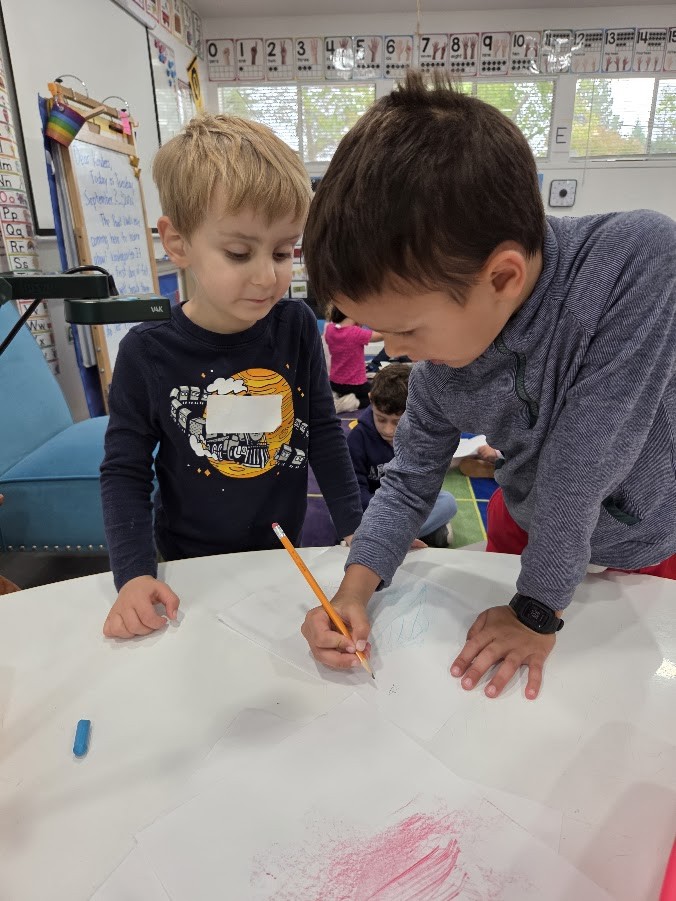
For their first visit of the year, the Kindergarten class celebrated the first day of fall by teaching the Hoot Owls how to make leaf rubbings. The Kindergartners gathered leaves for their younger friends and demonstrated how to place the leaves under the paper, with the veins facing up, before using the side of a crayon to gently rub across the paper and reveal the leaf’s shape and texture.
As the Hoot Owls created their artwork, Kindergarten students practiced explaining directions, demonstrating techniques, and encouraging their younger classmates.
Through Kinder Korner, students in both grades benefit from the connection. Hoot Owls gain familiarity and confidence as they look ahead to Kindergarten, while Kindergarteners develop leadership, responsibility, and empathy by helping their younger peers learn.
Learn More about Kindergarten at Saklan
Next Thursday, October 8th, Riva will host a Kindergarten at Saklan Information Session in the Humanities Room at 8:45 a.m. This is a great opportunity to learn more about the Kindergarten experience at Saklan and how families can help prepare their children for this important transition.
Riva will share what a typical day looks like, what students learn, and how Kindergarten builds on the skills and experiences developed in Preschool and Pre-K. She’ll also offer practical tips for preparing children academically, socially, and emotionally, and answer your questions.
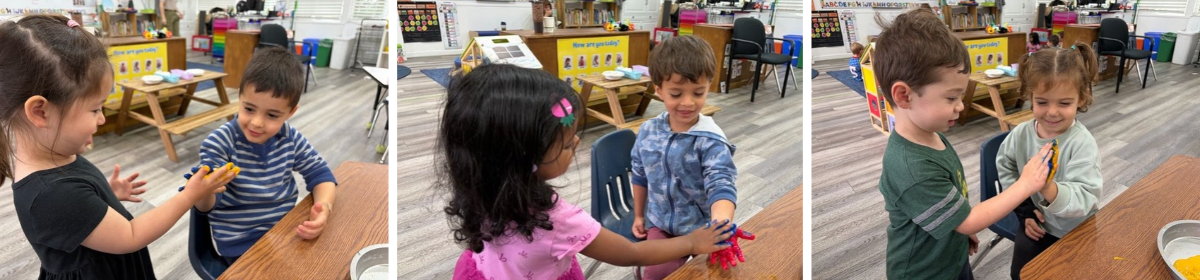
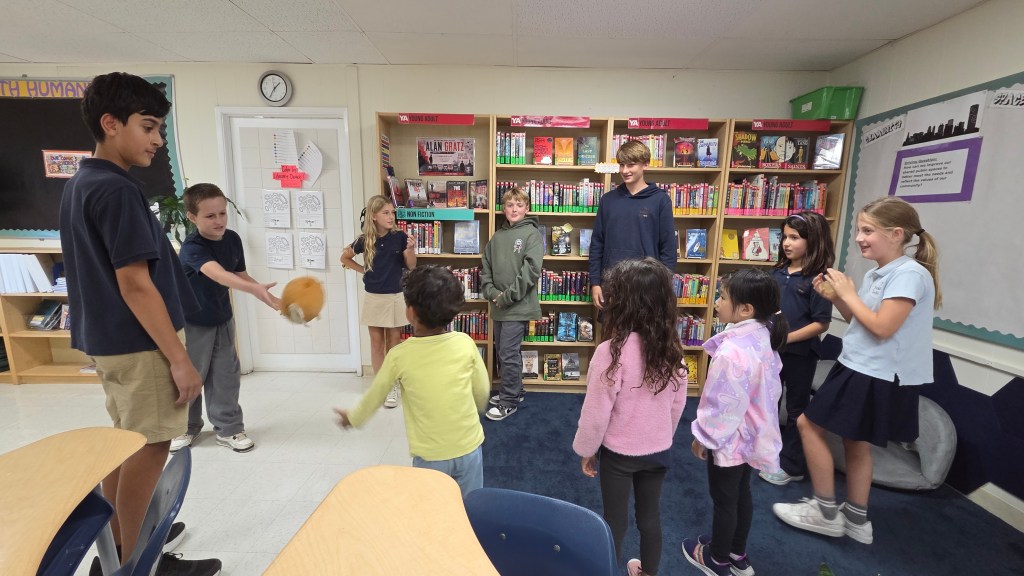
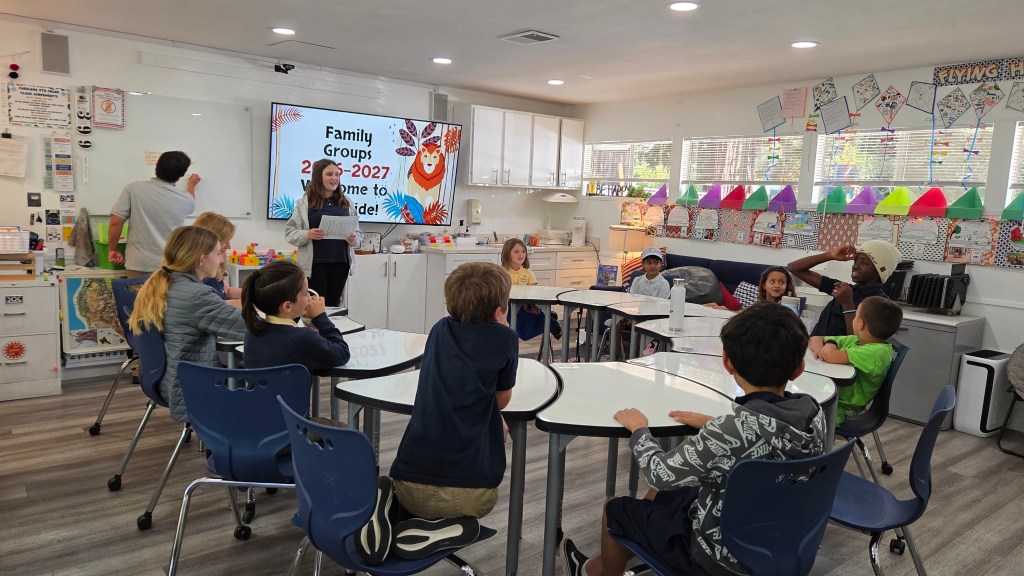
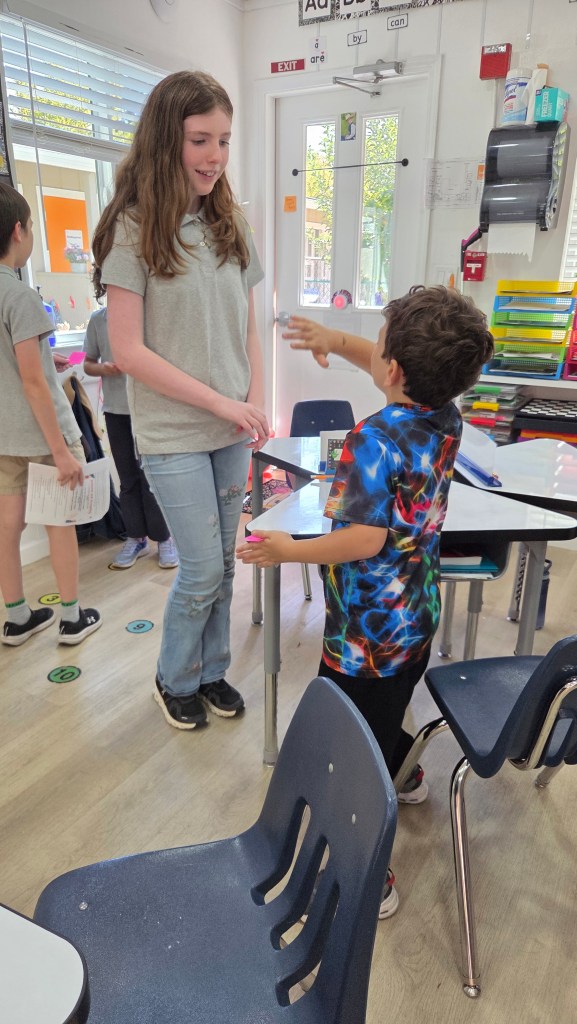
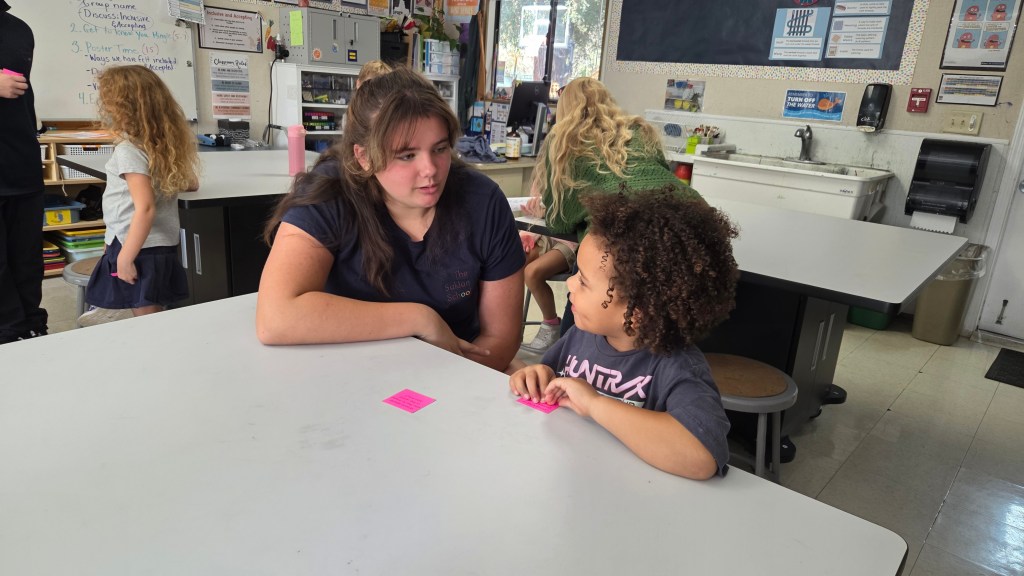
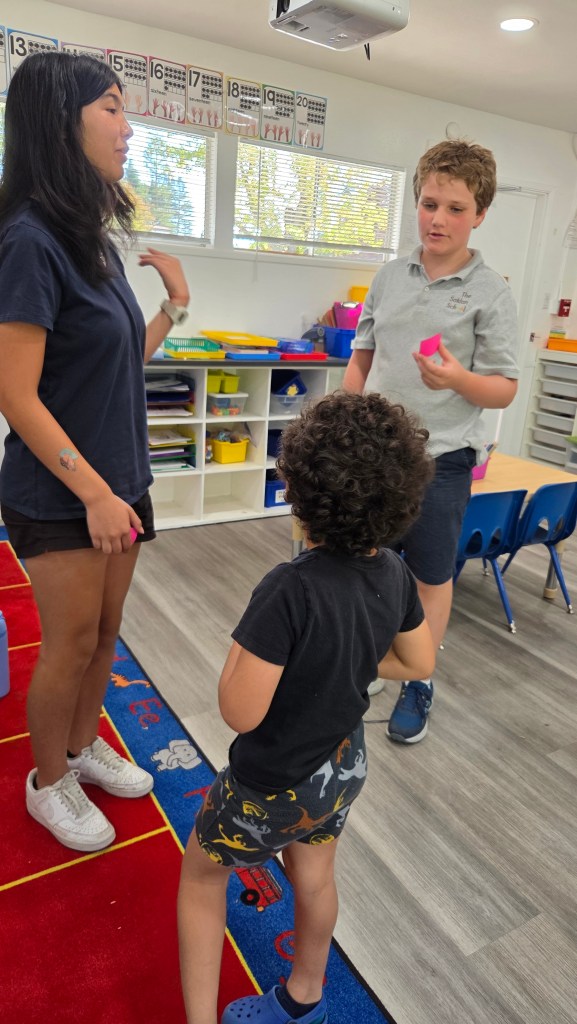
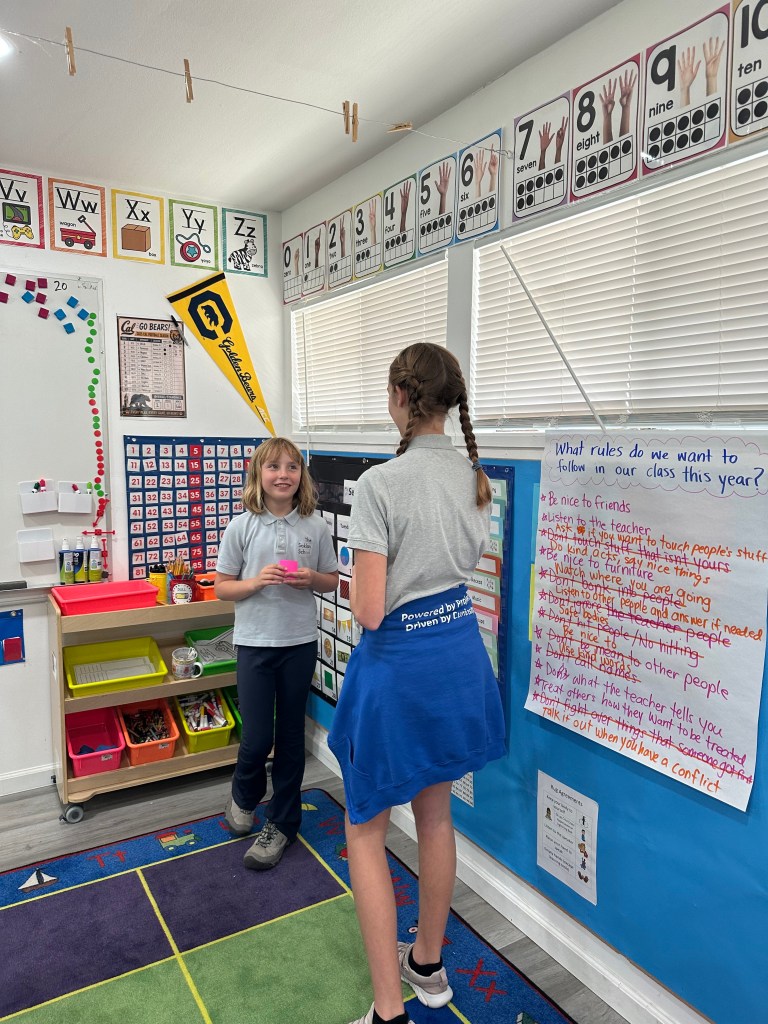
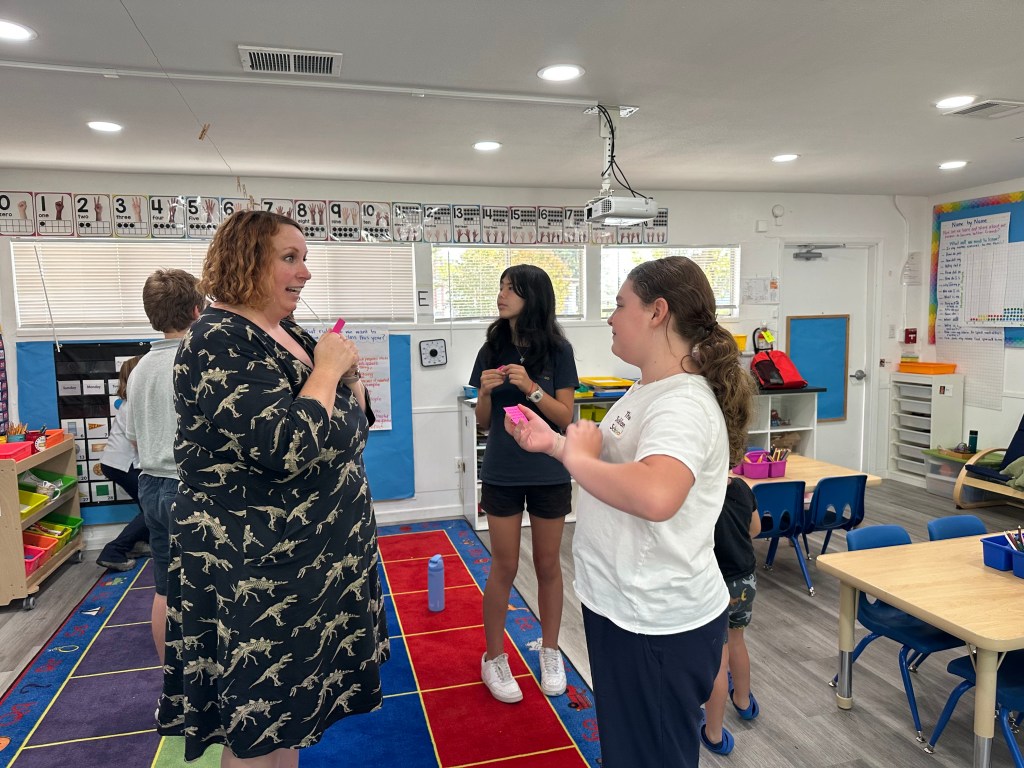
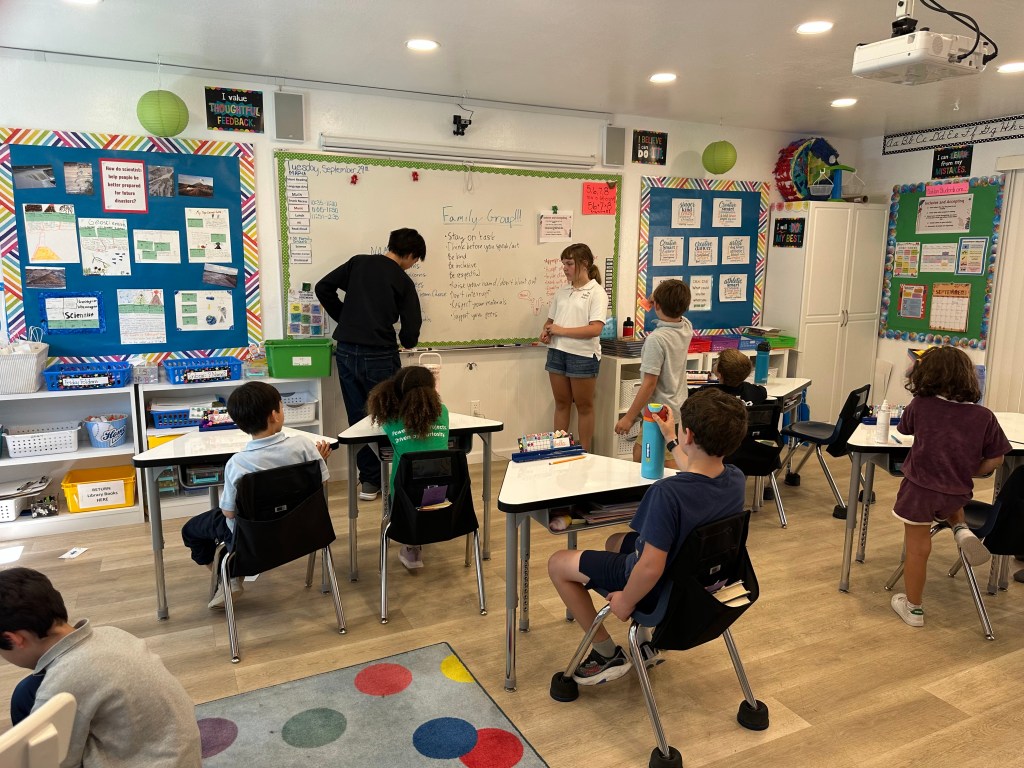
On September 29, Saklan’s Kindergarten through eighth-grade students gathered for their first Family Group meeting of the school year, coming together across grade levels to build connections and explore what it means to be inclusive and accepting.
Family Groups are a Saklan tradition that brings students from different grades together throughout the year. These mixed-age groups create opportunities for students to get to know one another, learn from each other, and build a stronger sense of belonging across the school.
For their first meeting, students began by getting to know the members of their Family Group through introductions and fun activities designed to help them discover new things about one another. Students paired up, asked questions, shared their answers, and looked for connections within the group.
Each group then turned its attention to what it means to be inclusive and accepting at Saklan. Students discussed what inclusion can look like (including others, working with different people, and being kind), and what it means to be accepting (including not judging others, giving people second chances, and allowing others to be themselves).
Students were also invited to reflect on times when they have felt included and accepted at Saklan. They shared examples of classmates being kind, inviting them to join an activity, playing together at recess, or showing genuine interest in getting to know them.
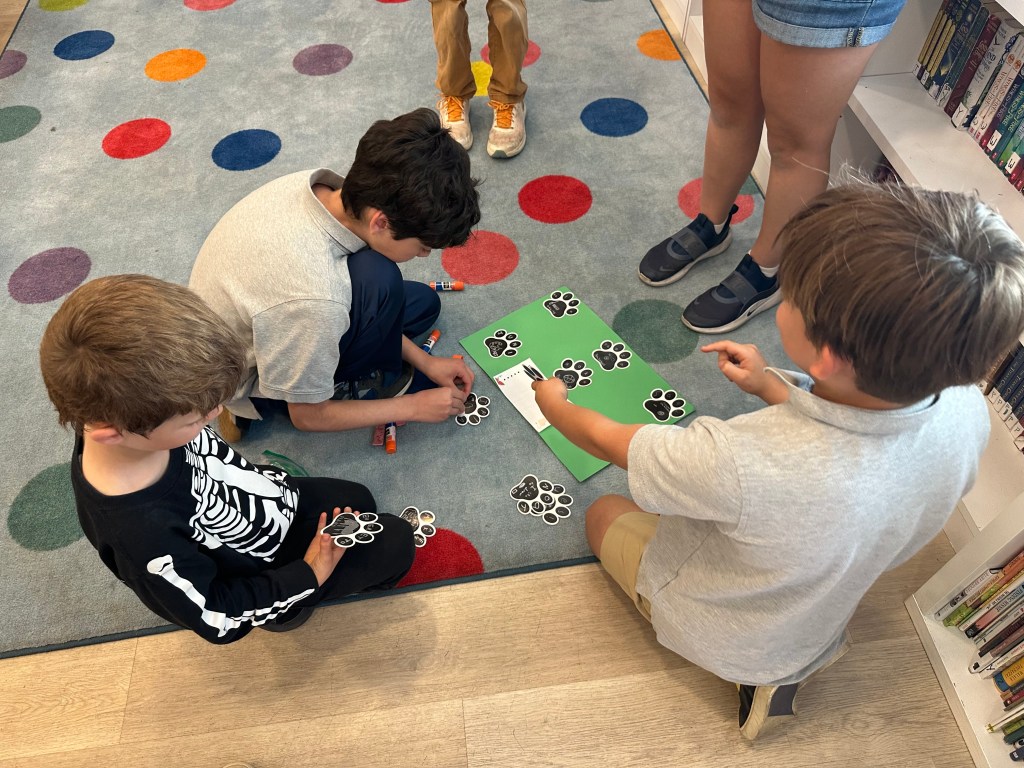
To represent the idea that everyone contributes something unique to the group, each student decorated a paper paw with things they enjoy or qualities that represent them. The individual paws were brought together to create a Family Group poster: a visual reminder that while each student is an individual, everyone has a place within the group.
The meeting set the tone for the year ahead: getting to know one another, celebrating what makes each person unique, and creating a community where everyone feels welcomed, valued, and included.
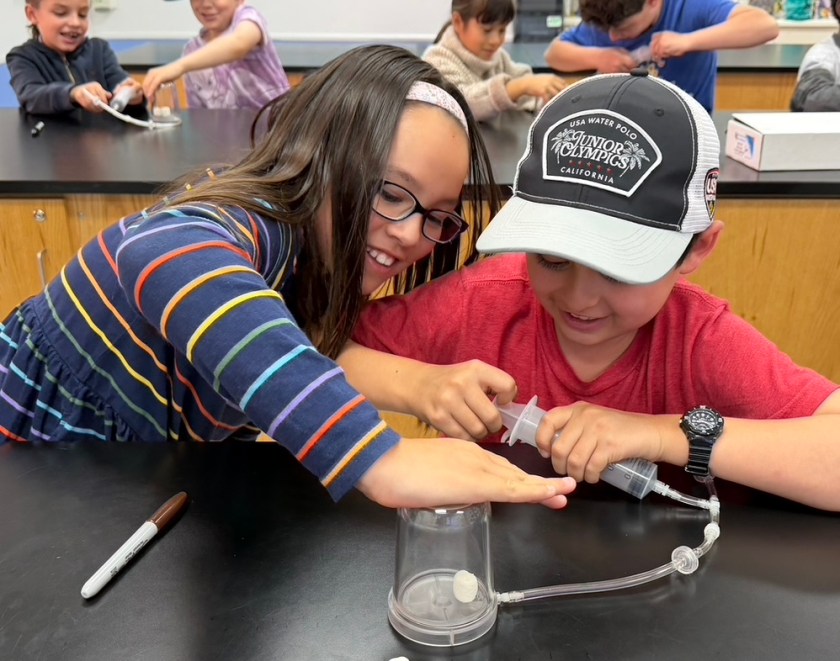
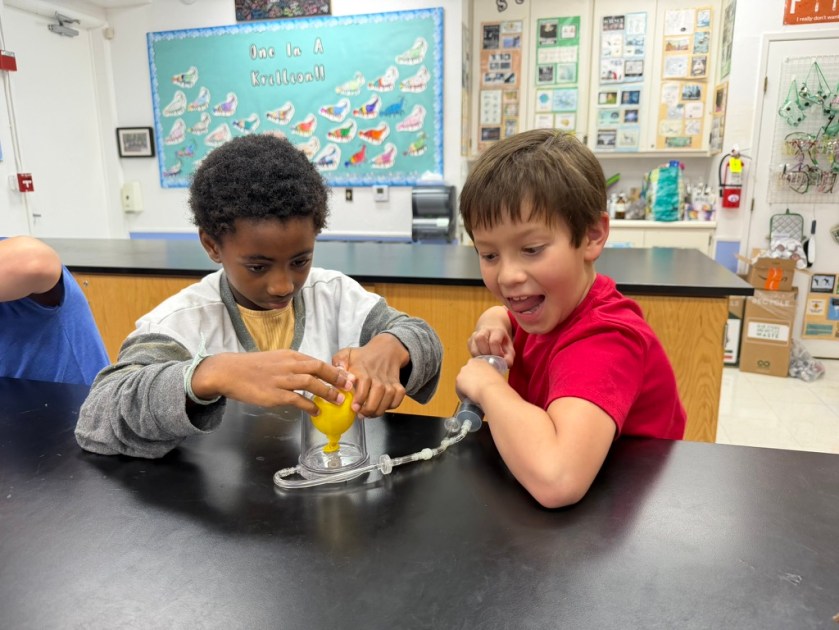
What happens when air pressure changes? How do warm and cold air move? And can you really make snow indoors?
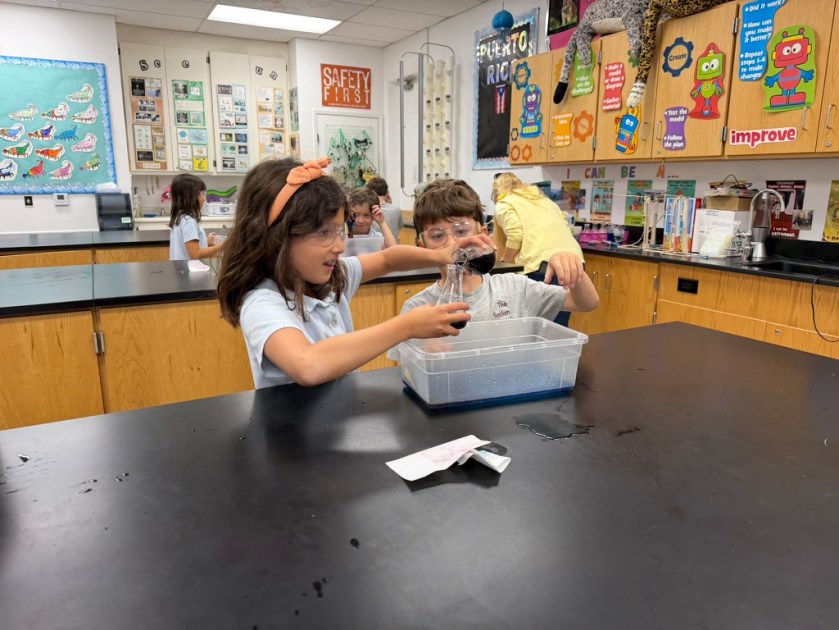
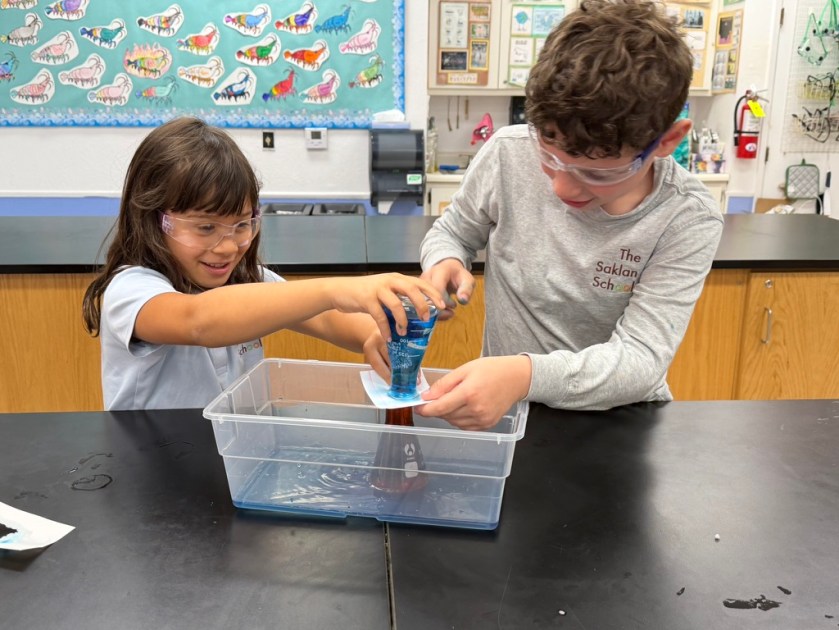
Third-grade students have been exploring these questions and more in the science lab as they investigate the forces behind weather and changes in our atmosphere.
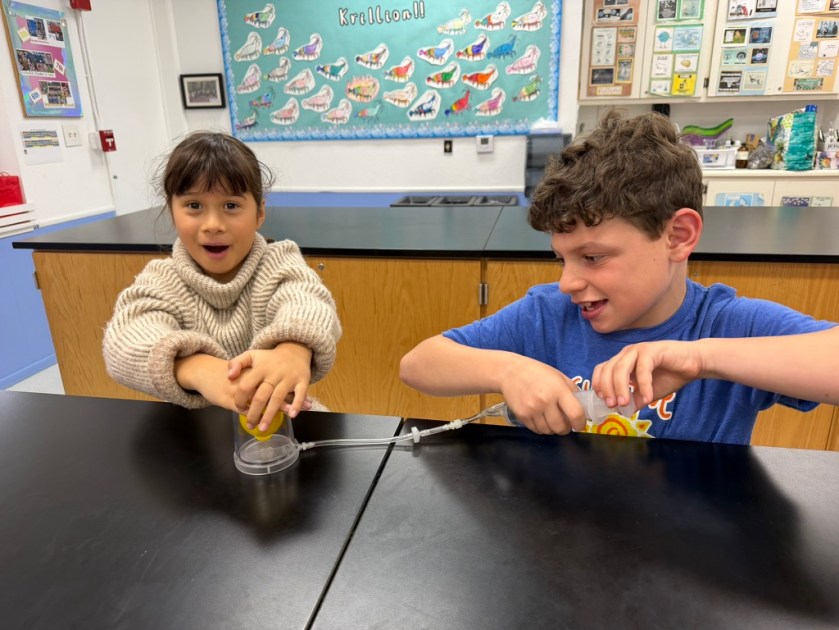
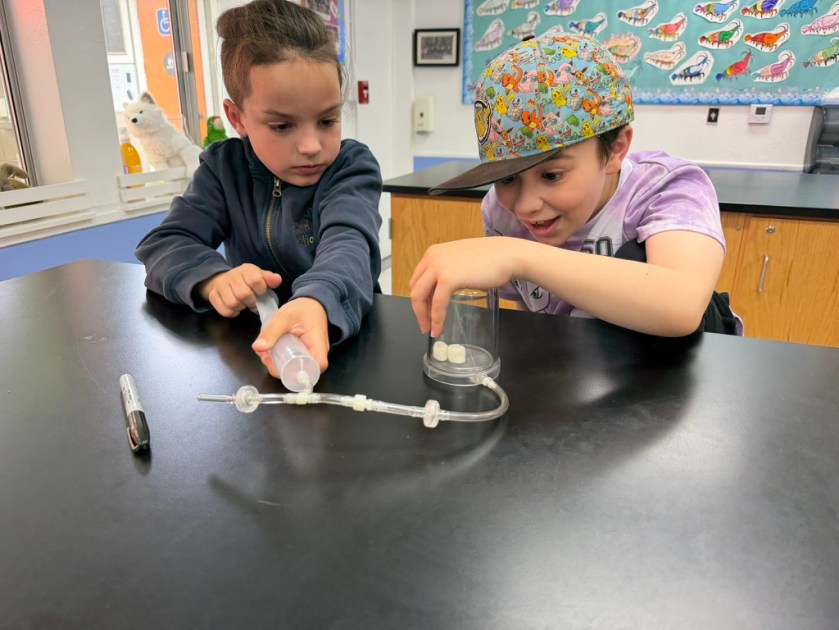
Over three weeks, students conducted hands-on experiments that made these concepts come to life. They watched balloons expand and marshmallows shrink as they explored the effects of air pressure. Using beakers filled with hot and cold colored water, they observed convection currents and saw how temperature differences cause air and fluids to move.
The weather investigations didn’t stop there. Students even made snow indoors and explored different types of clouds, creating cloud collages to capture and demonstrate what they learned.
Through each experiment, students asked questions, made observations, and used evidence to understand the science behind the weather they experience every day.
For these young scientists, learning about weather isn’t just something they read about; it’s something they can see, touch, test, and discover for themselves.
There’s something special about the little moments in early childhood: a child gaining confidence, discovering something new, or running across the room simply because they’re excited to see their teacher. For Victoria, these moments are among the most rewarding parts of being a teacher at Saklan.
Victoria is beginning her fourth school year at Saklan, and during that time, she has taken on multiple roles, including Owlet teacher, ECE music teacher, and bus monitor. Each experience has helped her grow as an educator and deepened her appreciation for the important role teachers play in children’s early years.
Learning Through Creativity
Creativity is at the heart of Victoria’s teaching. She loves art, hands-on projects, and giving children opportunities to explore, experiment, and—yes—get a little messy.
“I especially enjoy taking something simple and turning it into an experience where the children can create, experiment, and make it their own,” Victoria says.
Whether students are creating something with their hands, trying a new idea, or discovering what happens when they experiment, Victoria encourages them to be curious and embrace the process of learning.
That philosophy extends to the advice she hopes her students carry with them: “Be curious, be kind, and never be afraid to try something new.” She also wants them to understand that mistakes are part of learning—and that some of the best discoveries happen when we try again.
A New Musical Chapter
This spring brought a special new opportunity for Victoria as she stepped into her role as the Music Teacher for the Owlet and Hoot Owl classes.
Her favorite memory from the spring concert was not just the final performance, but everything that happened along the way. She loved teaching the children their songs, watching them build confidence, and seeing their hard work come together on stage.
“It was especially meaningful because it was my very first time stepping into my new role,” she says. “I’m so proud of them and grateful that I got to be part of that process.”
Creating a Classroom They Remember
When Victoria thinks about what she hopes her students will remember about their time in her classroom, it goes beyond a particular lesson or activity.
She hopes they remember a place where they felt safe, loved, and comfortable being themselves. She hopes they remember getting messy, being silly, creating things, asking questions, and having fun.
“Most of all, I hope they remember that their teachers genuinely cared about them and were always excited to see them.”
That sense of connection is also one of the things Victoria appreciates most about Saklan’s community. She especially enjoys CLAS, which gives students opportunities to come together, build relationships, and experience things outside their everyday classroom. She loves seeing teachers and families work together to make those experiences meaningful for students.
Life Beyond Saklan
Outside of school, Victoria loves spending time with family and friends, traveling and exploring new places, and enjoying the little things in life. She is always happy to find a good cup of coffee—or boba!
When she has free time, you might find Victoria at the beach, hiking, or curled up with a good book. She especially enjoys romance and thriller novels.
Whether she’s in the classroom helping a child discover something new, teaching a group of students their first concert songs, or enjoying time with the people she loves, Victoria brings the same spirit of curiosity, creativity, and connection to everything she does.
We are grateful to have Victoria as part of the Saklan community!
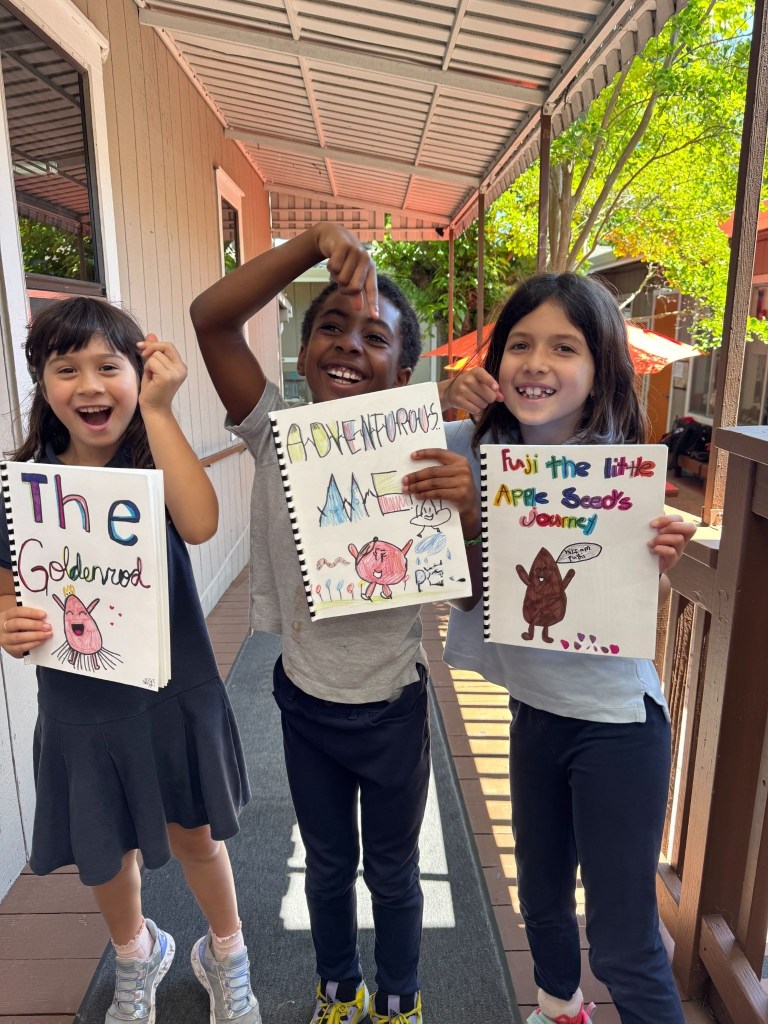
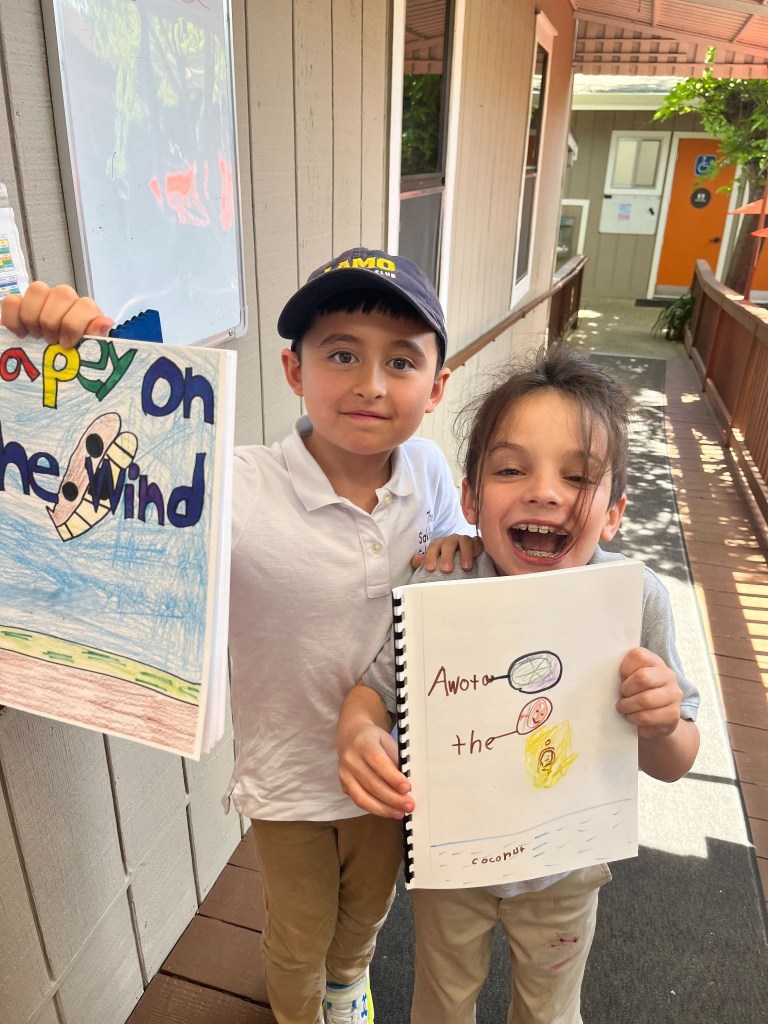
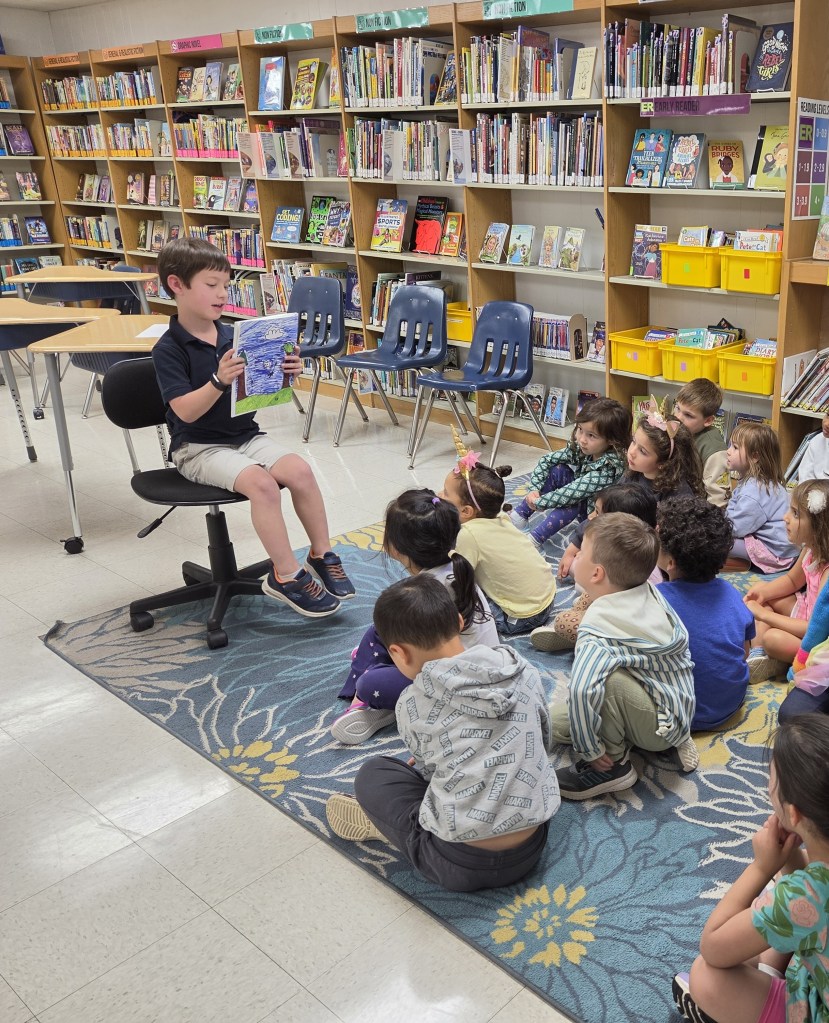
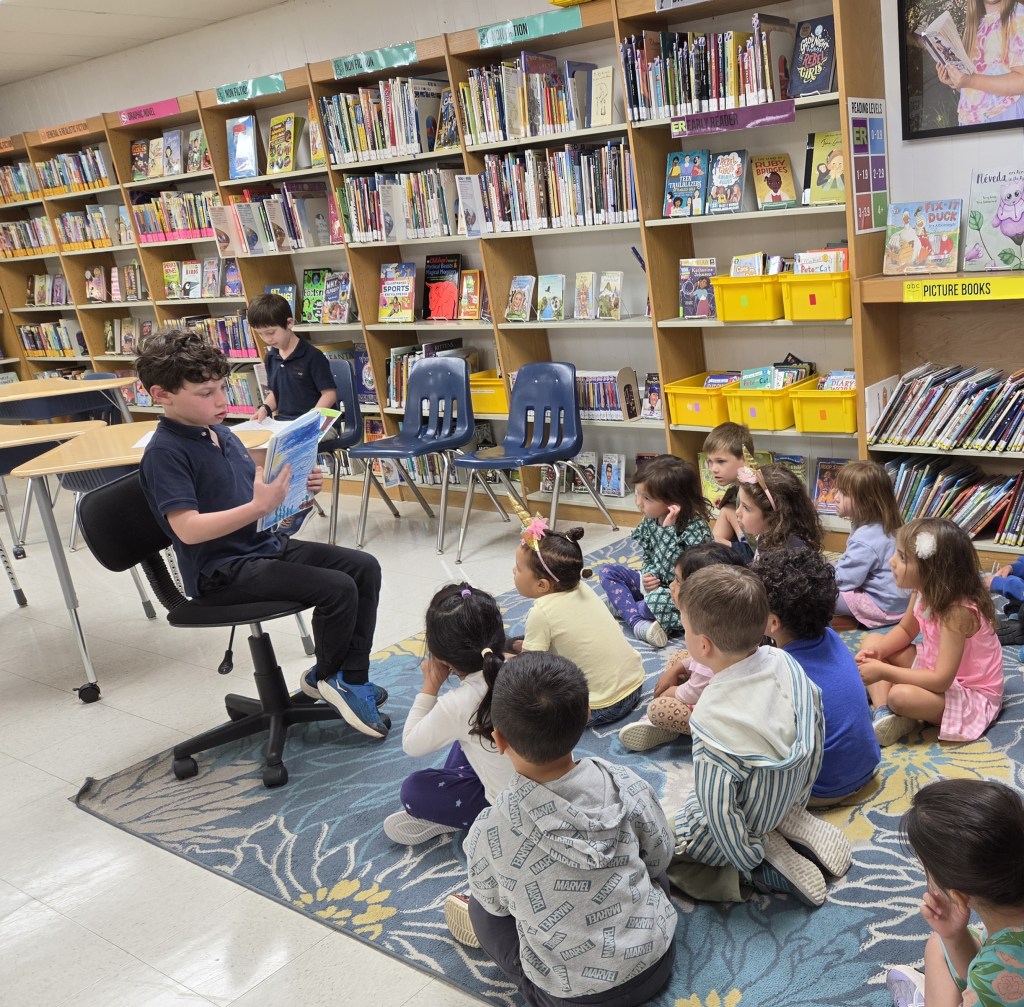
Saklan’s second graders recently celebrated the culmination of their Project Based Learning unit, The Secret Life of Seeds, by becoming published authors and sharing their work with younger students across campus.
Centered around the driving question, If a seed could talk, what story would it tell about how it travels?, the project invited students to combine scientific inquiry with imagination and storytelling. Throughout the unit, students explored the many ways seeds travel, survive, and grow, studying methods of seed dispersal such as wind, water, and animals. Each student selected a specific seed to research before creating an original narrative that followed the seed’s unique journey.
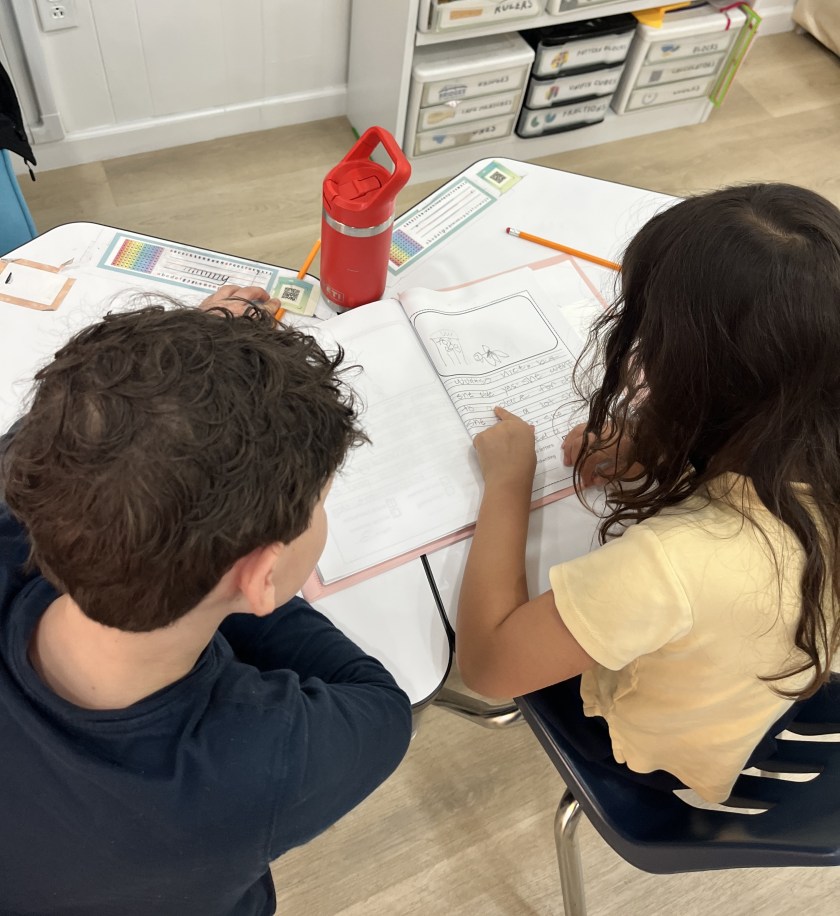
As students moved through the writing process, they experienced firsthand how ideas develop and strengthen over time. Early brainstorming and planning sessions helped students organize both the scientific concepts they wanted to teach and the creative elements they hoped to include in their stories. During drafting, students experimented with voice, dialogue, and storytelling techniques as they transformed seeds into characters with adventures, challenges, and destinations.
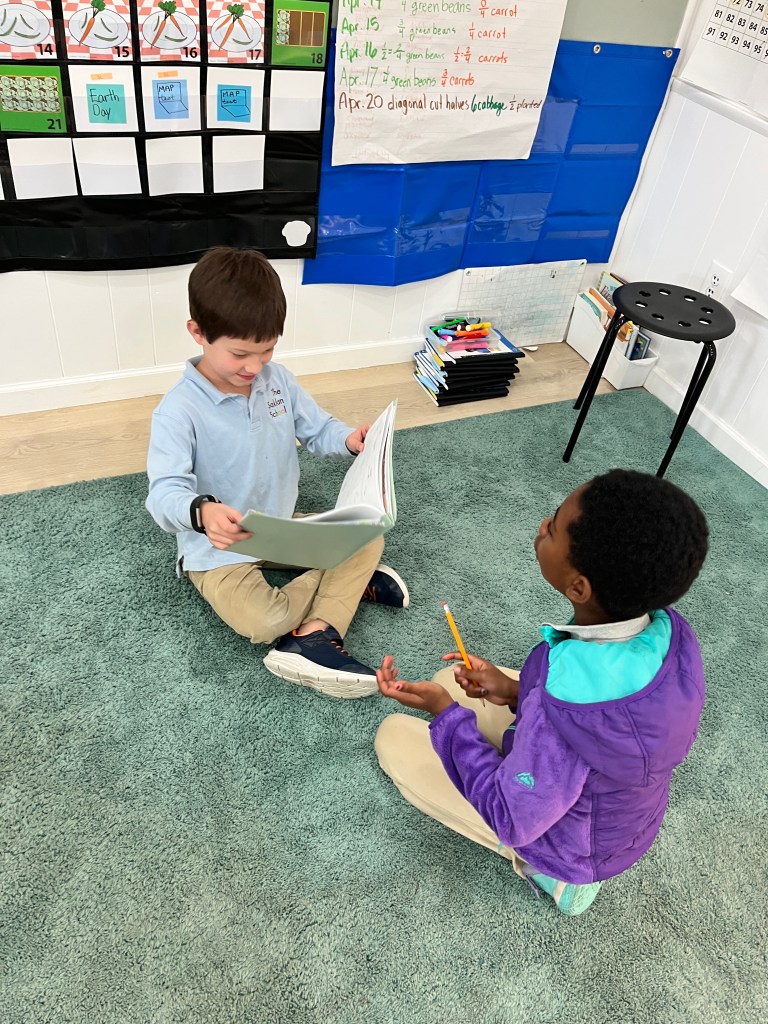
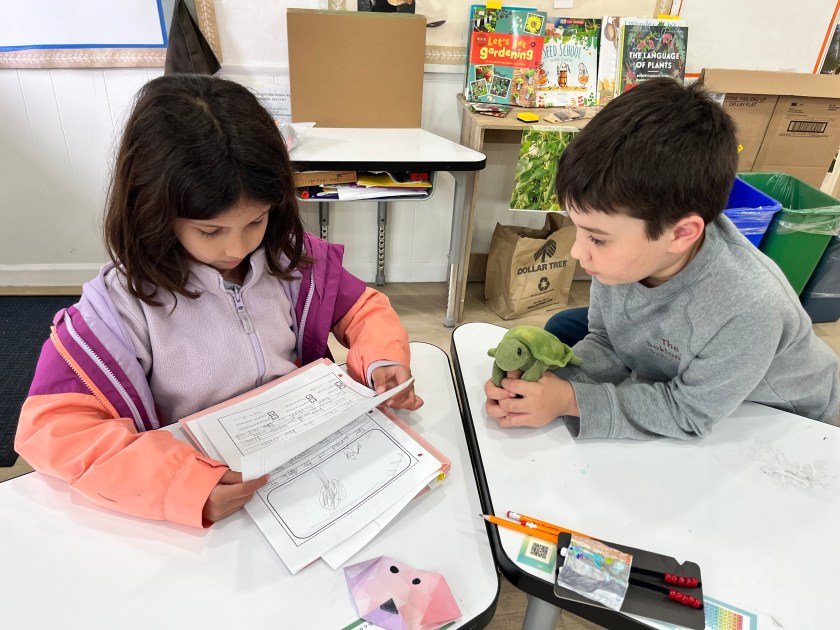
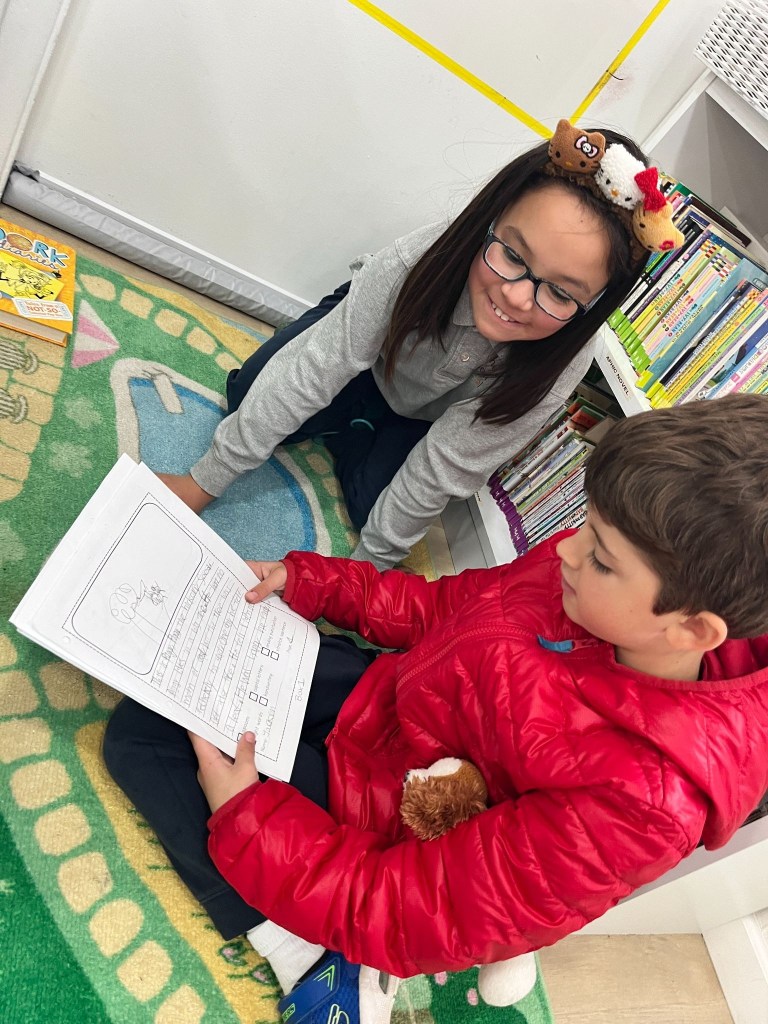
Revision became one of the most meaningful parts of the project. Students carefully reread their work to strengthen descriptions, clarify scientific explanations, and make their stories more engaging for readers. Peer feedback conversations encouraged students to think about their writing in new ways and reinforced the idea that strong writing develops through reflection, collaboration, and persistence.
The project culminated in a series of “Meet the Author” events held in the library with ECE, Kindergarten, and First Grade classes. During these special visits, second graders proudly read their published books aloud, answered questions about their stories and scientific research, and stepped into the role of confident authors and experts. Sharing their work with younger students gave second graders an authentic audience and highlighted the meaningful connections between literacy, science, and community.
The Secret Life of Seeds beautifully reflected the inquiry, creativity, and communication that are central to Saklan’s Project Based Learning approach. Most importantly, students experienced the joy and power of using their voices and ideas to teach, inspire, and connect with others.
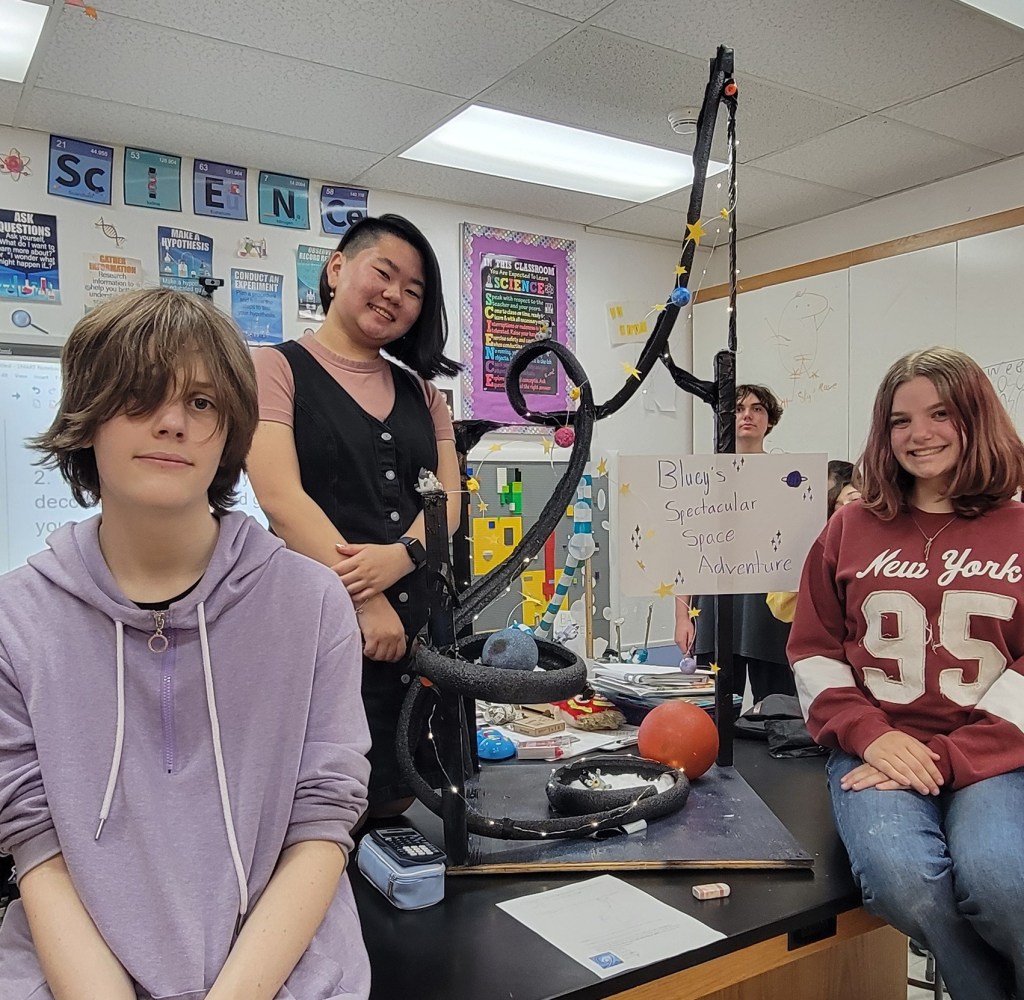
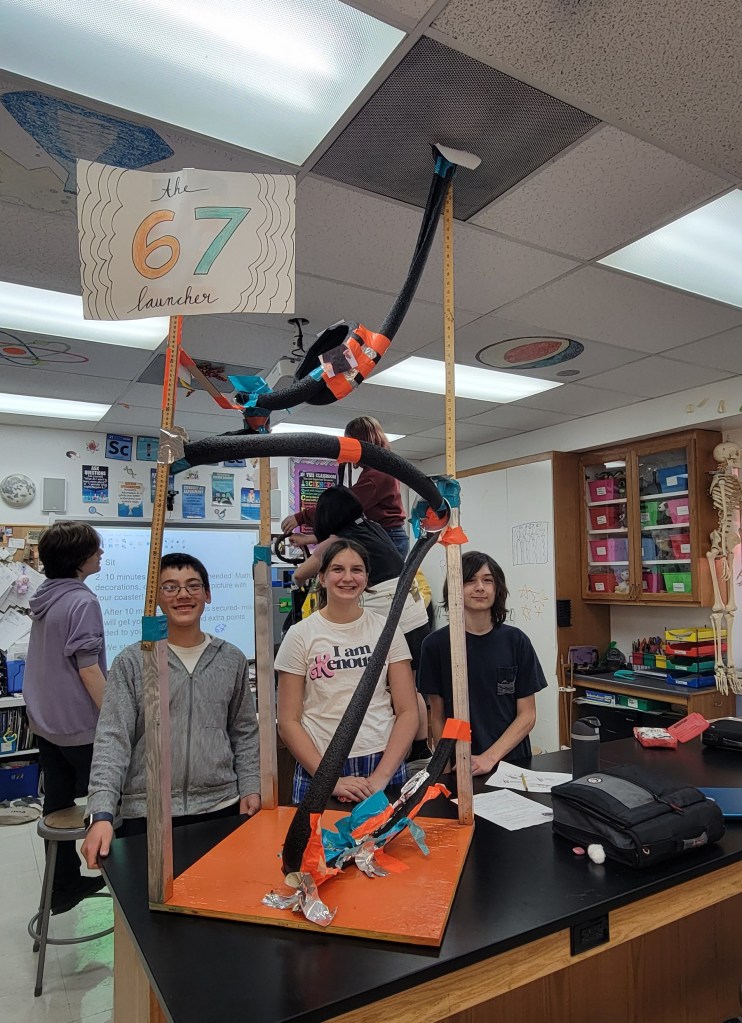
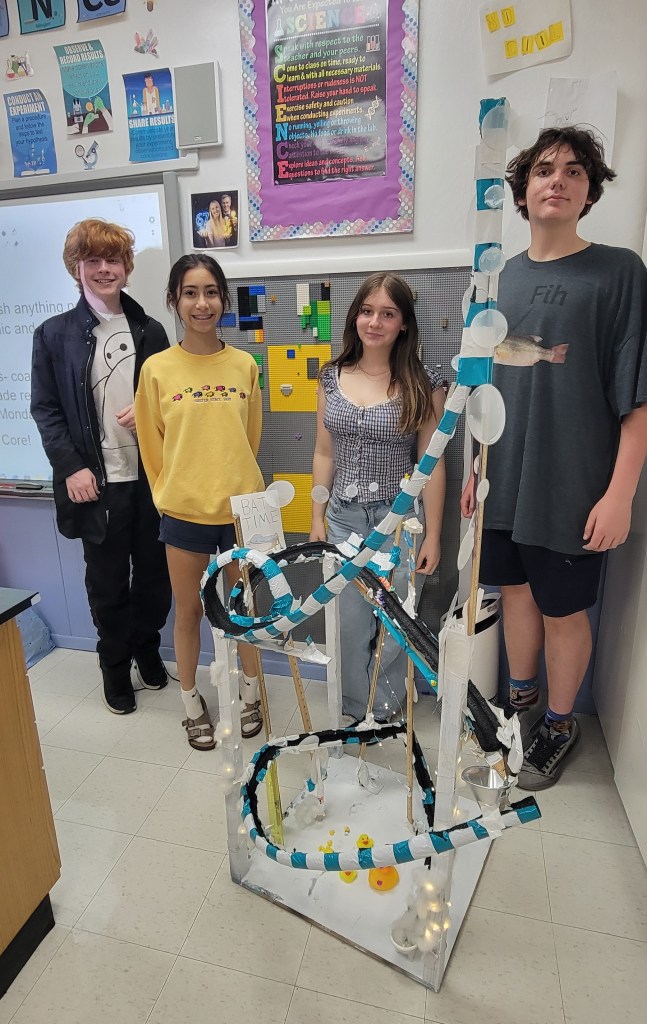
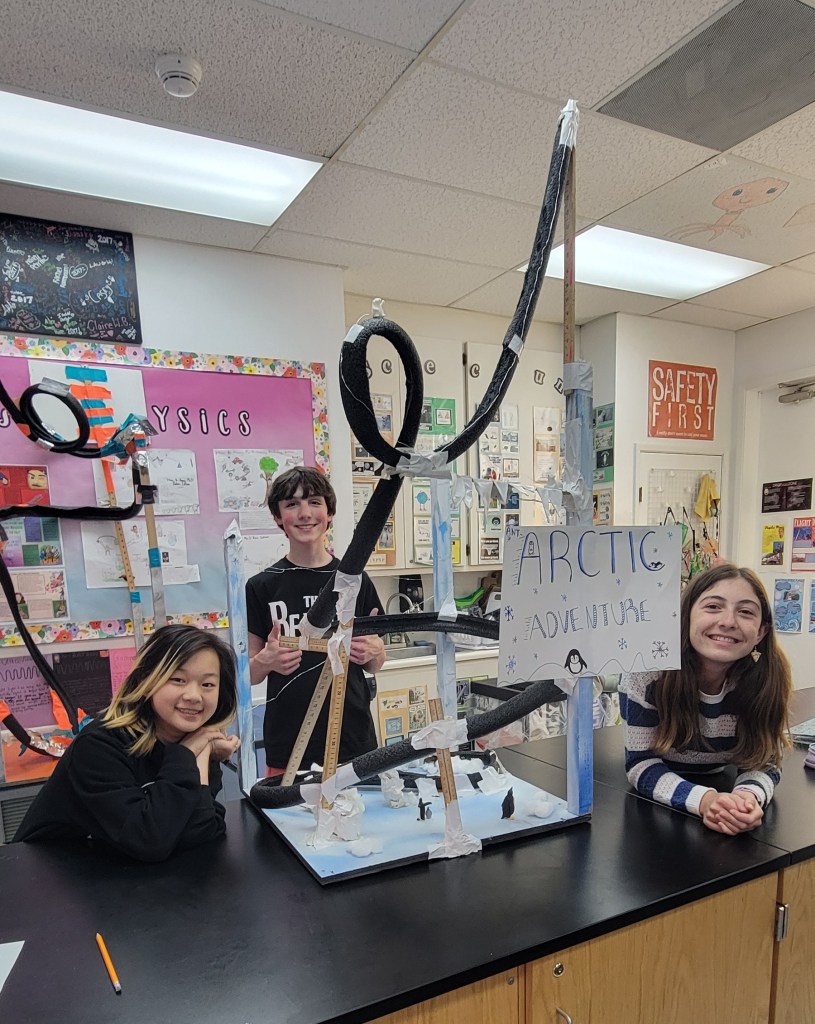
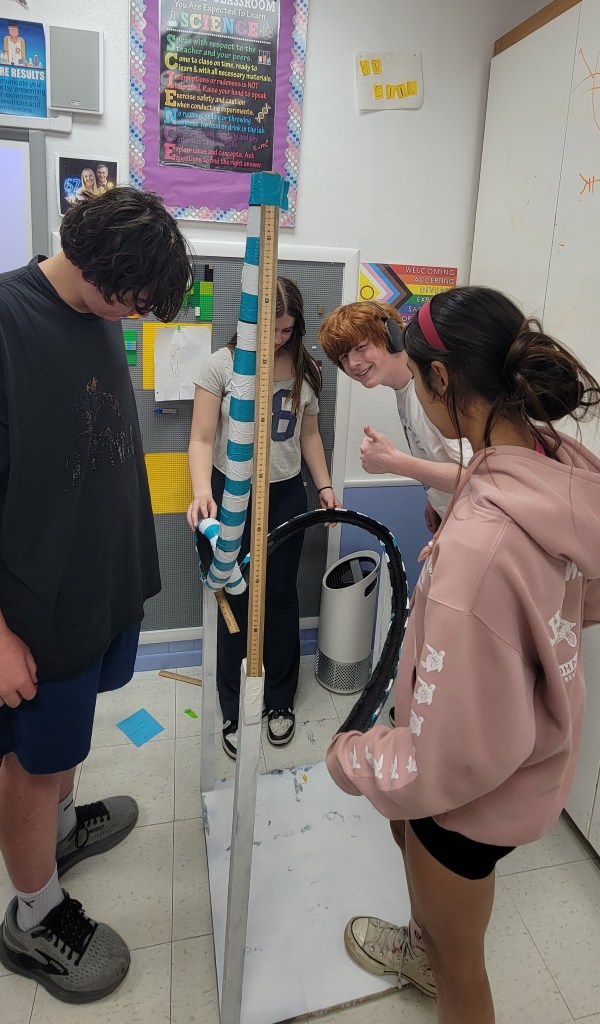
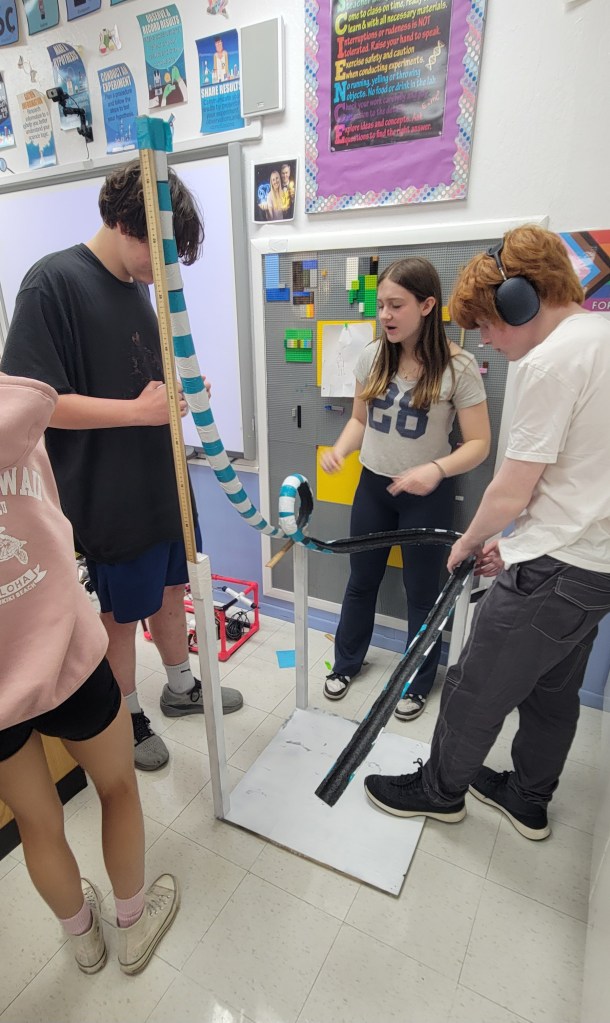
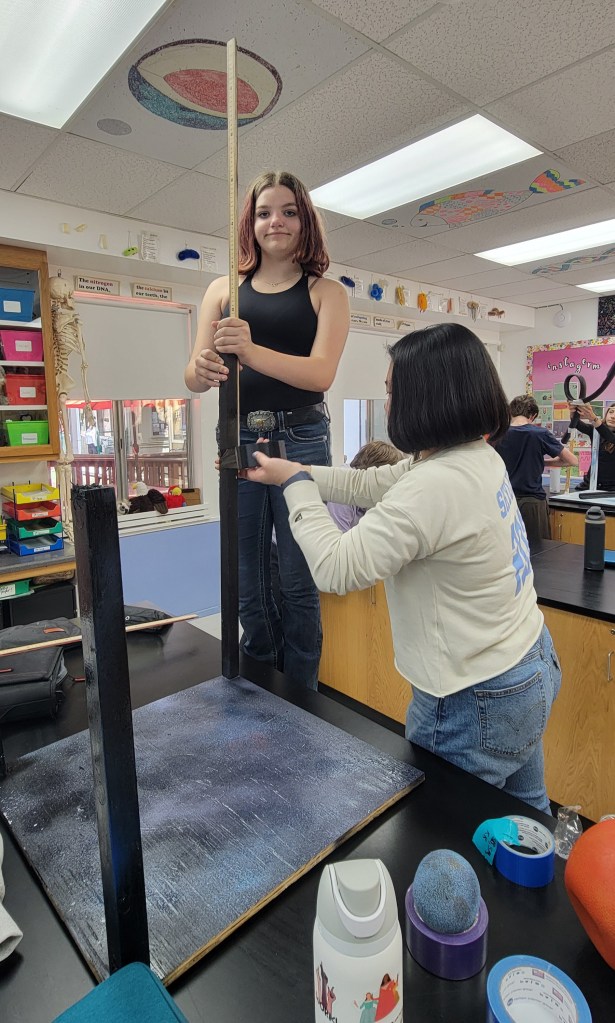
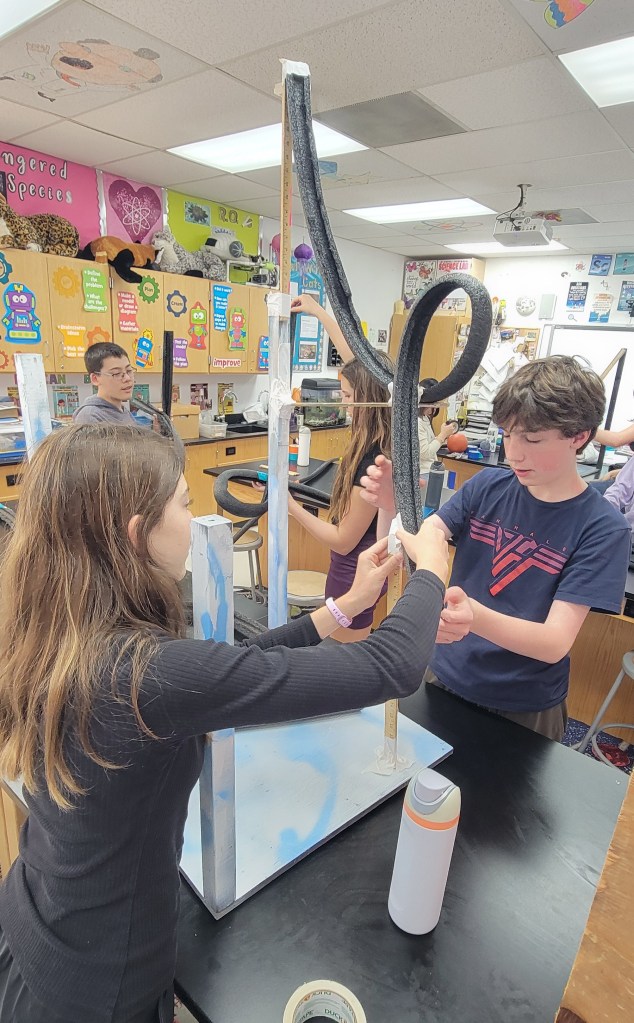
The end of the year in Saklan’s eighth grade physics class is filled with hands-on science, engineering, and problem-solving. As the culmination of their physics studies, students recently worked in teams to design and build their own roller coasters for marbles to ride.
Each group created an eight-foot-long coaster that incorporated the major physics concepts they studied throughout the year, including force, momentum, motion, and energy transfer. To meet the project requirements, every coaster needed to include at least one loop, a slow-down stop, and creative decorations inspired by the themed roller coasters found at amusement parks.
Throughout the project, students relied on creativity, collaboration, math skills, and the scientific method as they designed, tested, redesigned, and refined their creations. Groups analyzed what worked, identified challenges, made adjustments, and in some cases started over entirely before successfully completing their final designs.
The project challenged students to apply their understanding of the four forces studied in class while ensuring their coaster had enough momentum to complete a loop and safely guide the marble to a stop. More importantly, it gave students the opportunity to experience physics in action through experimentation, teamwork, and hands-on learning.
The final roller coasters showcased not only impressive engineering and creativity, but also the persistence and problem-solving skills students developed throughout the process.




You must be logged in to post a comment.