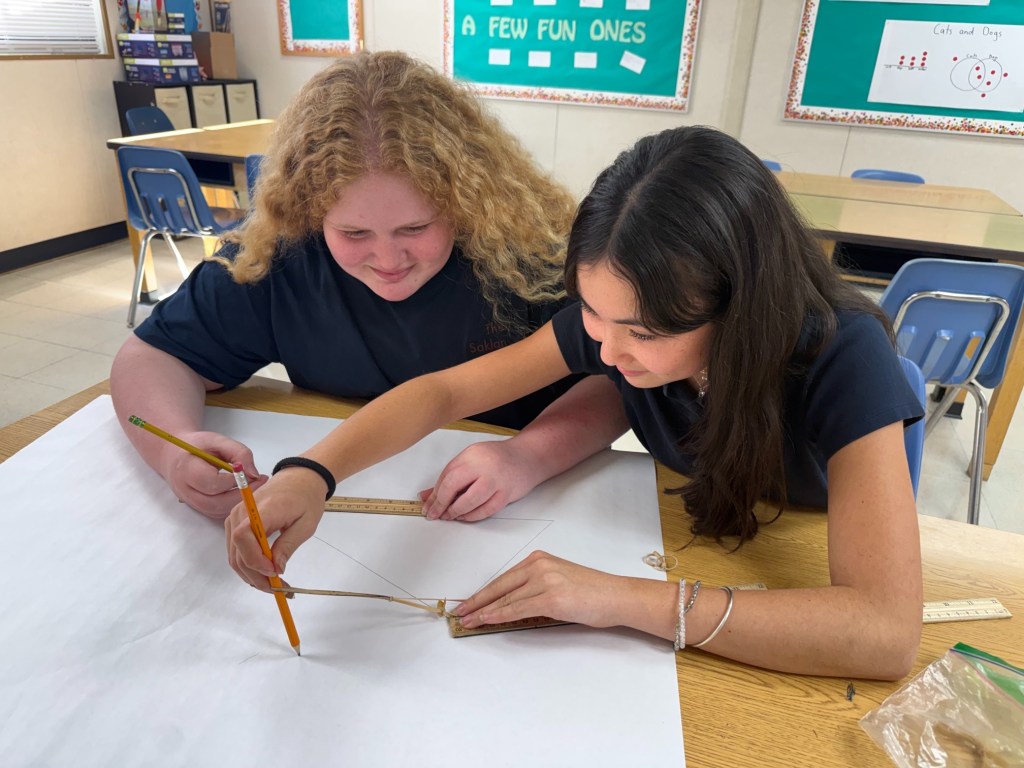
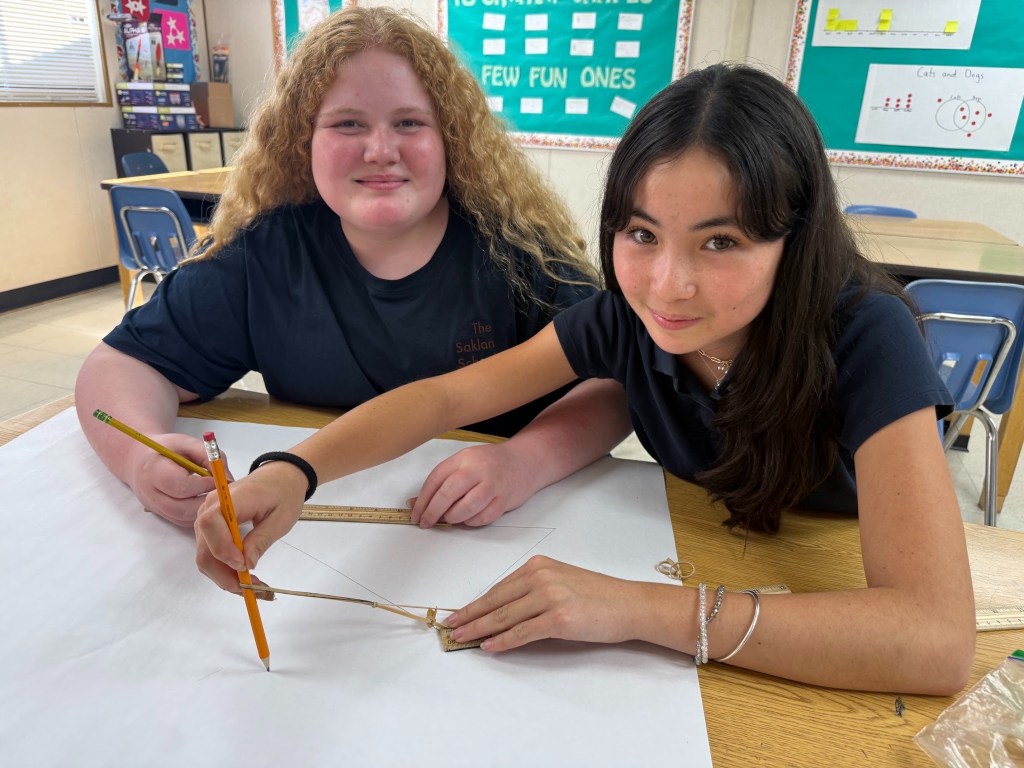
In 8th Grade Geometry, students recently explored the concept of dilations, investigating what happens when a figure is proportionally enlarged from a specific point, known as the point of dilation.
Using a stretched rubber band as a hands-on model, students experimented with how a figure changes as it is enlarged. Through their investigation, they discovered an important geometric relationship: while the size of a figure changes during a dilation, its angles remain congruent.
This hands-on exploration allowed students to discover the properties of dilations for themselves rather than simply learning them as rules. The insights they developed provide an important foundation for their next unit of study: similarity.
Saklan’s eighth graders have started the school year immersed in matter and gas laws, using hands-on labs to connect scientific theory to real-world phenomena.
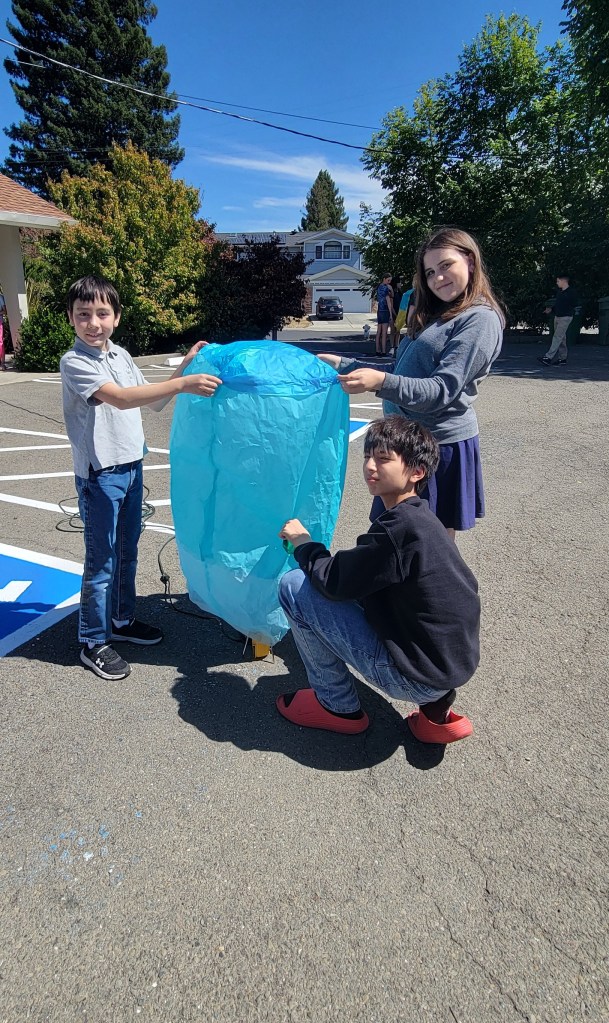
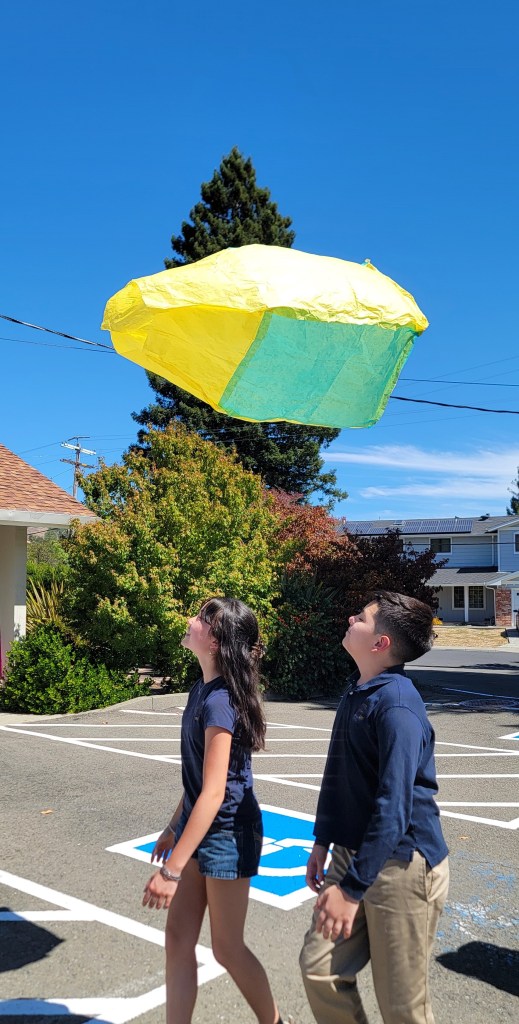
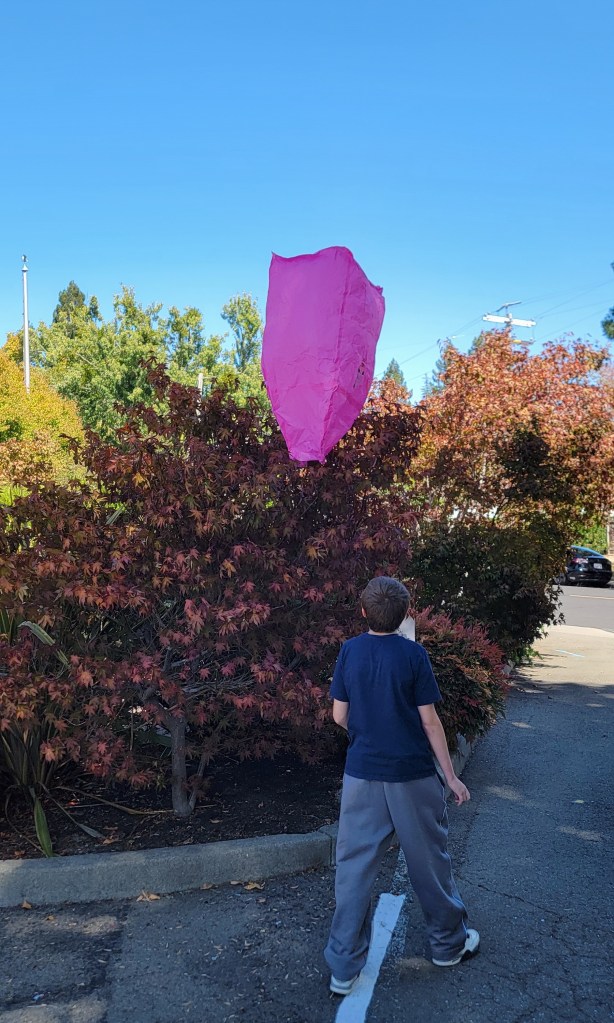
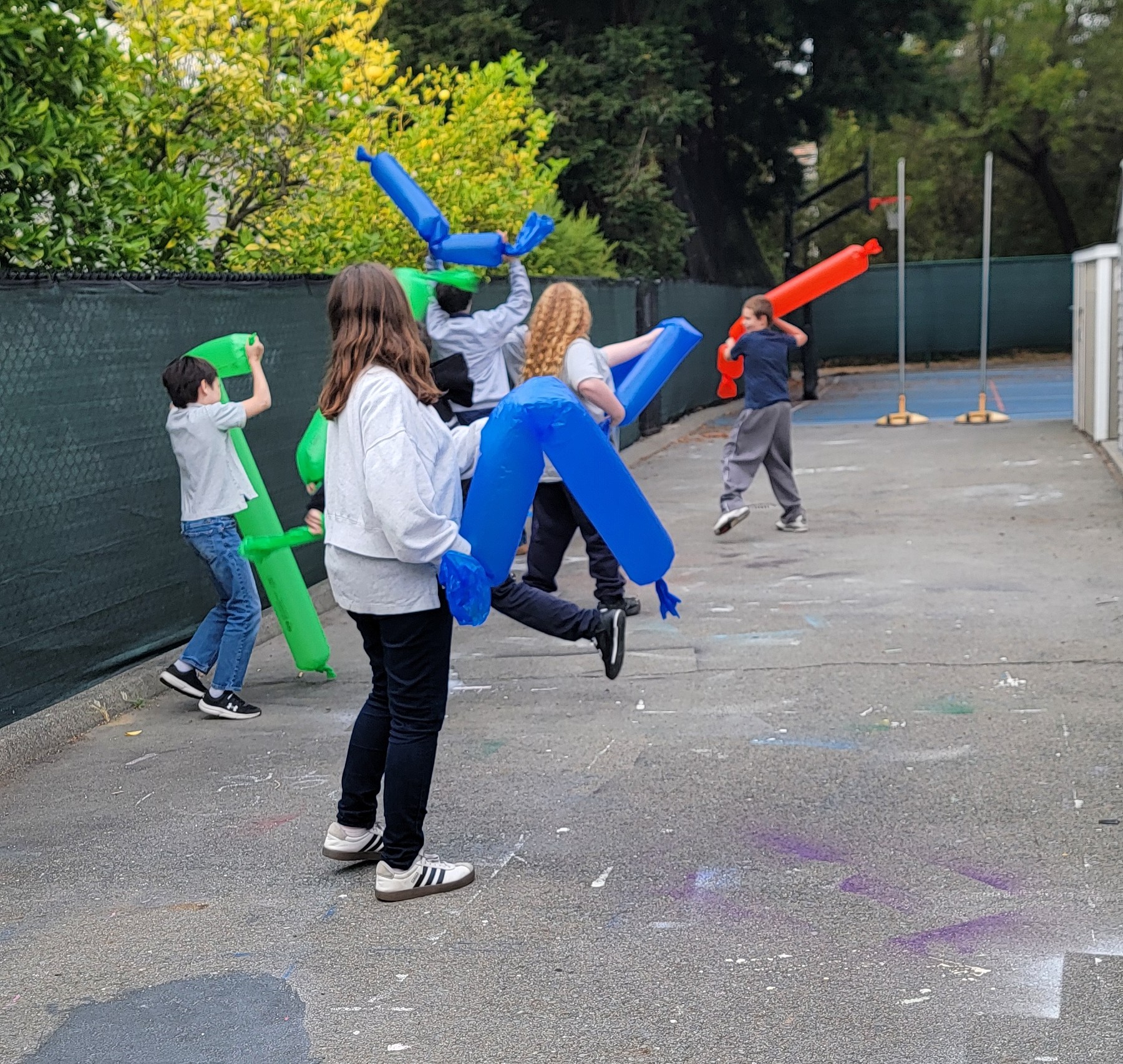
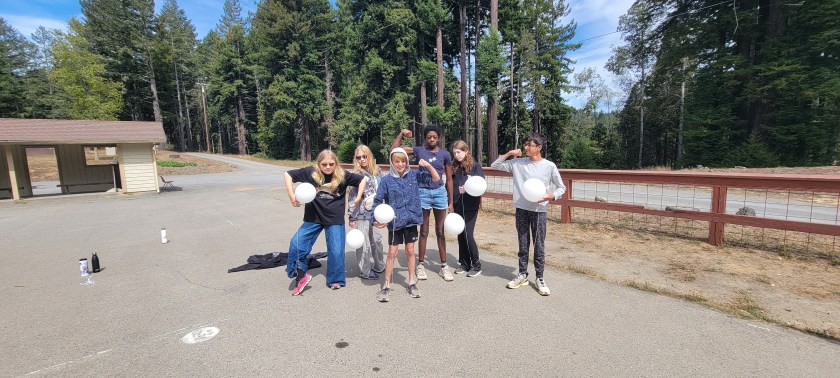
Students have floated boats to explore Archimedes’ Principle, inflated Bernoulli balloons to investigate lift and low pressure, built hydraulic arms to understand Pascal’s Law, and used bell jars to explore air pressure and Boyle’s Law. They even launched hot air balloons to observe thermal expansion, Charles’ Law, and Bernoulli’s Principle in action.
These engaging experiments spark curiosity and help students connect classroom concepts to the world around them. Through each lab, students ask questions, make observations, and discover how scientific principles come to life.
It’s an exciting start to their eighth-grade science journey!
That was the question Saklan’s eighth graders explored as they launched their 2026 Midterm Elections study. Before diving into the details of elections and the political process, students first took a step back to consider the meaning of one of the central ideas behind them: democracy.
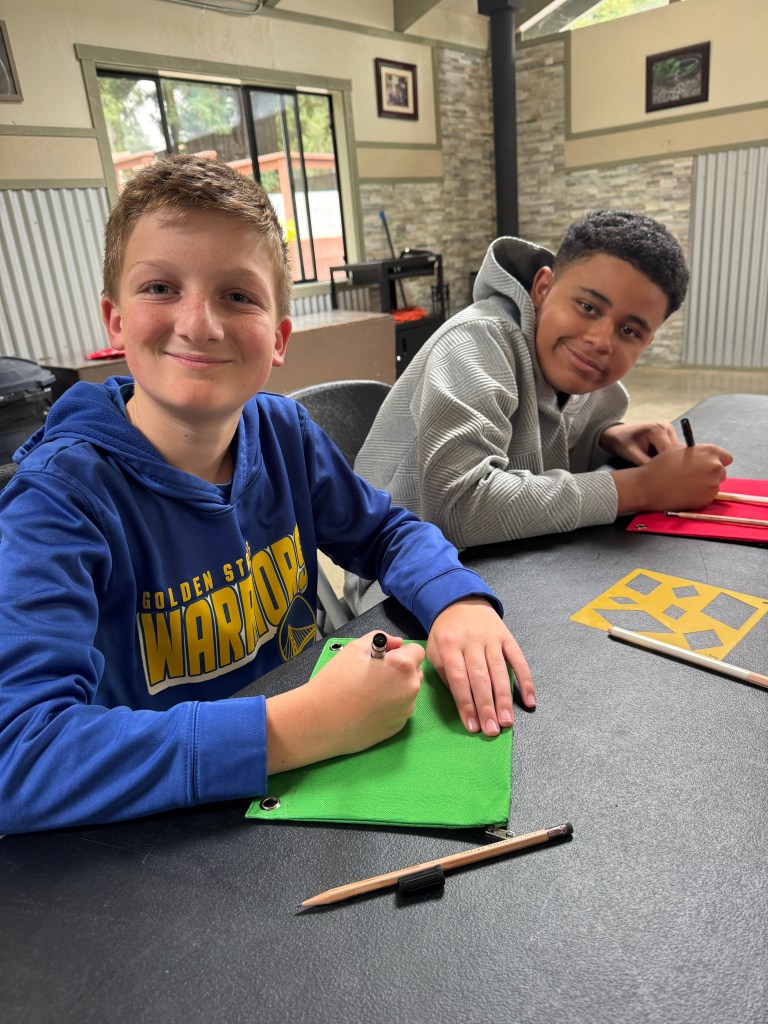
To begin, the class read and discussed a series of quotes about democracy. Students considered different perspectives, shared their interpretations, and began thinking about what ideas and values are at the heart of a democratic society.
Defining Democracy Through Words and Images
Next, students were invited to contribute to a classroom display by choosing one of two creative responses.
They could create a sketch in response to the question, “What image or symbol might we use to represent democracy?” Or, they could write their own definition of democracy.
The different responses allowed students to explore the concept from both visual and written perspectives. What symbols represent democracy? What values are essential to it? What does democracy look like in practice?
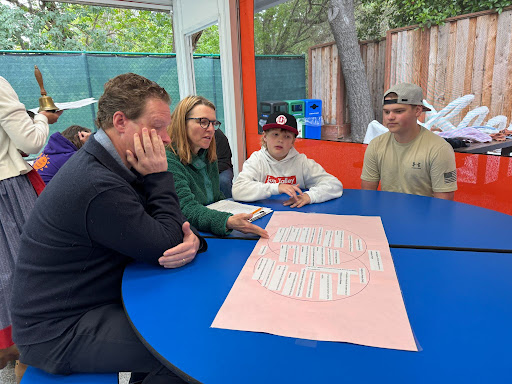
Finally, the class came together for a group brainstorm. Students shared their ideas and identified the concepts they felt were most important to include in a collective definition of democracy.
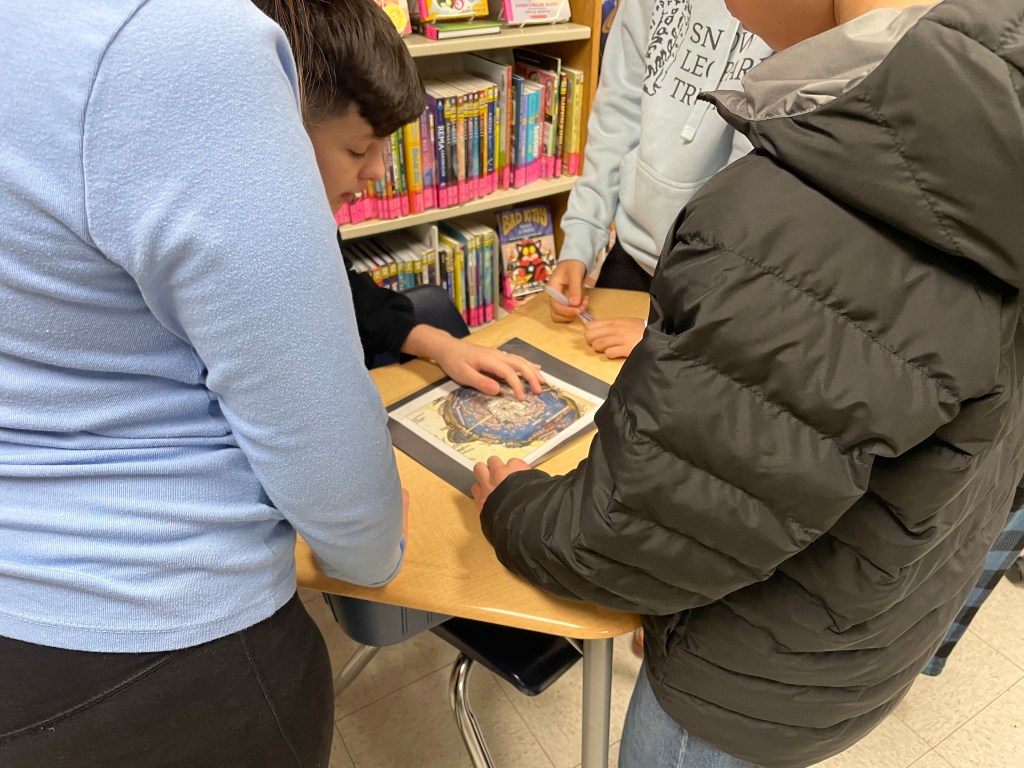
Their ideas were brought together into a final list that is on display in the Saklan Library, creating a student-generated definition that will serve as a starting point for their continued exploration throughout the elections unit.
By beginning with a question rather than a predetermined definition, our eighth graders are learning that understanding democracy requires more than memorizing a word. It requires asking questions, considering different perspectives, listening to others, and thinking critically about the ideas that shape our communities and our world.
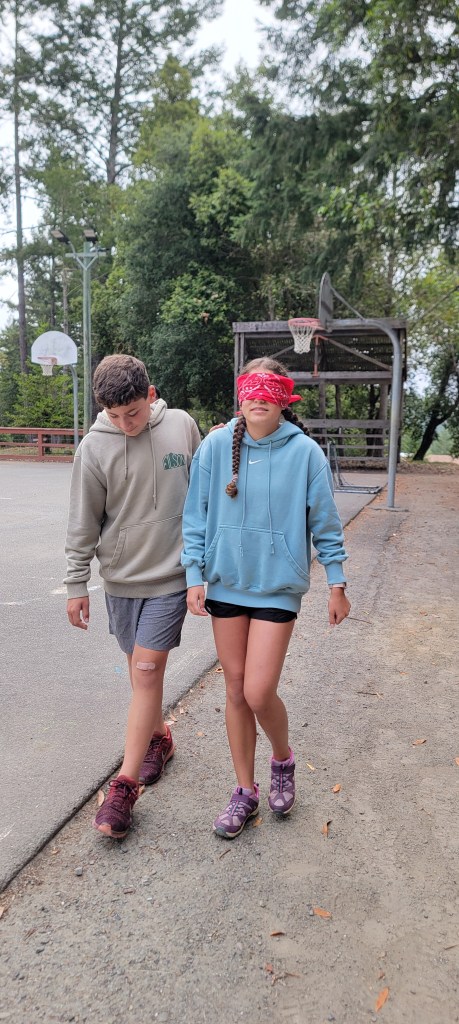
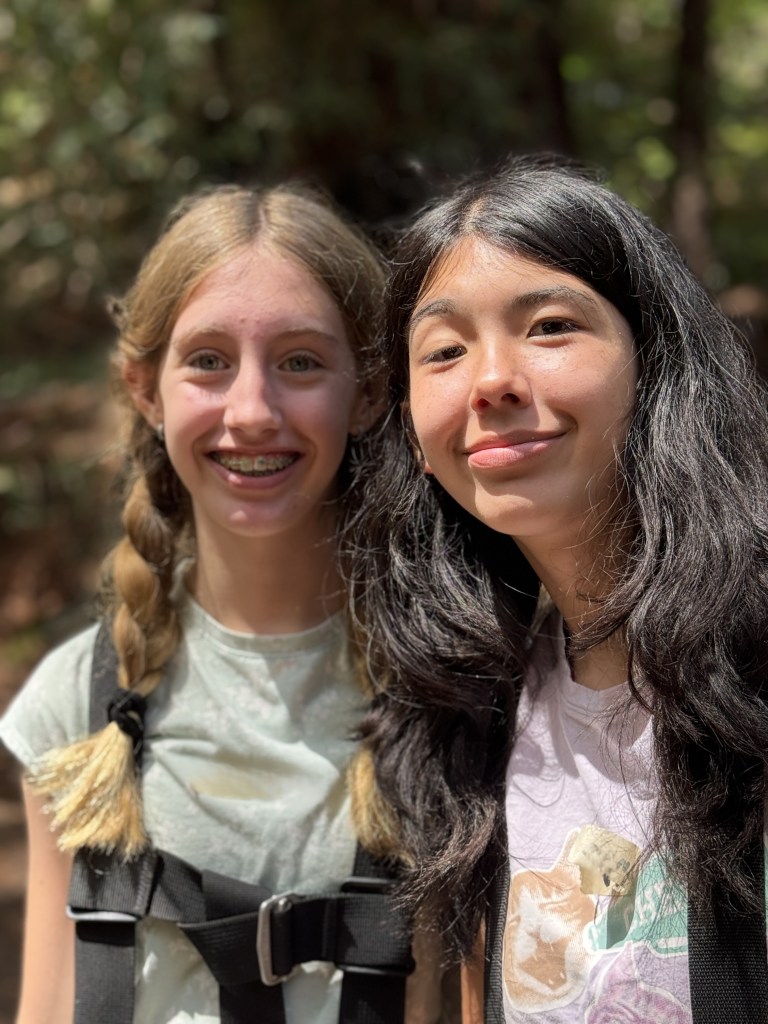
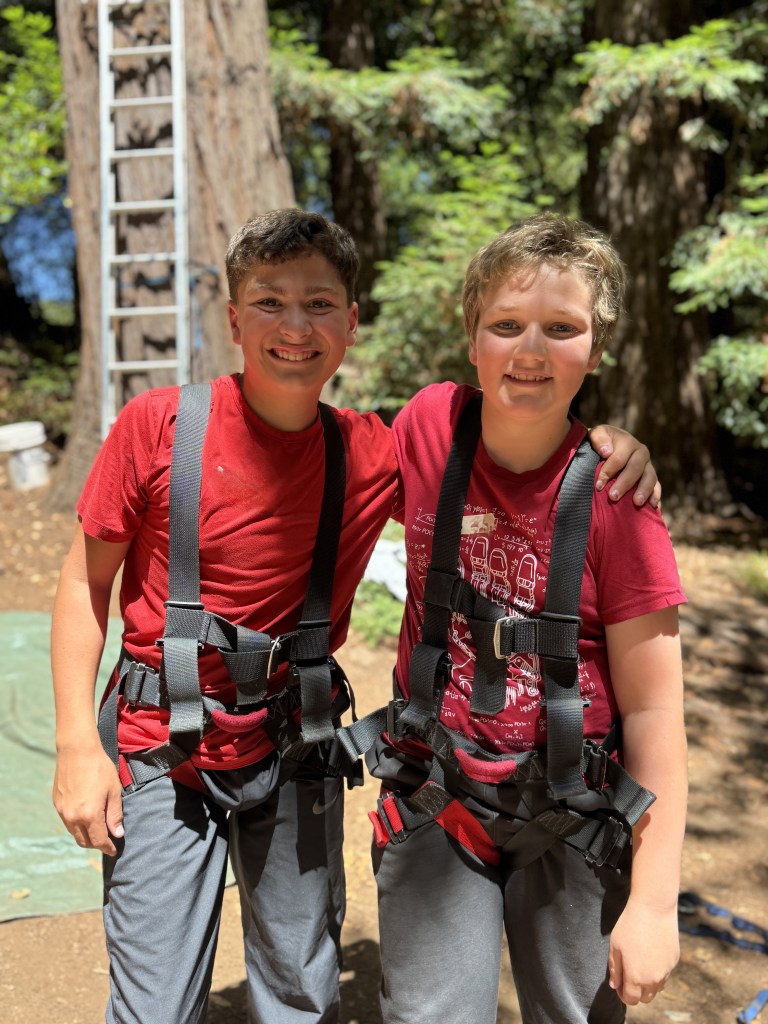
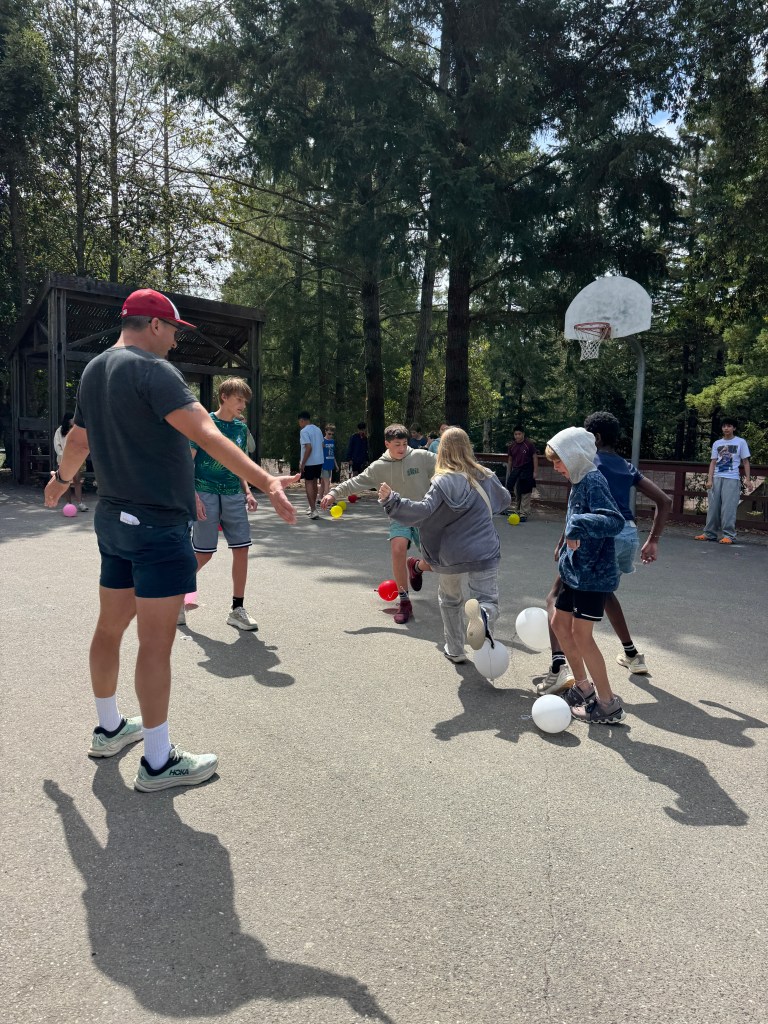
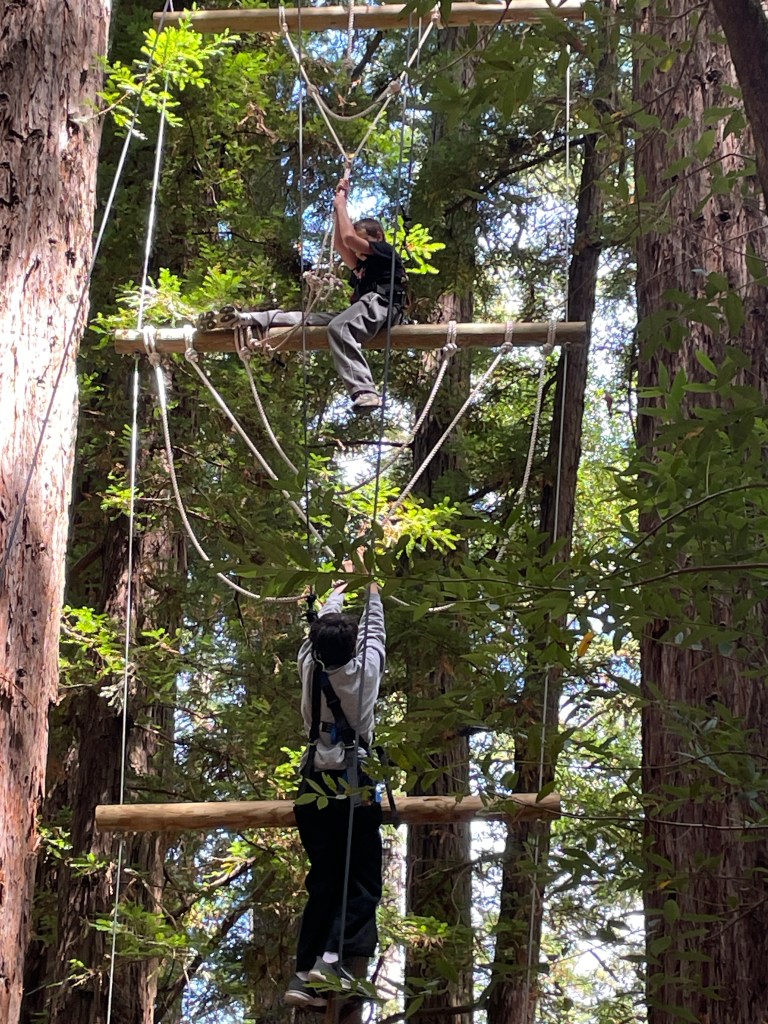
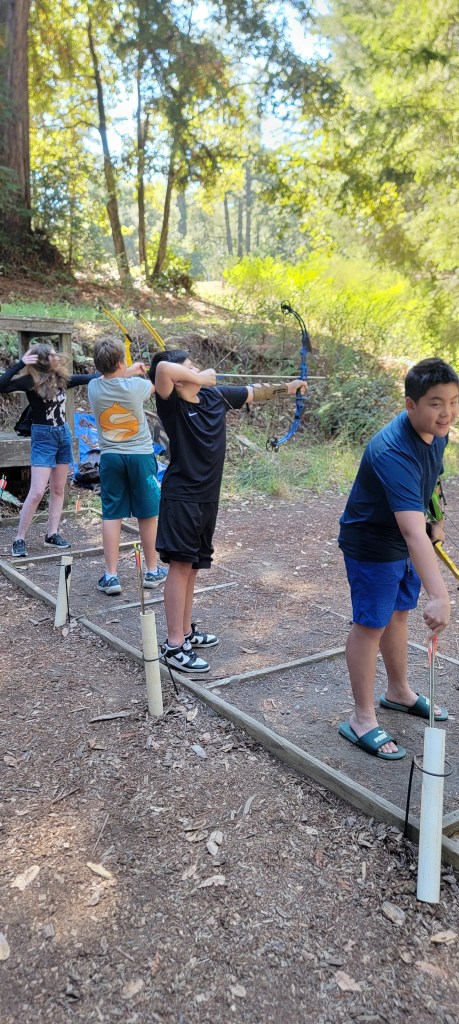
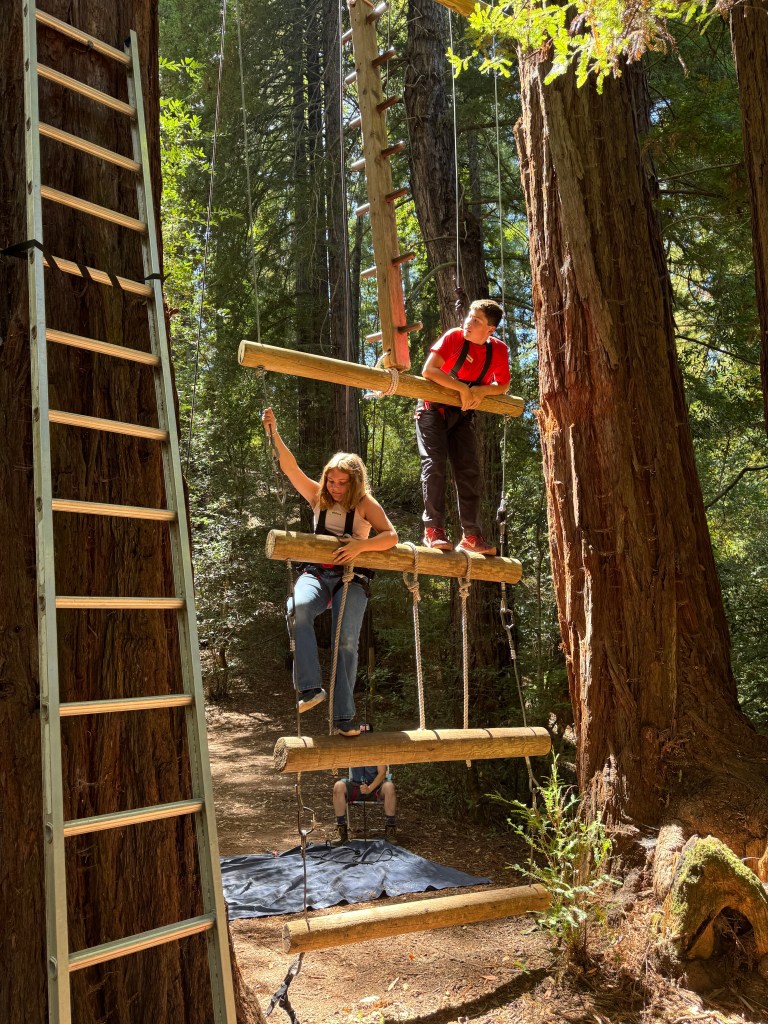
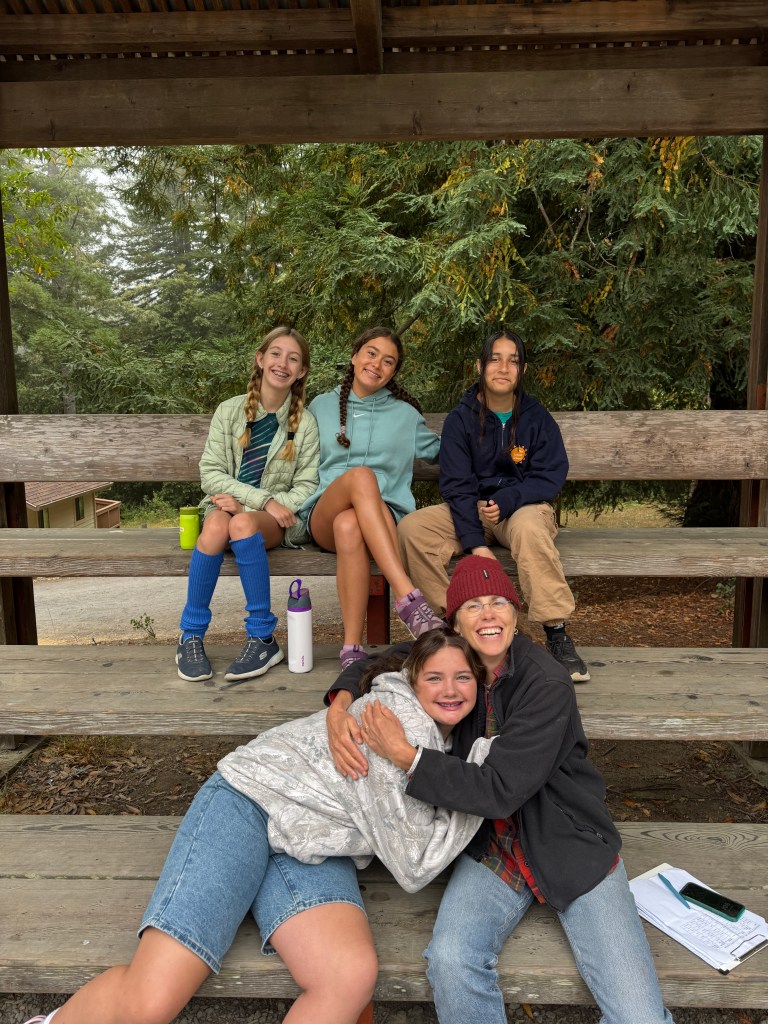
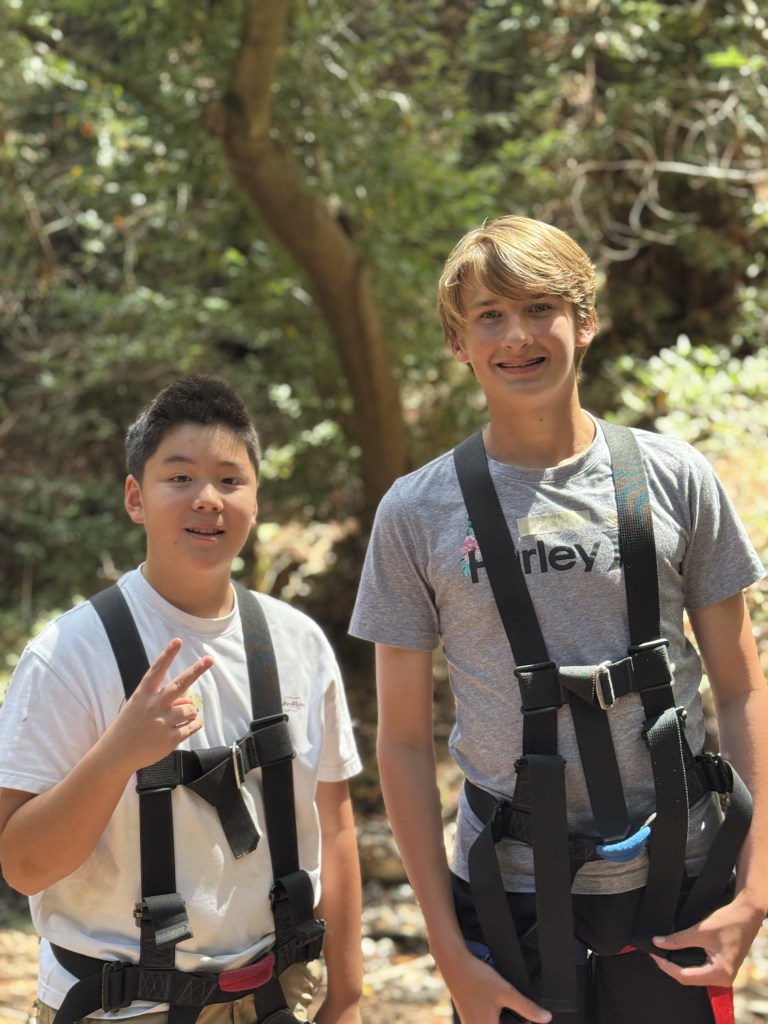
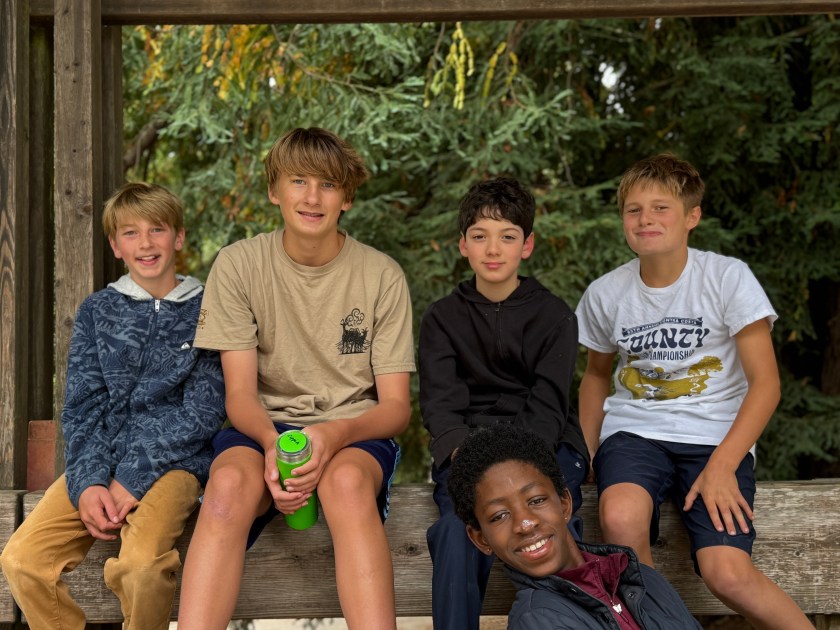
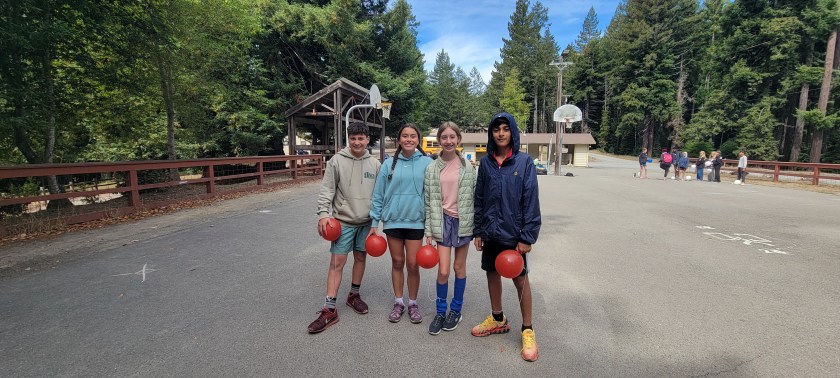
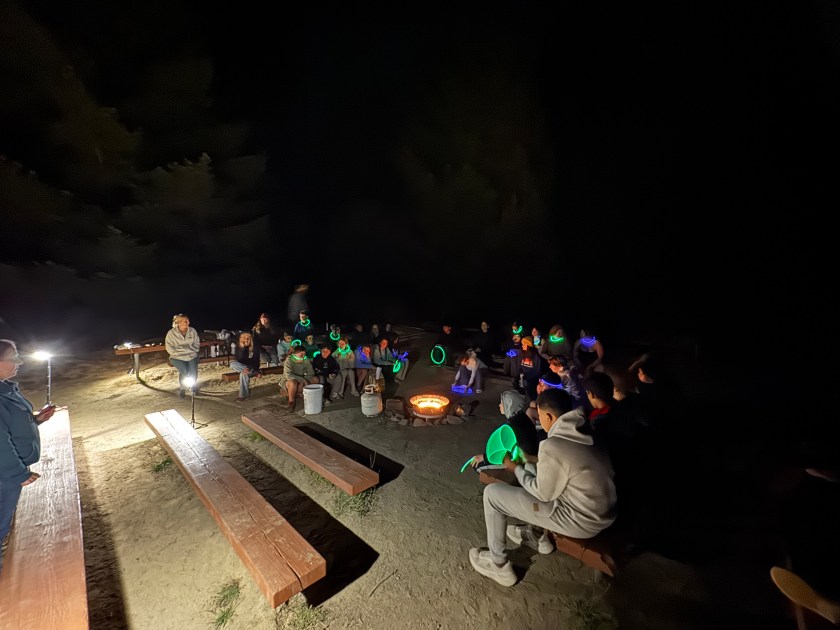
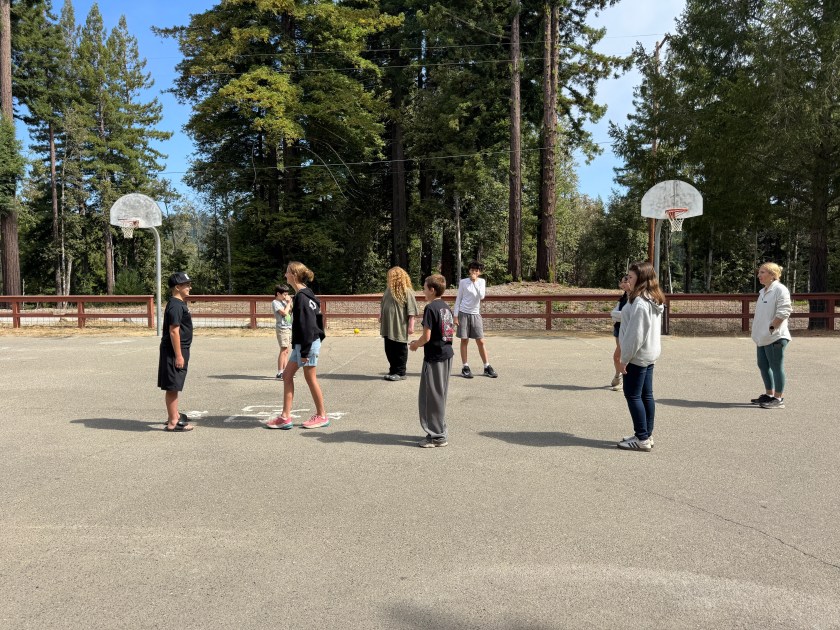
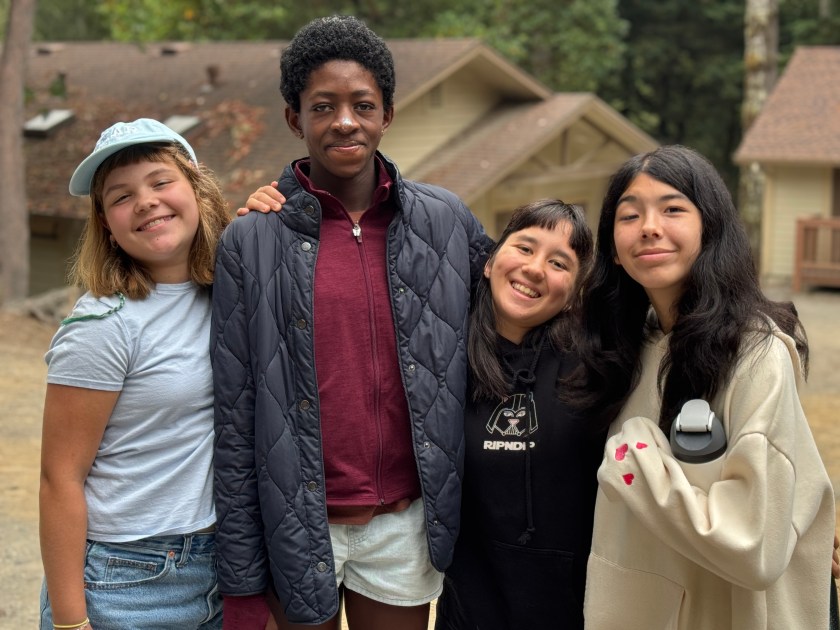
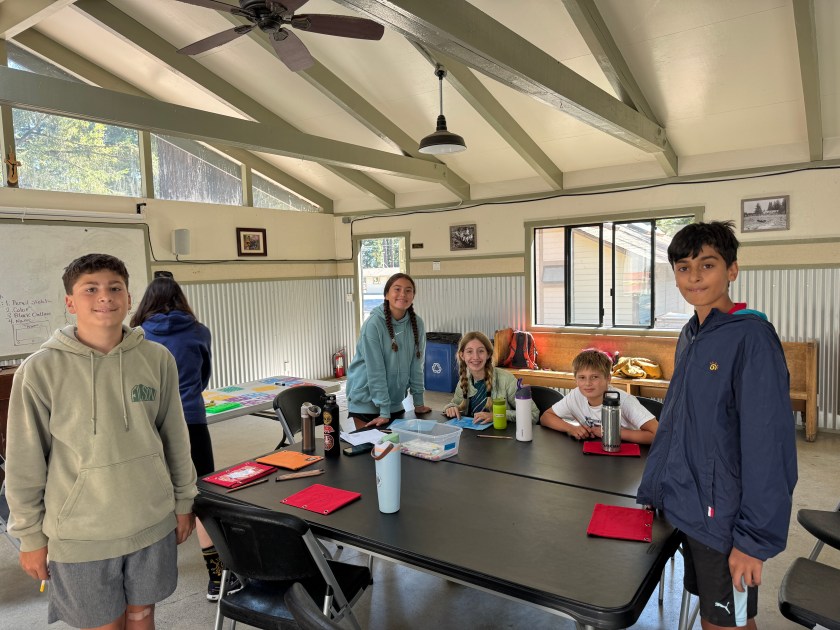
A long-standing Saklan Middle School tradition, the Advance is a three-day, two-night field experience designed to bring students and teachers together at the very start of the school year. More than simply a trip, the Advance gives students an opportunity to step outside their everyday routines, build relationships, and begin the year with confidence, connection, and a shared sense of purpose.
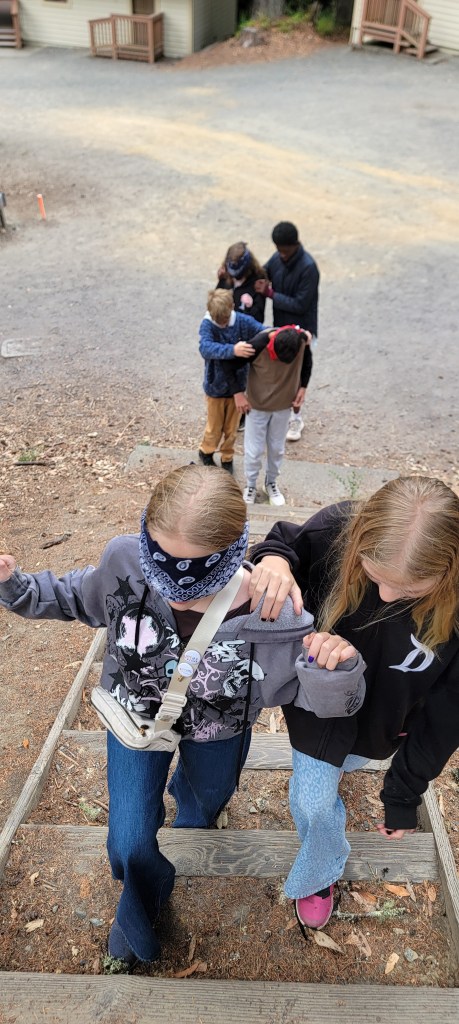
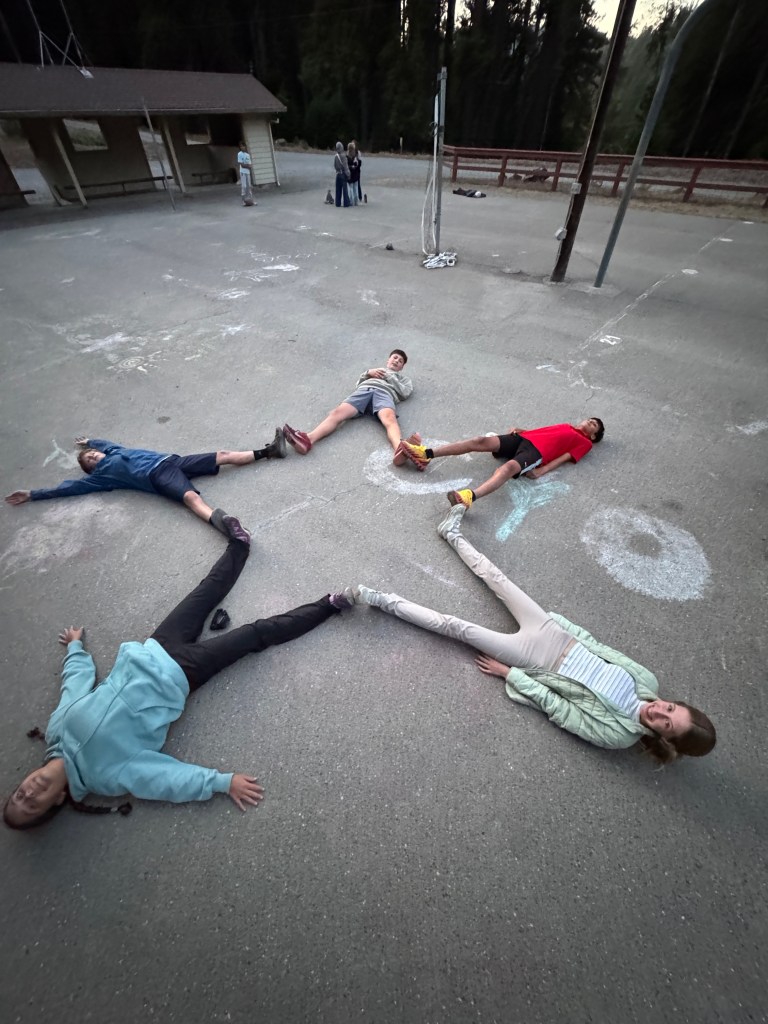
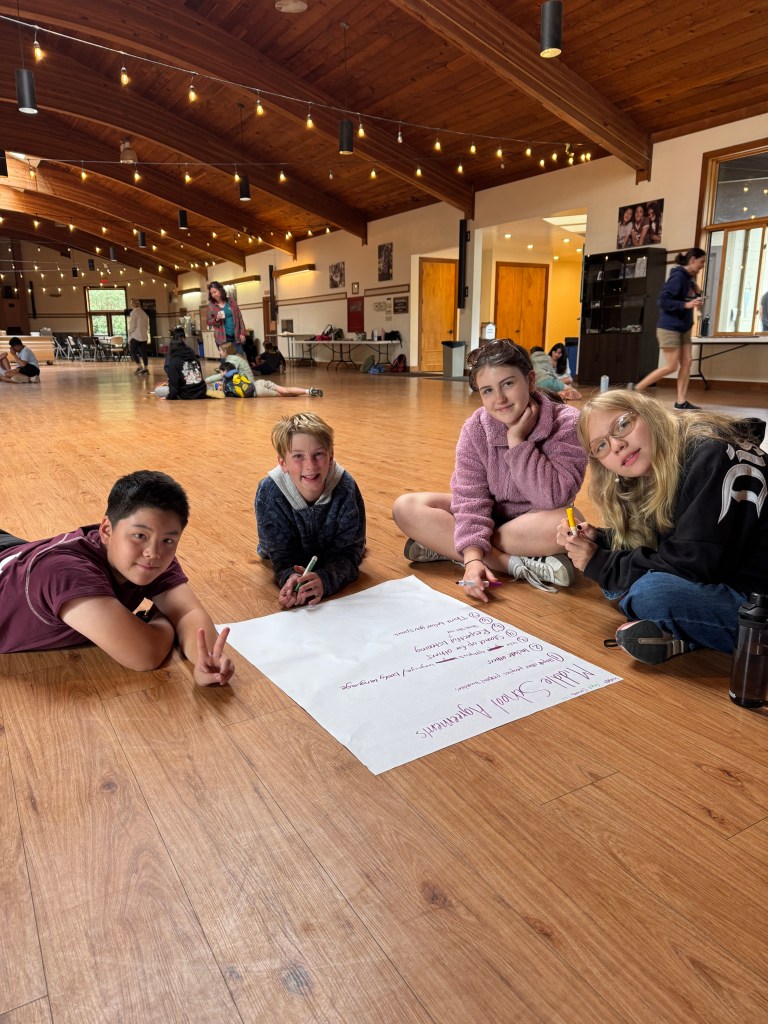
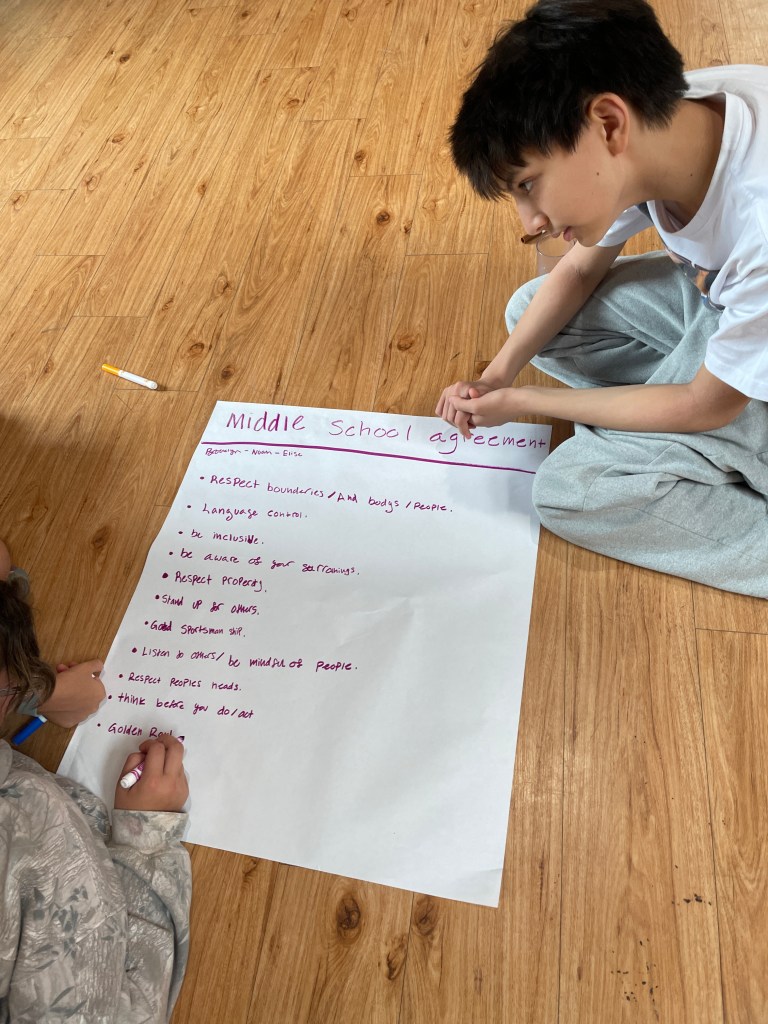
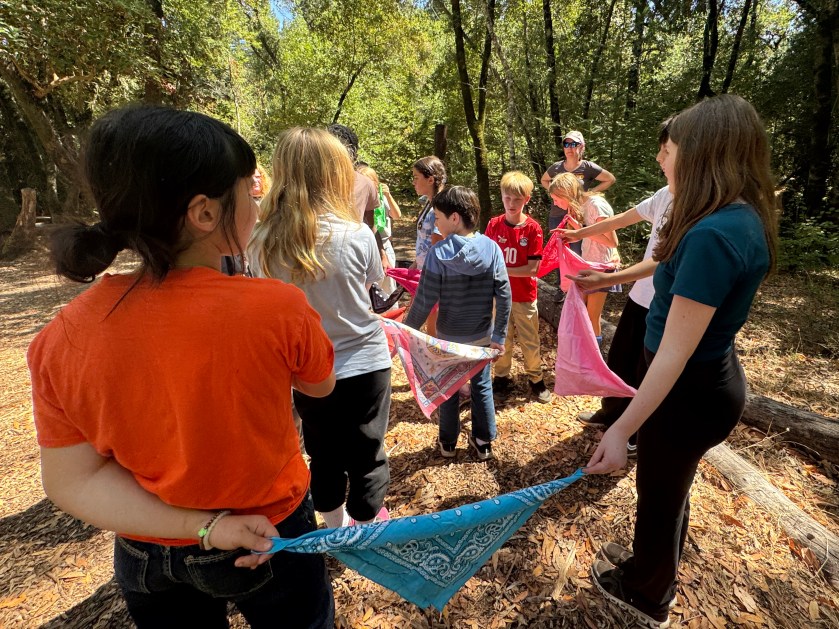
Throughout the experience, students participate in activities that strengthen relationships with both peers and teachers. From navigating ropes courses and paddling canoes to creating advisory names and norms and tackling team-building challenges, each activity encourages students to collaborate, communicate, and trust one another.
The Advance also invites students to take risks together in a supportive environment. As they try new things, navigate challenges, and share plenty of laughter, students form new friendships and deepen existing connections. These shared experiences help create the strong sense of belonging that allows students to thrive—not only socially and emotionally, but academically as well.
When the Middle School students and teachers returned to campus on Monday, they were a little different from the group that had arrived on the first day of school. They had new friendships, stronger connections, and a growing sense of themselves as a community.
Most importantly, they came back ready to learn, grow, support one another, and make the most of their middle school journey together.
At Saklan, the Advance is more than a field experience. It is the beginning of a community and the foundation for a year of growth, courage, collaboration, and connection.
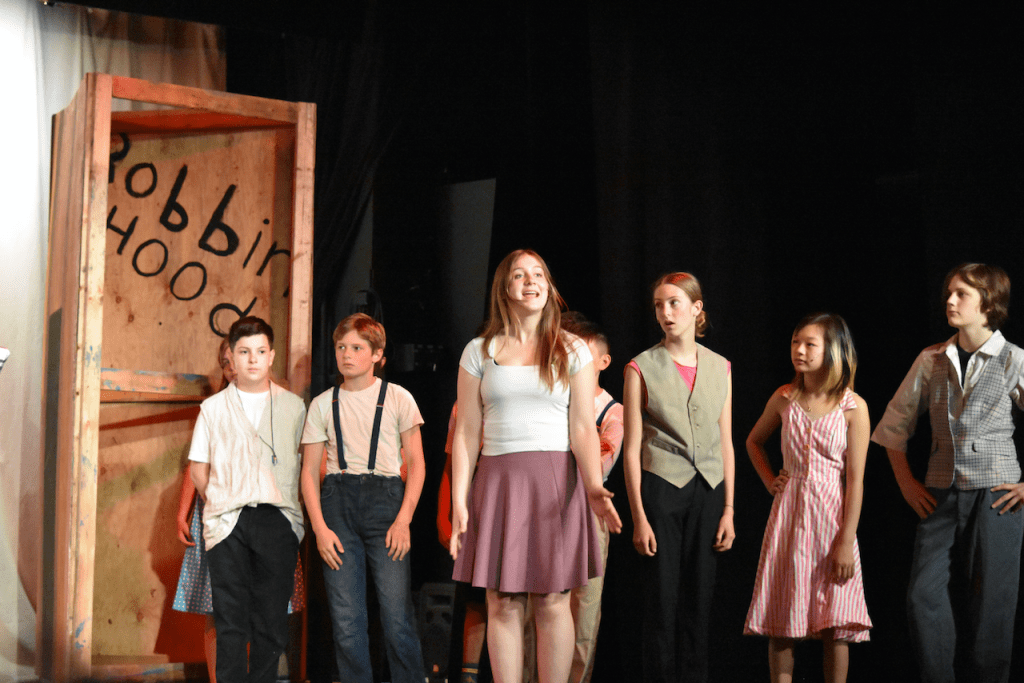
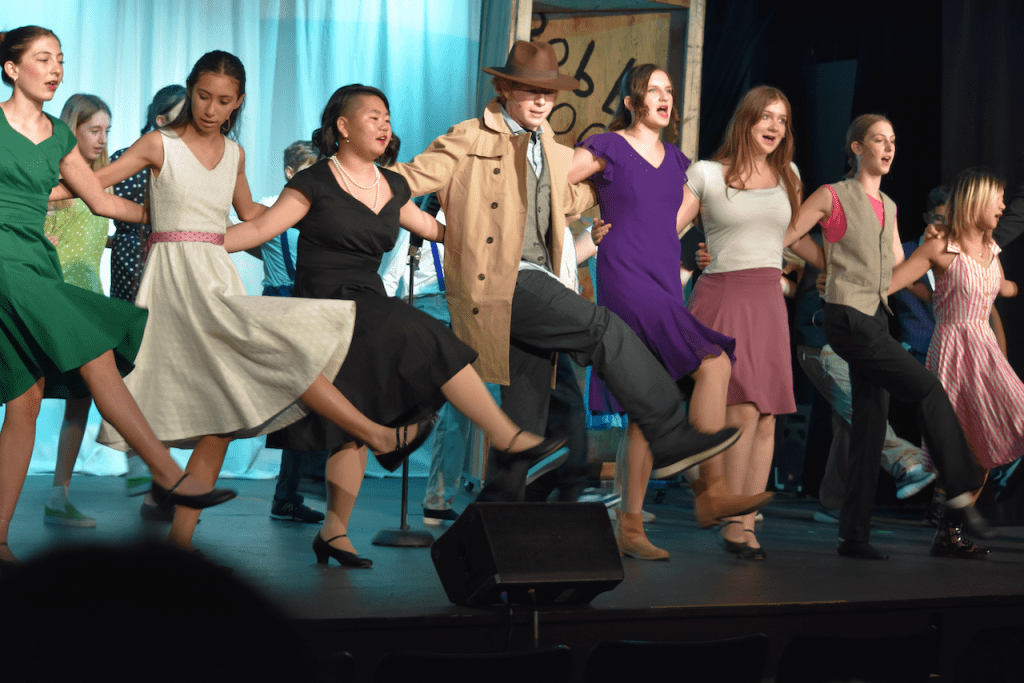
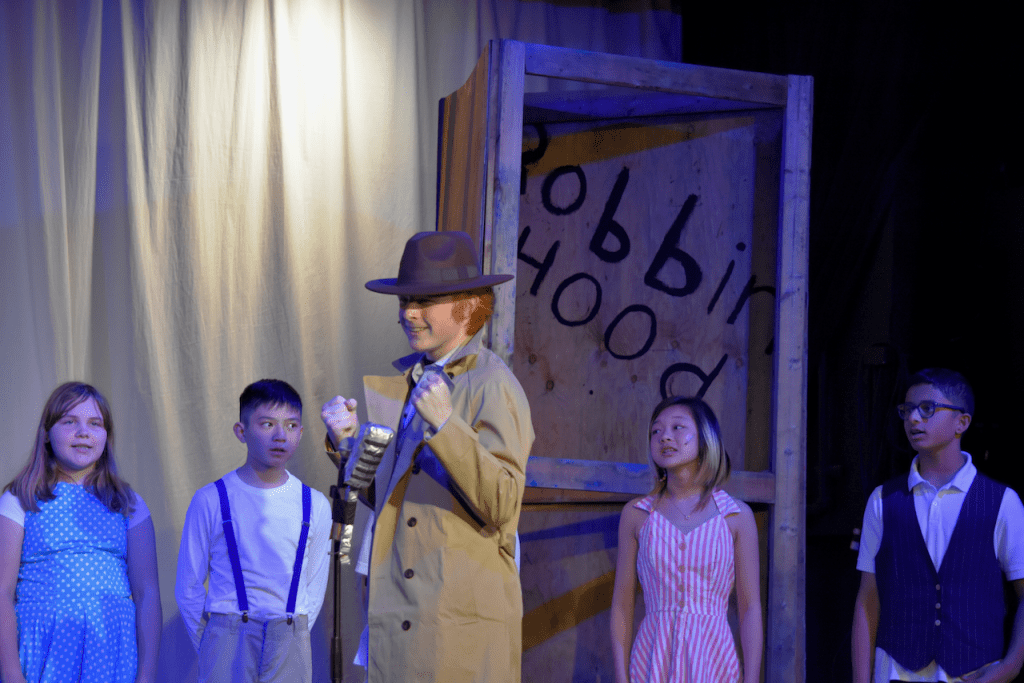
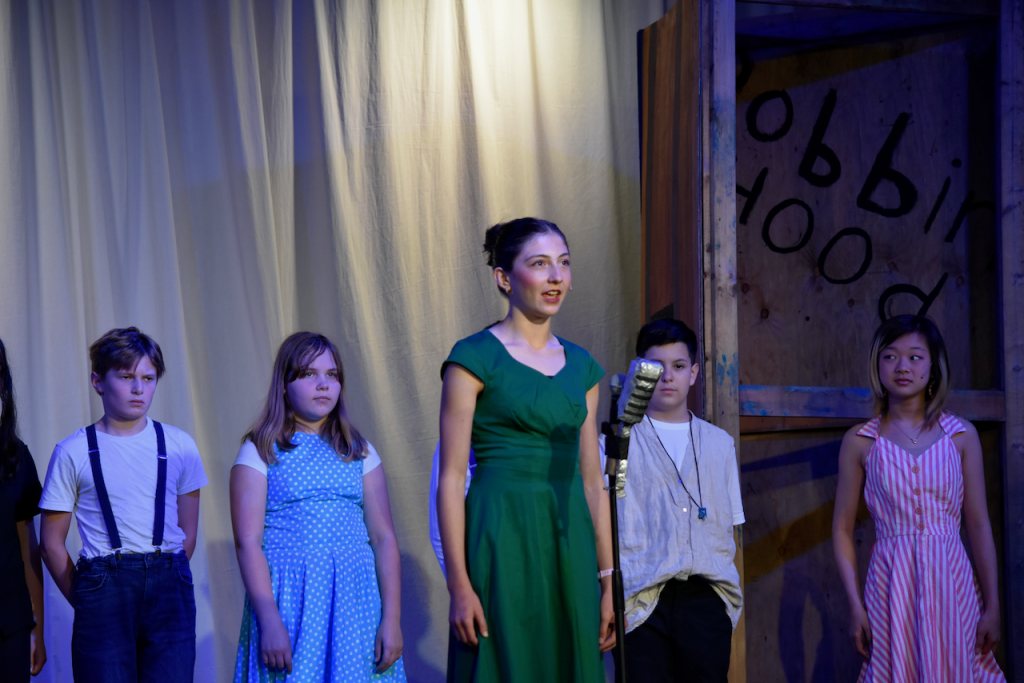
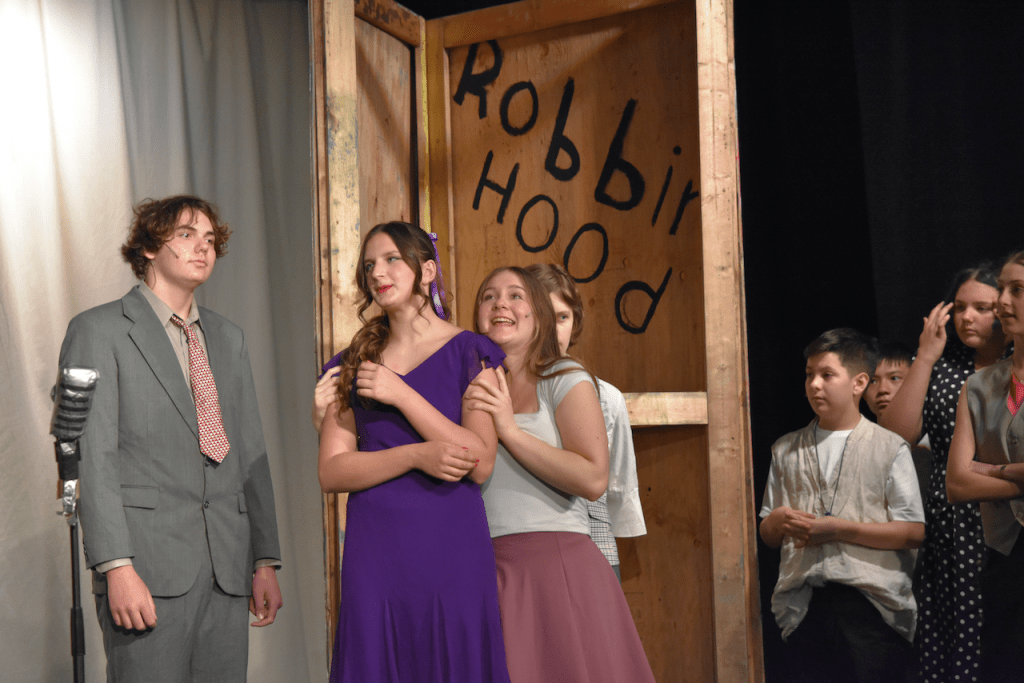
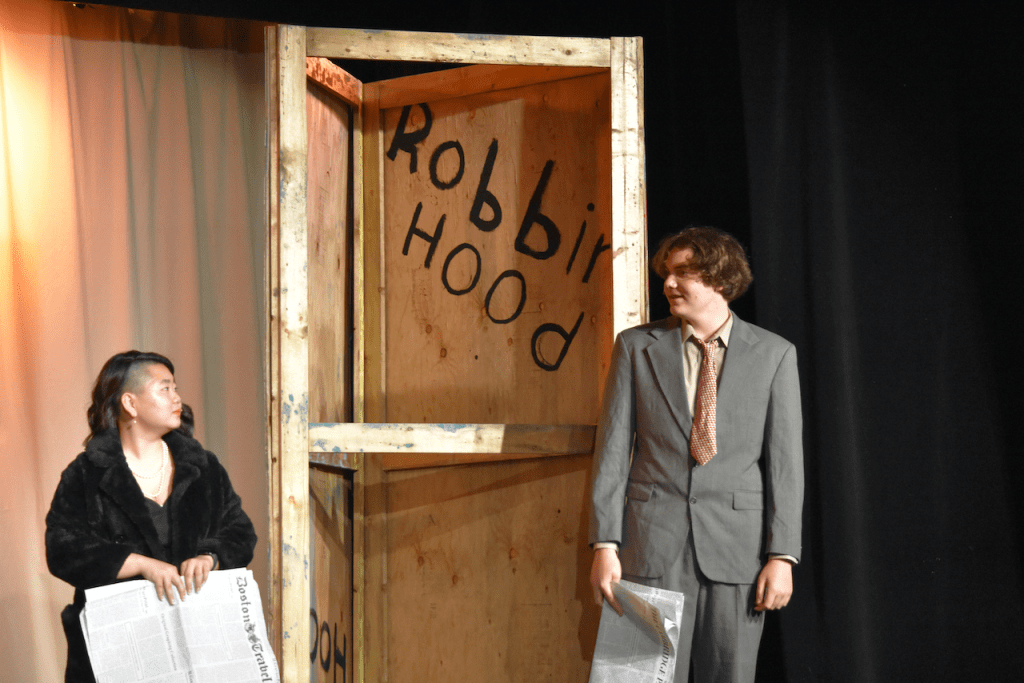
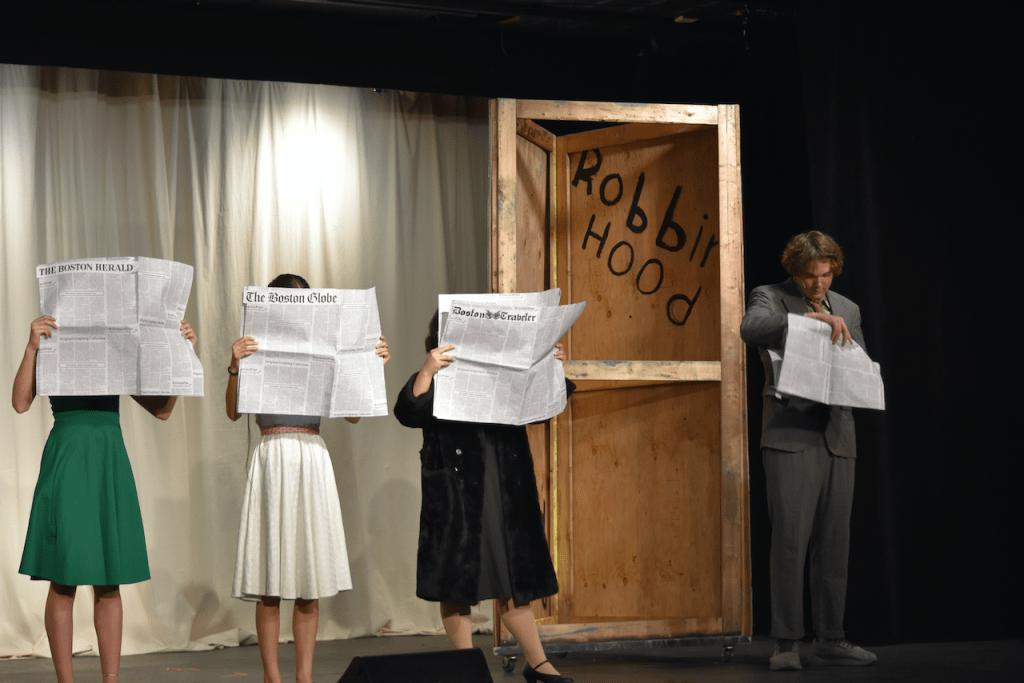
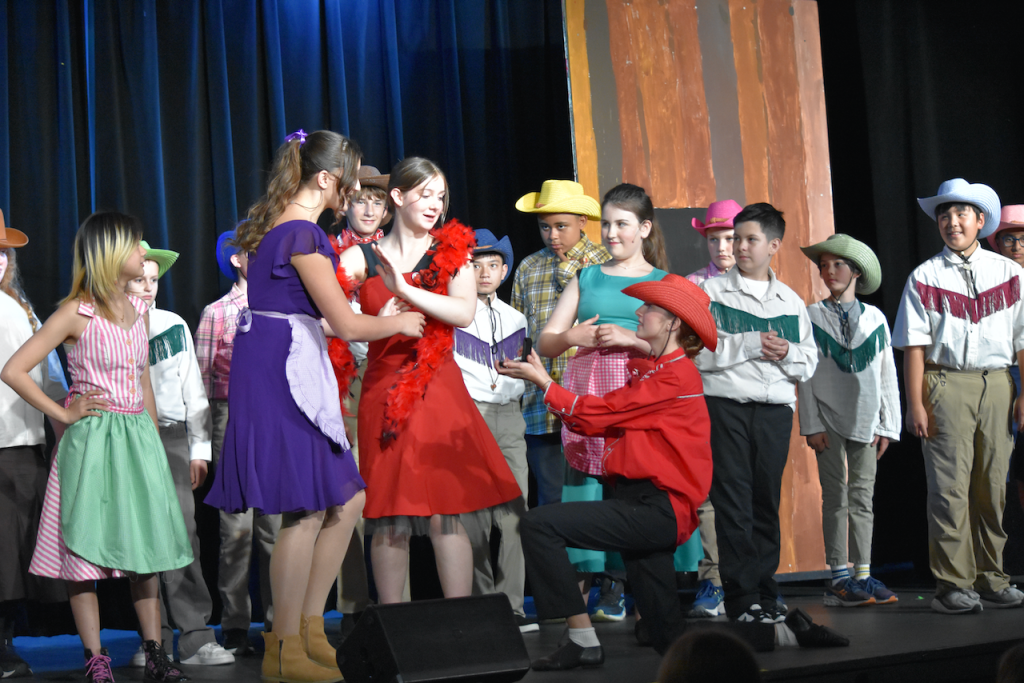
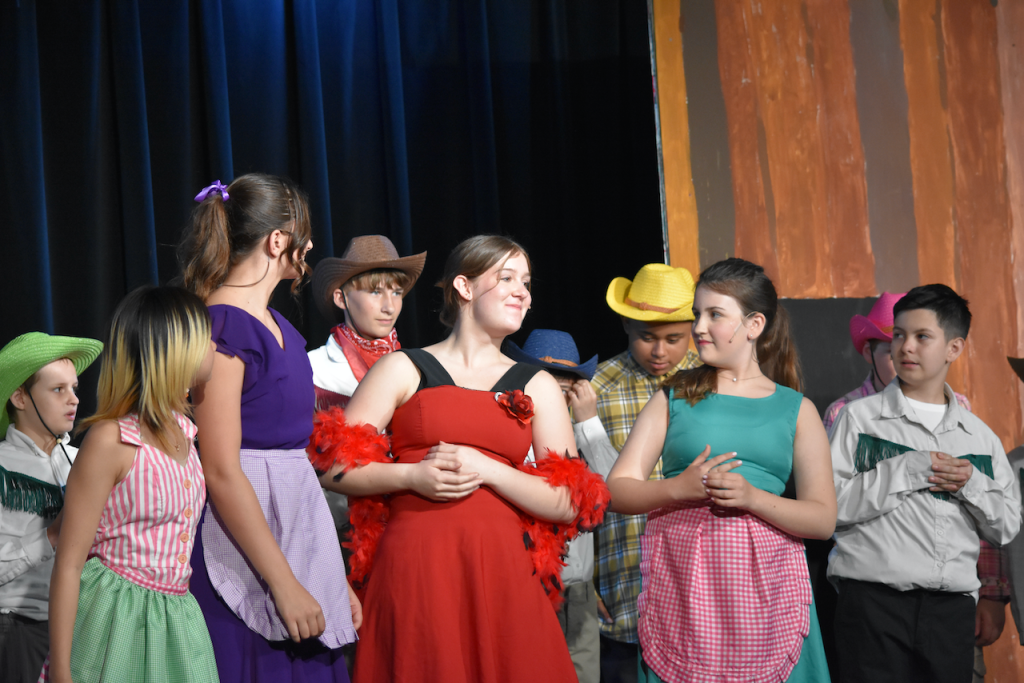
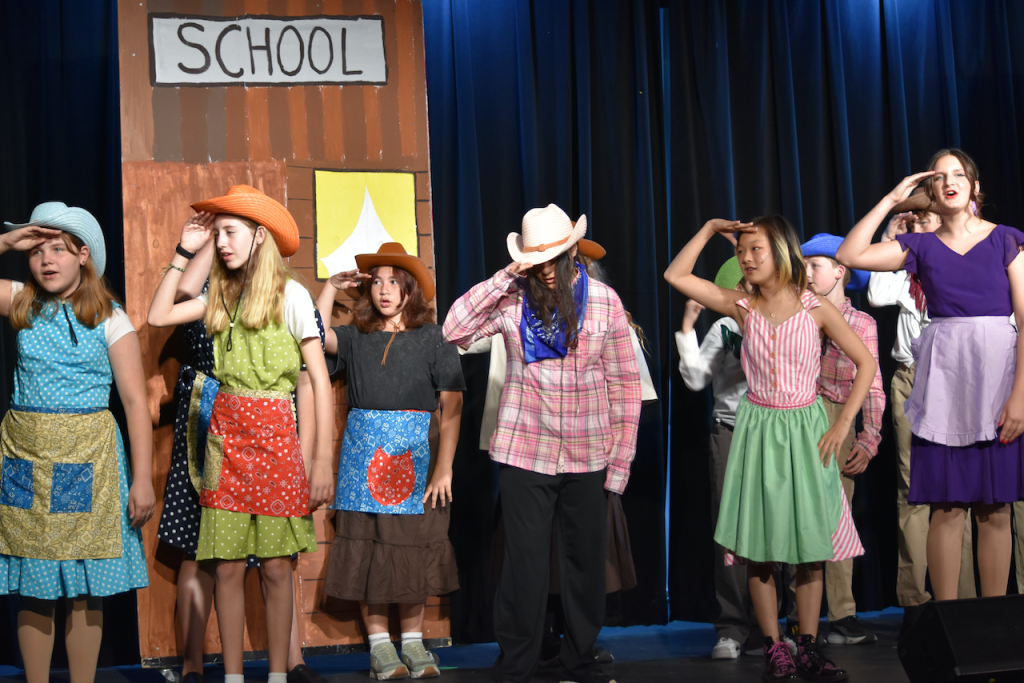
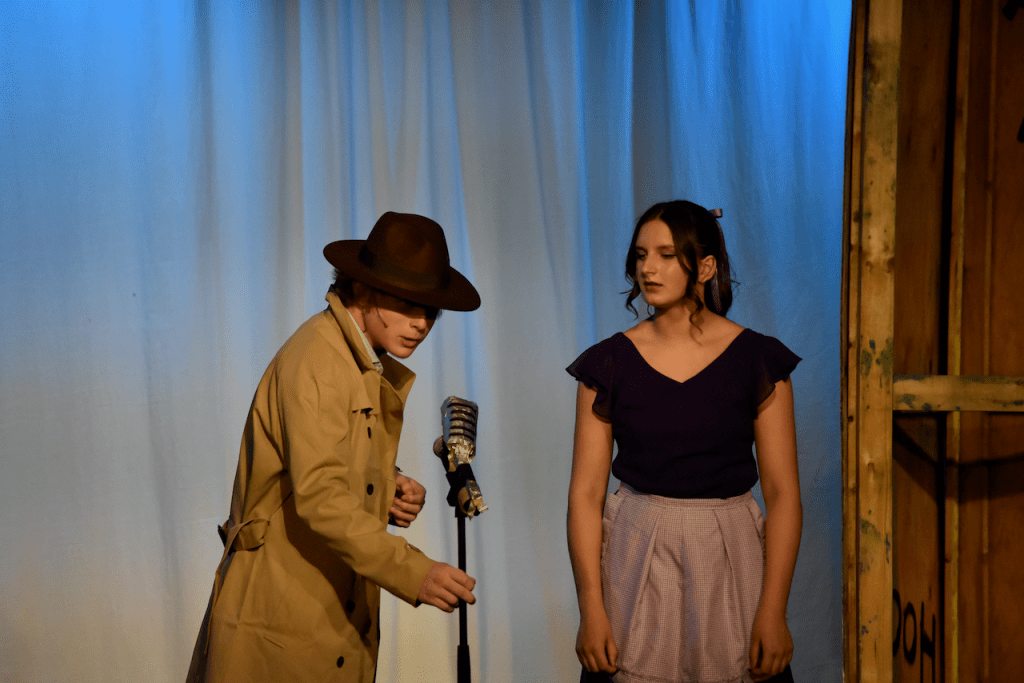
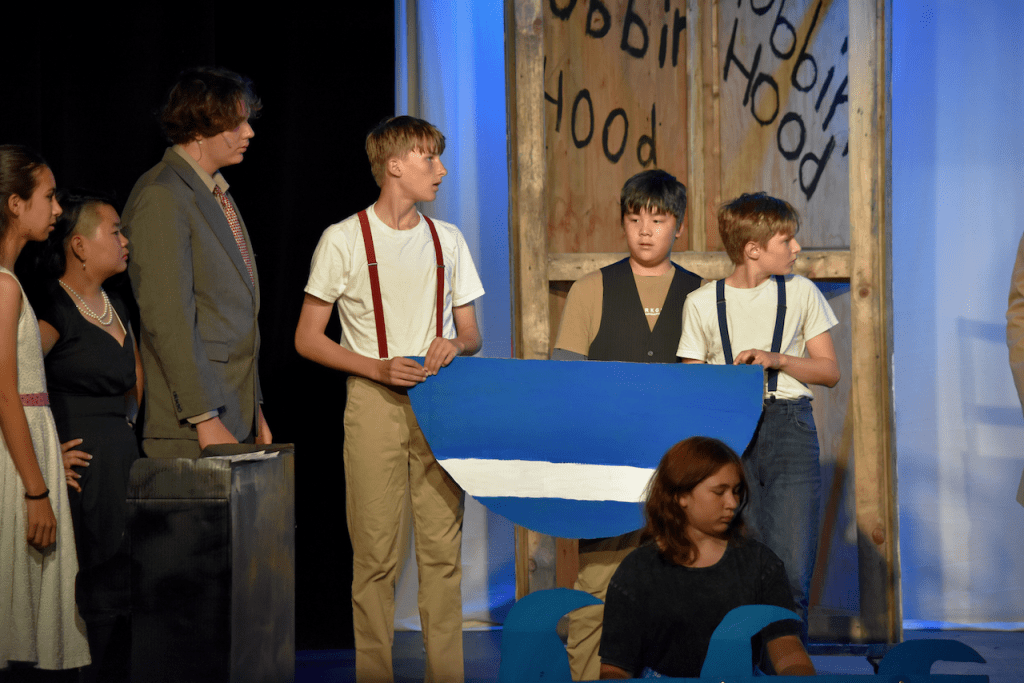
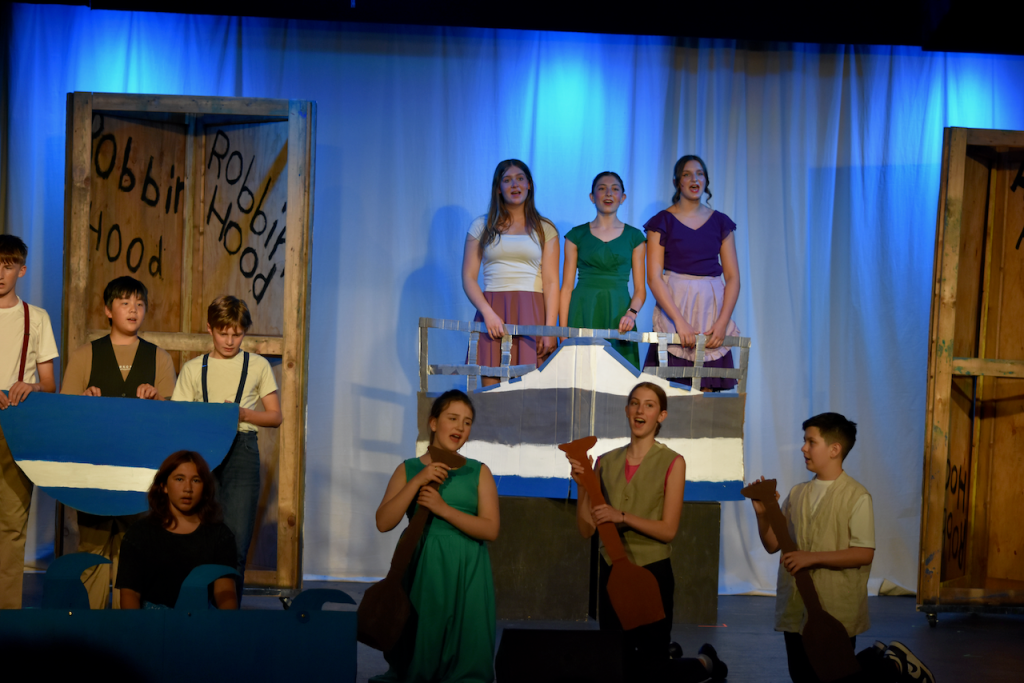
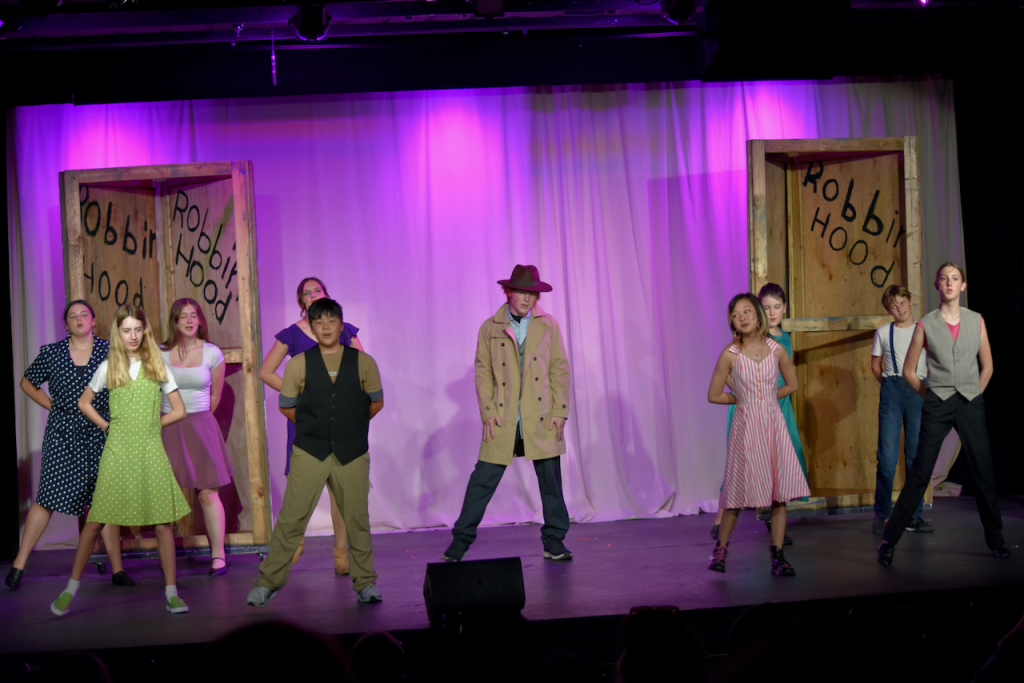
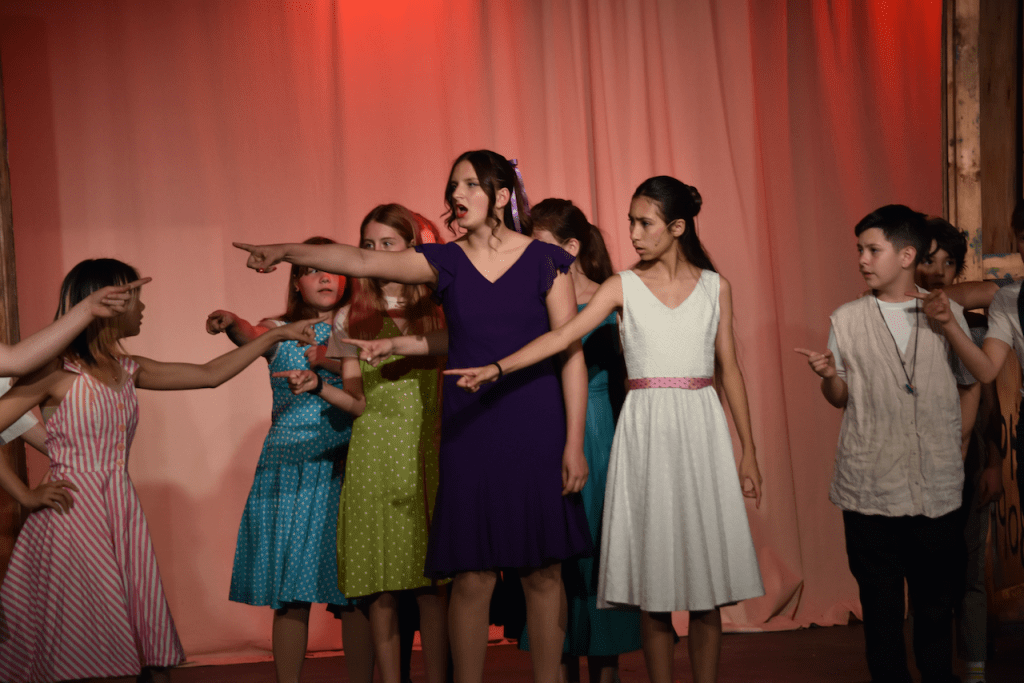
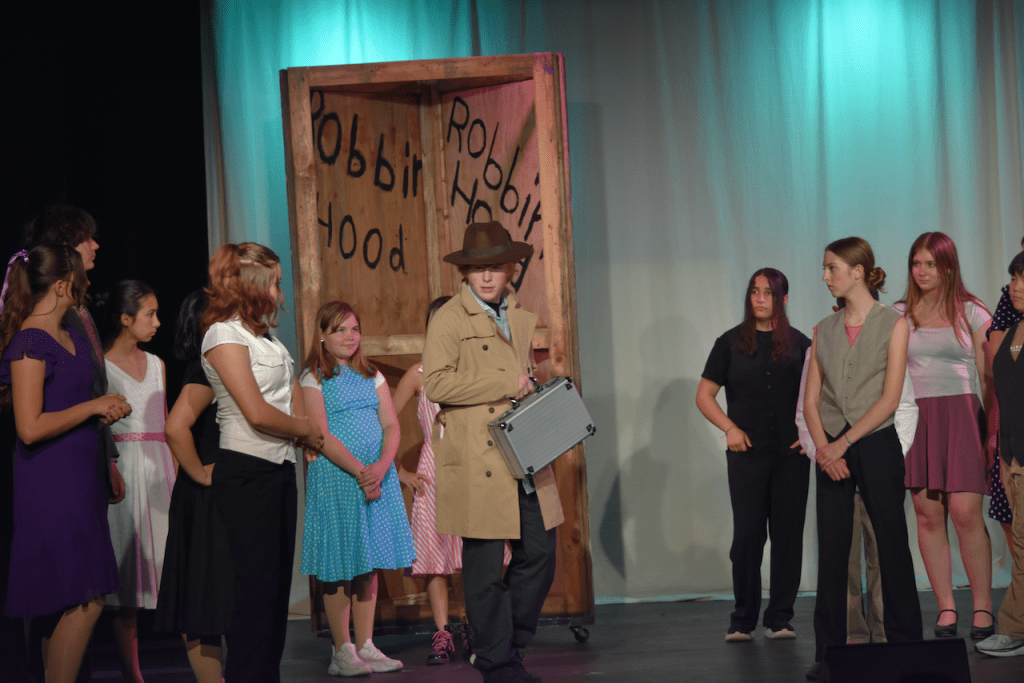
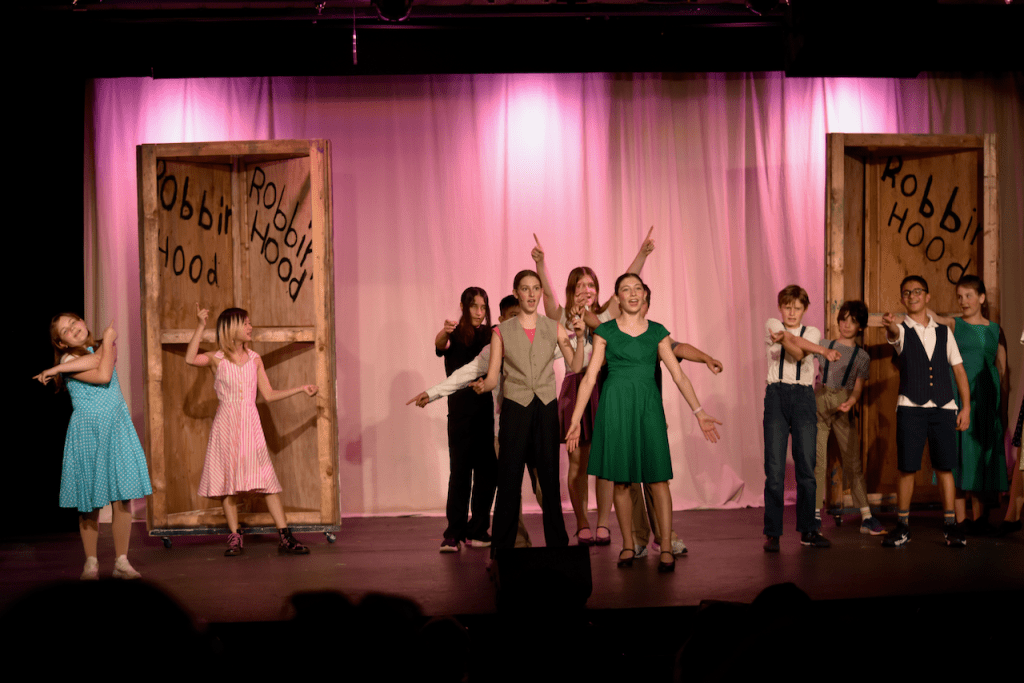
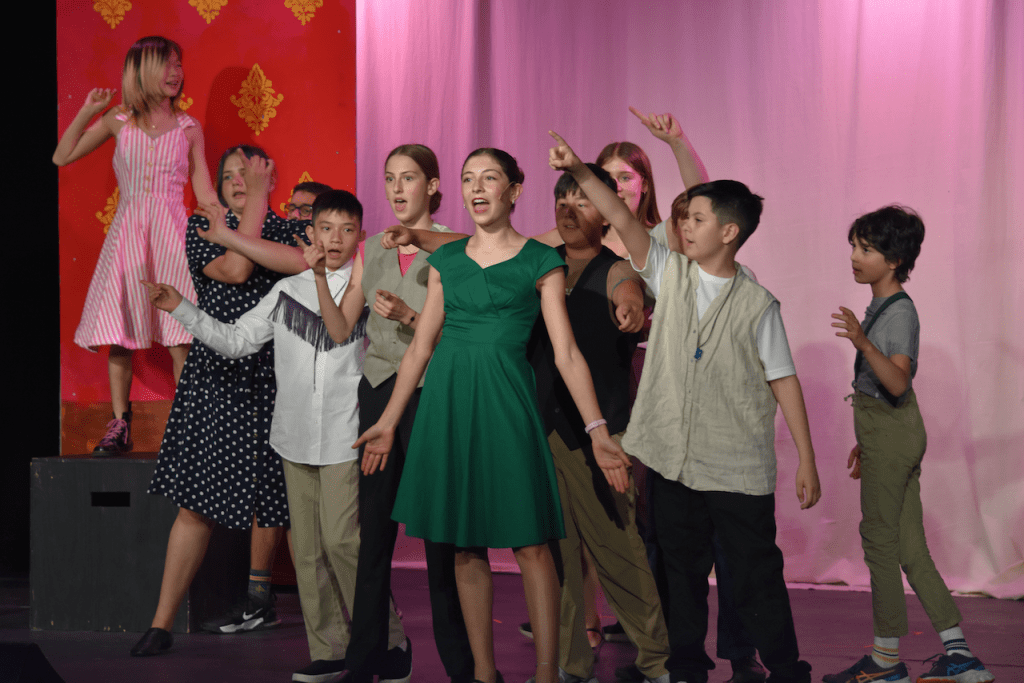
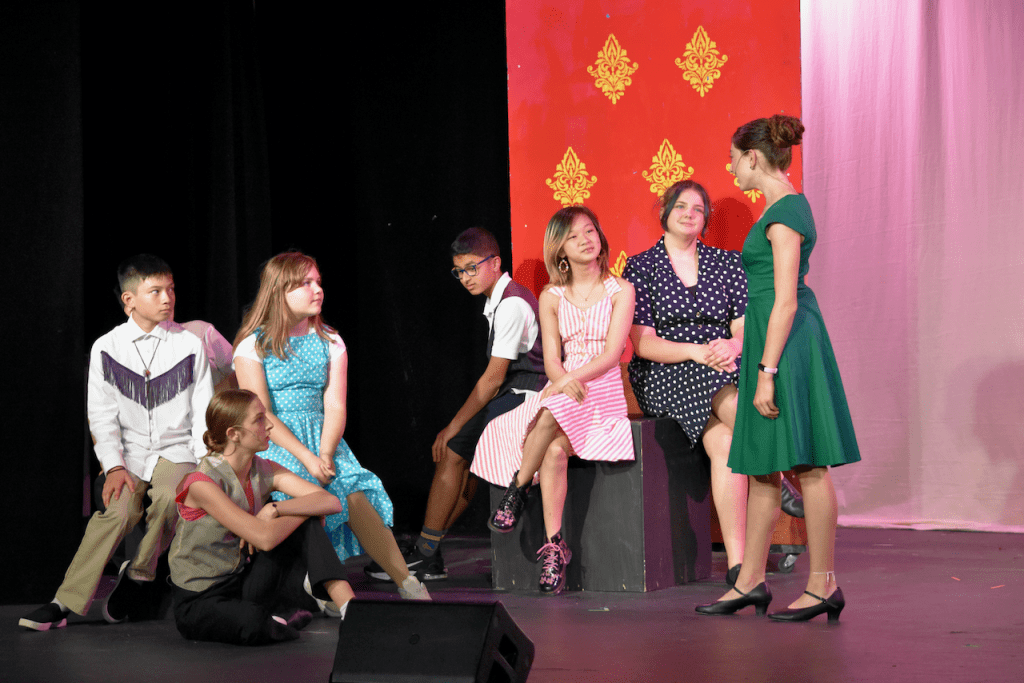
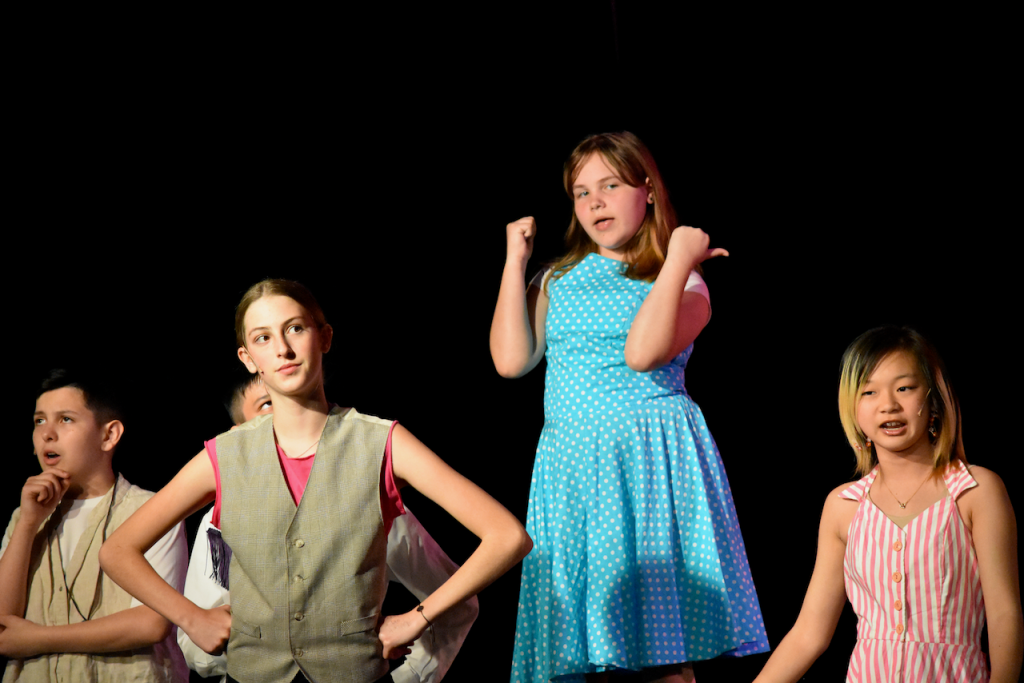
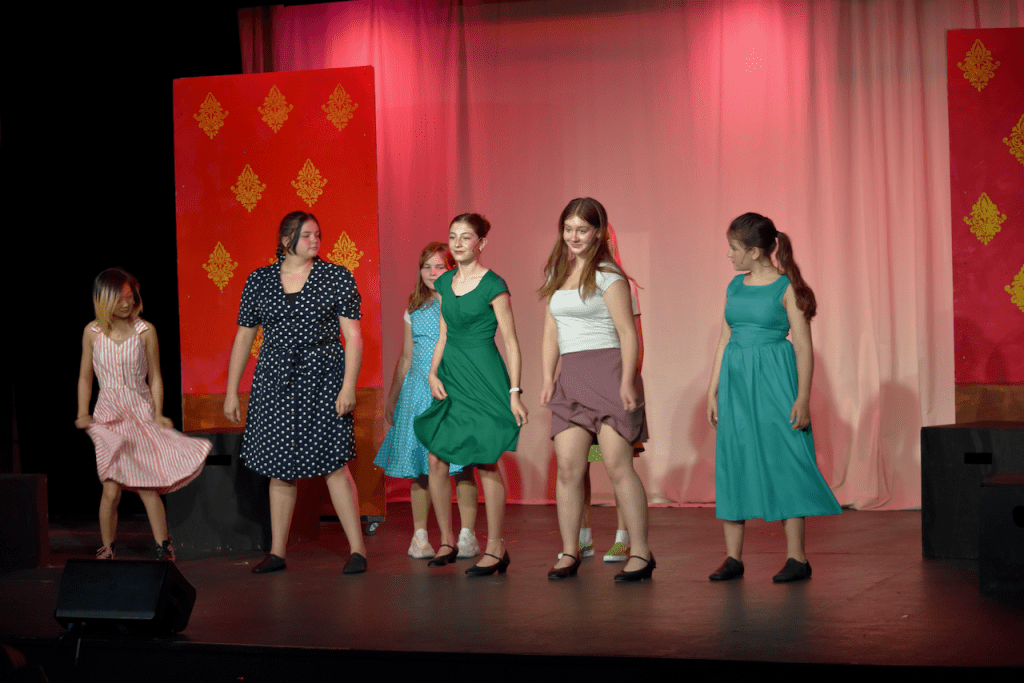
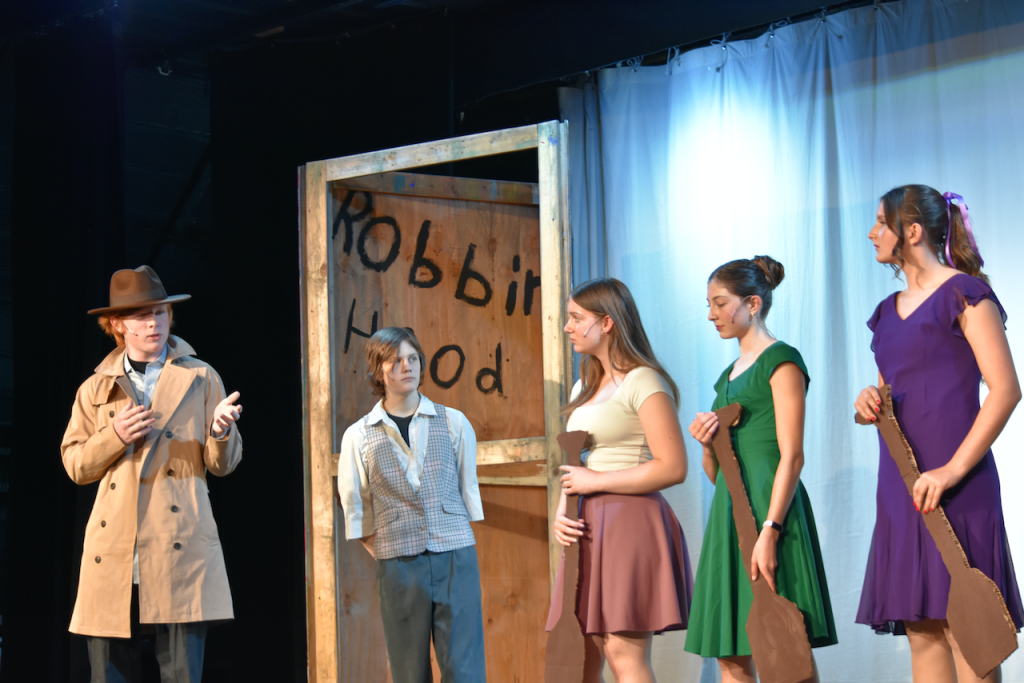
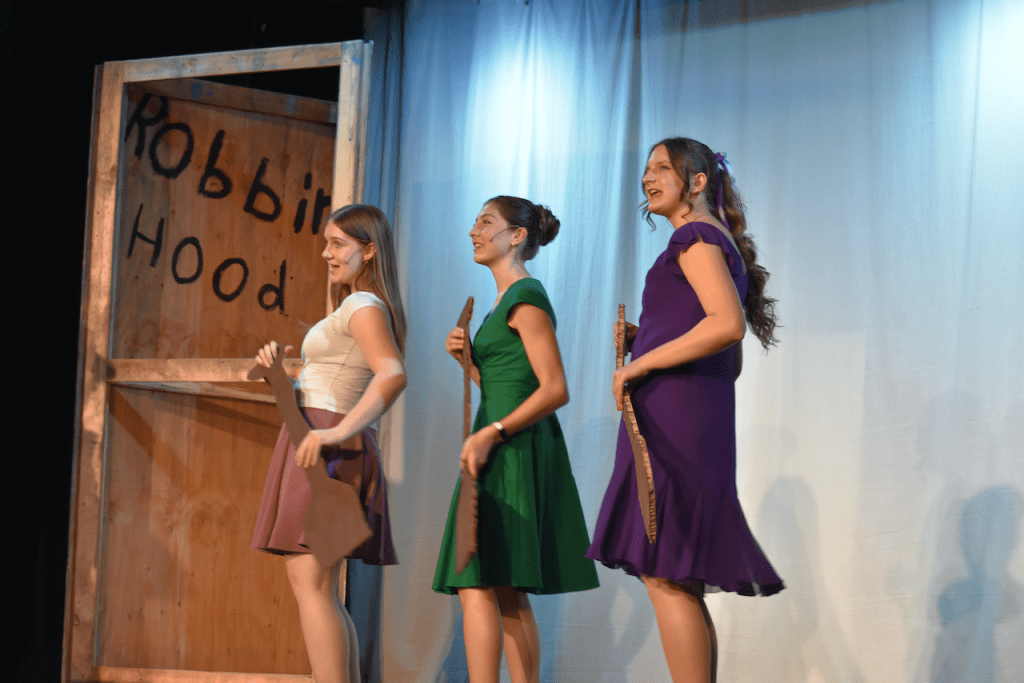
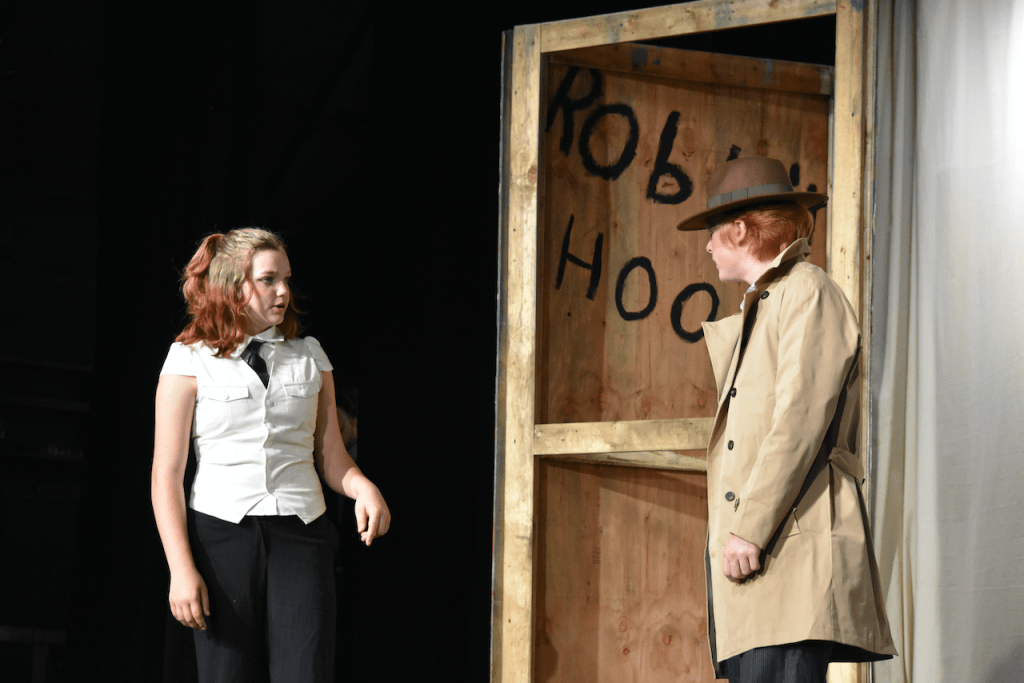
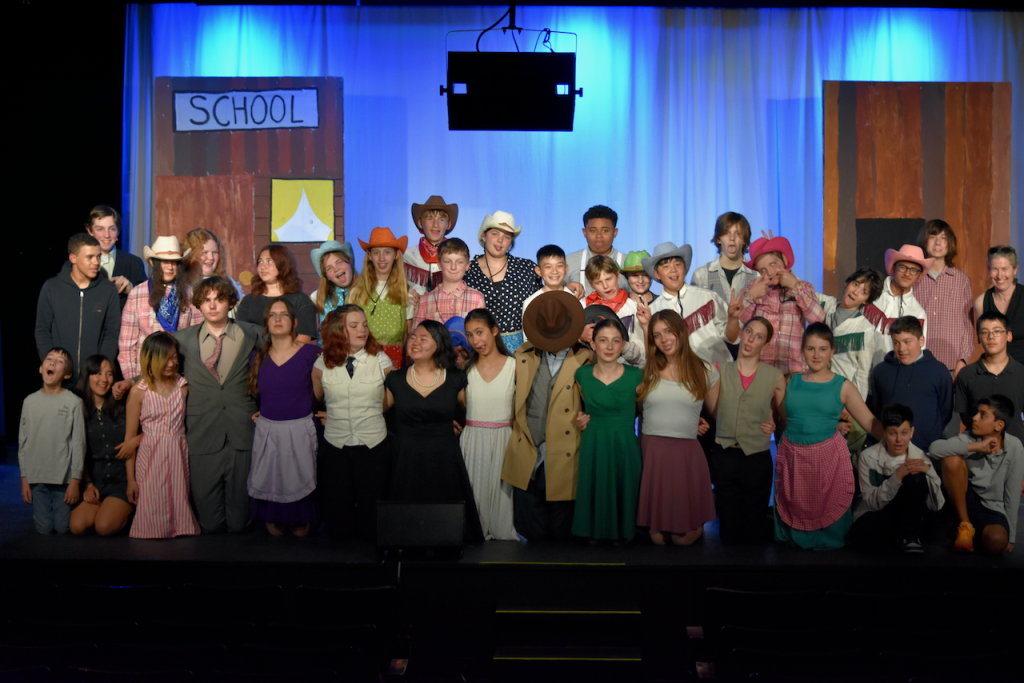
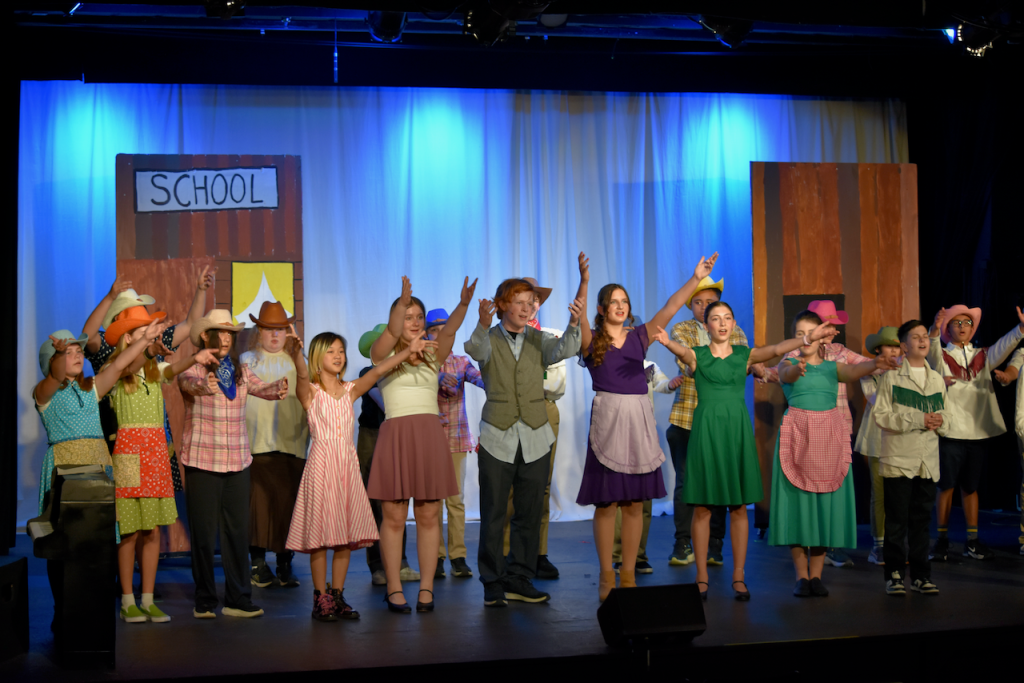
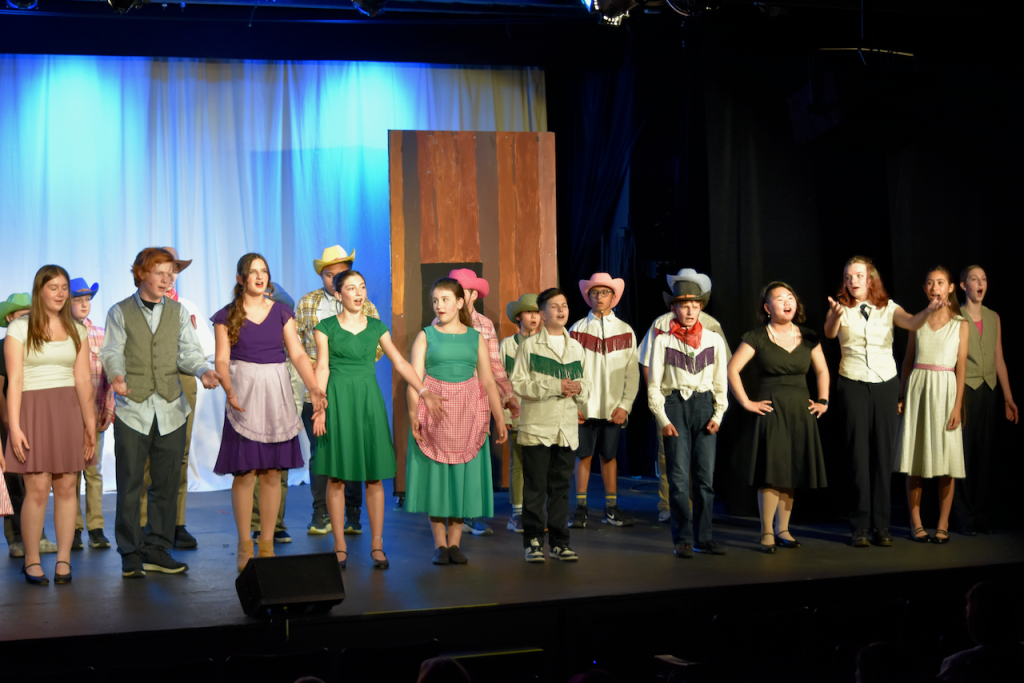
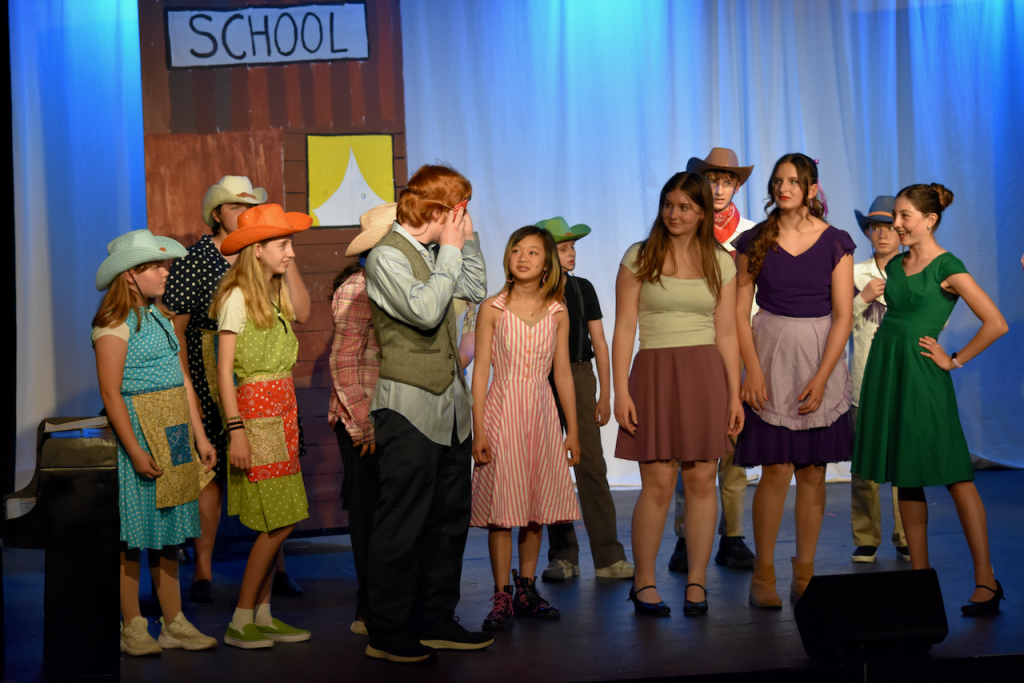
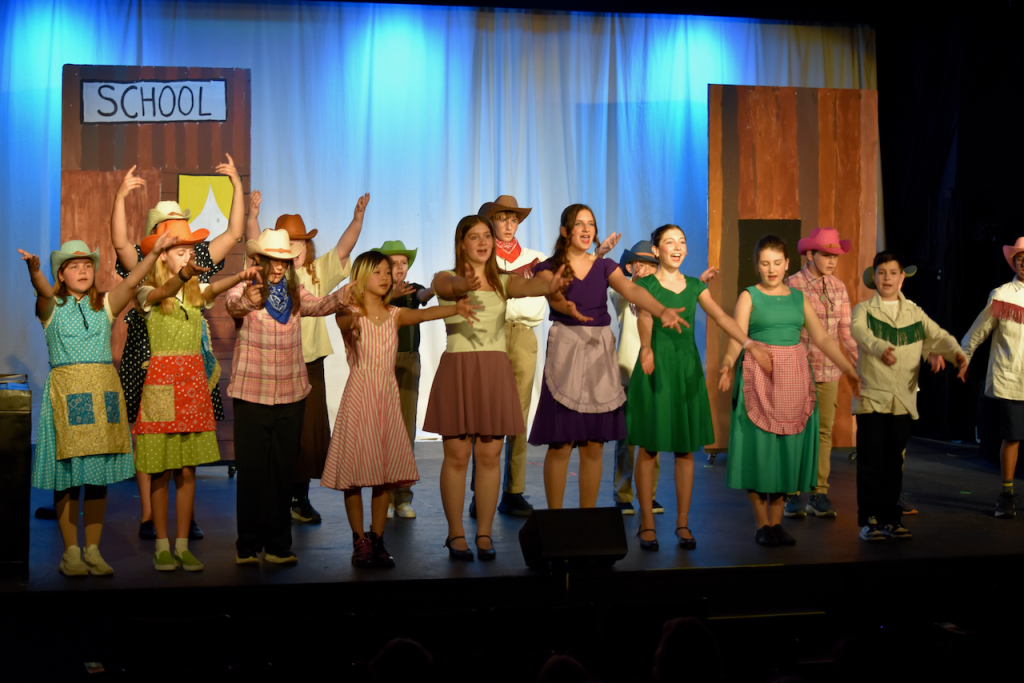
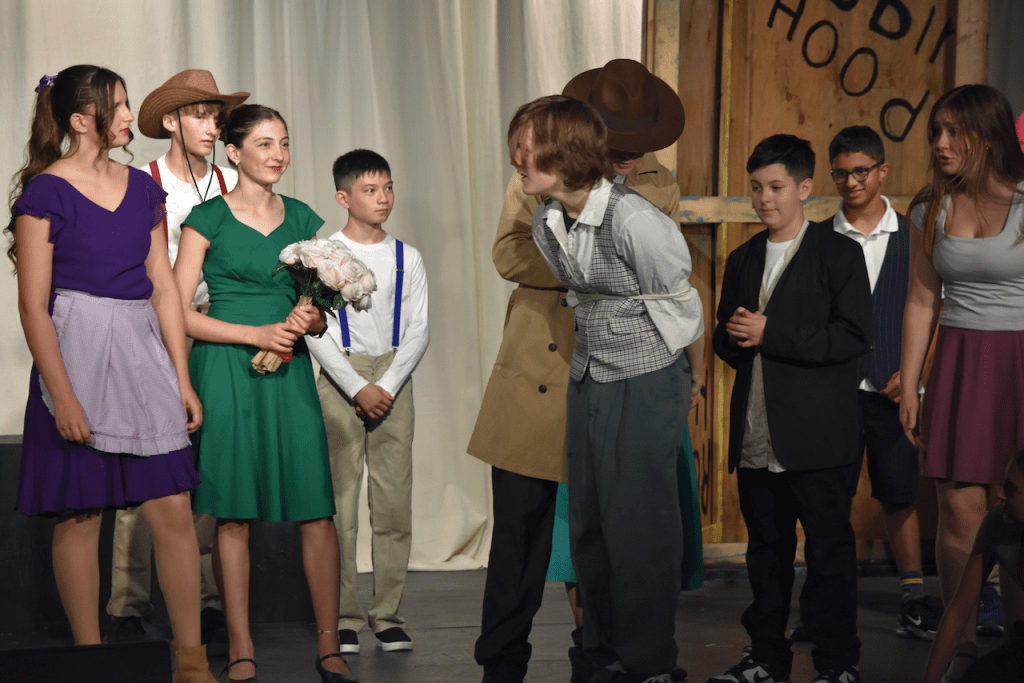
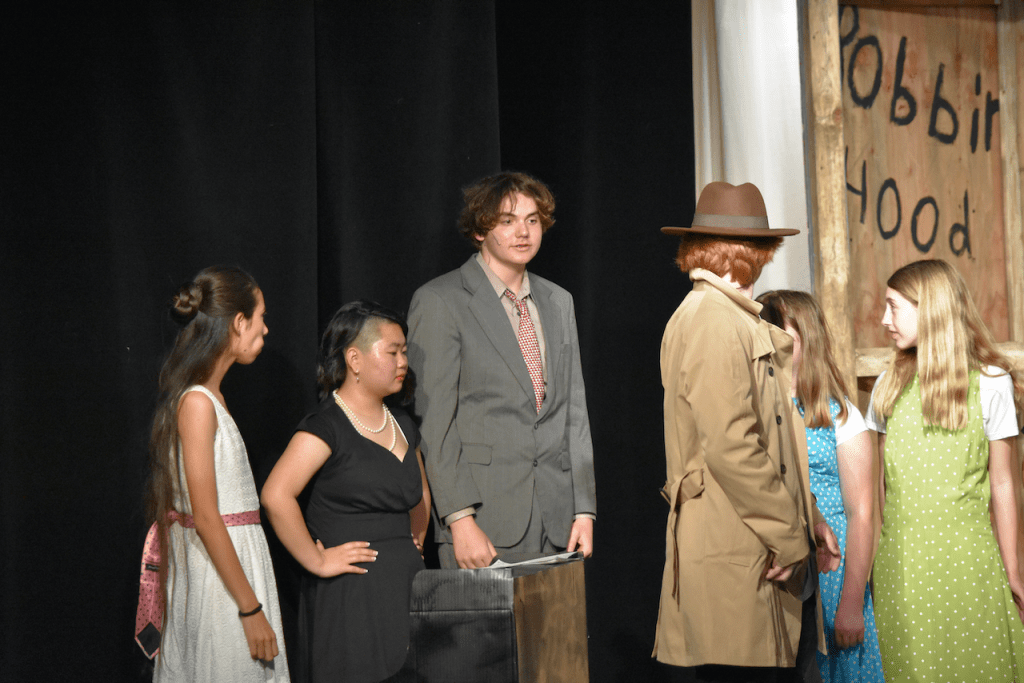
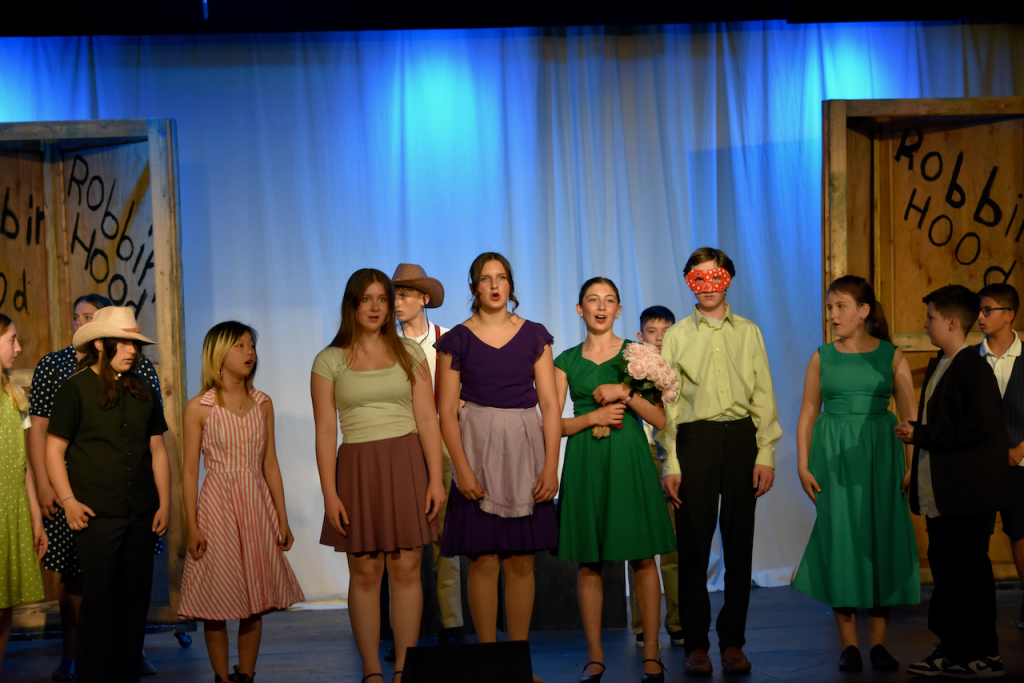
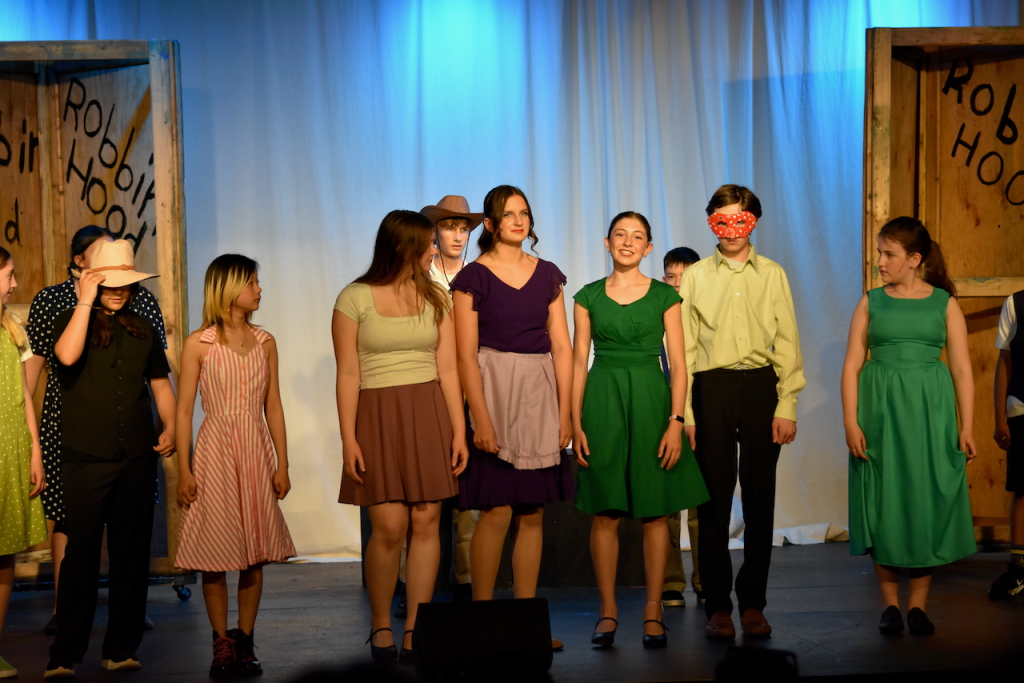
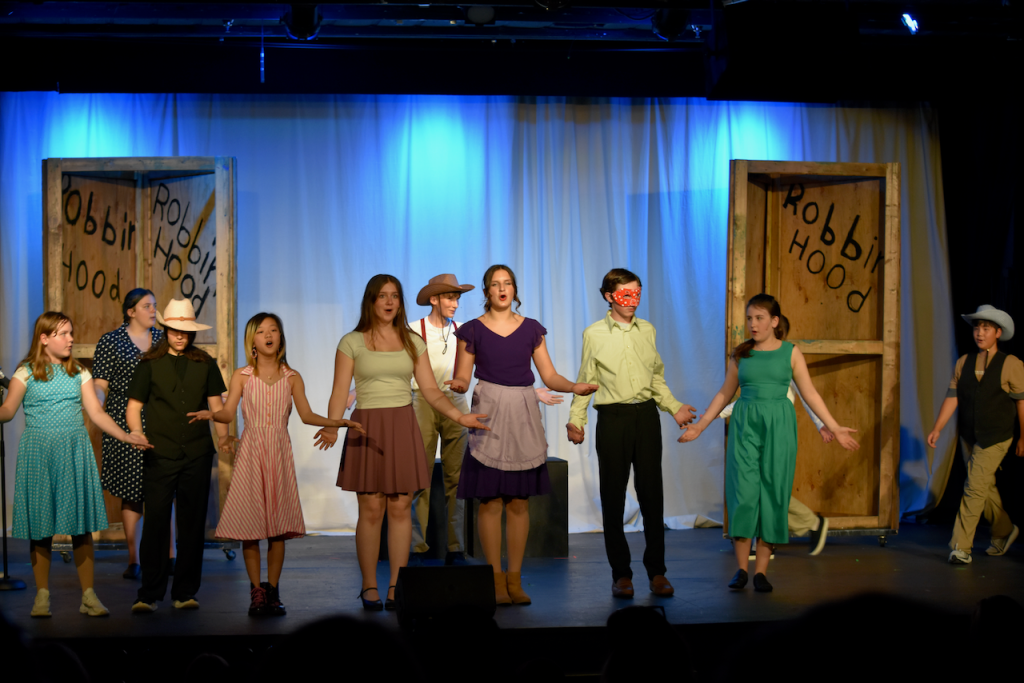
A huge congratulations to Saklan’s middle school students on their fantastic performance of Curtains Young@Part at the Town Hall Theatre last Friday evening!
From the memorable characters and energetic musical numbers to the heartfelt moments throughout the show, the cast and crew brought the production to life with incredible creativity, talent, and enthusiasm. Students impressed audiences with their confidence on stage, teamwork behind the scenes, and dedication throughout the rehearsal process.
Producing a musical is truly a community effort, and this performance showcased not only the artistic talents of our students, but also their collaboration, perseverance, and willingness to take creative risks. Whether acting, singing, dancing, managing backstage, or supporting technical elements, every student played an important role in making the production such a success.
Special thanks to the many people who helped make the show happen.
To Jayme Feldhammer for her time, sewing machine, and deep kindness.
To Javier Yacarini, for his work on the sets.
To the Middle School Teachers for their help with props and rehearsals, their willingness to share their class time, and their encouragement of all performers.
To the Middle School Parents for helping their performers run lines and gather their base costumes.
To the Middle School Students for their creativity, courage, and perseverance. Your performance was inspiring!
To Dianne for all the hard work, dedication, and passion poured into the show. Your vision and casting created magic on the stage and allowed the students to shine bright. Inspiring middle school students to share their creativity, compassion, and courage on the stage is no easy feat, but you made it look effortless. Thank you!
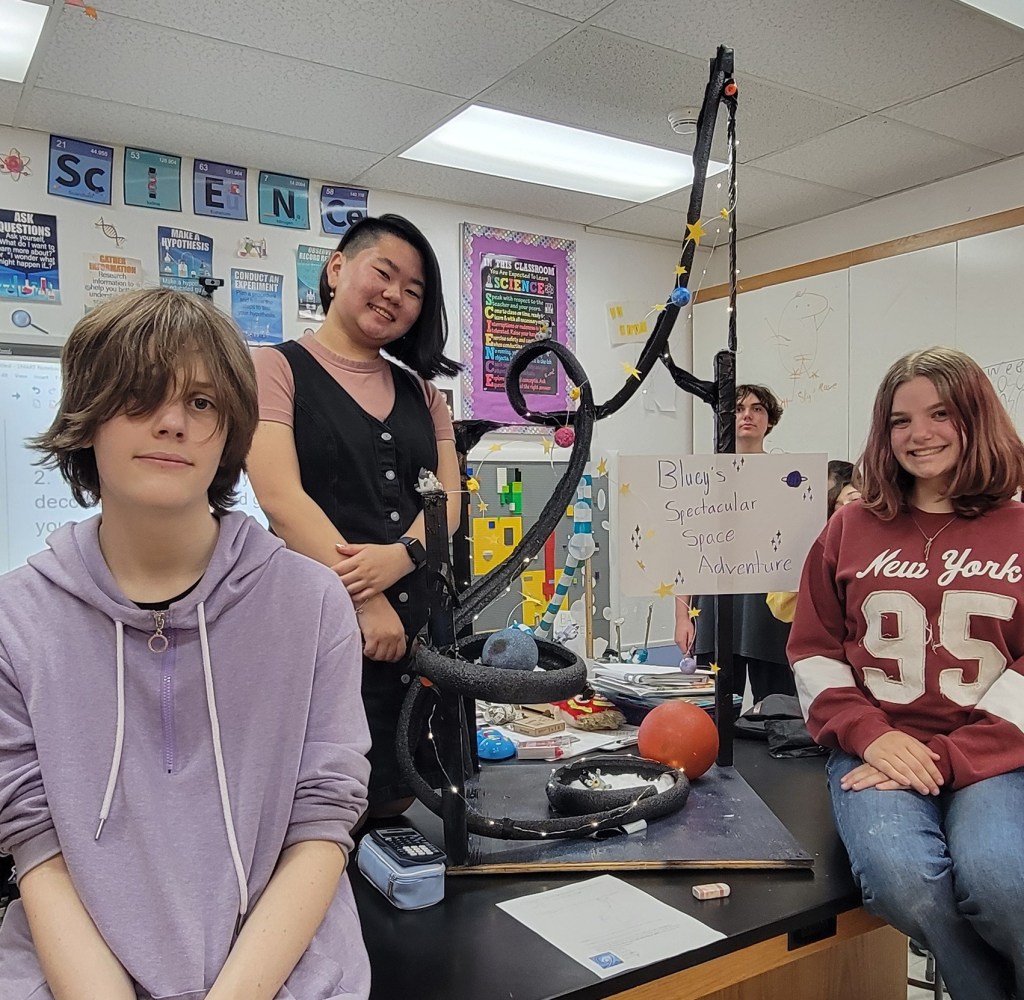
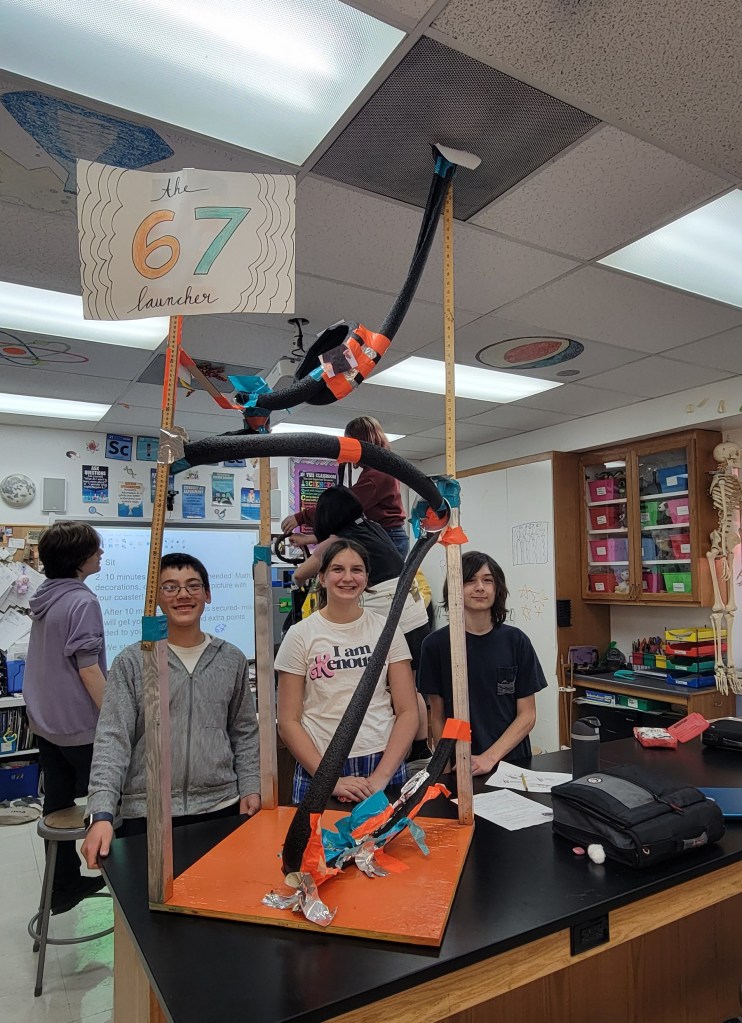
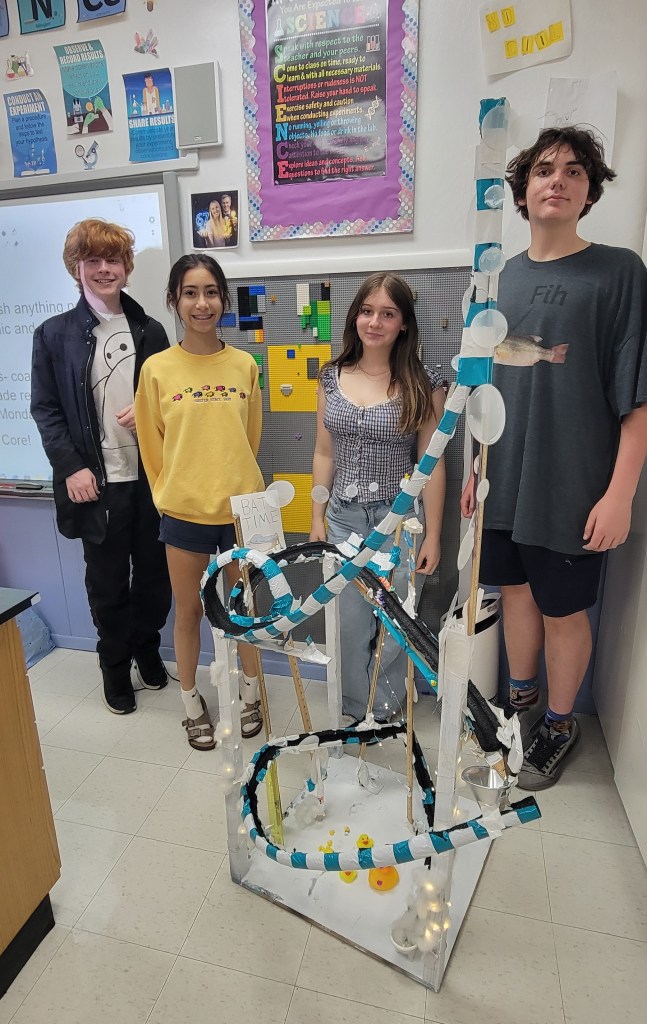
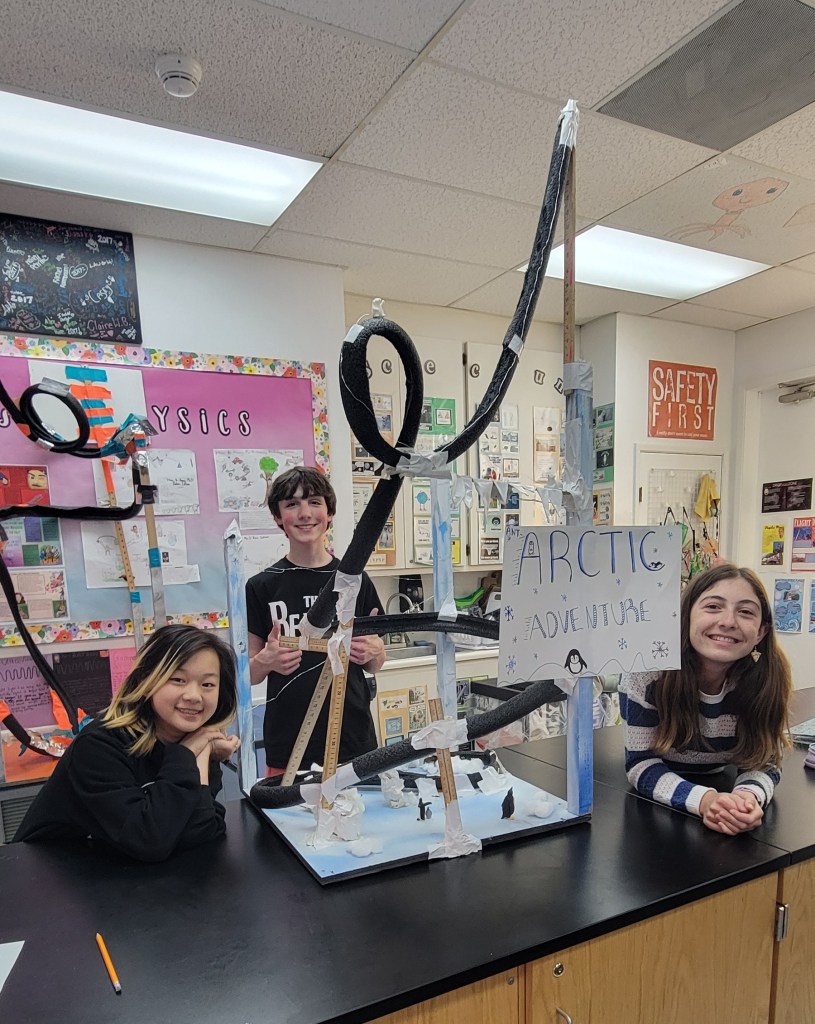
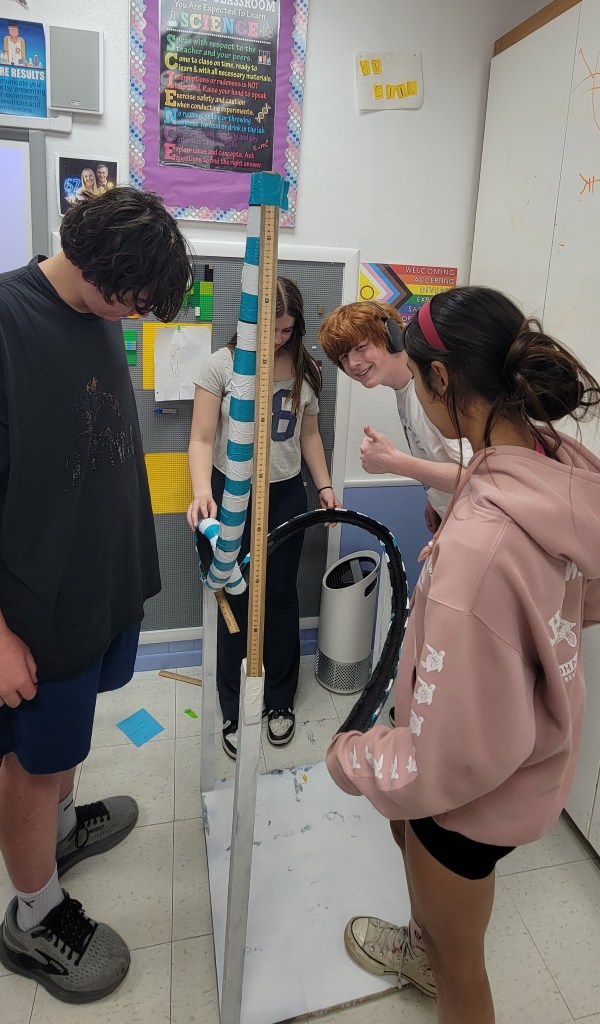
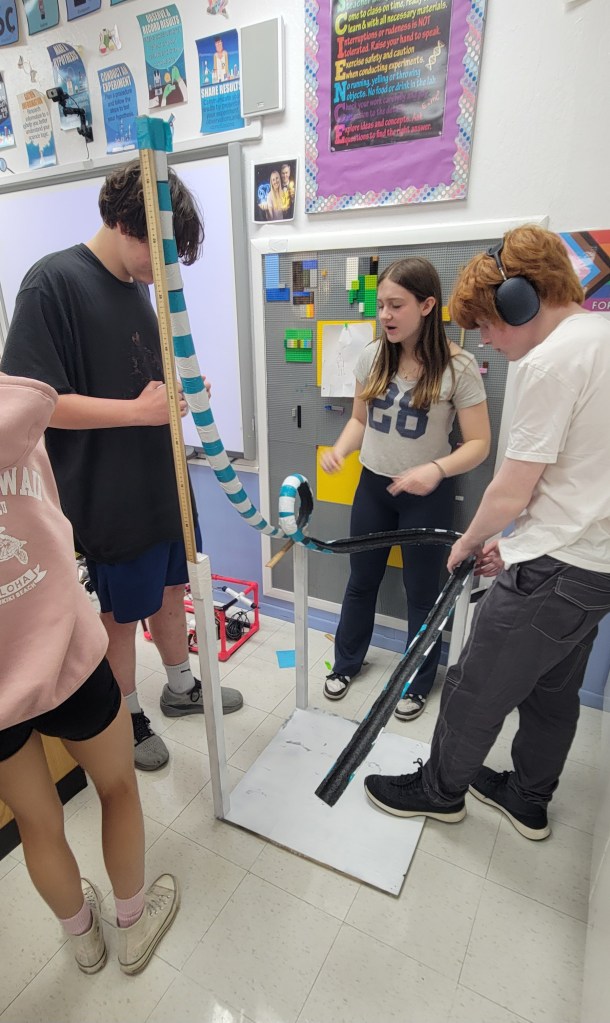
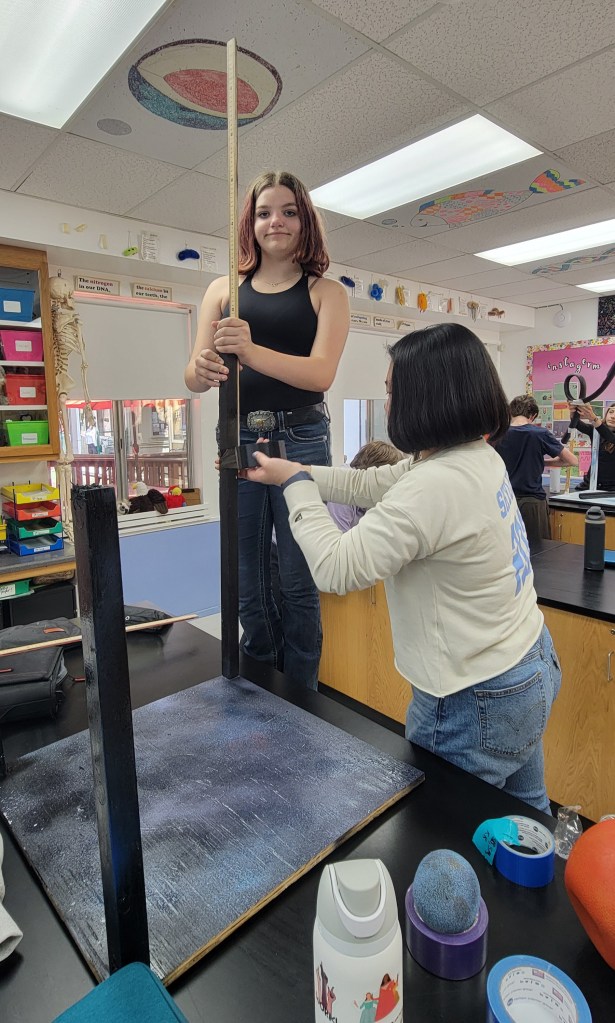
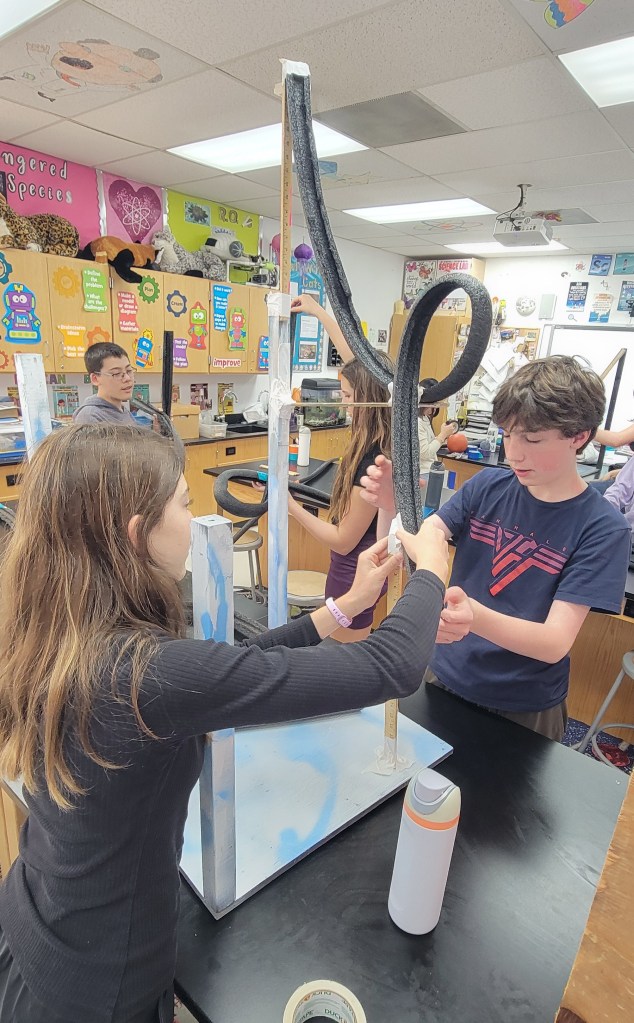
The end of the year in Saklan’s eighth grade physics class is filled with hands-on science, engineering, and problem-solving. As the culmination of their physics studies, students recently worked in teams to design and build their own roller coasters for marbles to ride.
Each group created an eight-foot-long coaster that incorporated the major physics concepts they studied throughout the year, including force, momentum, motion, and energy transfer. To meet the project requirements, every coaster needed to include at least one loop, a slow-down stop, and creative decorations inspired by the themed roller coasters found at amusement parks.
Throughout the project, students relied on creativity, collaboration, math skills, and the scientific method as they designed, tested, redesigned, and refined their creations. Groups analyzed what worked, identified challenges, made adjustments, and in some cases started over entirely before successfully completing their final designs.
The project challenged students to apply their understanding of the four forces studied in class while ensuring their coaster had enough momentum to complete a loop and safely guide the marble to a stop. More importantly, it gave students the opportunity to experience physics in action through experimentation, teamwork, and hands-on learning.
The final roller coasters showcased not only impressive engineering and creativity, but also the persistence and problem-solving skills students developed throughout the process.
Opening onWednesday, May 20 at 10:05 a.m. in the Humanities Room
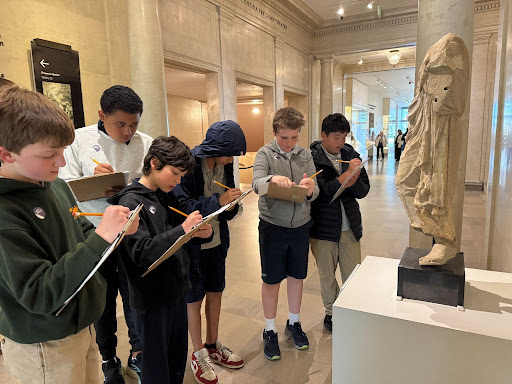
Saklan’s sixth graders are wrapping up their final Project Based Learning unit of the year with an immersive exploration of ancient Greece and its enduring influence on modern society. Students investigated the driving question: What important stories can we tell as curators about connections between 21st century America and ancient Greece?
This essential question has allowed students to weave together many of the themes they have explored throughout the year, including the role of museums, the work of archaeologists and historians, the impact of perspective and bias, and the relationship between power and storytelling.
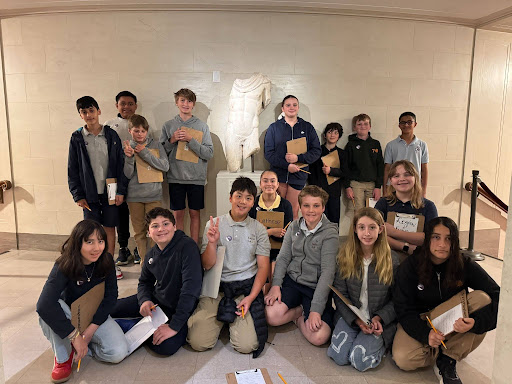
As part of their studies, students examined a variety of artifacts from the Legion of Honor connected to ancient Greek medicine, sports, gender roles, functional art, government, education, and more. Through guided discussions and inquiry, they explored how these artifacts reveal stories about both ancient civilizations and the world we live in today.
Students were introduced to multiple ways to approach the driving question, and each student selected a topic or connection that felt most meaningful to them. Some chose to dive deeper into themes discussed collaboratively in class, while others pursued entirely original interpretations and connections. Their work reflects not only historical understanding, but also creativity, critical thinking, and personal voice.
The culmination of this project will be Saklan’s “Museum of the Future,” where students will showcase their curatorial responses and share the stories they believe are most important to tell. Families are invited to join the sixth graders on Wednesday, May 20 at 10:05 a.m. in the Humanities Room to experience this exciting exhibition and celebrate the students’ learning and insight.
Saklan’s seventh-grade students have been exploring the role of community spaces through an engaging Humanities Project Based Learning unit centered on the driving question: How can we improve our shared public spaces to better meet the needs and reflect the values of our community?
As the culminating project for the unit, students are developing thoughtful and practical proposals for improving one of the most meaningful shared spaces in their daily lives: The Saklan School campus. Families are invited to join the seventh graders on Wednesday, May 20, at 10:15 a.m. in the Humanities Room to hear students present their ideas for enhancing our campus community.
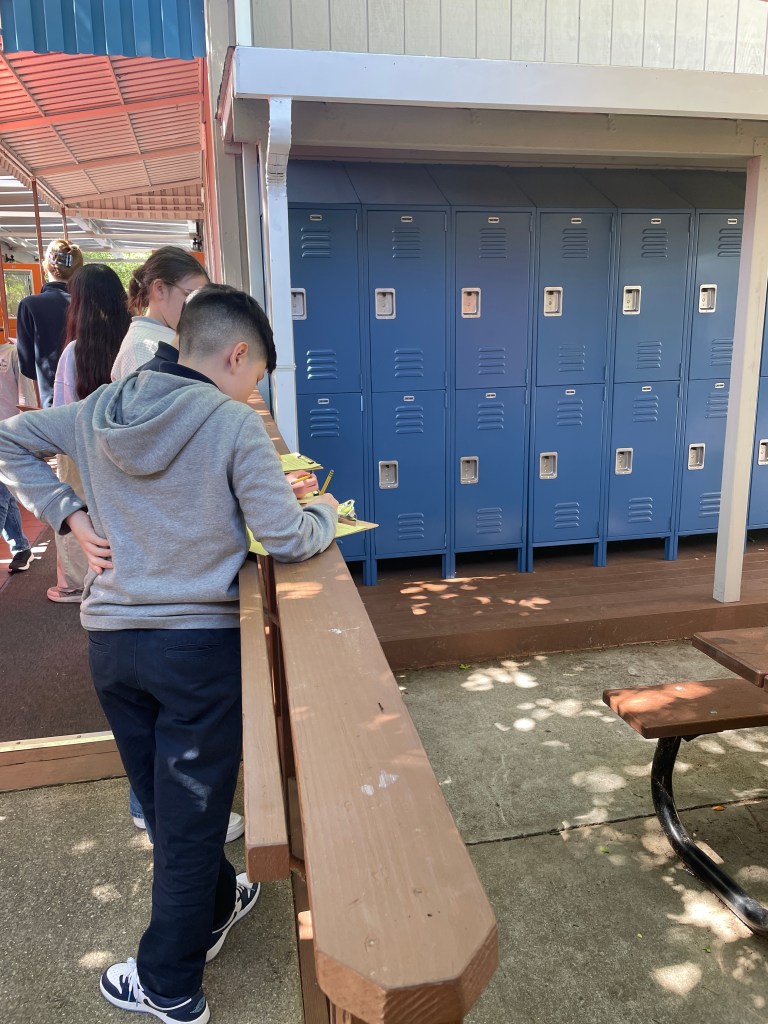
The project began with students reflecting on the changes already made to Saklan’s campus during the current school year. Together, they identified several updates, including the addition of all-gender bathrooms in the Lower School, a new net above the sports court fence, the construction of the redwood deck, and the installation of larger middle school lockers. Working in small groups, students evaluated whether these changes improved the campus experience and considered how they might be enhanced further.
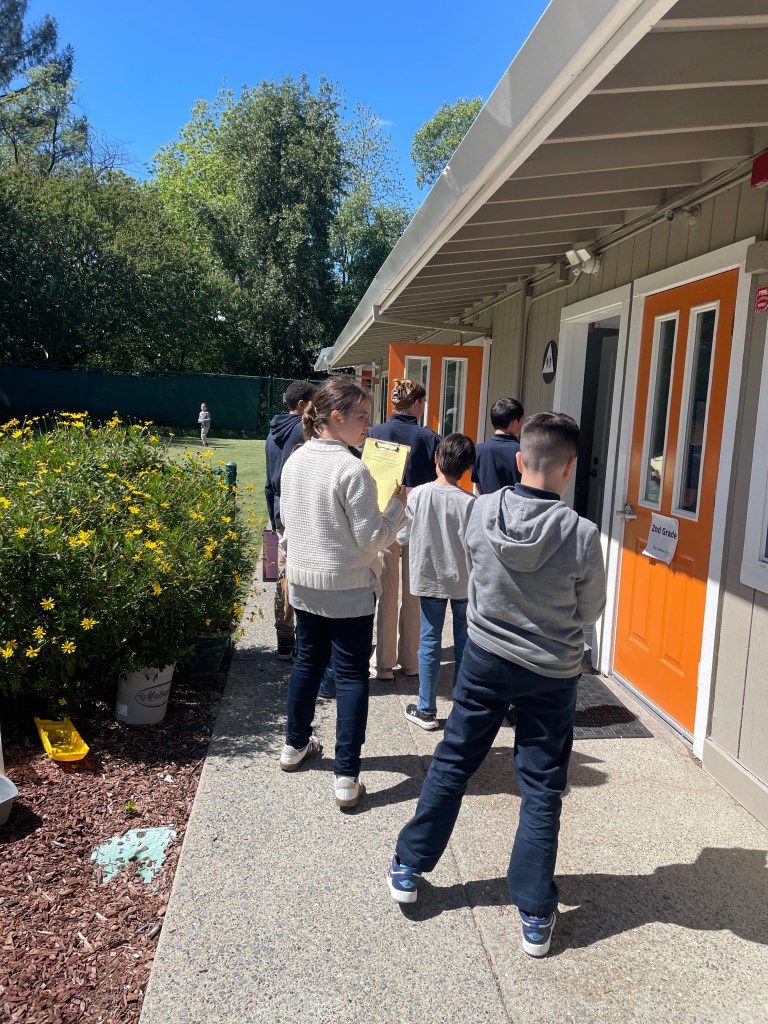
From there, students conducted a detailed assessment of the school grounds, examining buildings, outdoor areas, and the campus perimeter. Each group identified spaces that were functioning successfully, areas that could be improved, and the reasons behind their evaluations. This process encouraged students to think critically about how design impacts the way people interact with and experience shared environments.
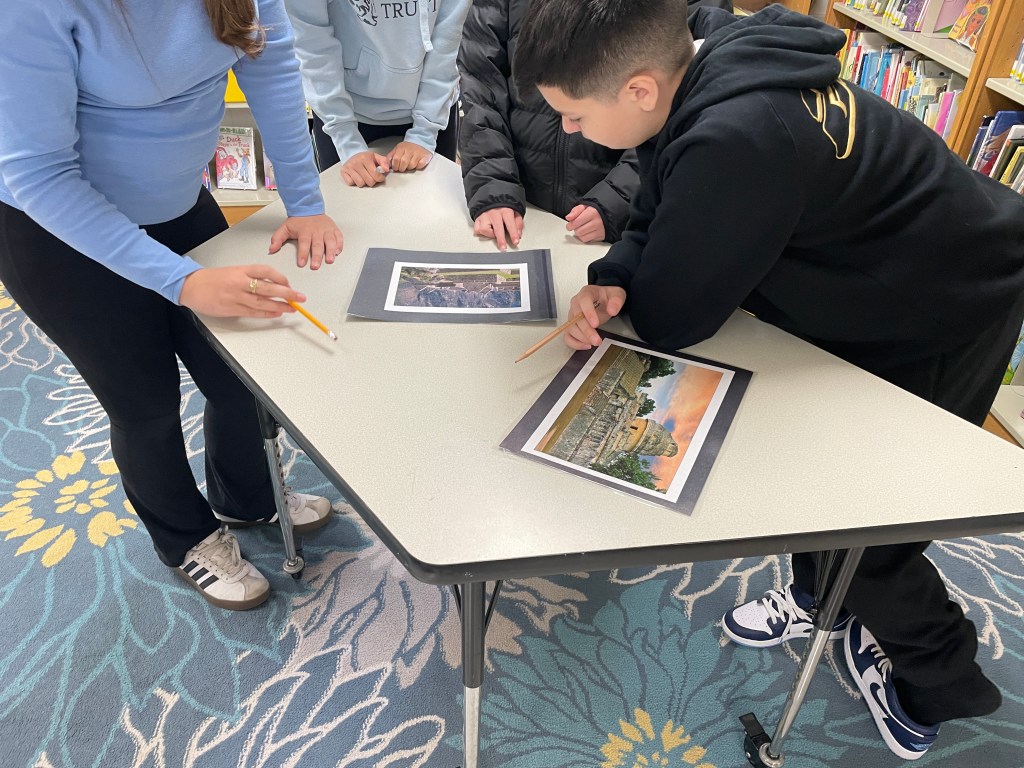
The unit then expanded into a historical exploration of community spaces in pre-Columbian Mesoamerican civilizations. Through a gallery walk featuring unlabeled images from the Maya, Aztec/Mexica, and Inka civilizations, students analyzed architecture and public spaces while considering the cultural values they reflected. Students also engaged in discussions about the legacy of Christopher Columbus, examining differing perspectives on why he remains widely recognized and whether he should continue to be celebrated.
Working in expert groups, students studied one of the three civilizations in greater depth, learning about the geography, climate, and major achievements that shaped each society. Individually, students then selected a pre-Columbian structure or community space to investigate more closely. They explored why the space was created, how it was used, what needs it fulfilled, the materials used in its construction, and the factors that influenced its design.
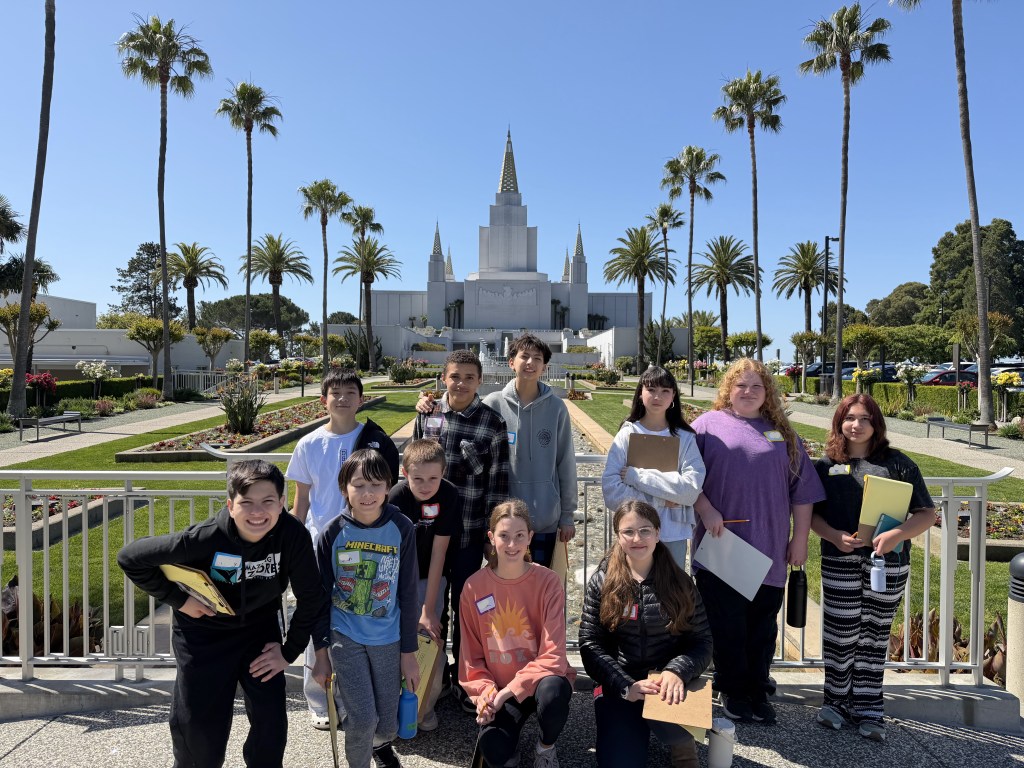
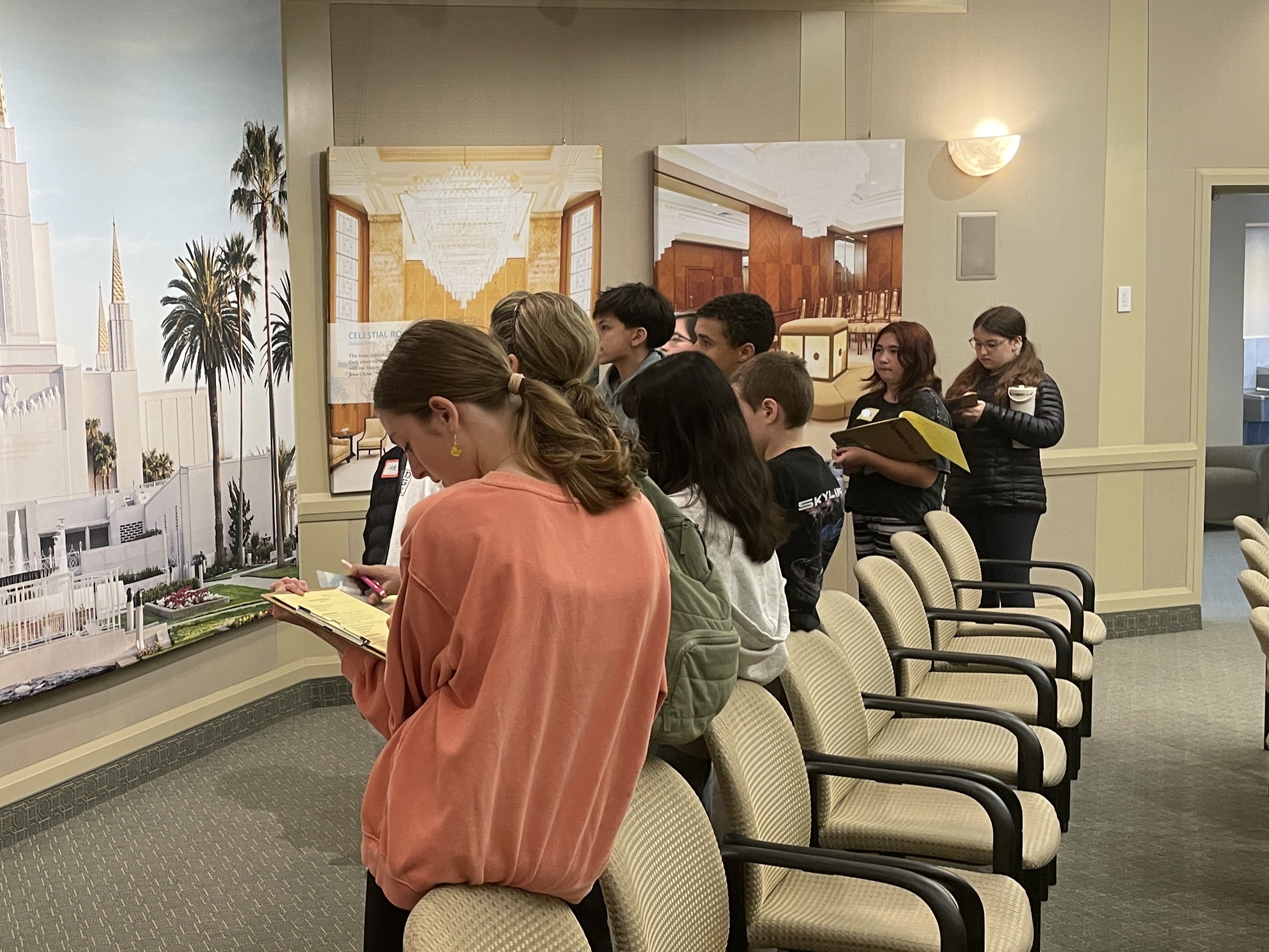
As students continued refining their understanding of successful community spaces, they also examined examples from the modern world, including a visit to a contemporary temple. Throughout the process, students connected lessons from the past and present to their own campus community, using their research and observations to inform their final proposals.
The project has encouraged seventh graders to think deeply about the relationship between physical spaces and community values, while empowering them to imagine how thoughtful design can improve everyday experiences for others.
As part of their Earth Science studies, sixth grade students have been exploring how pests and invasive species impact ecosystems. One focus has been the Crown-of-Thorns (COT) sea star, a species currently threatening the Great Barrier Reef. Students learned how the sea star’s rapid reproduction and lack of natural predators have led to significant damage in this delicate ecosystem. By feeding on coral, COTs are contributing to the reef’s decline at an alarming rate.
To better understand real-world solutions, students investigated how scientists are responding to this challenge. They explored using Remotely Operated Vehicles (ROVs) to identify and inject vinegar into sea stars, a method that effectively eliminates them. These ROVs can operate continuously and in a variety of ocean conditions, making them a powerful tool for conservation efforts.
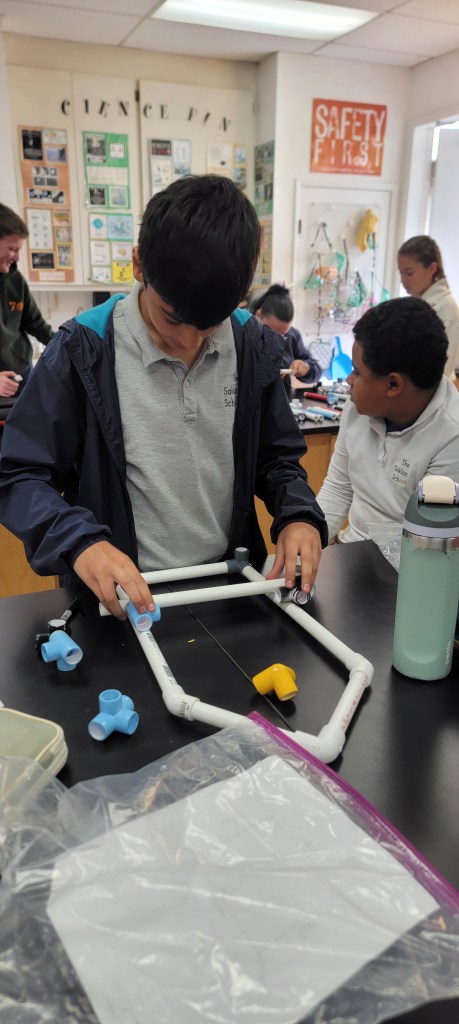
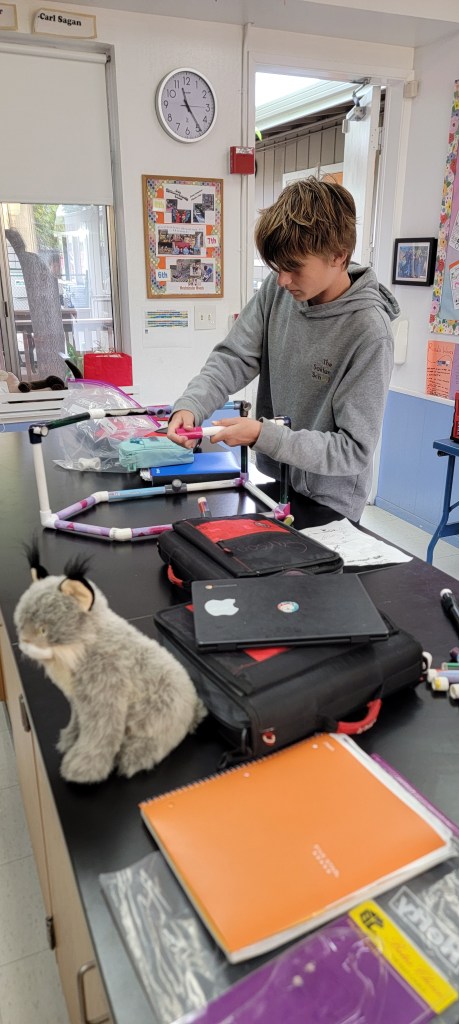
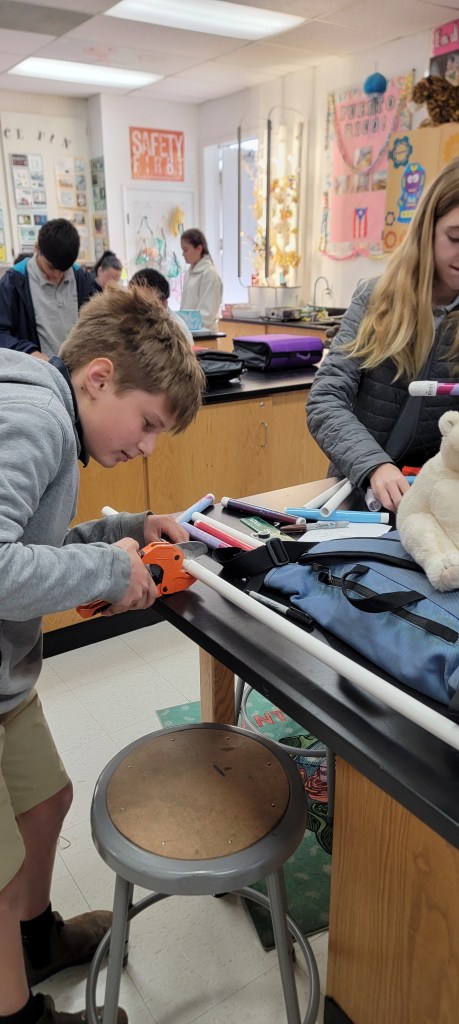
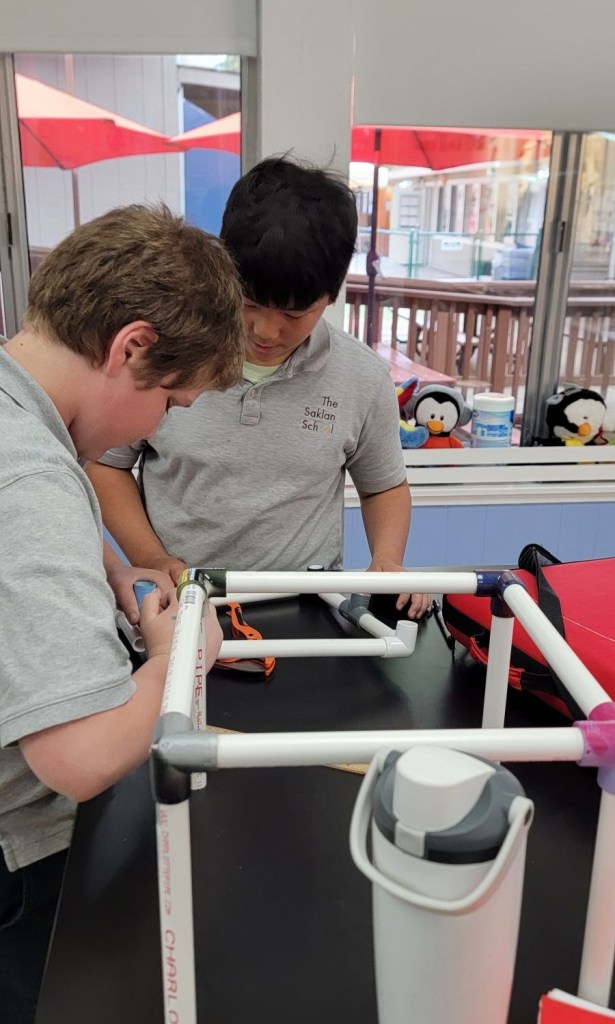
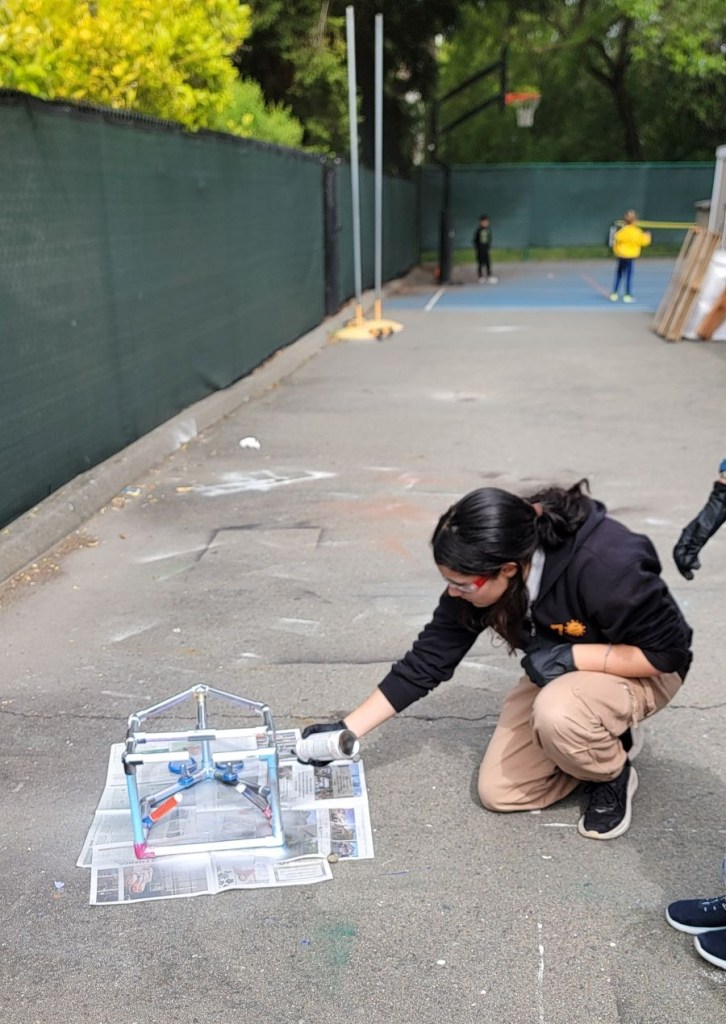
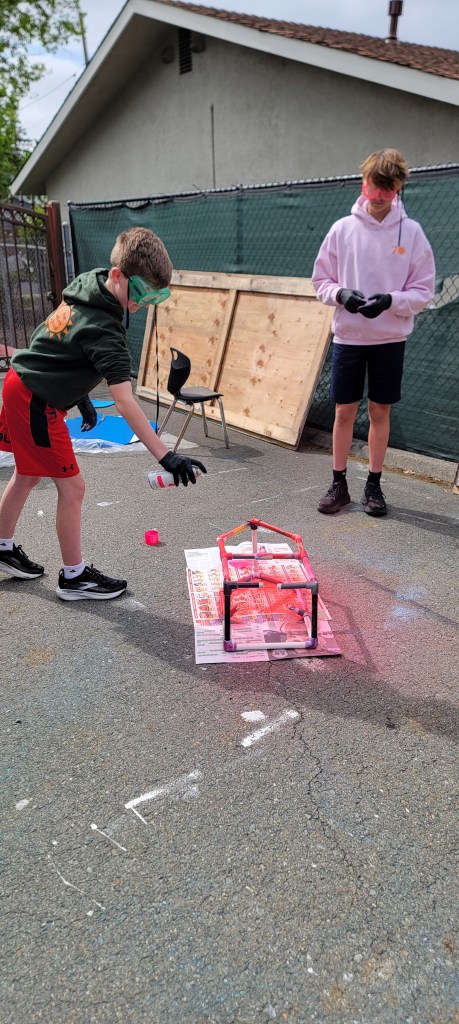
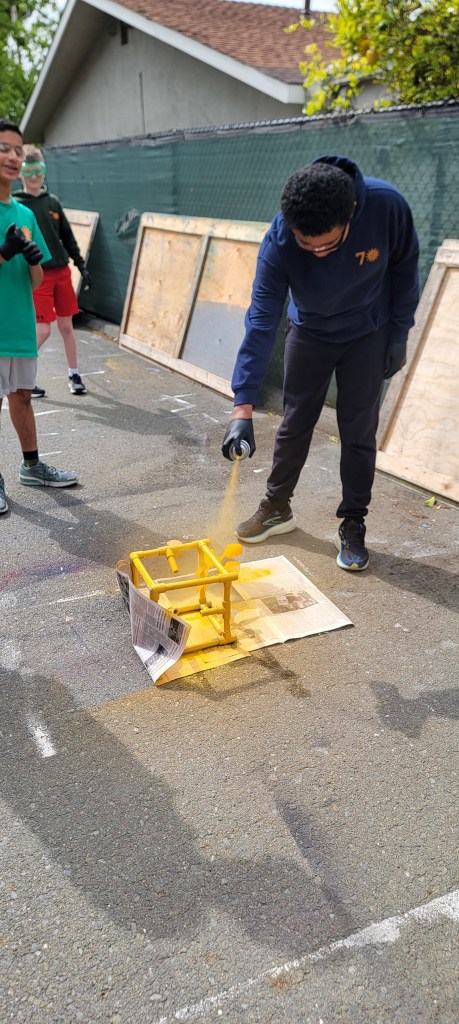
Bringing this learning to life, students worked collaboratively to design and build their own ROVs. Teams engineered frames, installed motors, learned to operate control systems, and added creative design features as they stepped into the roles of engineers and marine scientists.
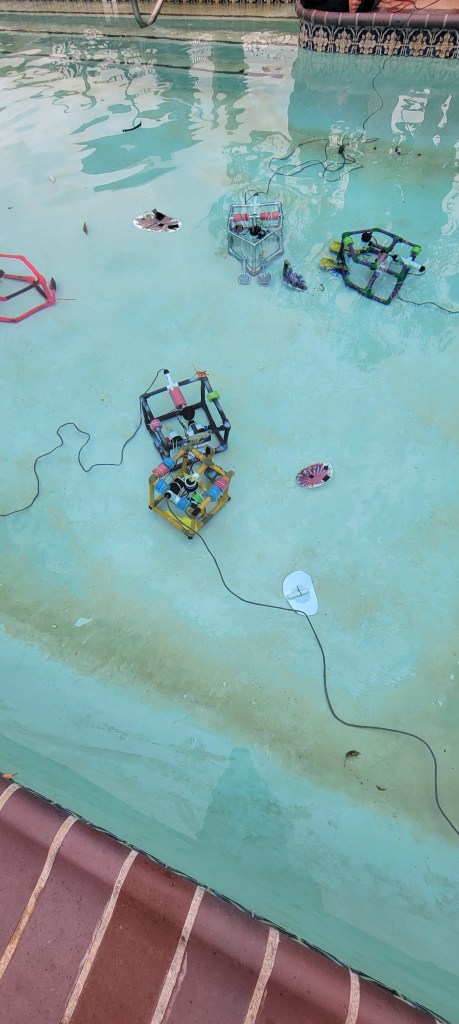
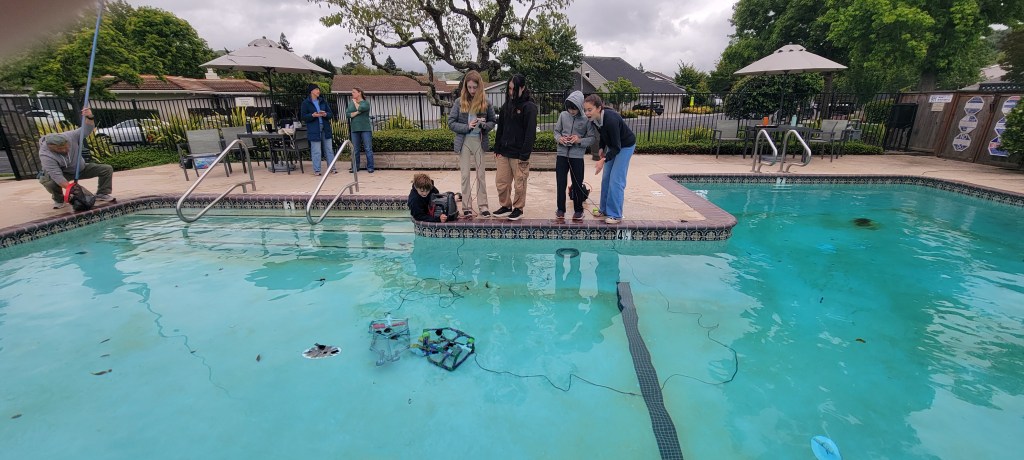
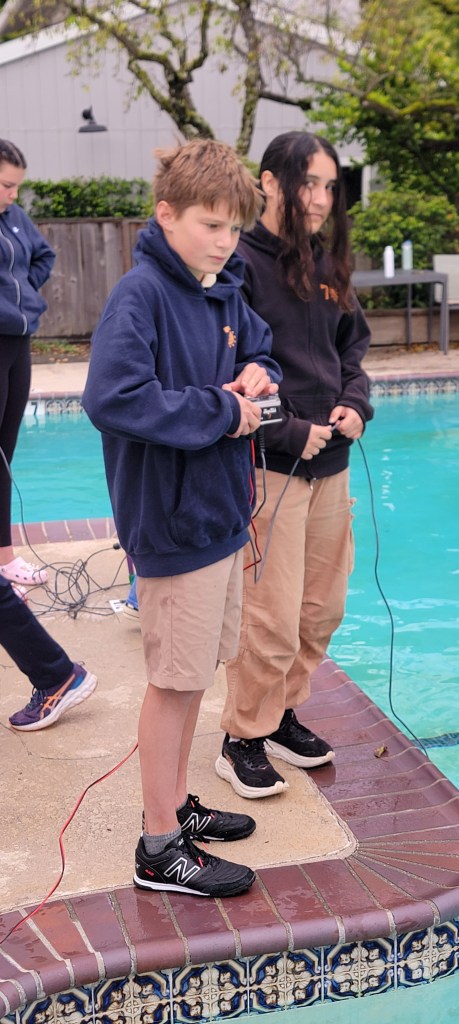
On Tuesday, students put their designs to the test at the MCC Augusta Pool. Their challenge was to navigate their ROVs underwater and retrieve imitation Crown-of-Thorns sea stars, simulating the work of marine conservation teams on the Great Barrier Reef.
Students spent the first part of the session learning to maneuver their ROVs and coordinate as teams. Once they became comfortable operating the controls, teachers released the imitation COT sea stars into the pool for retrieval.
Armed with creative retrieval tools such as shovels, Velcro, and scoops, teams worked together to collect the sea stars from the bottom of the pool. By the end of the challenge, the class had successfully retrieved a record 38 Crown-of-Thorns sea stars.
This hands-on experience allowed students the opportunity to fully engage in the engineering design process while tackling a real-world environmental issue. Through collaboration, problem-solving, and innovation, students saw firsthand how science and technology can be used to protect ecosystems and make a meaningful impact on the world around them.
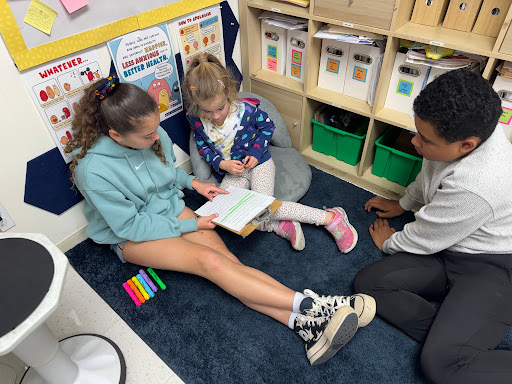
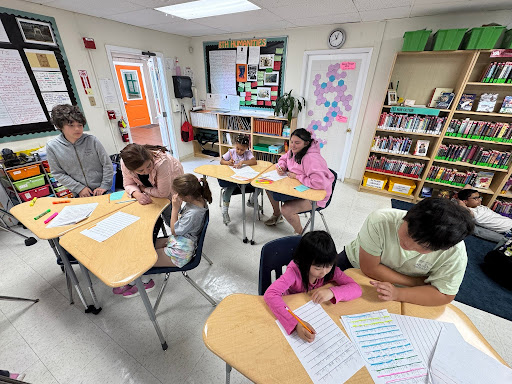
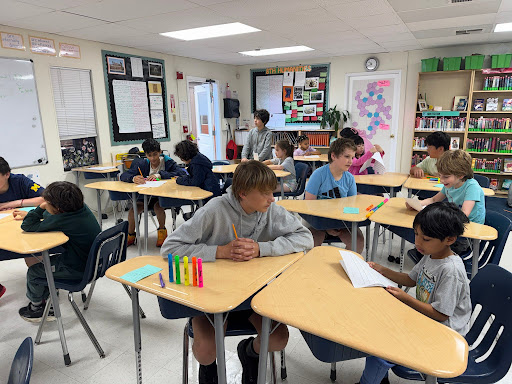
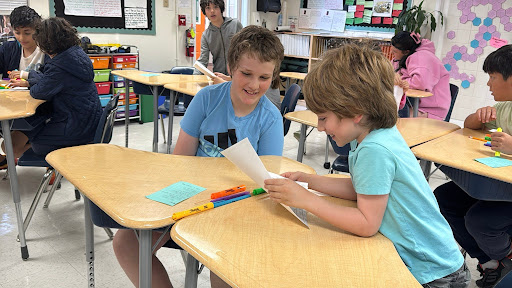
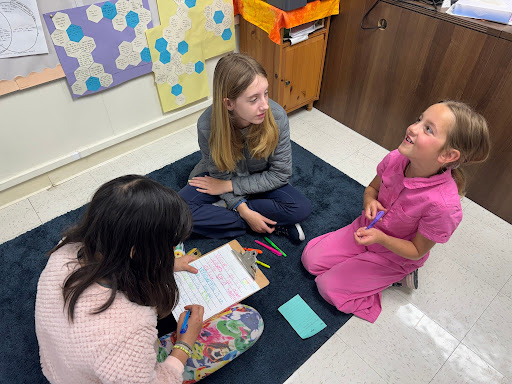
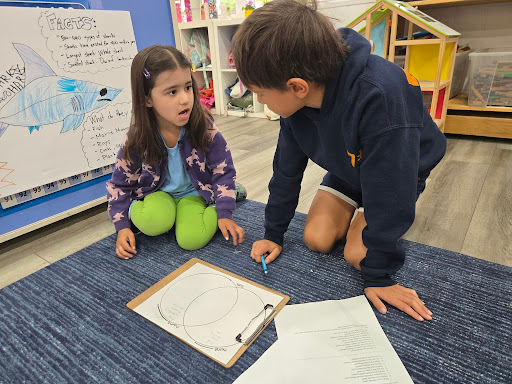
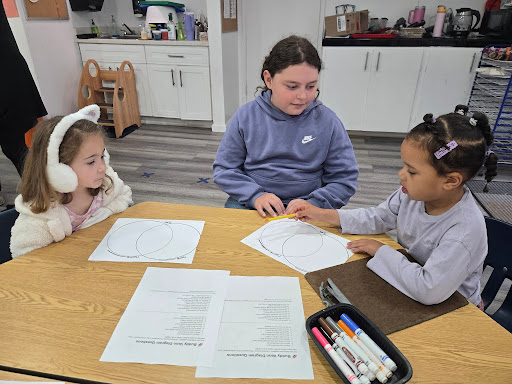
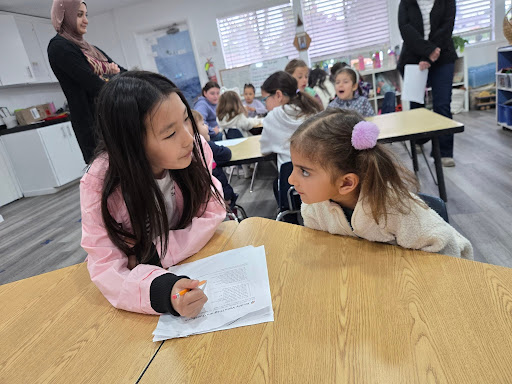
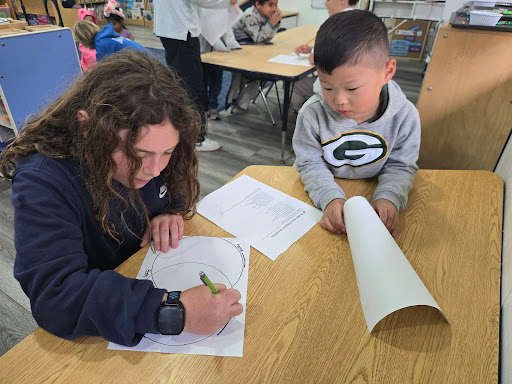
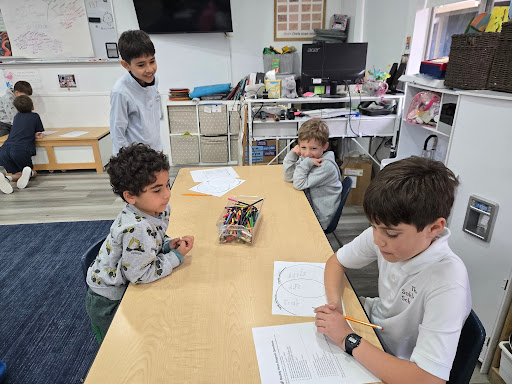
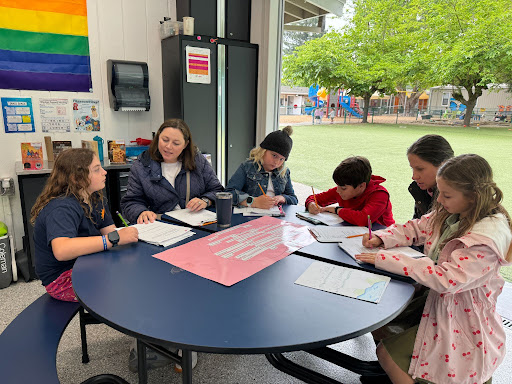
Beyond reading buddies, Saklan projects are intentionally designed for meaningful student collaboration that authentically supports academic growth. This spring, middle school is using their music production skills for kindergarten’s fairy tale recordings, 6th grade helped 1st graders organize their expository writing, and 4th graders helped our Pre-K Hoot Owls refine their Venn diagram skills!
Kindergarten and Middle School Music Production
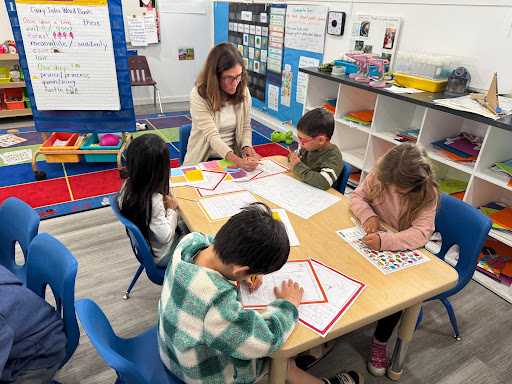
How can we write and share our own fairy tales to spread magic and joy? Through answering this driving question, Kindergarten students have learned the elements of fairy tales and deepened their reading, writing, listening, and speaking skills to write and record their own original fairy tale stories.
In preparation for their readers-theater style culmination on May 15th, students recorded their stories, and middle school students are creating original backing tracks to support the narrative elements of the fairy tale. Sound mixing the Kindergarten stories gives our middle schoolers an authentic application of their digital music production skills.
6th Grade and 1st Grade Expository Writing
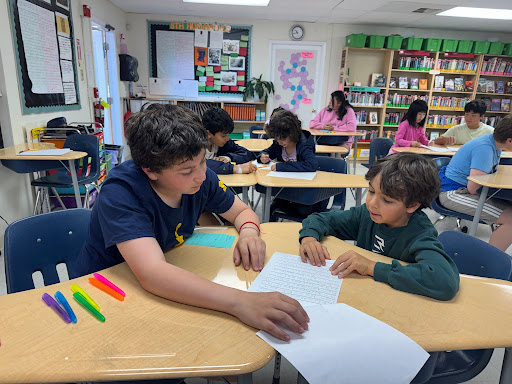
All year 6th graders have worked on expository writing in Humanities. Recently, while preparing to write artifact labels for their PBL unit culmination, the Museum of the Future, sixth graders reviewed structure and organization in expository writing. To practice this work, sixth graders analyzed 1st grade report writing drafts on extreme weather. They completed individual writing conferences to support improving the structure and organization of the first-grade reports. Not only did the first graders get to work with the big kids in a middle school classroom, but the sixth graders had the opportunity to grapple with the deeper cognitive task of teaching and explaining elements of writing to a younger child. This work improved the content of the first-grade reports and solidified the sixth grader’s understanding of writing structures and organization, while building community across divisions.
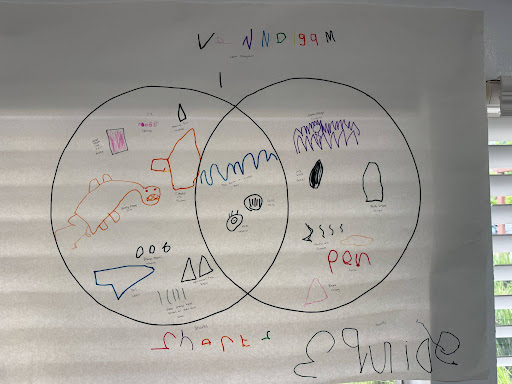
Hoot Owl and 4th Grade Venn Diagrams
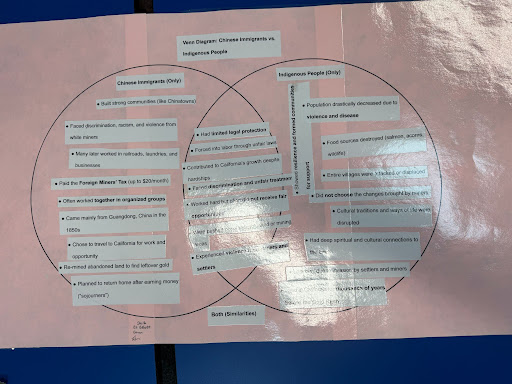
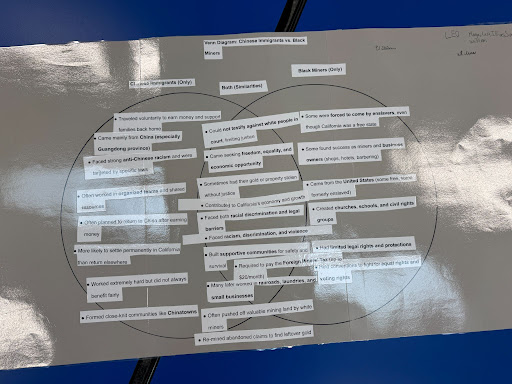
Venn diagrams are a useful tool for many grade levels to demonstrate understanding of academic content. This spring, our Pre-K class has been learning all about oceans while their 4th-grade reading buddies have been working on a PBL unit about the California Gold Rush. Both classes planned to use Venn diagrams as a learning tool, and teachers needed an opportunity for some one-on-one teaching and practice. It was natural for these classes to connect and engage in some cross-divisional content learning!
With fourth graders guiding the learning, the buddies made Venn diagrams all about each other! They chatted and recorded what they had in common and what was different about each other. As they got to know each other better by completing the diagram, both classes also deepened their understanding of how to use a Venn diagram. When each class returned to their own project work, they employed the same learning tool at different developmental levels with different content.
If you want to see final products and culminating events, stay tuned for the next week at Saklan emails for updates on ways to come see and celebrate our students’ spring project work!





You must be logged in to post a comment.