Head’s Corner: What Kind of Childhood Are We Trying to Protect?

When I was a child, I routinely got into trouble. (Hard to believe, right?)

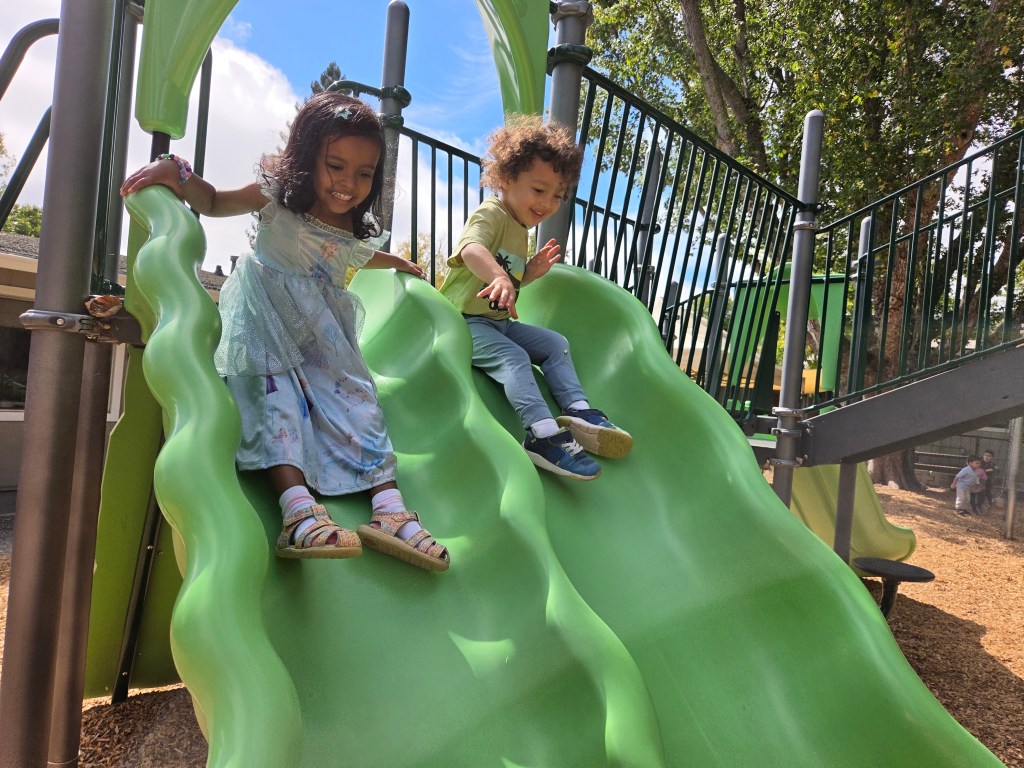
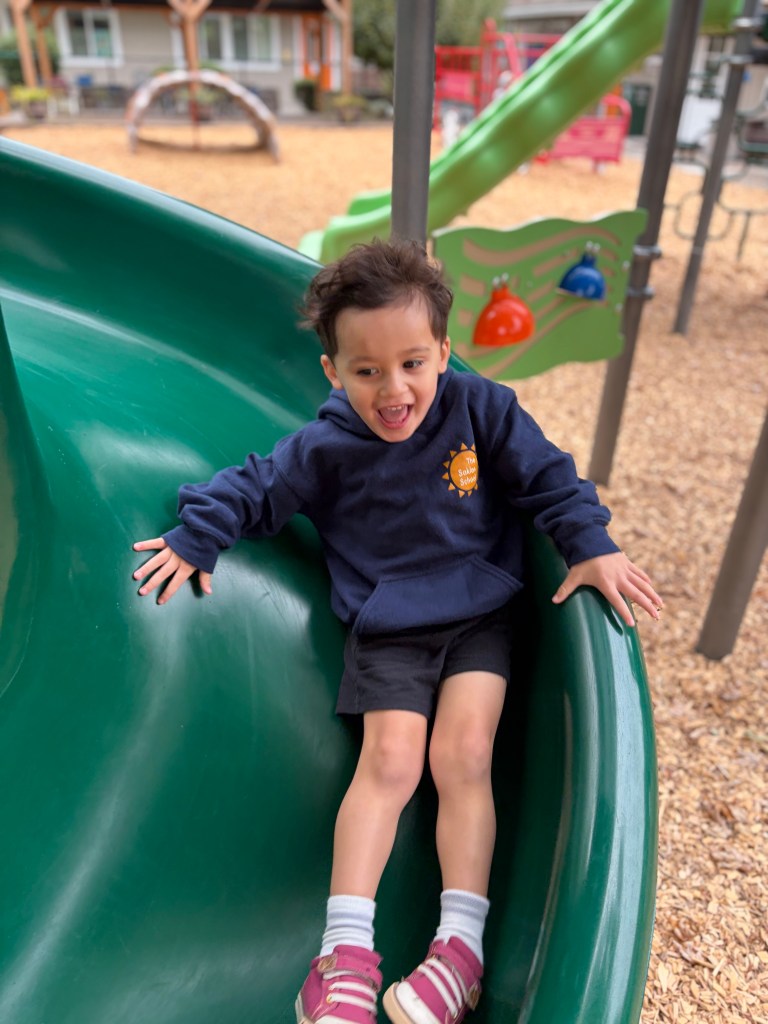
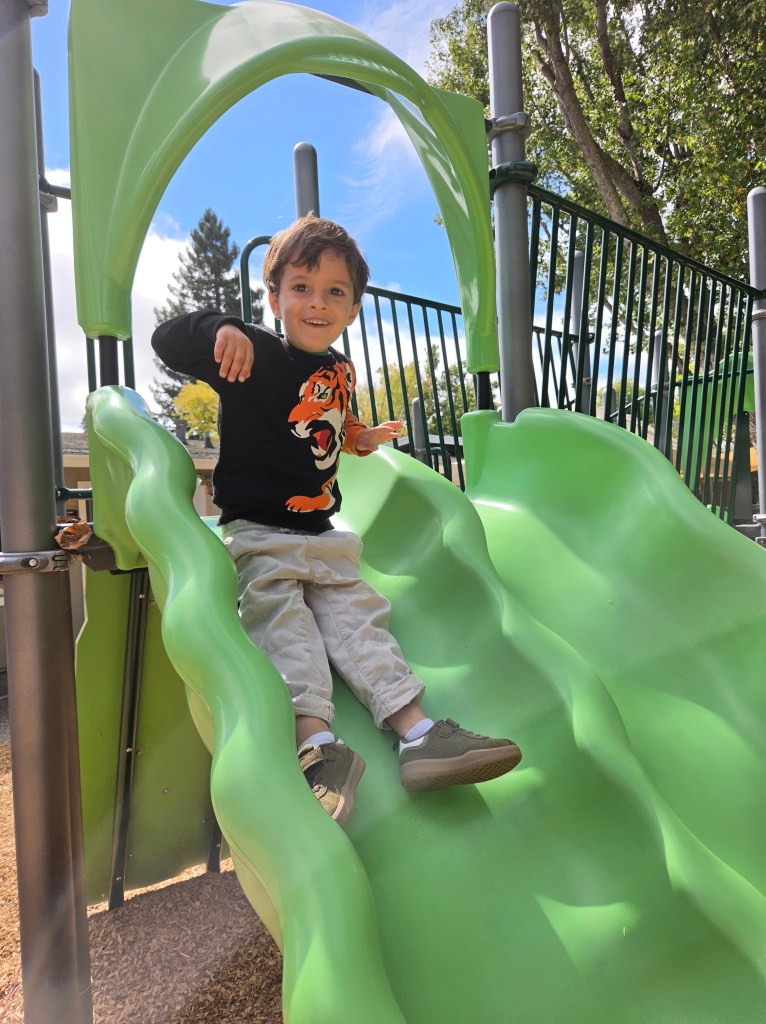
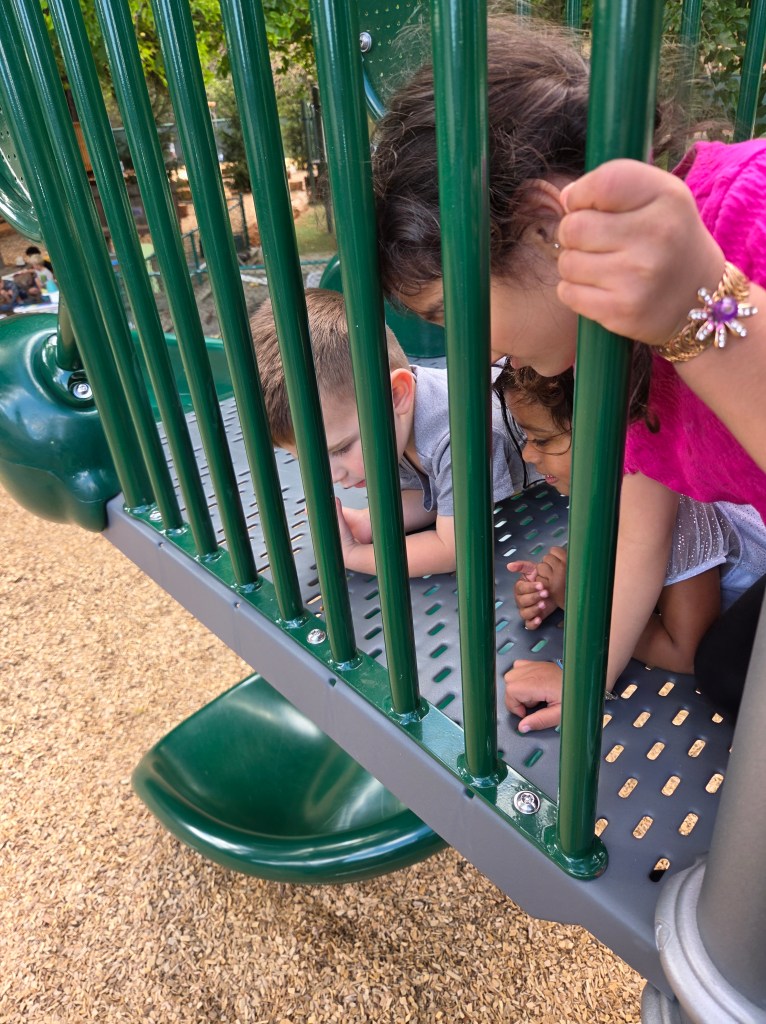
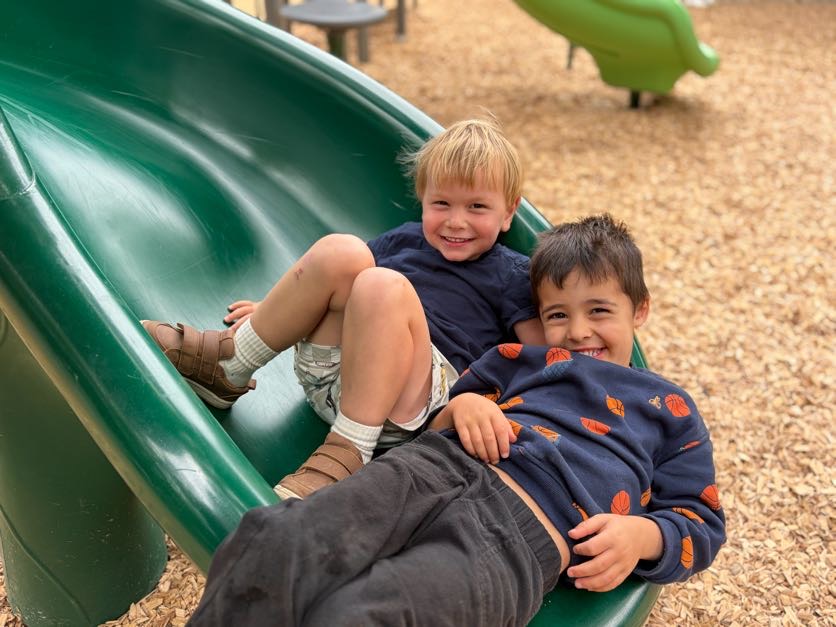
I grew up in a Detroit neighborhood with lots of friends and neighbors around. Most of the trouble we got into could best be described as “good trouble.” Staying out past the time the streetlights came on. Using the entire city block to play tag, running through neighbors’ backyards with friends, cutting across lawns. Nothing serious. Nothing mean-spirited. Just the ordinary trouble of childhood: testing boundaries, losing track of time, and discovering the world beyond adult eyes.

Looking back, I am struck by how much learning was tucked inside those moments. We were practicing judgment, negotiating with friends, taking small risks, and discovering what it felt like to be trusted.

I have been thinking about this because of two things I have been reading: The Amazing Generation and a new report from the Institute for Family Studies, High Tech, Low Play: The Life of American Children. Together, they point to something many of us sense: children need more than protection from the virtual world. They need more opportunities to experience the real one.

What struck me most in the report was a simple but unsettling idea: many children today are highly protected in the physical world, yet relatively unprotected in the digital one. They have access to screens earlier and more often, while having fewer opportunities to roam, play, take small risks, and build independence with friends.

That imbalance gives me pause.

Many children today can wander widely online before they are trusted to wander very far in real life. They may have access to enormous digital worlds before they have had enough practice navigating the physical one.

This is not to say we should simply recreate the childhoods we remember. The world has changed. But children still need opportunities to stretch, explore, decide, negotiate, and discover their own capabilities.

That is one reason I am drawn to The Amazing Generation, by Jonathan Haidt. Its invitation is not simply for children to put down their screens, but to imagine what they might pick up instead: more freedom, more friendship, more movement, more play, more responsibility, and more real-life adventure.

So what kind of childhood are we trying to protect?

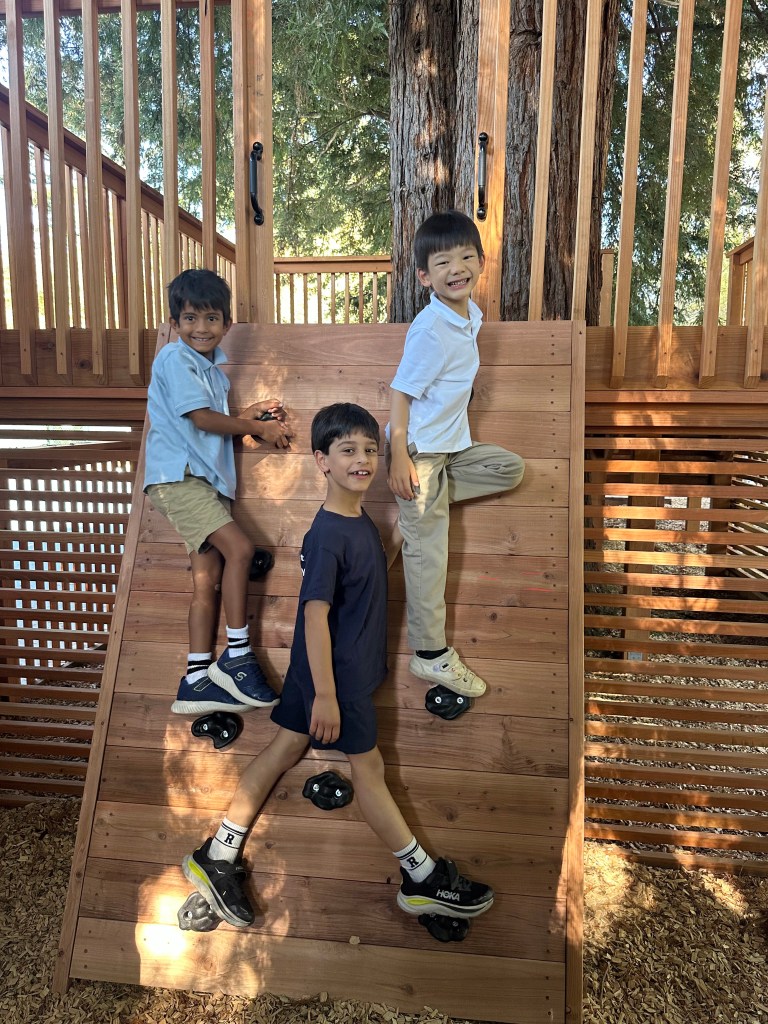
One with enough safety to feel held, and enough freedom to grow. One with adults close enough to guide, but not so close that children never get to practice. One with room for play, movement, friendship, responsibility, and the small, good trouble that helps children discover their capacity.

And maybe that is the real invitation — not just to give children fewer screens, but to give them more childhood.

Sincerely,

David

Museum of the Future

Opening on Wednesday, May 20 at 10:05 a.m. in the Humanities Room

Saklan’s sixth graders are wrapping up their final Project Based Learning unit of the year with an immersive exploration of ancient Greece and its enduring influence on modern society. Students investigated the driving question: What important stories can we tell as curators about connections between 21st century America and ancient Greece?

This essential question has allowed students to weave together many of the themes they have explored throughout the year, including the role of museums, the work of archaeologists and historians, the impact of perspective and bias, and the relationship between power and storytelling.

As part of their studies, students examined a variety of artifacts from the Legion of Honor connected to ancient Greek medicine, sports, gender roles, functional art, government, education, and more. Through guided discussions and inquiry, they explored how these artifacts reveal stories about both ancient civilizations and the world we live in today.

Students were introduced to multiple ways to approach the driving question, and each student selected a topic or connection that felt most meaningful to them. Some chose to dive deeper into themes discussed collaboratively in class, while others pursued entirely original interpretations and connections. Their work reflects not only historical understanding, but also creativity, critical thinking, and personal voice.

The culmination of this project will be Saklan’s “Museum of the Future,” where students will showcase their curatorial responses and share the stories they believe are most important to tell. Families are invited to join the sixth graders on Wednesday, May 20 at 10:05 a.m. in the Humanities Room to experience this exciting exhibition and celebrate the students’ learning and insight.

#SaklanProjectWork

Things That Go!

If you’ve stepped into the Owlet classroom recently, you may have noticed clouds floating overhead and airplanes soaring through the room. That’s because the Owlets have been immersed in an exciting study of air transportation as part of their “Things That Go!” project work. Through hands-on exploration, creative design, and visits from experts, students have been discovering how humans travel through the sky and how flight shapes the way we see the world.

After studying ground-based transportation, the class began studying air transportation with a paper airplane challenge. Each Owlet designed, decorated, and named their own airplane before testing their flying skills in a game inspired by cornhole. Drawing on previous science lessons with Ms. O, students remembered that the best way to launch a paper airplane is by aiming upward toward the sky rather than downward toward the ground.

Once students mastered the basics of flight, the challenge became even more exciting. Different-sized targets were added for airplanes to fly through, each worth a different number of points. As students practiced launching their planes toward the targets, they strengthened hand-eye coordination, problem-solving, and perseverance. While it was tricky at first, many Owlets improved their accuracy through persistence and teamwork.

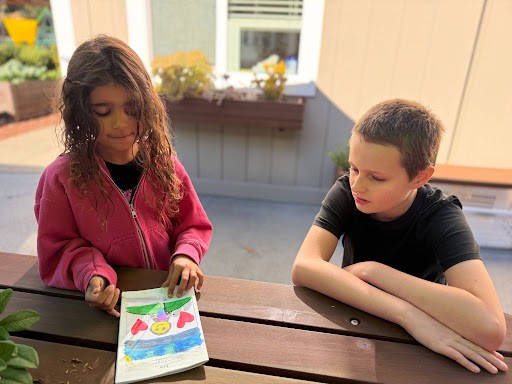
The Owlets also explored the history of aviation by learning about famous pilot Amelia Earhart. After reading about her flights across the Atlantic Ocean, students discussed how landscapes appear differently when viewed from above. This sparked a conversation about perspective and how our viewpoint changes what we see. Students reflected on how objects appear from the ground compared to the sky, where everything can seem flat like a map. Inspired by this idea, the Owlets created their own “bird’s-eye view” drawings, imagining the world from a pilot’s perspective.

Throughout the study, the Owlets learned from several special visitors who shared their expertise about transportation and flight. A Hoot Owl friend introduced students to the world’s fastest train in China, which uses powerful magnets and can travel up to 286 miles per hour. Students noticed similarities between the train and BART, especially its pointed nose designed to help it move faster through the air.

The class also connected virtually with Louis, the uncle of an Owlet, who shared his expertise about airplanes. He explained that building airplanes can feel similar to building with Legos and introduced students to the four forces that help planes fly: thrust, lift, drag, and gravity. Students asked thoughtful questions and were amazed to learn that the SR-71 Blackbird can travel up to 2,000 miles per hour, while smaller propeller planes travel much more slowly. They also discovered that airplanes use jet fuel, a stronger type of gasoline.

In addition, two former Owlets (now kindergartners) returned to the classroom to share what they know about airplane travel. They taught students about turbulence, airplane parts, and how pilots communicate with air traffic control during flights. Students also learned that airplanes land on their back wheels first for safety and that the plane’s pointed nose helps it move smoothly through the air.

The Owlets’ exploration of transportation has combined science, creativity, engineering, storytelling, and collaboration in meaningful and joyful ways. Families are invited to learn more about these discoveries and celebrate the students’ work at the Owlets’ Things That Go! culmination on Thursday, May 21, at 8:30 a.m.

#SaklanProjectWork

Improving Saklan’s Community Spaces

Saklan’s seventh-grade students have been exploring the role of community spaces through an engaging Humanities Project Based Learning unit centered on the driving question: How can we improve our shared public spaces to better meet the needs and reflect the values of our community?

As the culminating project for the unit, students are developing thoughtful and practical proposals for improving one of the most meaningful shared spaces in their daily lives: The Saklan School campus. Families are invited to join the seventh graders on Wednesday, May 20, at 10:15 a.m. in the Humanities Room to hear students present their ideas for enhancing our campus community.

The project began with students reflecting on the changes already made to Saklan’s campus during the current school year. Together, they identified several updates, including the addition of all-gender bathrooms in the Lower School, a new net above the sports court fence, the construction of the redwood deck, and the installation of larger middle school lockers. Working in small groups, students evaluated whether these changes improved the campus experience and considered how they might be enhanced further.

From there, students conducted a detailed assessment of the school grounds, examining buildings, outdoor areas, and the campus perimeter. Each group identified spaces that were functioning successfully, areas that could be improved, and the reasons behind their evaluations. This process encouraged students to think critically about how design impacts the way people interact with and experience shared environments.

The unit then expanded into a historical exploration of community spaces in pre-Columbian Mesoamerican civilizations. Through a gallery walk featuring unlabeled images from the Maya, Aztec/Mexica, and Inka civilizations, students analyzed architecture and public spaces while considering the cultural values they reflected. Students also engaged in discussions about the legacy of Christopher Columbus, examining differing perspectives on why he remains widely recognized and whether he should continue to be celebrated.

Working in expert groups, students studied one of the three civilizations in greater depth, learning about the geography, climate, and major achievements that shaped each society. Individually, students then selected a pre-Columbian structure or community space to investigate more closely. They explored why the space was created, how it was used, what needs it fulfilled, the materials used in its construction, and the factors that influenced its design.

As students continued refining their understanding of successful community spaces, they also examined examples from the modern world, including a visit to a contemporary temple. Throughout the process, students connected lessons from the past and present to their own campus community, using their research and observations to inform their final proposals.

The project has encouraged seventh graders to think deeply about the relationship between physical spaces and community values, while empowering them to imagine how thoughtful design can improve everyday experiences for others.

#SaklanProjectWork #SaklanCommunity

Time to Return Library Books!

As the school year comes to a close, it’s time to start checking bookshelves, backpacks, and bedside tables for any Saklan Library books that may still be at home.

Meredith and Joy kindly ask that all library books be returned by Friday, May 22, so the library can prepare for the end of the year and get ready for another great season of reading ahead.

The Saklan Library has been filled with so many wonderful stories, discoveries, and adventures this year, and we are grateful to all of our students for making reading such an important part of their school experience.

Thank you for another fantastic year of book reading!

Class of 2026 Graduation

The Saklan School is excited to celebrate the graduating Class of 2026 with a commencement ceremony honoring their achievements, growth, and contributions to the community on Friday, May 29, at 10:15 a.m. on the Saklan Sports Court. This meaningful event will bring together the school community, as all Saklan students from Kindergarten through eighth grade will participate in the celebration in various ways.

Families and guests are warmly invited to attend, and we kindly ask that those planning to join us RSVP by May 22.

We look forward to celebrating the Class of 2026 with you!

#SaklanGraduation #Classof2026

Wrapped in Gratitude

Teacher Appreciation Week left our faculty and staff feeling wrapped in gratitude, thanks to the generosity and thoughtfulness of our community.

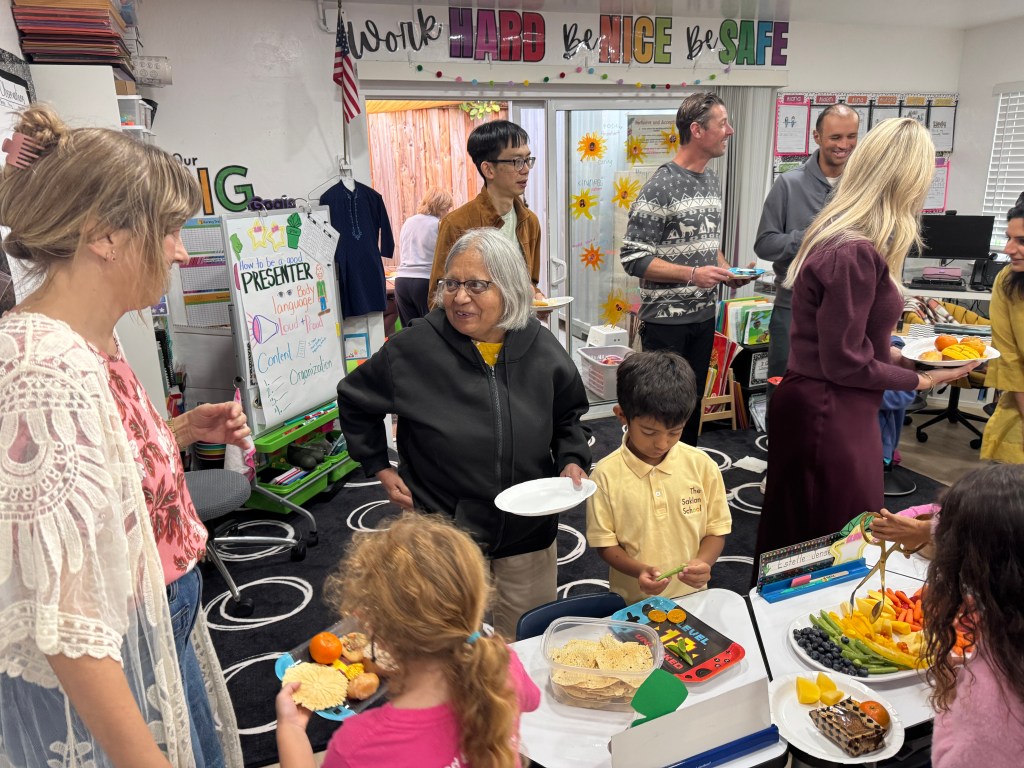
The week kicked off with thoughtful gifts from the PA, including RUMPL blankets, Uni Body Glow Kits, fresh flowers, and coffee, all warmly received and deeply appreciated. From there, the celebrations continued with a beautiful brunch featuring bagels, donuts, and quiche on Monday, followed by a delicious spread of Mexican food and desserts on Tuesday, bagels and crowd-pleasing burgers and fries on Wednesday, and a delicious potluck of family recipes today.

The week also brought kind notes that brightened the campus and lifted spirits. Each moment reflected the deep appreciation that families have for the educators who support, challenge, and inspire students every day.

We are incredibly grateful to the parents who contributed their time, energy, and creativity to make this week so special. Your generosity not only honors our teachers and staff but also strengthens the sense of connection that makes Saklan such a unique and supportive place to learn and grow.

#SaklanCommunity #SaklanPA

Mission: Save the Reef

As part of their Earth Science studies, sixth grade students have been exploring how pests and invasive species impact ecosystems. One focus has been the Crown-of-Thorns (COT) sea star, a species currently threatening the Great Barrier Reef. Students learned how the sea star’s rapid reproduction and lack of natural predators have led to significant damage in this delicate ecosystem. By feeding on coral, COTs are contributing to the reef’s decline at an alarming rate.

To better understand real-world solutions, students investigated how scientists are responding to this challenge. They explored using Remotely Operated Vehicles (ROVs) to identify and inject vinegar into sea stars, a method that effectively eliminates them. These ROVs can operate continuously and in a variety of ocean conditions, making them a powerful tool for conservation efforts.

Bringing this learning to life, students worked collaboratively to design and build their own ROVs. Teams engineered frames, installed motors, learned to operate control systems, and added creative design features as they stepped into the roles of engineers and marine scientists.

On Tuesday, students put their designs to the test at the MCC Augusta Pool. Their challenge was to navigate their ROVs underwater and retrieve imitation Crown-of-Thorns sea stars, simulating the work of marine conservation teams on the Great Barrier Reef.

Students spent the first part of the session learning to maneuver their ROVs and coordinate as teams. Once they became comfortable operating the controls, teachers released the imitation COT sea stars into the pool for retrieval.

Armed with creative retrieval tools such as shovels, Velcro, and scoops, teams worked together to collect the sea stars from the bottom of the pool. By the end of the challenge, the class had successfully retrieved a record 38 Crown-of-Thorns sea stars.

This hands-on experience allowed students the opportunity to fully engage in the engineering design process while tackling a real-world environmental issue. Through collaboration, problem-solving, and innovation, students saw firsthand how science and technology can be used to protect ecosystems and make a meaningful impact on the world around them.

#SaklanHandsOn

Once Upon a Time in Kindergarten

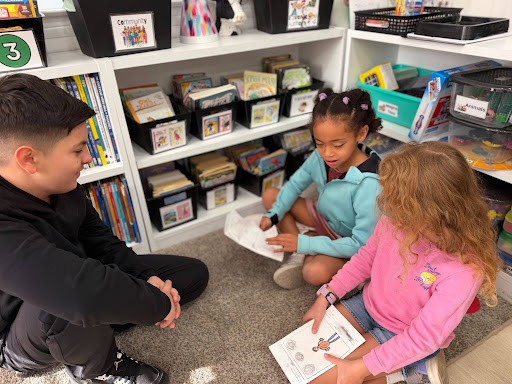
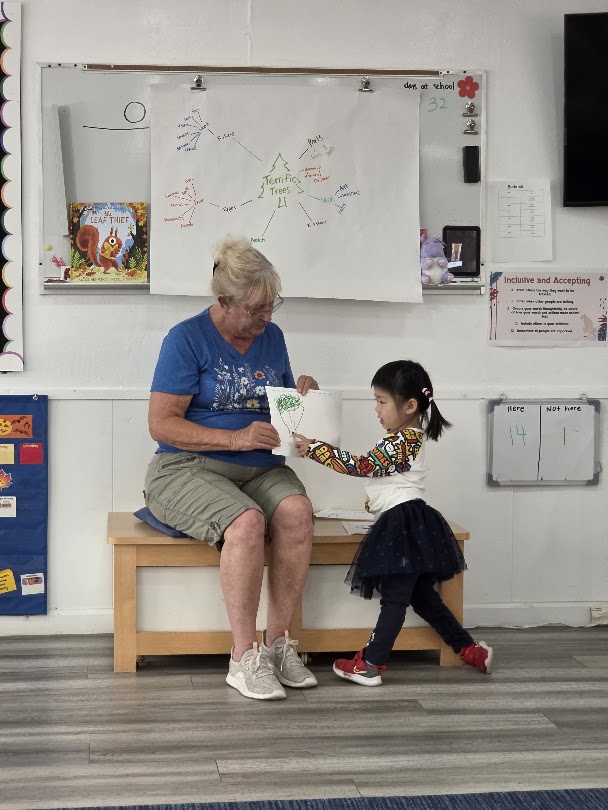
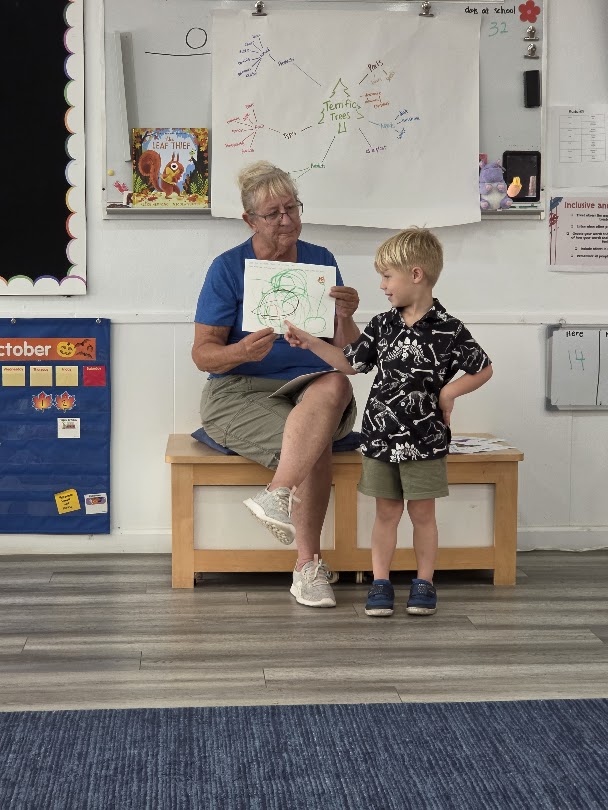
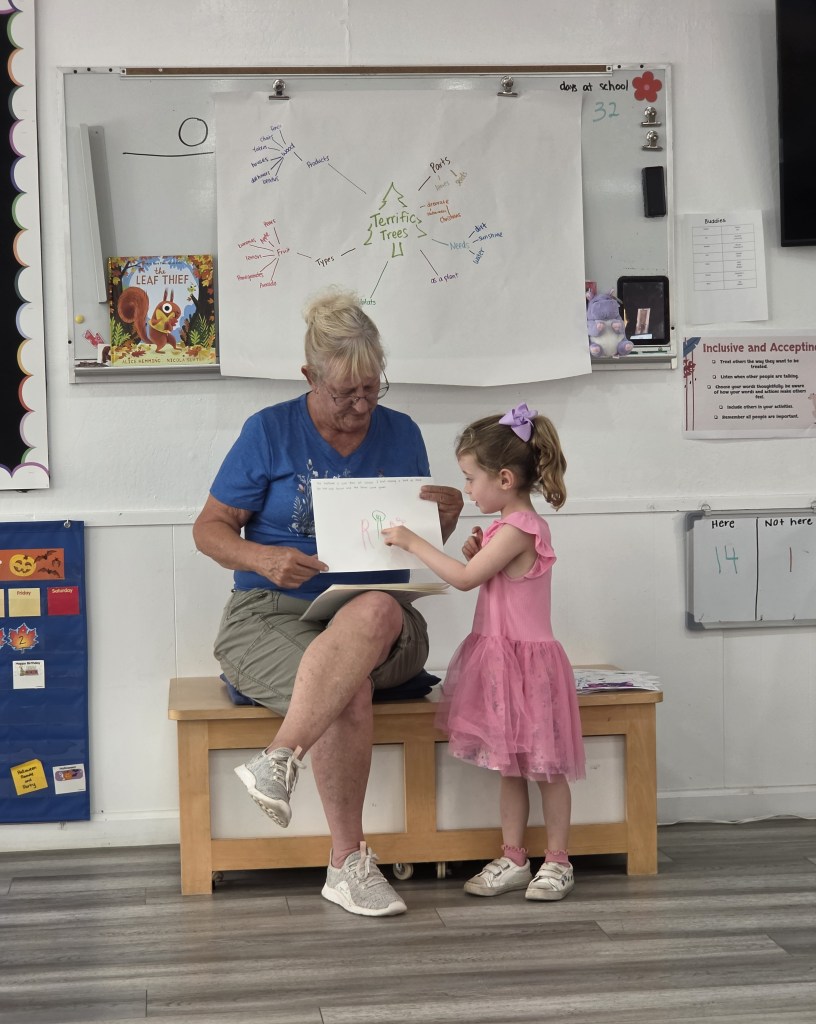
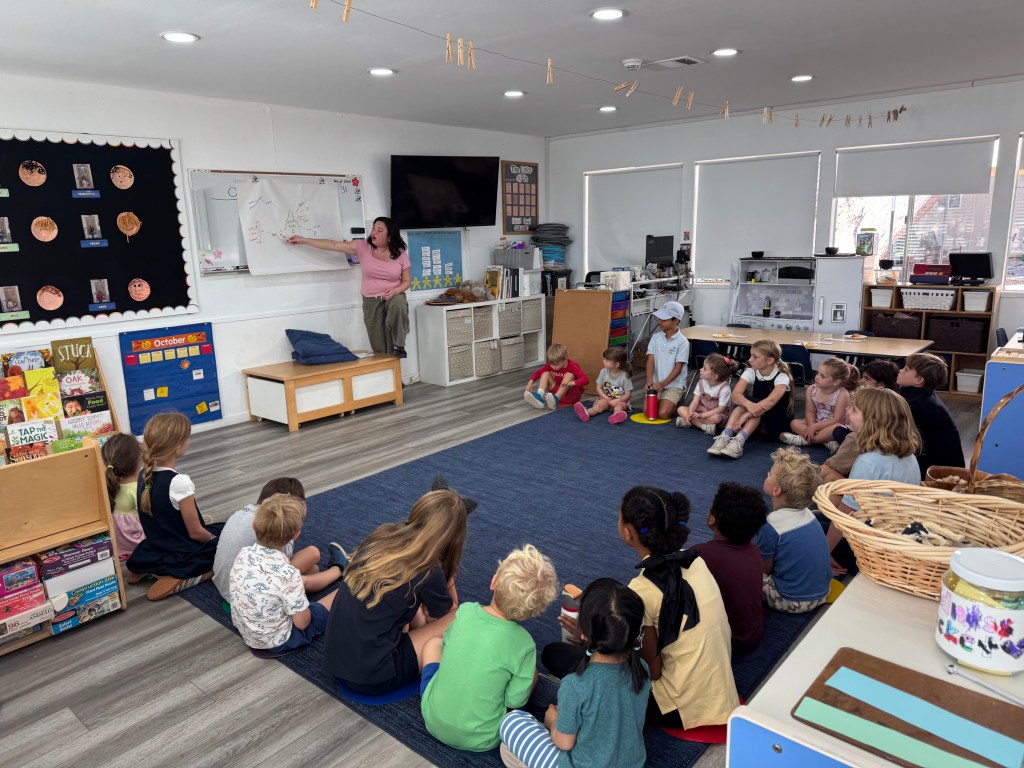
Kindergarten students at Saklan have been immersed in a magical world of storytelling as their Project work has focused on fairy tale writing. The classroom has been filled with excitement as students bring imaginative characters and adventures to life. Dragons, evil magicians, brave princesses, talking animals, and mysterious villains have all found their way into their original stories.

While the final stories are full of creativity and humor, students are also learning an important lesson about the writing process: strong writing begins long before the final draft. Weeks earlier, students engaged in a carefully scaffolded planning process designed to build an understanding of story structure and organization.

Using a color-coded system, students mapped out their ideas across six parts of a narrative: introducing the main character, beginning the adventure, presenting the problem and villain, building to the “uh oh” moment, resolving the conflict, and concluding with a happily ever after. By focusing on just a few sections at a time, students were able to thoughtfully develop their stories and gain confidence in structuring their ideas.

Once their plans were complete, students eagerly began the writing process. Over the following weeks, the classroom buzzed with focused energy as young authors transformed their plans into full fairy tales. To support their work, students used a growing class word bank, along with table-specific word lists, to help with spelling and vocabulary. They also leaned on one another, asking questions, offering suggestions, and celebrating each other’s ideas along the way.

This collaborative and supportive environment helped students not only strengthen their writing skills but also develop confidence and independence. The process was both challenging and rewarding, resulting in stories that are as unique as the students themselves.

You are invited to experience these original fairy tales firsthand during the Kindergarten culmination on Friday, May 15, at 9:00 a.m. It promises to be a joyful celebration of creativity, growth, and storytelling!

#SaklanProjectWork
From Brain Science to Real-Life Application

What does it look like when students take what they know about the brain and use it to help others? That question came to life as our fifth graders stepped into the heart of their project work.

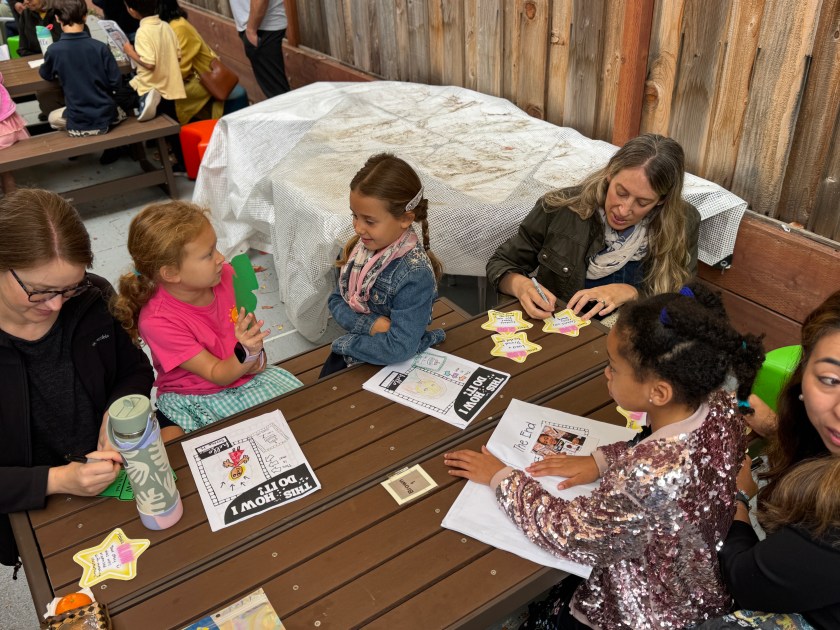
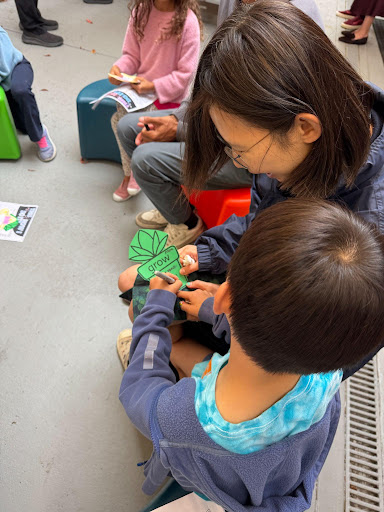
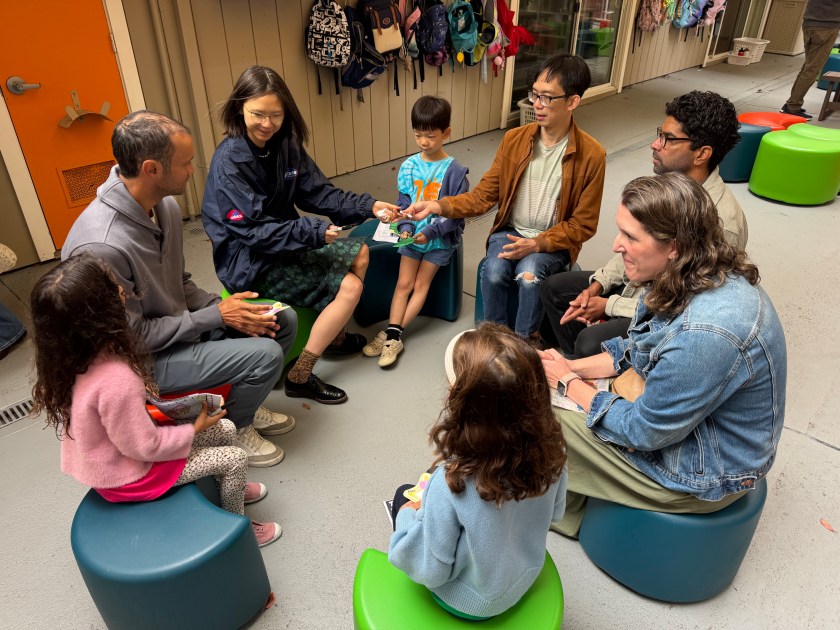
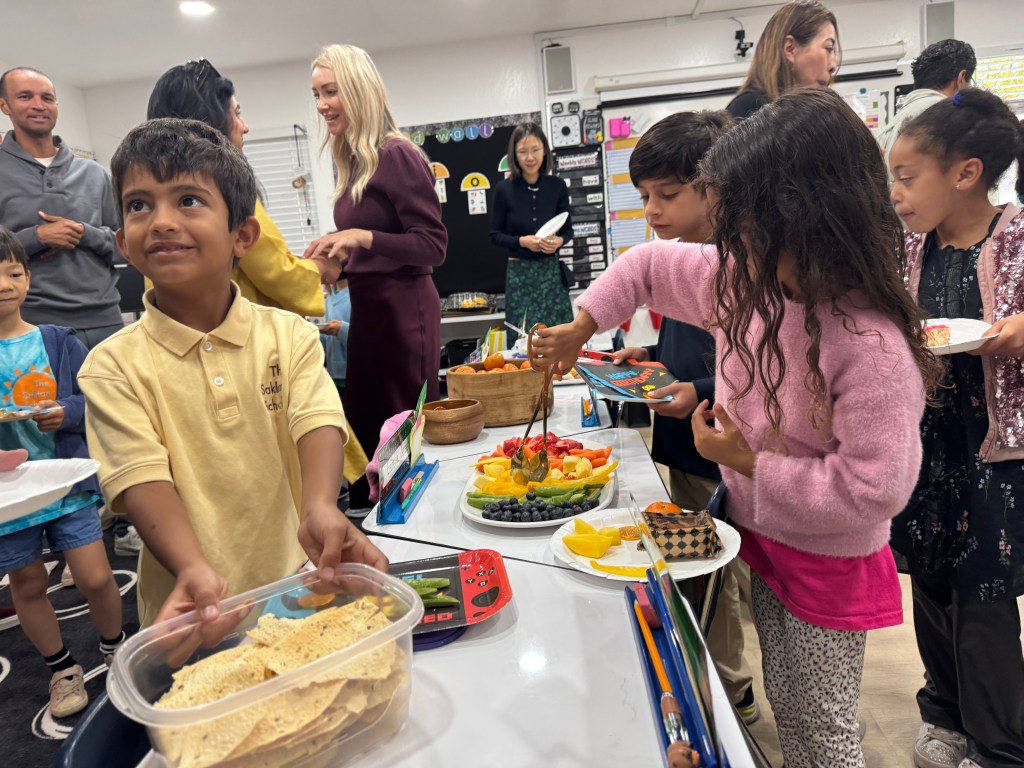
Building on their recent brain science studies, students are now applying their understanding of how the brain interprets, reacts, and sometimes gets it wrong to design tools that help people better understand and manage emotions and relationships. Working in three teams, they are focused on self-awareness (naming feelings), self-regulation (calming tools), and connection (conflict resolution, active listening, and problem-solving). Each team is designing visual teaching tools and co-creating stories that show characters using the strategies, and younger students will soon get to help shape key elements.

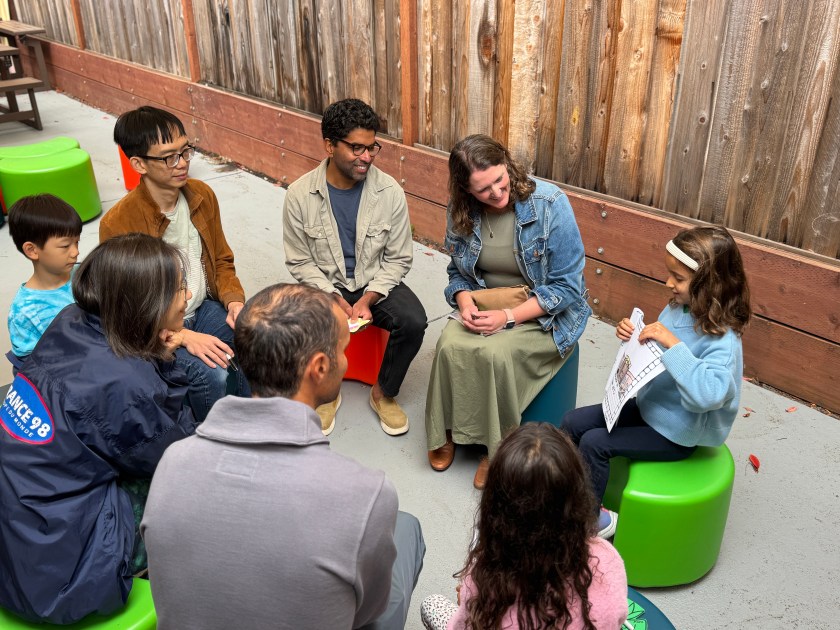
Last week, teams presented their prototypes and story drafts to guest experts who support children every day. Riva and Emily joined the self-regulation team, bringing calming tools for students to test. Annette and Coach Rob shared their Peace Talks training and Conflict Corner guidelines with the connection team, and Peta supported the self-awareness team in refining their tools using Zones of Regulation strategies. 

Students listened carefully, asked thoughtful questions, and immediately began refining their work.

One fifth grader captured the spirit of the project perfectly:

“We have a voice in project work. We made a real impact on the Redwood Grove earlier this year, and now we’re doing something that can help people understand their emotions and relationships. I like knowing our work matters.”
Families are invited to see this important work in action at CLAS on May 15, when fifth graders will present their projects and share the impact of their learning.
#SaklanProjectWork