Head’s Corner: What Kind of Childhood Are We Trying to Protect?

When I was a child, I routinely got into trouble. (Hard to believe, right?)

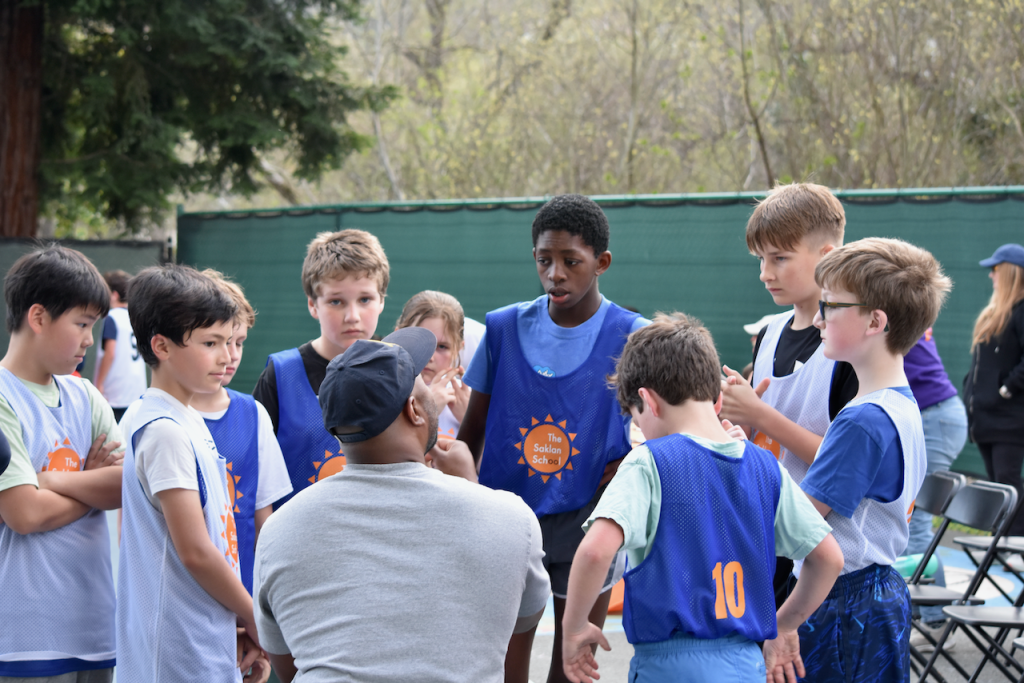
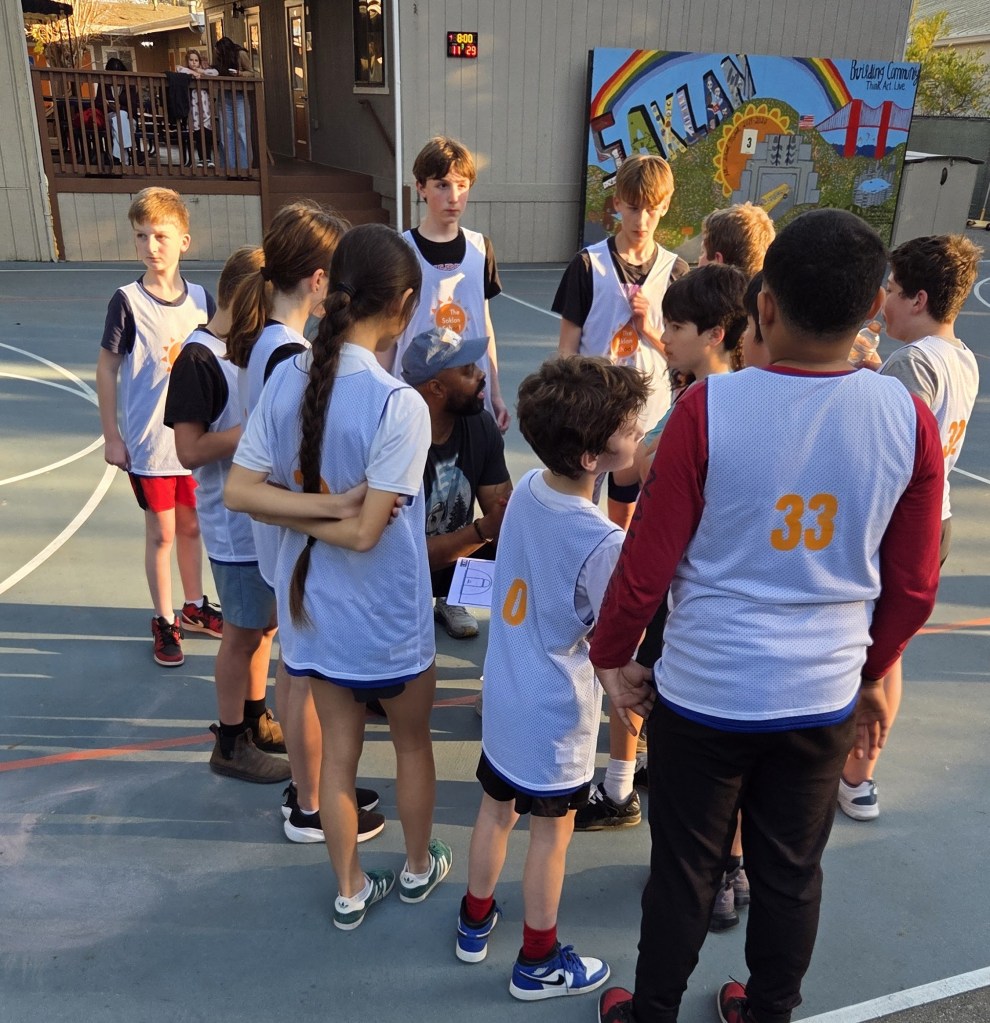
I grew up in a Detroit neighborhood with lots of friends and neighbors around. Most of the trouble we got into could best be described as “good trouble.” Staying out past the time the streetlights came on. Using the entire city block to play tag, running through neighbors’ backyards with friends, cutting across lawns. Nothing serious. Nothing mean-spirited. Just the ordinary trouble of childhood: testing boundaries, losing track of time, and discovering the world beyond adult eyes.

Looking back, I am struck by how much learning was tucked inside those moments. We were practicing judgment, negotiating with friends, taking small risks, and discovering what it felt like to be trusted.

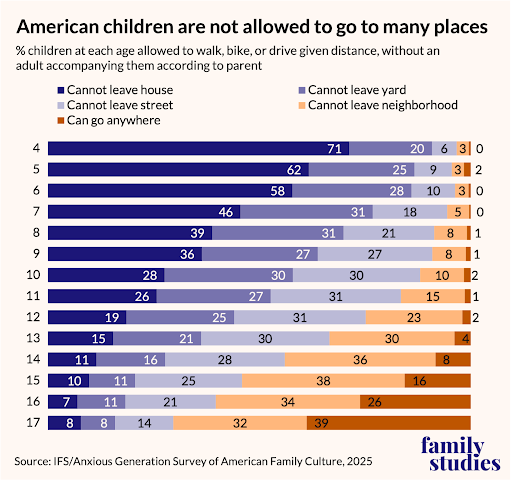
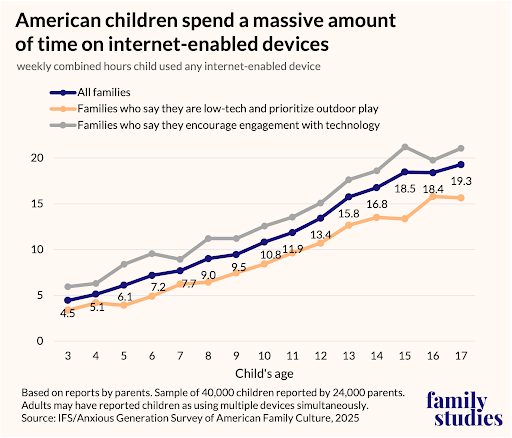
I have been thinking about this because of two things I have been reading: The Amazing Generation and a new report from the Institute for Family Studies, High Tech, Low Play: The Life of American Children. Together, they point to something many of us sense: children need more than protection from the virtual world. They need more opportunities to experience the real one.

What struck me most in the report was a simple but unsettling idea: many children today are highly protected in the physical world, yet relatively unprotected in the digital one. They have access to screens earlier and more often, while having fewer opportunities to roam, play, take small risks, and build independence with friends.

That imbalance gives me pause.

Many children today can wander widely online before they are trusted to wander very far in real life. They may have access to enormous digital worlds before they have had enough practice navigating the physical one.

This is not to say we should simply recreate the childhoods we remember. The world has changed. But children still need opportunities to stretch, explore, decide, negotiate, and discover their own capabilities.

That is one reason I am drawn to The Amazing Generation, by Jonathan Haidt. Its invitation is not simply for children to put down their screens, but to imagine what they might pick up instead: more freedom, more friendship, more movement, more play, more responsibility, and more real-life adventure.

So what kind of childhood are we trying to protect?

One with enough safety to feel held, and enough freedom to grow. One with adults close enough to guide, but not so close that children never get to practice. One with room for play, movement, friendship, responsibility, and the small, good trouble that helps children discover their capacity.

And maybe that is the real invitation — not just to give children fewer screens, but to give them more childhood.

Sincerely,

David

Improving Saklan’s Community Spaces

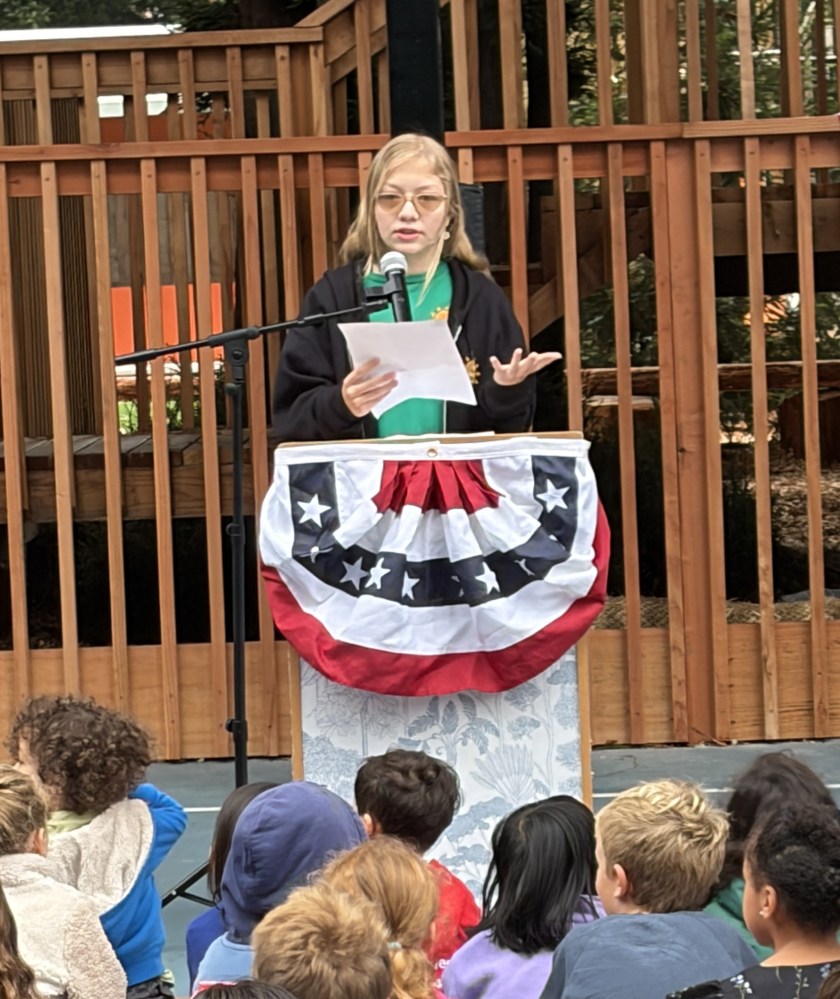
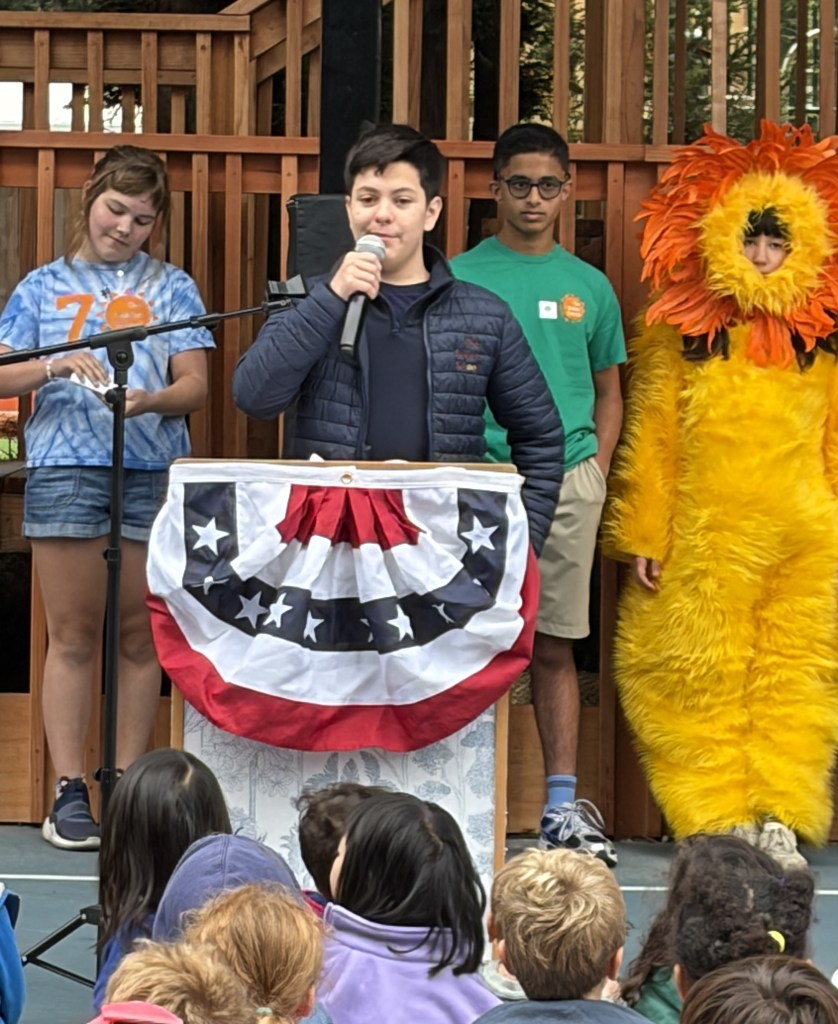
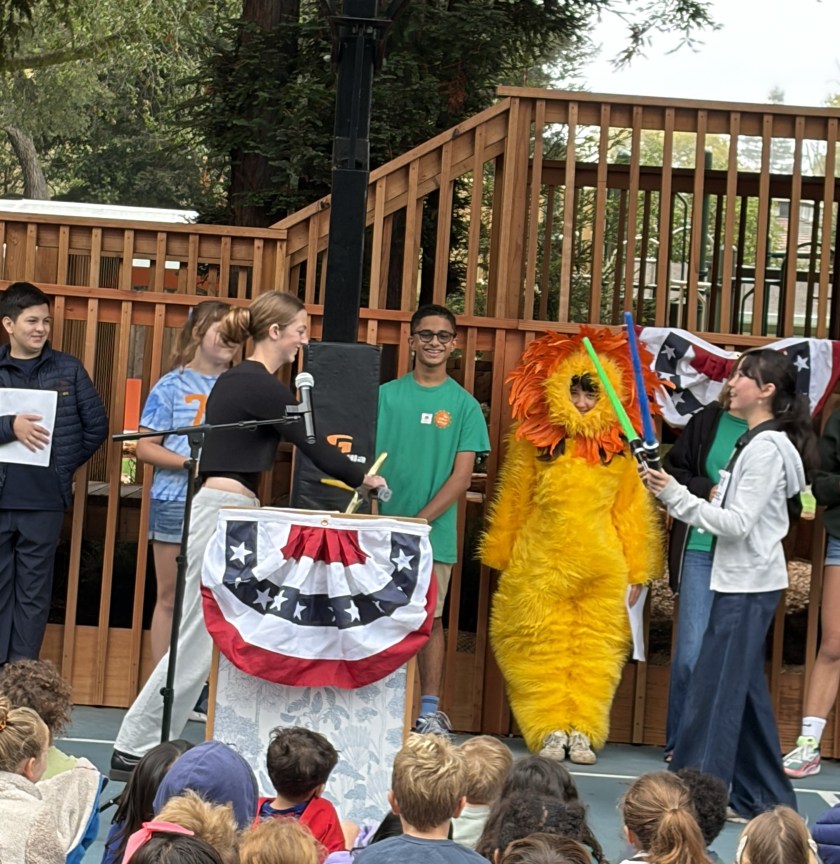
Saklan’s seventh-grade students have been exploring the role of community spaces through an engaging Humanities Project Based Learning unit centered on the driving question: How can we improve our shared public spaces to better meet the needs and reflect the values of our community?

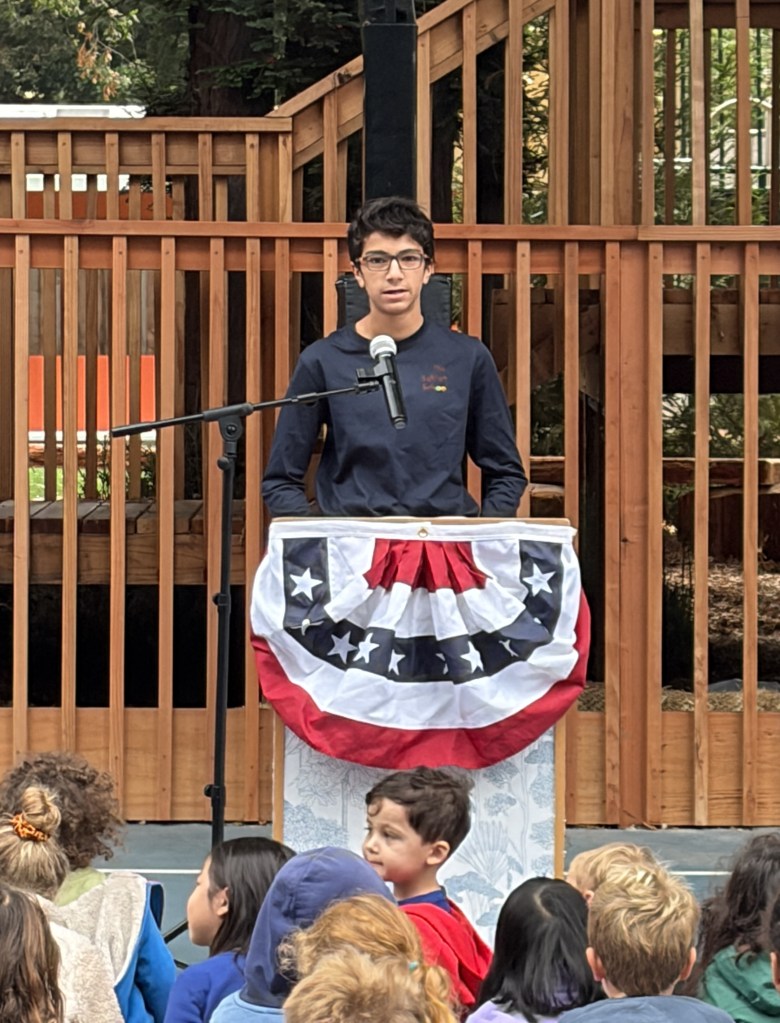
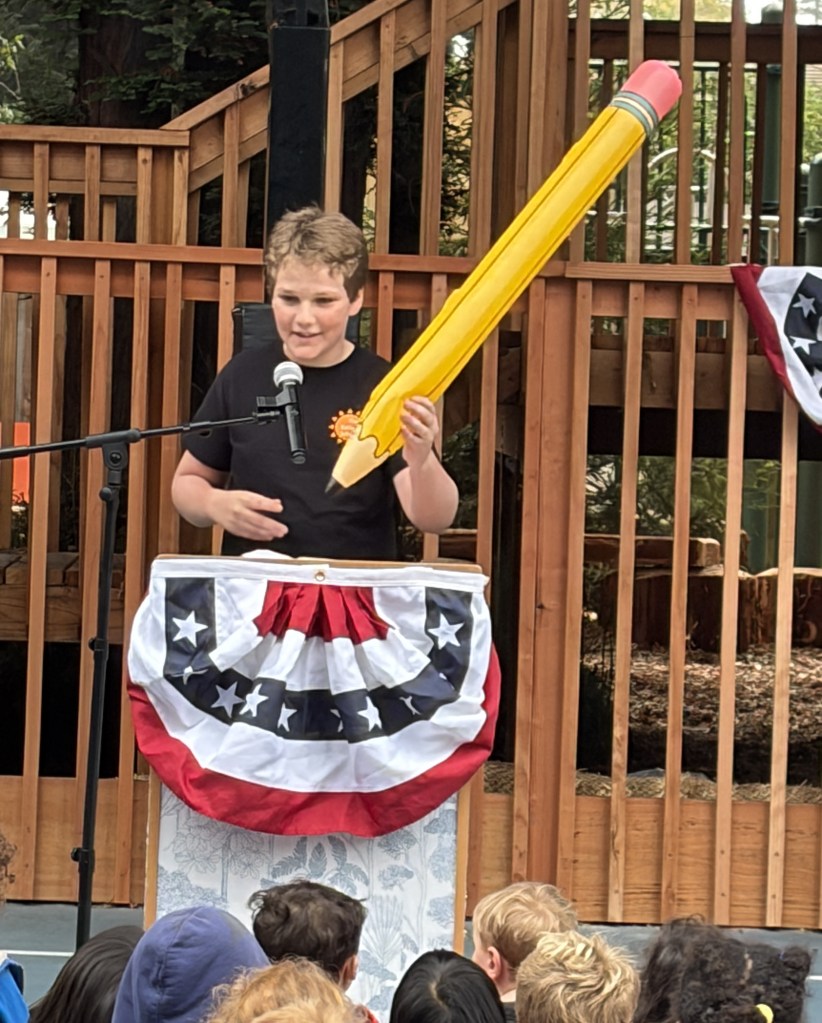
As the culminating project for the unit, students are developing thoughtful and practical proposals for improving one of the most meaningful shared spaces in their daily lives: The Saklan School campus. Families are invited to join the seventh graders on Wednesday, May 20, at 10:15 a.m. in the Humanities Room to hear students present their ideas for enhancing our campus community.

The project began with students reflecting on the changes already made to Saklan’s campus during the current school year. Together, they identified several updates, including the addition of all-gender bathrooms in the Lower School, a new net above the sports court fence, the construction of the redwood deck, and the installation of larger middle school lockers. Working in small groups, students evaluated whether these changes improved the campus experience and considered how they might be enhanced further.

From there, students conducted a detailed assessment of the school grounds, examining buildings, outdoor areas, and the campus perimeter. Each group identified spaces that were functioning successfully, areas that could be improved, and the reasons behind their evaluations. This process encouraged students to think critically about how design impacts the way people interact with and experience shared environments.

The unit then expanded into a historical exploration of community spaces in pre-Columbian Mesoamerican civilizations. Through a gallery walk featuring unlabeled images from the Maya, Aztec/Mexica, and Inka civilizations, students analyzed architecture and public spaces while considering the cultural values they reflected. Students also engaged in discussions about the legacy of Christopher Columbus, examining differing perspectives on why he remains widely recognized and whether he should continue to be celebrated.

Working in expert groups, students studied one of the three civilizations in greater depth, learning about the geography, climate, and major achievements that shaped each society. Individually, students then selected a pre-Columbian structure or community space to investigate more closely. They explored why the space was created, how it was used, what needs it fulfilled, the materials used in its construction, and the factors that influenced its design.

As students continued refining their understanding of successful community spaces, they also examined examples from the modern world, including a visit to a contemporary temple. Throughout the process, students connected lessons from the past and present to their own campus community, using their research and observations to inform their final proposals.

The project has encouraged seventh graders to think deeply about the relationship between physical spaces and community values, while empowering them to imagine how thoughtful design can improve everyday experiences for others.

#SaklanProjectWork #SaklanCommunity

Once Upon a Time in Kindergarten

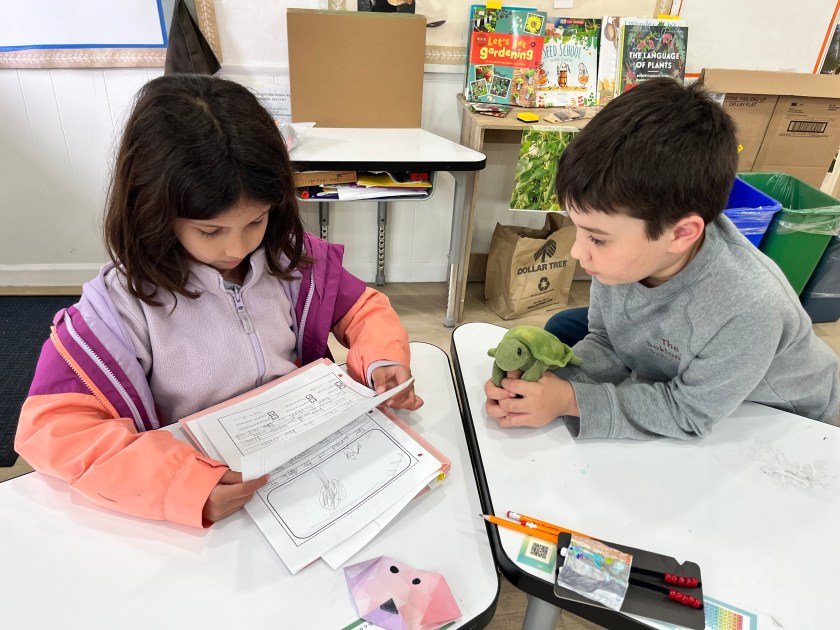
Kindergarten students at Saklan have been immersed in a magical world of storytelling as their Project work has focused on fairy tale writing. The classroom has been filled with excitement as students bring imaginative characters and adventures to life. Dragons, evil magicians, brave princesses, talking animals, and mysterious villains have all found their way into their original stories.

While the final stories are full of creativity and humor, students are also learning an important lesson about the writing process: strong writing begins long before the final draft. Weeks earlier, students engaged in a carefully scaffolded planning process designed to build an understanding of story structure and organization.

Using a color-coded system, students mapped out their ideas across six parts of a narrative: introducing the main character, beginning the adventure, presenting the problem and villain, building to the “uh oh” moment, resolving the conflict, and concluding with a happily ever after. By focusing on just a few sections at a time, students were able to thoughtfully develop their stories and gain confidence in structuring their ideas.

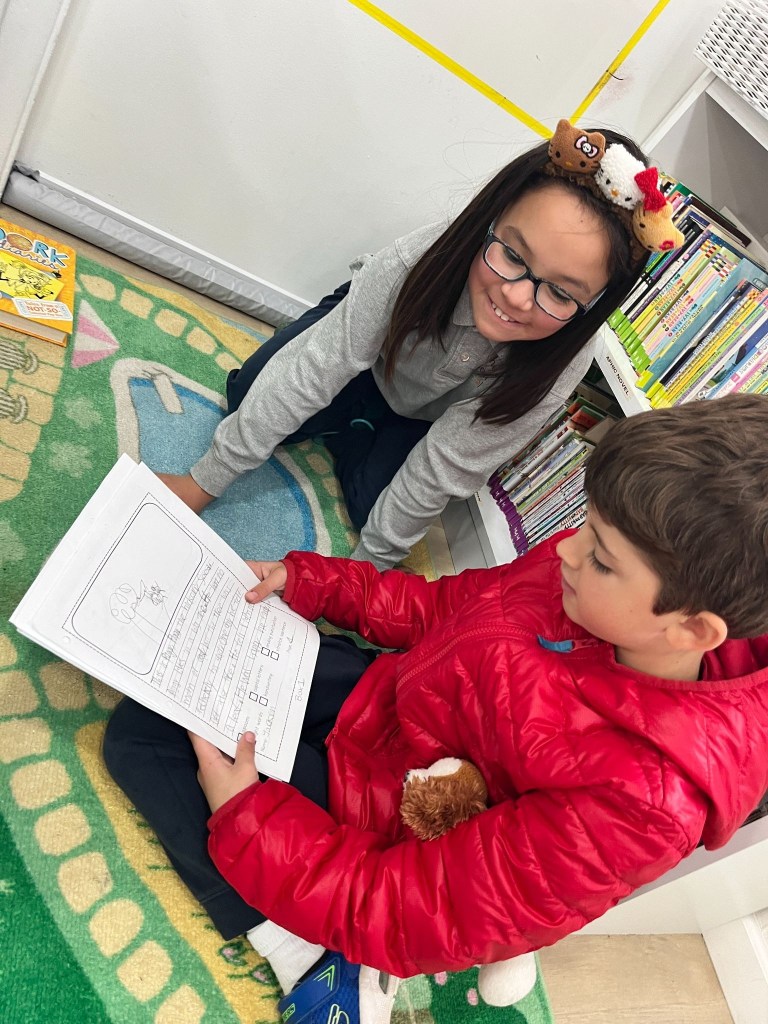
Once their plans were complete, students eagerly began the writing process. Over the following weeks, the classroom buzzed with focused energy as young authors transformed their plans into full fairy tales. To support their work, students used a growing class word bank, along with table-specific word lists, to help with spelling and vocabulary. They also leaned on one another, asking questions, offering suggestions, and celebrating each other’s ideas along the way.

This collaborative and supportive environment helped students not only strengthen their writing skills but also develop confidence and independence. The process was both challenging and rewarding, resulting in stories that are as unique as the students themselves.

You are invited to experience these original fairy tales firsthand during the Kindergarten culmination on Friday, May 15, at 9:00 a.m. It promises to be a joyful celebration of creativity, growth, and storytelling!

#SaklanProjectWork

Cross-Divisional Project Collaboration

Beyond reading buddies, Saklan projects are intentionally designed for meaningful student collaboration that authentically supports academic growth. This spring, middle school is using their music production skills for kindergarten’s fairy tale recordings, 6th grade helped 1st graders organize their expository writing, and 4th graders helped our Pre-K Hoot Owls refine their Venn diagram skills! 

Kindergarten and Middle School Music Production

How can we write and share our own fairy tales to spread magic and joy? Through answering this driving question, Kindergarten students have learned the elements of fairy tales and deepened their reading, writing, listening, and speaking skills to write and record their own original fairy tale stories. 

In preparation for their readers-theater style culmination on May 15th, students recorded their stories, and middle school students are creating original backing tracks to support the narrative elements of the fairy tale. Sound mixing the Kindergarten stories gives our middle schoolers an authentic application of their digital music production skills.

6th Grade and 1st Grade Expository Writing

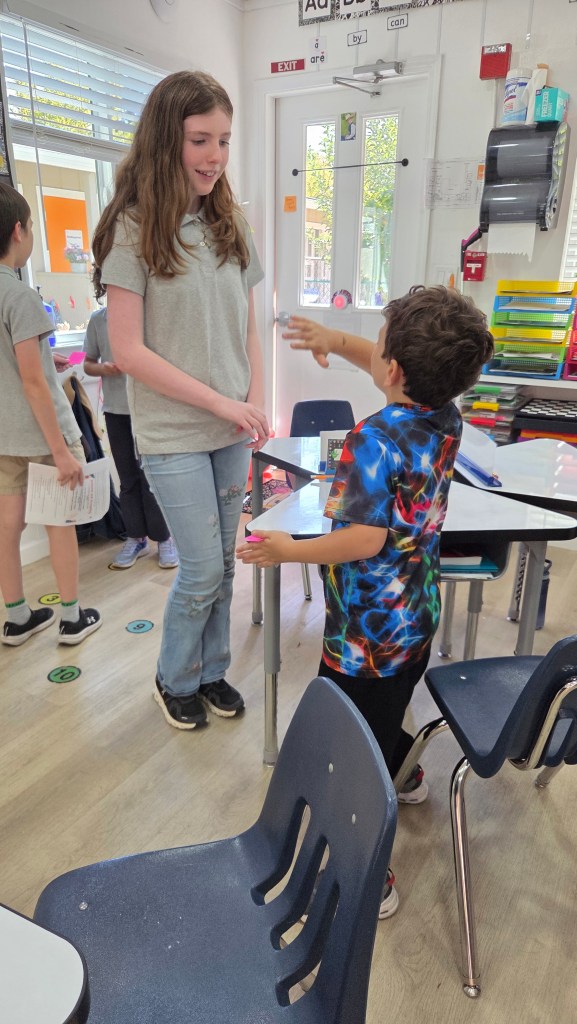
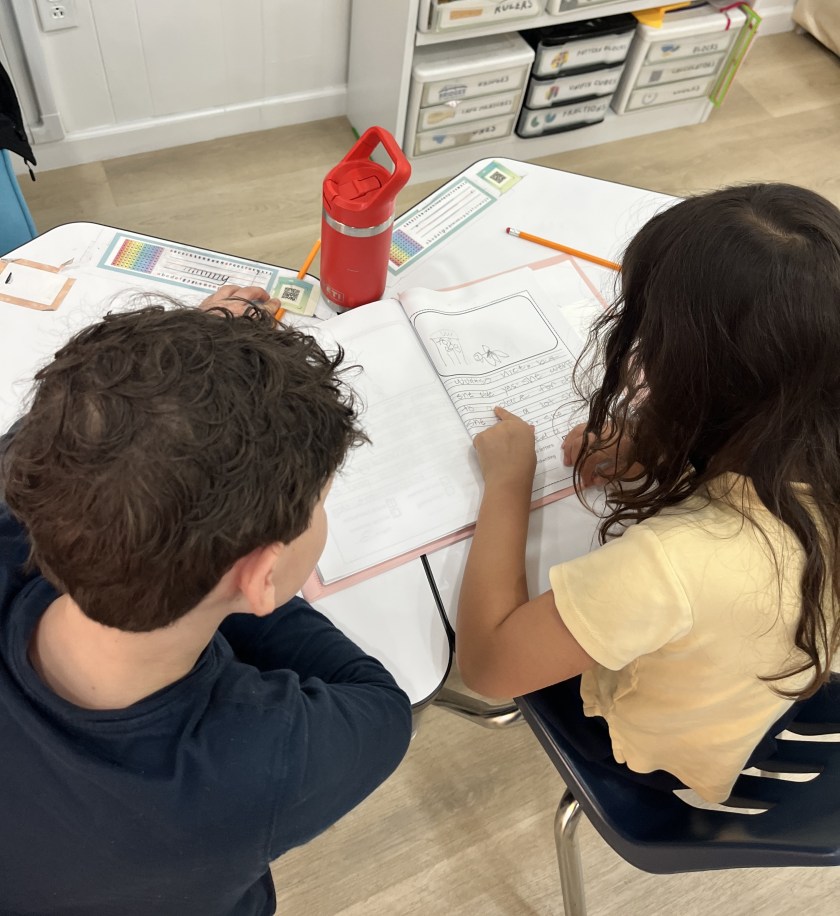
All year 6th graders have worked on expository writing in Humanities. Recently, while preparing to write artifact labels for their PBL unit culmination, the Museum of the Future, sixth graders reviewed structure and organization in expository writing. To practice this work, sixth graders analyzed 1st grade report writing drafts on extreme weather. They completed individual writing conferences to support improving the structure and organization of the first-grade reports. Not only did the first graders get to work with the big kids in a middle school classroom, but the sixth graders had the opportunity to grapple with the deeper cognitive task of teaching and explaining elements of writing to a younger child. This work improved the content of the first-grade reports and solidified the sixth grader’s understanding of writing structures and organization, while building community across divisions.

Hoot Owl and 4th Grade Venn Diagrams

Venn diagrams are a useful tool for many grade levels to demonstrate understanding of academic content. This spring, our Pre-K class has been learning all about oceans while their 4th-grade reading buddies have been working on a PBL unit about the California Gold Rush. Both classes planned to use Venn diagrams as a learning tool, and teachers needed an opportunity for some one-on-one teaching and practice. It was natural for these classes to connect and engage in some cross-divisional content learning! 

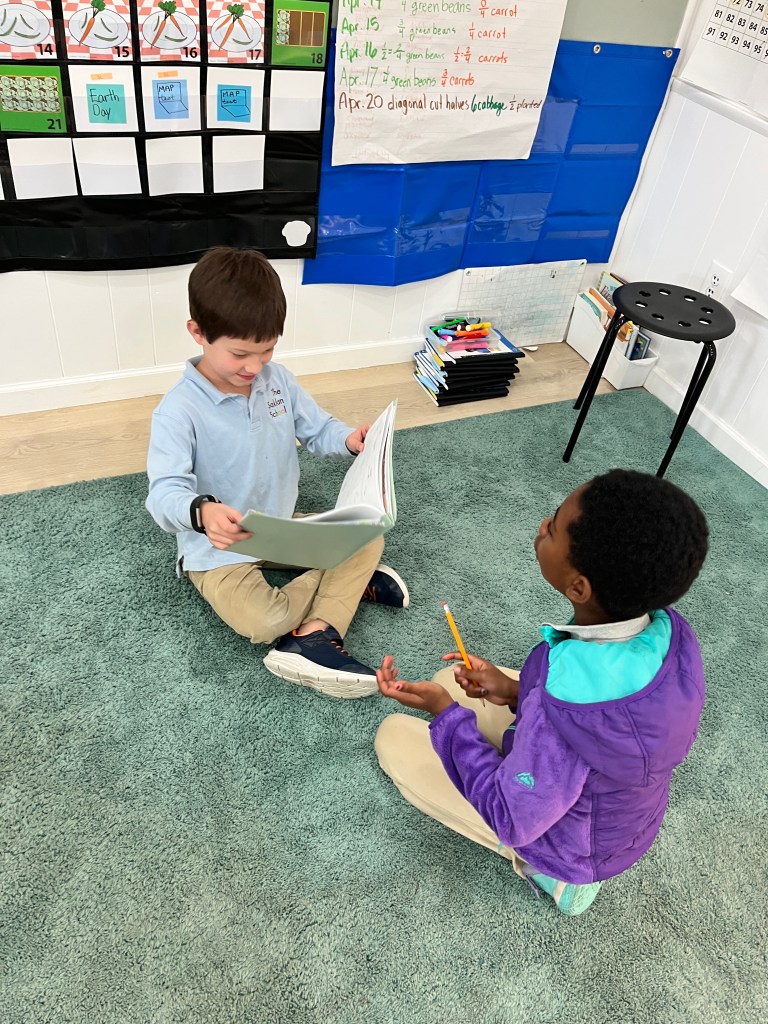
With fourth graders guiding the learning, the buddies made Venn diagrams all about each other! They chatted and recorded what they had in common and what was different about each other. As they got to know each other better by completing the diagram, both classes also deepened their understanding of how to use a Venn diagram. When each class returned to their own project work, they employed the same learning tool at different developmental levels with different content.  

If you want to see final products and culminating events, stay tuned for the next week at Saklan emails for updates on ways to come see and celebrate our students’ spring project work!

#SaklanProjectWork

The Secret Life of Seeds

One main goal of our project work at Saklan is authentic learning that connects to the students’ world outside of the school walls. One beautiful example of how deep academic work and authentic learning come together is the current 2nd-grade PBL unit called The Secret Life of Seeds. In this unit, the students are working to answer the driving question: If a seed could tell its own story, how could we use it to teach others about seed dispersal?

Through a blend of science labs, expository reading, imaginative story boarding and script writing, Saklan’s 2nd graders are learning how seeds travel and move through their growth cycle. They visited the Berkeley Botanical Garden, dissected foods to learn how fruit is a “suitcase” for seeds, and playfully considered how seeds move from place to place- some seeds hitch a ride on fur, feathers, or even shoes, while others are eaten and later deposited in new locations. 

These hands-on experiences, which are at the core of every Saklan PBL unit, help students see the world around them in new and complex ways while also driving authentic inquiry. Recently, students have wondered: Why do some fruits have many seeds while others only have one? Why are some seeds tiny and others large? How does the fruit help the seed survive its journey?

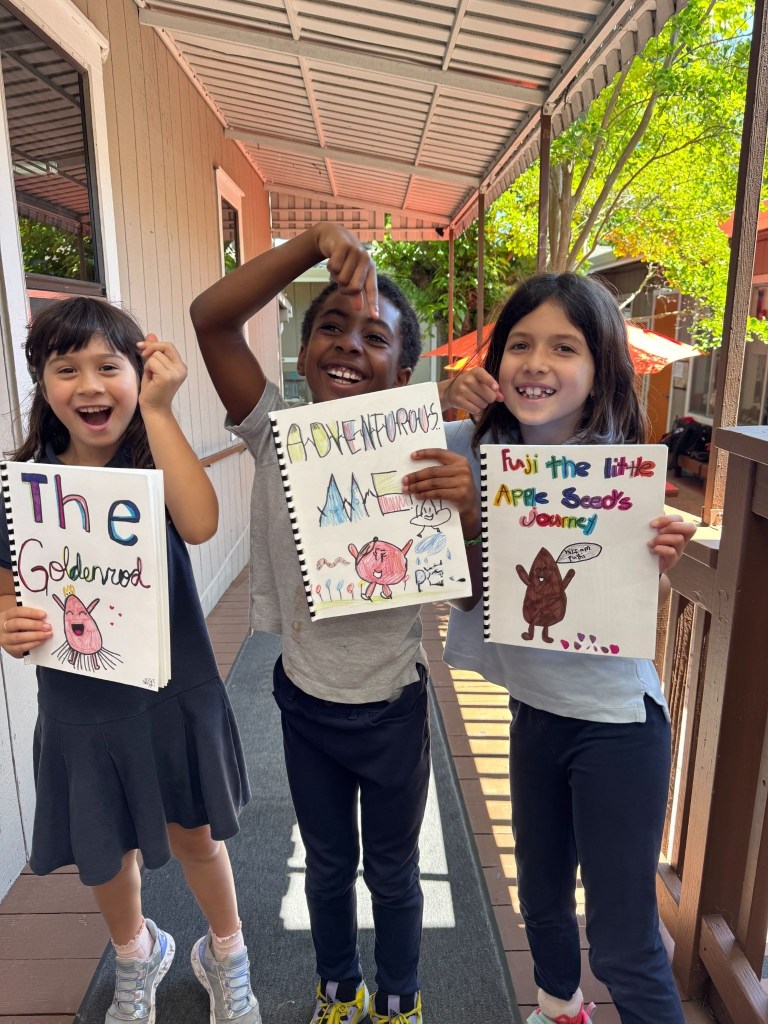
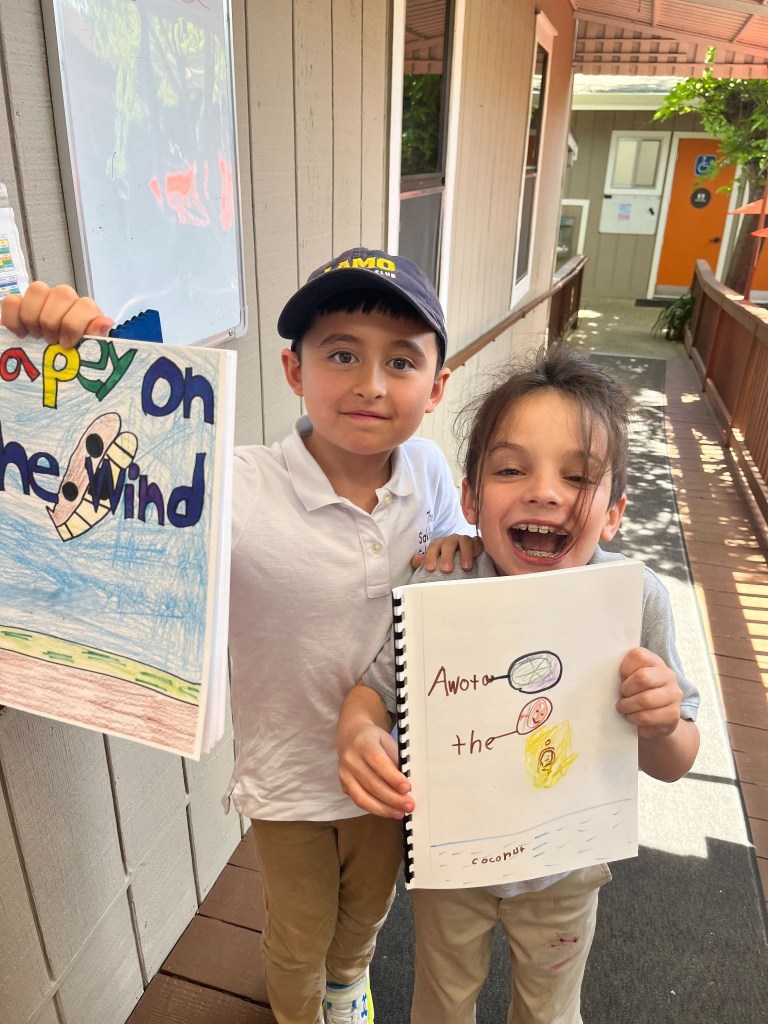
Next, students will be taking all their science learning to create stories of their own about different types of seeds and the journeys they take to grow. This work reflects the heart of Saklan’s approach—where academic content and creativity come together, and where students’ voices and ideas shine.

In the coming weeks, all three divisions will be sharing their project work culminations. Families are warmly invited to join in celebrating student learning and to experience firsthand what makes Saklan’s project work so meaningful.

#SaklanProjectWork

Head’s Corner: 24 Acceptances, 1 Waitlist, and a Class Ready for What Comes Next

There are some years when the numbers tell a strong story on their own. This is one of those years. Saklan’s 8th-grade class submitted 25 applications to local independent high schools and earned 24 acceptances, along with 1 waitlist.

That is an outstanding result, and one we are proud to celebrate.

Our students received offers from an excellent group of schools, including Athenian, College Prep, Head-Royce, Bentley, Carondelet, De La Salle, and St. Mary’s. But as strong as those outcomes are, what matters most to me is what they reflect.

They reflect years of growth—students who are deeply known by their teachers and supported along the way. They reflect young people who have learned to think critically, speak with confidence, navigate challenges, and contribute meaningfully to a community. Most importantly, they reflect students who are not only academically prepared but ready to step into their next chapter with confidence, character, and curiosity.

At Saklan, we work hard to do both: challenge students and know them deeply. We want them to leave here with strong skills, certainly, but also with the confidence that comes from being seen, supported, and stretched over time.

Saklan alum Levi Kim, now at Brown, spoke at our auction about the impact Saklan had on him. He talked about the adaptability, critical thinking, empathy, and creativity he developed here — and how those qualities have mattered well beyond middle school. That is what we hope for our students. Yes, a Saklan education helps open doors. But more importantly, it helps students walk through those doors ready to thrive.

That is what makes these admissions results so meaningful.

I am proud of this class and of the way they represented themselves throughout the process. They showed who they are, and these results reflect that. We are excited to see where their journeys lead next.
Warmly,

David

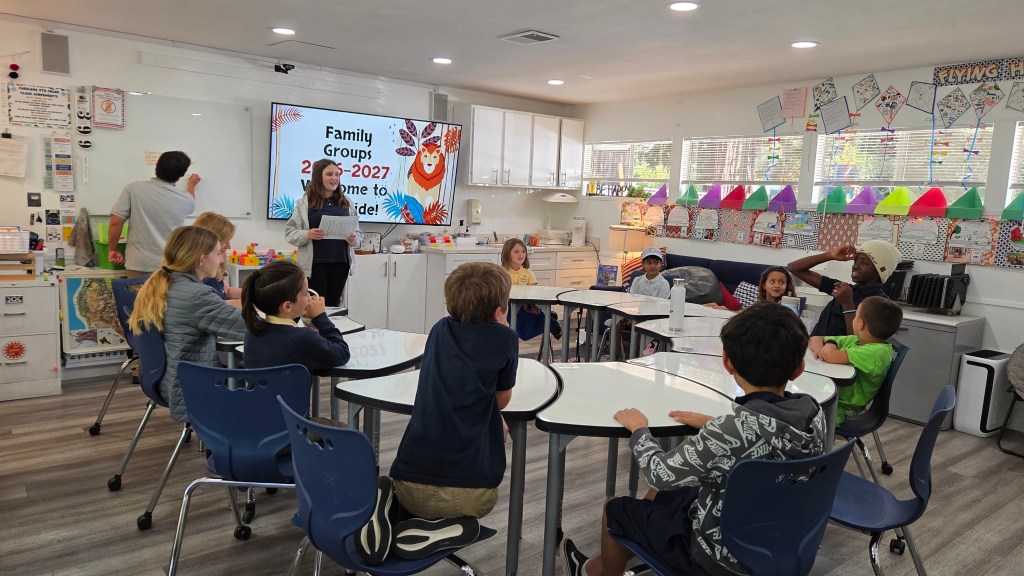
Family Groups Focus on Accountability

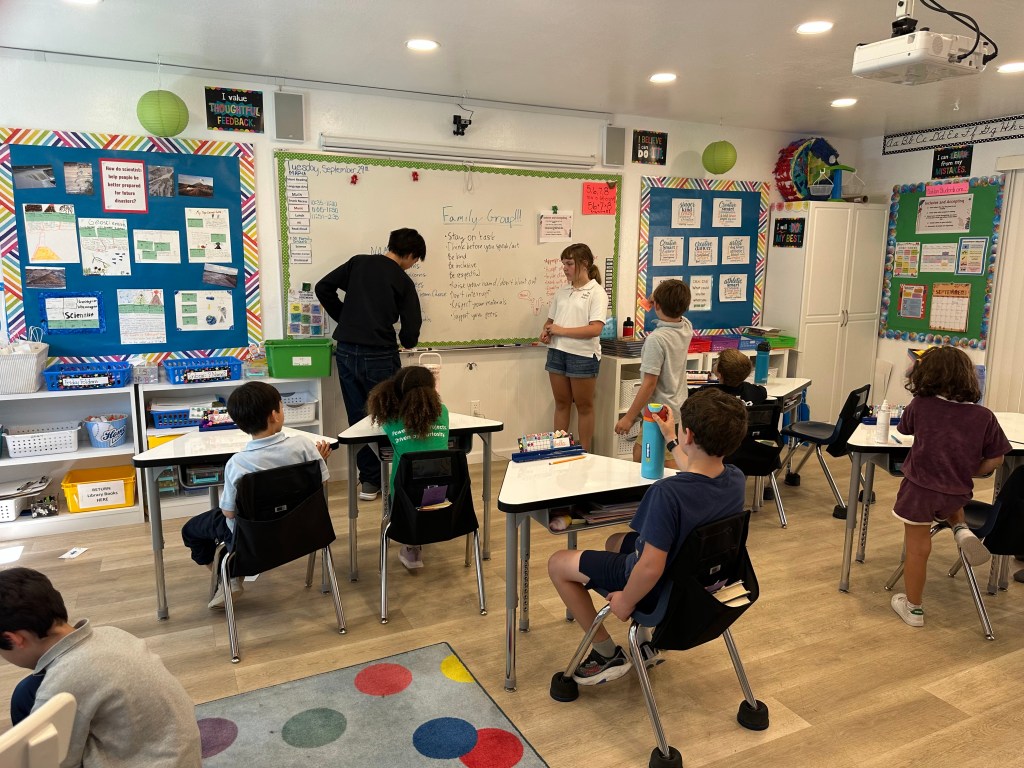
On Tuesday, Saklan students gathered in their Family Groups to explore an important character trait: accountability. The session began with a fun and engaging warm-up, as students shared their favorite superheroes/real-life heroes and discussed what makes them admirable. This conversation helped set the stage for thinking about the qualities that make someone responsible and trustworthy.

Students were then introduced to the concept of accountability and what it looks like in everyday life. Together, they discussed examples such as doing their part in group work, making good choices, and taking care of themselves, others, and their belongings.

To bring the concept to life, students watched a short video about the “Accountable Ninja.” Afterward, they reflected on how the character initially avoided responsibility and what changes he made to become more accountable. These conversations encouraged students to think critically about their own actions and choices.

Next, students put their learning into action by creating “superhero bursts,” each one highlighting a personal goal to be more accountable. Whether it was completing homework on time, helping others, or owning up to mistakes, each student contributed a thoughtful commitment to their shared group poster.

The lesson continued with a lively group challenge: keeping two balloons in the air without letting them touch the ground, all while following specific rules. The activity required teamwork, communication, and individual responsibility. As students worked together toward a common goal, they experienced firsthand how accountability plays a role in group success.

#SaklanSEL

Head’s Corner: Investing in the Human Qualities That Matter Most

At this year’s auction, our Fund-a-Need is about something that feels especially important right now.

The world our children are growing up in is changing quickly. A lot of attention is paid to what students need to know to keep up. That matters, of course. But I would argue that more importantly is who they are becoming.

Are they learning to work with others?
Can they solve problems?
Can they listen across differences?
Can they stick with something hard?
Can they stay grounded in themselves while also growing in empathy for people whose lives may look very different from their own?

Those are not nice to haves in the work of education. They are central to it.

At Saklan, we believe those qualities are built through experience. They grow when children are well-known by their teachers. They grow when students are given meaningful opportunities to collaborate, create, persist, and solve real problems together. They grow when a school makes space for belonging, challenge, reflection, and joy.

At Saklan, that kind of growth starts early and deepens over time.

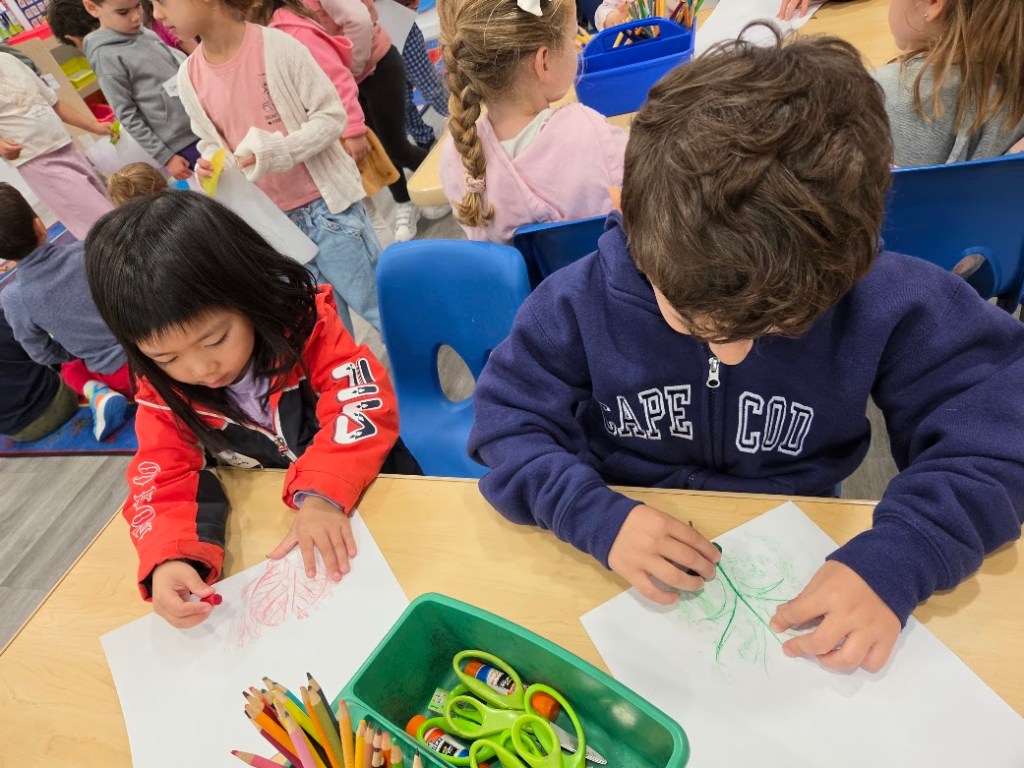
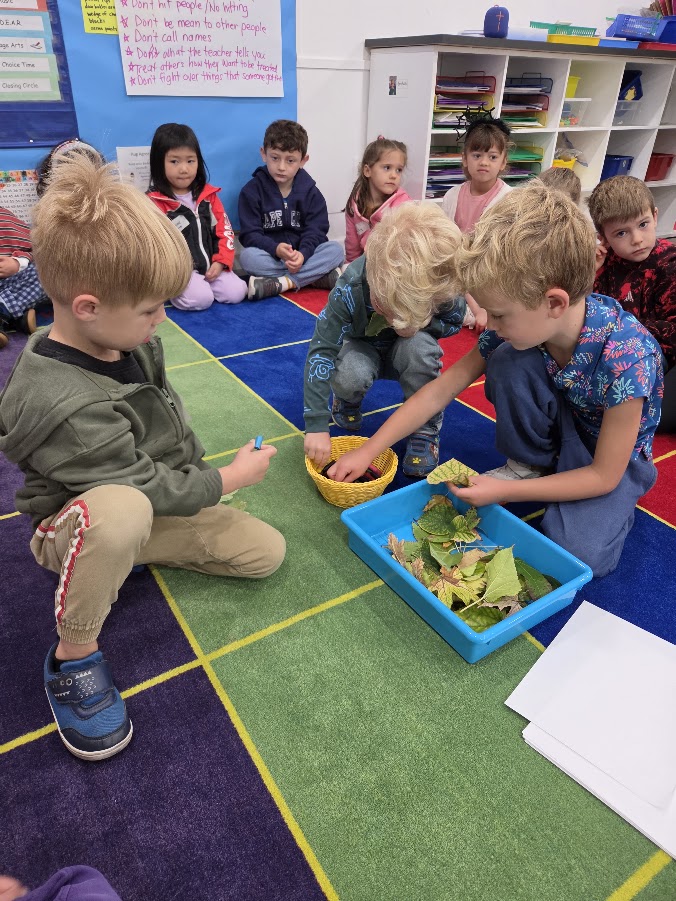
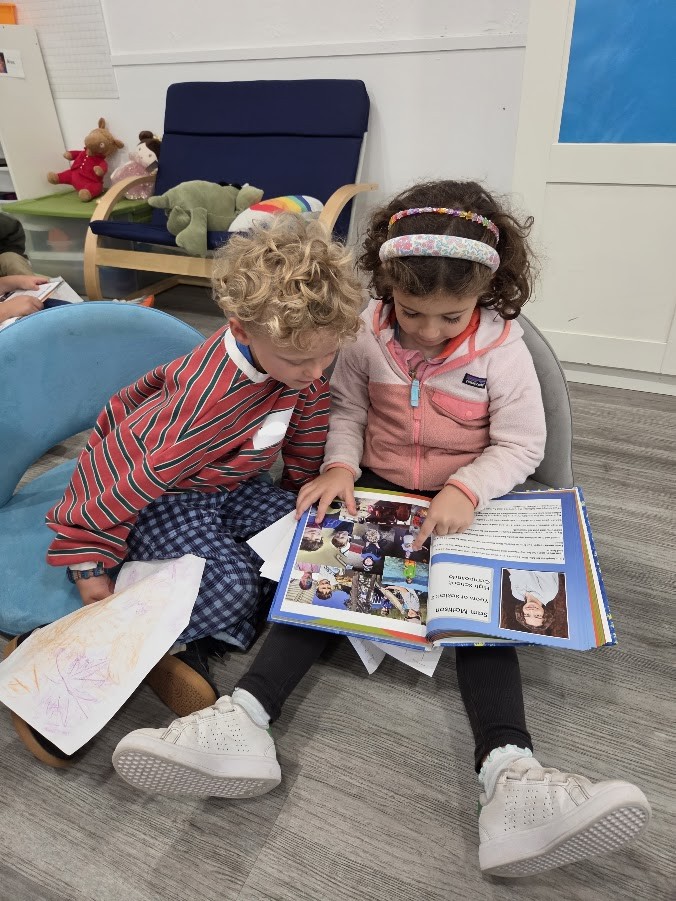
It looks like our youngest students noticing that some trees on the playground have already dropped their leaves while others are still holding on, and turning that simple observation into a real investigation—sorting leaves, sketching them in observation notebooks, learning their parts, and filling a Wonder Wall with questions.

It looks like kindergartners exploring the stories behind their names—interviewing their families, learning about one another. In the process, they begin to navigate friendship, identity, and belonging while practicing the problem-solving skills that help communities thrive.

And it looks like 8th graders in Puerto Rico, working side by side to help rebuild, listening to the stories of people whose lives were changed by Hurricane Maria, and coming to understand that service, resilience, and empathy are not just ideas we talk about at school—they are things you live.

These are very different experiences, but they are connected by the same purpose. In each case, students are learning habits that matter deeply: how to notice, how to wonder, how to solve problems, how to connect, and how to contribute.

That kind of learning takes intention, skill, and care. It takes talented teachers. It takes intentional programs. It takes time, trust, and experiences that invite students to lean in fully.

That is why this year’s Fund-a-Need matters.

Your support helps make possible the relationships that allow children to feel known and valued. It creates the kinds of projects and experiences that spark curiosity, challenge students to think deeply, and give them meaningful opportunities to solve problems together. And it strengthens the environments where students build confidence, empathy, and resilience over time.

Join me in supporting this work.

By making a Fund-a-Need donation, you are investing in more than a single program. You are investing in the daily work of helping children become thoughtful, capable, compassionate people who can contribute meaningfully to the world around them.

That is work worth supporting, and I am deeply grateful to be part of a community that understands its value.

Warmly,
David

Perseverance in Action

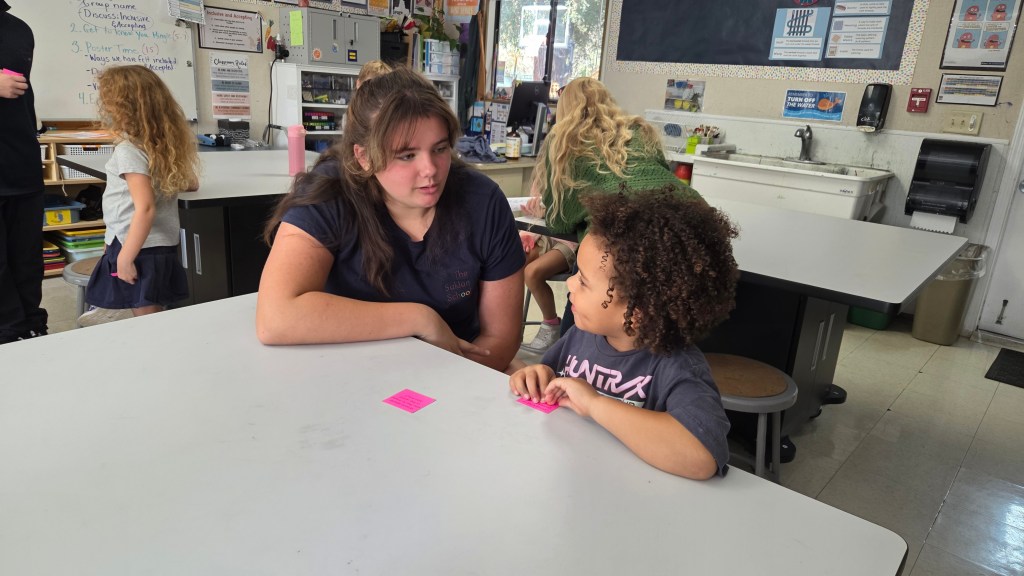
Last Friday, Saklan’s February Social-Emotional Learning (SEL) focus on perseverance came to life in a memorable way for students in third, fourth, and fifth grade.

Students gathered in mixed-grade groups of five for a silent puzzle challenge that quickly proved to be about much more than fitting shapes together. Each student began with three puzzle pieces, and together their group needed to complete five square puzzles. There was just one twist: students had to trade pieces without speaking. While they were allowed to offer a piece if they noticed someone needed it, they could not ask for one themselves.

At first, the rules prompted puzzled looks and raised eyebrows. One student even asked, “Wait… we can’t talk at all?” before the challenge began. Soon, however, the pavilion filled with intense focus, expressive gestures, and quiet determination. Without words, students leaned in, carefully studied one another’s progress, and began noticing—really noticing—what their teammates needed.

Gradually, the groups found their rhythm. Students passed pieces across the table, pointed gently to openings, and patiently waited for the right moment to help a teammate. When the final squares clicked into place, the groups celebrated in their own silent way, pumping their arms and grinning with pride.

The activity was more than a puzzle-solving exercise. It was a powerful opportunity for cross-age collaboration and social-emotional growth. Students practiced perseverance as they worked through frustration and uncertainty. They also strengthened empathy and social awareness by learning to observe others closely and respond thoughtfully.

During reflection afterward, many students shared how challenging it was to wait patiently and trust their teammates. Teachers helped connect the experience to friendship and community, encouraging students to look beyond their own needs and pay attention to those around them.

It was a meaningful reminder that perseverance often involves patience, teamwork, and the willingness to support others.

#SaklanSEL #SaklanCommunity

Head’s Corner: Whitewaters

How do we prepare children for a world we can’t fully predict?

Our students are growing up in what can best be described as a climate of whitewaters — a period of rapid change marked by social fragmentation, global uncertainty, and accelerating artificial intelligence. The world they will inherit will demand more than information. It will require judgment, empathy, adaptability, and wisdom.

Last month, at the CAIS Trustee/Heads Conference, I heard Pedro Noguera, Dean of the USC Rossier School of Education, speak directly to this challenge. He reframed what many see as societal crises as something else entirely: learning challenges. As he spoke, I found myself thinking — this is the work we are already doing at Saklan.

Preparing students for the future requires cultivating the human capacities that technology cannot replicate — imagination, empathy, ethical reasoning, and sound judgment.

It also means addressing what some describe as an “empathy gap.” Too often, we care most deeply about problems only when they affect us personally. Schools can help close that gap by teaching students how to listen across differences, collaborate meaningfully, and build authentic relationships. 

At Saklan, this belief shapes daily practice. Relationships are not separate from rigor; they make rigor possible. Curiosity is not enrichment; it is the engine of deep learning. Intrinsic motivation fuels risk-taking, persistence, and lasting confidence — the kind that grows not from ease but from learning to navigate challenges. 

Hearing Dr. Noguera did not feel like a call to change direction. It felt like an affirmation of what we do at Saklan. The work of cultivating curious, compassionate, and capable learners is not peripheral to education — it is essential.

Helping students learn how to navigate these whitewaters with wisdom, grit, and empathy may be the most important work we do.

Warmly, 

David

If you would like to view Dr. Noguera’s full speech, click here.