Designing Dreams

Third graders at Saklan are stepping into the role of architects with a new Project Based Learning unit that asks a compelling question: What if you could design a home that fits someone’s life perfectly—every inch intentional, every detail meaningful?

The unit began with imagination at the forefront. Inspired by If I Built a House by Chris Van Dusen, students sketched their own dream tiny homes. Their ideas ranged from whimsical treehouse escapes to cleverly designed underground hideaways, each reflecting a unique blend of creativity and personal vision. As their designs took shape, students began to think more deeply about the purpose behind their choices.

From there, the learning shifted toward real-world application. Students explored why people choose to live in tiny homes and considered the challenges of designing within a limited space. They examined how architects must carefully balance wants and needs, making thoughtful decisions about how every inch is used.

This work is closely tied to their current math studies. By applying concepts of area and perimeter, students are discovering how mathematical thinking plays a critical role in planning functional spaces. Measuring, calculating, and adjusting their designs has helped them see math as a practical and powerful tool for problem-solving.

A highlight of the unit was a visit from guest expert Chris Avant of Canyon Design Build. Students had the opportunity to explore real blueprints and materials, including wood samples, glass, and color palettes. This hands-on experience brought an added layer of authenticity to their work and deepened their understanding of the design process.

Now working in collaborative teams, students are taking on the role of architects in earnest. They are developing thoughtful questions, interviewing “clients,” and learning to listen carefully to design homes that truly meet others’ needs. This phase of the project is strengthening their communication skills and fostering purposeful collaboration.

As the unit progresses, students are transforming their ideas into tangible creations through detailed blueprints and physical models. With each step, their creativity, critical thinking, and problem-solving skills continue to grow—demonstrating the power of learning that is both meaningful and deeply engaging.

The Secret Life of Seeds

One main goal of our project work at Saklan is authentic learning that connects to the students’ world outside of the school walls. One beautiful example of how deep academic work and authentic learning come together is the current 2nd-grade PBL unit called The Secret Life of Seeds. In this unit, the students are working to answer the driving question: If a seed could tell its own story, how could we use it to teach others about seed dispersal?

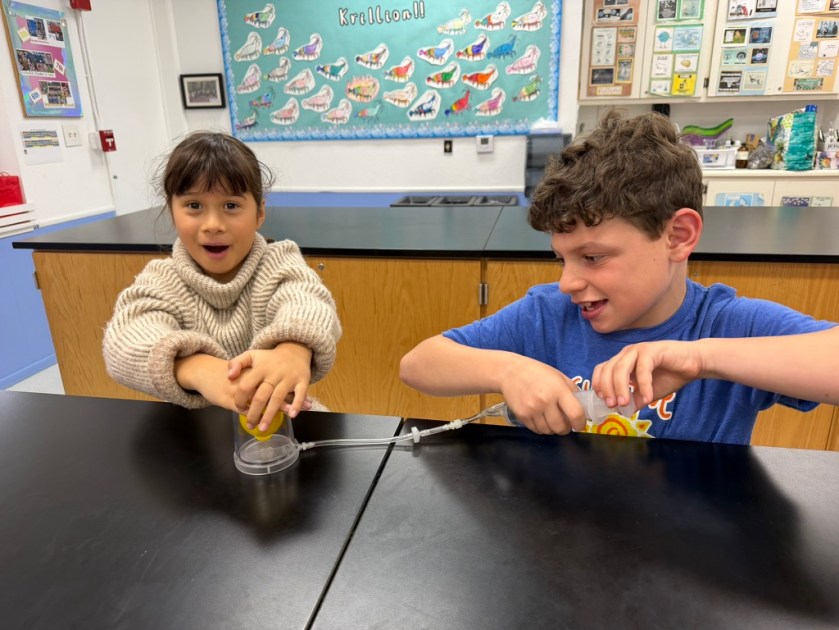
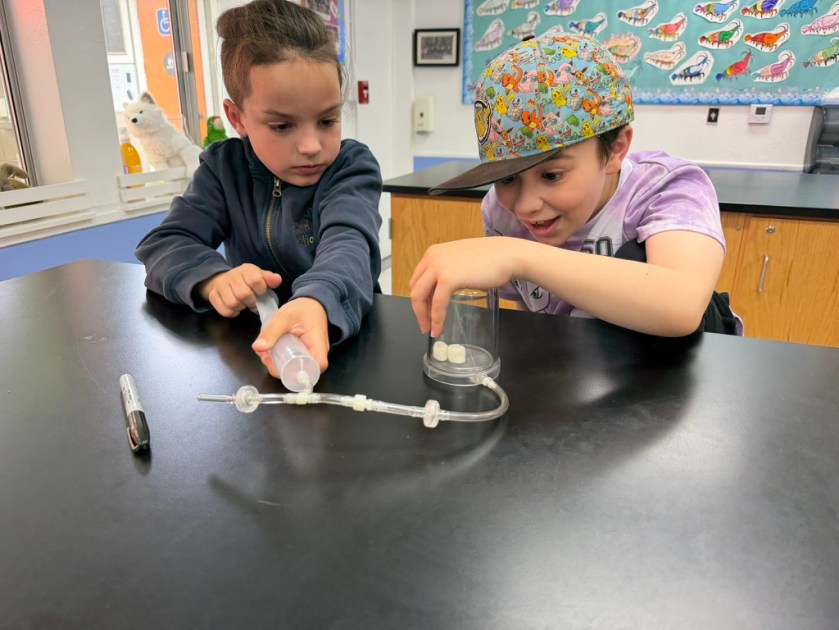
Through a blend of science labs, expository reading, imaginative story boarding and script writing, Saklan’s 2nd graders are learning how seeds travel and move through their growth cycle. They visited the Berkeley Botanical Garden, dissected foods to learn how fruit is a “suitcase” for seeds, and playfully considered how seeds move from place to place- some seeds hitch a ride on fur, feathers, or even shoes, while others are eaten and later deposited in new locations. 

These hands-on experiences, which are at the core of every Saklan PBL unit, help students see the world around them in new and complex ways while also driving authentic inquiry. Recently, students have wondered: Why do some fruits have many seeds while others only have one? Why are some seeds tiny and others large? How does the fruit help the seed survive its journey?

Next, students will be taking all their science learning to create stories of their own about different types of seeds and the journeys they take to grow. This work reflects the heart of Saklan’s approach—where academic content and creativity come together, and where students’ voices and ideas shine.

In the coming weeks, all three divisions will be sharing their project work culminations. Families are warmly invited to join in celebrating student learning and to experience firsthand what makes Saklan’s project work so meaningful.

#SaklanProjectWork

Head’s Corner: 24 Acceptances, 1 Waitlist, and a Class Ready for What Comes Next

There are some years when the numbers tell a strong story on their own. This is one of those years. Saklan’s 8th-grade class submitted 25 applications to local independent high schools and earned 24 acceptances, along with 1 waitlist.

That is an outstanding result, and one we are proud to celebrate.

Our students received offers from an excellent group of schools, including Athenian, College Prep, Head-Royce, Bentley, Carondelet, De La Salle, and St. Mary’s. But as strong as those outcomes are, what matters most to me is what they reflect.

They reflect years of growth—students who are deeply known by their teachers and supported along the way. They reflect young people who have learned to think critically, speak with confidence, navigate challenges, and contribute meaningfully to a community. Most importantly, they reflect students who are not only academically prepared but ready to step into their next chapter with confidence, character, and curiosity.

At Saklan, we work hard to do both: challenge students and know them deeply. We want them to leave here with strong skills, certainly, but also with the confidence that comes from being seen, supported, and stretched over time.

Saklan alum Levi Kim, now at Brown, spoke at our auction about the impact Saklan had on him. He talked about the adaptability, critical thinking, empathy, and creativity he developed here — and how those qualities have mattered well beyond middle school. That is what we hope for our students. Yes, a Saklan education helps open doors. But more importantly, it helps students walk through those doors ready to thrive.

That is what makes these admissions results so meaningful.

I am proud of this class and of the way they represented themselves throughout the process. They showed who they are, and these results reflect that. We are excited to see where their journeys lead next.
Warmly,

David

Family Groups Focus on Accountability

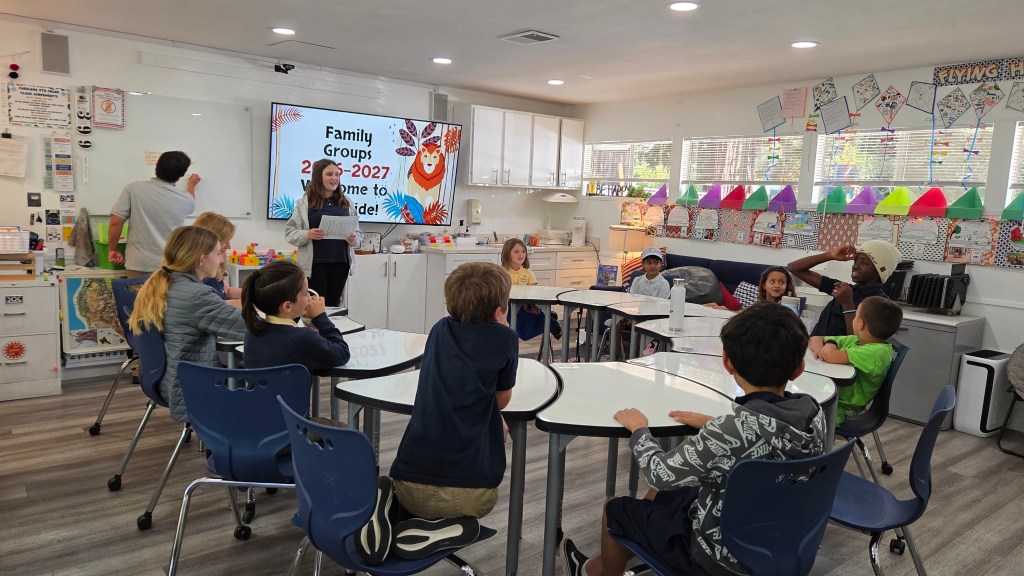
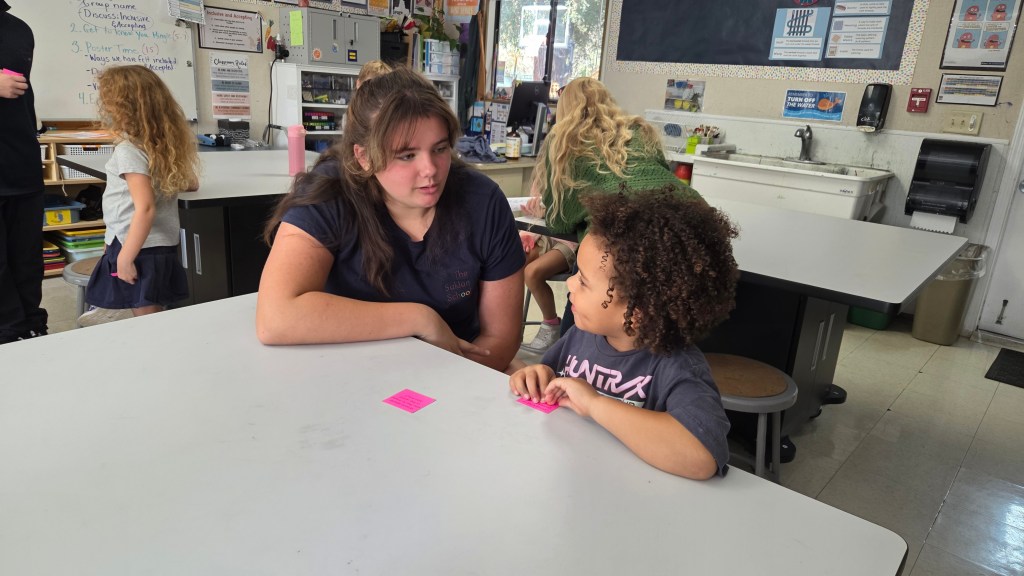
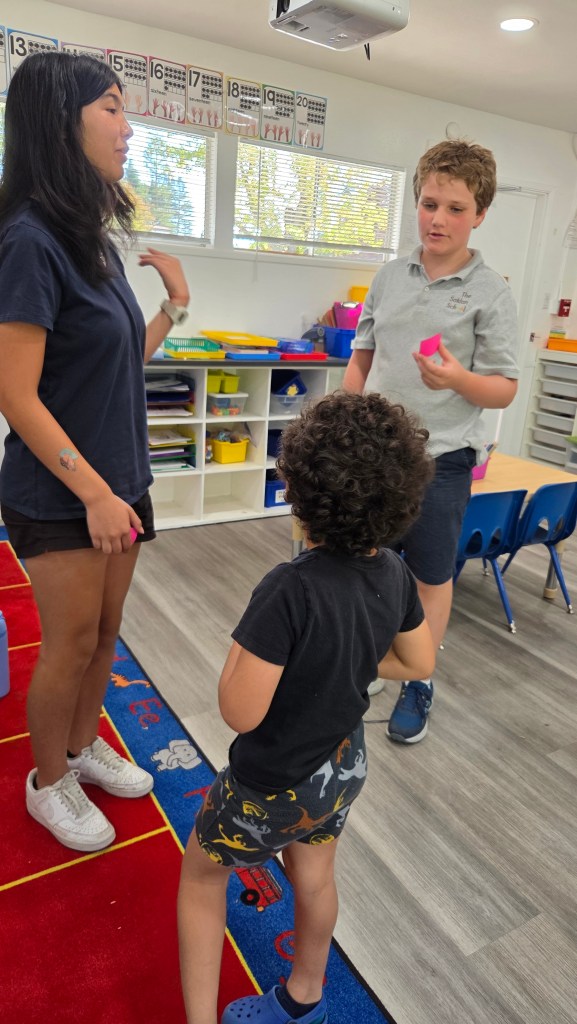
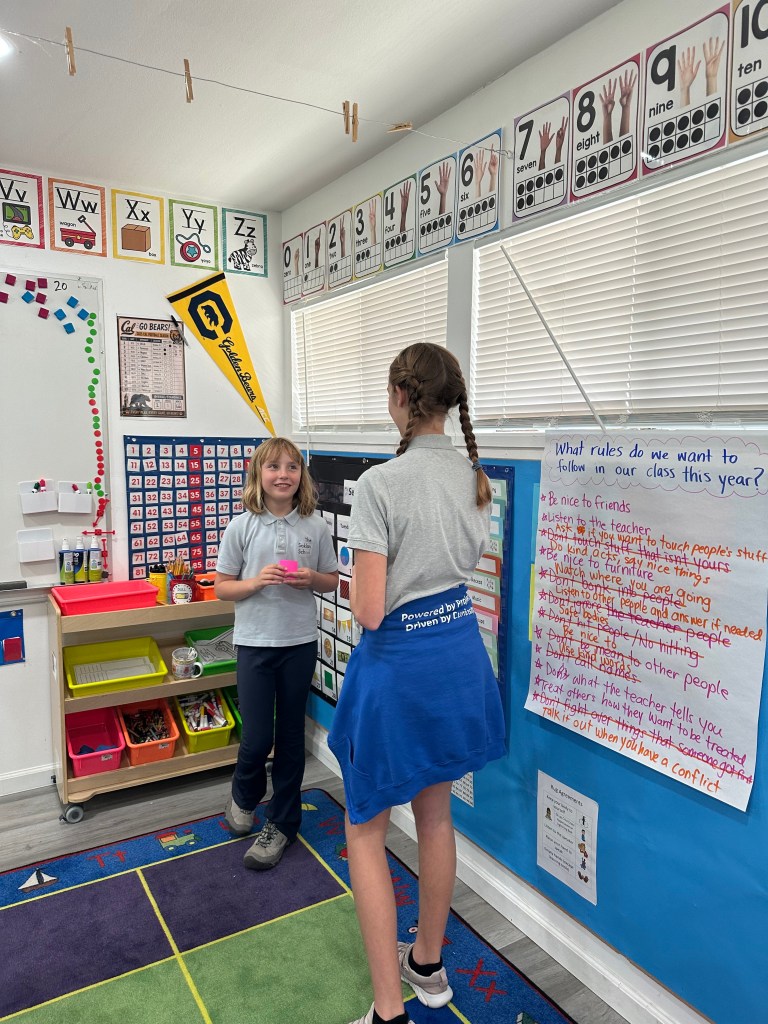
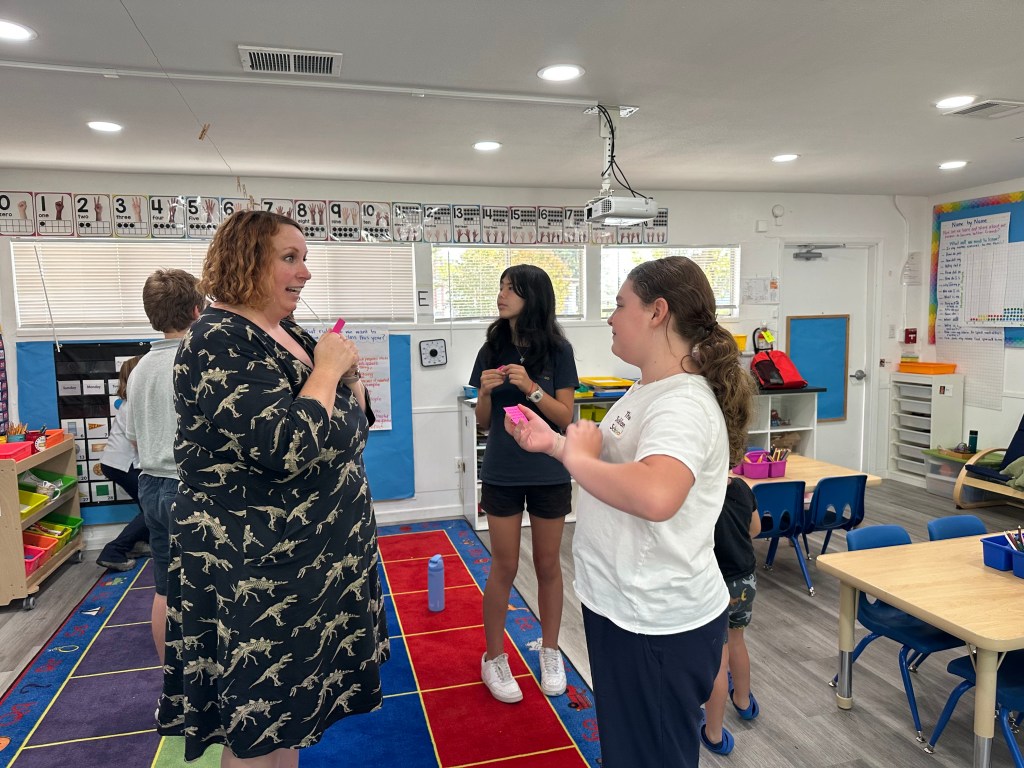
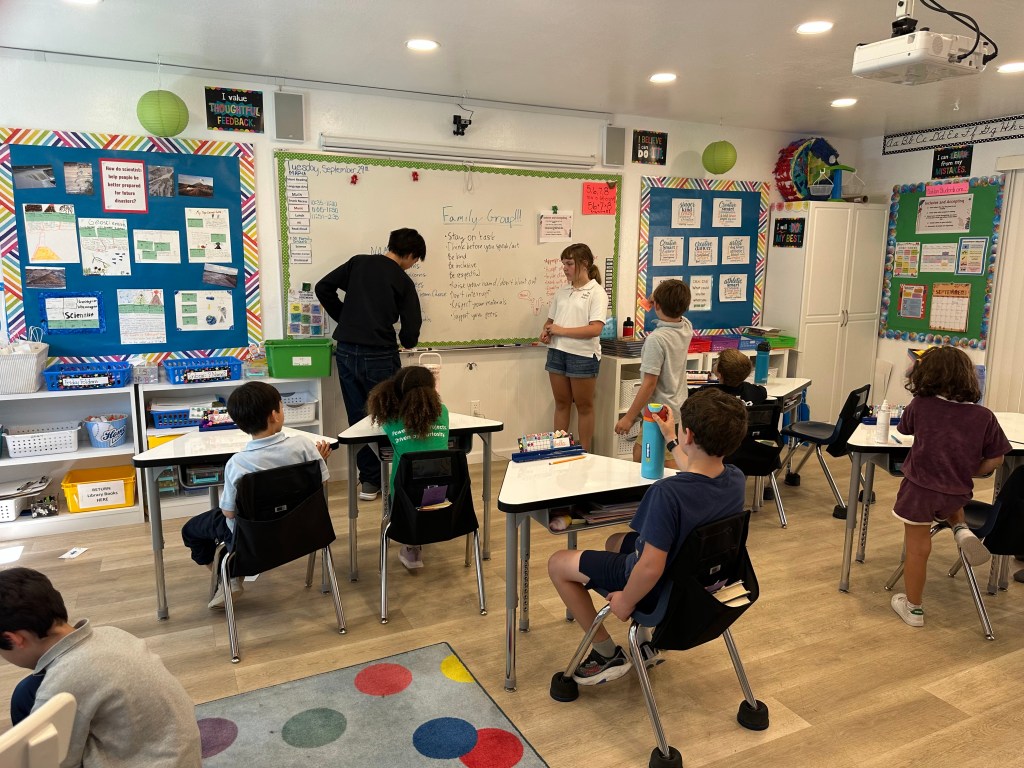
On Tuesday, Saklan students gathered in their Family Groups to explore an important character trait: accountability. The session began with a fun and engaging warm-up, as students shared their favorite superheroes/real-life heroes and discussed what makes them admirable. This conversation helped set the stage for thinking about the qualities that make someone responsible and trustworthy.

Students were then introduced to the concept of accountability and what it looks like in everyday life. Together, they discussed examples such as doing their part in group work, making good choices, and taking care of themselves, others, and their belongings.

To bring the concept to life, students watched a short video about the “Accountable Ninja.” Afterward, they reflected on how the character initially avoided responsibility and what changes he made to become more accountable. These conversations encouraged students to think critically about their own actions and choices.

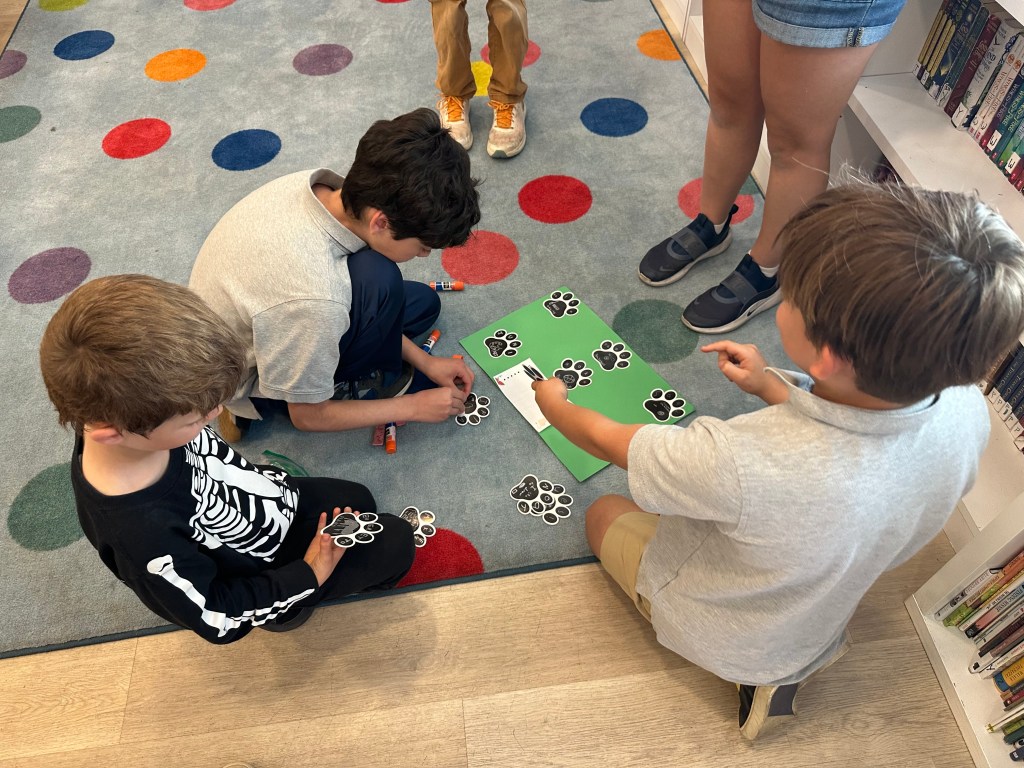
Next, students put their learning into action by creating “superhero bursts,” each one highlighting a personal goal to be more accountable. Whether it was completing homework on time, helping others, or owning up to mistakes, each student contributed a thoughtful commitment to their shared group poster.

The lesson continued with a lively group challenge: keeping two balloons in the air without letting them touch the ground, all while following specific rules. The activity required teamwork, communication, and individual responsibility. As students worked together toward a common goal, they experienced firsthand how accountability plays a role in group success.

#SaklanSEL

Making Sense of Fractions

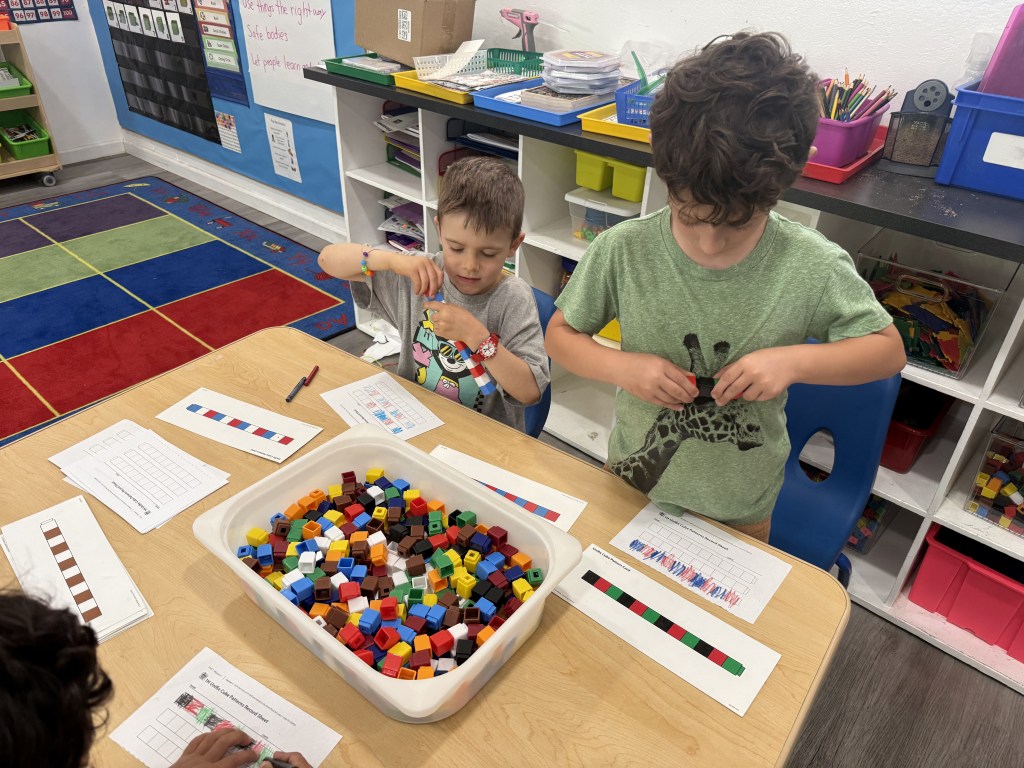
Fractions have taken center stage in the fifth-grade classroom, with the students focusing on understanding why fraction operations work. Rather than jumping straight to procedures, students have used visual models, discussion, and hands-on exploration to build a strong conceptual foundation—one that allows them to reason through problems, explain their thinking, and apply their learning in new situations.

One particularly memorable example came from the class’s daily fruit demonstrations. When students worked through fraction problems using numbers alone, answers sometimes varied. But when fruit appeared on the cutting board, and students could see fractional pieces in relation to a whole, their thinking quickly aligned. Concepts that once felt abstract suddenly became clear, and earlier mistakes turned into meaningful learning moments.

Students also tackled a real-world-inspired challenge from Mateo of BRAD Co., who needed help organizing 24 quests across game levels. Through modeling and discussion, students discovered that the expression 24 ÷ 2 can represent two valid interpretations: 12 quests in each of two levels, or 12 levels with two quests each. By the end, students demonstrated that both solutions were correct, supporting their reasoning through clear and thoughtful representations.

In another activity, students evaluated mathematical claims, determining whether statements were always true, sometimes true, or never true. They backed up their conclusions with examples, diagrams, and models, strengthening their ability to generalize relationships between factors and products when working with fractions.

This kind of reasoning: making claims, defending them with evidence, and revising thinking through discussion, builds the mathematical communication and problem-solving skills that prepare students well for middle school mathematics and beyond.

Head’s Corner: Investing in the Human Qualities That Matter Most

At this year’s auction, our Fund-a-Need is about something that feels especially important right now.

The world our children are growing up in is changing quickly. A lot of attention is paid to what students need to know to keep up. That matters, of course. But I would argue that more importantly is who they are becoming.

Are they learning to work with others?
Can they solve problems?
Can they listen across differences?
Can they stick with something hard?
Can they stay grounded in themselves while also growing in empathy for people whose lives may look very different from their own?

Those are not nice to haves in the work of education. They are central to it.

At Saklan, we believe those qualities are built through experience. They grow when children are well-known by their teachers. They grow when students are given meaningful opportunities to collaborate, create, persist, and solve real problems together. They grow when a school makes space for belonging, challenge, reflection, and joy.

At Saklan, that kind of growth starts early and deepens over time.

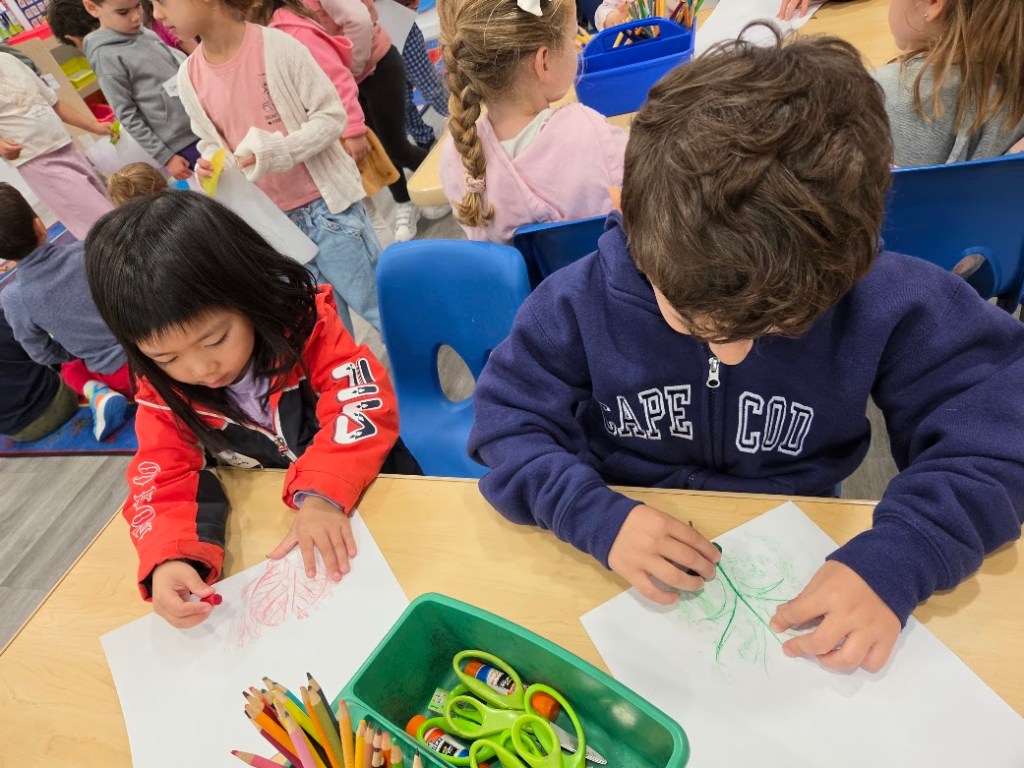
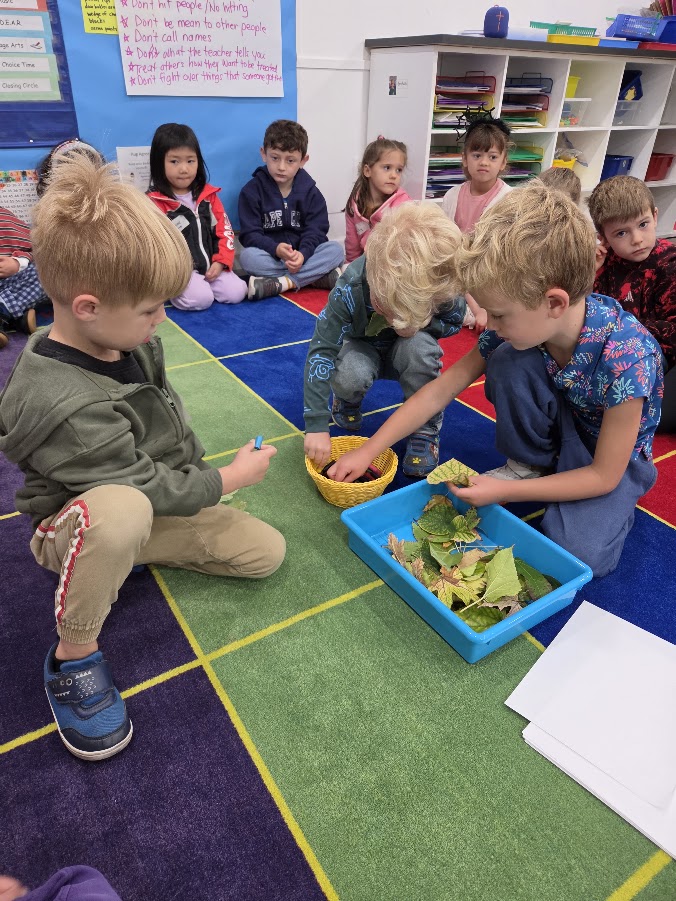
It looks like our youngest students noticing that some trees on the playground have already dropped their leaves while others are still holding on, and turning that simple observation into a real investigation—sorting leaves, sketching them in observation notebooks, learning their parts, and filling a Wonder Wall with questions.

It looks like kindergartners exploring the stories behind their names—interviewing their families, learning about one another. In the process, they begin to navigate friendship, identity, and belonging while practicing the problem-solving skills that help communities thrive.

And it looks like 8th graders in Puerto Rico, working side by side to help rebuild, listening to the stories of people whose lives were changed by Hurricane Maria, and coming to understand that service, resilience, and empathy are not just ideas we talk about at school—they are things you live.

These are very different experiences, but they are connected by the same purpose. In each case, students are learning habits that matter deeply: how to notice, how to wonder, how to solve problems, how to connect, and how to contribute.

That kind of learning takes intention, skill, and care. It takes talented teachers. It takes intentional programs. It takes time, trust, and experiences that invite students to lean in fully.

That is why this year’s Fund-a-Need matters.

Your support helps make possible the relationships that allow children to feel known and valued. It creates the kinds of projects and experiences that spark curiosity, challenge students to think deeply, and give them meaningful opportunities to solve problems together. And it strengthens the environments where students build confidence, empathy, and resilience over time.

Join me in supporting this work.

By making a Fund-a-Need donation, you are investing in more than a single program. You are investing in the daily work of helping children become thoughtful, capable, compassionate people who can contribute meaningfully to the world around them.

That is work worth supporting, and I am deeply grateful to be part of a community that understands its value.

Warmly,
David

Perseverance in Action

Last Friday, Saklan’s February Social-Emotional Learning (SEL) focus on perseverance came to life in a memorable way for students in third, fourth, and fifth grade.

Students gathered in mixed-grade groups of five for a silent puzzle challenge that quickly proved to be about much more than fitting shapes together. Each student began with three puzzle pieces, and together their group needed to complete five square puzzles. There was just one twist: students had to trade pieces without speaking. While they were allowed to offer a piece if they noticed someone needed it, they could not ask for one themselves.

At first, the rules prompted puzzled looks and raised eyebrows. One student even asked, “Wait… we can’t talk at all?” before the challenge began. Soon, however, the pavilion filled with intense focus, expressive gestures, and quiet determination. Without words, students leaned in, carefully studied one another’s progress, and began noticing—really noticing—what their teammates needed.

Gradually, the groups found their rhythm. Students passed pieces across the table, pointed gently to openings, and patiently waited for the right moment to help a teammate. When the final squares clicked into place, the groups celebrated in their own silent way, pumping their arms and grinning with pride.

The activity was more than a puzzle-solving exercise. It was a powerful opportunity for cross-age collaboration and social-emotional growth. Students practiced perseverance as they worked through frustration and uncertainty. They also strengthened empathy and social awareness by learning to observe others closely and respond thoughtfully.

During reflection afterward, many students shared how challenging it was to wait patiently and trust their teammates. Teachers helped connect the experience to friendship and community, encouraging students to look beyond their own needs and pay attention to those around them.

It was a meaningful reminder that perseverance often involves patience, teamwork, and the willingness to support others.

#SaklanSEL #SaklanCommunity

Head’s Corner: Whitewaters

How do we prepare children for a world we can’t fully predict?

Our students are growing up in what can best be described as a climate of whitewaters — a period of rapid change marked by social fragmentation, global uncertainty, and accelerating artificial intelligence. The world they will inherit will demand more than information. It will require judgment, empathy, adaptability, and wisdom.

Last month, at the CAIS Trustee/Heads Conference, I heard Pedro Noguera, Dean of the USC Rossier School of Education, speak directly to this challenge. He reframed what many see as societal crises as something else entirely: learning challenges. As he spoke, I found myself thinking — this is the work we are already doing at Saklan.

Preparing students for the future requires cultivating the human capacities that technology cannot replicate — imagination, empathy, ethical reasoning, and sound judgment.

It also means addressing what some describe as an “empathy gap.” Too often, we care most deeply about problems only when they affect us personally. Schools can help close that gap by teaching students how to listen across differences, collaborate meaningfully, and build authentic relationships. 

At Saklan, this belief shapes daily practice. Relationships are not separate from rigor; they make rigor possible. Curiosity is not enrichment; it is the engine of deep learning. Intrinsic motivation fuels risk-taking, persistence, and lasting confidence — the kind that grows not from ease but from learning to navigate challenges. 

Hearing Dr. Noguera did not feel like a call to change direction. It felt like an affirmation of what we do at Saklan. The work of cultivating curious, compassionate, and capable learners is not peripheral to education — it is essential.

Helping students learn how to navigate these whitewaters with wisdom, grit, and empathy may be the most important work we do.

Warmly, 

David

If you would like to view Dr. Noguera’s full speech, click here.

Fifth Grade Leads Redwood Grove Restoration Project

The culmination of fifth grade’s Redwood Grove Project Based Learning unit was a powerful example of student leadership in action. After weeks of studying forest ecosystems and soil health, students led a shared effort to show their beloved redwood grove some love, restoring natural forest-like conditions to support the trees’ long-term health.

The culmination began with a purposeful walk to Outdoor Supply Hardware, where garden staff offered just the expert advice students needed. Rather than “feeding” the trees, they learned that the grove required a return to natural conditions. Mulch would help retain moisture and encourage the healthy decomposition of fallen leaves, needles, and twigs. With this knowledge, students selected shredded redwood mulch, leaf scoops, and rakes, tools that will allow fallen leaf litter to be returned to the grove year-round.

Back on campus, students worked collaboratively and followed their team contracts to prepare for service day. They drafted a formal purchase request, created hearts and ribbons with messages of appreciation, designed and hung posters, unloaded supplies, and set up tables and chairs. Every detail was thoughtfully planned and entirely student-led.

On the morning of the restoration, they were ready. Students shared their research, explained their decisions for the grove, and confidently guided family members through the work they had prepared: loosening compacted sand, carefully spreading mulch, and protecting exposed roots in one section of the grove.

As the first section wrapped up, students received a surprise gift: Dawn Redwood seeds. If successfully grown, one may eventually stand in the new redwood playground, becoming a living learning legacy for future students.

The work didn’t stop there. During recess, fifth graders invited younger students to help restore the next section of the grove, modeling leadership and stewardship. Even steady rain at lunchtime could not dampen their momentum. Paths were raked, clear “go” and “no-go” zones were established, and by the end of the day, the transformation of the grove was visible.

This project was more than a lesson in ecology. It was a lesson in agency. When students are trusted to lead meaningful work, motivation and engagement flourish.

#SaklanPBL

Fractions Come to Life in Third Grade

What do sunflower drawings, pattern blocks, rulers, and a classroom clothesline have in common? In third grade, they have all been bringing fractions to life.

Over the past several weeks in both Number Corner and their Bridges unit, third graders have been developing a meaningful understanding of fractions as numbers: not just pieces of shapes, but values that can be measured, compared, and located on a number line.

The learning began with a scenario challenge: How could an art club fairly share wall space for a mural? As students explored dividing the same whole among two, three, four, six, and even eight artists, they discovered the important role of the denominator and noticed how the size of each share changes as the whole is partitioned into more equal parts.

This foundational idea — that fractions represent equal parts of the same whole — helped students understand why fractions must refer to the same whole to be meaningfully compared.

Hands-on exploration anchored the learning. Students folded paper into equal parts, modeled fractions with pattern blocks, and represented their thinking symbolically using numerators and denominators. Using a clothesline number line, students hung fractions in the correct location and justified their reasoning.

Through this visual and interactive experience, students discovered equivalent fractions and explored numbers greater than one, strengthening their understanding that fractions are numbers with precise locations and relationships.

Fractions and measurement intersected when student pairs created detailed sunflower drawings and measured leaf lengths to the nearest ½ and ¼ inch. Workplace games like Fraction Tic-Tac-Toe and Hexagon Spin & Fill encouraged strategy, collaboration, and joyful practice.

These rich, hands-on experiences are building far more than fraction skills; they are strengthening mathematical confidence, perseverance, and flexible thinking.

#SaklanHandsOn