
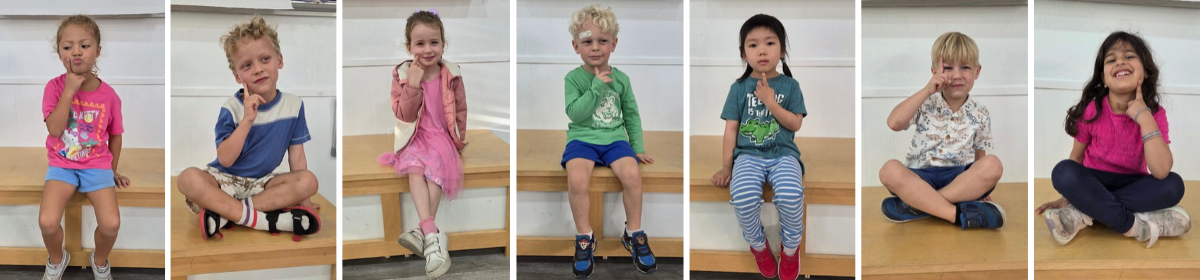
If you’ve stepped into the Owlet classroom recently, you may have noticed clouds floating overhead and airplanes soaring through the room. That’s because the Owlets have been immersed in an exciting study of air transportation as part of their “Things That Go!” project work. Through hands-on exploration, creative design, and visits from experts, students have been discovering how humans travel through the sky and how flight shapes the way we see the world.
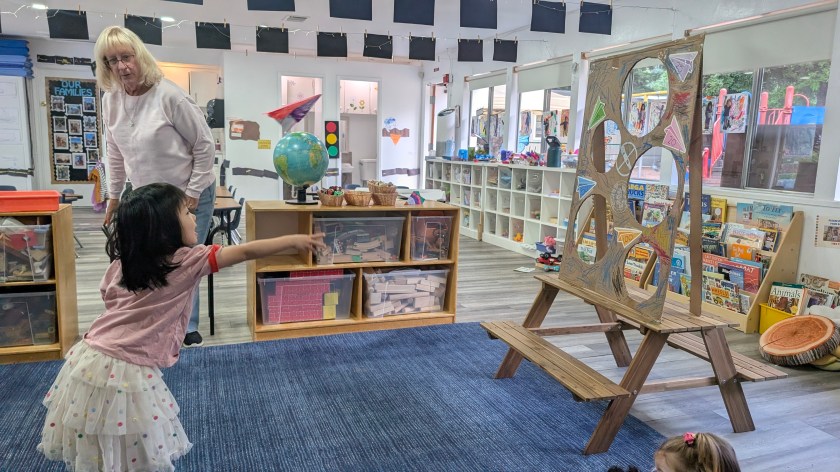
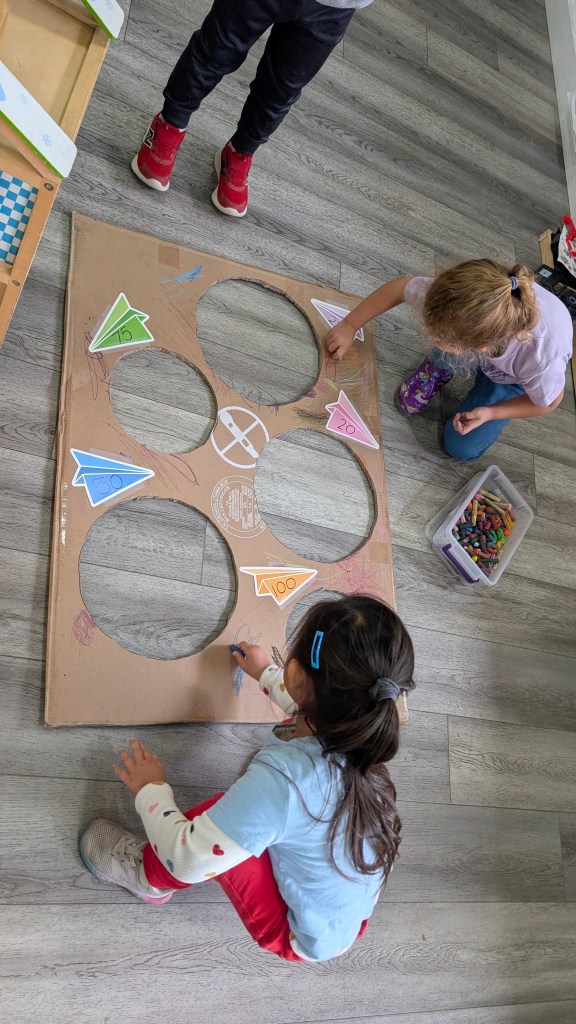
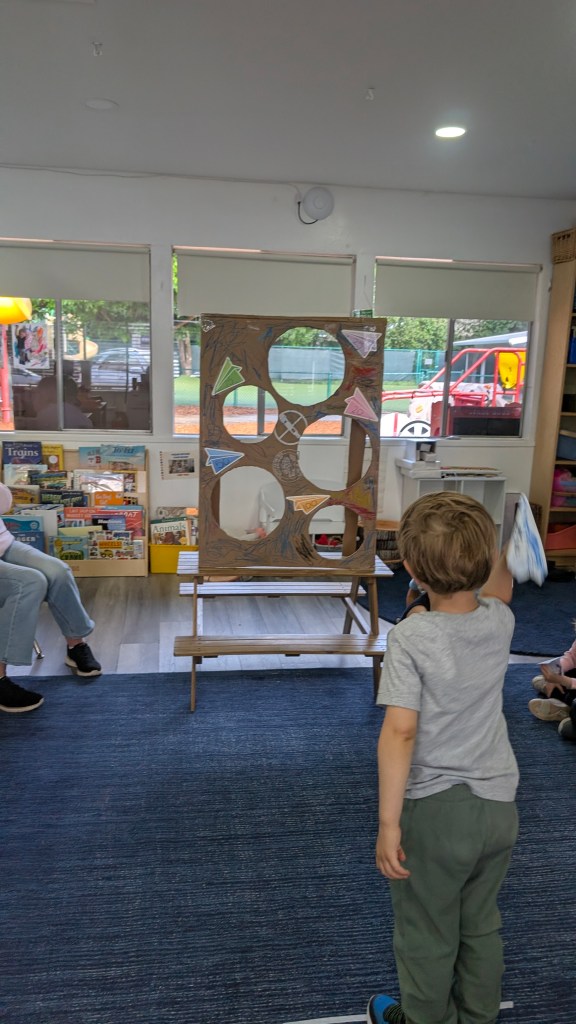
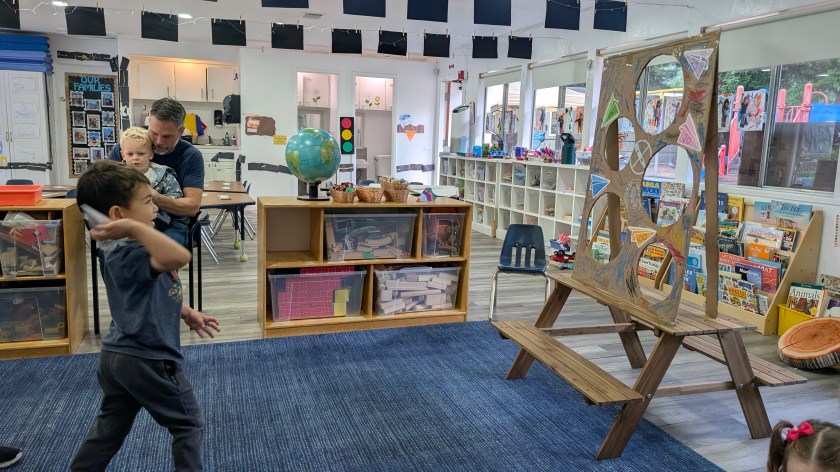
After studying ground-based transportation, the class began studying air transportation with a paper airplane challenge. Each Owlet designed, decorated, and named their own airplane before testing their flying skills in a game inspired by cornhole. Drawing on previous science lessons with Ms. O, students remembered that the best way to launch a paper airplane is by aiming upward toward the sky rather than downward toward the ground.
Once students mastered the basics of flight, the challenge became even more exciting. Different-sized targets were added for airplanes to fly through, each worth a different number of points. As students practiced launching their planes toward the targets, they strengthened hand-eye coordination, problem-solving, and perseverance. While it was tricky at first, many Owlets improved their accuracy through persistence and teamwork.
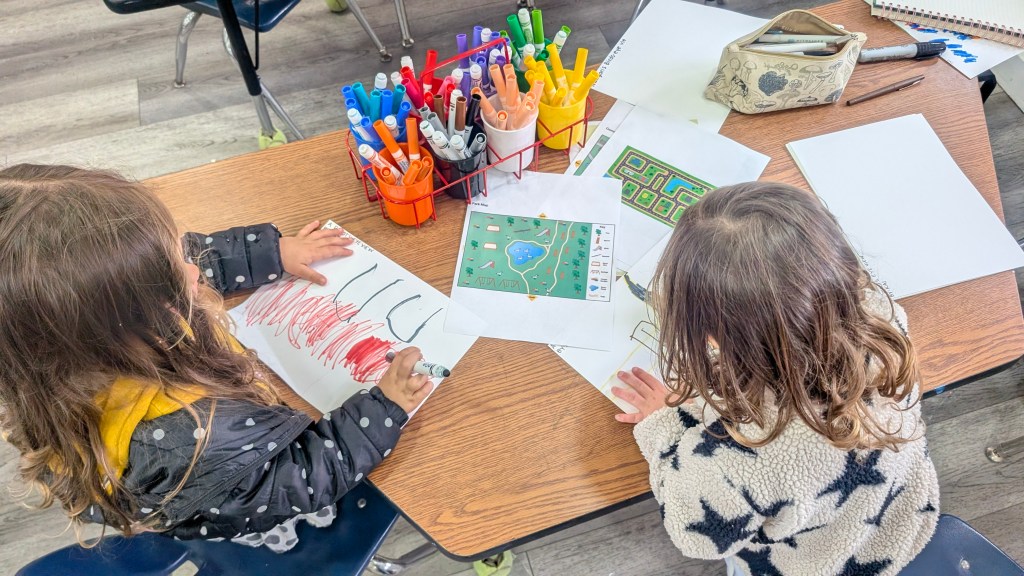
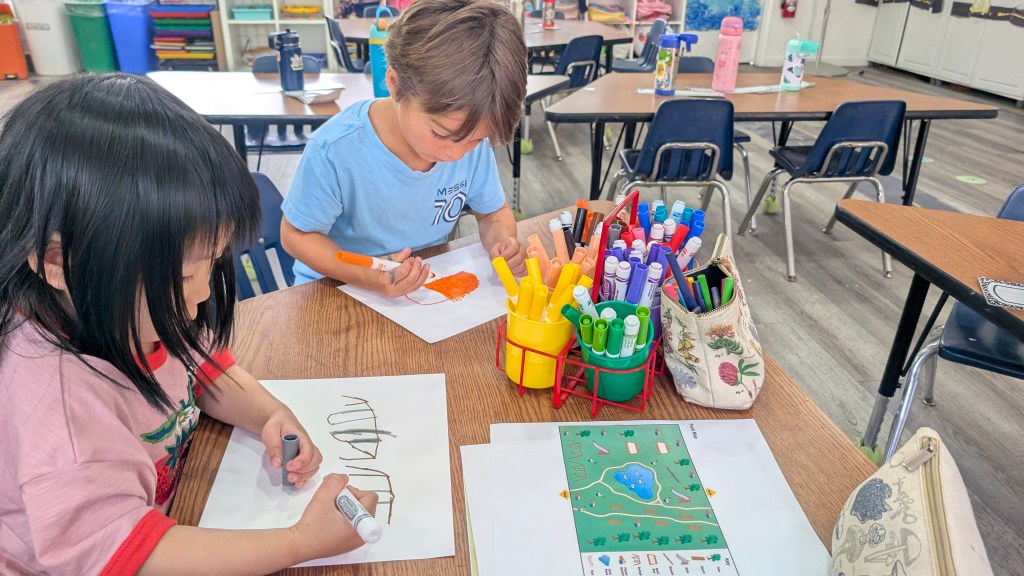
The Owlets also explored the history of aviation by learning about famous pilot Amelia Earhart. After reading about her flights across the Atlantic Ocean, students discussed how landscapes appear differently when viewed from above. This sparked a conversation about perspective and how our viewpoint changes what we see. Students reflected on how objects appear from the ground compared to the sky, where everything can seem flat like a map. Inspired by this idea, the Owlets created their own “bird’s-eye view” drawings, imagining the world from a pilot’s perspective.
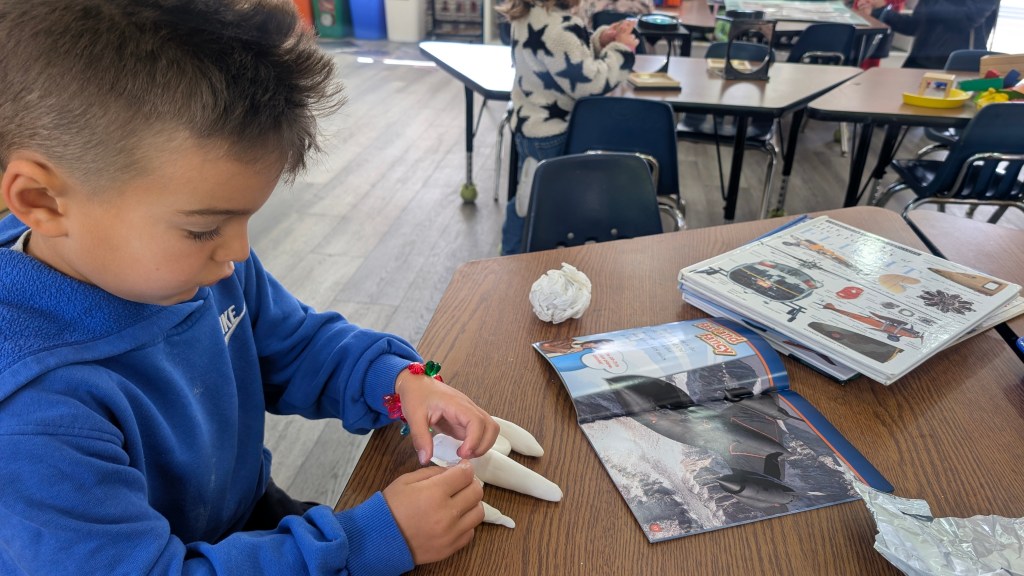
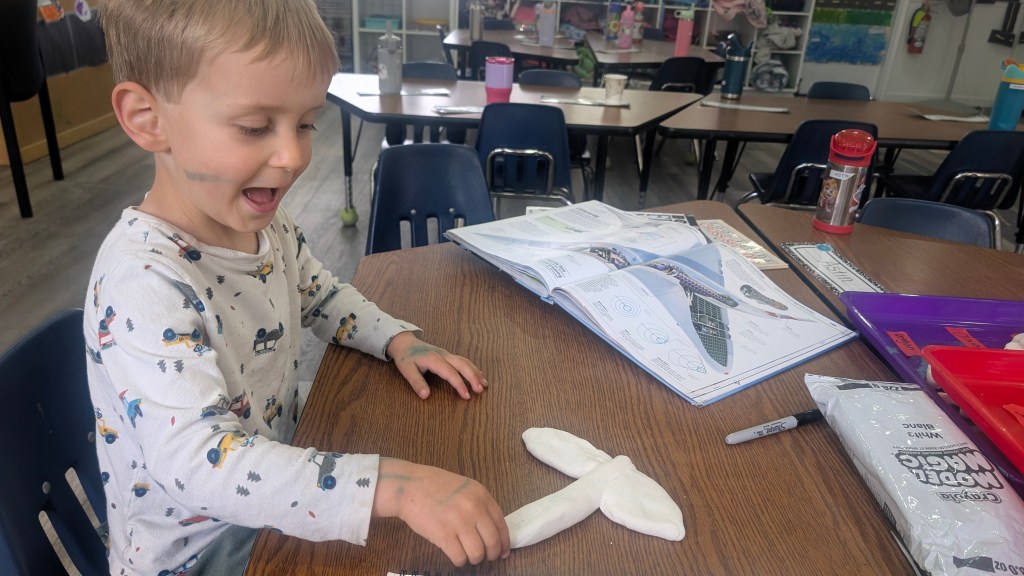
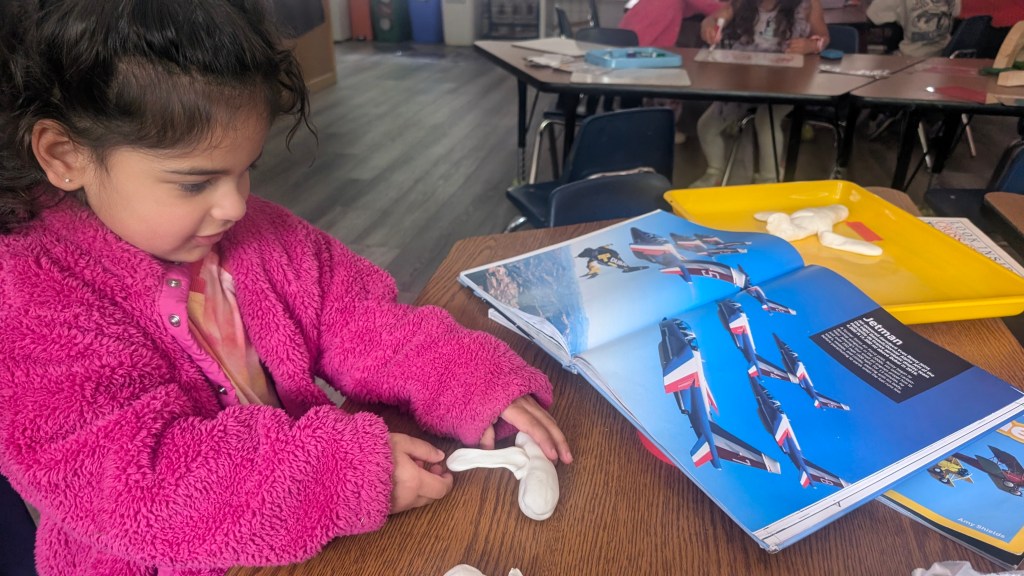
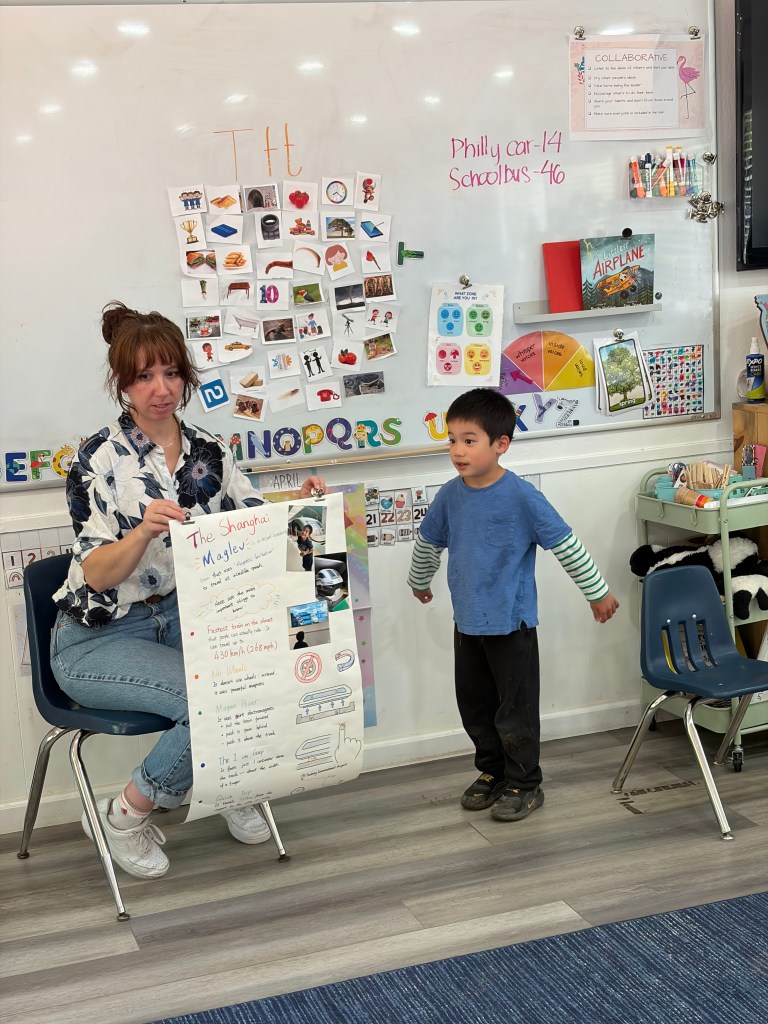
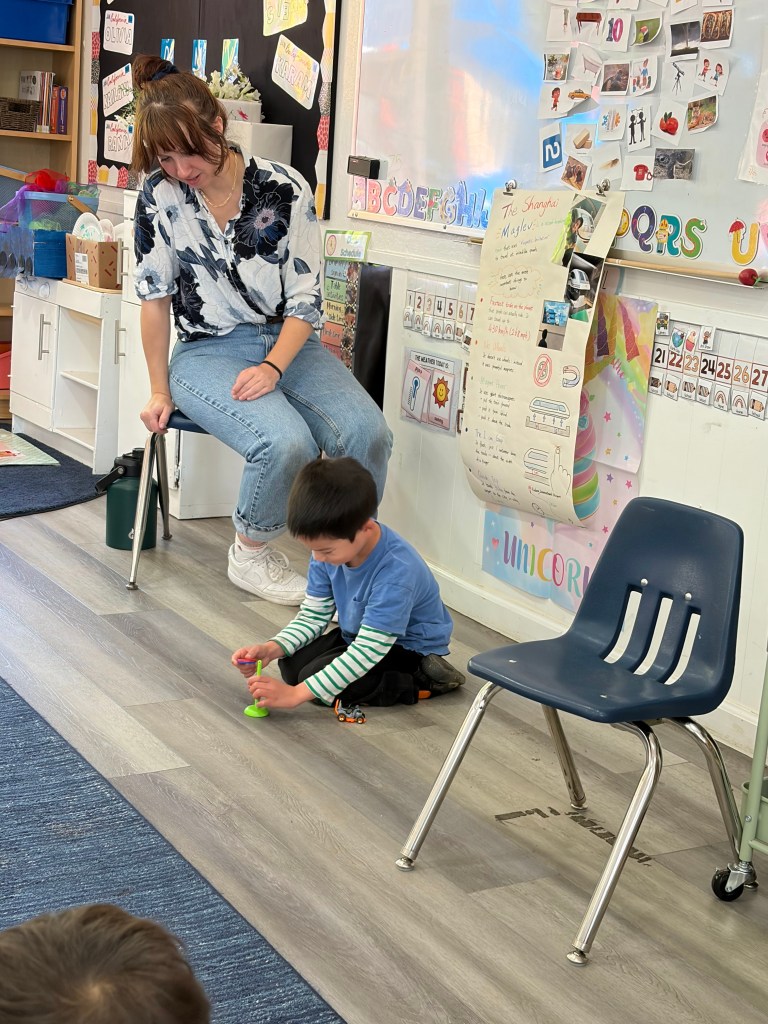
Throughout the study, the Owlets learned from several special visitors who shared their expertise about transportation and flight. A Hoot Owl friend introduced students to the world’s fastest train in China, which uses powerful magnets and can travel up to 286 miles per hour. Students noticed similarities between the train and BART, especially its pointed nose designed to help it move faster through the air.
The class also connected virtually with Louis, the uncle of an Owlet, who shared his expertise about airplanes. He explained that building airplanes can feel similar to building with Legos and introduced students to the four forces that help planes fly: thrust, lift, drag, and gravity. Students asked thoughtful questions and were amazed to learn that the SR-71 Blackbird can travel up to 2,000 miles per hour, while smaller propeller planes travel much more slowly. They also discovered that airplanes use jet fuel, a stronger type of gasoline.
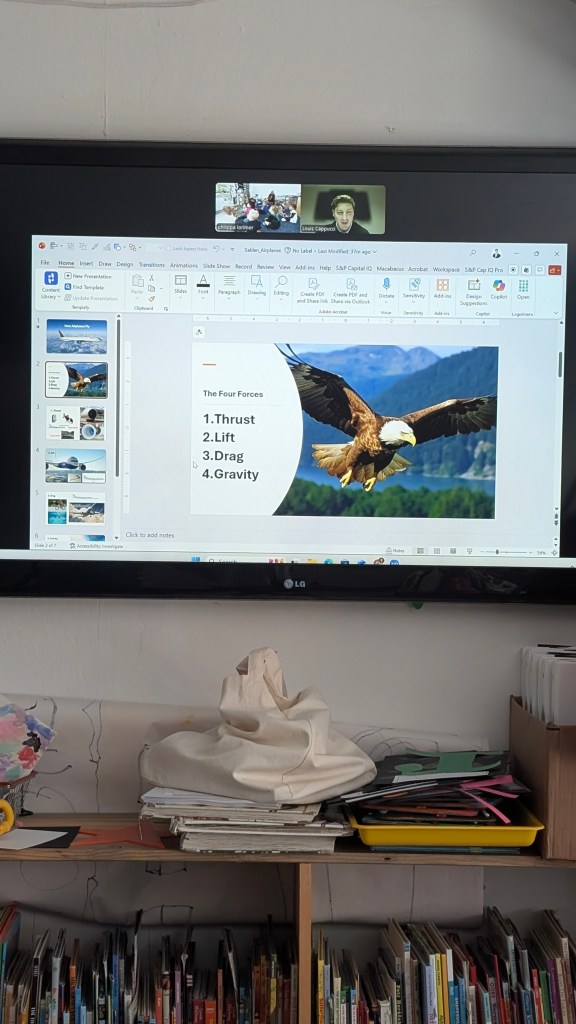
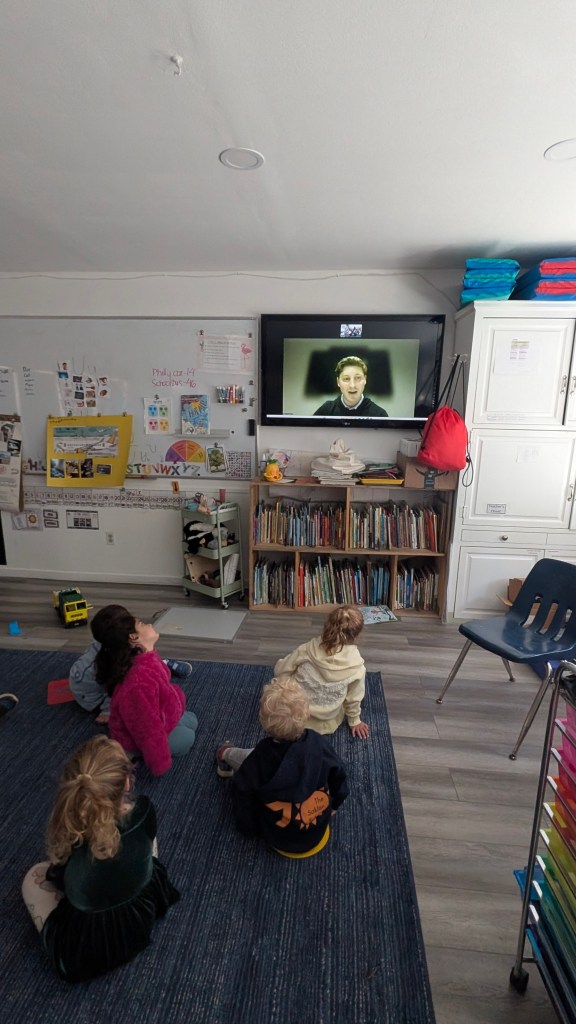
In addition, two former Owlets (now kindergartners) returned to the classroom to share what they know about airplane travel. They taught students about turbulence, airplane parts, and how pilots communicate with air traffic control during flights. Students also learned that airplanes land on their back wheels first for safety and that the plane’s pointed nose helps it move smoothly through the air.
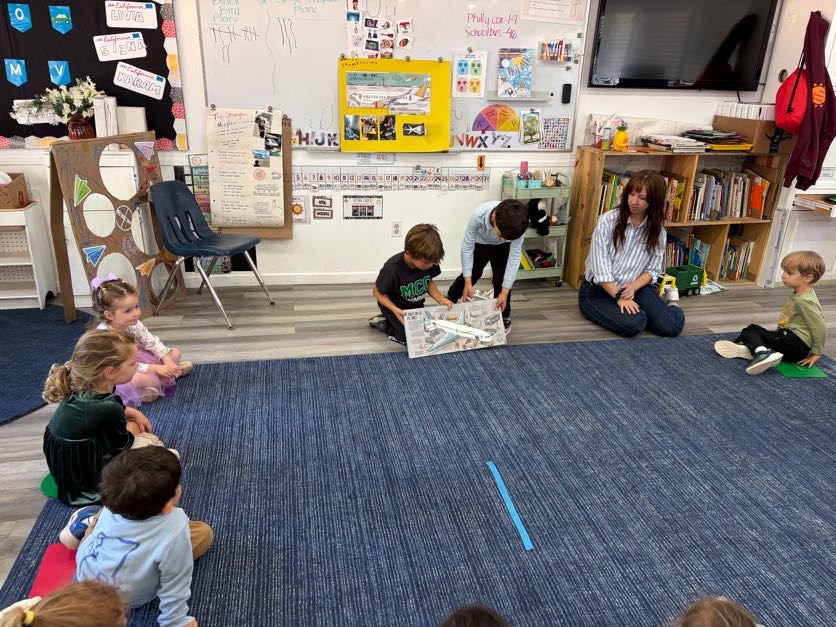
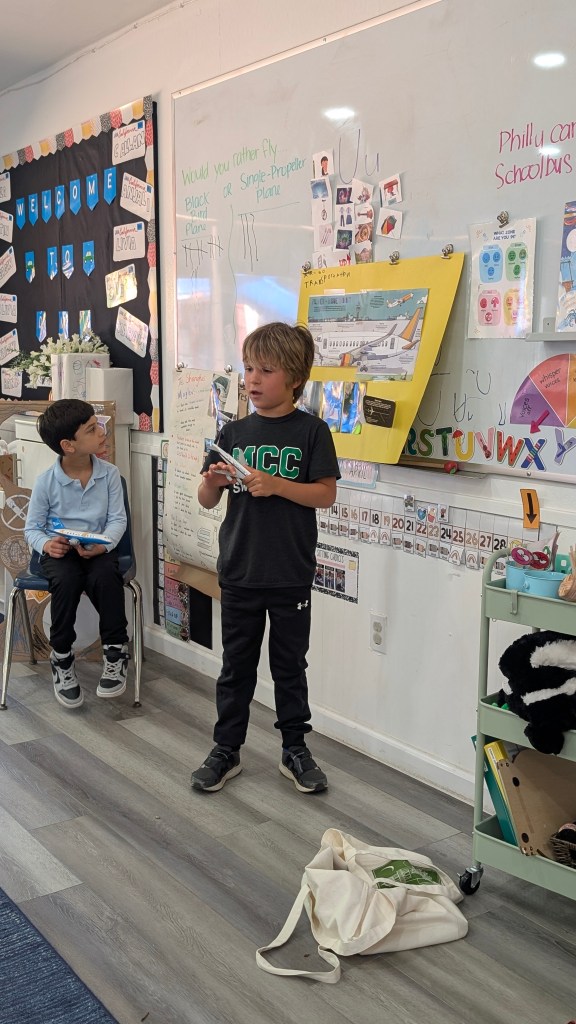
The Owlets’ exploration of transportation has combined science, creativity, engineering, storytelling, and collaboration in meaningful and joyful ways. Families are invited to learn more about these discoveries and celebrate the students’ work at the Owlets’ Things That Go! culmination on Thursday, May 21, at 8:30 a.m.
#SaklanProjectWork


You must be logged in to post a comment.