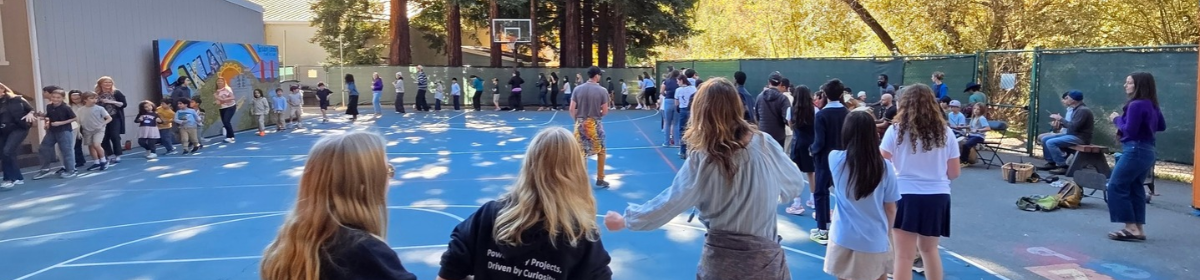
Growing Compassion at Saklan

At Saklan, social-emotional learning (SEL) is an important part of helping students grow not only as learners, but also as thoughtful, caring members of our community.

For November and December, Saklan’s SEL focus is being compassionate.
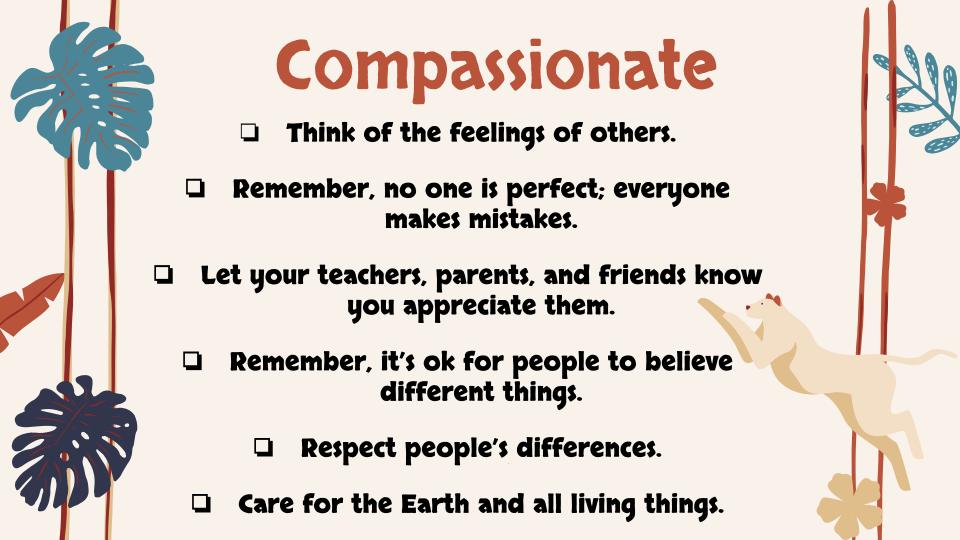
Compassion means recognizing how others feel, showing kindness, and treating people with empathy and respect. It also means understanding that everyone makes mistakes, appreciating our differences, and looking for ways to care for those around us.

Throughout the next two months, students will be encouraged to put compassion into practice by:

  • Thinking about the feelings and perspectives of others.
  • Remembering that everyone makes mistakes and deserves understanding.
  • Letting teachers, parents, and friends know they are appreciated.
  • Respecting that people may have different beliefs and perspectives.
  • Caring for the Earth and all living things.

These simple but meaningful actions help students build stronger relationships, develop empathy, and contribute to a more inclusive and caring community.

At Saklan, we believe that learning to act compassionately is just as important as learning to think critically. By practicing compassion every day, our students take another step toward living our mission: thinking creatively, acting compassionately, and living courageously.

#SaklanSEL

Growing Curiosity in Family Groups

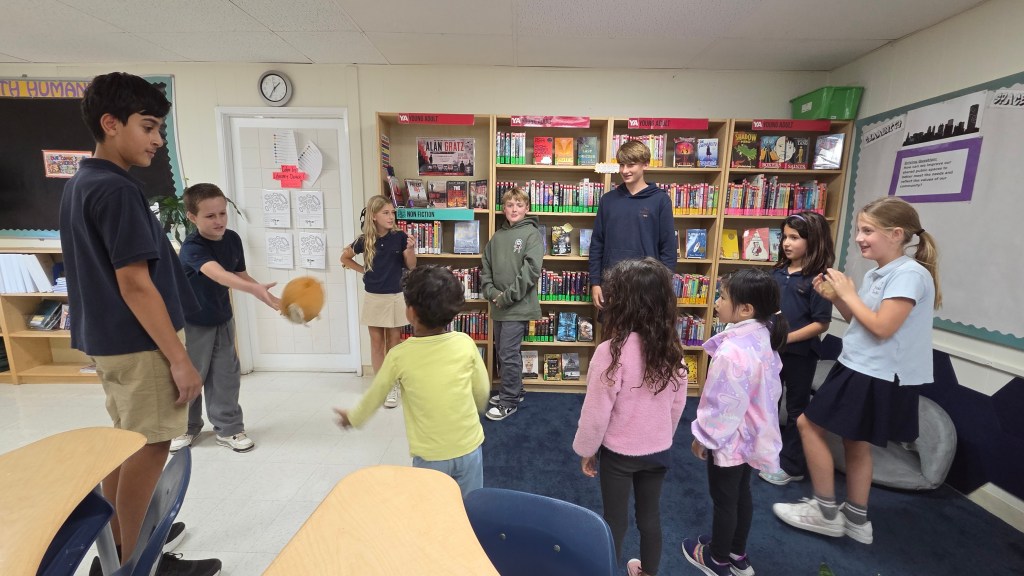
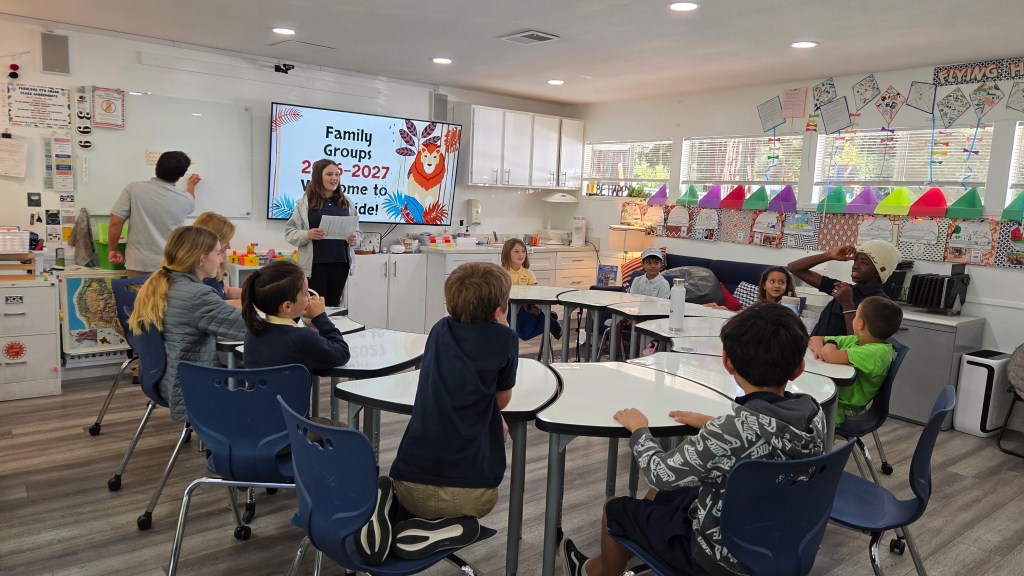
This week, Saklan students in Kindergarten through eighth grade came together for one of our favorite school traditions: Family Groups! On October 28, students gathered across grade levels to explore our October Social-Emotional Learning (SEL) focus: Curiosity.

Family Groups offer students an opportunity to build meaningful relationships with classmates in other grades while developing the social-emotional skills that help them thrive. This month, students explored what it means to be curious, why curiosity matters, and how asking questions can open the door to new discoveries.

What Does It Mean to Be Curious?

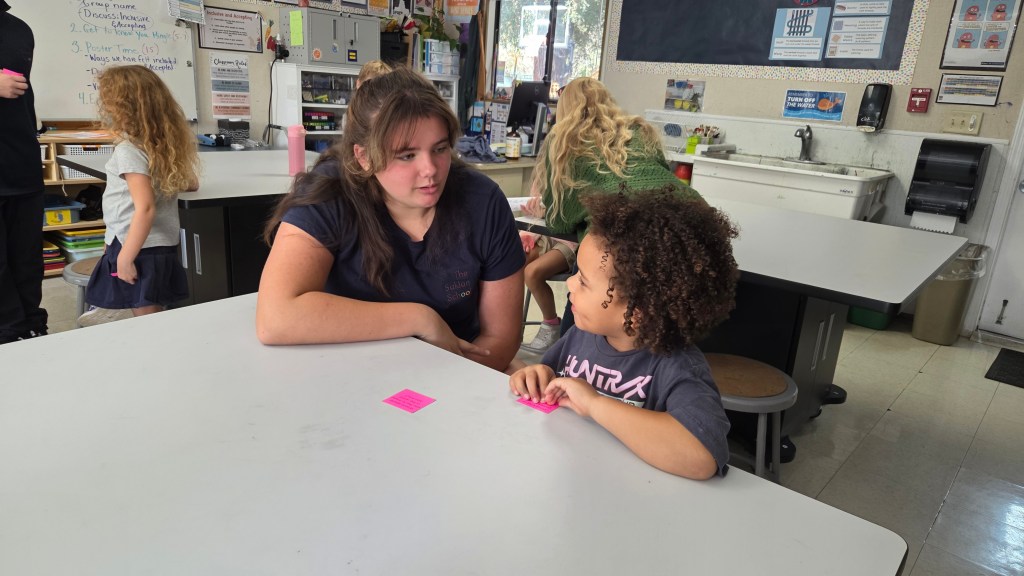
Students began by sharing a little about themselves before diving into a conversation about curiosity. Together, they considered what curiosity looks like, why it matters, and how it helps us learn more about ourselves, others, and the world around us.

Curiosity encourages us to ask questions, explore new ideas, express ourselves creatively, and approach unfamiliar experiences with an open mind.

Learning Through Exploration and Play

After their discussion, students put their curiosity into action through a series of interactive activities designed to spark wonder and encourage creative thinking.

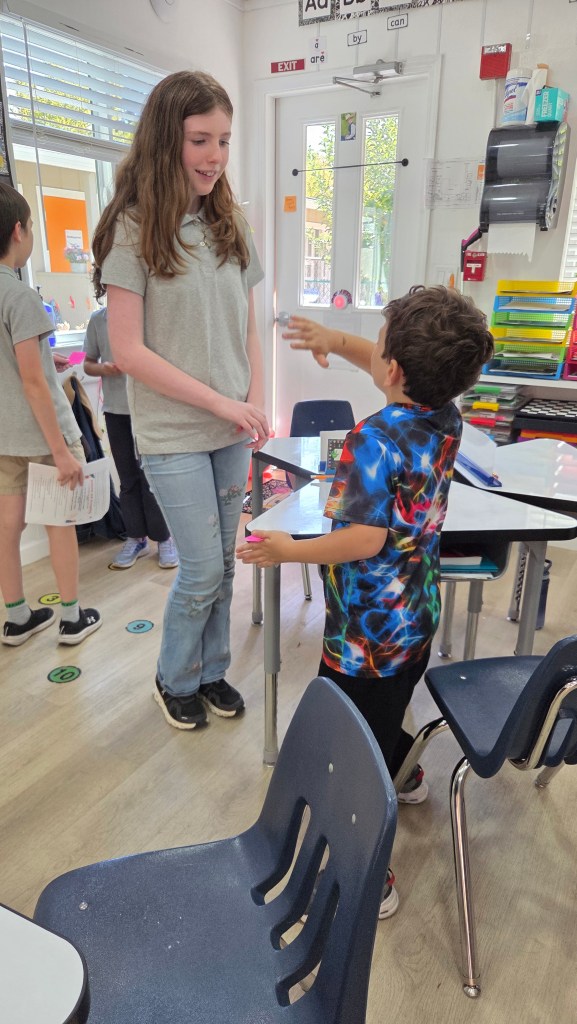
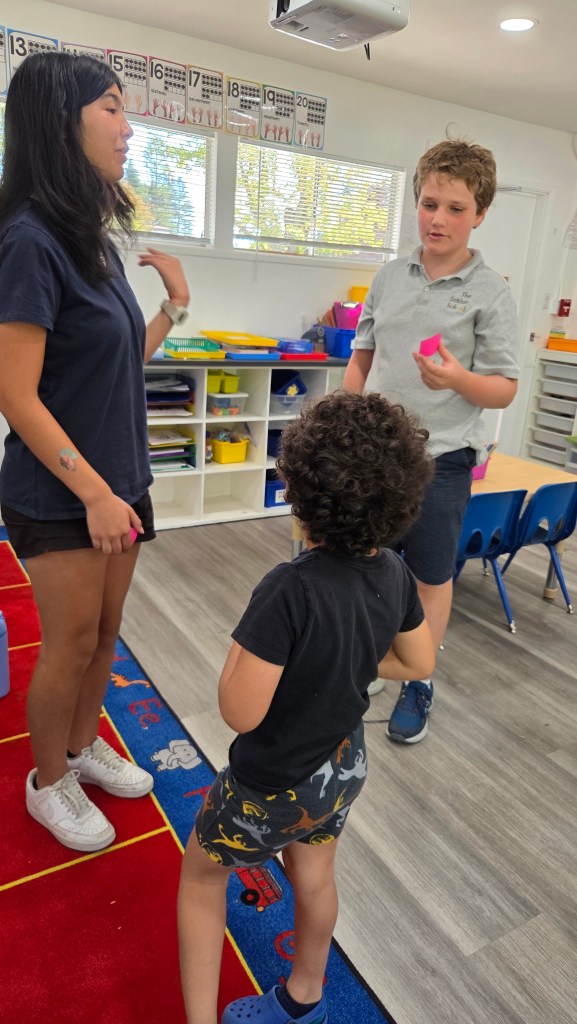
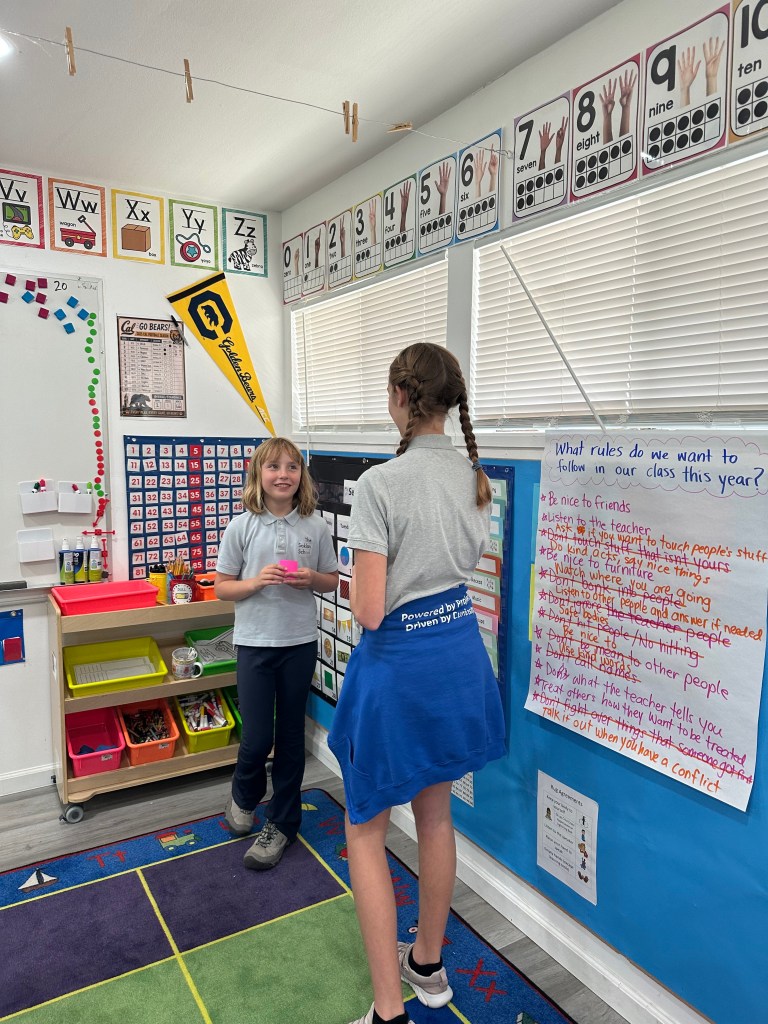
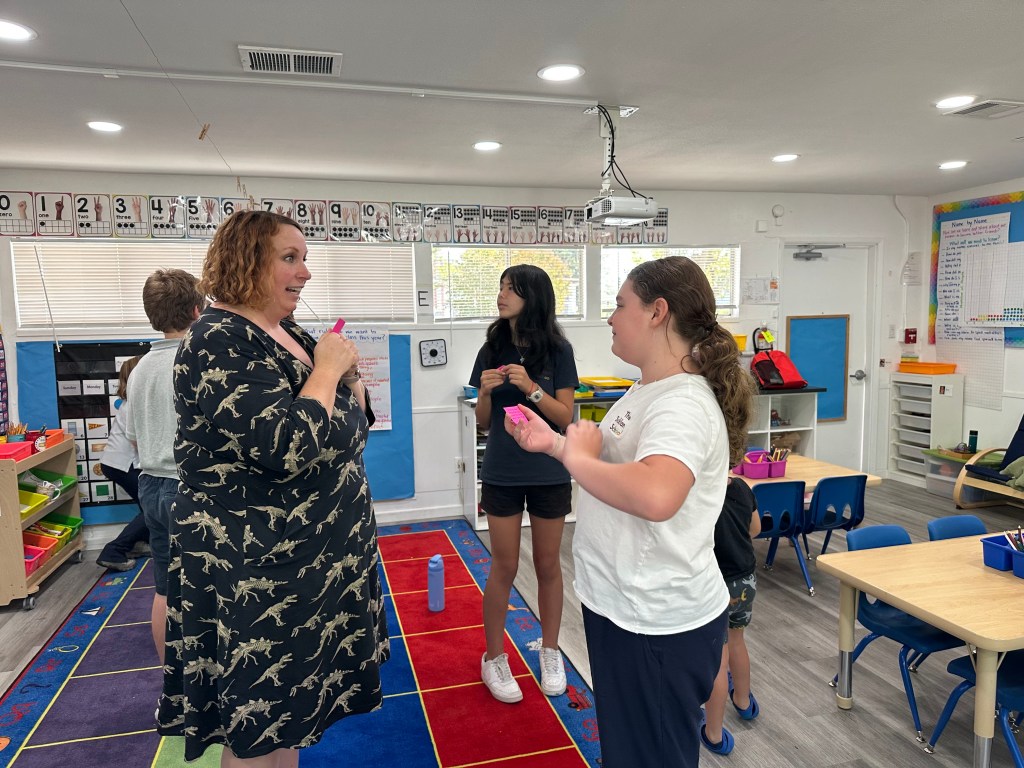
Working together, groups explored a mystery bag, examined mystery photos, and challenged themselves with trivia questions. These activities invited students to observe carefully, think critically, share ideas, and learn from one another. Older and younger students partnered up, creating opportunities for collaboration and connection across grade levels.

Sharing Our Wonder

To wrap up the meeting, each student received a paper leaf and wrote down something they were curious about, adding a drawing when space allowed. From questions about the natural world to interests and ideas waiting to be explored, each leaf represented a unique spark of wonder.

The leaves were then added to a shared Family Group poster, creating a colorful collection of questions and interests that celebrates the many ways curiosity inspires learning.

Curiosity Connects Us

At Saklan, curiosity is more than asking questions. It means being open to new perspectives, exploring possibilities, and discovering that learning often begins with a simple “I wonder…”

As our students continue to explore their questions and follow their interests, we look forward to seeing where their curiosity takes them next!

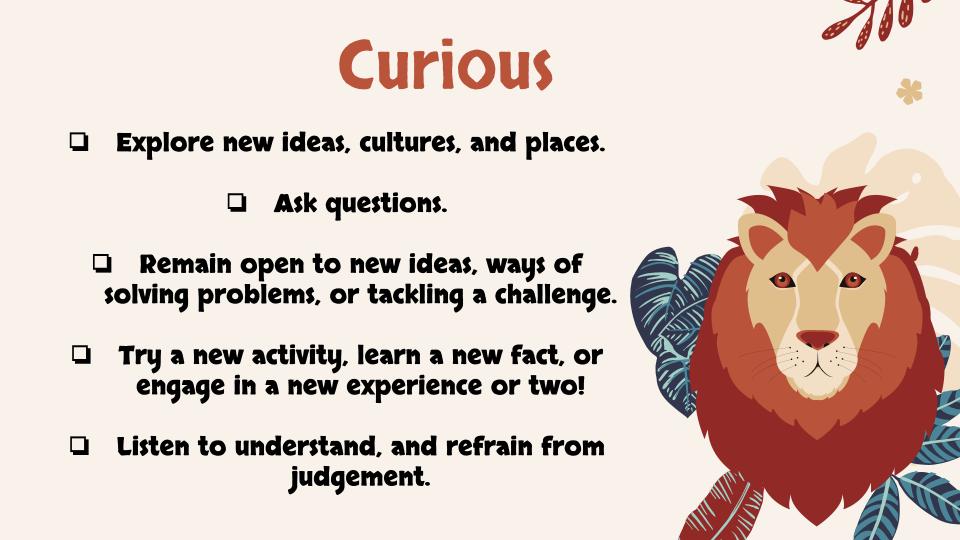
October SEL Focus: Curious

Each month at Saklan, we focus on a different Social Emotional Learning (SEL) topic that helps students develop the skills they need to navigate school, relationships, and the world around them. For October, our SEL focus is Curious.

Being curious means more than simply wanting to know the answer. It means being willing to ask questions, explore new ideas, listen to different perspectives, and approach unfamiliar experiences with an open mind.

These skills extend far beyond the classroom. When students are curious, they become more willing to take intellectual risks, consider perspectives different from their own, and see challenges as opportunities to learn and grow. Curiosity helps students develop the very qualities at the heart of Saklan’s mission: thinking creatively, acting compassionately, and living courageously.

#SaklanSEL

Family Groups Begin the Year with Inclusion and Connection

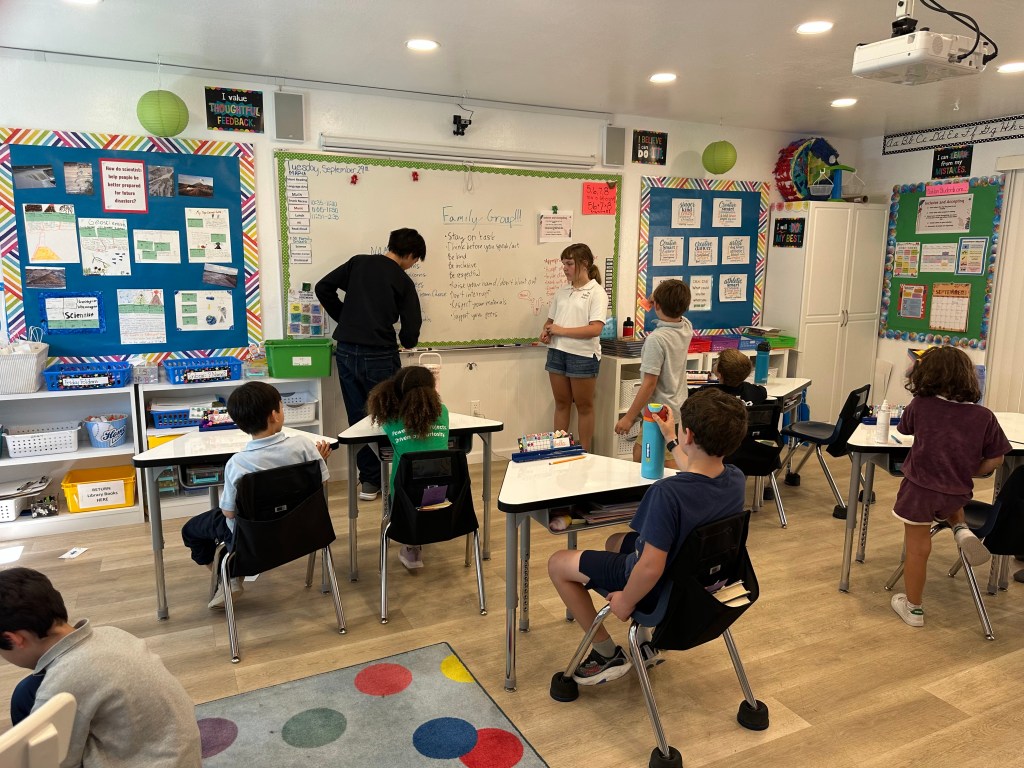
On September 29, Saklan’s Kindergarten through eighth-grade students gathered for their first Family Group meeting of the school year, coming together across grade levels to build connections and explore what it means to be inclusive and accepting.

Family Groups are a Saklan tradition that brings students from different grades together throughout the year. These mixed-age groups create opportunities for students to get to know one another, learn from each other, and build a stronger sense of belonging across the school.

For their first meeting, students began by getting to know the members of their Family Group through introductions and fun activities designed to help them discover new things about one another. Students paired up, asked questions, shared their answers, and looked for connections within the group.

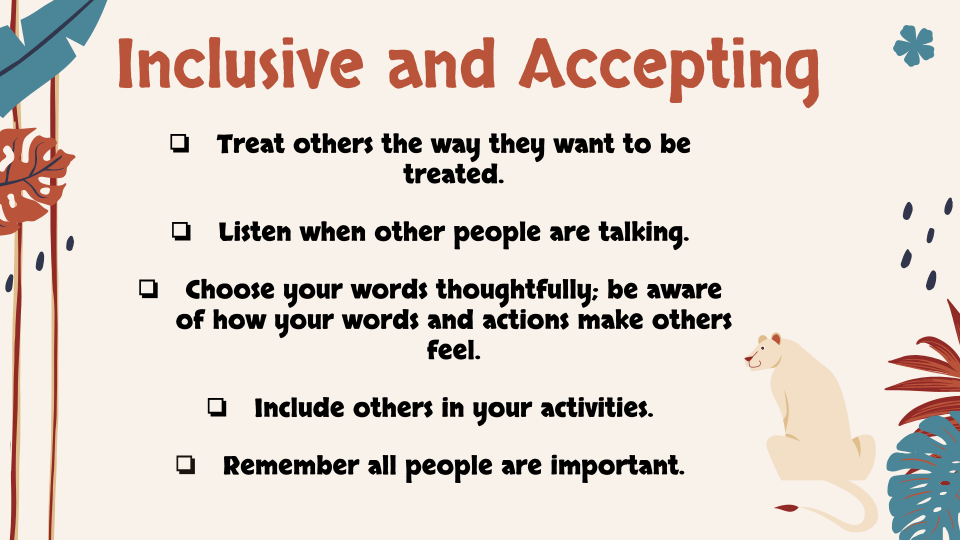
Each group then turned its attention to what it means to be inclusive and accepting at Saklan. Students discussed what inclusion can look like (including others, working with different people, and being kind), and what it means to be accepting (including not judging others, giving people second chances, and allowing others to be themselves).

Students were also invited to reflect on times when they have felt included and accepted at Saklan. They shared examples of classmates being kind, inviting them to join an activity, playing together at recess, or showing genuine interest in getting to know them.

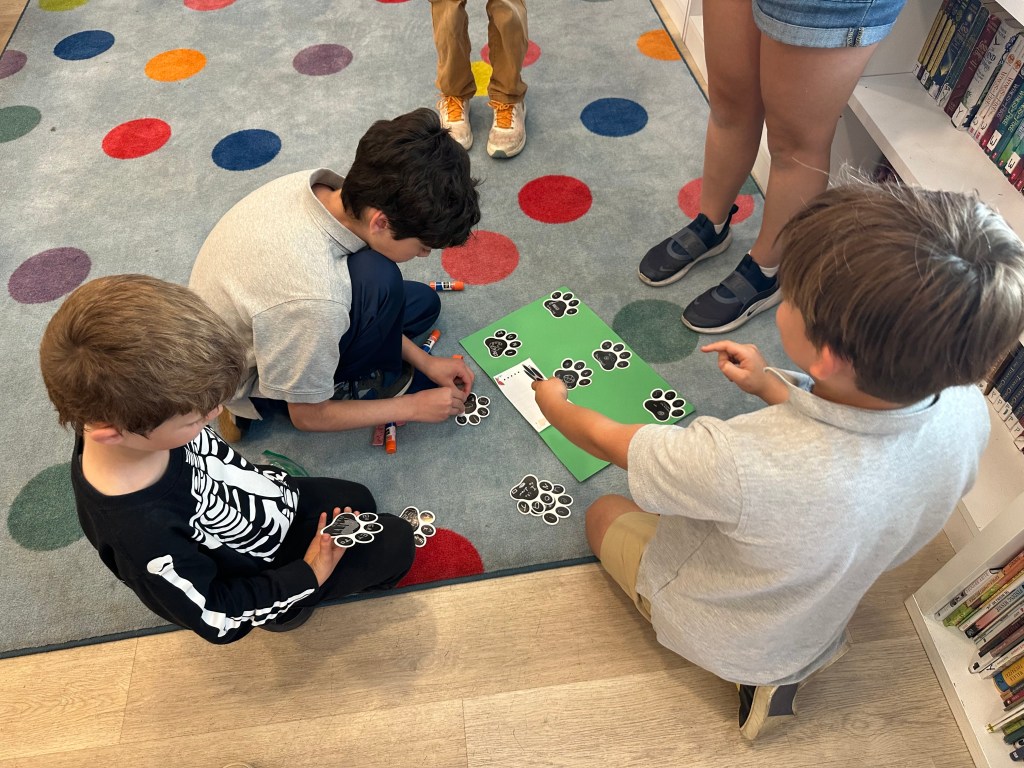
To represent the idea that everyone contributes something unique to the group, each student decorated a paper paw with things they enjoy or qualities that represent them. The individual paws were brought together to create a Family Group poster: a visual reminder that while each student is an individual, everyone has a place within the group.

The meeting set the tone for the year ahead: getting to know one another, celebrating what makes each person unique, and creating a community where everyone feels welcomed, valued, and included.

#SaklanSEL #SaklanCommunity

SEL Focus: Inclusive & Accepting

Each month Saklan focuses on a different Social Emotional Learning (SEL) topic, incorporating it into lessons and discussions from Preschool through eighth grade.

Saklan’s social-emotional learning emphasis for August and September is being inclusive and accepting. Throughout these two months, students across all grade levels are exploring what inclusion and acceptance mean and putting these values into practice by listening to others, choosing their words thoughtfully, including others in activities, and recognizing that every person is important.

On Tuesday, September 29, Kindergarten through 8th Grade students will gather in their family groups for cross-grade-level discussions and activities focused on deepening their understanding of what it means to create a community where everyone feels welcomed, valued, and included.

#SaklanSEL

May Brings Patience

At Saklan, social-emotional learning is an essential part of how students grow, not only as learners, but as thoughtful, resilient individuals. In May, the school community is focusing on an important and often challenging skill: patience.

Patience is more than simply waiting. It involves managing emotions, showing self-control, and understanding that growth, learning, and relationships all take time. Throughout the month, students across all grade levels are exploring what it means to be patient with themselves, with others, and within the learning process.

In classrooms, teachers are creating opportunities for students to practice patience in meaningful ways. Whether working through a complex math problem, collaborating on a group project, or learning a new skill, students are encouraged to pause, take a breath, and stay engaged, even when things feel difficult.

#SaklanSEL

Earth Day Family Groups

On April 22, Saklan students came together to celebrate Earth Day with an afternoon of learning, collaboration, and hands-on action in support of the natural world.

The afternoon began with a special visit from Wildmind, an animal rescue organization, which introduced Preschool through 8th-grade students to several remarkable animals and their stories. Among them were Pugsley the turkey vulture, Sonora the grey fox, Taborri the red-tailed hawk, Sylvie the raccoon, and Sherman the California desert tortoise. Through these close-up encounters, students learned about each animal’s journey and the importance of protecting local wildlife. The experience sparked curiosity and compassion, helping students better understand how they can support the health of the ecosystems around them.

Following the presentation, students in Kindergarten through 8th grade gathered in their family groups to focus on Saklan’s social-emotional learning theme of the month: collaboration. Together, they discussed what it means to work effectively as a team and created posters outlining shared commitments to being collaborative community members.

Students then put those ideas into action through a meaningful, hands-on project. Working together, each group mixed wildflower seeds, soil, and water to create California wildflower seed spheres. Each student made four spheres, which were left in the sun to dry. These seed spheres will later be planted at home or shared with others, with the hope that they will grow into wildflowers that provide food and habitat for local species.

By the end of the day, students not only gained a deeper appreciation for wildlife and environmental stewardship, but also experienced the power of collaboration in making a positive impact.

#SaklanCompassion

April SEL Focus: Collaboration

Throughout the month of April, Saklan students are focusing on an essential social-emotional skill: collaboration. At its heart, collaboration is about working together with respect, openness, and a shared sense of purpose.

In classrooms across campus, students are practicing what it means to truly listen—to hear and value the ideas of others while also sharing their own thinking. They are learning that strong collaboration isn’t just about having good ideas, but about being willing to try someone else’s approach, even when it’s different from their own.

Students are also exploring the importance of taking turns in leadership, recognizing that everyone brings unique strengths to a group. Whether leading or supporting, each role matters in helping a team succeed.

Encouragement is another key part of this work. Students are practicing how to lift one another up, celebrate effort, and help their peers do their best. They are also discovering the value of sharing their own talents while learning from those around them, building both confidence and appreciation for others.

Perhaps most importantly, collaboration at Saklan means making sure everyone feels included. Students are learning to notice who may be left out and to take steps to ensure every voice is heard and every person is part of the process.

By developing these habits, students are not only becoming stronger collaborators—they are becoming thoughtful, empathetic community members who understand that we are always better when we work together.

Family Groups Focus on Accountability

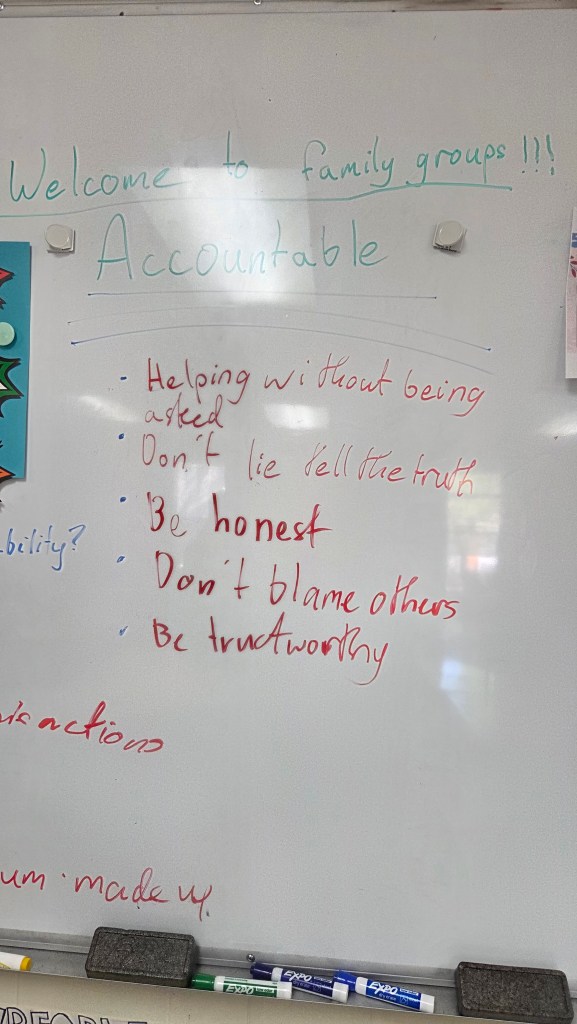
On Tuesday, Saklan students gathered in their Family Groups to explore an important character trait: accountability. The session began with a fun and engaging warm-up, as students shared their favorite superheroes/real-life heroes and discussed what makes them admirable. This conversation helped set the stage for thinking about the qualities that make someone responsible and trustworthy.

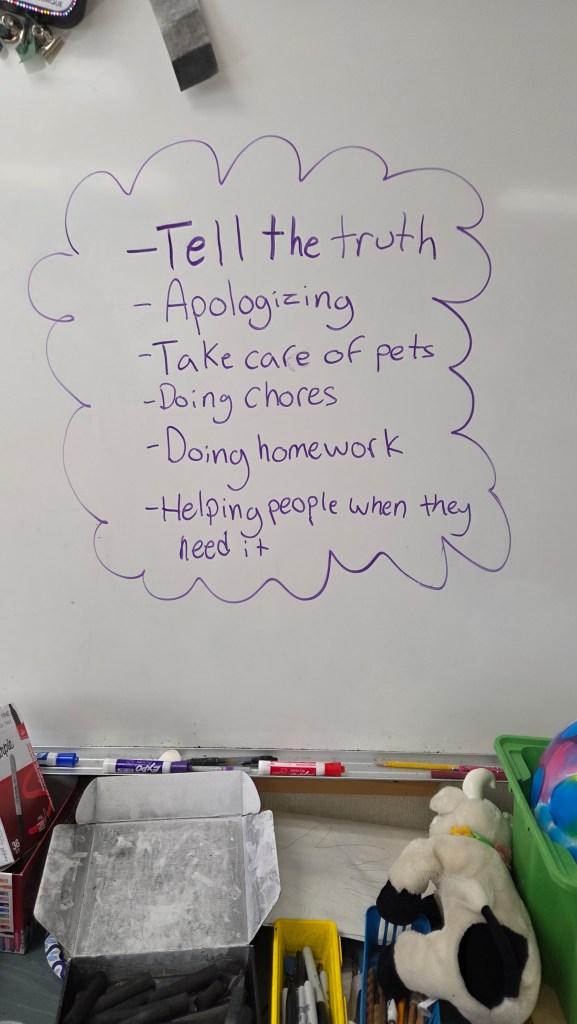
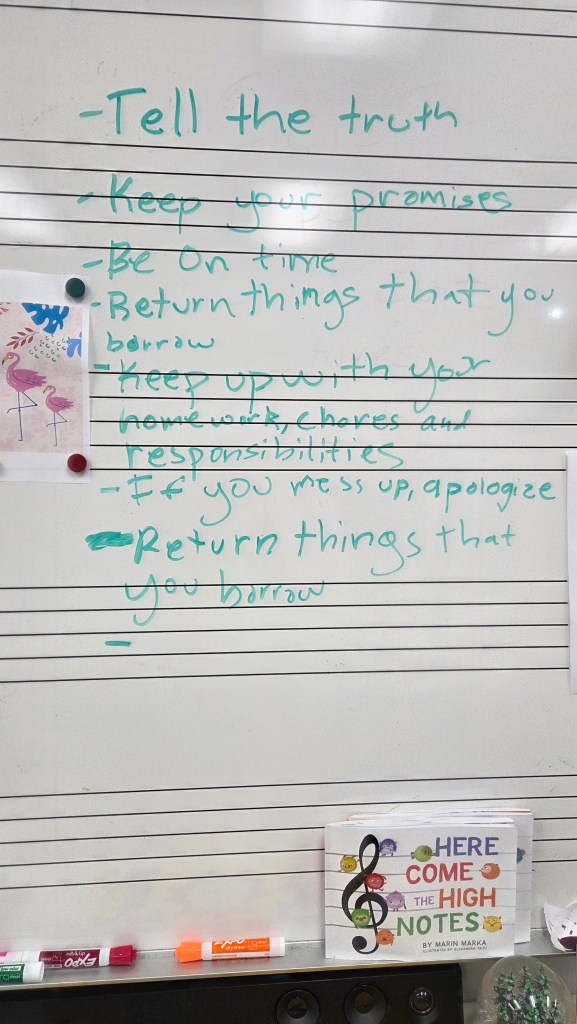
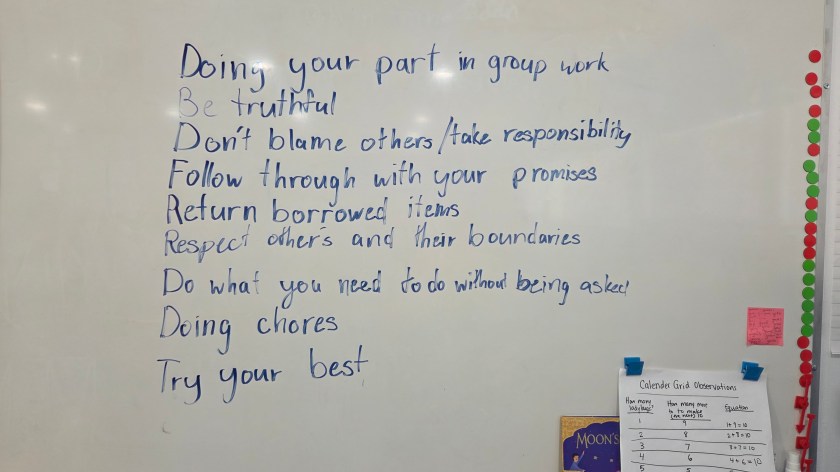
Students were then introduced to the concept of accountability and what it looks like in everyday life. Together, they discussed examples such as doing their part in group work, making good choices, and taking care of themselves, others, and their belongings.

To bring the concept to life, students watched a short video about the “Accountable Ninja.” Afterward, they reflected on how the character initially avoided responsibility and what changes he made to become more accountable. These conversations encouraged students to think critically about their own actions and choices.

Next, students put their learning into action by creating “superhero bursts,” each one highlighting a personal goal to be more accountable. Whether it was completing homework on time, helping others, or owning up to mistakes, each student contributed a thoughtful commitment to their shared group poster.

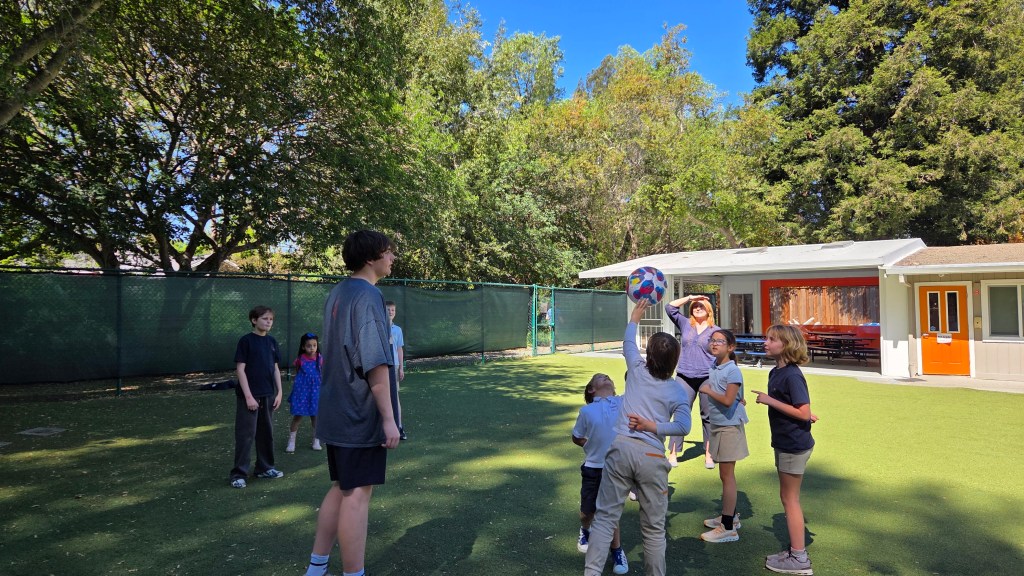
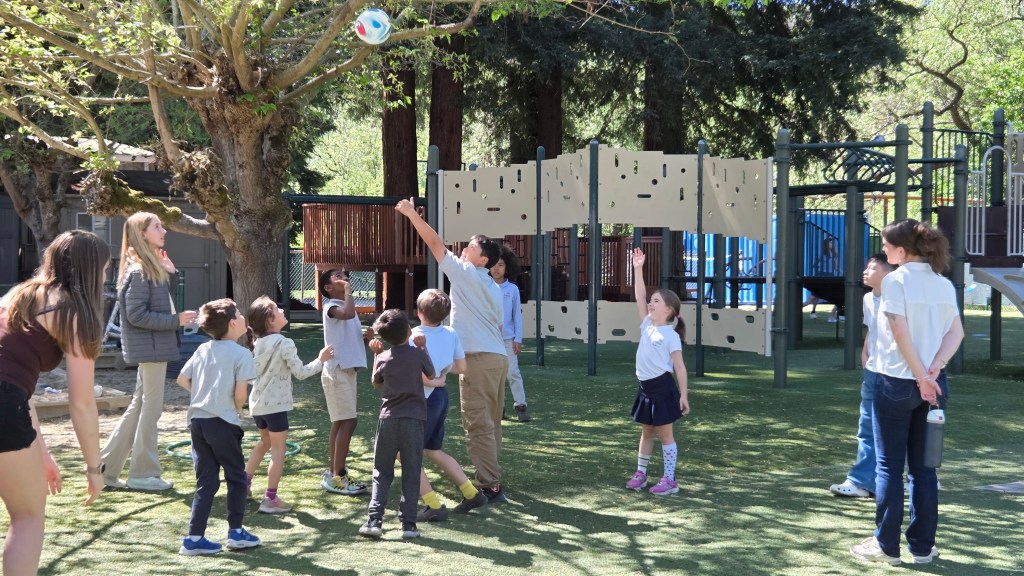
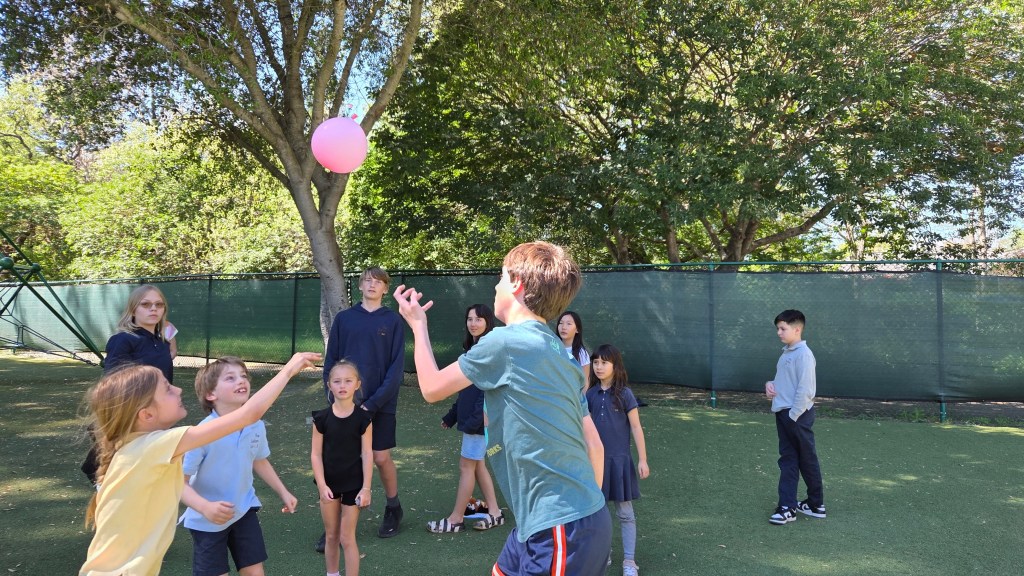
The lesson continued with a lively group challenge: keeping two balloons in the air without letting them touch the ground, all while following specific rules. The activity required teamwork, communication, and individual responsibility. As students worked together toward a common goal, they experienced firsthand how accountability plays a role in group success.

#SaklanSEL
March SEL Focus: Practicing Accountability
This month, all Saklan students are practicing how to be more accountable.

Being accountable means taking responsibility for one’s actions, choices, and commitments. It involves recognizing how our behavior affects others, following through on responsibilities, and learning from mistakes when things do not go as planned. For students, practicing accountability can look like owning up to a misunderstanding with a classmate, completing work on time, or contributing positively to the classroom and school community.

Throughout the month, teachers will guide students in conversations and activities that explore what accountability looks like in everyday situations. Students will reflect on how their decisions impact others and consider ways they can show responsibility and integrity both inside and outside the classroom.

A special opportunity to deepen this conversation will take place on March 24, when Kindergarten-8th graders gather with their Family Groups to discuss accountability, share examples from their own experiences, and think about how they can support one another in making responsible choices.

By practicing accountability, students learn that their actions matter—and that being part of a community means showing care, honesty, and responsibility toward others.

We look forward to seeing how our students continue to grow as thoughtful and accountable members of the Saklan community throughout the month of March and beyond.

#SaklanSEL