Democracy in Action: Saklan Students Take the Lead

Another exciting Student Council election cycle came to a close at Saklan last Friday, offering a wonderful reminder of the importance of student voice and civic engagement within the school community.

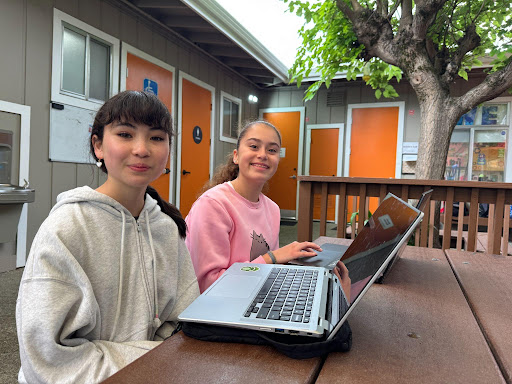
This year, fifteen out of thirty-three Middle School students submitted their candidacies for Student Council officer positions, and each candidate put forth a strong effort throughout the election process.

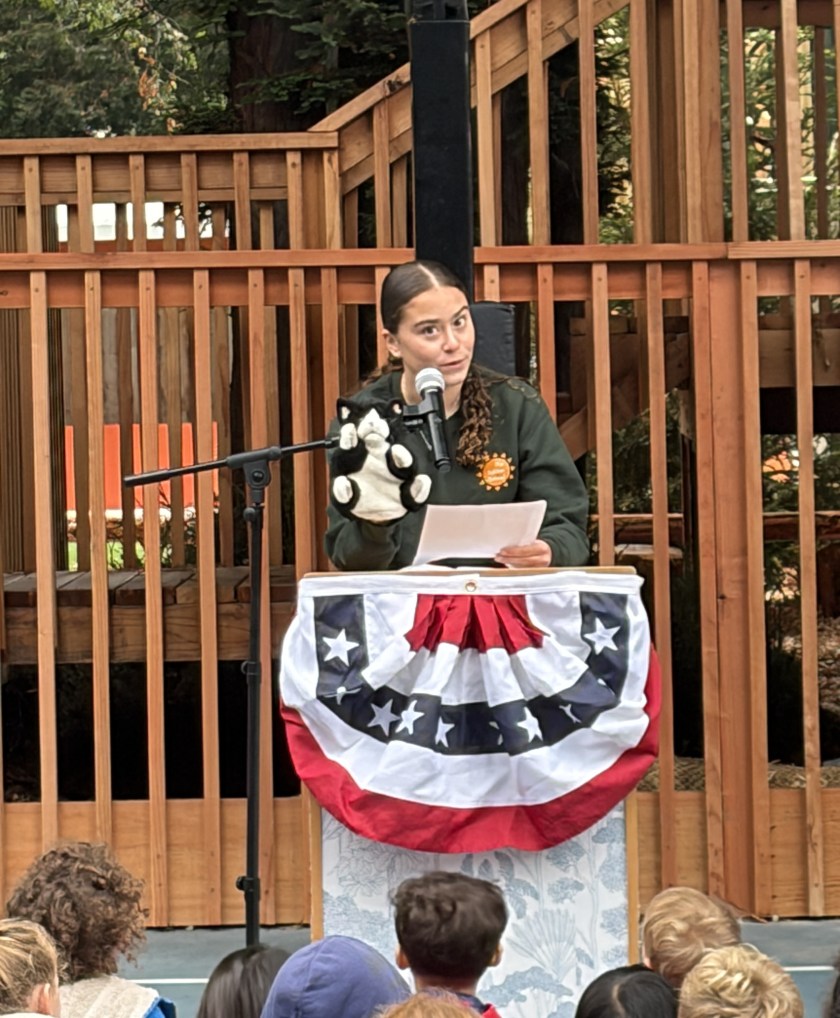
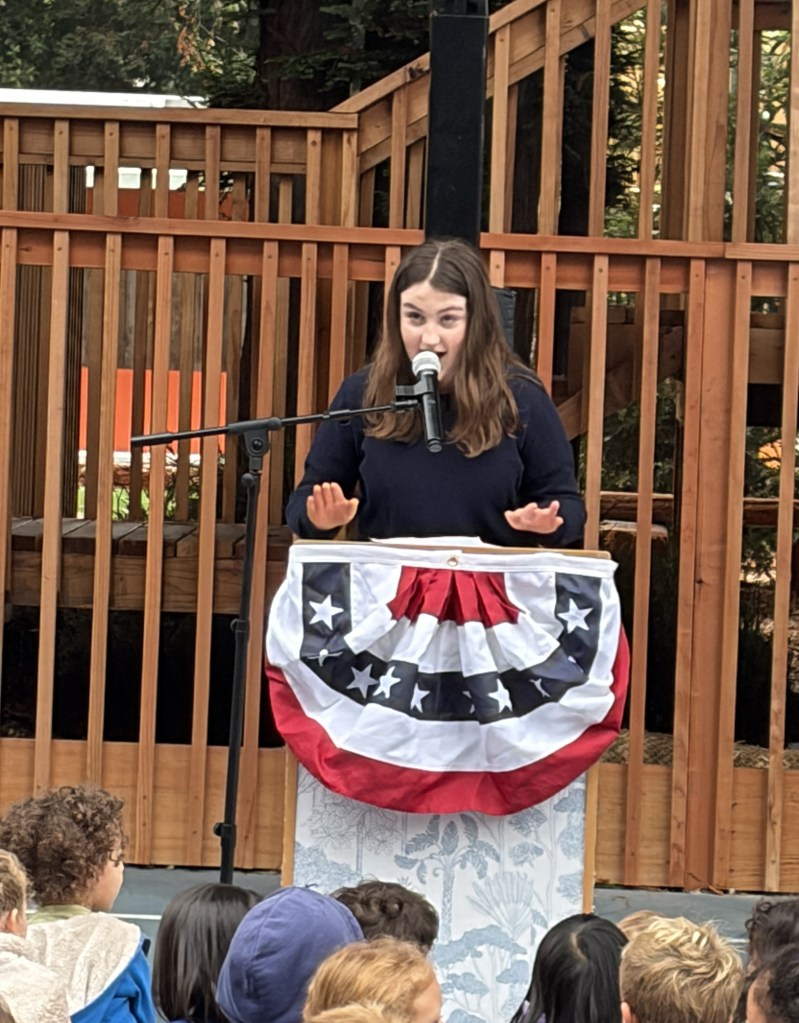
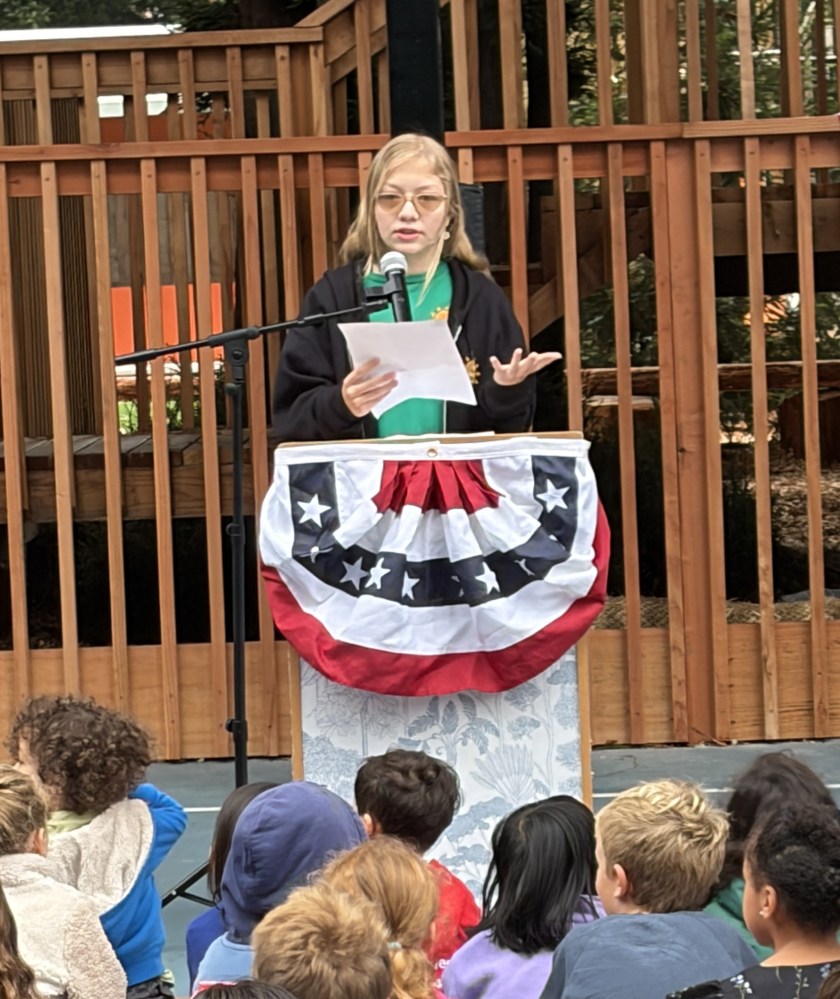
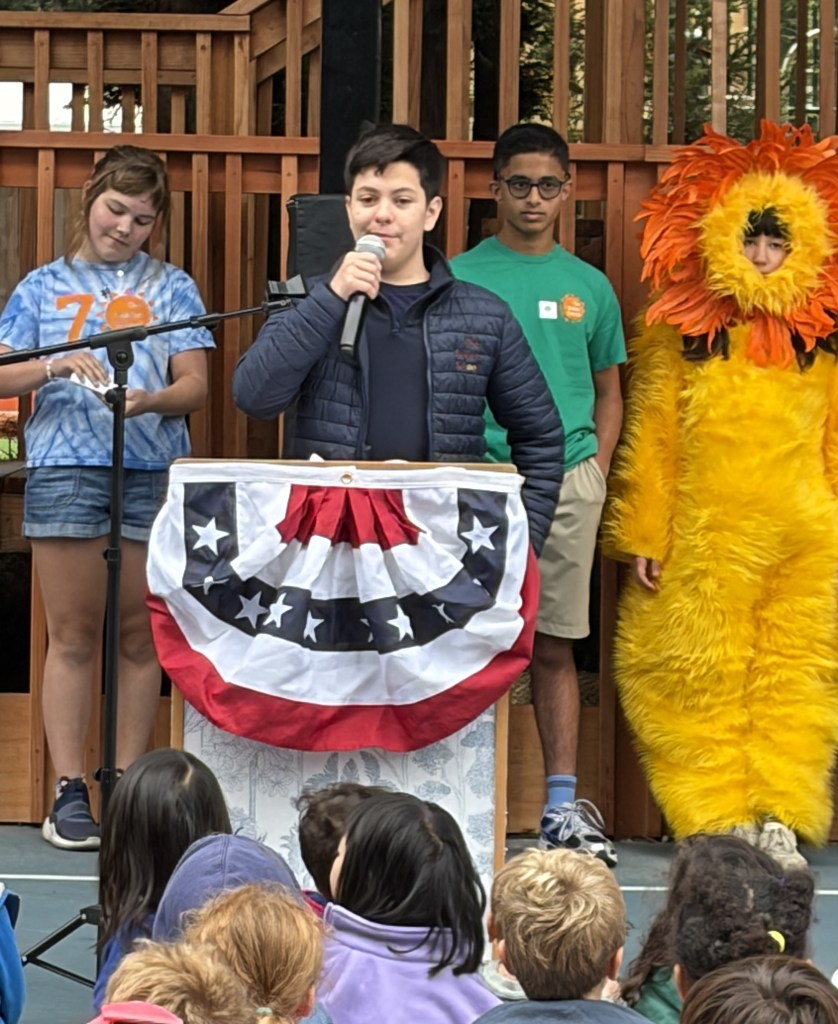
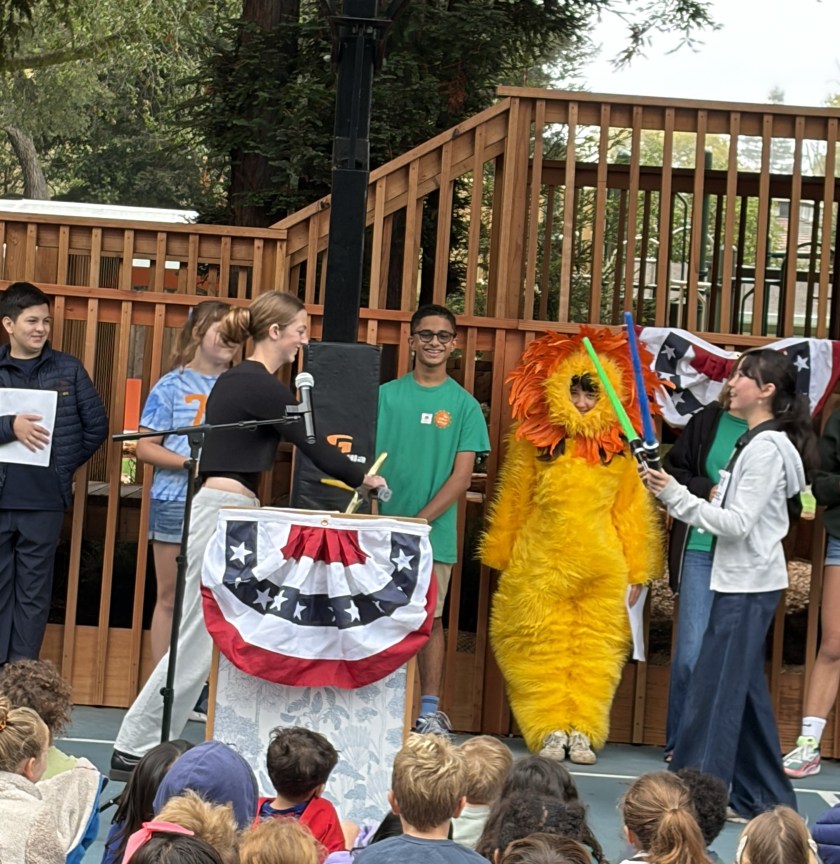
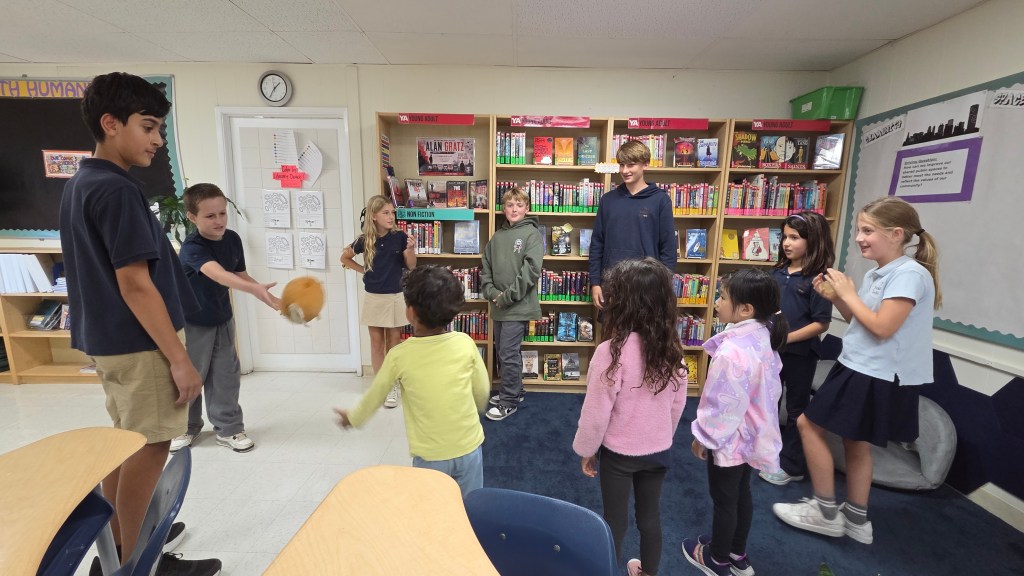
The Middle School officer candidates presented lively and engaging speeches at CLAS last Friday. Students in Grades 1–8 then participated in the balloting process in their classrooms, with the results of the Middle School election announced just before the end of the school day.

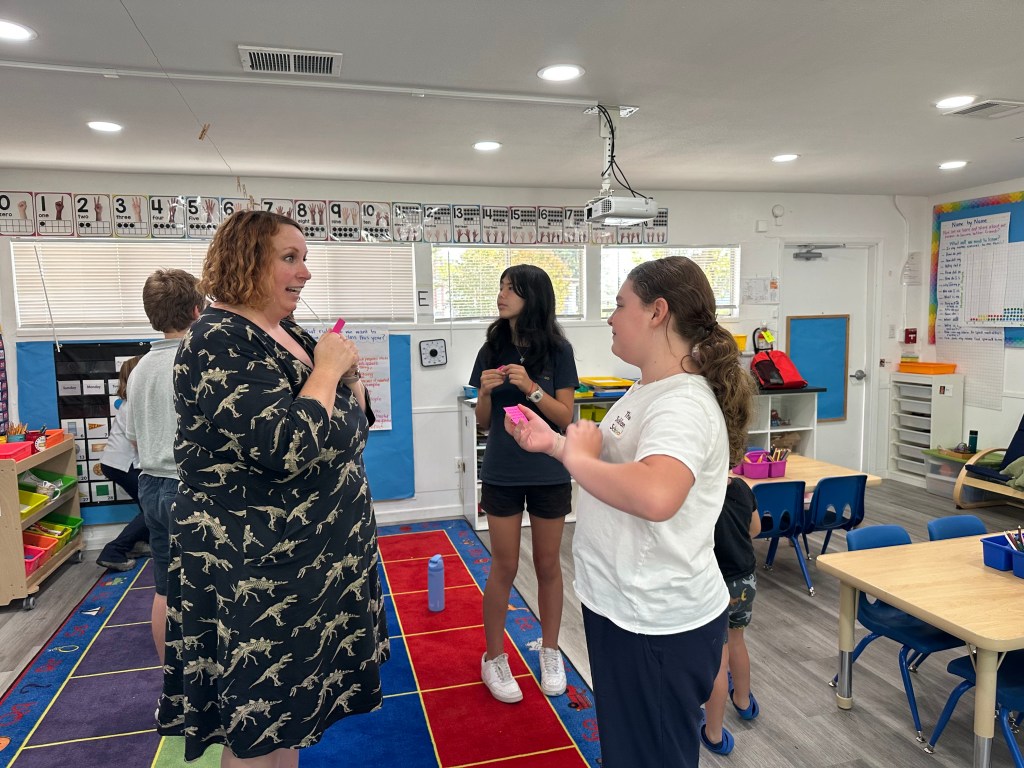
Earning a seat as a Saklan Student Council officer involves more than simply winning the popular vote. Each candidate had to submit a Letter of Intent, make a campaign poster, sit for an interview conducted by Jennifer Lettieri and Kim Parks, and share slogans and stickers with the Lower School students during lunch recess. The speeches presented at CLAS were the culmination of their campaigning.
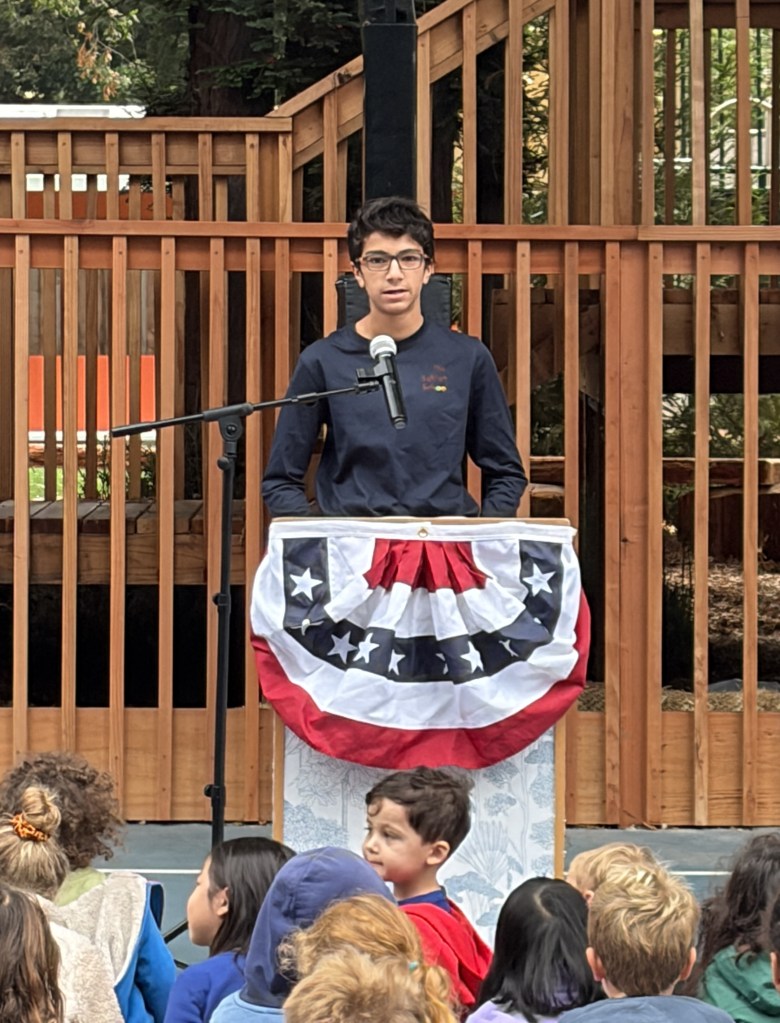
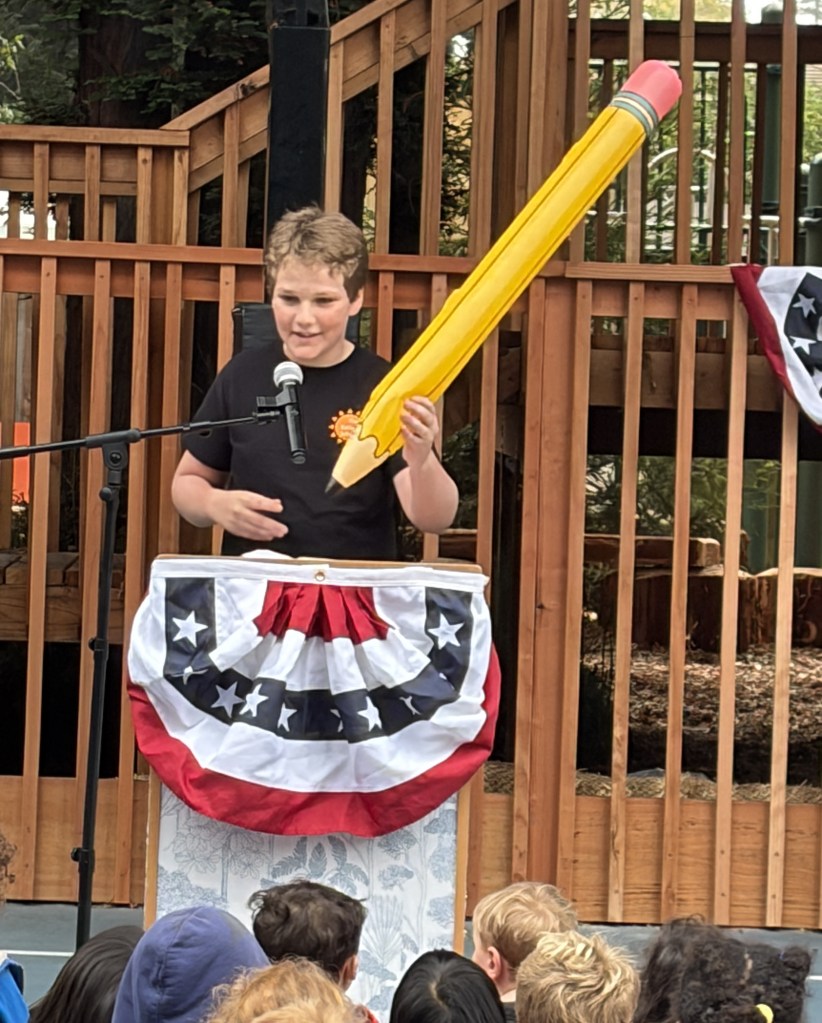
Candidates were awarded points for timeliness and quality when carrying out each of these tasks, and the candidates with the most points were the winners.

Lower School Student Council representatives were selected by their classmates and respective homeroom teachers in grades 1-5. This year, two Kindergarten representatives were also selected, and they will join the Lower and Middle School students at regular Student Council meetings every other Wednesday.

Congratulations to our 2026-2027 Student Council members!

Middle School Officers

President– Mae

Vice President– Willow

Treasurer – Makena

Publicity Chair – Roni

Secretary – Elise

Environmental Affairs Chair – Meredith

Lower School Representatives

Kindergarten – Cayden and Graham

Grade 1 – Alina and Noah

Grade 2 – Can and Nora

Grade 3 – Evan and Addys

Grade 4 – Olin and Satya

Grade 5 – Sam and Ruby
Kinder Korner: Building Connections

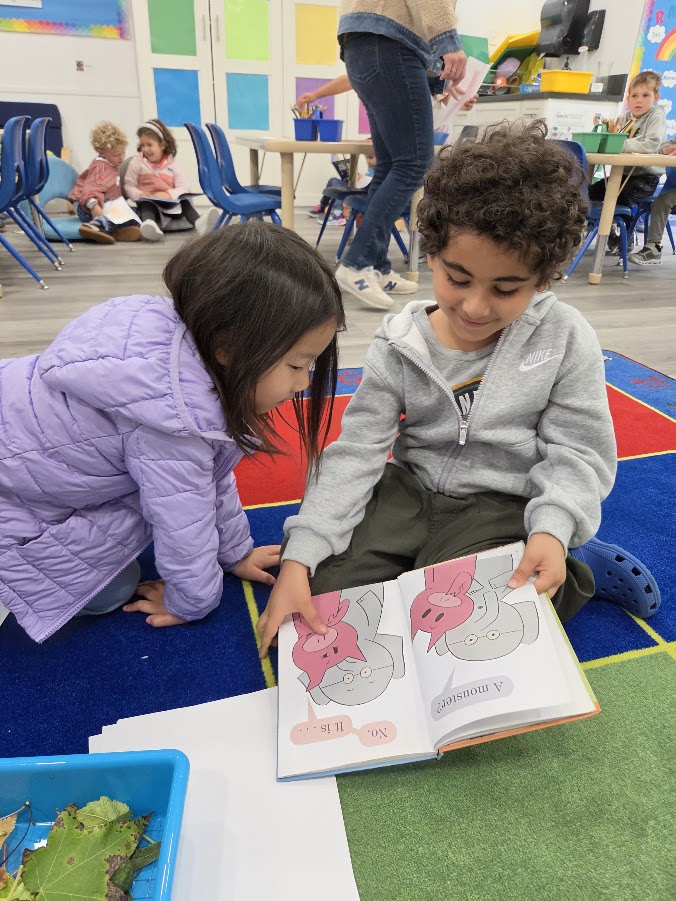
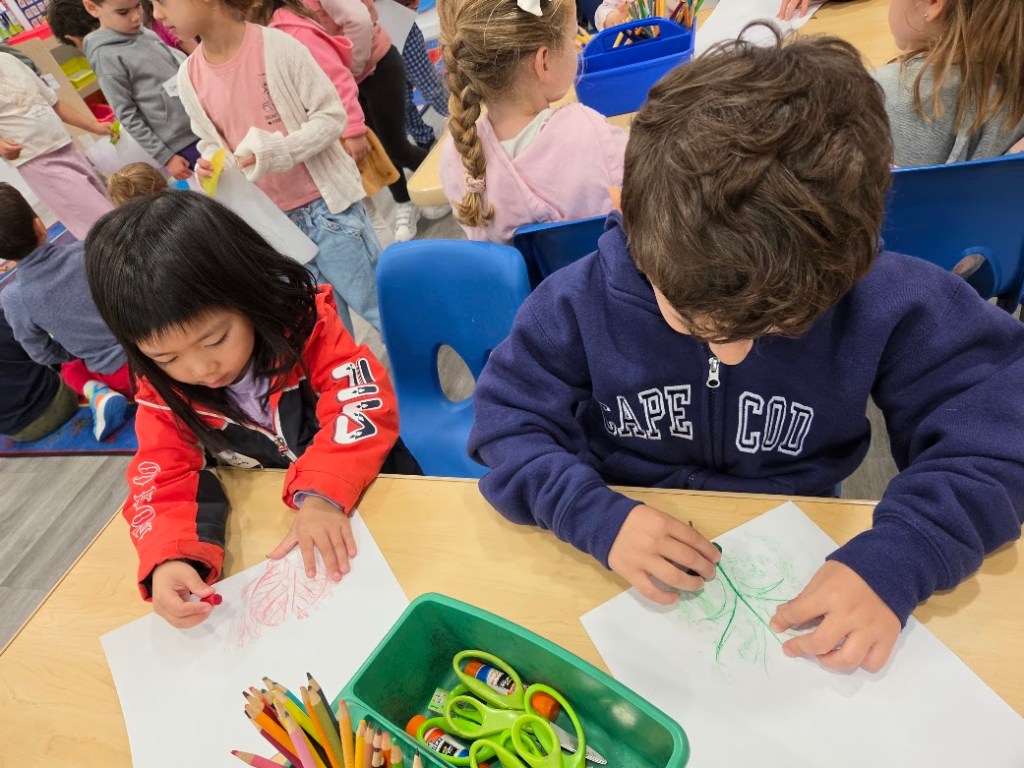
One of the special traditions Hoot Owls and Kindergartners experience at Saklan is Kinder Korner. These gatherings give Kindergarteners the chance to step into leadership roles as they guide the Hoot Owls through fun, educational activities in math, reading, or science. For the Hoot Owls, it’s an exciting introduction to Kindergarten that fosters meaningful connections between students and teachers across the two grades.

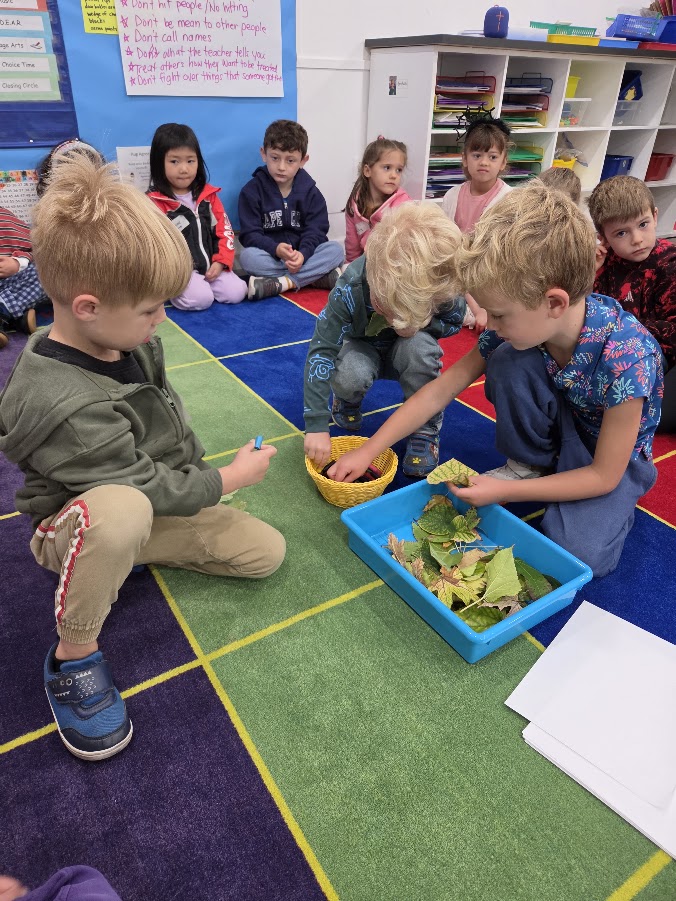
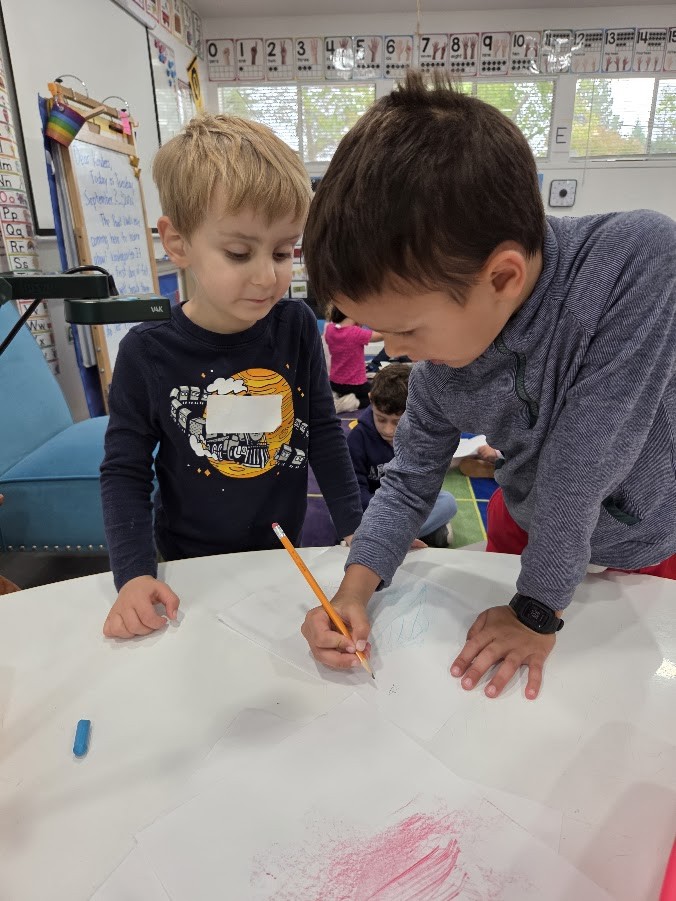
For their first visit of the year, the Kindergarten class celebrated the first day of fall by teaching the Hoot Owls how to make leaf rubbings. The Kindergartners gathered leaves for their younger friends and demonstrated how to place the leaves under the paper, with the veins facing up, before using the side of a crayon to gently rub across the paper and reveal the leaf’s shape and texture.
As the Hoot Owls created their artwork, Kindergarten students practiced explaining directions, demonstrating techniques, and encouraging their younger classmates.

Through Kinder Korner, students in both grades benefit from the connection. Hoot Owls gain familiarity and confidence as they look ahead to Kindergarten, while Kindergarteners develop leadership, responsibility, and empathy by helping their younger peers learn.

Learn More about Kindergarten at Saklan

Next Thursday, October 8th, Riva will host a Kindergarten at Saklan Information Session in the Humanities Room at 8:45 a.m. This is a great opportunity to learn more about the Kindergarten experience at Saklan and how families can help prepare their children for this important transition.

Riva will share what a typical day looks like, what students learn, and how Kindergarten builds on the skills and experiences developed in Preschool and Pre-K. She’ll also offer practical tips for preparing children academically, socially, and emotionally, and answer your questions.

We would love for you to join us!

Family Groups Begin the Year with Inclusion and Connection

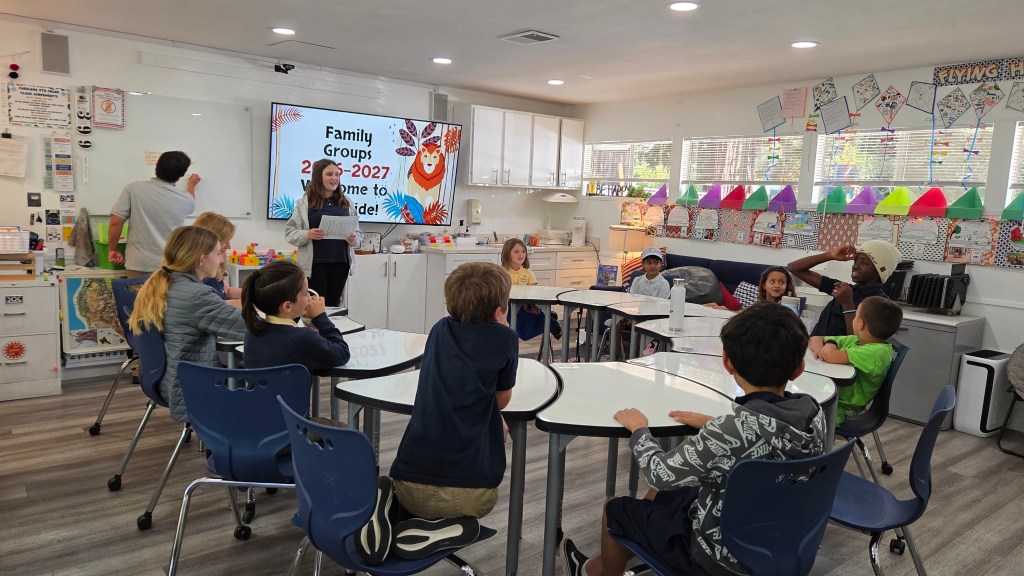
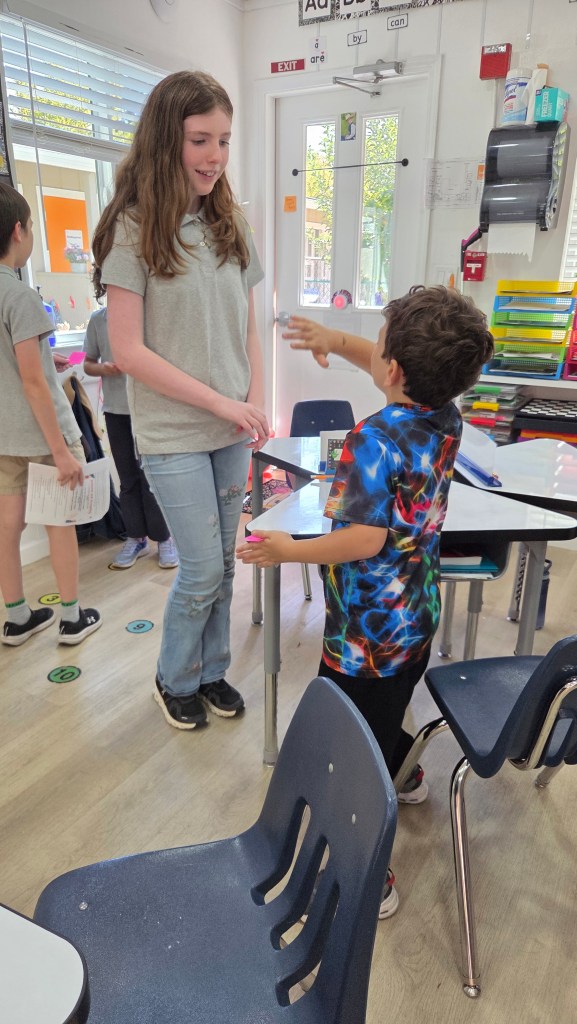
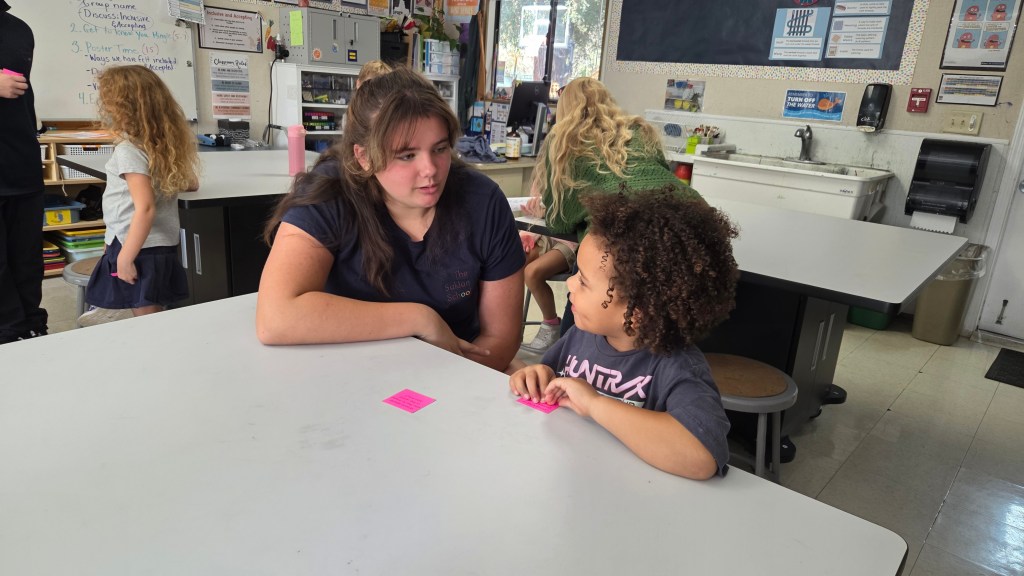
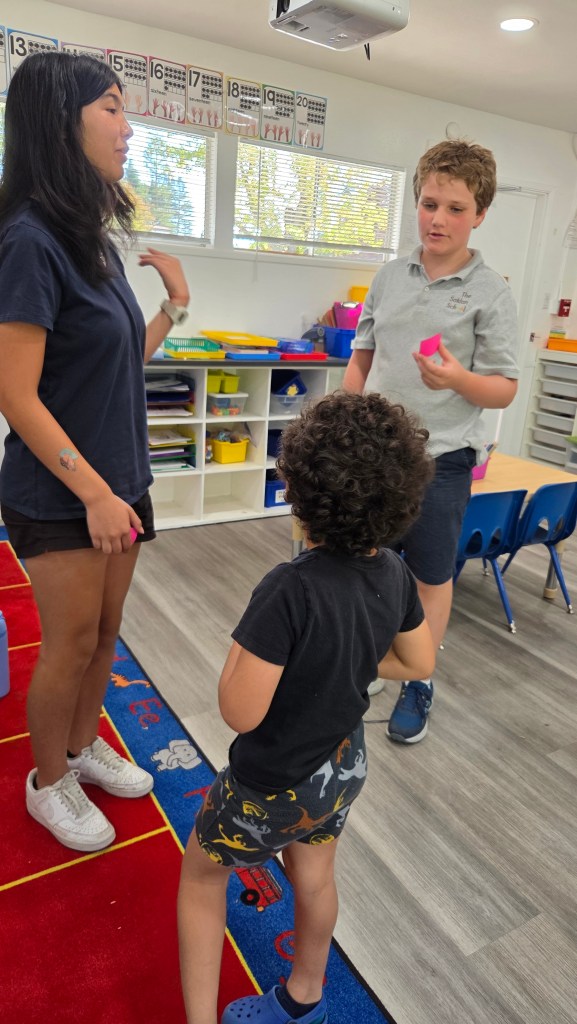
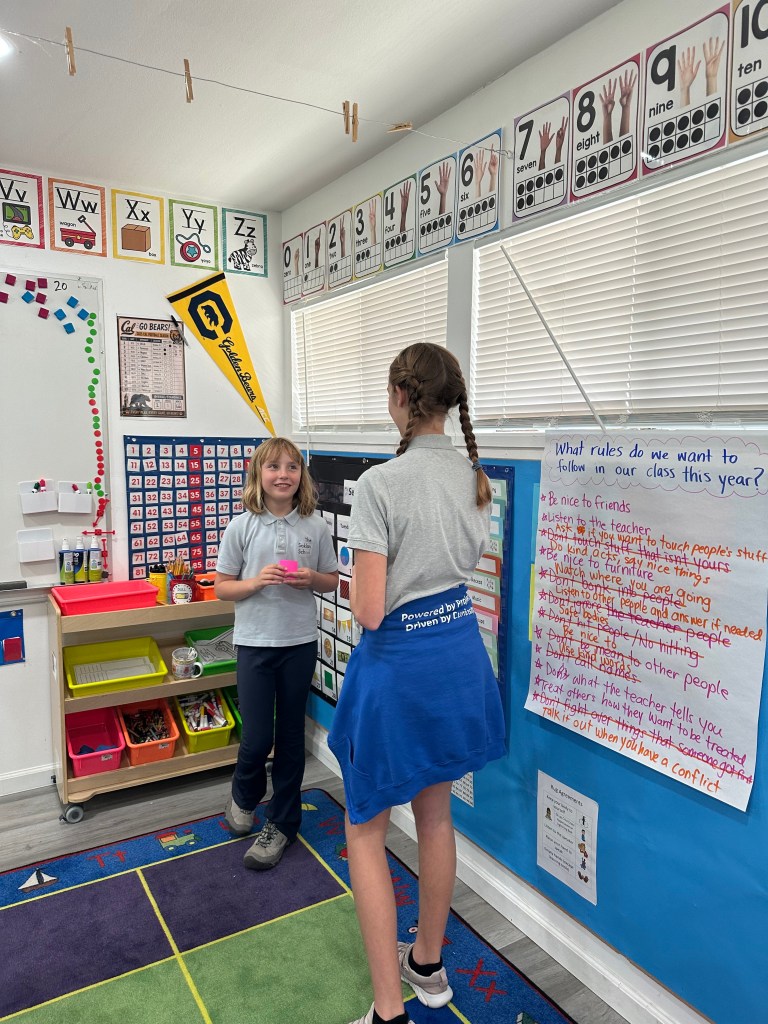
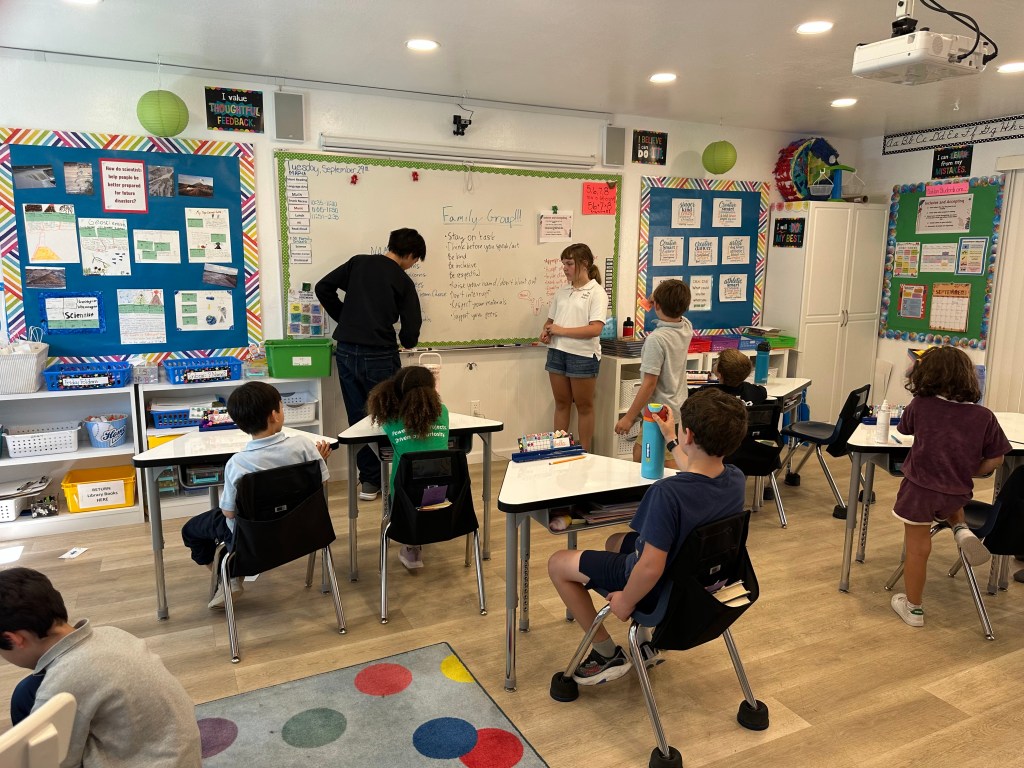
On September 29, Saklan’s Kindergarten through eighth-grade students gathered for their first Family Group meeting of the school year, coming together across grade levels to build connections and explore what it means to be inclusive and accepting.

Family Groups are a Saklan tradition that brings students from different grades together throughout the year. These mixed-age groups create opportunities for students to get to know one another, learn from each other, and build a stronger sense of belonging across the school.

For their first meeting, students began by getting to know the members of their Family Group through introductions and fun activities designed to help them discover new things about one another. Students paired up, asked questions, shared their answers, and looked for connections within the group.

Each group then turned its attention to what it means to be inclusive and accepting at Saklan. Students discussed what inclusion can look like (including others, working with different people, and being kind), and what it means to be accepting (including not judging others, giving people second chances, and allowing others to be themselves).

Students were also invited to reflect on times when they have felt included and accepted at Saklan. They shared examples of classmates being kind, inviting them to join an activity, playing together at recess, or showing genuine interest in getting to know them.

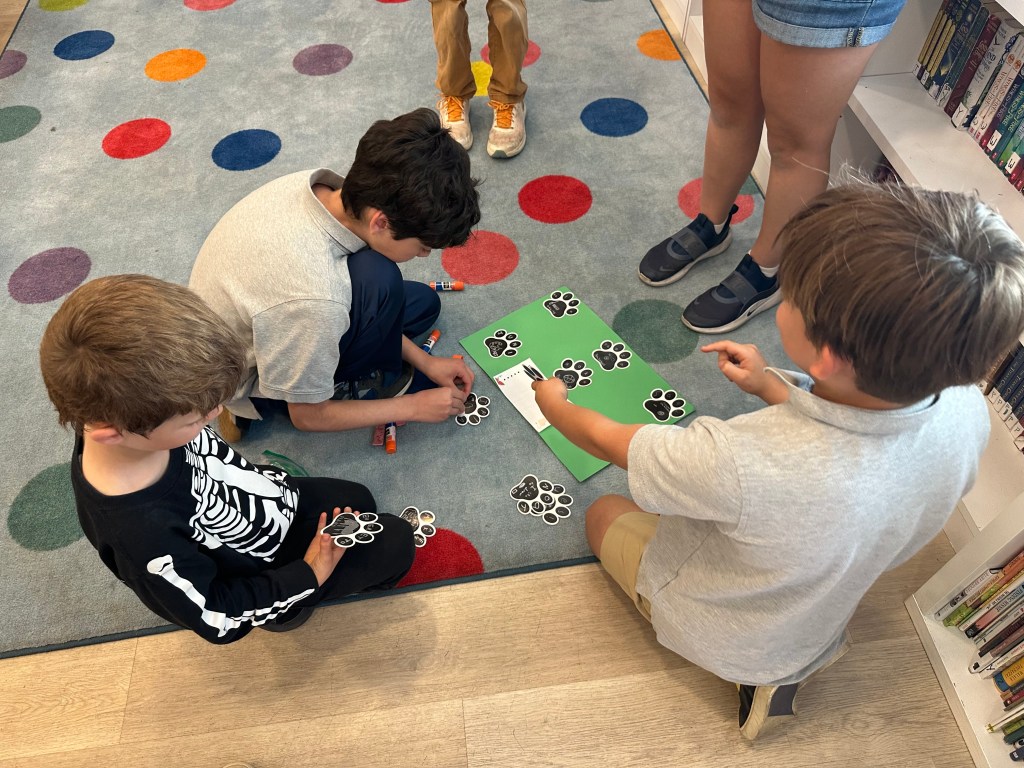
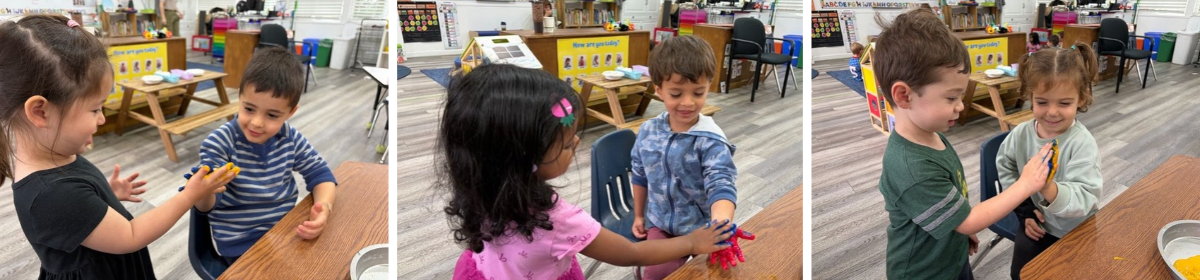
To represent the idea that everyone contributes something unique to the group, each student decorated a paper paw with things they enjoy or qualities that represent them. The individual paws were brought together to create a Family Group poster: a visual reminder that while each student is an individual, everyone has a place within the group.

The meeting set the tone for the year ahead: getting to know one another, celebrating what makes each person unique, and creating a community where everyone feels welcomed, valued, and included.

#SaklanSEL #SaklanCommunity

Staff Spotlight: Victoria

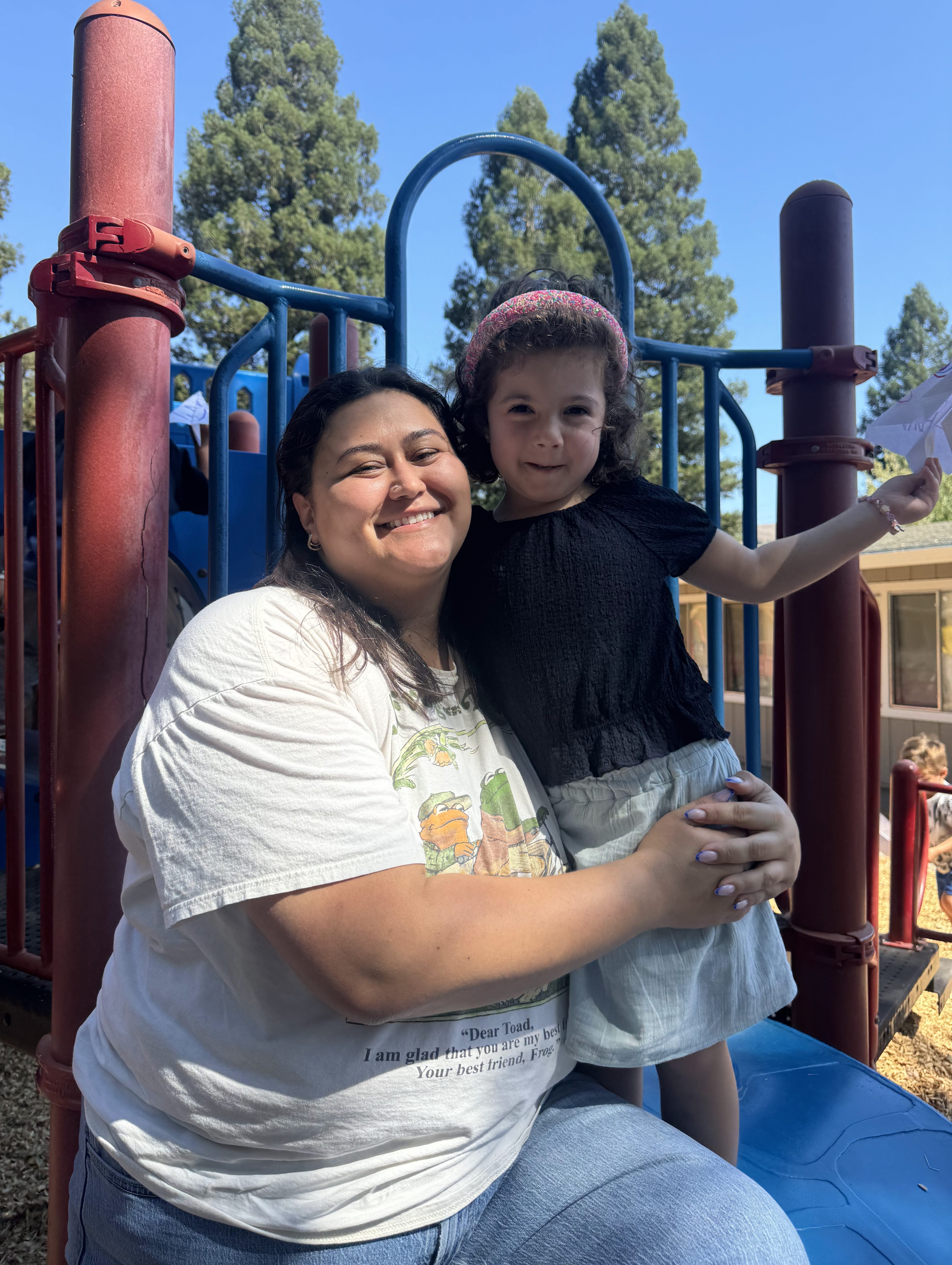
There’s something special about the little moments in early childhood: a child gaining confidence, discovering something new, or running across the room simply because they’re excited to see their teacher. For Victoria, these moments are among the most rewarding parts of being a teacher at Saklan.

Victoria is beginning her fourth school year at Saklan, and during that time, she has taken on multiple roles, including Owlet teacher, ECE music teacher, and bus monitor. Each experience has helped her grow as an educator and deepened her appreciation for the important role teachers play in children’s early years.

Learning Through Creativity

Creativity is at the heart of Victoria’s teaching. She loves art, hands-on projects, and giving children opportunities to explore, experiment, and—yes—get a little messy.

“I especially enjoy taking something simple and turning it into an experience where the children can create, experiment, and make it their own,” Victoria says.

Whether students are creating something with their hands, trying a new idea, or discovering what happens when they experiment, Victoria encourages them to be curious and embrace the process of learning.

That philosophy extends to the advice she hopes her students carry with them: “Be curious, be kind, and never be afraid to try something new.” She also wants them to understand that mistakes are part of learning—and that some of the best discoveries happen when we try again.

A New Musical Chapter

This spring brought a special new opportunity for Victoria as she stepped into her role as the Music Teacher for the Owlet and Hoot Owl classes.

Her favorite memory from the spring concert was not just the final performance, but everything that happened along the way. She loved teaching the children their songs, watching them build confidence, and seeing their hard work come together on stage.

“It was especially meaningful because it was my very first time stepping into my new role,” she says. “I’m so proud of them and grateful that I got to be part of that process.”

Creating a Classroom They Remember

When Victoria thinks about what she hopes her students will remember about their time in her classroom, it goes beyond a particular lesson or activity.

She hopes they remember a place where they felt safe, loved, and comfortable being themselves. She hopes they remember getting messy, being silly, creating things, asking questions, and having fun.

“Most of all, I hope they remember that their teachers genuinely cared about them and were always excited to see them.”

That sense of connection is also one of the things Victoria appreciates most about Saklan’s community. She especially enjoys CLAS, which gives students opportunities to come together, build relationships, and experience things outside their everyday classroom. She loves seeing teachers and families work together to make those experiences meaningful for students.

Life Beyond Saklan

Outside of school, Victoria loves spending time with family and friends, traveling and exploring new places, and enjoying the little things in life. She is always happy to find a good cup of coffee—or boba!

When she has free time, you might find Victoria at the beach, hiking, or curled up with a good book. She especially enjoys romance and thriller novels.

Whether she’s in the classroom helping a child discover something new, teaching a group of students their first concert songs, or enjoying time with the people she loves, Victoria brings the same spirit of curiosity, creativity, and connection to everything she does.

We are grateful to have Victoria as part of the Saklan community!

#SaklanStaff #SaklanCommunity

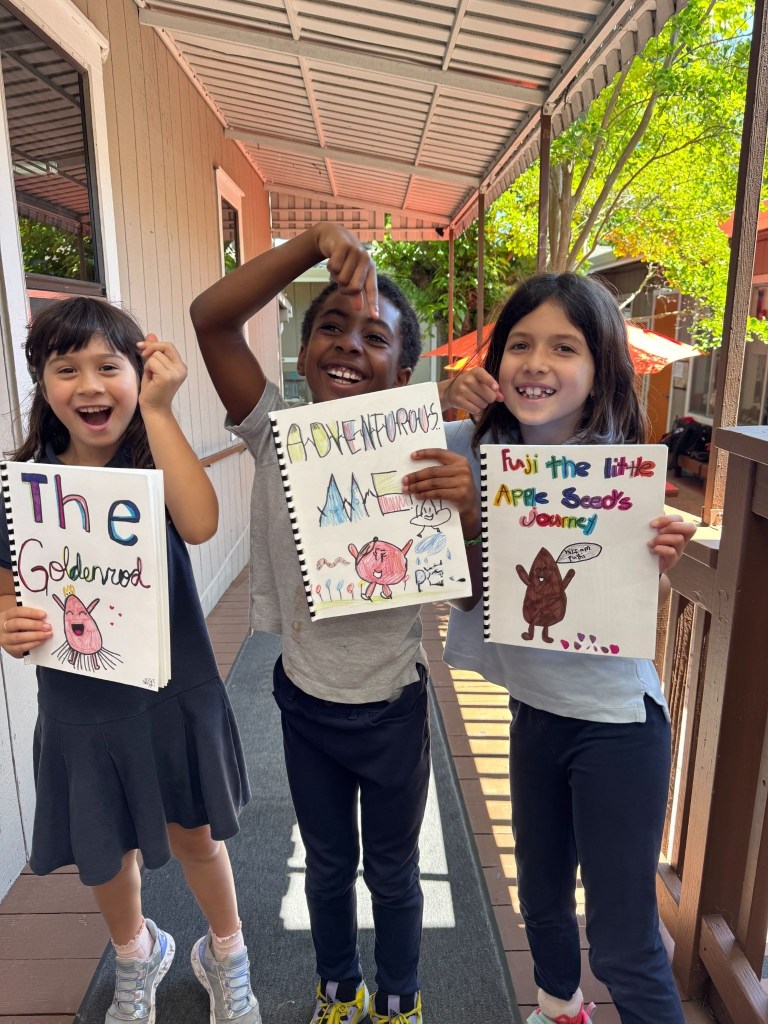
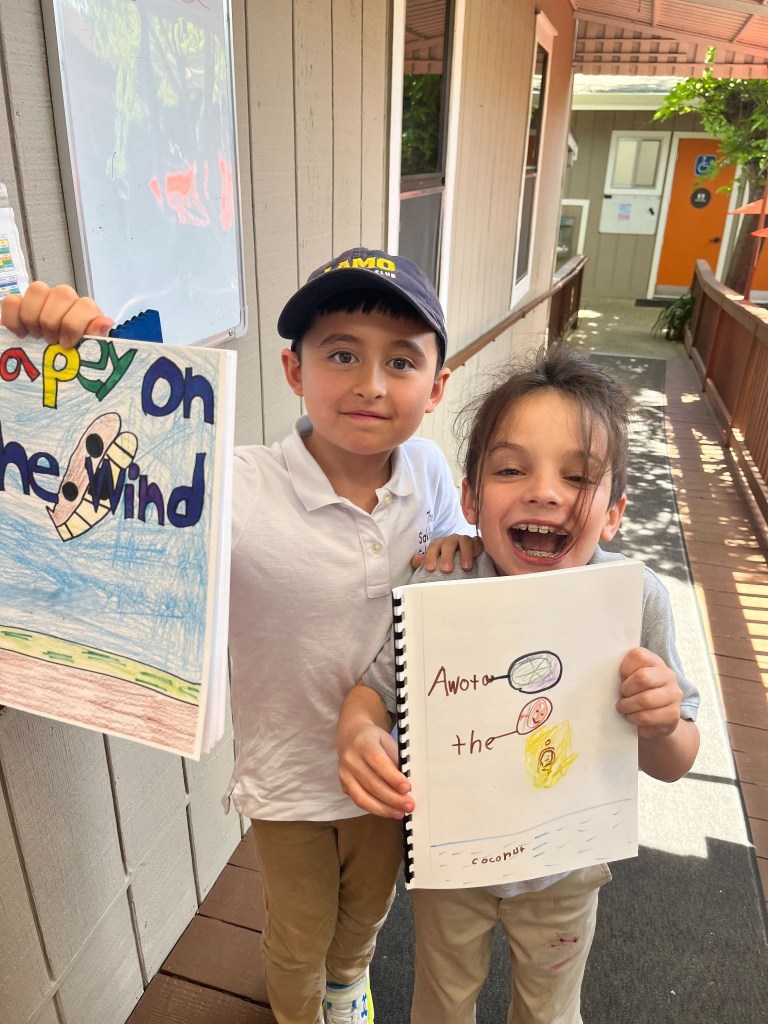
Second Graders Become Published Authors

Saklan’s second graders recently celebrated the culmination of their Project Based Learning unit, The Secret Life of Seeds, by becoming published authors and sharing their work with younger students across campus.

Centered around the driving question, If a seed could talk, what story would it tell about how it travels?, the project invited students to combine scientific inquiry with imagination and storytelling. Throughout the unit, students explored the many ways seeds travel, survive, and grow, studying methods of seed dispersal such as wind, water, and animals. Each student selected a specific seed to research before creating an original narrative that followed the seed’s unique journey.

As students moved through the writing process, they experienced firsthand how ideas develop and strengthen over time. Early brainstorming and planning sessions helped students organize both the scientific concepts they wanted to teach and the creative elements they hoped to include in their stories. During drafting, students experimented with voice, dialogue, and storytelling techniques as they transformed seeds into characters with adventures, challenges, and destinations.

Revision became one of the most meaningful parts of the project. Students carefully reread their work to strengthen descriptions, clarify scientific explanations, and make their stories more engaging for readers. Peer feedback conversations encouraged students to think about their writing in new ways and reinforced the idea that strong writing develops through reflection, collaboration, and persistence.

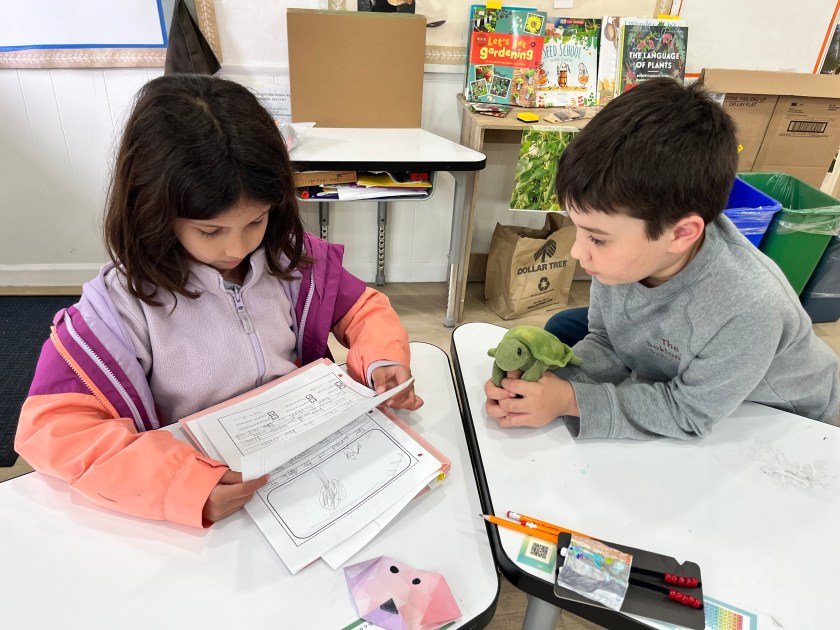
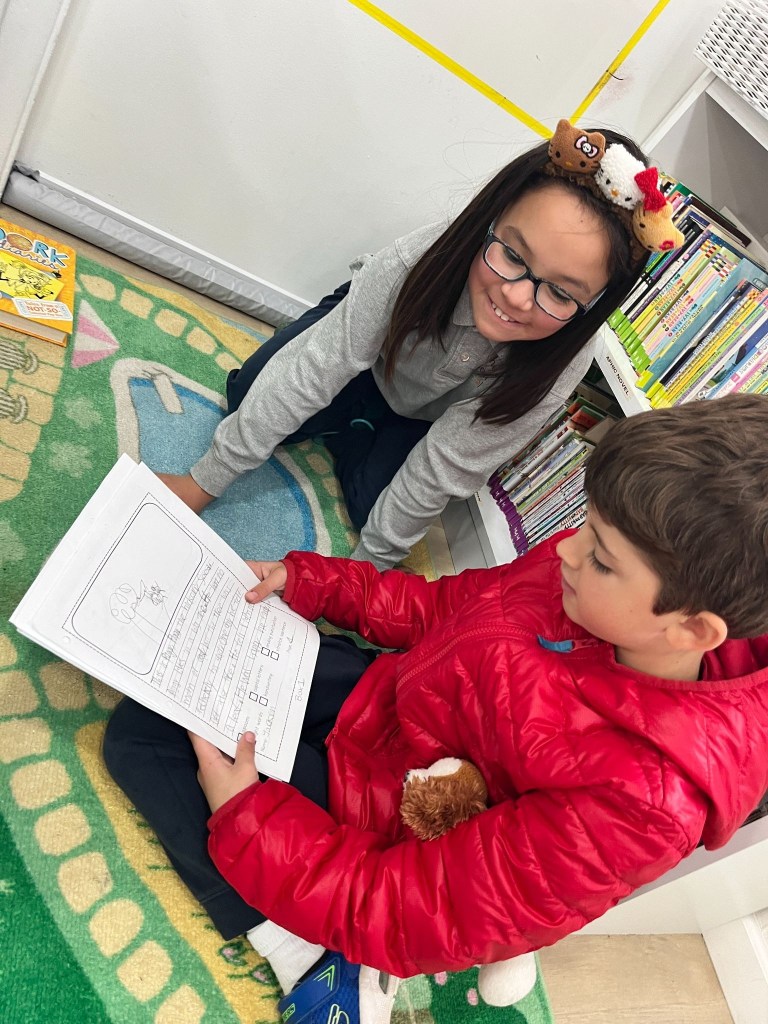
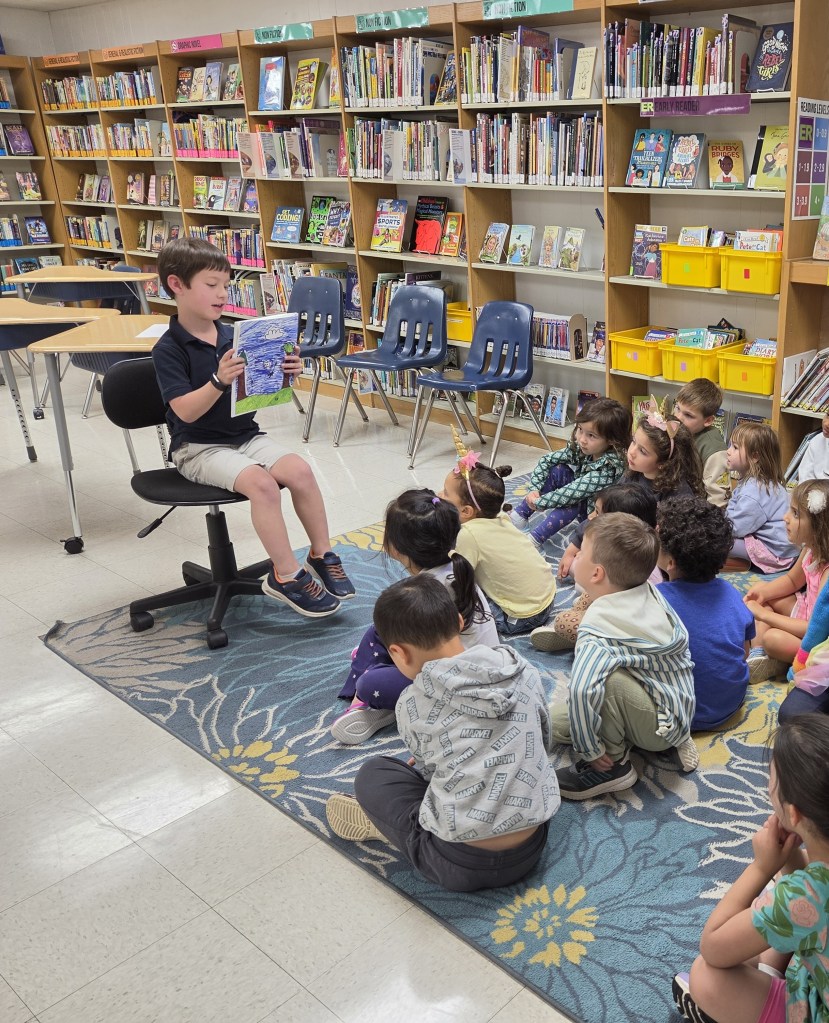
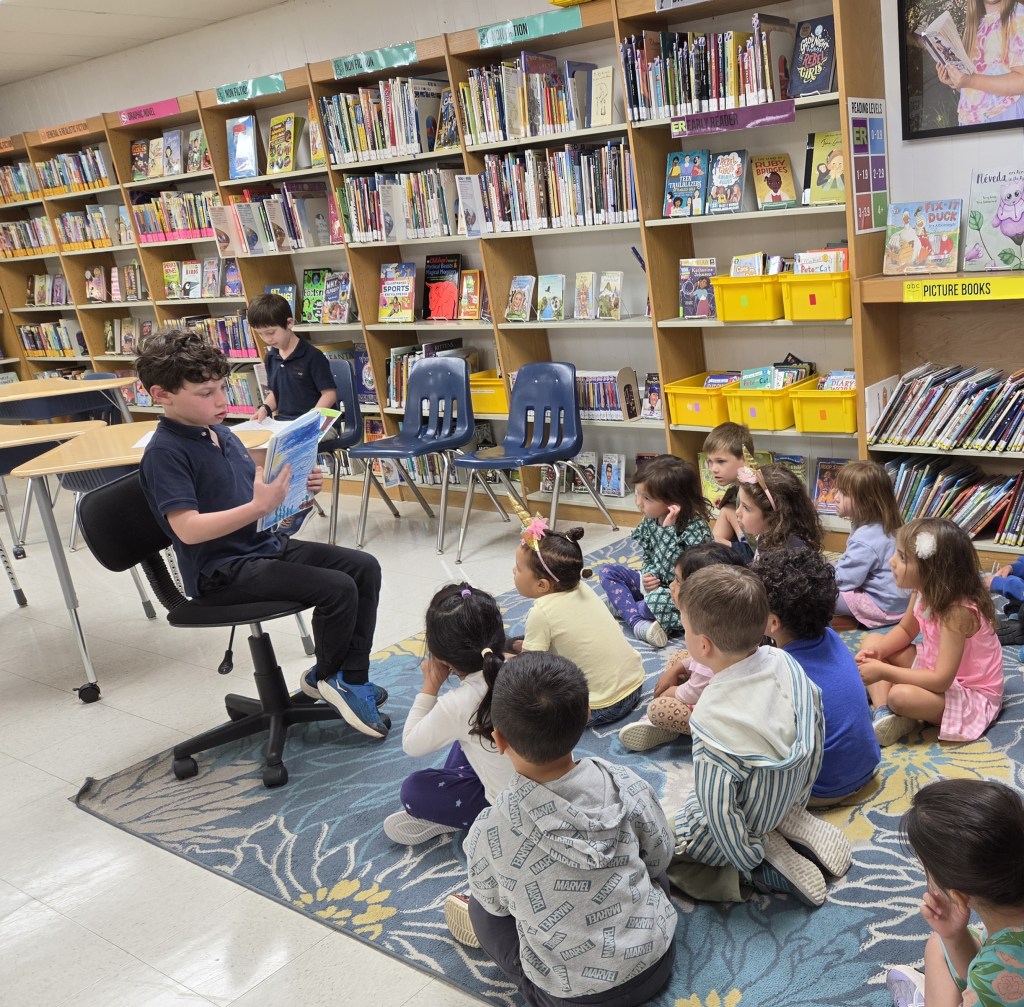
The project culminated in a series of “Meet the Author” events held in the library with ECE, Kindergarten, and First Grade classes. During these special visits, second graders proudly read their published books aloud, answered questions about their stories and scientific research, and stepped into the role of confident authors and experts. Sharing their work with younger students gave second graders an authentic audience and highlighted the meaningful connections between literacy, science, and community.

The Secret Life of Seeds beautifully reflected the inquiry, creativity, and communication that are central to Saklan’s Project Based Learning approach. Most importantly, students experienced the joy and power of using their voices and ideas to teach, inspire, and connect with others.

#SaklanProjectWork

Cross-Divisional Project Collaboration

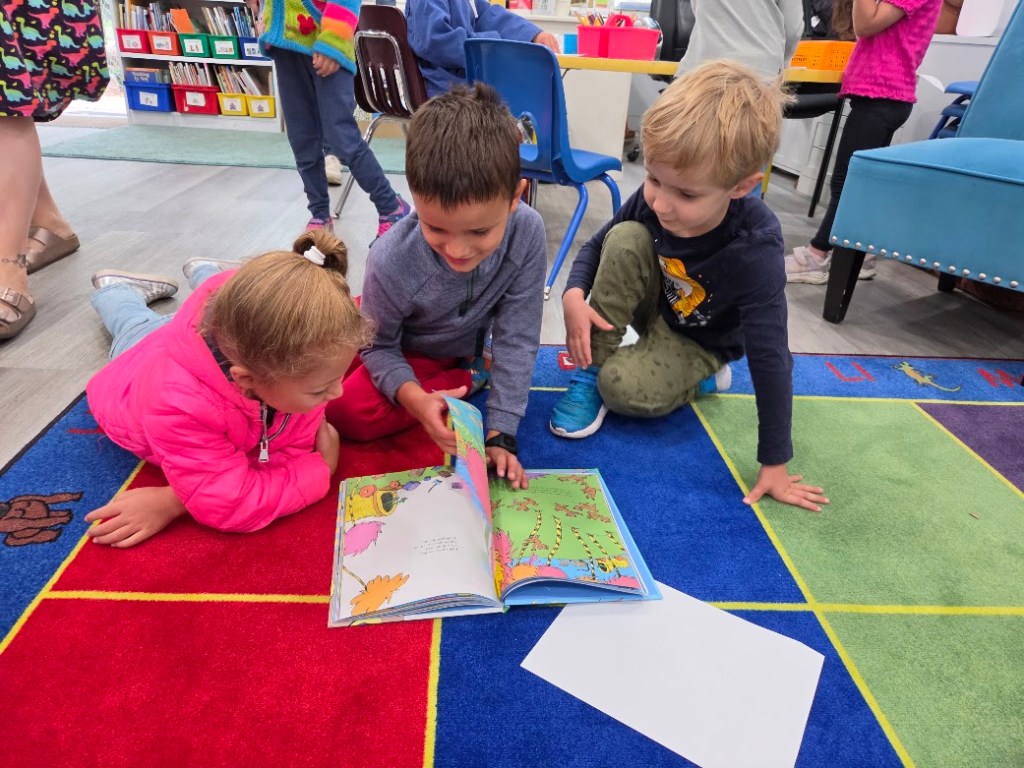
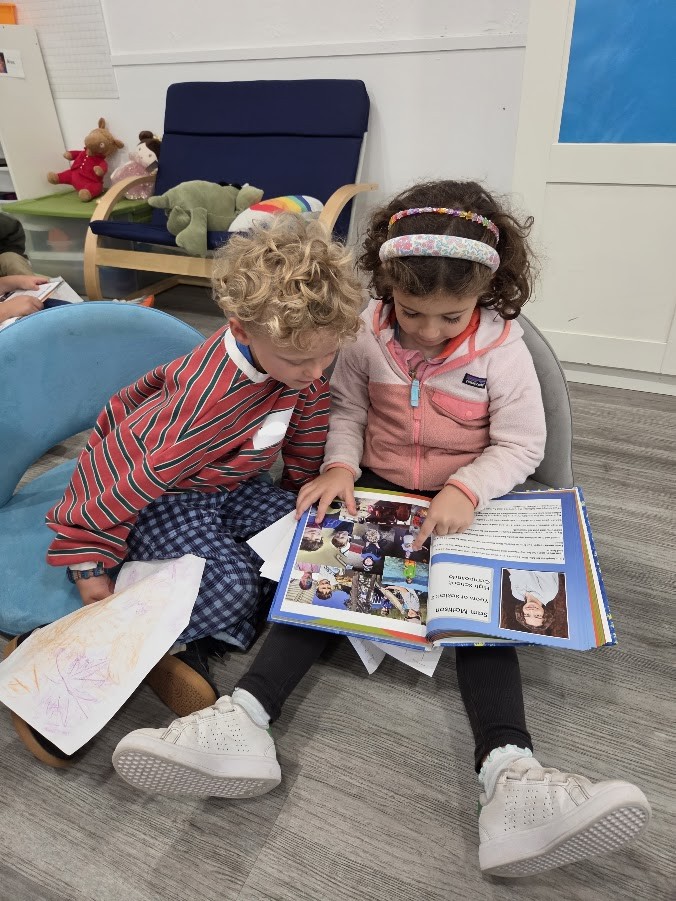
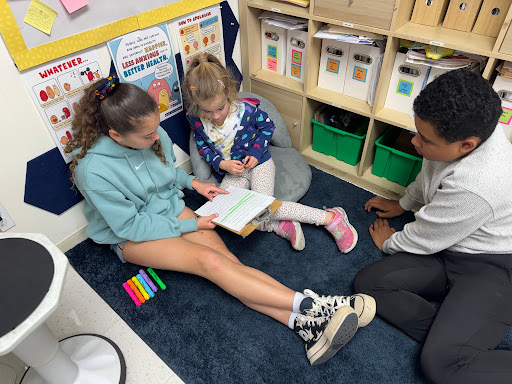
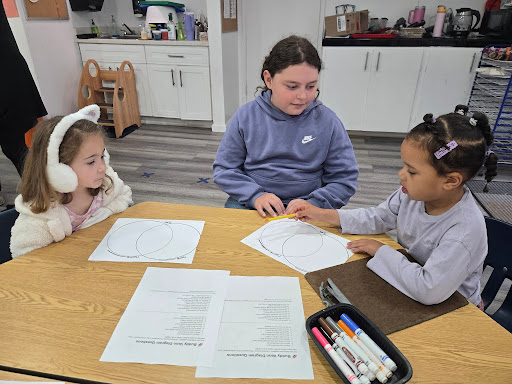
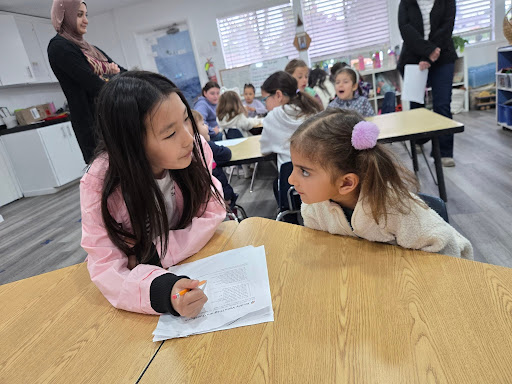
Beyond reading buddies, Saklan projects are intentionally designed for meaningful student collaboration that authentically supports academic growth. This spring, middle school is using their music production skills for kindergarten’s fairy tale recordings, 6th grade helped 1st graders organize their expository writing, and 4th graders helped our Pre-K Hoot Owls refine their Venn diagram skills! 

Kindergarten and Middle School Music Production

How can we write and share our own fairy tales to spread magic and joy? Through answering this driving question, Kindergarten students have learned the elements of fairy tales and deepened their reading, writing, listening, and speaking skills to write and record their own original fairy tale stories. 

In preparation for their readers-theater style culmination on May 15th, students recorded their stories, and middle school students are creating original backing tracks to support the narrative elements of the fairy tale. Sound mixing the Kindergarten stories gives our middle schoolers an authentic application of their digital music production skills.

6th Grade and 1st Grade Expository Writing

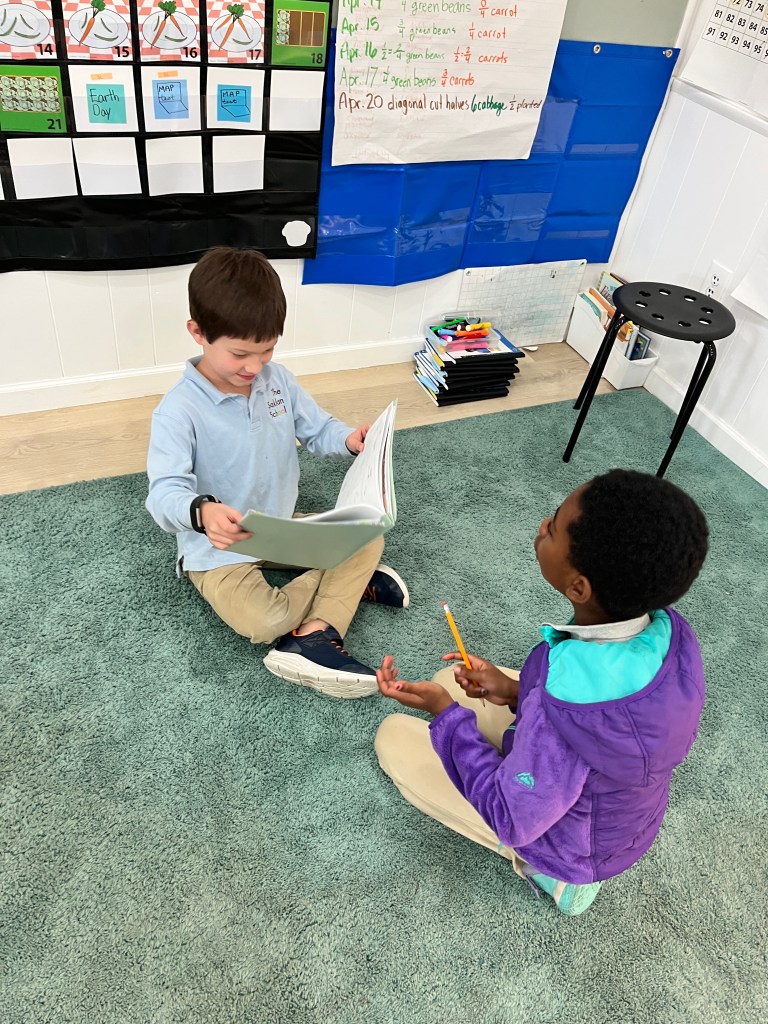
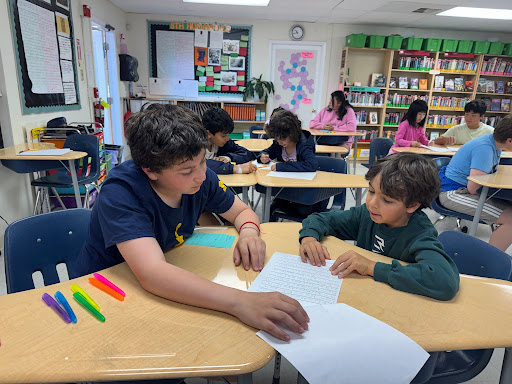
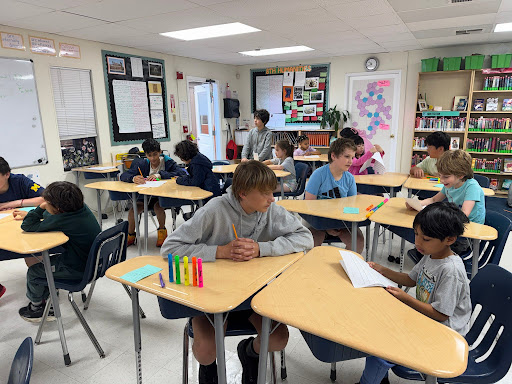
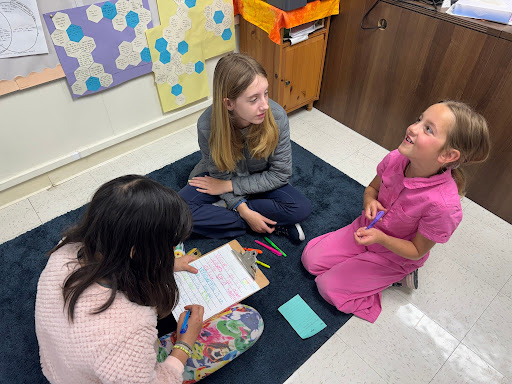
All year 6th graders have worked on expository writing in Humanities. Recently, while preparing to write artifact labels for their PBL unit culmination, the Museum of the Future, sixth graders reviewed structure and organization in expository writing. To practice this work, sixth graders analyzed 1st grade report writing drafts on extreme weather. They completed individual writing conferences to support improving the structure and organization of the first-grade reports. Not only did the first graders get to work with the big kids in a middle school classroom, but the sixth graders had the opportunity to grapple with the deeper cognitive task of teaching and explaining elements of writing to a younger child. This work improved the content of the first-grade reports and solidified the sixth grader’s understanding of writing structures and organization, while building community across divisions.

Hoot Owl and 4th Grade Venn Diagrams

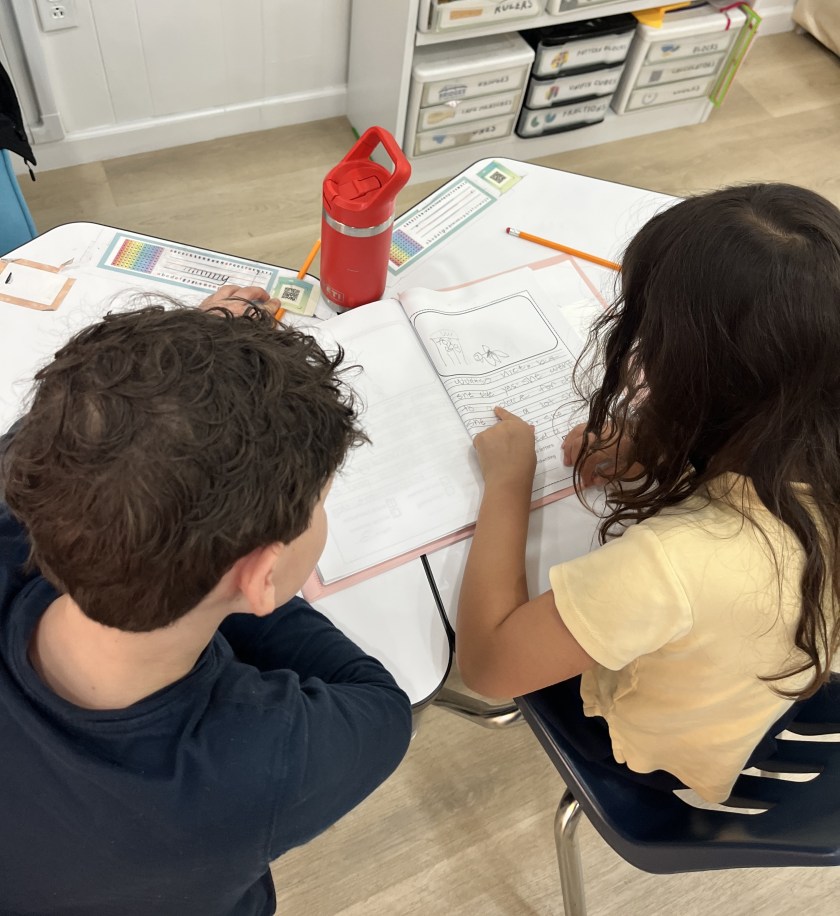
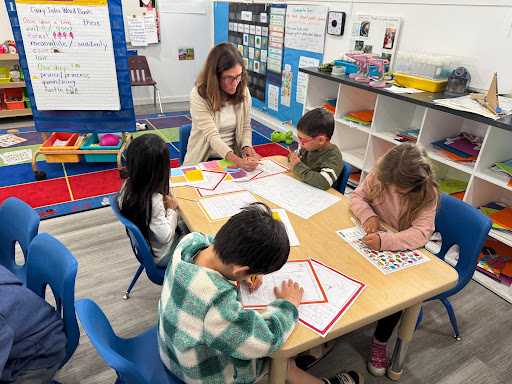
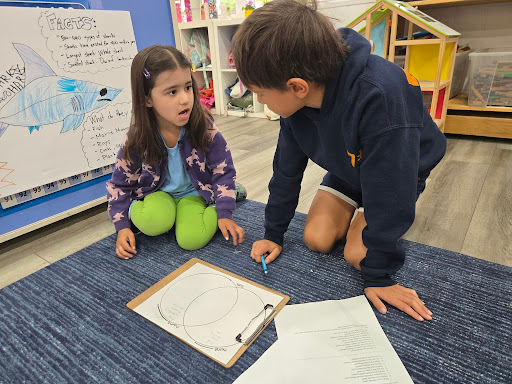
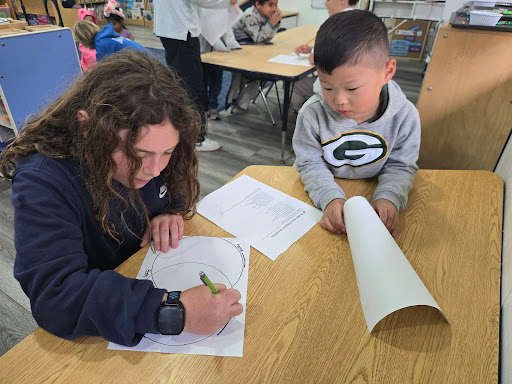
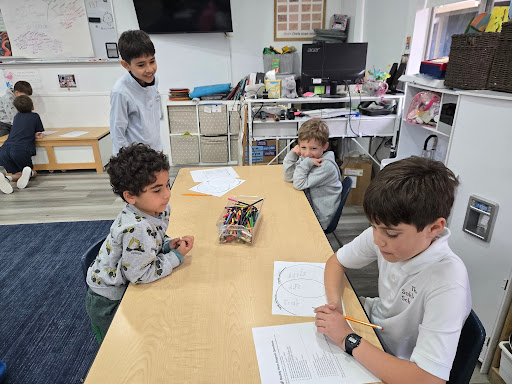
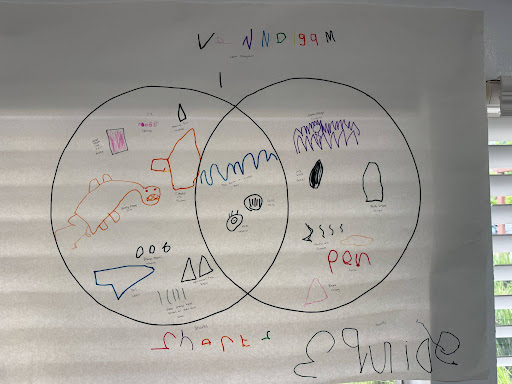
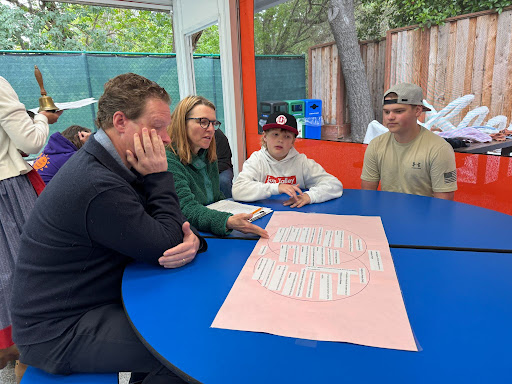
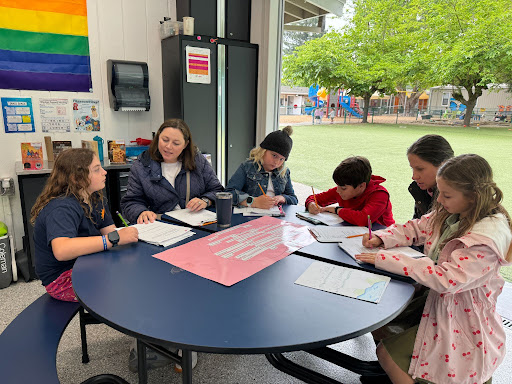
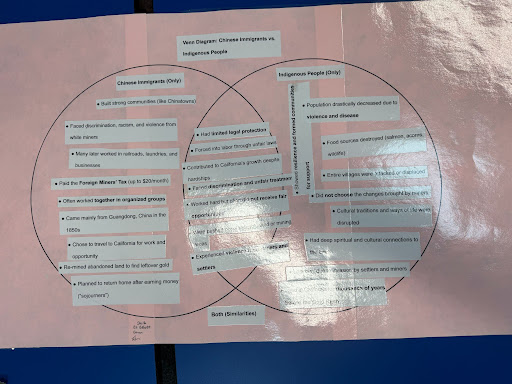
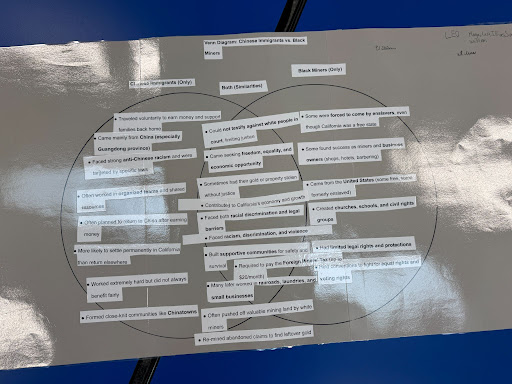
Venn diagrams are a useful tool for many grade levels to demonstrate understanding of academic content. This spring, our Pre-K class has been learning all about oceans while their 4th-grade reading buddies have been working on a PBL unit about the California Gold Rush. Both classes planned to use Venn diagrams as a learning tool, and teachers needed an opportunity for some one-on-one teaching and practice. It was natural for these classes to connect and engage in some cross-divisional content learning! 

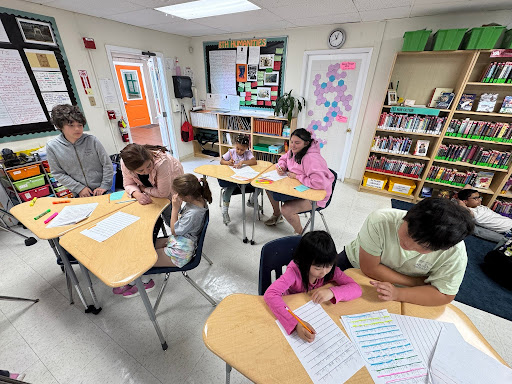
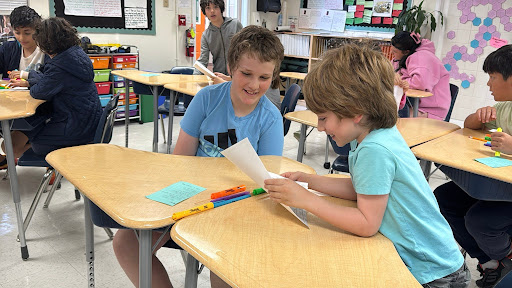
With fourth graders guiding the learning, the buddies made Venn diagrams all about each other! They chatted and recorded what they had in common and what was different about each other. As they got to know each other better by completing the diagram, both classes also deepened their understanding of how to use a Venn diagram. When each class returned to their own project work, they employed the same learning tool at different developmental levels with different content.  

If you want to see final products and culminating events, stay tuned for the next week at Saklan emails for updates on ways to come see and celebrate our students’ spring project work!

#SaklanProjectWork

Head’s Corner: 24 Acceptances, 1 Waitlist, and a Class Ready for What Comes Next

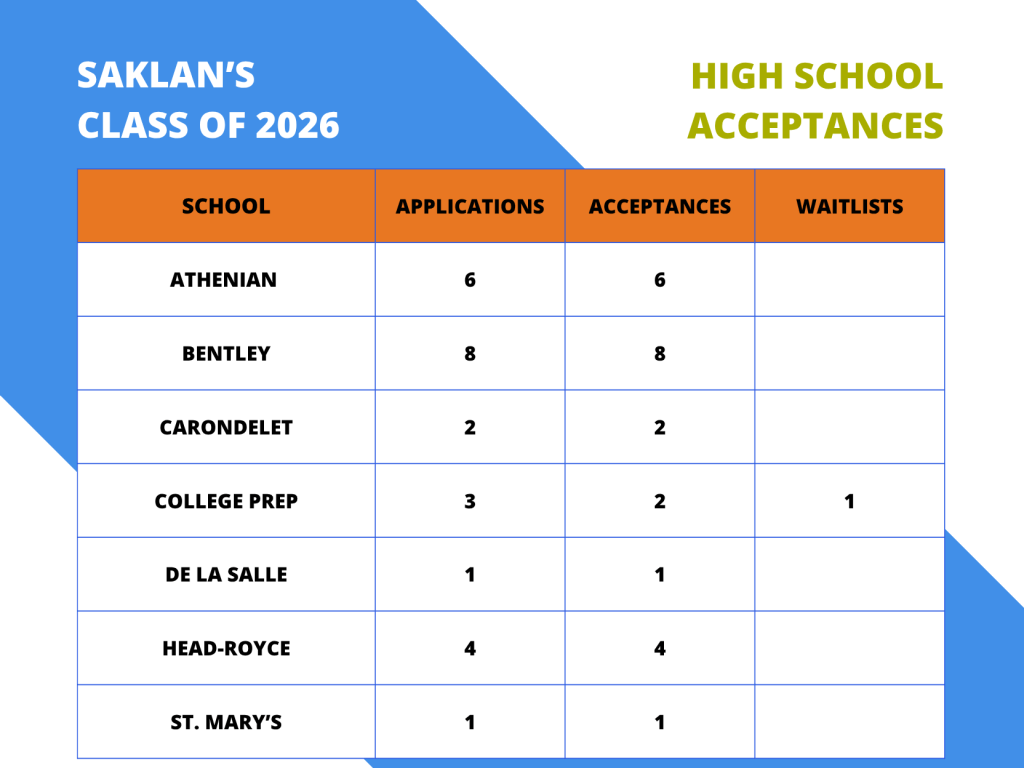
There are some years when the numbers tell a strong story on their own. This is one of those years. Saklan’s 8th-grade class submitted 25 applications to local independent high schools and earned 24 acceptances, along with 1 waitlist.

That is an outstanding result, and one we are proud to celebrate.

Our students received offers from an excellent group of schools, including Athenian, College Prep, Head-Royce, Bentley, Carondelet, De La Salle, and St. Mary’s. But as strong as those outcomes are, what matters most to me is what they reflect.

They reflect years of growth—students who are deeply known by their teachers and supported along the way. They reflect young people who have learned to think critically, speak with confidence, navigate challenges, and contribute meaningfully to a community. Most importantly, they reflect students who are not only academically prepared but ready to step into their next chapter with confidence, character, and curiosity.

At Saklan, we work hard to do both: challenge students and know them deeply. We want them to leave here with strong skills, certainly, but also with the confidence that comes from being seen, supported, and stretched over time.

Saklan alum Levi Kim, now at Brown, spoke at our auction about the impact Saklan had on him. He talked about the adaptability, critical thinking, empathy, and creativity he developed here — and how those qualities have mattered well beyond middle school. That is what we hope for our students. Yes, a Saklan education helps open doors. But more importantly, it helps students walk through those doors ready to thrive.

That is what makes these admissions results so meaningful.

I am proud of this class and of the way they represented themselves throughout the process. They showed who they are, and these results reflect that. We are excited to see where their journeys lead next.

Warmly,

David

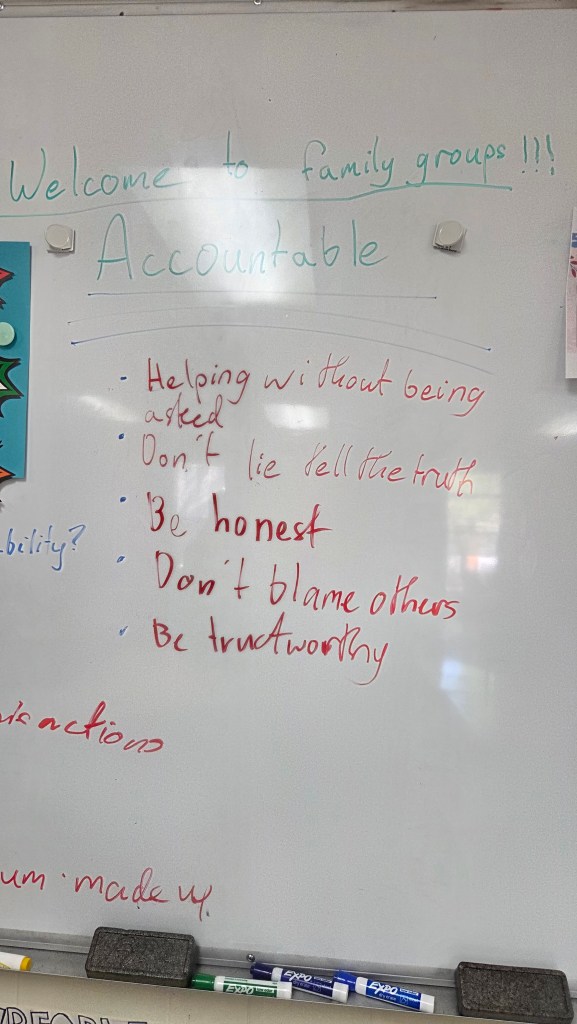
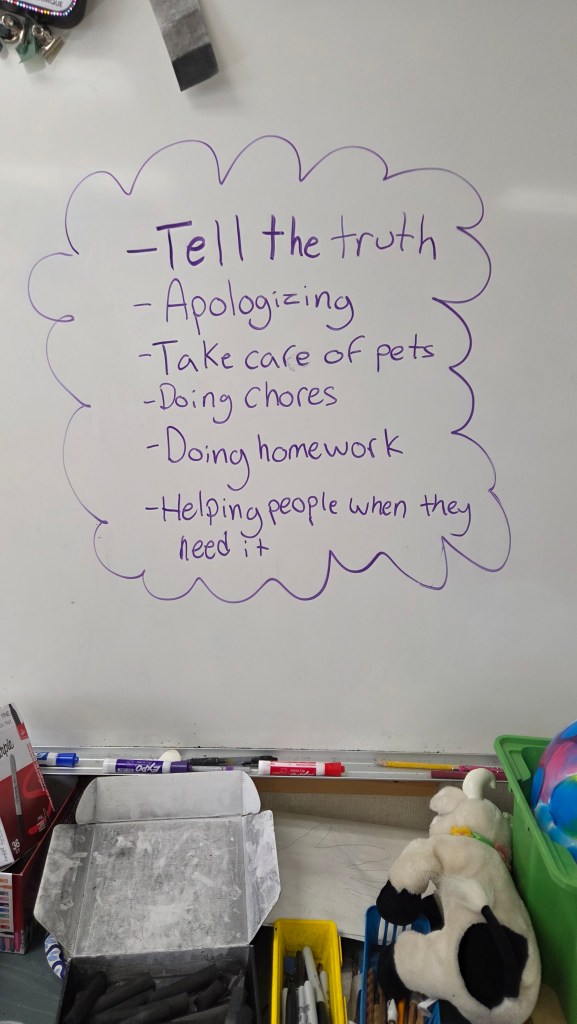
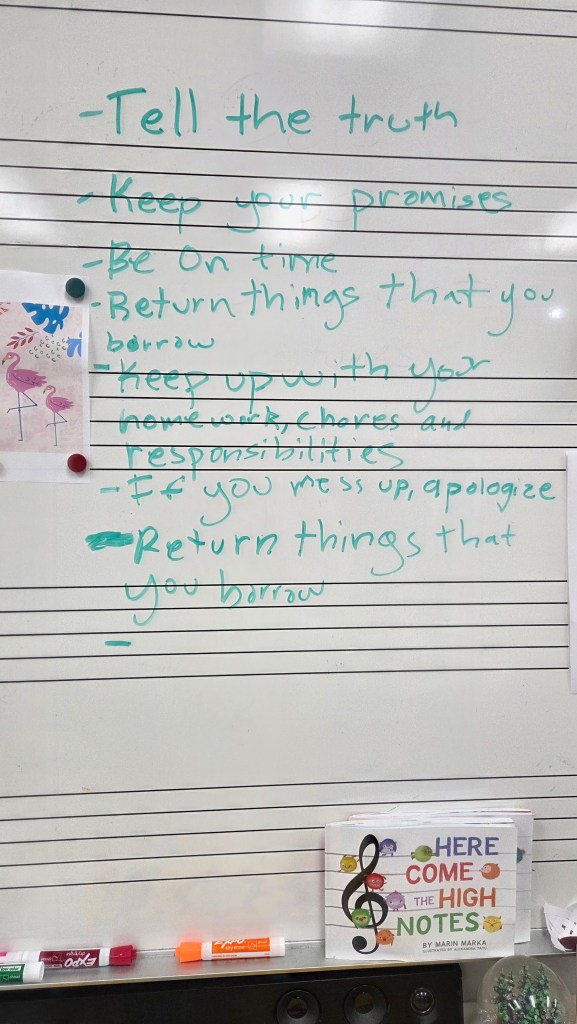
Family Groups Focus on Accountability

On Tuesday, Saklan students gathered in their Family Groups to explore an important character trait: accountability. The session began with a fun and engaging warm-up, as students shared their favorite superheroes/real-life heroes and discussed what makes them admirable. This conversation helped set the stage for thinking about the qualities that make someone responsible and trustworthy.

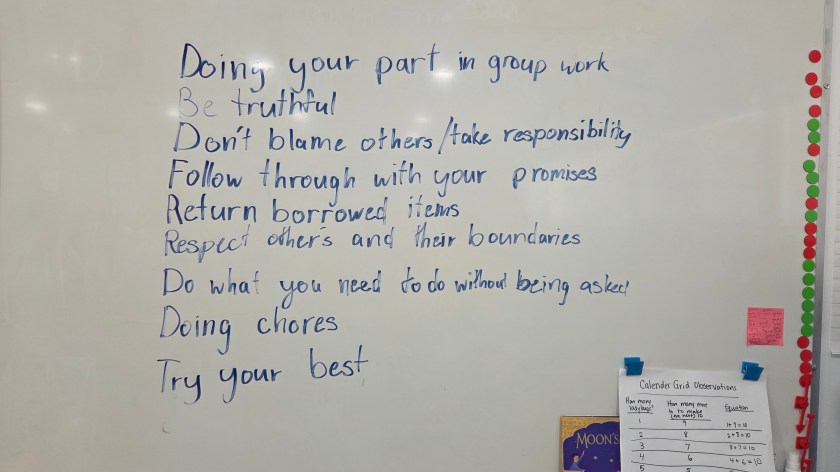
Students were then introduced to the concept of accountability and what it looks like in everyday life. Together, they discussed examples such as doing their part in group work, making good choices, and taking care of themselves, others, and their belongings.

To bring the concept to life, students watched a short video about the “Accountable Ninja.” Afterward, they reflected on how the character initially avoided responsibility and what changes he made to become more accountable. These conversations encouraged students to think critically about their own actions and choices.

Next, students put their learning into action by creating “superhero bursts,” each one highlighting a personal goal to be more accountable. Whether it was completing homework on time, helping others, or owning up to mistakes, each student contributed a thoughtful commitment to their shared group poster.

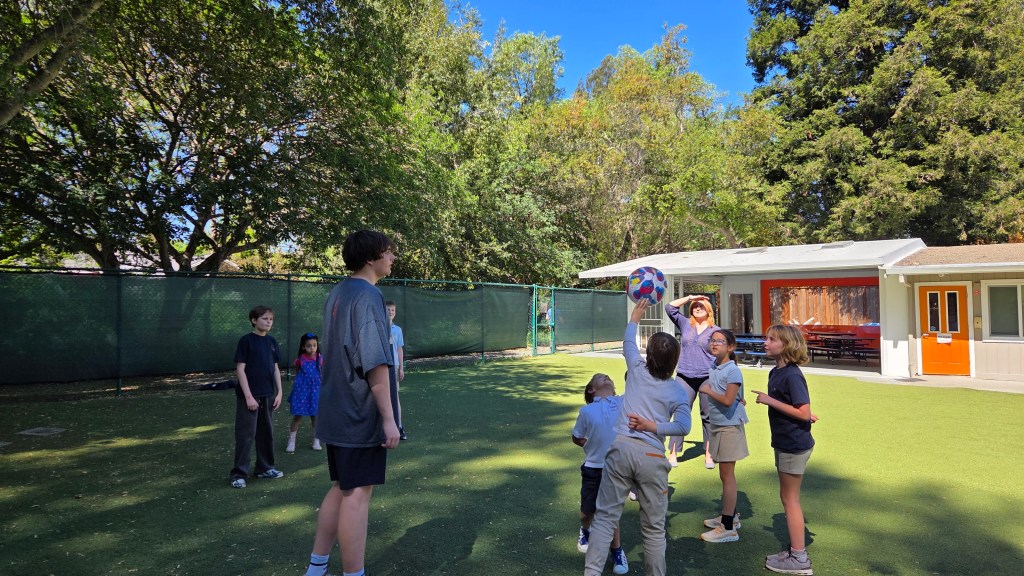
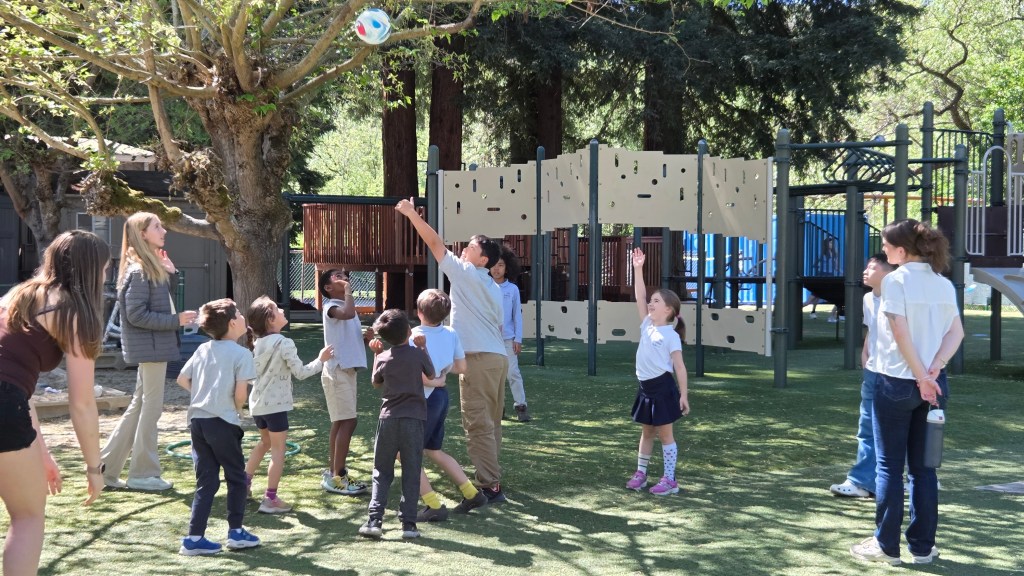
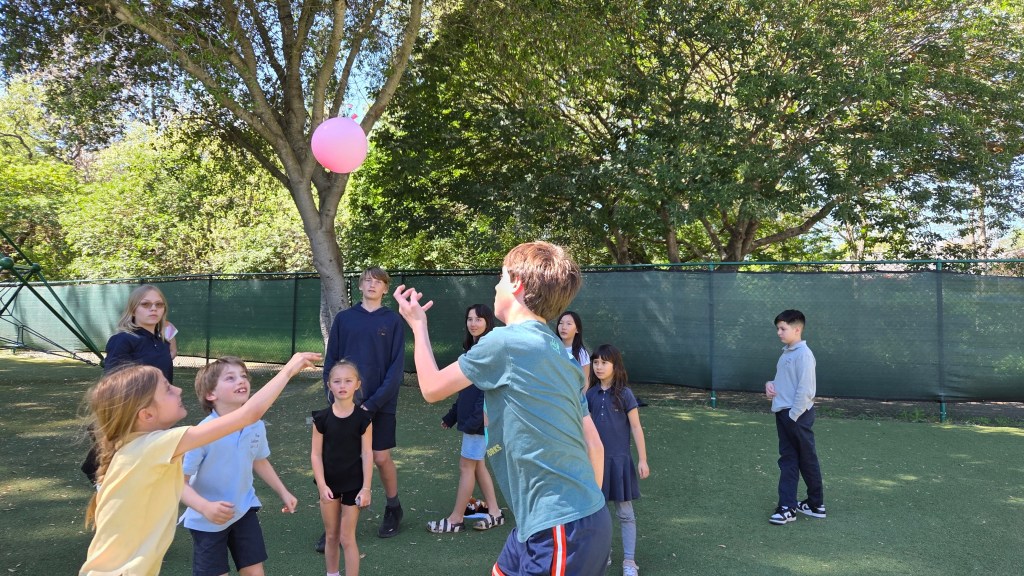
The lesson continued with a lively group challenge: keeping two balloons in the air without letting them touch the ground, all while following specific rules. The activity required teamwork, communication, and individual responsibility. As students worked together toward a common goal, they experienced firsthand how accountability plays a role in group success.

#SaklanSEL

Head’s Corner: Investing in the Human Qualities That Matter Most

At this year’s auction, our Fund-a-Need is about something that feels especially important right now.

The world our children are growing up in is changing quickly. A lot of attention is paid to what students need to know to keep up. That matters, of course. But I would argue that more importantly is who they are becoming.

Are they learning to work with others?
Can they solve problems?
Can they listen across differences?
Can they stick with something hard?
Can they stay grounded in themselves while also growing in empathy for people whose lives may look very different from their own?

Those are not nice to haves in the work of education. They are central to it.

At Saklan, we believe those qualities are built through experience. They grow when children are well-known by their teachers. They grow when students are given meaningful opportunities to collaborate, create, persist, and solve real problems together. They grow when a school makes space for belonging, challenge, reflection, and joy.

At Saklan, that kind of growth starts early and deepens over time.

It looks like our youngest students noticing that some trees on the playground have already dropped their leaves while others are still holding on, and turning that simple observation into a real investigation—sorting leaves, sketching them in observation notebooks, learning their parts, and filling a Wonder Wall with questions.

It looks like kindergartners exploring the stories behind their names—interviewing their families, learning about one another. In the process, they begin to navigate friendship, identity, and belonging while practicing the problem-solving skills that help communities thrive.

And it looks like 8th graders in Puerto Rico, working side by side to help rebuild, listening to the stories of people whose lives were changed by Hurricane Maria, and coming to understand that service, resilience, and empathy are not just ideas we talk about at school—they are things you live.

These are very different experiences, but they are connected by the same purpose. In each case, students are learning habits that matter deeply: how to notice, how to wonder, how to solve problems, how to connect, and how to contribute.

That kind of learning takes intention, skill, and care. It takes talented teachers. It takes intentional programs. It takes time, trust, and experiences that invite students to lean in fully.

That is why this year’s Fund-a-Need matters.

Your support helps make possible the relationships that allow children to feel known and valued. It creates the kinds of projects and experiences that spark curiosity, challenge students to think deeply, and give them meaningful opportunities to solve problems together. And it strengthens the environments where students build confidence, empathy, and resilience over time.

Join me in supporting this work.

By making a Fund-a-Need donation, you are investing in more than a single program. You are investing in the daily work of helping children become thoughtful, capable, compassionate people who can contribute meaningfully to the world around them.

That is work worth supporting, and I am deeply grateful to be part of a community that understands its value.

Warmly,
David

Perseverance in Action

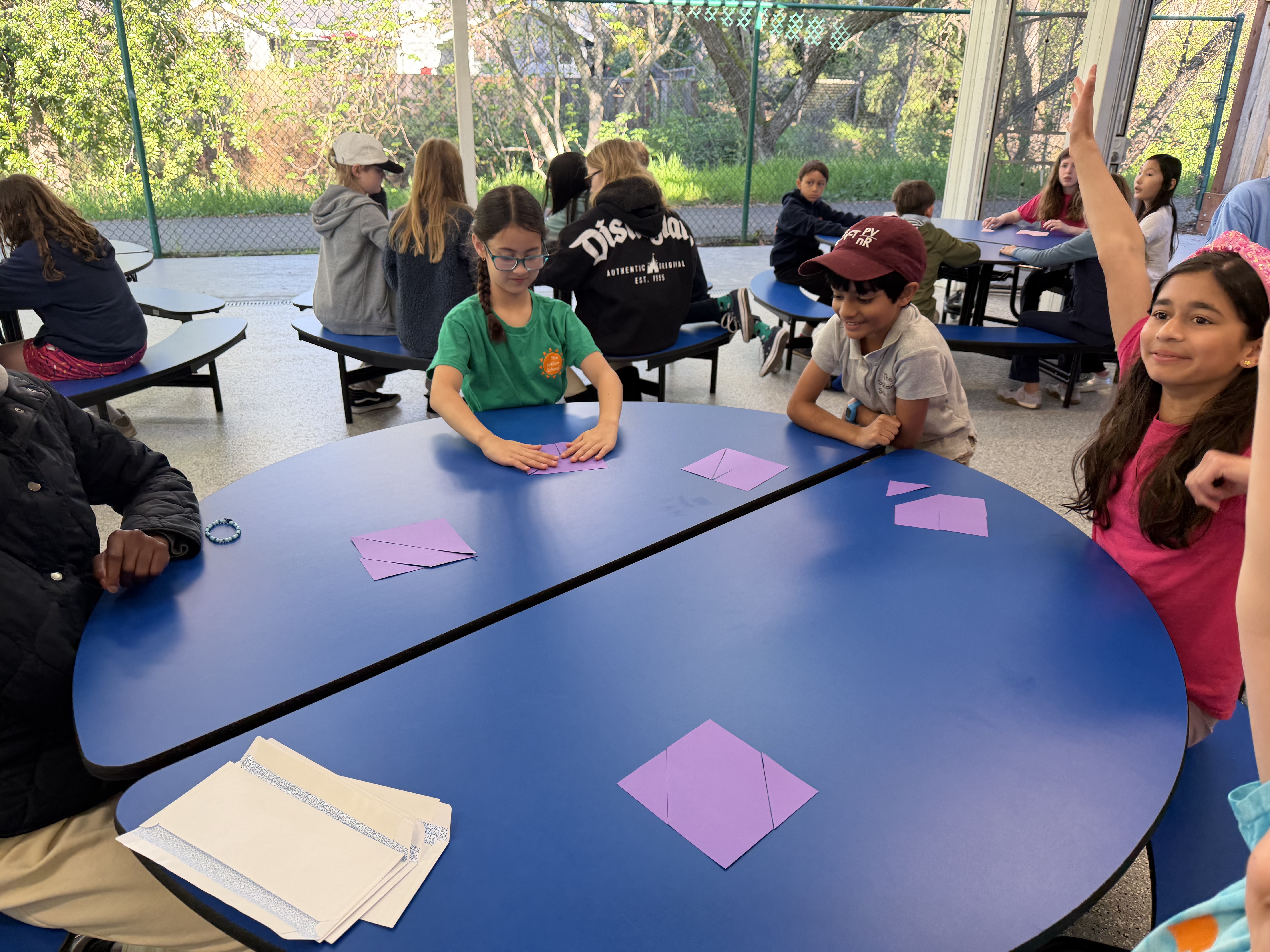
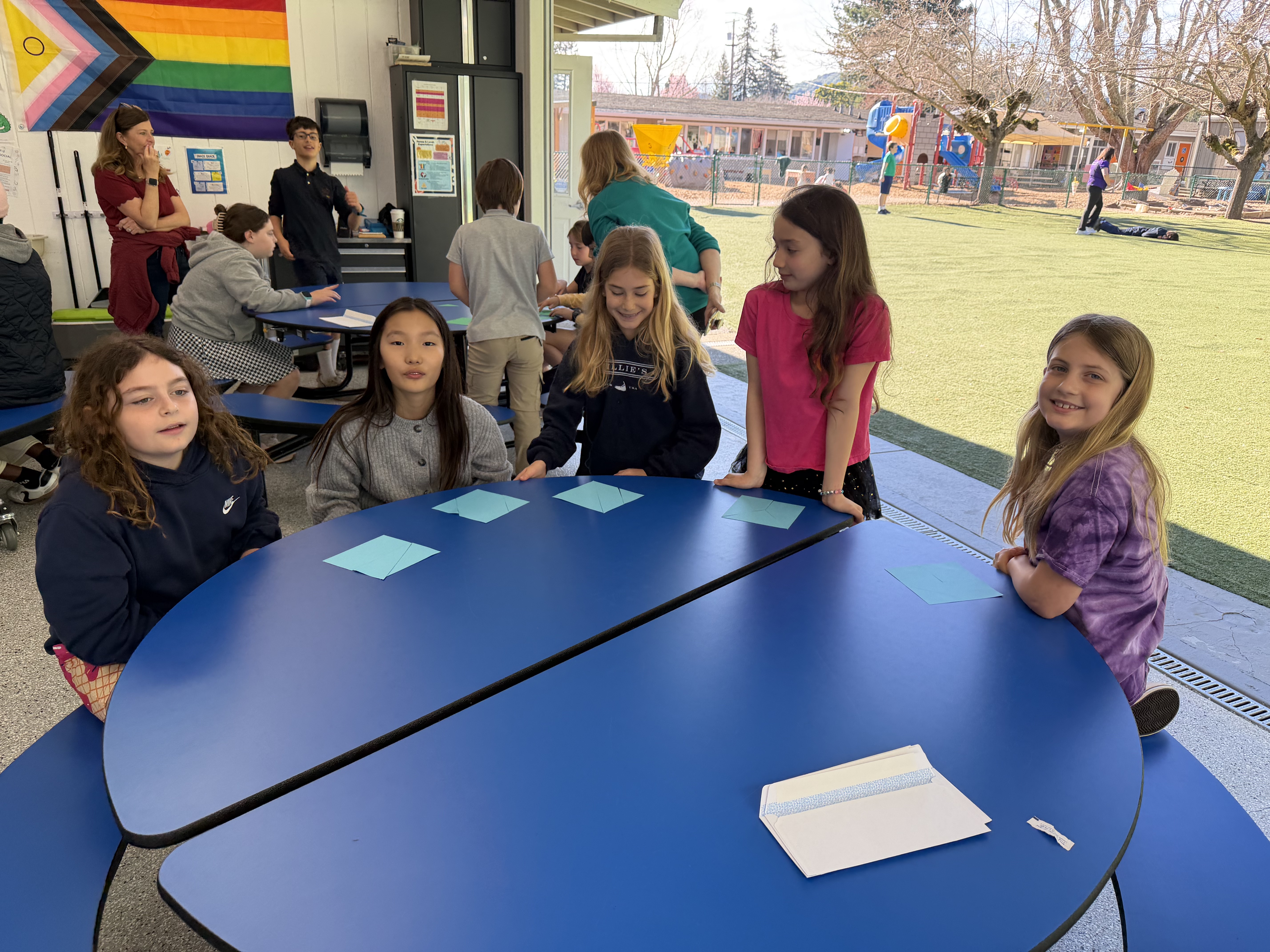
Last Friday, Saklan’s February Social-Emotional Learning (SEL) focus on perseverance came to life in a memorable way for students in third, fourth, and fifth grade.

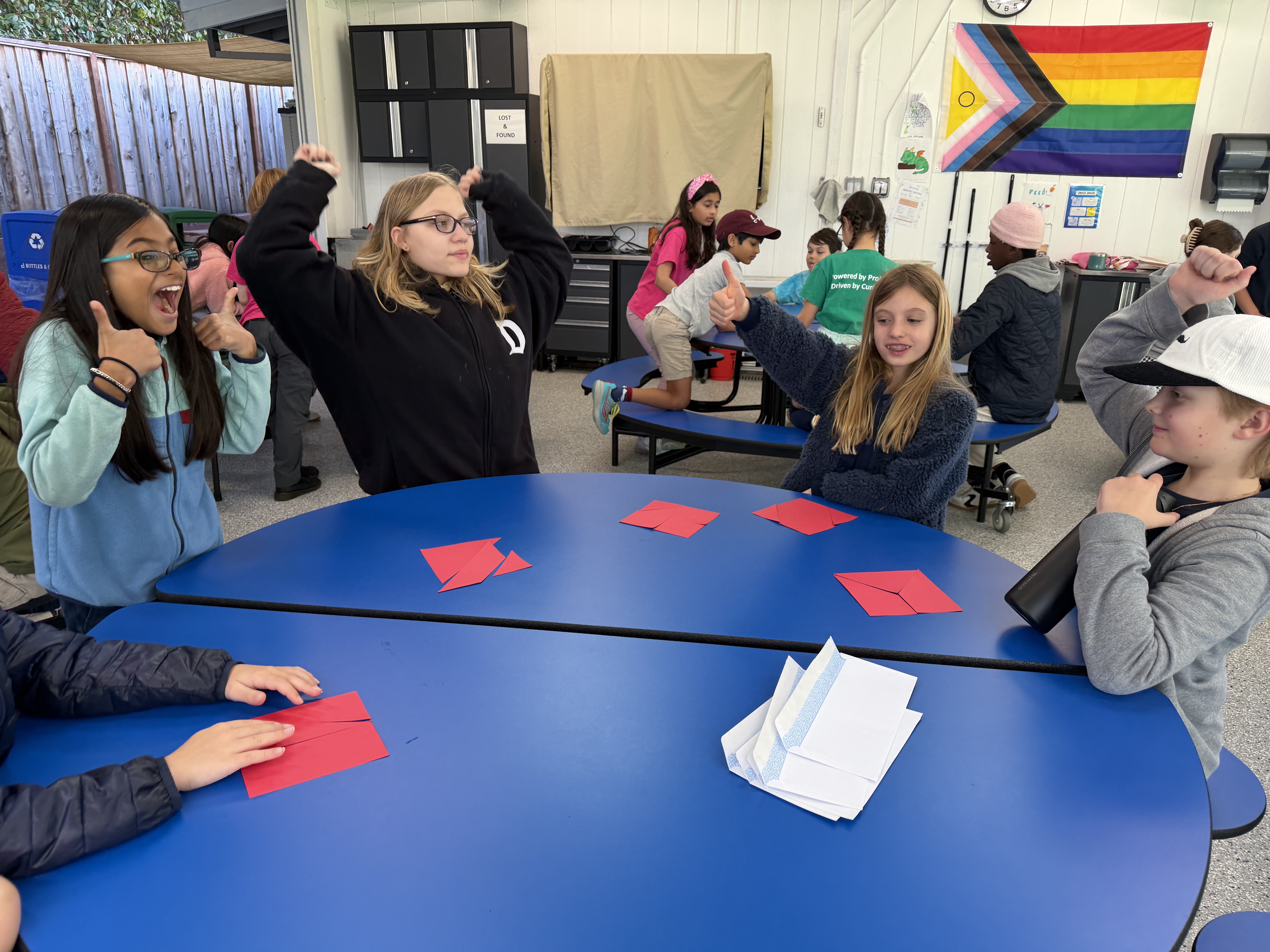
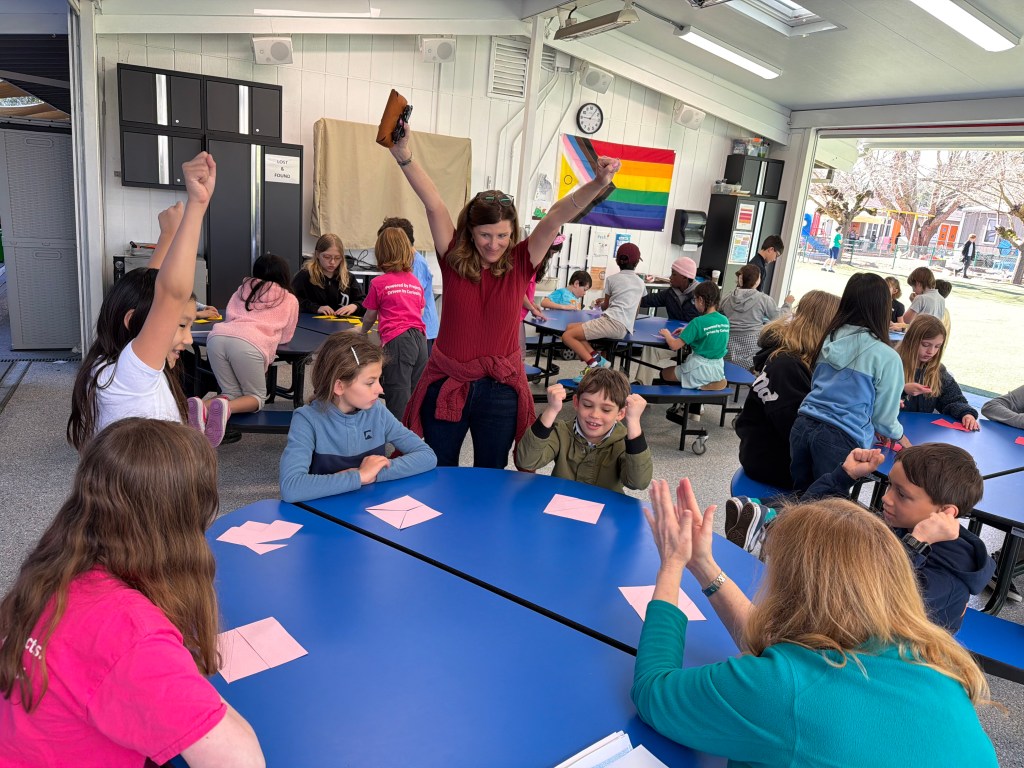
Students gathered in mixed-grade groups of five for a silent puzzle challenge that quickly proved to be about much more than fitting shapes together. Each student began with three puzzle pieces, and together their group needed to complete five square puzzles. There was just one twist: students had to trade pieces without speaking. While they were allowed to offer a piece if they noticed someone needed it, they could not ask for one themselves.

At first, the rules prompted puzzled looks and raised eyebrows. One student even asked, “Wait… we can’t talk at all?” before the challenge began. Soon, however, the pavilion filled with intense focus, expressive gestures, and quiet determination. Without words, students leaned in, carefully studied one another’s progress, and began noticing—really noticing—what their teammates needed.

Gradually, the groups found their rhythm. Students passed pieces across the table, pointed gently to openings, and patiently waited for the right moment to help a teammate. When the final squares clicked into place, the groups celebrated in their own silent way, pumping their arms and grinning with pride.

The activity was more than a puzzle-solving exercise. It was a powerful opportunity for cross-age collaboration and social-emotional growth. Students practiced perseverance as they worked through frustration and uncertainty. They also strengthened empathy and social awareness by learning to observe others closely and respond thoughtfully.

During reflection afterward, many students shared how challenging it was to wait patiently and trust their teammates. Teachers helped connect the experience to friendship and community, encouraging students to look beyond their own needs and pay attention to those around them.

It was a meaningful reminder that perseverance often involves patience, teamwork, and the willingness to support others.

#SaklanSEL #SaklanCommunity