Things That Go!

If you’ve stepped into the Owlet classroom recently, you may have noticed clouds floating overhead and airplanes soaring through the room. That’s because the Owlets have been immersed in an exciting study of air transportation as part of their “Things That Go!” project work. Through hands-on exploration, creative design, and visits from experts, students have been discovering how humans travel through the sky and how flight shapes the way we see the world.

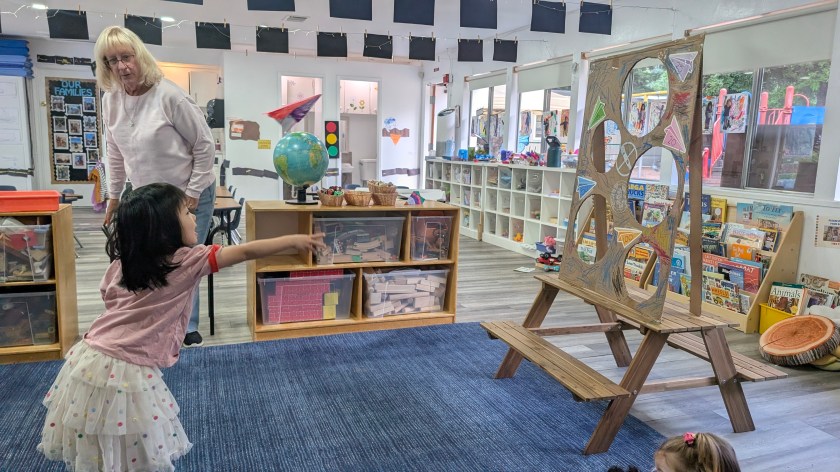
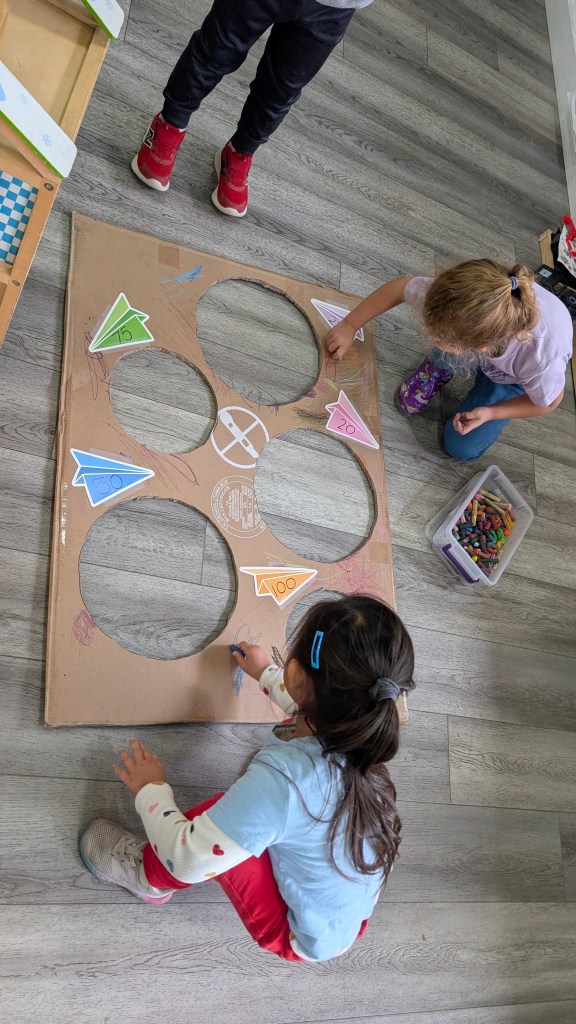
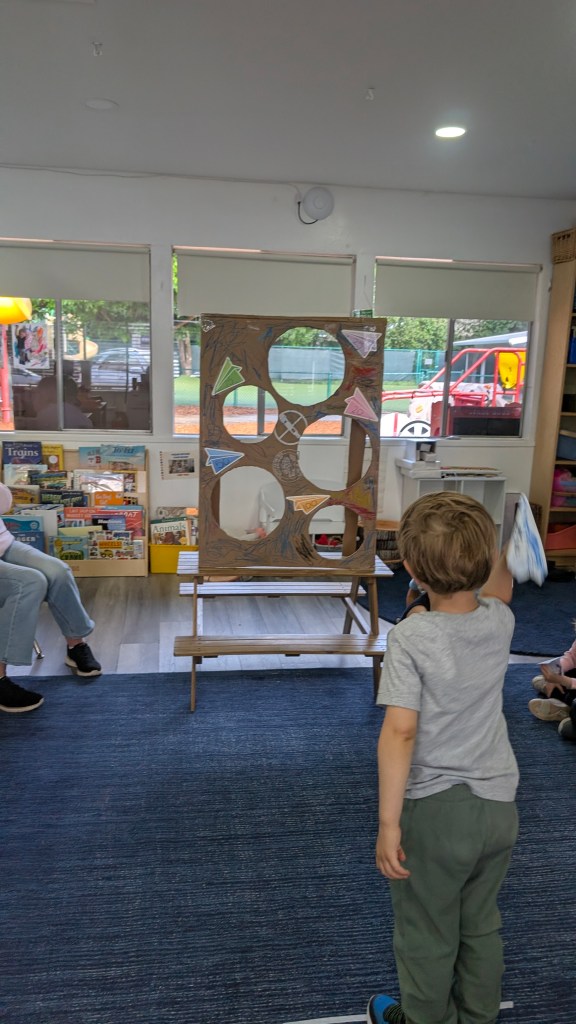
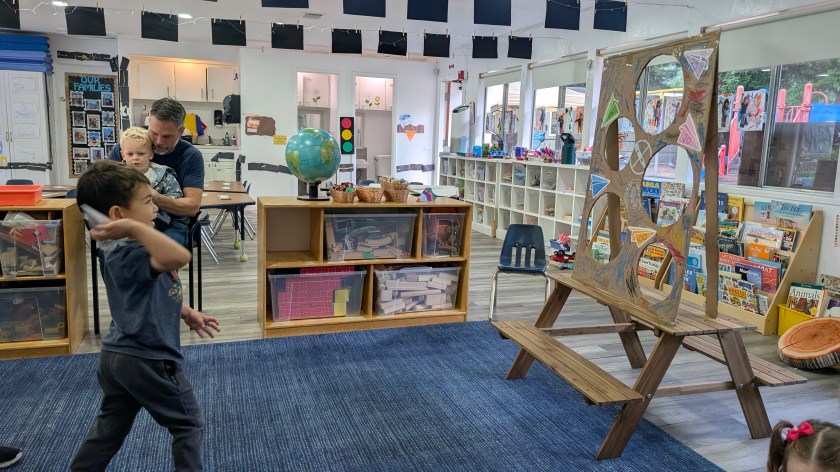
After studying ground-based transportation, the class began studying air transportation with a paper airplane challenge. Each Owlet designed, decorated, and named their own airplane before testing their flying skills in a game inspired by cornhole. Drawing on previous science lessons with Ms. O, students remembered that the best way to launch a paper airplane is by aiming upward toward the sky rather than downward toward the ground.

Once students mastered the basics of flight, the challenge became even more exciting. Different-sized targets were added for airplanes to fly through, each worth a different number of points. As students practiced launching their planes toward the targets, they strengthened hand-eye coordination, problem-solving, and perseverance. While it was tricky at first, many Owlets improved their accuracy through persistence and teamwork.

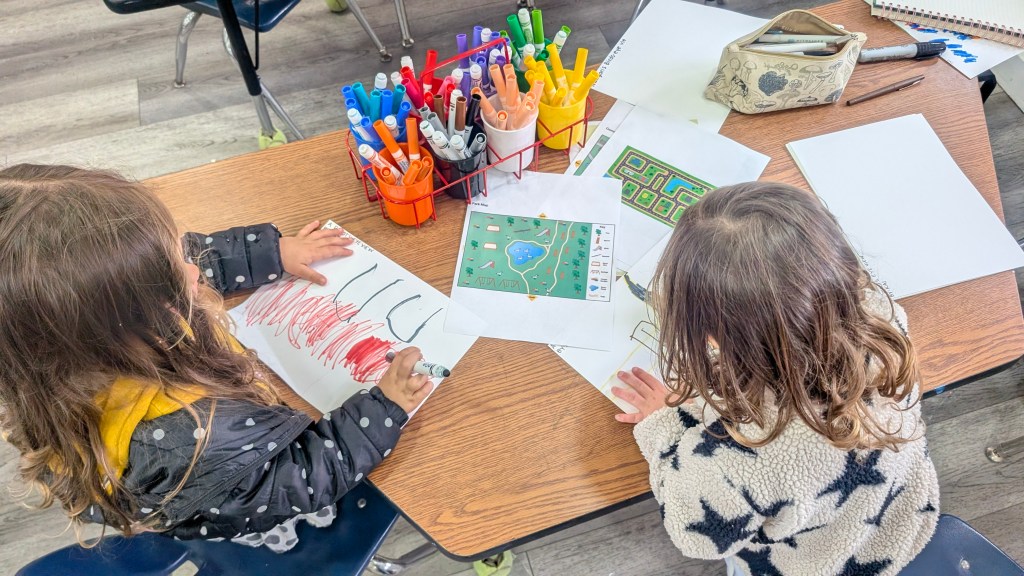
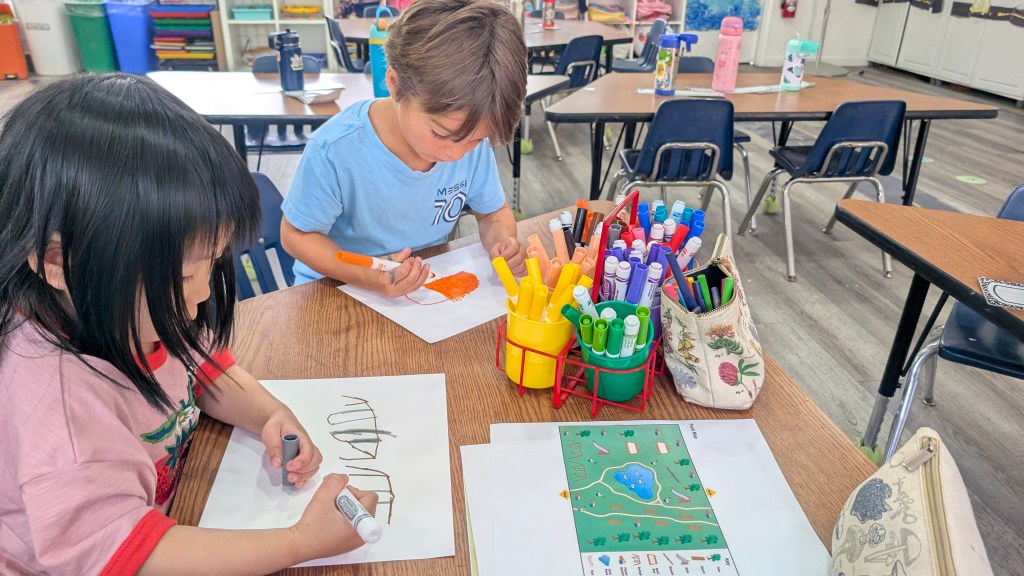
The Owlets also explored the history of aviation by learning about famous pilot Amelia Earhart. After reading about her flights across the Atlantic Ocean, students discussed how landscapes appear differently when viewed from above. This sparked a conversation about perspective and how our viewpoint changes what we see. Students reflected on how objects appear from the ground compared to the sky, where everything can seem flat like a map. Inspired by this idea, the Owlets created their own “bird’s-eye view” drawings, imagining the world from a pilot’s perspective.

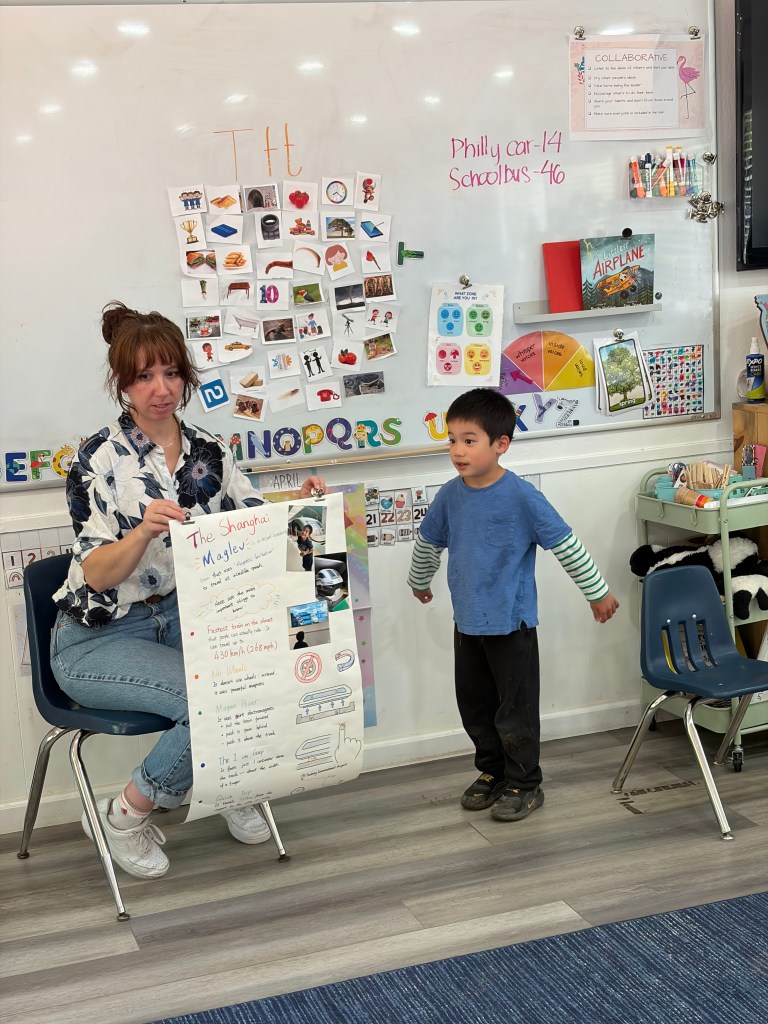
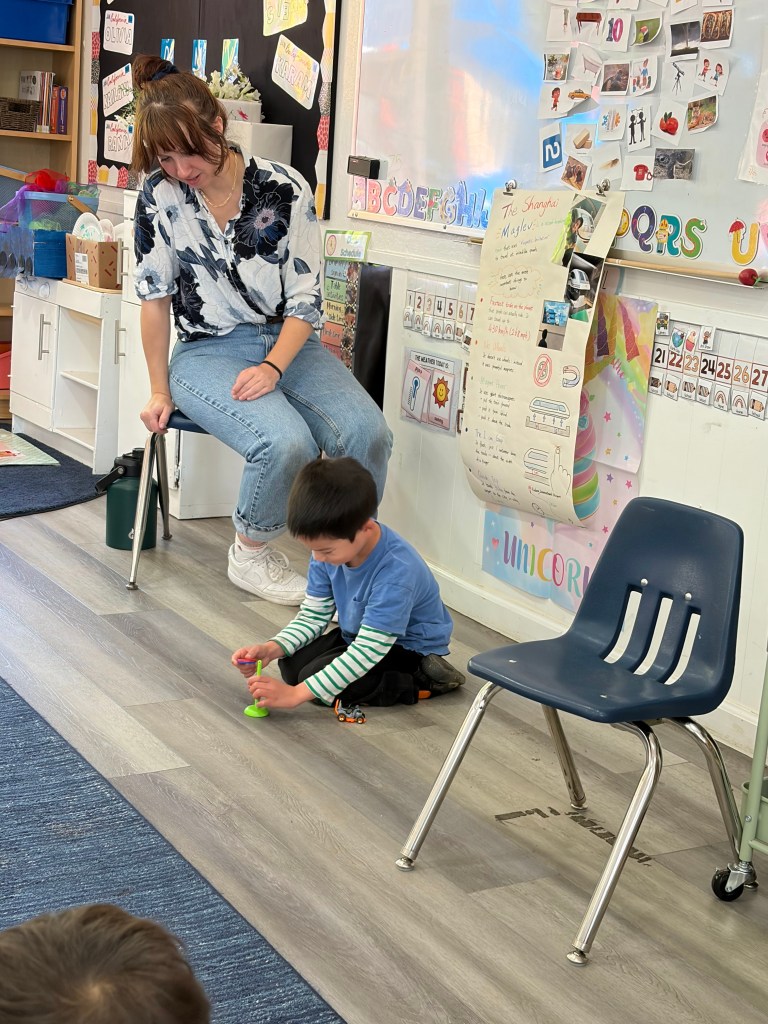
Throughout the study, the Owlets learned from several special visitors who shared their expertise about transportation and flight. A Hoot Owl friend introduced students to the world’s fastest train in China, which uses powerful magnets and can travel up to 286 miles per hour. Students noticed similarities between the train and BART, especially its pointed nose designed to help it move faster through the air.

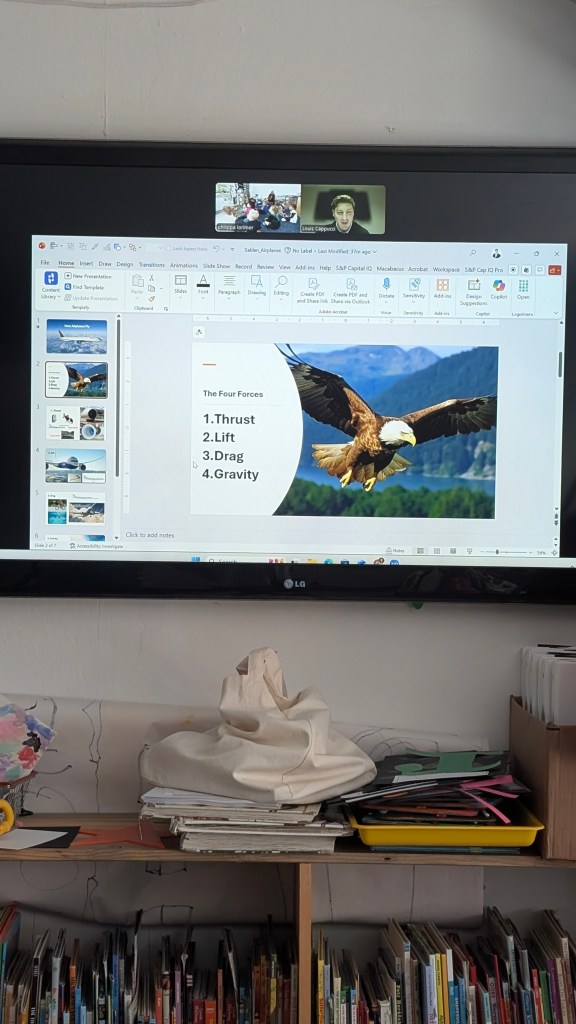
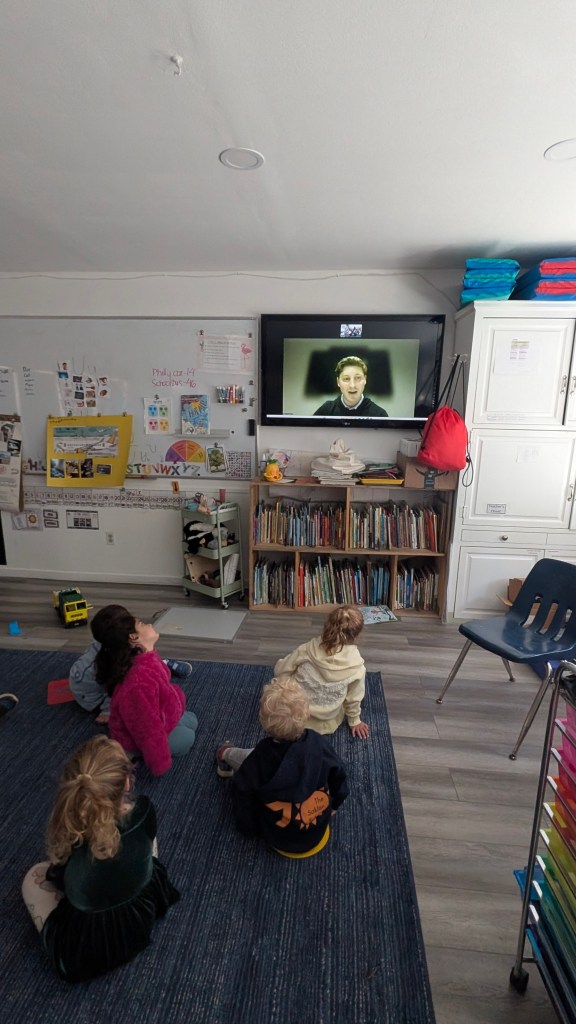
The class also connected virtually with Louis, the uncle of an Owlet, who shared his expertise about airplanes. He explained that building airplanes can feel similar to building with Legos and introduced students to the four forces that help planes fly: thrust, lift, drag, and gravity. Students asked thoughtful questions and were amazed to learn that the SR-71 Blackbird can travel up to 2,000 miles per hour, while smaller propeller planes travel much more slowly. They also discovered that airplanes use jet fuel, a stronger type of gasoline.

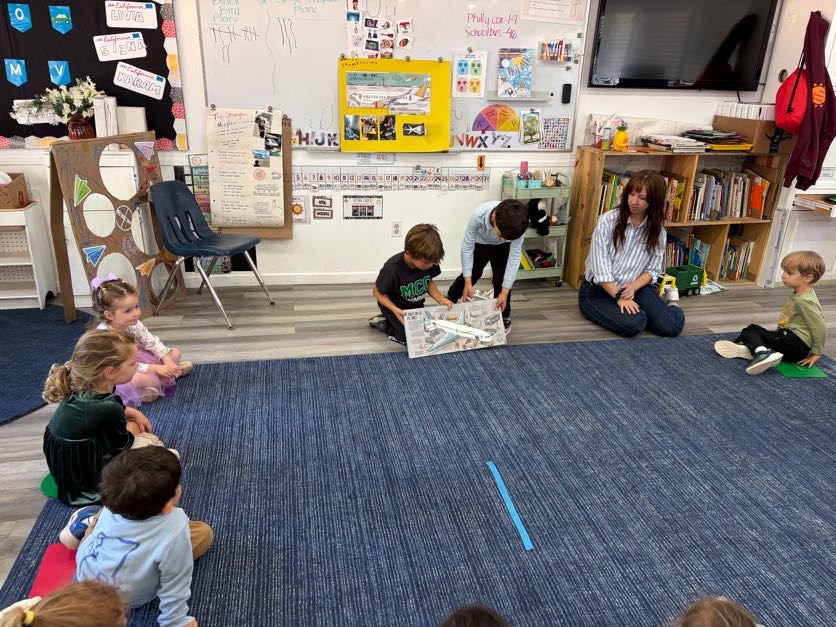
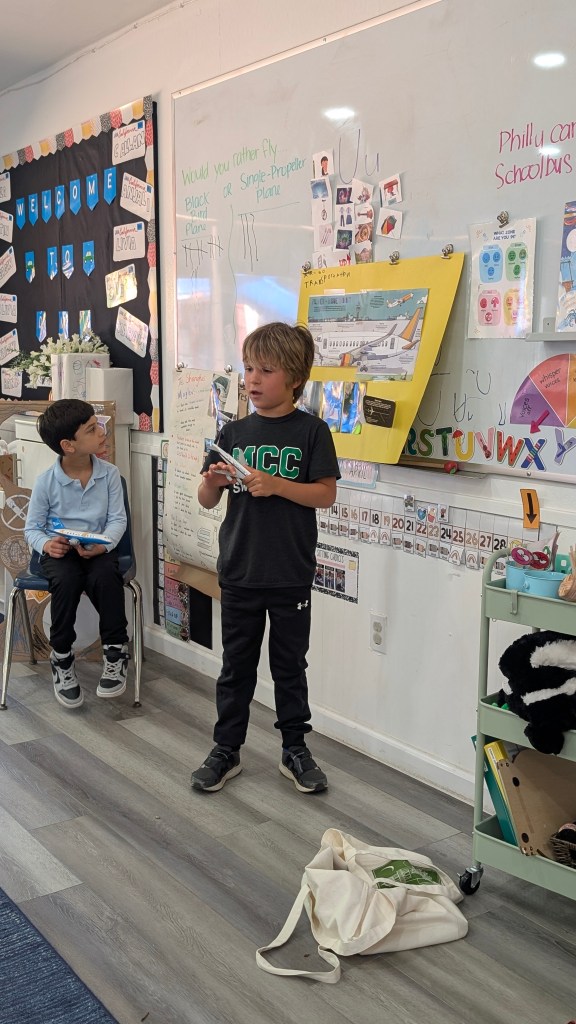
In addition, two former Owlets (now kindergartners) returned to the classroom to share what they know about airplane travel. They taught students about turbulence, airplane parts, and how pilots communicate with air traffic control during flights. Students also learned that airplanes land on their back wheels first for safety and that the plane’s pointed nose helps it move smoothly through the air.

The Owlets’ exploration of transportation has combined science, creativity, engineering, storytelling, and collaboration in meaningful and joyful ways. Families are invited to learn more about these discoveries and celebrate the students’ work at the Owlets’ Things That Go! culmination on Thursday, May 21, at 8:30 a.m.

#SaklanProjectWork

Preschool Rolls into Learning

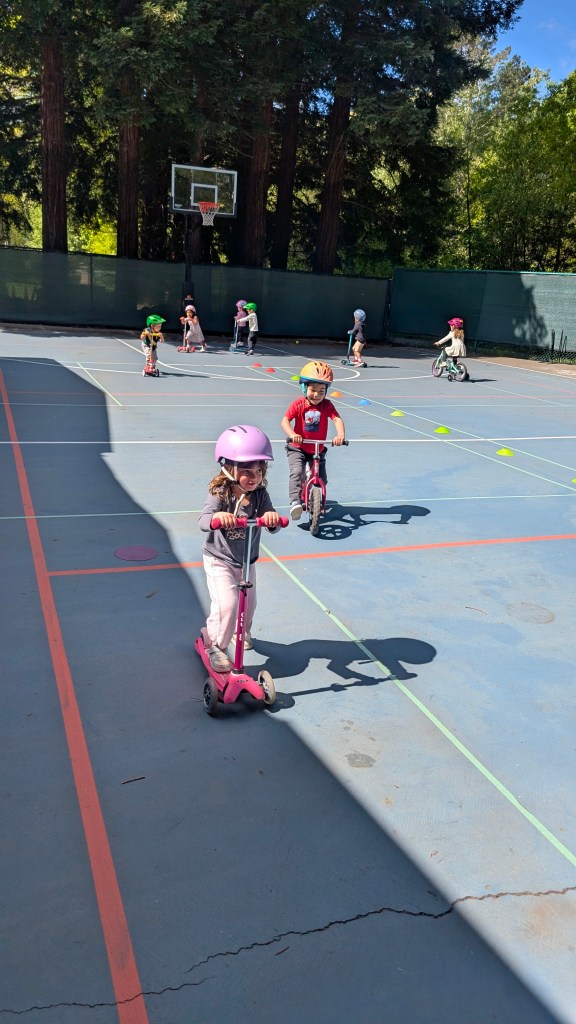
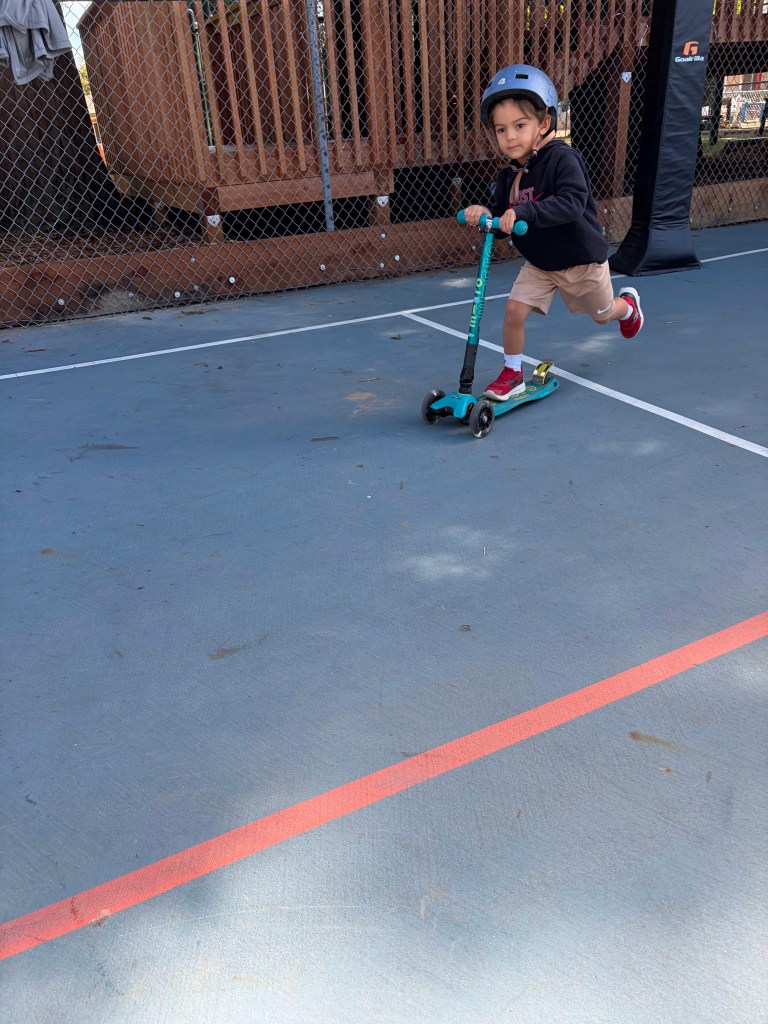
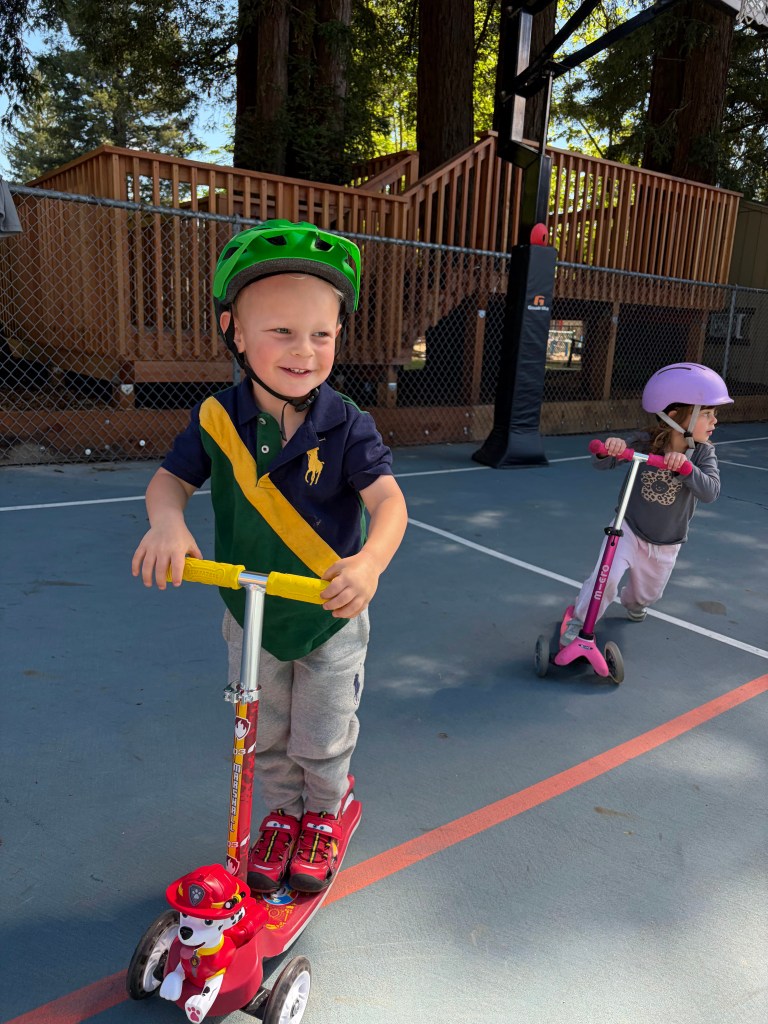
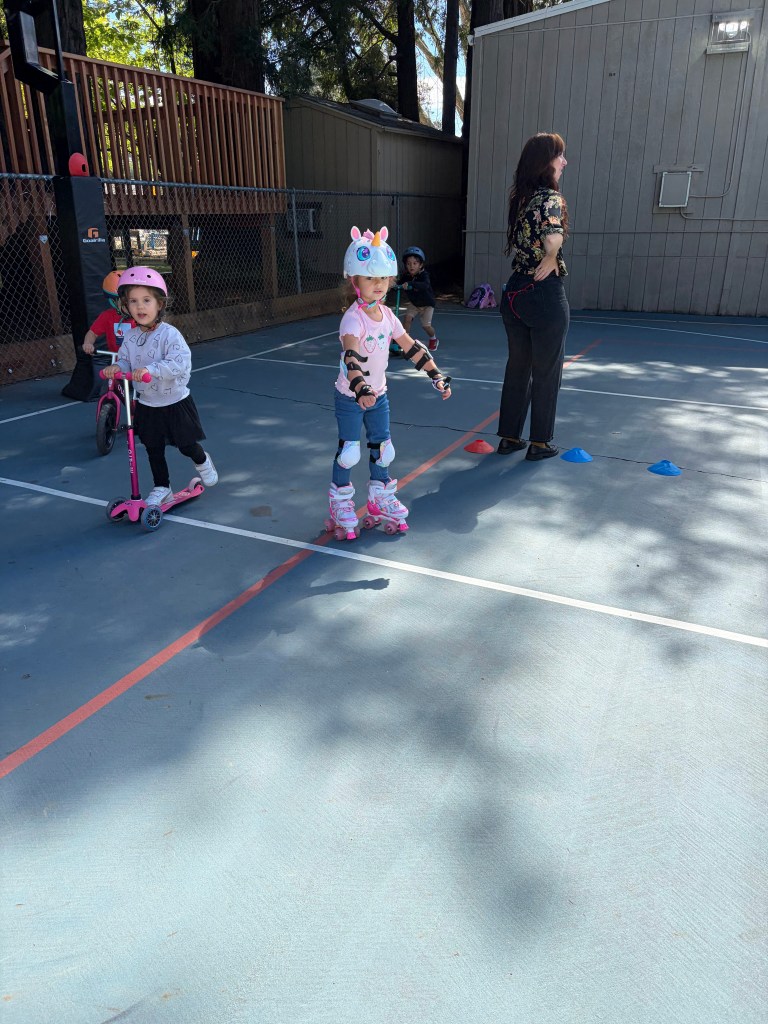
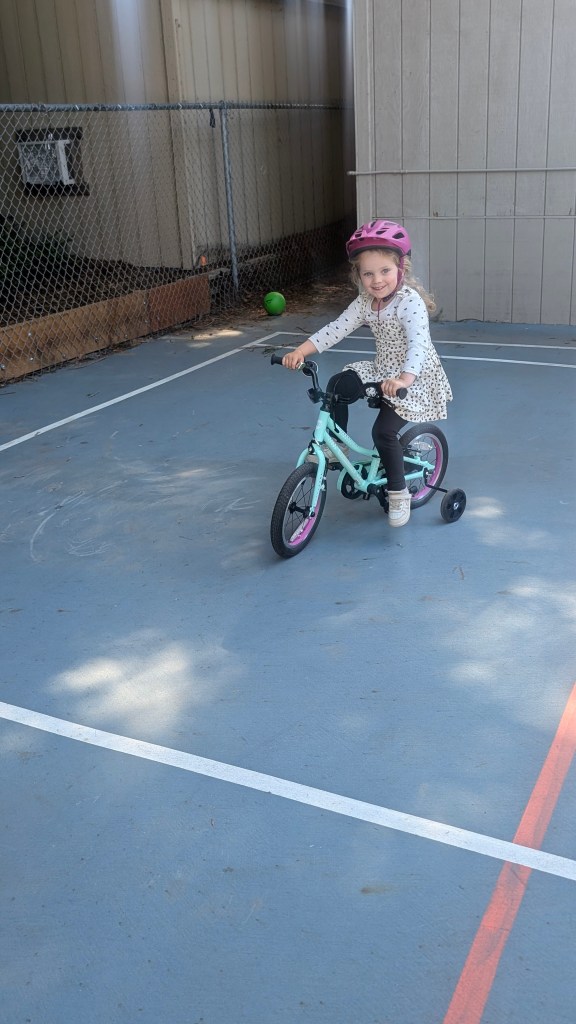
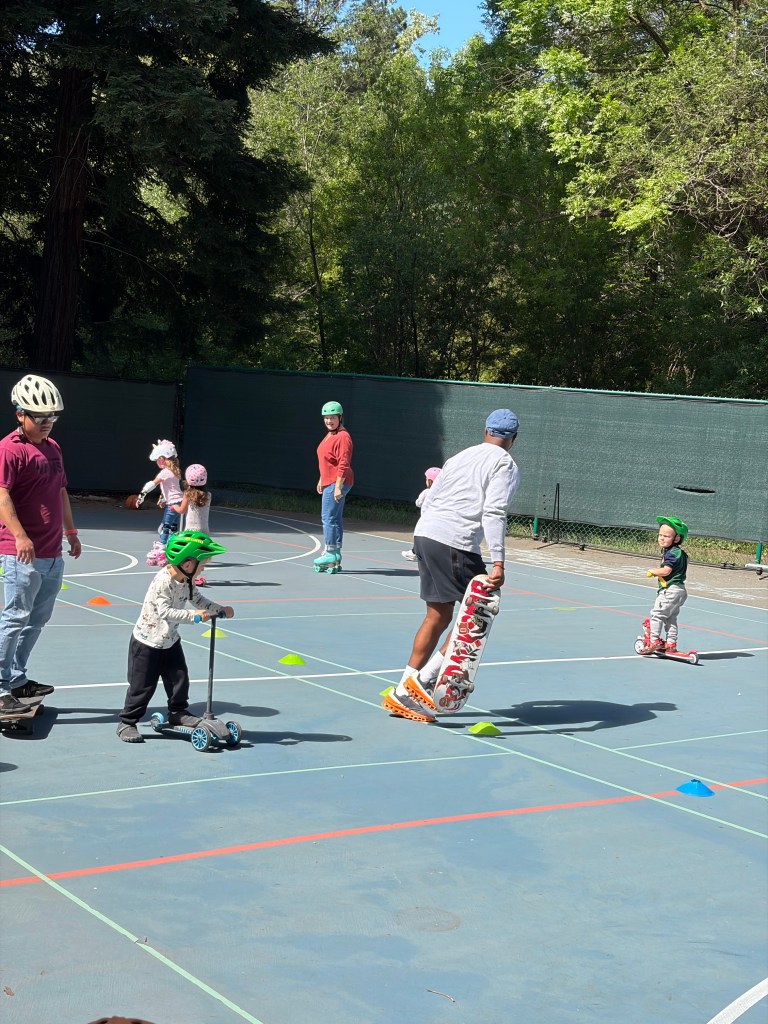
As part of their Transportation Project, the Owlets enjoyed a special “Wheels Day,” focused on the types of transportation they can use themselves.

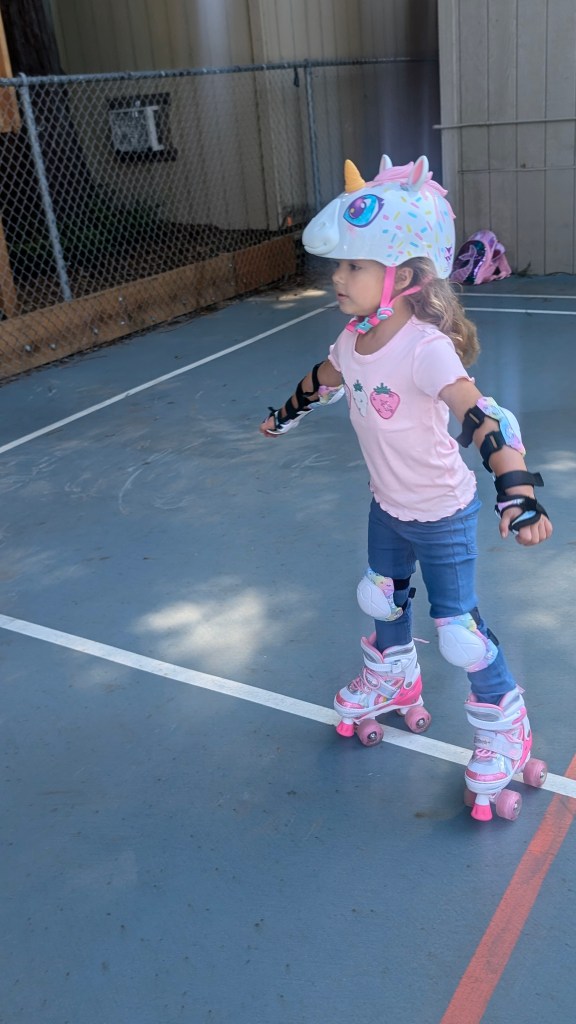
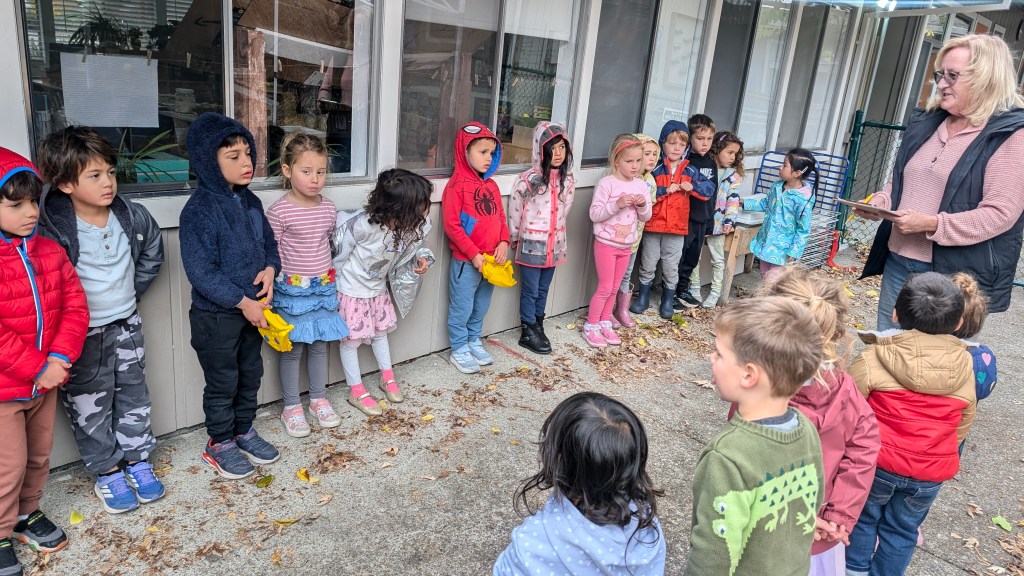
The sports court came alive with movement as students and staff propelled the wheels of roller skates, scooters, bikes, and skateboards. With teachers guiding and encouraging them, the Owlets practiced riding with awareness and care, demonstrating strong safety habits and teamwork as they looked out for one another.

Driven by student curiosity, the experience naturally led to a deeper exploration of safety gear. When the preschoolers noticed that one classmate was wearing more than just a helmet, they became eager to learn more. Together, they examined wrist guards, knee pads, and elbow pads, discussing how each piece protects different parts of the body.

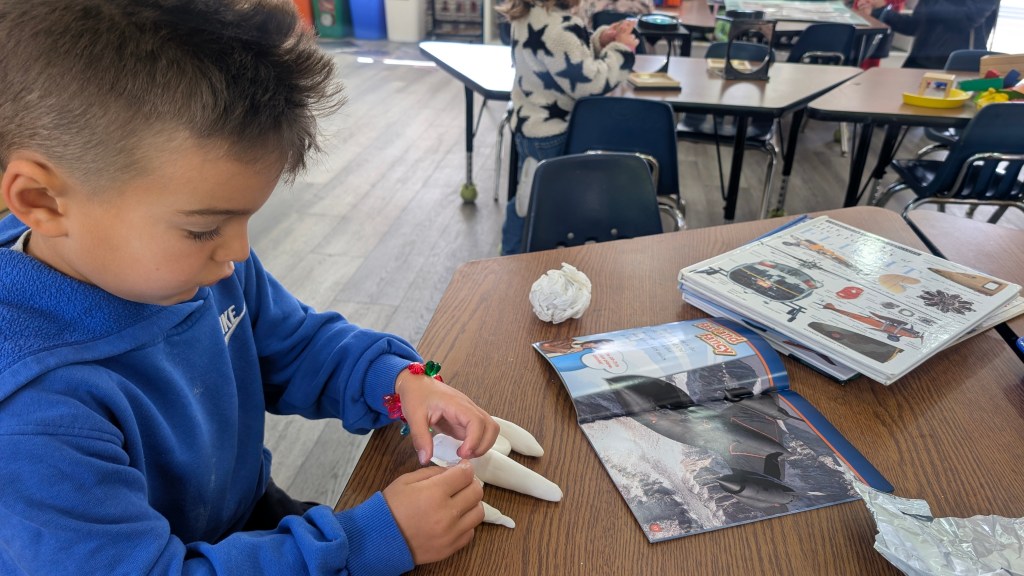
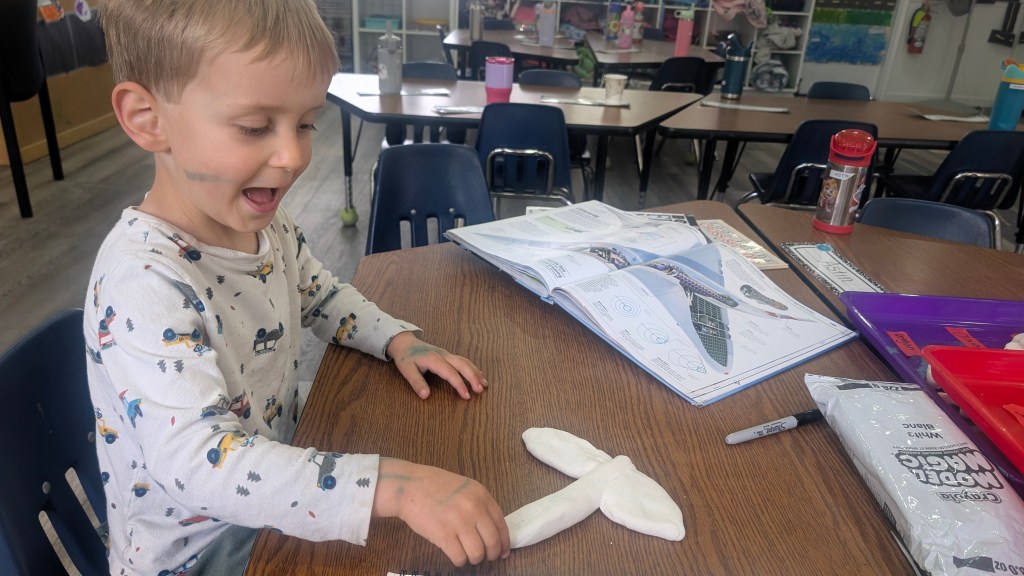
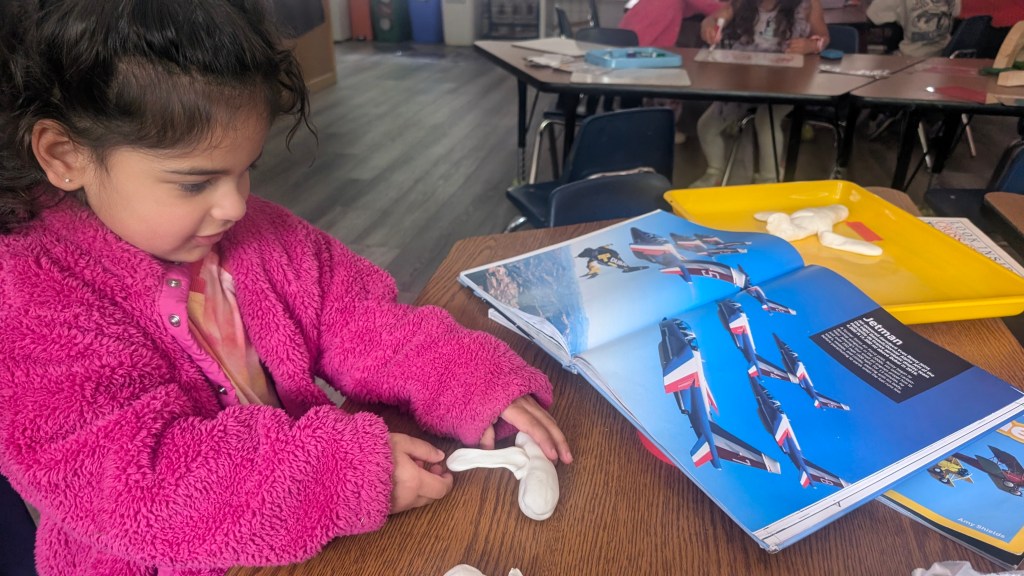
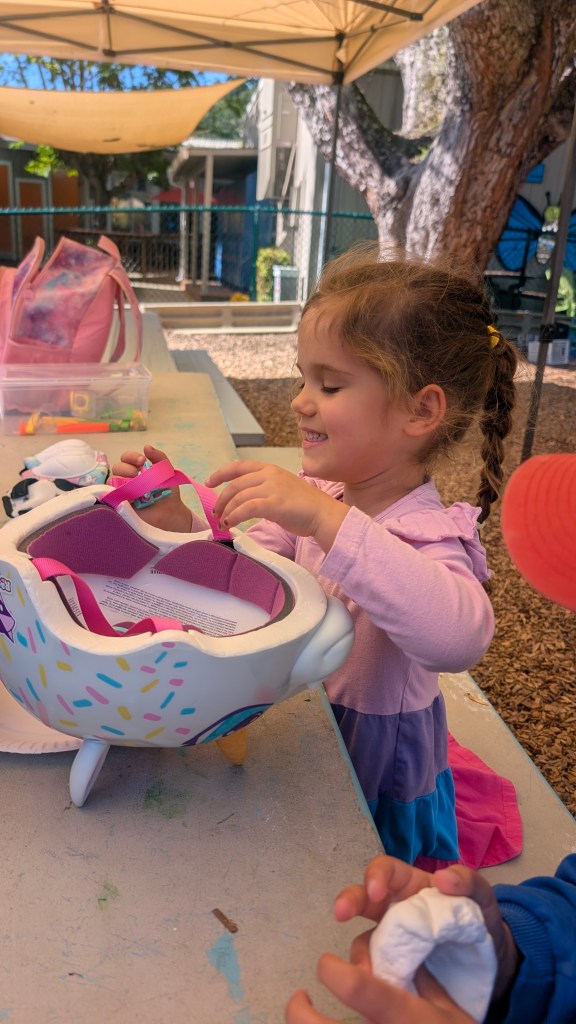
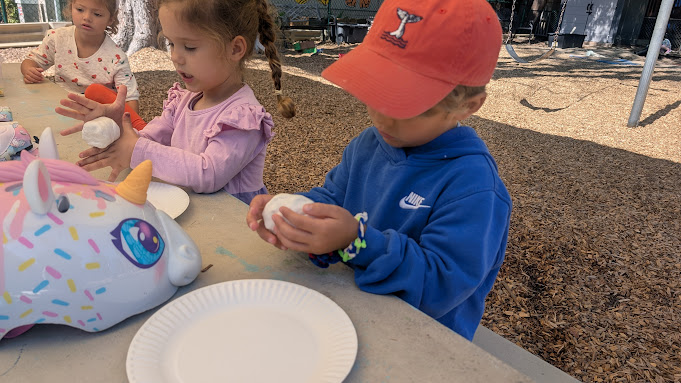
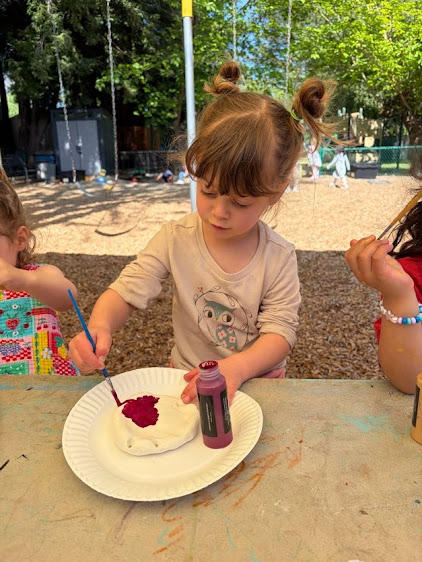
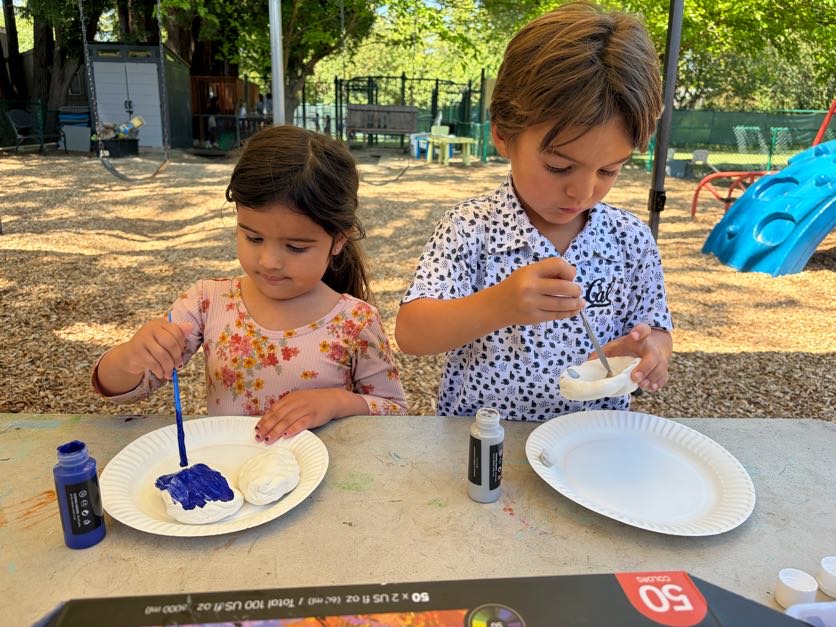
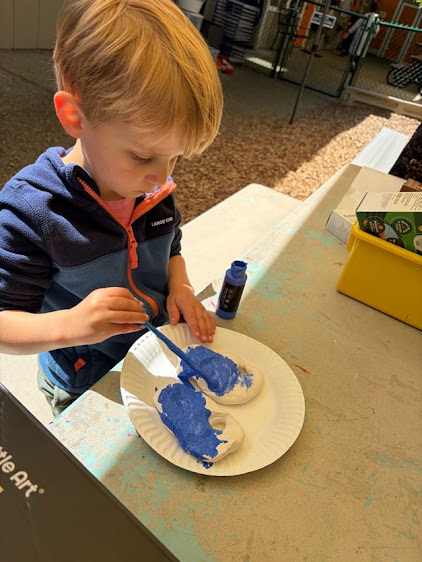
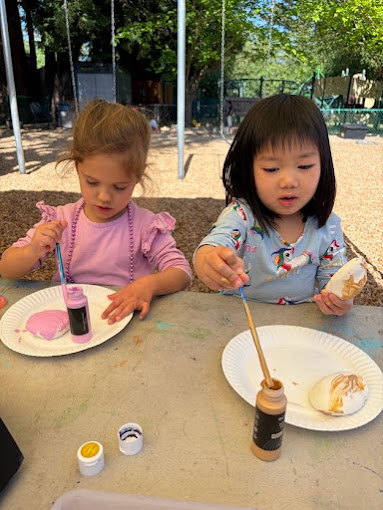
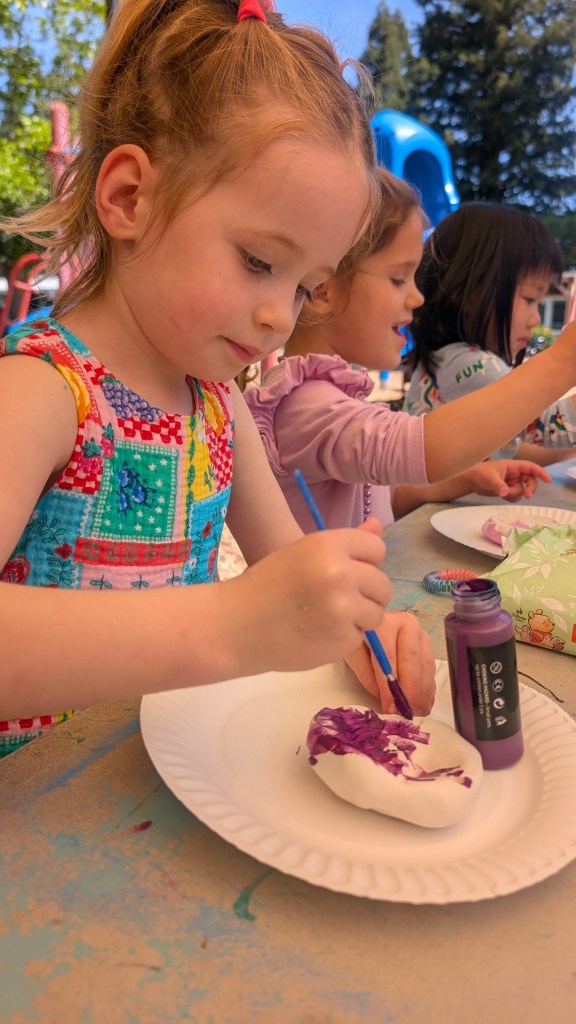
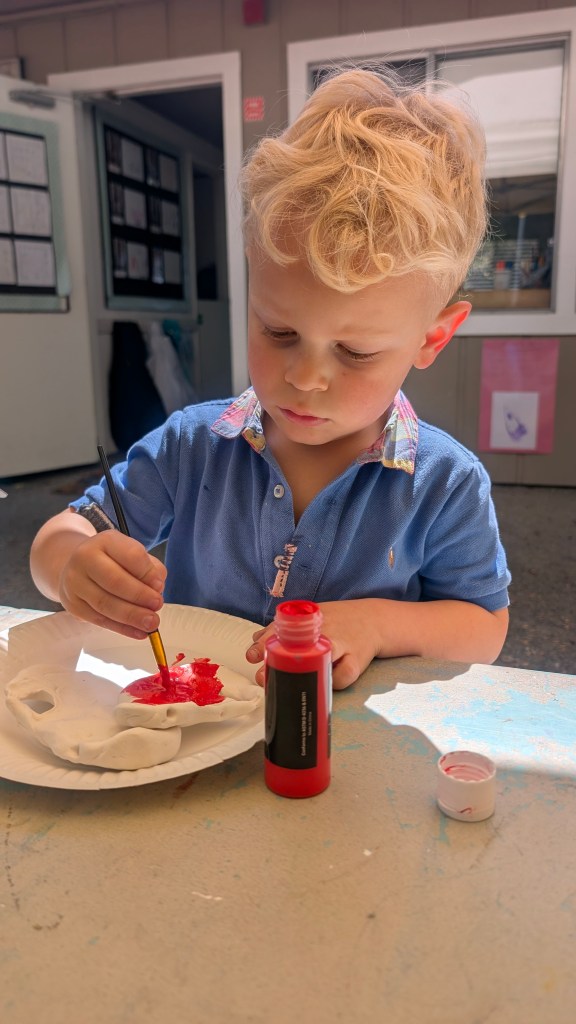
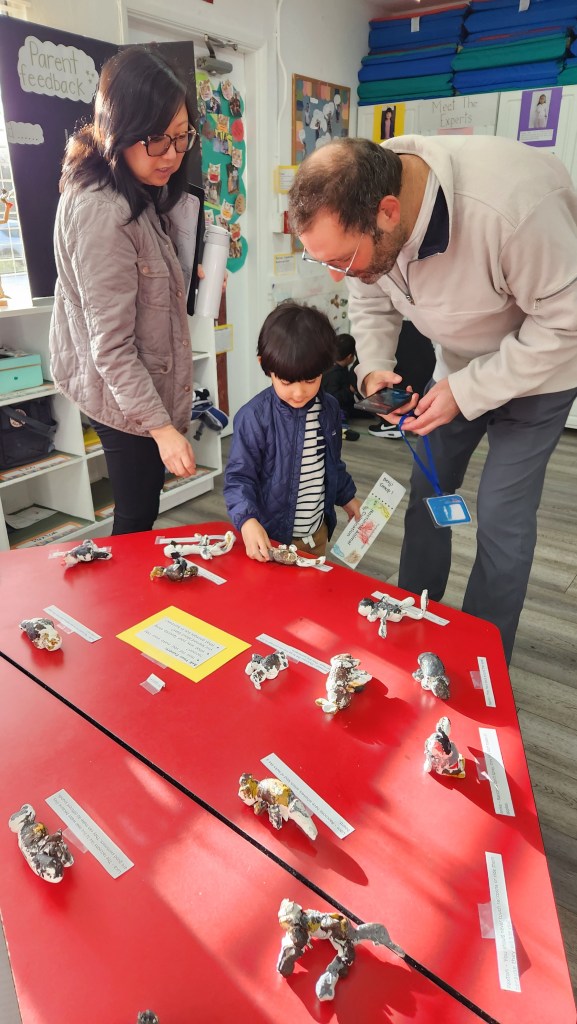
Building on this interest, students used Model Magic to design and create their own safety gear. As they worked, they paid close attention to details like shape, straps, and padding. Through this hands-on activity, they discovered an important concept: protective gear is designed with a hard outer layer for safety and a soft inner layer for comfort.

Through play, observation, and creativity, the Owlets are not only learning about transportation—they are developing an understanding of safety, design, and how thoughtful choices help keep us protected.

#SaklanProjectWork #SaklanCuriosity

The Owlets’ California Adventure

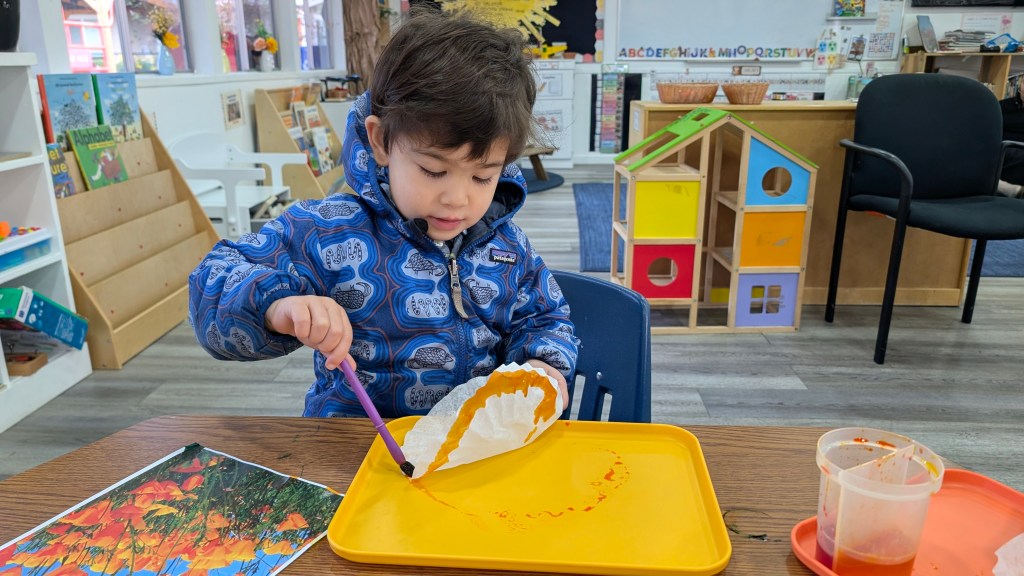
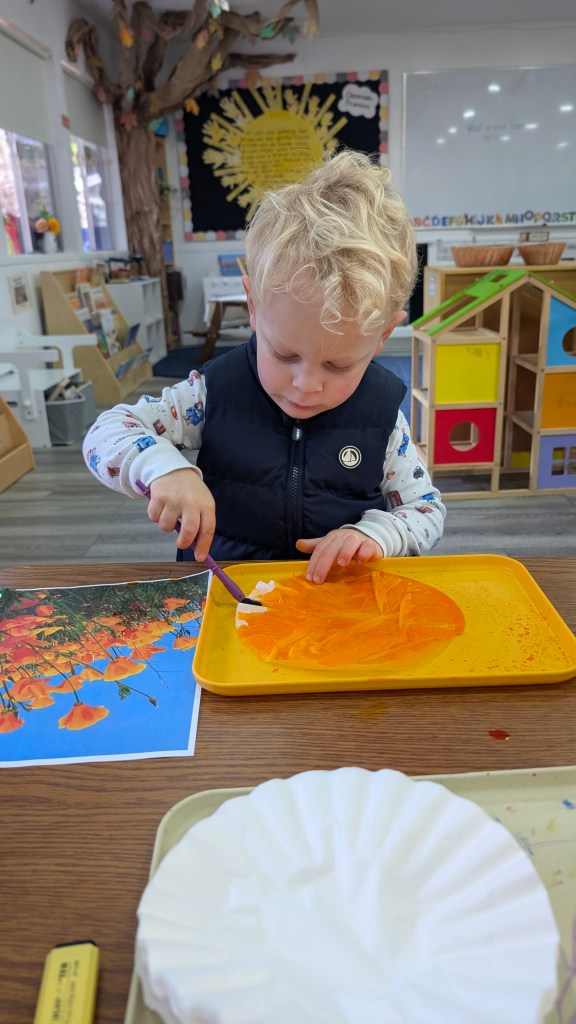
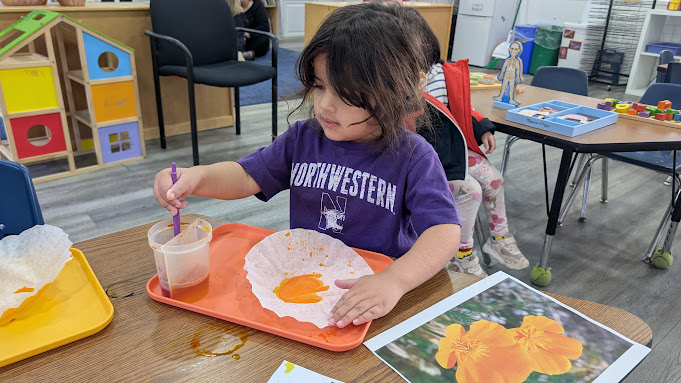
The Owlets have been busy learning all about California through a joyful, hands-on mini-inquiry inspired by curiosity, creativity, and discovery. Their exploration began in early January with a classroom art project focused on California poppies. After closely studying photos of the state flower and noticing its bright orange and yellow colors, the Owlets used liquid watercolors to create their own vibrant poppies. Although poppies typically bloom in the spring, they bloomed early in the Owlet classroom!

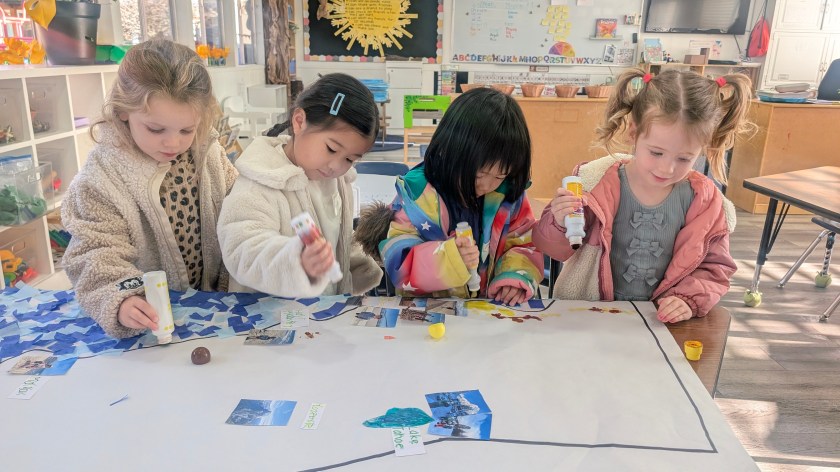
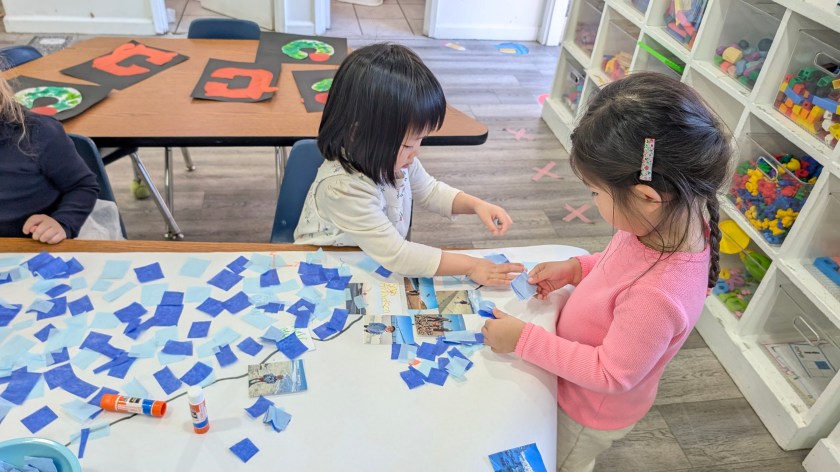
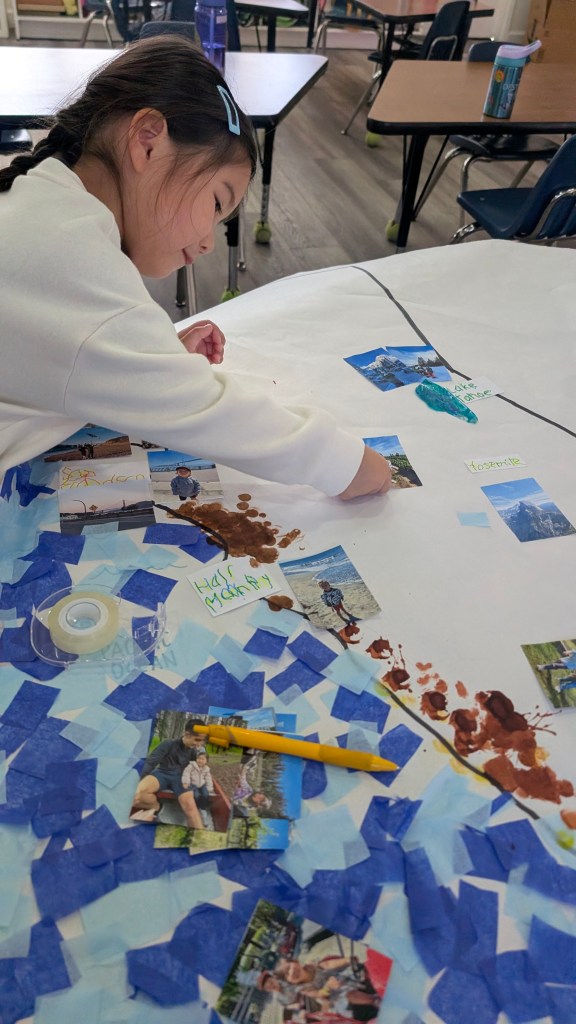
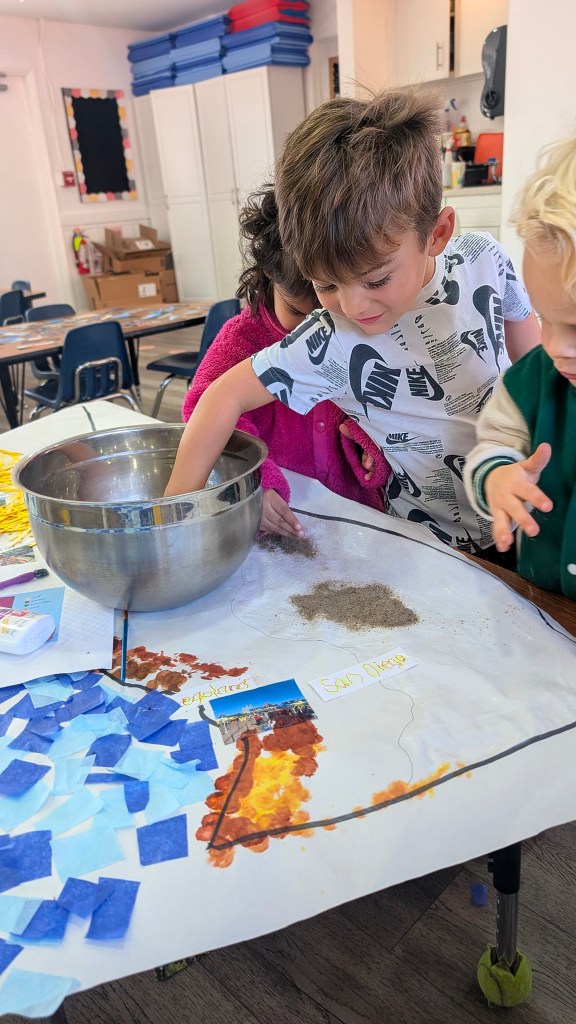
The inquiry officially began with the book Welcome to California, which introduced students to the basics of the state and continued to serve as a reference throughout the project. The Owlets eagerly shared places they have visited across California and quickly realized just how diverse the state’s landscapes are. To bring this learning to life, they worked together to create a large map of California, discovering coastal beaches, farmland, snowy mountains, forests, and deserts along the way.

In small groups, the Owlets used a variety of materials to represent where each landscape is located on the map. They also examined real photos shared by Owlet families and practiced matching each image to the correct region.
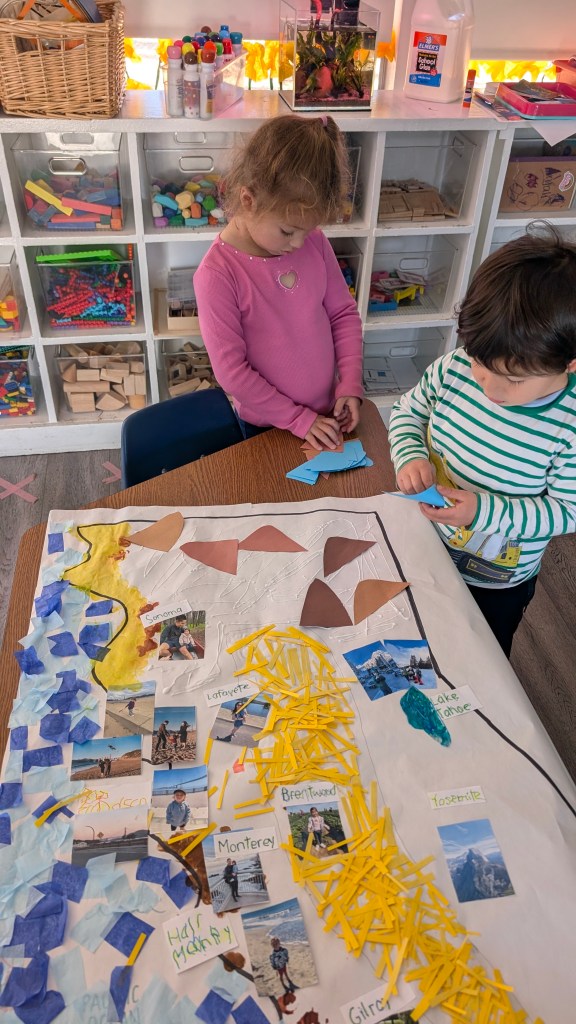
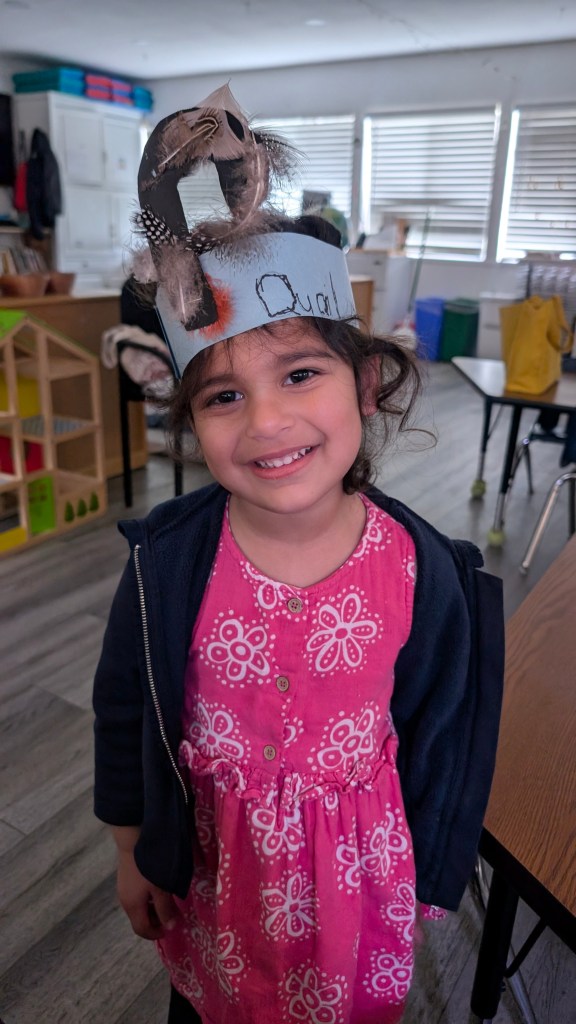
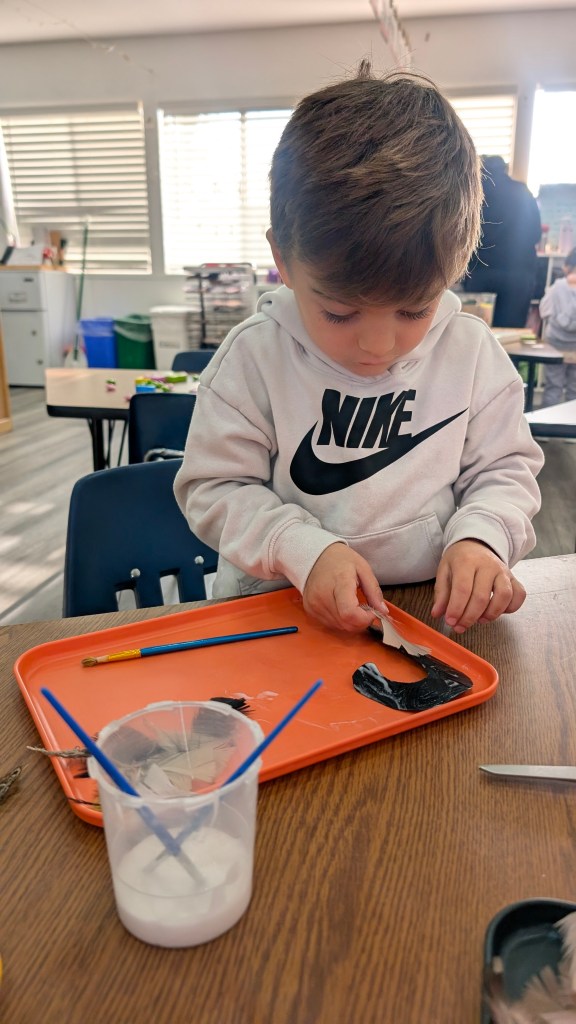
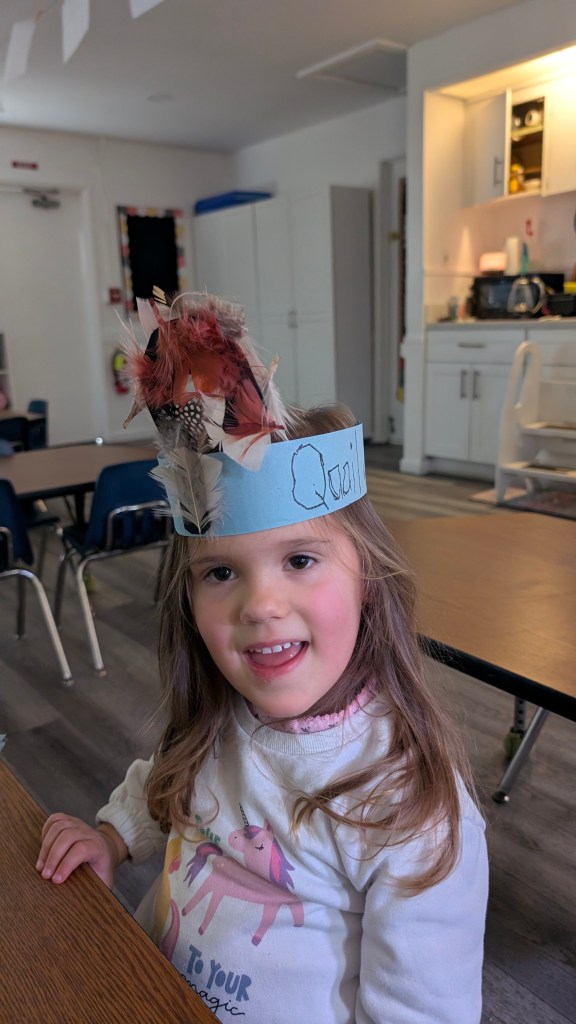
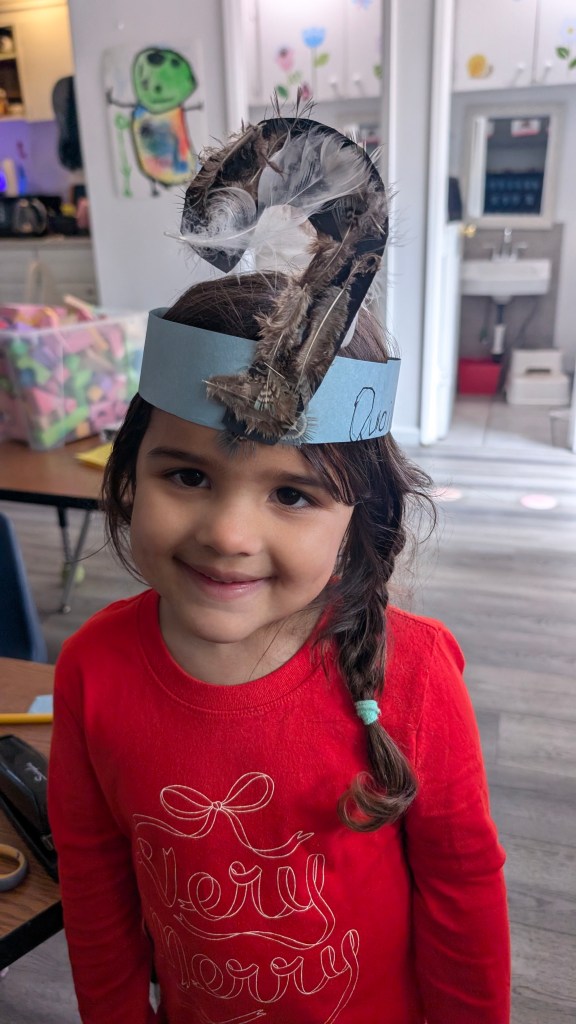
The Owlets also learned about California’s weather patterns and the animals that live in each region. They noticed that the desert is hot and home to animals that wouldn’t survive in cooler mountain climates. While studying the California state flag, they spotted the large brown grizzly bear and learned that grizzly bears no longer live in the state. This led to an exploration of animals that currently call California home, including black bears, foxes, coyotes, mountain lions, bobcats, and quails. Students were especially excited to discover a few “hidden” quails right in their classroom.
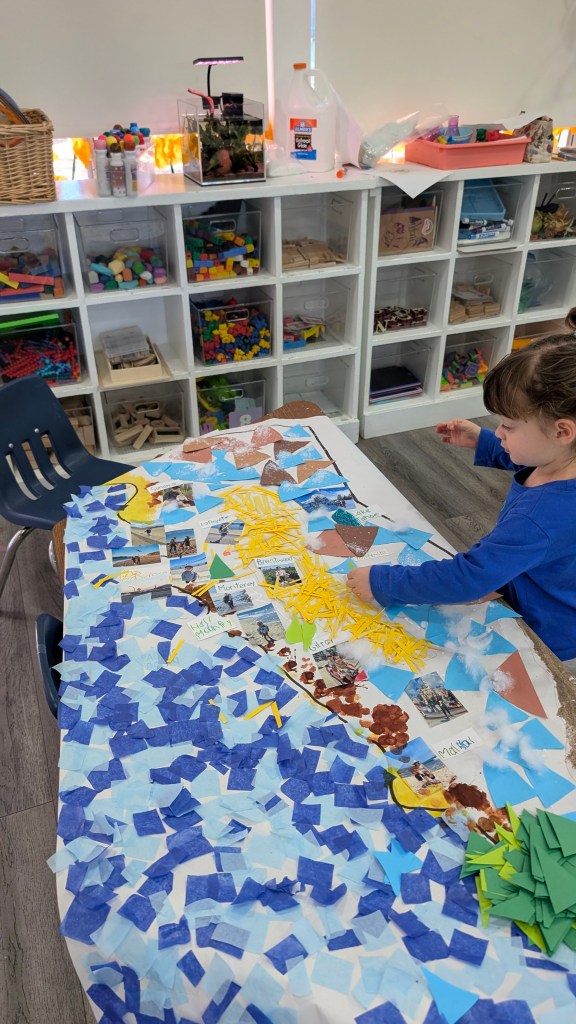
The inquiry wrapped in elements of California history as well, including a discussion of the Gold Rush and how people once traveled to the state in search of gold. Through art, literature, mapping, and imaginative play, the Owlets have built a strong foundation of knowledge about California—its landscapes, animals, symbols, and history—while nurturing curiosity and a love of learning along the way.

#SaklanHandsOn

Amazing Tour Guides

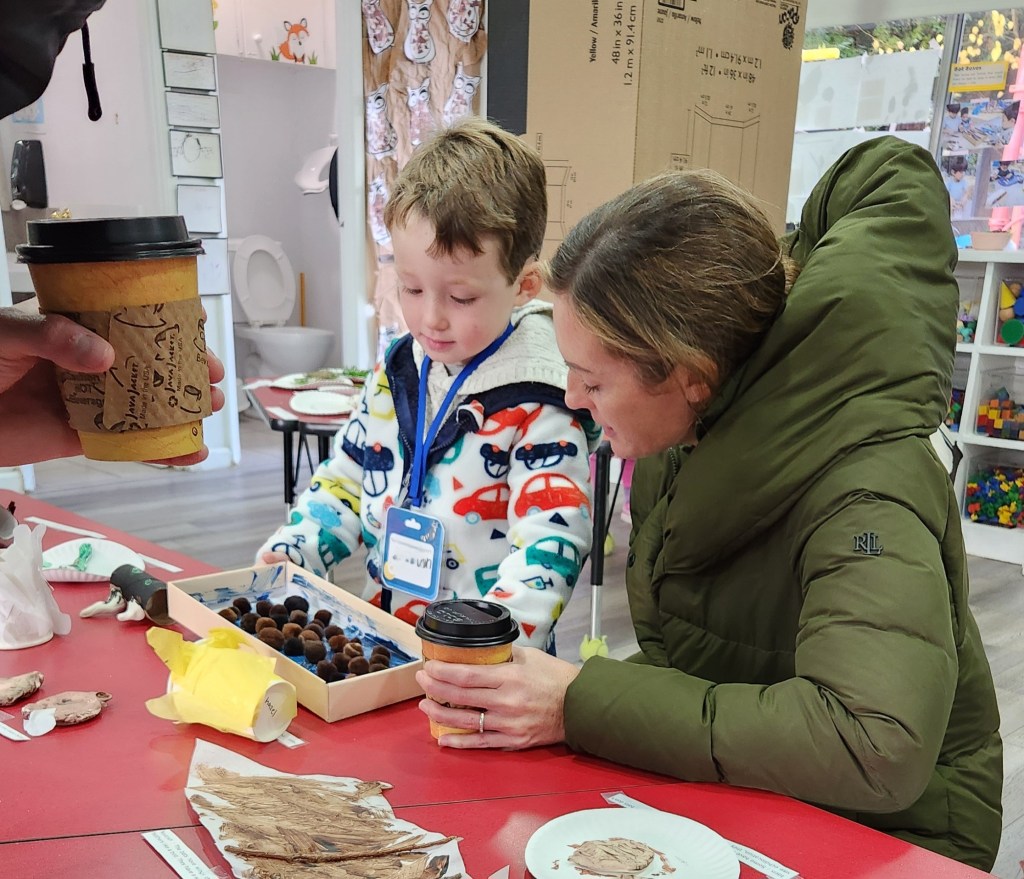
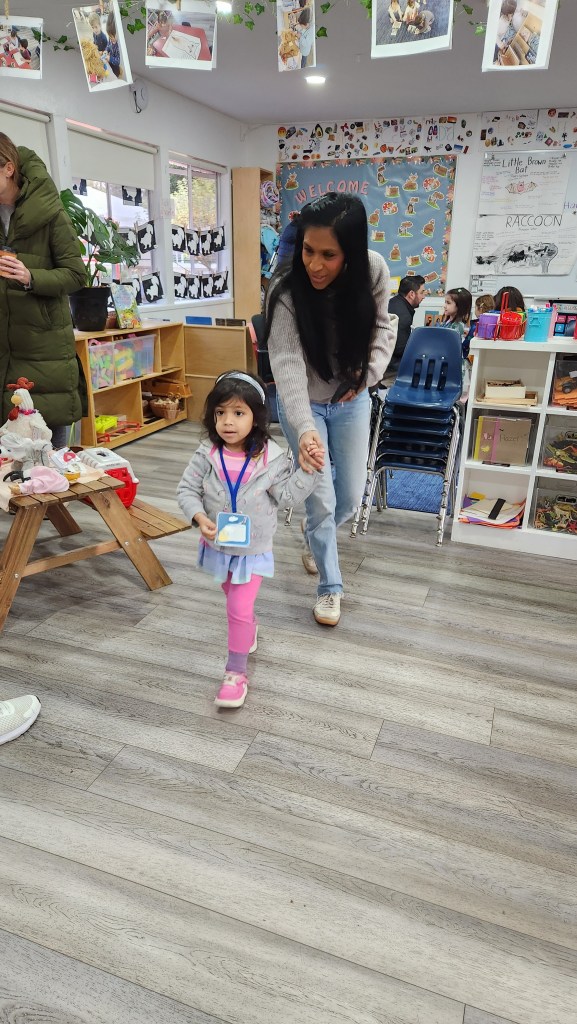
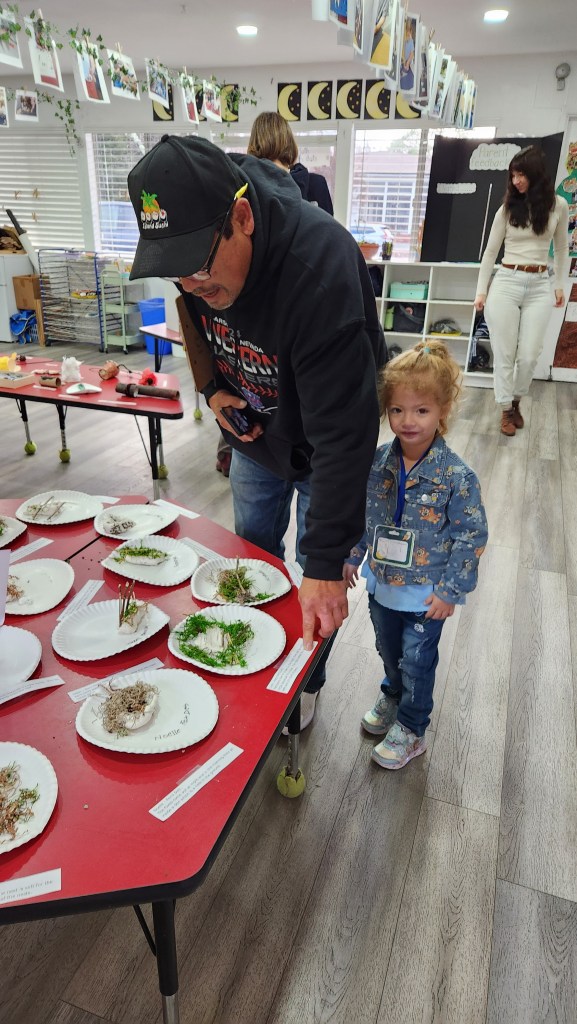
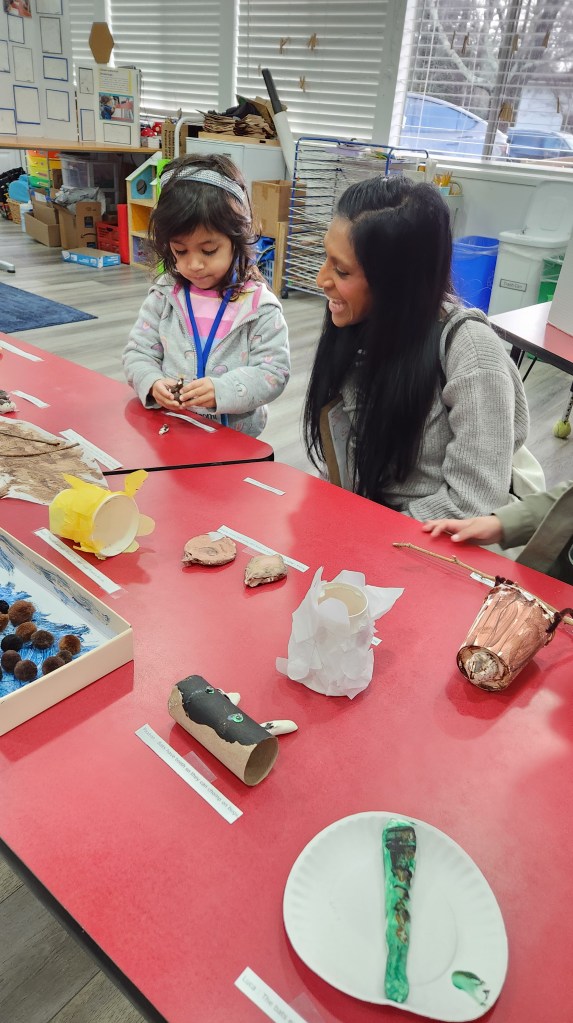
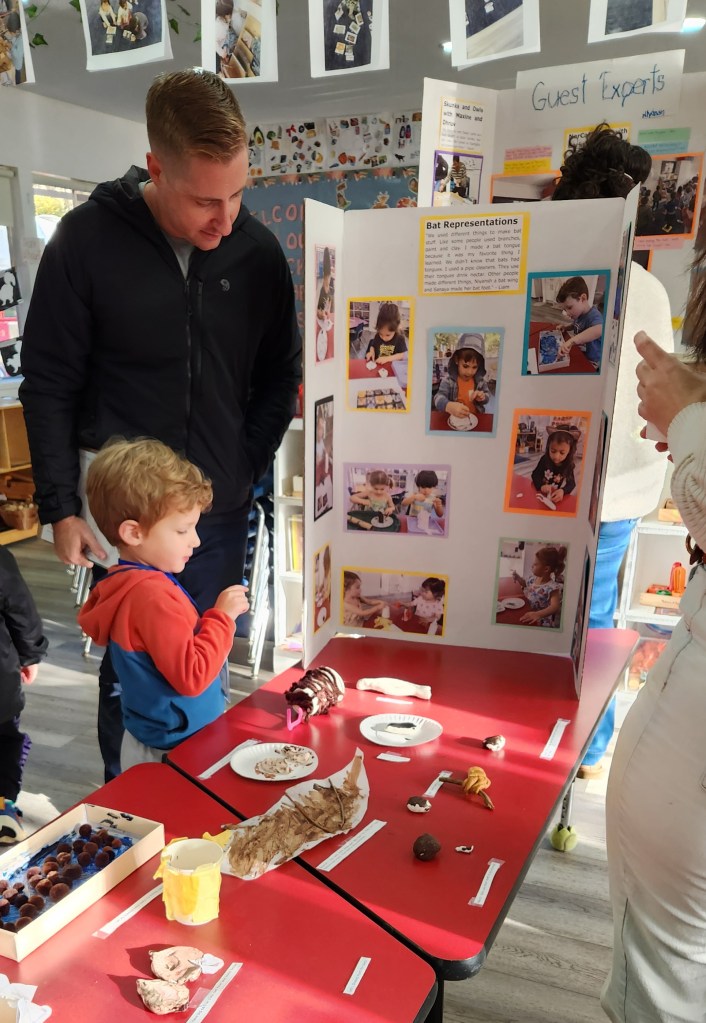
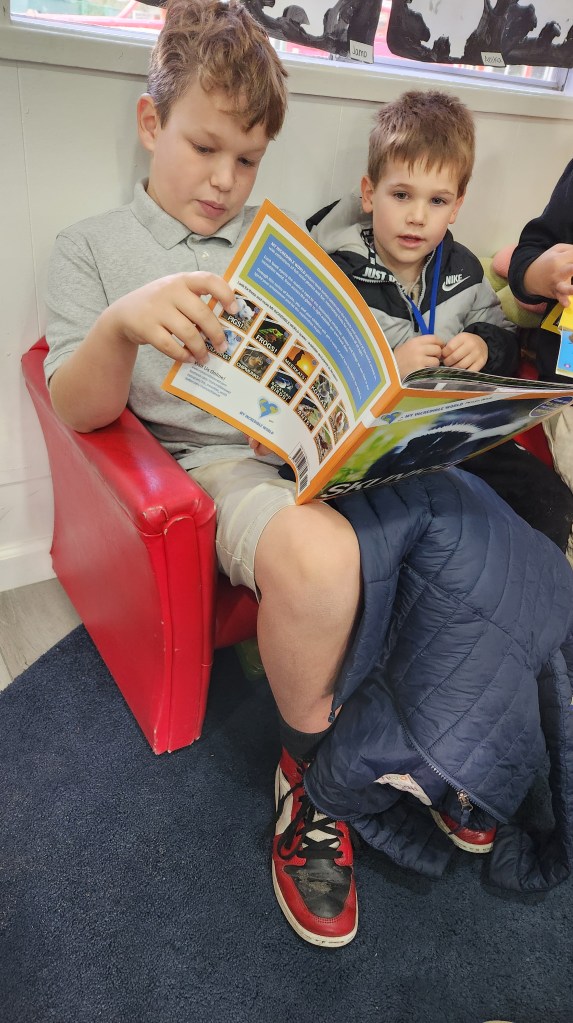
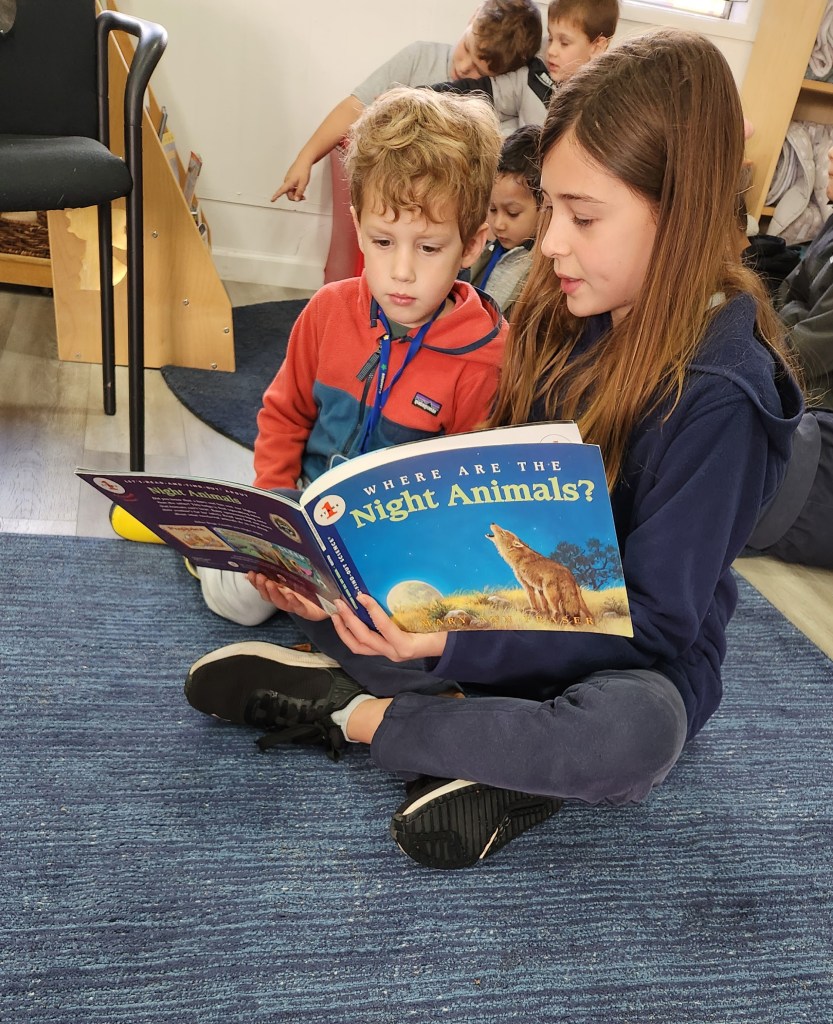
Last week, the preschoolers were very excited to welcome their parents, buddies, and other community members into their classroom for their Nocturnal Animal Project Culmination.

The Owlets spent two months learning about nocturnal animals after a student brought up the concept during circle time at the beginning of the year. The other students had a lot of prior knowledge about animals and were very interested in learning about animals that are more active at night, so the teachers designed a project based on their natural curiosities.

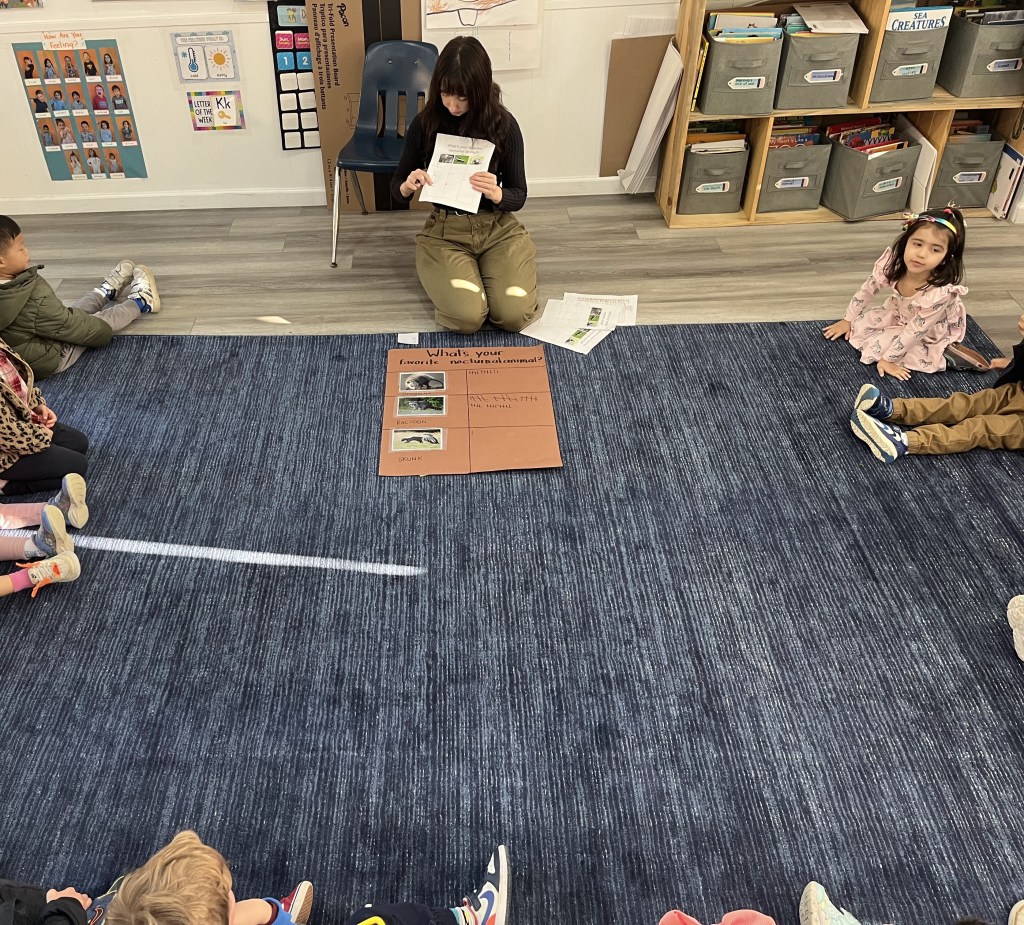
As part of their project, the Owlets took on the role of surveyors, going around the school to ask other classes an important question: Which garbage collector is your favorite—raccoon, opossum, or skunk? After gathering all the votes, they counted them together as a class. It was a close race, but in the end, the preschoolers discovered that Saklan’s favorite animal is… the raccoon!

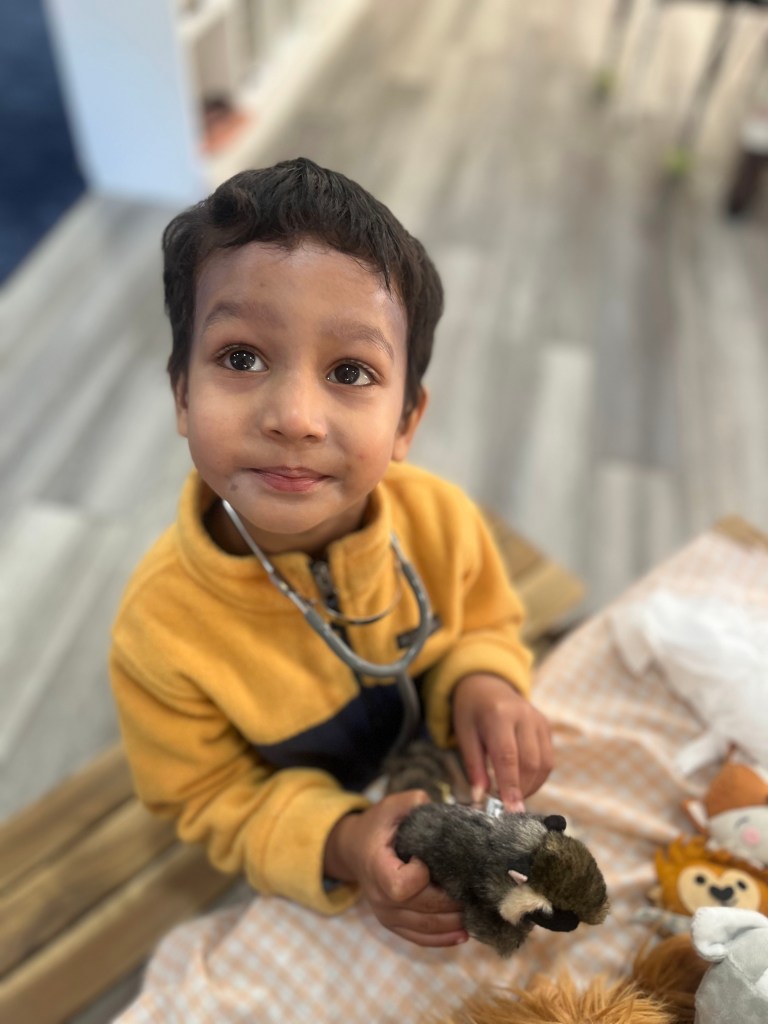
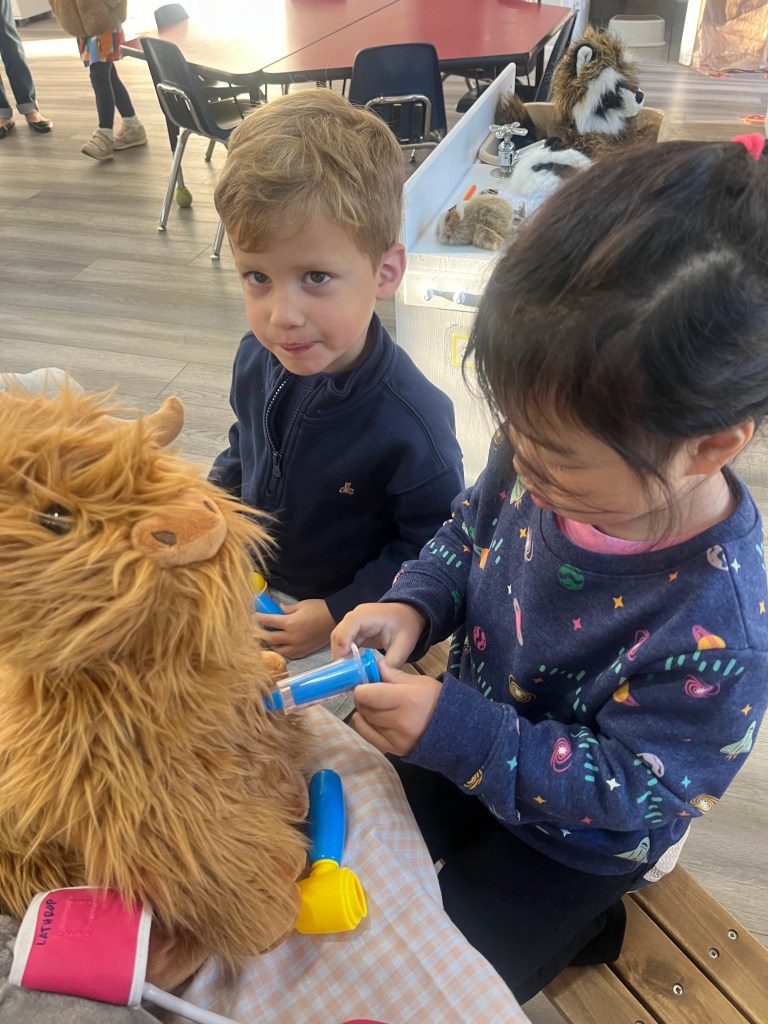
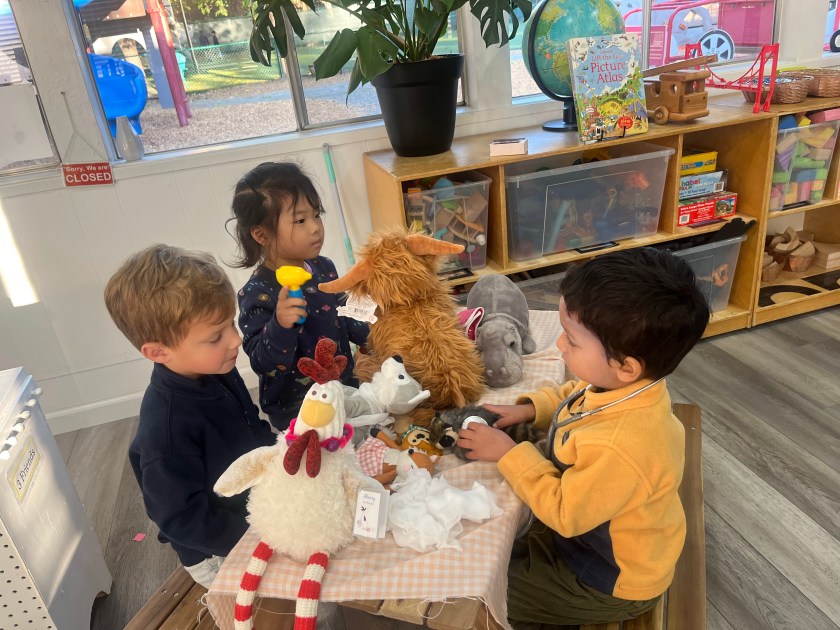
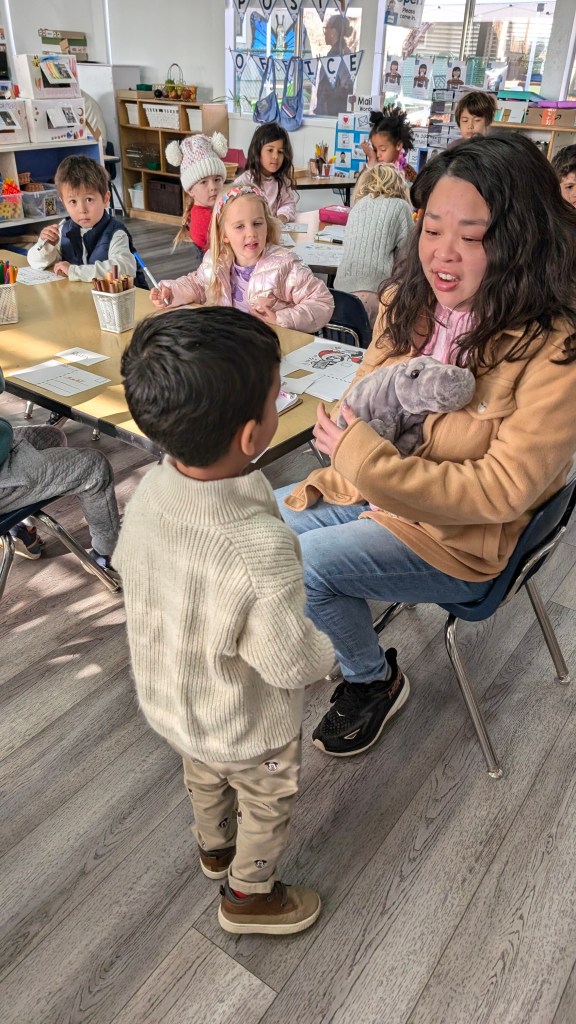
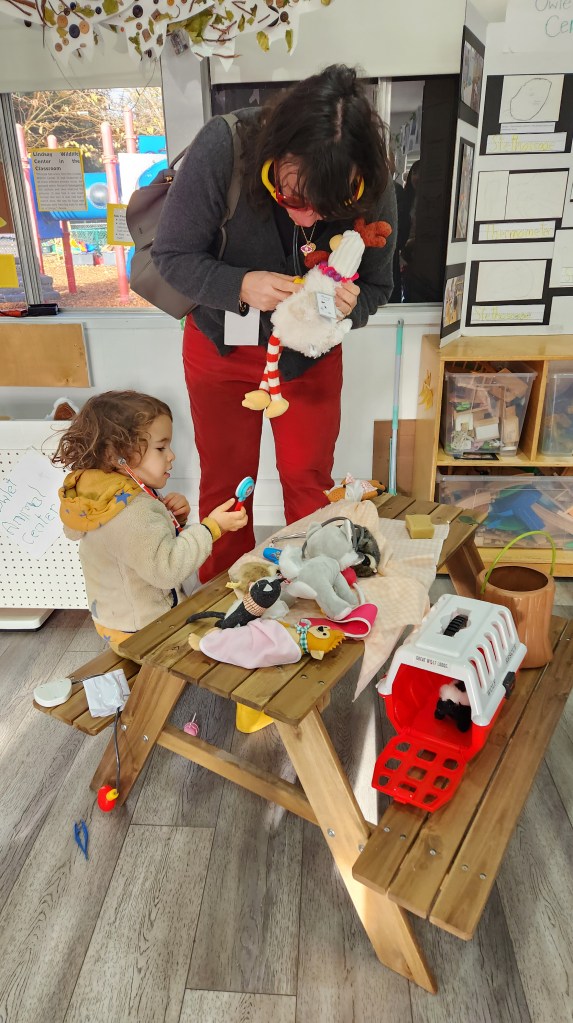
During the project, the Owlets created an Owlet Wildlife Center, after learning about Lindsay Wildlife’s Rehab Hospital. During their study they learned an important lesson: once an injured animal heals, vets usually release it back into its natural habitat. With this in mind, it was time to return the now-healed animals in their care. Maggie’s hippo and Shay’s hairy cow were delivered with care back to their “homes.” Maggie and Shay were so happy to be reunited with their stuffies, and the Owlets were just as excited to see their hard work pay off!

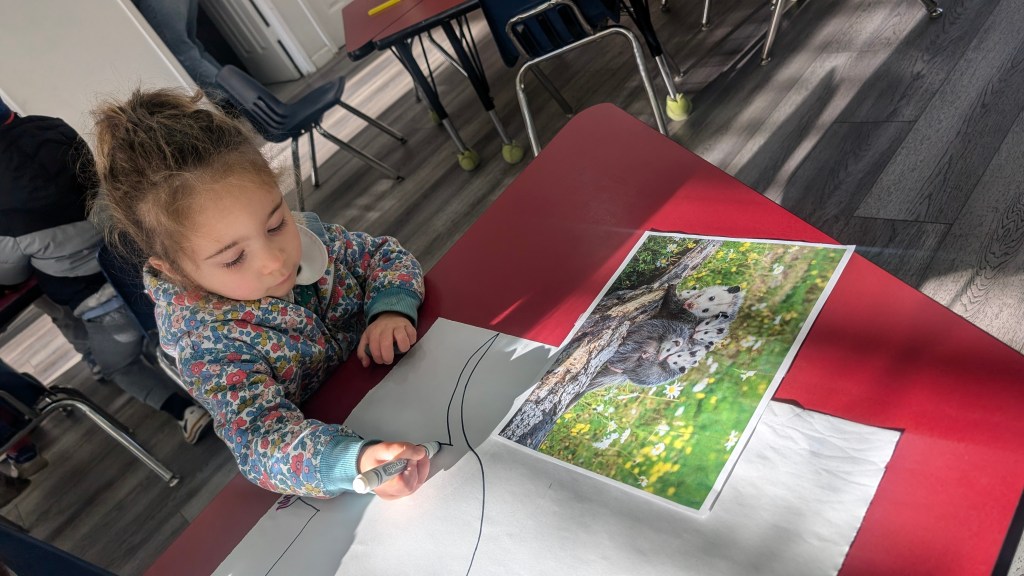
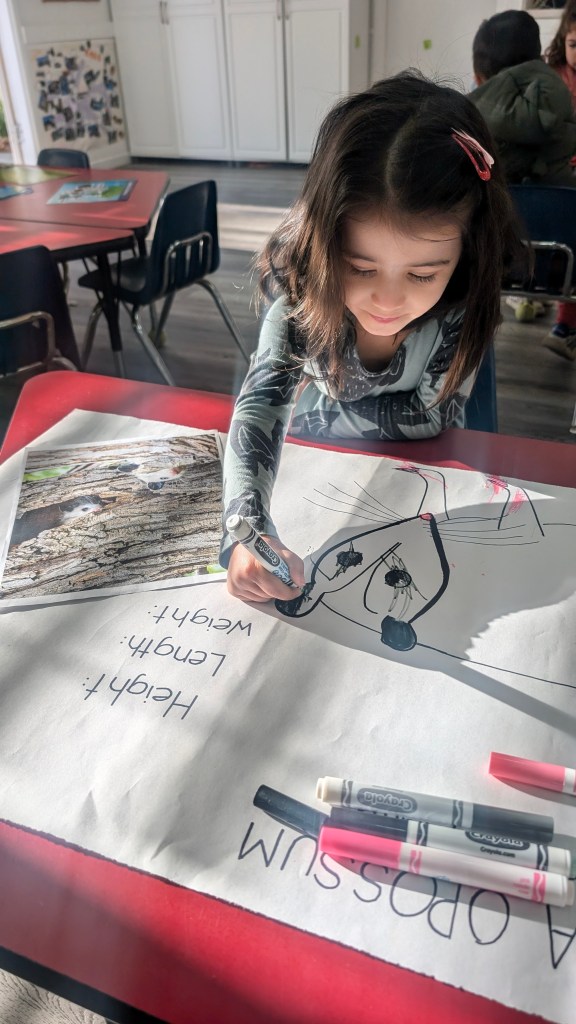
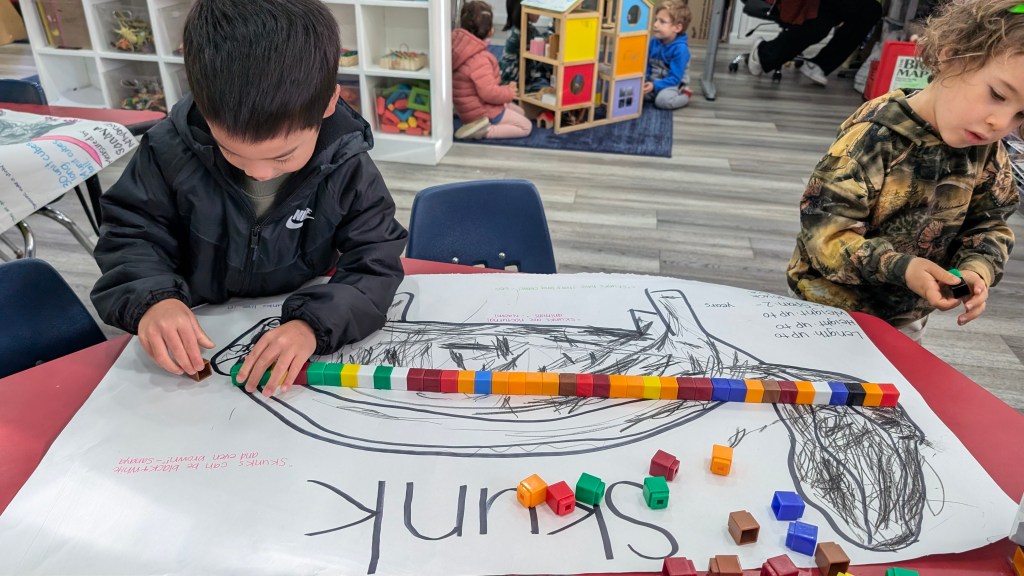
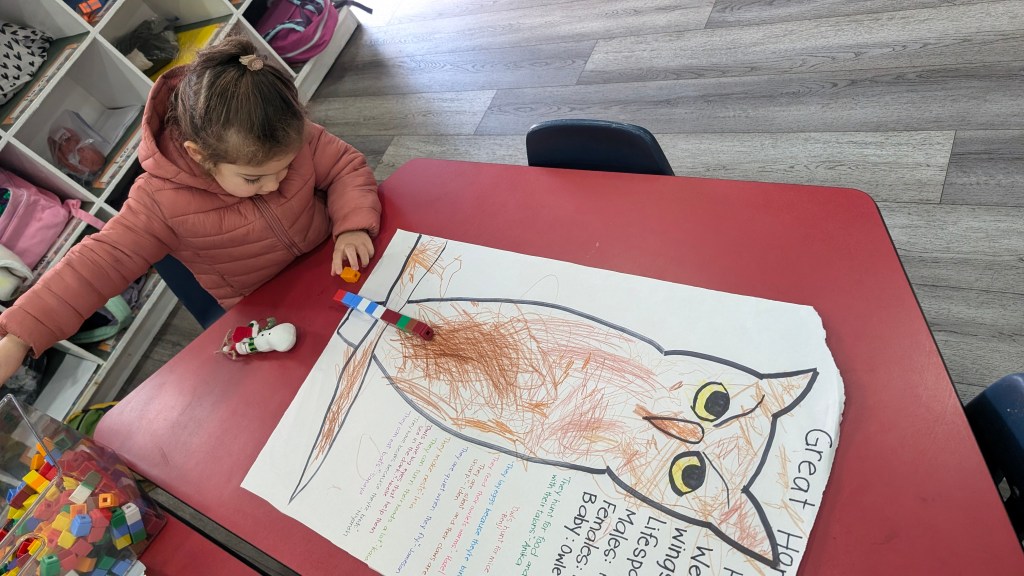
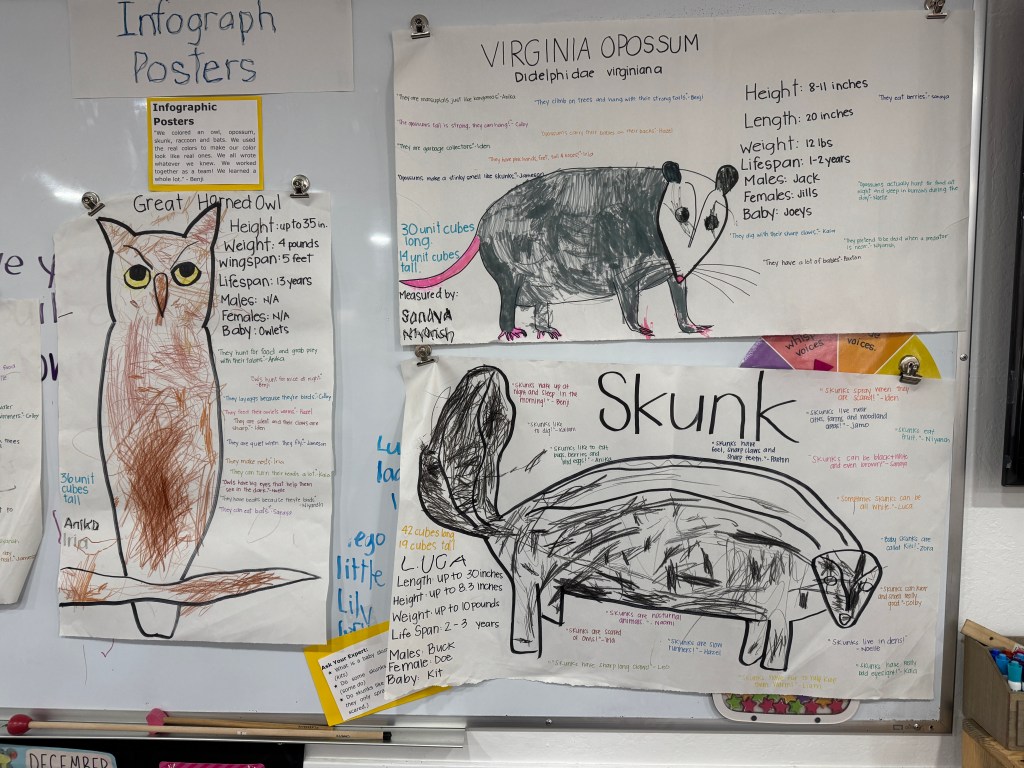
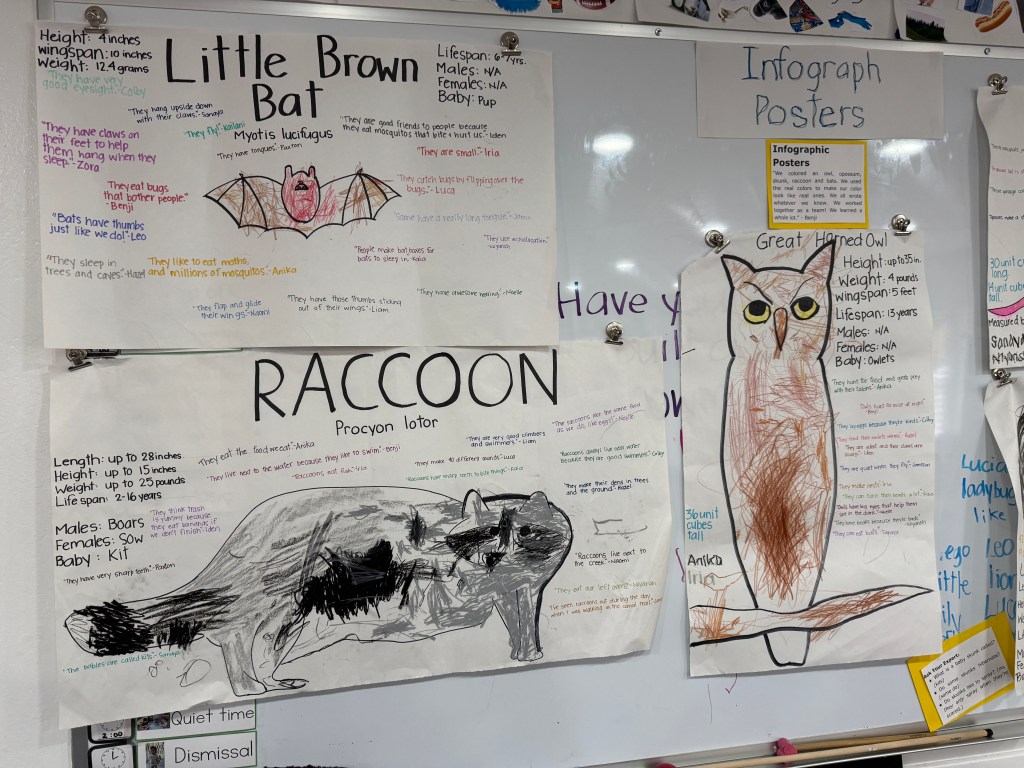
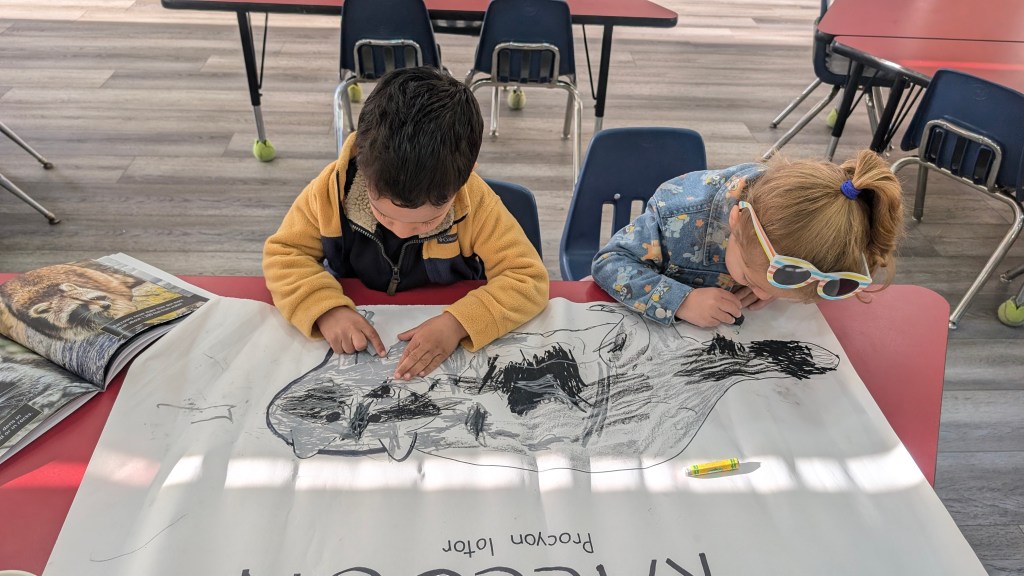
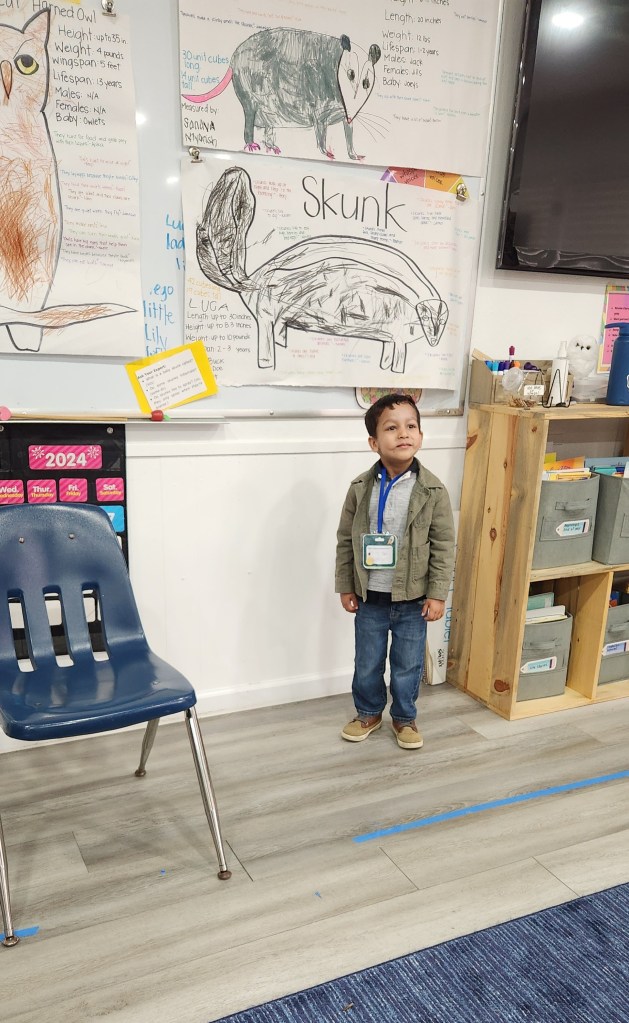
To get ready for the culmination, the Owlets reviewed all the facts they had learned by creating colorful infographic posters. Their attention to detail was spot on as they helped color the giant animal drawings, carefully choosing the real-life colors of each animal. In addition to coloring the posters, they did some fun math with them, measuring the length and width of the animals using unit cubes.

Finally, all their learning and hard work came together for their Nocturnal Animal Culmination, which was a great success! Teachers, parents, and buddies were all very proud of the Owlets. They were amazing tour guides, confidently sharing everything they’ve learned.