Improving Saklan’s Community Spaces

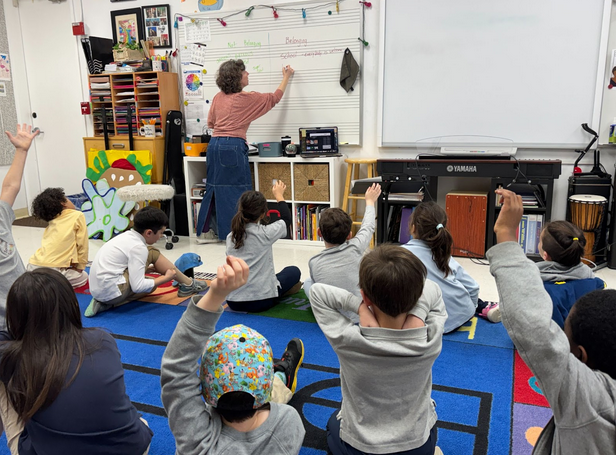
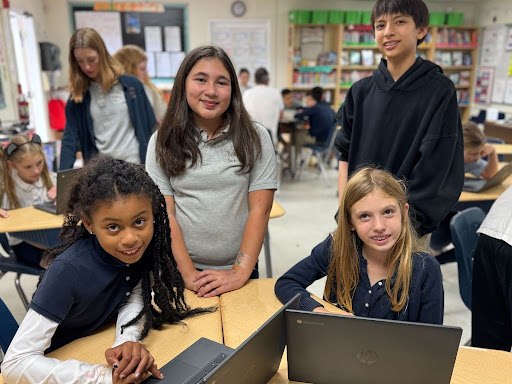
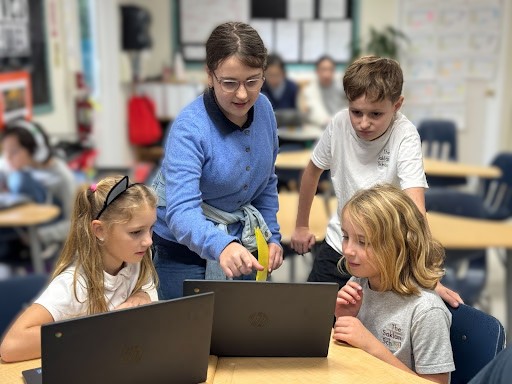
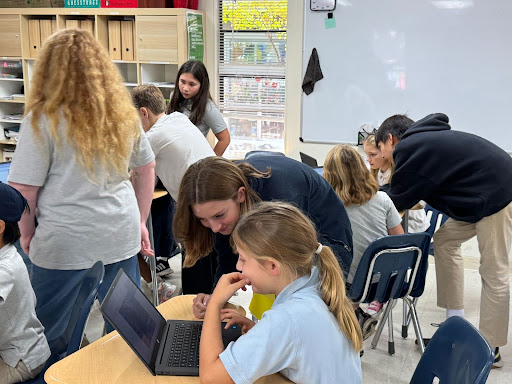
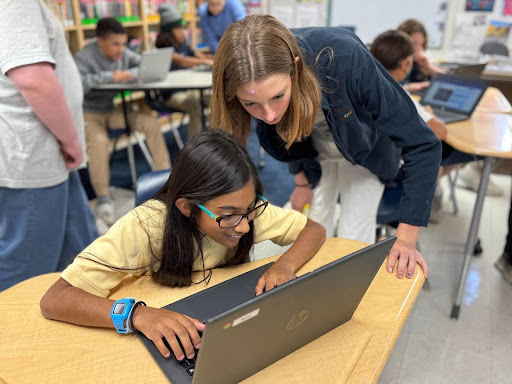
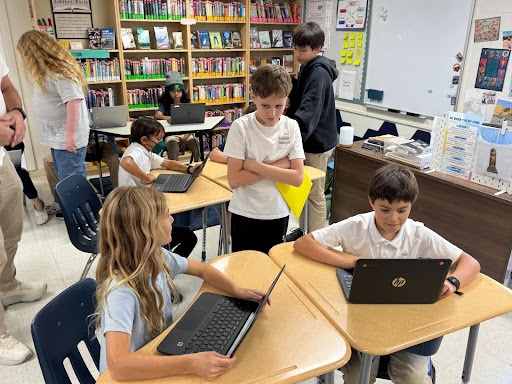
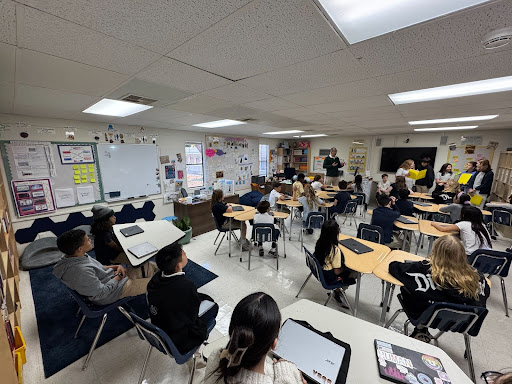
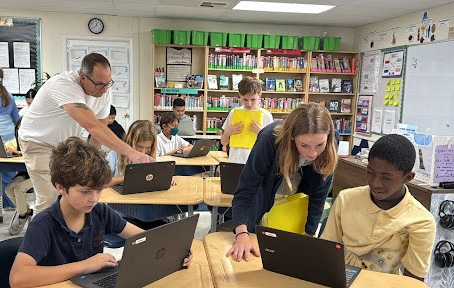
Saklan’s seventh-grade students have been exploring the role of community spaces through an engaging Humanities Project Based Learning unit centered on the driving question: How can we improve our shared public spaces to better meet the needs and reflect the values of our community?

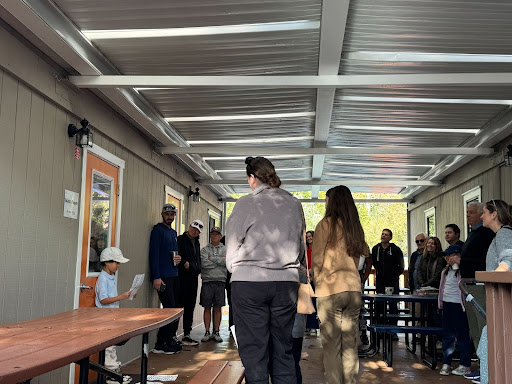
As the culminating project for the unit, students are developing thoughtful and practical proposals for improving one of the most meaningful shared spaces in their daily lives: The Saklan School campus. Families are invited to join the seventh graders on Wednesday, May 20, at 10:15 a.m. in the Humanities Room to hear students present their ideas for enhancing our campus community.

The project began with students reflecting on the changes already made to Saklan’s campus during the current school year. Together, they identified several updates, including the addition of all-gender bathrooms in the Lower School, a new net above the sports court fence, the construction of the redwood deck, and the installation of larger middle school lockers. Working in small groups, students evaluated whether these changes improved the campus experience and considered how they might be enhanced further.
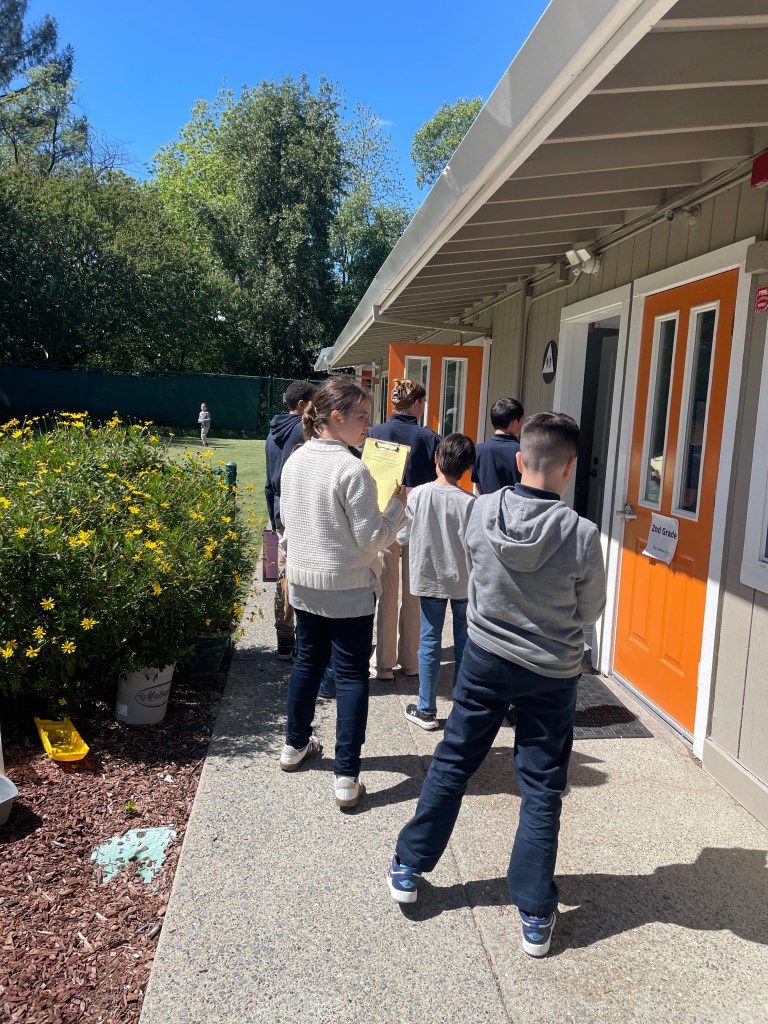
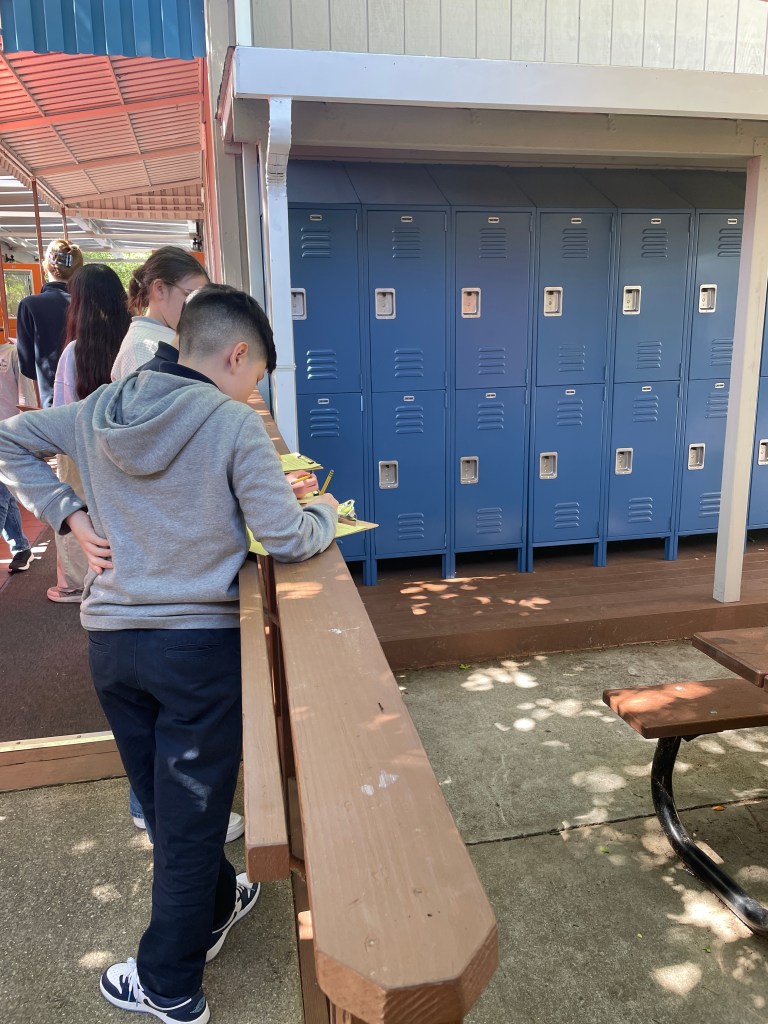
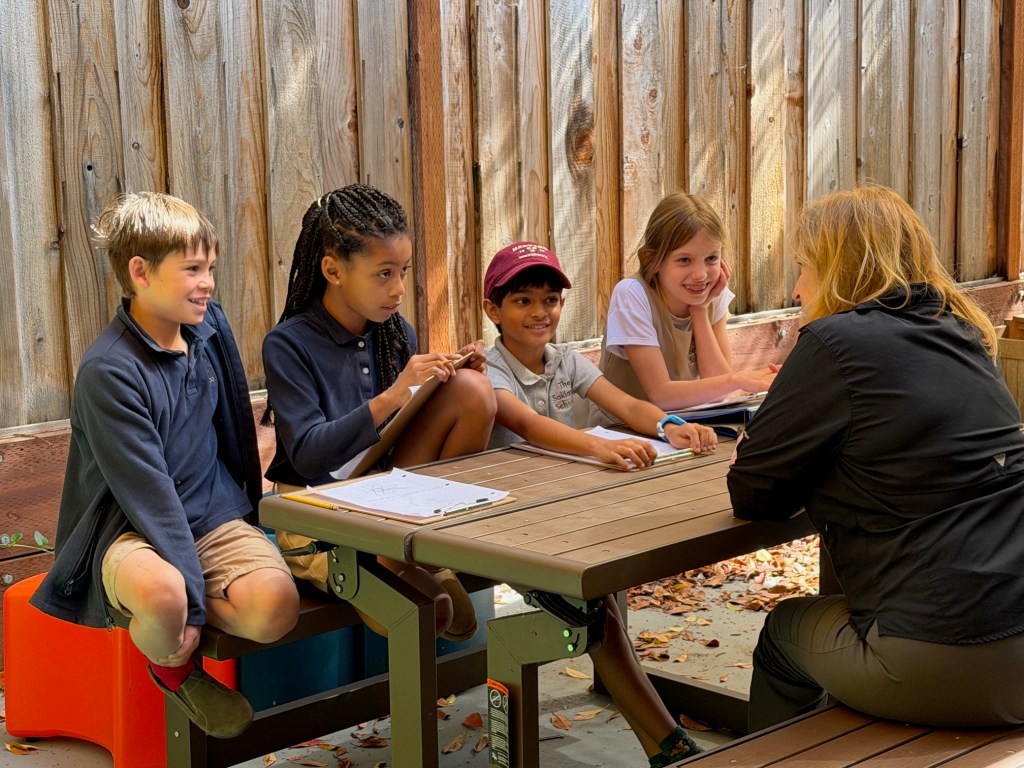
From there, students conducted a detailed assessment of the school grounds, examining buildings, outdoor areas, and the campus perimeter. Each group identified spaces that were functioning successfully, areas that could be improved, and the reasons behind their evaluations. This process encouraged students to think critically about how design impacts the way people interact with and experience shared environments.
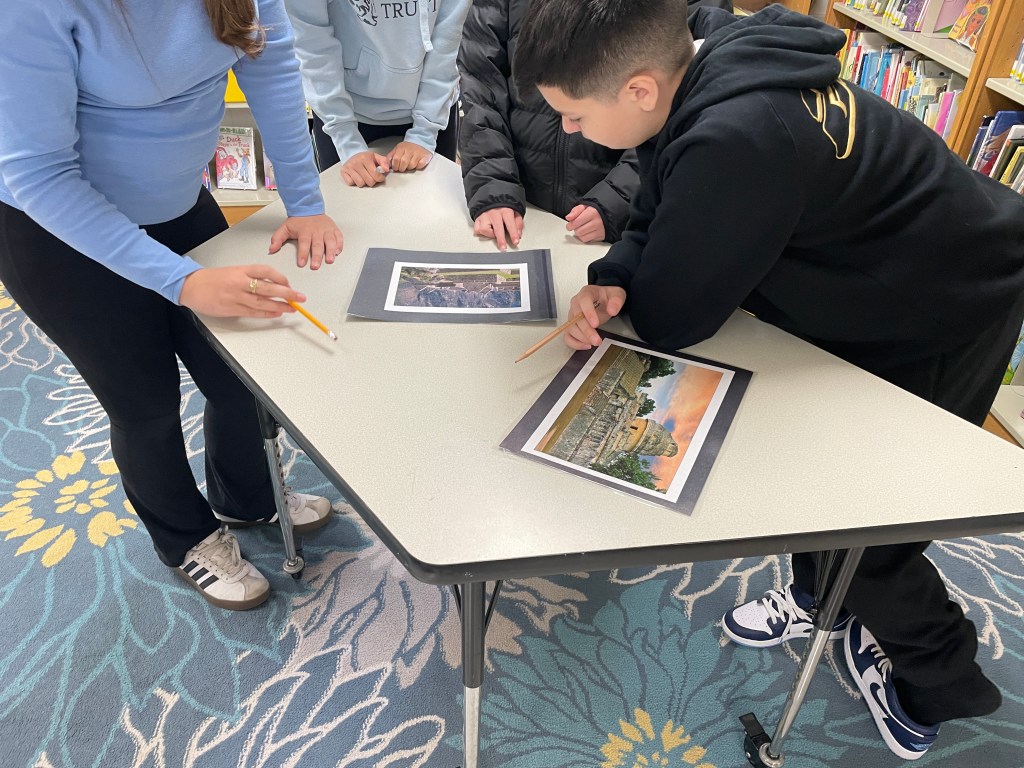
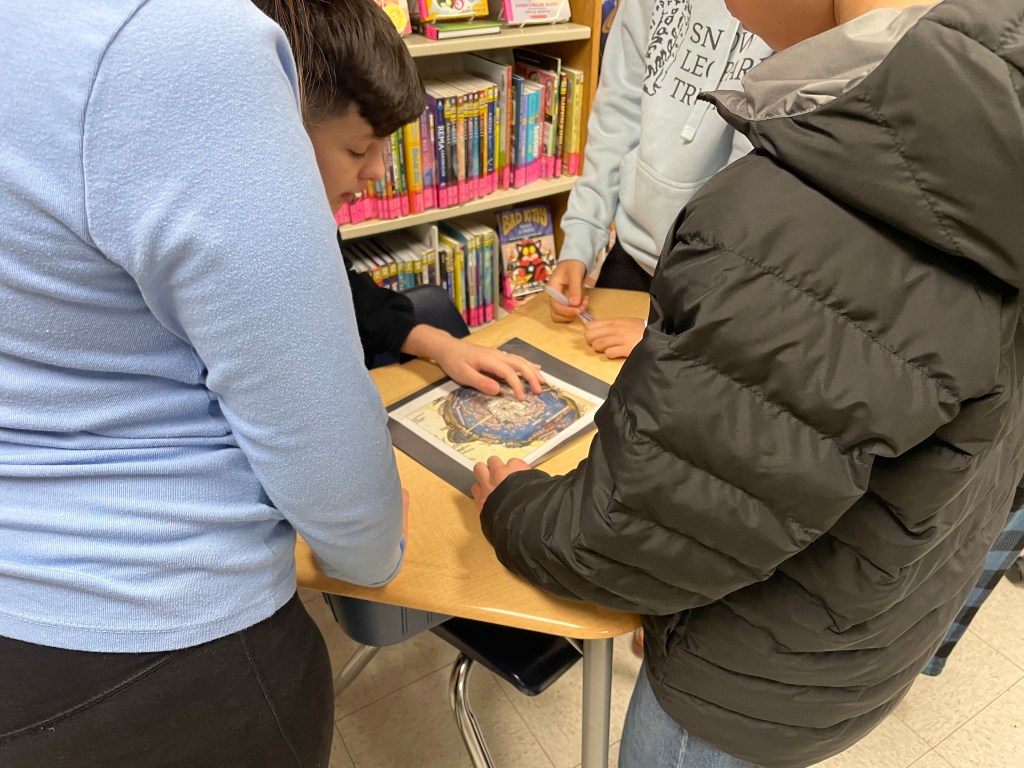
The unit then expanded into a historical exploration of community spaces in pre-Columbian Mesoamerican civilizations. Through a gallery walk featuring unlabeled images from the Maya, Aztec/Mexica, and Inka civilizations, students analyzed architecture and public spaces while considering the cultural values they reflected. Students also engaged in discussions about the legacy of Christopher Columbus, examining differing perspectives on why he remains widely recognized and whether he should continue to be celebrated.
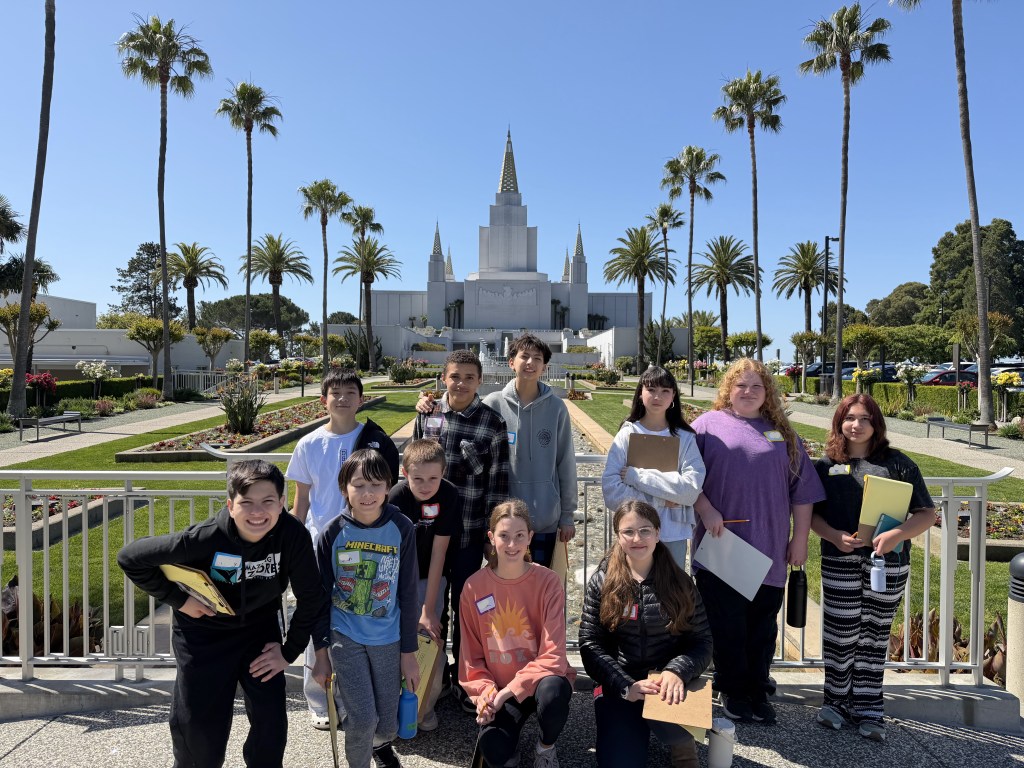
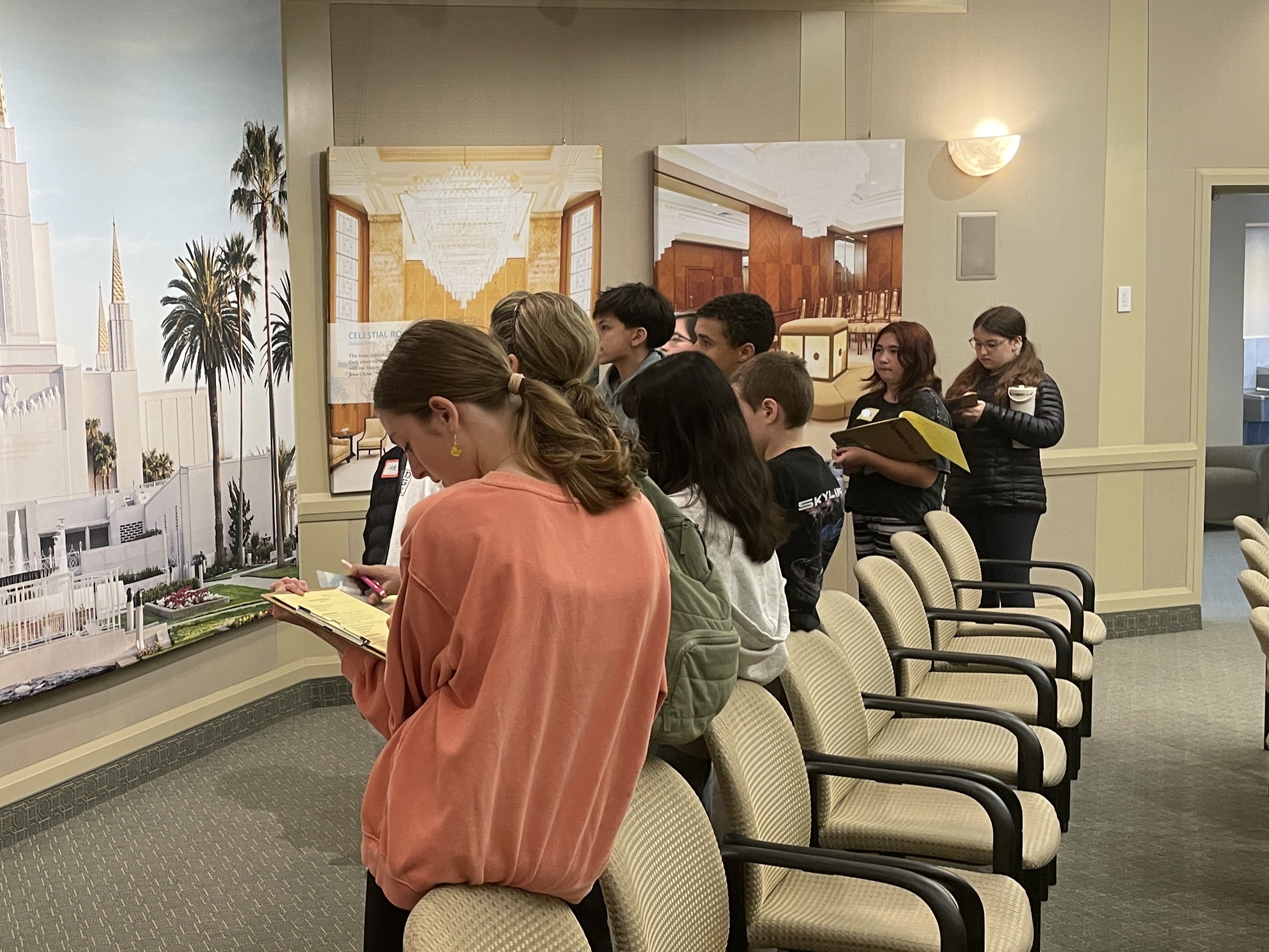
Working in expert groups, students studied one of the three civilizations in greater depth, learning about the geography, climate, and major achievements that shaped each society. Individually, students then selected a pre-Columbian structure or community space to investigate more closely. They explored why the space was created, how it was used, what needs it fulfilled, the materials used in its construction, and the factors that influenced its design.

As students continued refining their understanding of successful community spaces, they also examined examples from the modern world, including a visit to a contemporary temple. Throughout the process, students connected lessons from the past and present to their own campus community, using their research and observations to inform their final proposals.

The project has encouraged seventh graders to think deeply about the relationship between physical spaces and community values, while empowering them to imagine how thoughtful design can improve everyday experiences for others.

#SaklanProjectWork #SaklanCommunity
Once Upon a Time in Kindergarten

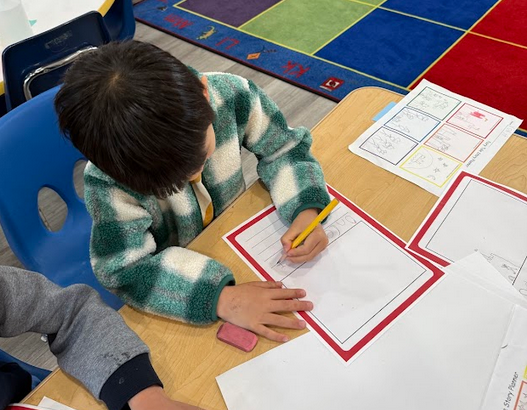
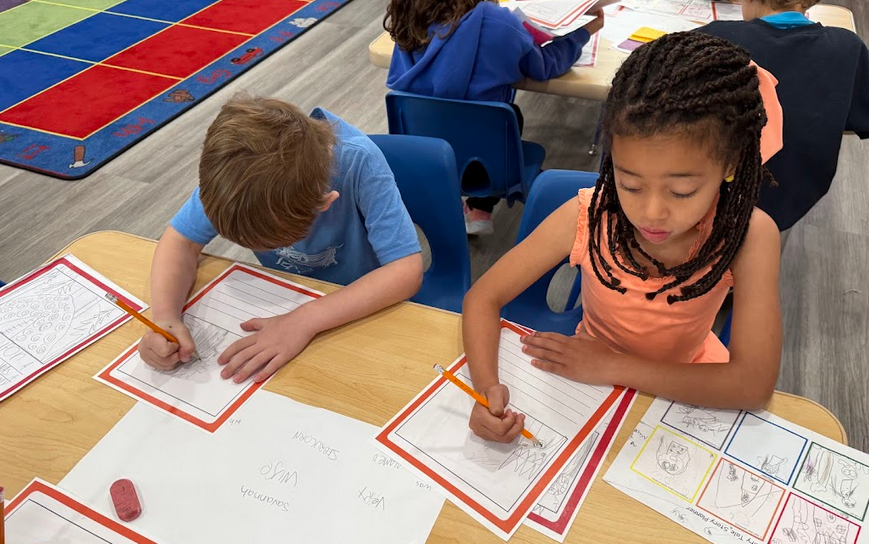
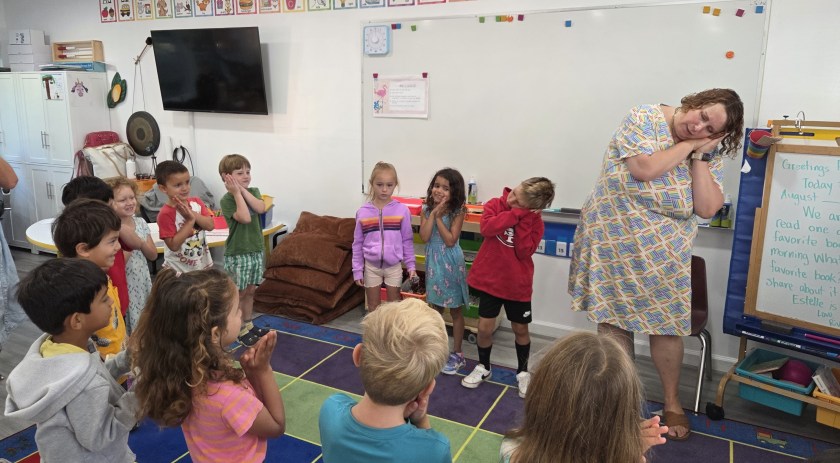
Kindergarten students at Saklan have been immersed in a magical world of storytelling as their Project work has focused on fairy tale writing. The classroom has been filled with excitement as students bring imaginative characters and adventures to life. Dragons, evil magicians, brave princesses, talking animals, and mysterious villains have all found their way into their original stories.

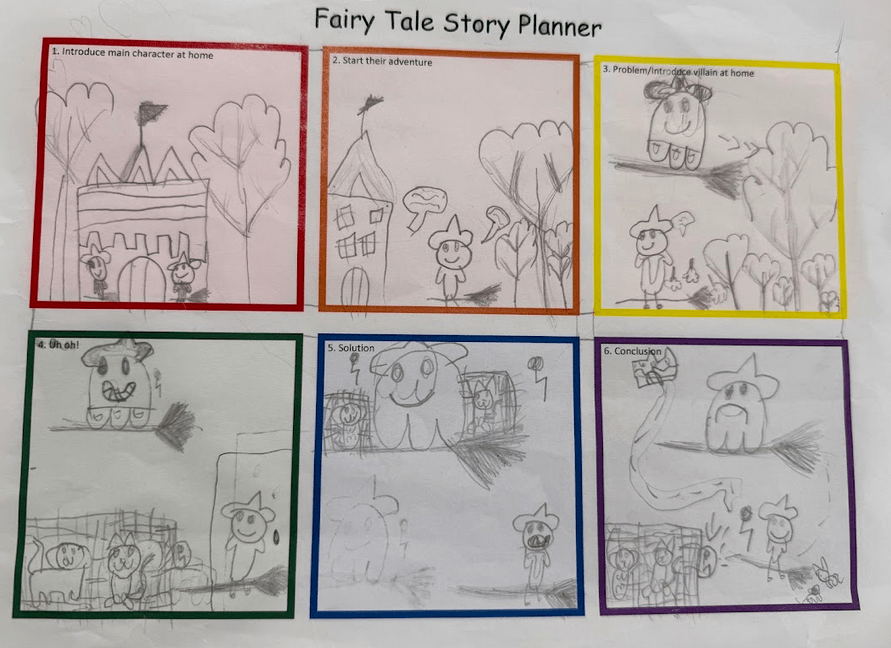
While the final stories are full of creativity and humor, students are also learning an important lesson about the writing process: strong writing begins long before the final draft. Weeks earlier, students engaged in a carefully scaffolded planning process designed to build an understanding of story structure and organization.

Using a color-coded system, students mapped out their ideas across six parts of a narrative: introducing the main character, beginning the adventure, presenting the problem and villain, building to the “uh oh” moment, resolving the conflict, and concluding with a happily ever after. By focusing on just a few sections at a time, students were able to thoughtfully develop their stories and gain confidence in structuring their ideas.

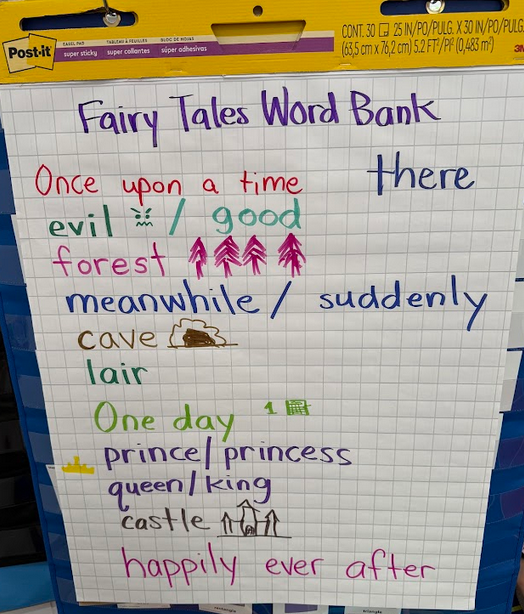
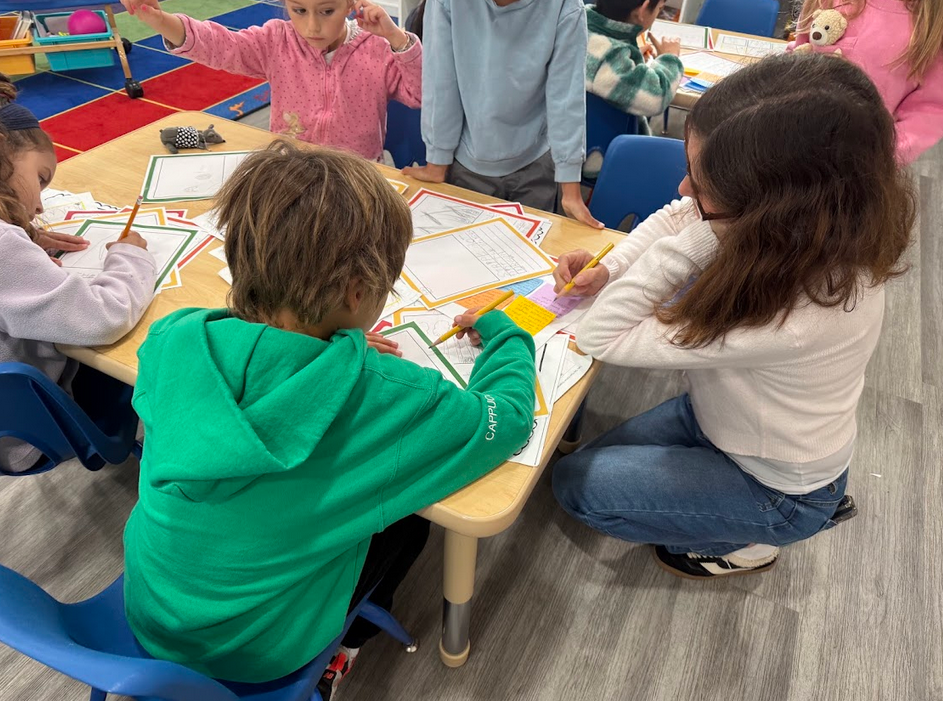
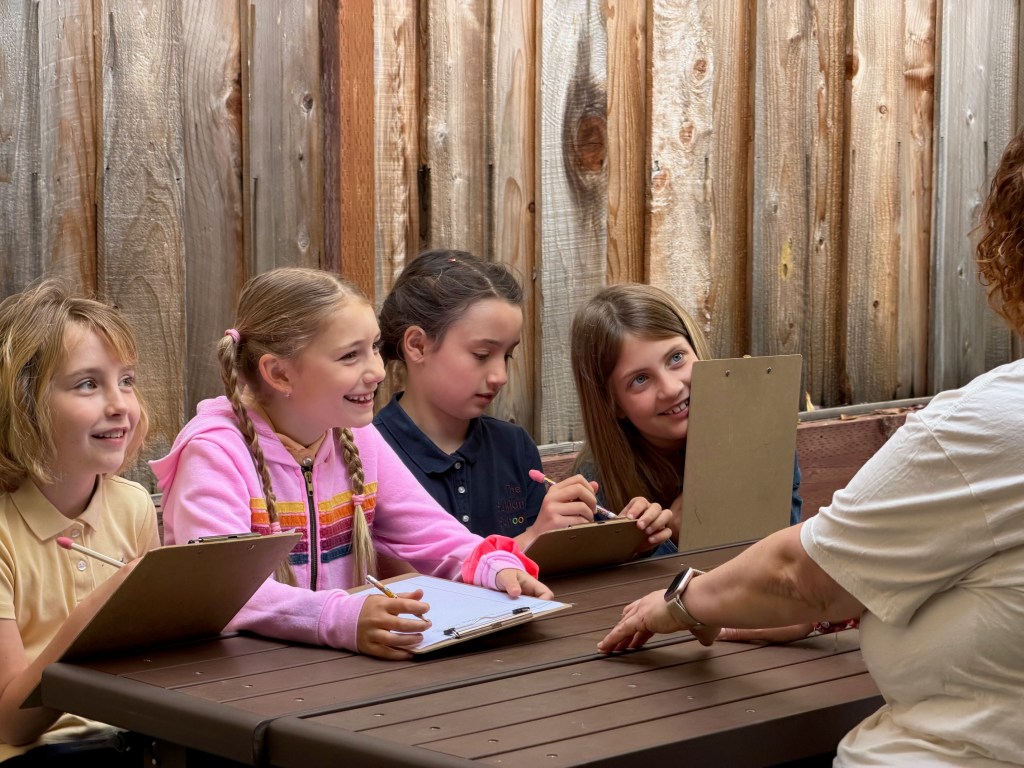
Once their plans were complete, students eagerly began the writing process. Over the following weeks, the classroom buzzed with focused energy as young authors transformed their plans into full fairy tales. To support their work, students used a growing class word bank, along with table-specific word lists, to help with spelling and vocabulary. They also leaned on one another, asking questions, offering suggestions, and celebrating each other’s ideas along the way.

This collaborative and supportive environment helped students not only strengthen their writing skills but also develop confidence and independence. The process was both challenging and rewarding, resulting in stories that are as unique as the students themselves.

You are invited to experience these original fairy tales firsthand during the Kindergarten culmination on Friday, May 15, at 9:00 a.m. It promises to be a joyful celebration of creativity, growth, and storytelling!

#SaklanProjectWork

From Brain Science to Real-Life Application

What does it look like when students take what they know about the brain and use it to help others? That question came to life as our fifth graders stepped into the heart of their project work.

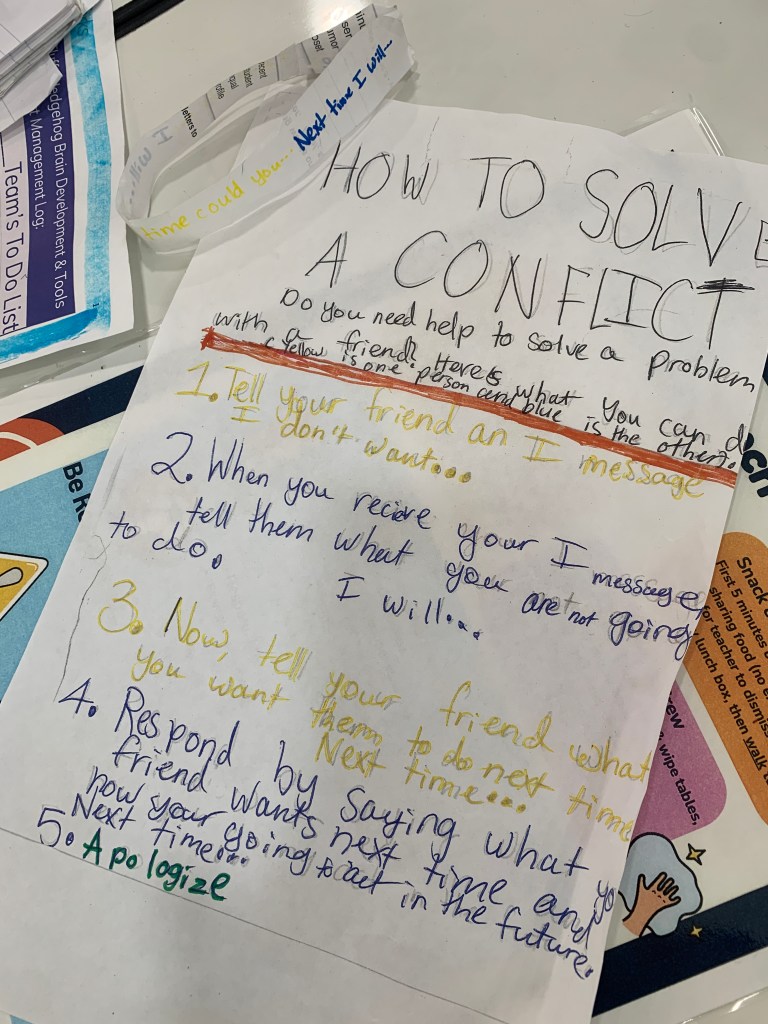
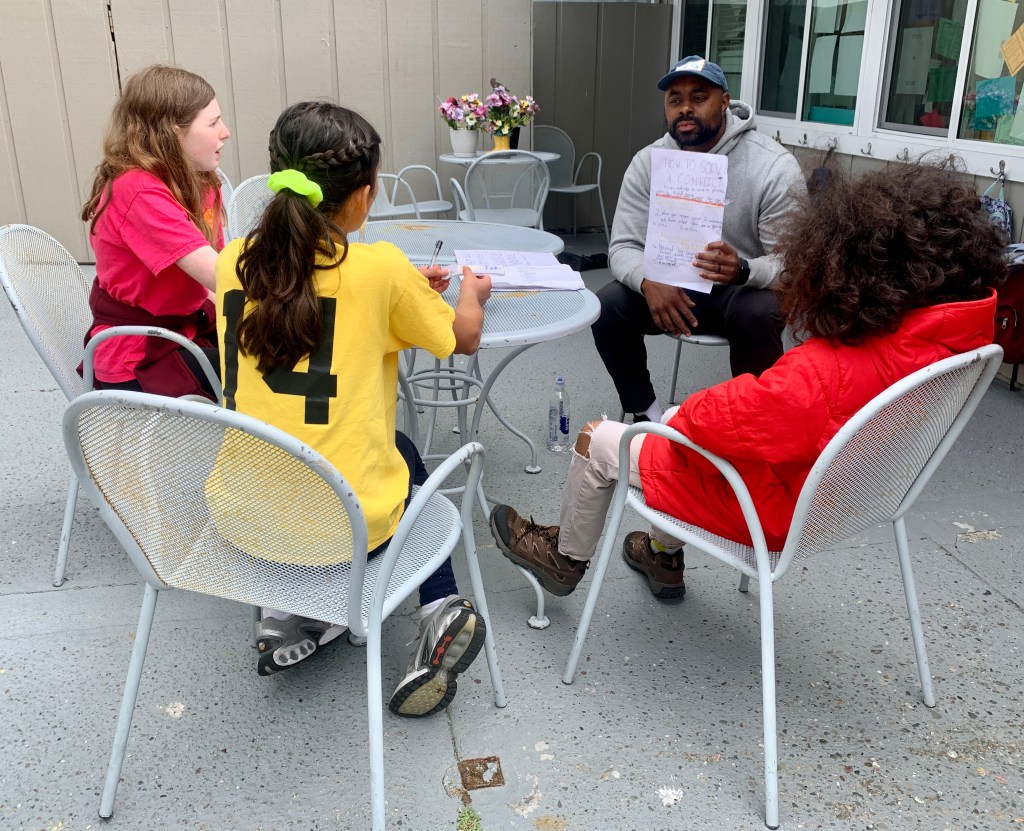
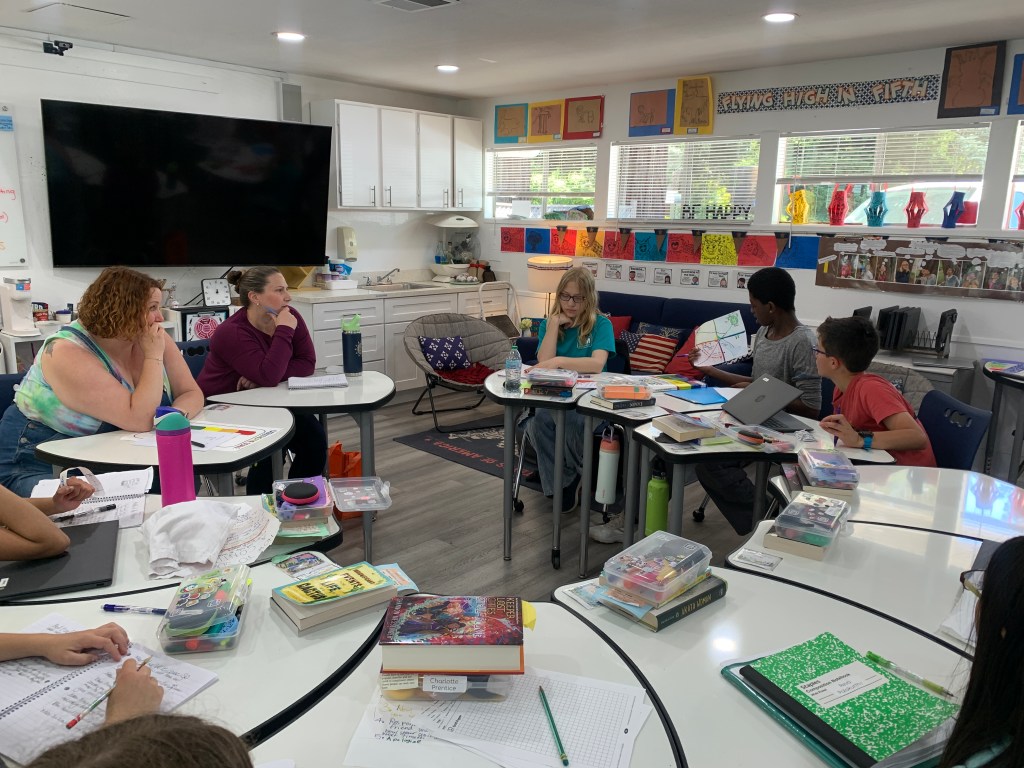
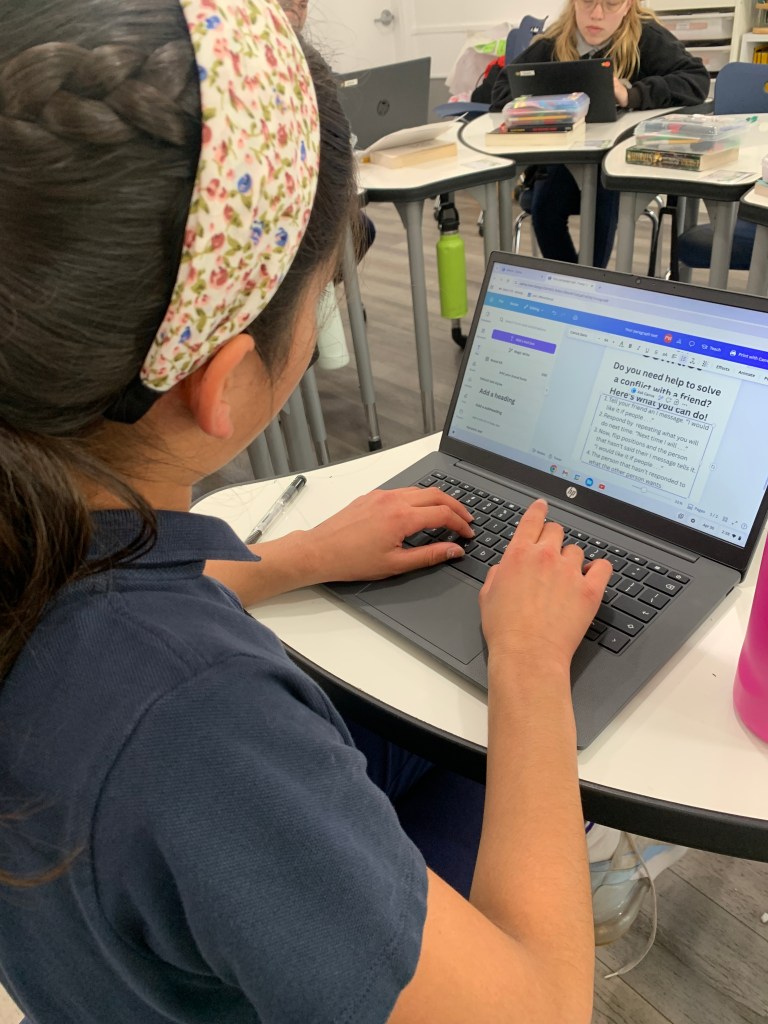
Building on their recent brain science studies, students are now applying their understanding of how the brain interprets, reacts, and sometimes gets it wrong to design tools that help people better understand and manage emotions and relationships. Working in three teams, they are focused on self-awareness (naming feelings), self-regulation (calming tools), and connection (conflict resolution, active listening, and problem-solving). Each team is designing visual teaching tools and co-creating stories that show characters using the strategies, and younger students will soon get to help shape key elements.

Last week, teams presented their prototypes and story drafts to guest experts who support children every day. Riva and Emily joined the self-regulation team, bringing calming tools for students to test. Annette and Coach Rob shared their Peace Talks training and Conflict Corner guidelines with the connection team, and Peta supported the self-awareness team in refining their tools using Zones of Regulation strategies. 

Students listened carefully, asked thoughtful questions, and immediately began refining their work.

One fifth grader captured the spirit of the project perfectly:

“We have a voice in project work. We made a real impact on the Redwood Grove earlier this year, and now we’re doing something that can help people understand their emotions and relationships. I like knowing our work matters.”

Families are invited to see this important work in action at CLAS on May 15, when fifth graders will present their projects and share the impact of their learning.

#SaklanProjectWork

Designing Dreams

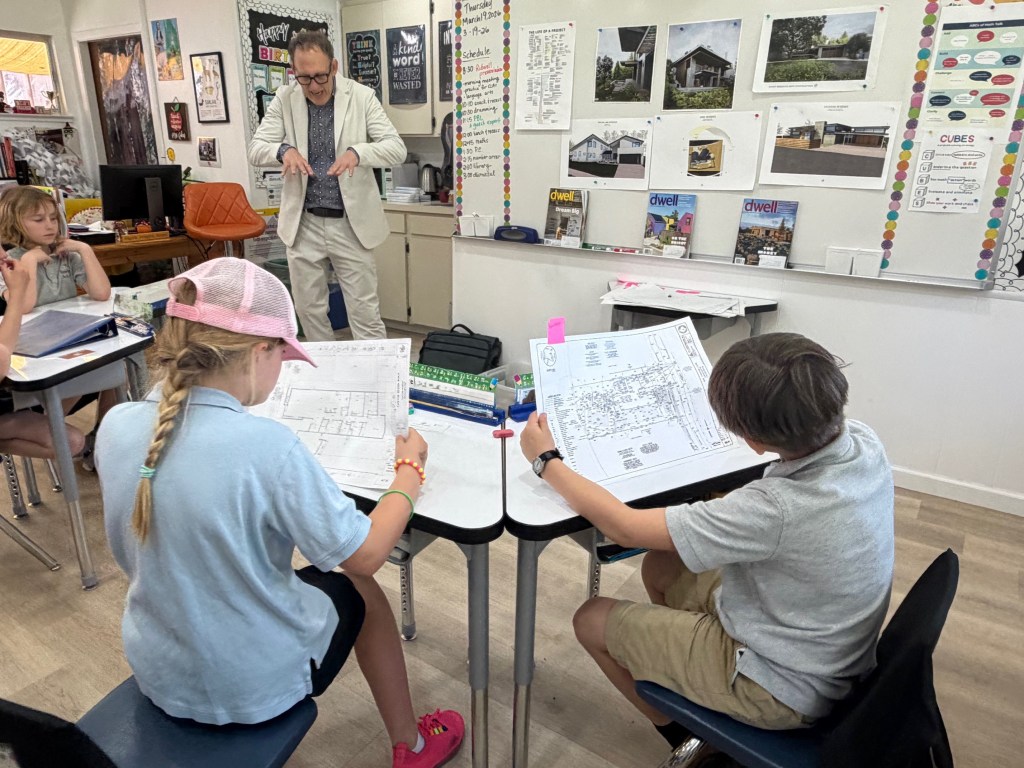
Third graders at Saklan are stepping into the role of architects with a new Project Based Learning unit that asks a compelling question: What if you could design a home that fits someone’s life perfectly—every inch intentional, every detail meaningful?

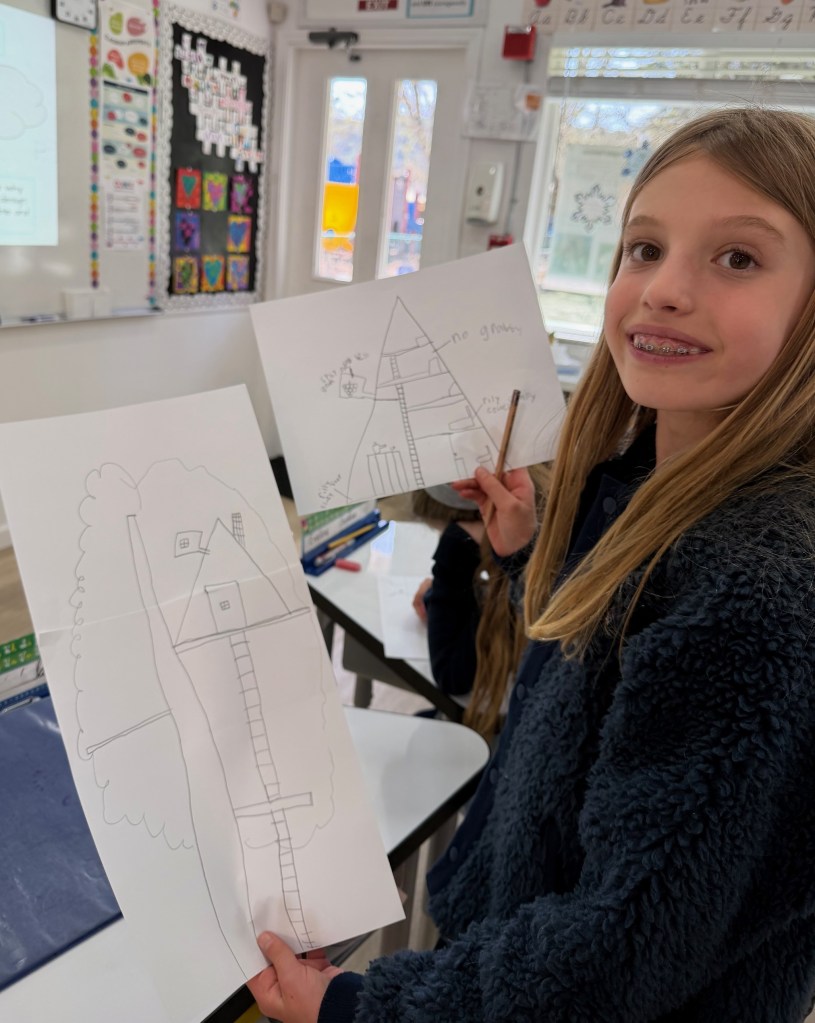
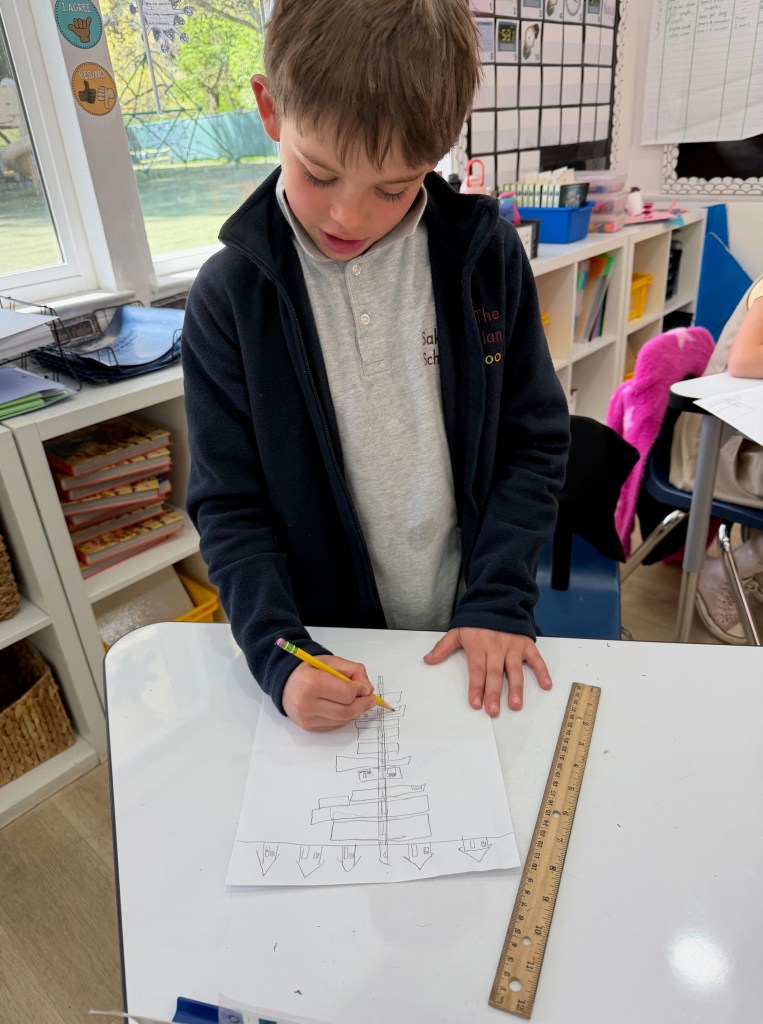
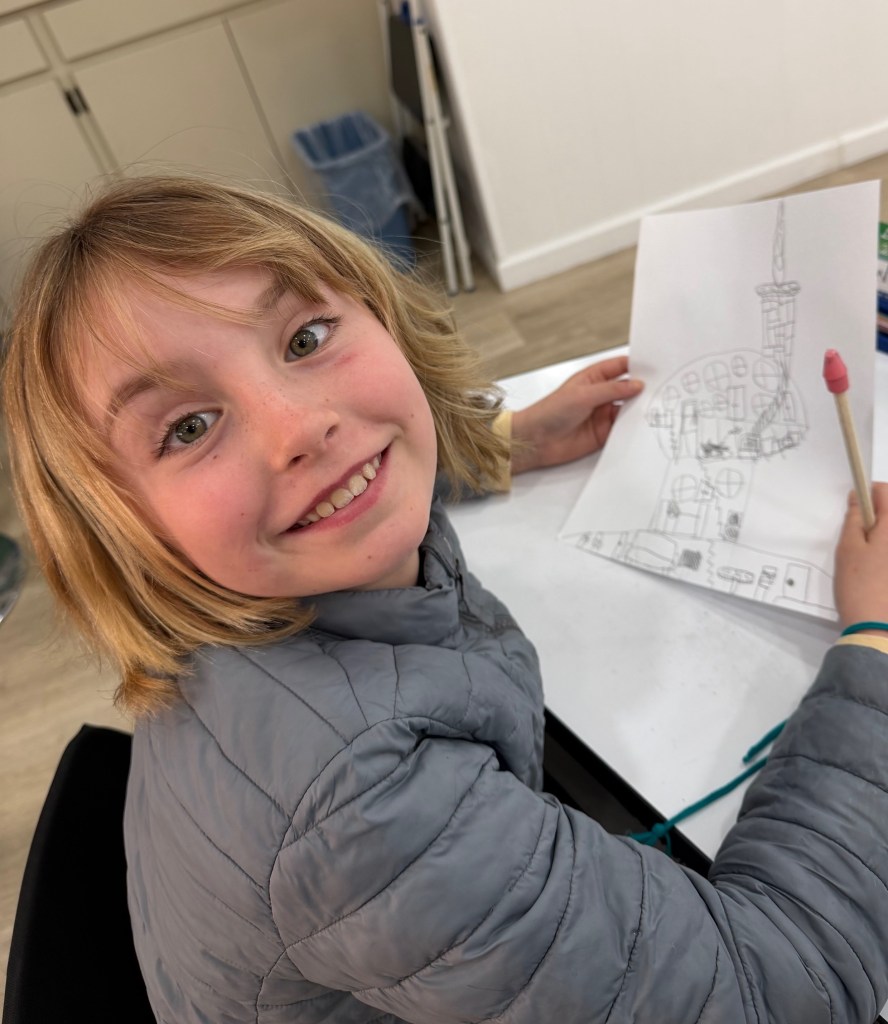
The unit began with imagination at the forefront. Inspired by If I Built a House by Chris Van Dusen, students sketched their own dream tiny homes. Their ideas ranged from whimsical treehouse escapes to cleverly designed underground hideaways, each reflecting a unique blend of creativity and personal vision. As their designs took shape, students began to think more deeply about the purpose behind their choices.

From there, the learning shifted toward real-world application. Students explored why people choose to live in tiny homes and considered the challenges of designing within a limited space. They examined how architects must carefully balance wants and needs, making thoughtful decisions about how every inch is used.

This work is closely tied to their current math studies. By applying concepts of area and perimeter, students are discovering how mathematical thinking plays a critical role in planning functional spaces. Measuring, calculating, and adjusting their designs has helped them see math as a practical and powerful tool for problem-solving.

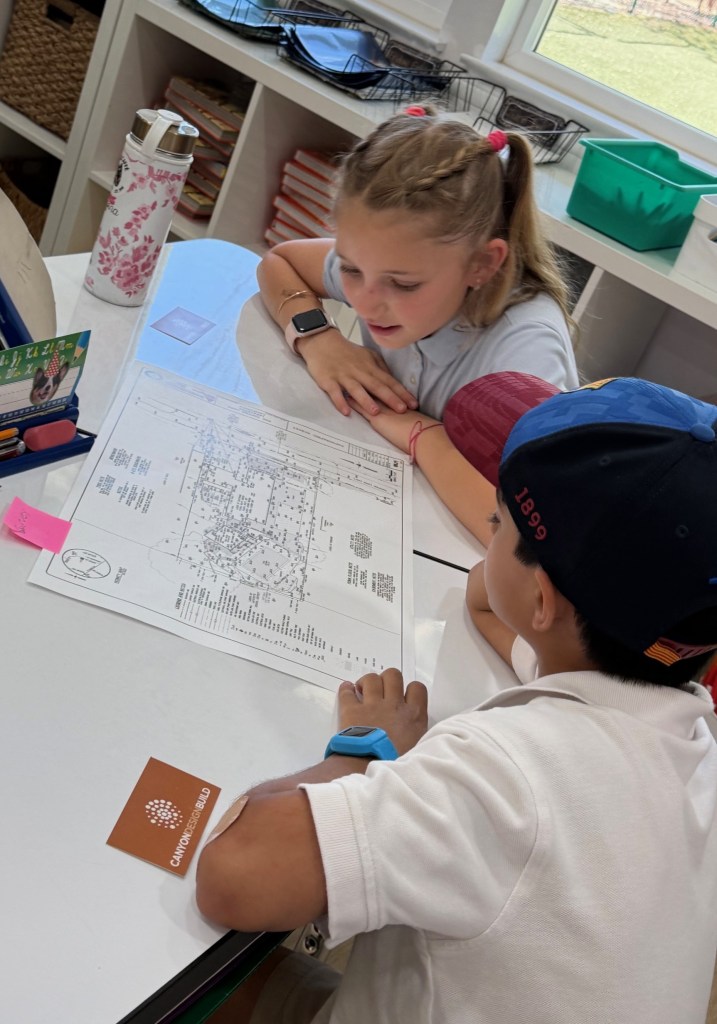
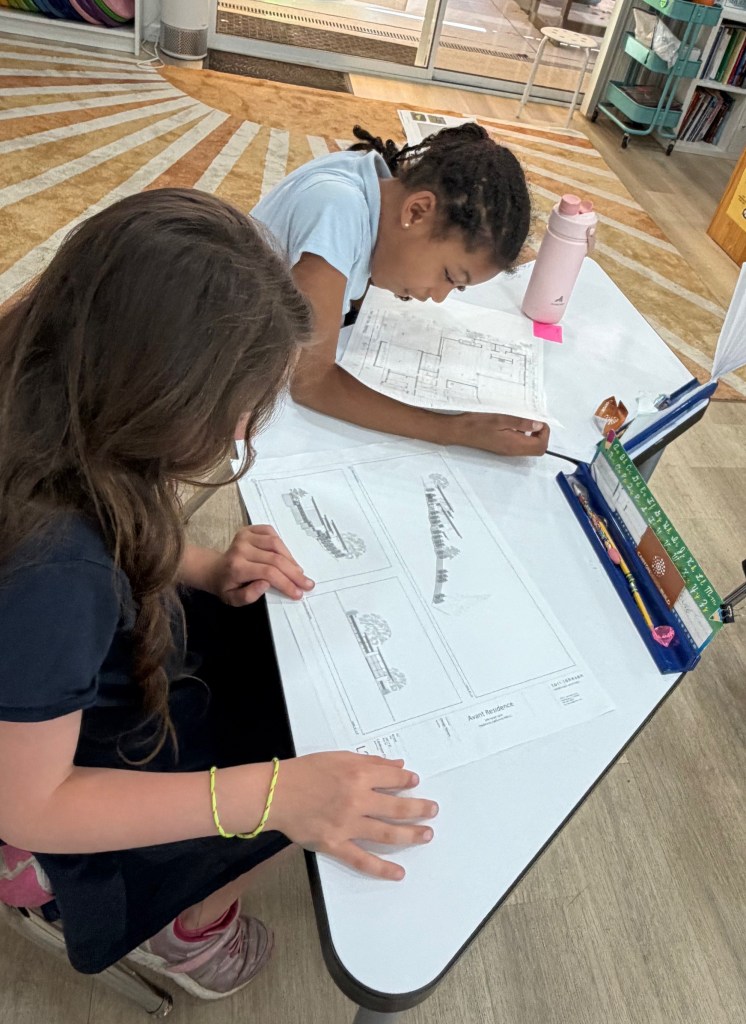
A highlight of the unit was a visit from guest expert Chris Avant of Canyon Design Build. Students had the opportunity to explore real blueprints and materials, including wood samples, glass, and color palettes. This hands-on experience brought an added layer of authenticity to their work and deepened their understanding of the design process.

Now working in collaborative teams, students are taking on the role of architects in earnest. They are developing thoughtful questions, interviewing “clients,” and learning to listen carefully to design homes that truly meet others’ needs. This phase of the project is strengthening their communication skills and fostering purposeful collaboration.

As the unit progresses, students are transforming their ideas into tangible creations through detailed blueprints and physical models. With each step, their creativity, critical thinking, and problem-solving skills continue to grow—demonstrating the power of learning that is both meaningful and deeply engaging.

A Musical Collaboration

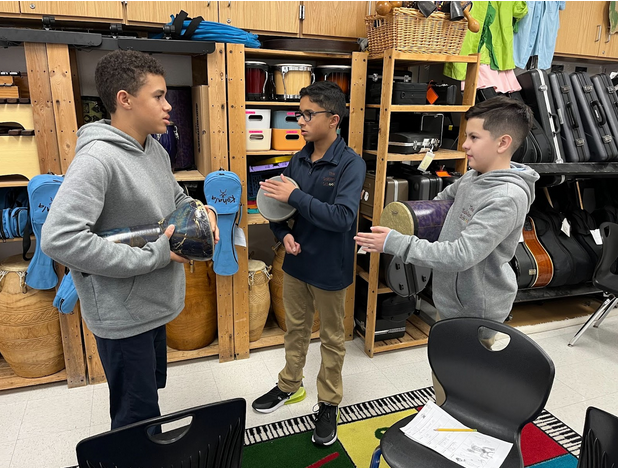
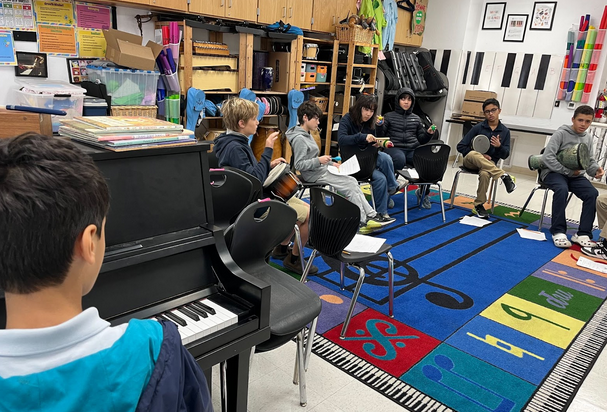
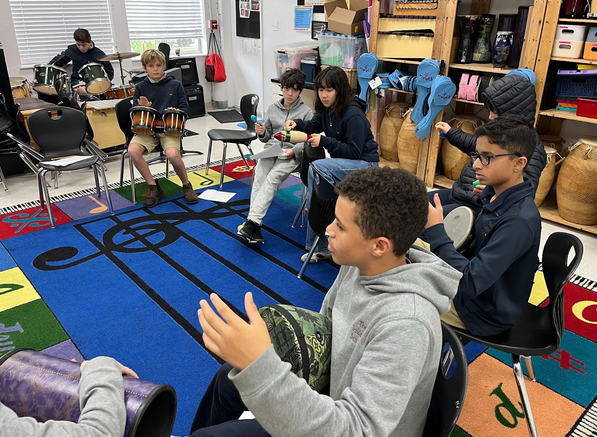
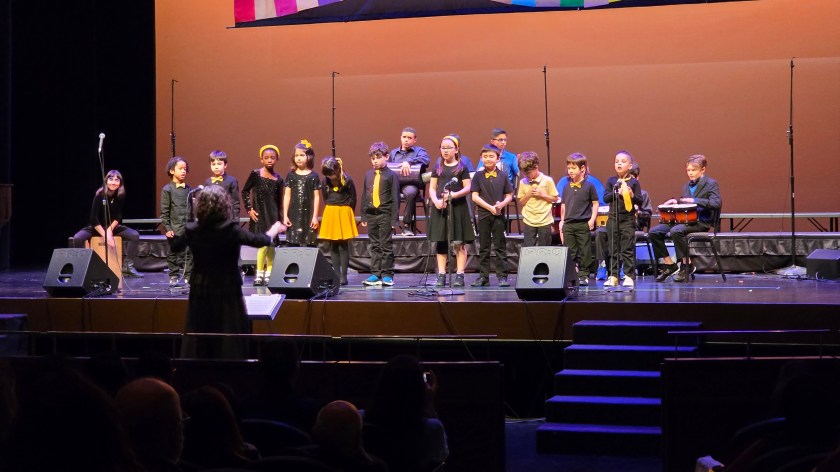
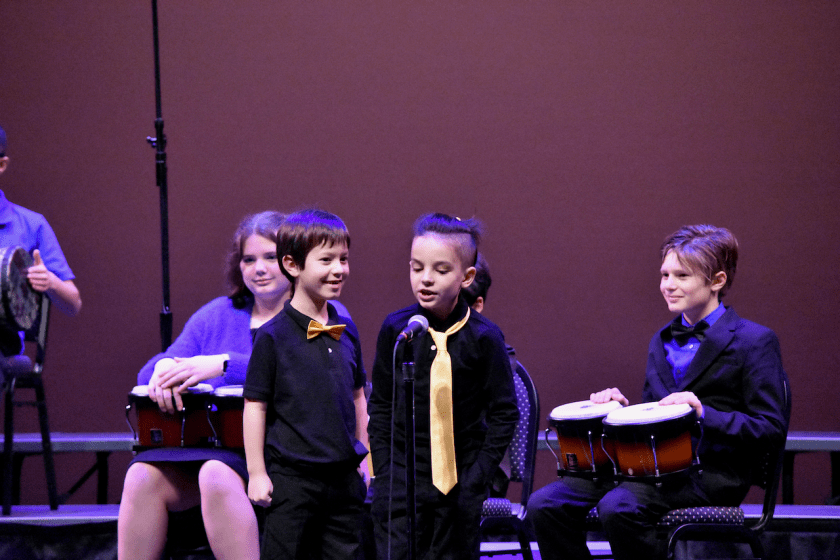
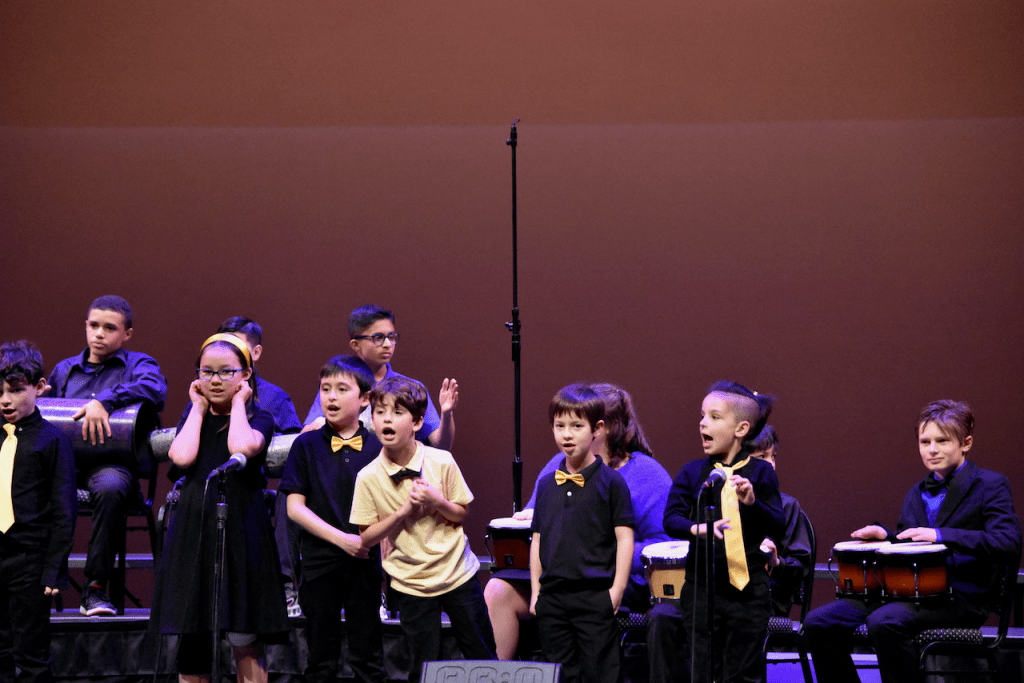
It isn’t often that a class of middle school students gets to compose music for which second graders write lyrics, but that is exactly what our music teacher, Dianne, facilitated in her recent PBL unit. Many of you even witnessed the culminating moment of that collaboration at our all-school concert at the Lesher Center this past month! 

Guided by the concert theme of belonging and music content standards, Dianne developed the driving question, “How do we, as composers, express ‘belonging’ in song?” 

Middle school percussion students began by watching videos of composers. They discussed the process of composing a piece of music by themselves and as part of a collaborative team. With that wisdom in mind, they began to brainstorm ideas for appropriate instrumentation and dynamics to effectively communicate the concert theme of belonging. After experimentation and various rounds of sharing, feedback, and revision, they decided on disparate stormy sounds to start using tom drums and a brush along a cymbal. Student musicians then wanted the song to move to a cohesive driving beat highlighted by bright-sounding instruments such as djembe and bongos.

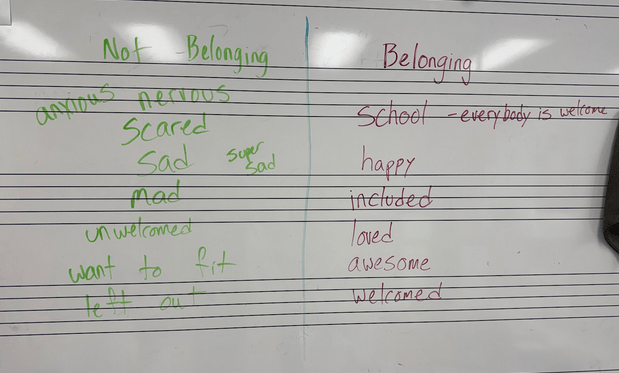
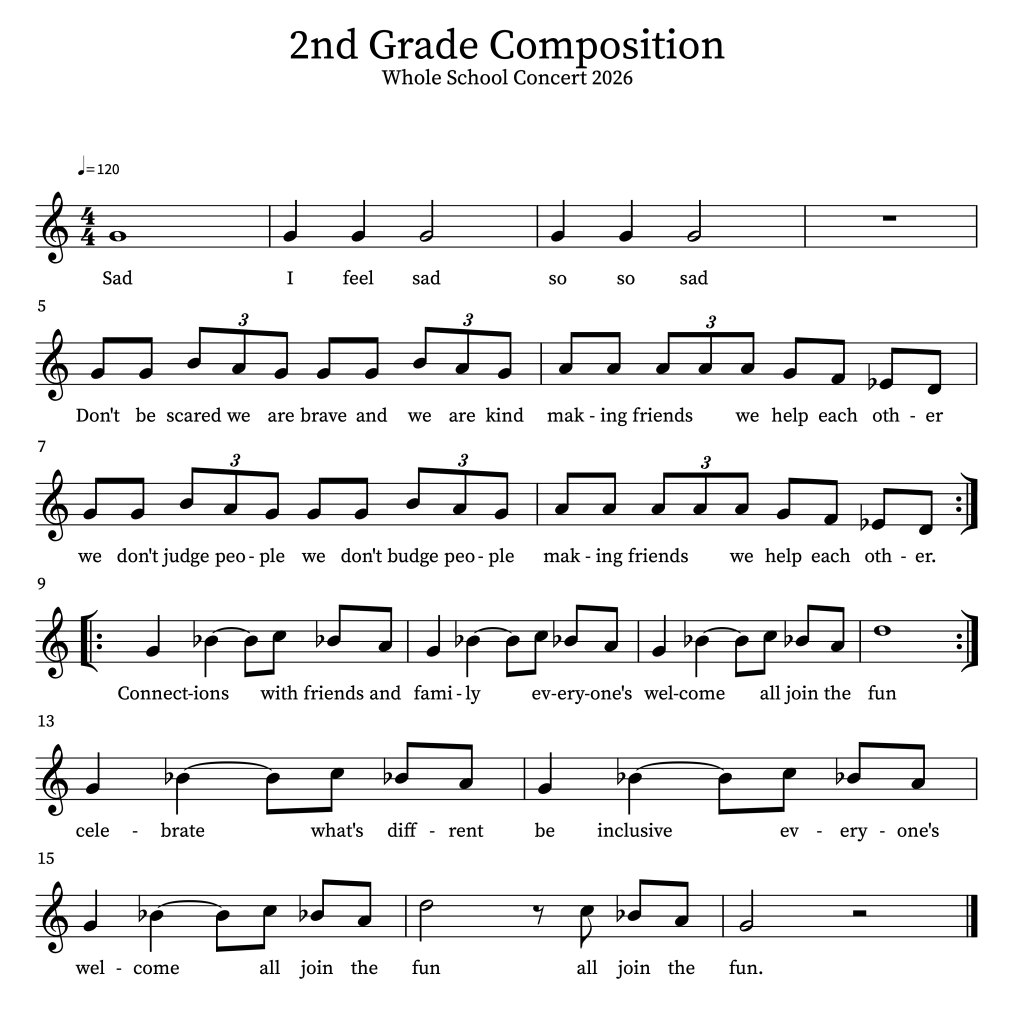
Both their music track and a chart of the song were then passed along to the second graders, who had been identifying words and phrases to express belonging. While listening to the middle school students’ track, they arranged their words and phrases on the chart while discussing the elements of song structure. Together, they built an intro, verses, and a chorus that further explored and communicated belonging. 

Both the music and lyrics explored the journey of not feeling connected to others before coming together musically and with lyrics that reinforced the theme. See the complete lyrics below!

As a teacher, Dianne’s real excitement came from watching the students support one another.

“The beauty of collaborating in composition is that middle school and lower school students got a chance to hear each other’s voices and ideas. The middle school musicians created a backdrop to lift up lower school voices while the second graders got a window into middle school music classes, which will hopefully inspire them in their musical endeavors.” 

This particular Project Based Learning unit is a beautiful example of what can happen when we blend high-quality project unit design with our Saklan values of thinking creatively, acting compassionately, and living courageously. Indeed, both groups of students needed to employ all three of these mindsets to complete this work together.

#SaklanPBL

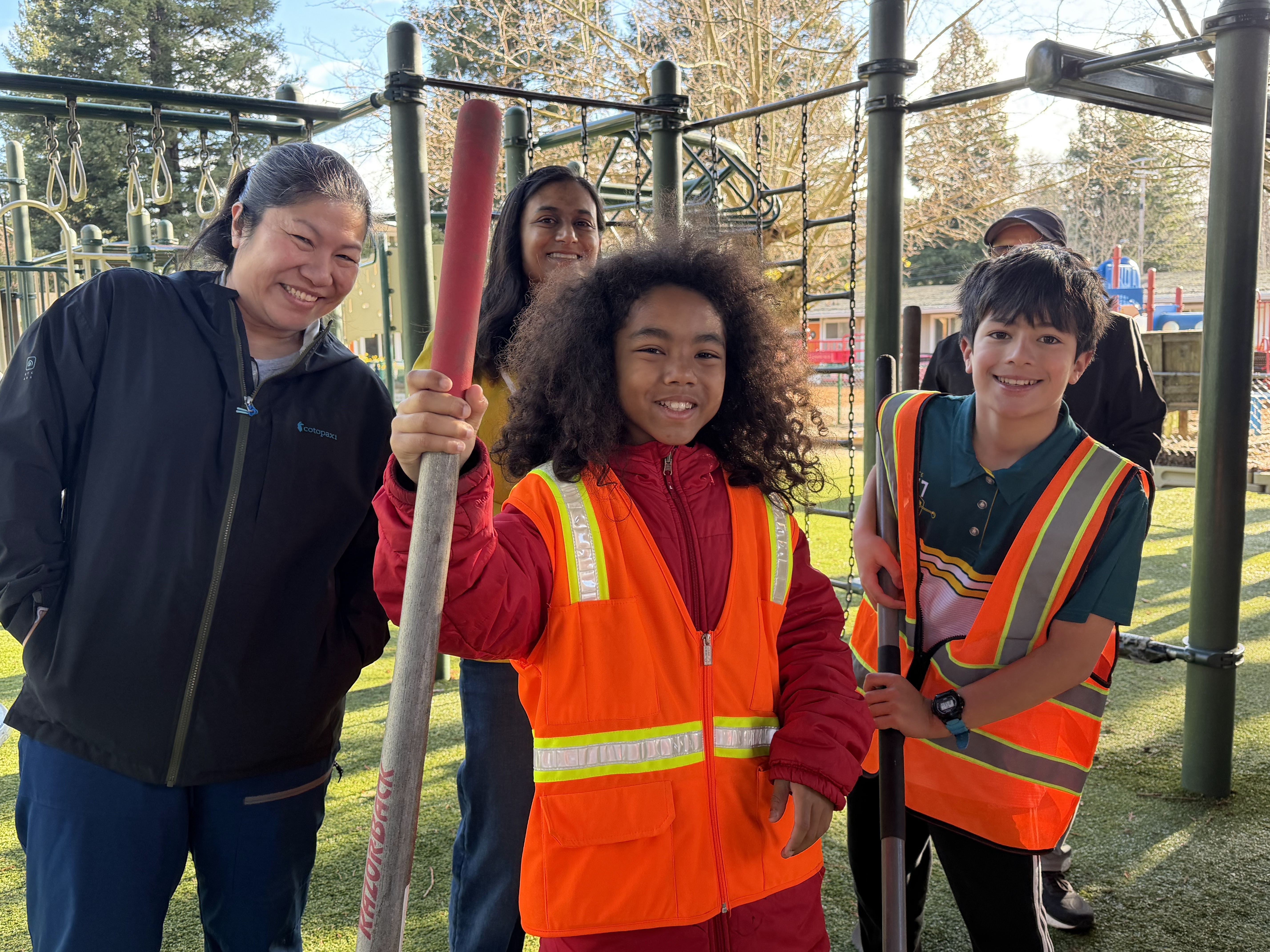
Fifth Grade Leads Redwood Grove Restoration Project

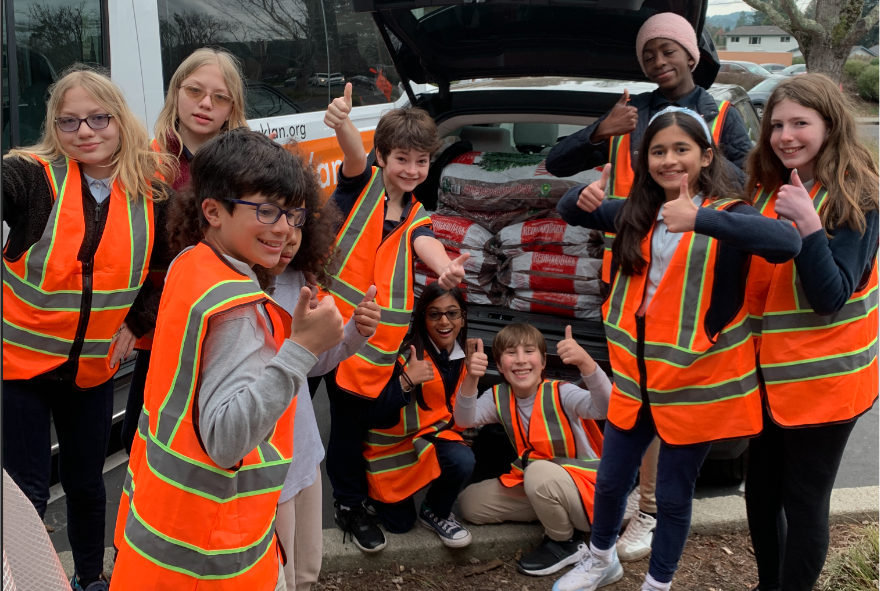
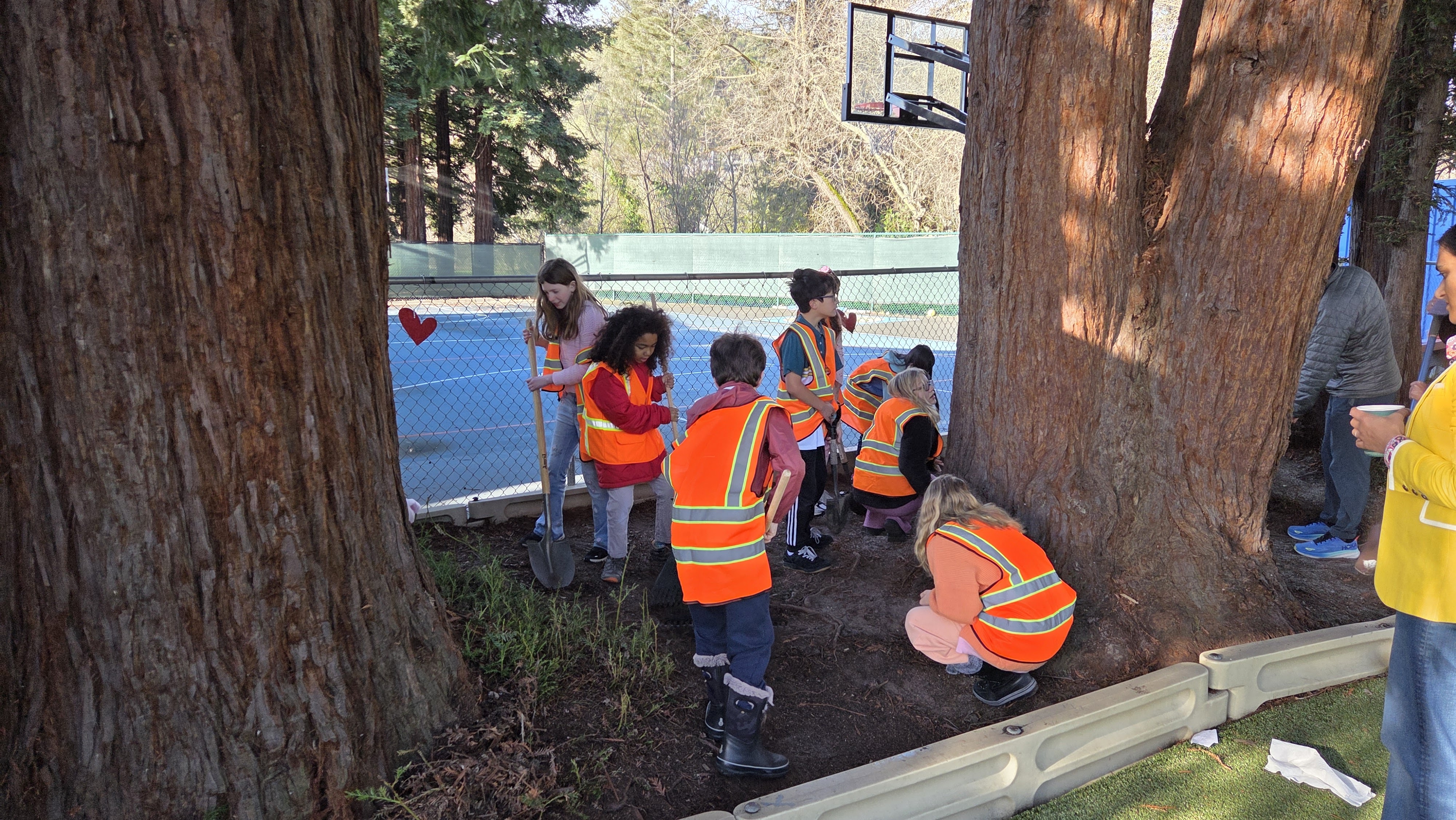
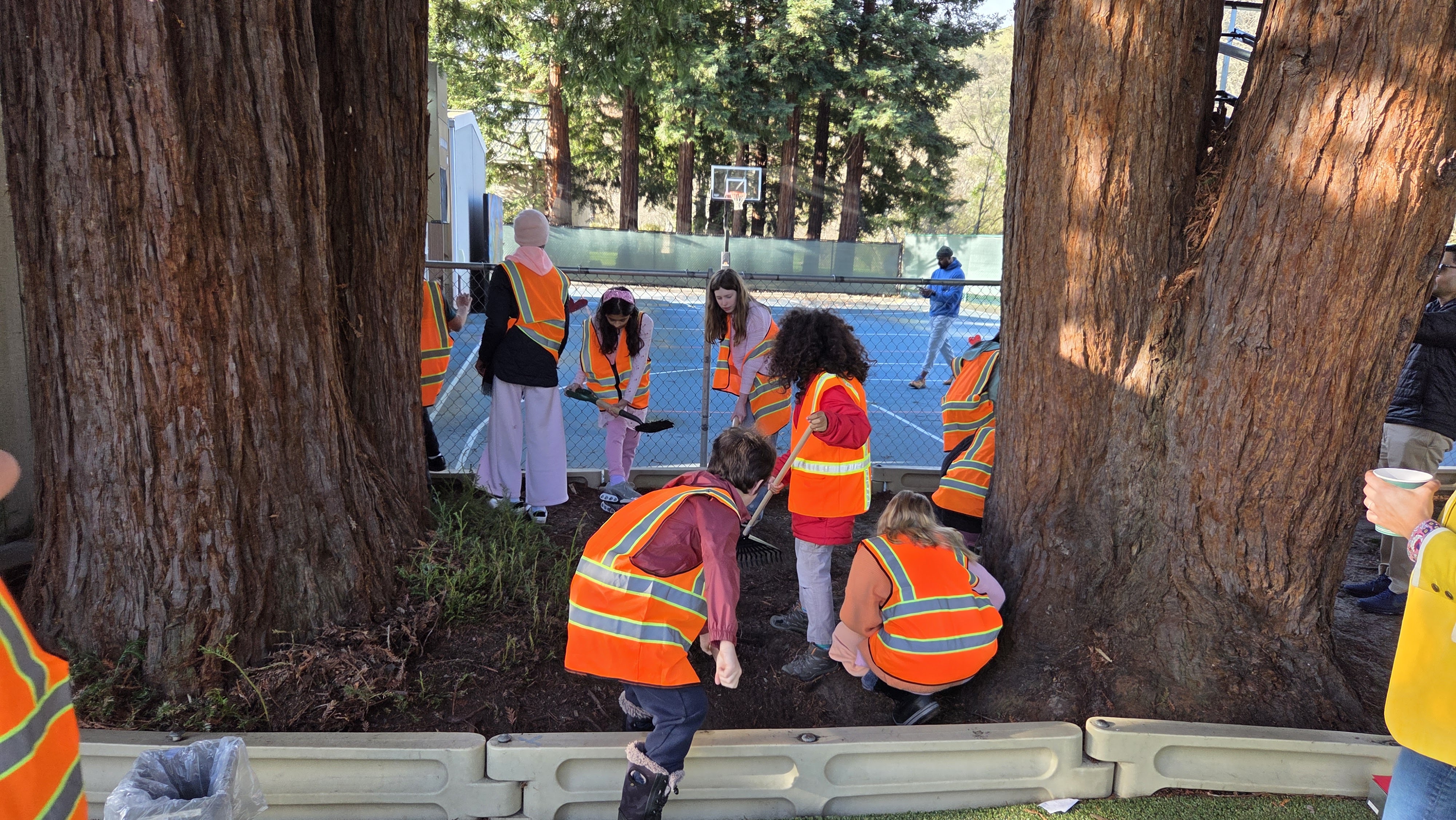
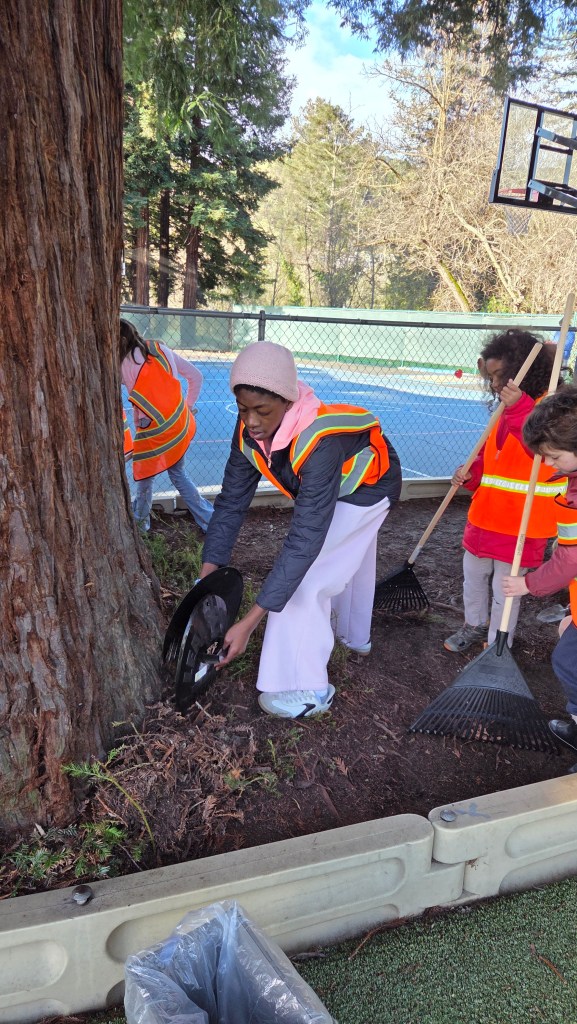
The culmination of fifth grade’s Redwood Grove Project Based Learning unit was a powerful example of student leadership in action. After weeks of studying forest ecosystems and soil health, students led a shared effort to show their beloved redwood grove some love, restoring natural forest-like conditions to support the trees’ long-term health.

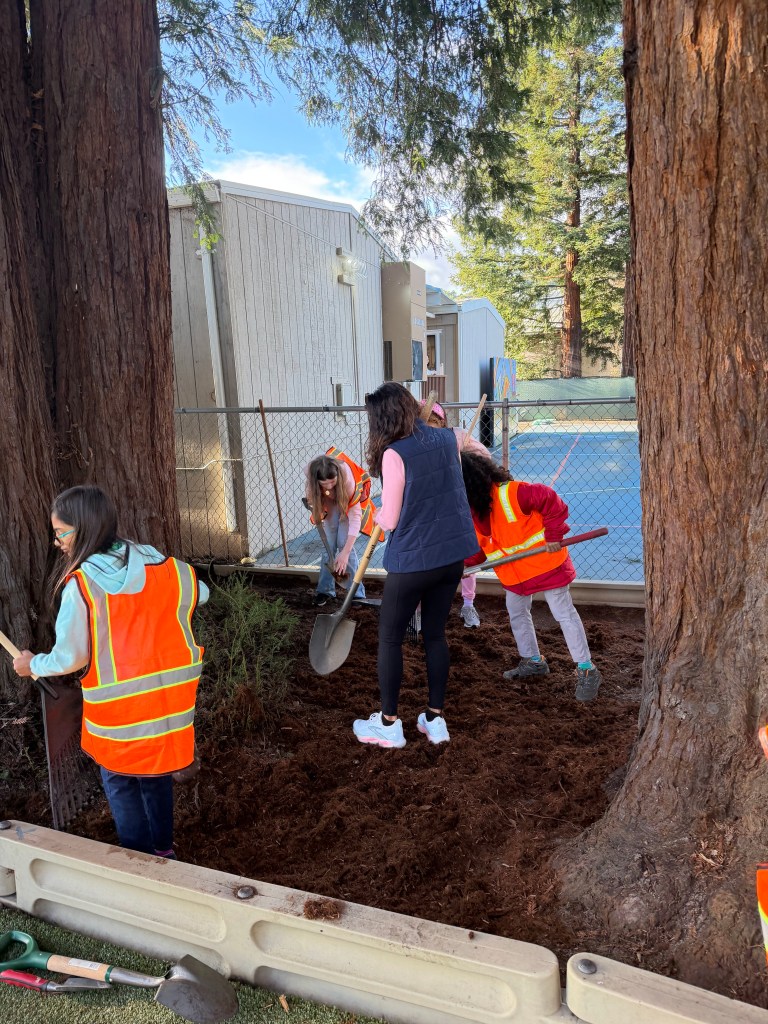
The culmination began with a purposeful walk to Outdoor Supply Hardware, where garden staff offered just the expert advice students needed. Rather than “feeding” the trees, they learned that the grove required a return to natural conditions. Mulch would help retain moisture and encourage the healthy decomposition of fallen leaves, needles, and twigs. With this knowledge, students selected shredded redwood mulch, leaf scoops, and rakes, tools that will allow fallen leaf litter to be returned to the grove year-round.

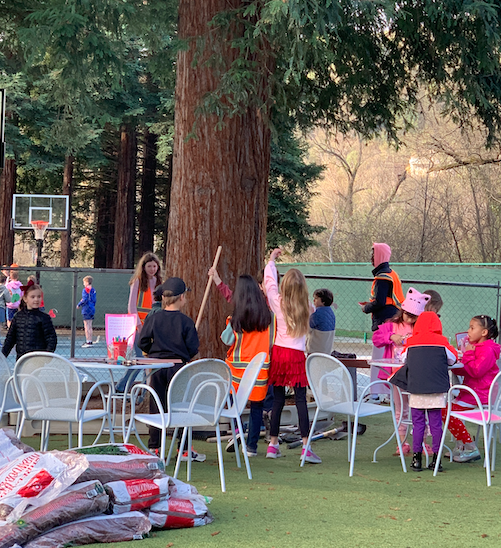
Back on campus, students worked collaboratively and followed their team contracts to prepare for service day. They drafted a formal purchase request, created hearts and ribbons with messages of appreciation, designed and hung posters, unloaded supplies, and set up tables and chairs. Every detail was thoughtfully planned and entirely student-led.

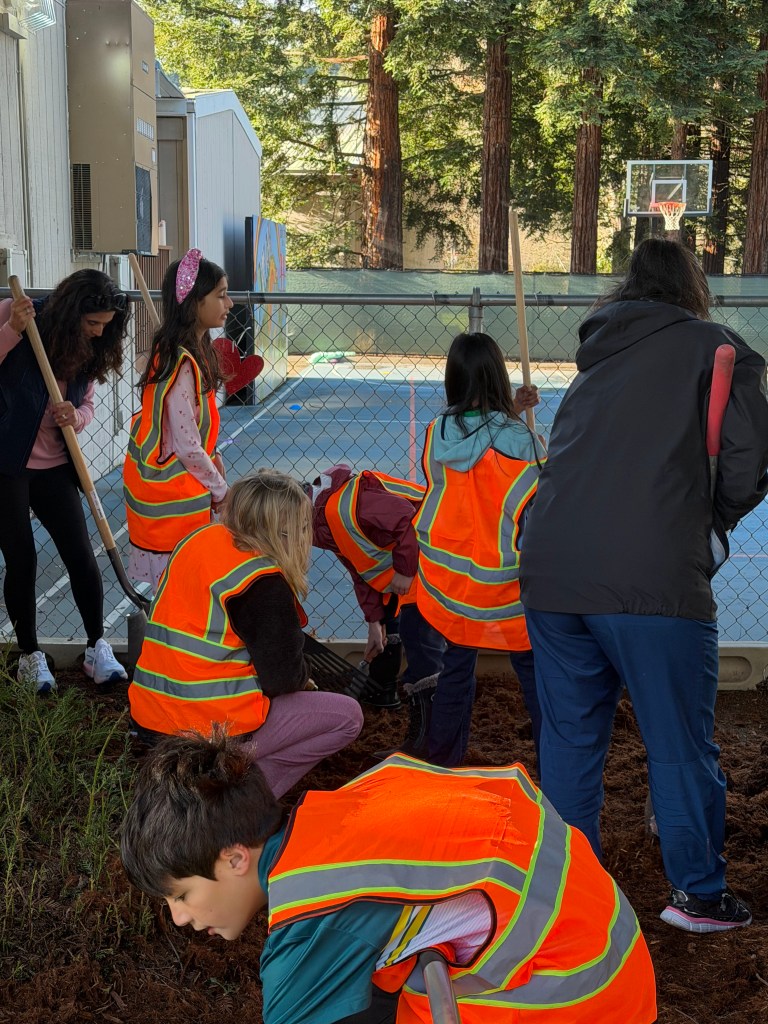
On the morning of the restoration, they were ready. Students shared their research, explained their decisions for the grove, and confidently guided family members through the work they had prepared: loosening compacted sand, carefully spreading mulch, and protecting exposed roots in one section of the grove.

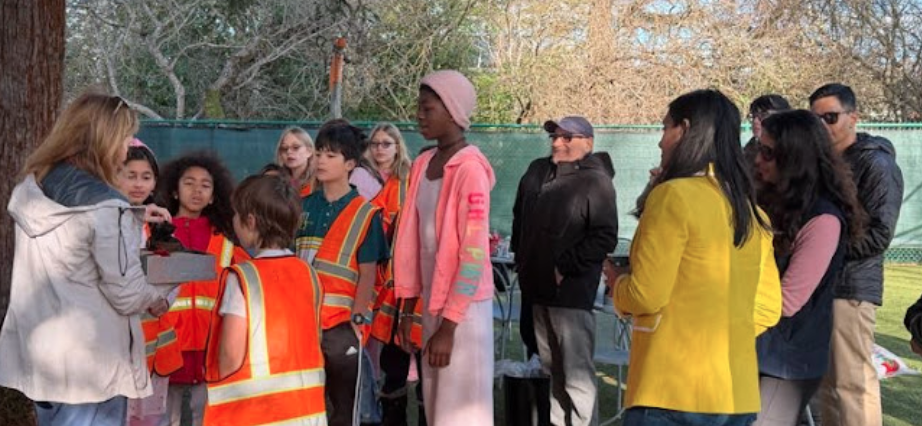
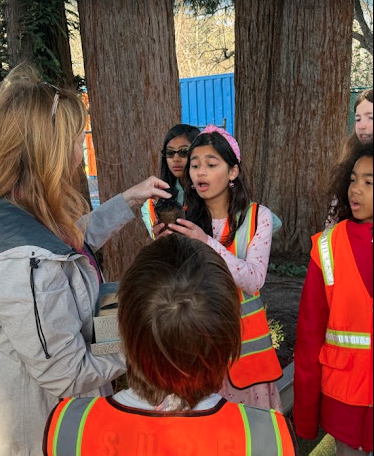
As the first section wrapped up, students received a surprise gift: Dawn Redwood seeds. If successfully grown, one may eventually stand in the new redwood playground, becoming a living learning legacy for future students.

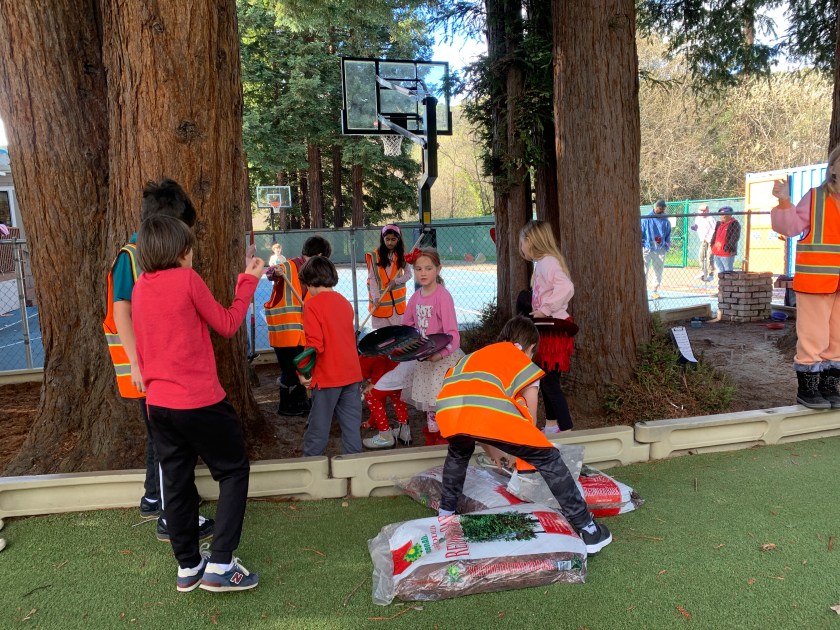
The work didn’t stop there. During recess, fifth graders invited younger students to help restore the next section of the grove, modeling leadership and stewardship. Even steady rain at lunchtime could not dampen their momentum. Paths were raked, clear “go” and “no-go” zones were established, and by the end of the day, the transformation of the grove was visible.

This project was more than a lesson in ecology. It was a lesson in agency. When students are trusted to lead meaningful work, motivation and engagement flourish.

#SaklanPBL

Spotlight on Riva: Guiding Kindergartners With Joy & Purpose

If you’ve ever stepped into Saklan’s Kindergarten classroom, you’ve likely felt it: the spark, the laughter, the hum of curiosity and care. It’s a space where little moments become big milestones, and where joy seems to live in every corner. That joy is no accident. It’s fueled, every day, by a teacher who brings heart, intention, and deep respect for childhood into everything she does.

Recently, we sat down with Riva, Saklan’s Kindergarten teacher, to learn more about what inspires her, what she loves most about working with our youngest learners, and why Saklan’s approach to Project Based Learning feels so special.

You bring so much joy to the Saklan campus- what fuels your joy and excitement the most when it comes to your teaching day? 

“My joy comes from the relationships I get to build with my students and their families. Kindergarteners arrive each morning with such openness and enthusiasm, and I love being part of a community that celebrates their strengths, quirks, and emerging identities. Saklan is a place where students are truly known, and getting to guide them through their first steps in school — emotionally, socially, and academically — is a privilege that motivates me every day.”
What do you love the most about working with Kindergarten?

“What I love most about working with kindergarteners is the unique magic of this developmental stage. Everything is new, everything is possible, and their sense of wonder is contagious. I get to watch them discover their own abilities, whether they’re decoding a word for the first time, writing a brave sentence, or learning how to take a deep breath and reset. Kindergarteners grow in such joyful, visible ways, and being part of those early milestones feels incredibly meaningful.”

She also shared a favorite program that brings this magic to life: Kinder Korner.

“One of my favorite parts of teaching kindergarten at Saklan is our Kinder Korner program. Our students become “big buddies” to the Hoot Owls, teaching them what life in kindergarten is like. It’s beautiful to see my students step into leadership roles with such care and pride. They show empathy, patience, and confidence as they guide their younger buddies through activities, routines, and little moments of discovery. Watching them light up when they realize they are the ‘experts’ is truly heartwarming. Those cross-grade connections deepen our community and remind me how capable and kind young children can be when given the chance to lead.”
You have had a lot of experience with projects at previous schools- what makes Saklan’s approach to PBL special?

“What I love about Saklan’s approach to Project Based Learning is the way it connects our standards to work that feels genuinely meaningful for young children. Our projects grow from what students are naturally curious about, and that makes the learning feel joyful and authentic for all of us.”

She highlighted The Names Project as a powerful example.

“The Names Project is one of my favorites for exactly that reason. Kindergarteners are already captivated by their own names, so it becomes a perfect entry point into letters, sounds, phonics, and even math as we compare and graph the number of letters in each name. But what makes this project so special to me is the sense of community it builds. As students learn to read each other’s names, discover the stories behind them, and create portraits inspired by their name meanings, they also learn about one another in a really meaningful way. The academic growth is wonderful, but the connections they build are the true heart of the project for me.”
You can see this joyful learning in action by joining the Kindergartners for their Names Project culmination on Thursday, December 11th, at 8:40 a.m.

From the joyful morning greetings to the thoughtful projects that build community and confidence, it’s clear that Kindergarten at Saklan is filled with intention, wonder, and deep care. And at the center of it all are teachers like Riva, who make learning feel magical—one moment, one question, and one joyful discovery at a time.
#SaklanStaff

Cross-Age Learning in Action

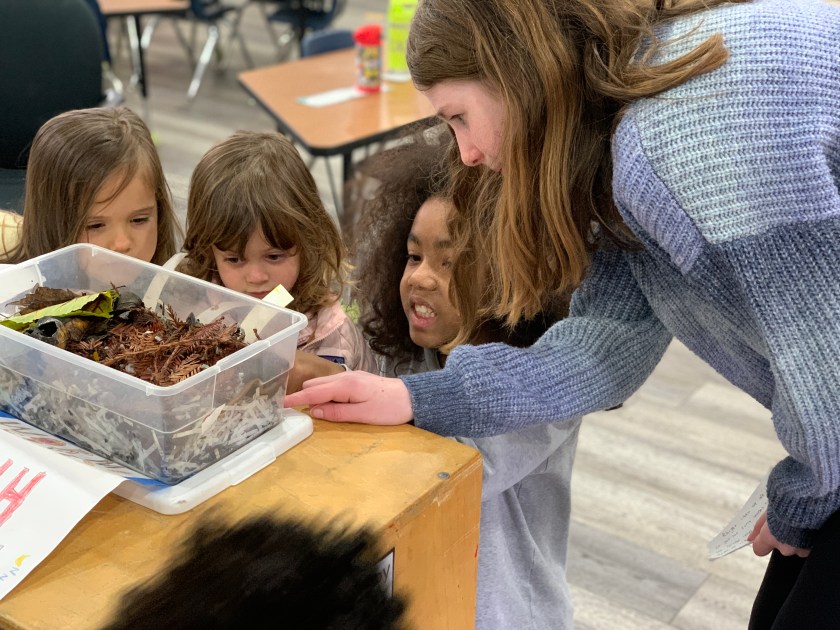
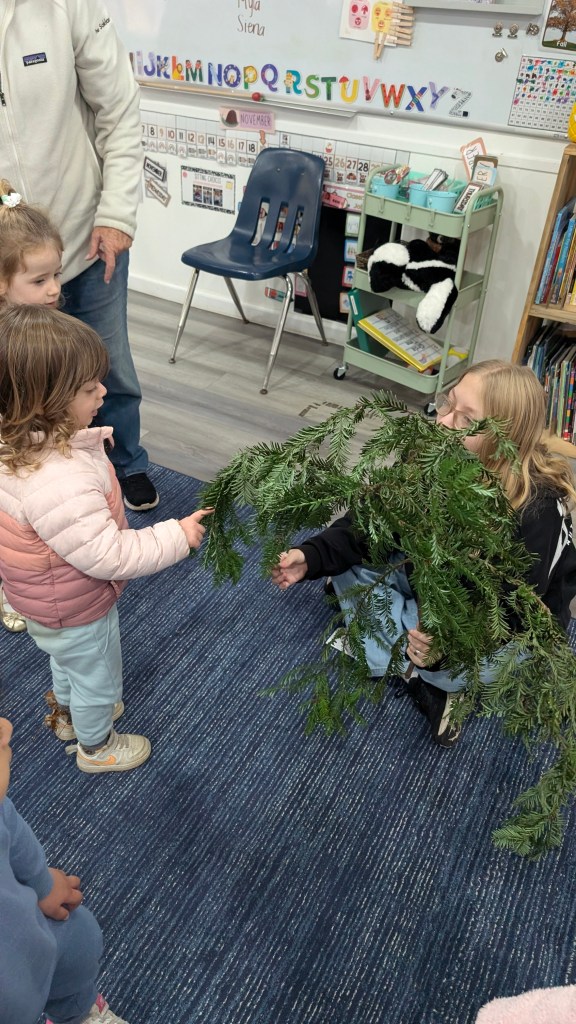
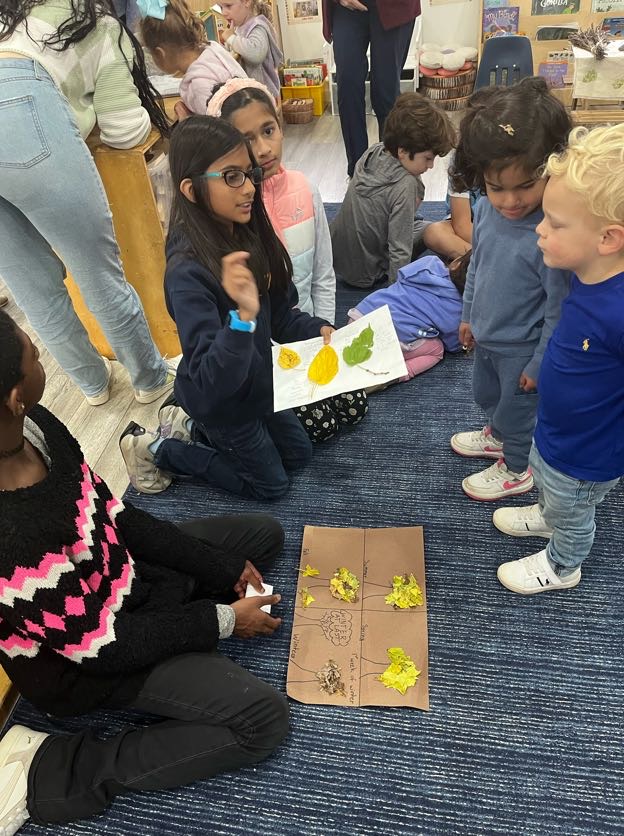
Saklan’s cross-grade learning was on full display as the Owlet buddies and fifth graders came together for a hands-on science experience rooted in their respective Project Based Learning (PBL) units. The Owlets have been exploring leaves, while the fifth graders have been studying trees—making their recent research on Redwoods the perfect launching point for peer teaching.

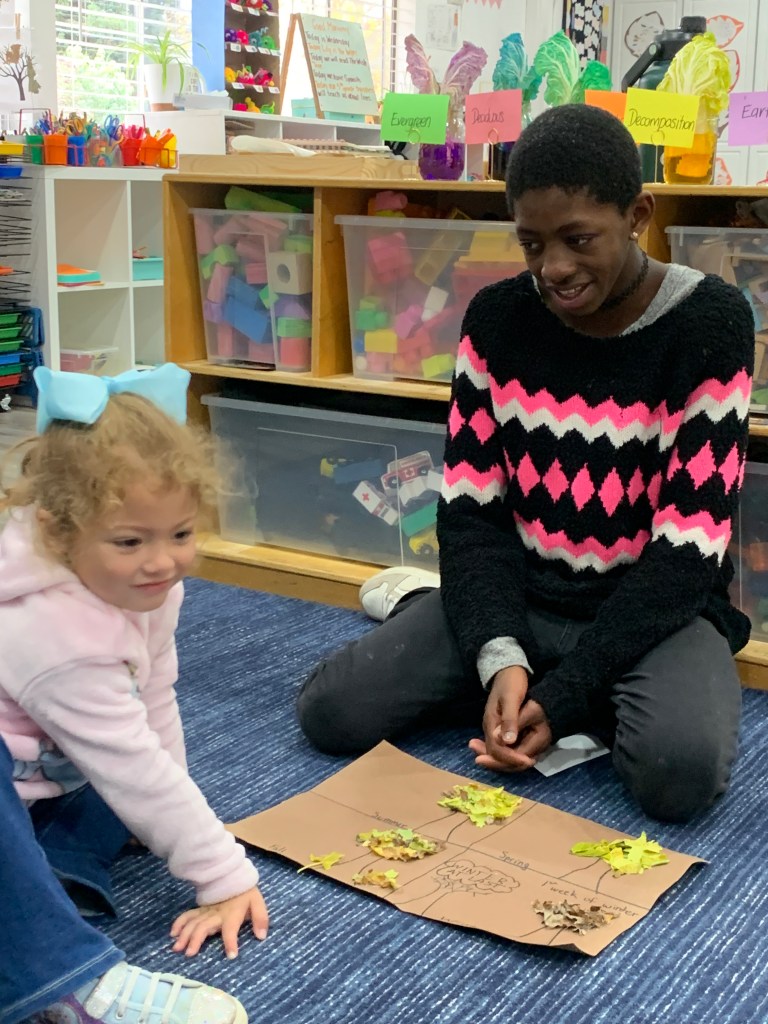
The fifth graders were tasked with becoming “experts” on several big questions the Owlets had been wondering about: the difference between evergreen and deciduous leaves, why leaf colors change, and how fallen plant matter breaks down and becomes soil, including the important role earthworms play in decomposition.

Students worked in teams with real focus and purpose. They were given 45 minutes to choose a topic and collaborate on a mini-presentation that was both accurate and engaging. Each group created a visual or hands-on element to support their teaching. Another 45 minutes were spent practicing, presenting to peers, and refining their work with the help of candid “Dancing with the Stars-style” feedback. The growth from practice to final presentation was remarkable.

When it was time to meet with the Owlets, the fifth graders were ready. Their presentations were clear, lively, and thoughtfully geared toward 3- and 4-year-old learners. The Owlets eagerly leaned in, asking big, earnest questions such as, “Do worms have eyes?” and “Is that the head or the tail?” Fifth graders knelt beside tiny tables, held leaves up for close inspection, and invited younger students to touch, compare, and wonder.

Not only did the Owlets gain new insights through this joyful experience, but the fifth graders deepened their own understanding by explaining complex scientific ideas in simple, accurate ways—a skill that strengthens mastery and confidence.

Saklan’s PBL focus continues to create meaningful opportunities for students of all ages to learn with and from each other, building both knowledge and community along the way.
#SaklanProjectBasedLearning #SaklanGuestExperts

Head’s Corner: Where is the Rigor?

Every so often, I get the question from a prospective parent about rigor. They love our approach, and are firm believers that students need to have a “love of learning” and a “love in learning”. But they ask: Is it rigorous? 

As adults, our concept of rigor is informed by our own experiences. When many of us think of rigor, we think of lots of homework, long tests, sitting at a desk, and grinding it out. While that kind of work may be hard, is it rigor or compliance? Is it the type of learning that benefits future-facing students? 

True rigor is about the level of thinking kids are doing, not how stressed they are. Can they analyze, design, and create? Do they grapple with open-ended questions well? Can they explain their thinking, defend their work? Do they persist and have grit?  

Our project-based approach demands synthesis, application, and transfer—the highest levels of Bloom’s Taxonomy. It also requires something traditional rigor often ignores: motivation. When students care about what they’re doing, they naturally push themselves further.

This type of work is cognitively rigorous; what we grew up with feels more like compliance rigor.  

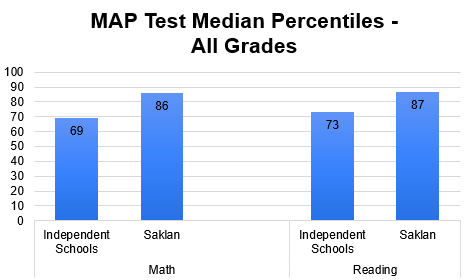
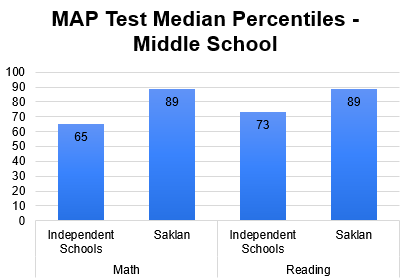
If you are not sold on the idea that what we do is truly rigorous, let our MAP results speak for us. NWEA administers the MAP test to over 35,000 schools across the country. Of those schools, 3,500 are private schools like Saklan. If you look at our results, we not only rank well against schools in general, but score significantly higher than most of our private school cohort. 

What we do may not look like the rigor of our childhoods. But it’s the rigor kids need today—and the rigor that prepares them for tomorrow.

Warmly,
David

#SaklanAcademics

Celebrating Learning at Saklan

This week, our campus buzzed with excitement as second and seventh-grade students showcased their learning during two incredible culmination events. Culminations are opportunities to bring community members together to celebrate student learning and provide a platform for learners to share their knowledge, creativity, and growth.
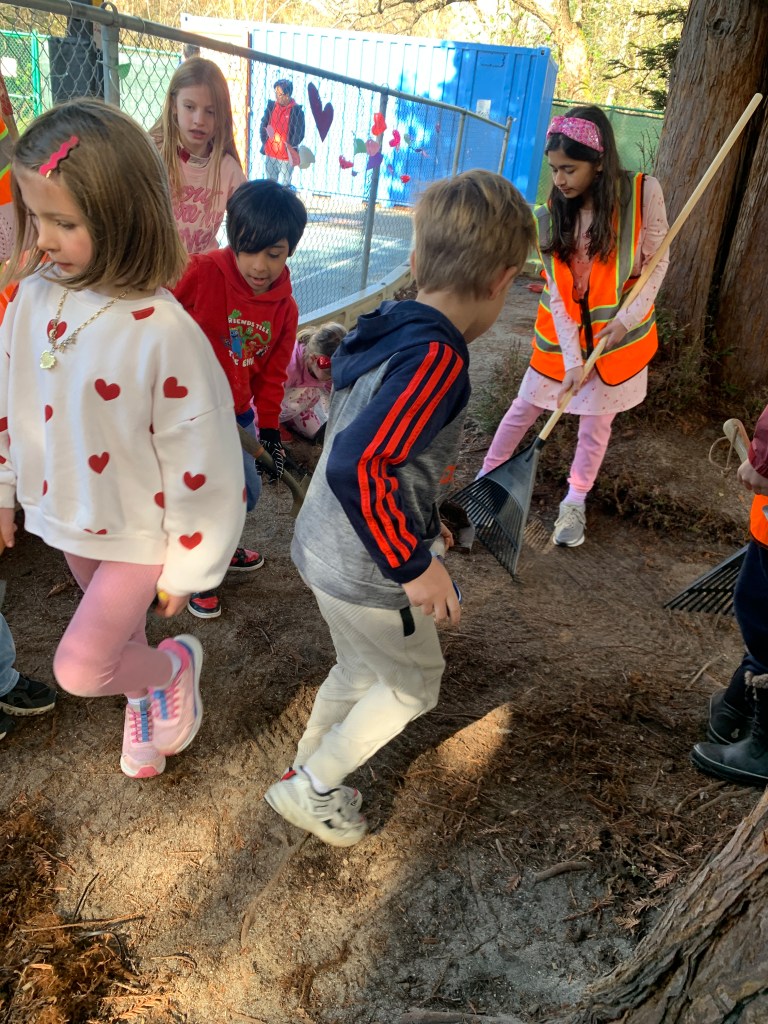
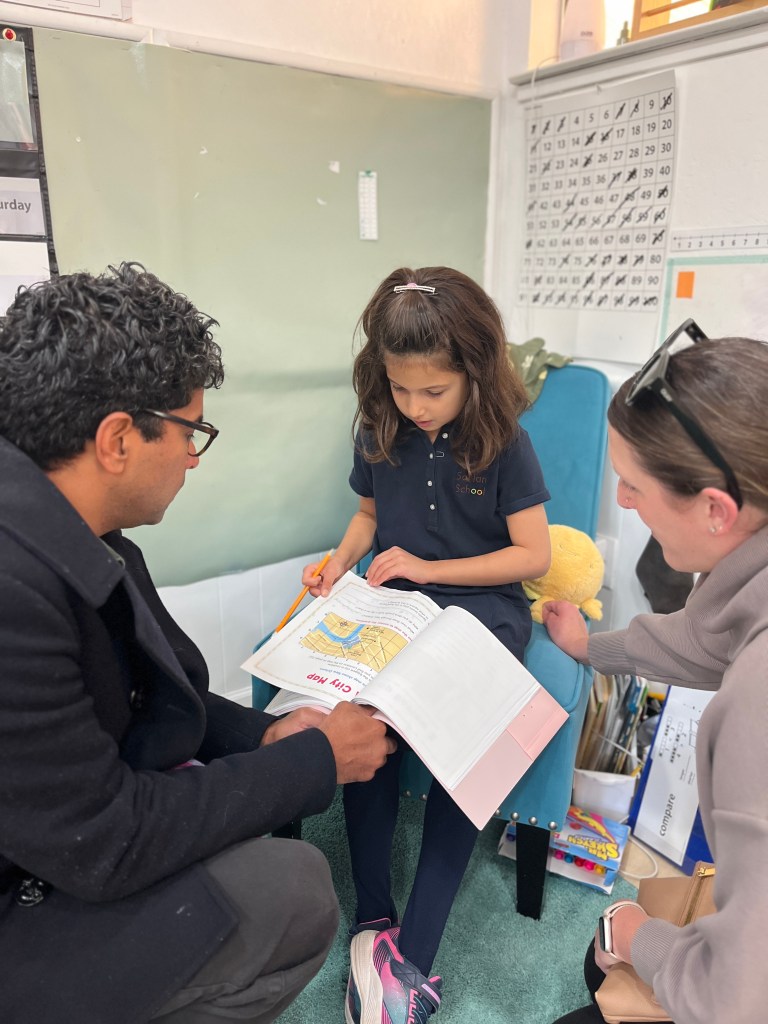
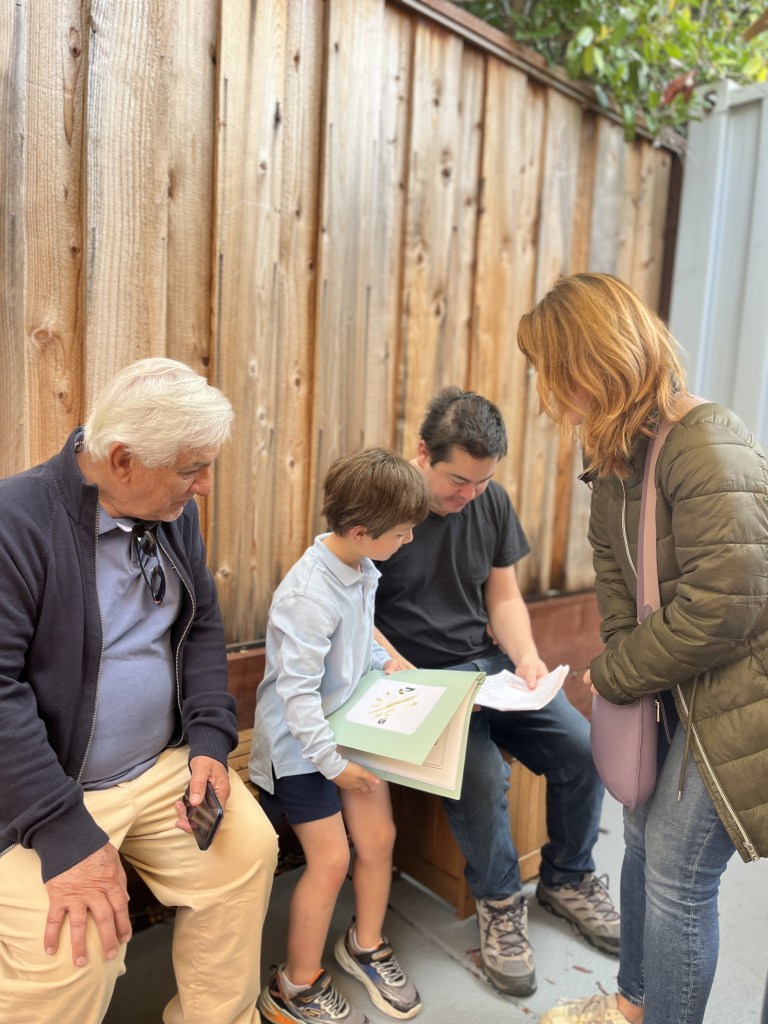
As part of their Welcome to Saklan PBL unit, second grade explored the question: How can we help newcomers to Saklan feel welcome? After considering what may be the most important elements of our campus to teach newcomers about, students dove deep into mapping, writing, and presentation standards. With help from a critique and revision session with Mylesa, our Director of Admissions, second graders have created a complete self-guided tour of our Saklan campus that can be shared with new families. The digital and interactive components can be used by newcomers for years to come! To celebrate their work, they led families on a live version of their tour this week with great success! Come hear more about this unit at CLAS on November 14th. 

In a seventh-grade math PBL unit, students coded Scratch video games based on their interests. Seventh graders used math knowledge of graphing rotations, reflections, and translations to design an original or remix an existing Scratch game. To culminate this work, they shared the games they made with other students! Third through fifth-grade students were invited to learn about how the seventh graders designed their games and then were given an opportunity to play them!
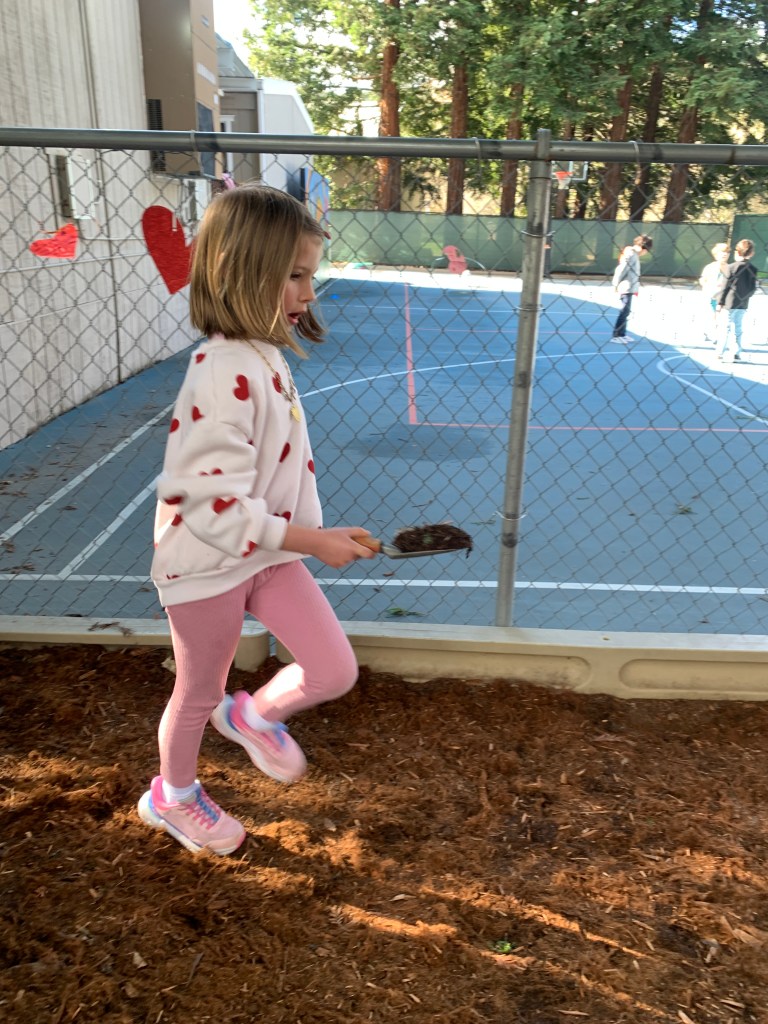
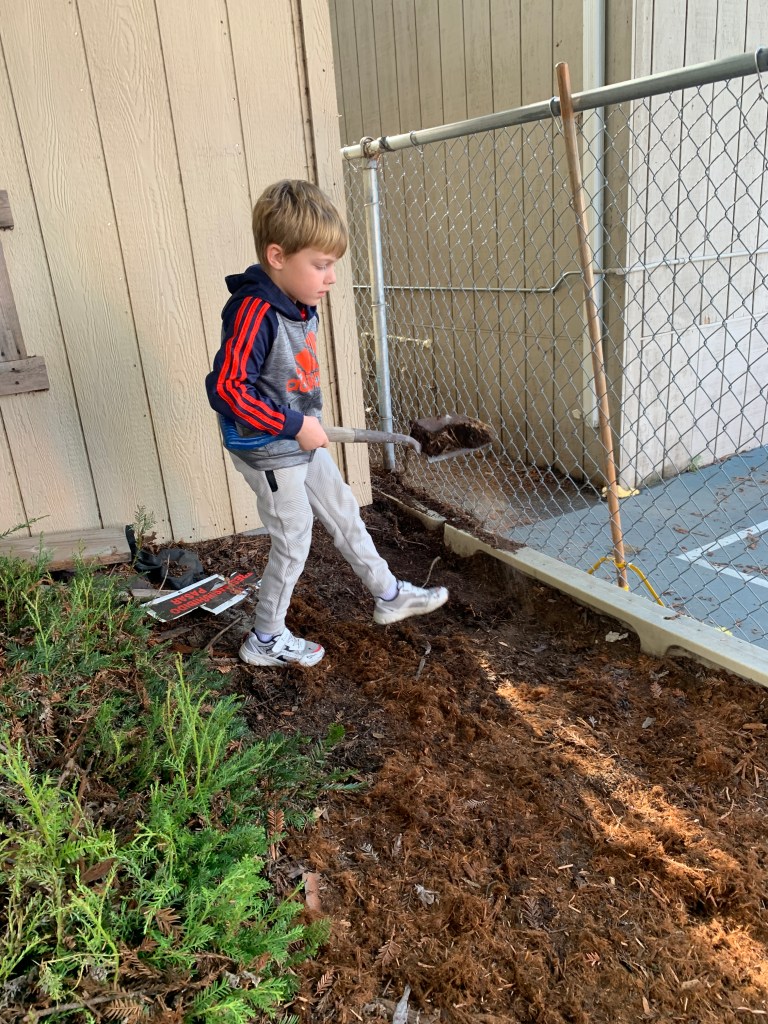
Culminations like these highlight the power of Project Based Learning, where curiosity drives discovery and students share their learning with pride.

#SaklanProjectWork