Authenticity and Student Inquiry

Doing a project is not the same as Project Based Learning. The differences may seem minor at first glance, but the impact on student learning and engagement is tremendous. Two vital components that differentiate “doing a project” from Project Based Learning are authenticity and student-driven inquiry. 

High-level Project Based Learning has an authentic context. It involves tasks, questions, or ideas that connect to the world outside of the school walls: students’ personal experiences, concerns, interests, or identity. Student-driven inquiry means students are engaged in an iterative process of asking questions, gathering and interpreting data, and developing solutions or deeper questions to investigate. 

Two fantastic examples of these elements in high-level Project Based Learning at Saklan are the Kindergarten Names unit and the Owlet Leaf unit. 

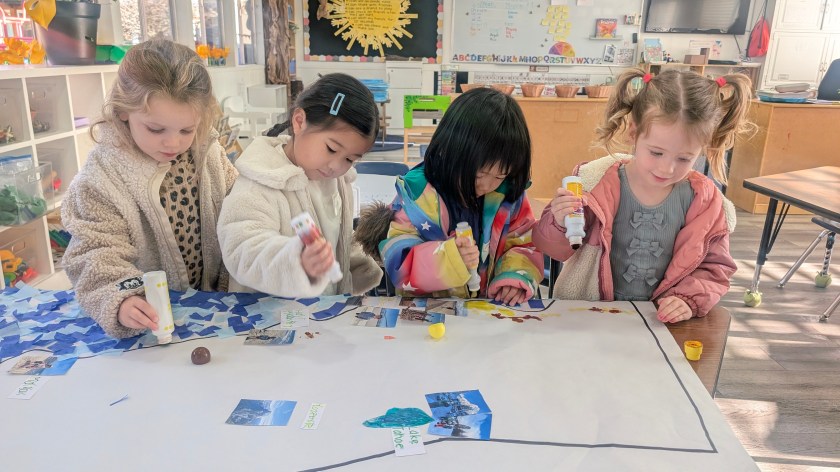
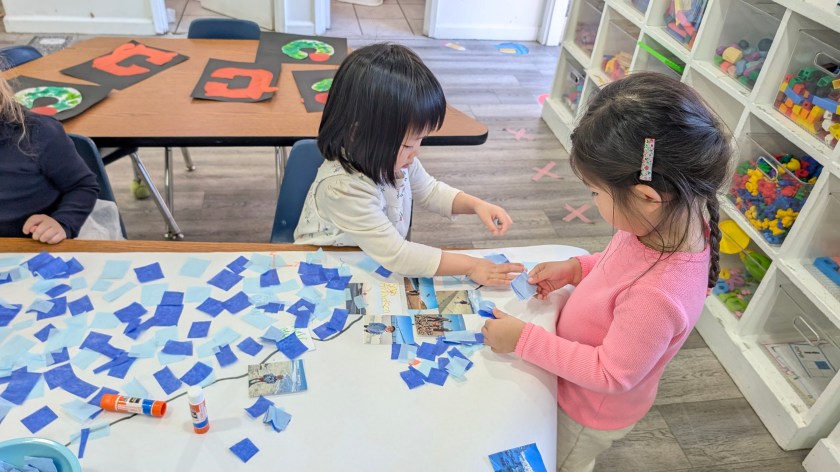
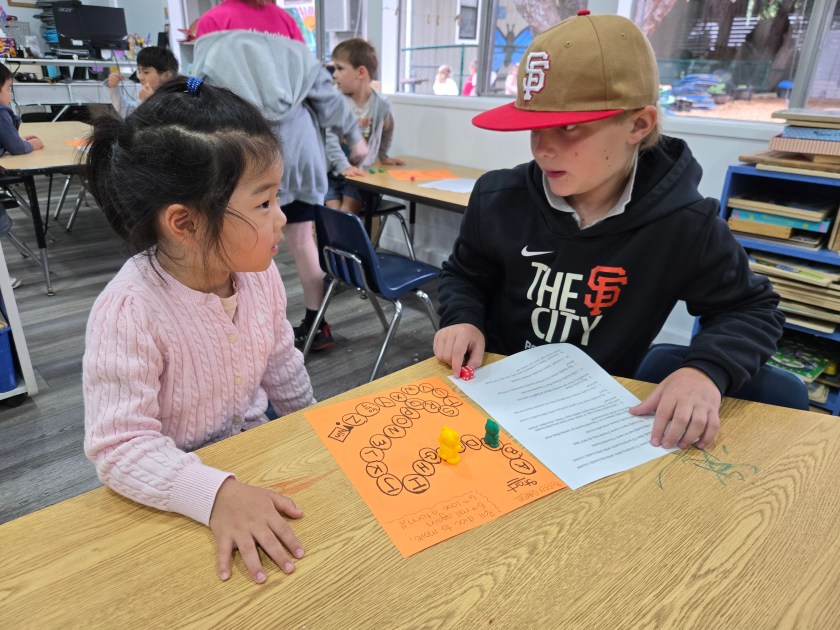
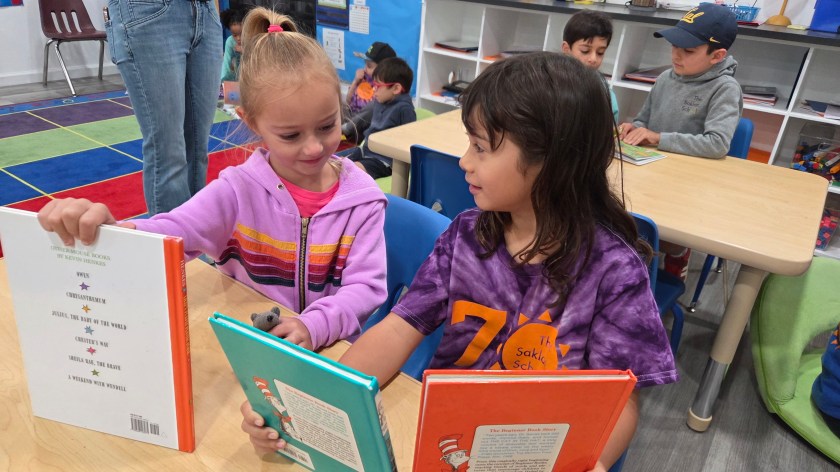
Our Kindergarten names unit brings students’ family stories and cultures to the forefront of learning. The students investigate how to become better friends by learning about each other’s names. Closer bonds and deeper friendships are developed by bringing students’ rich family lives and stories into the classroom. They interview their families and each other about their names, learn to read and write each other’s names, explore ways to represent the meaning of their names together, and study how people share their names through picture books.

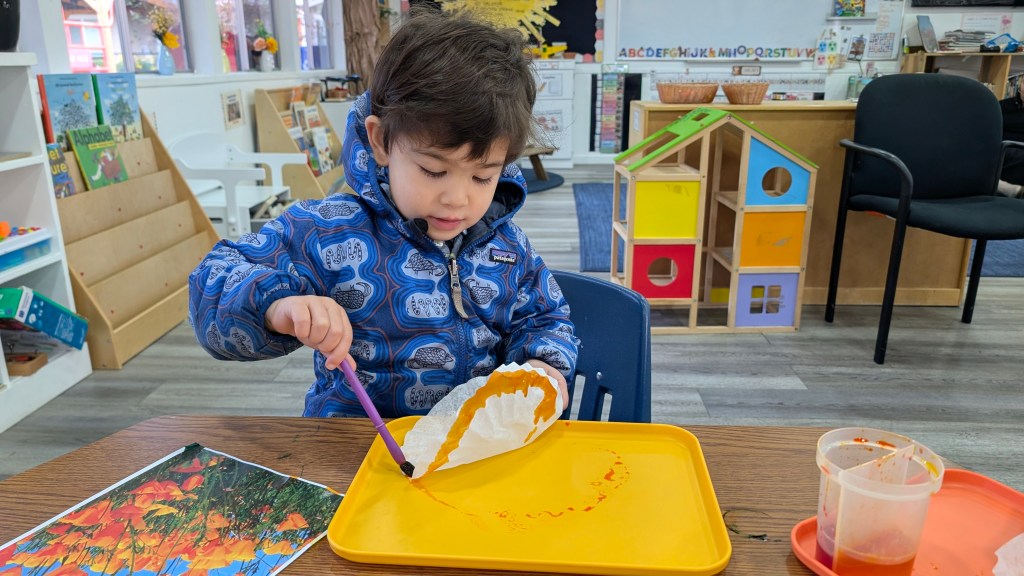
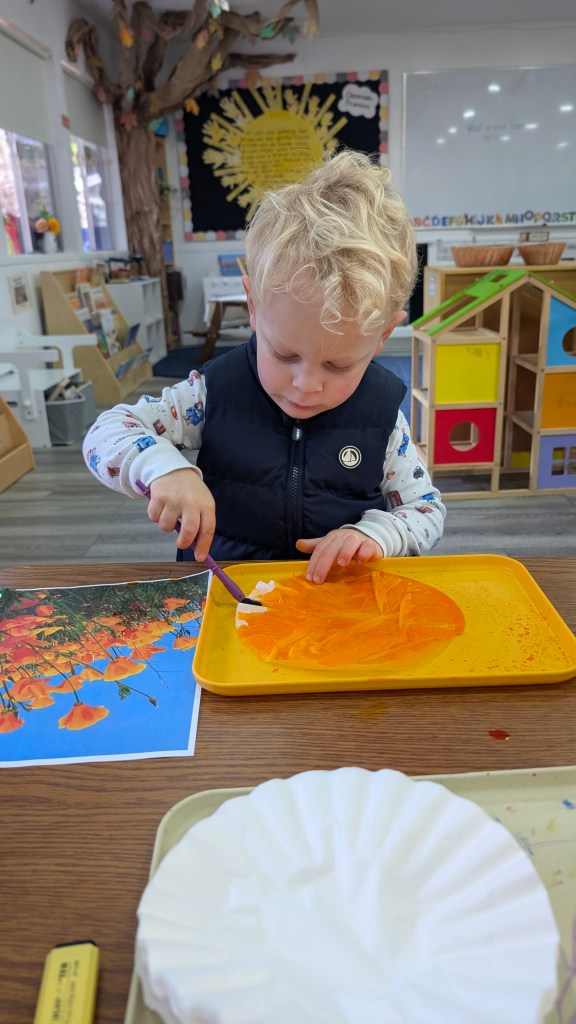
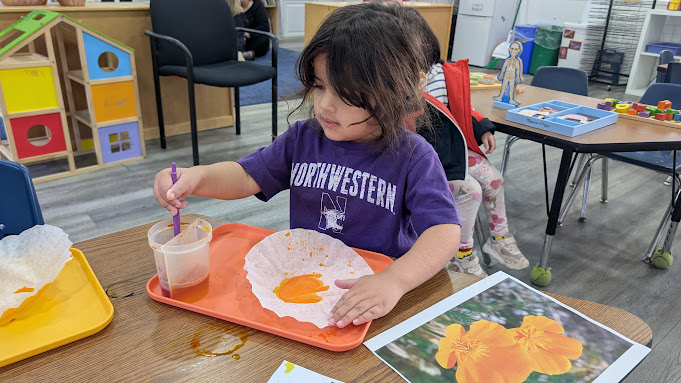
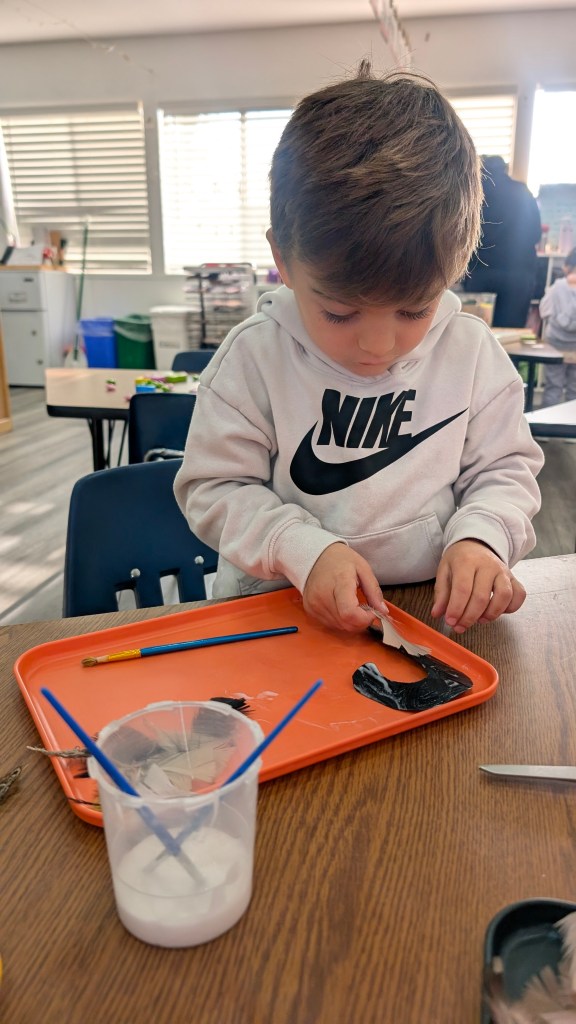
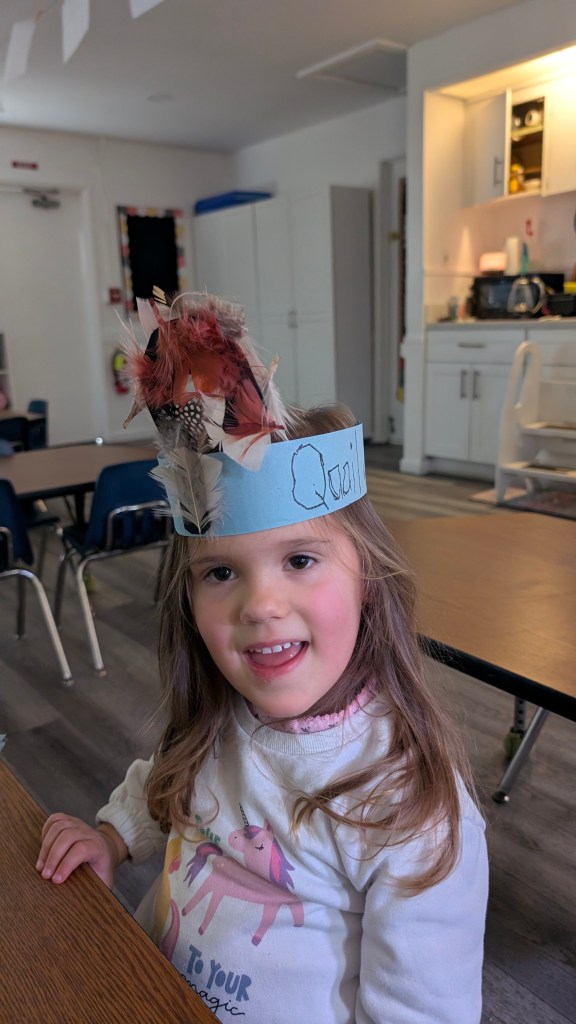
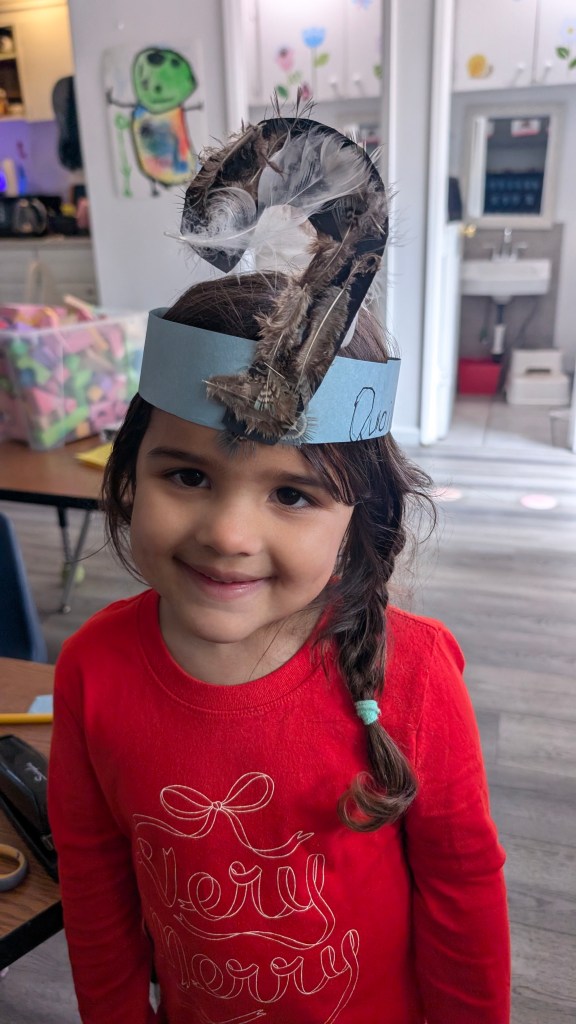
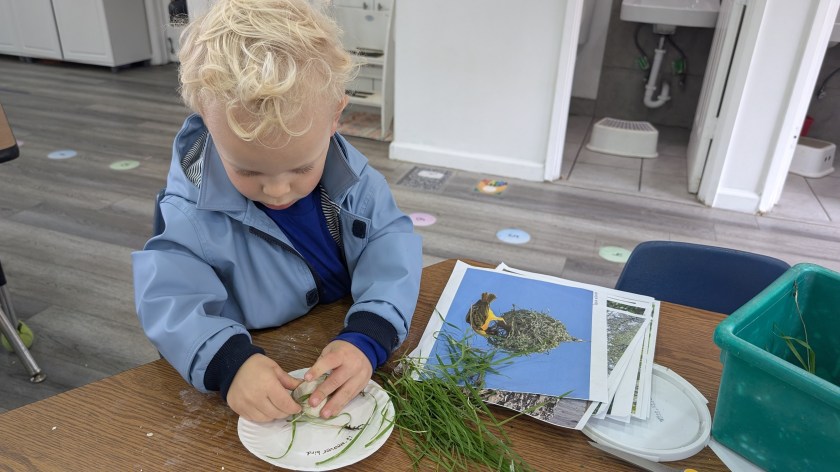
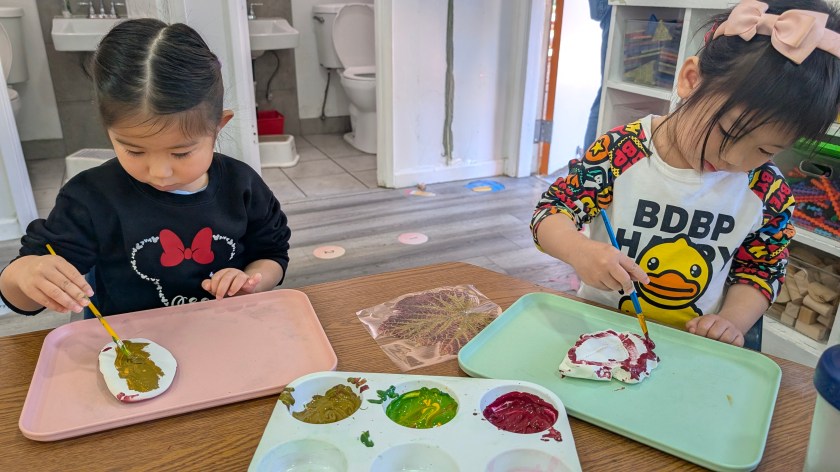
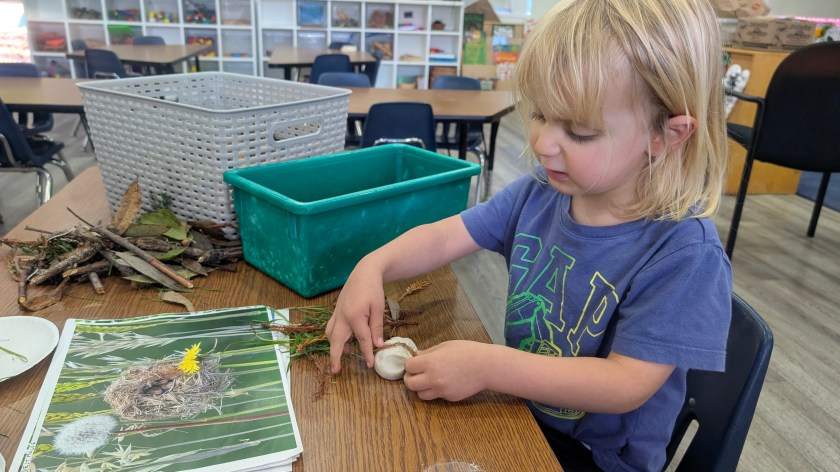
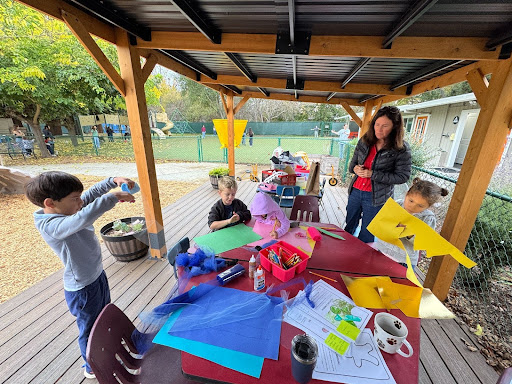
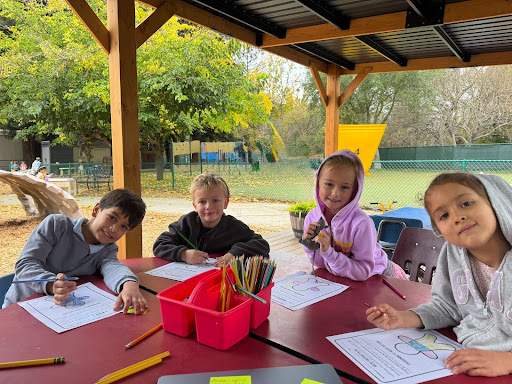
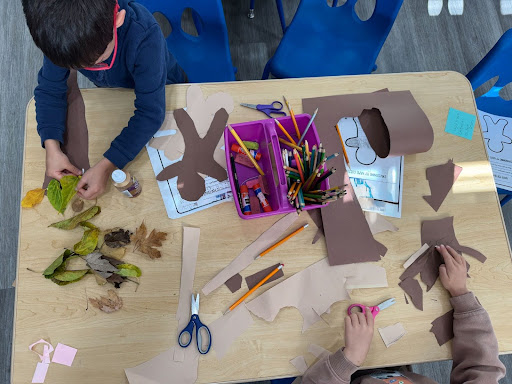
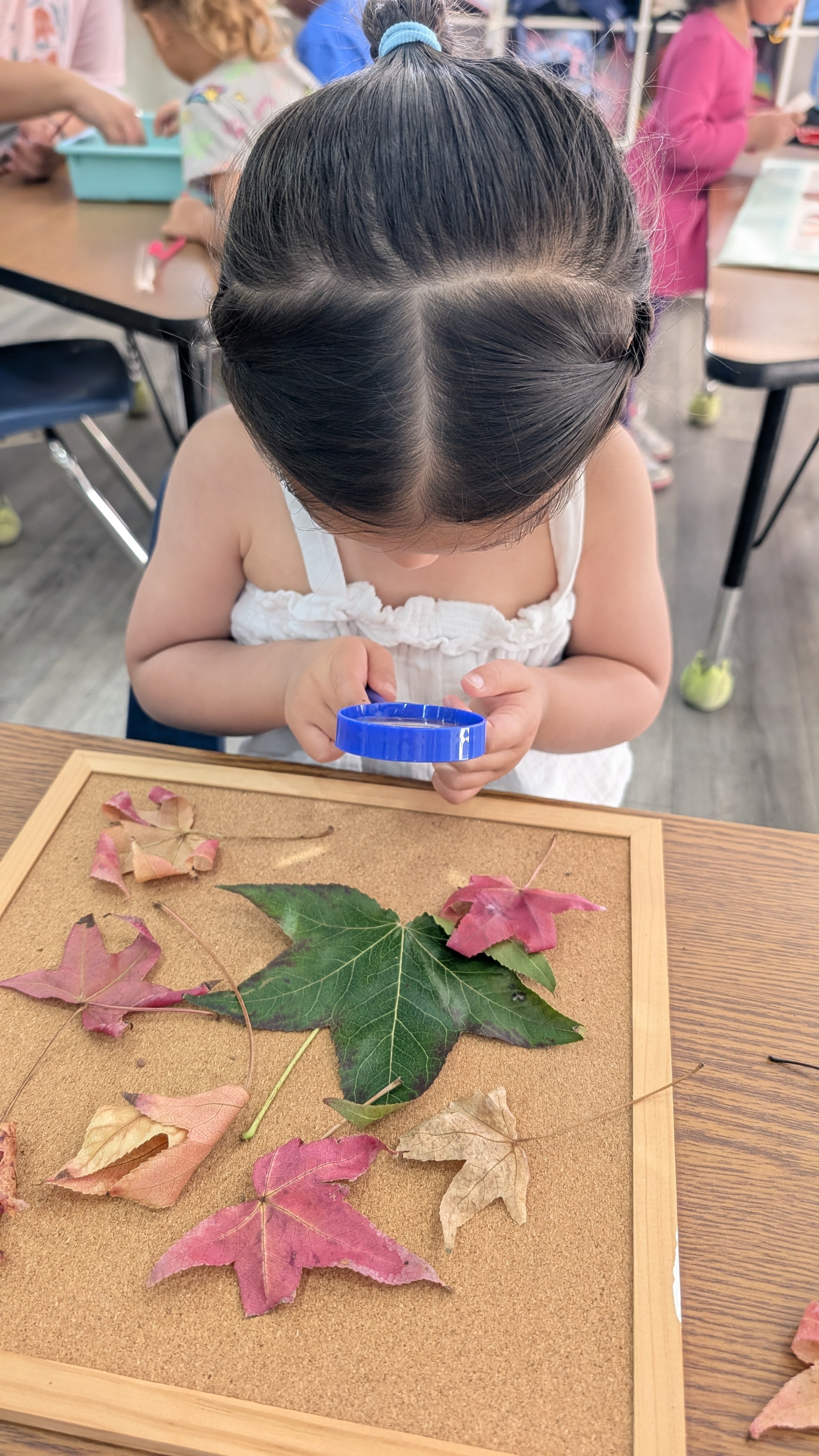
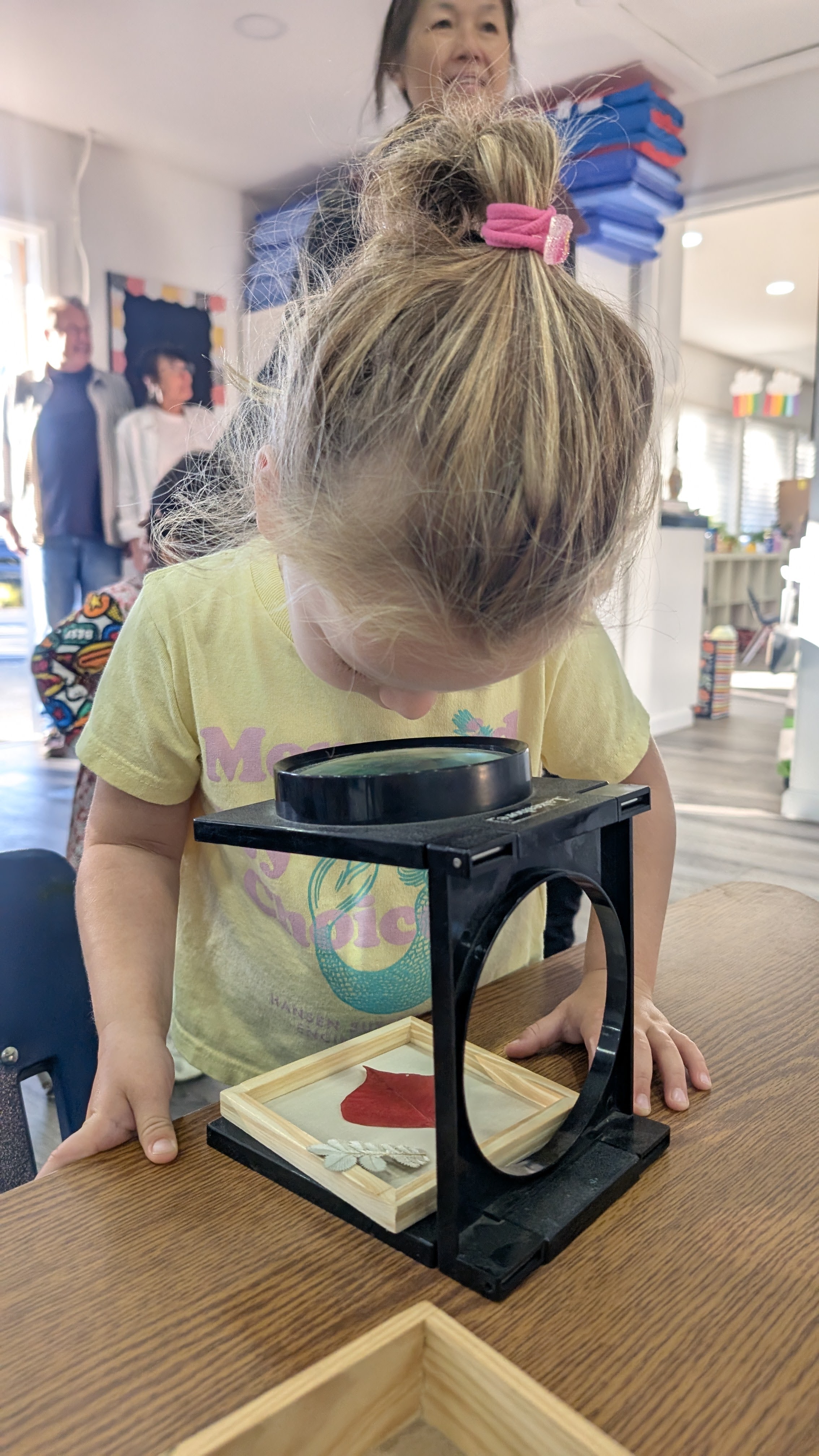
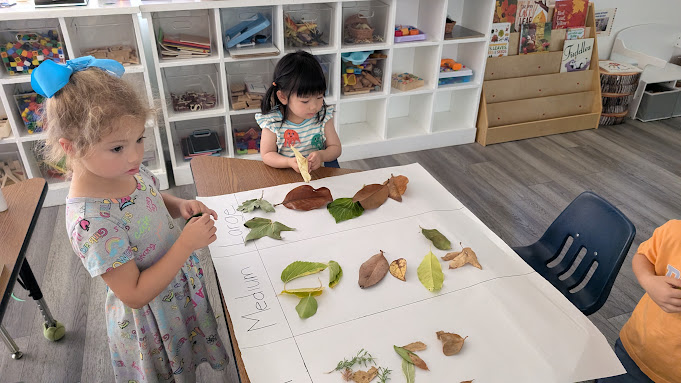
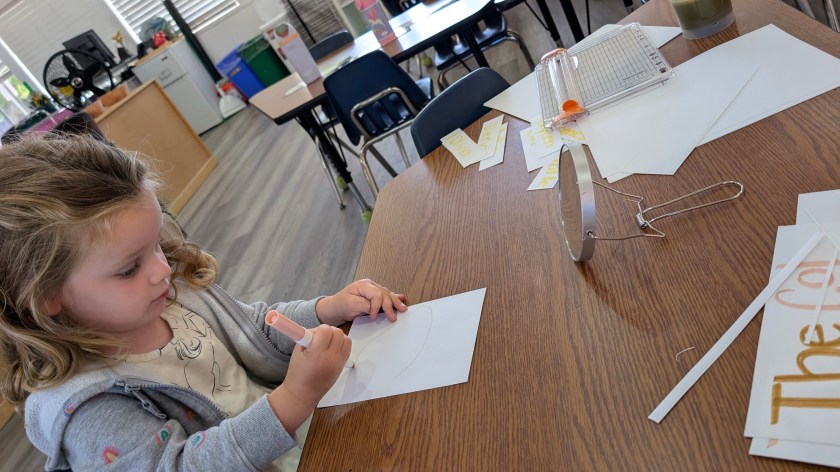
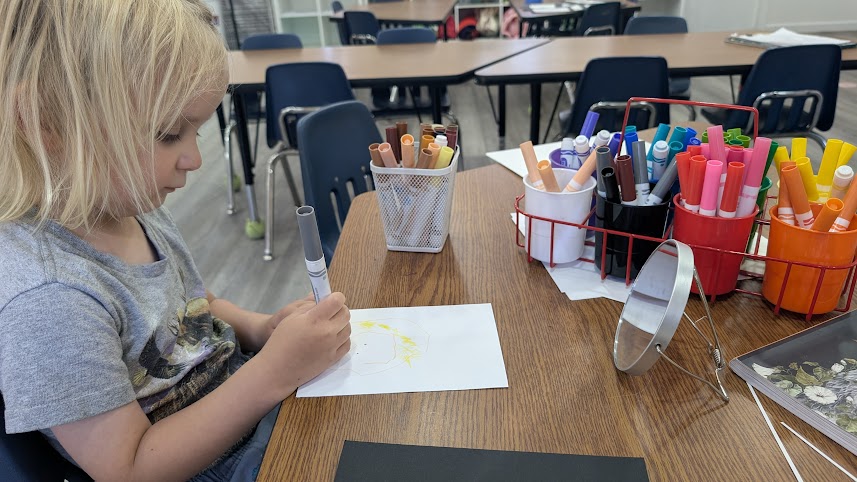
Our youngest learners, the Owlets, have been engaging in a deep exploration of leaves. For our ECE students, part of an authentic unit means pursuing a topic that they experience in their daily lives. During this time of year, when the trees are changing colors and leaves are falling to the ground all around us, student questions about leaves are abundant. They first began their study by sharing their own knowledge about leaves before generating questions. Next, the class engaged in experiences that helped them answer their questions, and then made physical representations of their growing knowledge of leaves. 

For both of these units, students engaged in multiple rounds of inquiry and had the rich opportunity to explore a topic with personal meaning while also tackling academic, social, and emotional learning goals. You are invited to join us on December 11th at 8:40 a.m. to celebrate the culmination of both of these project units. We hope you join us! 

#SaklanProjectBasedLearning

Cross-Age Learning in Action

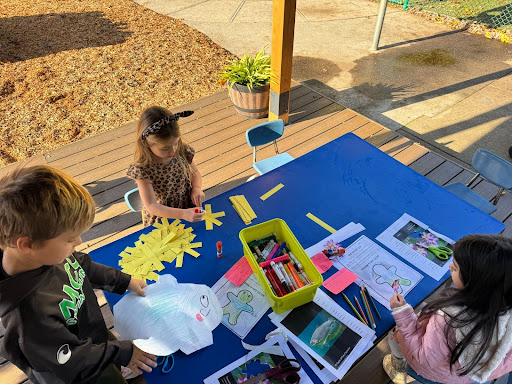
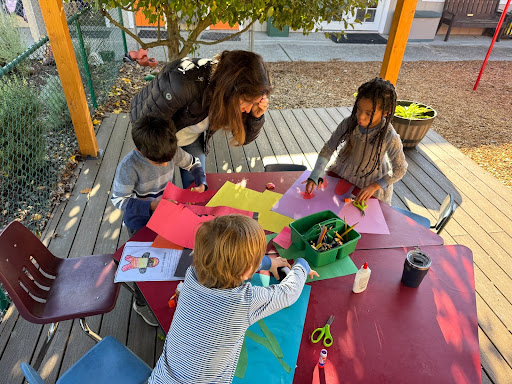
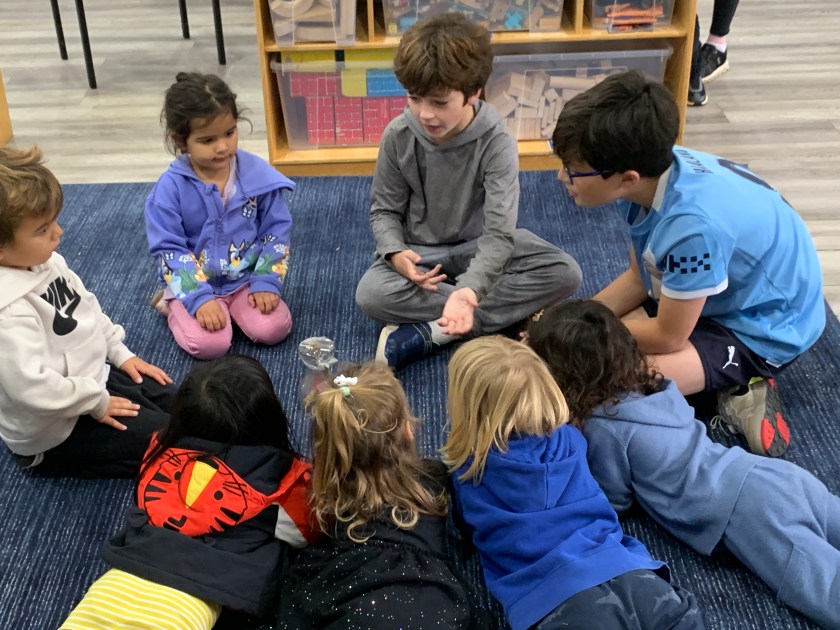
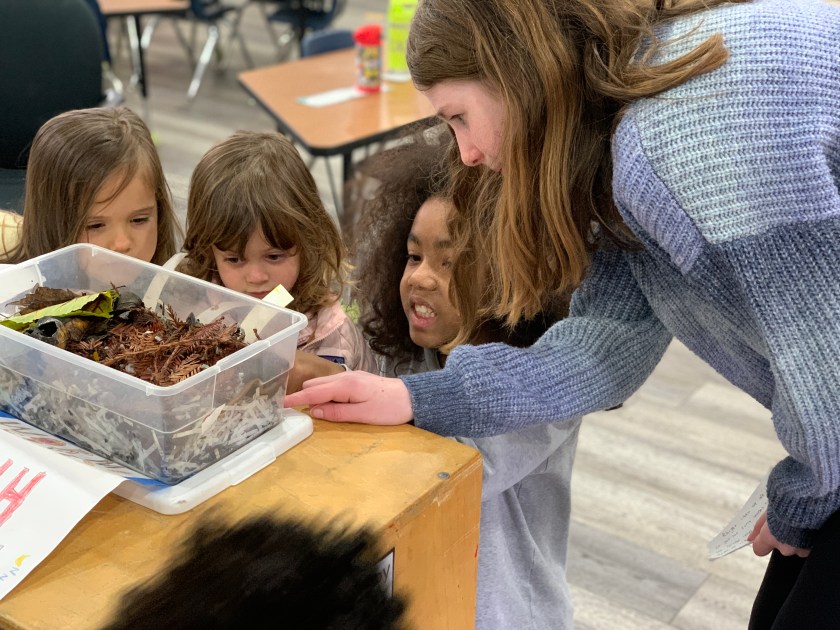
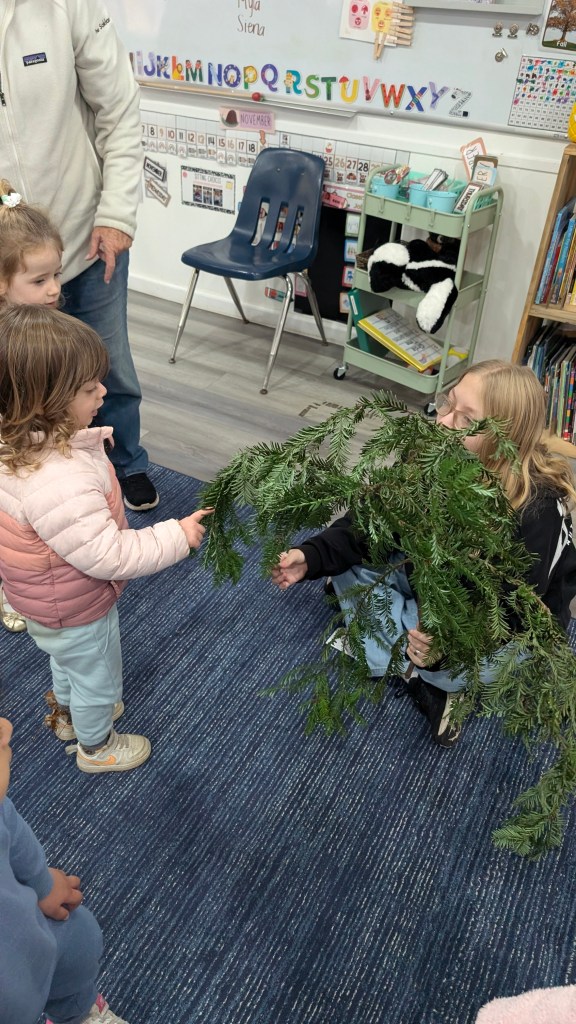
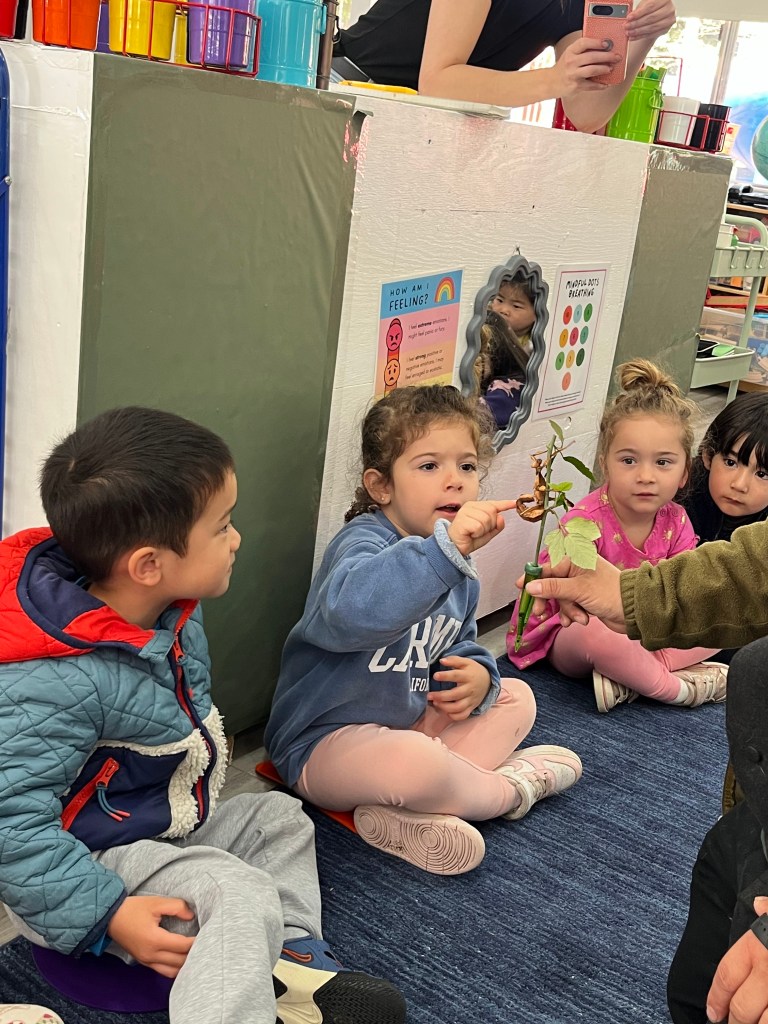
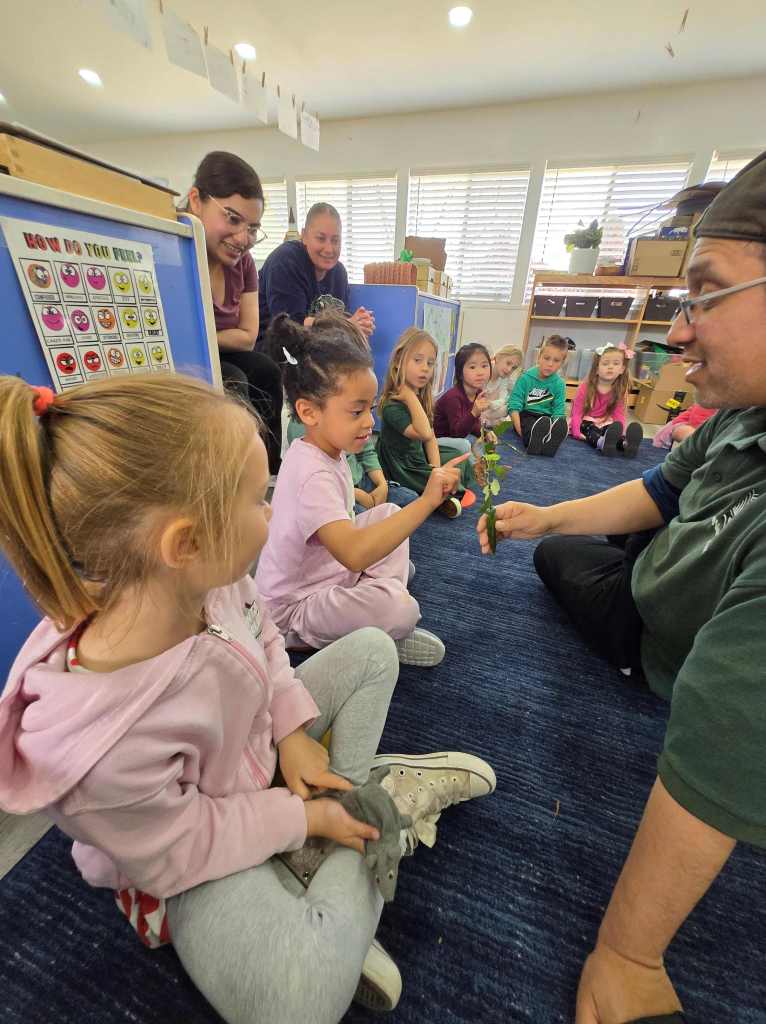
Saklan’s cross-grade learning was on full display as the Owlet buddies and fifth graders came together for a hands-on science experience rooted in their respective Project Based Learning (PBL) units. The Owlets have been exploring leaves, while the fifth graders have been studying trees—making their recent research on Redwoods the perfect launching point for peer teaching.

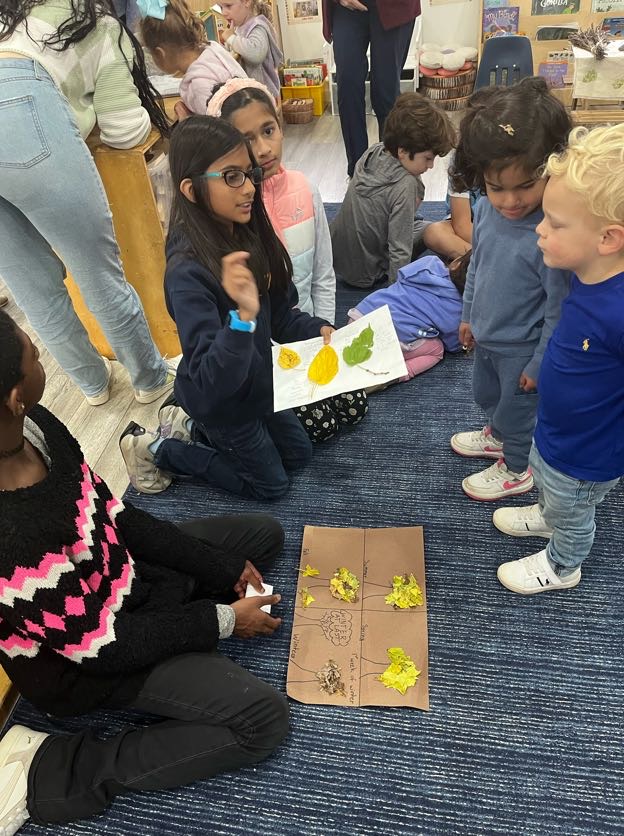
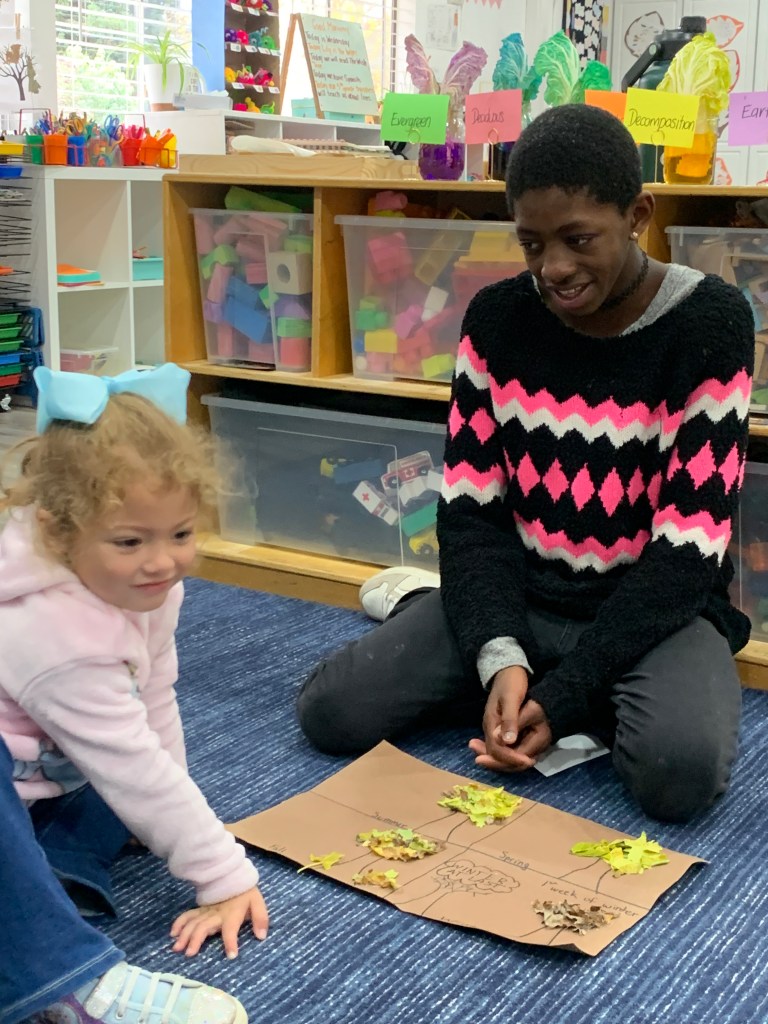
The fifth graders were tasked with becoming “experts” on several big questions the Owlets had been wondering about: the difference between evergreen and deciduous leaves, why leaf colors change, and how fallen plant matter breaks down and becomes soil, including the important role earthworms play in decomposition.

Students worked in teams with real focus and purpose. They were given 45 minutes to choose a topic and collaborate on a mini-presentation that was both accurate and engaging. Each group created a visual or hands-on element to support their teaching. Another 45 minutes were spent practicing, presenting to peers, and refining their work with the help of candid “Dancing with the Stars-style” feedback. The growth from practice to final presentation was remarkable.

When it was time to meet with the Owlets, the fifth graders were ready. Their presentations were clear, lively, and thoughtfully geared toward 3- and 4-year-old learners. The Owlets eagerly leaned in, asking big, earnest questions such as, “Do worms have eyes?” and “Is that the head or the tail?” Fifth graders knelt beside tiny tables, held leaves up for close inspection, and invited younger students to touch, compare, and wonder.
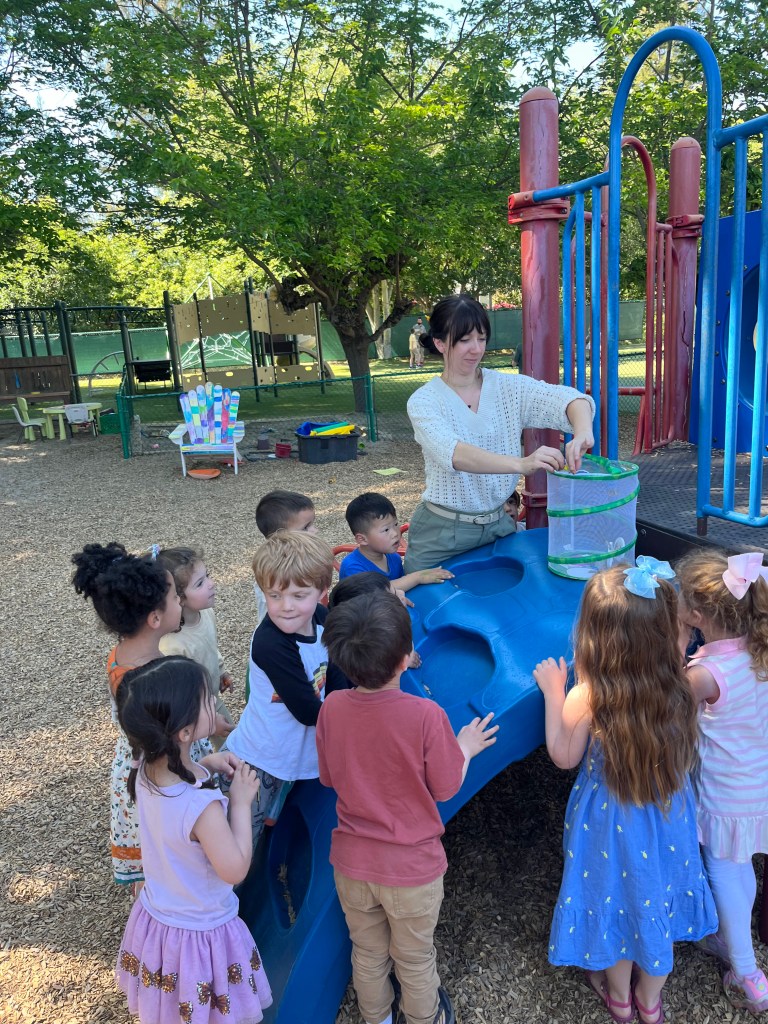
Not only did the Owlets gain new insights through this joyful experience, but the fifth graders deepened their own understanding by explaining complex scientific ideas in simple, accurate ways—a skill that strengthens mastery and confidence.

Saklan’s PBL focus continues to create meaningful opportunities for students of all ages to learn with and from each other, building both knowledge and community along the way.

#SaklanProjectBasedLearning #SaklanGuestExperts

Owlets’ Curiosity Sparked

As autumn settles in and the trees around campus begin their seasonal transformation, the Owlets’ curiosity has been sparked by the changing colors and falling leaves. This curiosity led to their Leaves Project—an exploration designed to deepen their connection with the natural world and build on their observations.
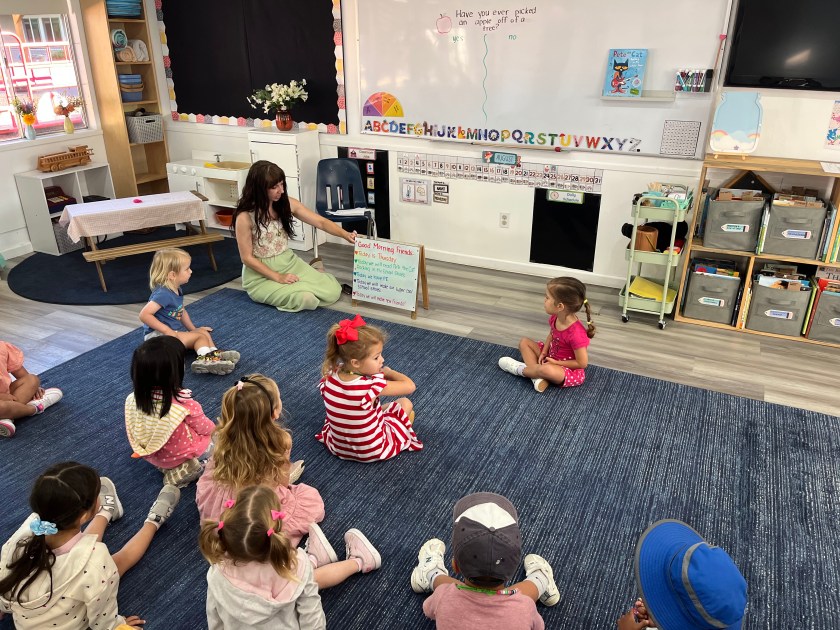
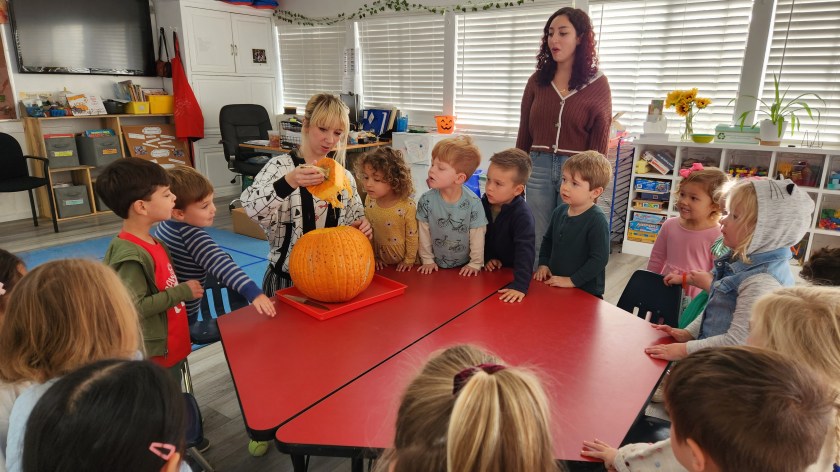
The project began when the preschoolers noticed that some trees in the playground had already dropped their leaves, while others just beyond the fence still held on tightly to theirs. Together, they recorded these observations and began wondering why this might be—a question they will continue to investigate over the coming weeks.
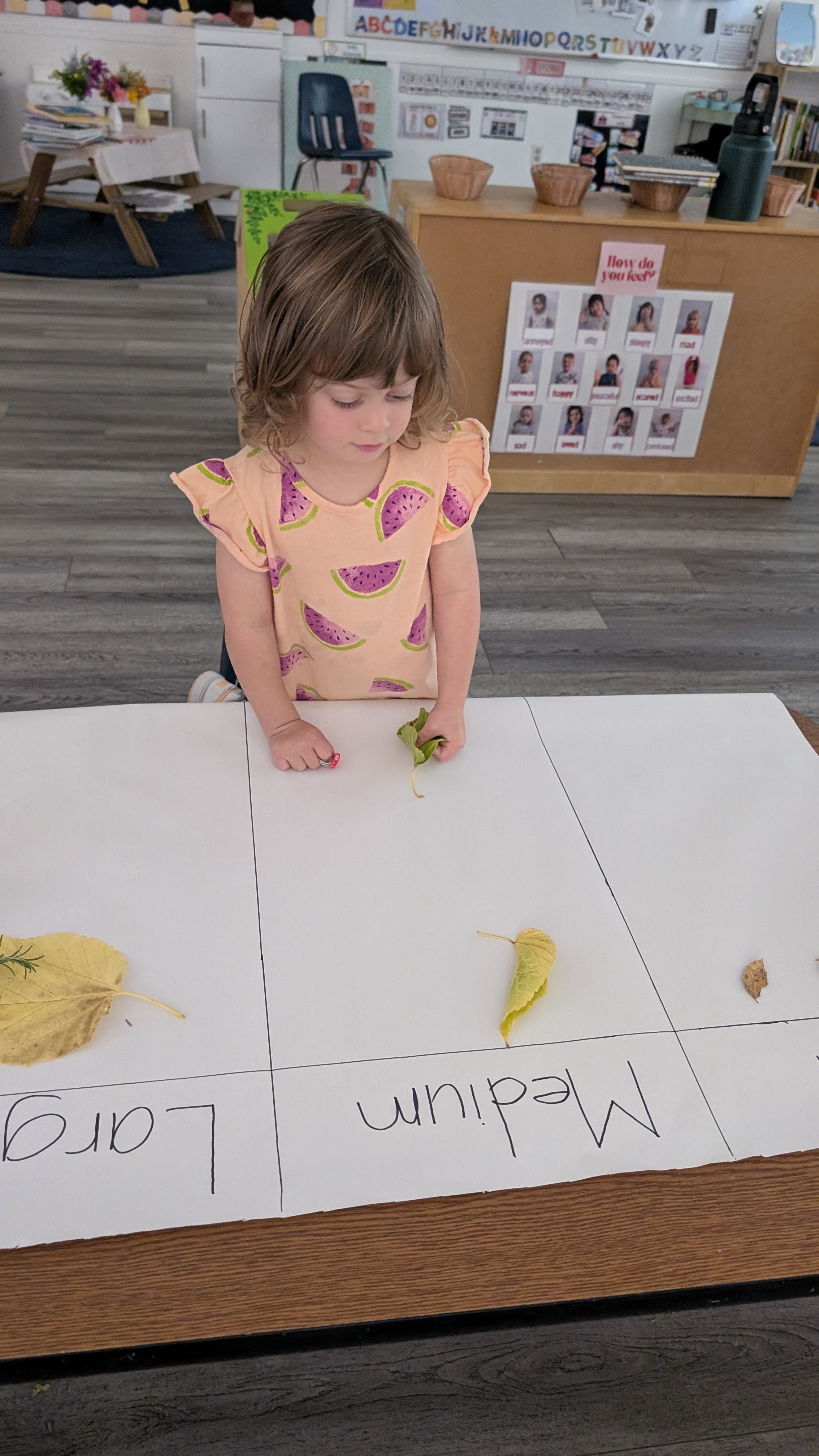
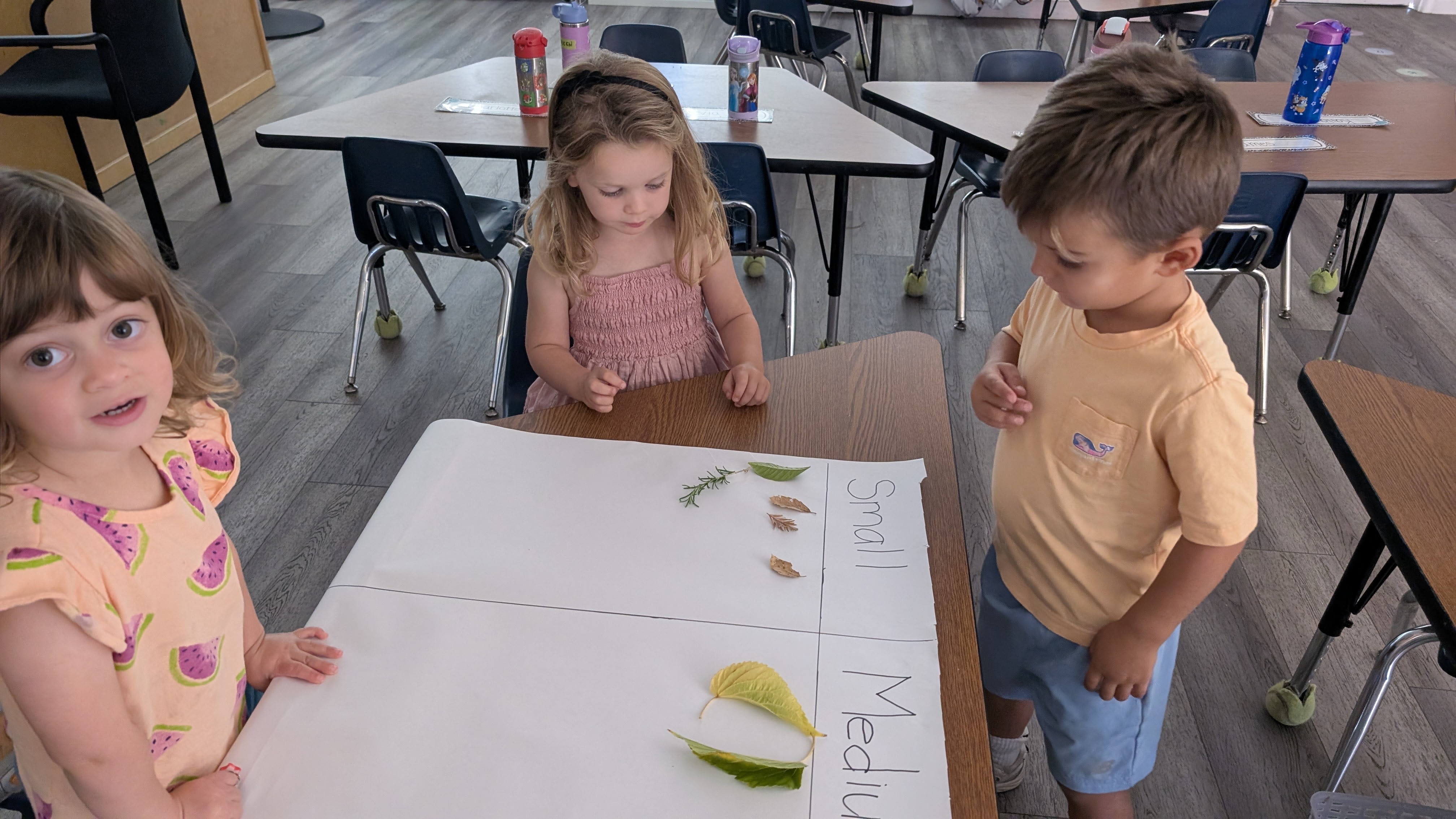
To launch the project, each Owlet brought in leaves from home. The classroom quickly filled with excitement as students examined their growing collection, noticing that leaves come in many shapes, sizes, and colors. Throughout the first week, the class spent time observing and sorting leaves. They worked together to group them into small, medium, and large categories—discovering that even leaves of the same shape can vary greatly in size.
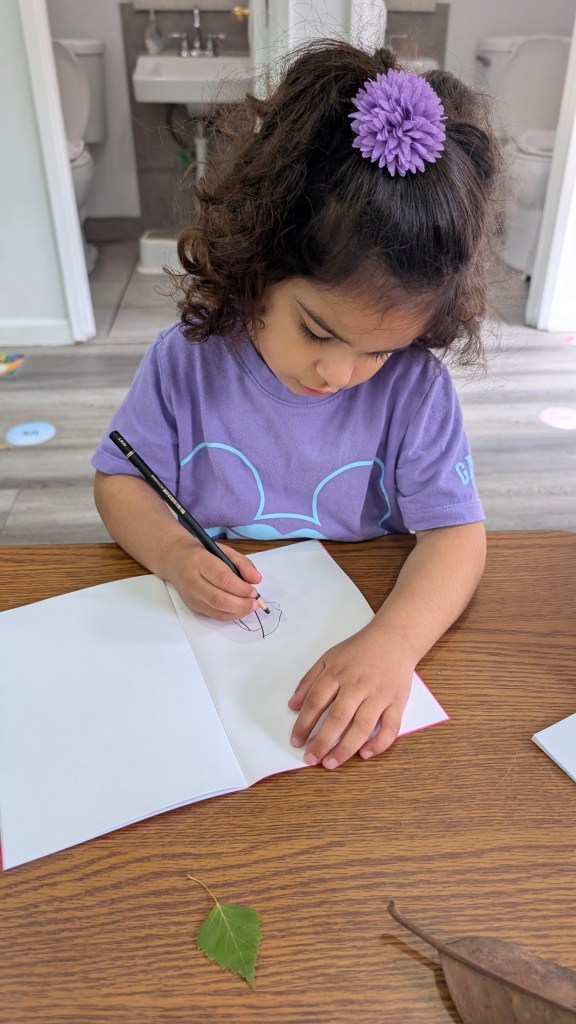
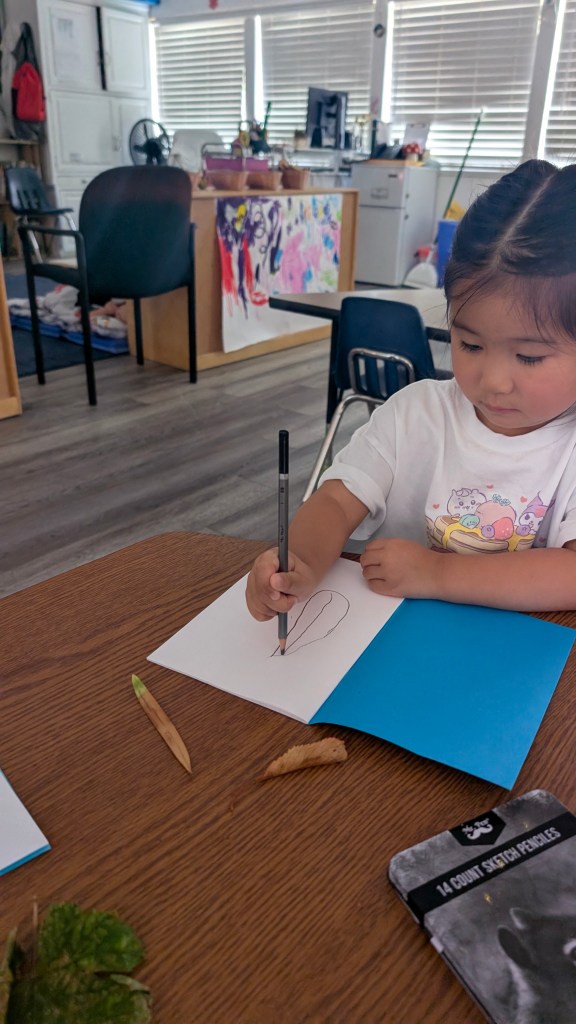
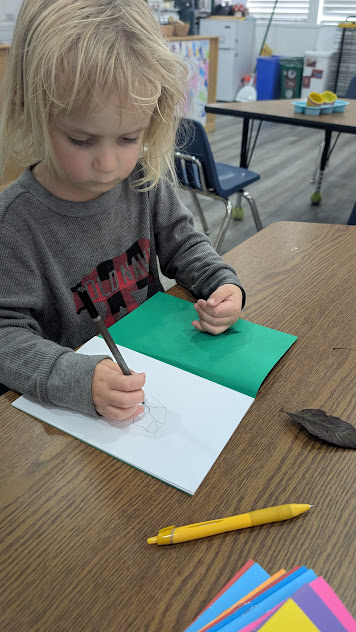
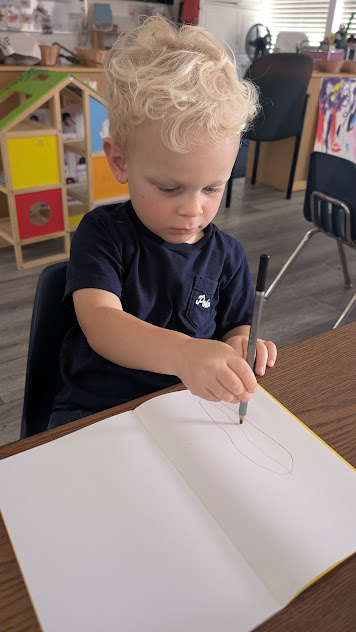
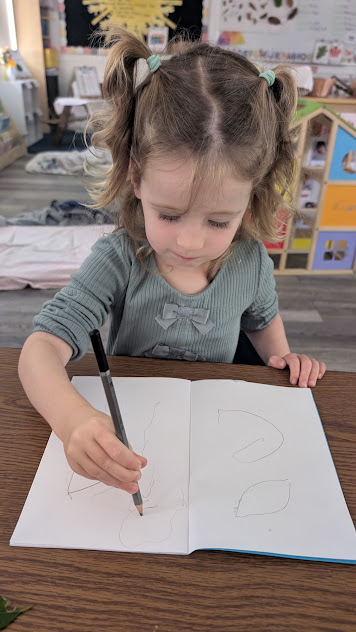
As part of their study, each preschooler received an Observation Notebook for recording detailed drawings of leaves. Using graphite pencils, they practiced looking closely and capturing what they saw—tracing edges, noticing veins, and identifying shapes. This led to a deeper exploration of leaf anatomy, including terms like apex, base, midrib, veins, and leafstalk. When one student commented that humans also have veins, he wondered aloud what purpose they serve in leaves—a thoughtful question now posted on the class Wonder Wall for future exploration.

Through observation and hands-on discovery, the Owlets are deepening their understanding of the natural world—and finding joy in every leaf along the way!

#SaklanProjects

Celebrating Uniqueness in the Owlet Classroom

Over the past few weeks, the Owlets have been exploring themes of diversity, uniqueness, and the importance of celebrating what makes each of us special. Their learning journey began with The Colors of Us, a story that highlights the many different shades of skin tones. After reading, the class reflected on how each person is unique and how all of our colors are beautiful.

With this inspiration, the Owlets experimented with skin tone markers to find shades that matched their own. Using these, they created their first self-portraits of the year, carefully noticing the shapes of their features and expressing themselves with color and detail. Beyond being a creative activity, self-portraits encourage self-awareness, observation skills, and artistic expression. The class will return to self-portraits throughout the year, offering a wonderful opportunity to see how their drawings evolve as their skills and confidence grow.

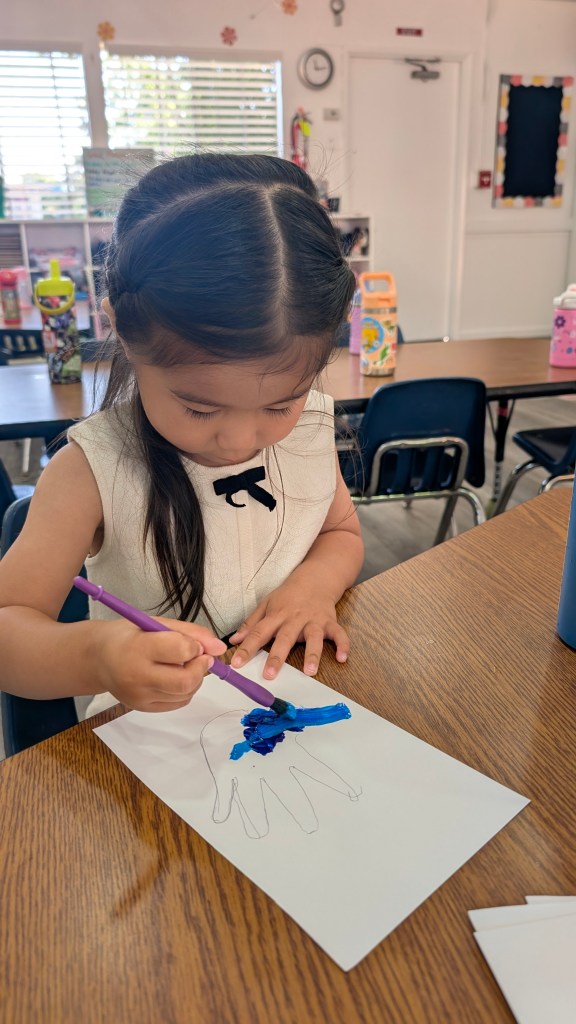
In another activity with Ms. Linda, the children created All About Me handprint posters to display in the classroom. Each child chose a favorite color for their handprint and shared more about themselves by adding favorite games, toys, animals, and foods. Activities like these help children appreciate their individuality while also building community as they learn more about one another.

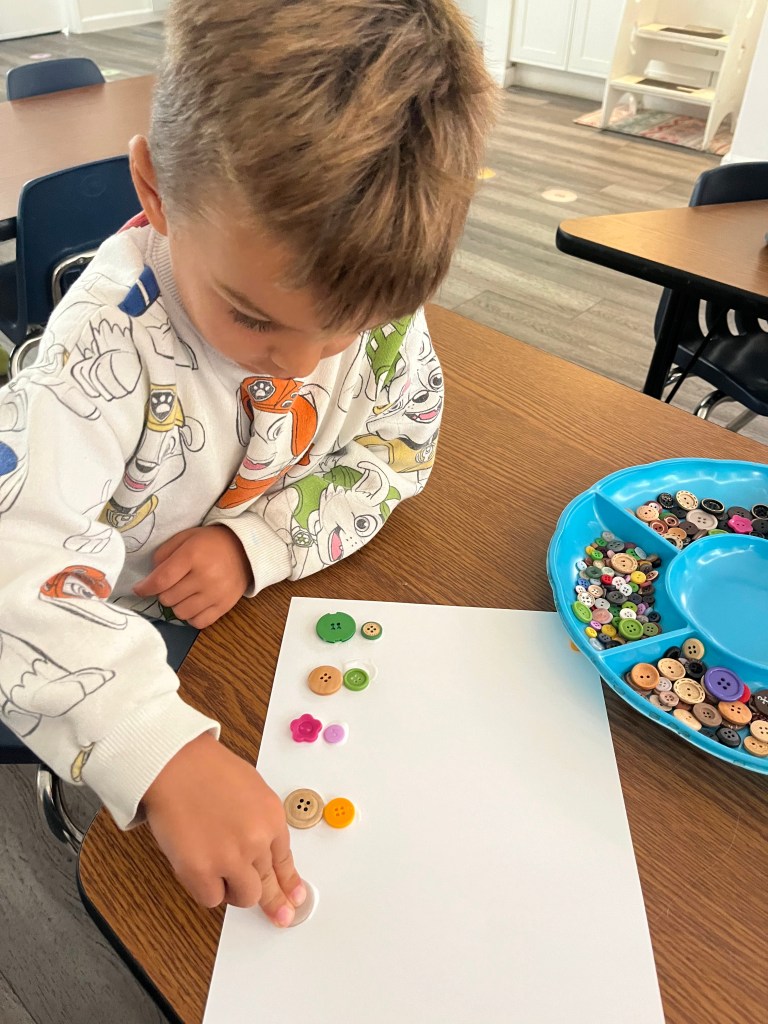
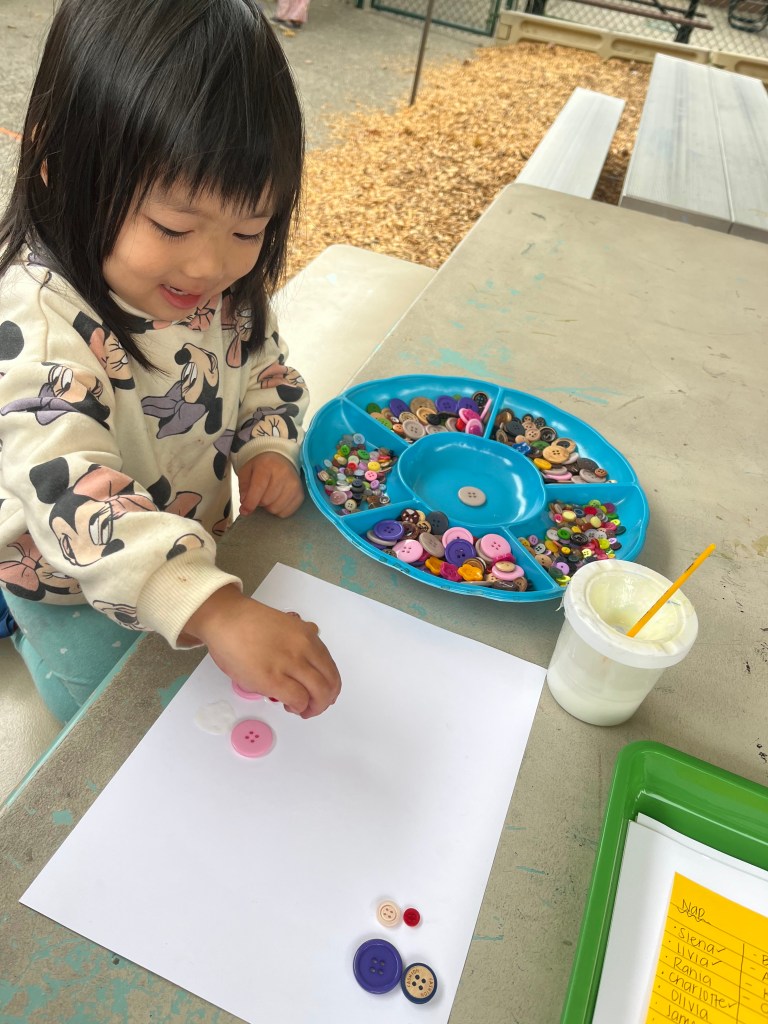
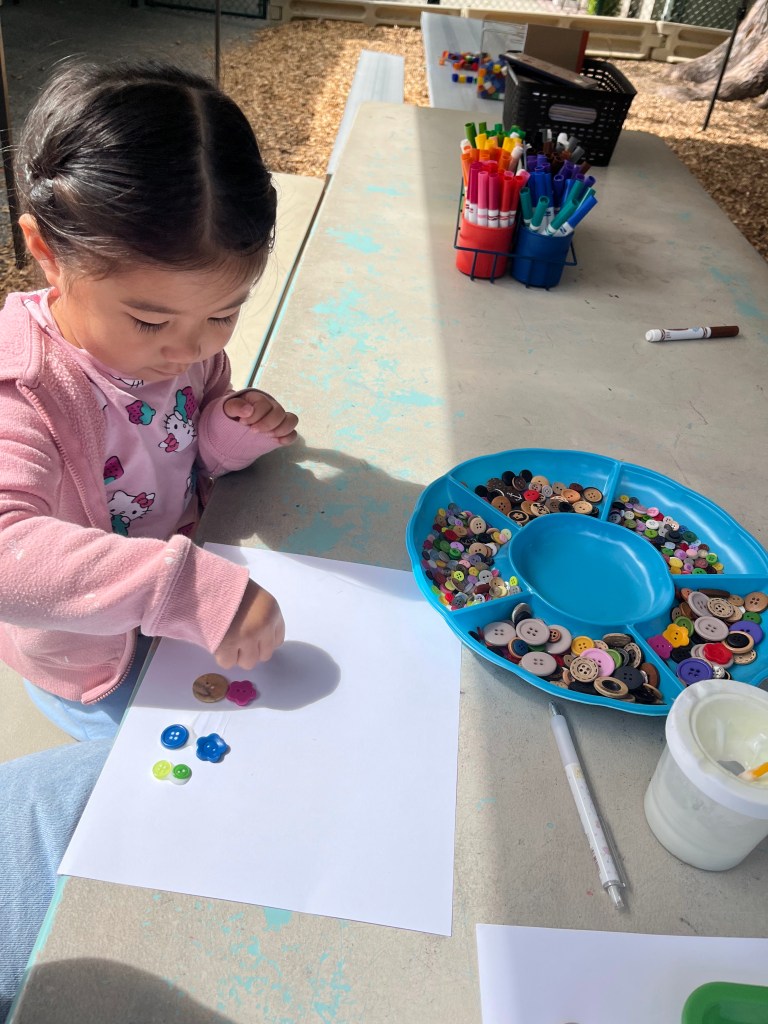
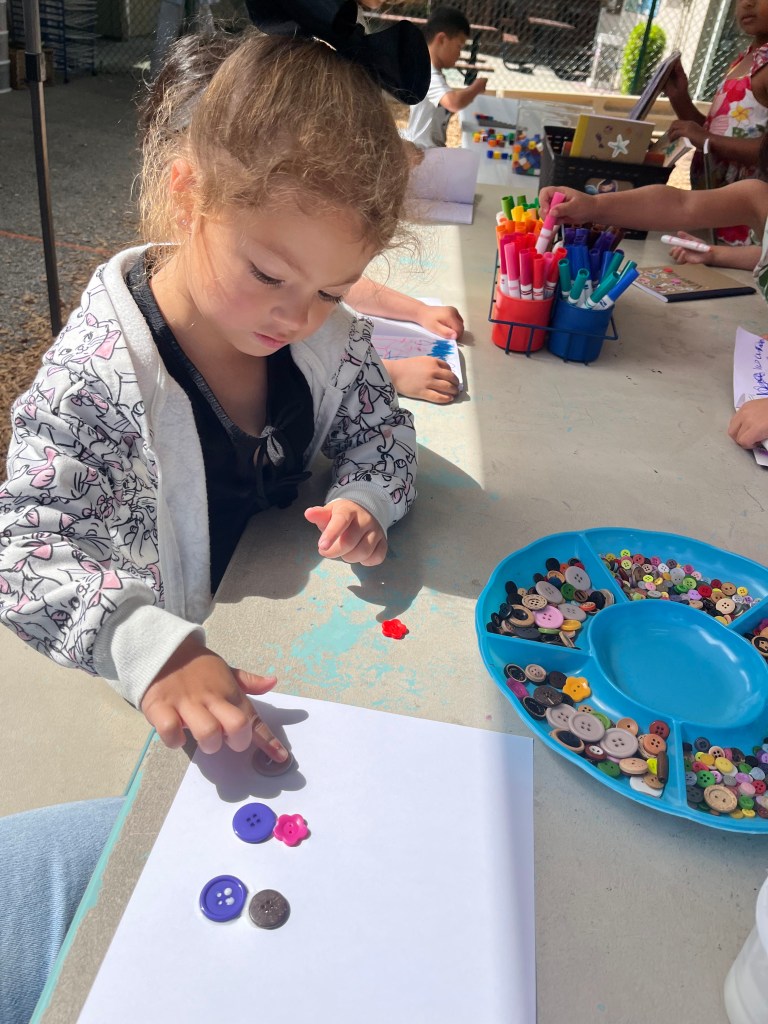
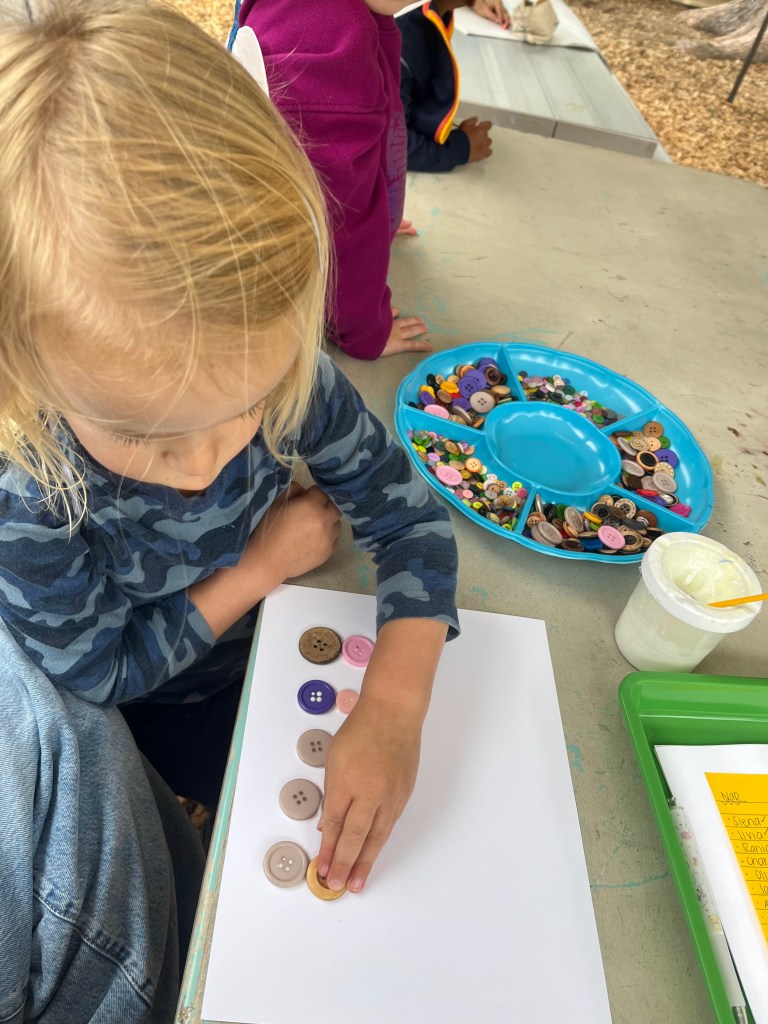
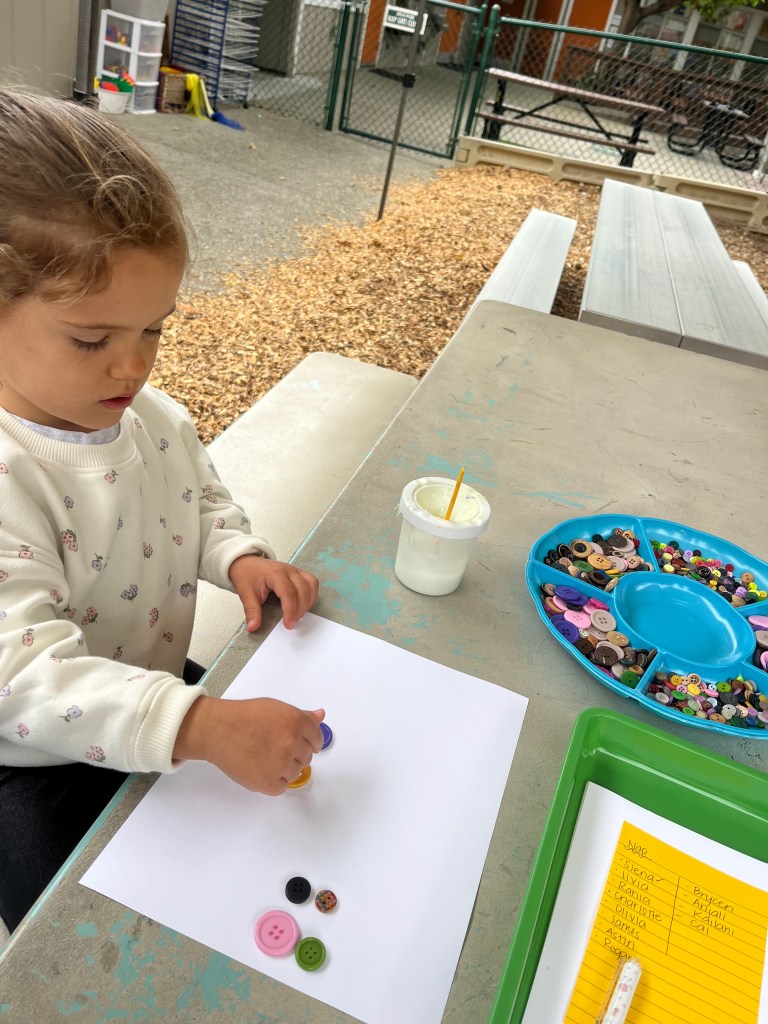
Victoria introduced the story A Handful of Buttons, a heartwarming book that celebrates the diversity of families. The Owlets discovered that families come in many shapes and sizes—some with just two people, others with many—and that each one is special in its own way. Afterward, the children designed their own “button families,” thoughtfully selecting buttons to represent the people who are important in their lives.

Through books, art, and hands-on activities, the Owlets are developing a deep appreciation for what makes each person unique—while also building a classroom culture rooted in belonging, empathy, and celebration.

#SaklanCommunity #SaklanBelonging

Learning Buddies Kick Off a Year of Connection and Growth

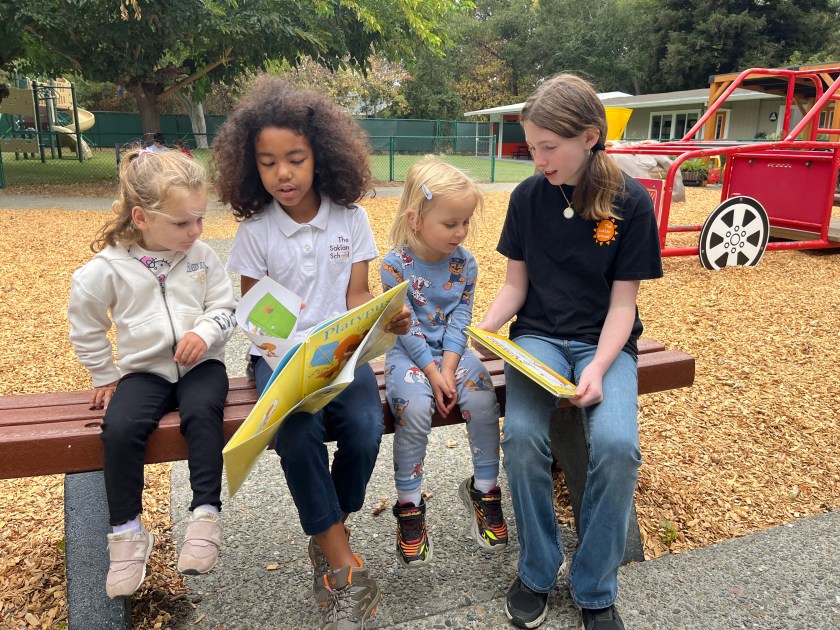
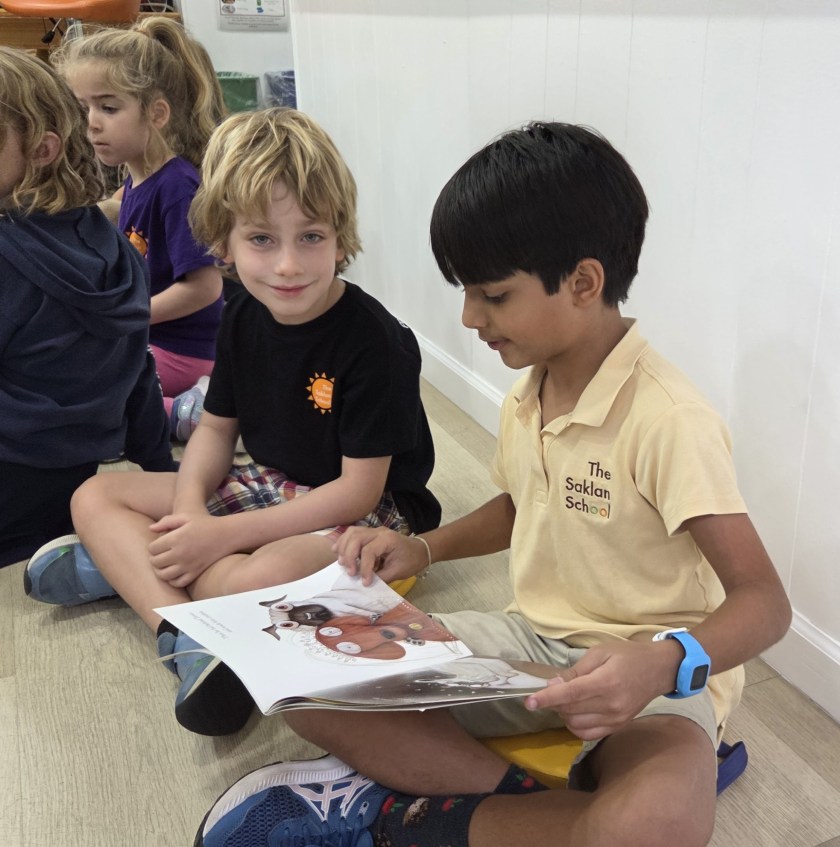
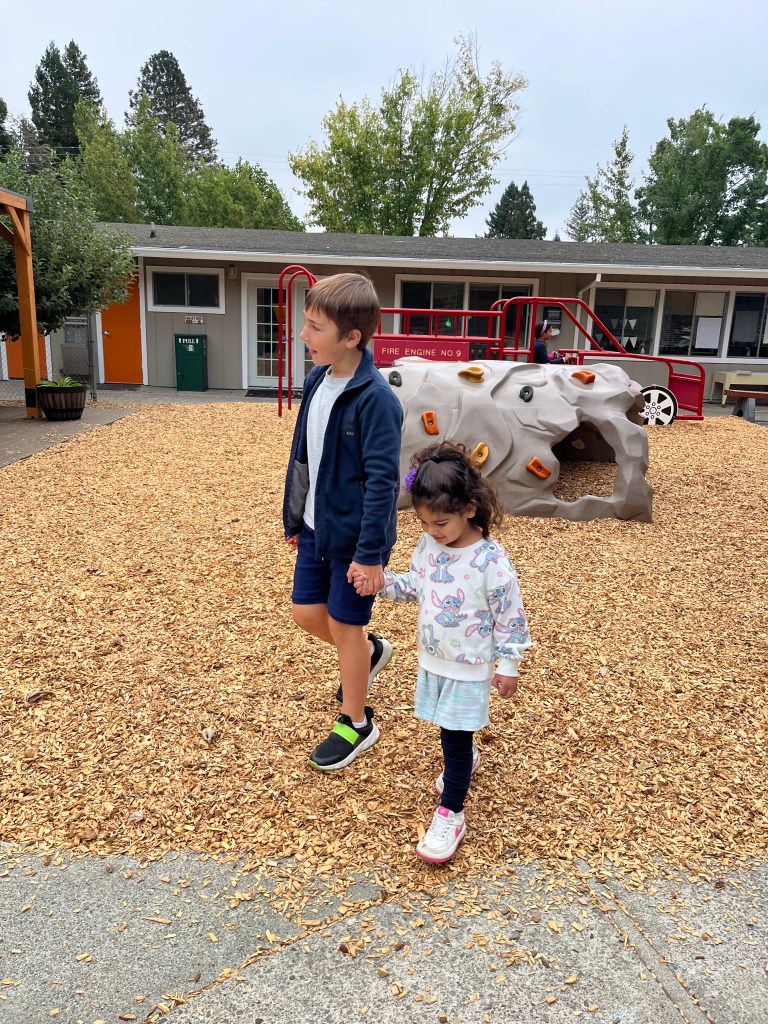
This morning, campus was buzzing with excitement as we launched our Learning Buddy program for the year! Designed to encourage cross-grade friendships, foster responsibility and mentorship, and make learning engaging and fun, Learning Buddies are a treasured Saklan tradition.

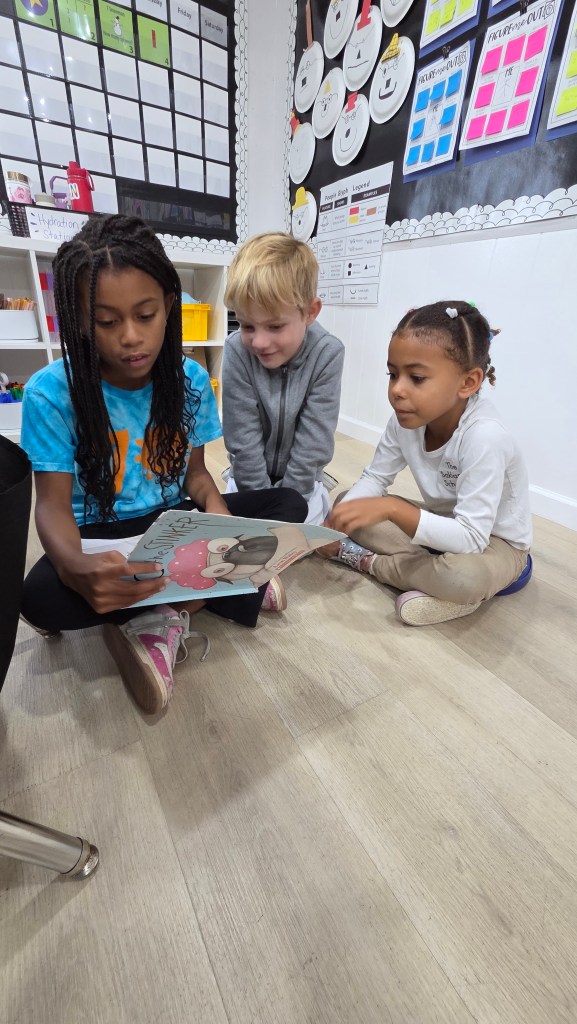
During their first meeting, buddies took time to get to know one another before diving into some shared reading. Older students modeled strong reading behaviors—using expression, fluency, and confidence—while also listening attentively as their younger buddies proudly read aloud.

The joy was evident on both sides: older students embraced their roles as mentors, while younger students felt supported, inspired, and eager to spend more time with their new friends. By the end of the morning, many were already asking the same question: When do we get to meet with our buddies again?

We look forward to seeing these relationships blossom throughout the year as students learn, grow, and shine together.

#SaklanCommunity

Bug-tastic Learning

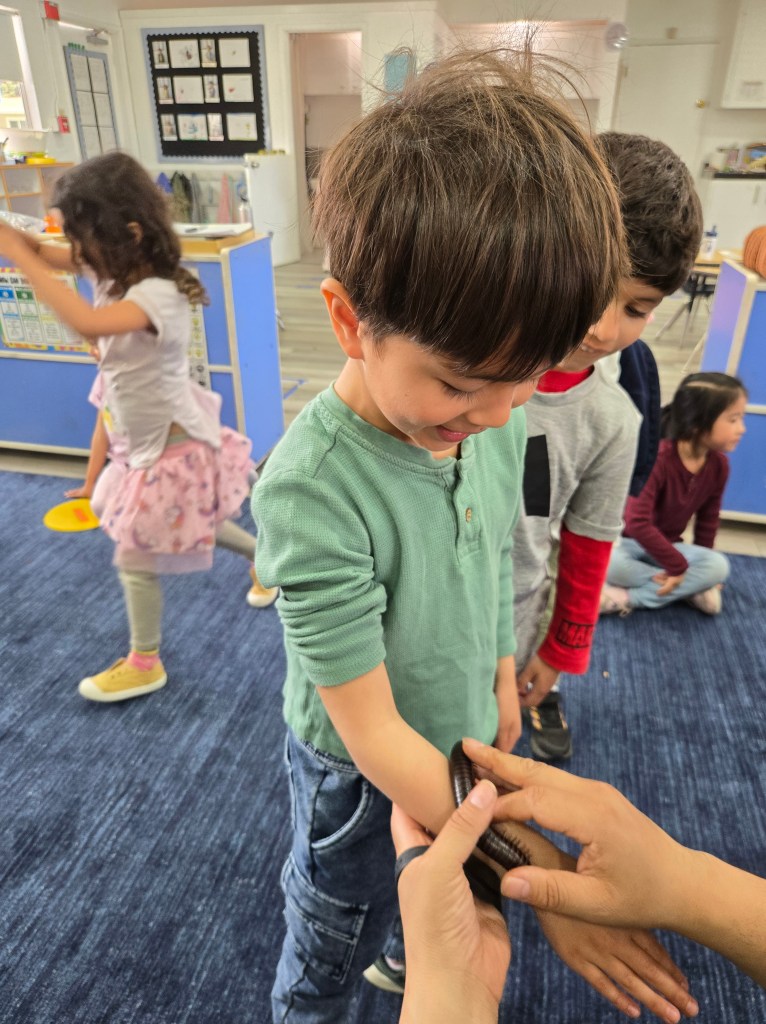
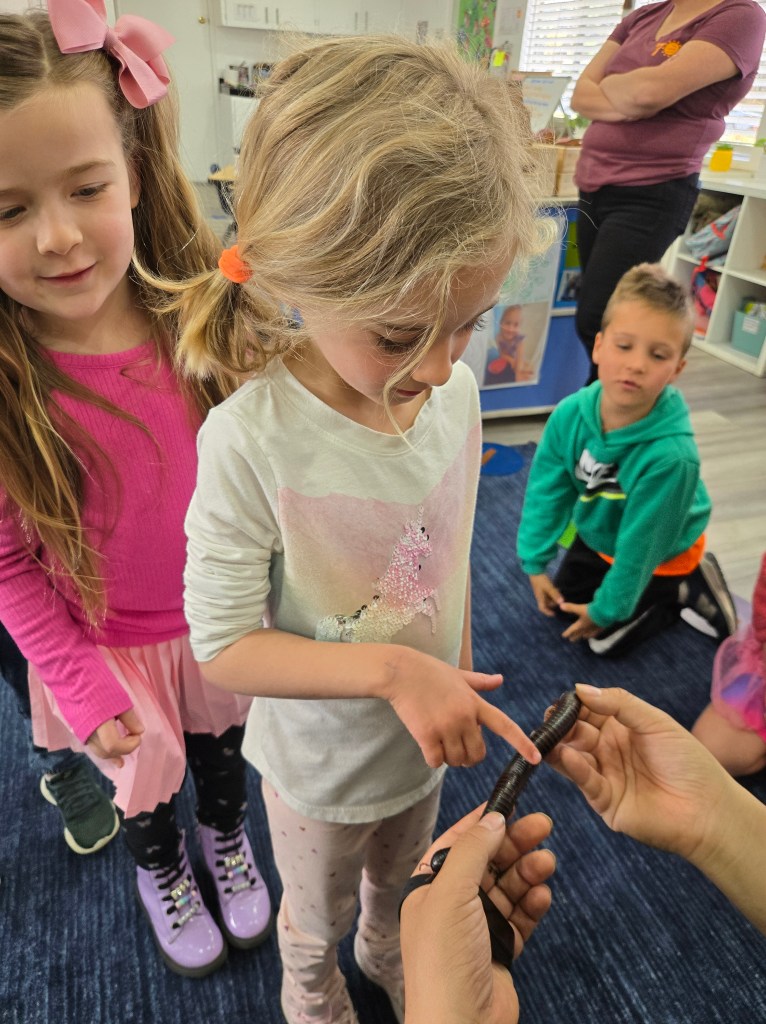
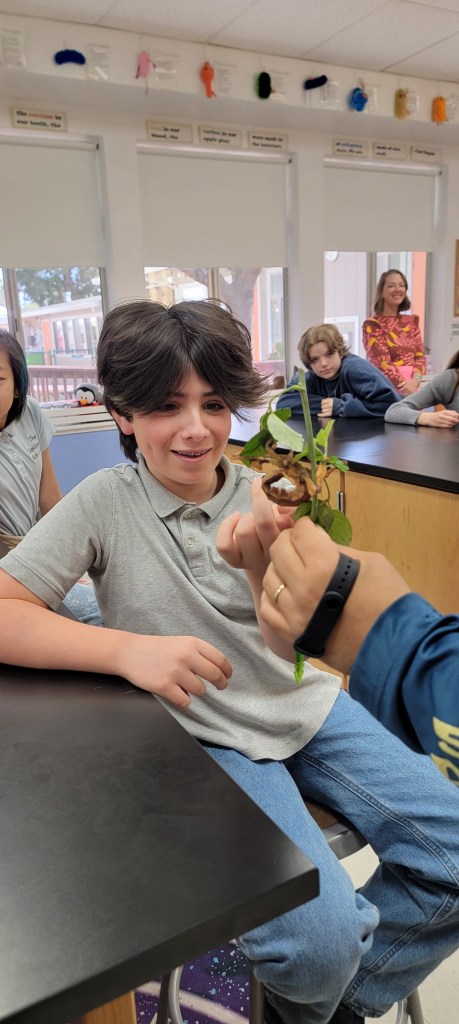
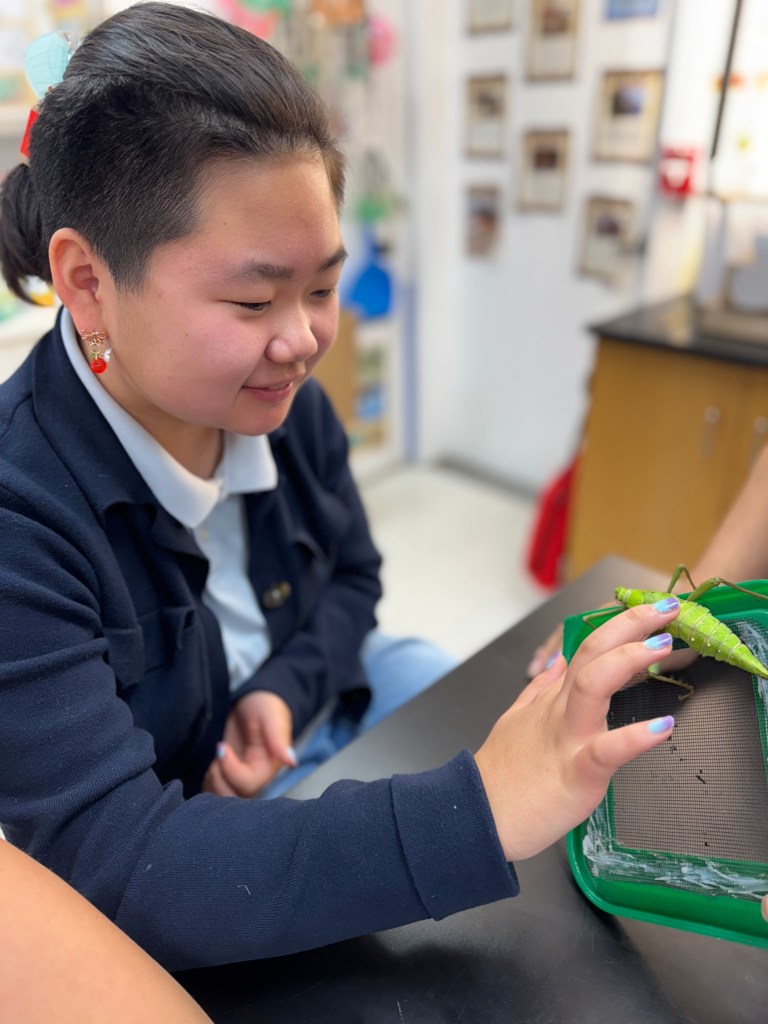
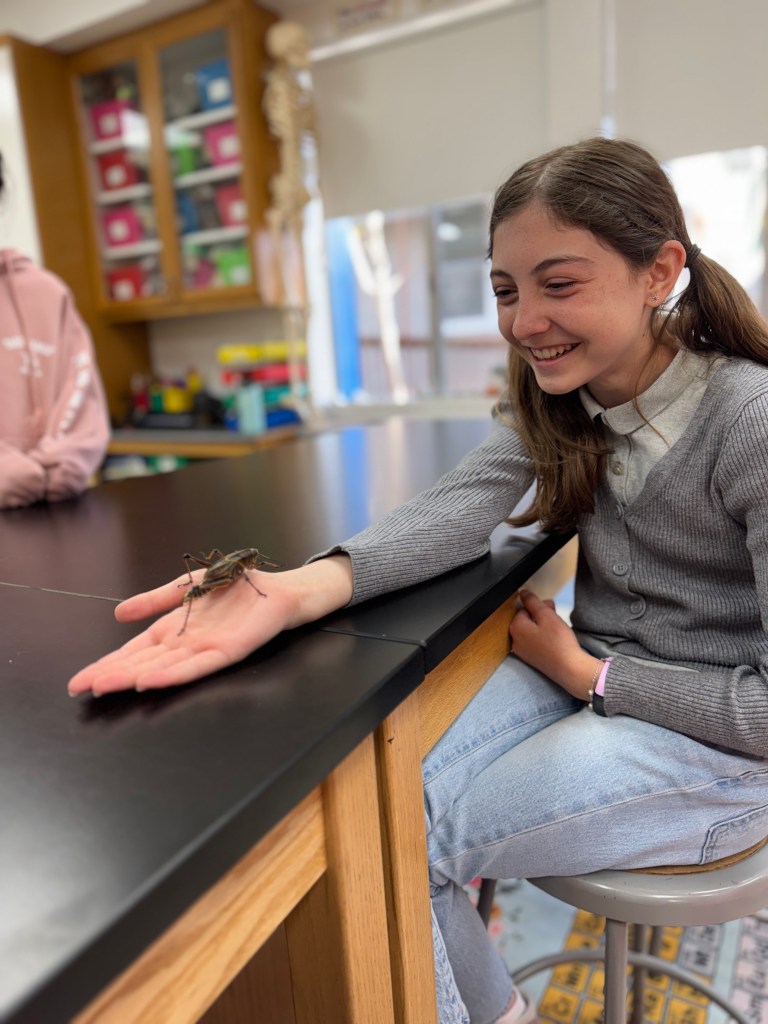
Saklan’s Preschool, Pre-K, and 7th grade students have been diving into the fascinating world of bugs, and recently had a visit from a special guest expert, Los from SaveNature.org, and some of his six-legged (and many-legged!) friends!

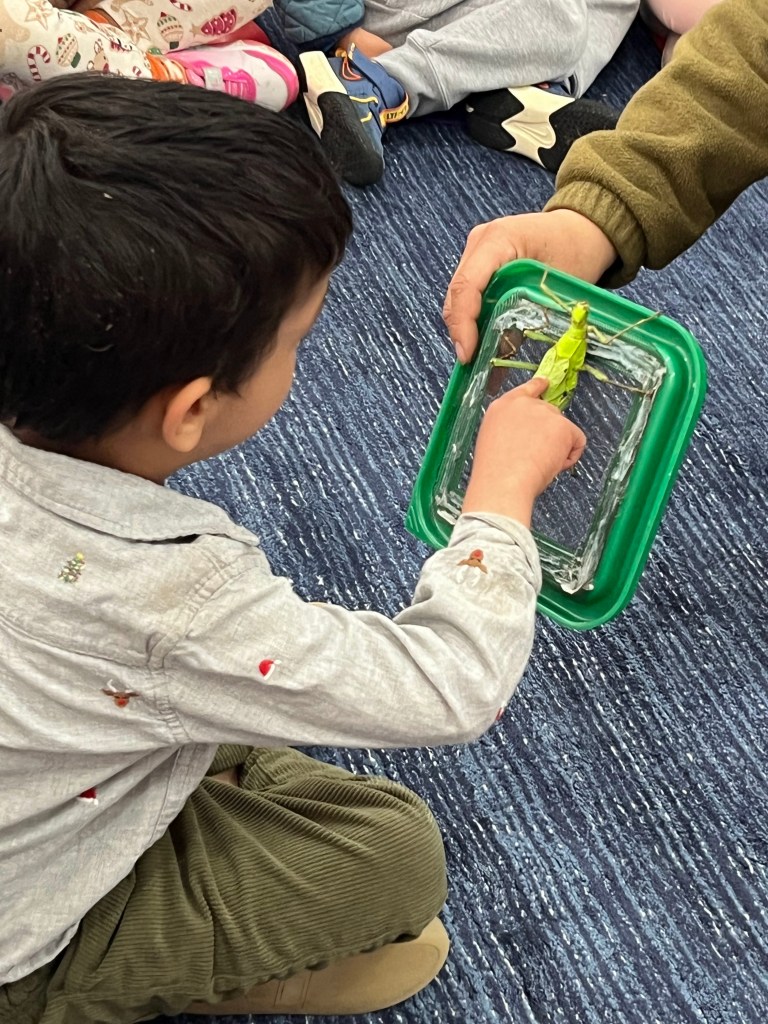
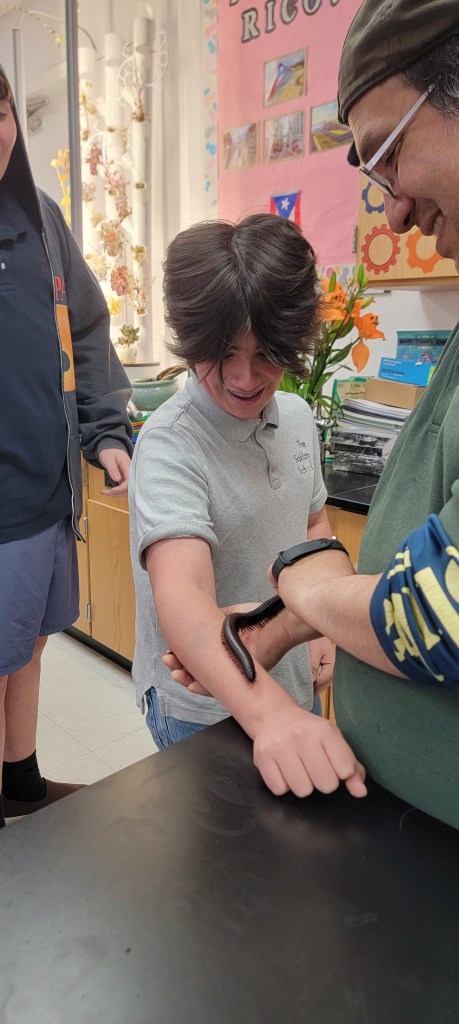
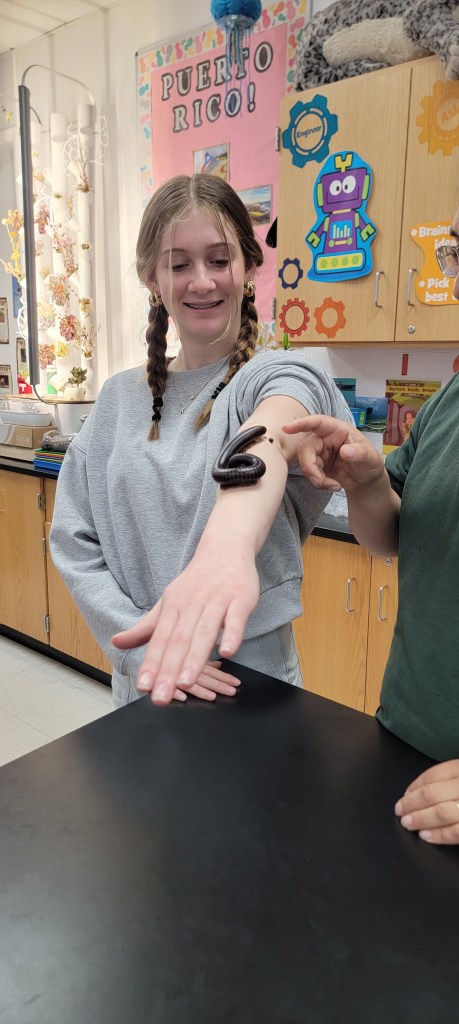
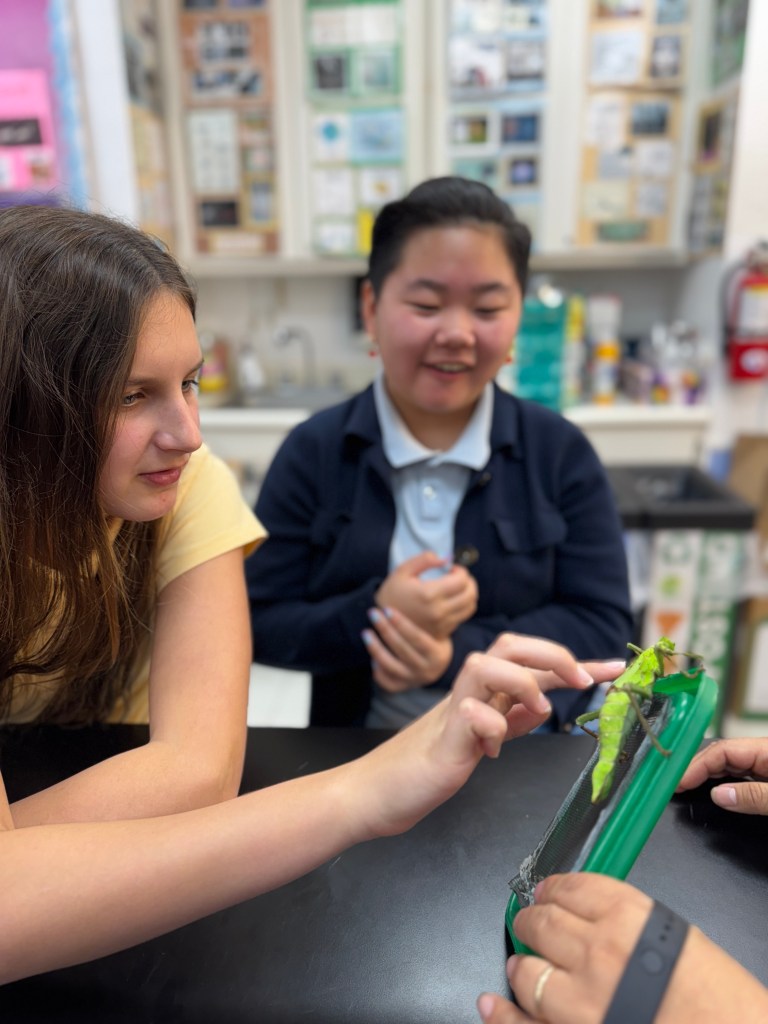
Los brought the Insect Discovery Lab to Saklan, where students had the opportunity to meet live invertebrates up close and learn what makes a bug a true bug. It turns out, not all the little creatures we find crawling around are actually bugs! Thanks to Los, our students learned that millipedes, snails, slugs, and spiders are all invertebrates (animals without backbones), just like insects—but they aren’t classified as true bugs. To be a real bug, a creature must have three body parts—a head, thorax, and abdomen—and exactly six legs. That means slugs and snails (with no legs) and millipedes (with way too many legs!) don’t qualify.

Los introduced the students to some truly incredible insects, including:

  • Darkling Beetles – Nocturnal neighbors we might spot nearby!
  • Malaysian Thorny Stick Bugs – Experts at camouflage.
  • Australian Giant Stick Bugs – Mimic scorpions to scare off predators!
  • Eastern Lubber Grasshoppers – So toxic that predators steer clear.
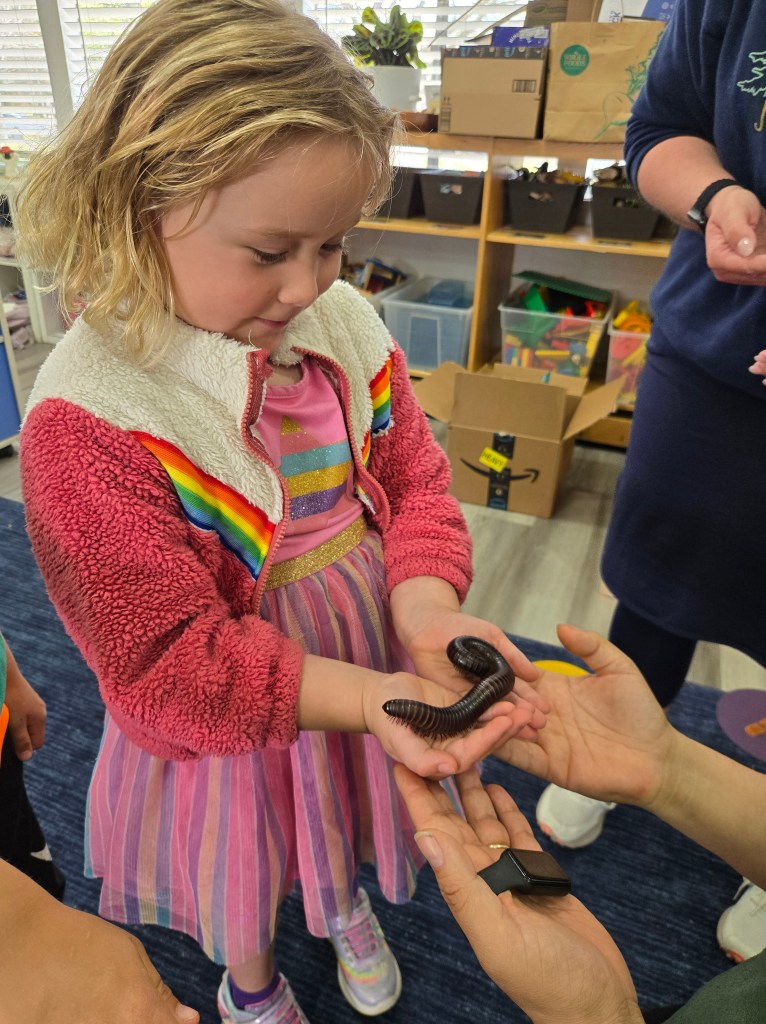
  • Giant African Millipede – The star of the show!

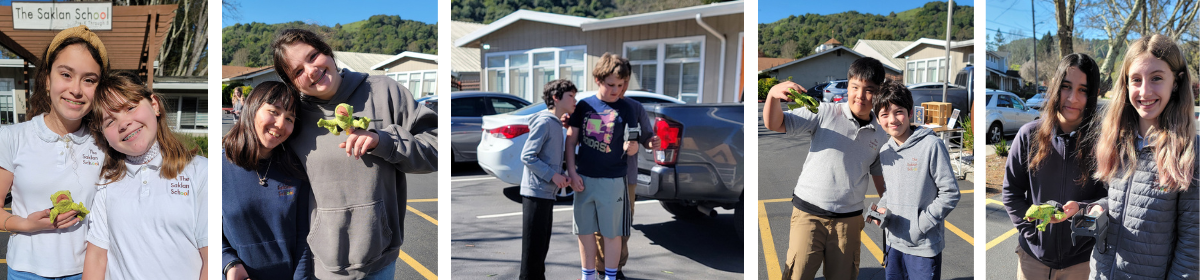
Our youngest learners—the Owlets—showed amazing bravery and curiosity. Every single one held or touched one of Los’s fascinating bugs, and some even did so more confidently than the adults! After the visit, the class voted on their favorite, and the winner was no surprise… the Giant Millipede stole everyone’s hearts.

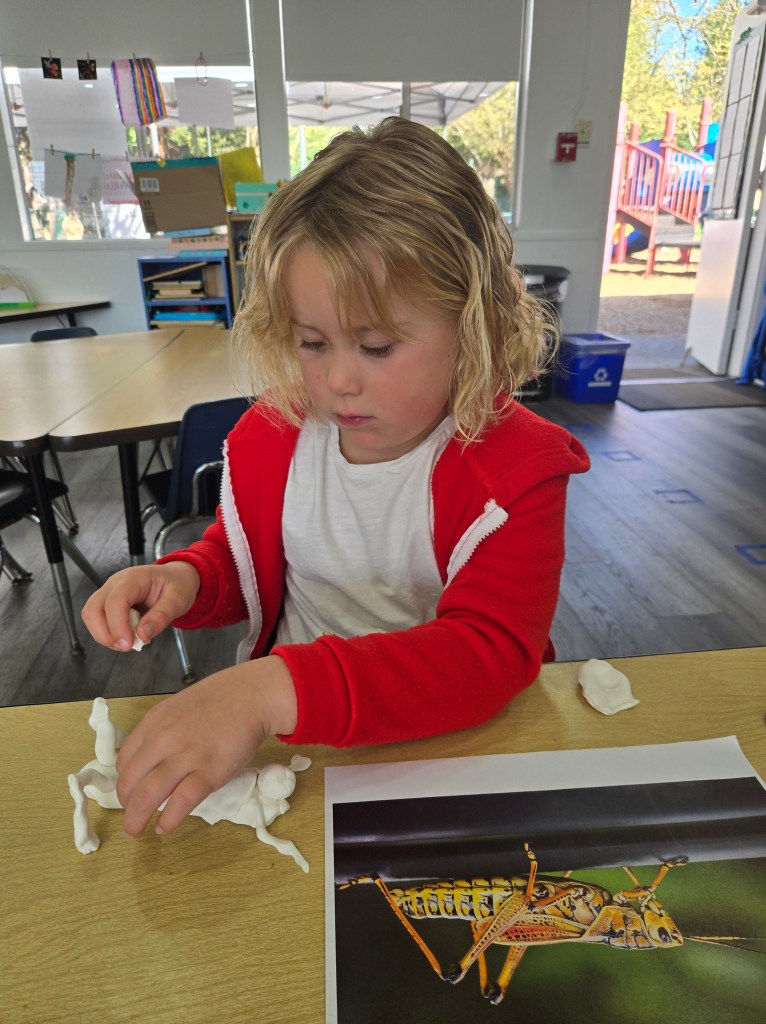
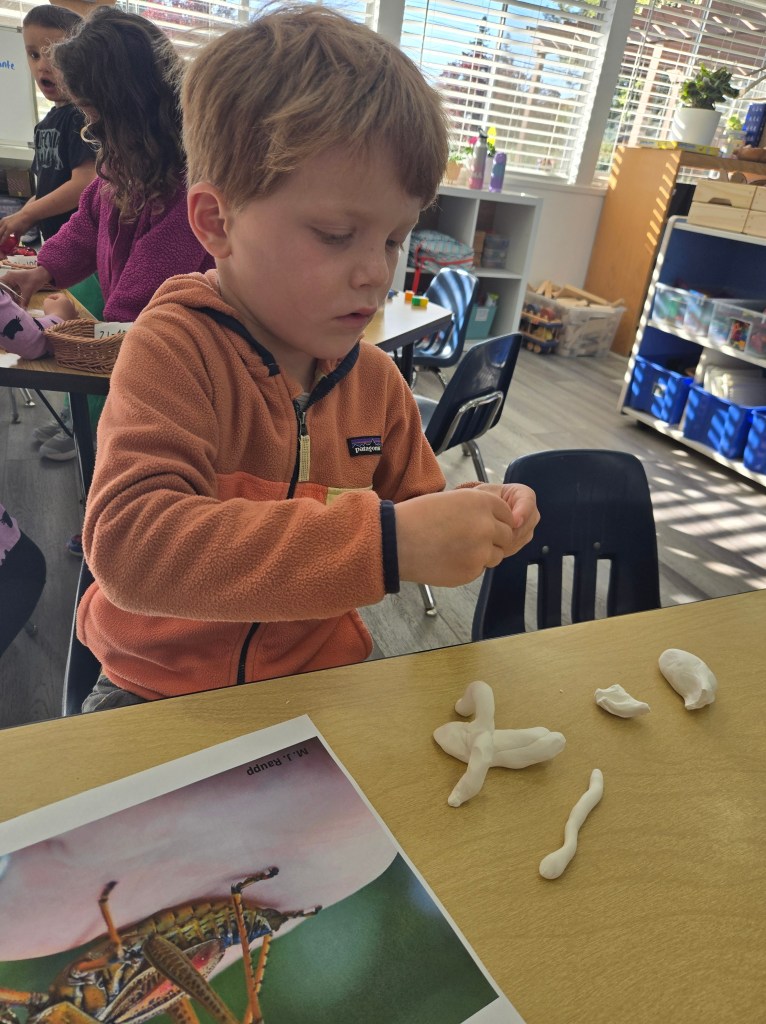
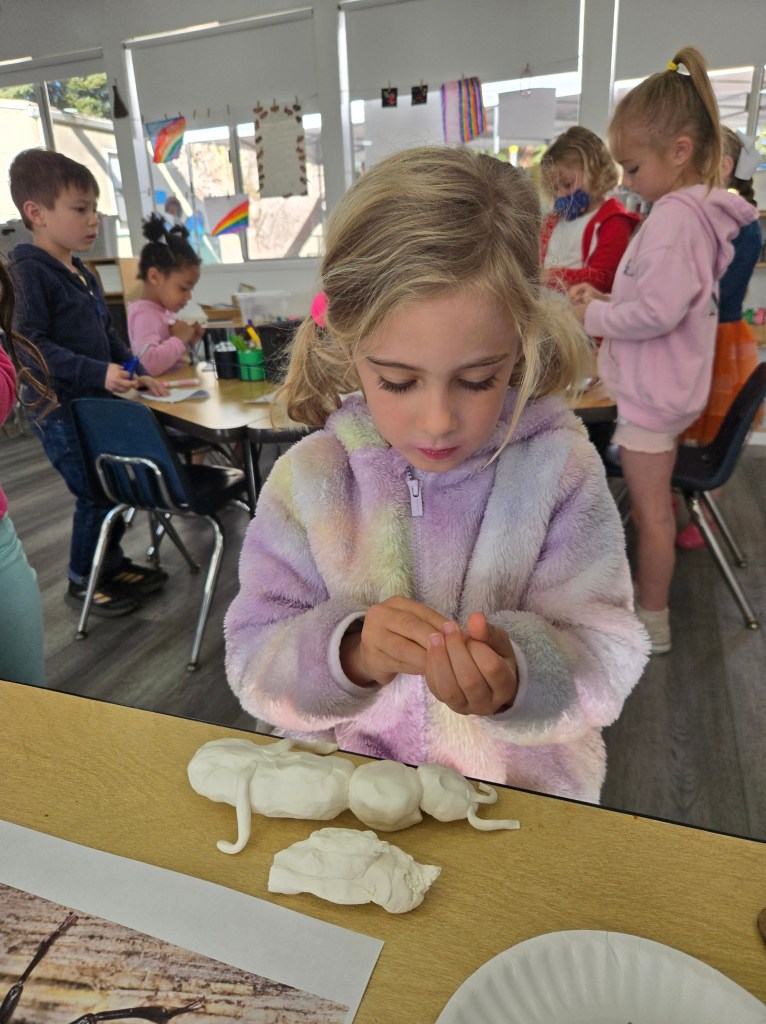
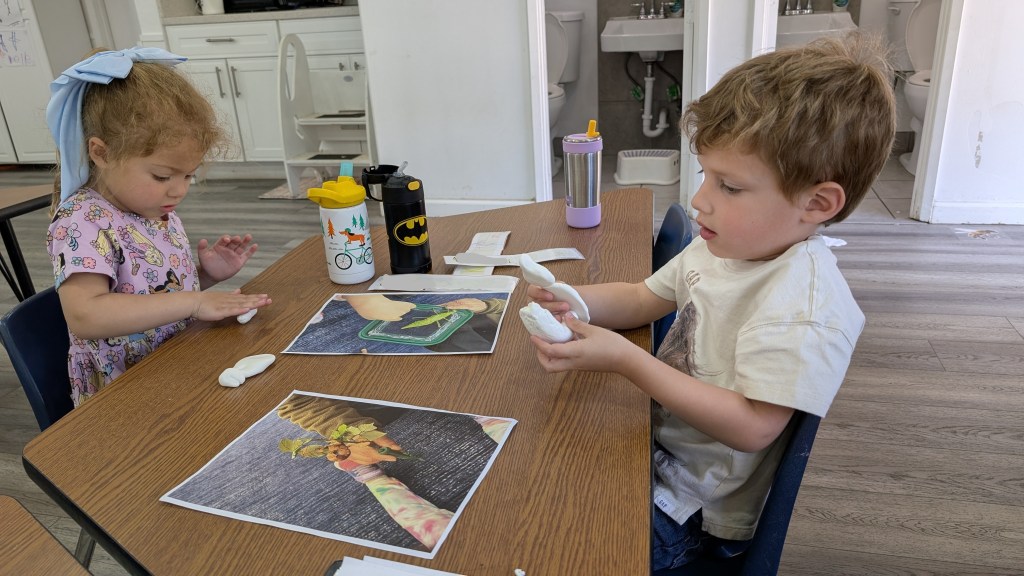
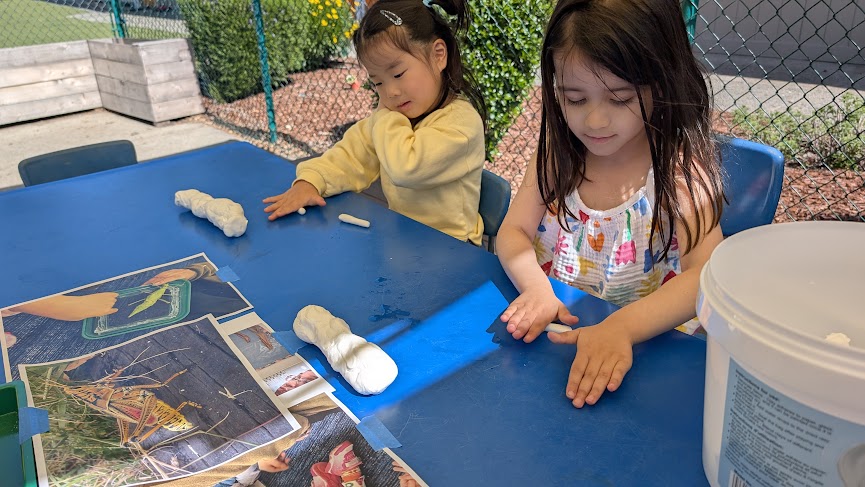
To reflect on the experience, the Owlets used Model Magic to sculpt their favorite bugs from the visit and then dictated fun facts they had learned. The Hoot Owls also jumped right into hands-on learning, creating models of the bugs and sharing their knowledge. From mimicking scorpions to ward off predators to being brightly colored to warn of toxicity, our students discovered just how smart and strange bug adaptations can be.

#SaklanHandsOn

Celebrating Lunar New Year

Saklan students celebrated Lunar New Year with some special activities on Wednesday. Lunar New Year, which celebrates the start of the lunisolar Chinese calendar, is celebrated in China, Vietnam, Korea, Malaysia, and Singapore, among other countries.

Preschool students welcomed two guest experts to share about Lunar New Year. Samantha, an Owlet parent, read a book to the class and shared red envelopes with them. Sharon, an Owlet grandparent, shared Lunar New Year traditions that take place in China, told the story of The Great Race, and shared tangerines with the students. The Owlets also enjoyed making snake paper lanterns, Lunar New Year yoga, and listening to traditional Chinese music.

Pre-K students celebrated by welcoming Heidi, a Hoot Owl mom, into their class. Heidi shared that Lunar New Year is based on the Moon instead of the sun and talked about the Chinese word for fortune, 福, and its importance. Heidi shared pictures of her children wearing special Lunar New Year outfits and then treated the class to some bao filled with custard.

Maggie also taught the Hoot Owls about her family’s Lunar New Year traditions, including cleaning their homes and putting up Chinese sayings with good wishes for the new year. The Pre-K students enjoyed watching a video of a lion dance, as well as talking about and receiving red envelopes.

To help with the campus celebrations, the 5th graders put together a dragon which Peta hung on the pergola to welcome students to campus on Wednesday. The fifth graders also made lanterns and dragon drawings.

In humanities class, Christina shared some of her family traditions with the 6th graders, including the tradition of eating tangerines, which are believed to bring good fortune, and of giving red envelopes with money in them as a symbol of good luck. She also shared the proper etiquette for giving and receiving the red envelopes to show respect. The 6th graders also talked about the importance of the Chinese word for fortune and then learned how to write it.

The 6th graders then took their newly acquired skills over to the Hoot Owl classroom, where they taught the Hoot Owls how to write the word for fortune with brushes and ink.

May the Year of the Snake be prosperous for all!

#SaklanCommunity

Creativity & Fine Motor Skills

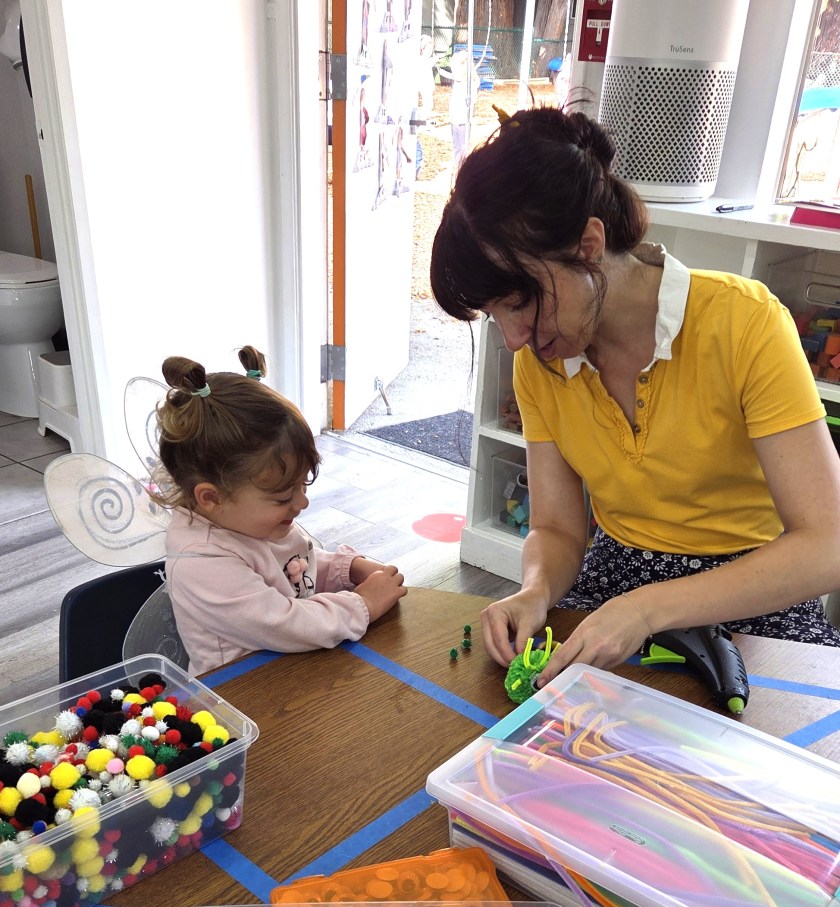
The Owlets have been working on a mini-inquiry into one of their favorite things: sticks! To kick off their exploration, the Owlets brought in sticks they found at home to examine. They noted the differences in the sticks and brainstormed many ways they could be used.

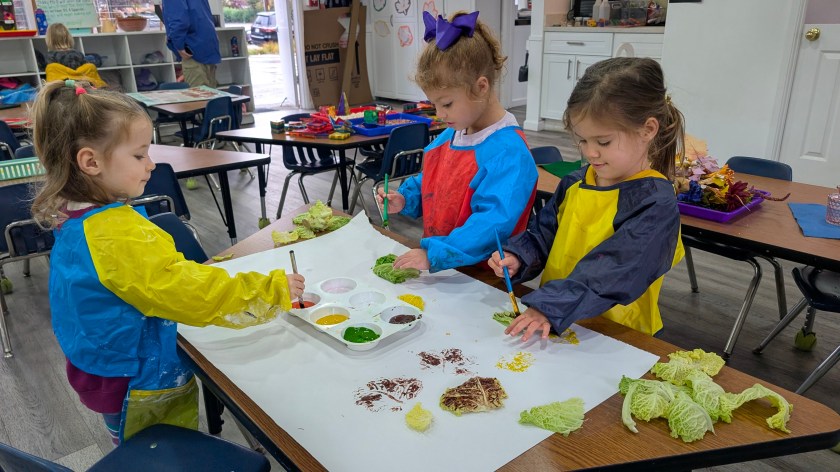
After brainstorming creative ways to use sticks, the Owlets practiced wrapping sticks with ribbons, threading beads on them, painting them, creating pictures with them, and transforming them into unique wands, and beautiful nature-inspired paint brushes. It’s been a wonderful way to nurture their creativity and fine motor skills.

The preschoolers had a wonderful time experimenting with making their sticks into nature-inspired paintbrushes! They crafted their own brushes using various materials from nature and then had fun painting with their creations to see the unique effects they could achieve.

Their work with sticks has been a wonderful way to nurture their creativity and fine motor skills!

#SaklanHandsOn

Amazing Tour Guides

Last week, the preschoolers were very excited to welcome their parents, buddies, and other community members into their classroom for their Nocturnal Animal Project Culmination.

The Owlets spent two months learning about nocturnal animals after a student brought up the concept during circle time at the beginning of the year. The other students had a lot of prior knowledge about animals and were very interested in learning about animals that are more active at night, so the teachers designed a project based on their natural curiosities.

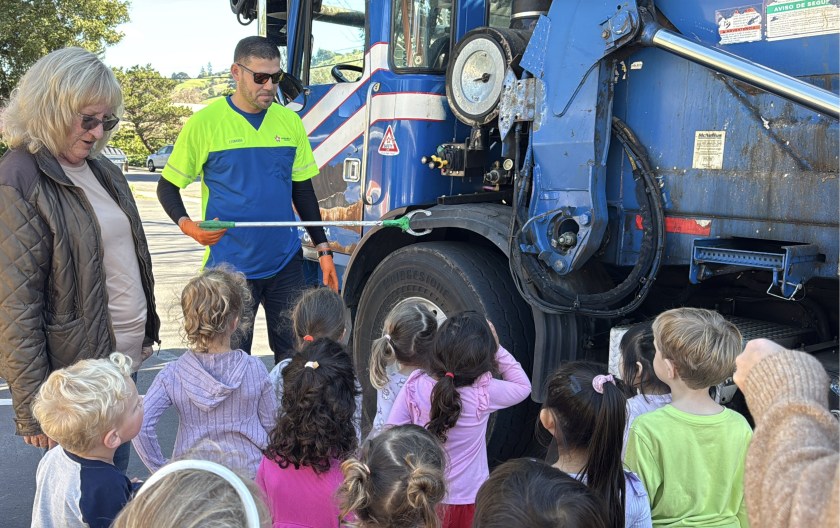
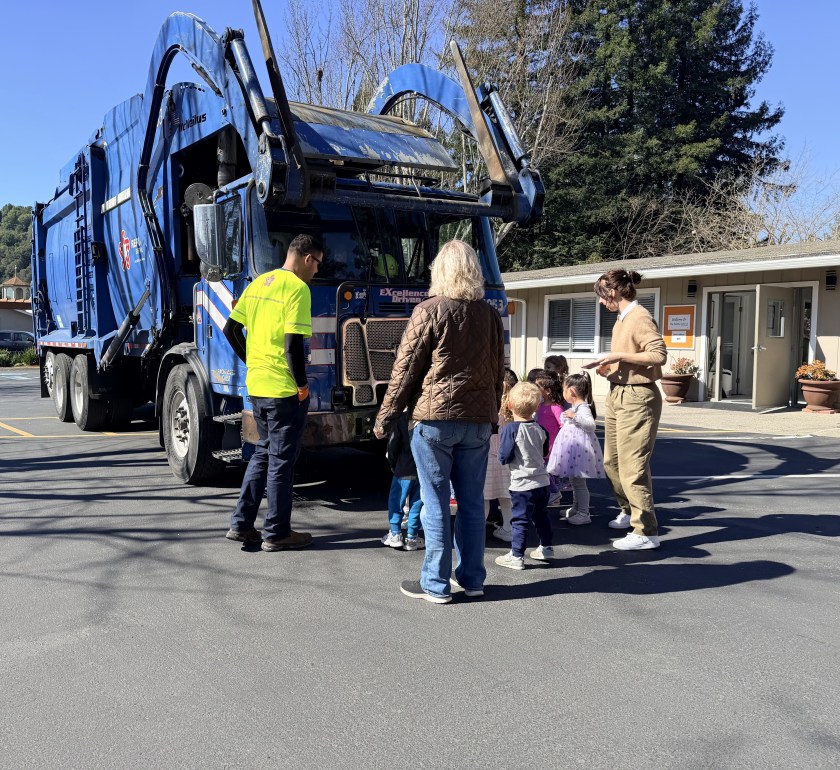
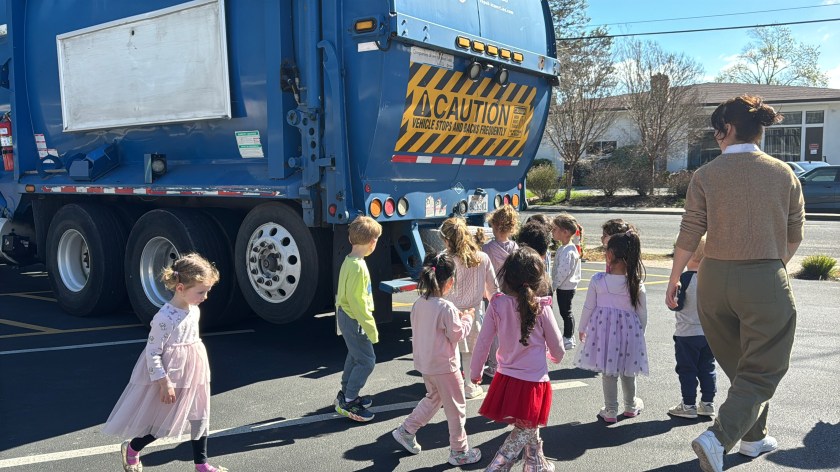
As part of their project, the Owlets took on the role of surveyors, going around the school to ask other classes an important question: Which garbage collector is your favorite—raccoon, opossum, or skunk? After gathering all the votes, they counted them together as a class. It was a close race, but in the end, the preschoolers discovered that Saklan’s favorite animal is… the raccoon!

During the project, the Owlets created an Owlet Wildlife Center, after learning about Lindsay Wildlife’s Rehab Hospital. During their study they learned an important lesson: once an injured animal heals, vets usually release it back into its natural habitat. With this in mind, it was time to return the now-healed animals in their care. Maggie’s hippo and Shay’s hairy cow were delivered with care back to their “homes.” Maggie and Shay were so happy to be reunited with their stuffies, and the Owlets were just as excited to see their hard work pay off!

To get ready for the culmination, the Owlets reviewed all the facts they had learned by creating colorful infographic posters. Their attention to detail was spot on as they helped color the giant animal drawings, carefully choosing the real-life colors of each animal. In addition to coloring the posters, they did some fun math with them, measuring the length and width of the animals using unit cubes.

Finally, all their learning and hard work came together for their Nocturnal Animal Culmination, which was a great success! Teachers, parents, and buddies were all very proud of the Owlets. They were amazing tour guides, confidently sharing everything they’ve learned.

Nocturnal Animals

The Owlets have been studying nocturnal animals, and recently they enjoyed investigating some of the most misunderstood nocturnal animals! At first, many of the Owlets thought skunks and raccoons were “bad guys” of the animal world, but after discussion, they realized they were just trying to live their lives, just like humans. When the preschoolers started learning about skunks, they described them as stinky and mean animals that spray people for no reason. But they soon discovered that skunks only spray when they feel scared or threatened. This led to a conversation about what Owlets feel like when they are scared. The class imagined how a skunk might feel if something got too close to its babies or den. These discussions helped them see skunks in a new, more appreciative light. This also introduced them to the idea of defense mechanisms, which are special adaptations animals use to stay safe.

Next, the class turned their attention to raccoons. The Owlets started off thinking of raccoons as pesky garbage eaters, but soon uncovered the truth: raccoons love the same kinds of food people do, so they’re just after our leftovers! While it might seem like they could make friendly pets, the preschoolers learned it’s never safe to touch a wild animal—or even an animal they don’t know. During circle time, Colby asked, “What would happen if a raccoon came into our house to get our trash?” This sparked an important conversation about wild animal safety. They talked about the importance of finding a grown-up to help and discussed how places like the Lindsay Wildlife Center in Walnut Creek are experts in helping injured or misplaced animals. After learning so much about skunks and raccoons, the Owlets agreed: these animals aren’t bad at all! They’re just a little misunderstood.

The Owlets can’t wait to share what they’ve learned with the rest of the school at their upcoming Nocturnal Animal Project Culmination on Thursday, December 12th at 8:30 a.m.

#SaklanProjectWork