Celebrating Lunar New Year

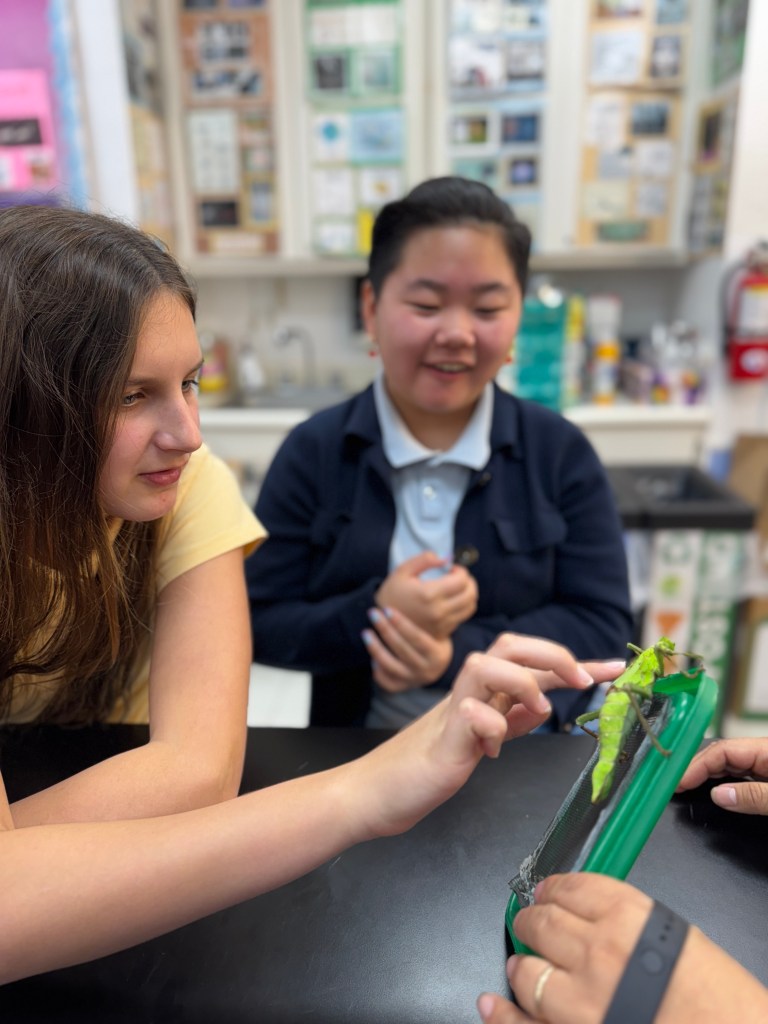
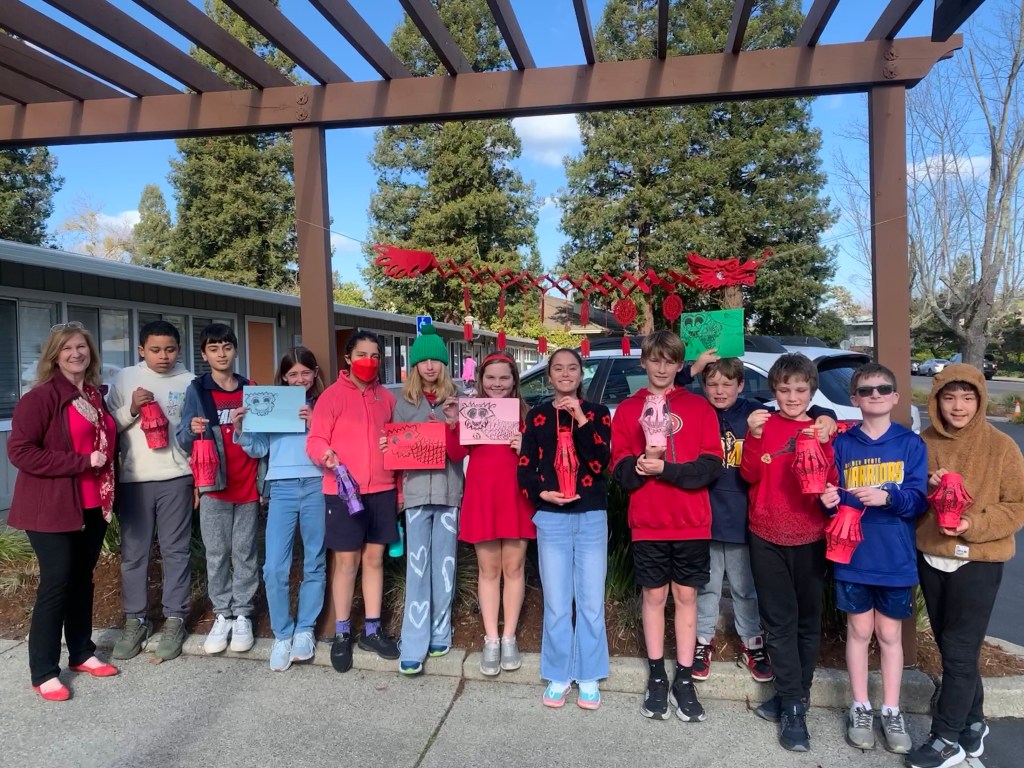
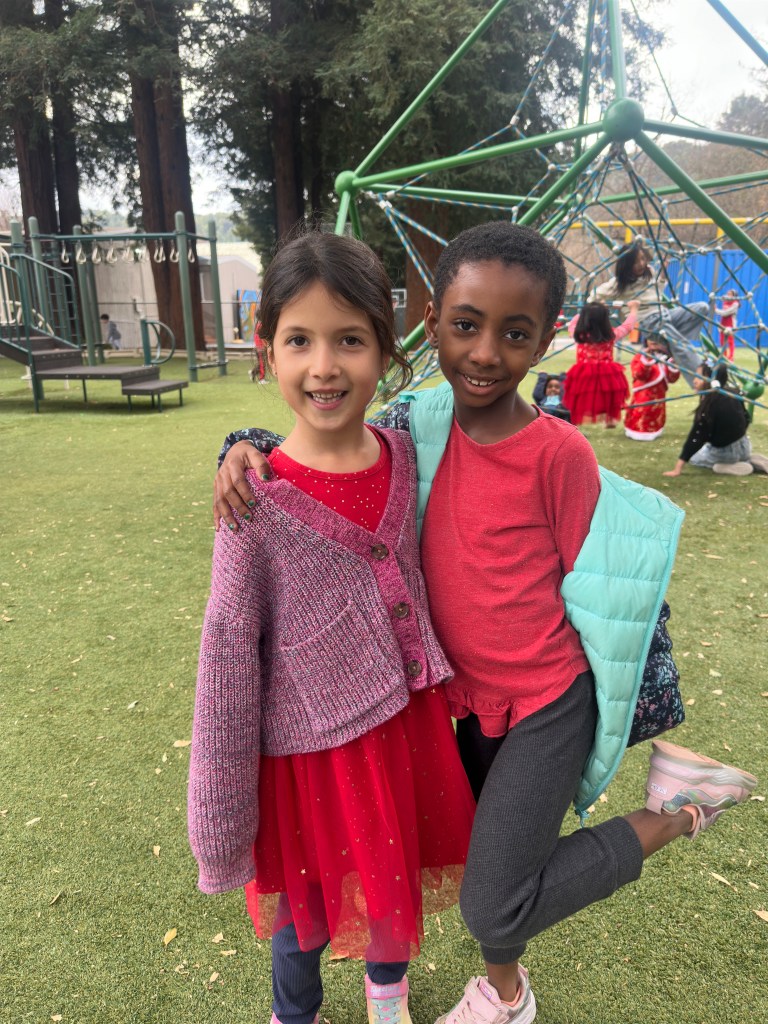
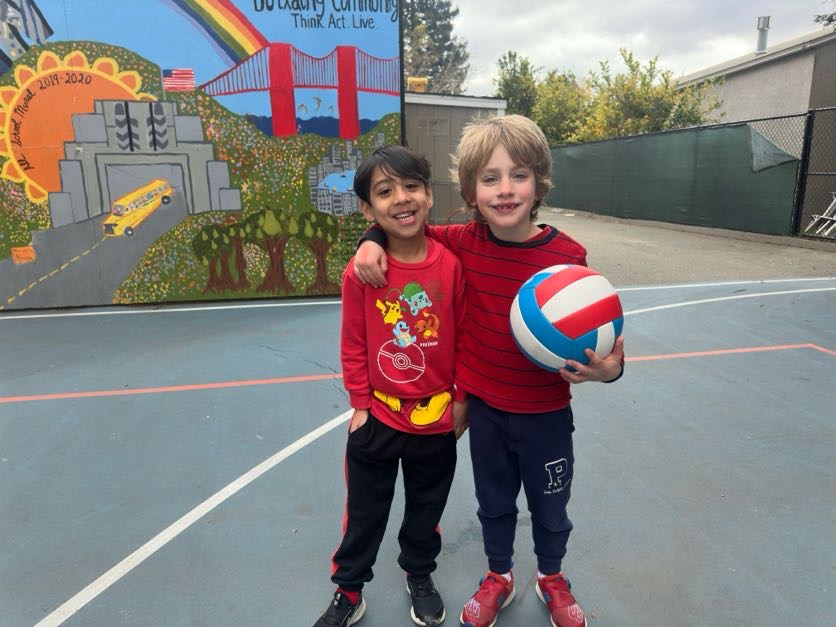
Saklan students celebrated Lunar New Year with some special activities on Wednesday. Lunar New Year, which celebrates the start of the lunisolar Chinese calendar, is celebrated in China, Vietnam, Korea, Malaysia, and Singapore, among other countries.

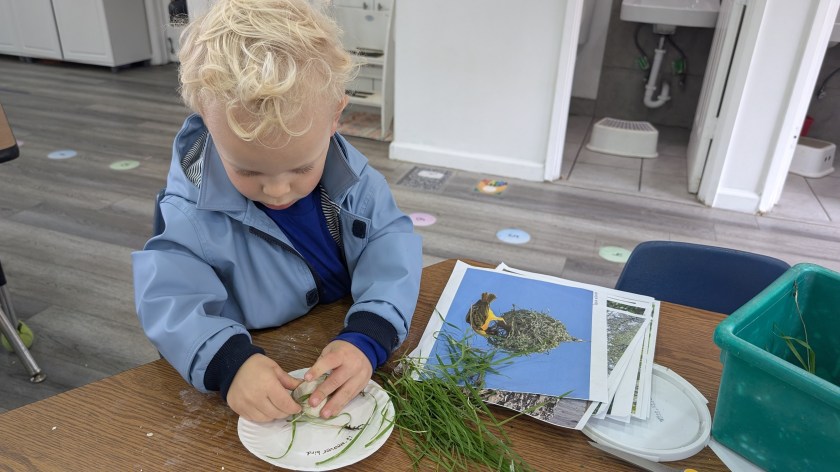
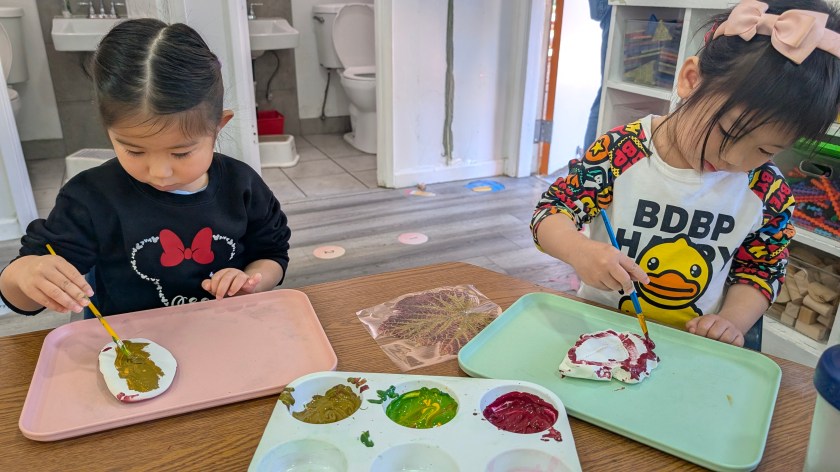
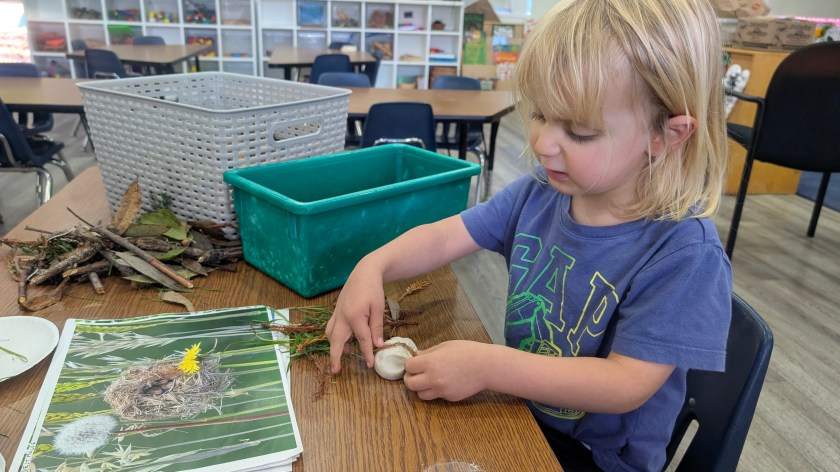
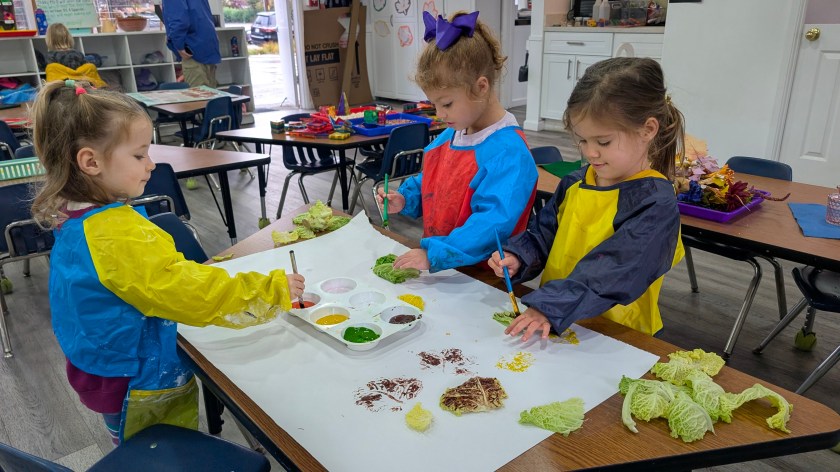
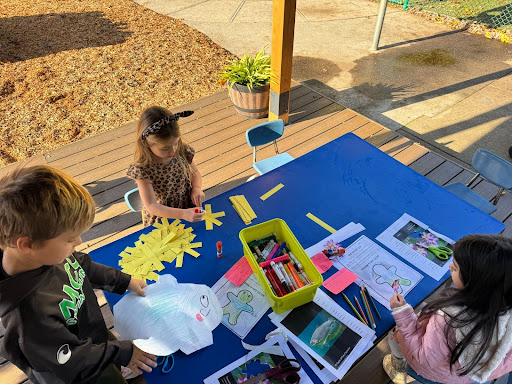
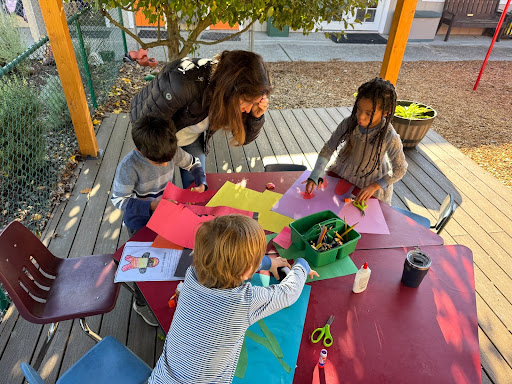
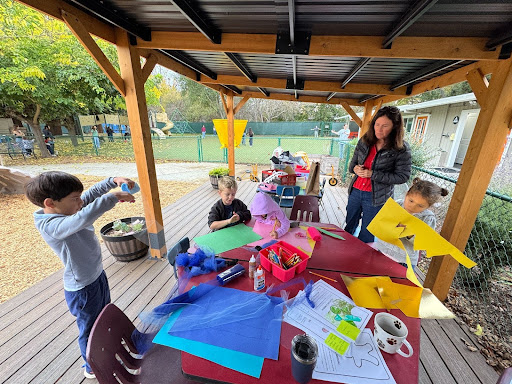
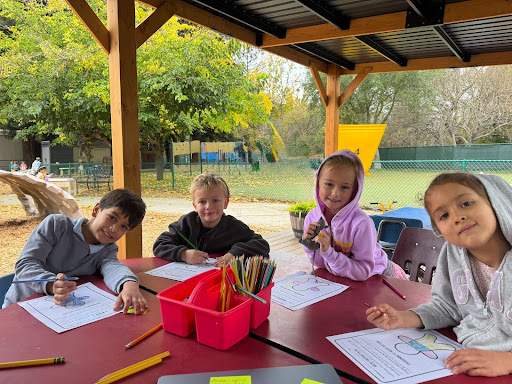
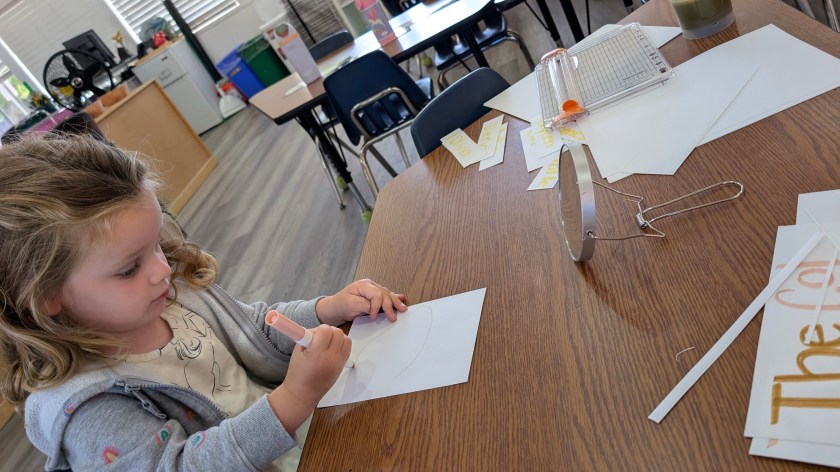
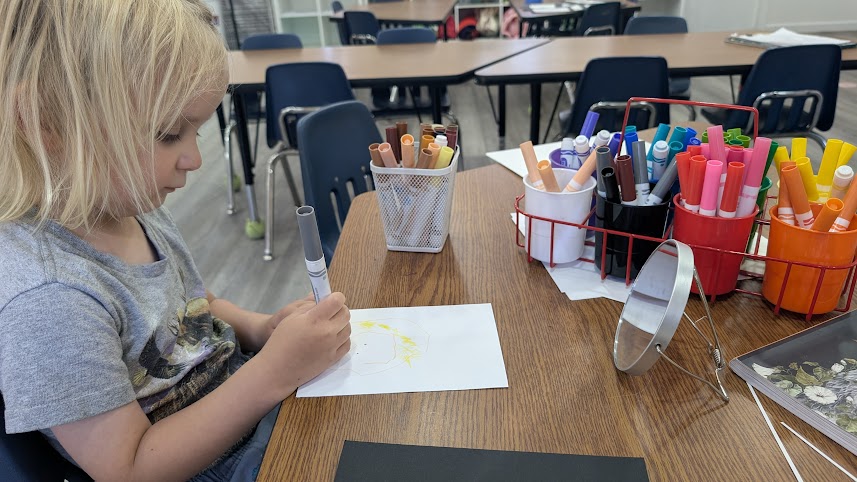
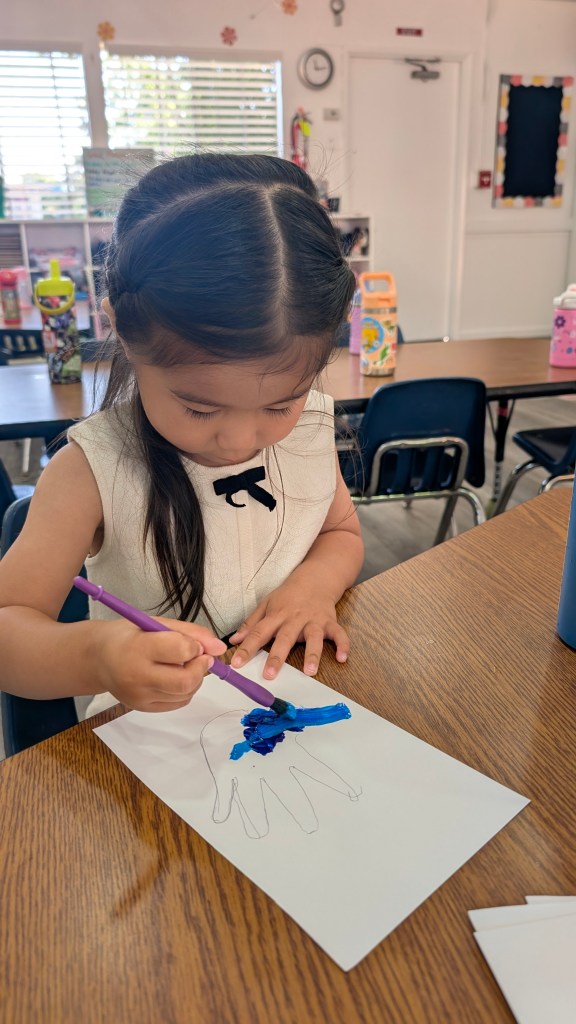
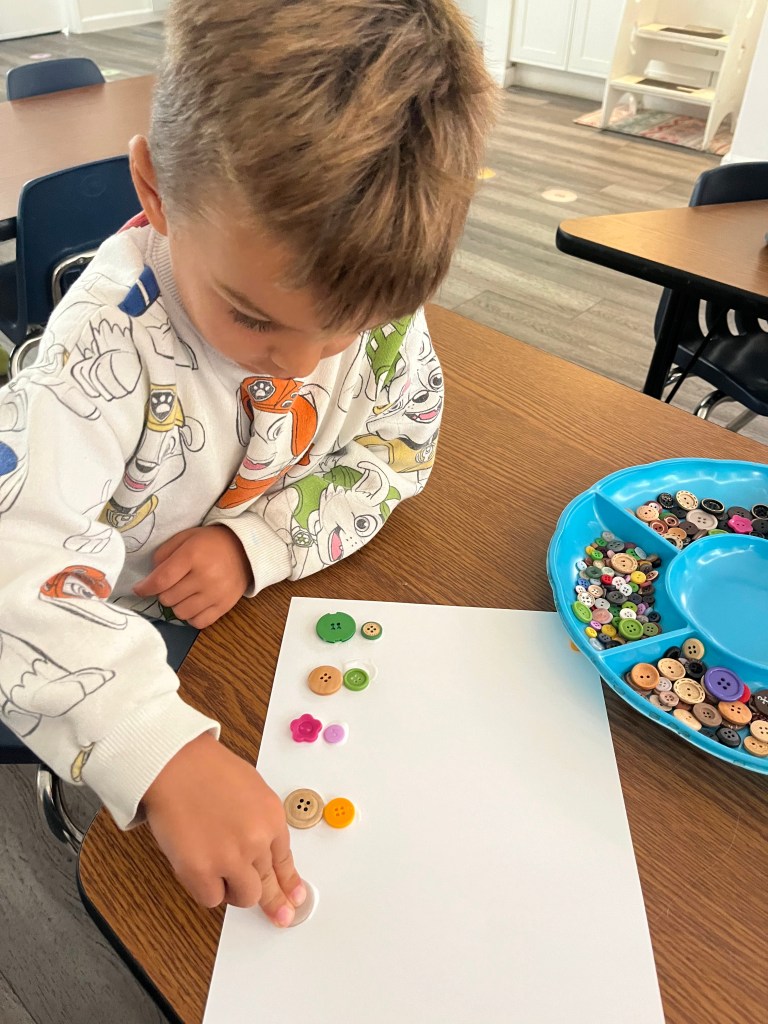
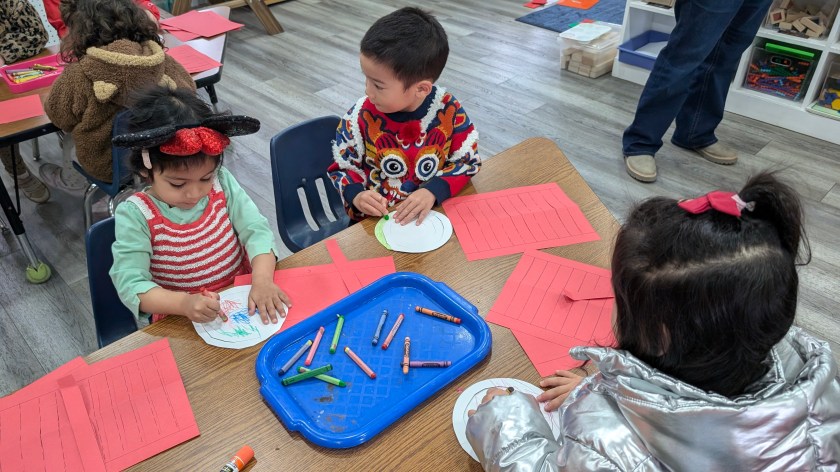
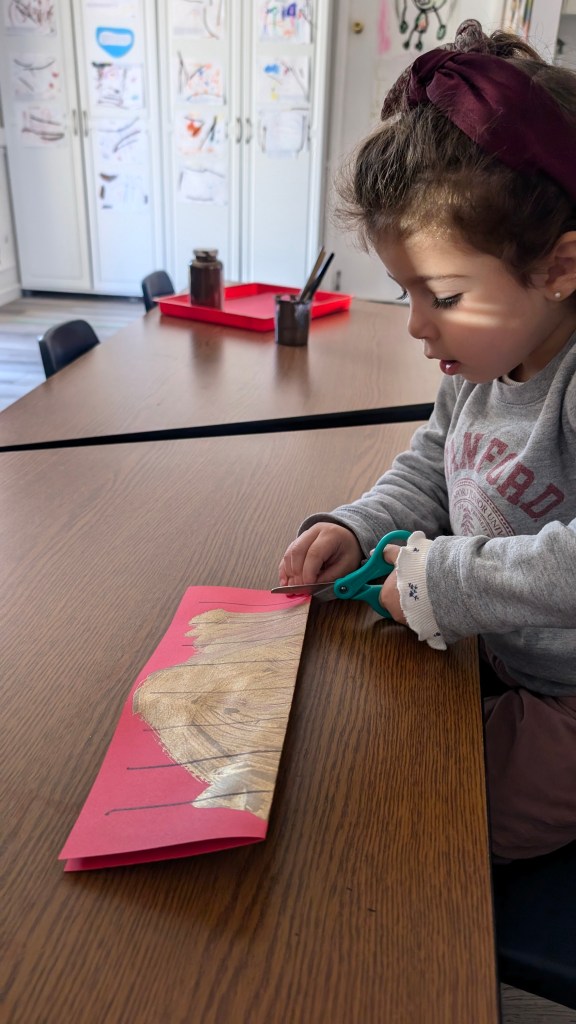
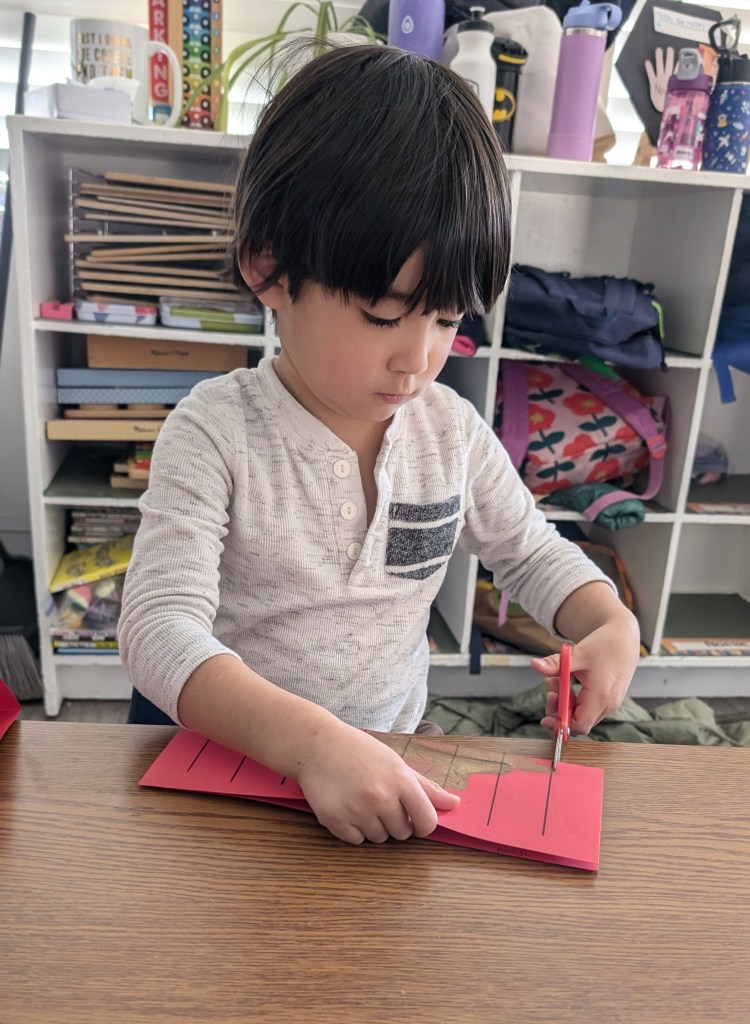
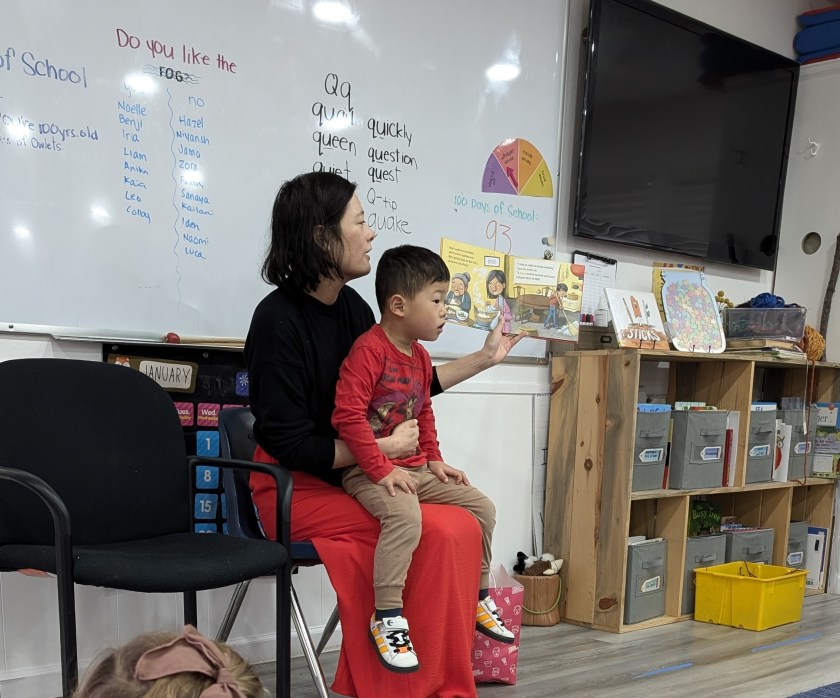
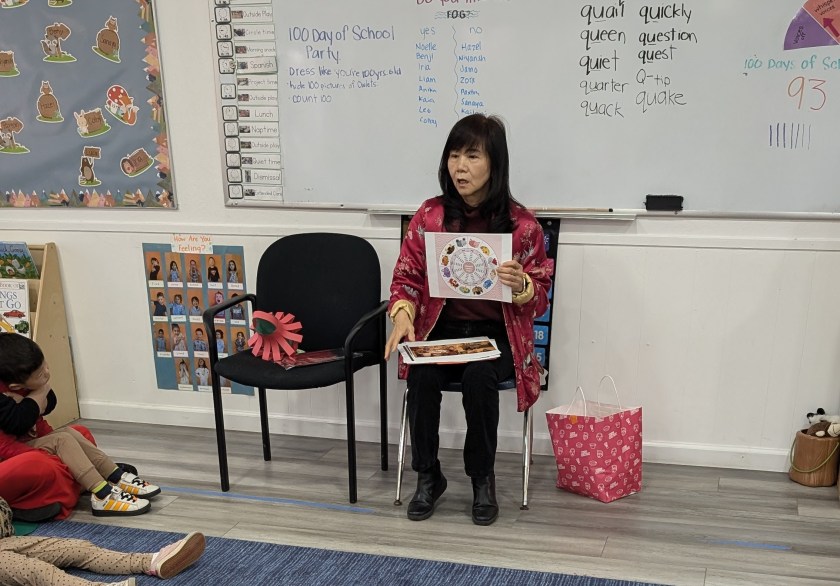
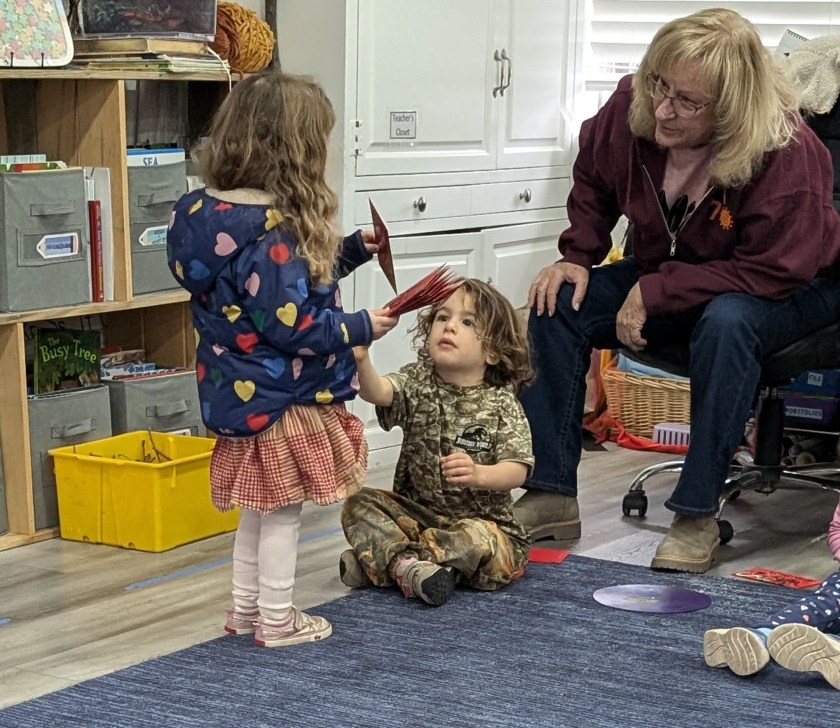
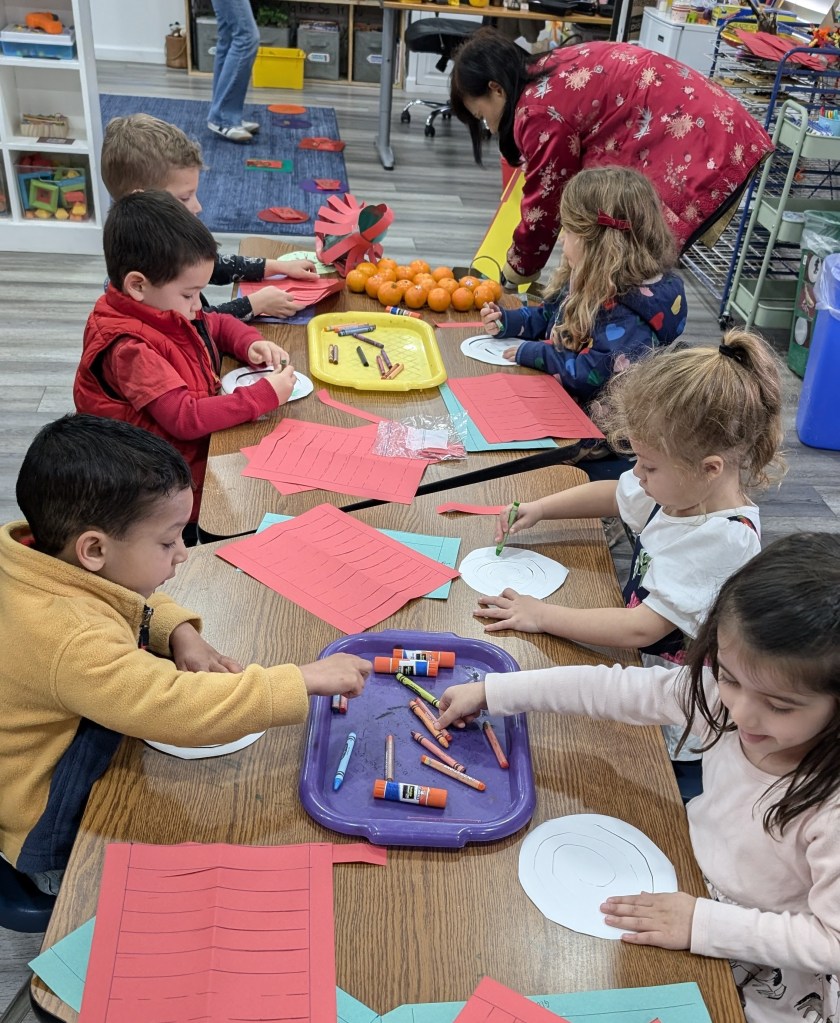
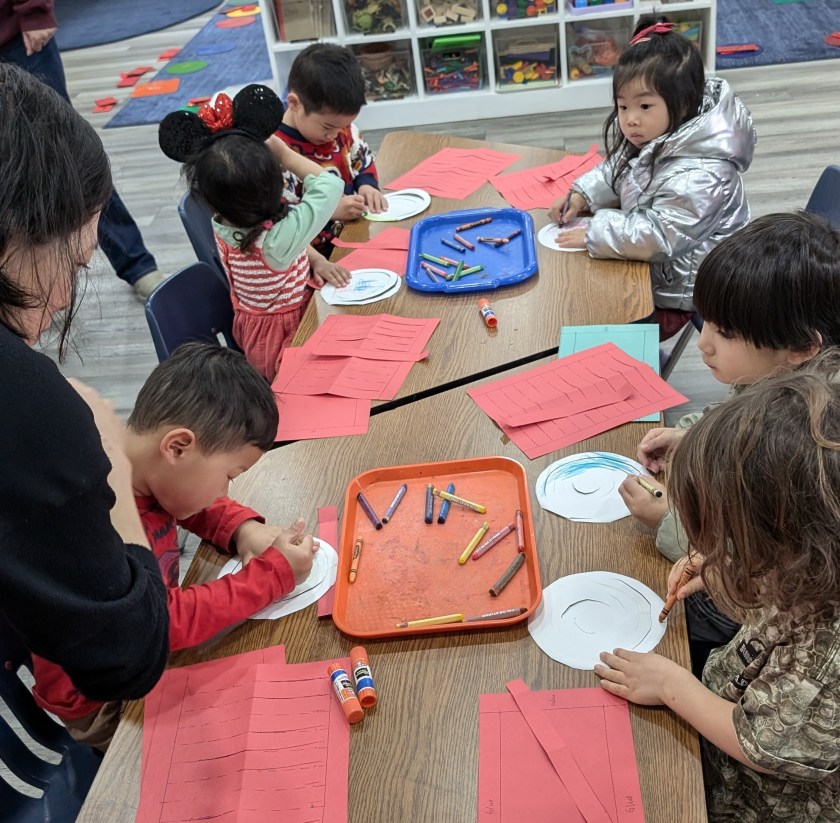
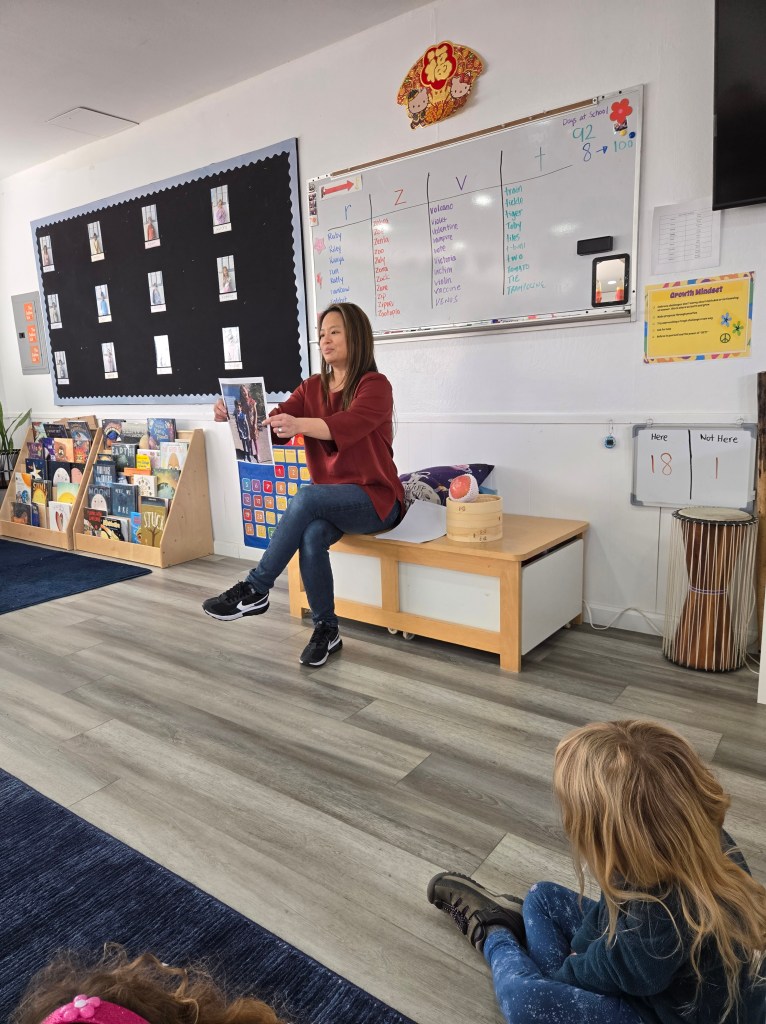
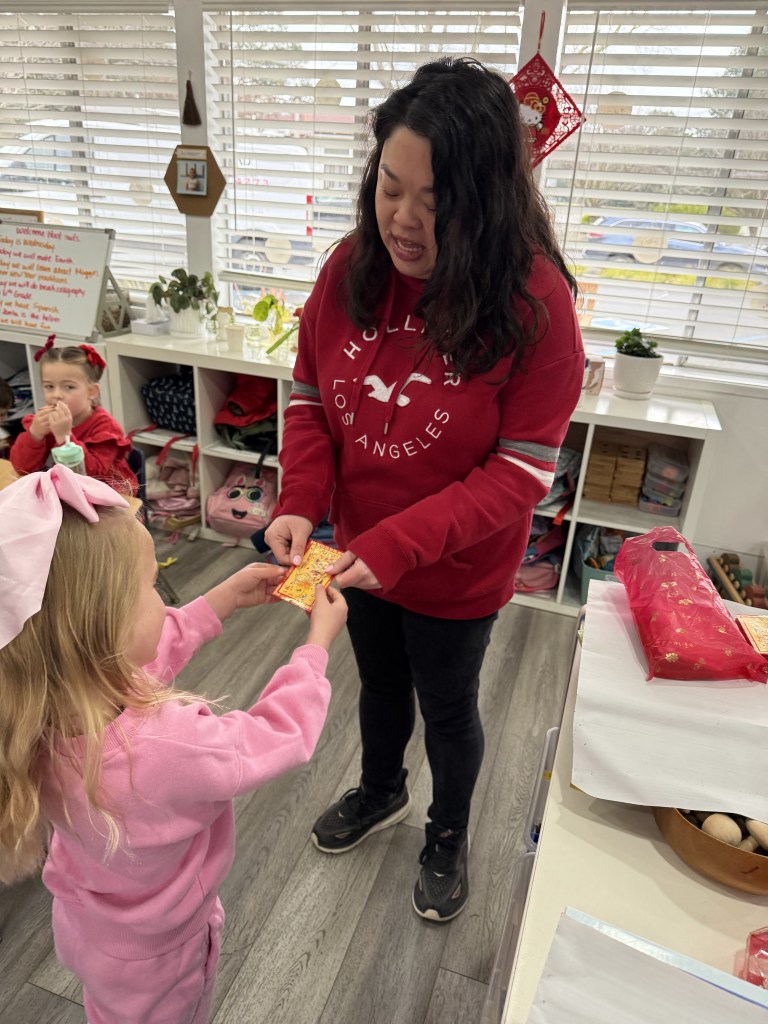
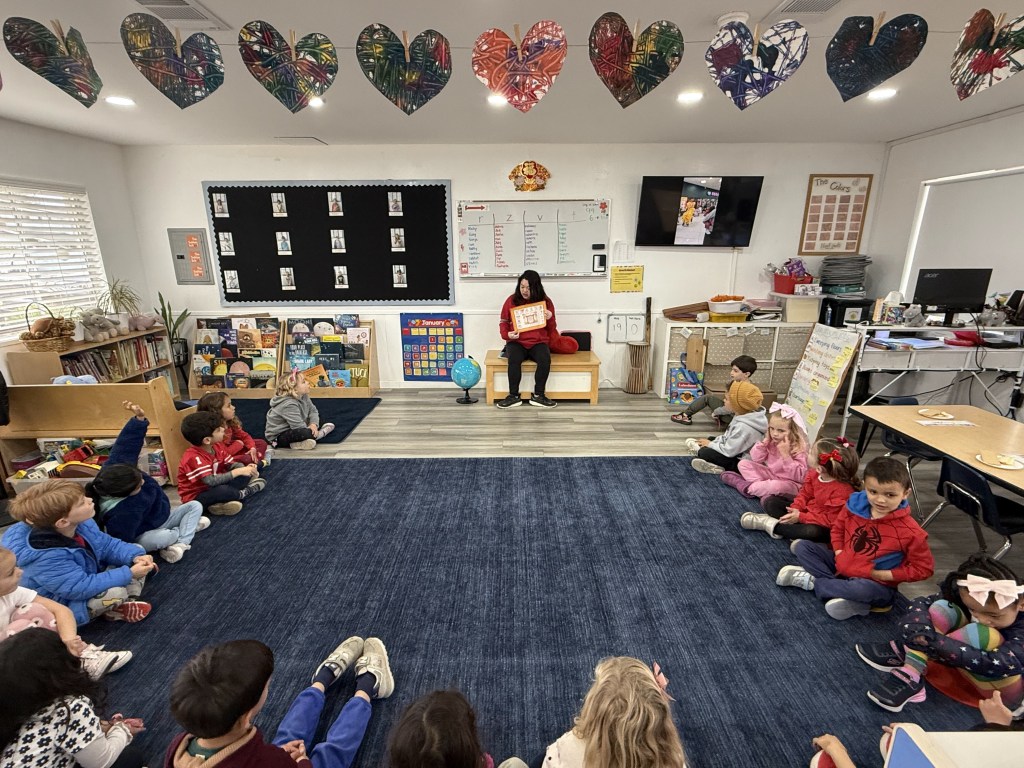
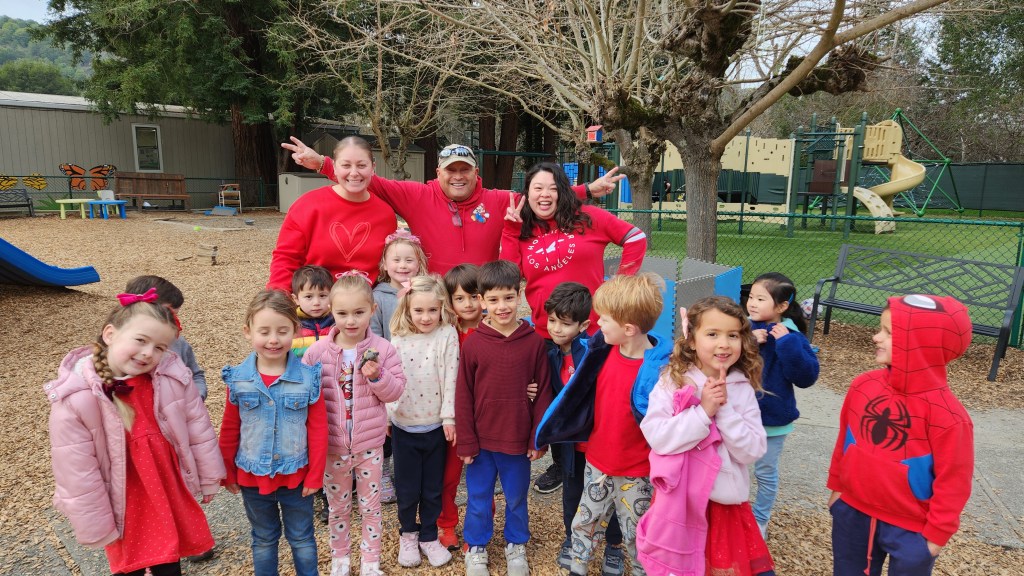
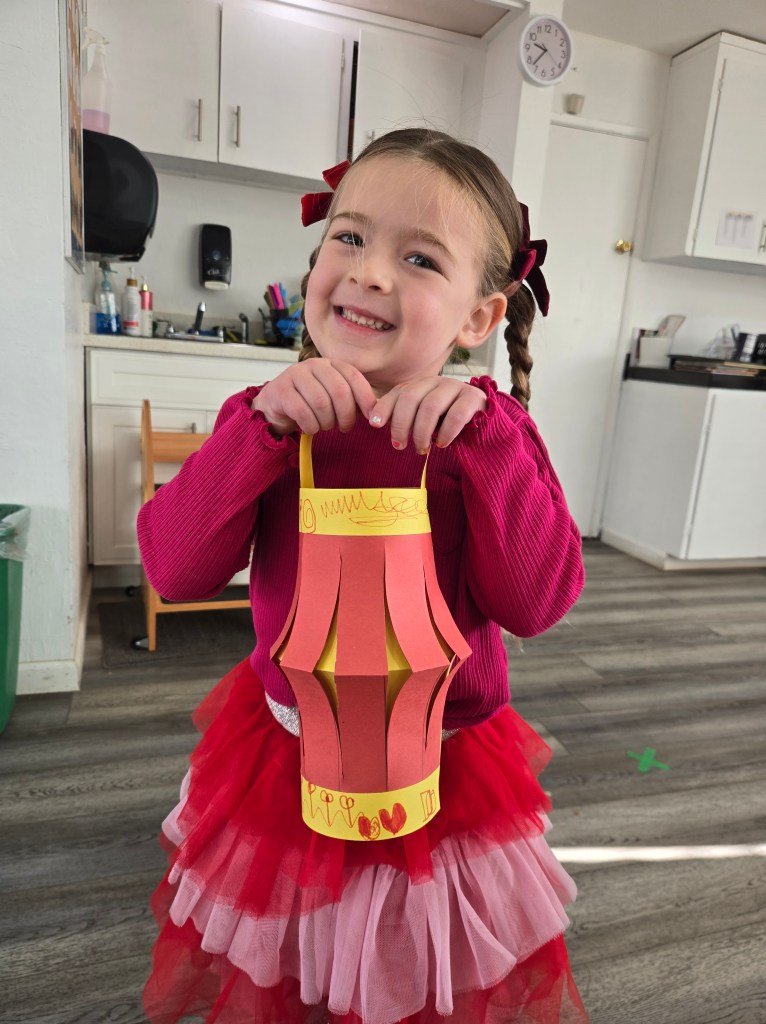
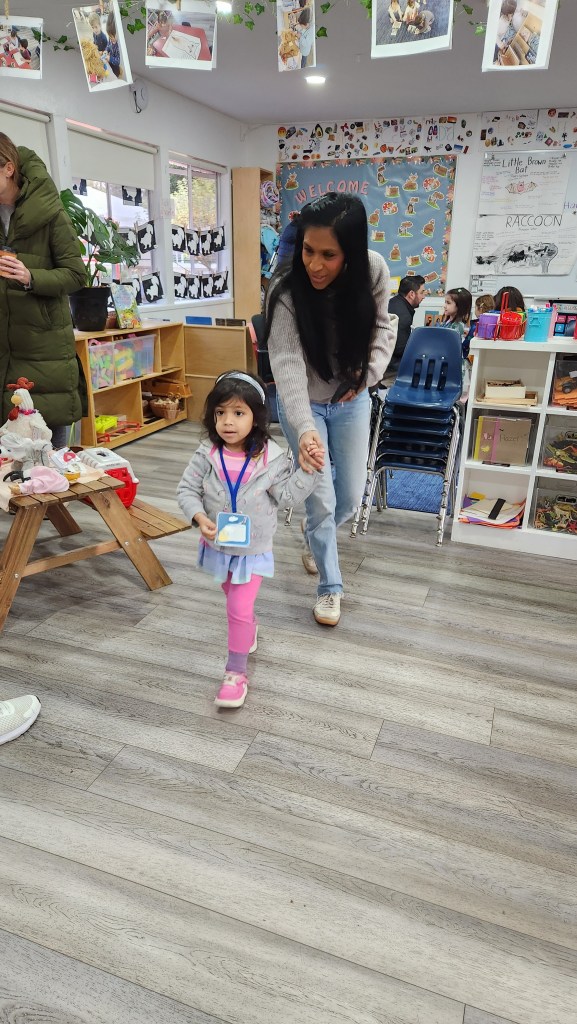
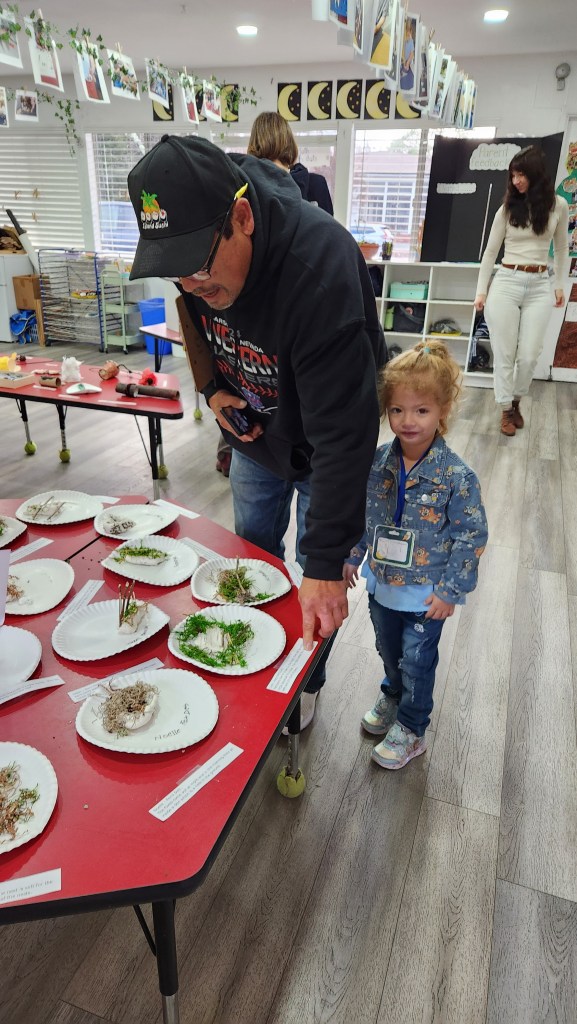
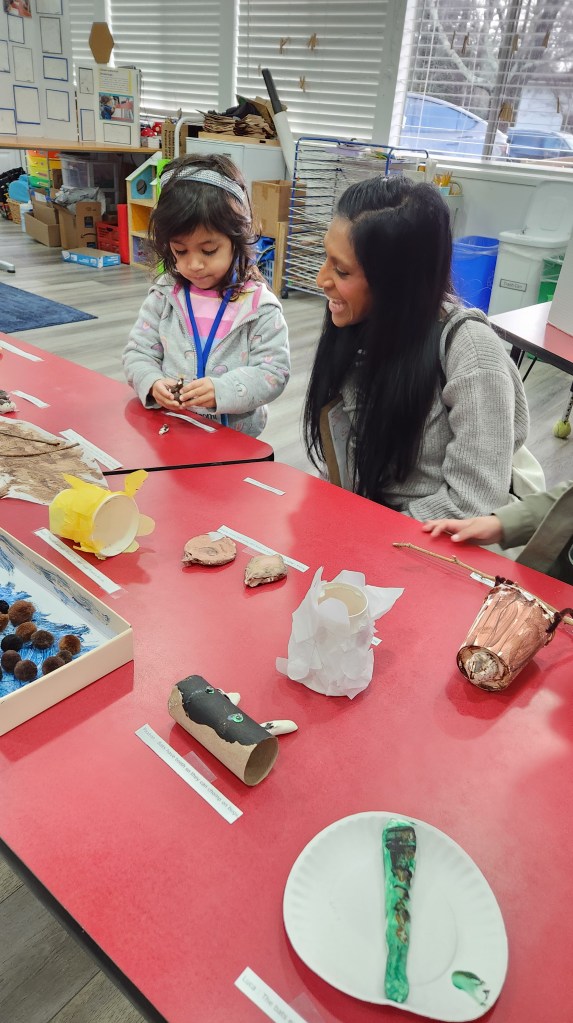
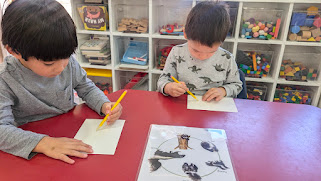
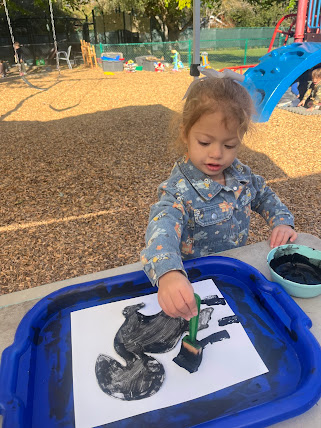
Preschool students welcomed two guest experts to share about Lunar New Year. Samantha, an Owlet parent, read a book to the class and shared red envelopes with them. Sharon, an Owlet grandparent, shared Lunar New Year traditions that take place in China, told the story of The Great Race, and shared tangerines with the students. The Owlets also enjoyed making snake paper lanterns, Lunar New Year yoga, and listening to traditional Chinese music.

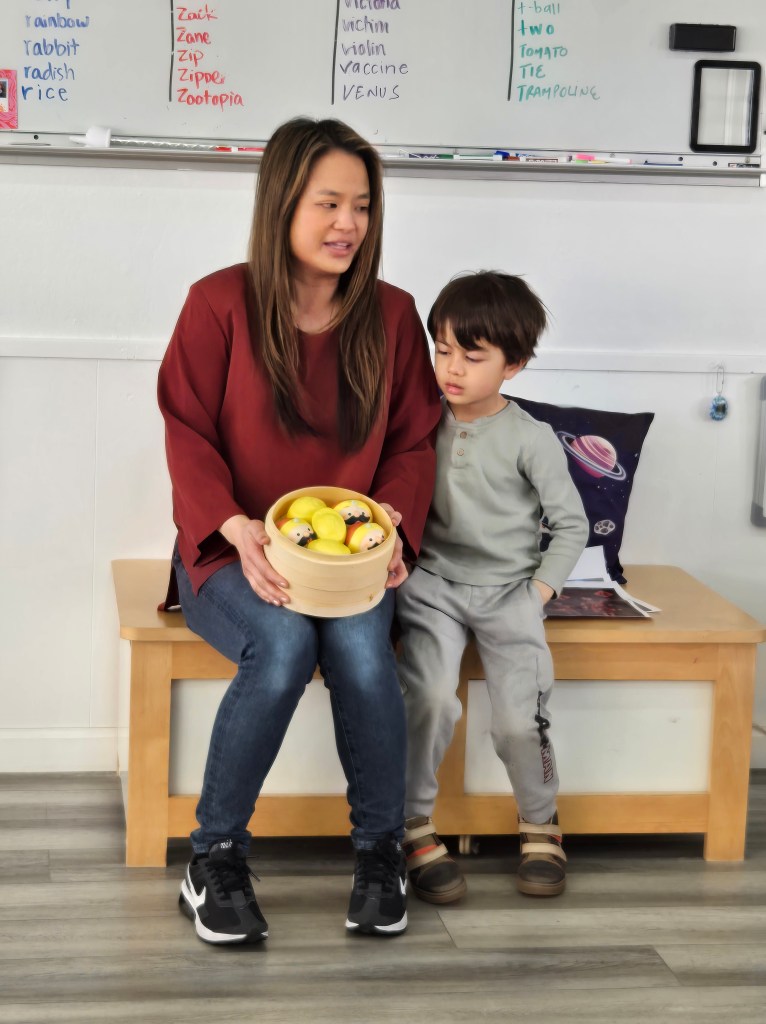
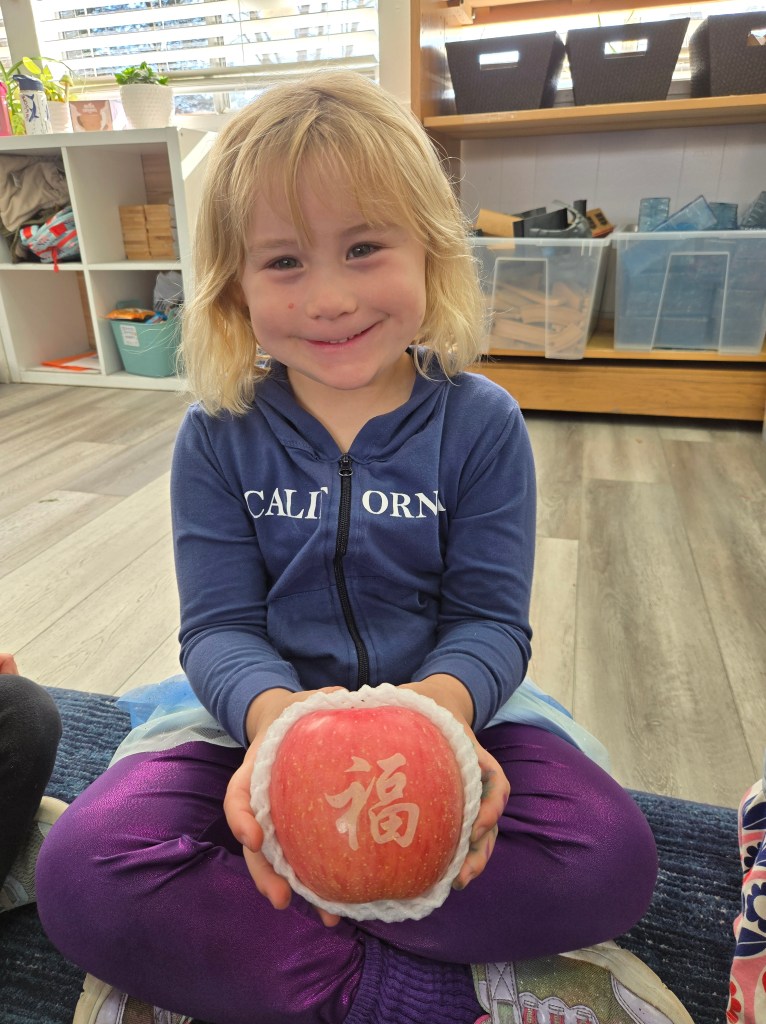
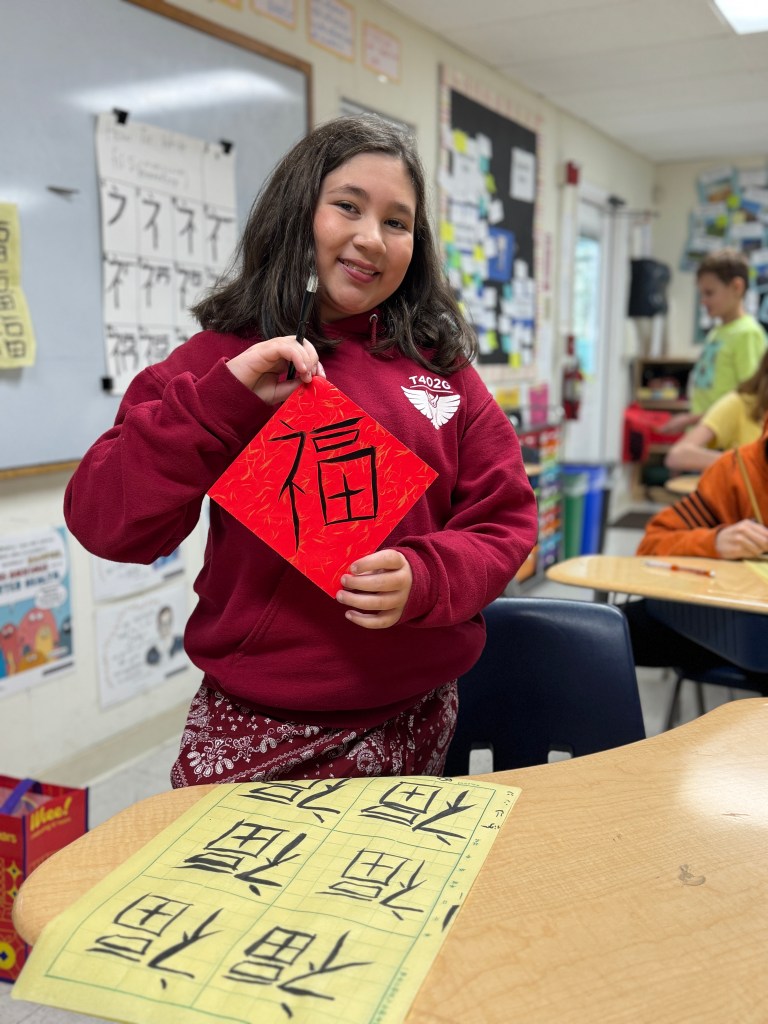
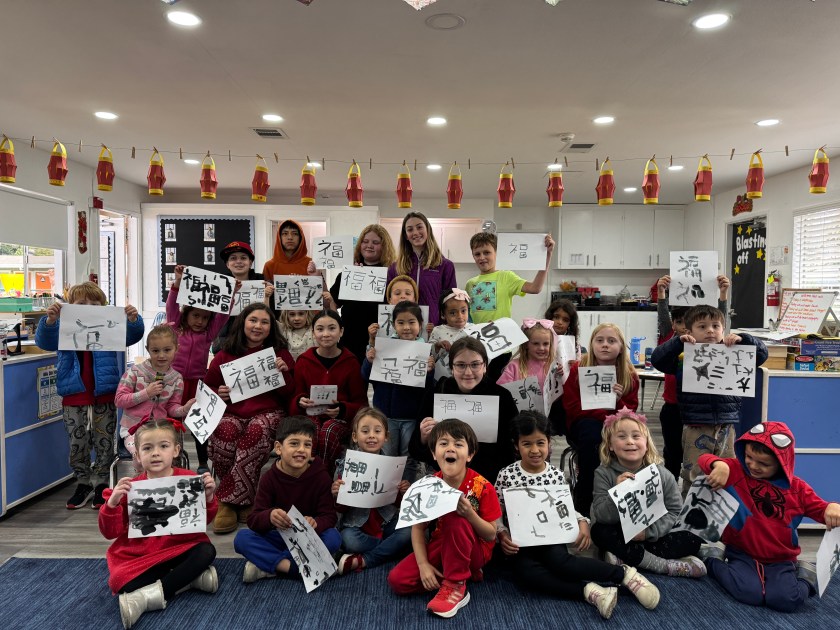
Pre-K students celebrated by welcoming Heidi, a Hoot Owl mom, into their class. Heidi shared that Lunar New Year is based on the Moon instead of the sun and talked about the Chinese word for fortune, 福, and its importance. Heidi shared pictures of her children wearing special Lunar New Year outfits and then treated the class to some bao filled with custard.

Maggie also taught the Hoot Owls about her family’s Lunar New Year traditions, including cleaning their homes and putting up Chinese sayings with good wishes for the new year. The Pre-K students enjoyed watching a video of a lion dance, as well as talking about and receiving red envelopes.

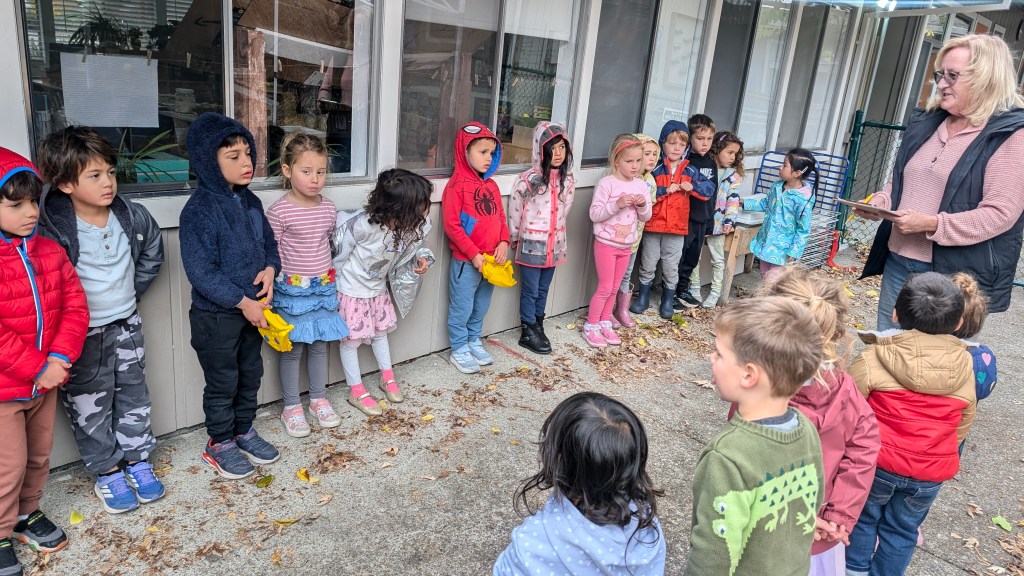
To help with the campus celebrations, the 5th graders put together a dragon which Peta hung on the pergola to welcome students to campus on Wednesday. The fifth graders also made lanterns and dragon drawings.

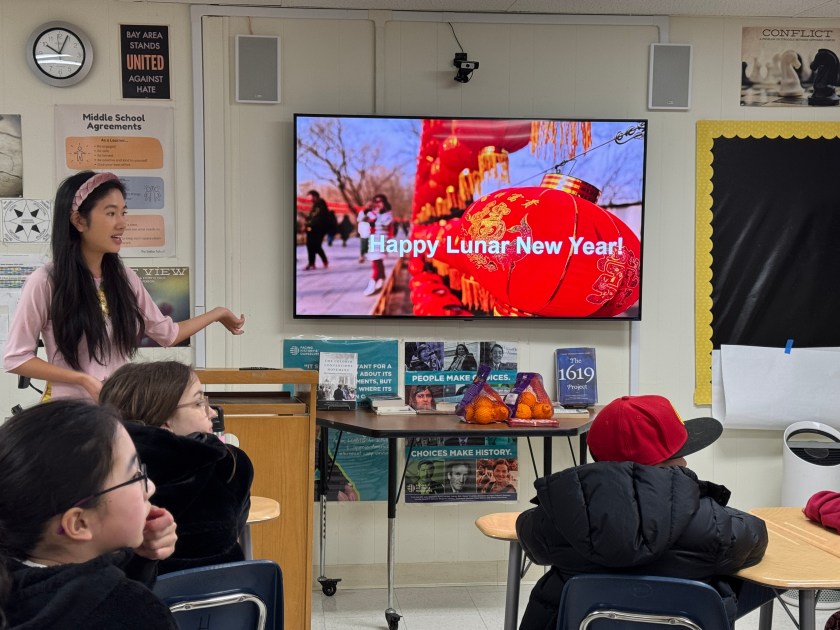
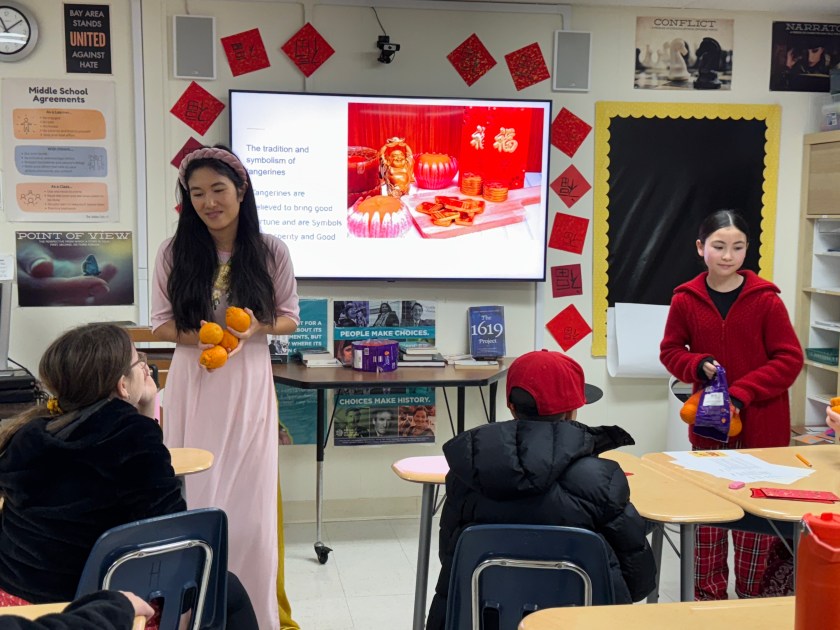
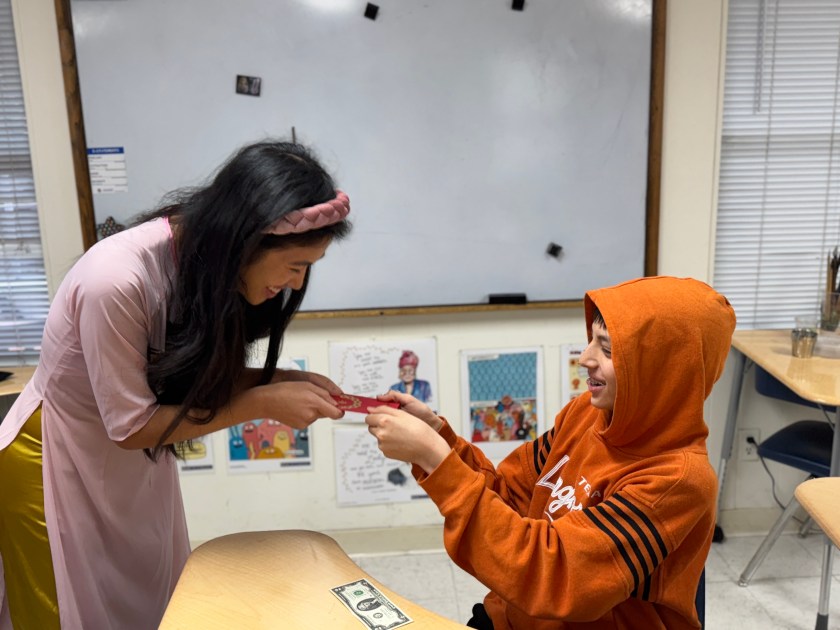
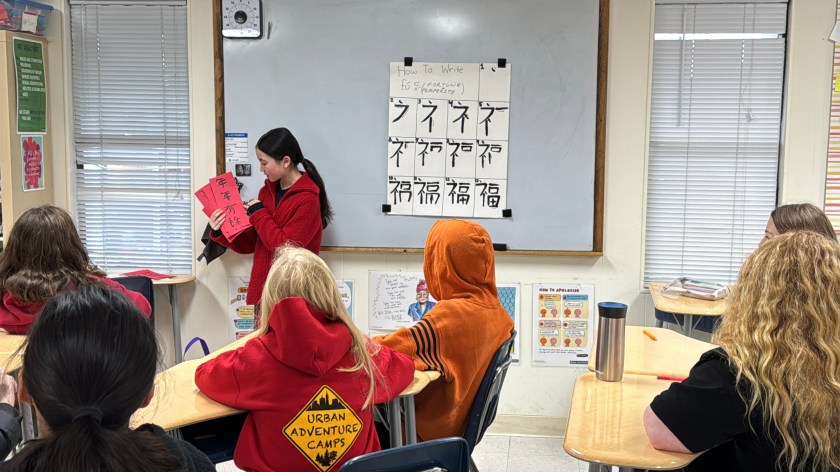
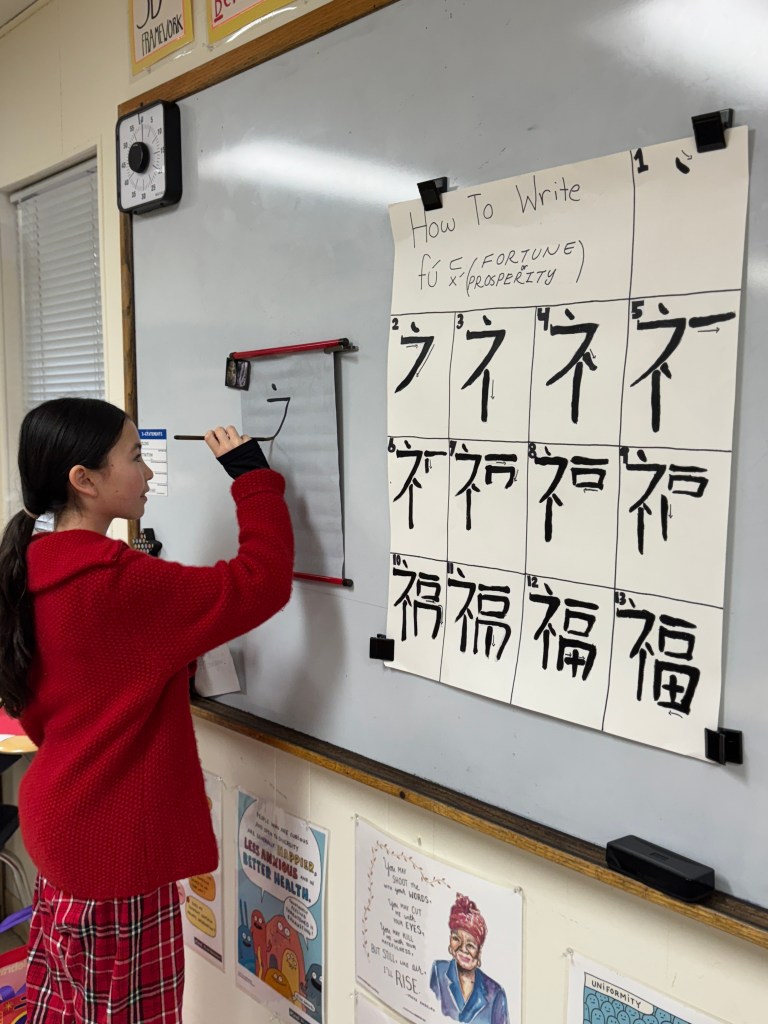
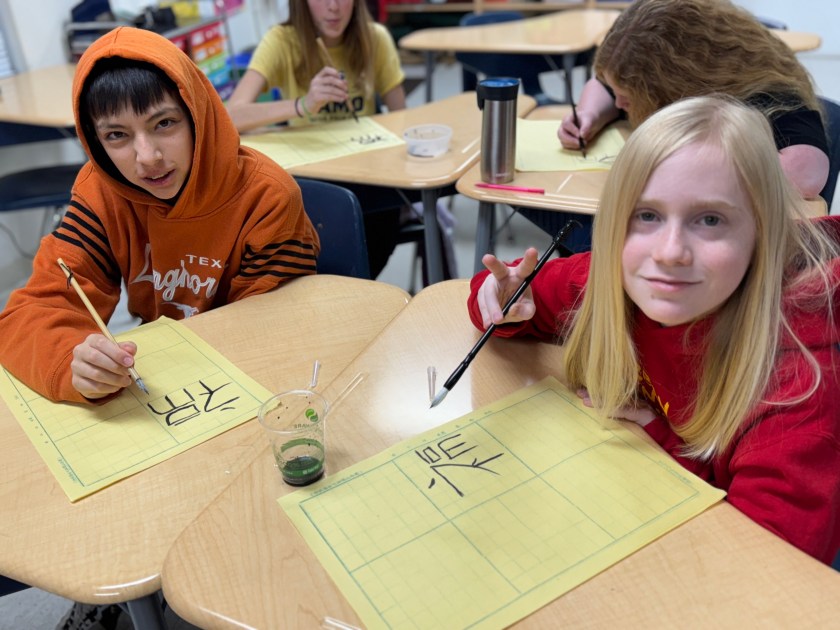
In humanities class, Christina shared some of her family traditions with the 6th graders, including the tradition of eating tangerines, which are believed to bring good fortune, and of giving red envelopes with money in them as a symbol of good luck. She also shared the proper etiquette for giving and receiving the red envelopes to show respect. The 6th graders also talked about the importance of the Chinese word for fortune and then learned how to write it.

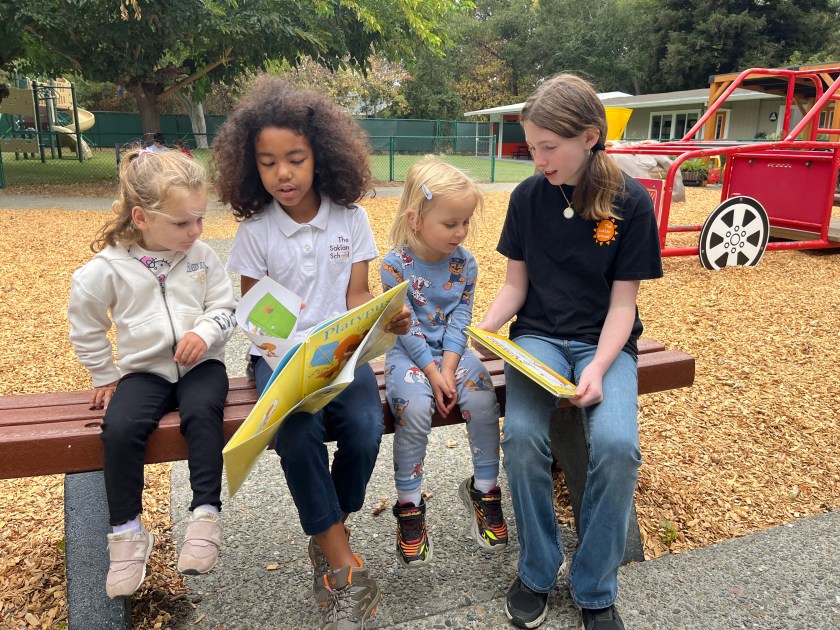
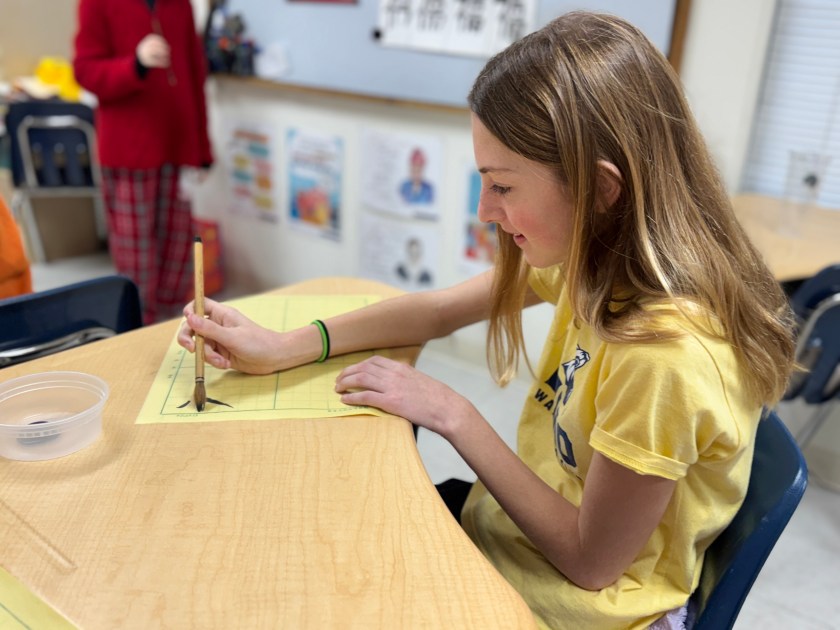
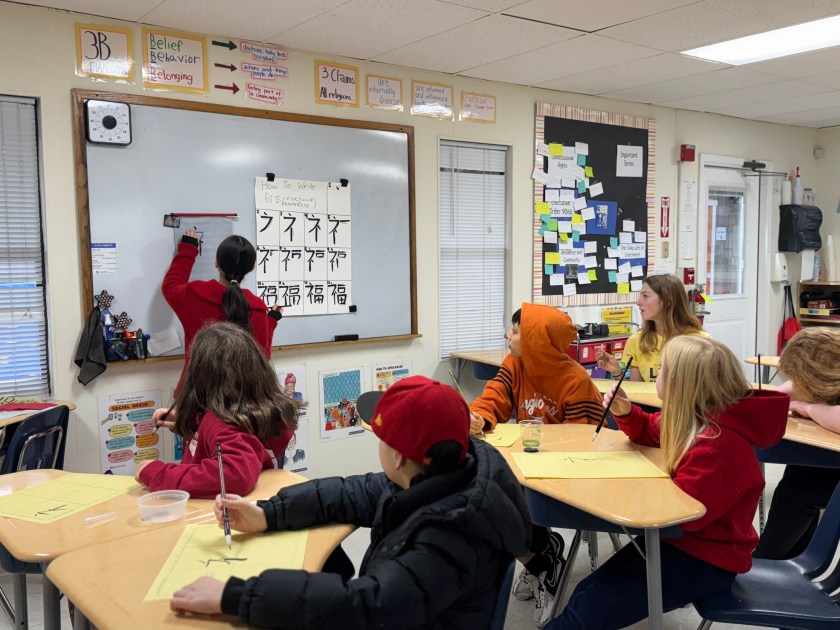
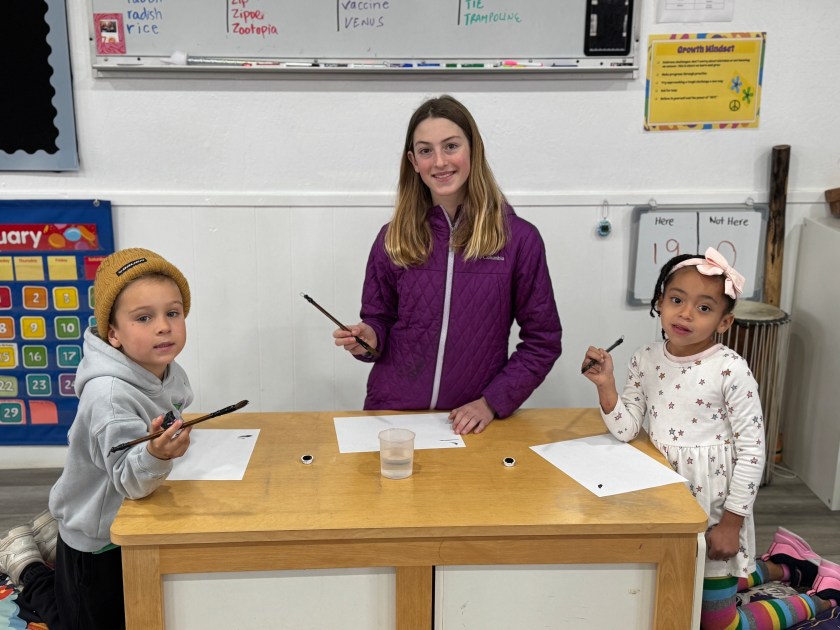
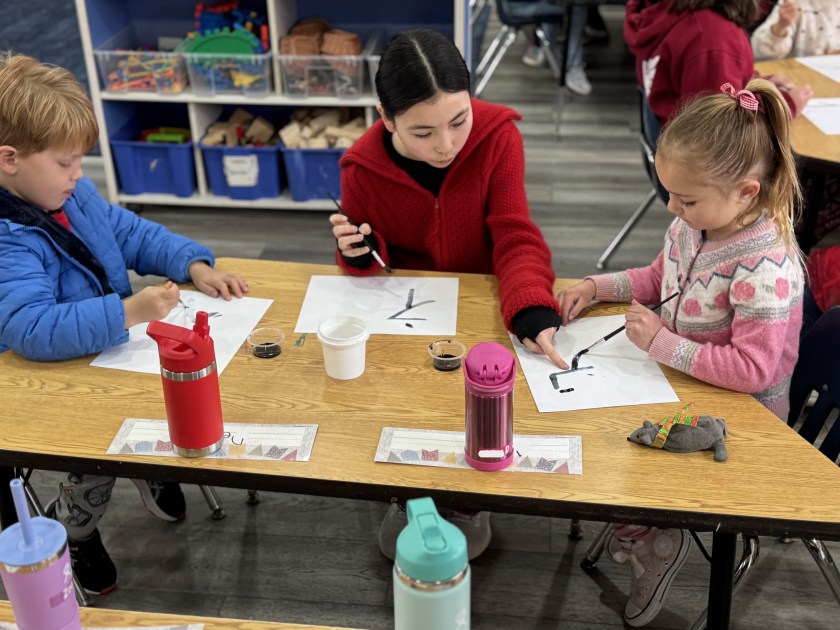
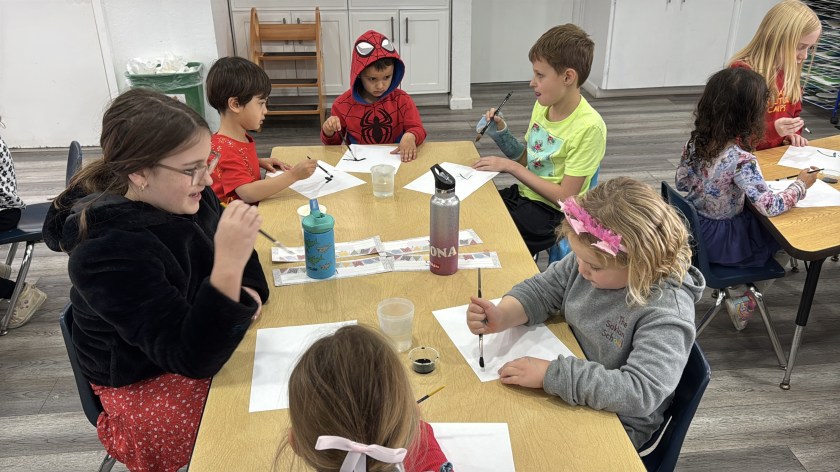
The 6th graders then took their newly acquired skills over to the Hoot Owl classroom, where they taught the Hoot Owls how to write the word for fortune with brushes and ink.

May the Year of the Snake be prosperous for all!

#SaklanCommunity

Creativity & Fine Motor Skills

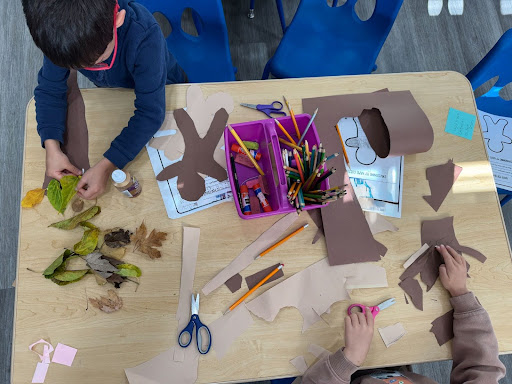
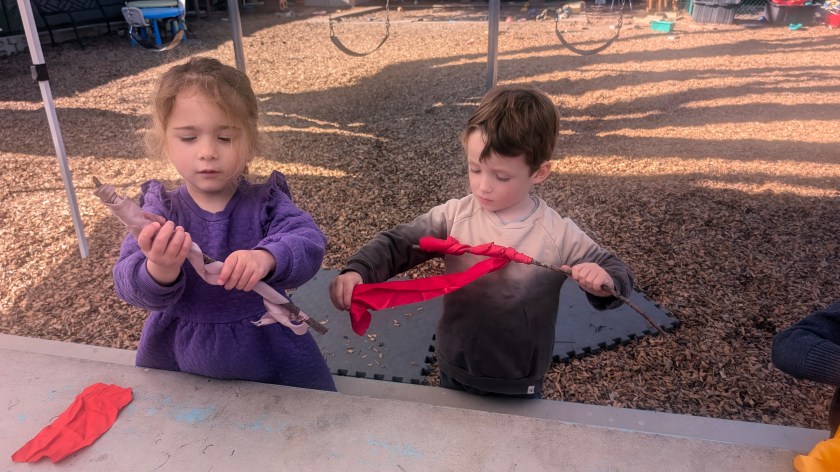
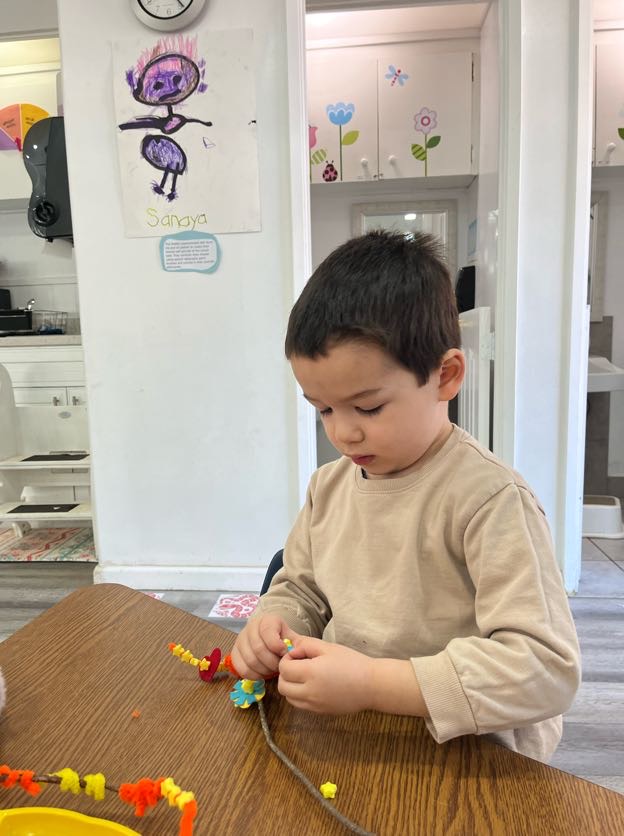
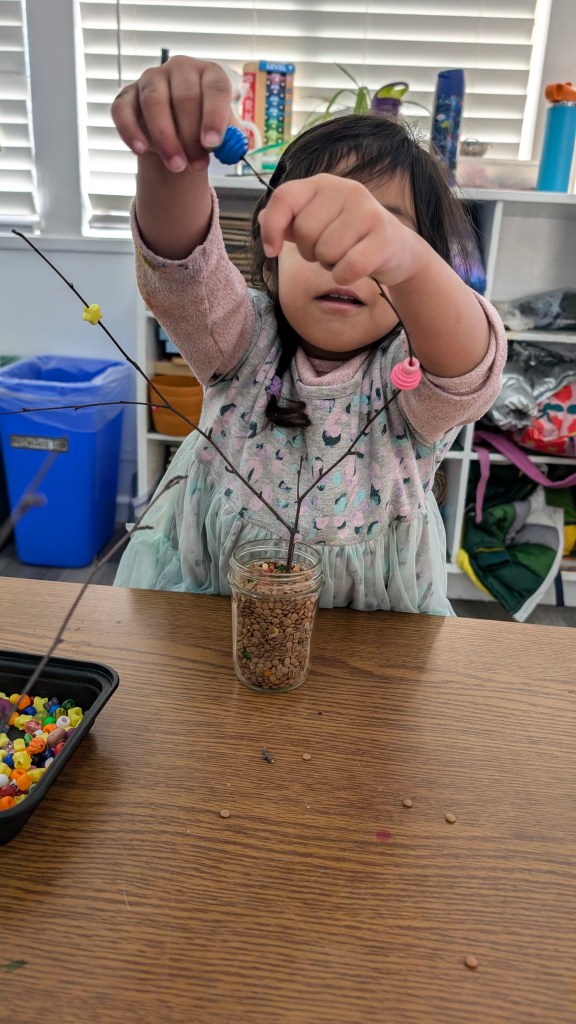
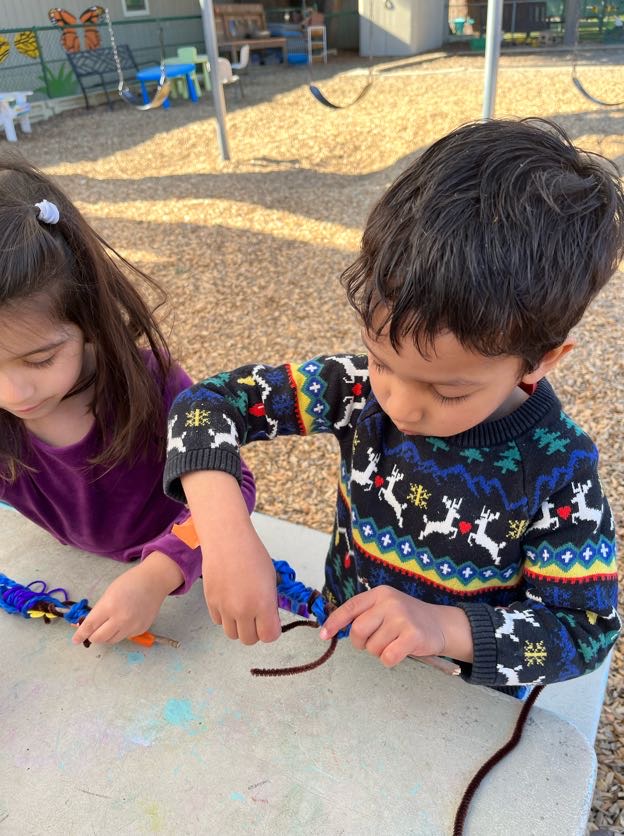
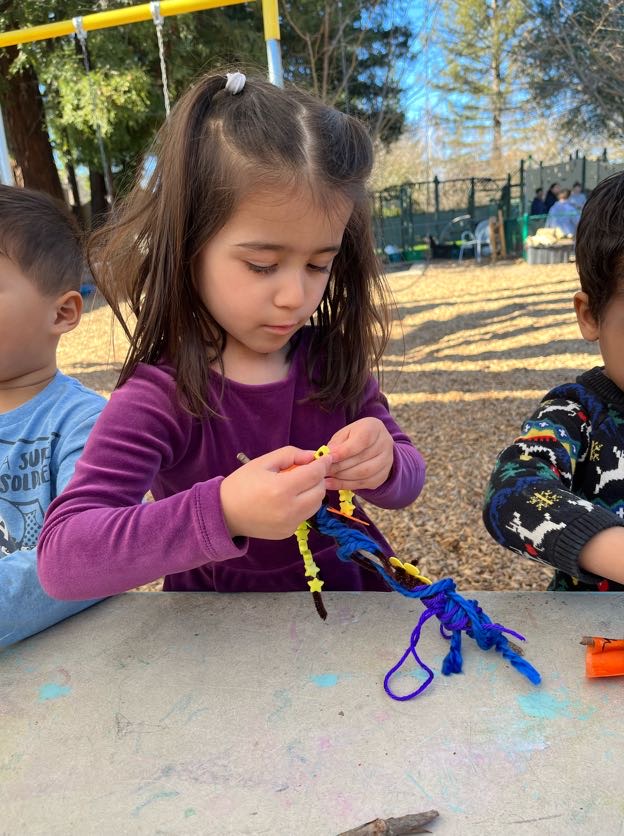
The Owlets have been working on a mini-inquiry into one of their favorite things: sticks! To kick off their exploration, the Owlets brought in sticks they found at home to examine. They noted the differences in the sticks and brainstormed many ways they could be used.

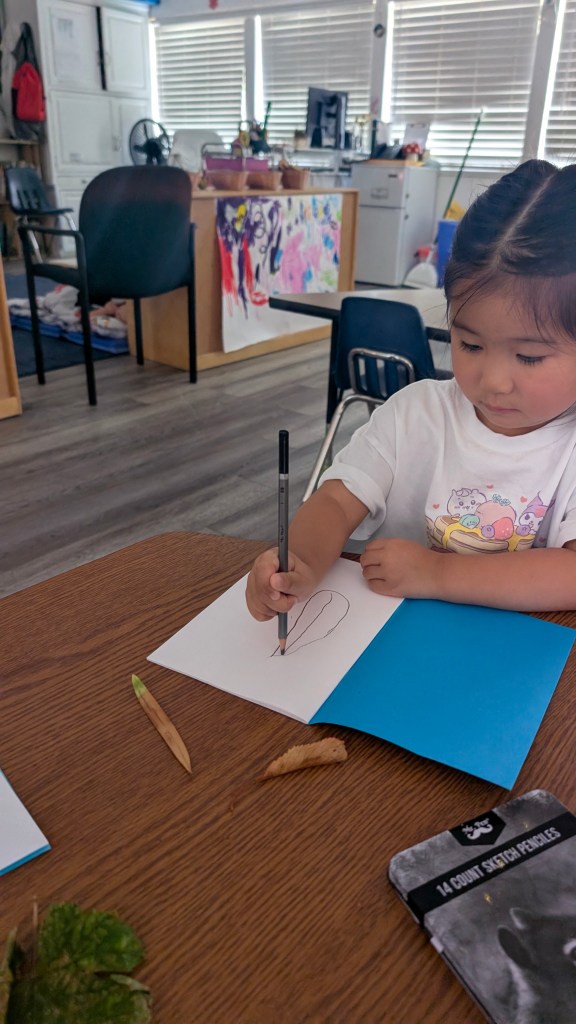
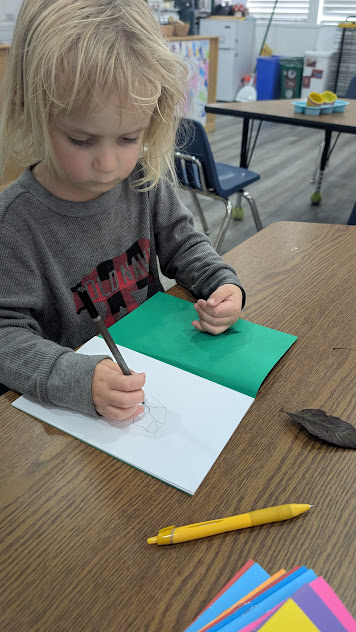
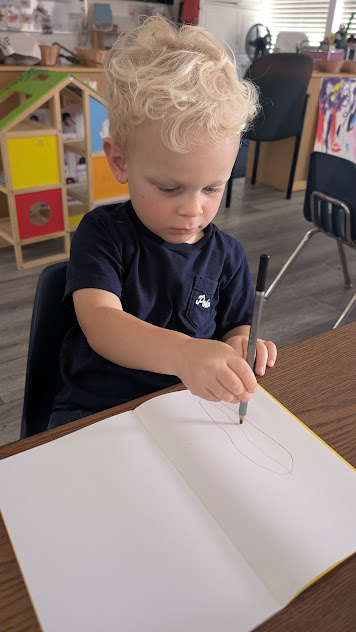
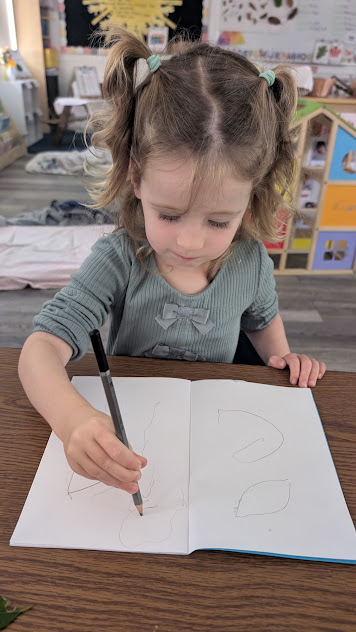
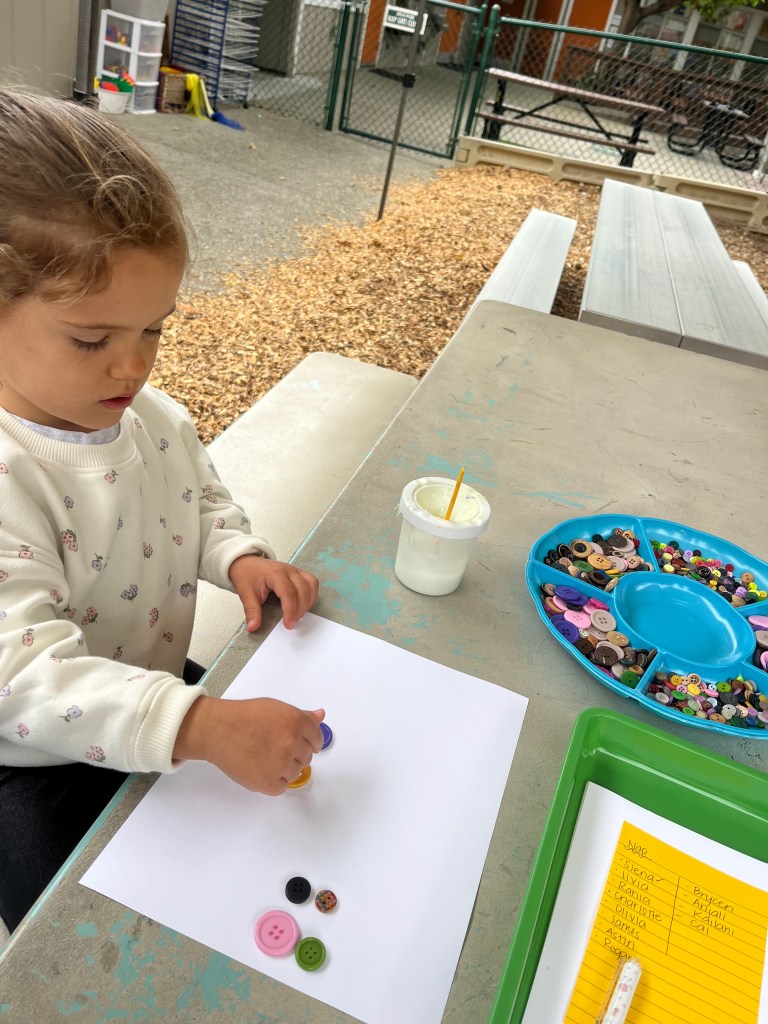
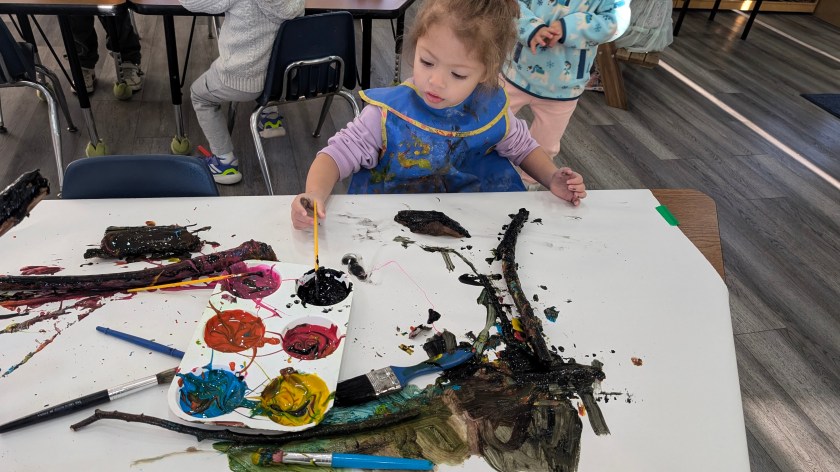
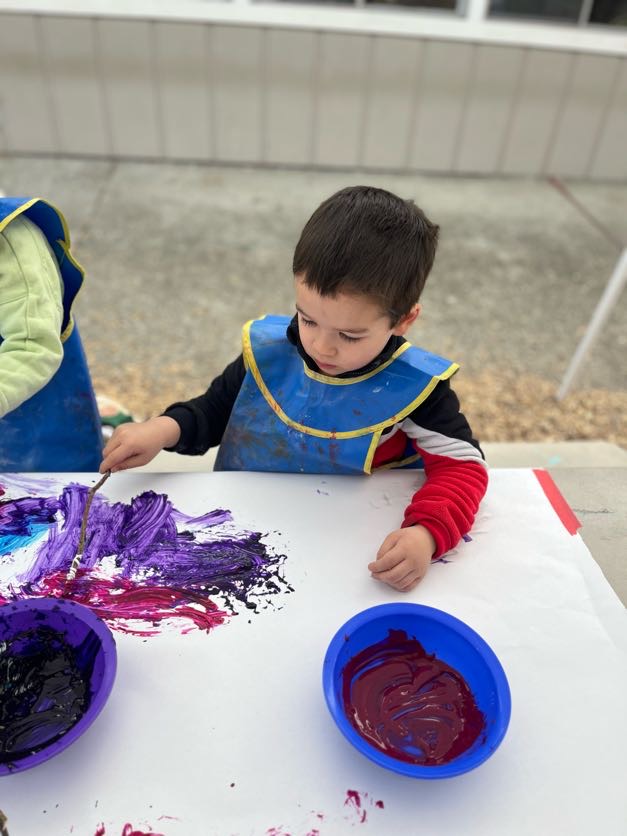
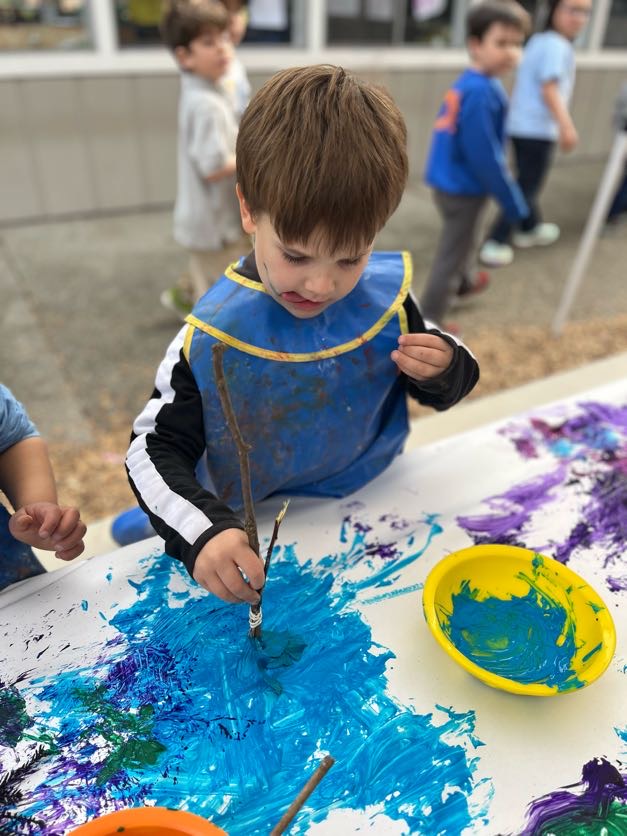
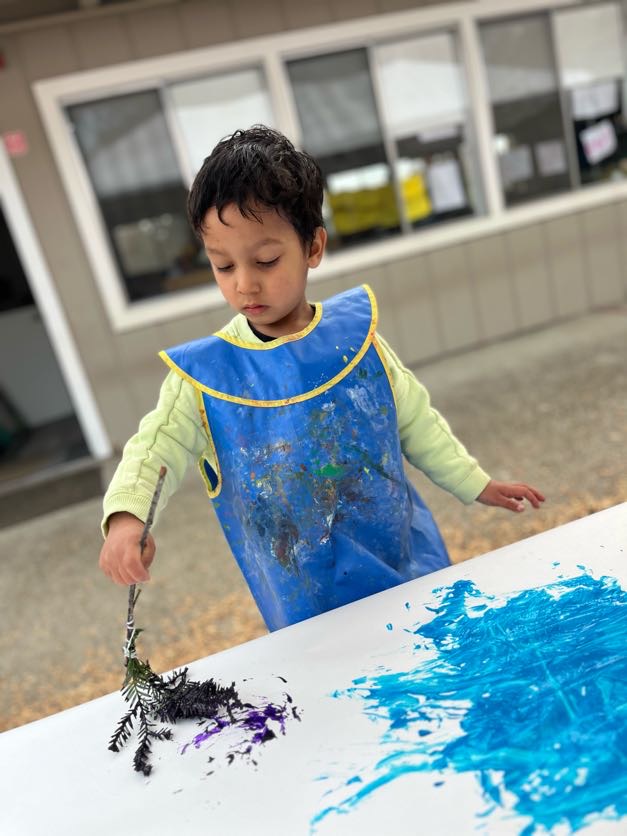
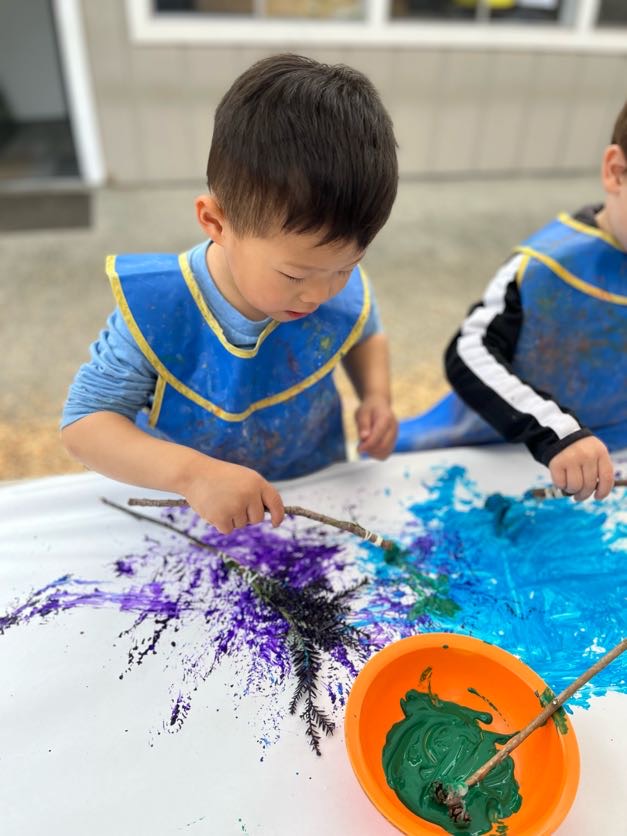
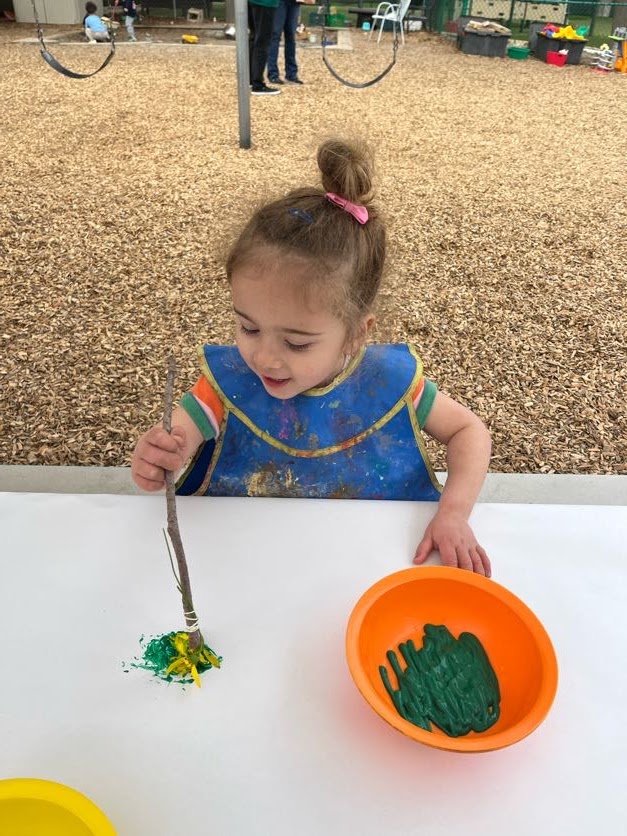
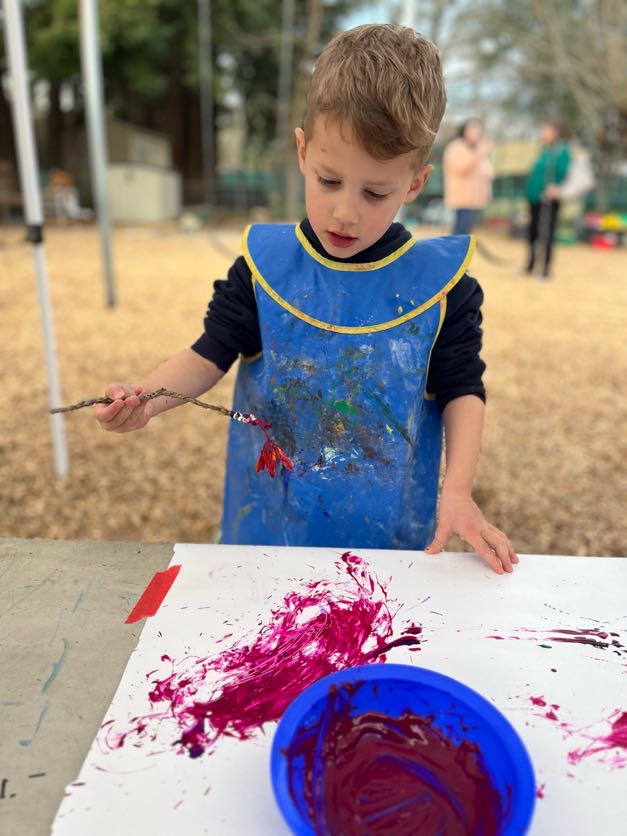
After brainstorming creative ways to use sticks, the Owlets practiced wrapping sticks with ribbons, threading beads on them, painting them, creating pictures with them, and transforming them into unique wands, and beautiful nature-inspired paint brushes. It’s been a wonderful way to nurture their creativity and fine motor skills.

The preschoolers had a wonderful time experimenting with making their sticks into nature-inspired paintbrushes! They crafted their own brushes using various materials from nature and then had fun painting with their creations to see the unique effects they could achieve.

Their work with sticks has been a wonderful way to nurture their creativity and fine motor skills!

#SaklanHandsOn

Amazing Tour Guides

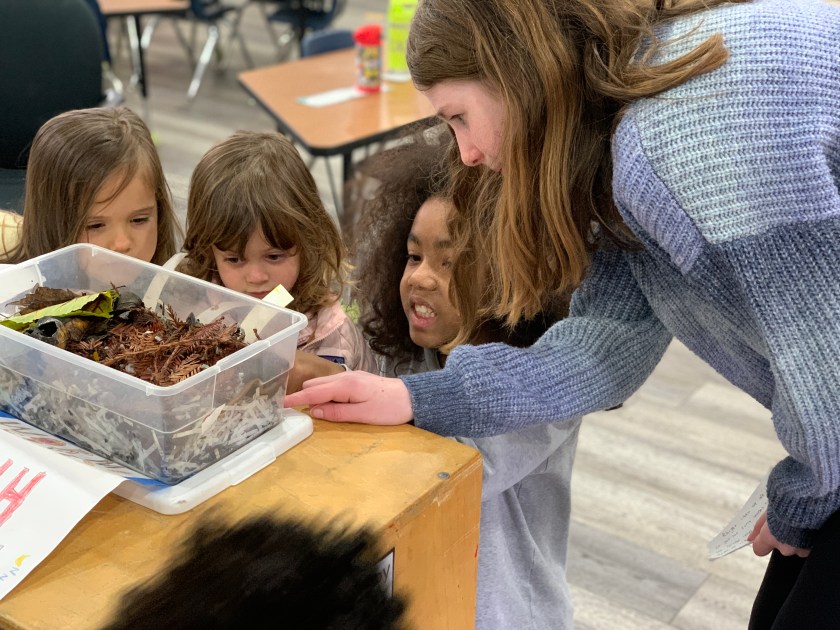
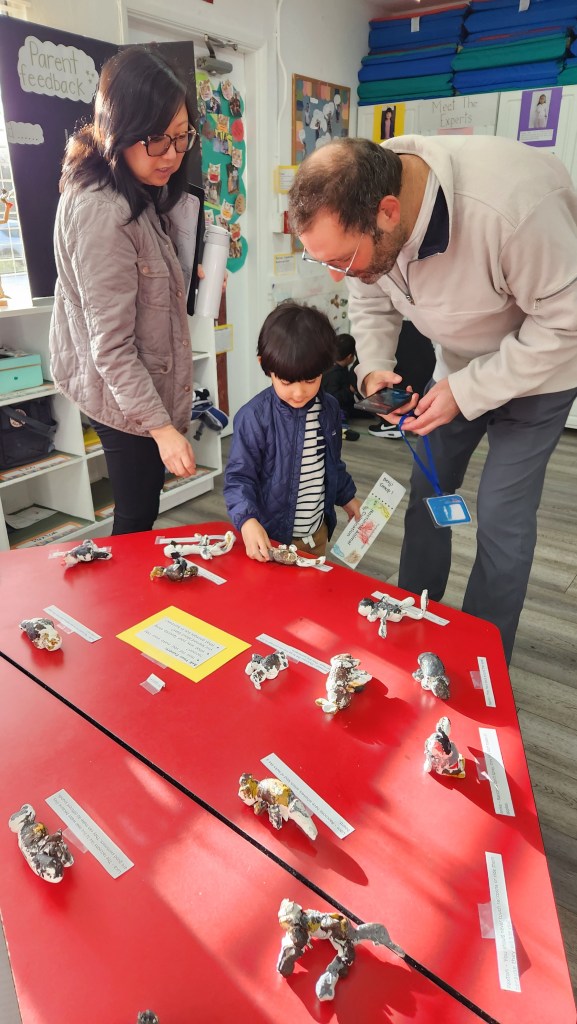
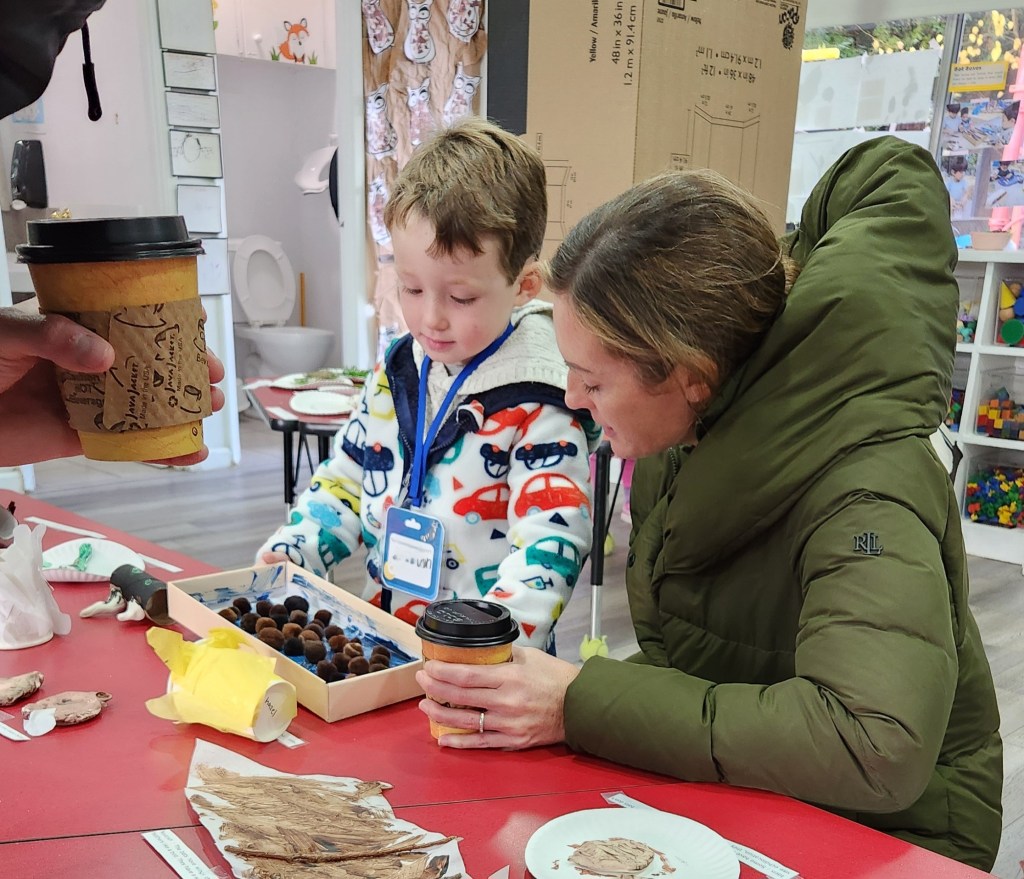
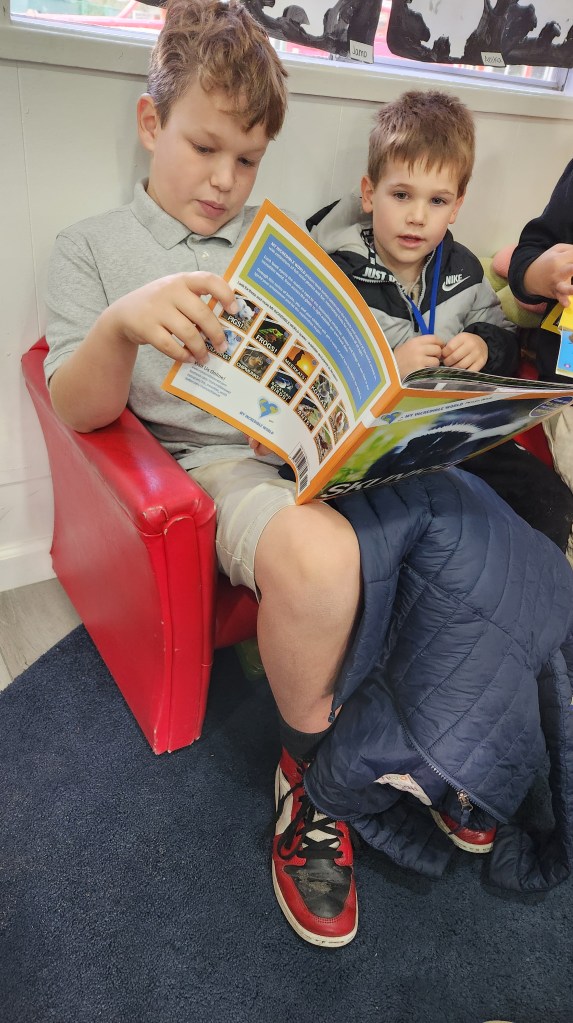
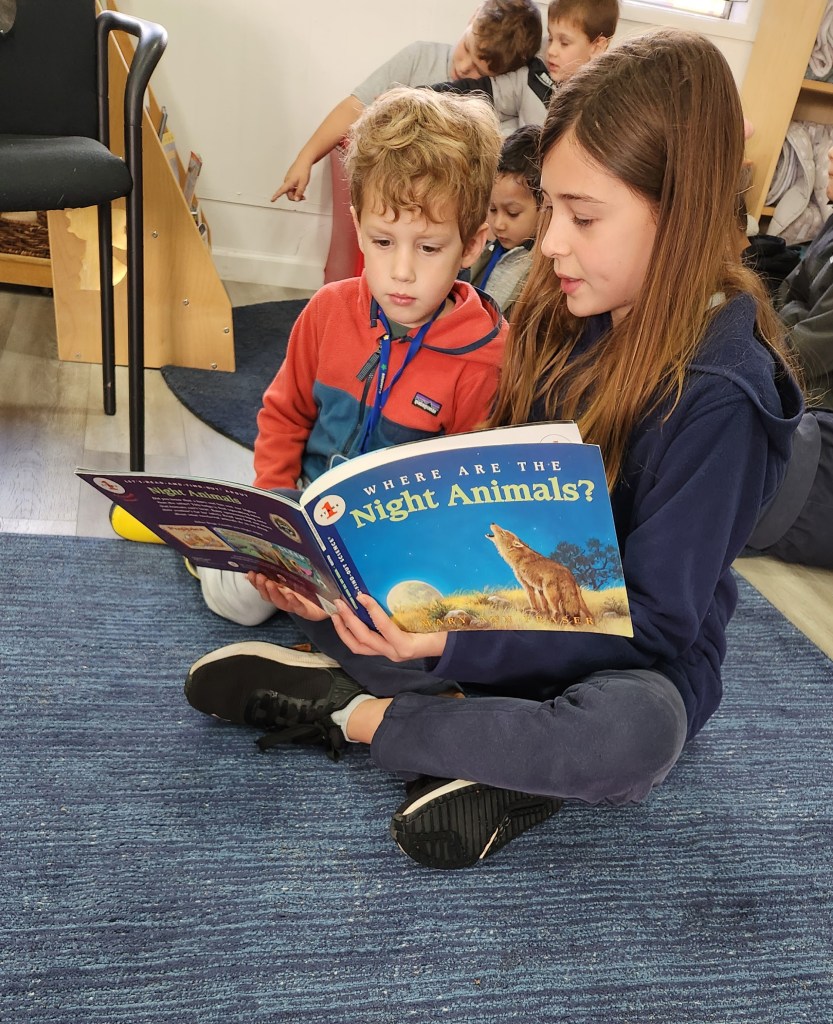
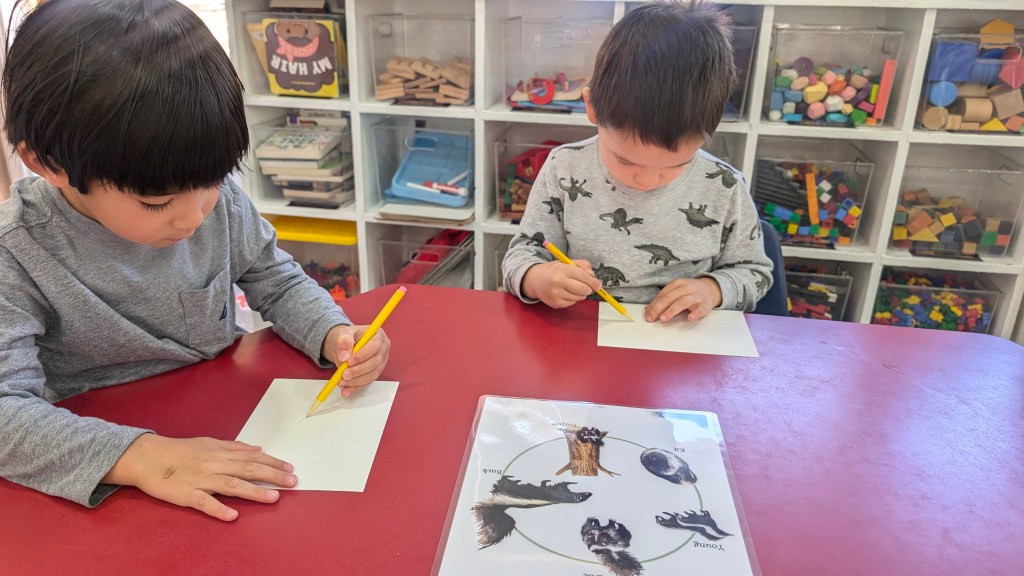
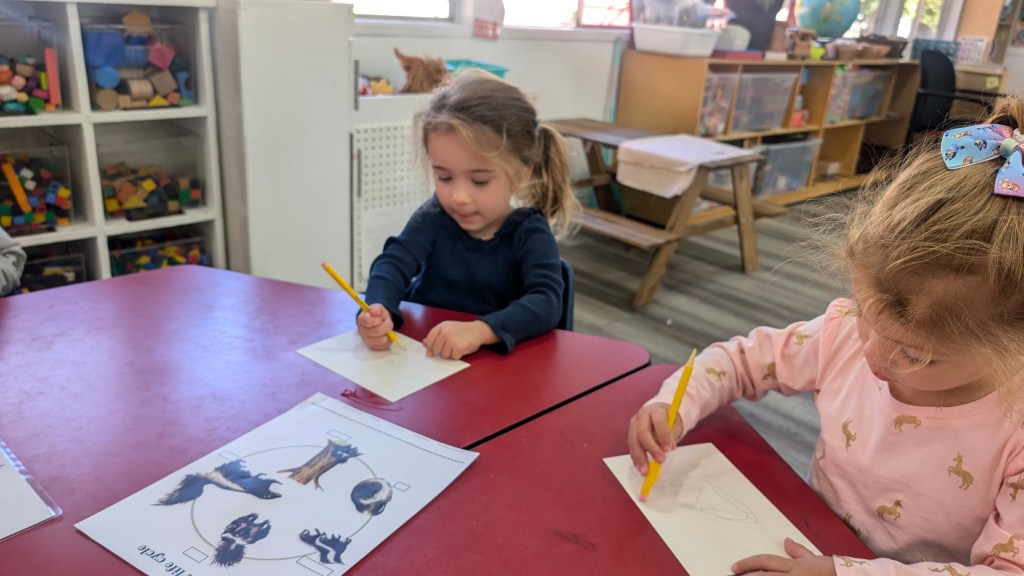
Last week, the preschoolers were very excited to welcome their parents, buddies, and other community members into their classroom for their Nocturnal Animal Project Culmination.

The Owlets spent two months learning about nocturnal animals after a student brought up the concept during circle time at the beginning of the year. The other students had a lot of prior knowledge about animals and were very interested in learning about animals that are more active at night, so the teachers designed a project based on their natural curiosities.

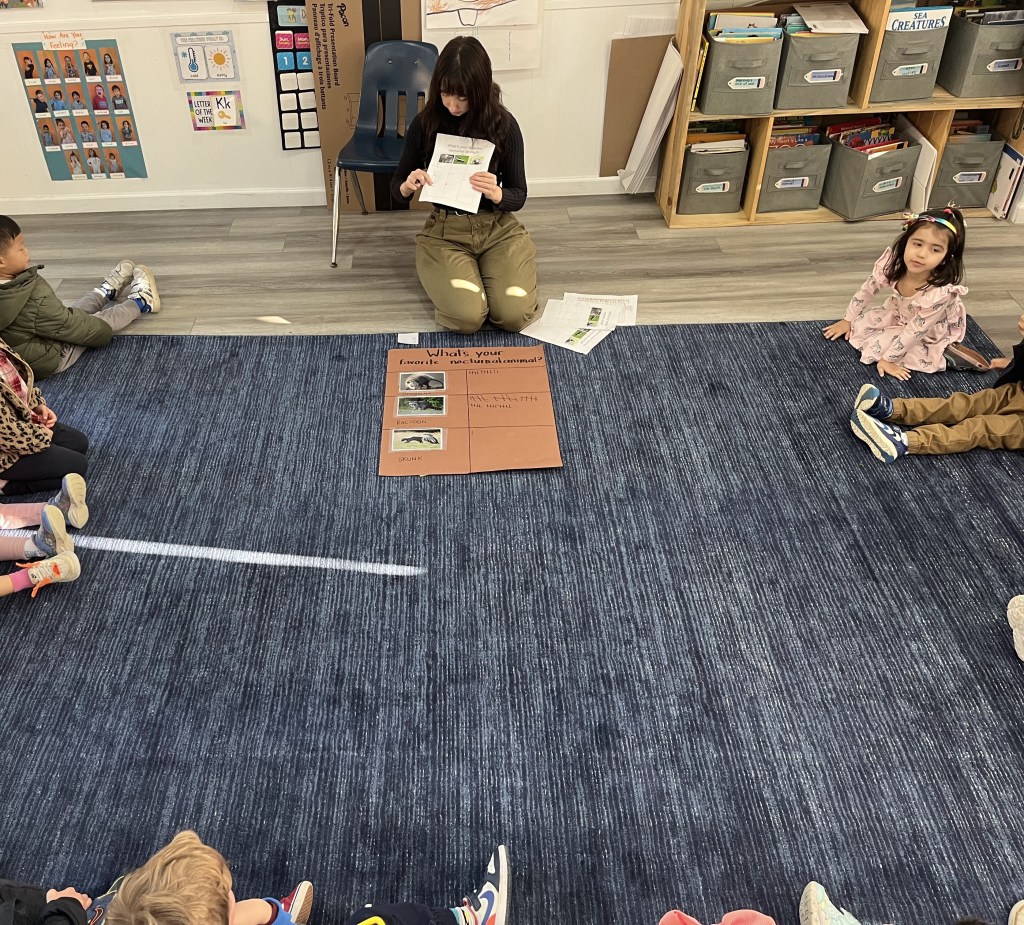
As part of their project, the Owlets took on the role of surveyors, going around the school to ask other classes an important question: Which garbage collector is your favorite—raccoon, opossum, or skunk? After gathering all the votes, they counted them together as a class. It was a close race, but in the end, the preschoolers discovered that Saklan’s favorite animal is… the raccoon!

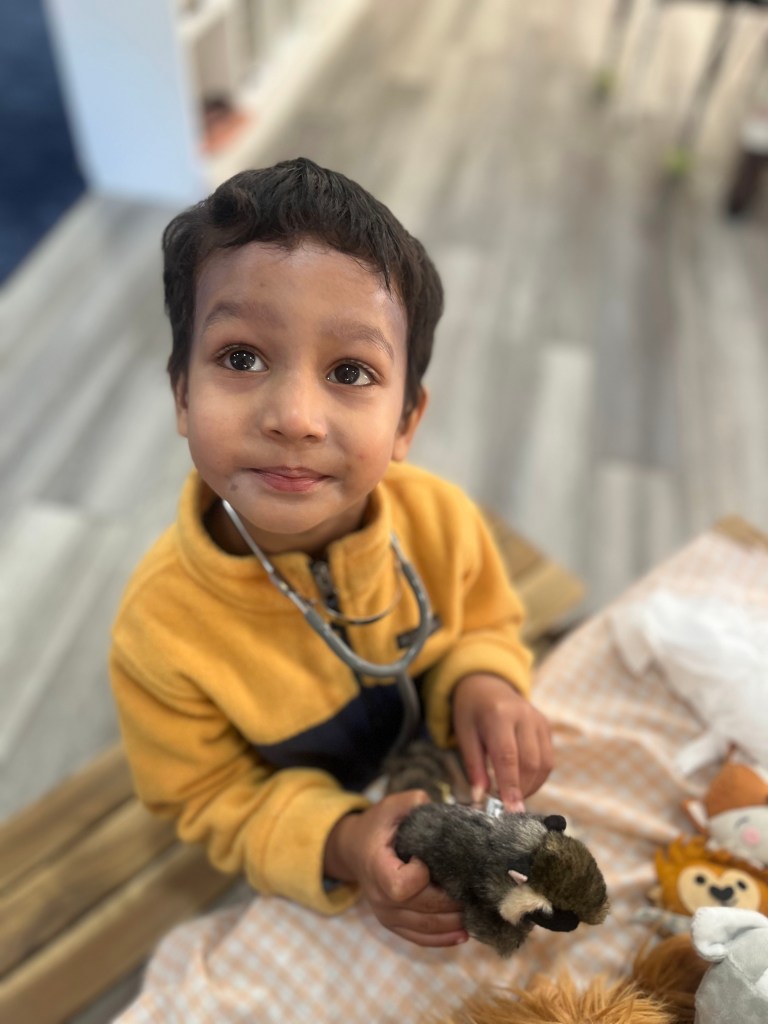
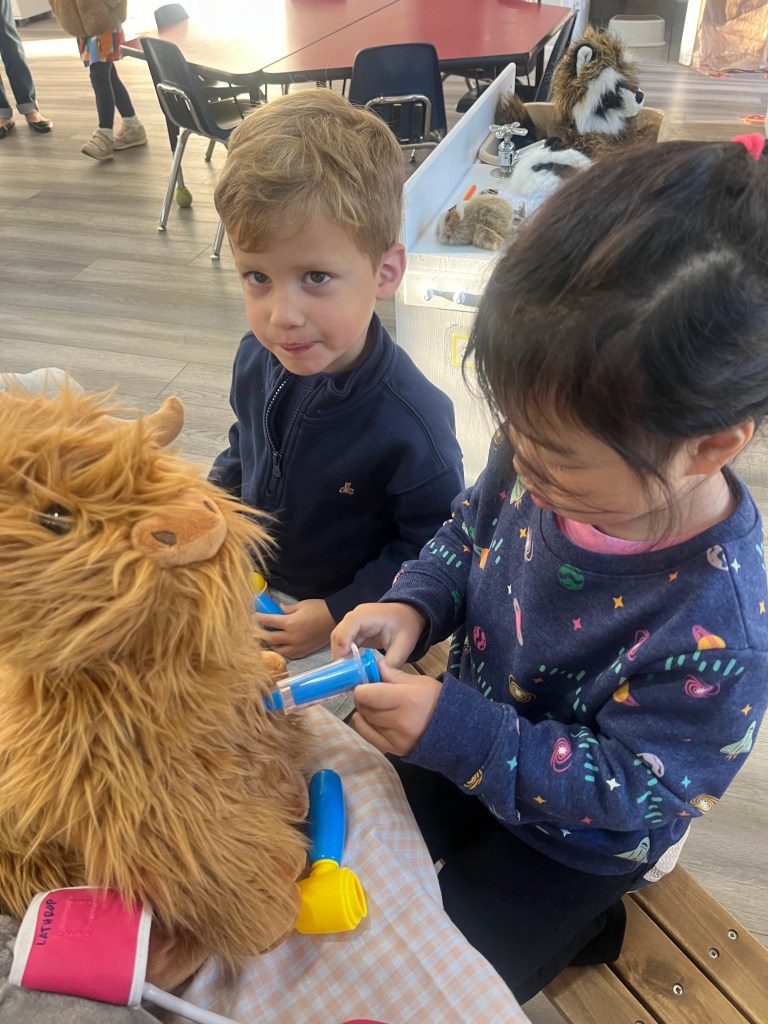
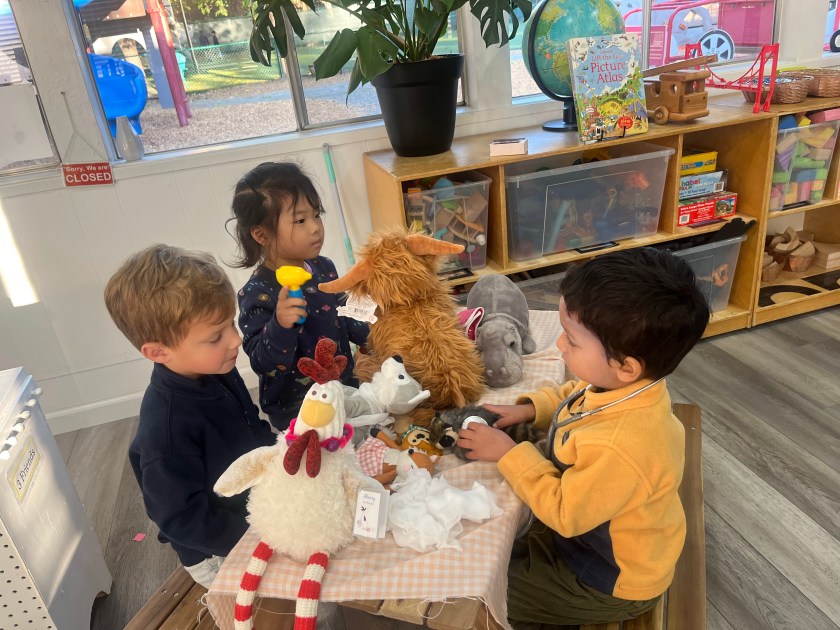
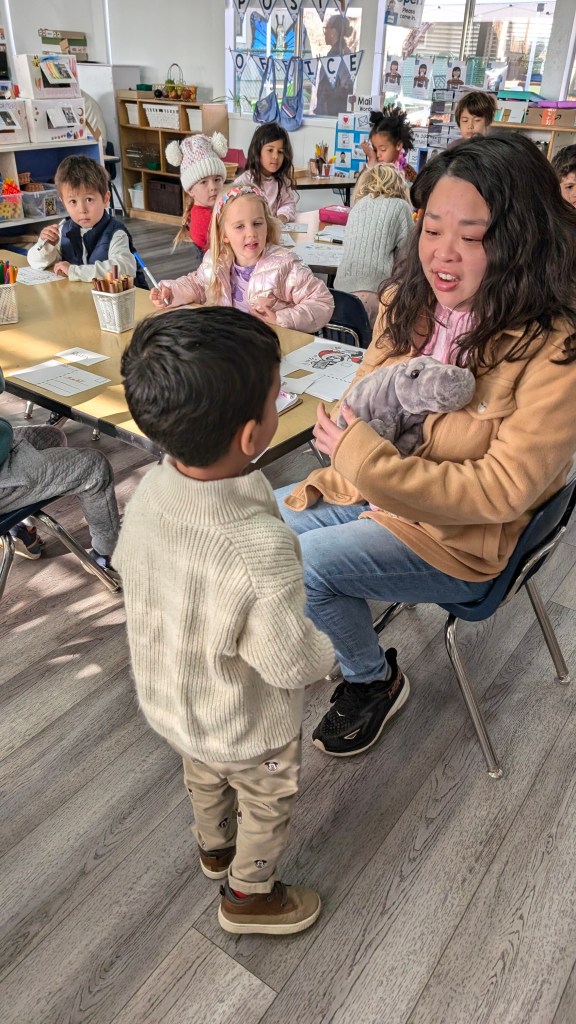
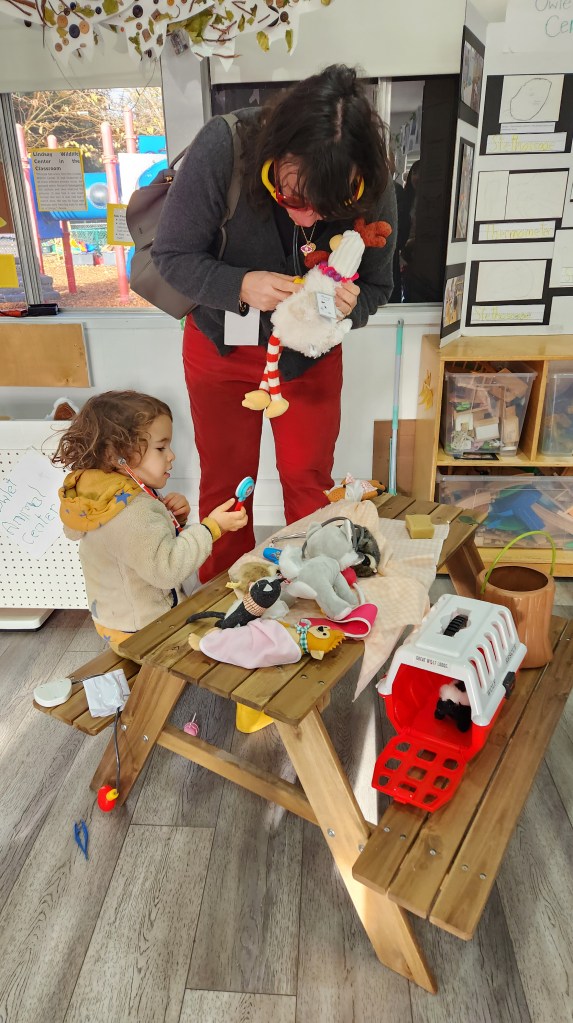
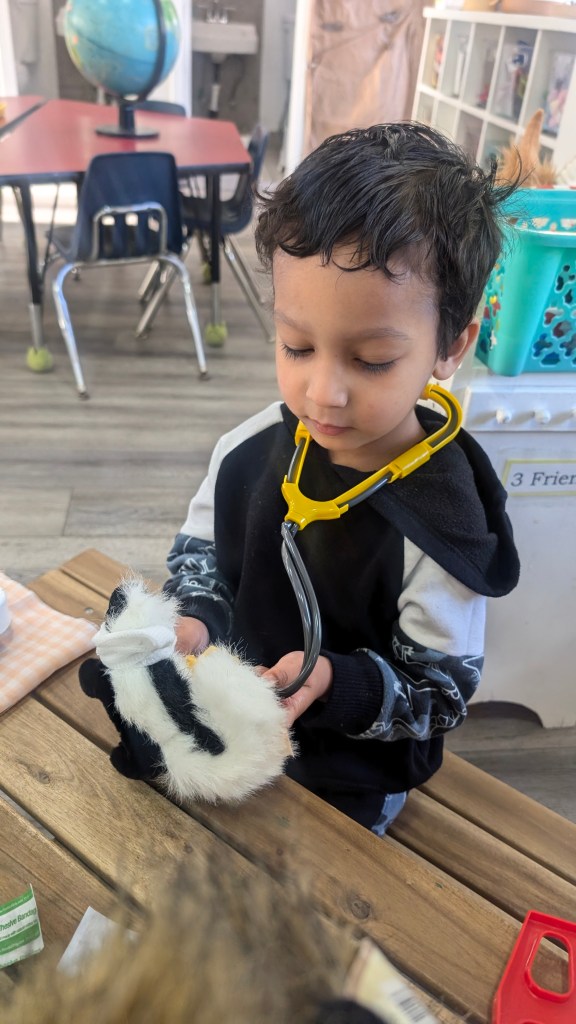
During the project, the Owlets created an Owlet Wildlife Center, after learning about Lindsay Wildlife’s Rehab Hospital. During their study they learned an important lesson: once an injured animal heals, vets usually release it back into its natural habitat. With this in mind, it was time to return the now-healed animals in their care. Maggie’s hippo and Shay’s hairy cow were delivered with care back to their “homes.” Maggie and Shay were so happy to be reunited with their stuffies, and the Owlets were just as excited to see their hard work pay off!

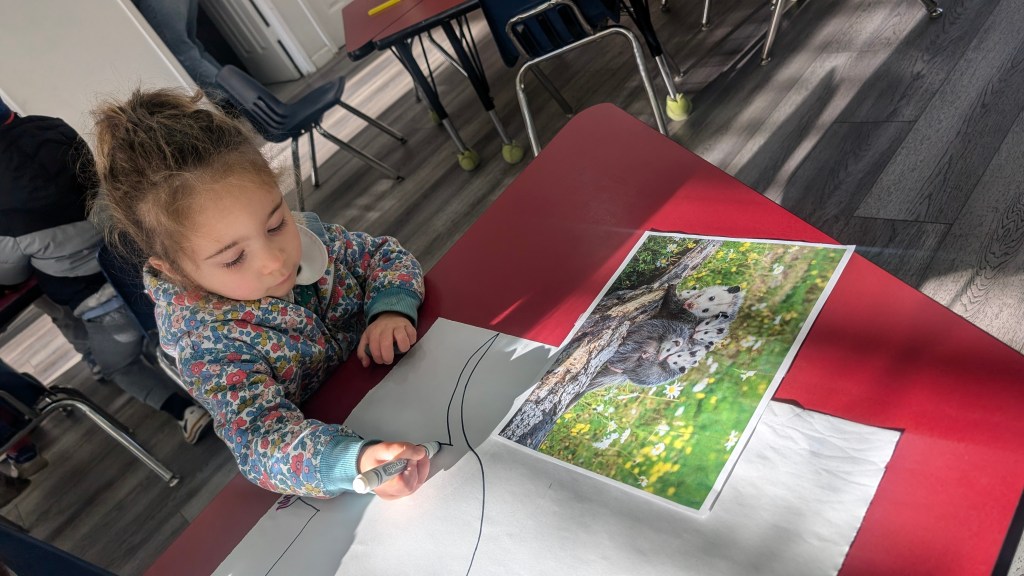
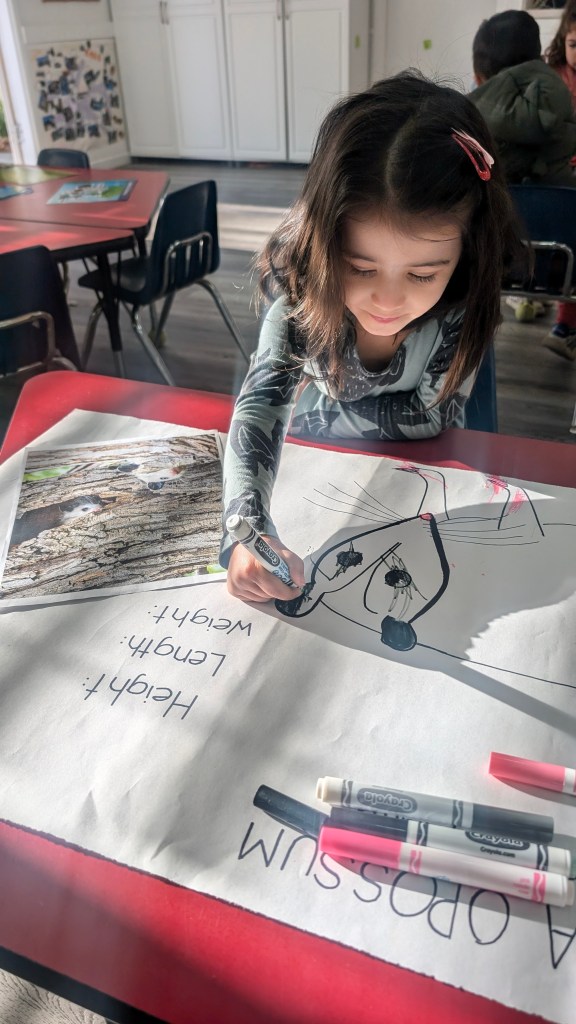
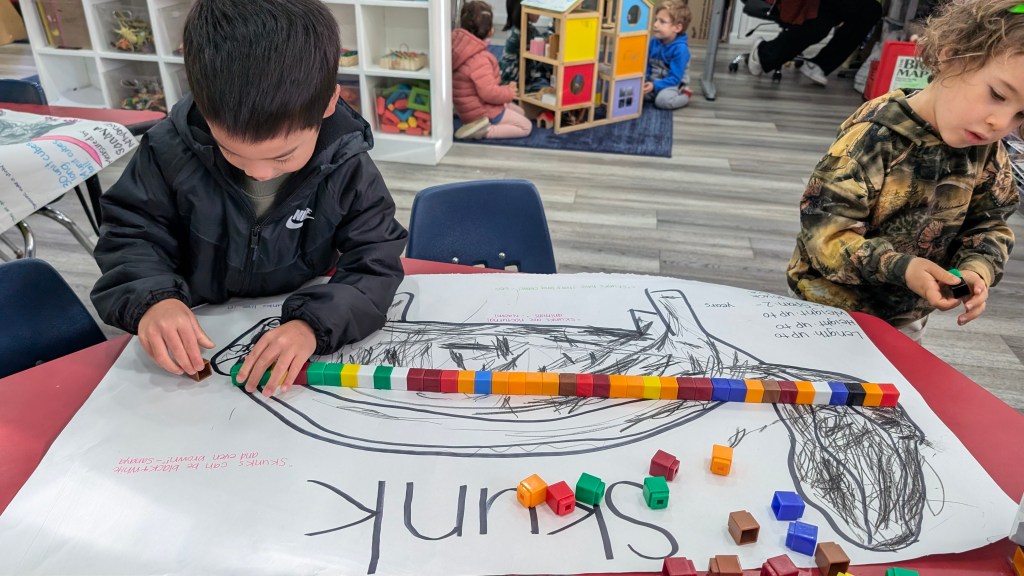
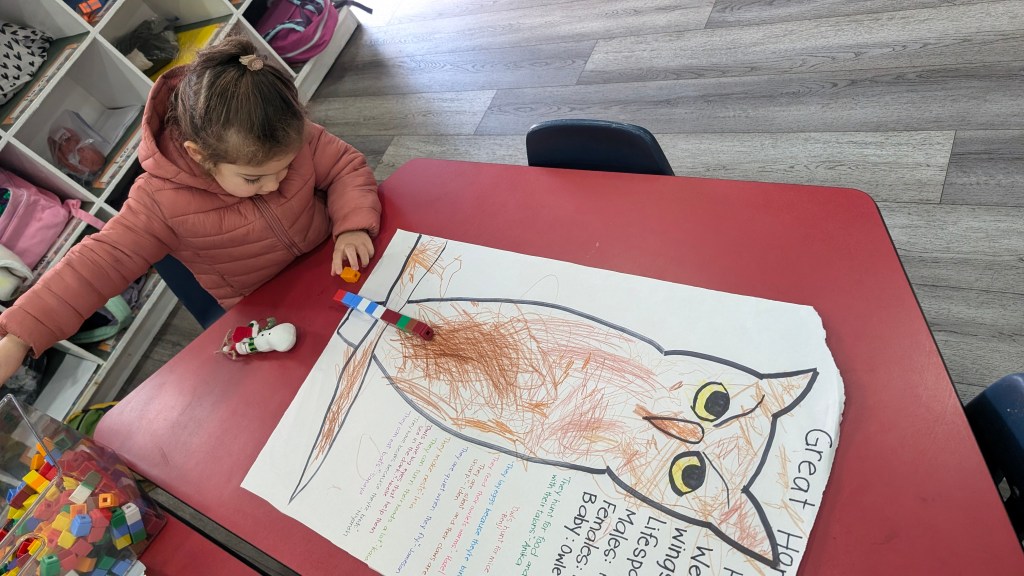
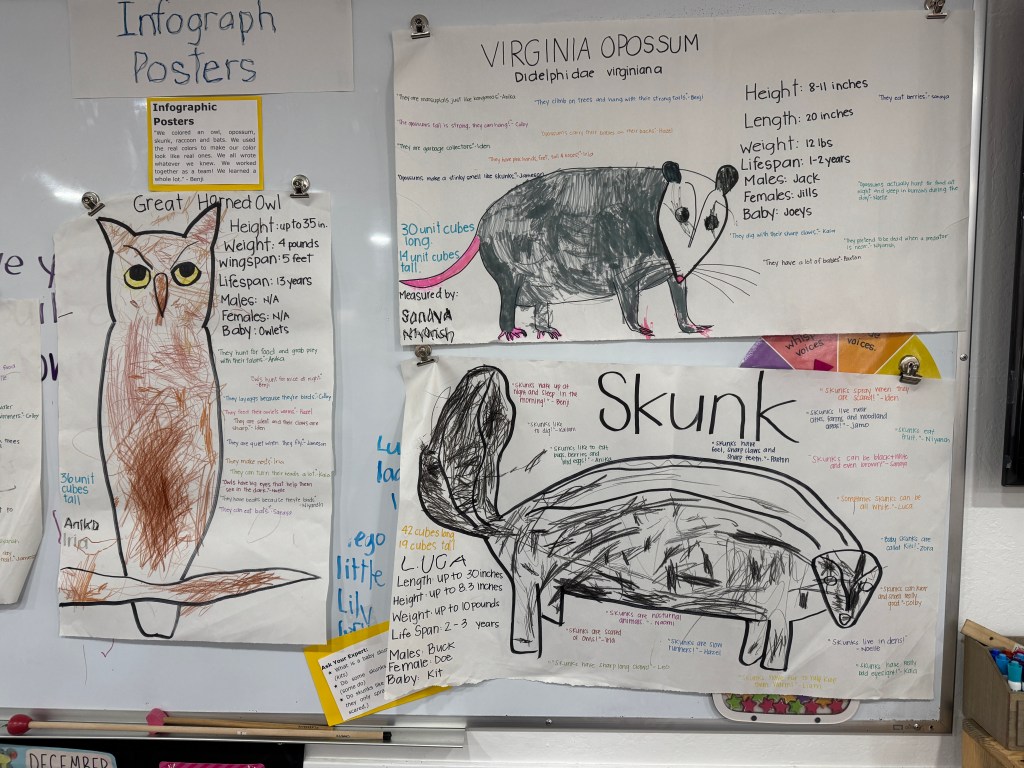
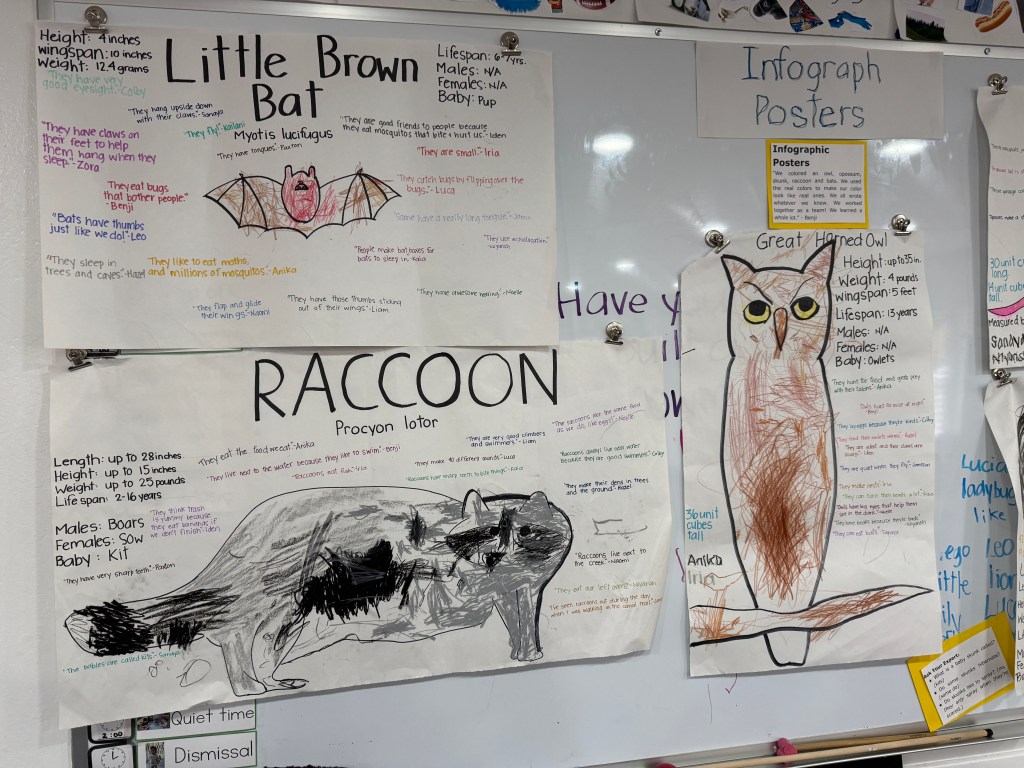
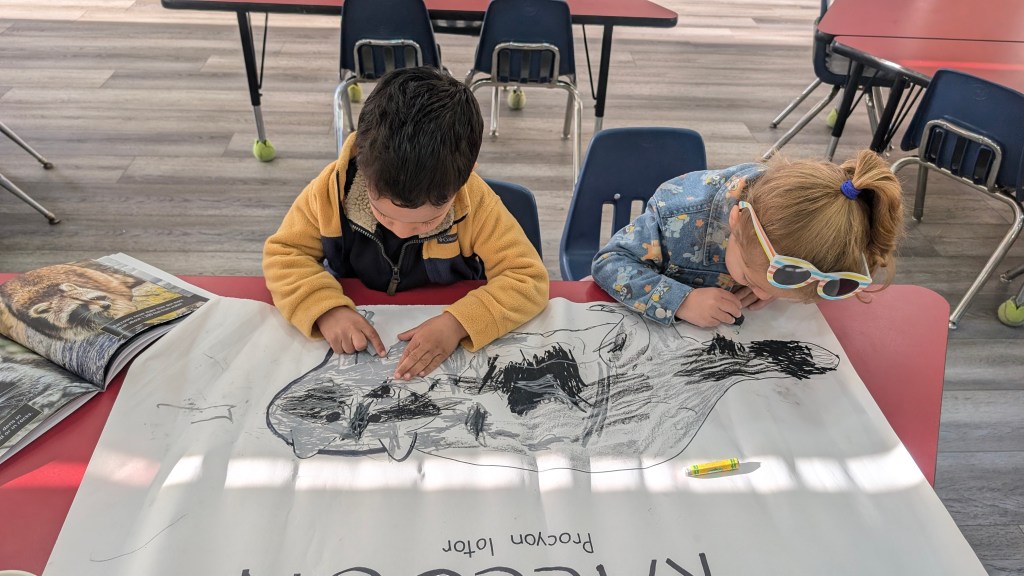
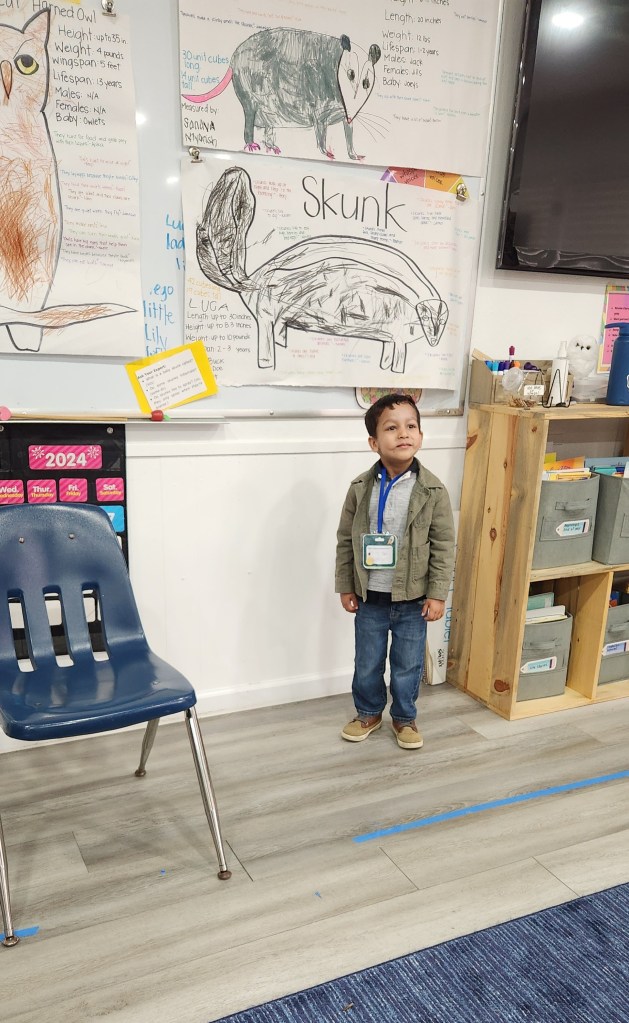
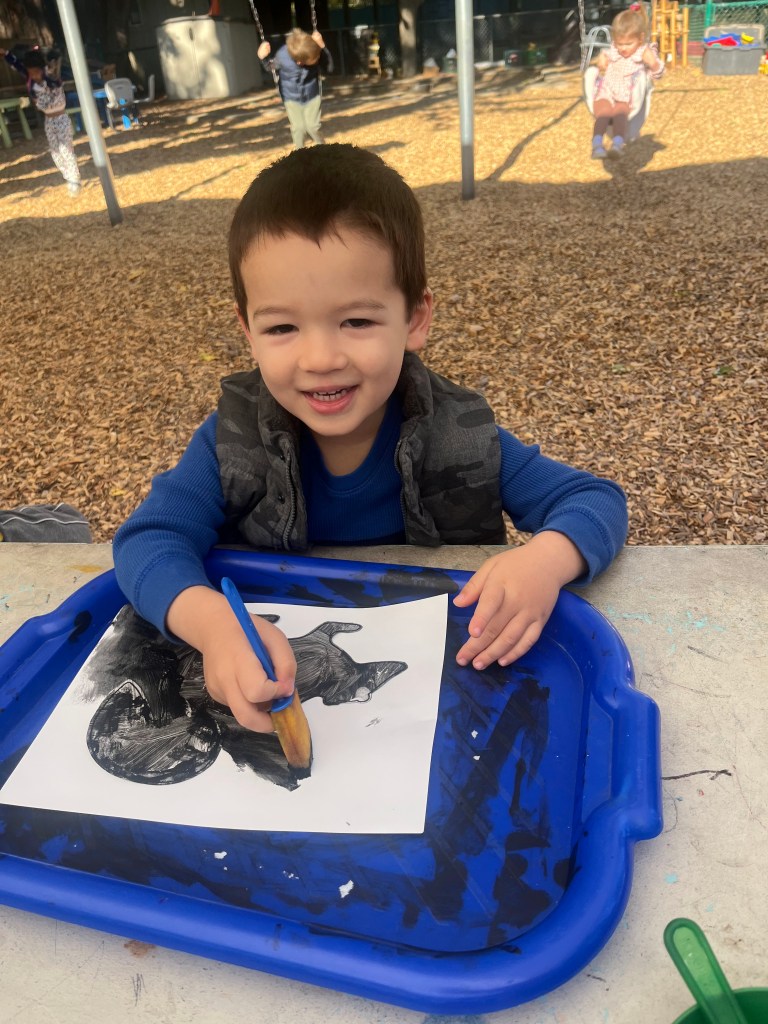
To get ready for the culmination, the Owlets reviewed all the facts they had learned by creating colorful infographic posters. Their attention to detail was spot on as they helped color the giant animal drawings, carefully choosing the real-life colors of each animal. In addition to coloring the posters, they did some fun math with them, measuring the length and width of the animals using unit cubes.

Finally, all their learning and hard work came together for their Nocturnal Animal Culmination, which was a great success! Teachers, parents, and buddies were all very proud of the Owlets. They were amazing tour guides, confidently sharing everything they’ve learned.

Nocturnal Animals

The Owlets have been studying nocturnal animals, and recently they enjoyed investigating some of the most misunderstood nocturnal animals! At first, many of the Owlets thought skunks and raccoons were “bad guys” of the animal world, but after discussion, they realized they were just trying to live their lives, just like humans. When the preschoolers started learning about skunks, they described them as stinky and mean animals that spray people for no reason. But they soon discovered that skunks only spray when they feel scared or threatened. This led to a conversation about what Owlets feel like when they are scared. The class imagined how a skunk might feel if something got too close to its babies or den. These discussions helped them see skunks in a new, more appreciative light. This also introduced them to the idea of defense mechanisms, which are special adaptations animals use to stay safe.

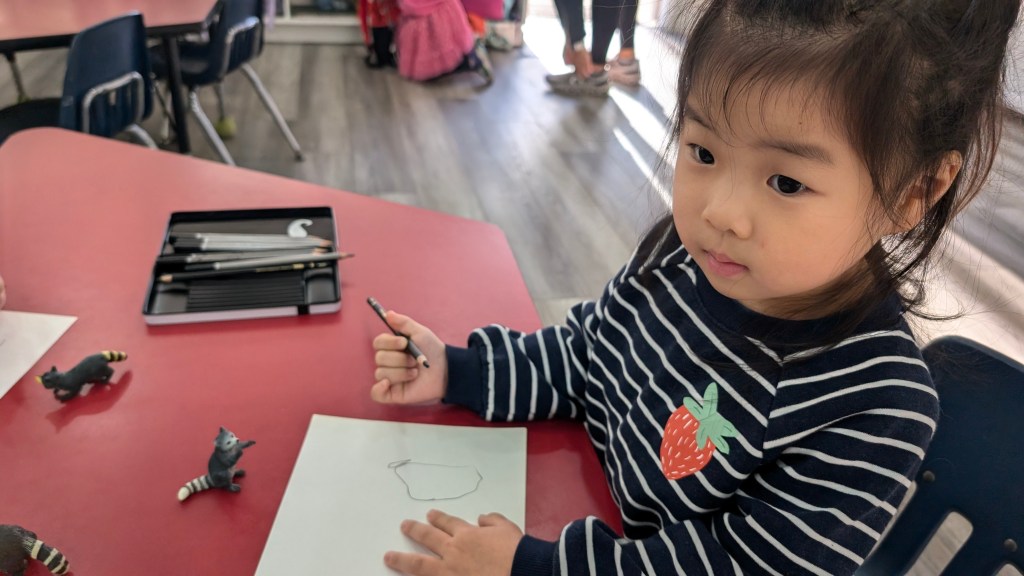
Next, the class turned their attention to raccoons. The Owlets started off thinking of raccoons as pesky garbage eaters, but soon uncovered the truth: raccoons love the same kinds of food people do, so they’re just after our leftovers! While it might seem like they could make friendly pets, the preschoolers learned it’s never safe to touch a wild animal—or even an animal they don’t know. During circle time, Colby asked, “What would happen if a raccoon came into our house to get our trash?” This sparked an important conversation about wild animal safety. They talked about the importance of finding a grown-up to help and discussed how places like the Lindsay Wildlife Center in Walnut Creek are experts in helping injured or misplaced animals. After learning so much about skunks and raccoons, the Owlets agreed: these animals aren’t bad at all! They’re just a little misunderstood.

The Owlets can’t wait to share what they’ve learned with the rest of the school at their upcoming Nocturnal Animal Project Culmination on Thursday, December 12th at 8:30 a.m.

#SaklanProjectWork

Bats & Camouflauge

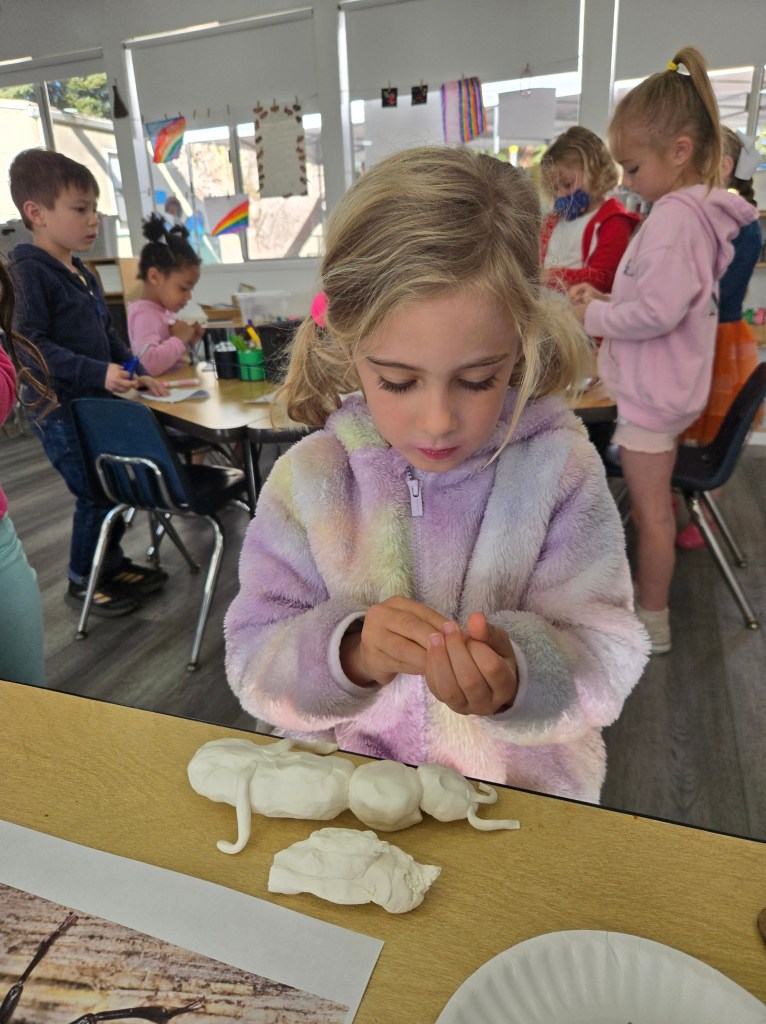
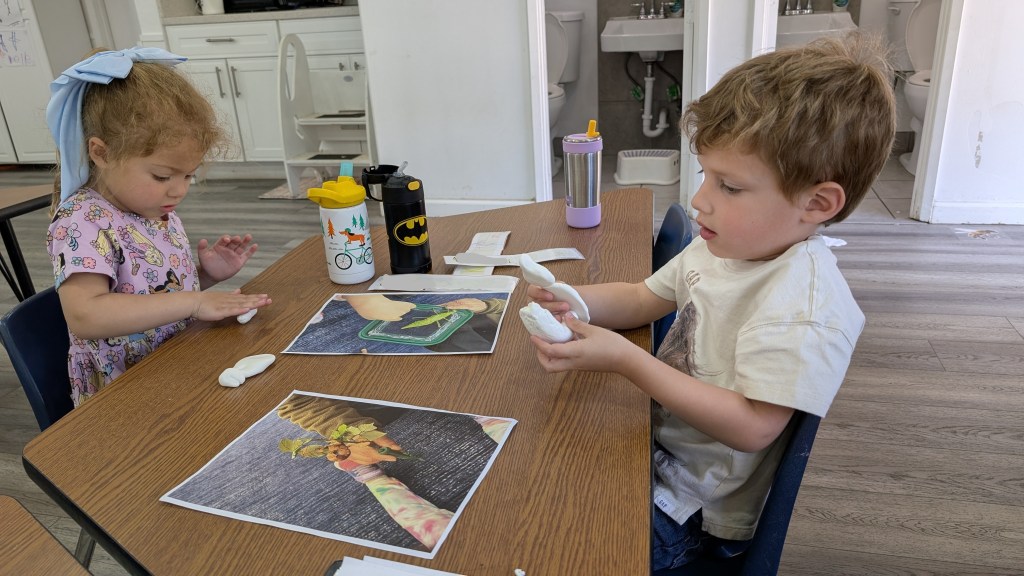
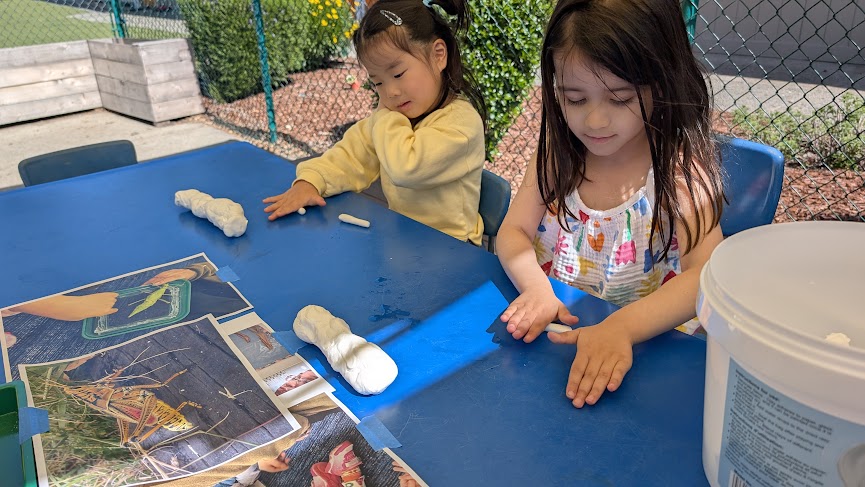
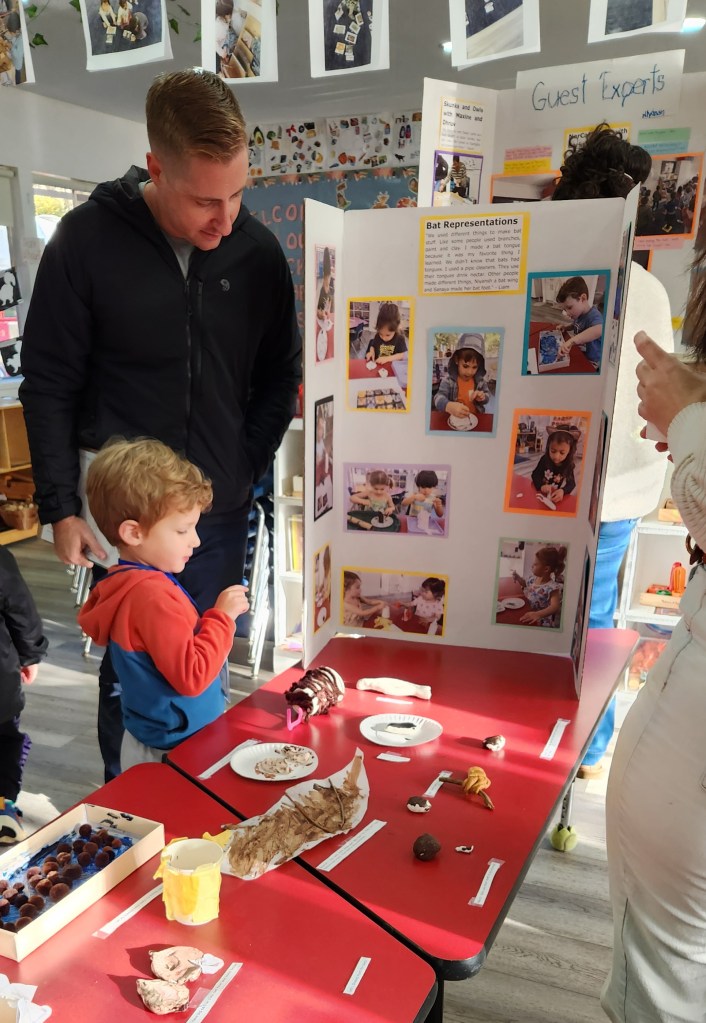
As part of their Nocturnal Animal Project, the Owlets enjoyed learning about bats! After a special visit from Ms. O, our amazing science teacher, the Owlets dove into their first “representations” project of the year. This activity gives the students the freedom to express themselves in creative ways, making something that stands out as their favorite part of what they learned. From toilet paper rolls to aluminum foil and clay, the classroom’s “useful junk” drawers were full of possibilities!

After reading Log Life, a fun book about animal habitats, the Owlets discovered that bats live in all sorts of places—even right here in Moraga! Since there aren’t any caves nearby, the Owlets got curious about where our local bats might hang out. Ms. O shared that many bats here make their homes in old houses or even attics! But to keep them from settling inside, people put up bat boxes instead. These wooden shelters are placed on trees, and guess what? The Owlets made their very own bat boxes for the trees in their classroom using cardboard and thin cardstock strips!

As the Owlets dive deeper into learning, they’re also expanding their vocabulary—one word they’ve been exploring is “camouflage,” a super cool tool that bats (and other animals) use to blend in with their surroundings! This helps the animals hide from predators or sneak up on their prey. The Owlets had a blast with Victoria searching for spots in the classroom to hide their bats, doing their best to match the colors around them!

#SaklanProject

Nurturing Community

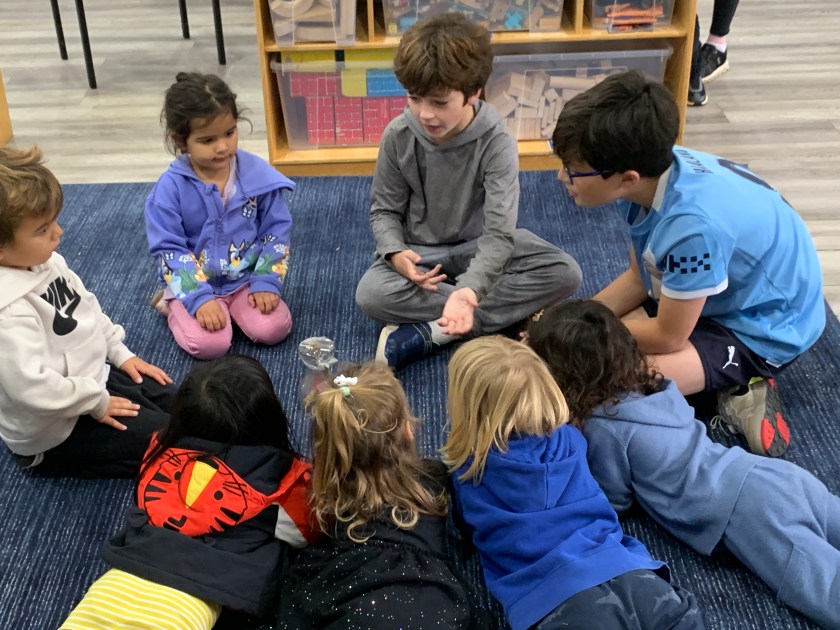
In their recent adventures, the Owlets explored the book Circles All Around Us by Brad Montague, which illustrates the concept of community and how we can nurture it. The key message is that by showing love and support to everyone around us, we help our circles grow.

Following the story, the class started a fun community-building project! The Owlets got a little messy as they built different structures using foam blocks and shaving cream. This hands-on activity encouraged teamwork and problem-solving, as the children worked together to reach blocks and support one another. Throughout the process, the teachers stepped back, allowing the students to become problem solvers among themselves. The only assistance needed was a little extra shaving cream for added fun!

#SaklanCommunity

Me, My Family, My Home

As part of their All About Me theme to start off the year and get to know each other better, the Owlets discussed who lives in their homes. Each student then made a visual representation of the people/animals that live with them. They were given a key to show that each colored square represented a different member of their household and the Owlets were able to match colors and exercise their fine motor skills by gluing the appropriate squares to a home cutout using glue sticks. The class really enjoyed learning about each other’s homes.

The teachers encourage the Owlets to develop their communication skills by telling stories; many projects the Owlets complete include a story, told by the child to a teacher, which is then typed out to accompany their artwork. This is a great opportunity for children to broaden their vocabulary and practice being creative!

#SaklanCreative #SaklanCommunity

Rainforest Plants & Animals

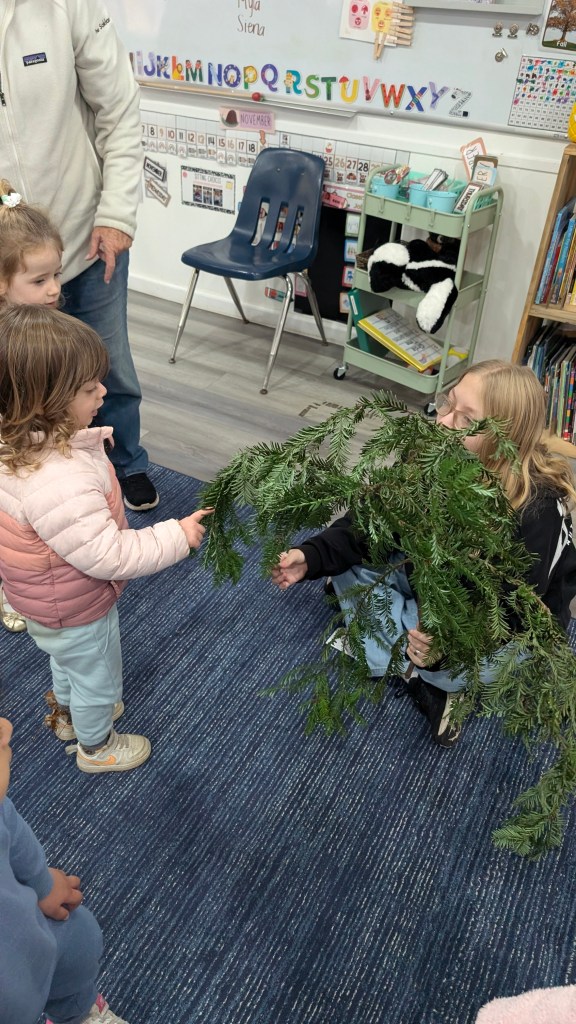
The Owlets continue to become experts on tropical rainforests! So far they have learned what a rainforest is, the different layers of the rainforest, and the various amphibians, reptiles, and mammals that live in each layer. Recently, the Owlets stayed up late, got out their flashlights and explored the nocturnal animals that roam the rainforest at night. With the help of the book While the World Is Sleeping, the Owlets learned that some of the animals in our woodland forest are similar to the nocturnal animals in the rainforest. In the local forests we have possums, bats and owls, and in the rainforest there are striped tree possums, fruit bats and flying foxes and spectacled owls! To help keep track of all the nocturnal animals they learned about, the Owlets added a nocturnal rainforest to their room.

Next, the Owlets learned about another type of interesting and unique life in the rainforest: the plants! There are a lot of really different plants that live in the rainforest. The Preschoolers learned that carnivorous plants have evolved to trick insects into thinking they have food; some plants even smell like rotting meat. The Owlets made some venus fly plants for their classroom using paper plates, and then added some flies for the their venus fly traps to eat!

The Owlets are excited to teach the Saklan community all about the tropical rainforest next Friday, May 31st at 9:00 a.m. during their culmination event!

Shared Power

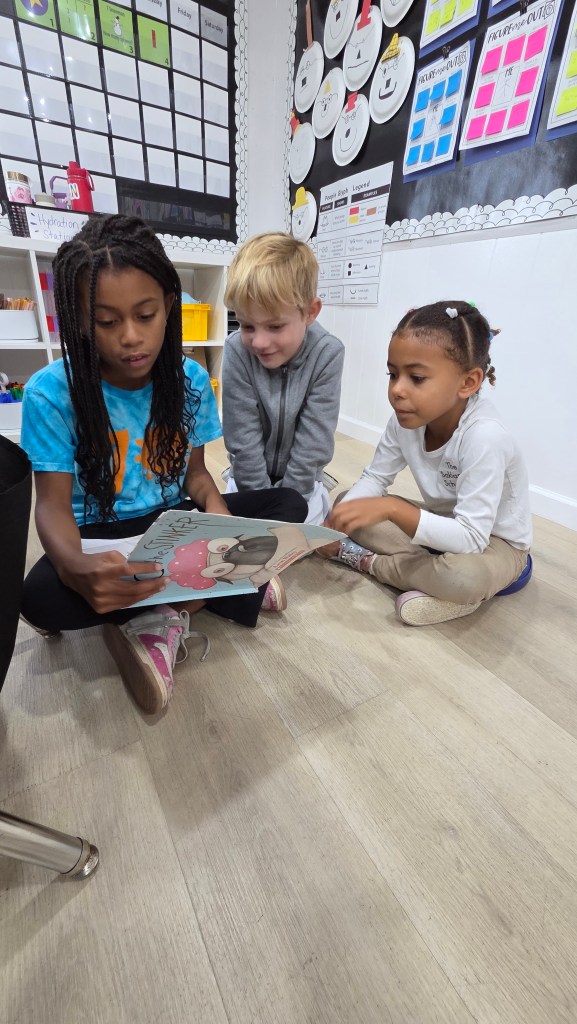
Fostering a sense of belonging is one of the most important things we can do in our classrooms. When students feel seen, known, and valued, they become free to take on new academic risks and challenges. 

At Saklan we extend the importance of belonging beyond SEL curriculum, morning meeting, or advisory. In Project Based Learning students bring their authentic wonders and ideas to the academic day, peer feedback, and collaborative work. 
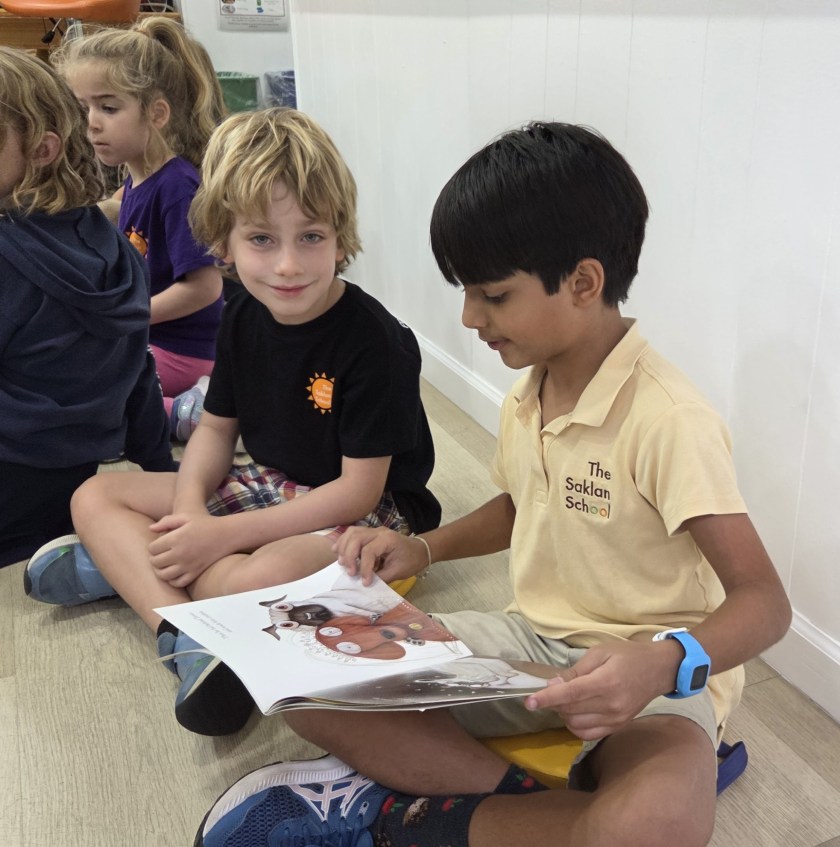
Through showing the value of what they have to offer to the learning experience, students are reminded that we all have ways we can help support our community, ways our community can help us, and, most importantly, none of us alone is smarter than all of us together!  
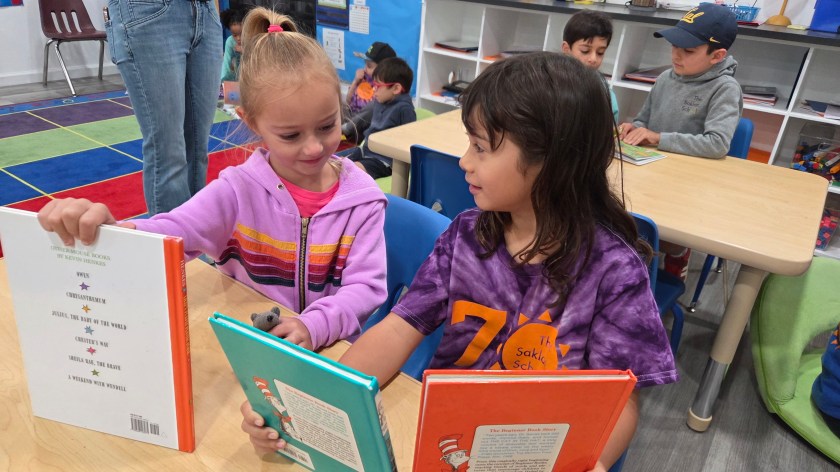
Shared power is a core equity lever of projects at Saklan. By sharing power the class takes ownership over their growing knowledge which deepens the students’ sense of belonging and purpose in the classroom. 

Authentically incorporating students’ unique interests and talents, providing them options and agency in making decisions within the project, and creating a sense of interdependence among the teacher and students are all ways shared power show up in high quality project learning. 

Here are a few examples of how students are bringing their own unique identities, ideas, and questions to support academic learning in our projects. 
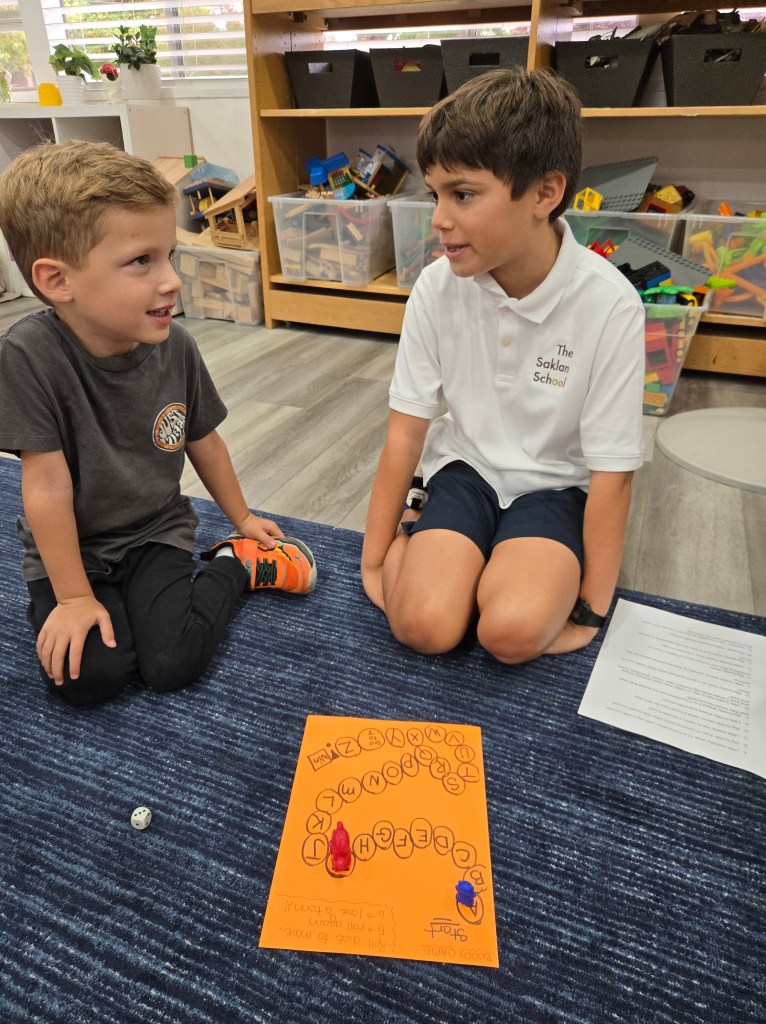
Owlets: Voice and Choice in Rainforest Representations 

Choice is provided for even our youngest learners. In their rainforest project unit, Owlets have had the freedom to respond to their growing knowledge in a variety of ways. After a visit from a reptile expert, students created models to represent what they learned. They chose an element of the experience that was exciting to them and selected which materials they would use to create the representation of what they learned. 

Owlets see the importance of their voice by developing their own wonders. The teachers reinforce student voice by making space to respond directly to these authentic student inquiries. One Owlet wondered how much rainfall there is in the rainforest each year. After some research the class discovered there is an average annual rainfall of 7 feet in the rainforest. They collaboratively made this chart to show 7 feet of rain! They even measured themselves (and their teachers) against all this rainfall!

We hope you can join the Owlets for their rainforest culmination celebration where you can see all they have learned about rainforests on May 31st after CLAS!

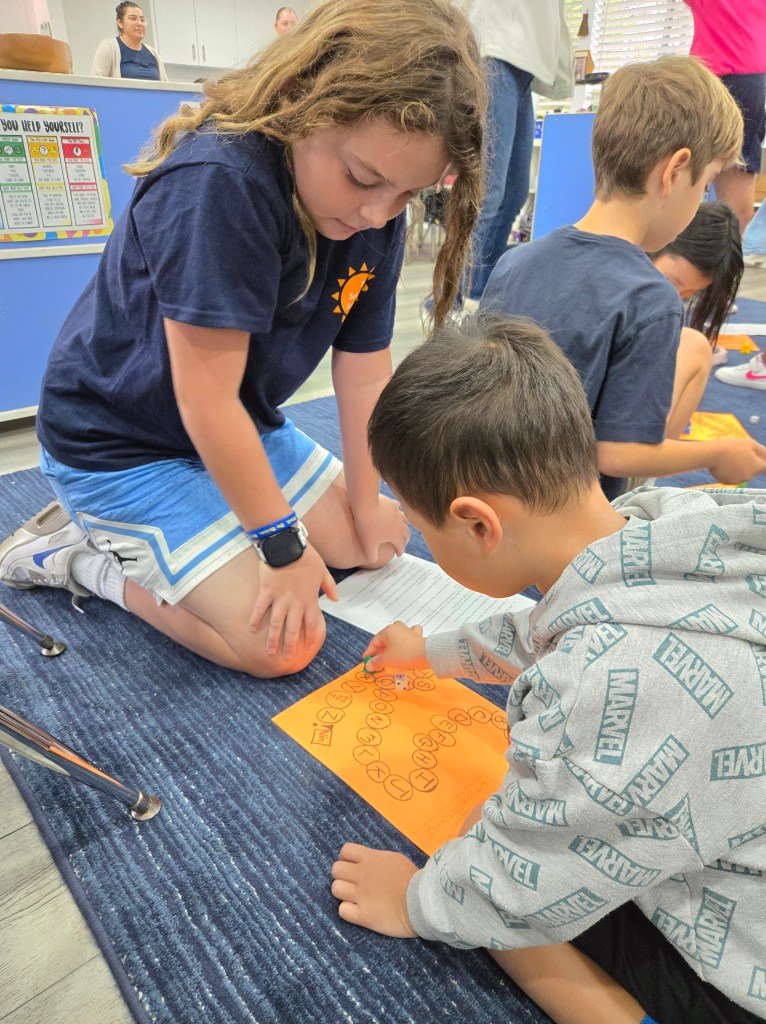
6th grade: Interdependence Through Critique, Revision, and Co-Creation of Rubrics

This PBL unit requires students to create a final product based on their own unique interpretation of the driving question, “How are we still connected to Ancient Greek culture, language, and mythology today?” 

While building knowledge and pursuing individual research paths, students also develop a deep sense of belonging and shared power in the classroom through interdependence. One major aspect of this was co-writing their grading rubric for the project through generating, sorting, and refining criteria and rubric language together. 

Throughout the project they receive feedback and support from peers and teachers through small group work and feedback protocols like Big Paper and a modified version of the Charrette Protocol. 

This critique and revision cycle is designed specifically to show students that their ideas matter. These practices intentionally lift up student voices, ideas, and opinions within the guardrails of our content standards and teacher learning goals. 
#SaklanPBL

Spring Holidays

For those who attended CLAS last Friday, you caught a glimpse of the learning our students have done around spring holidays. Here is a deeper glance into some of the learning that has taken place during the month of March.
Fourth grade students partnered up to explore and learn about various spring holidays including Holi, Easter, Ramadan, and St. Patrick’s Day. Their collaborative efforts culminated in the creation of informational posters which they formally presented to their classmates, and then put on display at CLAS. Through this activity, the fourth graders emphasized the importance of respecting and understanding different cultures while celebrating diversity.

Earlier this month, Hoot Owl parents, Rachel and Richa, taught the Hoot Owls about Holi. They shared that Holi is the Indian festival of colors which happens in Spring when new colors start showing up in nature. It is a time to celebrate our differences, and even though we are all different, we are all beautiful.  They read the book Festival of Colors by Surishtha Sehgal and Kabir Sehgal, and illustrated by Vashti Harrison. It shared the meaning of the holiday and how people celebrate it by wearing white and throwing powders of various colors (made from dried flowers) at each other in a fun and festive way. As a class the Hoot Owls represented this by creating marble art with lots of different colors. The marbles were rolled on top of paper in different skin colors, and when the paint dried they cut them out into people.
The Owlets learned about Ramadan when Nadia, an Owlet parent, visited their classroom. Nadia narrated the book Moon’s Ramadan and showed the Preschoolers images of her family celebrating Ramadan. The students discovered that Ramadan is observed throughout the new moon phase and concludes on the new moon. Adults fast during the day and eat at night, breaking their fast with an iftar, a meal which usually starts by eating dates. The Owlets also enjoyed painting some Ramadan decorations!