Head’s Corner: Lighthouse Parenting

This blog was inspired by Russell Shaw’s Atlantic essay, “Lighthouse Parents Have More Confident Kids.” Shaw’s description of the lighthouse parent—a steady adult who offers guidance and support without trying to control every part of a child’s journey—gave me a useful way to think about the work we do with children at Saklan.

Parenting did not become a commonly used verb until around 1970.

Before that, people were simply parents.

Since then, parenting has become something we study, measure, and constantly try to improve. There are books, podcasts, experts, courses, apps, and endless advice about how to raise children well.

Developmental psychologist Alison Gopnik suggests that instead of seeing children as people with whom we are in relationship, we can begin to see them as projects whose outcomes we are responsible for producing.

She describes the difference as being like the difference between a carpenter and a gardener.

I do not think she is far off.

Along the way, we have developed all sorts of labels for parents: helicopter parents, snowplow parents, tiger parents, free-range parents, concierge parents, and more. 

But the image that best reflects the kind of parenting we try to encourage at Saklan is the lighthouse parent.

Think of a lighthouse as a steady presence. It offers light, direction, and warning when rocks lie ahead. But it does not pursue the boat, take the wheel, or eliminate the waves.

That is something I fail at regularly.

When my daughter Finn struggles, my instinct is often to fix the problem. A few months ago, I saw a student who was visibly upset and sitting alone. I went over to help. I asked questions about what was wrong and what I could do.

It was not helping. In fact, the tears increased.

Finn was nearby and came over to whisper in my ear, “Daddy, talking does not help. You always do that.” 

She was right.

Sometimes the most helpful thing we can do is not offer a solution immediately. Sometimes (most times?) our children need us to listen, acknowledge what is hard, and give them room to find their way through the experience.

When I am at my best, I ask: “Do you want to be heard, to be hugged, or to be helped?”

That question communicates I hear you, I am here for you, I believe you can handle this.

That does not mean we leave children on their own. Lighthouse parenting is not passive parenting. Lighthouses still warn us about danger. They provide guidance and boundaries. They shine a light when the way forward is unclear.

But they do not calm the waves or move the rocks- nor should they.

At Saklan, we believe children are capable. We believe mistakes are part of learning. We believe clear boundaries express care. And we believe that struggle is healthy.

We cannot make the water perfectly calm for our children. Nor should we want to. Children need opportunities to face challenges, take risks, recover from mistakes, repair relationships, and discover that they are more capable than they realized.

Our work is to provide the steady light they need to find their way.

Warmly, 

David 

Little Moments, Big Confidence

One of the goals of Saklan’s Early Childhood program is to help children build confidence and independence throughout their day. At age three, children are developmentally ready to begin taking on small responsibilities, and everyday routines provide meaningful opportunities to practice these emerging skills.

In the Owlet and Hoot Owl classrooms, teachers encourage children to take responsibility for their belongings and participate in their daily routines. This might look like carrying their own backpacks, putting their belongings away in their cubbies, or getting their lunches out independently.

Teachers also encourage children to practice other everyday skills, such as putting on and taking off their jackets, putting their shoes back on, and placing their lunchboxes inside their backpacks.

These may seem like small tasks, and sometimes it can feel easier or faster for an adult to do them. But for young children, these moments are important opportunities to learn.

Building Skills Through Everyday Routines

As children practice these routines, they are developing much more than independence. They are building:

  • Confidence as they experience the satisfaction of accomplishing something on their own
  • Responsibility as they learn to care for their belongings
  • Problem-solving skills as they figure out how to complete a task
  • Coordination and fine-motor skills through everyday movements and routines
  • Perseverance as they keep trying when something feels challenging

Most importantly, children begin to develop a growing sense of “I can do it!”

That feeling of capability is powerful. When children are given the time, encouragement, and space to try things for themselves, they begin to see themselves as capable and confident learners.

At Saklan, we know that meaningful learning happens in both the big moments and the small ones. Sometimes, putting a lunchbox in a backpack is more than just putting away a lunchbox; it’s a chance for a child to practice independence, solve a problem, and discover that they are capable of doing something all on their own.

Head’s Corner: Making Space for the Fire

This morning, Saklan families gathered around a campfire to begin our first “Discussions with David.” It was a time carved out to slow down and build community.

The center of our morning was Judy Brown’s poem “Fire.” The poem describes how a fire needs space between the logs to breathe and grow. Too much wood packed too tightly can extinguish a fire just as surely as a lack of fuel.

That image stayed with me.

In our lives, we spend much of our time thinking about the logs: the email inbox, projects, schedules, events, routines, getting kids here or there, planning dinner, responsibilities, and activities that fill our days. All of those things matter. 

But “Fire” reminded me that the spaces in between are meant to let the fire breathe, and are as important as the logs. The moment we pause to really listen. The conversation that continues around the dinner table after a child shares something that happened at school. The time families spend getting to know one another at CLAS, culminations, or over a weekend playdate. The invitation that helps someone feel included and welcomed in the life of our community. The willingness to ask a question, share a perspective, or just listen with intention—even when family schedules are full, mornings are rushed, and everyone is carrying the ordinary joys and challenges of daily life.

Those spaces are where relationships grow.

As we begin this school year, I hope we can continue creating more of those spaces at Saklan. Our children benefit when the adults around them are connected and working together. Partnership does not mean that we will always agree or see things in exactly the same way. It means that we communicate, listen, and remember that we are all here because we care deeply about our children and this community.

Thank you to everyone who joined us and helped make the morning so special. I left feeling grateful for the community we are building together—and reminded that sometimes the most important work begins when we slow down and make a little more space.

Our next “Discussions with David” will be a Drumming Edition on Friday, October 2. Isaac, Saklan’s African drumming teacher, will join us to share how drumming helps develop listening, communication, and collaboration skills—and, yes, we will all have a chance to drum. 

I hope you’ll join us.

Warmly, 

David

#SaklanCommunity #HeadsCorner

Head’s Corner: What Kind of Childhood Are We Trying to Protect?

When I was a child, I routinely got into trouble. (Hard to believe, right?)

I grew up in a Detroit neighborhood with lots of friends and neighbors around. Most of the trouble we got into could best be described as “good trouble.” Staying out past the time the streetlights came on. Using the entire city block to play tag, running through neighbors’ backyards with friends, cutting across lawns. Nothing serious. Nothing mean-spirited. Just the ordinary trouble of childhood: testing boundaries, losing track of time, and discovering the world beyond adult eyes.

Looking back, I am struck by how much learning was tucked inside those moments. We were practicing judgment, negotiating with friends, taking small risks, and discovering what it felt like to be trusted.

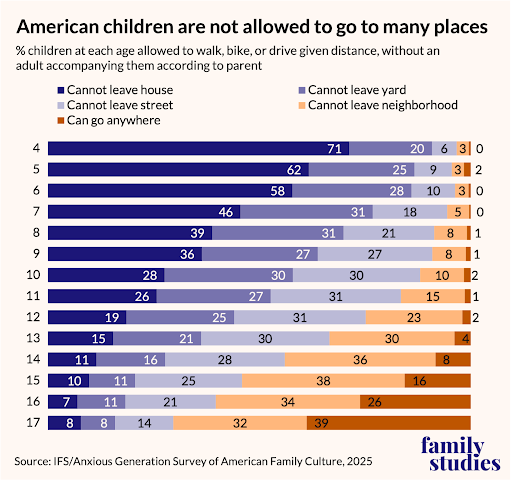
I have been thinking about this because of two things I have been reading: The Amazing Generation and a new report from the Institute for Family Studies, High Tech, Low Play: The Life of American Children. Together, they point to something many of us sense: children need more than protection from the virtual world. They need more opportunities to experience the real one.

What struck me most in the report was a simple but unsettling idea: many children today are highly protected in the physical world, yet relatively unprotected in the digital one. They have access to screens earlier and more often, while having fewer opportunities to roam, play, take small risks, and build independence with friends.

That imbalance gives me pause.

Many children today can wander widely online before they are trusted to wander very far in real life. They may have access to enormous digital worlds before they have had enough practice navigating the physical one.

This is not to say we should simply recreate the childhoods we remember. The world has changed. But children still need opportunities to stretch, explore, decide, negotiate, and discover their own capabilities.

That is one reason I am drawn to The Amazing Generation, by Jonathan Haidt. Its invitation is not simply for children to put down their screens, but to imagine what they might pick up instead: more freedom, more friendship, more movement, more play, more responsibility, and more real-life adventure.

So what kind of childhood are we trying to protect?

One with enough safety to feel held, and enough freedom to grow. One with adults close enough to guide, but not so close that children never get to practice. One with room for play, movement, friendship, responsibility, and the small, good trouble that helps children discover their capacity.

And maybe that is the real invitation — not just to give children fewer screens, but to give them more childhood.

Sincerely,

David

Why I Give: Investing in a Community That Invests in Children

I chose Saklan because it offers a different kind of education. One that helps students understand subjects deeply and reach their own conclusions. In a world where this generation has information and misinformation at their fingertips, it’s crucial they learn how to think, not what to think—and to show up with the courage to do the right thing.

Saklan is also where my son is seen, not as a test score or a kid to mold, but as himself. Here he’s encouraged to think independently, follow his own developmental timeline, and nurture his genuine love of learning. I don’t take that for granted. I know it isn’t true everywhere.

I give to Saklan my most limited resource: my time. To me, community isn’t an extra; it’s formative. I want my son to see that showing up matters, that relationships shape the places we care about, and that being part of something means taking responsibility for it. You don’t just show up—you help build the places you belong. That looks like reading to a class, organizing a potluck, cheering at CLAS, lending a skill to a project, or helping a new family find their footing. It’s introducing yourself at drop-off, showing up when someone needs a hand, and caring about others’ well-being.

I also give financially to Saklan because I want it to endure. Like many independent schools, Saklan operates with a gap between what tuition covers and what it actually costs to sustain small classes, rich programming, and support the teachers who pour so much into all the kids. Each year, I make a contribution that’s meaningful for our family. I see it as investing in the future of a community that invests in our children.

Join Ani and her family in supporting Saklan’s Annual Giving Fund.

#SaklanGiving #SaklanCommunity

Smiles, Songs, and Spooky Fun

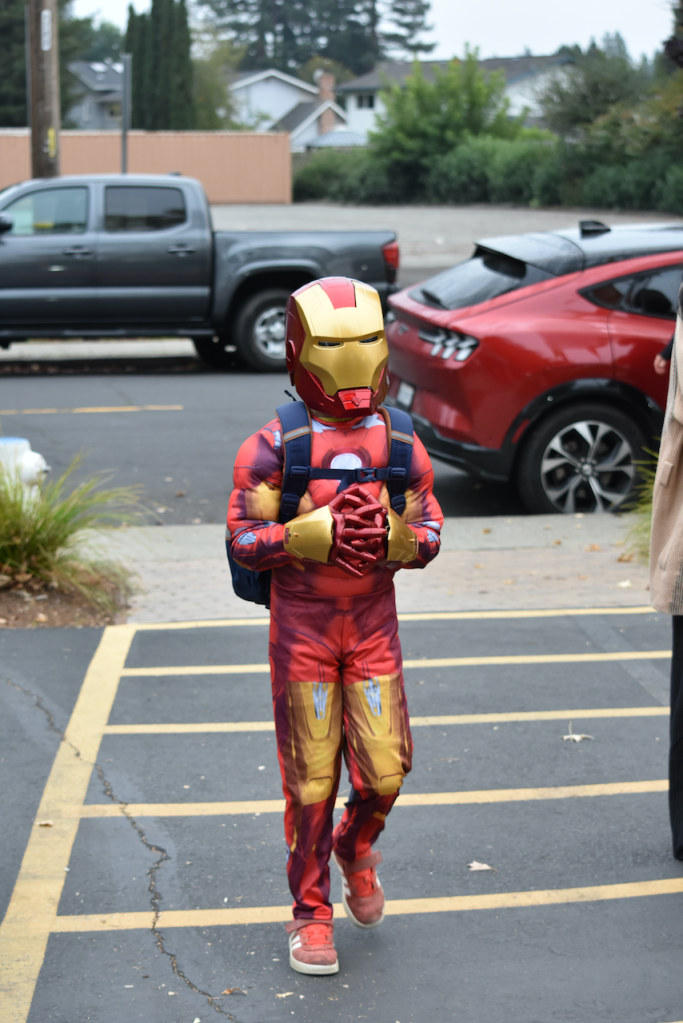
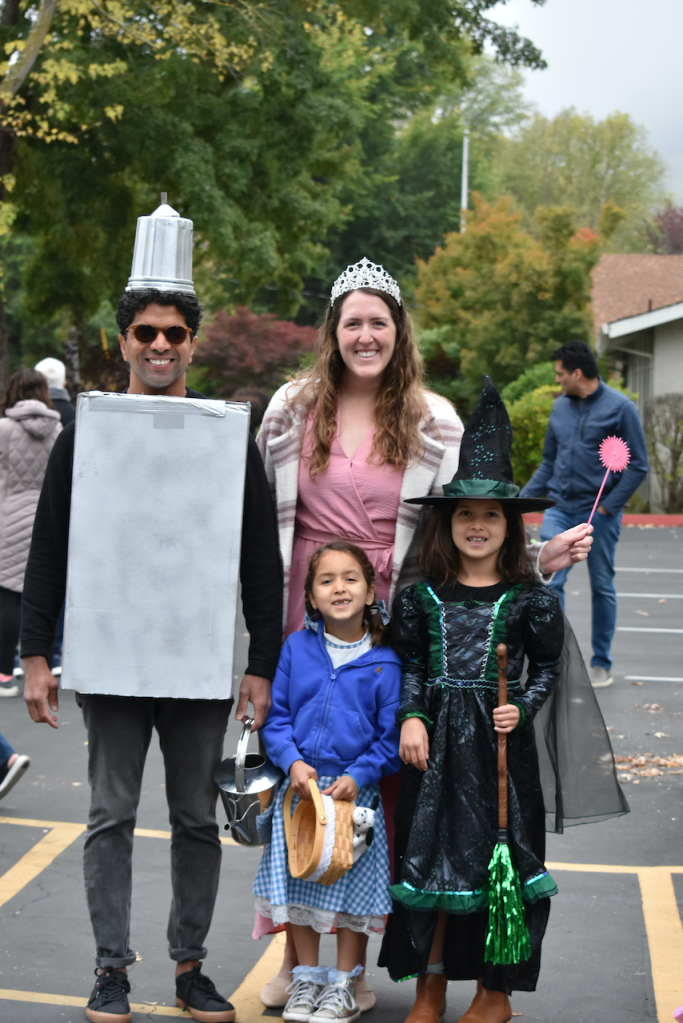
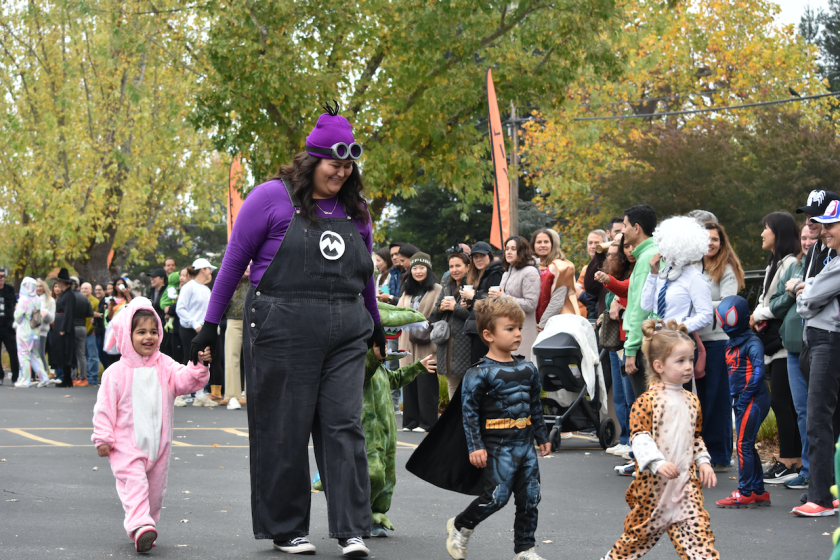
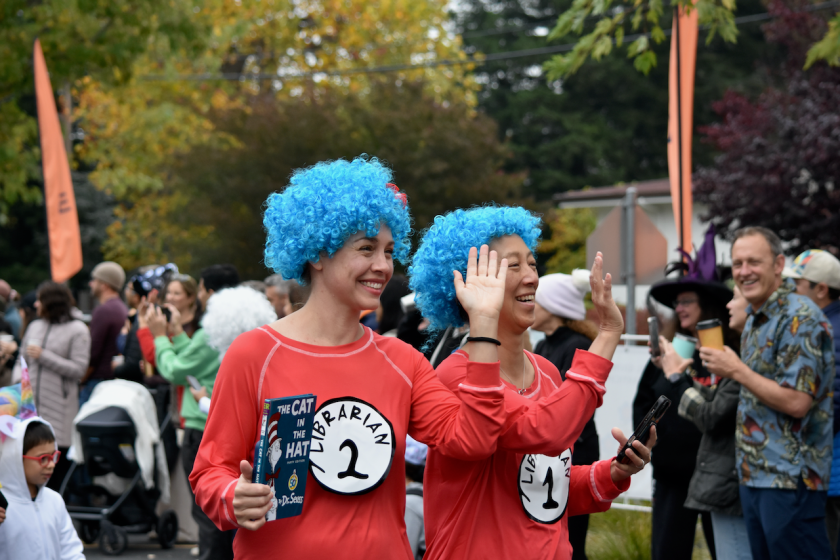
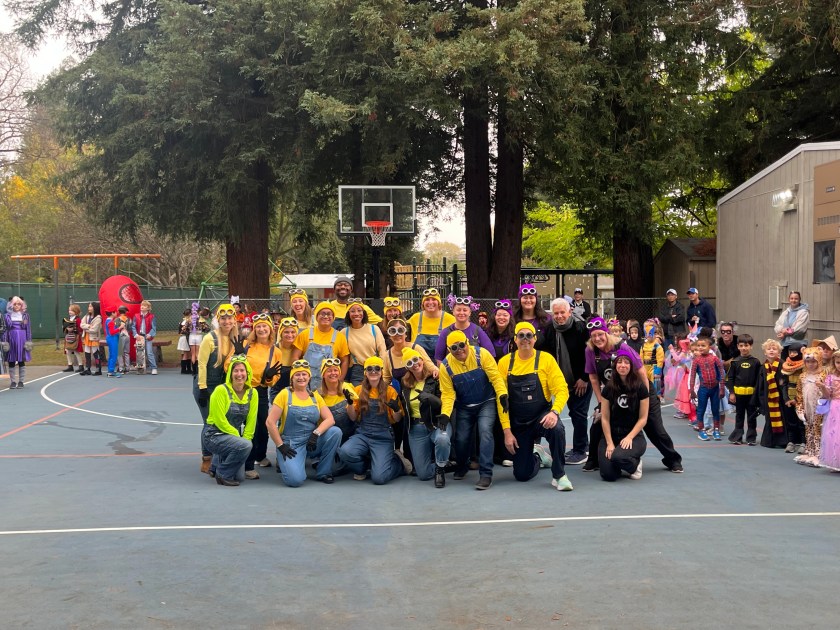
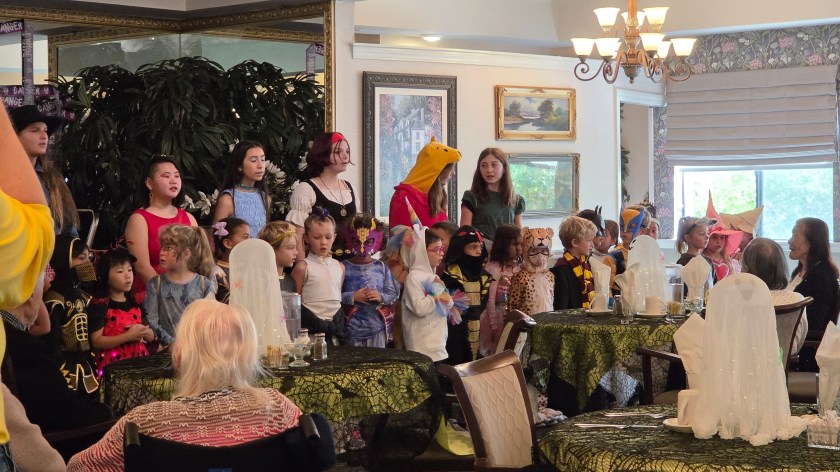
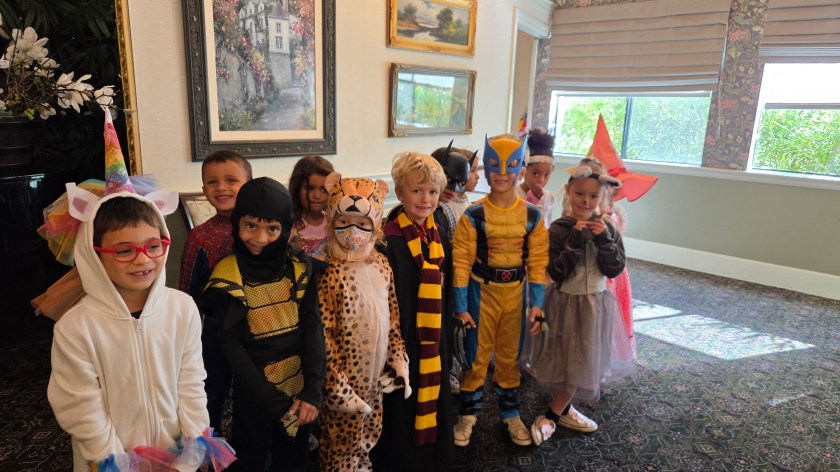
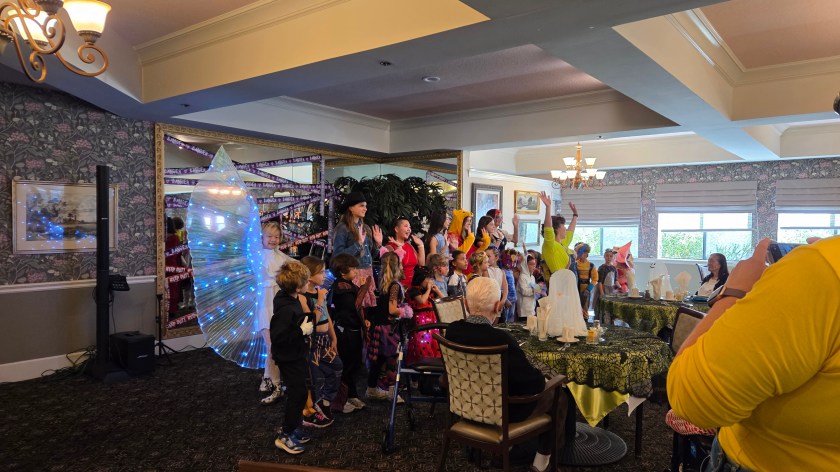
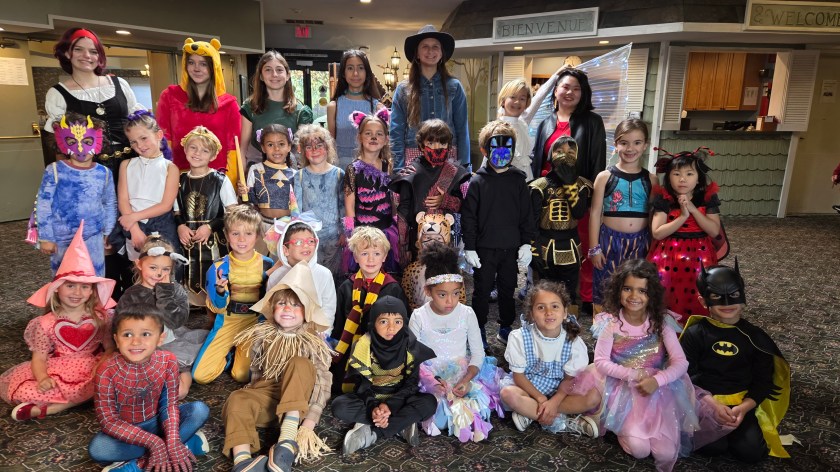
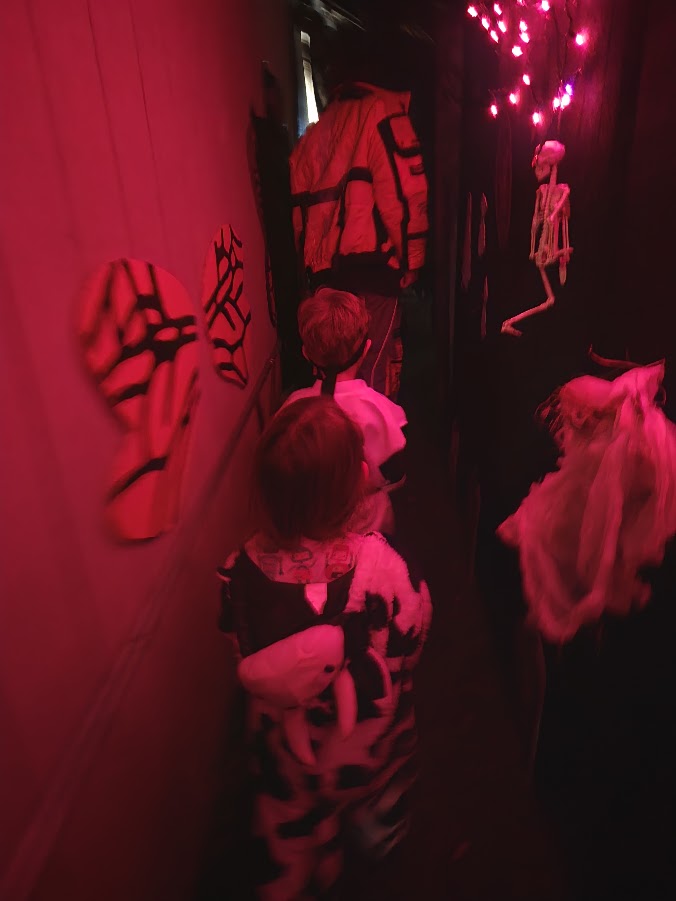
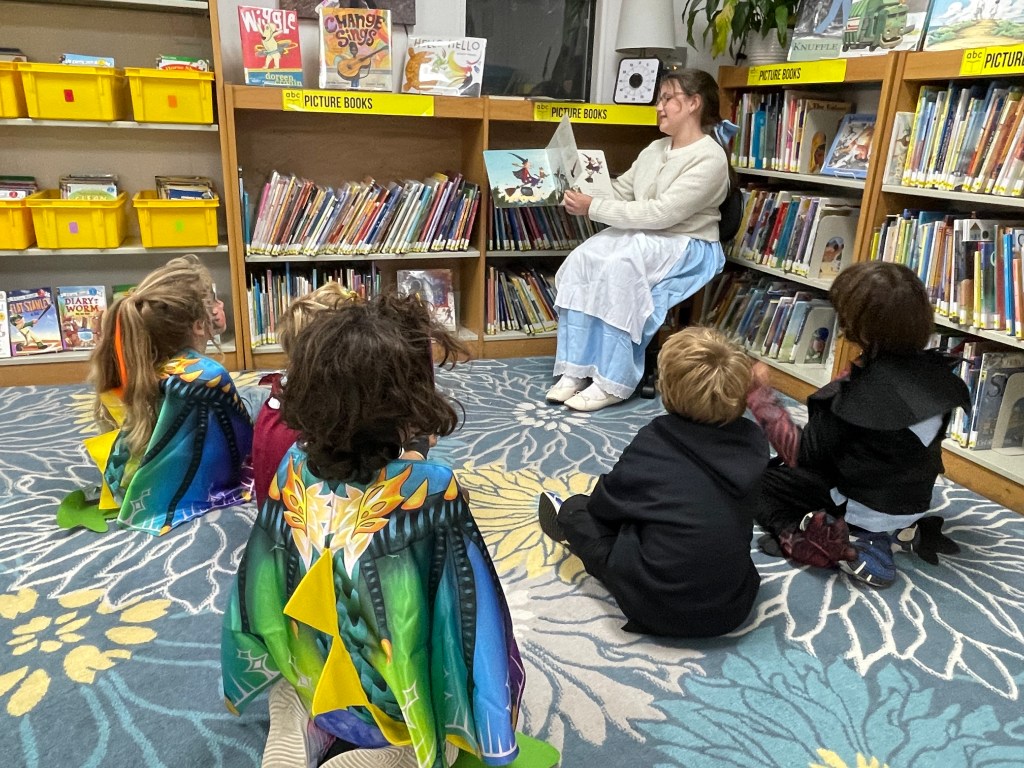
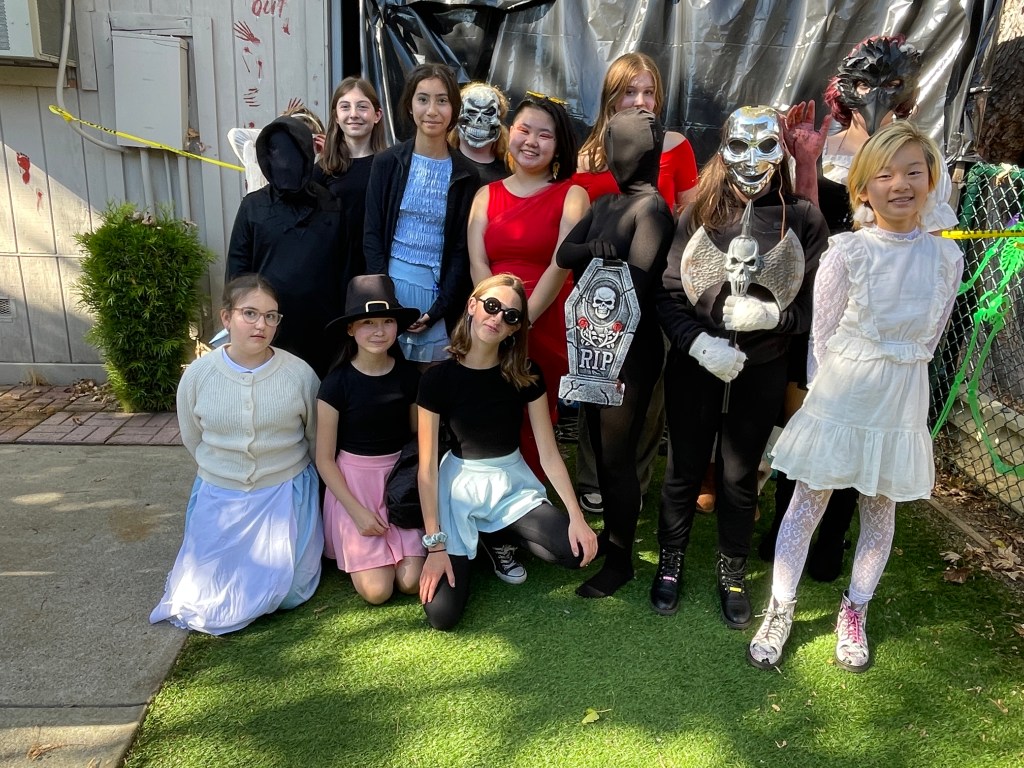
What a fun and festive Halloween day we had at Saklan! From the moment students arrived on campus, excitement was in the air. The morning kicked off with our beloved Costume Parade, a joyful tradition that brought the entire Saklan community together. It was wonderful to see so many smiles, creative costumes, and parents cheering from the sidelines!

While the day was filled with laughter and fun, it was also infused with compassion and connection; two hallmarks of the Saklan spirit.

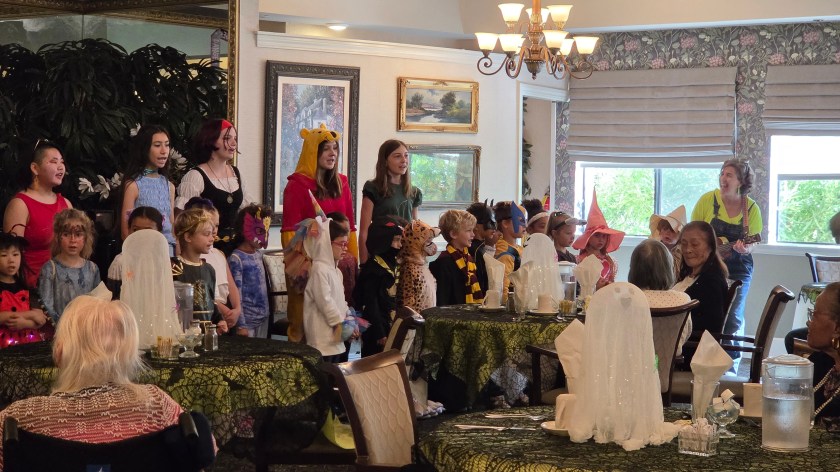
For our Kindergarteners, first graders, and 8th-grade choir members, the morning brought a visit to Moraga Royale, where they performed Halloween-themed songs for the residents. Their performance was met with warm applause and smiles all around!

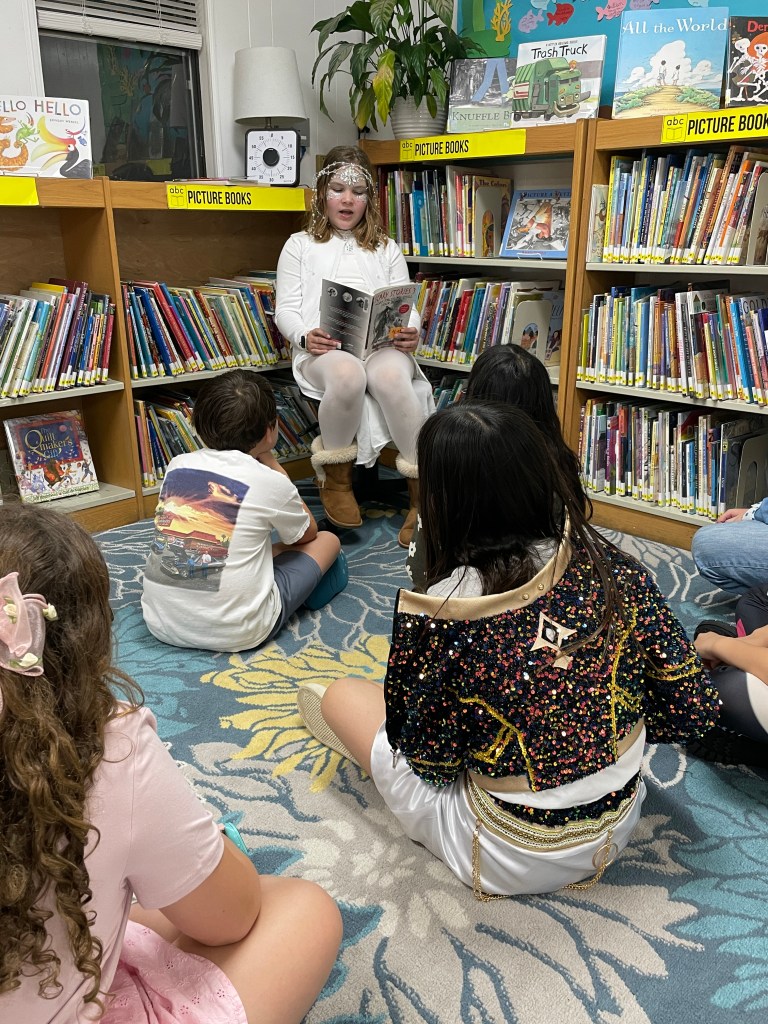
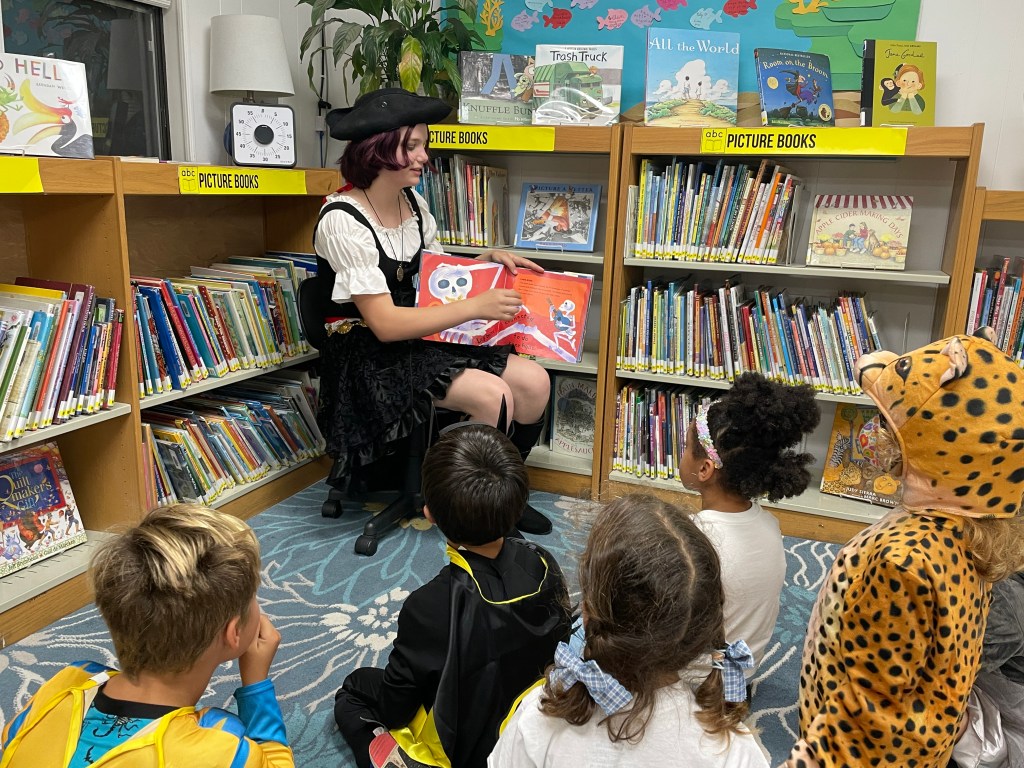
Later in the day, our Middle School Student Council hosted a spooky celebration for Preschool through 8th-grade students, complete with Halloween story readings and trips through a haunted house they had designed themselves.

The afternoon concluded with classroom parties featuring food, games, and laughter.

A huge thank you to all our amazing families who helped make the day so memorable. Your time, creativity, and enthusiasm make events like this so special for our students, and remind us all what a strong, joyful community Saklan truly is.

#SaklanConnectedCommunity

Head’s Corner: Loving the Teen You Have by Joining the Resistance 

Last week, Saklan co-hosted a conversation with Dr. Ann-Louise Lockhart, author of Love the Teen You Have, in partnership with ParentMap—a consortium of schools that brings thoughtful authors and researchers to school communities like ours.

Dr. Lockhart’s message to parents was simple but radical: join the resistance. Resist the urge to fix, control, or over-teach your teens. Resist the pressure to be perfect. Resist the voice that says if you just say it one more time, they’ll finally listen. This conversation was full of gems—here are some of my takeaways.

Meet Them Where They Are and Join the Resistance

When your child resists, don’t fight it—join it. If your teen doesn’t want to talk, don’t push. Maybe text. Maybe just sit quietly beside them. Be attuned to what they need in the moment, not what you need. Joining the resistance isn’t about giving in; it’s about shifting from confrontation to connection. It’s realizing that presence—not persuasion—is what keeps the door open.

Do Less, Be Present

When our kids were little, we tried to make every moment a teachable one—narrating, correcting, guiding. But the older they get, the less that works. Teens don’t need a constant teacher; they need a calm, steady presence. Sometimes love means doing less—being available, not instructional. It can be surprising how zen it can feel just to “be” with them.

Nagging Is Kryptonite

Few things shut a teenager down faster than repetition. Nagging doesn’t motivate; it hardens resistance. Instead of asking the same question again, try curiosity: “I’ve noticed that assignment’s been hard to start—what do you think’s getting in the way?” That one shift invites conversation instead of combat.

Connection Over Correction

Everything comes back to relationships. When we focus less on managing behavior and more on understanding emotion, we help teens develop self-regulation and trust. They don’t need perfect parents—they need present ones.

At Saklan, this message resonates deeply. Our teachers know that learning—academic, social, or emotional—happens in the space between curiosity and connection. And our partnership with parents is strongest when we, too, resist the urge to over-manage and instead choose to be attuned, curious, and grounded.

So this weekend, take a breath, step back, and love the teen you have—right where they are.

You can view the recording of the conversation with Dr. Ann-Louise Lockhart here, using the access password: edTalks*2526.

Warmly,
David

#HeadsCorner

Staff Spotlight: Hector

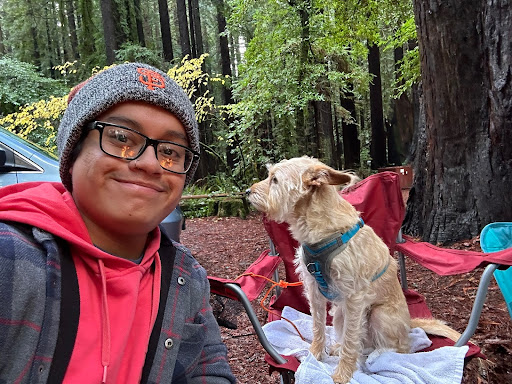
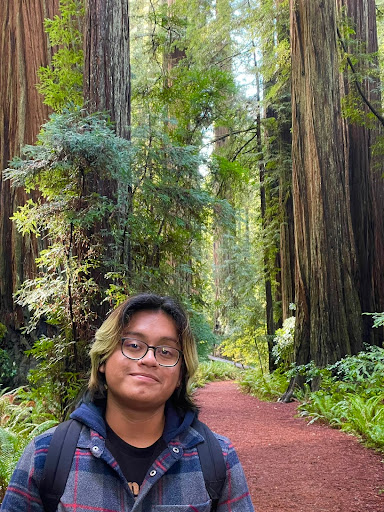
Meet Hector! Blending a mixture of passion, discovery and love for enrichment, Hector not only leads our enrichment program but shows our students how to unlock their potential. Hector really gives our students the opportunity to dream big and have confidence doing so. When he needs to recharge, he finds his peace hidden deep within redwood trees, grounding himself and regaining his power to take what’s next. 

How long have you been at Saklan and what’s a fun fact about you that most students wouldn’t know about?

I have been at Saklan for three years now and am excited to be starting my fourth. There are plenty of fun facts about me that most people probably don’t know, but if I had to choose one, I would say it’s that I used to really love dancing. I’m not sure if I was any good, but what I did know was how much I enjoyed being on stage, performing in front of friends, family, and teachers. I was really proud of it. When I was younger, my mom would often put on some music, and from the moment I’d hear it, I would jump right into dancing – completely lost in the rhythm. There are still some memorable songs that bring back those memories and excitement I felt. I don’t dance much anymore, but when I did, I loved salsa, bachata, and even a bit of pop dancing.
What’s something you could talk about or do for hours without getting bored? 

One thing people should know about me is this: once you get to know me, oh boy, I cannot stop talking. There are so many things I am passionate about and could go on forever about, such as math, but if I had to pick just one, it would be redwood trees. I absolutely love redwoods. I love looking at them, studying and admiring them, and constantly educating myself more about them. Visiting redwood groves are one of the few things that bring me peace, tranquility, and calmness. It’s my go to place when life gets hectic, and I need to recharge or simply zone out. These trees are tall, massive and ancient, thriving with unique ecosystems. They tell a story of history and walking among trees that have stood undisturbed for centuries is just so fascinating. I could go on forever, but I think that passion really highlights how my love for exploring and early childhood experiences shaped me. The passion I have for redwoods is the same passion I have for STEM, and it’s a big reason why I love doing enrichment. Through enrichment, I feel like I can allow kids the chance to further explore their passions, discover something new, or challenge themselves, all while having fun doing it. I saw the value of enrichment as a child and want to create those same meaningful experiences for the students at Saklan.

What role do you think enrichment classes played in your life, personally or academically?

Looking back, enrichment classes gave me the opportunity to explore passions that regular classes didn’t always leave room for. As a kid, enrichment was where I could try new things, be creative and discover what I truly loved. It gave me the desire to continuously want to learn, even as an adult. Enrichment classes showed me that learning could be joyful, creative and personal. With that being said, enrichment gave me confidence. It sparked curiosity and allowed me to be more creative in my craft, job and problem-solving skills. It showed me that learning doesn’t only happen by textbooks but rather through experiences. It’s why I encourage kids to be passionate and curious in my enrichment classes. I want them to gain confidence through these learning experiences.

What’s a memorable moment you’ve had during an enrichment class?

One memorable moment that stands out happened during one of my coding enrichment classes. We were working on code that turned out to be a little tricky, and several students needed extra help. While I was busy moving around the room trying to assist everyone, a couple of students who really loved coding stepped up in a way I’ll never forget. Instead of waiting for me, they just asked if they could teach their classmates how to write the code. With my hands full, I told them to go ahead. They were so excited to share what they had learned, guiding others step by step. What made it memorable was that they showed real initiative and leadership. They took ownership of the moment, supported their classmates and created this great atmosphere of teamwork and encouragement. Watching them step into that role so confidently reminded me that enrichment is not only about the fun things we do, but also about the growth, collaboration and joy that comes from learning together.

#SaklanWellRounded

Head’s Corner: Playgrounds that Inspire

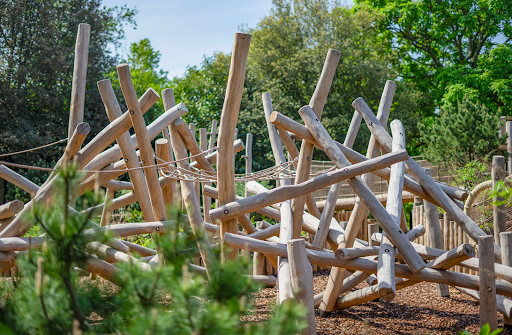
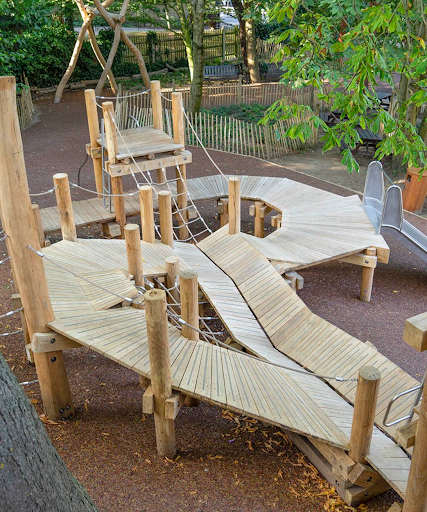
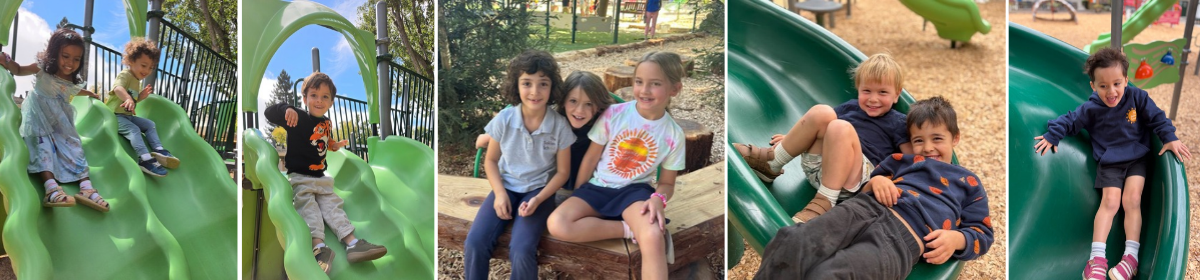
The Evolution of Play Structures – This Year’s Fund-A-Need

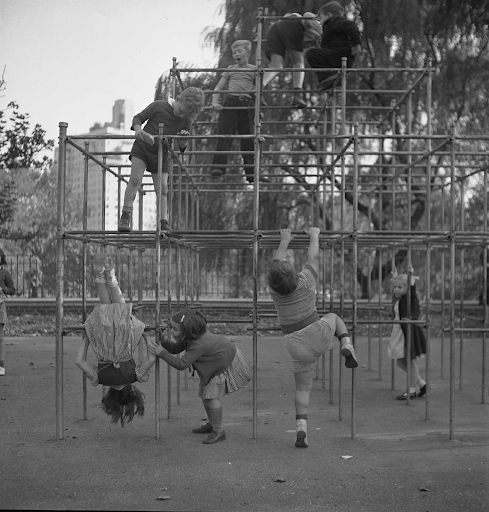
As a child, my memory of play structures at school is pretty vivid. We can start with the color—predominantly metal gray. Much of the parts looked like they were taken from the hardware store plumbing aisle. During the winter, they were cold to the touch; in the heat of summer—untouchable. How many of you have a memory—seared into your bottom—of speeding down the shiny metal slide on a hot July day?

Most of all, though, they lacked space for imagination.

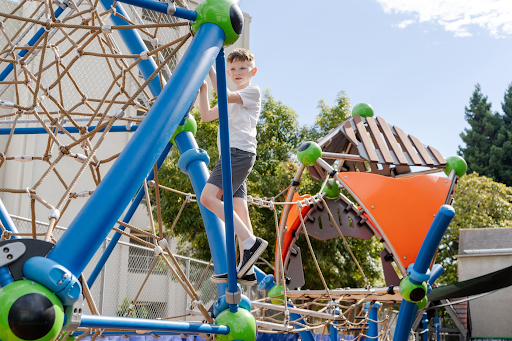
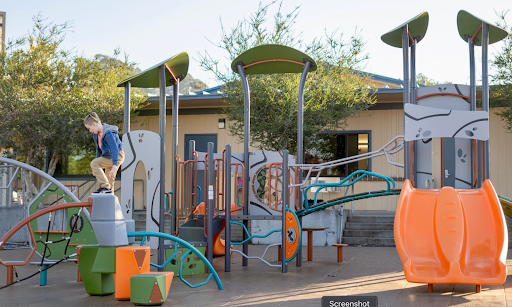
Play structures have undergone a significant transformation over the decades, reflecting our evolving understanding of child development. It wasn’t until the past 20 years or so that play structures moved from being prescriptive in how children were meant to use them to designs open to a child’s imagination—a place where children could direct their own experiences.

Well-designed equipment becomes a canvas for inventive play, changing its purpose to match the day’s adventure. These structures support not just physical development but also cognitive growth, social skills, and emotional resilience—all through the power of self-directed play.

This evolution reflects a broader shift in how we view childhood—moving from seeing children as passive recipients of instruction to recognizing them as active constructors of their own understanding. Today’s most innovative play structures (and educational approaches) reflect a deep respect for children’s capabilities.

Sound familiar? It should; students’ “meaning making” of what they learn is a foundational tenet of authentic Project-Based Learning.

This year’s Fund-a-Need is more than just playground equipment—it’s an investment in the kind of education we believe in. Your contribution will directly impact how our students play, learn, and grow every day at Saklan. When we give our children thoughtfully designed spaces to play, we give them the tools to become the innovative thinkers our world needs through the simple but profound act of play.

Join us in bringing this vision to life! Your support for this year’s Fund-a-Need will help create dynamic play spaces that foster creativity, collaboration, and exploration—just as we do in the classroom. Every contribution, big or small, makes a lasting impact on our students’ daily experiences. Let’s build playgrounds that inspire the next generation of innovators and problem-solvers. Donate today and be a part of shaping the future of play at Saklan!

Alumni Corner: Harrison Leenhouts

Harrison Leenhouts, a member of the Saklan Class of 2019, is currently a sophomore at Colby College, double majoring in Philosophy and Economics with a concentration in financial markets. He shared that he continues to rely on the core values he learned at Saklan—curiosity, courage, and community—principles that have shaped both his academic and personal growth.

At Colby, Harrison balances his studies with athletics as a recruited member of the varsity men’s lacrosse team while also staying active with the club climbing team. His interest in finance has led him to join two student-run investment clubs, where he has gained valuable real-world investing experience. Beyond academics and sports, he enjoys rock climbing, spinning pottery, and teaching himself Dari—a language he has been fascinated by for some time.

Recently, Harrison accepted an offer to join Goldman Sachs’ growth equity team in New York as a summer intern for 2026. This achievement marks the culmination of years of hard work, perseverance, and dedication, and he is thrilled for the opportunities ahead.

Reflecting on his journey, Harrison credits Saklan with helping him develop the ability to work collaboratively, stay adaptable, and push through challenges—skills that continue to serve him well today. He is grateful for the strong foundation Saklan provided and looks forward to the next chapter in his career.

We are incredibly proud of Harrison and celebrate his accomplishments, knowing he will continue to make a meaningful impact in all he pursues!

Saklan loves staying connected with our alumni and celebrating their journeys! If you or a Saklan alum in your family have an update to share, we’d love to hear it! Keep us posted on your adventures, achievements, and milestones—we’re always proud to see where life takes our graduates!