As part of their Earth Science studies, sixth grade students have been exploring how pests and invasive species impact ecosystems. One focus has been the Crown-of-Thorns (COT) sea star, a species currently threatening the Great Barrier Reef. Students learned how the sea star’s rapid reproduction and lack of natural predators have led to significant damage in this delicate ecosystem. By feeding on coral, COTs are contributing to the reef’s decline at an alarming rate.
To better understand real-world solutions, students investigated how scientists are responding to this challenge. They explored using Remotely Operated Vehicles (ROVs) to identify and inject vinegar into sea stars, a method that effectively eliminates them. These ROVs can operate continuously and in a variety of ocean conditions, making them a powerful tool for conservation efforts.
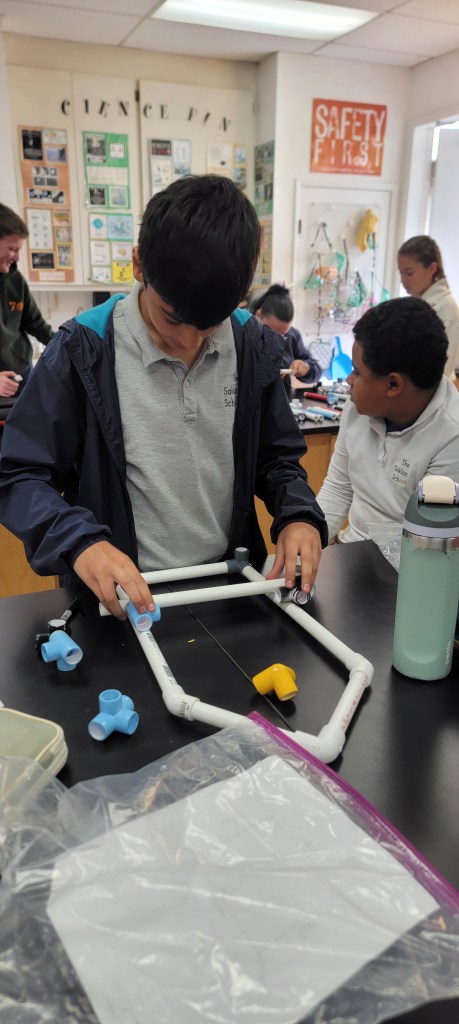
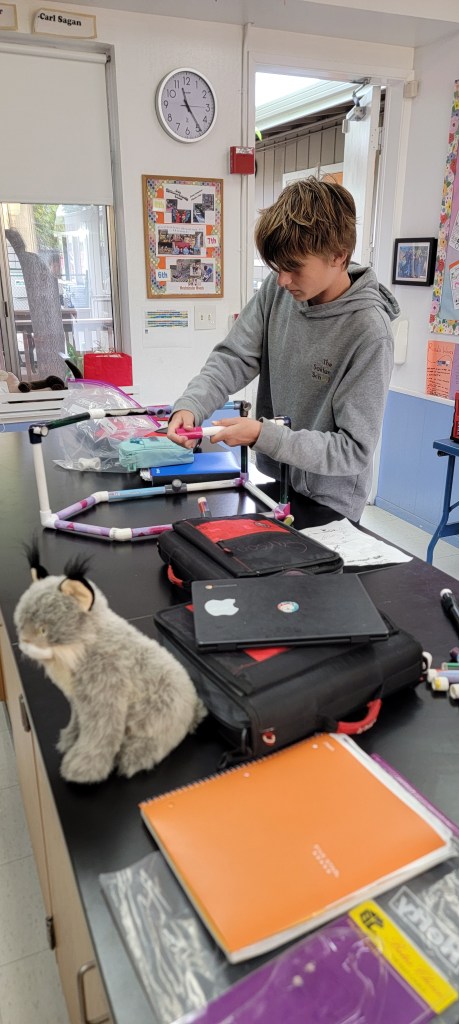
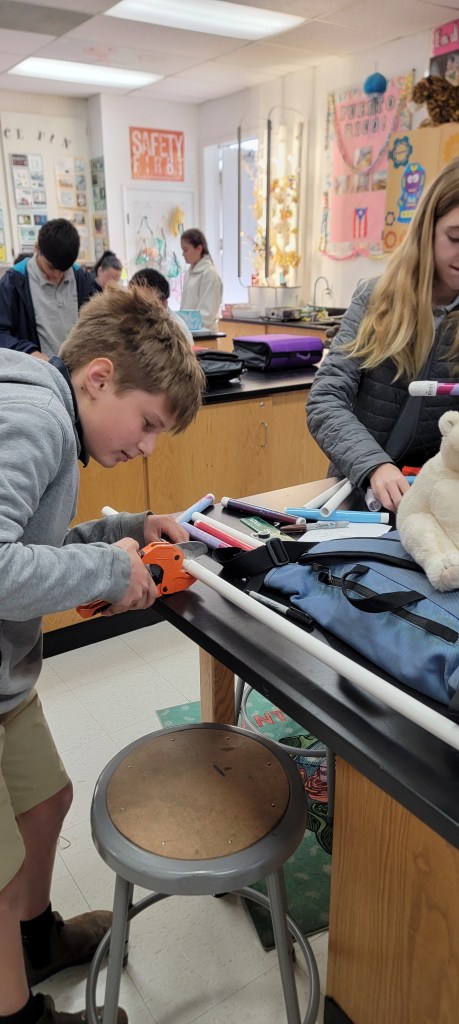
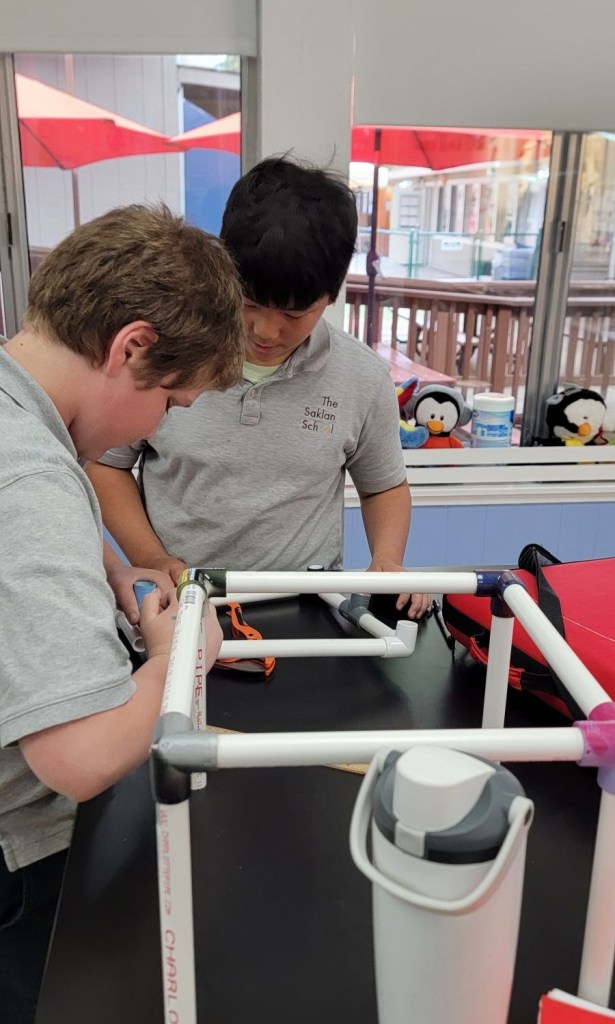
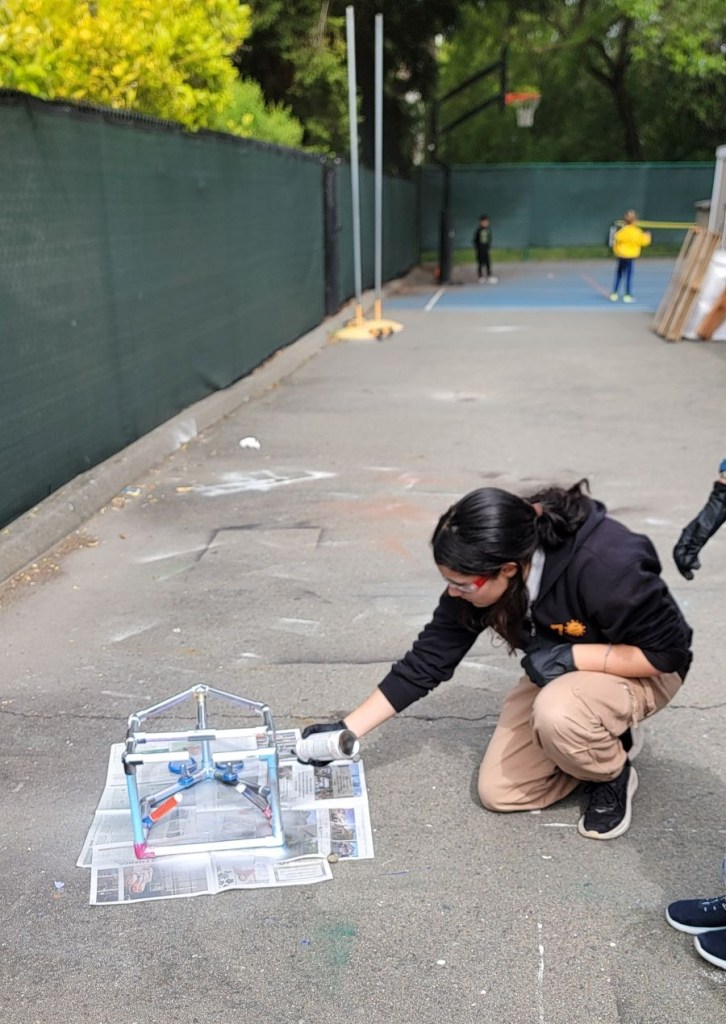
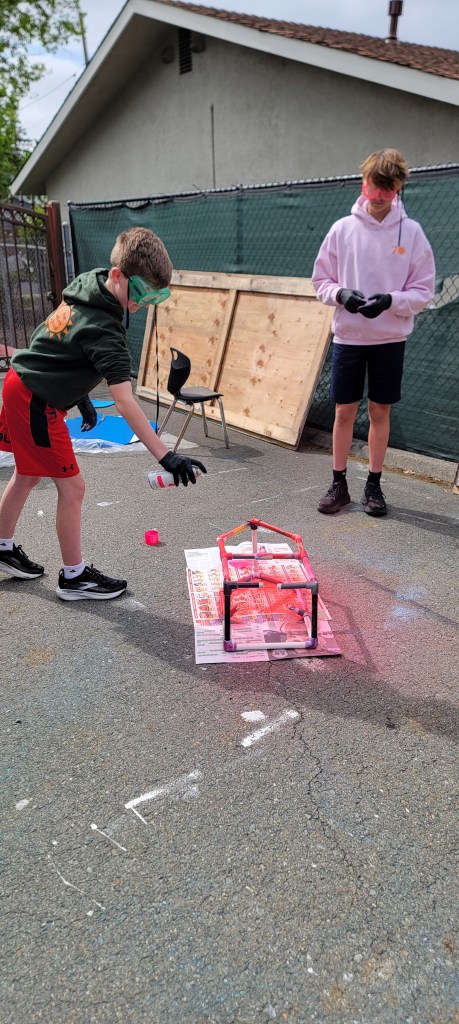
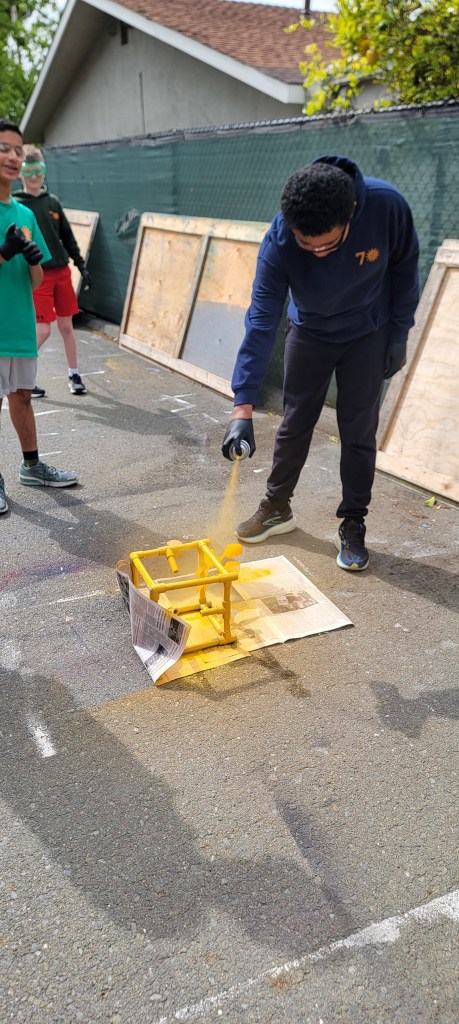
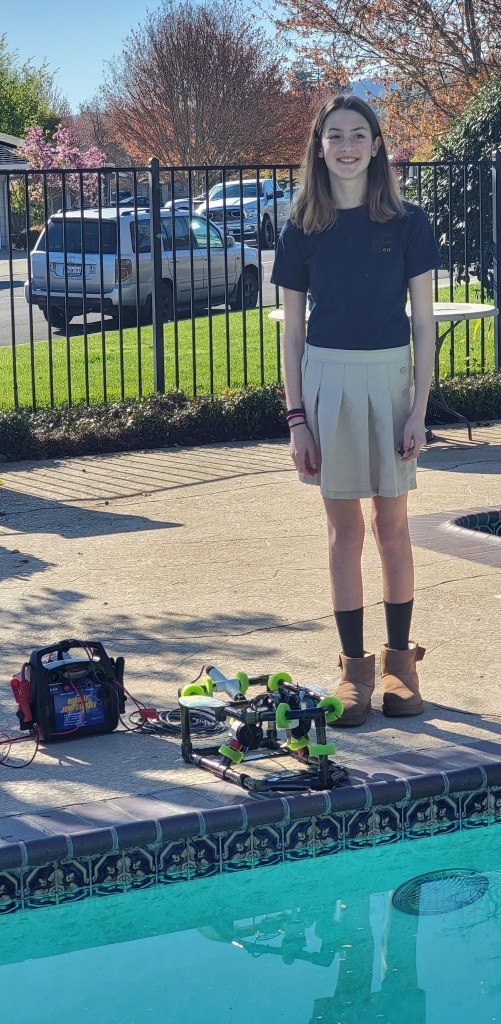
Bringing this learning to life, students worked collaboratively to design and build their own ROVs. Teams engineered frames, installed motors, learned to operate control systems, and added creative design features as they stepped into the roles of engineers and marine scientists.
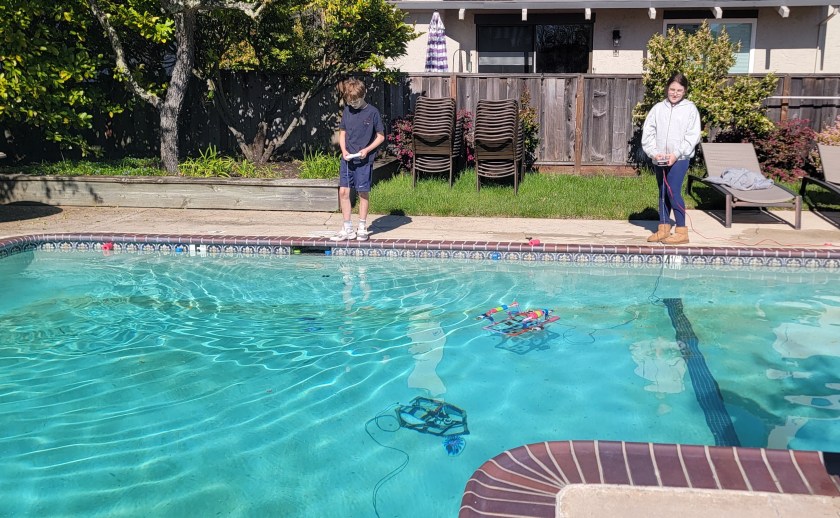
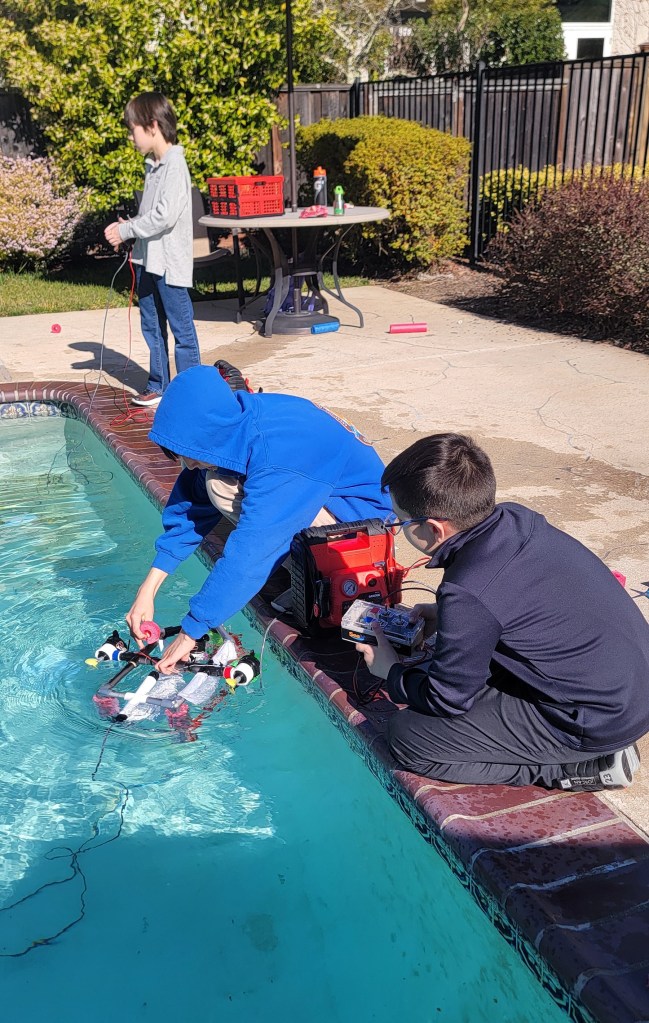
On Tuesday, students put their designs to the test at the MCC Augusta Pool. Their challenge was to navigate their ROVs underwater and retrieve imitation Crown-of-Thorns sea stars, simulating the work of marine conservation teams on the Great Barrier Reef.
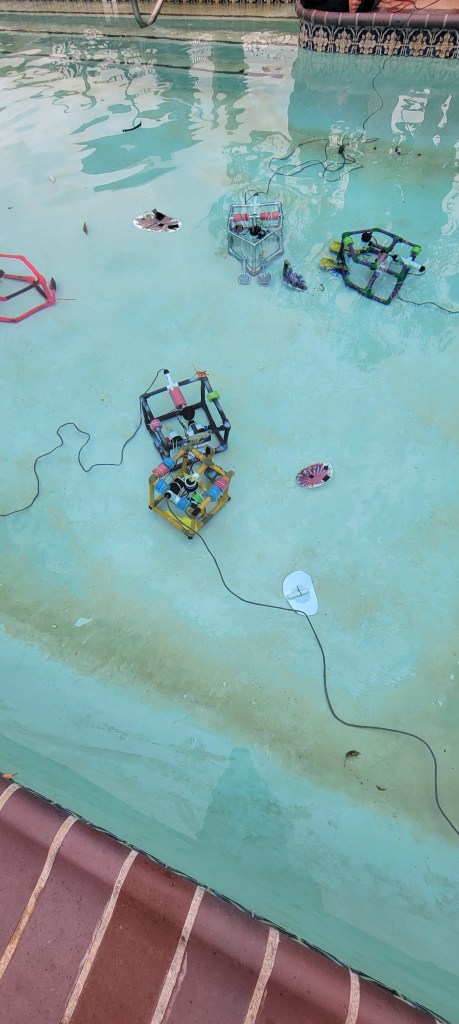
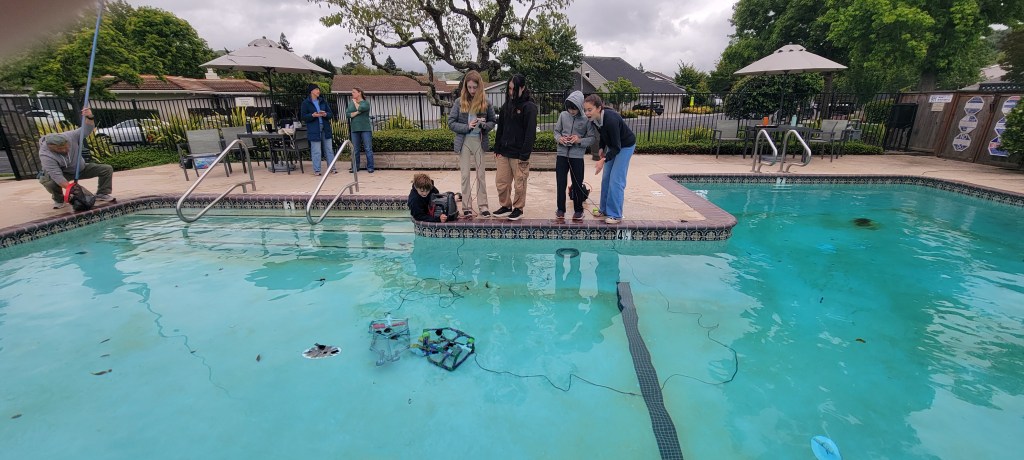
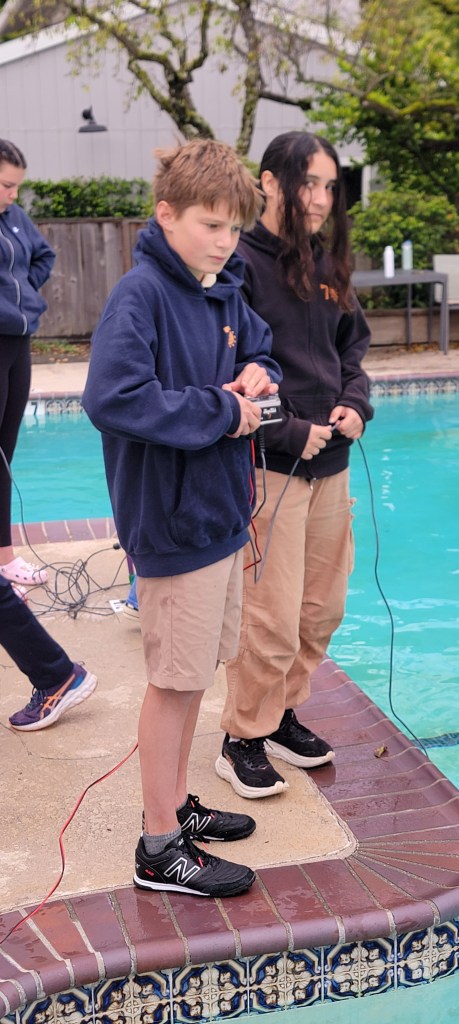
Students spent the first part of the session learning to maneuver their ROVs and coordinate as teams. Once they became comfortable operating the controls, teachers released the imitation COT sea stars into the pool for retrieval.
Armed with creative retrieval tools such as shovels, Velcro, and scoops, teams worked together to collect the sea stars from the bottom of the pool. By the end of the challenge, the class had successfully retrieved a record 38 Crown-of-Thorns sea stars.
This hands-on experience allowed students the opportunity to fully engage in the engineering design process while tackling a real-world environmental issue. Through collaboration, problem-solving, and innovation, students saw firsthand how science and technology can be used to protect ecosystems and make a meaningful impact on the world around them.
#SaklanHandsOn