Eighth Graders Put Physics into Motion 

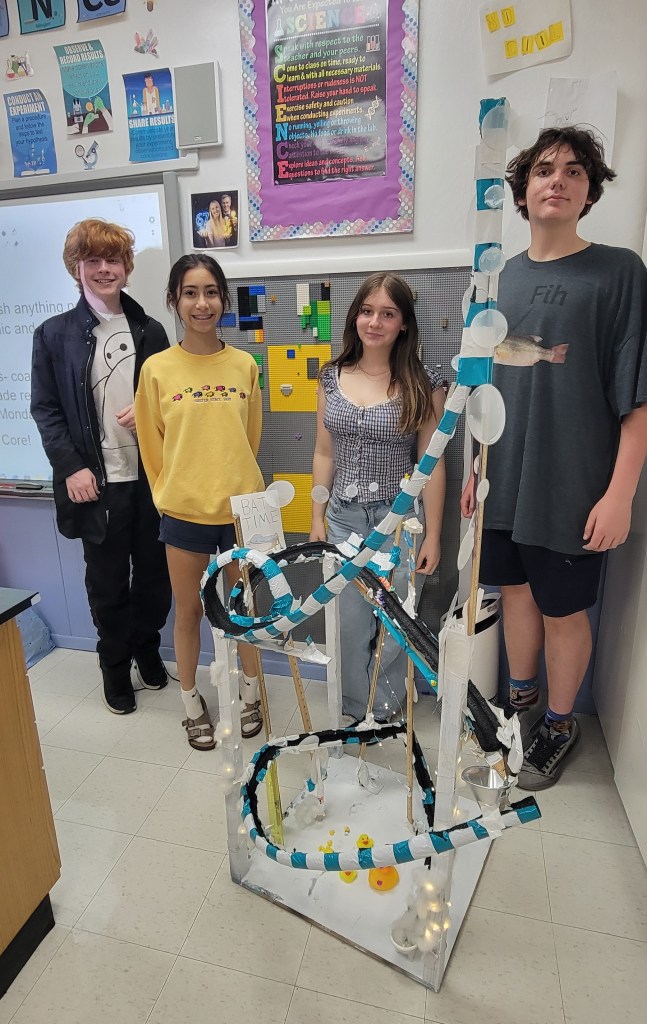
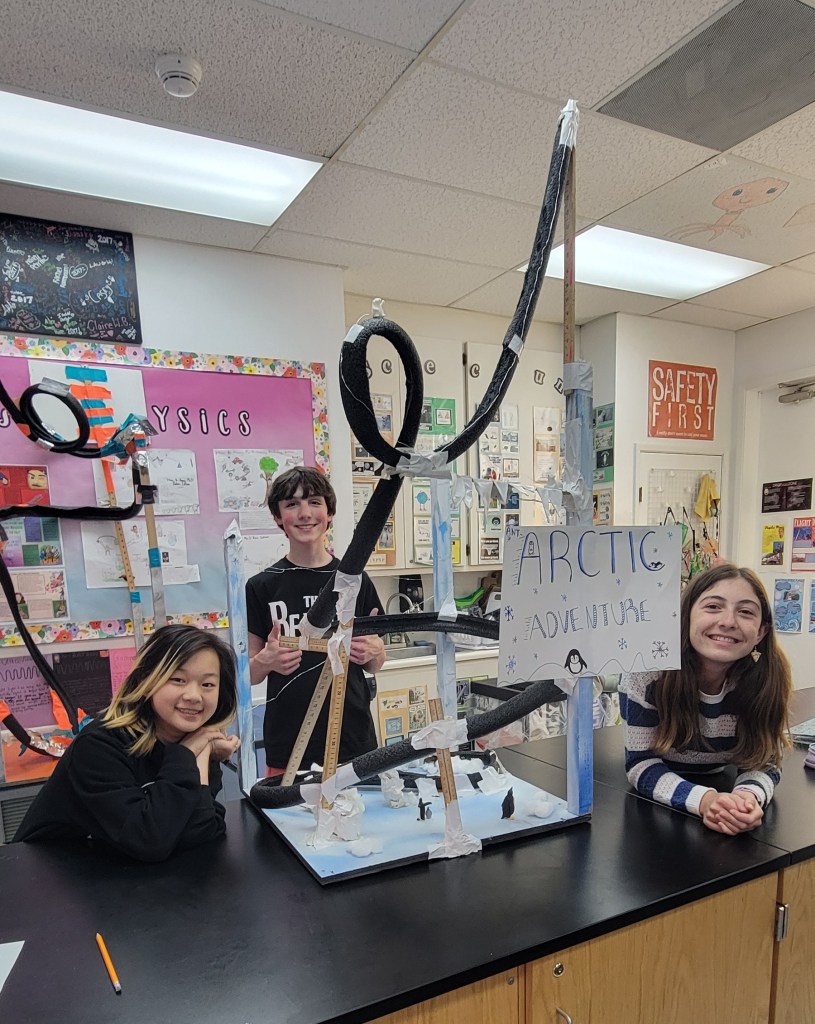
The end of the year in Saklan’s eighth grade physics class is filled with hands-on science, engineering, and problem-solving. As the culmination of their physics studies, students recently worked in teams to design and build their own roller coasters for marbles to ride.
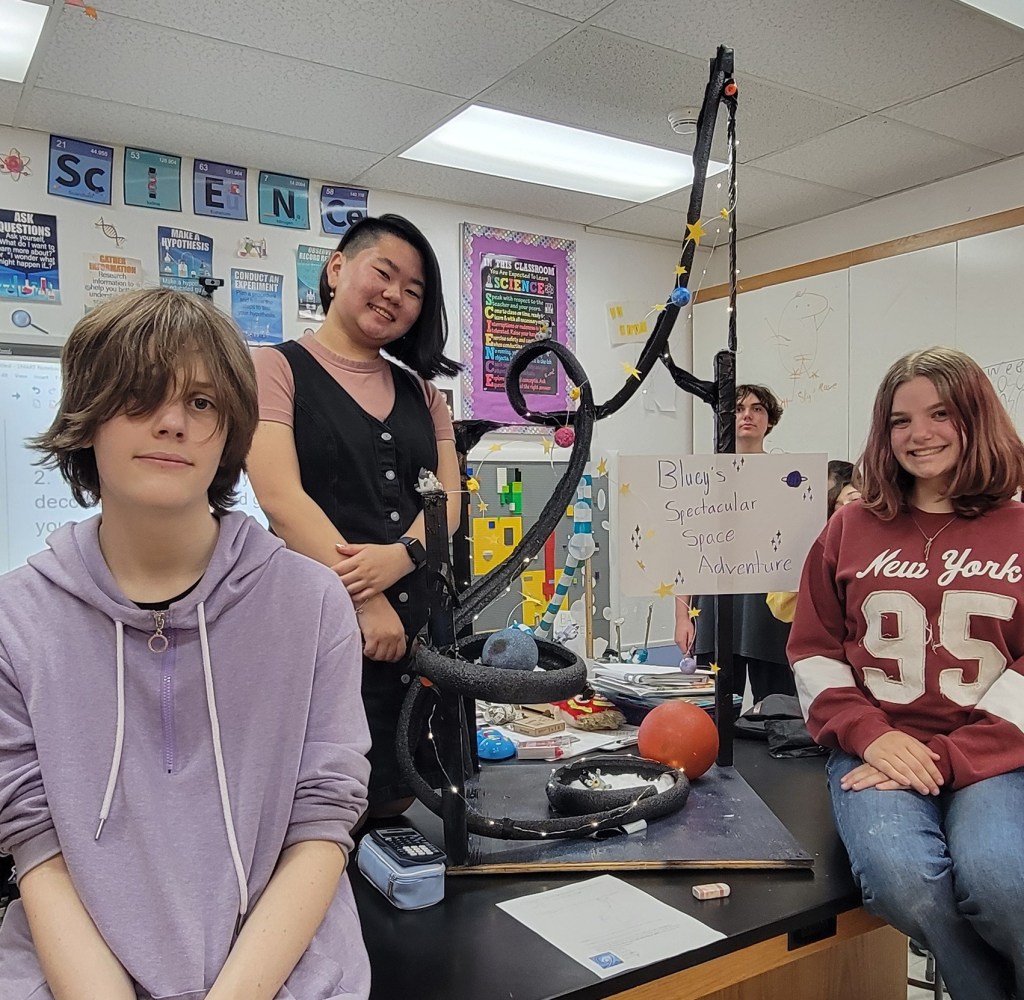
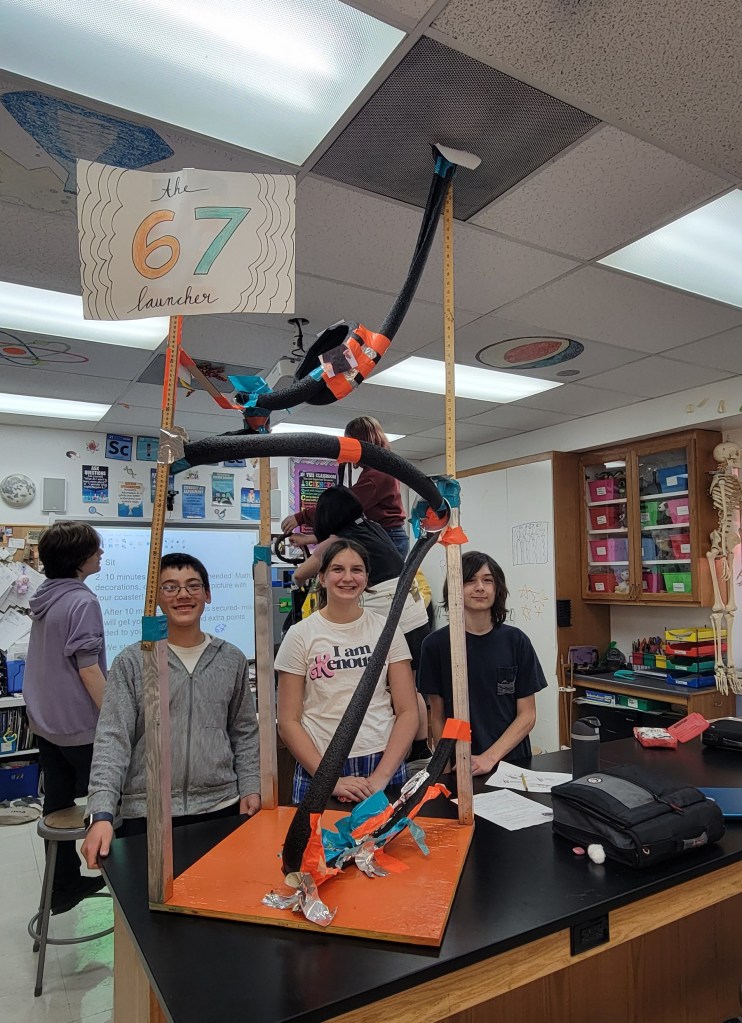
Each group created an eight-foot-long coaster that incorporated the major physics concepts they studied throughout the year, including force, momentum, motion, and energy transfer. To meet the project requirements, every coaster needed to include at least one loop, a slow-down stop, and creative decorations inspired by the themed roller coasters found at amusement parks.
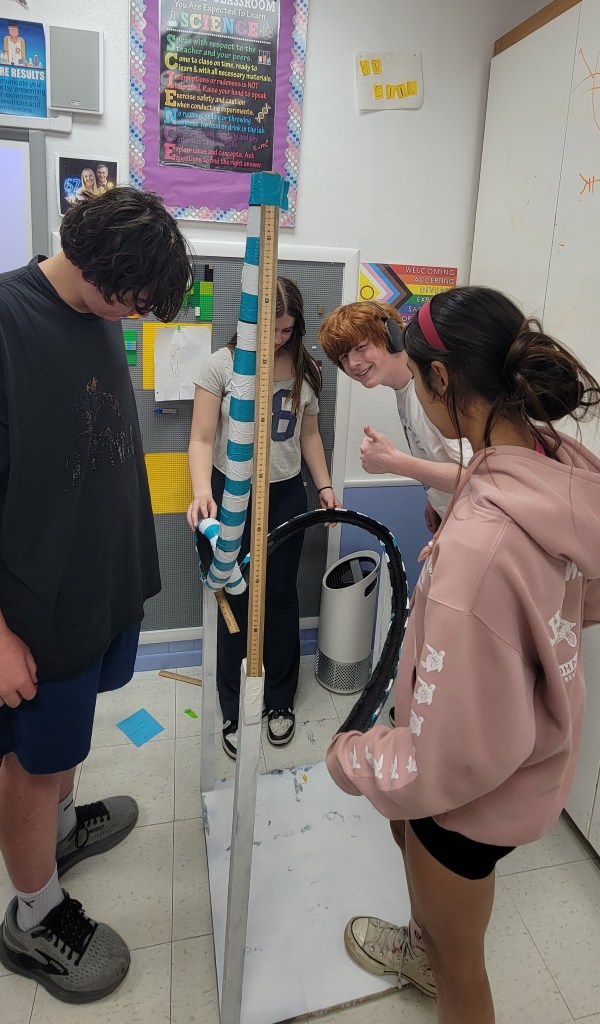
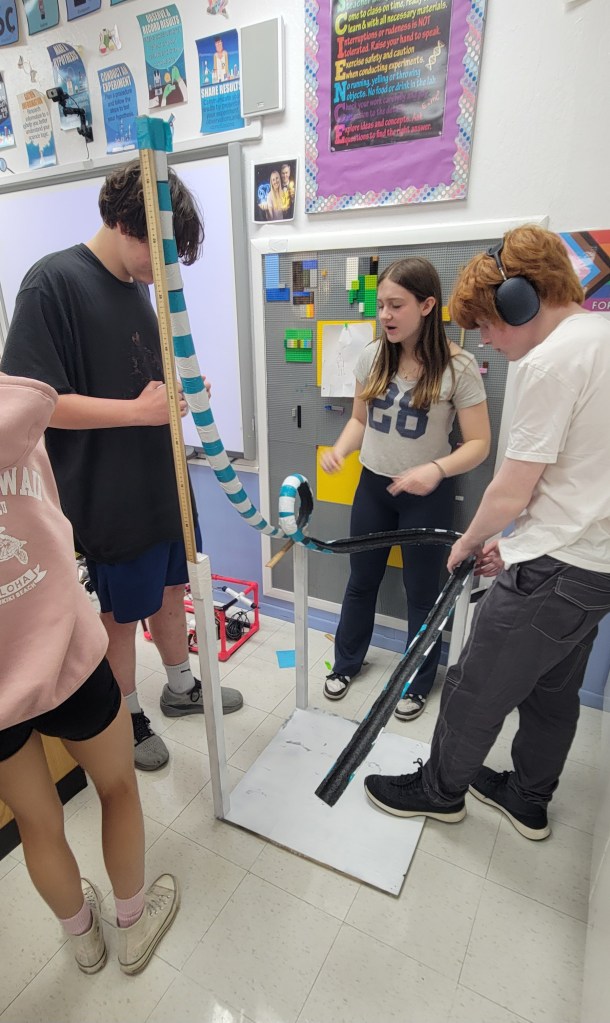
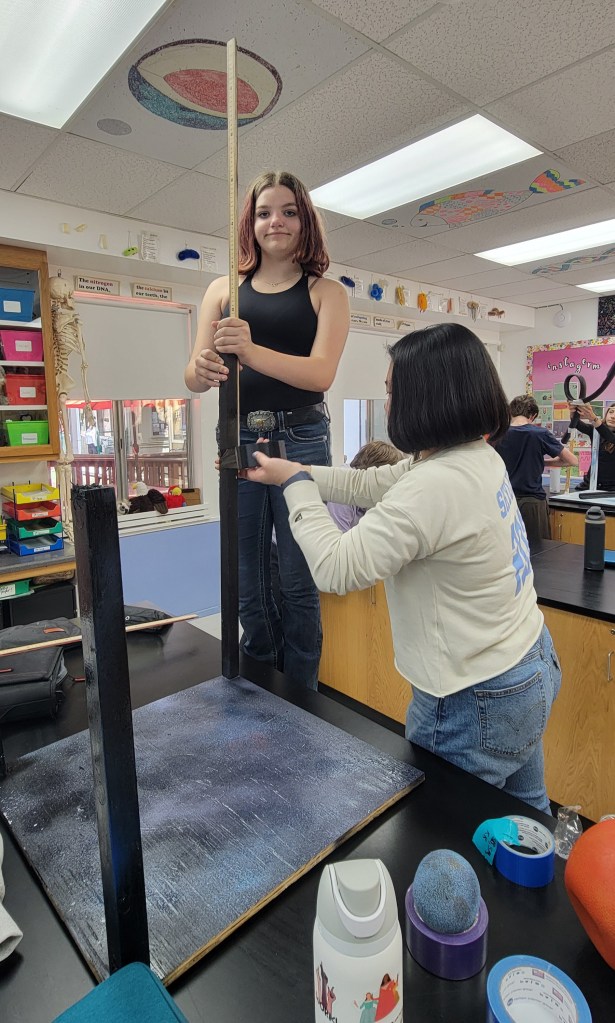
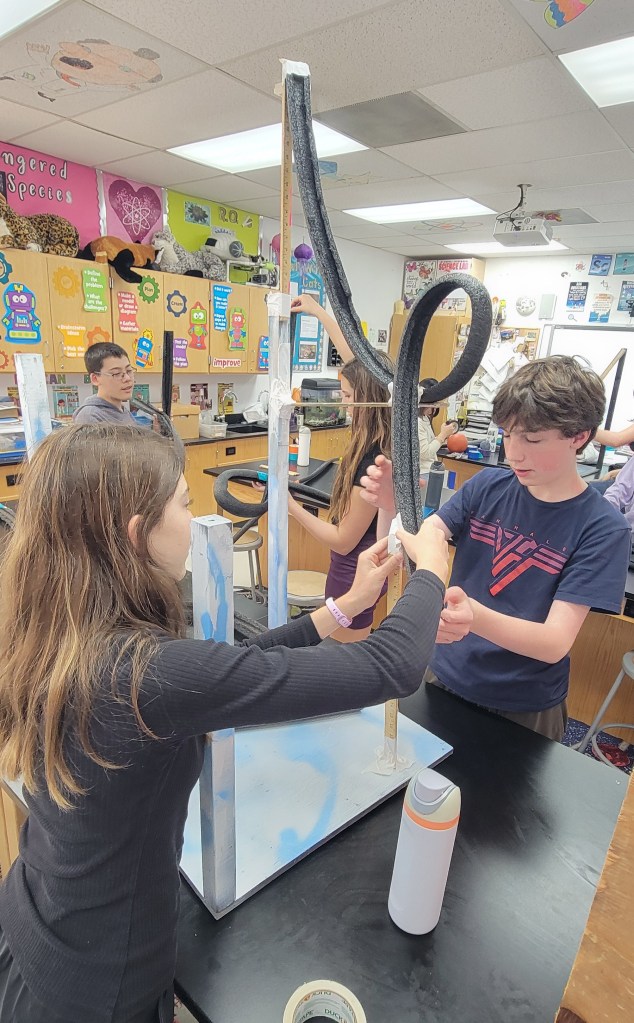
Throughout the project, students relied on creativity, collaboration, math skills, and the scientific method as they designed, tested, redesigned, and refined their creations. Groups analyzed what worked, identified challenges, made adjustments, and in some cases started over entirely before successfully completing their final designs.

The project challenged students to apply their understanding of the four forces studied in class while ensuring their coaster had enough momentum to complete a loop and safely guide the marble to a stop. More importantly, it gave students the opportunity to experience physics in action through experimentation, teamwork, and hands-on learning.

The final roller coasters showcased not only impressive engineering and creativity, but also the persistence and problem-solving skills students developed throughout the process.

#SaklanHandsOn

Defying Gravity

Since February, the 8th graders have been diving into physics in science class, exploring the forces of gravity, air resistance, and friction. Through a series of engaging, hands-on labs, they’ve been putting their knowledge to the test—seeing firsthand how these forces interact and impact objects on our planet.

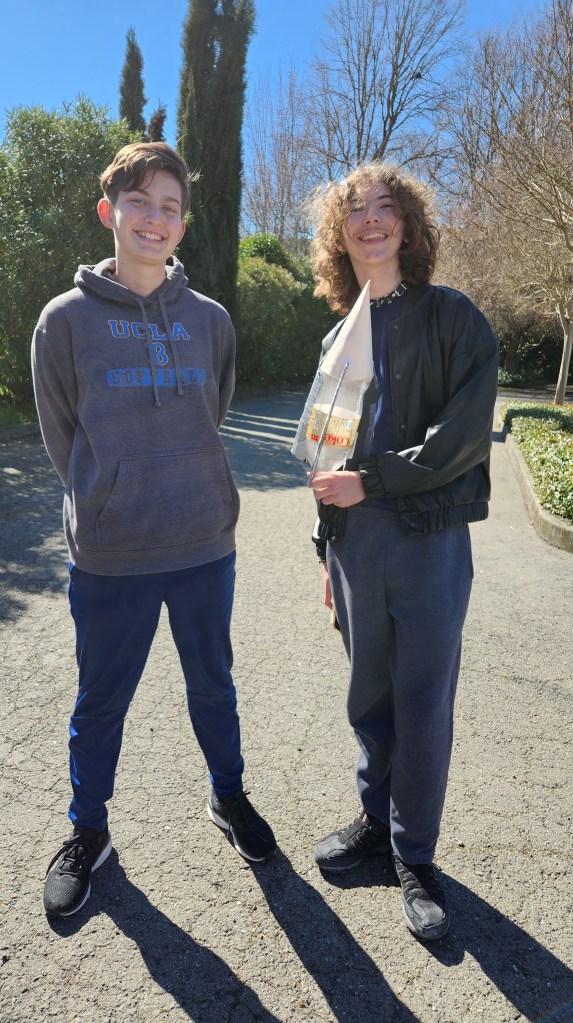
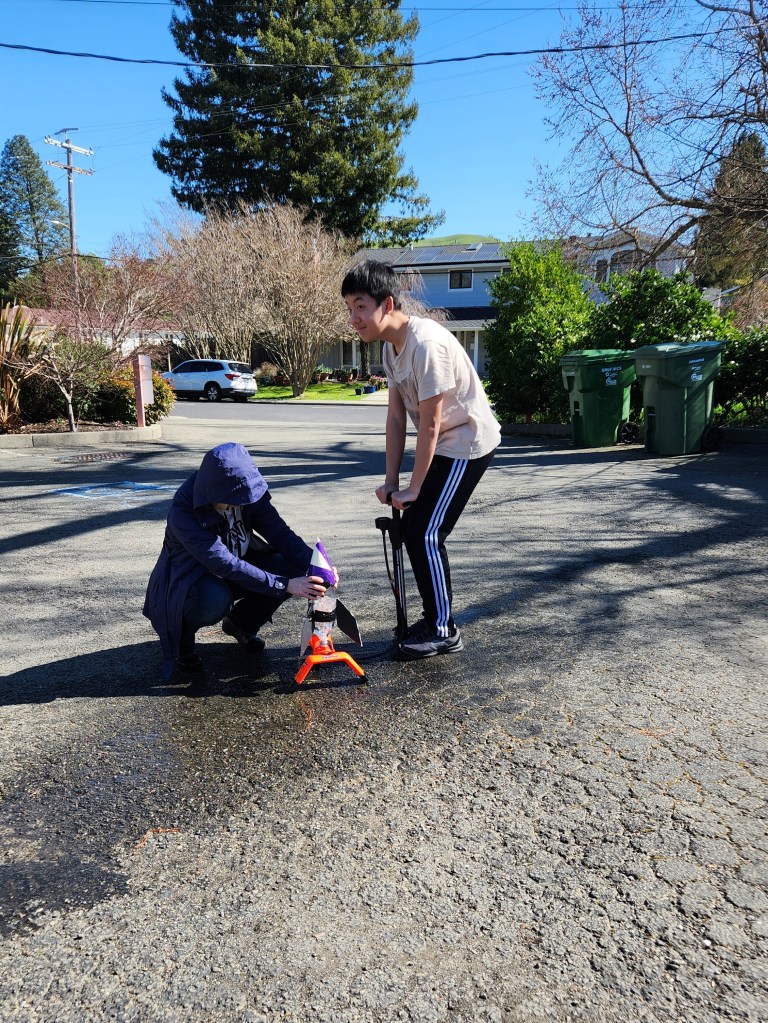
The students started exploring gravity and air resistance by creating different-sized parachutes and dropping them from the ceiling of the science lab. Students could see the pull of gravity on the parachutes and how air resistance could be used to slow that force down by measuring the time each took to descend. Next, students worked on designing, creating, and launching rockets to see how to defy air resistance and gravity.

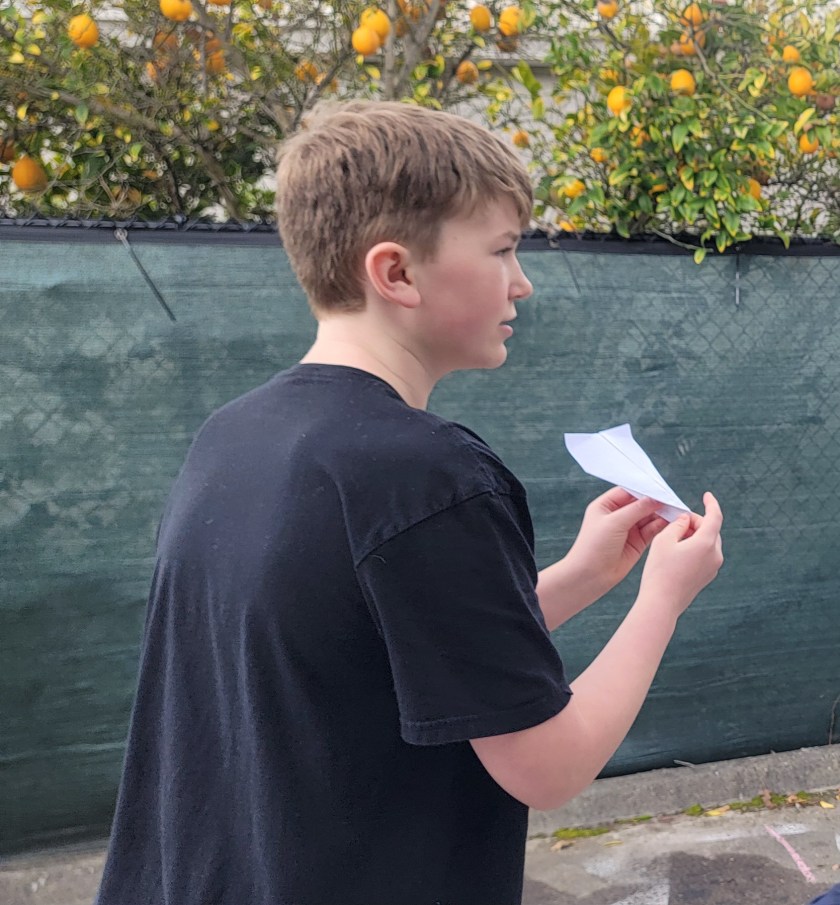
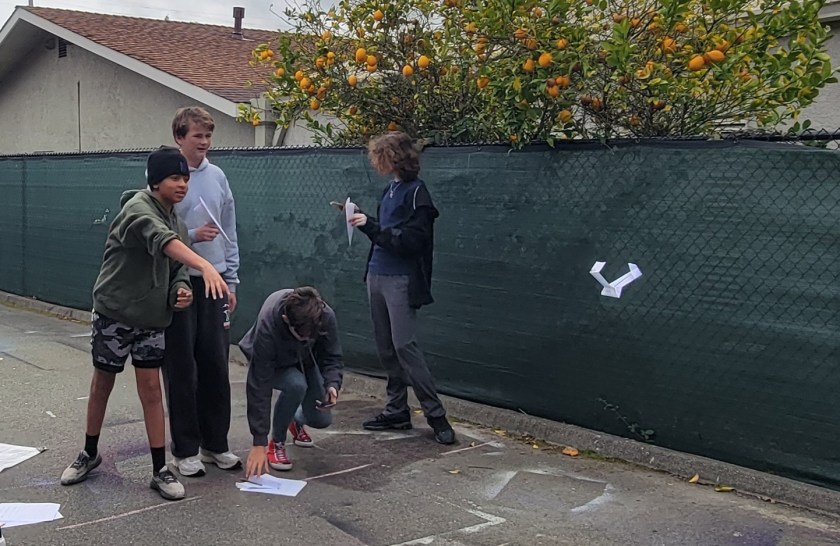
Last week, the class worked with projectiles that used both vertical and horizontal motion. Different paper airplane designs created more air resistance than others. The students saw how these forces act on objects and how various features of an object can affect these forces.

This week, students took their physics learning to the next level with an exciting experience to iFly in Union City where they explored terminal velocity in a real wind tunnel! They discussed how mass, air resistance, and surface area affect falling objects, then put theory into practice by suiting up and experiencing it firsthand. Students got to “fly” in the wind tunnel, feeling the exact force needed to keep them floating or falling at terminal velocity—a thrilling, hands-on lesson in action!

Students then made guesses at which toys thrown in the wind tunnel would fall the fastest or slowest based on size, mass and surface area! A lot was learned and experienced. 

#SaklanHandsOn #SaklanFieldExperience