Head’s Corner: Lighthouse Parenting

This blog was inspired by Russell Shaw’s Atlantic essay, “Lighthouse Parents Have More Confident Kids.” Shaw’s description of the lighthouse parent—a steady adult who offers guidance and support without trying to control every part of a child’s journey—gave me a useful way to think about the work we do with children at Saklan.

Parenting did not become a commonly used verb until around 1970.

Before that, people were simply parents.

Since then, parenting has become something we study, measure, and constantly try to improve. There are books, podcasts, experts, courses, apps, and endless advice about how to raise children well.

Developmental psychologist Alison Gopnik suggests that instead of seeing children as people with whom we are in relationship, we can begin to see them as projects whose outcomes we are responsible for producing.

She describes the difference as being like the difference between a carpenter and a gardener.

I do not think she is far off.

Along the way, we have developed all sorts of labels for parents: helicopter parents, snowplow parents, tiger parents, free-range parents, concierge parents, and more. 

But the image that best reflects the kind of parenting we try to encourage at Saklan is the lighthouse parent.

Think of a lighthouse as a steady presence. It offers light, direction, and warning when rocks lie ahead. But it does not pursue the boat, take the wheel, or eliminate the waves.

That is something I fail at regularly.

When my daughter Finn struggles, my instinct is often to fix the problem. A few months ago, I saw a student who was visibly upset and sitting alone. I went over to help. I asked questions about what was wrong and what I could do.

It was not helping. In fact, the tears increased.

Finn was nearby and came over to whisper in my ear, “Daddy, talking does not help. You always do that.” 

She was right.

Sometimes the most helpful thing we can do is not offer a solution immediately. Sometimes (most times?) our children need us to listen, acknowledge what is hard, and give them room to find their way through the experience.

When I am at my best, I ask: “Do you want to be heard, to be hugged, or to be helped?”

That question communicates I hear you, I am here for you, I believe you can handle this.

That does not mean we leave children on their own. Lighthouse parenting is not passive parenting. Lighthouses still warn us about danger. They provide guidance and boundaries. They shine a light when the way forward is unclear.

But they do not calm the waves or move the rocks- nor should they.

At Saklan, we believe children are capable. We believe mistakes are part of learning. We believe clear boundaries express care. And we believe that struggle is healthy.

We cannot make the water perfectly calm for our children. Nor should we want to. Children need opportunities to face challenges, take risks, recover from mistakes, repair relationships, and discover that they are more capable than they realized.

Our work is to provide the steady light they need to find their way.

Warmly, 

David 
Head’s Corner: Making Space for the Fire

This morning, Saklan families gathered around a campfire to begin our first “Discussions with David.” It was a time carved out to slow down and build community.

The center of our morning was Judy Brown’s poem “Fire.” The poem describes how a fire needs space between the logs to breathe and grow. Too much wood packed too tightly can extinguish a fire just as surely as a lack of fuel.

That image stayed with me.

In our lives, we spend much of our time thinking about the logs: the email inbox, projects, schedules, events, routines, getting kids here or there, planning dinner, responsibilities, and activities that fill our days. All of those things matter. 

But “Fire” reminded me that the spaces in between are meant to let the fire breathe, and are as important as the logs. The moment we pause to really listen. The conversation that continues around the dinner table after a child shares something that happened at school. The time families spend getting to know one another at CLAS, culminations, or over a weekend playdate. The invitation that helps someone feel included and welcomed in the life of our community. The willingness to ask a question, share a perspective, or just listen with intention—even when family schedules are full, mornings are rushed, and everyone is carrying the ordinary joys and challenges of daily life.

Those spaces are where relationships grow.

As we begin this school year, I hope we can continue creating more of those spaces at Saklan. Our children benefit when the adults around them are connected and working together. Partnership does not mean that we will always agree or see things in exactly the same way. It means that we communicate, listen, and remember that we are all here because we care deeply about our children and this community.

Thank you to everyone who joined us and helped make the morning so special. I left feeling grateful for the community we are building together—and reminded that sometimes the most important work begins when we slow down and make a little more space.

Our next “Discussions with David” will be a Drumming Edition on Friday, October 2. Isaac, Saklan’s African drumming teacher, will join us to share how drumming helps develop listening, communication, and collaboration skills—and, yes, we will all have a chance to drum. 

I hope you’ll join us.

Warmly, 

David

#SaklanCommunity #HeadsCorner

Head’s Corner: What Kind of Childhood Are We Trying to Protect?

When I was a child, I routinely got into trouble. (Hard to believe, right?)

I grew up in a Detroit neighborhood with lots of friends and neighbors around. Most of the trouble we got into could best be described as “good trouble.” Staying out past the time the streetlights came on. Using the entire city block to play tag, running through neighbors’ backyards with friends, cutting across lawns. Nothing serious. Nothing mean-spirited. Just the ordinary trouble of childhood: testing boundaries, losing track of time, and discovering the world beyond adult eyes.

Looking back, I am struck by how much learning was tucked inside those moments. We were practicing judgment, negotiating with friends, taking small risks, and discovering what it felt like to be trusted.

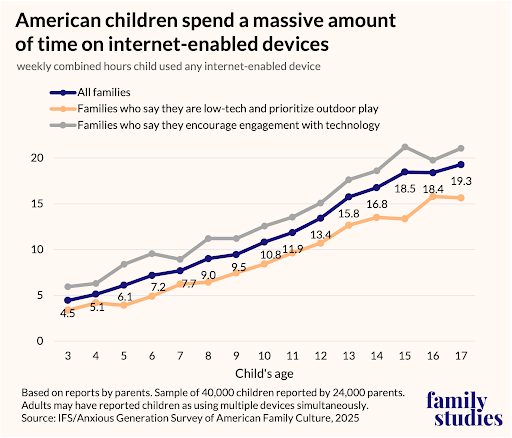
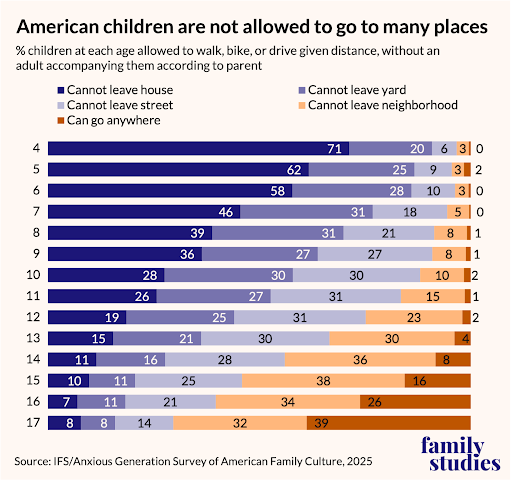
I have been thinking about this because of two things I have been reading: The Amazing Generation and a new report from the Institute for Family Studies, High Tech, Low Play: The Life of American Children. Together, they point to something many of us sense: children need more than protection from the virtual world. They need more opportunities to experience the real one.

What struck me most in the report was a simple but unsettling idea: many children today are highly protected in the physical world, yet relatively unprotected in the digital one. They have access to screens earlier and more often, while having fewer opportunities to roam, play, take small risks, and build independence with friends.

That imbalance gives me pause.

Many children today can wander widely online before they are trusted to wander very far in real life. They may have access to enormous digital worlds before they have had enough practice navigating the physical one.

This is not to say we should simply recreate the childhoods we remember. The world has changed. But children still need opportunities to stretch, explore, decide, negotiate, and discover their own capabilities.

That is one reason I am drawn to The Amazing Generation, by Jonathan Haidt. Its invitation is not simply for children to put down their screens, but to imagine what they might pick up instead: more freedom, more friendship, more movement, more play, more responsibility, and more real-life adventure.

So what kind of childhood are we trying to protect?

One with enough safety to feel held, and enough freedom to grow. One with adults close enough to guide, but not so close that children never get to practice. One with room for play, movement, friendship, responsibility, and the small, good trouble that helps children discover their capacity.

And maybe that is the real invitation — not just to give children fewer screens, but to give them more childhood.

Sincerely,

David

Why I Give: Investing in a Community That Invests in Children

I chose Saklan because it offers a different kind of education. One that helps students understand subjects deeply and reach their own conclusions. In a world where this generation has information and misinformation at their fingertips, it’s crucial they learn how to think, not what to think—and to show up with the courage to do the right thing.

Saklan is also where my son is seen, not as a test score or a kid to mold, but as himself. Here he’s encouraged to think independently, follow his own developmental timeline, and nurture his genuine love of learning. I don’t take that for granted. I know it isn’t true everywhere.

I give to Saklan my most limited resource: my time. To me, community isn’t an extra; it’s formative. I want my son to see that showing up matters, that relationships shape the places we care about, and that being part of something means taking responsibility for it. You don’t just show up—you help build the places you belong. That looks like reading to a class, organizing a potluck, cheering at CLAS, lending a skill to a project, or helping a new family find their footing. It’s introducing yourself at drop-off, showing up when someone needs a hand, and caring about others’ well-being.

I also give financially to Saklan because I want it to endure. Like many independent schools, Saklan operates with a gap between what tuition covers and what it actually costs to sustain small classes, rich programming, and support the teachers who pour so much into all the kids. Each year, I make a contribution that’s meaningful for our family. I see it as investing in the future of a community that invests in our children.

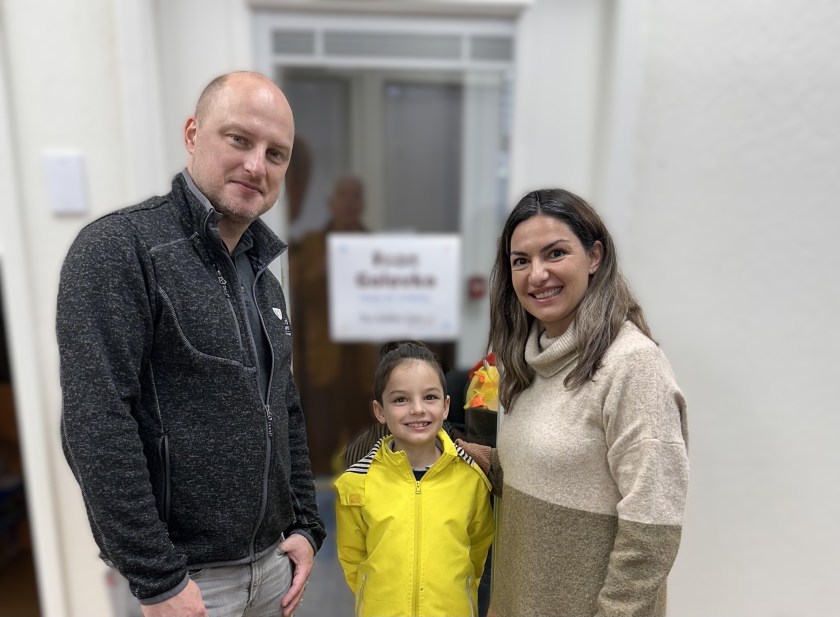
Join Ani and her family in supporting Saklan’s Annual Giving Fund.

#SaklanGiving #SaklanCommunity

Hoot Owls Practice Kindness

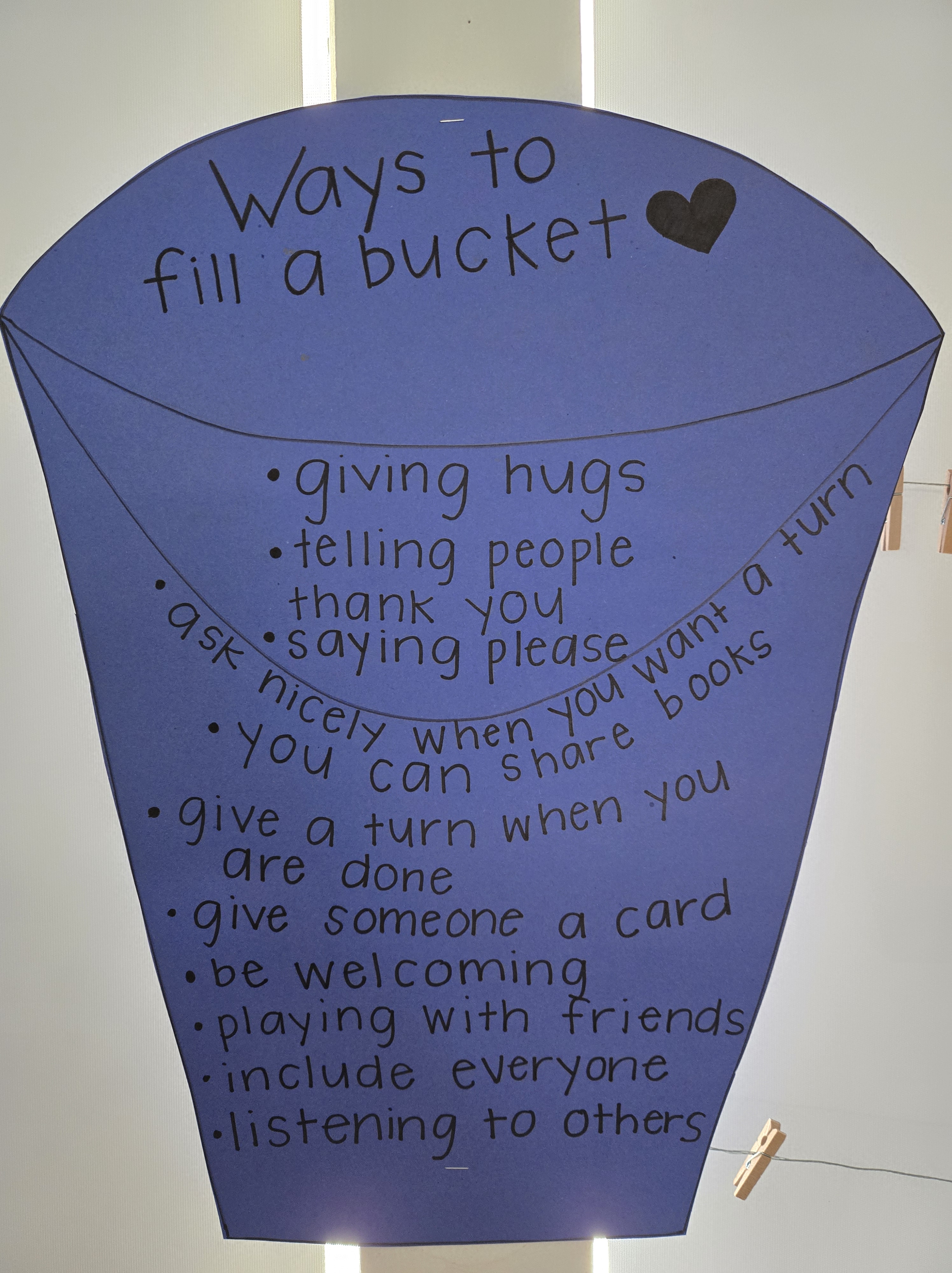
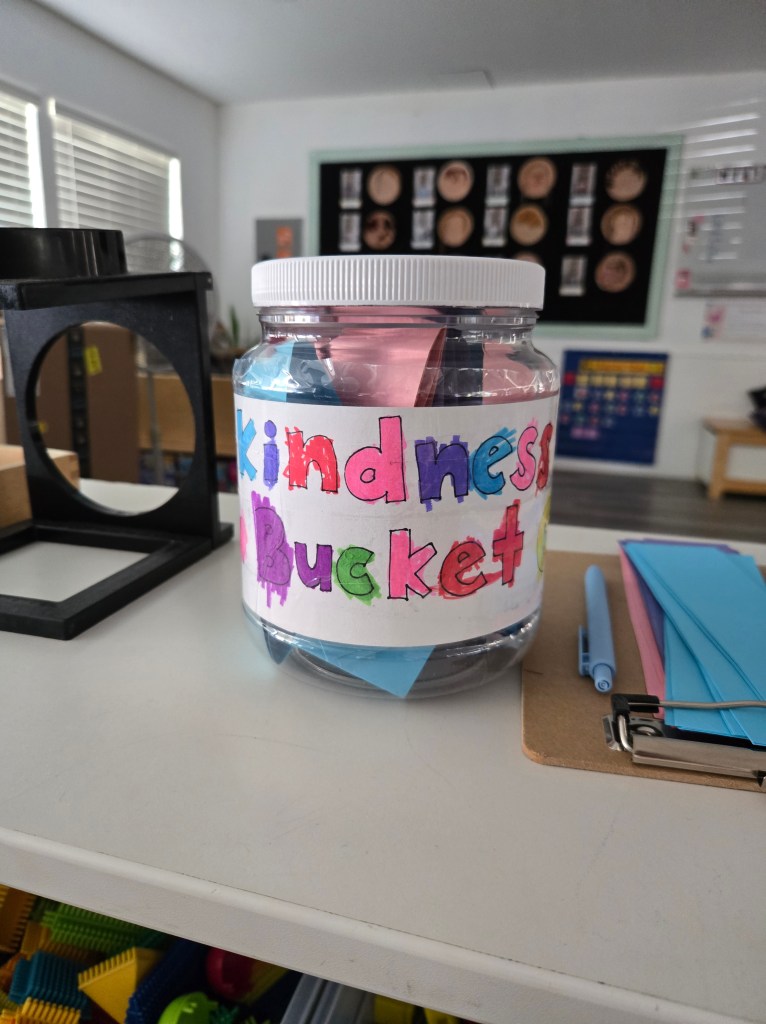
The Hoot Owls have been exploring the many ways we can show kindness to one another. Their journey began with the book Have You Filled a Bucket Today? by Carol McCloud, illustrated by David Messing. In the story, everyone carries an invisible bucket that fills when others show kindness and is dipped into when unkind things occur. After reading, the Pre-K students brainstormed ways to be bucket-fillers.

The class then built their own “bucket” to use every day. Whenever teachers notice an act of kindness—or a child shares that someone filled their bucket—they write a note and place it inside. Once the bucket is full, the class will celebrate by reading the notes together.

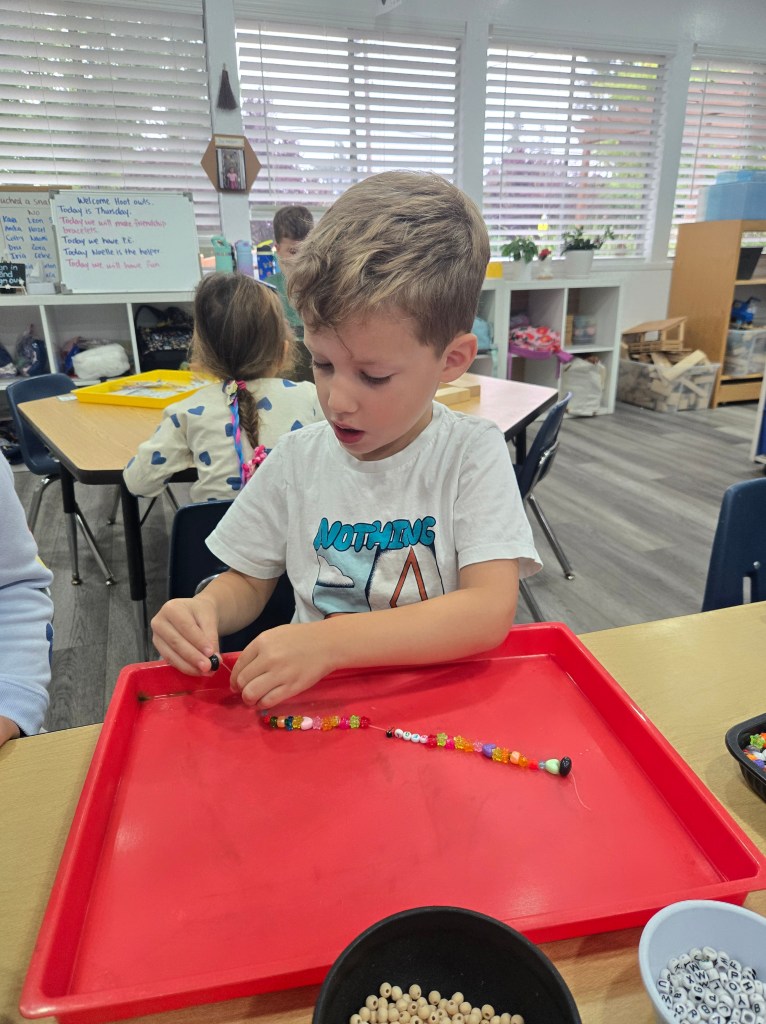
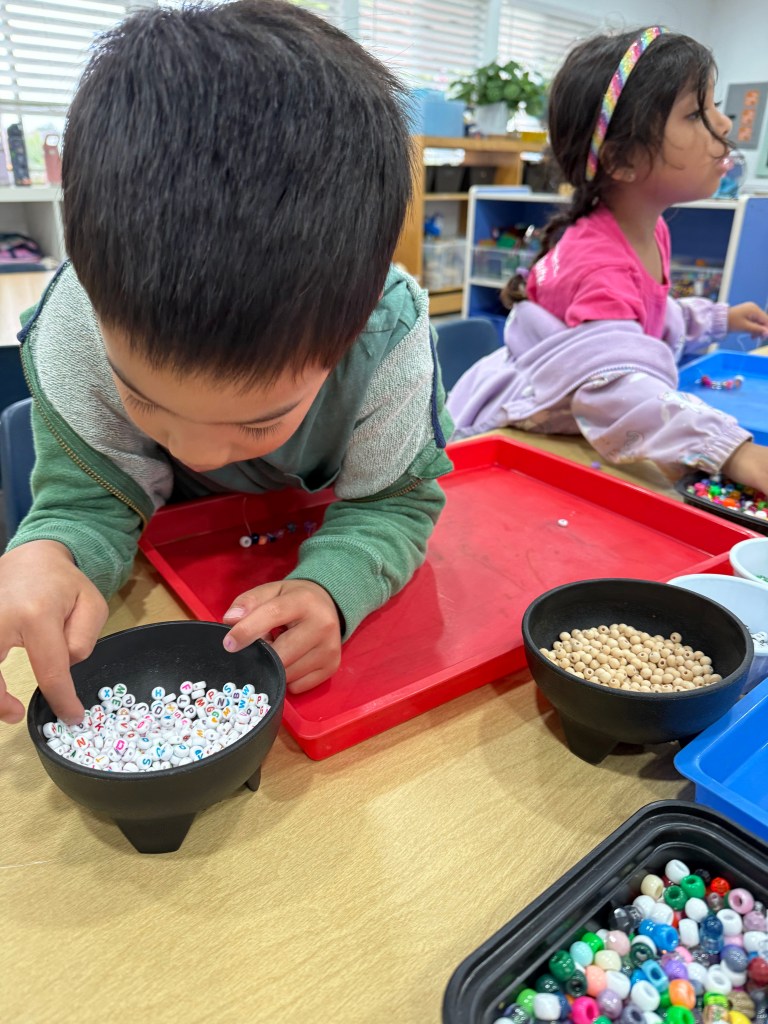
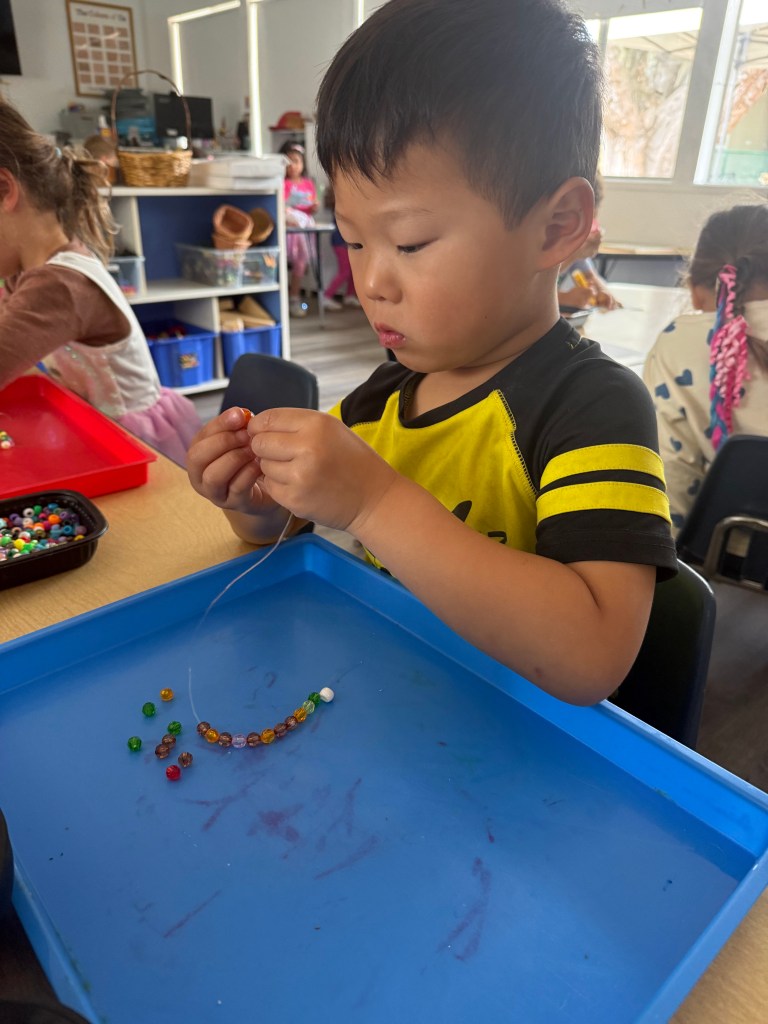
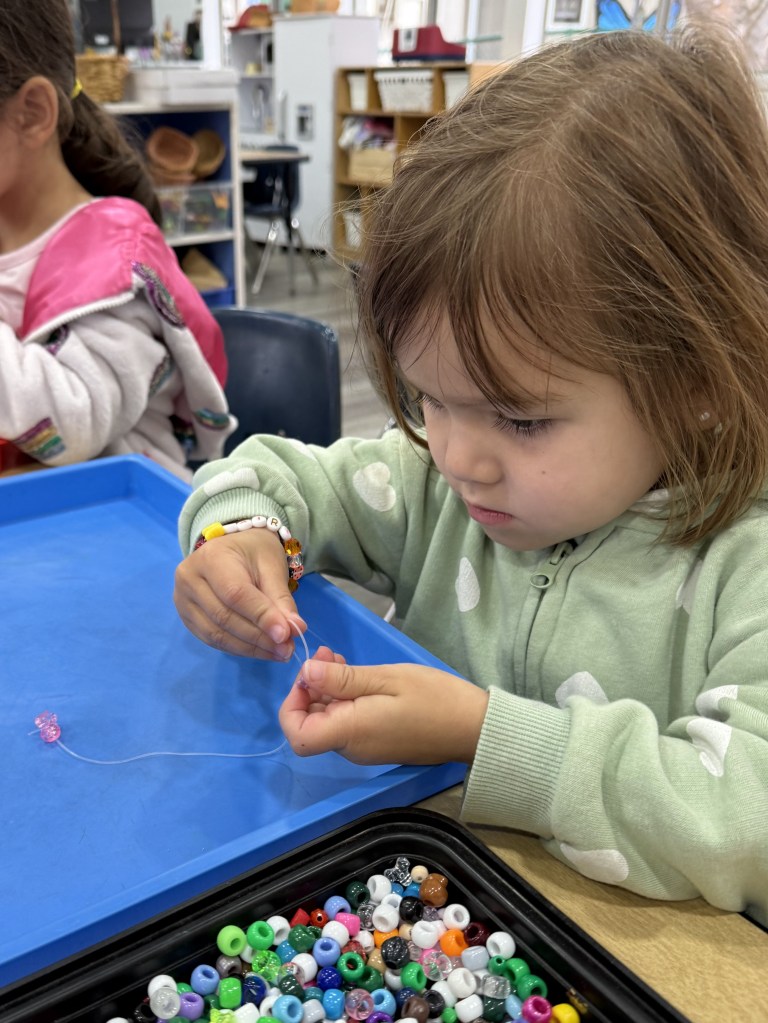
Another favorite kindness activity was making friendship bracelets. Each child chose a classmate and designed a bracelet just for them, sometimes incorporating favorite colors or even spelling out their friend’s name in beads.

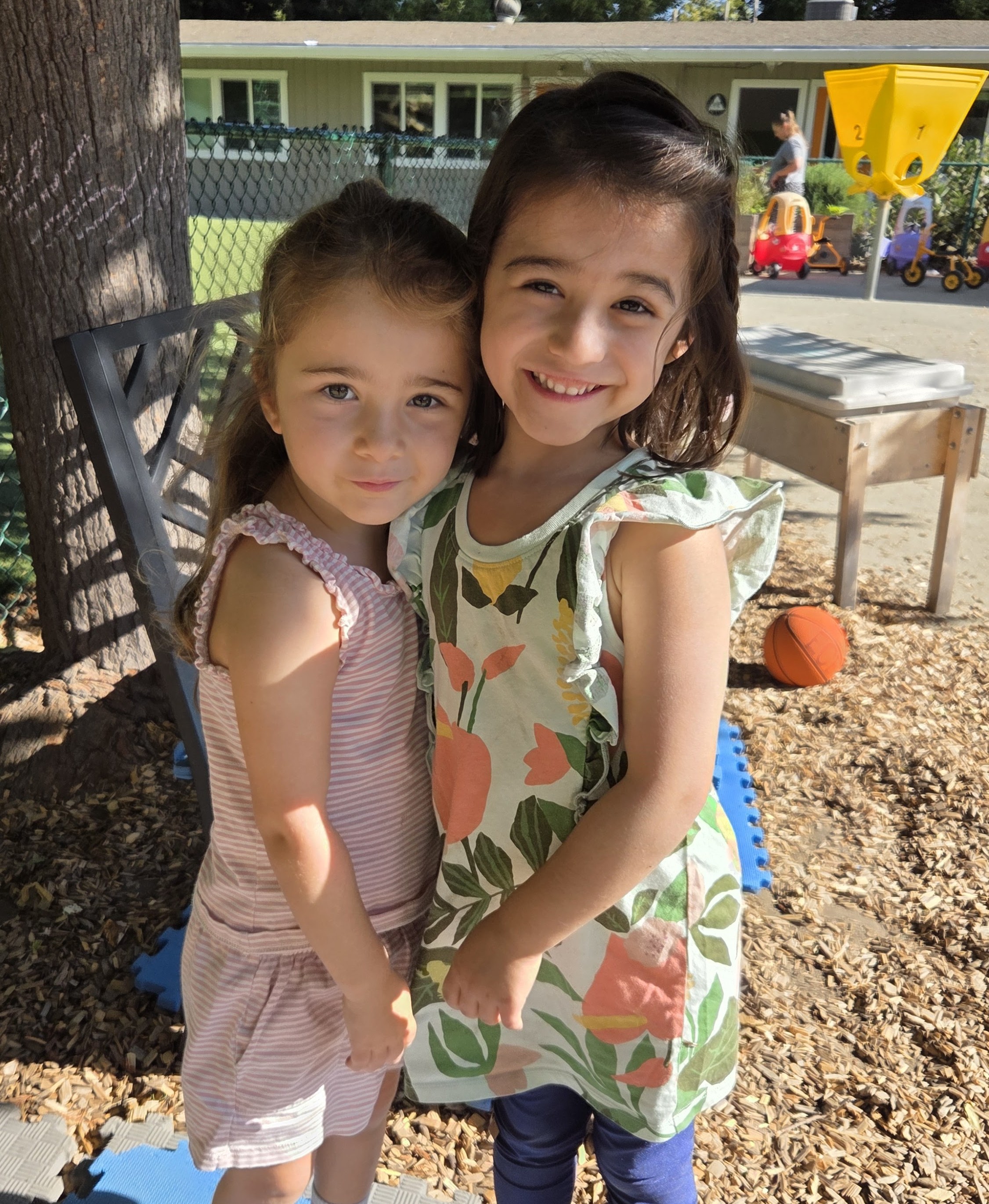
These thoughtful lessons have carried over into daily life. During PE, for example, the Hoot Owls spontaneously began cheering for one another when it was their classmates’ turn to bat. The smiles on their faces showed just how much these conversations about kindness, belonging, and encouragement are already making a difference.

#SaklanSEL #SaklanBelonging

Staff Spotlight: Hector

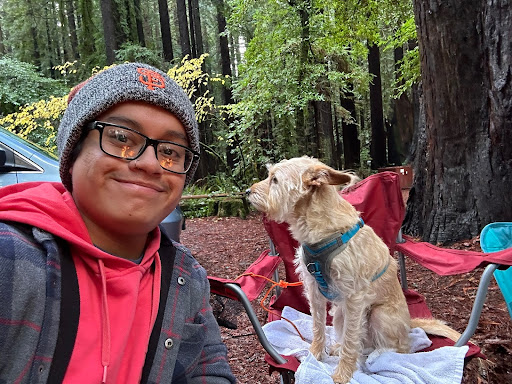
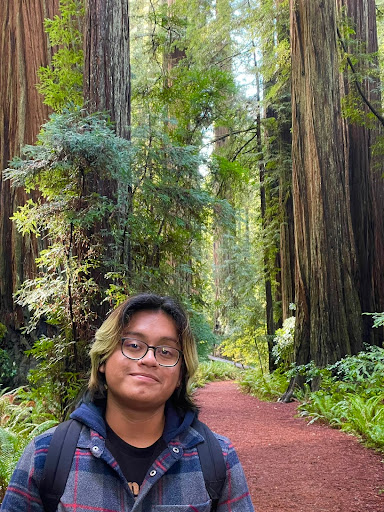
Meet Hector! Blending a mixture of passion, discovery and love for enrichment, Hector not only leads our enrichment program but shows our students how to unlock their potential. Hector really gives our students the opportunity to dream big and have confidence doing so. When he needs to recharge, he finds his peace hidden deep within redwood trees, grounding himself and regaining his power to take what’s next. 

How long have you been at Saklan and what’s a fun fact about you that most students wouldn’t know about?

I have been at Saklan for three years now and am excited to be starting my fourth. There are plenty of fun facts about me that most people probably don’t know, but if I had to choose one, I would say it’s that I used to really love dancing. I’m not sure if I was any good, but what I did know was how much I enjoyed being on stage, performing in front of friends, family, and teachers. I was really proud of it. When I was younger, my mom would often put on some music, and from the moment I’d hear it, I would jump right into dancing – completely lost in the rhythm. There are still some memorable songs that bring back those memories and excitement I felt. I don’t dance much anymore, but when I did, I loved salsa, bachata, and even a bit of pop dancing.

What’s something you could talk about or do for hours without getting bored? 

One thing people should know about me is this: once you get to know me, oh boy, I cannot stop talking. There are so many things I am passionate about and could go on forever about, such as math, but if I had to pick just one, it would be redwood trees. I absolutely love redwoods. I love looking at them, studying and admiring them, and constantly educating myself more about them. Visiting redwood groves are one of the few things that bring me peace, tranquility, and calmness. It’s my go to place when life gets hectic, and I need to recharge or simply zone out. These trees are tall, massive and ancient, thriving with unique ecosystems. They tell a story of history and walking among trees that have stood undisturbed for centuries is just so fascinating. I could go on forever, but I think that passion really highlights how my love for exploring and early childhood experiences shaped me. The passion I have for redwoods is the same passion I have for STEM, and it’s a big reason why I love doing enrichment. Through enrichment, I feel like I can allow kids the chance to further explore their passions, discover something new, or challenge themselves, all while having fun doing it. I saw the value of enrichment as a child and want to create those same meaningful experiences for the students at Saklan.

What role do you think enrichment classes played in your life, personally or academically?

Looking back, enrichment classes gave me the opportunity to explore passions that regular classes didn’t always leave room for. As a kid, enrichment was where I could try new things, be creative and discover what I truly loved. It gave me the desire to continuously want to learn, even as an adult. Enrichment classes showed me that learning could be joyful, creative and personal. With that being said, enrichment gave me confidence. It sparked curiosity and allowed me to be more creative in my craft, job and problem-solving skills. It showed me that learning doesn’t only happen by textbooks but rather through experiences. It’s why I encourage kids to be passionate and curious in my enrichment classes. I want them to gain confidence through these learning experiences.

What’s a memorable moment you’ve had during an enrichment class?

One memorable moment that stands out happened during one of my coding enrichment classes. We were working on code that turned out to be a little tricky, and several students needed extra help. While I was busy moving around the room trying to assist everyone, a couple of students who really loved coding stepped up in a way I’ll never forget. Instead of waiting for me, they just asked if they could teach their classmates how to write the code. With my hands full, I told them to go ahead. They were so excited to share what they had learned, guiding others step by step. What made it memorable was that they showed real initiative and leadership. They took ownership of the moment, supported their classmates and created this great atmosphere of teamwork and encouragement. Watching them step into that role so confidently reminded me that enrichment is not only about the fun things we do, but also about the growth, collaboration and joy that comes from learning together.

#SaklanWellRounded