
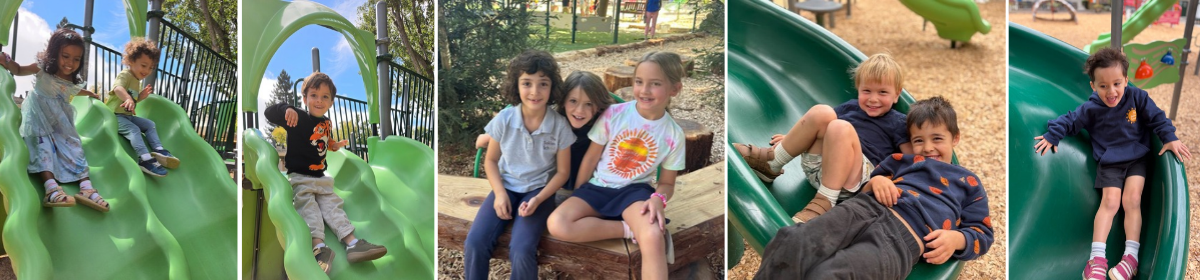
When I was a child, I routinely got into trouble. (Hard to believe, right?)
I grew up in a Detroit neighborhood with lots of friends and neighbors around. Most of the trouble we got into could best be described as “good trouble.” Staying out past the time the streetlights came on. Using the entire city block to play tag, running through neighbors’ backyards with friends, cutting across lawns. Nothing serious. Nothing mean-spirited. Just the ordinary trouble of childhood: testing boundaries, losing track of time, and discovering the world beyond adult eyes.
Looking back, I am struck by how much learning was tucked inside those moments. We were practicing judgment, negotiating with friends, taking small risks, and discovering what it felt like to be trusted.
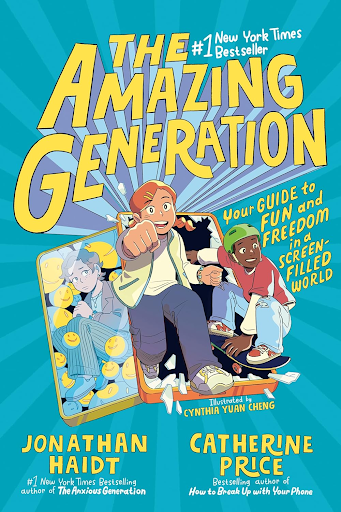
I have been thinking about this because of two things I have been reading: The Amazing Generation and a new report from the Institute for Family Studies, High Tech, Low Play: The Life of American Children. Together, they point to something many of us sense: children need more than protection from the virtual world. They need more opportunities to experience the real one.
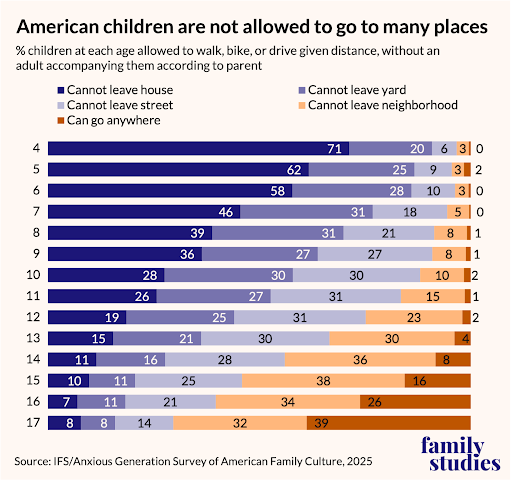
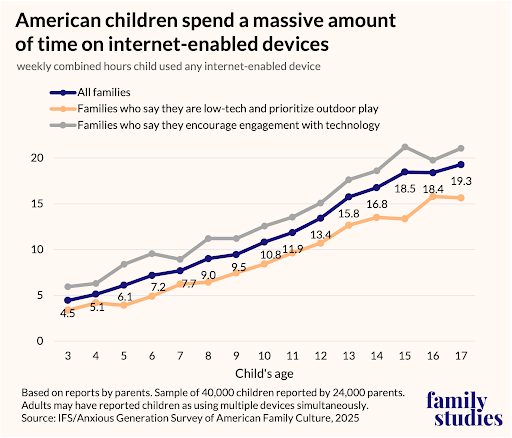
What struck me most in the report was a simple but unsettling idea: many children today are highly protected in the physical world, yet relatively unprotected in the digital one. They have access to screens earlier and more often, while having fewer opportunities to roam, play, take small risks, and build independence with friends.
That imbalance gives me pause.
Many children today can wander widely online before they are trusted to wander very far in real life. They may have access to enormous digital worlds before they have had enough practice navigating the physical one.
This is not to say we should simply recreate the childhoods we remember. The world has changed. But children still need opportunities to stretch, explore, decide, negotiate, and discover their own capabilities.
That is one reason I am drawn to The Amazing Generation, by Jonathan Haidt. Its invitation is not simply for children to put down their screens, but to imagine what they might pick up instead: more freedom, more friendship, more movement, more play, more responsibility, and more real-life adventure.
So what kind of childhood are we trying to protect?
One with enough safety to feel held, and enough freedom to grow. One with adults close enough to guide, but not so close that children never get to practice. One with room for play, movement, friendship, responsibility, and the small, good trouble that helps children discover their capacity.
And maybe that is the real invitation — not just to give children fewer screens, but to give them more childhood.
Sincerely,
David


