Moving Up Day Enthusiasm

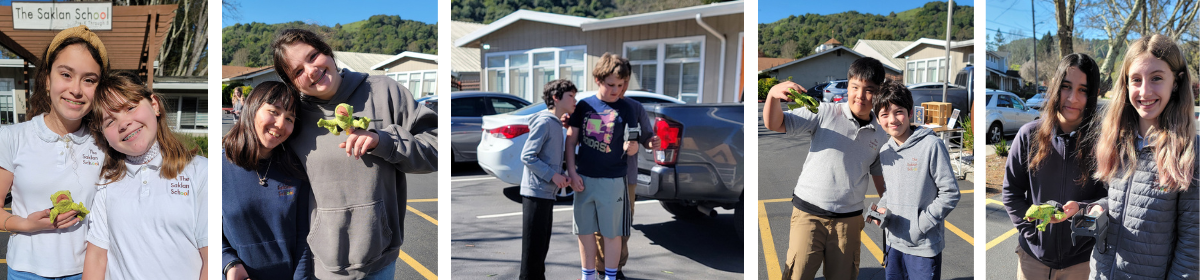
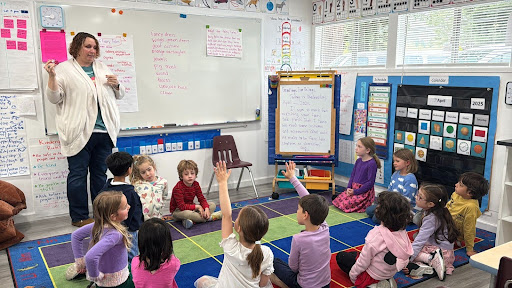
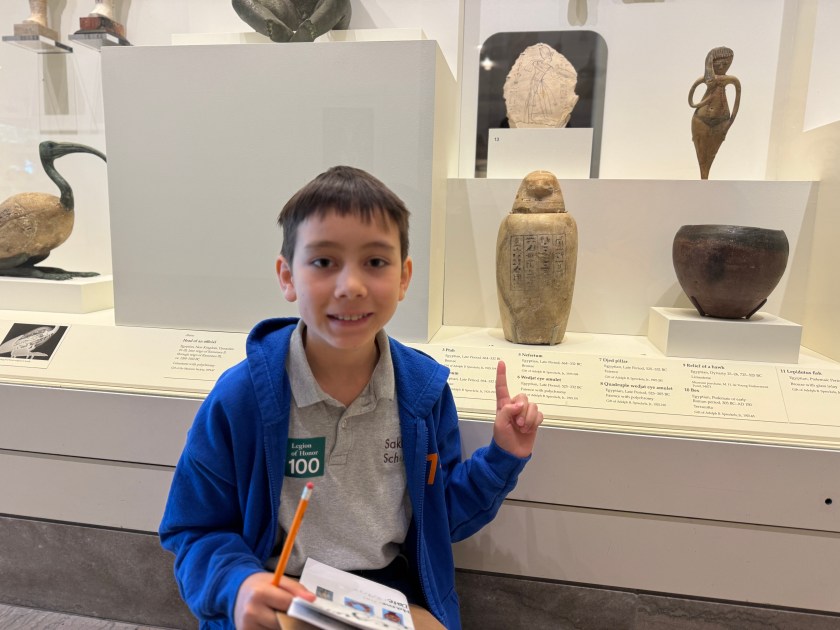
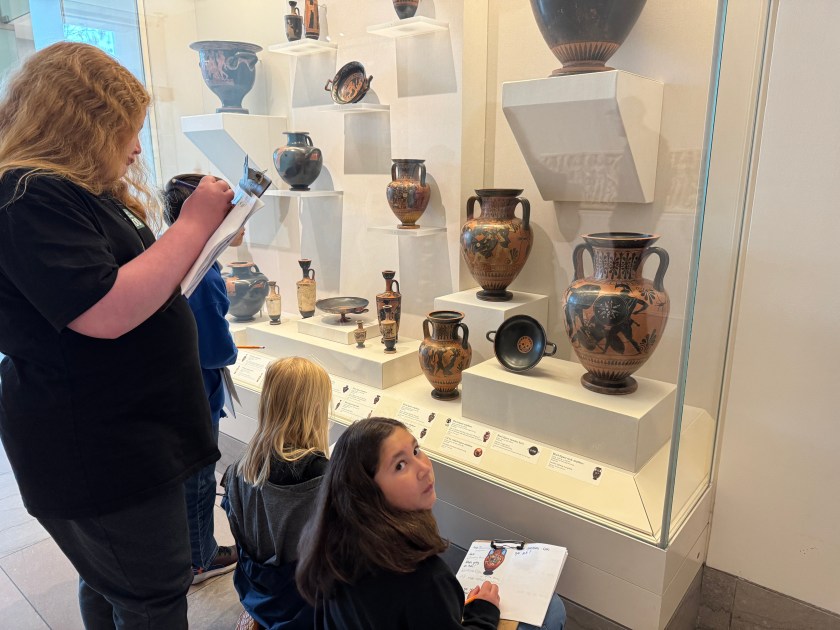
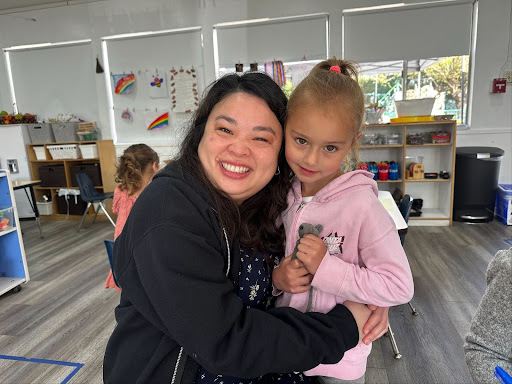
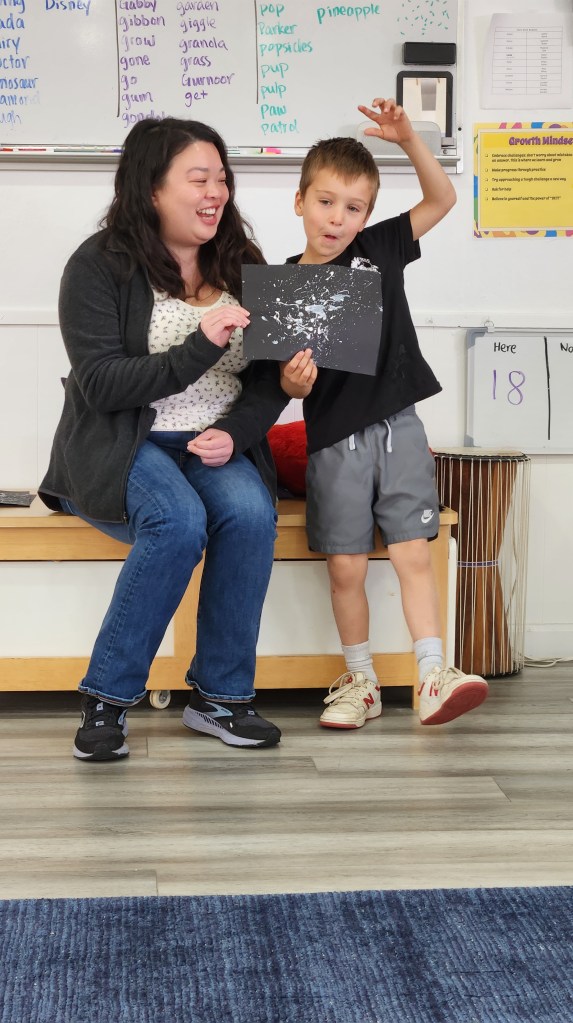
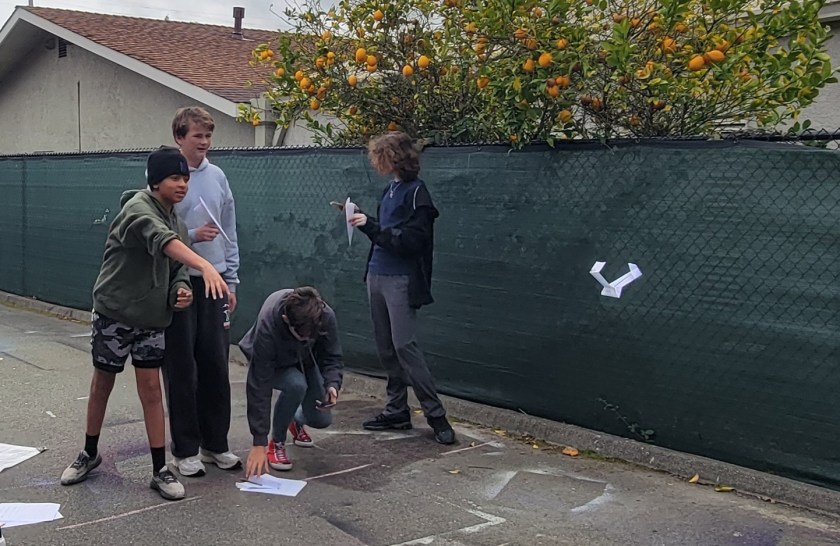
On Thursday morning, all Saklan students participated in Moving Up Day. Preschool – 5th graders had the opportunity to move up to the classroom of their rising grade and spend time with the teacher, learning about what the next year holds and getting to know the teacher better. The 6th, 7th, and 8th-grade students helped host 5th graders on the middle school side of campus and show them what a day in the life of a middle schooler is like. The students and teachers alike were buzzing with excitement!

This annual tradition allows the students to get a snapshot of what next year will hold. The teachers planned special activities that highlighted their grade level and enjoyed getting to know their rising students a little better. Morning meeting activities, awkward games, questions, book readings, optical illusions, classroom scavenger hunts, and enthusiasm for next year filled the classrooms! If you know a child who “moved up” on Thursday, please ask them all about it. They will likely have something enthusiastic to share!

Ecosystems and Adaptations

In science, the 6th graders recently explored Earth’s biomes. Working in pairs, they created educational slideshows to teach their classmates about our planet’s incredible variety of ecosystems. Afterward, they dove deeper into the topic by examining how organisms adapt to survive in diverse environments. This culminated in an engaging “Adaptation Auction,” focusing on two contrasting ecosystems: the ocean and the desert.

The 6th graders explored the stark differences between these ecosystems, identifying particularly beneficial adaptations in each. The desert’s unique ability to preserve species, culture, and history—due to its dry climate, fewer large scavengers, and minimal decomposers—sparked fascinating discussions. To bring this concept to life, students mummified apples in class! They created a narin mixture of salt and baking soda to act as our drying agent. Students then carved a face into an apple and let it sit in the narin mixture for a week. They observed how the drying agent caused noticeable changes in size, texture, and weight after just one week.

Next, the students moved on to studying the relationships between species within ecosystems, such as mutualism, parasitism, and commensalism. They created comics that illustrate these interactions in real-world scenarios to demonstrate their understanding. Below are examples of their creative work.

#SaklanHandsOn #SaklanCreativity

Successful Community Spaces

As part of their Community Spaces Project Based Learning unit, 7th graders recently analyzed, brainstormed, collaborated and categorized to answer the focus question: What makes a community space successful and sustainable?
First, each student wrote a paper analyzing the successful and sustainable features of one space or structure in the Maya, Aztec/Mexica, or Inka civilizations. The spaces and structures they studied included the construction and urban design of Tenochtitlán, temples, marketplaces, ballcourts, observatories, homes, and palaces. 

Next, the class brainstormed successful features of the places they visited during field experiences: Moraga Commons, the Wellness Center at Los Perales Elementary School in Moraga, the Oakland Museum of California, and Temple Hill in Oakland. The students also learned about contemporary sustainable low-rise buildings designed by Japanese architect Kengo Kuma, such as the National Stadium built for the 2020 Tokyo Olympics. 

After they generated lists of the successful features of all of these spaces and structures, the students worked in small groups to place these features into categories. They used the below visual representation as a model. Next, the class narrowed down their successful space criteria into six categories. Working in groups, the class collaborated to create their own version of the diagram (click the arrows below to see their version).

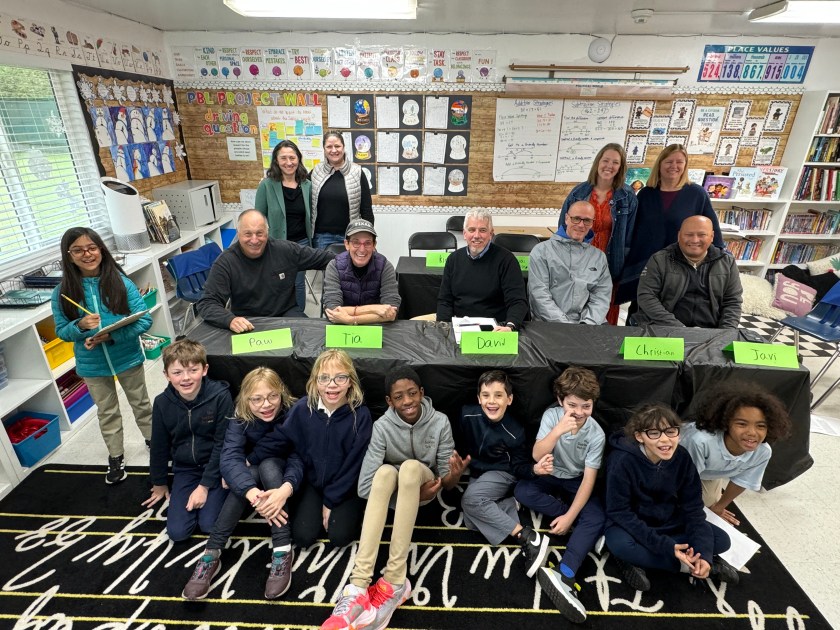
To conclude the unit, the 7th graders applied the success criteria they developed to propose improvements to the existing Saklan School campus or a redesigned and rebuilt Saklan campus. The students presented their suggested improvements to members of the Saklan Board of Trustees and the administrative team on Thursday and Friday of this week.

To learn more about their campus improvement suggestions, please join us for CLAS next week, on Friday, January 31st, when the 7th graders will share an overview of their project with the community.

#SaklanPBL

Collaborative Group Work

Collaborating to solve problems is a key element of PBL work at Saklan and a skill that many of us need to employ in our workplaces too. Intentionally building this skill is one of many ways that project work benefits Saklan students long after they leave our campus. Here are some ways we develop our skill of collaboration! 

To effectively collaborate, we must develop relationships that are grounded in trust, interdependence, and shared accountability. Rich learning experiences that develop the skill of effective collaboration do not happen by chance, but are instead, intentionally woven throughout our project design. Teachers use success skills rubrics alongside content-specific learning goals, directly teach and model collaboration, and create driving questions and topics that encourage students to share and showcase their stories, skills, and talents. 

A recent student example can be found in Kindergarten’s PBL unit on names. During this unit students explored the driving question, “How can sharing about our names help us become better friends?” Throughout the unit milestones, students worked on their capacity to tell their own name stories, ask questions about each other’s names, and really listen to their peers. Name stories open endless opportunities to share about culture, language, and family histories. Throughout each stage of this unit, learning experiences were designed to not only meet academic learning goals but also foster students’ trusting relationships and their sense of interdependence. Whether it was helping design a name story costume for self-portraits in art class, sharing their favorite part of their name stories with each other, or telling our families about each other’s names, the fruits of intentionally collaborative project design were on full display in this unit. Our Kindergarteners undoubtedly grew their capacity for collaboration.

At Saklan it isn’t just the students working to deepen their collaboration and sense of interdependence. The teachers at Saklan are also actively improving our practice.

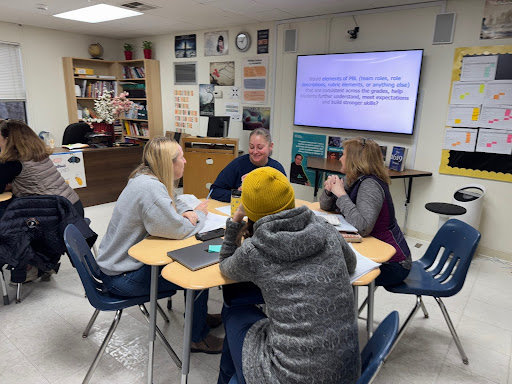
One way we are doing this as faculty is through our Professional Learning Community. A Professional Learning Community (PLC) is a way for our staff to share and grow in our capacity for project based learning with a pervasive, ongoing impact on the structure, style, and culture of PBL at Saklan. Instead of a series of stand-alone meetings, a PLC is intended to be an ongoing process in which educators work collaboratively in recurring cycles of collective inquiry and action research to achieve better results for Saklan students. 

At our most recent session on the January 6th PD day, there were two elements to our PLC work. Each teacher met as part of their year-long small group focused on one particular area of interest: using rubrics, managing team tasks, sustaining inquiry, and differentiation. Before these breakout sessions, the whole group worked on deepening our understanding of Universal Design for Learning (UDL) and discussed how we can increase our alignment of collaborative work expectations across grade levels and divisions. It was a lively discussion and we are excited to implement our learning from the research we’ve discussed AND from each other.

#SaklanCollaboration #SaklanLifeLongLearners

Mindful Art Making

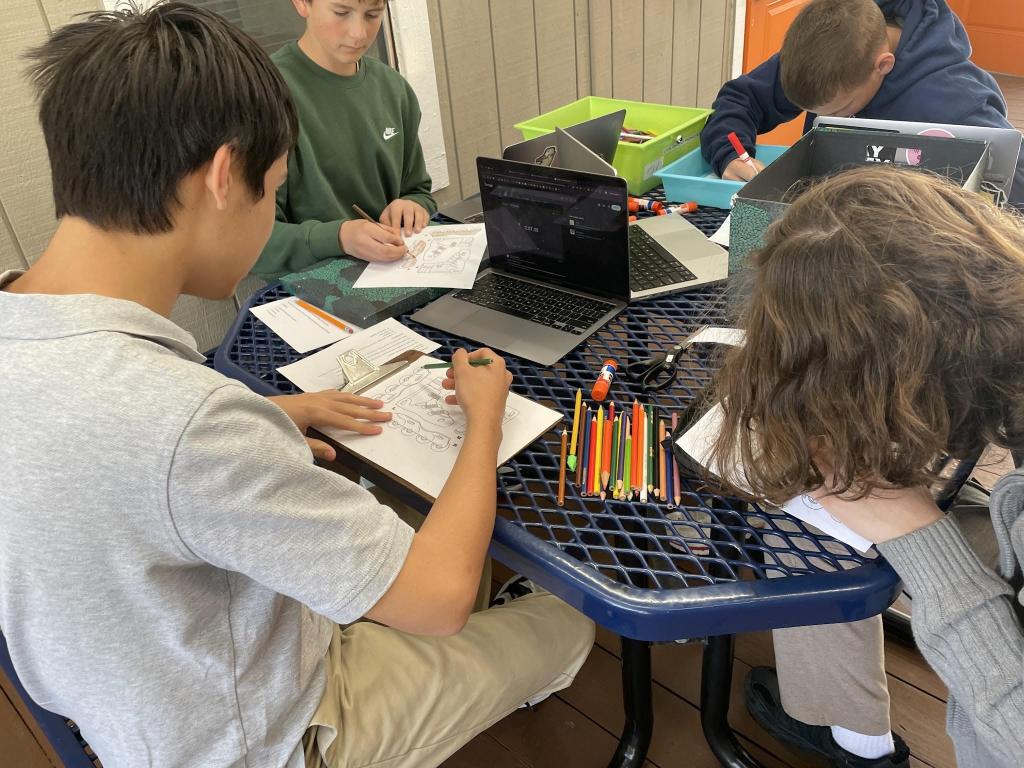
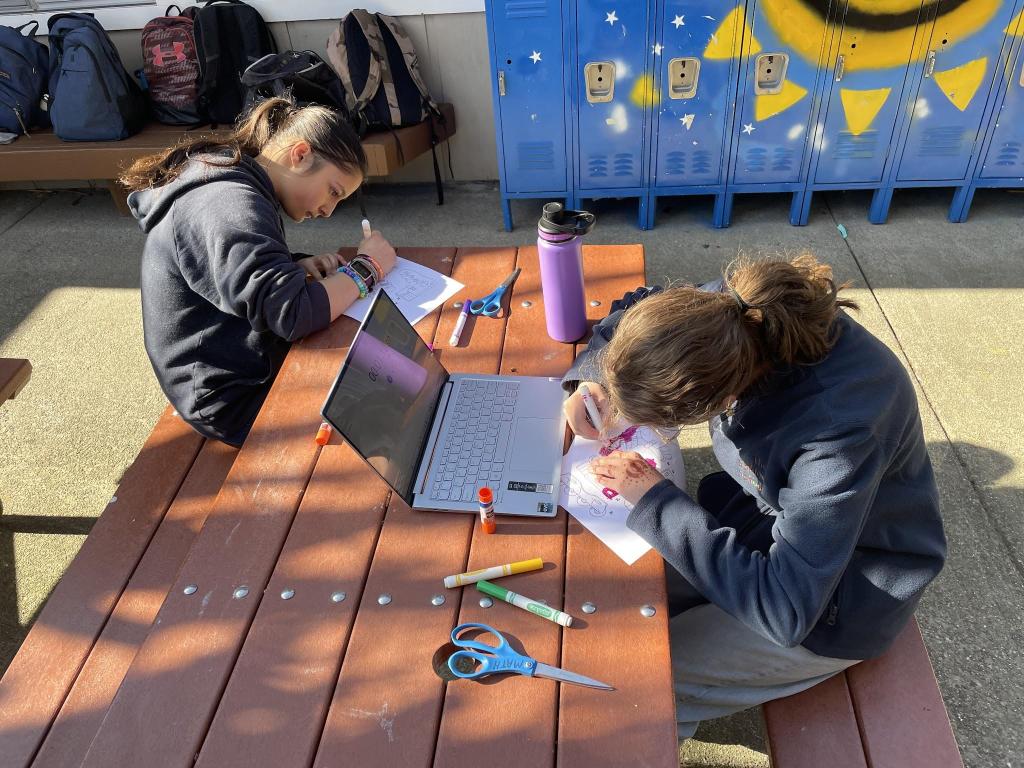
Students in first through eighth grade entered the new year through a series of therapeutic art activities in art class. Therapeutic art, or mindful art making, focuses on the creative process to relieve stress, calm the mind and body, or spark joy. Stepping out of winter break and into a new semester of learning and academic structure can stir up a range of feelings (for students, teachers, and families alike), and art can provide an opportunity to express these emotions, thoughts, and experiences in a way that words sometimes cannot. 

For each lesson, students were given a basket full of colorful art supplies and a small packet of drawing and writing prompts centered around reflecting on 2024 and exploring the values and energy they’d like to carry into 2025. Students were encouraged to work through the exercises in any order and to change or adapt the prompt in any way that felt authentic or comfortable to them at that moment. The goal was to connect with themselves and the process rather than create a polished, final product.

The mindfulness mini-unit was a great compliment to this month’s school-wide social-emotional focus: growth mindset. As students began another semester of projects, art making, and learning, Lauren used these activities an opportunity to remind them to approach the journey with curiosity, creativity, and compassion.

Classroom Jobs

Jobs at school can help students build a sense of excitement, community, and interdependence. Tasks such as putting up the flag, cleaning the tables after lunch, or being the class helper give students the opportunity to exercise and practice decision-making and reasoning. They also give students a chance to be responsible in a meaningful way: the children know that completing their jobs helps their school, classmates, and/or teachers.

Upon returning to school in January, the Hoot Owl teachers noticed how much the students had matured since the beginning of the year and decided they were ready to take on more responsibility in the classroom. As part of a new project unit on cleaning, the class brainstormed ways to help keep their classroom clean. From that list came new classroom jobs that the students will take turns doing each week for the remainder of the year.

To kick off their jobs work, the class worked on a big cleaning task together – cleaning all the chairs in their classroom. Using buckets of soapy water and sponges, the students scrubbed down their chairs. They noticed that the water in the buckets didn’t look so clean when they were done, so we know the Hoot Owls did a great job of cleaning the chairs! After the chairs were scrubbed, they were rinsed off using the hose, and then students dried them. Some of the Hoot Owls took such pride in their work that they wanted to make sure the chair legs were shining!

Head’s Corner: Power of Agency

Agency- Latin agentia “ability,” and ag(ere) “to do, drive”

Over the Winter Break, I received several emails from parents sharing with me a New York Times opinion piece they felt described Saklan perfectly. The article “Giving Kids Some Autonomy Has Surprising Results” should not be a surprise to anyone familiar with our work at Saklan.

“Agency” is a core value at Saklan. Students having “voice and choice” in their learning is a central tenet of Project Based Learning and our approach to SEL. Student agency honors students’ experiences and curiosities while giving them a locus of control over their lives. In short, it creates “buy-in” to learning. 

According to surveys by the Brooking Institution, very few students feel they have control over what they are learning. “The more time they spend in school, the less they feel like the author of their own lives, so why even try.”

In a majority of classrooms today, teachers introduce a topic and share with students what they will be learning. They have their standards to check off and material to cover. Just looking at those two sentences feels dispiriting.

Why not introduce a topic, ask students what they know about the topic (they know so much more than we often realize), and ask them what they want to investigate next? There are subtle differences between these two approaches, but student engagement is markedly different in the one that gives agency.

Giving agency raises academic standards by requiring students to invest in their own learning, reflect on their progress, and course-correct. If that sounds familiar, it is what we do as adults in our working lives. 

Agency creates a love of learning and a love in learning- and as if that is not enough to convince society that this is the right approach to education then a look at our standardized testing data should convince the doubters. 

Project Culminations at Saklan

A key element of Saklan Project Based Learning units is a public product. This looks different depending on the division and, hopefully, over the last month, you have had the opportunity to share in a culminating event on campus! 

In our Early Childhood Education program, our projects culminate with a public event where students share all the expertise they have gained over the course of the project. It’s a joyful time to celebrate their hard work with family, friends, and other students and staff. It is also a rich opportunity for them to be the experts in the room and develop their speaking and listening skills. Recently our Pre-K (Hoot Owl) class culminated their project unit on farmers’ markets. 

In our lower and middle school projects, products are created for an audience beyond the teacher and students in the classroom. One key aspect of a public product in these divisions is that it must raise the stakes of the work in a meaningful and authentic way. Students aren’t doing something just for the sake of doing it or solely regurgitating information learned from teacher-directed lessons.

Instead, the work students engage in mirrors what adults do in their various career pursuits. After student-led inquiry and teacher guidance to address the content standards, students make or do something that serves some purpose in the Saklan or broader community. Students are creating, educating, or advocating beyond the context of our classrooms. Some examples of recent products that answer the driving question and serve an authentic public purpose are below:

GradeDriving QuestionPublic Product
2ndCan animals survive in any habitat?Lunch table mini posters advocating for food swaps that help avoid palm oil. 
2ndHow can we use color to communicate feelings?Design and creation of the concert backdrop for our Spring Concert at the Lesher Center
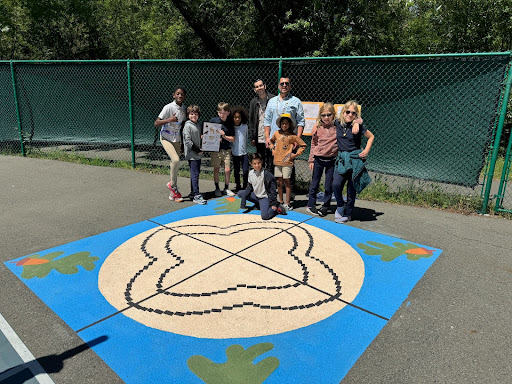
3rdHow can we show respect to the people whose ancestral land our school is on?Research, design, and creation of the hopscotch and four square murals on the sports court to reflect the Saklan Bay Miwok culture.
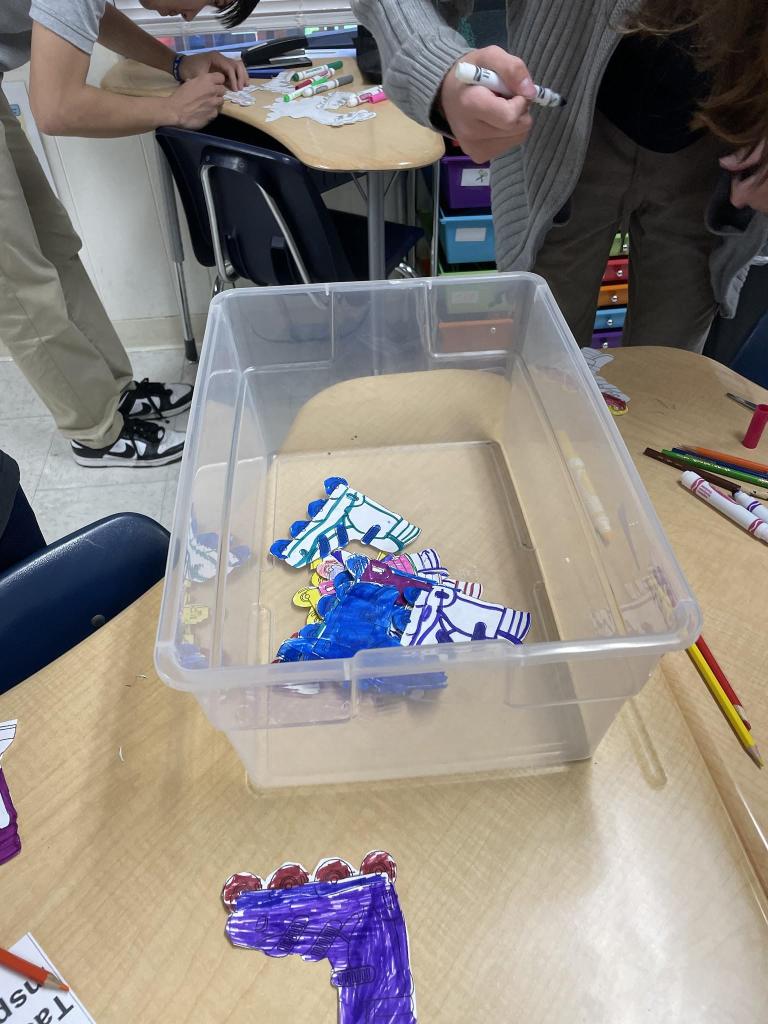
6thWho do artifacts really belong to?Public art graffiti stencils to share options on repatriation of artifacts with the community. 

The final products differ but all include authentic sharing and action beyond our classrooms. At Saklan, students feel a sense of purpose that is hard to replicate in other styles of teaching and learning. This brings the work alive and prepares them for the critical thinking challenges, complex communication needs, and creative problem-solving they will encounter in high school, college, and beyond.

If you’d like to dive deeper into the various design elements of a Project Based Learning (PBL) unit, check out the recording of our October 22nd Saklan Projects! virtual event. And we hope you can join us at our culminating events next week.

Upcoming Project Culminations

  • Preschool (Owlets)- Nocturnal Animals Culmination Celebration at 8:35 a.m. on December 12th
  • Kindergarten- Names Unit Culmination at 8:45 a.m. on Thursday, December 12th

#SaklanProjects

Head’s Corner: We Are “Really Doing It”

Last year, a Saklan Trustee and I had the privilege of attending the California Association of Independent Schools (CAIS) Heads and Trustees Conference. This annual gathering brings together nearly 500 school leaders and trustees, all focused on learning, sharing ideas, and discussing the future of independent schools.

During one of the many breakout sessions, we found ourselves mingling with trustees and heads from other independent schools, exchanging experiences and posing questions to each other. Among all the conversations that day, one in particular stood out. As we discussed various educational models, the topic of Project Based Learning (PBL) came up. A fellow school leader, well-acquainted with the educational landscape of the Bay Area, turned to the group and said: “There are lots of schools in the Bay Area claiming to be PBL schools, but Saklan is the only one really doing it.”

This simple statement was a powerful reminder of how far we’ve come. When we embarked on this journey to make PBL a cornerstone of Saklan’s approach, our goal wasn’t just to enhance academic rigor and engagement. We aimed to redefine what rigor and high engagement should look like in a modern school setting.

This week, we took another step in that journey by officially launching a video that showcases the incredible work we’ve been doing at Saklan. This is more than just a celebration of our accomplishments; it’s an invitation for others to see how we’re shaping the future of education—where students are deeply engaged, challenged, and, most importantly, truly prepared for the world ahead.

At Saklan, we’re not just talking about Project Based Learning. We’re living it. And we’re proud to say—we’re really doing it.

Warmly, 

David

#HeadsCorner

Self-Regulating Kindergarteners

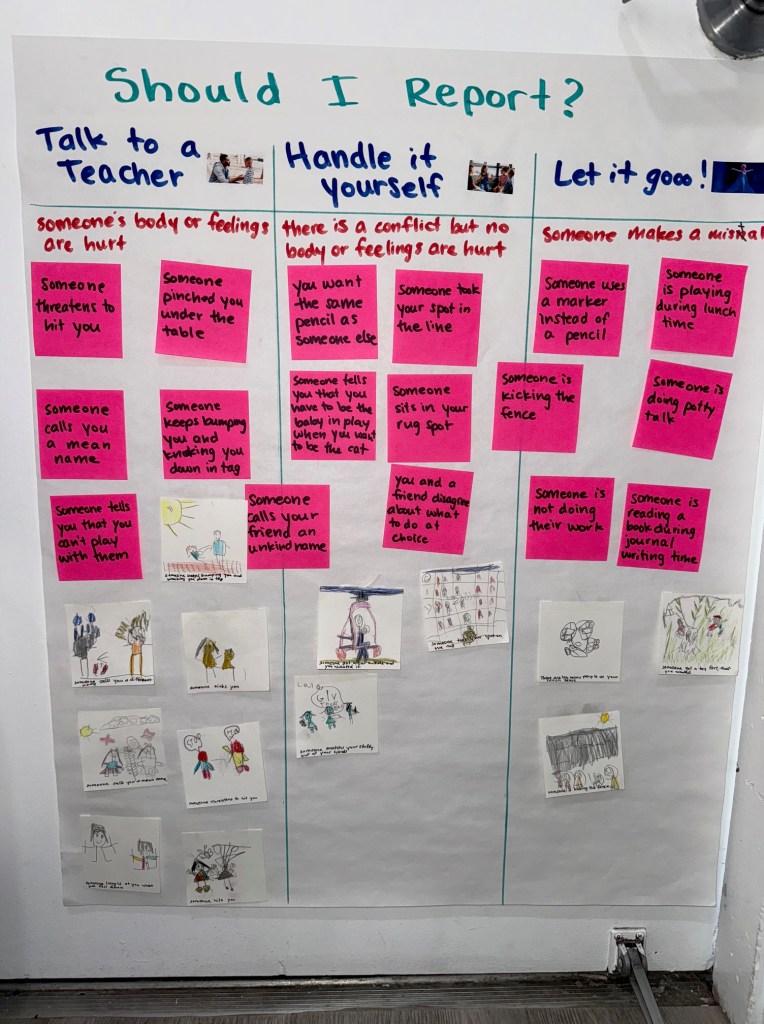
Kindergarten has been learning about self-regulation. While self-regulation is something that everyone is always working on and practicing, it helps to make our strategies and tools for self-regulation visible for others to better understand.

First, it’s important to make sure we all know what calm feels like so that in moments of upset or silliness, we can get ourselves back to calm. The class read a story about a very moody cow and compared how it feels in their bodies when they are mad versus when they are calm. Next, they read a story about a boy who had a horrible day and discussed things he could have done to feel better throughout the day. Then Riva introduced the “break chair” to the class, which is a tool that students can use to calm down after upset, overstimulation, anger, distraction, etc. She modeled how to use it, and then the class shared what they noticed. A student modeled for the class as well, and again the students shared what they noticed. Then came the kindergartners’ favorite part, sending Riva to take a break in the chair. But, Riva did the WRONG thing! Hilarity ensued, and even Riva couldn’t keep a straight face, as everyone was cracking up. Since introducing this self-regulation tool, Riva has been thrilled to see many students using the Break Chair throughout the day. It’s clearly a tool that works for them!

The self-regulation discussions and activities culminated in the class creating a list of “Ways to Cool Down,” which will hang in the Kindergarten classroom all year. Anytime someone needs help, they can check the list and try one of the many excellent strategies their peers came up with.

If you need help calming down, feel free to ask one of our resident self-regulation experts in the kindergarten room!

#SaklanSEL