Successful Community Spaces

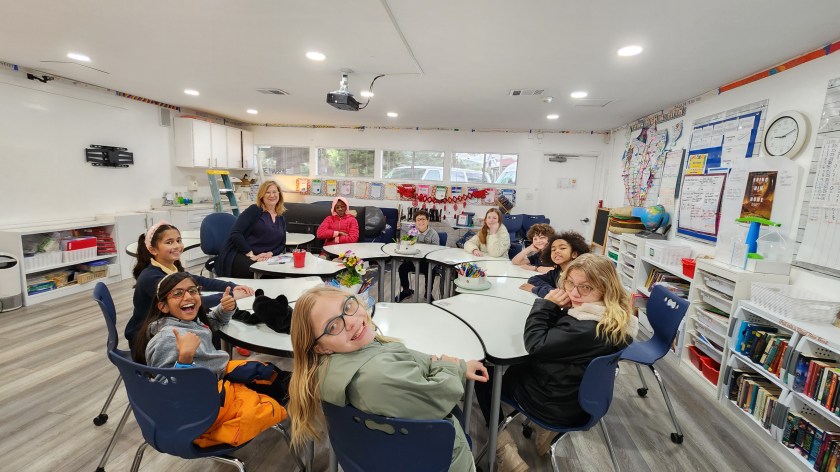
As part of their Community Spaces Project Based Learning unit, 7th graders recently analyzed, brainstormed, collaborated and categorized to answer the focus question: What makes a community space successful and sustainable?

First, each student wrote a paper analyzing the successful and sustainable features of one space or structure in the Maya, Aztec/Mexica, or Inka civilizations. The spaces and structures they studied included the construction and urban design of Tenochtitlán, temples, marketplaces, ballcourts, observatories, homes, and palaces. 

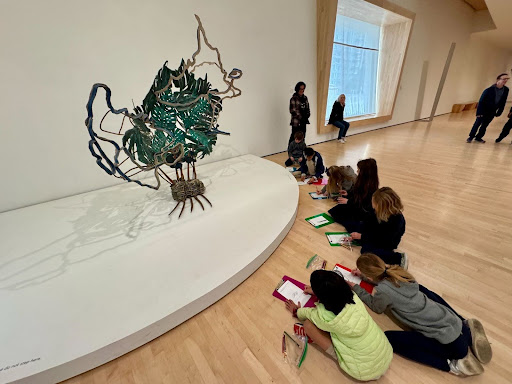
Next, the class brainstormed successful features of the places they visited during field experiences: Moraga Commons, the Wellness Center at Los Perales Elementary School in Moraga, the Oakland Museum of California, and Temple Hill in Oakland. The students also learned about contemporary sustainable low-rise buildings designed by Japanese architect Kengo Kuma, such as the National Stadium built for the 2020 Tokyo Olympics. 

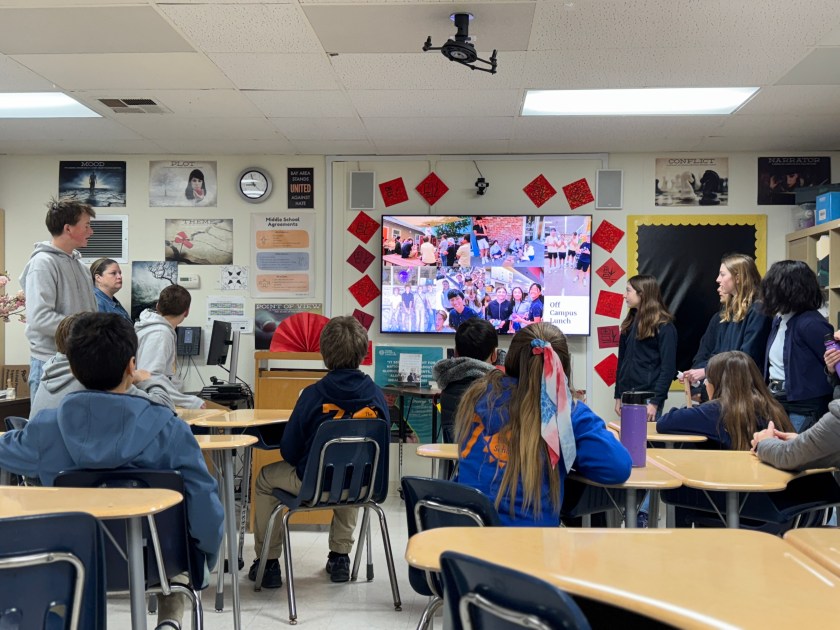
After they generated lists of the successful features of all of these spaces and structures, the students worked in small groups to place these features into categories. They used the below visual representation as a model. Next, the class narrowed down their successful space criteria into six categories. Working in groups, the class collaborated to create their own version of the diagram (click the arrows below to see their version).

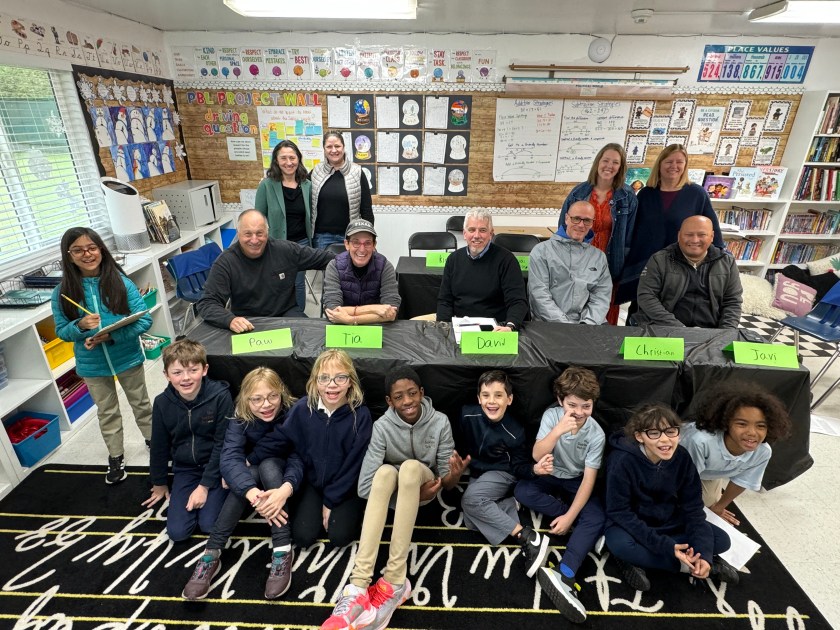
To conclude the unit, the 7th graders applied the success criteria they developed to propose improvements to the existing Saklan School campus or a redesigned and rebuilt Saklan campus. The students presented their suggested improvements to members of the Saklan Board of Trustees and the administrative team on Thursday and Friday of this week.

To learn more about their campus improvement suggestions, please join us for CLAS next week, on Friday, January 31st, when the 7th graders will share an overview of their project with the community.

#SaklanPBL

Inspiring Author Visit

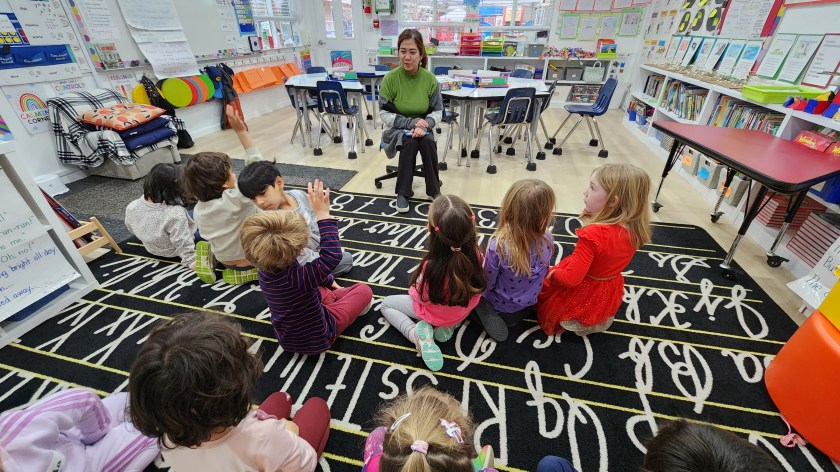
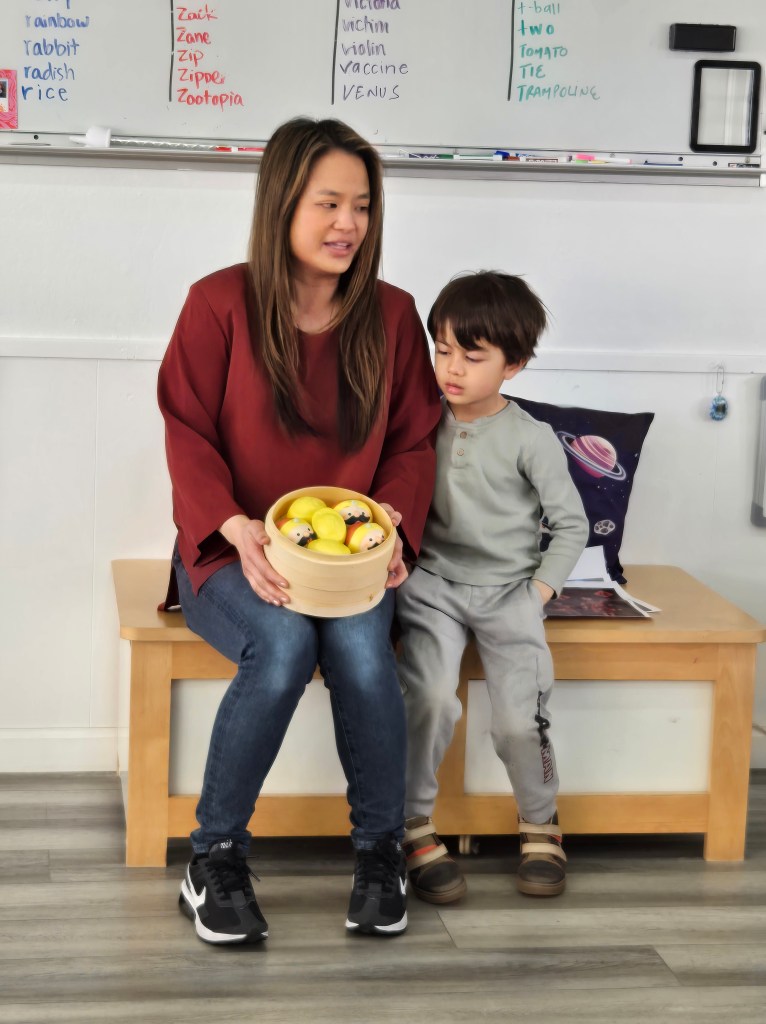
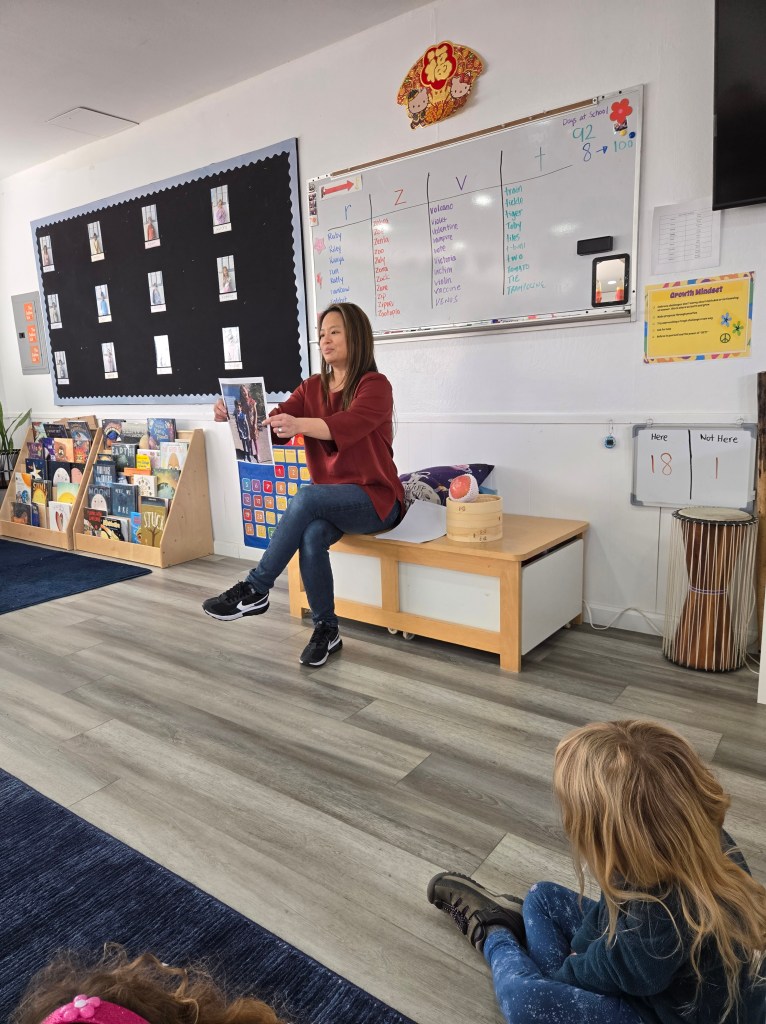
Our lower school students were recently thrilled to welcome author Traci Huahn to Saklan for an inspiring visit centered around her book, Mamie Tape Fights to Go to School. During the 45-minute session, students enjoyed a captivating read-aloud of the book, learned about the historical significance of Mamie Tape’s fight for school desegregation during the era of the Chinese Exclusion Act, and explored how this moment in history connects to the broader civil rights movement.

Ms. Huahn also shared her journey as an author, offering an inside look at the research, writing, revising, and publishing process. Students were delighted by a special video message from the book’s illustrator, Michelle Jing Chan, who revealed her creative process and behind-the-scenes details.

The visit sparked engaging discussions about bravery, standing up for your rights, and the power of storytelling. Students asked thoughtful questions during the Q&A, deepening their understanding of the themes and lessons in the book.

Collaborative Group Work

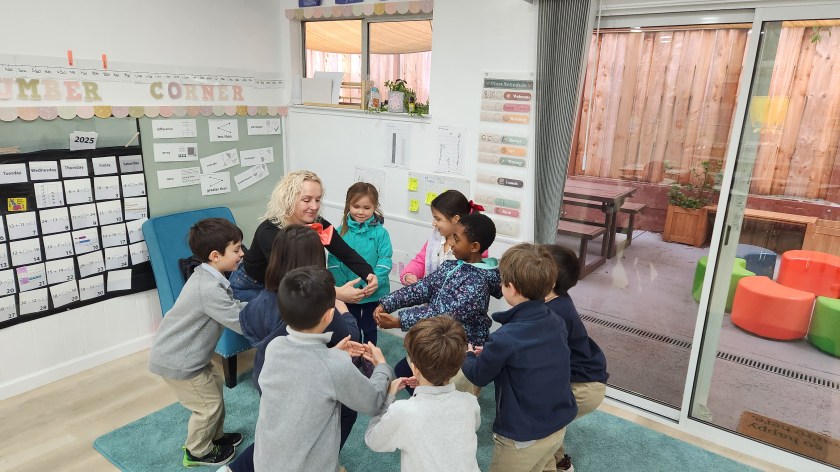
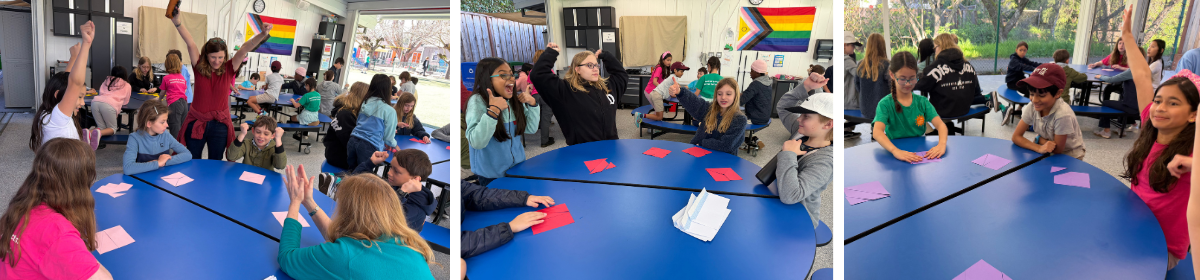
Collaborating to solve problems is a key element of PBL work at Saklan and a skill that many of us need to employ in our workplaces too. Intentionally building this skill is one of many ways that project work benefits Saklan students long after they leave our campus. Here are some ways we develop our skill of collaboration! 
To effectively collaborate, we must develop relationships that are grounded in trust, interdependence, and shared accountability. Rich learning experiences that develop the skill of effective collaboration do not happen by chance, but are instead, intentionally woven throughout our project design. Teachers use success skills rubrics alongside content-specific learning goals, directly teach and model collaboration, and create driving questions and topics that encourage students to share and showcase their stories, skills, and talents. 

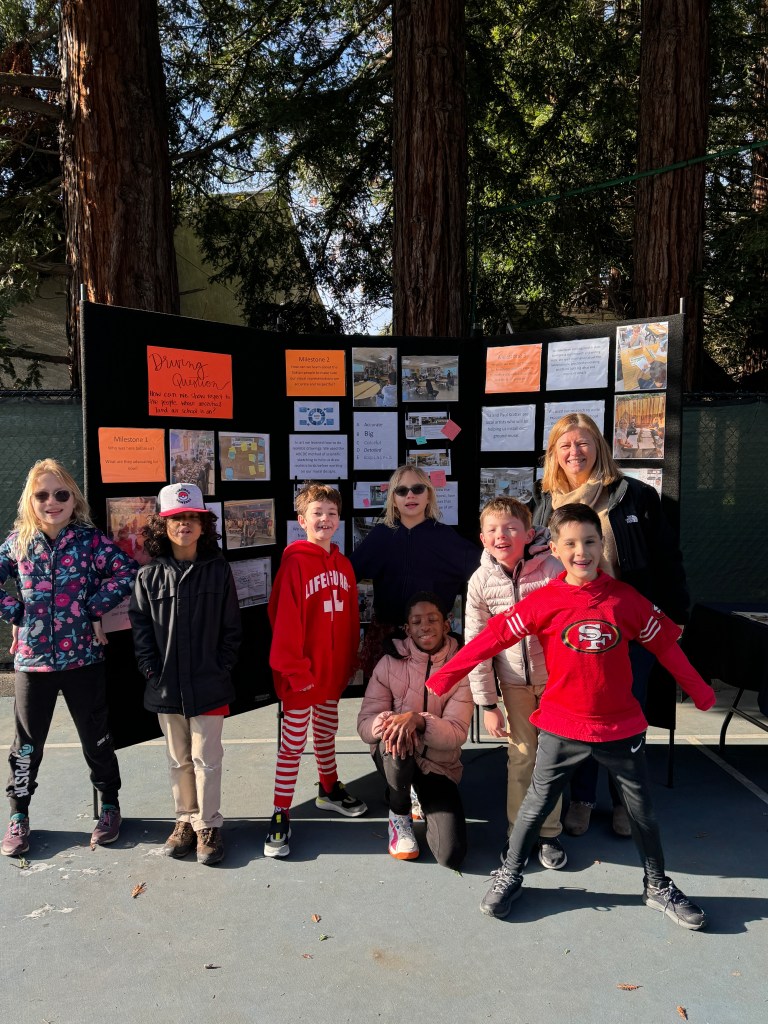
A recent student example can be found in Kindergarten’s PBL unit on names. During this unit students explored the driving question, “How can sharing about our names help us become better friends?” Throughout the unit milestones, students worked on their capacity to tell their own name stories, ask questions about each other’s names, and really listen to their peers. Name stories open endless opportunities to share about culture, language, and family histories. Throughout each stage of this unit, learning experiences were designed to not only meet academic learning goals but also foster students’ trusting relationships and their sense of interdependence. Whether it was helping design a name story costume for self-portraits in art class, sharing their favorite part of their name stories with each other, or telling our families about each other’s names, the fruits of intentionally collaborative project design were on full display in this unit. Our Kindergarteners undoubtedly grew their capacity for collaboration.

At Saklan it isn’t just the students working to deepen their collaboration and sense of interdependence. The teachers at Saklan are also actively improving our practice.

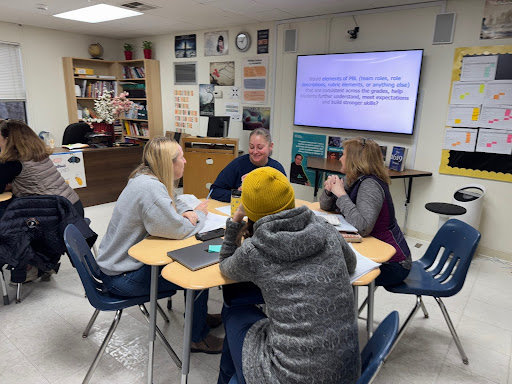
One way we are doing this as faculty is through our Professional Learning Community. A Professional Learning Community (PLC) is a way for our staff to share and grow in our capacity for project based learning with a pervasive, ongoing impact on the structure, style, and culture of PBL at Saklan. Instead of a series of stand-alone meetings, a PLC is intended to be an ongoing process in which educators work collaboratively in recurring cycles of collective inquiry and action research to achieve better results for Saklan students. 

At our most recent session on the January 6th PD day, there were two elements to our PLC work. Each teacher met as part of their year-long small group focused on one particular area of interest: using rubrics, managing team tasks, sustaining inquiry, and differentiation. Before these breakout sessions, the whole group worked on deepening our understanding of Universal Design for Learning (UDL) and discussed how we can increase our alignment of collaborative work expectations across grade levels and divisions. It was a lively discussion and we are excited to implement our learning from the research we’ve discussed AND from each other.

#SaklanCollaboration #SaklanLifeLongLearners

Classroom Jobs

Jobs at school can help students build a sense of excitement, community, and interdependence. Tasks such as putting up the flag, cleaning the tables after lunch, or being the class helper give students the opportunity to exercise and practice decision-making and reasoning. They also give students a chance to be responsible in a meaningful way: the children know that completing their jobs helps their school, classmates, and/or teachers.

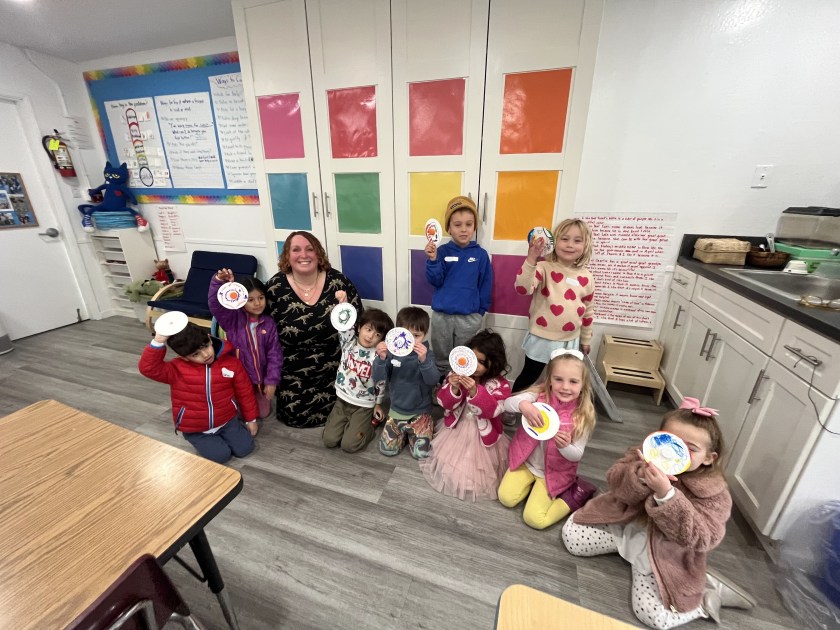
Upon returning to school in January, the Hoot Owl teachers noticed how much the students had matured since the beginning of the year and decided they were ready to take on more responsibility in the classroom. As part of a new project unit on cleaning, the class brainstormed ways to help keep their classroom clean. From that list came new classroom jobs that the students will take turns doing each week for the remainder of the year.

To kick off their jobs work, the class worked on a big cleaning task together – cleaning all the chairs in their classroom. Using buckets of soapy water and sponges, the students scrubbed down their chairs. They noticed that the water in the buckets didn’t look so clean when they were done, so we know the Hoot Owls did a great job of cleaning the chairs! After the chairs were scrubbed, they were rinsed off using the hose, and then students dried them. Some of the Hoot Owls took such pride in their work that they wanted to make sure the chair legs were shining!
Head’s Corner: Power of Agency

Agency- Latin agentia “ability,” and ag(ere) “to do, drive”

Over the Winter Break, I received several emails from parents sharing with me a New York Times opinion piece they felt described Saklan perfectly. The article “Giving Kids Some Autonomy Has Surprising Results” should not be a surprise to anyone familiar with our work at Saklan.

“Agency” is a core value at Saklan. Students having “voice and choice” in their learning is a central tenet of Project Based Learning and our approach to SEL. Student agency honors students’ experiences and curiosities while giving them a locus of control over their lives. In short, it creates “buy-in” to learning. 

According to surveys by the Brooking Institution, very few students feel they have control over what they are learning. “The more time they spend in school, the less they feel like the author of their own lives, so why even try.”

In a majority of classrooms today, teachers introduce a topic and share with students what they will be learning. They have their standards to check off and material to cover. Just looking at those two sentences feels dispiriting.

Why not introduce a topic, ask students what they know about the topic (they know so much more than we often realize), and ask them what they want to investigate next? There are subtle differences between these two approaches, but student engagement is markedly different in the one that gives agency.

Giving agency raises academic standards by requiring students to invest in their own learning, reflect on their progress, and course-correct. If that sounds familiar, it is what we do as adults in our working lives. 

Agency creates a love of learning and a love in learning- and as if that is not enough to convince society that this is the right approach to education then a look at our standardized testing data should convince the doubters. 

Back by Popular Demand!

Every Saklan student knows how rewarding a snack can be at the end of a busy day of learning and having fun with one another here at school. Our dedicated and resourceful Student Council has been busy planning the return of Snack Shack this year!

Student Council officers and representatives in grades 1 through 8 decided on the final items for sale based on desirability, minimizing waste, and being able to set reasonable prices ranging from 50 cents to $2.00 per item. Yummy snacks for sale this year will include: goldfish, gummies, chips, Hello Panda, Pirate’s Booty, Rice Krispy treats, La Croix bubble water, Honest Juice, and Martinelli’s apple drink. 

Last year’s Student Council voted to spend some of the proceeds from Snack Shack for The Saklan School to participate in the Terracycle recycling program for markers, pens, glue sticks, and odd single-use products we use daily at school. Stay tuned for which charity or cause this year’s Student Council selects!

Snack Shack will open outside David’s office from 3:00 p.m. to 3:30 p.m. every Thursday starting on January 16th.  Saklan students are invited to come by and purchase a snack from our hardworking Student Council members. Cash only, please. 

Thank you, students and parents, for supporting our Student Council.

Snack on!
#SaklanStudentCouncil #SaklanLeadership

Portraits of Kindergarten

In art class, kindergartners recently worked on representing themselves through portraits. First, students observed well-known self-portraits by Vincent VanGogh and Frida Kahlo, and then used the art elements of line, shape, and color to create their own self-portrait drawings.

Next, the kindergartners observed the artwork of contemporary artist Cindy Sherman, who photographs herself dressed up as different imagined characters. In collaboration with their PBL unit exploring the driving question of “How can learning about each other’s names make us better friends?” students planned their own Cindy Sherman-inspired photoshoot that visualized the meaning and stories behind their names. Each student posed for photographs wearing costumes and props that not only represented their names but that superbly matched their unique personalities. Check out their photos below! 
#SaklanProjectBasedLearning

Head’s Corner: Saklan Tuition Assistance

At Saklan, we strive to make education available to families who share what matters most to us: a love of learning and love in learning. Our tuition assistance program is part of that commitment, helping to create a vibrant community that strengthens our school.

Families are often surprised to learn that tuition assistance isn’t just for families with a below-average income. Our tuition assistance supports a wide range of family circumstances and income levels. Whether you’re managing multiple children’s educational needs, working to support your parents, or experiencing an unusual financial event, we encourage you to explore your options. While we can’t guarantee assistance to every family that applies, we work diligently to support as many qualified applicants as possible.

Moreover, we understand the sensitive nature of financial discussions. All aspects of tuition assistance applications are handled with confidentiality. Only our financial aid committee has access to your information, and all applications and decisions are kept private.

We are dedicated to growing and fostering our community. Applications for Tuition Assistance for the 2025-26 school year are now available through Clarity. If you have any questions concerning your eligibility for tuition assistance, please don’t hesitate to contact Mylesa, Saklan’s Director of Admissions, at admissions@saklan.org.

Project Culminations at Saklan

A key element of Saklan Project Based Learning units is a public product. This looks different depending on the division and, hopefully, over the last month, you have had the opportunity to share in a culminating event on campus! 

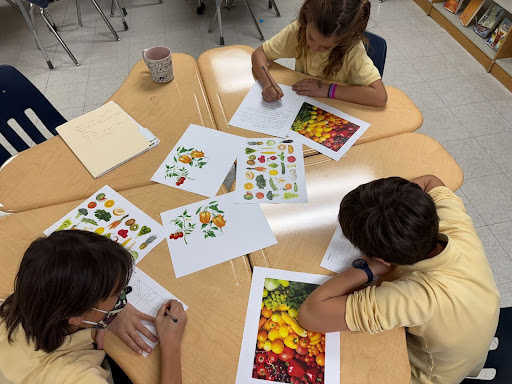
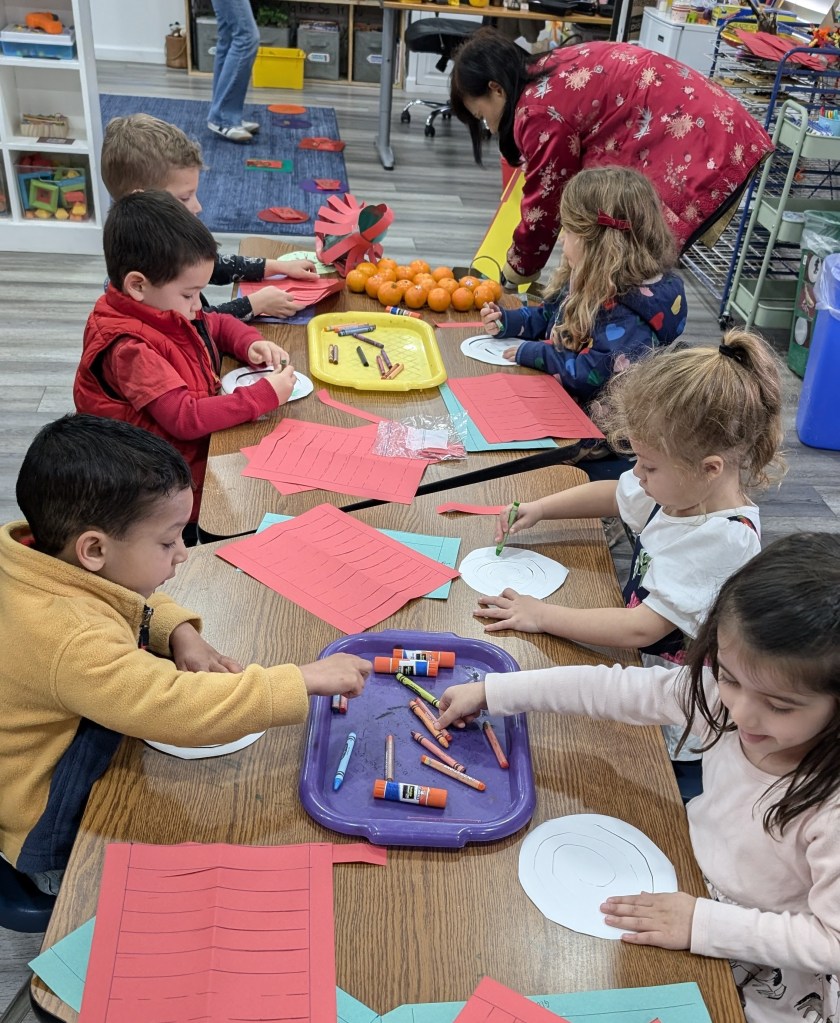
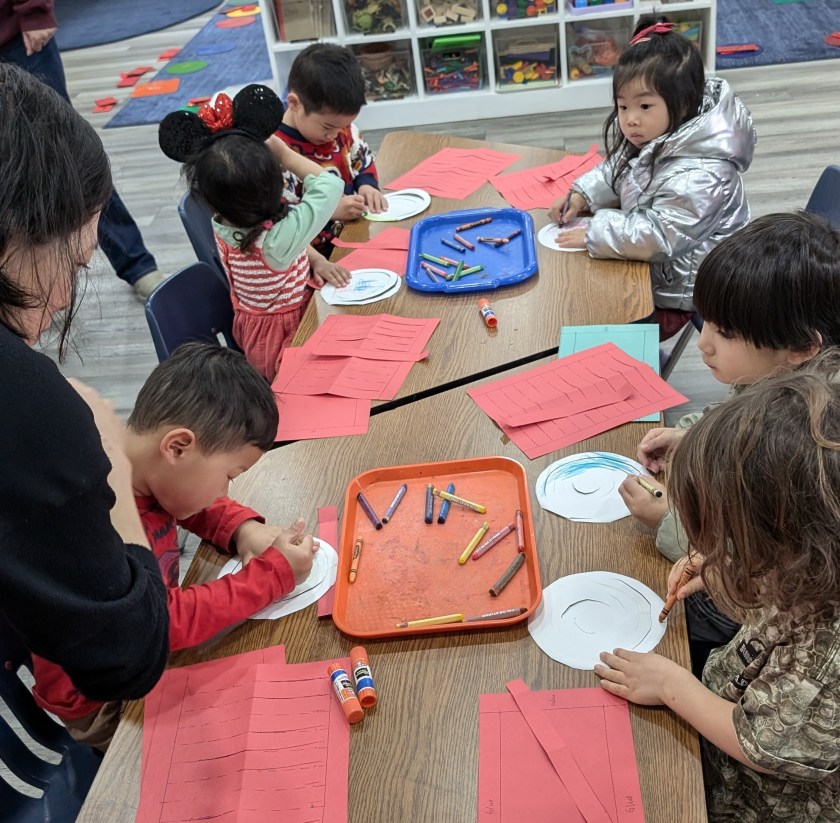
In our Early Childhood Education program, our projects culminate with a public event where students share all the expertise they have gained over the course of the project. It’s a joyful time to celebrate their hard work with family, friends, and other students and staff. It is also a rich opportunity for them to be the experts in the room and develop their speaking and listening skills. Recently our Pre-K (Hoot Owl) class culminated their project unit on farmers’ markets. 

In our lower and middle school projects, products are created for an audience beyond the teacher and students in the classroom. One key aspect of a public product in these divisions is that it must raise the stakes of the work in a meaningful and authentic way. Students aren’t doing something just for the sake of doing it or solely regurgitating information learned from teacher-directed lessons.

Instead, the work students engage in mirrors what adults do in their various career pursuits. After student-led inquiry and teacher guidance to address the content standards, students make or do something that serves some purpose in the Saklan or broader community. Students are creating, educating, or advocating beyond the context of our classrooms. Some examples of recent products that answer the driving question and serve an authentic public purpose are below:

GradeDriving QuestionPublic Product
2ndCan animals survive in any habitat?Lunch table mini posters advocating for food swaps that help avoid palm oil. 
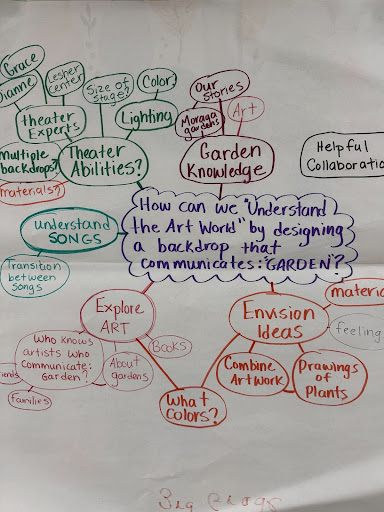
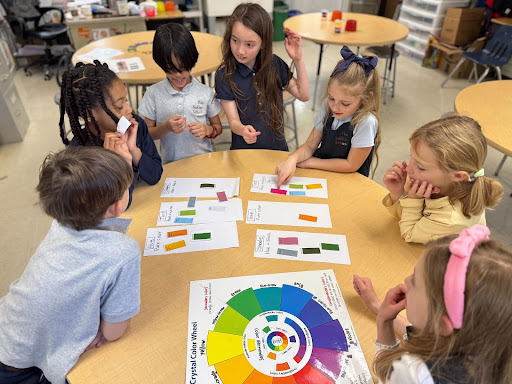
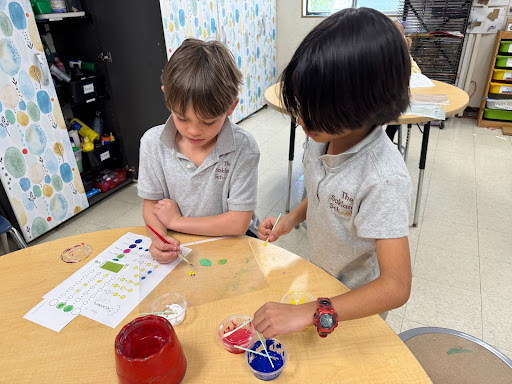
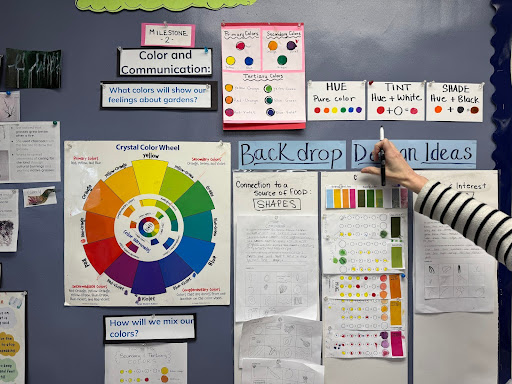
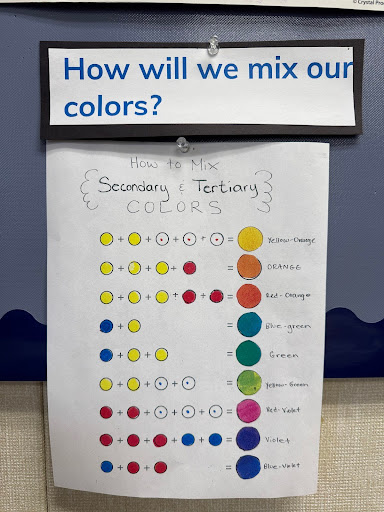
2ndHow can we use color to communicate feelings?Design and creation of the concert backdrop for our Spring Concert at the Lesher Center
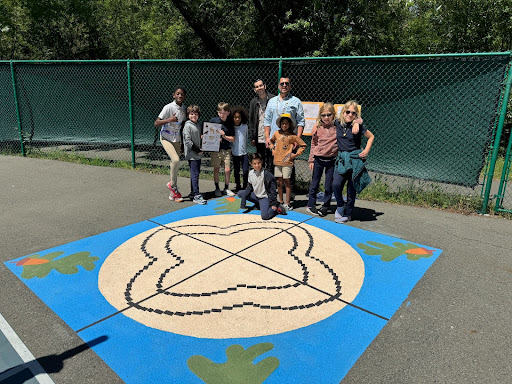
3rdHow can we show respect to the people whose ancestral land our school is on?Research, design, and creation of the hopscotch and four square murals on the sports court to reflect the Saklan Bay Miwok culture.
6thWho do artifacts really belong to?Public art graffiti stencils to share options on repatriation of artifacts with the community. 

The final products differ but all include authentic sharing and action beyond our classrooms. At Saklan, students feel a sense of purpose that is hard to replicate in other styles of teaching and learning. This brings the work alive and prepares them for the critical thinking challenges, complex communication needs, and creative problem-solving they will encounter in high school, college, and beyond.

If you’d like to dive deeper into the various design elements of a Project Based Learning (PBL) unit, check out the recording of our October 22nd Saklan Projects! virtual event. And we hope you can join us at our culminating events next week.

Upcoming Project Culminations

  • Preschool (Owlets)- Nocturnal Animals Culmination Celebration at 8:35 a.m. on December 12th
  • Kindergarten- Names Unit Culmination at 8:45 a.m. on Thursday, December 12th

#SaklanProjects

Name Stories

In their Names Project, kindergartners have been sharing and learning about each other’s names to build community and deepen friendships. The students have learned and shared the letters in their names, compared the number of letters, and found similarities and differences with friends’ names. The class has read a variety of mentor texts that highlight the unique characteristics of characters’ names. The kindergartners learned about interviewing and listening to plan for and interview their parents about their name stories. The class will bring all this together in a book about their name stories.

To prepare to write their own book, Saklan Kindergarteners were delighted to host guest expert and children’s book author Matt Hintze on Wednesday, November 13th. Matt read his newest book, Santa Stole My Cookies, to the class. They loved it! 

After the reading came the most important part of the expert visit: the class interviewed Matt about writing and publishing books. The kindergartners planned for the visit the day before by coming up with questions they wanted to know about making books, which might be useful when creating their name books.

Matt was so impressed by the students’ smart, thoughtful questions, and the kindergartners were very happy with the helpful information Matt provided.

The kindergartners will share their name books and other aspects of their learning during their Names Project Culmination on Thursday, December 12th at 8:45 a.m. They would love for you to attend their culmination!

#SaklanProjectWork