Meet Vickie Obenchain, Saklan’s globe-trotting, zero-gravity-experiencing, shark-snorkeling science teacher extraordinaire. From the icy expanses of Antarctica to the warm waters of the Bahamas, Ms. O doesn’t just teach science—she lives it. Her adventures in professional development don’t just fuel her own curiosity; they spark a love of learning in every student lucky enough to enter her classroom or join one of the incredible field experiences she plans.
What has been the most enriching professional development experience you’ve had in recent years? How have they tied into your curriculum?
I love taking part in professional development! To me, it’s an opportunity to learn new techniques, learn with other like-minded educators from around the country, and see what scientists in the field are doing. These opportunities help both myself and my students understand the world around them, as I bring these experiences back into the classroom. These opportunities have also allowed me to share career opportunities available in the science profession with students, as new ones are constantly popping up.
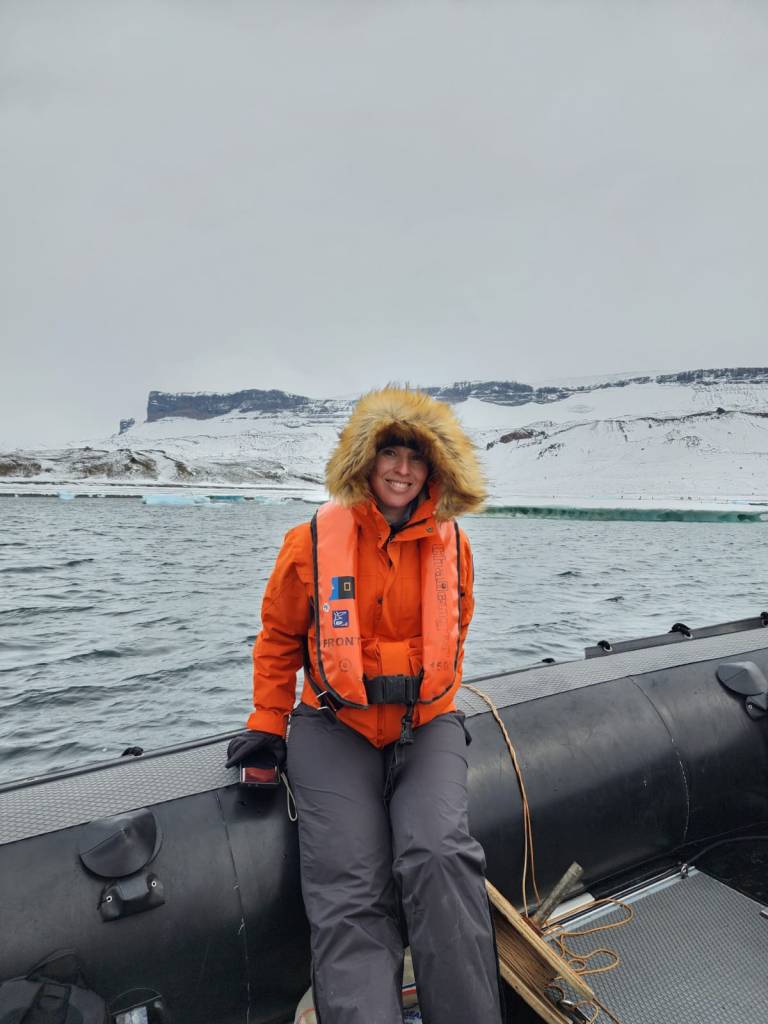
A few of my favorite experiences have been ones that have opened my eyes to our amazing planet and expanded my own knowledge in fields I felt I could use more expertise. These include: National Geographic Grosvenor Fellowship, Bimini Shark Lab Teacher Fellowship, Embedded Teacher Program, and the Saklan Summer Fund. With the National Geographic Grosvenor Teacher Fellowship, I went on an expedition to Antarctica. Experiencing the beauty of one of the most remote places on Earth—while learning alongside National Geographic scientists and photographers—was truly a once-in-a-lifetime experience. I spent time learning about the effects of climate change on Antarctica, how the food chain is very dependent on an incredibly small invertebrate, krill, and learning about different species of penguin. Helping both my earth science and life science curricula.
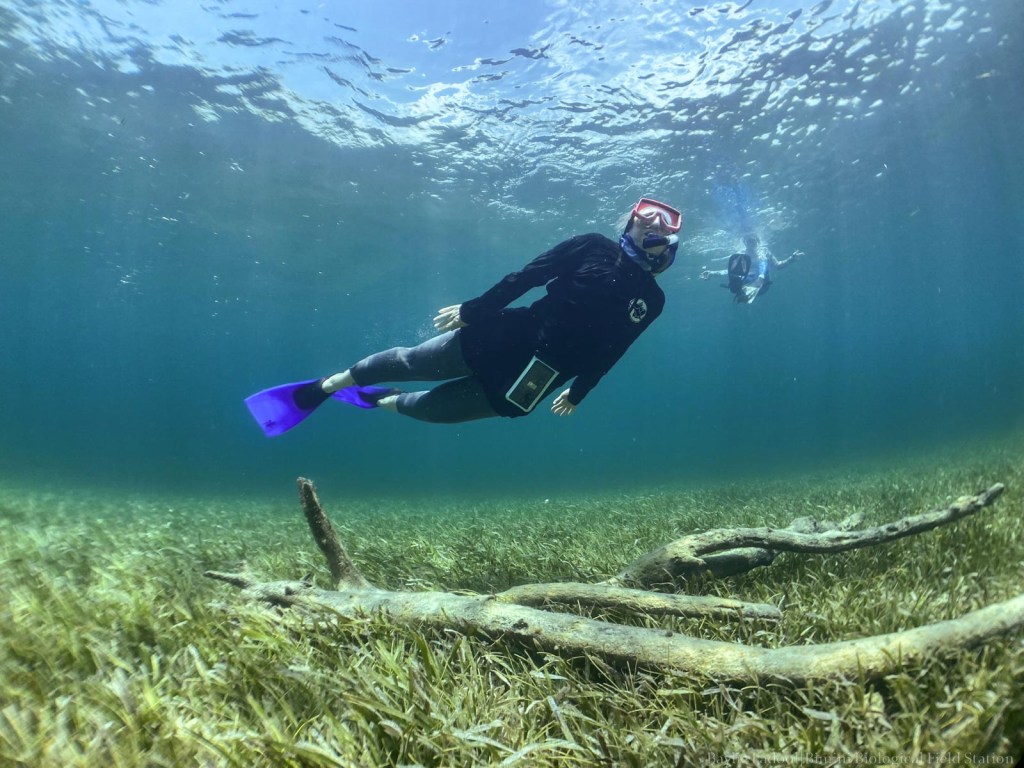
Learning about different species of sharks while snorkeling among them in the Bahamas with the Bimini Shark Lab allowed me to rethink what I thought about these stunning creatures. It inspired our Earth Day topic a few years back, where we rethought about how sharks are presented in the media, yet how they are integral to the food web in our oceans. Maybe respect for all wild animals is the way to go!
Flying on a ZeroG flight with the Embedded Teacher Program to better understand the gravitational pull on Earth, Mars, the moon, and in outer space was not only SO cool, but was also mind-blowing to realize how matter is affected by the pull of gravity! Matter reacts differently than you expect with different gravitational pulls (or no gravitational pull for that matter), and having the students brainstorm and create hypotheses before I went on the flight on what might happen as I did experiments in that environment allowed them to open their minds around what scientists have to consider when designing and engineering for outer space. This tied into my physical science units, as well as my lower school 5th-grade science unit.
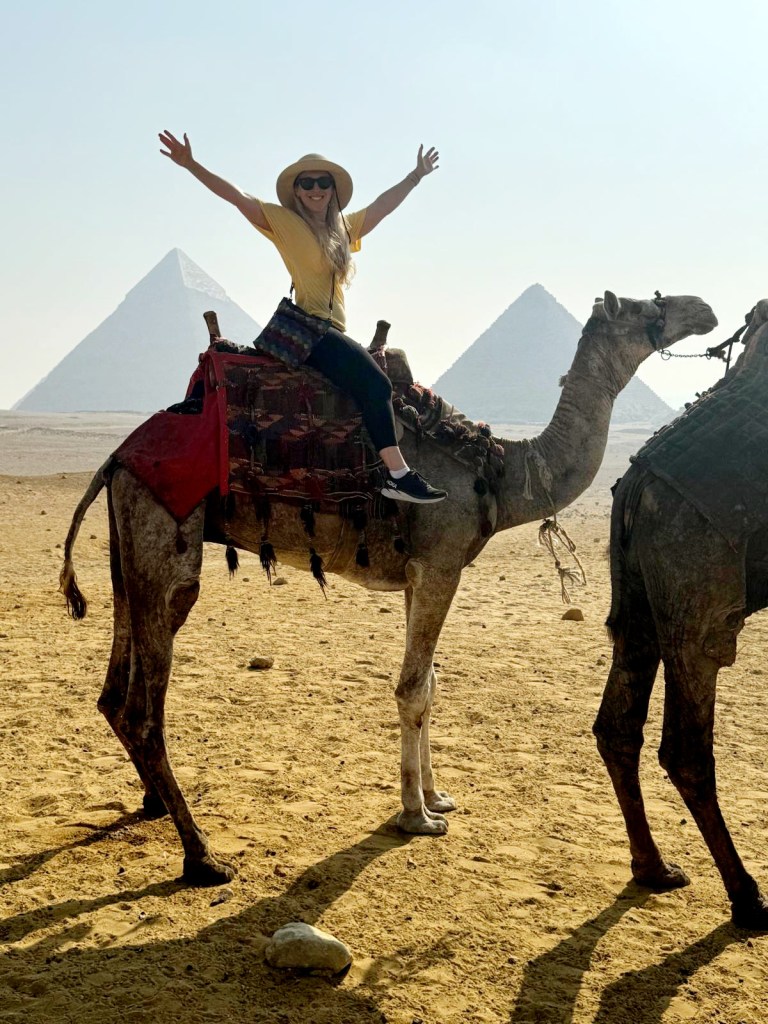
With the Saklan Summer Fund, I got to travel with Linda Lathrop to Egypt to not only learn about Ancient Egypt, but to learn about their technology and engineering expertise. Learning alongside an Egyptologist, seeing science and history come together, as well as getting to take part in some fun additional science activities, made this experience remarkable. It helped me enrich my curriculum, such as in my earth science topics with my 6th graders on deserts, engineering activities, and 8th-grade fluid laws, such as when my 8th graders create their own hot air balloons!
There have been many more, but those definitely jump out!
What do you love most about teaching science at Saklan?
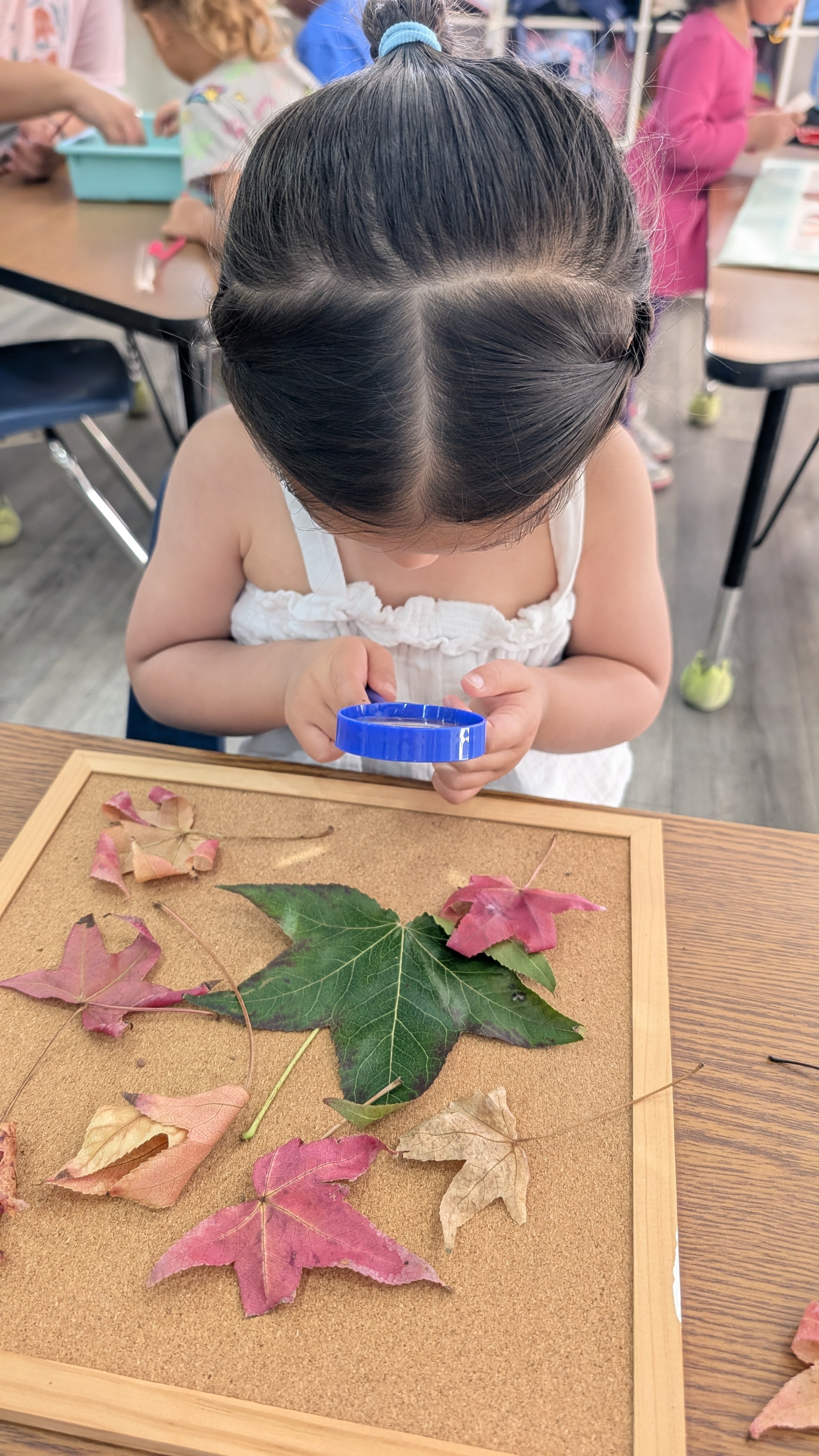
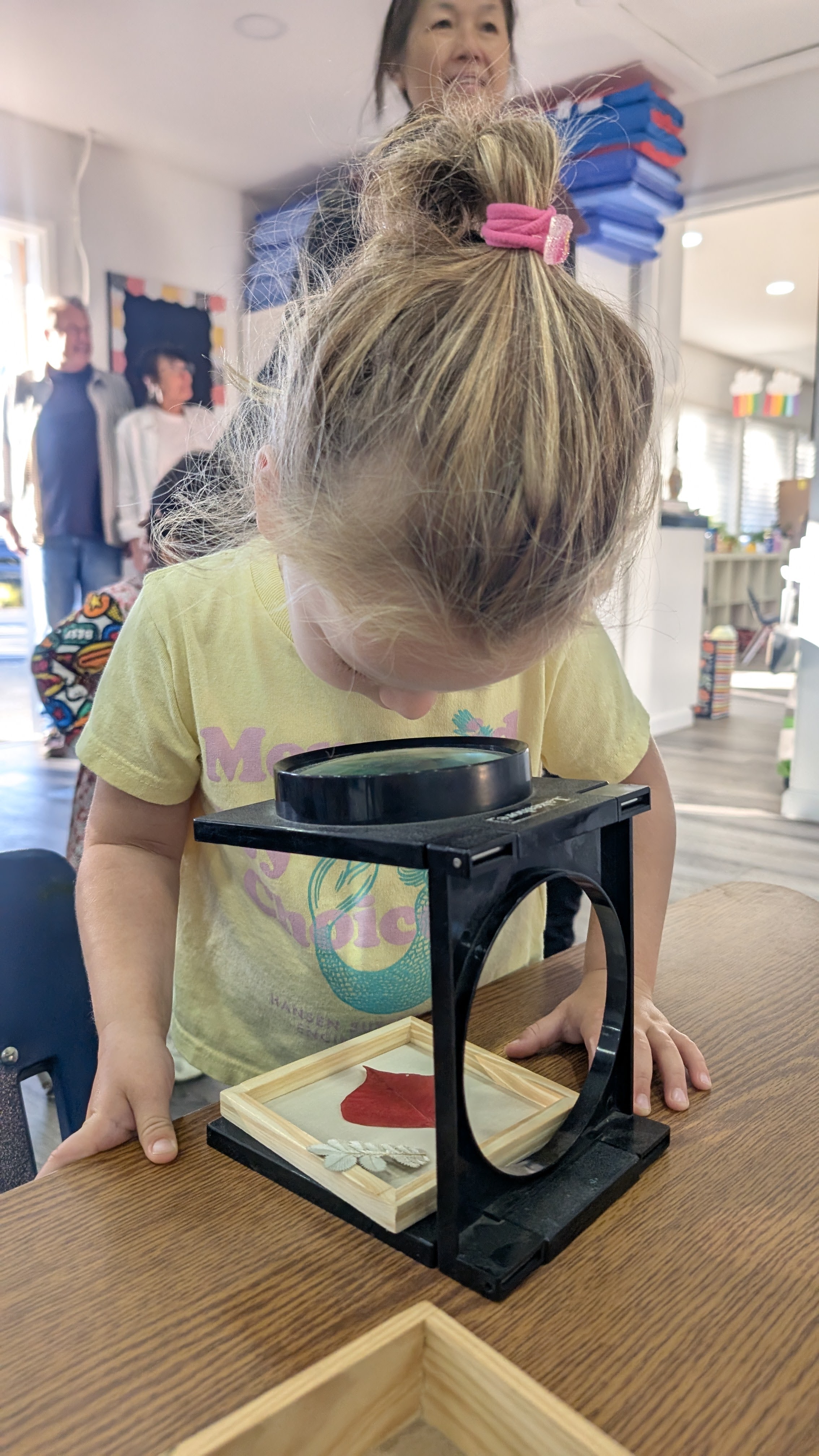
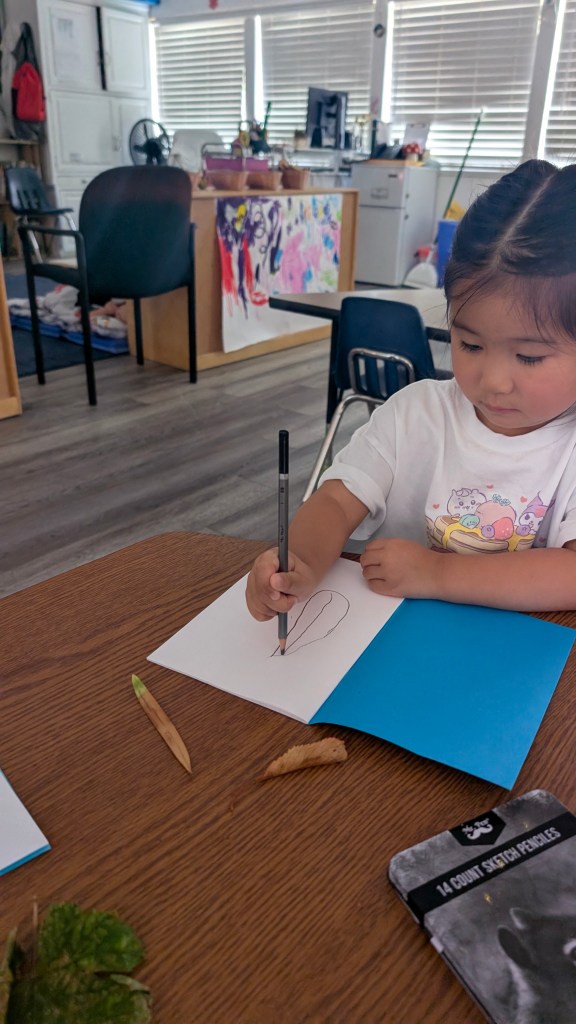
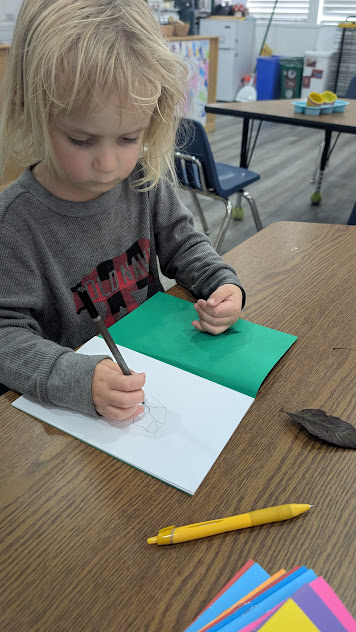
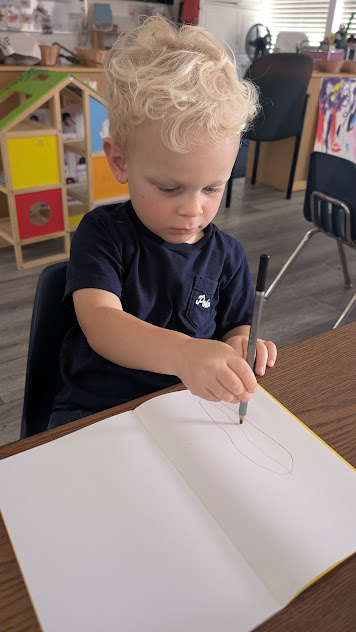
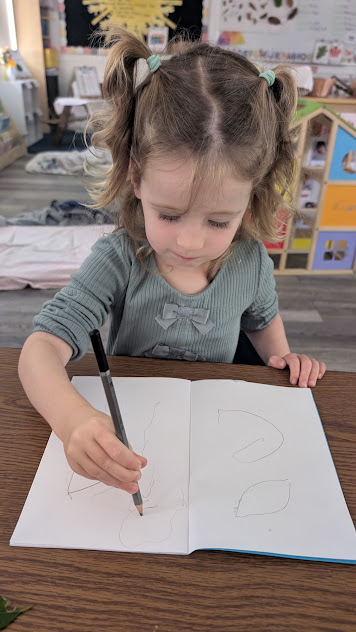
I love teaching at Saklan for many reasons, but mainly because I get to see my students fall in love with science! With the small class sizes, each student gets to be hands-on and experience science firsthand. I think students get excited and take in the ideas and concepts when they actually get to see the lessons come alive, not just read about them in a textbook or have a teacher lecture them on a certain subject. I know I learn best by doing; it excites me! (Probably why I still seek out ways to keep learning!) When students watch an experiment unfold, engineer their own inventions, or take part in simulations of the natural world, the world around them starts to make more sense. Science helps them connect what they observe to how things work—and fuels their curiosity to keep exploring and learning more.
And because I teach Preschool through 8th-grade science, it is so fun to watch them grow through the years—looking forward to lab science and diving eagerly into each new topic along the way!
As the coordinator for overnight field experiences in the middle school, what do you find is most beneficial when you get students out in the field?
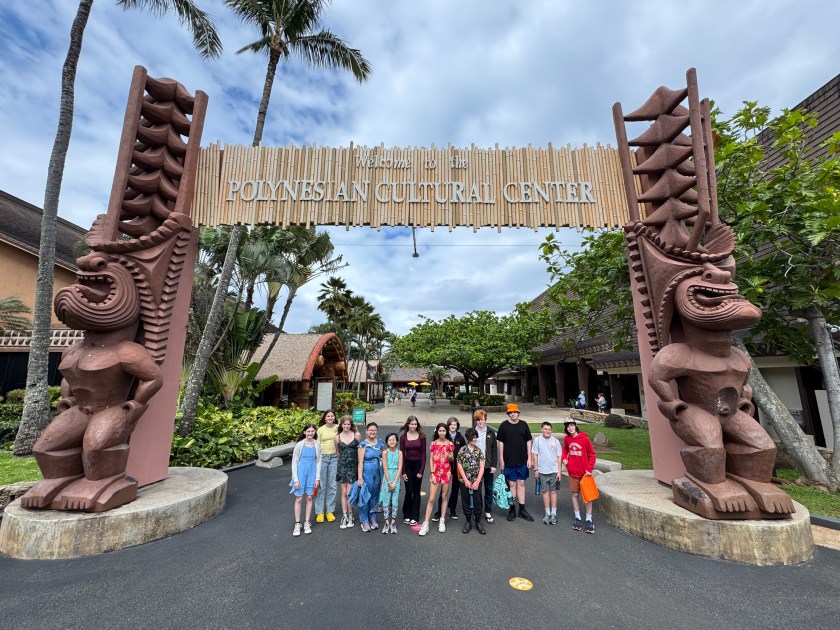
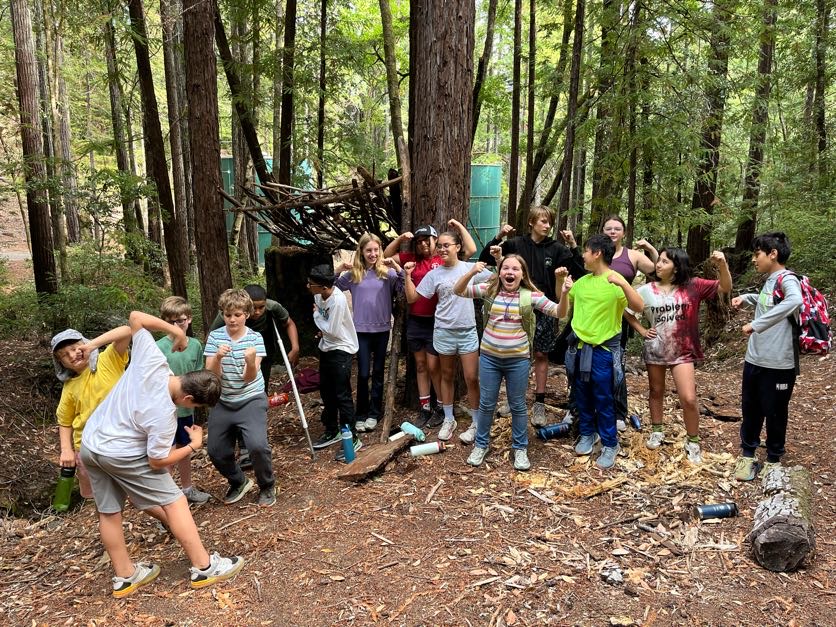
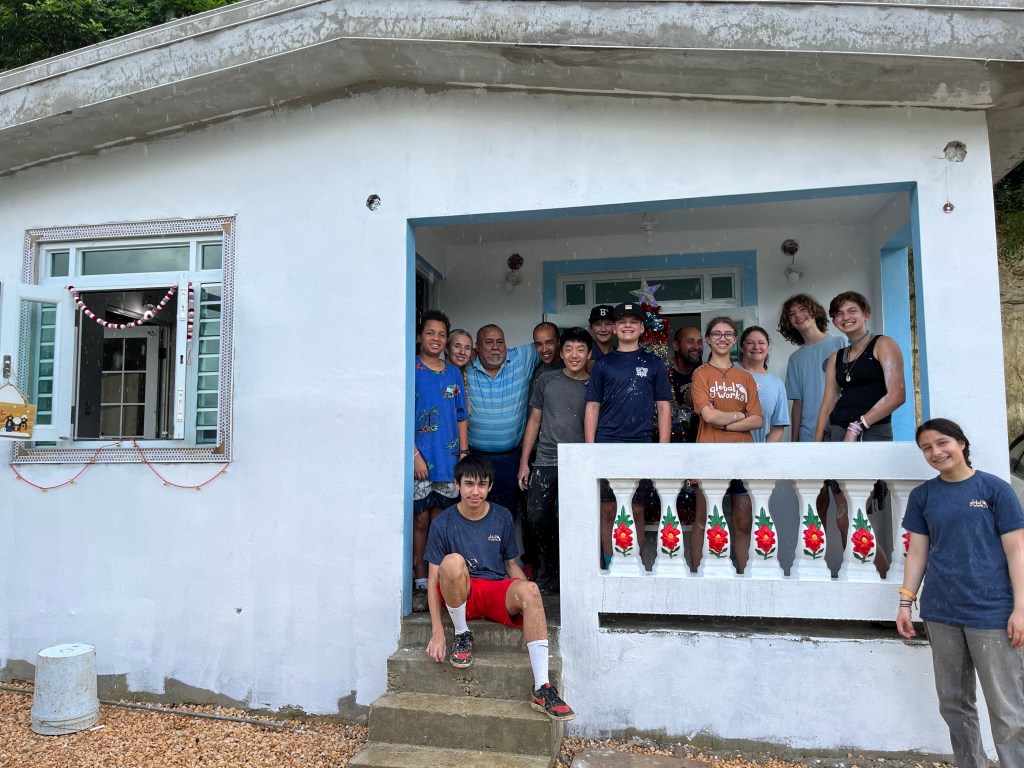
Getting students out of the classroom and getting to explore the environments they are learning about during our field experiences makes the learning come alive. Not only do we see the students make connections from the classroom curriculum to the world around them, but we also see them become more confident as they work with new communities, discuss ideas with people living in those environments, and gain some new perspectives on the world around them. These experiences really tie into our mission and our SEL program. Students live courageously, taking a step outside of Saklan to spend a week away from home at Westminster Woods, Hawaii, and Puerto Rico. They act compassionately to help clean beaches and build homes. And they are challenged to think creatively as they work on projects associated with these experiences.
Students also build meaningful bonds with their teachers and peers during these experiences, connecting through shared activities, meals, challenges, and the many memorable moments each trip provides. All the memories tie the community together. The advance for middle school starts the school year off full of bonding experiences that allow students to share their different strengths with the community and create memories to connect with each other as the school year progresses.
I think these trips are a highlight for many of our students because they expand their own learning, get to create lasting memories with their peers, and the experience allows them to gain confidence and, in some students, a desire to explore more! Which I believe has also made our EF Tours program flourish! Students want to explore the world beyond just our Saklan trips, and families want to join, too. From Peru, Vietnam, Japan, the Azores, and next Australia and New Zealand, our students are confident, excited, and ready to learn more about our world! Which makes this planet-loving science teacher so happy!








You must be logged in to post a comment.