Cross-Age Learning in Action

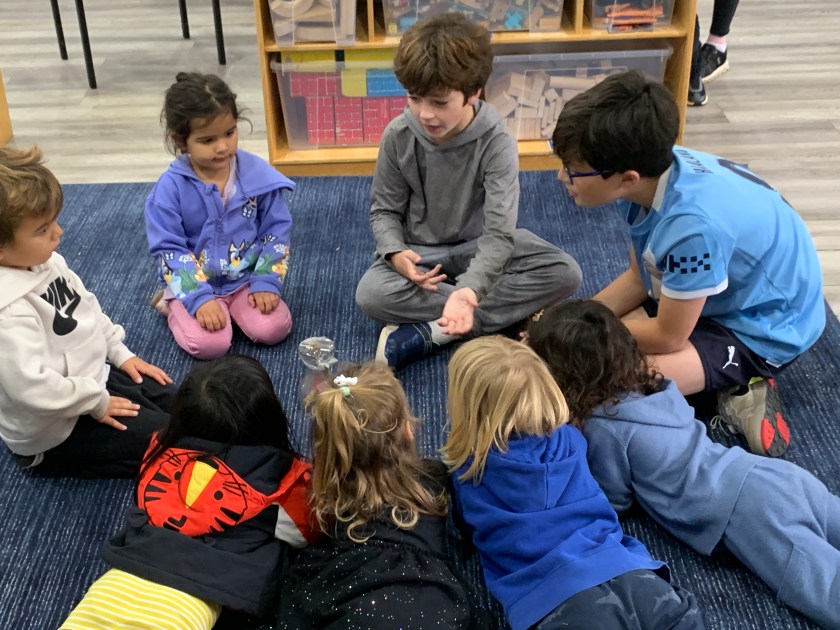
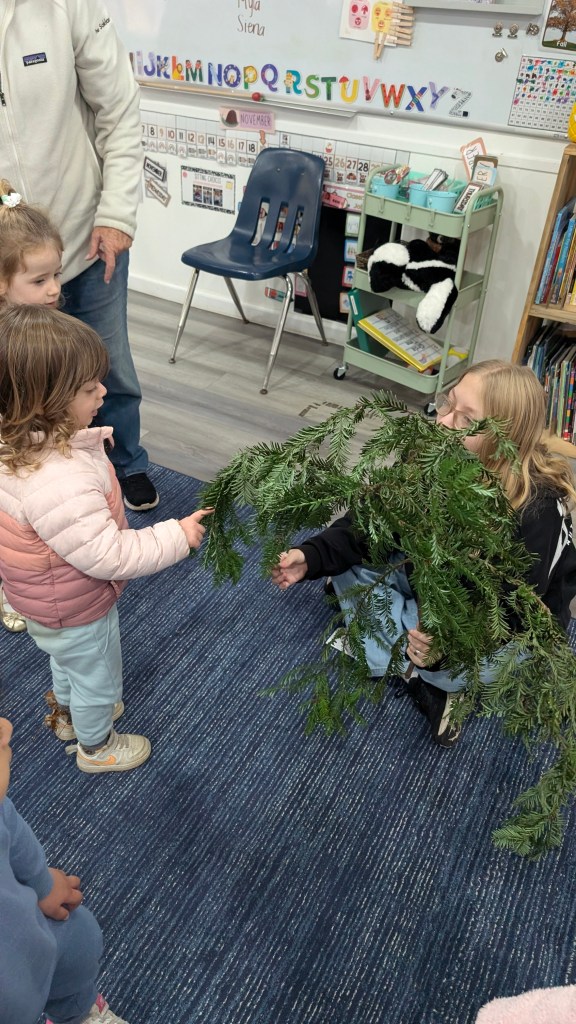
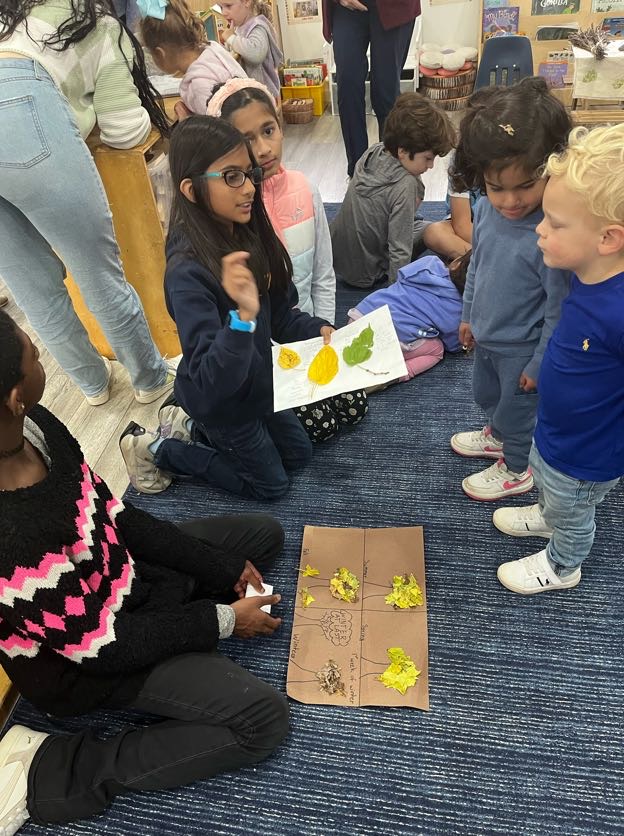
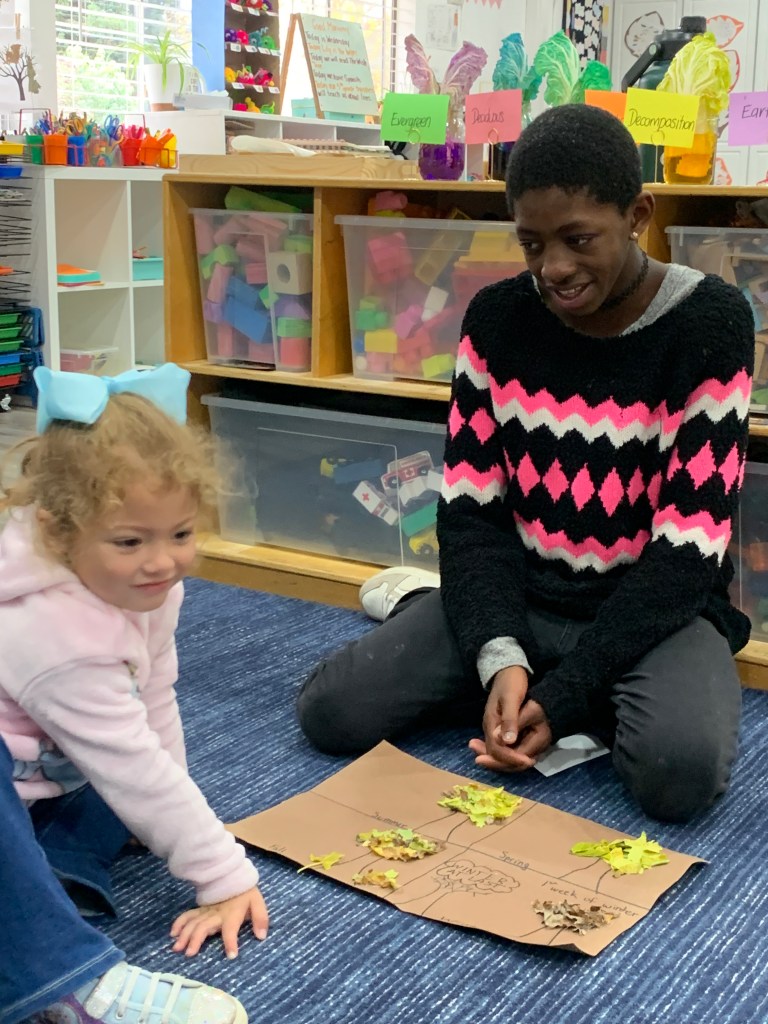
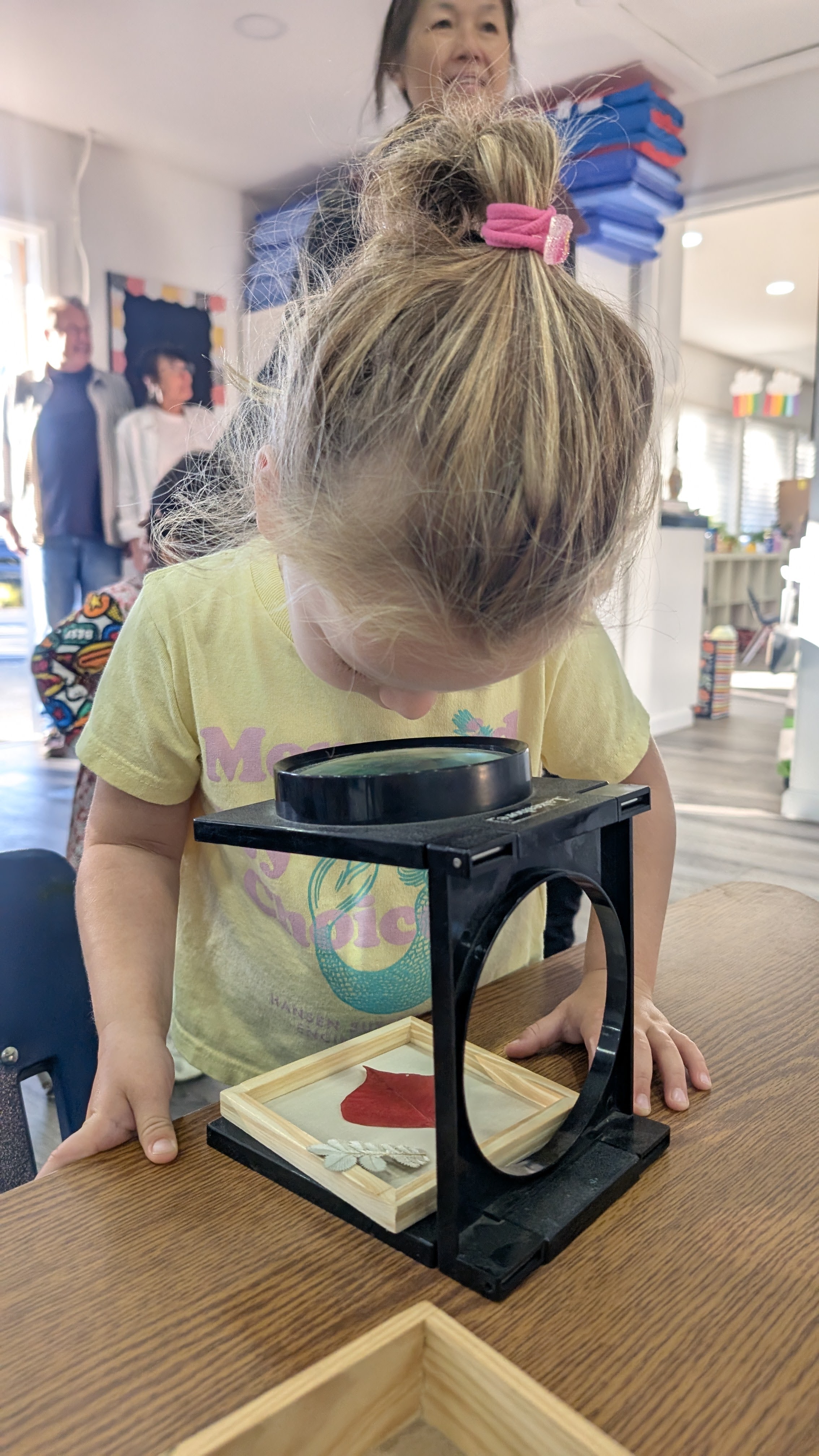
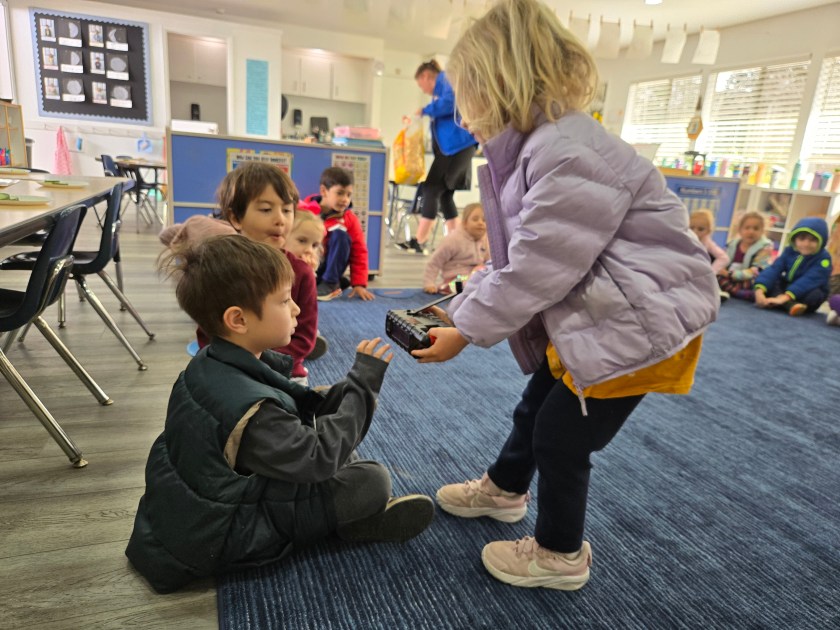
Saklan’s cross-grade learning was on full display as the Owlet buddies and fifth graders came together for a hands-on science experience rooted in their respective Project Based Learning (PBL) units. The Owlets have been exploring leaves, while the fifth graders have been studying trees—making their recent research on Redwoods the perfect launching point for peer teaching.

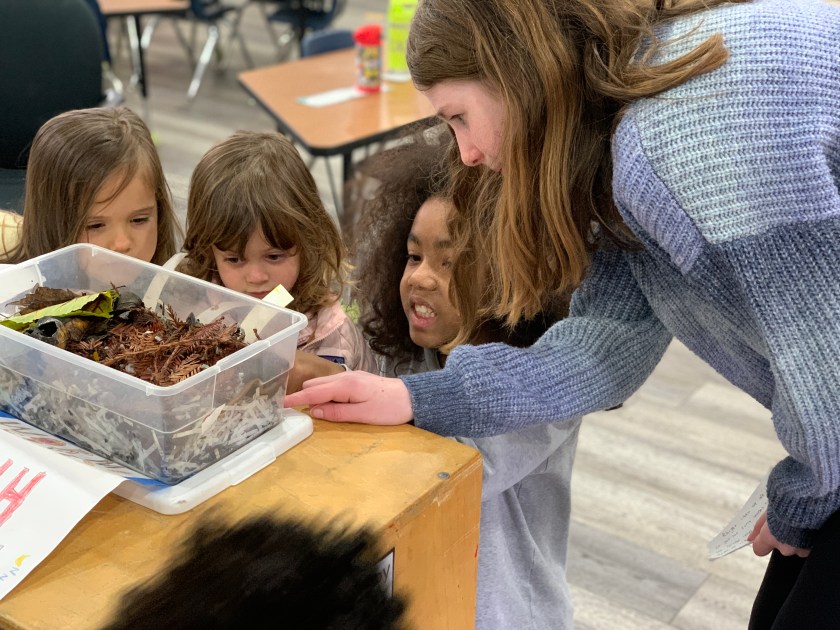
The fifth graders were tasked with becoming “experts” on several big questions the Owlets had been wondering about: the difference between evergreen and deciduous leaves, why leaf colors change, and how fallen plant matter breaks down and becomes soil, including the important role earthworms play in decomposition.

Students worked in teams with real focus and purpose. They were given 45 minutes to choose a topic and collaborate on a mini-presentation that was both accurate and engaging. Each group created a visual or hands-on element to support their teaching. Another 45 minutes were spent practicing, presenting to peers, and refining their work with the help of candid “Dancing with the Stars-style” feedback. The growth from practice to final presentation was remarkable.

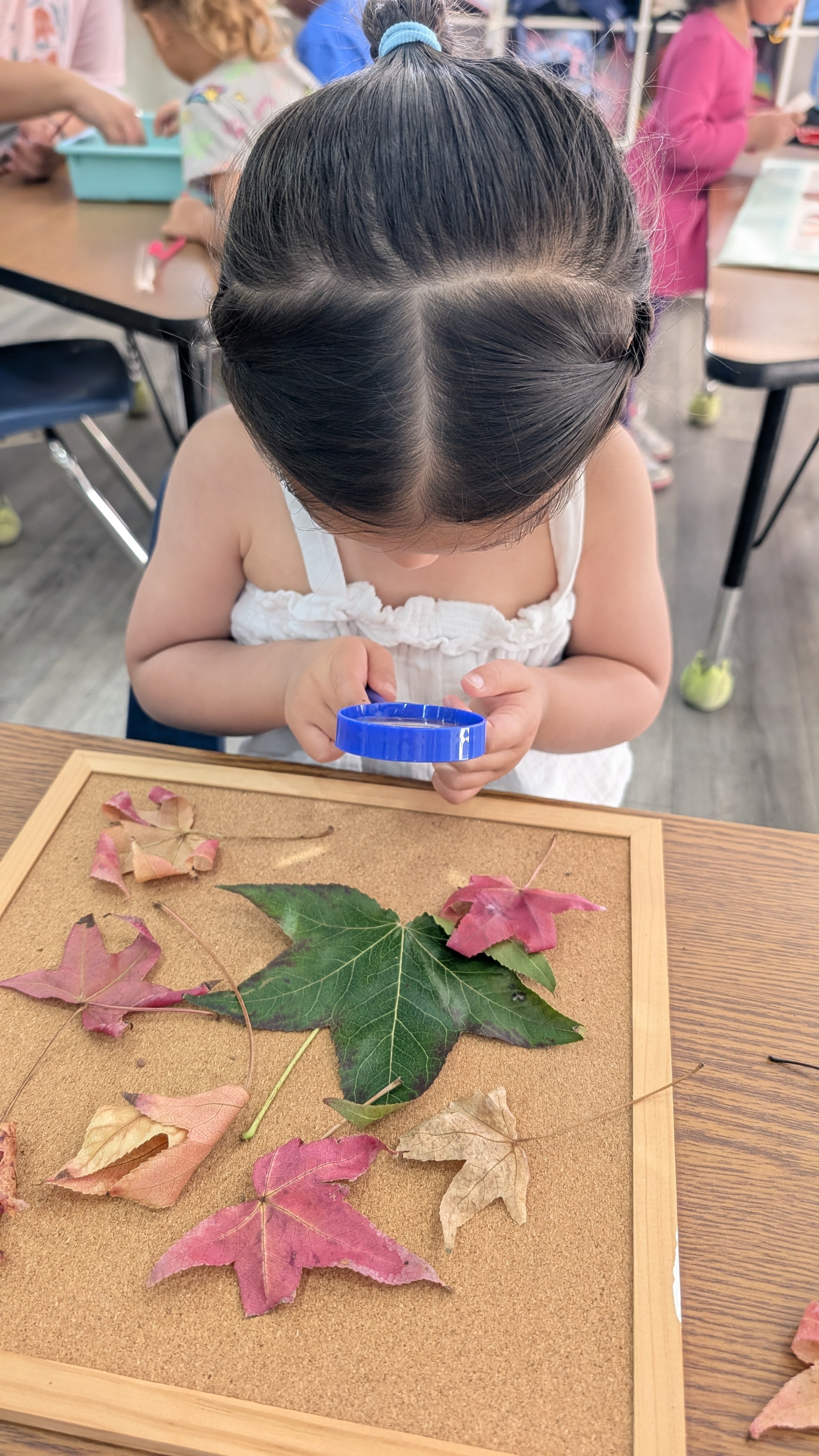
When it was time to meet with the Owlets, the fifth graders were ready. Their presentations were clear, lively, and thoughtfully geared toward 3- and 4-year-old learners. The Owlets eagerly leaned in, asking big, earnest questions such as, “Do worms have eyes?” and “Is that the head or the tail?” Fifth graders knelt beside tiny tables, held leaves up for close inspection, and invited younger students to touch, compare, and wonder.

Not only did the Owlets gain new insights through this joyful experience, but the fifth graders deepened their own understanding by explaining complex scientific ideas in simple, accurate ways—a skill that strengthens mastery and confidence.

Saklan’s PBL focus continues to create meaningful opportunities for students of all ages to learn with and from each other, building both knowledge and community along the way.

#SaklanProjectBasedLearning #SaklanGuestExperts

Fifth Graders Explore the Marin Headlands

At The Saklan School, off-campus education is not a field trip – it’s a field experience: an intentional extension of the classroom that nurtures independence, curiosity, and responsibility. Each year, students take part in experiences that grow in both depth and duration—from a single night away in 4th grade to a full environmental science week in Hawaii by 7th grade, and a culminating cultural and stewardship trip to Puerto Rico in 8th grade.

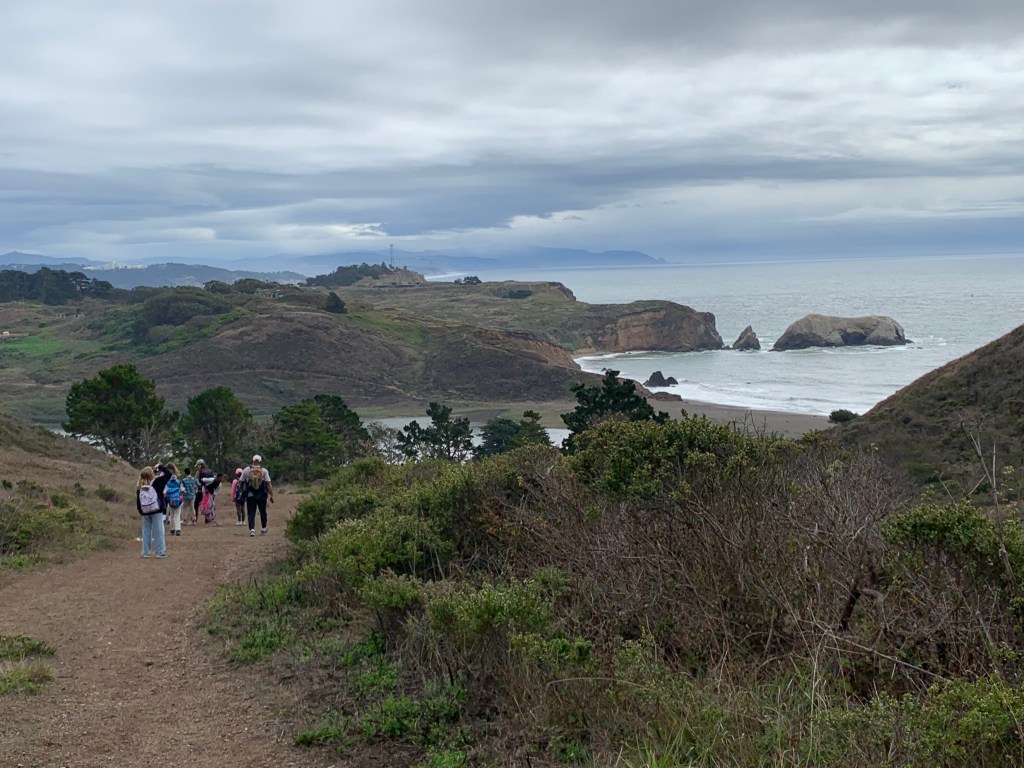
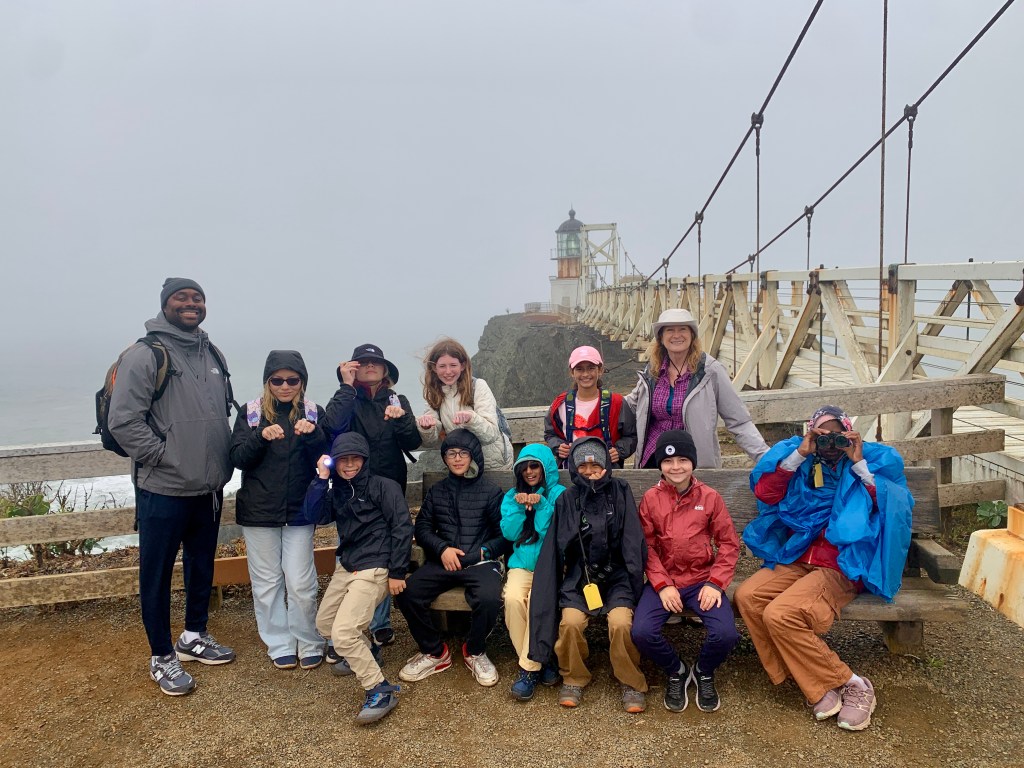
Earlier this month, Saklan’s fifth graders embarked on the next chapter of this journey with a three-day adventure in the Marin Headlands, combining science, stewardship, and teamwork. From the moment they loaded the van and set up dorms to their final project, preparing seedling pots for NatureBridge’s native plant nursery, students learned through hands-on discovery, cooperation, and reflection.

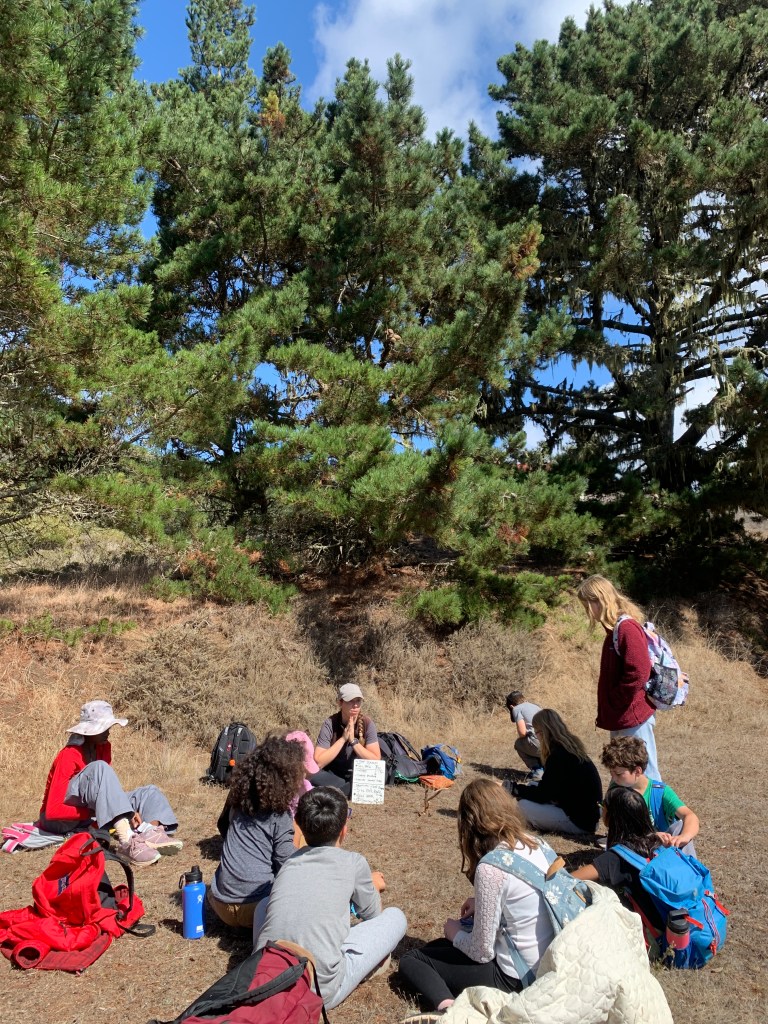
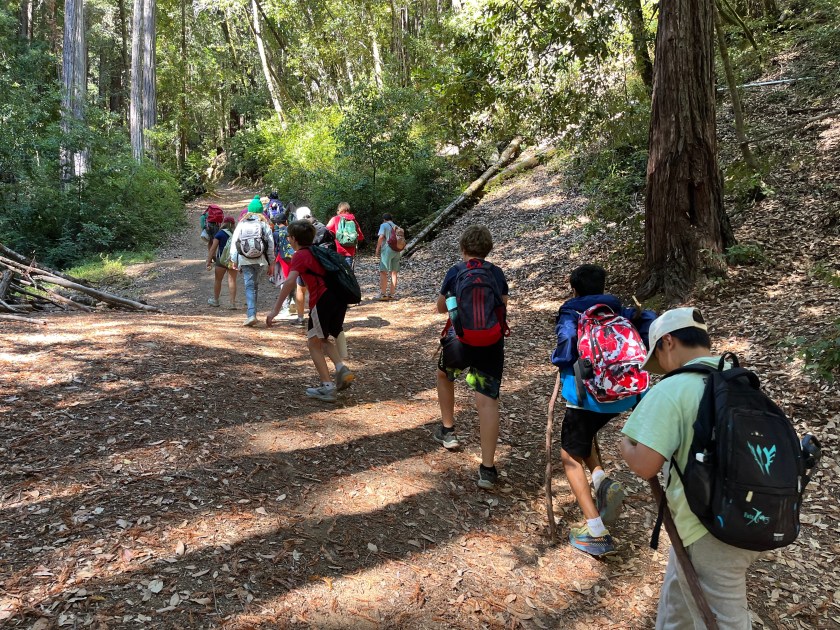
The trip began with a dorm orientation and an introduction to the area’s ecosystems. Students explored native plant greenhouses before hiking up Hawk Hill, where they studied the park’s only endemic tree—the coastal willow—and observed the biodiversity of the surrounding landscape.

After dinner, the group set out for a night hike to the beach, where they were treated to a magical surprise: glowing noctiluca, tiny bioluminescent plankton that illuminated the sand beneath their feet.

Day two brought a full day of coastal ecology—hiking from Rodeo Beach to Point Bonita, observing harbor seals, and studying plant adaptations, including tasting ice-plant bulbs. Students wrote sensory poems by the lighthouse and collected real scientific data for the National Park Service.

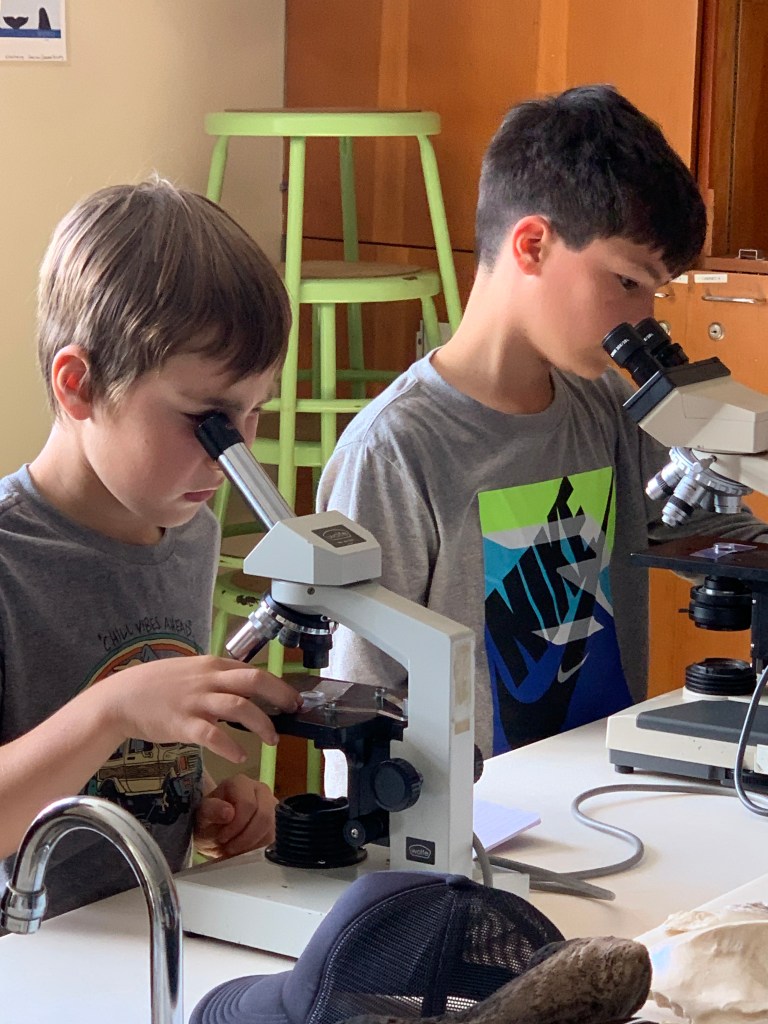
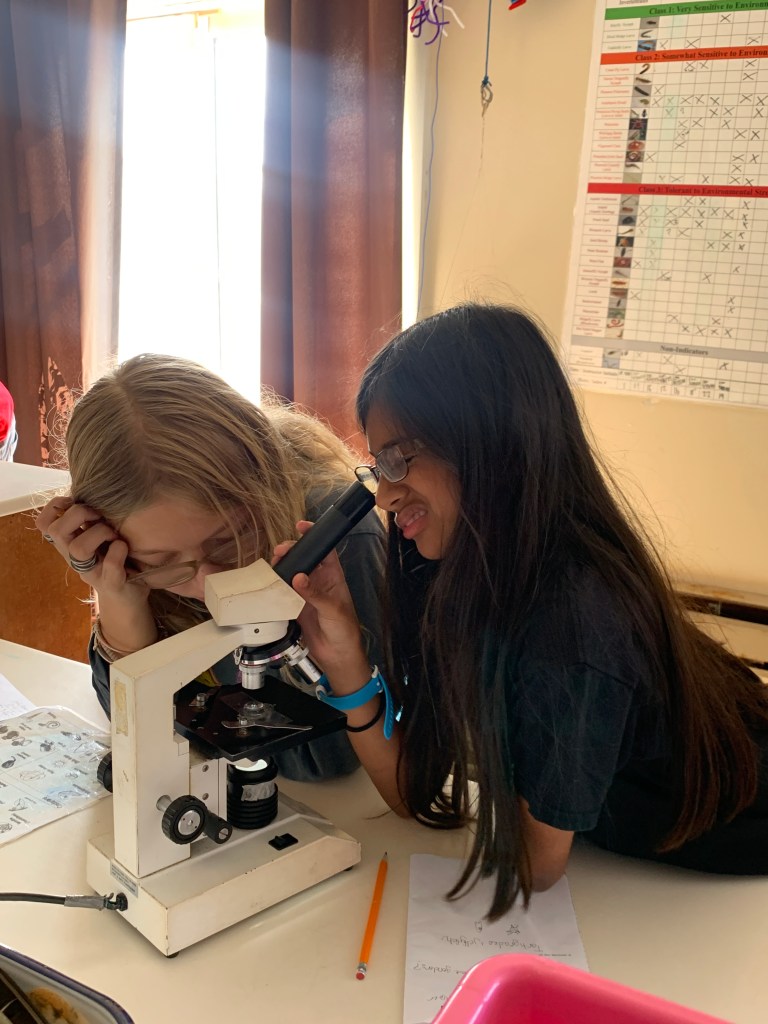
By day three, field science came to life. Students examined plankton under microscopes, studied local plant systems, and discussed how redwood ecosystems sustain life. Their fieldwork concluded with hands-on nursery stewardship, cleaning hundreds of pots to prepare for the next generation of seedlings.

Back at Saklan, this experience has sparked new curiosity about our trees and excitement about the upcoming redwood grove playground. Students are wondering how they might help with its design – how to make the space not only a place for play and discovery, but also the best possible ecosystem for the trees that tower above us, offering shade, shelter, and awe.

#SaklanFieldExperience

Owlets’ Curiosity Sparked

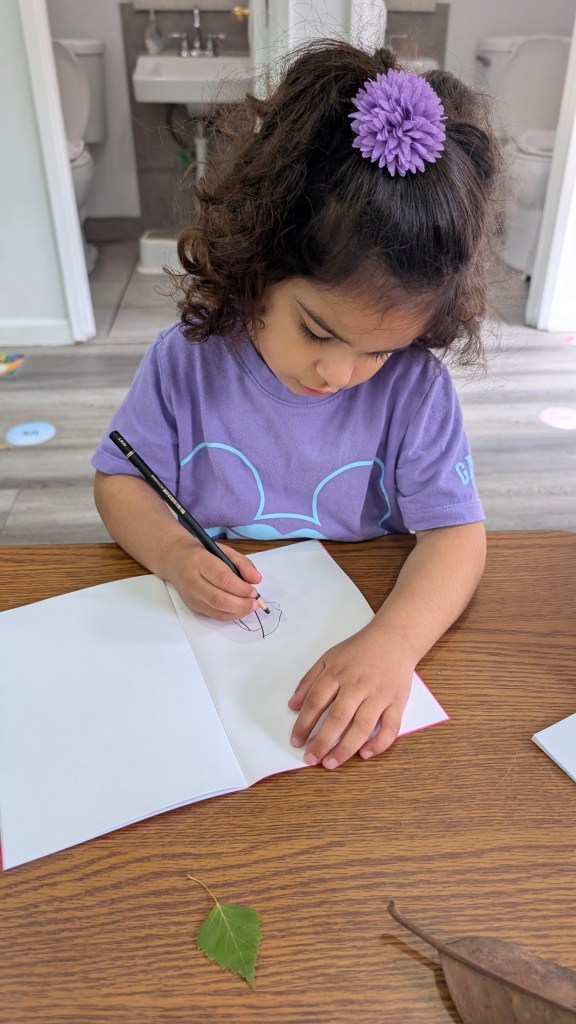
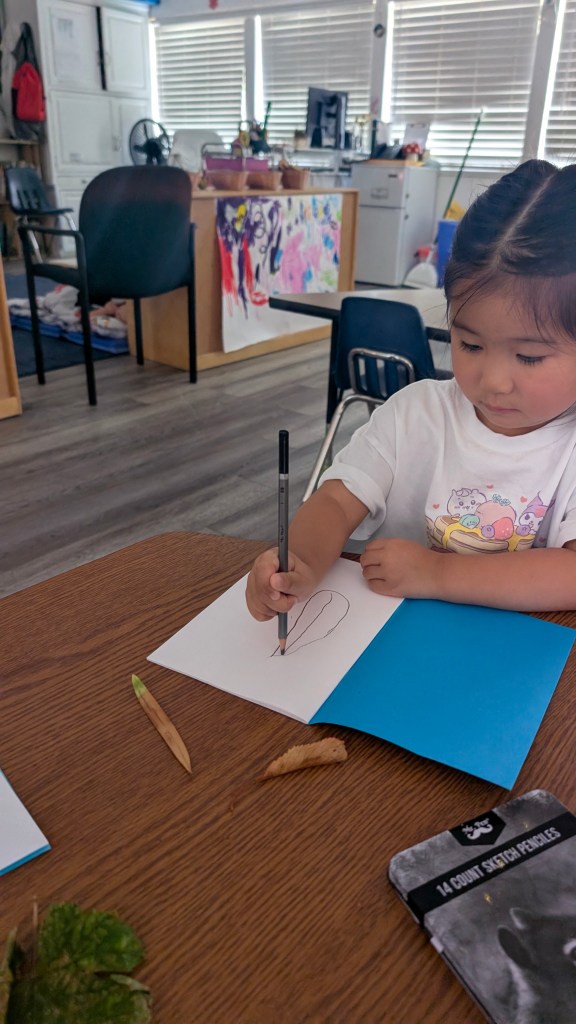
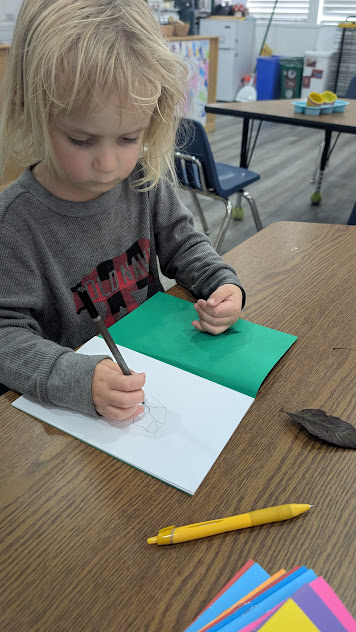
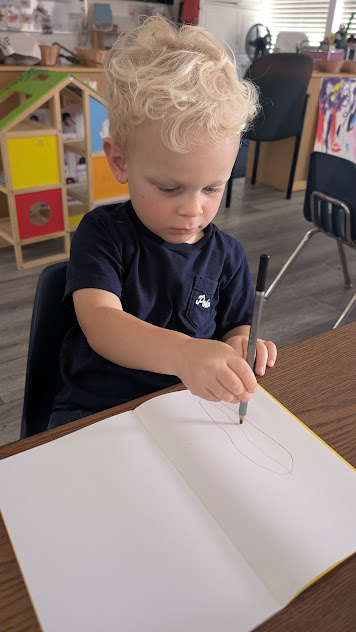
As autumn settles in and the trees around campus begin their seasonal transformation, the Owlets’ curiosity has been sparked by the changing colors and falling leaves. This curiosity led to their Leaves Project—an exploration designed to deepen their connection with the natural world and build on their observations.

The project began when the preschoolers noticed that some trees in the playground had already dropped their leaves, while others just beyond the fence still held on tightly to theirs. Together, they recorded these observations and began wondering why this might be—a question they will continue to investigate over the coming weeks.

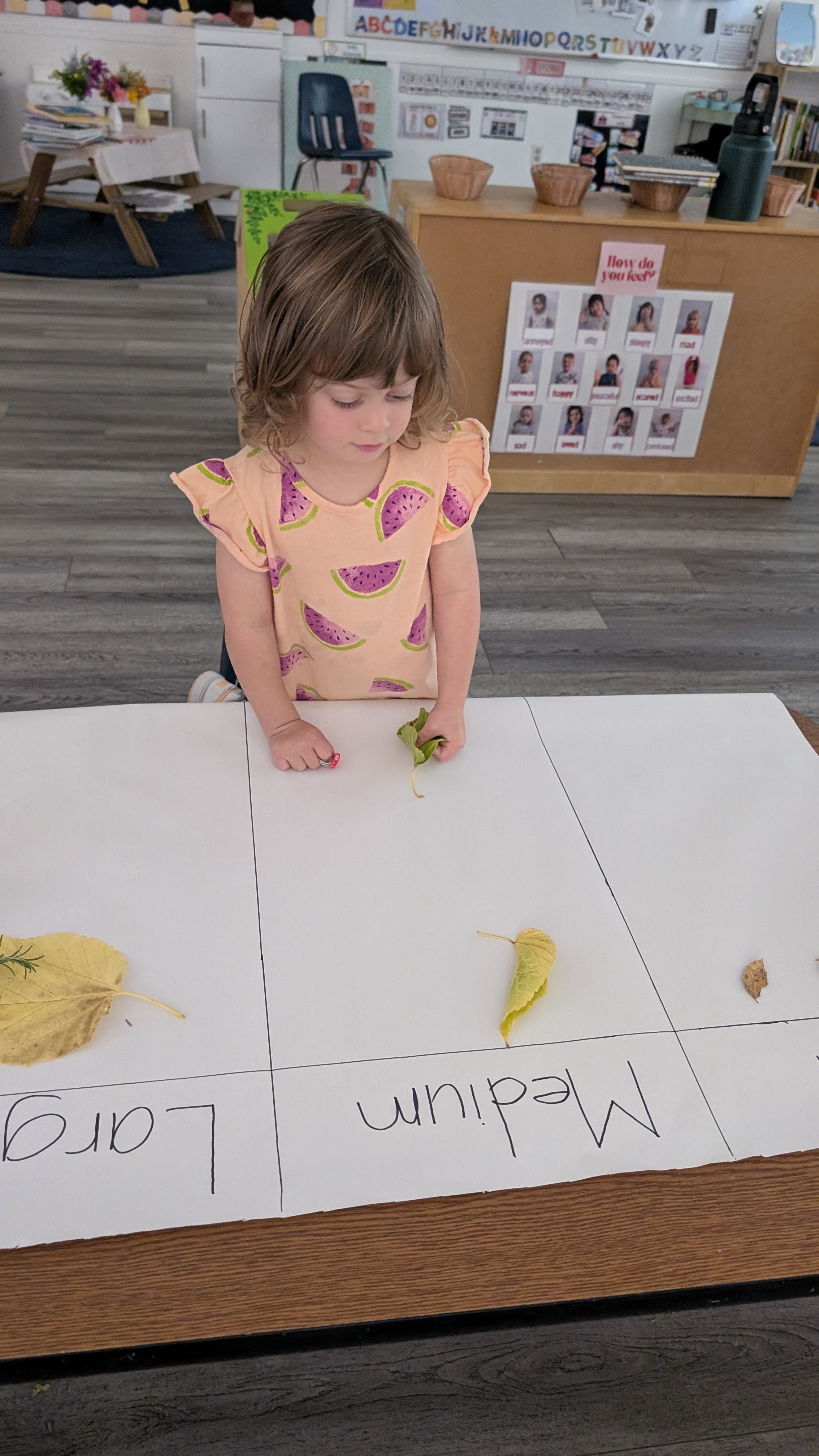
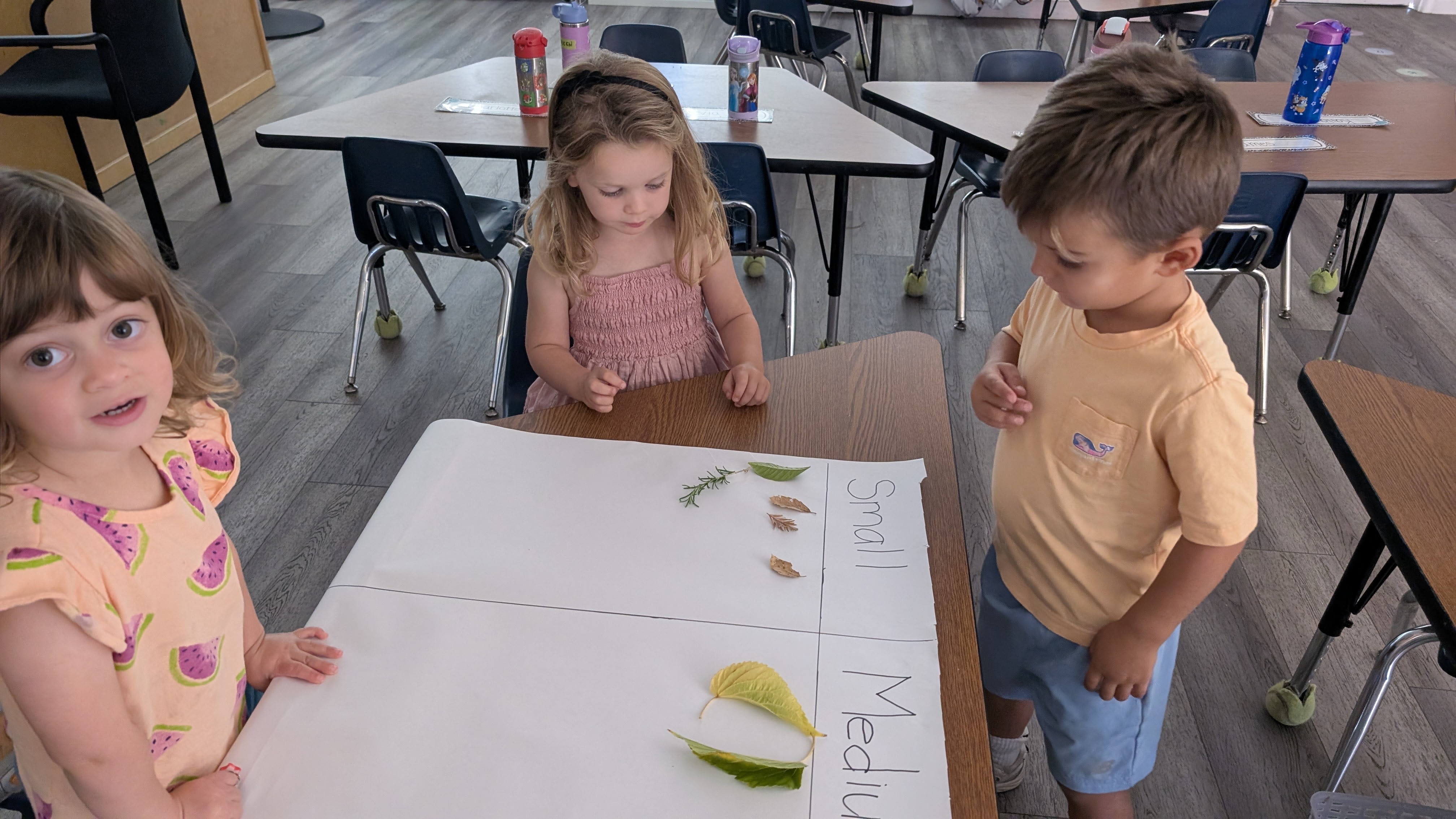
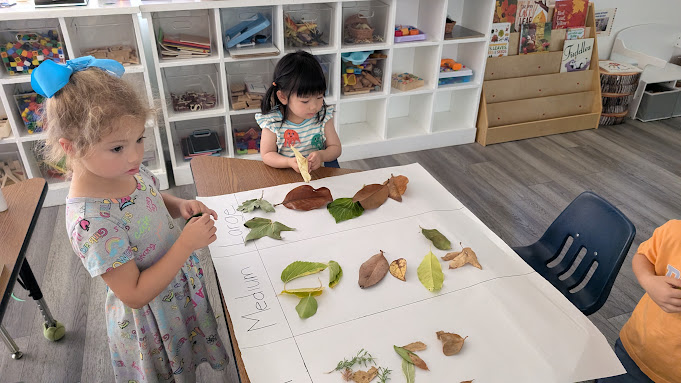
To launch the project, each Owlet brought in leaves from home. The classroom quickly filled with excitement as students examined their growing collection, noticing that leaves come in many shapes, sizes, and colors. Throughout the first week, the class spent time observing and sorting leaves. They worked together to group them into small, medium, and large categories—discovering that even leaves of the same shape can vary greatly in size.

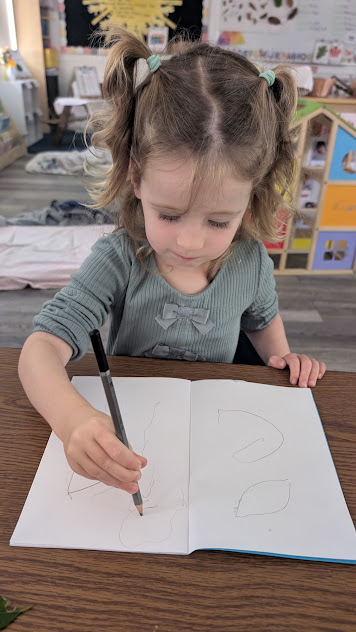
As part of their study, each preschooler received an Observation Notebook for recording detailed drawings of leaves. Using graphite pencils, they practiced looking closely and capturing what they saw—tracing edges, noticing veins, and identifying shapes. This led to a deeper exploration of leaf anatomy, including terms like apex, base, midrib, veins, and leafstalk. When one student commented that humans also have veins, he wondered aloud what purpose they serve in leaves—a thoughtful question now posted on the class Wonder Wall for future exploration.

Through observation and hands-on discovery, the Owlets are deepening their understanding of the natural world—and finding joy in every leaf along the way!

#SaklanProjects

Adventures in the Redwoods

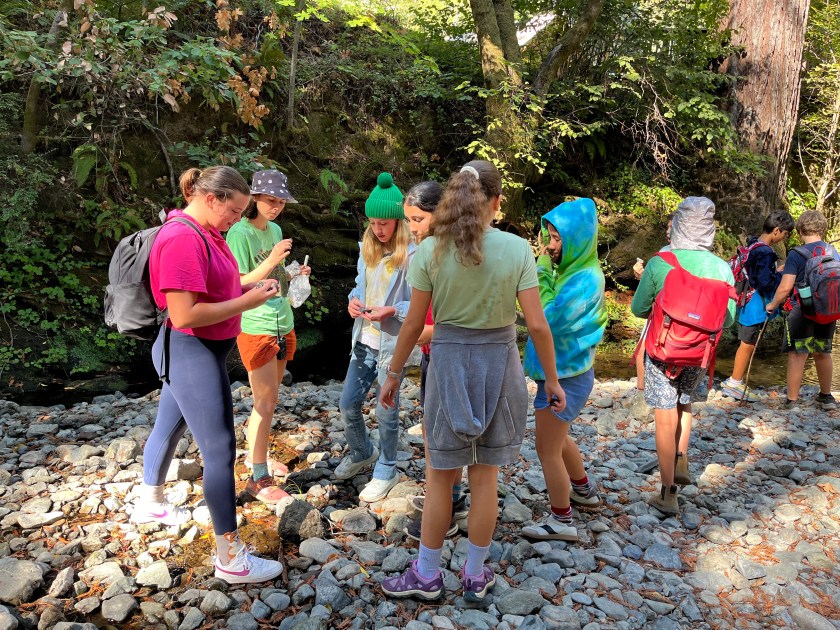
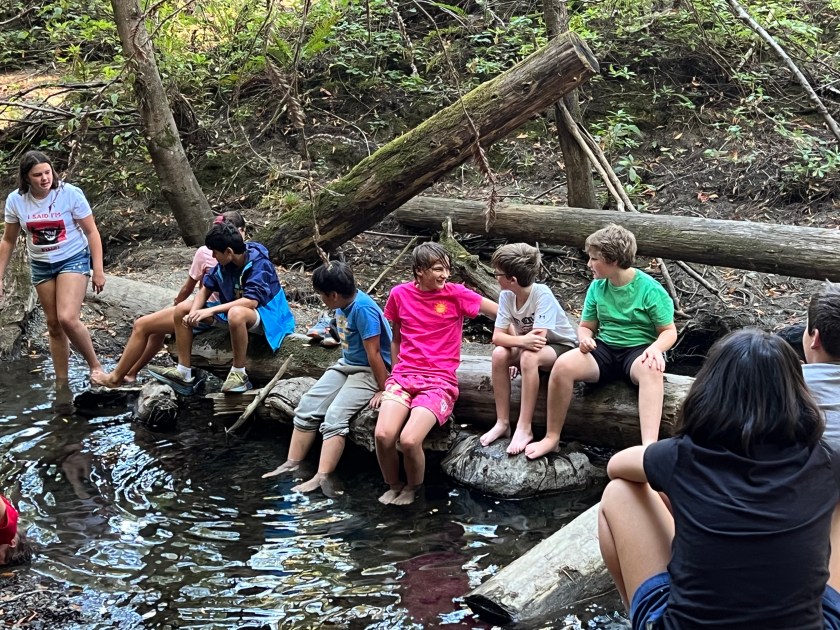
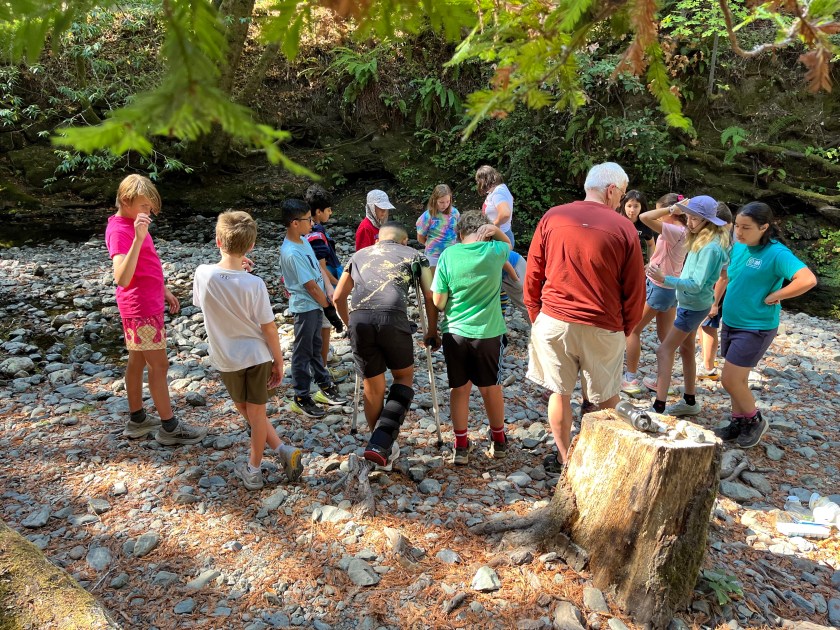
Last Friday, Saklan’s sixth graders returned from an unforgettable week at Westminster Woods, an environmental education and character development program nestled within 200 acres of redwood forest in Sonoma County.

Over the course of five days, students immersed themselves in both the natural world and in experiences that challenged them to grow as individuals and as a community. They explored the delicate ecosystems around them—hiking through towering redwoods, scouring Dutch Bill Creek for signs of life, and gaining a deeper appreciation for the interconnection of nature.

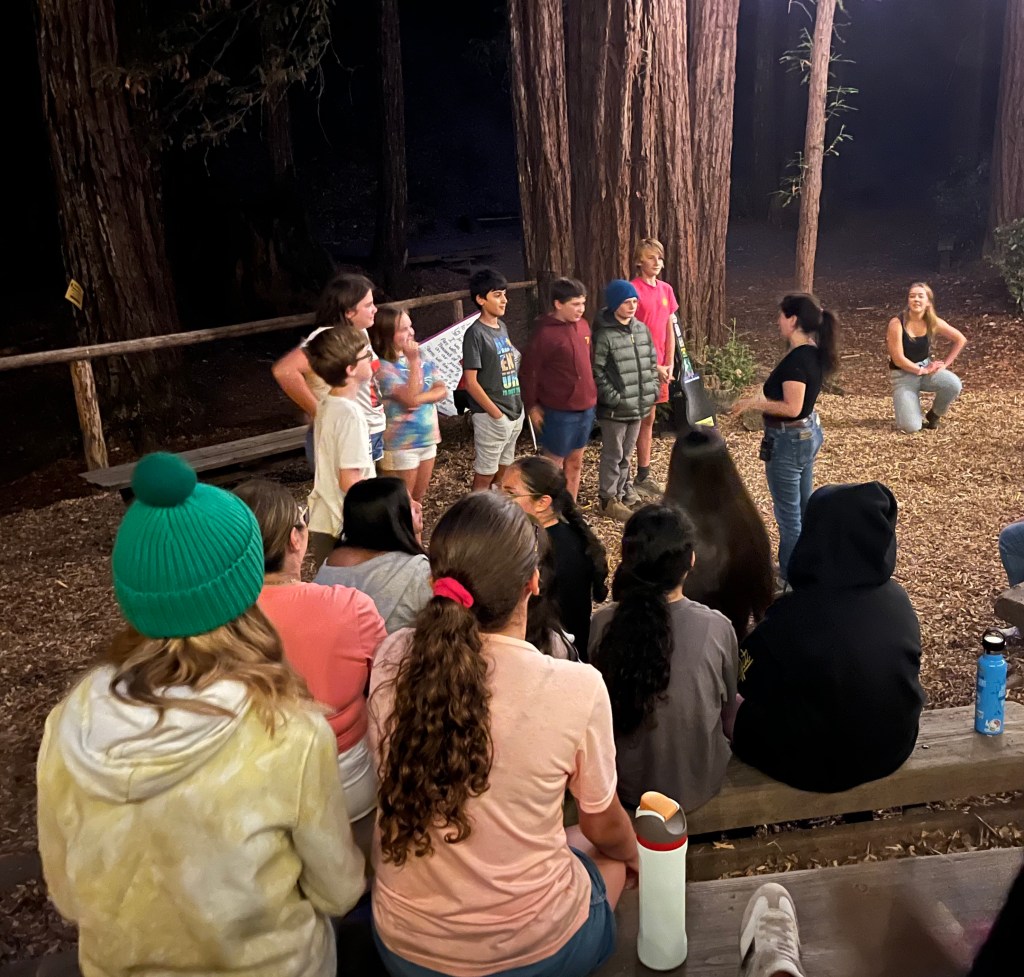
Beyond the science and discovery, the trip was also about personal growth. Students tackled team-building challenges, discovered new strengths, and learned the power of relying on one another. The adventures at Westminster Woods encouraged perseverance, cooperation, and courage—skills that will support them throughout middle school and beyond.

The lessons learned during this trip will stay with students for years to come, serving as a foundation for continued growth, resilience, and a lasting connection to the natural world.

Taking on Invasive Species

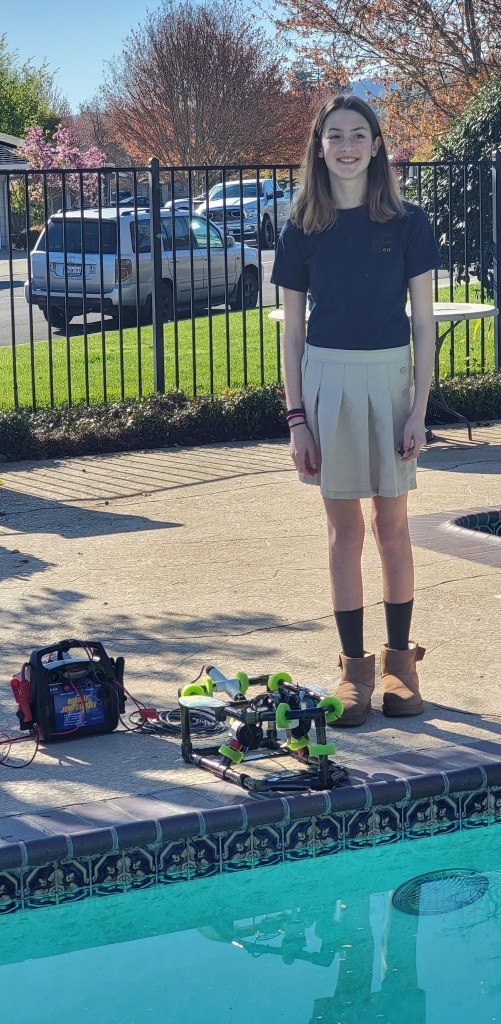
As part of the sixth-grade earth science curriculum, the students learned about how pests and invasive species can affect an ecosystem. One species they focused on was the Crown of Thorns (COT) sea star. They learned how the sea star’s fast reproduction and limited predators on the Great Barrier Reef are creating quite a problem for that precious ecosystem. The COTs eat the algae in the coral, which is causing the coral to die at rapid rates. Students then learned how scientists are using Remote Operated Vehicles (ROVs) to learn to identify and inject vinegar into the COTs. The vinegar dissolves them from the inside out. These ROVs can work 24 hours a day in all kinds of weather conditions. 

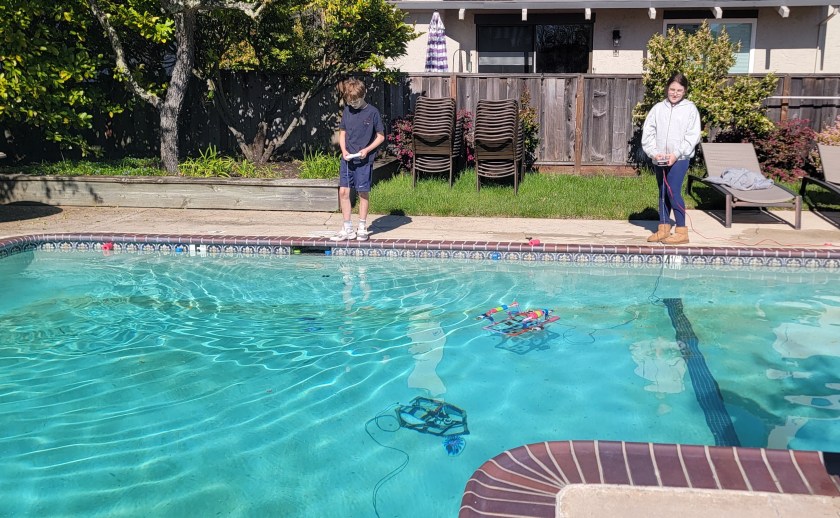
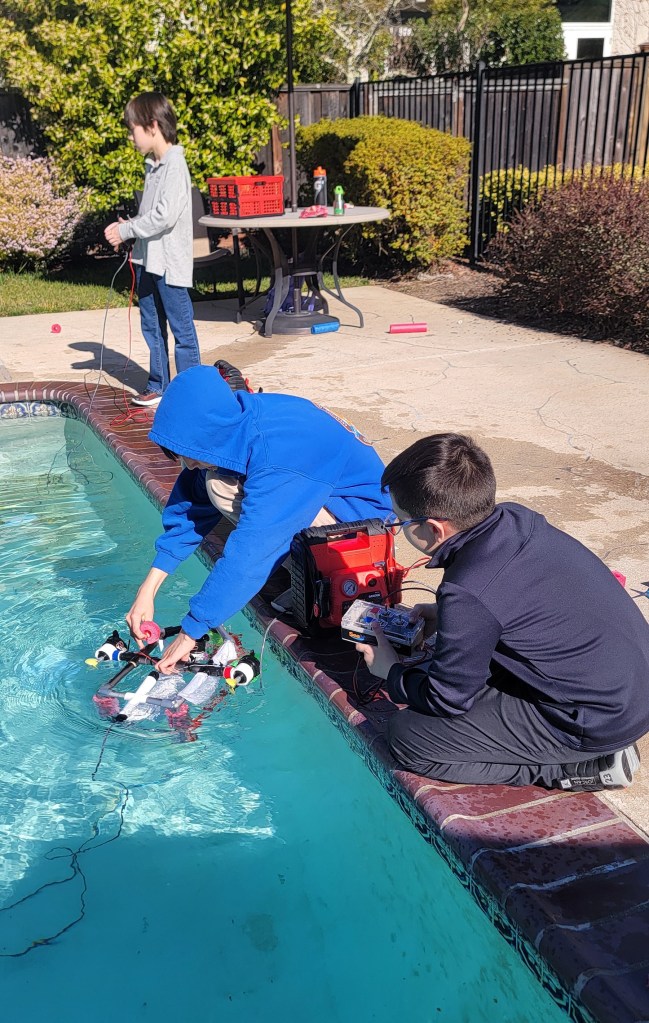
Ms. O had the 6th-grade students team up to create their own ROVs. With a grant from National Geographic Education, the students were able to use SeaMate Angelfish ROVs to simulate the work of the scientists out on the reef. The students had to design a frame, add motors, learn how to work their control box, and decorate their ROV.

With the ROVs completed, the students were given the challenge of collecting COT’s from the local MCC Augusta Pool. Students had to figure out how to maneuver their ROV and remove the imitation COTs from the pool.

It was amazing to see the engineering and design process happening while the students took the role of scientists. 

#SaklanHandsOn

Defying Gravity

Since February, the 8th graders have been diving into physics in science class, exploring the forces of gravity, air resistance, and friction. Through a series of engaging, hands-on labs, they’ve been putting their knowledge to the test—seeing firsthand how these forces interact and impact objects on our planet.

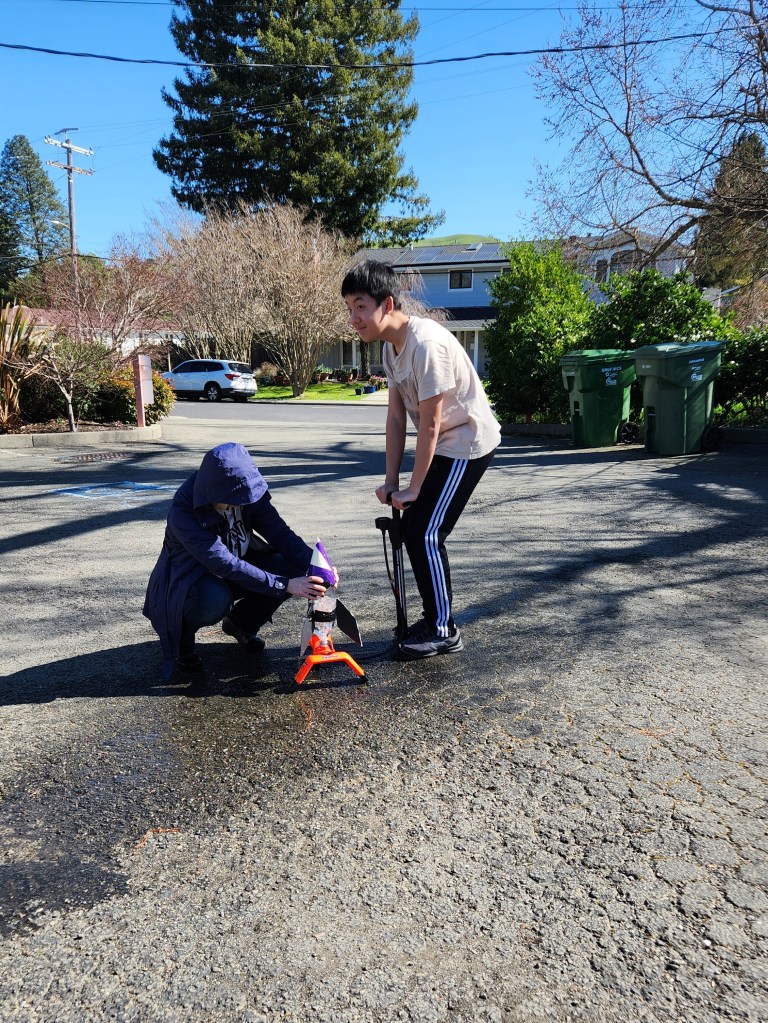
The students started exploring gravity and air resistance by creating different-sized parachutes and dropping them from the ceiling of the science lab. Students could see the pull of gravity on the parachutes and how air resistance could be used to slow that force down by measuring the time each took to descend. Next, students worked on designing, creating, and launching rockets to see how to defy air resistance and gravity.

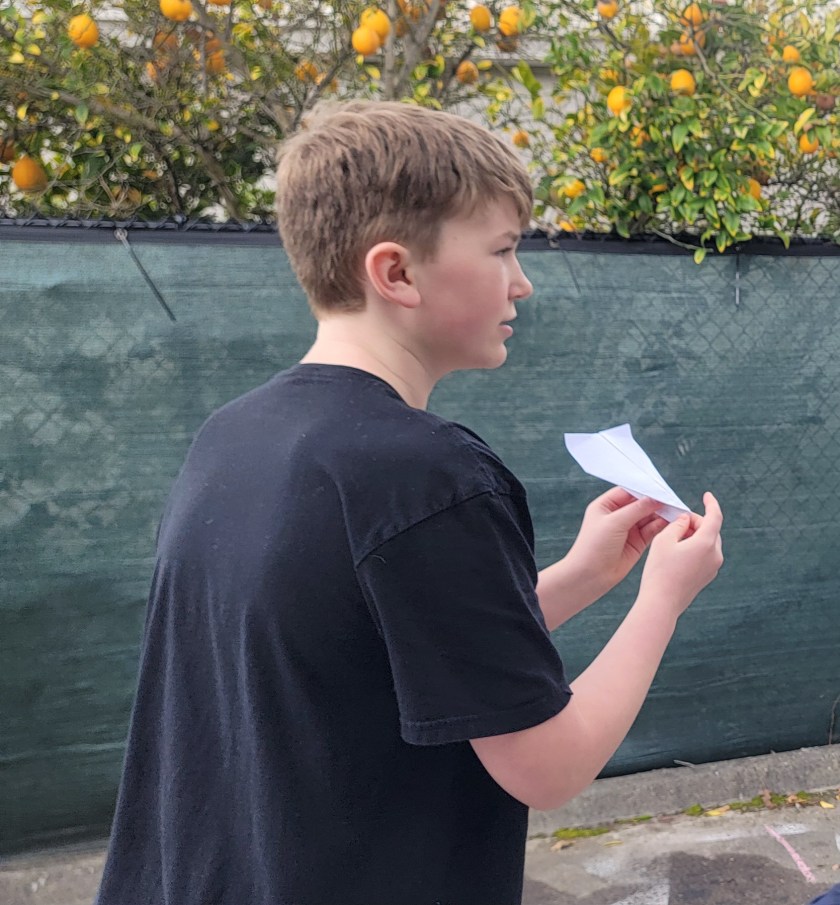
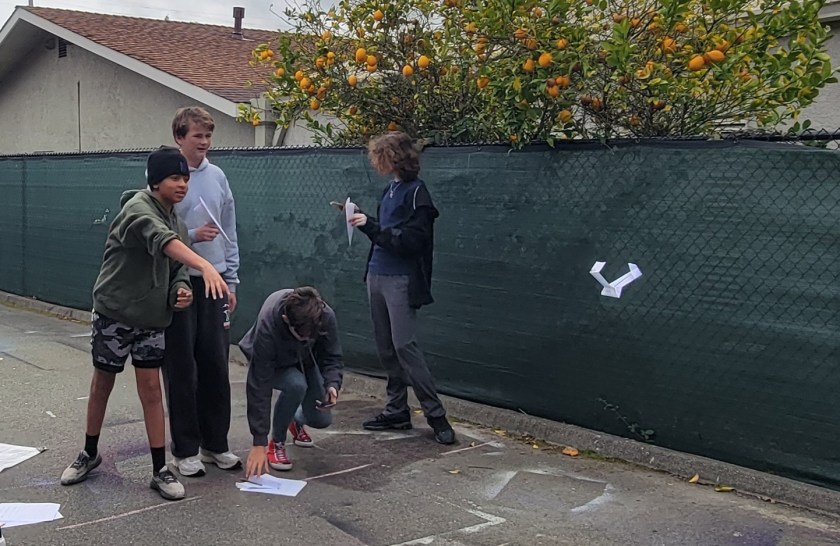
Last week, the class worked with projectiles that used both vertical and horizontal motion. Different paper airplane designs created more air resistance than others. The students saw how these forces act on objects and how various features of an object can affect these forces.

This week, students took their physics learning to the next level with an exciting experience to iFly in Union City where they explored terminal velocity in a real wind tunnel! They discussed how mass, air resistance, and surface area affect falling objects, then put theory into practice by suiting up and experiencing it firsthand. Students got to “fly” in the wind tunnel, feeling the exact force needed to keep them floating or falling at terminal velocity—a thrilling, hands-on lesson in action!

Students then made guesses at which toys thrown in the wind tunnel would fall the fastest or slowest based on size, mass and surface area! A lot was learned and experienced. 

#SaklanHandsOn #SaklanFieldExperience

Mission to Mars

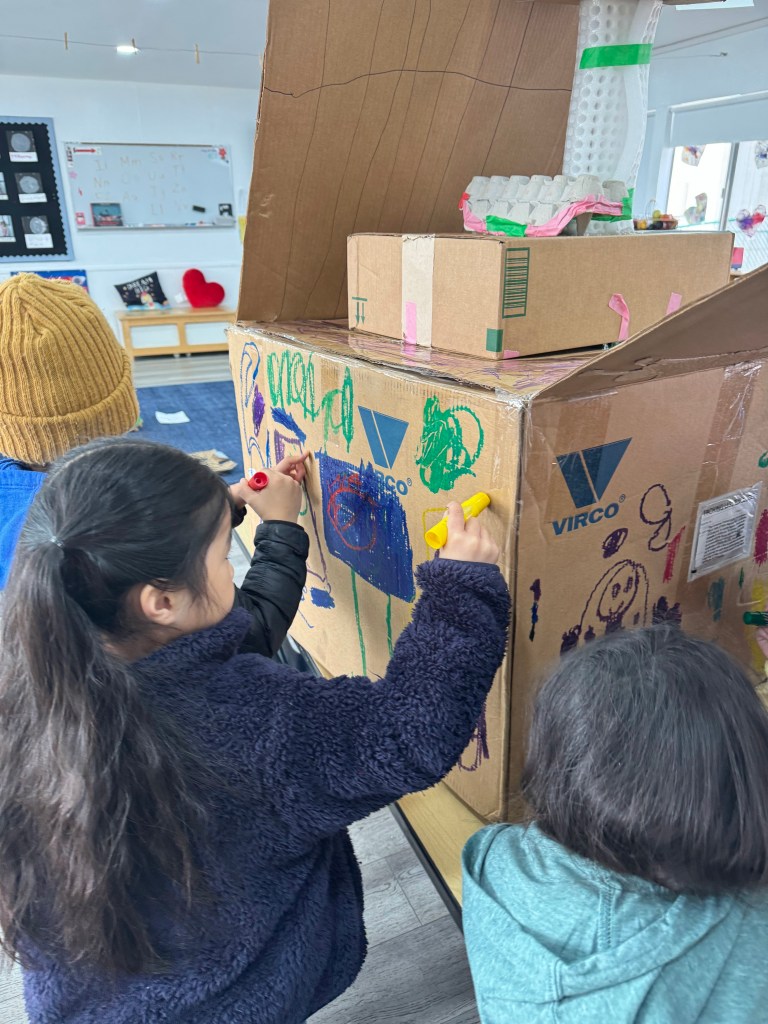
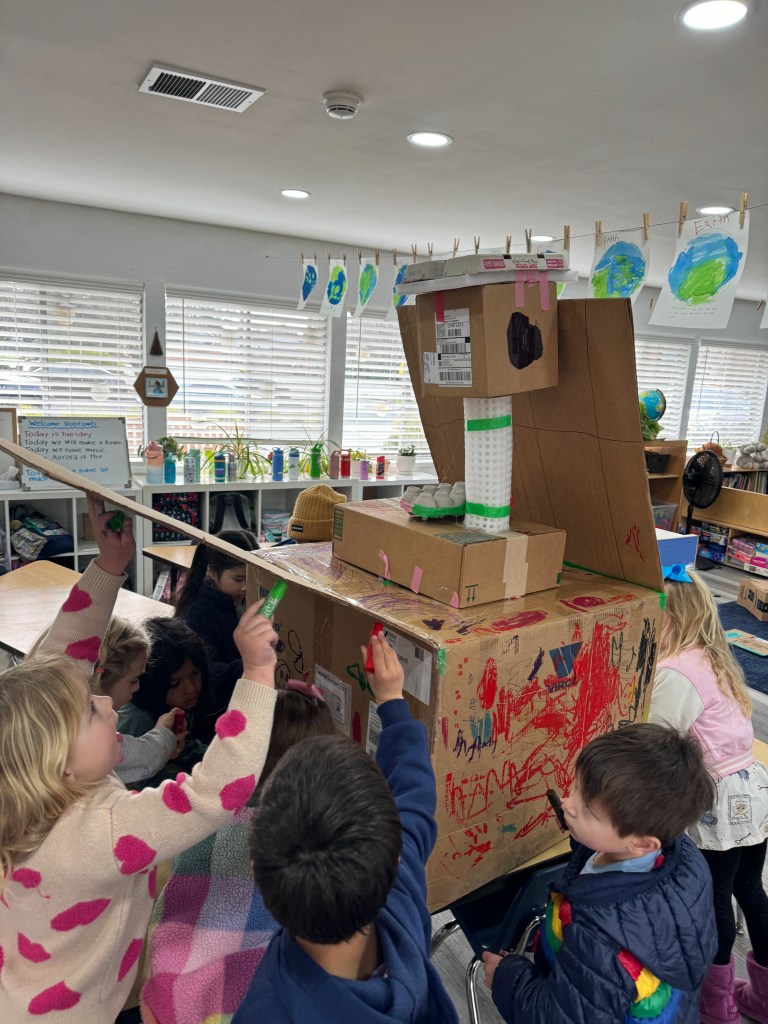
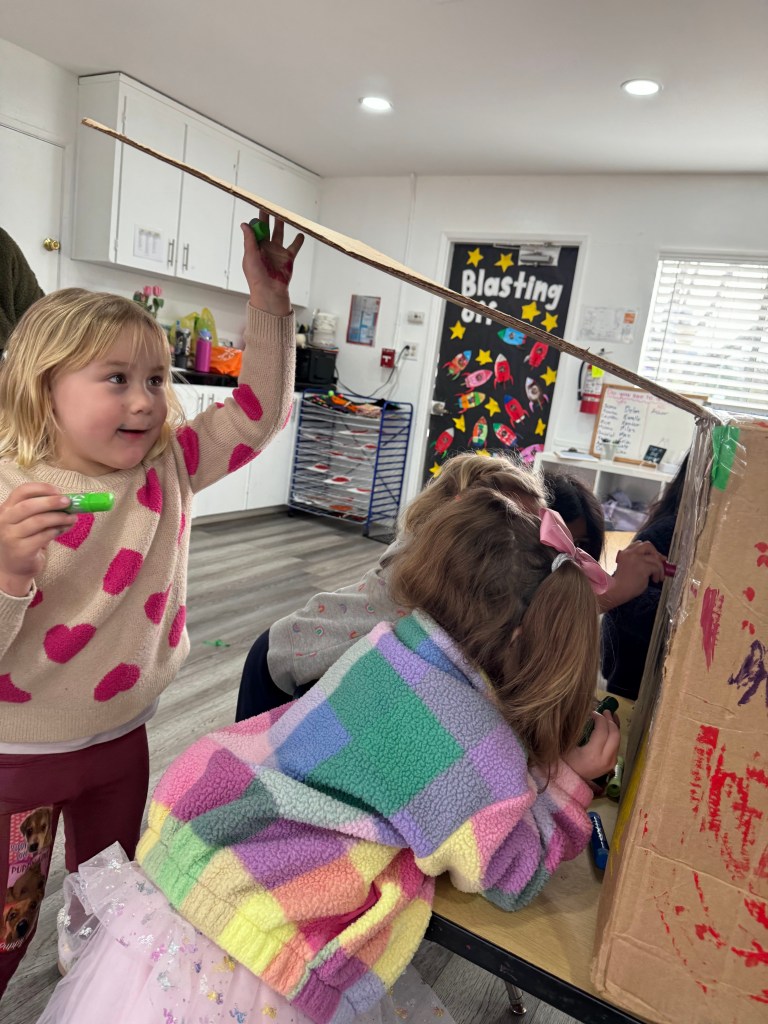
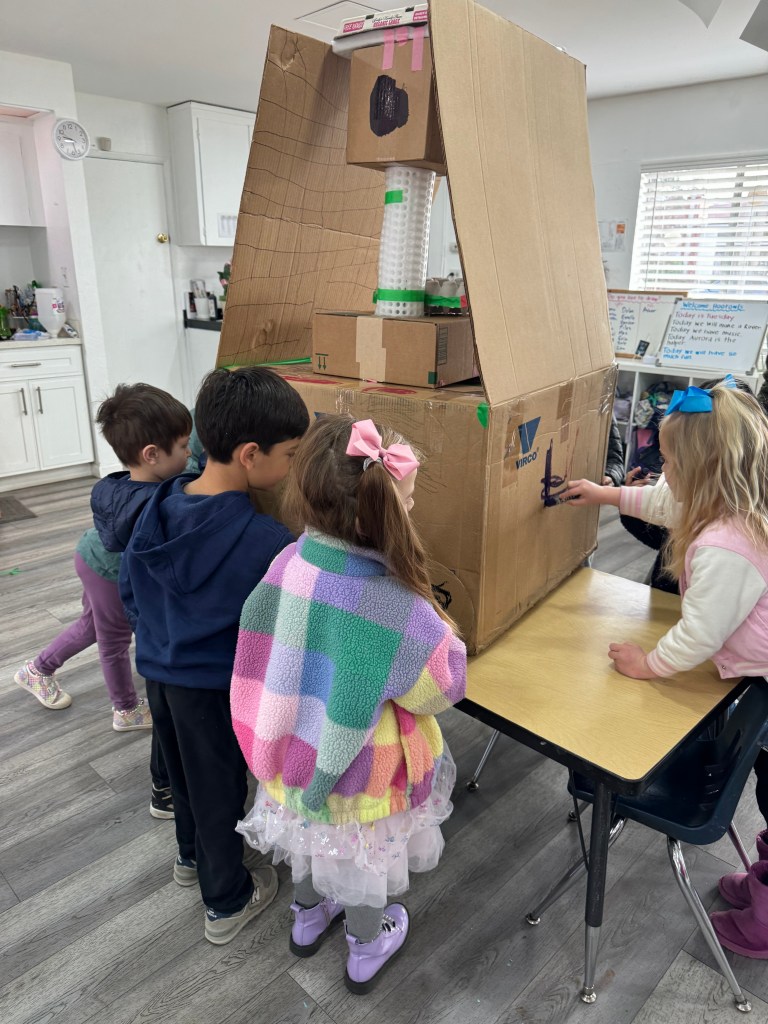
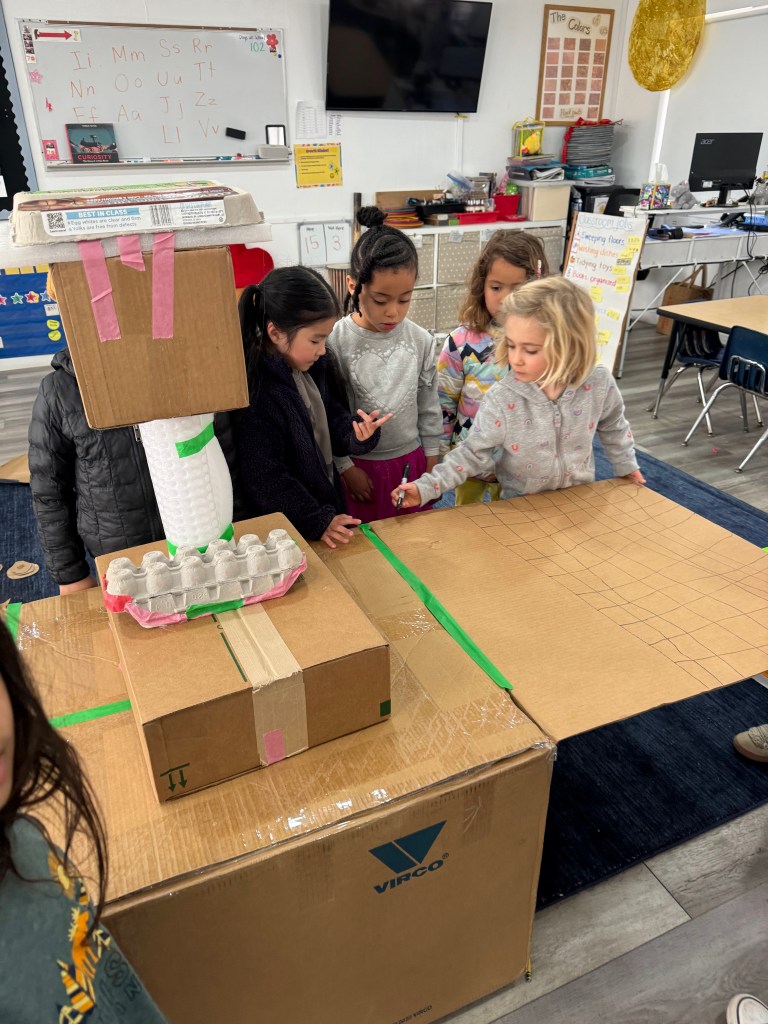
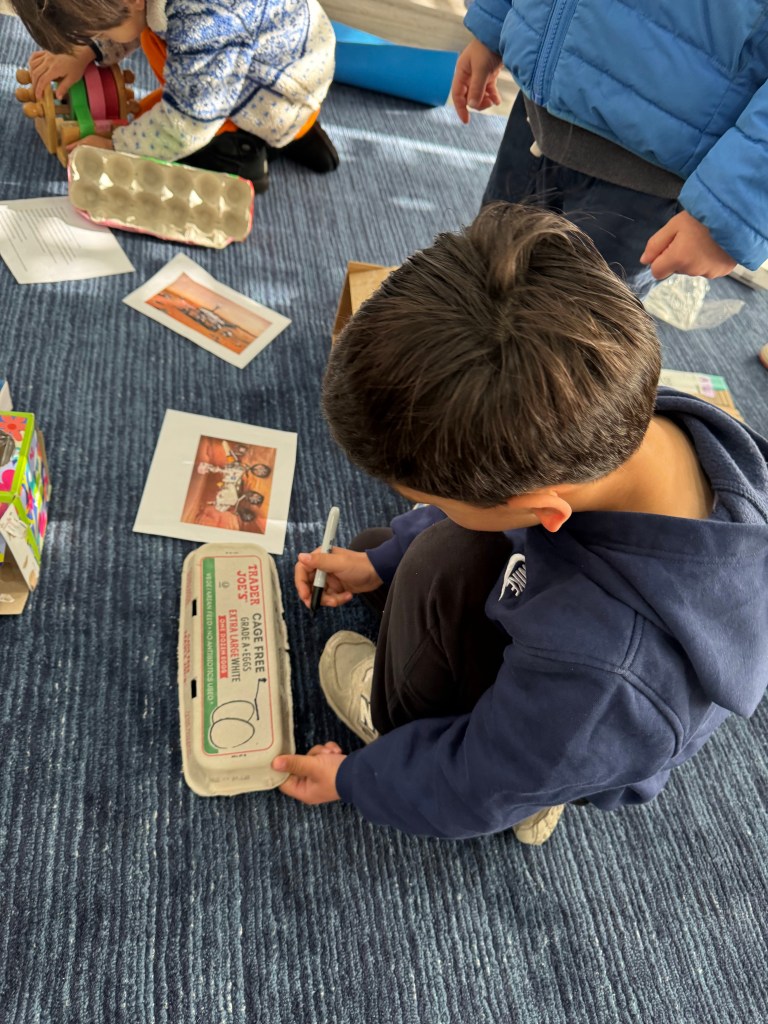
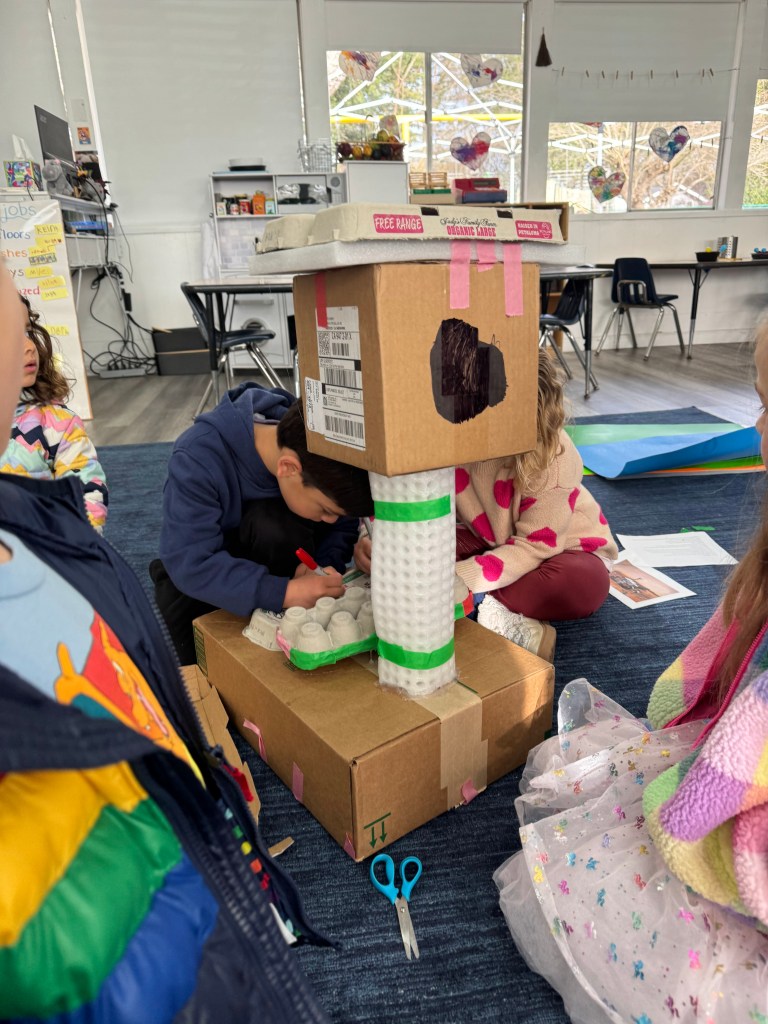
The Hoot Owls have continued their adventure into space. One planet the students were very excited to learn more about was Mars, and especially the rovers on Mars! After watching a Mars Rover video, the students were inspired to create their own rover. After gathering useful items from around their classroom, the Hoot Owls used a huge box to create a rover. Next, the class brainstormed ways to supply the Rover with energy to move around: solar panels and batteries were the winning ideas. The class worked as a team, with some friends making solar panels while other friends made batteries to attach to the rover.

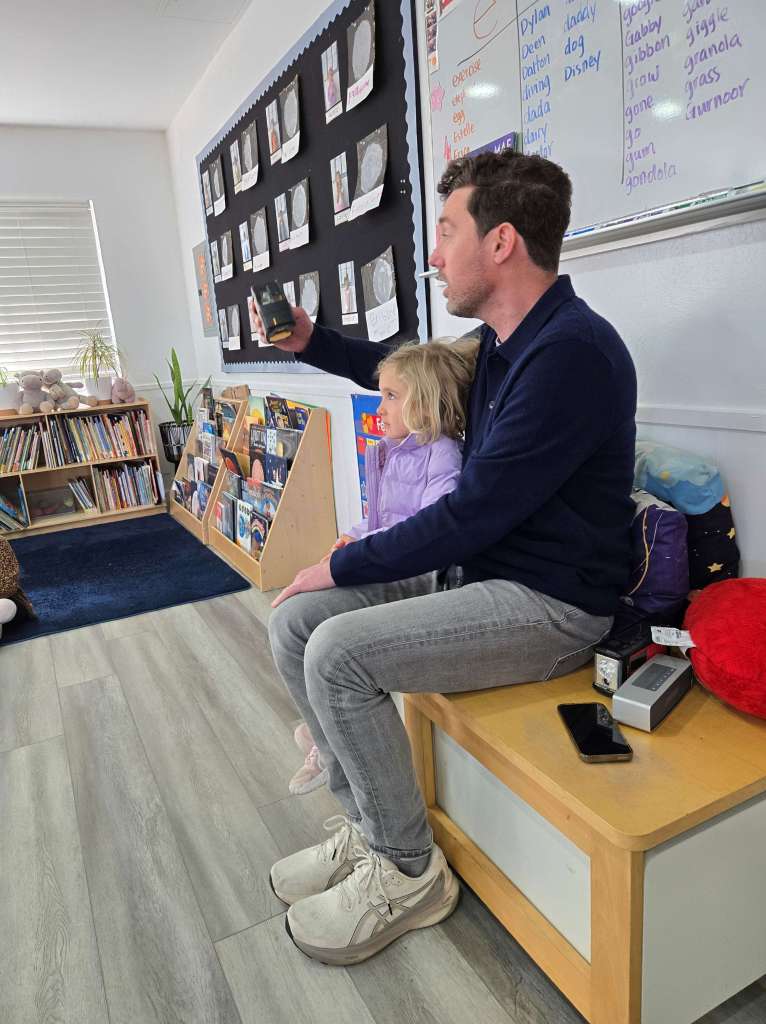
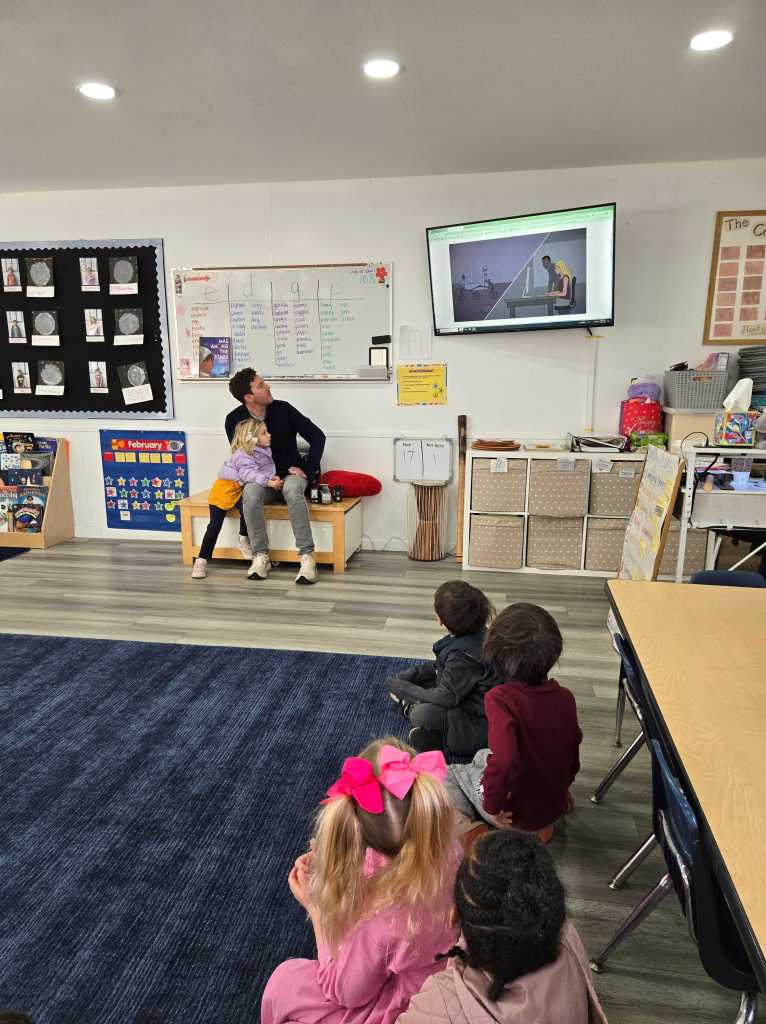
The Hoot Owls welcomed guest expert Jordan to teach them more about rovers and answer their questions. Jordan worked with the people who constructed the head for NASA’s Mars Perseverance rover. He shared that Perseverance’s head is about the size of a shoe box, and contains its eyes (cameras) and a bigger eye that is a laser, which is used to examine rocks. The students were intrigued to learn that scientists tell the rover where to go to find a special rock, then they zap the rock, which causes dust to puff up, which allows scientists to examine the dust and determine what the rocks is made of. 

Thank you, Jordan, for sharing your knowledge and experience with the Hoot Owls!

#SaklanGuestExpert

Ecosystems and Adaptations

In science, the 6th graders recently explored Earth’s biomes. Working in pairs, they created educational slideshows to teach their classmates about our planet’s incredible variety of ecosystems. Afterward, they dove deeper into the topic by examining how organisms adapt to survive in diverse environments. This culminated in an engaging “Adaptation Auction,” focusing on two contrasting ecosystems: the ocean and the desert.

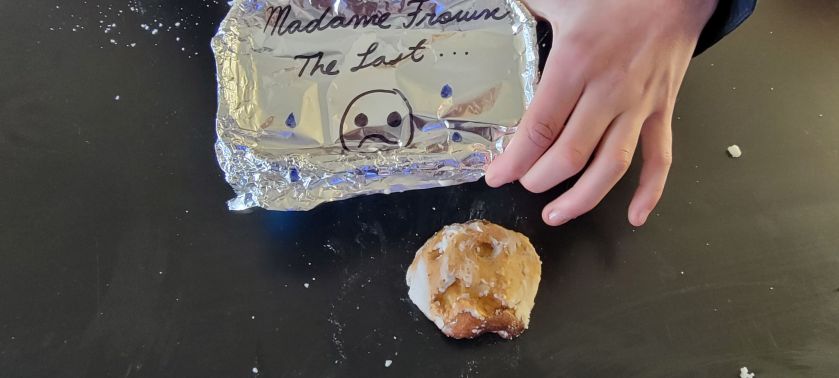
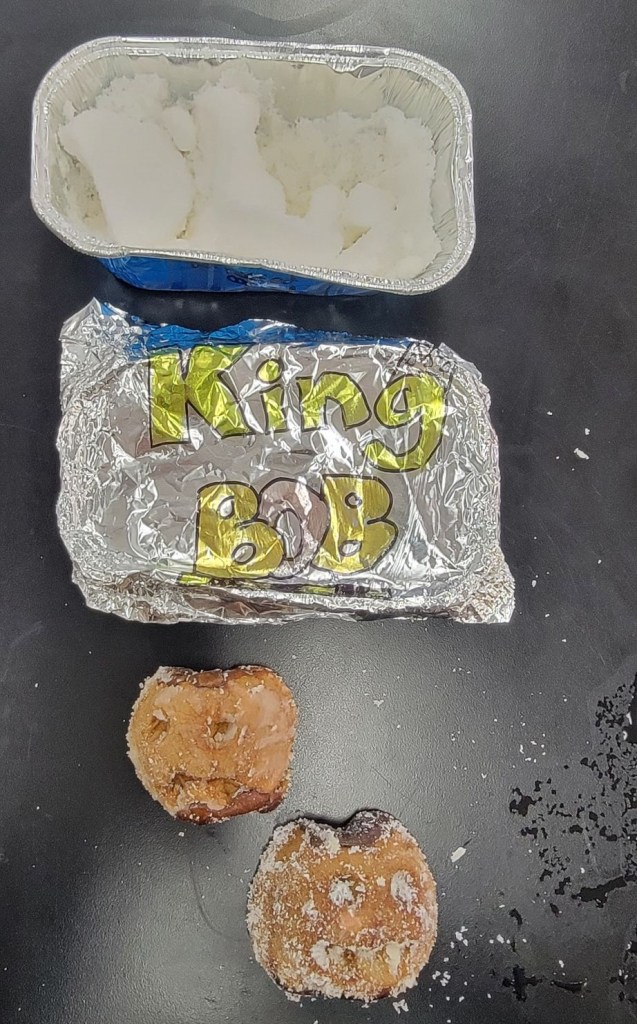
The 6th graders explored the stark differences between these ecosystems, identifying particularly beneficial adaptations in each. The desert’s unique ability to preserve species, culture, and history—due to its dry climate, fewer large scavengers, and minimal decomposers—sparked fascinating discussions. To bring this concept to life, students mummified apples in class! They created a narin mixture of salt and baking soda to act as our drying agent. Students then carved a face into an apple and let it sit in the narin mixture for a week. They observed how the drying agent caused noticeable changes in size, texture, and weight after just one week.

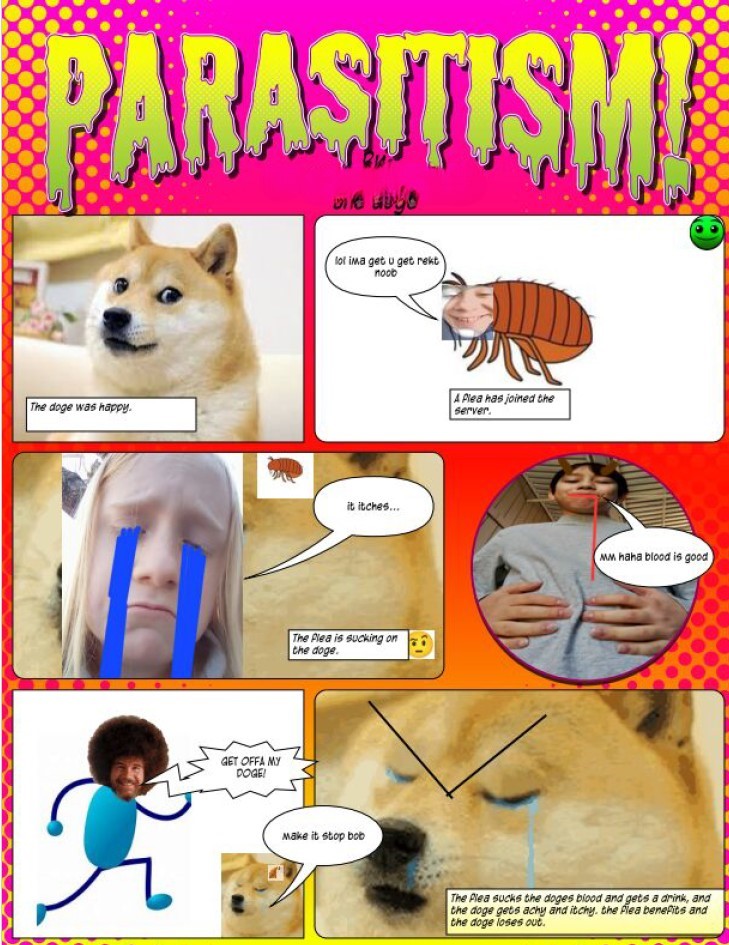
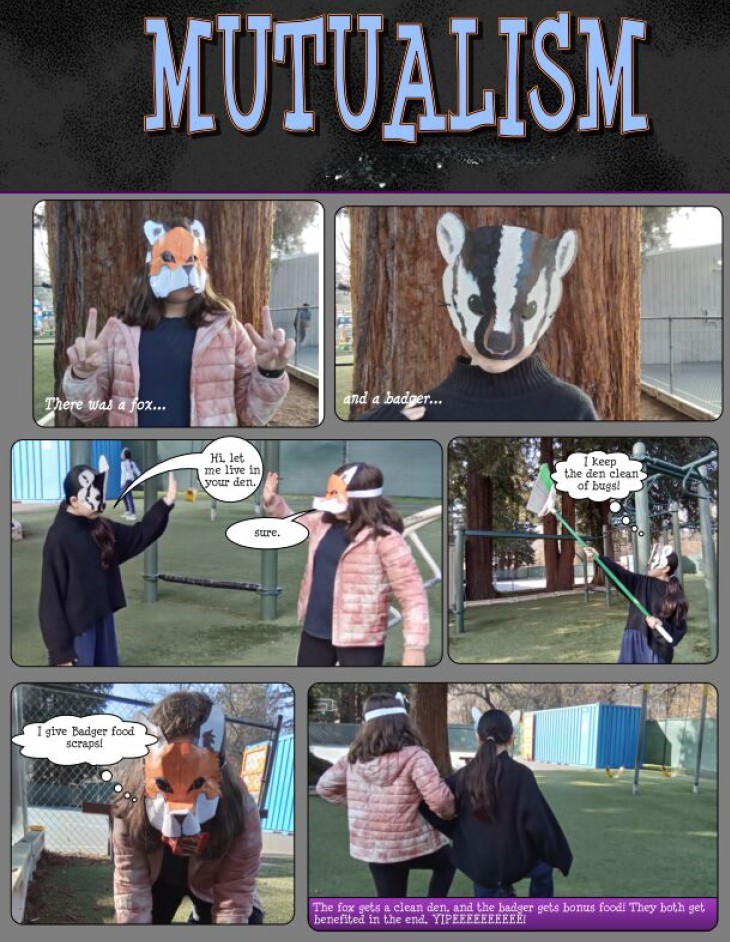
Next, the students moved on to studying the relationships between species within ecosystems, such as mutualism, parasitism, and commensalism. They created comics that illustrate these interactions in real-world scenarios to demonstrate their understanding. Below are examples of their creative work.

#SaklanHandsOn #SaklanCreativity

Plate Tectonics and Natural Forces

Saklan sixth graders recently dove into the fascinating world of plate tectonics and the powerful forces shaping our planet. They explored how Earth’s tectonic plates float on the molten, magma-filled mantle beneath us, driving some of the most dramatic movements we experience. The students investigated the concept of Pangea—the idea that all continents were once joined as a single landmass—and learned how plate boundaries have caused continents to gradually drift apart, creating the world map we recognize today. They studied divergent plates that push apart, convergent plates that move together, transform faults where plates slide past each other, and subduction zones where one plate moves under another.

Their studies then shifted to what some might call “natural disasters,” though the class viewed them as incredible demonstrations of Earth’s energy. The students examined tsunamis triggered by underwater seismic activity and researched historic earthquakes. They even created their own news reports to illustrate the impact of these events on different cultures and how earthquakes have contributed to the planet’s evolution over recorded time.

Their exploration of tectonic movement continued with lessons on hot spots and subduction zones, which led to the formation of volcanoes. The sixth graders examined volcanic rocks to understand how scientists determine the type of past volcanic eruptions. Students learned that rocks filled with many holes were formed from lava with high gas content, while rocks without holes contained more silica.

Working in teams, students designed their own volcanoes and experimented with various lava “recipes” to observe different lava flows—some slow and smooth, others fast and bubbly.

#SaklanHandsOn

Bonding in Action

In 8th grade science, students engage in interactive experiments to build a solid knowledge of chemistry. Recently they have been studying chemical bonds. They started exploring ionic and covalent bonds by building on their knowledge of the periodic table and the properties of metals, metalloids, and nonmetals.

Last week, the eighth graders learned how to identify each type of bond, draw representations, recognize bonding types, and correctly create and name chemical formulas. They also investigated polarity within covalent bonds. In covalent bonds, atoms share electrons to form connections. However, because some atoms have more protons (positive charges) in their nuclei, they can pull these shared electrons more strongly, creating a compound with positive and negative ends—similar to a magnet.

The students used food coloring and milk to help them visualize this concept. Milk contains nonpolar fat molecules, while food coloring is polar. Since polar and nonpolar substances don’t mix easily, adding soap, which has both polar and nonpolar ends, acts like a magnet, pulling the food coloring across the milk, and creating a colorful swirl without stirring. The students were fascinated by this vivid demonstration of polarity in action!

#SaklanHandsOn