Mission to Mars

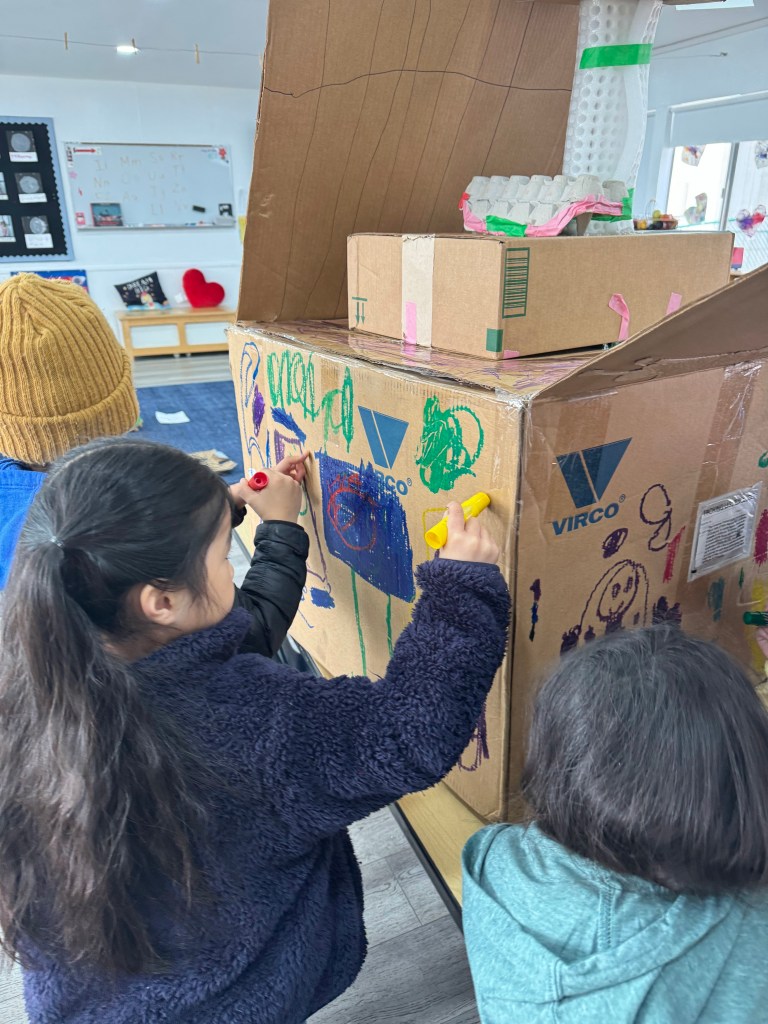
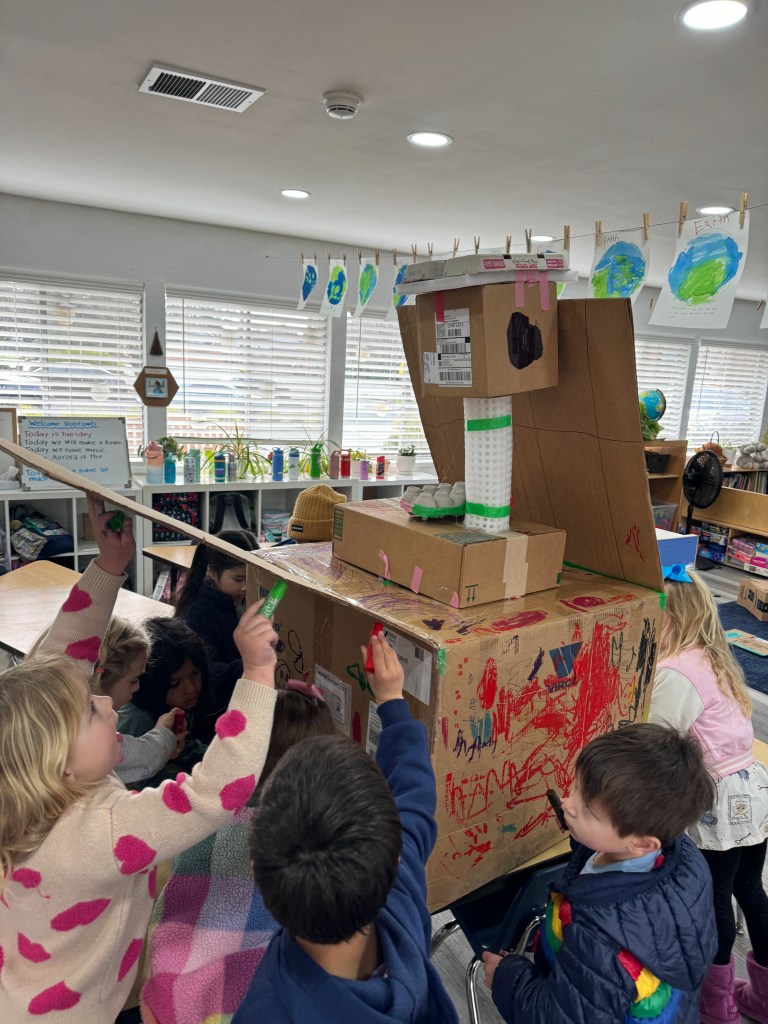
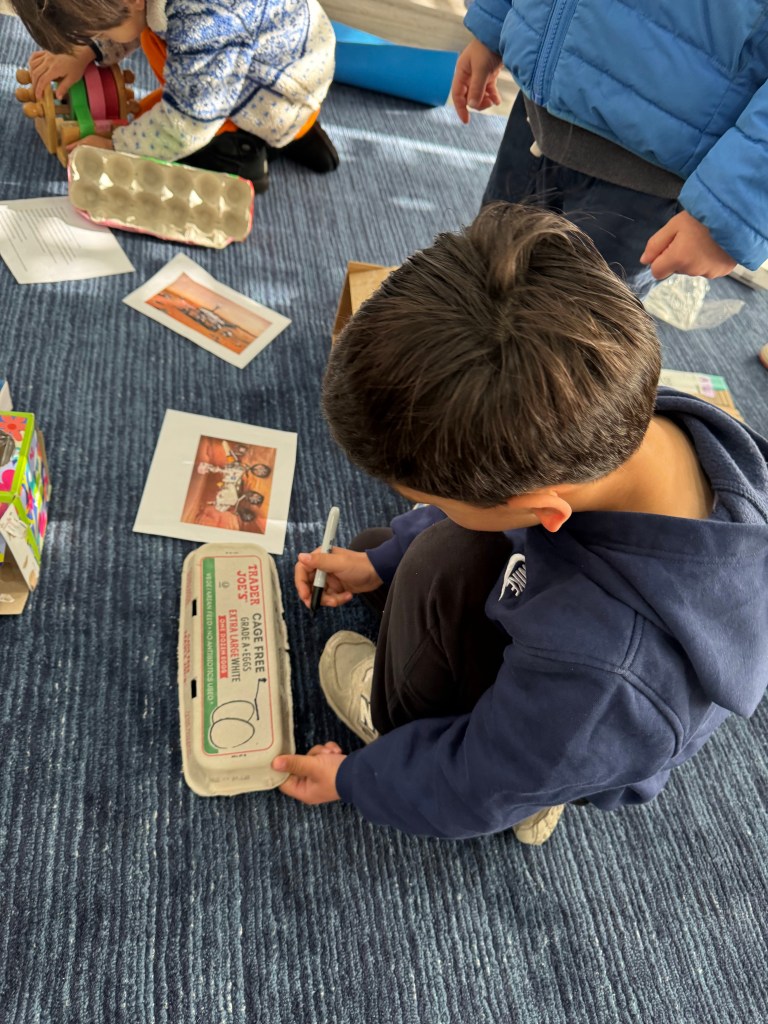
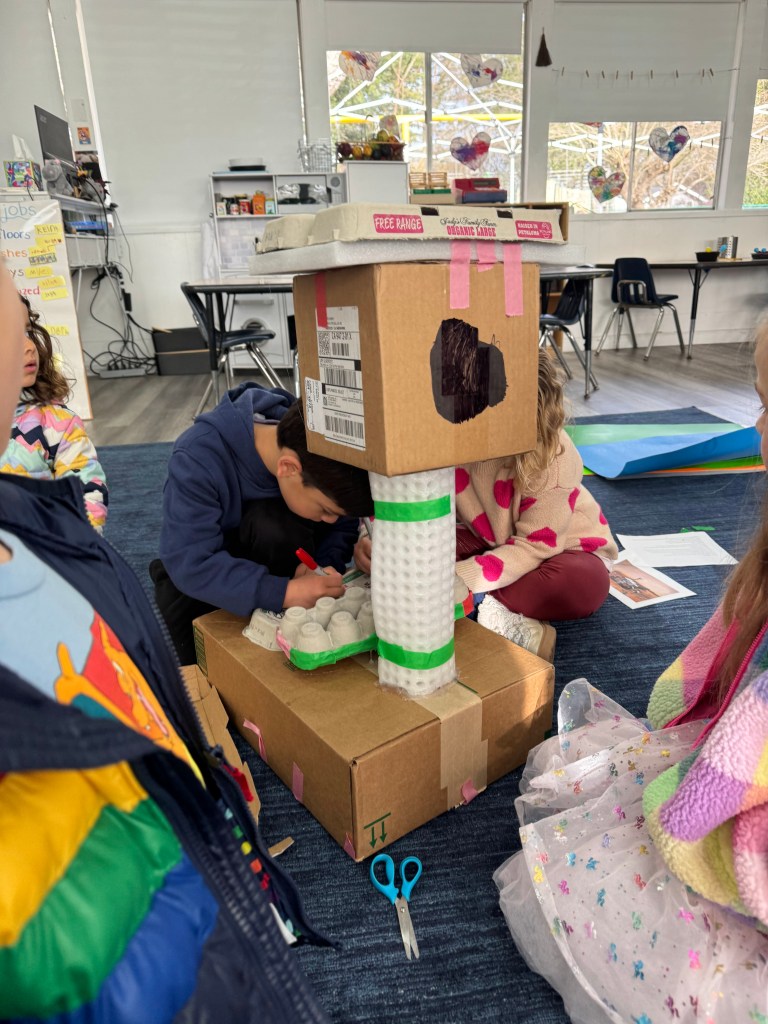
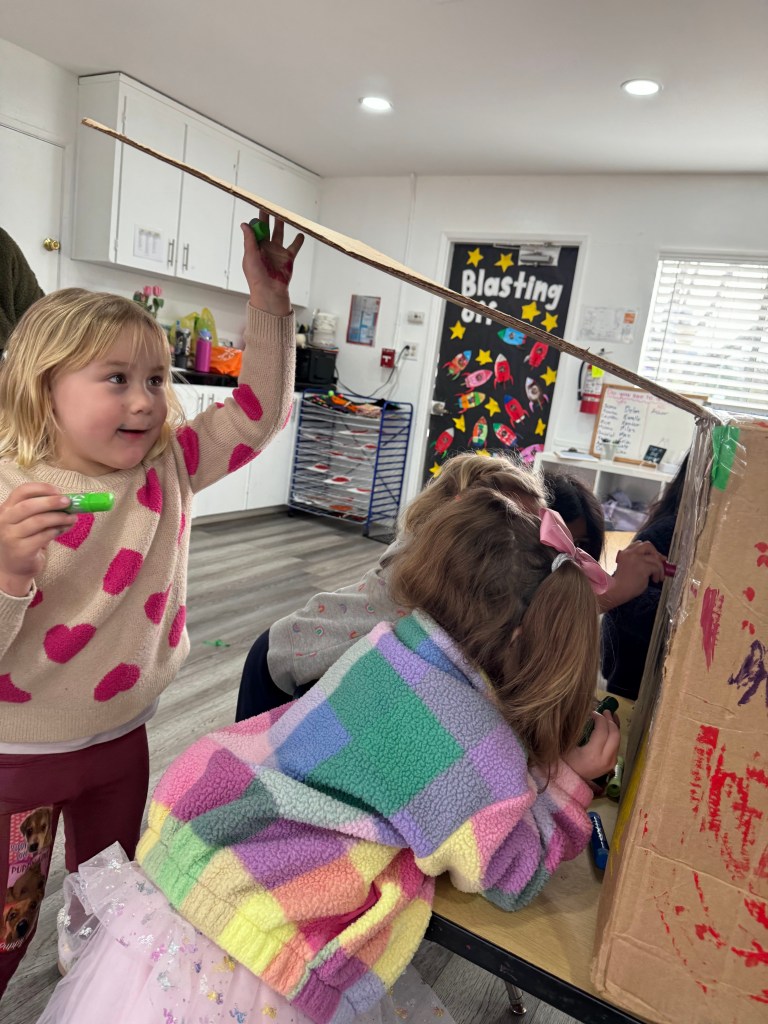
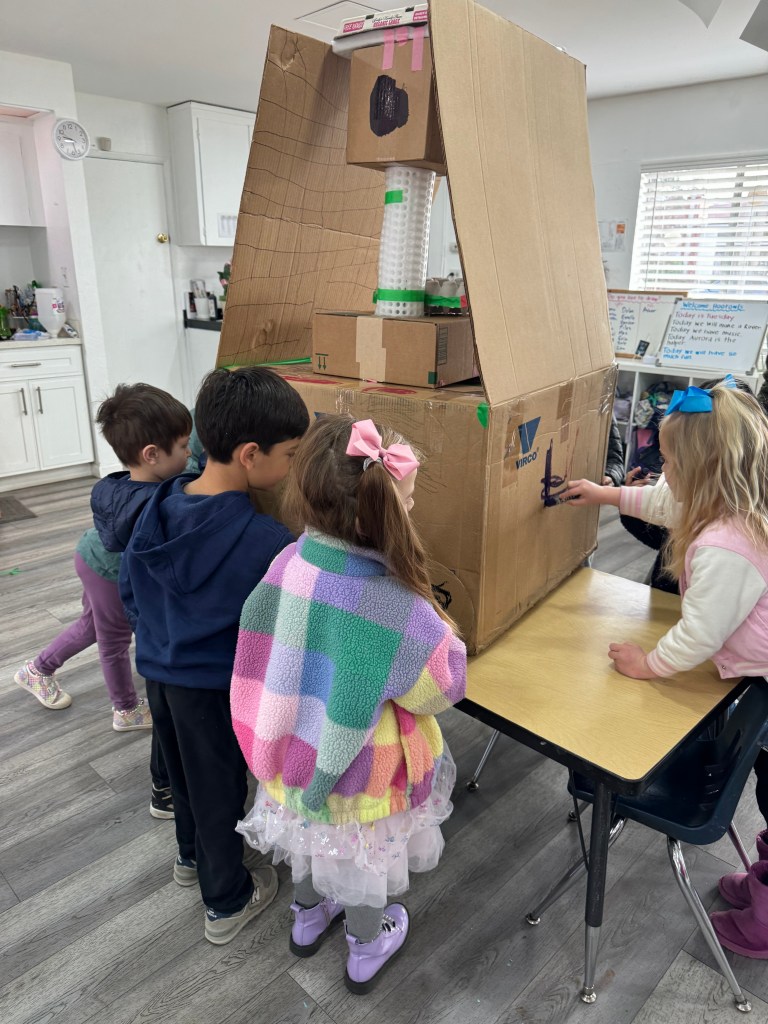
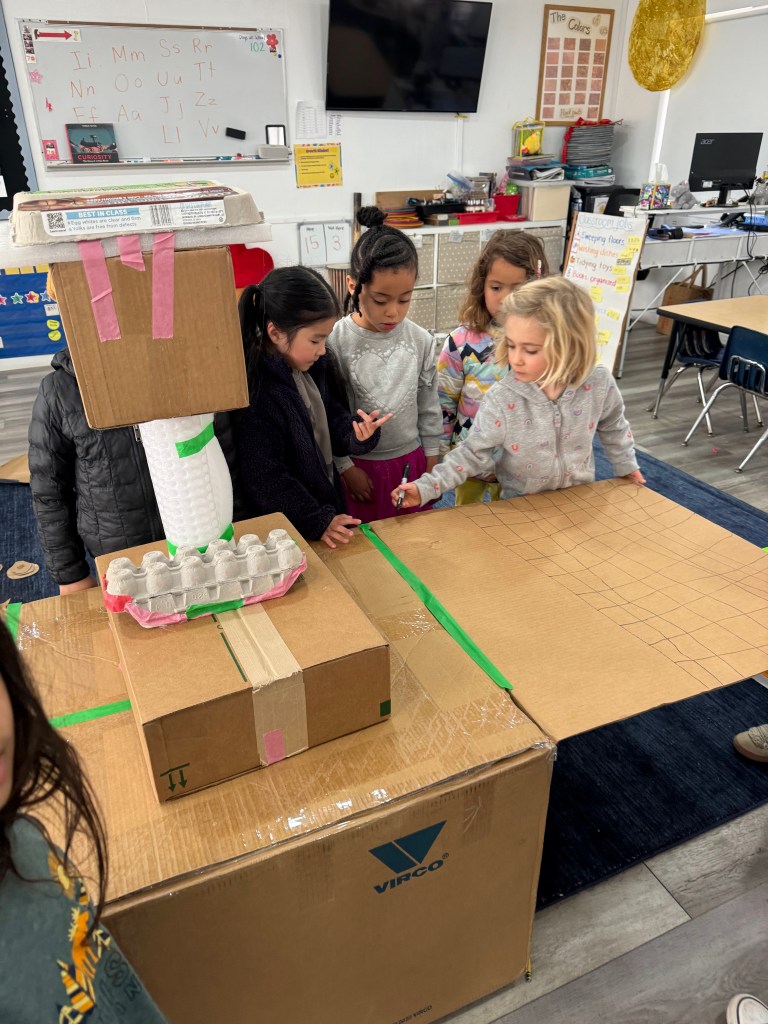
The Hoot Owls have continued their adventure into space. One planet the students were very excited to learn more about was Mars, and especially the rovers on Mars! After watching a Mars Rover video, the students were inspired to create their own rover. After gathering useful items from around their classroom, the Hoot Owls used a huge box to create a rover. Next, the class brainstormed ways to supply the Rover with energy to move around: solar panels and batteries were the winning ideas. The class worked as a team, with some friends making solar panels while other friends made batteries to attach to the rover.

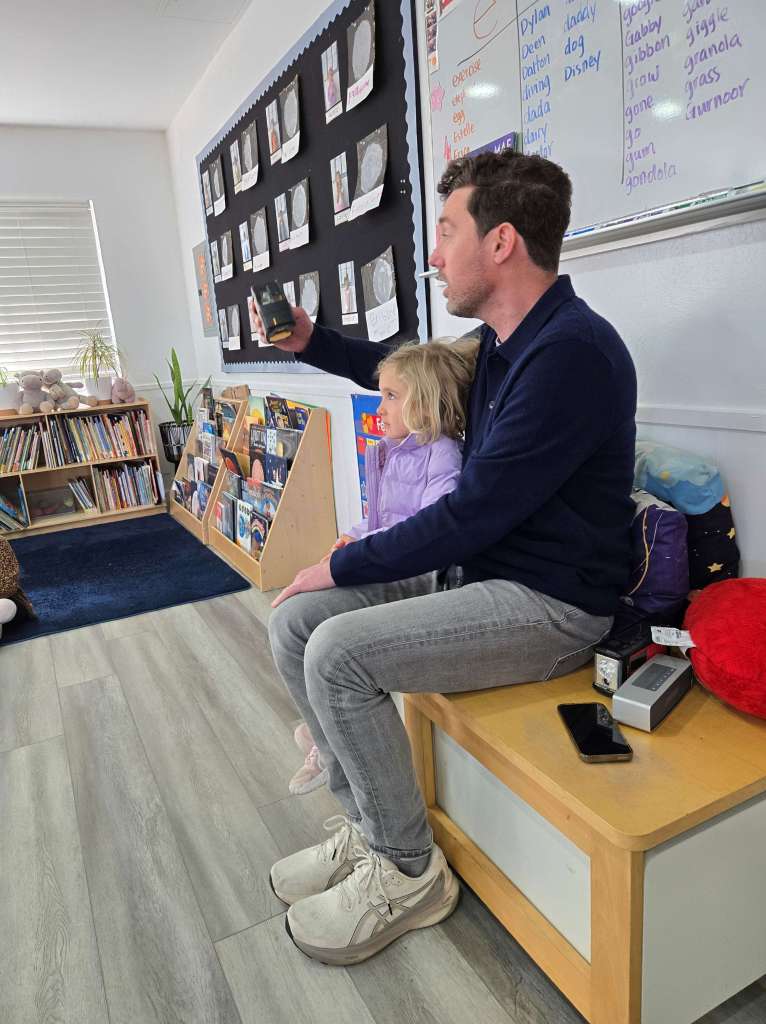
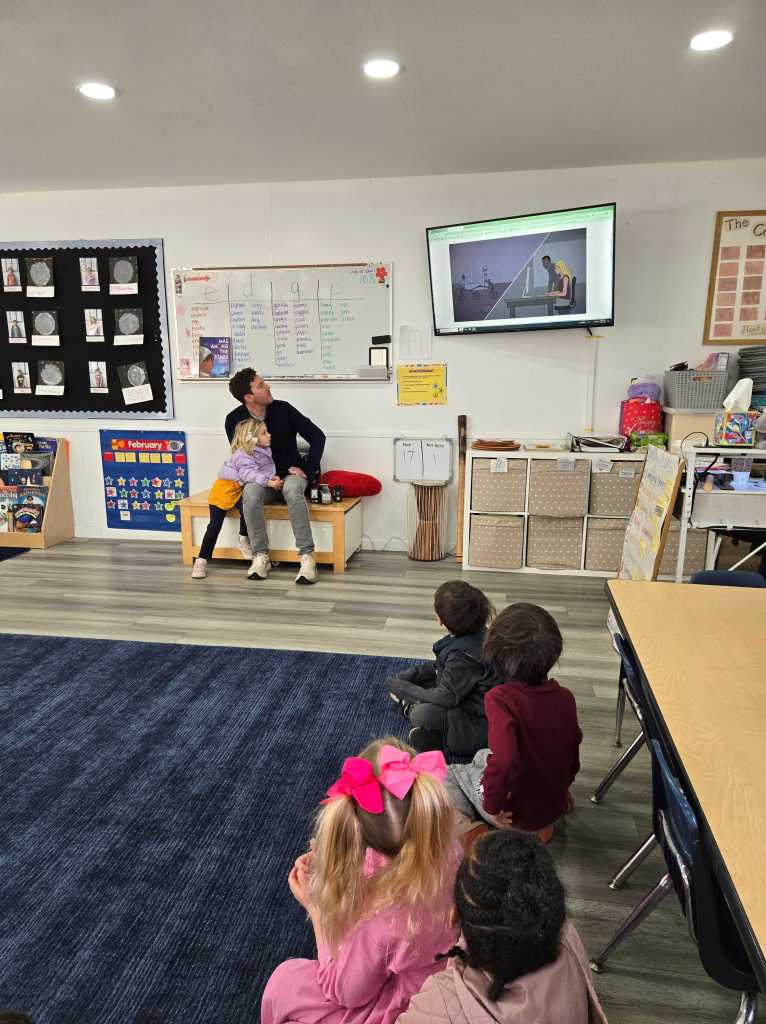
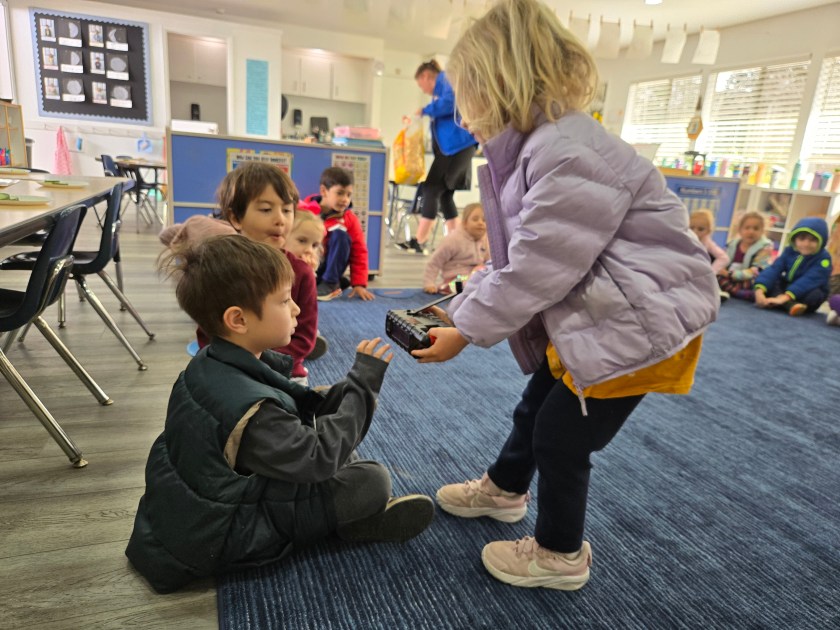
The Hoot Owls welcomed guest expert Jordan to teach them more about rovers and answer their questions. Jordan worked with the people who constructed the head for NASA’s Mars Perseverance rover. He shared that Perseverance’s head is about the size of a shoe box, and contains its eyes (cameras) and a bigger eye that is a laser, which is used to examine rocks. The students were intrigued to learn that scientists tell the rover where to go to find a special rock, then they zap the rock, which causes dust to puff up, which allows scientists to examine the dust and determine what the rocks is made of. 

Thank you, Jordan, for sharing your knowledge and experience with the Hoot Owls!

#SaklanGuestExpert

Ecosystems and Adaptations

In science, the 6th graders recently explored Earth’s biomes. Working in pairs, they created educational slideshows to teach their classmates about our planet’s incredible variety of ecosystems. Afterward, they dove deeper into the topic by examining how organisms adapt to survive in diverse environments. This culminated in an engaging “Adaptation Auction,” focusing on two contrasting ecosystems: the ocean and the desert.

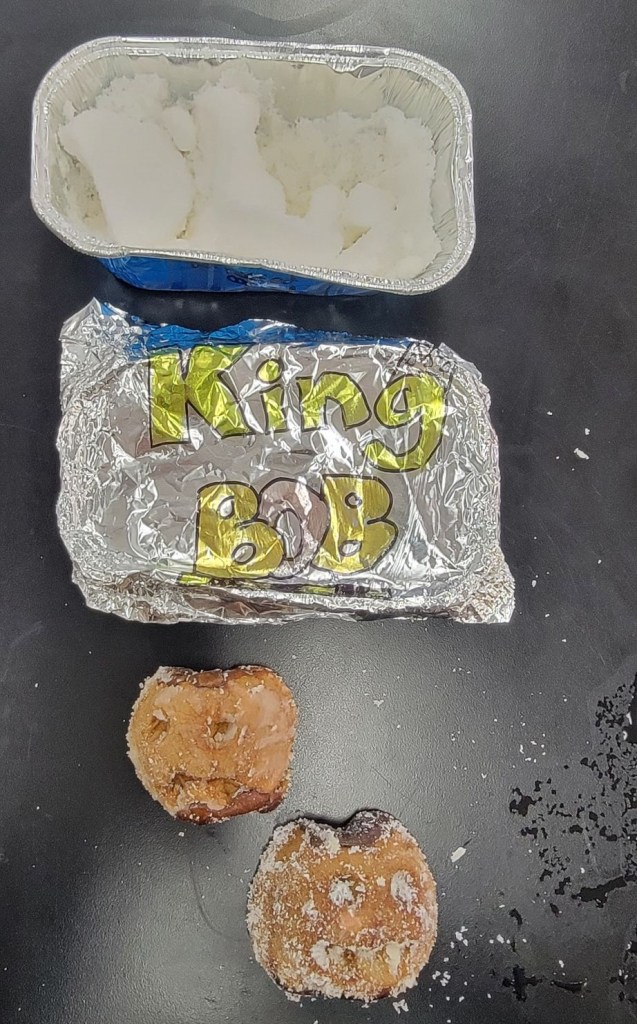
The 6th graders explored the stark differences between these ecosystems, identifying particularly beneficial adaptations in each. The desert’s unique ability to preserve species, culture, and history—due to its dry climate, fewer large scavengers, and minimal decomposers—sparked fascinating discussions. To bring this concept to life, students mummified apples in class! They created a narin mixture of salt and baking soda to act as our drying agent. Students then carved a face into an apple and let it sit in the narin mixture for a week. They observed how the drying agent caused noticeable changes in size, texture, and weight after just one week.

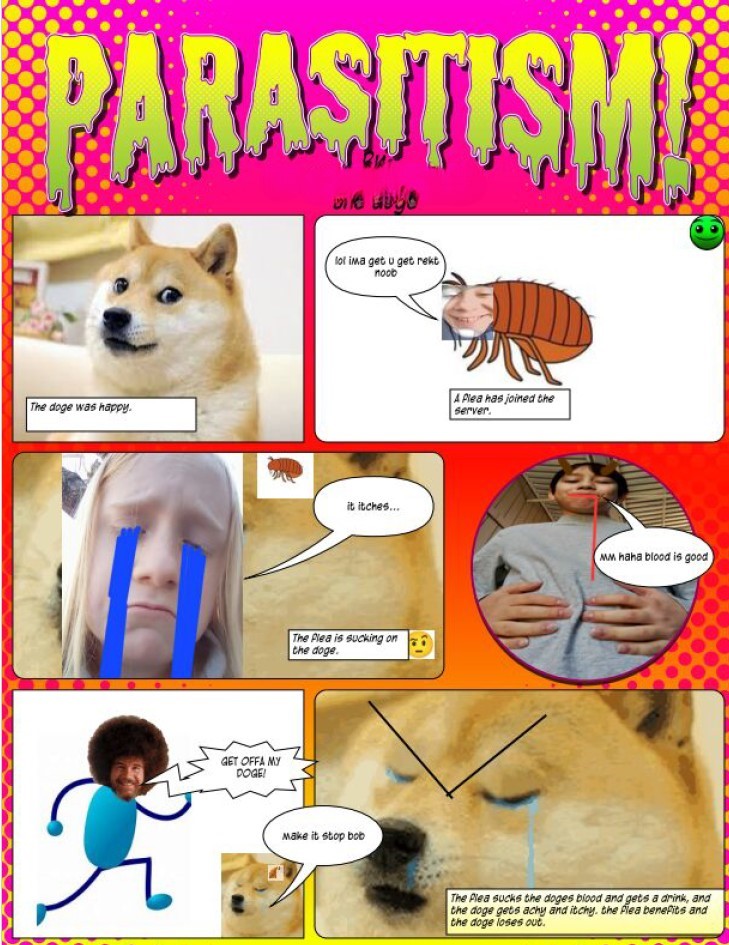
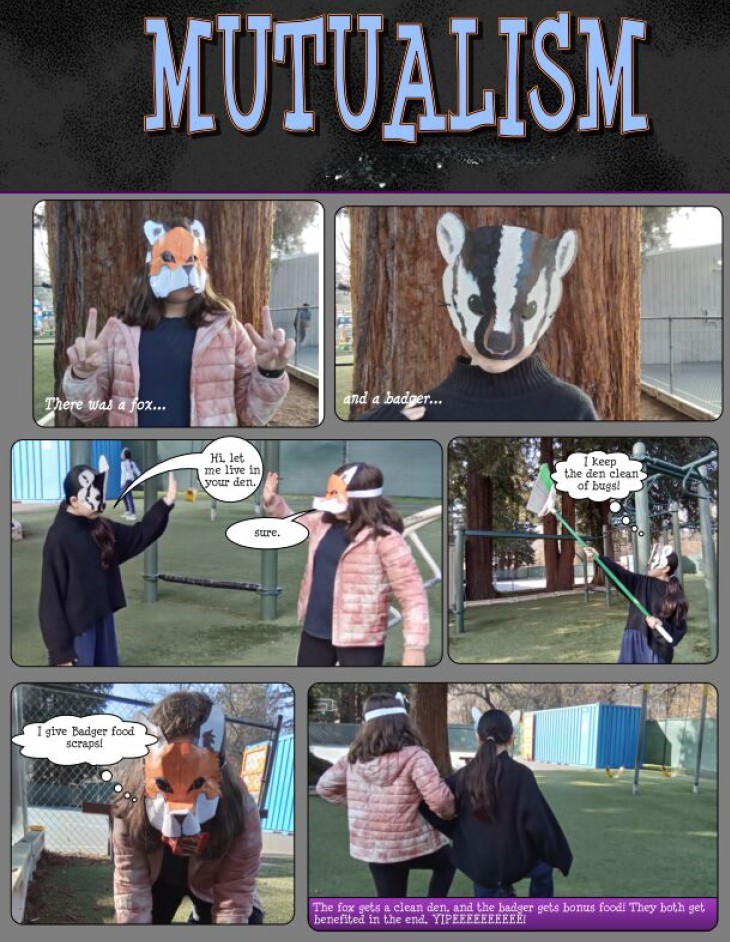
Next, the students moved on to studying the relationships between species within ecosystems, such as mutualism, parasitism, and commensalism. They created comics that illustrate these interactions in real-world scenarios to demonstrate their understanding. Below are examples of their creative work.

#SaklanHandsOn #SaklanCreativity

Plate Tectonics and Natural Forces

Saklan sixth graders recently dove into the fascinating world of plate tectonics and the powerful forces shaping our planet. They explored how Earth’s tectonic plates float on the molten, magma-filled mantle beneath us, driving some of the most dramatic movements we experience. The students investigated the concept of Pangea—the idea that all continents were once joined as a single landmass—and learned how plate boundaries have caused continents to gradually drift apart, creating the world map we recognize today. They studied divergent plates that push apart, convergent plates that move together, transform faults where plates slide past each other, and subduction zones where one plate moves under another.

Their studies then shifted to what some might call “natural disasters,” though the class viewed them as incredible demonstrations of Earth’s energy. The students examined tsunamis triggered by underwater seismic activity and researched historic earthquakes. They even created their own news reports to illustrate the impact of these events on different cultures and how earthquakes have contributed to the planet’s evolution over recorded time.

Their exploration of tectonic movement continued with lessons on hot spots and subduction zones, which led to the formation of volcanoes. The sixth graders examined volcanic rocks to understand how scientists determine the type of past volcanic eruptions. Students learned that rocks filled with many holes were formed from lava with high gas content, while rocks without holes contained more silica.

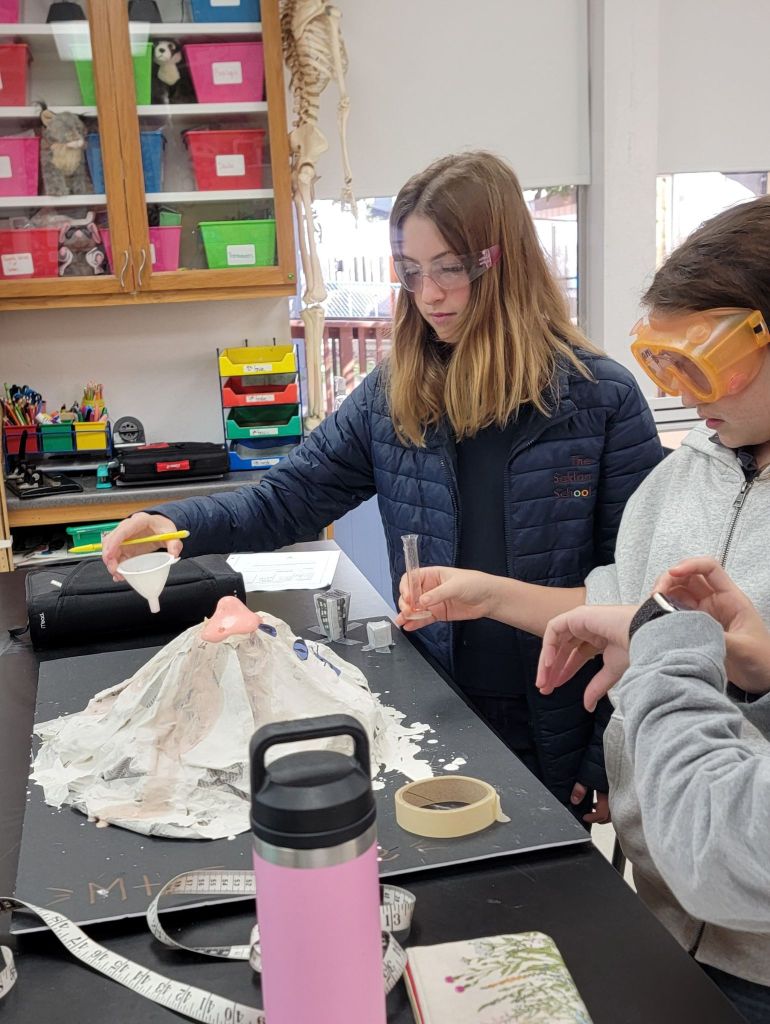
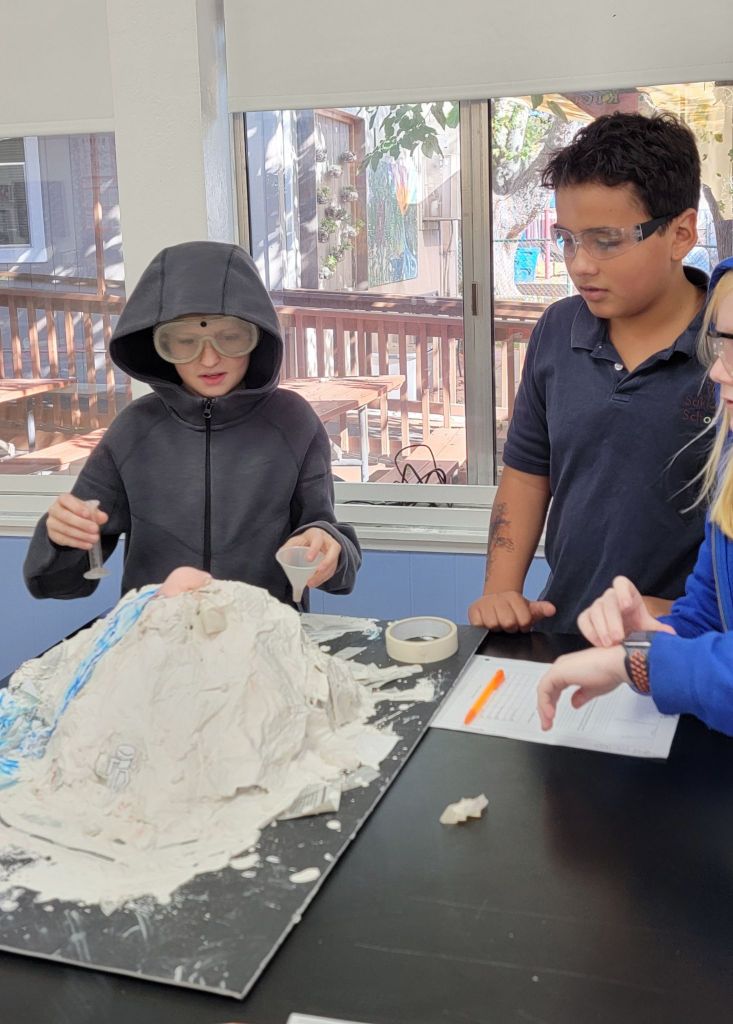
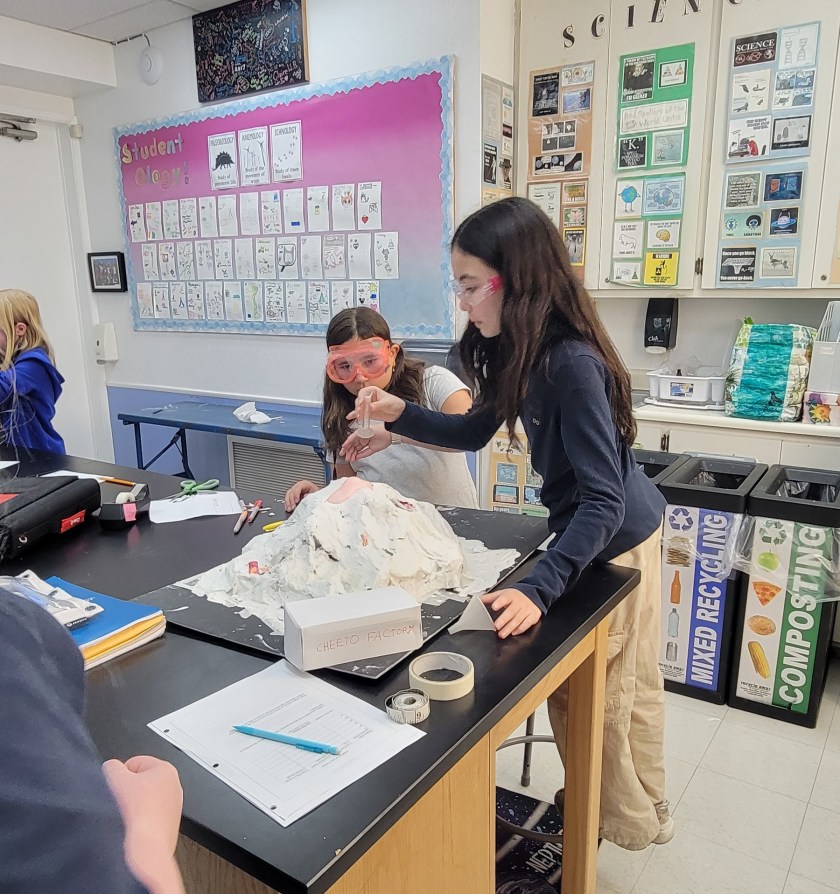
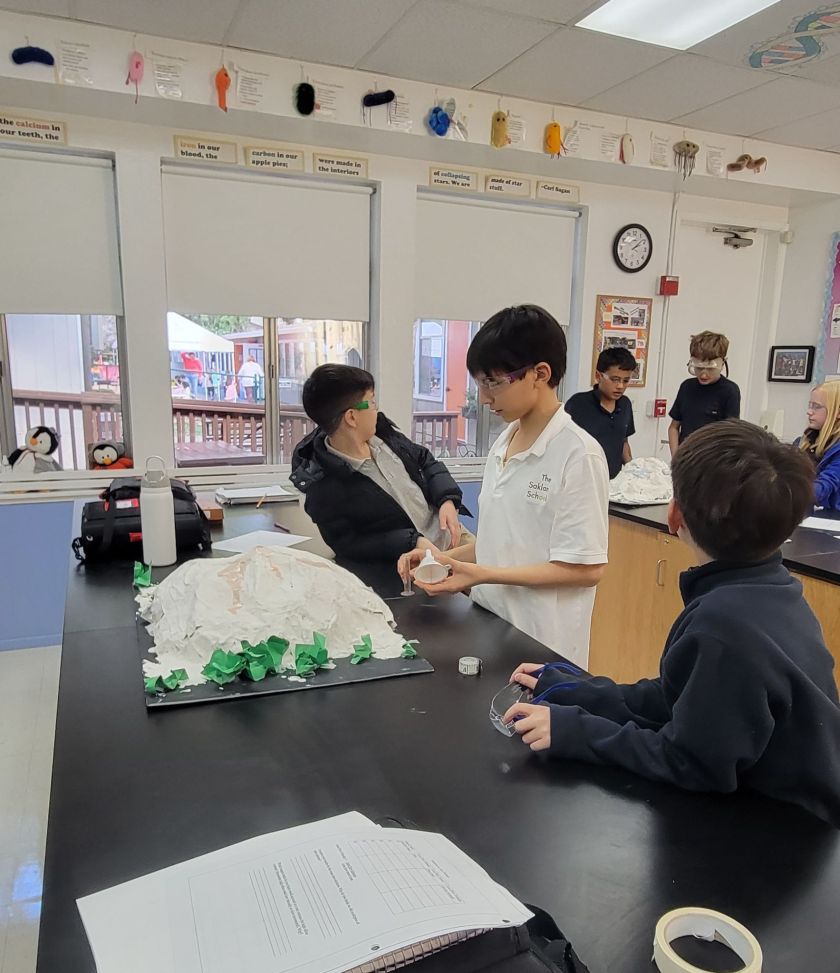
Working in teams, students designed their own volcanoes and experimented with various lava “recipes” to observe different lava flows—some slow and smooth, others fast and bubbly.

#SaklanHandsOn

Bonding in Action

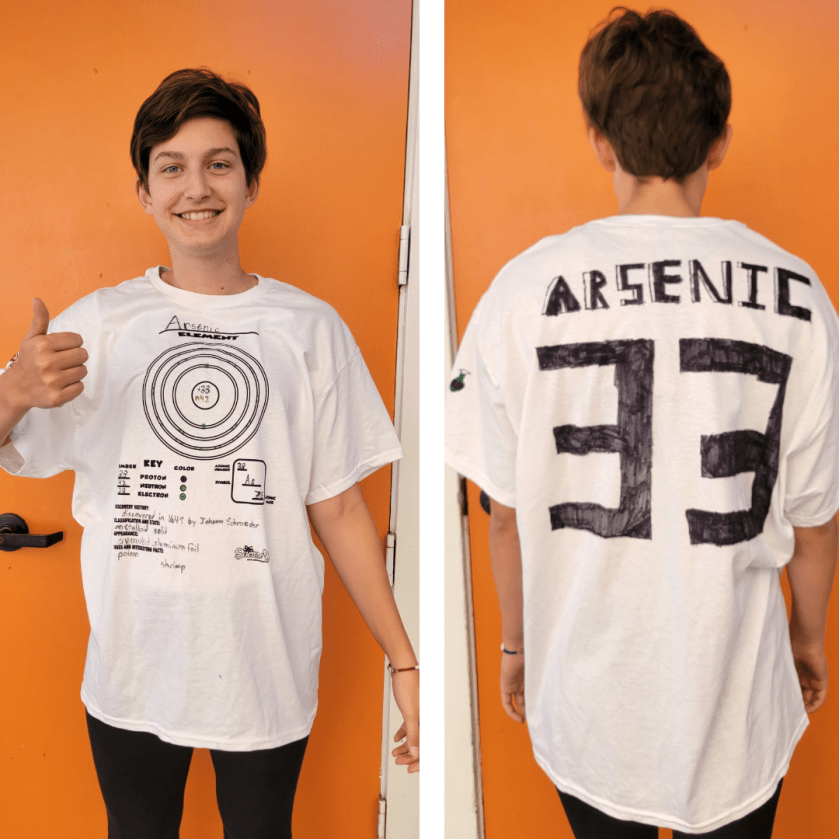
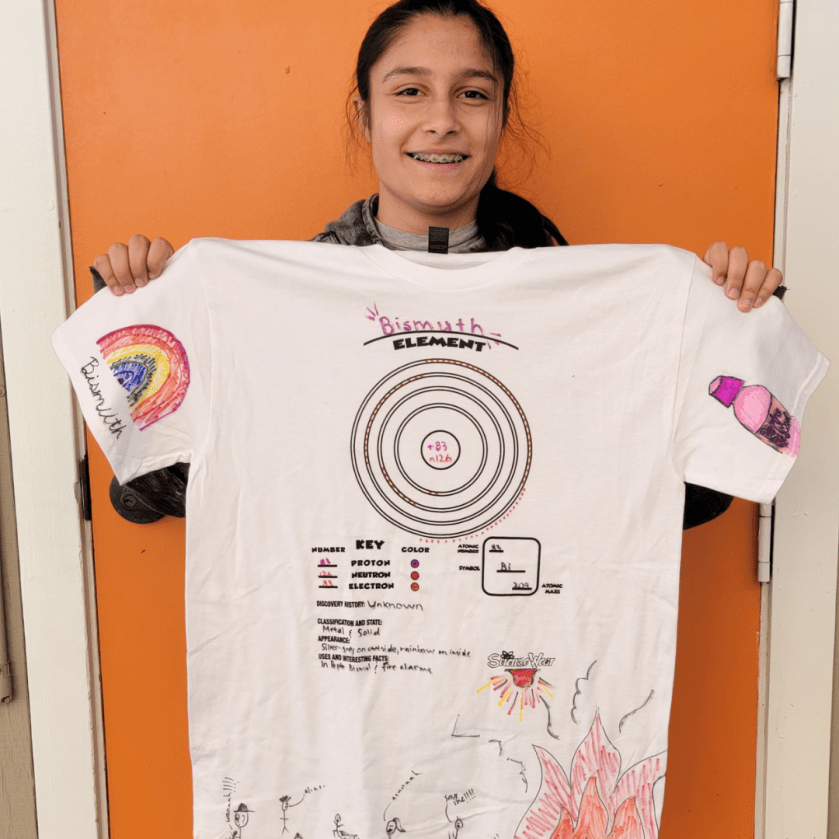
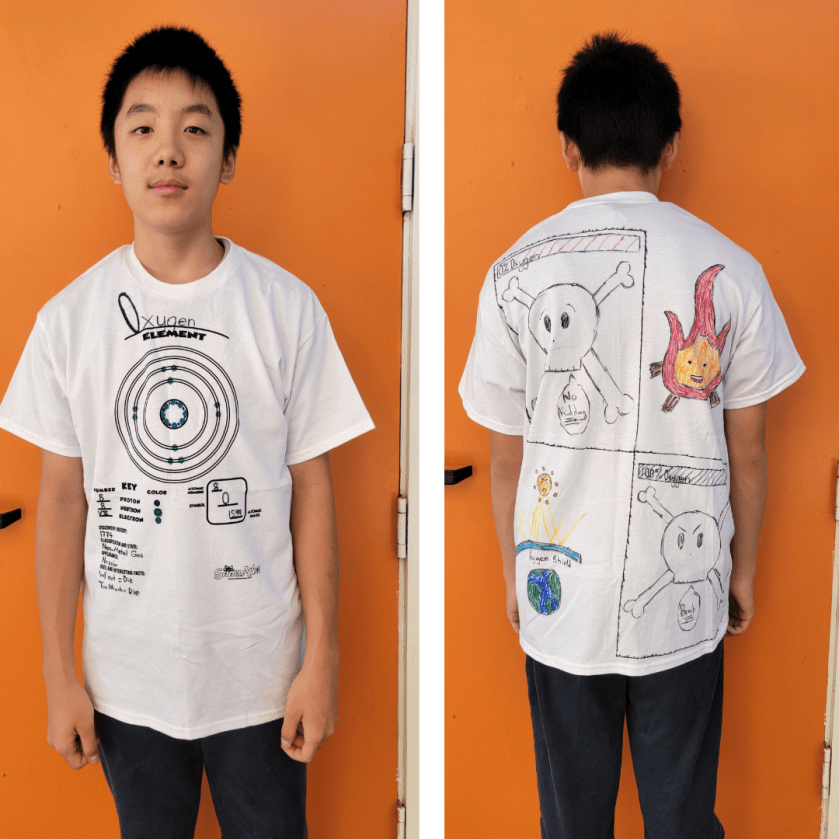
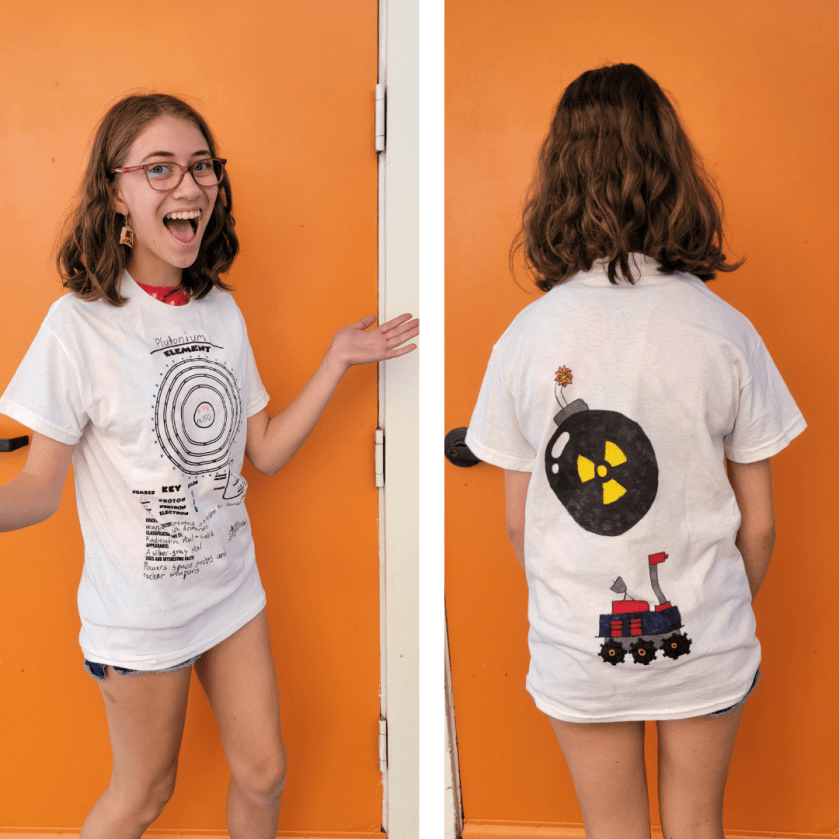
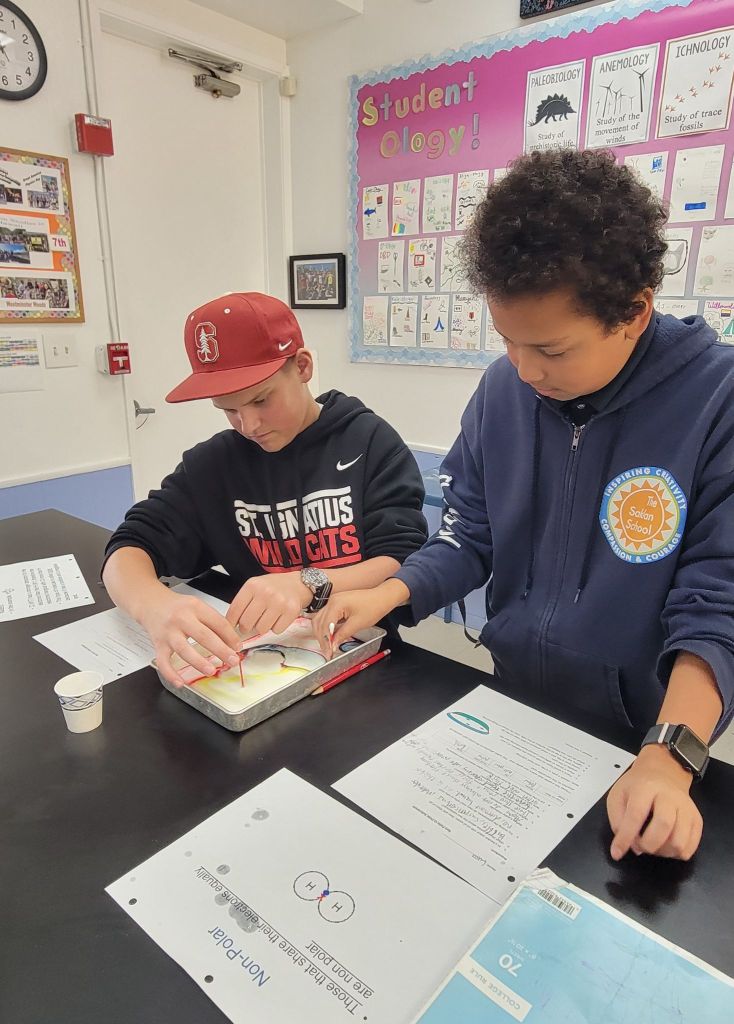
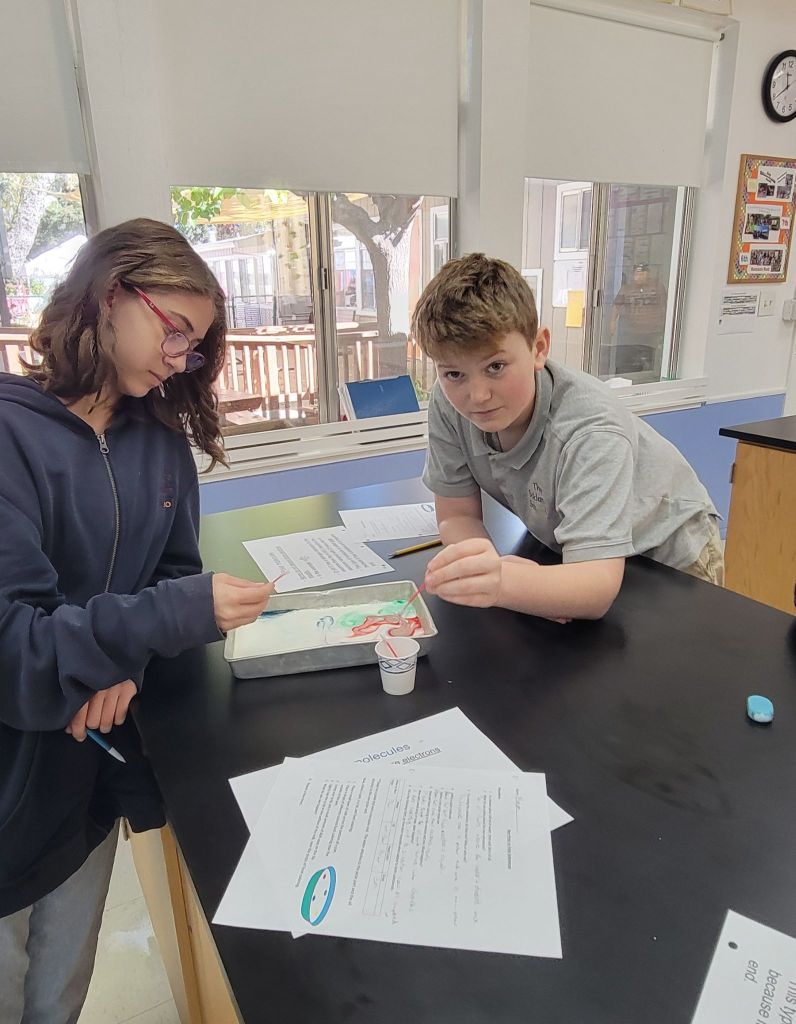
In 8th grade science, students engage in interactive experiments to build a solid knowledge of chemistry. Recently they have been studying chemical bonds. They started exploring ionic and covalent bonds by building on their knowledge of the periodic table and the properties of metals, metalloids, and nonmetals.

Last week, the eighth graders learned how to identify each type of bond, draw representations, recognize bonding types, and correctly create and name chemical formulas. They also investigated polarity within covalent bonds. In covalent bonds, atoms share electrons to form connections. However, because some atoms have more protons (positive charges) in their nuclei, they can pull these shared electrons more strongly, creating a compound with positive and negative ends—similar to a magnet.

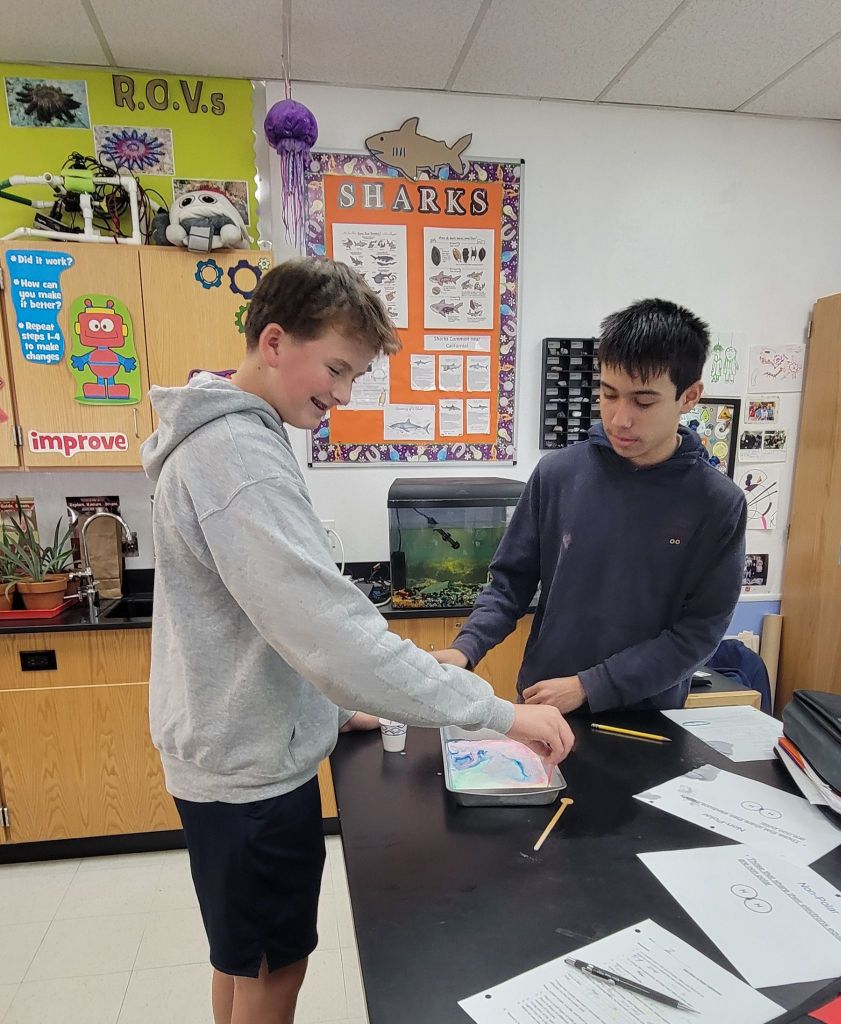
The students used food coloring and milk to help them visualize this concept. Milk contains nonpolar fat molecules, while food coloring is polar. Since polar and nonpolar substances don’t mix easily, adding soap, which has both polar and nonpolar ends, acts like a magnet, pulling the food coloring across the milk, and creating a colorful swirl without stirring. The students were fascinated by this vivid demonstration of polarity in action!
#SaklanHandsOn