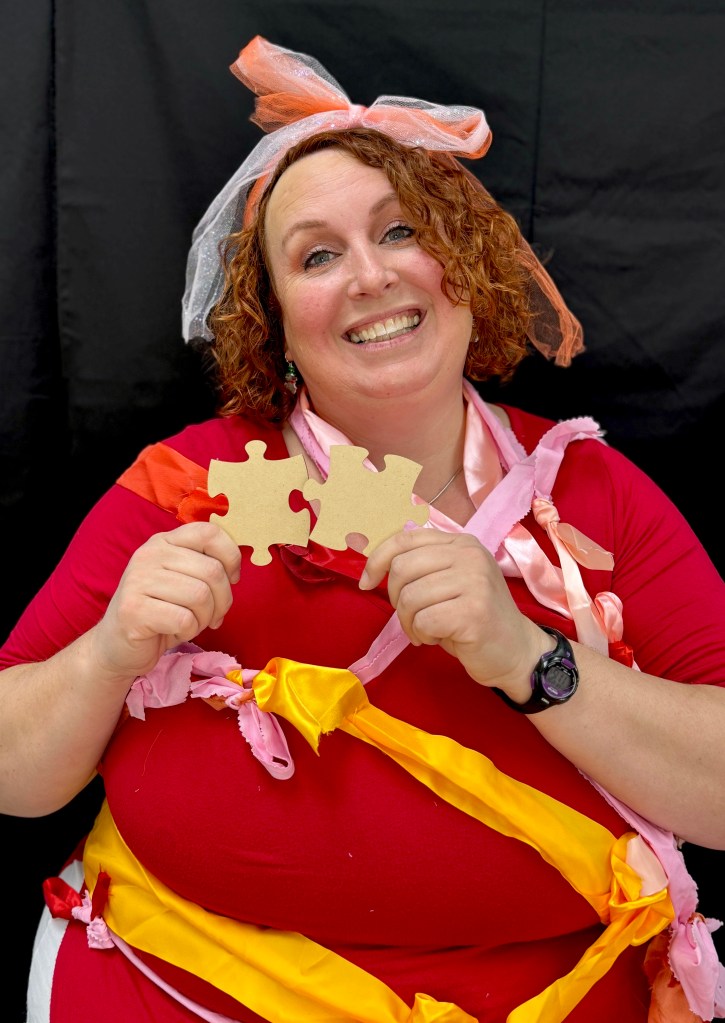
Spotlight on Riva: Guiding Kindergartners With Joy & Purpose

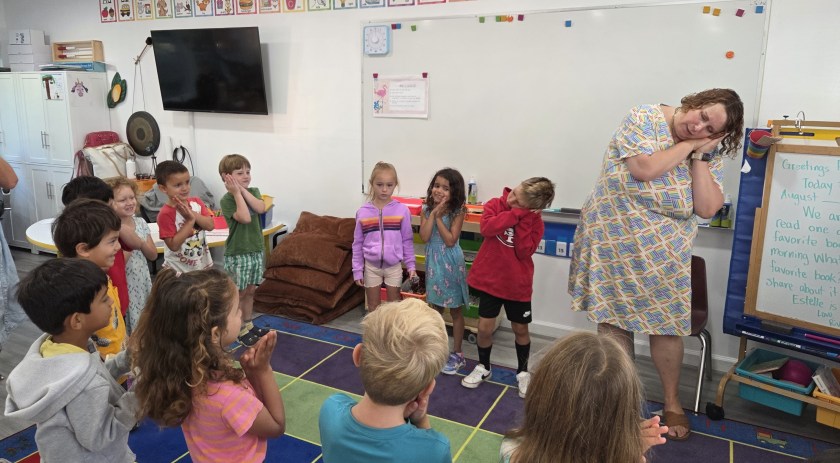
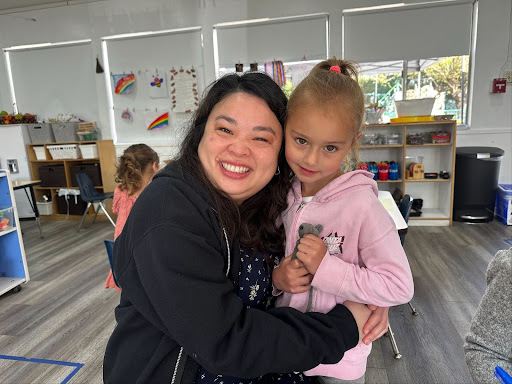
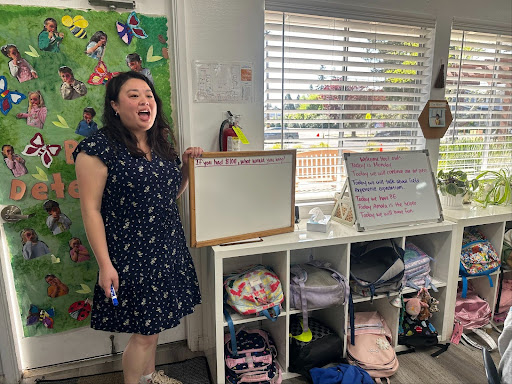
If you’ve ever stepped into Saklan’s Kindergarten classroom, you’ve likely felt it: the spark, the laughter, the hum of curiosity and care. It’s a space where little moments become big milestones, and where joy seems to live in every corner. That joy is no accident. It’s fueled, every day, by a teacher who brings heart, intention, and deep respect for childhood into everything she does.

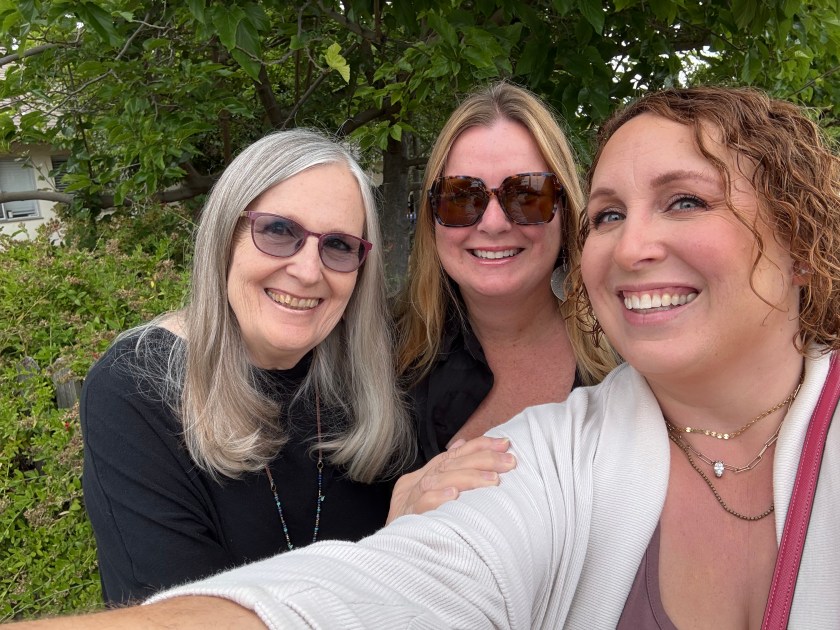
Recently, we sat down with Riva, Saklan’s Kindergarten teacher, to learn more about what inspires her, what she loves most about working with our youngest learners, and why Saklan’s approach to Project Based Learning feels so special.

You bring so much joy to the Saklan campus- what fuels your joy and excitement the most when it comes to your teaching day? 

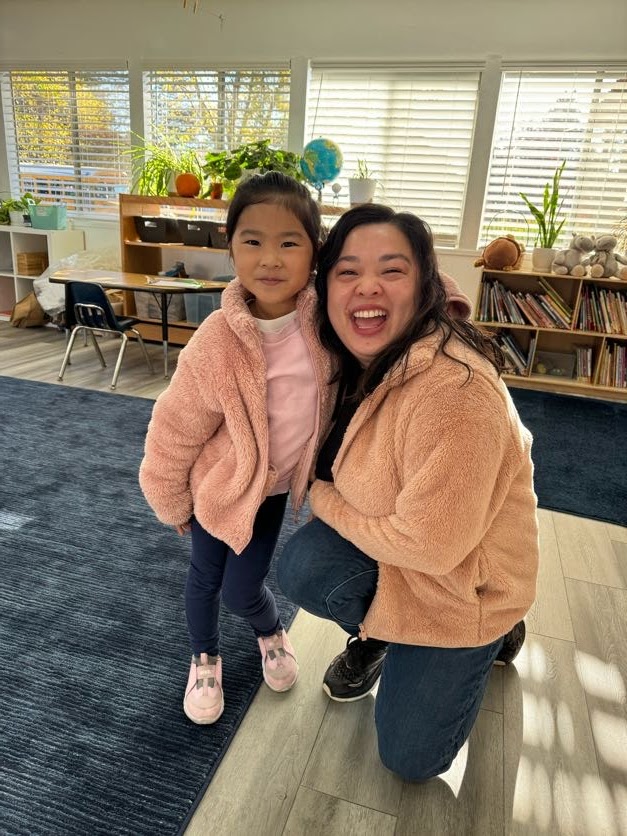
“My joy comes from the relationships I get to build with my students and their families. Kindergarteners arrive each morning with such openness and enthusiasm, and I love being part of a community that celebrates their strengths, quirks, and emerging identities. Saklan is a place where students are truly known, and getting to guide them through their first steps in school — emotionally, socially, and academically — is a privilege that motivates me every day.”

What do you love the most about working with Kindergarten?

“What I love most about working with kindergarteners is the unique magic of this developmental stage. Everything is new, everything is possible, and their sense of wonder is contagious. I get to watch them discover their own abilities, whether they’re decoding a word for the first time, writing a brave sentence, or learning how to take a deep breath and reset. Kindergarteners grow in such joyful, visible ways, and being part of those early milestones feels incredibly meaningful.”

She also shared a favorite program that brings this magic to life: Kinder Korner.

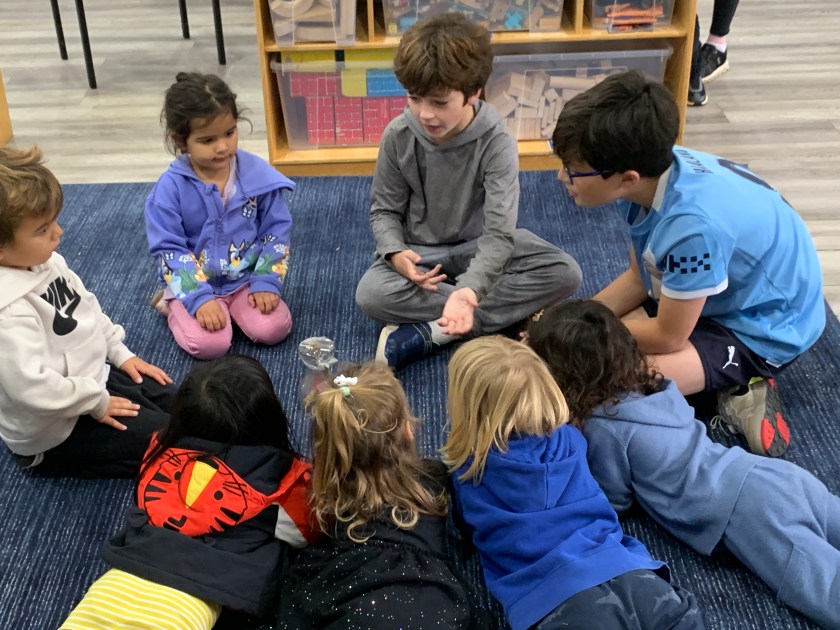
“One of my favorite parts of teaching kindergarten at Saklan is our Kinder Korner program. Our students become “big buddies” to the Hoot Owls, teaching them what life in kindergarten is like. It’s beautiful to see my students step into leadership roles with such care and pride. They show empathy, patience, and confidence as they guide their younger buddies through activities, routines, and little moments of discovery. Watching them light up when they realize they are the ‘experts’ is truly heartwarming. Those cross-grade connections deepen our community and remind me how capable and kind young children can be when given the chance to lead.”

You have had a lot of experience with projects at previous schools- what makes Saklan’s approach to PBL special?

“What I love about Saklan’s approach to Project Based Learning is the way it connects our standards to work that feels genuinely meaningful for young children. Our projects grow from what students are naturally curious about, and that makes the learning feel joyful and authentic for all of us.”

She highlighted The Names Project as a powerful example.

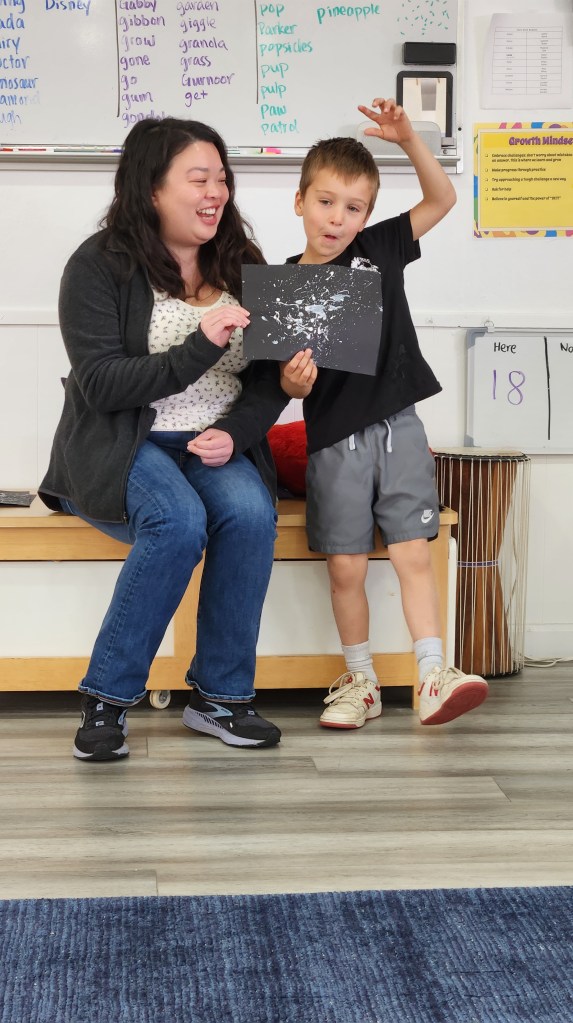
“The Names Project is one of my favorites for exactly that reason. Kindergarteners are already captivated by their own names, so it becomes a perfect entry point into letters, sounds, phonics, and even math as we compare and graph the number of letters in each name. But what makes this project so special to me is the sense of community it builds. As students learn to read each other’s names, discover the stories behind them, and create portraits inspired by their name meanings, they also learn about one another in a really meaningful way. The academic growth is wonderful, but the connections they build are the true heart of the project for me.”

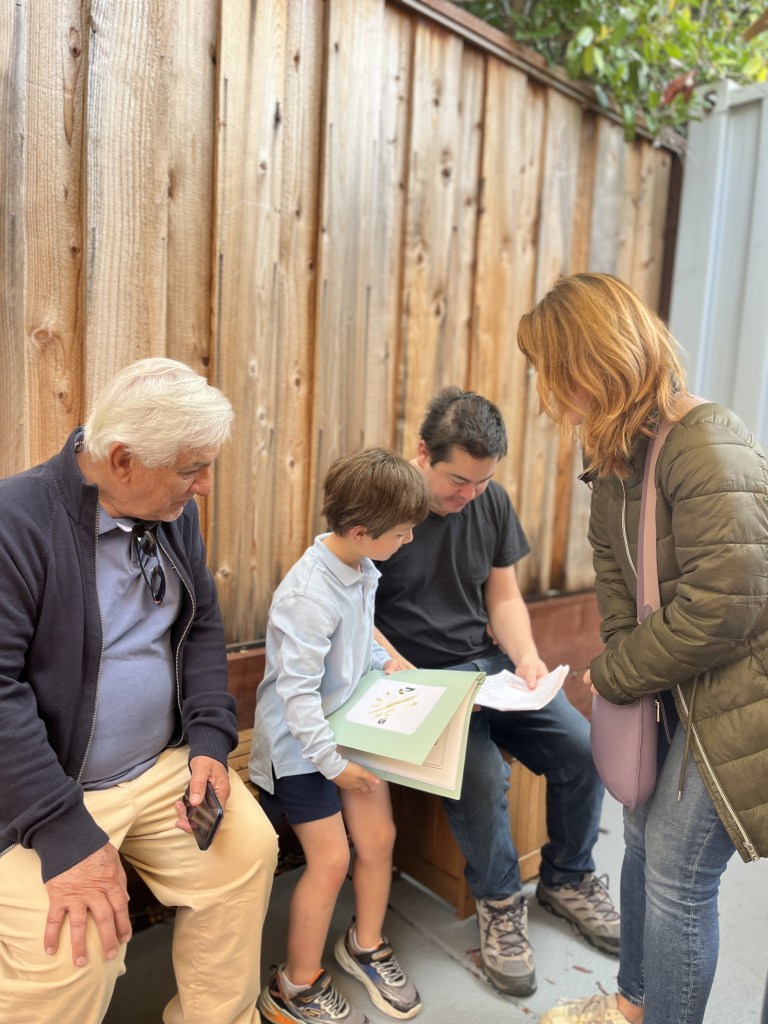
You can see this joyful learning in action by joining the Kindergartners for their Names Project culmination on Thursday, December 11th, at 8:40 a.m.

From the joyful morning greetings to the thoughtful projects that build community and confidence, it’s clear that Kindergarten at Saklan is filled with intention, wonder, and deep care. And at the center of it all are teachers like Riva, who make learning feel magical—one moment, one question, and one joyful discovery at a time.

#SaklanStaff

Cross-Age Learning in Action

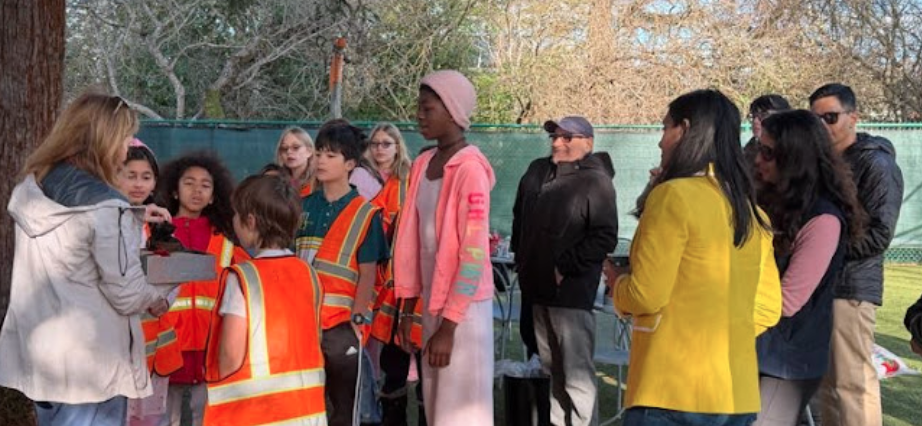
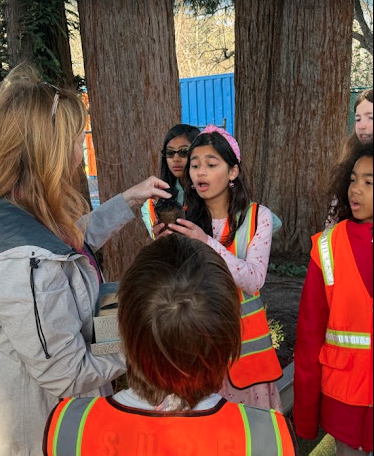
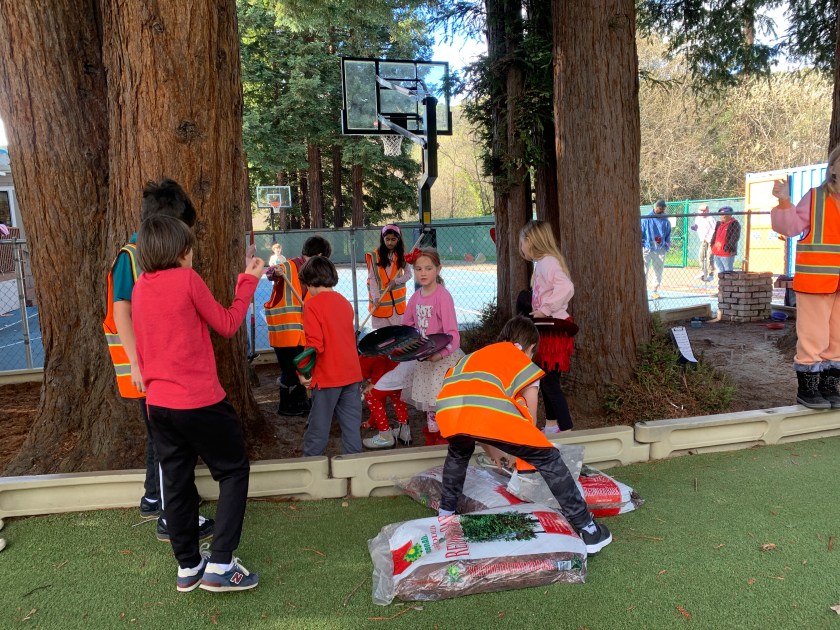
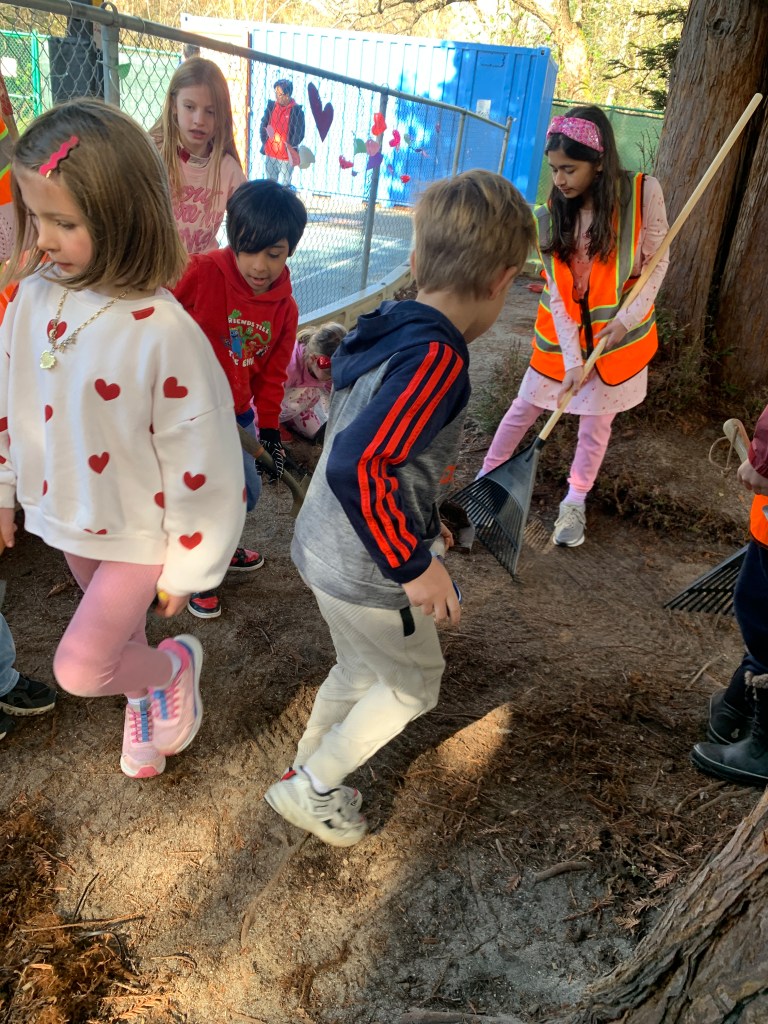
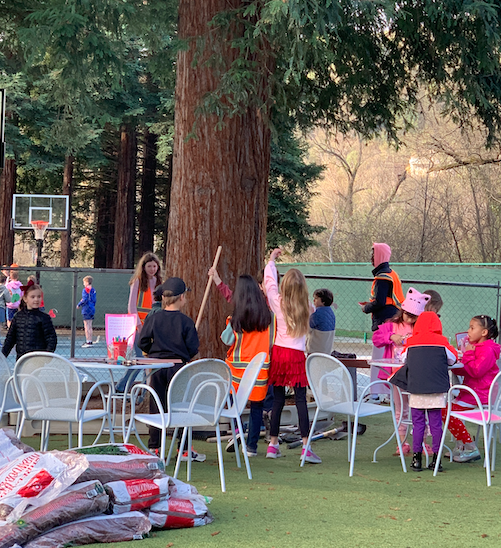
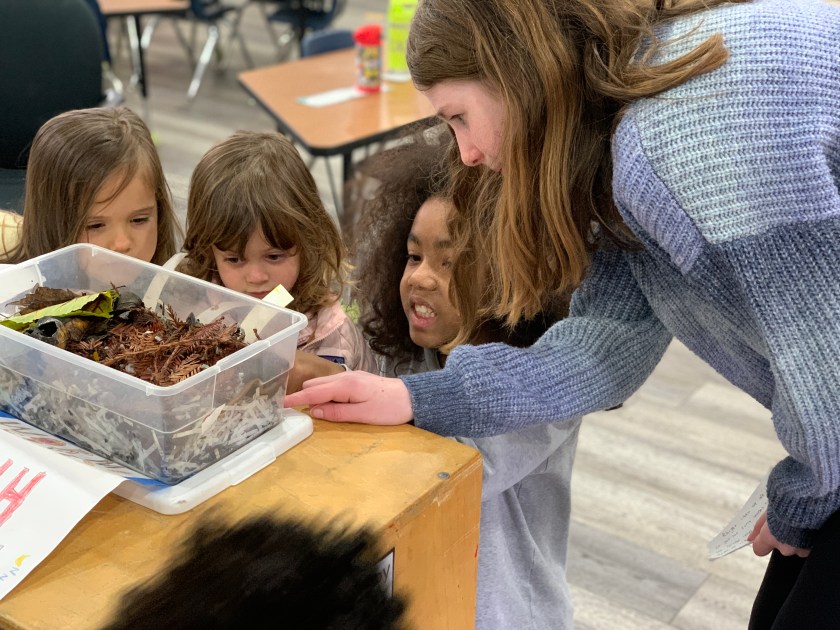
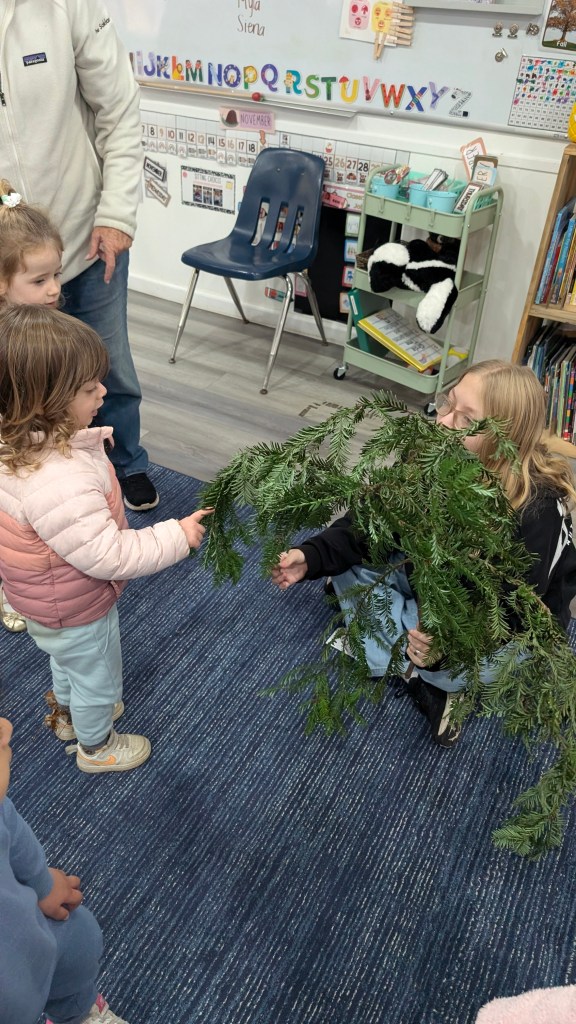
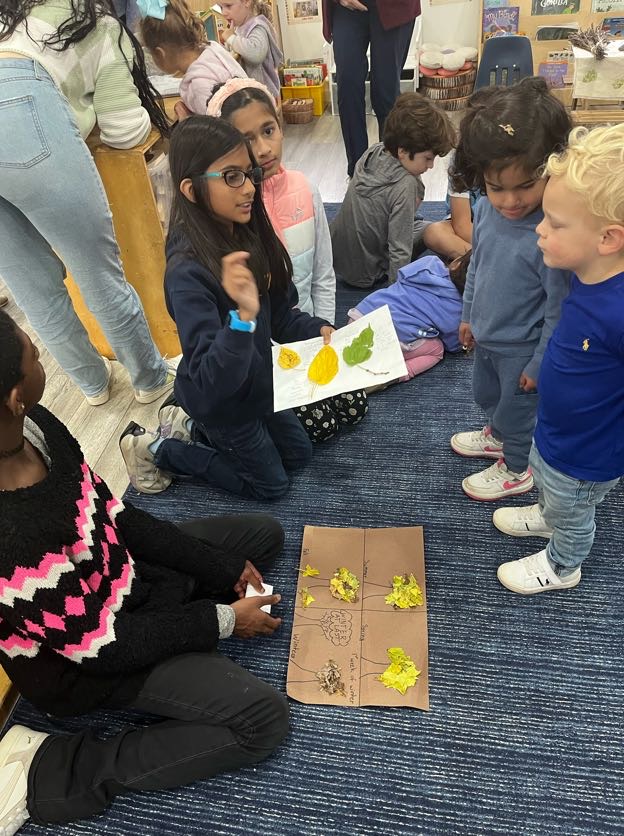
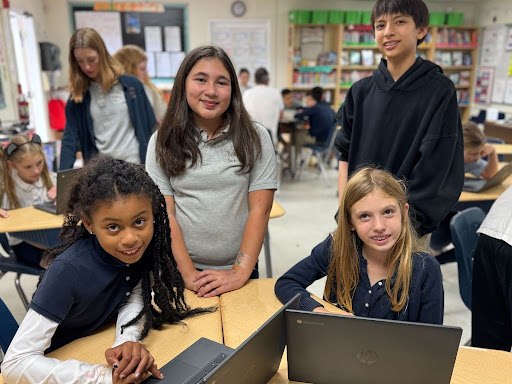
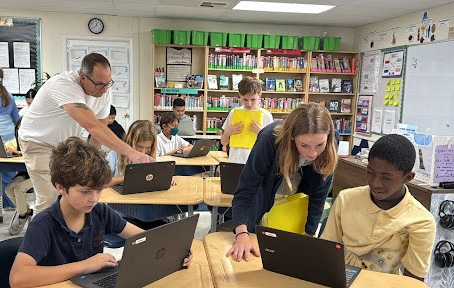
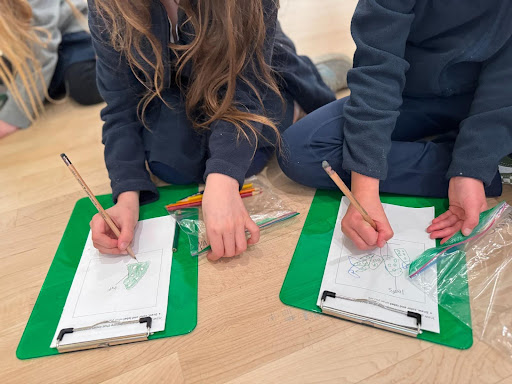
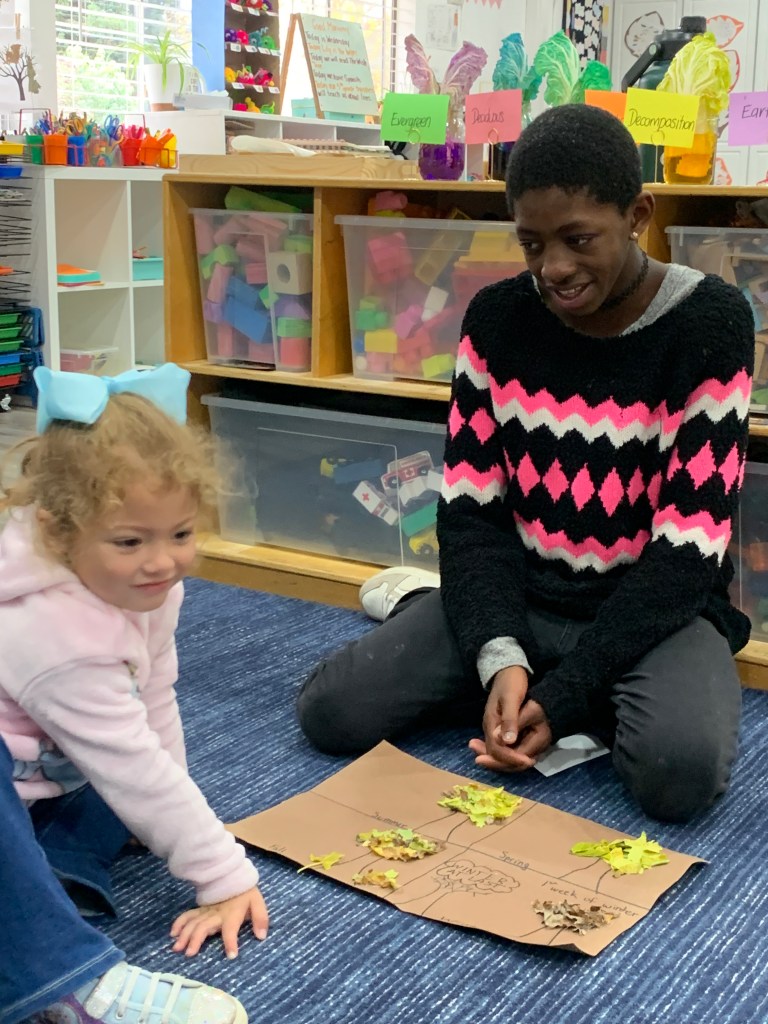
Saklan’s cross-grade learning was on full display as the Owlet buddies and fifth graders came together for a hands-on science experience rooted in their respective Project Based Learning (PBL) units. The Owlets have been exploring leaves, while the fifth graders have been studying trees—making their recent research on Redwoods the perfect launching point for peer teaching.

The fifth graders were tasked with becoming “experts” on several big questions the Owlets had been wondering about: the difference between evergreen and deciduous leaves, why leaf colors change, and how fallen plant matter breaks down and becomes soil, including the important role earthworms play in decomposition.

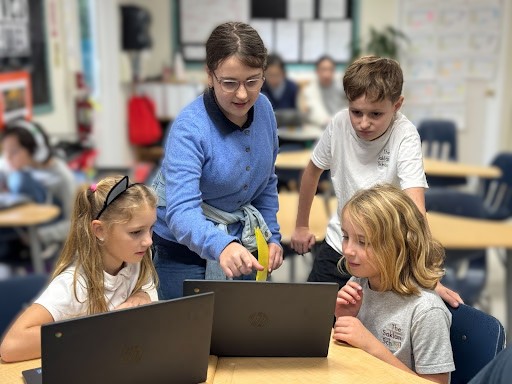
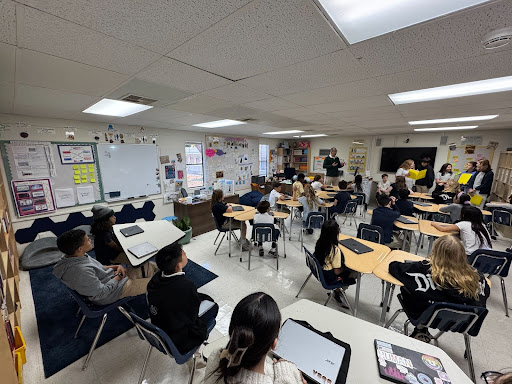
Students worked in teams with real focus and purpose. They were given 45 minutes to choose a topic and collaborate on a mini-presentation that was both accurate and engaging. Each group created a visual or hands-on element to support their teaching. Another 45 minutes were spent practicing, presenting to peers, and refining their work with the help of candid “Dancing with the Stars-style” feedback. The growth from practice to final presentation was remarkable.

When it was time to meet with the Owlets, the fifth graders were ready. Their presentations were clear, lively, and thoughtfully geared toward 3- and 4-year-old learners. The Owlets eagerly leaned in, asking big, earnest questions such as, “Do worms have eyes?” and “Is that the head or the tail?” Fifth graders knelt beside tiny tables, held leaves up for close inspection, and invited younger students to touch, compare, and wonder.

Not only did the Owlets gain new insights through this joyful experience, but the fifth graders deepened their own understanding by explaining complex scientific ideas in simple, accurate ways—a skill that strengthens mastery and confidence.

Saklan’s PBL focus continues to create meaningful opportunities for students of all ages to learn with and from each other, building both knowledge and community along the way.

#SaklanProjectBasedLearning #SaklanGuestExperts

Head’s Corner: Where is the Rigor?

Every so often, I get the question from a prospective parent about rigor. They love our approach, and are firm believers that students need to have a “love of learning” and a “love in learning”. But they ask: Is it rigorous? 

As adults, our concept of rigor is informed by our own experiences. When many of us think of rigor, we think of lots of homework, long tests, sitting at a desk, and grinding it out. While that kind of work may be hard, is it rigor or compliance? Is it the type of learning that benefits future-facing students? 

True rigor is about the level of thinking kids are doing, not how stressed they are. Can they analyze, design, and create? Do they grapple with open-ended questions well? Can they explain their thinking, defend their work? Do they persist and have grit?  

Our project-based approach demands synthesis, application, and transfer—the highest levels of Bloom’s Taxonomy. It also requires something traditional rigor often ignores: motivation. When students care about what they’re doing, they naturally push themselves further.

This type of work is cognitively rigorous; what we grew up with feels more like compliance rigor.  

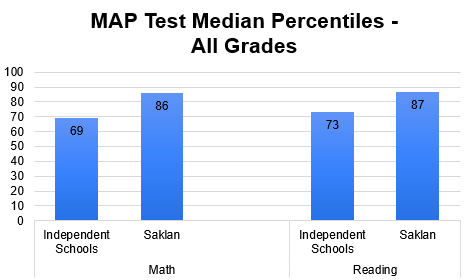
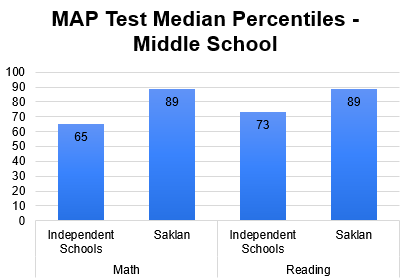
If you are not sold on the idea that what we do is truly rigorous, let our MAP results speak for us. NWEA administers the MAP test to over 35,000 schools across the country. Of those schools, 3,500 are private schools like Saklan. If you look at our results, we not only rank well against schools in general, but score significantly higher than most of our private school cohort. 

What we do may not look like the rigor of our childhoods. But it’s the rigor kids need today—and the rigor that prepares them for tomorrow.

Warmly,
David

#SaklanAcademics

Celebrating Learning at Saklan

This week, our campus buzzed with excitement as second and seventh-grade students showcased their learning during two incredible culmination events. Culminations are opportunities to bring community members together to celebrate student learning and provide a platform for learners to share their knowledge, creativity, and growth.

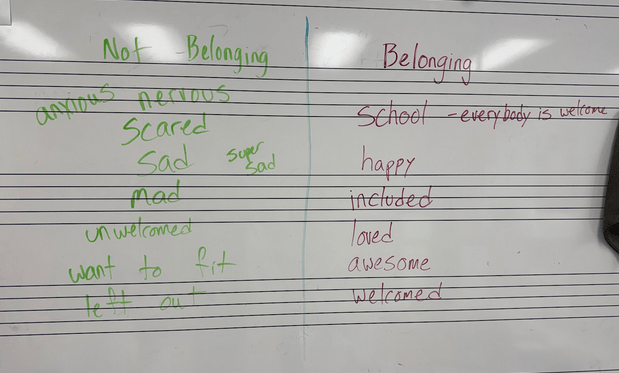
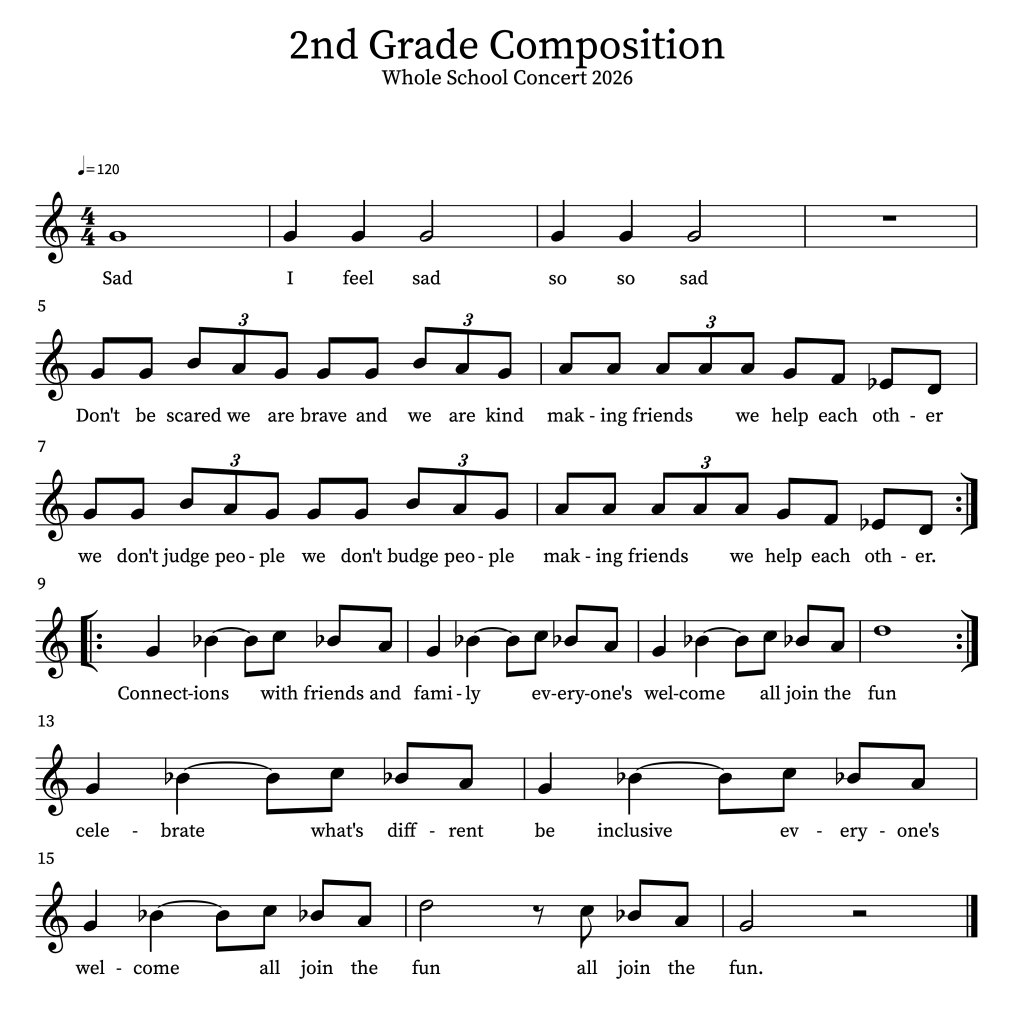
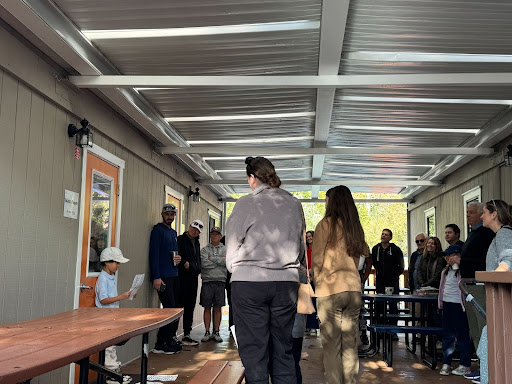
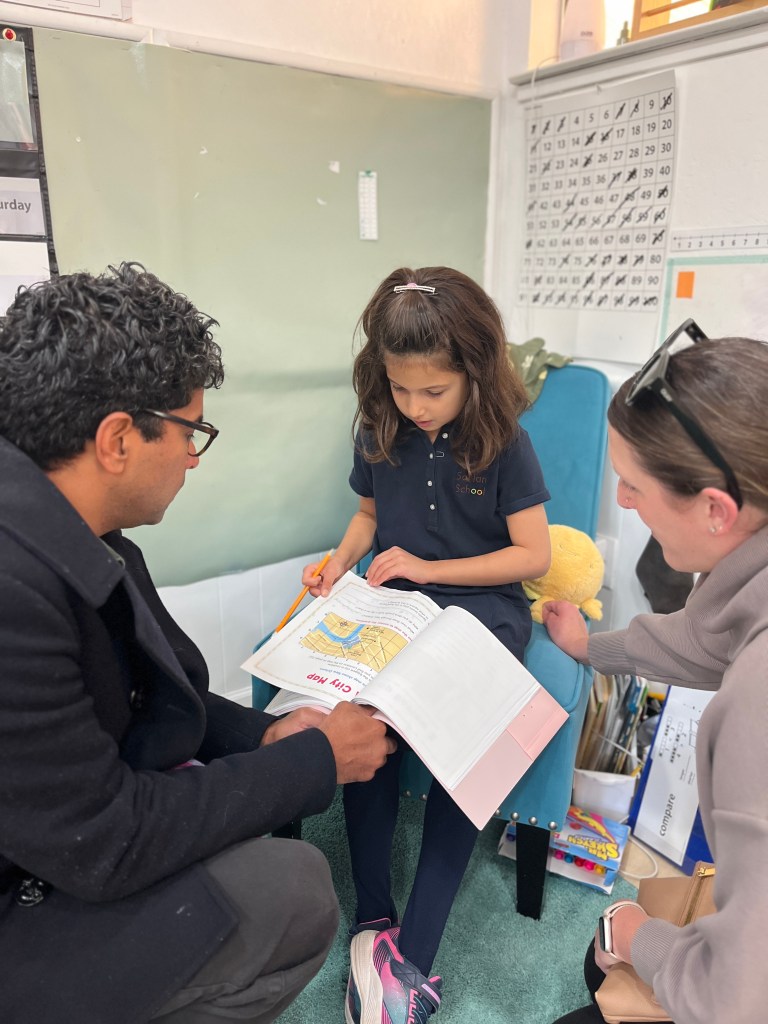
As part of their Welcome to Saklan PBL unit, second grade explored the question: How can we help newcomers to Saklan feel welcome? After considering what may be the most important elements of our campus to teach newcomers about, students dove deep into mapping, writing, and presentation standards. With help from a critique and revision session with Mylesa, our Director of Admissions, second graders have created a complete self-guided tour of our Saklan campus that can be shared with new families. The digital and interactive components can be used by newcomers for years to come! To celebrate their work, they led families on a live version of their tour this week with great success! Come hear more about this unit at CLAS on November 14th. 

In a seventh-grade math PBL unit, students coded Scratch video games based on their interests. Seventh graders used math knowledge of graphing rotations, reflections, and translations to design an original or remix an existing Scratch game. To culminate this work, they shared the games they made with other students! Third through fifth-grade students were invited to learn about how the seventh graders designed their games and then were given an opportunity to play them!

Culminations like these highlight the power of Project Based Learning, where curiosity drives discovery and students share their learning with pride.

#SaklanProjectWork

From Horses to Hounds: The Hoot Owls Explore Pets

As part of their Pets Project, the Hoot Owls have been exploring how to care for different kinds of animals—both big and small! When teachers noticed several students showing a special interest in the horses and stable set in the classroom, they decided to dive deeper into learning about how to care for horses.

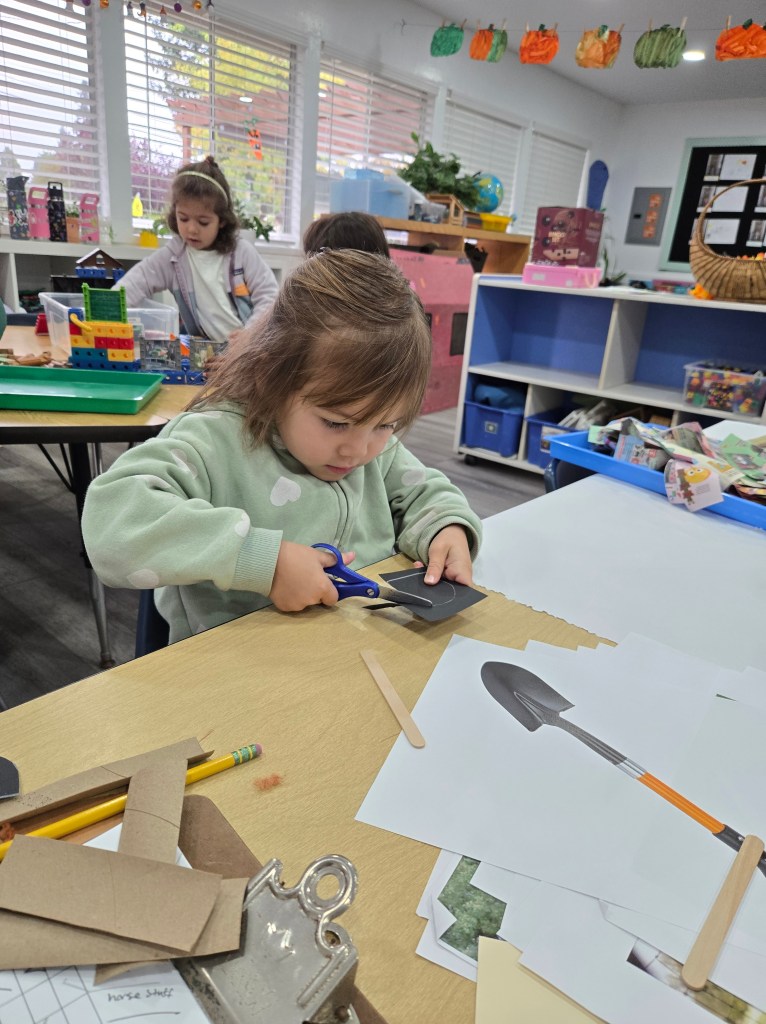
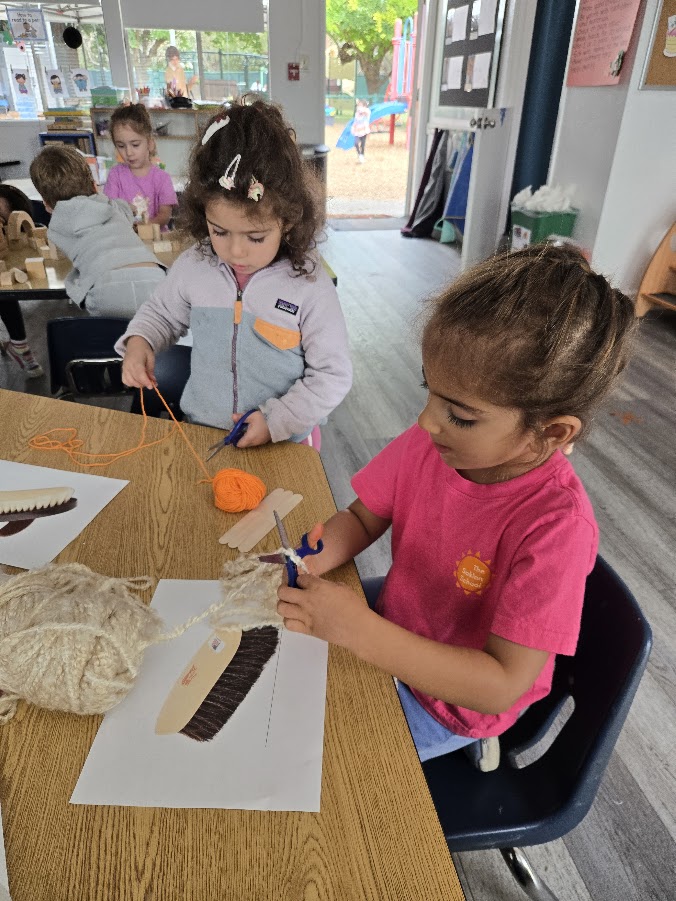
The class discovered that horses can make wonderful pets, but they also require a lot of care and space. Together, the Hoot Owls learned that horses need shelter, lots of hay and grass to eat, and regular brushing to stay clean. They also learned that taking care of a horse includes cleaning up after them—using shovels to tidy up their stalls! Students found out that horses can be ridden using saddles and reins, which led to lots of imaginative play. To represent what they learned, the class created their own model horse brushes, water and food troughs, and even shovels for stable cleanup.

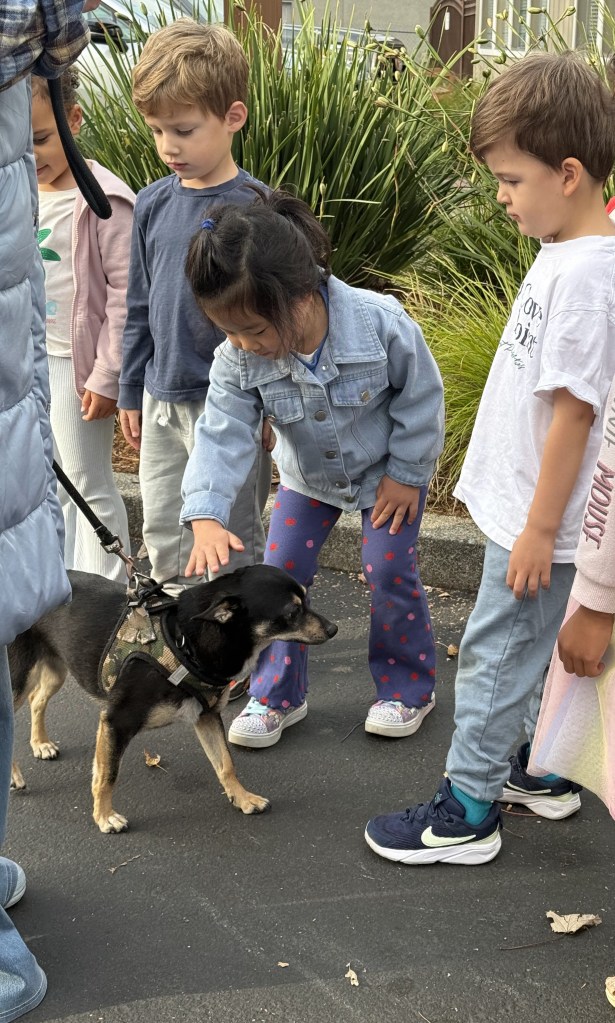
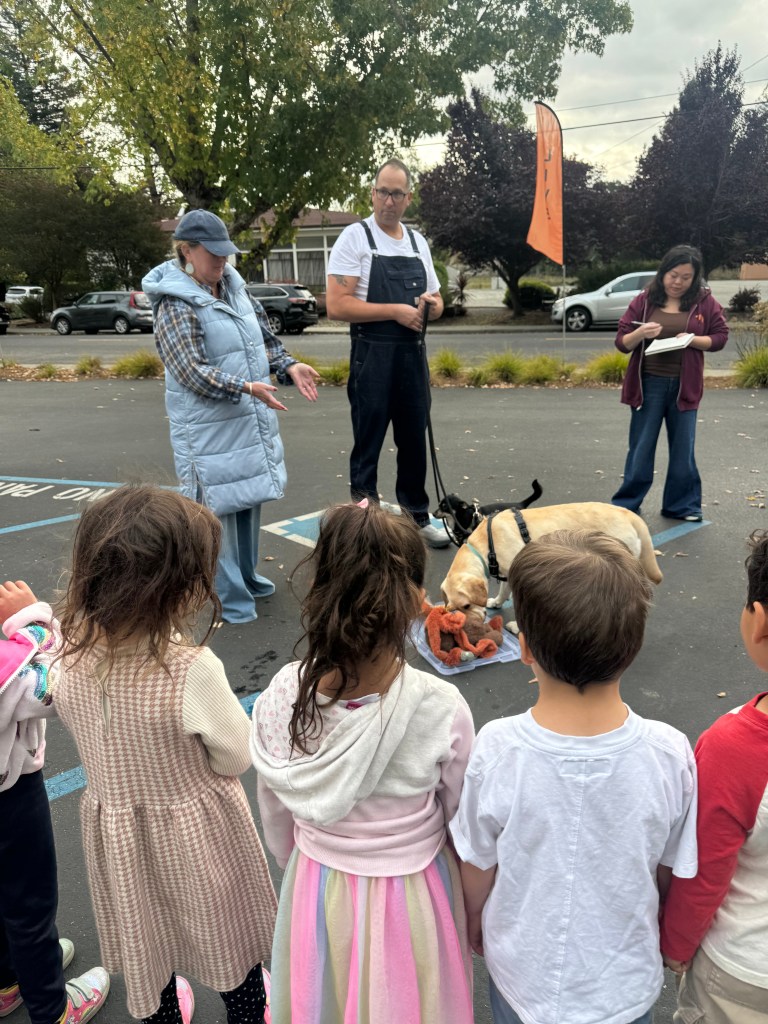
Next, the Hoot Owls turned their attention to one of the class’s favorite animals—dogs! They were thrilled to welcome two special guests: Saul, Saklan’s Middle School Math Teacher, and Mel, who brought along their two dogs, Banksy and Bixby. The Pre-K students came prepared with thoughtful questions, and Saul and Mel were happy to share their expertise.

The class learned that the amount of food a dog needs depends on its size and age. Banksy eats one small bowl of food at dinner, while Bixby eats twice a day—and even uses a special puzzle bowl to slow down his eating. Students also discovered that dogs can earn treats when they perform tricks. Banksy has already mastered “sit” and “roll over,” while Bixby is still learning!

Exercise was another key topic. The students were amazed to hear that Banksy and Bixby had already walked a full mile before arriving at school! To stay active and engaged, dogs also need toys like ropes, chew toys, and stuffies. The class discussed how important it is to keep dogs clean—by brushing them, especially as they grow their thick winter coats, and giving them baths when needed. They also loved hearing about Banksy and Bixby’s matching jackets and learning that collars and leashes are important tools to keep dogs and people safe.

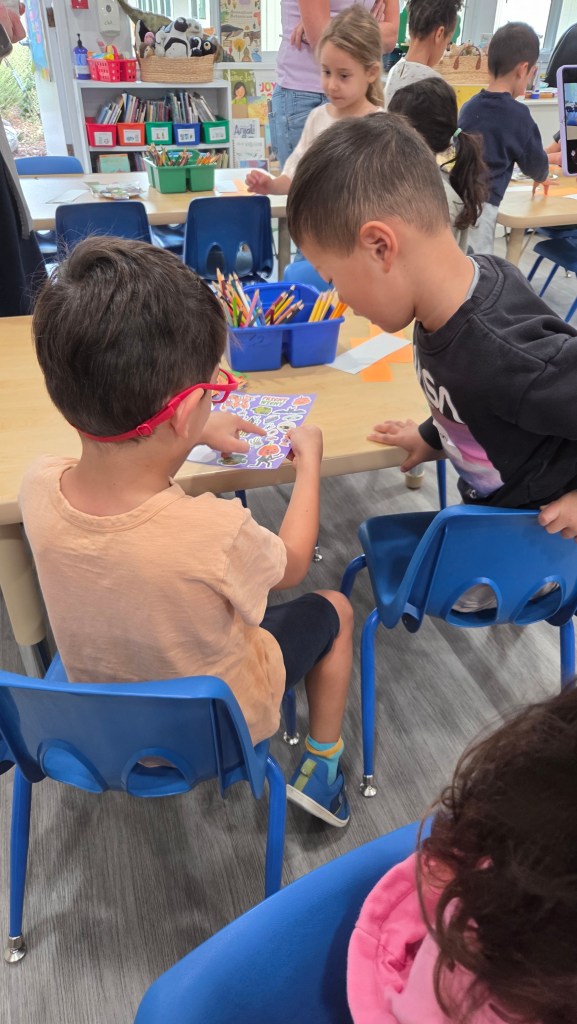
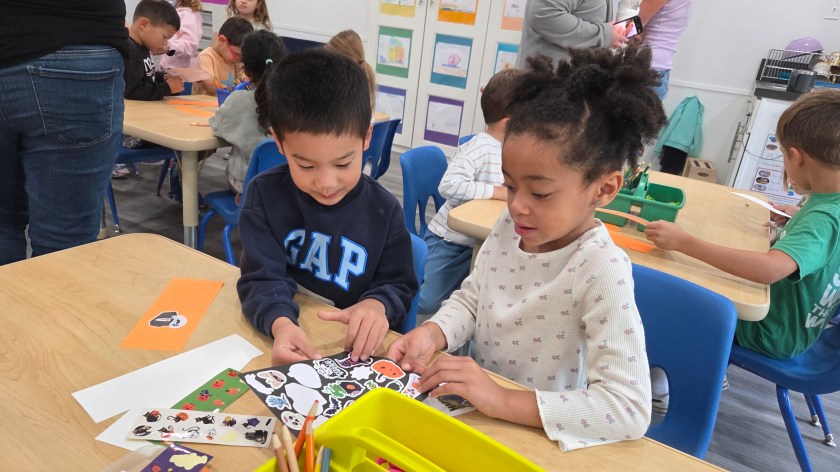
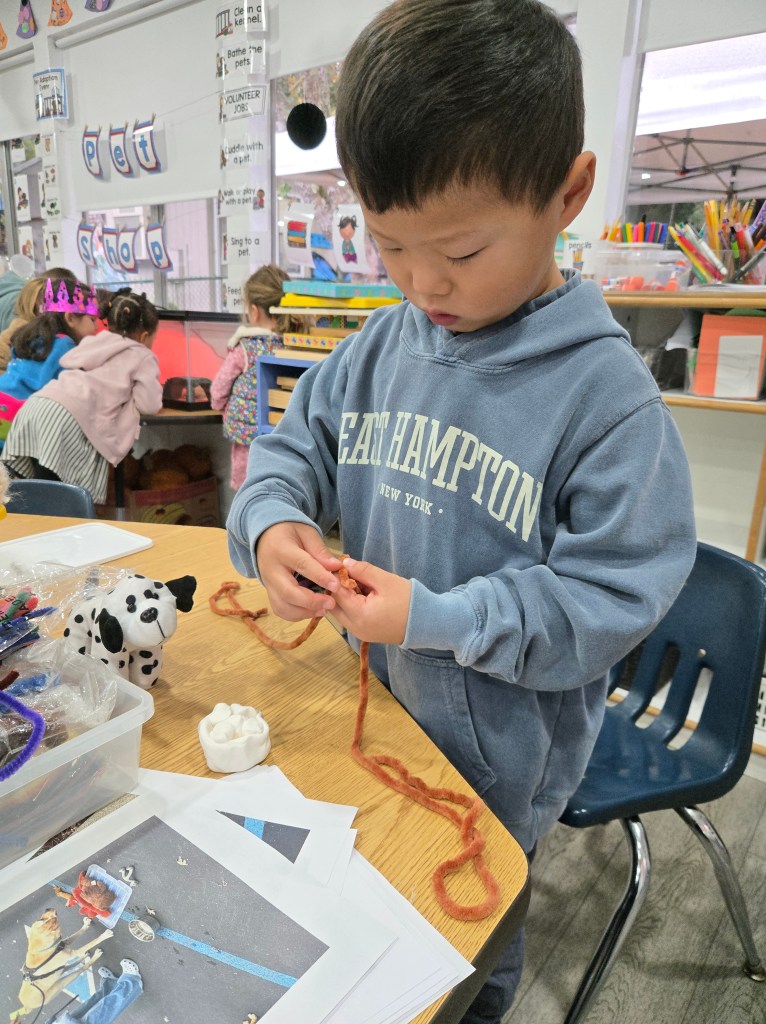
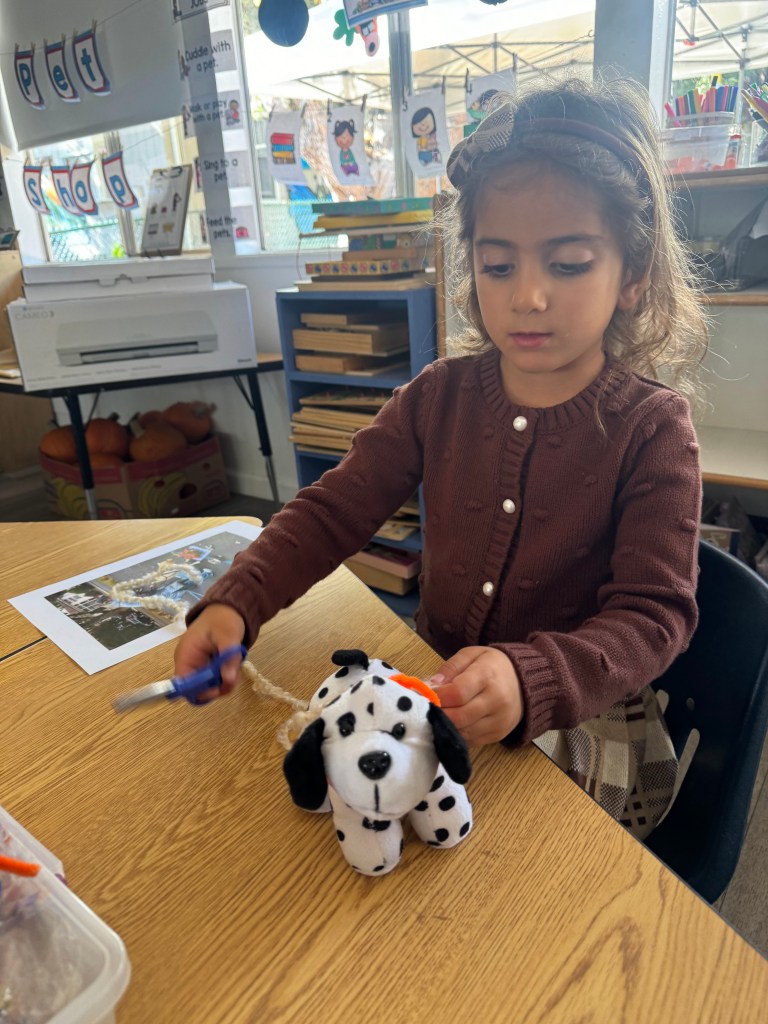
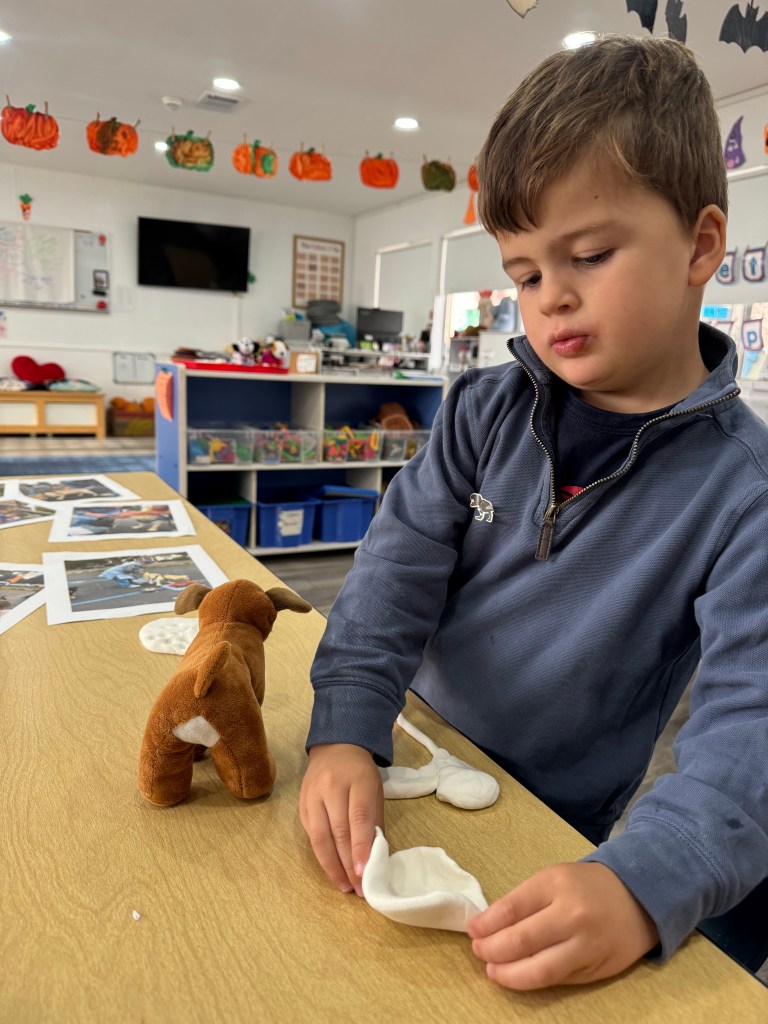
After the visit, the Hoot Owls had the opportunity to apply what they learned by creating their own “pet care kits” for small toy dogs. They made leashes, collars, food and water bowls, treat bags, toys, and even jackets! Each student thoughtfully considered what their dog would need and designed items to help care for their new pet.

Through hands-on exploration, creativity, and expert insight, the Hoot Owls deepened their understanding of what it truly means to care for an animal. From brushing a horse to walking a dog, these young learners are discovering that responsibility, empathy, and kindness are at the heart of being a good pet owner.

#SaklanProjectWork

Who Do Artifacts Really Belong To?

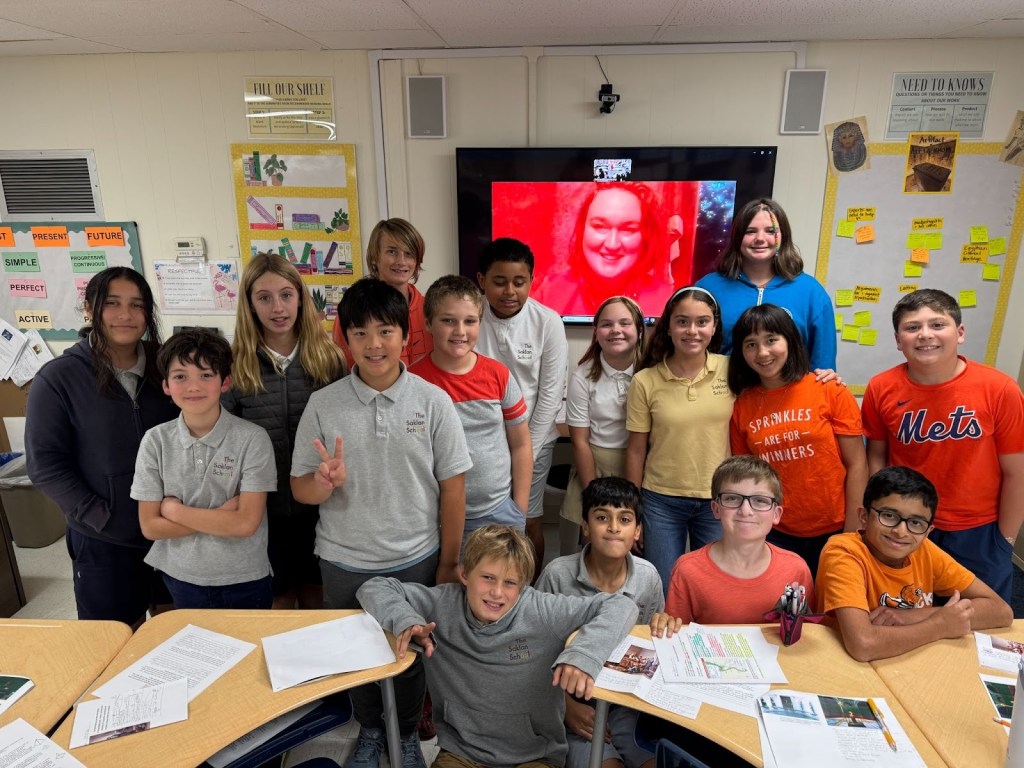
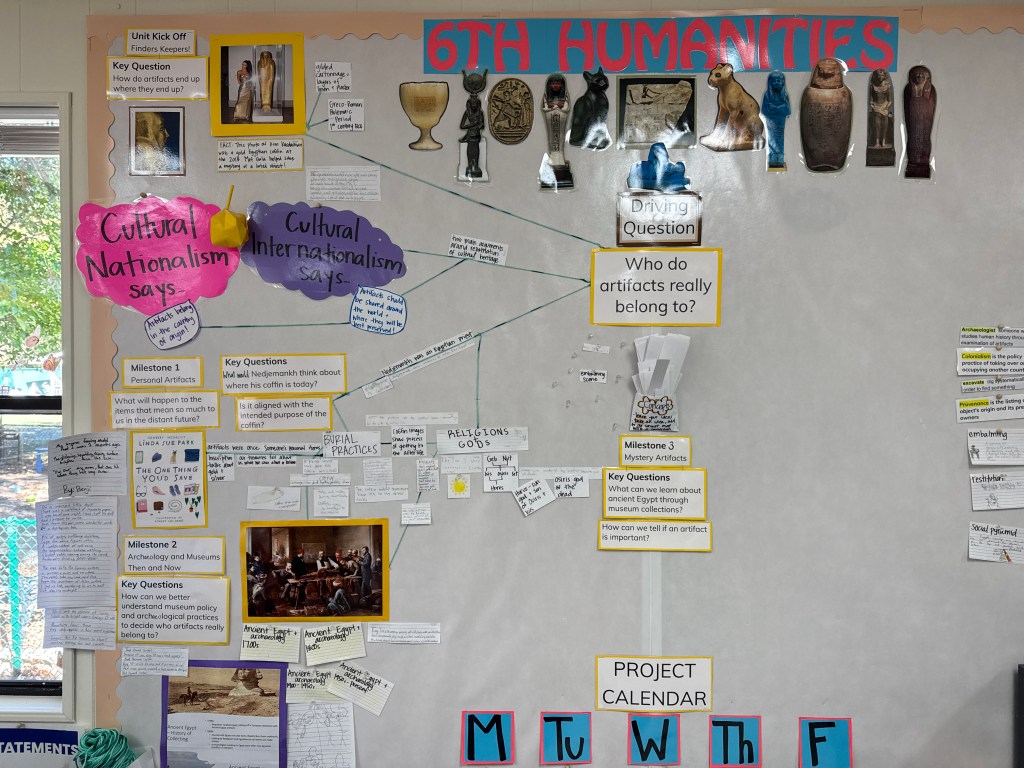
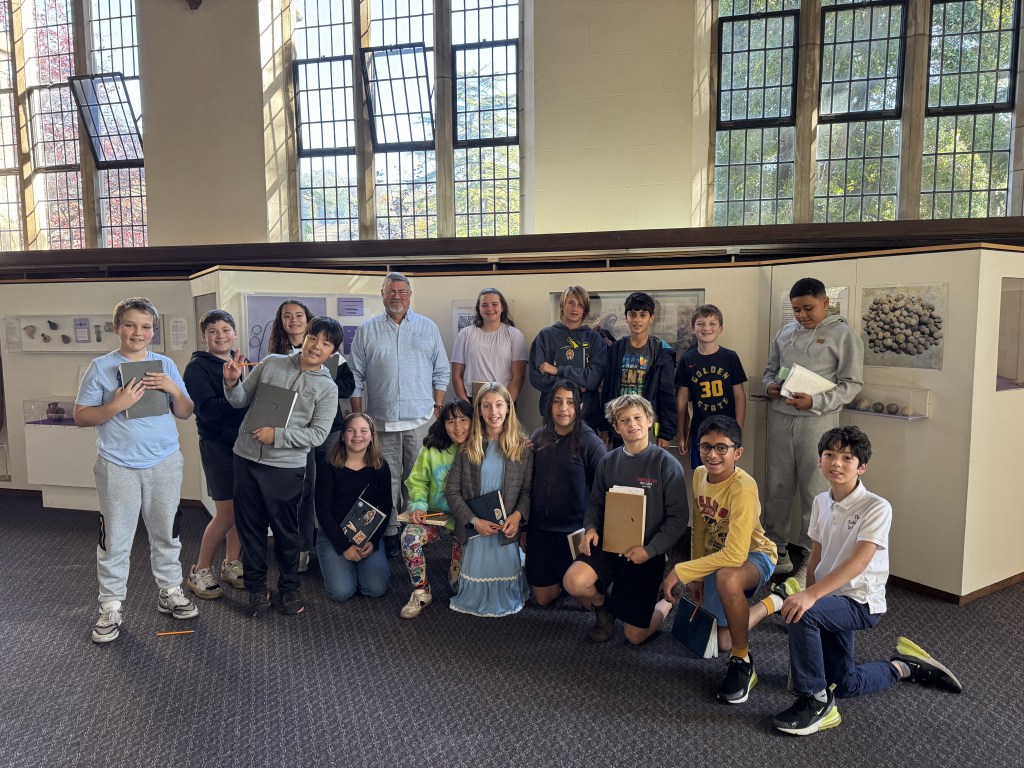
Sixth graders have begun their first PBL unit of the year, in which they seek to answer the driving question: Who do artifacts really belong to? During this unit, students will develop an understanding of what cultural heritage is, how artifacts tell the stories of people’s lives, the role of museums, the history of changing archaeological practices, ancient Egyptian civilization, history research skills, as well as sijo poetry, narrative, expository, and argumentative writing.

Recently, they’ve been thinking about the purpose of ancient artifacts, such as Nedjemankh’s stolen gold coffin, and about their connections to their own treasured possessions. The class read The One Thing You’d Save, by Linda Sue Park, before writing personal narratives about their own treasured artifacts. Students got lots of practice giving and receiving both teacher and peer critique on these pieces before turning in their final drafts.  

Last week, they zoomed with an archaeologist, Dr. Hannah Wellman. She shared the evolution of ancient mummification practices, as well as changes in legal practices and ethical arguments regarding the treatment of ancient Egyptian cultural heritage. Dr. Wellman’s example of Nefertiti’s Bust as an example of the significance of museum context of artifacts gave the class a great launching point for discussions in preparation for visiting the Badè Museum this week. 

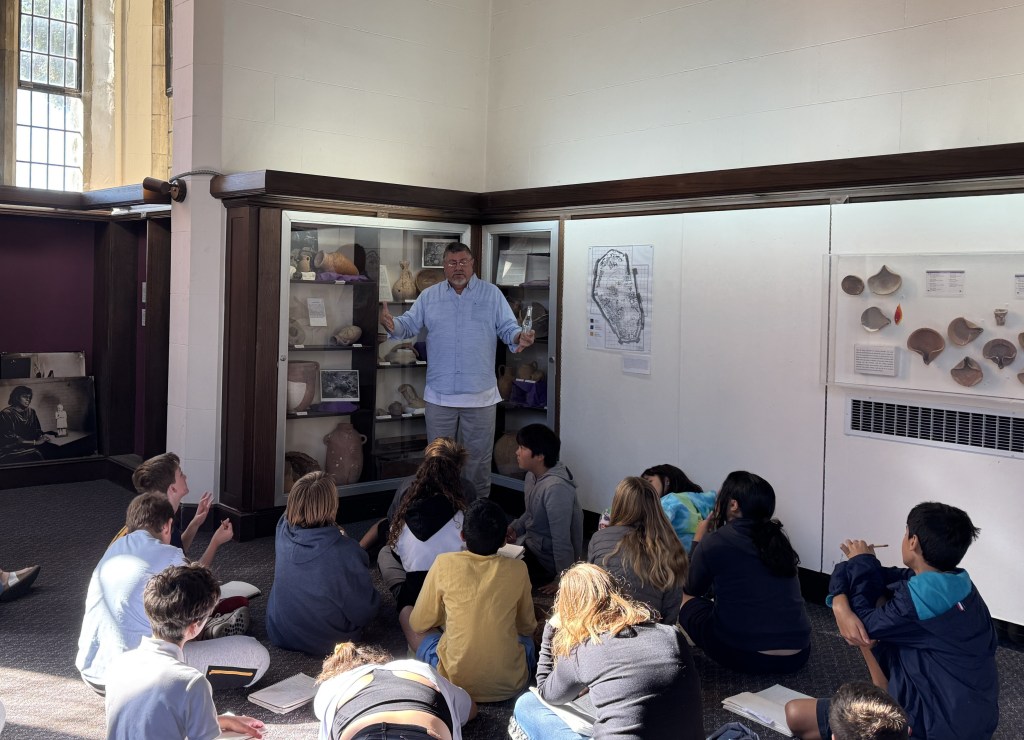
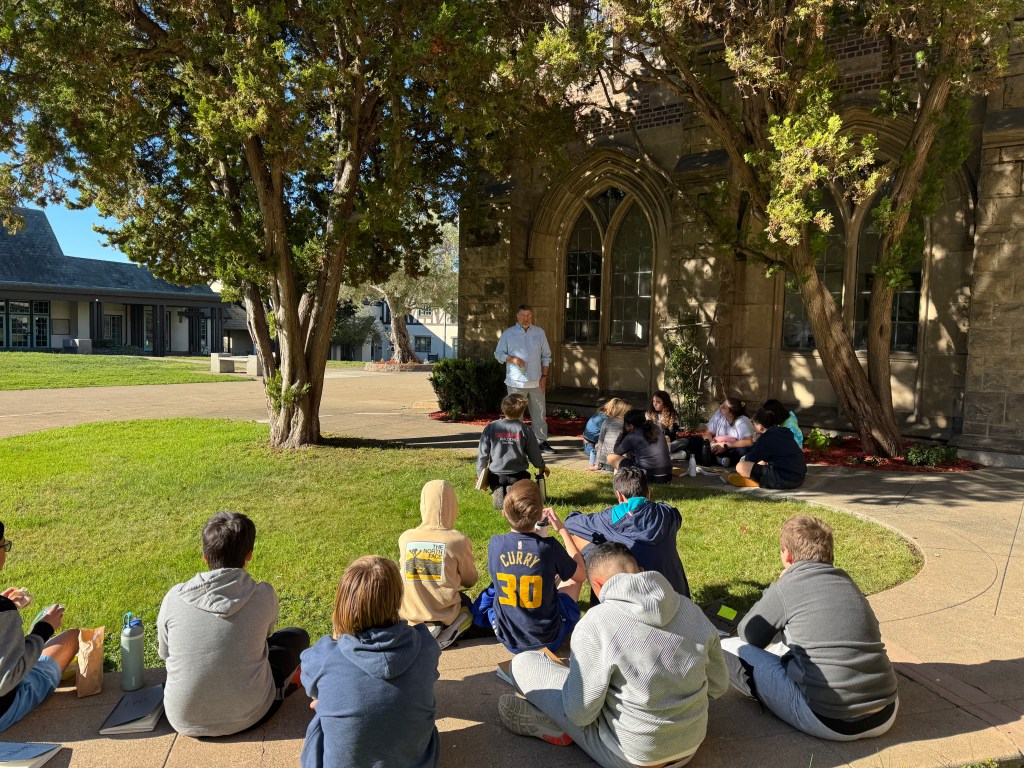
Dr. Aaron Brody, an archaeologist and Badè Museum director, taught the sixth graders about their collection, the benefits of a high degree of context for artifacts, and why repatriation in this case may not be ideal or desired for the museum or the country of origin. Both experts helped the class understand how repatriation conflicts came to be and why people have reached different conclusions about repatriation in various situations. 

#SaklanPBL
Staff Spotlight: Maggie

You may think that to know Maggie is to know her love of hippos– just check out how many of them her students have lovingly gifted her over the years next time you’re in the Hoot Owl classroom! But Maggie brings so much more to our ECE! Saklan is lucky to have such a dedicated, conscientious, and thoughtful Director of Early Childhood Education and lead teacher of our Pre-K Hoot Owl class. Take a moment to read about what she loves most about teaching our youngest learners.

The ECE students love to be outside, rain or shine. What do you think is the most important part of outdoor play for this age group?

Outdoor play isn’t just fun; it’s one of the most impactful parts of our students’ day. For young learners, the playground is more than just a place to run and climb—it’s where some of the most important learning happens. One of our primary goals in ECE is teaching social-emotional skills, and outdoor play is where these lessons come to life. It’s where children navigate real-life situations: negotiating over toys, practicing patience while waiting for a turn on the swing, or learning how to respond with empathy when someone gets hurt.

Outdoor play also builds confidence. We are lucky to have such a large playground, giving our students a lot of opportunities to build their gross motor skills. A favorite recent moment? One of our Owlets, who used to ask for only “medium big pushes” on the swing, now gleefully asks for “big pushes!” Moments like these show us how outdoor spaces empower children to take safe risks, try new things, and celebrate their own growth.

Whether it’s showing off a new trick on the Fire Truck or proudly calling a teacher to “come watch,” our students light up with joy and confidence as they take safe risks and master new skills on the playground. Seeing how proud of themselves the students are as they show you the amazing flip they just learned learned to do is one of my favorite parts of each day. Maintaining a safe, updated, and dynamic outdoor play space is essential to supporting these magical, everyday learning experiences.

Your newest project unit is on bugs! How does the ECE yard support learning outside of the walls of the classroom? 
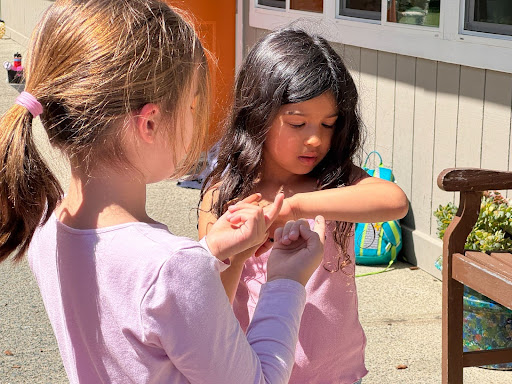
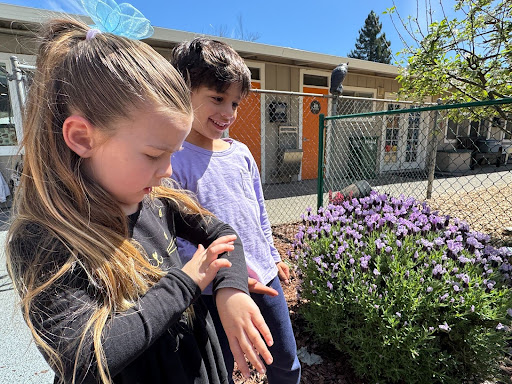
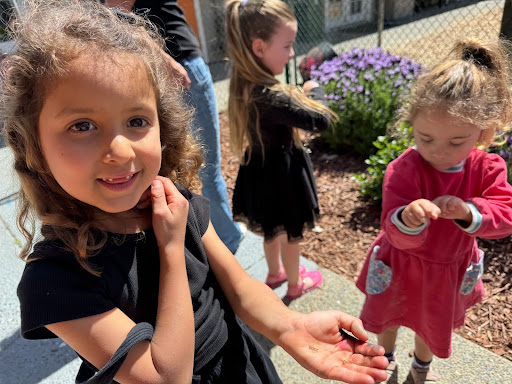
In all my years of teaching early childhood, one thing has always been true—nothing captures a young child’s attention quite like a bug. They could be running in a race with each other, and the moment someone spots a bug, everything stops. Then, there will soon be a big crowd, with someone shouting “I can’t see” and trying to squeeze their way in for a closer look. With our current project on bugs, the playground has transformed into an outdoor science lab. It’s so cute watching them carefully use bug catchers and magnifying glasses to get a closer look. These moments are powerful, allowing the students to have hands-on learning experiences and explore their natural curiosity in real time.

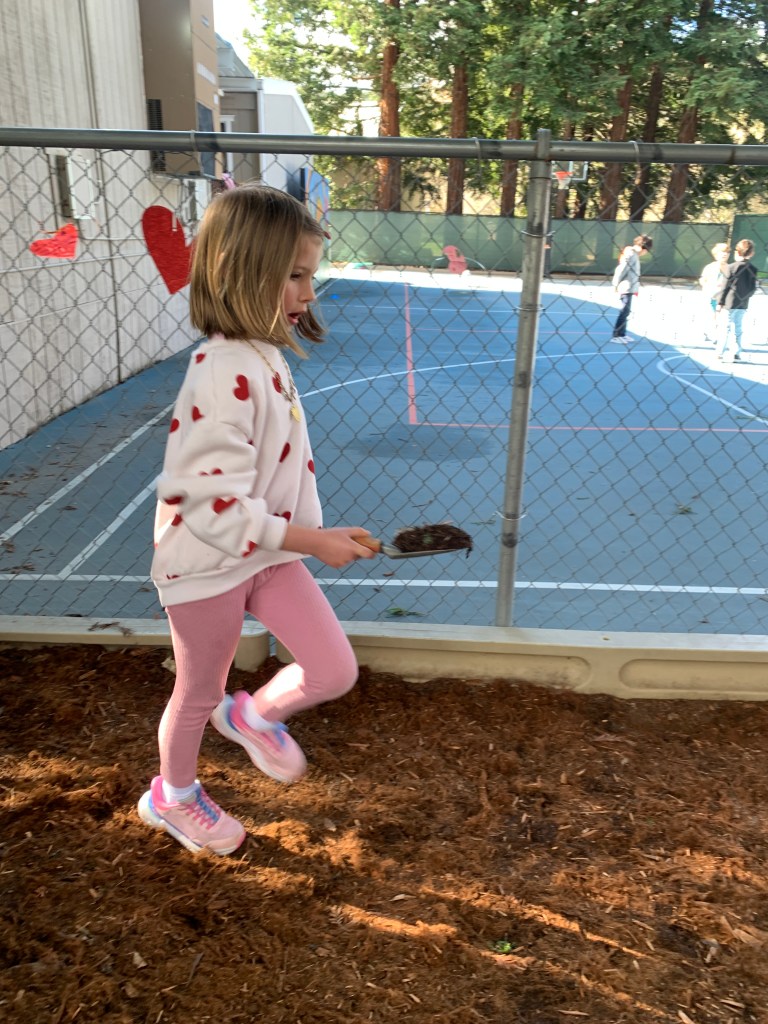
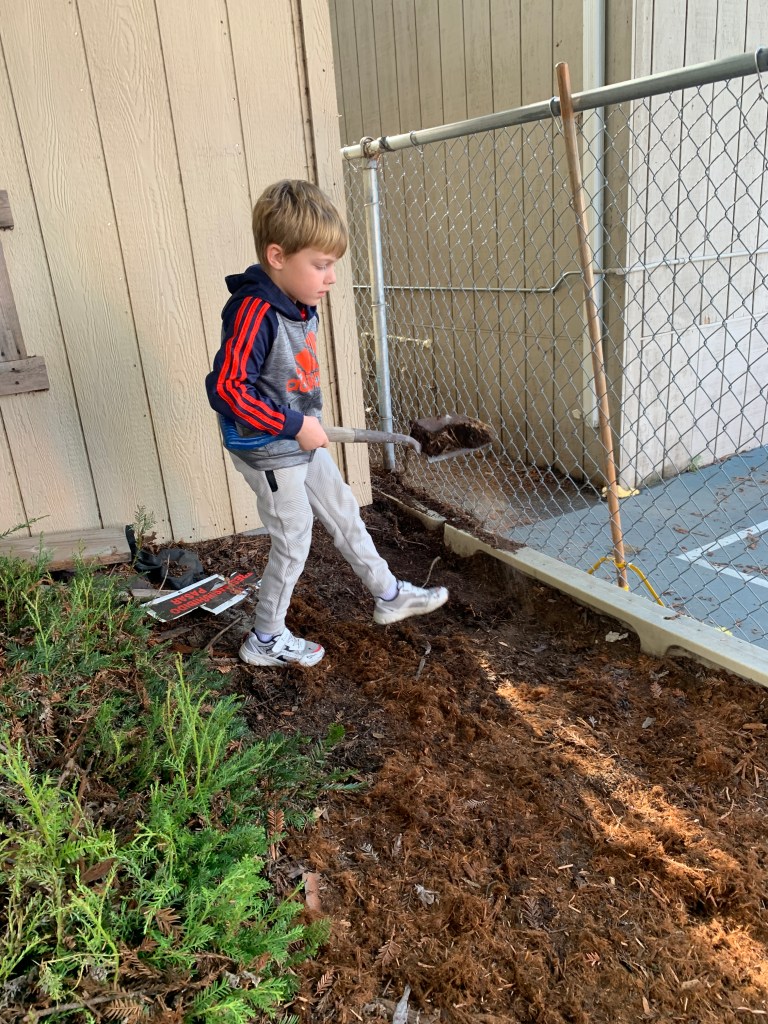
A few years ago, we added a small raised garden with help from one of our ECE teachers and her dad. Since then, we’ve grown veggies to support various units and teach them where food comes from. We’ve seen that a garden space like this means they are more willing to try new foods when they have a hand in helping grow it. Recently, the Hoot Owls have been digging for worms and putting them in our garden bed because they learned that worms are helpful decomposers that our garden needs. The yard isn’t just a place to run and play—it’s a true extension of our classroom. It offers space to wonder, explore, experiment, and grow. Providing a dynamic outdoor environment is one of the best ways we can support their development.

What do you hope your students learn from you that you don’t explicitly teach? 

I really hope I impart my great love for hippos to my students. Just kidding! (mostly…) I hope my students learn to be able to laugh even when things get hard. I always like to joke around with my class whenever I get the opportunity. I like to joke around when I make mistakes, because I want them to learn not to be too hard on themselves. Life is about having fun and laughing with those around you. Nothing beats hearing the kids laugh because of silliness!

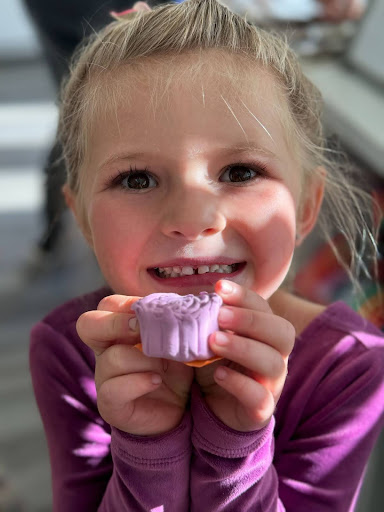
Each year around the mid-autumn festival you have made model mooncakes in the ECE. What are your favorite parts of bringing your traditions to the classroom and/or opening space for families and students to share theirs?

I love having families come in to share their family traditions. Even if people share the same culture, how they celebrate can be completely different. We have a wealth of experts right in our classroom to share about so many cultures and traditions, so why not take advantage?! 

When members of our community come in to share their knowledge or experiences, the classroom lights up with engagement. The students are very excited to learn from a real-life person they know! I also personally love learning about others’ traditions. Growing up, I didn’t experience that in my classroom, and if I did, it was very basic stuff. I would feel ashamed of my family’s traditions because I was different. I don’t want anyone else to feel that way. I want my class to feel love and pride for their heritage and traditions. What better way to develop that love and pride than to have their family and community members share, learn, and celebrate together?

Communicating Through Color

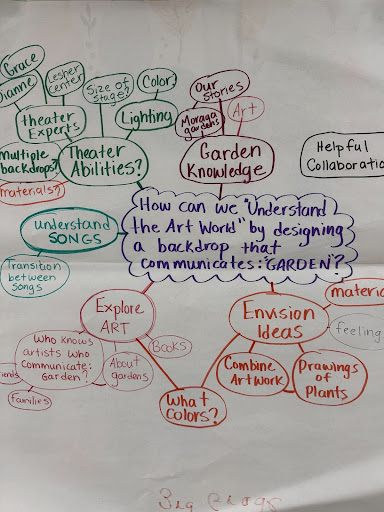
One of the most special elements of Saklan Project-Based Learning is the ways in which annual units take on different elements each year. For the last three years 2nd and 3rd grade students have designed the backdrop for our spring concert at the Lesher Center as part of a PBL unit on color and communication. This unit centers on the driving question: How can we understand the art world to design a backdrop that communicates “garden?”

This year there has been an intentional focus on one particular Studio Habit of Mind: Understanding the Art World. This studio habit, one of eight developed by the researchers at Project Zero, focuses on the study of art history and contemporary practices to learn how to act as an artist in collaboration with other artists in broader society.

The unit began with students sharing their own experiences of gardens. This process activated their prior knowledge and began to elicit ideas, feelings, and questions connected to the concert theme. Next, they completed a whole class brainstorm of ideas, colors, experiences, feelings, and connections to the driving question. This work helped guide the decisions about which artists students would focus their learning on as they worked toward the design and creation of the concert backdrop.

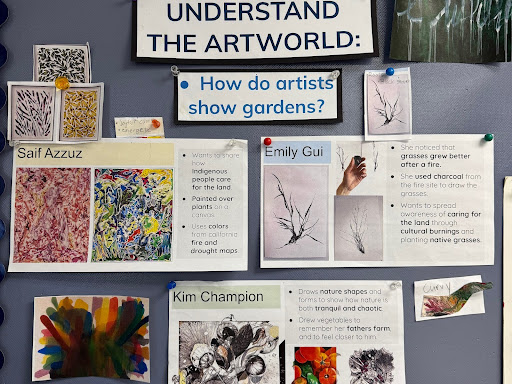
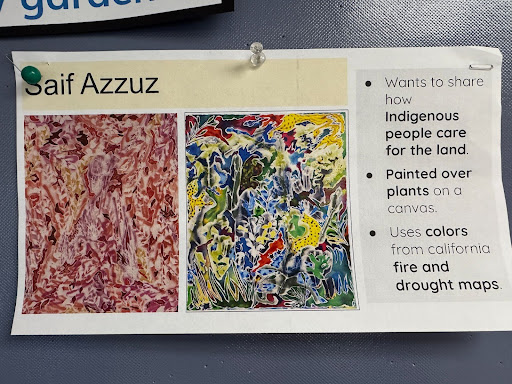
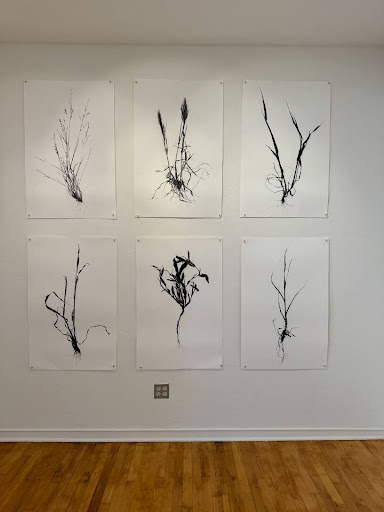
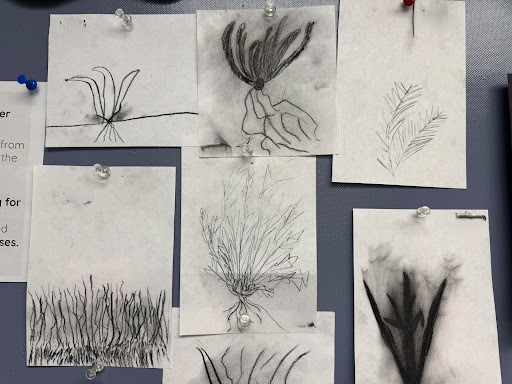
The unit then moved on to explore artists whose work focuses on gardens, nature, and tending to the environment. Made with charcoal scavenged from the scorched earth after a wildfire, Emily Gui’s drawings of wild grasses that emerged after the fire, connected to the 3rd graders’ research on native plants earlier this year. It was also a jumping off point to help expand the students’ definition of what a garden may mean to different peoples. They compared drought maps to the work of Saif Azzuz, which often focuses on the importance of tending the California landscape through the Indigenous wisdom of cultural burns and the varied medicinal uses of native plants, as seen in his recent installation at Stanford Research Park. Finally, students considered the impact of color, and what happens to our interpretation of artworks when color is removed using works by Kim Champion. It struck students that when the color was removed from her art, often much of the meaning was lost and the figures became harder to identify.

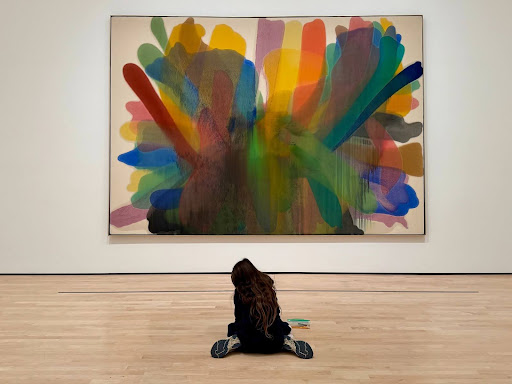
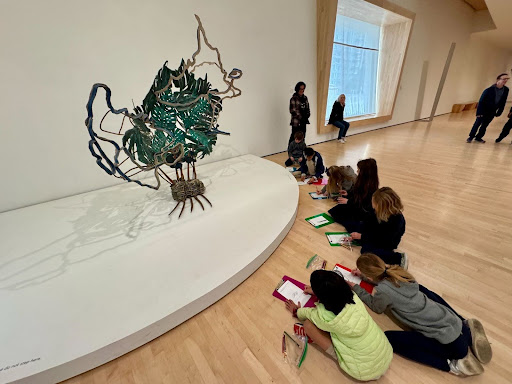
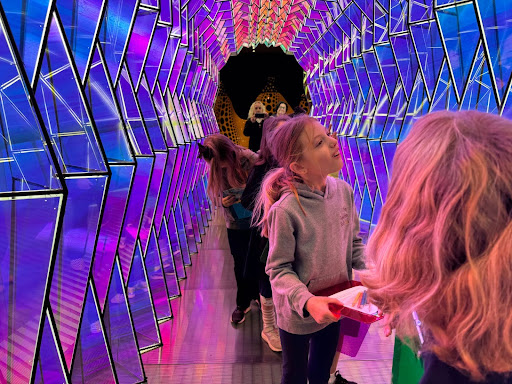
Visiting SFMOMA as part of this PBL unit was a highlight for our second graders. This opportunity to engage with large works in a museum space gave students a chance to observe a variety of ways artists convey the theme of garden. They explored many different types of works and interpretations of our theme.

After exploring different artists’ interpretations of garden, students reflected on the feelings and connections to the theme that they wanted to express through their backdrop art. Three distinct groups emerged. One group most associated gardens with the feelings of excitement and joy, another with a sense of awe for life, and a third associated gardens with calm. Each feeling group identified colors to communicate those feelings using their growing understanding of the art world. 

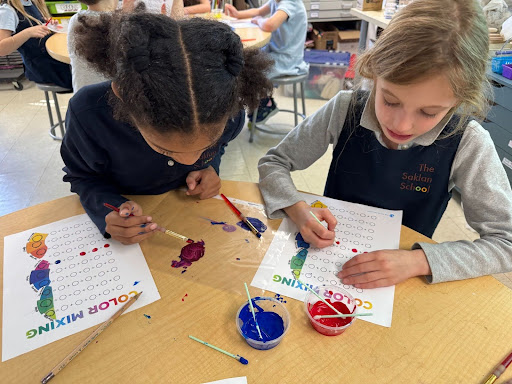
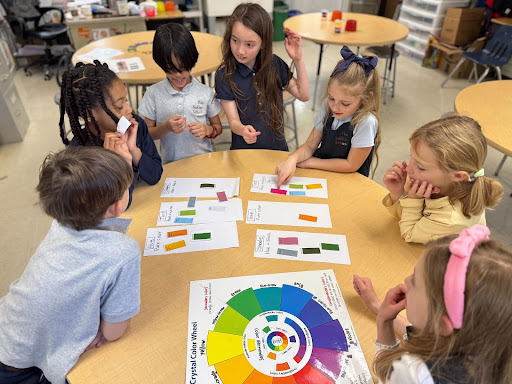
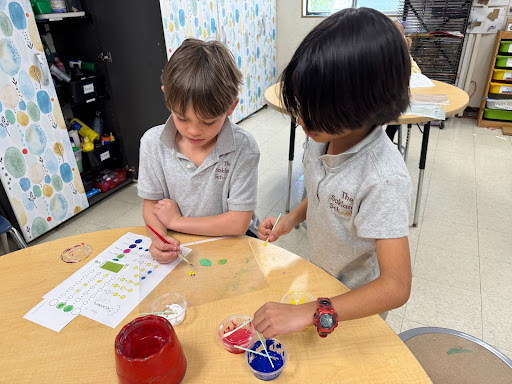
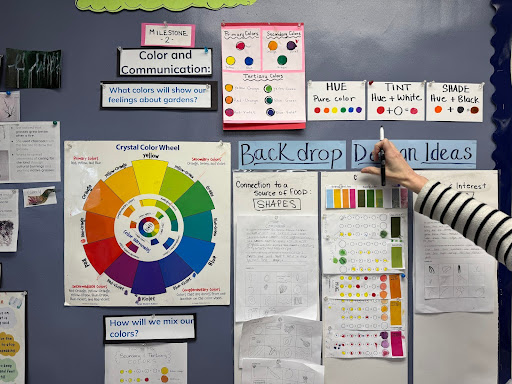
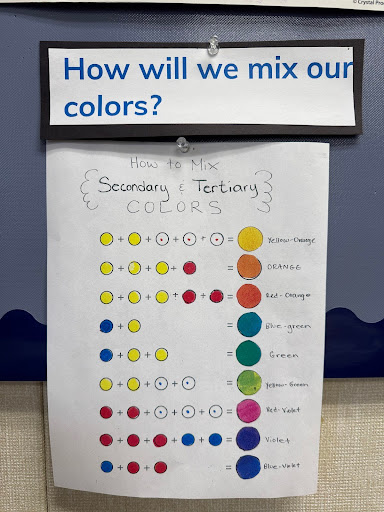
Knowing how colors impact each other when side by side and gaining an understanding of the need for balance between colors were the next key elements to successful communication through color that students began to explore. Color mixing recipes were iterated on to figure out how to mix just the right tint, shade, or hue of the desired colors.

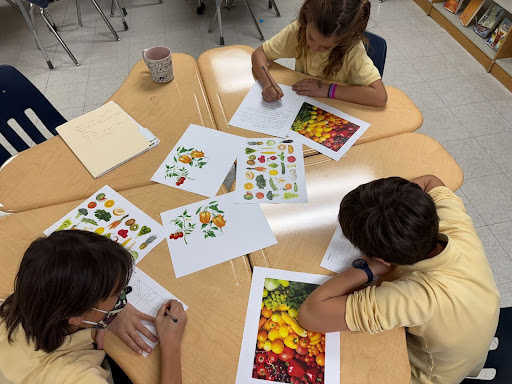
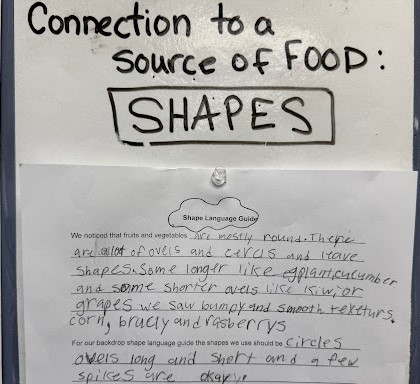
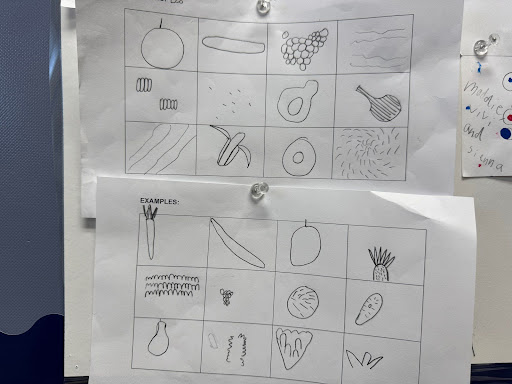
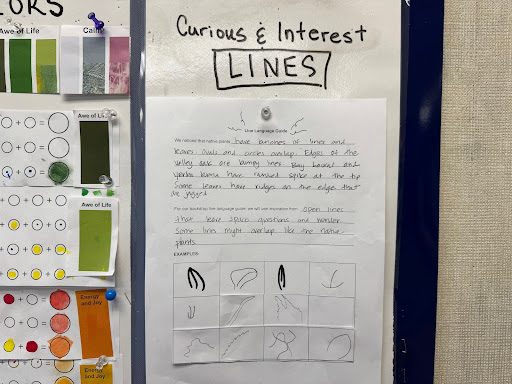
Additionally two small groups considered the ways line and shape can help us communicate our theme. One group felt a sense of curiosity when considering the theme of “garden” and worked to create a line language for our backdrop. Another considered the connection between the theme of “garden” and fruits and vegetables. 

At the concert, look for the line and shape language they developed among the beautiful colors the students have so carefully selected and balanced. You may spot many ovals, circles, and textures that mimic overlapping yerba buena leaves, curved lines like the edges of a valley oak leaf and its branches, or the texture of corn on the cob.

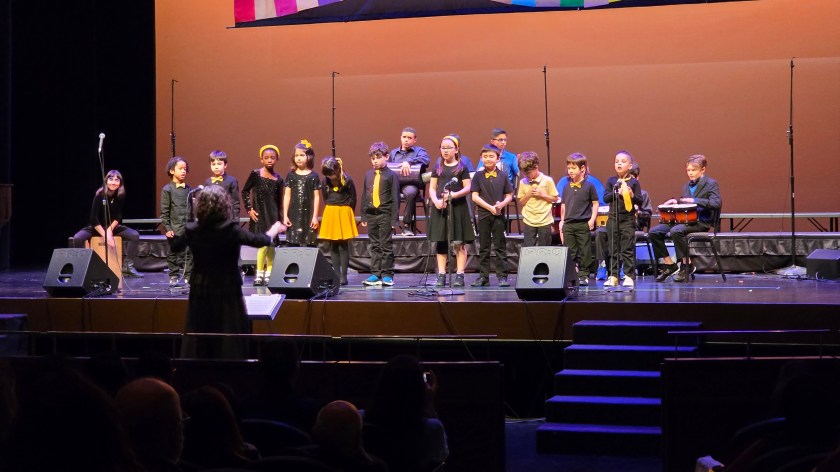
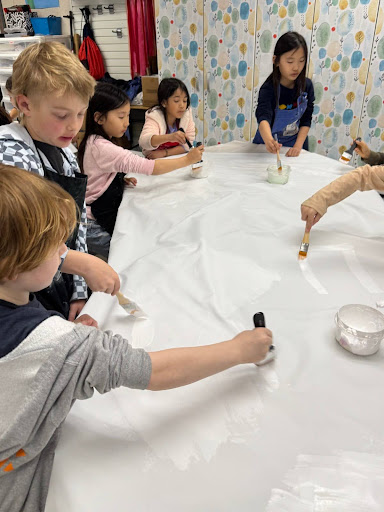
The students are now preparing the backdrop canvases by applying a base coat and will begin painting their version of “garden” very soon. We are excited to unveil the finished product at the All-School Concert on Friday, March 21st. See you there!

#SaklanPBL #SaklanCreative
Learning in the Field: O’ahu Edition

Field trip? Field experience? These terms may feel synonymous; however, at Saklan we draw an important distinction between a field trip and a field experience. Instead of trips that may loosely connect in terms of content, a field experience takes students into the field to work directly with experts, answer key need-to-know questions, and drive our project work forward. 

One example of connecting with experts in the field is the 7th grade field experience to the island of O’ahu. The driving question for this science PBL unit is, “What can we do to help reduce the single use plastics in our area?” 

Prior to arriving on the island, students watched the Mockumentary: Majestic Plastic Bag and looked at photos of different animals impacted by plastic waste including sea turtles and albatrosses. They also saw direct evidence of animals ingesting plastic waste via the dissection of an albatross bolus, in which they found: a lighter, fishing lures, fishing line, bottle caps, toy parts, plastic flatware, and many small plastic fragments. They came to the realization that, if there is trash in the ocean, animals will ingest it. 

Still, for students, an albatross and their food sources can feel removed from our local environment and experiences. They wondered what type of waste is in our local environment. Students went “foraging” for “food” around Saklan and found many waste and plastic items that animals could ingest. It became clear that, despite our best efforts, waste still finds its way into our local ecosystem and therefore ends up in our waterways, and ultimately oceans and ocean animals. 

So how can we reduce the plastic waste that impacts our environment? The field experience to O’ahu helps students better understand the impacts of pollution on ocean life, connect with Hawaiian organizations already working to reduce waste, and learn about sustainable alternatives that already exist, as they prepare to answer the driving question by developing their own single-use plastic alternative. 

Students met Rebecca, Hideki, and Lynn from Sustainable Coastlines Hawaii, a local nonprofit organization that runs beach clean-ups, partners with schools, and educates the community at local events. Together they had the opportunity to mālama, care for, the ocean by completing a beach clean-up at the Mālaekahana Beach. Using a sieve-like tool, students removed 30 pounds of waste! Much of it could be classified as “micro-plastics,” or plastics that are less than 5mm in size. While students did find a large blue plastic jug on the sand, most of what they collected were super tiny bits of blue plastic, evidence of many different large blue plastic jugs that have broken down over time. Another surprise was the tiny white disks called nurdles, which are pre-production microplastics that are super tricky to recover from accidental spills into the ocean. The class was reminded that choices on land impact the oceans and that beach clean-ups can only take us so far! The staff from Sustainable Coastlines provided some great inspiration and ideas for alternatives to these plastics that are washing up on Hawaiian shores each day.

Sustainable Coastlines was just the beginning, while on O’ahu, students also connected with experts at Hanauma Bay Nature Preserve and Project Genki Ala Wai where they made and deployed Genki balls in the Ala Wai Canal to restore its ecosystem making it safer for both people and animals. 

The 7th graders will take these many rich learning experiences in the field back to the classroom to help them answer their driving question and refocus on sustainable alternatives to single-use plastics in our local environment. 

As always, the students aren’t the only ones gaining inspiration and connections to drive their work forward! While on the island, Linda Lathrop visited Punahou School to learn about how they approach projects and design thinking. From the integration of native Hawaiian language, music, food, and dance to design projects in their STEM labs and art rooms, it is always enriching to connect with other teachers to hear about their practices. Just like our 7th graders are out in the field grappling with the content of their project, our staff enjoyed the opportunity to discuss project hurdles and successes from another school site. Opportunities like these to connect with different schools give us new ideas and potential solutions to our own project hurdles! It is also exciting to see practices we have in common too! Can you spot any in the photos below?

We look forward to hearing more about all this rich teacher and student learning when the students and teachers return to campus next week!

#SaklanPBL
Collaborative Group Work

Collaborating to solve problems is a key element of PBL work at Saklan and a skill that many of us need to employ in our workplaces too. Intentionally building this skill is one of many ways that project work benefits Saklan students long after they leave our campus. Here are some ways we develop our skill of collaboration! 
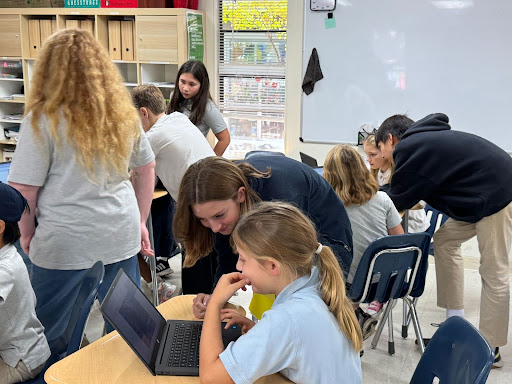
To effectively collaborate, we must develop relationships that are grounded in trust, interdependence, and shared accountability. Rich learning experiences that develop the skill of effective collaboration do not happen by chance, but are instead, intentionally woven throughout our project design. Teachers use success skills rubrics alongside content-specific learning goals, directly teach and model collaboration, and create driving questions and topics that encourage students to share and showcase their stories, skills, and talents. 

A recent student example can be found in Kindergarten’s PBL unit on names. During this unit students explored the driving question, “How can sharing about our names help us become better friends?” Throughout the unit milestones, students worked on their capacity to tell their own name stories, ask questions about each other’s names, and really listen to their peers. Name stories open endless opportunities to share about culture, language, and family histories. Throughout each stage of this unit, learning experiences were designed to not only meet academic learning goals but also foster students’ trusting relationships and their sense of interdependence. Whether it was helping design a name story costume for self-portraits in art class, sharing their favorite part of their name stories with each other, or telling our families about each other’s names, the fruits of intentionally collaborative project design were on full display in this unit. Our Kindergarteners undoubtedly grew their capacity for collaboration.
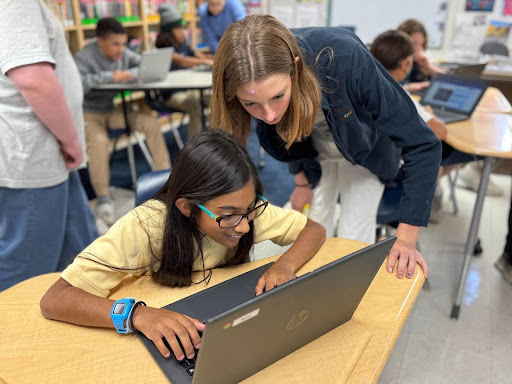
At Saklan it isn’t just the students working to deepen their collaboration and sense of interdependence. The teachers at Saklan are also actively improving our practice.

One way we are doing this as faculty is through our Professional Learning Community. A Professional Learning Community (PLC) is a way for our staff to share and grow in our capacity for project based learning with a pervasive, ongoing impact on the structure, style, and culture of PBL at Saklan. Instead of a series of stand-alone meetings, a PLC is intended to be an ongoing process in which educators work collaboratively in recurring cycles of collective inquiry and action research to achieve better results for Saklan students. 
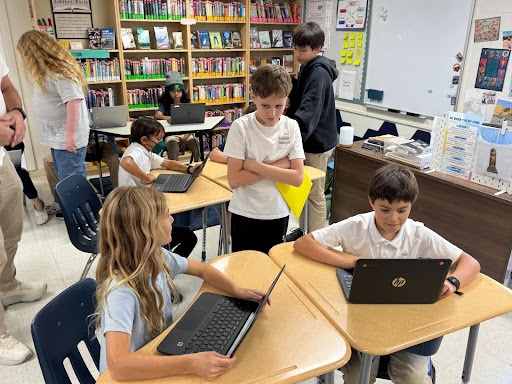
At our most recent session on the January 6th PD day, there were two elements to our PLC work. Each teacher met as part of their year-long small group focused on one particular area of interest: using rubrics, managing team tasks, sustaining inquiry, and differentiation. Before these breakout sessions, the whole group worked on deepening our understanding of Universal Design for Learning (UDL) and discussed how we can increase our alignment of collaborative work expectations across grade levels and divisions. It was a lively discussion and we are excited to implement our learning from the research we’ve discussed AND from each other.

#SaklanCollaboration #SaklanLifeLongLearners