
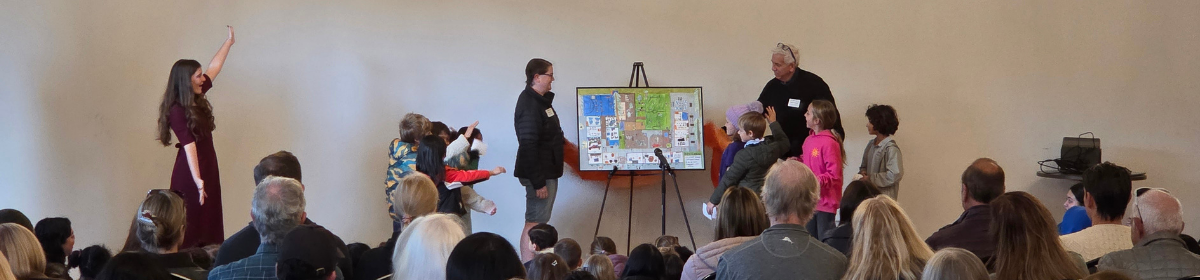
November is a season of thankfulness, and across Saklan’s Kindergarten through second-grade classrooms, students have been taking that idea a step further by exploring what it means to practice gratitude.
In Kindergarten, the exploration began with a simple question: What does it mean to feel grateful? Students shared some wonderful answers, describing gratitude as “feeling warm and fuzzy,” “feeling loved,” and “liking things.” While gratitude is certainly a feeling, students also discovered that it is something they can actively practice. It means taking the time to notice and appreciate the good things in their lives, both big and small.
There are meaningful reasons to build this habit early. Research has linked regular gratitude practices to greater emotional well-being, more positive emotions, stronger connections with others, and increased happiness. Even more fascinating, practicing gratitude can help train the brain to notice positive experiences more readily. The more we look for things to appreciate, the easier it can become to recognize them. What a wonderful habit to begin building at such a young age!
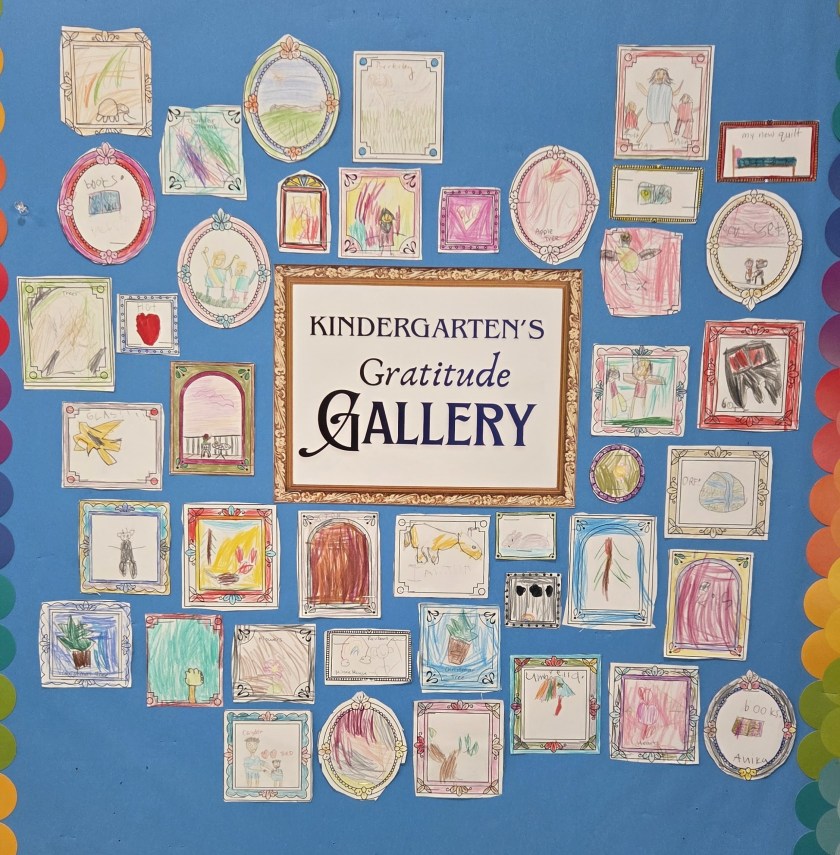
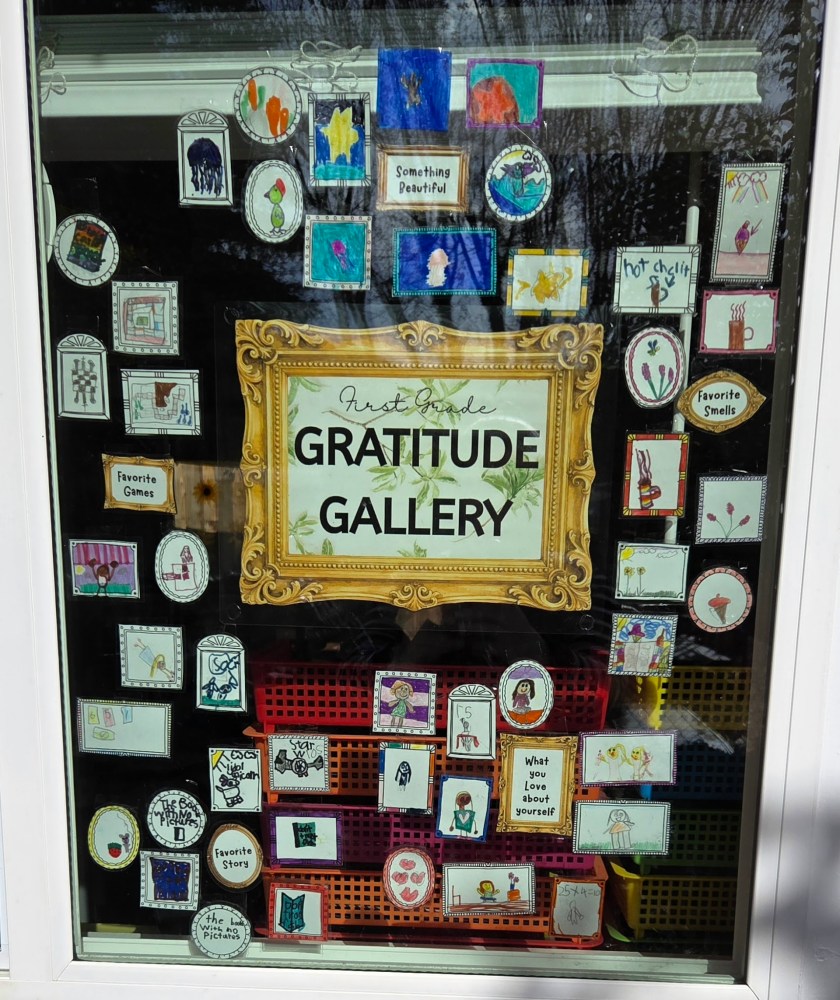
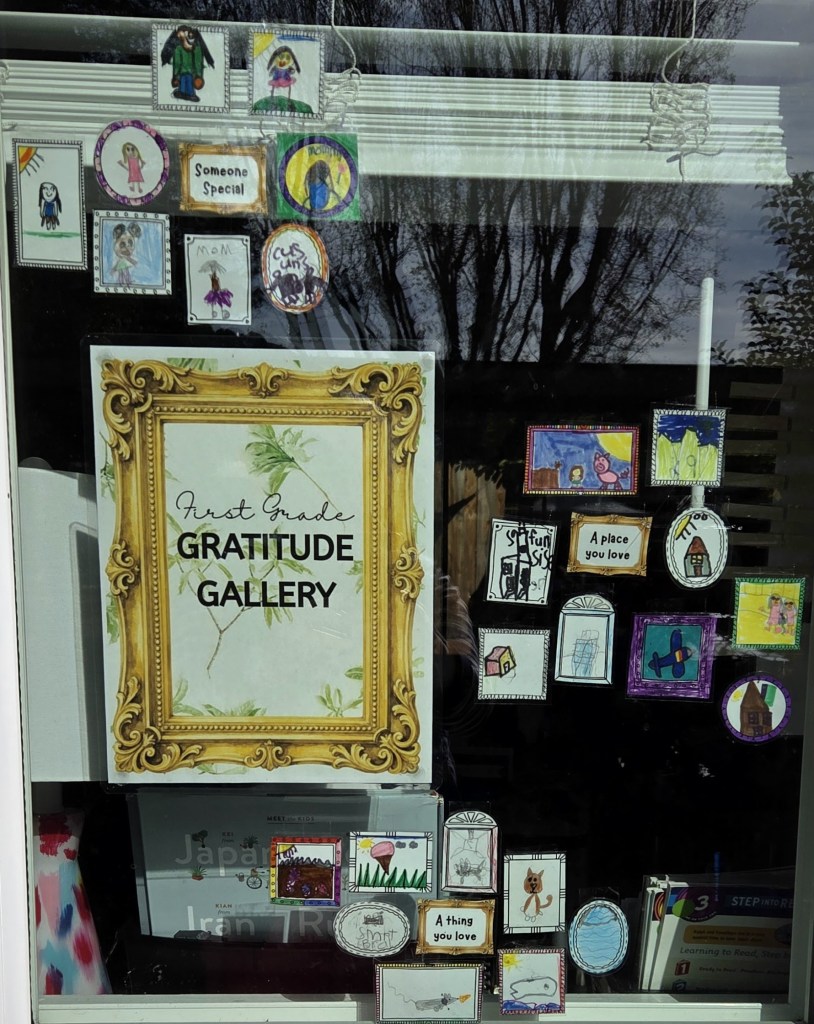
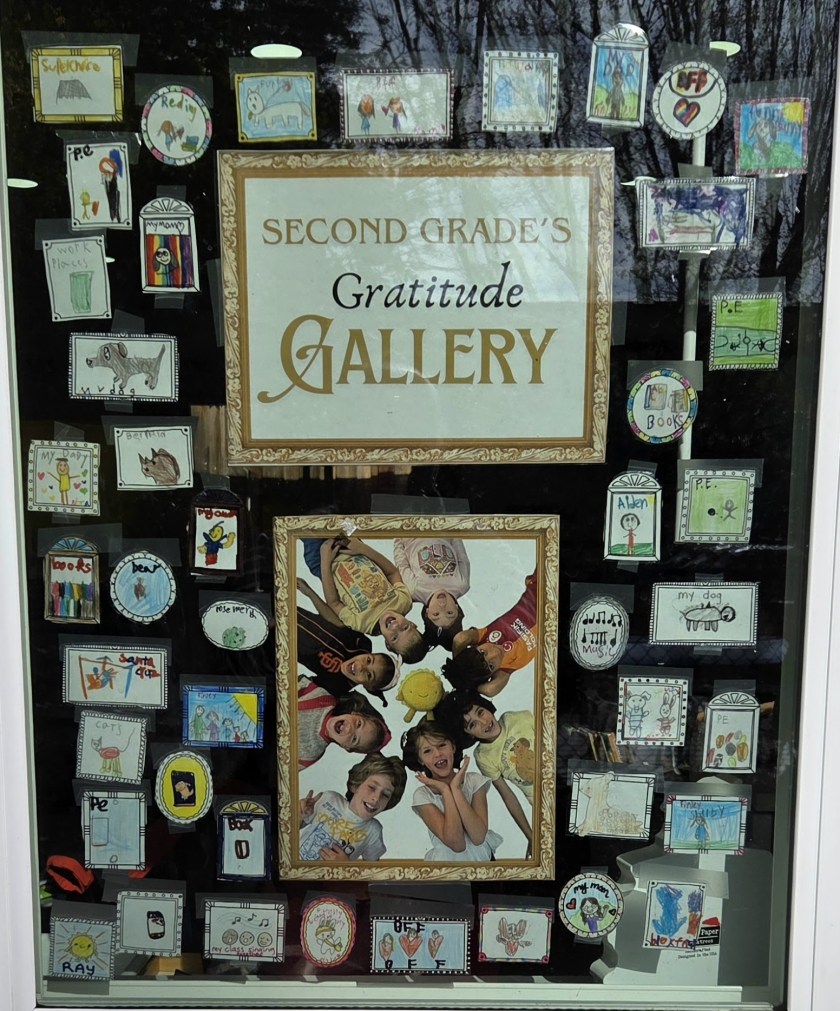
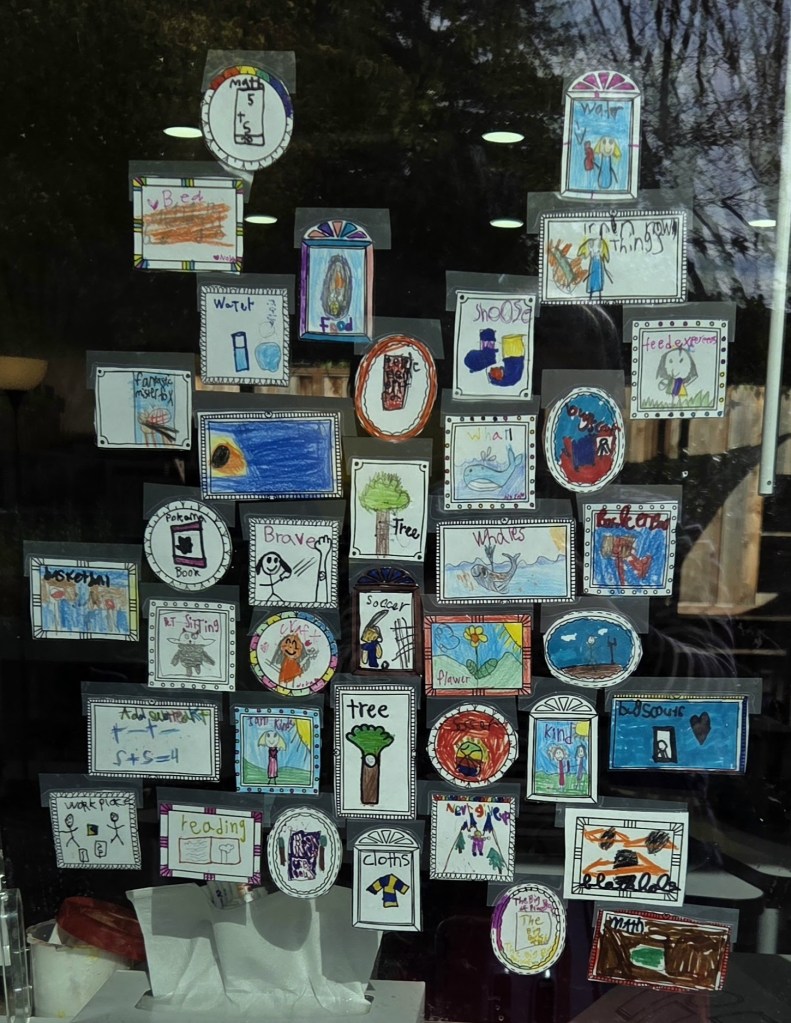
Of course, students didn’t just talk about gratitude, they put it into practice! Each classroom created a Gratitude Gallery, a growing collection of student drawings celebrating the people, experiences, and little things that bring them joy. Whenever a student shared something that made them happy or something they felt thankful for, they had the opportunity to add it to the gallery. Along the way, students also enjoyed reading stories about thankfulness, family, and the joy of coming together.
By spending November intentionally looking for the good in their everyday lives, the kindergarten, first and second graders are discovering that gratitude is more than a seasonal theme. It is a habit they can carry with them throughout the year. And sometimes, the first step toward appreciating all that we have is simply learning to notice it!

