Exploring Animal Care

Last Friday, the Hoot Owls proudly shared the culmination of their two-month-long Pets Project, inviting families and community members to celebrate their hard work. This project blended research, fieldwork, creativity, and expert guidance as students explored what it means to responsibly care for a wide range of pets.

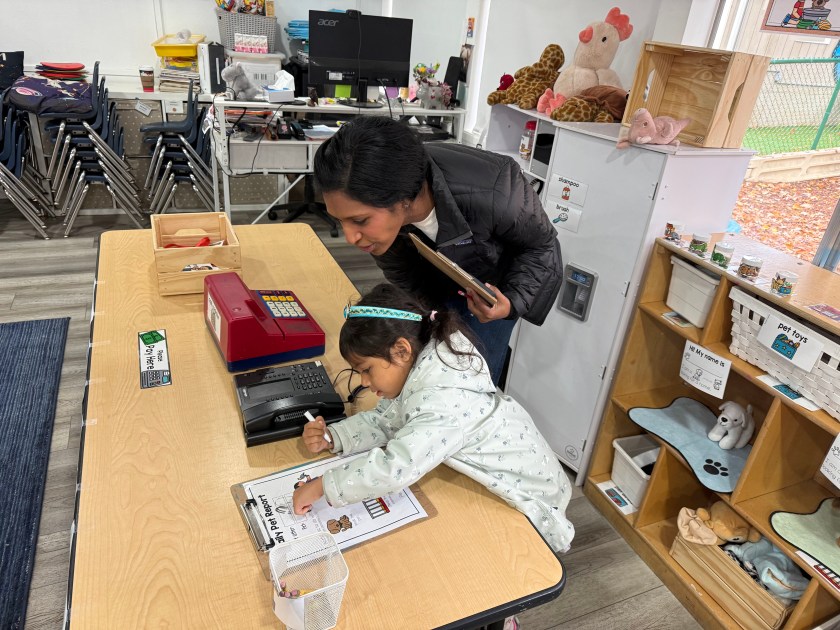
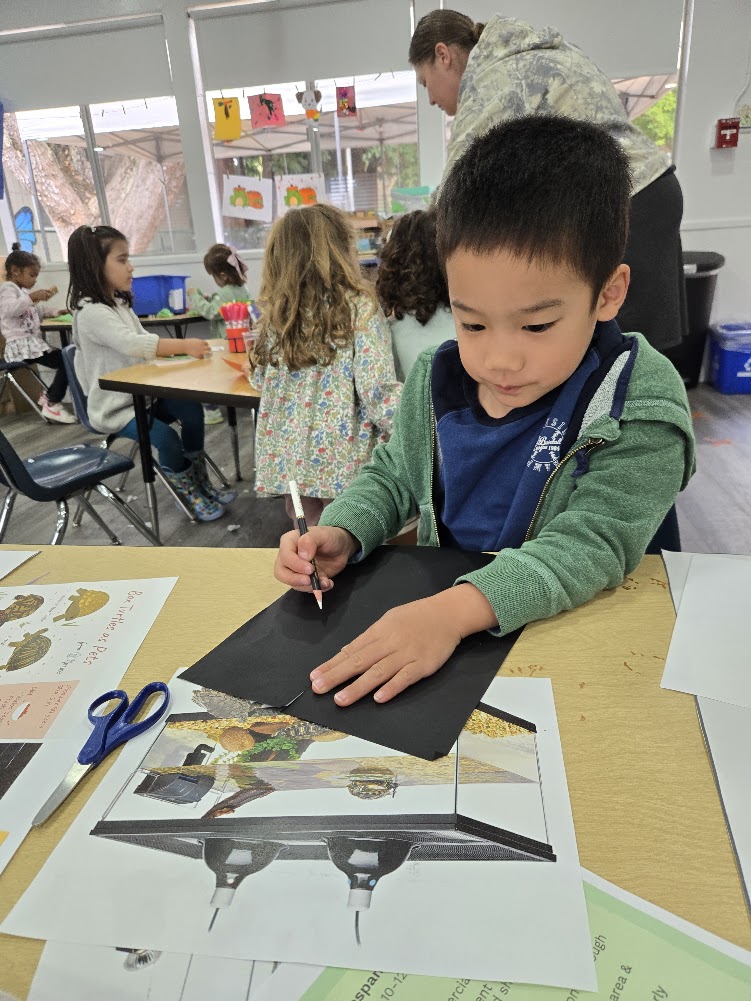
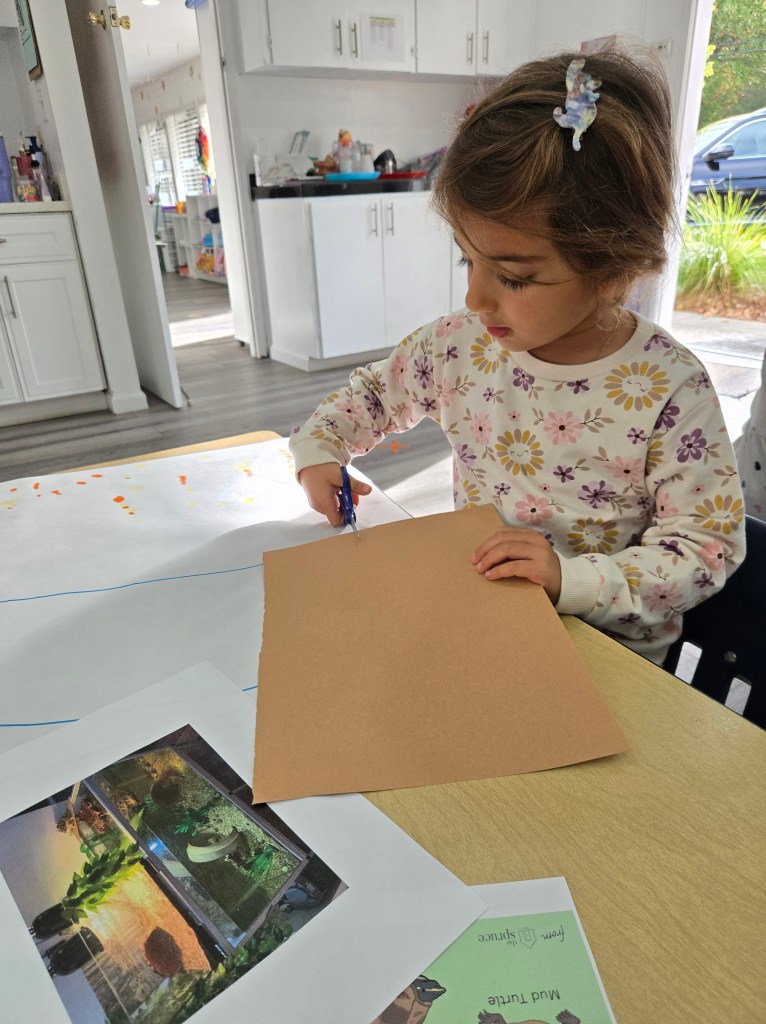
The learning journey began with each student selecting a pet to focus on—either a dream pet or one they already have at home. As they learned more about different animals, the Hoot Owls designed and built homes for their chosen pets. They drew inspiration from books, videos, classroom experts, and their own imaginations to create thoughtful and detailed habitats.

A highlight of the project was a Spider Hunt. After learning about spiders, students ventured outdoors with Observational Notebooks in hand. Like true scientists, they sketched what they observed and took note of the spiders’ natural environments. These observations helped them better understand what spiders need to thrive.

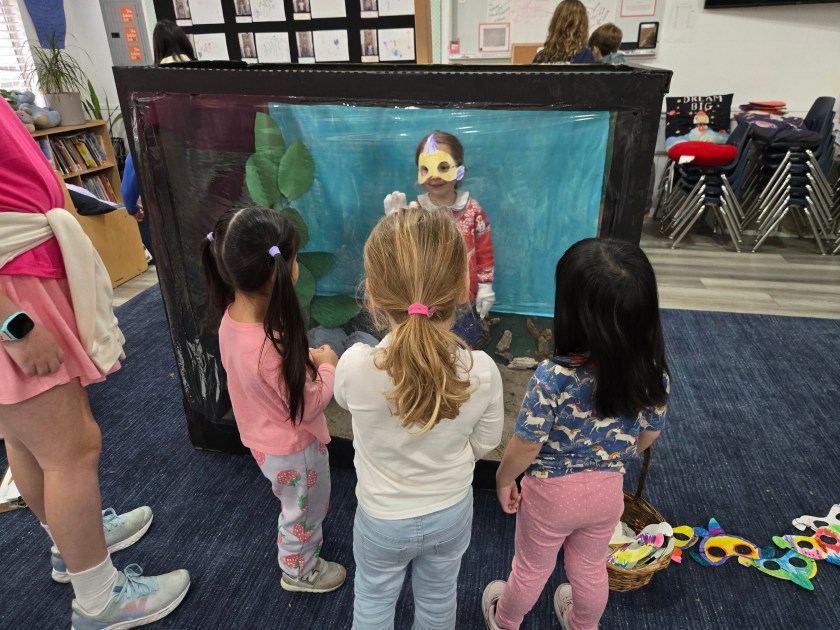
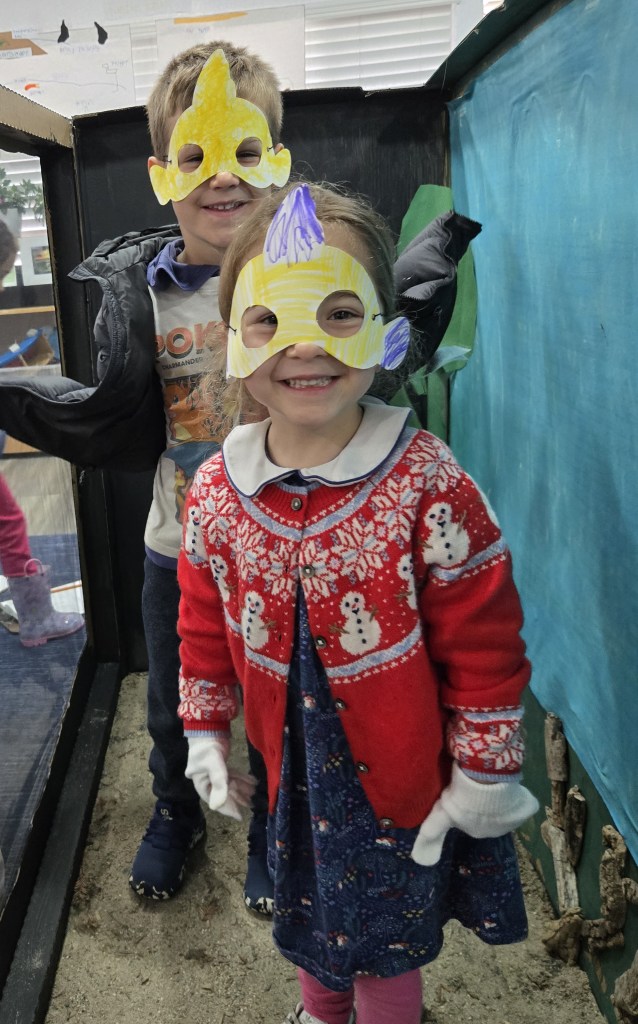
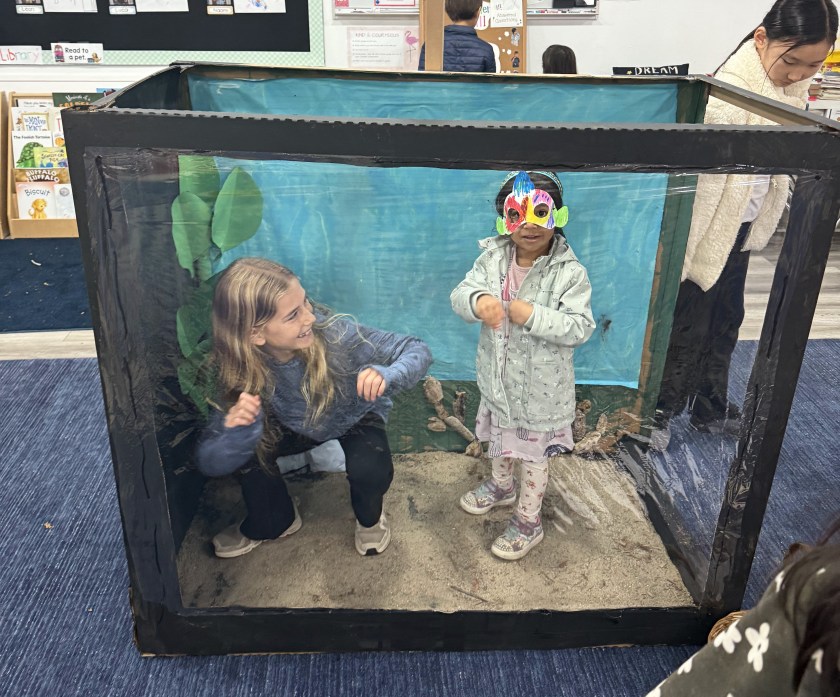
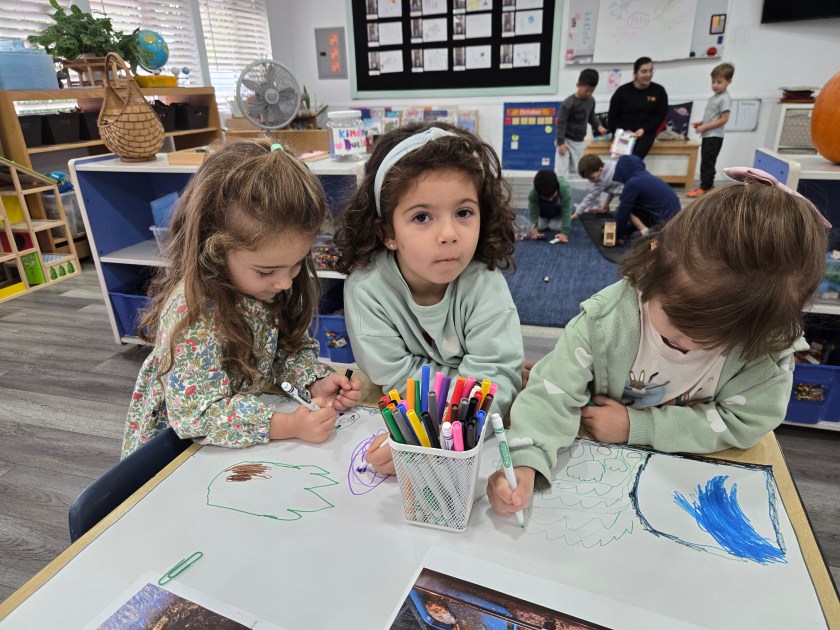
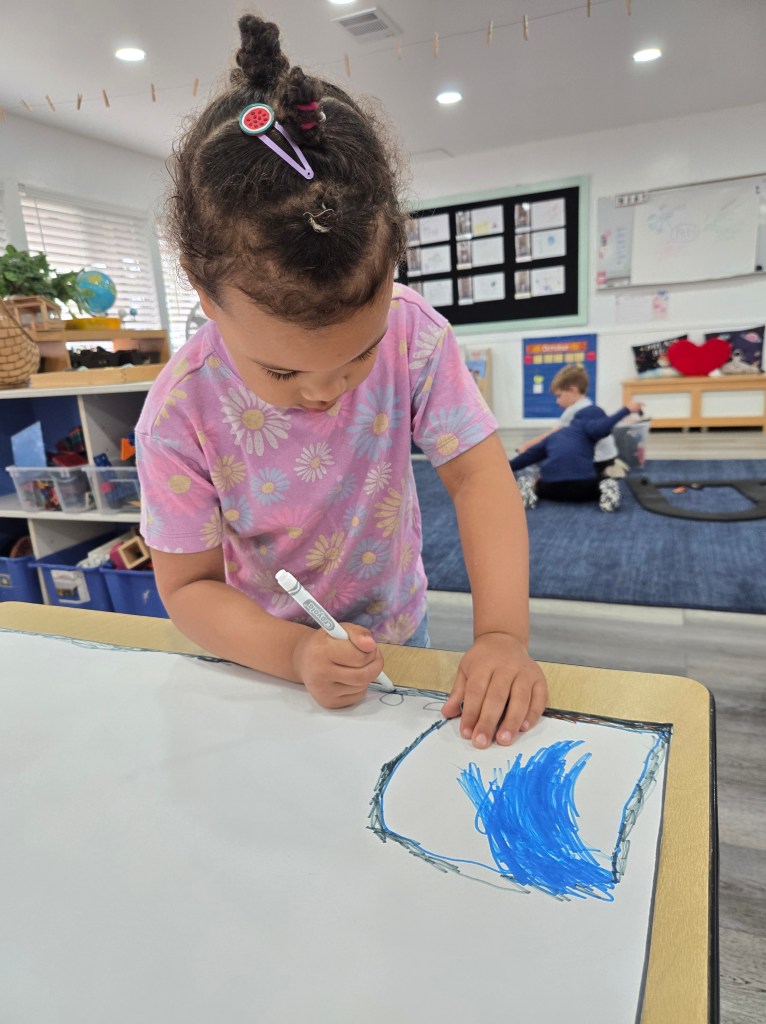
The class also dove into learning about fish as pets. Students discovered that fish care is more complex than it first appears. They examined cleaning tools, water test kits, and a special bucket used only for tank maintenance. Conversations about the role of light in supporting aquatic plants sparked thoughtful questions—such as why fish don’t sleep with pillows! This curiosity inspired the creation of a life-sized fish tank representation to help students visualize a fish’s natural environment and daily needs.

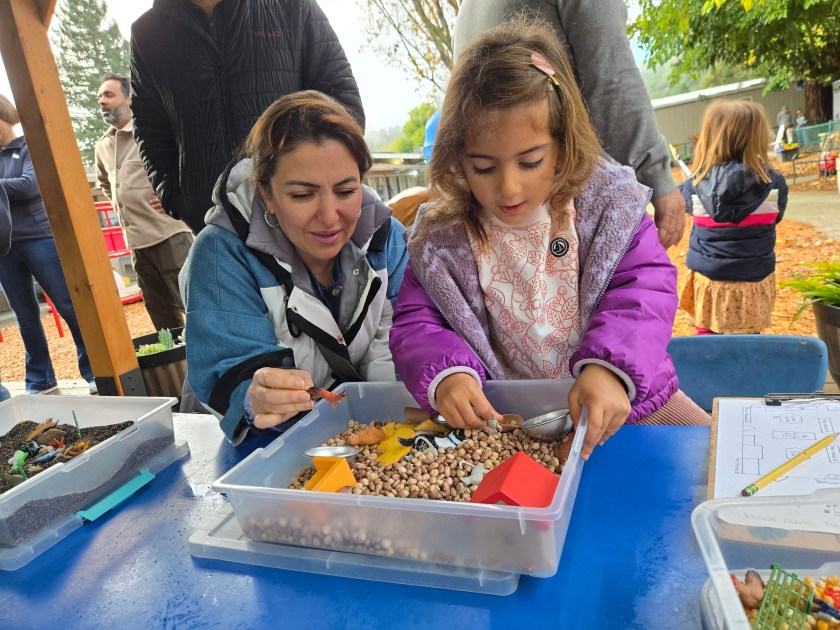
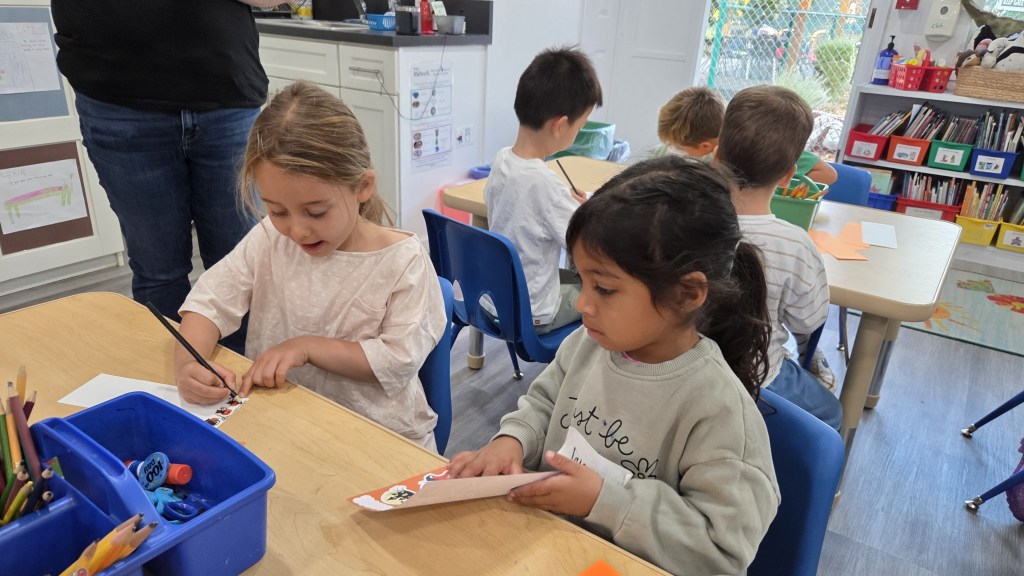
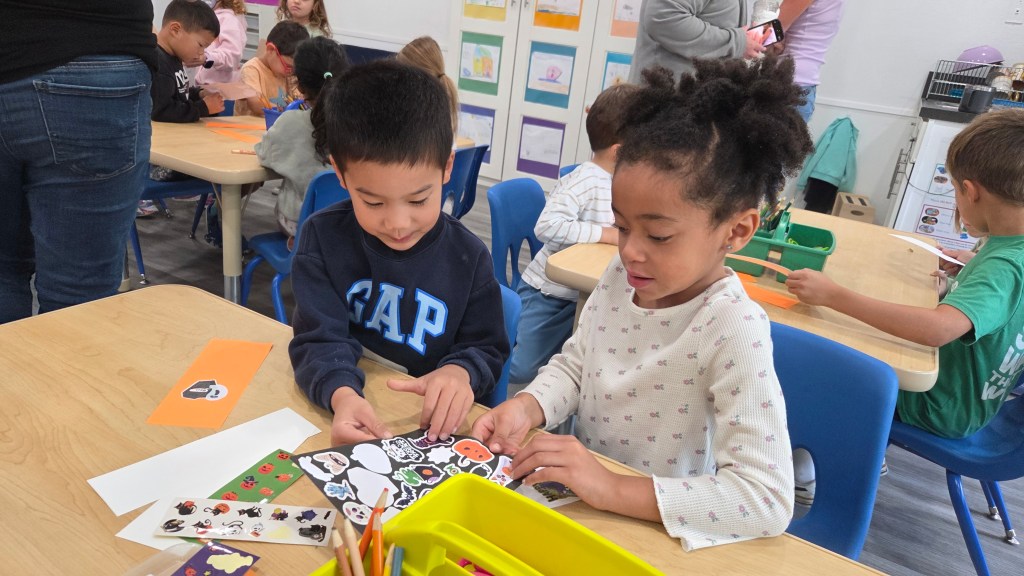
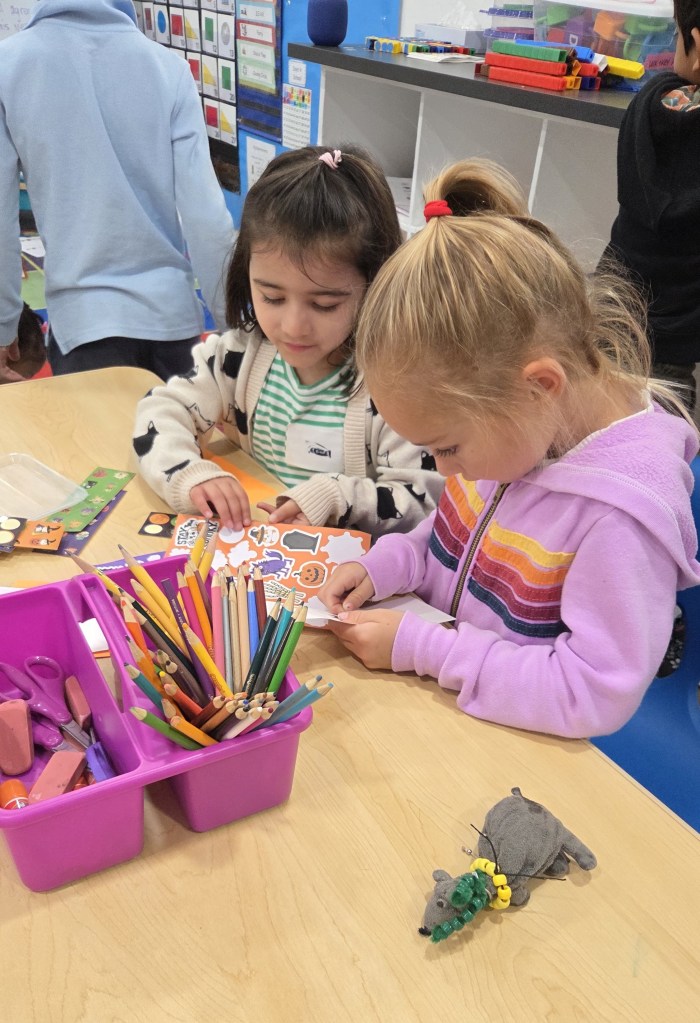
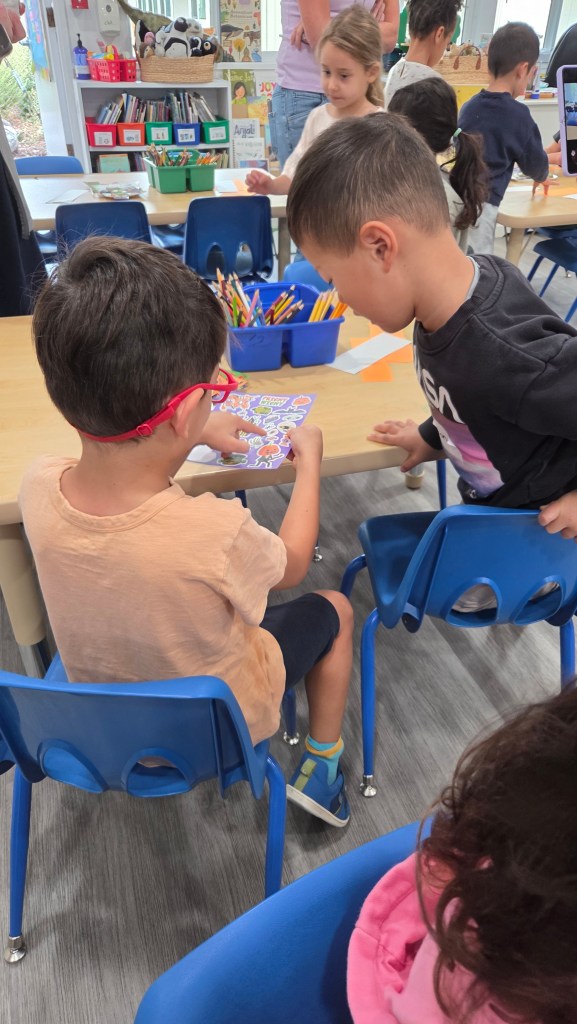
As the culmination approached, the Hoot Owls worked diligently to ensure guests felt welcomed. They carefully wrote and decorated invitations for families and friends. Inside the classroom, they helped plan the layout of all their project representations—no small task given the limited space. They worked together to problem-solve, make signs, organize materials, and prepare the room for visitors.

Their excitement and pride were evident as they shared their learning with the community. The Pets Project not only strengthened their understanding of animal care but also fostered creativity, curiosity, and collaboration—skills they will carry into future explorations.

From Horses to Hounds: The Hoot Owls Explore Pets

As part of their Pets Project, the Hoot Owls have been exploring how to care for different kinds of animals—both big and small! When teachers noticed several students showing a special interest in the horses and stable set in the classroom, they decided to dive deeper into learning about how to care for horses.

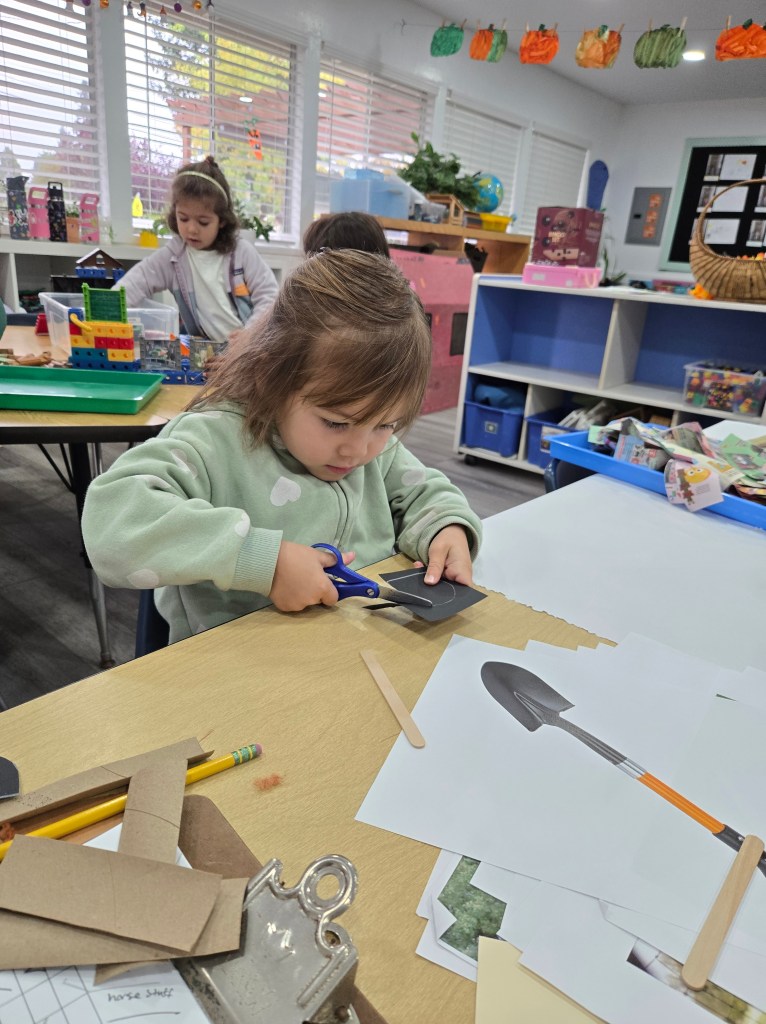
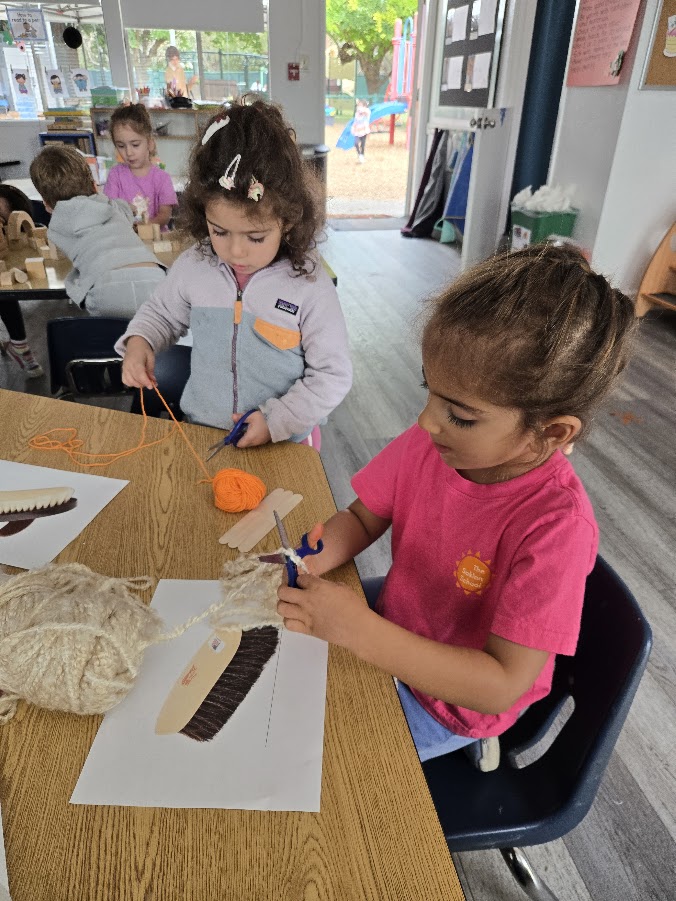
The class discovered that horses can make wonderful pets, but they also require a lot of care and space. Together, the Hoot Owls learned that horses need shelter, lots of hay and grass to eat, and regular brushing to stay clean. They also learned that taking care of a horse includes cleaning up after them—using shovels to tidy up their stalls! Students found out that horses can be ridden using saddles and reins, which led to lots of imaginative play. To represent what they learned, the class created their own model horse brushes, water and food troughs, and even shovels for stable cleanup.

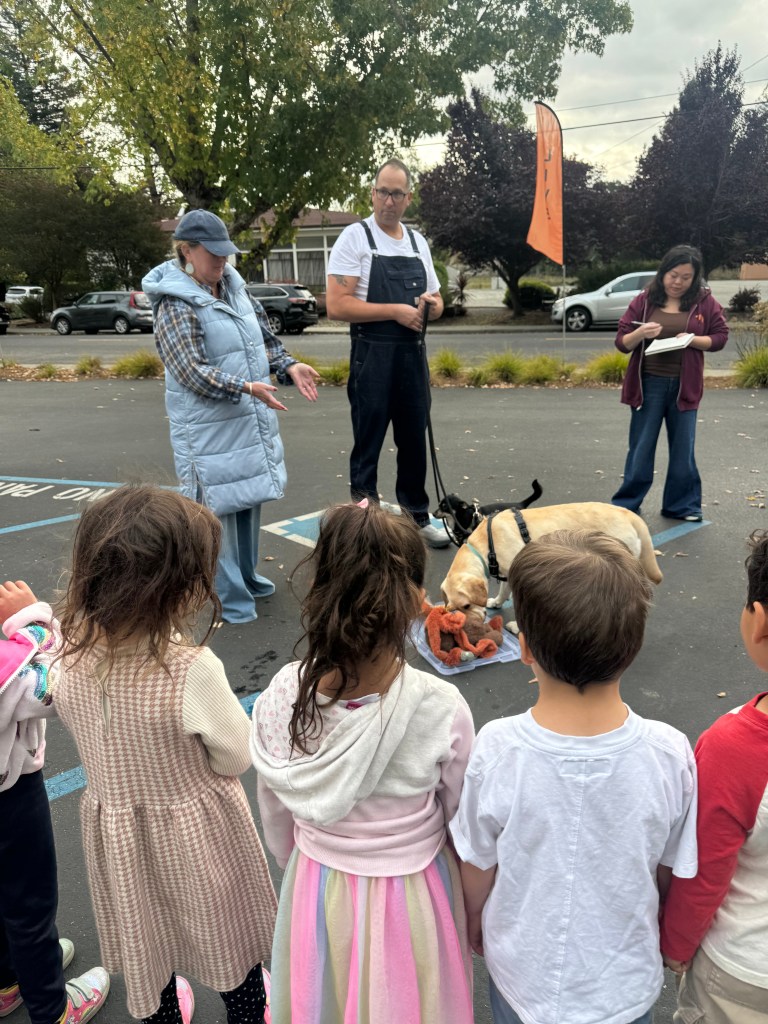
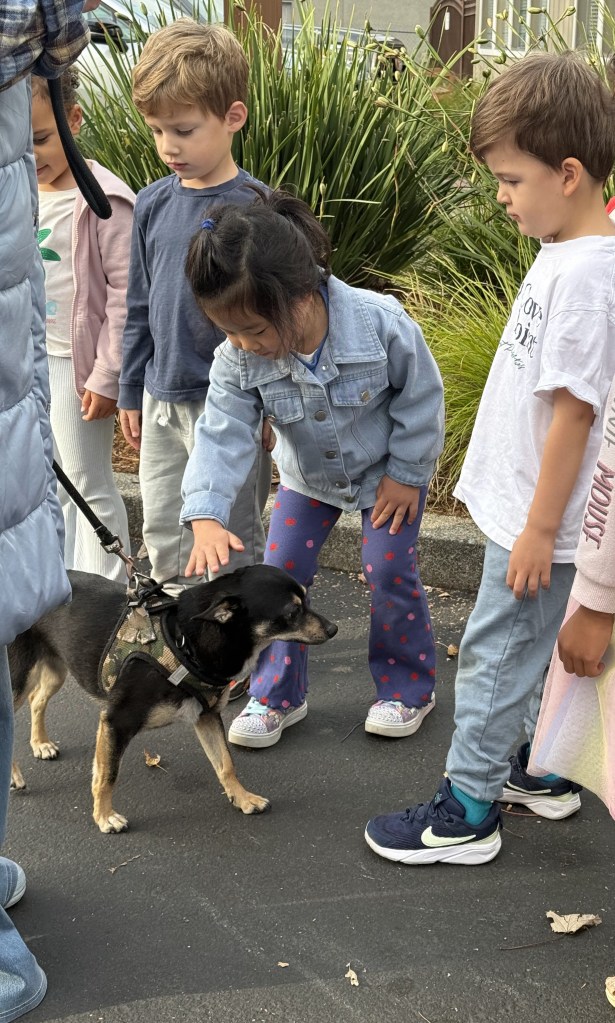
Next, the Hoot Owls turned their attention to one of the class’s favorite animals—dogs! They were thrilled to welcome two special guests: Saul, Saklan’s Middle School Math Teacher, and Mel, who brought along their two dogs, Banksy and Bixby. The Pre-K students came prepared with thoughtful questions, and Saul and Mel were happy to share their expertise.

The class learned that the amount of food a dog needs depends on its size and age. Banksy eats one small bowl of food at dinner, while Bixby eats twice a day—and even uses a special puzzle bowl to slow down his eating. Students also discovered that dogs can earn treats when they perform tricks. Banksy has already mastered “sit” and “roll over,” while Bixby is still learning!

Exercise was another key topic. The students were amazed to hear that Banksy and Bixby had already walked a full mile before arriving at school! To stay active and engaged, dogs also need toys like ropes, chew toys, and stuffies. The class discussed how important it is to keep dogs clean—by brushing them, especially as they grow their thick winter coats, and giving them baths when needed. They also loved hearing about Banksy and Bixby’s matching jackets and learning that collars and leashes are important tools to keep dogs and people safe.

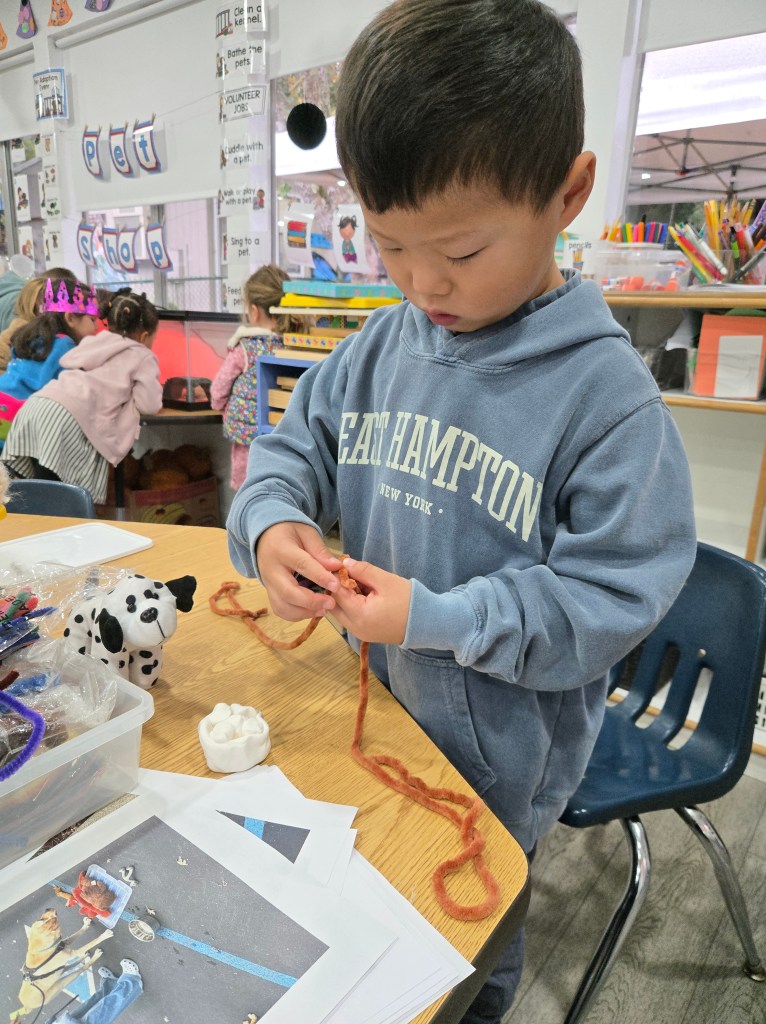
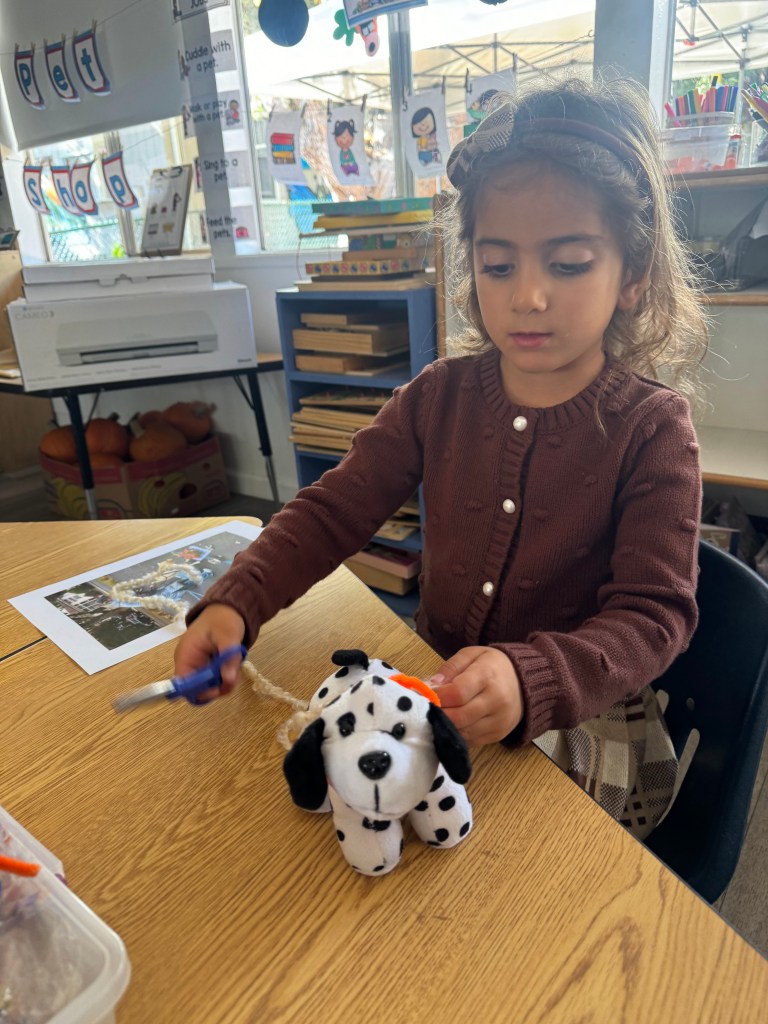
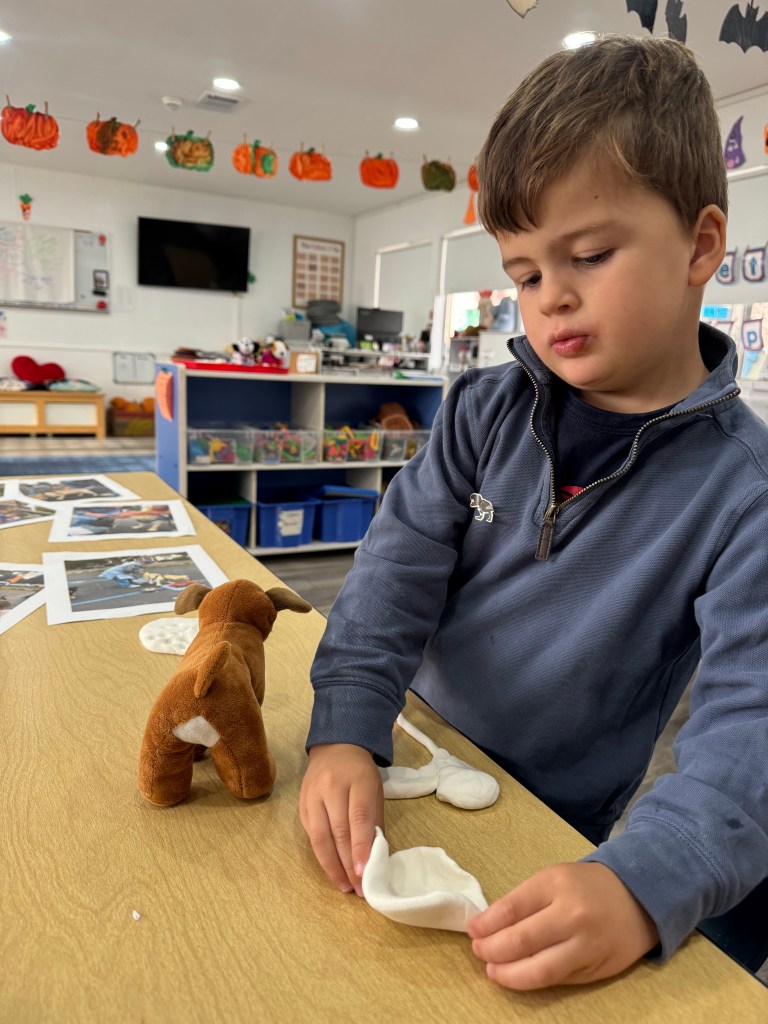
After the visit, the Hoot Owls had the opportunity to apply what they learned by creating their own “pet care kits” for small toy dogs. They made leashes, collars, food and water bowls, treat bags, toys, and even jackets! Each student thoughtfully considered what their dog would need and designed items to help care for their new pet.

Through hands-on exploration, creativity, and expert insight, the Hoot Owls deepened their understanding of what it truly means to care for an animal. From brushing a horse to walking a dog, these young learners are discovering that responsibility, empathy, and kindness are at the heart of being a good pet owner.

#SaklanProjectWork

Can Maggie Have a Hippo as a Pet?

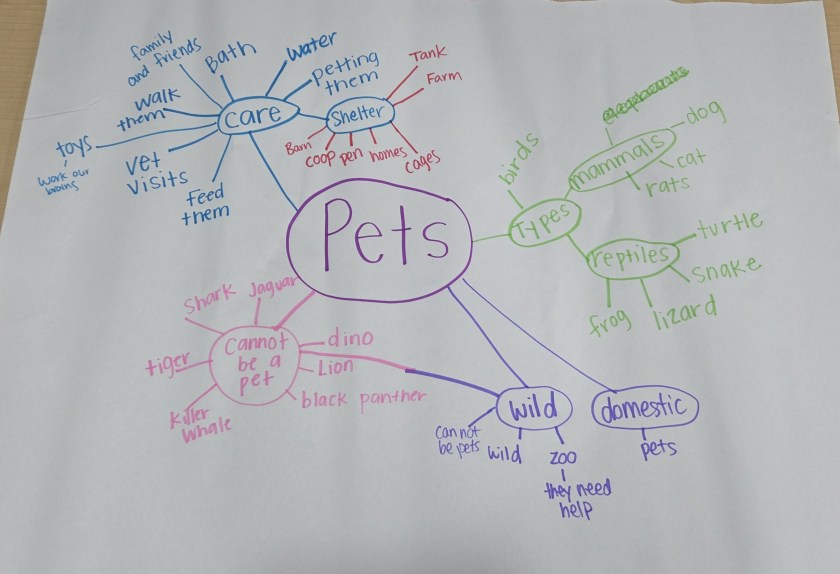
The Pre-K class has officially launched their Pets Project. To get the Hoot Owls thinking about what a pet is, the teachers posed the question: “Can Maggie have a hippo as a pet?”

This simple question sparked a flurry of ideas. Students quickly pointed out that a hippo would need a really big house, a lot of water (maybe a pool!), and a door big enough for it to fit through. One thoughtful student even suggested that Maggie would need to be a zookeeper with her own zoo! From there, the class began to wonder — what actually makes an animal a pet, and what makes it a zoo animal?

Building the Project

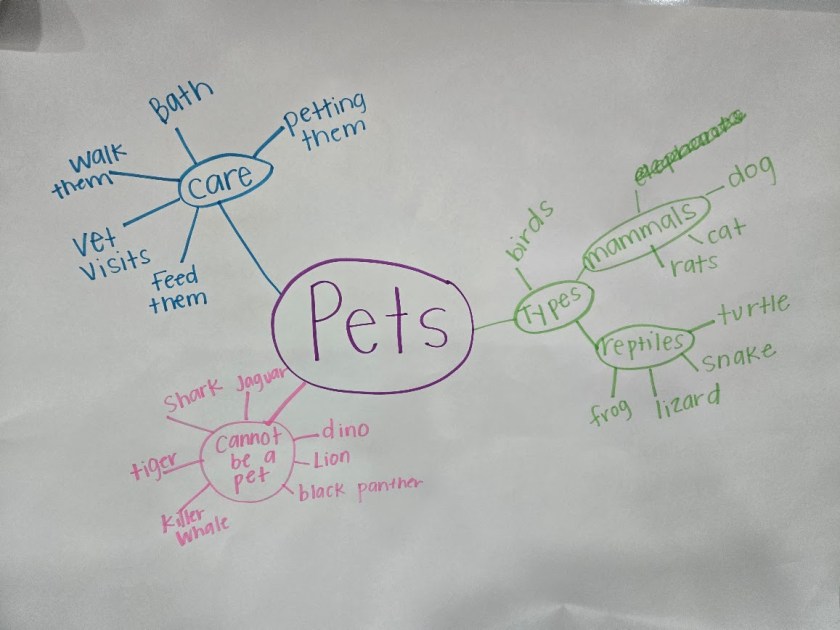
In every Project Approach Unit, students begin by mapping what they know and what they want to learn using a Topic Web. This living chart helps track their growing understanding as they explore through research, activities, and expert visits.

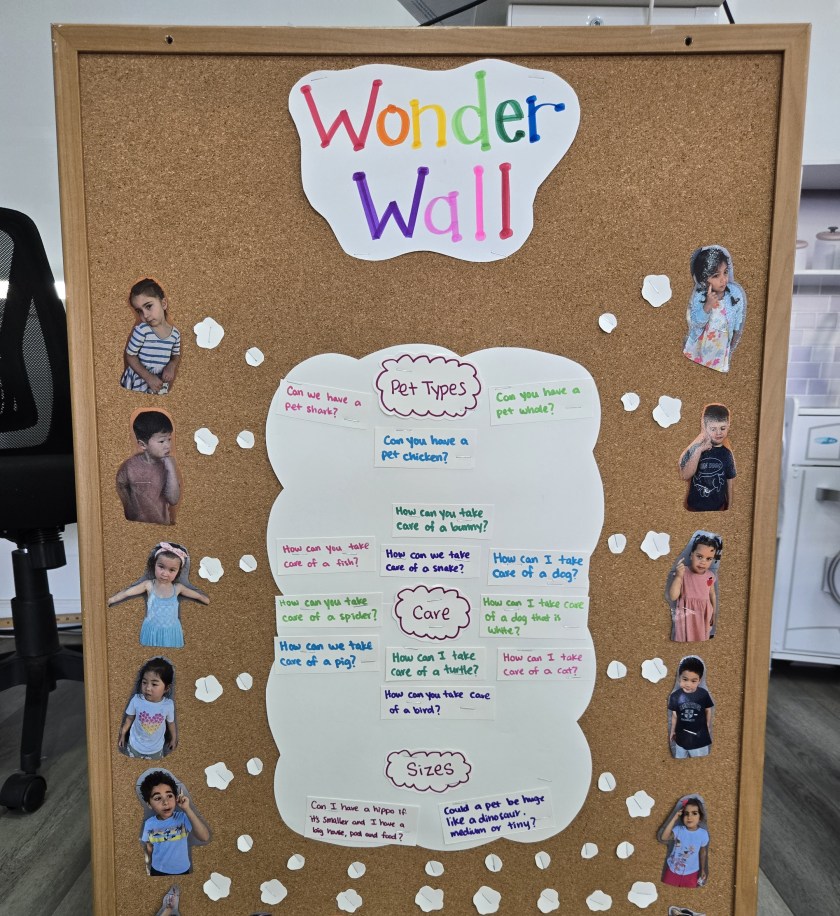
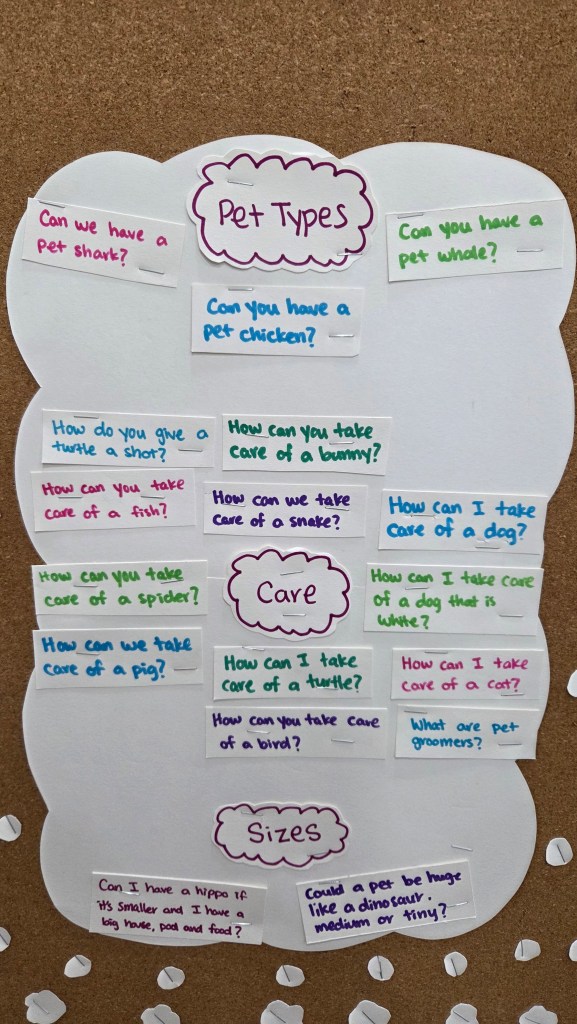
Alongside the topic web, the class also created a Wonder Wall — a special space where students’ questions and curiosities are collected. These “wonders” help guide the project and shape future lessons and activities.

One of the first big questions to emerge was: “How do we take care of different animals?” To start exploring that idea, students dove into the question, “How do we take care of a turtle?”

Learning Through Exploration

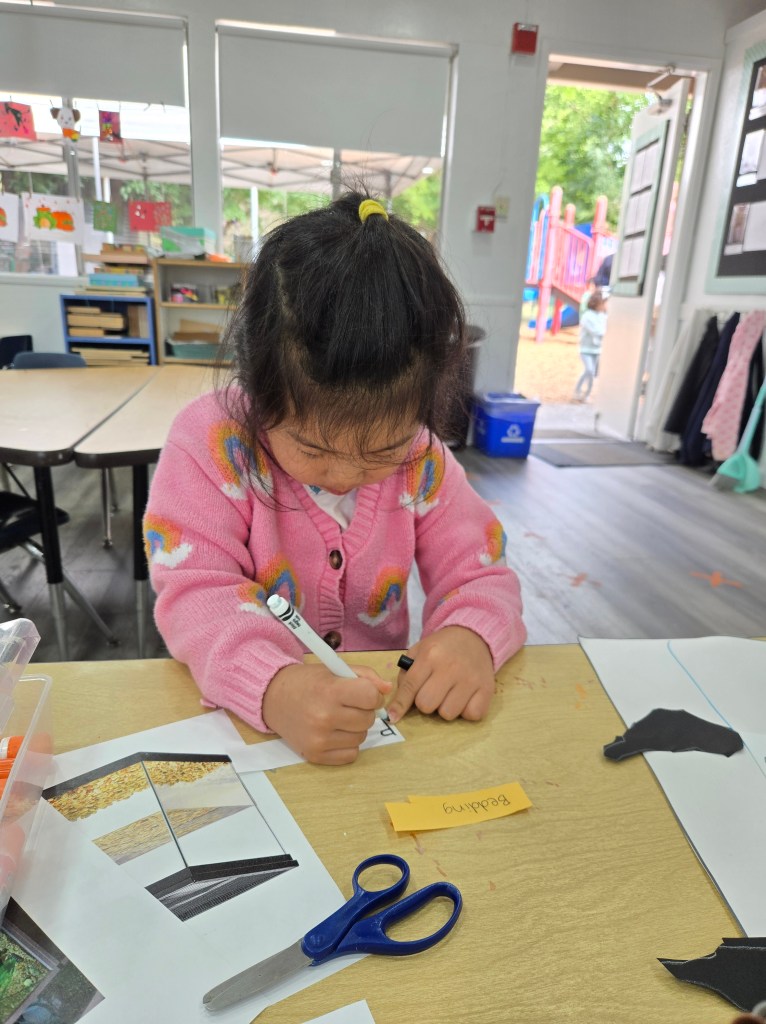
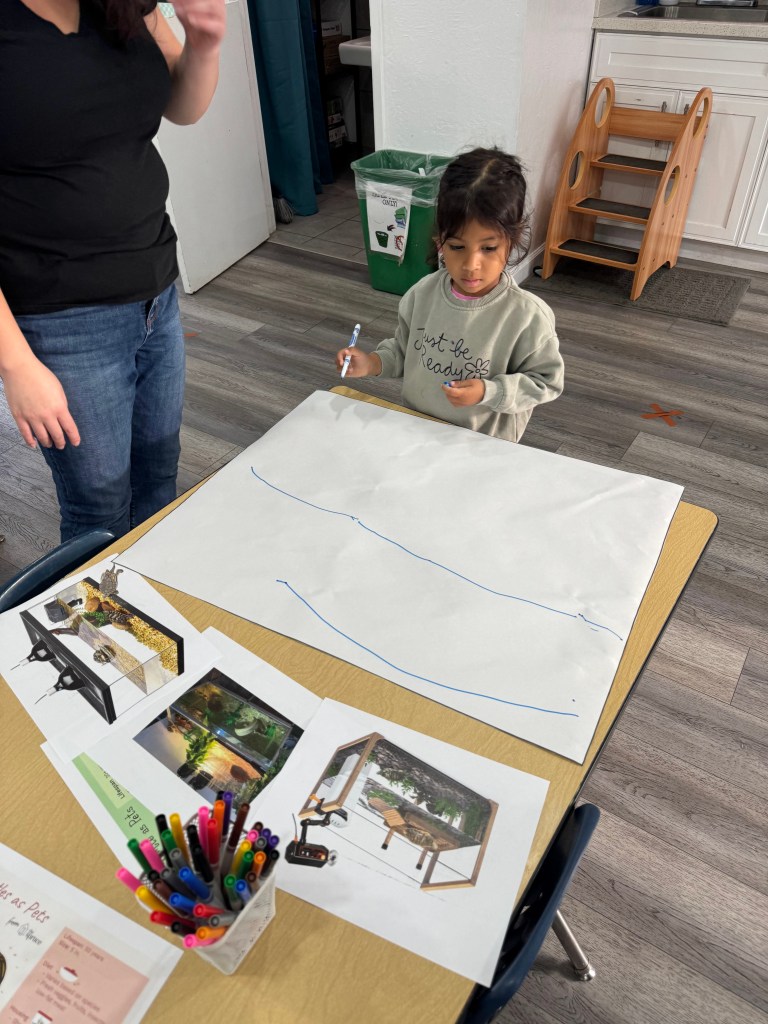
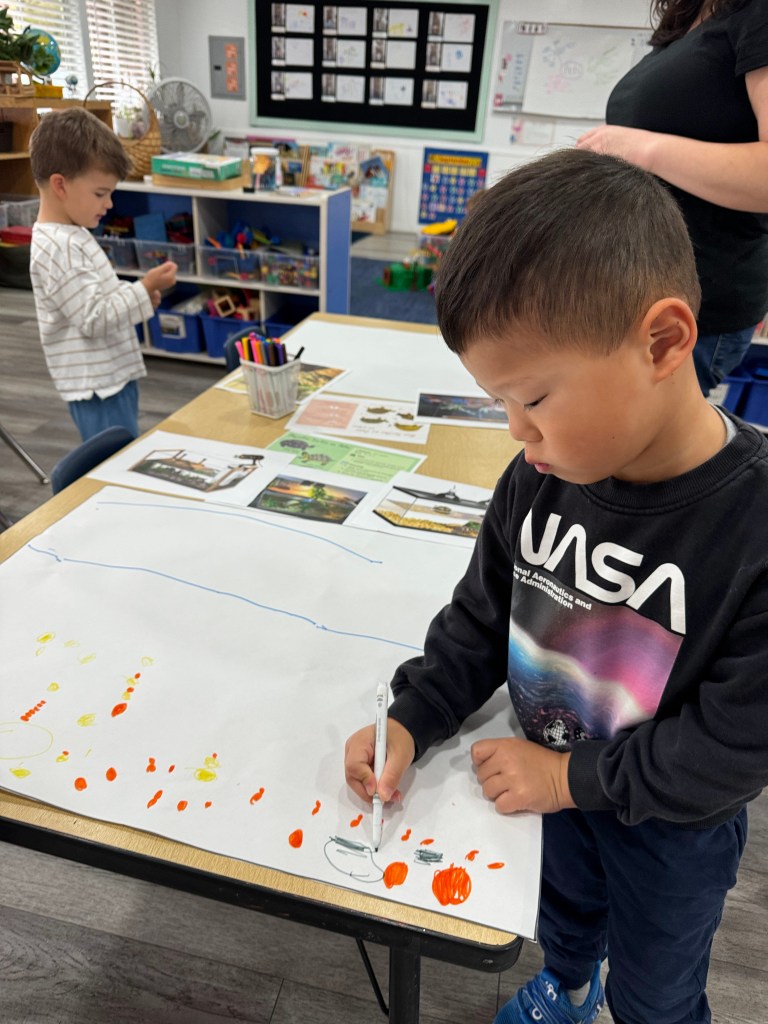
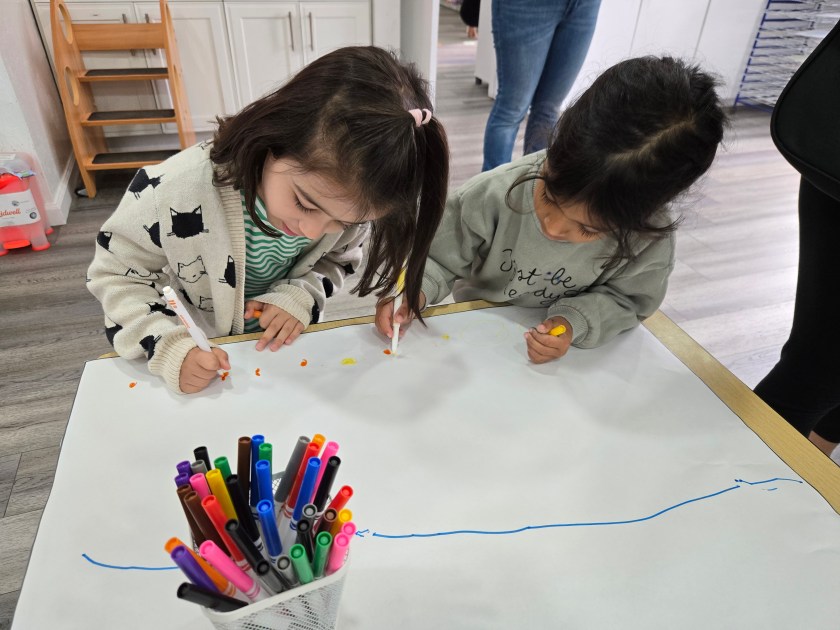
Through research and observation, students discovered that turtles have different needs depending on their type. Aquatic turtles and box turtles, for example, require very different homes. The class looked at photos of real turtle habitats and then created their own visual charts, drawing and labeling the items a turtle needs to stay healthy and happy.

Guest Expert Insights

To help deepen their understanding of pets versus wild animals, the class met biologist Taylor Rubin via Zoom. Taylor, a former zoologist at Zoo Atlanta who now studies urban wildlife, helped the students define two key groups:

  • Domestic animals – animals that have lived alongside humans for a long time and rely on people for care, like dogs, cats, horses, and chickens.
  • Wild animals – animals that can survive and care for themselves in nature.

When the students revisited their original question about hippos, Taylor helped them see why a hippo can’t be a pet. Hippos need to eat about 150 pounds of grass per day, live in large pods of 10–30 hippos, and require plenty of water to swim in. Clearly, even the most dedicated pet owner couldn’t meet those needs!

The class loved learning from a real scientist, and they now have an even clearer understanding of what makes an animal a pet — and why Maggie’s hippo dream might have to stay imaginary for now!

#SaklanProjects

Kinder Korner: Building Connections Through Learning

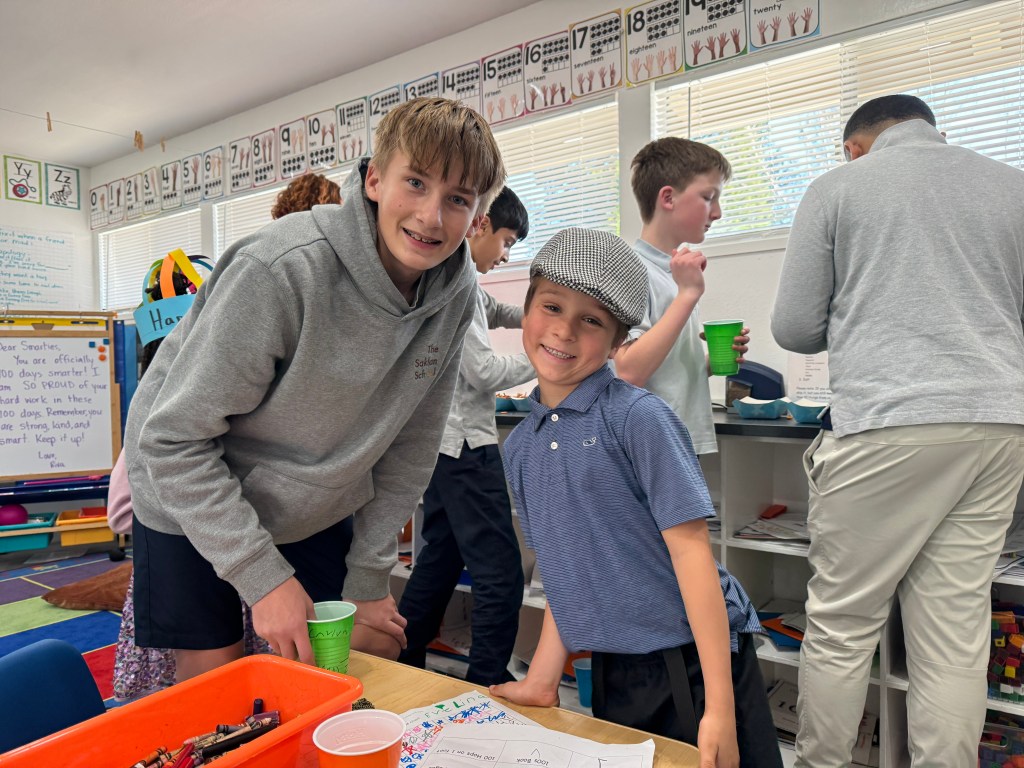
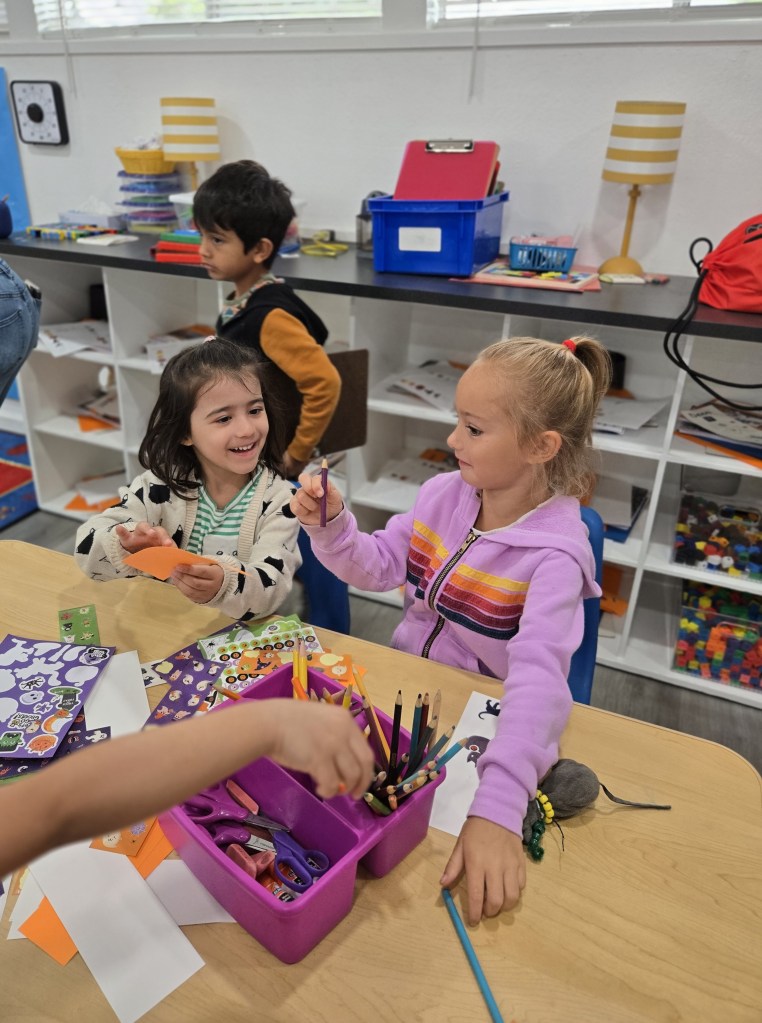
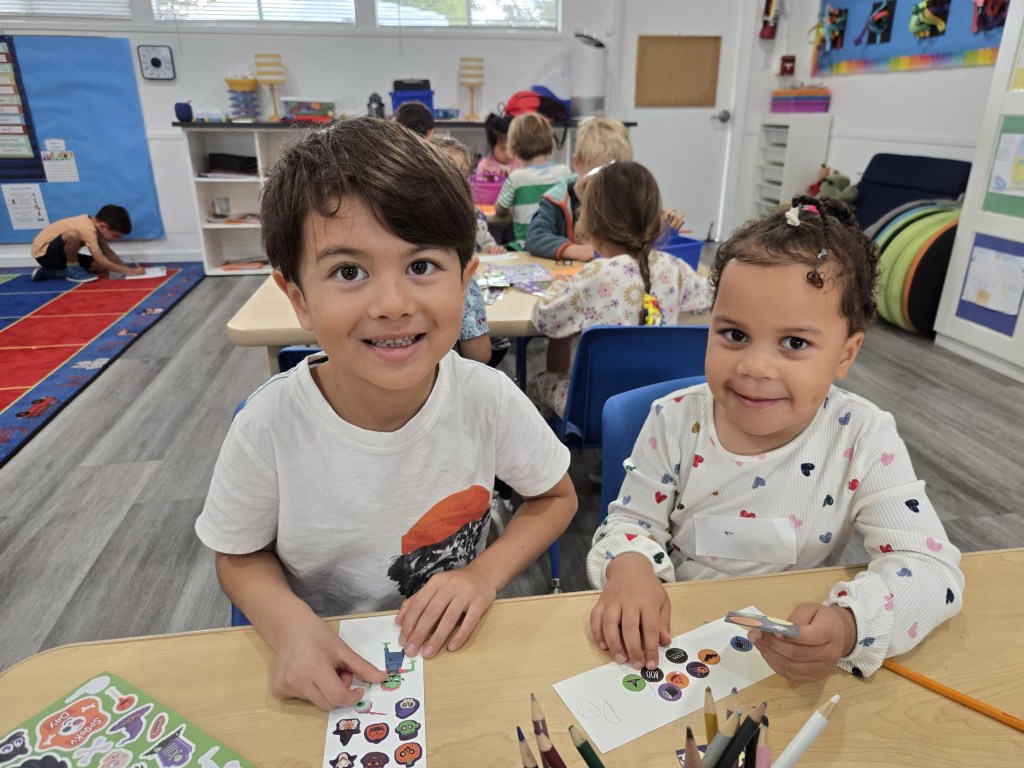
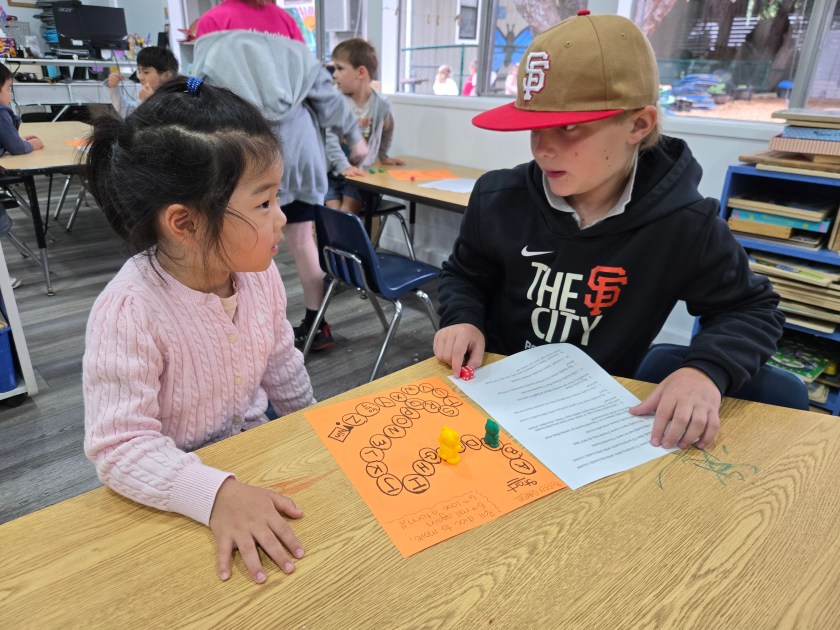
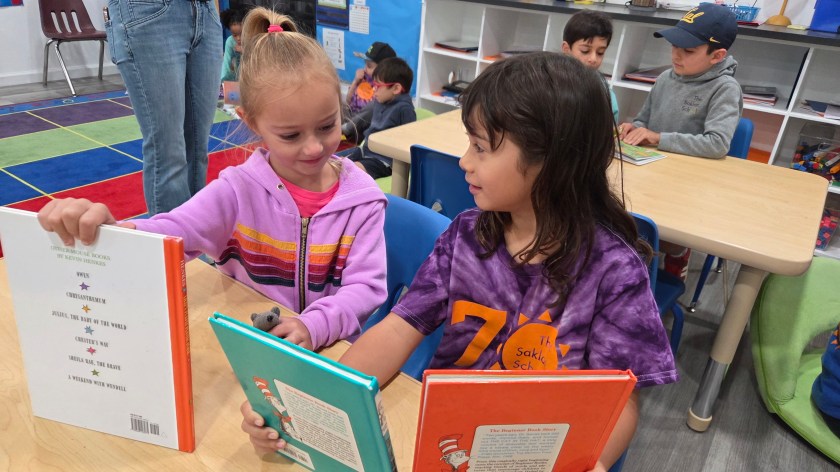
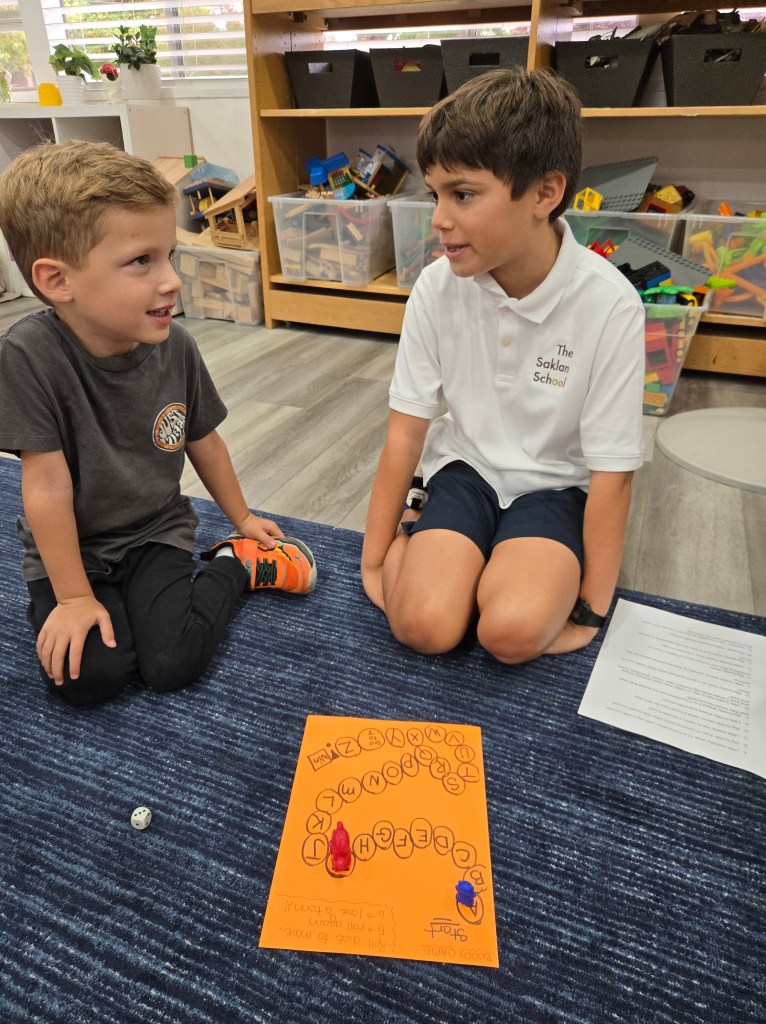
Once a month, our Pre-Kindergarten Hoot Owls head over to the Kindergarten classroom for a special tradition: Kinder Korner. These gatherings give Kindergarteners the chance to step into leadership roles as they guide the Hoot Owls through fun, educational activities in math, reading, or science. For our youngest learners, it’s an exciting introduction to Kindergarten, while also fostering meaningful connections between students and teachers across the two grades.

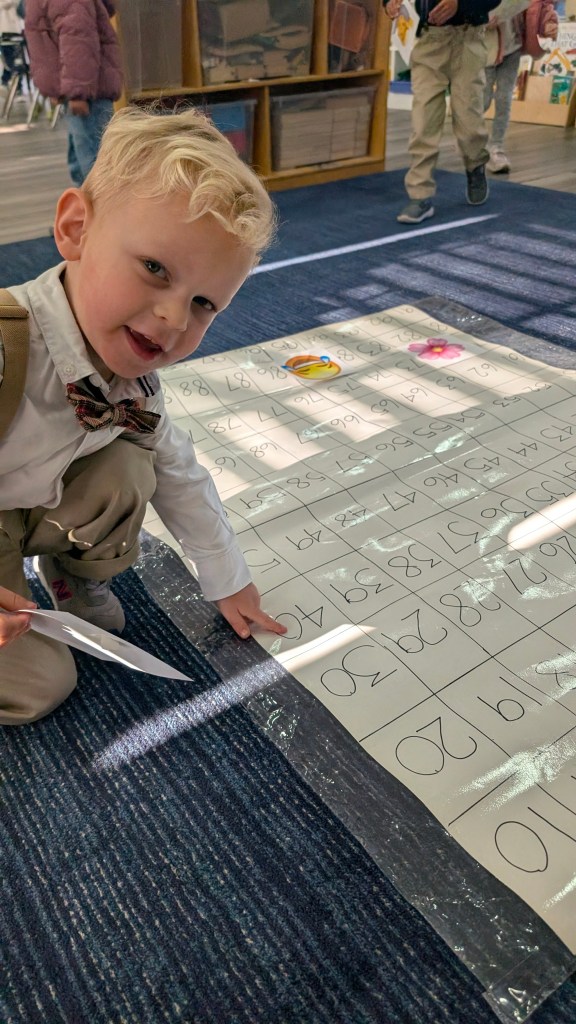
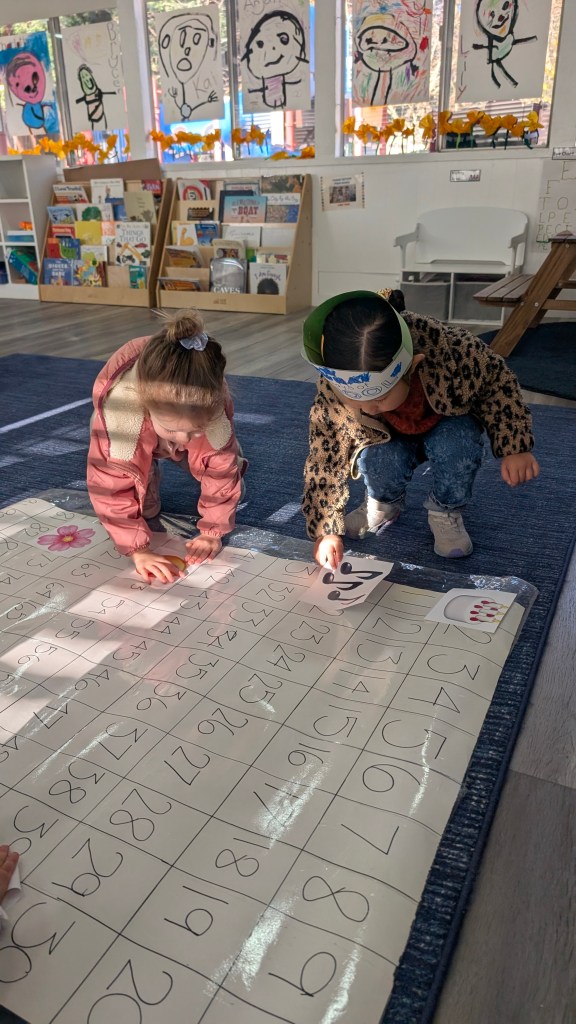
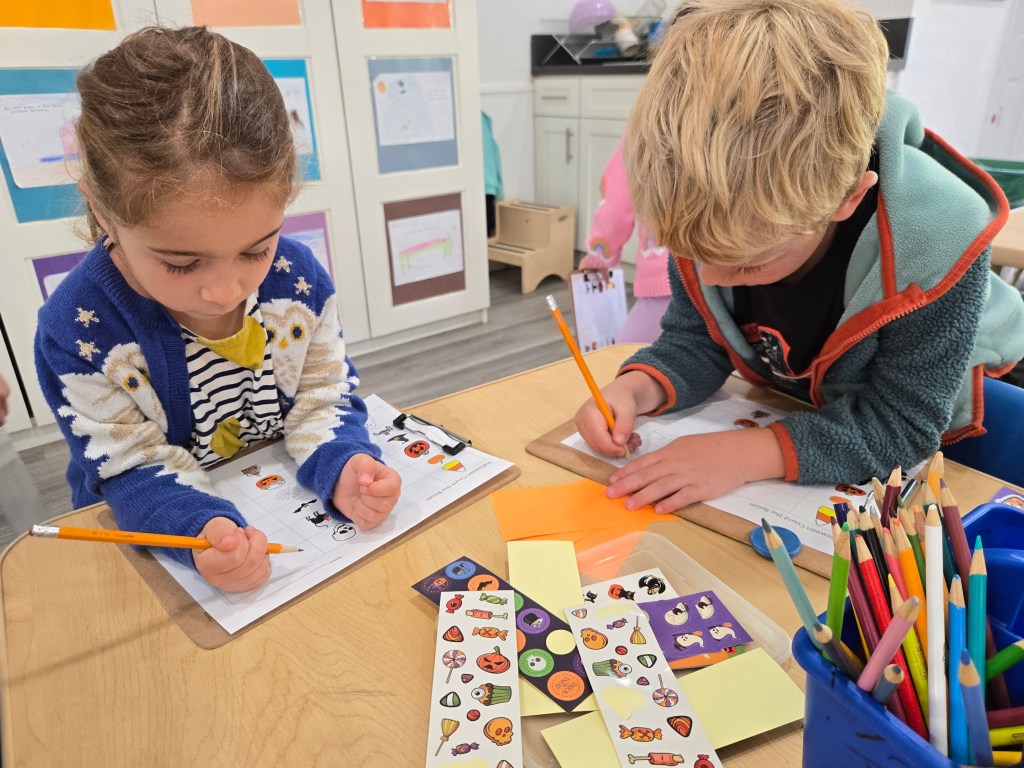
The first Kinder Korner of the year took place on Tuesday, and it was a wonderful success! Together, the Hoot Owls and Kindergarteners created colorful bookmarks and participated in a fun “count the room” activity. Smiles, laughter, and new friendships filled the classroom.

Both groups of students are already looking forward to their next Kinder Korner—and all the opportunities it brings to learn, lead, and grow together.

#SaklanCommunity
Hoot Owls Practice Kindness

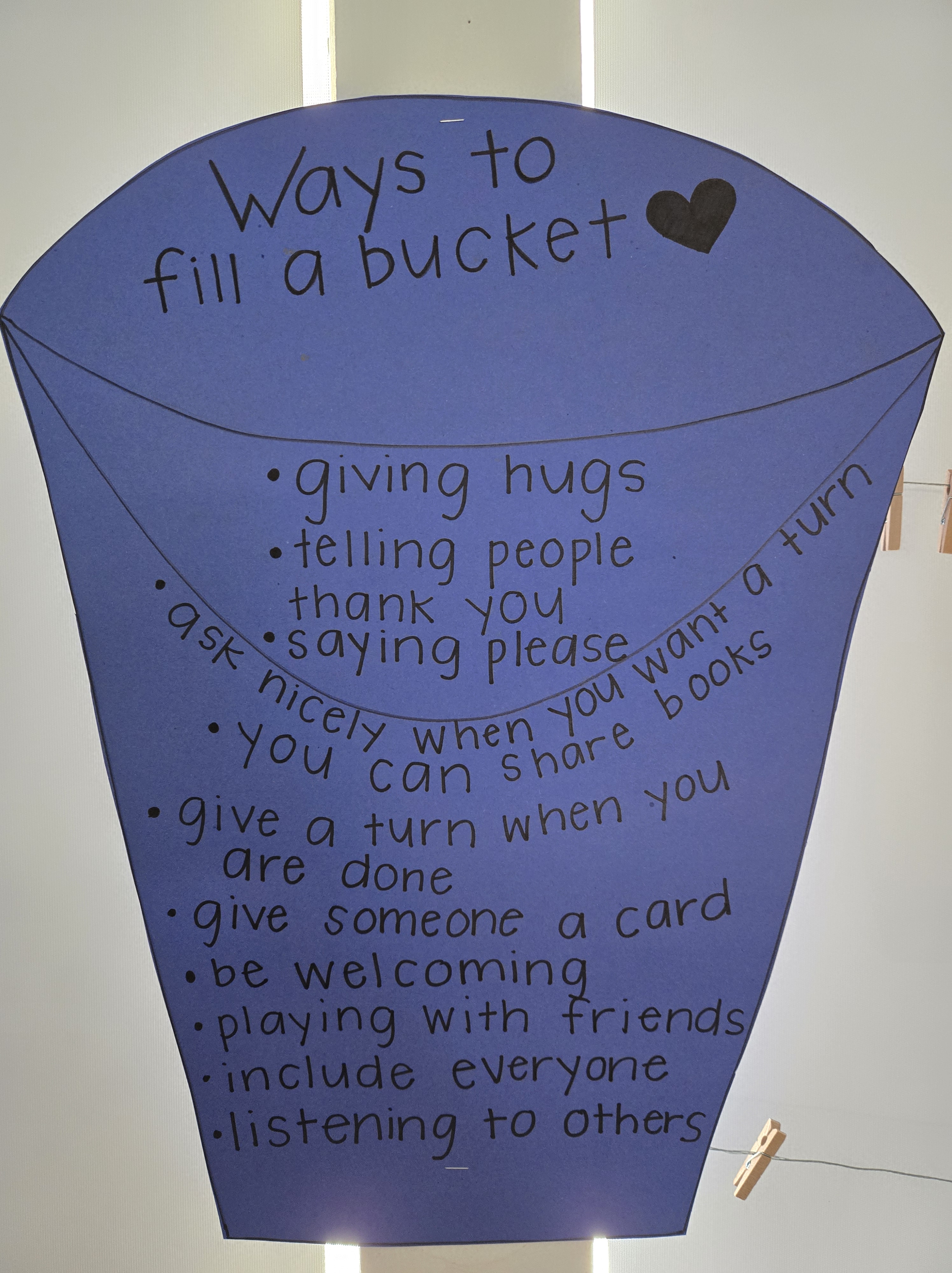
The Hoot Owls have been exploring the many ways we can show kindness to one another. Their journey began with the book Have You Filled a Bucket Today? by Carol McCloud, illustrated by David Messing. In the story, everyone carries an invisible bucket that fills when others show kindness and is dipped into when unkind things occur. After reading, the Pre-K students brainstormed ways to be bucket-fillers.

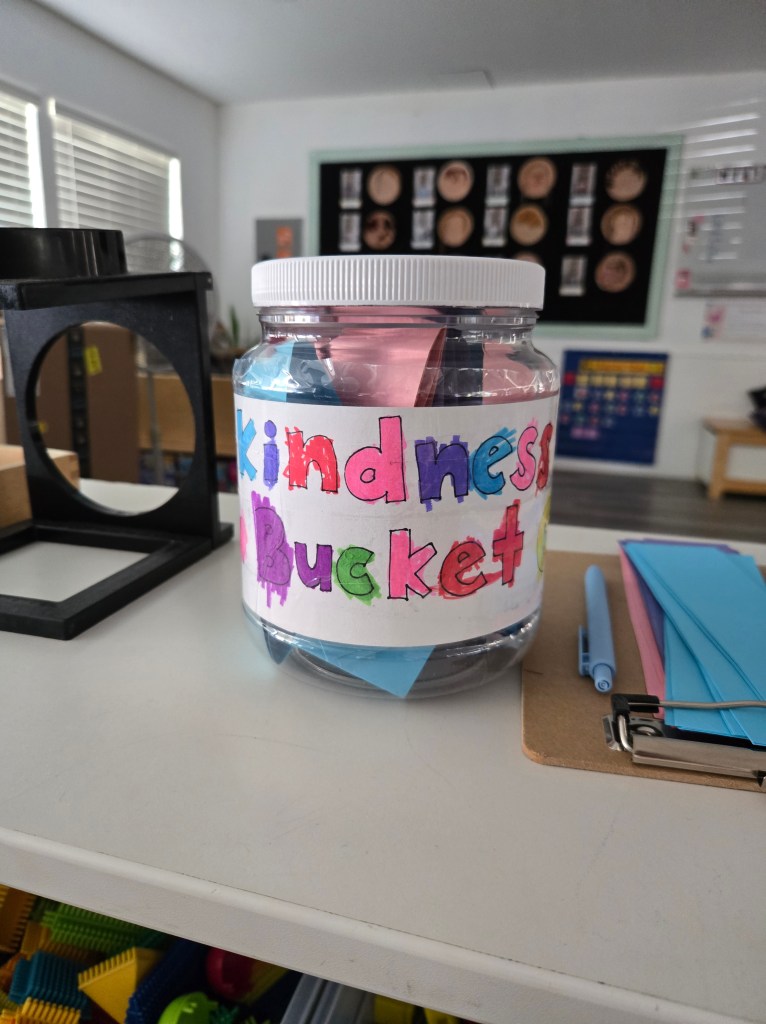
The class then built their own “bucket” to use every day. Whenever teachers notice an act of kindness—or a child shares that someone filled their bucket—they write a note and place it inside. Once the bucket is full, the class will celebrate by reading the notes together.

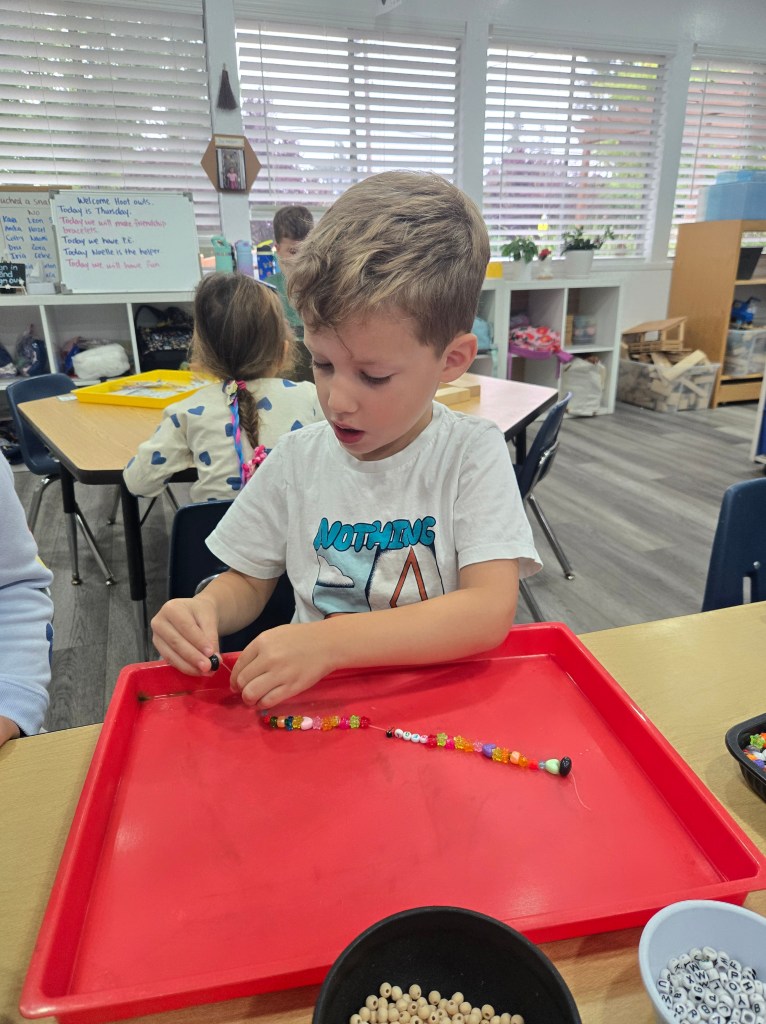
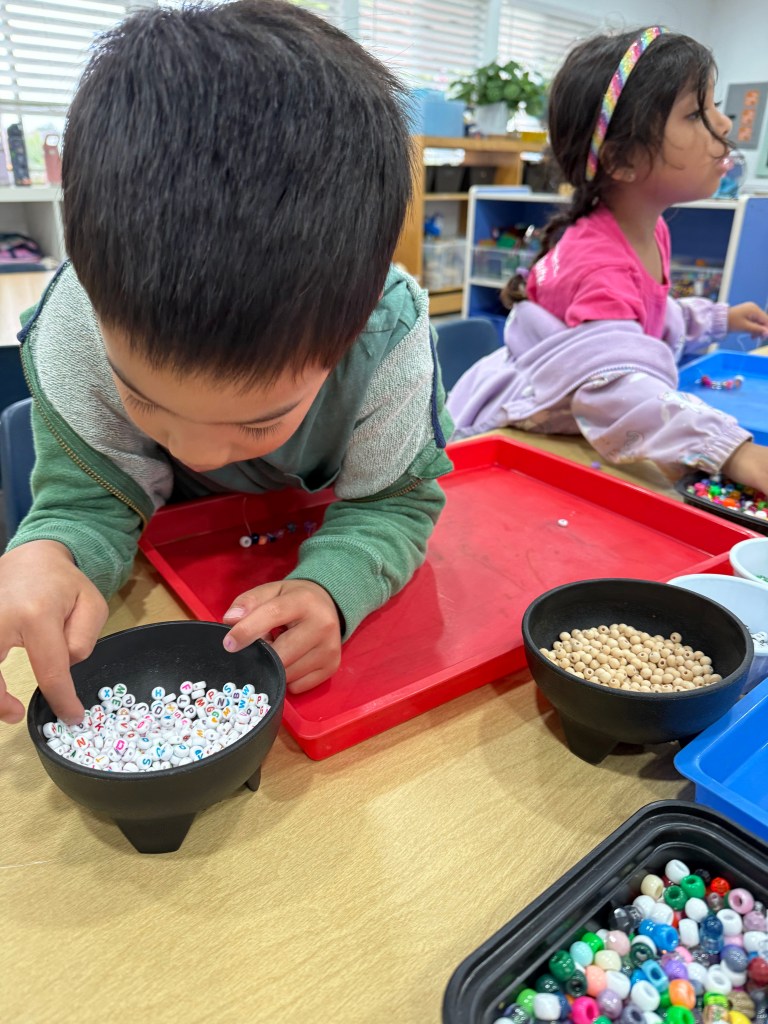
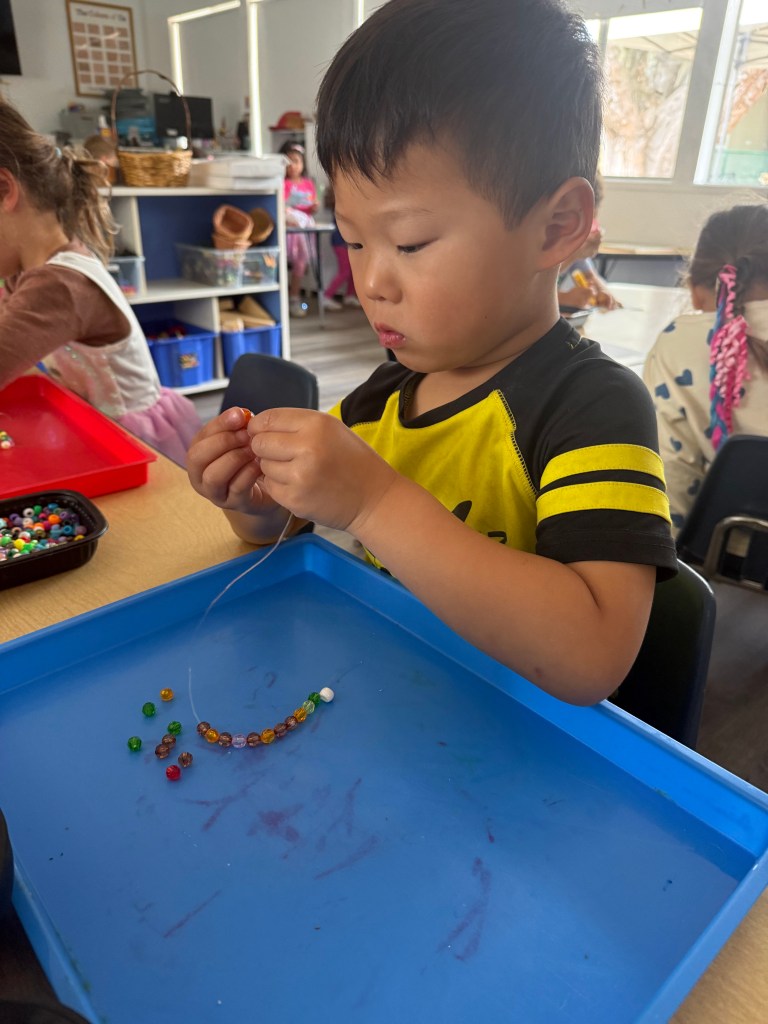
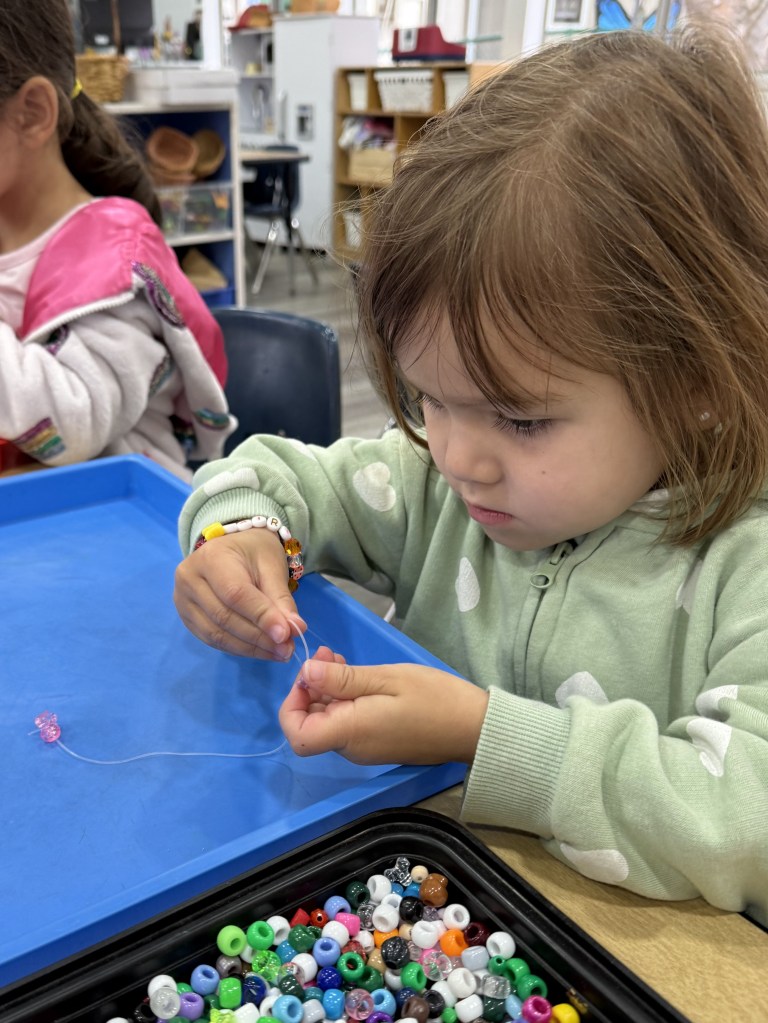
Another favorite kindness activity was making friendship bracelets. Each child chose a classmate and designed a bracelet just for them, sometimes incorporating favorite colors or even spelling out their friend’s name in beads.

These thoughtful lessons have carried over into daily life. During PE, for example, the Hoot Owls spontaneously began cheering for one another when it was their classmates’ turn to bat. The smiles on their faces showed just how much these conversations about kindness, belonging, and encouragement are already making a difference.

#SaklanSEL #SaklanBelonging

Learning Buddies Kick Off a Year of Connection and Growth

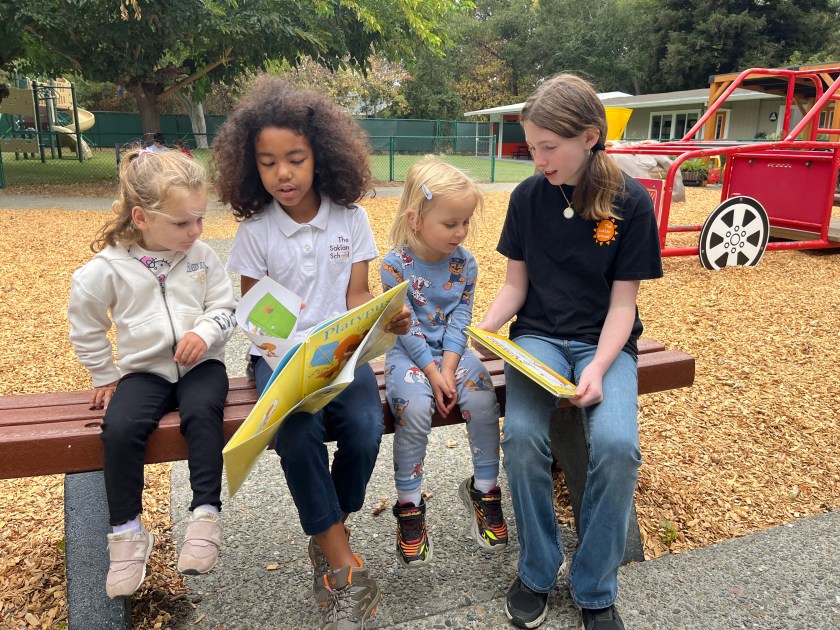
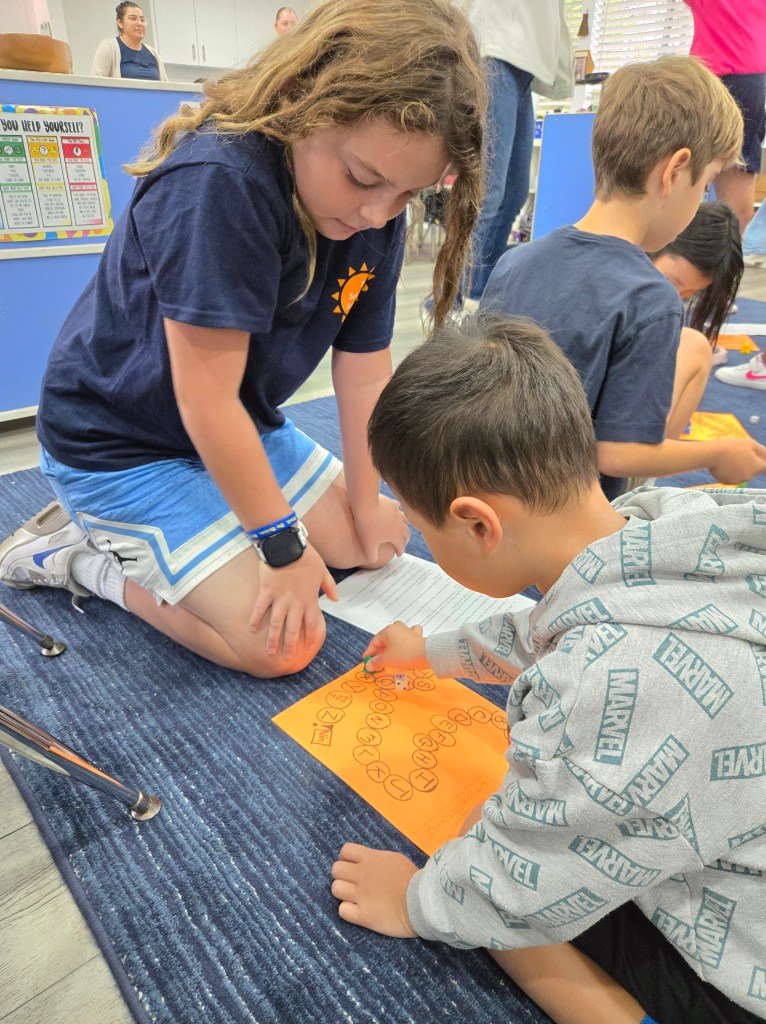
This morning, campus was buzzing with excitement as we launched our Learning Buddy program for the year! Designed to encourage cross-grade friendships, foster responsibility and mentorship, and make learning engaging and fun, Learning Buddies are a treasured Saklan tradition.

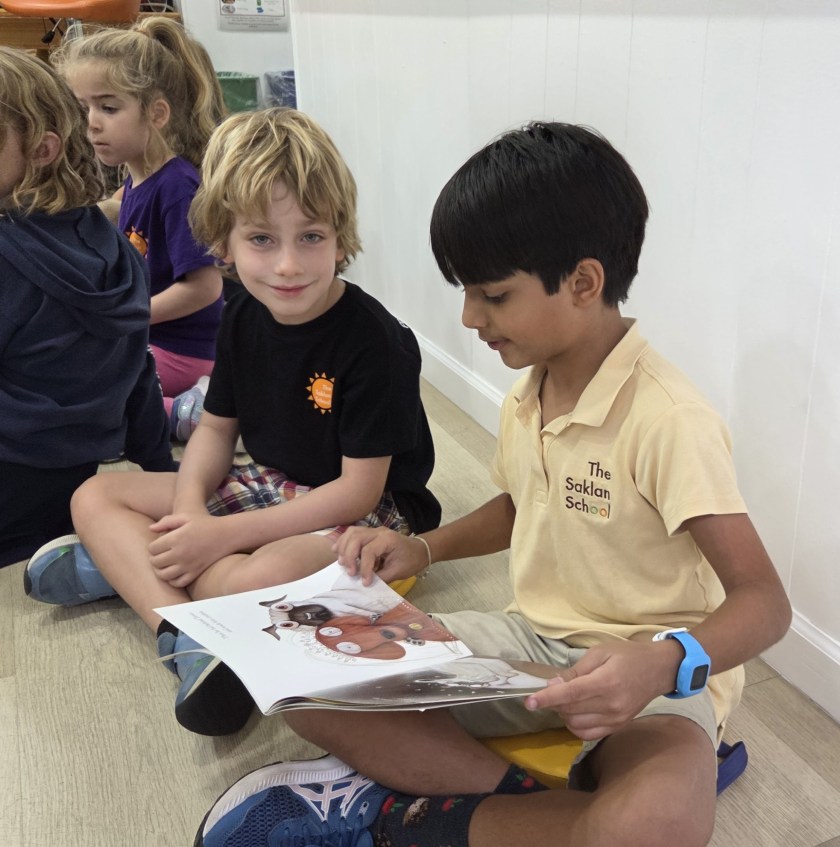
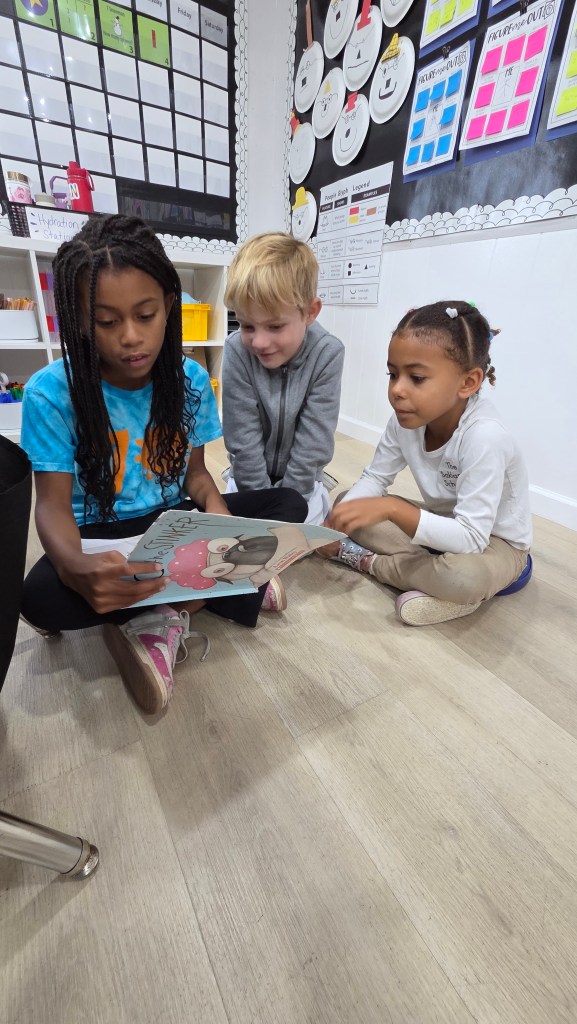
During their first meeting, buddies took time to get to know one another before diving into some shared reading. Older students modeled strong reading behaviors—using expression, fluency, and confidence—while also listening attentively as their younger buddies proudly read aloud.

The joy was evident on both sides: older students embraced their roles as mentors, while younger students felt supported, inspired, and eager to spend more time with their new friends. By the end of the morning, many were already asking the same question: When do we get to meet with our buddies again?

We look forward to seeing these relationships blossom throughout the year as students learn, grow, and shine together.

#SaklanCommunity
Curious About Termites

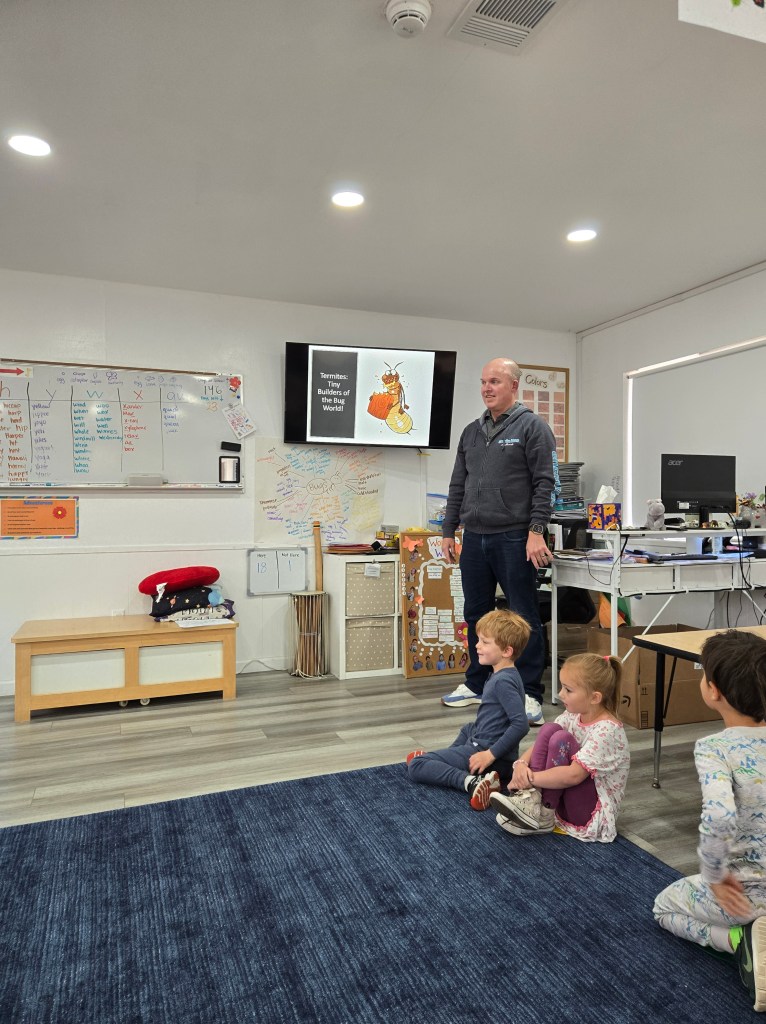
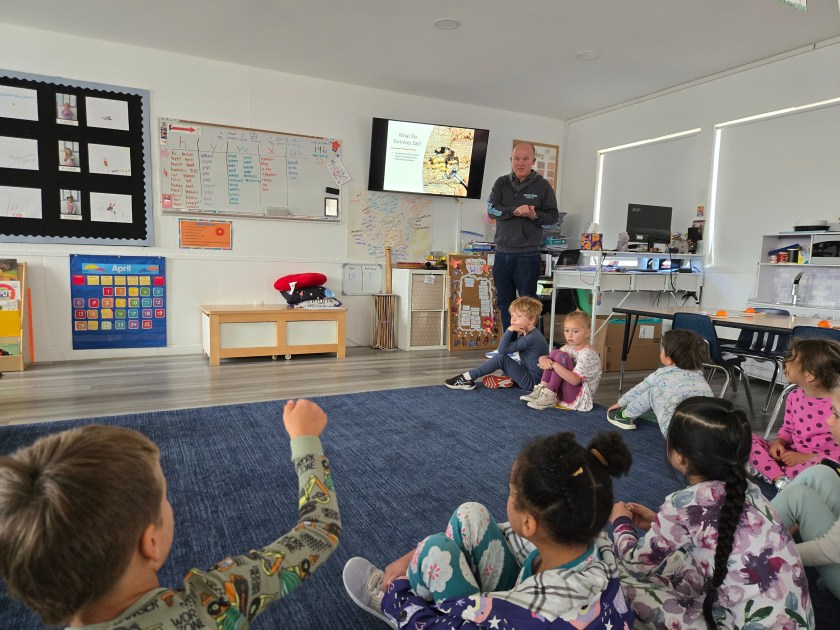
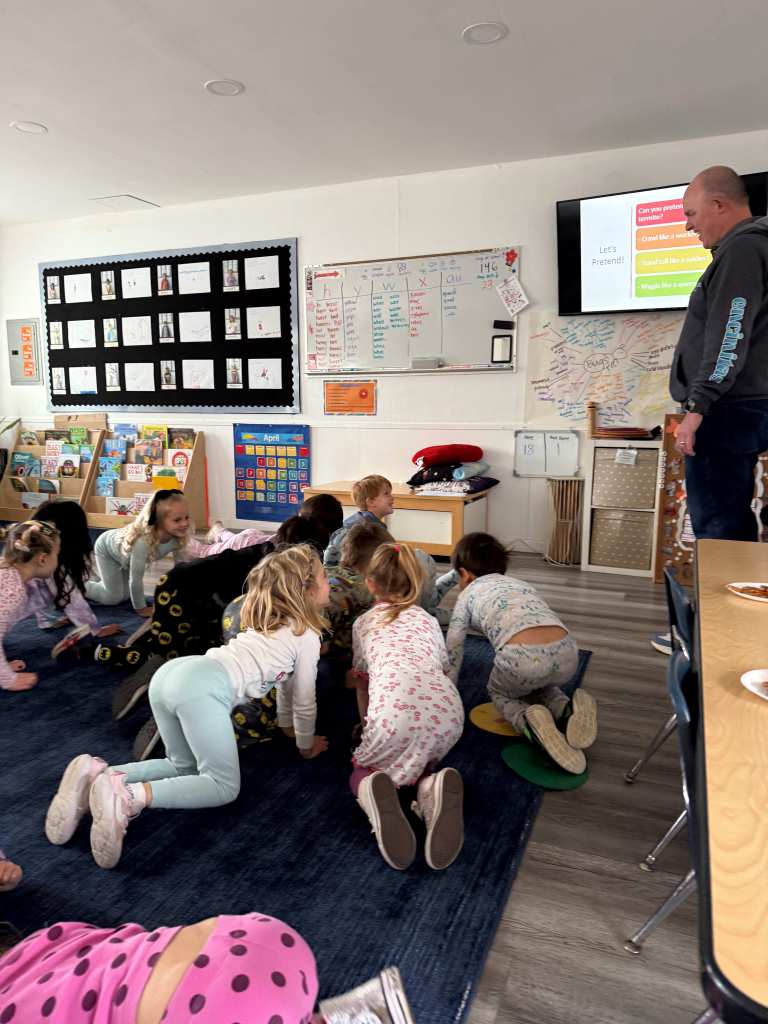
As part of their project learning about bugs, the Hoot Owls recently dove into the fascinating world of termites! The spark for this part of their investigation came from Gabriel, who asked a great question: “Why do termites like eating wood?” To help them find out, the class invited a special guest—Joe, a termite expert and proud Hoot Owl parent!

Joe captivated the class with fascinating facts about termites. While termites can be pests in homes, Joe explained that in nature, they’re incredibly important decomposers, helping to break down fallen logs and branches and turn them into rich, fertile soil. The class learned about the different types of termites in a colony: the queen, king, soldiers, workers, flyers, and, the student favorites—baby termites!

Joe also shared pictures of termite mounds with the class, which the Hoot Owls were very intrigued by! He explained how these intricate structures are built and why it’s important, when building houses, to leave at least a foot of space between the building and the dirt, to help keep termites from sneaking in.

The Hoot Owls all agree – termites are very interesting! Thank you, Joe, for sharing your expertise with the Hoot Owls.

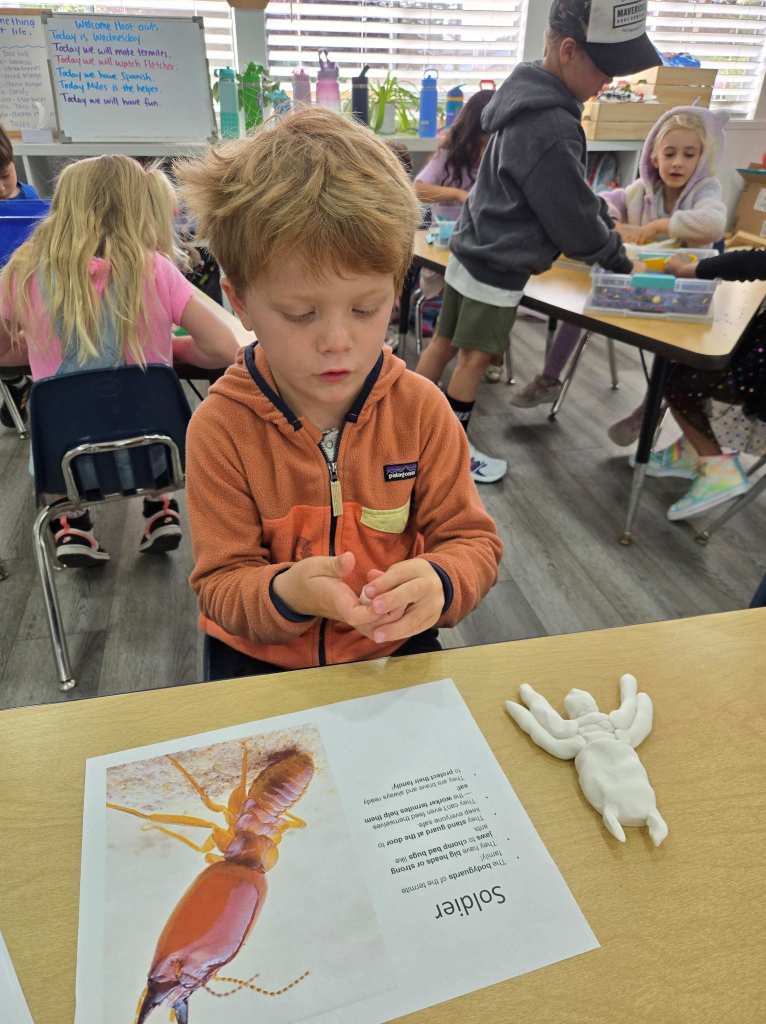
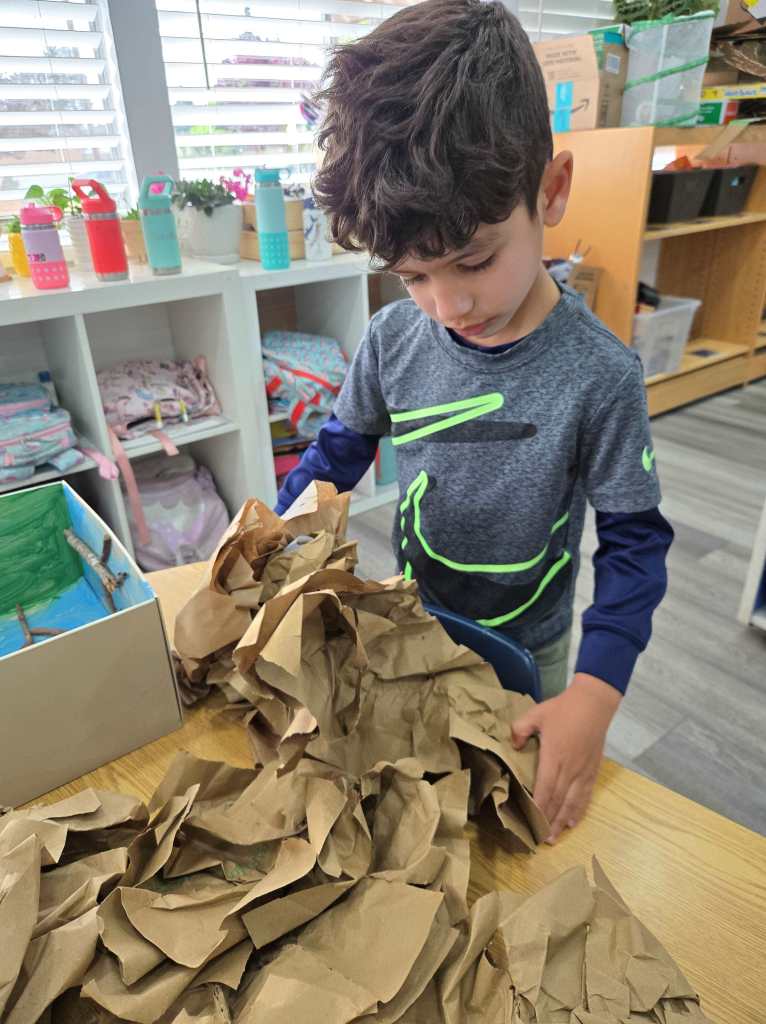
After learning so many fascinating things from Joe about termites, the students decided to make their favorite type of termite and also a termite mound. These items and many others will be on display during their unit culmination event on May 20th at 9:00 a.m. We hope you can join us to celebrate their learning!

#SaklanProjectWork

Bug-tastic Learning

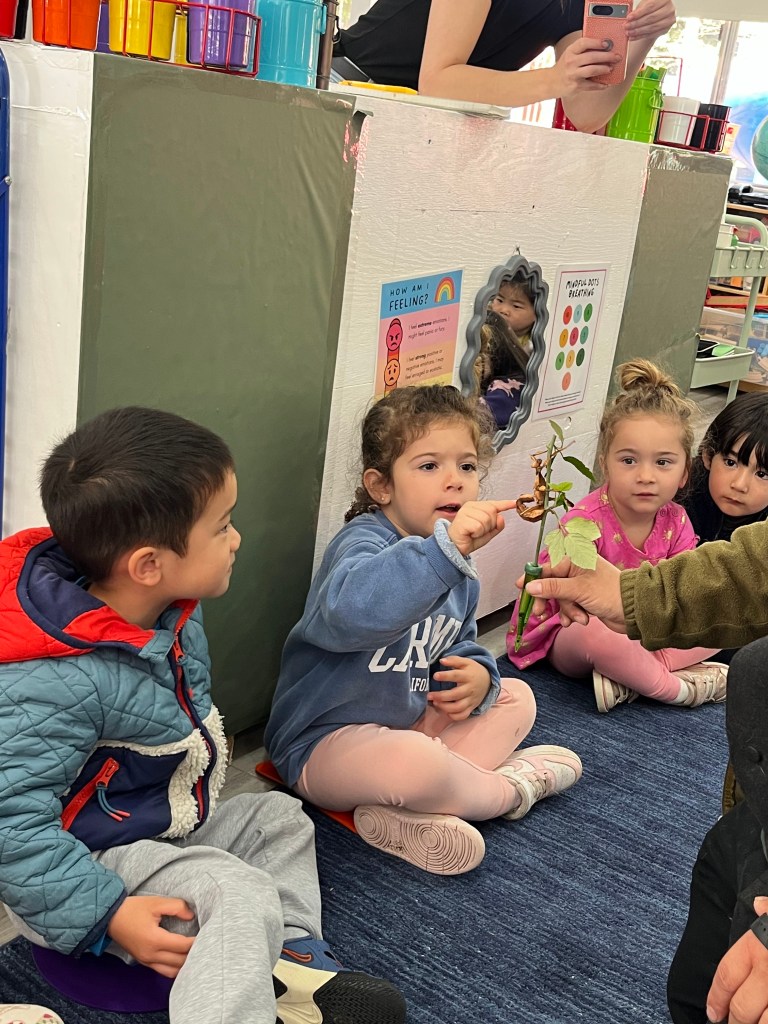
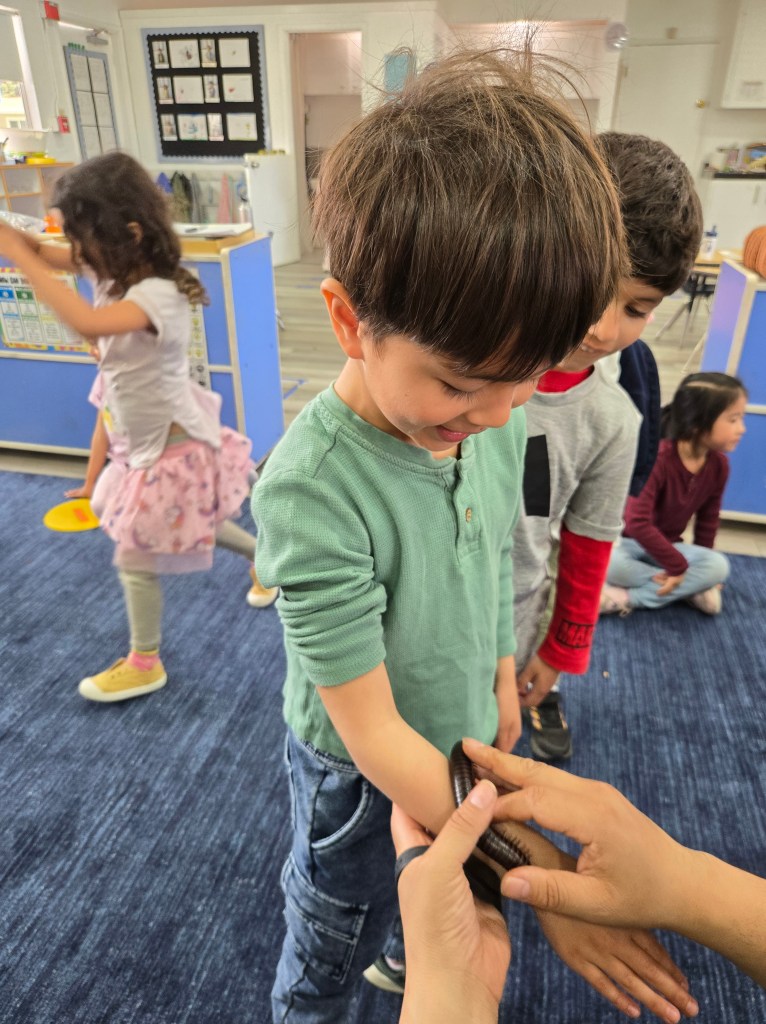
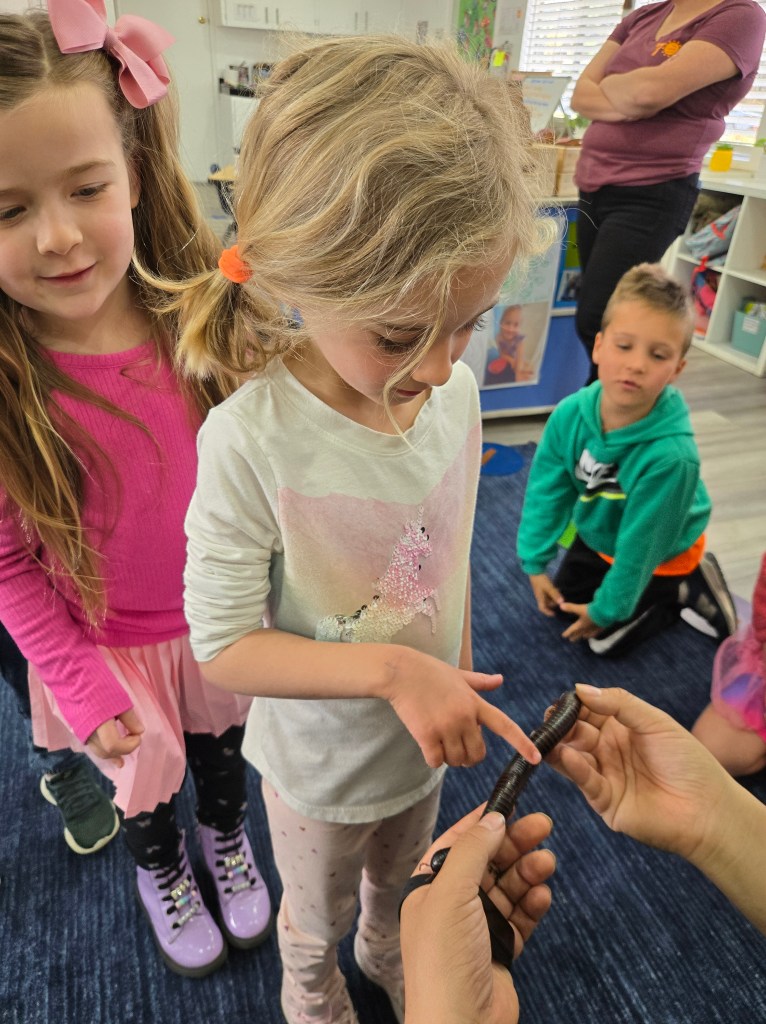
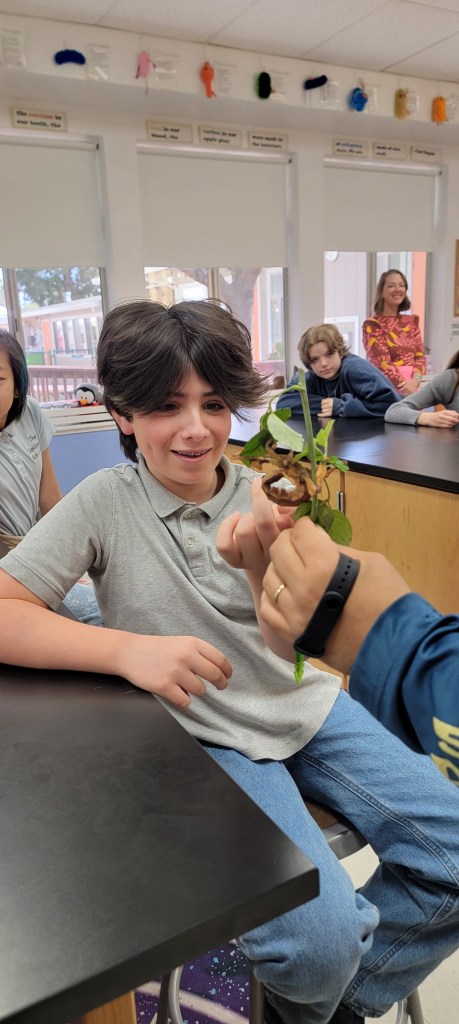
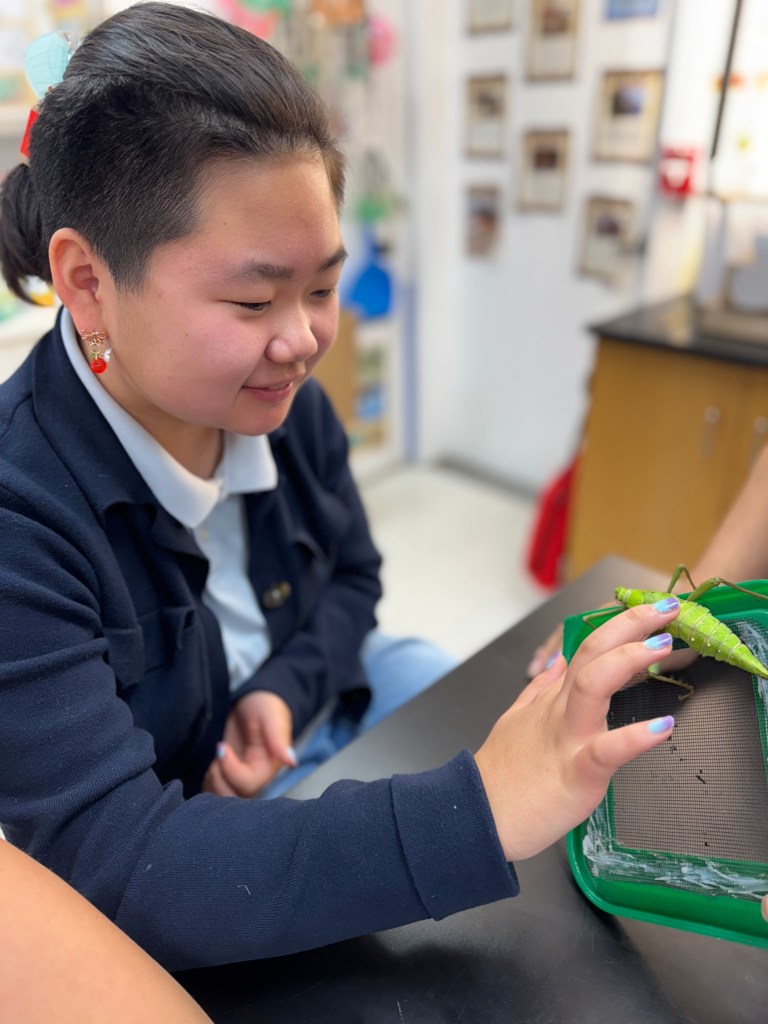
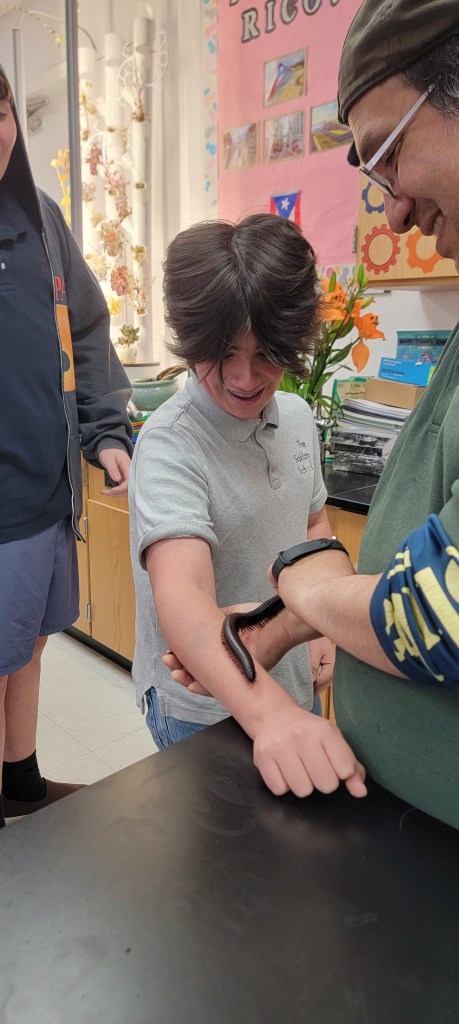
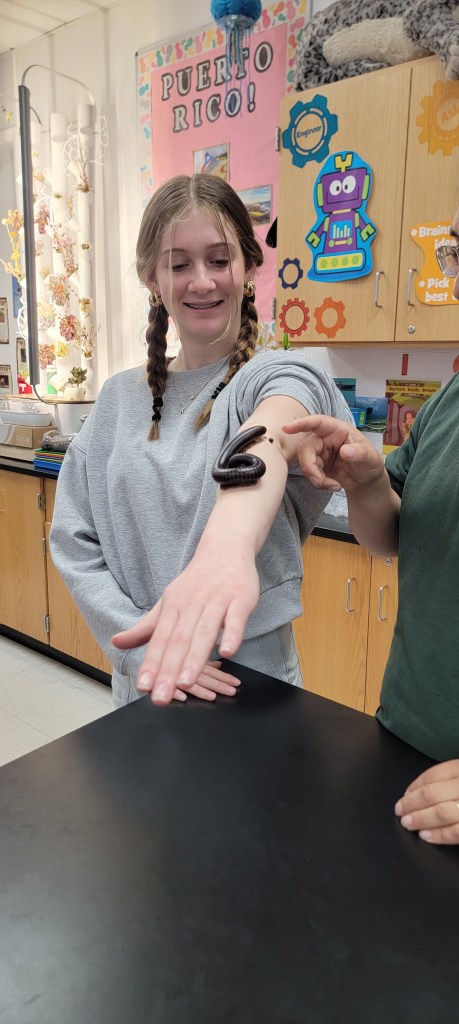
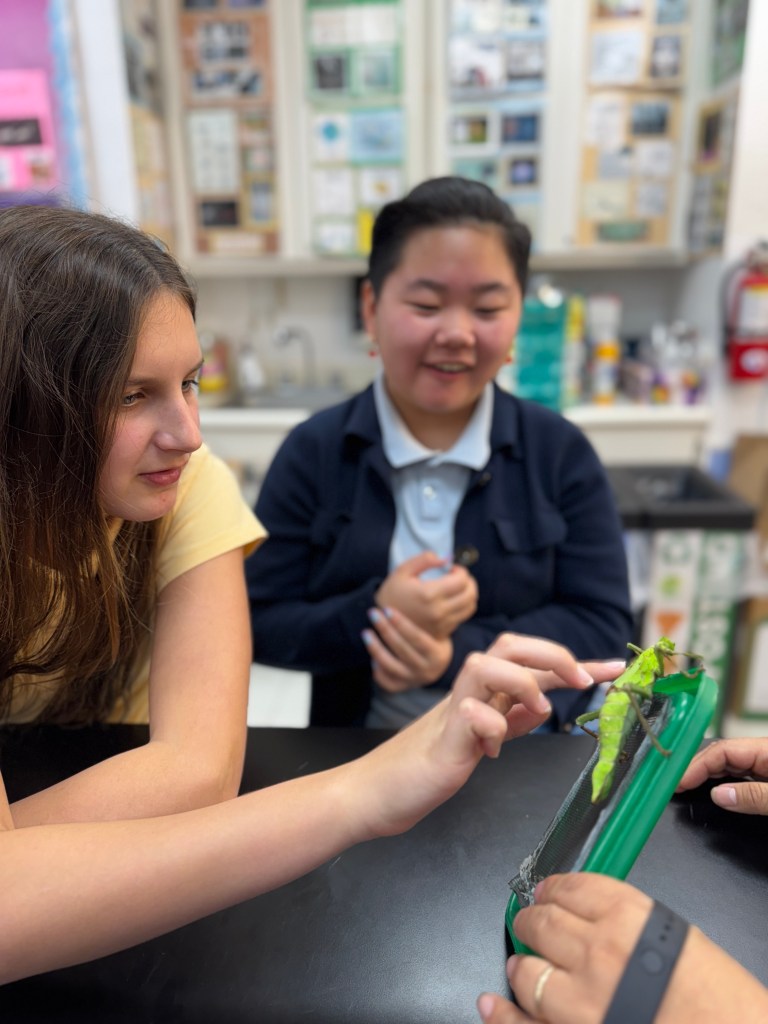
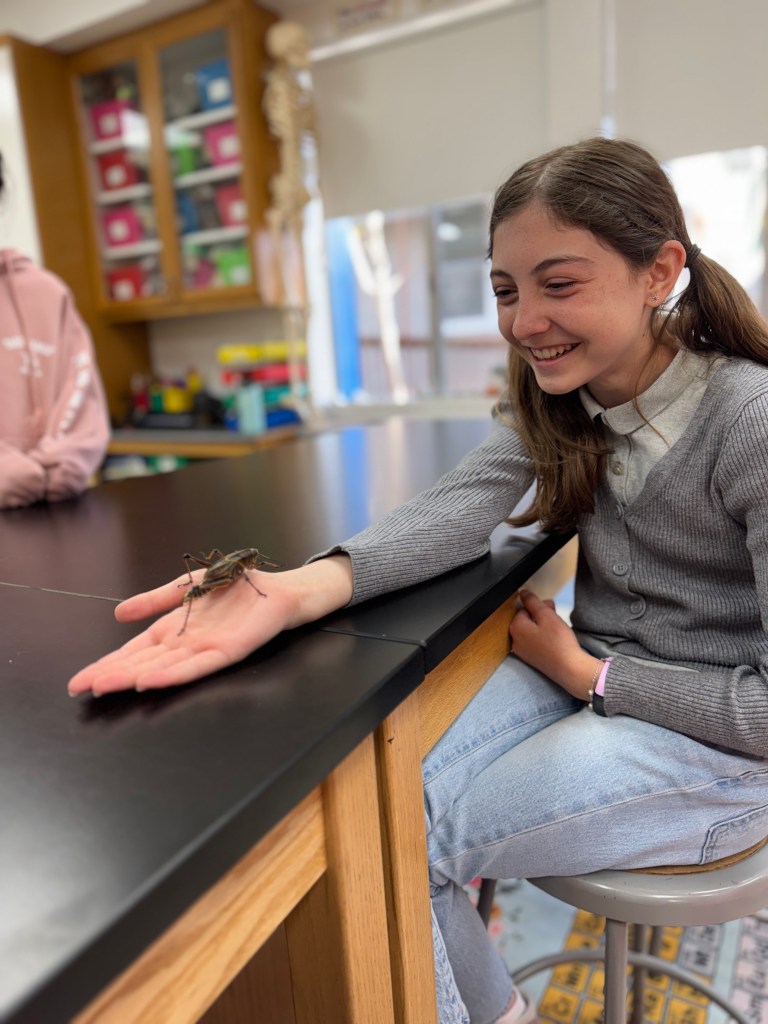
Saklan’s Preschool, Pre-K, and 7th grade students have been diving into the fascinating world of bugs, and recently had a visit from a special guest expert, Los from SaveNature.org, and some of his six-legged (and many-legged!) friends!

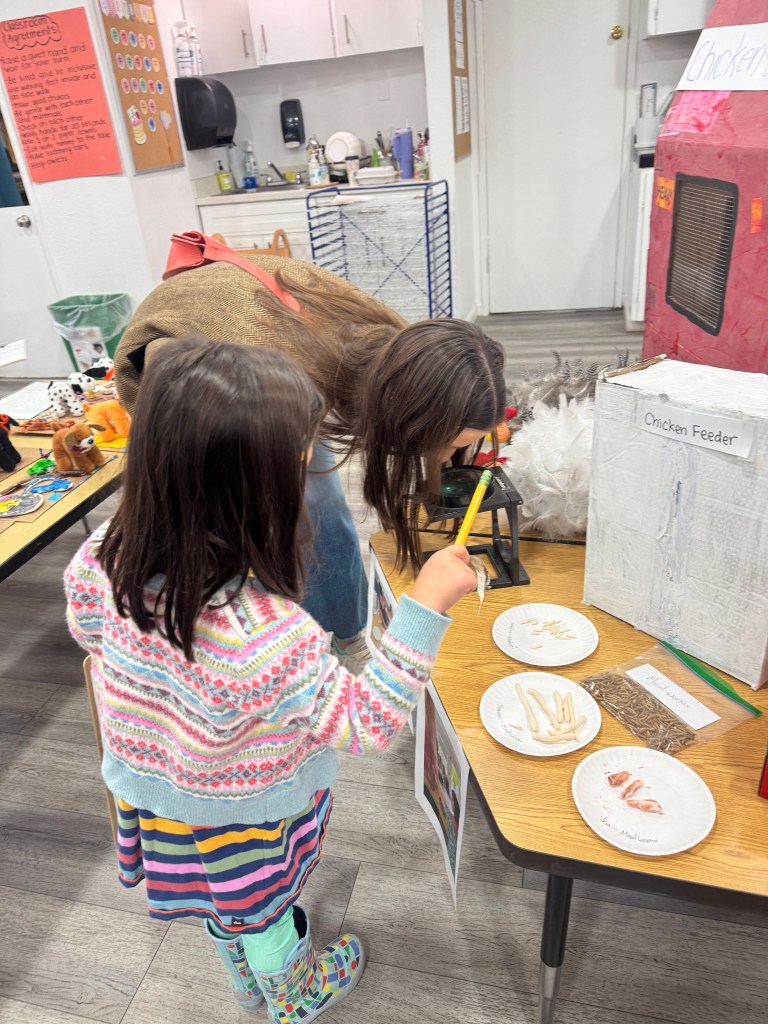
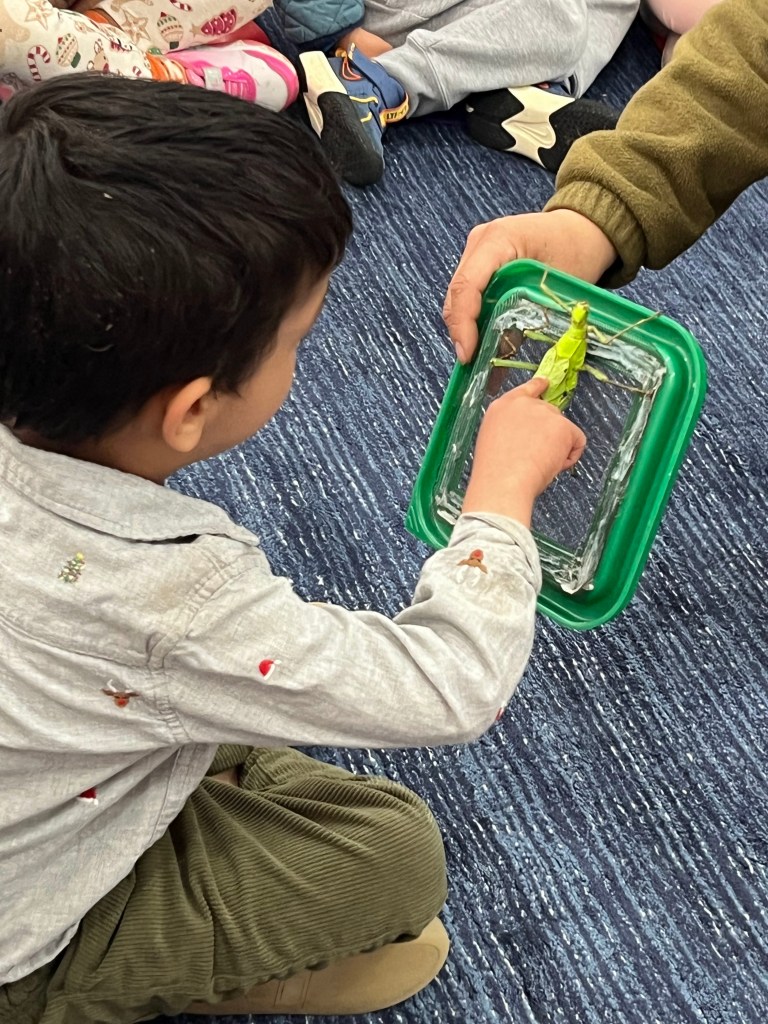
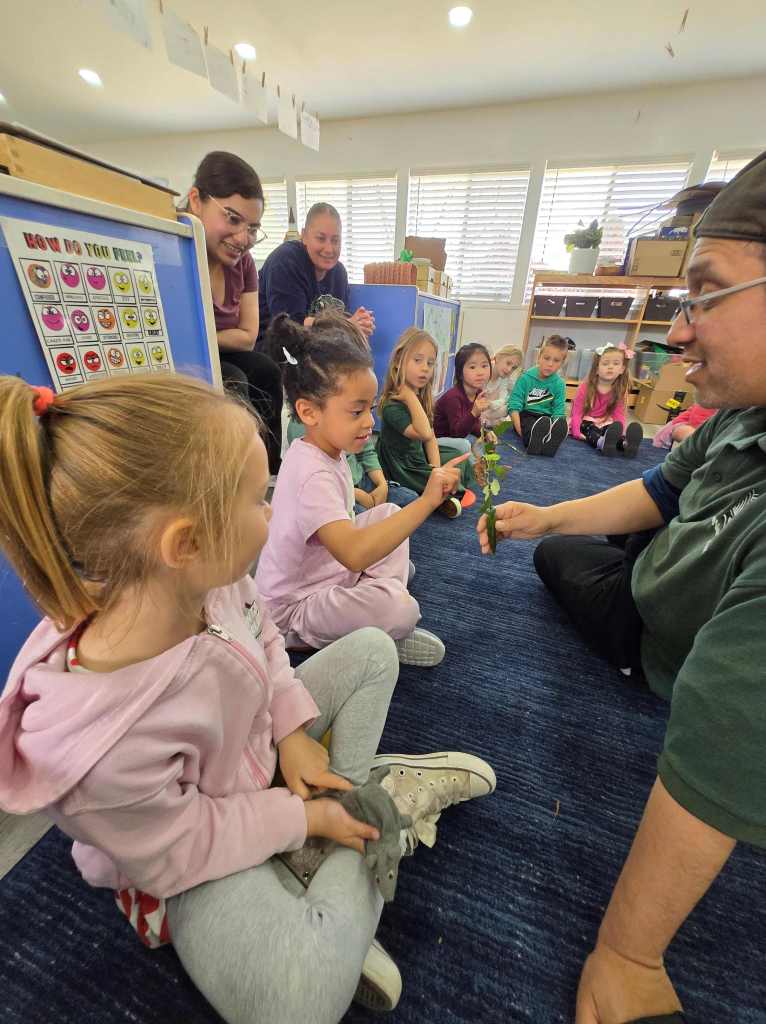
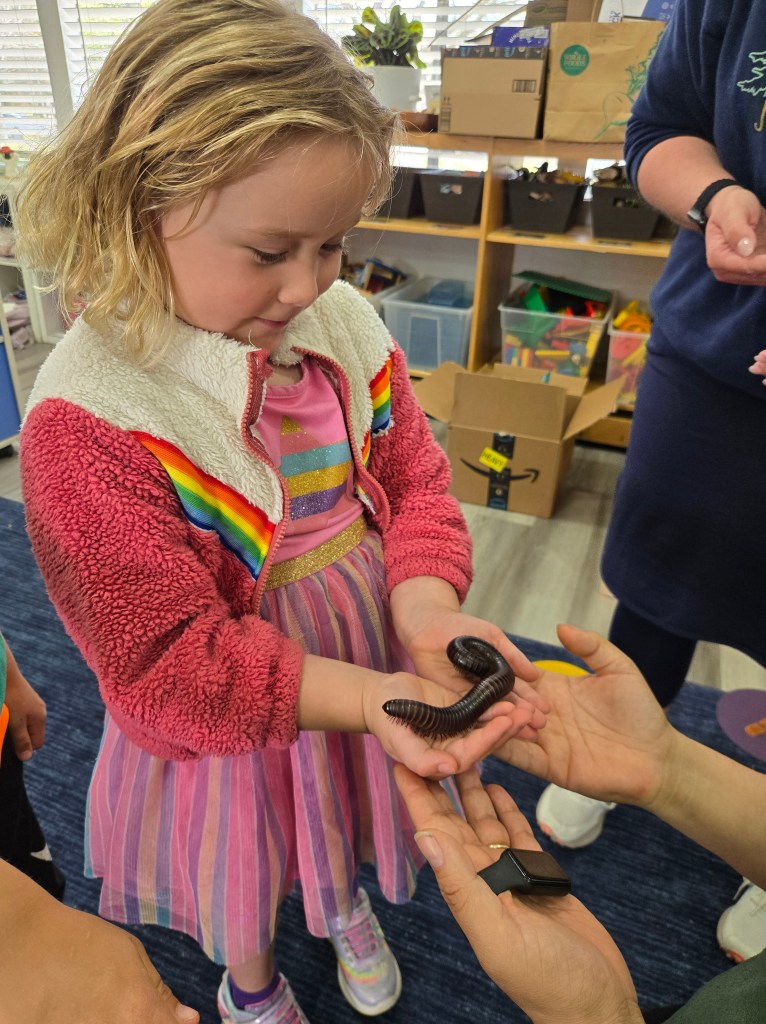
Los brought the Insect Discovery Lab to Saklan, where students had the opportunity to meet live invertebrates up close and learn what makes a bug a true bug. It turns out, not all the little creatures we find crawling around are actually bugs! Thanks to Los, our students learned that millipedes, snails, slugs, and spiders are all invertebrates (animals without backbones), just like insects—but they aren’t classified as true bugs. To be a real bug, a creature must have three body parts—a head, thorax, and abdomen—and exactly six legs. That means slugs and snails (with no legs) and millipedes (with way too many legs!) don’t qualify.

Los introduced the students to some truly incredible insects, including:

  • Darkling Beetles – Nocturnal neighbors we might spot nearby!
  • Malaysian Thorny Stick Bugs – Experts at camouflage.
  • Australian Giant Stick Bugs – Mimic scorpions to scare off predators!
  • Eastern Lubber Grasshoppers – So toxic that predators steer clear.
  • Giant African Millipede – The star of the show!

Our youngest learners—the Owlets—showed amazing bravery and curiosity. Every single one held or touched one of Los’s fascinating bugs, and some even did so more confidently than the adults! After the visit, the class voted on their favorite, and the winner was no surprise… the Giant Millipede stole everyone’s hearts.

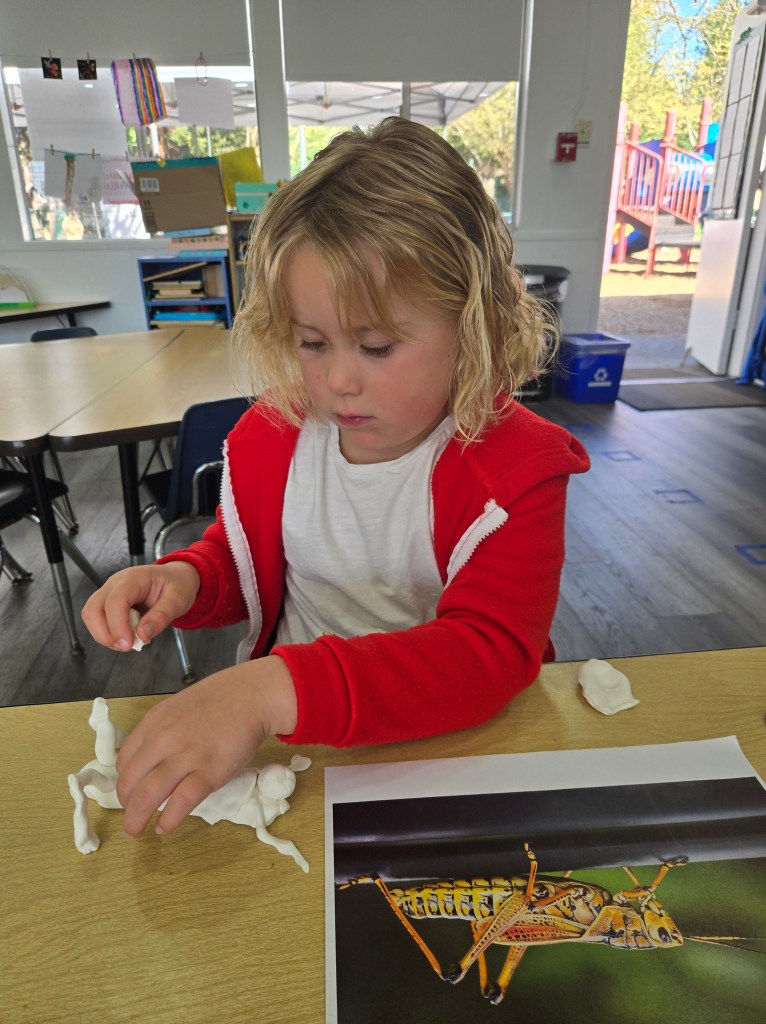
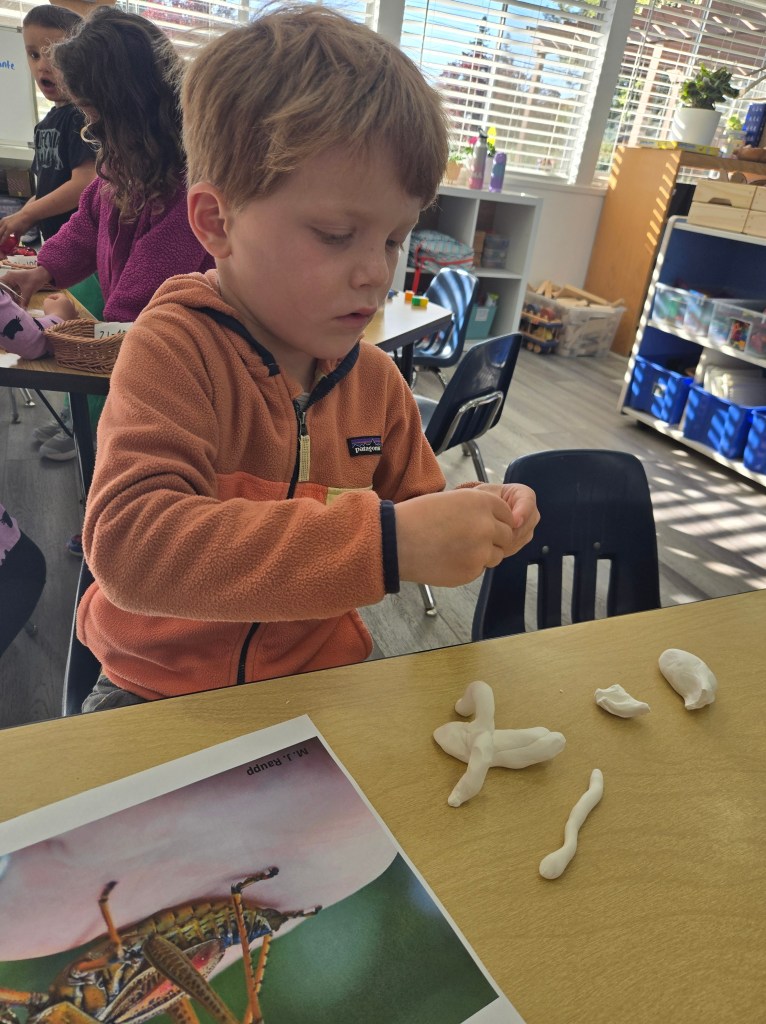
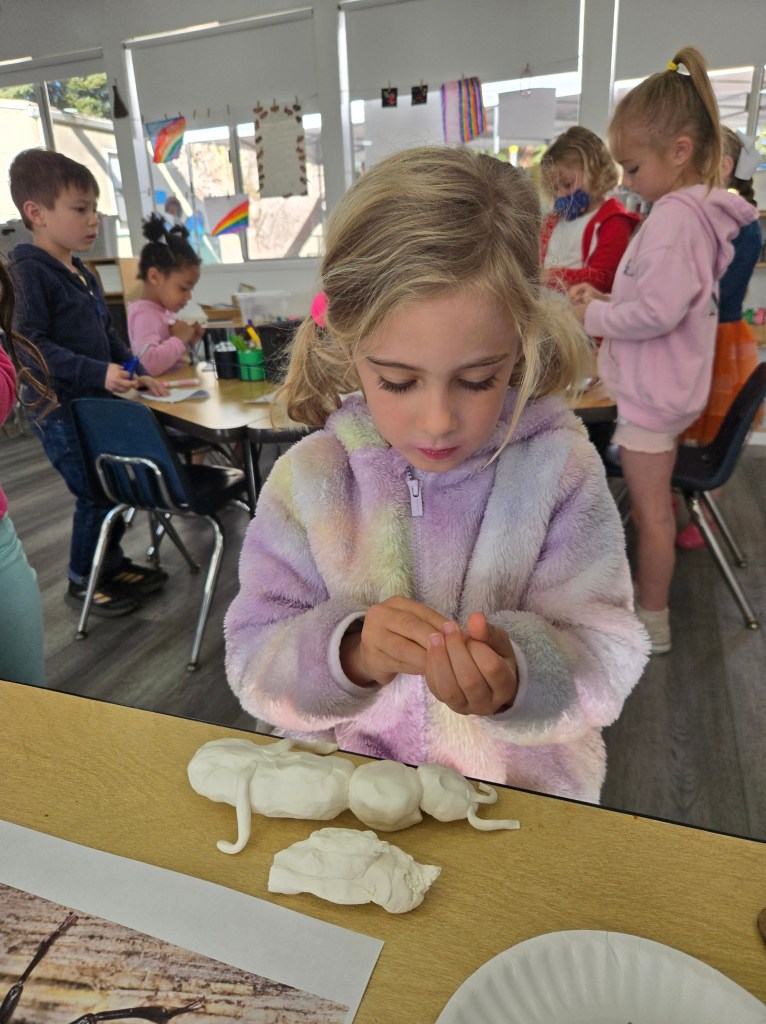
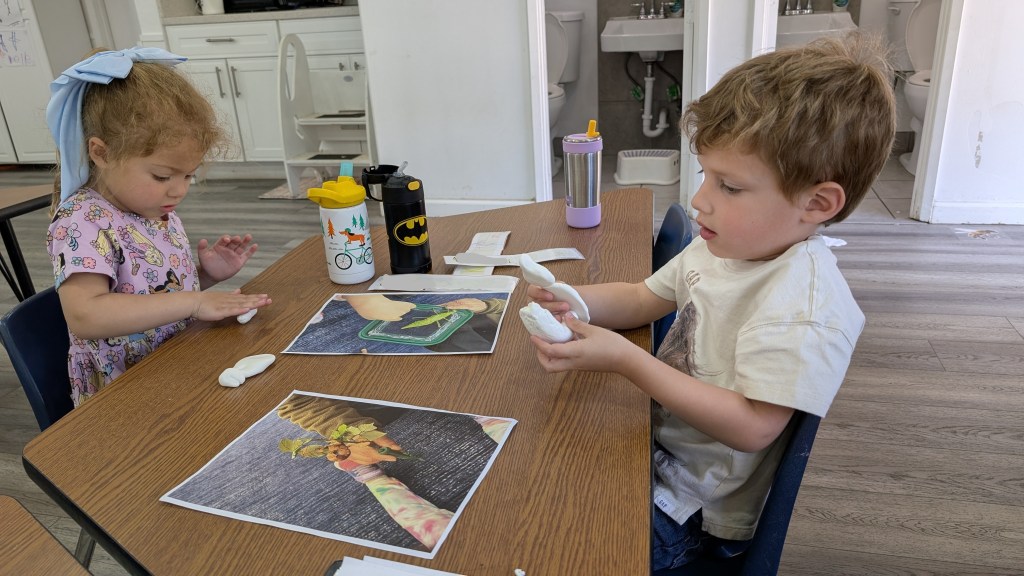
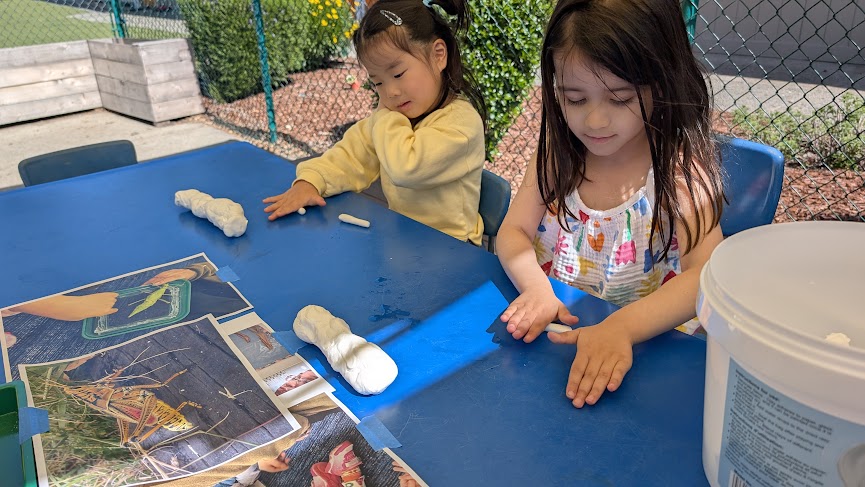
To reflect on the experience, the Owlets used Model Magic to sculpt their favorite bugs from the visit and then dictated fun facts they had learned. The Hoot Owls also jumped right into hands-on learning, creating models of the bugs and sharing their knowledge. From mimicking scorpions to ward off predators to being brightly colored to warn of toxicity, our students discovered just how smart and strange bug adaptations can be.

#SaklanHandsOn

Staff Spotlight: Maggie

You may think that to know Maggie is to know her love of hippos– just check out how many of them her students have lovingly gifted her over the years next time you’re in the Hoot Owl classroom! But Maggie brings so much more to our ECE! Saklan is lucky to have such a dedicated, conscientious, and thoughtful Director of Early Childhood Education and lead teacher of our Pre-K Hoot Owl class. Take a moment to read about what she loves most about teaching our youngest learners.

The ECE students love to be outside, rain or shine. What do you think is the most important part of outdoor play for this age group?

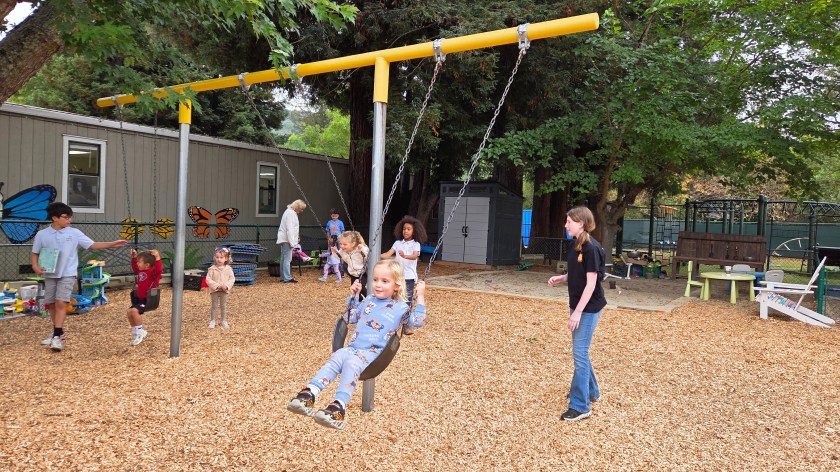
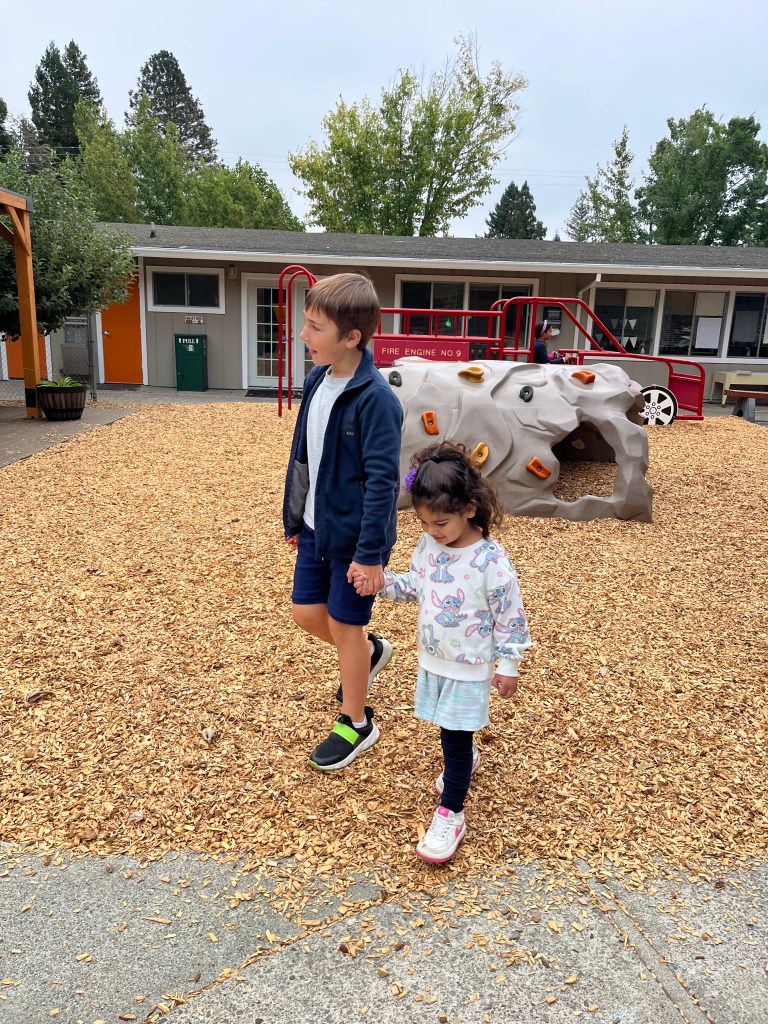
Outdoor play isn’t just fun; it’s one of the most impactful parts of our students’ day. For young learners, the playground is more than just a place to run and climb—it’s where some of the most important learning happens. One of our primary goals in ECE is teaching social-emotional skills, and outdoor play is where these lessons come to life. It’s where children navigate real-life situations: negotiating over toys, practicing patience while waiting for a turn on the swing, or learning how to respond with empathy when someone gets hurt.

Outdoor play also builds confidence. We are lucky to have such a large playground, giving our students a lot of opportunities to build their gross motor skills. A favorite recent moment? One of our Owlets, who used to ask for only “medium big pushes” on the swing, now gleefully asks for “big pushes!” Moments like these show us how outdoor spaces empower children to take safe risks, try new things, and celebrate their own growth.

Whether it’s showing off a new trick on the Fire Truck or proudly calling a teacher to “come watch,” our students light up with joy and confidence as they take safe risks and master new skills on the playground. Seeing how proud of themselves the students are as they show you the amazing flip they just learned learned to do is one of my favorite parts of each day. Maintaining a safe, updated, and dynamic outdoor play space is essential to supporting these magical, everyday learning experiences.

Your newest project unit is on bugs! How does the ECE yard support learning outside of the walls of the classroom? 
In all my years of teaching early childhood, one thing has always been true—nothing captures a young child’s attention quite like a bug. They could be running in a race with each other, and the moment someone spots a bug, everything stops. Then, there will soon be a big crowd, with someone shouting “I can’t see” and trying to squeeze their way in for a closer look. With our current project on bugs, the playground has transformed into an outdoor science lab. It’s so cute watching them carefully use bug catchers and magnifying glasses to get a closer look. These moments are powerful, allowing the students to have hands-on learning experiences and explore their natural curiosity in real time.

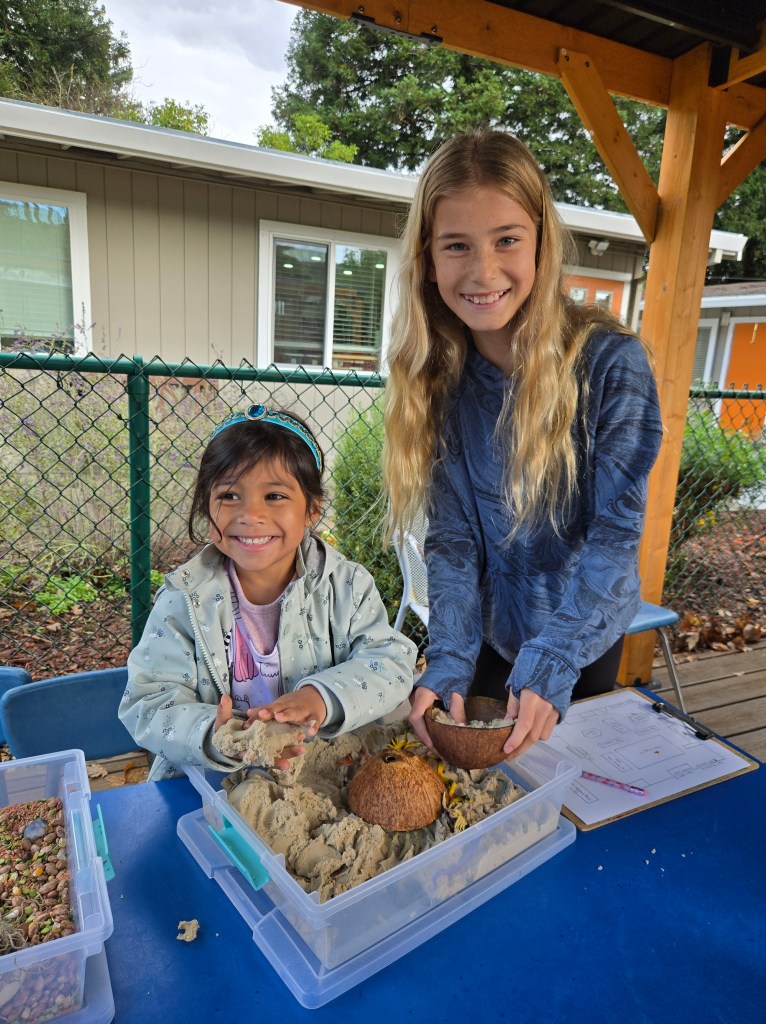
A few years ago, we added a small raised garden with help from one of our ECE teachers and her dad. Since then, we’ve grown veggies to support various units and teach them where food comes from. We’ve seen that a garden space like this means they are more willing to try new foods when they have a hand in helping grow it. Recently, the Hoot Owls have been digging for worms and putting them in our garden bed because they learned that worms are helpful decomposers that our garden needs. The yard isn’t just a place to run and play—it’s a true extension of our classroom. It offers space to wonder, explore, experiment, and grow. Providing a dynamic outdoor environment is one of the best ways we can support their development.

What do you hope your students learn from you that you don’t explicitly teach? 

I really hope I impart my great love for hippos to my students. Just kidding! (mostly…) I hope my students learn to be able to laugh even when things get hard. I always like to joke around with my class whenever I get the opportunity. I like to joke around when I make mistakes, because I want them to learn not to be too hard on themselves. Life is about having fun and laughing with those around you. Nothing beats hearing the kids laugh because of silliness!

Each year around the mid-autumn festival you have made model mooncakes in the ECE. What are your favorite parts of bringing your traditions to the classroom and/or opening space for families and students to share theirs?

I love having families come in to share their family traditions. Even if people share the same culture, how they celebrate can be completely different. We have a wealth of experts right in our classroom to share about so many cultures and traditions, so why not take advantage?! 

When members of our community come in to share their knowledge or experiences, the classroom lights up with engagement. The students are very excited to learn from a real-life person they know! I also personally love learning about others’ traditions. Growing up, I didn’t experience that in my classroom, and if I did, it was very basic stuff. I would feel ashamed of my family’s traditions because I was different. I don’t want anyone else to feel that way. I want my class to feel love and pride for their heritage and traditions. What better way to develop that love and pride than to have their family and community members share, learn, and celebrate together?
Mission to Mars

The Hoot Owls have continued their adventure into space. One planet the students were very excited to learn more about was Mars, and especially the rovers on Mars! After watching a Mars Rover video, the students were inspired to create their own rover. After gathering useful items from around their classroom, the Hoot Owls used a huge box to create a rover. Next, the class brainstormed ways to supply the Rover with energy to move around: solar panels and batteries were the winning ideas. The class worked as a team, with some friends making solar panels while other friends made batteries to attach to the rover.
The Hoot Owls welcomed guest expert Jordan to teach them more about rovers and answer their questions. Jordan worked with the people who constructed the head for NASA’s Mars Perseverance rover. He shared that Perseverance’s head is about the size of a shoe box, and contains its eyes (cameras) and a bigger eye that is a laser, which is used to examine rocks. The students were intrigued to learn that scientists tell the rover where to go to find a special rock, then they zap the rock, which causes dust to puff up, which allows scientists to examine the dust and determine what the rocks is made of. 

Thank you, Jordan, for sharing your knowledge and experience with the Hoot Owls!

#SaklanGuestExpert