Owlets’ Curiosity Sparked

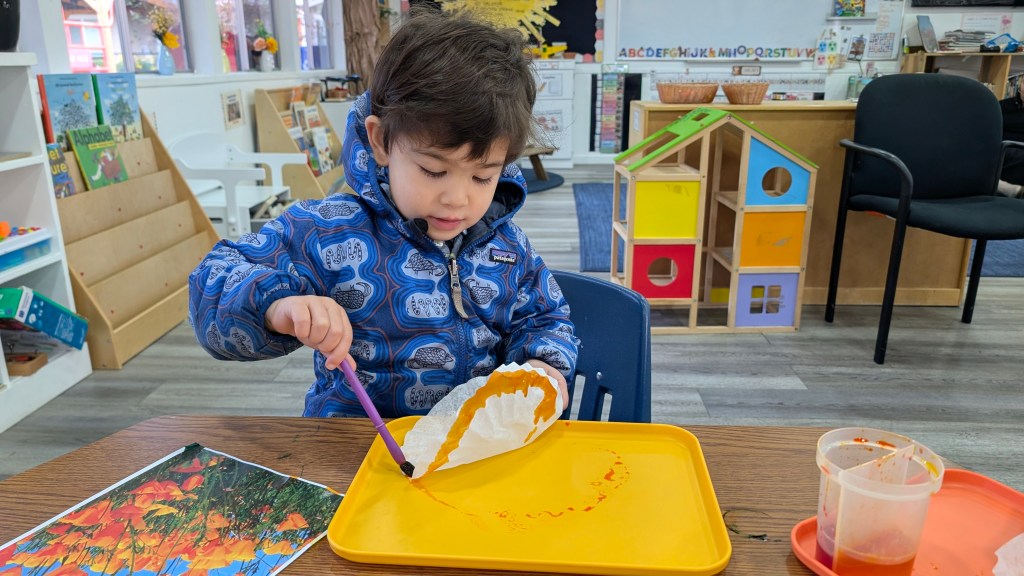
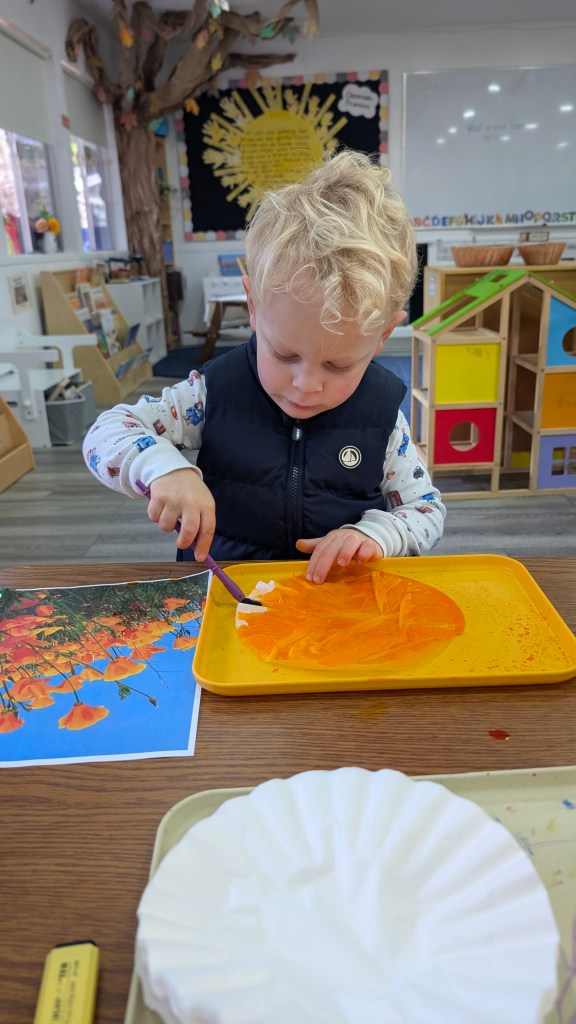
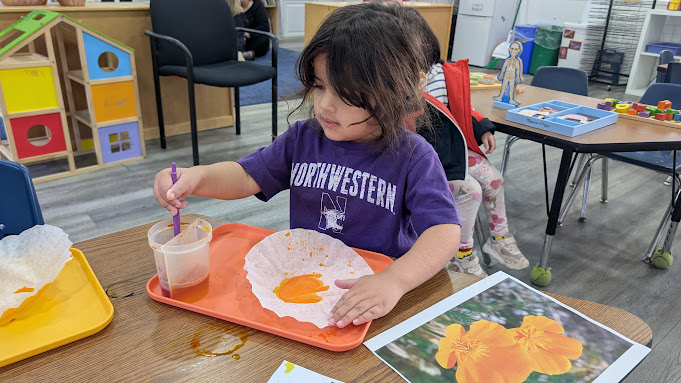
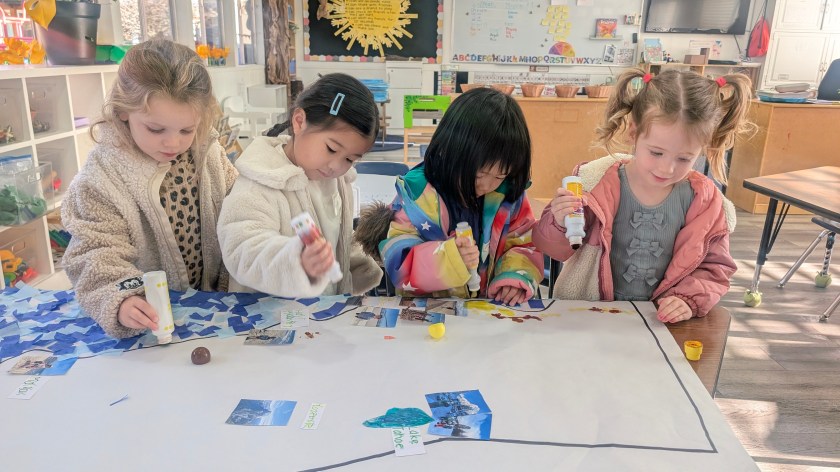
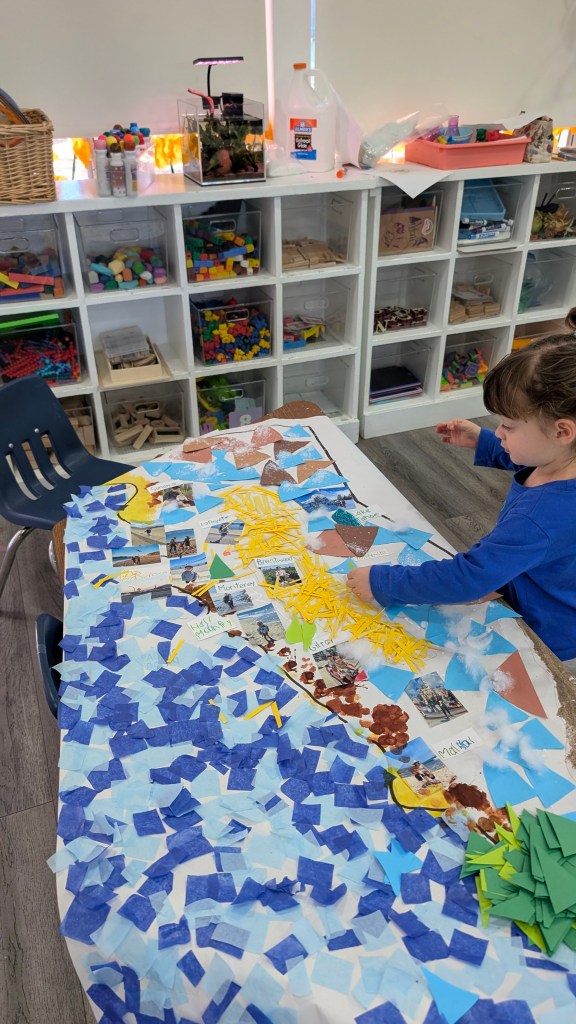
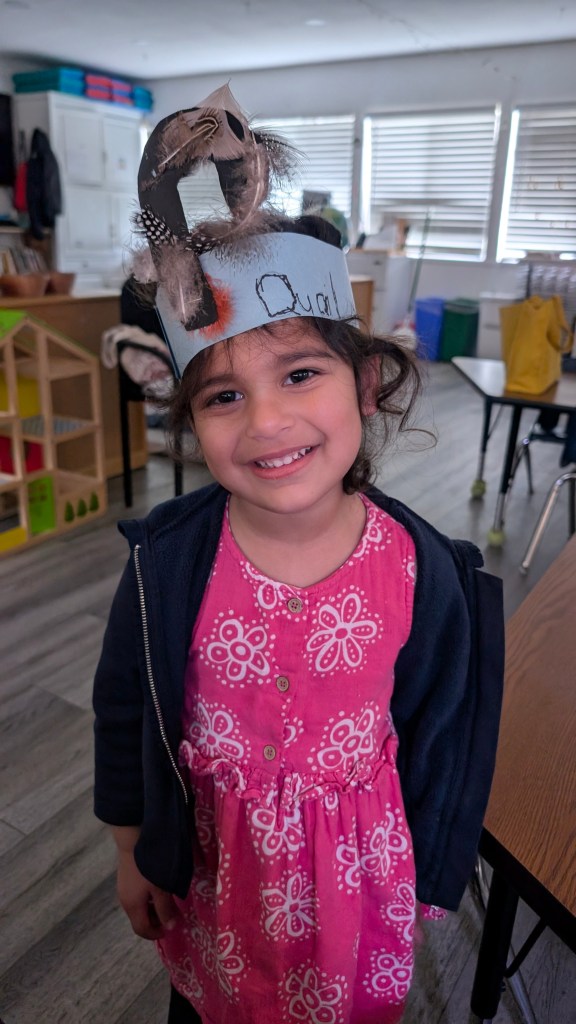
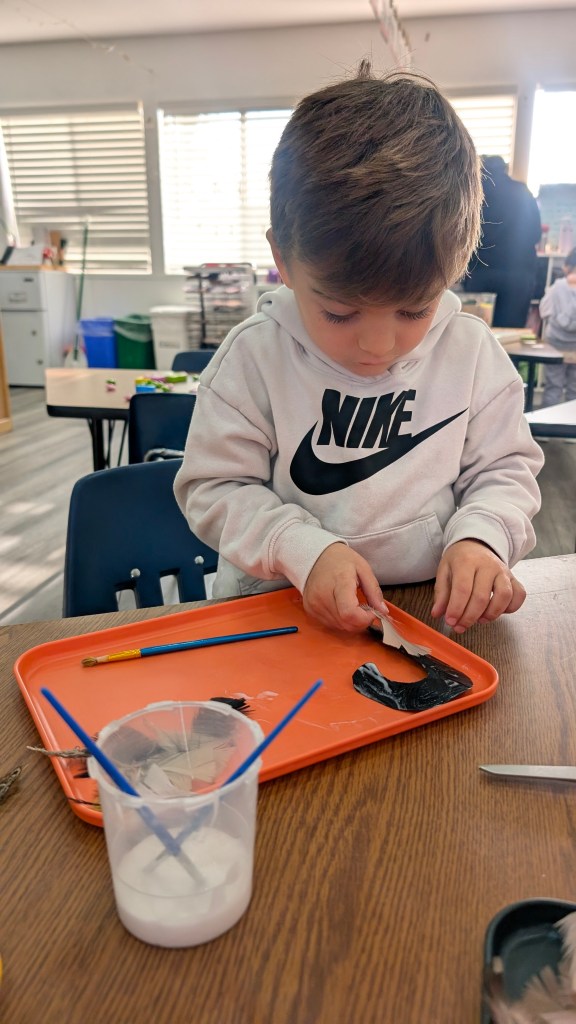
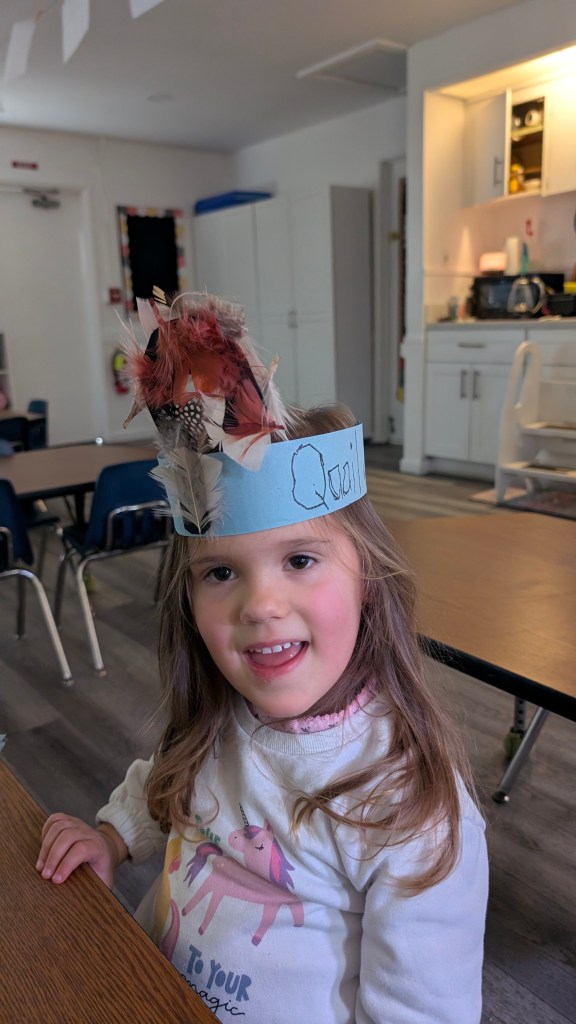
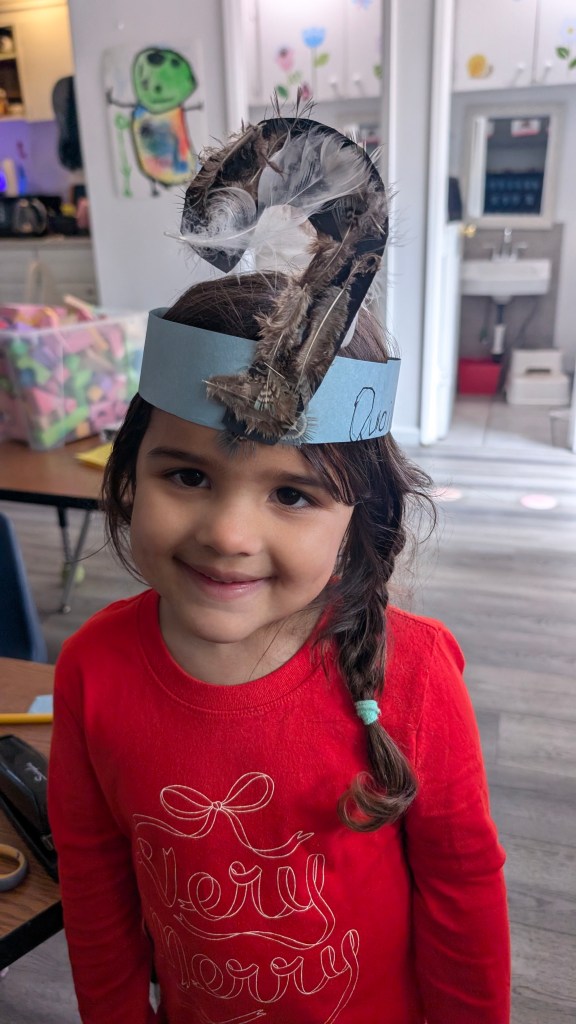
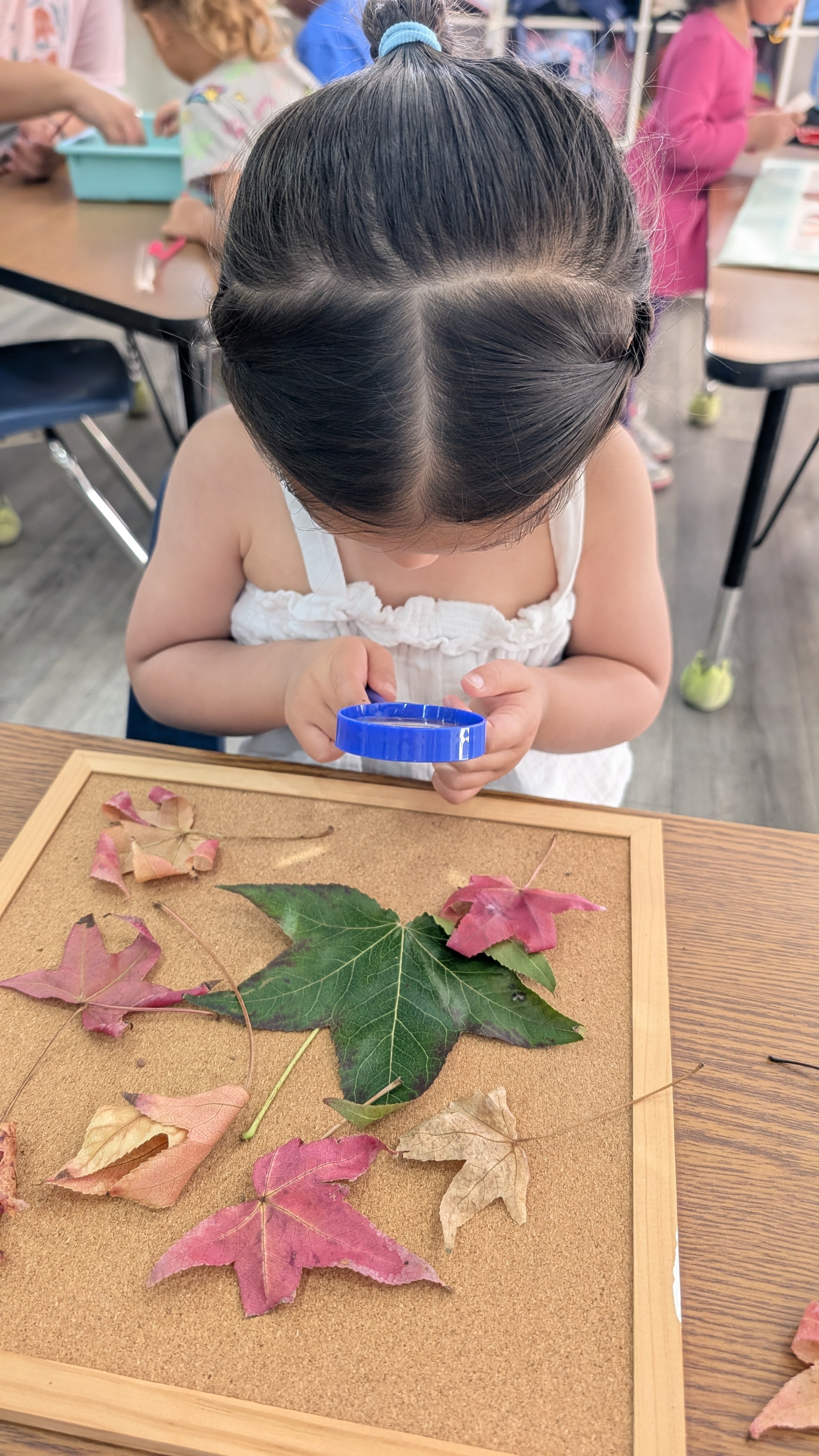
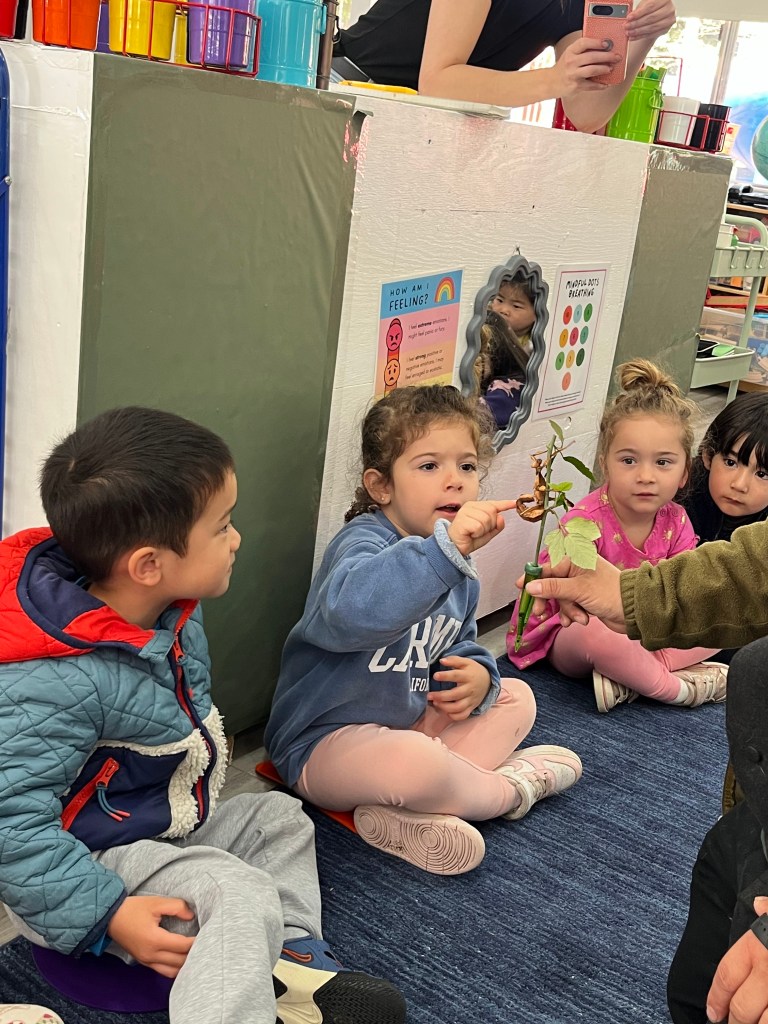
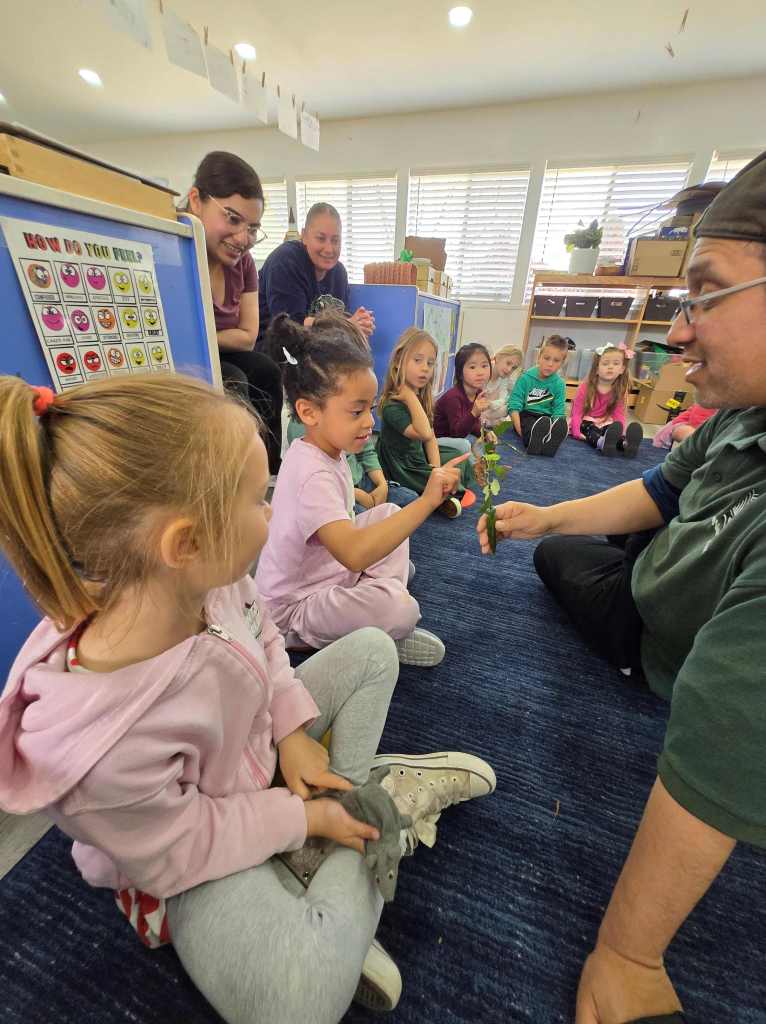
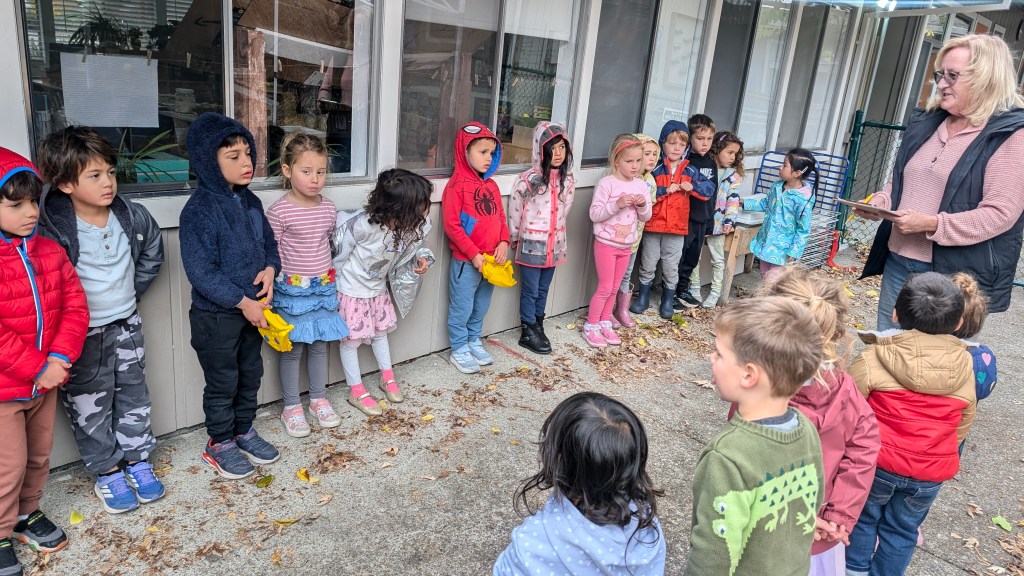
As autumn settles in and the trees around campus begin their seasonal transformation, the Owlets’ curiosity has been sparked by the changing colors and falling leaves. This curiosity led to their Leaves Project—an exploration designed to deepen their connection with the natural world and build on their observations.

The project began when the preschoolers noticed that some trees in the playground had already dropped their leaves, while others just beyond the fence still held on tightly to theirs. Together, they recorded these observations and began wondering why this might be—a question they will continue to investigate over the coming weeks.

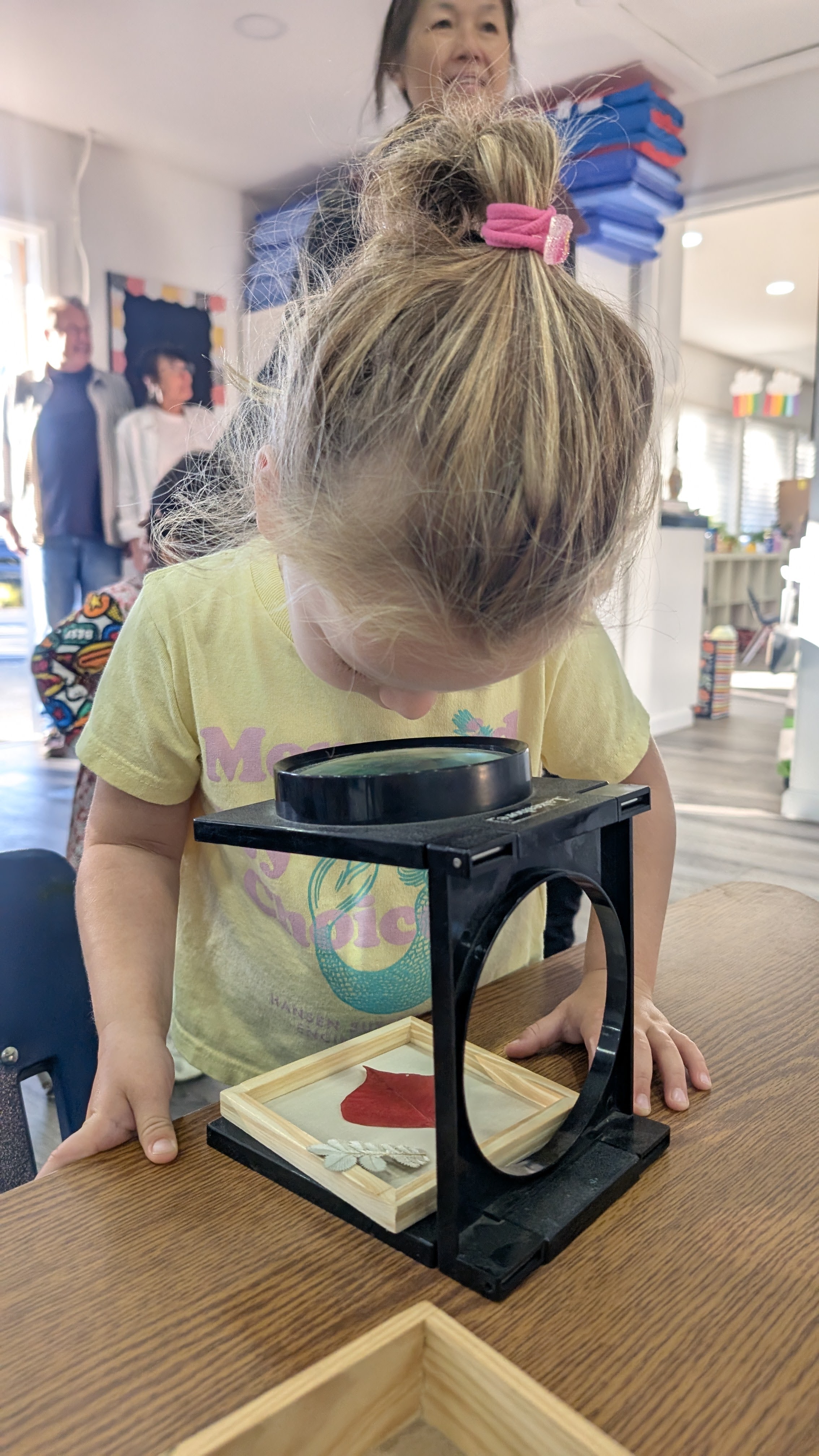
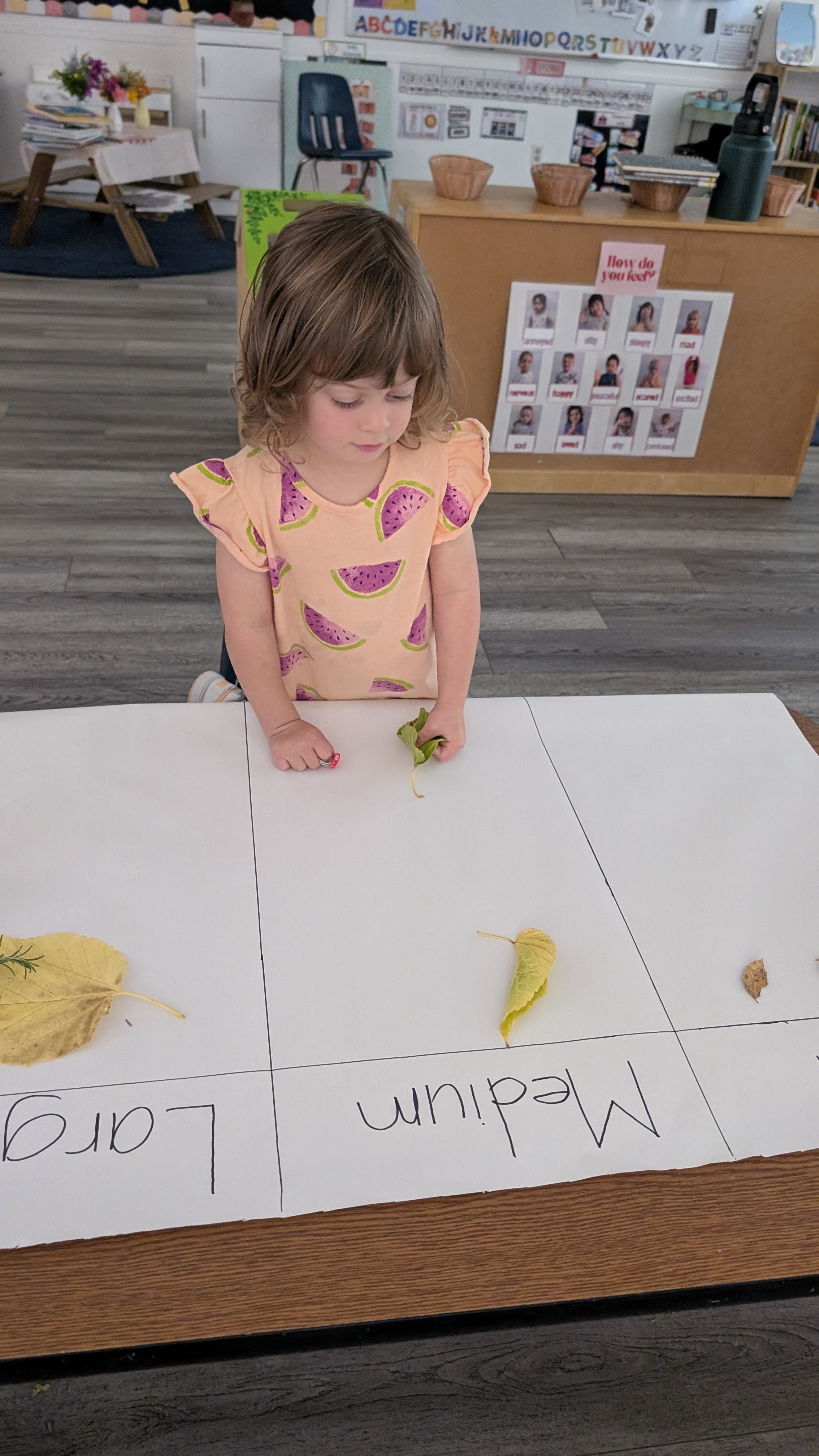
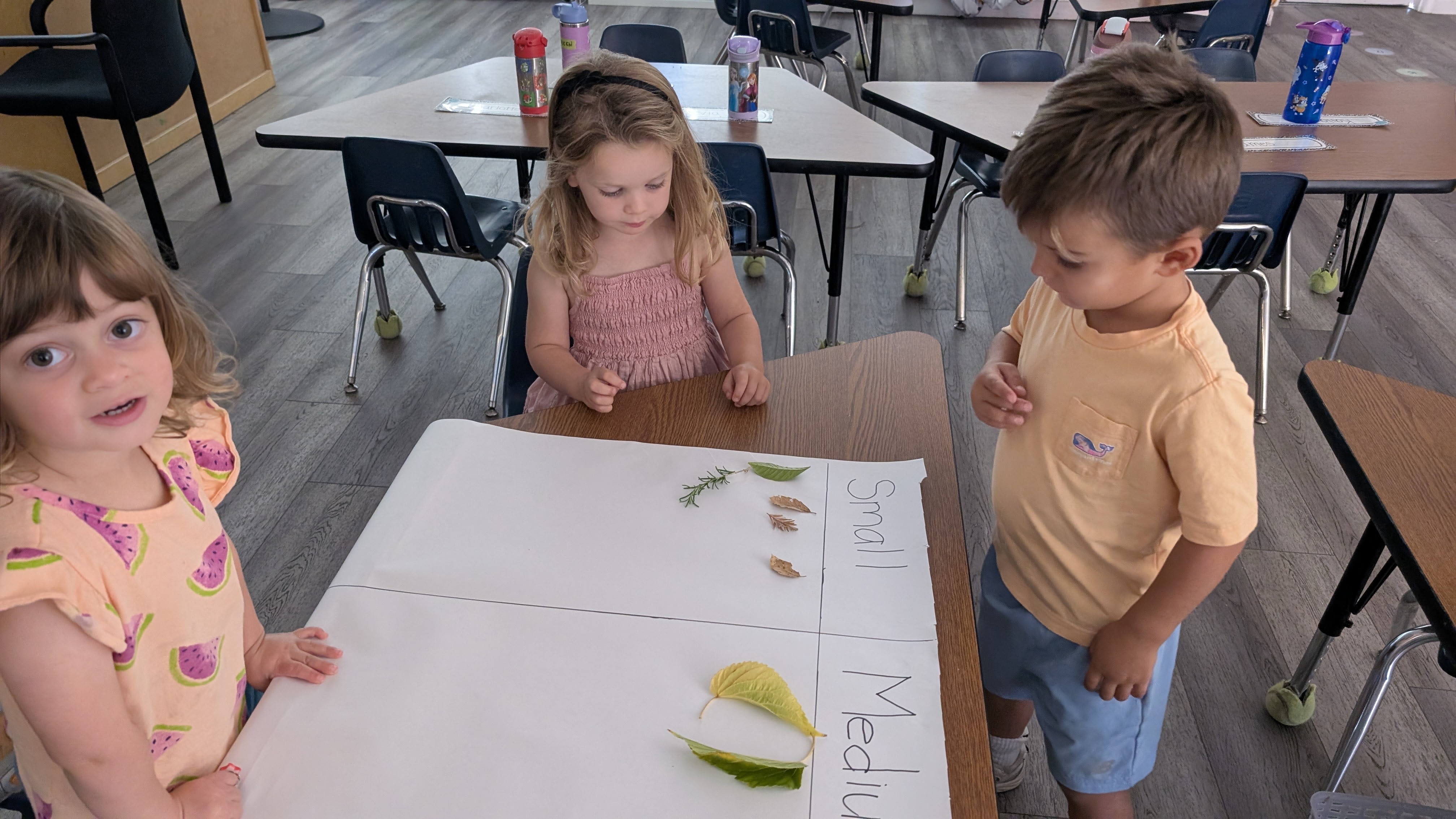
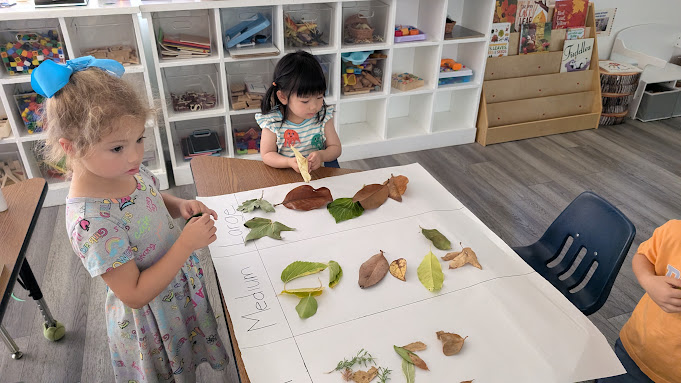
To launch the project, each Owlet brought in leaves from home. The classroom quickly filled with excitement as students examined their growing collection, noticing that leaves come in many shapes, sizes, and colors. Throughout the first week, the class spent time observing and sorting leaves. They worked together to group them into small, medium, and large categories—discovering that even leaves of the same shape can vary greatly in size.

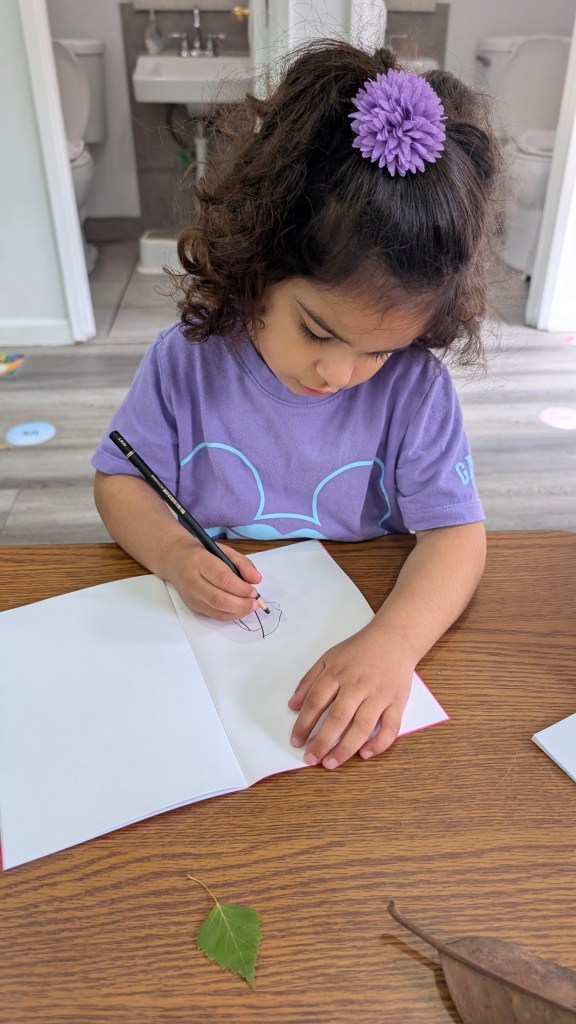
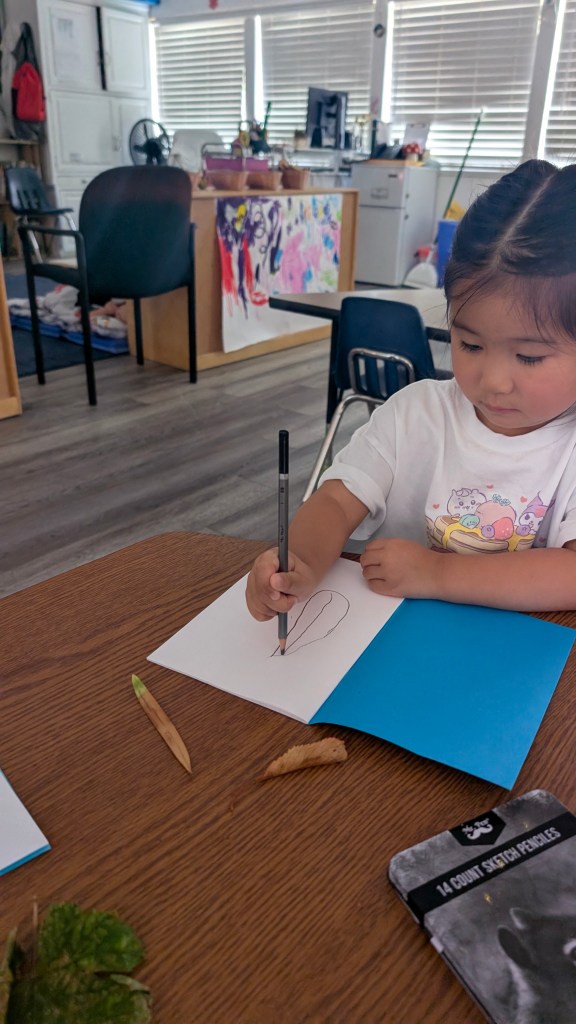
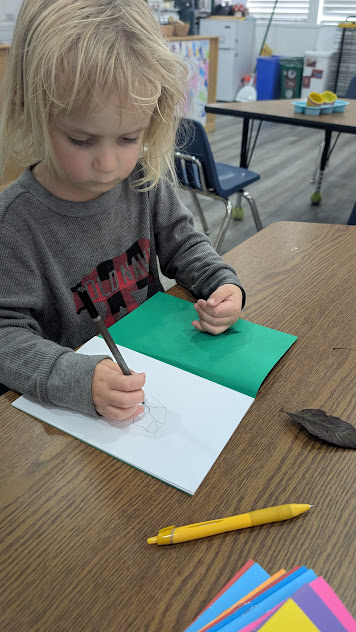
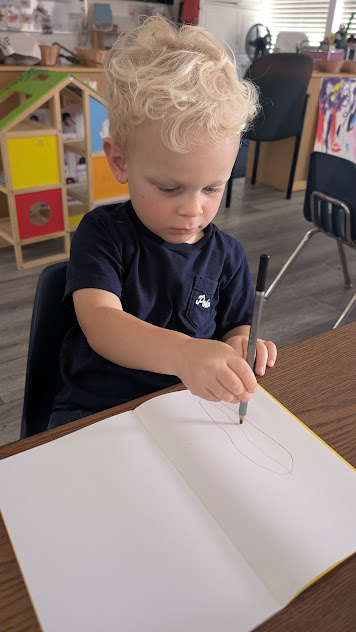
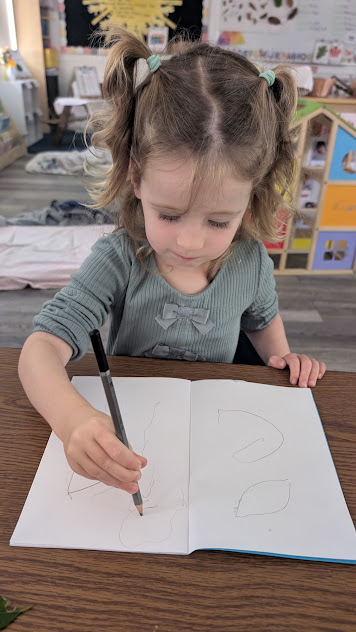
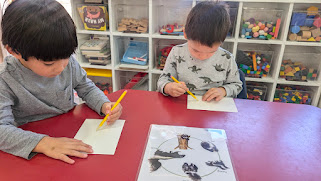
As part of their study, each preschooler received an Observation Notebook for recording detailed drawings of leaves. Using graphite pencils, they practiced looking closely and capturing what they saw—tracing edges, noticing veins, and identifying shapes. This led to a deeper exploration of leaf anatomy, including terms like apex, base, midrib, veins, and leafstalk. When one student commented that humans also have veins, he wondered aloud what purpose they serve in leaves—a thoughtful question now posted on the class Wonder Wall for future exploration.

Through observation and hands-on discovery, the Owlets are deepening their understanding of the natural world—and finding joy in every leaf along the way!

#SaklanProjects

A Redwood Play Area – Designed for Explorers

At Saklan, we know that play is more than just fun — it’s where children test their limits, use their imaginations, and connect with each other. This year, we’re taking a big step forward in making our campus play spaces as inspiring as the learning that happens here every day.

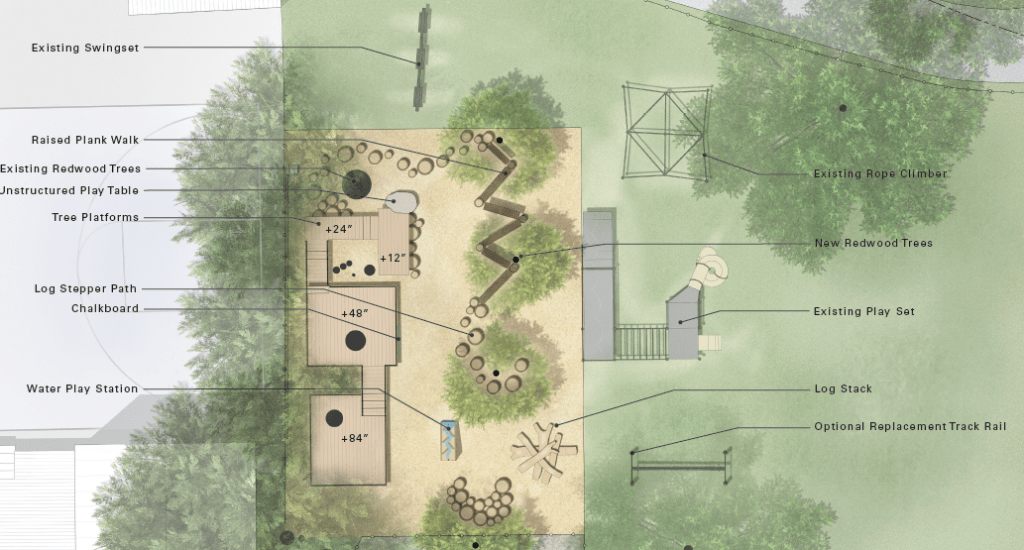
With the help of Bay Area landscape architect Ron Lutsko, we are transforming our redwood grove into a natural play area designed for creativity and adventure. While we are still in the early phases of the design process, below are some of the elements we are considering.

  • Tree platforms that give the feel of small “treehouses”
  • Raised plank walks that wind between the trees
  • Log steppers and climbing features to challenge balance and coordination
  • A chalkboard tucked into the grove for drawing, writing, or group games

The design makes use of the existing redwoods, while adding new ones to create a Redwood Grove.  The design intends to weave new and natural play elements into the beauty of the grove. Children will be able to climb, balance, imagine, and create — all while being surrounded by nature.

This project is only possible because of our community’s generosity. At our 70th Anniversary Auction, Saklan families and friends raised over $115,000 through the Fund-A-Need. That collective gift is helping us reimagine what play can look like at Saklan.

The design is still evolving, and we’ll continue to gather feedback as we move forward. Our plan is to break ground later this year and open the new play area in the spring. When it opens, it will be more than just a playground — it will be a space where children can take risks, solve problems, and dream big. A place that feels both adventurous and nurturing, where Saklan students can grow together under the trees.

#HeadsCorner

Bug-tastic Learning

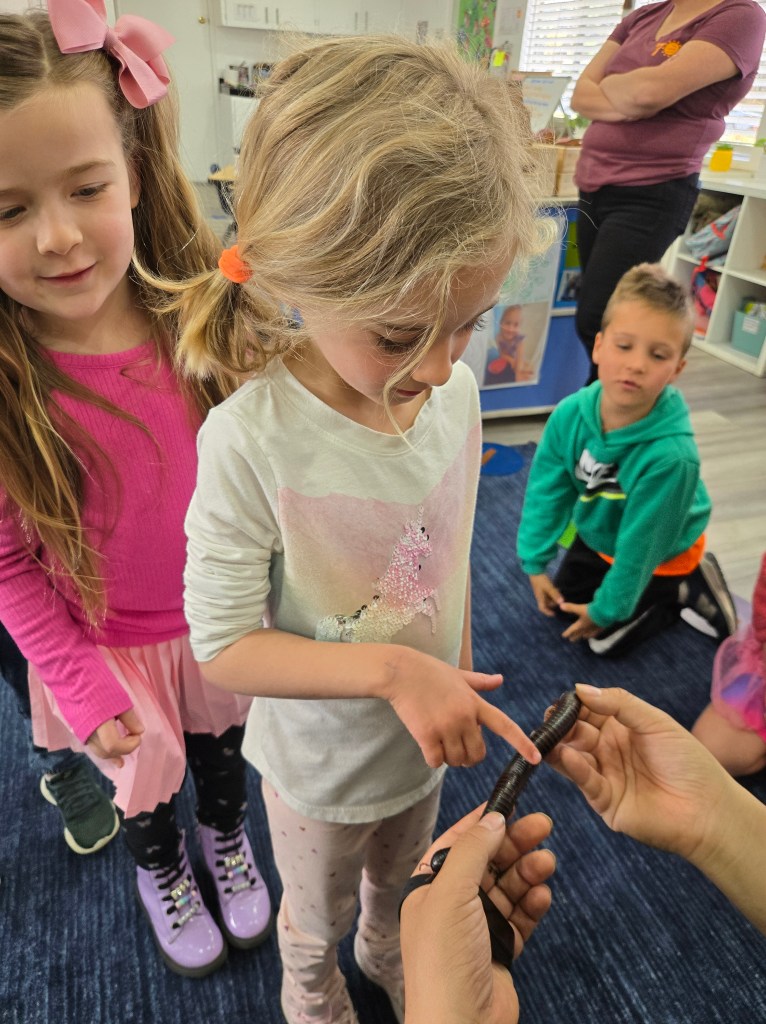
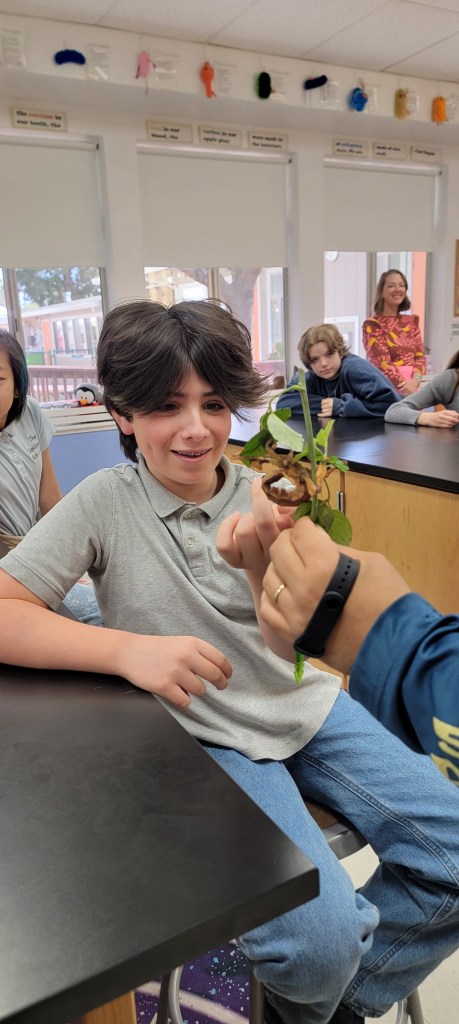
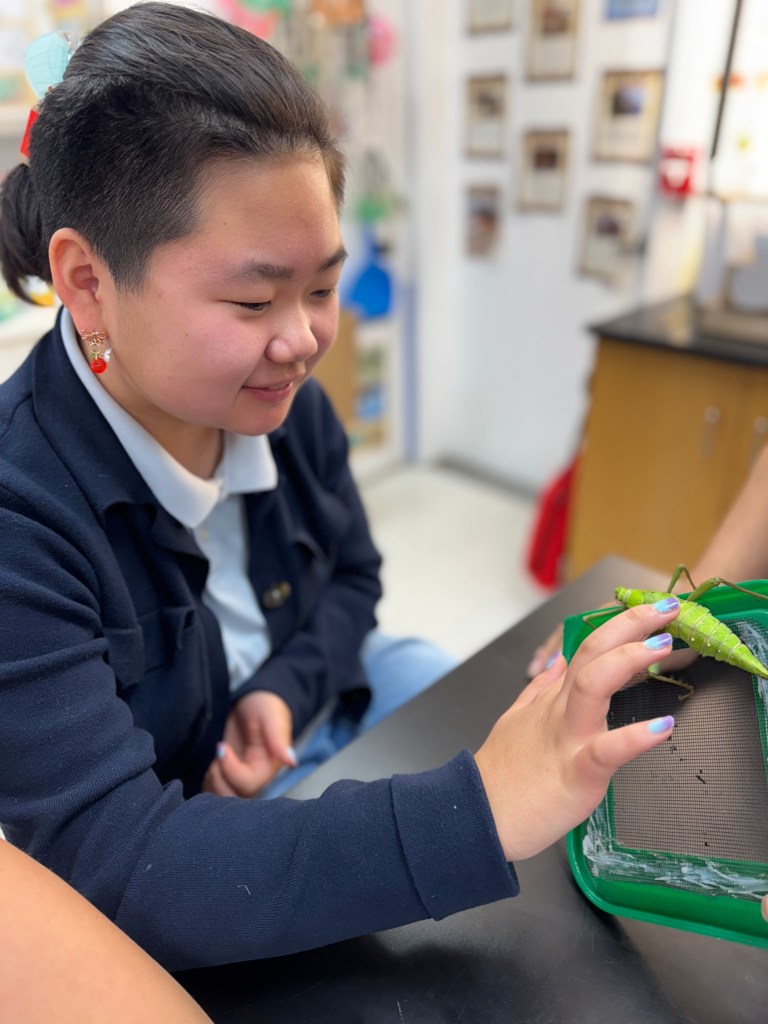
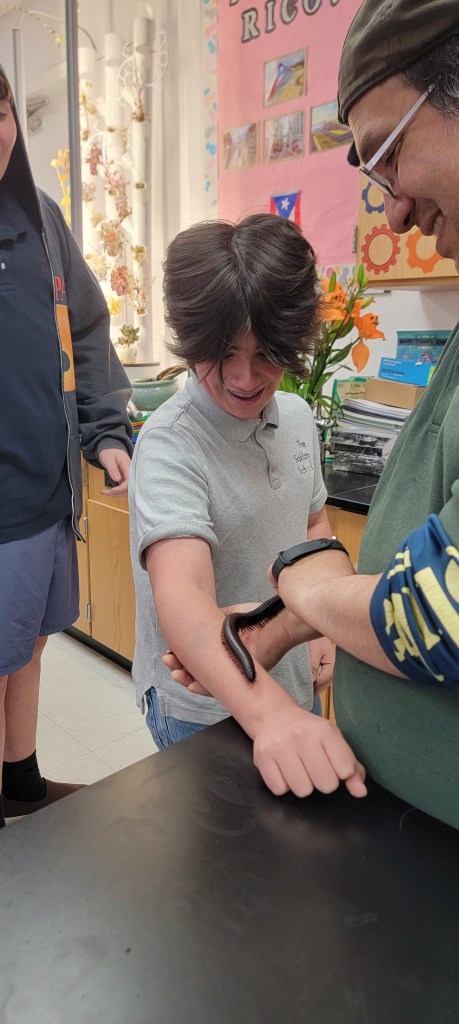
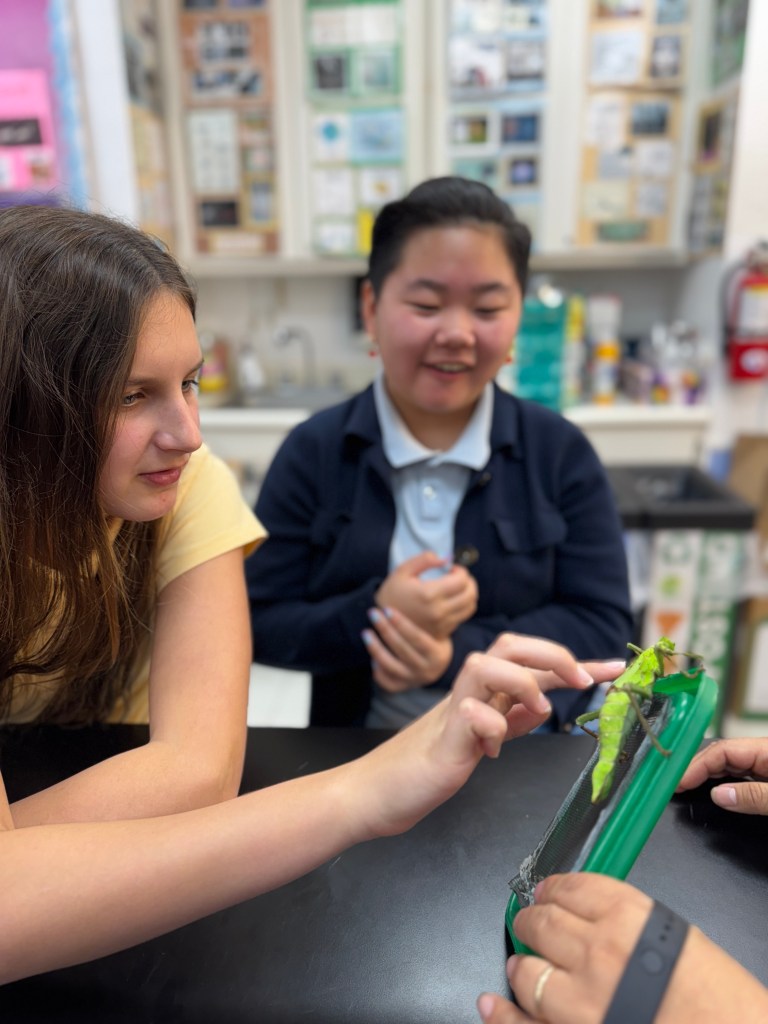
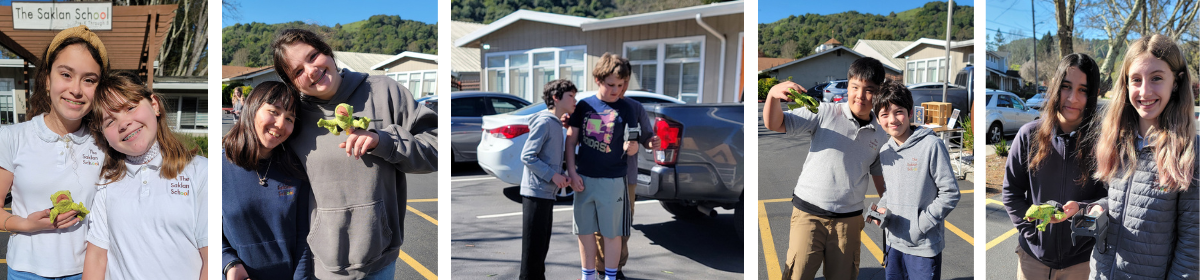
Saklan’s Preschool, Pre-K, and 7th grade students have been diving into the fascinating world of bugs, and recently had a visit from a special guest expert, Los from SaveNature.org, and some of his six-legged (and many-legged!) friends!

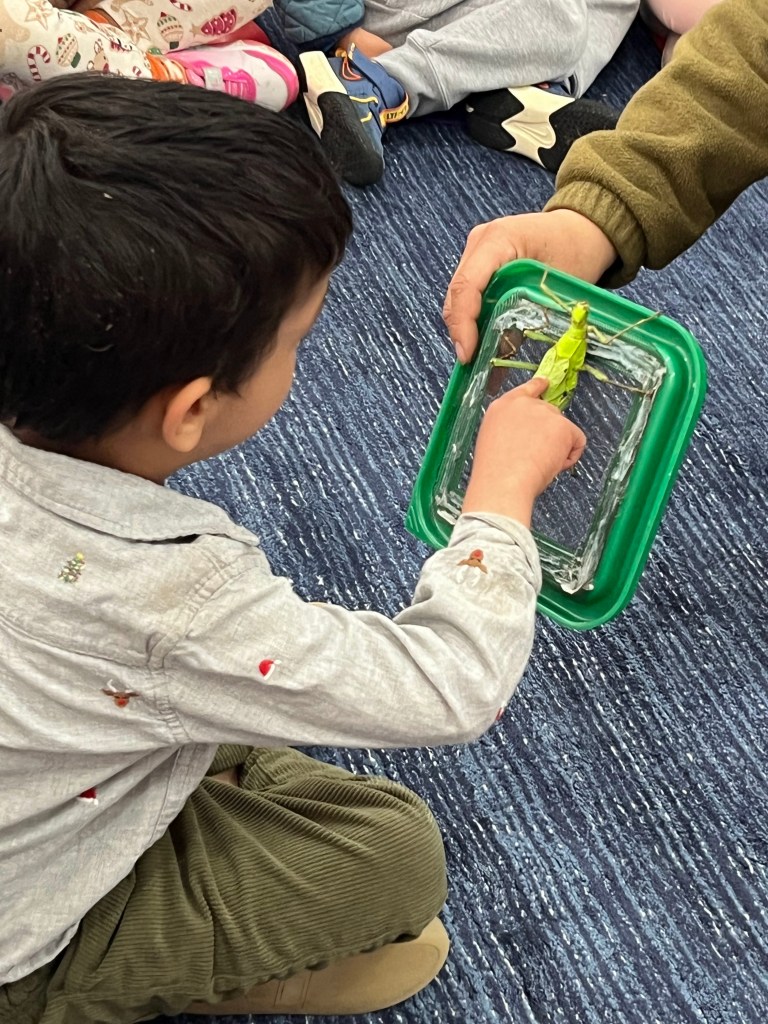
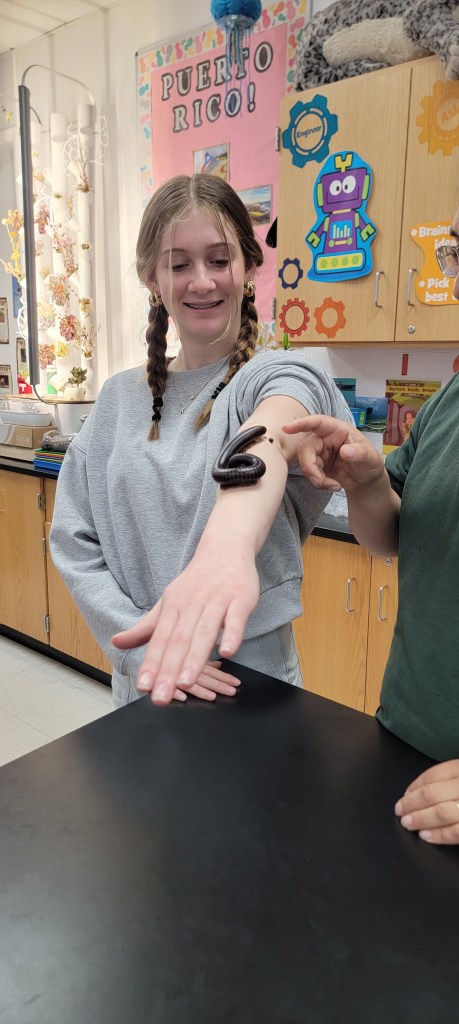
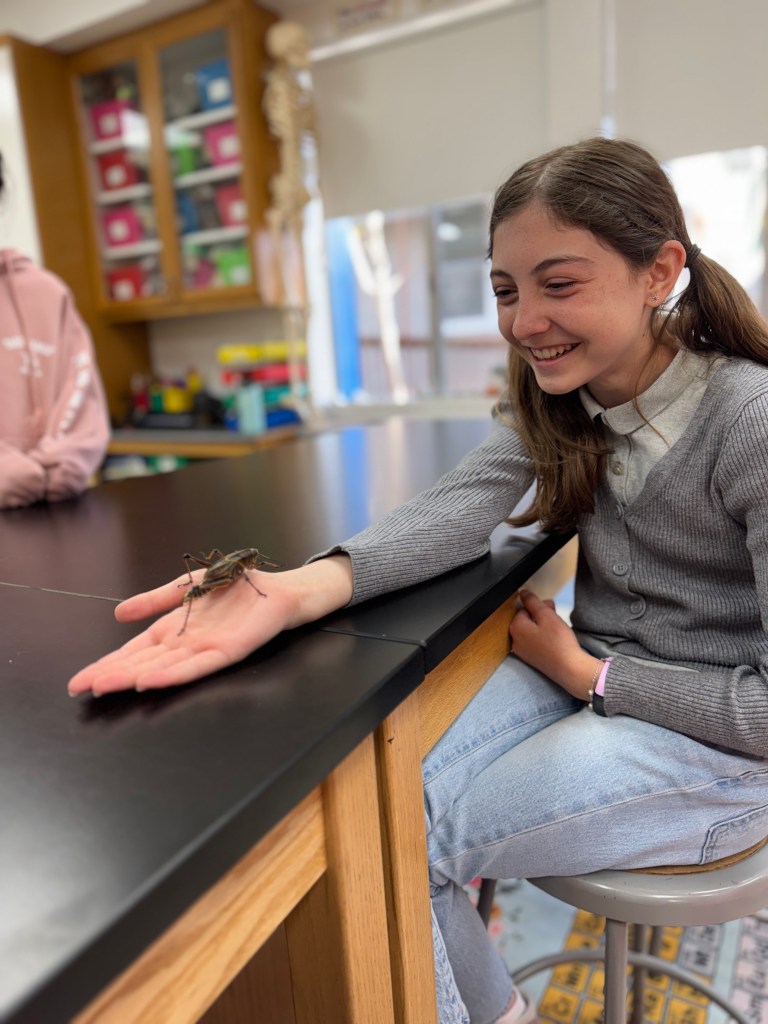
Los brought the Insect Discovery Lab to Saklan, where students had the opportunity to meet live invertebrates up close and learn what makes a bug a true bug. It turns out, not all the little creatures we find crawling around are actually bugs! Thanks to Los, our students learned that millipedes, snails, slugs, and spiders are all invertebrates (animals without backbones), just like insects—but they aren’t classified as true bugs. To be a real bug, a creature must have three body parts—a head, thorax, and abdomen—and exactly six legs. That means slugs and snails (with no legs) and millipedes (with way too many legs!) don’t qualify.

Los introduced the students to some truly incredible insects, including:

  • Darkling Beetles – Nocturnal neighbors we might spot nearby!
  • Malaysian Thorny Stick Bugs – Experts at camouflage.
  • Australian Giant Stick Bugs – Mimic scorpions to scare off predators!
  • Eastern Lubber Grasshoppers – So toxic that predators steer clear.
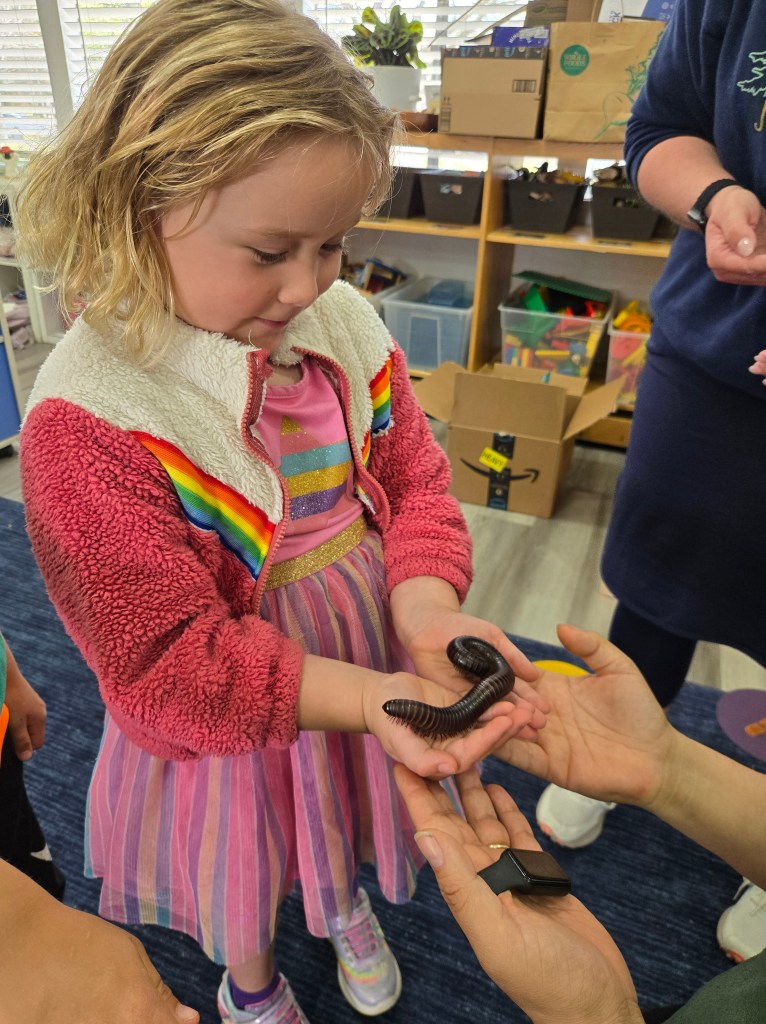
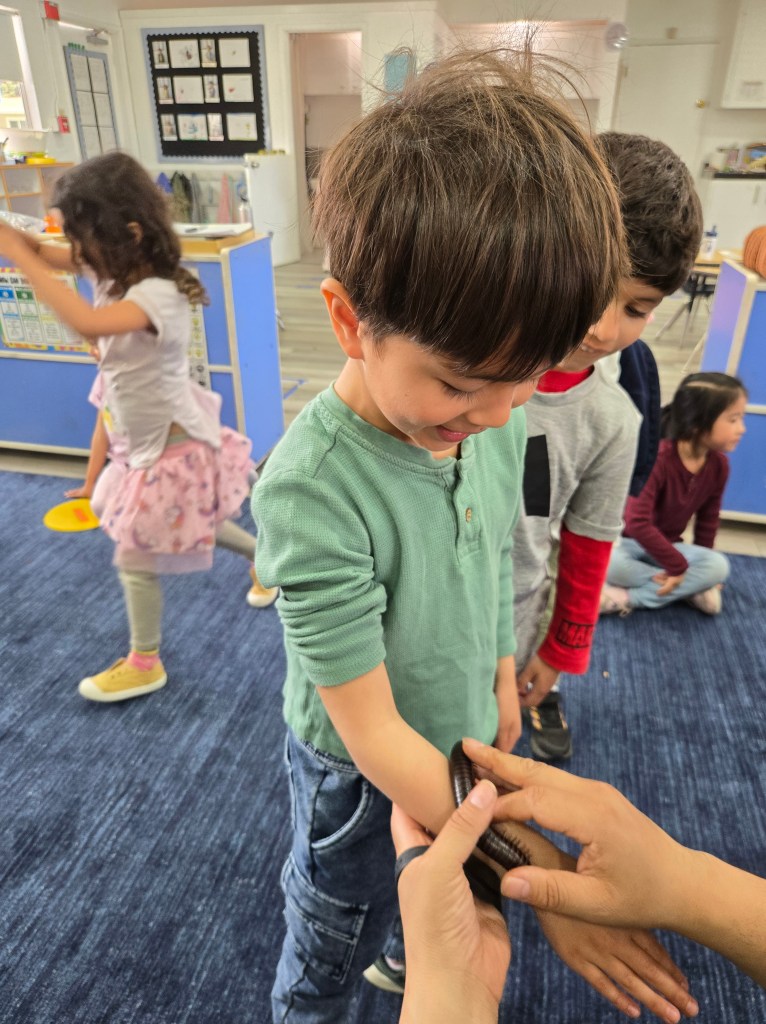
  • Giant African Millipede – The star of the show!

Our youngest learners—the Owlets—showed amazing bravery and curiosity. Every single one held or touched one of Los’s fascinating bugs, and some even did so more confidently than the adults! After the visit, the class voted on their favorite, and the winner was no surprise… the Giant Millipede stole everyone’s hearts.

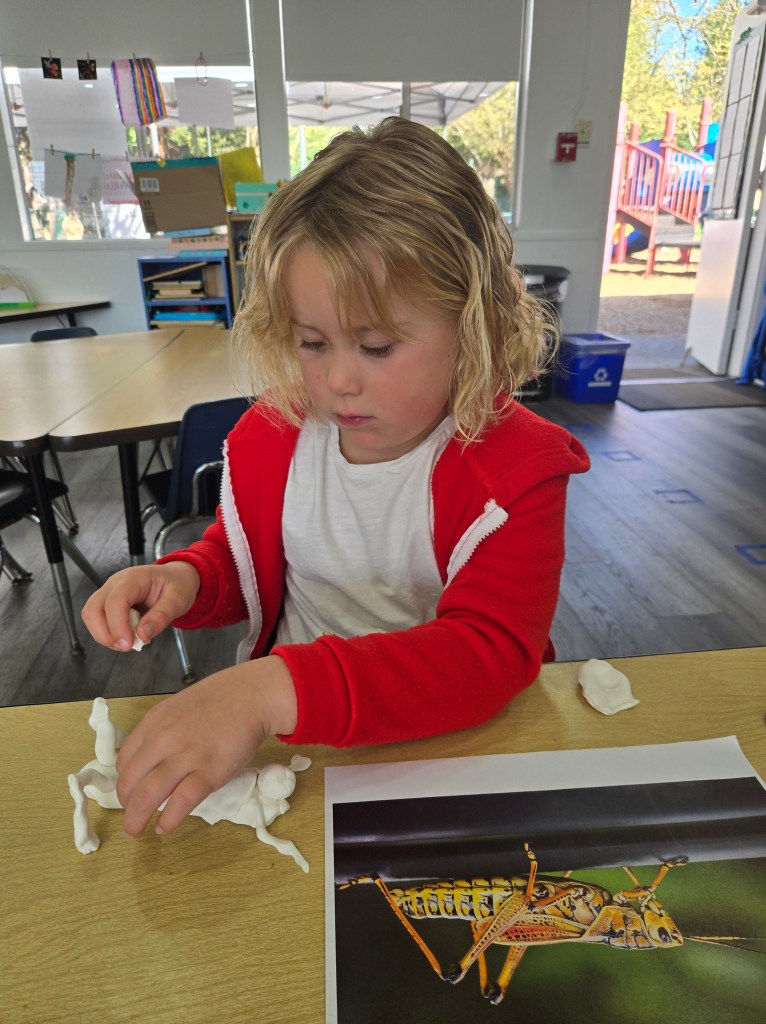
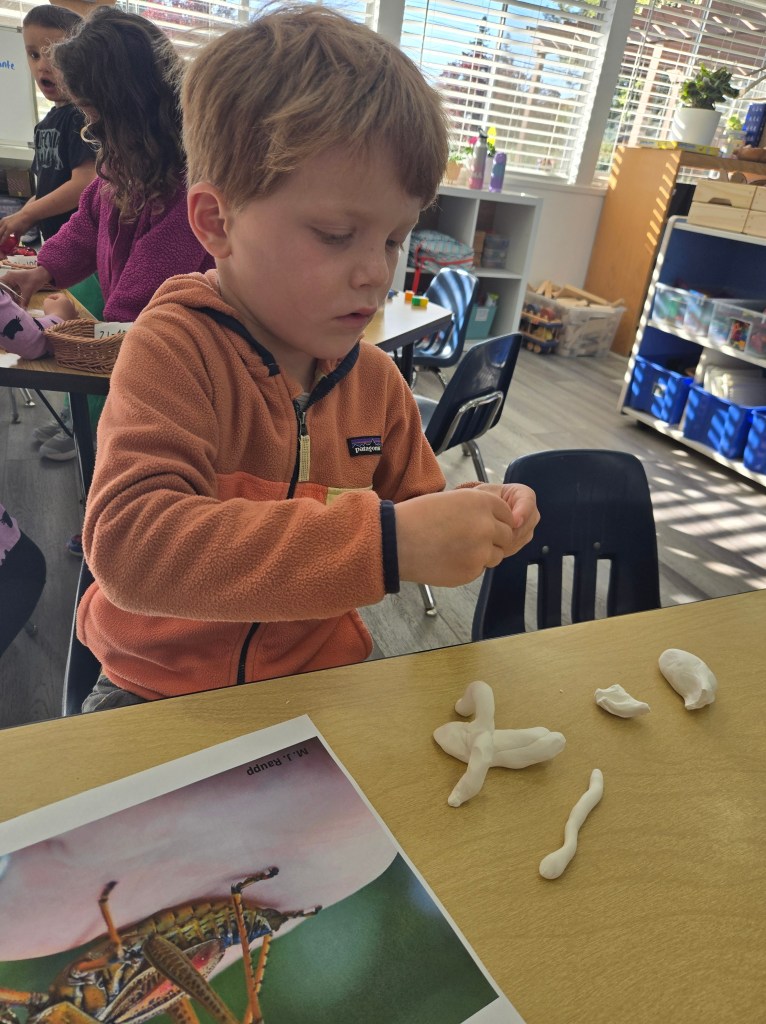
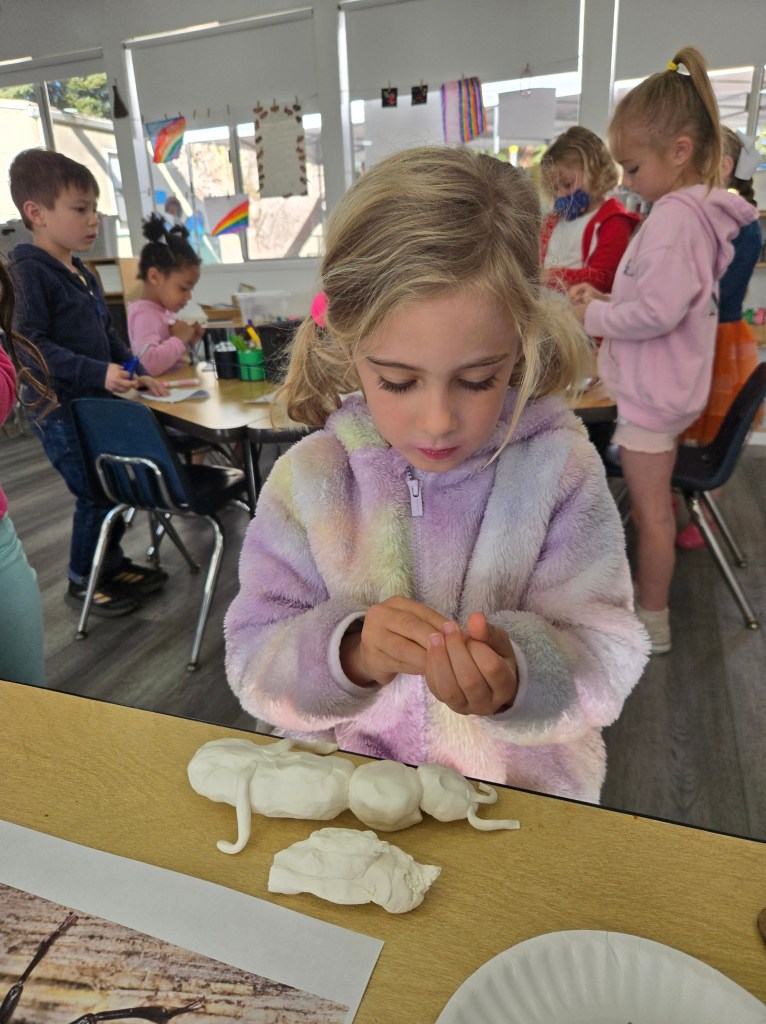
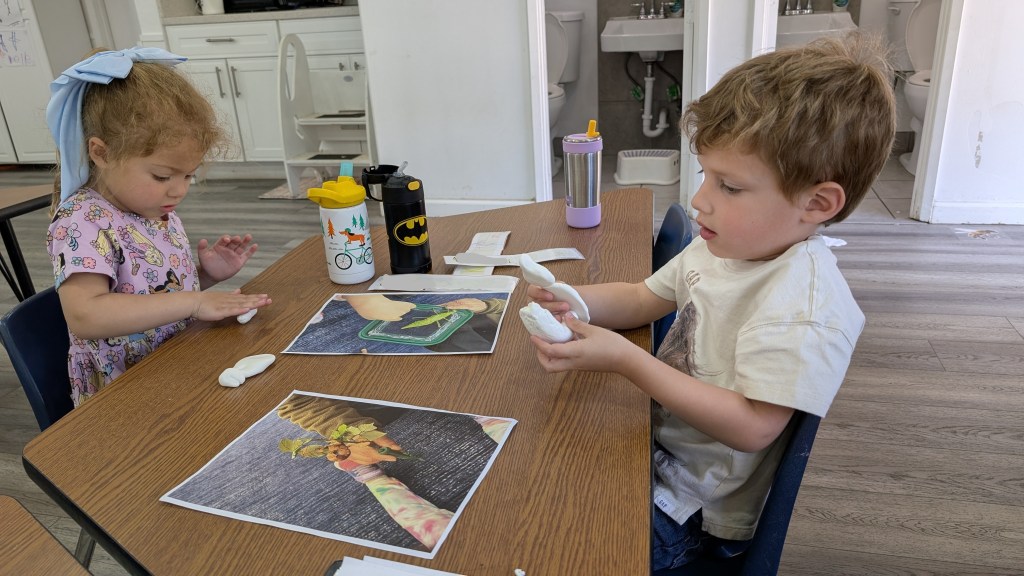
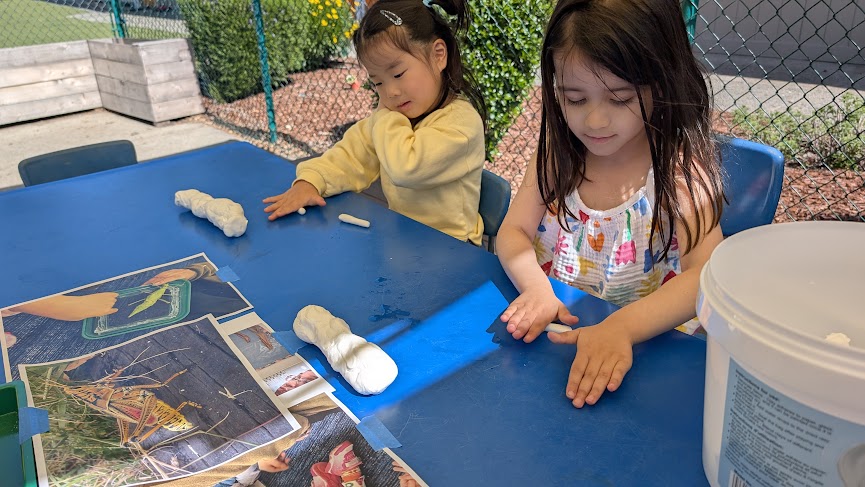
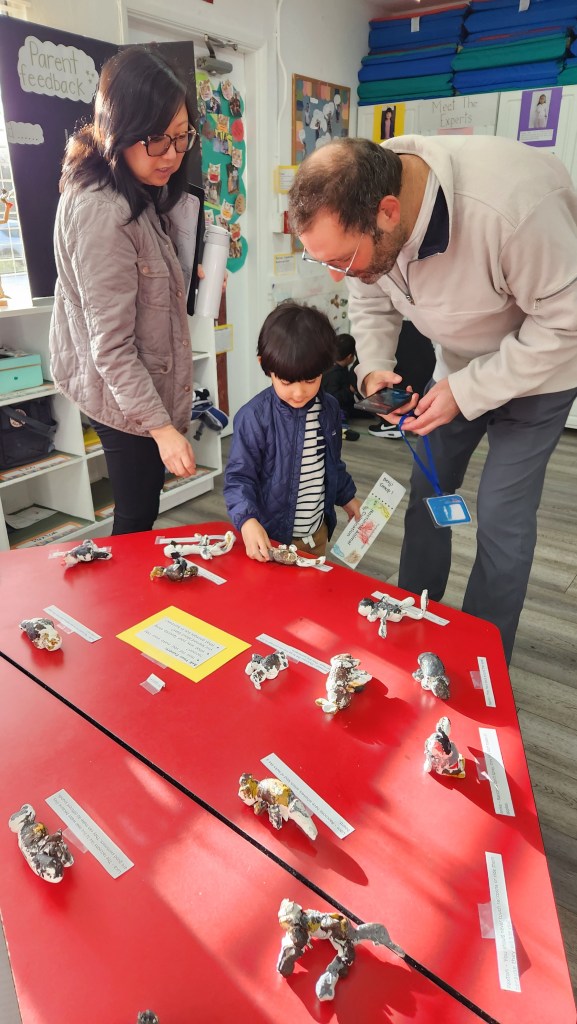
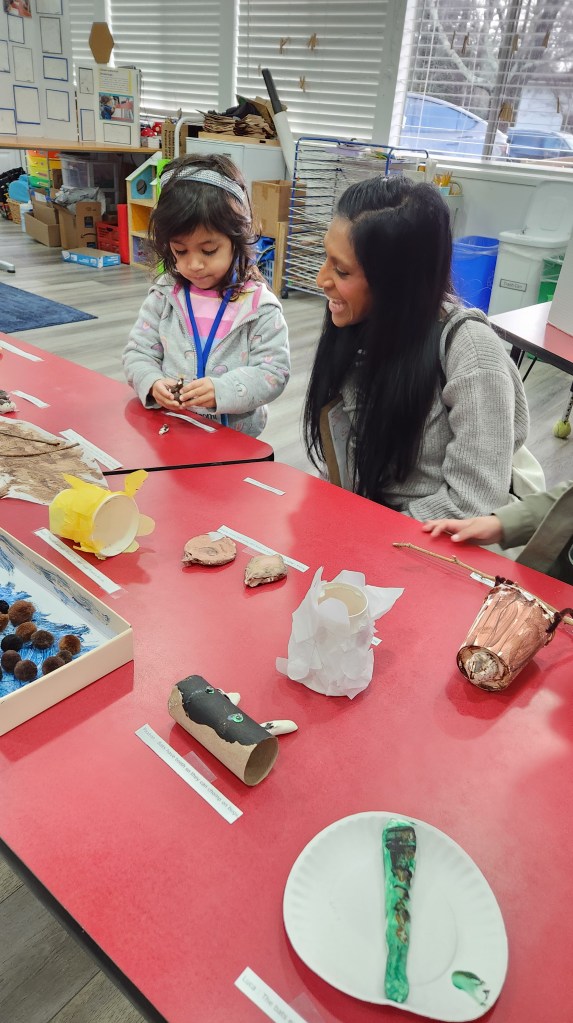
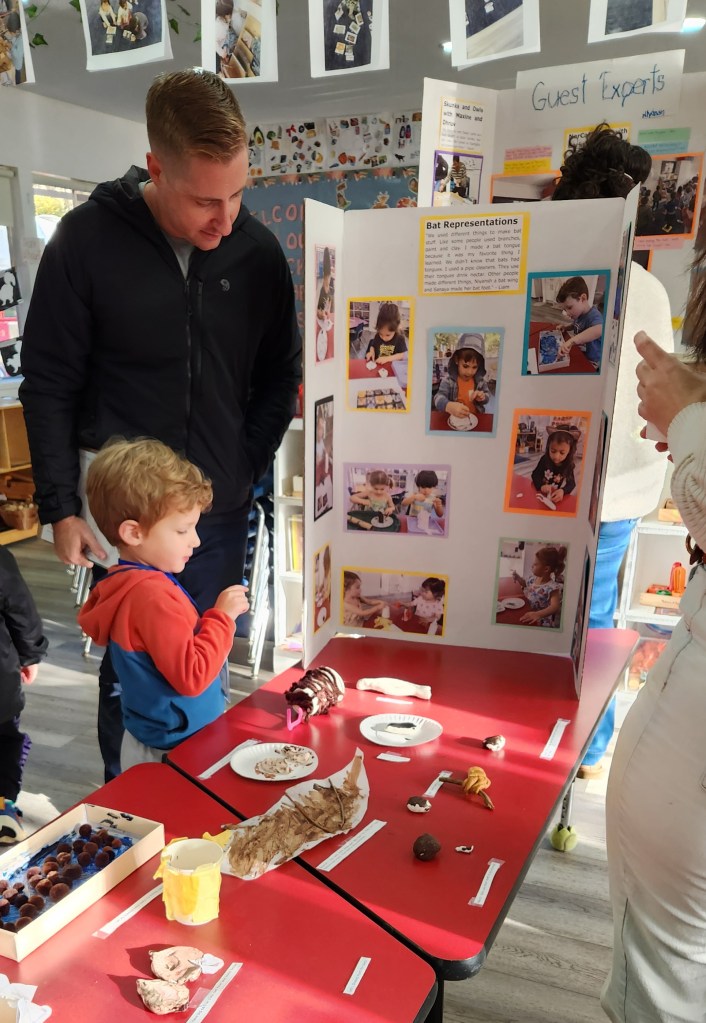
To reflect on the experience, the Owlets used Model Magic to sculpt their favorite bugs from the visit and then dictated fun facts they had learned. The Hoot Owls also jumped right into hands-on learning, creating models of the bugs and sharing their knowledge. From mimicking scorpions to ward off predators to being brightly colored to warn of toxicity, our students discovered just how smart and strange bug adaptations can be.

#SaklanHandsOn
Adventure in Space
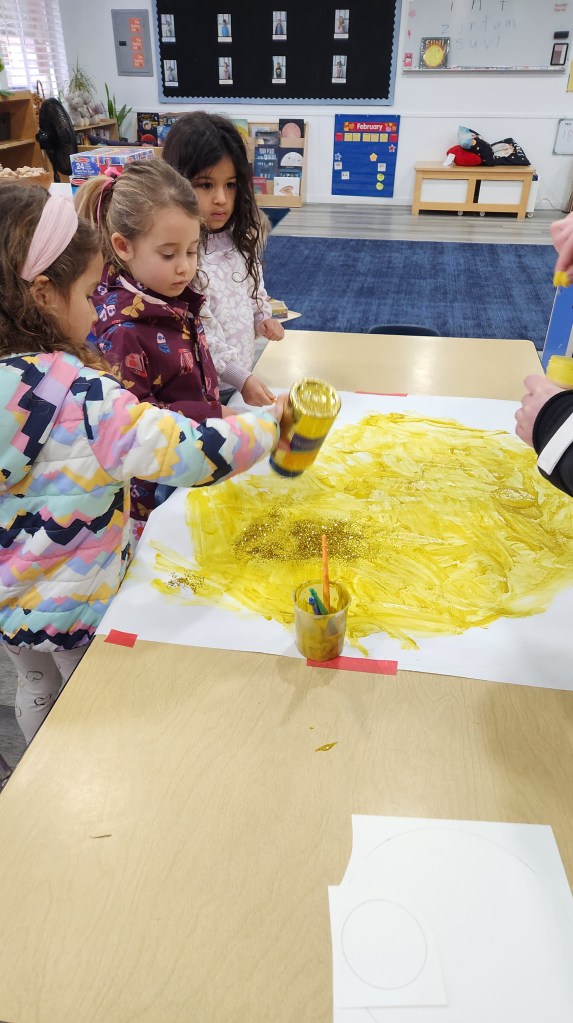
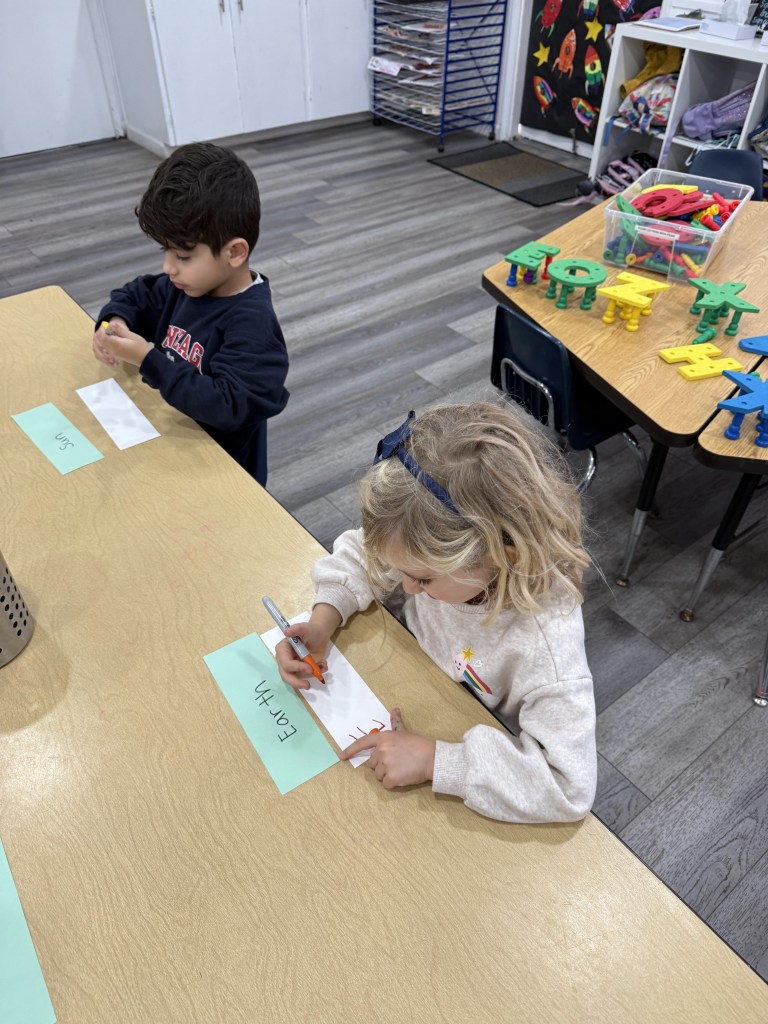
The Hoot Owls have taken on a new inquiry topic: Space! Space is something that the class was very curious about, and just like any new inquiry, they started by asking questions. Amongst their many wonders, the Hoot Owls shared:

  • “How come there is no gravity in space?”
  • “Why is there an eclipse?” 
  • “What are the little red rovers on different planets?” 

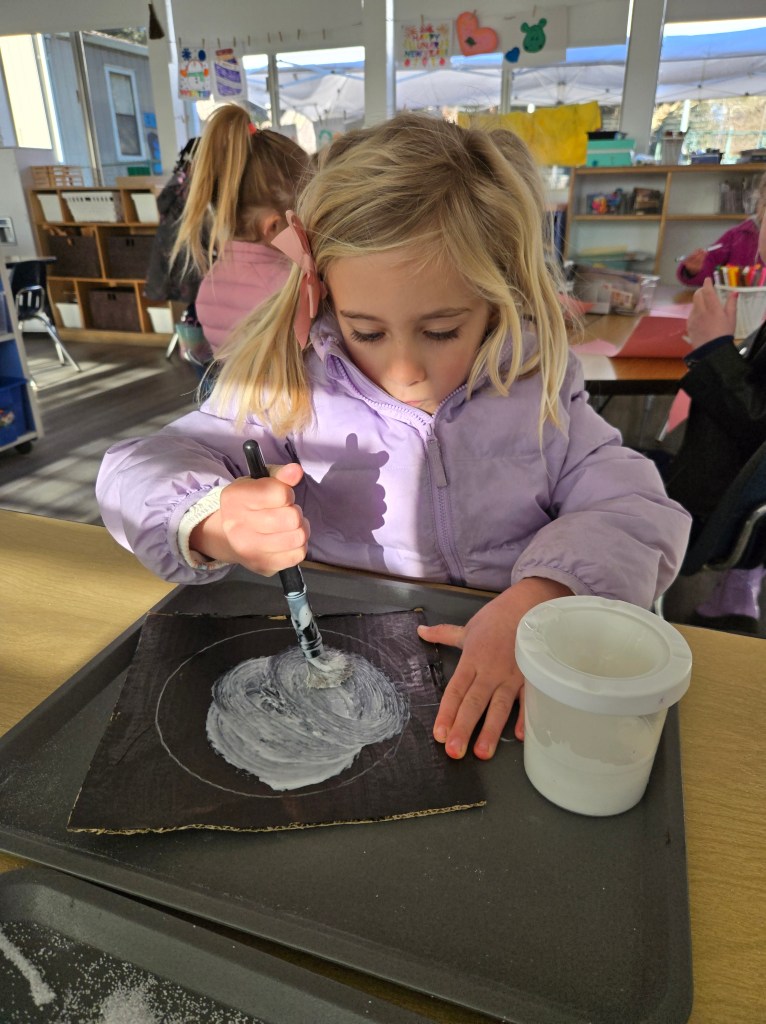
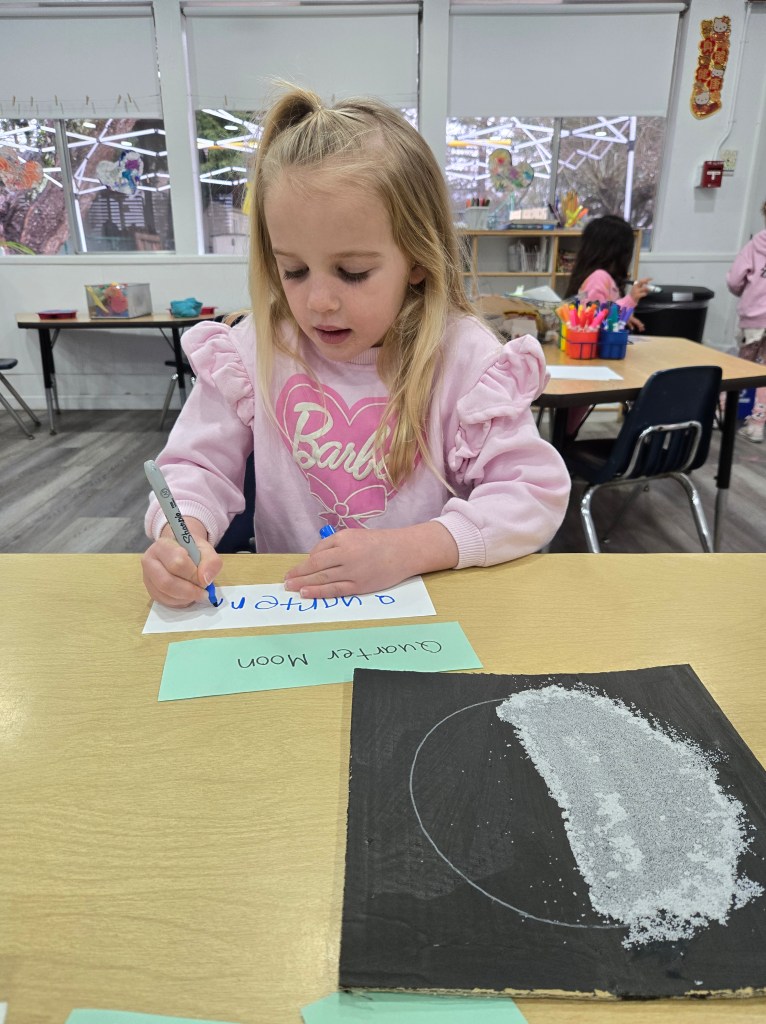
The class read Moon! Earth’s Best Friend by Stacy McAnulty, in which they discovered that the moon has different phases. Next, to address one of the student’s questions, “Why is there a moon in space?” the class watched a video about the formation of the moon. The Hoot Owls then created moon representations to showcase what they learned about the moon phases. 

Since the Hoot Owls were very curious about gravity, the class watched a video that taught them that gravity is a strong force that pulls things toward the center. They learned that gravity is what keeps people on Earth and why things fall to the ground. 

Next, the class read Sun! One in a Billion by Stacy McAnulty, which taught them that the sun is a dwarf star that gives us light. From Earth! My First 4.54 Billion Years by Stacy McAnulty, the class learned that Earth started as a big flaming ball of hot molten lava, and then it cooled with long periods of rain until it formed land. The Hoot Owls also learned about the four parts that make up the Earth: the crust, mantle, outer core, and inner core. They were amazed to learn that the sun’s gravitational pull keeps the Earth orbiting around the sun.

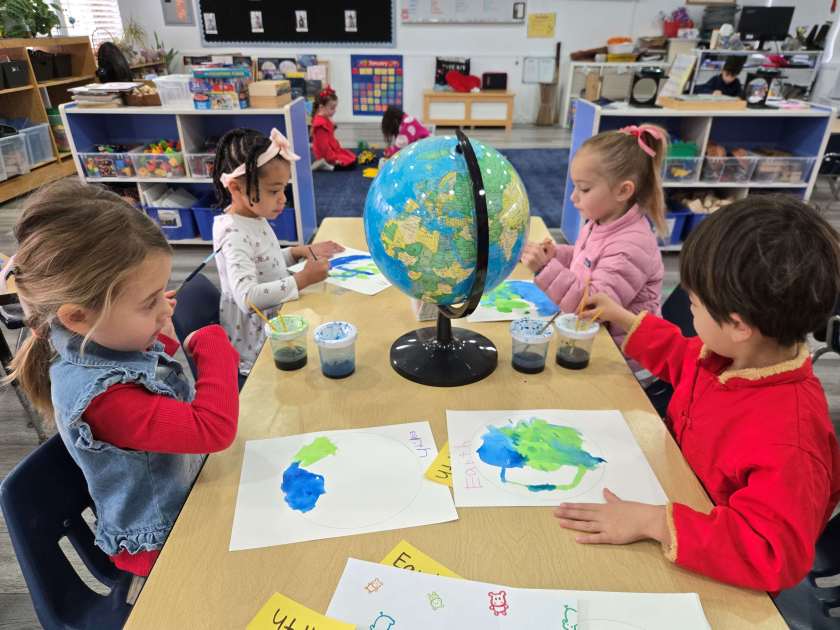
To reflect on what they learned, the class made Earth representations by looking at a globe and water-coloring what they saw. They are also working to create a representation of the solar system in our classroom.

Amazing Tour Guides

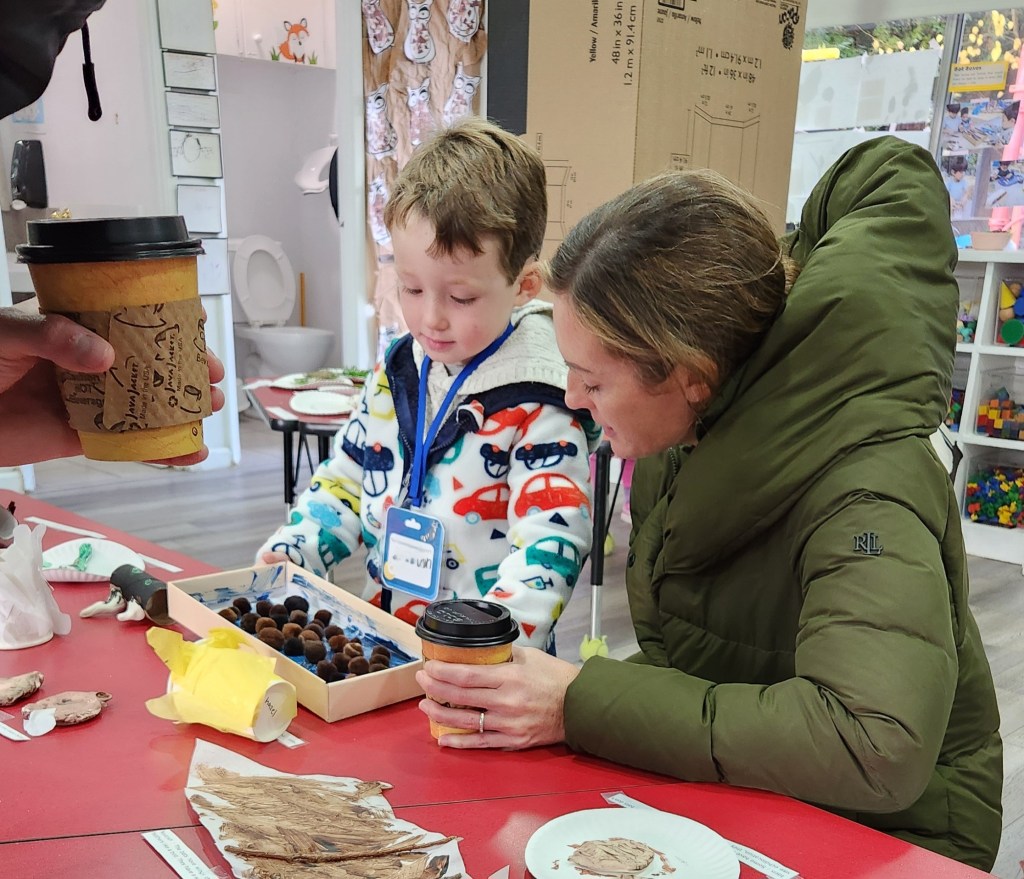
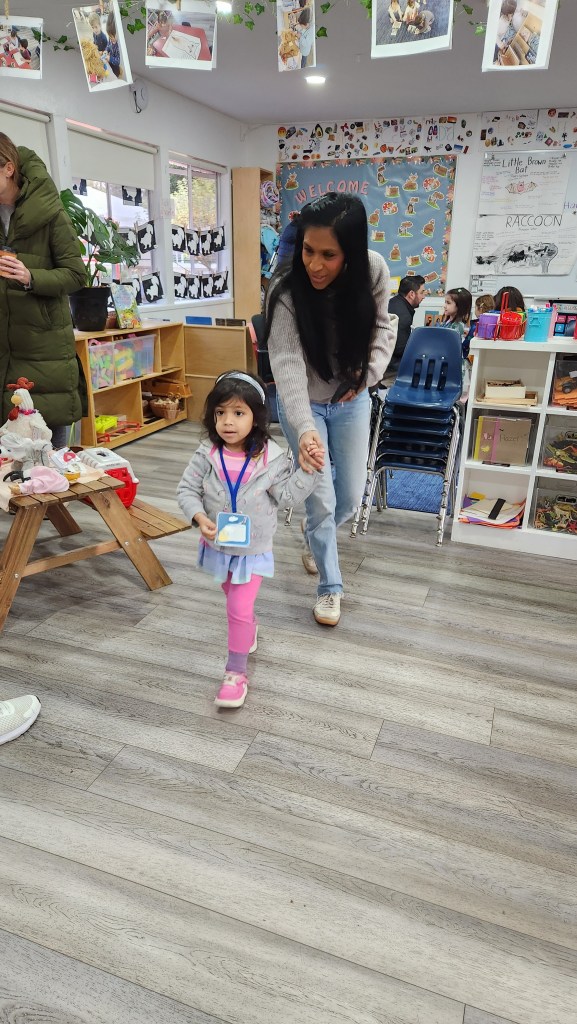
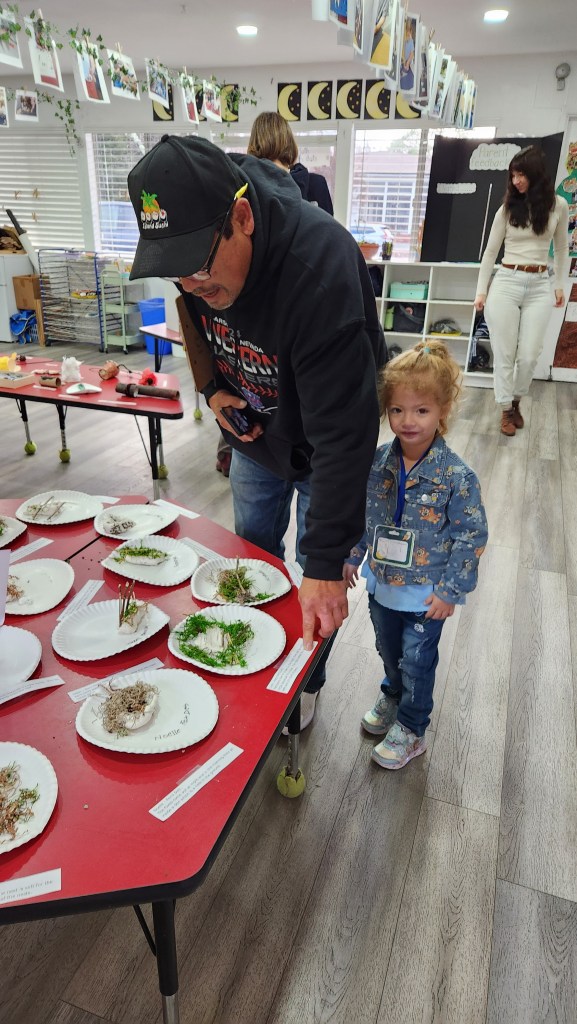
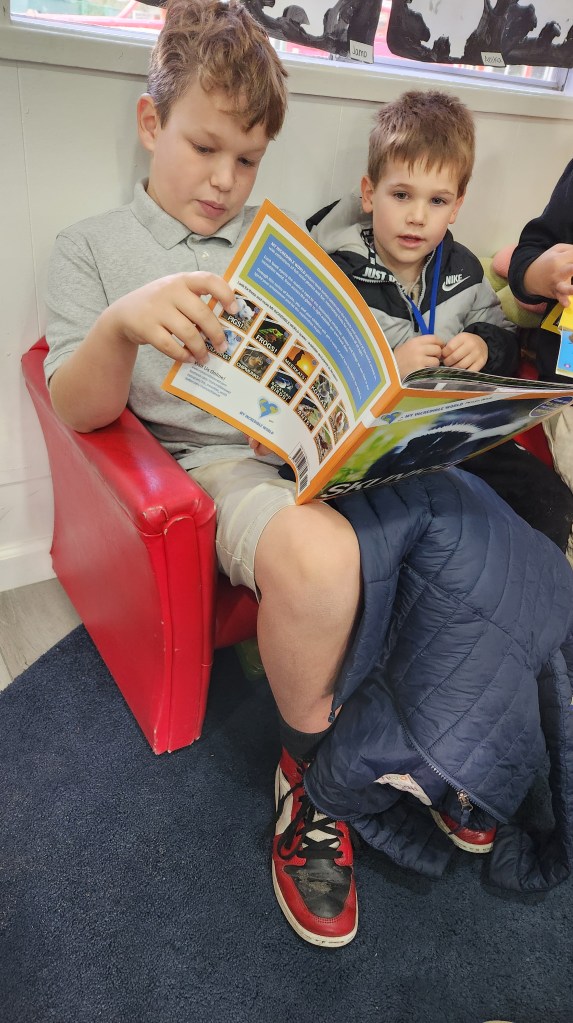
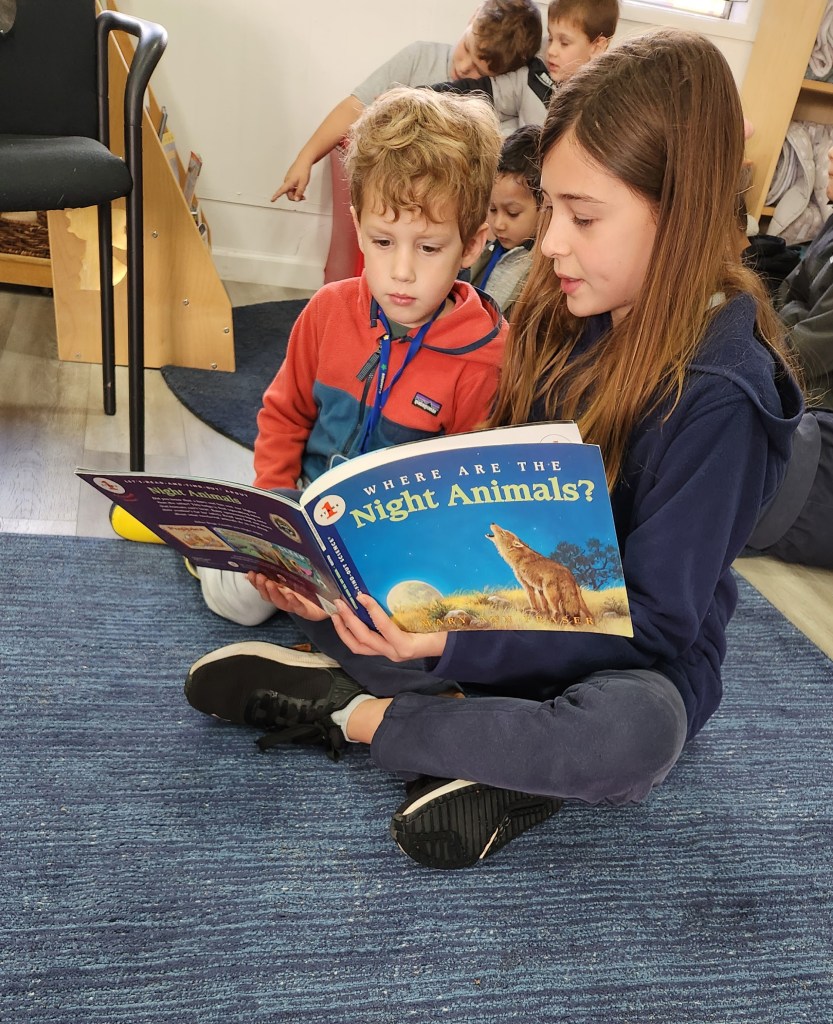
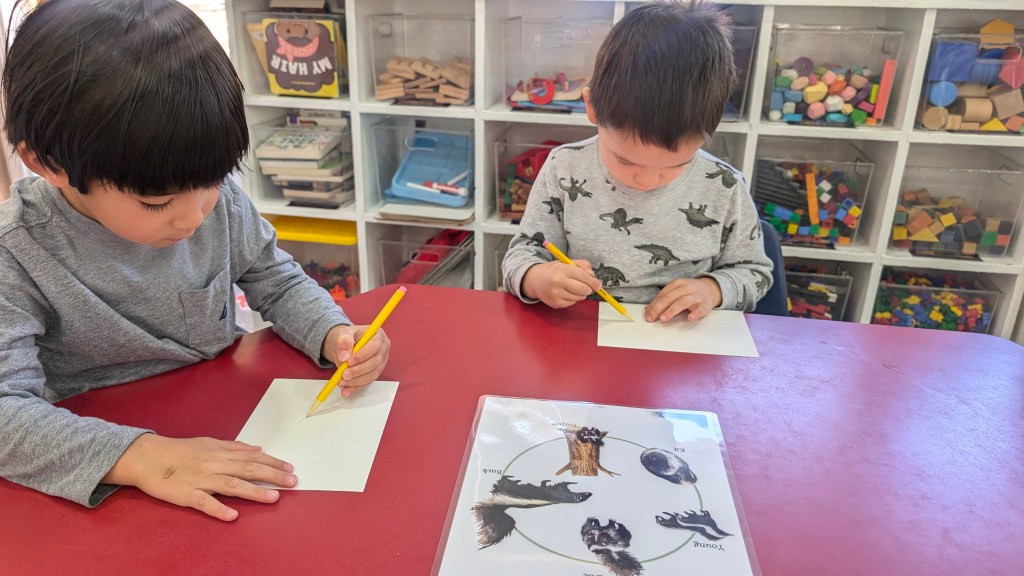
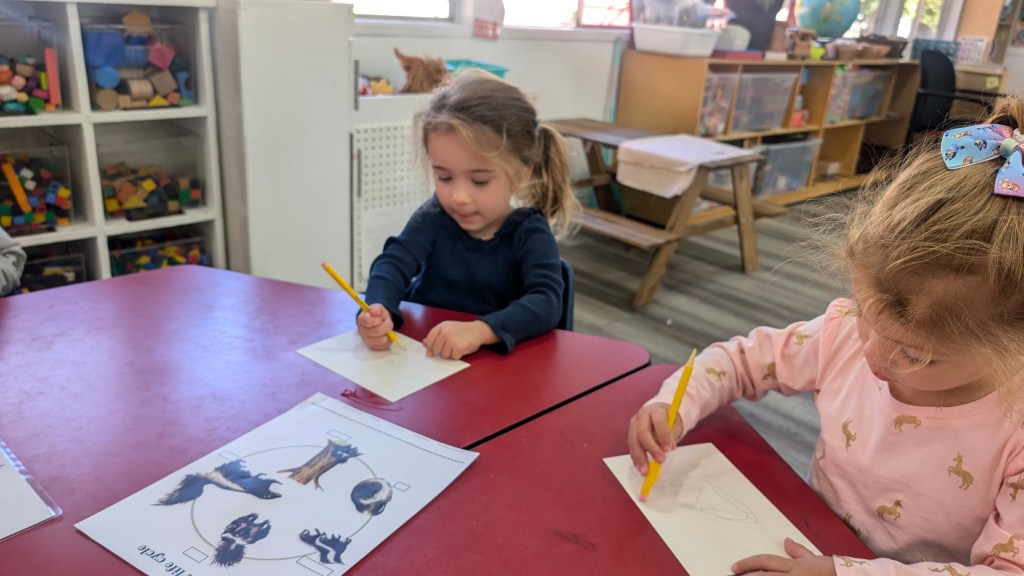
Last week, the preschoolers were very excited to welcome their parents, buddies, and other community members into their classroom for their Nocturnal Animal Project Culmination.

The Owlets spent two months learning about nocturnal animals after a student brought up the concept during circle time at the beginning of the year. The other students had a lot of prior knowledge about animals and were very interested in learning about animals that are more active at night, so the teachers designed a project based on their natural curiosities.

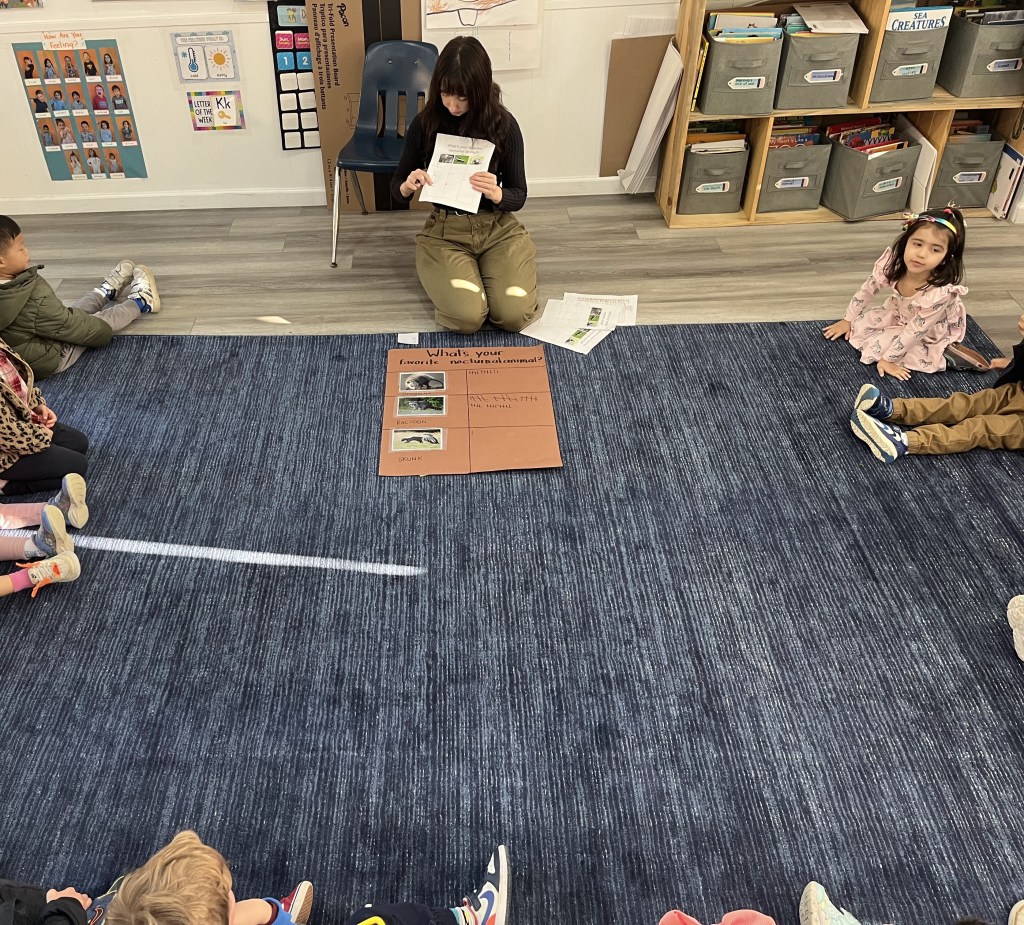
As part of their project, the Owlets took on the role of surveyors, going around the school to ask other classes an important question: Which garbage collector is your favorite—raccoon, opossum, or skunk? After gathering all the votes, they counted them together as a class. It was a close race, but in the end, the preschoolers discovered that Saklan’s favorite animal is… the raccoon!

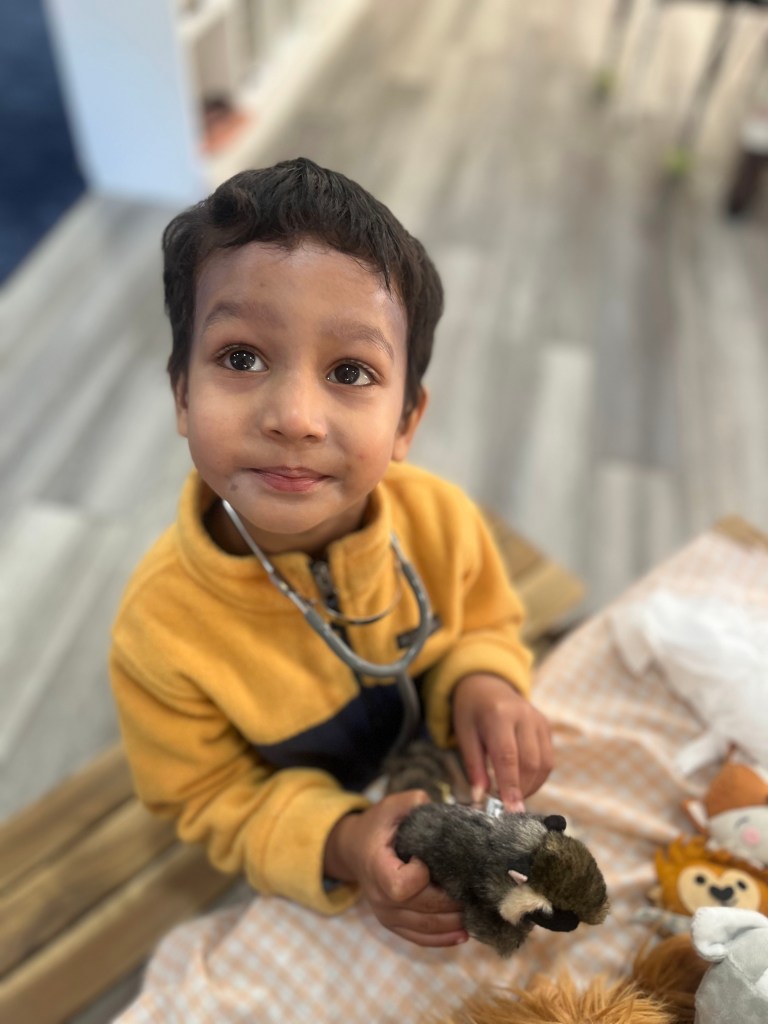
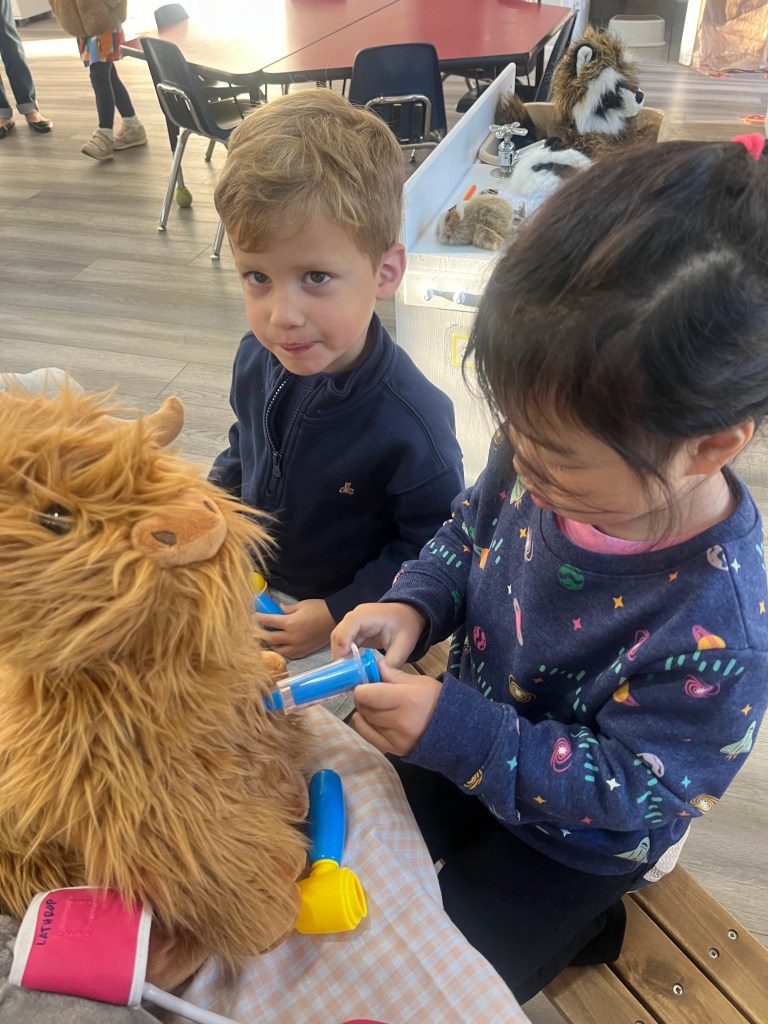
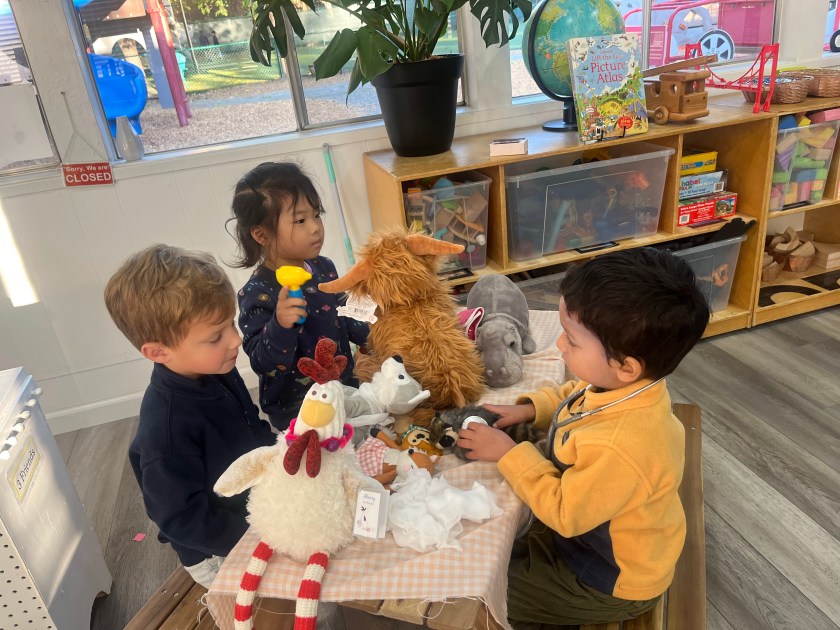
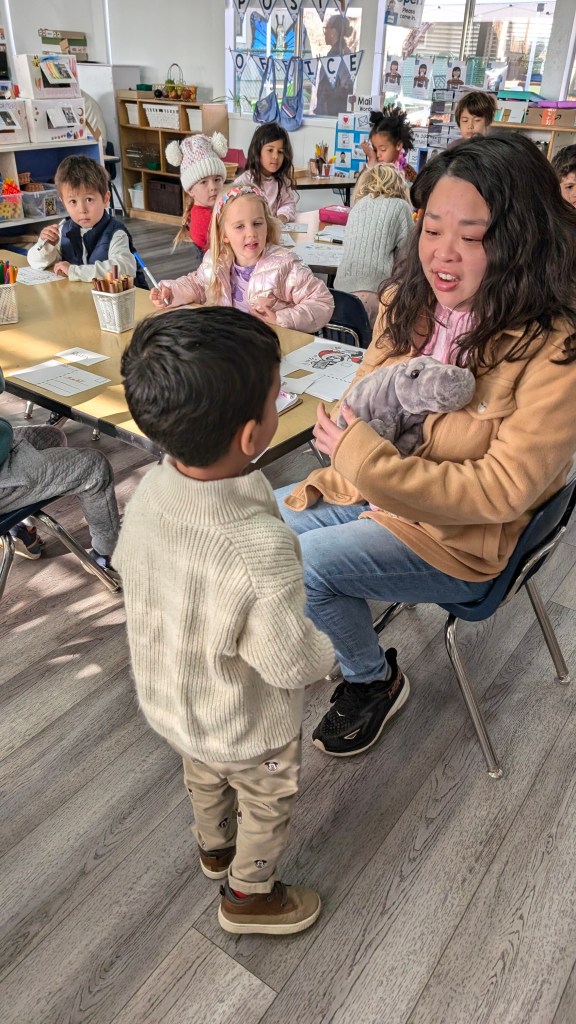
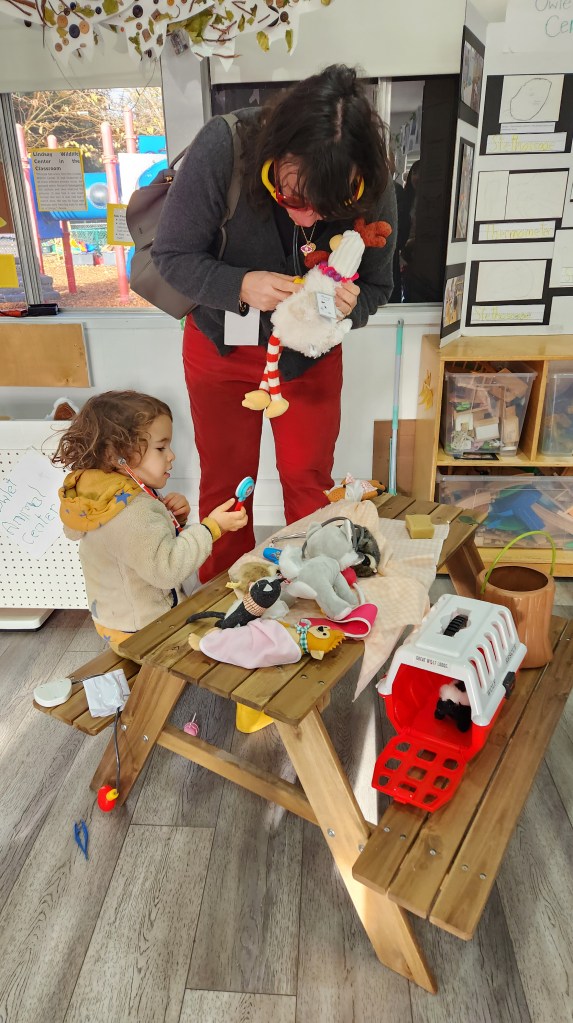
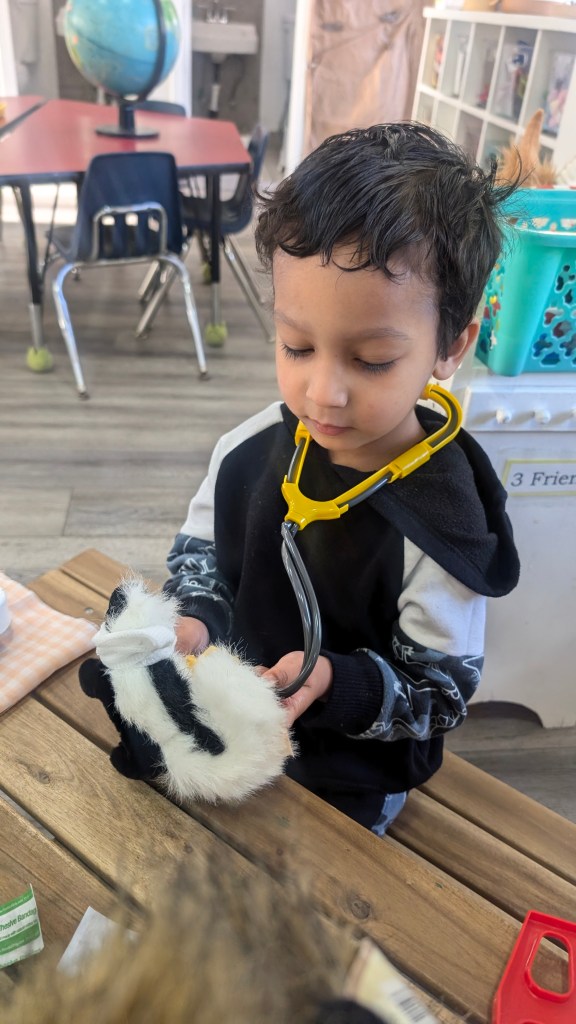
During the project, the Owlets created an Owlet Wildlife Center, after learning about Lindsay Wildlife’s Rehab Hospital. During their study they learned an important lesson: once an injured animal heals, vets usually release it back into its natural habitat. With this in mind, it was time to return the now-healed animals in their care. Maggie’s hippo and Shay’s hairy cow were delivered with care back to their “homes.” Maggie and Shay were so happy to be reunited with their stuffies, and the Owlets were just as excited to see their hard work pay off!

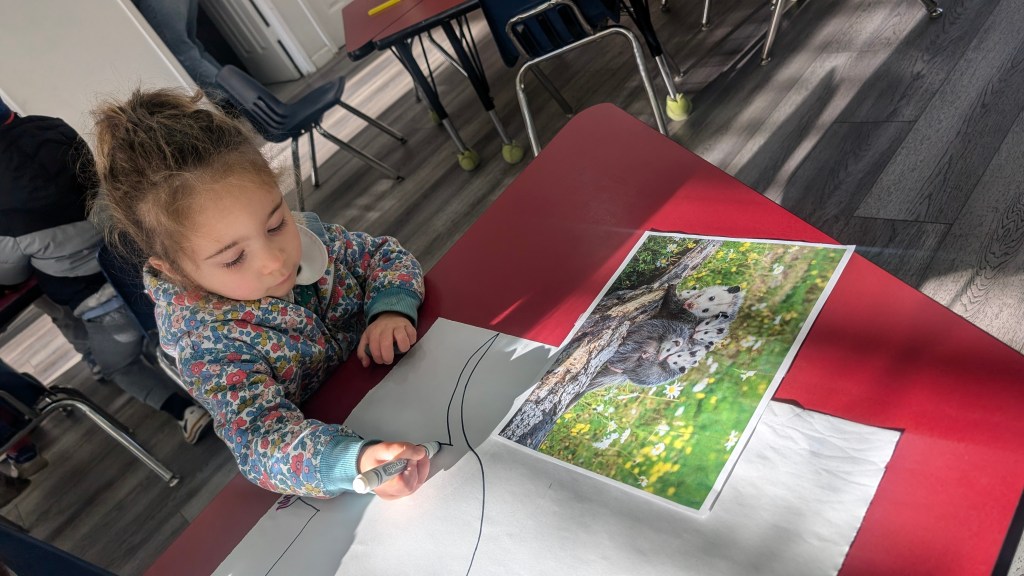
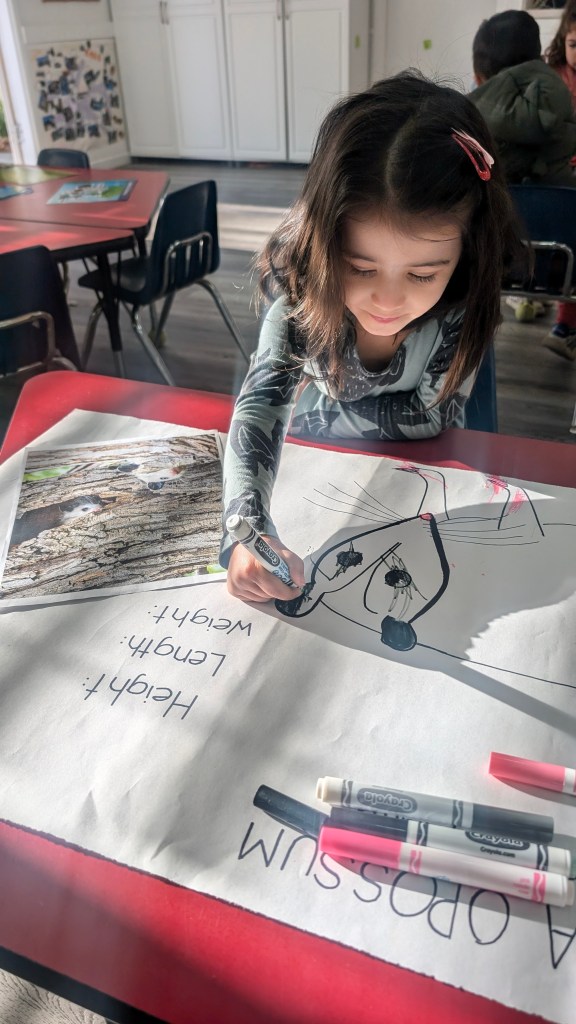
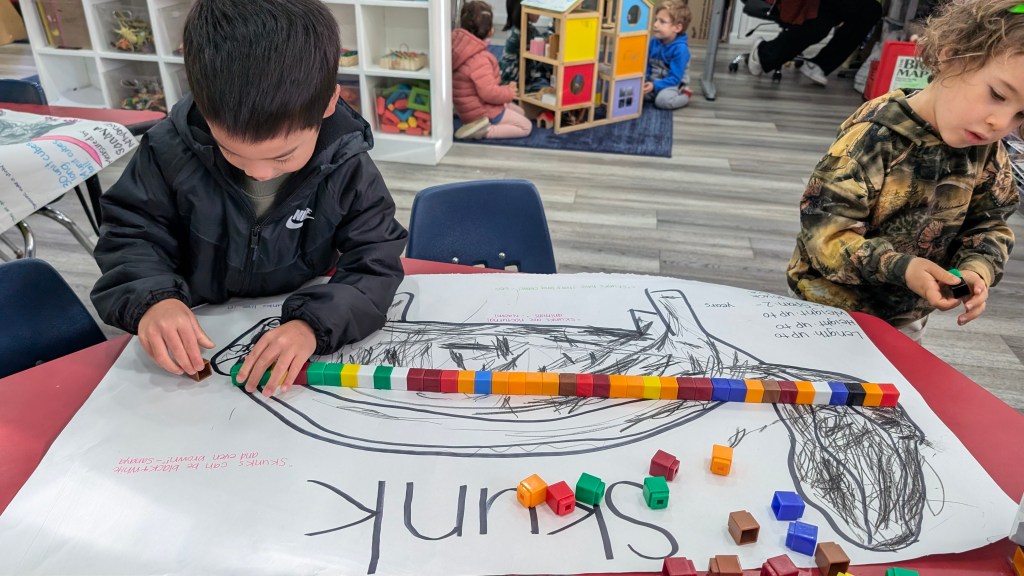
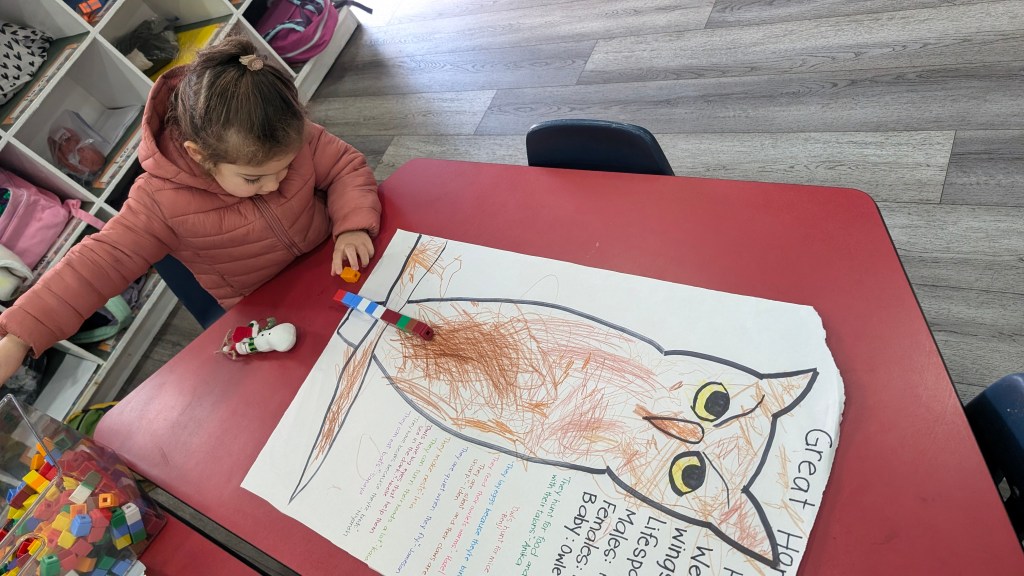
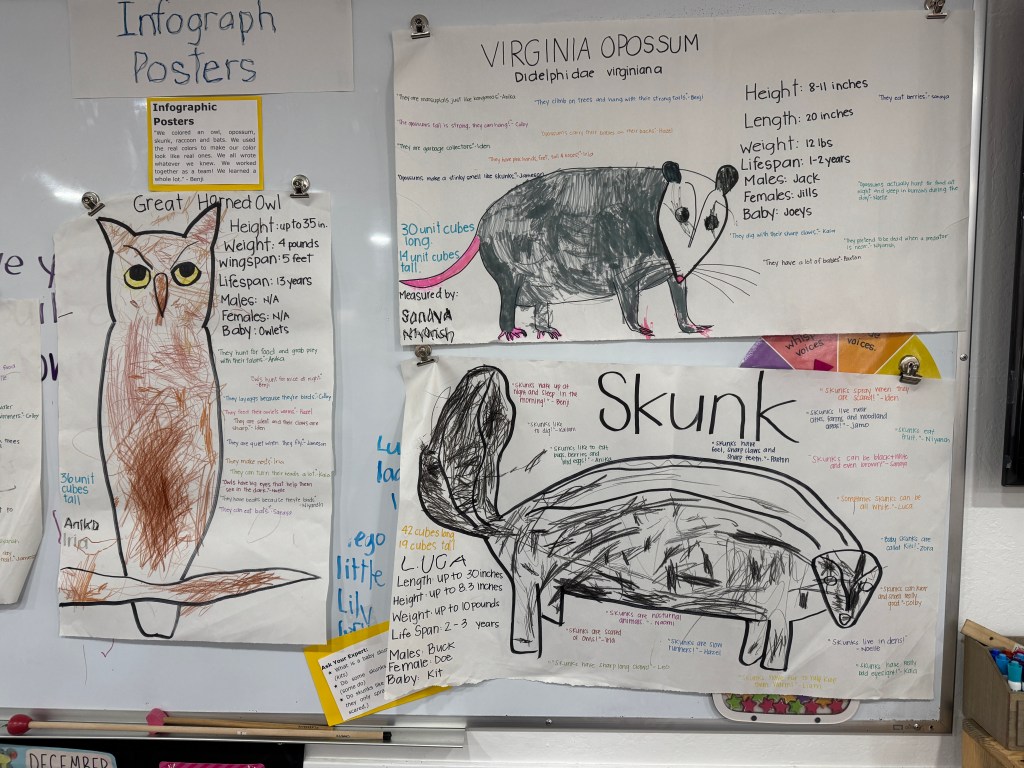
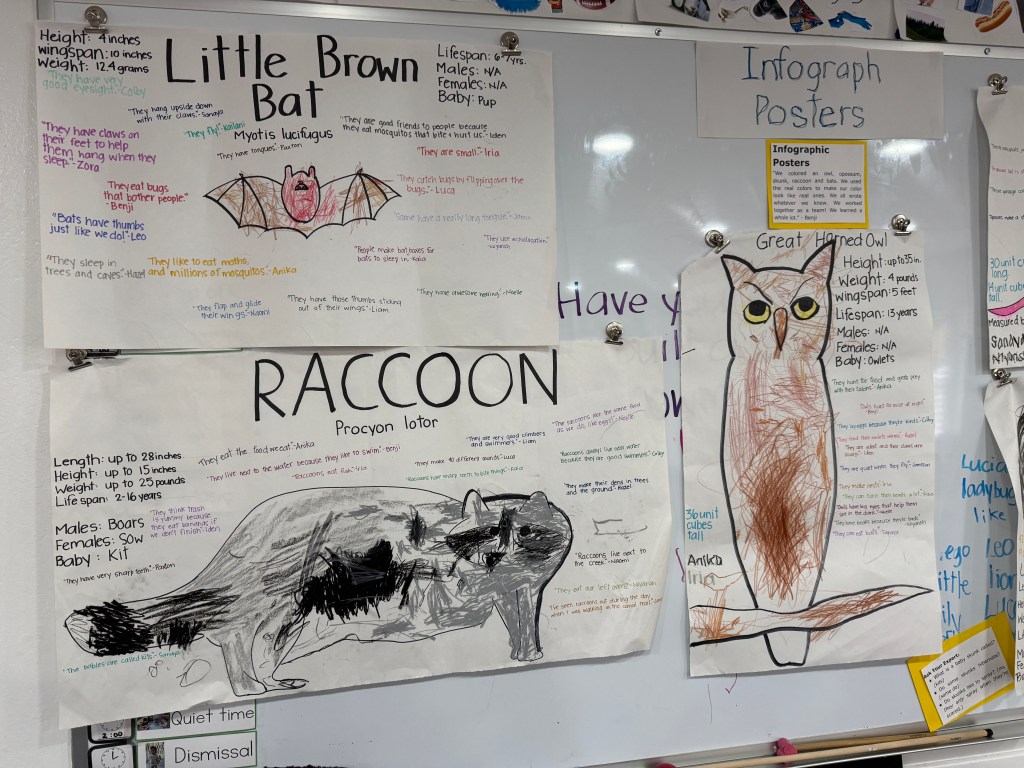
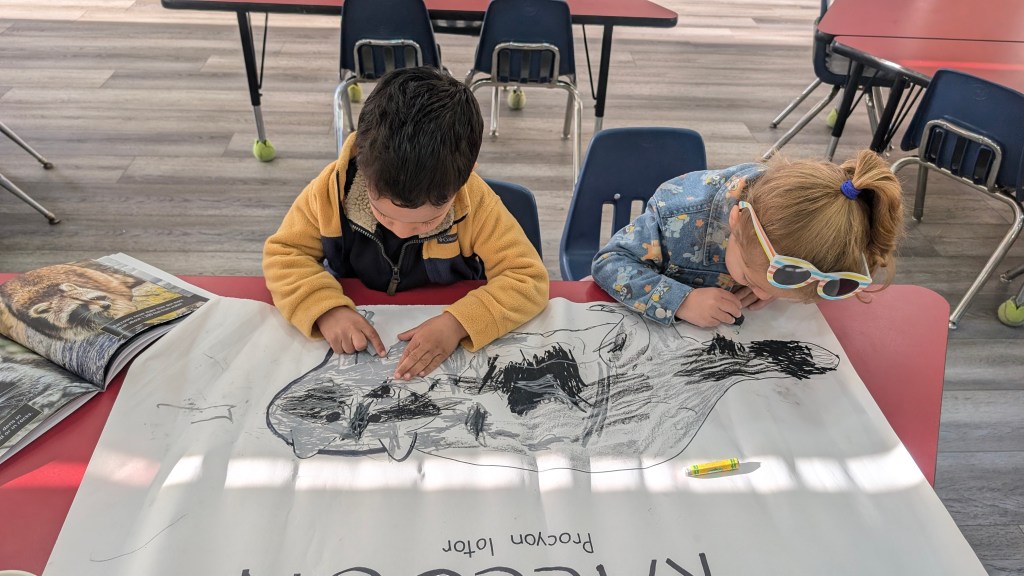
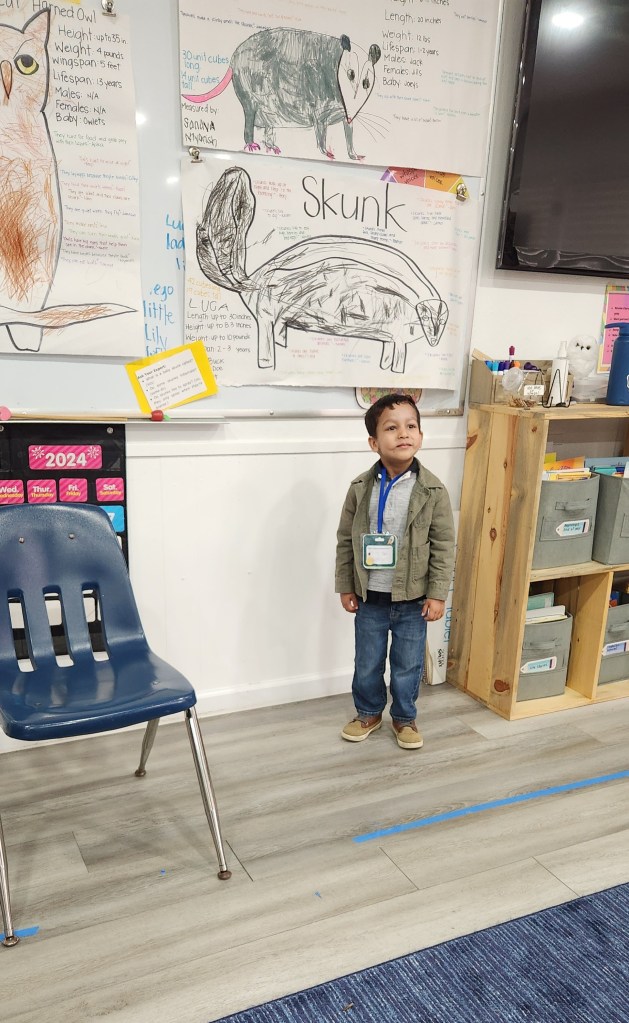
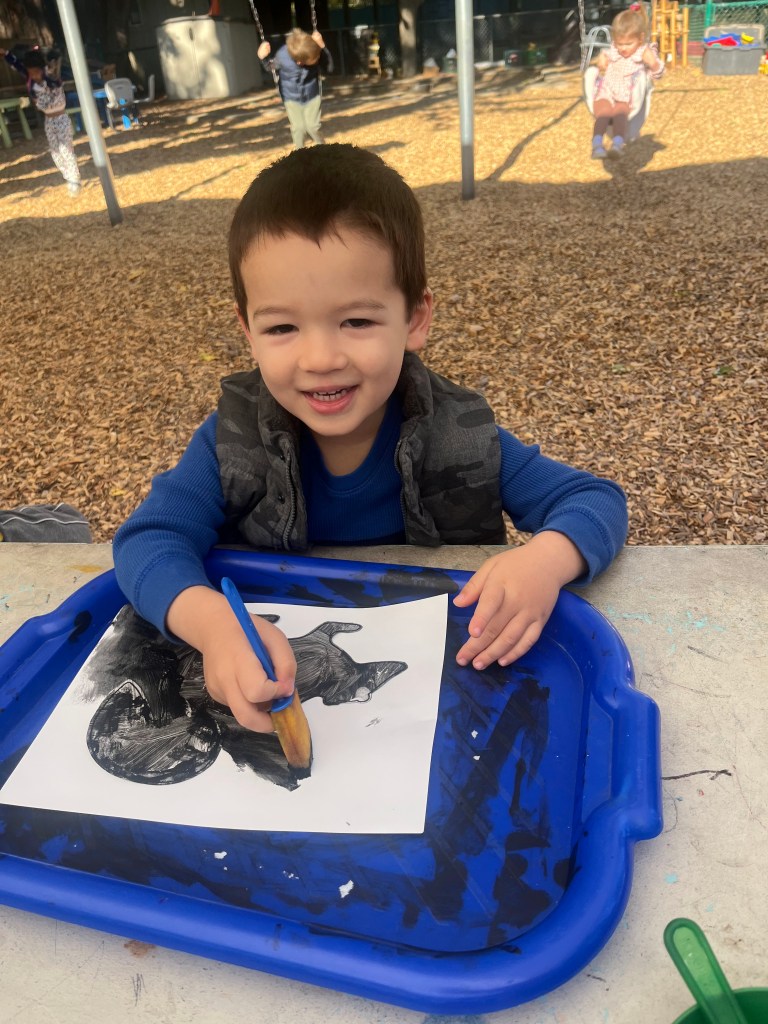
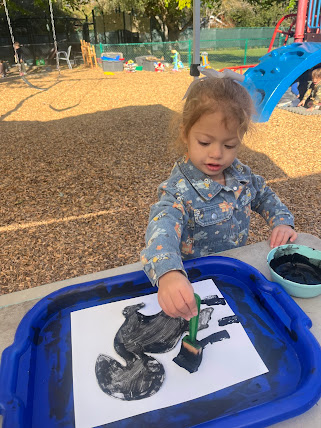
To get ready for the culmination, the Owlets reviewed all the facts they had learned by creating colorful infographic posters. Their attention to detail was spot on as they helped color the giant animal drawings, carefully choosing the real-life colors of each animal. In addition to coloring the posters, they did some fun math with them, measuring the length and width of the animals using unit cubes.

Finally, all their learning and hard work came together for their Nocturnal Animal Culmination, which was a great success! Teachers, parents, and buddies were all very proud of the Owlets. They were amazing tour guides, confidently sharing everything they’ve learned.

Nocturnal Animals

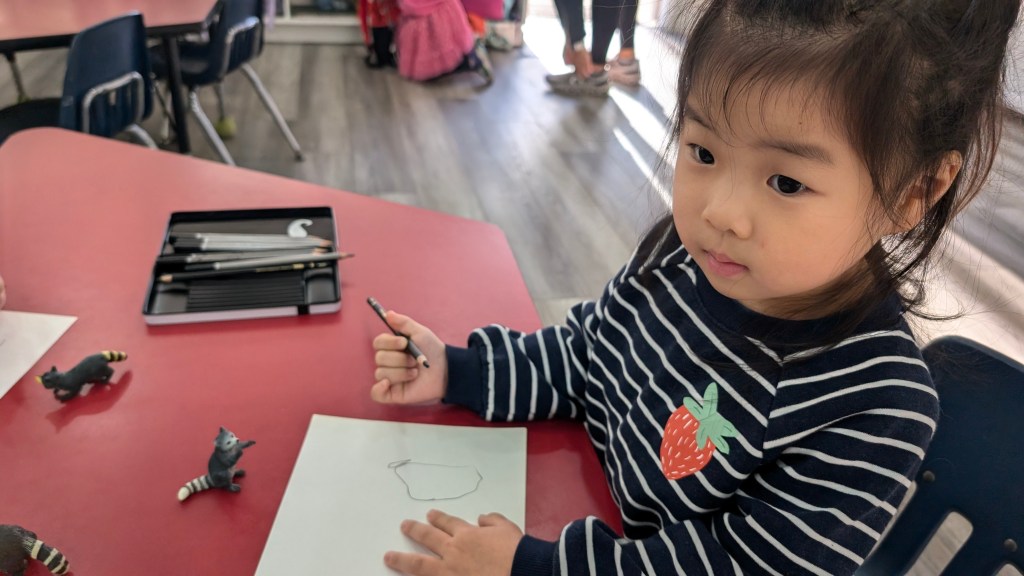
The Owlets have been studying nocturnal animals, and recently they enjoyed investigating some of the most misunderstood nocturnal animals! At first, many of the Owlets thought skunks and raccoons were “bad guys” of the animal world, but after discussion, they realized they were just trying to live their lives, just like humans. When the preschoolers started learning about skunks, they described them as stinky and mean animals that spray people for no reason. But they soon discovered that skunks only spray when they feel scared or threatened. This led to a conversation about what Owlets feel like when they are scared. The class imagined how a skunk might feel if something got too close to its babies or den. These discussions helped them see skunks in a new, more appreciative light. This also introduced them to the idea of defense mechanisms, which are special adaptations animals use to stay safe.

Next, the class turned their attention to raccoons. The Owlets started off thinking of raccoons as pesky garbage eaters, but soon uncovered the truth: raccoons love the same kinds of food people do, so they’re just after our leftovers! While it might seem like they could make friendly pets, the preschoolers learned it’s never safe to touch a wild animal—or even an animal they don’t know. During circle time, Colby asked, “What would happen if a raccoon came into our house to get our trash?” This sparked an important conversation about wild animal safety. They talked about the importance of finding a grown-up to help and discussed how places like the Lindsay Wildlife Center in Walnut Creek are experts in helping injured or misplaced animals. After learning so much about skunks and raccoons, the Owlets agreed: these animals aren’t bad at all! They’re just a little misunderstood.

The Owlets can’t wait to share what they’ve learned with the rest of the school at their upcoming Nocturnal Animal Project Culmination on Thursday, December 12th at 8:30 a.m.

#SaklanProjectWork

Plate Tectonics and Natural Forces

Saklan sixth graders recently dove into the fascinating world of plate tectonics and the powerful forces shaping our planet. They explored how Earth’s tectonic plates float on the molten, magma-filled mantle beneath us, driving some of the most dramatic movements we experience. The students investigated the concept of Pangea—the idea that all continents were once joined as a single landmass—and learned how plate boundaries have caused continents to gradually drift apart, creating the world map we recognize today. They studied divergent plates that push apart, convergent plates that move together, transform faults where plates slide past each other, and subduction zones where one plate moves under another.

Their studies then shifted to what some might call “natural disasters,” though the class viewed them as incredible demonstrations of Earth’s energy. The students examined tsunamis triggered by underwater seismic activity and researched historic earthquakes. They even created their own news reports to illustrate the impact of these events on different cultures and how earthquakes have contributed to the planet’s evolution over recorded time.

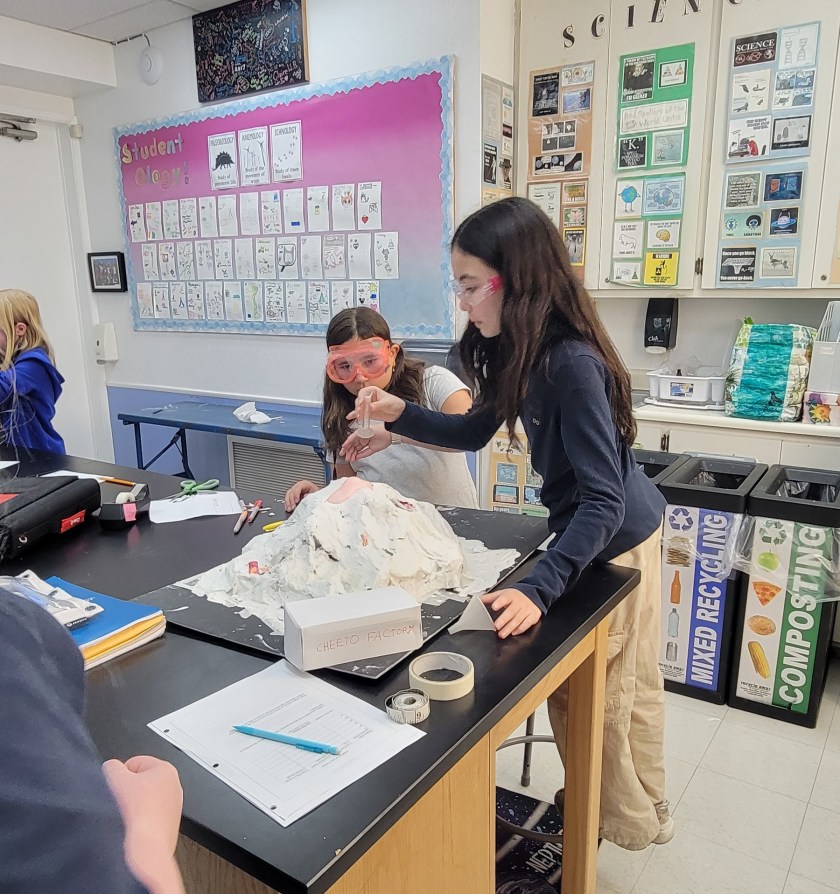
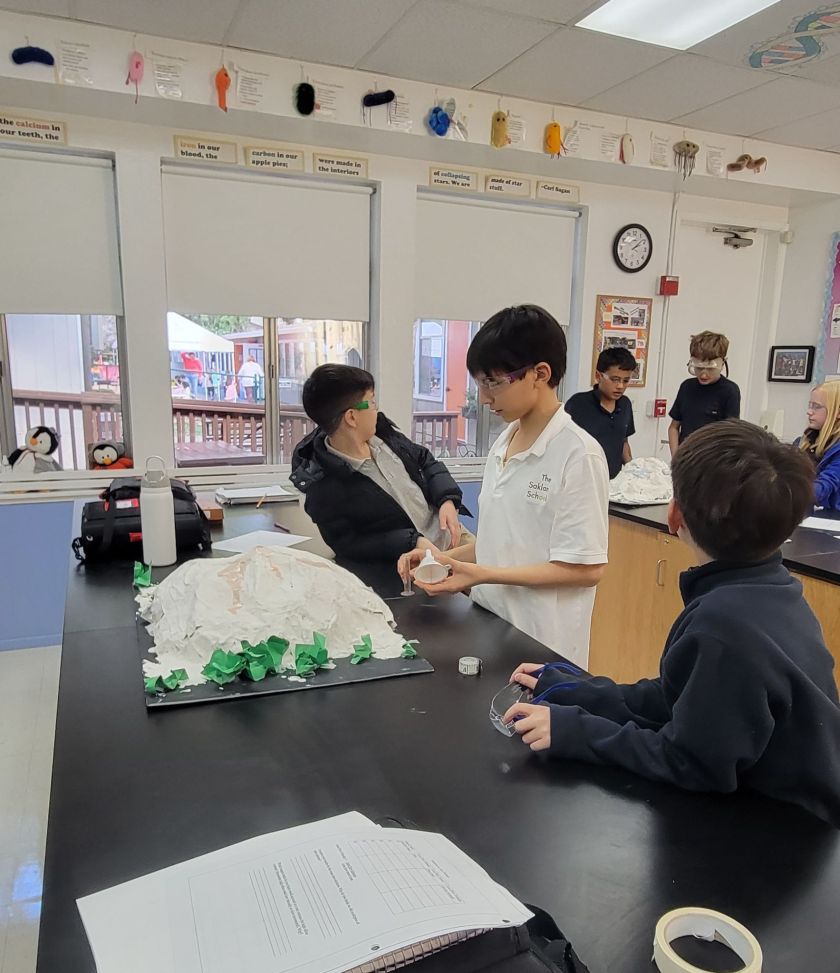
Their exploration of tectonic movement continued with lessons on hot spots and subduction zones, which led to the formation of volcanoes. The sixth graders examined volcanic rocks to understand how scientists determine the type of past volcanic eruptions. Students learned that rocks filled with many holes were formed from lava with high gas content, while rocks without holes contained more silica.

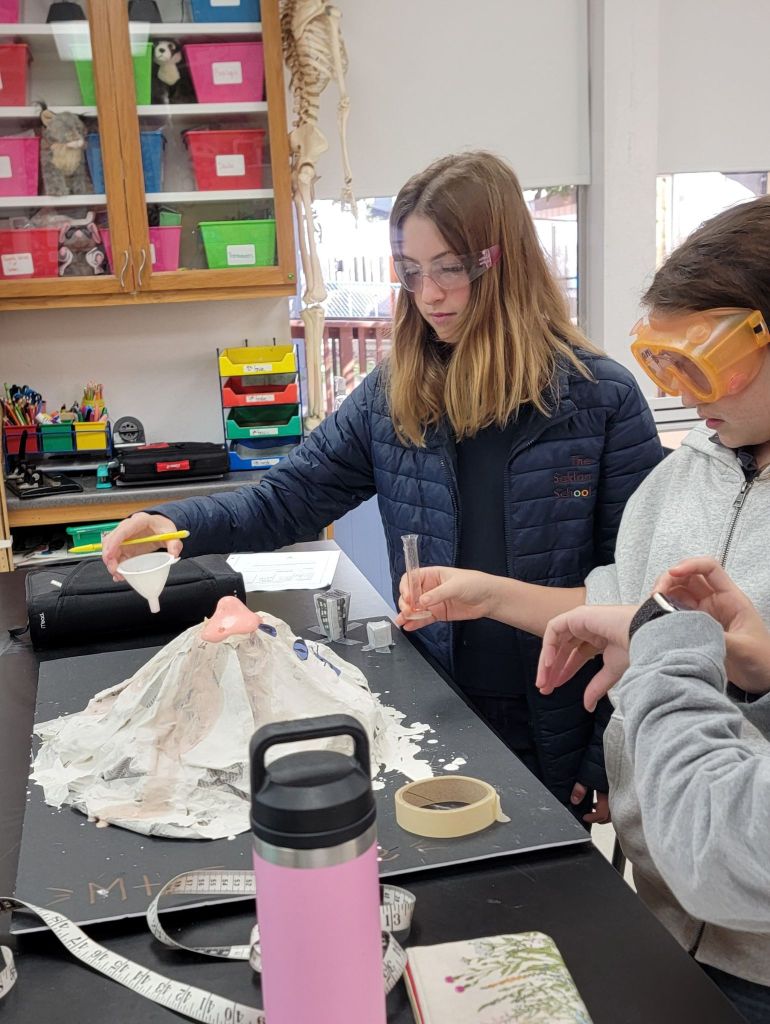
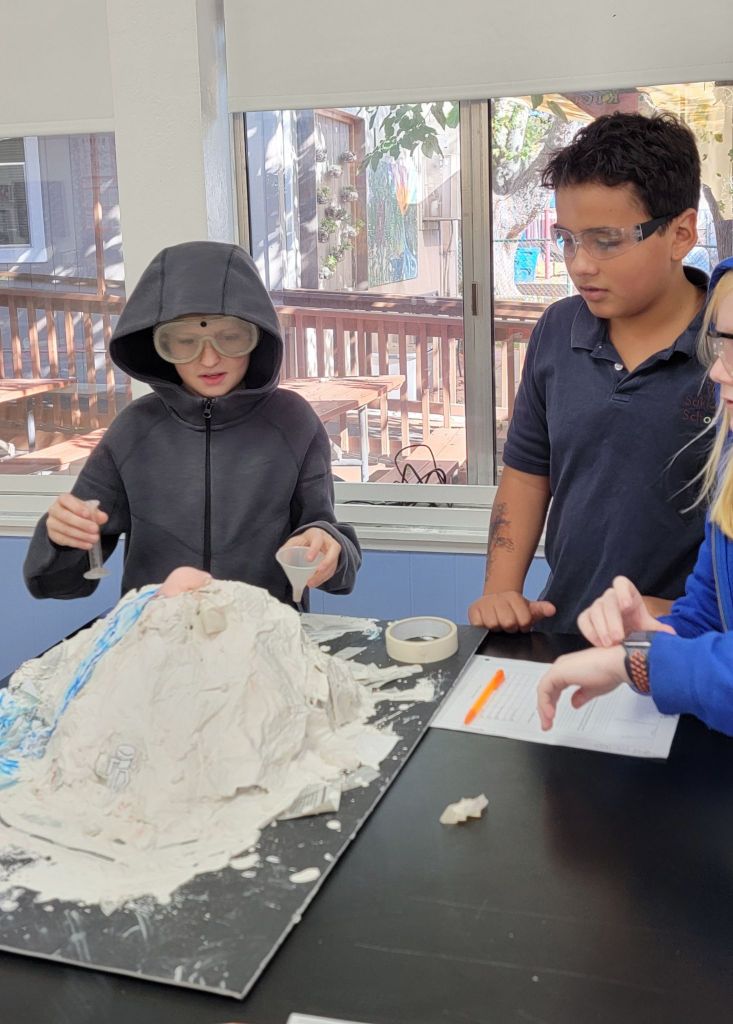
Working in teams, students designed their own volcanoes and experimented with various lava “recipes” to observe different lava flows—some slow and smooth, others fast and bubbly.

#SaklanHandsOn