Staff Spotlight: Vickie

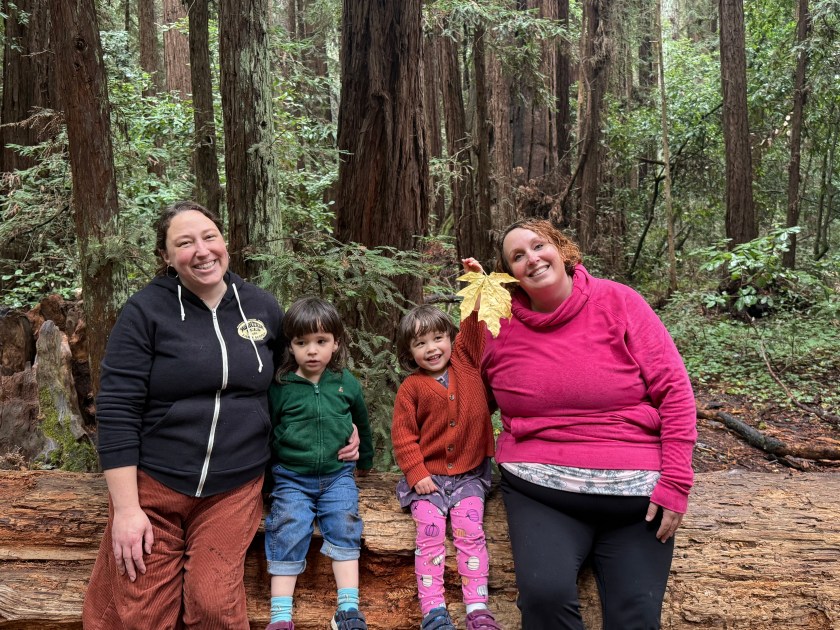
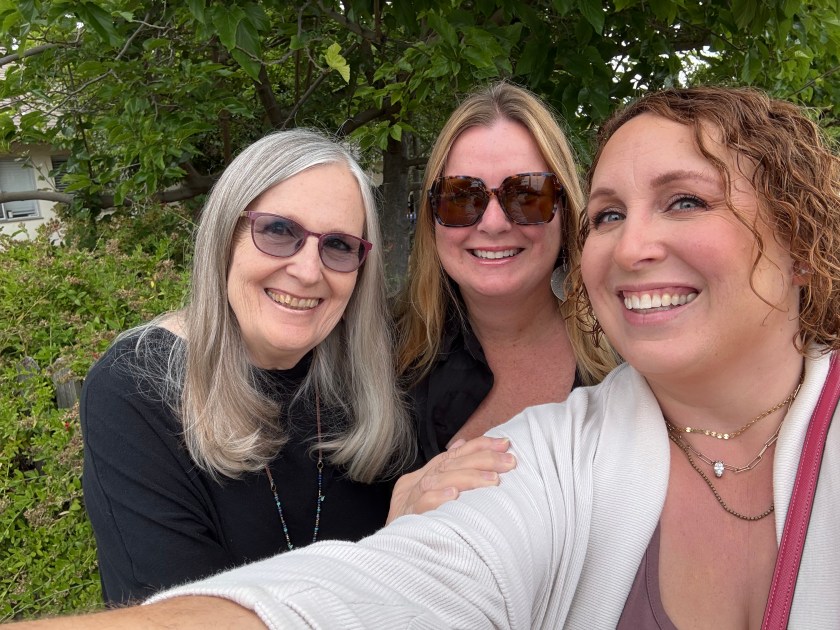
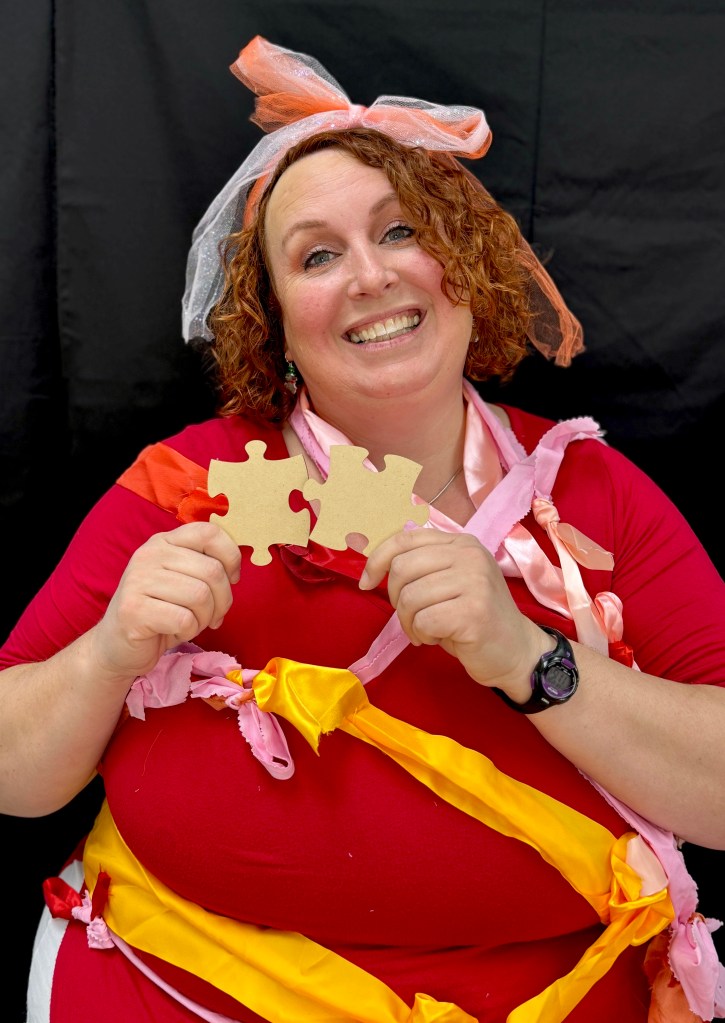
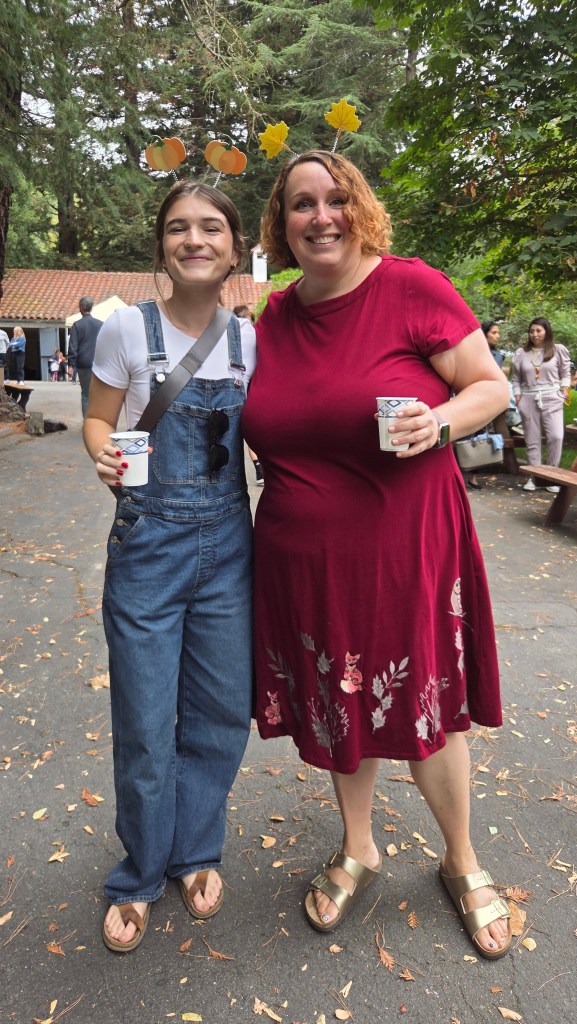
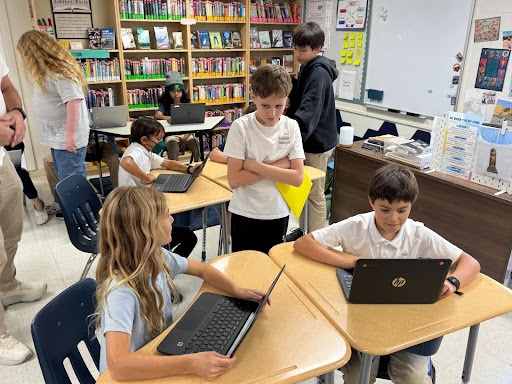
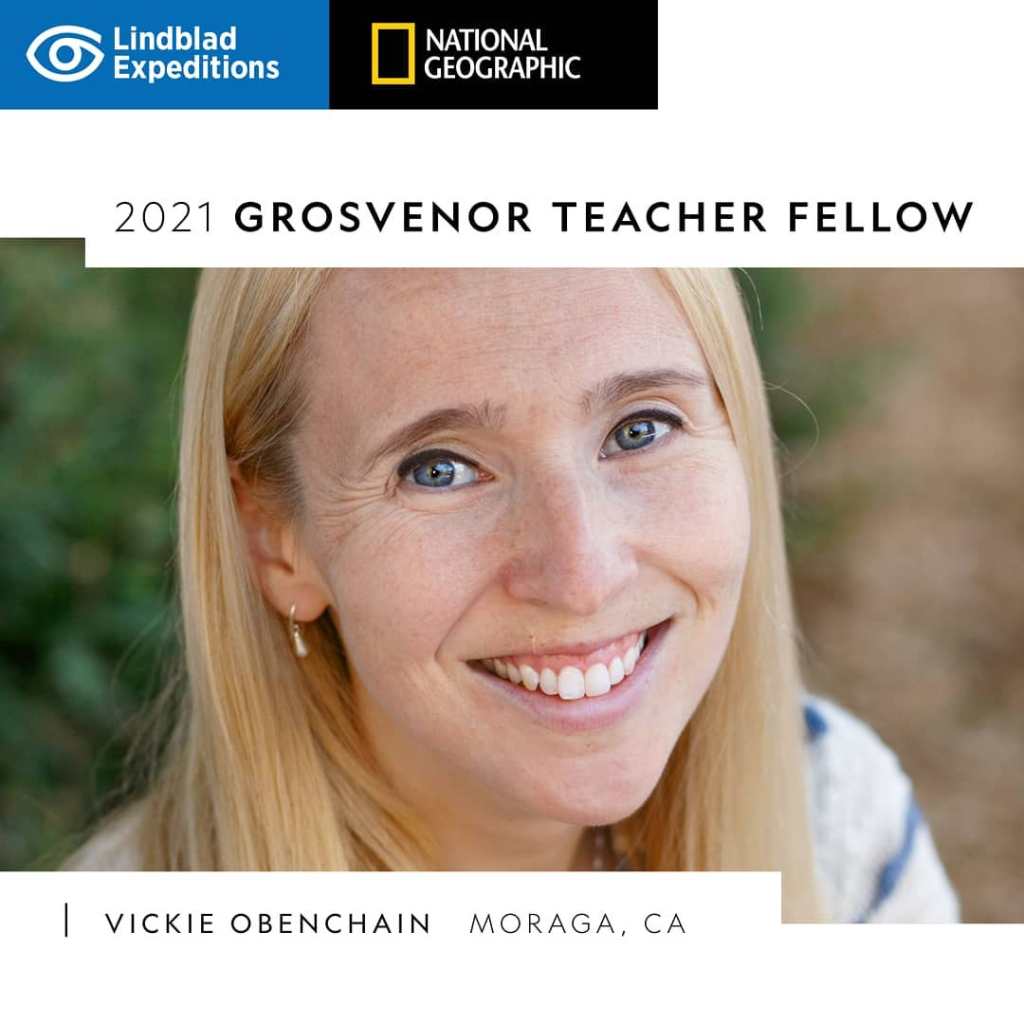
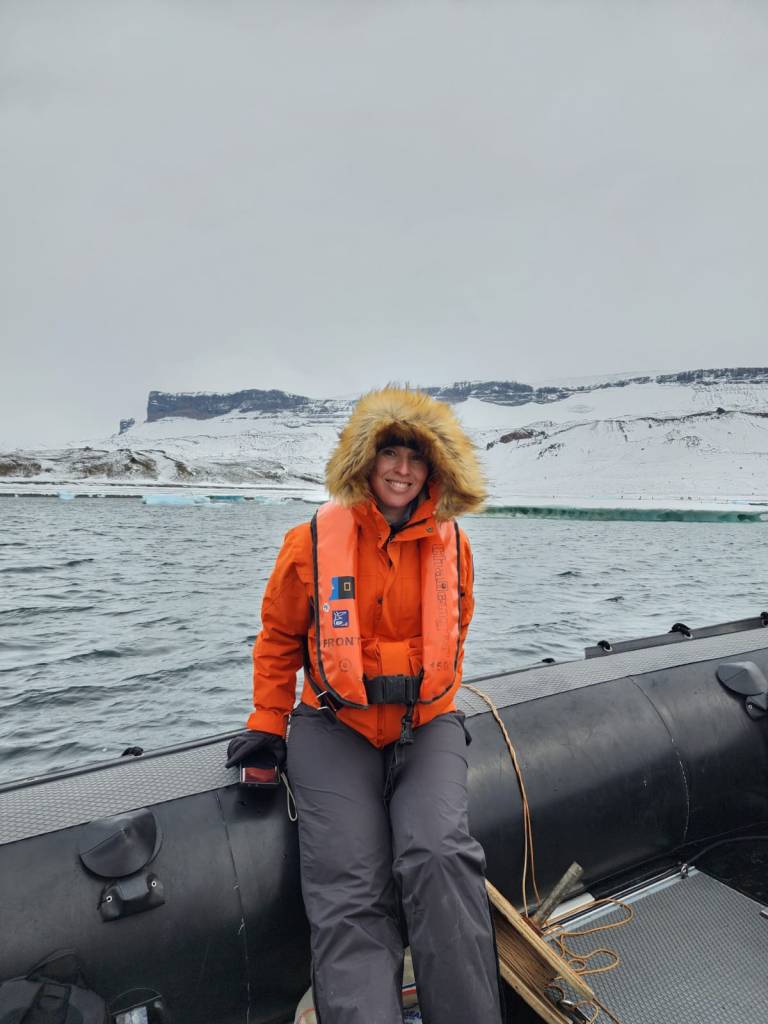
Meet Vickie Obenchain, Saklan’s globe-trotting, zero-gravity-experiencing, shark-snorkeling science teacher extraordinaire. From the icy expanses of Antarctica to the warm waters of the Bahamas, Ms. O doesn’t just teach science—she lives it. Her adventures in professional development don’t just fuel her own curiosity; they spark a love of learning in every student lucky enough to enter her classroom or join one of the incredible field experiences she plans.

What has been the most enriching professional development experience you’ve had in recent years? How have they tied into your curriculum?

I love taking part in professional development! To me, it’s an opportunity to learn new techniques, learn with other like-minded educators from around the country, and see what scientists in the field are doing. These opportunities help both myself and my students understand the world around them, as I bring these experiences back into the classroom. These opportunities have also allowed me to share career opportunities available in the science profession with students, as new ones are constantly popping up. 

A few of my favorite experiences have been ones that have opened my eyes to our amazing planet and expanded my own knowledge in fields I felt I could use more expertise. These include: National Geographic Grosvenor Fellowship, Bimini Shark Lab Teacher Fellowship, Embedded Teacher Program, and the Saklan Summer Fund. With the National Geographic Grosvenor Teacher Fellowship, I went on an expedition to Antarctica. Experiencing the beauty of one of the most remote places on Earth—while learning alongside National Geographic scientists and photographers—was truly a once-in-a-lifetime experience. I spent time learning about the effects of climate change on Antarctica, how the food chain is very dependent on an incredibly small invertebrate, krill, and learning about different species of penguin. Helping both my earth science and life science curricula.

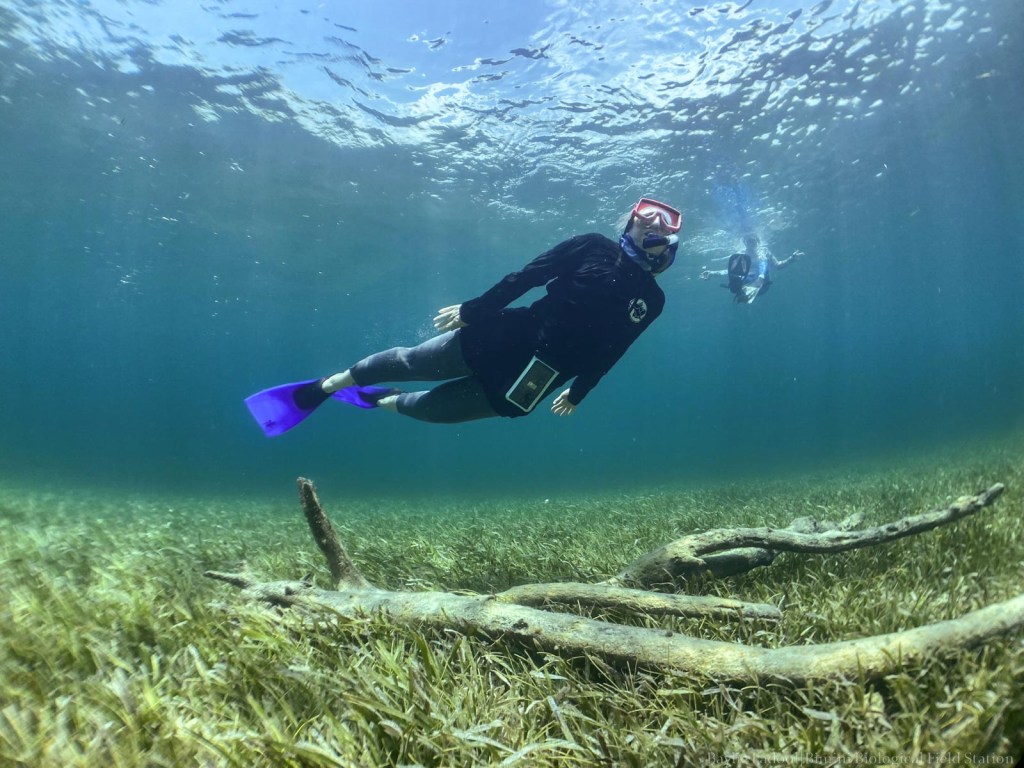
Learning about different species of sharks while snorkeling among them in the Bahamas with the Bimini Shark Lab allowed me to rethink what I thought about these stunning creatures. It inspired our Earth Day topic a few years back, where we rethought about how sharks are presented in the media, yet how they are integral to the food web in our oceans. Maybe respect for all wild animals is the way to go!

Flying on a ZeroG flight with the Embedded Teacher Program to better understand the gravitational pull on Earth, Mars, the moon, and in outer space was not only SO cool, but was also mind-blowing to realize how matter is affected by the pull of gravity! Matter reacts differently than you expect with different gravitational pulls (or no gravitational pull for that matter), and having the students brainstorm and create hypotheses before I went on the flight on what might happen as I did experiments in that environment allowed them to open their minds around what scientists have to consider when designing and engineering for outer space. This tied into my physical science units, as well as my lower school 5th-grade science unit.

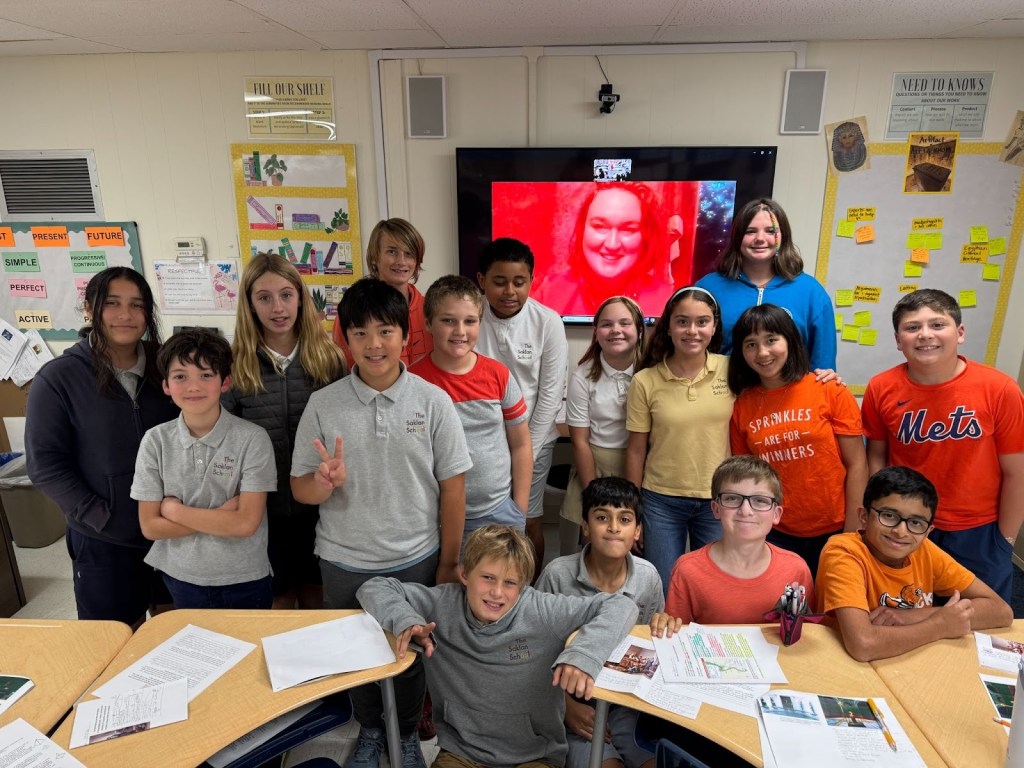
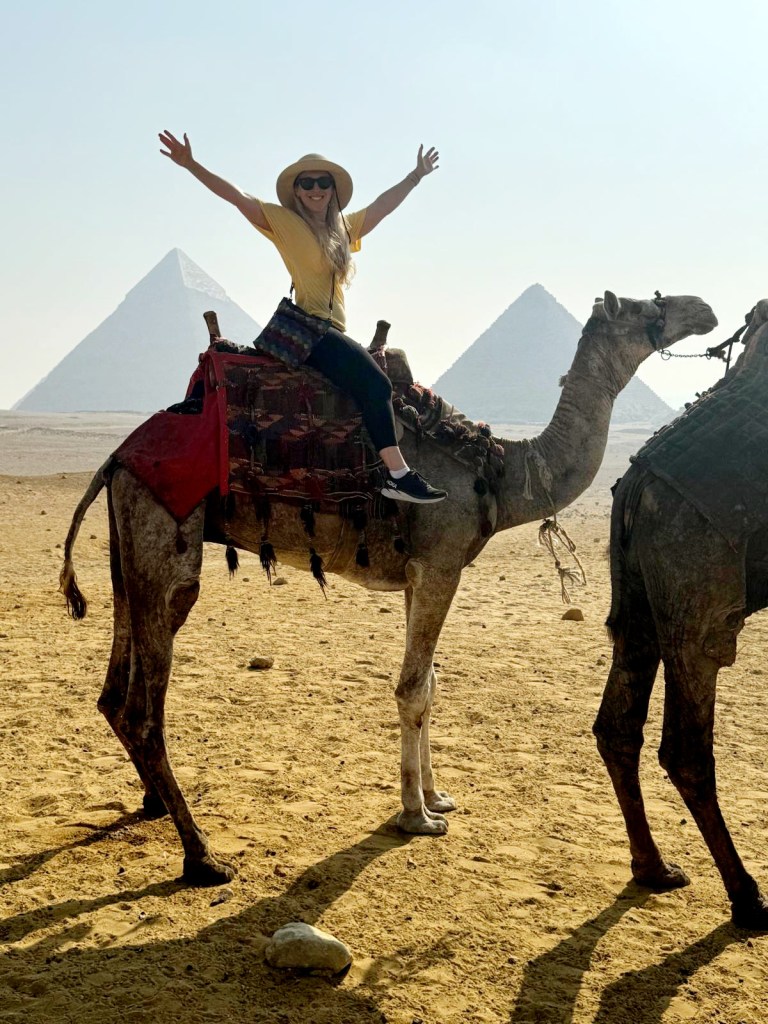
With the Saklan Summer Fund, I got to travel with Linda Lathrop to Egypt to not only learn about Ancient Egypt, but to learn about their technology and engineering expertise. Learning alongside an Egyptologist, seeing science and history come together, as well as getting to take part in some fun additional science activities, made this experience remarkable. It helped me enrich my curriculum, such as in my earth science topics with my 6th graders on deserts, engineering activities, and 8th-grade fluid laws, such as when my 8th graders create their own hot air balloons!

There have been many more, but those definitely jump out! 

What do you love most about teaching science at Saklan?

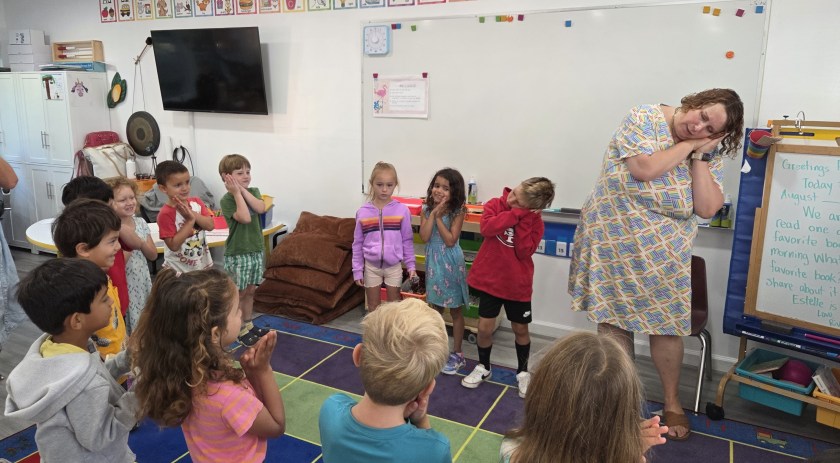
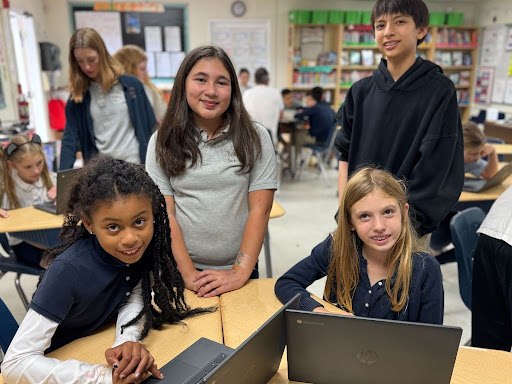
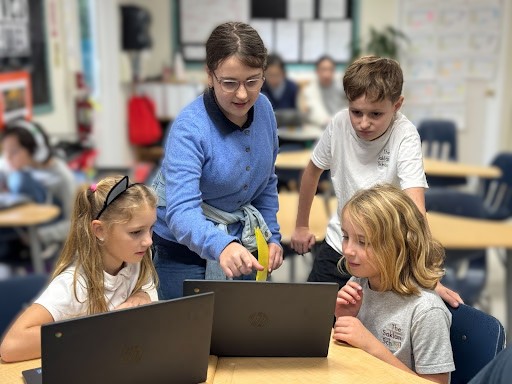
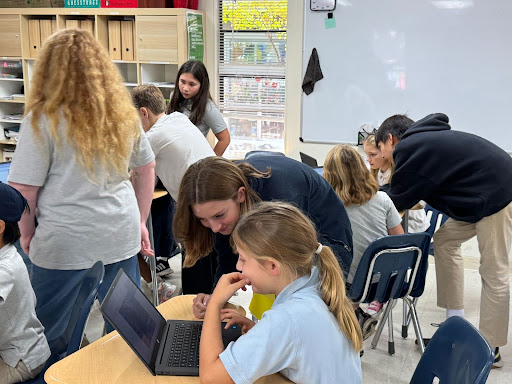
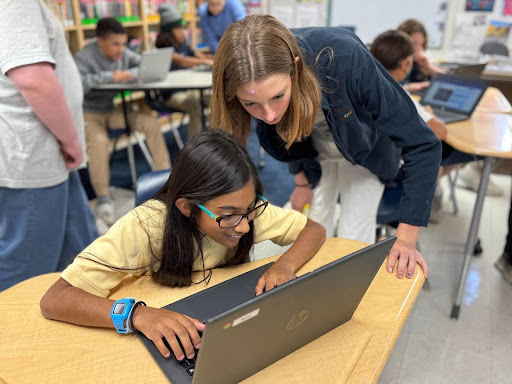
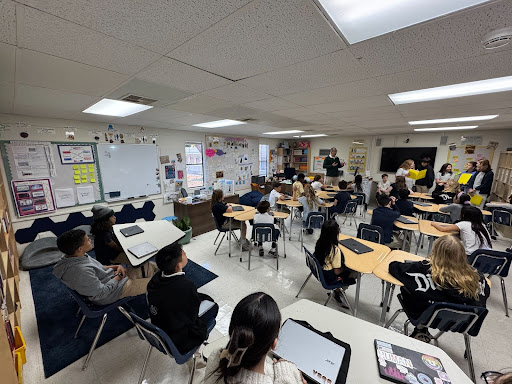
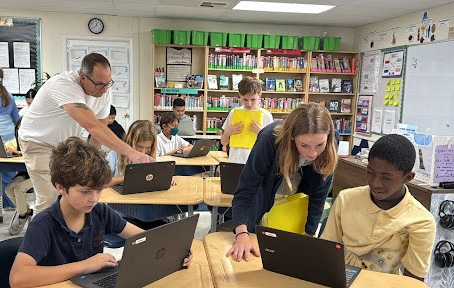
I love teaching at Saklan for many reasons, but mainly because I get to see my students fall in love with science! With the small class sizes, each student gets to be hands-on and experience science firsthand. I think students get excited and take in the ideas and concepts when they actually get to see the lessons come alive, not just read about them in a textbook or have a teacher lecture them on a certain subject. I know I learn best by doing; it excites me! (Probably why I still seek out ways to keep learning!) When students watch an experiment unfold, engineer their own inventions, or take part in simulations of the natural world, the world around them starts to make more sense. Science helps them connect what they observe to how things work—and fuels their curiosity to keep exploring and learning more.

And because I teach Preschool through 8th-grade science, it is so fun to watch them grow through the years—looking forward to lab science and diving eagerly into each new topic along the way!

As the coordinator for overnight field experiences in the middle school, what do you find is most beneficial when you get students out in the field?

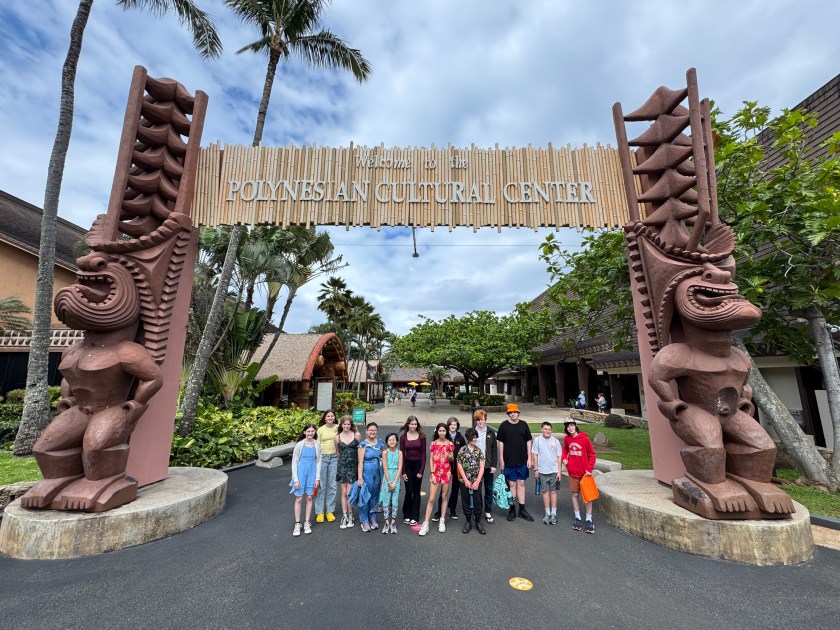
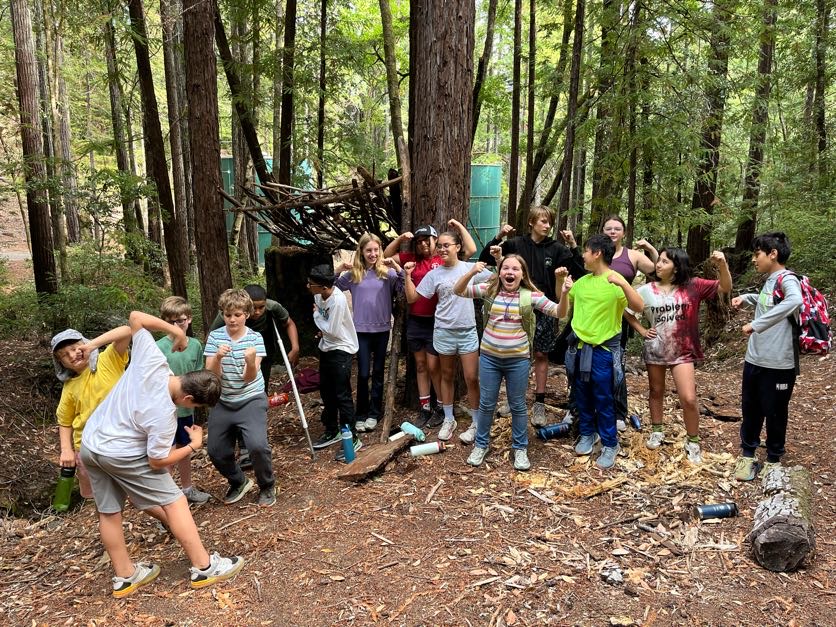
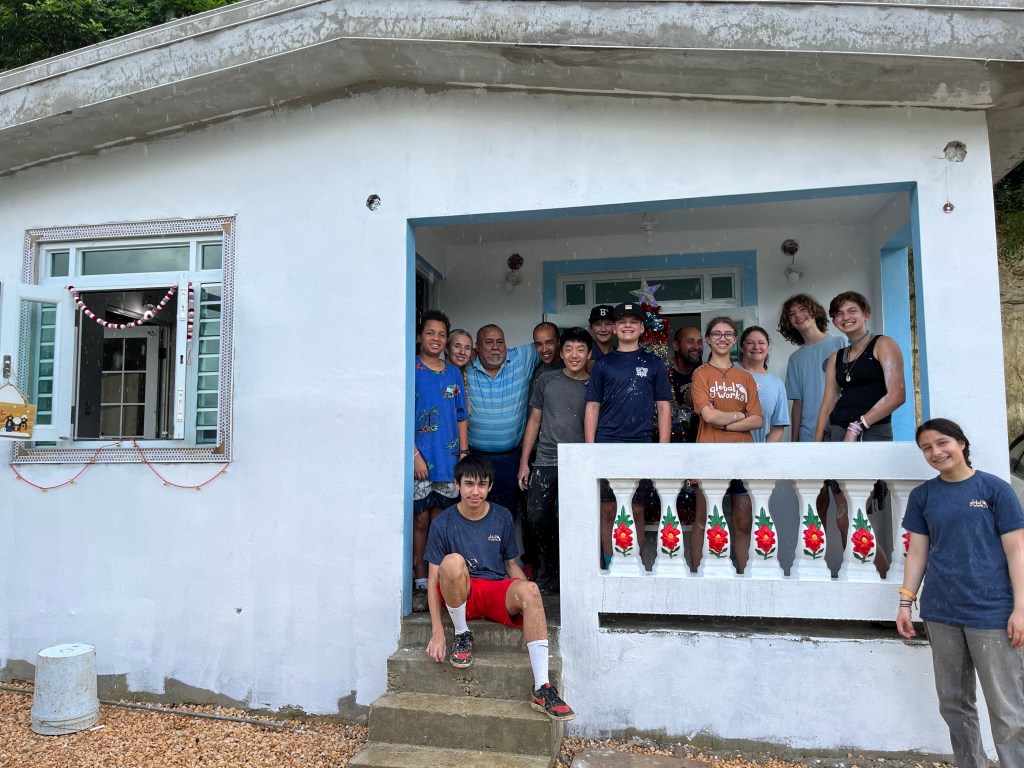
Getting students out of the classroom and getting to explore the environments they are learning about during our field experiences makes the learning come alive. Not only do we see the students make connections from the classroom curriculum to the world around them, but we also see them become more confident as they work with new communities, discuss ideas with people living in those environments, and gain some new perspectives on the world around them.  These experiences really tie into our mission and our SEL program. Students live courageously, taking a step outside of Saklan to spend a week away from home at Westminster Woods, Hawaii, and Puerto Rico. They act compassionately to help clean beaches and build homes. And they are challenged to think creatively as they work on projects associated with these experiences.

Students also build meaningful bonds with their teachers and peers during these experiences, connecting through shared activities, meals, challenges, and the many memorable moments each trip provides. All the memories tie the community together. The advance for middle school starts the school year off full of bonding experiences that allow students to share their different strengths with the community and create memories to connect with each other as the school year progresses. 

I think these trips are a highlight for many of our students because they expand their own learning, get to create lasting memories with their peers, and the experience allows them to gain confidence and, in some students, a desire to explore more! Which I believe has also made our EF Tours program flourish! Students want to explore the world beyond just our Saklan trips, and families want to join, too. From Peru, Vietnam, Japan, the Azores, and next Australia and New Zealand, our students are confident, excited, and ready to learn more about our world! Which makes this planet-loving science teacher so happy! 

Saklan’s Admissions Events

The 2026-2027 admissions season officially has begun! Saklan has several upcoming events designed to help current and prospective families experience our programs, meet our educators, and learn what makes Saklan’s Preschool–8th grade education so special.

  • Saklan Projects! Virtual Event: Tuesday, October 21, 6:00 p.m.
    • Discover how Saklan brings learning to life through Project Based Learning (PBL). Join us to see how our teachers design projects that address learning goals, uphold academic standards, and create engaging, meaningful learning experiences for every student.
  • Middle School Open HouseFriday, November 14th, 8:30 a.m.
    • Discover what makes Saklan’s 5th–8th grade program engaging, challenging, and uniquely student-centered. Meet our teachers, visit classrooms, and see how Saklan prepares students for high school and beyond.
  • Parent Perspective Virtual Parent PanelTuesday, December 9th, 12:00 p.m.
    • Hear directly from current Saklan parents as they share why they chose our school for their child and reflect on their experiences across our Preschool–8th grade program. This is a wonderful opportunity to hear authentic perspectives and get your questions answered!

Feel free to invite friends or family members to join these events as well.

If you’re unable to attend an event, we also offer individual tours at your convenience. To schedule a tour or learn more or learn more about the admissions process, please contact the Saklan Admissions Office at admissions@saklan.org.

Ready to Take the Next Step?

New student applications for the 2026-2027 school year are now open! This application is for students not currently enrolled at Saklan. For priority consideration, please submit your application by Friday, January 23, 2026. Applications received after that date will continue to be reviewed on a rolling basis as space allows.

Current families, please note that re-enrollment information will be shared in January.

Head’s Corner: Connection + Agency = Exceptional Academics

I have never been a fan of standardized testing, mostly because it is often used to focus on the wrong way to approach learning. Standardized testing is used to promote the lie that high achievement comes from drilling content or teaching to the test. Saklan presents a counterargument. Our approach of doing school differently produces exceptional results, not because we chase scores, but because we prioritize two powerful drivers of learning: connection and agency.

People learn best from those with whom they have a genuine connection. In an previous blog, I shared a quote from David Brooks’s, “Students learn from people they love.” At Saklan, “love in learning” comes first. Teachers know and care for their students deeply, not only as learners but as whole individuals. That trust provides the foundation for intellectual risk-taking, perseverance, and curiosity. Connection isn’t a “soft” factor—it’s an accelerator of academic achievement.

Equally important is student agency—the belief that students should have a meaningful voice and choice in their education. Agency shifts learning from something done “to” students to something done “with” them. When students are trusted as co-authors of their education, they engage more fully, reflect on their growth, and take pride in their accomplishments. In our classrooms, this takes the form of Project Based Learning, where student questions and curiosities drive inquiry, and ownership fuels motivation.

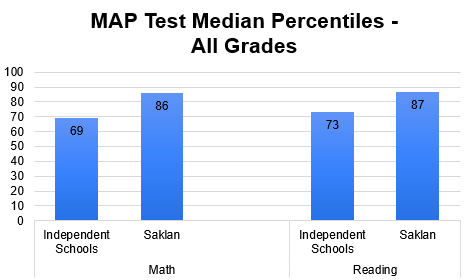
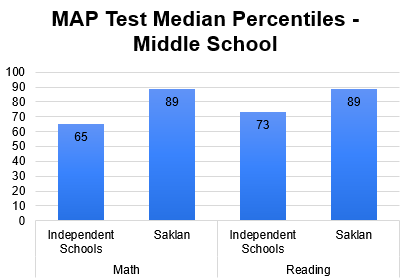
When connection and agency are at the center of a school’s culture, exceptional academic results follow naturally. Our MAP scores offer external validation of what we witness daily: students who are not only mastering content but also developing resilience, adaptability, and a lifelong love of learning. The data is proof of concept—showing that deep relationships and authentic student engagement are not at odds with academic rigor; they are the very things that create it.

Too often, schools measure success by numbers alone, forgetting the human conditions that allow those numbers to flourish. The lesson from Saklan’s experience is clear: emotional connection and student agency are not “nice to haves” but the key ingredients to a strong academic program.

#HeadsCorner

How Project Work Deepens Learning and Connection

Project work at Saklan drives strong academic outcomes through creating units where students feel represented and included. Building this deep sense of belonging begins with our specific Social Emotional Learning (SEL) programming, like family groups and Responsive Classroom, and is intentionally woven into our academic PBL units through the equity levers like knowledge of students. 

Knowledge of students means not only building relationships with students but also creating project work that can capture their interests, needs, and strengths. A wonderful example of a unit that is relevant to students’ lives, has meaningful context, and includes robust academic learning is our Kindergarten Names Unit. The driving question for this unit is, “How can we learn and share about our names to become better friends?”

This unit tackles academic standards such as letter and sound correspondence, formulating relevant questions, and listening to and remembering responses to communicate what they have learned with others. To achieve these learning goals, the Names unit maintains high authentic relevancy to honor students’ unique identities through sharing their name stories, which often connect to their family, ancestry, culture, or religious traditions. As they strengthen their classroom community through this work, there are also many authentic opportunities for learning in other content areas too. 

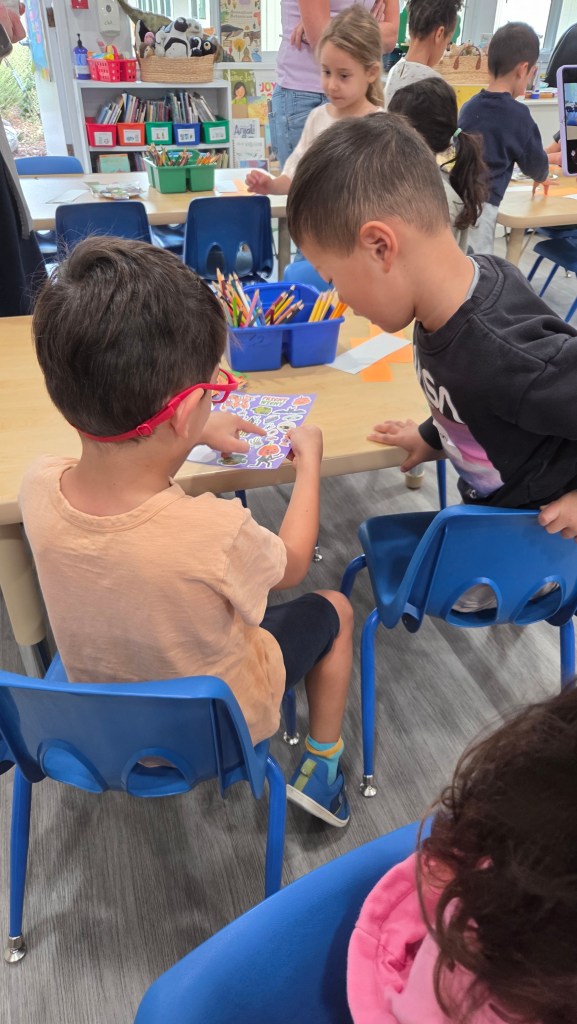
This week, while students focused on how to spell, read, and write each other’s names, they also began to sort their names in a variety of ways. They compared names by looking at letter shape (whether they are tall, short, or ascending), identified names with certain vowels and consonants, and ultimately arranged them by the number of letters each has in a class bar graph. Students eagerly engaged in rich math conversations all stemming from the authentic work of sharing about and reading each other’s names. 

Grounding academic content in what really matters to students allows them to learn at deep levels and feel part of our Saklan school community. 

Join us on October 21st for a Saklan Projects virtual event! We will talk about how teachers design and implement units like this one across all content areas in our Lower School and Middle School. This event is open to all!

#SaklanProjects

Growing Together in Family Groups

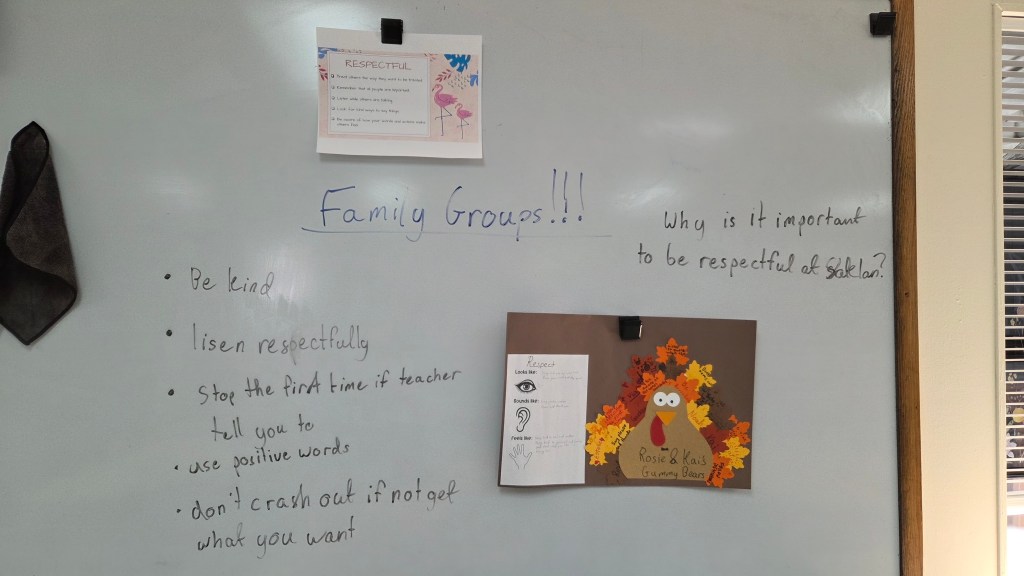
This week, Saklan Family Groups kicked off with a special focus on inclusivity—what it means, why it matters, and how we can practice it together. Family Groups, which bring Kindergarten – 8th grade students together, are designed to build connection, community, and a sense of belonging.

The group time began with a warm welcome as students gathered in their designated Family Group rooms—spaces they will return to throughout the year. Each student introduced themselves by sharing their name, grade, and a favorite thing, before jumping into fun icebreakers like the Stuffed Animal Name Game Toss. Laughter and teamwork quickly arose.

From there, the groups turned their attention to the heart of the lesson: inclusion. Students talked about what it means to be inclusive—welcoming others, working with new partners, showing kindness—and why it’s important at Saklan. Together, they brainstormed ways inclusivity creates a comfortable, supportive environment where friendships can grow.

One highlight was the “Flamingo Mingle” activity, where students paired up to ask and answer fun questions. This gave everyone the chance to discover new things about one another and helped spark connections across grade levels.

To close, students reflected on times they felt included at Saklan—whether being invited to join a game, sitting with someone new at lunch, or being encouraged to share about themselves. These examples were captured on a community poster, alongside a colorful “flock” of decorated flamingos. Each student designed their flamingo to represent their unique personality and interests, celebrating both individuality and belonging.

By the end of the session, each Family Group had chosen a name, crafted their inclusive flock poster, and most importantly, taken steps toward building a caring, connected community. It was a joyful reminder that when we celebrate both who we are as individuals and who we are together, we make Saklan stronger.

#SaklanSEL

Join Our Community of Experts

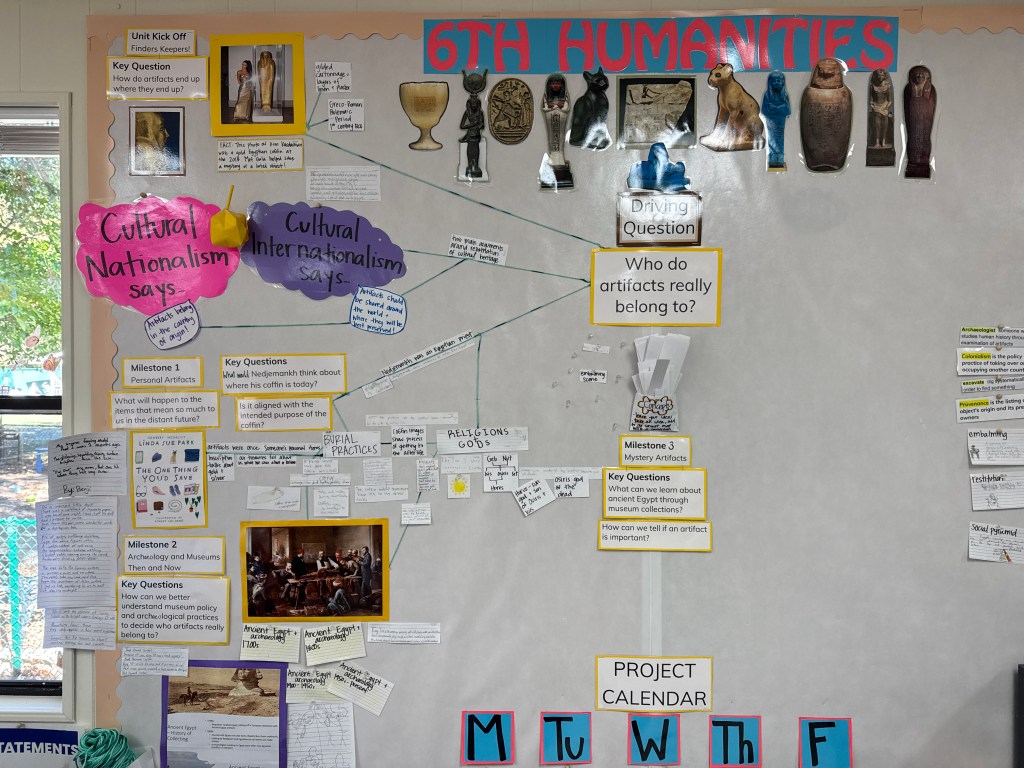
Project Based Learning at Saklan is intentionally designed not only to help students build content knowledge but also to encourage them to consider the authentic purpose behind what they are learning. As teachers plan and implement PBL units at Saklan, they consider how adults in the world beyond school use the content knowledge they seek to teach their students. 

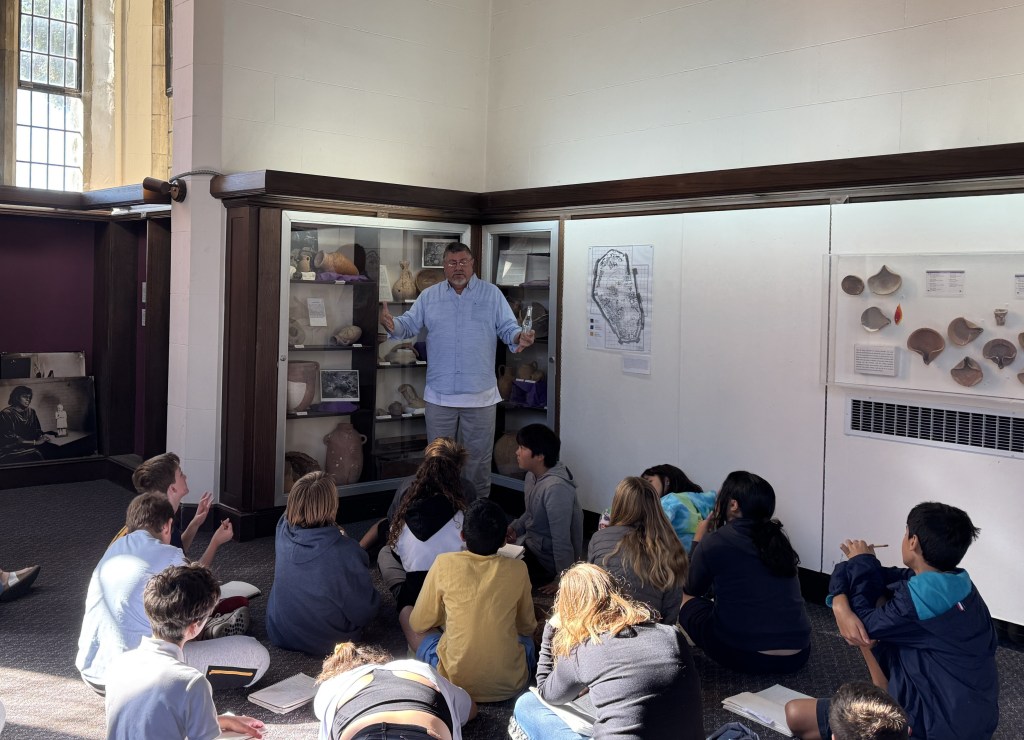
To make those real-world connections clear, Saklan teachers regularly bring in guest experts—both in the classroom and out in the field.

At Saklan, an expert is anyone with specific content knowledge or experience that can support the student inquiry process. Sometimes, guest experts share their experiences with students; other times, they provide formative feedback on the projects students are creating. Last year, we engaged the help of  26 experts, and each year we look forward to adding new voices—like yours!

We’d love for you, a family member, or a friend to join us and enrich and deepen our project curriculum this year. Please complete the form below to join our Saklan expert resource list. As needs arise, teachers would love the opportunity to connect with you during projects where your experiences and knowledge can help support student inquiry and project based learning.

Have additional questions? Email Linda Lathrop, our Project Curriculum Instructional Coach at llathrop@saklan.org

#SaklanPBL

My Journey to Ghana: Learning, Music, and Community

Written by Guest Blogger & Saklan Drumming Teacher, Isaac Narell

After years of teaching Ewe music, I had the opportunity to travel to Ghana to deepen my understanding of the culture and traditions that inspire so much of my work with Saklan students.

The short film below chronicles my time in the village of Dzogadze, where I was hosted by the family of master musician Vodzi Torgboh. I had the privilege of studying under his cousin, Kofi, learning ancient drumming, dance, and song. The video offers a glimpse into my daily life—from intensive lessons and vibrant festivals to participating in meaningful community events. It’s a tribute to the people, music, and spirit of Dzogadze.

A special thanks to the Saklan Summer Reflection Fund for helping to make this trip possible.

The Saklan Summer Reflection Fund: Investing in Teachers, Enriching Students

In 2022, thanks to the generosity of our parent community, Saklan created the Summer Reflection Fund—a special resource that empowers teachers to design their own opportunities for professional and personal growth.

This fund (up to $2,500 per recipient) encourages faculty and staff to think outside the box and pursue experiences that deepen their teaching practice. Past recipients have attended the Annual Broadway Teachers Workshop in New York City and traveled to Egypt to explore Ancient Egyptian history, art, engineering, the Sahara Desert environment, and the Nile ecosystem firsthand.

The impact of these experiences extends far beyond the summer—teachers bring new insights, inspiration, and creativity back into their classrooms, enriching the learning experience for Saklan students.
The Summer Reflection Fund is made possible through donations to the Annual Giving Fund and the Auction. We are deeply grateful to our donors for their generosity and belief in the importance of supporting our teachers.

#SaklanProfessionalDevelopment #SaklanAGF

My Day as Head of School

Today I got to do something really special—I was Head of School at Saklan! From greeting families in the morning to handing out popsicles in the afternoon, the experience gave me a new way to see our school and helped me realize just how much I love being a Saklan student.

The day started bright and early with carline. I stood out front, smiling, waving, and helping students out of their cars—just like David does every morning. One of the best parts of the morning was getting to greet Penny, Vivi’s golden retriever, who came to school that day. She trotted right up to say hello and gave everyone a happy start to their morning.

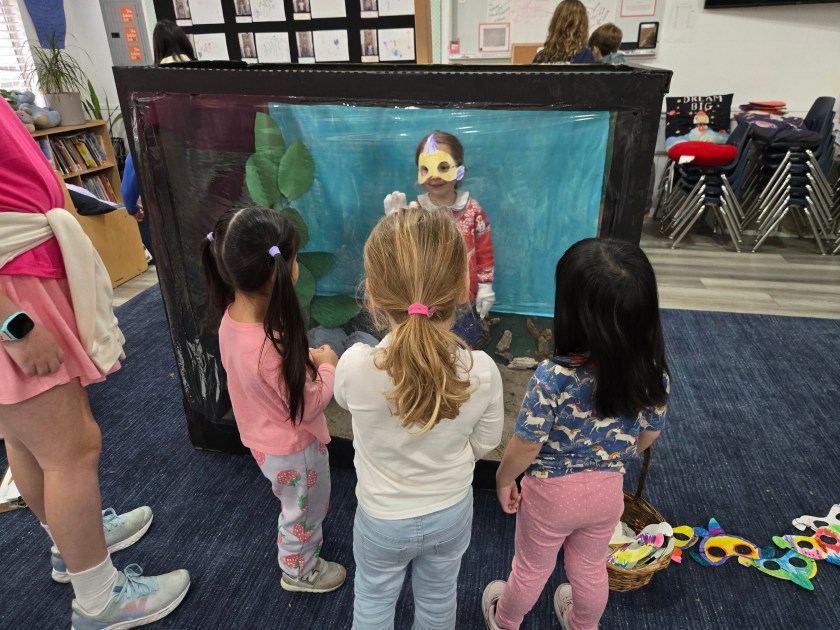
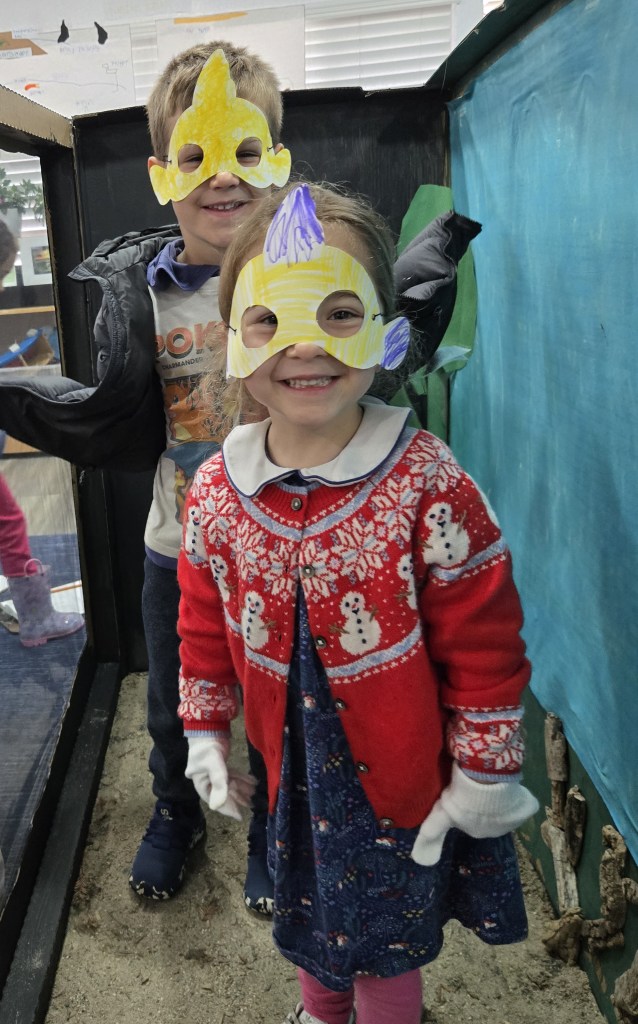
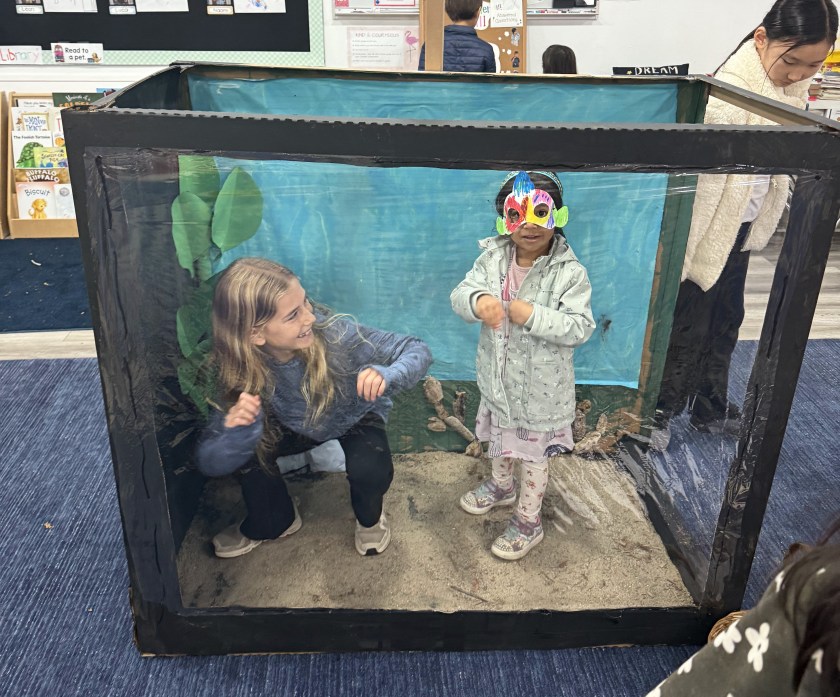
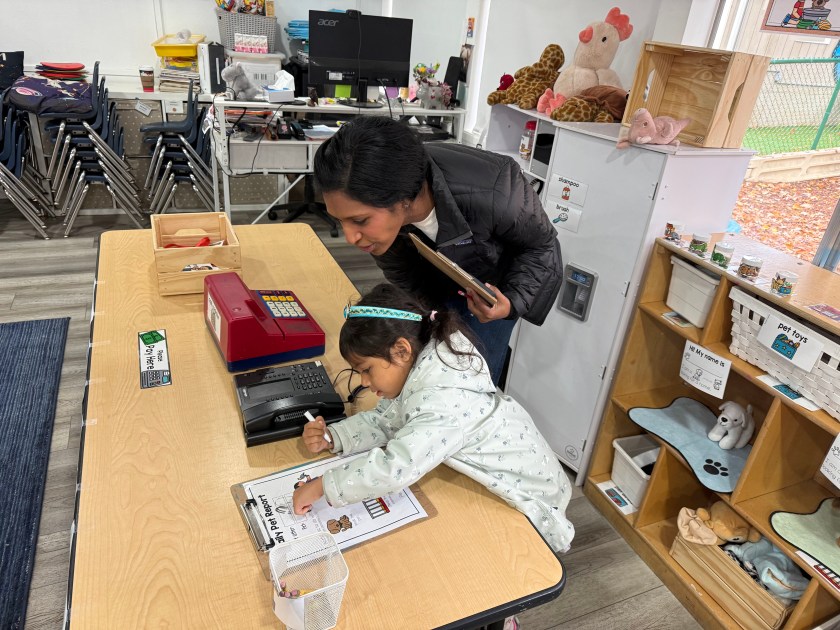
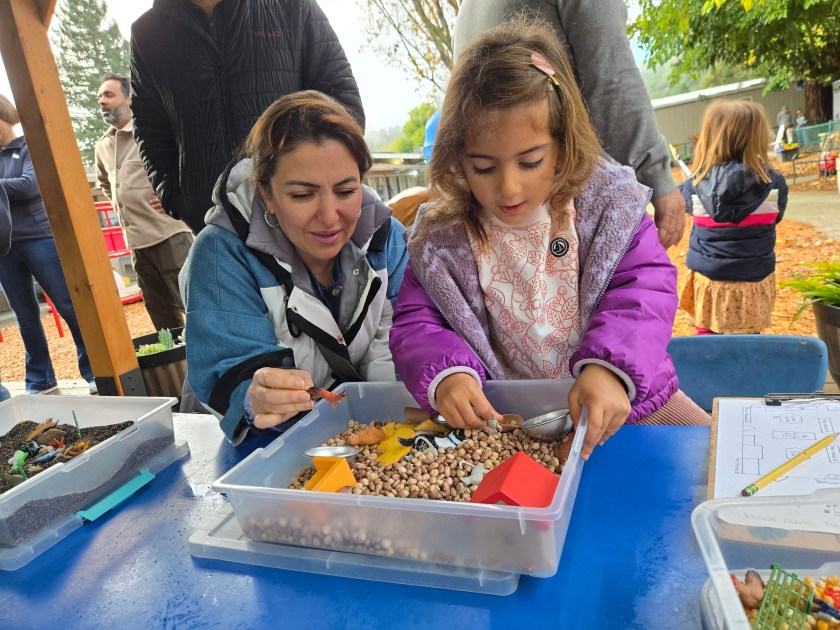
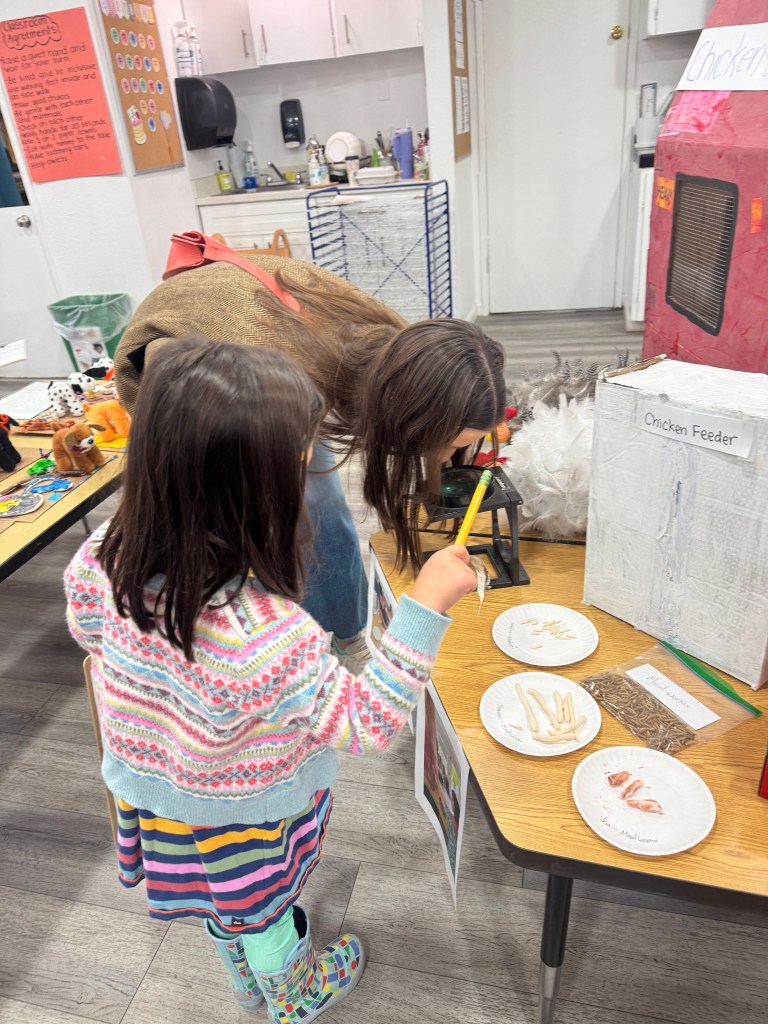
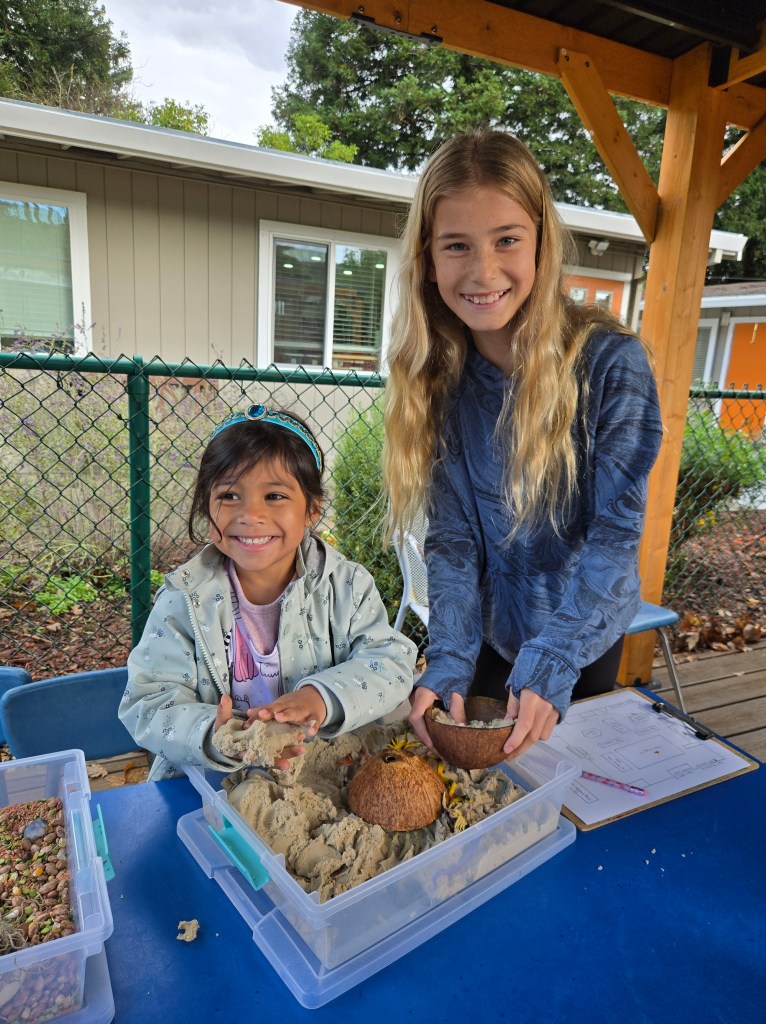
I also visited classrooms and saw what students were learning. One of the coolest things I saw was the work the Hoot Owls and Owlets did for their Bug PBL Culmination earlier this week. Their projects were amazing!

Later, I surprised my class with a pizza lunch—everyone was really excited about that! And at the end of the day, I made one last big decision as Head of School: extra recess and popsicles for everyone!

Being Head of School for a day was very fun. It showed me how special Saklan is—not just because of pizza and popsicles, but because of the people, the learning, and the way we do things differently.

Here are my five favorite things about Saklan:

  1. PBL (Project Based Learning): Our projects are always fun and interesting. This year I really liked our Indigenous Peoples PBL. Last year, we did one on Adaptations, and in first grade, our Homes PBL was so much fun!
  2. Field Experiences: I love how we go on lots of cool field experiences. Some of my favorites were to Meredith’s Garden, the Pioneer Schoolhouse, and Chabot Space Center. I can’t wait for Coloma next year!
  3. Kind and Encouraging Teachers: Our teachers are always there to help us and cheer us on. They make learning fun and support us when we need it.
  4. Creative Students: The kids at Saklan are really creative. I see it in art, writing, and the cool ideas people have during class projects.
  5. Coach Rob: He’s the best! PE is always fun with Coach Rob. He teaches us to play fair, try our best, and work together as a team.

It was a great day.

Warmly,

Ruby

When to Speak Up, When to Let It Go

Over the past few weeks, the Kindergarten class has been engaging in thoughtful conversations and activities designed to help them understand an important social-emotional skill: knowing when to report a problem to a teacher and when it’s best to “let it go.”

The journey began with a classroom discussion about how the word “tattling” is often used to describe someone telling a teacher about a peer’s behavior. But terms like “tattletale” carry a negative tone, and at Saklan, teachers want students to feel safe and supported when seeking help. So, the kindergartners and Riva decided together to use the word “reporting” instead—a more neutral and empowering term that acknowledges that asking for help is never a bad thing.

However, the class also recognized that not all situations require adult intervention. Some students were beginning to feel like they were being “policed” by their classmates, prompting the need for clear guidelines around what situations are appropriate to report.

Together, the class created a simple, helpful framework:

  • If someone’s body or feelings are hurt, always report it to a teacher.
  • If there’s a conflict but no one is hurt, try to handle it on your own (and ask for help with conflict resolution if needed).
  • If someone is simply making a mistake, let it go.

Students practiced applying this framework by discussing different scenarios and categorizing them as “report it,” “handle it,” or “let it go.” The thoughtful conversations that followed showed how seriously kindergartners took their role in creating a safe and kind classroom community.

To make the guidelines even more accessible, especially for younger students and non-readers, students illustrated different examples to accompany the categories. These illustrations were compiled into a chart, now displayed in the classroom. If a student ever feels uncertain about whether they should report something, they can refer to the chart to help make the decision themselves.

This exercise not only supported the class in developing self-awareness and empathy but also reinforced problem-solving and communication skills that will serve them well beyond kindergarten.

#SocialEmotionalLearning

Community, Curiosity, and Culminations: May at Saklan

May is a flurry of events and amidst all the special happenings, are PBL culminations! These student-driven showcases of learning are the perfect opportunity for family and friends to come together, and you’re invited! Owlet, Hoot Owl, Kindergarten, 1st, 3rd, 5th, and 6th grade families, do you know what’s coming? Read on for opportunities for all of us to come together in community to support our learners. 

Early Childhood Education

Our ECE students spend many weeks during a project unit building expertise on a topic of high interest. They learn from experts, head out into the field to get their questions answered, and represent what they have learned through a wide variety of methods: dictating stories, creating 3D models, drawing pictures, and much more! 

This semester, both ECE classes have been learning all about bugs! The ECE yard has been an exciting place as students buzz around finding, observing, and sharing critters they find on the yard. Come support our youngest learners and hear all they have learned about bugs on the morning of May 20th after drop off! 

Lower School and Middle School

In LS and MS, our students always begin with a driving question. This question drives the content learning for 5-10 weeks, depending on the product and content standards being covered. Each year the question may remain the same, but how the students answer it, interpret their research, and create a public product shifts. This helps keep the authenticity and student engagement high as teachers are also rigorously assessing content standards. 

After all their hard work, students welcome the opportunity to demonstrate their knowledge with the support of the community. Save the dates below to see how our LS and MS have answered the following driving questions! 

GradeDriving QuestionCulmination Information
KHow can writing our own fairy tales help us spread magic and joy?Friday, May 16th after CLAS
1How do homes keep us safe?Friday, May 16th during CLAS with reception after
3How can we become eco-friendly entrepreneurs who create products people want?Friday, May 23rd after CLAS 
6How are we still connected to ancient Greek culture, language, and mythology today?Friday, May 23rd after CLAS

Doing a project is much different than Project Based Learning, and attending culminating events is a great way to support our learners and see strong Project Based Learning in action. We hope you can join us!

#SaklanPBL