First Graders Design with Heart and Imagination

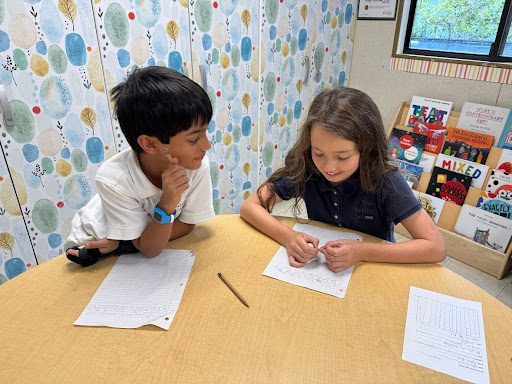
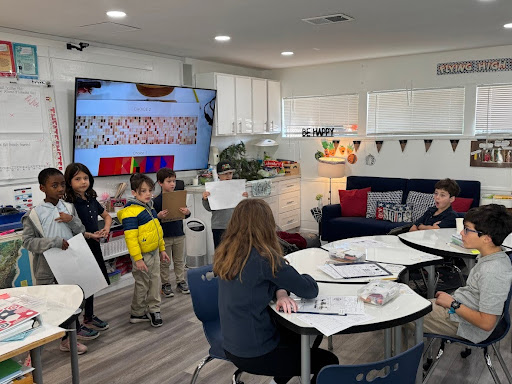
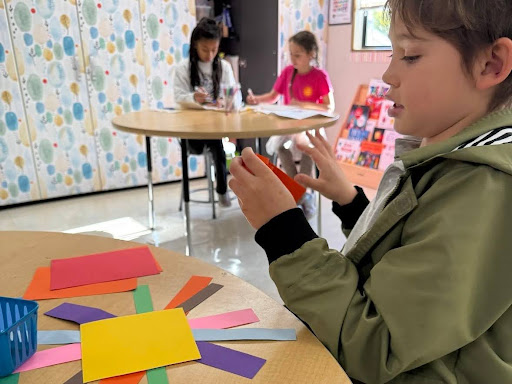
Over the past few weeks, Saklan’s first graders stepped confidently into the role of designers. What began as an exploration of shapes, colors, and feelings grew into a hands-on design project that blended creativity with meaningful self-expression.

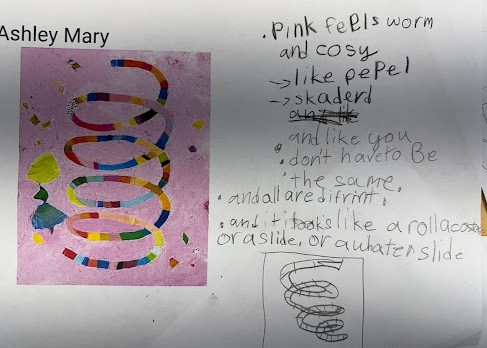
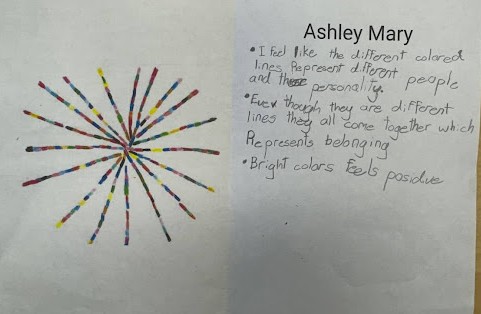
The journey began with a close look at the vibrant artwork of artist Ashley Mary. Students noticed how she uses both geometric and organic shapes to tell what she calls “emotional stories.” This idea connected naturally to the book Exactly You: The Shape of Your Feelings, which affirms that emotions have their own colors, movement, and “feel.” Inspired by these ideas, students explored their own inner worlds through mark-making practice, experimenting with patterns, shapes, and color combinations that reflected their personalities and moods.

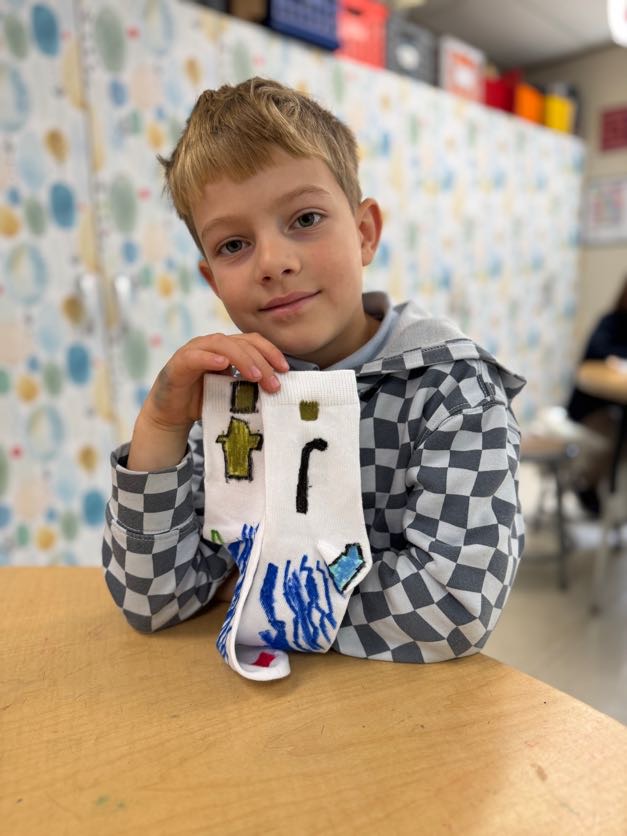
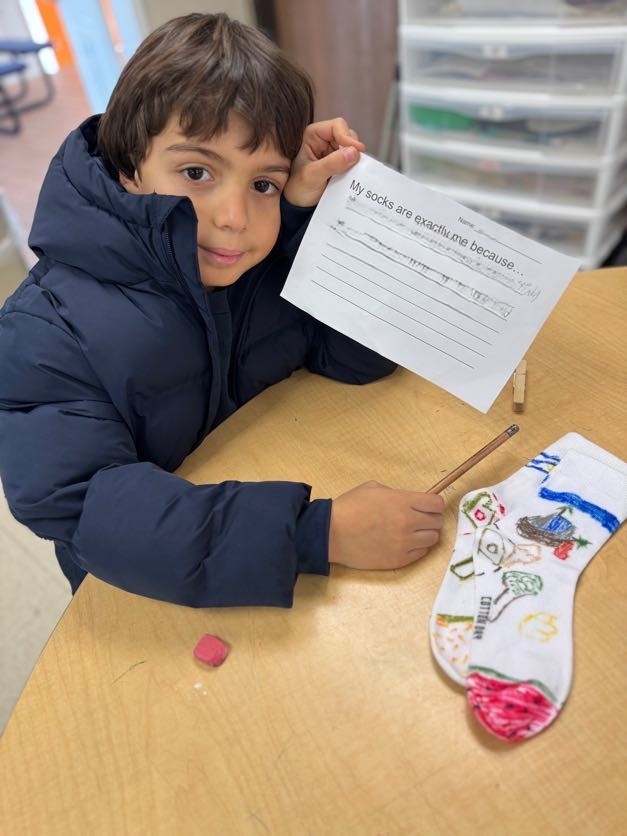
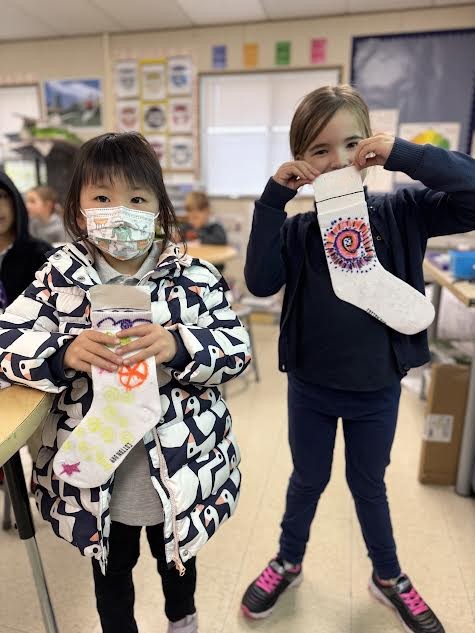
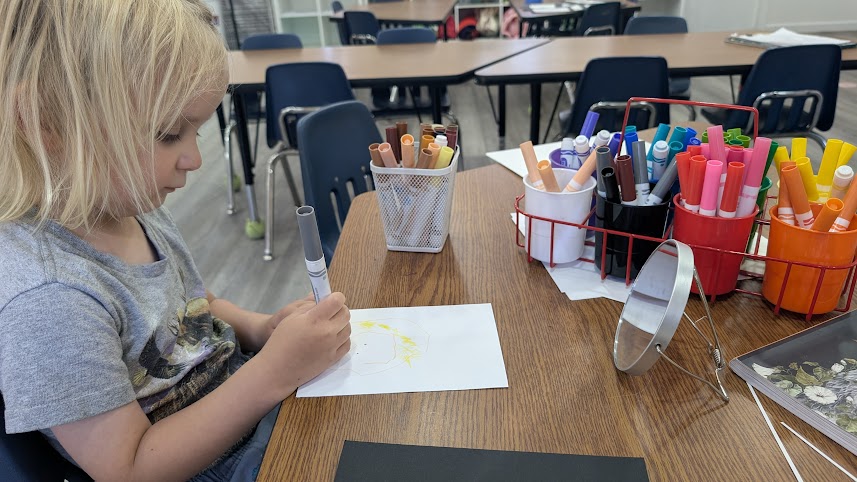
With these tools in hand, students took on their design challenge: creating a pair of expressive socks that reflected their unique selves. Like real designers, they brainstormed multiple ideas, sketched drafts, and made thoughtful decisions before committing to a final design. Each choice was deeply personal: blue wavy lines to show calm, tree motifs celebrating a love of nature, and playful “glob” shapes from students who see themselves as artists.

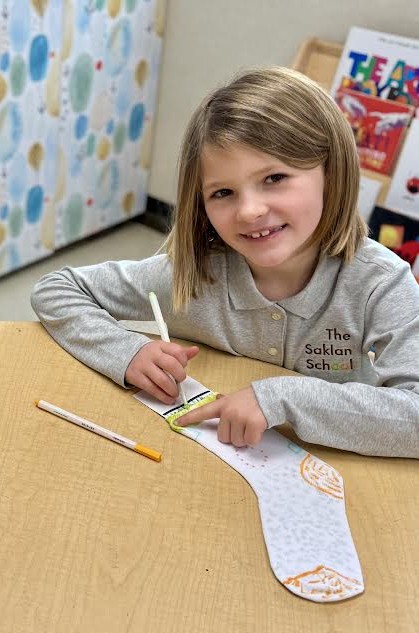
Excitement filled the room as students transferred their final designs onto real socks using fabric markers. Through this joyful process, students discovered that art can be a powerful vehicle for self-expression, one that invites creativity, confidence, and connection.

#SaklanCreative #SaklanHandsOn

Who Do Artifacts Really Belong To?

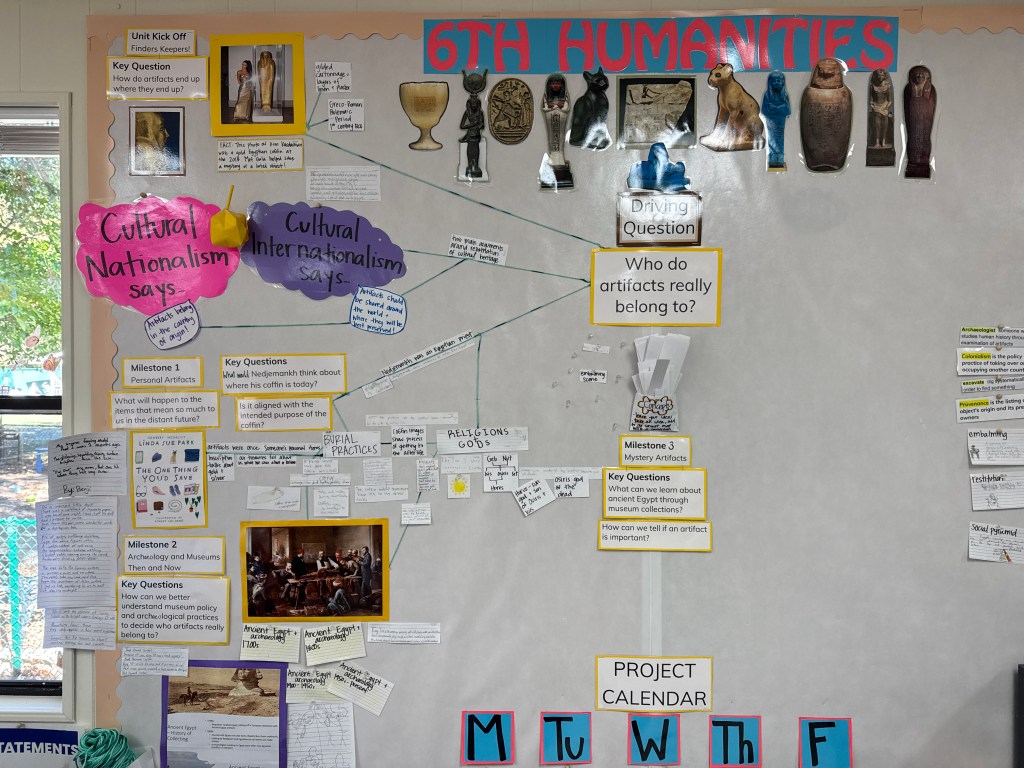
Sixth graders have begun their first PBL unit of the year, in which they seek to answer the driving question: Who do artifacts really belong to? During this unit, students will develop an understanding of what cultural heritage is, how artifacts tell the stories of people’s lives, the role of museums, the history of changing archaeological practices, ancient Egyptian civilization, history research skills, as well as sijo poetry, narrative, expository, and argumentative writing.

Recently, they’ve been thinking about the purpose of ancient artifacts, such as Nedjemankh’s stolen gold coffin, and about their connections to their own treasured possessions. The class read The One Thing You’d Save, by Linda Sue Park, before writing personal narratives about their own treasured artifacts. Students got lots of practice giving and receiving both teacher and peer critique on these pieces before turning in their final drafts.  

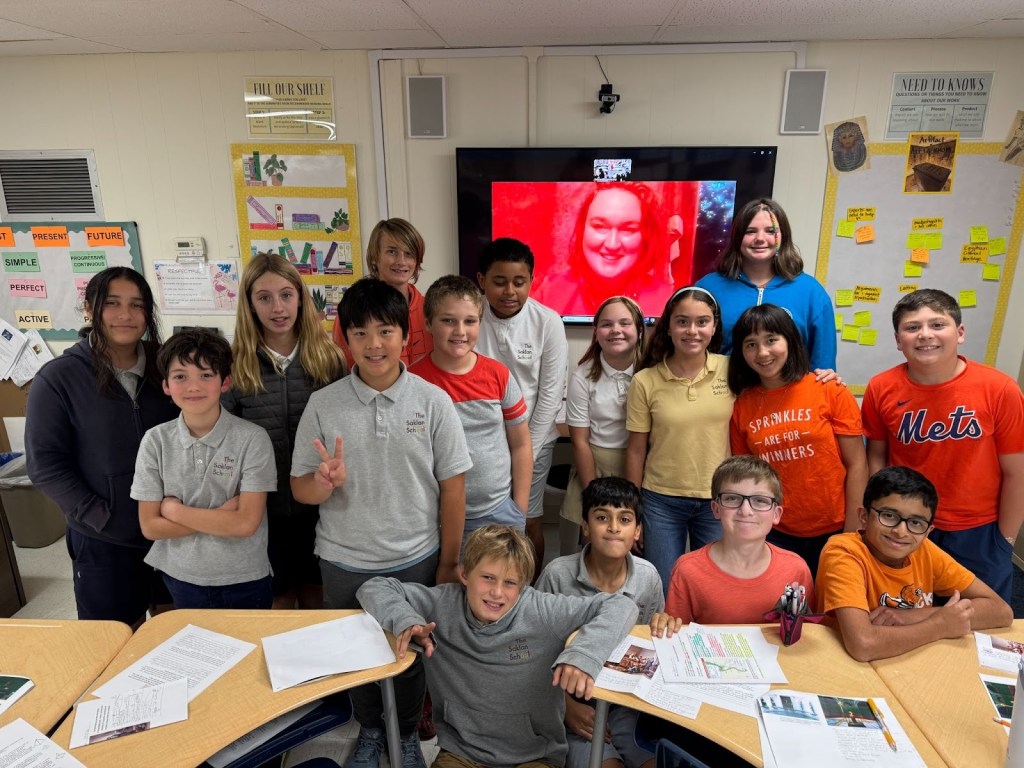
Last week, they zoomed with an archaeologist, Dr. Hannah Wellman. She shared the evolution of ancient mummification practices, as well as changes in legal practices and ethical arguments regarding the treatment of ancient Egyptian cultural heritage. Dr. Wellman’s example of Nefertiti’s Bust as an example of the significance of museum context of artifacts gave the class a great launching point for discussions in preparation for visiting the Badè Museum this week. 

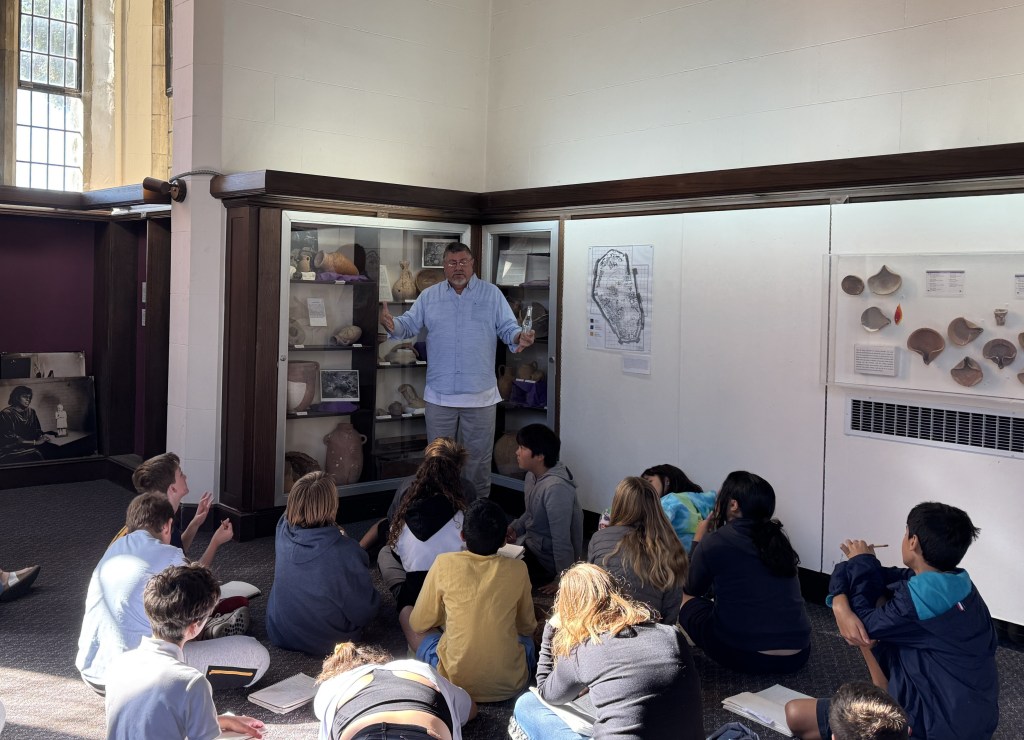
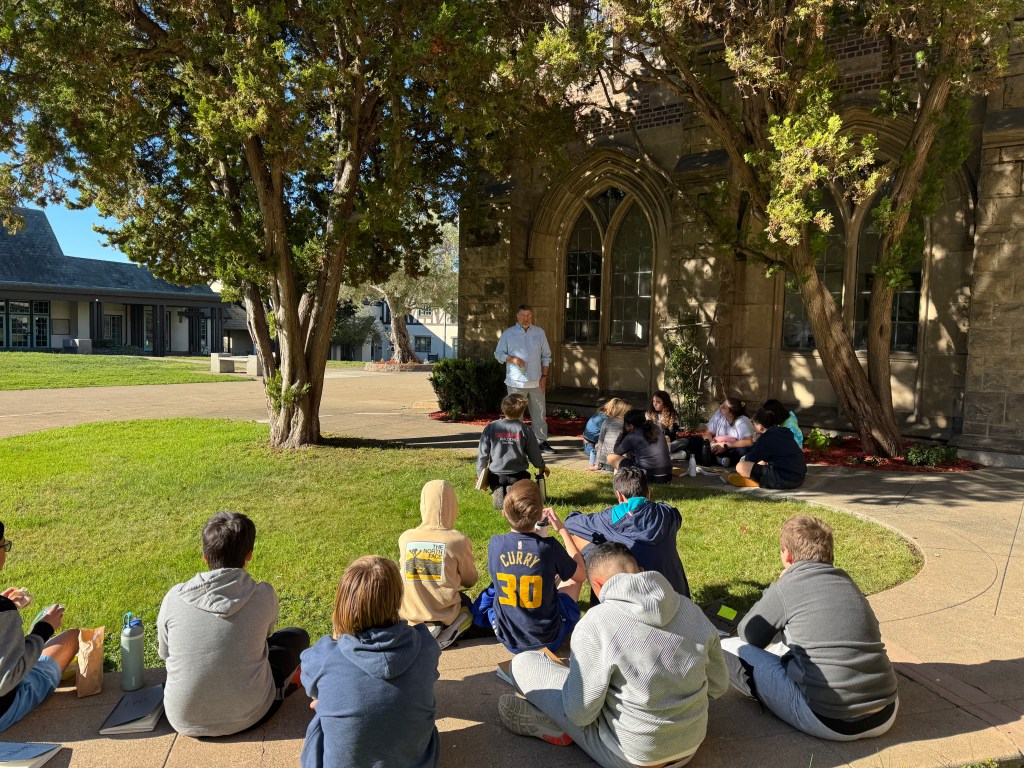
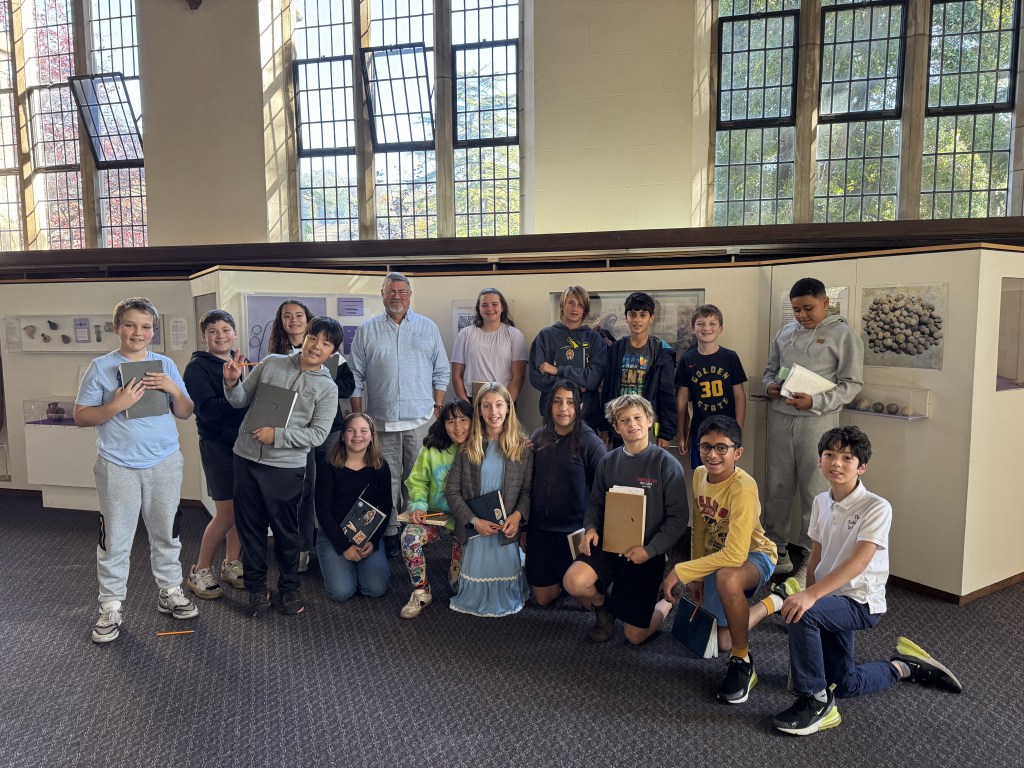
Dr. Aaron Brody, an archaeologist and Badè Museum director, taught the sixth graders about their collection, the benefits of a high degree of context for artifacts, and why repatriation in this case may not be ideal or desired for the museum or the country of origin. Both experts helped the class understand how repatriation conflicts came to be and why people have reached different conclusions about repatriation in various situations. 

#SaklanPBL

Fifth Graders Explore the Marin Headlands

At The Saklan School, off-campus education is not a field trip – it’s a field experience: an intentional extension of the classroom that nurtures independence, curiosity, and responsibility. Each year, students take part in experiences that grow in both depth and duration—from a single night away in 4th grade to a full environmental science week in Hawaii by 7th grade, and a culminating cultural and stewardship trip to Puerto Rico in 8th grade.

Earlier this month, Saklan’s fifth graders embarked on the next chapter of this journey with a three-day adventure in the Marin Headlands, combining science, stewardship, and teamwork. From the moment they loaded the van and set up dorms to their final project, preparing seedling pots for NatureBridge’s native plant nursery, students learned through hands-on discovery, cooperation, and reflection.

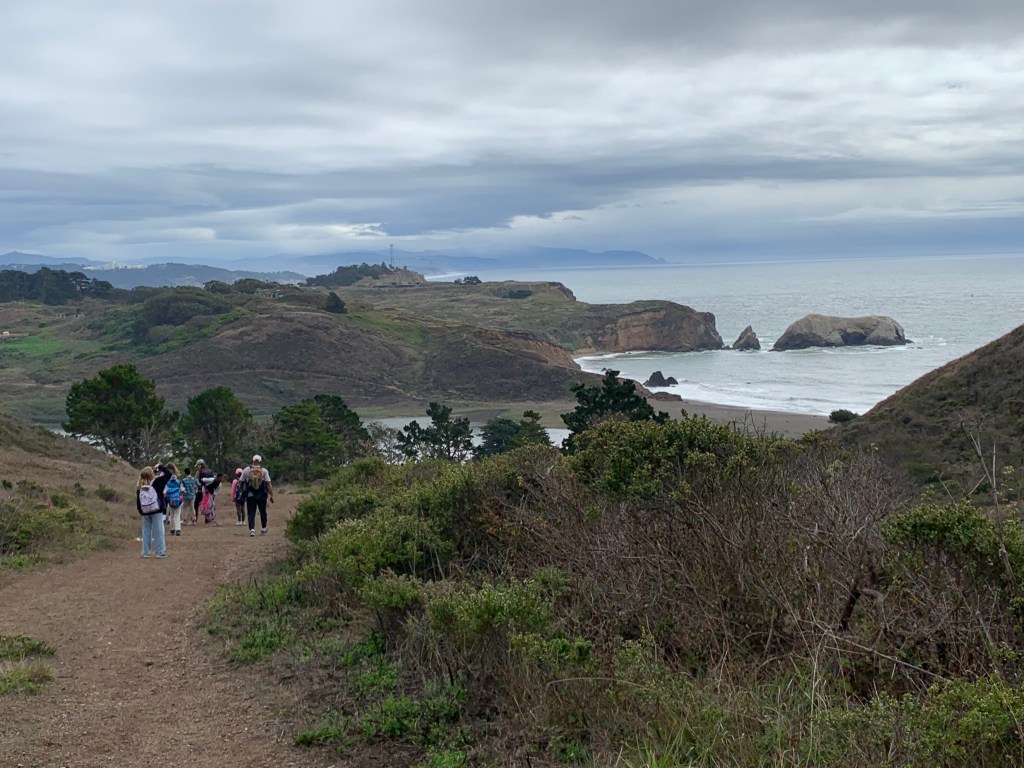
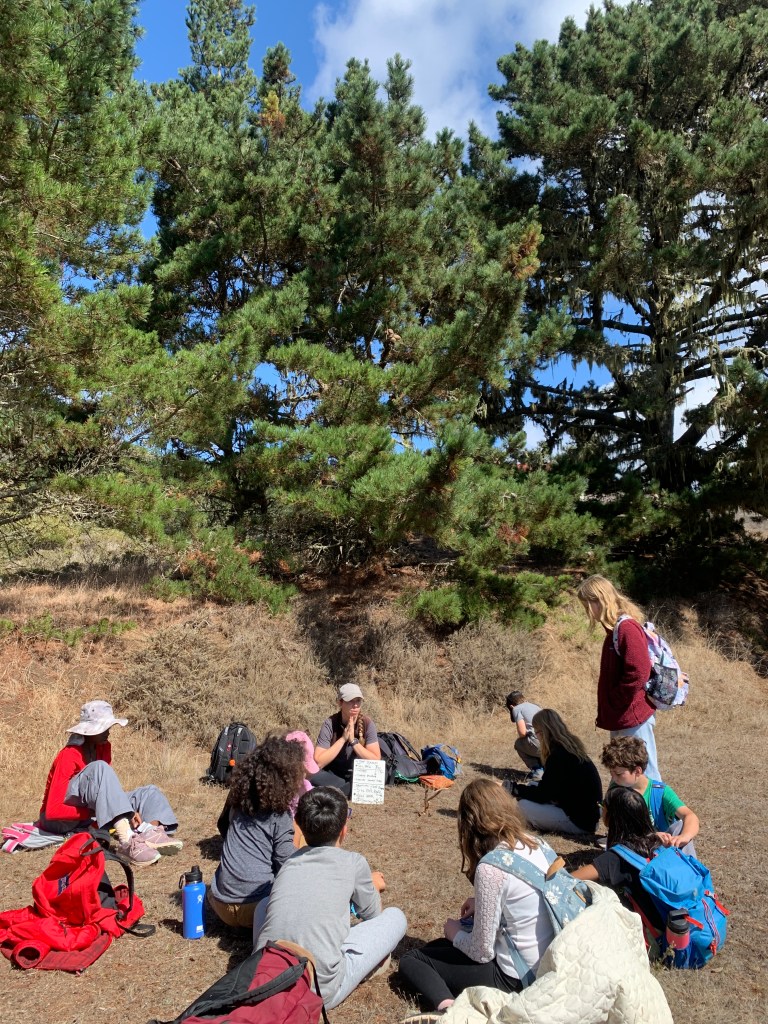
The trip began with a dorm orientation and an introduction to the area’s ecosystems. Students explored native plant greenhouses before hiking up Hawk Hill, where they studied the park’s only endemic tree—the coastal willow—and observed the biodiversity of the surrounding landscape.

After dinner, the group set out for a night hike to the beach, where they were treated to a magical surprise: glowing noctiluca, tiny bioluminescent plankton that illuminated the sand beneath their feet.

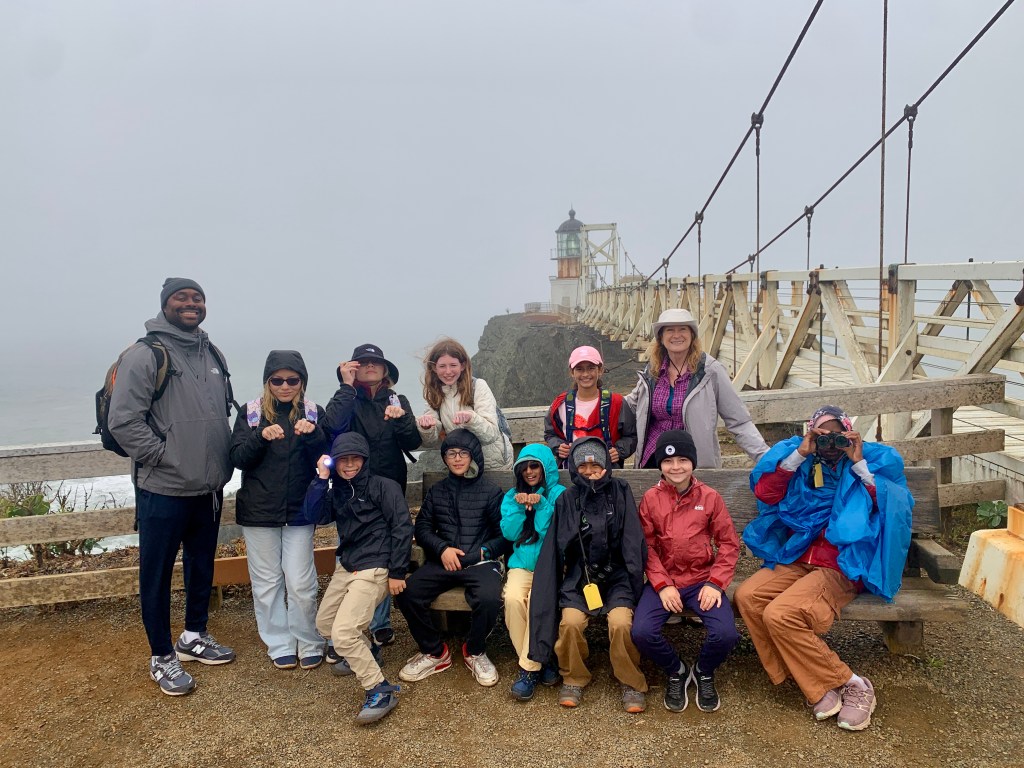
Day two brought a full day of coastal ecology—hiking from Rodeo Beach to Point Bonita, observing harbor seals, and studying plant adaptations, including tasting ice-plant bulbs. Students wrote sensory poems by the lighthouse and collected real scientific data for the National Park Service.

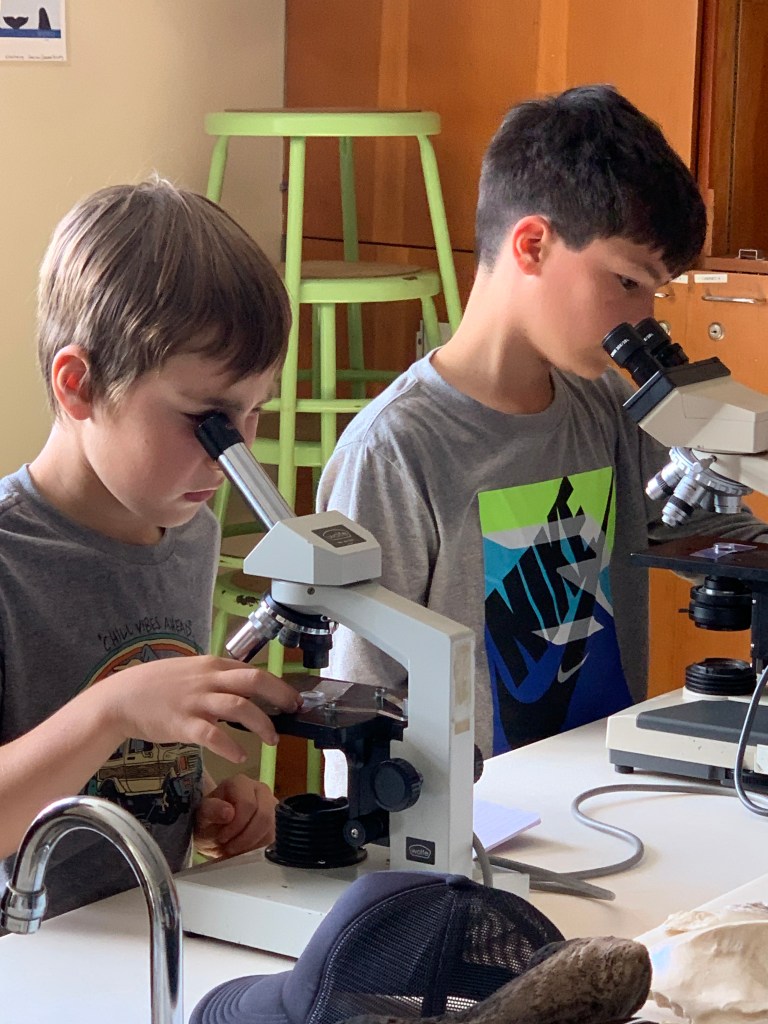
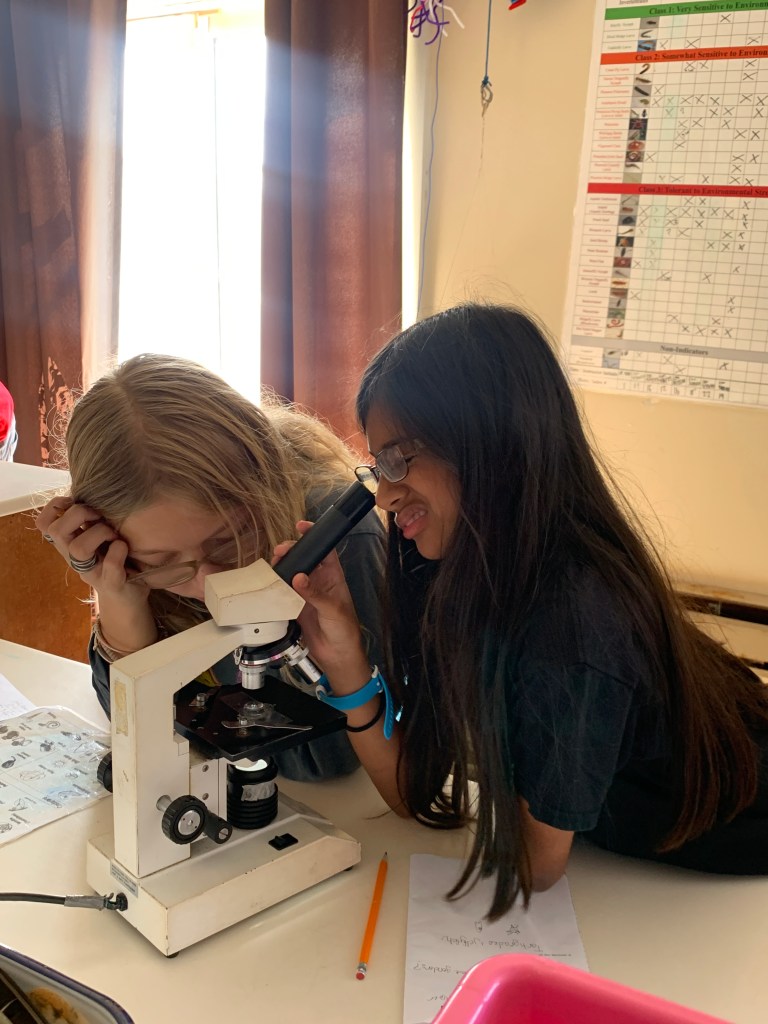
By day three, field science came to life. Students examined plankton under microscopes, studied local plant systems, and discussed how redwood ecosystems sustain life. Their fieldwork concluded with hands-on nursery stewardship, cleaning hundreds of pots to prepare for the next generation of seedlings.

Back at Saklan, this experience has sparked new curiosity about our trees and excitement about the upcoming redwood grove playground. Students are wondering how they might help with its design – how to make the space not only a place for play and discovery, but also the best possible ecosystem for the trees that tower above us, offering shade, shelter, and awe.

#SaklanFieldExperience

Celebrating Uniqueness in the Owlet Classroom

Over the past few weeks, the Owlets have been exploring themes of diversity, uniqueness, and the importance of celebrating what makes each of us special. Their learning journey began with The Colors of Us, a story that highlights the many different shades of skin tones. After reading, the class reflected on how each person is unique and how all of our colors are beautiful.

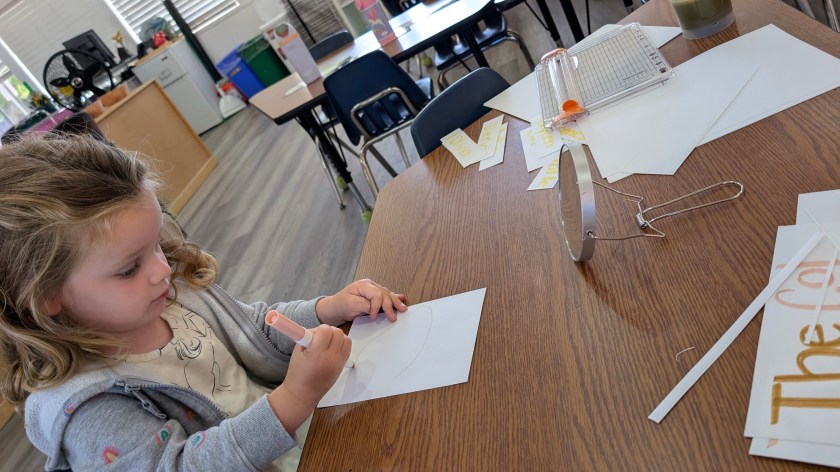
With this inspiration, the Owlets experimented with skin tone markers to find shades that matched their own. Using these, they created their first self-portraits of the year, carefully noticing the shapes of their features and expressing themselves with color and detail. Beyond being a creative activity, self-portraits encourage self-awareness, observation skills, and artistic expression. The class will return to self-portraits throughout the year, offering a wonderful opportunity to see how their drawings evolve as their skills and confidence grow.

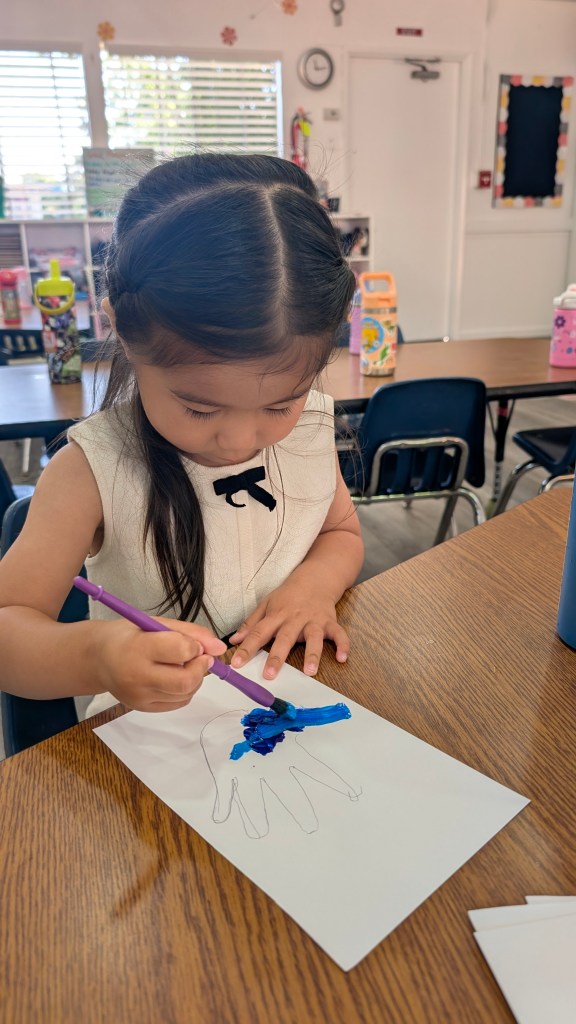
In another activity with Ms. Linda, the children created All About Me handprint posters to display in the classroom. Each child chose a favorite color for their handprint and shared more about themselves by adding favorite games, toys, animals, and foods. Activities like these help children appreciate their individuality while also building community as they learn more about one another.

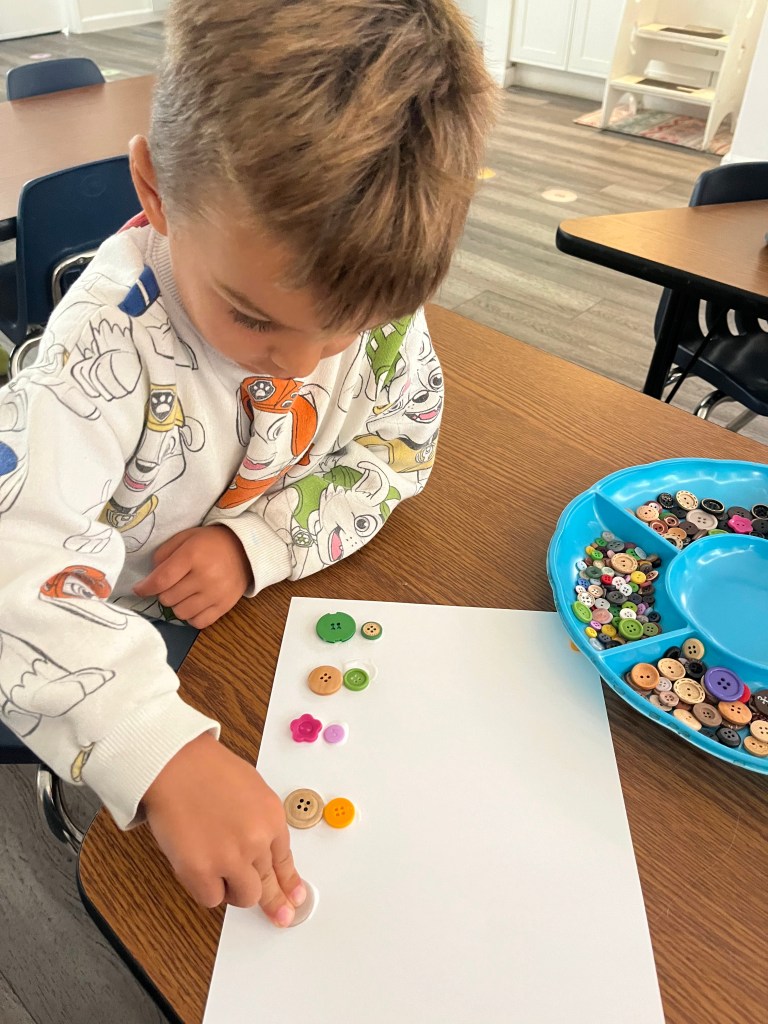
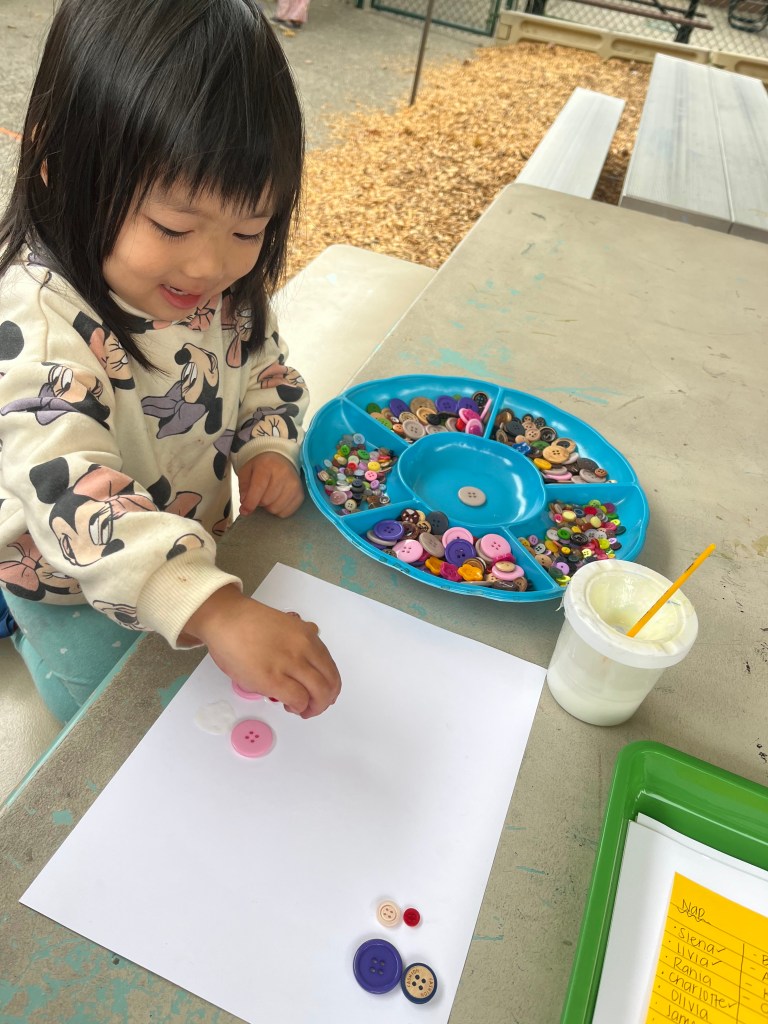
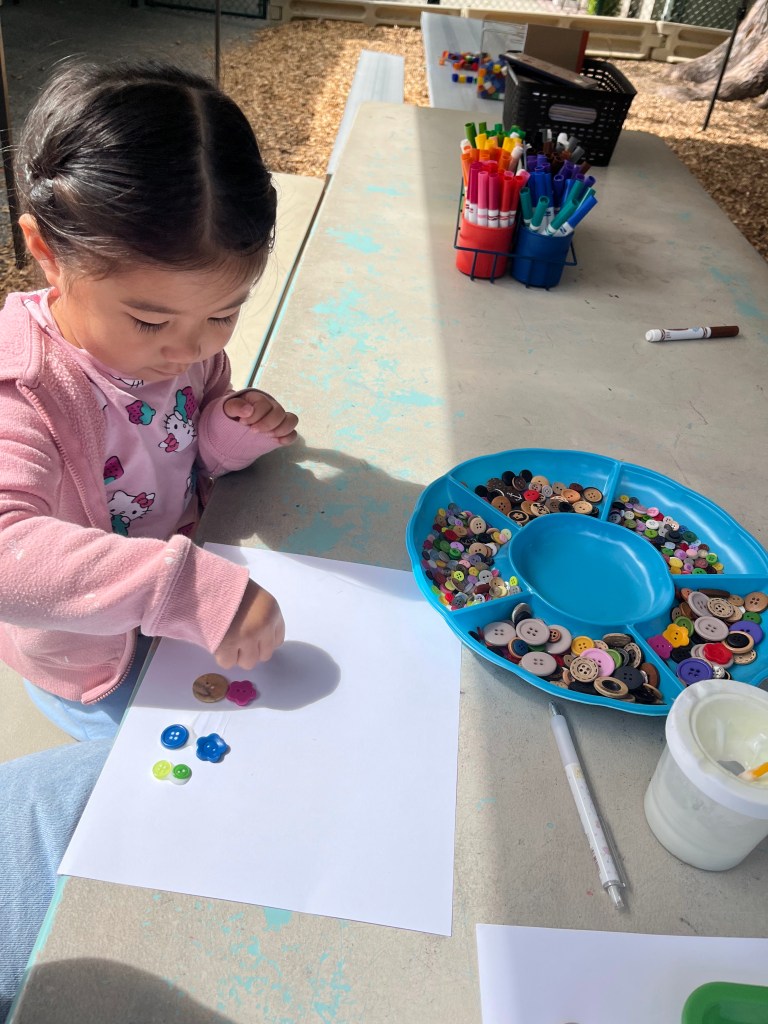
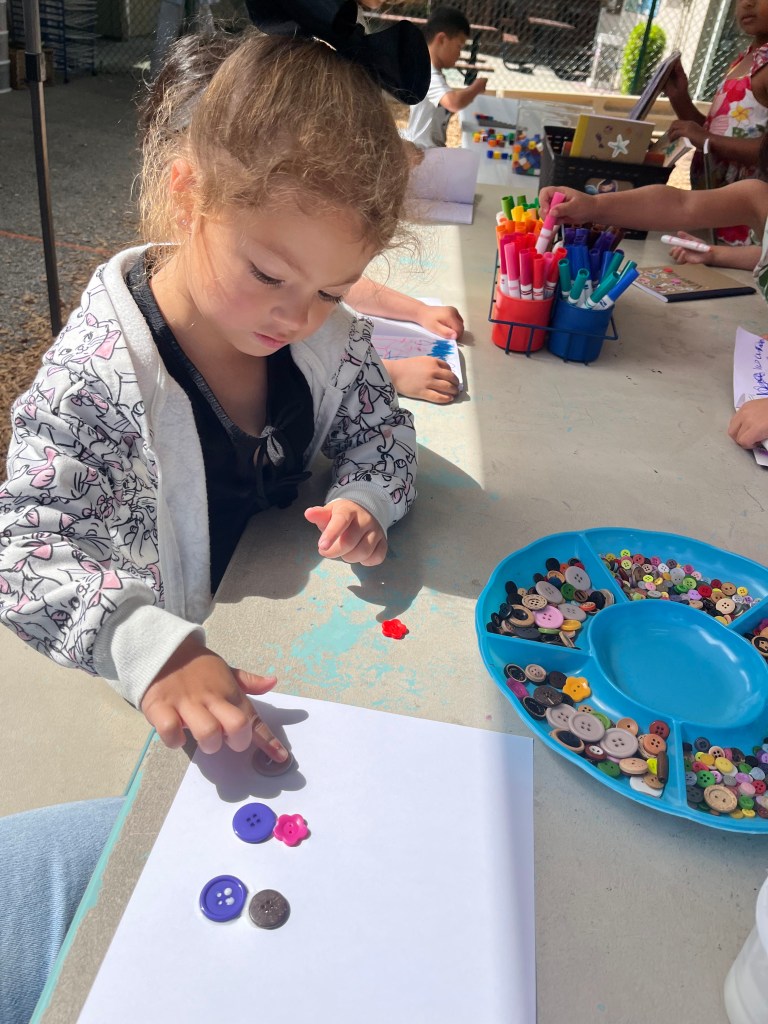
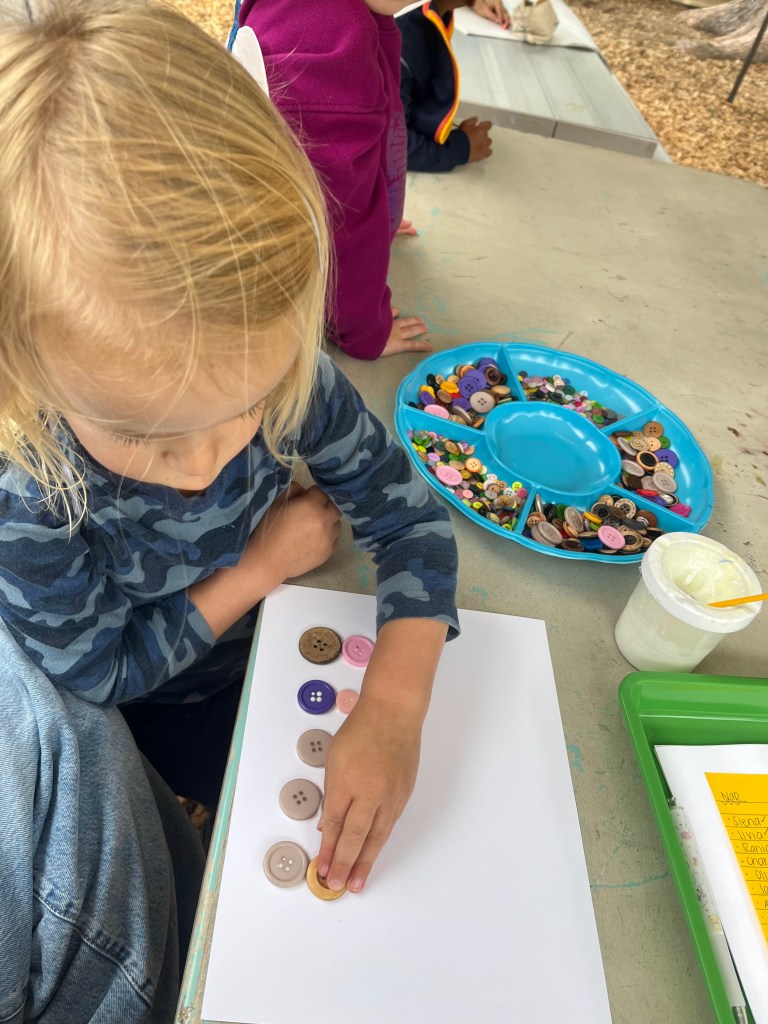
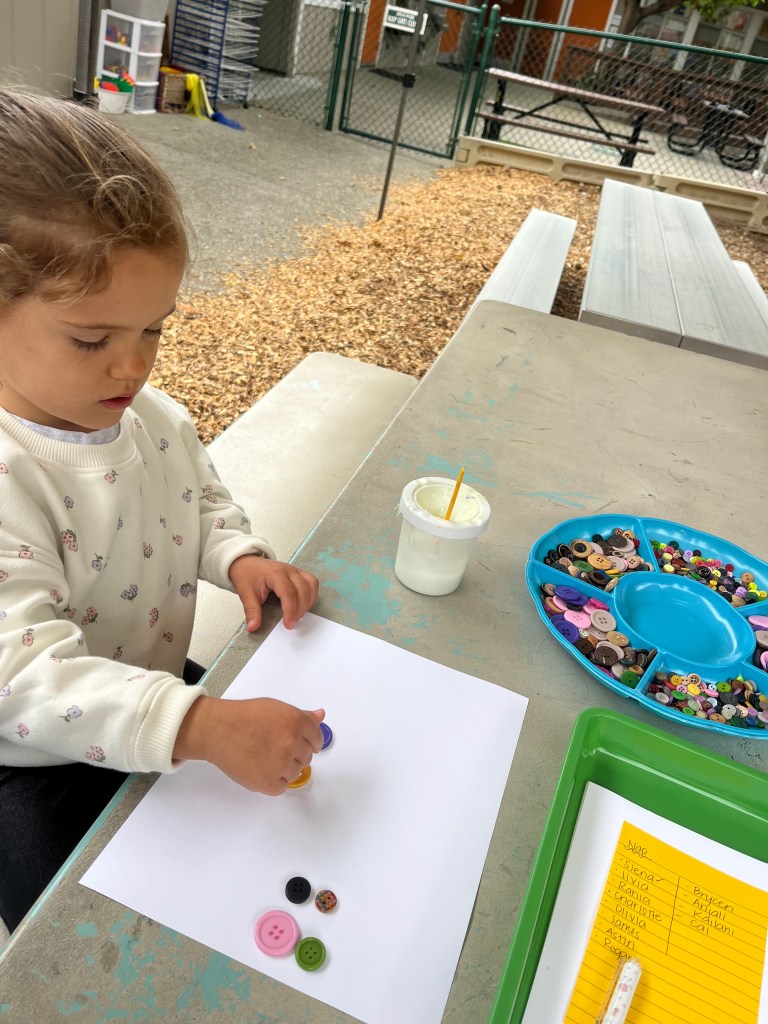
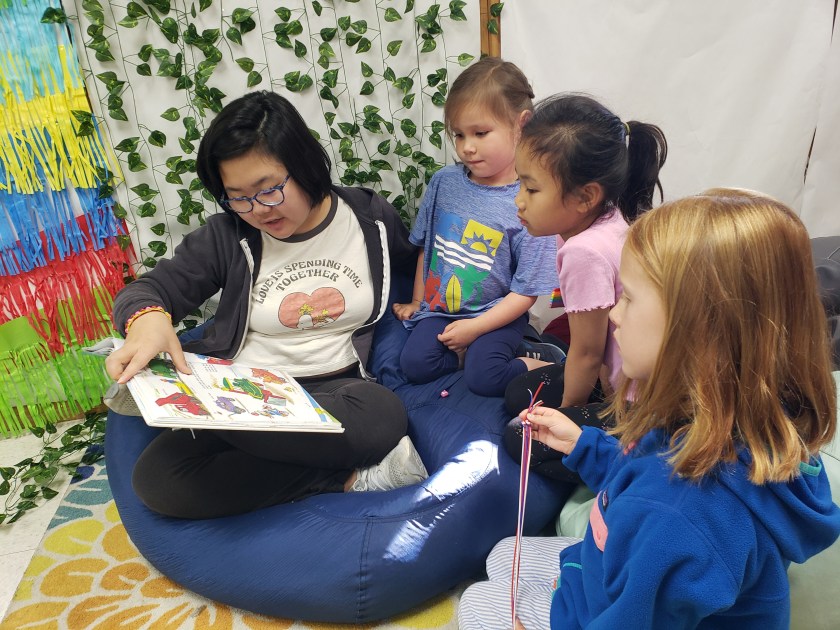
Victoria introduced the story A Handful of Buttons, a heartwarming book that celebrates the diversity of families. The Owlets discovered that families come in many shapes and sizes—some with just two people, others with many—and that each one is special in its own way. Afterward, the children designed their own “button families,” thoughtfully selecting buttons to represent the people who are important in their lives.

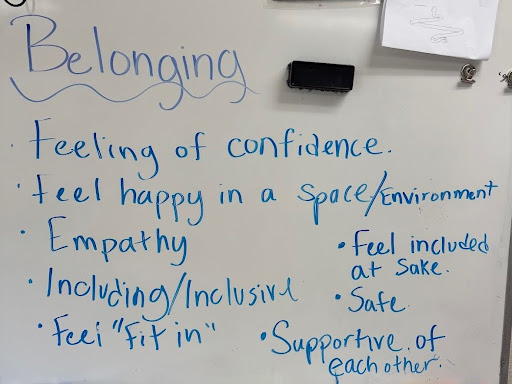
Through books, art, and hands-on activities, the Owlets are developing a deep appreciation for what makes each person unique—while also building a classroom culture rooted in belonging, empathy, and celebration.

#SaklanCommunity #SaklanBelonging

A Summer of Discovery

A summer of creative exploration awaits your child during Summer@Saklan! Designed with curiosity and imagination in mind, this year’s summer camp promises to be a dynamic blend of art and science, giving campers the perfect opportunity to learn, play, and grow in a joyful environment.

From creating vibrant art masterpieces to diving into exciting science experiments, campers will explore the world through hands-on activities that spark creativity and encourage critical thinking. Alongside their artistic and scientific adventures, students will also enjoy fun games, engaging activities, and visits from special guests who will help bring learning to life.

Whether your child loves painting, building, experimenting, or just having fun with friends, Summer@Saklan offers something for everyone. It’s the perfect way to keep young minds active and inspired during the summer months.

We can’t wait to see all the creativity and curiosity that unfolds this summer at Saklan!

Session Dates & Hours

This summer, camp will run in one-week sessions from June 16th – August 1st.

  • June 16th to 20th – Session 1
  • June 23rd to 27th – Session 2 (No Camp on June 23rd for Mini Campers)
  • June 30th to July 3rd – Session 3 (No Camp on July 4th)
  • July 7th to 11th – Session 4
  • July 14th to 18th -Session 5
  • July 21st to 25th – Session 6
  • July 28th to Aug. 1st – Session 7

The camp day will begin with drop off from 8:15 – 8:30 a.m. and run until 2:30 p.m. Extended Day will be available until 4:30 p.m.

Ages of Campers

Students entering Preschool through 3rd Grade in the Fall are invited to join us for Summer@Saklan. Students will be divided into two age groups again this summer:

  • Mini Campers: Age 3 – Entering Kindergarten
  • Explorers: Entering 1st – 3rd Grade

Additional Information

Additional information on Summer@Saklan can be found on the summer webpage.

Communicating Through Color

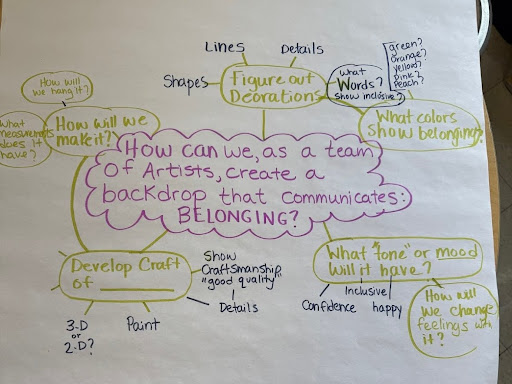
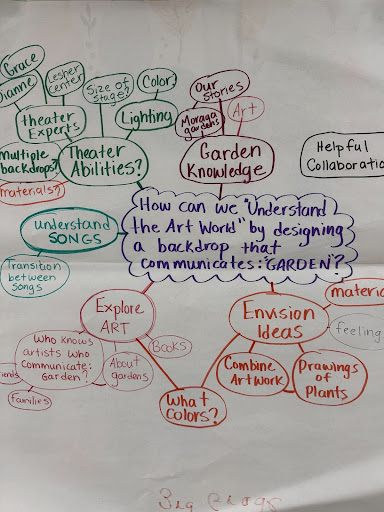
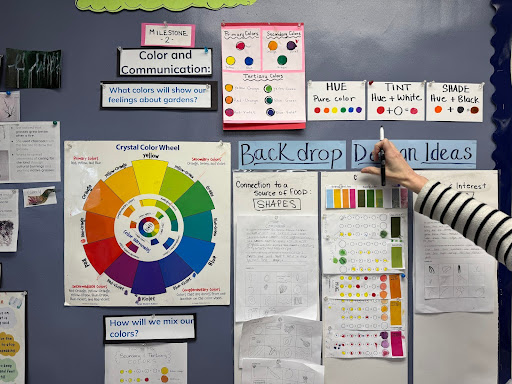
One of the most special elements of Saklan Project-Based Learning is the ways in which annual units take on different elements each year. For the last three years 2nd and 3rd grade students have designed the backdrop for our spring concert at the Lesher Center as part of a PBL unit on color and communication. This unit centers on the driving question: How can we understand the art world to design a backdrop that communicates “garden?”

This year there has been an intentional focus on one particular Studio Habit of Mind: Understanding the Art World. This studio habit, one of eight developed by the researchers at Project Zero, focuses on the study of art history and contemporary practices to learn how to act as an artist in collaboration with other artists in broader society.

The unit began with students sharing their own experiences of gardens. This process activated their prior knowledge and began to elicit ideas, feelings, and questions connected to the concert theme. Next, they completed a whole class brainstorm of ideas, colors, experiences, feelings, and connections to the driving question. This work helped guide the decisions about which artists students would focus their learning on as they worked toward the design and creation of the concert backdrop.

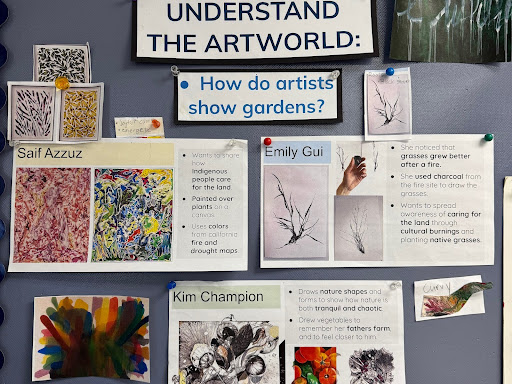
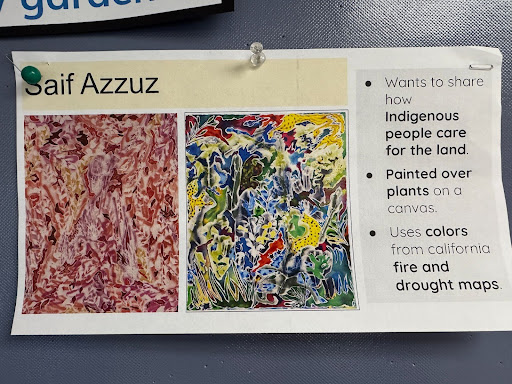
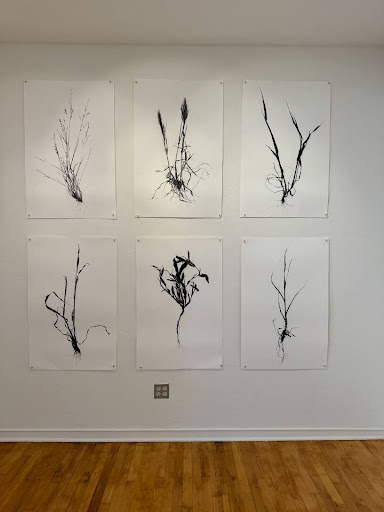
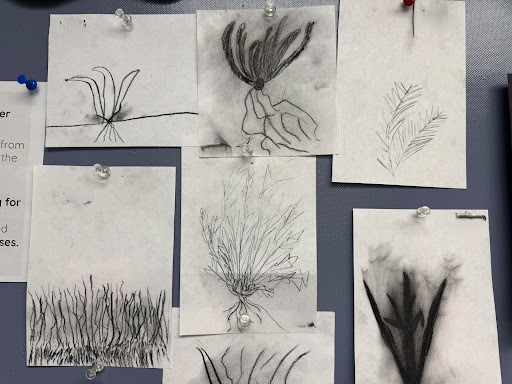
The unit then moved on to explore artists whose work focuses on gardens, nature, and tending to the environment. Made with charcoal scavenged from the scorched earth after a wildfire, Emily Gui’s drawings of wild grasses that emerged after the fire, connected to the 3rd graders’ research on native plants earlier this year. It was also a jumping off point to help expand the students’ definition of what a garden may mean to different peoples. They compared drought maps to the work of Saif Azzuz, which often focuses on the importance of tending the California landscape through the Indigenous wisdom of cultural burns and the varied medicinal uses of native plants, as seen in his recent installation at Stanford Research Park. Finally, students considered the impact of color, and what happens to our interpretation of artworks when color is removed using works by Kim Champion. It struck students that when the color was removed from her art, often much of the meaning was lost and the figures became harder to identify.

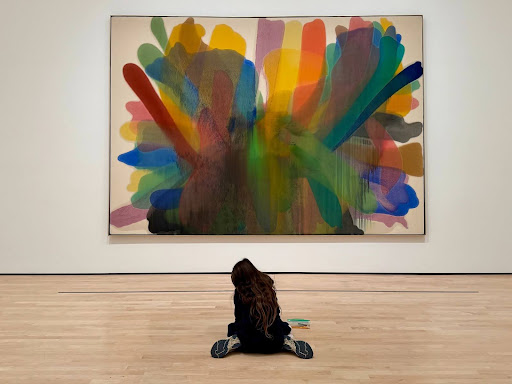
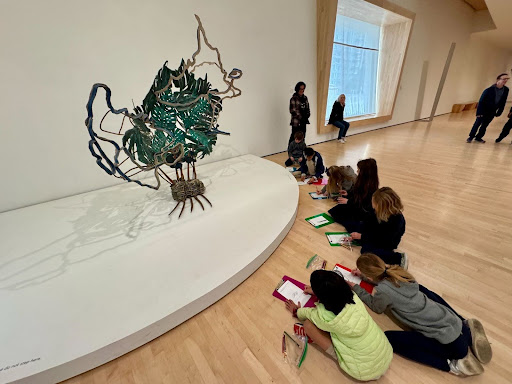
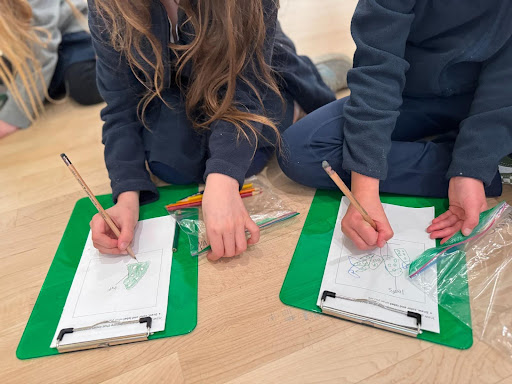
Visiting SFMOMA as part of this PBL unit was a highlight for our second graders. This opportunity to engage with large works in a museum space gave students a chance to observe a variety of ways artists convey the theme of garden. They explored many different types of works and interpretations of our theme.

After exploring different artists’ interpretations of garden, students reflected on the feelings and connections to the theme that they wanted to express through their backdrop art. Three distinct groups emerged. One group most associated gardens with the feelings of excitement and joy, another with a sense of awe for life, and a third associated gardens with calm. Each feeling group identified colors to communicate those feelings using their growing understanding of the art world. 

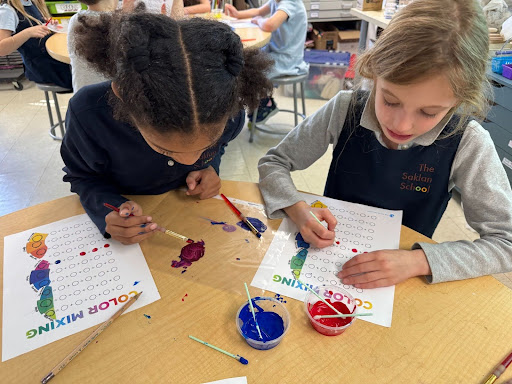
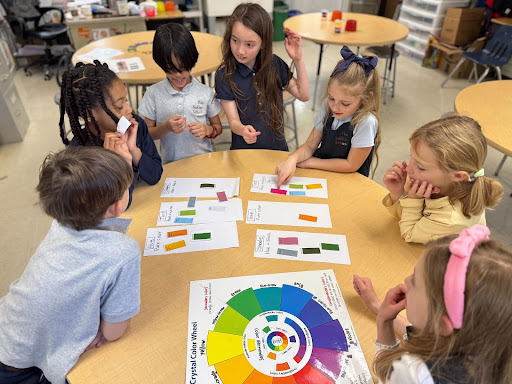
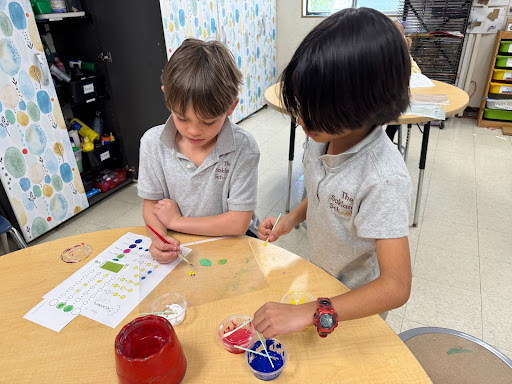
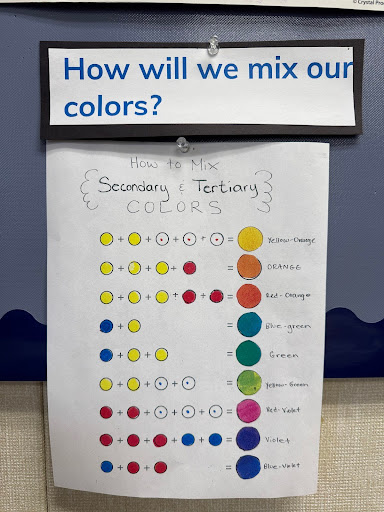
Knowing how colors impact each other when side by side and gaining an understanding of the need for balance between colors were the next key elements to successful communication through color that students began to explore. Color mixing recipes were iterated on to figure out how to mix just the right tint, shade, or hue of the desired colors.

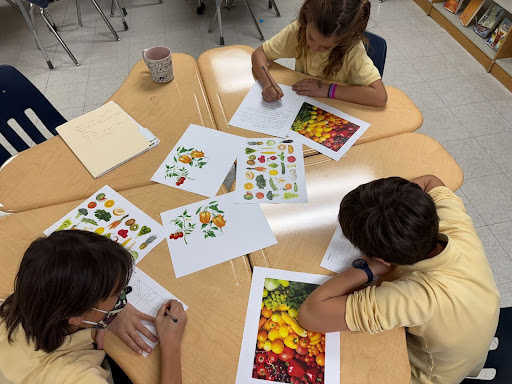
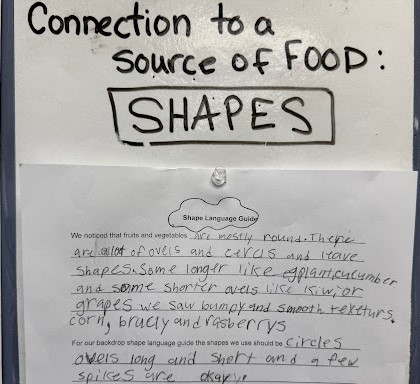
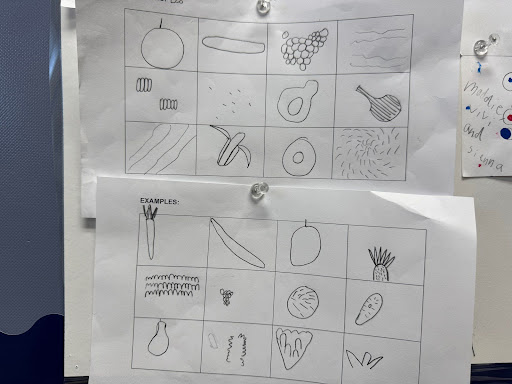
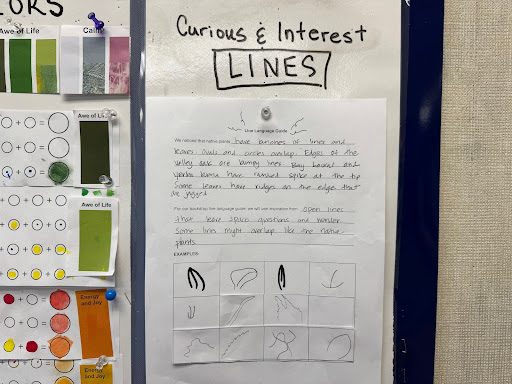
Additionally two small groups considered the ways line and shape can help us communicate our theme. One group felt a sense of curiosity when considering the theme of “garden” and worked to create a line language for our backdrop. Another considered the connection between the theme of “garden” and fruits and vegetables. 

At the concert, look for the line and shape language they developed among the beautiful colors the students have so carefully selected and balanced. You may spot many ovals, circles, and textures that mimic overlapping yerba buena leaves, curved lines like the edges of a valley oak leaf and its branches, or the texture of corn on the cob.

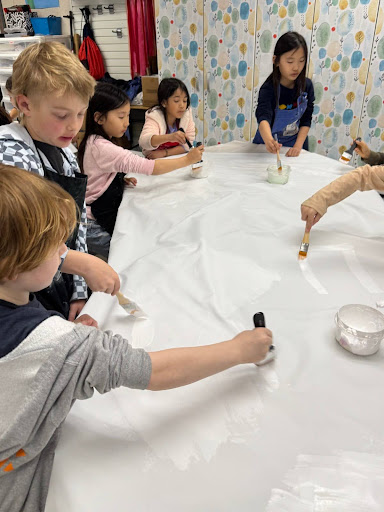
The students are now preparing the backdrop canvases by applying a base coat and will begin painting their version of “garden” very soon. We are excited to unveil the finished product at the All-School Concert on Friday, March 21st. See you there!

#SaklanPBL #SaklanCreative

Creativity & Fine Motor Skills

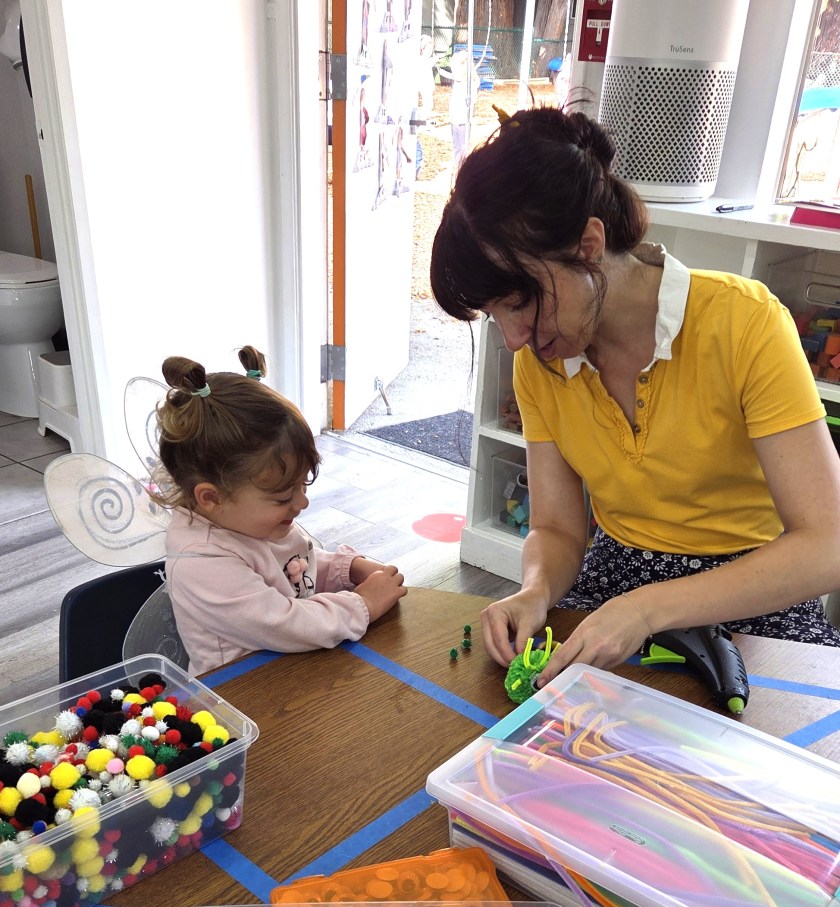
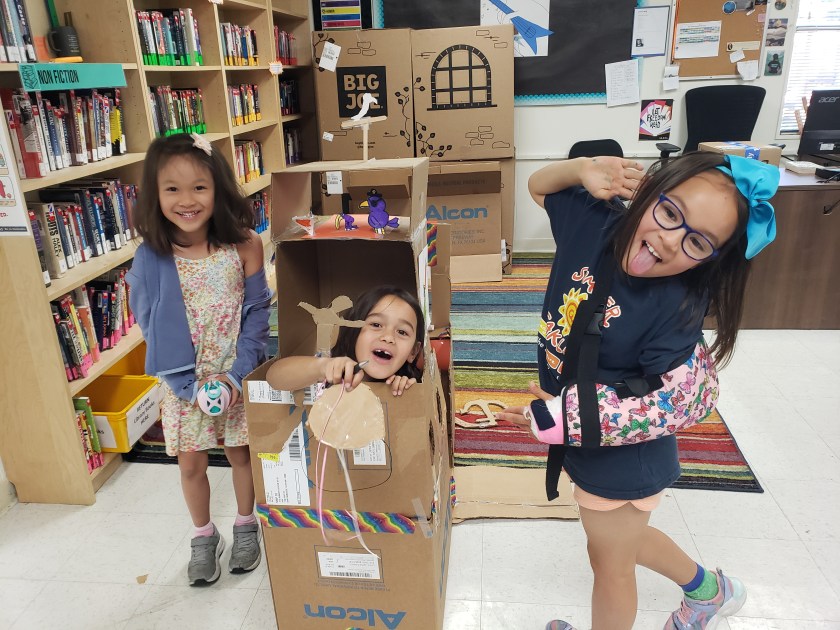
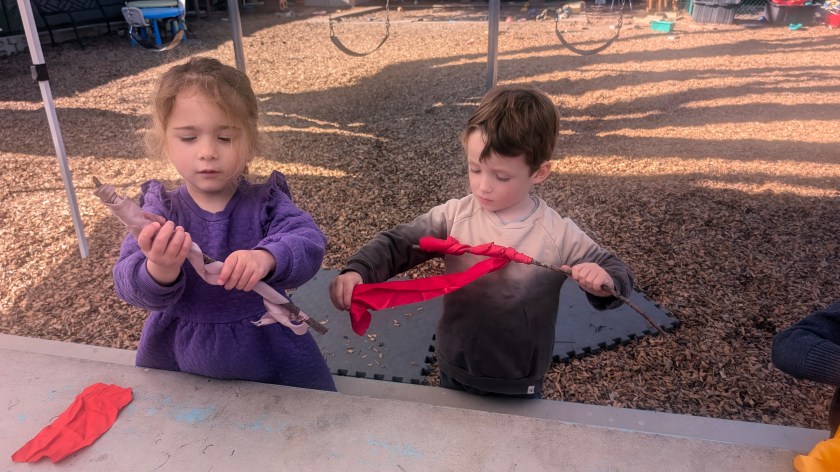
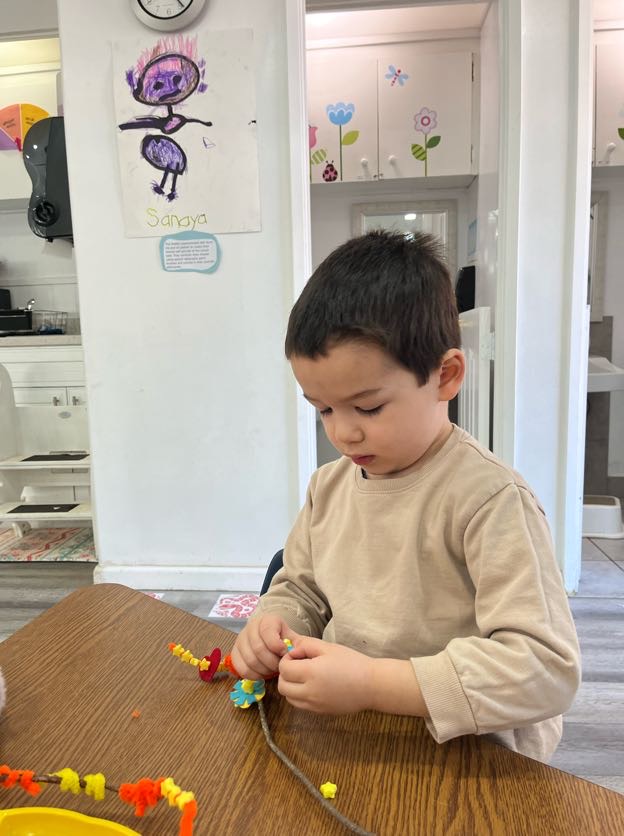
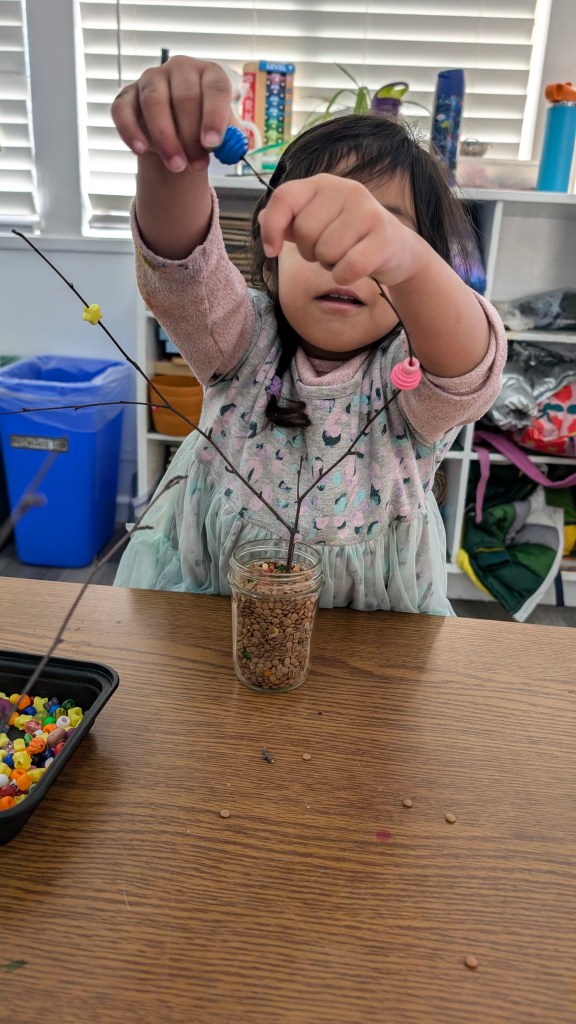
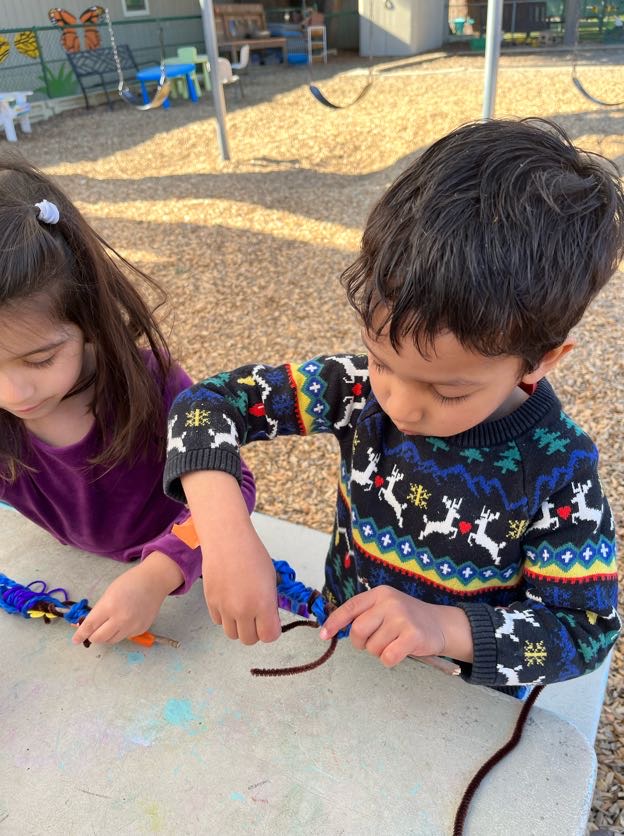
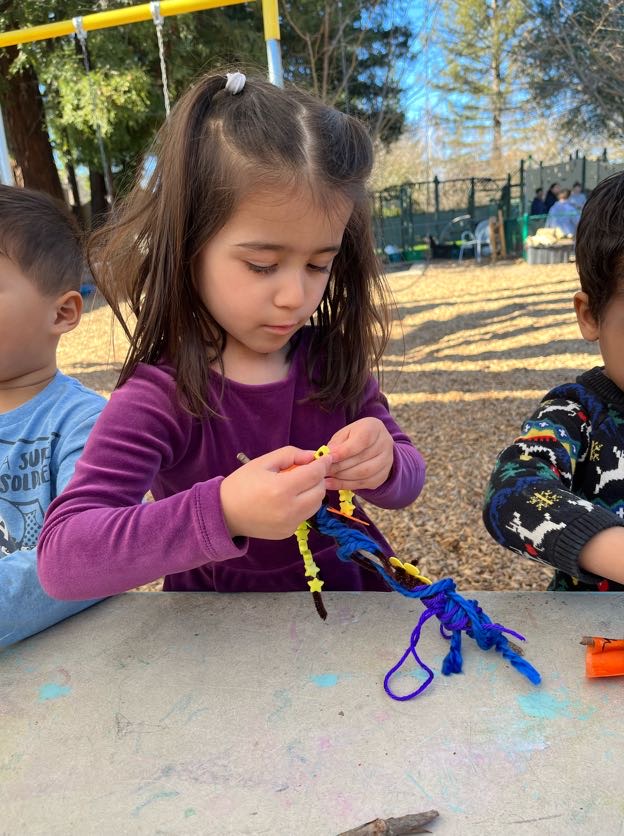
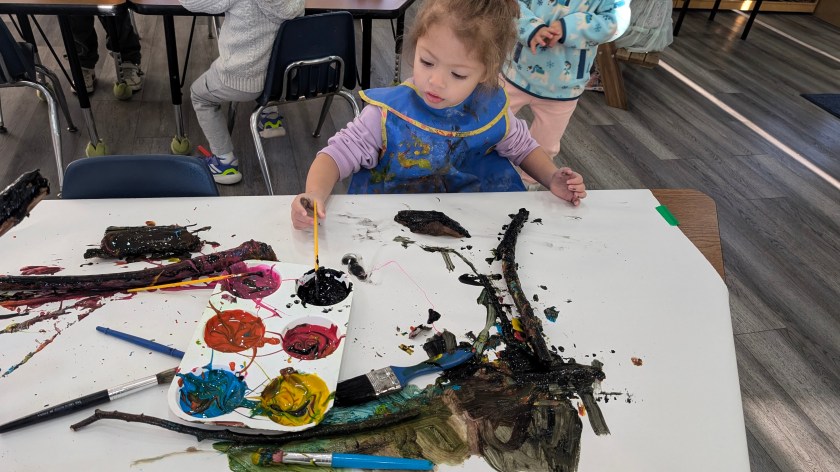
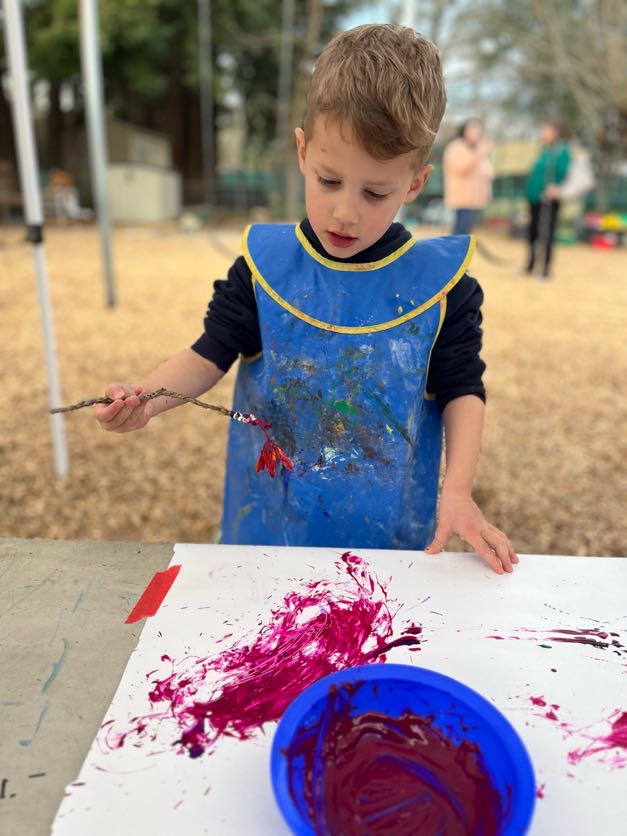
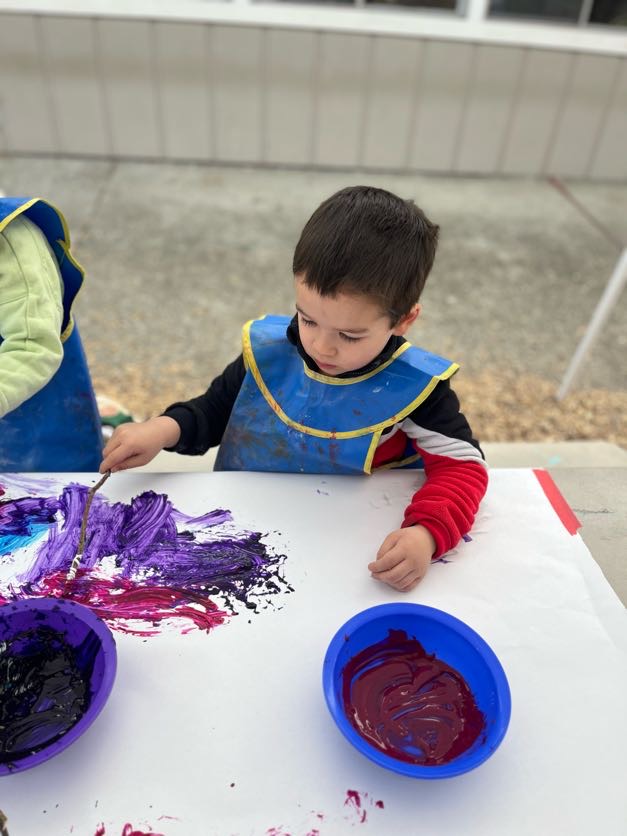
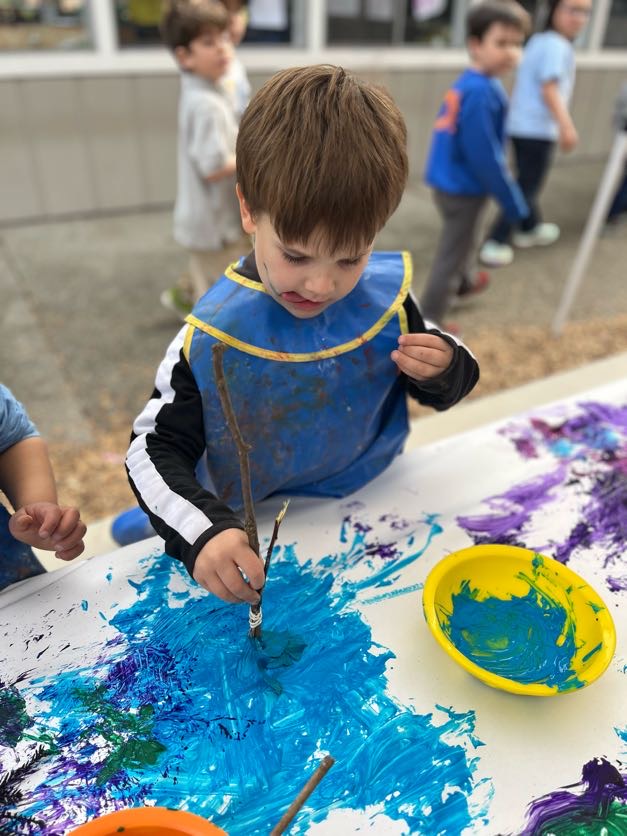
The Owlets have been working on a mini-inquiry into one of their favorite things: sticks! To kick off their exploration, the Owlets brought in sticks they found at home to examine. They noted the differences in the sticks and brainstormed many ways they could be used.

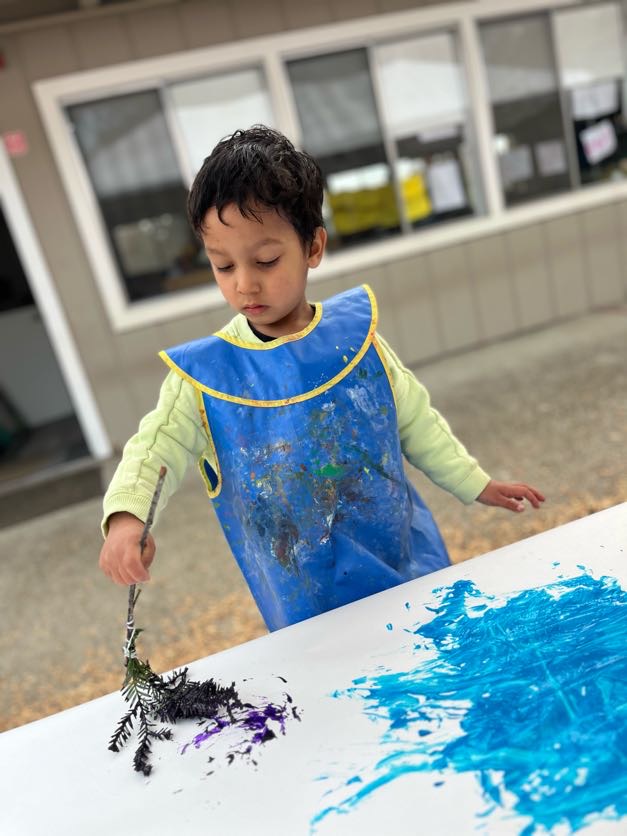
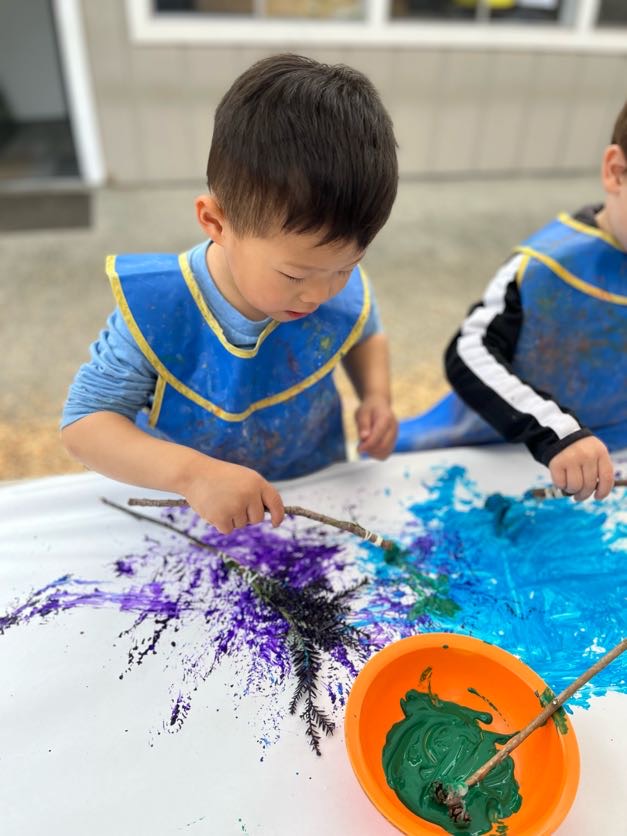
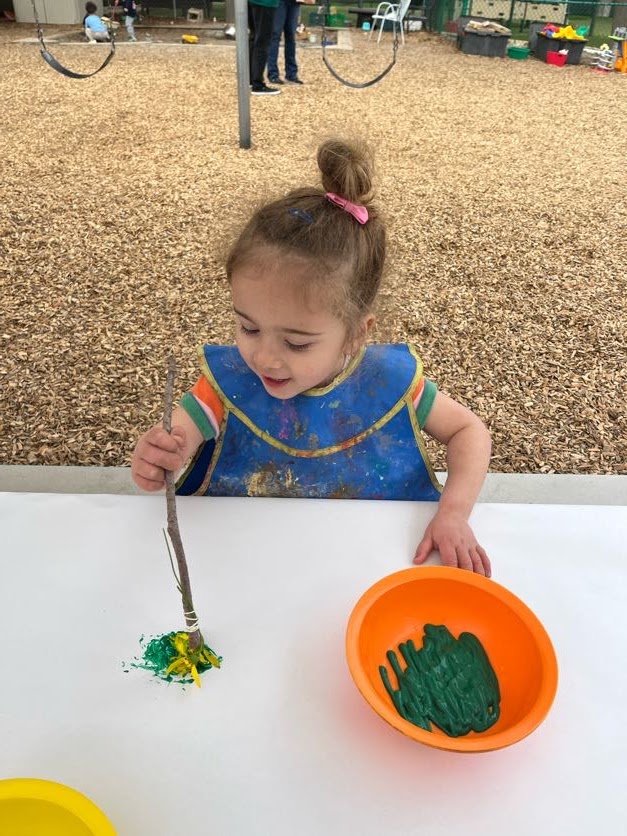
After brainstorming creative ways to use sticks, the Owlets practiced wrapping sticks with ribbons, threading beads on them, painting them, creating pictures with them, and transforming them into unique wands, and beautiful nature-inspired paint brushes. It’s been a wonderful way to nurture their creativity and fine motor skills.

The preschoolers had a wonderful time experimenting with making their sticks into nature-inspired paintbrushes! They crafted their own brushes using various materials from nature and then had fun painting with their creations to see the unique effects they could achieve.

Their work with sticks has been a wonderful way to nurture their creativity and fine motor skills!

#SaklanHandsOn

Ecosystems and Adaptations

In science, the 6th graders recently explored Earth’s biomes. Working in pairs, they created educational slideshows to teach their classmates about our planet’s incredible variety of ecosystems. Afterward, they dove deeper into the topic by examining how organisms adapt to survive in diverse environments. This culminated in an engaging “Adaptation Auction,” focusing on two contrasting ecosystems: the ocean and the desert.

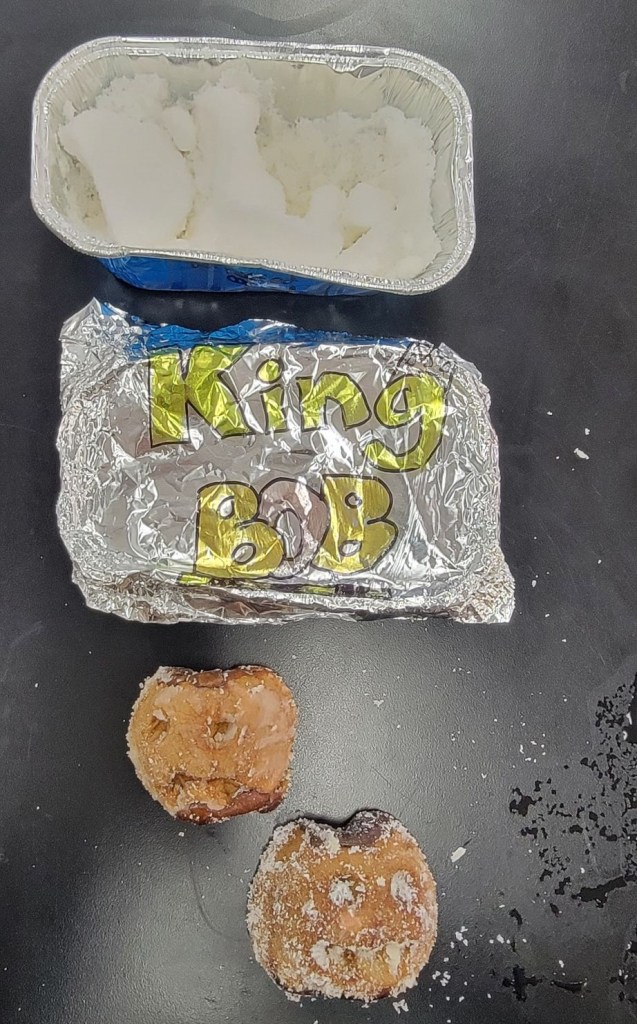
The 6th graders explored the stark differences between these ecosystems, identifying particularly beneficial adaptations in each. The desert’s unique ability to preserve species, culture, and history—due to its dry climate, fewer large scavengers, and minimal decomposers—sparked fascinating discussions. To bring this concept to life, students mummified apples in class! They created a narin mixture of salt and baking soda to act as our drying agent. Students then carved a face into an apple and let it sit in the narin mixture for a week. They observed how the drying agent caused noticeable changes in size, texture, and weight after just one week.

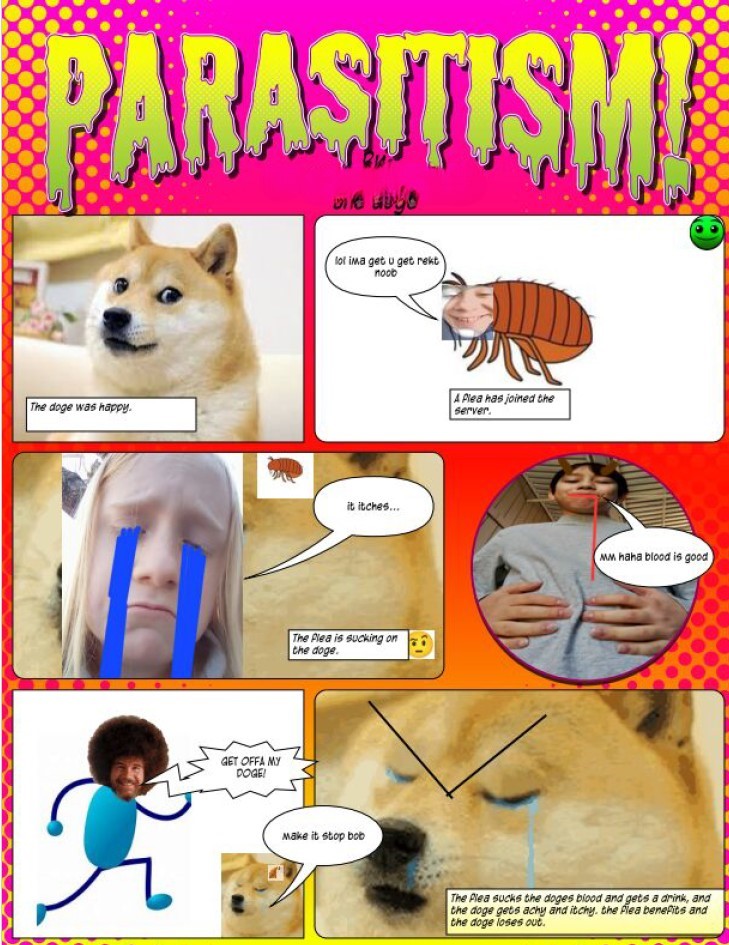
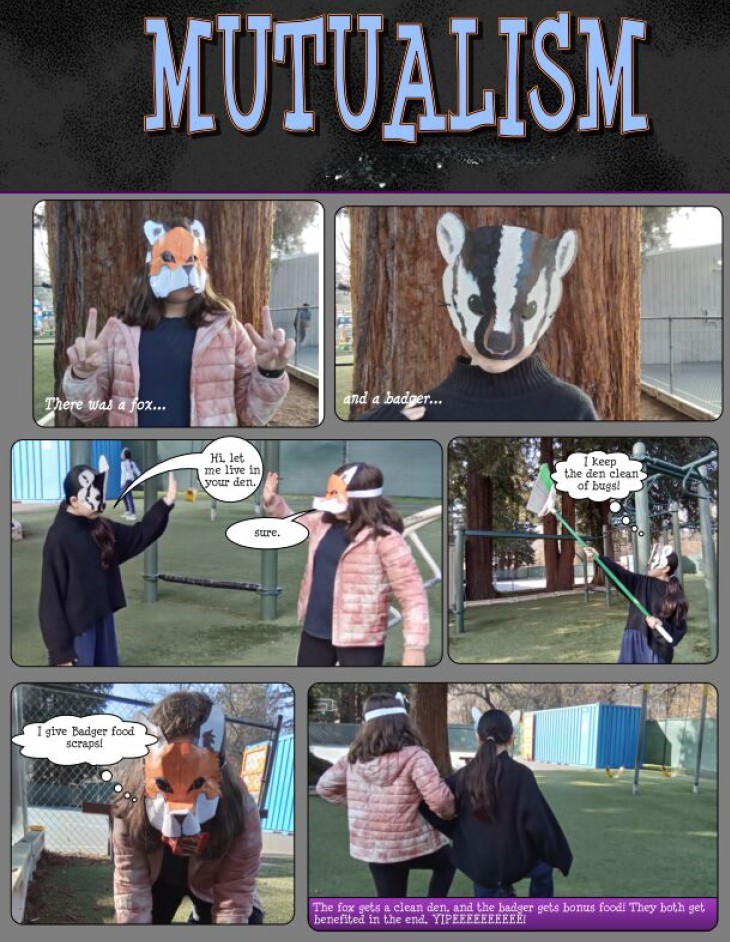
Next, the students moved on to studying the relationships between species within ecosystems, such as mutualism, parasitism, and commensalism. They created comics that illustrate these interactions in real-world scenarios to demonstrate their understanding. Below are examples of their creative work.

#SaklanHandsOn #SaklanCreativity

Mindful Art Making

Students in first through eighth grade entered the new year through a series of therapeutic art activities in art class. Therapeutic art, or mindful art making, focuses on the creative process to relieve stress, calm the mind and body, or spark joy. Stepping out of winter break and into a new semester of learning and academic structure can stir up a range of feelings (for students, teachers, and families alike), and art can provide an opportunity to express these emotions, thoughts, and experiences in a way that words sometimes cannot. 

For each lesson, students were given a basket full of colorful art supplies and a small packet of drawing and writing prompts centered around reflecting on 2024 and exploring the values and energy they’d like to carry into 2025. Students were encouraged to work through the exercises in any order and to change or adapt the prompt in any way that felt authentic or comfortable to them at that moment. The goal was to connect with themselves and the process rather than create a polished, final product.

The mindfulness mini-unit was a great compliment to this month’s school-wide social-emotional focus: growth mindset. As students began another semester of projects, art making, and learning, Lauren used these activities an opportunity to remind them to approach the journey with curiosity, creativity, and compassion.

Congrats to “The Aristocats” Cast

Congratulations to our third, fourth, and fifth-grade students on their wonderful performance of The Aristocats Kids right before Winter Break!

From memorizing lines, finding costumes, designing sets, and applying makeup, it takes a village to bring these productions to life. Thank you to all the performers for the courage and creativity they put into their characters. Thank you to the parents who helped run lines, arranged for base costumes, and worked on hair and makeup. Thank you to all who joined us for the show and cheered on the cast.

Additionally, we have a few special thank yous we would like to share:

  • Special thanks to Dianne Hurvitz for directing the lower school students’ wonderful performance. Her hard work, dedication, and love for the students were evident throughout the show.
  • Special thank you to Javier Yacarini and John Miazga for all their work constructing the stage and the set.
  • And a very special thank you to Jayme Feldhammer for her work on the costumes.

It was a fabulous show! We hope you enjoy the photos from the performance below.

#SaklanCreative