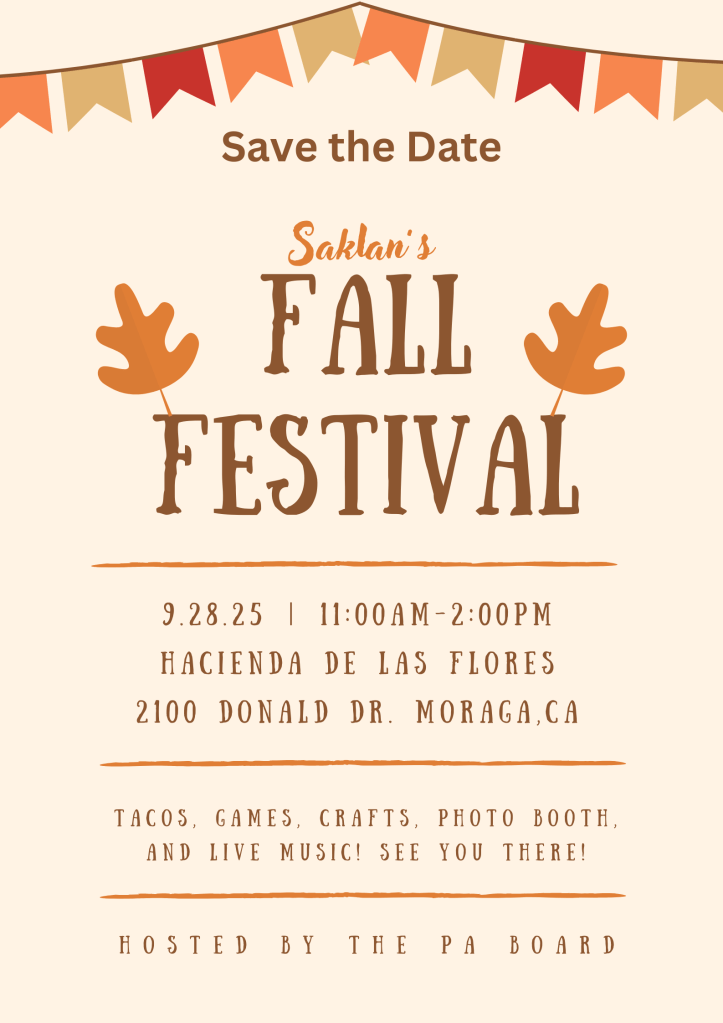
Get ready for an afternoon of family fun! The Saklan Parent Association is thrilled to welcome you to our annual Fall Festival on Sunday, September 28th, from 11:00 a.m. to 2:00 p.m. at Hacienda de las Flores.
This year, we’re bringing back all the fun you love, including face painting, fall crafts, and the always-entertaining whipped cream pie challenge. To make this year even better, we’re serving up a complete taco feast for everyone to enjoy. Plus, you can strike a pose in our photo booth and enjoy some great live music while you eat. It’s the perfect way to celebrate the start of fall with your friends and community.
Does your family purchase Annie’s Cheddar Bunnies, Progresso soups, or Blue Buffalo pet food? If so, you can turn those purchases (and more) into money for Saklan through the Box Tops for Education program. Box Tops for Education is a quick and easy way to support Saklan!
Wondering how it works? All you have to do is buy participating products and use the Box Tops app to scan your store receipt. The app identifies the 350+ eligible products, and earnings are credited to your designated school. Even if you’re shopping online or doing grocery pickup, you can still submit your digital or email receipt with the Box Tops app.
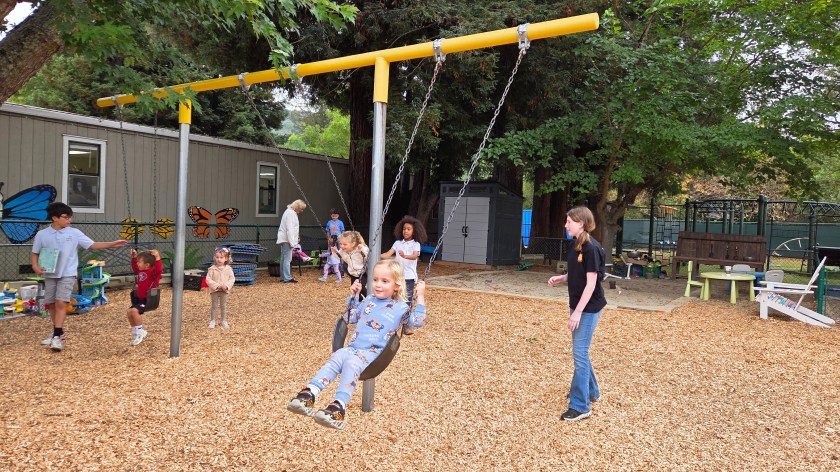
At Saklan, we know that play is more than just fun — it’s where children test their limits, use their imaginations, and connect with each other. This year, we’re taking a big step forward in making our campus play spaces as inspiring as the learning that happens here every day.
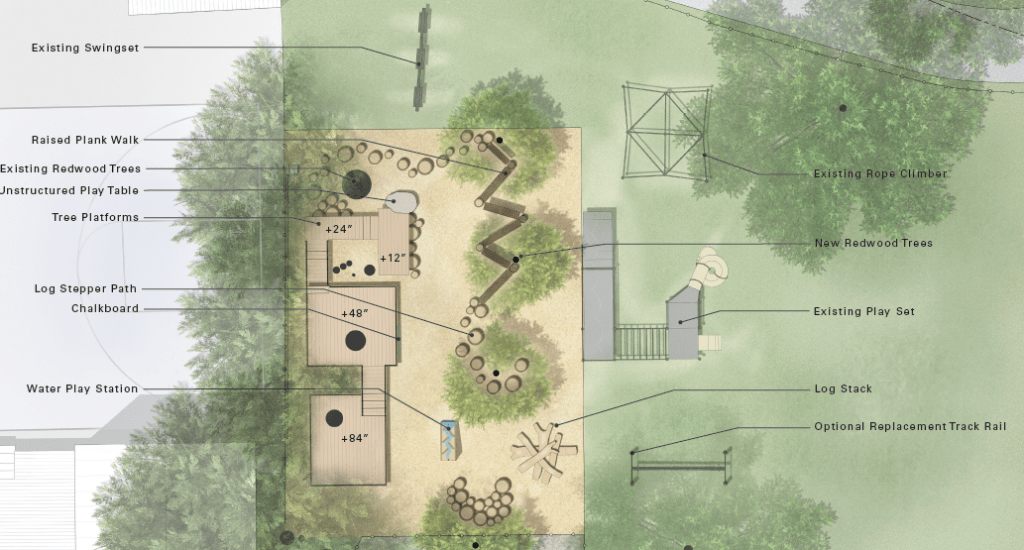
With the help of Bay Area landscape architect Ron Lutsko, we are transforming our redwood grove into a natural play area designed for creativity and adventure. While we are still in the early phases of the design process, below are some of the elements we are considering.
Tree platforms that give the feel of small “treehouses”
Raised plank walks that wind between the trees
Log steppers and climbing features to challenge balance and coordination
A chalkboard tucked into the grove for drawing, writing, or group games
The design makes use of the existing redwoods, while adding new ones to create a Redwood Grove. The design intends to weave new and natural play elements into the beauty of the grove. Children will be able to climb, balance, imagine, and create — all while being surrounded by nature.
This project is only possible because of our community’s generosity. At our 70th Anniversary Auction, Saklan families and friends raised over $115,000 through the Fund-A-Need. That collective gift is helping us reimagine what play can look like at Saklan.
The design is still evolving, and we’ll continue to gather feedback as we move forward. Our plan is to break ground later this year and open the new play area in the spring. When it opens, it will be more than just a playground — it will be a space where children can take risks, solve problems, and dream big. A place that feels both adventurous and nurturing, where Saklan students can grow together under the trees.
This year, Saklan’s sixth-grade scientists are diving into the topic of human environmental impact—and more importantly, how they can help make a difference. As part of their learning, students will participate in service learning, an educational approach that combines classroom lessons with meaningful community service to address real-world problems.
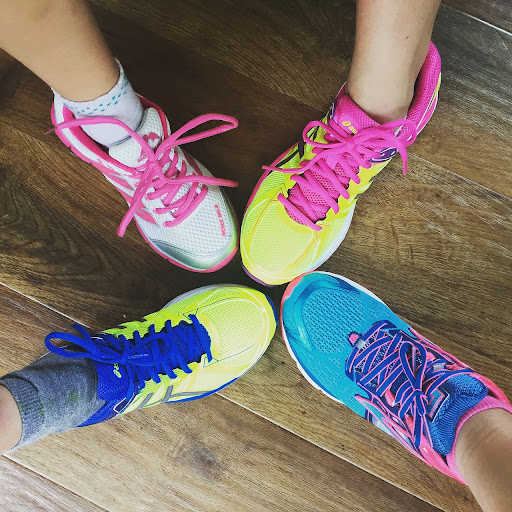
To put their learning into action, the sixth graders have partnered with GotSneakers, an organization dedicated to keeping sneakers out of landfills by recycling or reusing them. Each pair of donated sneakers not only helps the environment but also earns the class funds that they will direct toward species conservation.
Students will decide how best to use the money they raise, with options including:
Donations to wildlife centers
Symbolic species adoptions
How You Can Help
Starting next week, a donation bin will be available in the breezeway during the last two weeks of every month. Simply drop your sneakers in the bin and know you’re helping both the planet and our students’ conservation efforts.
The sixth graders invite the entire Saklan community to get involved! Please consider donating any sneakers you no longer want—any size, any brand, all year long. Sneaker-style shoes only, please!
Together, we can help our sixth graders take meaningful steps toward a healthier planet!
Over the past few weeks, the Owlets have been exploring themes of diversity, uniqueness, and the importance of celebrating what makes each of us special. Their learning journey began with The Colors of Us, a story that highlights the many different shades of skin tones. After reading, the class reflected on how each person is unique and how all of our colors are beautiful.
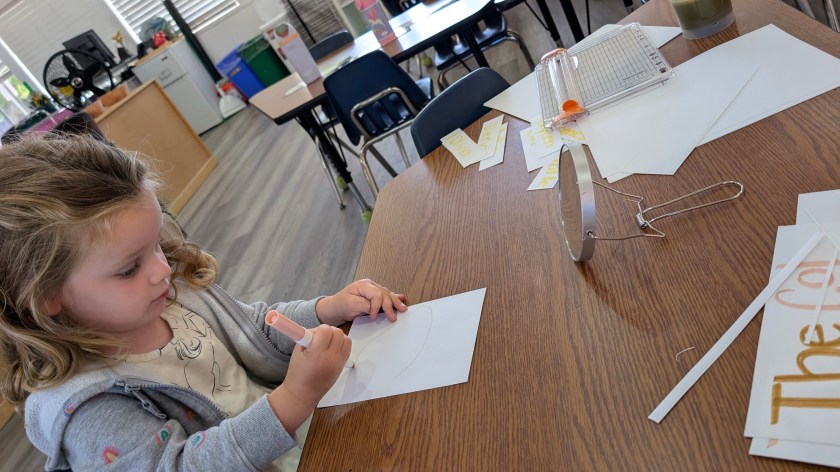
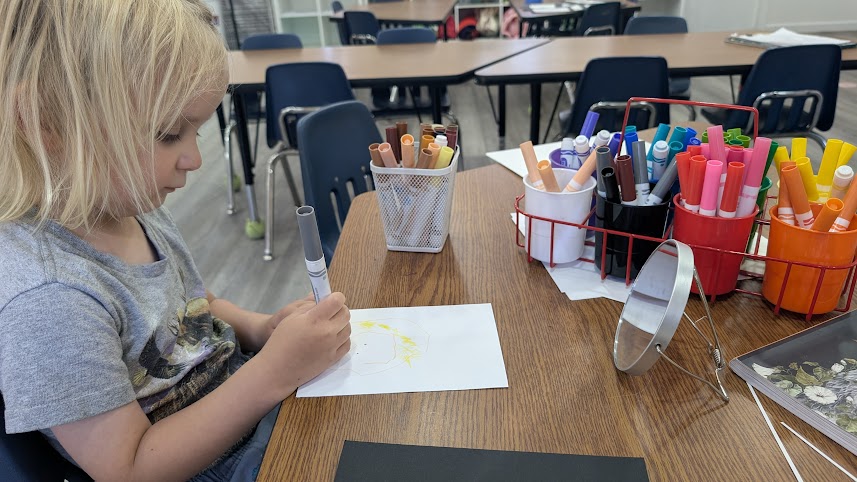
With this inspiration, the Owlets experimented with skin tone markers to find shades that matched their own. Using these, they created their first self-portraits of the year, carefully noticing the shapes of their features and expressing themselves with color and detail. Beyond being a creative activity, self-portraits encourage self-awareness, observation skills, and artistic expression. The class will return to self-portraits throughout the year, offering a wonderful opportunity to see how their drawings evolve as their skills and confidence grow.
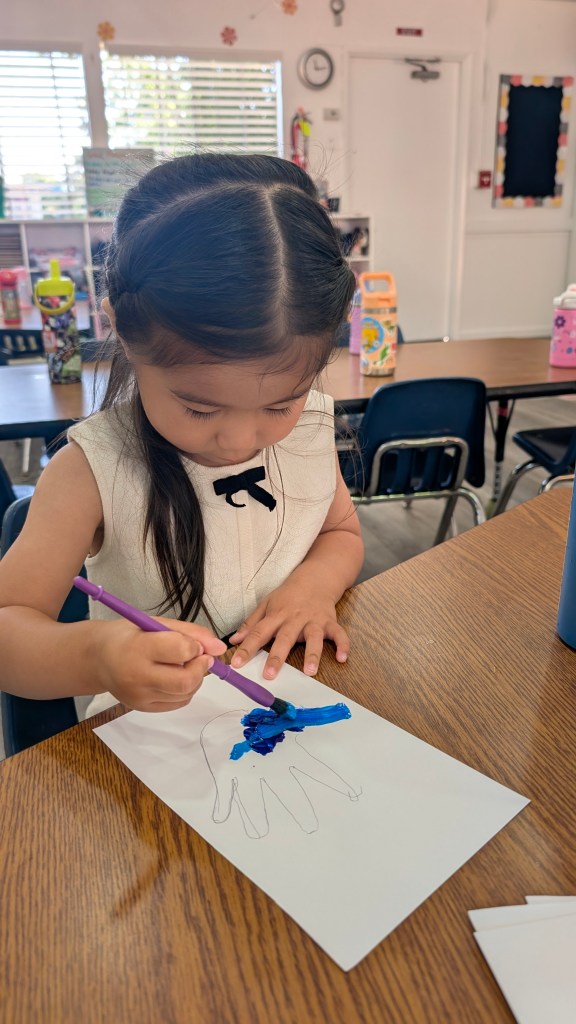
In another activity with Ms. Linda, the children created All About Me handprint posters to display in the classroom. Each child chose a favorite color for their handprint and shared more about themselves by adding favorite games, toys, animals, and foods. Activities like these help children appreciate their individuality while also building community as they learn more about one another.
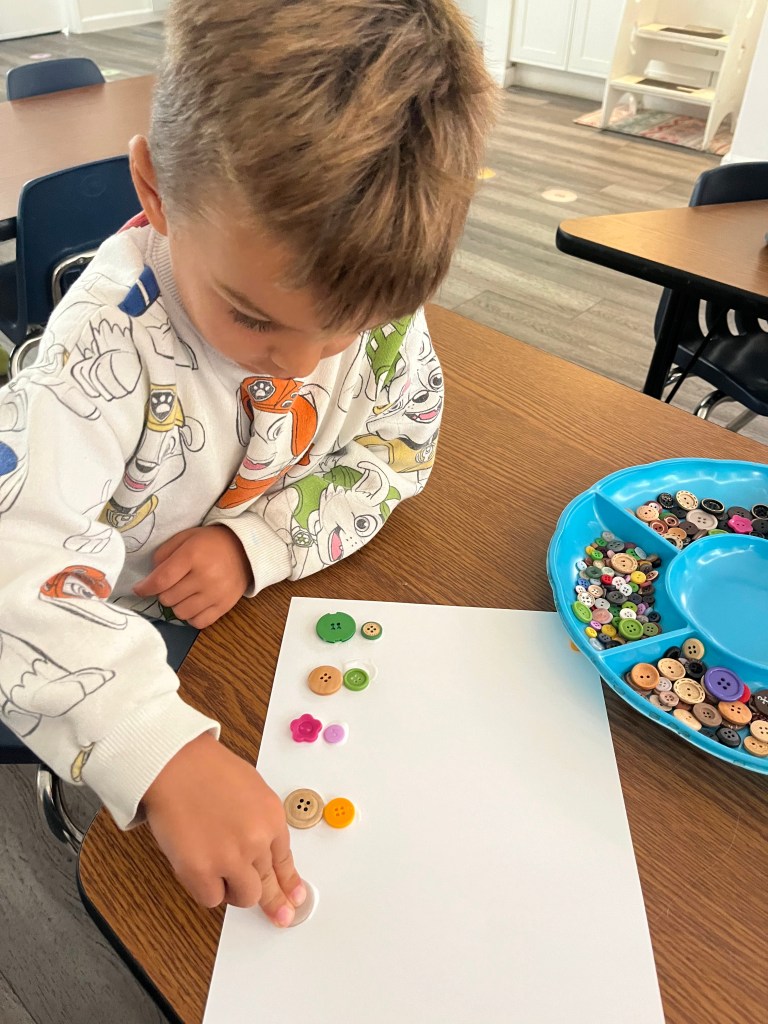
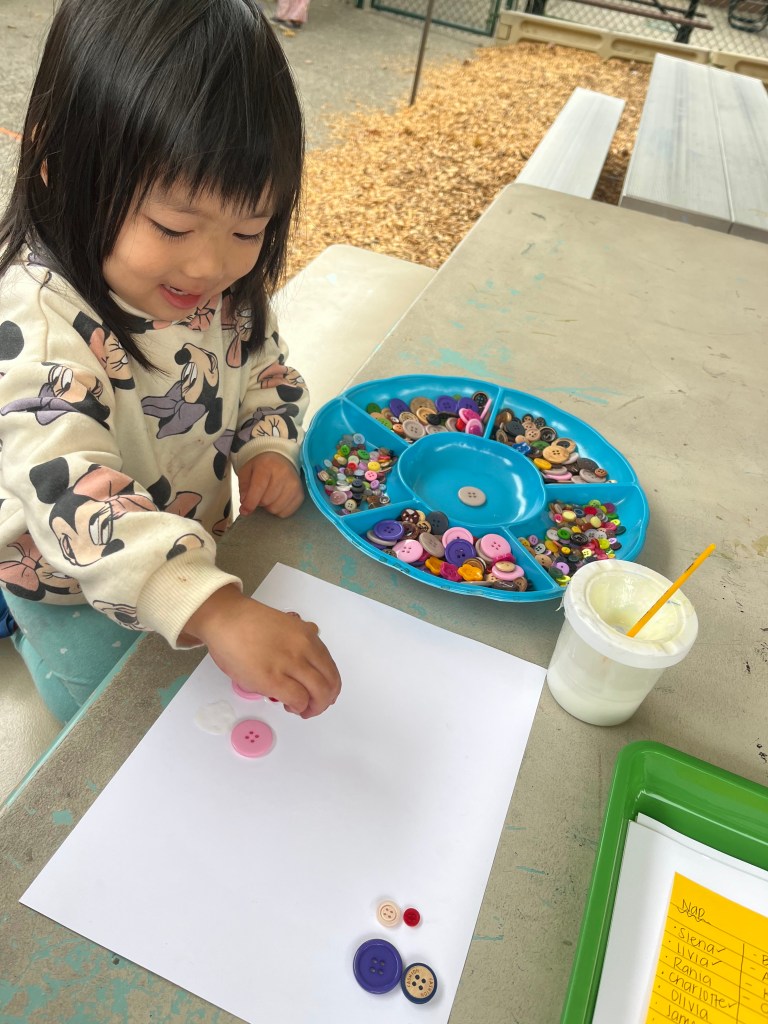
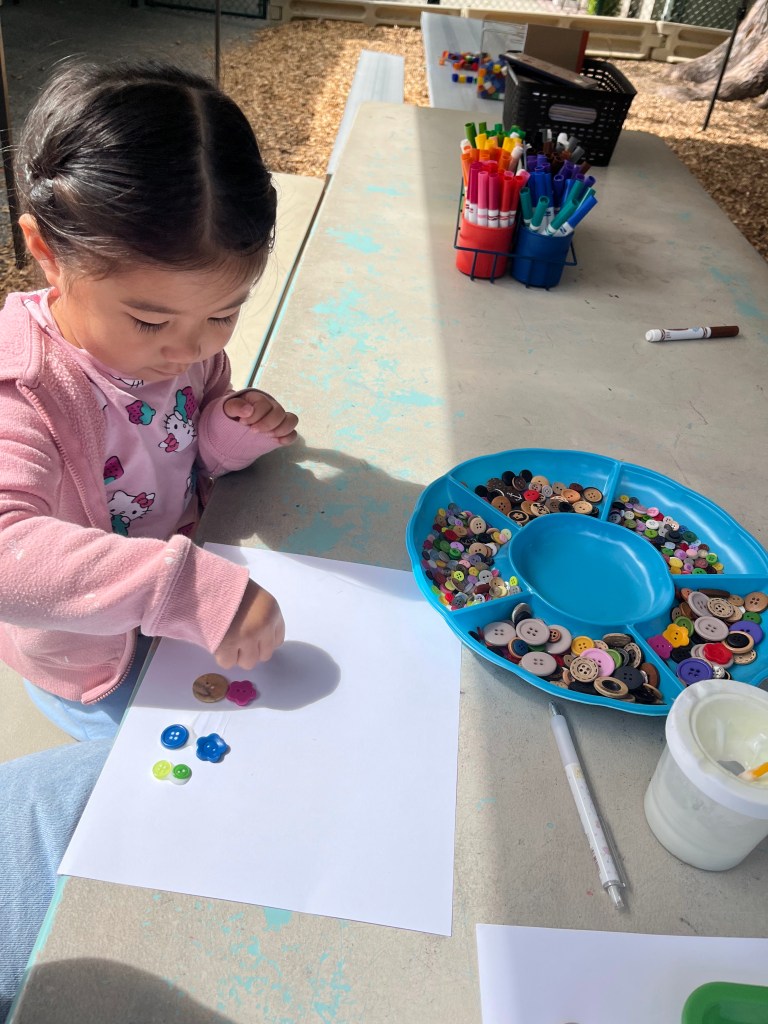
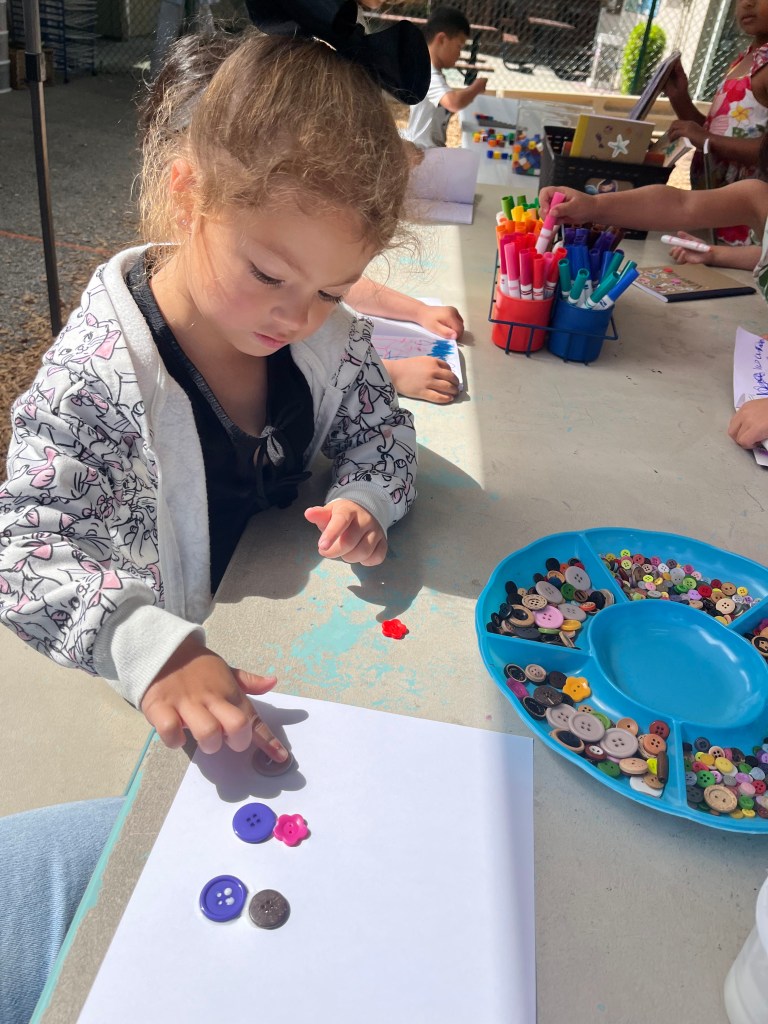
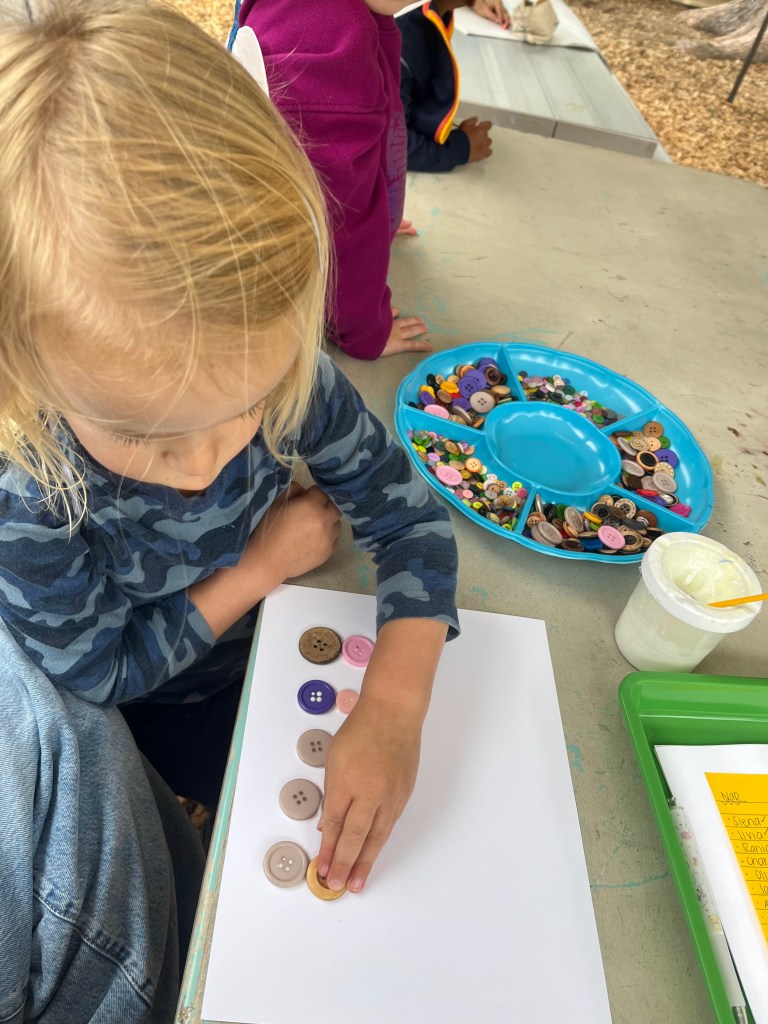
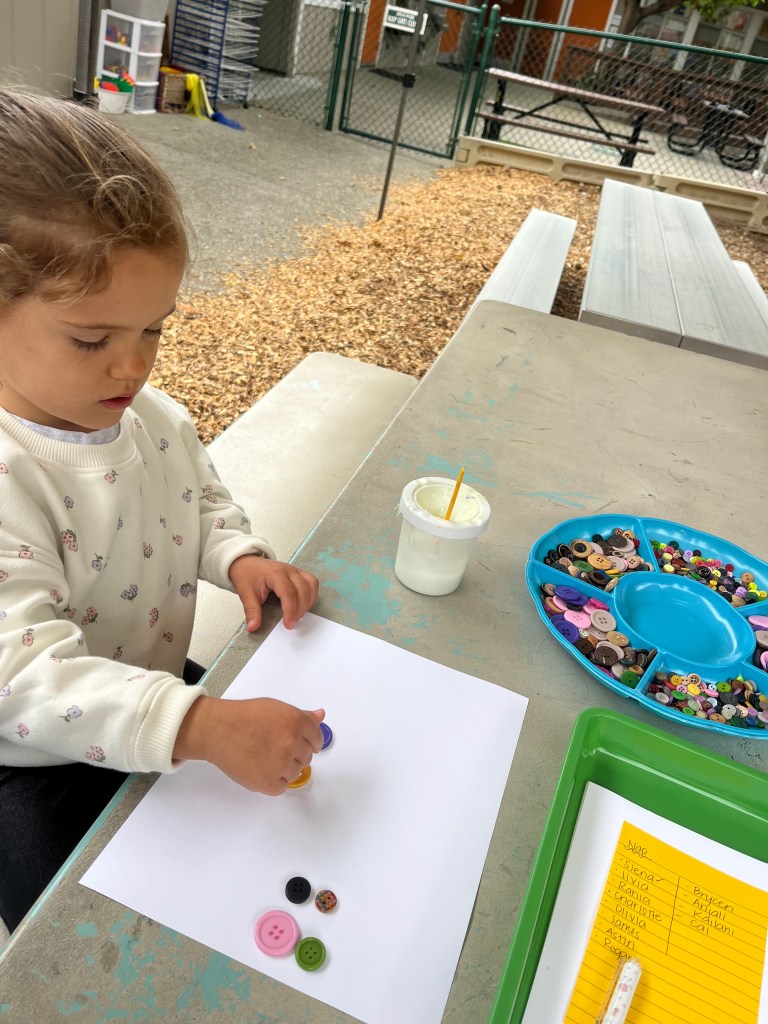
Victoria introduced the story A Handful of Buttons, a heartwarming book that celebrates the diversity of families. The Owlets discovered that families come in many shapes and sizes—some with just two people, others with many—and that each one is special in its own way. Afterward, the children designed their own “button families,” thoughtfully selecting buttons to represent the people who are important in their lives.
Through books, art, and hands-on activities, the Owlets are developing a deep appreciation for what makes each person unique—while also building a classroom culture rooted in belonging, empathy, and celebration.
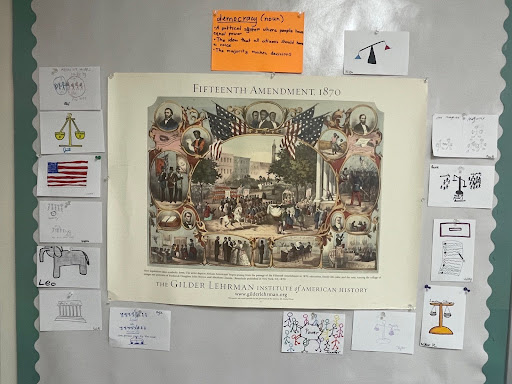
To launch their mini-unit on the U.S. Constitution and government, Saklan’s 8th-grade students began with the question: What does “democracy” mean?
The class first brainstormed words and phrases they associate with democracy, identifying examples that reflect democratic principles as well as those that do not. From there, students read and discussed a series of quotes about democracy, using the perspectives of others to expand and refine their thinking.
The group then compared dictionary definitions of democracy, ultimately crafting their own collective definition. In doing so, they came to understand that democracy is both an idea and a form of government rooted in that idea.
Finally, each student created a sketch in response to the question: What image or symbol might we use to represent democracy? These drawings reflected their evolving understanding of democracy as both a guiding principle and a system of governance.
Feeding kids shouldn’t be this stressful. It’s hard enough getting a meal on the table, but today’s parenting landscape adds a flood of sensationalized nutrition advice — leaving you more overwhelmed and confused than ever.
Join ParentMap and The Saklan School on Sept. 30 for a live ParentEd Talk with Jennifer Anderson, registered dietitian and founder of Kids Eat in Color. Jennifer will help you cut through the noise to find what works for your family. With her food-freedom approach — trusted by more than 2 million parents — you’ll discover feeding wins, practical tricks for every age, how to spot unreliable nutrition advice, and tools to help kids build healthy relationships with food and their bodies.
Register here for the Zoom webinar using promo code SAKSCHL to attend for free (a $10 value). You’ll also gain access to the event recording, so you can watch it anytime, anywhere.
About Jennifer Anderson
Jennifer Anderson, MSPH, RDN, is a registered dietitian, public health expert and mom of two who’s on a mission to make mealtime less stressful for families. She’s the founder of Kids Eat in Color, a go-to resource with a social media following of over 2 million parents.
With a master’s degree from the Johns Hopkins School of Public Health, Jennifer brings professional expertise — plus a healthy dose of real-life experience — to the table. Before launching Kids Eat in Color, she ran youth nutrition programs at a food bank, performed research in urban food deserts and consulted for the USDA’s SNAP-Ed program.
About ParentEd Talks
The Saklan School is excited to partner with ParentMap to offer our school community FREE access to ParentEd Talks for the 2025–2026 school year. This dynamic series of parent education webinars explores the most pressing issues parents face today, such as declining youth mental health, complexities of ADHD, and the hidden impacts of technology.
Project Based Learning at Saklan is intentionally designed not only to help students build content knowledge but also to encourage them to consider the authentic purpose behind what they are learning. As teachers plan and implement PBL units at Saklan, they consider how adults in the world beyond school use the content knowledge they seek to teach their students.
To make those real-world connections clear, Saklan teachers regularly bring in guest experts—both in the classroom and out in the field.
At Saklan, an expert is anyone with specific content knowledge or experience that can support the student inquiry process. Sometimes, guest experts share their experiences with students; other times, they provide formative feedback on the projects students are creating. Last year, we engaged the help of 26 experts, and each year we look forward to adding new voices—like yours!
We’d love for you, a family member, or a friend to join us and enrich and deepen our project curriculum this year. Please complete the form below to join our Saklan expert resource list. As needs arise, teachers would love the opportunity to connect with you during projects where your experiences and knowledge can help support student inquiry and project based learning.
Have additional questions? Email Linda Lathrop, our Project Curriculum Instructional Coach at llathrop@saklan.org.
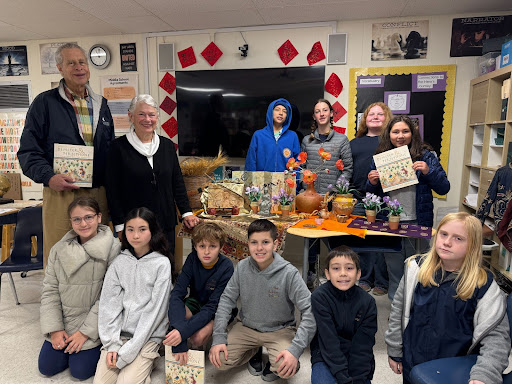
Asian Art Museum Storyteller Docent and Saklan grandparent, Nancy Parker, sharing fairy tales with kindergarten as part of their fairytale PBL unit.
Biophilic design expert and Saklan parent, Lauren Owen, providing group feedback to first graders as part of their PBL unit on homes.
Author and artist, Marjorie Graham, and Steve Graham, Saklan grandparents, sharing the ancient interpretations of the mythology of Persephone and Demeter as part of a 6th-grade PBL unit on ancient Greece.
Hinduism guest speaker and Saklan parent, Manju Rajashekhar, sharing with 6th graders.
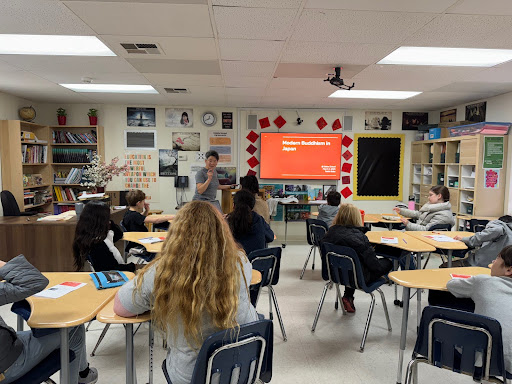
Japanese Buddhism guest speaker and Saklan parent, Toshi Baba sharing with 6th graders.
Written by Guest Blogger & Saklan Drumming Teacher, Isaac Narell
After years of teaching Ewe music, I had the opportunity to travel to Ghana to deepen my understanding of the culture and traditions that inspire so much of my work with Saklan students.
The short film below chronicles my time in the village of Dzogadze, where I was hosted by the family of master musician Vodzi Torgboh. I had the privilege of studying under his cousin, Kofi, learning ancient drumming, dance, and song. The video offers a glimpse into my daily life—from intensive lessons and vibrant festivals to participating in meaningful community events. It’s a tribute to the people, music, and spirit of Dzogadze.
A special thanks to the Saklan Summer Reflection Fund for helping to make this trip possible.
The Saklan Summer Reflection Fund: Investing in Teachers, Enriching Students
In 2022, thanks to the generosity of our parent community, Saklan created the Summer Reflection Fund—a special resource that empowers teachers to design their own opportunities for professional and personal growth.
This fund (up to $2,500 per recipient) encourages faculty and staff to think outside the box and pursue experiences that deepen their teaching practice. Past recipients have attended the Annual Broadway Teachers Workshop in New York City and traveled to Egypt to explore Ancient Egyptian history, art, engineering, the Sahara Desert environment, and the Nile ecosystem firsthand.
The impact of these experiences extends far beyond the summer—teachers bring new insights, inspiration, and creativity back into their classrooms, enriching the learning experience for Saklan students.
The Summer Reflection Fund is made possible through donations to the Annual Giving Fund and the Auction. We are deeply grateful to our donors for their generosity and belief in the importance of supporting our teachers.
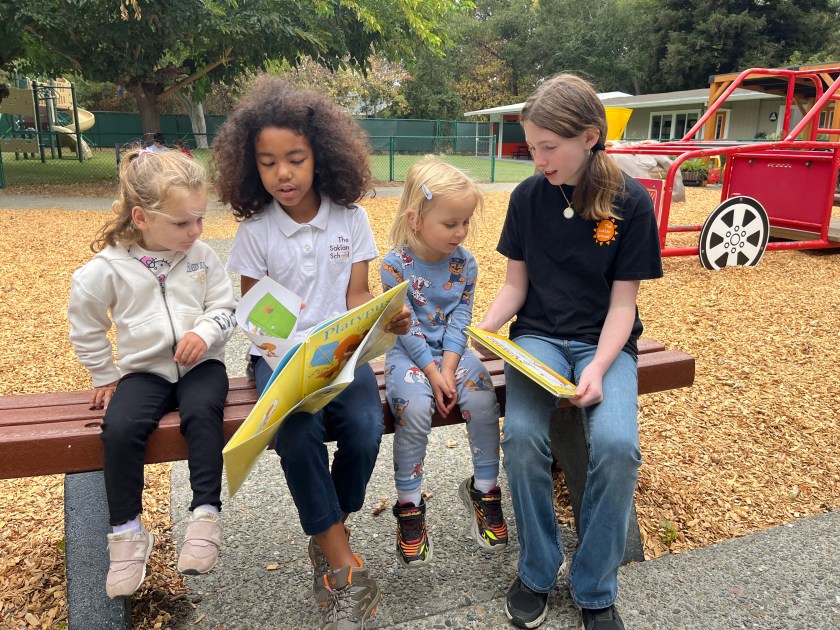
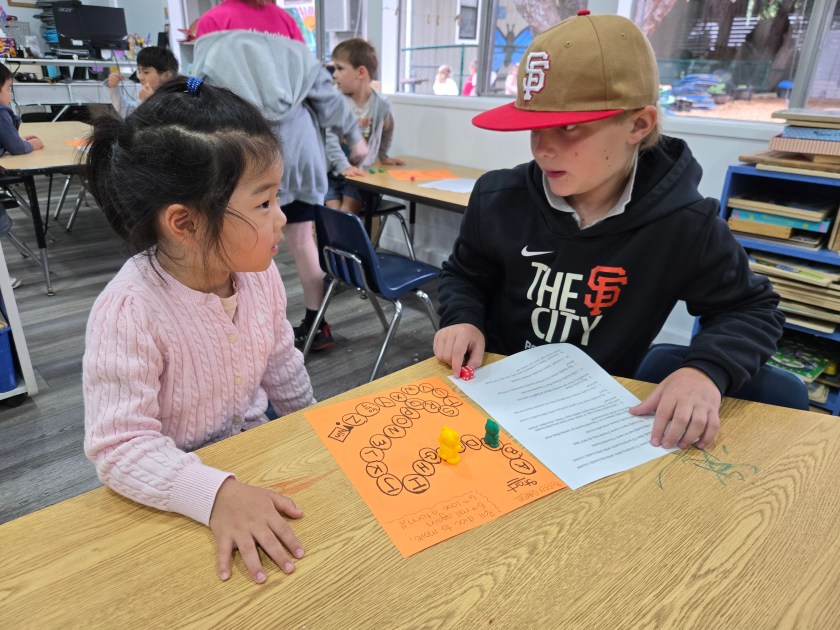
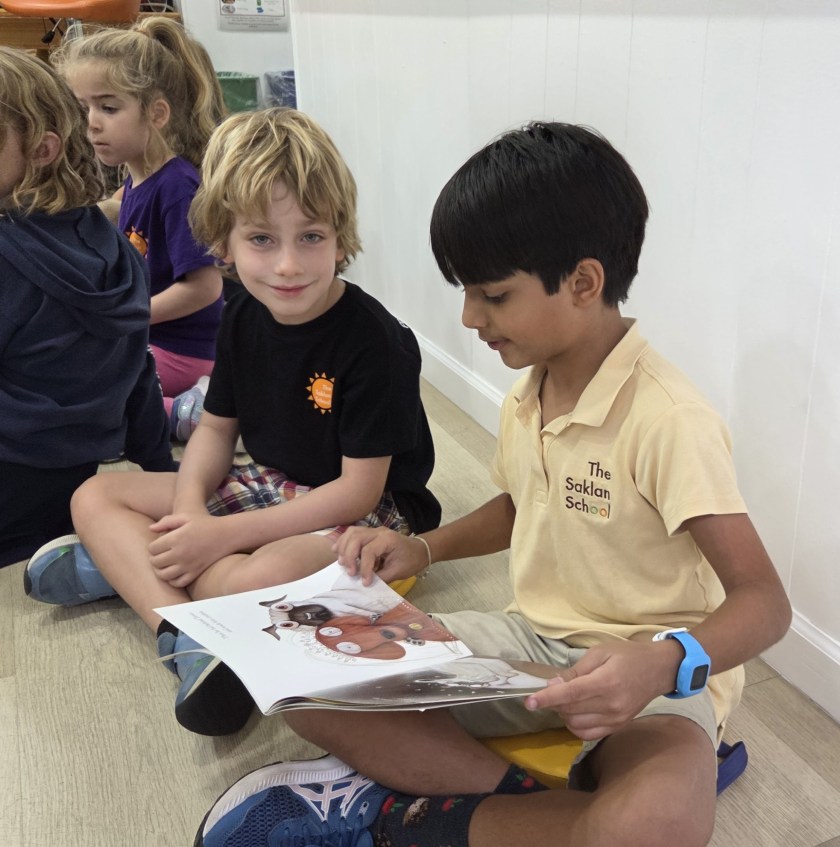
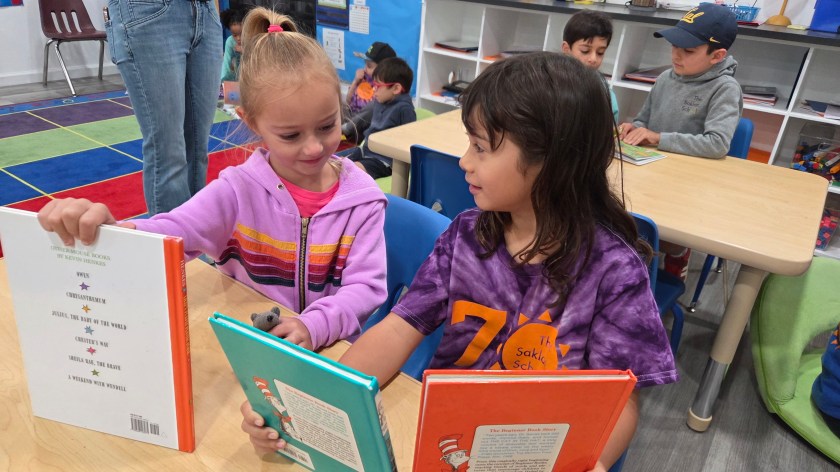
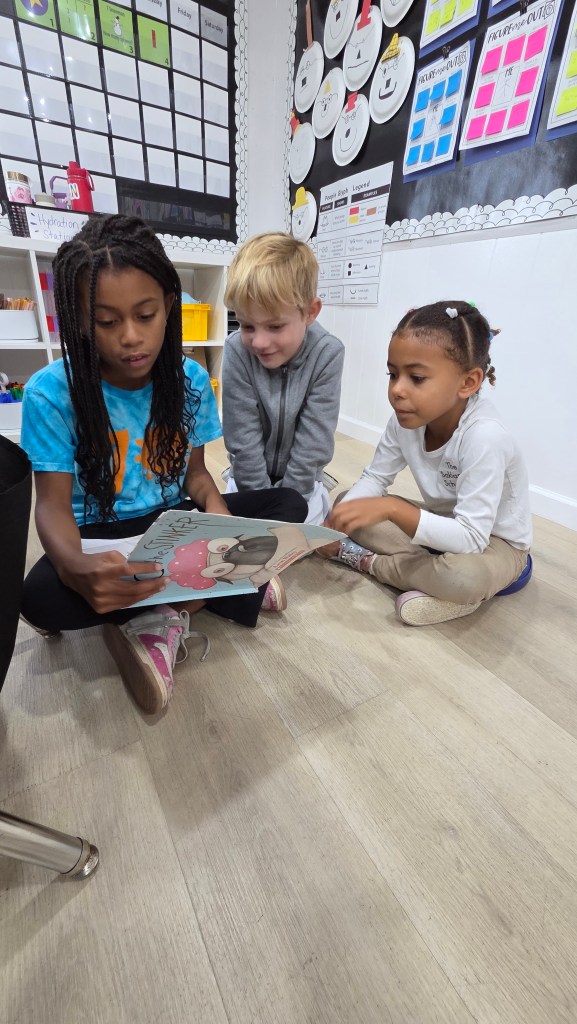
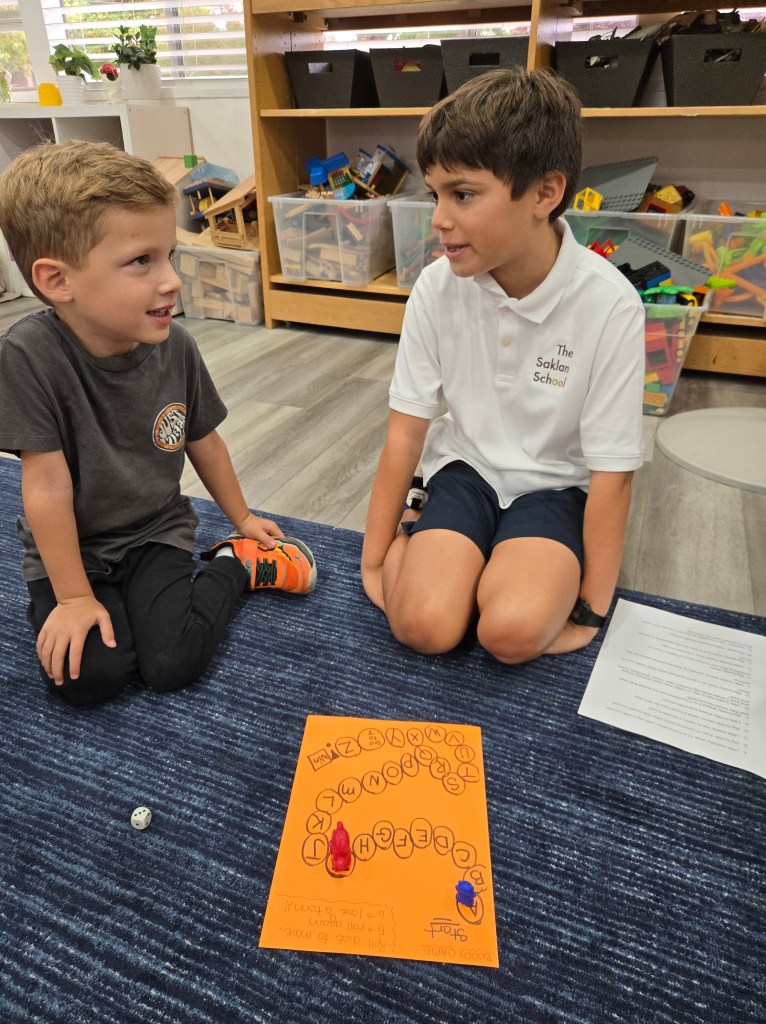
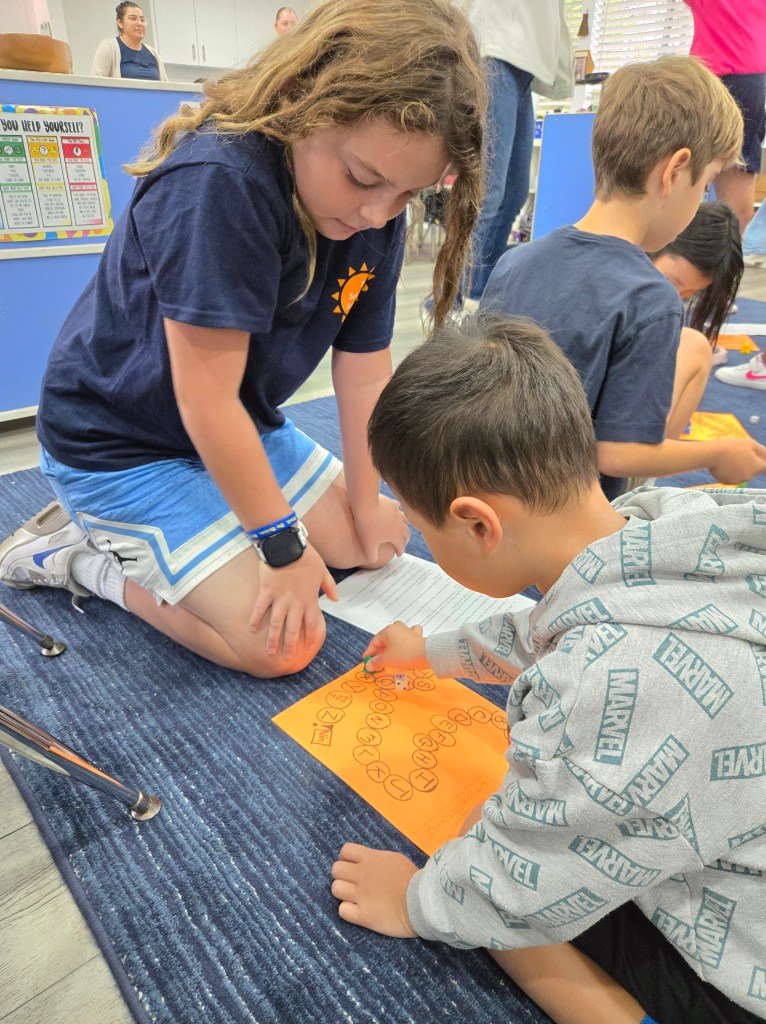
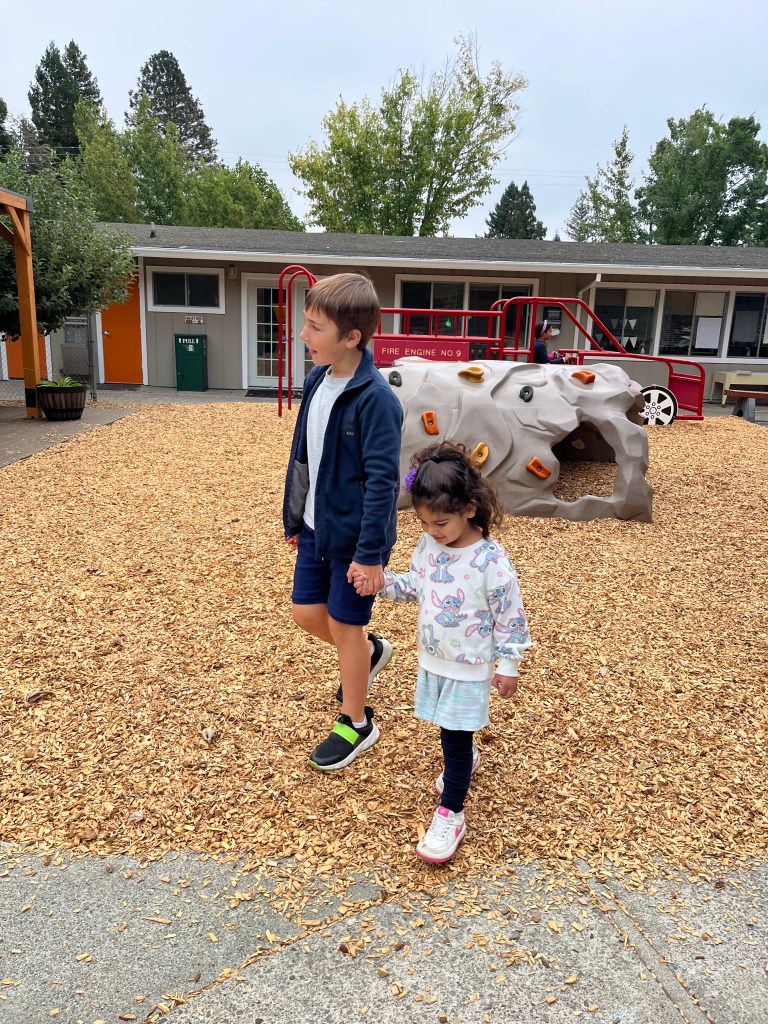
This morning, campus was buzzing with excitement as we launched our Learning Buddy program for the year! Designed to encourage cross-grade friendships, foster responsibility and mentorship, and make learning engaging and fun, Learning Buddies are a treasured Saklan tradition.
During their first meeting, buddies took time to get to know one another before diving into some shared reading. Older students modeled strong reading behaviors—using expression, fluency, and confidence—while also listening attentively as their younger buddies proudly read aloud.
The joy was evident on both sides: older students embraced their roles as mentors, while younger students felt supported, inspired, and eager to spend more time with their new friends. By the end of the morning, many were already asking the same question: When do we get to meet with our buddies again?
We look forward to seeing these relationships blossom throughout the year as students learn, grow, and shine together.












 FRIDAY BLOG
You must be logged in to post a comment.