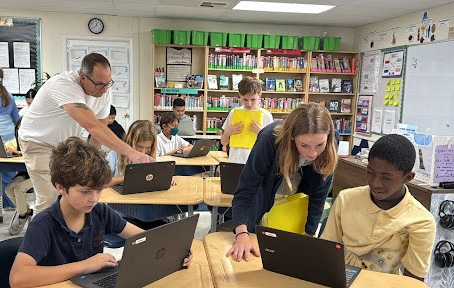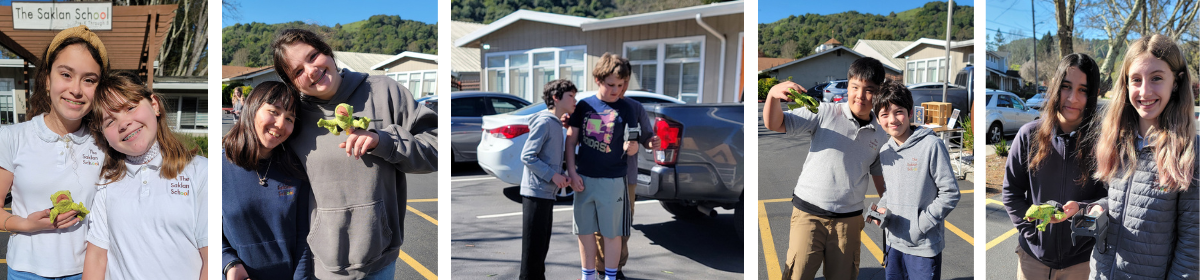
Authenticity and Student Inquiry

Doing a project is not the same as Project Based Learning. The differences may seem minor at first glance, but the impact on student learning and engagement is tremendous. Two vital components that differentiate “doing a project” from Project Based Learning are authenticity and student-driven inquiry. 

High-level Project Based Learning has an authentic context. It involves tasks, questions, or ideas that connect to the world outside of the school walls: students’ personal experiences, concerns, interests, or identity. Student-driven inquiry means students are engaged in an iterative process of asking questions, gathering and interpreting data, and developing solutions or deeper questions to investigate. 

Two fantastic examples of these elements in high-level Project Based Learning at Saklan are the Kindergarten Names unit and the Owlet Leaf unit. 

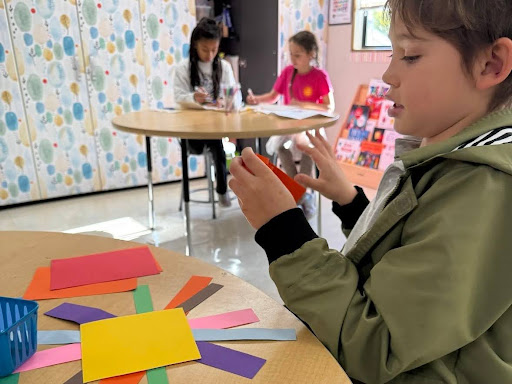
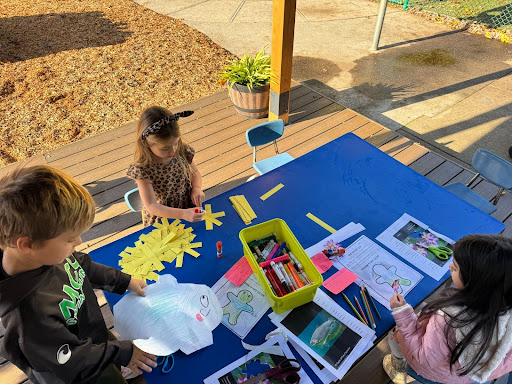
Our Kindergarten names unit brings students’ family stories and cultures to the forefront of learning. The students investigate how to become better friends by learning about each other’s names. Closer bonds and deeper friendships are developed by bringing students’ rich family lives and stories into the classroom. They interview their families and each other about their names, learn to read and write each other’s names, explore ways to represent the meaning of their names together, and study how people share their names through picture books.

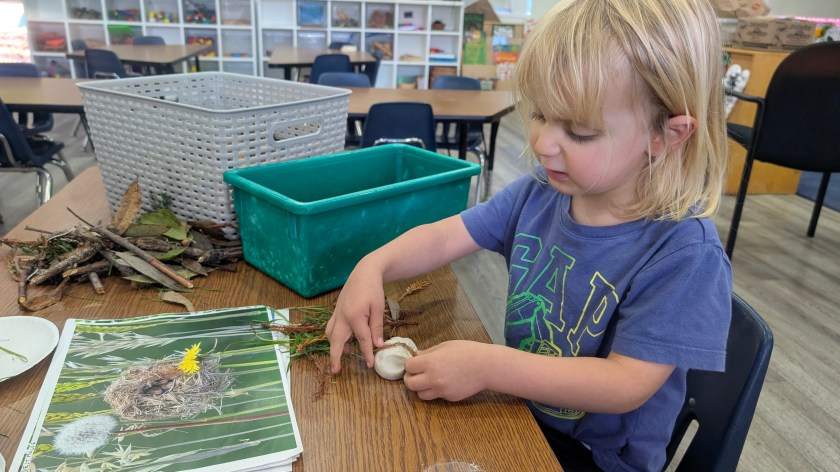
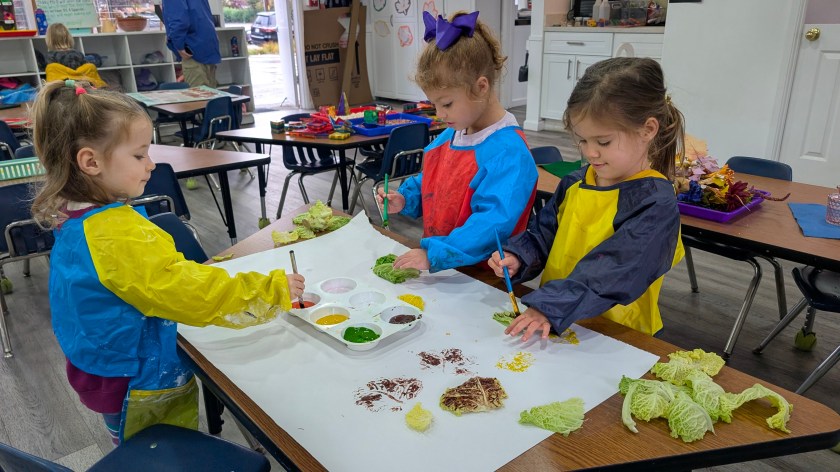
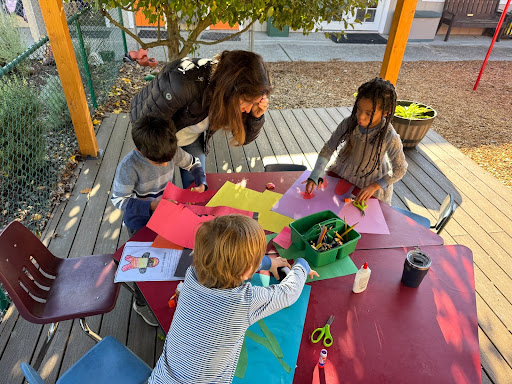
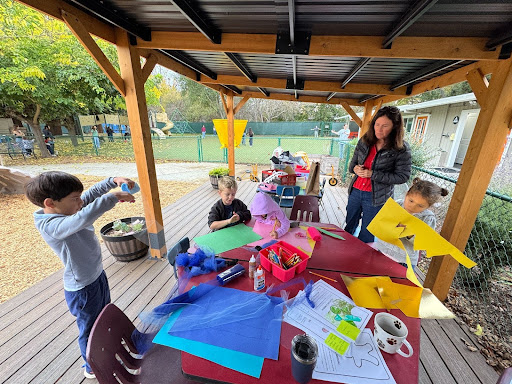
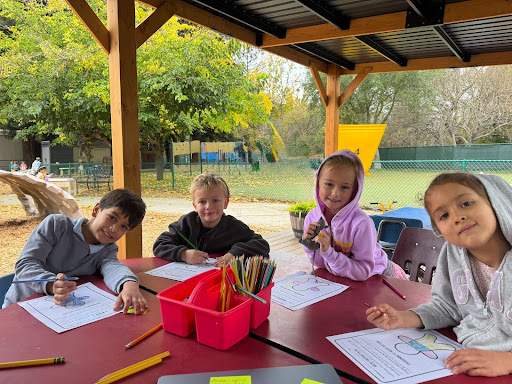
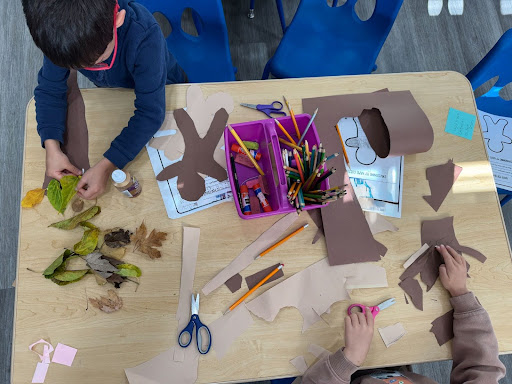
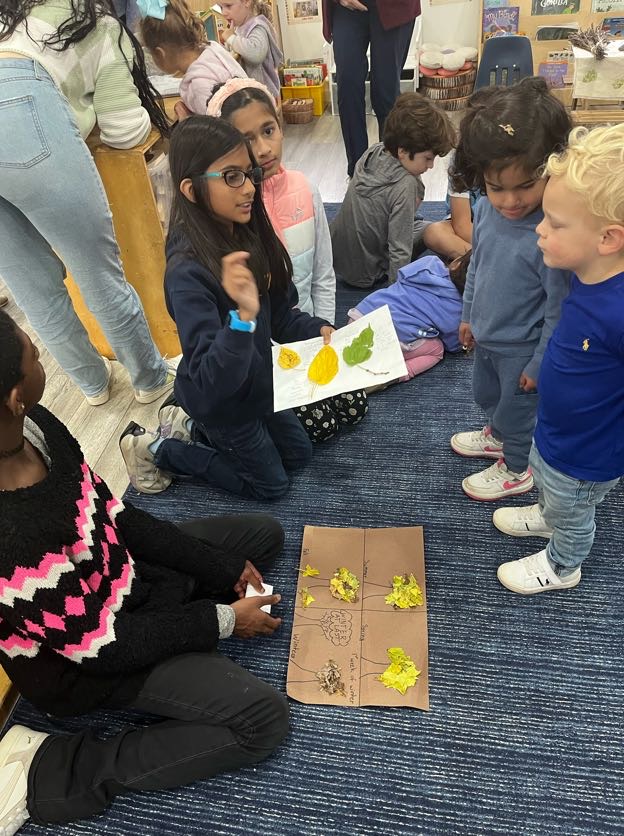
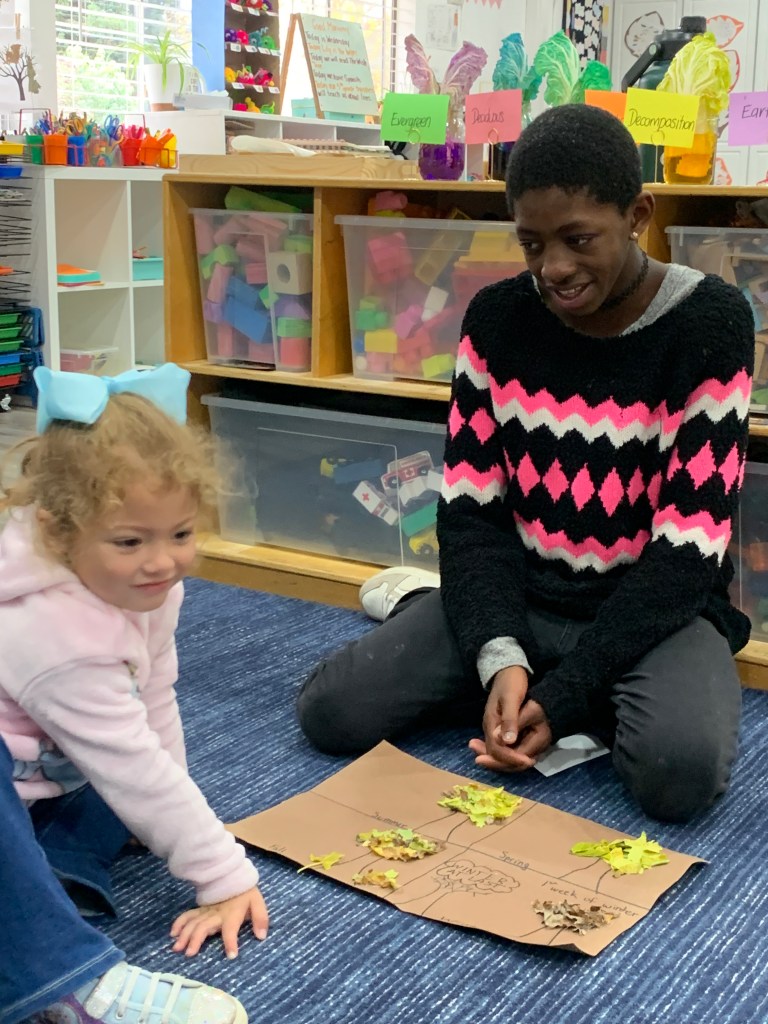
Our youngest learners, the Owlets, have been engaging in a deep exploration of leaves. For our ECE students, part of an authentic unit means pursuing a topic that they experience in their daily lives. During this time of year, when the trees are changing colors and leaves are falling to the ground all around us, student questions about leaves are abundant. They first began their study by sharing their own knowledge about leaves before generating questions. Next, the class engaged in experiences that helped them answer their questions, and then made physical representations of their growing knowledge of leaves. 

For both of these units, students engaged in multiple rounds of inquiry and had the rich opportunity to explore a topic with personal meaning while also tackling academic, social, and emotional learning goals. You are invited to join us on December 11th at 8:40 a.m. to celebrate the culmination of both of these project units. We hope you join us! 

#SaklanProjectBasedLearning

Cross-Age Learning in Action

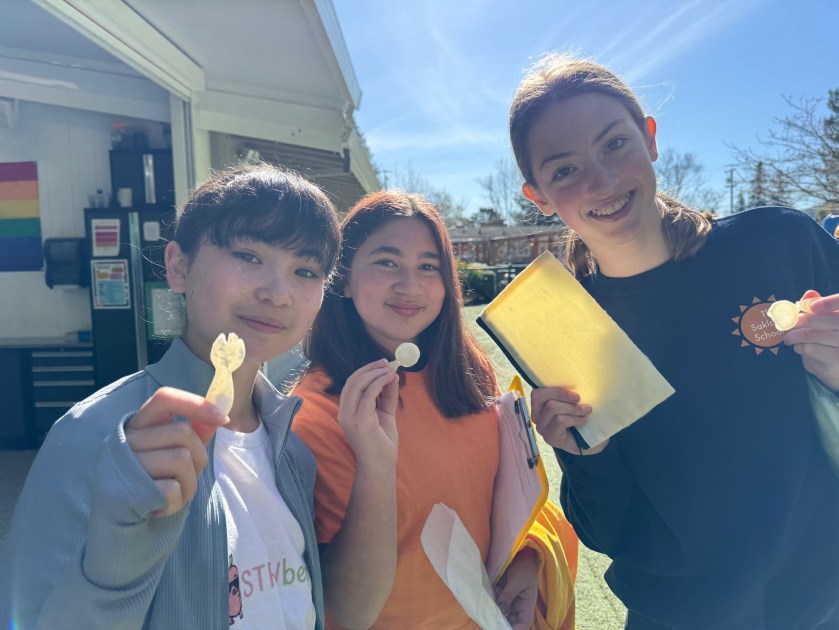
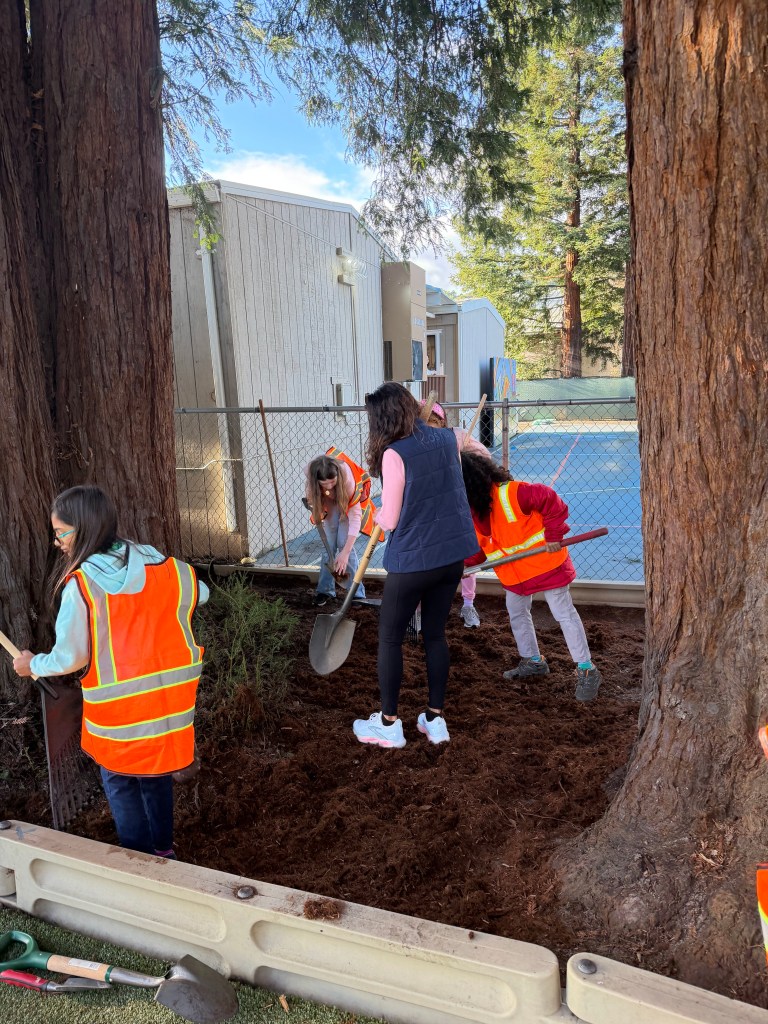
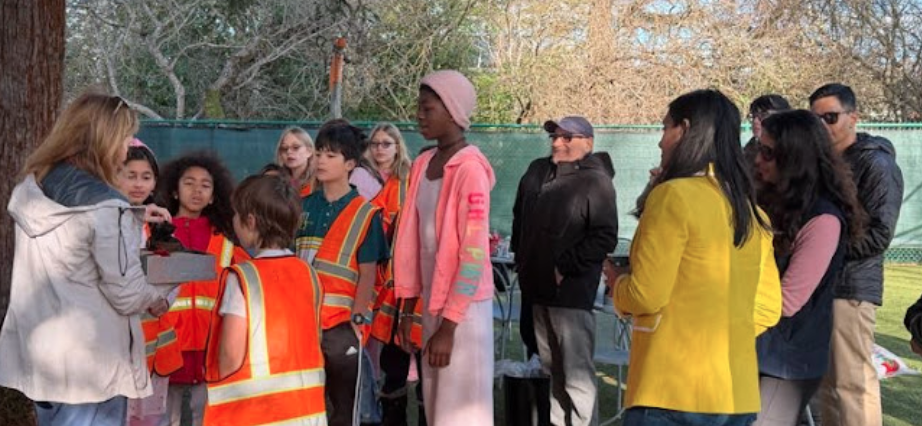
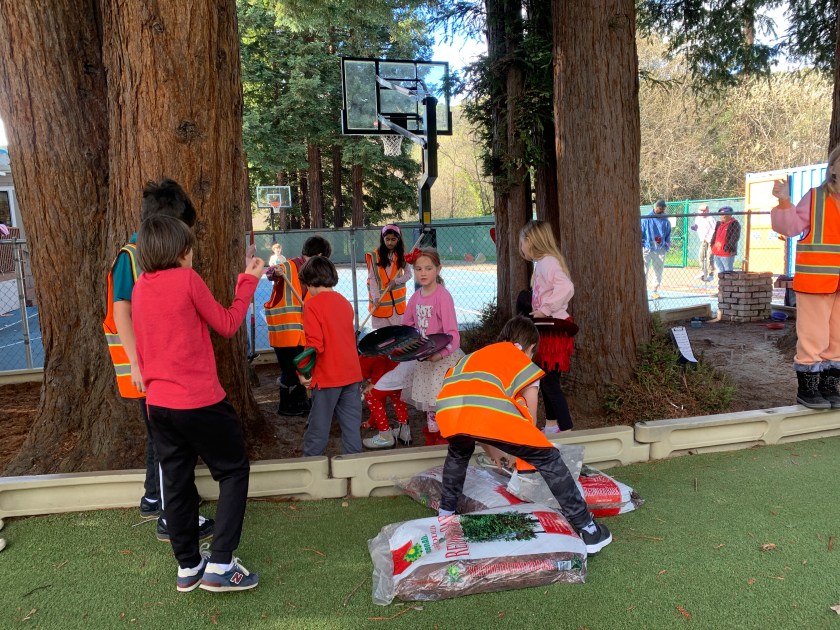
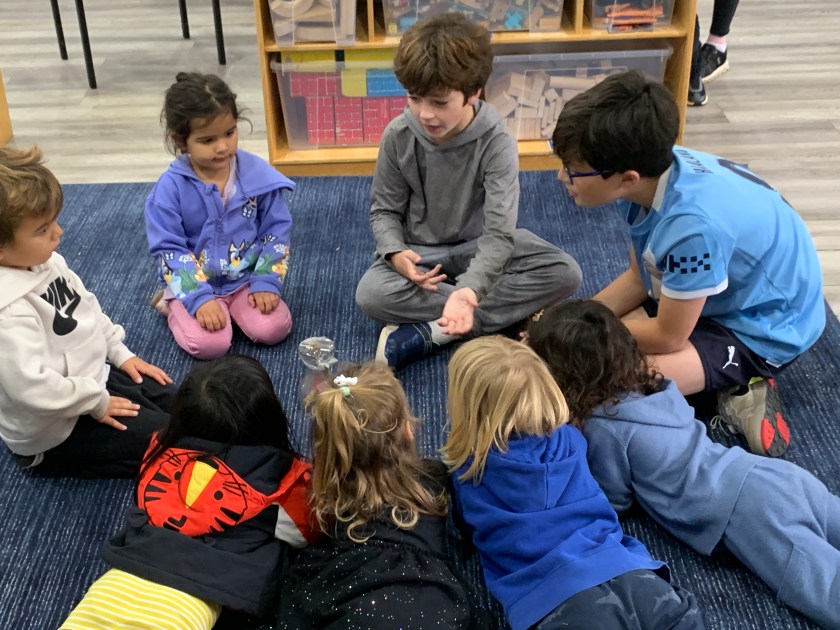
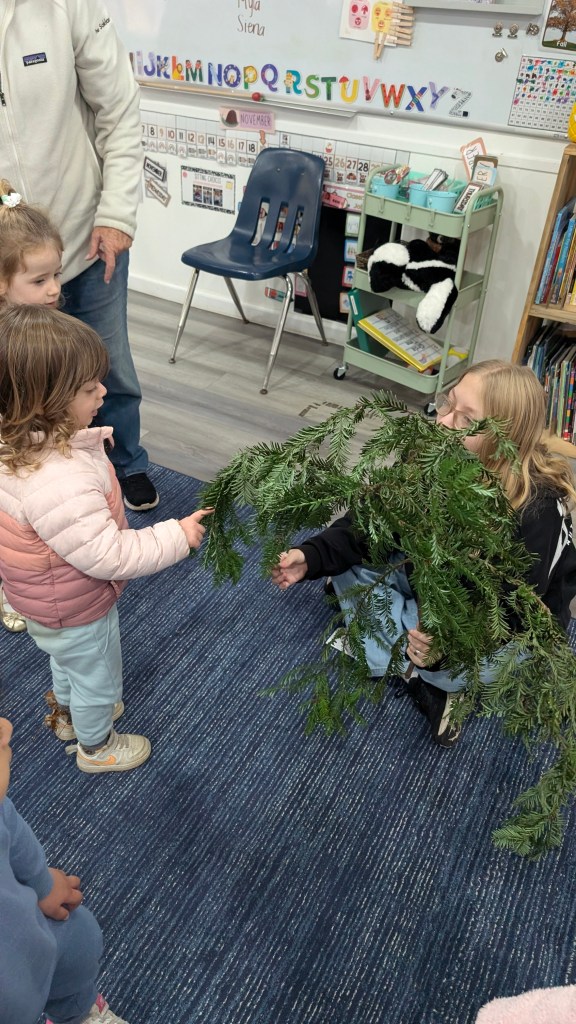
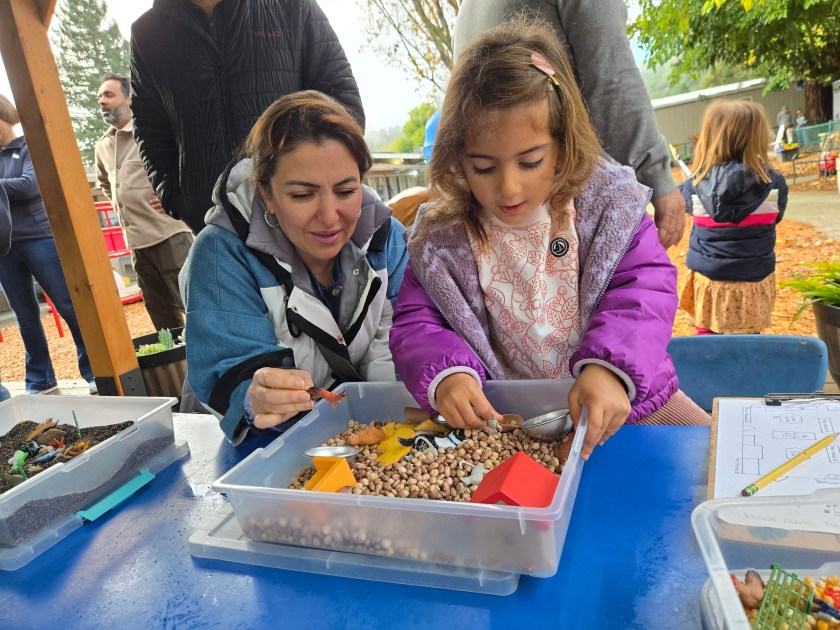
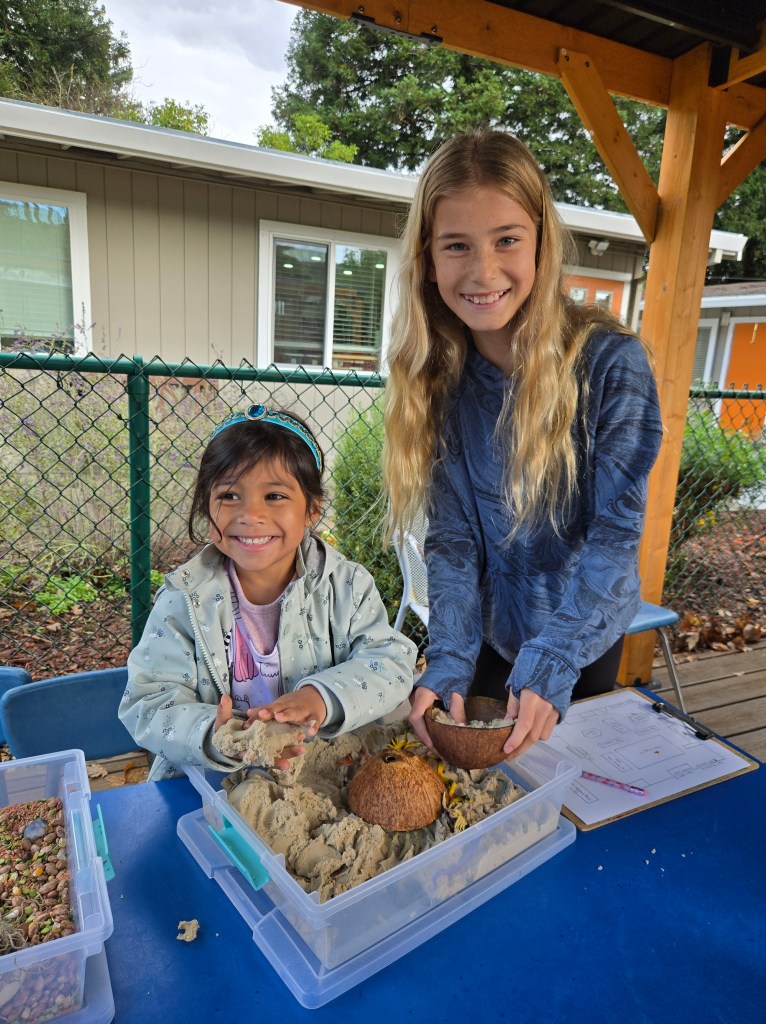
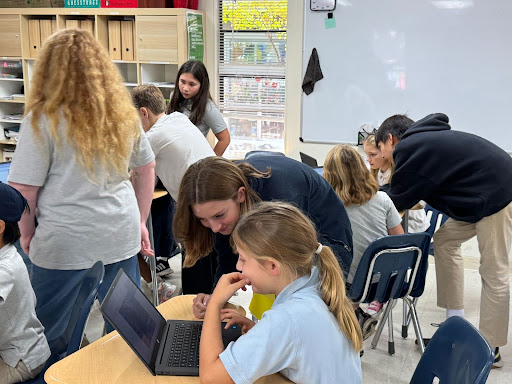
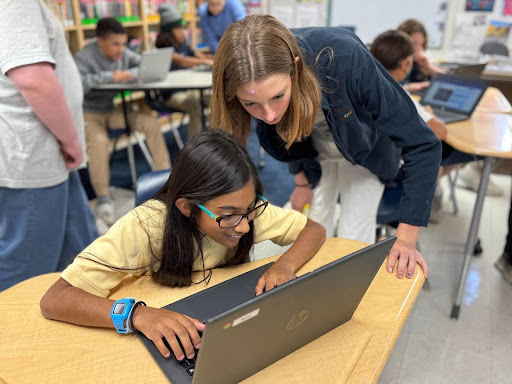
Saklan’s cross-grade learning was on full display as the Owlet buddies and fifth graders came together for a hands-on science experience rooted in their respective Project Based Learning (PBL) units. The Owlets have been exploring leaves, while the fifth graders have been studying trees—making their recent research on Redwoods the perfect launching point for peer teaching.

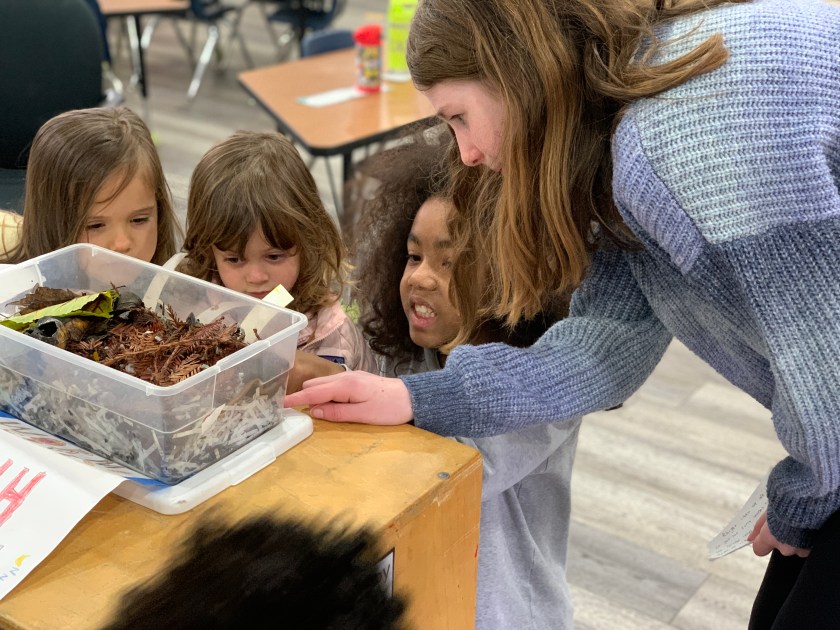
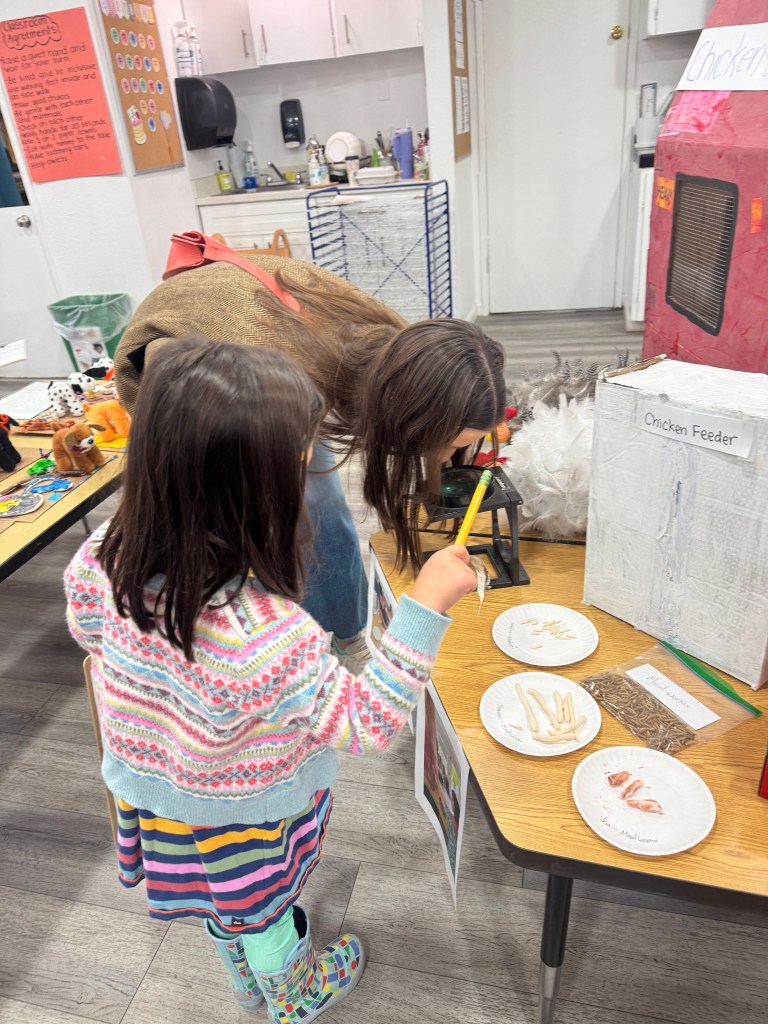
The fifth graders were tasked with becoming “experts” on several big questions the Owlets had been wondering about: the difference between evergreen and deciduous leaves, why leaf colors change, and how fallen plant matter breaks down and becomes soil, including the important role earthworms play in decomposition.

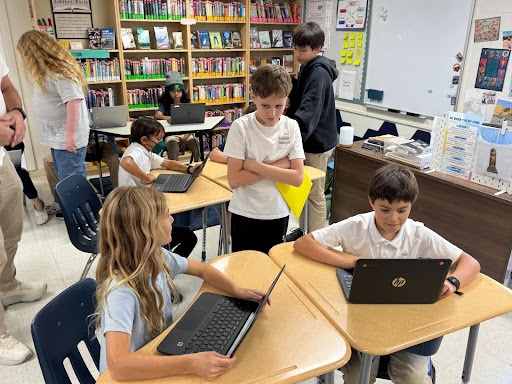
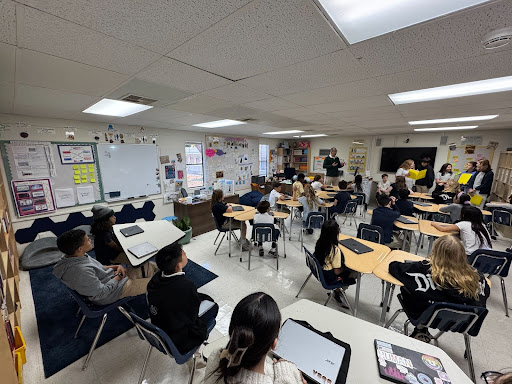
Students worked in teams with real focus and purpose. They were given 45 minutes to choose a topic and collaborate on a mini-presentation that was both accurate and engaging. Each group created a visual or hands-on element to support their teaching. Another 45 minutes were spent practicing, presenting to peers, and refining their work with the help of candid “Dancing with the Stars-style” feedback. The growth from practice to final presentation was remarkable.

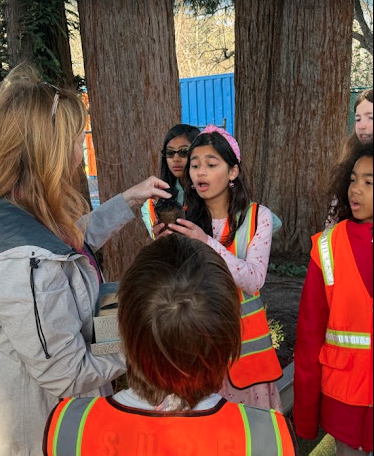
When it was time to meet with the Owlets, the fifth graders were ready. Their presentations were clear, lively, and thoughtfully geared toward 3- and 4-year-old learners. The Owlets eagerly leaned in, asking big, earnest questions such as, “Do worms have eyes?” and “Is that the head or the tail?” Fifth graders knelt beside tiny tables, held leaves up for close inspection, and invited younger students to touch, compare, and wonder.

Not only did the Owlets gain new insights through this joyful experience, but the fifth graders deepened their own understanding by explaining complex scientific ideas in simple, accurate ways—a skill that strengthens mastery and confidence.

Saklan’s PBL focus continues to create meaningful opportunities for students of all ages to learn with and from each other, building both knowledge and community along the way.

#SaklanProjectBasedLearning #SaklanGuestExperts

Exploring Animal Care

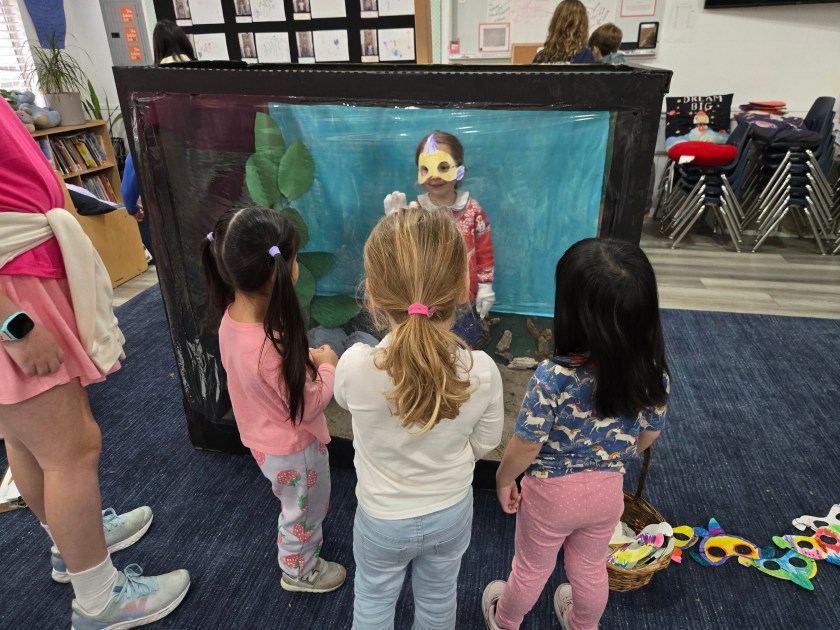
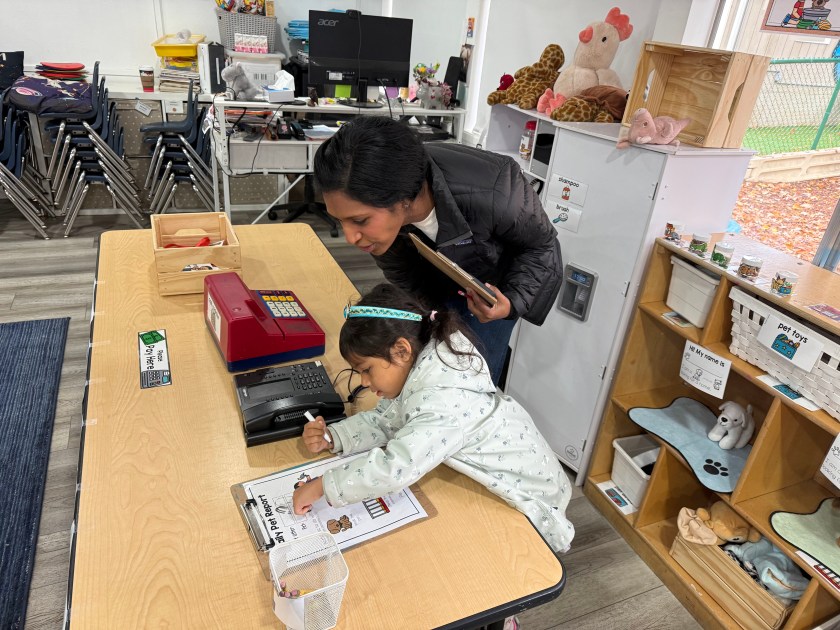
Last Friday, the Hoot Owls proudly shared the culmination of their two-month-long Pets Project, inviting families and community members to celebrate their hard work. This project blended research, fieldwork, creativity, and expert guidance as students explored what it means to responsibly care for a wide range of pets.

The learning journey began with each student selecting a pet to focus on—either a dream pet or one they already have at home. As they learned more about different animals, the Hoot Owls designed and built homes for their chosen pets. They drew inspiration from books, videos, classroom experts, and their own imaginations to create thoughtful and detailed habitats.

A highlight of the project was a Spider Hunt. After learning about spiders, students ventured outdoors with Observational Notebooks in hand. Like true scientists, they sketched what they observed and took note of the spiders’ natural environments. These observations helped them better understand what spiders need to thrive.

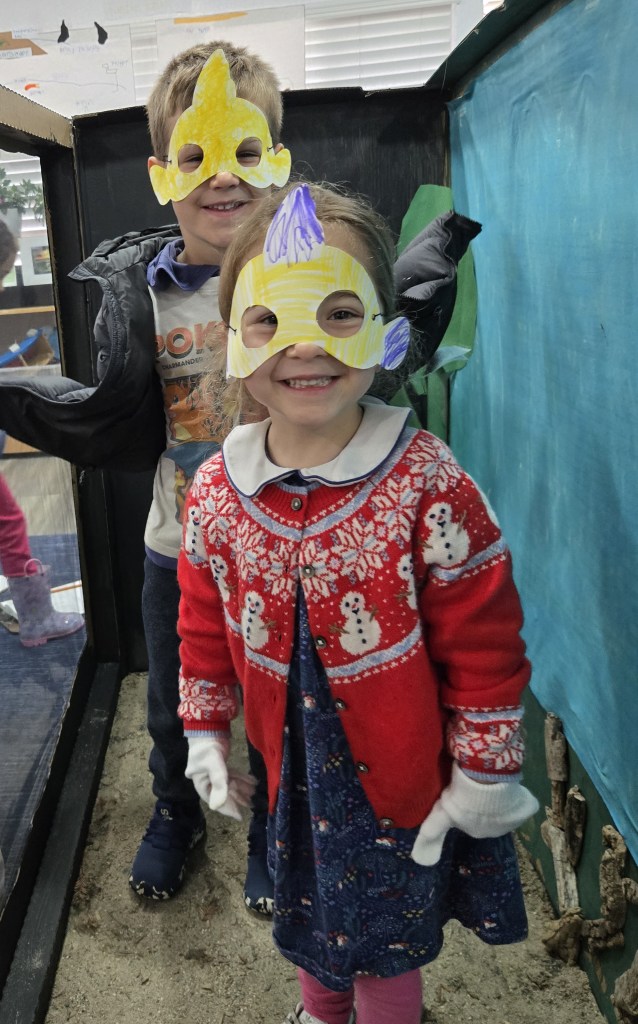
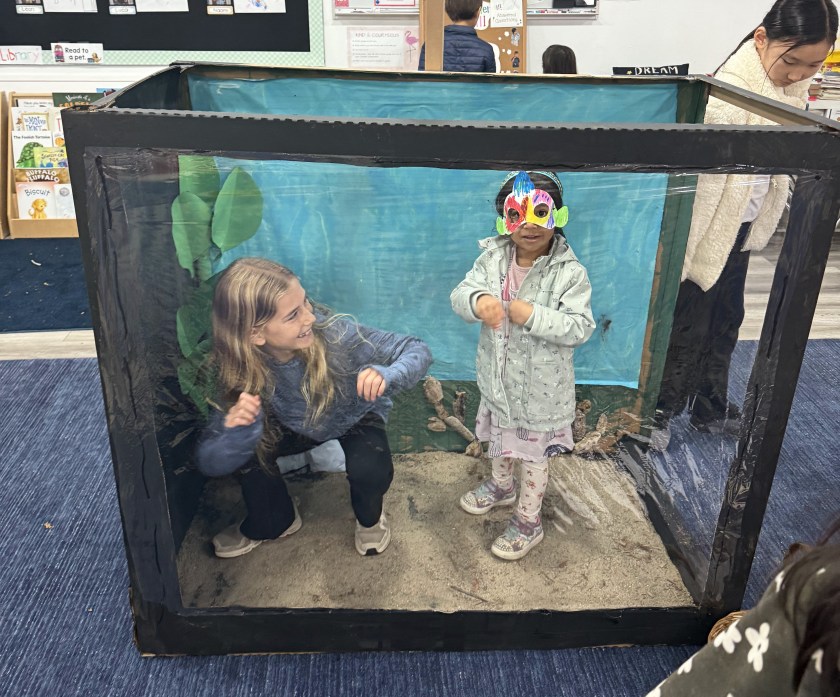
The class also dove into learning about fish as pets. Students discovered that fish care is more complex than it first appears. They examined cleaning tools, water test kits, and a special bucket used only for tank maintenance. Conversations about the role of light in supporting aquatic plants sparked thoughtful questions—such as why fish don’t sleep with pillows! This curiosity inspired the creation of a life-sized fish tank representation to help students visualize a fish’s natural environment and daily needs.

As the culmination approached, the Hoot Owls worked diligently to ensure guests felt welcomed. They carefully wrote and decorated invitations for families and friends. Inside the classroom, they helped plan the layout of all their project representations—no small task given the limited space. They worked together to problem-solve, make signs, organize materials, and prepare the room for visitors.

Their excitement and pride were evident as they shared their learning with the community. The Pets Project not only strengthened their understanding of animal care but also fostered creativity, curiosity, and collaboration—skills they will carry into future explorations.

Discovering Ohlone Culture

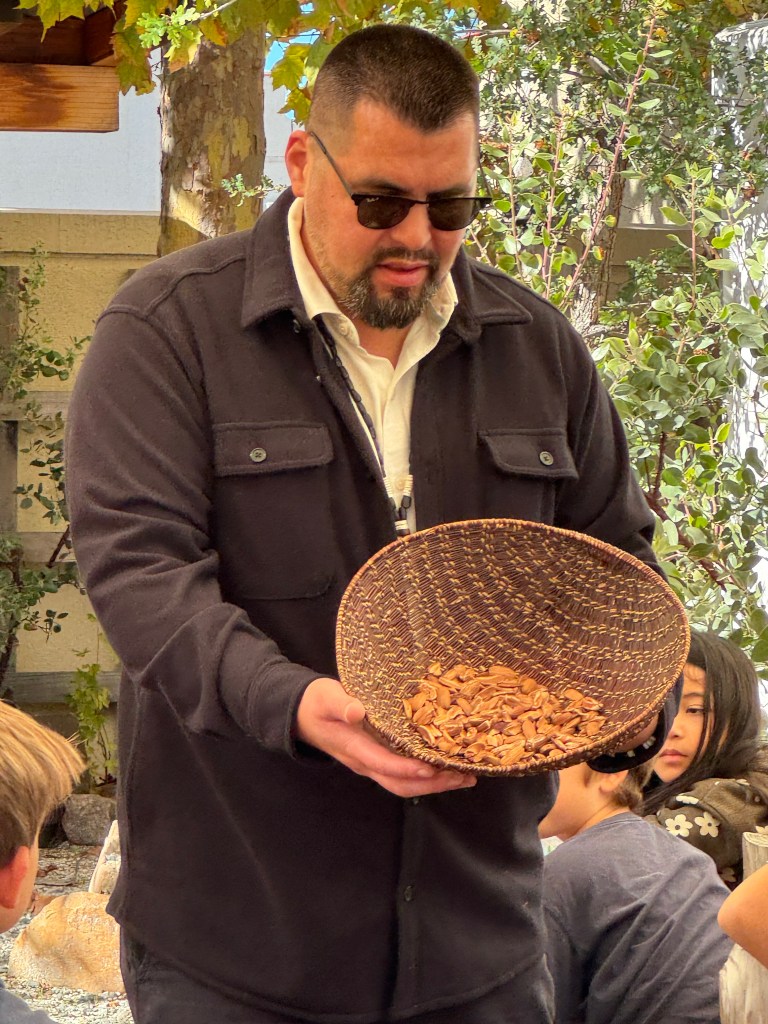
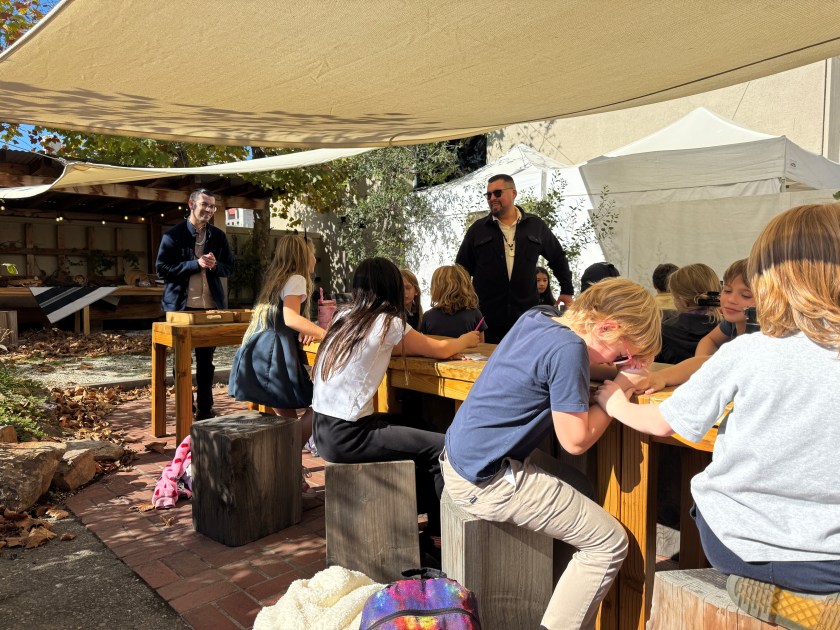
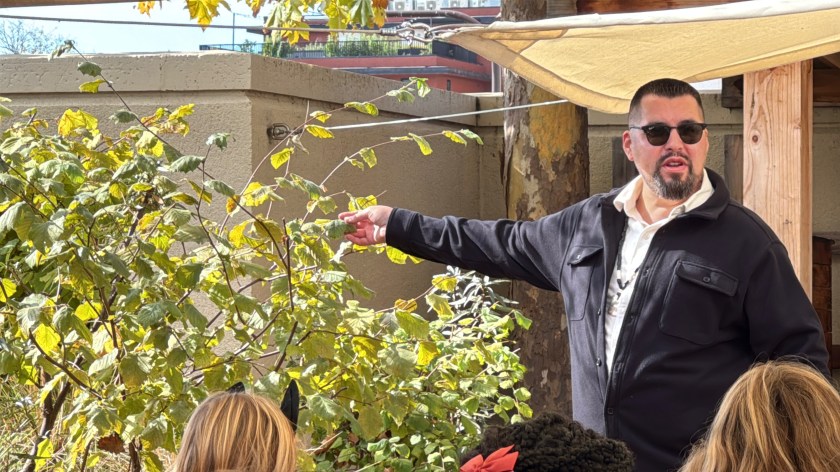
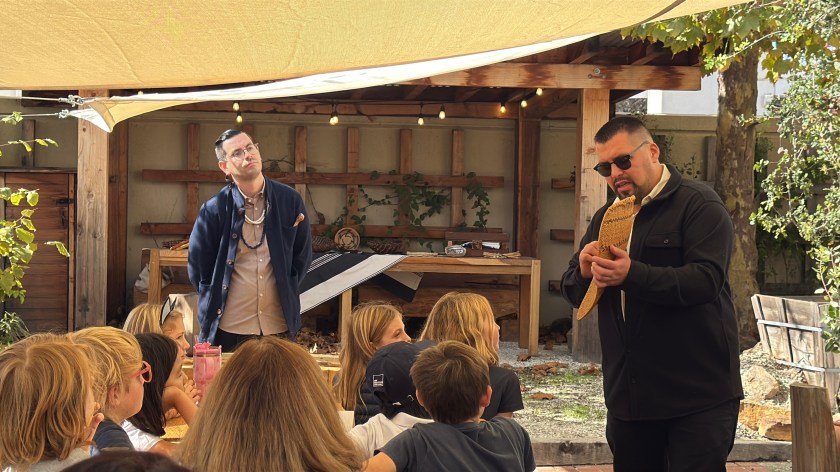
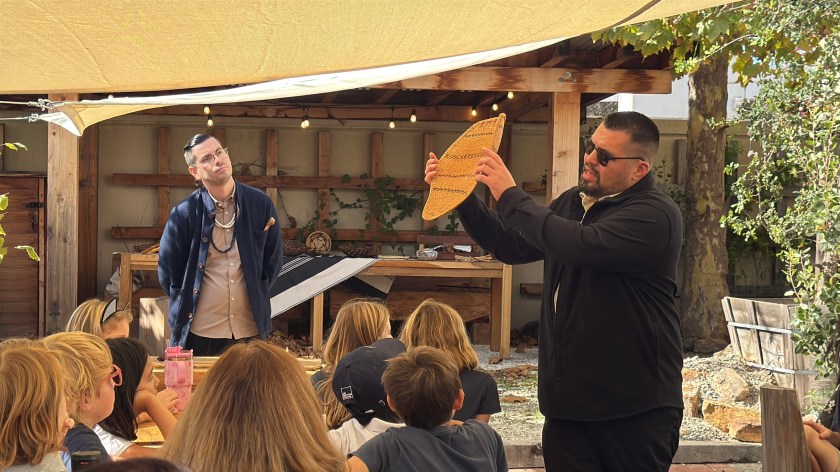
The third and fourth grade students recently spent a memorable day on the UC Berkeley campus visiting Café Ohlone as part of their Project Based Learning units. During this field experience, students stepped into a living story of culture, language, and resilience. Café founders Vincent Medina and Louis Trevino welcomed the group with warmth and generosity, sharing the many ways they keep Ohlone traditions alive through language, food, and community.

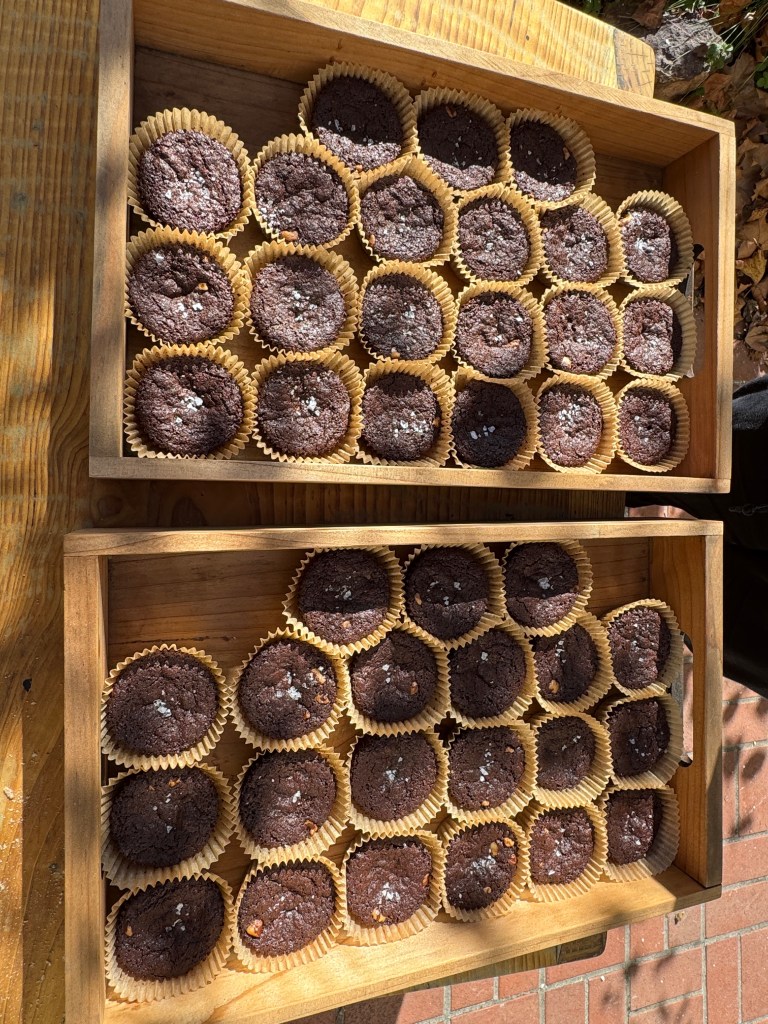
As students listened, they learned about the deep and enduring relationship the Ohlone people have with the land—how native plants serve as food, material for basketry, and sources of medicine. They were especially fascinated to discover that acorns, a staple of the Ohlone diet, require six months of careful preparation before becoming soups and breads.

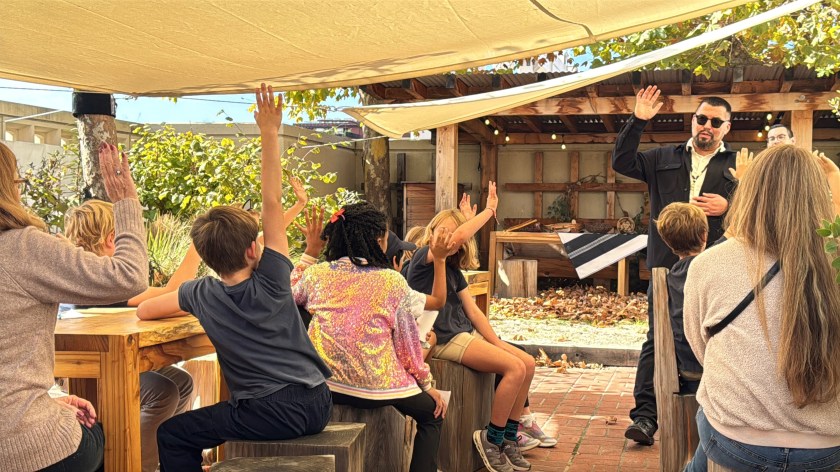
Student curiosity sparked a steady stream of thoughtful questions, so many that Vincent and Louis kindly extended their presentation to continue the dialogue. Students were eager to understand how traditional foods, languages, and customs continue to shape Ohlone life today. Vincent and Louis emphasized one message above all: Ohlone people are still here, actively preserving, practicing, and celebrating their culture.

A highlight for many students was learning to say several words in Chechenyo, the traditional Ohlone language. Speaking the language offered students a meaningful way to honor and connect with the living culture they had just encountered.

This field experience deeply enriched students’ exploration of their driving question. By connecting firsthand with Ohlone voices, students gained a more nuanced understanding of history, identity, and belonging—and a lasting appreciation for the resilience and vibrancy of the Ohlone community.

#SaklanProjectBasedLearning #SaklanFieldExperience

Celebrating Learning at Saklan

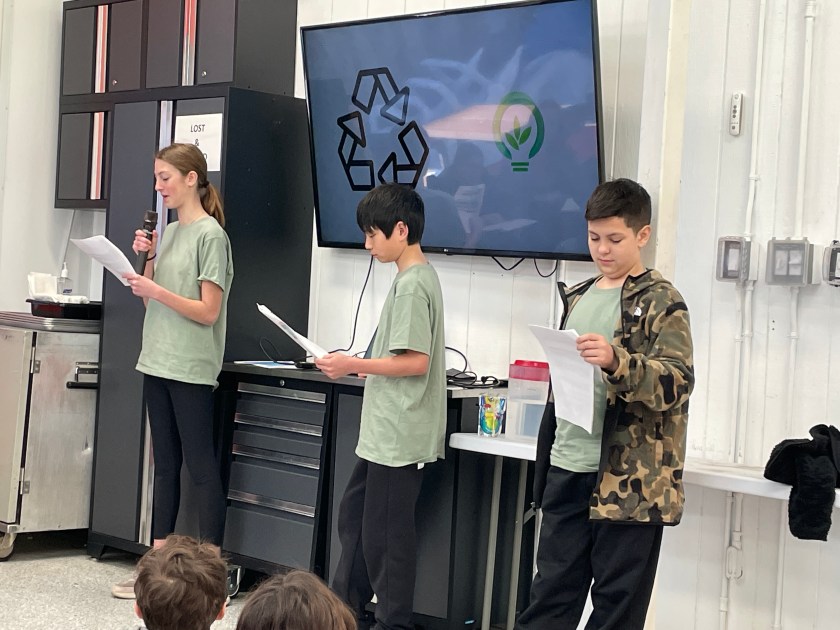
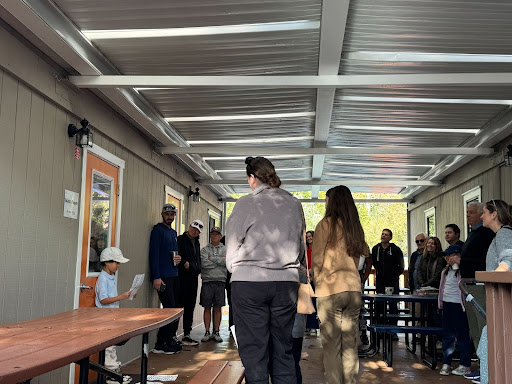
This week, our campus buzzed with excitement as second and seventh-grade students showcased their learning during two incredible culmination events. Culminations are opportunities to bring community members together to celebrate student learning and provide a platform for learners to share their knowledge, creativity, and growth.

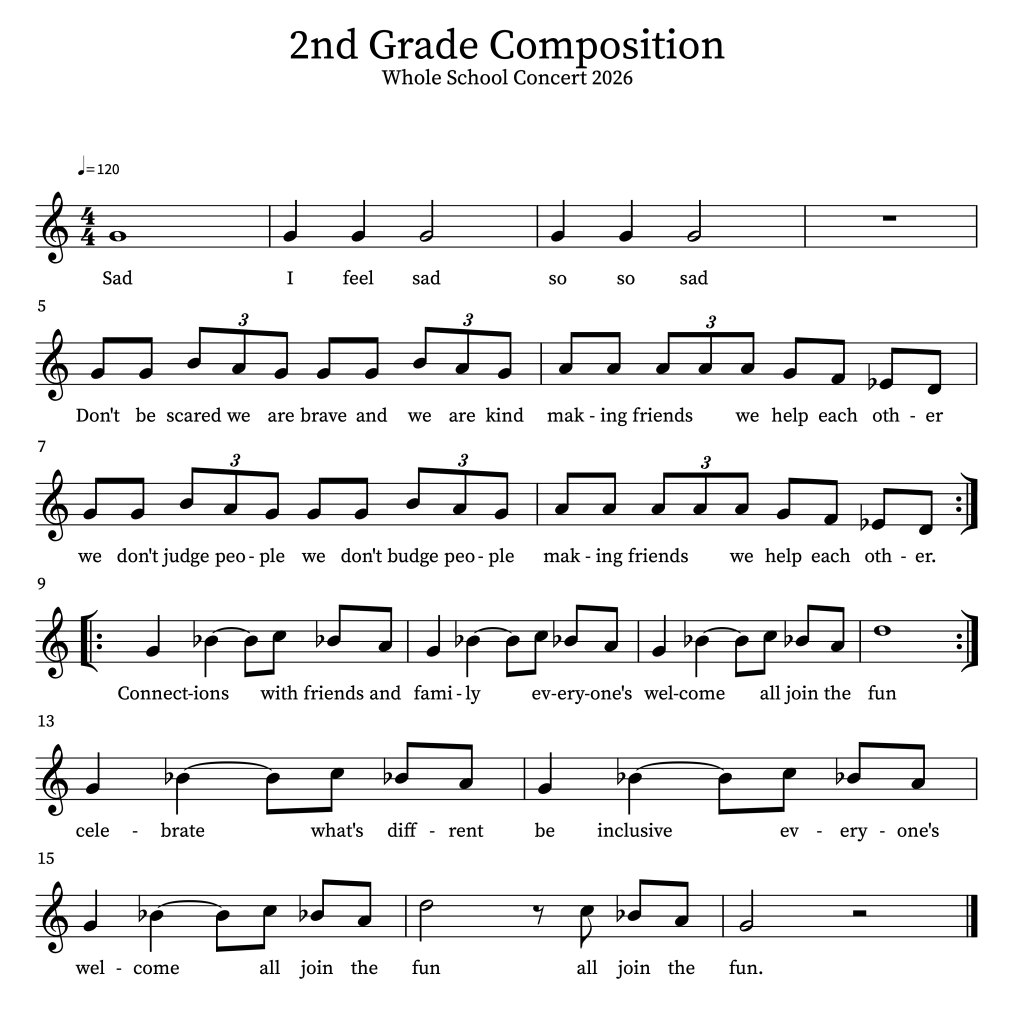
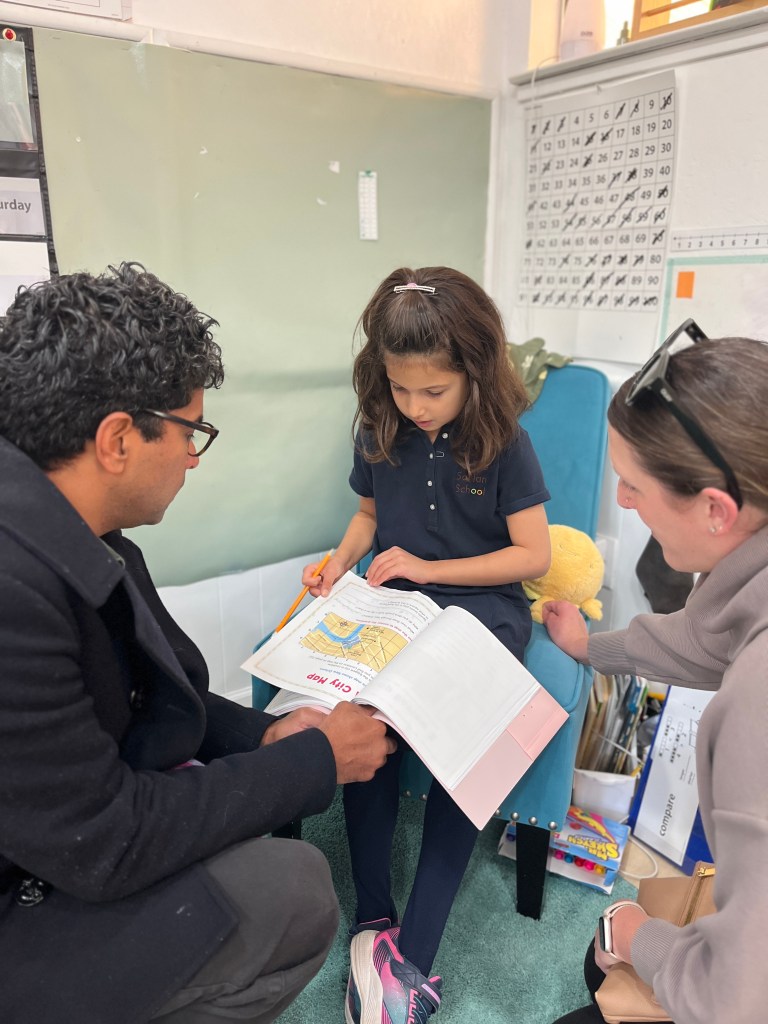
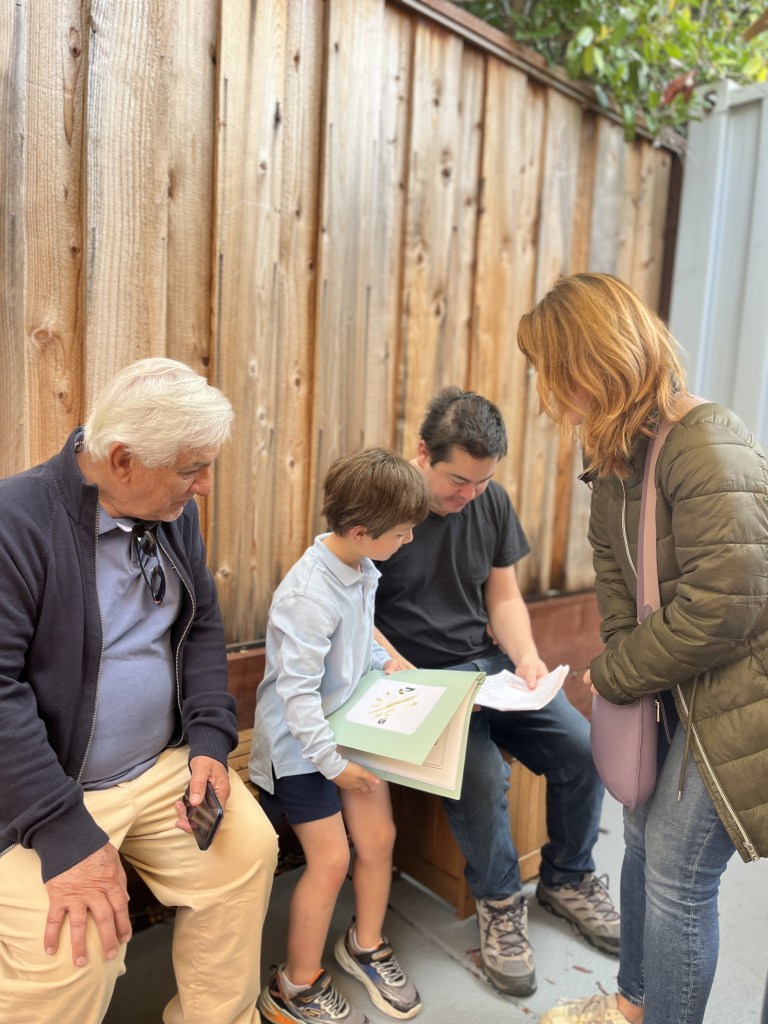
As part of their Welcome to Saklan PBL unit, second grade explored the question: How can we help newcomers to Saklan feel welcome? After considering what may be the most important elements of our campus to teach newcomers about, students dove deep into mapping, writing, and presentation standards. With help from a critique and revision session with Mylesa, our Director of Admissions, second graders have created a complete self-guided tour of our Saklan campus that can be shared with new families. The digital and interactive components can be used by newcomers for years to come! To celebrate their work, they led families on a live version of their tour this week with great success! Come hear more about this unit at CLAS on November 14th. 

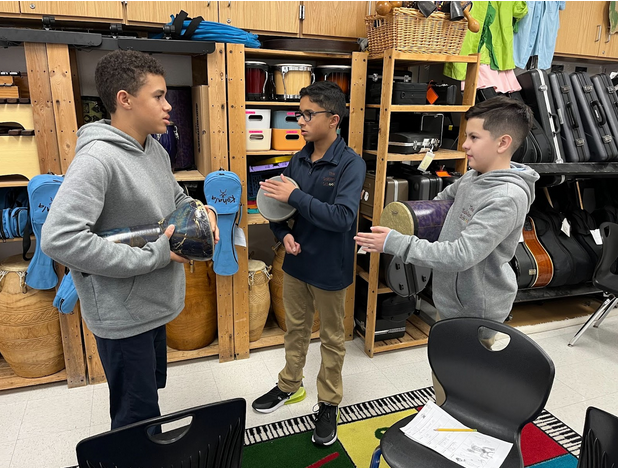
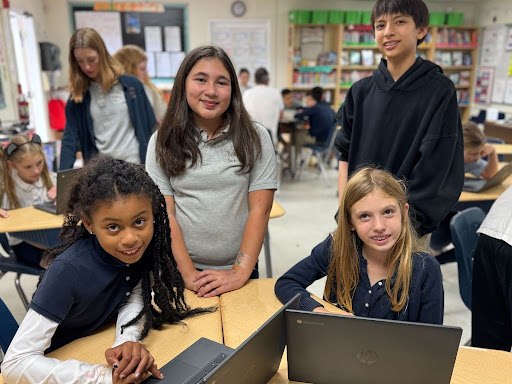
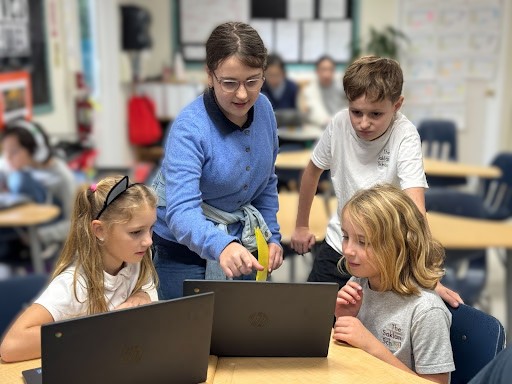
In a seventh-grade math PBL unit, students coded Scratch video games based on their interests. Seventh graders used math knowledge of graphing rotations, reflections, and translations to design an original or remix an existing Scratch game. To culminate this work, they shared the games they made with other students! Third through fifth-grade students were invited to learn about how the seventh graders designed their games and then were given an opportunity to play them!

Culminations like these highlight the power of Project Based Learning, where curiosity drives discovery and students share their learning with pride.

#SaklanProjectWork
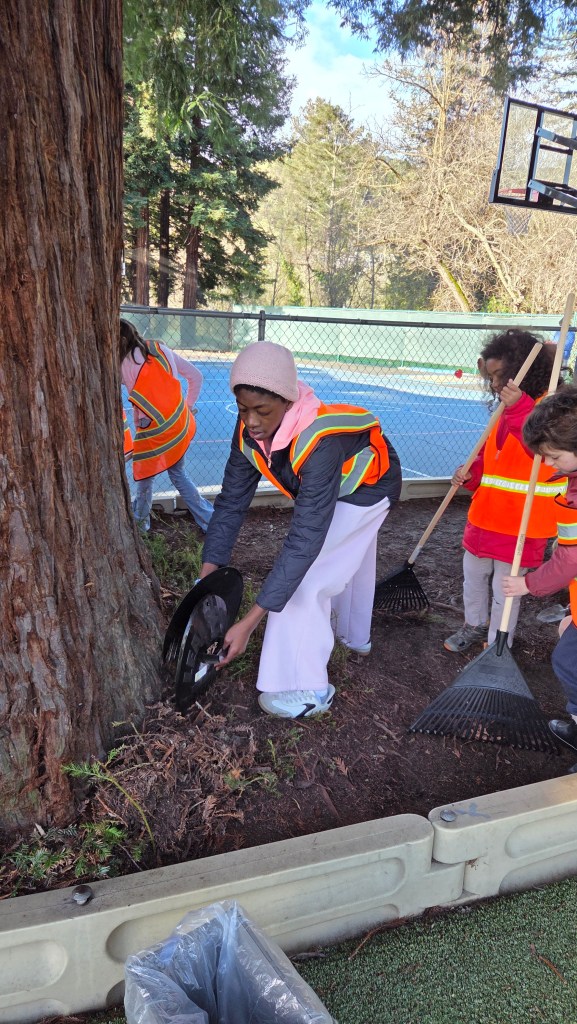
From Horses to Hounds: The Hoot Owls Explore Pets

As part of their Pets Project, the Hoot Owls have been exploring how to care for different kinds of animals—both big and small! When teachers noticed several students showing a special interest in the horses and stable set in the classroom, they decided to dive deeper into learning about how to care for horses.

The class discovered that horses can make wonderful pets, but they also require a lot of care and space. Together, the Hoot Owls learned that horses need shelter, lots of hay and grass to eat, and regular brushing to stay clean. They also learned that taking care of a horse includes cleaning up after them—using shovels to tidy up their stalls! Students found out that horses can be ridden using saddles and reins, which led to lots of imaginative play. To represent what they learned, the class created their own model horse brushes, water and food troughs, and even shovels for stable cleanup.

Next, the Hoot Owls turned their attention to one of the class’s favorite animals—dogs! They were thrilled to welcome two special guests: Saul, Saklan’s Middle School Math Teacher, and Mel, who brought along their two dogs, Banksy and Bixby. The Pre-K students came prepared with thoughtful questions, and Saul and Mel were happy to share their expertise.

The class learned that the amount of food a dog needs depends on its size and age. Banksy eats one small bowl of food at dinner, while Bixby eats twice a day—and even uses a special puzzle bowl to slow down his eating. Students also discovered that dogs can earn treats when they perform tricks. Banksy has already mastered “sit” and “roll over,” while Bixby is still learning!

Exercise was another key topic. The students were amazed to hear that Banksy and Bixby had already walked a full mile before arriving at school! To stay active and engaged, dogs also need toys like ropes, chew toys, and stuffies. The class discussed how important it is to keep dogs clean—by brushing them, especially as they grow their thick winter coats, and giving them baths when needed. They also loved hearing about Banksy and Bixby’s matching jackets and learning that collars and leashes are important tools to keep dogs and people safe.

After the visit, the Hoot Owls had the opportunity to apply what they learned by creating their own “pet care kits” for small toy dogs. They made leashes, collars, food and water bowls, treat bags, toys, and even jackets! Each student thoughtfully considered what their dog would need and designed items to help care for their new pet.

Through hands-on exploration, creativity, and expert insight, the Hoot Owls deepened their understanding of what it truly means to care for an animal. From brushing a horse to walking a dog, these young learners are discovering that responsibility, empathy, and kindness are at the heart of being a good pet owner.

#SaklanProjectWork
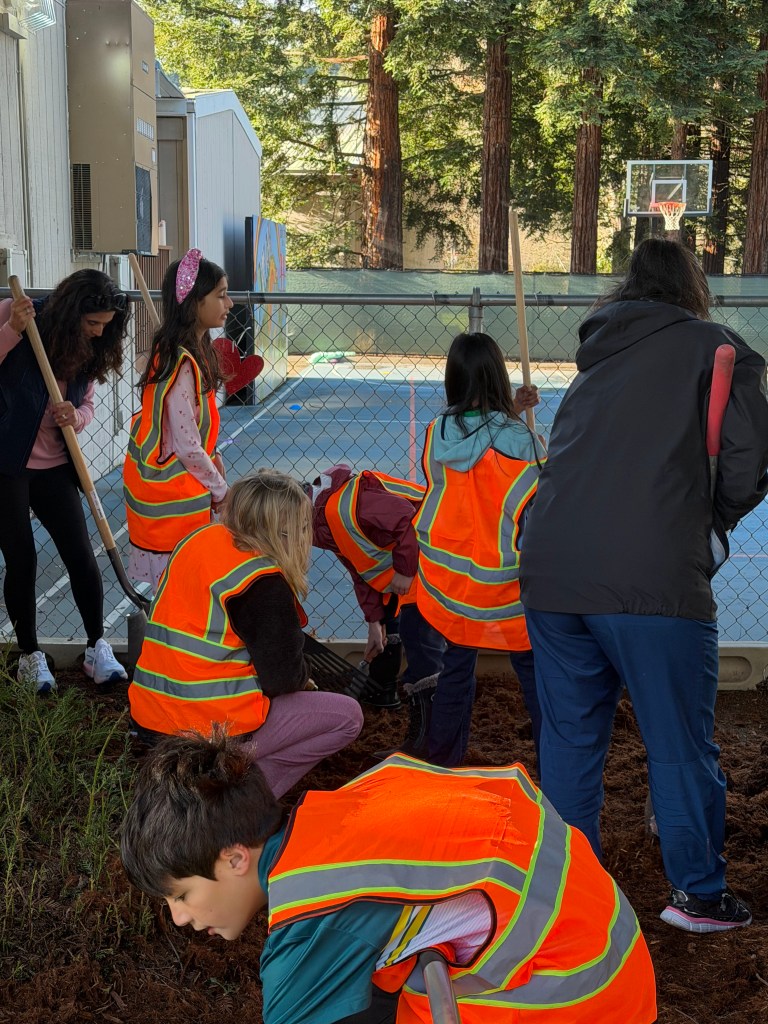
Who Do Artifacts Really Belong To?

Sixth graders have begun their first PBL unit of the year, in which they seek to answer the driving question: Who do artifacts really belong to? During this unit, students will develop an understanding of what cultural heritage is, how artifacts tell the stories of people’s lives, the role of museums, the history of changing archaeological practices, ancient Egyptian civilization, history research skills, as well as sijo poetry, narrative, expository, and argumentative writing.

Recently, they’ve been thinking about the purpose of ancient artifacts, such as Nedjemankh’s stolen gold coffin, and about their connections to their own treasured possessions. The class read The One Thing You’d Save, by Linda Sue Park, before writing personal narratives about their own treasured artifacts. Students got lots of practice giving and receiving both teacher and peer critique on these pieces before turning in their final drafts.  

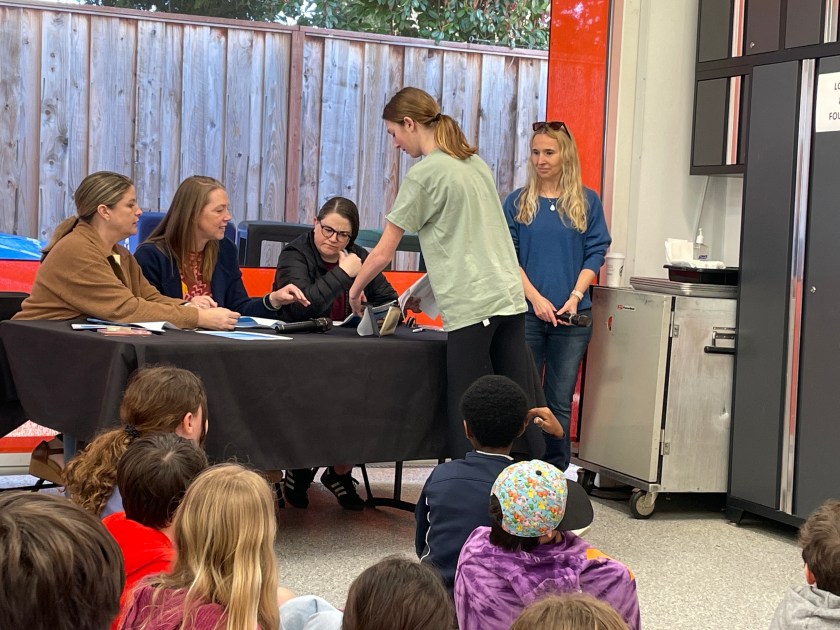
Last week, they zoomed with an archaeologist, Dr. Hannah Wellman. She shared the evolution of ancient mummification practices, as well as changes in legal practices and ethical arguments regarding the treatment of ancient Egyptian cultural heritage. Dr. Wellman’s example of Nefertiti’s Bust as an example of the significance of museum context of artifacts gave the class a great launching point for discussions in preparation for visiting the Badè Museum this week. 

Dr. Aaron Brody, an archaeologist and Badè Museum director, taught the sixth graders about their collection, the benefits of a high degree of context for artifacts, and why repatriation in this case may not be ideal or desired for the museum or the country of origin. Both experts helped the class understand how repatriation conflicts came to be and why people have reached different conclusions about repatriation in various situations. 

#SaklanPBL

Can Maggie Have a Hippo as a Pet?

The Pre-K class has officially launched their Pets Project. To get the Hoot Owls thinking about what a pet is, the teachers posed the question: “Can Maggie have a hippo as a pet?”

This simple question sparked a flurry of ideas. Students quickly pointed out that a hippo would need a really big house, a lot of water (maybe a pool!), and a door big enough for it to fit through. One thoughtful student even suggested that Maggie would need to be a zookeeper with her own zoo! From there, the class began to wonder — what actually makes an animal a pet, and what makes it a zoo animal?

Building the Project

In every Project Approach Unit, students begin by mapping what they know and what they want to learn using a Topic Web. This living chart helps track their growing understanding as they explore through research, activities, and expert visits.

Alongside the topic web, the class also created a Wonder Wall — a special space where students’ questions and curiosities are collected. These “wonders” help guide the project and shape future lessons and activities.

One of the first big questions to emerge was: “How do we take care of different animals?” To start exploring that idea, students dove into the question, “How do we take care of a turtle?”

Learning Through Exploration

Through research and observation, students discovered that turtles have different needs depending on their type. Aquatic turtles and box turtles, for example, require very different homes. The class looked at photos of real turtle habitats and then created their own visual charts, drawing and labeling the items a turtle needs to stay healthy and happy.

Guest Expert Insights

To help deepen their understanding of pets versus wild animals, the class met biologist Taylor Rubin via Zoom. Taylor, a former zoologist at Zoo Atlanta who now studies urban wildlife, helped the students define two key groups:

  • Domestic animals – animals that have lived alongside humans for a long time and rely on people for care, like dogs, cats, horses, and chickens.
  • Wild animals – animals that can survive and care for themselves in nature.

When the students revisited their original question about hippos, Taylor helped them see why a hippo can’t be a pet. Hippos need to eat about 150 pounds of grass per day, live in large pods of 10–30 hippos, and require plenty of water to swim in. Clearly, even the most dedicated pet owner couldn’t meet those needs!

The class loved learning from a real scientist, and they now have an even clearer understanding of what makes an animal a pet — and why Maggie’s hippo dream might have to stay imaginary for now!

#SaklanProjects

Owlets’ Curiosity Sparked

As autumn settles in and the trees around campus begin their seasonal transformation, the Owlets’ curiosity has been sparked by the changing colors and falling leaves. This curiosity led to their Leaves Project—an exploration designed to deepen their connection with the natural world and build on their observations.

The project began when the preschoolers noticed that some trees in the playground had already dropped their leaves, while others just beyond the fence still held on tightly to theirs. Together, they recorded these observations and began wondering why this might be—a question they will continue to investigate over the coming weeks.

To launch the project, each Owlet brought in leaves from home. The classroom quickly filled with excitement as students examined their growing collection, noticing that leaves come in many shapes, sizes, and colors. Throughout the first week, the class spent time observing and sorting leaves. They worked together to group them into small, medium, and large categories—discovering that even leaves of the same shape can vary greatly in size.

As part of their study, each preschooler received an Observation Notebook for recording detailed drawings of leaves. Using graphite pencils, they practiced looking closely and capturing what they saw—tracing edges, noticing veins, and identifying shapes. This led to a deeper exploration of leaf anatomy, including terms like apex, base, midrib, veins, and leafstalk. When one student commented that humans also have veins, he wondered aloud what purpose they serve in leaves—a thoughtful question now posted on the class Wonder Wall for future exploration.

Through observation and hands-on discovery, the Owlets are deepening their understanding of the natural world—and finding joy in every leaf along the way!

#SaklanProjects

How Project Work Deepens Learning and Connection
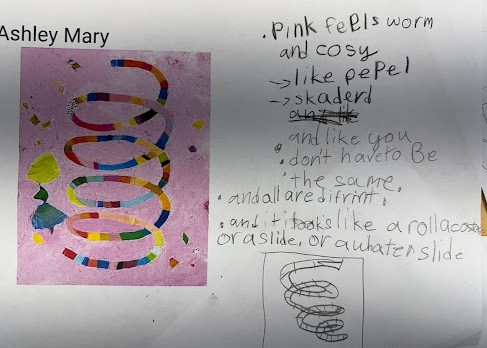
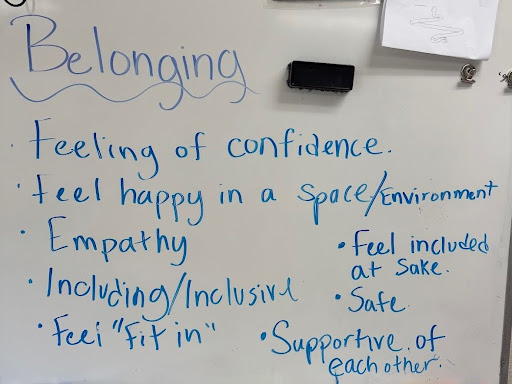
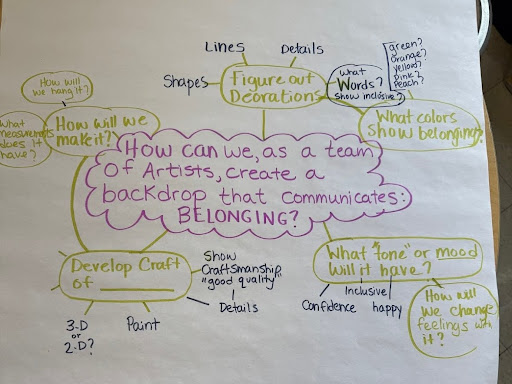
Project work at Saklan drives strong academic outcomes through creating units where students feel represented and included. Building this deep sense of belonging begins with our specific Social Emotional Learning (SEL) programming, like family groups and Responsive Classroom, and is intentionally woven into our academic PBL units through the equity levers like knowledge of students. 
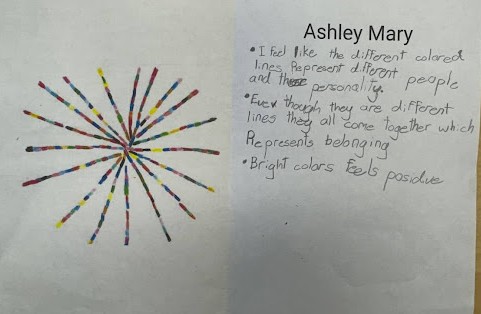
Knowledge of students means not only building relationships with students but also creating project work that can capture their interests, needs, and strengths. A wonderful example of a unit that is relevant to students’ lives, has meaningful context, and includes robust academic learning is our Kindergarten Names Unit. The driving question for this unit is, “How can we learn and share about our names to become better friends?”
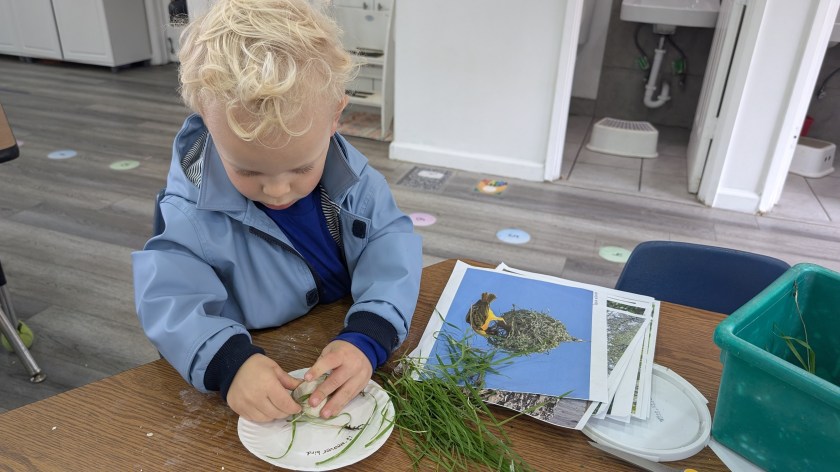
This unit tackles academic standards such as letter and sound correspondence, formulating relevant questions, and listening to and remembering responses to communicate what they have learned with others. To achieve these learning goals, the Names unit maintains high authentic relevancy to honor students’ unique identities through sharing their name stories, which often connect to their family, ancestry, culture, or religious traditions. As they strengthen their classroom community through this work, there are also many authentic opportunities for learning in other content areas too. 

This week, while students focused on how to spell, read, and write each other’s names, they also began to sort their names in a variety of ways. They compared names by looking at letter shape (whether they are tall, short, or ascending), identified names with certain vowels and consonants, and ultimately arranged them by the number of letters each has in a class bar graph. Students eagerly engaged in rich math conversations all stemming from the authentic work of sharing about and reading each other’s names. 
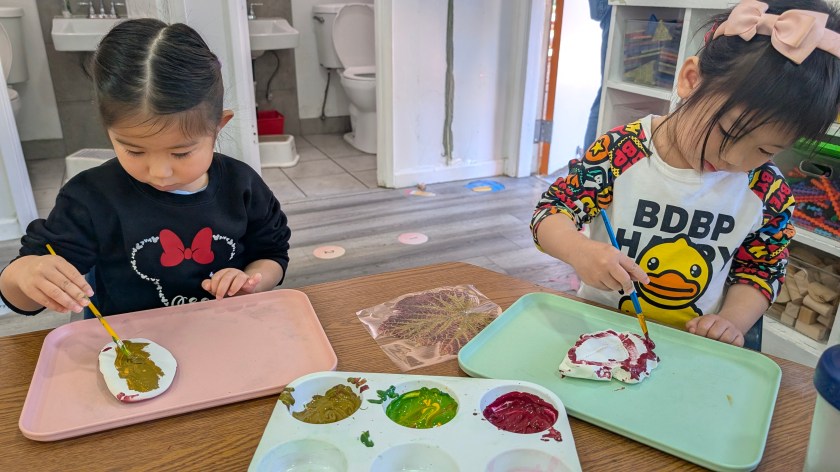
Grounding academic content in what really matters to students allows them to learn at deep levels and feel part of our Saklan school community. 

Join us on October 21st for a Saklan Projects virtual event! We will talk about how teachers design and implement units like this one across all content areas in our Lower School and Middle School. This event is open to all!

#SaklanProjects