Successful Community Spaces

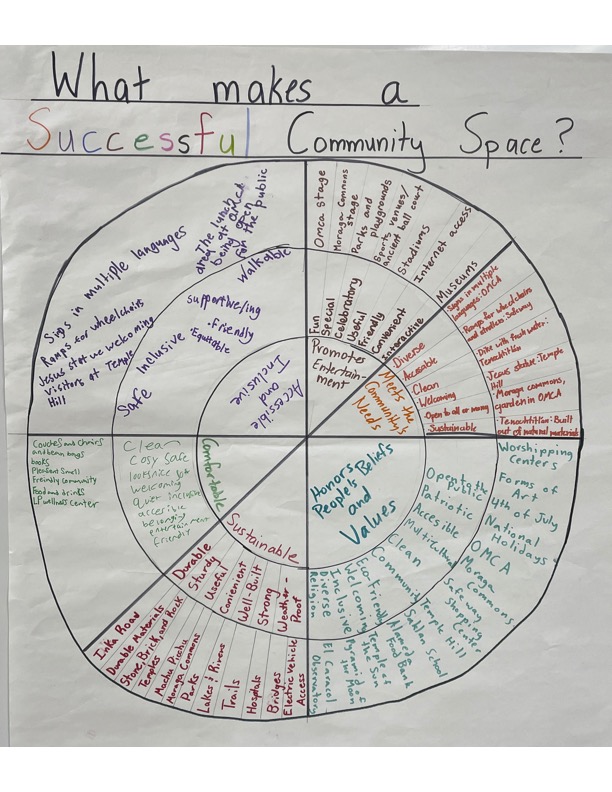
As part of their Community Spaces Project Based Learning unit, 7th graders recently analyzed, brainstormed, collaborated and categorized to answer the focus question: What makes a community space successful and sustainable?

First, each student wrote a paper analyzing the successful and sustainable features of one space or structure in the Maya, Aztec/Mexica, or Inka civilizations. The spaces and structures they studied included the construction and urban design of Tenochtitlán, temples, marketplaces, ballcourts, observatories, homes, and palaces. 

Next, the class brainstormed successful features of the places they visited during field experiences: Moraga Commons, the Wellness Center at Los Perales Elementary School in Moraga, the Oakland Museum of California, and Temple Hill in Oakland. The students also learned about contemporary sustainable low-rise buildings designed by Japanese architect Kengo Kuma, such as the National Stadium built for the 2020 Tokyo Olympics. 

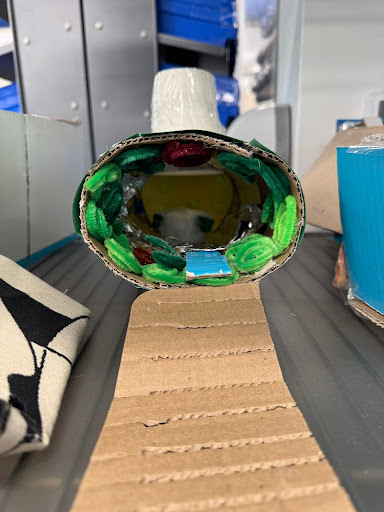
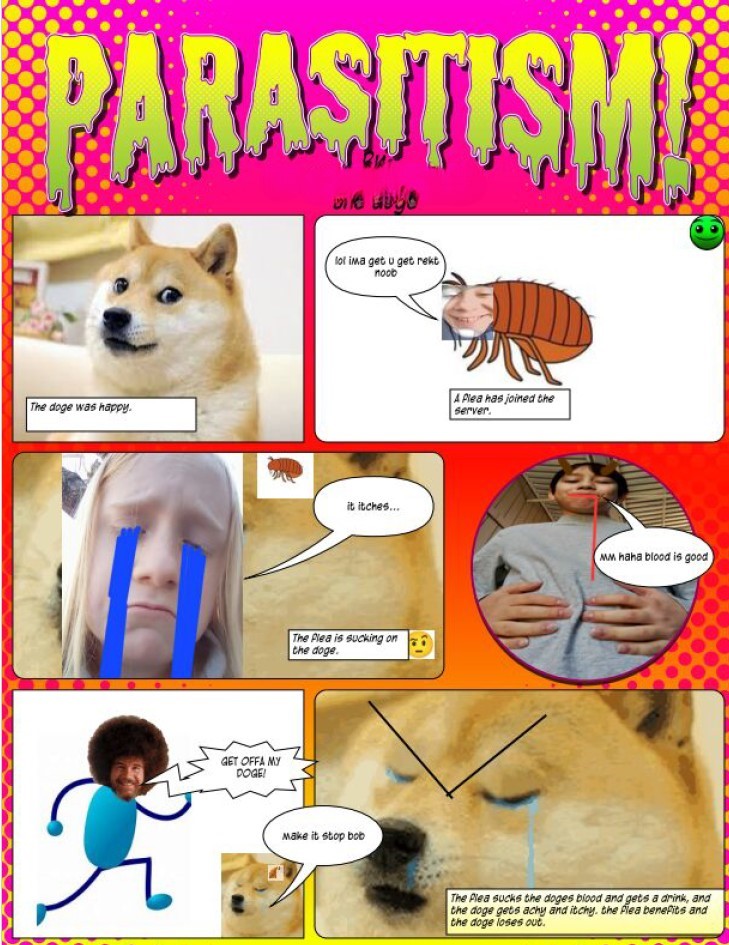
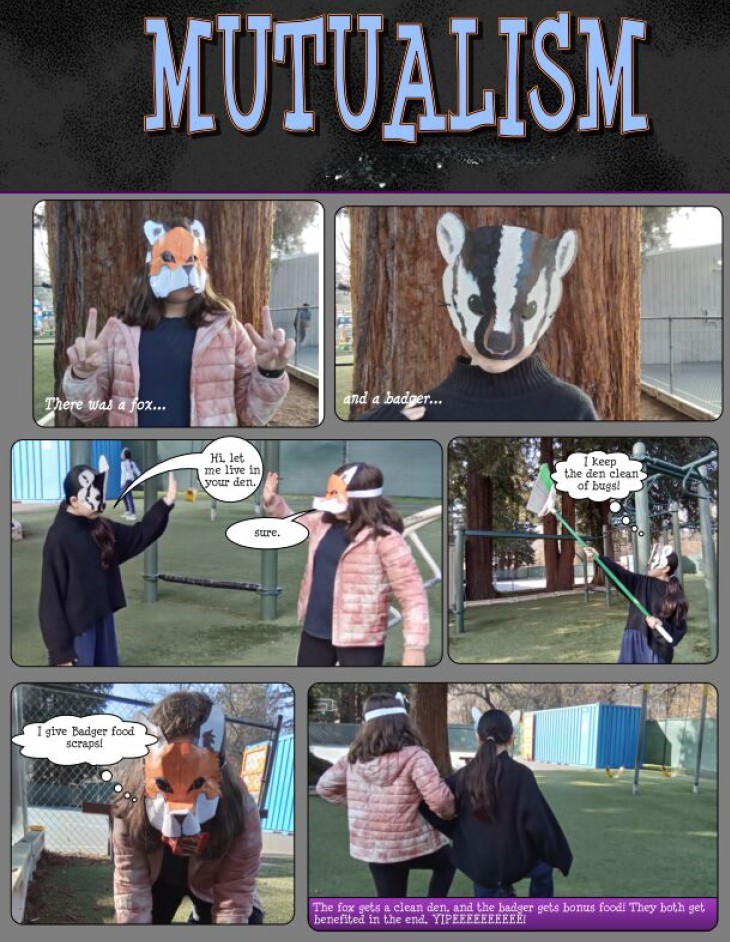
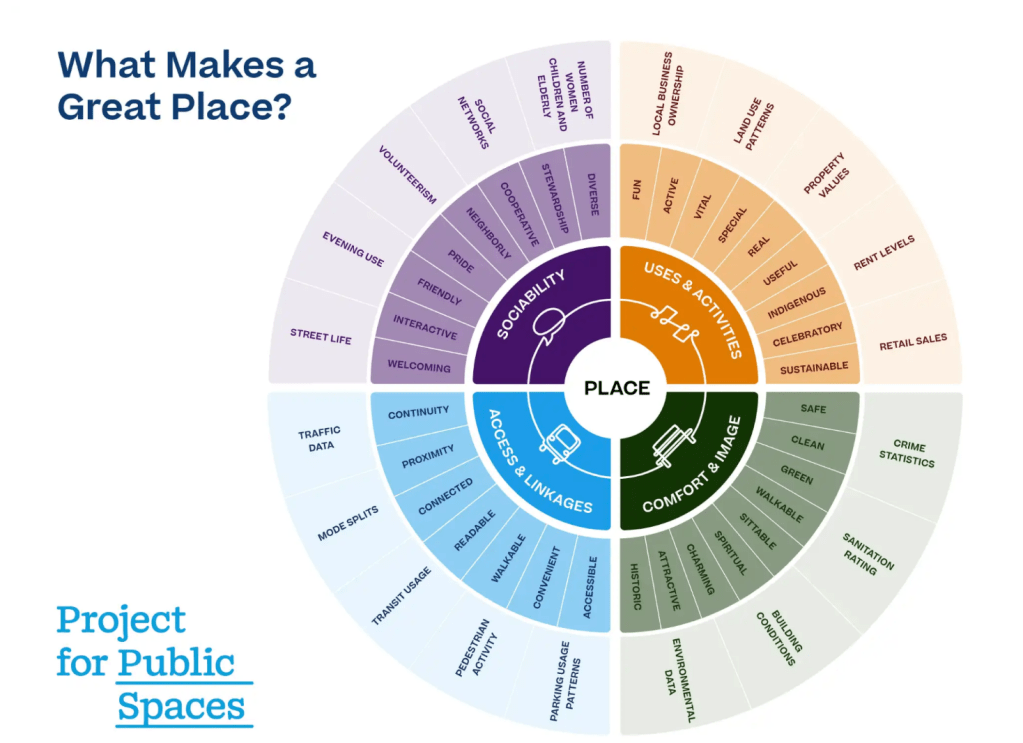
After they generated lists of the successful features of all of these spaces and structures, the students worked in small groups to place these features into categories. They used the below visual representation as a model. Next, the class narrowed down their successful space criteria into six categories. Working in groups, the class collaborated to create their own version of the diagram (click the arrows below to see their version).

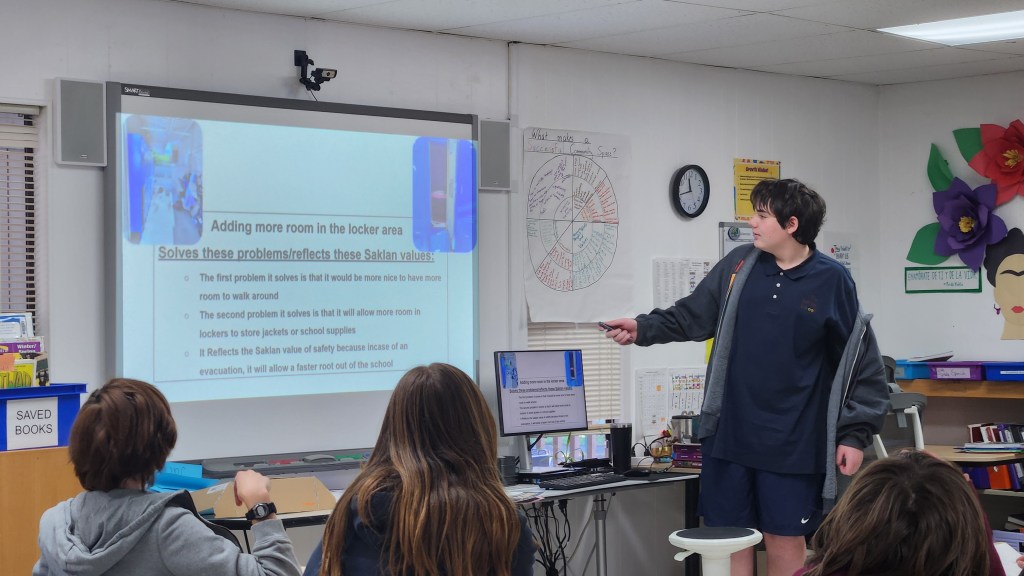
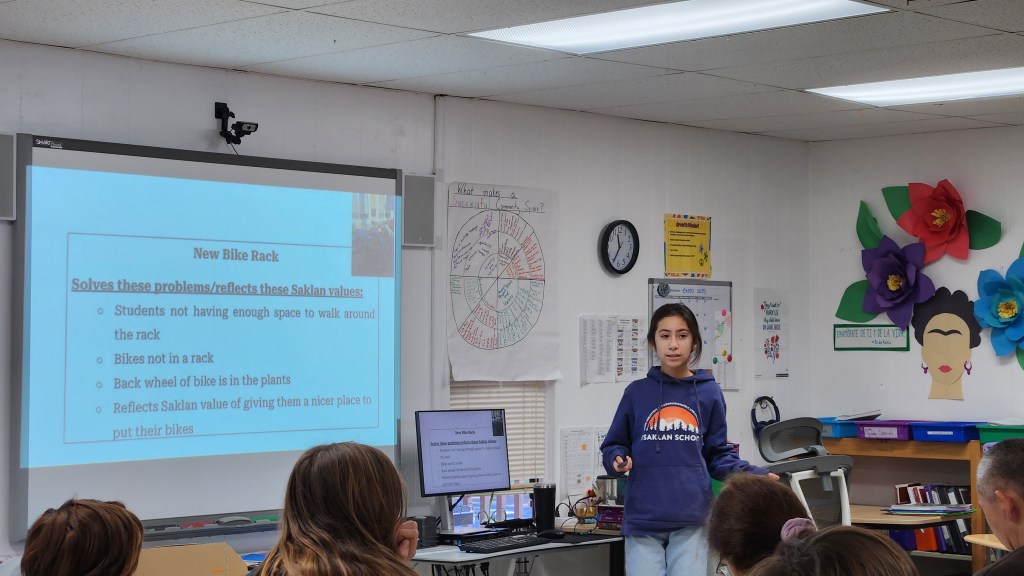
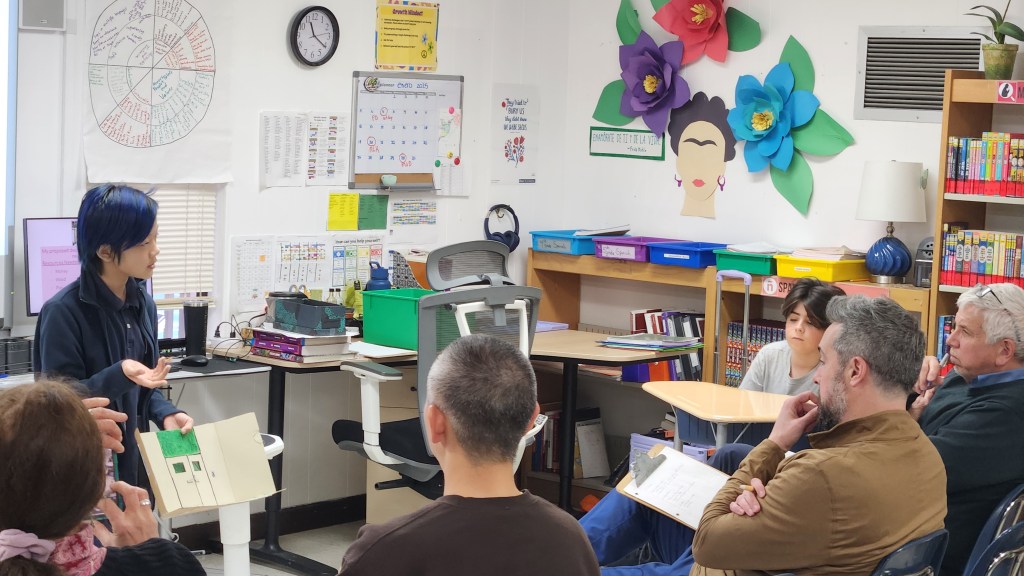
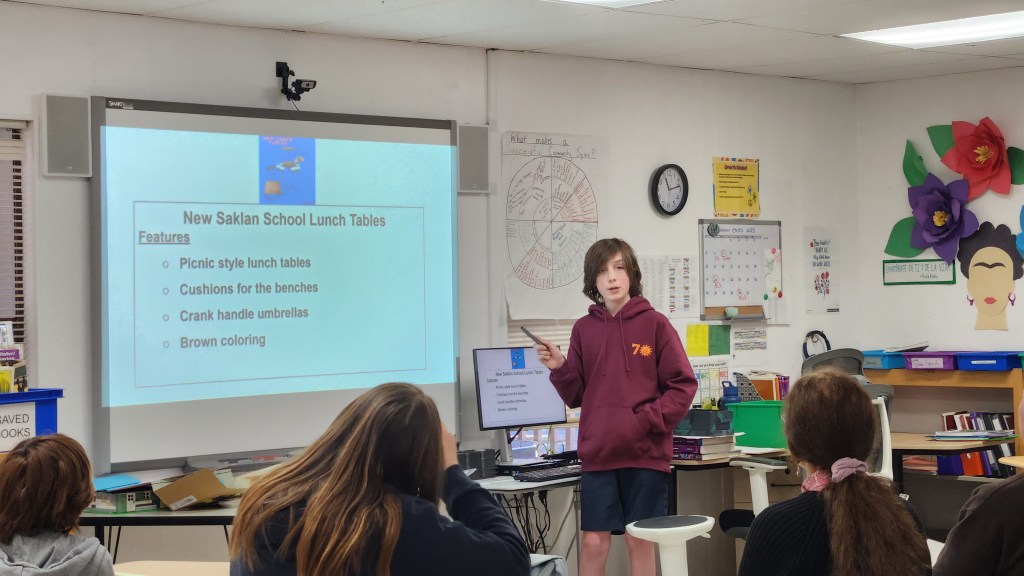
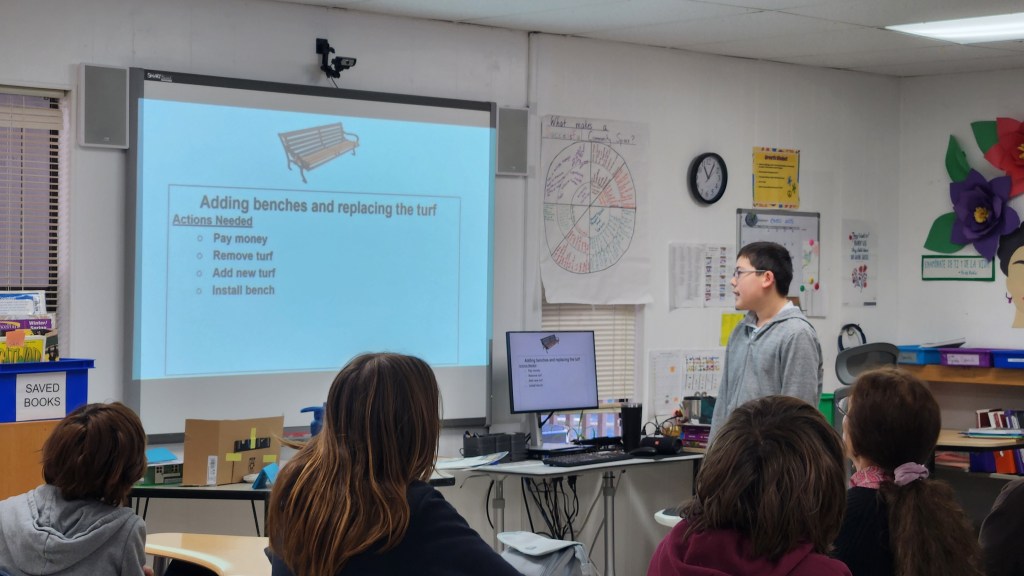
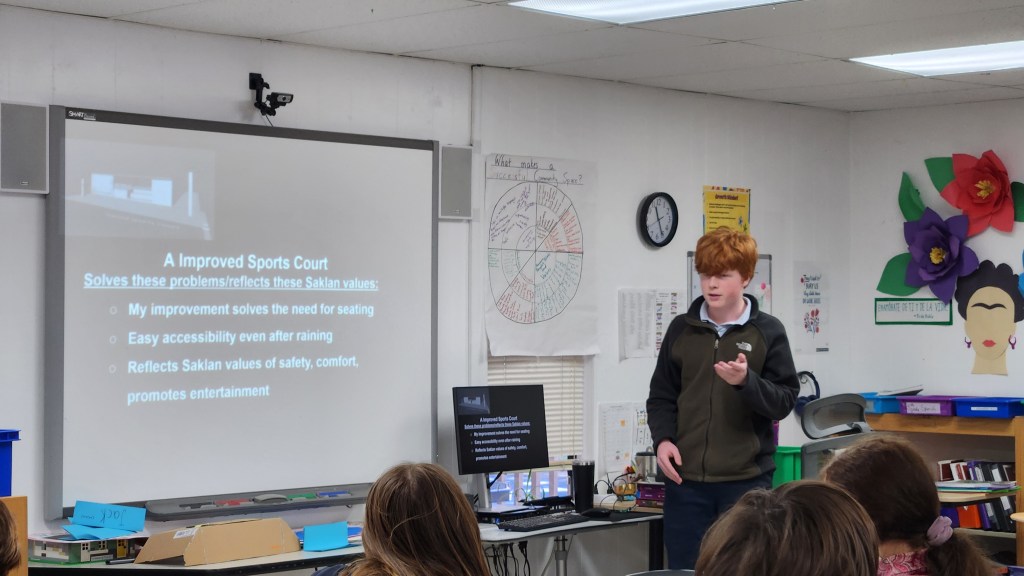
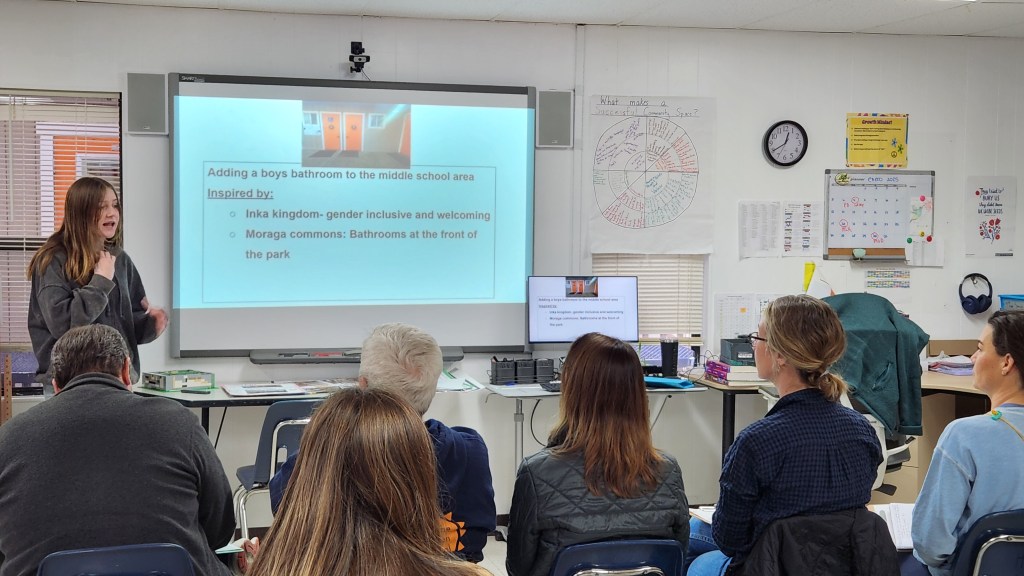
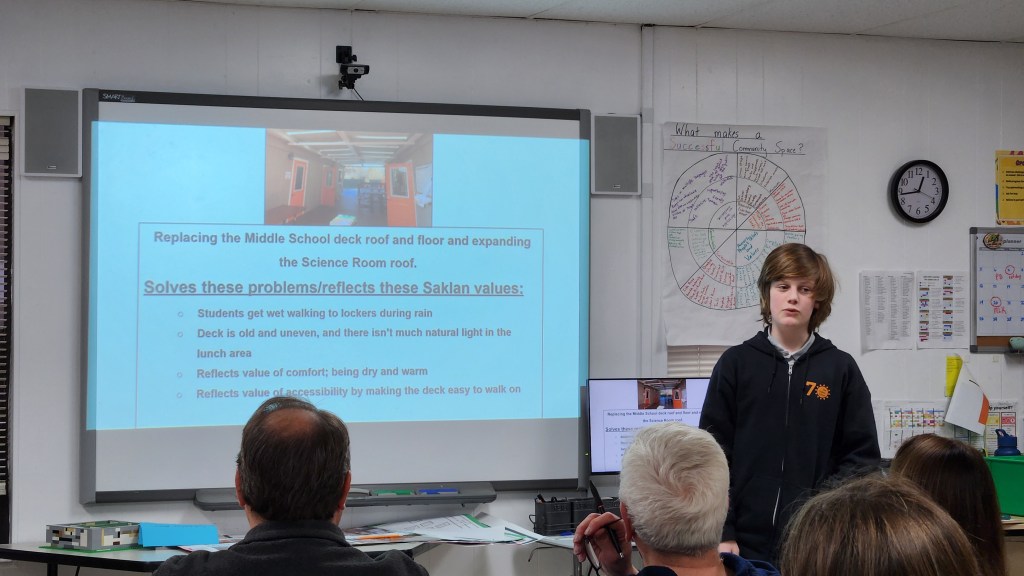
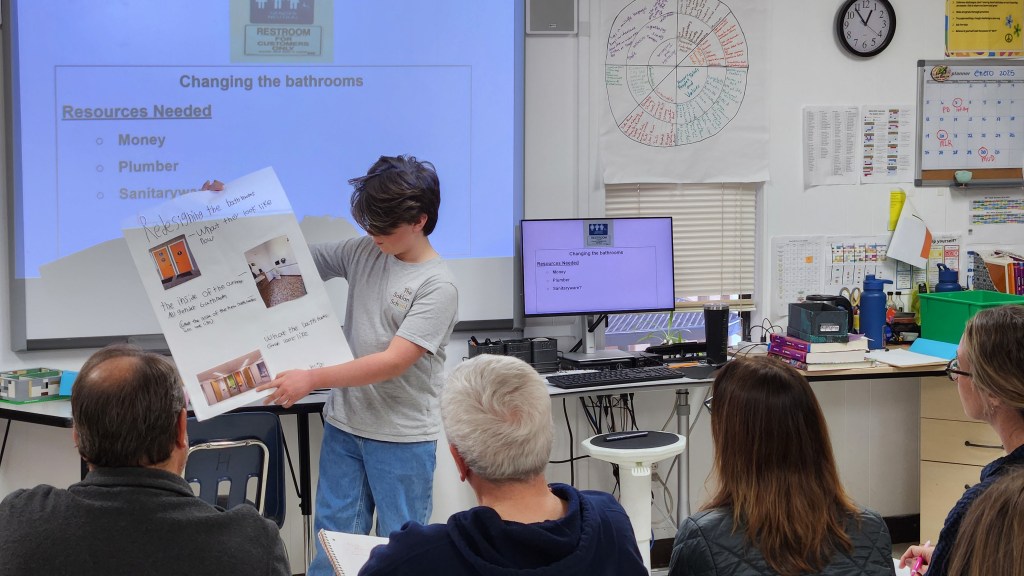
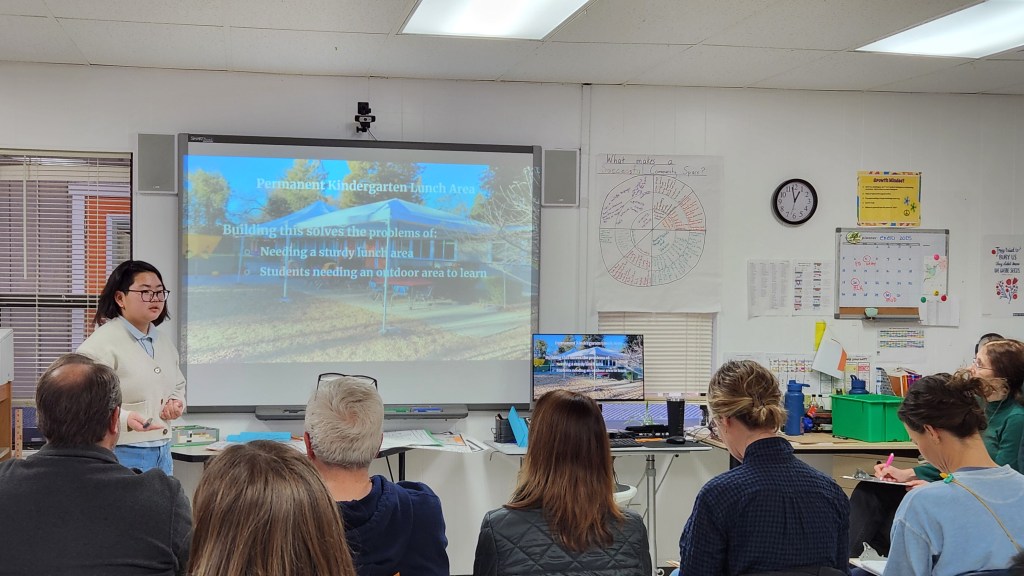
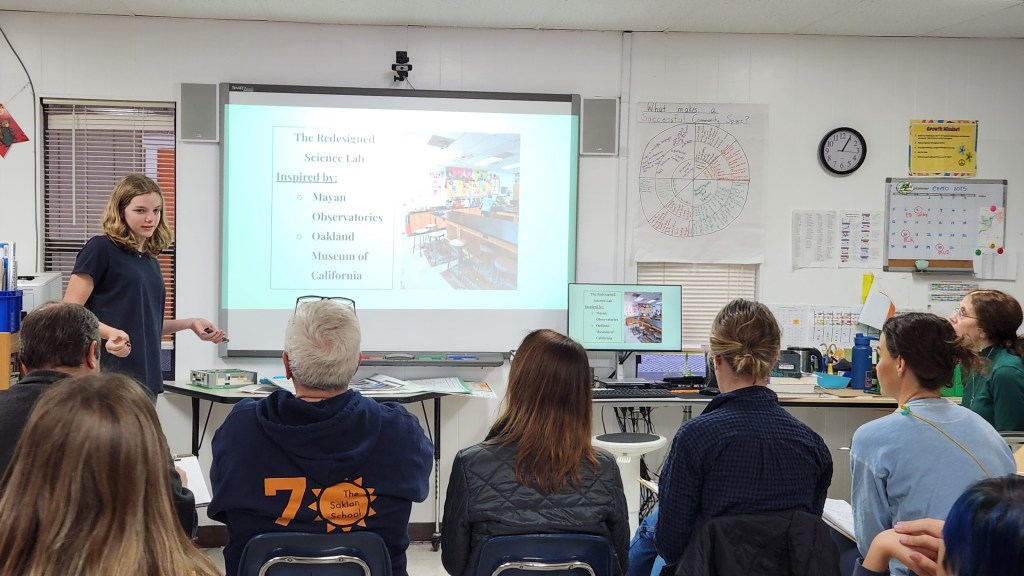
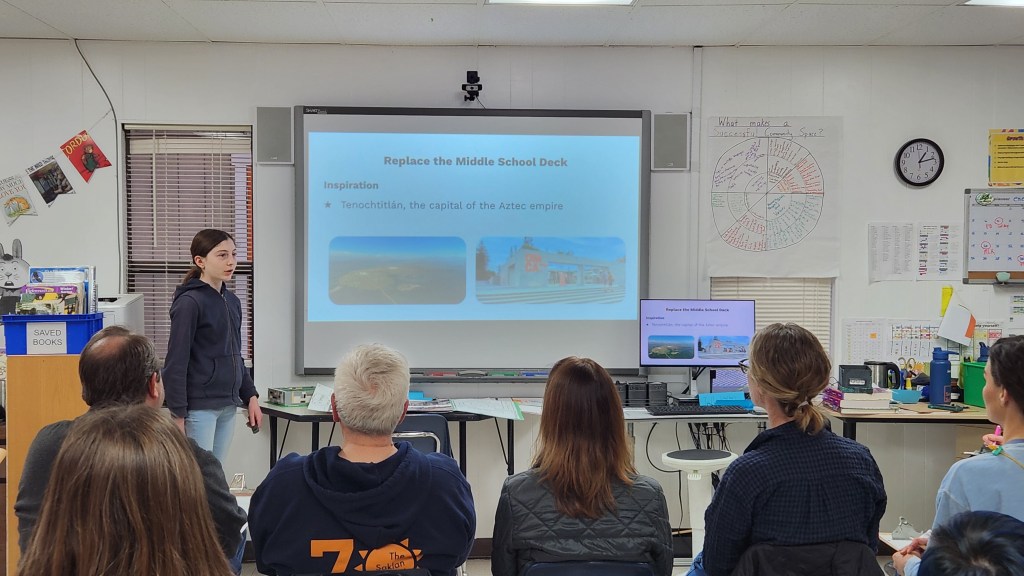
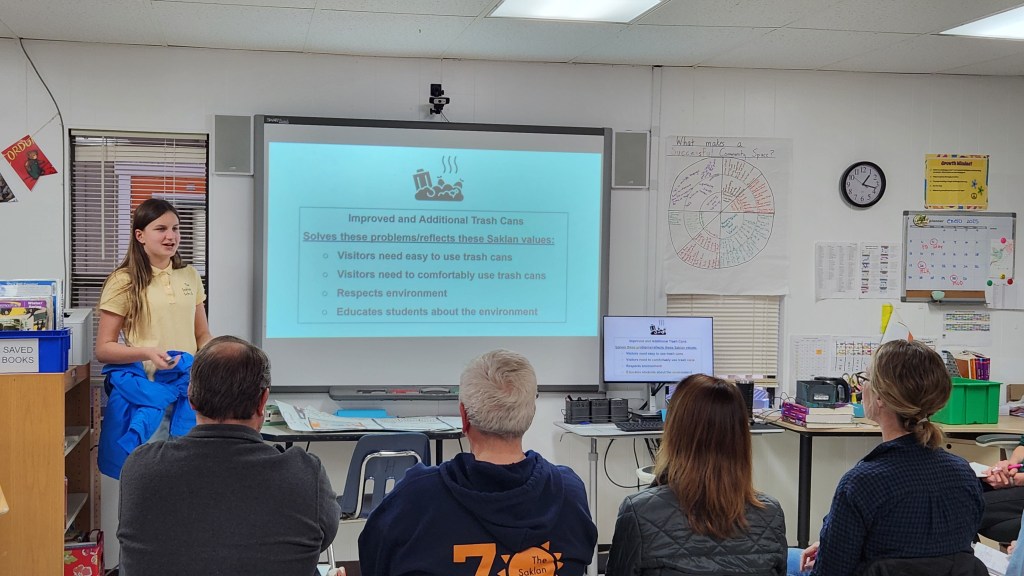
To conclude the unit, the 7th graders applied the success criteria they developed to propose improvements to the existing Saklan School campus or a redesigned and rebuilt Saklan campus. The students presented their suggested improvements to members of the Saklan Board of Trustees and the administrative team on Thursday and Friday of this week.

To learn more about their campus improvement suggestions, please join us for CLAS next week, on Friday, January 31st, when the 7th graders will share an overview of their project with the community.

#SaklanPBL

Spreading Holiday Cheer

The Middle School Choir musicians have been working on mastering the harmonies of “Happiness” from You’re a Good Man, Charlie Brown. They have also added a few more songs to their repertoire, including “Together, Wherever We Go” from Gypsy and “It’s Possible” from Seussical. In addition, the student musicians are learning choreography to enhance their song performances, as well as adding in handbell parts!

Their harmonizing, choreography, and handbell work came together on Wednesday when the choir shared a holiday performance with our neighbors who live at Moraga Royale (a senior living community). To prepare for the show, the students learned holiday songs that they thought the seniors would know. During the show, they invited the audience to sing along with them, and to their amazement, they did!

The heartwarming performance brought smiles to the faces of the Moraga Royale staff and residents and filled the room with great holiday cheer. We hope the video below does the same for you!

#SaklanCompassionate

Bagging Apples

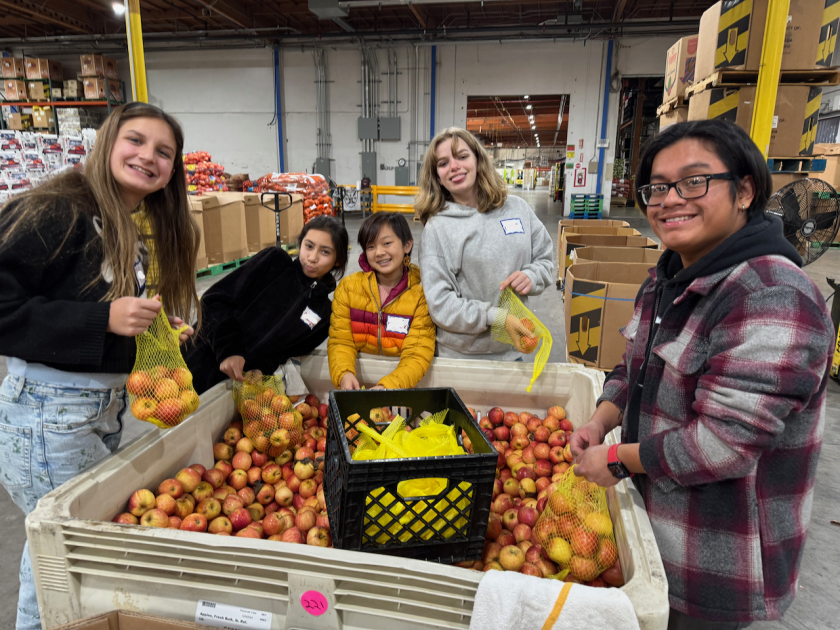
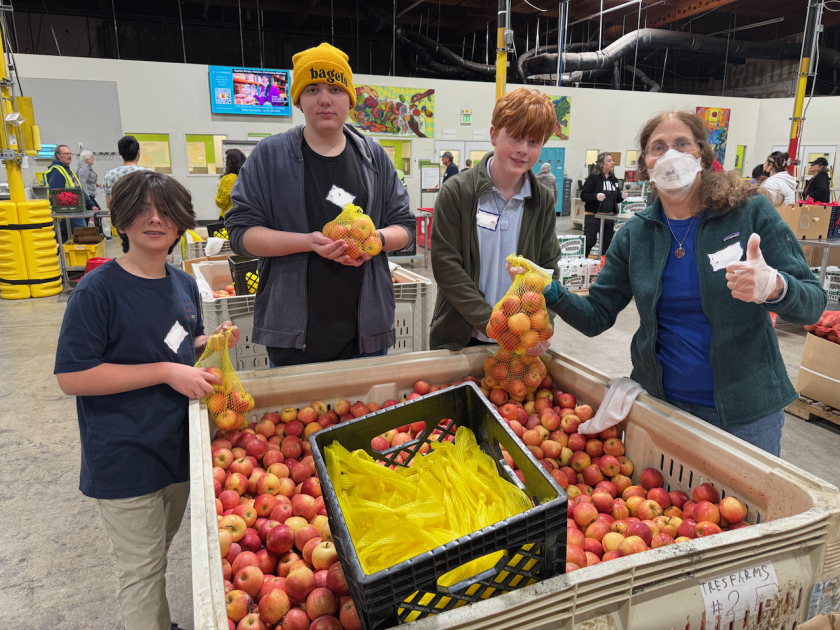
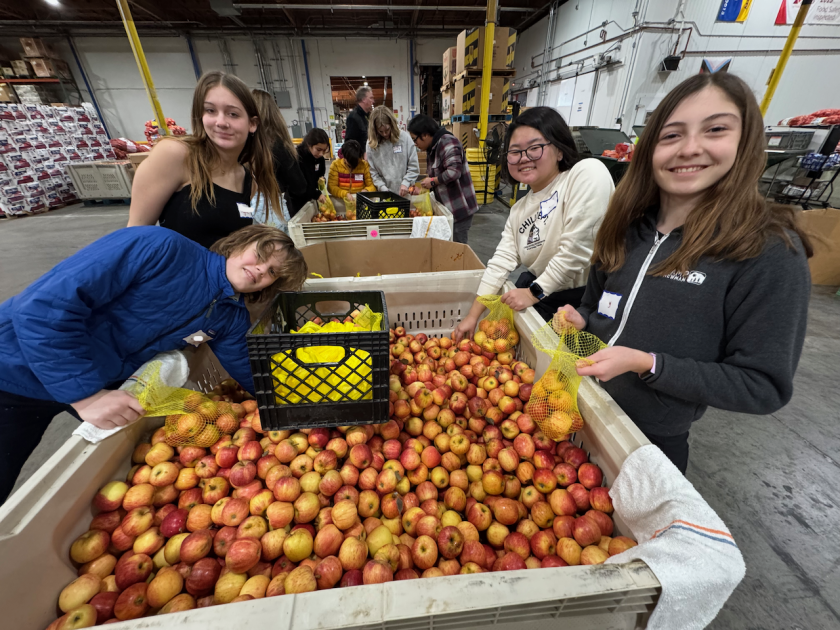
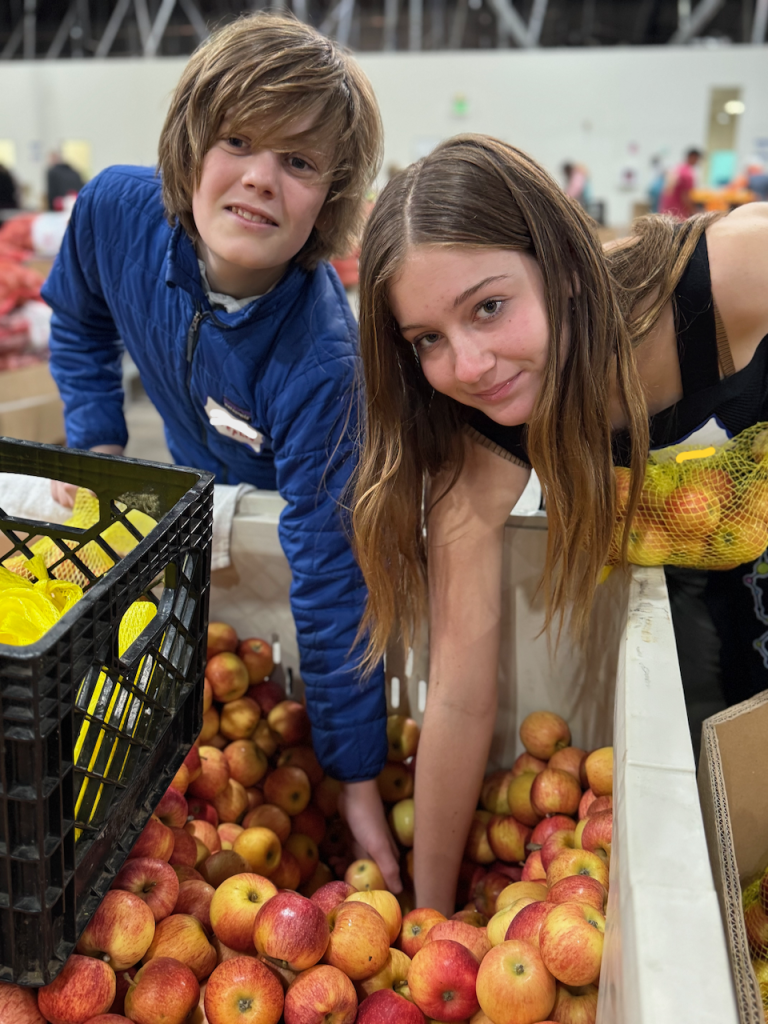
The 7th-grade class started off the week volunteering at the Alameda County Food Bank in Oakland. Most of the class remembered helping out last year, but for a few, this was their first visit.

During this trip to the food bank, the students were tasked with bagging apples. After 90 minutes of filling and tying bags of apples, the group had prepared 4,800 pounds of food. This equated to 3,984 meals as a group or 234 meals per volunteer.

The staff and volunteers at the Food Bank extended their gratitude for this community support. Nice work, 7th grade!

#SaklanCompassion

Project Culminations at Saklan

A key element of Saklan Project Based Learning units is a public product. This looks different depending on the division and, hopefully, over the last month, you have had the opportunity to share in a culminating event on campus! 

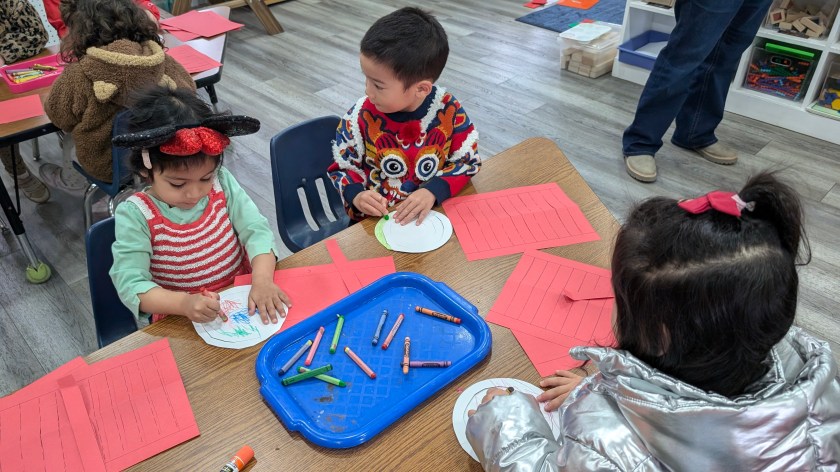
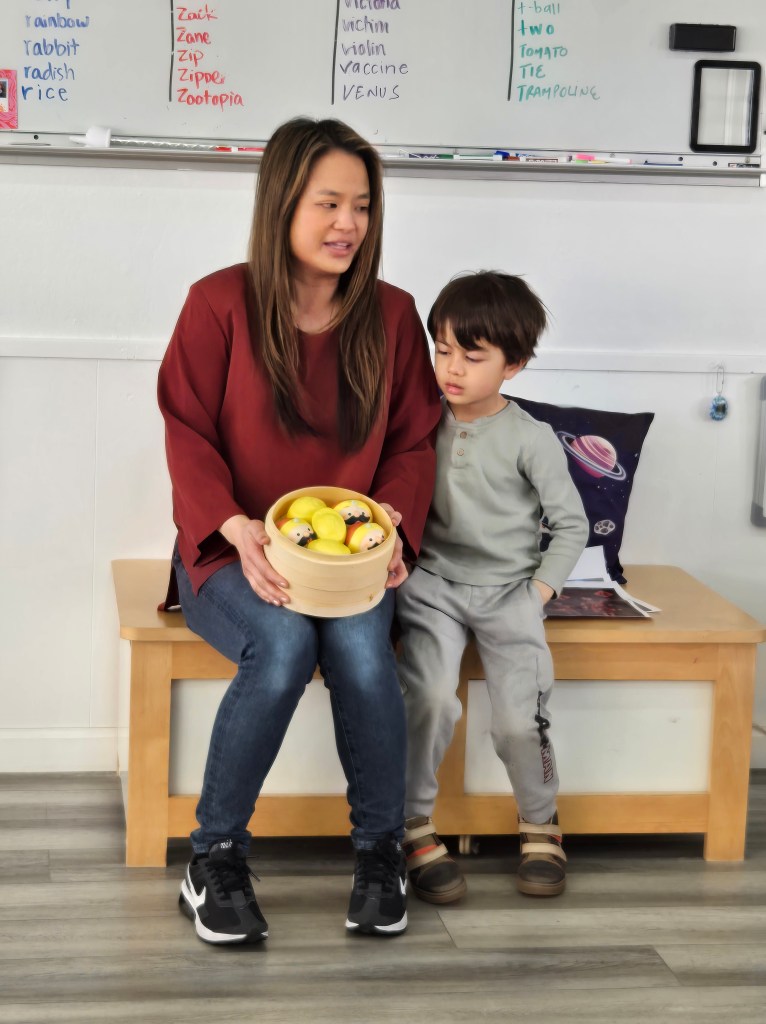
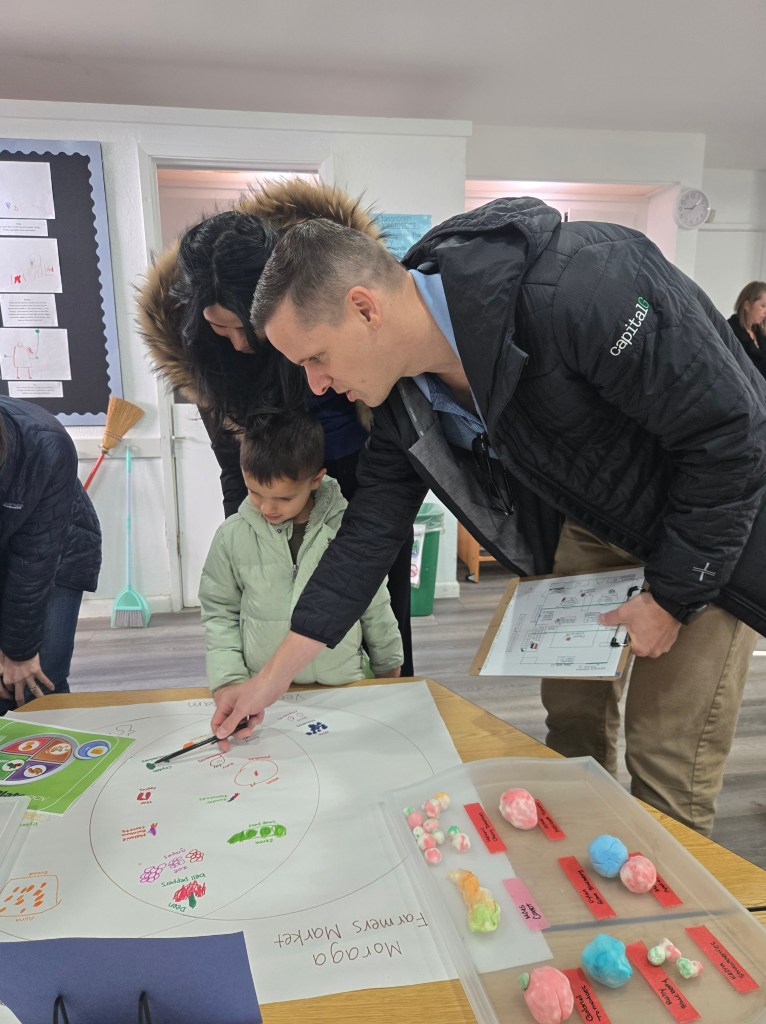
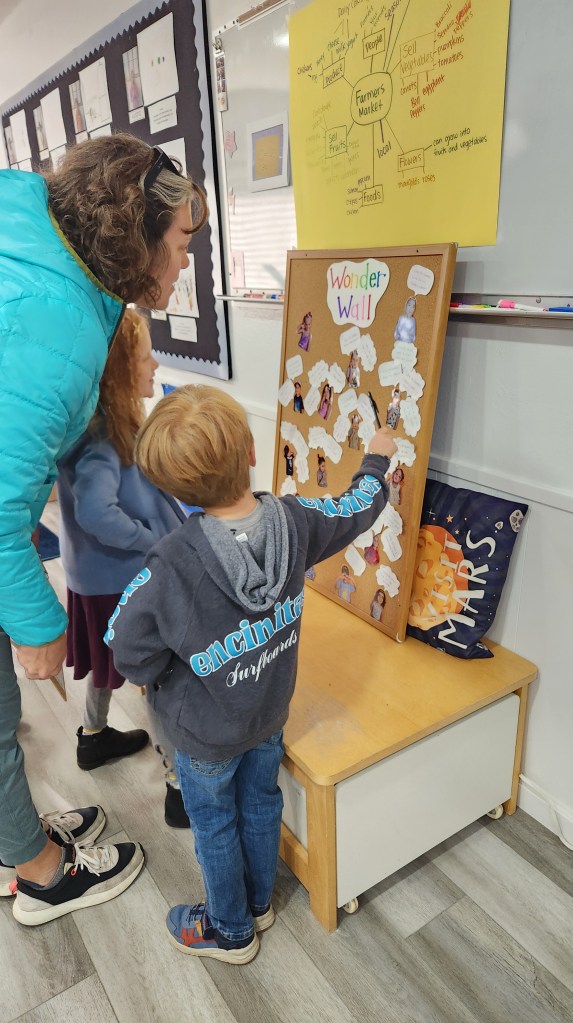
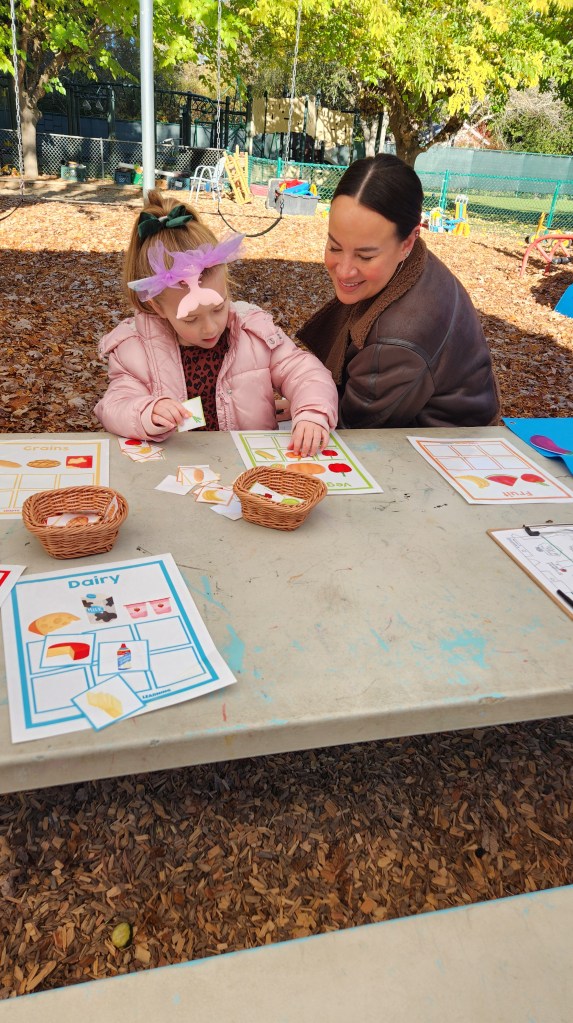
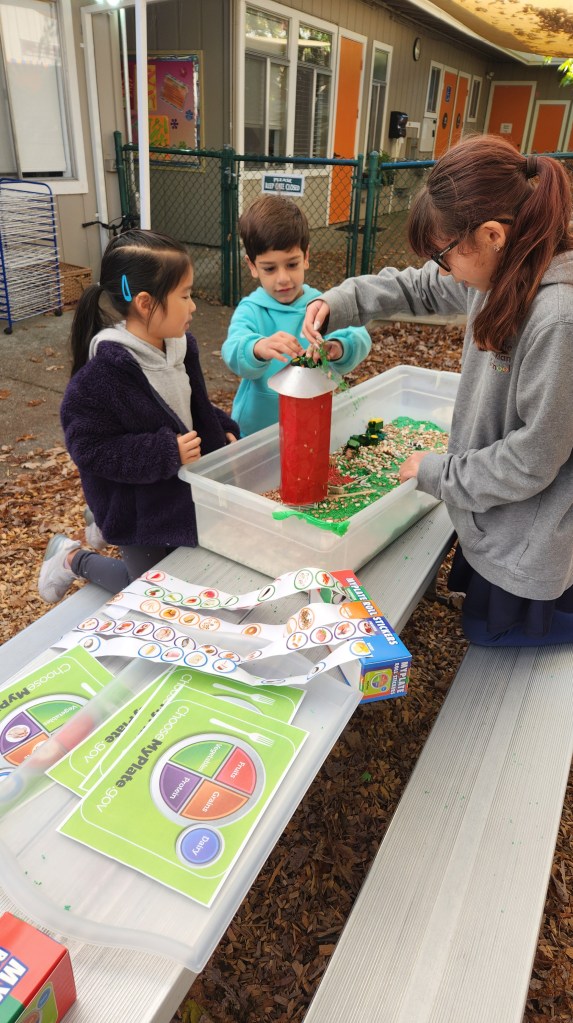
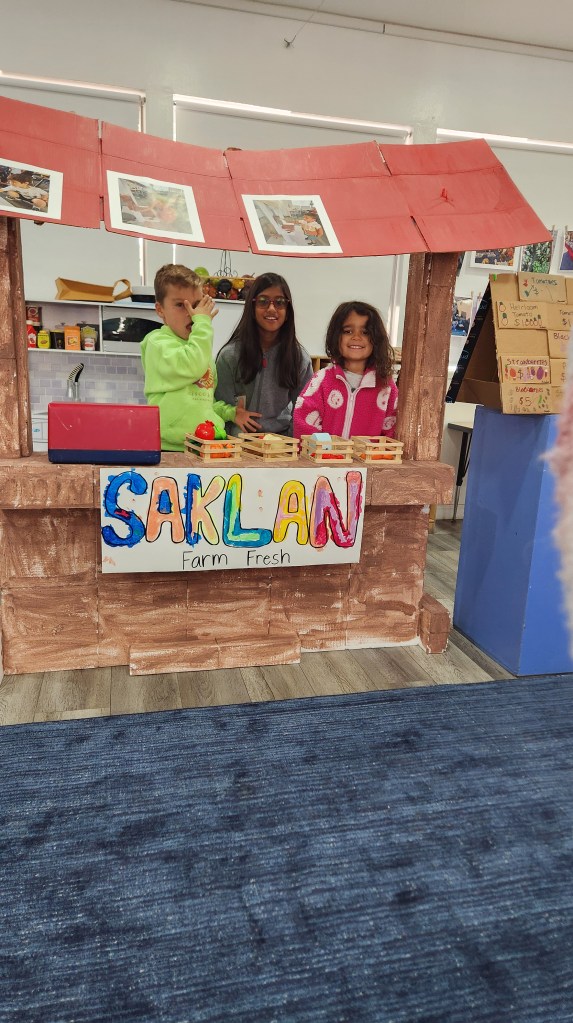
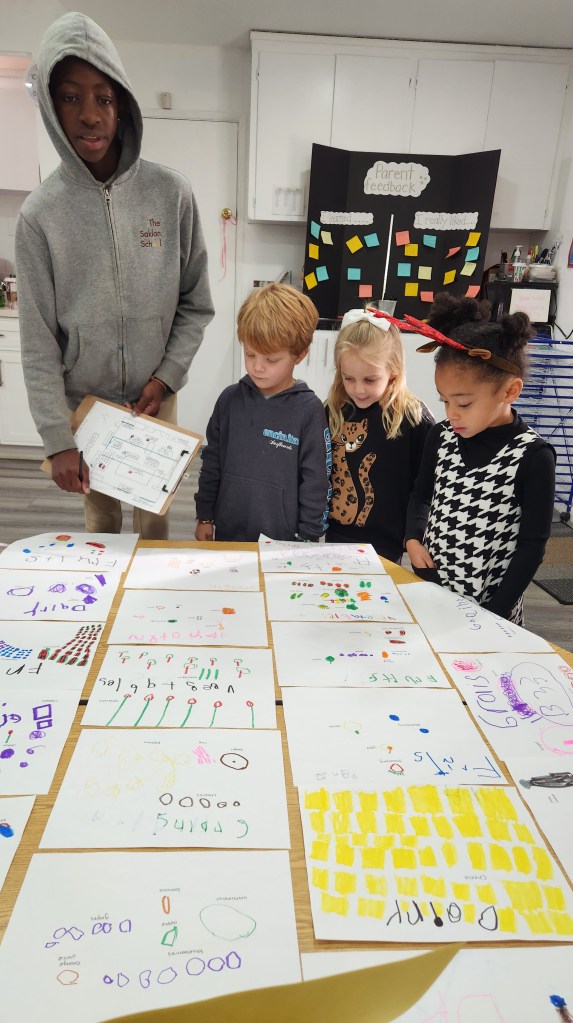
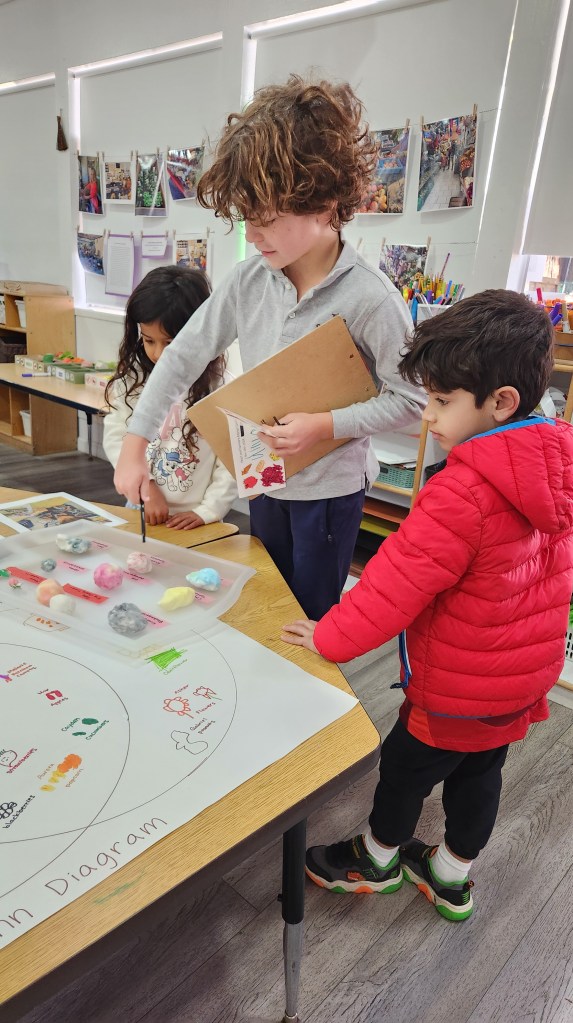
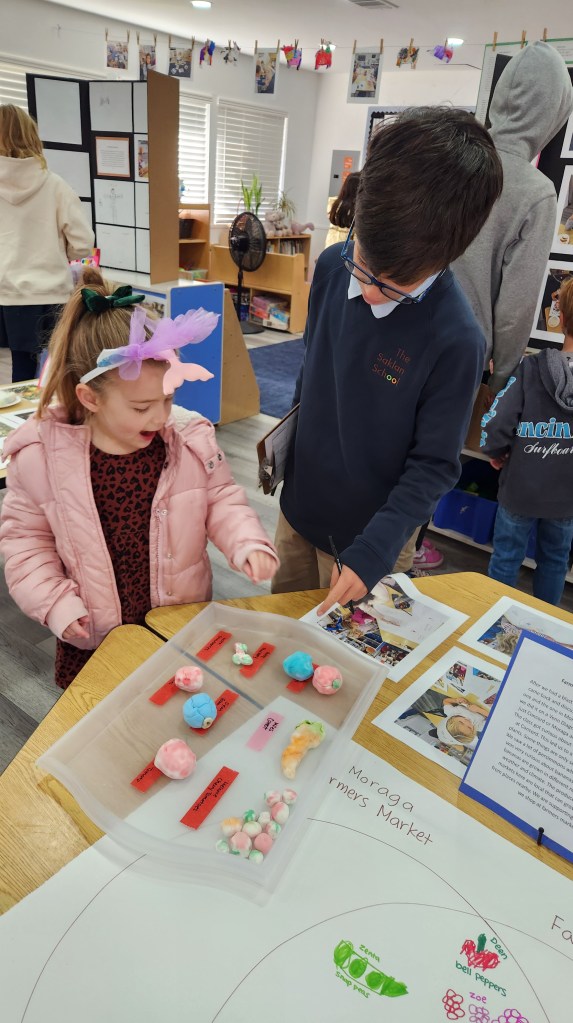
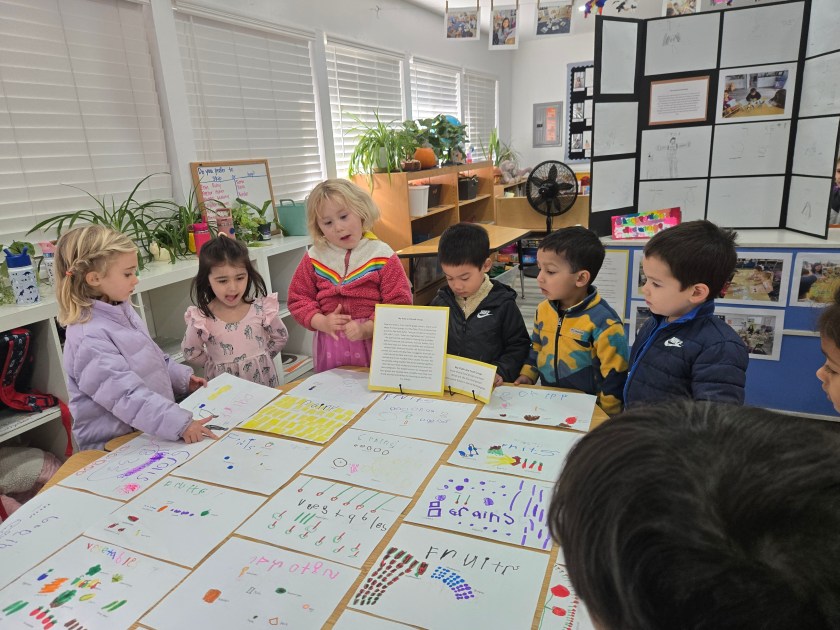
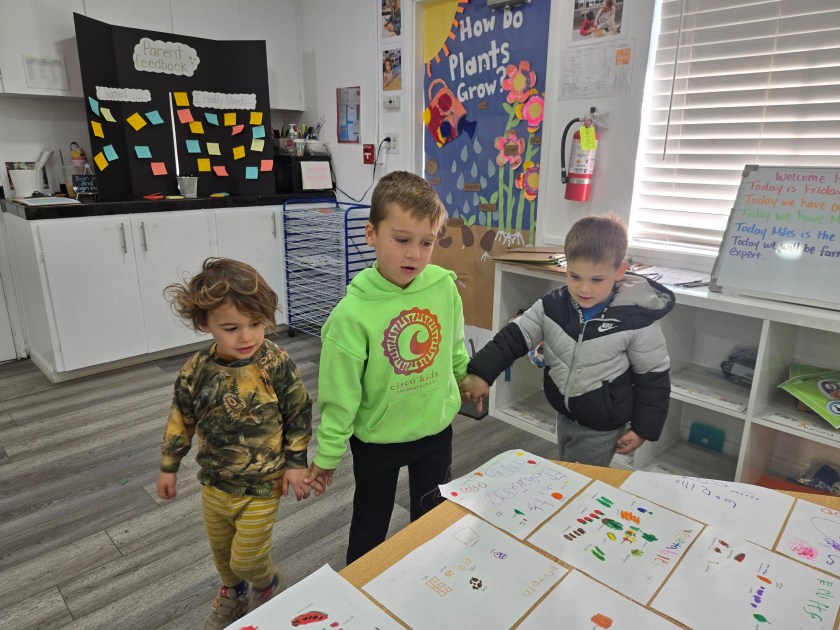
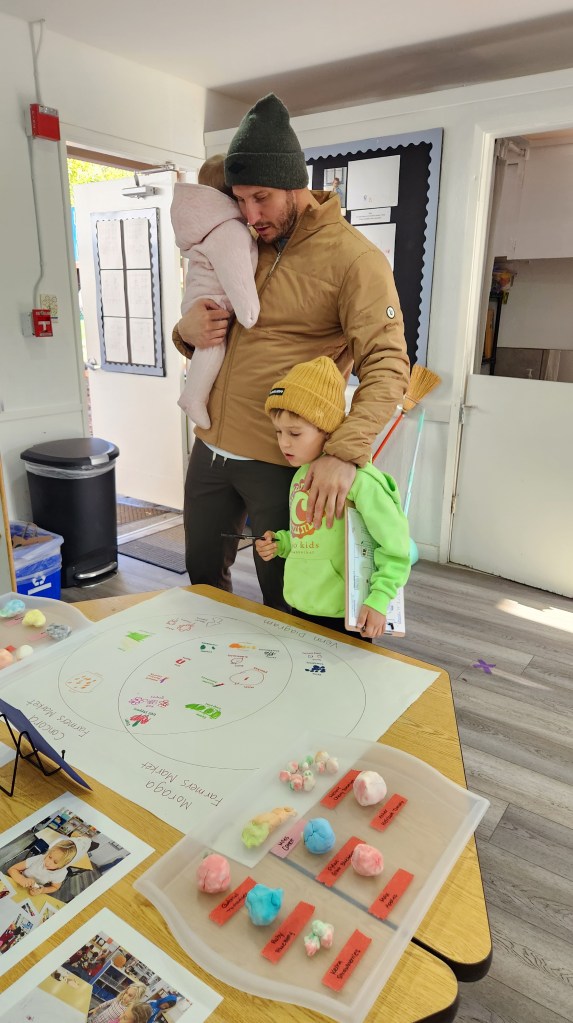
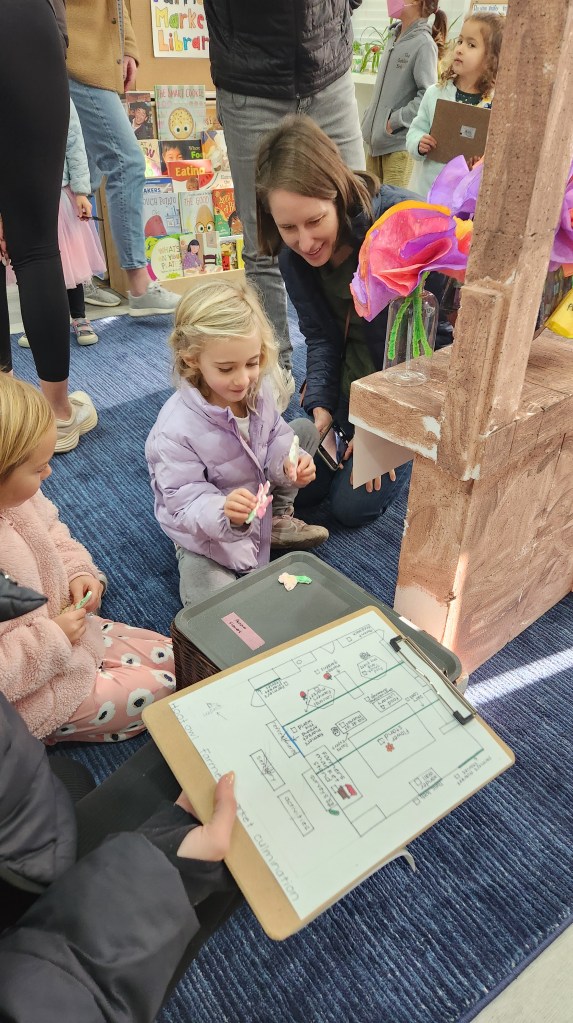
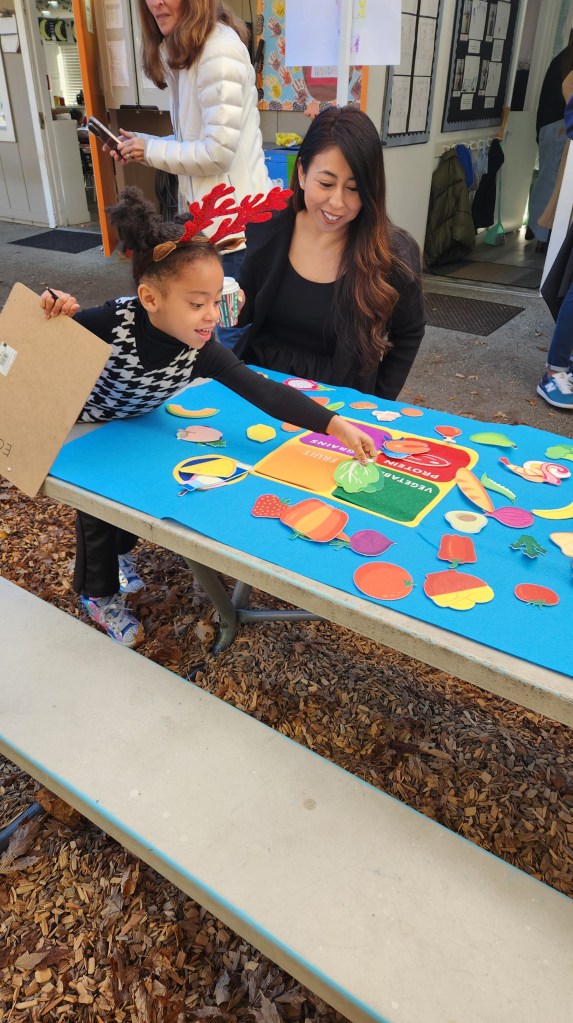
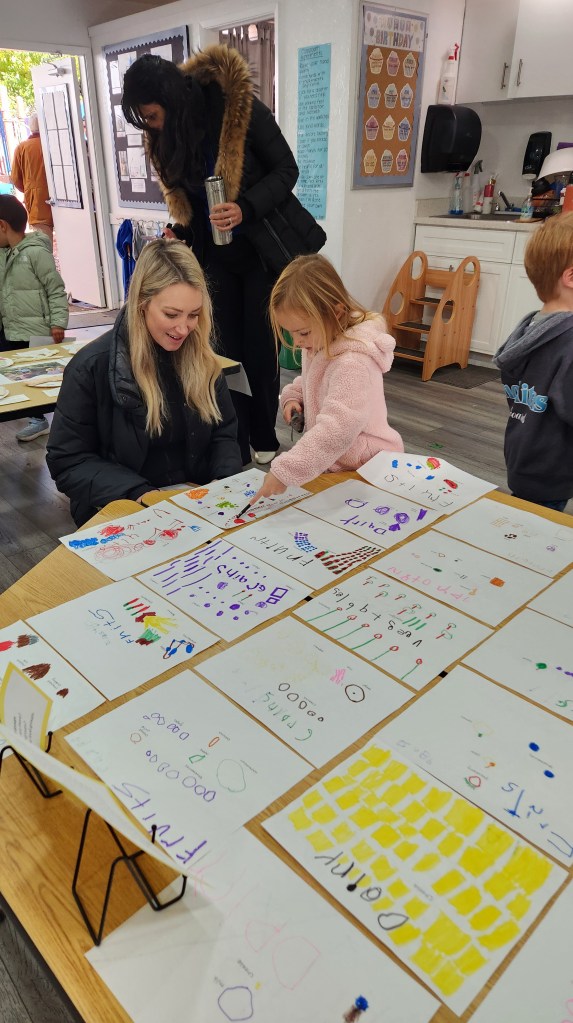
In our Early Childhood Education program, our projects culminate with a public event where students share all the expertise they have gained over the course of the project. It’s a joyful time to celebrate their hard work with family, friends, and other students and staff. It is also a rich opportunity for them to be the experts in the room and develop their speaking and listening skills. Recently our Pre-K (Hoot Owl) class culminated their project unit on farmers’ markets. 

In our lower and middle school projects, products are created for an audience beyond the teacher and students in the classroom. One key aspect of a public product in these divisions is that it must raise the stakes of the work in a meaningful and authentic way. Students aren’t doing something just for the sake of doing it or solely regurgitating information learned from teacher-directed lessons.

Instead, the work students engage in mirrors what adults do in their various career pursuits. After student-led inquiry and teacher guidance to address the content standards, students make or do something that serves some purpose in the Saklan or broader community. Students are creating, educating, or advocating beyond the context of our classrooms. Some examples of recent products that answer the driving question and serve an authentic public purpose are below:

GradeDriving QuestionPublic Product
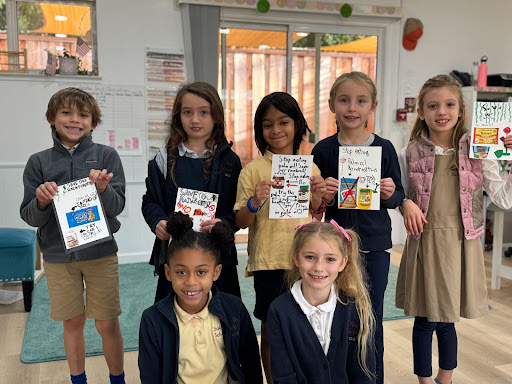
2ndCan animals survive in any habitat?Lunch table mini posters advocating for food swaps that help avoid palm oil. 
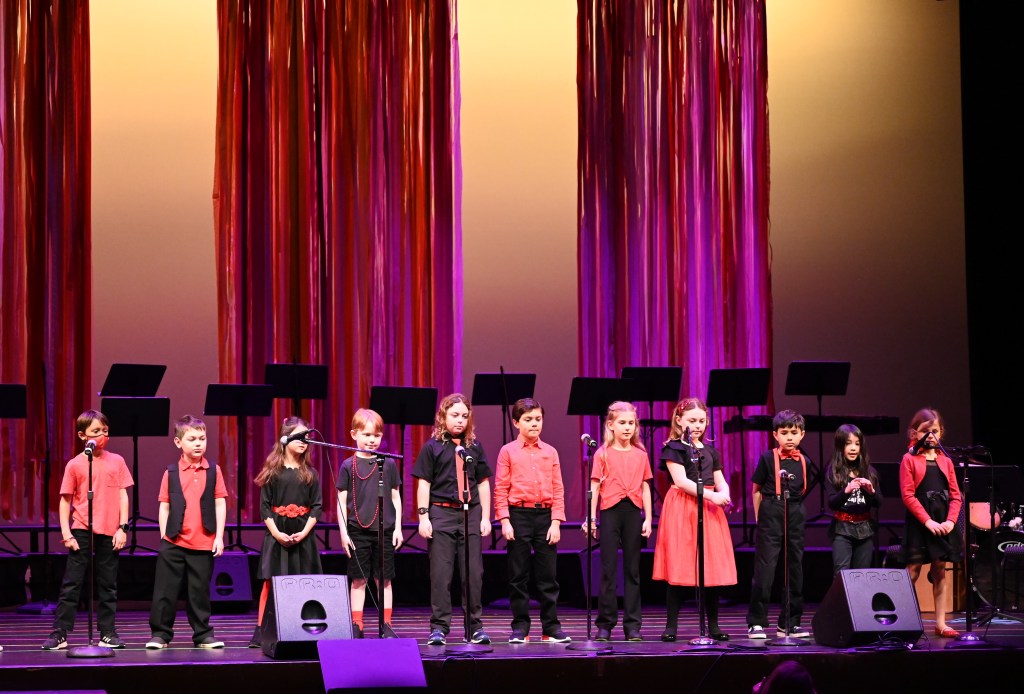
2ndHow can we use color to communicate feelings?Design and creation of the concert backdrop for our Spring Concert at the Lesher Center
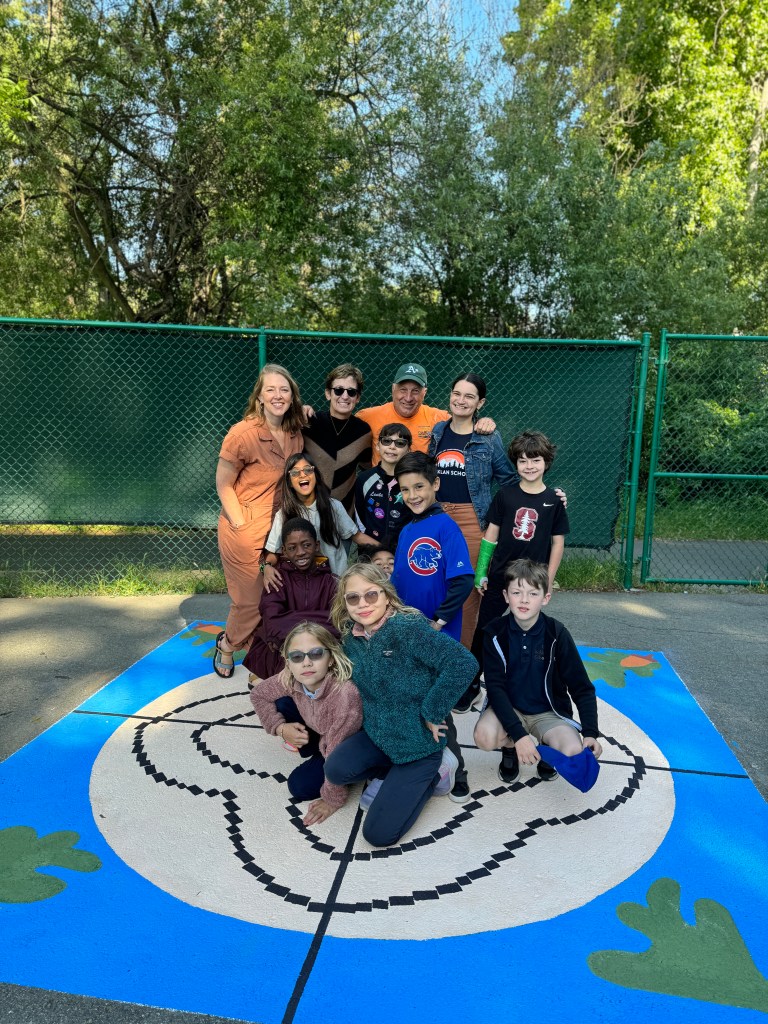
3rdHow can we show respect to the people whose ancestral land our school is on?Research, design, and creation of the hopscotch and four square murals on the sports court to reflect the Saklan Bay Miwok culture.
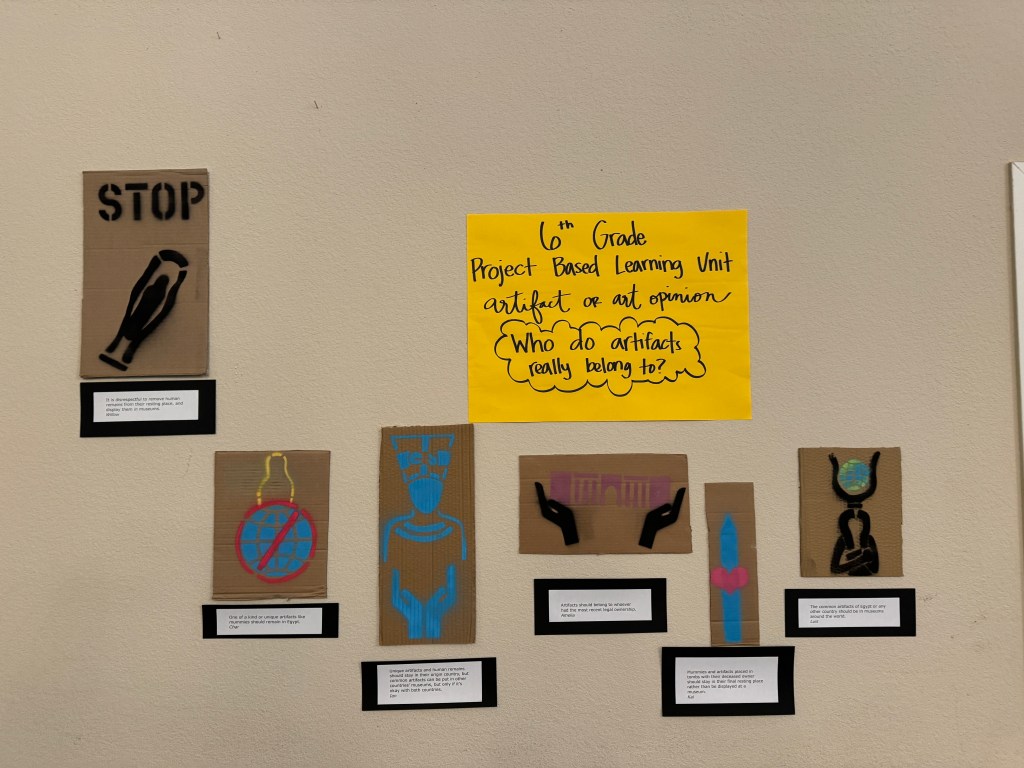
6thWho do artifacts really belong to?Public art graffiti stencils to share options on repatriation of artifacts with the community. 

The final products differ but all include authentic sharing and action beyond our classrooms. At Saklan, students feel a sense of purpose that is hard to replicate in other styles of teaching and learning. This brings the work alive and prepares them for the critical thinking challenges, complex communication needs, and creative problem-solving they will encounter in high school, college, and beyond.

If you’d like to dive deeper into the various design elements of a Project Based Learning (PBL) unit, check out the recording of our October 22nd Saklan Projects! virtual event. And we hope you can join us at our culminating events next week.

Upcoming Project Culminations

  • Preschool (Owlets)- Nocturnal Animals Culmination Celebration at 8:35 a.m. on December 12th
  • Kindergarten- Names Unit Culmination at 8:45 a.m. on Thursday, December 12th

#SaklanProjects

Similar Figures and Scale Factors

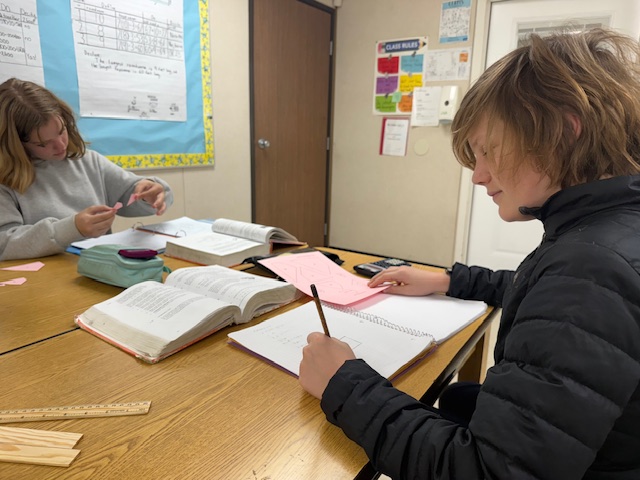
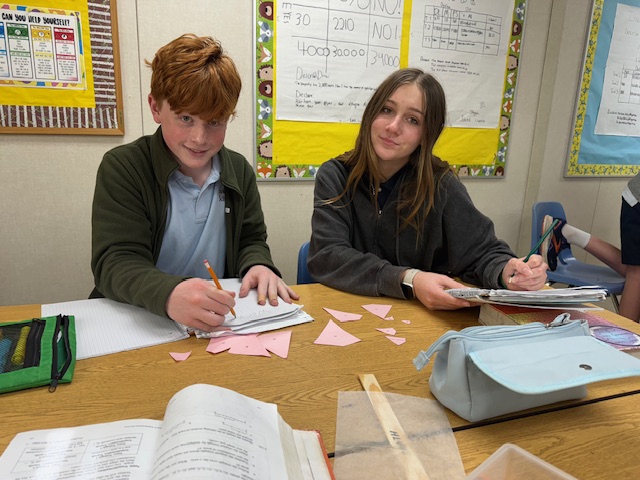
In pre-algebra, seventh-grade students recently learned about similar figures and scale factors. After noticing that when they dilated shapes on a coordinate plane, the angles and shapes were always the same (as long as they multiplied the x and y by the same number), the students began to compare shapes in several different ways. They cut out paper shapes, used tracing paper to compare, and investigated the relationship between corresponding sides.

The seventh-graders found that the ratio of the corresponding sides of two similar shapes could be used as a multiplier to find other unknown parts of the similar shapes. These scale factors were very useful and will continue to be used as they move on to studying area ratios.

#SaklanHandsOn

Plate Tectonics and Natural Forces

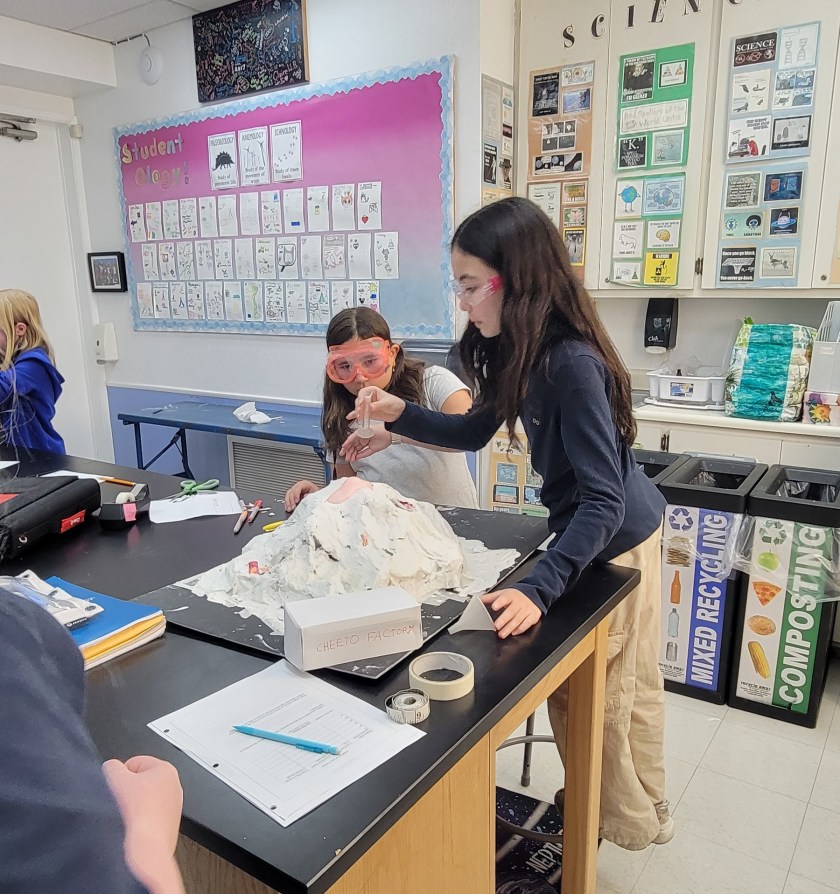
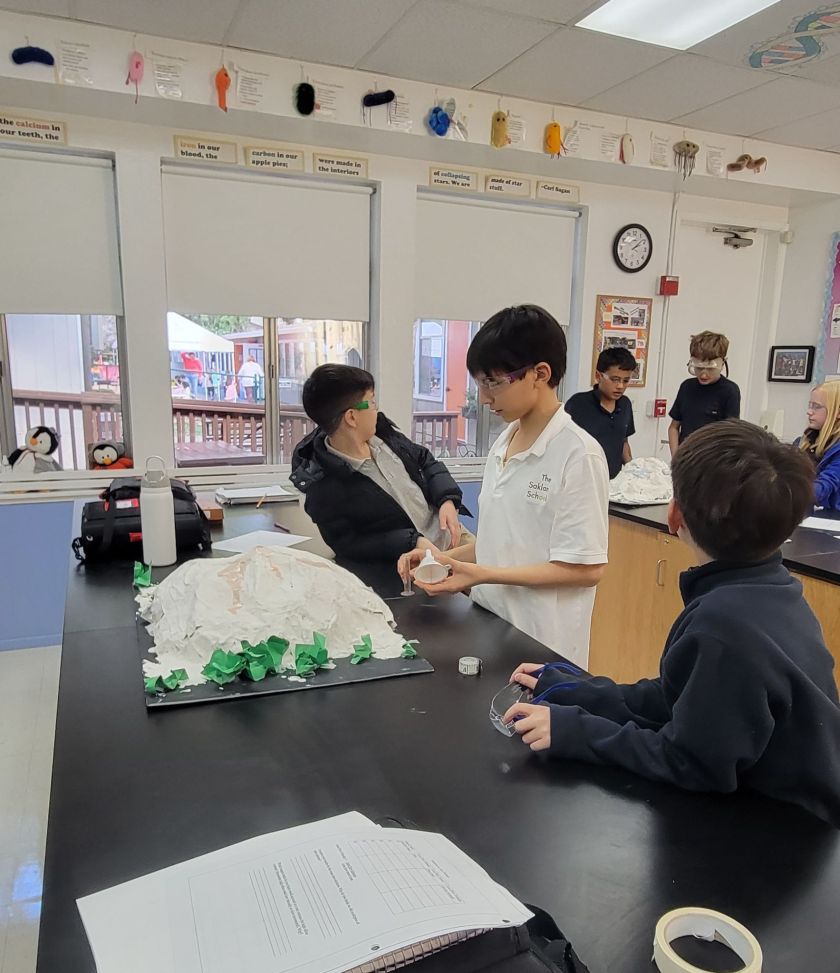
Saklan sixth graders recently dove into the fascinating world of plate tectonics and the powerful forces shaping our planet. They explored how Earth’s tectonic plates float on the molten, magma-filled mantle beneath us, driving some of the most dramatic movements we experience. The students investigated the concept of Pangea—the idea that all continents were once joined as a single landmass—and learned how plate boundaries have caused continents to gradually drift apart, creating the world map we recognize today. They studied divergent plates that push apart, convergent plates that move together, transform faults where plates slide past each other, and subduction zones where one plate moves under another.

Their studies then shifted to what some might call “natural disasters,” though the class viewed them as incredible demonstrations of Earth’s energy. The students examined tsunamis triggered by underwater seismic activity and researched historic earthquakes. They even created their own news reports to illustrate the impact of these events on different cultures and how earthquakes have contributed to the planet’s evolution over recorded time.

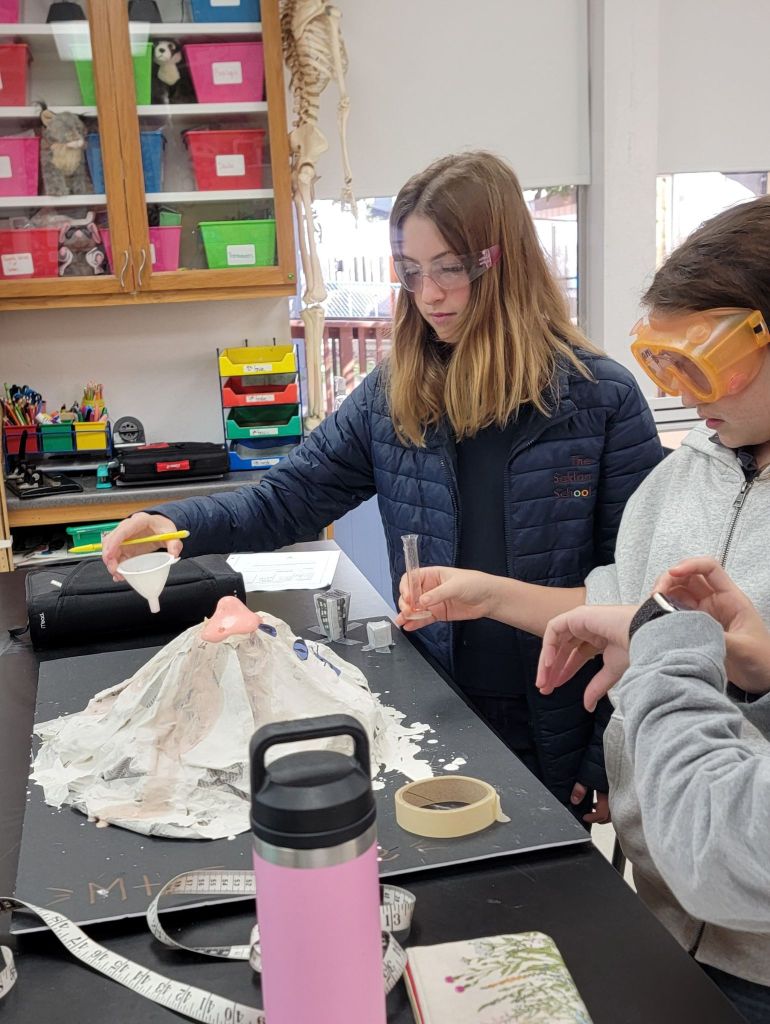
Their exploration of tectonic movement continued with lessons on hot spots and subduction zones, which led to the formation of volcanoes. The sixth graders examined volcanic rocks to understand how scientists determine the type of past volcanic eruptions. Students learned that rocks filled with many holes were formed from lava with high gas content, while rocks without holes contained more silica.

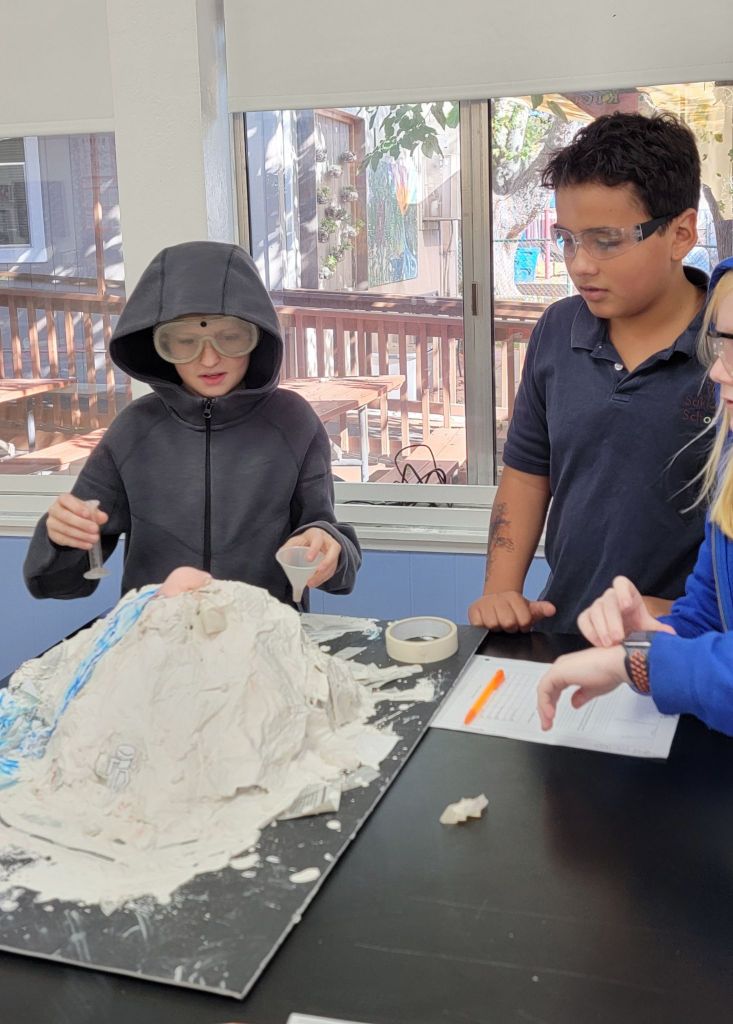
Working in teams, students designed their own volcanoes and experimented with various lava “recipes” to observe different lava flows—some slow and smooth, others fast and bubbly.

#SaklanHandsOn

Bonding in Action

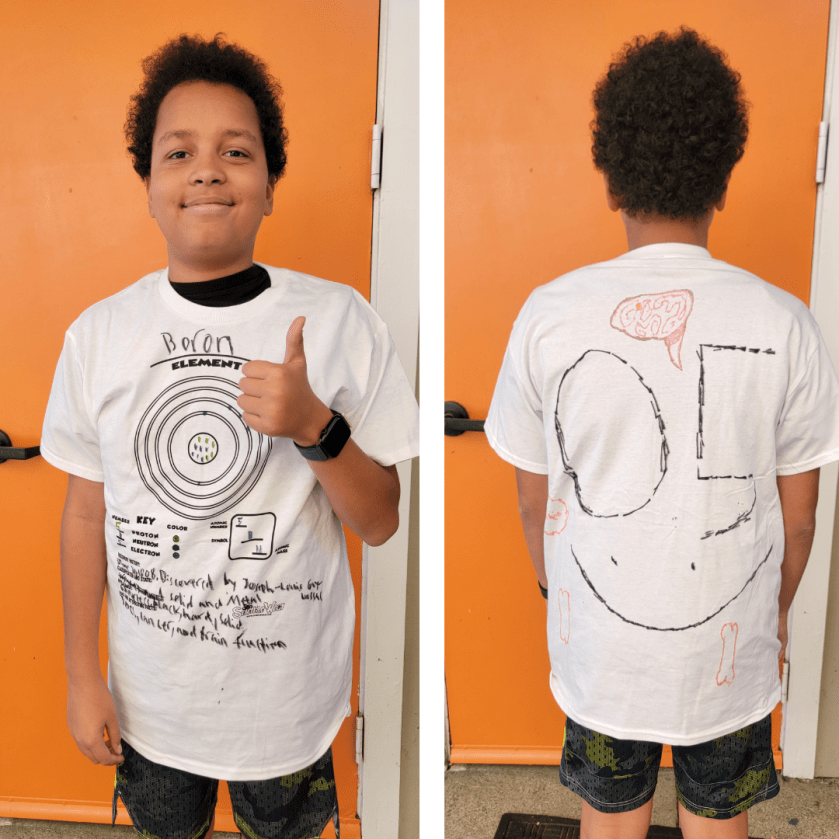
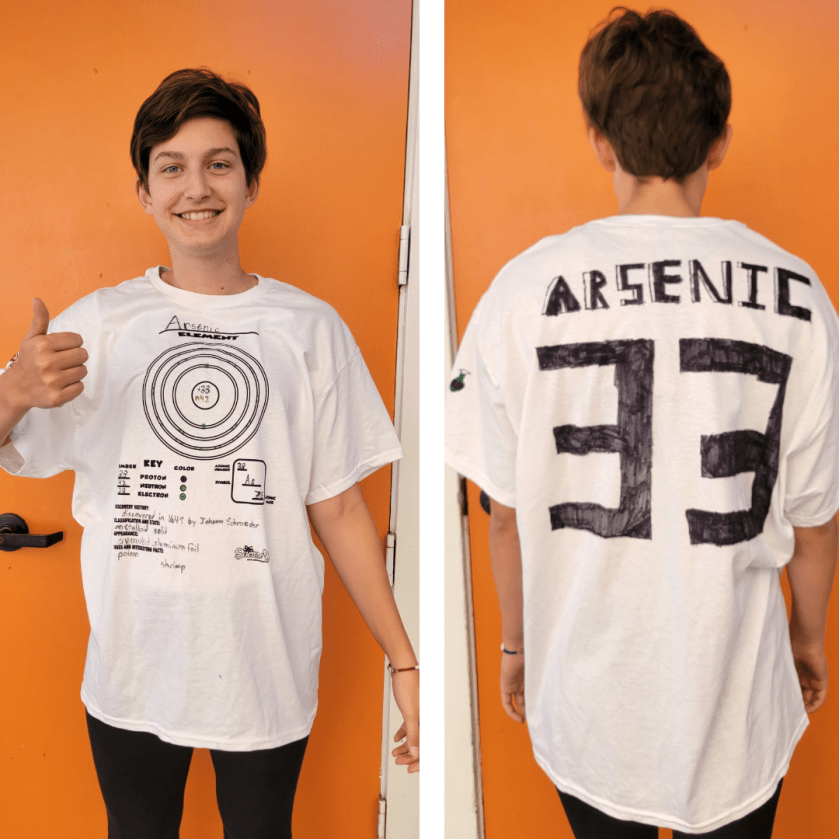
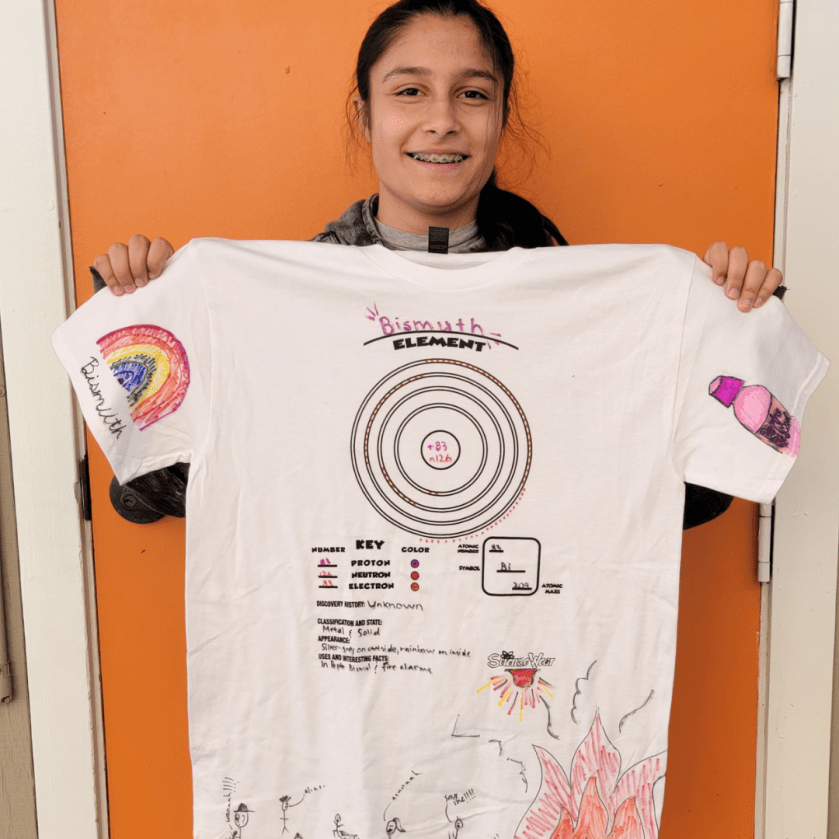
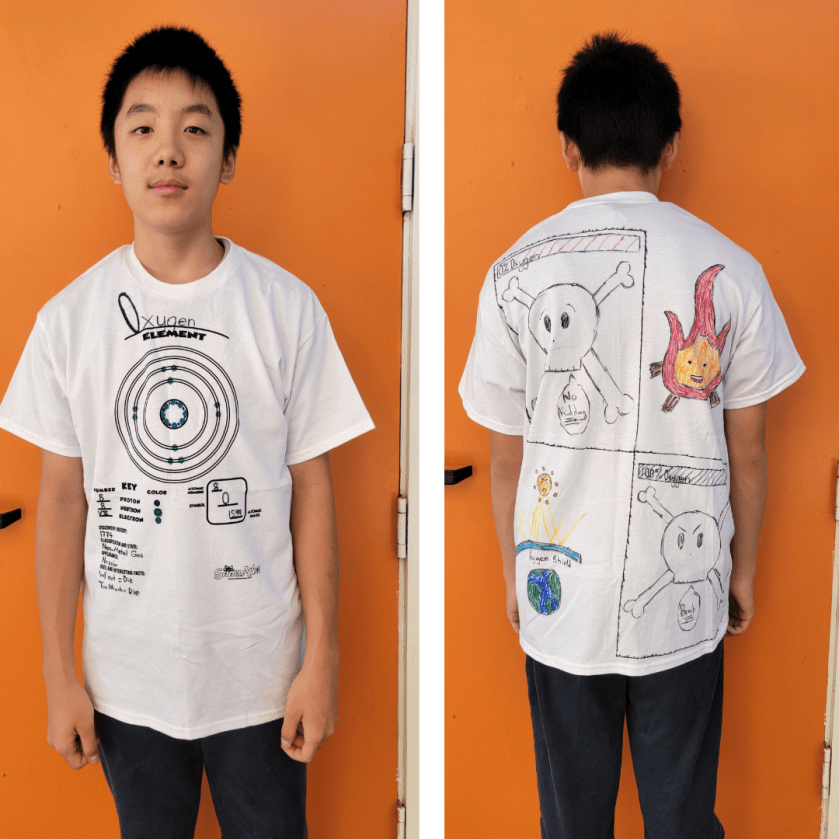
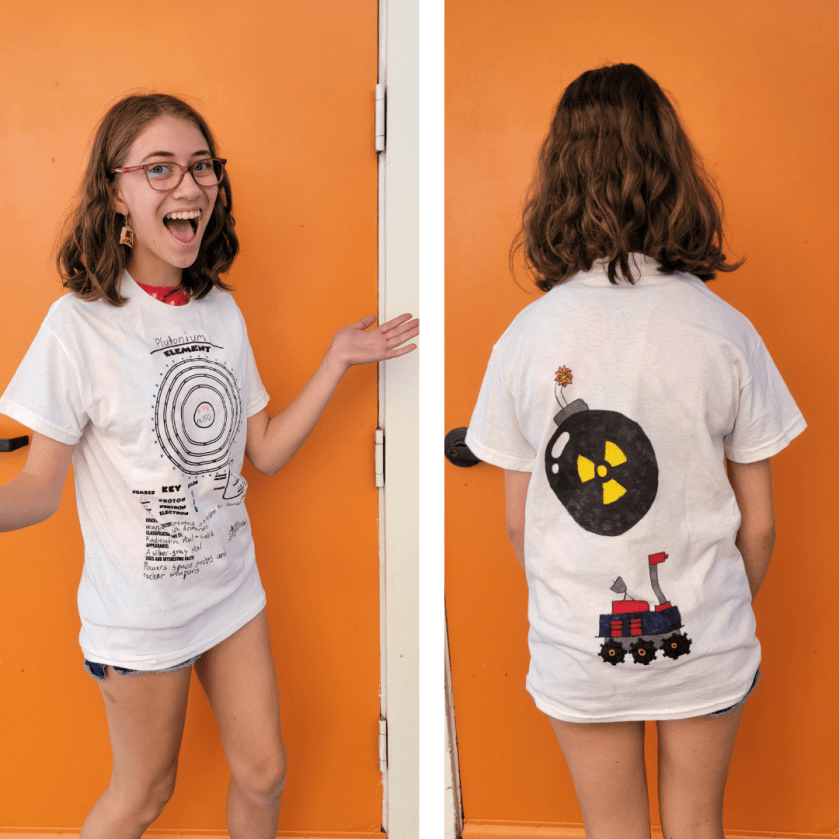
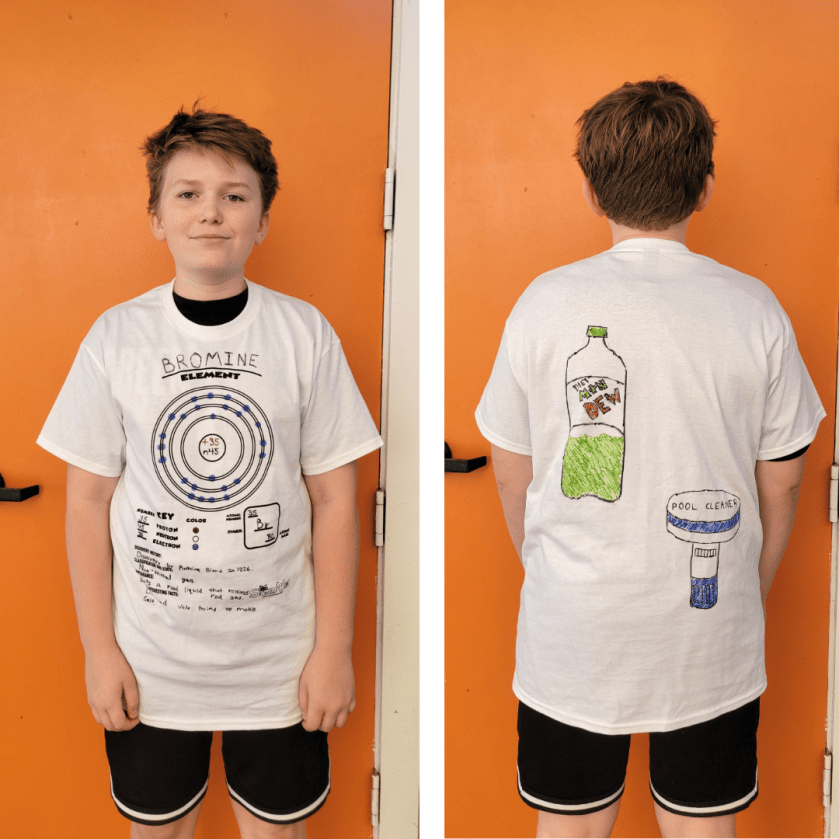
In 8th grade science, students engage in interactive experiments to build a solid knowledge of chemistry. Recently they have been studying chemical bonds. They started exploring ionic and covalent bonds by building on their knowledge of the periodic table and the properties of metals, metalloids, and nonmetals.

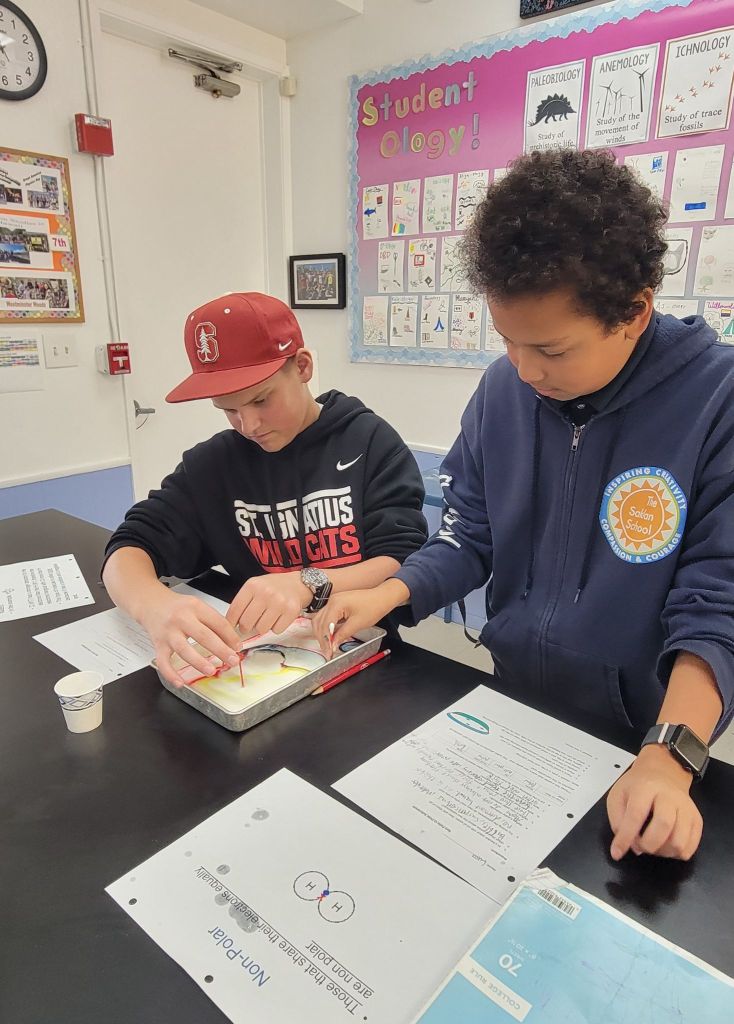
Last week, the eighth graders learned how to identify each type of bond, draw representations, recognize bonding types, and correctly create and name chemical formulas. They also investigated polarity within covalent bonds. In covalent bonds, atoms share electrons to form connections. However, because some atoms have more protons (positive charges) in their nuclei, they can pull these shared electrons more strongly, creating a compound with positive and negative ends—similar to a magnet.

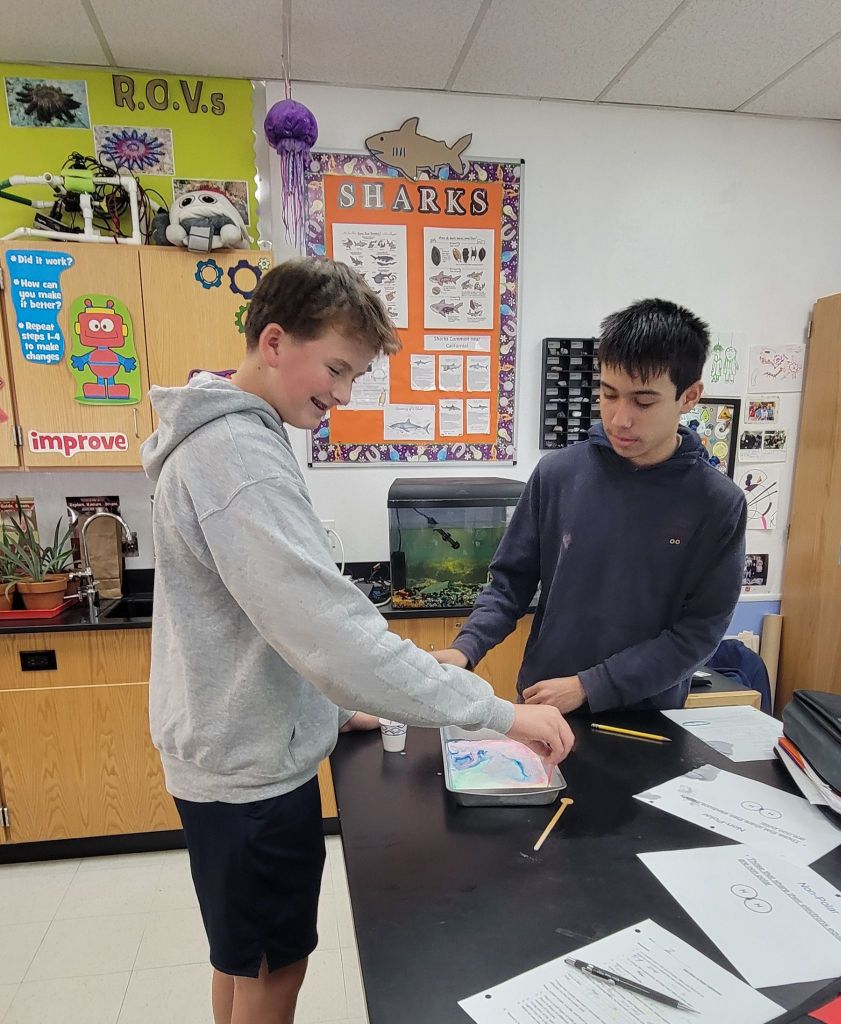
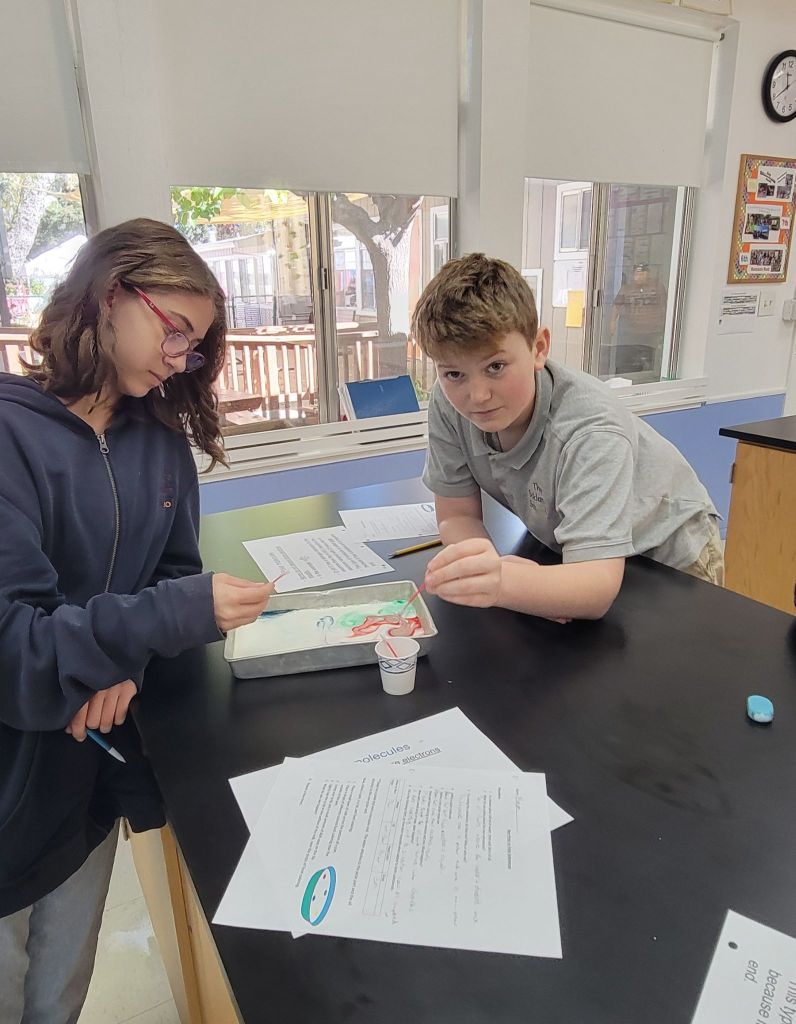
The students used food coloring and milk to help them visualize this concept. Milk contains nonpolar fat molecules, while food coloring is polar. Since polar and nonpolar substances don’t mix easily, adding soap, which has both polar and nonpolar ends, acts like a magnet, pulling the food coloring across the milk, and creating a colorful swirl without stirring. The students were fascinated by this vivid demonstration of polarity in action!

#SaklanHandsOn

Artifact or Art Opinion

The 6th graders recently wrapped up their second milestone in their Project Based Learning unit, Artifact or Art Opinion. The driving question for the unit is, “Who do artifacts really belong to?”

During this unit, students explore arguments for and against the repatriation of Egyptian artifacts. They develop an understanding of museums, the history of archaeological practices, museum bias, perspective taking, and of course, dive into the content standards connected to ancient Egyptian civilization. This year, it has been great fun to add in mini lecture recordings and videos from the Egyptologist that Linda and Vickie traveled with over the summer, too! 

The unit kicked off in early October with an entry event highlighting a modern example of an artifact purchased by the Met that was, in fact, stolen! This helped the class to wonder how do museums end up with the artifacts they have in their collection? They then selected mystery Egyptian artifacts held at museums outside of Egypt to research. Through studying their artifacts, students began to build an understanding of what these artifacts are and why they are important. During their research, the 6th graders learned about ancient Egyptians and started sorting through some of the complexities of each artifact’s provenance. Students learned sometimes it is tricky to get to the bottom of how a museum acquired a particular artifact! 

Recently, the sixth graders met with two experts who helped them start to understand how museum and archaeological practices have changed over time. They visited a small museum in Berkeley at the Pacific School of Religion called the Badè Museum. There, the class met with archaeologist and Museum Director Dr. Aaron Brody to understand the unique history of the collection and their perspective on repatriation.

Sixth graders also zoomed in with archaeologist, Dr. Hannah Wellman, who shared a detailed timeline about changing archaeological practices, mummification, and the impact of context in a museum exhibit.

Students have been working on compiling all their research from the first two milestones into a research paper. After a first draft, teacher conferences, and initial revisions, they participated in a feedback routine called “Big Paper” with the help of David, Emily, and Kim. The 6th graders did a great job providing constructive feedback, glows, and questions to improve each other’s work.

In the final two milestones, students will learn how ancient and modern public art help individuals express their opinions and share their own answers to the driving question with the community. The sixth graders will showcase their work in this project at CLAS on November 22. We hope to see you there! 

#SaklanPBL
Gelatin Printing

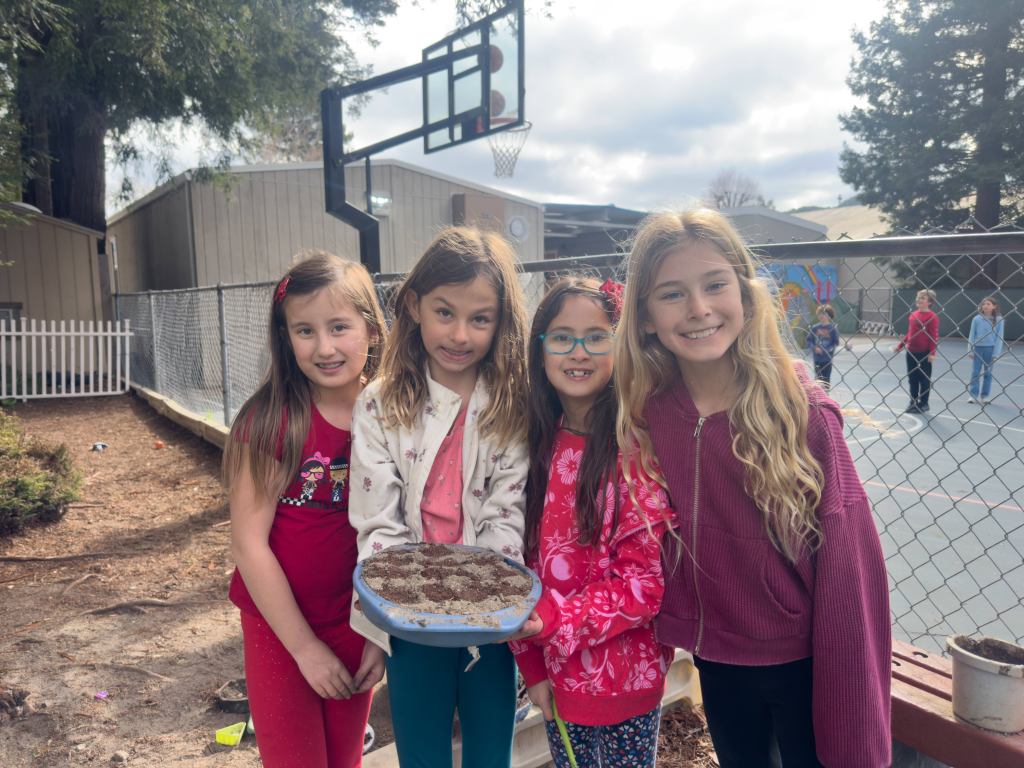
Middle school artists are currently stretching their reflection skills through learning the artform of “gelli-printing.” Gelatin printing is a form of printmaking that uses a flexible, reusable surface to create layered, textured images. Although the process is quite simple when practiced, the many variables of printmaking, such as applying the appropriate amount of ink, rolling it smoothly without creating lines or drying out the ink, and holding and rubbing the print long enough (but not too long), can be challenging to master. To help with this process, students keep a daily log in which they set a goal and then reflect on and record their progress. Each time they set a goal, they review practices to help them achieve it during that class period. 

As part of the unit, students are experimenting with various materials and techniques. For example, students use stencils to mask out areas and found materials, such as leaves, fabric, and string, to create layered textures.

For their final product, students will write a process statement for a single print of their choice. Soon, they will continue the unit by learning a reductive form of printmaking: linoleum block printing. 

#SaklanCreative

Music Electives

As we shared in last week’s blog, middle school students move from a general music education program to an elective program. In addition to choir, students can also choose to participate in instrumental ensemble or music production class.

Instrumental Ensemble

Ensemble musicians start each Tuesday with sight-reading, sharpening their ability to interpret music on the spot. On Thursdays, they listen to and analyze diverse music examples to broaden their musical understanding. The Ensemble also meets every other Friday for small group sectionals, where students focus on specific parts of their repertoire and work on music production projects.

Currently, they are practicing three pieces: The Blue Rock, C-Jam Blues (which explores jazz improvisation), and Twist and Shout. Occasionally, they add variety by playing together with boom whackers and drums, making rehearsals fun and dynamic. This routine helps students build technical skills, collaboration, and creativity in their ensemble playing.

Music Production Class

We began the year in music production class with students becoming familiar with the Soundtrap software, an online platform that allows them to create and edit music collaboratively. With Soundtrap, students can record and mix tracks using a wide variety of built-in instruments, loops, and effects and import their own sounds. Soundtrap also has collaborative tools that allow multiple users to work on the same project simultaneously, much like a Google Doc for music production. It is an excellent starting point for beginners in music production.

Their first few projects include a 3-track composition, a project with a recording of their own voice or instrument, and a challenge of creating digital music to accompany a silent video. Through these hands-on experiences, they learn the technical aspects of music production, such as track layering, sound balancing, and editing effects, while developing their creative expression. In addition to these technical skills, students have been focusing on giving and receiving feedback productively and collaboratively. This process sharpens their musical abilities and fosters communication, teamwork, and problem-solving skills.