Summer Camp Filling Up

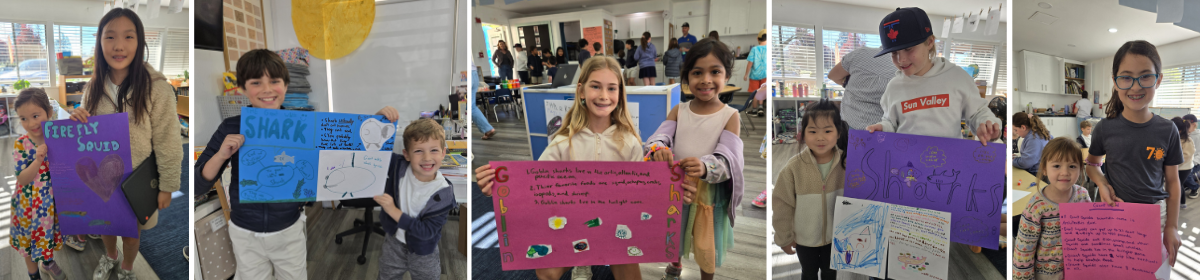
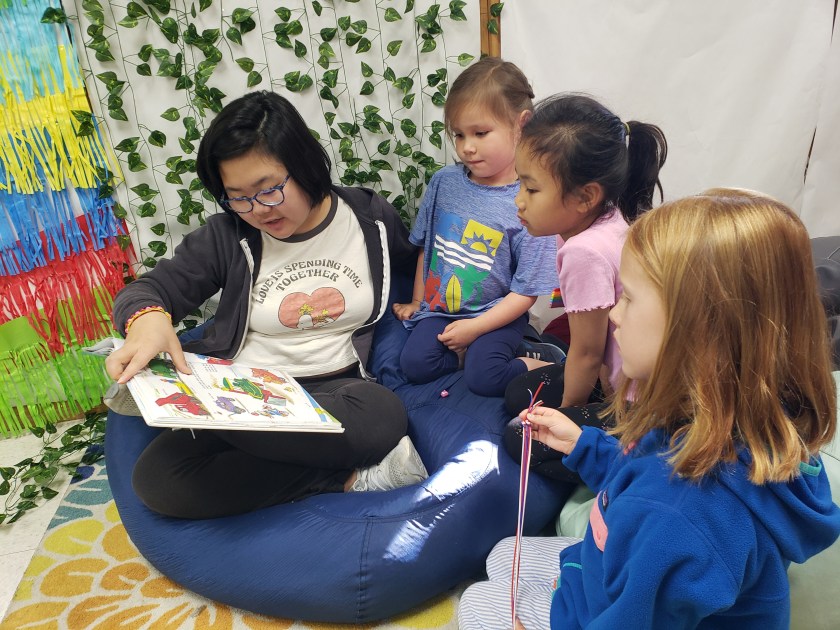
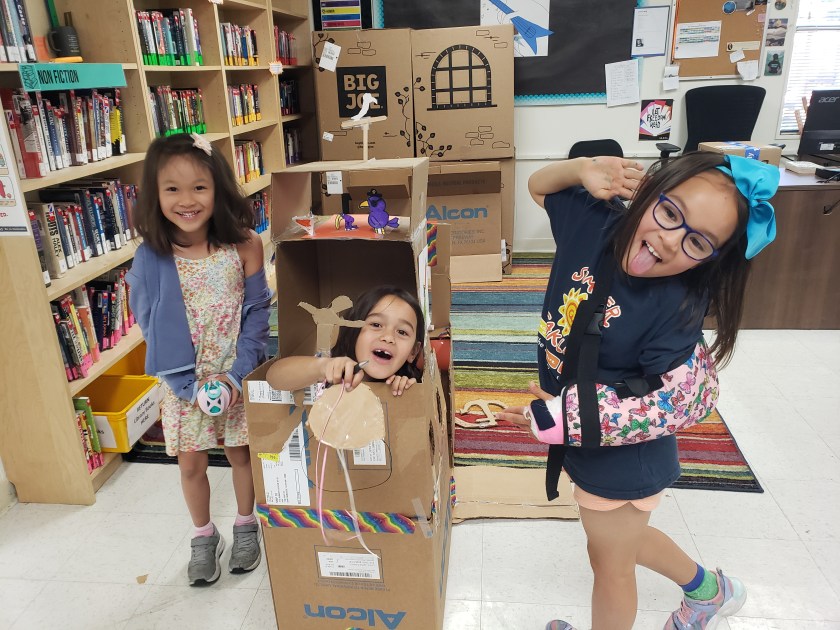
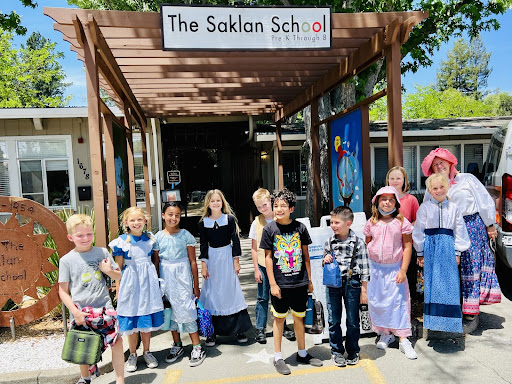
A summer of creative exploration awaits your child this summer during Summer@Saklan! This summer, camp will run in one-week sessions and focus on art and science, offering children the chance to have fun and learn while creating art masterpieces, engaging in exciting science experiments, playing fun games, meeting special guests, and more!

Camps are available on a first-come, first-served basis, and some sessions currently have very limited space left. Don’t delay in registering; use the button below to register your camper today!

#SummerCamp

Head’s Corner: Playgrounds that Inspire

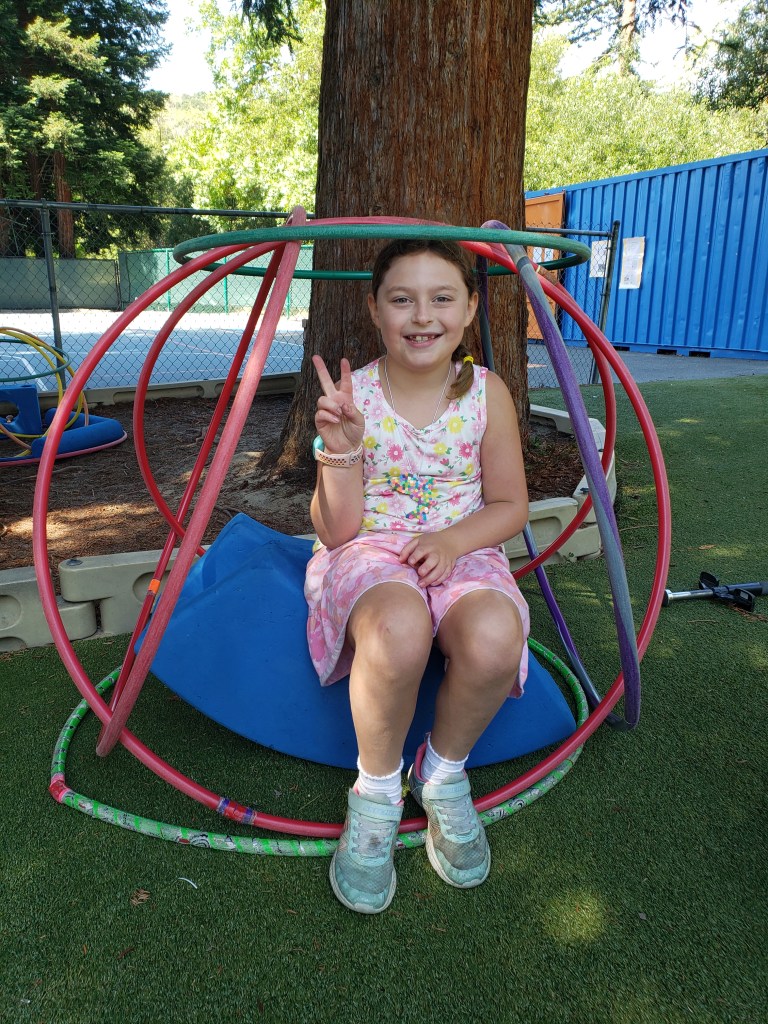
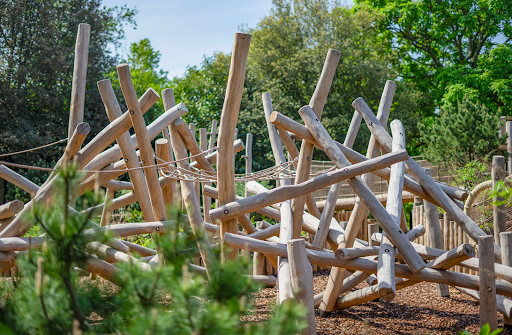
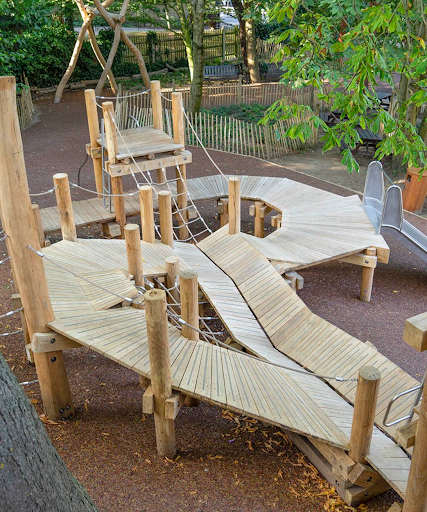
The Evolution of Play Structures – This Year’s Fund-A-Need

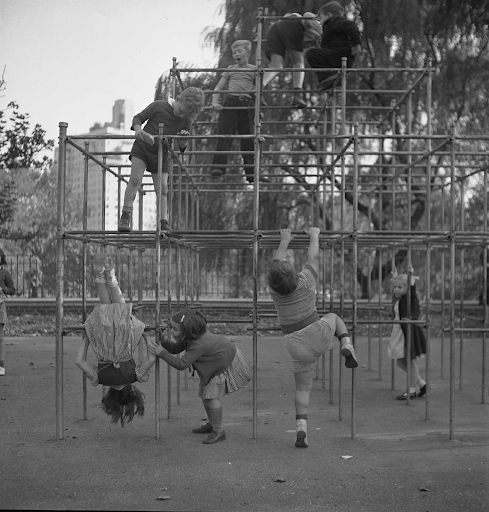
As a child, my memory of play structures at school is pretty vivid. We can start with the color—predominantly metal gray. Much of the parts looked like they were taken from the hardware store plumbing aisle. During the winter, they were cold to the touch; in the heat of summer—untouchable. How many of you have a memory—seared into your bottom—of speeding down the shiny metal slide on a hot July day?

Most of all, though, they lacked space for imagination.

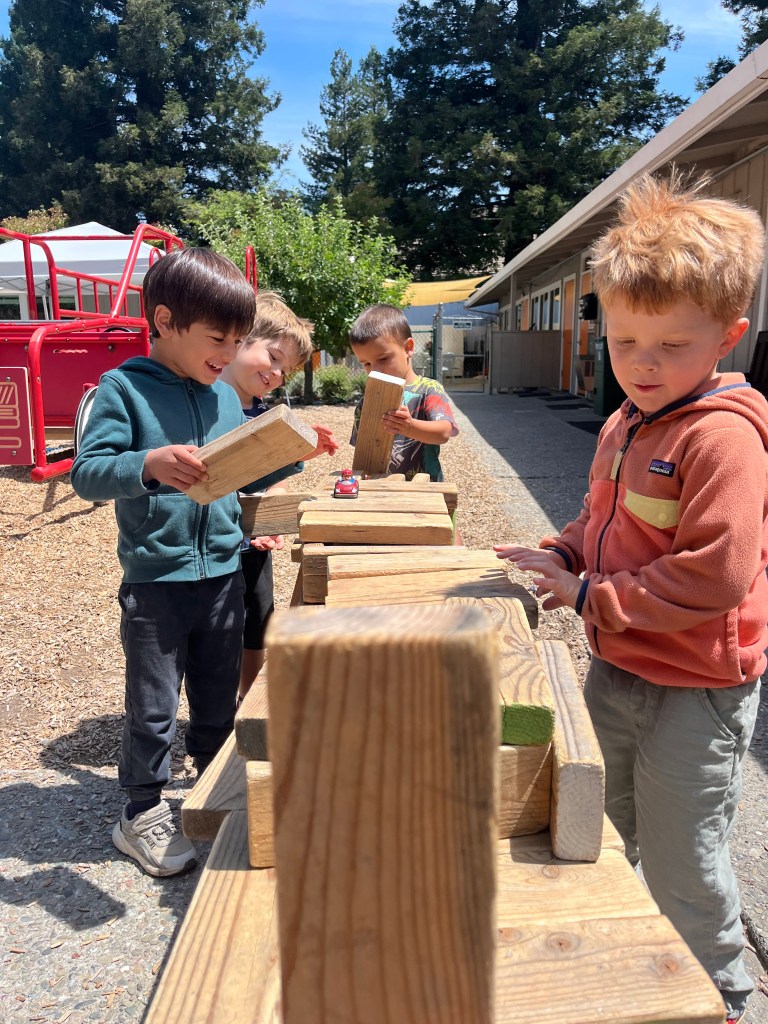
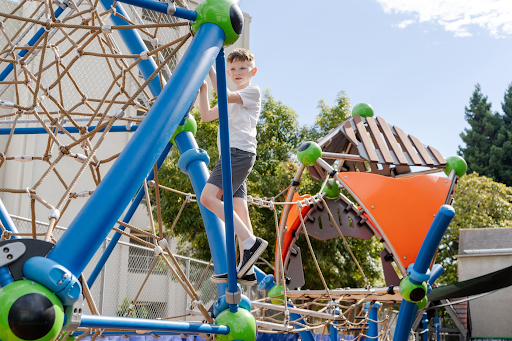
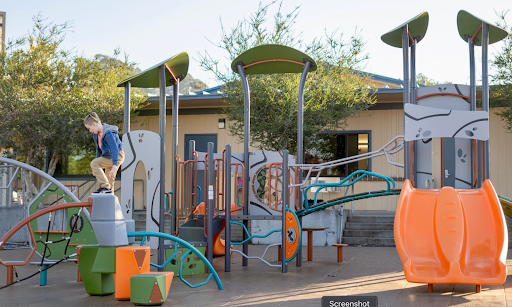
Play structures have undergone a significant transformation over the decades, reflecting our evolving understanding of child development. It wasn’t until the past 20 years or so that play structures moved from being prescriptive in how children were meant to use them to designs open to a child’s imagination—a place where children could direct their own experiences.

Well-designed equipment becomes a canvas for inventive play, changing its purpose to match the day’s adventure. These structures support not just physical development but also cognitive growth, social skills, and emotional resilience—all through the power of self-directed play.

This evolution reflects a broader shift in how we view childhood—moving from seeing children as passive recipients of instruction to recognizing them as active constructors of their own understanding. Today’s most innovative play structures (and educational approaches) reflect a deep respect for children’s capabilities.

Sound familiar? It should; students’ “meaning making” of what they learn is a foundational tenet of authentic Project-Based Learning.

This year’s Fund-a-Need is more than just playground equipment—it’s an investment in the kind of education we believe in. Your contribution will directly impact how our students play, learn, and grow every day at Saklan. When we give our children thoughtfully designed spaces to play, we give them the tools to become the innovative thinkers our world needs through the simple but profound act of play.

Join us in bringing this vision to life! Your support for this year’s Fund-a-Need will help create dynamic play spaces that foster creativity, collaboration, and exploration—just as we do in the classroom. Every contribution, big or small, makes a lasting impact on our students’ daily experiences. Let’s build playgrounds that inspire the next generation of innovators and problem-solvers. Donate today and be a part of shaping the future of play at Saklan!

Developing a Community of PBL Practitioners

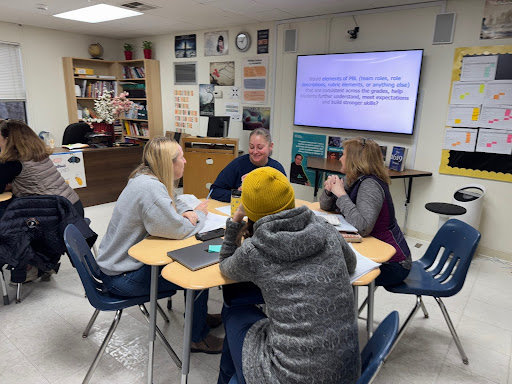
Just like our students engage in productive struggle during Project Based Learning units, Saklan teachers improve our project curriculum through collaboration and reflection. Sometimes, this happens through informal conversations—while waiting at the copy machine or stopping by a colleague’s classroom during a prep period. At other times, our educators come together in more structured settings such as full faculty training sessions, tuning and reflection protocols for project units, and small-group Professional Learning Communities (PLCs). Below are reflections from staff on how these collaborative practices support them in developing strong, impactful PBL units for Saklan students.

Reflection protocols at the end of a unit are a great way to consider how to make a PBL unit better with help from others. They give teachers a chance to step back to look again with objectivity, just like we ask our students to do. The surprising result for me is how excited and motivated I am by this style of reflection. This collaborative approach is really motivating because it is something I could not do on my own.

– Yette Prizeman, 2nd Grade Teacher

I love the tuning protocols because having other people’s ideas helps me improve my projects immensely. Even if I feel like I have a good handle on the driving question, learning goals, project path, and products, during the discussion, things always come up that I didn’t think of. It really proves that more minds in the room means better outcomes. The process also feels very supportive and validating.

– Riva Zippin, Kindergarten Teacher

Taking part in a Professional Learning Community practice this year has made me focus on how to make group work more equitable and how to have the students own their project time. It has given me more tools to help show the students skills to help them work on their own time management. Additionally, I have enjoyed working alongside my coworkers and learning from them. Being in such a small school, it’s hard to find time for these meaningful conversations, and the PLC format allowed time for this discussion. 

– Vickie Obenchain, Science Specialist

In the ECE we work closely together on our units but not usually with Lower School or Middle School staff as much. The PLC groups help paint a clearer picture of what is happening in other classrooms and share ideas.

– Erin DeMoss, ECE Teacher

Working in a cross-divisional PLC small group focused on rubrics allowed us to imagine ways we can align rubrics across grade levels. Each year, the students can focus more on the content and less on the format of a rubric, which increases student independence and self-monitoring of learning. A format to share resources and talk together as teachers about ways to improve our assessment is door-opening. Discussions with colleagues open a new realm of understanding the experiences, successes, and hurdles of different teachers across divisions.

– Lauren Haberly, Art Specialist

These reflections highlight how a culture of collaboration and continuous improvement not only strengthens our PBL curriculum but also builds a vibrant professional community—one where educators grow together to create meaningful, student-centered learning experiences.

#SaklanPBL

Alumni Corner: Harrison Leenhouts

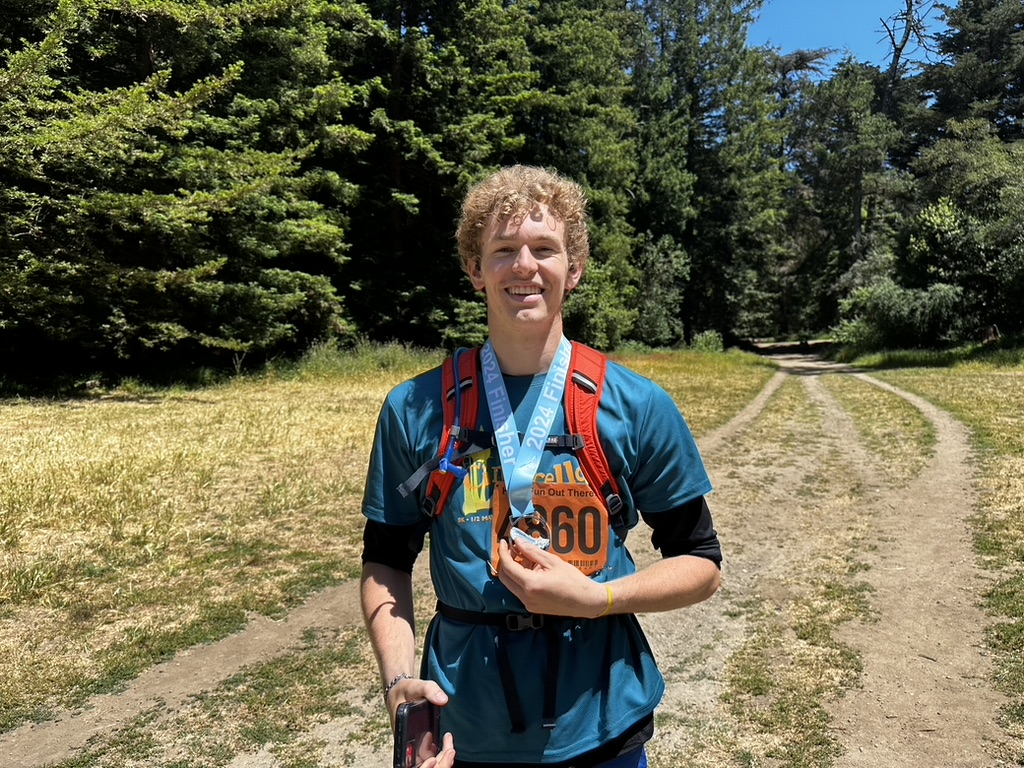
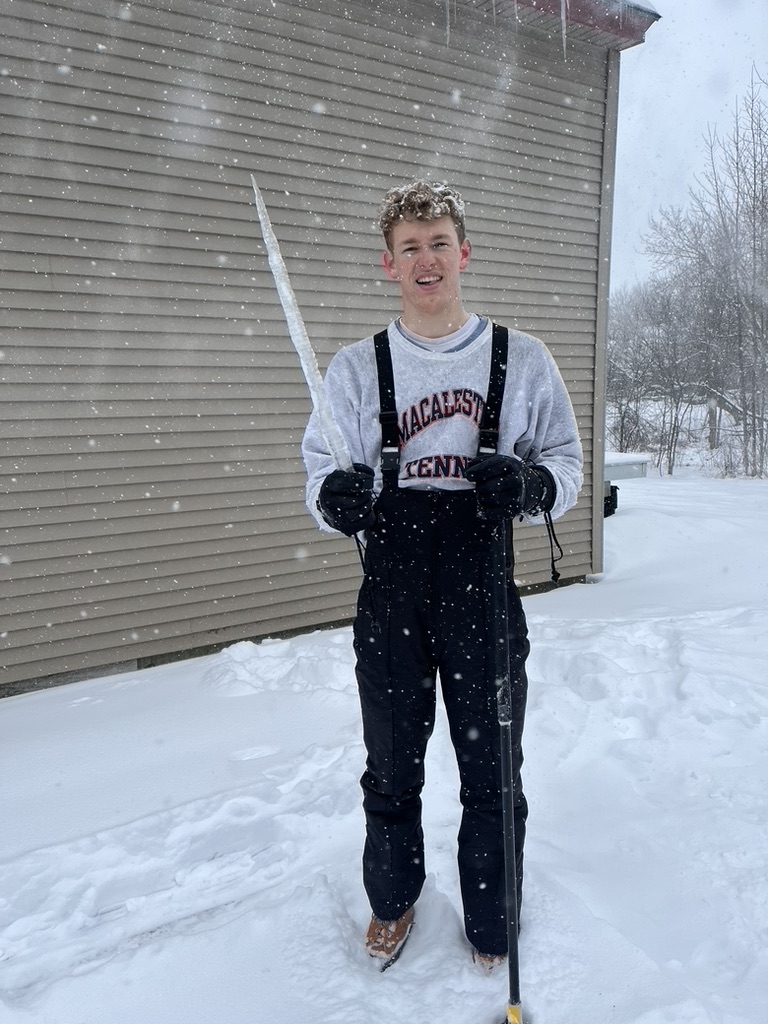
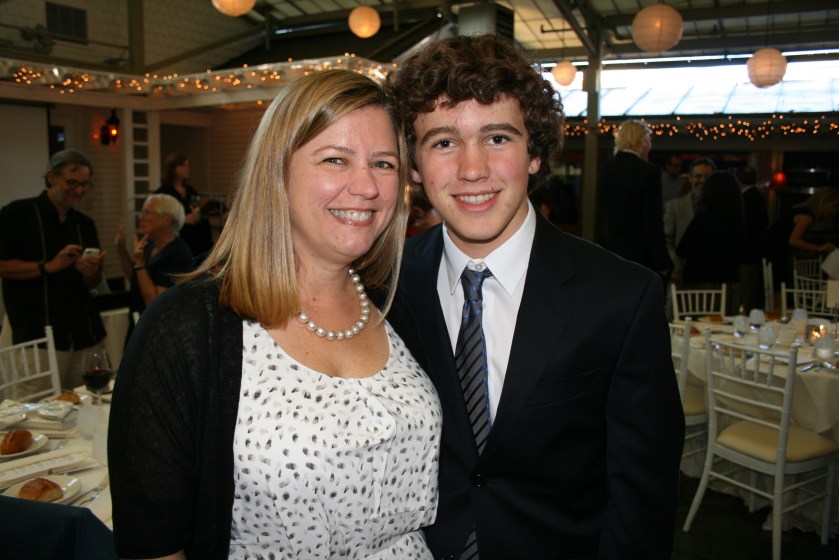
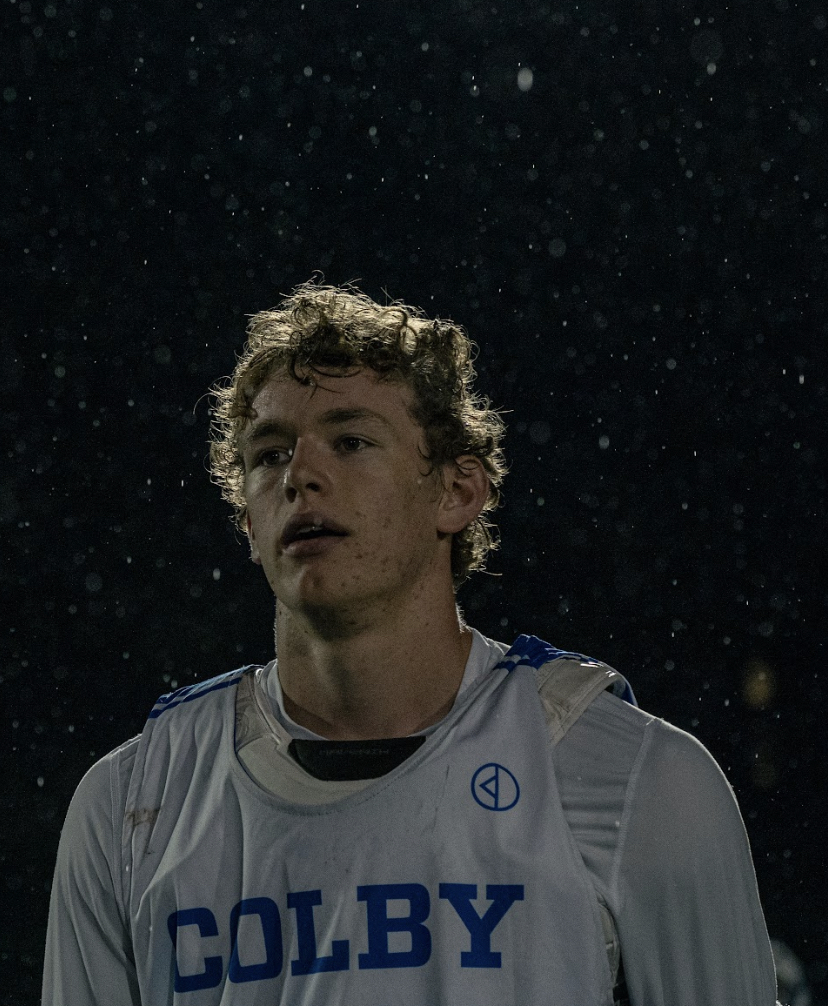
Harrison Leenhouts, a member of the Saklan Class of 2019, is currently a sophomore at Colby College, double majoring in Philosophy and Economics with a concentration in financial markets. He shared that he continues to rely on the core values he learned at Saklan—curiosity, courage, and community—principles that have shaped both his academic and personal growth.

At Colby, Harrison balances his studies with athletics as a recruited member of the varsity men’s lacrosse team while also staying active with the club climbing team. His interest in finance has led him to join two student-run investment clubs, where he has gained valuable real-world investing experience. Beyond academics and sports, he enjoys rock climbing, spinning pottery, and teaching himself Dari—a language he has been fascinated by for some time.

Recently, Harrison accepted an offer to join Goldman Sachs’ growth equity team in New York as a summer intern for 2026. This achievement marks the culmination of years of hard work, perseverance, and dedication, and he is thrilled for the opportunities ahead.

Reflecting on his journey, Harrison credits Saklan with helping him develop the ability to work collaboratively, stay adaptable, and push through challenges—skills that continue to serve him well today. He is grateful for the strong foundation Saklan provided and looks forward to the next chapter in his career.

We are incredibly proud of Harrison and celebrate his accomplishments, knowing he will continue to make a meaningful impact in all he pursues!

Saklan loves staying connected with our alumni and celebrating their journeys! If you or a Saklan alum in your family have an update to share, we’d love to hear it! Keep us posted on your adventures, achievements, and milestones—we’re always proud to see where life takes our graduates!

Taking on Invasive Species

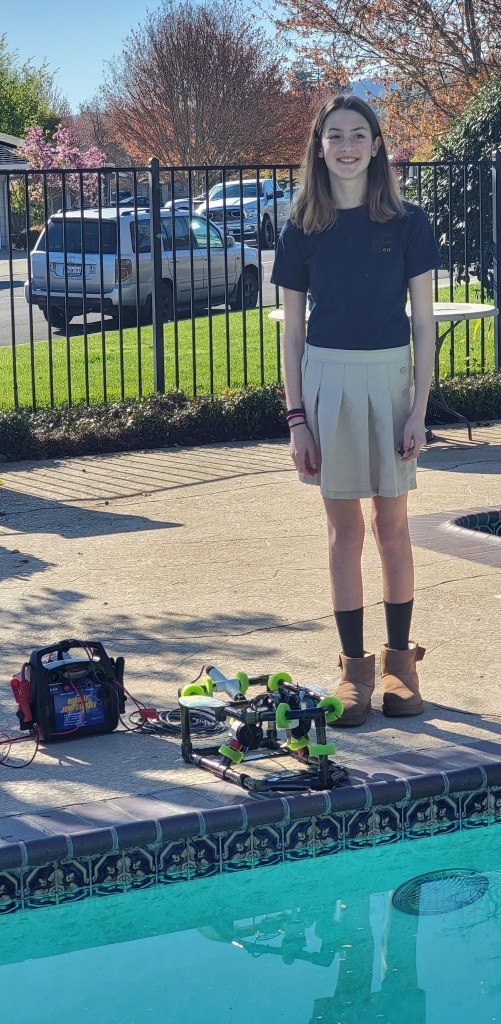
As part of the sixth-grade earth science curriculum, the students learned about how pests and invasive species can affect an ecosystem. One species they focused on was the Crown of Thorns (COT) sea star. They learned how the sea star’s fast reproduction and limited predators on the Great Barrier Reef are creating quite a problem for that precious ecosystem. The COTs eat the algae in the coral, which is causing the coral to die at rapid rates. Students then learned how scientists are using Remote Operated Vehicles (ROVs) to learn to identify and inject vinegar into the COTs. The vinegar dissolves them from the inside out. These ROVs can work 24 hours a day in all kinds of weather conditions. 

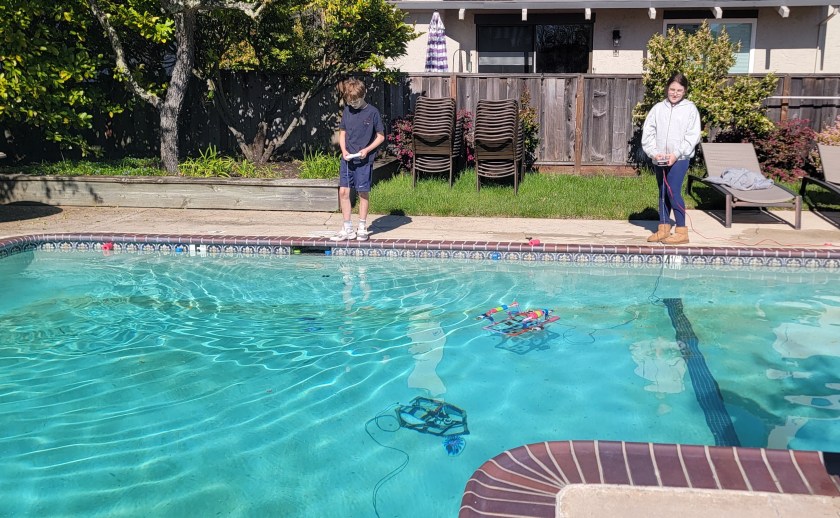
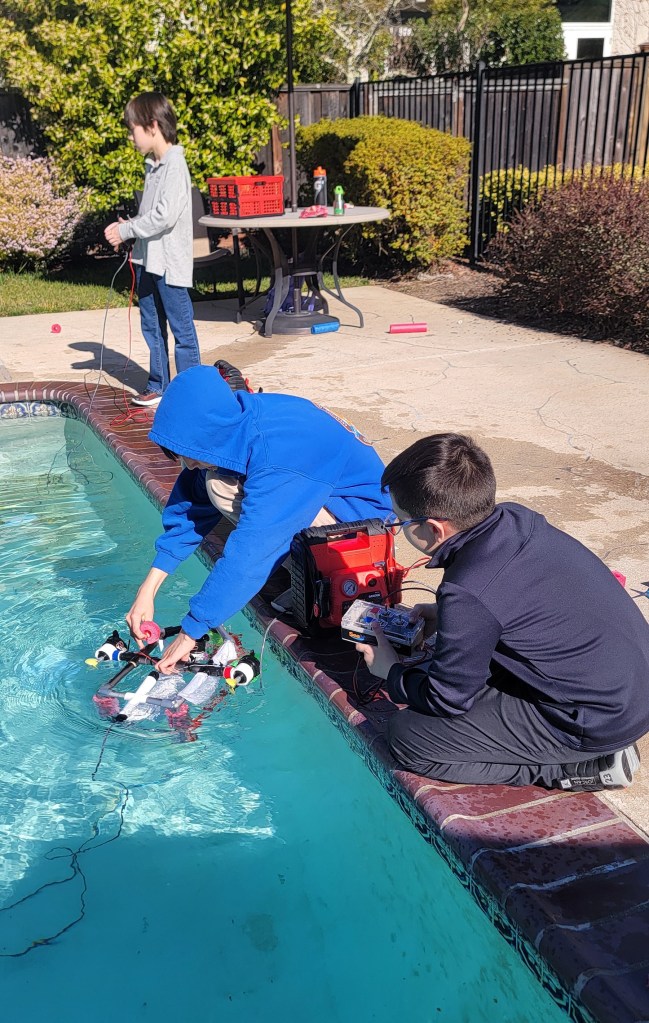
Ms. O had the 6th-grade students team up to create their own ROVs. With a grant from National Geographic Education, the students were able to use SeaMate Angelfish ROVs to simulate the work of the scientists out on the reef. The students had to design a frame, add motors, learn how to work their control box, and decorate their ROV.

With the ROVs completed, the students were given the challenge of collecting COT’s from the local MCC Augusta Pool. Students had to figure out how to maneuver their ROV and remove the imitation COTs from the pool.

It was amazing to see the engineering and design process happening while the students took the role of scientists. 

#SaklanHandsOn
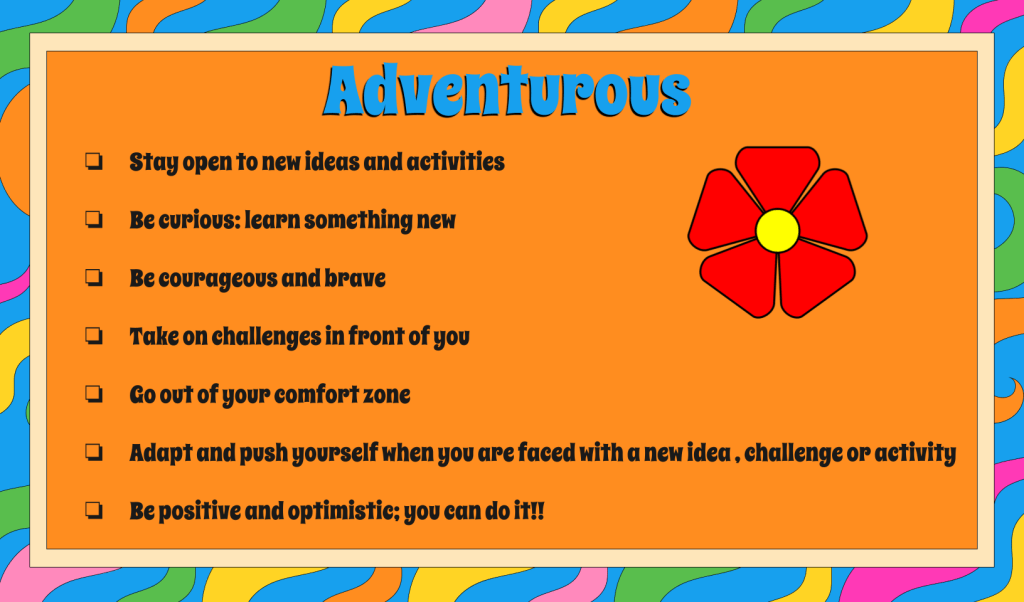
April SEL: Adventurous

At Saklan, we encourage our students—and ourselves—to approach each day with an adventurous spirit. The willingness to embrace the unknown and step outside our comfort zones can lead to some of the most rewarding experiences. To help us all practice taking on adventure, during April, our social-emotional learning focus is on being adventurous!
Ritzy Auction Items!

Ritzy auction items make for a hotsy-totsy auction! A huge THANK YOU to the following organizations and families for their in-kind donations received in support of Saklan’s upcoming 70th Anniversary Gala & Auction:

A Higher Perspective
Aloha Pediatric Dentistry
The Altman Family
Balletto Vineyards
Bay Area Discovery Museum
Blackhawk Museum
Blick Art Materials
The BroBasket
Cal Athletics
Canyon Club Brewery
Charles M. Schulz Museum
Cheese Board Collective
Children’s Museum of Sonoma County
Crocker Art Museum
CryoBahr
CuriOdyssey
The Dodd Family
Europa Hofbrau
Exploratorium
Fairmont Sonoma Mission Inn & Spa
Five Little Monkeys
Gardens of Golden Gate Park
GoldenBug
GourmetGiftsBaskets.Com
Marge and Steve Graham
Joanne Haukland
The Hill Family
Hiller Aviation Museum
In-N-Out Burger
Iron Hub Winery
Joy in Motion
The Kufluk Family
La Note Restaurant
The Lacrampe Family
Lafayette Park Hotel
Lamorinda Music
The Lawrence Hall of Science
Lindsay Wildlife Experience
Loard’s Ice Cream
Darla Lovrin
Museum of Craft & Design
Niku Steakhouse
Nothing Bundt Cakes
Oakland Ballers
Oakland Zoo
OMCA
Orchard Nursery
Oriental Trading Company
The Osborn Family
Ben & Ronnie Patterson
Pump It Up
Raising Cane’s
Rebel Art School
RÊVE Bistro
San Francisco Museum of Modern Art
San Francisco Zoo
Santa Cruz Museum of Natural History
Schumacher Photography
Si Si Caffe
Six Flags Discovery Kingdom
Six Flags Hurricane Harbor
Soulful Photography
The Spicer-Youakim Family
SusieCakes
Tahoe Donner
Thrive Market
Tipsy Putt
Total Wine & More
Urban Adventure Camps
Urban Air
VJB Cellars
Walt Disney Family Museum
Wellington Cellars
The Woodward Family
Yoga with Amy

Items from these donors, as well as uniquely Saklan experiences, will be open for bidding during Saklan’s 70th Anniversary Gala & Auction on Saturday, April 26th. This adults-only shindig is a roaring good time to toast our vibrant Saklan community while throwing some clams behind its ongoing success. Funds raised from the event support our top-notch programs like field experiences, guest experts, Project Based Learning, family groups, and primo training for our wonderful teachers.

Last Call for Auction Items

Saklan’s Auction Committee is on the hunt for a few more razzle-dazzle auction items to make this year’s auction the real McCoy! Here’s the skinny on what we need to bring the excitement and rake in the dough:

  • Vacation Homes – Do you have or know someone with a vacation property, timeshare or other access to destination properties?
  • Unique Experiences – Do you have a connection to something unavailable to the general public? Think Club 33, behind-the-scenes tours, throwing out the first pitch, dinner with someone famous, or an opportunity to sit in an owner’s box.
  • Event Tickets – Do you have season passes for the Giants, Warriors, theatre, symphony, or live music venues?
  • Luxury Items – Artwork, handbags, jewelry, etc.
  • Adventure Experiences – Hot air ballooning, horseback riding, and cooking classes are always popular items.
  • Wine – Do you belong to a winery and have a few extra bottles of your favorite Cab you would be willing to part with for a good cause?
  • Gift Cards – Your unused gift cards can enhance a basket of themed goods.

Got a genius idea for a show-stopping auction item? Don’t be shy—lay it on us! As our mission says, think creatively! Hit the button below to fill out the online donor form, or drop a line to ewilliamson@saklan.org to share your brilliant ideas with the committee. Let’s make this auction the cat’s pajamas!

Staff Spotlight: Lisa

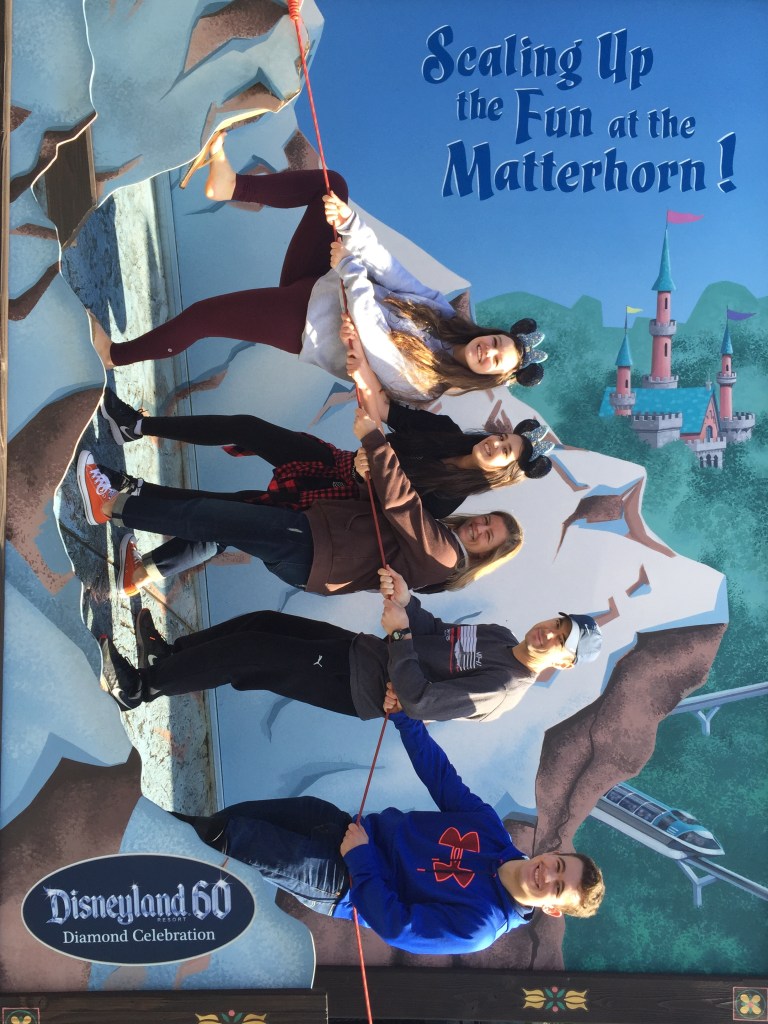
Connected to Saklan way back when it was named Carden School. Lover of the Matterhorn at Disneyland. Excited about innovative math instruction. Served as not only a teacher but also the Saklan PA President and Chair for the Board of Trustees. Can you guess who we are highlighting as this month’s Staff Spotlight? Our third-grade teacher, Lisa Rokas, has worn many hats here at Saklan. Read on to learn more about her decades-long journey at The Saklan School.

How did you first hear about the Saklan School?

I have a long history with Saklan. I grew up in Orinda and attended Miramonte High School. My brother, who is 6 years younger than me, attended Saklan (which was named Carden School at the time). Once I had my driver’s license I used to drive him to and from school. Fast forward to when my son was in kindergarten, I decided to look for alternatives to our local public school and my mom suggested I look at Saklan. My son joined in first grade back in 2004, and my daughter joined the following year in kindergarten. I have been connected to the school ever since.

What about the Saklan community has kept you so invested and engaged in different ways over the years? 

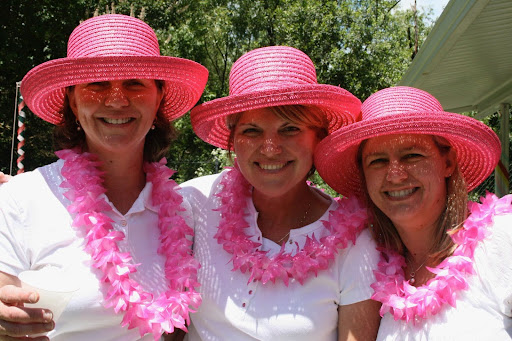
I have worn many hats here at Saklan. When my kids were students at Saklan I joined the Parent Association, where I held many roles, including auction chair and PA President. I started on the Board of Trustees as the Parent Association representative and eventually served as Board Chair for a number of years. I made lifelong friends with many of my fellow board members on both the board of trustees and parent association, as well as many strong friendships with Saklan faculty and staff. One memorable moment includes dressing up as pink cotton candy ladies for the end-of-year carnival. When my daughter graduated from Saklan in 2014, I couldn’t imagine saying goodbye to a place where I had been so connected for so many years. I decided to go back to teaching, my first profession before having kids. I started teaching at Saklan in the fall of 2014 and have had the honor of teaching here ever since. Saklan is truly a part of my family and my home away from home.

What has been your favorite project based learning unit in your time here and why?

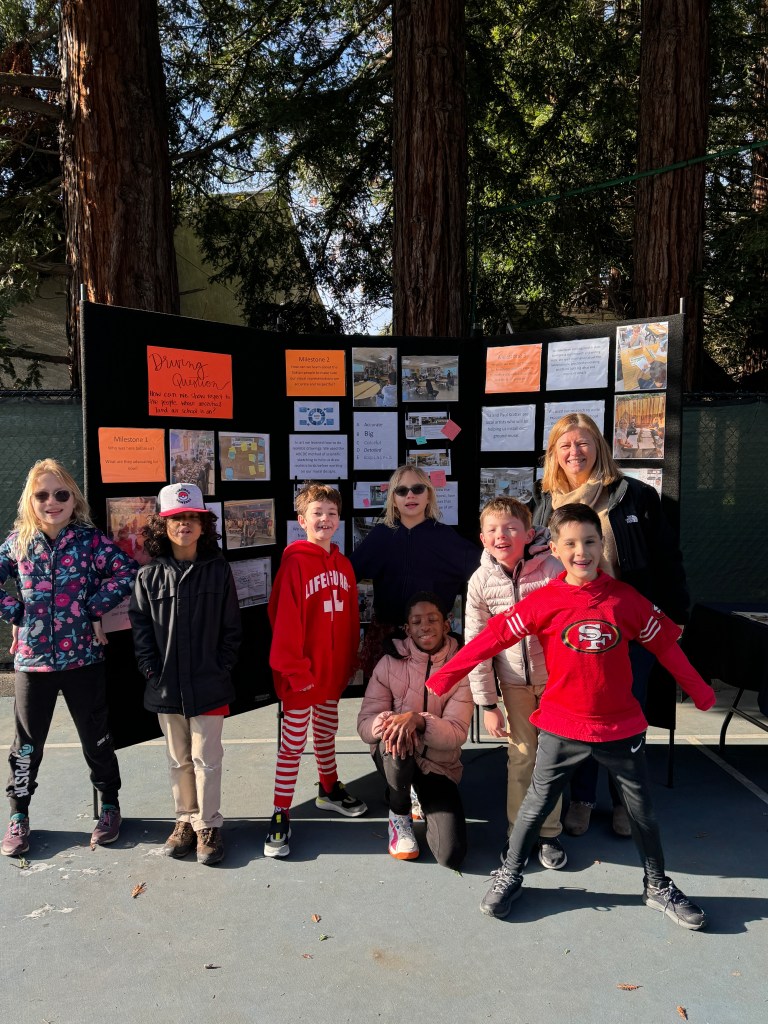
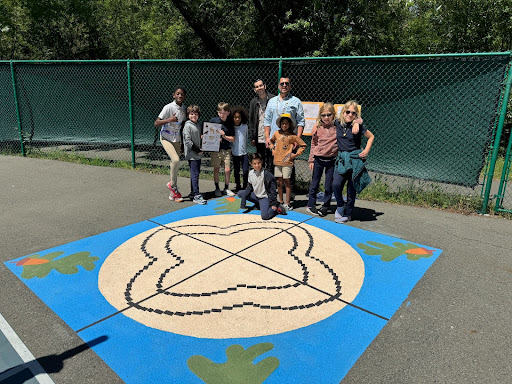
My favorite project based learning unit each year has been our third grade Saklan/ Bay Miwok Unit where we learn about the local indigenous peoples from the Moraga Valley. Our driving question is “How can we show respect to the people whose ancestral land our school is on?” I especially love this project because each year the third graders have found different ways to answer our driving question in meaningful ways; such as writing a land acknowledgement and creating murals and posters including traditional language and symbols representing Saklan culture. This year students researched indigenous plants we hope to plant on our campus. We have had the opportunity to work closely with Vincent Medina and Louis Trevino, the cofounders of Cafe Ohlone who both have Ohlone heritage and who are focused on sustaining their traditional Ohlone culture. The most important lesson the students learn is that Saklan/Bay Miwok/ Ohlone people are still here and their culture and traditions are still being practiced and celebrated.

We know your love for Disneyland runs deep, what is your favorite season to visit the park and the snack and/or ride you look forward to most?

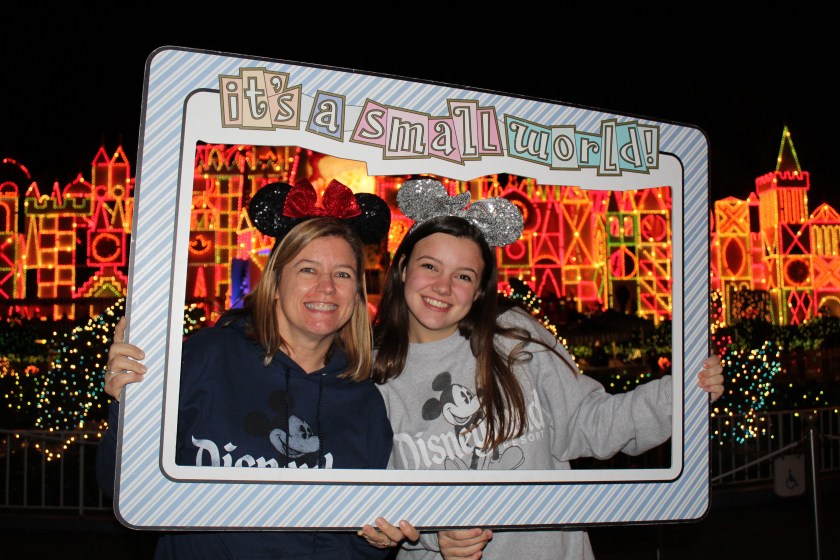
I do love Disneyland! It is one of my absolute favorite places! I enjoy visiting anytime of the year, but my favorite time to visit is during November or December when the holiday decorations are up. It is so festive! I especially love watching Fantasmic on the Rivers of America and also the fireworks from Main Street! My favorite ride ever since I was kid is still the Matterhorn Bobsleds, and my favorite snacks at Disneyland are definitely their fresh-popped buttery popcorn or churros from the snack carts. Thankfully, I have passed on my love of Disneyland to my kids so that they still enjoy going to the park with me.

Watching Our Students Shine

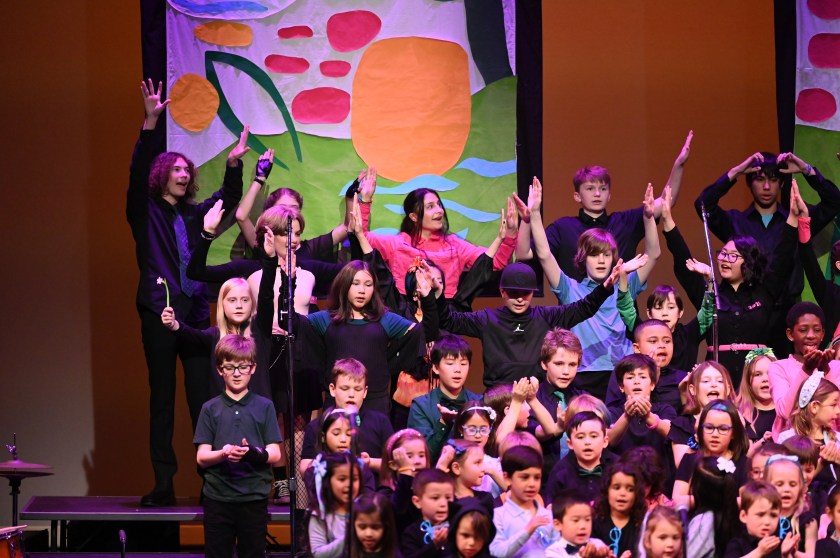
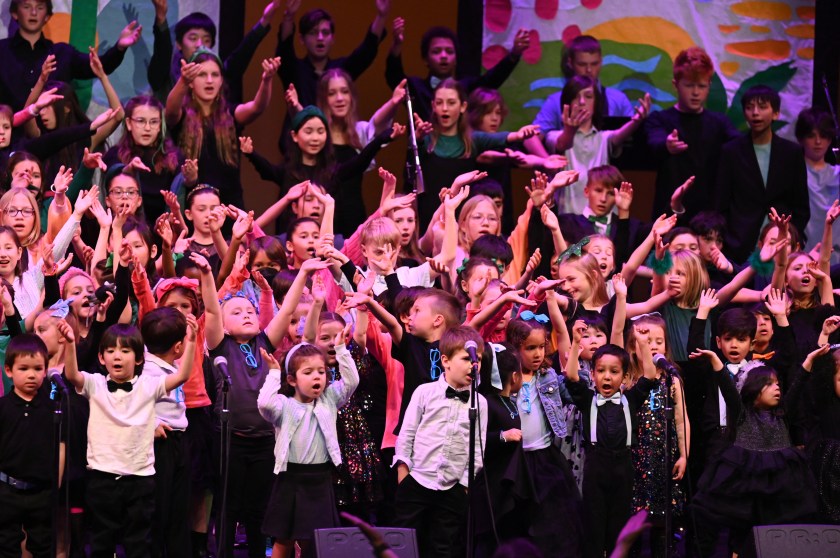
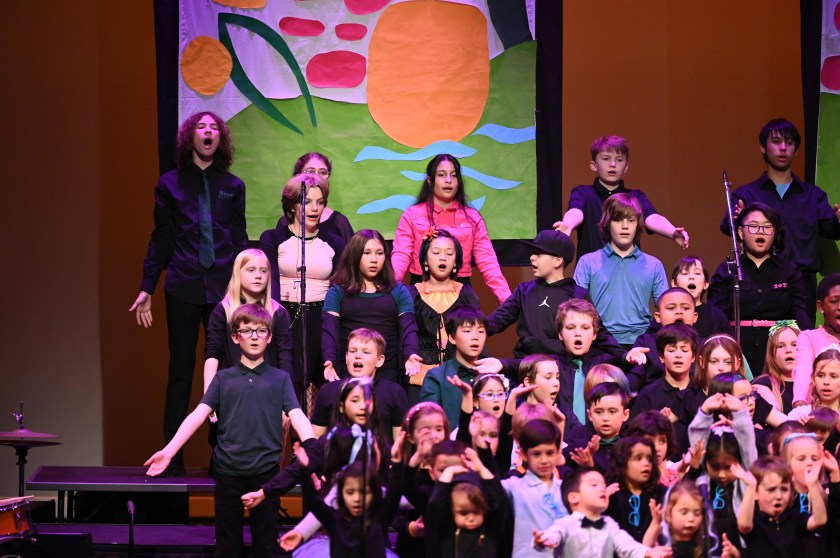
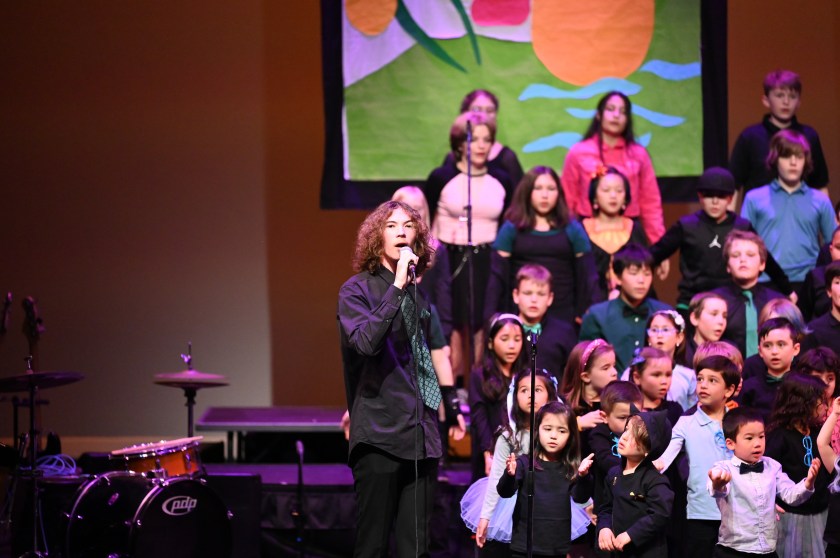
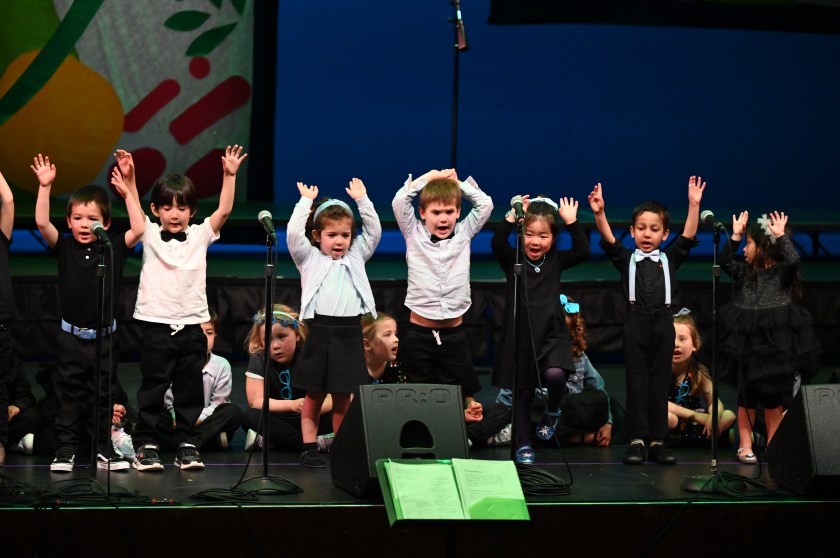
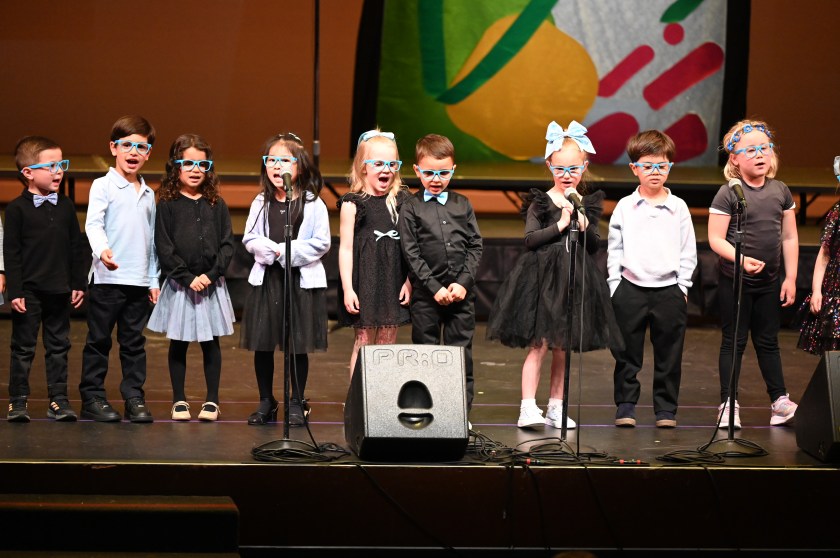
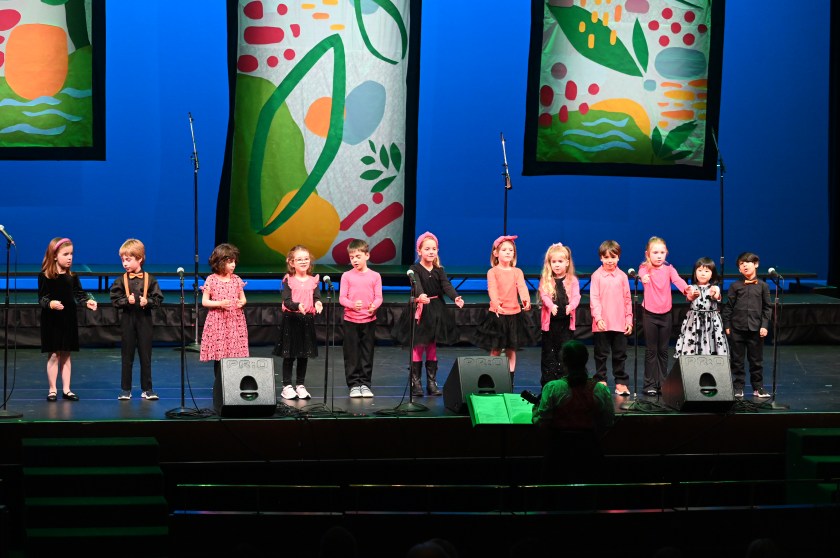
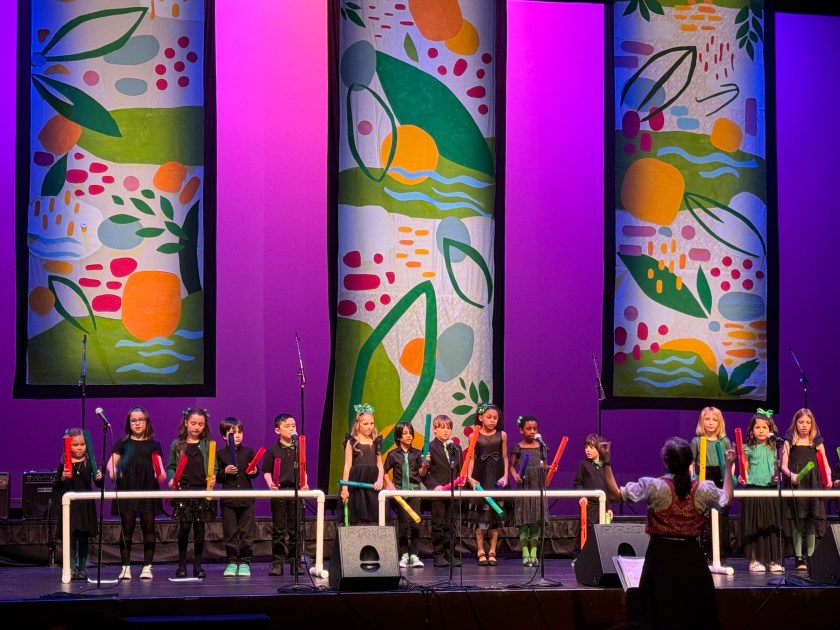
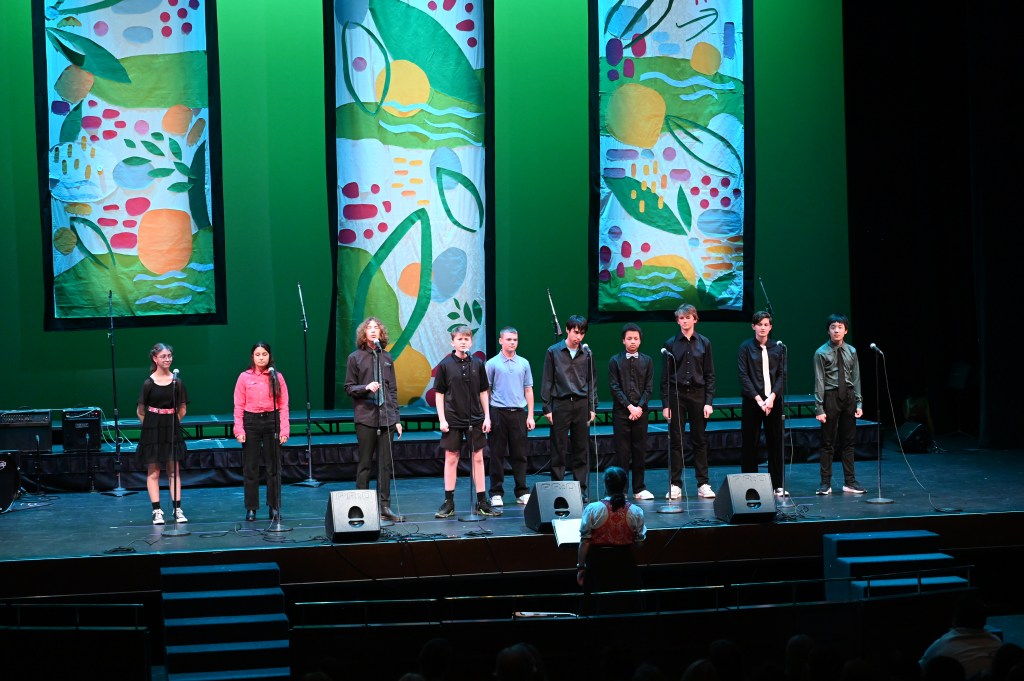
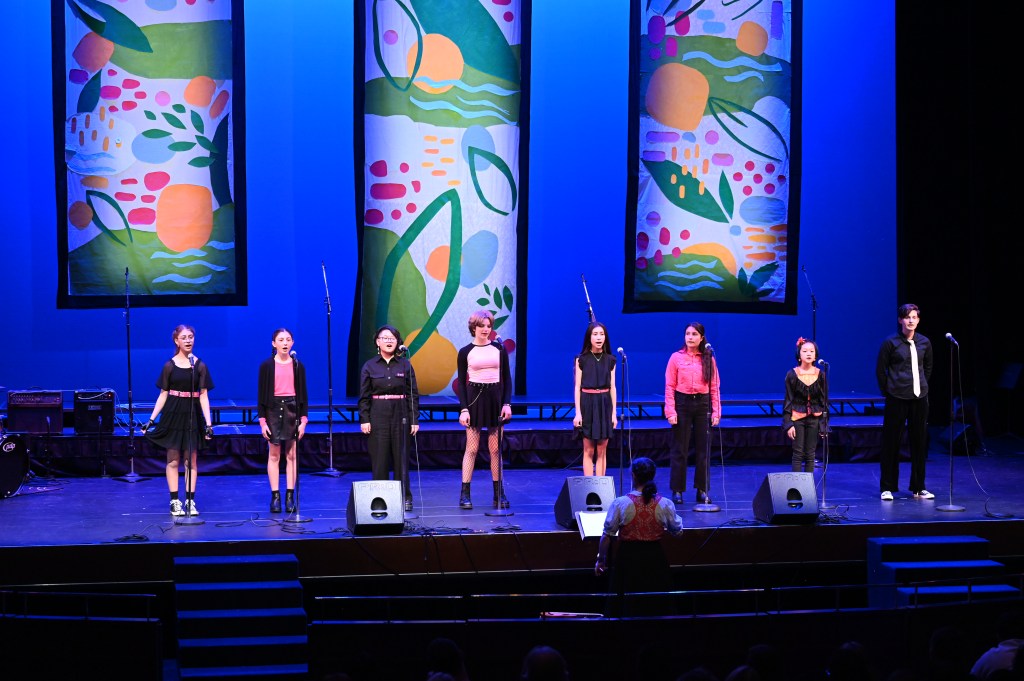
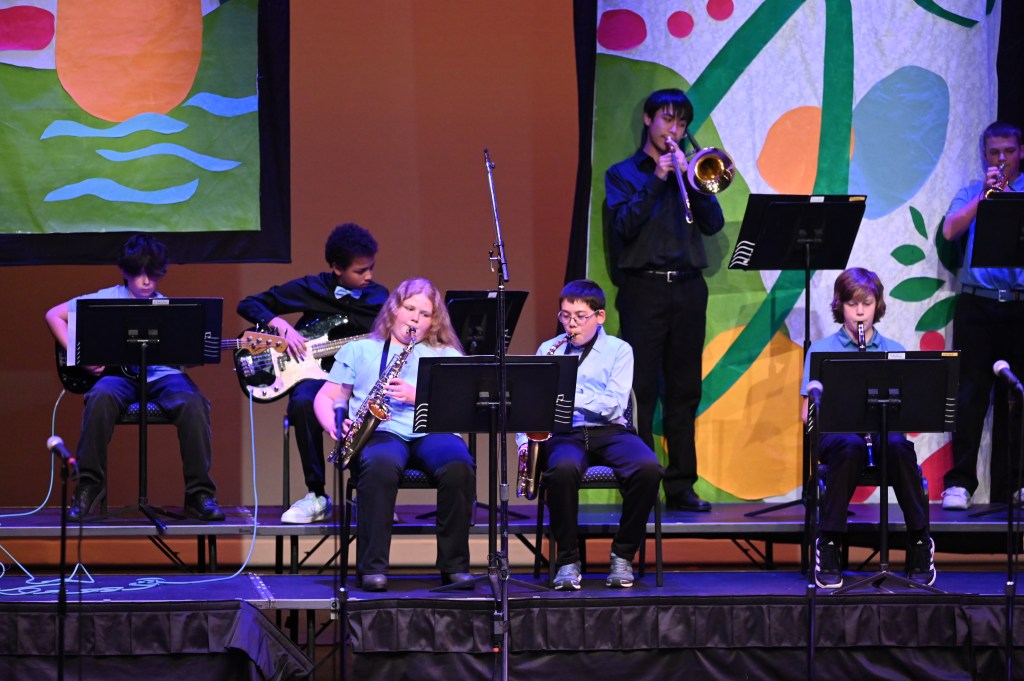
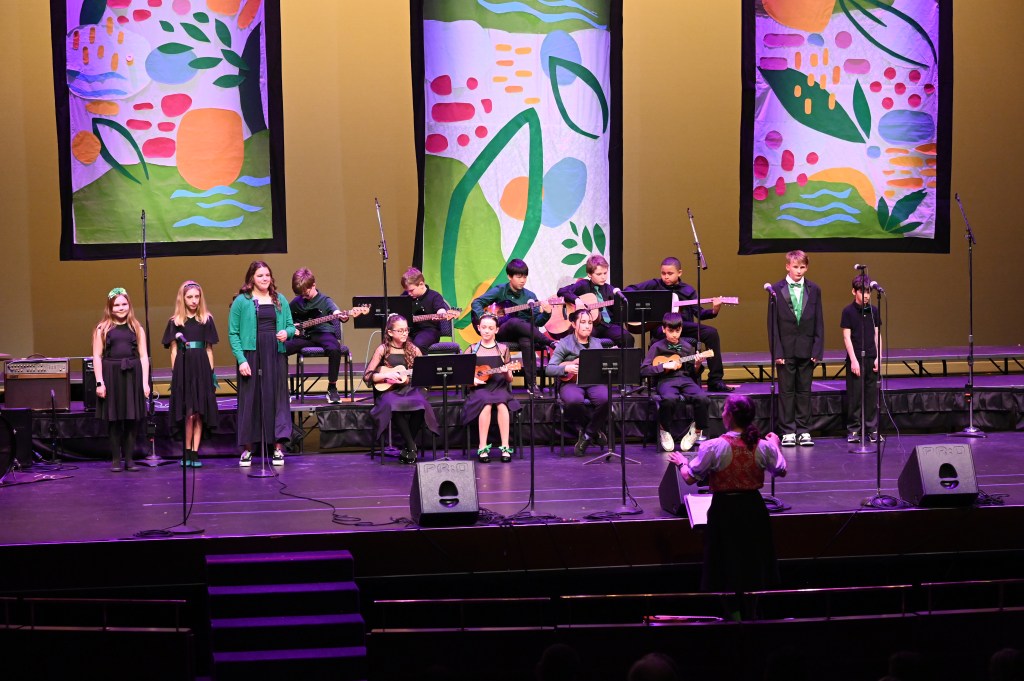
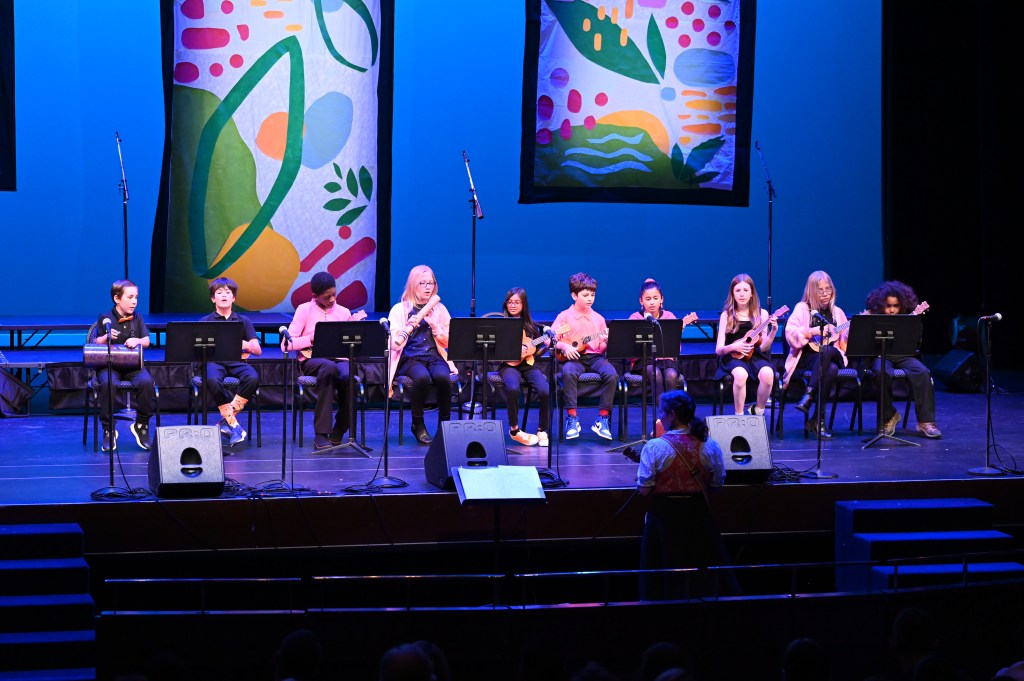
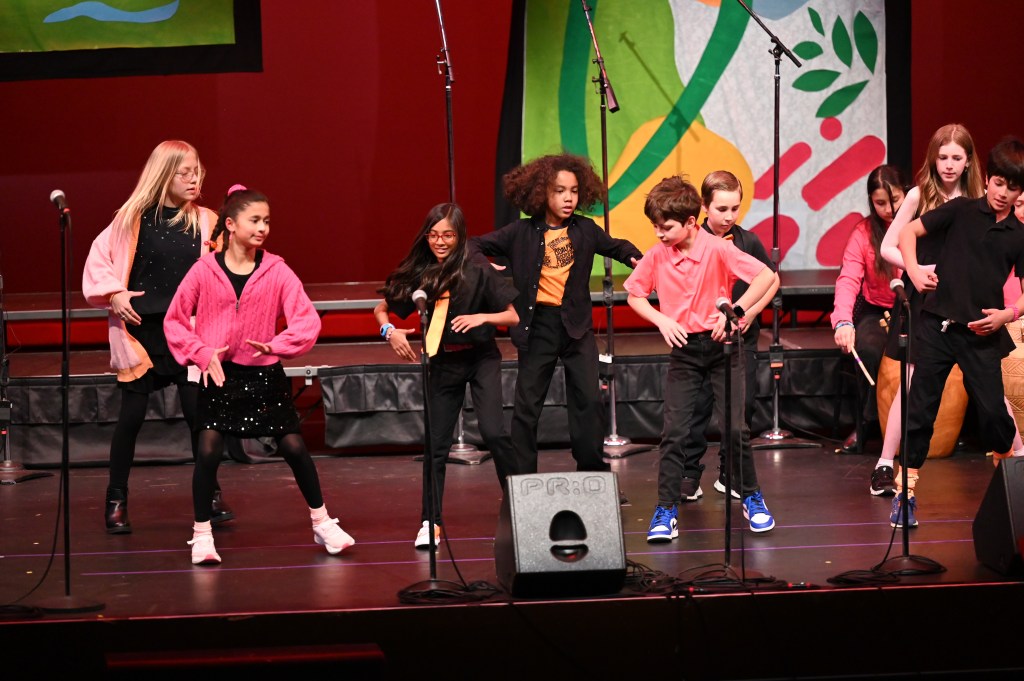
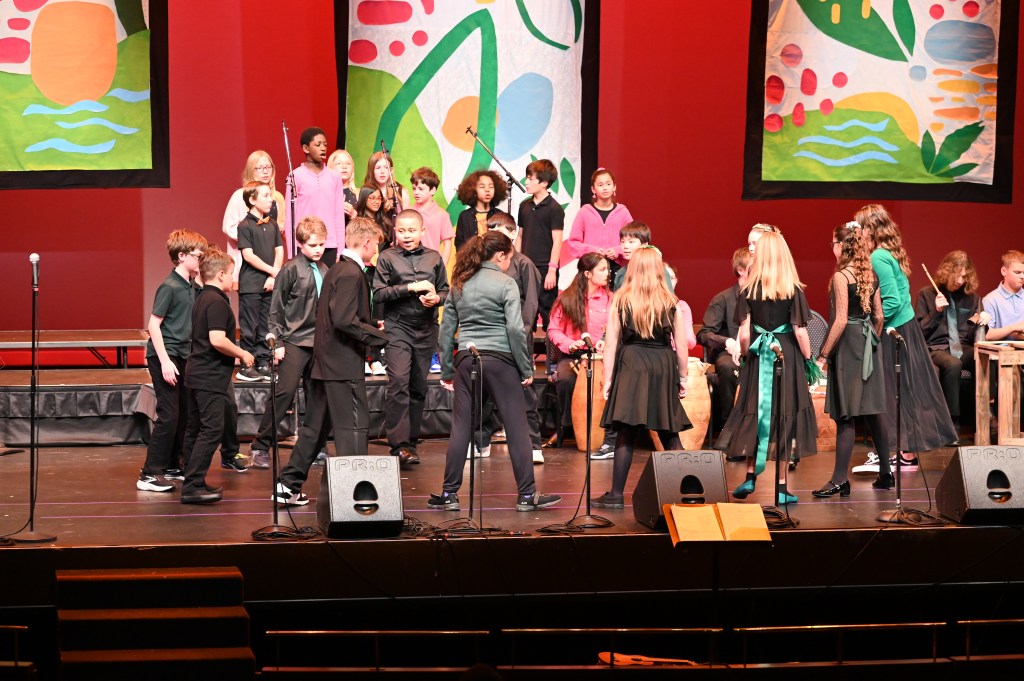
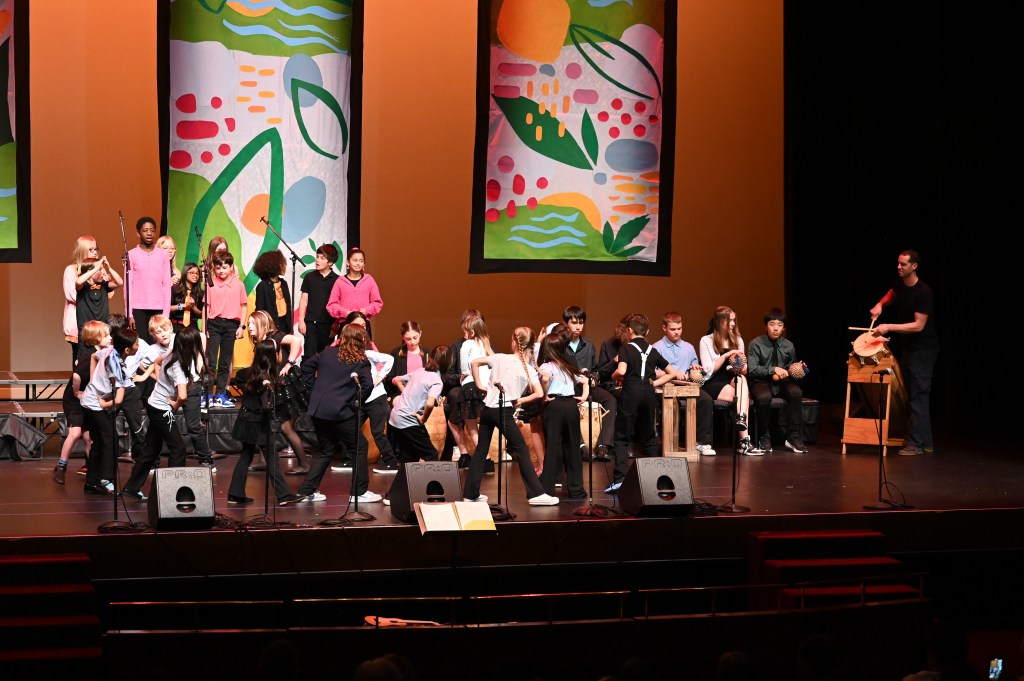
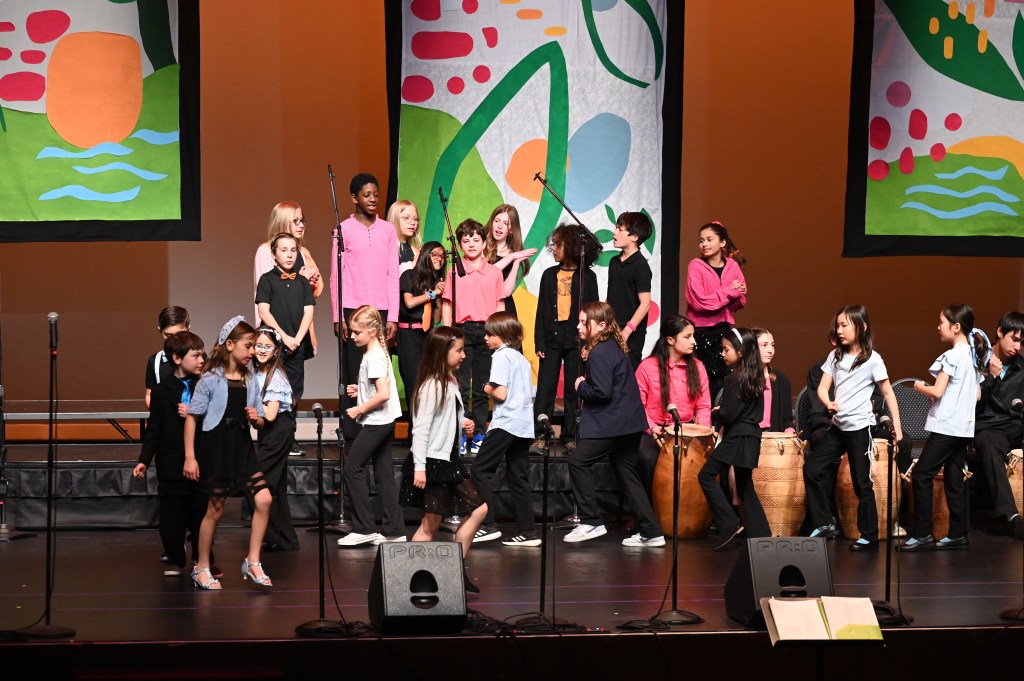
What a wonderful experience it was to gather together at the Lesher Center last Friday to watch our students shine on stage!

Thank you to all of the families for making Friday’s logistics work in order to support the students and watch the performance. 

Thank you to the Saklan students for showcasing your creativity and courage by taking the stage in front of such a large audience and singing your hearts out.

Thank you to the faculty and staff for all of the behind-the-scenes work to prepare for the concert, from your flexibility with the schedule to helping with rehearsals. Your support of your students and encouragement to take the stage is greatly appreciated!

A huge thank you to Erin for guiding our Owlet and Hoot Owl students in sharing their songs with our community! Their excitement, bravery, and pure joy for music lit up the stage, creating a heartwarming and memorable performance. We are so proud of our little musicians!

Thank you to Lauren and Linda for working with the second and third grade students on the gorgeous backdrop. Thank you for your continued PBL work, and for the passion you ignite in our students by elevating their voices and choices.

Thank you to Isaac for sharing your knowledge of traditional Ghanaian drumming with our students. What a delight to see them drumming, singing, and dancing together!

Thank you to Javier for helping set up for rehearsals, creating the boom whackers, moving instruments, and doing it all with a smile. 

Thank you to John Kim for sharing beautiful pictures of the event with us.

And finally, a huge thank you to Dianne for leading her first Saklan Concert with such passion and purpose! The show was incredible, and your dedication helped our students shine bright. We’re so grateful for your talent, guidance, and commitment to bringing music to life at Saklan!

#Saklan Creative #SaklanArts

From Cottage Industry to Factory Floor 

Hands-on Learning about the Industrial Revolution

In their Humanities lessons, 8th graders are studying how technological and social changes during the Industrial Revolution transformed the lives of Americans across all social classes in the early 20th century. Alongside their examination of historical events, students are reading the historical fiction novel Uprising, which follows the intersecting stories of three young women before and during the tragic Triangle Shirtwaist Factory fire in Manhattan on March 25, 1911.

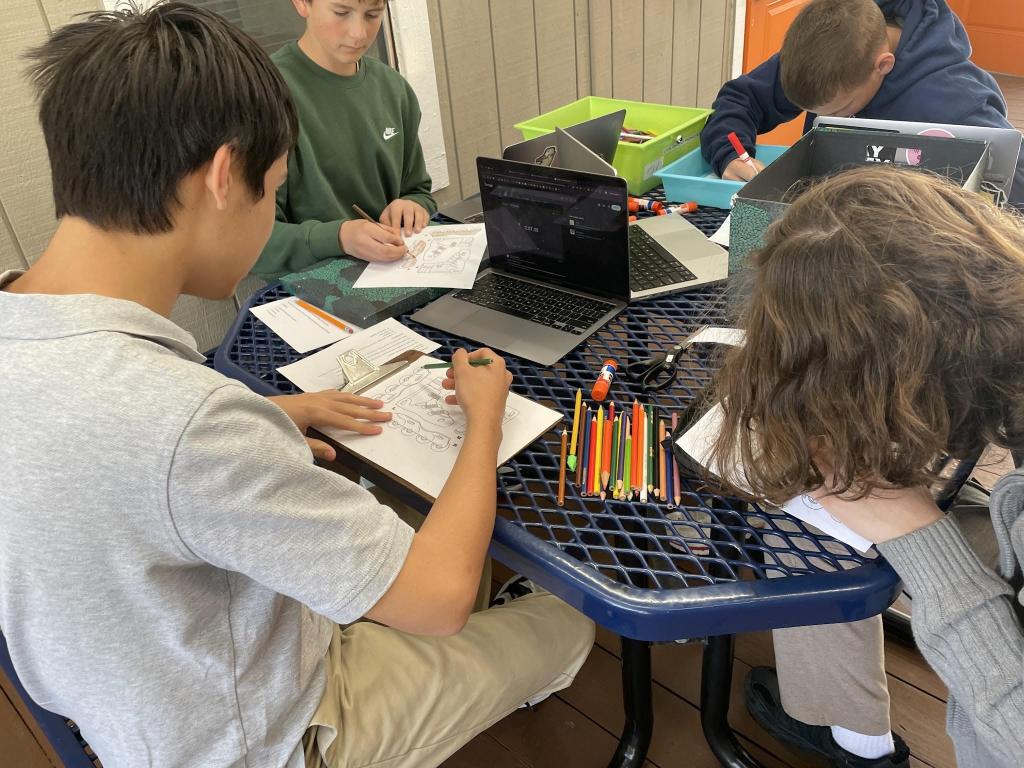
Through hands-on simulations, students have explored how technological innovations altered the manufacturing process during the Industrial Age. They examined how craftspeople who once worked from home were replaced by factory systems, where individuals performed repetitive tasks to perfect a single part of the production process.

Hand-Crafted Products

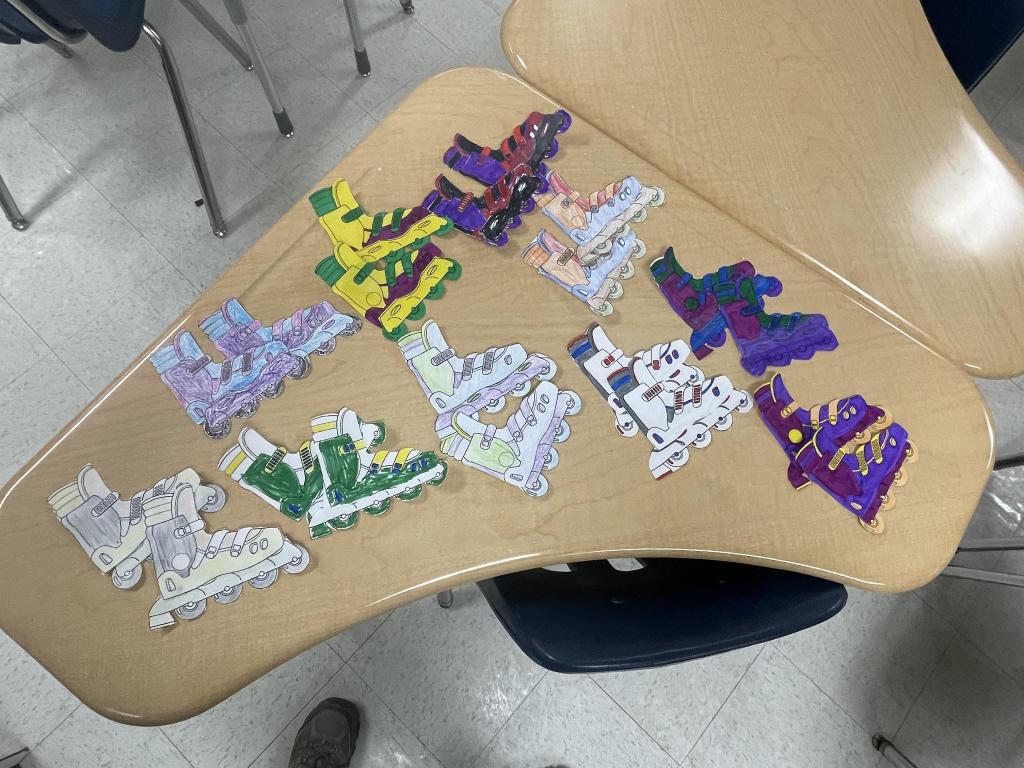
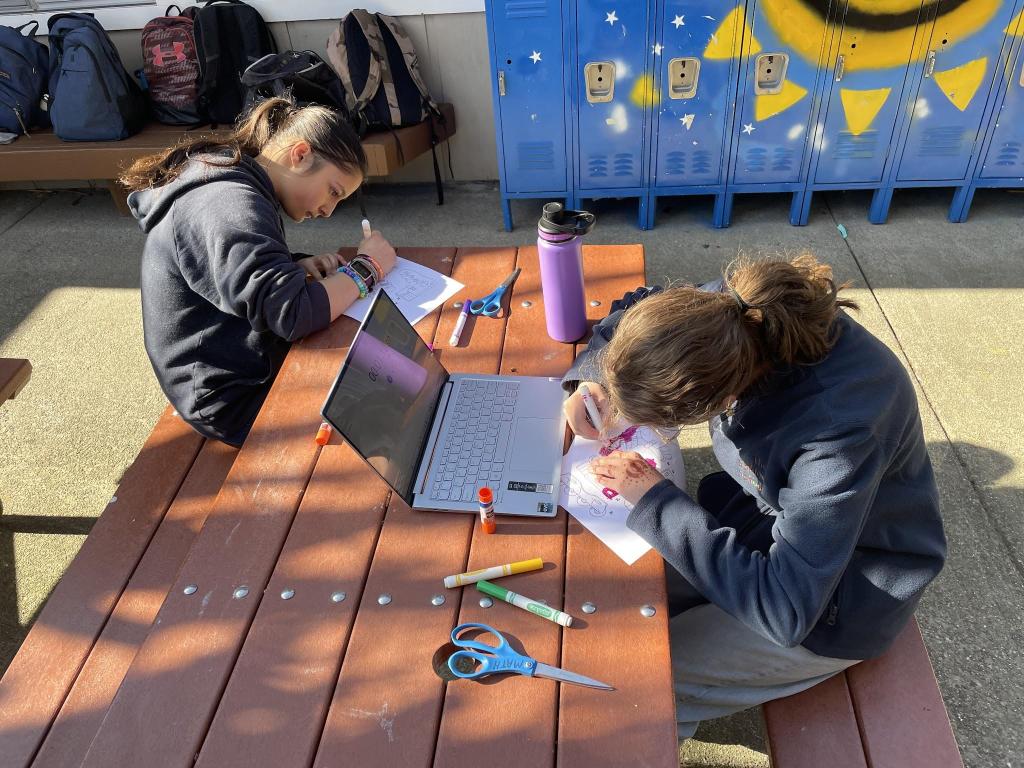
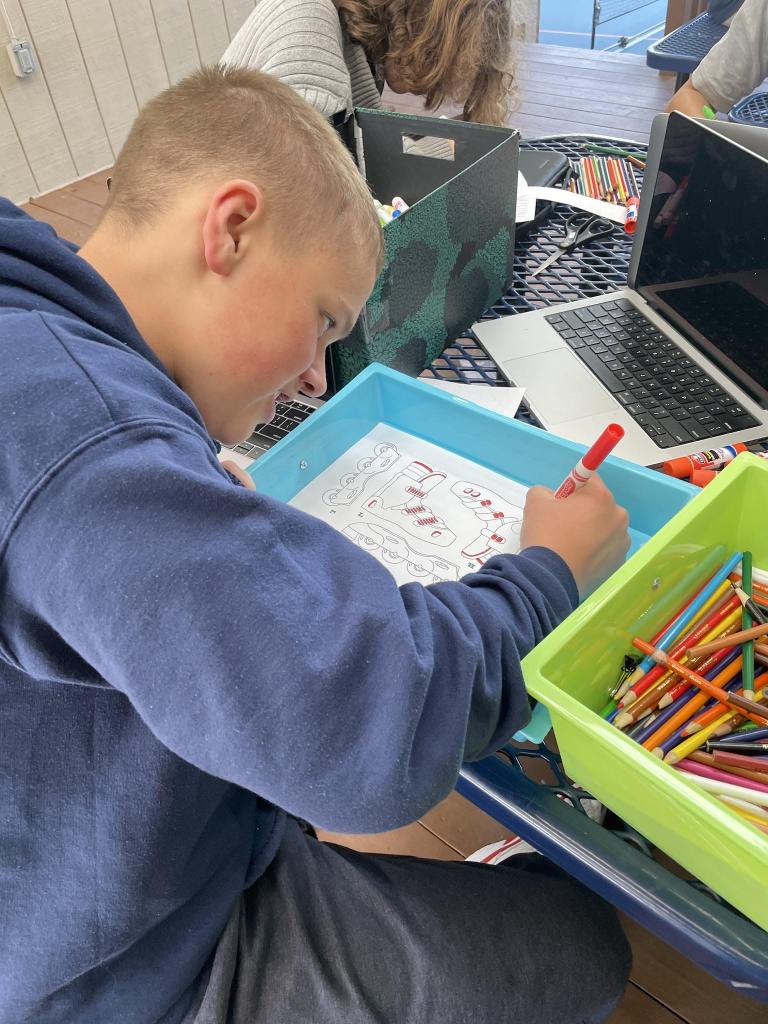
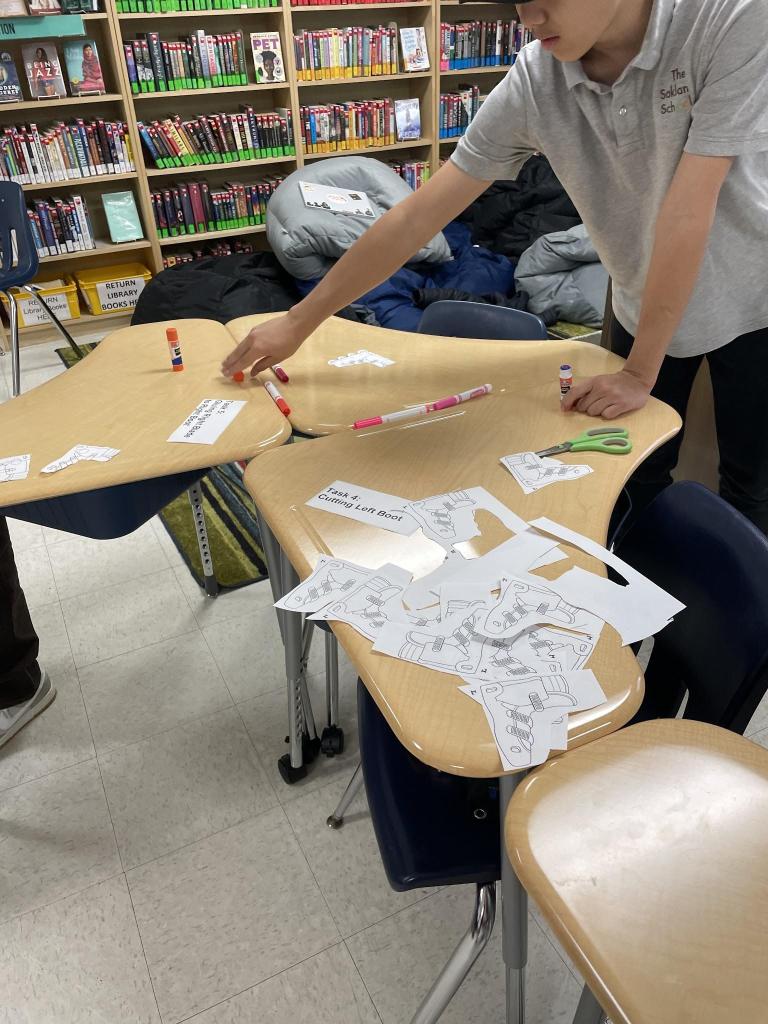
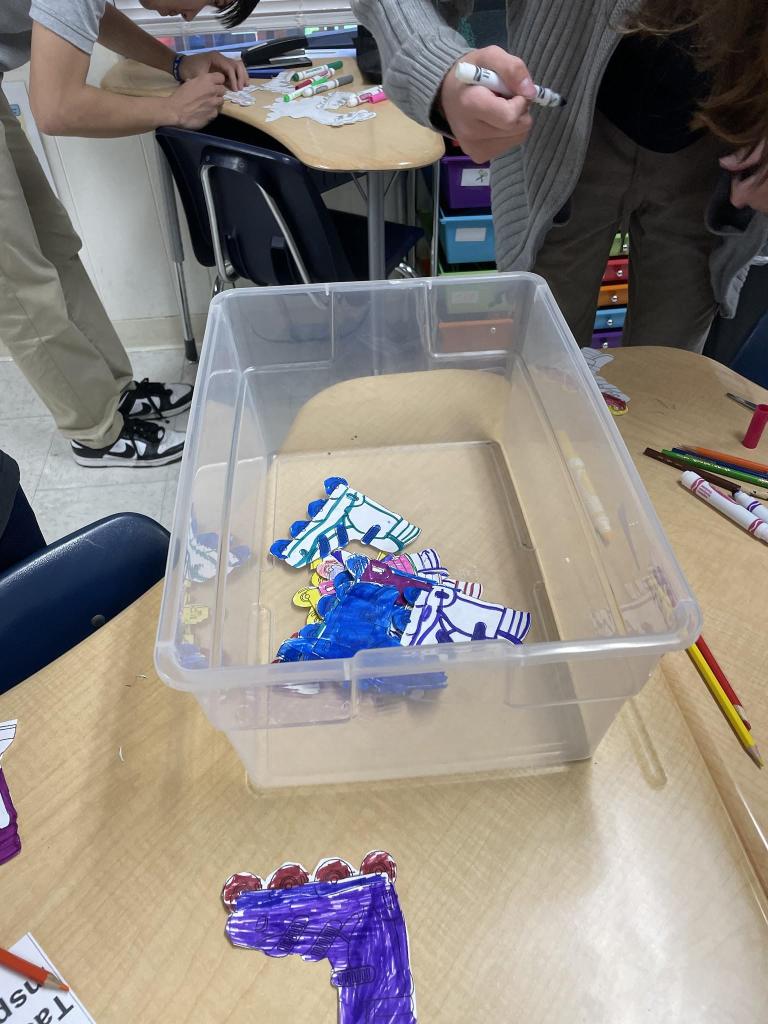
Each student started as a master craftsperson whose task was to assemble one pair of in-line skates from start to finish. The skates had to be cut out, the blades glued on, and the final product colored. Each student kept track of the time it took for their single pair of skates to be assembled. 

A total of 10 pairs of skates were produced, with a production time per pair ranging from 14 to 29 minutes.

Moving to the Factory Assembly Line

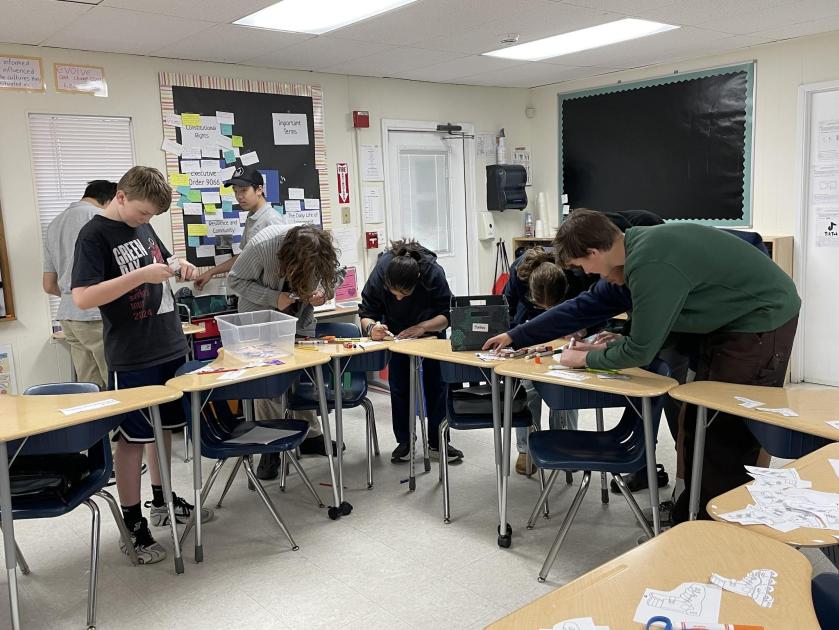
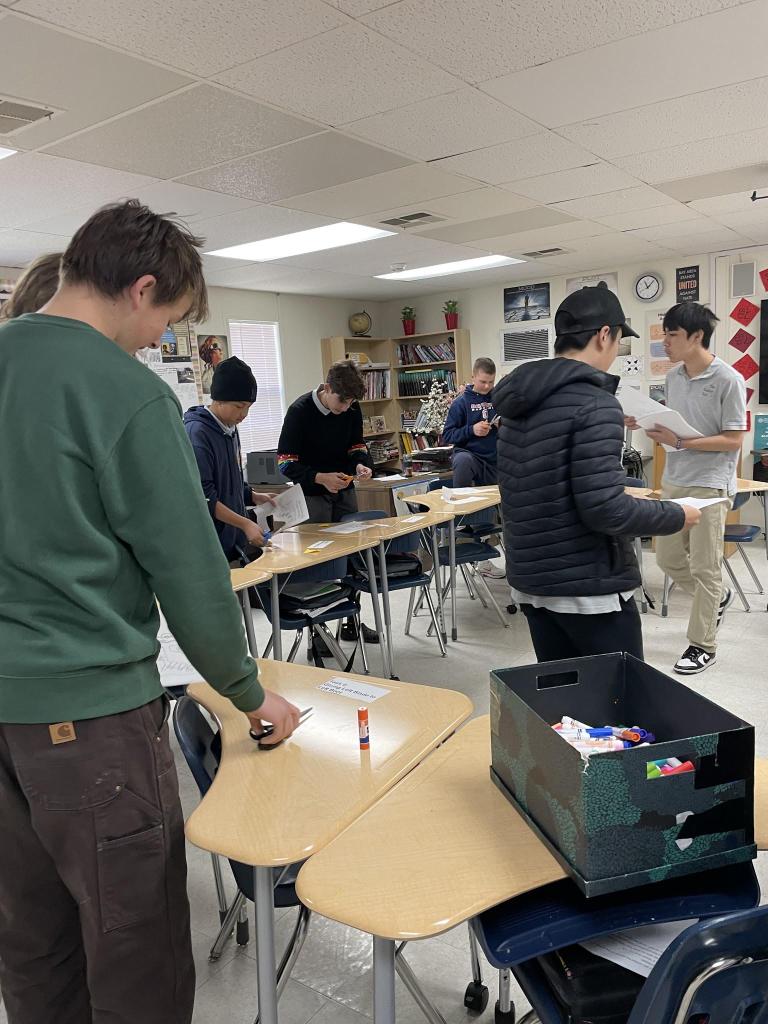
Next, the students took their assigned jobs on the factory production line to mass produce in-line roller skates for the “Get In Line Skating Company” in the Humanities Room. Their individual work tasks ranged from cutting out the right or left blade, cutting out the right or left boot, gluing or taping the blades to the right or left boot, and coloring the skates. 

Each pair of skates had to pass final inspection by Luke, or they went back to the assembly line. Like real assembly line workers, the students were not allowed to sit down or remain idle during their work time. And talk of “unions” or “strikes” was strictly prohibited.

As the students worked, they considered how American and immigrant workers in the first American factories completed repetitive tasks for 12 hours per day, 6 days a week, often having their pay cut if a product was considered defective by their bosses. The student workers also discussed what they learned about the unsafe working conditions at the Triangle Shirtwaist Factory, where workers were locked inside to prevent theft. After the fire started in 1911, 146 young women died from being trapped on the top three floors of the Asch Building with only one fire escape and one working elevator.

In the much safer Humanities Room, the 8th-grade students manufactured 18 pairs of skates in 40 minutes. 

#SaklanHandsOn