Head’s Corner: Loving the Teen You Have by Joining the Resistance 

Last week, Saklan co-hosted a conversation with Dr. Ann-Louise Lockhart, author of Love the Teen You Have, in partnership with ParentMap—a consortium of schools that brings thoughtful authors and researchers to school communities like ours.

Dr. Lockhart’s message to parents was simple but radical: join the resistance. Resist the urge to fix, control, or over-teach your teens. Resist the pressure to be perfect. Resist the voice that says if you just say it one more time, they’ll finally listen. This conversation was full of gems—here are some of my takeaways.

Meet Them Where They Are and Join the Resistance

When your child resists, don’t fight it—join it. If your teen doesn’t want to talk, don’t push. Maybe text. Maybe just sit quietly beside them. Be attuned to what they need in the moment, not what you need. Joining the resistance isn’t about giving in; it’s about shifting from confrontation to connection. It’s realizing that presence—not persuasion—is what keeps the door open.

Do Less, Be Present

When our kids were little, we tried to make every moment a teachable one—narrating, correcting, guiding. But the older they get, the less that works. Teens don’t need a constant teacher; they need a calm, steady presence. Sometimes love means doing less—being available, not instructional. It can be surprising how zen it can feel just to “be” with them.

Nagging Is Kryptonite

Few things shut a teenager down faster than repetition. Nagging doesn’t motivate; it hardens resistance. Instead of asking the same question again, try curiosity: “I’ve noticed that assignment’s been hard to start—what do you think’s getting in the way?” That one shift invites conversation instead of combat.

Connection Over Correction

Everything comes back to relationships. When we focus less on managing behavior and more on understanding emotion, we help teens develop self-regulation and trust. They don’t need perfect parents—they need present ones.

At Saklan, this message resonates deeply. Our teachers know that learning—academic, social, or emotional—happens in the space between curiosity and connection. And our partnership with parents is strongest when we, too, resist the urge to over-manage and instead choose to be attuned, curious, and grounded.

So this weekend, take a breath, step back, and love the teen you have—right where they are.

You can view the recording of the conversation with Dr. Ann-Louise Lockhart here, using the access password: edTalks*2526.

Warmly,
David

#HeadsCorner
Puberty & Mental Health Talk on Monday

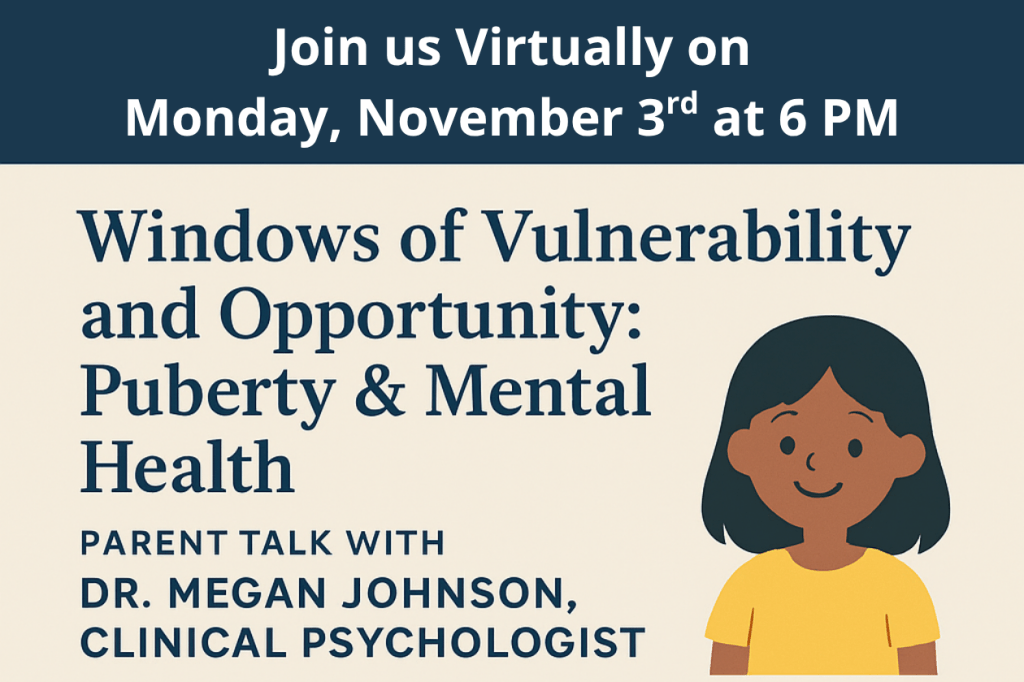
If you haven’t already signed up for Monday’s Parent Ed Talk on how puberty impacts children’s emotions, stress, and mental health, do it today — you won’t want to miss this one!

Join the Saklan Parent Association on Monday, November 3, at 6:00 p.m. for an engaging and informative evening with Dr. Megan Johnson, Clinical Psychologist and former Saklan parent. Dr. Johnson will share insights into how this developmental stage often brings heightened sensitivity and increased risk for anxiety or depression, while also presenting a powerful opportunity for growth, resilience, and recalibration.
Parents will come away with a deeper understanding of what’s happening during puberty and practical strategies to support their children through these changes with empathy and confidence.

This talk will cover:

  • What puberty is – key physical, brain, and hormonal changes.
  • Why it matters for mental health – increased sensitivity to stress, social pressures, and risk for anxiety/depression.
  • Opportunities for resilience – how support from families, schools, and culture can recalibrate stress systems and foster positive development.
  • Practical strategies for parents – tools to guide kids through puberty with empathy, confidence, and connection.

This event is open to the greater Lamorinda community, so feel free to invite friends or family to join. 

#SaklanParentEd

Who Do Artifacts Really Belong To?

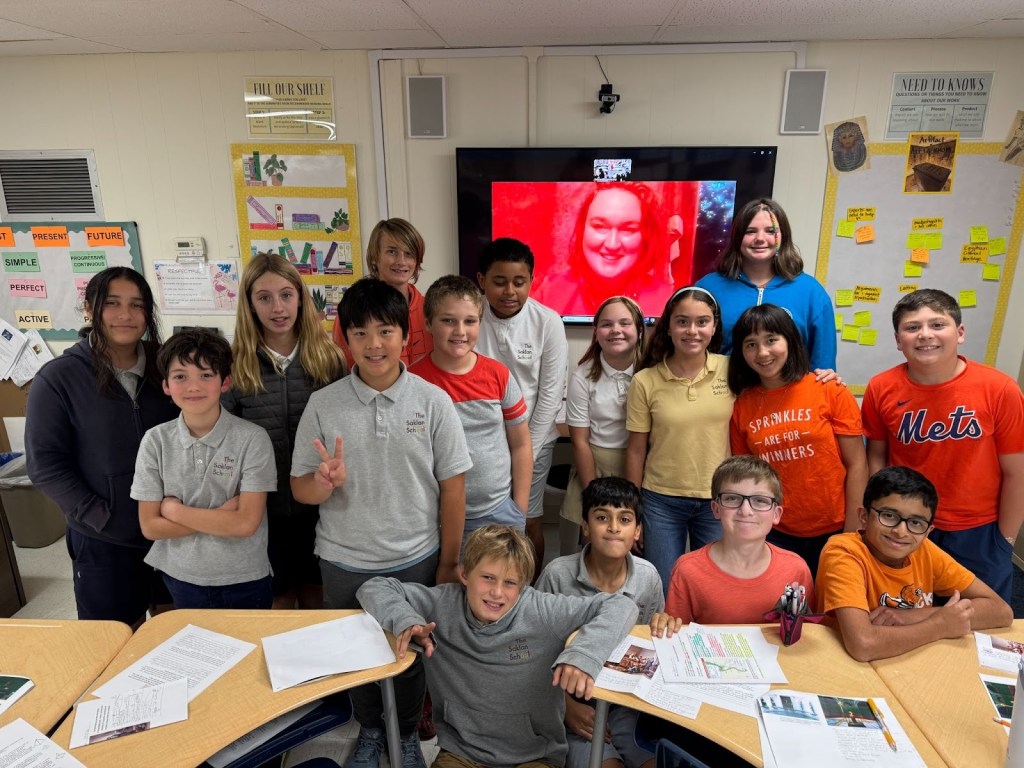
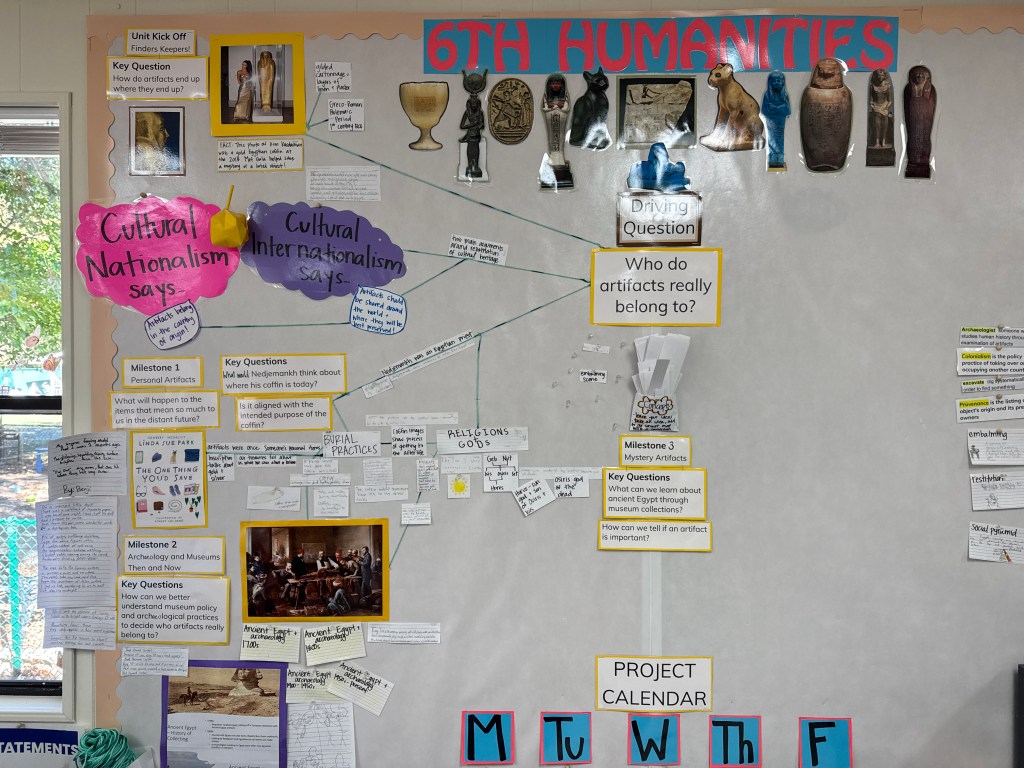
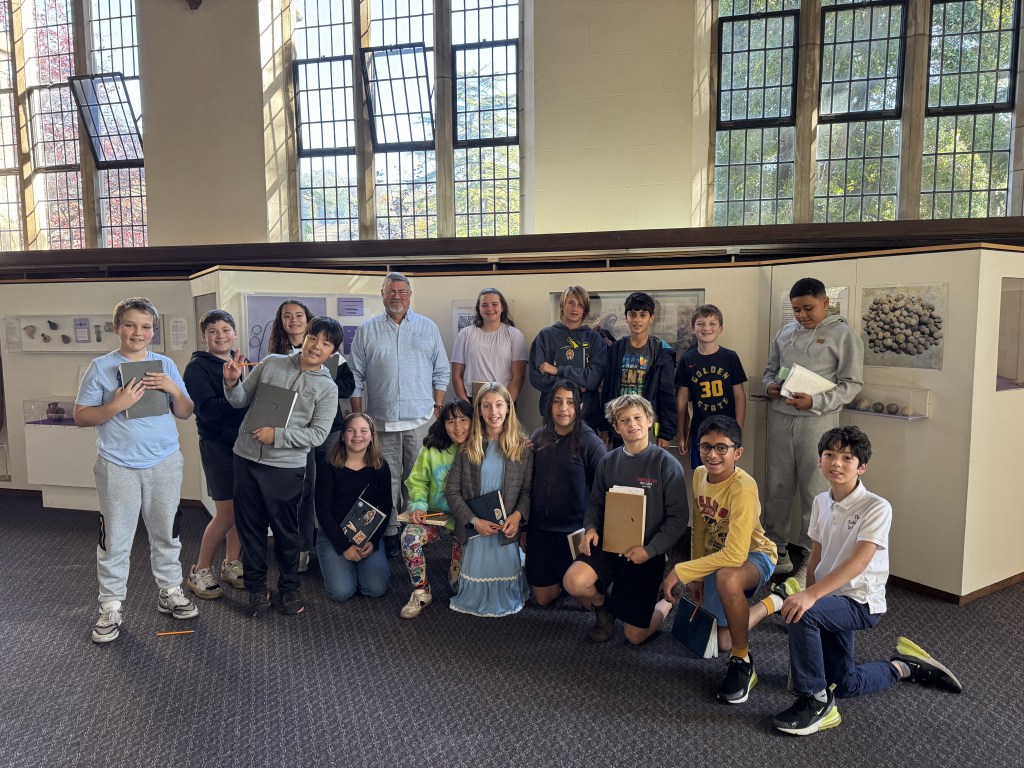
Sixth graders have begun their first PBL unit of the year, in which they seek to answer the driving question: Who do artifacts really belong to? During this unit, students will develop an understanding of what cultural heritage is, how artifacts tell the stories of people’s lives, the role of museums, the history of changing archaeological practices, ancient Egyptian civilization, history research skills, as well as sijo poetry, narrative, expository, and argumentative writing.

Recently, they’ve been thinking about the purpose of ancient artifacts, such as Nedjemankh’s stolen gold coffin, and about their connections to their own treasured possessions. The class read The One Thing You’d Save, by Linda Sue Park, before writing personal narratives about their own treasured artifacts. Students got lots of practice giving and receiving both teacher and peer critique on these pieces before turning in their final drafts.  

Last week, they zoomed with an archaeologist, Dr. Hannah Wellman. She shared the evolution of ancient mummification practices, as well as changes in legal practices and ethical arguments regarding the treatment of ancient Egyptian cultural heritage. Dr. Wellman’s example of Nefertiti’s Bust as an example of the significance of museum context of artifacts gave the class a great launching point for discussions in preparation for visiting the Badè Museum this week. 

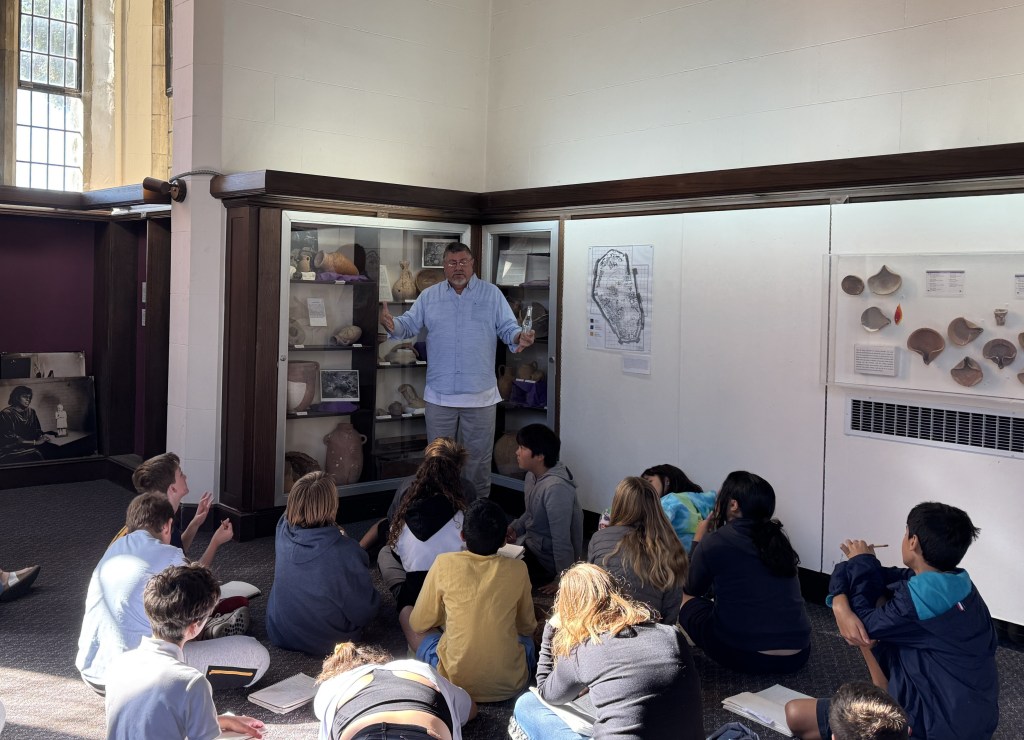
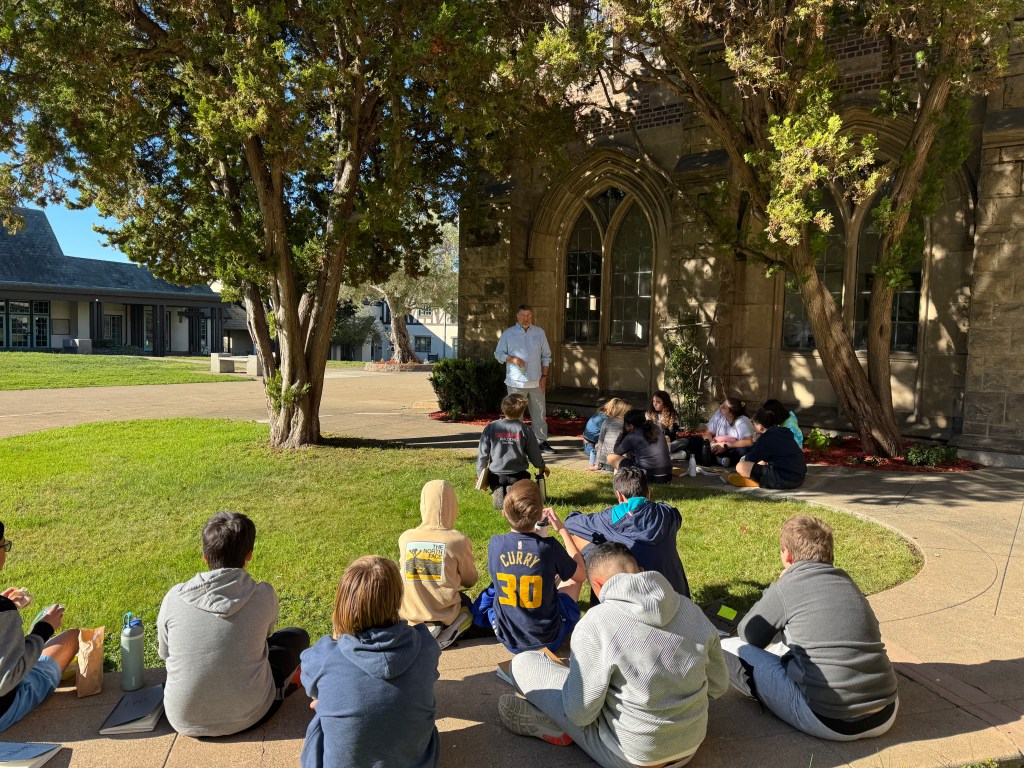
Dr. Aaron Brody, an archaeologist and Badè Museum director, taught the sixth graders about their collection, the benefits of a high degree of context for artifacts, and why repatriation in this case may not be ideal or desired for the museum or the country of origin. Both experts helped the class understand how repatriation conflicts came to be and why people have reached different conclusions about repatriation in various situations. 

#SaklanPBL

Being Respectful in Family Groups

This week, Saklan students gathered for their second Family Group meeting of the year! These cross-grade groups are a treasured tradition at Saklan—bringing together students from different grades to connect, learn from one another, and strengthen our sense of community.

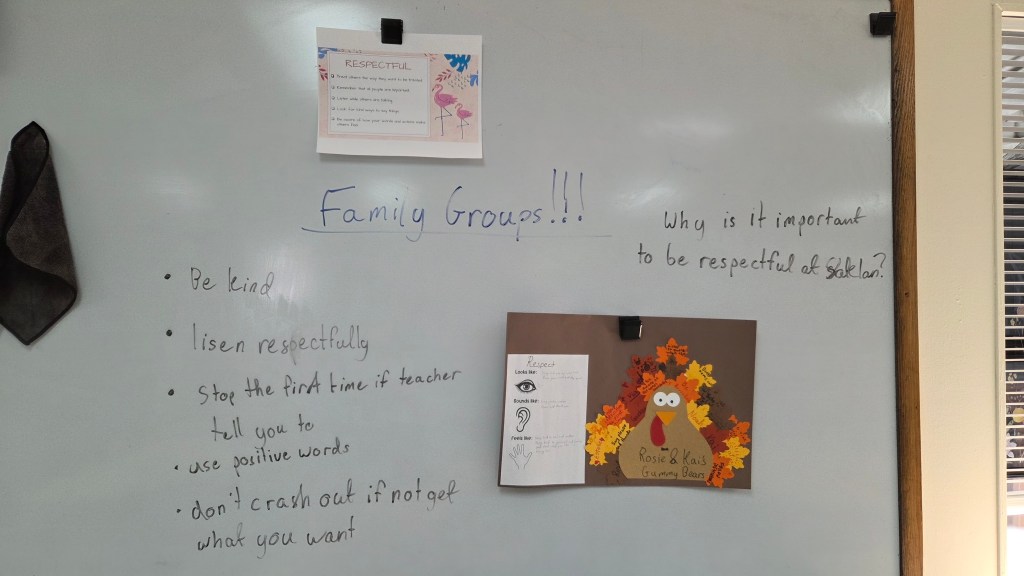
The Family Groups focused their attention on this month’s social-emotional learning (SEL) theme: being respectful. Together, groups read the “Respectful” posters that have been displayed around campus and discussed what respect feels like, looks like, and sounds like. Students shared thoughtful insights, describing respect as feeling “happy,” “heard,” and “like you matter.” They observed that respect looks like including others, making eye contact, and listening attentively—and sounds like calm voices, kind words, and polite “please” and “thank yous.”

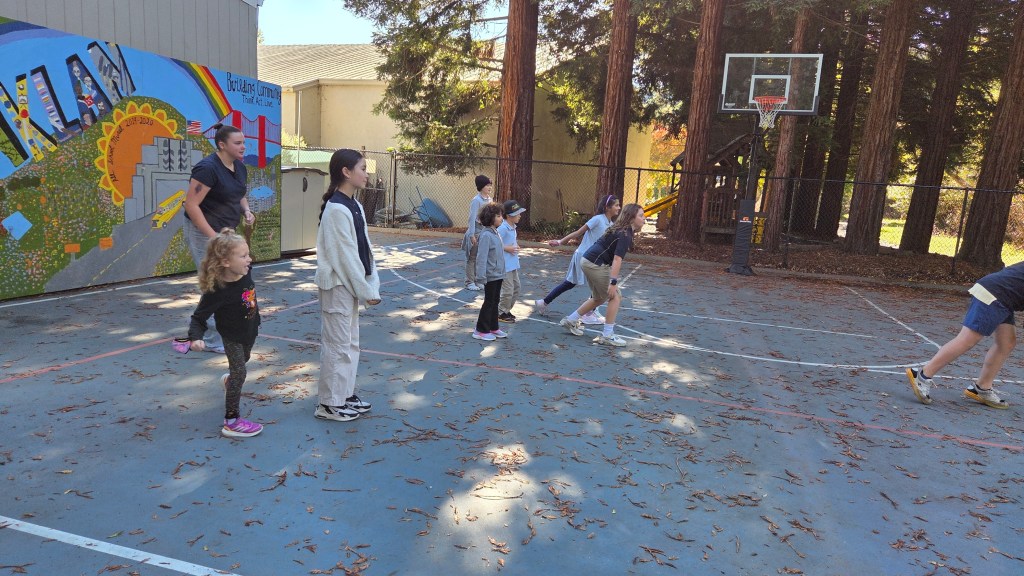
Next came an interactive activity called “Let’s Agree on Respect.” As 8th graders read short scenarios aloud, students decided whether each situation showed respect or not, moving to one side of the room or the other to indicate their choice. The movement and discussion helped bring abstract ideas about respect into a real-world context, giving students the chance to reflect on everyday moments when respect really matters.

Finally, students brainstormed ways they personally show respect: through actions like active listening, apologizing when wrong, waiting patiently, or helping others. Each student then wrote their example on a paper leaf, which became part of their Family Group’s colorful “Respect Turkey.” The leaves, decorated with care and creativity, symbolize the many ways Saklan students contribute to a culture of kindness and consideration.

Through shared conversation, creativity, and connection, this Family Group meeting reminded everyone that being respectful is more than just words; it’s something we feel, see, and hear every day in our community.

#SaklanFamilyGroups

Why I Give: A Parent’s Perspective on Saklan’s Impact

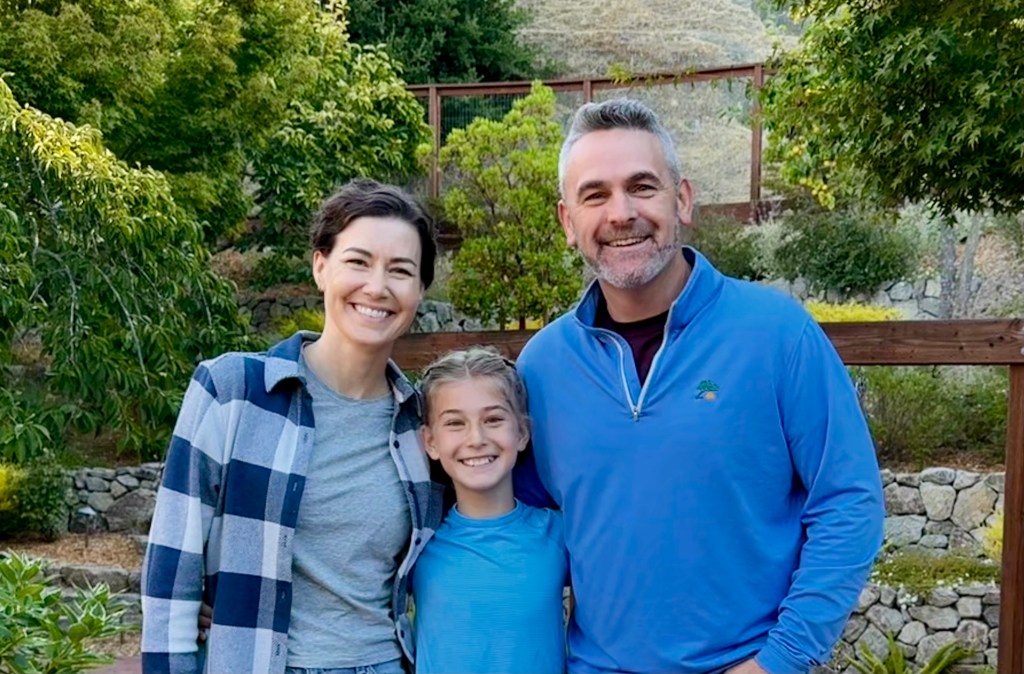
I give my time and money because I can see the direct impact my support has on the school and on all three of my daughters, who have attended. I also give because I want Saklan to thrive and for more children to experience the curiosity-driven, hands-on learning environment that makes it so special. I see how the resources are invested in my kids each day, from continuing to strengthen project-based learning to retaining our amazing teachers or building a more intentional playground!

Specifically, when resources are put toward project-based learning, students are able to get out into the community more often, allowing them to engage in meaningful ways. I’ve seen the long-term impact firsthand. One of my daughters recently completed a middle school project using knowledge she first gained in third grade. That kind of retention is the direct result of Saklan’s hands-on, inquiry-driven approach. She didn’t just memorize facts about the indigenous people of our area—she truly understood the history and significance of their culture.

Most importantly, all of my kids love school and love learning. That is perhaps the most impactful gift Saklan could ever give them.

Join Erin Moorhead and family in supporting Saklan by making an AGF gift today!

SaklanGiving #SaklanCommunity

Learning Through Light, Color, and Connection

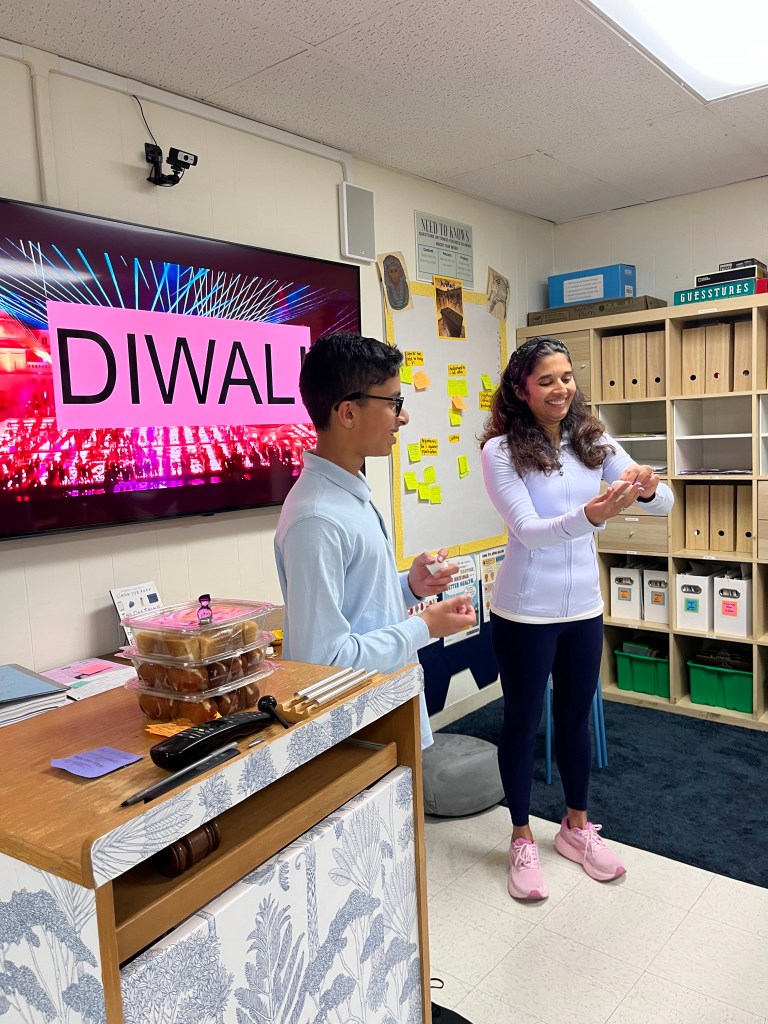
Over the past week, many Saklan students learned about Diwali, the festival of lights, which is observed by Hindus, Jains, and Sikhs around the world—including members of our own community. Diwali lasts for five days in October or November and honors the triumph of light over darkness and good over evil.

To deepen their understanding, students read books about the festival and participated in hands-on activities that brought Diwali’s traditions and meanings to life.

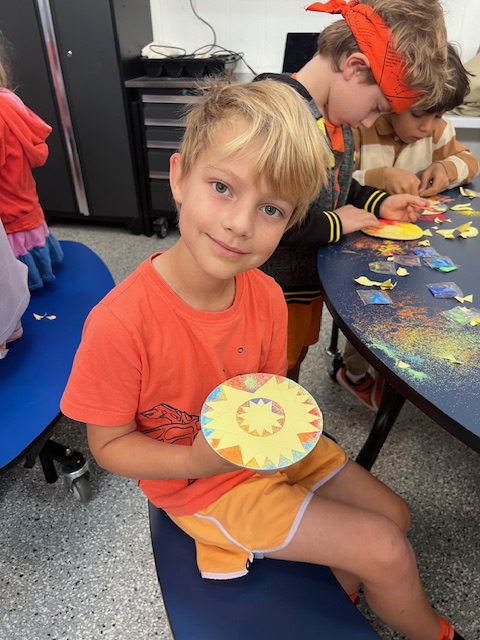
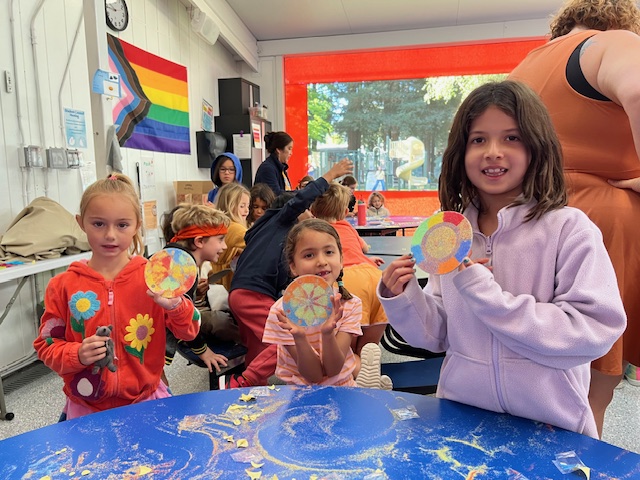
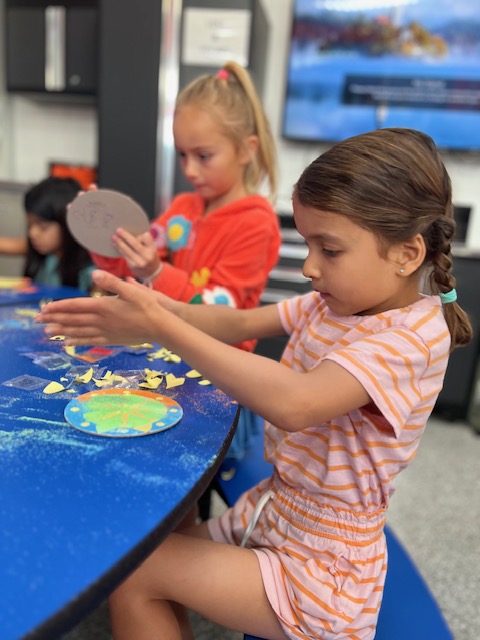
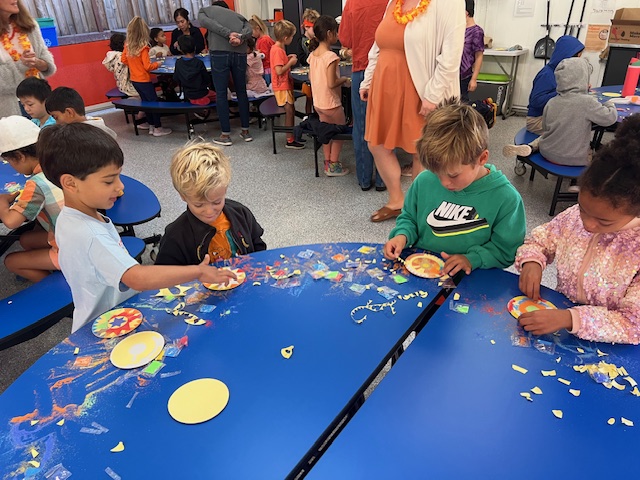
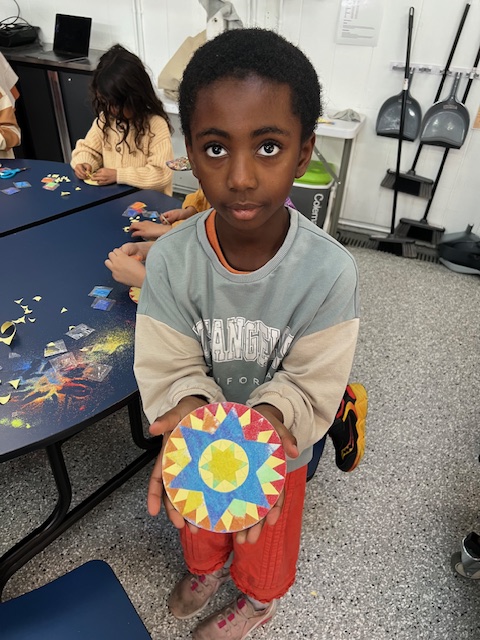
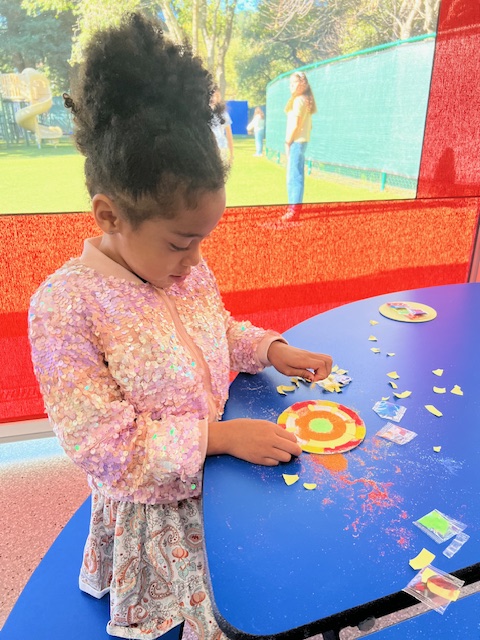
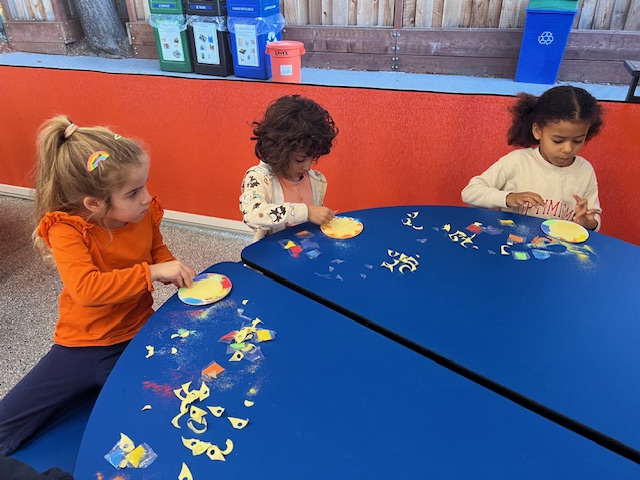
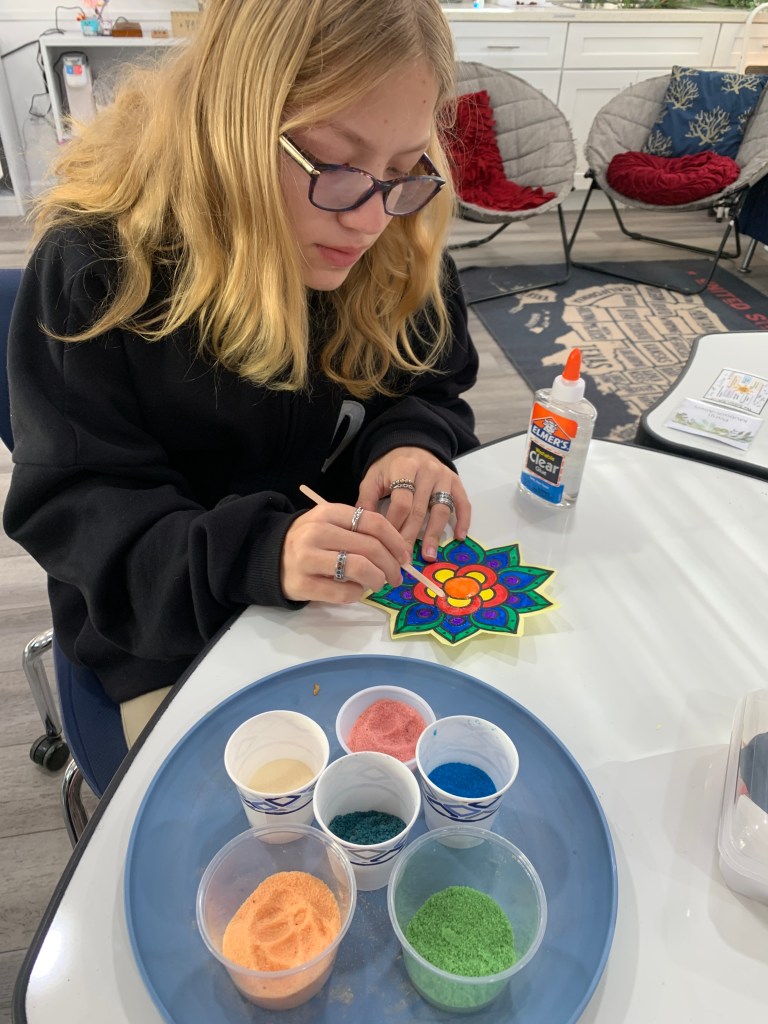
Kindergarten, first grade, and second grade students gathered in the pavilion to meet with Saklan parents Molly and Manju, who read Diwali by Hannah Eliot. Inspired by the story, students created vibrant rangoli—decorative designs traditionally made on the floor or tabletops using colored powders, rice flour, sand, or flower petals—to celebrate the spirit of joy, color, and togetherness that defines the festival.

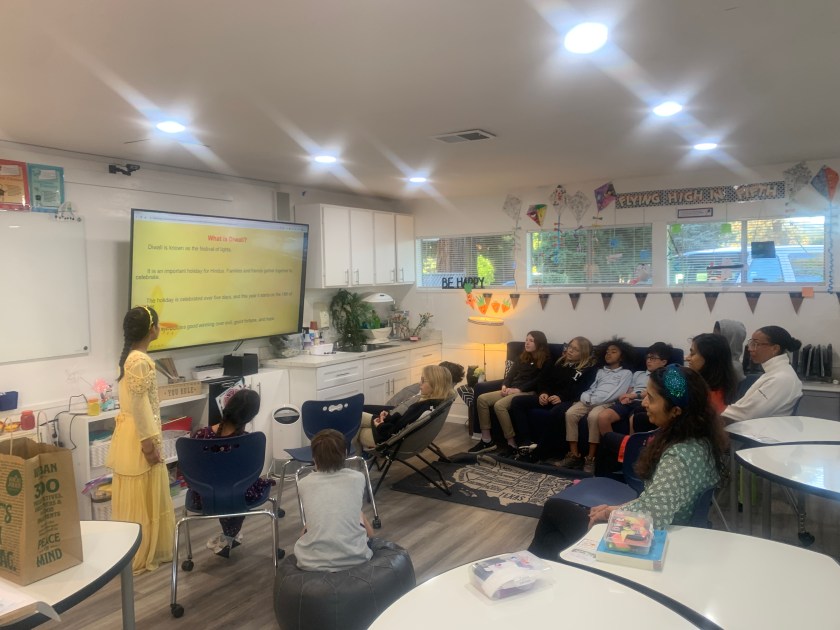
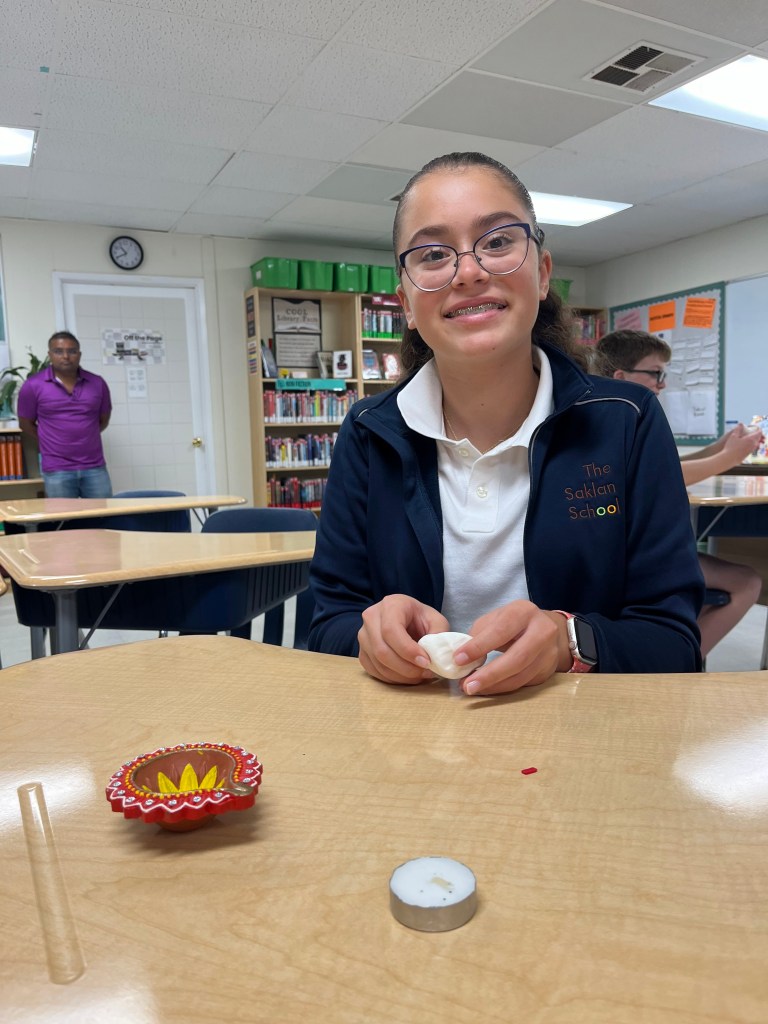
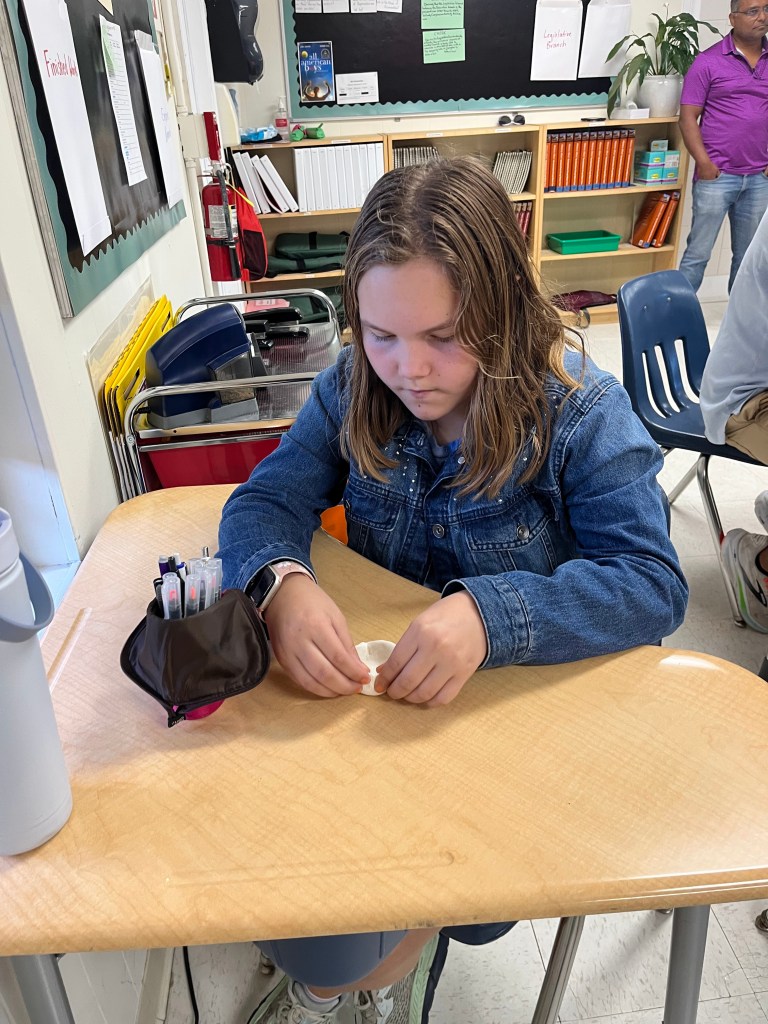
In fifth grade, two students, along with their parents, led their classmates in a beautiful Diwali celebration. Together, they explored the meaning of the five days of Diwali, the symbolism of the auspicious colors red and yellow, and the ways families honor the festival through stories, food, and traditions. Students created their own diyas—small oil lamps traditionally made of clay—and colorful rangoli designs, discovering how light, color, and creativity represent hope and goodness shining through.

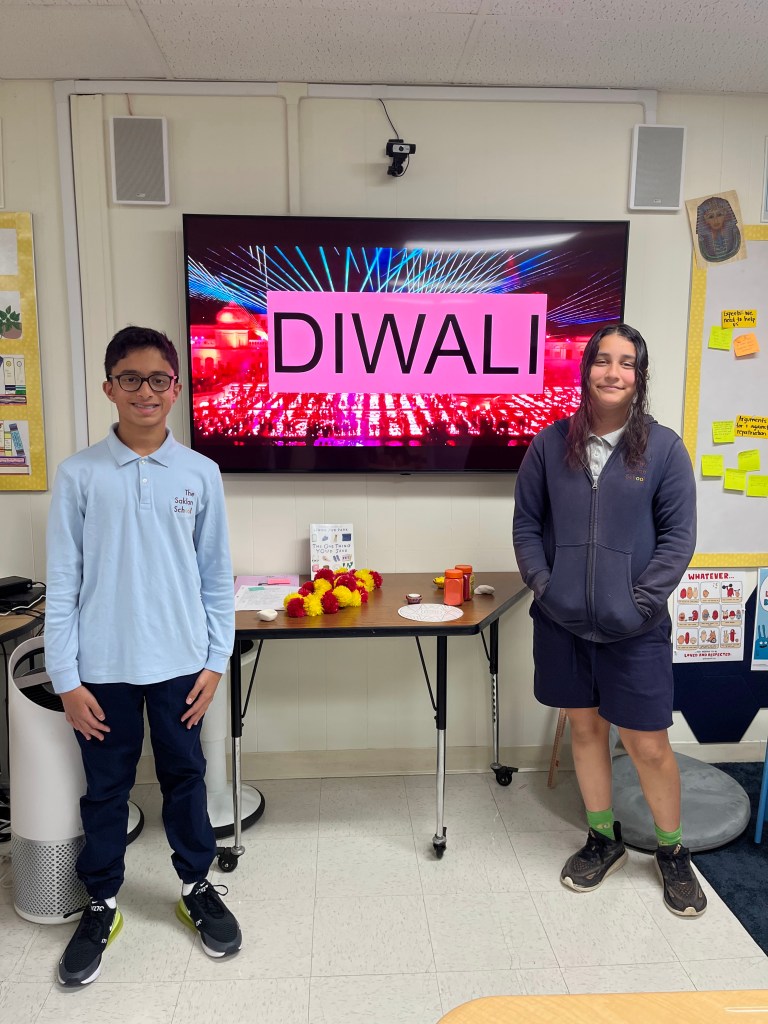
Two sixth graders also shared their family traditions, teaching classmates about Diwali’s symbolism and the use of marigold garlands and diyas. After learning and crafting, the class enjoyed traditional sweets—gulab jamun and milk cake—while connecting their discussion to the novel The Night Diary and previewing their upcoming study of ancient India and Hinduism.

A heartfelt thank-you to the students and parents who shared their traditions and stories with us! Celebrations like this strengthen our community and remind us of the beauty of learning from one another—honoring the many ways light, family, and culture connect us all.

#SaklanCommunity

High School Advice from a Saklan Alumnus

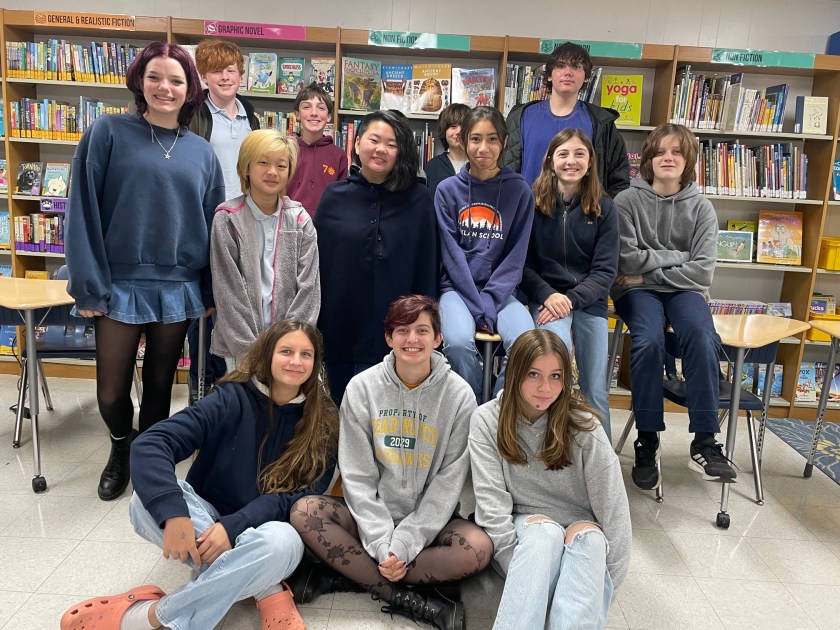
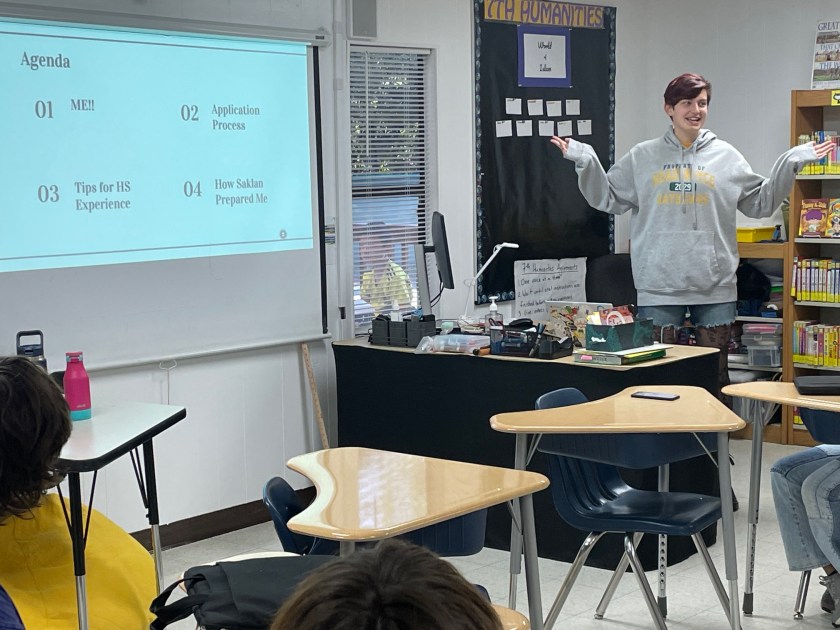
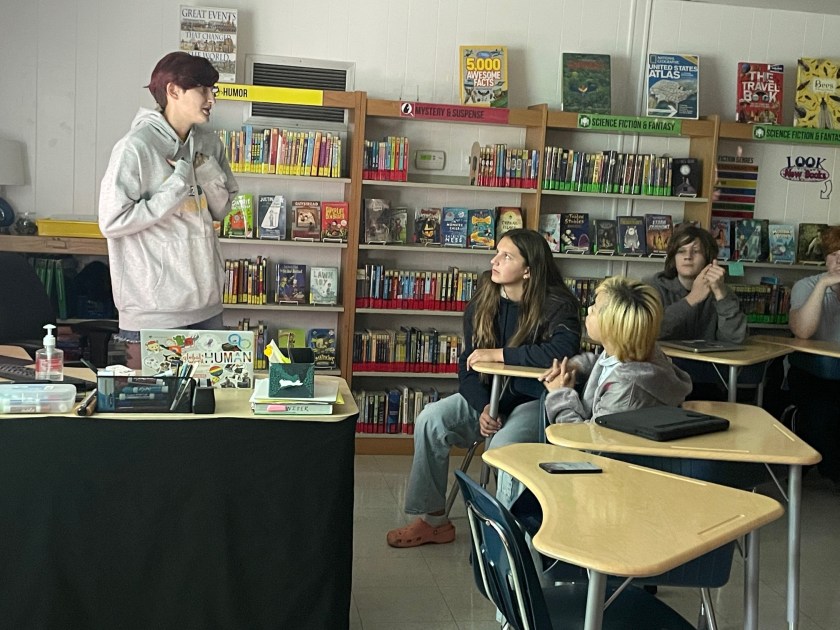
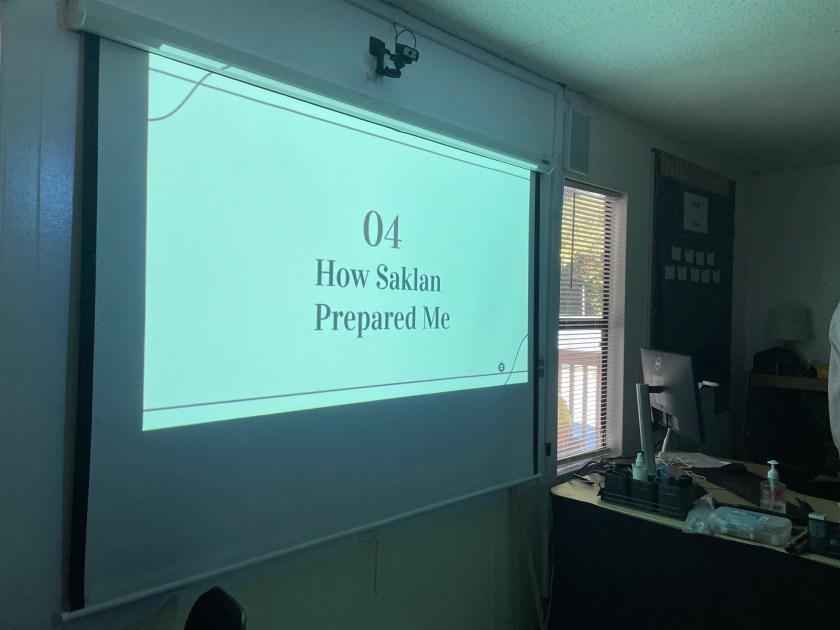
The 8th-grade class was treated to a special visit with Saklan Alumnus and graduate of the Class of 2025, Cam, for a presentation about Head-Royce High School and navigating the high school application process.

Cam shared important information from their own experience as a freshman at Head-Royce and provided encouragement and advice to Saklan’s Class of 2026 about the sometimes daunting transition to high school. Bring specific questions to ask about each high school that you visit, Cam advised, and during your interview, always trust in yourself because when a high school accepts you, they want you there because of who you are. 

Finally, Cam emphasized the importance of getting to know their new high school teachers, something that felt they were very well-prepared to do after building close relationships with their teachers here at Saklan.

Cam also described campus life at their high school, including clubs, sports, their advisory group, and academics. Cam recommended that the 8th graders nail down the habit of “marking as done” on assignments in Google Classroom, as this will be very helpful when turning in their high school assignments.

The visit ended with a fun, interactive Kahoot! game designed by Cam and a question-and-answer session.

We extend our heartfelt gratitude to Cam for sharing their experience, time, and encouragement with our 8th-grade students.

#SaklanAlumni

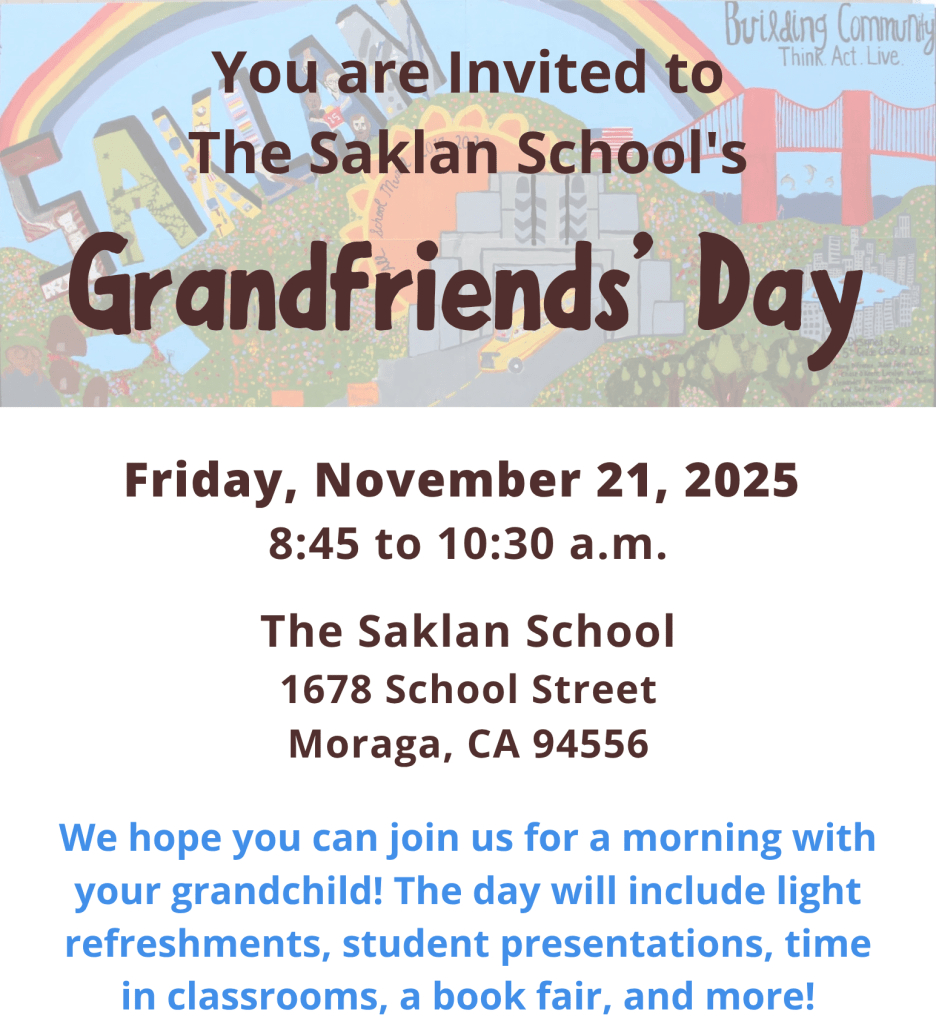
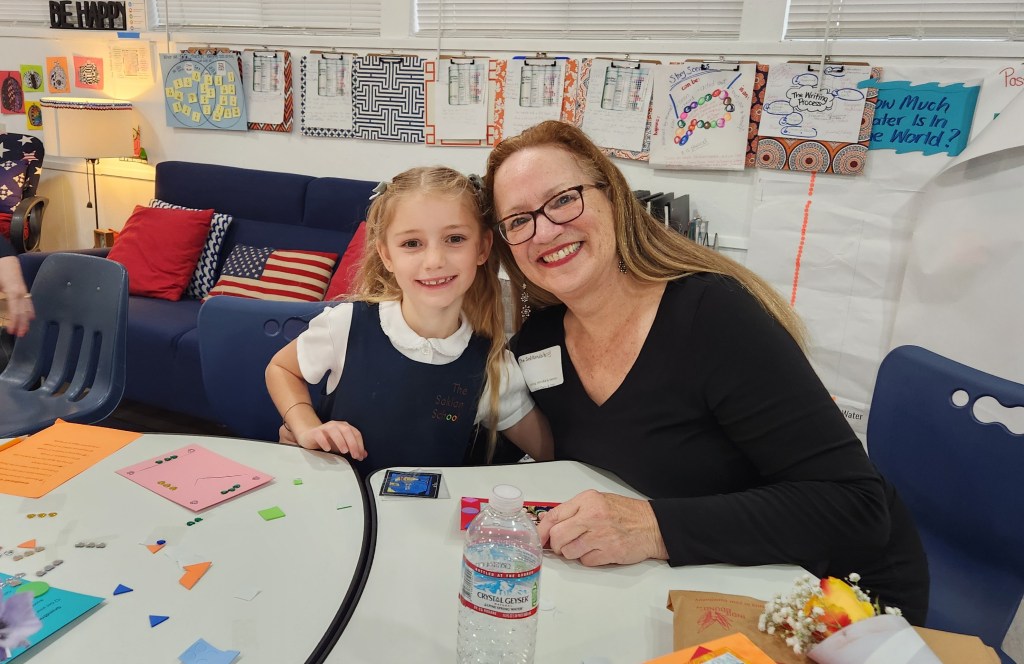
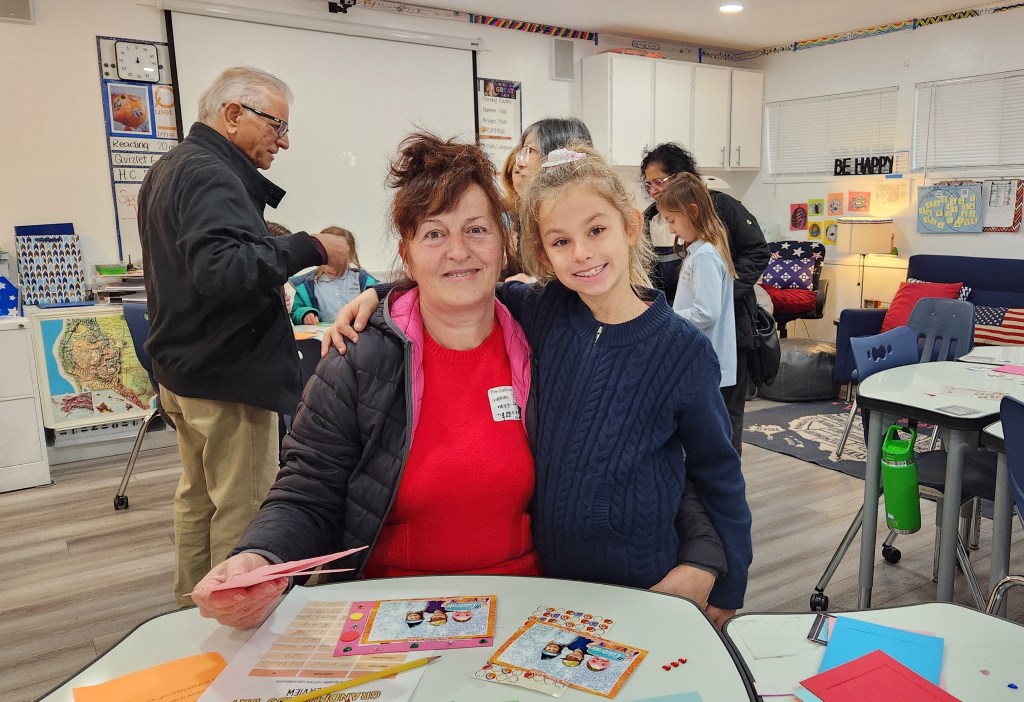
Grandfriends’ Day 2025

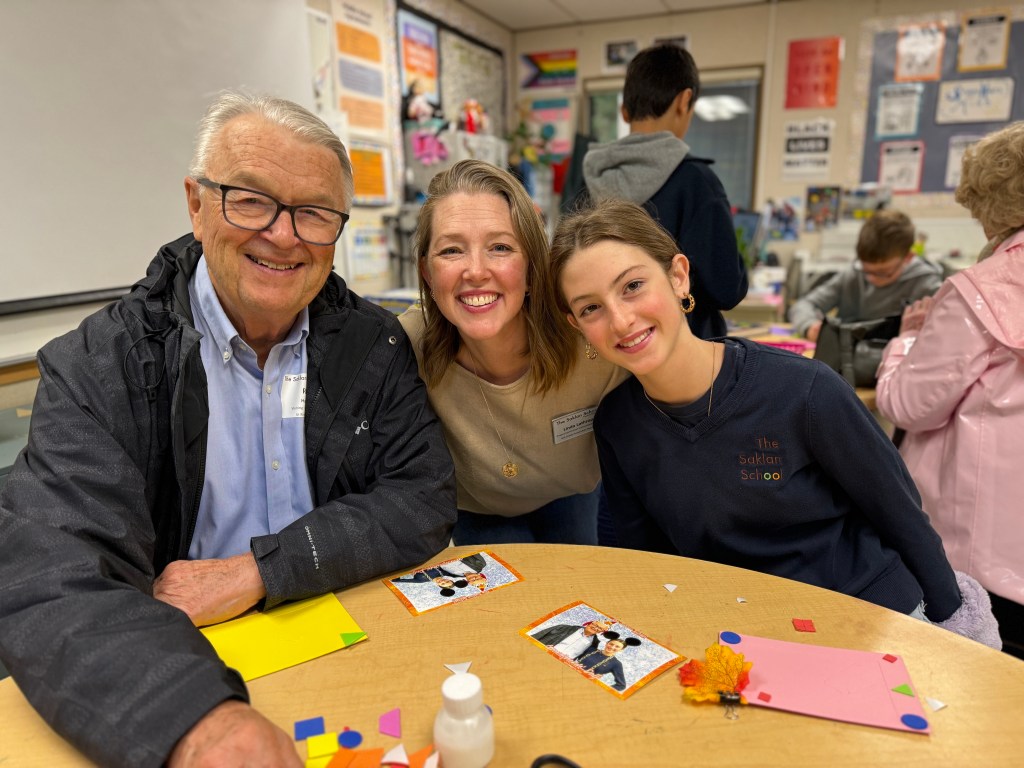
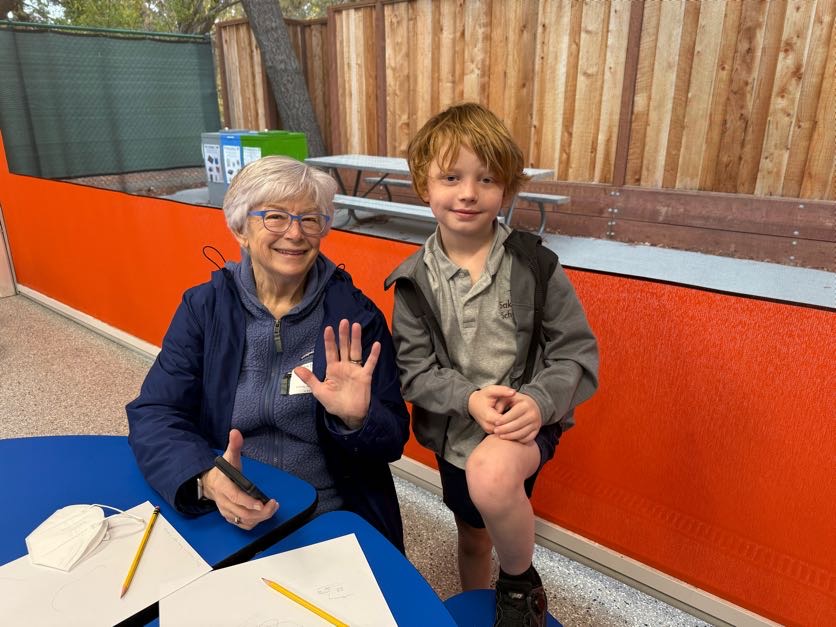
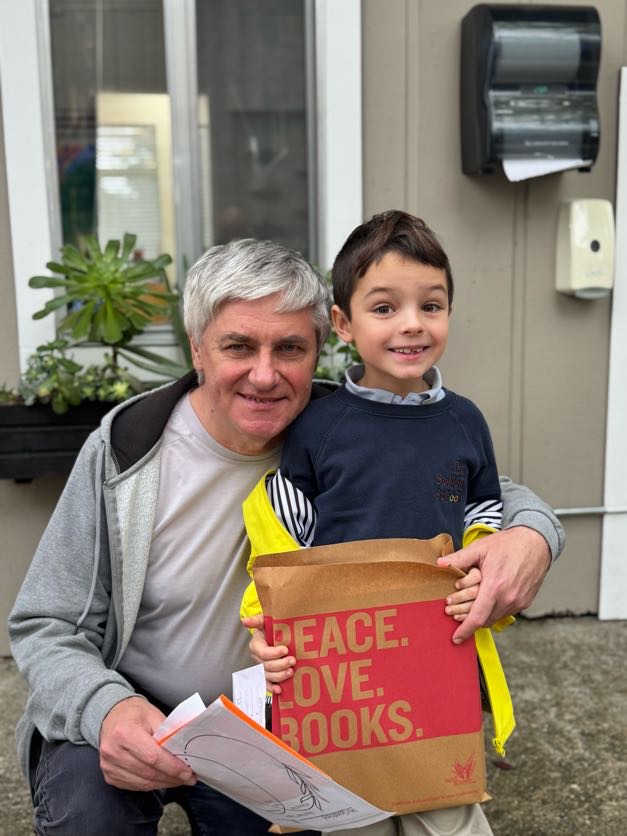
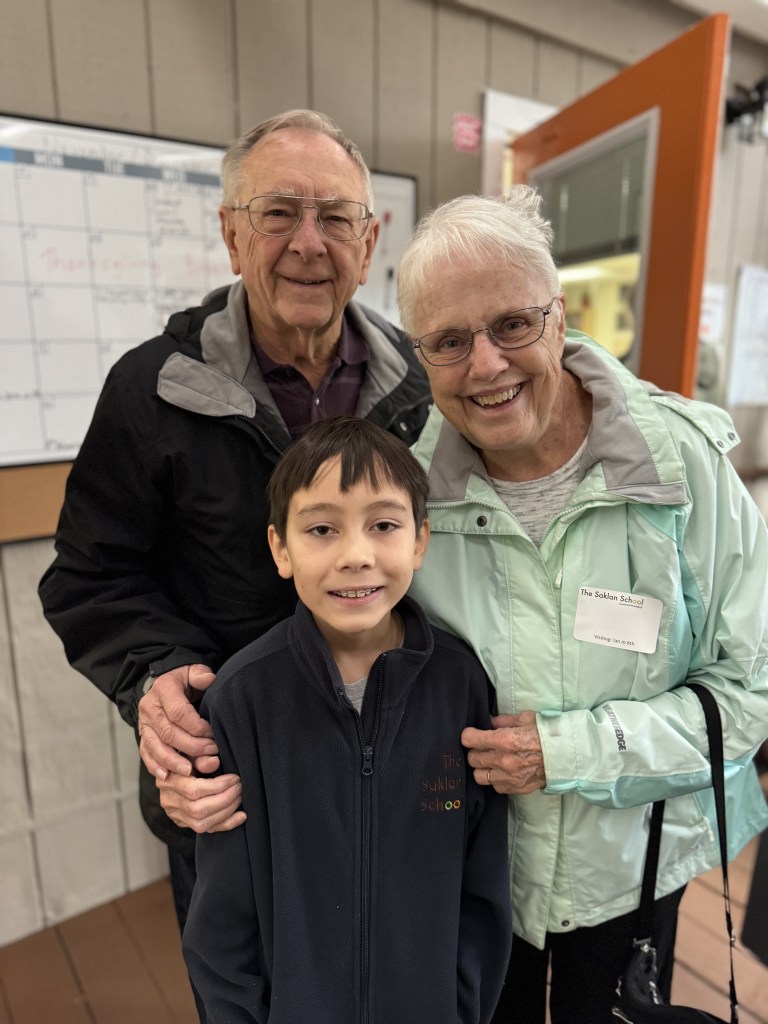
Saklan’s Grandfriends’ Day is on Friday, November 21, 2025, from 8:45 to 10:30 a.m.

Please share information with grandparents and special friends (a friend or family member that your child looks up to and/or has a grandparent-like relationship with) about this event, as we would love for them to join us!

#SaklanCommunity

A Joyful Start to Saklan’s AGF

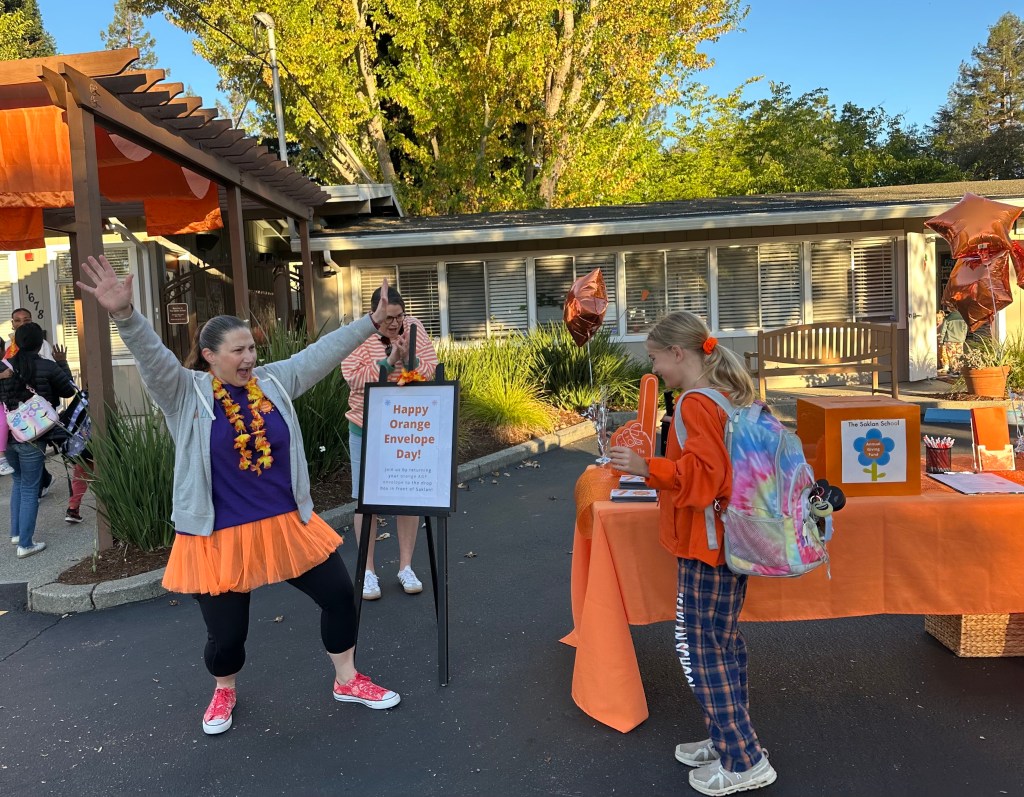
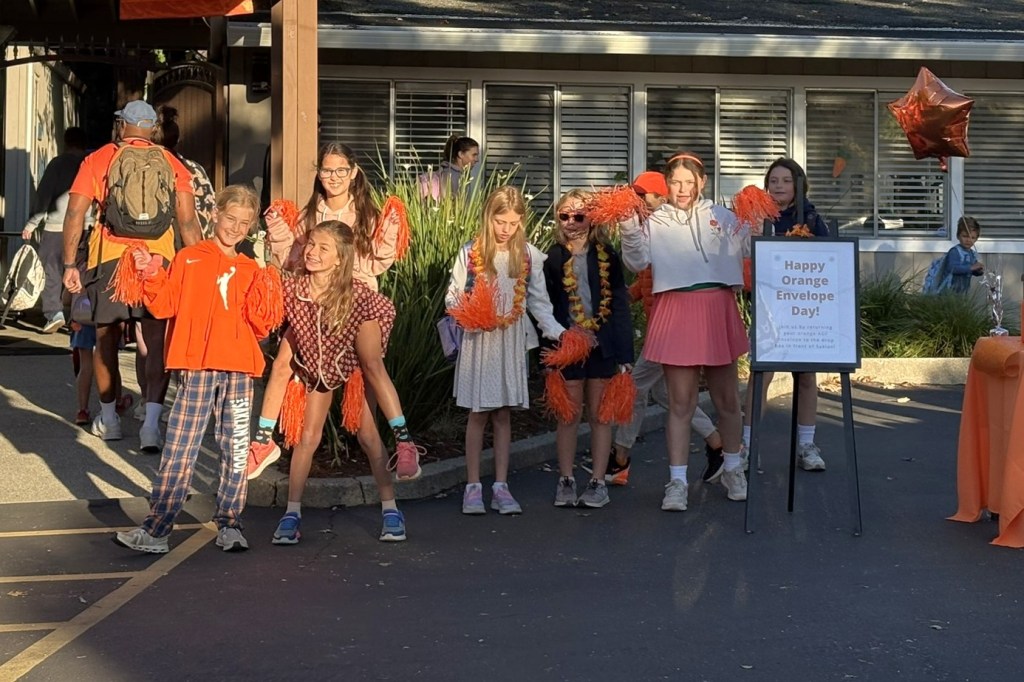
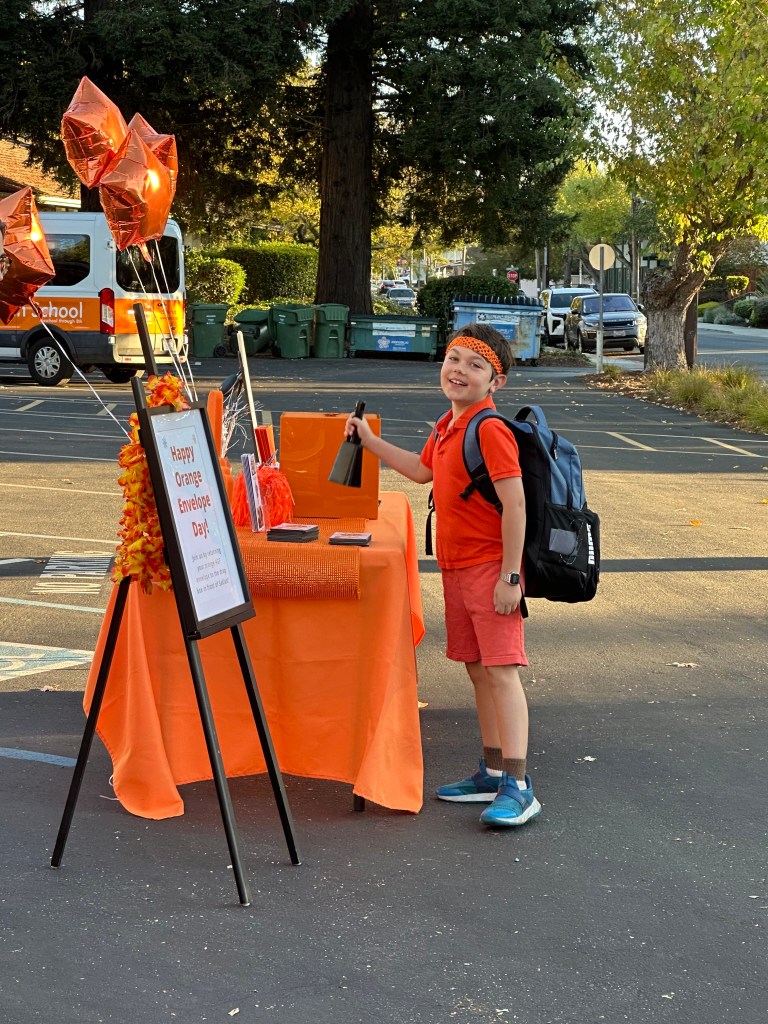
Tuesday, October 21st, marked Saklan’s fifth annual Orange Envelope Day! Kicking off our Annual Giving Fund (AGF) with school spirit and enthusiasm, students and parents dropped their orange donation envelopes in the orange box and rang the cowbell to mark the occasion. With student cheerleaders, an orange sky dancer, music, and plenty of smiles, the morning was filled with joy and community pride.

We’re thrilled to share that Orange Envelope Day 2025 brought in 51 gifts and participation from 42% of Saklan families—a fantastic start to our giving season.

We are so grateful to all who have already contributed to this year’s AGF. Together, we’re well on our way to reaching our goals of $230,000 raised and 100% family participation.

If you haven’t yet had the chance, please join us! Help us reach 100% participation by making a gift that is meaningful to you and your family. Gifts can be made online or by returning your donor form from the AGF mailing to the Saklan Office.

Thank you for believing in Saklan!

#SaklanAGF #SaklanCommunity

Head’s Corner: Foundations Built With Care

I recently reread Kim Brooks’ New York Times piece, “We Have Ruined Childhood.” While the piece pointed out all the things in society that make childhood seem like an internship for adulthood, it left me optimistic. Optimistic, because it reminded me why what we do at Saklan matters so much. In a world that’s forgotten what kids really need—connection, curiosity, play—we get to build something different every day. We get to show what childhood should look like.

What stood out most to me in Brooks’ article was her point that kids today have fewer chances to practice the social-emotional skills that make us human—to start friendships, navigate conflict, solve problems, or just be with others without adults steering the moment. Working with Denise Pope from Challenge Success (an organization Saklan has partnered with), Brooks highlights a simple but powerful truth: kids need family time, strong relationships, independence, and agency.

This is where Saklan matters.

We’ve made a conscious choice to prioritize what research tells us children actually need. How to communicate. How to handle disappointment. How to work through disagreement. How to persist when things get hard. We deliberately create time and space for students to develop those vital human skills. These aren’t add-ons to our curriculum. They’re at the heart of what we do.

And here’s what’s remarkable: this approach doesn’t just create happier, healthier kids (though it absolutely does that). It also leads to stronger academics. Counterintuitive? Maybe. But the research bears it out. Time and again, studies show that when children have space to play, to create, to connect with others, and to develop social-emotional skills, their academic performance improves. They become more engaged learners. They develop genuine curiosity. They build resilience.

This doesn’t mean we’re perfect or that we’ve solved every challenge facing modern childhood. But it does mean we’re intentional. We understand that school should be a place where children learn to be fully human—intellectually curious, emotionally resilient, socially connected, and creative. Childhood isn’t a race to adulthood. It’s a foundation to be built with care.

Warmly, 

David