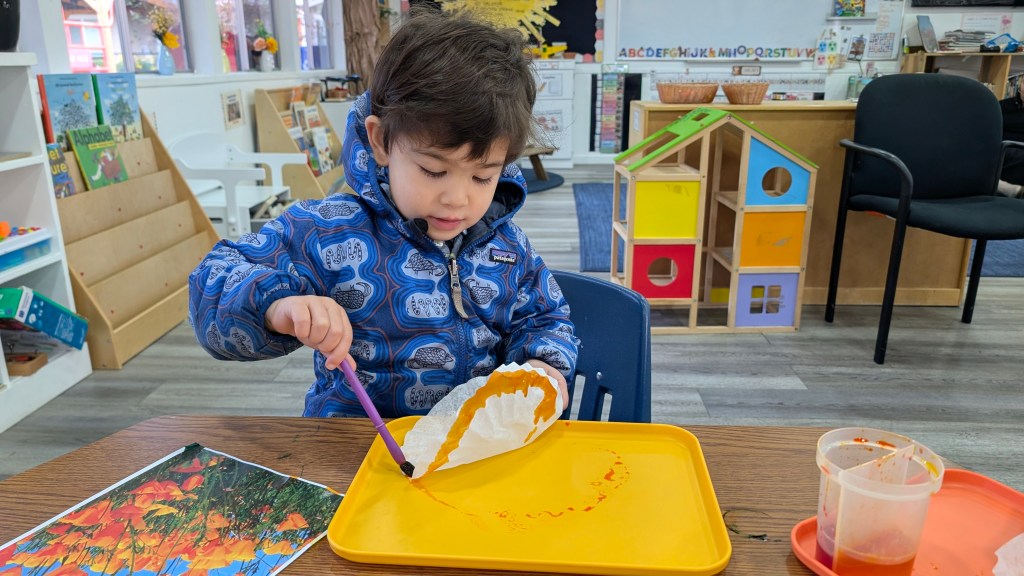
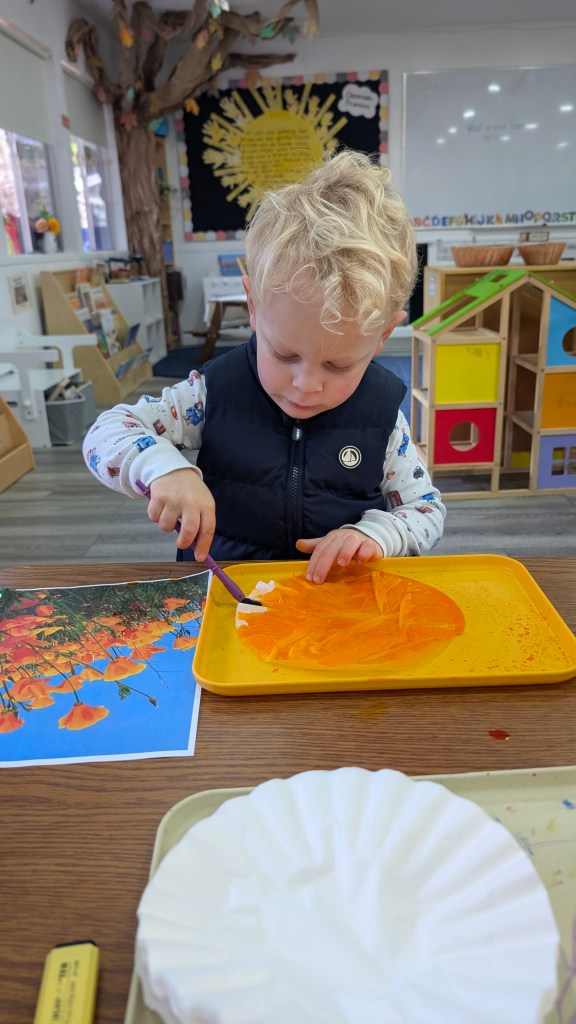
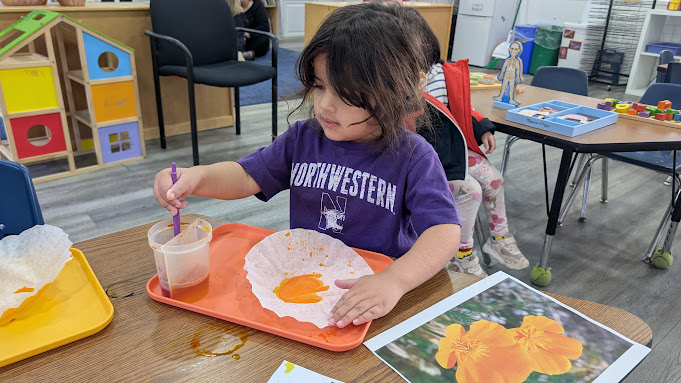
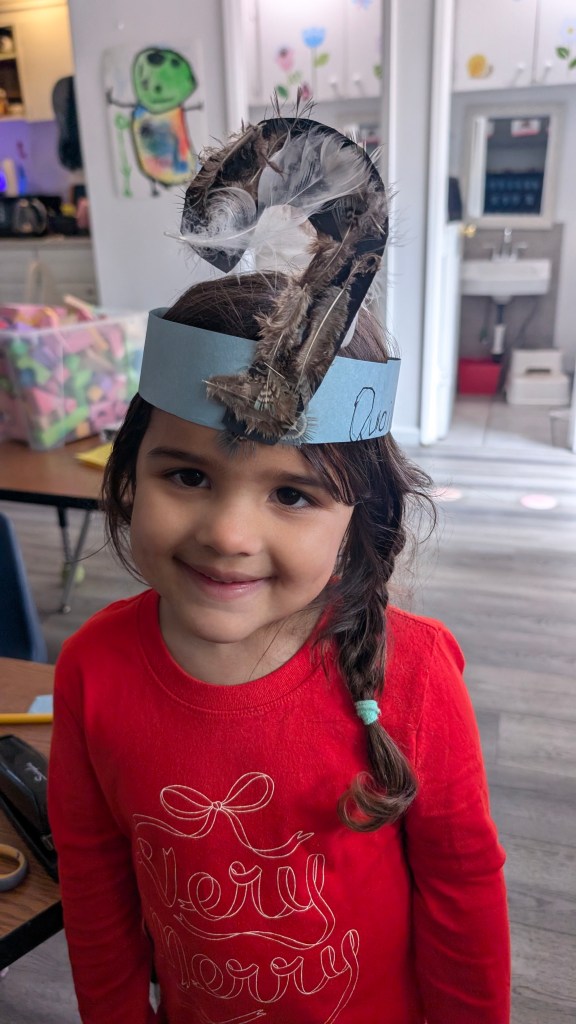
The Owlets have been busy learning all about California through a joyful, hands-on mini-inquiry inspired by curiosity, creativity, and discovery. Their exploration began in early January with a classroom art project focused on California poppies. After closely studying photos of the state flower and noticing its bright orange and yellow colors, the Owlets used liquid watercolors to create their own vibrant poppies. Although poppies typically bloom in the spring, they bloomed early in the Owlet classroom!
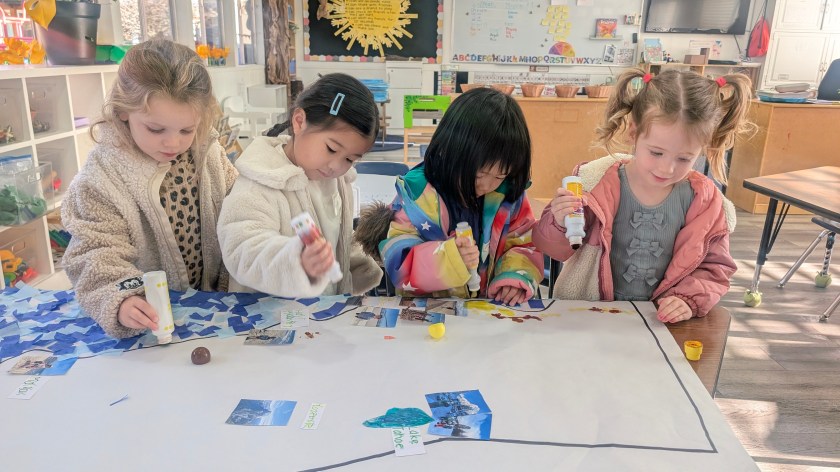
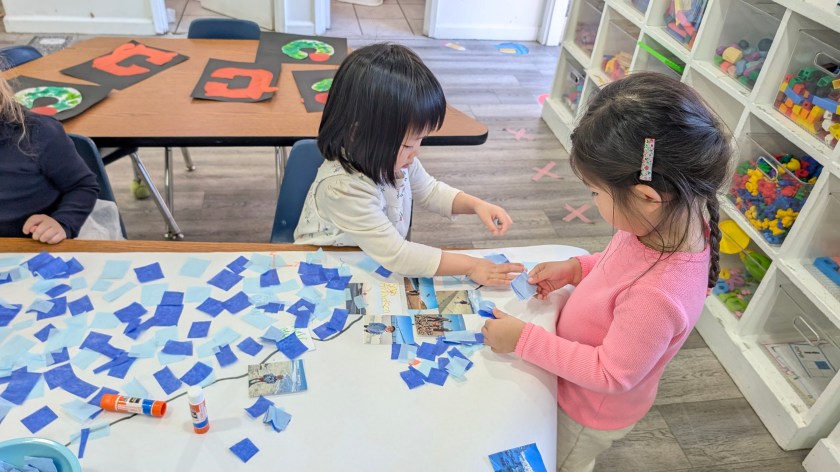
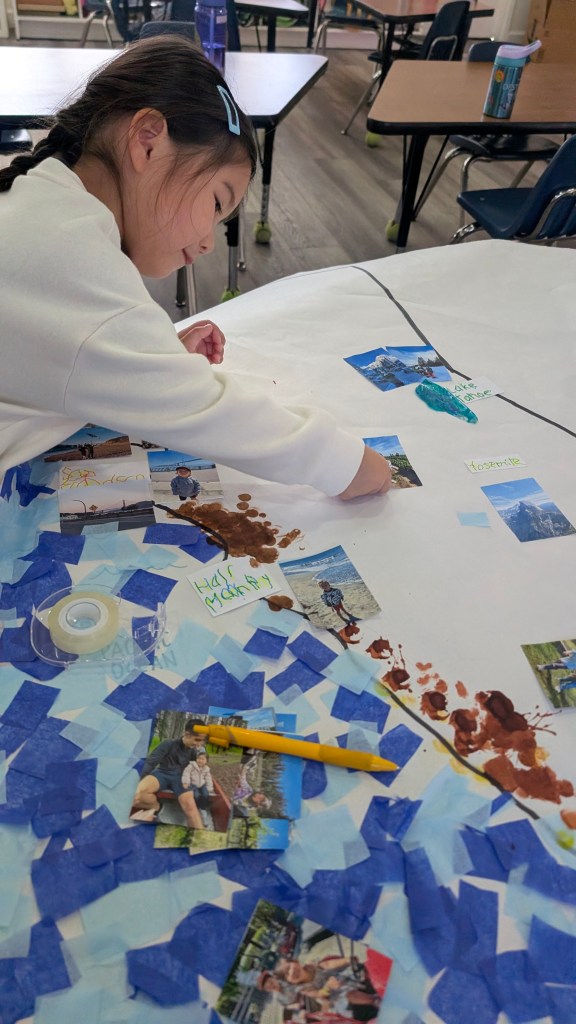
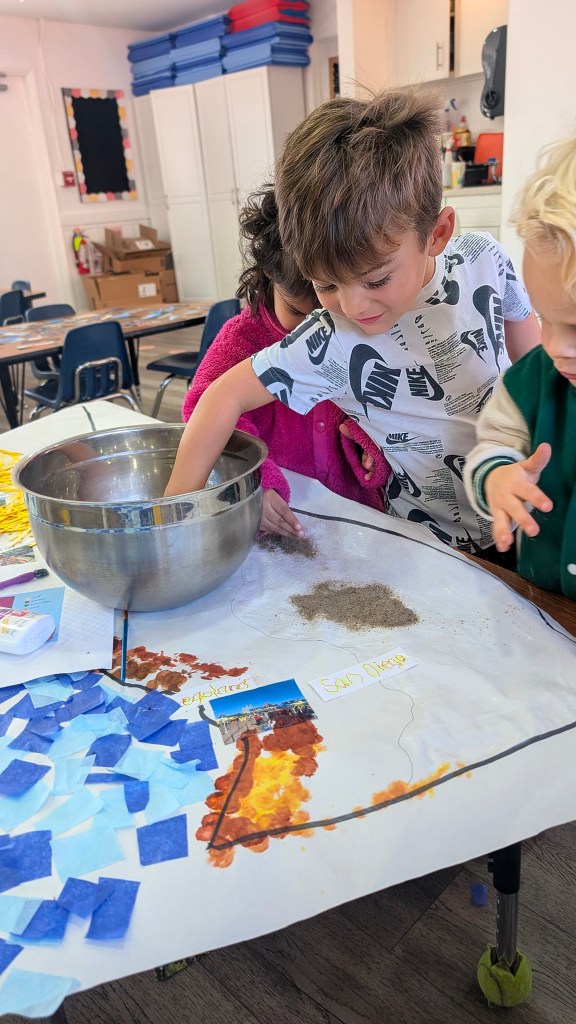
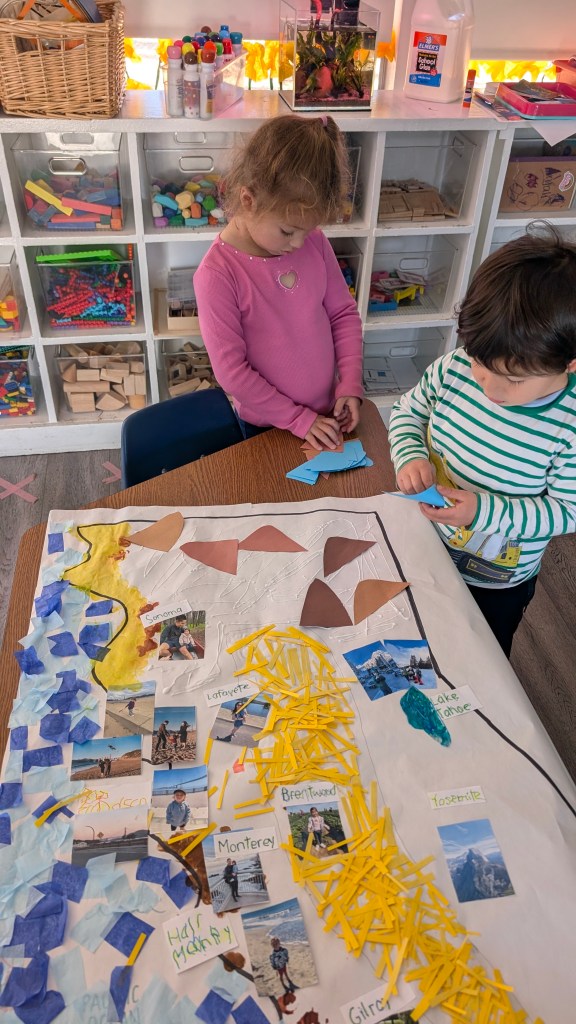
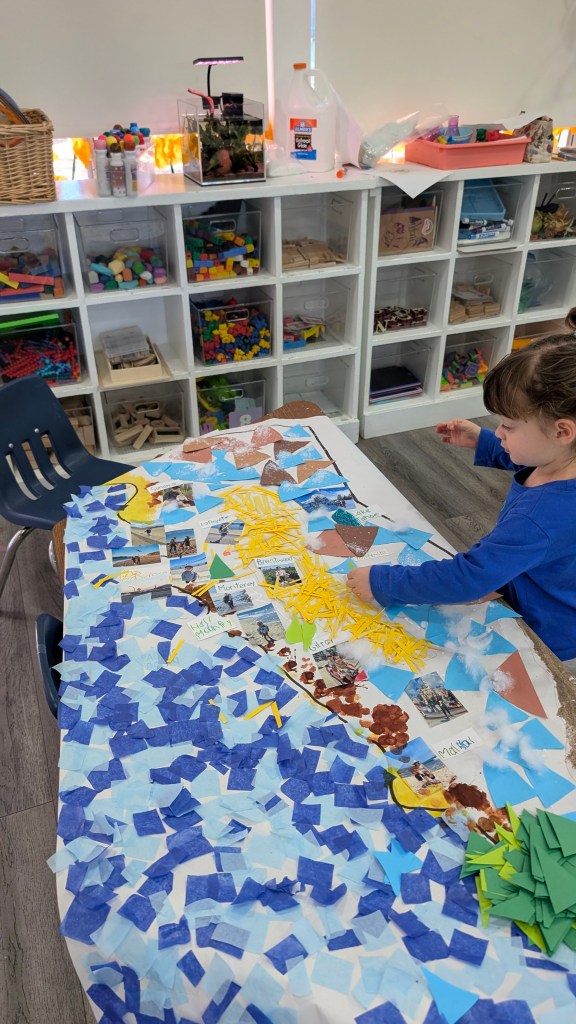
The inquiry officially began with the book Welcome to California, which introduced students to the basics of the state and continued to serve as a reference throughout the project. The Owlets eagerly shared places they have visited across California and quickly realized just how diverse the state’s landscapes are. To bring this learning to life, they worked together to create a large map of California, discovering coastal beaches, farmland, snowy mountains, forests, and deserts along the way.
In small groups, the Owlets used a variety of materials to represent where each landscape is located on the map. They also examined real photos shared by Owlet families and practiced matching each image to the correct region.
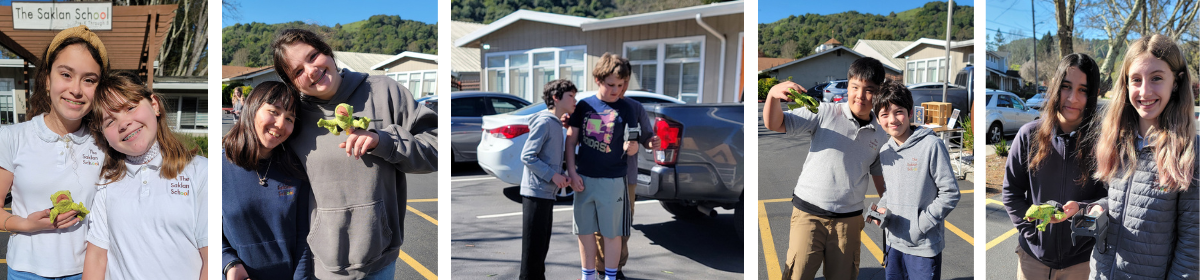
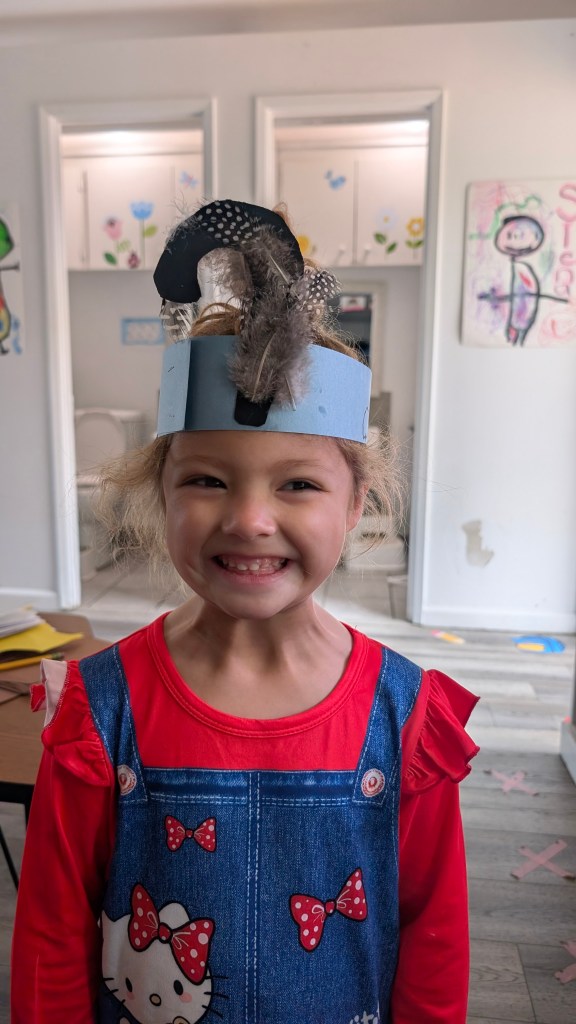
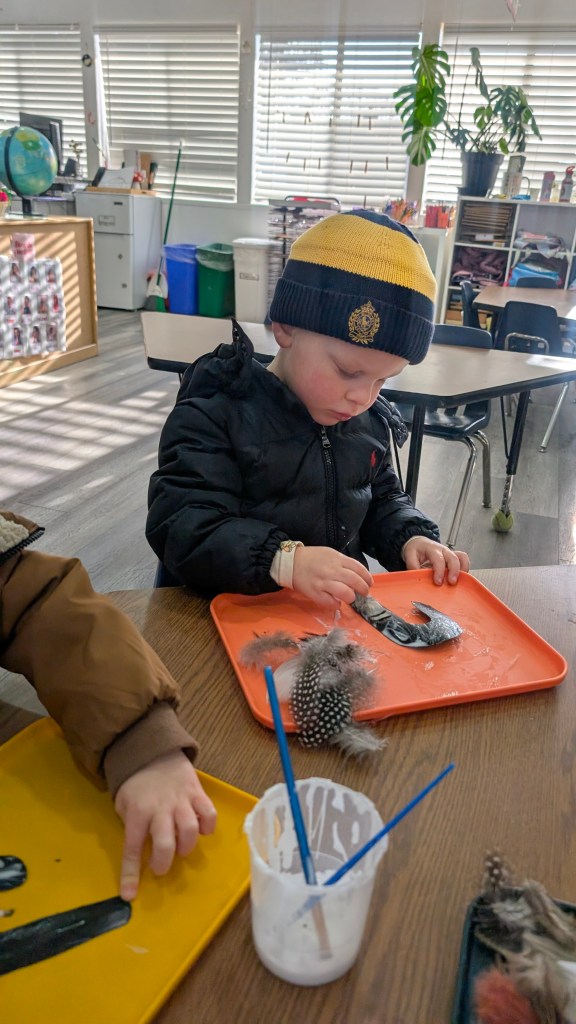
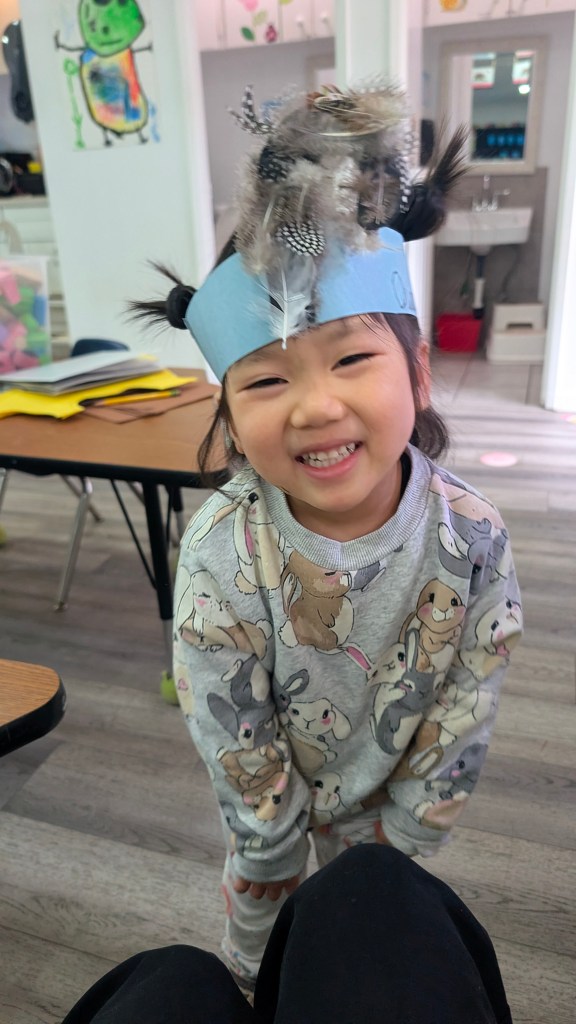
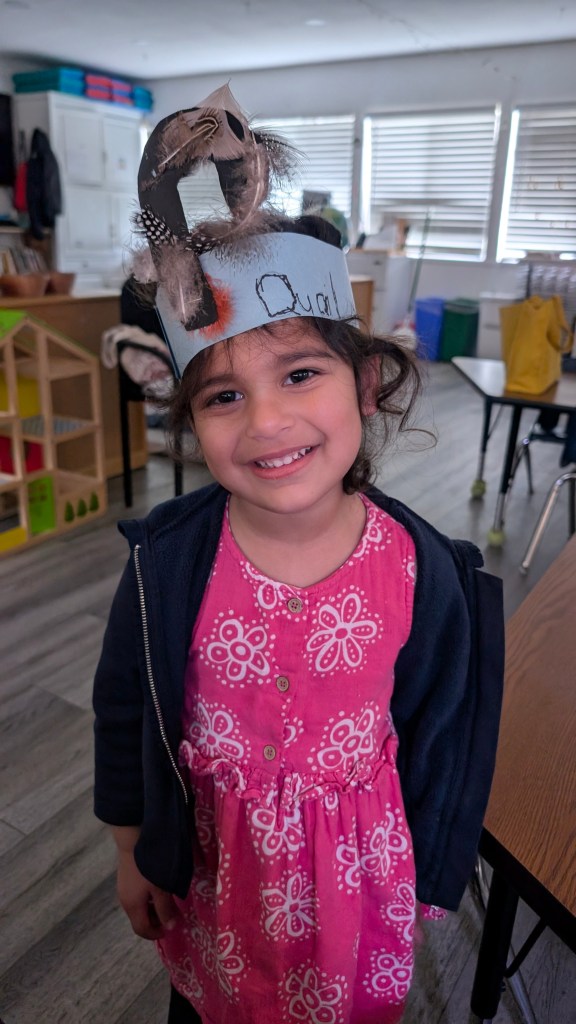
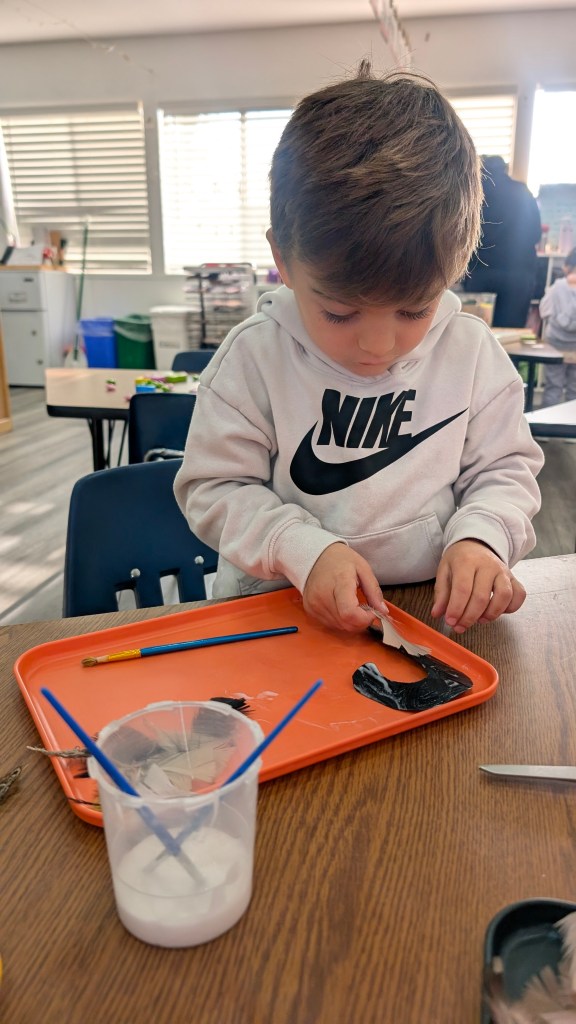
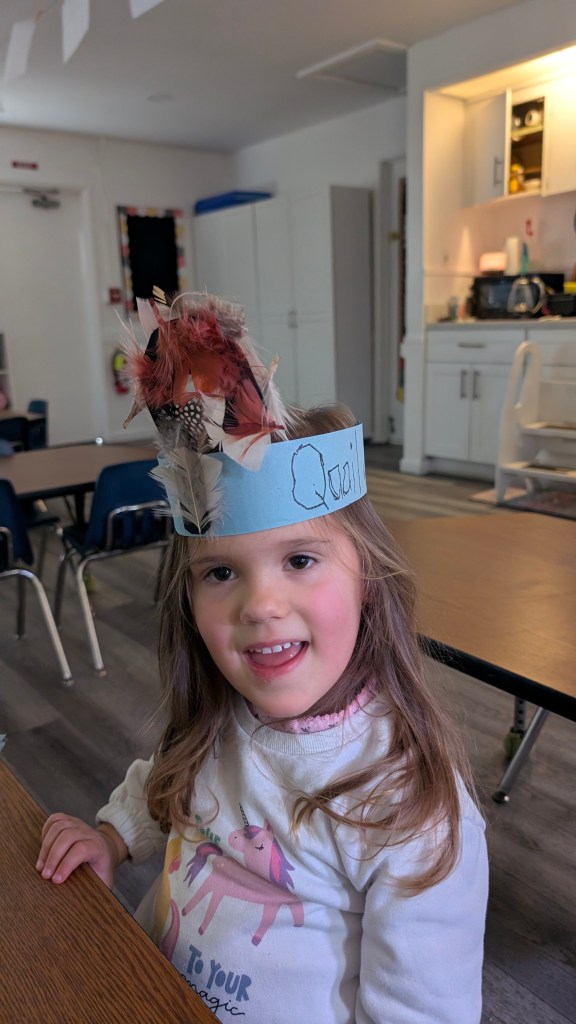
The Owlets also learned about California’s weather patterns and the animals that live in each region. They noticed that the desert is hot and home to animals that wouldn’t survive in cooler mountain climates. While studying the California state flag, they spotted the large brown grizzly bear and learned that grizzly bears no longer live in the state. This led to an exploration of animals that currently call California home, including black bears, foxes, coyotes, mountain lions, bobcats, and quails. Students were especially excited to discover a few “hidden” quails right in their classroom.
The inquiry wrapped in elements of California history as well, including a discussion of the Gold Rush and how people once traveled to the state in search of gold. Through art, literature, mapping, and imaginative play, the Owlets have built a strong foundation of knowledge about California—its landscapes, animals, symbols, and history—while nurturing curiosity and a love of learning along the way.
Earlier this month, Saklan’s 8th graders completed a meaningful service learning field experience in Puerto Rico. We shared highlights from the beginning of the trip in last week’s blog; below, we invite you to catch up on the final days through reflections written by the students themselves. Throughout the week, students documented their learning, service, and growth in a daily blog, capturing both the work they did and the connections they formed along the way.
Day 3: Filling in Walls with Cement
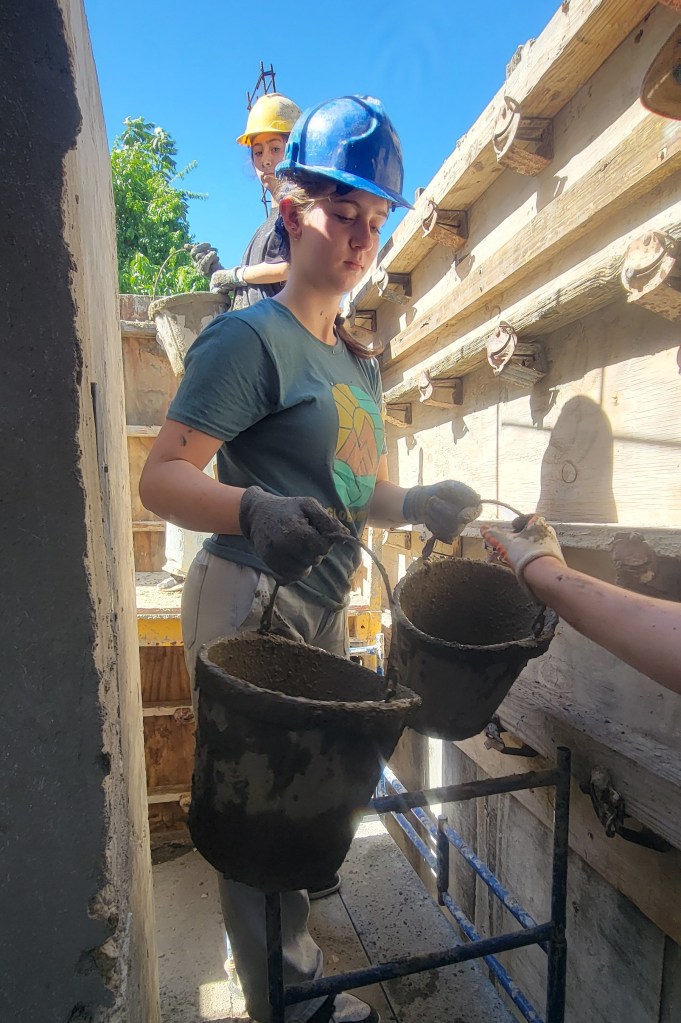
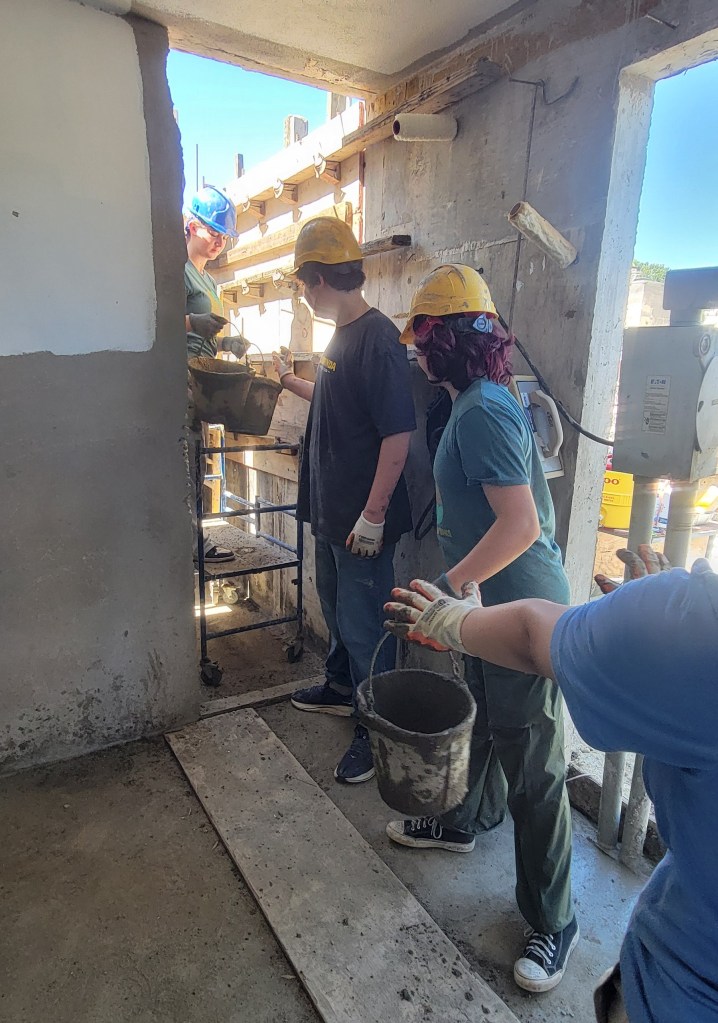
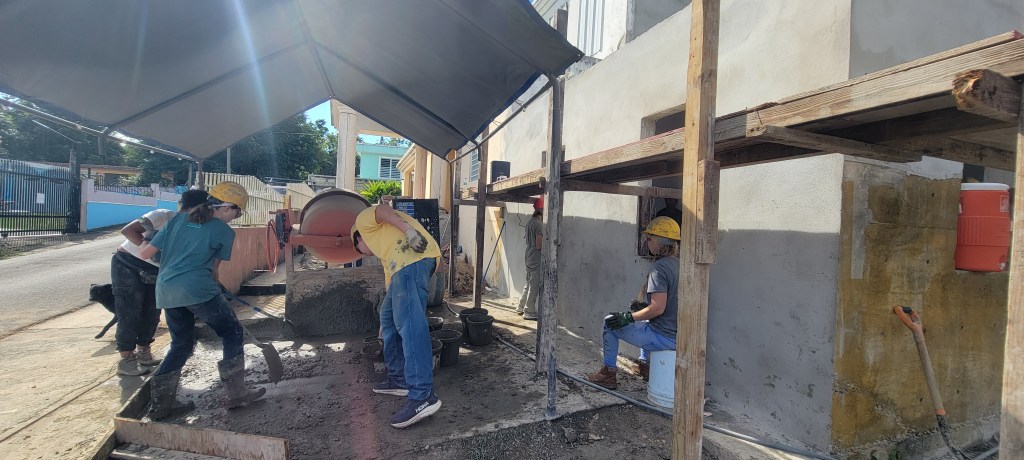
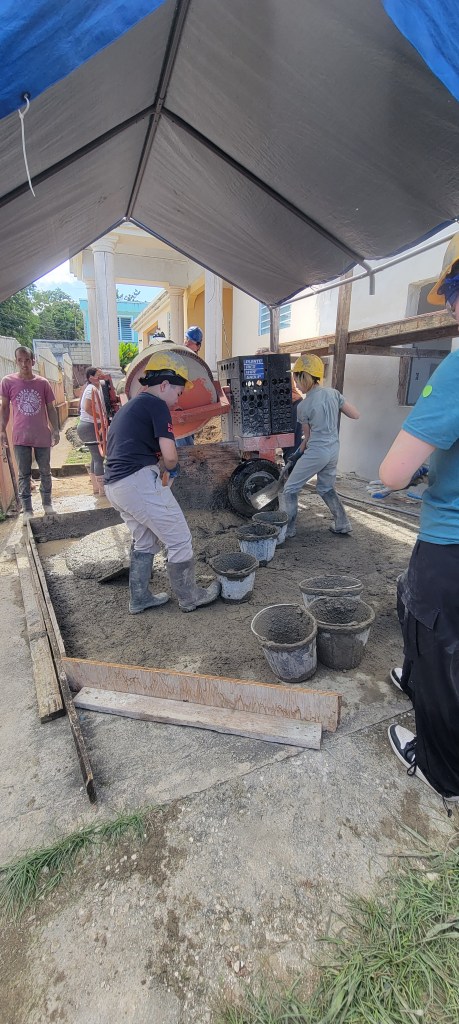
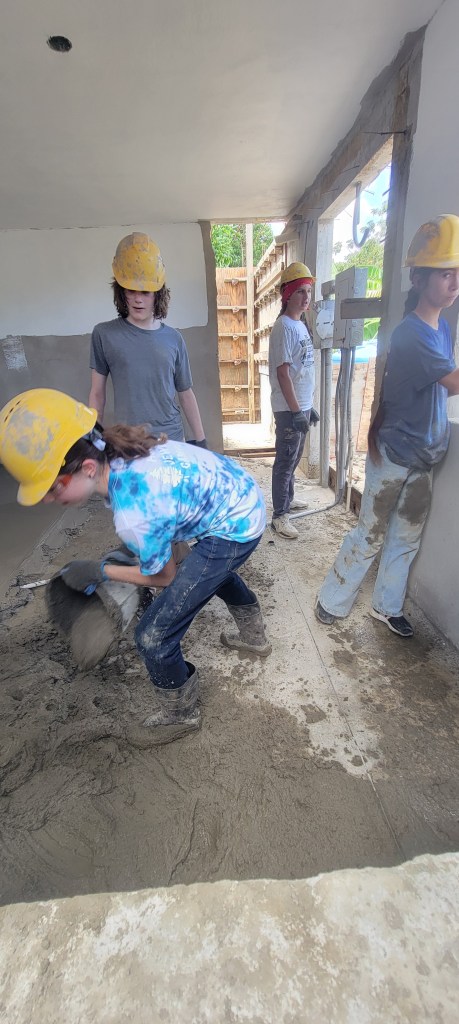
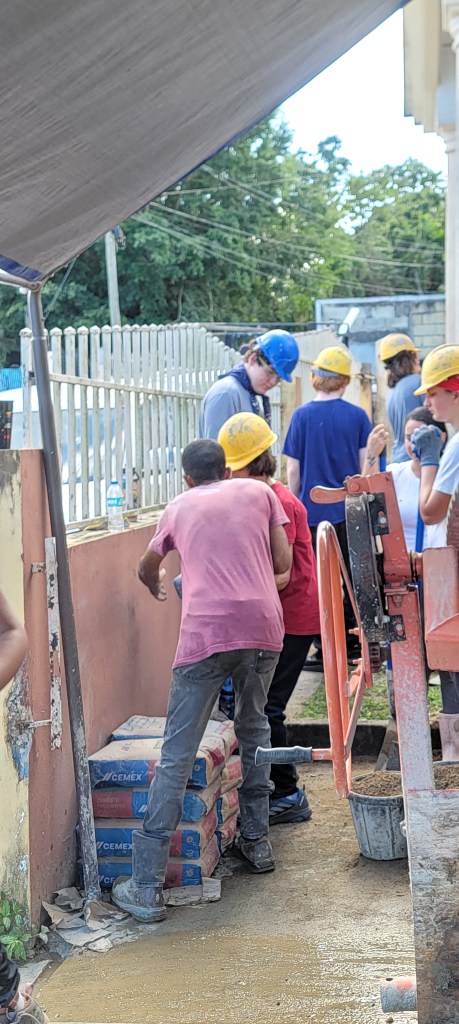
Today, when we woke up, we were greeted by a delicious waffle breakfast. By the end of breakfast, we were ready to rumble and headed to the construction site. Angel told us that today we were going to be filling in the walls with cement. The jobs for today were: shoveling, passing buckets, and filling in the wall. We worked tirelessly and filled in the first wall in only 45 minutes! During our breaks, we were surprised to receive different snacks like fruit, CapriSuns, and Gatorade. After each break, we switched around our jobs and learned more skills for rebuilding houses.
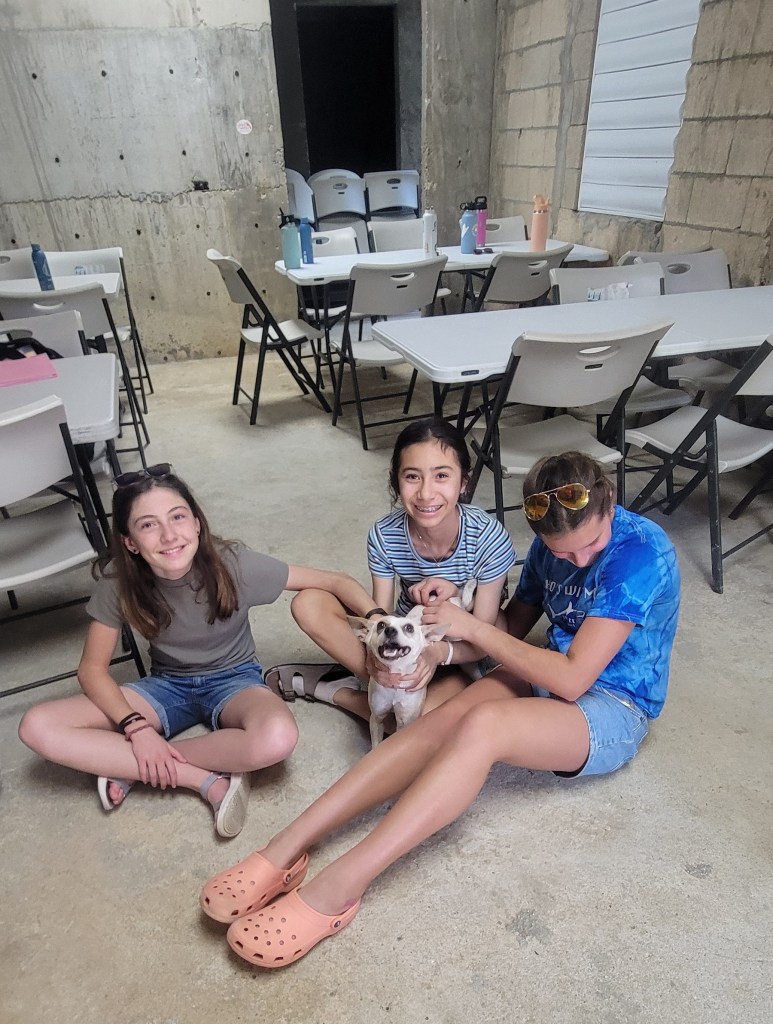
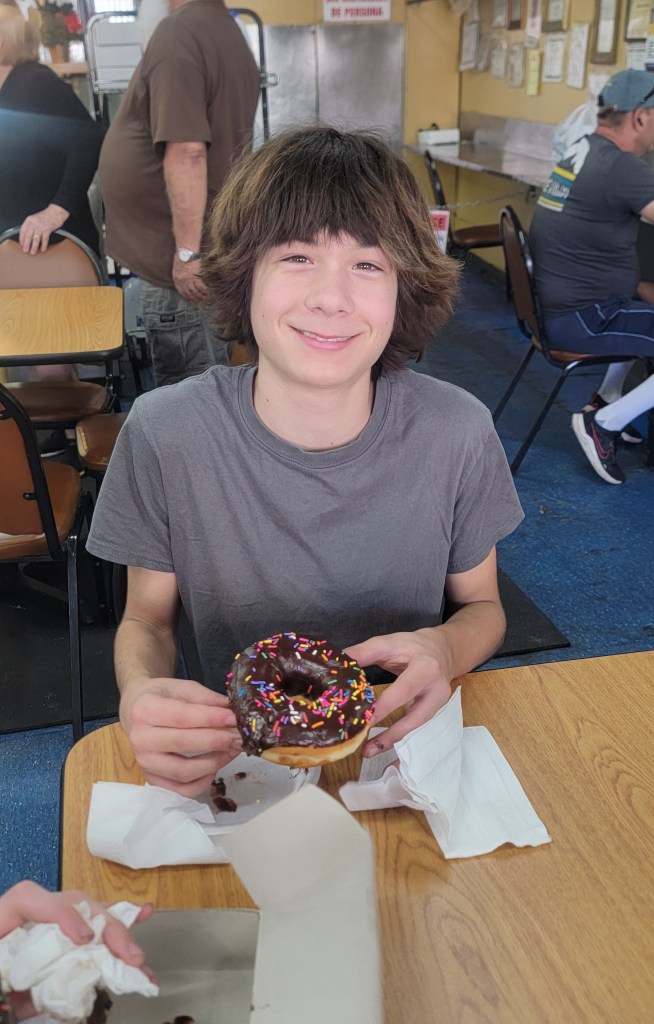
When we were finished with construction, we were welcomed back to Maria’s house with a very delicious lunch, and a very friendly dog that we called Lil Brunc. Our delicious lunch today was rice, beans, chicken nuggets, and salad. After our lunch, we headed to a local bakery where Ms. O bought us giant donuts the size of Lil Brunc! Then, we went to a nearby supermarket where we bought a bunch of delicious and exclusive Puerto Rican snacks. After that, we went back to the Big Yellow House to get ready for the beach. The beach was super fun, and when we got back, we all ate a really delicious meal. Then we enjoyed the rest of our day with group activities and free time.
Day 4: Last Day in the Big Yellow House
Today was an amazing day to close our stay at the Big Yellow House! We woke up to the delightful scent of French toast and sausages. After applying sunscreen and bug spray, we returned to the work site to finish filling in the wall. During our work, we were given tasty ice pops by Yulissa, the person for whom we were building the room. After a few hours of hard work, we filled in the wall completely.
We ate a lunch that consisted of burgers and French fries, along with fruits of many kinds. We returned to the Big Yellow House and had a few extra hours of beach time, because we had finished early. At the beach, we used our creativity to dig holes and play with rocks in the sand. After a fun time at the beach, we headed home to pack up our luggage for our last night at the Big Yellow House.
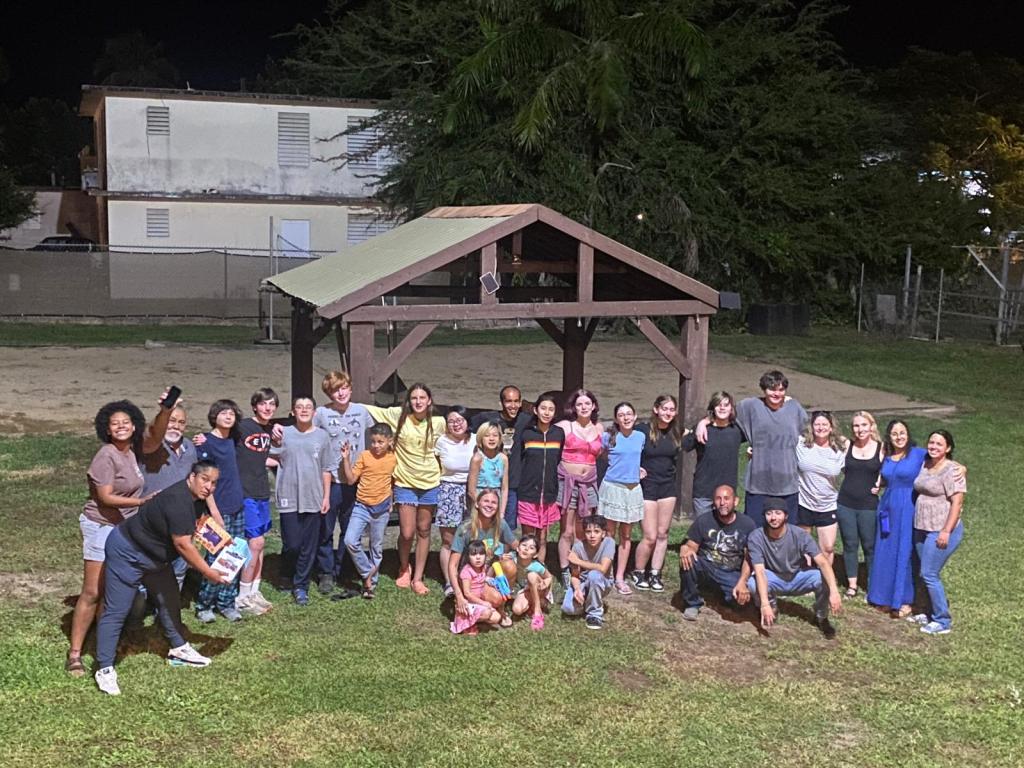
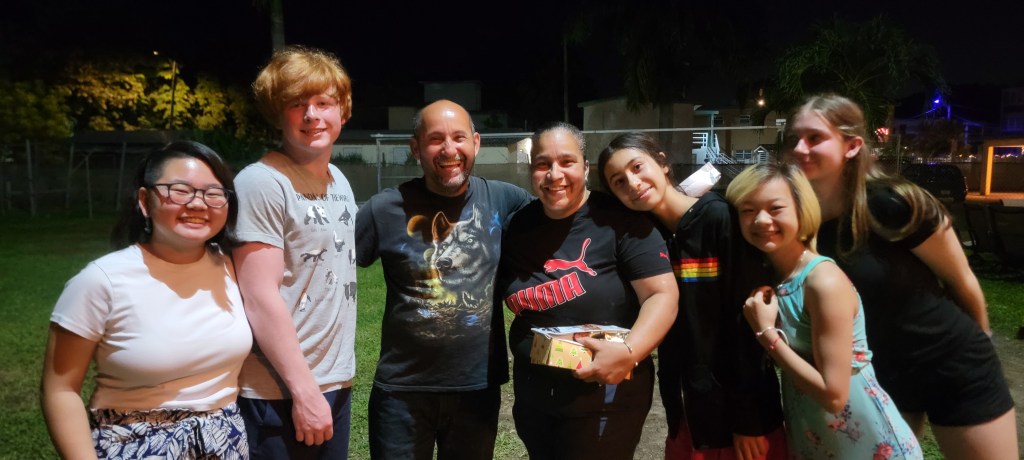
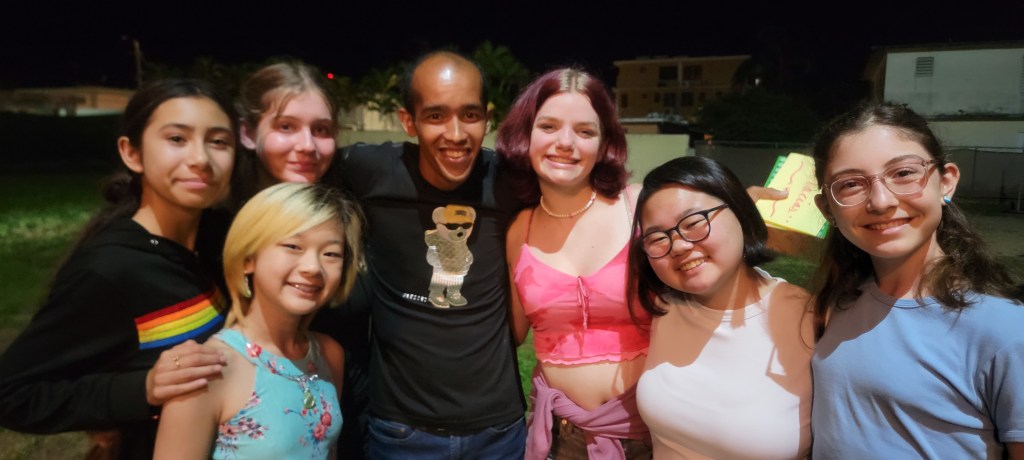
The group prepared thank you cards written to the community we worked with over the week. Once everything was ready, we spent time with Miss O and Miss Kim to reflect on our experiences with the community so far through journaling. For our final dinner at the Big Yellow House, we invited the community to share it with us. We had a delicious dinner of chicken breast, pork chops, yellow rice, and potatoes. After everyone had finished their food, our class played games with the other kids in the community. To close up our dinner, we had a final meeting about our overall thoughts on our three days at the work site. Before we said our final goodbyes, the community gave us each a bracelet as a thank you and as a reminder of our time here in Puerto Rico.
After everyone left, we all pitched in to help clean up and turned in for our final night at the Big Yellow House. We cannot wait for our upcoming adventures during our last full day here in Puerto Rico!
Day 5: El Yunque Rainforest
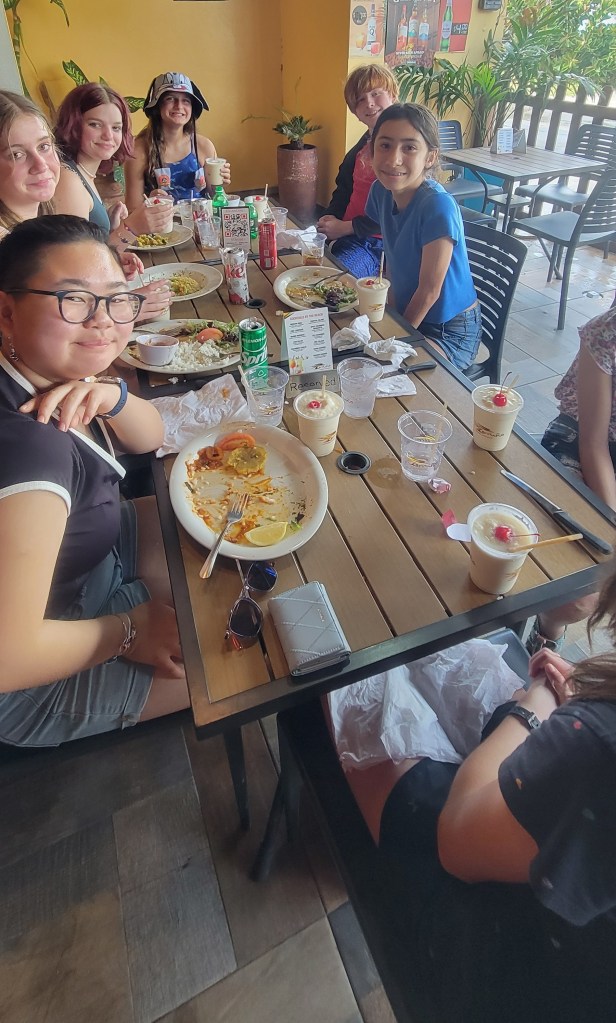
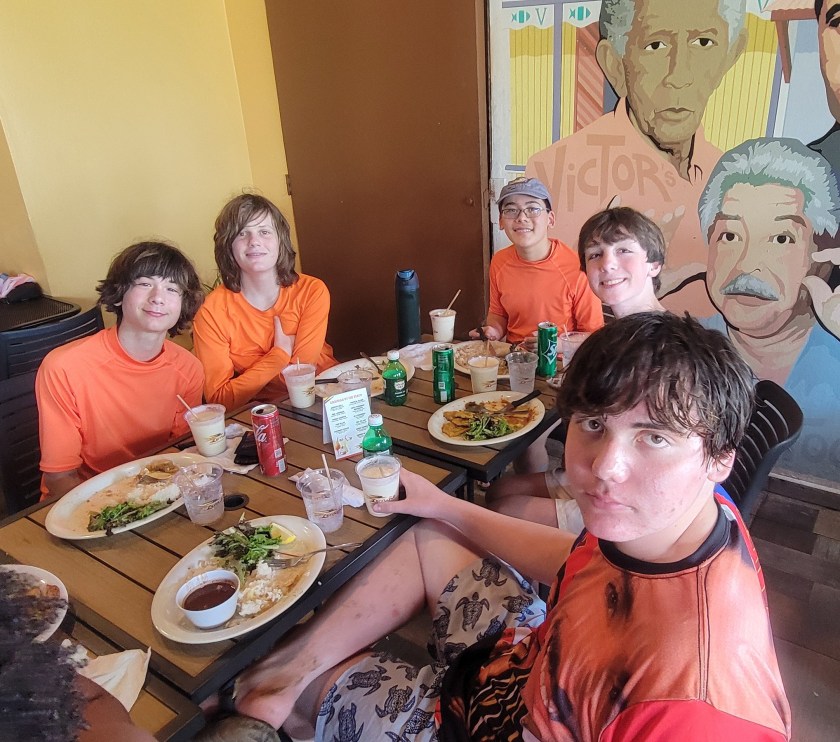
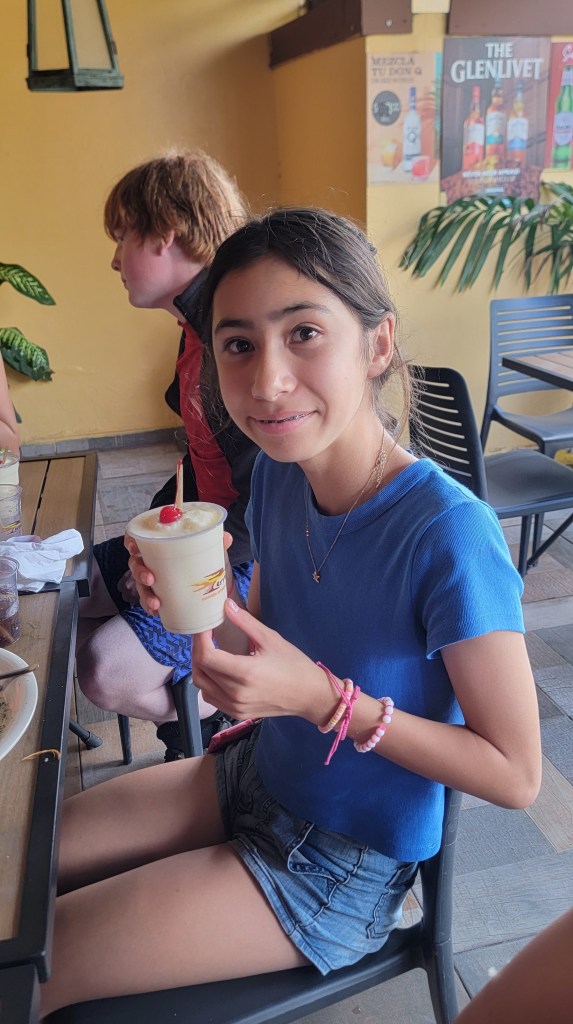
Today we started off with an early wake-up to eat a breakfast of delectable waffles, sausages, French toast, and fruit. We packed up everything and got in the vans for a one-hour drive to El Yunque Rainforest. At El Yunque, we went down a short and muddy trail to a beautiful but cold river, which we swam in for a nice, peaceful morning. After trekking back up the muddy trail, in our vans, we headed to the El Yunque Visitor Portal, where we had to run through random bursts of rain to get inside. At the Visitors Portal, we learned about how the local ecosystem works, shopped at souvenir vendors, and adopted a Puerto Rican stuffed parrot, where all the proceeds go to a recovery fund for this endangered species. Once we headed back to the vans, we ate lunch at Rest. El Terruño. There we ate some traditional Puerto Rican food, and tasted the island’s national drink, the Piña Colada (the non-alcoholic version!).
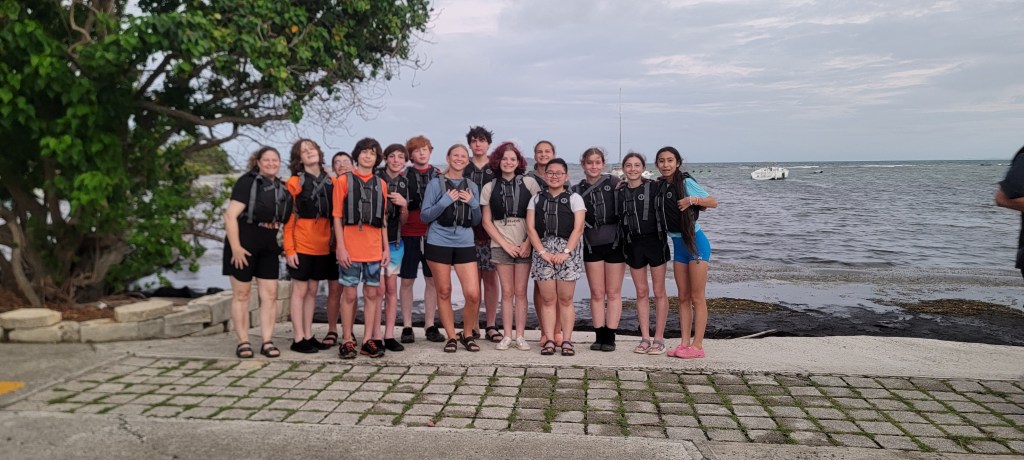
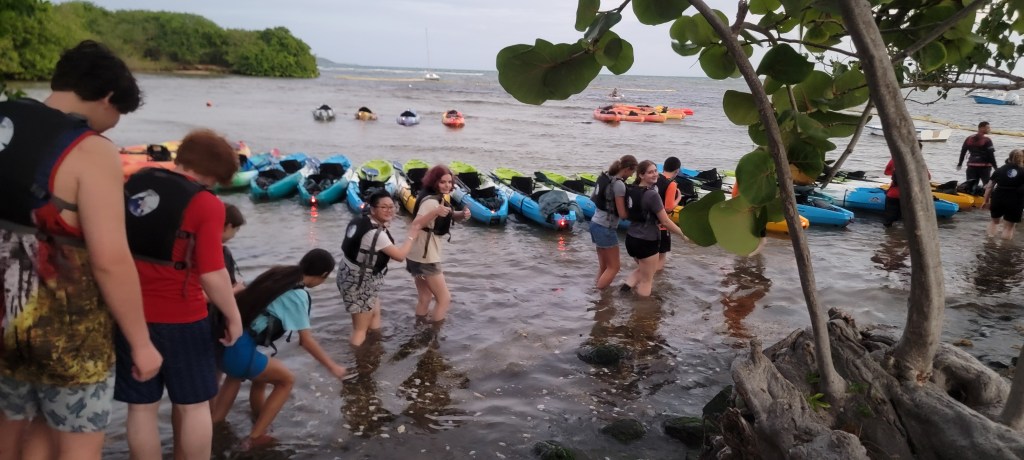
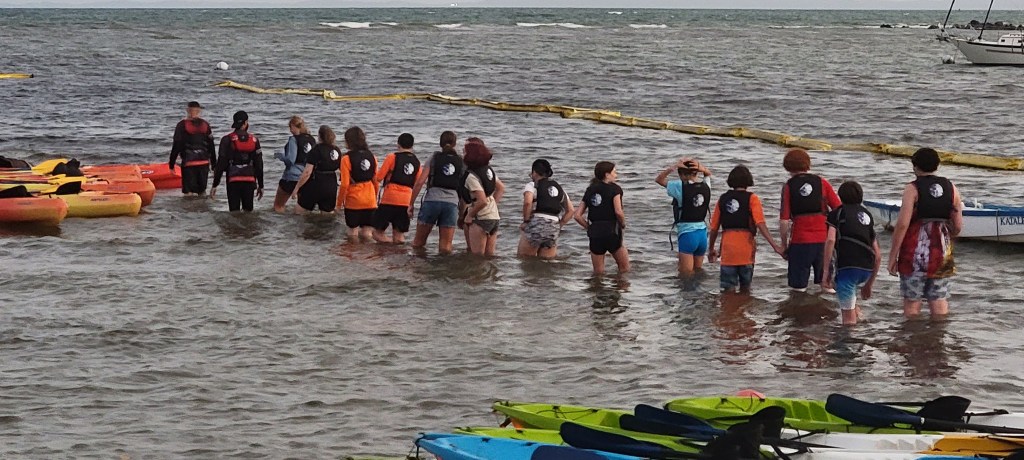
After the delicious lunch, we had an hour to visit and buy from the kiosks that were on the street. Once we were finished shopping, we made the trip to Casa Coral, which is where we get to stay for one short night! There, we settled in and checked out the beach. We had an early dinner of pizza and got in the van one last time to head to Biobay kayak tours. We paddled a mile and a half each way through tangled mangrove roots with our partners to see the bioluminescence of the microscopic things living in the bay. Back at Casa Coral, we shared about what we had learned on the trip and what we will take back home. We will miss our time here in Puerto Rico!
Through service, collaboration, and reflection, Saklan’s 8th graders deepened their understanding of community, responsibility, and global connection. Their time in Puerto Rico left a lasting impression, one they will carry forward long after returning home.
Yesterday, our 8th graders returned from a transformative week-long field experience in Puerto Rico. The trip was a powerful blend of cultural exploration, hands-on service, and unforgettable experiences. Throughout the week, students documented their learning and reflections in a daily blog. Below, we are excited to share the first two entries from their travel journal.
Day 1: Exploring Old San Juan
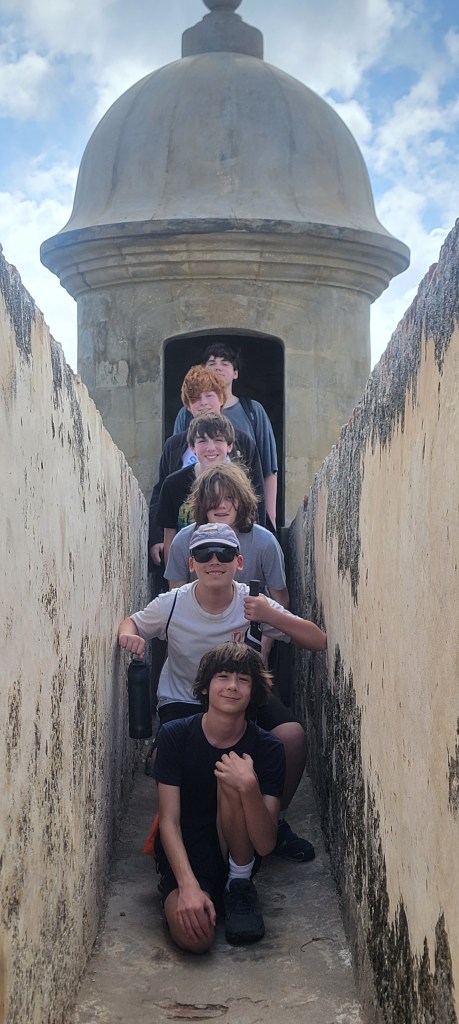
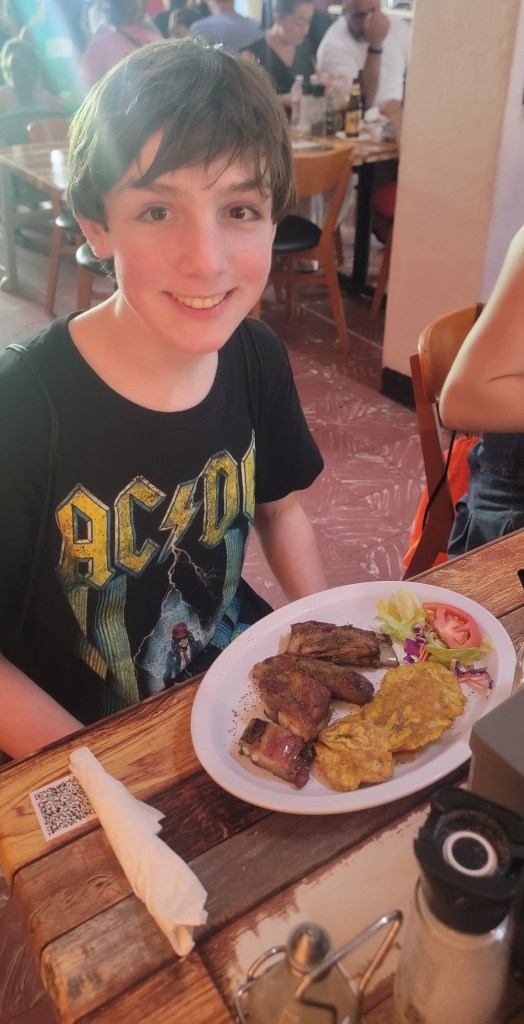
Today was a great start to our Puerto Rico trip! We began the day with a delicious breakfast and then set out to explore Old San Juan. We walked along the blue cobblestone streets and observed historic monuments such as churches, statues and fortresses. El Morro was one of the fortresses that we visited, and it had a gorgeous view of the ocean, many tunnels and staircases, and great spots for photos. Next, we walked among the colorful buildings of Old San Juan to get to our lunch restaurant. We ate tasty Puerto Rican cuisine before exploring the local shops to buy souvenirs. We also stopped at one of the narrowest houses in the world, which is only five feet across the entire way back!
Then we headed to Santurce, another one of the neighborhoods in San Juan, and we walked along the streets to view the huge murals and street art.
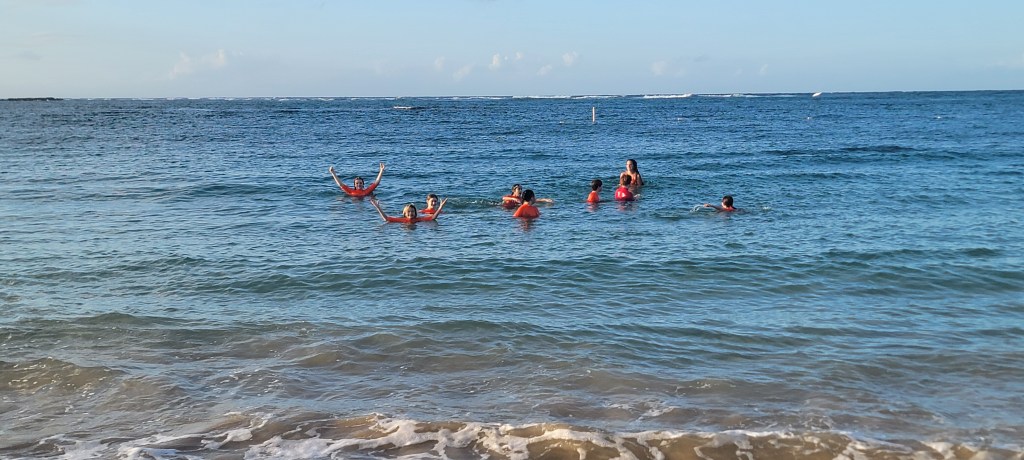
After a long day of walking in the heat, we finally returned to the Big Yellow House and relaxed in the ocean. We saw a horse swimming in the ocean, which surprised all of us! After visiting the beach, we showered off and ate a dinner filled with more Puerto Rican food.
Our favorite parts of the day were visiting El Morro to explore the different levels, playing in the warm ocean, and observing the murals of Santurce.
Day 2: Service and Salsa
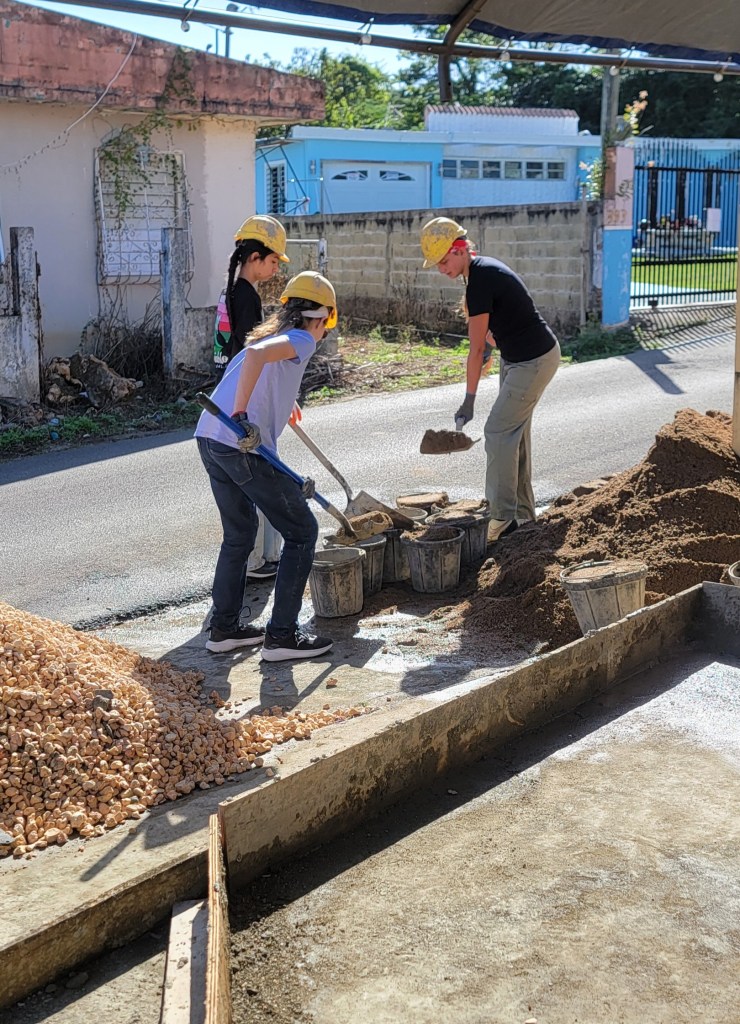
Today we went to the worksite to begin the construction project. We poured buckets of sand, shoveled concrete, and passed buckets full of wet concrete. It was very challenging in the smoldering heat, but we made sure to stay positive and hydrated. After we finished with construction for the day, we went to a member of the community´s home. There, we learned about Angel, the foreman, and his experience with Hurricane Maria. Angel and many others lost everything in the hurricane, and Angel has helped rebuild over 60 houses since. Afterward, we went to the beach to swim and relax.
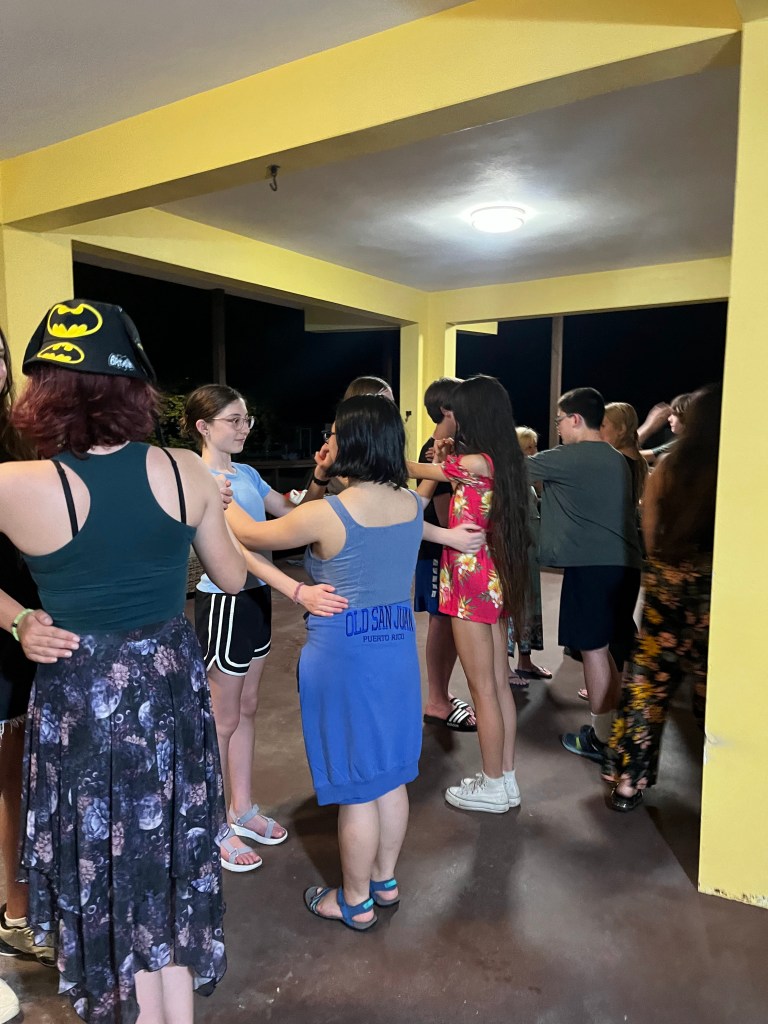
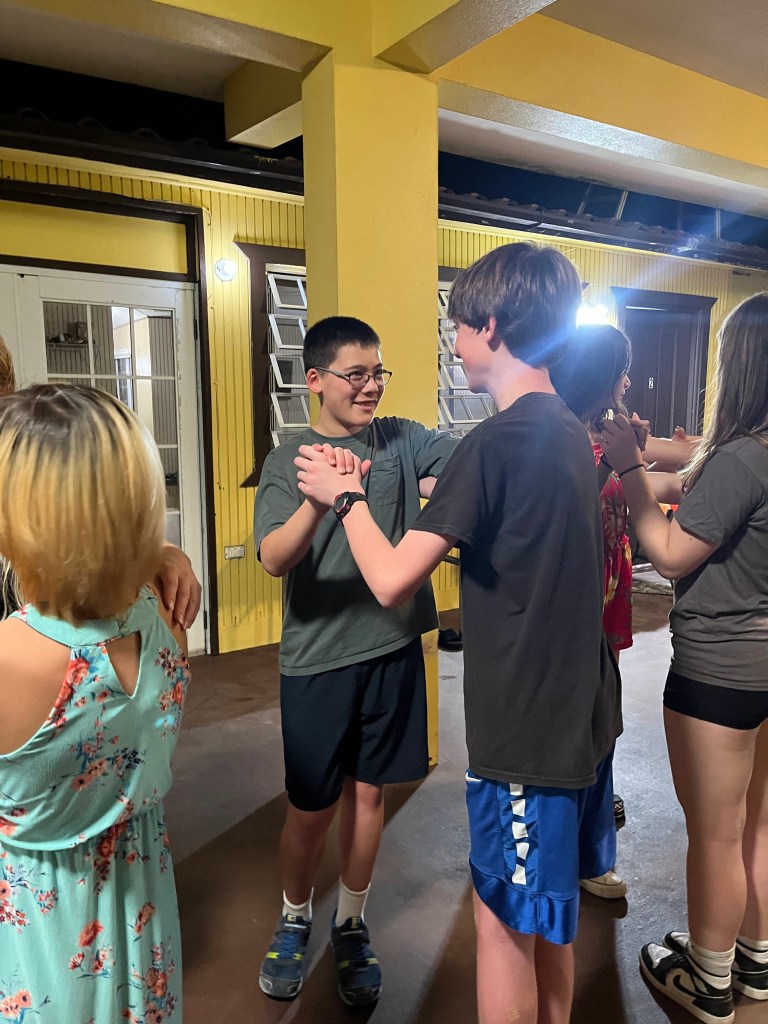
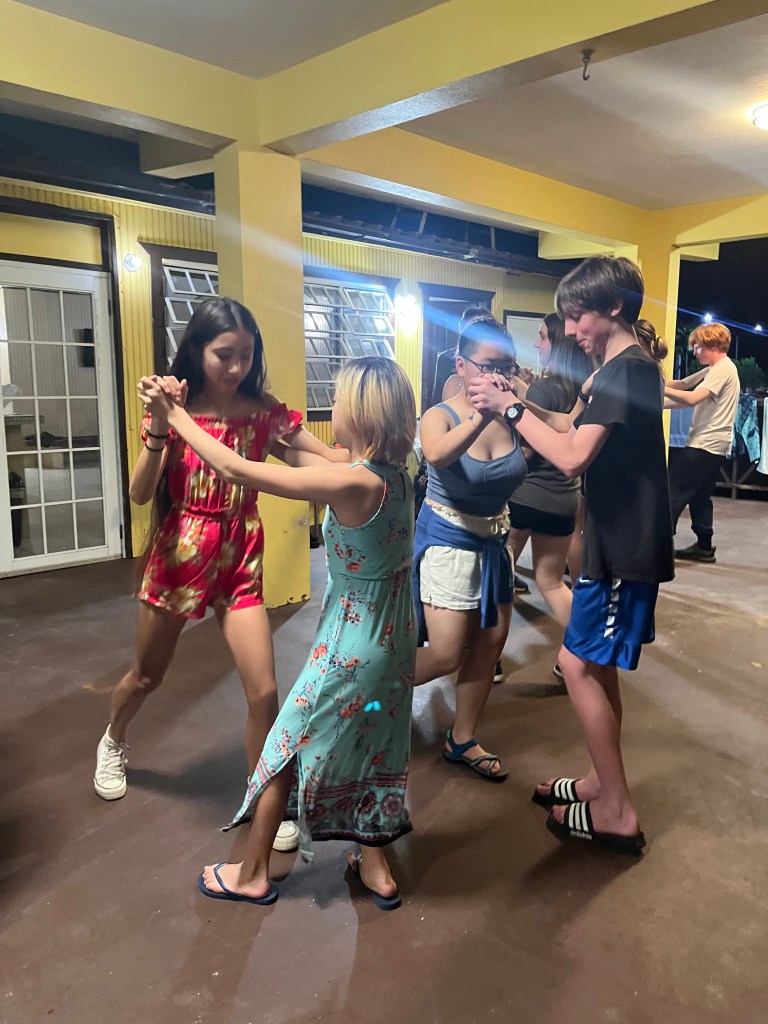
When we returned to the Big Yellow House, we had pasta with red sauce for dinner. Following dinner, we learned how to salsa dance, which was quite tiring!
The best parts of the day were visiting the beach and playing in the sand and water. We also enjoyed seeing the completed floor that we made at the construction site.
We are so proud of our 8th graders for their curiosity, compassion, resilience, and willingness to learn through real-world experiences.
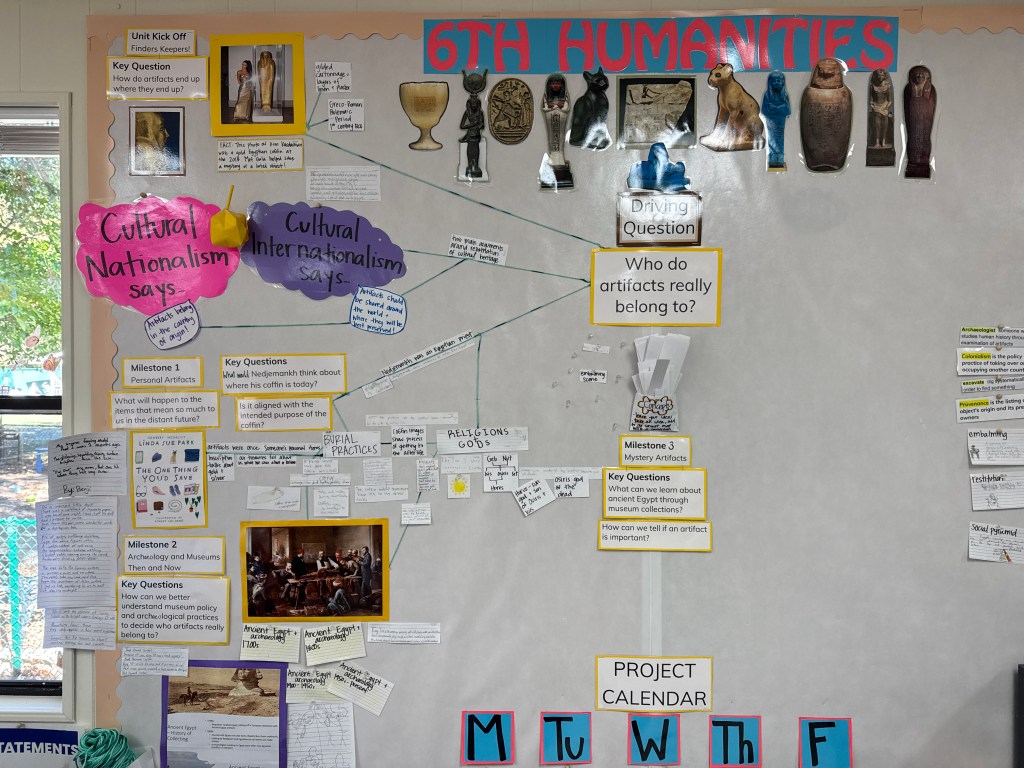
Sixth graders have begun their first PBL unit of the year, in which they seek to answer the driving question: Who do artifacts really belong to? During this unit, students will develop an understanding of what cultural heritage is, how artifacts tell the stories of people’s lives, the role of museums, the history of changing archaeological practices, ancient Egyptian civilization, history research skills, as well as sijo poetry, narrative, expository, and argumentative writing.
Recently, they’ve been thinking about the purpose of ancient artifacts, such as Nedjemankh’s stolen gold coffin, and about their connections to their own treasured possessions. The class read The One Thing You’d Save, by Linda Sue Park, before writing personal narratives about their own treasured artifacts. Students got lots of practice giving and receiving both teacher and peer critique on these pieces before turning in their final drafts.
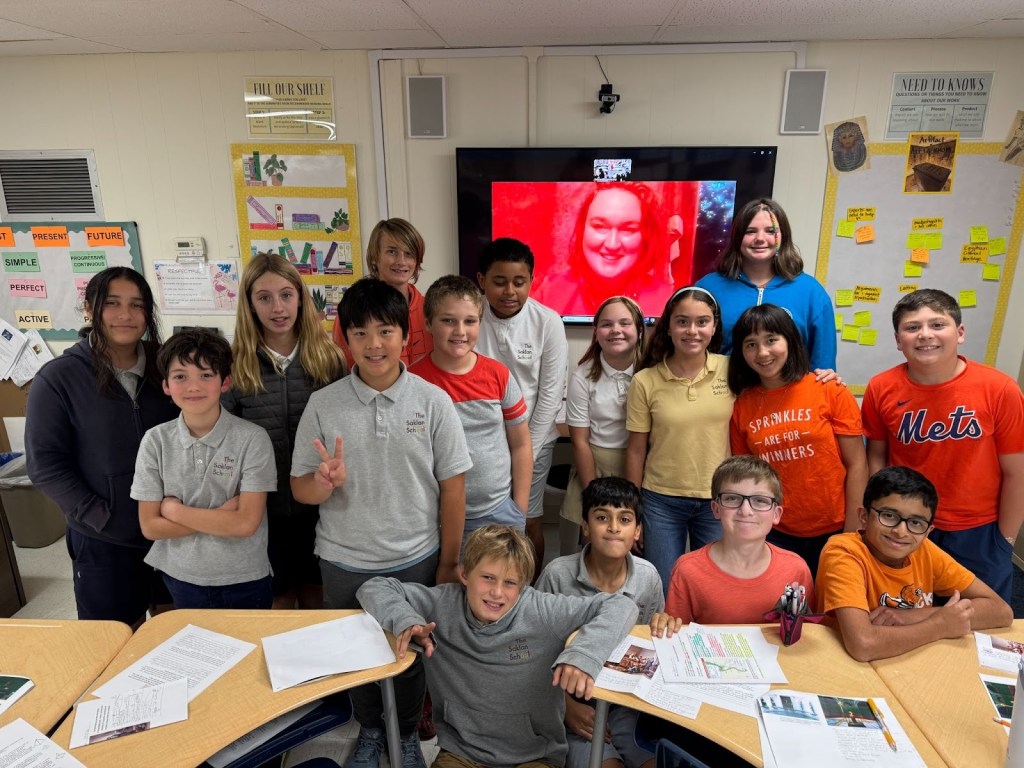
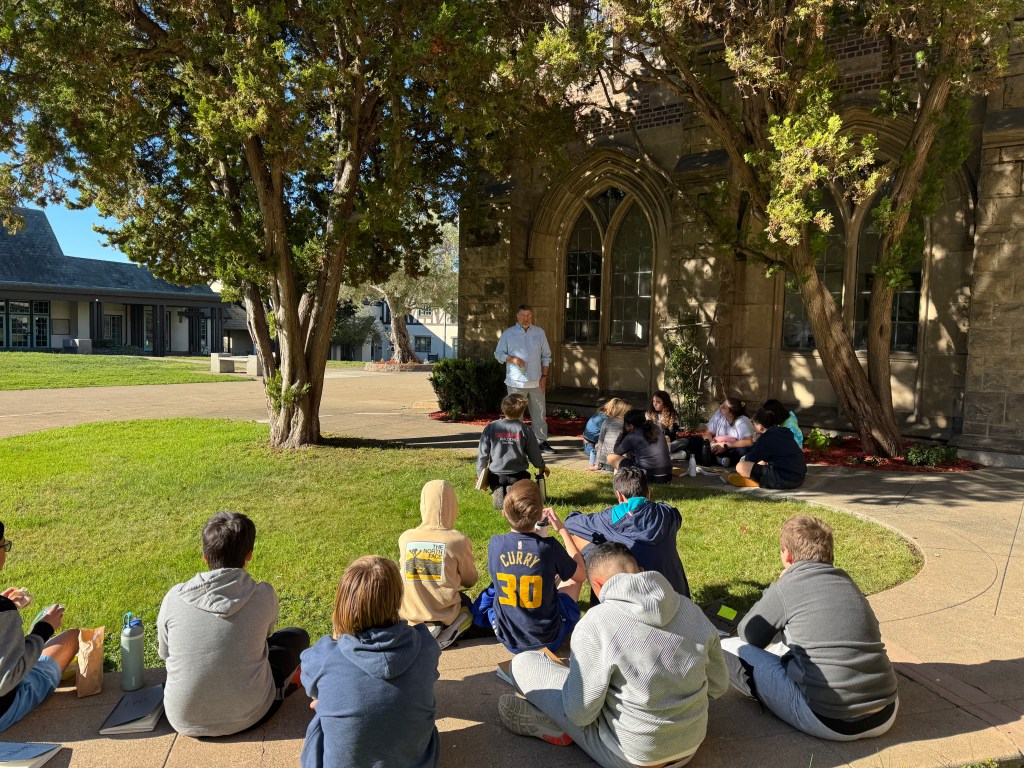
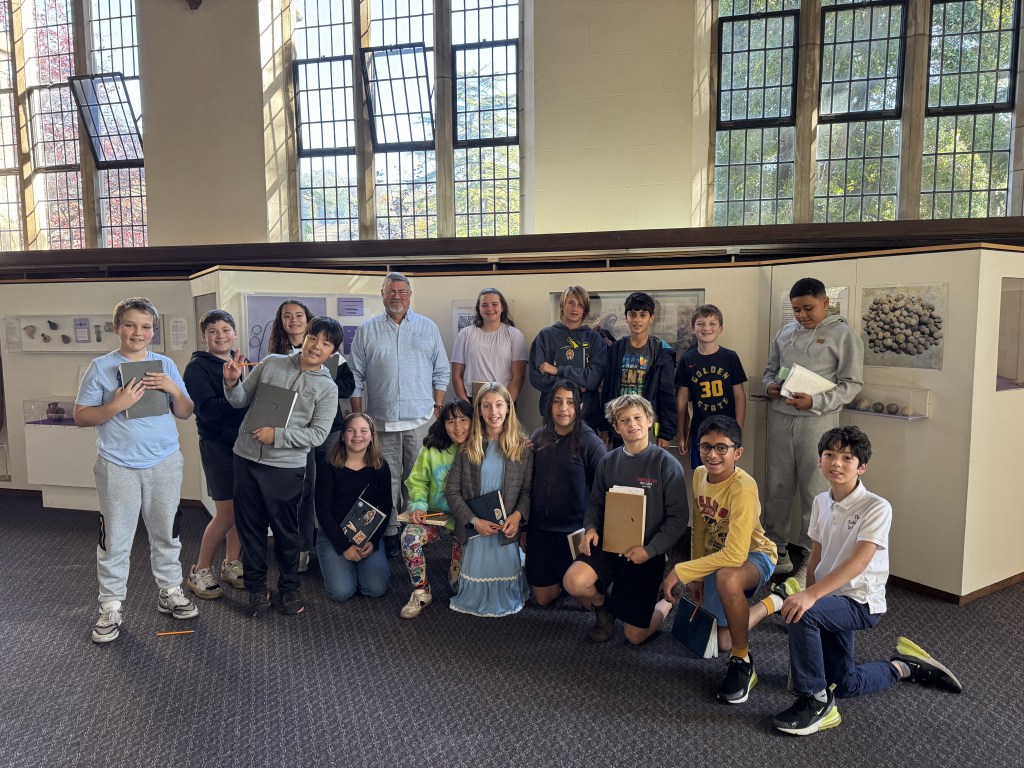
Last week, they zoomed with an archaeologist, Dr. Hannah Wellman. She shared the evolution of ancient mummification practices, as well as changes in legal practices and ethical arguments regarding the treatment of ancient Egyptian cultural heritage. Dr. Wellman’s example of Nefertiti’s Bust as an example of the significance of museum context of artifacts gave the class a great launching point for discussions in preparation for visiting the Badè Museum this week.
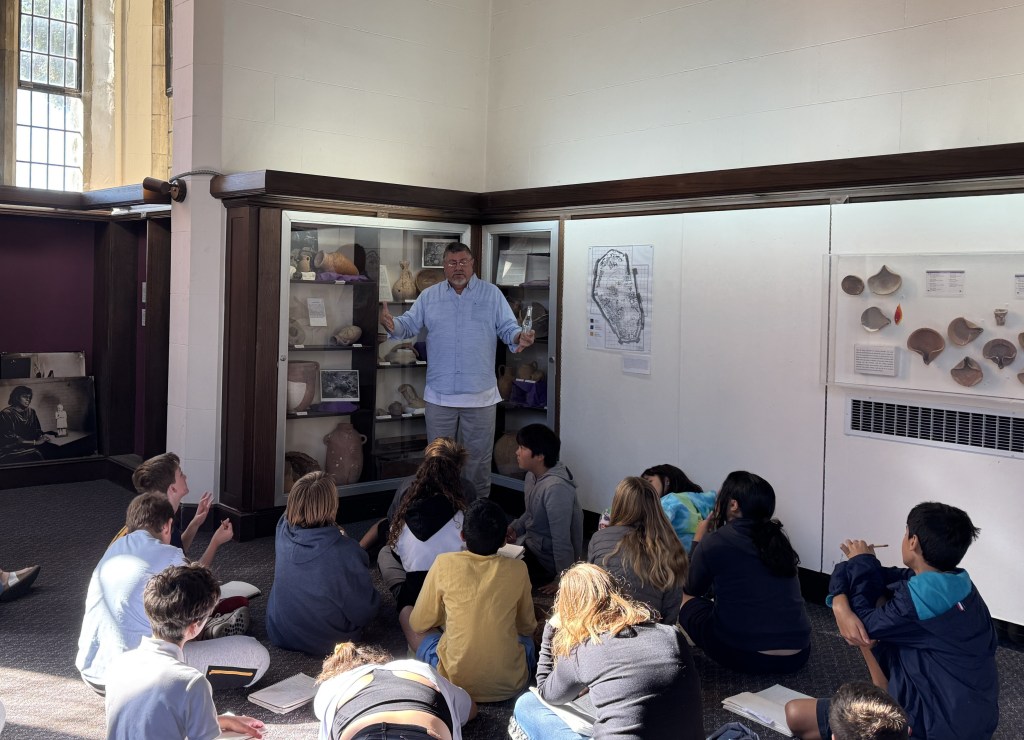
Dr. Aaron Brody, an archaeologist and Badè Museum director, taught the sixth graders about their collection, the benefits of a high degree of context for artifacts, and why repatriation in this case may not be ideal or desired for the museum or the country of origin. Both experts helped the class understand how repatriation conflicts came to be and why people have reached different conclusions about repatriation in various situations.
At The Saklan School, off-campus education is not a field trip – it’s a field experience: an intentional extension of the classroom that nurtures independence, curiosity, and responsibility. Each year, students take part in experiences that grow in both depth and duration—from a single night away in 4th grade to a full environmental science week in Hawaii by 7th grade, and a culminating cultural and stewardship trip to Puerto Rico in 8th grade.
Earlier this month, Saklan’s fifth graders embarked on the next chapter of this journey with a three-day adventure in the Marin Headlands, combining science, stewardship, and teamwork. From the moment they loaded the van and set up dorms to their final project, preparing seedling pots for NatureBridge’s native plant nursery, students learned through hands-on discovery, cooperation, and reflection.
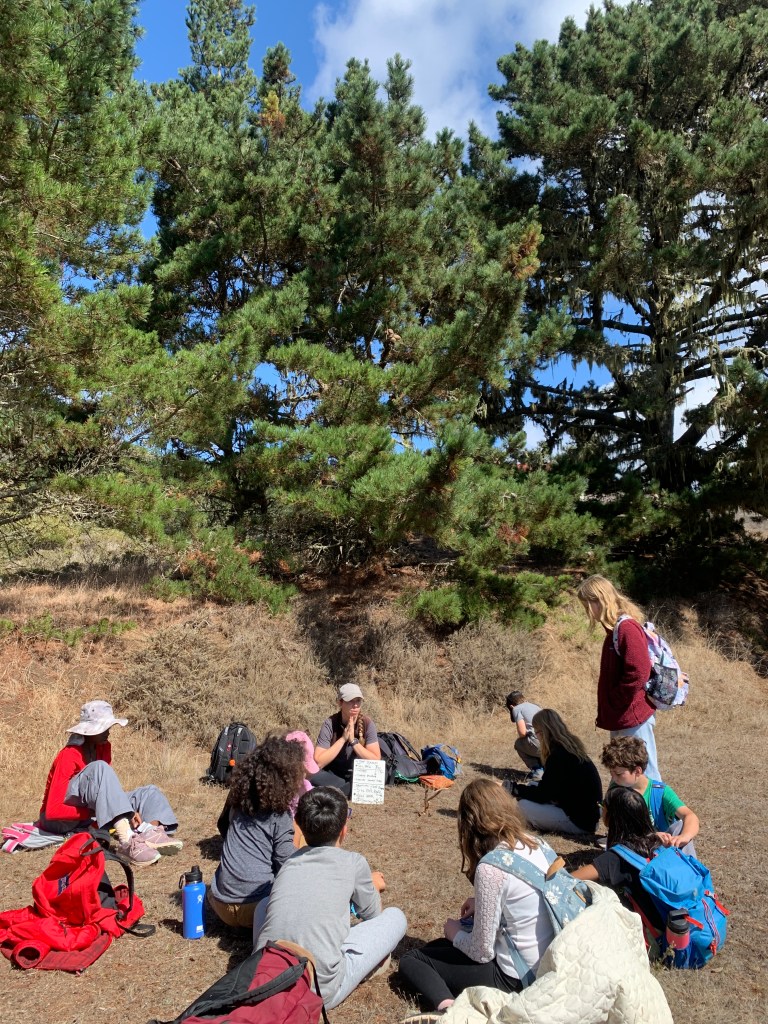
The trip began with a dorm orientation and an introduction to the area’s ecosystems. Students explored native plant greenhouses before hiking up Hawk Hill, where they studied the park’s only endemic tree—the coastal willow—and observed the biodiversity of the surrounding landscape.
After dinner, the group set out for a night hike to the beach, where they were treated to a magical surprise: glowing noctiluca, tiny bioluminescent plankton that illuminated the sand beneath their feet.
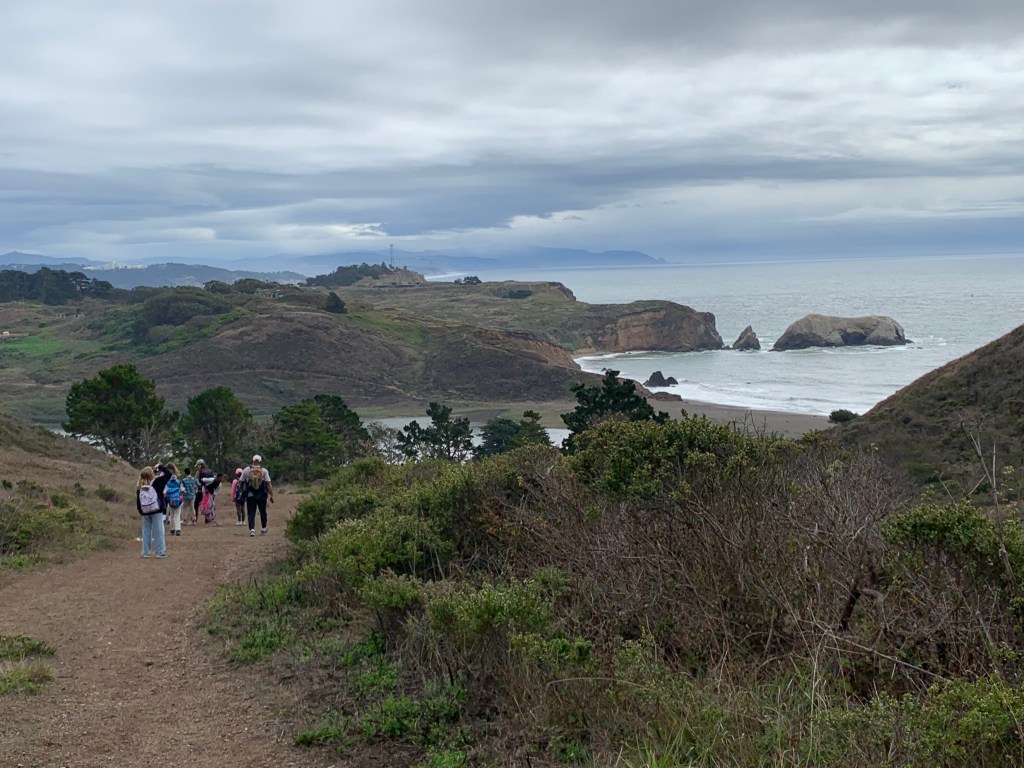
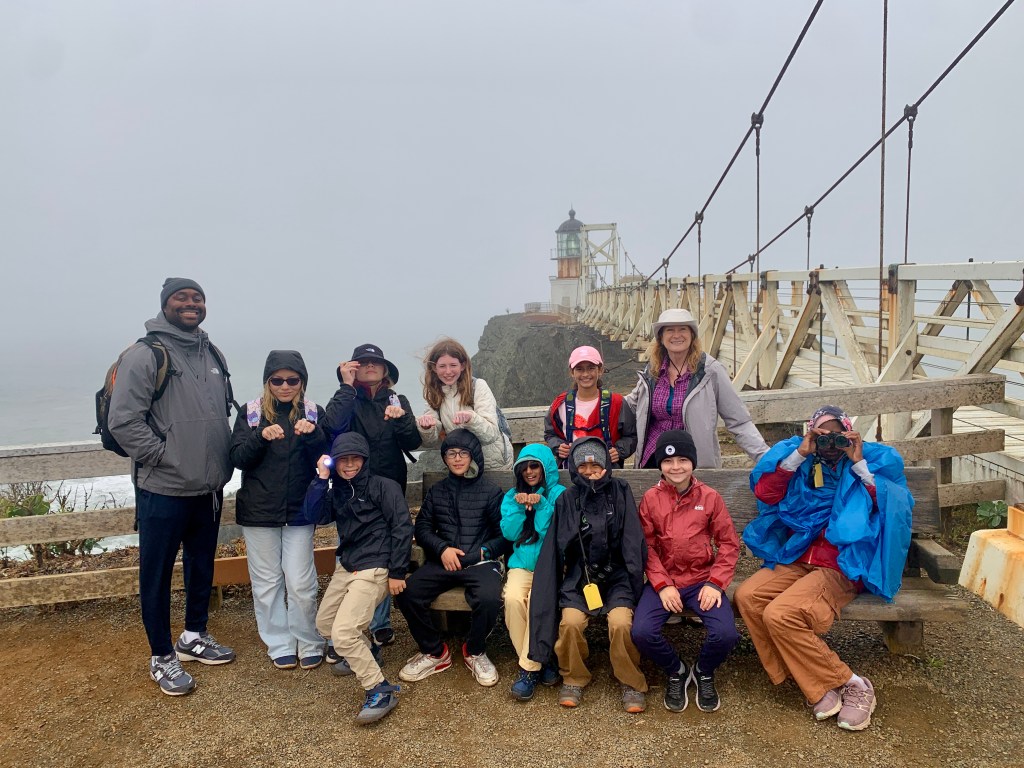
Day two brought a full day of coastal ecology—hiking from Rodeo Beach to Point Bonita, observing harbor seals, and studying plant adaptations, including tasting ice-plant bulbs. Students wrote sensory poems by the lighthouse and collected real scientific data for the National Park Service.
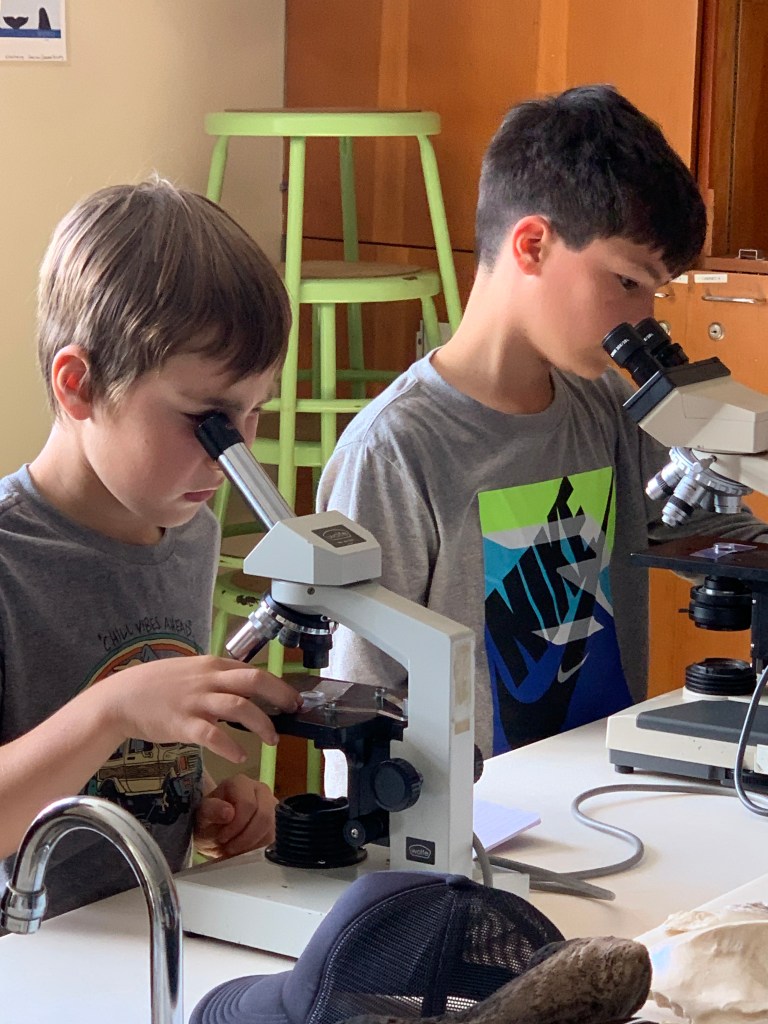
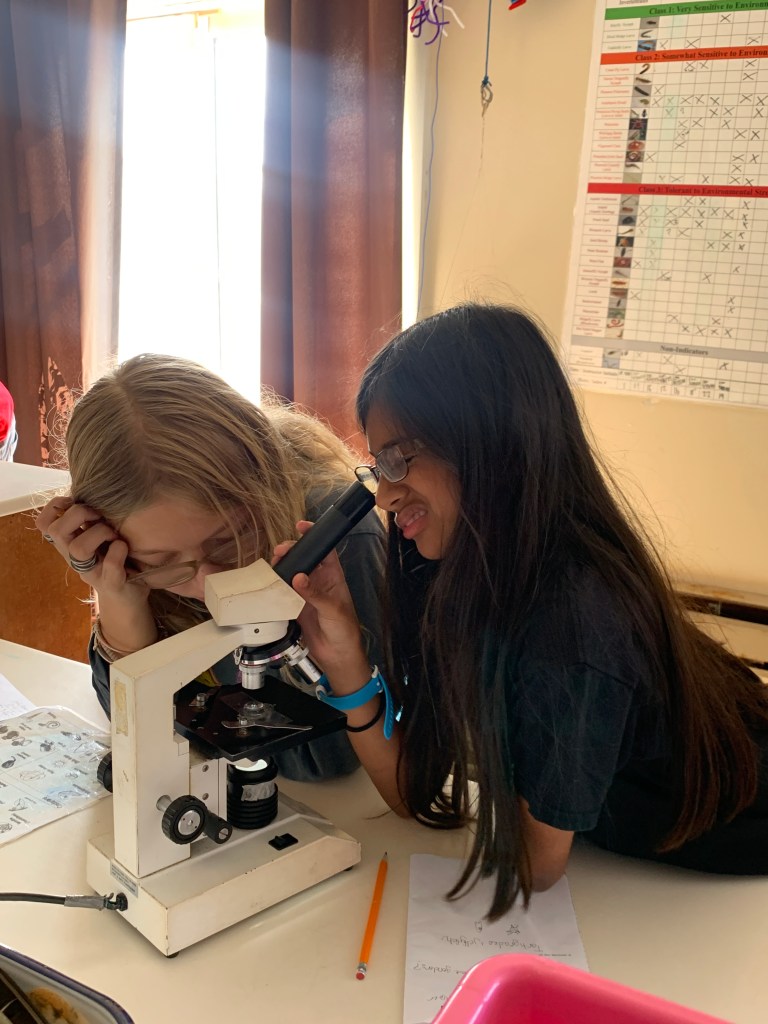
By day three, field science came to life. Students examined plankton under microscopes, studied local plant systems, and discussed how redwood ecosystems sustain life. Their fieldwork concluded with hands-on nursery stewardship, cleaning hundreds of pots to prepare for the next generation of seedlings.
Back at Saklan, this experience has sparked new curiosity about our trees and excitement about the upcoming redwood grove playground. Students are wondering how they might help with its design – how to make the space not only a place for play and discovery, but also the best possible ecosystem for the trees that tower above us, offering shade, shelter, and awe.
At Saklan, we know that play is more than just fun — it’s where children test their limits, use their imaginations, and connect with each other. This year, we’re taking a big step forward in making our campus play spaces as inspiring as the learning that happens here every day.
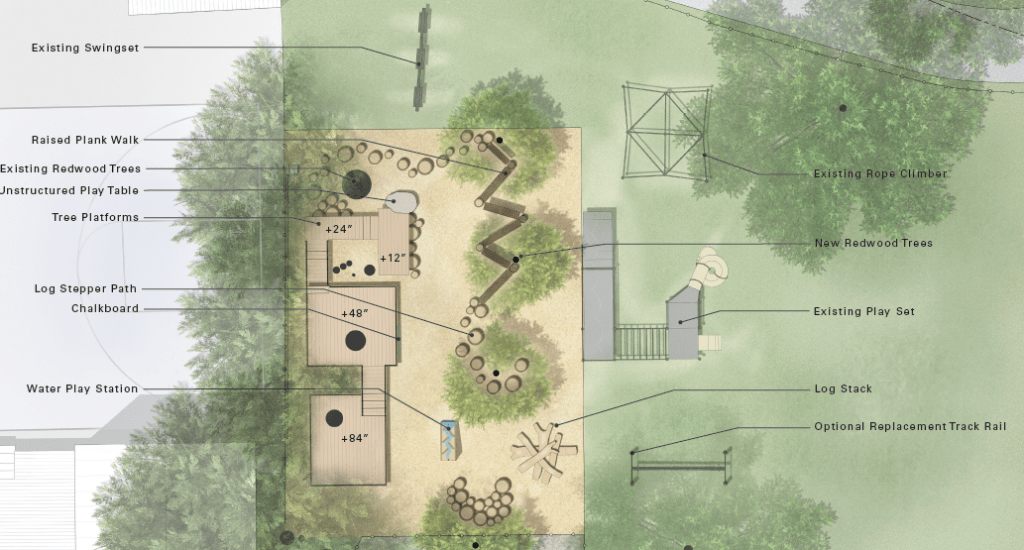
With the help of Bay Area landscape architect Ron Lutsko, we are transforming our redwood grove into a natural play area designed for creativity and adventure. While we are still in the early phases of the design process, below are some of the elements we are considering.
Tree platforms that give the feel of small “treehouses”
Raised plank walks that wind between the trees
Log steppers and climbing features to challenge balance and coordination
A chalkboard tucked into the grove for drawing, writing, or group games
The design makes use of the existing redwoods, while adding new ones to create a Redwood Grove. The design intends to weave new and natural play elements into the beauty of the grove. Children will be able to climb, balance, imagine, and create — all while being surrounded by nature.
This project is only possible because of our community’s generosity. At our 70th Anniversary Auction, Saklan families and friends raised over $115,000 through the Fund-A-Need. That collective gift is helping us reimagine what play can look like at Saklan.
The design is still evolving, and we’ll continue to gather feedback as we move forward. Our plan is to break ground later this year and open the new play area in the spring. When it opens, it will be more than just a playground — it will be a space where children can take risks, solve problems, and dream big. A place that feels both adventurous and nurturing, where Saklan students can grow together under the trees.
With the start of the new school year upon us, the Moraga Police Department wants to ensure that students and their families are aware of the laws regarding the use of E-Bikes. E-bikes are relatively new and the laws governing their use are still evolving at the State level. E-bikes have generated numerous complaints regarding reckless use, particularly by young riders.
E-bikes are defined as a bicycle equipped with fully operations pedals (used to propel the bicycle) and a motor that does not exceed 750 watts of power and they fall into three categories: Class 1, Class 2 and Class 3 and are defined in the California Vehicle Code (Section 312.5). To help you in identifying which class of E-bike you or your child have or looking to acquire, E-bikes are required to have a label attached which lists the class of E-bike, the top assisted speed and the wattage of the electric motor.
The different E-Bike classes are:
Class 1 is pedal assisted with an electric motor assisting the rider when pedaling. These bicycles have a maximum speed of 20 MPH which, when reached, the electric motor no longer assists the rider. Young riders must wear a helmet.
Class 2 is equipped with a throttle controlled electric motor that can assist the rider or exclusively propel the bicycle but not above 20 MPH. Young riders must wear a helmet.
Class 3 is equipped with a speedometer and an electric motor that assists the rider while pedaling and cannot solely propel, but the bike ceases to assist over 28 MPH. Riders must be at least 16 years or older to ride. Regardless of age, all riders must wear a helmet.
E-bikes are required to follow the same rules of the road as traditional bicycles / vehicles (per the California Vehicle Code Section 21200. Vehicle Code Section 21200 in essence states, “A person riding a bicycle… upon a highway has all the rights and is subject to all the provisions applicable to the driver of a vehicle by this division…”) E-bike riders, as with other car drivers, are responsible for knowing the rules of the road and following them. One rider who didn’t follow the rules of the road abruptly turned in front of an on-coming vehicle without concern, was struck by the vehicle and was injured and was at fault for the collision.
The Moraga Police Department and our neighboring police agencies have seen a spike in E-bike related complaints involving juvenile riders, including riding against or opposite the flow of traffic, passengers riding without a seat, and riding too fast or ‘recklessly’ on sidewalks, forcing pedestrians to move out of the way to avoid a collision and injury. Remember that higher speeds on an E-bike can result in greater injuries to the rider in a crash compared to a regular bicycle.
Vehicles outside of the description found in the Vehicle Code or E-bikes that have been modified in any way to increase power or speed, have footpegs as opposed to functioning pedals for propulsion are not considered to be E-bikes or bicycles and are not legal to be ridden on streets and are subject to impound in addition to citations for the rider.
For more information about e-bikes, other similar vehicles, and their safe operation, the Town of Danville has created an informational page on their website. You can view the information at https://danvilletowntalks.org/notmykid.
Our goal is the overall safety of our community. Please help us to keep kids on E-bikes safe by ensuring that your children ride their E-bikes safely, responsibly and legally. Through these efforts, we can hopefully prevent accidents resulting in injuries to riders and others on the road. We hope our parents/guardians know the importance of ensuring your children understand these rules for their safety while riding with the hope of reducing any potential injuries, or worse, that could result. Officers will be actively enforcing not only vehicular violations, but also violations involving E-Bikes.
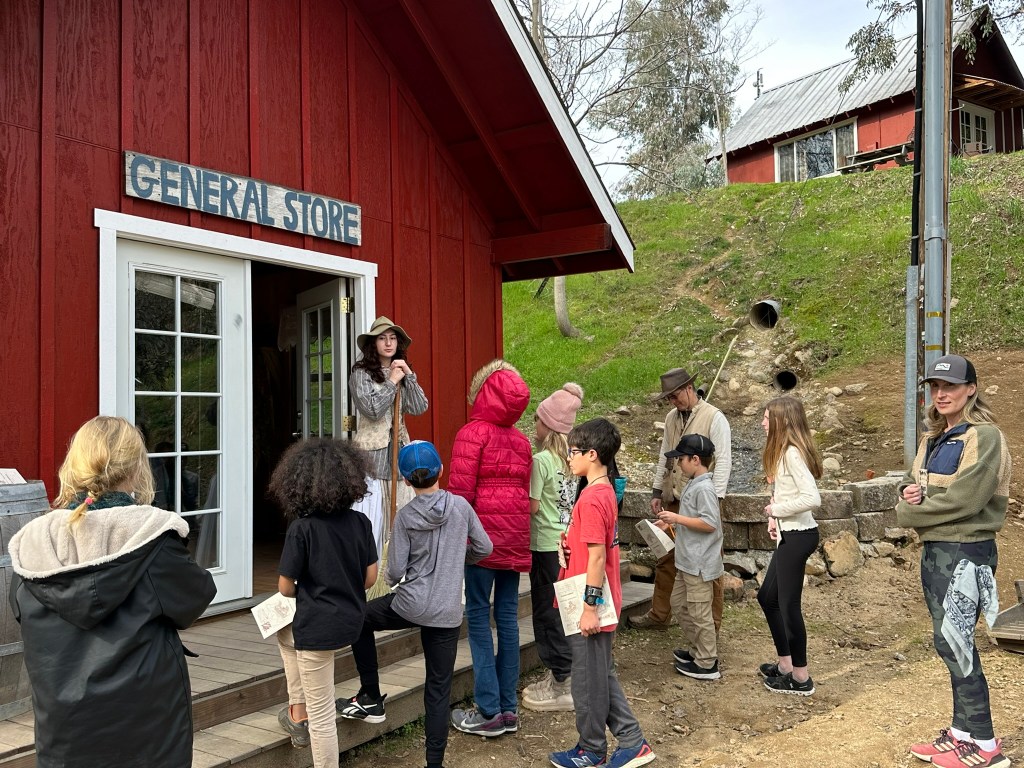
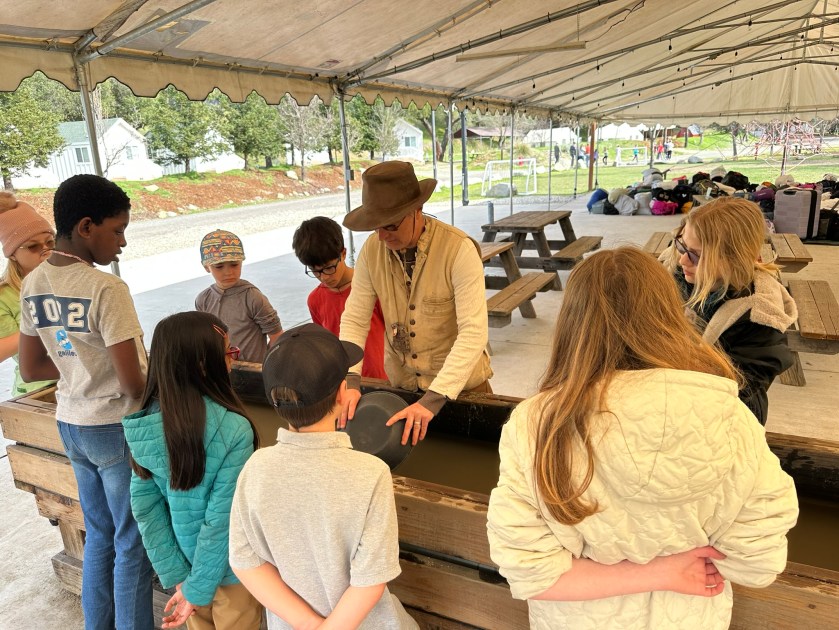
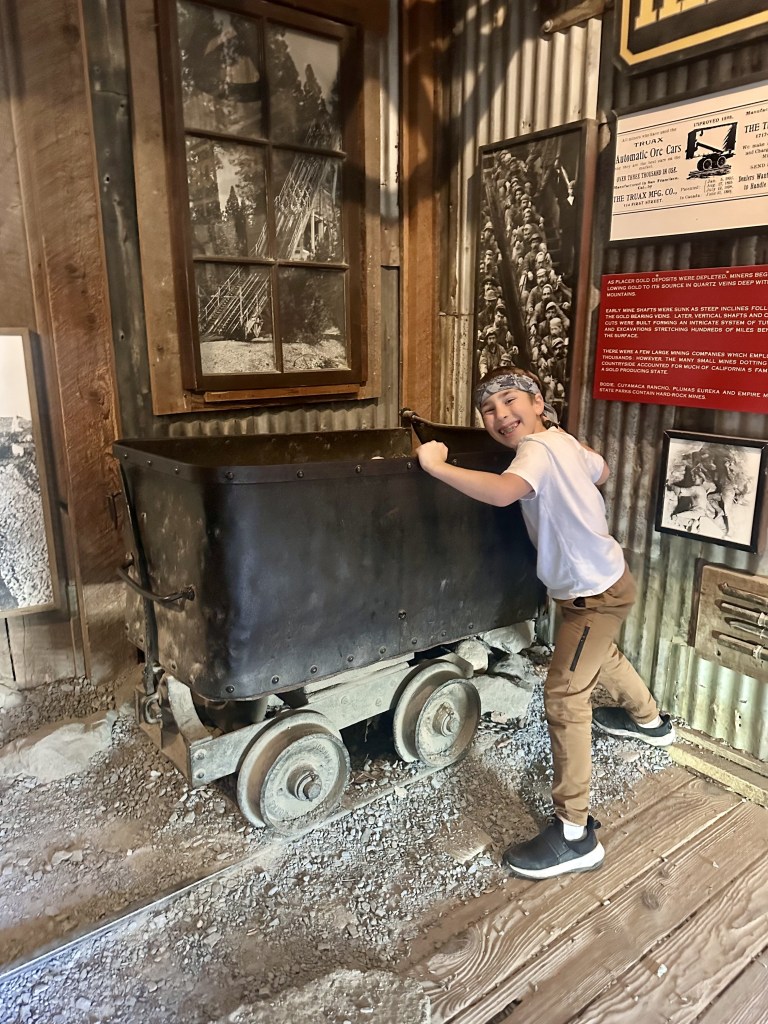
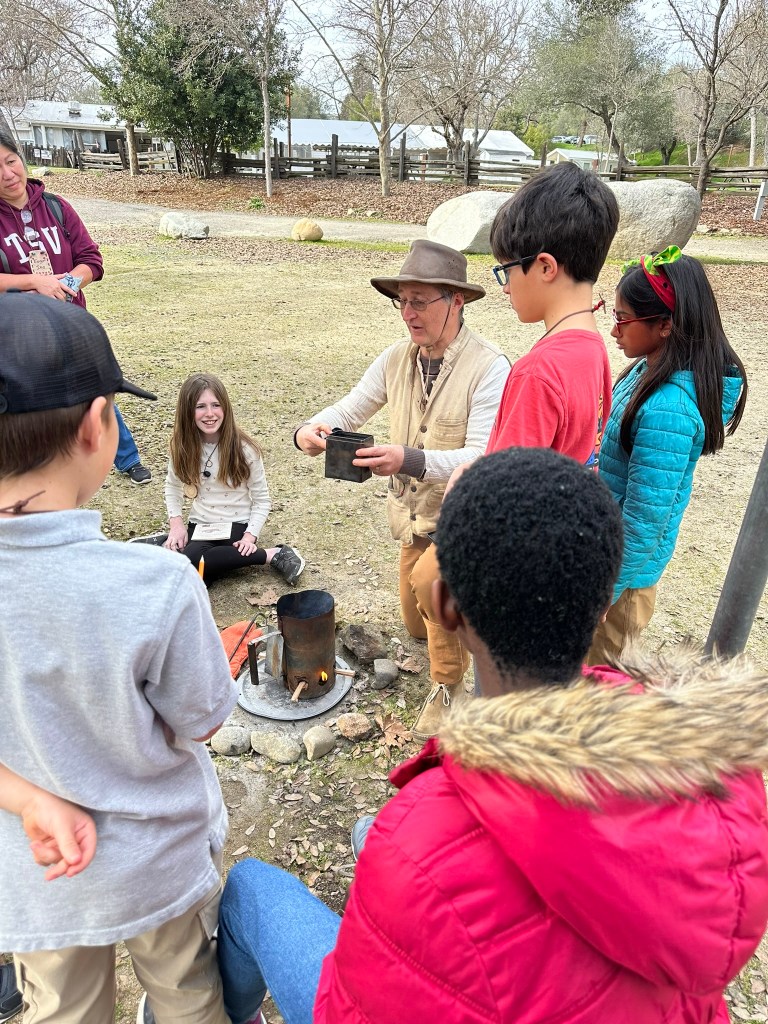
The Saklan 4th graders recently embarked on an unforgettable journey to Coloma, where history came alive in the heart of Gold Rush country. Stepping into the past, they laced up their miner boots and experienced life as it was in 1849, guided by their enthusiastic program leader, Tim.
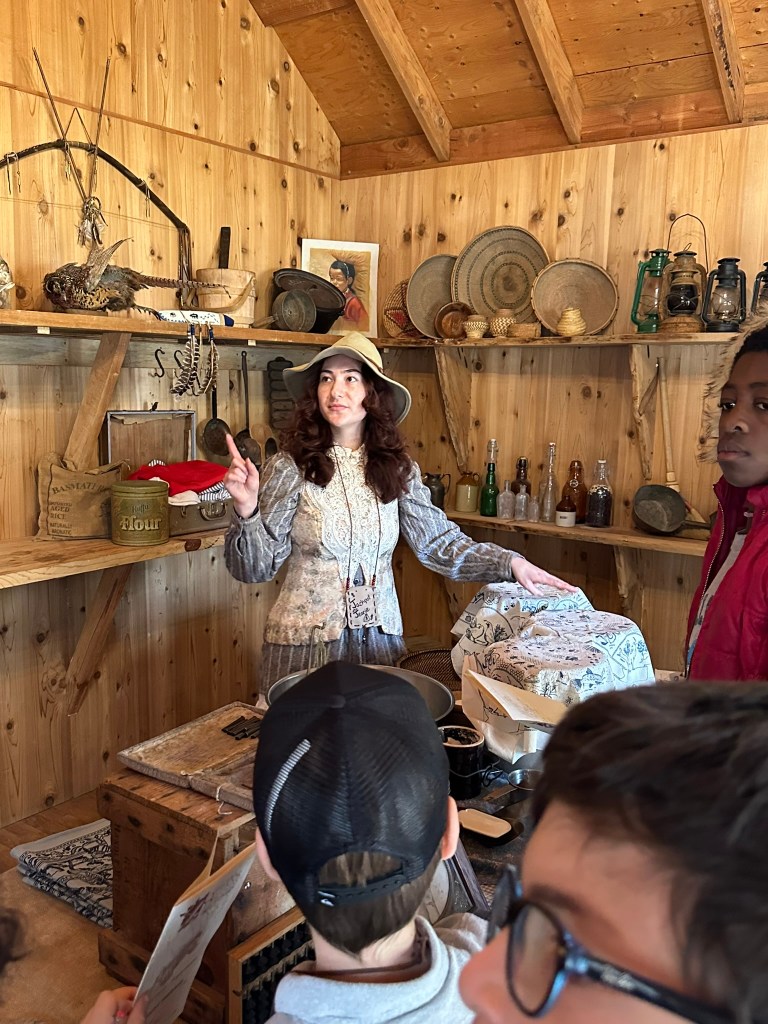
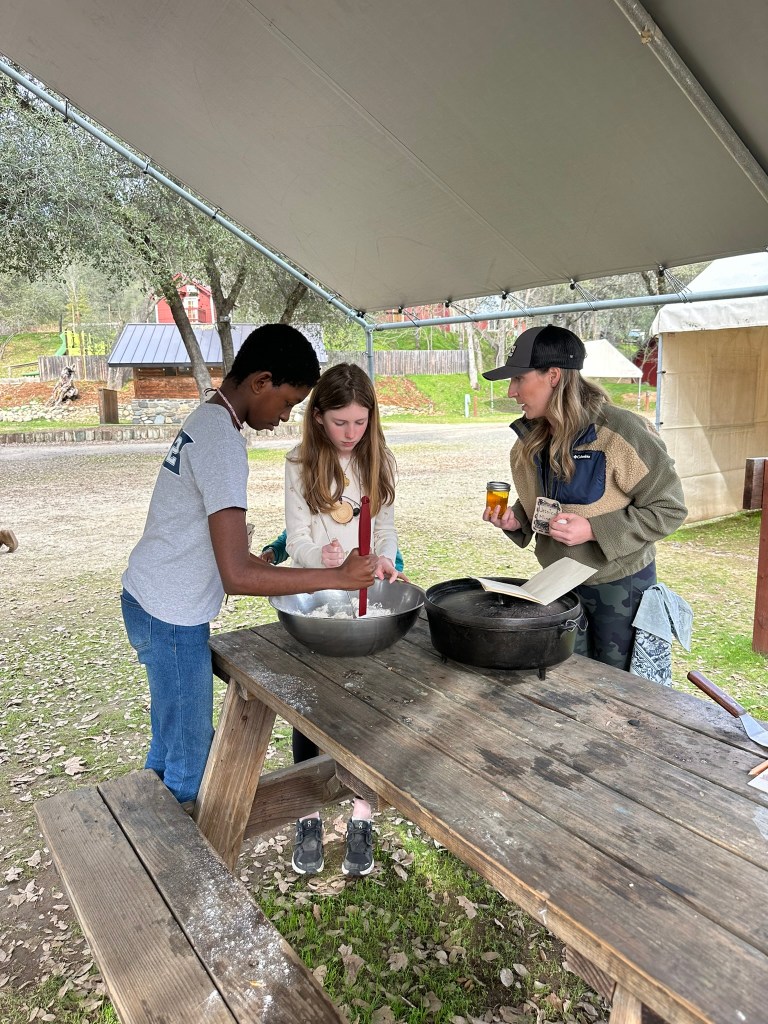
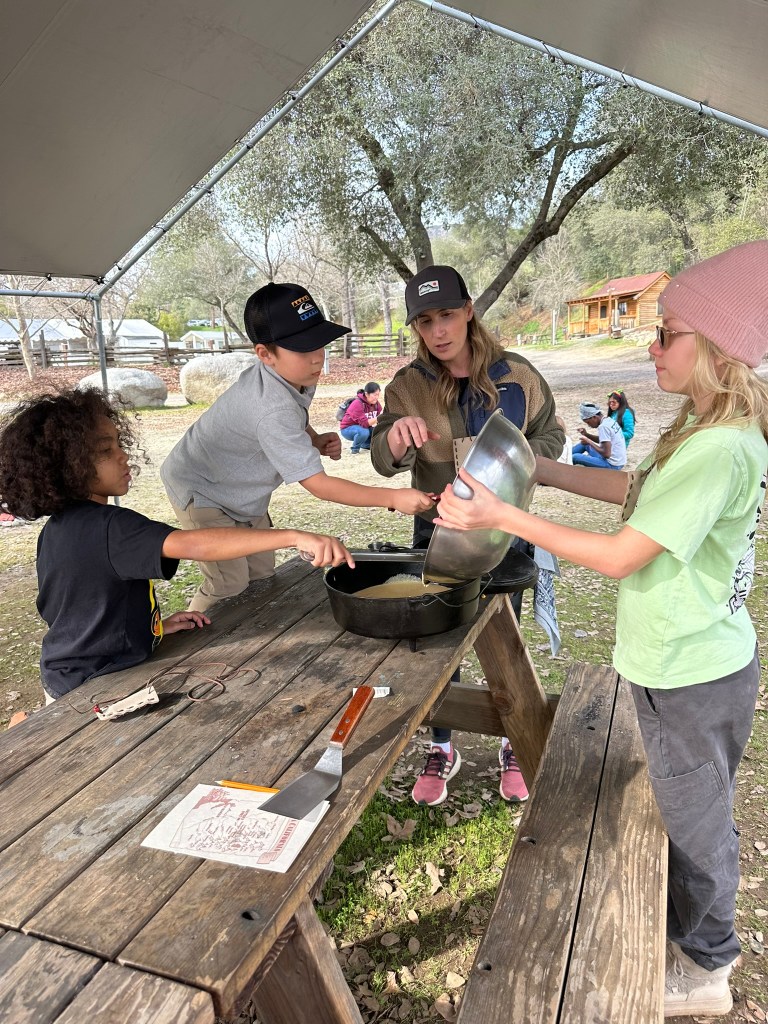
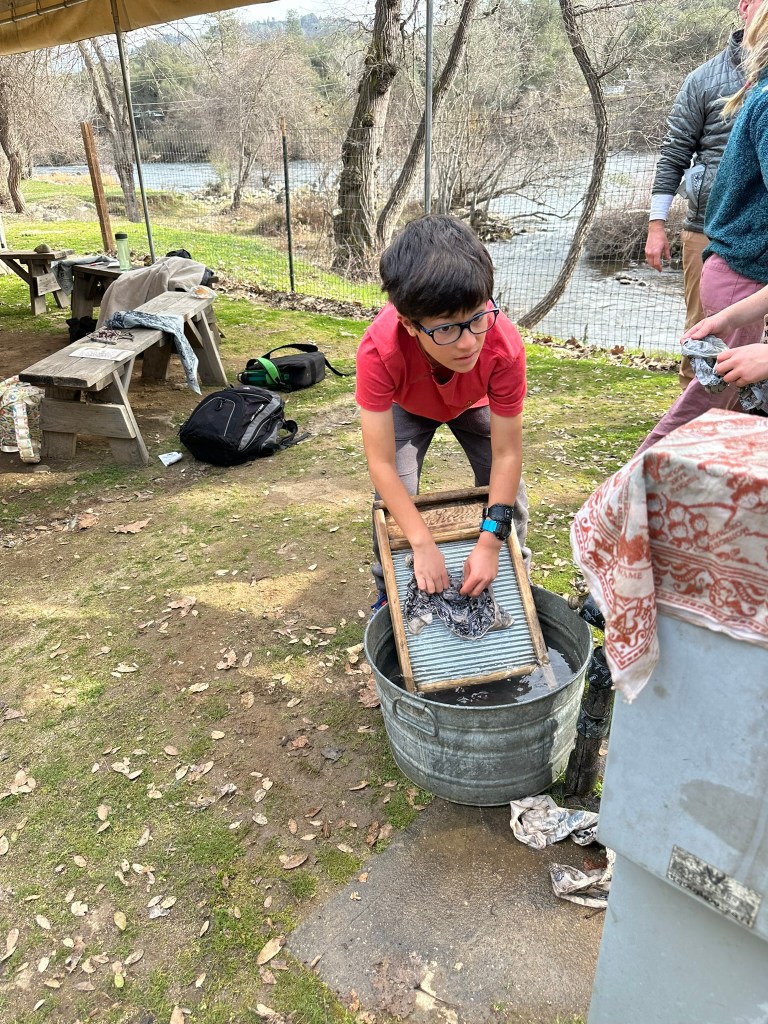
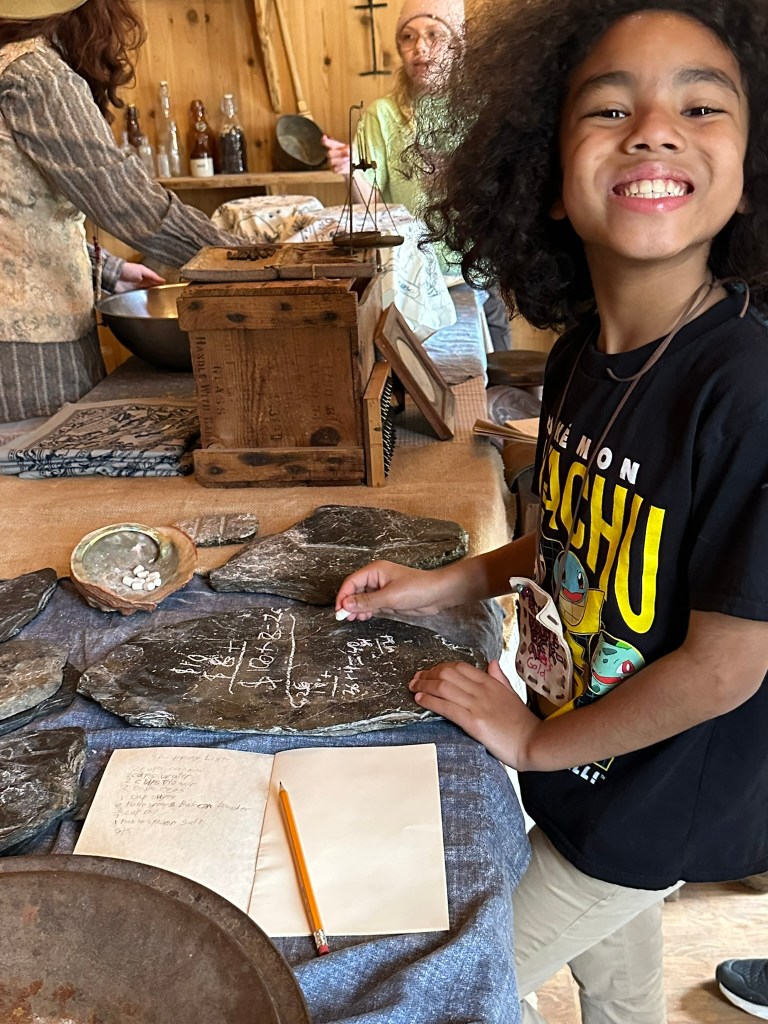
The adventure began with a visit to a bustling mining camp, where the aroma of freshly baked cornbread filled the air. The students purchased ingredients from a general store, just as miners once did, and patiently waited as the bread cooked over an open fire in a cast-iron Dutch oven. While the cornbread baked, they learned essential pioneer skills—sewing, washing clothes on a washboard, and working together to build a shelter. Living the life of a Coloma miner along the riverbanks provided a first-hand glimpse into the daily challenges and triumphs of those seeking fortune in the golden hills.
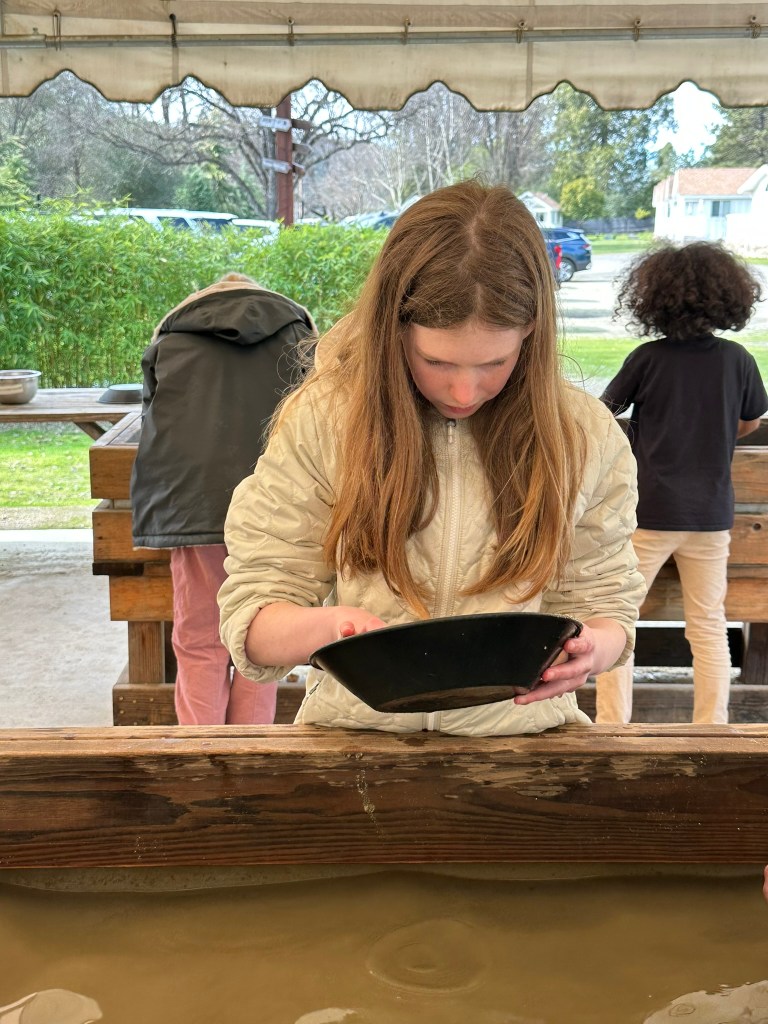
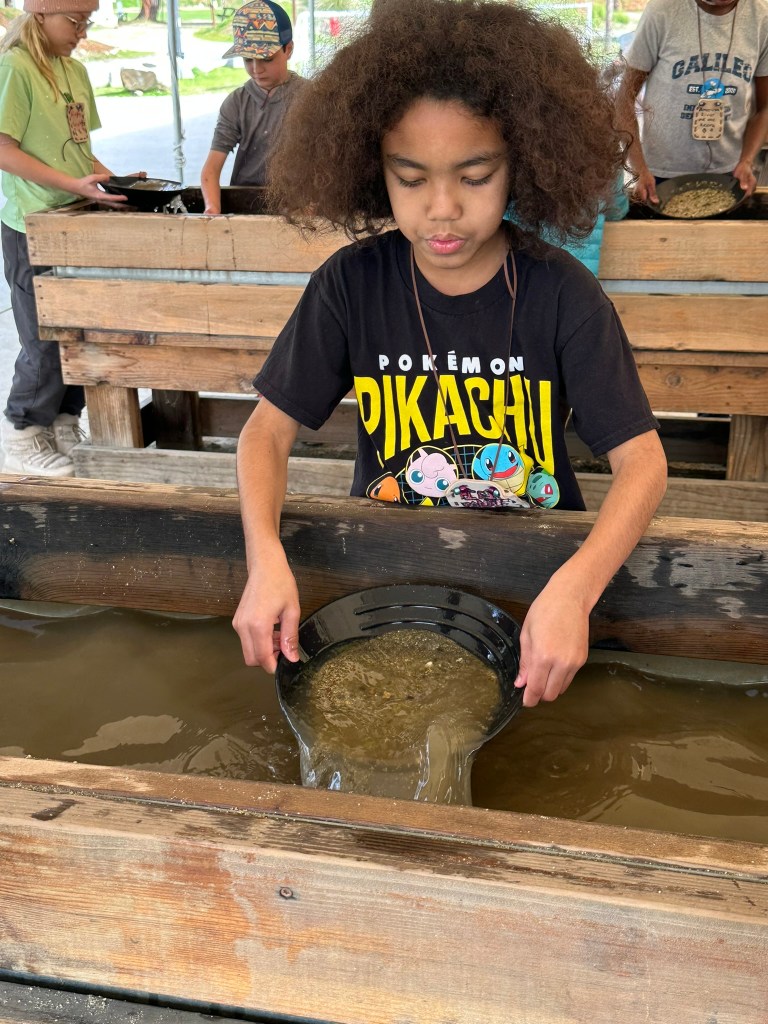
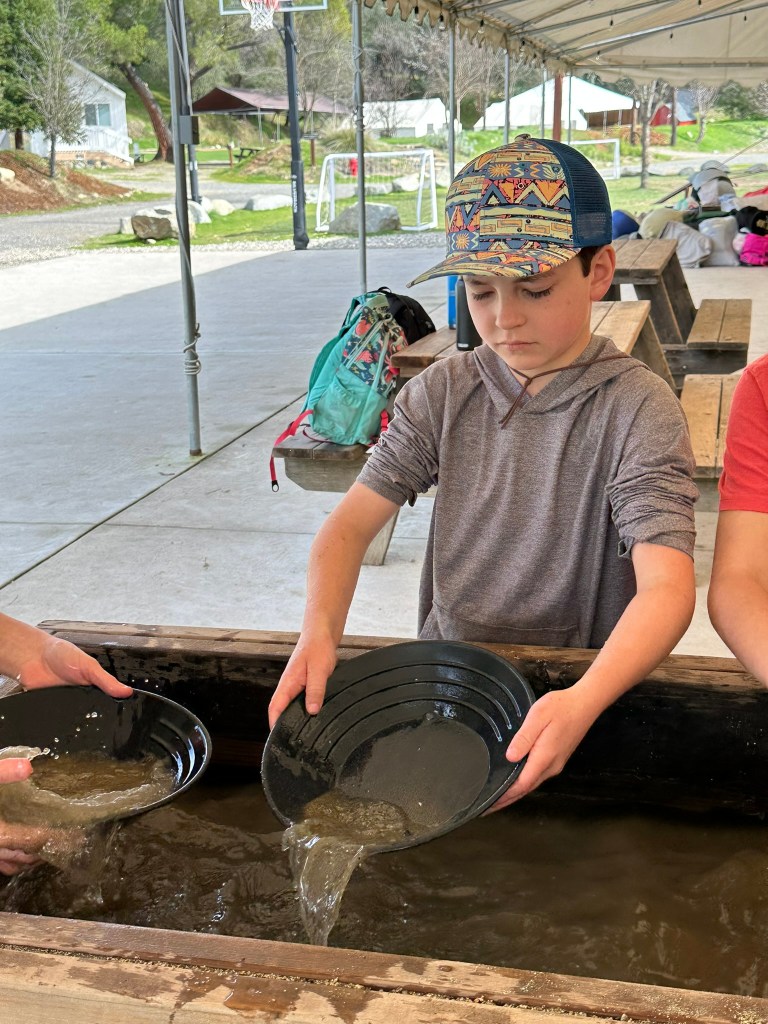
Of course, no trip to Coloma would be complete without the thrill of gold panning! Armed with pans and determination, the young prospectors eagerly sifted through pay dirt from the American River, their excitement growing with every swirl of water. Shouts of EUREKA! rang through the air as gold fever took hold, mirroring the elation of those who had once sought their fortunes in the very same spot.
The journey through time deepened when the group met with a local Miwok cultural leader, who shared stories and traditions from an indigenous perspective. Through this powerful experience, the students gained a richer understanding of the impact of the Gold Rush on the Native American communities of California.
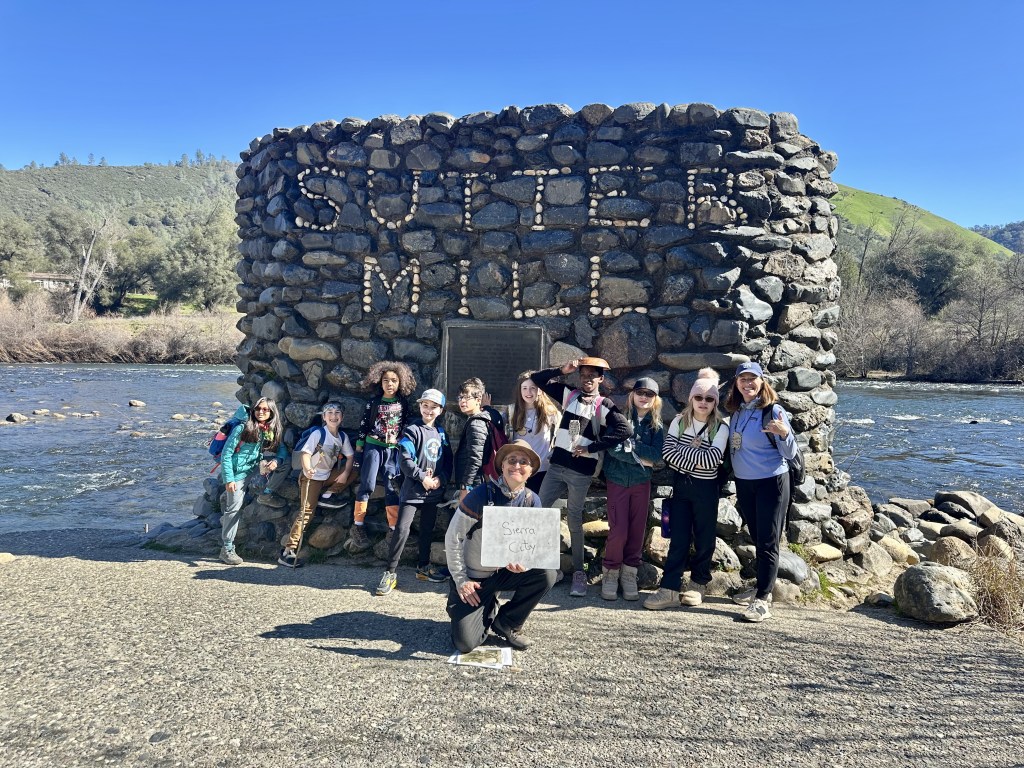
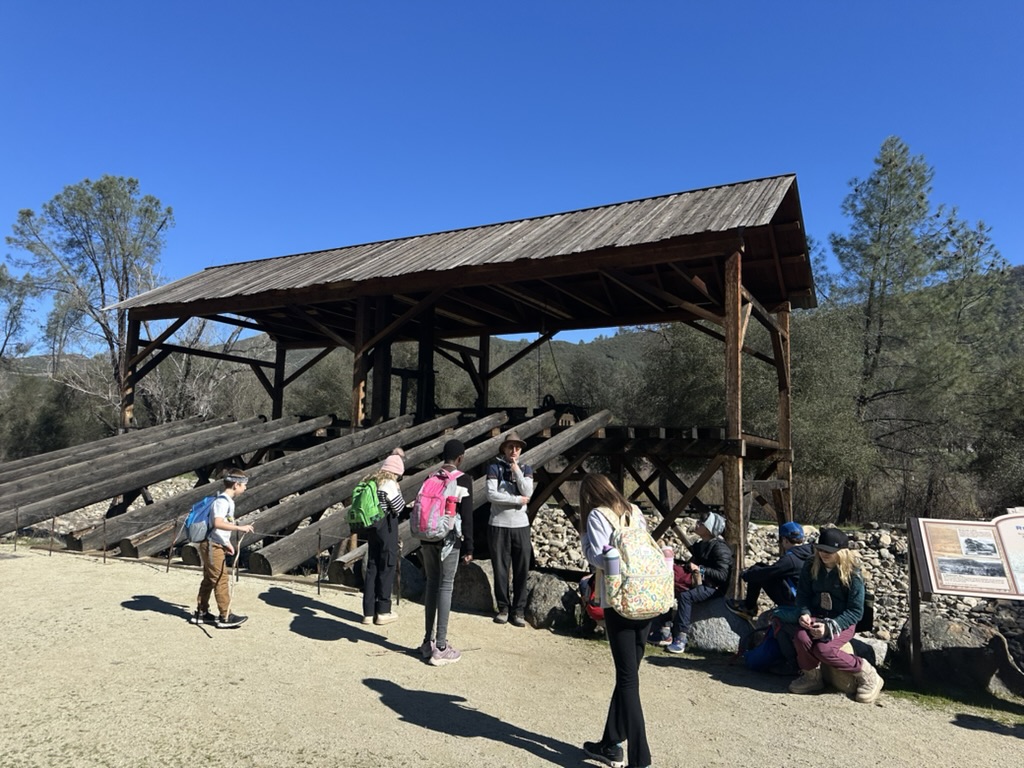
On the second day of their adventure, the students hiked through Coloma’s rolling hills, exploring key historical sites, including Sutter’s Mill, where the first famous gold nugget was discovered. Standing on the very ground where history was made, they connected even more deeply with the past.
As they packed up their belongings and bid farewell to Coloma, the 4th graders carried with them more than just memories—they brought home a deeper understanding of the trials and triumphs of those who came before them.




 FRIDAY BLOG
You must be logged in to post a comment.