February SEL Focus: Perseverance

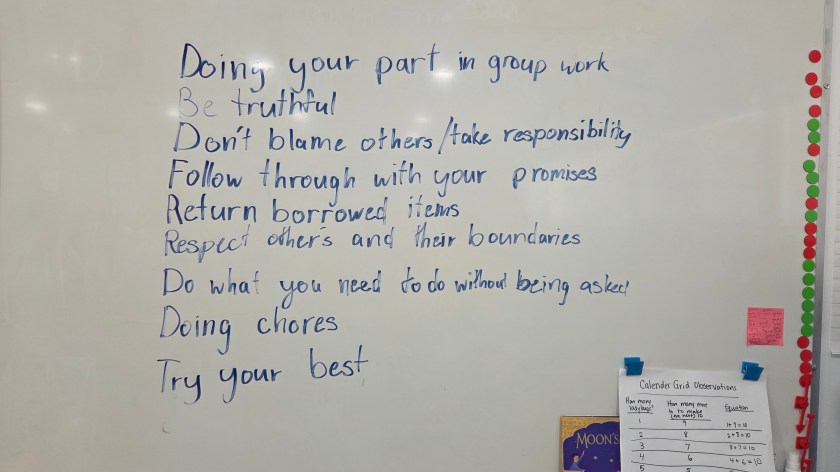
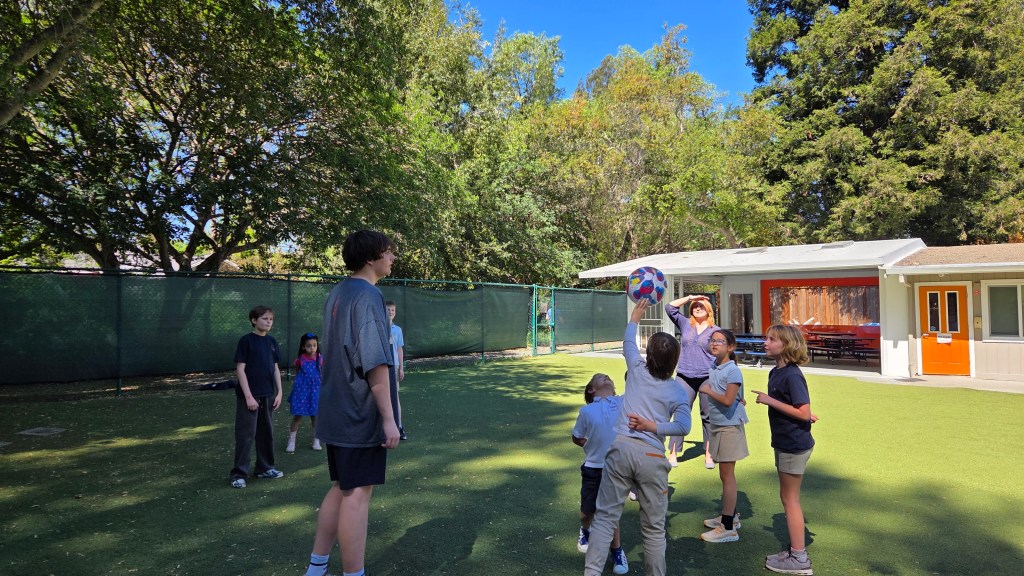
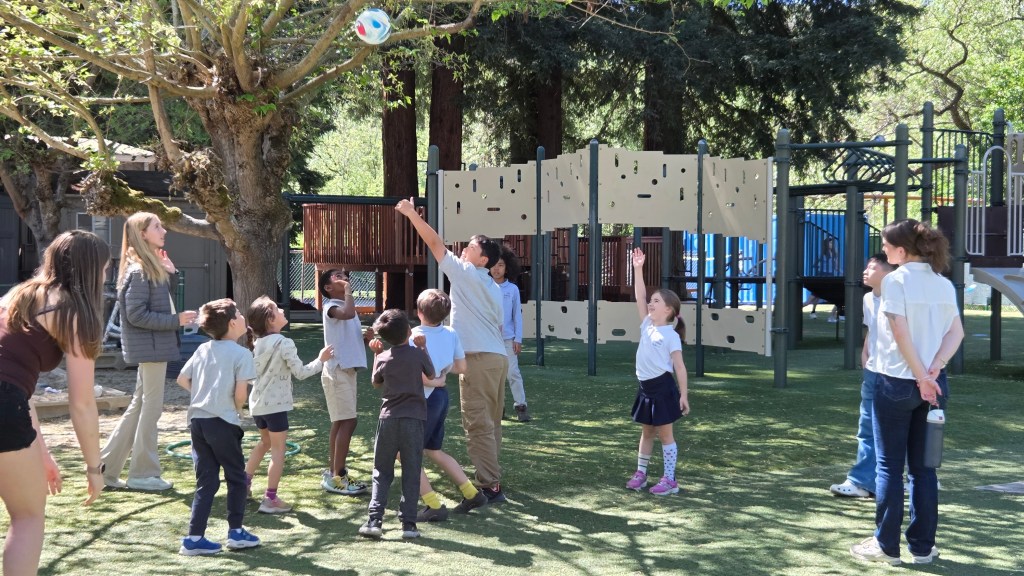
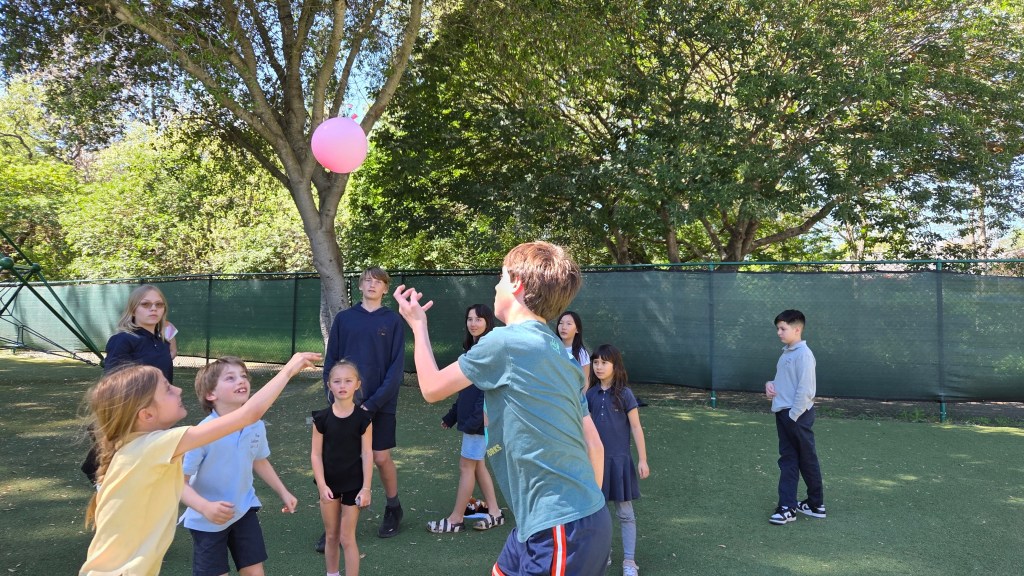
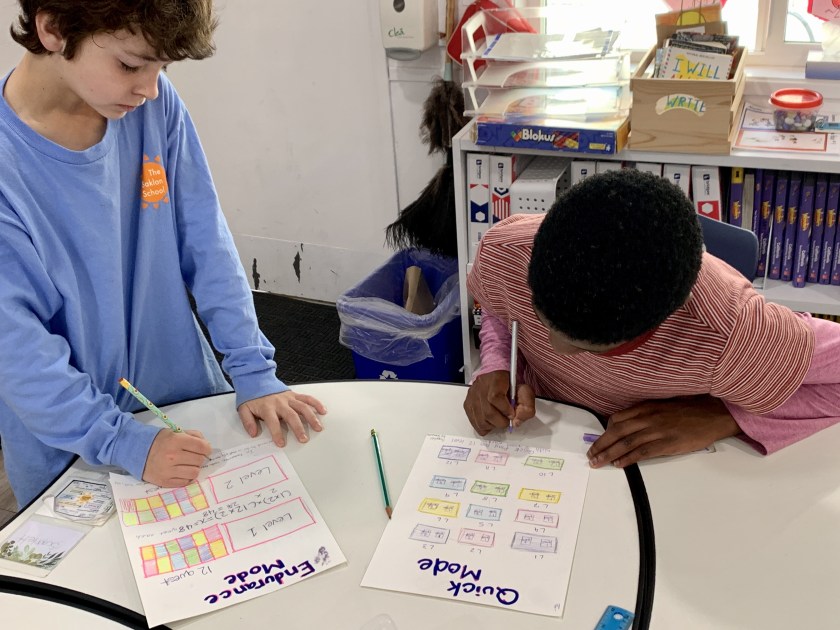
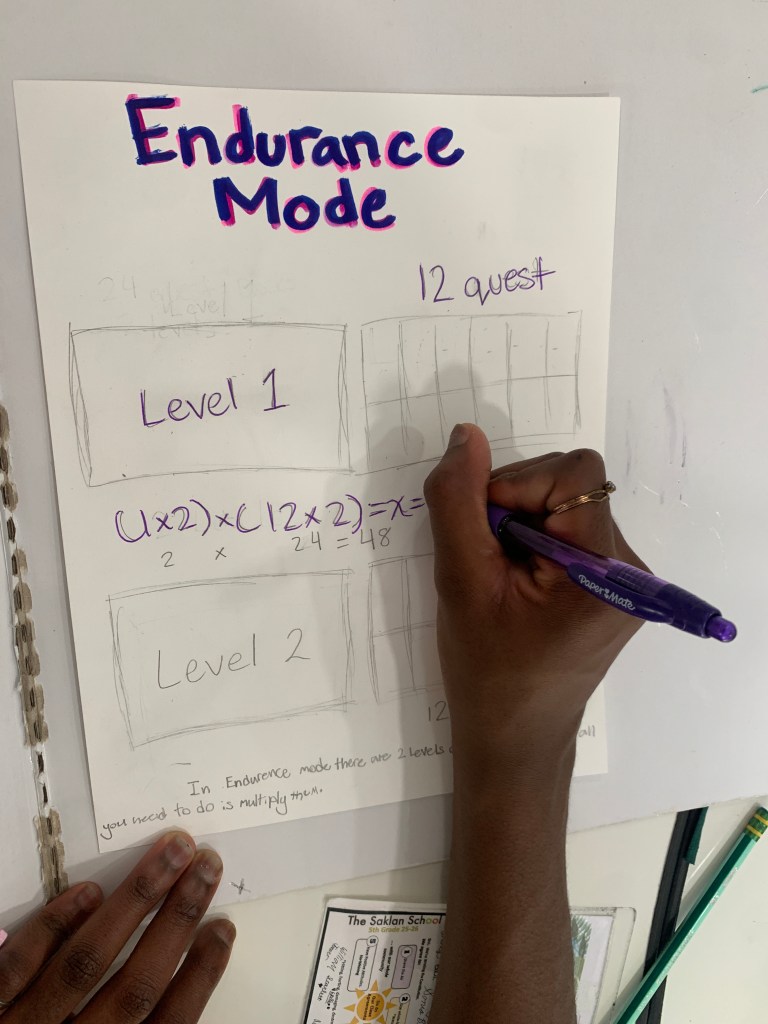
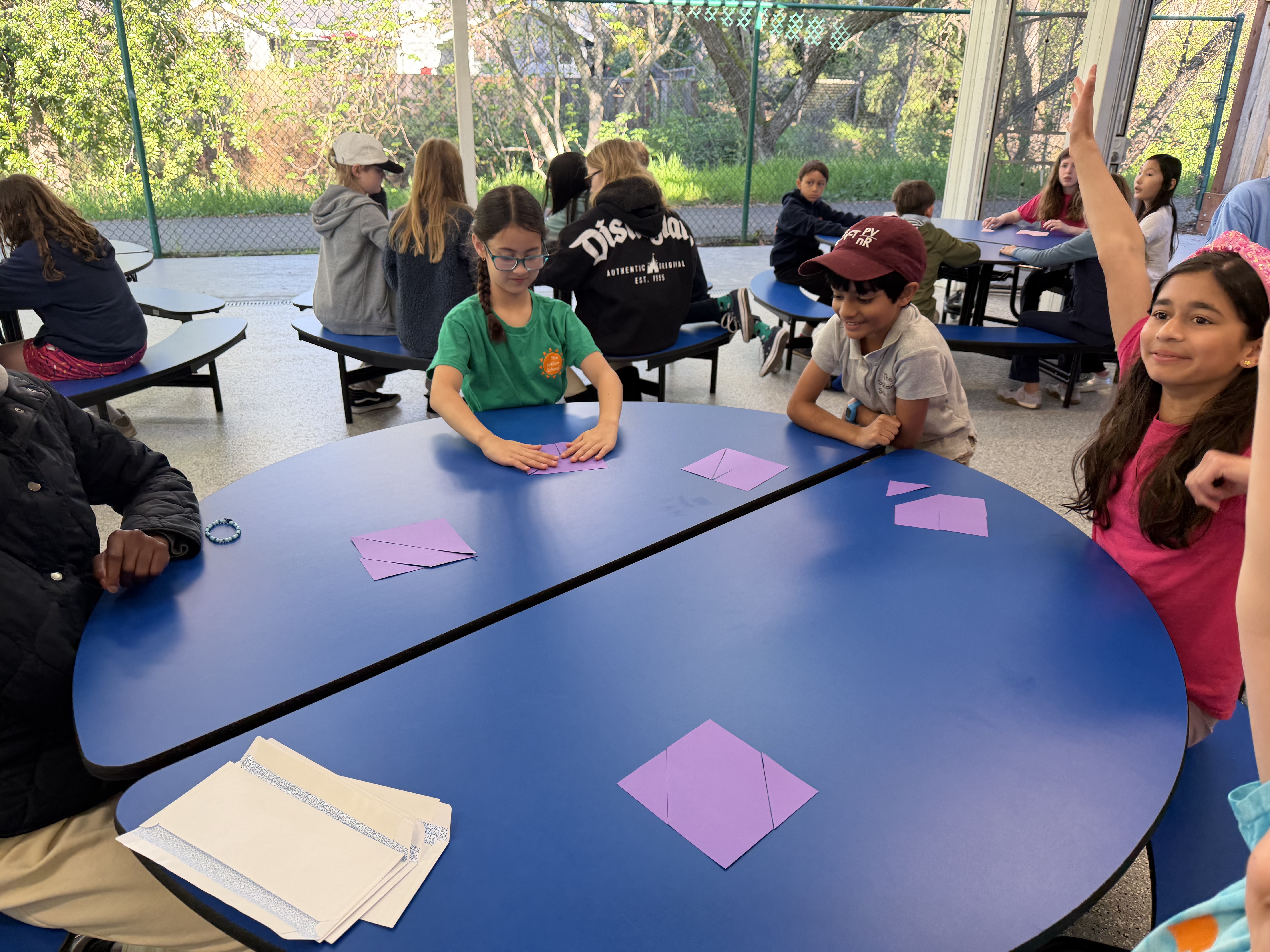
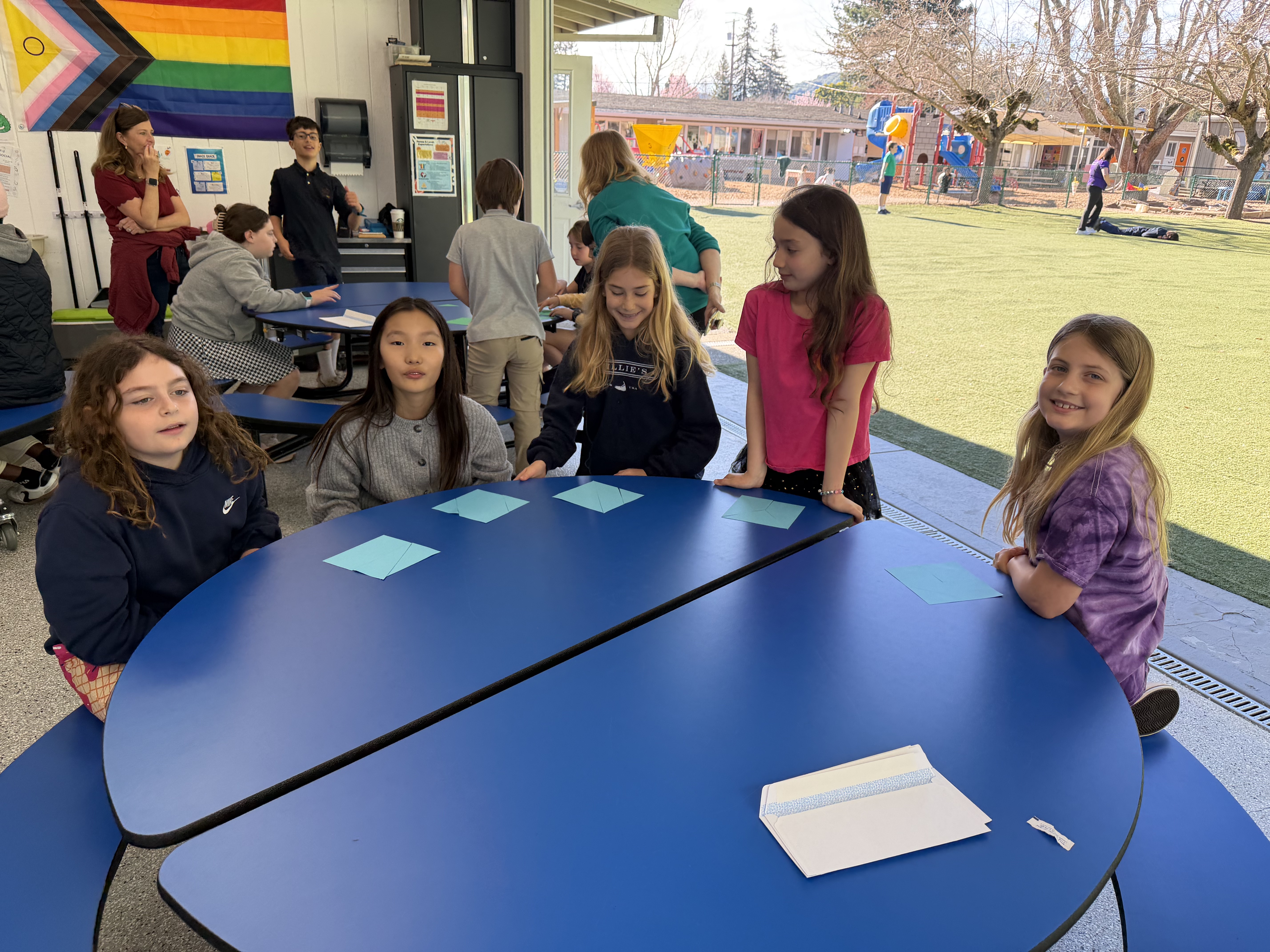
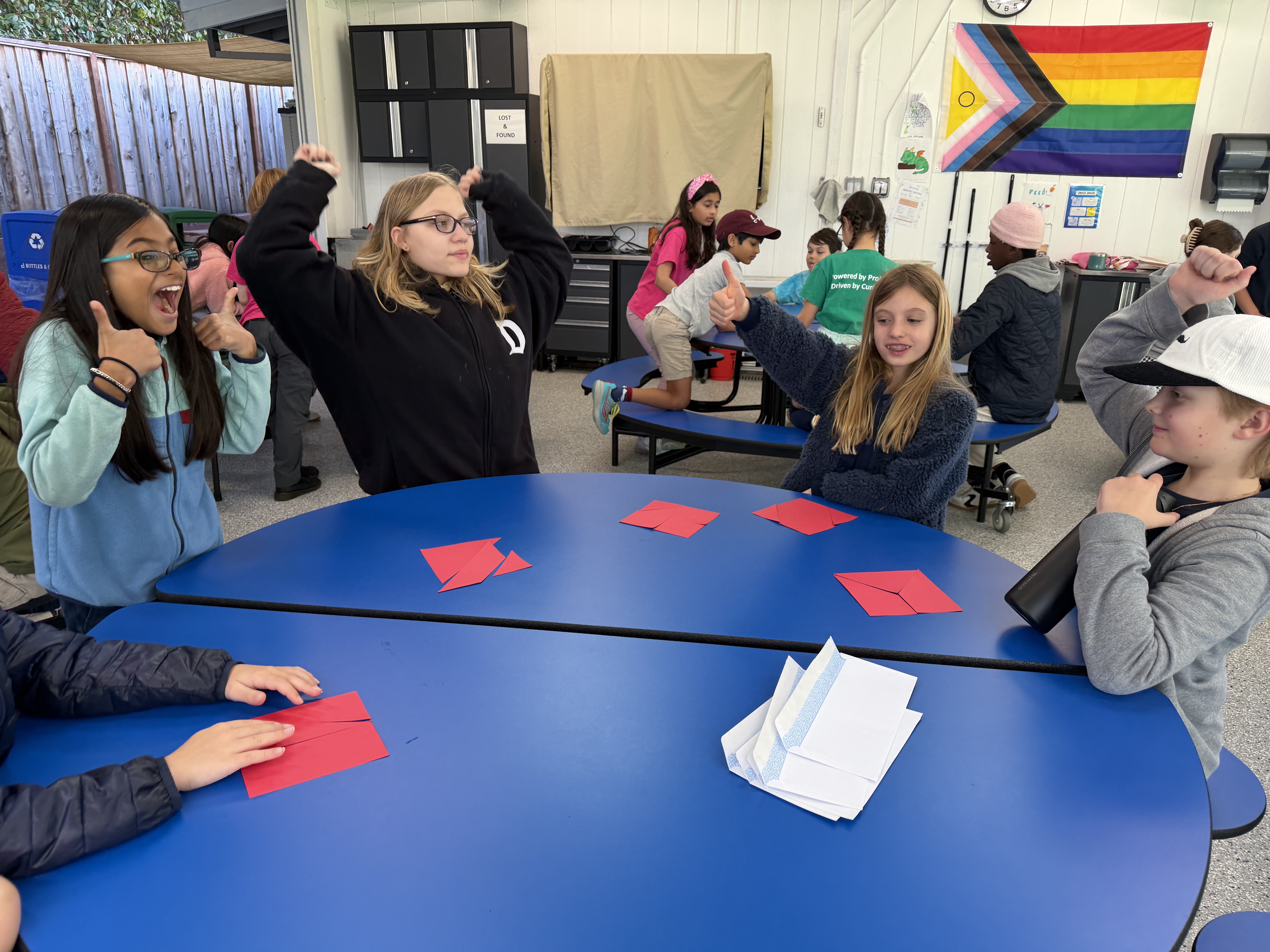
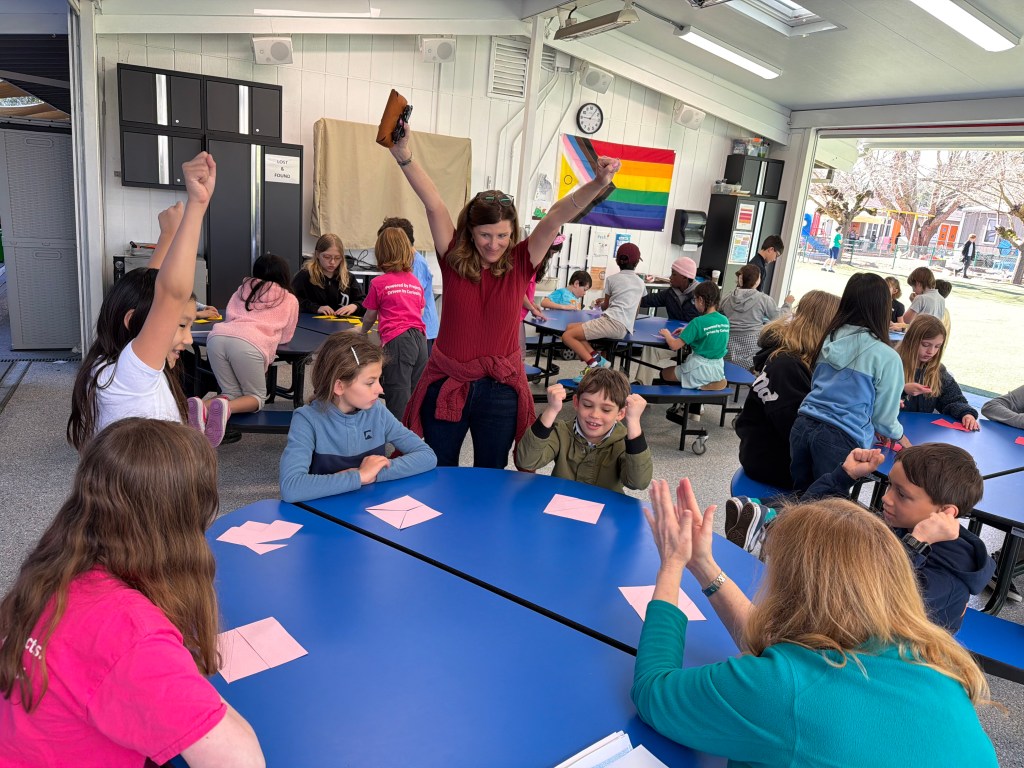
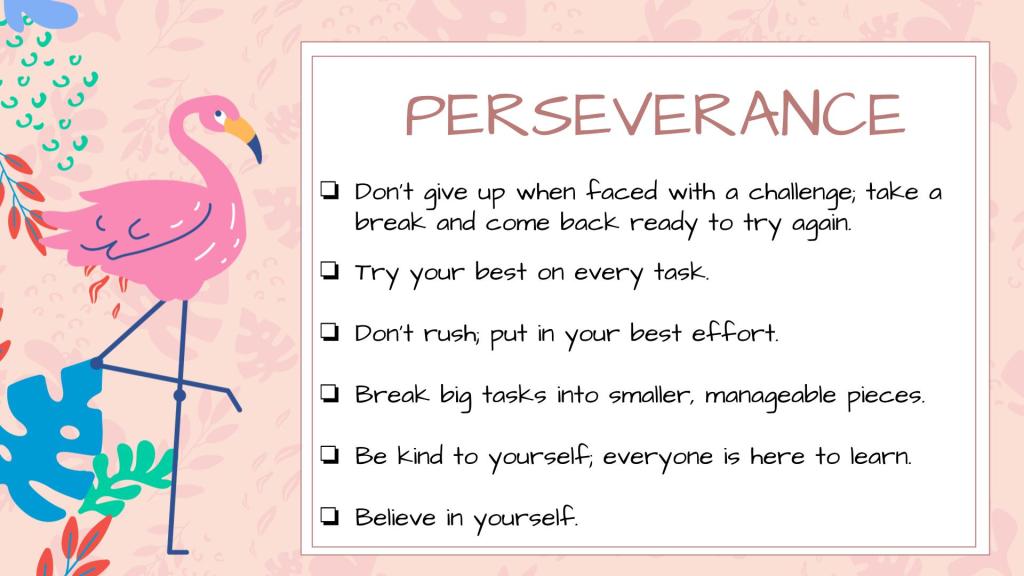
This February, Saklan’s Social-Emotional Learning (SEL) focus is perseverance: the ability to keep going even when learning feels challenging. Perseverance helps students build confidence, resilience, and a growth mindset, reminding them that effort and persistence matter just as much as outcomes.

Throughout the month, students are being encouraged to practice perseverance in concrete, age-appropriate ways:

When faced with a challenge, students are learning not to give up. Instead, they are encouraged to pause, take a break when needed, and return ready to try again. This helps normalize struggle as part of the learning process and teaches students that setbacks are temporary.

Students are also practicing doing their best on every task. Perseverance isn’t about rushing to finish; it’s about slowing down, focusing, and putting forth genuine effort, even when the work feels hard.

To make big challenges feel more manageable, students are learning to break large tasks into smaller steps. This strategy helps reduce overwhelm and shows students that progress happens one step at a time.

Equally important, perseverance includes learning to be kind to oneself. Students are reminded that mistakes are part of learning and that everyone is growing at their own pace. Practicing self-compassion helps students stay motivated rather than discouraged.

Finally, students are encouraged to believe in themselves. Developing perseverance means trusting that with time, effort, and support, they can grow and succeed, even when something doesn’t come easily at first.

By focusing on perseverance this month, students are strengthening skills that will support them far beyond the classroom, helping them approach challenges with confidence, patience, and resilience.

#SaklanSEL

Head’s Corner: What Belonging Looks Like at Saklan

On a regular basis, we ask students in grades 3-8 to complete an anonymous survey about their experience of belonging and inclusion at Saklan. At its core, the survey asks a simple question: Are we keeping our promise that Saklan is a place where students feel seen, heard, and valued? Do they experience Saklan as a safe learning environment—one where relationships are central to learning?

The survey serves as an important check for us. It helps us understand what is working well and where we may need to pause, reflect, and make adjustments based on what students are telling us.

We are currently analyzing the first semester’s results from students in grades 3–8, and we are proud of both the work we do and the community we share. The data points to a strong sense of belonging at Saklan, while also highlighting a few areas where we can continue to grow.

One of the most illuminating parts of the survey is the open-ended question that invites students to elaborate on what helps them feel they belong at Saklan. Their responses, shared below, tell a powerful and authentic story.

Belonging through relationships

  • “When people hang out and talk with me, support me, and accept my options.”
  • “When people invite me to play with them.”
  • “When I’m sad, my friends make me feel better, and my friends just make me laugh.”
  • “Even when I don’t want to play the same game as my friends, there is always someone to play with.”

Belonging through acceptance and inclusion

  • “Having friends, and being accepted for who I am.”
  • “Being respected a lot, for who I am.”
  • “I like how everyone hangs out with whoever they want, rather than being separated by gender or how you act.”
  • “I feel like I belong at Saklan.”

Belonging through adult care and attention

  • “I always know I can go to a teacher when I am sad or need help with my homework.”
  • “My teacher always helps me and tries to make me understand the answer.”
  • “Teachers pay a lot of attention to me.”
  • “When teachers explain why they can’t get to me yet, I still feel heard.”

Belonging through safety and voice

  • “I feel safe to share my thoughts and ideas.”
  • “Saklan is such a small community, so everyone knows each other.”
  • “If I feel left out, there is always a teacher who will help work it out.”

Belonging through structure, leadership, and shared experiences

  • “Something that helps me feel like I belong is advisory.”
  • “Family groups, the ability to be creative, and the fun interactive experiences.”
  • “When I am teaching a younger student, I feel a sense of joy and it makes my day.”
  • “When I come back from being sick or a trip, my classmates welcome me back with smiles and hugs.”

We believe transparency and listening are essential to building a strong school community. For those interested in exploring the data more deeply, the full student survey results are linked here. We’re grateful to our students for their honesty and thoughtfulness, and we remain committed to using their feedback to strengthen belonging, relationships, and learning at Saklan.

With Gratitude,

David  

Self-Disciplined Family Groups

On Wednesday, Saklan Kindergarten through 8th-grade students engaged in a thoughtful and interactive Family Group lesson focused on developing self-discipline, an essential skill that supports learning, emotional regulation, and personal growth.

The lesson began by inviting students to reflect on what self-discipline means to them. Through discussion, students identified self-discipline as recognizing when support is needed to achieve a goal and having the ability to bring themselves back on track. Together, they created a web of ideas on the board, placing “Self-Discipline” at the center and surrounding it with their own thoughts and experiences.

From there, students explored the many moments at school when self-discipline is needed. They shared examples such as staying focused, managing fidgety feelings, handling stress or big emotions, listening actively, raising a hand instead of calling out, and navigating moments of silliness or frustration. This conversation helped normalize the challenges students face and reinforced that self-discipline is a skill everyone practices and strengthens over time.

To introduce practical strategies, students watched a short, engaging video featuring Cookie Monster learning tools to resist his love of cookies. Together, the group reviewed the strategies Cookie Monster used (counting, singing, and imagining something calming) and discussed why these tools might work for him, as well as why different strategies may be more helpful in a school setting.

Students then applied their thinking to real-life scenarios. Through role-play and group discussion, they explored situations such as being cut in line, feeling nervous before a test, forgetting lunch, struggling to stop giggling, or feeling upset when a classmate takes something without asking. For each scenario, students worked collaboratively to identify healthy, self-disciplined responses and the tools that could help them regain control and focus.

To bring the learning together, students created a visual poster highlighting different situations and the tools that support self-discipline.

This lesson emphasized that self-discipline isn’t about being perfect; it’s about noticing when something feels hard and having strategies to help oneself move forward. Through discussion, creativity, and collaboration, students strengthened their understanding of self-discipline as a skill they can practice every day, building confidence and resilience along the way.

#SaklanSEL

When Students Lead the Learning

Sometimes the most meaningful learning moments are the ones that unfold organically, and last week, Saklan’s third graders experienced one of those magical surprises.

What began as a simple vocabulary exercise quickly evolved into a joyful, student-led experience filled with creativity, collaboration, and enthusiasm for learning. As part of the lesson, students were invited to bring new vocabulary words to life by creating short skits. Almost immediately, the classroom buzzed with excitement. Laughter, brainstorming, and endless “What if we…?” moments filled the air as students worked together to imagine scenes and assign roles.

The excitement didn’t end when the lesson was over. Students proudly shared that they continued inventing skits during recess, eager to keep the momentum going.

By Friday, the class had fully taken ownership of the experience. During recess, they collaboratively planned one large skit as a whole group, listening carefully to one another’s ideas and working through challenges together. Later, during quiet time, students independently chose to design and build props, thoughtfully negotiating materials and responsibilities.

This was authentic, student-driven learning at its best: hands-on, deeply engaging, and shaped entirely by student curiosity and agency.

The experience became even more meaningful when the third graders invited their first-grade buddies to be the audience. Watching the students perform with confidence and pride—and seeing every child shine—was a powerful snapshot of teamwork, leadership, and social-emotional growth in action. One student summed it up perfectly, exclaiming, “We should do this every day!”

Moments like these are a joyful reminder of what’s possible when students lead the way.

#SaklanStudentAgency #SaklanHandsOn

Head’s Corner: Gratitude for a Community That Shows Up

As we come to the end of the first semester, I have been reflecting on how Saklan comes alive because people show up — not just physically, but thoughtfully and generously.

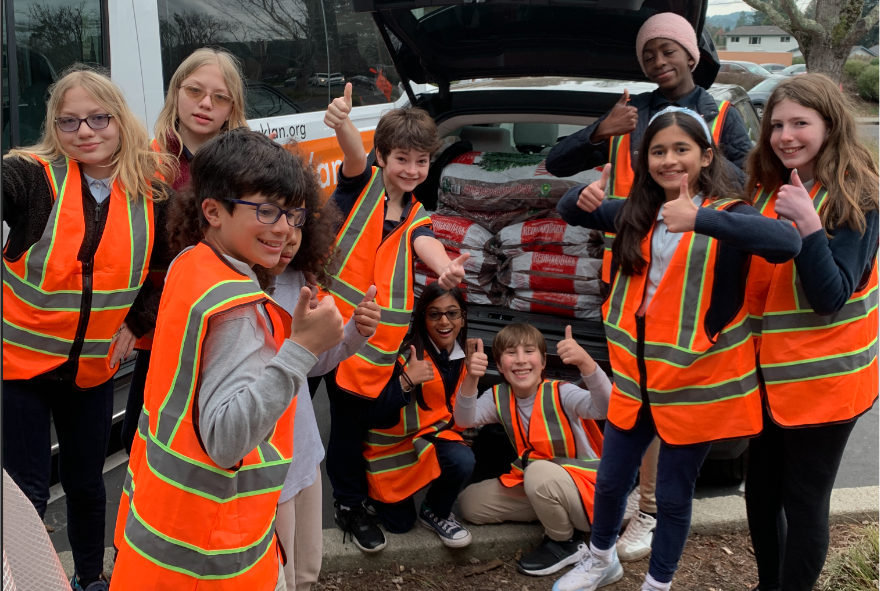
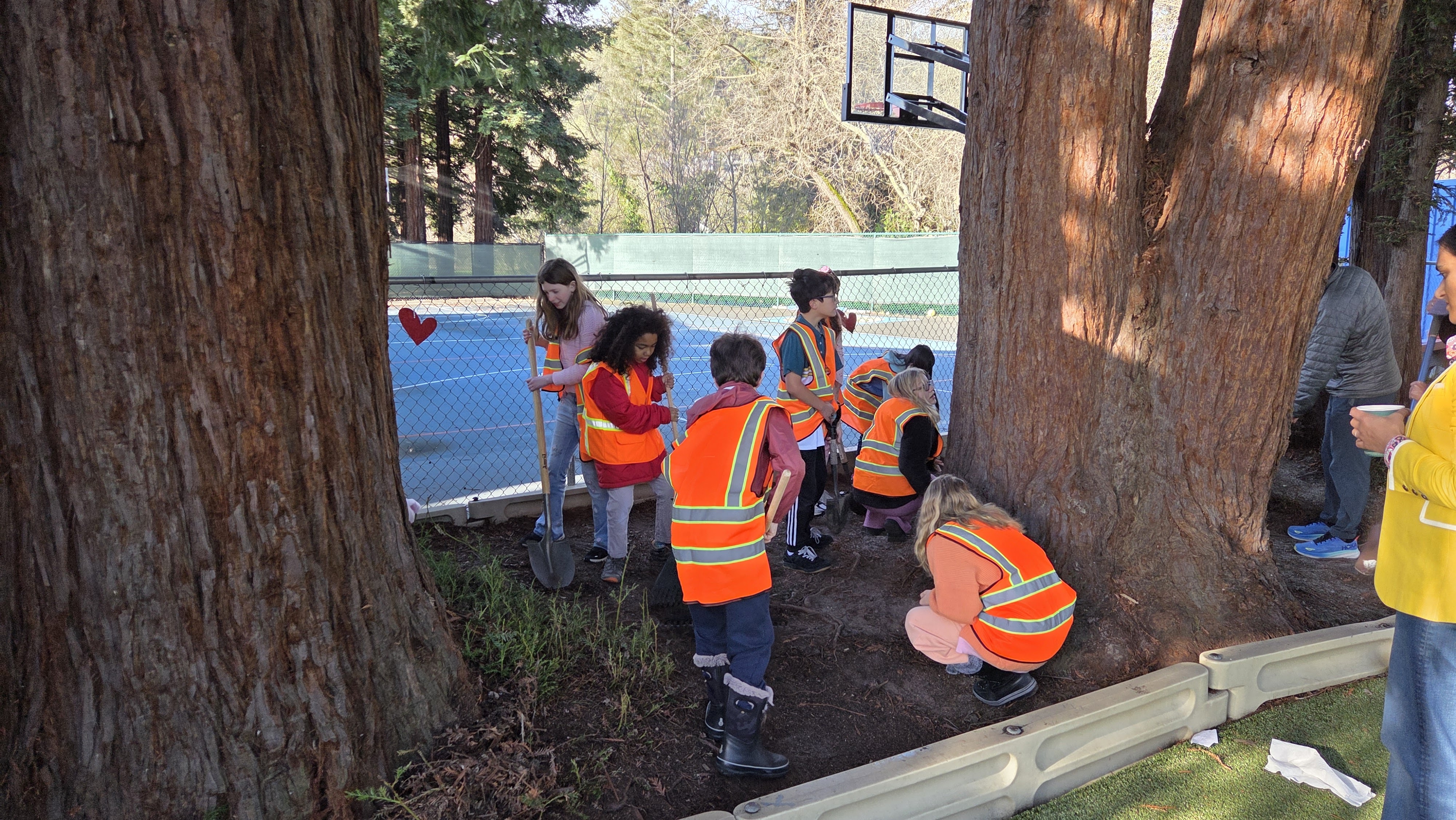
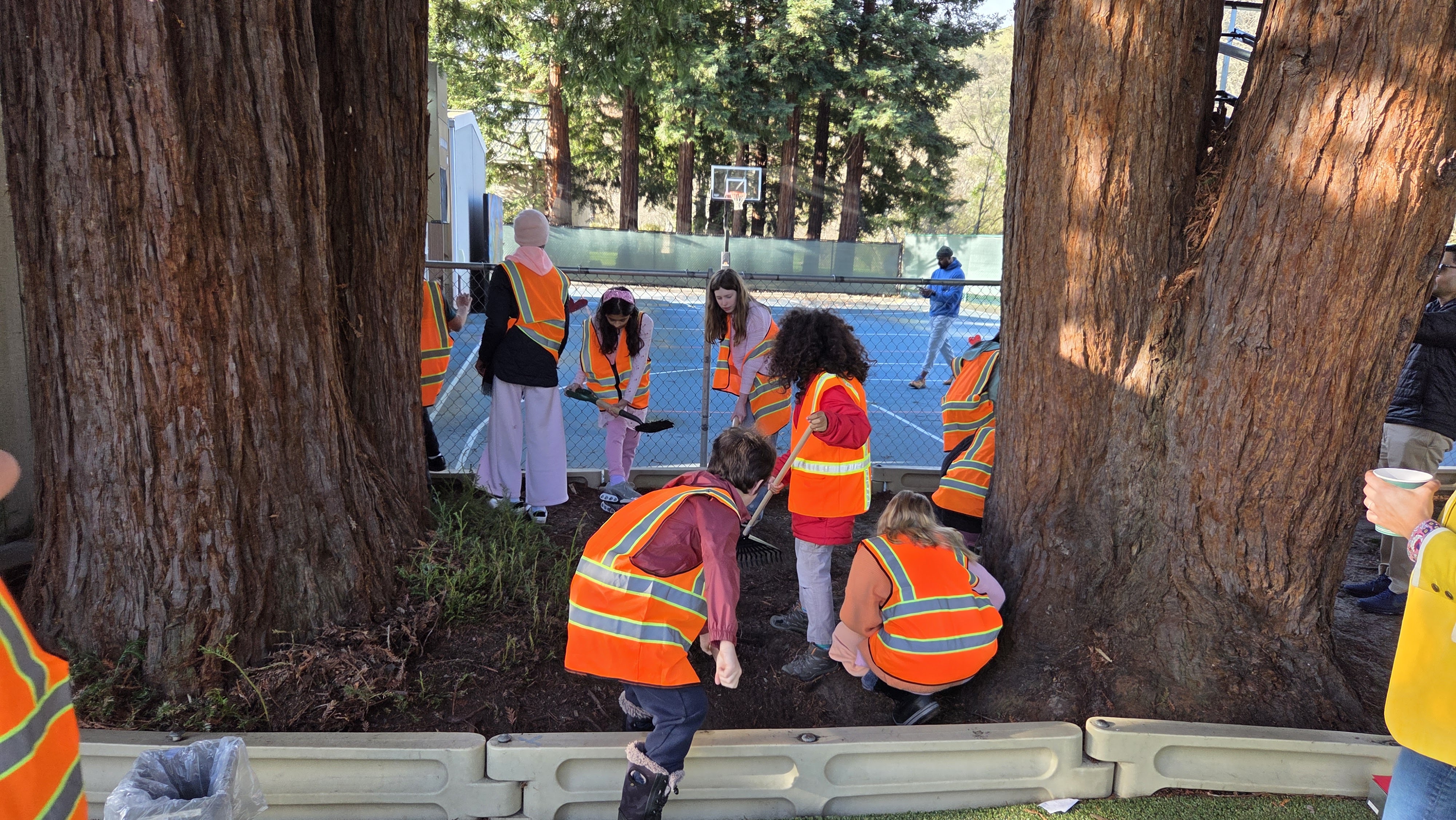
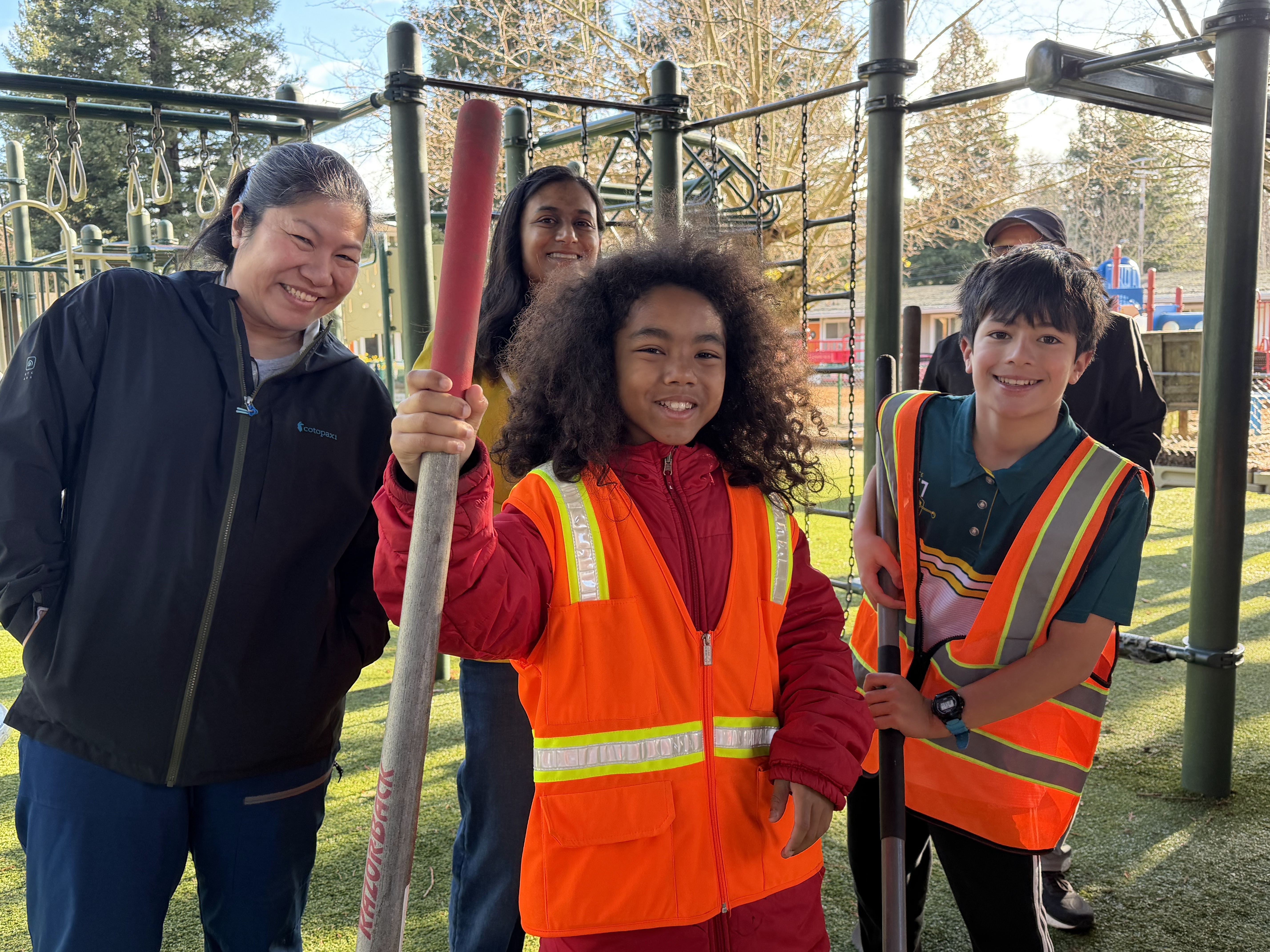
We’ve seen it in our middle school students stepping outside the classroom to serve at the Alameda County Community Food Bank, working side by side to bag thousands of pounds of produce while learning what it means to contribute to something larger than themselves. We’ve seen it in our 8th graders traveling to Puerto Rico, engaging deeply with culture, history, and service, and learning firsthand how resilience, empathy, and hard work intersect in the real world.

We’ve also felt it right here on campus. Families gathering on a weekend to paint, build, problem-solve, and laugh together as they work to bring SpongeBob alive. Grandfriends sitting next to students in classrooms, sharing curiosity, pride, and connection. Parents, caregivers, teachers, and staff creating moments that remind students their learning matters — and that they are supported by a community that cares.

This kind of learning doesn’t happen in isolation. It happens because teachers design meaningful experiences, students lean into challenge, and families trust, support, and partner with us. It happens when people give their time, energy, creativity, and resources — whether that’s volunteering at an event, contributing to the Annual Giving Fund, or simply being present and engaged.

I’m deeply grateful for the Saklan community and for the many ways you help make this a place where students learn with purpose, feel a sense of belonging, and develop compassion for the world around them. What your children experience here is the result of a shared commitment, and it is something we don’t take for granted.

Thank you for showing up — for our students, for one another, and for Saklan.

Warmly,
David
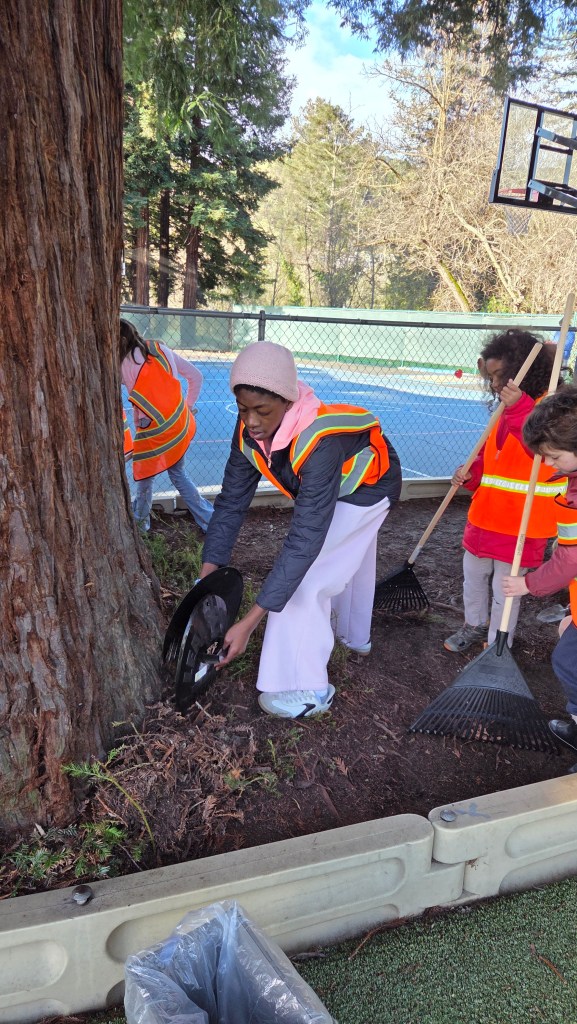
First Graders Design with Heart and Imagination

Over the past few weeks, Saklan’s first graders stepped confidently into the role of designers. What began as an exploration of shapes, colors, and feelings grew into a hands-on design project that blended creativity with meaningful self-expression.

The journey began with a close look at the vibrant artwork of artist Ashley Mary. Students noticed how she uses both geometric and organic shapes to tell what she calls “emotional stories.” This idea connected naturally to the book Exactly You: The Shape of Your Feelings, which affirms that emotions have their own colors, movement, and “feel.” Inspired by these ideas, students explored their own inner worlds through mark-making practice, experimenting with patterns, shapes, and color combinations that reflected their personalities and moods.

With these tools in hand, students took on their design challenge: creating a pair of expressive socks that reflected their unique selves. Like real designers, they brainstormed multiple ideas, sketched drafts, and made thoughtful decisions before committing to a final design. Each choice was deeply personal: blue wavy lines to show calm, tree motifs celebrating a love of nature, and playful “glob” shapes from students who see themselves as artists.

Excitement filled the room as students transferred their final designs onto real socks using fabric markers. Through this joyful process, students discovered that art can be a powerful vehicle for self-expression, one that invites creativity, confidence, and connection.

#SaklanCreative #SaklanHandsOn

Creating Together: Saklan Families Bring SpongeBob to Life

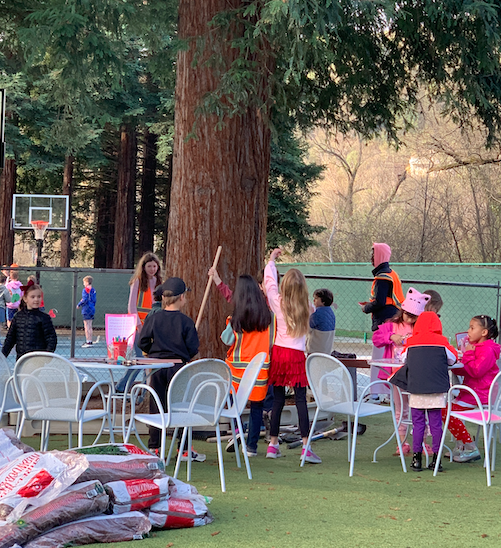
Last Saturday, our campus was buzzing with paintbrushes, cardboard, creativity, and a whole lot of teamwork. Over the weekend, students, families, and staff gathered for a Lower School Musical Work Day, transforming our school into a lively workshop filled with color, imagination, and community spirit.

From the moment volunteers arrived, the campus came alive with purpose. Laughter mixed with the sounds of cutting, painting, measuring, and building as teams worked together on the many props and set pieces that will bring Bikini Bottom to life onstage. Giant jellyfish, coral reefs, vibrant backdrops, and whimsical underwater details began taking shape as everyone, kids and grown-ups alike, rolled up their sleeves and dove into the fun.

What made the day truly special wasn’t just the art we created, but the connections we strengthened. Parents and students collaborated side-by-side, sharing ideas, solving problems, and celebrating each finished piece. Older students supported younger ones, families made new friends, and the room glowed with the feeling of creating something meaningful together. Events like this remind us that the heart of the Saklan community lies in our willingness to show up, contribute, and lift one another up.

Thank you to everyone who gave their time, talent, and energy last weekend. Your support makes all the difference, and we are so grateful.

#SaklanCommunity #SaklanCreative

Authenticity and Student Inquiry

Doing a project is not the same as Project Based Learning. The differences may seem minor at first glance, but the impact on student learning and engagement is tremendous. Two vital components that differentiate “doing a project” from Project Based Learning are authenticity and student-driven inquiry. 

High-level Project Based Learning has an authentic context. It involves tasks, questions, or ideas that connect to the world outside of the school walls: students’ personal experiences, concerns, interests, or identity. Student-driven inquiry means students are engaged in an iterative process of asking questions, gathering and interpreting data, and developing solutions or deeper questions to investigate. 

Two fantastic examples of these elements in high-level Project Based Learning at Saklan are the Kindergarten Names unit and the Owlet Leaf unit. 

Our Kindergarten names unit brings students’ family stories and cultures to the forefront of learning. The students investigate how to become better friends by learning about each other’s names. Closer bonds and deeper friendships are developed by bringing students’ rich family lives and stories into the classroom. They interview their families and each other about their names, learn to read and write each other’s names, explore ways to represent the meaning of their names together, and study how people share their names through picture books.

Our youngest learners, the Owlets, have been engaging in a deep exploration of leaves. For our ECE students, part of an authentic unit means pursuing a topic that they experience in their daily lives. During this time of year, when the trees are changing colors and leaves are falling to the ground all around us, student questions about leaves are abundant. They first began their study by sharing their own knowledge about leaves before generating questions. Next, the class engaged in experiences that helped them answer their questions, and then made physical representations of their growing knowledge of leaves. 

For both of these units, students engaged in multiple rounds of inquiry and had the rich opportunity to explore a topic with personal meaning while also tackling academic, social, and emotional learning goals. You are invited to join us on December 11th at 8:40 a.m. to celebrate the culmination of both of these project units. We hope you join us! 

#SaklanProjectBasedLearning

Spotlight on Riva: Guiding Kindergartners With Joy & Purpose

If you’ve ever stepped into Saklan’s Kindergarten classroom, you’ve likely felt it: the spark, the laughter, the hum of curiosity and care. It’s a space where little moments become big milestones, and where joy seems to live in every corner. That joy is no accident. It’s fueled, every day, by a teacher who brings heart, intention, and deep respect for childhood into everything she does.

Recently, we sat down with Riva, Saklan’s Kindergarten teacher, to learn more about what inspires her, what she loves most about working with our youngest learners, and why Saklan’s approach to Project Based Learning feels so special.

You bring so much joy to the Saklan campus- what fuels your joy and excitement the most when it comes to your teaching day? 

“My joy comes from the relationships I get to build with my students and their families. Kindergarteners arrive each morning with such openness and enthusiasm, and I love being part of a community that celebrates their strengths, quirks, and emerging identities. Saklan is a place where students are truly known, and getting to guide them through their first steps in school — emotionally, socially, and academically — is a privilege that motivates me every day.”

What do you love the most about working with Kindergarten?

“What I love most about working with kindergarteners is the unique magic of this developmental stage. Everything is new, everything is possible, and their sense of wonder is contagious. I get to watch them discover their own abilities, whether they’re decoding a word for the first time, writing a brave sentence, or learning how to take a deep breath and reset. Kindergarteners grow in such joyful, visible ways, and being part of those early milestones feels incredibly meaningful.”

She also shared a favorite program that brings this magic to life: Kinder Korner.

“One of my favorite parts of teaching kindergarten at Saklan is our Kinder Korner program. Our students become “big buddies” to the Hoot Owls, teaching them what life in kindergarten is like. It’s beautiful to see my students step into leadership roles with such care and pride. They show empathy, patience, and confidence as they guide their younger buddies through activities, routines, and little moments of discovery. Watching them light up when they realize they are the ‘experts’ is truly heartwarming. Those cross-grade connections deepen our community and remind me how capable and kind young children can be when given the chance to lead.”

You have had a lot of experience with projects at previous schools- what makes Saklan’s approach to PBL special?

“What I love about Saklan’s approach to Project Based Learning is the way it connects our standards to work that feels genuinely meaningful for young children. Our projects grow from what students are naturally curious about, and that makes the learning feel joyful and authentic for all of us.”

She highlighted The Names Project as a powerful example.

“The Names Project is one of my favorites for exactly that reason. Kindergarteners are already captivated by their own names, so it becomes a perfect entry point into letters, sounds, phonics, and even math as we compare and graph the number of letters in each name. But what makes this project so special to me is the sense of community it builds. As students learn to read each other’s names, discover the stories behind them, and create portraits inspired by their name meanings, they also learn about one another in a really meaningful way. The academic growth is wonderful, but the connections they build are the true heart of the project for me.”

You can see this joyful learning in action by joining the Kindergartners for their Names Project culmination on Thursday, December 11th, at 8:40 a.m.

From the joyful morning greetings to the thoughtful projects that build community and confidence, it’s clear that Kindergarten at Saklan is filled with intention, wonder, and deep care. And at the center of it all are teachers like Riva, who make learning feel magical—one moment, one question, and one joyful discovery at a time.

#SaklanStaff

Cross-Age Learning in Action

Saklan’s cross-grade learning was on full display as the Owlet buddies and fifth graders came together for a hands-on science experience rooted in their respective Project Based Learning (PBL) units. The Owlets have been exploring leaves, while the fifth graders have been studying trees—making their recent research on Redwoods the perfect launching point for peer teaching.

The fifth graders were tasked with becoming “experts” on several big questions the Owlets had been wondering about: the difference between evergreen and deciduous leaves, why leaf colors change, and how fallen plant matter breaks down and becomes soil, including the important role earthworms play in decomposition.

Students worked in teams with real focus and purpose. They were given 45 minutes to choose a topic and collaborate on a mini-presentation that was both accurate and engaging. Each group created a visual or hands-on element to support their teaching. Another 45 minutes were spent practicing, presenting to peers, and refining their work with the help of candid “Dancing with the Stars-style” feedback. The growth from practice to final presentation was remarkable.
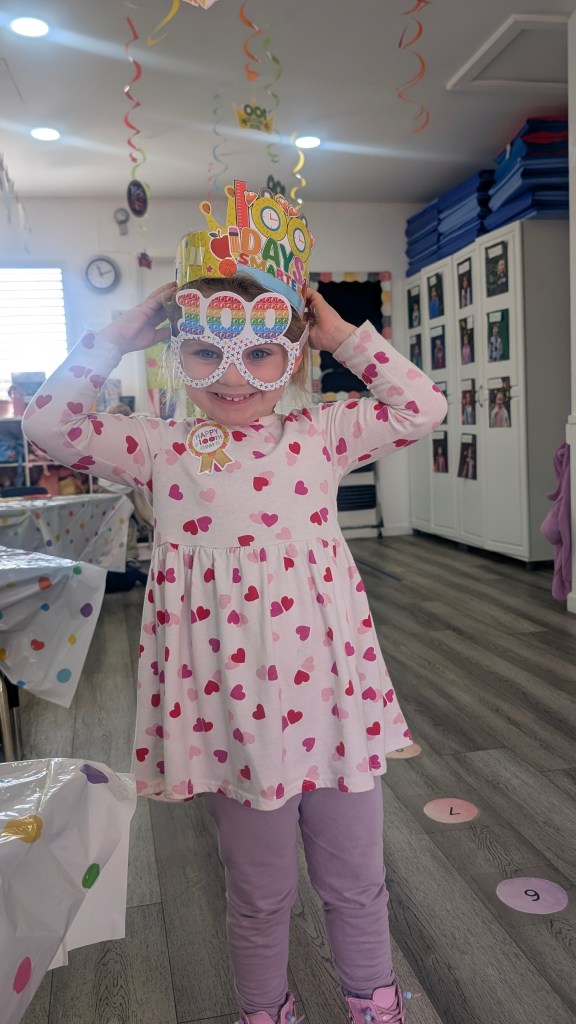
When it was time to meet with the Owlets, the fifth graders were ready. Their presentations were clear, lively, and thoughtfully geared toward 3- and 4-year-old learners. The Owlets eagerly leaned in, asking big, earnest questions such as, “Do worms have eyes?” and “Is that the head or the tail?” Fifth graders knelt beside tiny tables, held leaves up for close inspection, and invited younger students to touch, compare, and wonder.
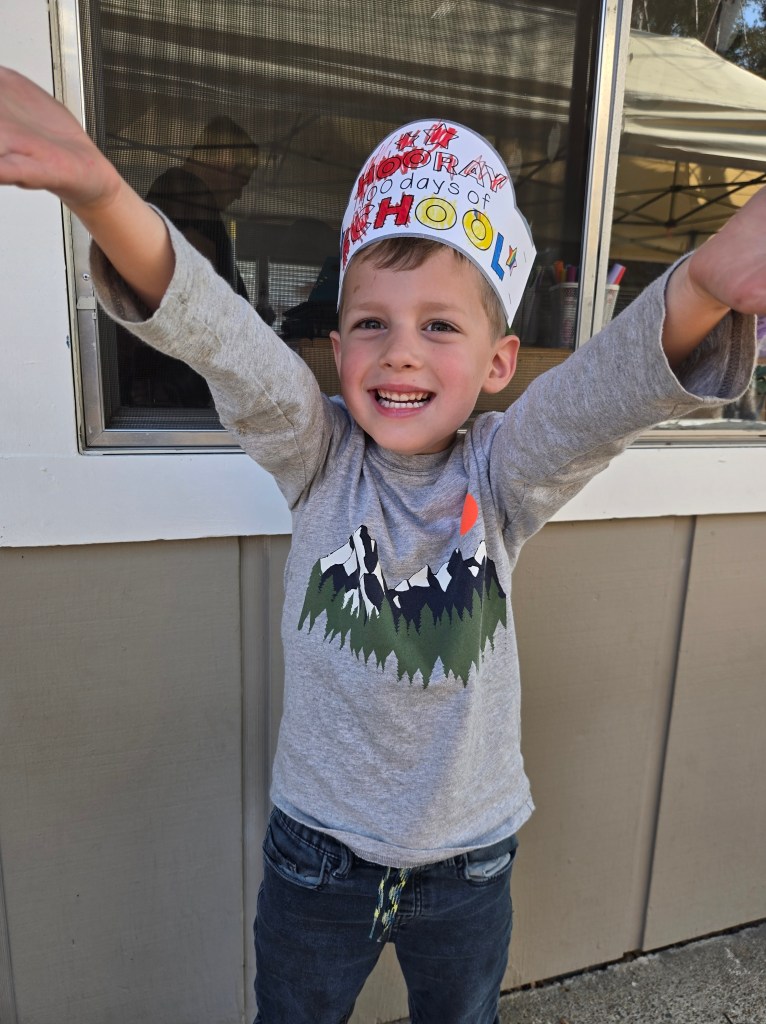
Not only did the Owlets gain new insights through this joyful experience, but the fifth graders deepened their own understanding by explaining complex scientific ideas in simple, accurate ways—a skill that strengthens mastery and confidence.

Saklan’s PBL focus continues to create meaningful opportunities for students of all ages to learn with and from each other, building both knowledge and community along the way.

#SaklanProjectBasedLearning #SaklanGuestExperts