Creating Together: Saklan Families Bring SpongeBob to Life

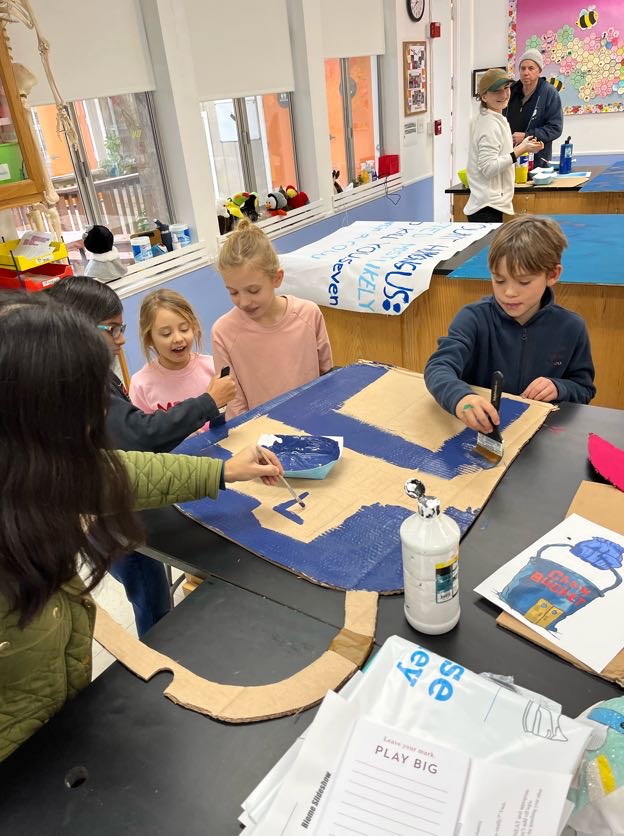
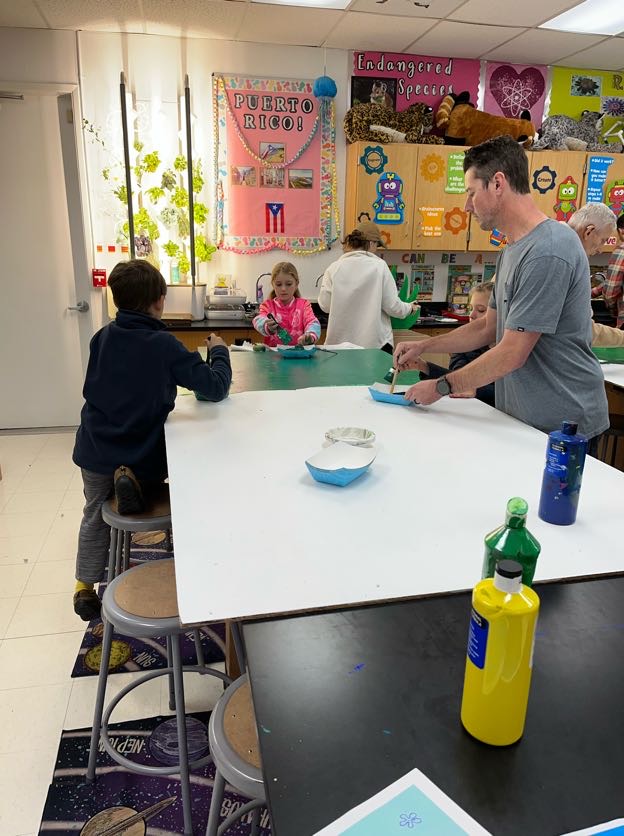
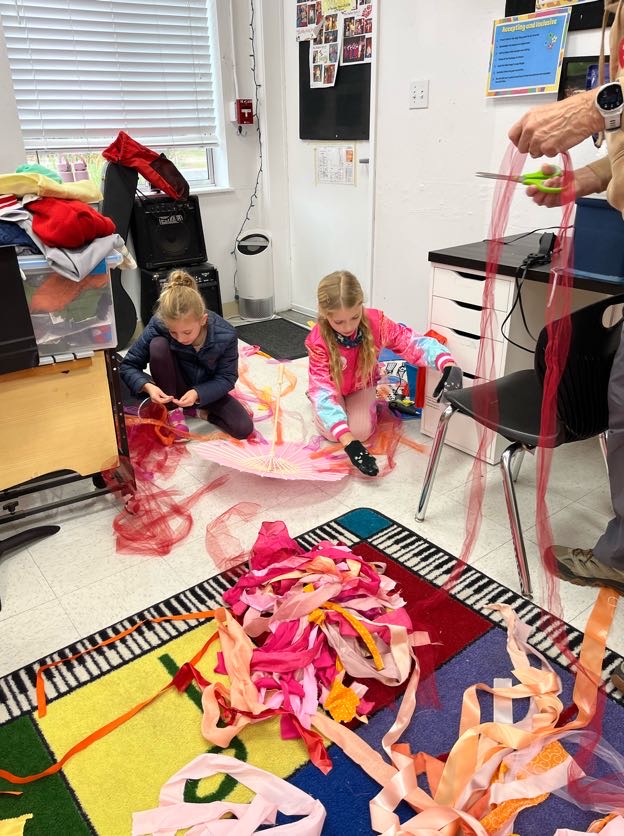
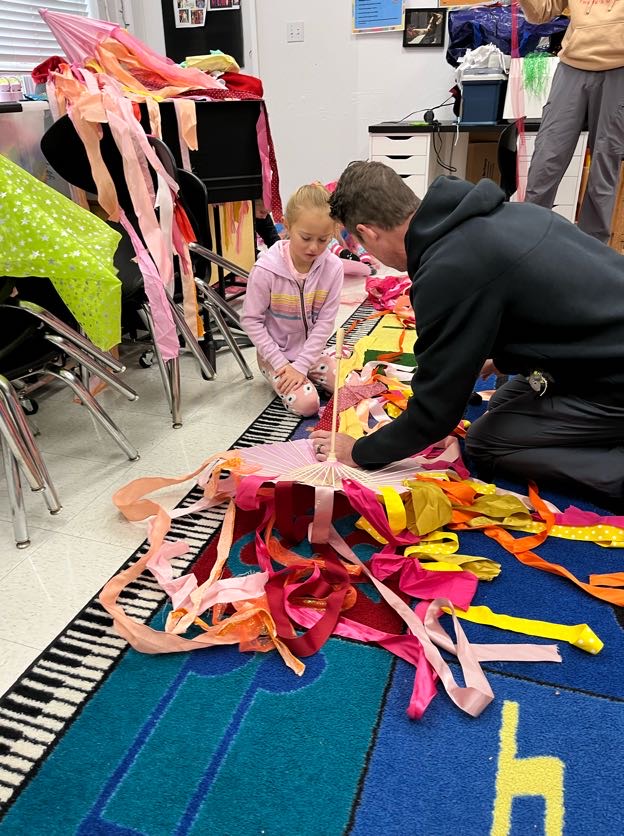
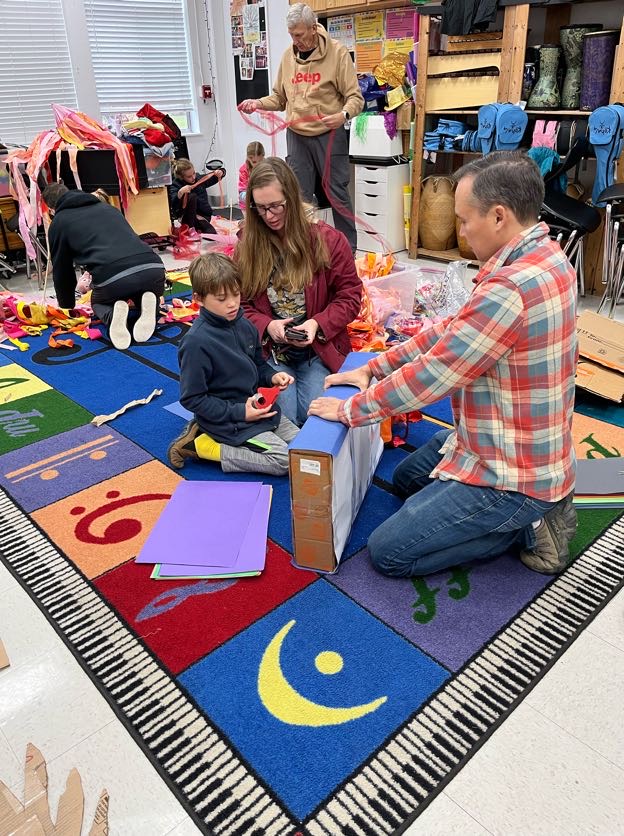
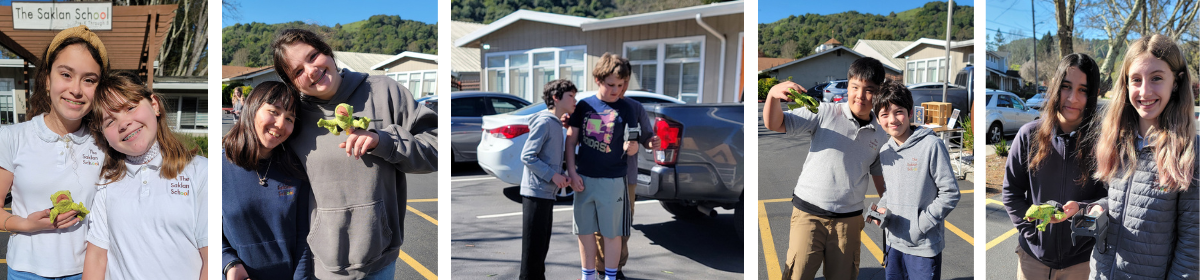
Last Saturday, our campus was buzzing with paintbrushes, cardboard, creativity, and a whole lot of teamwork. Over the weekend, students, families, and staff gathered for a Lower School Musical Work Day, transforming our school into a lively workshop filled with color, imagination, and community spirit.

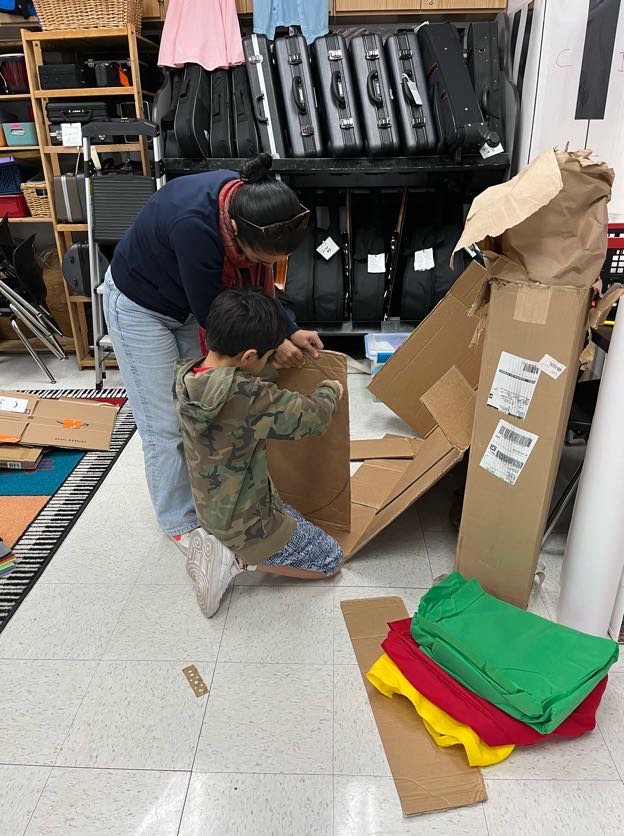
From the moment volunteers arrived, the campus came alive with purpose. Laughter mixed with the sounds of cutting, painting, measuring, and building as teams worked together on the many props and set pieces that will bring Bikini Bottom to life onstage. Giant jellyfish, coral reefs, vibrant backdrops, and whimsical underwater details began taking shape as everyone, kids and grown-ups alike, rolled up their sleeves and dove into the fun.

What made the day truly special wasn’t just the art we created, but the connections we strengthened. Parents and students collaborated side-by-side, sharing ideas, solving problems, and celebrating each finished piece. Older students supported younger ones, families made new friends, and the room glowed with the feeling of creating something meaningful together. Events like this remind us that the heart of the Saklan community lies in our willingness to show up, contribute, and lift one another up.

Thank you to everyone who gave their time, talent, and energy last weekend. Your support makes all the difference, and we are so grateful.

#SaklanCommunity #SaklanCreative

Finding Rhythm in Instrumental & Percussion Ensembles

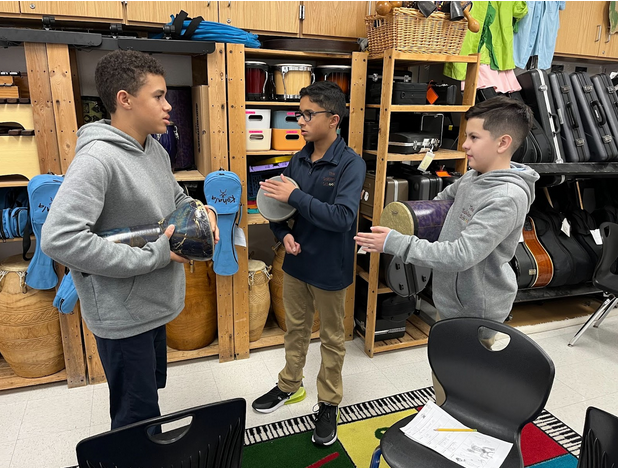
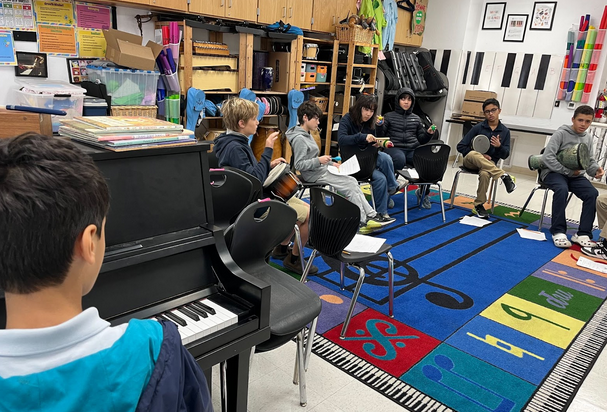
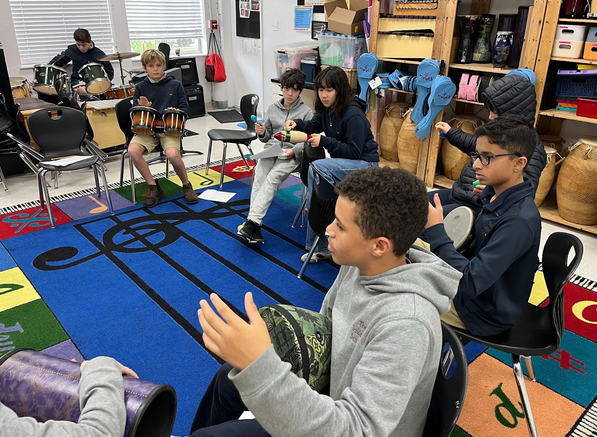
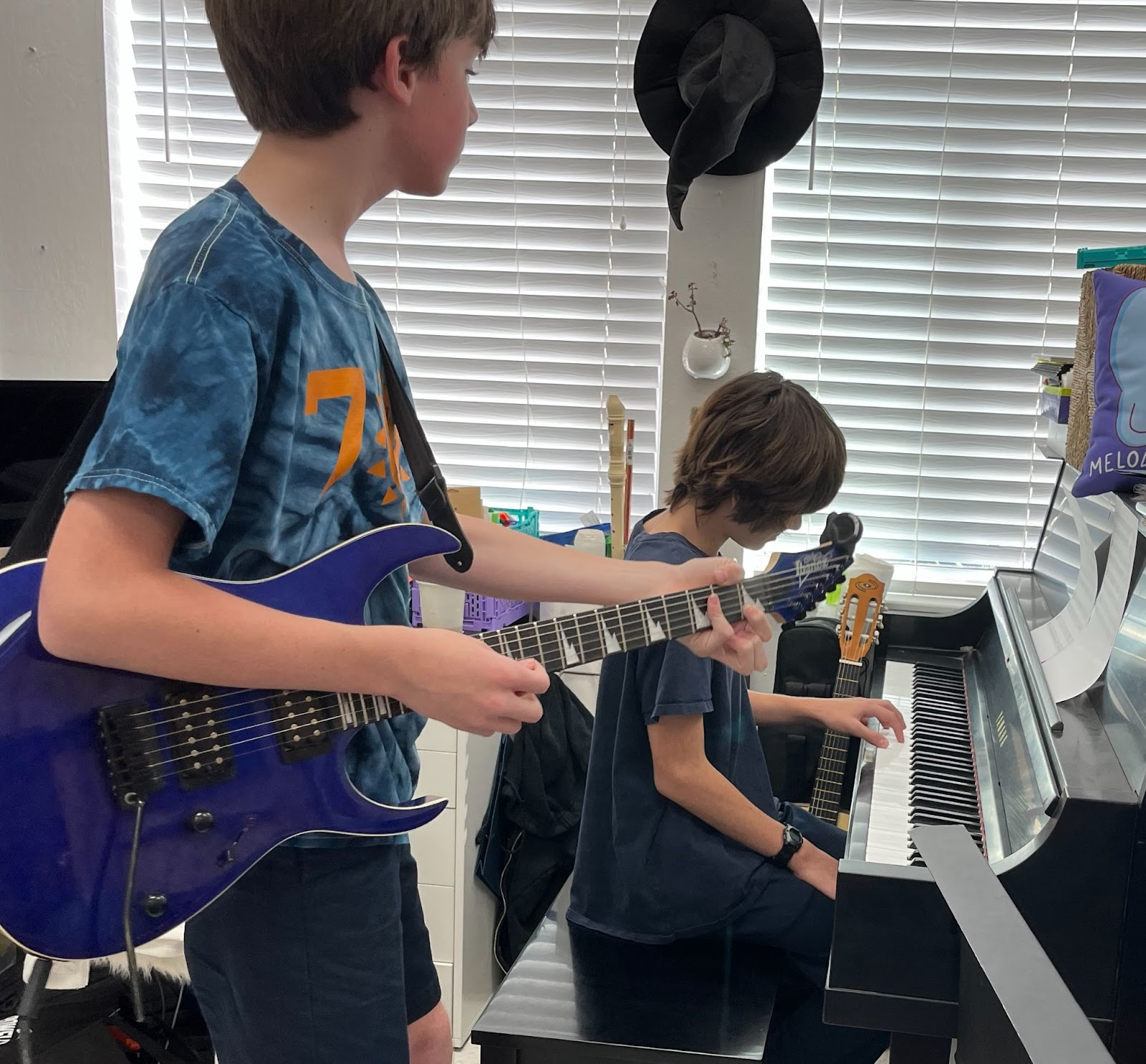
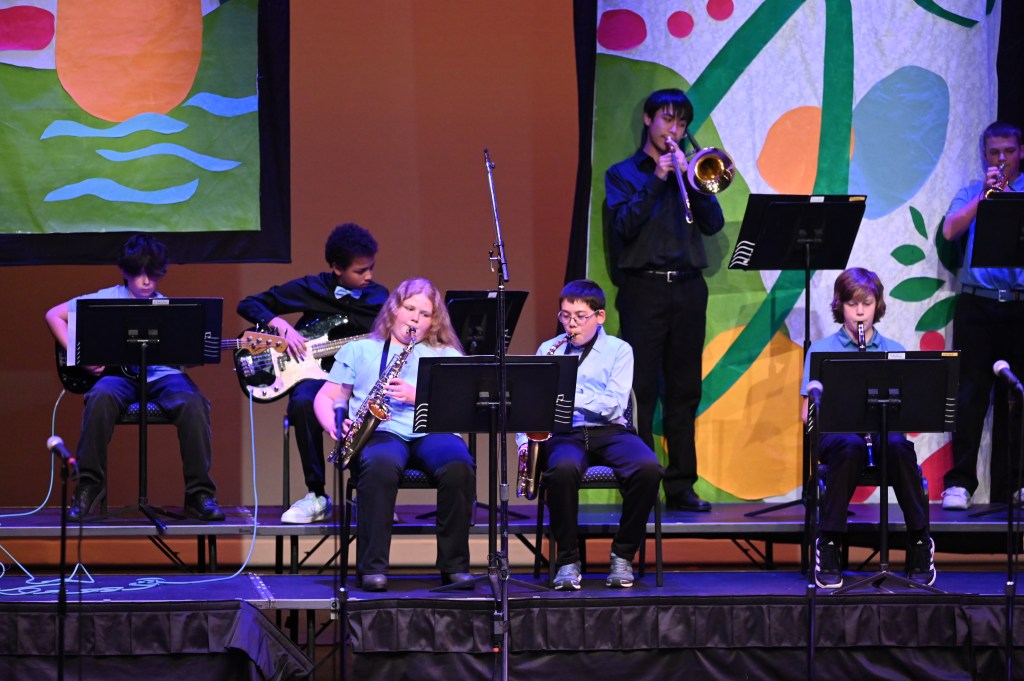
As shared in last week’s blog, Saklan middle schoolers transition from a general music program to an elective model—allowing them to focus on specific areas of musical interest. In addition to choir, students may choose Instrumental Ensemble or Percussion Ensemble, both of which encourage collaboration, creativity, and musical growth.

Instrumental Ensemble

Each Tuesday, ensemble musicians begin class with a music theory session to strengthen their understanding of the pieces they play and build skills for improvisation and composition. So far this year, they’ve been learning about the keys of different wind instruments and how to play chord progressions.

On Wednesdays, students start class by listening to and analyzing music from a wide range of genres and cultures, broadening their musical perspective and inspiring thoughtful discussion. Every other Friday, the group meets for hands-on practice—working on music production projects, breaking into sectionals, or fine-tuning their repertoire.

Currently, the ensemble is rehearsing two energetic pieces: “Eye of the Tiger” and “Spooky Scary Skeletons.” Look for them at the Halloween Costume Parade this year, adding some musical fun to the festivities!

Percussion Ensemble

Percussion students also begin each Tuesday with music theory, using rhythm games and transcription exercises to reinforce their understanding of musical notation and strengthen communication within the group. Thursdays start with music analysis, offering a chance to explore global rhythms and discuss how percussion shapes different musical traditions.

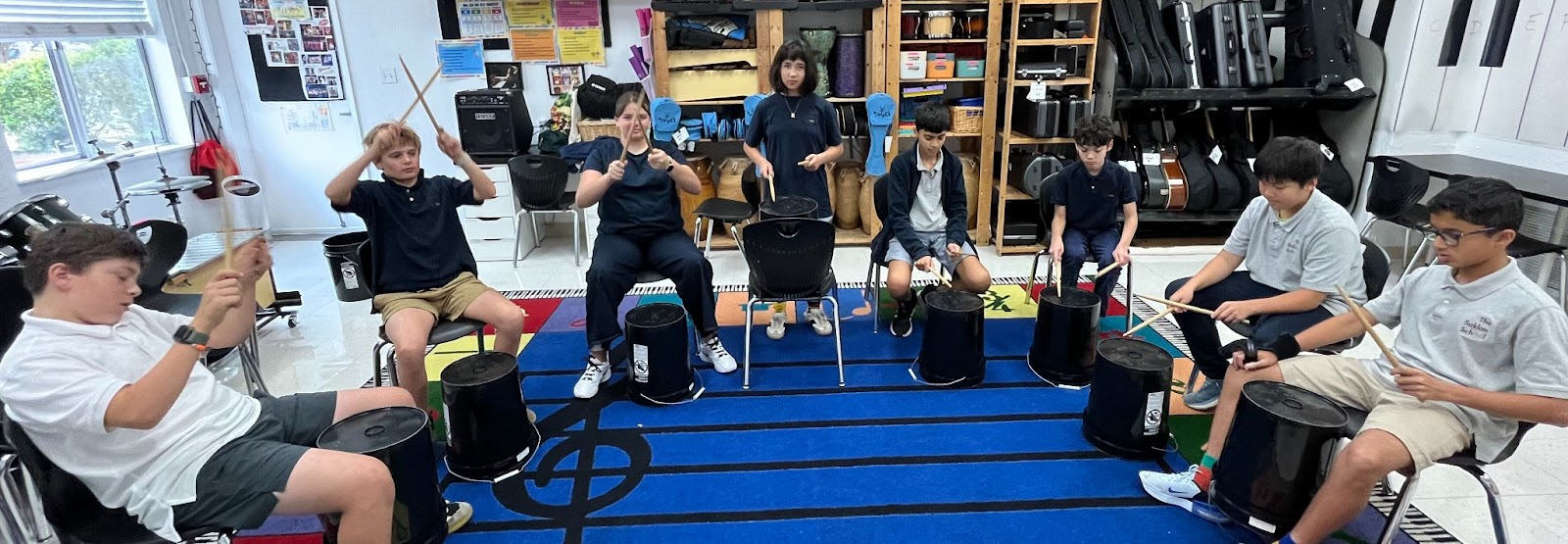
This fall, the ensemble has been diving into bucket drumming, experimenting with how striking different parts of the bucket—or using stick clicks—creates a variety of sounds. Students are developing skills in listening, echoing rhythms, and maintaining tempo as a cohesive ensemble. They’ve been applying these techniques to learn the bucket drumming piece “Seven.”

Looking ahead, the students are excited to expand their practice to boomwhackers and other auxiliary percussion instruments, continuing to explore how rhythm connects music across cultures.

Through these ensemble experiences, Saklan Middle School musicians are not only building technical skills but also developing confidence, collaboration, and a lifelong appreciation for making music together.

Alumni Corner: Harrison Leenhouts

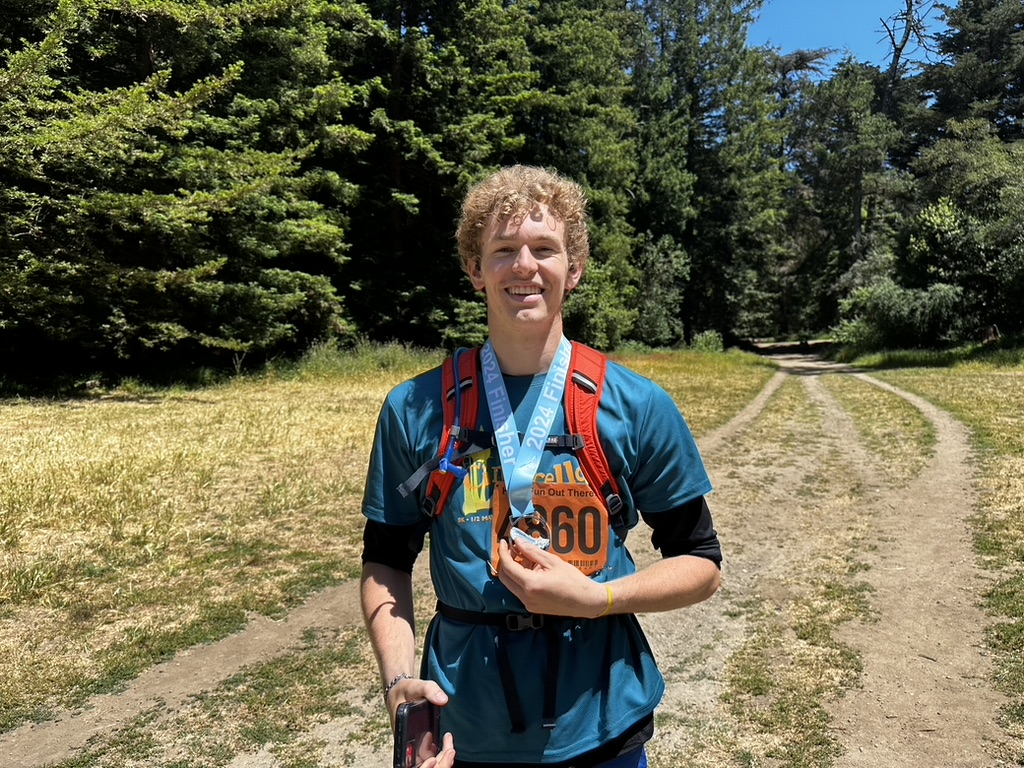
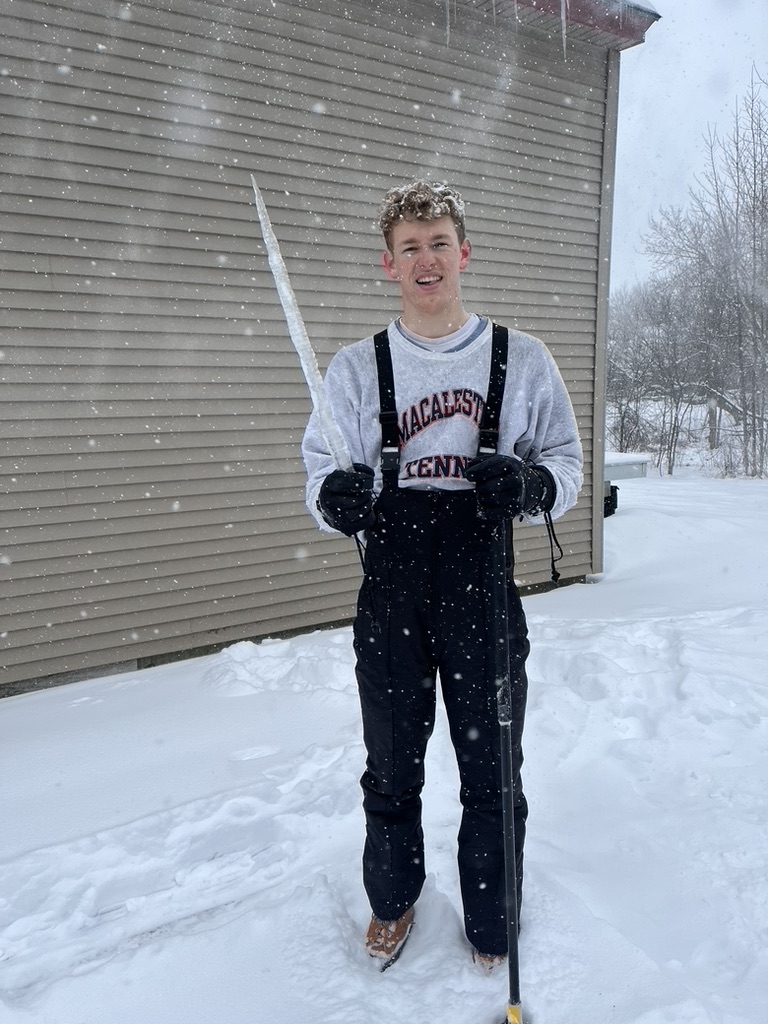
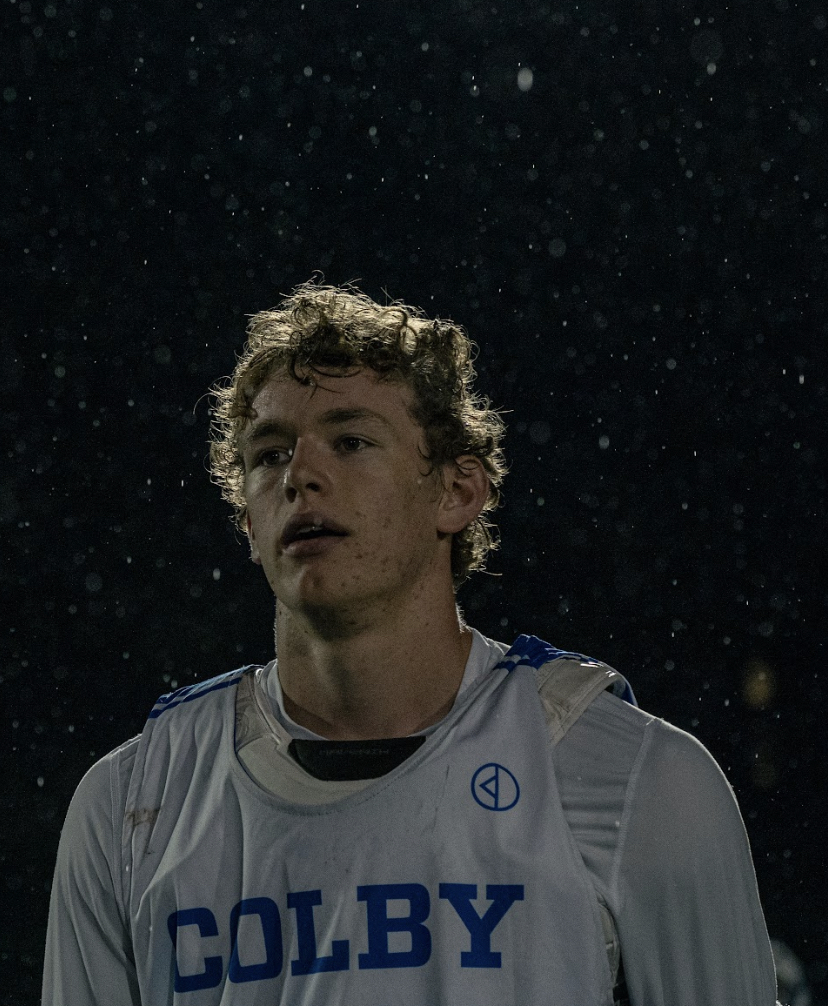
Harrison Leenhouts, a member of the Saklan Class of 2019, is currently a sophomore at Colby College, double majoring in Philosophy and Economics with a concentration in financial markets. He shared that he continues to rely on the core values he learned at Saklan—curiosity, courage, and community—principles that have shaped both his academic and personal growth.

At Colby, Harrison balances his studies with athletics as a recruited member of the varsity men’s lacrosse team while also staying active with the club climbing team. His interest in finance has led him to join two student-run investment clubs, where he has gained valuable real-world investing experience. Beyond academics and sports, he enjoys rock climbing, spinning pottery, and teaching himself Dari—a language he has been fascinated by for some time.

Recently, Harrison accepted an offer to join Goldman Sachs’ growth equity team in New York as a summer intern for 2026. This achievement marks the culmination of years of hard work, perseverance, and dedication, and he is thrilled for the opportunities ahead.

Reflecting on his journey, Harrison credits Saklan with helping him develop the ability to work collaboratively, stay adaptable, and push through challenges—skills that continue to serve him well today. He is grateful for the strong foundation Saklan provided and looks forward to the next chapter in his career.

We are incredibly proud of Harrison and celebrate his accomplishments, knowing he will continue to make a meaningful impact in all he pursues!

Saklan loves staying connected with our alumni and celebrating their journeys! If you or a Saklan alum in your family have an update to share, we’d love to hear it! Keep us posted on your adventures, achievements, and milestones—we’re always proud to see where life takes our graduates!

Watching Our Students Shine

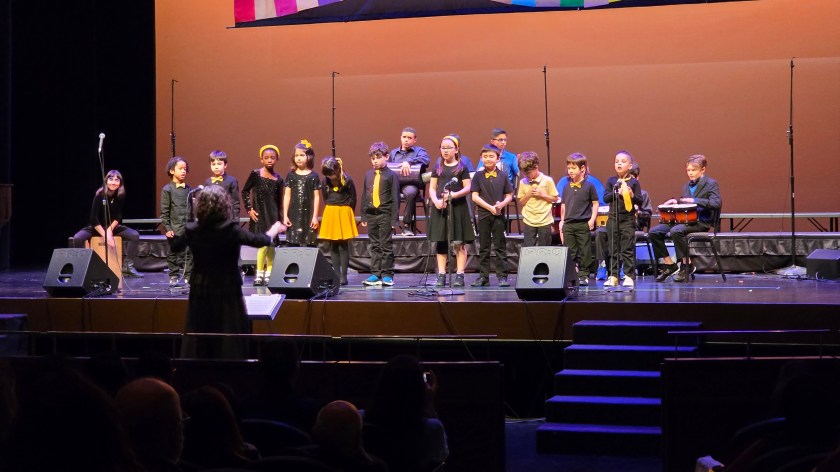
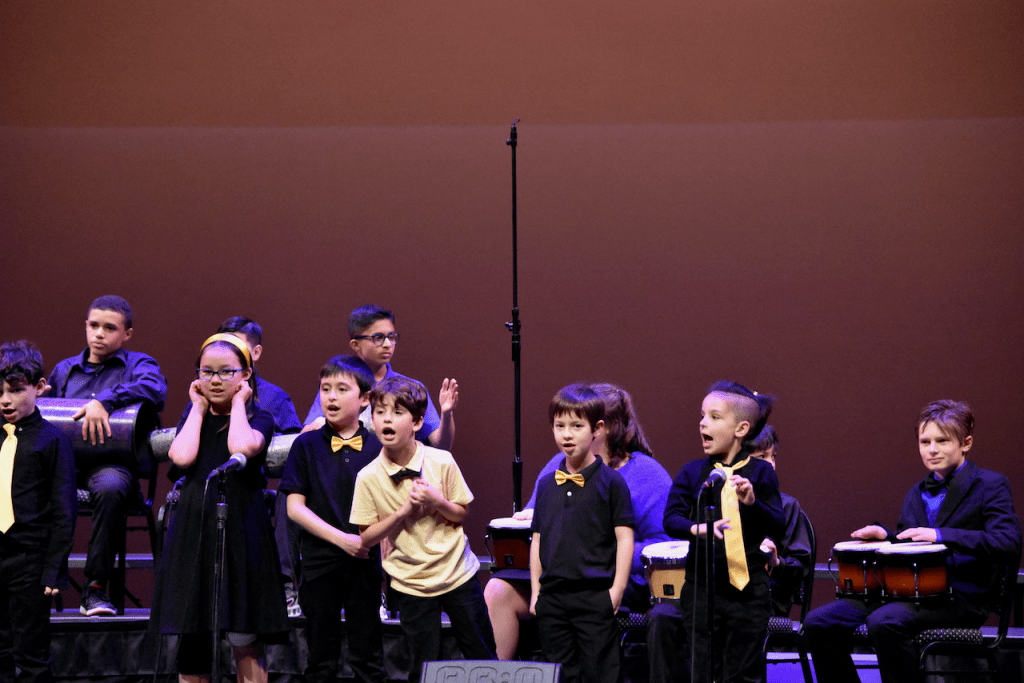
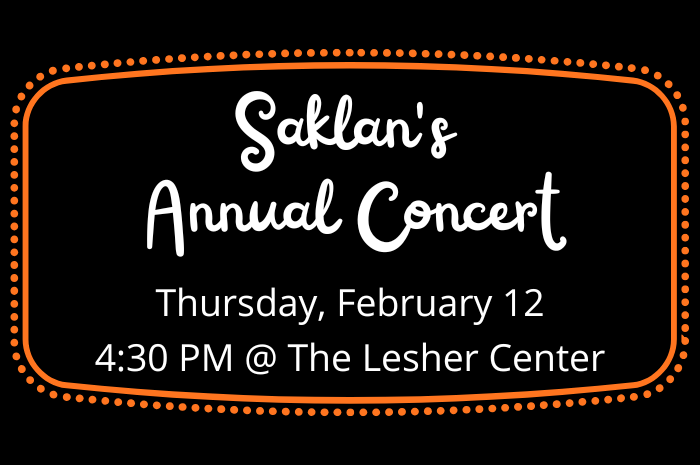
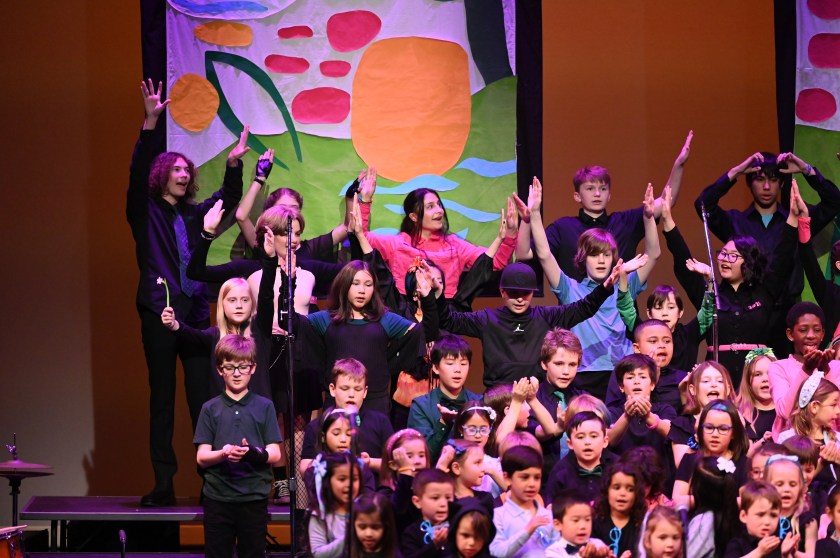
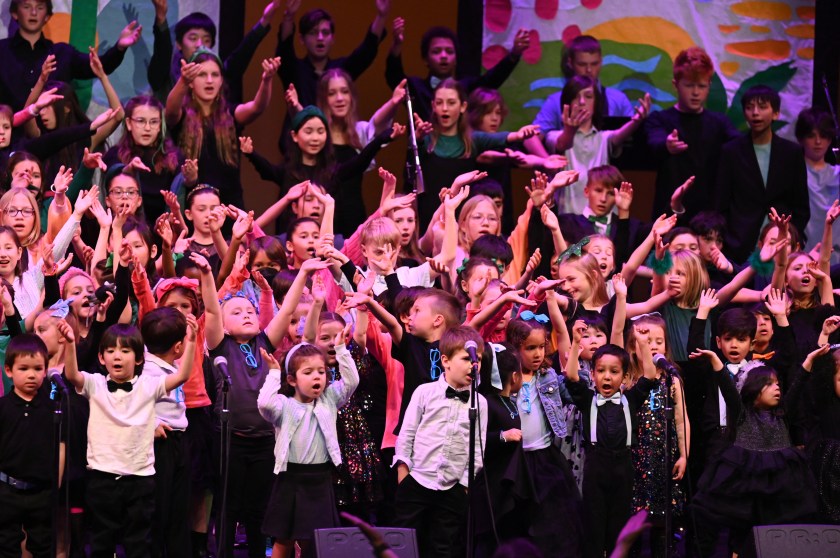
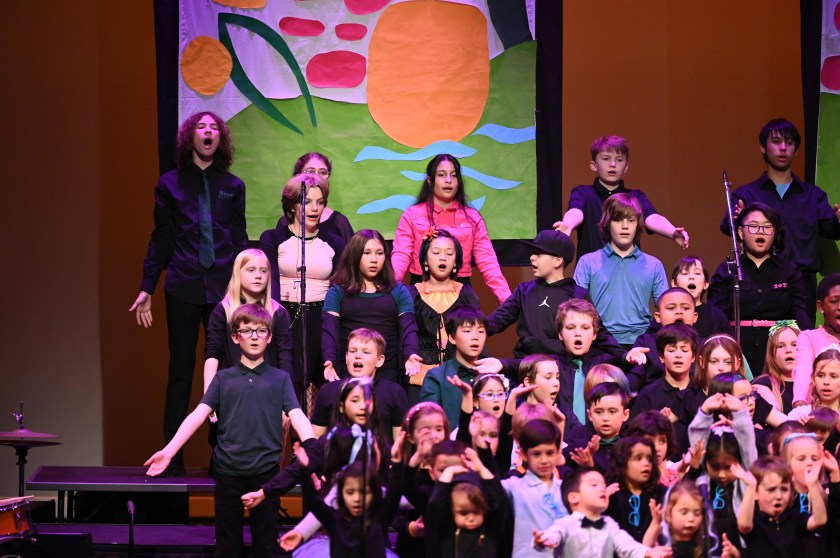
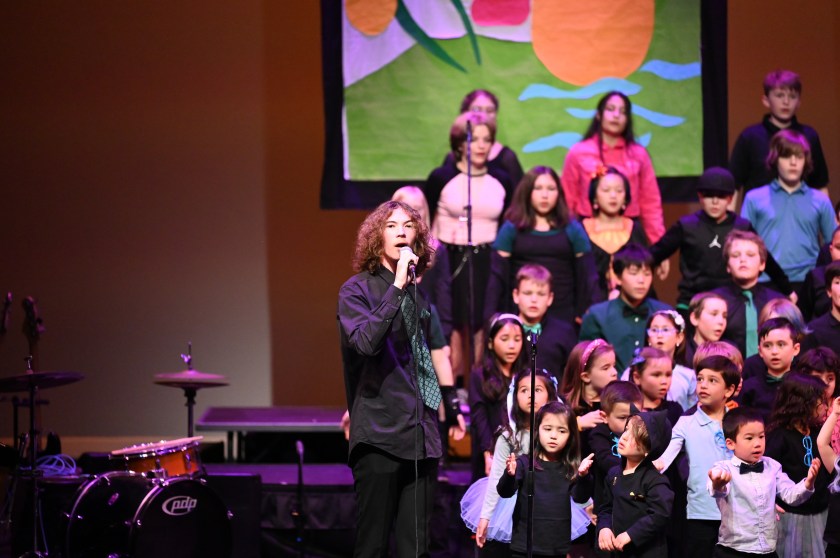
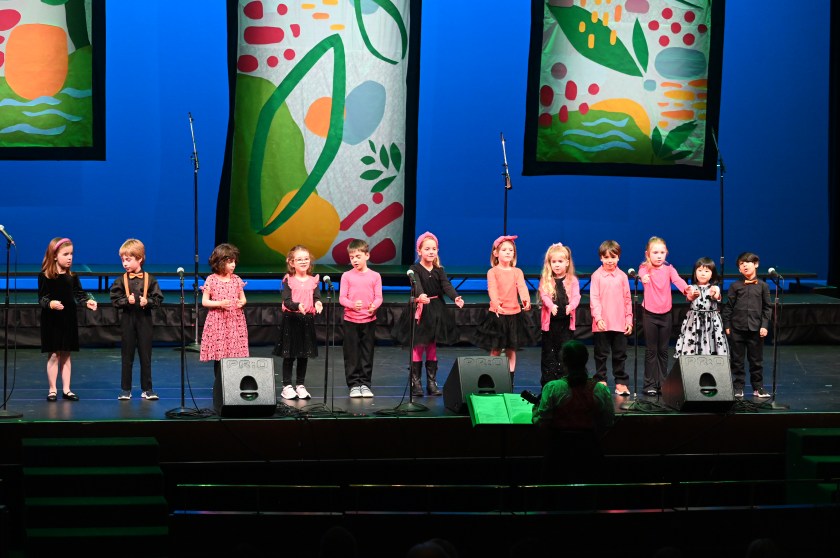
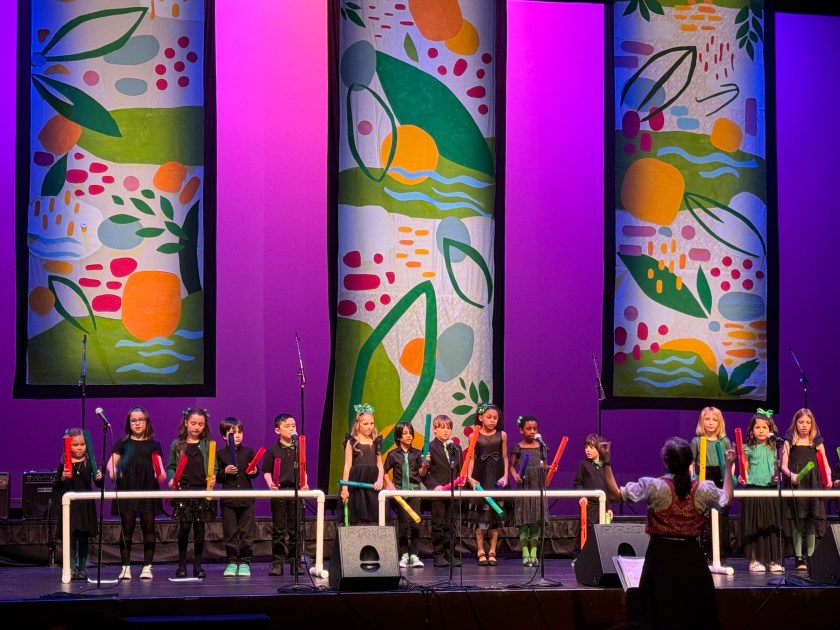
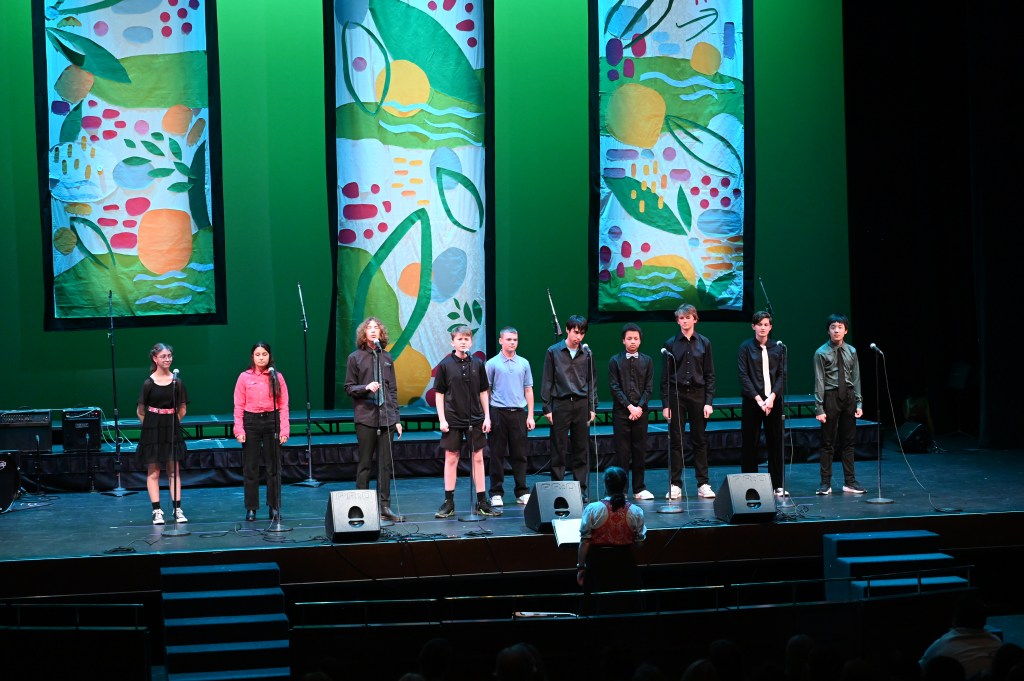
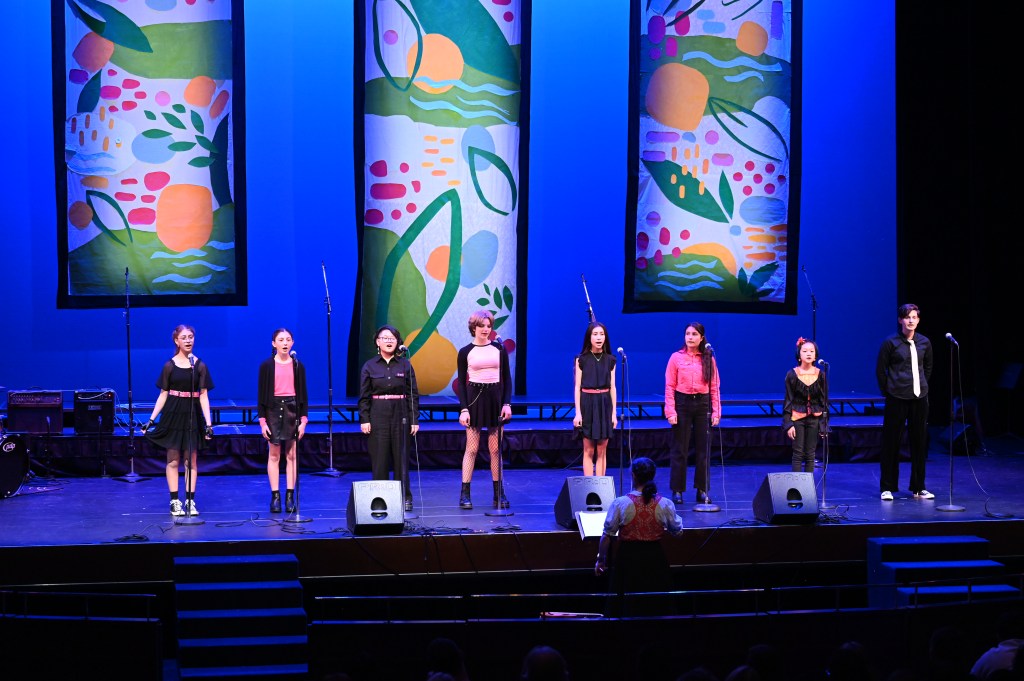
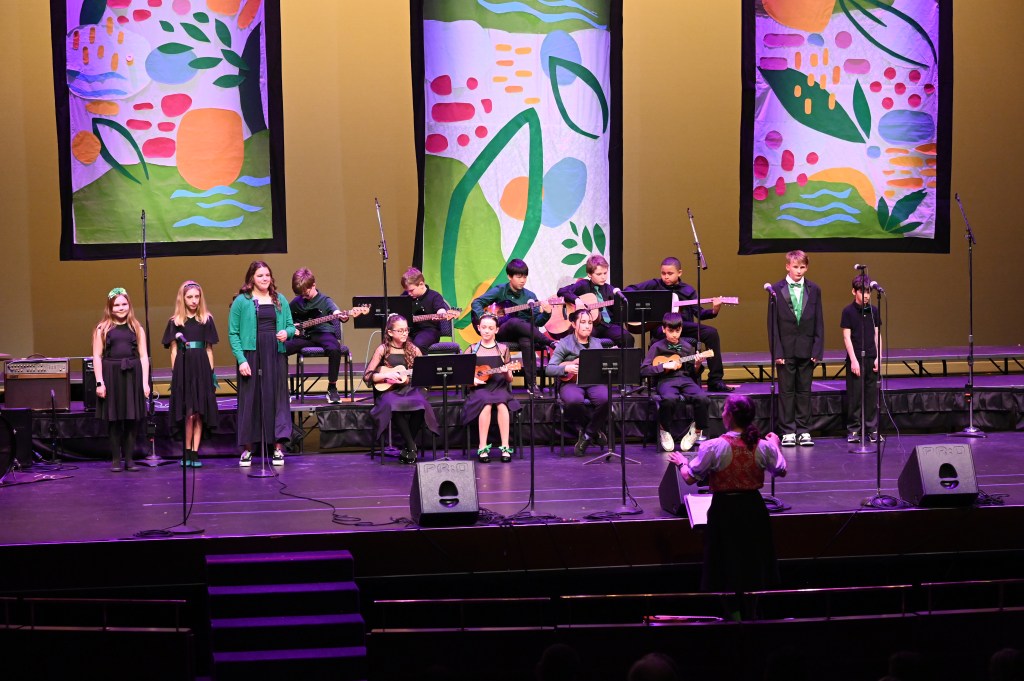
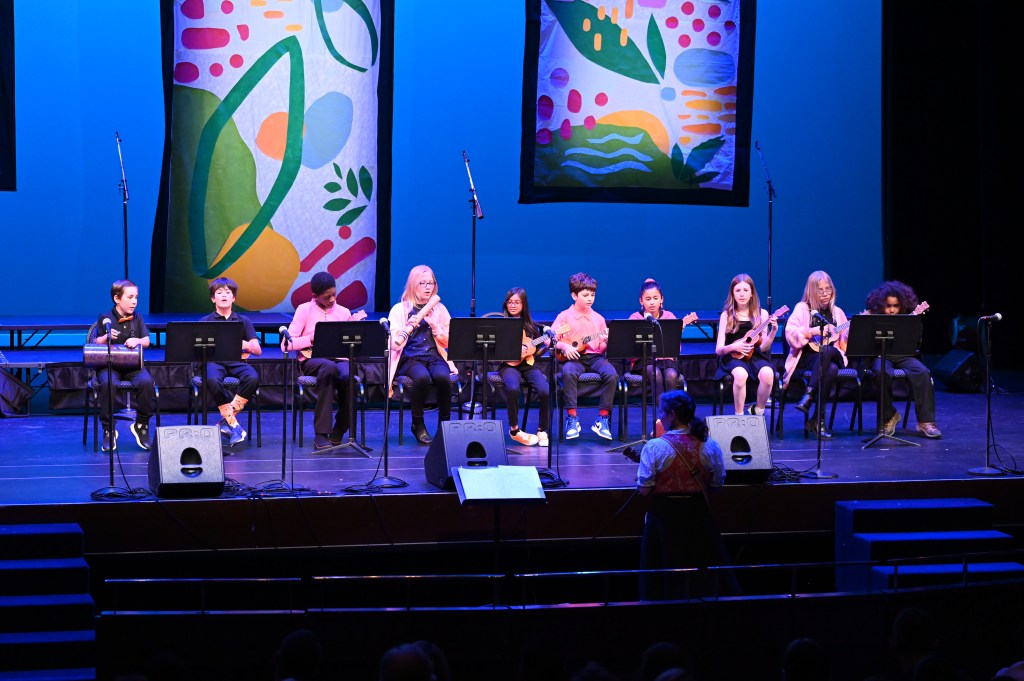
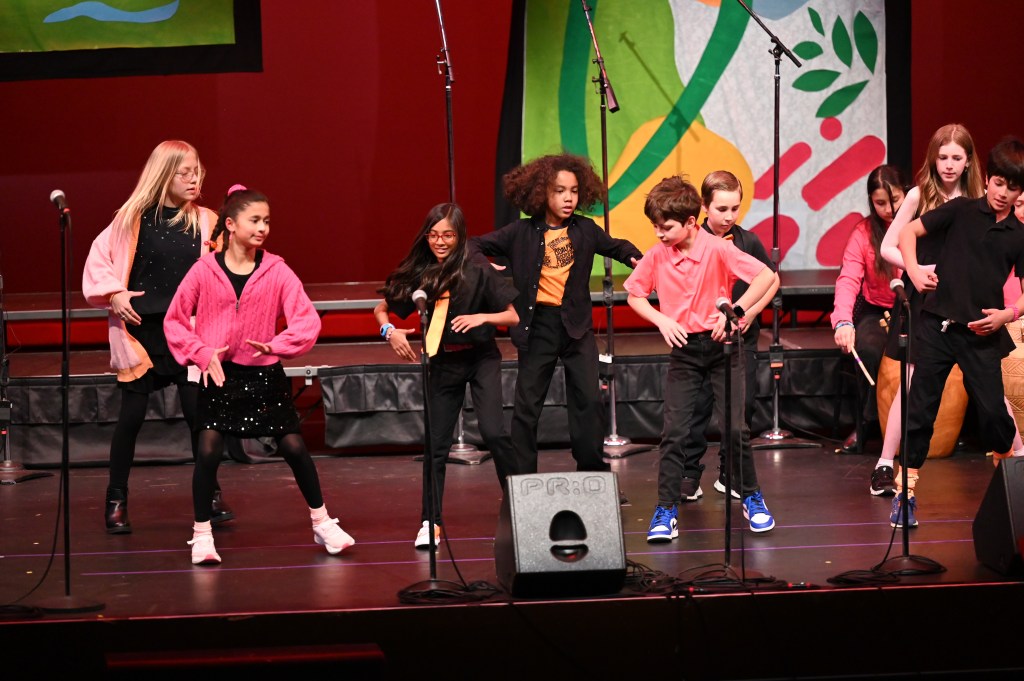
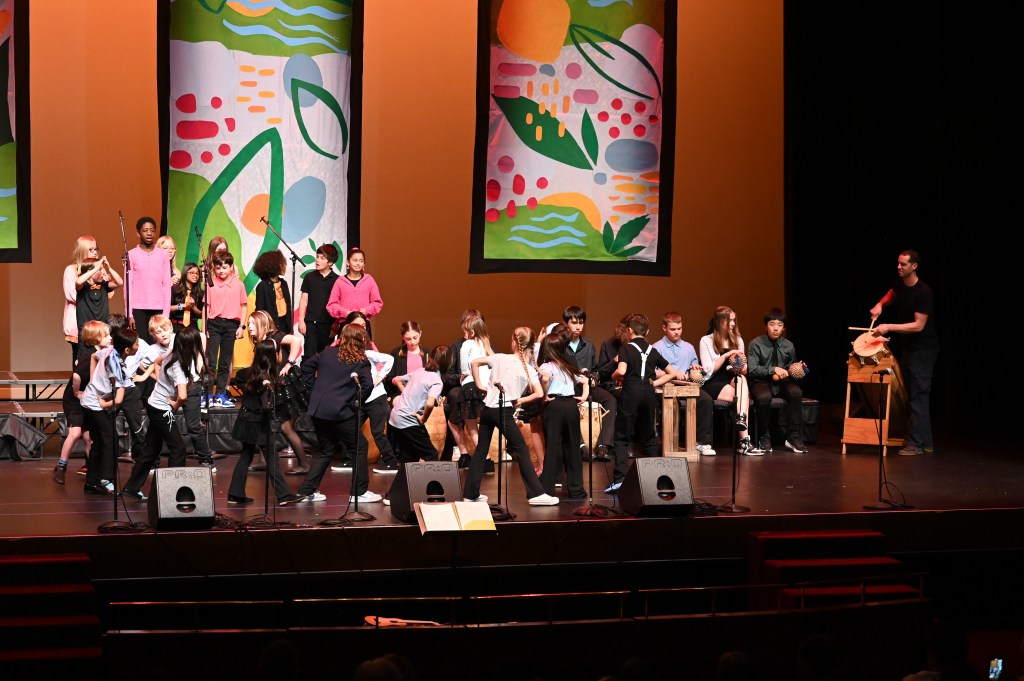
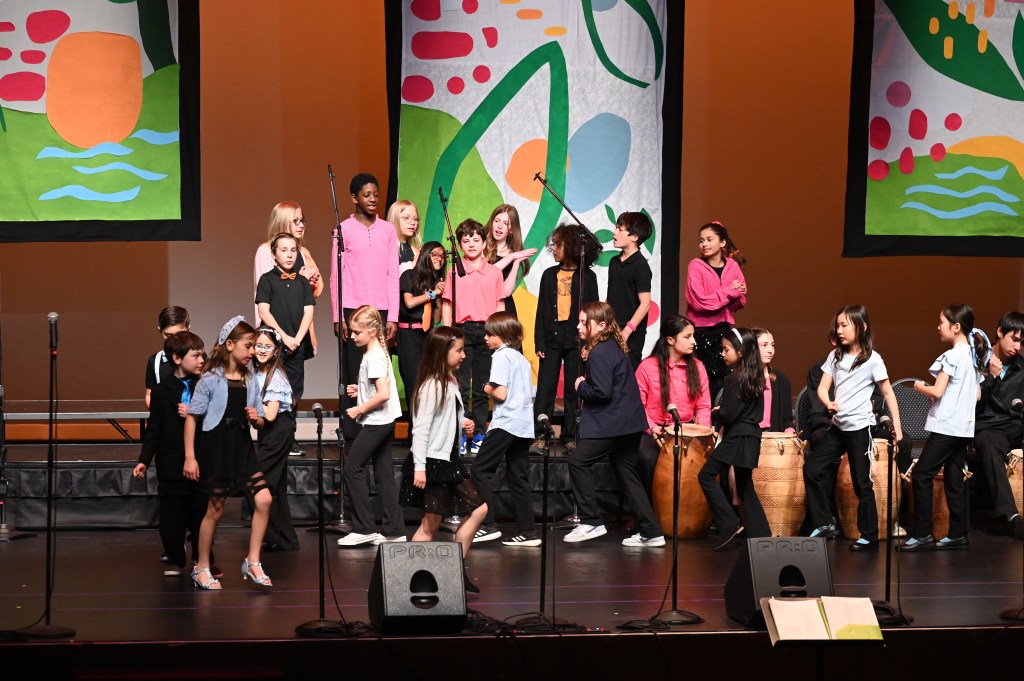
What a wonderful experience it was to gather together at the Lesher Center last Friday to watch our students shine on stage!

Thank you to all of the families for making Friday’s logistics work in order to support the students and watch the performance. 

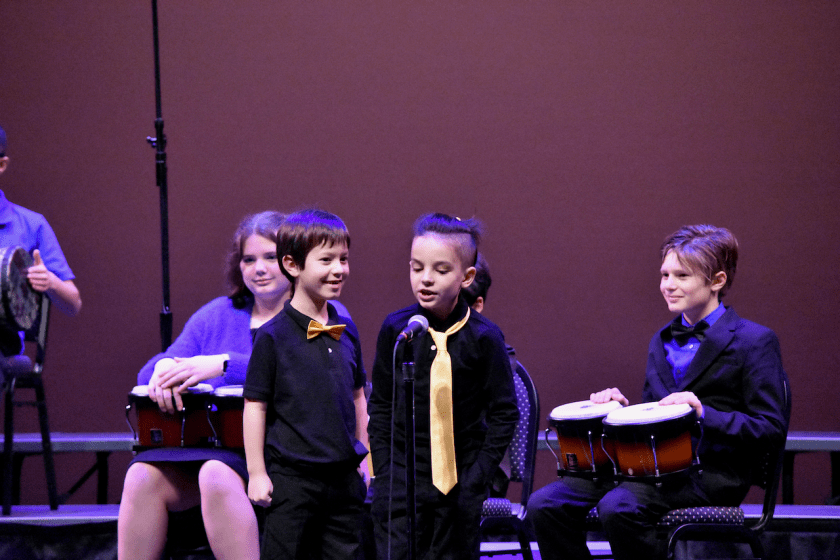
Thank you to the Saklan students for showcasing your creativity and courage by taking the stage in front of such a large audience and singing your hearts out.

Thank you to the faculty and staff for all of the behind-the-scenes work to prepare for the concert, from your flexibility with the schedule to helping with rehearsals. Your support of your students and encouragement to take the stage is greatly appreciated!

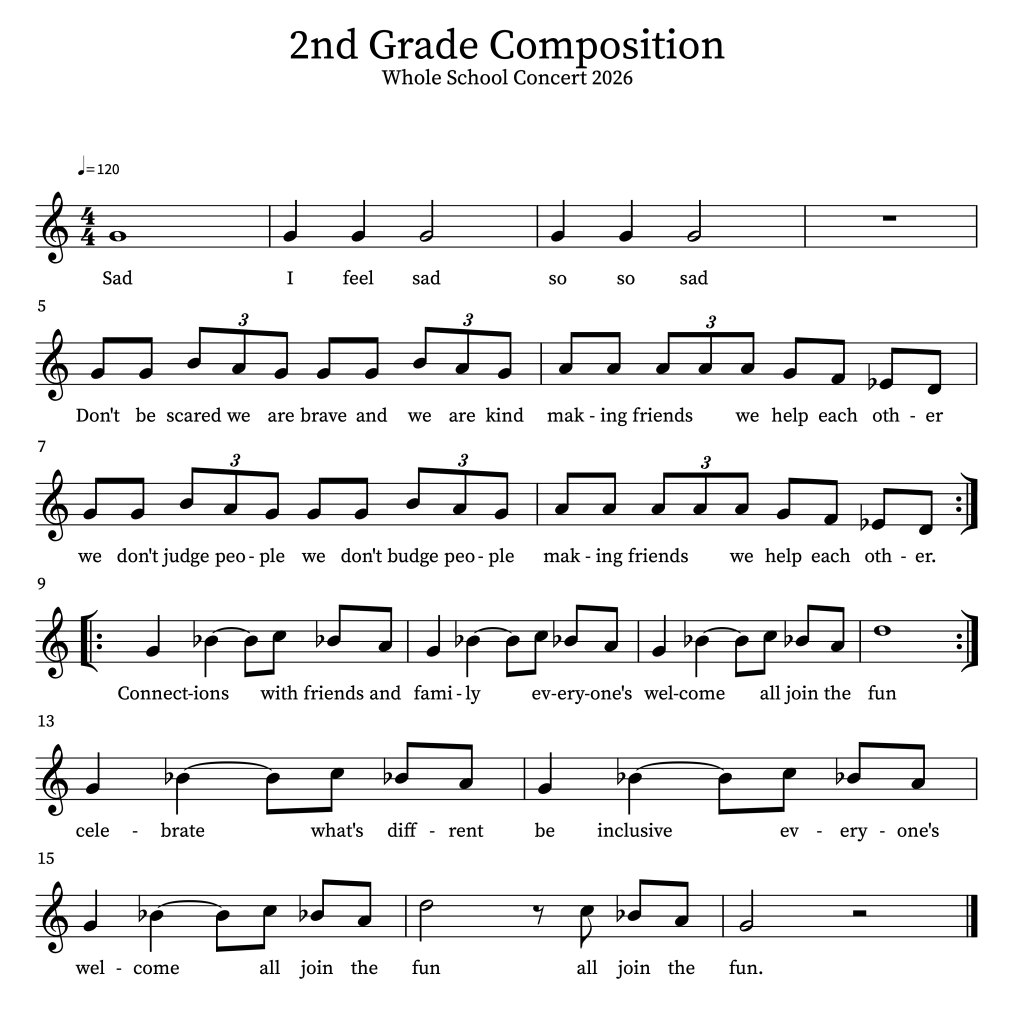
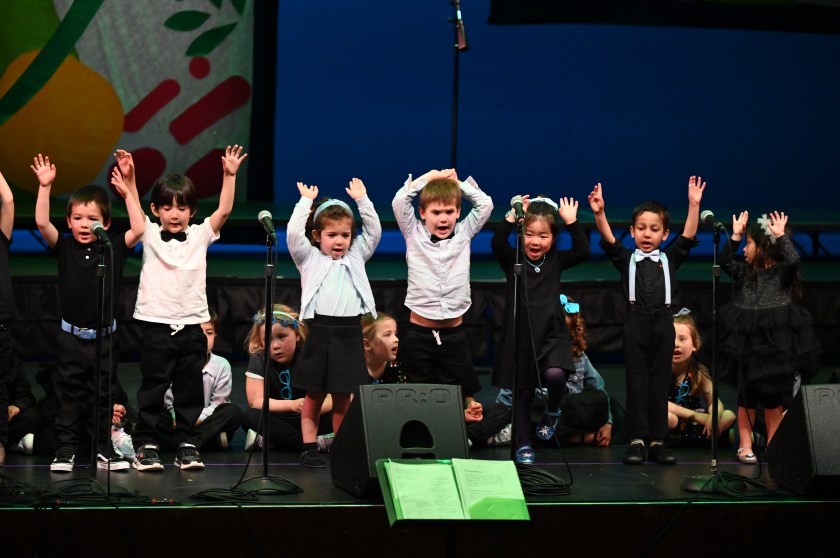
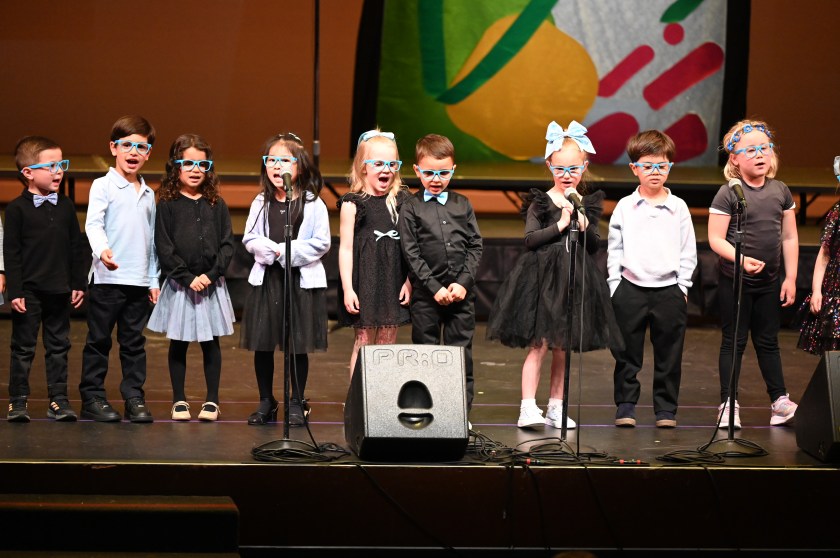
A huge thank you to Erin for guiding our Owlet and Hoot Owl students in sharing their songs with our community! Their excitement, bravery, and pure joy for music lit up the stage, creating a heartwarming and memorable performance. We are so proud of our little musicians!

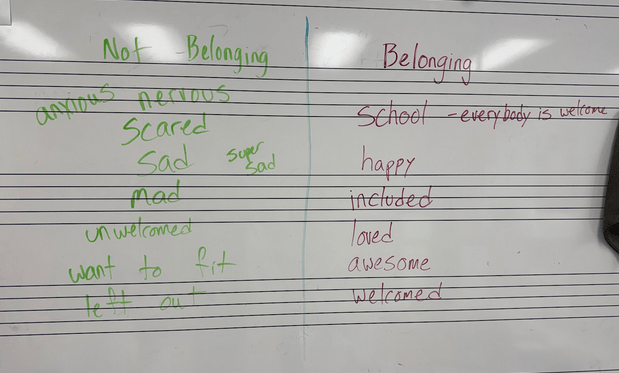
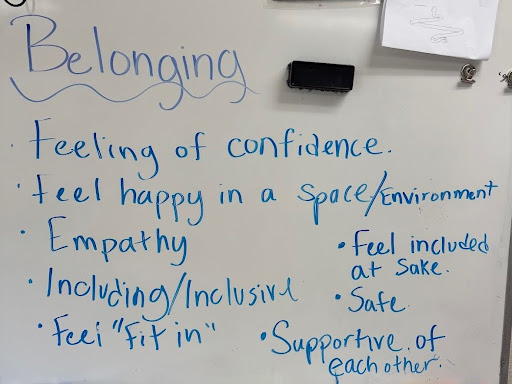
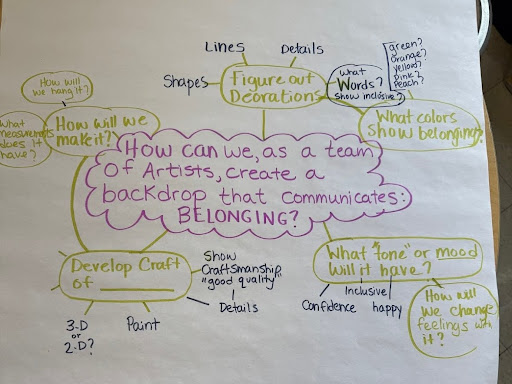
Thank you to Lauren and Linda for working with the second and third grade students on the gorgeous backdrop. Thank you for your continued PBL work, and for the passion you ignite in our students by elevating their voices and choices.
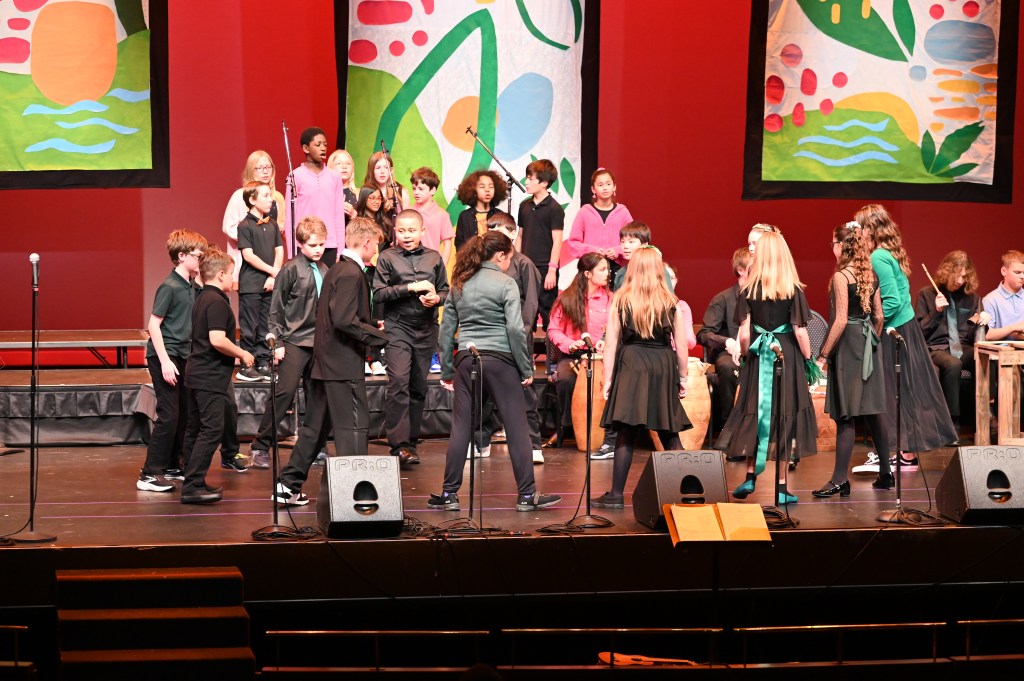
Thank you to Isaac for sharing your knowledge of traditional Ghanaian drumming with our students. What a delight to see them drumming, singing, and dancing together!

Thank you to Javier for helping set up for rehearsals, creating the boom whackers, moving instruments, and doing it all with a smile. 

Thank you to John Kim for sharing beautiful pictures of the event with us.

And finally, a huge thank you to Dianne for leading her first Saklan Concert with such passion and purpose! The show was incredible, and your dedication helped our students shine bright. We’re so grateful for your talent, guidance, and commitment to bringing music to life at Saklan!

#Saklan Creative #SaklanArts

Staff Spotlight: Dianne

Charity scavenger hunts? A trombone stuck on a shoelace mid-performance? Our Kindergarten-8th grade music teacher, Dianne, is an expert at navigating the unexpected and problem solving on the fly both in and out of the music classroom. Scroll down to read more about the part of our upcoming March Spring Concert that she is most excited for and her love of creative pursuits! 

What is one secret talent or expertise you have that you hope to one day include in your music classes at Saklan?

I used to participate in GISHWHES (greatest international scavenger hunt the world has ever seen), which was a weeklong charity scavenger hunt where each team completed as many curious, kind, and collaborative challenges as possible. This incredible annual event had me dancing in costume with friends in a supermarket, building a 4’ tall 120-sided die, and bringing eclairs with chocolate ladders to my local firefighters. One standout challenge for me was to play “A Little Help from My Friends” by the Beatles on four stringed instruments, but each instrument must be played simultaneously by at least three musicians. I rallied my summer camp crew, and we spent much of the time laughing through our creative struggles and successes. I would love to lean into this idea at Saklan, combining whimsy, compassion, large-scale building, and intense collaboration to make music in wonderfully weird ways.

The Spring Concert is a memorable Saklan event each year. What are you most looking forward to as you prepare to direct your first Saklan Spring concert?

To paraphrase Arlo Guthrie, “can you imagine 50 people singing in harmony; they may think it’s a movement!” I’m most excited to hear our whole school singing together in harmony.

With the MS musical, Shrek Jr. just around the corner, what is your favorite musical performance memory from childhood?

I was in a production of Guys and Dolls as a trombone player in the mission band. A small group of us would march down the theater aisle playing, while intentionally sounding like we couldn’t quite play. We then had a scene on the stage before we were meant to march and play off stage. During the scene I rested the slide of my trombone on my shoe, but didn’t notice the lever for the spit valve getting caught on my shoelace. When we were meant to play our way off stage, I couldn’t lift my trombone because it was caught on my shoe.  I had to march off, keeping my leg aligned with my trombone while facing my friends off stage who were giggling hysterically at my comical walk. I love the unexpected challenges of live theater!

#SaklanStaff

Kindergarten Ensemble

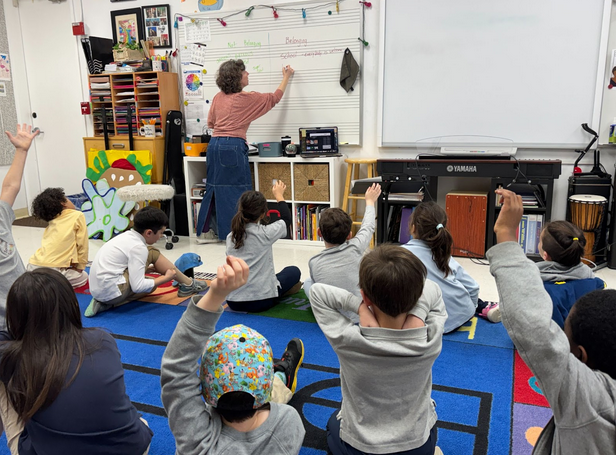
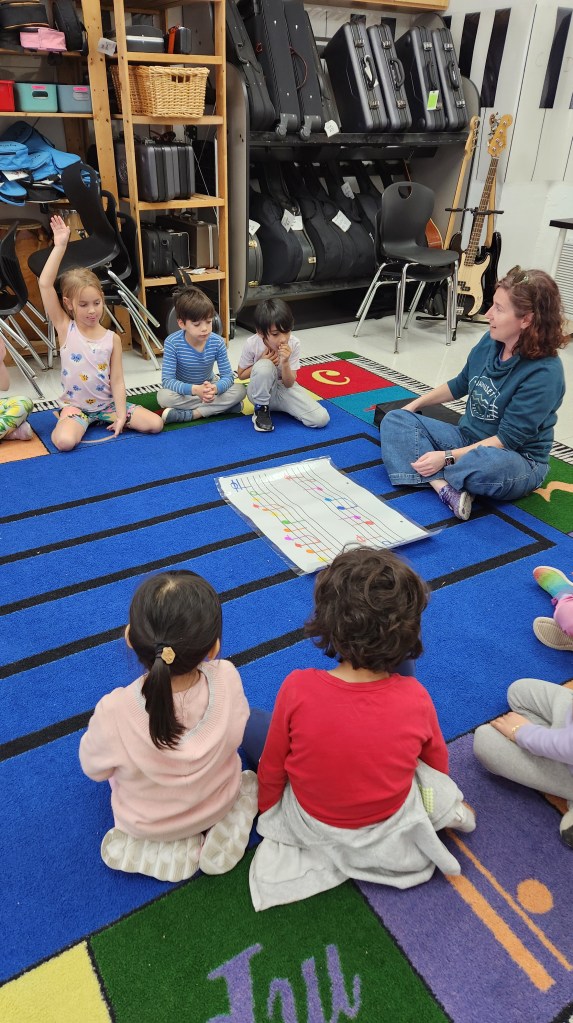
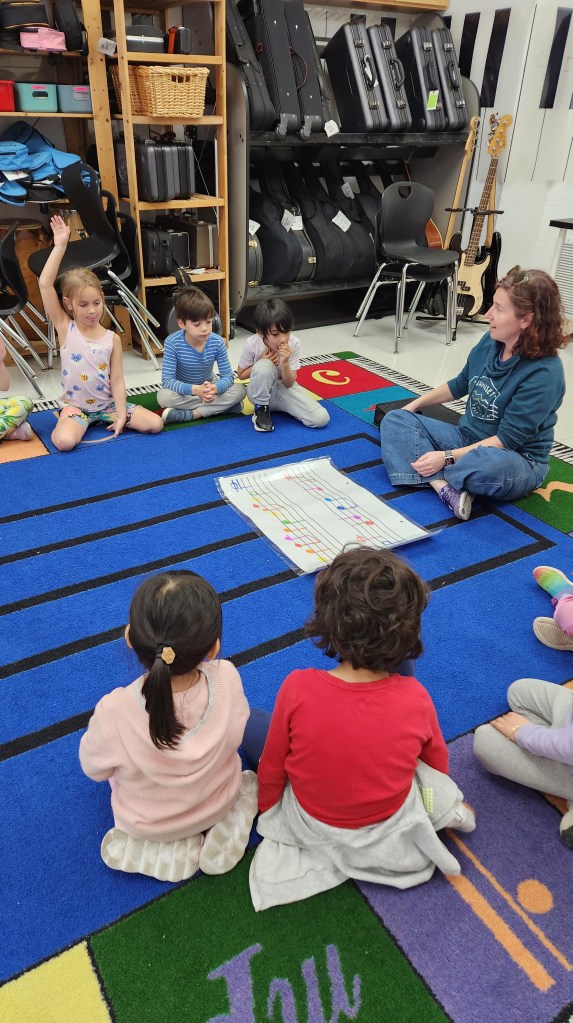
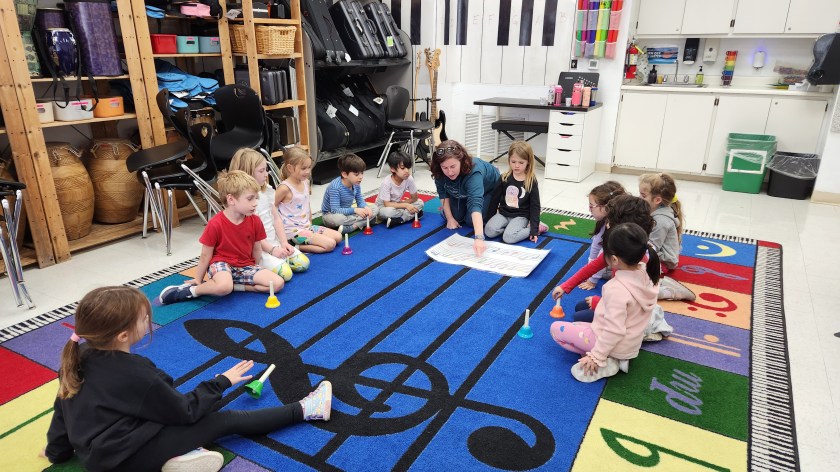
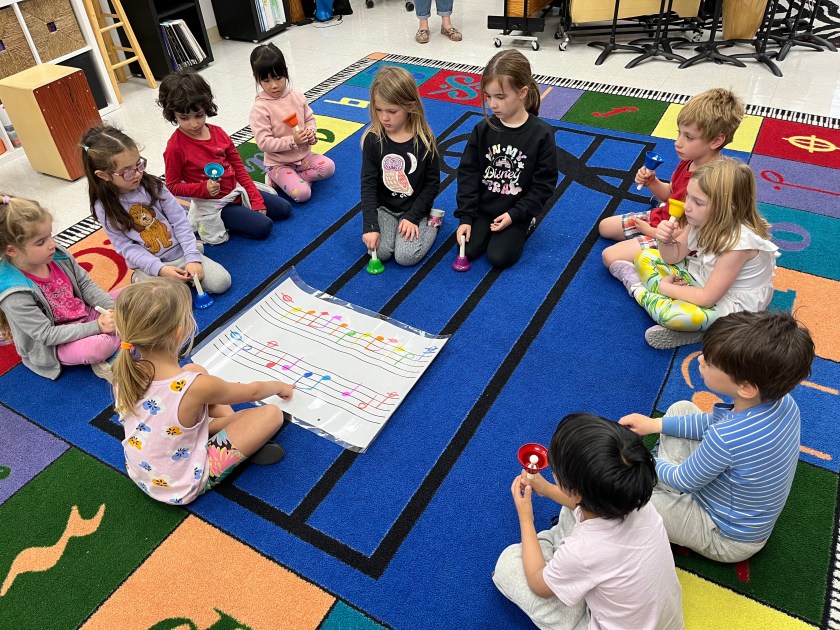
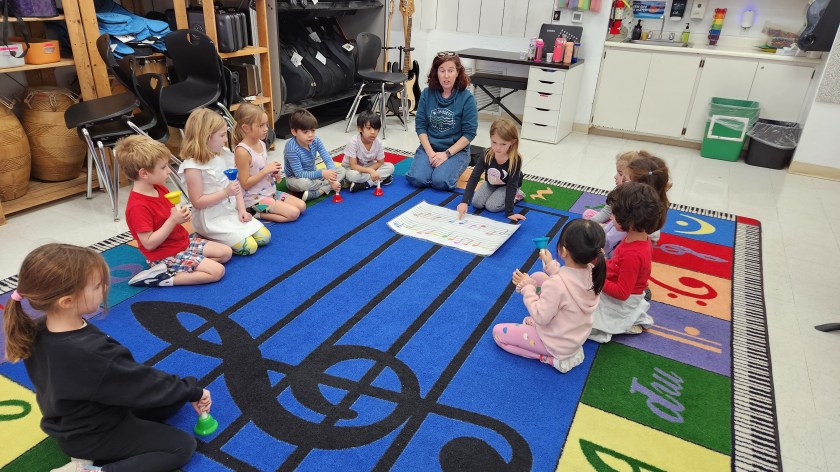
In music class, kindergartners are thrilled to be learning to play handbells! They started the year mostly playing and singing in unison, and now student musicians have the opportunity to understand how they can play different parts within an ensemble. While playing handbells, students must track others’ playing and know when they will play their notes to help complete the phrase or song. The class has talked about the different parts of the bells, how to use them safely, and how to get different sounds when playing these instruments. Student musicians have also had the chance to read music on the treble clef for this unit. They use chart paper-sized sheet music so all musicians can look on together!

The music is color-coded to match the bells, allowing students to practice seeing different pitches on the musical staff while matching the colors to play the correct pitch. This scaffolded practice supports their understanding of both what different notes look like on the staff, as well as what they sound like. Since the musicians need to work together as an ensemble to play songs, conducting is essential. Students have been taking turns as the conductor by pointing to the note on the shared giant music sheet as their classmates follow along.

The kindergarten musicians have already been practicing “Somewhere Over the Rainbow,” “Down By the Bay,” and the theme from Beethoven’s Ninth Symphony. They are eagerly looking forward to what comes next!

#SaklanCollaboration

Middle School Student Musicians

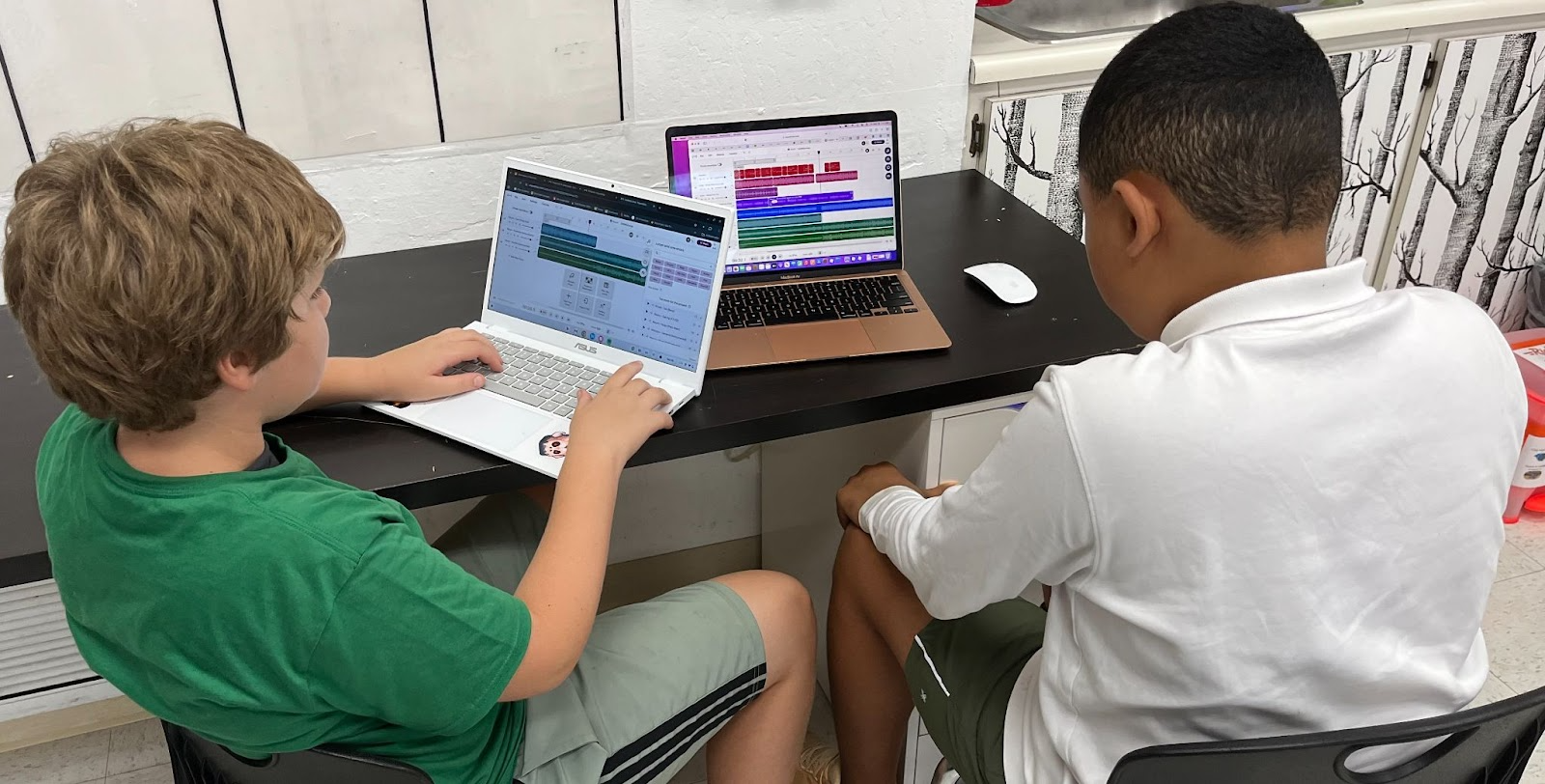
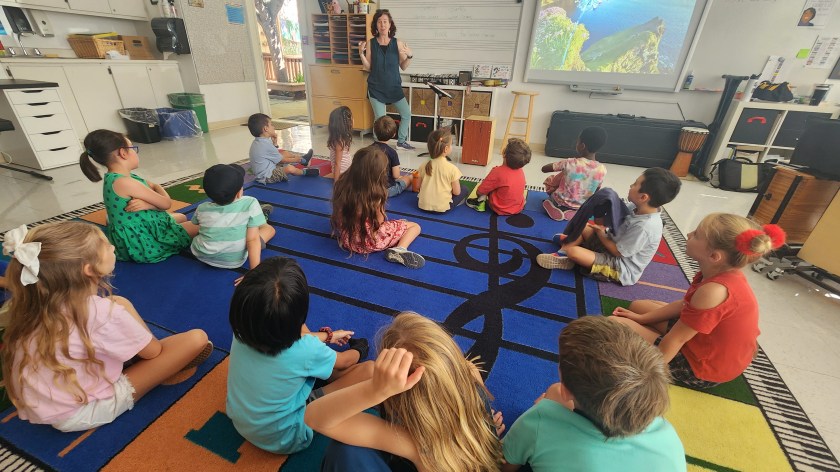
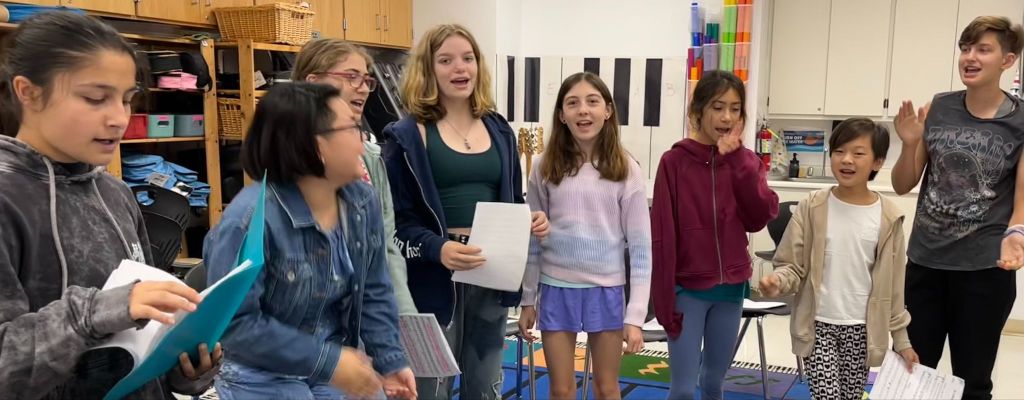
In middle school, student musicians move from a general music education program to an elective program. While all students still partake in the music program, they have a choice in their class each of the three years. This year, middle school musicians chose between choir, ensemble, and production. In choir, students focus on developing as singers; in ensemble, the focus is on developing as instrumentalists. Production allows students to develop skills in digital music production. All middle school students will be represented in the All-School Concert in March and will participate in the Middle School Musical in the spring.

In Choir, middle school students have been diving into the world of musical theater by exploring a variety of lively numbers. They’ve worked on “Good Morning” and “Moses Supposes” from Singing in the Rain, allowing students to embody different characters while singing. Students have also practiced “Little Shop of Horrors” in three-part harmony, working on blending their voices and mastering timing in this upbeat, fun piece. Also, they’ve explored “Happiness” from You’re a Good Man, Charlie Brown, and “Green Eggs and Ham” from Seussical, both challenging students with dynamic vocal ranges and expressive storytelling.

Mondays in Choir are “Music Theory Mondays,” where students practice reading rhythms and melodies, building their foundational skills in music notation. This structured focus on theory helps students become more confident in sight-reading and understanding the technical aspects of the music they perform. Through these activities, students develop their vocal technique and ability to engage with different characters and emotions.

Stay tuned to see what students have been learning in the ensemble and music production classes!

Building Community With Ewe Music

Thursdays at The Saklan School sound different thanks to African Drumming classes. Learn more about the classes and instructor in the post below, written by guest blogger and Saklan African Drumming Teacher, Isaac Narell.

Alfred and Kobla Ladzekpo came to the United States in the 1960s to teach Ewe music. The Ladzekpos came from a village in the southern Volta region of Ghana called Anyako, an Ewe village. Ewe is one of over 20 languages spoken in Ghana. Ewe music is divided into styles. Each Style has songs (for singing), drum patterns and dance steps. The singing, drumming and dancing together form the musical style.

Alfred Ladzekpo taught at the California Institute of the Arts (Calarts) for over 40 years, and I was fortunate to study with him from 2002-2006. He became my mentor and my friend.

Alfred’s main goal with his students at Calarts was to show them how to be an effective musician in his style of music. Ewe music is an oral tradition. Musicians coming from different backgrounds begin a new process of learning through listening. Alfred reveled in every opportunity he had to lecture his students on the importance of listening. Despite the simplicity of the message, every student who embraced this concept came away from Alfred’s class as an improved musician.

As a young musician, my fascination with Ewe music was sparked by my admiration of its construction. Ewe music weaves a complex counterpoint through all of its elements that rival the greatest art forms of humanity. I was enamored with the sophistication of the drumming patterns and the ability of musicians to dialogue through musical language. The lead drummer directs the ensemble into new dance moves, drumming patterns, or songs, by playing a call on the drum. Everyone has to listen or they might miss the call!

This felt like a secret language and my friends and I were hooked. We took every opportunity to learn from Alfred and eventually, we were helping him teach his classes and performing in his professional ensemble at schools and community events. Later in life, I found another beautiful side to the art form.

The main function of music in Ewe culture is to promote community. People gather in social groups for musical performances. These groups perform at funerals and weddings and are the backbone of both religious and secular events. This is extremely valuable in our recent culture fueled by social media. People crave interaction and Ewe music is a world-class option for community building.

I teach Ewe music as a celebration of West African brilliance. Through honoring and respecting Ewe culture I have found that we can bring value to our school not only through the acute development of musicianship but through the strengthening of our community.

#SakalanCommunity #SaklanArts