Who Do Artifacts Really Belong To?

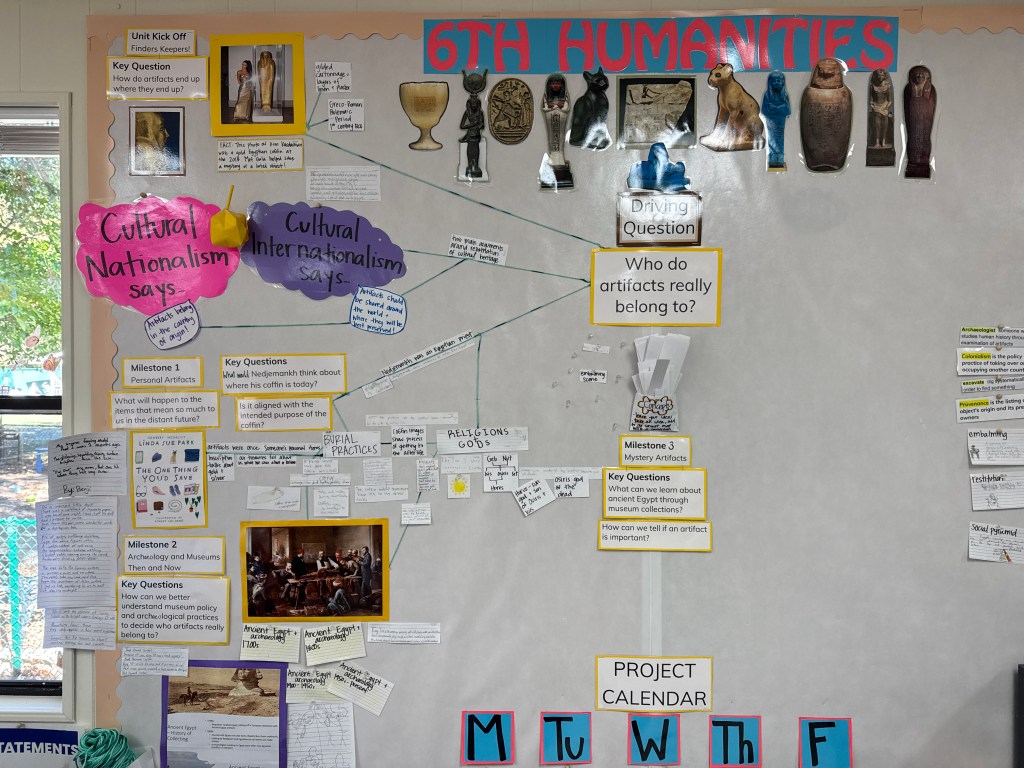
Sixth graders have begun their first PBL unit of the year, in which they seek to answer the driving question: Who do artifacts really belong to? During this unit, students will develop an understanding of what cultural heritage is, how artifacts tell the stories of people’s lives, the role of museums, the history of changing archaeological practices, ancient Egyptian civilization, history research skills, as well as sijo poetry, narrative, expository, and argumentative writing.

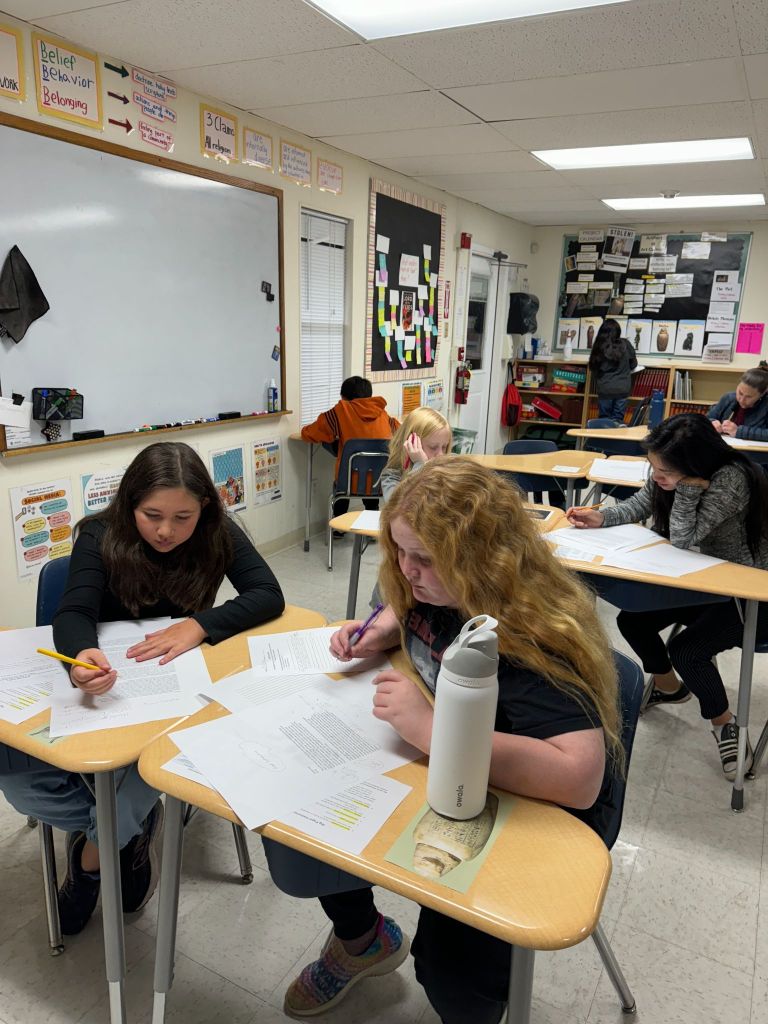
Recently, they’ve been thinking about the purpose of ancient artifacts, such as Nedjemankh’s stolen gold coffin, and about their connections to their own treasured possessions. The class read The One Thing You’d Save, by Linda Sue Park, before writing personal narratives about their own treasured artifacts. Students got lots of practice giving and receiving both teacher and peer critique on these pieces before turning in their final drafts.  

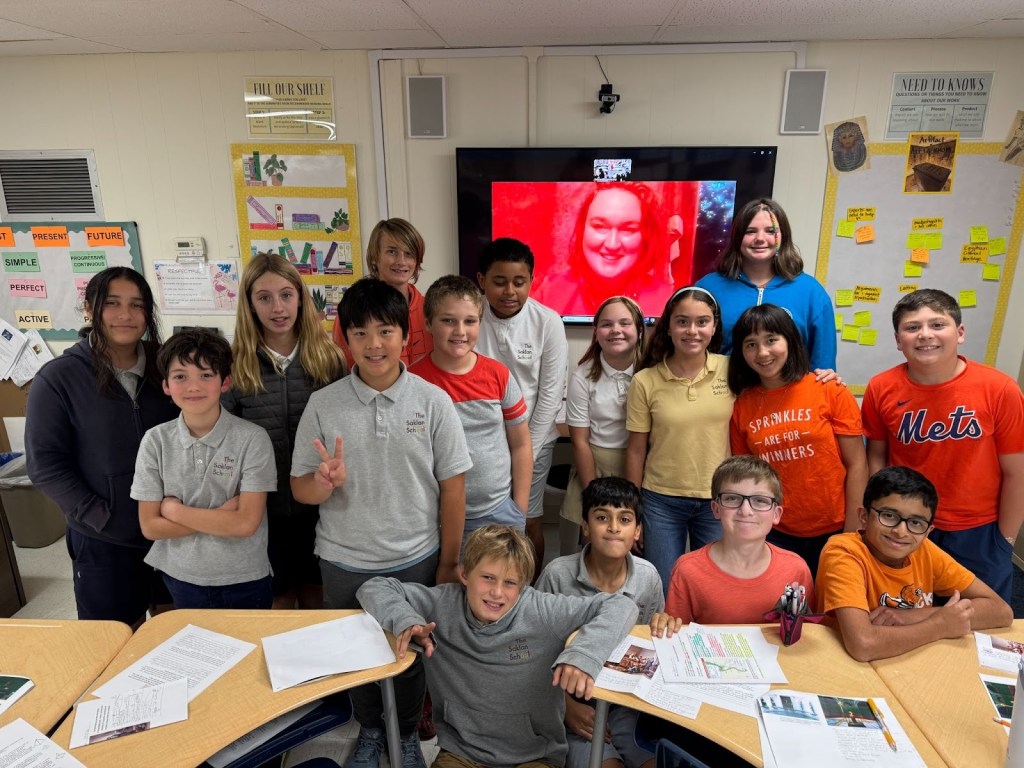
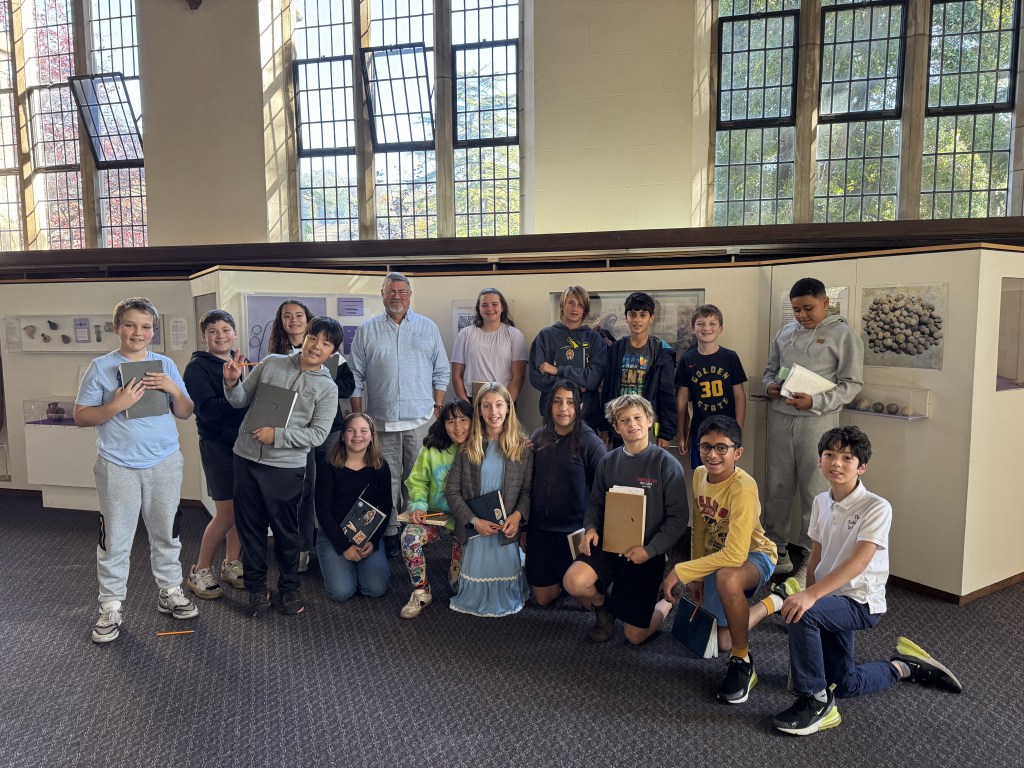
Last week, they zoomed with an archaeologist, Dr. Hannah Wellman. She shared the evolution of ancient mummification practices, as well as changes in legal practices and ethical arguments regarding the treatment of ancient Egyptian cultural heritage. Dr. Wellman’s example of Nefertiti’s Bust as an example of the significance of museum context of artifacts gave the class a great launching point for discussions in preparation for visiting the Badè Museum this week. 

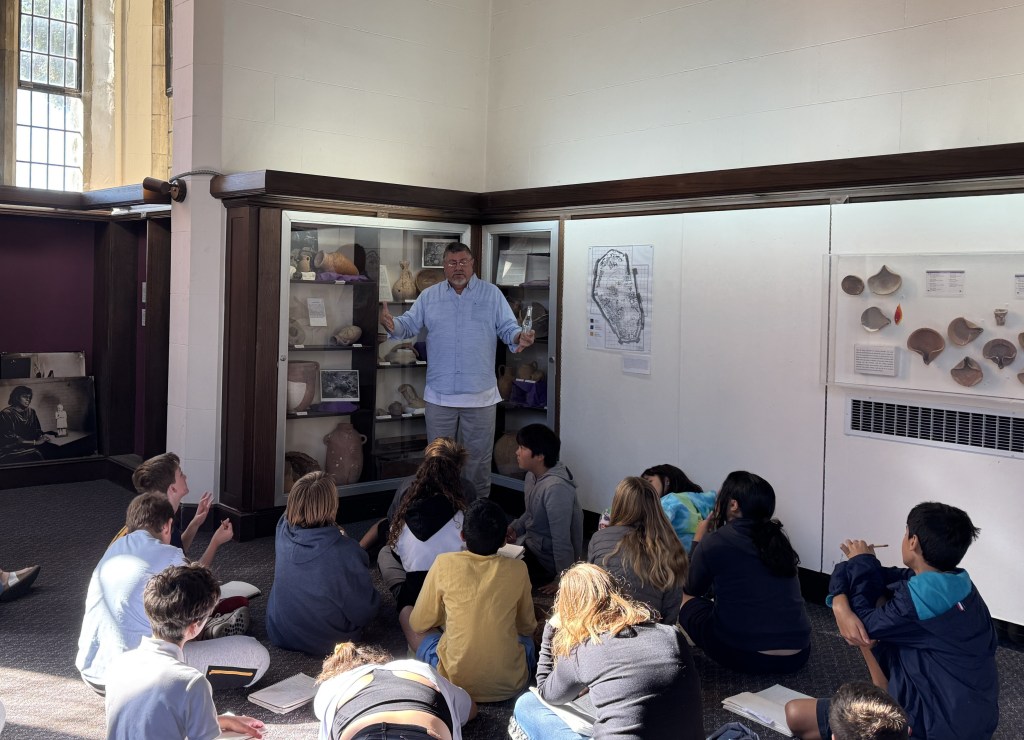
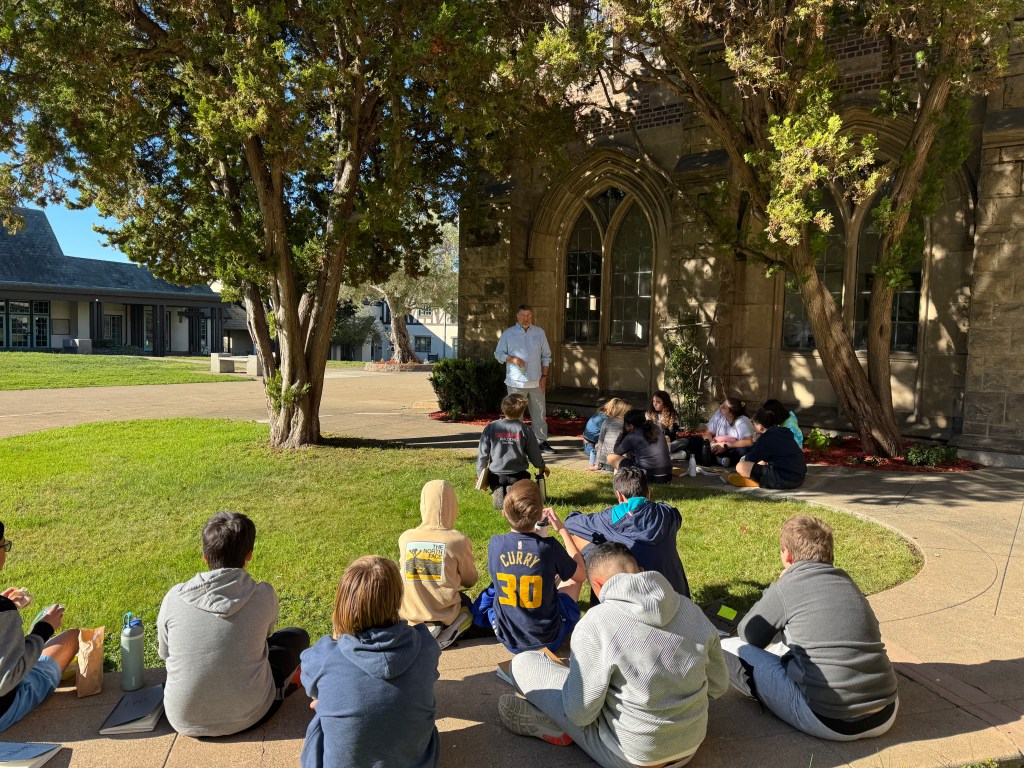
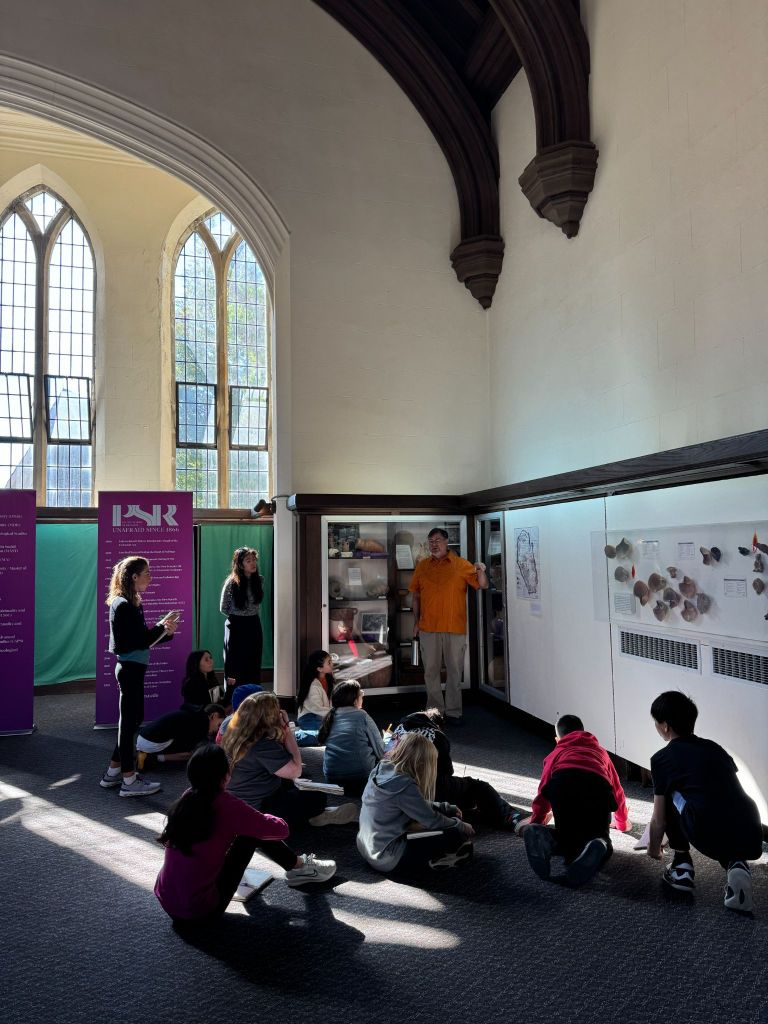
Dr. Aaron Brody, an archaeologist and Badè Museum director, taught the sixth graders about their collection, the benefits of a high degree of context for artifacts, and why repatriation in this case may not be ideal or desired for the museum or the country of origin. Both experts helped the class understand how repatriation conflicts came to be and why people have reached different conclusions about repatriation in various situations. 

#SaklanPBL

Journey Back to the Gold Rush

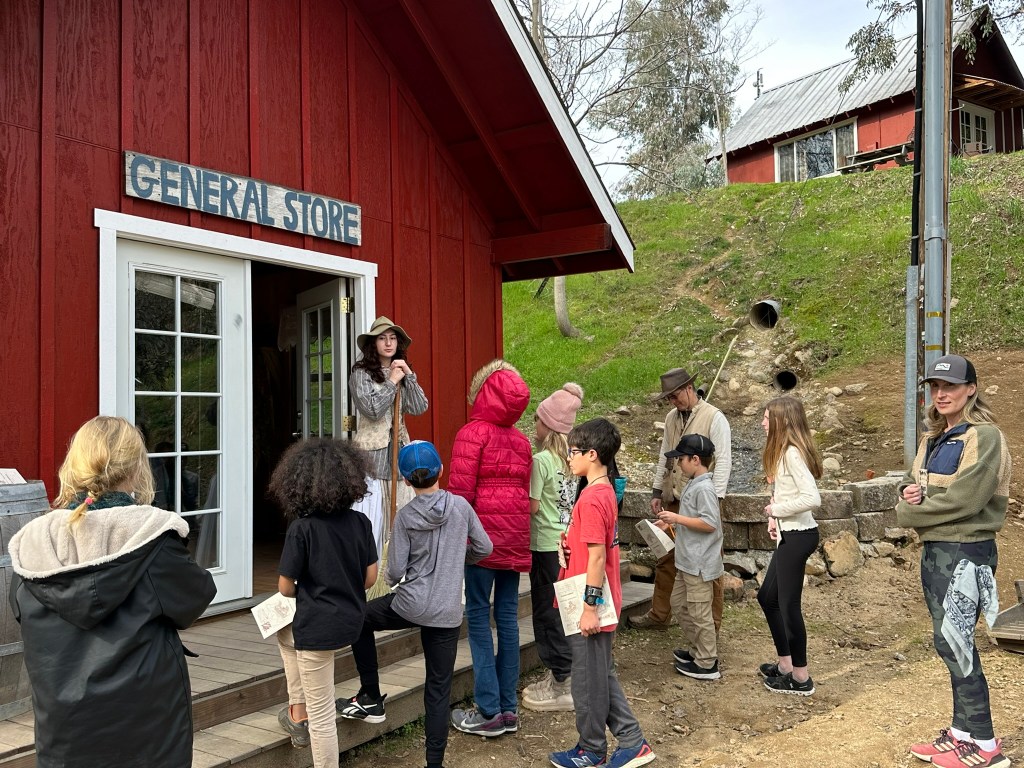
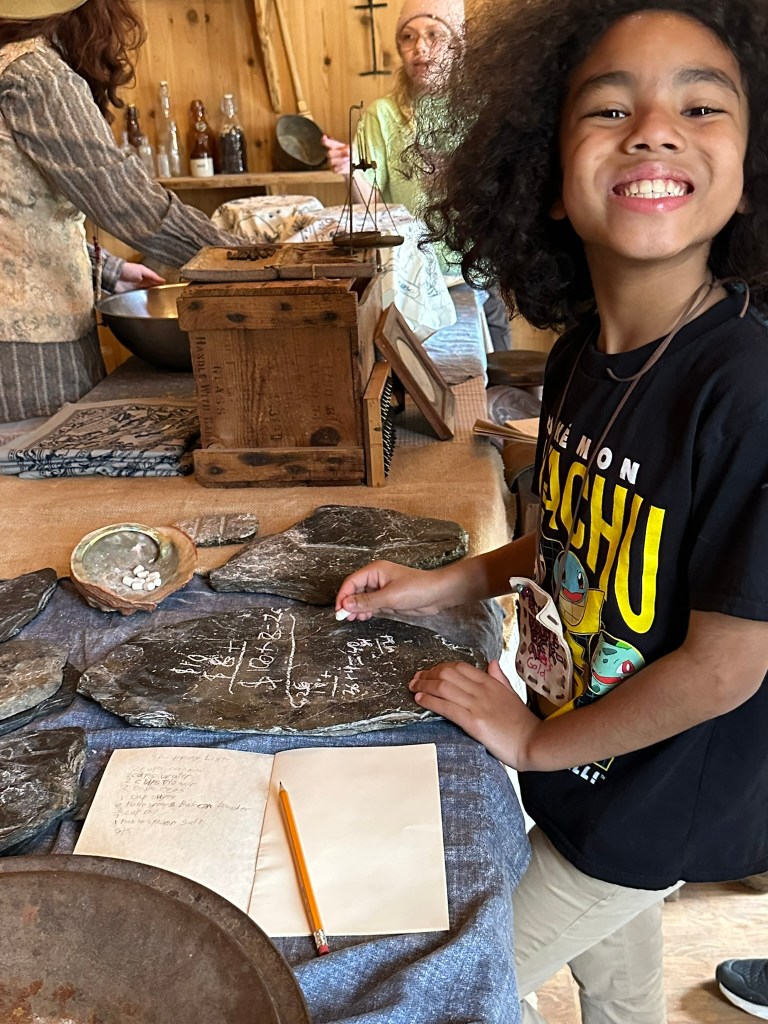
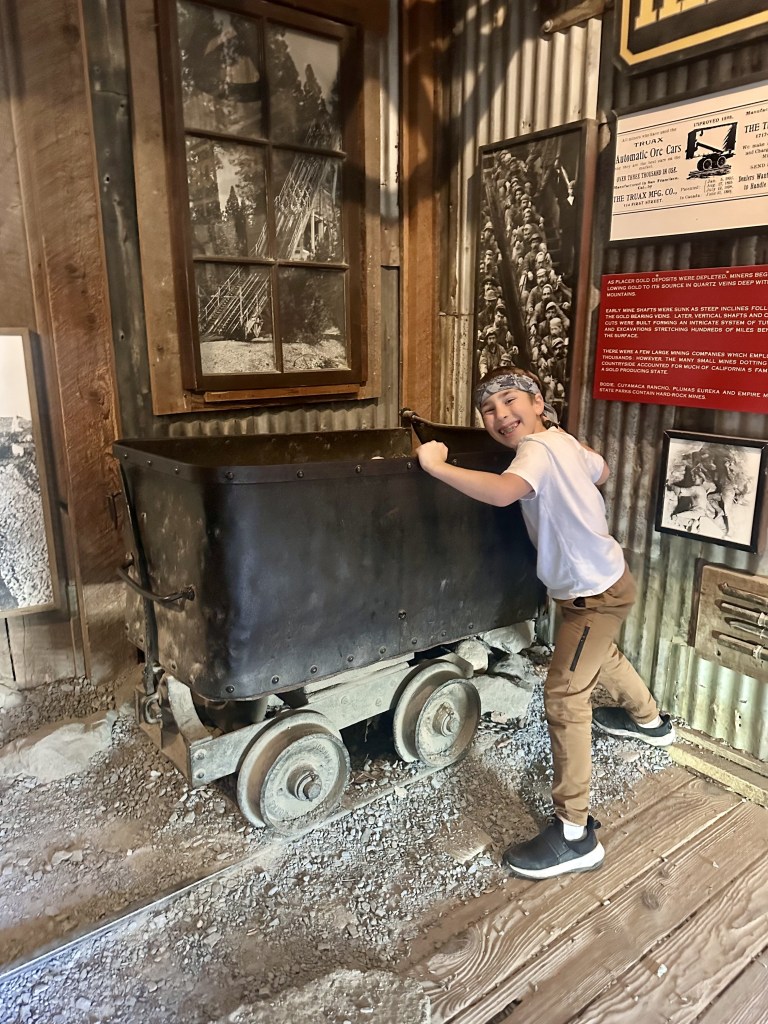
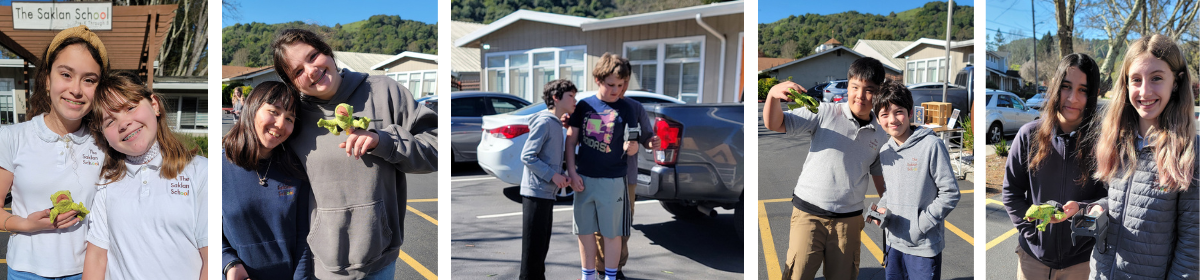
The Saklan 4th graders recently embarked on an unforgettable journey to Coloma, where history came alive in the heart of Gold Rush country. Stepping into the past, they laced up their miner boots and experienced life as it was in 1849, guided by their enthusiastic program leader, Tim.

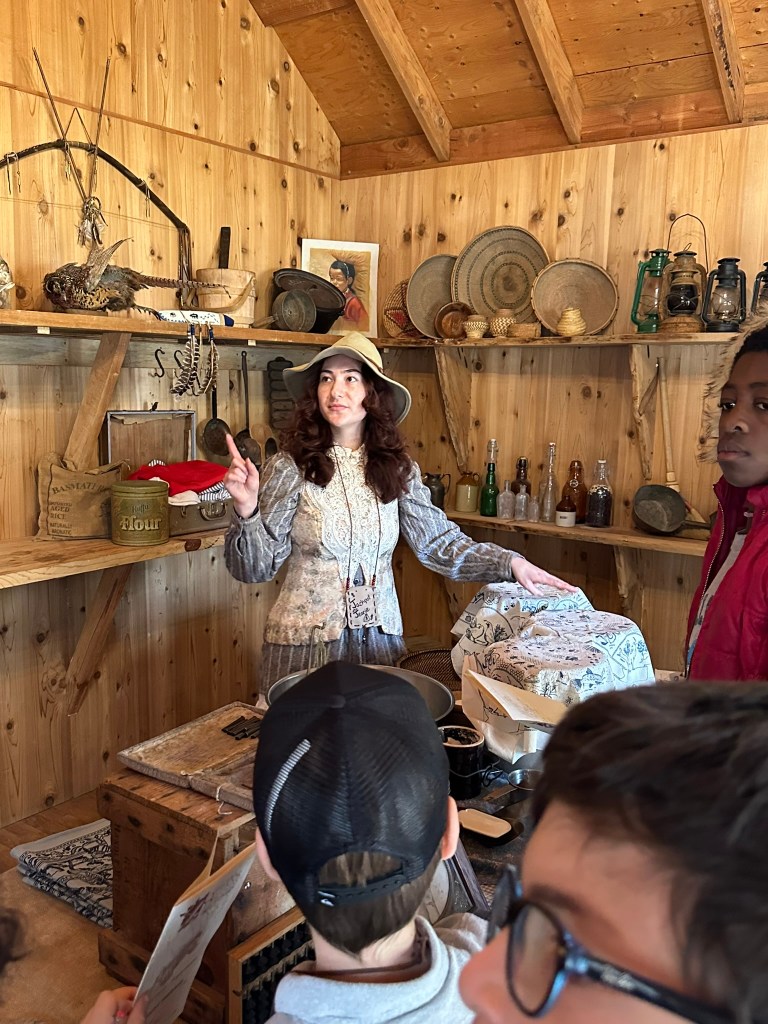
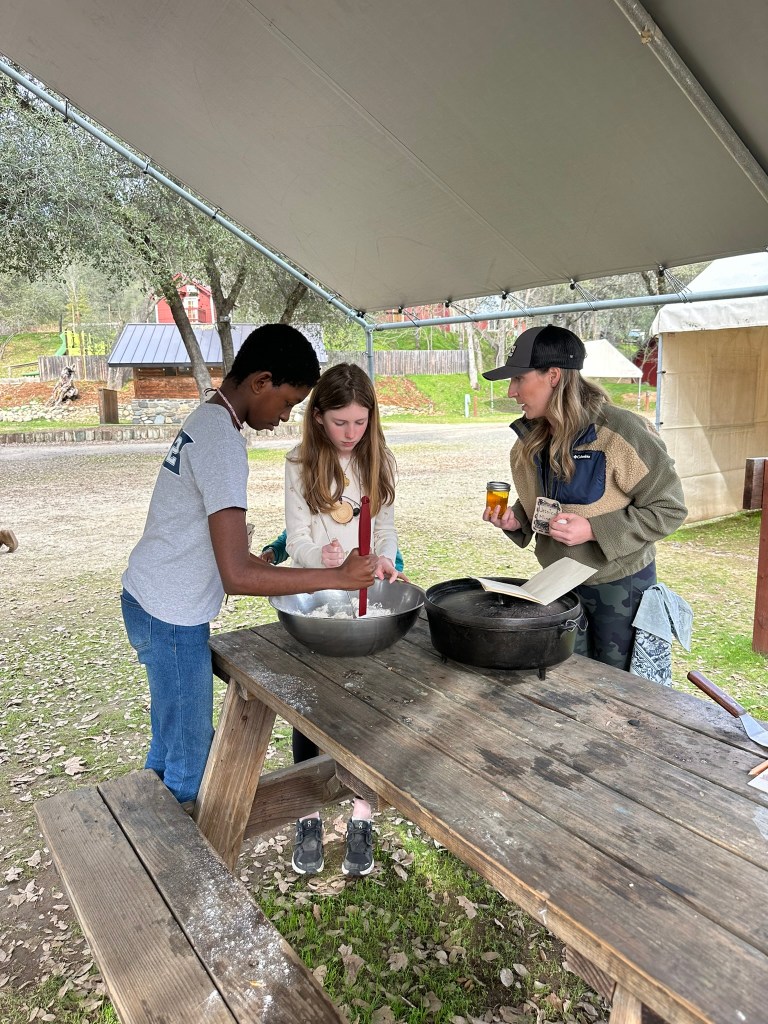
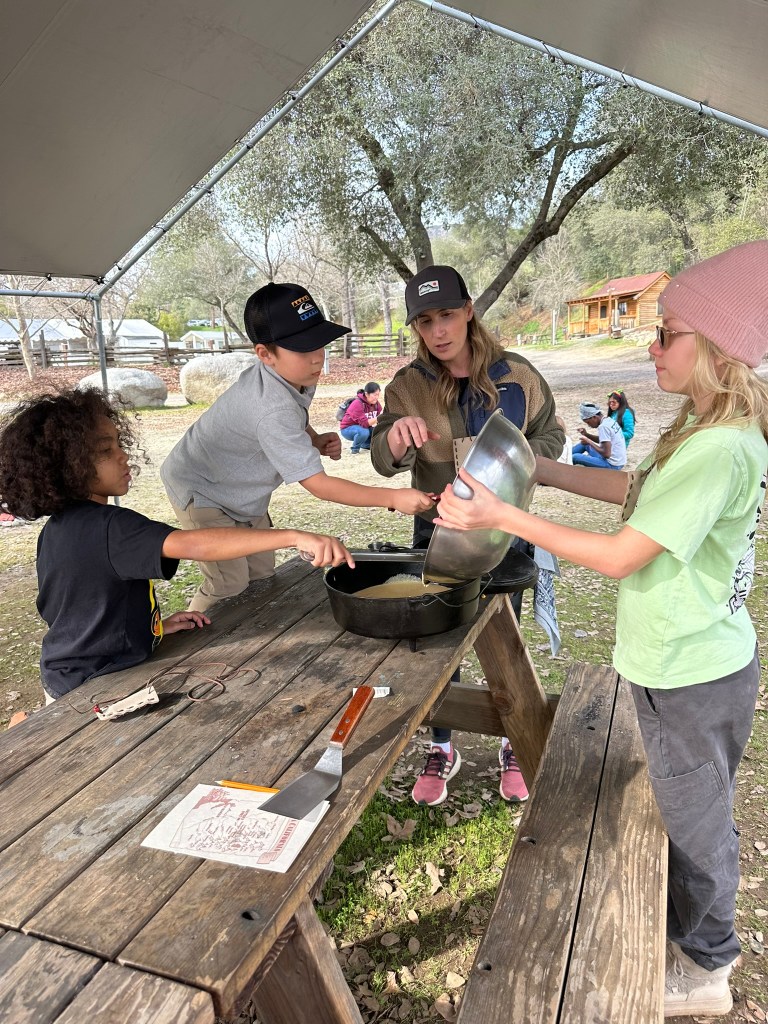
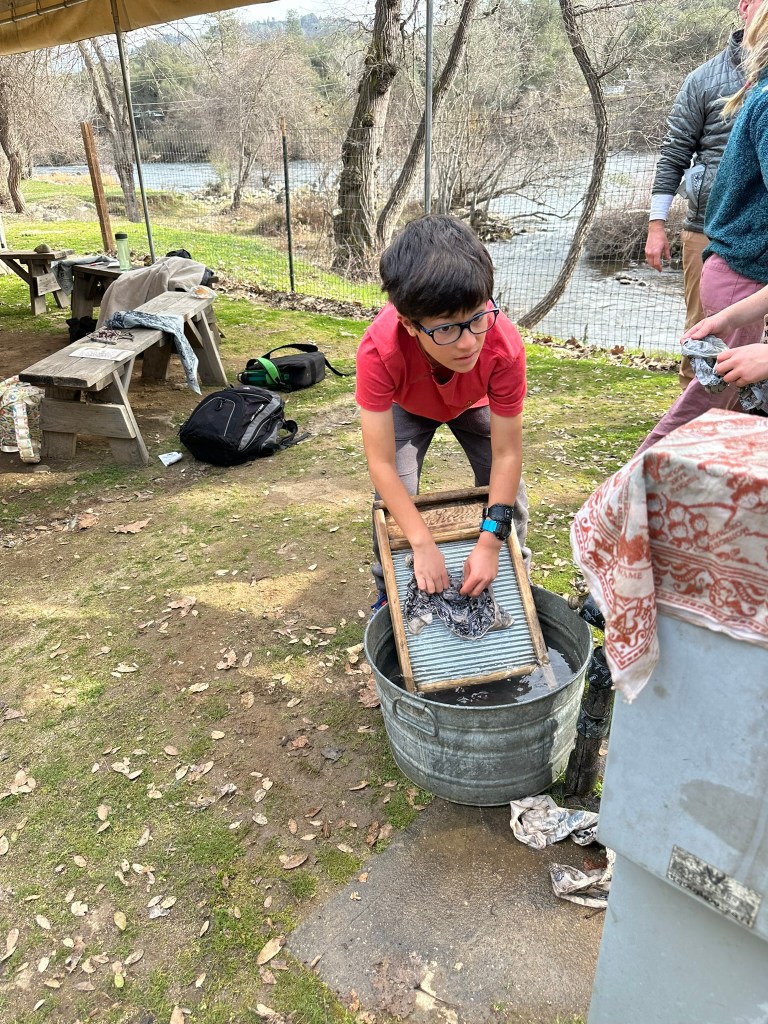
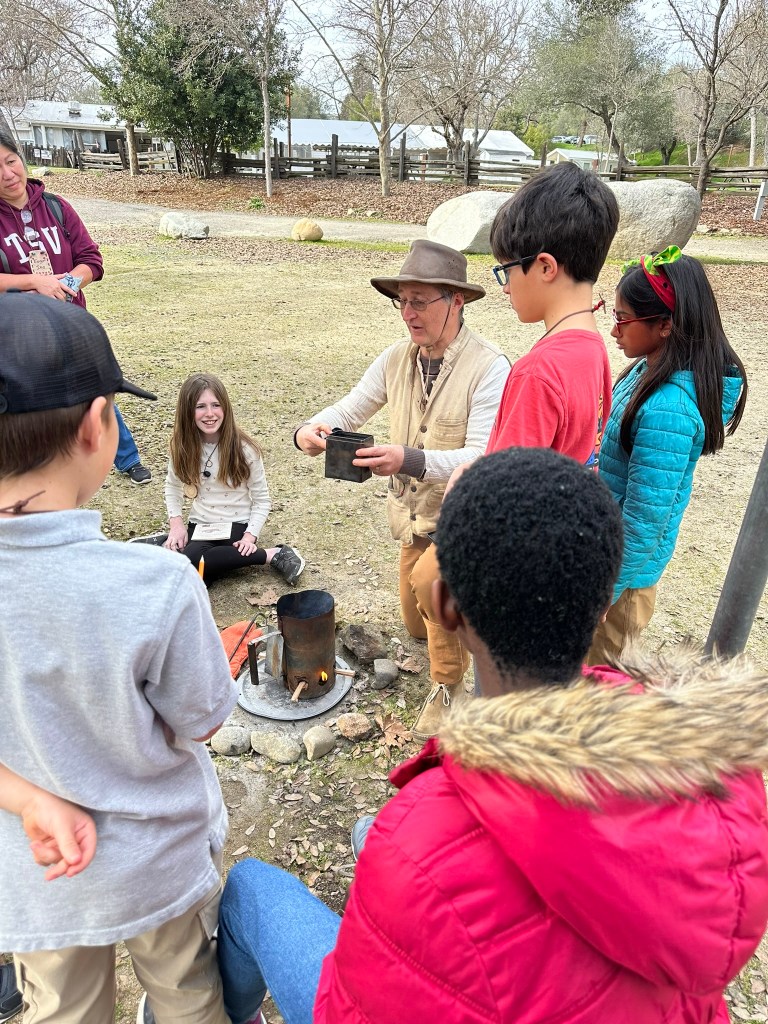
The adventure began with a visit to a bustling mining camp, where the aroma of freshly baked cornbread filled the air. The students purchased ingredients from a general store, just as miners once did, and patiently waited as the bread cooked over an open fire in a cast-iron Dutch oven. While the cornbread baked, they learned essential pioneer skills—sewing, washing clothes on a washboard, and working together to build a shelter. Living the life of a Coloma miner along the riverbanks provided a first-hand glimpse into the daily challenges and triumphs of those seeking fortune in the golden hills.

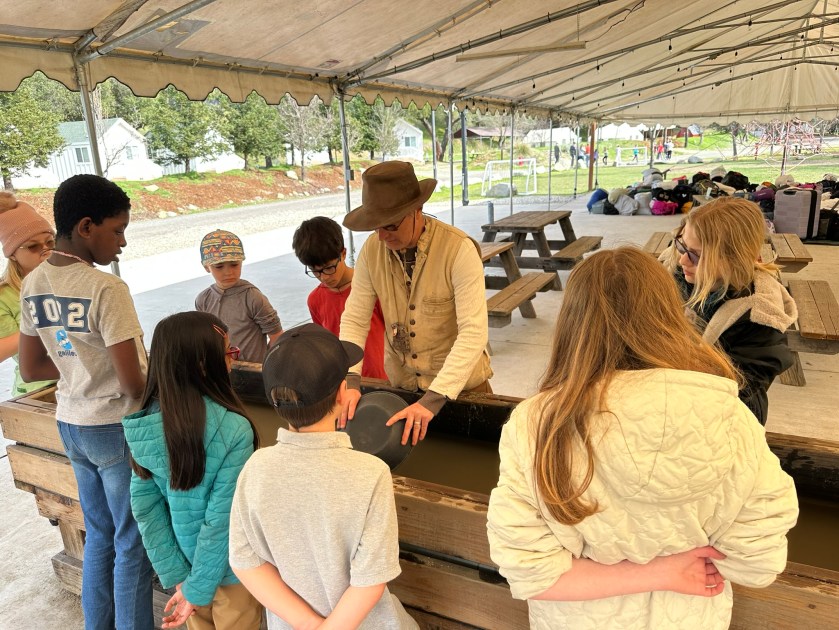
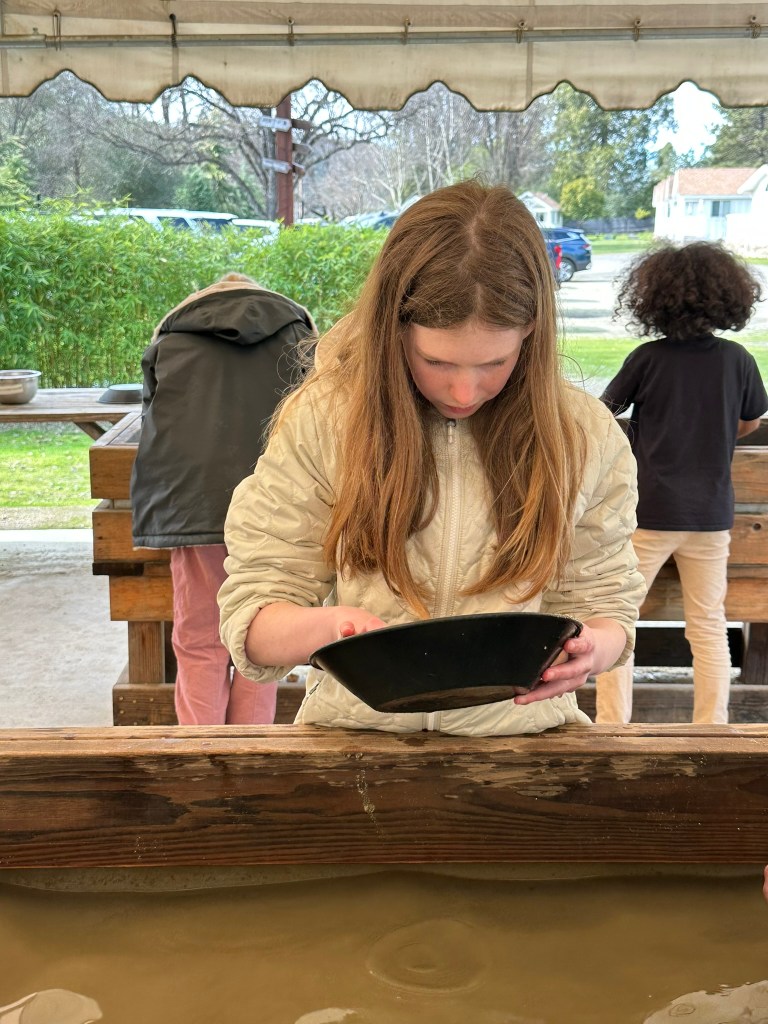
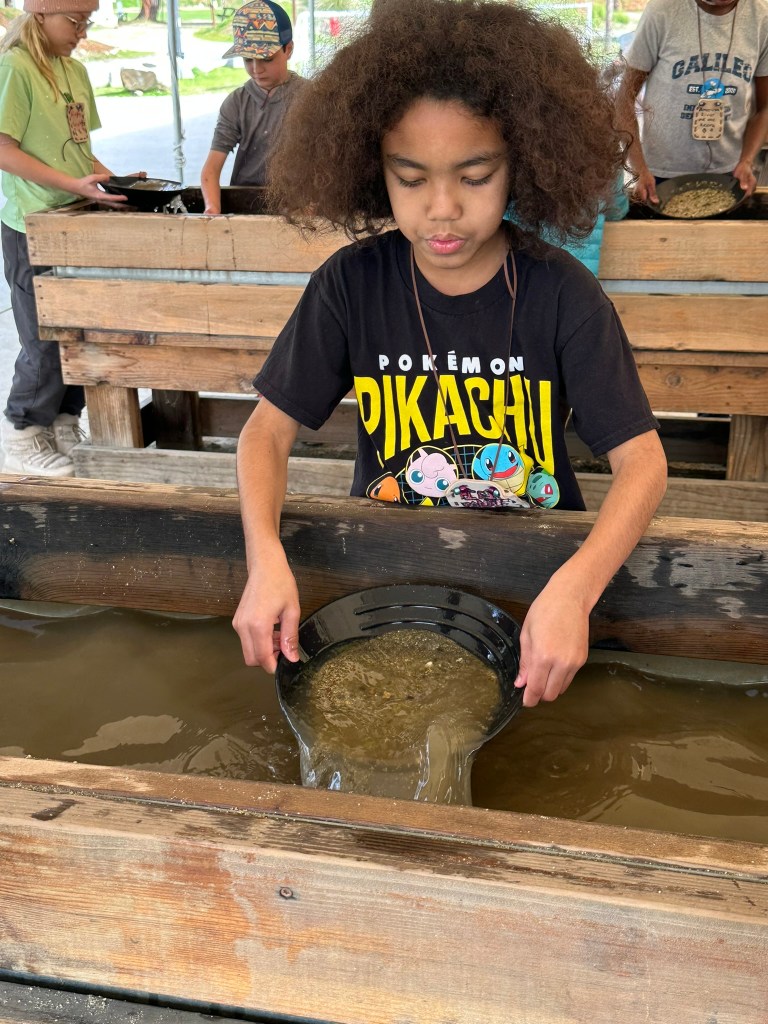
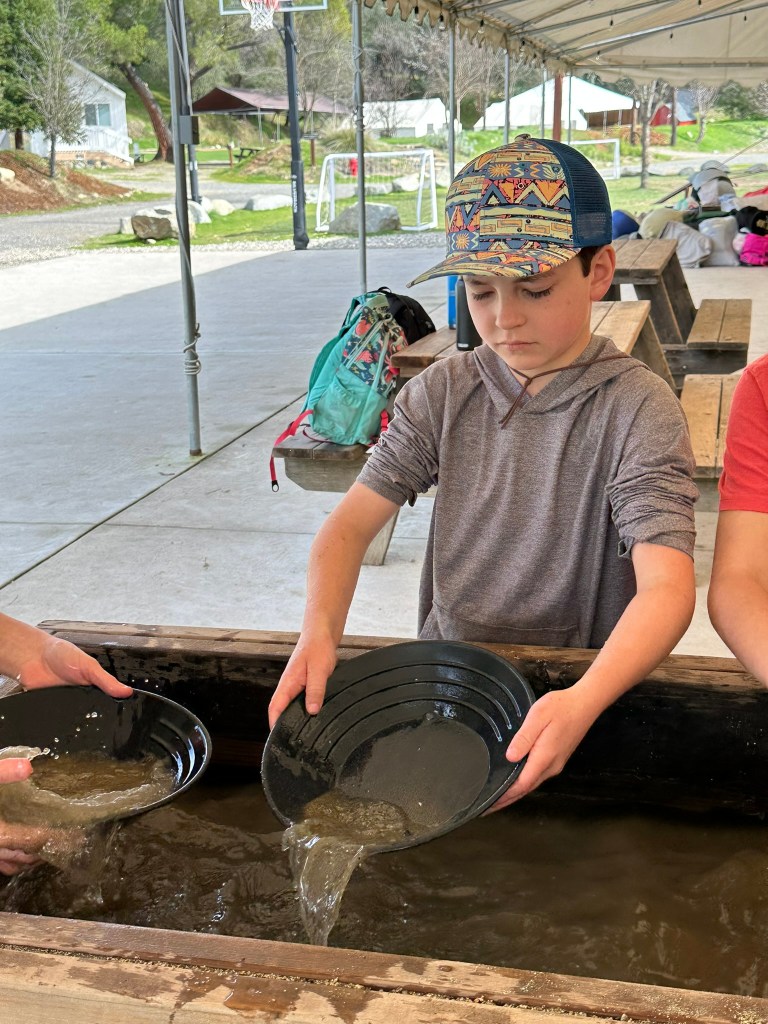
Of course, no trip to Coloma would be complete without the thrill of gold panning! Armed with pans and determination, the young prospectors eagerly sifted through pay dirt from the American River, their excitement growing with every swirl of water. Shouts of EUREKA! rang through the air as gold fever took hold, mirroring the elation of those who had once sought their fortunes in the very same spot.

The journey through time deepened when the group met with a local Miwok cultural leader, who shared stories and traditions from an indigenous perspective. Through this powerful experience, the students gained a richer understanding of the impact of the Gold Rush on the Native American communities of California.

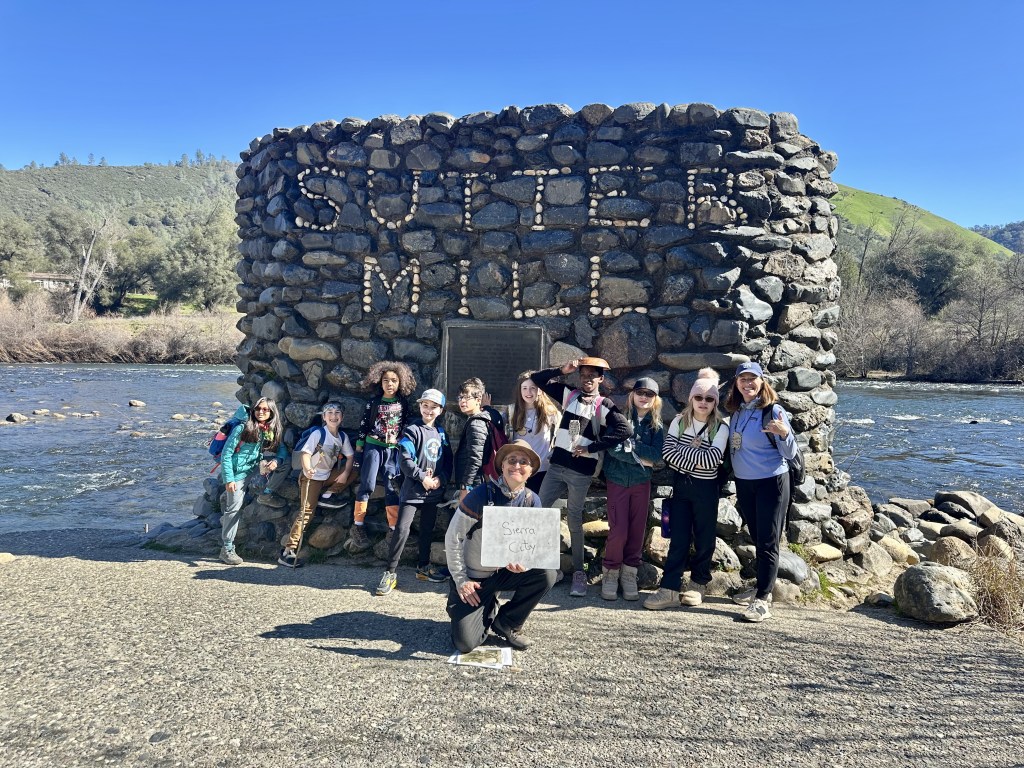
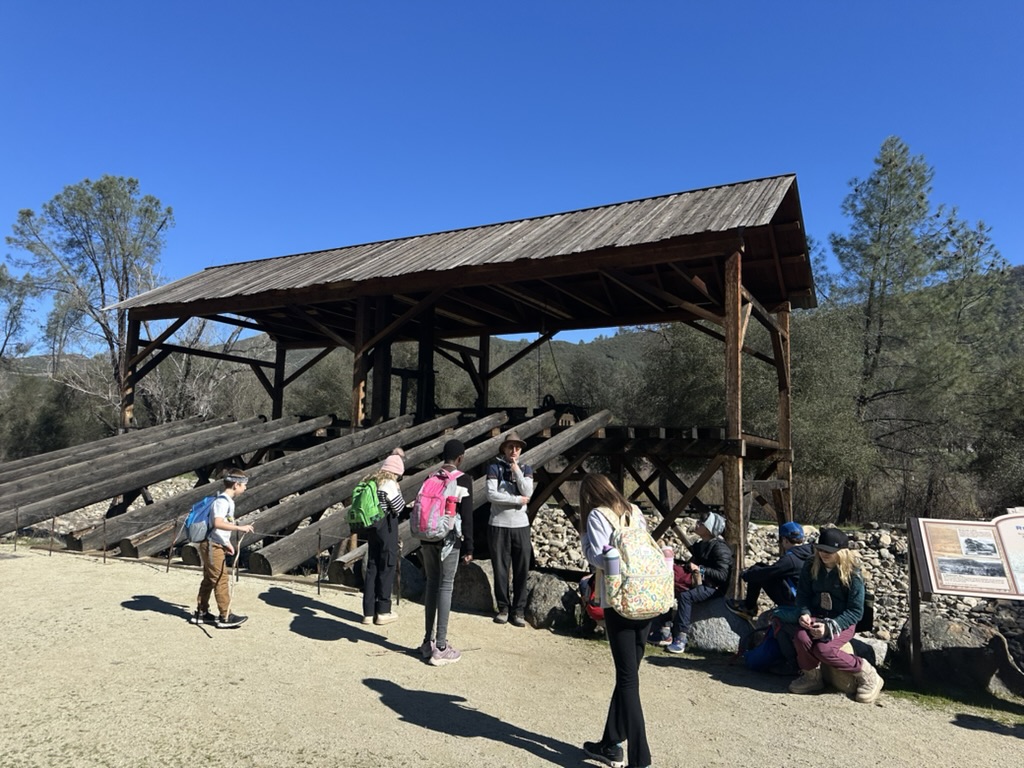
On the second day of their adventure, the students hiked through Coloma’s rolling hills, exploring key historical sites, including Sutter’s Mill, where the first famous gold nugget was discovered. Standing on the very ground where history was made, they connected even more deeply with the past.

As they packed up their belongings and bid farewell to Coloma, the 4th graders carried with them more than just memories—they brought home a deeper understanding of the trials and triumphs of those who came before them.

#SaklanFieldExperience #SaklanHandsOn

Head’s Corner: Teaching How to Think, Not What to Think

As someone who has taught history for a good portion of my professional life, I’ve always felt that how history is taught in the U.S. is a disservice to students. There is an emphasis on students “knowing” the country’s entire history, without understanding it. The curriculum will lean into a simplified version of history that leads students to a particular perspective. Rarely does history teaching slow down and ask students to wrestle with both sides of an issue and develop their own opinions. (Think Moraga Police Chief King reading All American Boys along with our eighth-grade class and then coming in to discuss his take on the novel.)

The other sin of how we approach history teaching in the U.S. is one of omission. We simplify complicated stories into fables that are easy to digest. For example, unpack the popular myth of Rosa Parks and her famous refusal to give up her seat on a Montgomery bus – the story that a meek, tired seamstress was too exhausted to walk to the back of the bus and accidentally started a movement that changed civil rights. There is a romanticism to that story, but it is wrong.

In reality, Rosa Parks had been an activist fighting for racial justice for decades before her bus stand. Though described as “quiet” in most of the obituaries that ran after her 2005 death, she was anything but.

The fable of Rosa Parks and the civil rights movement of the time betrays the reality, pain, and sacrifice of those who fight the good fight. It ignores how resistant Americans worked to challenge the status quo. It is also a disservice to the country.

As educators, we owe it to society to examine the fables and myths we have heard and those we have perpetuated – from Christopher Columbus to American Exceptionalism. We also owe it to our students to help them know less but understand more and reach their own conclusions, not ours.

Peace,

David

Artifact or Art Opinion

The 6th graders recently wrapped up their second milestone in their Project Based Learning unit, Artifact or Art Opinion. The driving question for the unit is, “Who do artifacts really belong to?”

During this unit, students explore arguments for and against the repatriation of Egyptian artifacts. They develop an understanding of museums, the history of archaeological practices, museum bias, perspective taking, and of course, dive into the content standards connected to ancient Egyptian civilization. This year, it has been great fun to add in mini lecture recordings and videos from the Egyptologist that Linda and Vickie traveled with over the summer, too! 

The unit kicked off in early October with an entry event highlighting a modern example of an artifact purchased by the Met that was, in fact, stolen! This helped the class to wonder how do museums end up with the artifacts they have in their collection? They then selected mystery Egyptian artifacts held at museums outside of Egypt to research. Through studying their artifacts, students began to build an understanding of what these artifacts are and why they are important. During their research, the 6th graders learned about ancient Egyptians and started sorting through some of the complexities of each artifact’s provenance. Students learned sometimes it is tricky to get to the bottom of how a museum acquired a particular artifact! 

Recently, the sixth graders met with two experts who helped them start to understand how museum and archaeological practices have changed over time. They visited a small museum in Berkeley at the Pacific School of Religion called the Badè Museum. There, the class met with archaeologist and Museum Director Dr. Aaron Brody to understand the unique history of the collection and their perspective on repatriation.

Sixth graders also zoomed in with archaeologist, Dr. Hannah Wellman, who shared a detailed timeline about changing archaeological practices, mummification, and the impact of context in a museum exhibit.

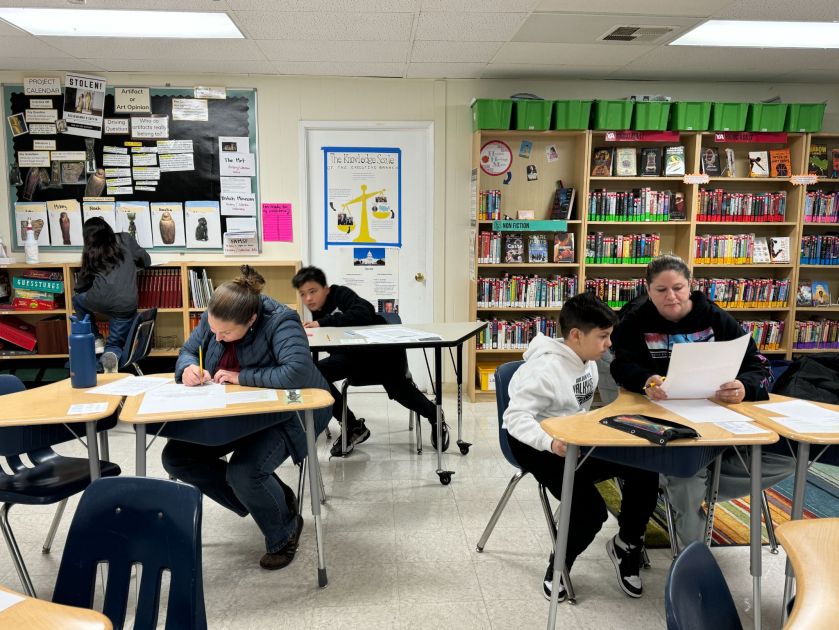
Students have been working on compiling all their research from the first two milestones into a research paper. After a first draft, teacher conferences, and initial revisions, they participated in a feedback routine called “Big Paper” with the help of David, Emily, and Kim. The 6th graders did a great job providing constructive feedback, glows, and questions to improve each other’s work.

In the final two milestones, students will learn how ancient and modern public art help individuals express their opinions and share their own answers to the driving question with the community. The sixth graders will showcase their work in this project at CLAS on November 22. We hope to see you there! 

#SaklanPBL