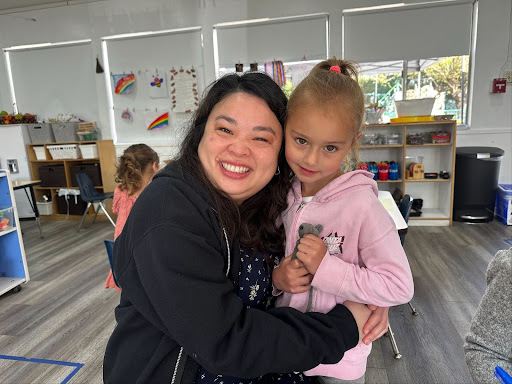
You may think that to know Maggie is to know her love of hippos– just check out how many of them her students have lovingly gifted her over the years next time you’re in the Hoot Owl classroom! But Maggie brings so much more to our ECE! Saklan is lucky to have such a dedicated, conscientious, and thoughtful Director of Early Childhood Education and lead teacher of our Pre-K Hoot Owl class. Take a moment to read about what she loves most about teaching our youngest learners.
The ECE students love to be outside, rain or shine. What do you think is the most important part of outdoor play for this age group?
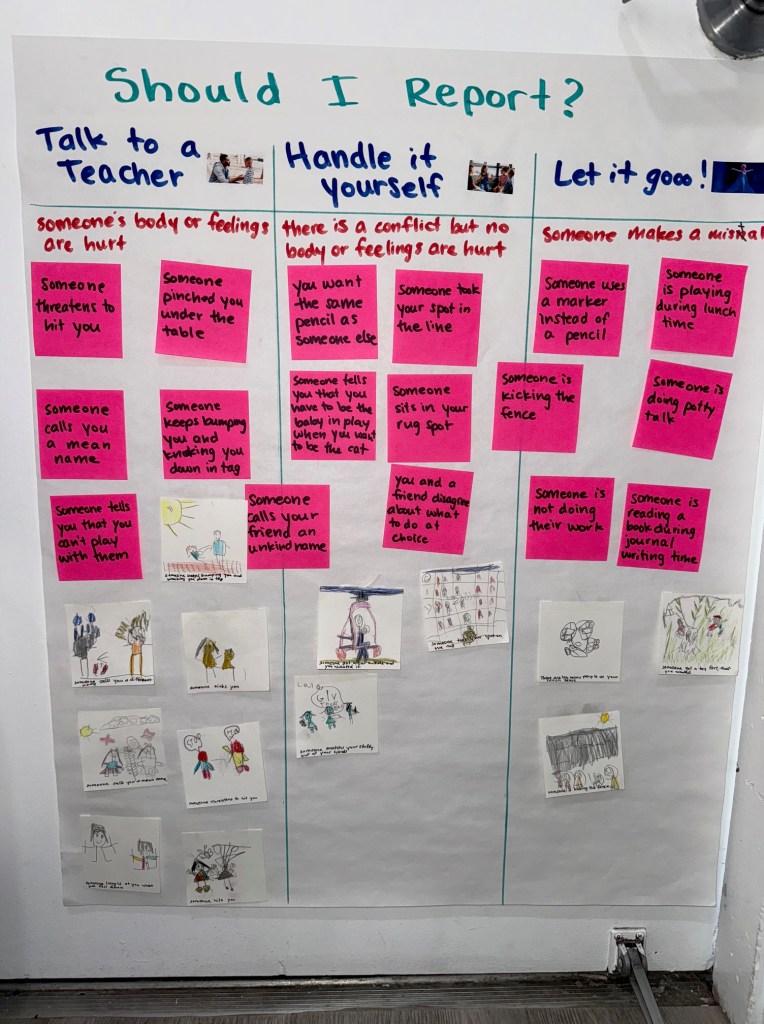
Outdoor play isn’t just fun; it’s one of the most impactful parts of our students’ day. For young learners, the playground is more than just a place to run and climb—it’s where some of the most important learning happens. One of our primary goals in ECE is teaching social-emotional skills, and outdoor play is where these lessons come to life. It’s where children navigate real-life situations: negotiating over toys, practicing patience while waiting for a turn on the swing, or learning how to respond with empathy when someone gets hurt.
Outdoor play also builds confidence. We are lucky to have such a large playground, giving our students a lot of opportunities to build their gross motor skills. A favorite recent moment? One of our Owlets, who used to ask for only “medium big pushes” on the swing, now gleefully asks for “big pushes!” Moments like these show us how outdoor spaces empower children to take safe risks, try new things, and celebrate their own growth.
Whether it’s showing off a new trick on the Fire Truck or proudly calling a teacher to “come watch,” our students light up with joy and confidence as they take safe risks and master new skills on the playground. Seeing how proud of themselves the students are as they show you the amazing flip they just learned learned to do is one of my favorite parts of each day. Maintaining a safe, updated, and dynamic outdoor play space is essential to supporting these magical, everyday learning experiences.
Your newest project unit is on bugs! How does the ECE yard support learning outside of the walls of the classroom?
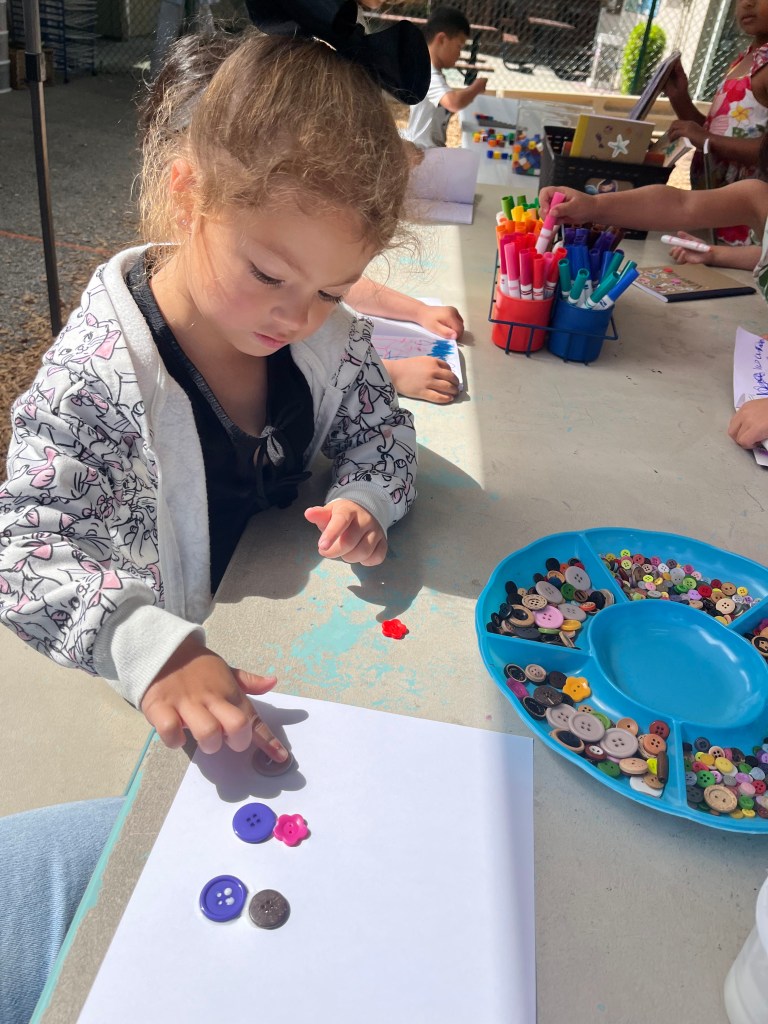
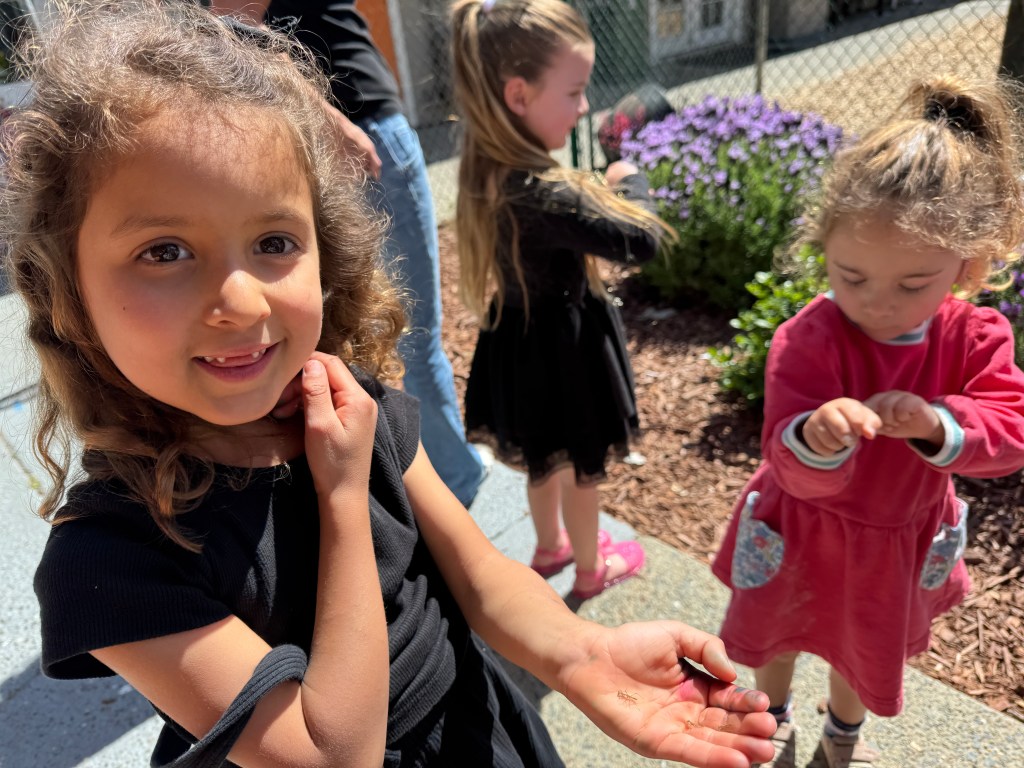
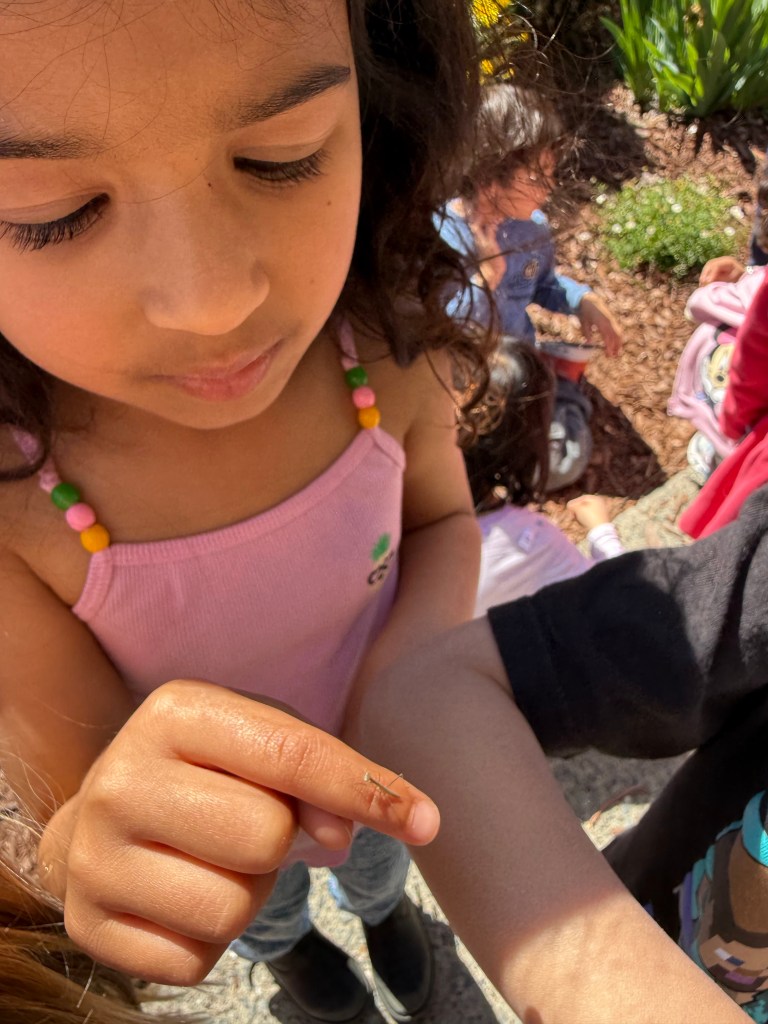
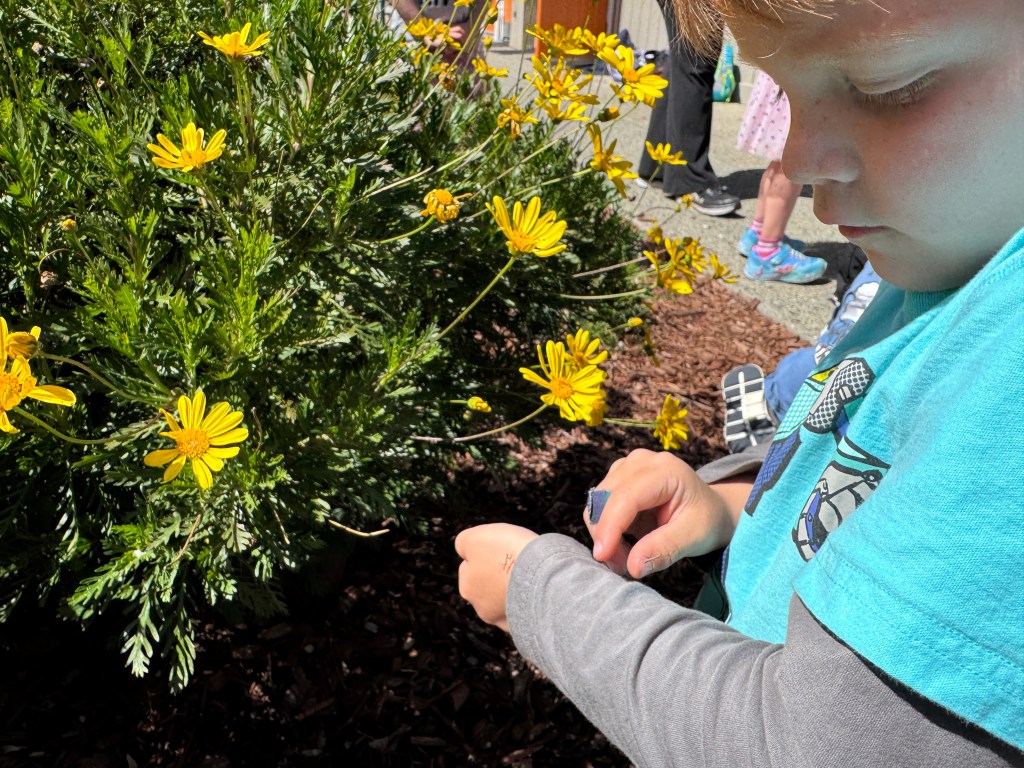
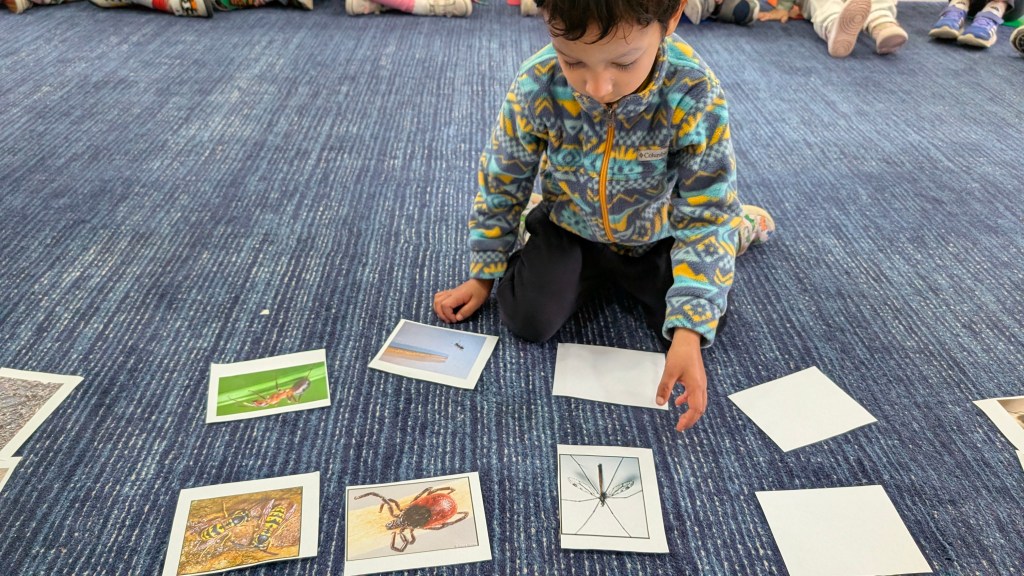
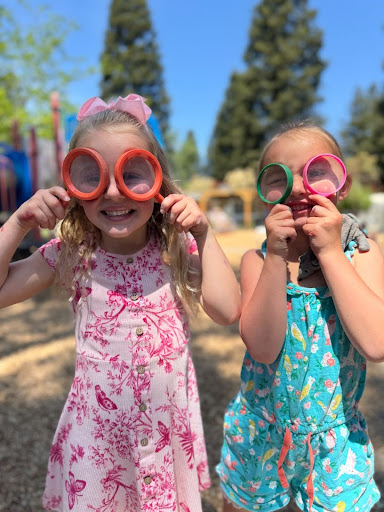
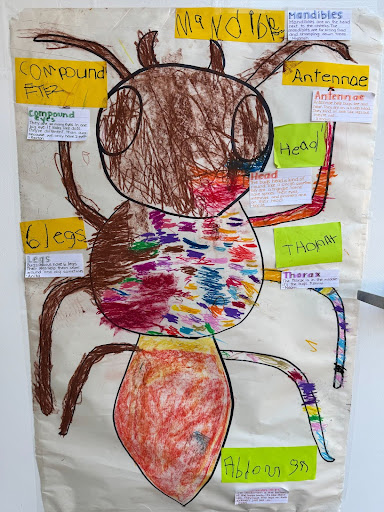
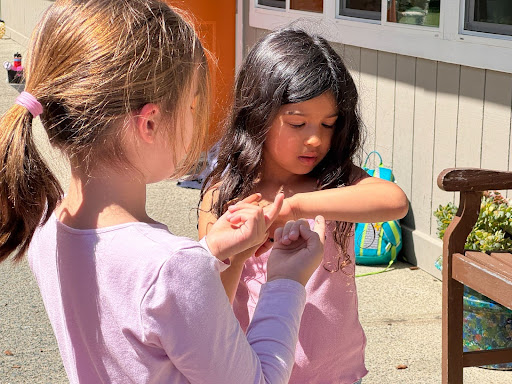
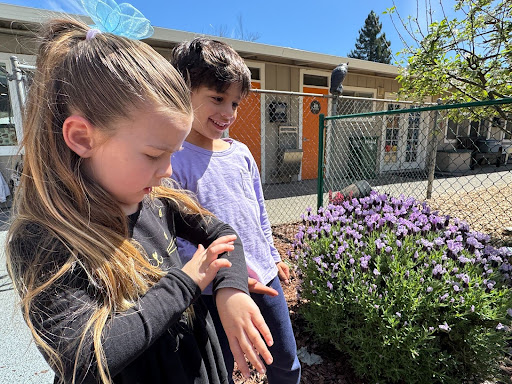
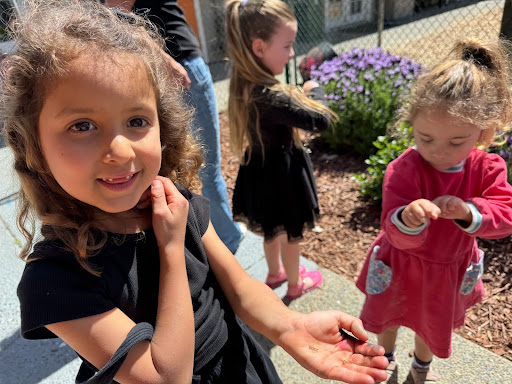
In all my years of teaching early childhood, one thing has always been true—nothing captures a young child’s attention quite like a bug. They could be running in a race with each other, and the moment someone spots a bug, everything stops. Then, there will soon be a big crowd, with someone shouting “I can’t see” and trying to squeeze their way in for a closer look. With our current project on bugs, the playground has transformed into an outdoor science lab. It’s so cute watching them carefully use bug catchers and magnifying glasses to get a closer look. These moments are powerful, allowing the students to have hands-on learning experiences and explore their natural curiosity in real time.
A few years ago, we added a small raised garden with help from one of our ECE teachers and her dad. Since then, we’ve grown veggies to support various units and teach them where food comes from. We’ve seen that a garden space like this means they are more willing to try new foods when they have a hand in helping grow it. Recently, the Hoot Owls have been digging for worms and putting them in our garden bed because they learned that worms are helpful decomposers that our garden needs. The yard isn’t just a place to run and play—it’s a true extension of our classroom. It offers space to wonder, explore, experiment, and grow. Providing a dynamic outdoor environment is one of the best ways we can support their development.
What do you hope your students learn from you that you don’t explicitly teach?
I really hope I impart my great love for hippos to my students. Just kidding! (mostly…) I hope my students learn to be able to laugh even when things get hard. I always like to joke around with my class whenever I get the opportunity. I like to joke around when I make mistakes, because I want them to learn not to be too hard on themselves. Life is about having fun and laughing with those around you. Nothing beats hearing the kids laugh because of silliness!
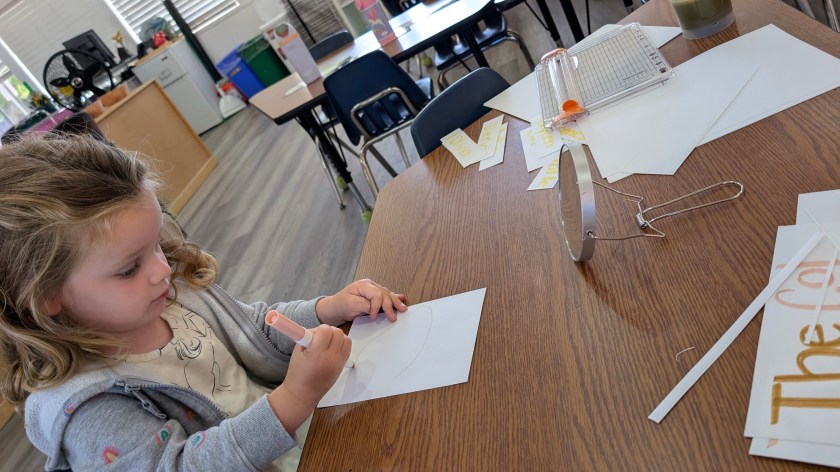
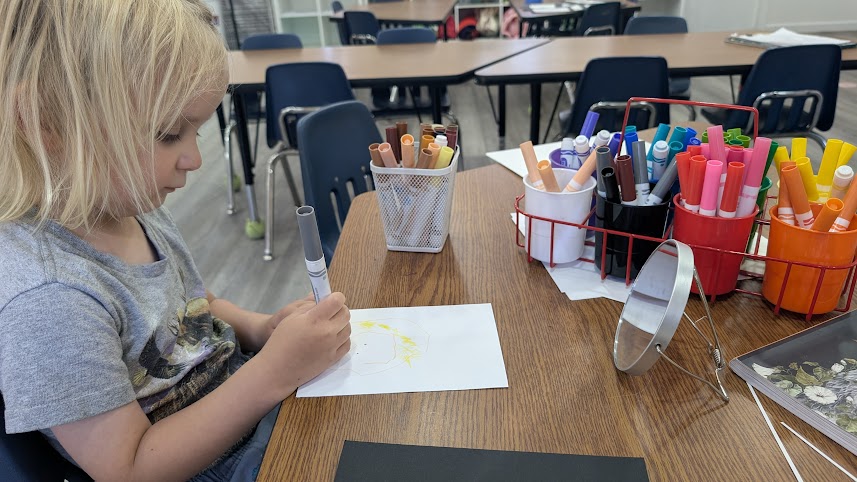
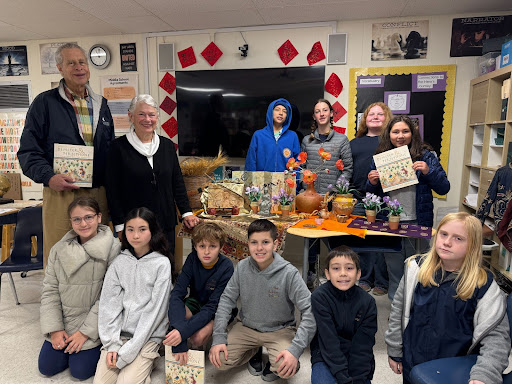
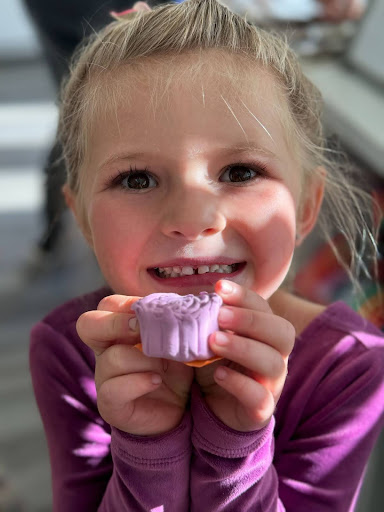
Each year around the mid-autumn festival you have made model mooncakes in the ECE. What are your favorite parts of bringing your traditions to the classroom and/or opening space for families and students to share theirs?
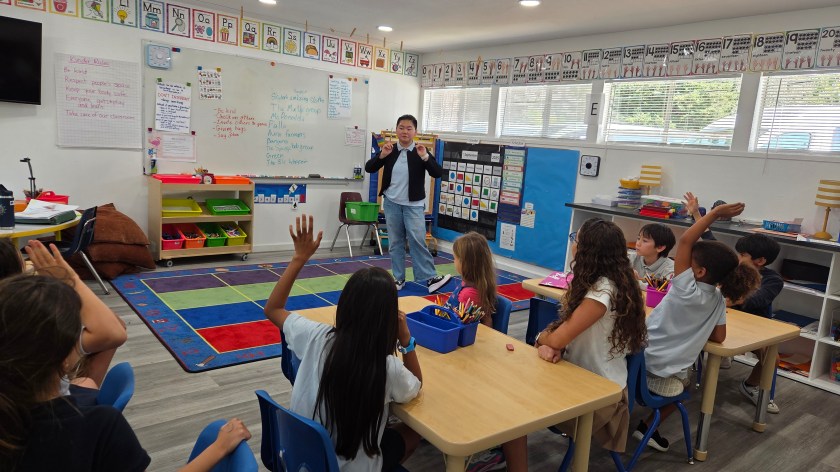
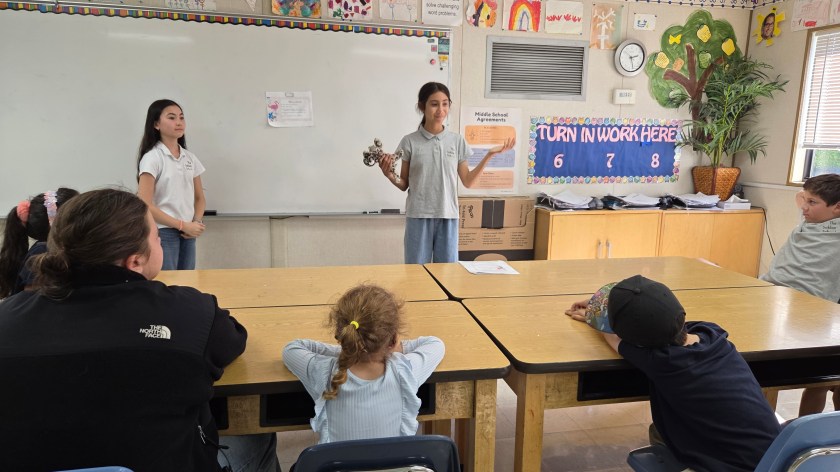
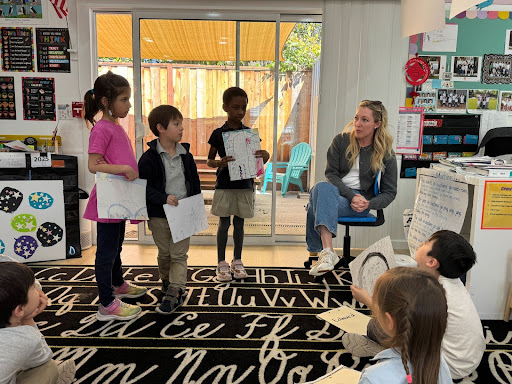
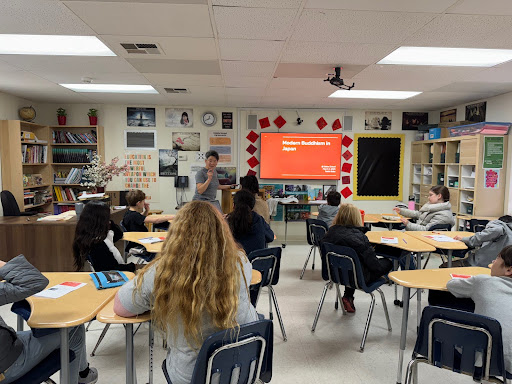
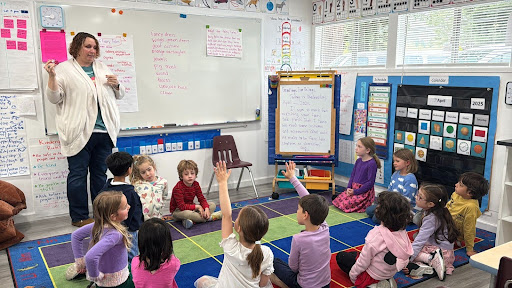
I love having families come in to share their family traditions. Even if people share the same culture, how they celebrate can be completely different. We have a wealth of experts right in our classroom to share about so many cultures and traditions, so why not take advantage?!
When members of our community come in to share their knowledge or experiences, the classroom lights up with engagement. The students are very excited to learn from a real-life person they know! I also personally love learning about others’ traditions. Growing up, I didn’t experience that in my classroom, and if I did, it was very basic stuff. I would feel ashamed of my family’s traditions because I was different. I don’t want anyone else to feel that way. I want my class to feel love and pride for their heritage and traditions. What better way to develop that love and pride than to have their family and community members share, learn, and celebrate together?













 FRIDAY BLOG
You must be logged in to post a comment.