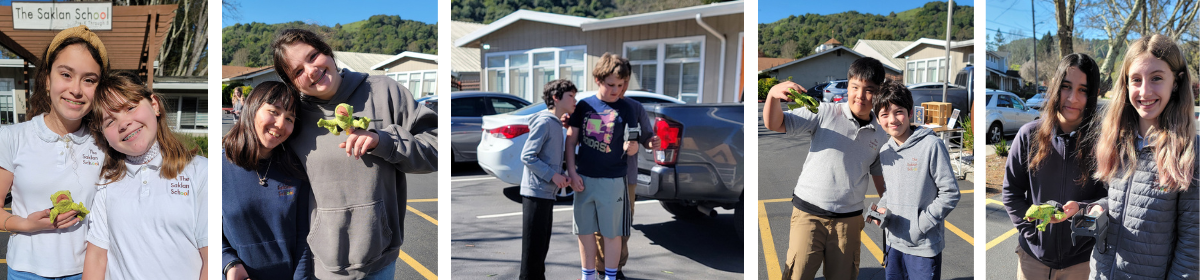
Join Our Community of Experts

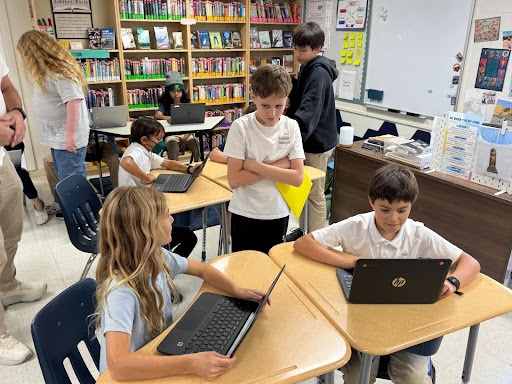
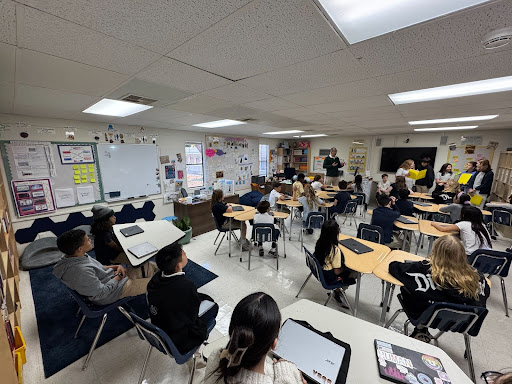
Project Based Learning at Saklan is intentionally designed not only to help students build content knowledge but also to encourage them to consider the authentic purpose behind what they are learning. As teachers plan and implement PBL units at Saklan, they consider how adults in the world beyond school use the content knowledge they seek to teach their students. 

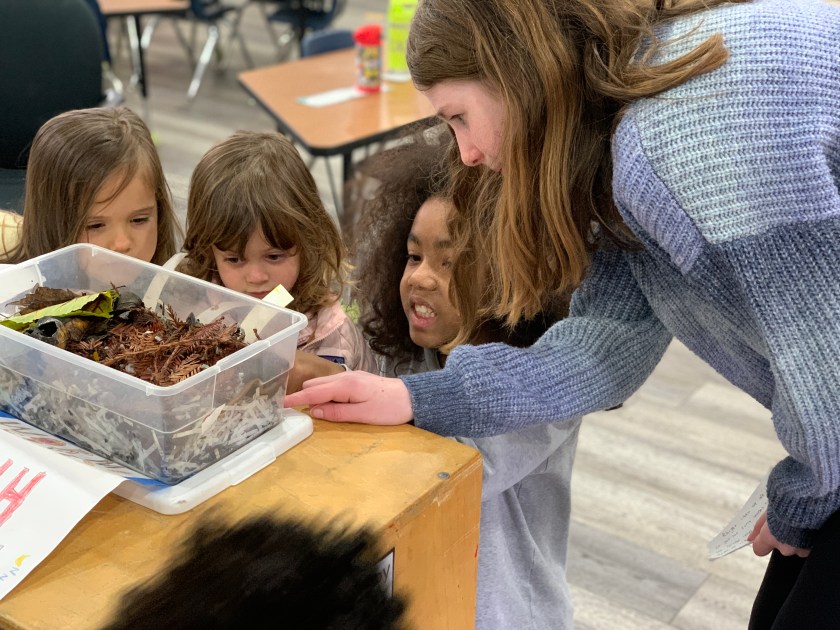
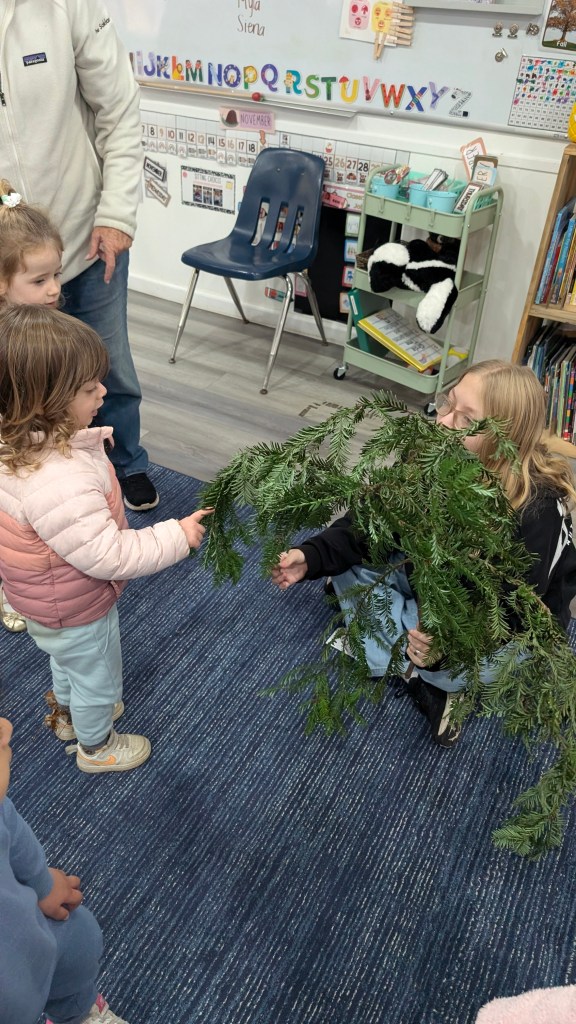
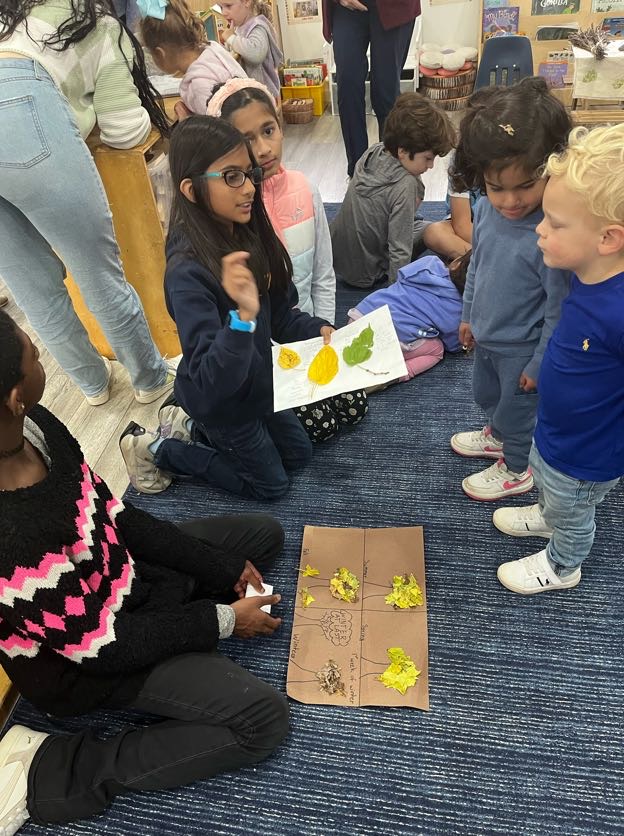
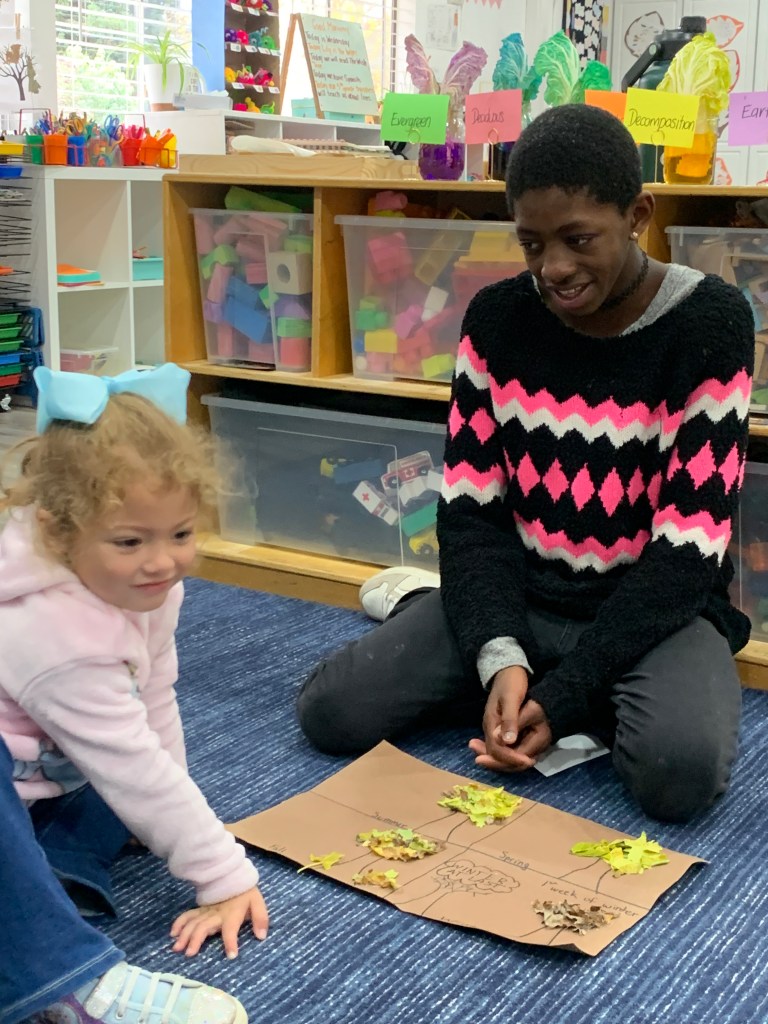
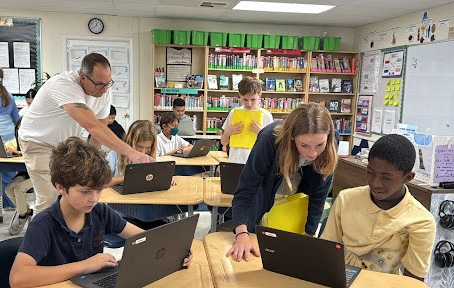
To make those real-world connections clear, Saklan teachers regularly bring in guest experts—both in the classroom and out in the field.

At Saklan, an expert is anyone with specific content knowledge or experience that can support the student inquiry process. Sometimes, guest experts share their experiences with students; other times, they provide formative feedback on the projects students are creating. Last year, we engaged the help of  26 experts, and each year we look forward to adding new voices—like yours!

We’d love for you, a family member, or a friend to join us and enrich and deepen our project curriculum this year. Please complete the form below to join our Saklan expert resource list. As needs arise, teachers would love the opportunity to connect with you during projects where your experiences and knowledge can help support student inquiry and project based learning.

Have additional questions? Email Linda Lathrop, our Project Curriculum Instructional Coach at llathrop@saklan.org

#SaklanPBL

My Journey to Ghana: Learning, Music, and Community

Written by Guest Blogger & Saklan Drumming Teacher, Isaac Narell

After years of teaching Ewe music, I had the opportunity to travel to Ghana to deepen my understanding of the culture and traditions that inspire so much of my work with Saklan students.

The short film below chronicles my time in the village of Dzogadze, where I was hosted by the family of master musician Vodzi Torgboh. I had the privilege of studying under his cousin, Kofi, learning ancient drumming, dance, and song. The video offers a glimpse into my daily life—from intensive lessons and vibrant festivals to participating in meaningful community events. It’s a tribute to the people, music, and spirit of Dzogadze.

A special thanks to the Saklan Summer Reflection Fund for helping to make this trip possible.

The Saklan Summer Reflection Fund: Investing in Teachers, Enriching Students

In 2022, thanks to the generosity of our parent community, Saklan created the Summer Reflection Fund—a special resource that empowers teachers to design their own opportunities for professional and personal growth.

This fund (up to $2,500 per recipient) encourages faculty and staff to think outside the box and pursue experiences that deepen their teaching practice. Past recipients have attended the Annual Broadway Teachers Workshop in New York City and traveled to Egypt to explore Ancient Egyptian history, art, engineering, the Sahara Desert environment, and the Nile ecosystem firsthand.

The impact of these experiences extends far beyond the summer—teachers bring new insights, inspiration, and creativity back into their classrooms, enriching the learning experience for Saklan students.

The Summer Reflection Fund is made possible through donations to the Annual Giving Fund and the Auction. We are deeply grateful to our donors for their generosity and belief in the importance of supporting our teachers.

#SaklanProfessionalDevelopment #SaklanAGF

Staff Spotlight: Hector
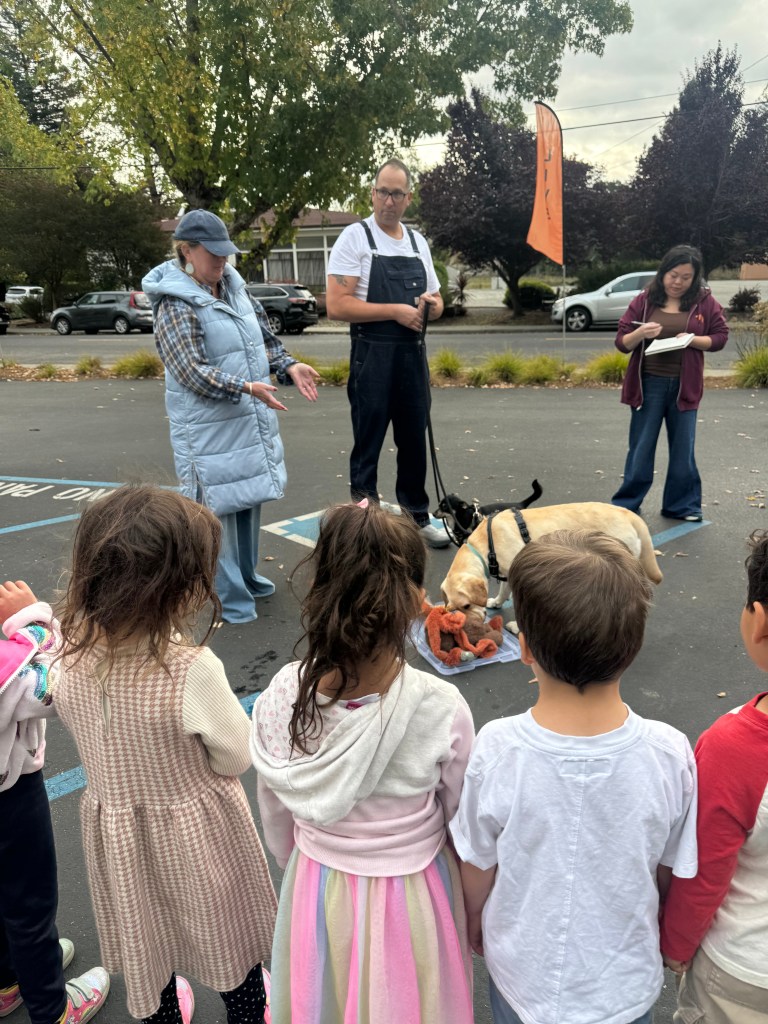
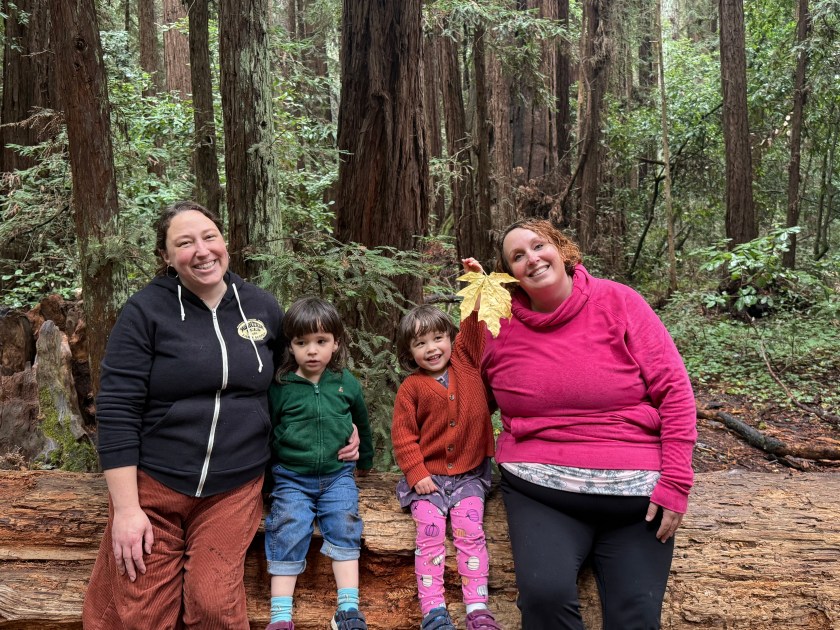
Meet Hector! Blending a mixture of passion, discovery and love for enrichment, Hector not only leads our enrichment program but shows our students how to unlock their potential. Hector really gives our students the opportunity to dream big and have confidence doing so. When he needs to recharge, he finds his peace hidden deep within redwood trees, grounding himself and regaining his power to take what’s next. 

How long have you been at Saklan and what’s a fun fact about you that most students wouldn’t know about?

I have been at Saklan for three years now and am excited to be starting my fourth. There are plenty of fun facts about me that most people probably don’t know, but if I had to choose one, I would say it’s that I used to really love dancing. I’m not sure if I was any good, but what I did know was how much I enjoyed being on stage, performing in front of friends, family, and teachers. I was really proud of it. When I was younger, my mom would often put on some music, and from the moment I’d hear it, I would jump right into dancing – completely lost in the rhythm. There are still some memorable songs that bring back those memories and excitement I felt. I don’t dance much anymore, but when I did, I loved salsa, bachata, and even a bit of pop dancing.

What’s something you could talk about or do for hours without getting bored? 

One thing people should know about me is this: once you get to know me, oh boy, I cannot stop talking. There are so many things I am passionate about and could go on forever about, such as math, but if I had to pick just one, it would be redwood trees. I absolutely love redwoods. I love looking at them, studying and admiring them, and constantly educating myself more about them. Visiting redwood groves are one of the few things that bring me peace, tranquility, and calmness. It’s my go to place when life gets hectic, and I need to recharge or simply zone out. These trees are tall, massive and ancient, thriving with unique ecosystems. They tell a story of history and walking among trees that have stood undisturbed for centuries is just so fascinating. I could go on forever, but I think that passion really highlights how my love for exploring and early childhood experiences shaped me. The passion I have for redwoods is the same passion I have for STEM, and it’s a big reason why I love doing enrichment. Through enrichment, I feel like I can allow kids the chance to further explore their passions, discover something new, or challenge themselves, all while having fun doing it. I saw the value of enrichment as a child and want to create those same meaningful experiences for the students at Saklan.

What role do you think enrichment classes played in your life, personally or academically?

Looking back, enrichment classes gave me the opportunity to explore passions that regular classes didn’t always leave room for. As a kid, enrichment was where I could try new things, be creative and discover what I truly loved. It gave me the desire to continuously want to learn, even as an adult. Enrichment classes showed me that learning could be joyful, creative and personal. With that being said, enrichment gave me confidence. It sparked curiosity and allowed me to be more creative in my craft, job and problem-solving skills. It showed me that learning doesn’t only happen by textbooks but rather through experiences. It’s why I encourage kids to be passionate and curious in my enrichment classes. I want them to gain confidence through these learning experiences.

What’s a memorable moment you’ve had during an enrichment class?

One memorable moment that stands out happened during one of my coding enrichment classes. We were working on code that turned out to be a little tricky, and several students needed extra help. While I was busy moving around the room trying to assist everyone, a couple of students who really loved coding stepped up in a way I’ll never forget. Instead of waiting for me, they just asked if they could teach their classmates how to write the code. With my hands full, I told them to go ahead. They were so excited to share what they had learned, guiding others step by step. What made it memorable was that they showed real initiative and leadership. They took ownership of the moment, supported their classmates and created this great atmosphere of teamwork and encouragement. Watching them step into that role so confidently reminded me that enrichment is not only about the fun things we do, but also about the growth, collaboration and joy that comes from learning together.

#SaklanWellRounded

My Day as Head of School

Today I got to do something really special—I was Head of School at Saklan! From greeting families in the morning to handing out popsicles in the afternoon, the experience gave me a new way to see our school and helped me realize just how much I love being a Saklan student.

The day started bright and early with carline. I stood out front, smiling, waving, and helping students out of their cars—just like David does every morning. One of the best parts of the morning was getting to greet Penny, Vivi’s golden retriever, who came to school that day. She trotted right up to say hello and gave everyone a happy start to their morning.

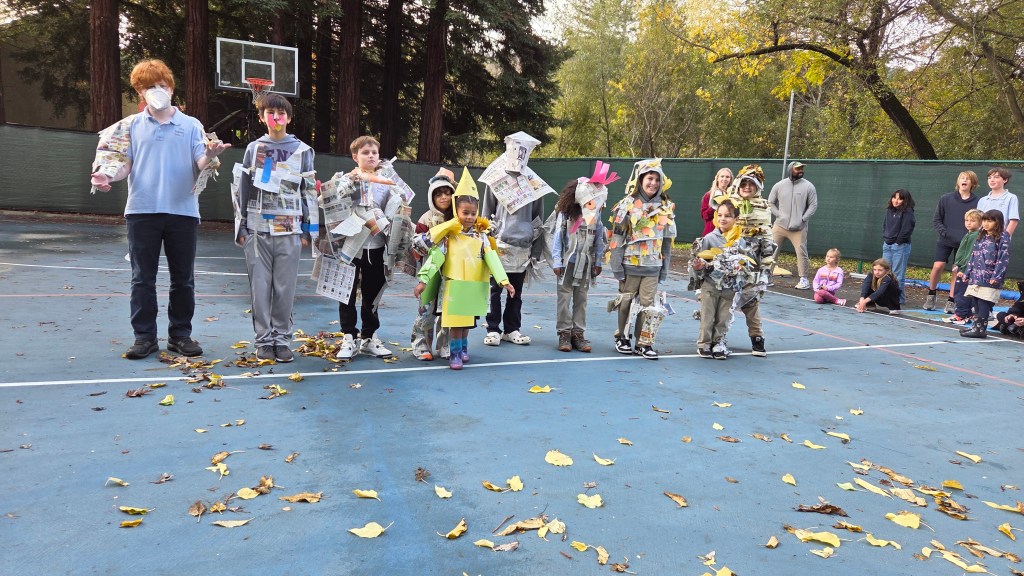
I also visited classrooms and saw what students were learning. One of the coolest things I saw was the work the Hoot Owls and Owlets did for their Bug PBL Culmination earlier this week. Their projects were amazing!

Later, I surprised my class with a pizza lunch—everyone was really excited about that! And at the end of the day, I made one last big decision as Head of School: extra recess and popsicles for everyone!

Being Head of School for a day was very fun. It showed me how special Saklan is—not just because of pizza and popsicles, but because of the people, the learning, and the way we do things differently.

Here are my five favorite things about Saklan:

  1. PBL (Project Based Learning): Our projects are always fun and interesting. This year I really liked our Indigenous Peoples PBL. Last year, we did one on Adaptations, and in first grade, our Homes PBL was so much fun!
  2. Field Experiences: I love how we go on lots of cool field experiences. Some of my favorites were to Meredith’s Garden, the Pioneer Schoolhouse, and Chabot Space Center. I can’t wait for Coloma next year!
  3. Kind and Encouraging Teachers: Our teachers are always there to help us and cheer us on. They make learning fun and support us when we need it.
  4. Creative Students: The kids at Saklan are really creative. I see it in art, writing, and the cool ideas people have during class projects.
  5. Coach Rob: He’s the best! PE is always fun with Coach Rob. He teaches us to play fair, try our best, and work together as a team.

It was a great day.

Warmly,

Ruby

When to Speak Up, When to Let It Go

Over the past few weeks, the Kindergarten class has been engaging in thoughtful conversations and activities designed to help them understand an important social-emotional skill: knowing when to report a problem to a teacher and when it’s best to “let it go.”

The journey began with a classroom discussion about how the word “tattling” is often used to describe someone telling a teacher about a peer’s behavior. But terms like “tattletale” carry a negative tone, and at Saklan, teachers want students to feel safe and supported when seeking help. So, the kindergartners and Riva decided together to use the word “reporting” instead—a more neutral and empowering term that acknowledges that asking for help is never a bad thing.

However, the class also recognized that not all situations require adult intervention. Some students were beginning to feel like they were being “policed” by their classmates, prompting the need for clear guidelines around what situations are appropriate to report.

Together, the class created a simple, helpful framework:

  • If someone’s body or feelings are hurt, always report it to a teacher.
  • If there’s a conflict but no one is hurt, try to handle it on your own (and ask for help with conflict resolution if needed).
  • If someone is simply making a mistake, let it go.

Students practiced applying this framework by discussing different scenarios and categorizing them as “report it,” “handle it,” or “let it go.” The thoughtful conversations that followed showed how seriously kindergartners took their role in creating a safe and kind classroom community.

To make the guidelines even more accessible, especially for younger students and non-readers, students illustrated different examples to accompany the categories. These illustrations were compiled into a chart, now displayed in the classroom. If a student ever feels uncertain about whether they should report something, they can refer to the chart to help make the decision themselves.

This exercise not only supported the class in developing self-awareness and empathy but also reinforced problem-solving and communication skills that will serve them well beyond kindergarten.

#SocialEmotionalLearning

Community, Curiosity, and Culminations: May at Saklan

May is a flurry of events and amidst all the special happenings, are PBL culminations! These student-driven showcases of learning are the perfect opportunity for family and friends to come together, and you’re invited! Owlet, Hoot Owl, Kindergarten, 1st, 3rd, 5th, and 6th grade families, do you know what’s coming? Read on for opportunities for all of us to come together in community to support our learners. 

Early Childhood Education

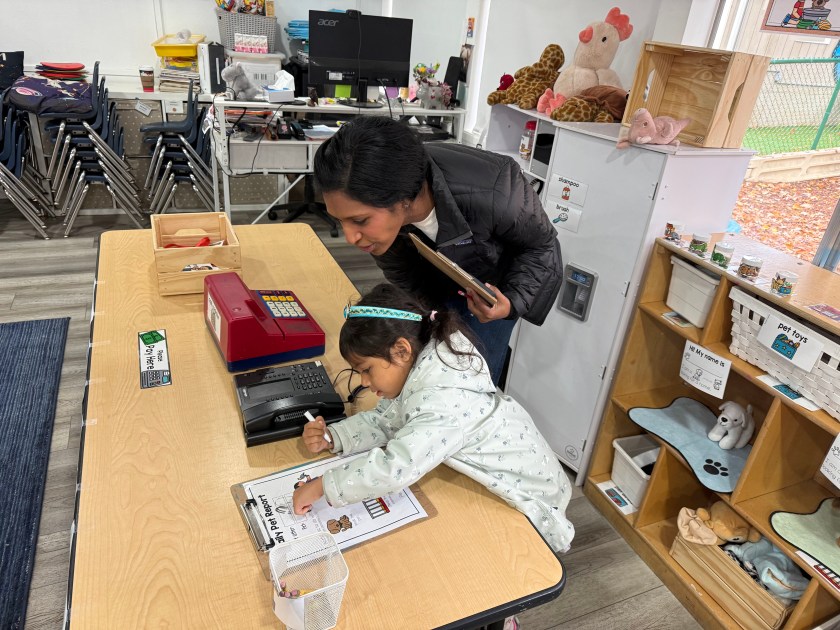
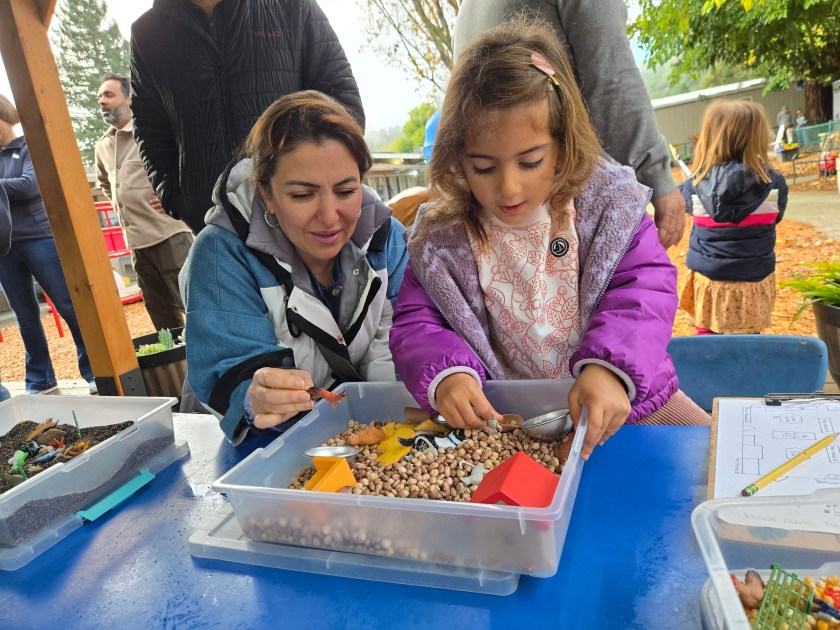
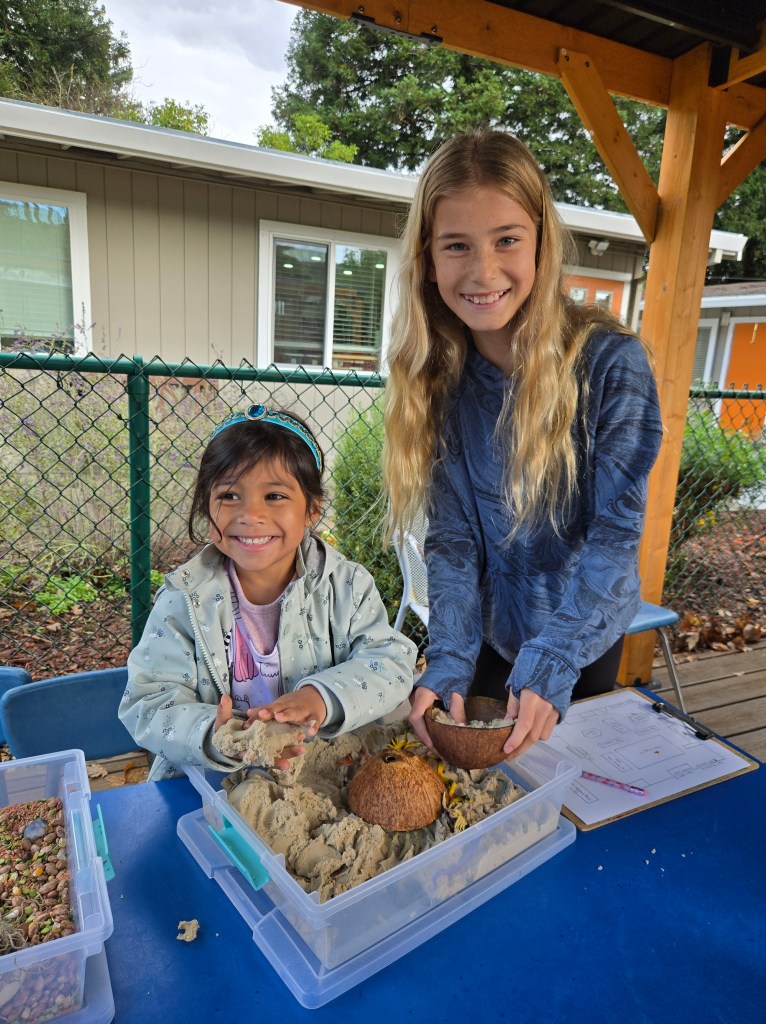
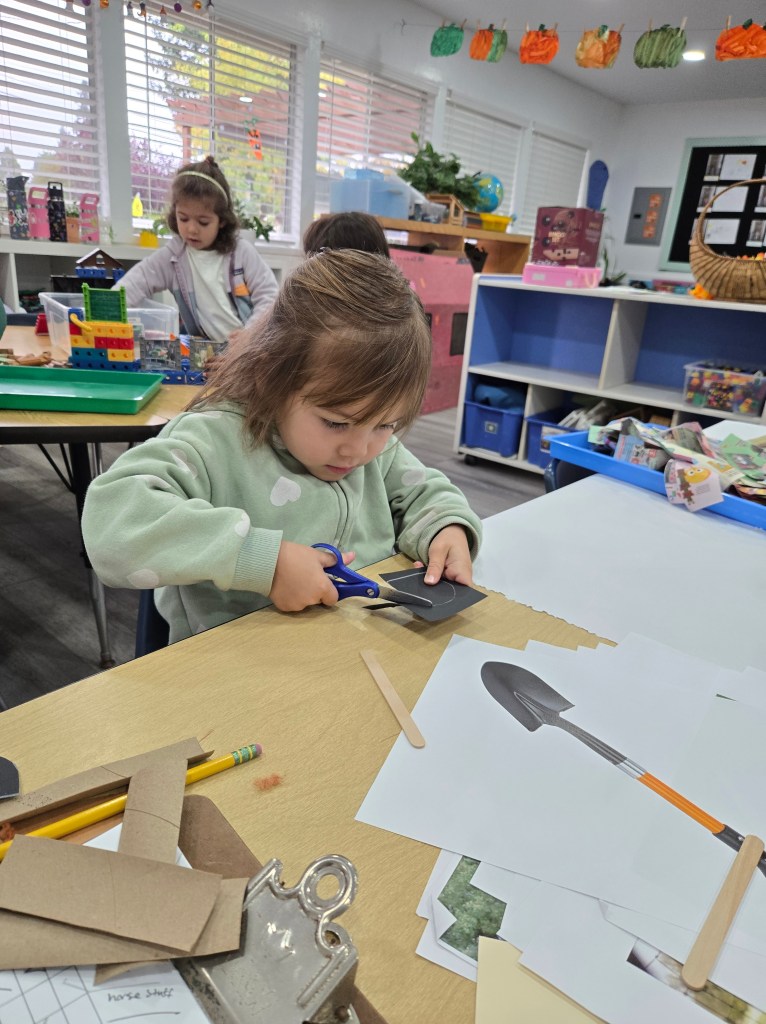
Our ECE students spend many weeks during a project unit building expertise on a topic of high interest. They learn from experts, head out into the field to get their questions answered, and represent what they have learned through a wide variety of methods: dictating stories, creating 3D models, drawing pictures, and much more! 

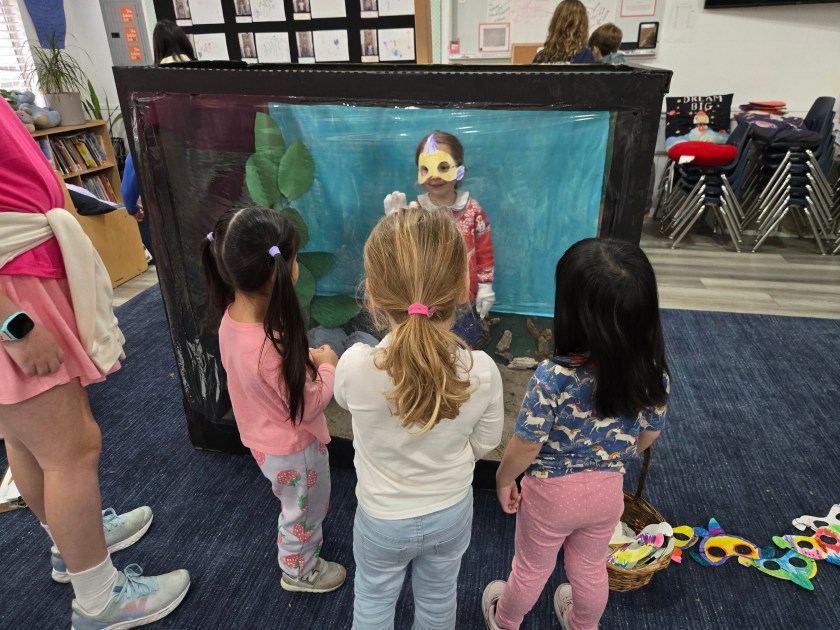
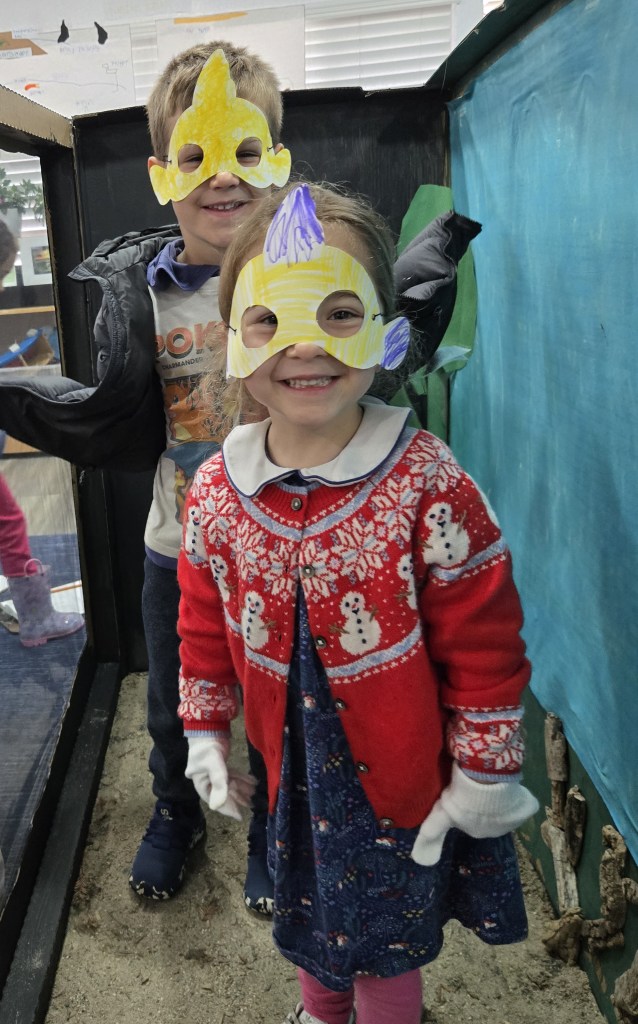
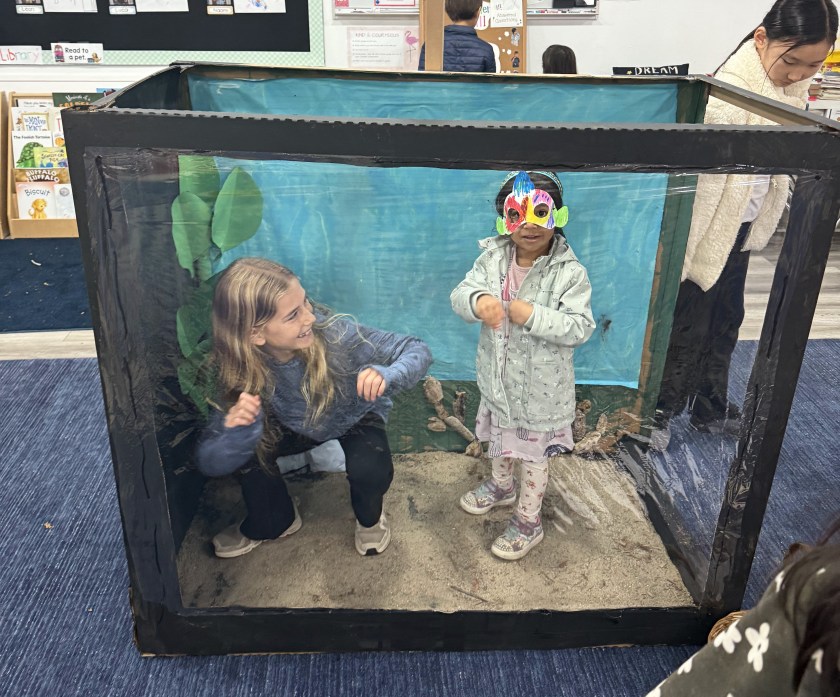
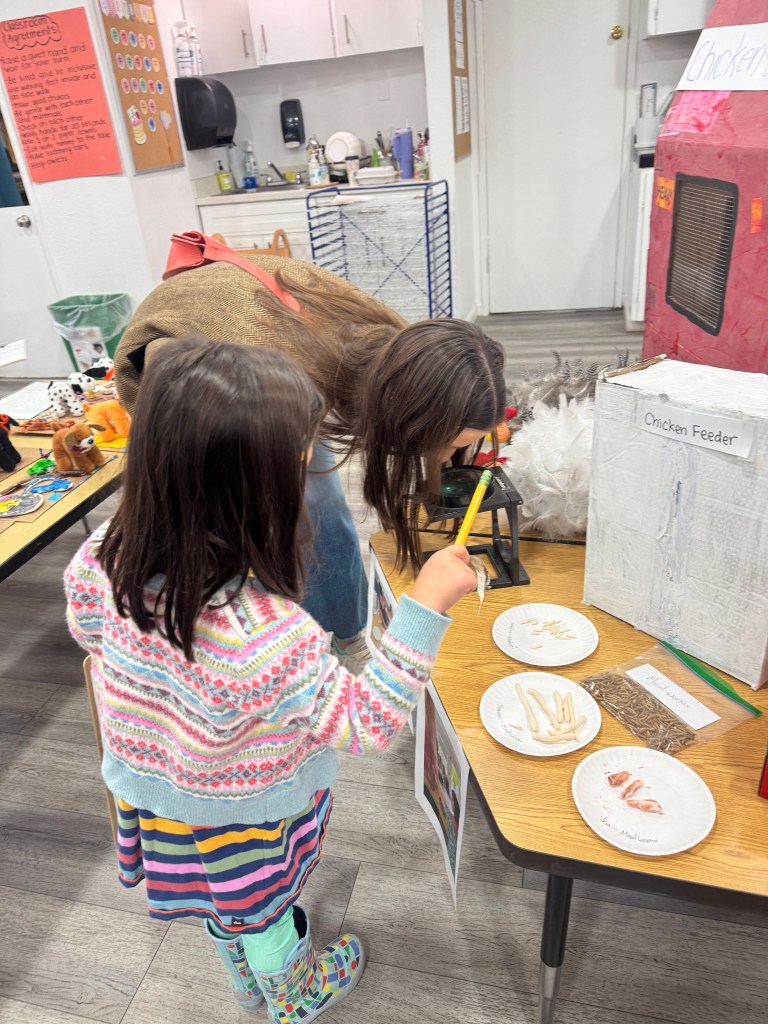
This semester, both ECE classes have been learning all about bugs! The ECE yard has been an exciting place as students buzz around finding, observing, and sharing critters they find on the yard. Come support our youngest learners and hear all they have learned about bugs on the morning of May 20th after drop off! 

Lower School and Middle School

In LS and MS, our students always begin with a driving question. This question drives the content learning for 5-10 weeks, depending on the product and content standards being covered. Each year the question may remain the same, but how the students answer it, interpret their research, and create a public product shifts. This helps keep the authenticity and student engagement high as teachers are also rigorously assessing content standards. 

After all their hard work, students welcome the opportunity to demonstrate their knowledge with the support of the community. Save the dates below to see how our LS and MS have answered the following driving questions! 

GradeDriving QuestionCulmination Information
KHow can writing our own fairy tales help us spread magic and joy?Friday, May 16th after CLAS
1How do homes keep us safe?Friday, May 16th during CLAS with reception after
3How can we become eco-friendly entrepreneurs who create products people want?Friday, May 23rd after CLAS 
6How are we still connected to ancient Greek culture, language, and mythology today?Friday, May 23rd after CLAS

Doing a project is much different than Project Based Learning, and attending culminating events is a great way to support our learners and see strong Project Based Learning in action. We hope you can join us!

#SaklanPBL

Head’s Corner: How Life Imitates Project Work (and Vice Versa)

Pop Quiz! Which of the following statements applies to Project Work at Saklan?

 A. At the start of a Project, the end product is unknown
B. Project often takes unexpected twists and turns
C. Project is driven by prior experience and curiosity
D. All of the above

The answer, of course, is D—but you knew that already.

Now, go back and reread A, B, and C. This time, replace the word “Project” with “Life.”

That isn’t just a clever switch—it’s the reason project-based learning prepares students so well for life. Through project work, our students are practicing the very skills they’ll use every day: embracing uncertainty, exploring new ideas, and following their curiosity wherever it leads.

That’s what’s been on my mind lately, especially as we turn our attention to this year’s Fund-a-Need. What began as a straightforward plan to update some of our traditional play structures has grown into something much more meaningful, just like a good project.

The shift started with something small: a water spigot installed near the redwoods. That’s all it took. The kids flocked there, drawn by the natural beauty, the water, and the freedom to imagine. What emerged was an impromptu play zone, rich with storytelling, collaboration, and creativity.

Then came a visit from a landscape architect. And just like that, our focus shifted—from replacing monkey bars to reimagining our redwood grove as a nature-based play and exploration space, inspired by the children themselves.

This is what happens when we listen to kids, honor their play, and trust in the process. It’s life. It’s Project. It’s learning in motion.

This year’s Fund-a-Need will help bring this vision to life. With your support, we can transform our redwood grove into a place where imaginations continue to bloom.

Let’s build a space worthy of their creativity.

Staff Spotlight: Maggie
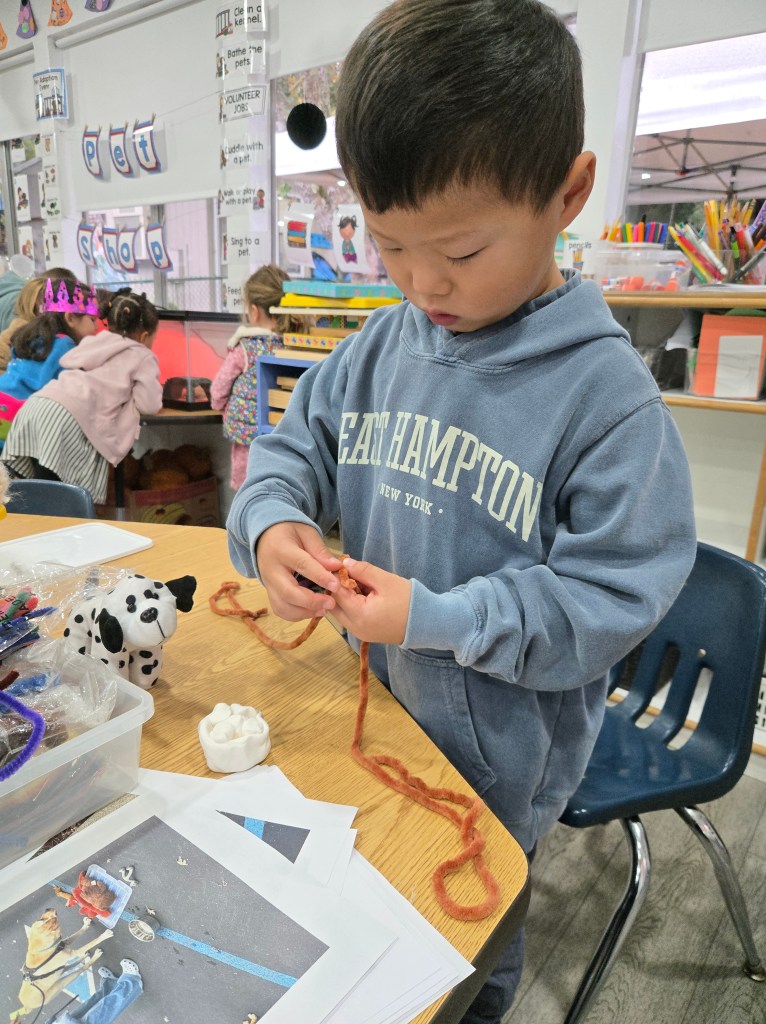
You may think that to know Maggie is to know her love of hippos– just check out how many of them her students have lovingly gifted her over the years next time you’re in the Hoot Owl classroom! But Maggie brings so much more to our ECE! Saklan is lucky to have such a dedicated, conscientious, and thoughtful Director of Early Childhood Education and lead teacher of our Pre-K Hoot Owl class. Take a moment to read about what she loves most about teaching our youngest learners.

The ECE students love to be outside, rain or shine. What do you think is the most important part of outdoor play for this age group?

Outdoor play isn’t just fun; it’s one of the most impactful parts of our students’ day. For young learners, the playground is more than just a place to run and climb—it’s where some of the most important learning happens. One of our primary goals in ECE is teaching social-emotional skills, and outdoor play is where these lessons come to life. It’s where children navigate real-life situations: negotiating over toys, practicing patience while waiting for a turn on the swing, or learning how to respond with empathy when someone gets hurt.

Outdoor play also builds confidence. We are lucky to have such a large playground, giving our students a lot of opportunities to build their gross motor skills. A favorite recent moment? One of our Owlets, who used to ask for only “medium big pushes” on the swing, now gleefully asks for “big pushes!” Moments like these show us how outdoor spaces empower children to take safe risks, try new things, and celebrate their own growth.

Whether it’s showing off a new trick on the Fire Truck or proudly calling a teacher to “come watch,” our students light up with joy and confidence as they take safe risks and master new skills on the playground. Seeing how proud of themselves the students are as they show you the amazing flip they just learned learned to do is one of my favorite parts of each day. Maintaining a safe, updated, and dynamic outdoor play space is essential to supporting these magical, everyday learning experiences.

Your newest project unit is on bugs! How does the ECE yard support learning outside of the walls of the classroom? 
In all my years of teaching early childhood, one thing has always been true—nothing captures a young child’s attention quite like a bug. They could be running in a race with each other, and the moment someone spots a bug, everything stops. Then, there will soon be a big crowd, with someone shouting “I can’t see” and trying to squeeze their way in for a closer look. With our current project on bugs, the playground has transformed into an outdoor science lab. It’s so cute watching them carefully use bug catchers and magnifying glasses to get a closer look. These moments are powerful, allowing the students to have hands-on learning experiences and explore their natural curiosity in real time.

A few years ago, we added a small raised garden with help from one of our ECE teachers and her dad. Since then, we’ve grown veggies to support various units and teach them where food comes from. We’ve seen that a garden space like this means they are more willing to try new foods when they have a hand in helping grow it. Recently, the Hoot Owls have been digging for worms and putting them in our garden bed because they learned that worms are helpful decomposers that our garden needs. The yard isn’t just a place to run and play—it’s a true extension of our classroom. It offers space to wonder, explore, experiment, and grow. Providing a dynamic outdoor environment is one of the best ways we can support their development.

What do you hope your students learn from you that you don’t explicitly teach? 

I really hope I impart my great love for hippos to my students. Just kidding! (mostly…) I hope my students learn to be able to laugh even when things get hard. I always like to joke around with my class whenever I get the opportunity. I like to joke around when I make mistakes, because I want them to learn not to be too hard on themselves. Life is about having fun and laughing with those around you. Nothing beats hearing the kids laugh because of silliness!

Each year around the mid-autumn festival you have made model mooncakes in the ECE. What are your favorite parts of bringing your traditions to the classroom and/or opening space for families and students to share theirs?

I love having families come in to share their family traditions. Even if people share the same culture, how they celebrate can be completely different. We have a wealth of experts right in our classroom to share about so many cultures and traditions, so why not take advantage?! 

When members of our community come in to share their knowledge or experiences, the classroom lights up with engagement. The students are very excited to learn from a real-life person they know! I also personally love learning about others’ traditions. Growing up, I didn’t experience that in my classroom, and if I did, it was very basic stuff. I would feel ashamed of my family’s traditions because I was different. I don’t want anyone else to feel that way. I want my class to feel love and pride for their heritage and traditions. What better way to develop that love and pride than to have their family and community members share, learn, and celebrate together?

Head’s Corner: Playgrounds that Inspire

The Evolution of Play Structures – This Year’s Fund-A-Need

As a child, my memory of play structures at school is pretty vivid. We can start with the color—predominantly metal gray. Much of the parts looked like they were taken from the hardware store plumbing aisle. During the winter, they were cold to the touch; in the heat of summer—untouchable. How many of you have a memory—seared into your bottom—of speeding down the shiny metal slide on a hot July day?

Most of all, though, they lacked space for imagination.

Play structures have undergone a significant transformation over the decades, reflecting our evolving understanding of child development. It wasn’t until the past 20 years or so that play structures moved from being prescriptive in how children were meant to use them to designs open to a child’s imagination—a place where children could direct their own experiences.

Well-designed equipment becomes a canvas for inventive play, changing its purpose to match the day’s adventure. These structures support not just physical development but also cognitive growth, social skills, and emotional resilience—all through the power of self-directed play.

This evolution reflects a broader shift in how we view childhood—moving from seeing children as passive recipients of instruction to recognizing them as active constructors of their own understanding. Today’s most innovative play structures (and educational approaches) reflect a deep respect for children’s capabilities.

Sound familiar? It should; students’ “meaning making” of what they learn is a foundational tenet of authentic Project-Based Learning.

This year’s Fund-a-Need is more than just playground equipment—it’s an investment in the kind of education we believe in. Your contribution will directly impact how our students play, learn, and grow every day at Saklan. When we give our children thoughtfully designed spaces to play, we give them the tools to become the innovative thinkers our world needs through the simple but profound act of play.

Join us in bringing this vision to life! Your support for this year’s Fund-a-Need will help create dynamic play spaces that foster creativity, collaboration, and exploration—just as we do in the classroom. Every contribution, big or small, makes a lasting impact on our students’ daily experiences. Let’s build playgrounds that inspire the next generation of innovators and problem-solvers. Donate today and be a part of shaping the future of play at Saklan!

Developing a Community of PBL Practitioners

Just like our students engage in productive struggle during Project Based Learning units, Saklan teachers improve our project curriculum through collaboration and reflection. Sometimes, this happens through informal conversations—while waiting at the copy machine or stopping by a colleague’s classroom during a prep period. At other times, our educators come together in more structured settings such as full faculty training sessions, tuning and reflection protocols for project units, and small-group Professional Learning Communities (PLCs). Below are reflections from staff on how these collaborative practices support them in developing strong, impactful PBL units for Saklan students.
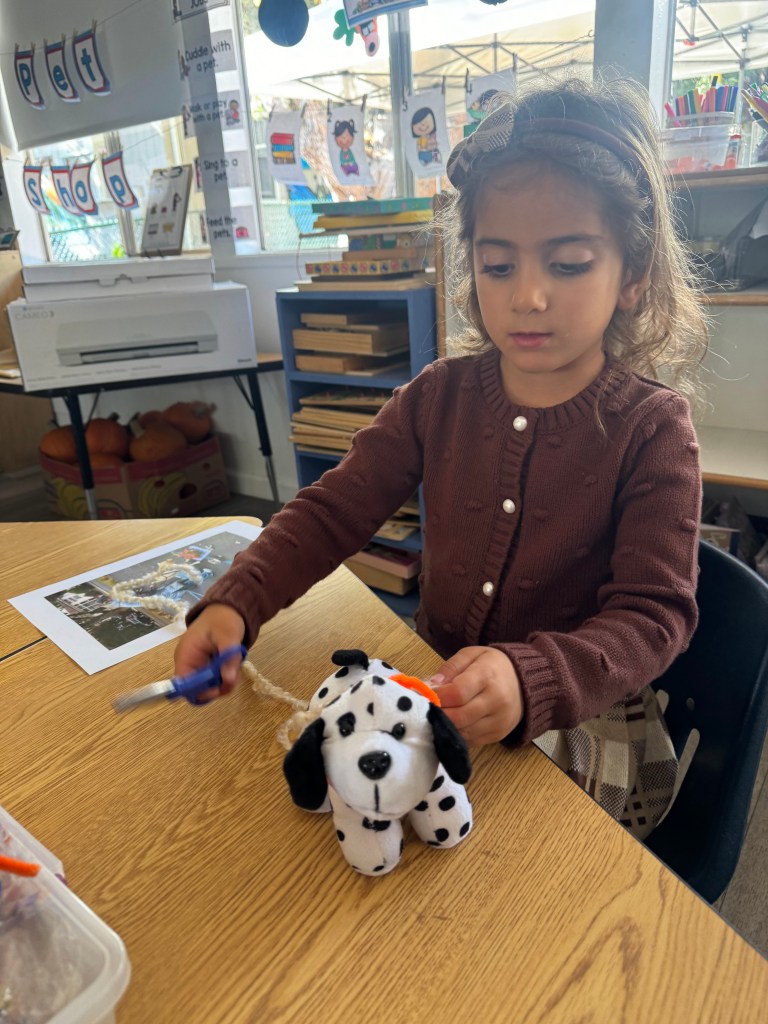
Reflection protocols at the end of a unit are a great way to consider how to make a PBL unit better with help from others. They give teachers a chance to step back to look again with objectivity, just like we ask our students to do. The surprising result for me is how excited and motivated I am by this style of reflection. This collaborative approach is really motivating because it is something I could not do on my own.

– Yette Prizeman, 2nd Grade Teacher

I love the tuning protocols because having other people’s ideas helps me improve my projects immensely. Even if I feel like I have a good handle on the driving question, learning goals, project path, and products, during the discussion, things always come up that I didn’t think of. It really proves that more minds in the room means better outcomes. The process also feels very supportive and validating.

– Riva Zippin, Kindergarten Teacher

Taking part in a Professional Learning Community practice this year has made me focus on how to make group work more equitable and how to have the students own their project time. It has given me more tools to help show the students skills to help them work on their own time management. Additionally, I have enjoyed working alongside my coworkers and learning from them. Being in such a small school, it’s hard to find time for these meaningful conversations, and the PLC format allowed time for this discussion. 

– Vickie Obenchain, Science Specialist

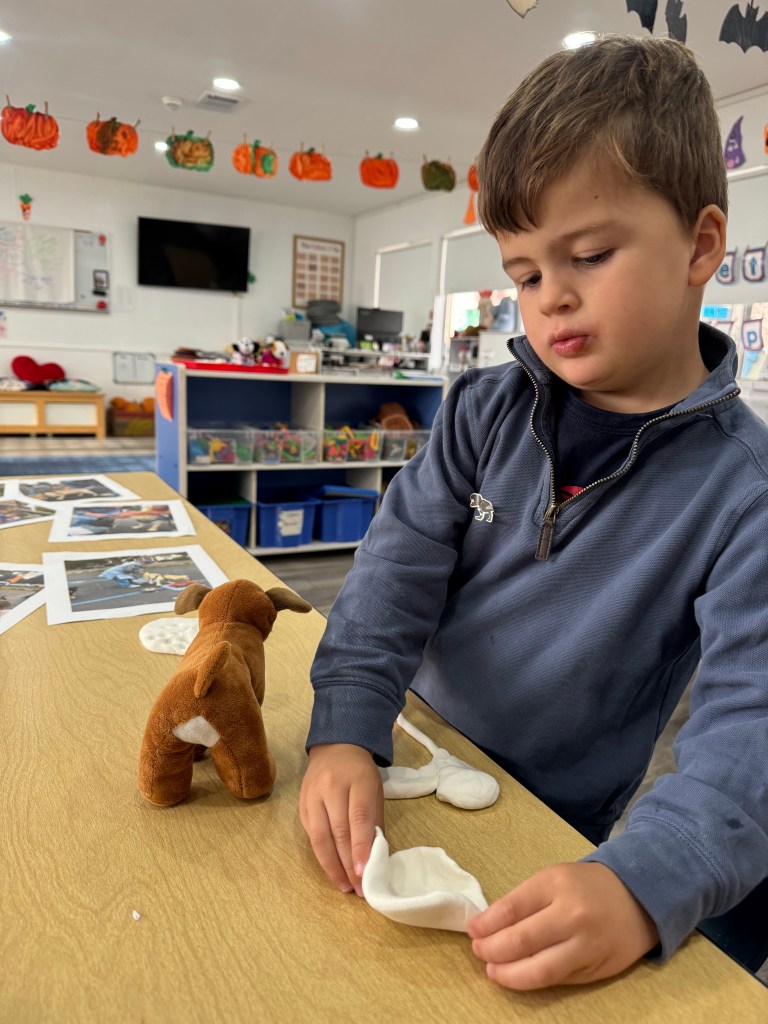
In the ECE we work closely together on our units but not usually with Lower School or Middle School staff as much. The PLC groups help paint a clearer picture of what is happening in other classrooms and share ideas.
– Erin DeMoss, ECE Teacher

Working in a cross-divisional PLC small group focused on rubrics allowed us to imagine ways we can align rubrics across grade levels. Each year, the students can focus more on the content and less on the format of a rubric, which increases student independence and self-monitoring of learning. A format to share resources and talk together as teachers about ways to improve our assessment is door-opening. Discussions with colleagues open a new realm of understanding the experiences, successes, and hurdles of different teachers across divisions.

– Lauren Haberly, Art Specialist

These reflections highlight how a culture of collaboration and continuous improvement not only strengthens our PBL curriculum but also builds a vibrant professional community—one where educators grow together to create meaningful, student-centered learning experiences.

#SaklanPBL