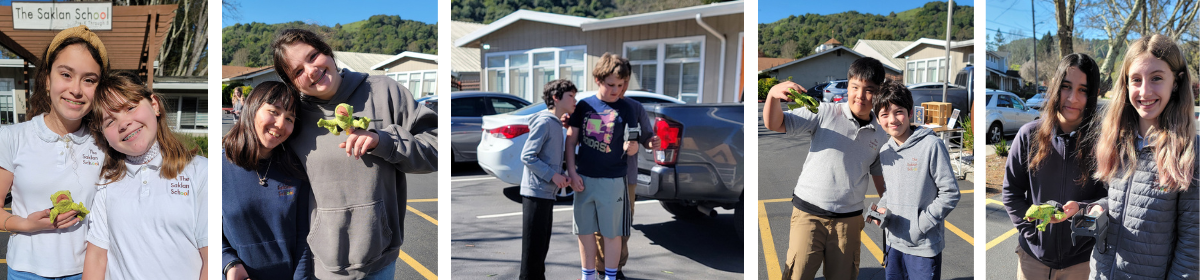
Second Graders Launch “Welcome to Saklan!”

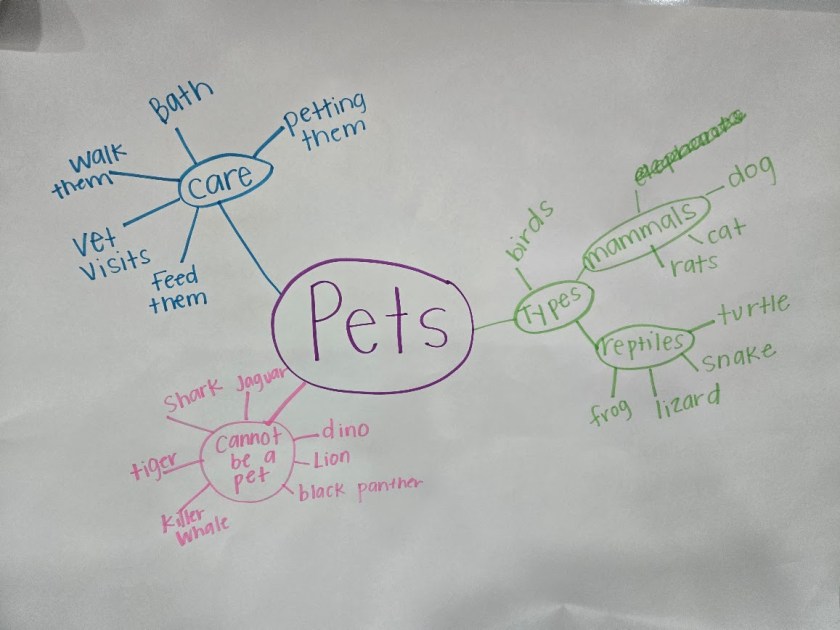
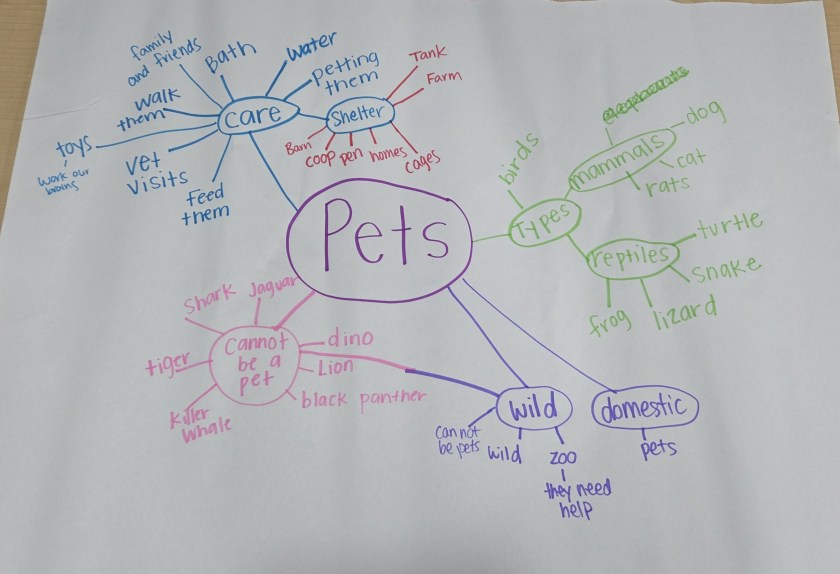
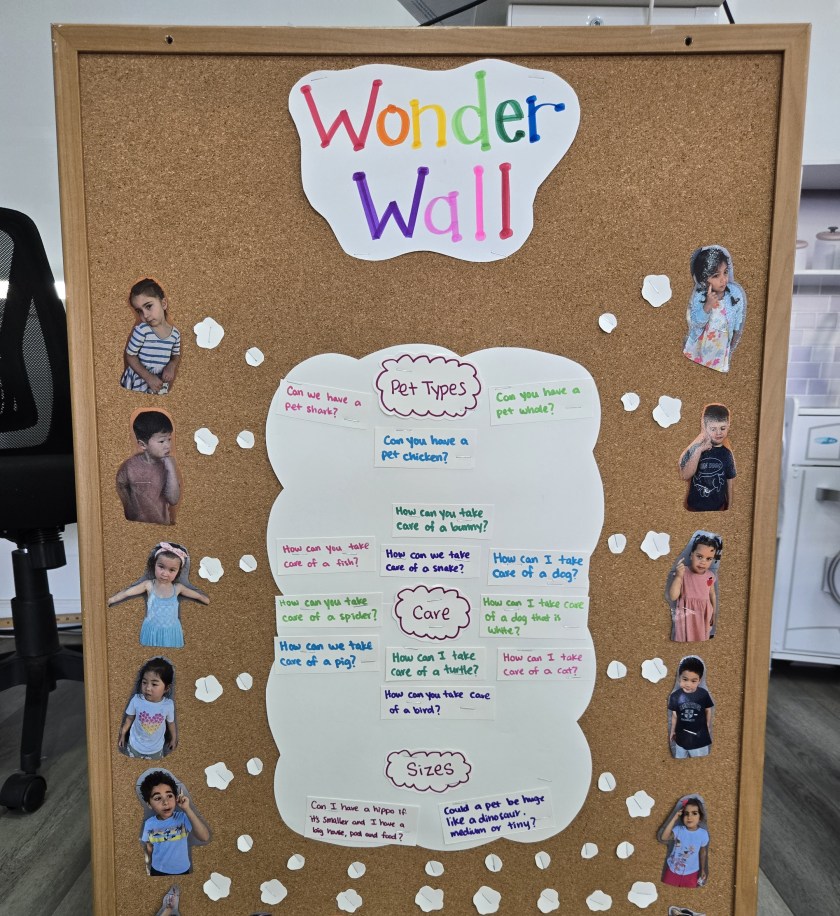
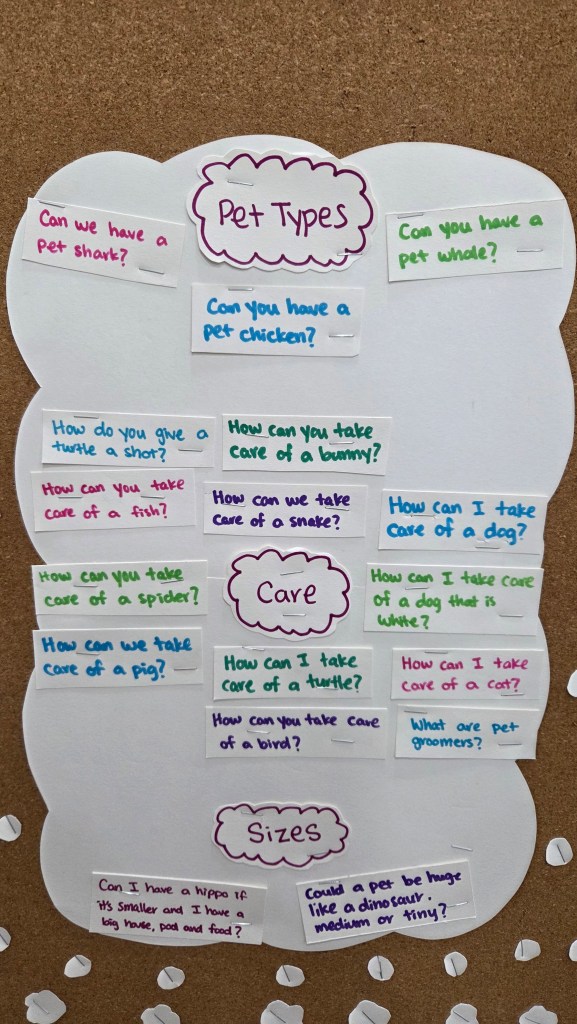
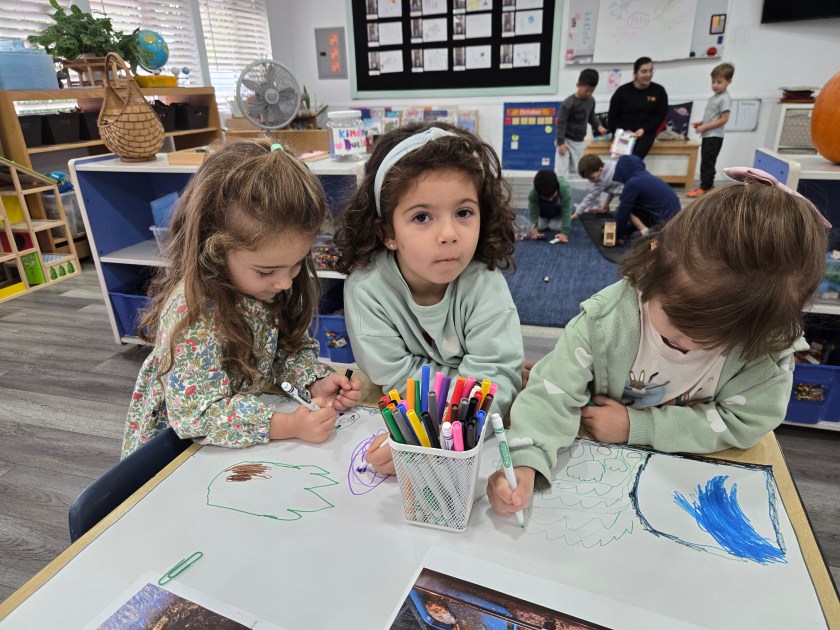
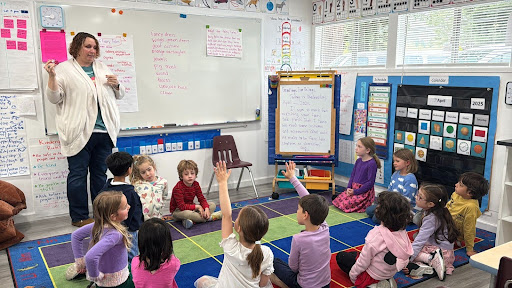
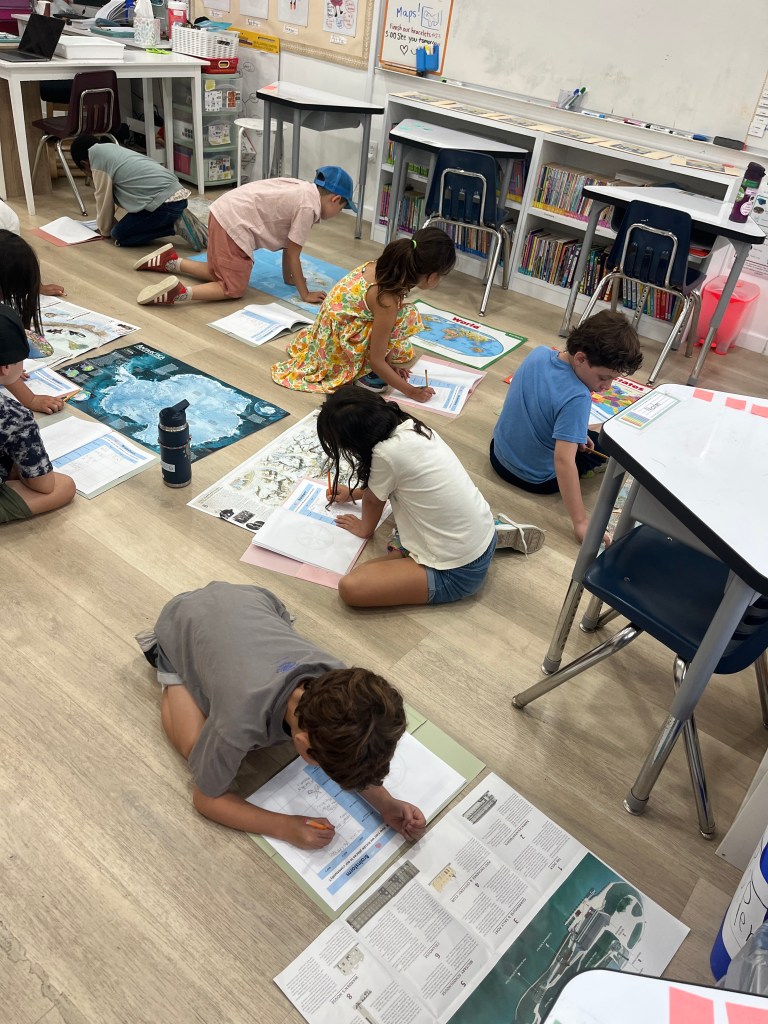
Second graders have kicked off an exciting new Project Based Learning (PBL) unit called “Welcome to Saklan!” Over the coming weeks, students will work together to create a newcomer’s guide that highlights important places and people in the Saklan community. The finished guide will serve as a warm welcome for new students and families, helping them feel at home from the very beginning.

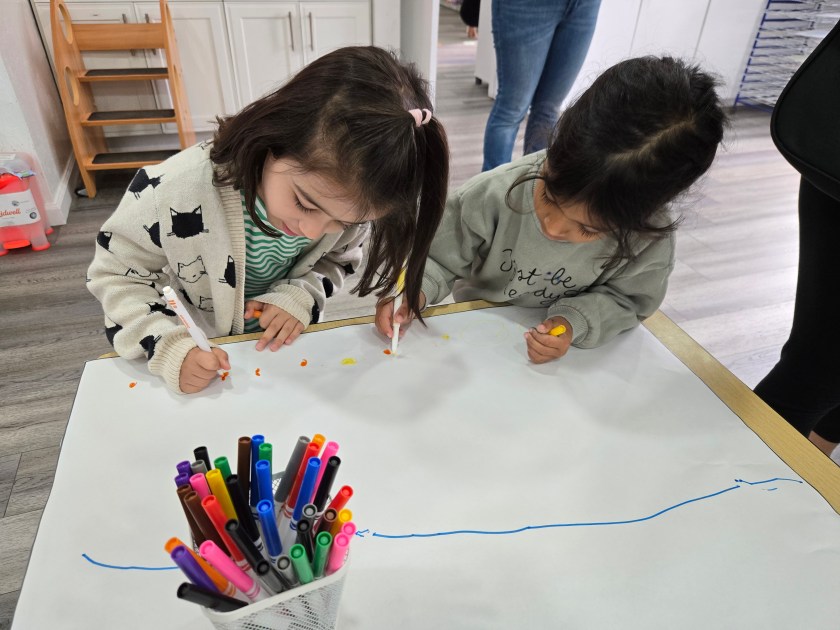
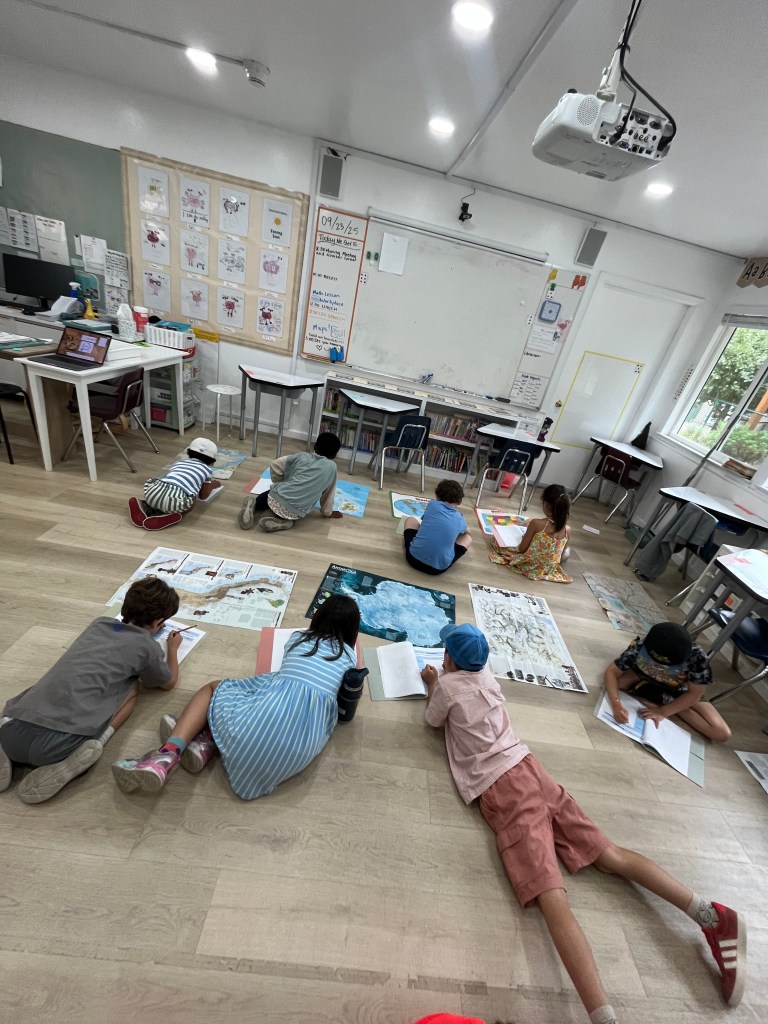
As part of the project, students are learning about maps—how they are used, the symbols they contain, and the language associated with giving directions. Each student will choose a special place on campus to feature, create an illustration of it, and write a short description for the guide. Together, these pieces will be combined into a collaborative map of the Saklan campus.

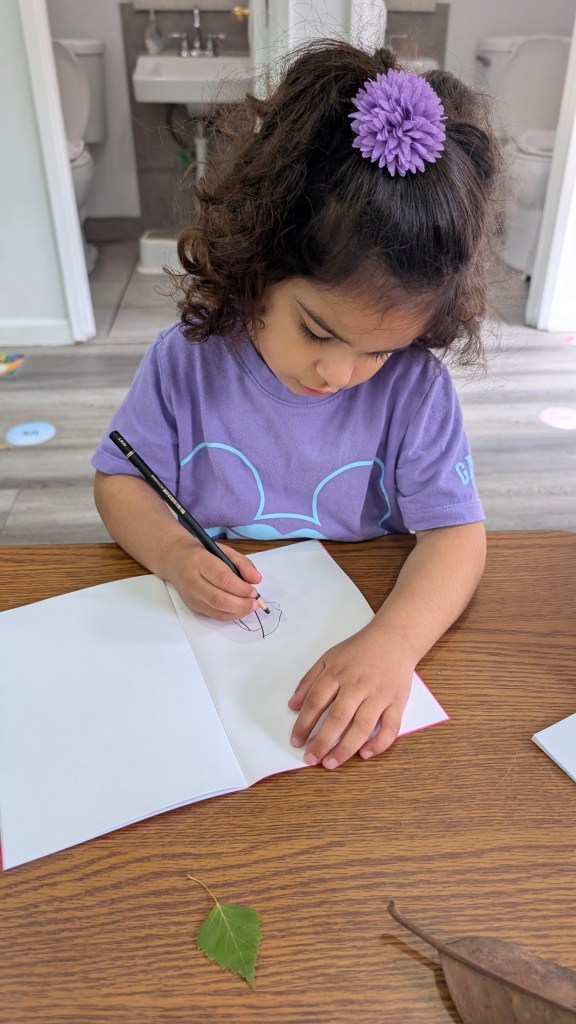
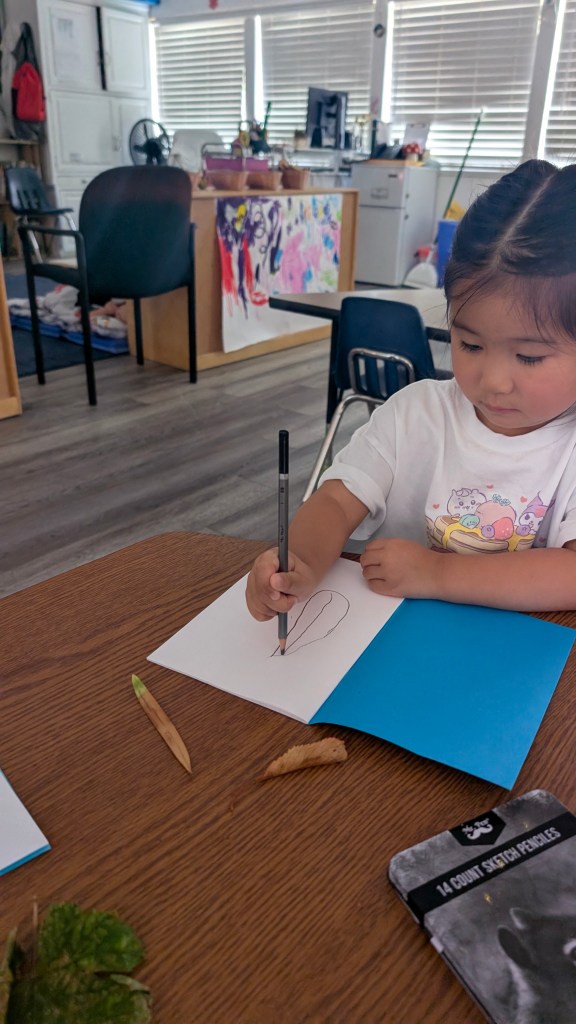
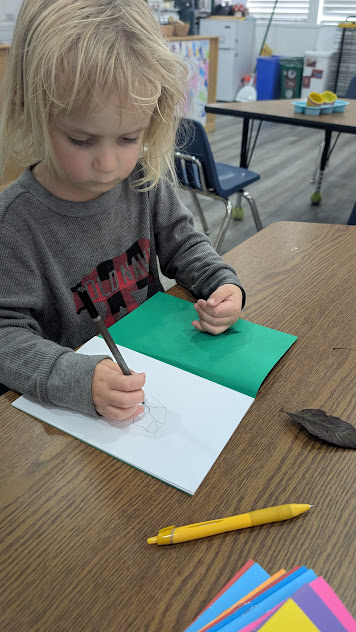
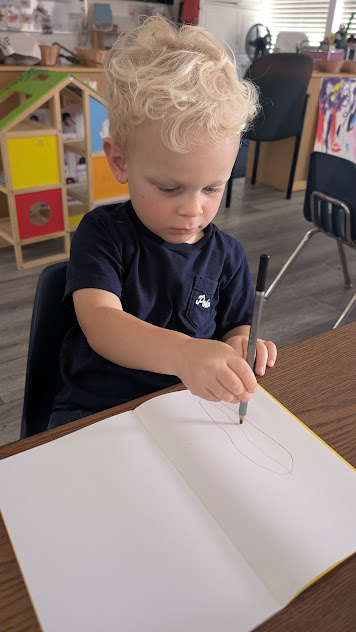
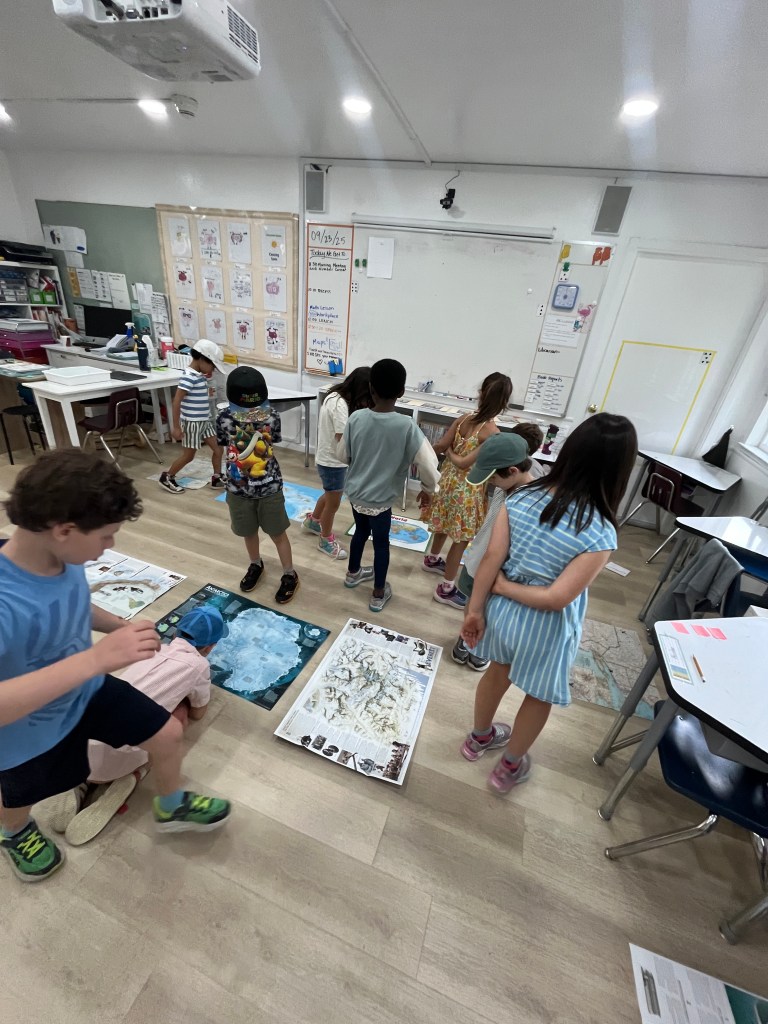
To spark their curiosity, the second graders explored a variety of maps. With notebooks in hand, they made observations and took notes about what they noticed. Next, they practiced using directional words to describe hidden objects, saying things like “between my desk and your desk” or “next to a bookshelf and under a clock.” Using a compass, they also discovered which sides of their classroom face north, south, east, and west.

The unit isn’t only about geography—it’s also about empathy. Students spent time discussing what it feels like to be new somewhere and brainstormed ways they can support others who are new to Saklan. Their thoughtful ideas and excitement show that this project will not only build academic skills but also strengthen their sense of community and compassion.

#SaklanPBL #SaklanSEL

Join Our Community of Experts

Project Based Learning at Saklan is intentionally designed not only to help students build content knowledge but also to encourage them to consider the authentic purpose behind what they are learning. As teachers plan and implement PBL units at Saklan, they consider how adults in the world beyond school use the content knowledge they seek to teach their students. 

To make those real-world connections clear, Saklan teachers regularly bring in guest experts—both in the classroom and out in the field.

At Saklan, an expert is anyone with specific content knowledge or experience that can support the student inquiry process. Sometimes, guest experts share their experiences with students; other times, they provide formative feedback on the projects students are creating. Last year, we engaged the help of  26 experts, and each year we look forward to adding new voices—like yours!

We’d love for you, a family member, or a friend to join us and enrich and deepen our project curriculum this year. Please complete the form below to join our Saklan expert resource list. As needs arise, teachers would love the opportunity to connect with you during projects where your experiences and knowledge can help support student inquiry and project based learning.

Have additional questions? Email Linda Lathrop, our Project Curriculum Instructional Coach at llathrop@saklan.org

#SaklanPBL

Curious About Termites

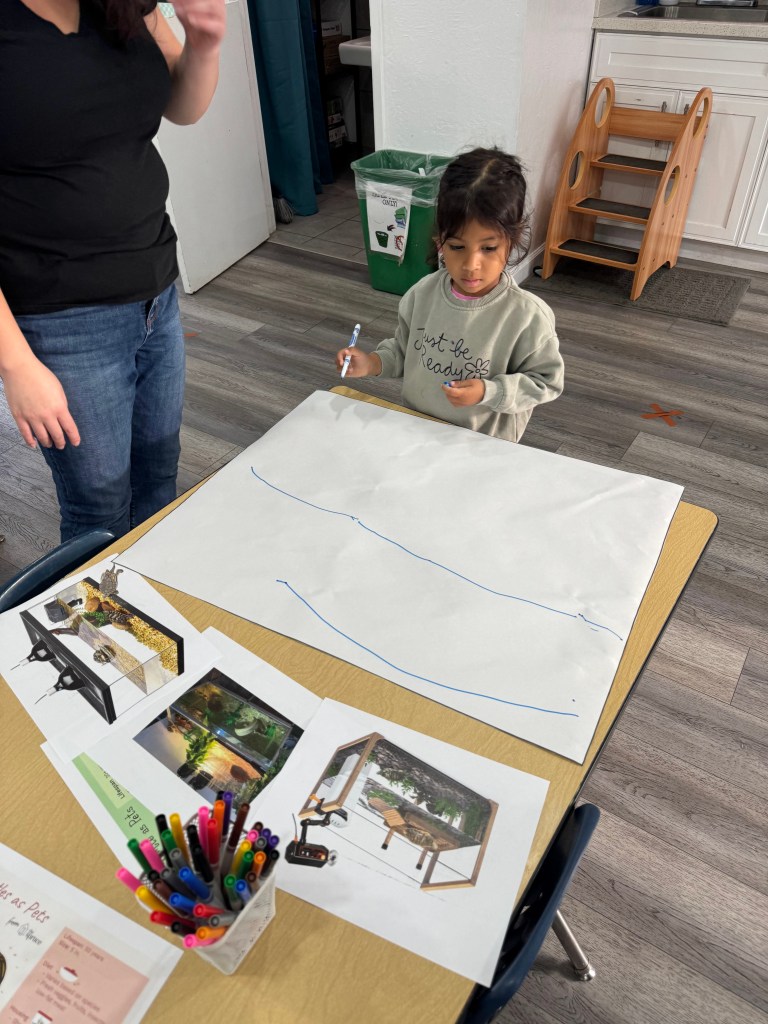
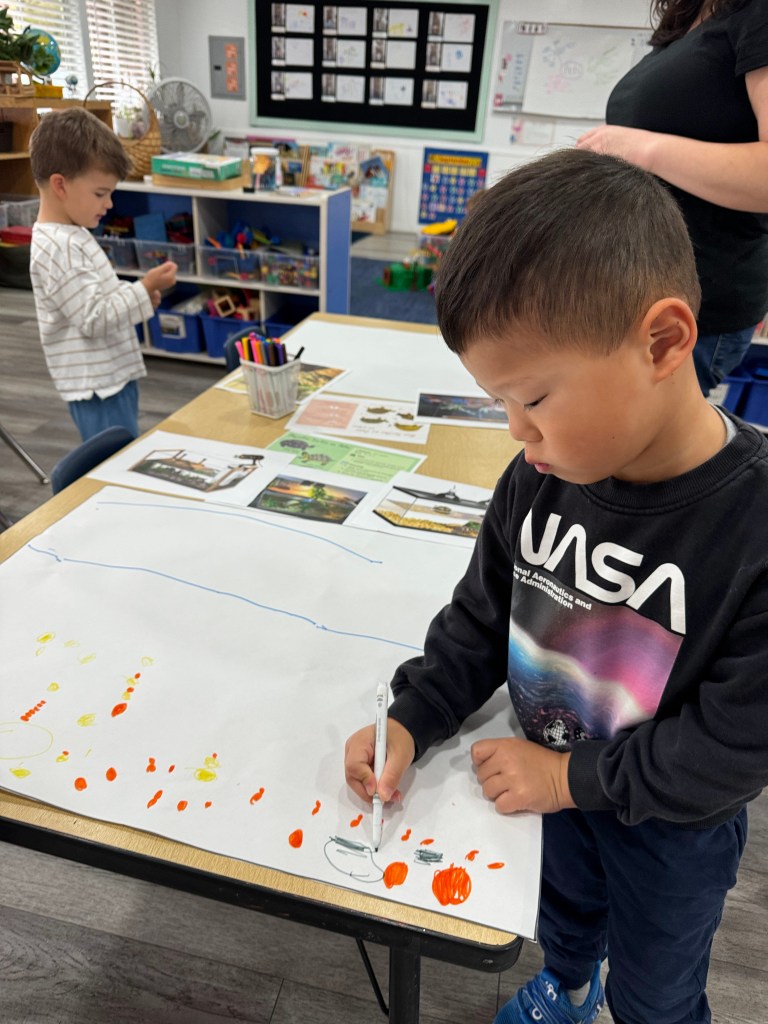
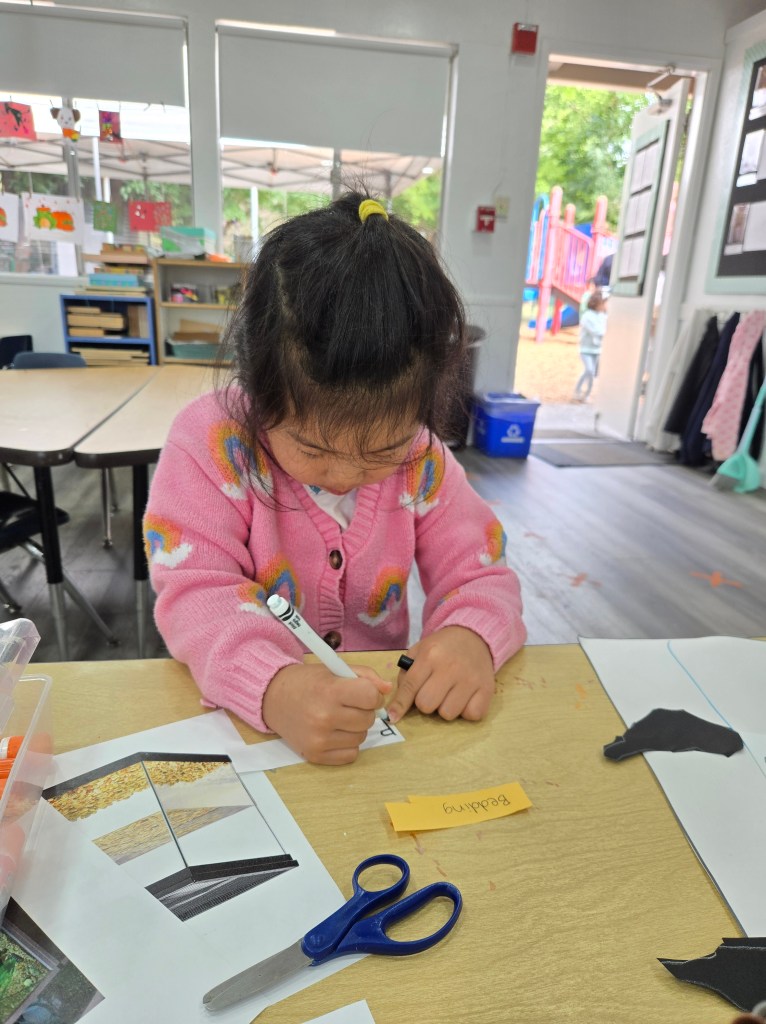
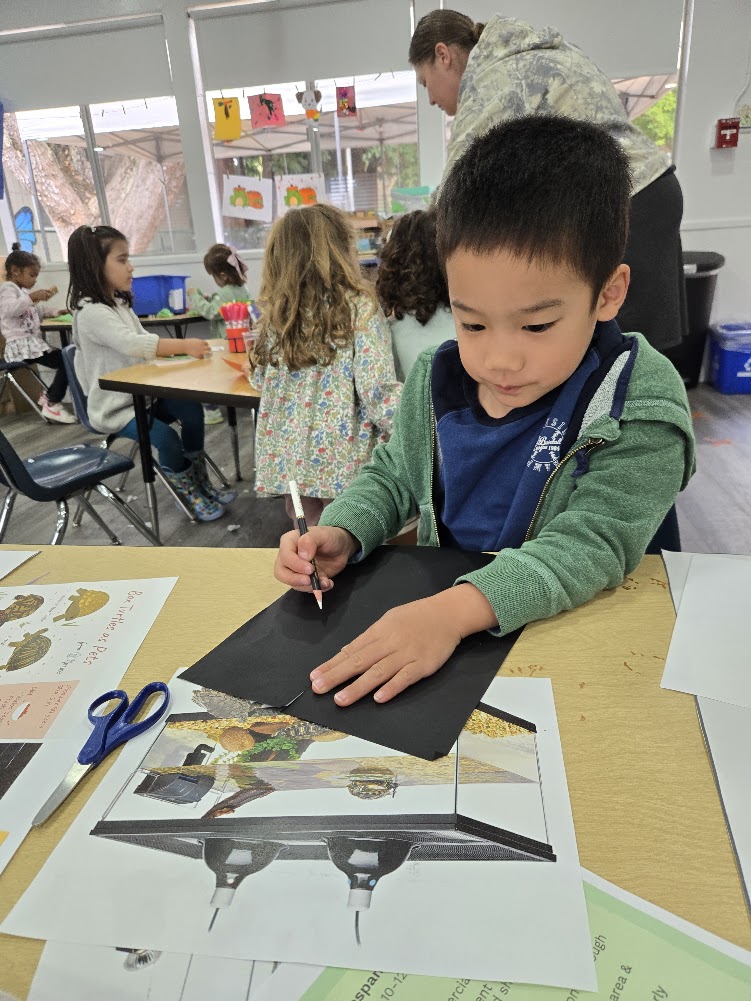
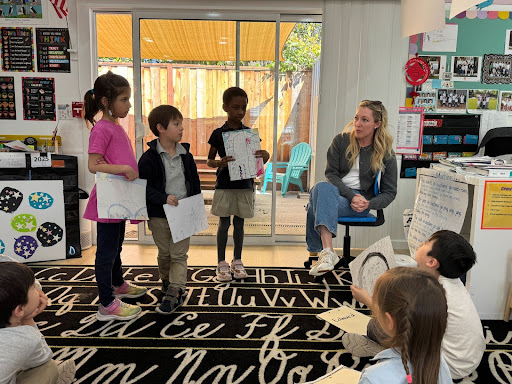
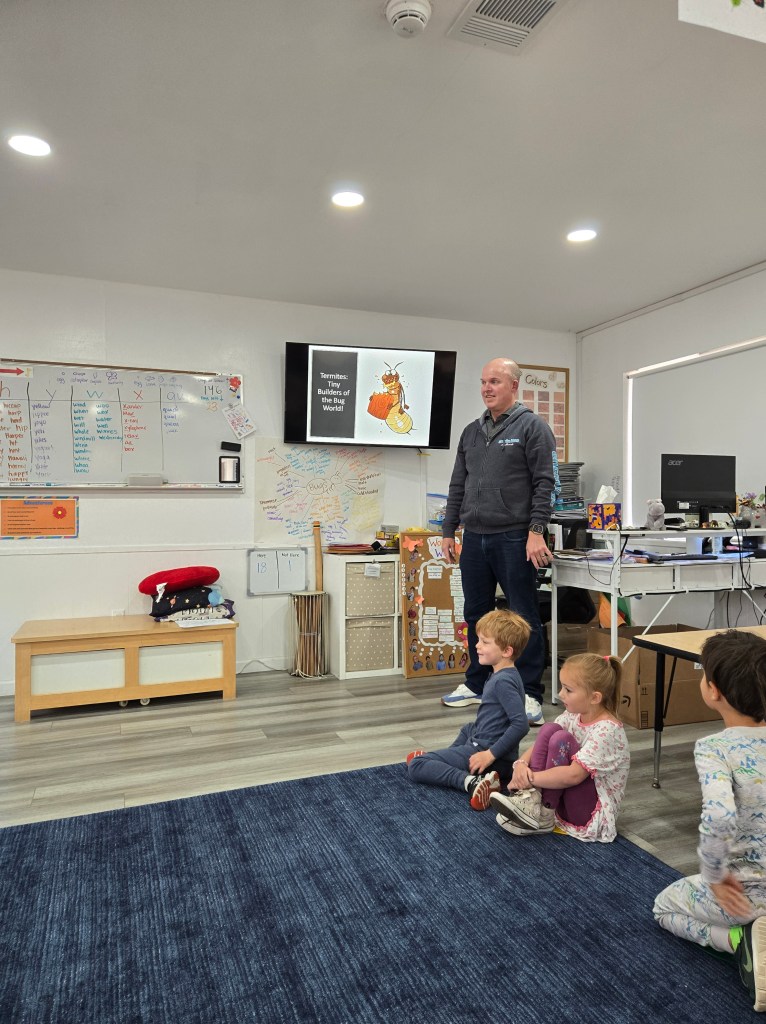
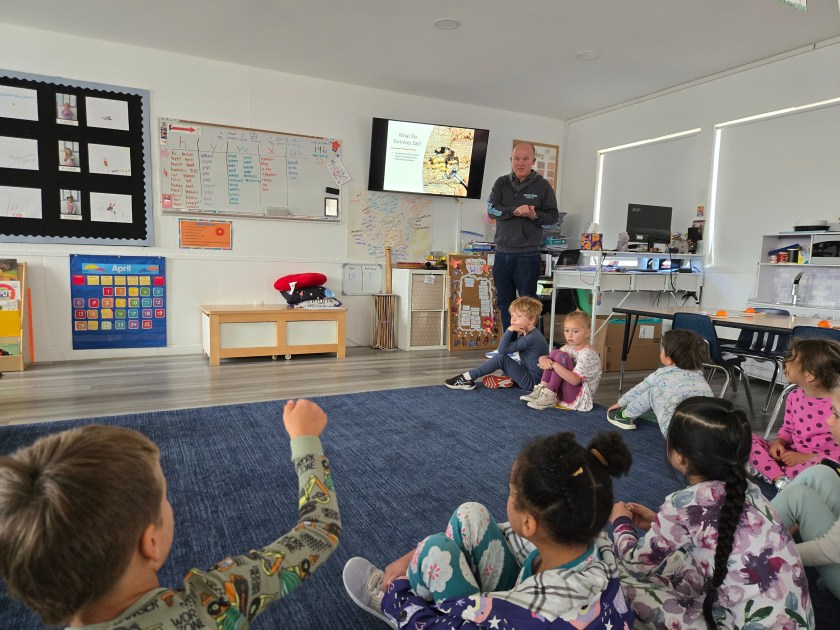
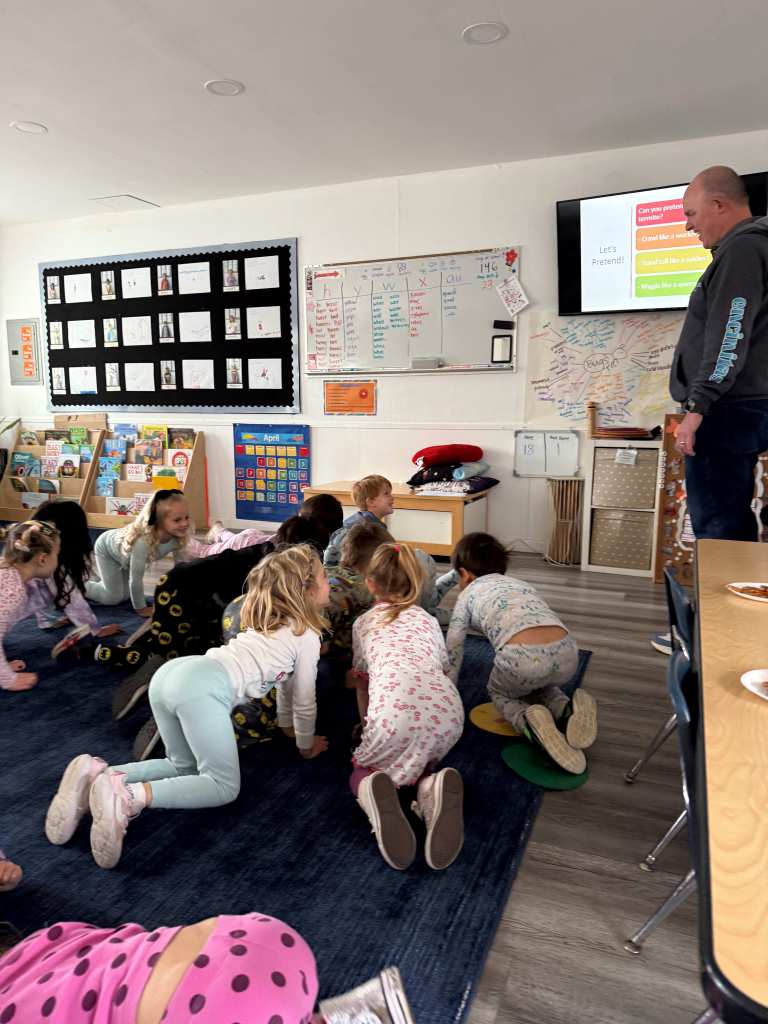
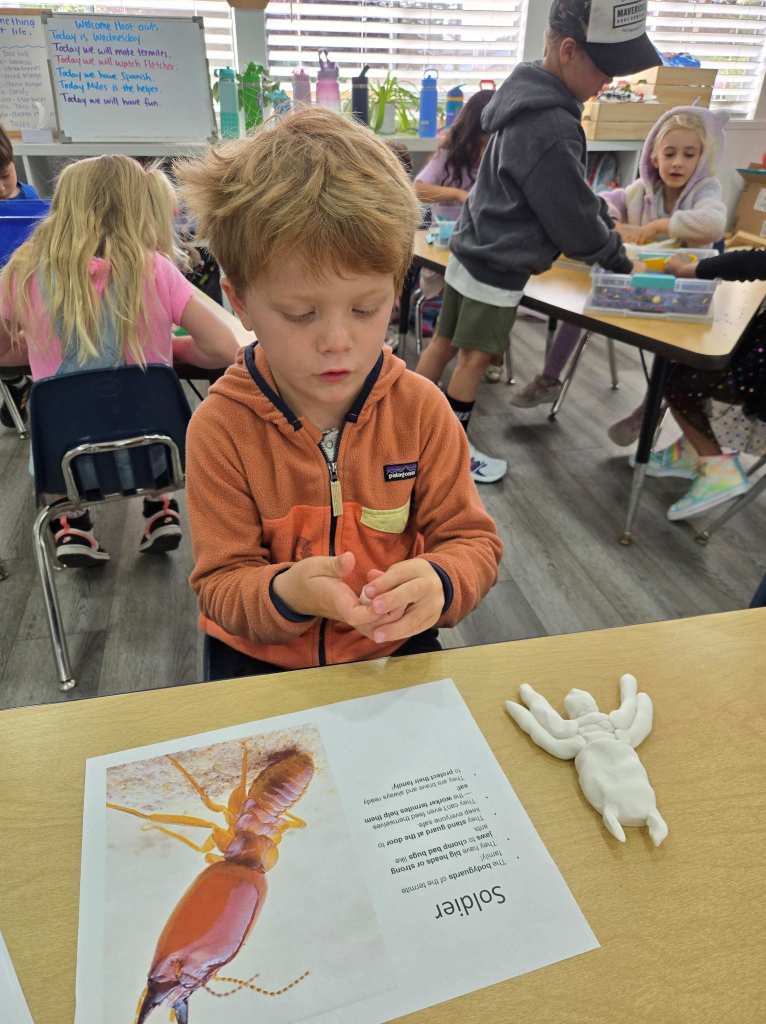
As part of their project learning about bugs, the Hoot Owls recently dove into the fascinating world of termites! The spark for this part of their investigation came from Gabriel, who asked a great question: “Why do termites like eating wood?” To help them find out, the class invited a special guest—Joe, a termite expert and proud Hoot Owl parent!

Joe captivated the class with fascinating facts about termites. While termites can be pests in homes, Joe explained that in nature, they’re incredibly important decomposers, helping to break down fallen logs and branches and turn them into rich, fertile soil. The class learned about the different types of termites in a colony: the queen, king, soldiers, workers, flyers, and, the student favorites—baby termites!

Joe also shared pictures of termite mounds with the class, which the Hoot Owls were very intrigued by! He explained how these intricate structures are built and why it’s important, when building houses, to leave at least a foot of space between the building and the dirt, to help keep termites from sneaking in.

The Hoot Owls all agree – termites are very interesting! Thank you, Joe, for sharing your expertise with the Hoot Owls.

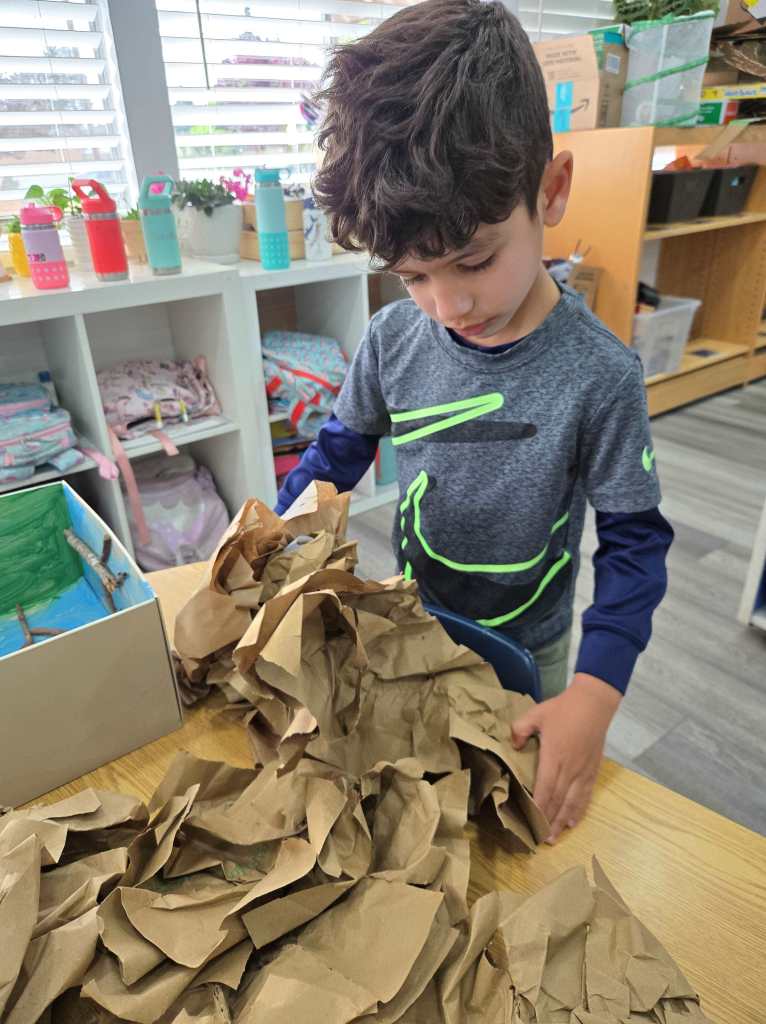
After learning so many fascinating things from Joe about termites, the students decided to make their favorite type of termite and also a termite mound. These items and many others will be on display during their unit culmination event on May 20th at 9:00 a.m. We hope you can join us to celebrate their learning!

#SaklanProjectWork
Community, Curiosity, and Culminations: May at Saklan

May is a flurry of events and amidst all the special happenings, are PBL culminations! These student-driven showcases of learning are the perfect opportunity for family and friends to come together, and you’re invited! Owlet, Hoot Owl, Kindergarten, 1st, 3rd, 5th, and 6th grade families, do you know what’s coming? Read on for opportunities for all of us to come together in community to support our learners. 

Early Childhood Education

Our ECE students spend many weeks during a project unit building expertise on a topic of high interest. They learn from experts, head out into the field to get their questions answered, and represent what they have learned through a wide variety of methods: dictating stories, creating 3D models, drawing pictures, and much more! 

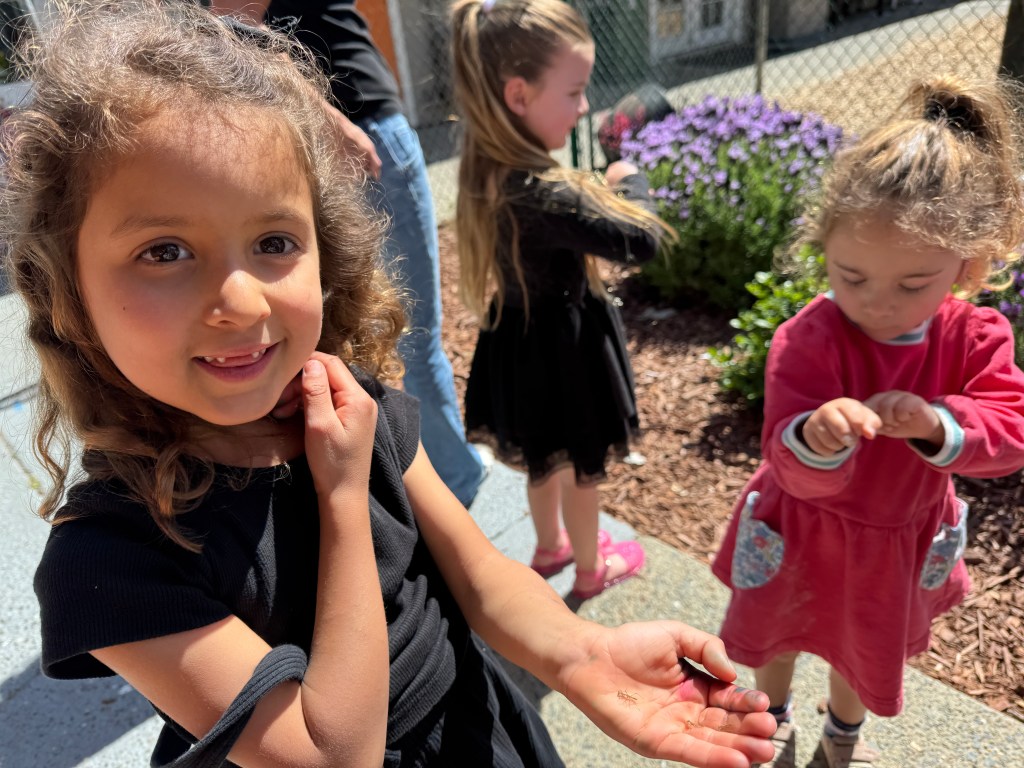
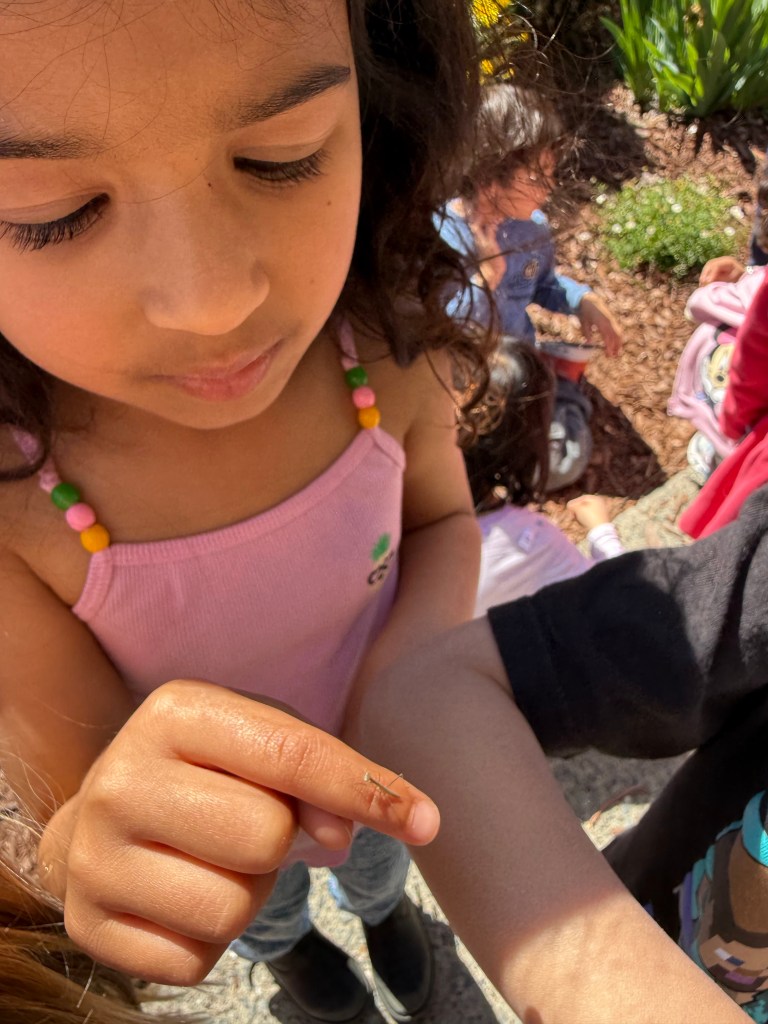
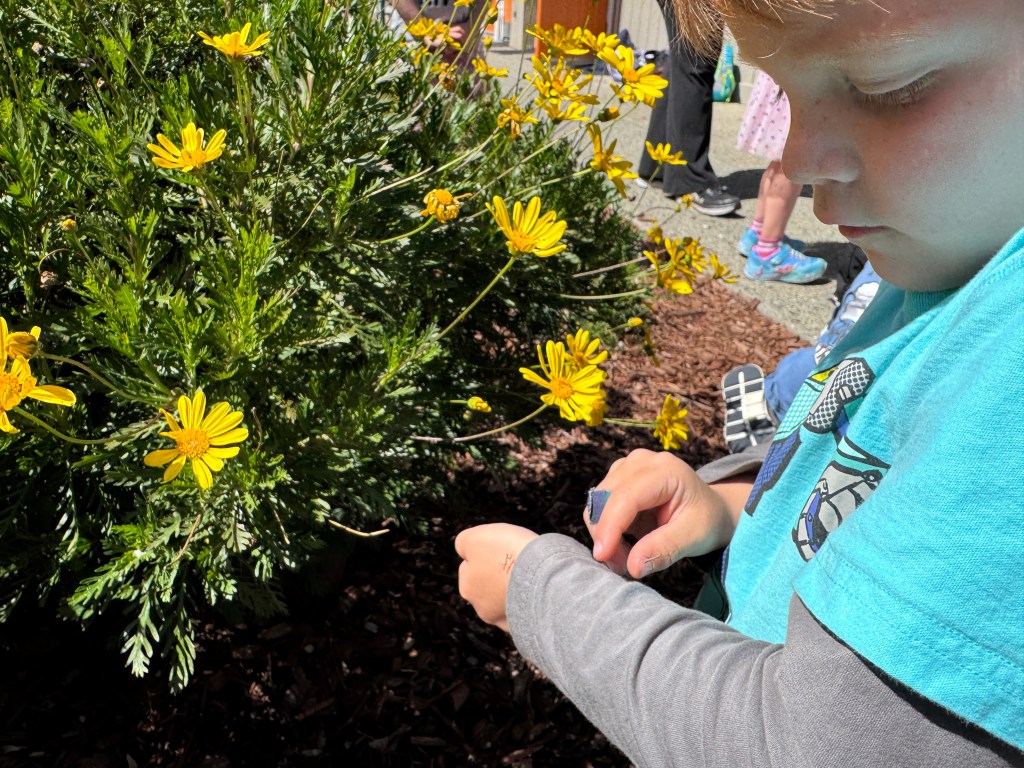
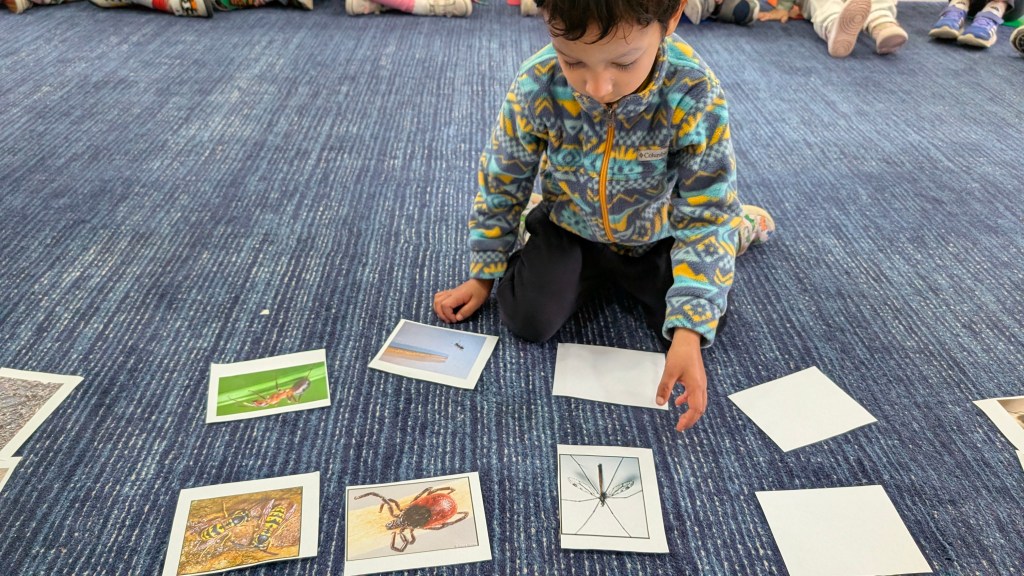
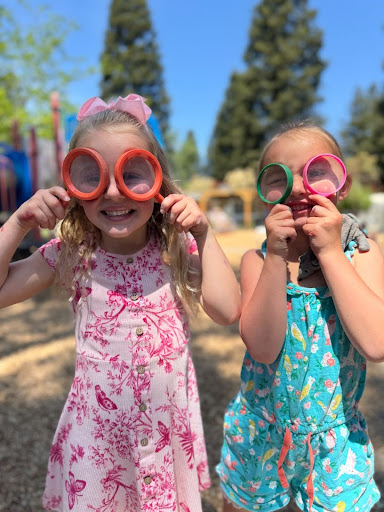
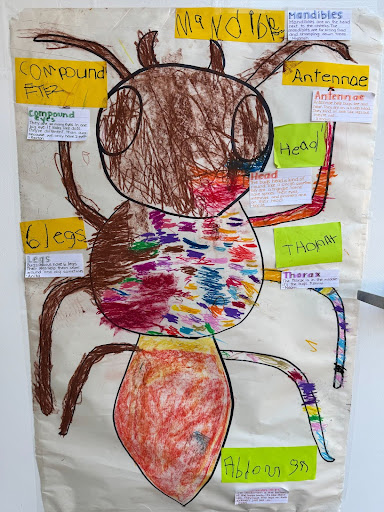
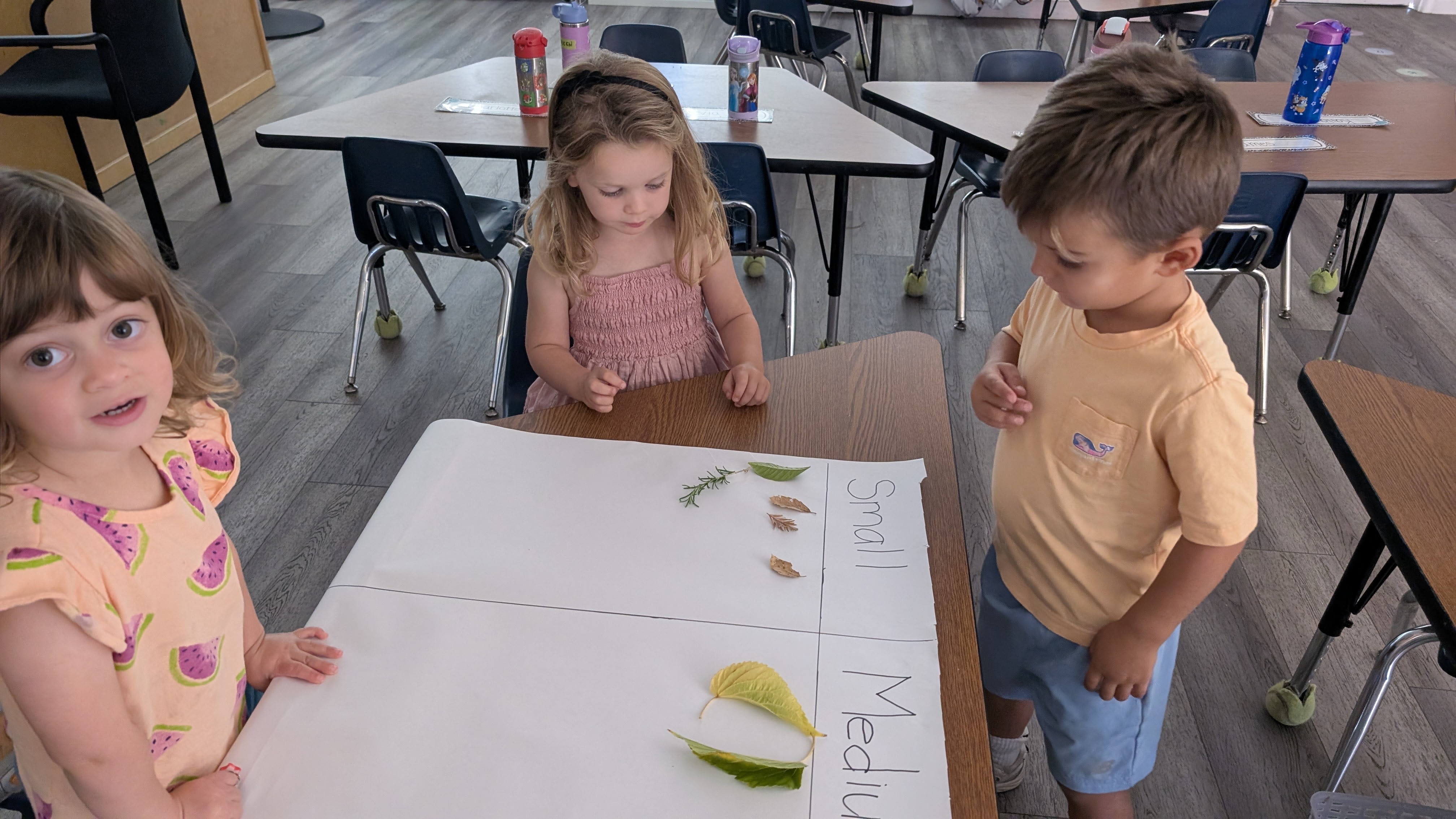
This semester, both ECE classes have been learning all about bugs! The ECE yard has been an exciting place as students buzz around finding, observing, and sharing critters they find on the yard. Come support our youngest learners and hear all they have learned about bugs on the morning of May 20th after drop off! 

Lower School and Middle School

In LS and MS, our students always begin with a driving question. This question drives the content learning for 5-10 weeks, depending on the product and content standards being covered. Each year the question may remain the same, but how the students answer it, interpret their research, and create a public product shifts. This helps keep the authenticity and student engagement high as teachers are also rigorously assessing content standards. 

After all their hard work, students welcome the opportunity to demonstrate their knowledge with the support of the community. Save the dates below to see how our LS and MS have answered the following driving questions! 

GradeDriving QuestionCulmination Information
KHow can writing our own fairy tales help us spread magic and joy?Friday, May 16th after CLAS
1How do homes keep us safe?Friday, May 16th during CLAS with reception after
3How can we become eco-friendly entrepreneurs who create products people want?Friday, May 23rd after CLAS 
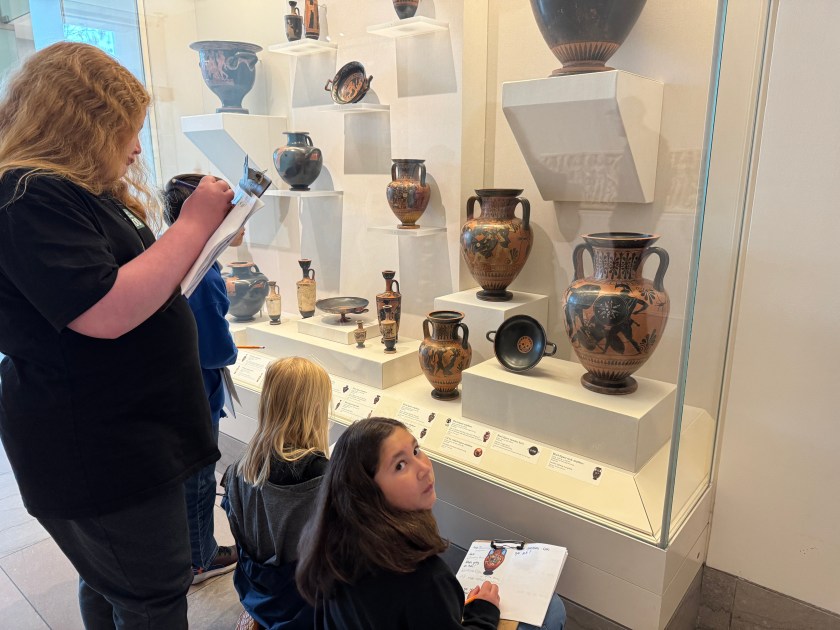
6How are we still connected to ancient Greek culture, language, and mythology today?Friday, May 23rd after CLAS

Doing a project is much different than Project Based Learning, and attending culminating events is a great way to support our learners and see strong Project Based Learning in action. We hope you can join us!

#SaklanPBL

Developing a Community of PBL Practitioners

Just like our students engage in productive struggle during Project Based Learning units, Saklan teachers improve our project curriculum through collaboration and reflection. Sometimes, this happens through informal conversations—while waiting at the copy machine or stopping by a colleague’s classroom during a prep period. At other times, our educators come together in more structured settings such as full faculty training sessions, tuning and reflection protocols for project units, and small-group Professional Learning Communities (PLCs). Below are reflections from staff on how these collaborative practices support them in developing strong, impactful PBL units for Saklan students.

Reflection protocols at the end of a unit are a great way to consider how to make a PBL unit better with help from others. They give teachers a chance to step back to look again with objectivity, just like we ask our students to do. The surprising result for me is how excited and motivated I am by this style of reflection. This collaborative approach is really motivating because it is something I could not do on my own.

– Yette Prizeman, 2nd Grade Teacher

I love the tuning protocols because having other people’s ideas helps me improve my projects immensely. Even if I feel like I have a good handle on the driving question, learning goals, project path, and products, during the discussion, things always come up that I didn’t think of. It really proves that more minds in the room means better outcomes. The process also feels very supportive and validating.

– Riva Zippin, Kindergarten Teacher

Taking part in a Professional Learning Community practice this year has made me focus on how to make group work more equitable and how to have the students own their project time. It has given me more tools to help show the students skills to help them work on their own time management. Additionally, I have enjoyed working alongside my coworkers and learning from them. Being in such a small school, it’s hard to find time for these meaningful conversations, and the PLC format allowed time for this discussion. 

– Vickie Obenchain, Science Specialist

In the ECE we work closely together on our units but not usually with Lower School or Middle School staff as much. The PLC groups help paint a clearer picture of what is happening in other classrooms and share ideas.

– Erin DeMoss, ECE Teacher

Working in a cross-divisional PLC small group focused on rubrics allowed us to imagine ways we can align rubrics across grade levels. Each year, the students can focus more on the content and less on the format of a rubric, which increases student independence and self-monitoring of learning. A format to share resources and talk together as teachers about ways to improve our assessment is door-opening. Discussions with colleagues open a new realm of understanding the experiences, successes, and hurdles of different teachers across divisions.

– Lauren Haberly, Art Specialist

These reflections highlight how a culture of collaboration and continuous improvement not only strengthens our PBL curriculum but also builds a vibrant professional community—one where educators grow together to create meaningful, student-centered learning experiences.

#SaklanPBL

Beliefs, Behavior & Belonging

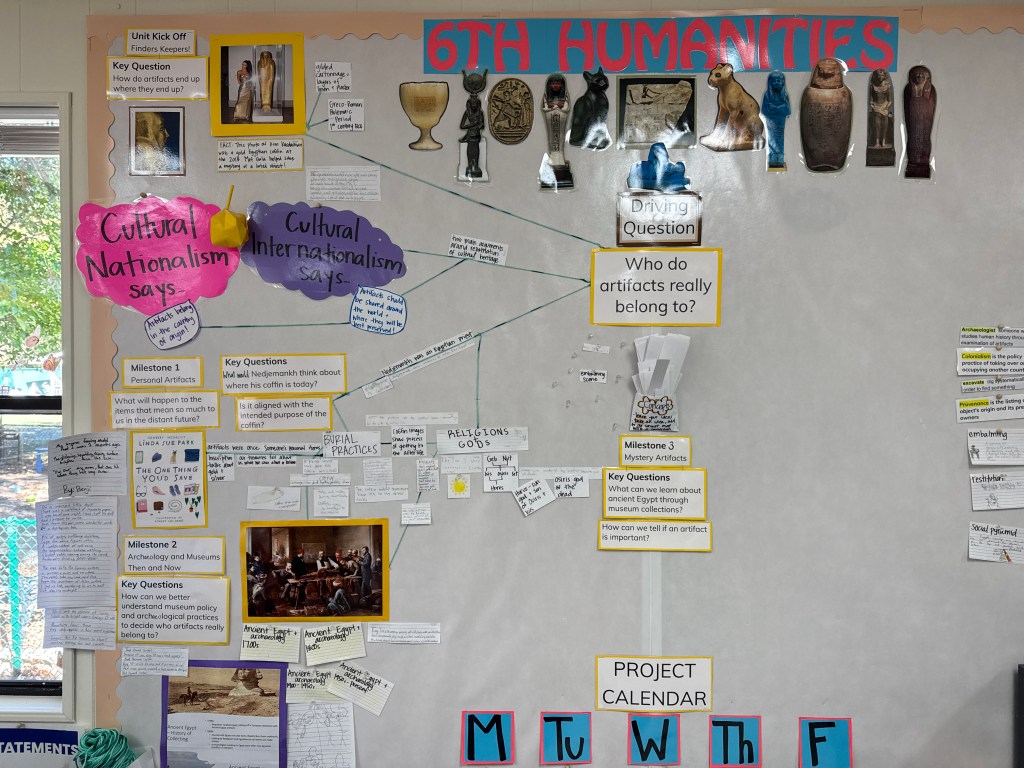
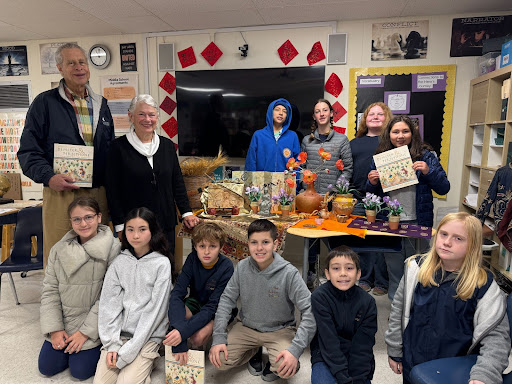
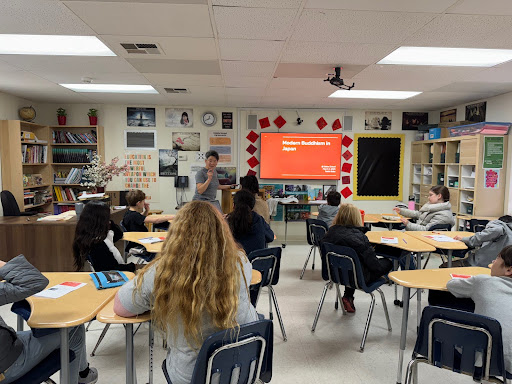
In humanities, sixth graders have been exploring the early civilizations of the Indian subcontinent and the origins of Hinduism and Buddhism. The class welcomed Saklan parents and guest experts, Manju Rajashekhar and Toshie Baba, to share their personal experiences and perspectives on Hinduism and Buddhism. 

Recently, the sixth graders visited a Buddhist Monastery in Lafayette. Students heard more about the story of Siddhartha and various Arhats, participated in seated and walking meditations, and explored more evidence for the 3B Framework and 3 Claims About All Religions they have used to discuss religions throughout the year. Students met with monks and volunteers at the monastery, who showed them the buildings, grounds, and statues. 

3B Framework– an individual’s religious identity may be a unique mix of

  1. beliefs- ideas about holy scriptures, sacred texts, teachings
  2. behavior- actions, habits, practices
  3. belonging- sense of community 

3 Claims About All Religions

  1. All religions are internally diverse
  2. All religions evolve and change over time
  3. All religions are informed and influenced by the cultures they are situated in

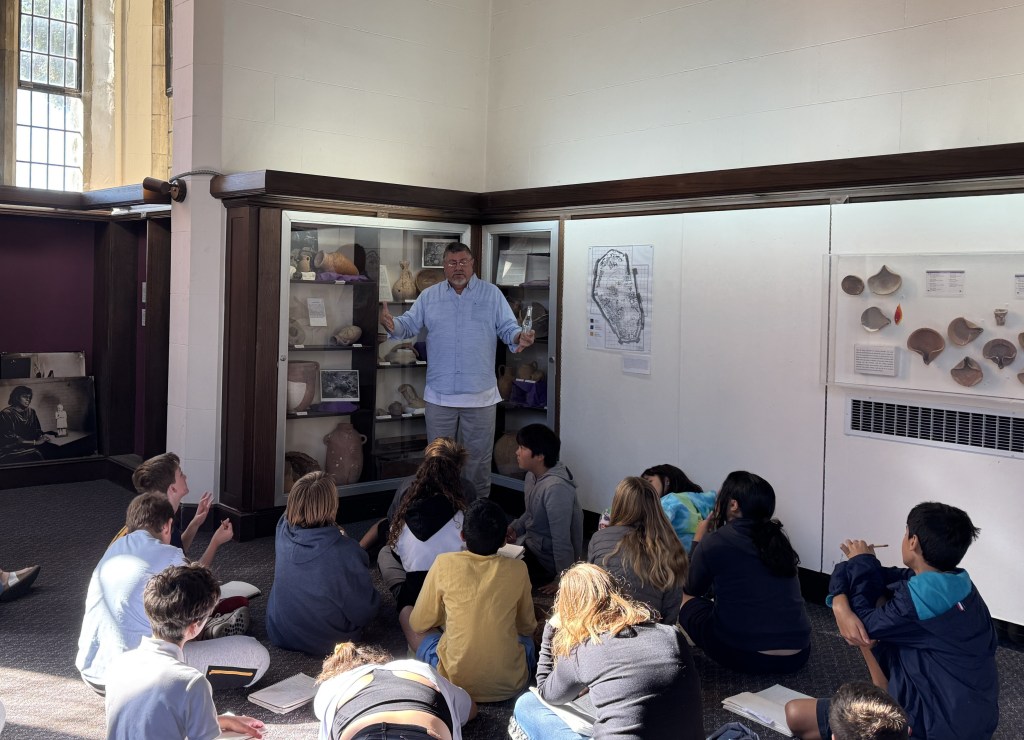
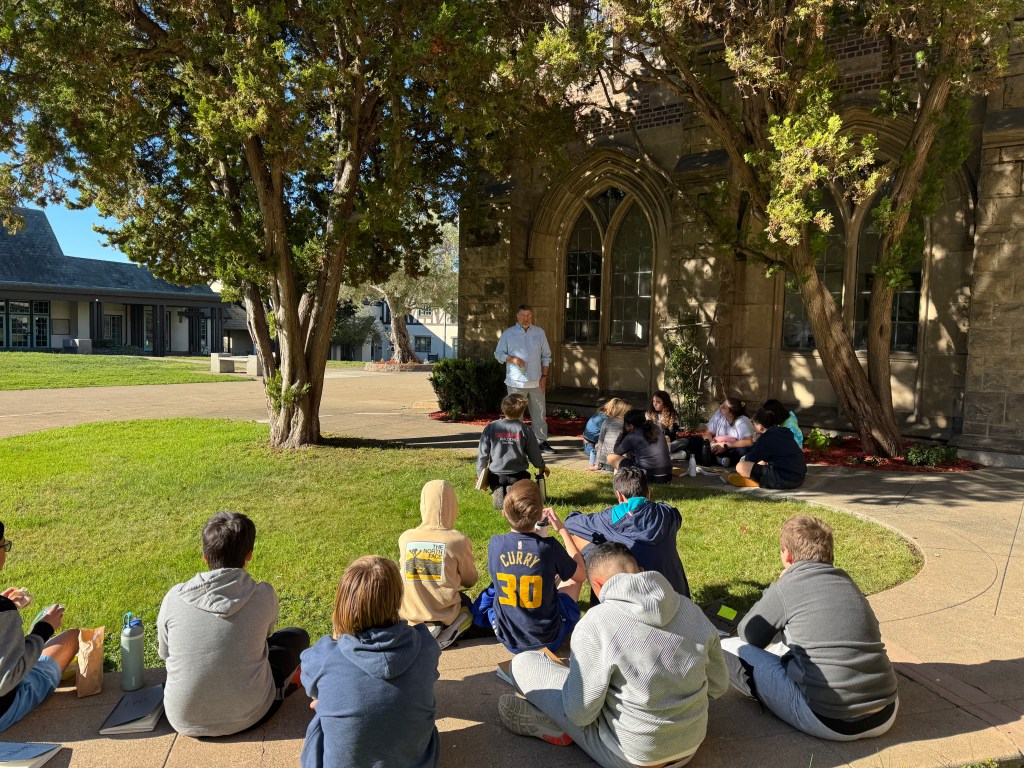
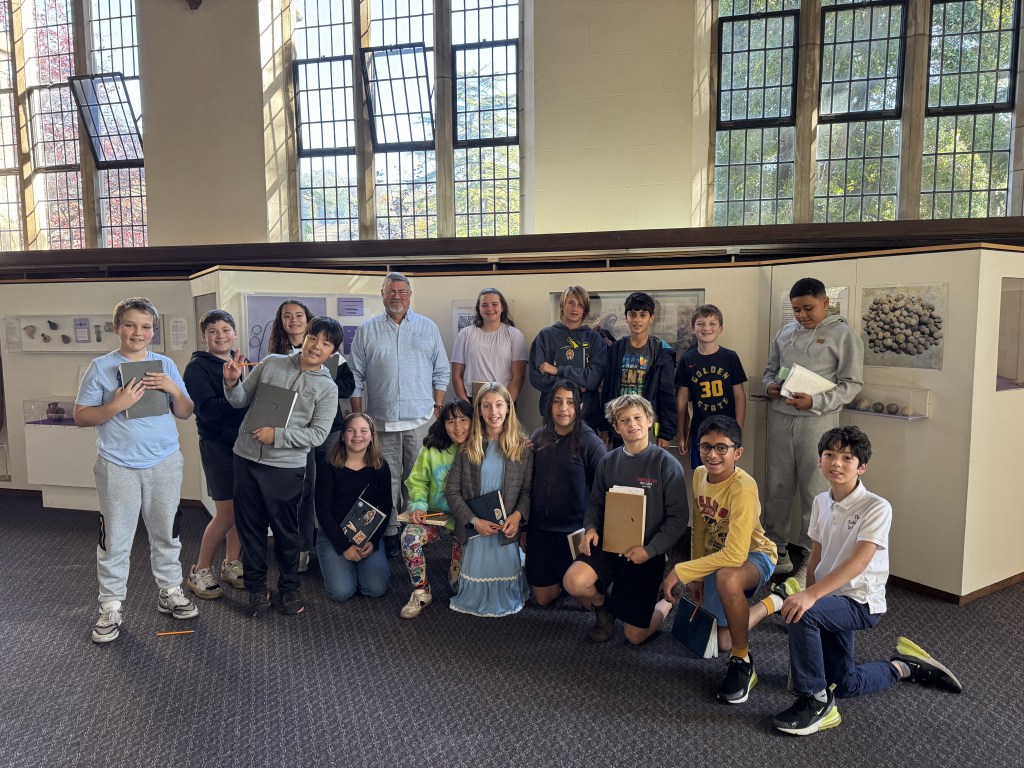
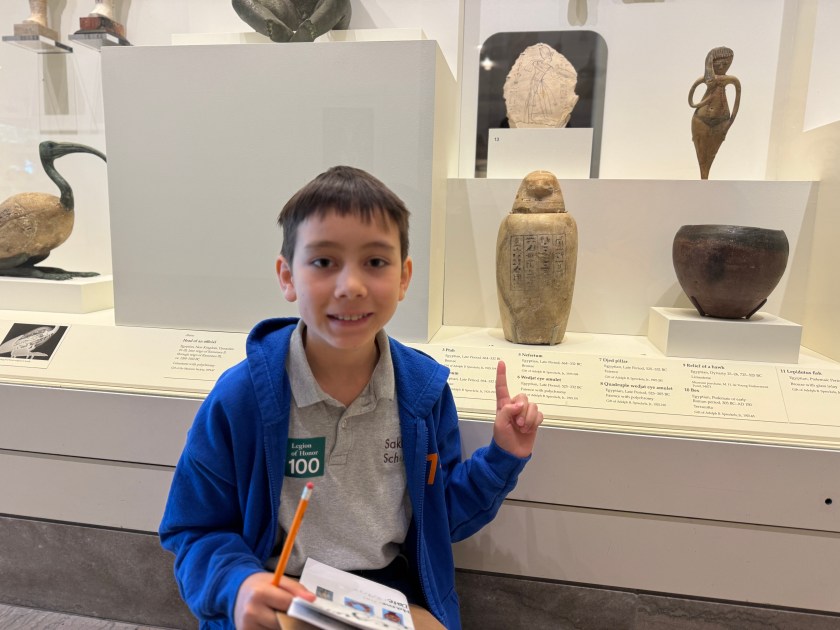
Last week, the class enjoyed a field experience at the Blackhawk Museum where they toured the Into China exhibit as a kick-off to their unit on ancient China. This was followed by a visit from Asian Art Museum storyteller docent Nancy Parker who shared stories that connect to the museum’s artifact collection about Confucius, Buddha, and the Silk Road trade.

#SaklanPBL

Communicating Through Color

One of the most special elements of Saklan Project-Based Learning is the ways in which annual units take on different elements each year. For the last three years 2nd and 3rd grade students have designed the backdrop for our spring concert at the Lesher Center as part of a PBL unit on color and communication. This unit centers on the driving question: How can we understand the art world to design a backdrop that communicates “garden?”

This year there has been an intentional focus on one particular Studio Habit of Mind: Understanding the Art World. This studio habit, one of eight developed by the researchers at Project Zero, focuses on the study of art history and contemporary practices to learn how to act as an artist in collaboration with other artists in broader society.

The unit began with students sharing their own experiences of gardens. This process activated their prior knowledge and began to elicit ideas, feelings, and questions connected to the concert theme. Next, they completed a whole class brainstorm of ideas, colors, experiences, feelings, and connections to the driving question. This work helped guide the decisions about which artists students would focus their learning on as they worked toward the design and creation of the concert backdrop.

The unit then moved on to explore artists whose work focuses on gardens, nature, and tending to the environment. Made with charcoal scavenged from the scorched earth after a wildfire, Emily Gui’s drawings of wild grasses that emerged after the fire, connected to the 3rd graders’ research on native plants earlier this year. It was also a jumping off point to help expand the students’ definition of what a garden may mean to different peoples. They compared drought maps to the work of Saif Azzuz, which often focuses on the importance of tending the California landscape through the Indigenous wisdom of cultural burns and the varied medicinal uses of native plants, as seen in his recent installation at Stanford Research Park. Finally, students considered the impact of color, and what happens to our interpretation of artworks when color is removed using works by Kim Champion. It struck students that when the color was removed from her art, often much of the meaning was lost and the figures became harder to identify.

Visiting SFMOMA as part of this PBL unit was a highlight for our second graders. This opportunity to engage with large works in a museum space gave students a chance to observe a variety of ways artists convey the theme of garden. They explored many different types of works and interpretations of our theme.

After exploring different artists’ interpretations of garden, students reflected on the feelings and connections to the theme that they wanted to express through their backdrop art. Three distinct groups emerged. One group most associated gardens with the feelings of excitement and joy, another with a sense of awe for life, and a third associated gardens with calm. Each feeling group identified colors to communicate those feelings using their growing understanding of the art world. 

Knowing how colors impact each other when side by side and gaining an understanding of the need for balance between colors were the next key elements to successful communication through color that students began to explore. Color mixing recipes were iterated on to figure out how to mix just the right tint, shade, or hue of the desired colors.

Additionally two small groups considered the ways line and shape can help us communicate our theme. One group felt a sense of curiosity when considering the theme of “garden” and worked to create a line language for our backdrop. Another considered the connection between the theme of “garden” and fruits and vegetables. 

At the concert, look for the line and shape language they developed among the beautiful colors the students have so carefully selected and balanced. You may spot many ovals, circles, and textures that mimic overlapping yerba buena leaves, curved lines like the edges of a valley oak leaf and its branches, or the texture of corn on the cob.

The students are now preparing the backdrop canvases by applying a base coat and will begin painting their version of “garden” very soon. We are excited to unveil the finished product at the All-School Concert on Friday, March 21st. See you there!

#SaklanPBL #SaklanCreative

Learning in the Field: O’ahu Edition

Field trip? Field experience? These terms may feel synonymous; however, at Saklan we draw an important distinction between a field trip and a field experience. Instead of trips that may loosely connect in terms of content, a field experience takes students into the field to work directly with experts, answer key need-to-know questions, and drive our project work forward. 

One example of connecting with experts in the field is the 7th grade field experience to the island of O’ahu. The driving question for this science PBL unit is, “What can we do to help reduce the single use plastics in our area?” 

Prior to arriving on the island, students watched the Mockumentary: Majestic Plastic Bag and looked at photos of different animals impacted by plastic waste including sea turtles and albatrosses. They also saw direct evidence of animals ingesting plastic waste via the dissection of an albatross bolus, in which they found: a lighter, fishing lures, fishing line, bottle caps, toy parts, plastic flatware, and many small plastic fragments. They came to the realization that, if there is trash in the ocean, animals will ingest it. 

Still, for students, an albatross and their food sources can feel removed from our local environment and experiences. They wondered what type of waste is in our local environment. Students went “foraging” for “food” around Saklan and found many waste and plastic items that animals could ingest. It became clear that, despite our best efforts, waste still finds its way into our local ecosystem and therefore ends up in our waterways, and ultimately oceans and ocean animals. 

So how can we reduce the plastic waste that impacts our environment? The field experience to O’ahu helps students better understand the impacts of pollution on ocean life, connect with Hawaiian organizations already working to reduce waste, and learn about sustainable alternatives that already exist, as they prepare to answer the driving question by developing their own single-use plastic alternative. 

Students met Rebecca, Hideki, and Lynn from Sustainable Coastlines Hawaii, a local nonprofit organization that runs beach clean-ups, partners with schools, and educates the community at local events. Together they had the opportunity to mālama, care for, the ocean by completing a beach clean-up at the Mālaekahana Beach. Using a sieve-like tool, students removed 30 pounds of waste! Much of it could be classified as “micro-plastics,” or plastics that are less than 5mm in size. While students did find a large blue plastic jug on the sand, most of what they collected were super tiny bits of blue plastic, evidence of many different large blue plastic jugs that have broken down over time. Another surprise was the tiny white disks called nurdles, which are pre-production microplastics that are super tricky to recover from accidental spills into the ocean. The class was reminded that choices on land impact the oceans and that beach clean-ups can only take us so far! The staff from Sustainable Coastlines provided some great inspiration and ideas for alternatives to these plastics that are washing up on Hawaiian shores each day.

Sustainable Coastlines was just the beginning, while on O’ahu, students also connected with experts at Hanauma Bay Nature Preserve and Project Genki Ala Wai where they made and deployed Genki balls in the Ala Wai Canal to restore its ecosystem making it safer for both people and animals. 

The 7th graders will take these many rich learning experiences in the field back to the classroom to help them answer their driving question and refocus on sustainable alternatives to single-use plastics in our local environment. 

As always, the students aren’t the only ones gaining inspiration and connections to drive their work forward! While on the island, Linda Lathrop visited Punahou School to learn about how they approach projects and design thinking. From the integration of native Hawaiian language, music, food, and dance to design projects in their STEM labs and art rooms, it is always enriching to connect with other teachers to hear about their practices. Just like our 7th graders are out in the field grappling with the content of their project, our staff enjoyed the opportunity to discuss project hurdles and successes from another school site. Opportunities like these to connect with different schools give us new ideas and potential solutions to our own project hurdles! It is also exciting to see practices we have in common too! Can you spot any in the photos below?

We look forward to hearing more about all this rich teacher and student learning when the students and teachers return to campus next week!

#SaklanPBL

Successful Community Spaces

As part of their Community Spaces Project Based Learning unit, 7th graders recently analyzed, brainstormed, collaborated and categorized to answer the focus question: What makes a community space successful and sustainable?

First, each student wrote a paper analyzing the successful and sustainable features of one space or structure in the Maya, Aztec/Mexica, or Inka civilizations. The spaces and structures they studied included the construction and urban design of Tenochtitlán, temples, marketplaces, ballcourts, observatories, homes, and palaces. 

Next, the class brainstormed successful features of the places they visited during field experiences: Moraga Commons, the Wellness Center at Los Perales Elementary School in Moraga, the Oakland Museum of California, and Temple Hill in Oakland. The students also learned about contemporary sustainable low-rise buildings designed by Japanese architect Kengo Kuma, such as the National Stadium built for the 2020 Tokyo Olympics. 

After they generated lists of the successful features of all of these spaces and structures, the students worked in small groups to place these features into categories. They used the below visual representation as a model. Next, the class narrowed down their successful space criteria into six categories. Working in groups, the class collaborated to create their own version of the diagram (click the arrows below to see their version).

To conclude the unit, the 7th graders applied the success criteria they developed to propose improvements to the existing Saklan School campus or a redesigned and rebuilt Saklan campus. The students presented their suggested improvements to members of the Saklan Board of Trustees and the administrative team on Thursday and Friday of this week.

To learn more about their campus improvement suggestions, please join us for CLAS next week, on Friday, January 31st, when the 7th graders will share an overview of their project with the community.

#SaklanPBL

Collaborative Group Work
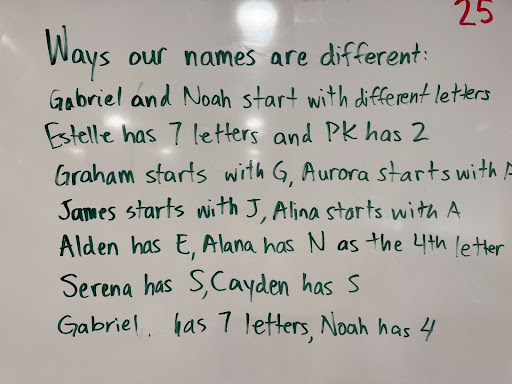
Collaborating to solve problems is a key element of PBL work at Saklan and a skill that many of us need to employ in our workplaces too. Intentionally building this skill is one of many ways that project work benefits Saklan students long after they leave our campus. Here are some ways we develop our skill of collaboration! 
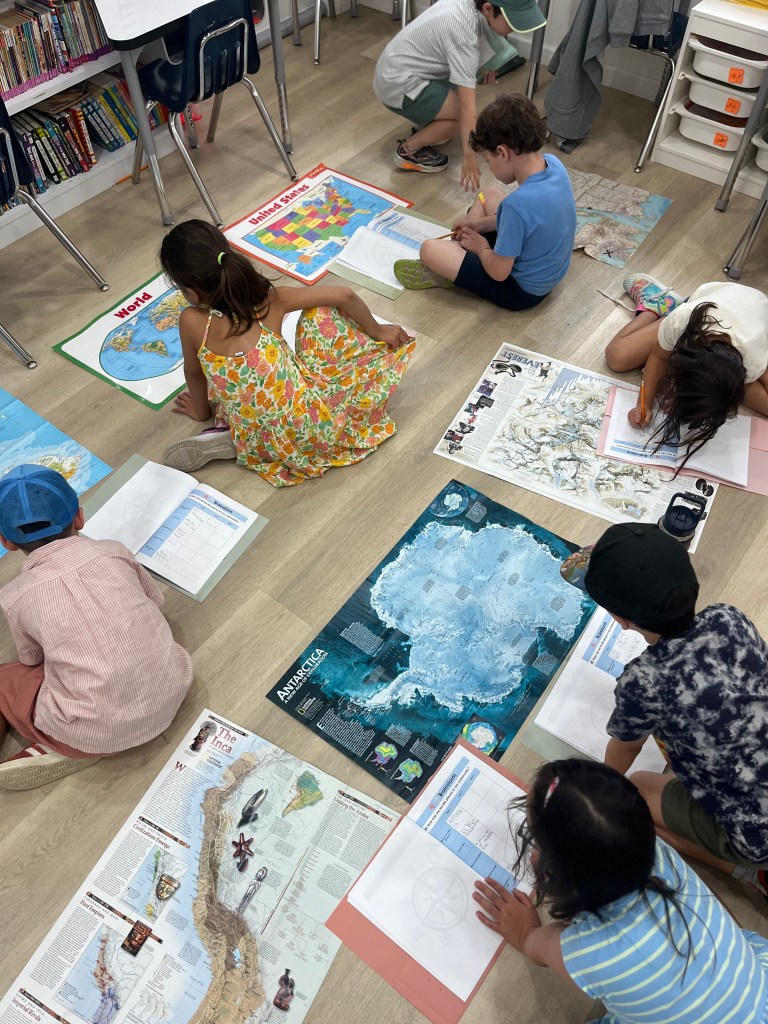
To effectively collaborate, we must develop relationships that are grounded in trust, interdependence, and shared accountability. Rich learning experiences that develop the skill of effective collaboration do not happen by chance, but are instead, intentionally woven throughout our project design. Teachers use success skills rubrics alongside content-specific learning goals, directly teach and model collaboration, and create driving questions and topics that encourage students to share and showcase their stories, skills, and talents. 

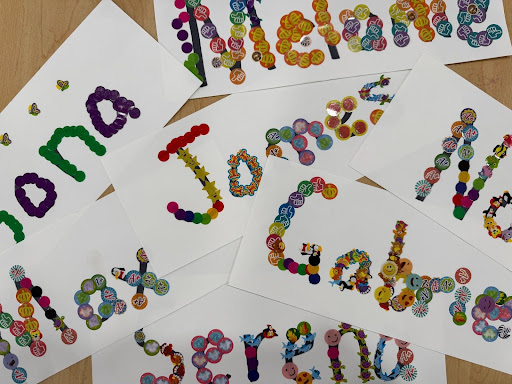
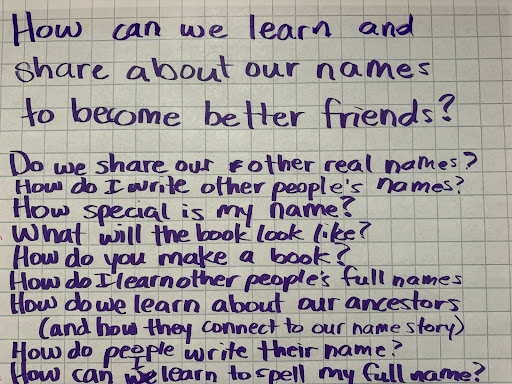
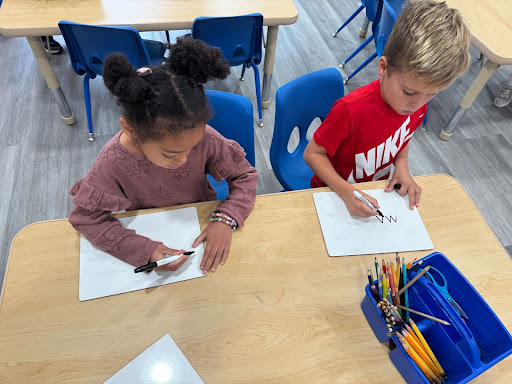
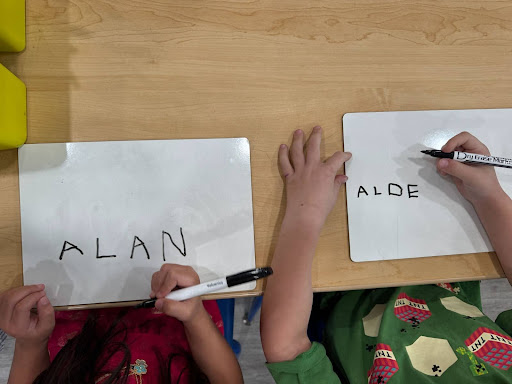
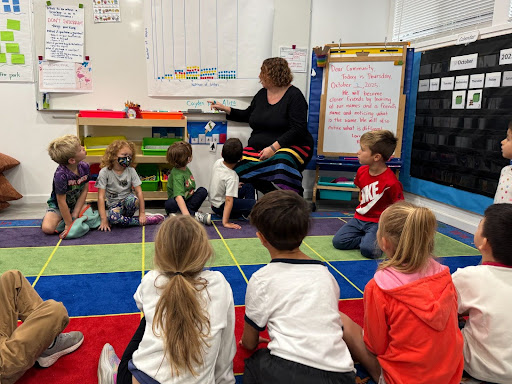
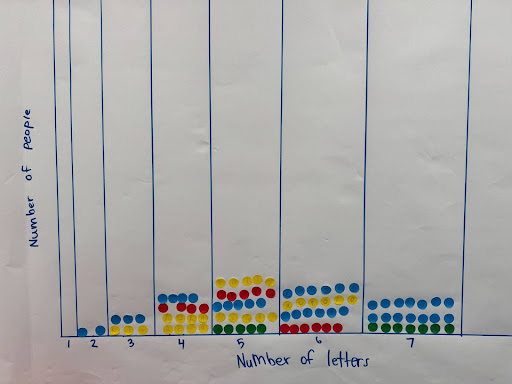
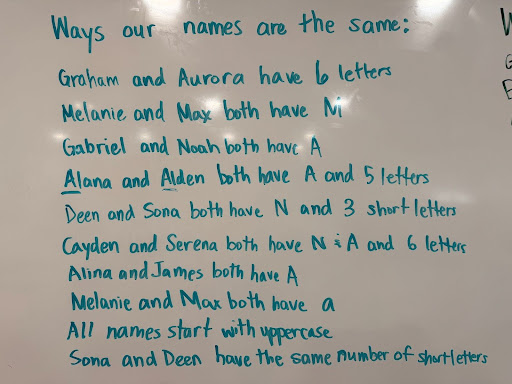
A recent student example can be found in Kindergarten’s PBL unit on names. During this unit students explored the driving question, “How can sharing about our names help us become better friends?” Throughout the unit milestones, students worked on their capacity to tell their own name stories, ask questions about each other’s names, and really listen to their peers. Name stories open endless opportunities to share about culture, language, and family histories. Throughout each stage of this unit, learning experiences were designed to not only meet academic learning goals but also foster students’ trusting relationships and their sense of interdependence. Whether it was helping design a name story costume for self-portraits in art class, sharing their favorite part of their name stories with each other, or telling our families about each other’s names, the fruits of intentionally collaborative project design were on full display in this unit. Our Kindergarteners undoubtedly grew their capacity for collaboration.
At Saklan it isn’t just the students working to deepen their collaboration and sense of interdependence. The teachers at Saklan are also actively improving our practice.

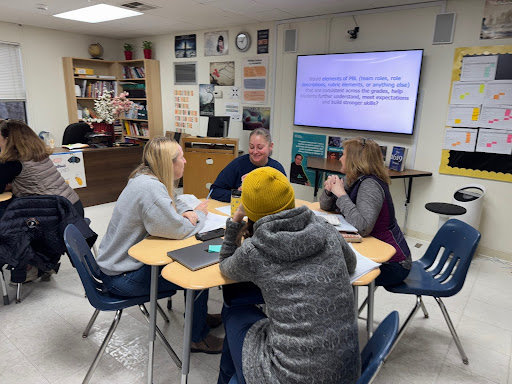
One way we are doing this as faculty is through our Professional Learning Community. A Professional Learning Community (PLC) is a way for our staff to share and grow in our capacity for project based learning with a pervasive, ongoing impact on the structure, style, and culture of PBL at Saklan. Instead of a series of stand-alone meetings, a PLC is intended to be an ongoing process in which educators work collaboratively in recurring cycles of collective inquiry and action research to achieve better results for Saklan students. 

At our most recent session on the January 6th PD day, there were two elements to our PLC work. Each teacher met as part of their year-long small group focused on one particular area of interest: using rubrics, managing team tasks, sustaining inquiry, and differentiation. Before these breakout sessions, the whole group worked on deepening our understanding of Universal Design for Learning (UDL) and discussed how we can increase our alignment of collaborative work expectations across grade levels and divisions. It was a lively discussion and we are excited to implement our learning from the research we’ve discussed AND from each other.

#SaklanCollaboration #SaklanLifeLongLearners