Middle School Student Musicians

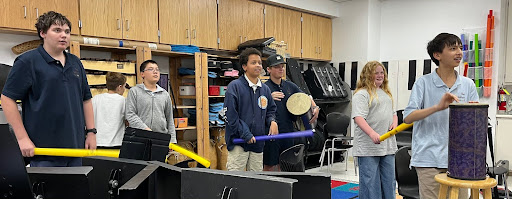
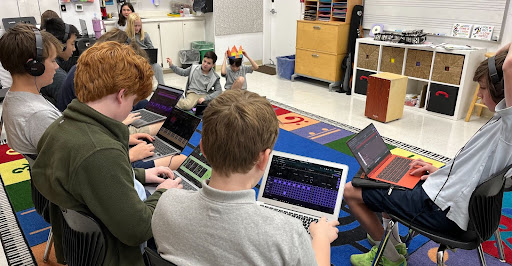
In middle school, student musicians move from a general music education program to an elective program. While all students still partake in the music program, they have a choice in their class each of the three years. This year, middle school musicians chose between choir, ensemble, and production. In choir, students focus on developing as singers; in ensemble, the focus is on developing as instrumentalists. Production allows students to develop skills in digital music production. All middle school students will be represented in the All-School Concert in March and will participate in the Middle School Musical in the spring.

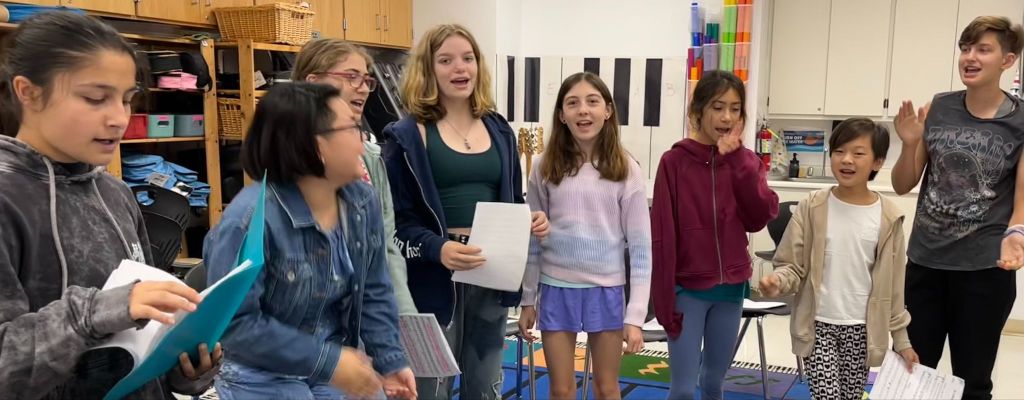
In Choir, middle school students have been diving into the world of musical theater by exploring a variety of lively numbers. They’ve worked on “Good Morning” and “Moses Supposes” from Singing in the Rain, allowing students to embody different characters while singing. Students have also practiced “Little Shop of Horrors” in three-part harmony, working on blending their voices and mastering timing in this upbeat, fun piece. Also, they’ve explored “Happiness” from You’re a Good Man, Charlie Brown, and “Green Eggs and Ham” from Seussical, both challenging students with dynamic vocal ranges and expressive storytelling.

Mondays in Choir are “Music Theory Mondays,” where students practice reading rhythms and melodies, building their foundational skills in music notation. This structured focus on theory helps students become more confident in sight-reading and understanding the technical aspects of the music they perform. Through these activities, students develop their vocal technique and ability to engage with different characters and emotions.

Stay tuned to see what students have been learning in the ensemble and music production classes!

Democracy at Saklan

This year’s Student Council election reminded us all that democracy is alive and well here at Saklan. Nineteen Middle School students submitted their candidacies for six Student Council offices, and the race was on! Voting took place on October 4th at the end of a vigorous and exciting campaign. 

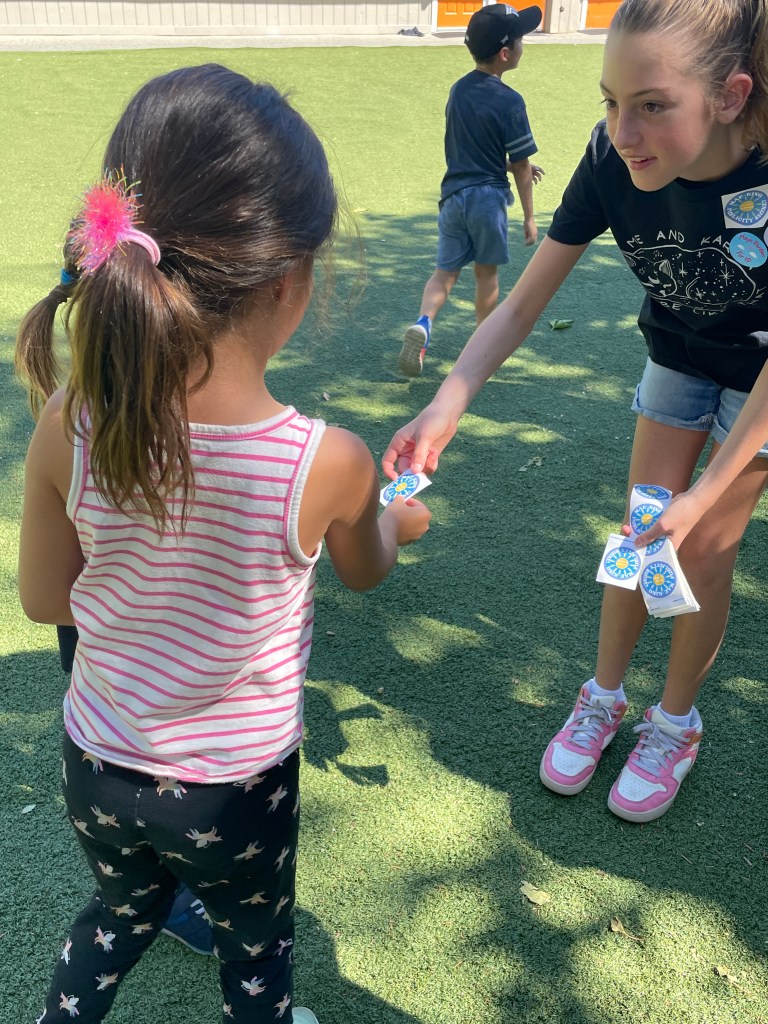
Earning a seat as a Student Council officer involves more than simply winning the popular vote. Each candidate had to submit a Letter of Intent, make a campaign poster, sit for an interview conducted by Jennifer Lettieri and Kim Parks, and share slogans and stickers with the Lower School students during lunch recess.

The culmination of their campaign was their speech at CLAS before balloting took place in grades 1 through 8. Candidates were awarded points for timeliness and quality when carrying out each of these tasks, and the candidates with the most points were the winners.

Lower School Student Council representatives were selected by their classmates and respective homeroom teachers in grades 1-5. 

Congratulations to our 2024-2025 Student Council members!

Middle School Officers

  • President – Jack D
  • Vice President – Maya
  • Activities Co-Chairs – Aliya and Kai
  • Treasurer – Skyler
  • Publicity Co-Chair – Haley and Mae
  • Secretary – Corinne

Lower School Representatives

  • Grade 1 – Nico and Finn
  • Grade 2 – Isla and Maddie
  • Grade 3 – Leo, Miranda, William
  • Grade 4 – Leila and Adora
  • Grade 5 – Makena and Carson

#SaklanCourage #SaklanLeadership

Building Community With Ewe Music

Thursdays at The Saklan School sound different thanks to African Drumming classes. Learn more about the classes and instructor in the post below, written by guest blogger and Saklan African Drumming Teacher, Isaac Narell.

Alfred and Kobla Ladzekpo came to the United States in the 1960s to teach Ewe music. The Ladzekpos came from a village in the southern Volta region of Ghana called Anyako, an Ewe village. Ewe is one of over 20 languages spoken in Ghana. Ewe music is divided into styles. Each Style has songs (for singing), drum patterns and dance steps. The singing, drumming and dancing together form the musical style.

Alfred Ladzekpo taught at the California Institute of the Arts (Calarts) for over 40 years, and I was fortunate to study with him from 2002-2006. He became my mentor and my friend.

Alfred’s main goal with his students at Calarts was to show them how to be an effective musician in his style of music. Ewe music is an oral tradition. Musicians coming from different backgrounds begin a new process of learning through listening. Alfred reveled in every opportunity he had to lecture his students on the importance of listening. Despite the simplicity of the message, every student who embraced this concept came away from Alfred’s class as an improved musician.

As a young musician, my fascination with Ewe music was sparked by my admiration of its construction. Ewe music weaves a complex counterpoint through all of its elements that rival the greatest art forms of humanity. I was enamored with the sophistication of the drumming patterns and the ability of musicians to dialogue through musical language. The lead drummer directs the ensemble into new dance moves, drumming patterns, or songs, by playing a call on the drum. Everyone has to listen or they might miss the call!

This felt like a secret language and my friends and I were hooked. We took every opportunity to learn from Alfred and eventually, we were helping him teach his classes and performing in his professional ensemble at schools and community events. Later in life, I found another beautiful side to the art form.

The main function of music in Ewe culture is to promote community. People gather in social groups for musical performances. These groups perform at funerals and weddings and are the backbone of both religious and secular events. This is extremely valuable in our recent culture fueled by social media. People crave interaction and Ewe music is a world-class option for community building.

I teach Ewe music as a celebration of West African brilliance. Through honoring and respecting Ewe culture I have found that we can bring value to our school not only through the acute development of musicianship but through the strengthening of our community.

#SakalanCommunity #SaklanArts

Egypt + Humanities

Written by Guest Blogger & Saklan Project Curriculum Instructional Coach and 6th grade Humanities Teacher, Linda Lathrop

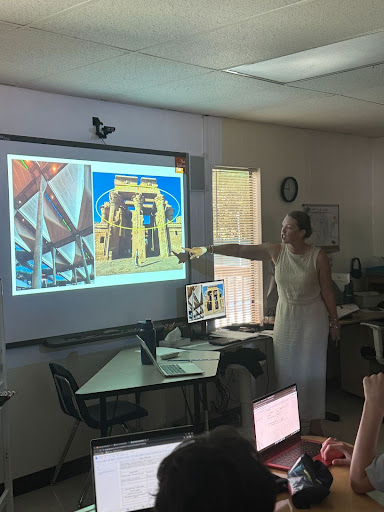
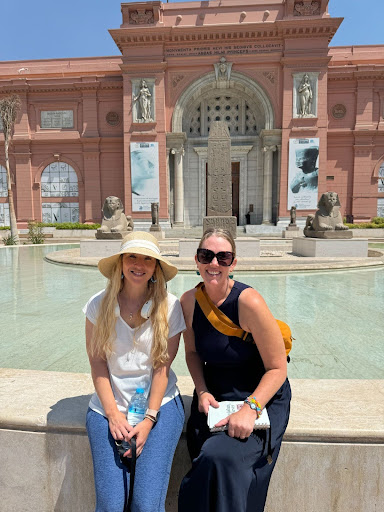
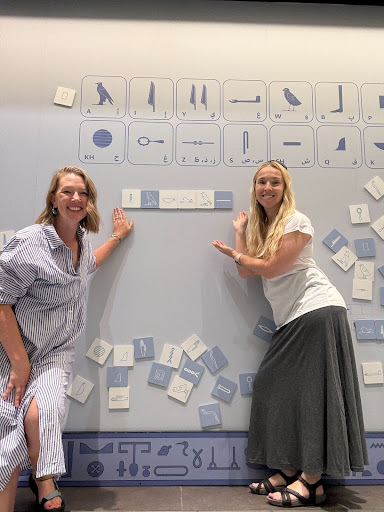
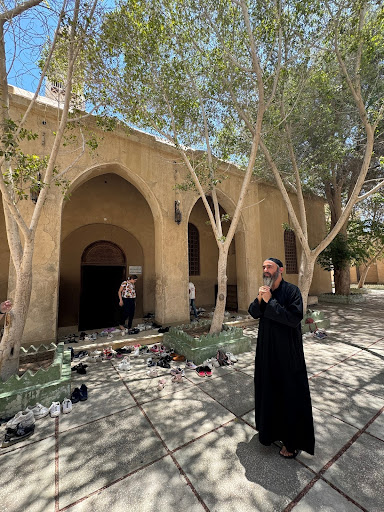
If you read the blog post from Saklan Science Specialist, Vickie Obenchain, on September 13th, or followed along with our adventures via Instagram, you know a bit about our 2 weeks exploring Egypt with the help of an excellent Egyptologist. The goal of our trip was to soak in as much information as possible and bring our experiences back to enrich classroom curriculum. 

Back at Saklan it was a pleasure watching the 8th graders apply knowledge from our hot air balloon trip over Luxor to their hot air balloon experiments in science. I know Vickie is looking forward to sharing all about camel adaptations with the 2nd graders during their animal adaptations PBL unit, and I even recently shared with 7th grade a presentation on the Library of Alexandria as part of their Community Spaces PBL unit too!

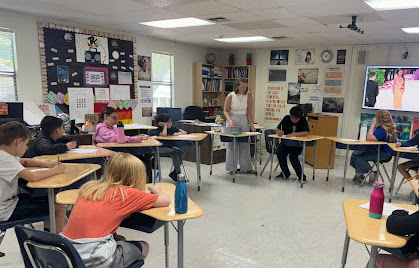
However, I can’t help but be most excited about how our trip informs the 6th grade humanities PBL unit: Artifact or Art Opinion. 

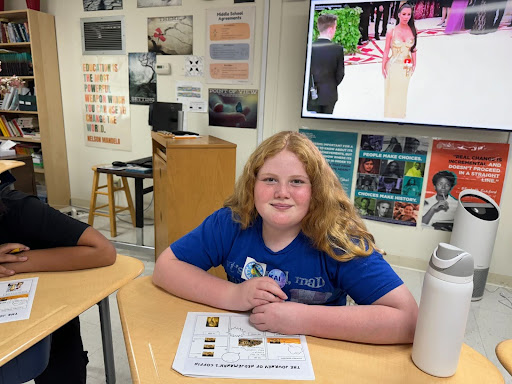
In this unit we explore the driving question, “Who does art really belong to?” To kick off our unit we imagine ourselves at the Met Gala of 2018. Believe it or not, a viral photo from that event helped uncover that the Met paid nearly $4 million dollars for a looted Egyptian artifact- the golden coffin of a high priest named Nedjemankh. 

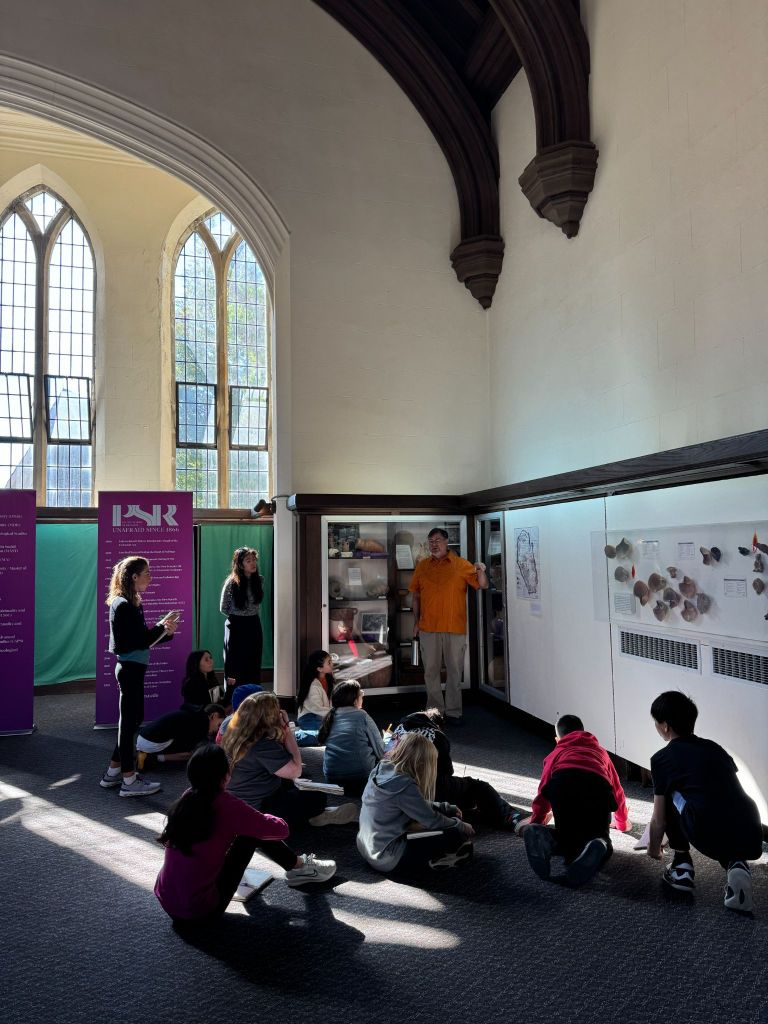
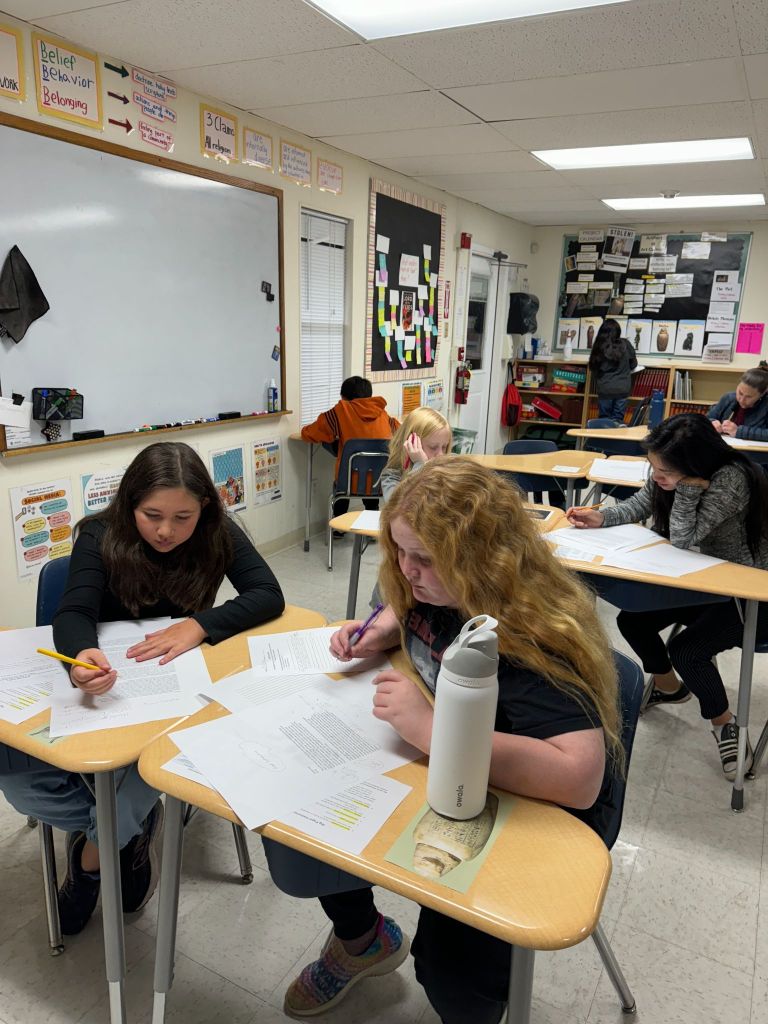
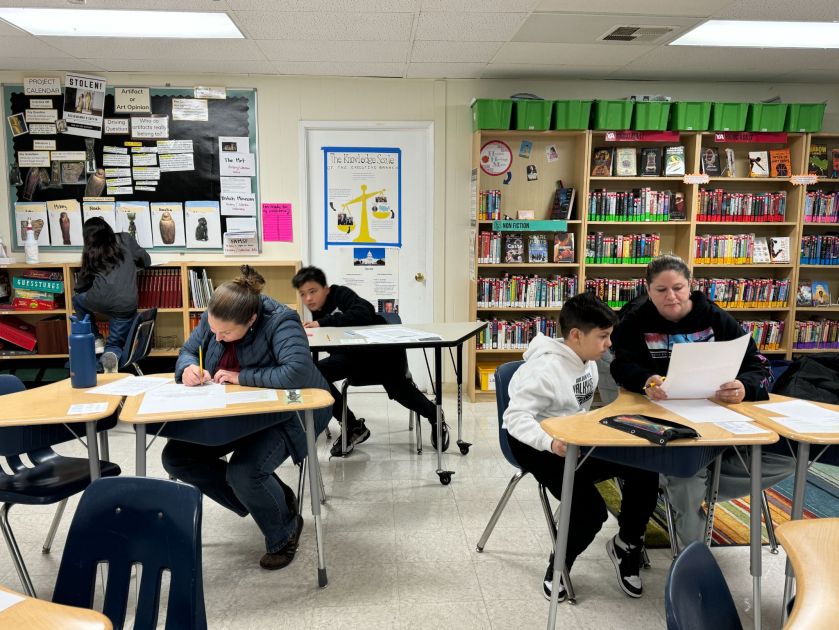
In sixth grade over the next 7 weeks we will dive into researching specific Egyptian artifacts held outside of Egypt, explore the arguments for and against repatriation of artifacts, and learn directly from archaeologists and museum experts. In the end students will have developed arguments for how they believe the driving question is best answered- stay tuned! 

Thanks to our incredible summer experience in Egypt, this year students will get to expand upon the resources I have used in previous iterations of this PBL unit. I’ll be able to share my photos of ancient temples and tombs that speak directly to their classroom research, as well as video clips with mini lectures from our Egyptologist, to enrich the PBL experience. 

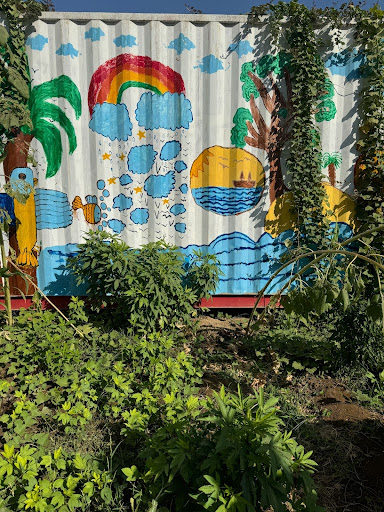
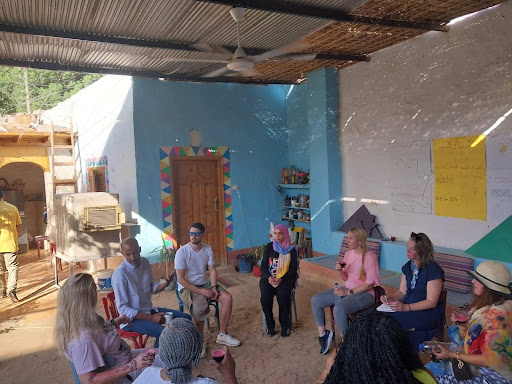
One additional highlight of the trip was visiting an after school program called the Funtasia Project in Luxor. A handful of these programs exist around the world and are designed to engage students in project work after school. This particular site in Luxor also collaborates with local schools and teachers to extend project learning into the academic day. We met with the leaders of the organization, as well as some students who took us on a bike tour through the neighborhood and later shared about the impact the program has had on their lives and educational experience. It was fascinating to learn that across an ocean and thousands of miles, there are students working to build their collaboration, communication, and complex thinking skills through project work, just like we are doing here at Saklan. 

It is hard to put into words all the ways witnessing these incredible historic sites has impacted what we can bring back to Saklan students. I remain humbled by the opportunity to attend this professional development trip and look forward to continued opportunities to weave our learning into Saklan units. 

Saklan Projects!

To learn more about project work at Saklan please join us for Saklan Projects! on Tuesday, October 22 at 6:00 p.m. This virtual presentation is for current and prospective families! During the event you will hear more about how teachers design projects to address learning goals and maintain academic rigor while providing immersive, joyful learning experiences for your children. RSVP today to receive the event link!

#SaklanPBL

Catching Up with Coach Rob

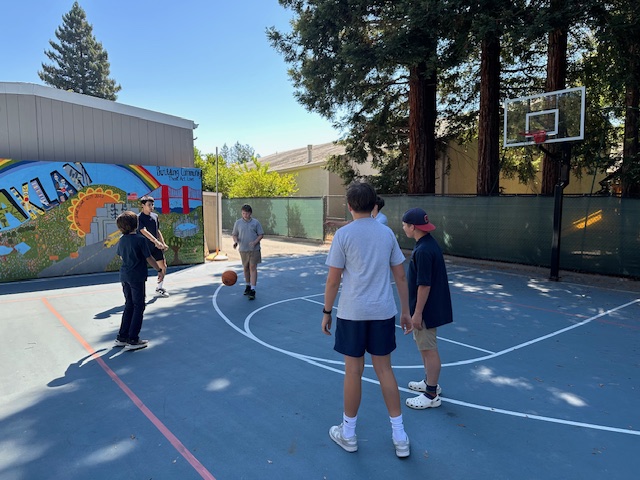
Rob Hood, or Coach as the students call him, is Saklan’s Head of Sports and Wellness. He can often be seen sharing high-fives with students and staff as he walks through campus towards the sports court. Reflecting on the first few weeks of school, Rob shared his approach to fitness, health and wellness.

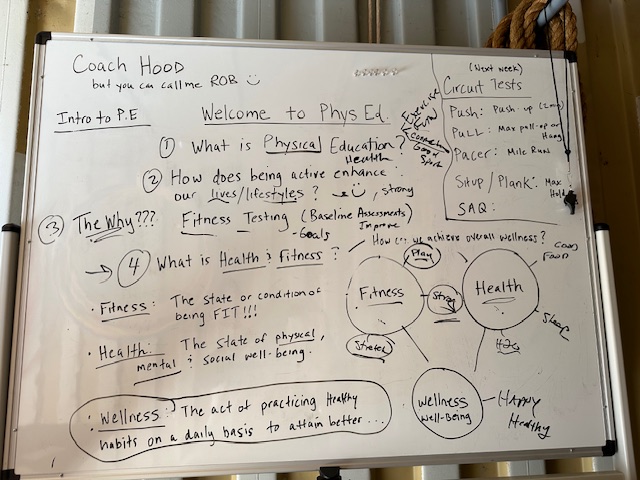
At the start of our first unit, Fitness & Health, the 6th–8th graders took charge of creating a vision board that explored what Physical Education means, as well as the key components of fitness, health, and wellness. Together, we brainstormed ideas, with students identifying how different aspects of well-being connect to each component. This collaborative effort allowed us to design a holistic vision of wellness. I later shared this learning with the lower school students.

Following our vision board activity, we approached some of the P.E. components with a week of fitness testing. Students had the option to participate in a few exercises to test strength, muscular and cardiovascular endurance, and flexibility, assess their current fitness state, and set goals for the future. In addition to longer-term goals, I ask students to assess themselves daily to encourage more mindfulness and reflection related to their overall health and well-being. 

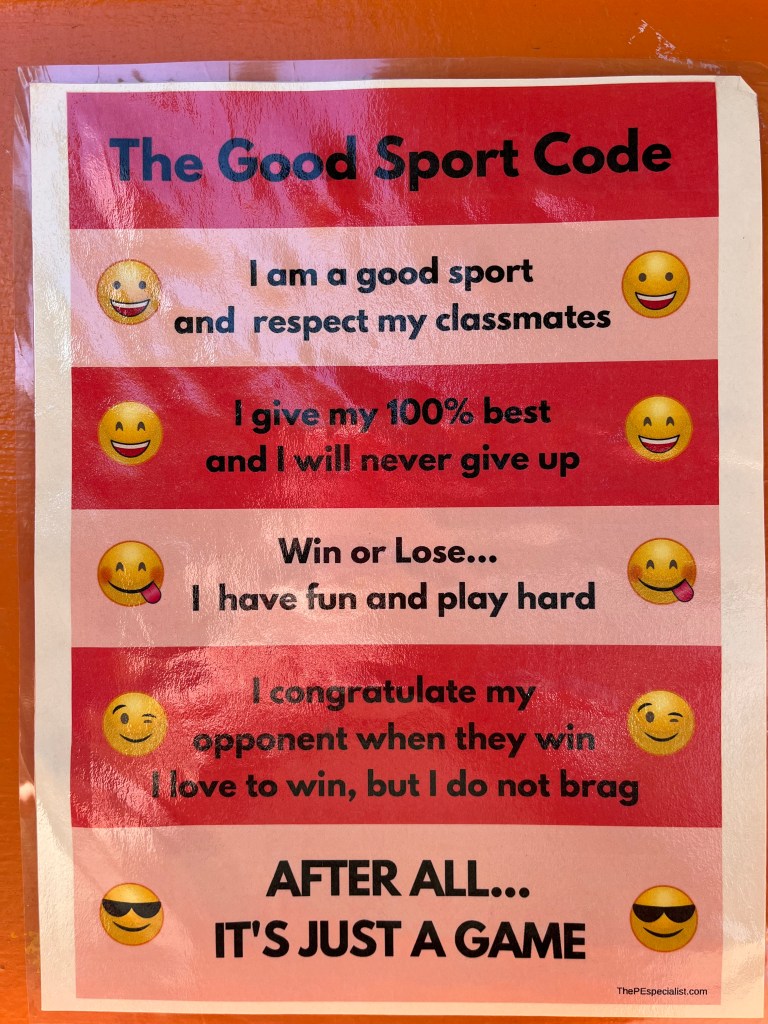
In my physical education classes, students are encouraged to be safe and respectful, demonstrate good sportsmanship, and resolve conflicts constructively, as shown in the community agreements below.

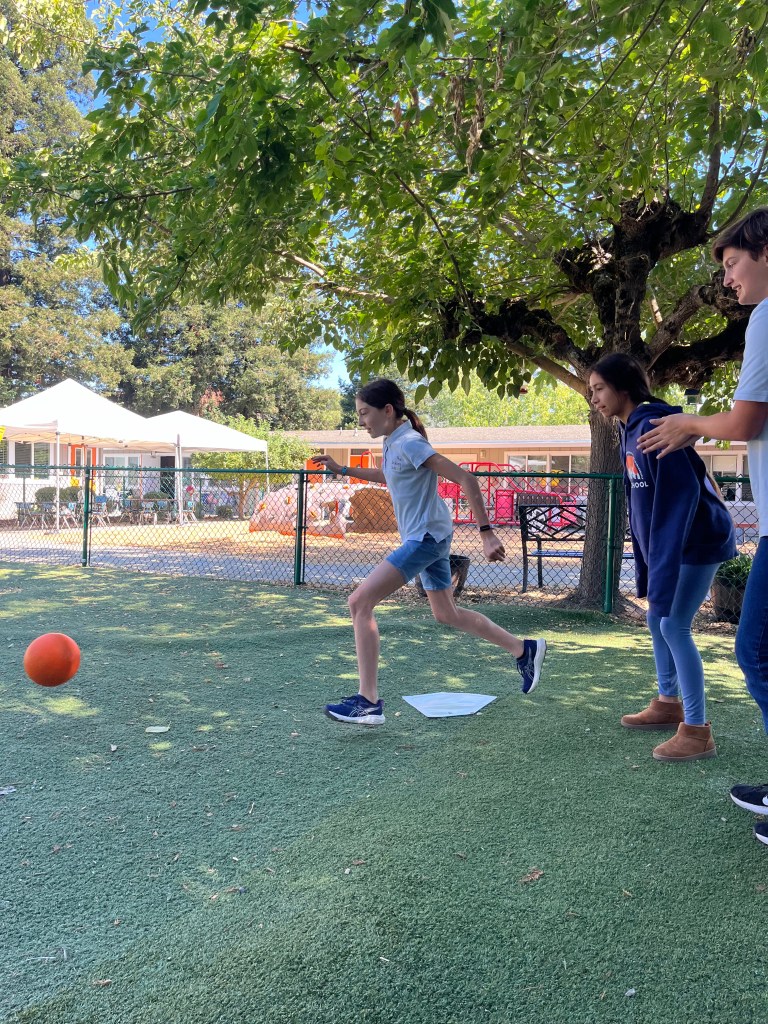
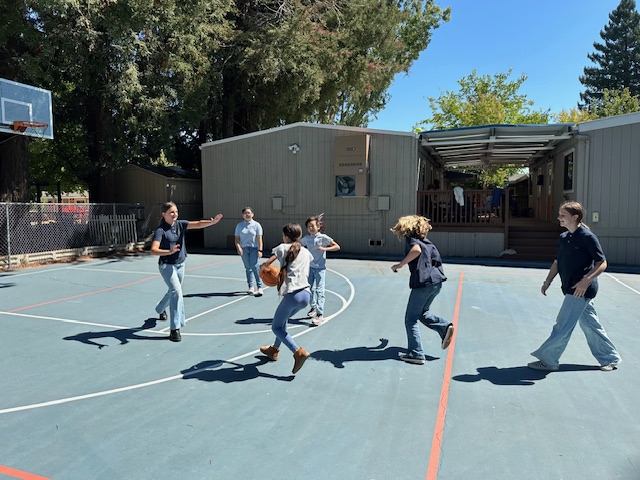
In our first few weeks, we’ve started exploring Physical Education as more than just playing games. It’s an approach to improving our health—physically, mentally, emotionally, and socially—while also helping students build essential life skills for healthy and happy lifestyles.

Got Sneakers?

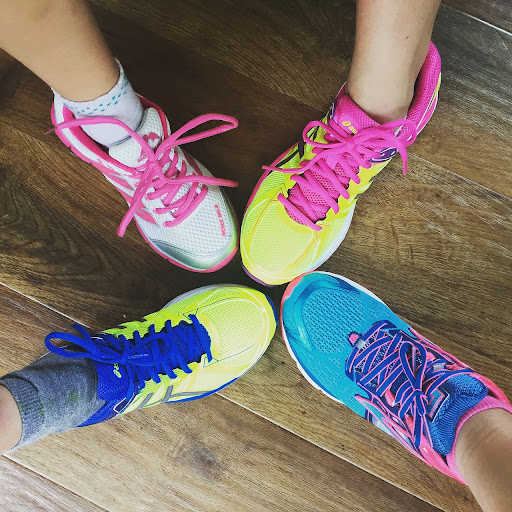
Sixth-grade students will learn about human environmental impact and how they can help in science this year. As part of their learning, they will participate in service learning, an educational approach that combines learning objectives with community service to provide learning opportunities that help tackle real-world problems in their community.

The sixth grade has partnered with GotSneakers, an organization that helps keep sneakers out of landfills by recycling or reusing them. Each pair donated can earn their class money, which they will use to help with species conservation. Examples of how they may use the funds include:

  • Donations to wildlife centers 
  • Symbolic species adoptions
  • Materials to build bird boxes

Please help the sixth graders by donating any size sneakers you no longer want.

Starting next week, a bin will be placed in the breezeway during the first week of every month. Please place your unwanted pair of sneakers in the box during that time. Any size and brand of sneakers are welcome. But, sneaker-style shoes only, please!

#SaklanServiceLearning

Small Efforts Make a Big Difference

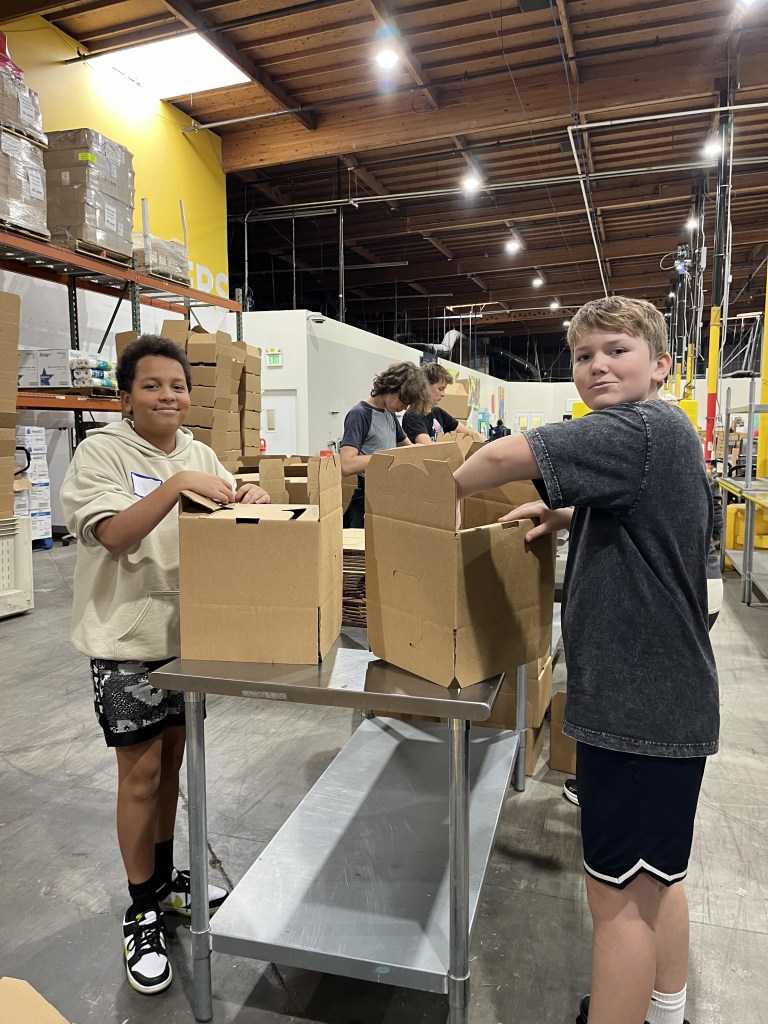
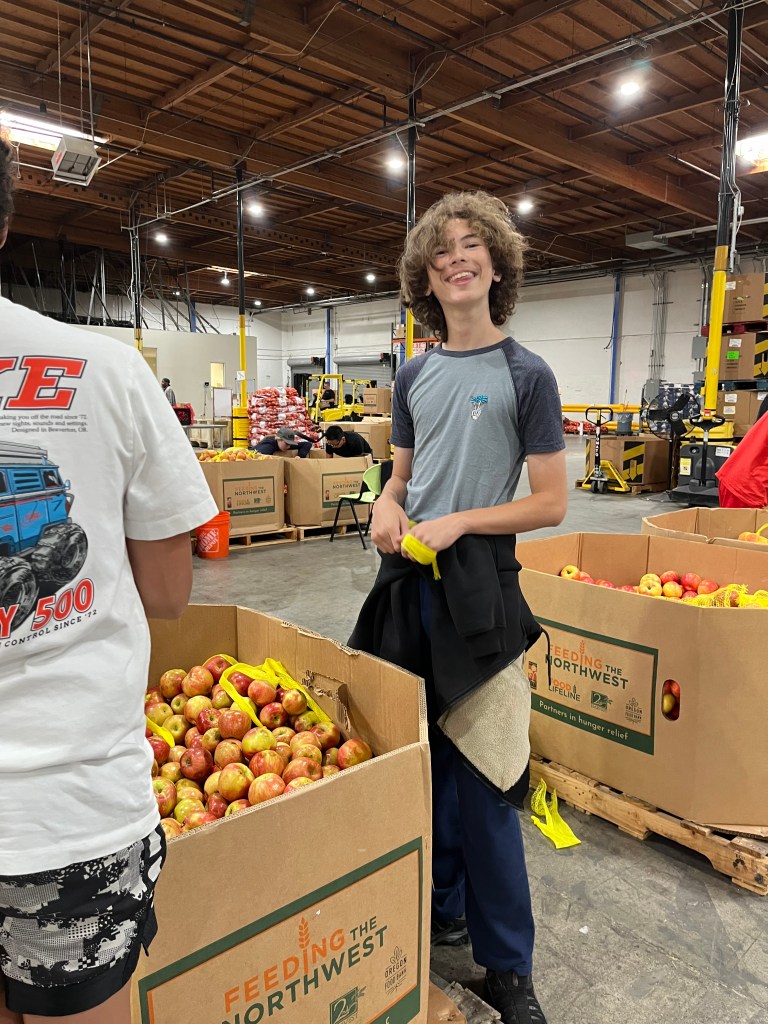
On Wednesday, September 18, 2024, the eighth-grade students volunteered at the Alameda County Food Bank, beginning their visit with an informative session about the facility’s operations. They learned how the food bank sources food to supply hundreds of partner organizations across the community. Unlike many food banks, this one does not directly serve individual families but instead allocates approximately $1.5 million annually to purchase fresh fruits, vegetables, rice, and other nutritious foods for distribution.

The students participated in two hands-on activities at the food bank: assembling around 500 cardboard boxes and bagging apples for future distribution. With the food bank largely relying on volunteers, their contributions were especially impactful, reinforcing how even small efforts can make a big difference in supporting the community.

#SaklanCompassionate

Details Hidden from View

Seventh-grade science is all about biology, and the students begin the year by exploring the fundamental unit of life: the cell! To help them truly grasp this concept, they discuss how cells were discovered, their various components, and the differences between plant and animal cells. One of the first hands-on experiences in biology class is using a microscope. Students familiarize themselves with the parts of the microscope, learn how to adjust the focus at different magnifications, and even create their own slides.

This year, the seventh graders have had the opportunity to observe onion cells, human cheek cells, and a variety of prepared slides. They were amazed by the intricate details they could see – details hidden from view in everyday life!

After looking at cells, the class began discussing viruses, which directly target individual cells. Students have learned about common active viruses and more persistent latent viruses, developing an understanding of the importance of protecting their health. Given the impact of COVID-19 on their lives, students have been able to make meaningful connections between what they’re learning in class and their personal experiences.

#SaklanHandsOn

We Went to Egypt

Written by Guest Blogger & Saklan Science Teacher, Vickie Obenchain

We went to Egypt!! What?! 🇪🇬

Linda and I got to go on a field experience this summer thanks to the Saklan Summer Fund, Global Exploration for Educators Organization (GEEO), and Columbia University. We aimed to learn and explore Ancient Egyptian history, art, engineering, the Sahara Desert environment, and the Nile ecosystem firsthand. For this science teacher, I was completely blown away each day by the feats of engineering we saw, the connections I found to my curriculum, and how history came alive in a modern era. I’d love to share with you a few examples, knowing this experience will definitely find its way into many more grades and topics. First, the Sahara Desert climate is incredibly harsh, especially in July and August. Temperatures are over 100°F daily, creating hot winds, hot sand, no water, and almost no plant life, except for when your eyes play tricks on you, creating a mirage. Being out in it for more than an hour, as a human, was not comfortable.  

However, the camel’s body is equipped to deal with all my body can not. Camels have two rows of long eyelashes and bushy eyebrows, which help protect their eyes from sand. Yet, if some sand does make its way into their eye, they can dislodge it with a translucent third eyelid (very helpful since they weren’t gifted hands). Camels have slit-like nostrils that can close to keep sand out of their respiratory systems, and when they do come across a dry, thorny desert plant, they have thick, tough lips that help them eat it without hurting themselves. 

The long, shaggy fur on top of a camel’s body works as shade, as the thin fur elsewhere helps them lose heat. They have wide, flat feet with thick soles that help them walk easily across sand and spread their weight so they don’t sink (much like a snowshoe). Their long, tall legs keep their bodies off the hot sand and allow air to circulate under them.

Camels store energy-rich fat in their humps allowing them to survive for months without eating. And they can drink large amounts of water at once, sometimes up to 32 gallons, and they can retain that water in their bodies until their next big gulp.

Experiencing their height,  grace, and adaptations up close was definitely a highlight for your temperate climate loving teachers.  This first hand experience of the camel and experience in the Sahara Desert will tie in wonderfully to my 6th grade desert biome unit and adaptations of those organisms that live there.

Second, very early one morning,  Linda and I left the group tour and decided to do an extra excursion. We hot air ballooned over the west bank of Luxor. After checking wind speed and direction, to make sure we didn’t end up in the Nile (or at the airport), the hot air balloons blasted heated air into the colorful balloons all around us. Once ours was upright, we quickly jumped into the basket and took off. We floated over the many temples, tombs, farms, and the Sahara Desert in this beautiful area. Just WOW!

In my physical science course, the 8th graders create hot air balloons to help test the force of buoyancy and see both Archimedes Principle and Charles Law (aka: thermal expansion) to better understand fluid laws in their Chemistry class. Using paper, glue and tape, they engineer their own balloons that they think will create the largest lift when filled with heated air.  We were a bit nervous to take part in this, but it was so awesome to see science at work to give us such an amazing experience in such a beautiful space.

If interested in seeing more of what we saw, learned, and wanted to share, checkout the Instagram account: missopetsapenguin.

#SaklanProfessionalDevelopment

Physics of Fun

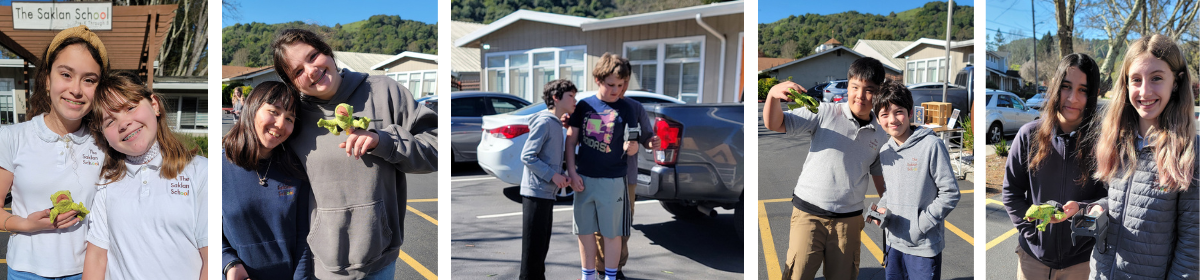
The end of the year in 8th grade physics class is full of real life science, engineering, math, and a field experience to Great America! The students put their physics knowledge to the test by riding roller coasters and other rides, determining speed, acceleration, and which forces were acting on them. Then they applied Newton’s 3 Laws of Motion to see how  physics plays a key role in the design, fun and safety of roller coasters. Students timed the rides, wore accelerometers to test the amount of g-force the ride exerted on their body and filled out a packet to show their understanding.

Next, the 8th graders used the rides at Great America as inspiration for their culminating project in class: building their own roller coaster!  Each group made an 8-foot long coaster for a marble to ride. The design criteria for the coasters included: having at least one loop, a slow down stop, and be decorated – as many themed coasters tend to be.  Coasters created included the Shark Drop, Wow that ride is fire, Flap Jack, and the Kachow!

#SaklanHandsOn