Defying Gravity

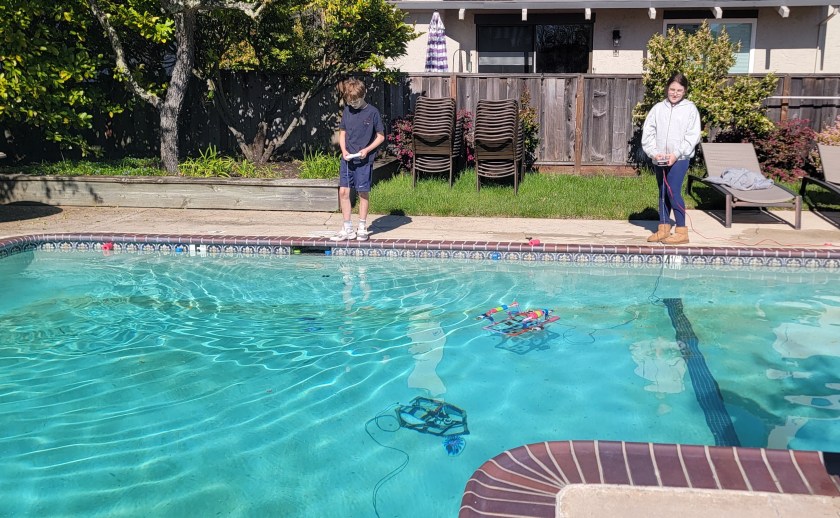
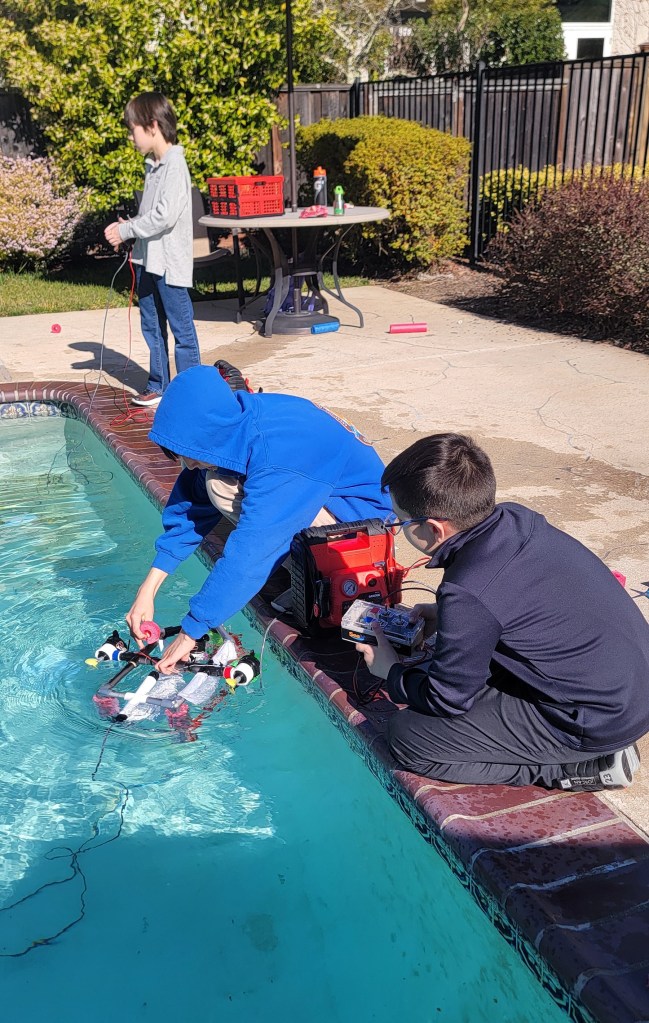
Since February, the 8th graders have been diving into physics in science class, exploring the forces of gravity, air resistance, and friction. Through a series of engaging, hands-on labs, they’ve been putting their knowledge to the test—seeing firsthand how these forces interact and impact objects on our planet.

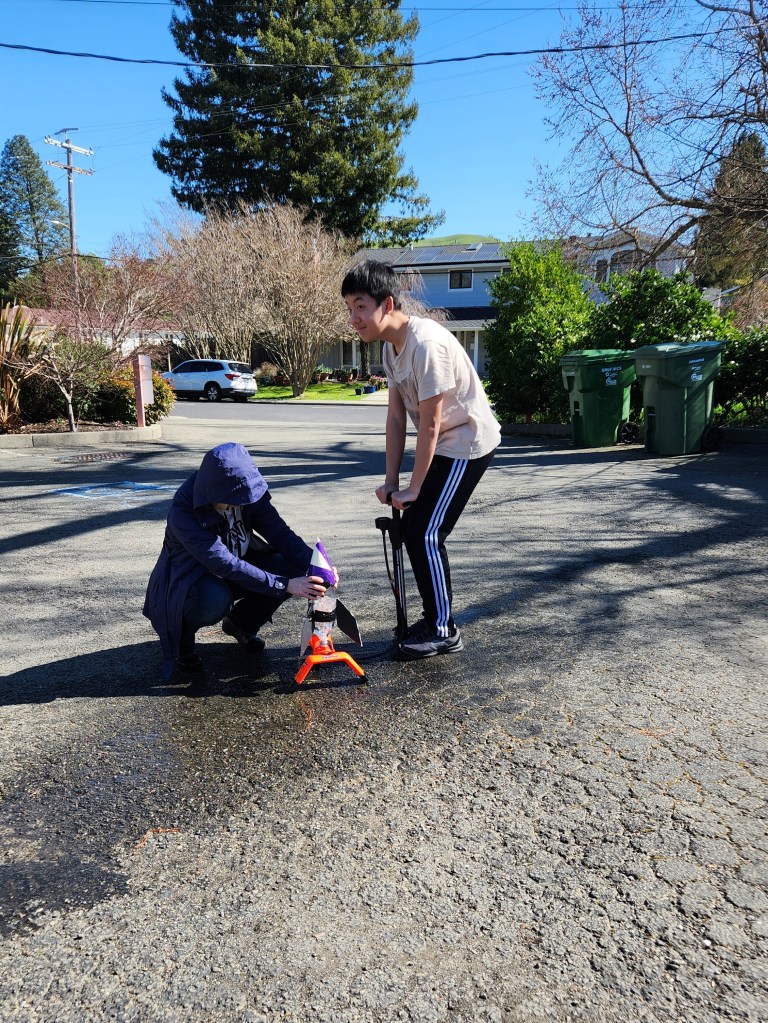
The students started exploring gravity and air resistance by creating different-sized parachutes and dropping them from the ceiling of the science lab. Students could see the pull of gravity on the parachutes and how air resistance could be used to slow that force down by measuring the time each took to descend. Next, students worked on designing, creating, and launching rockets to see how to defy air resistance and gravity.

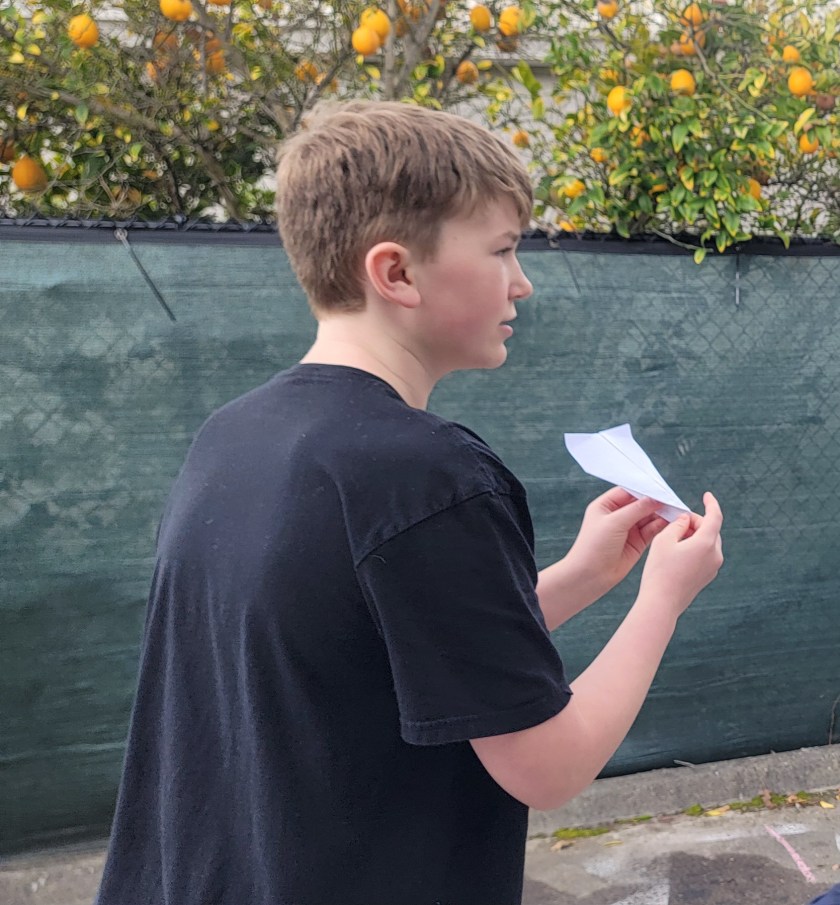
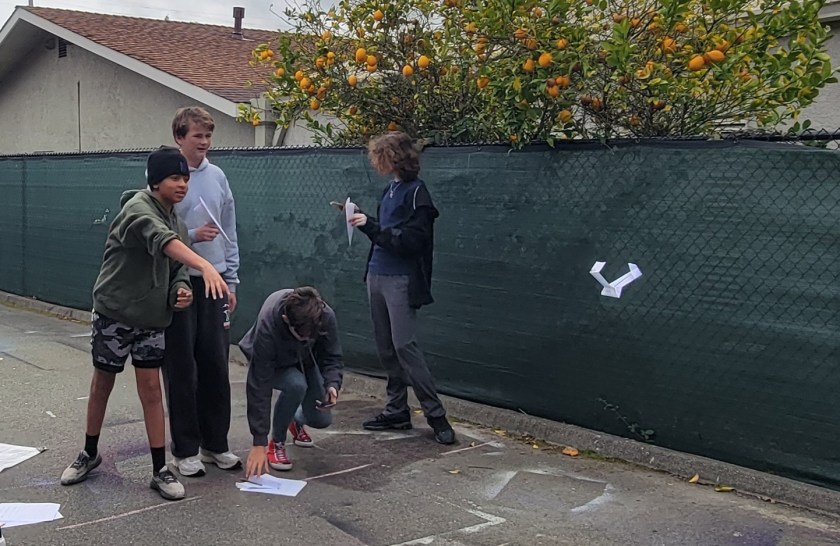
Last week, the class worked with projectiles that used both vertical and horizontal motion. Different paper airplane designs created more air resistance than others. The students saw how these forces act on objects and how various features of an object can affect these forces.

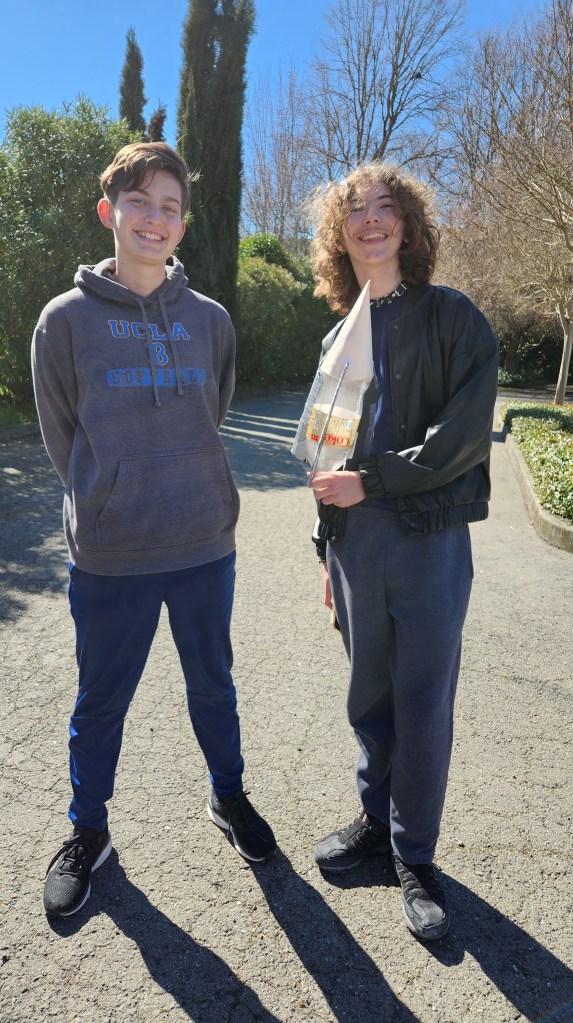
This week, students took their physics learning to the next level with an exciting experience to iFly in Union City where they explored terminal velocity in a real wind tunnel! They discussed how mass, air resistance, and surface area affect falling objects, then put theory into practice by suiting up and experiencing it firsthand. Students got to “fly” in the wind tunnel, feeling the exact force needed to keep them floating or falling at terminal velocity—a thrilling, hands-on lesson in action!

Students then made guesses at which toys thrown in the wind tunnel would fall the fastest or slowest based on size, mass and surface area! A lot was learned and experienced. 

#SaklanHandsOn #SaklanFieldExperience

Gaining Confidence

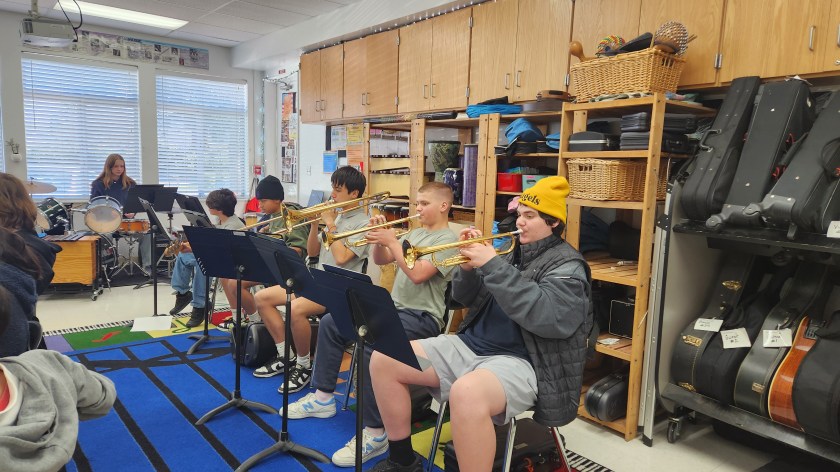
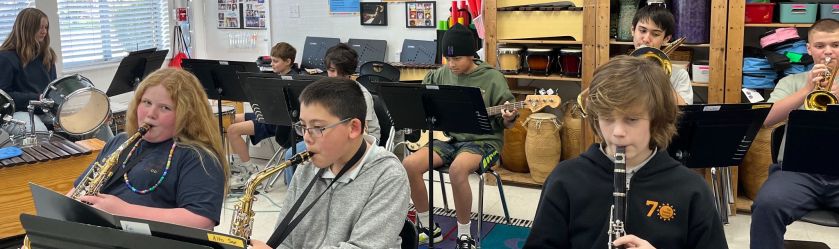
Middle school musicians in the instrumental ensemble class are gaining confidence in understanding the different musical keys of the various ensemble instruments. For example, while the clarinet is a B flat instrument, the trombone is in the key of C. Students are then able to interpret the correct pitch to play when they are collectively playing in concert C. Using this base understanding, the class has explored playing chord progressions, arpeggios, and playing back a short improvised phrase as a whole ensemble.

We look forward to hearing them play two songs during the All-School Concert on March 21!

Exploring Similarity: Scaling, Ratios, and Operations 

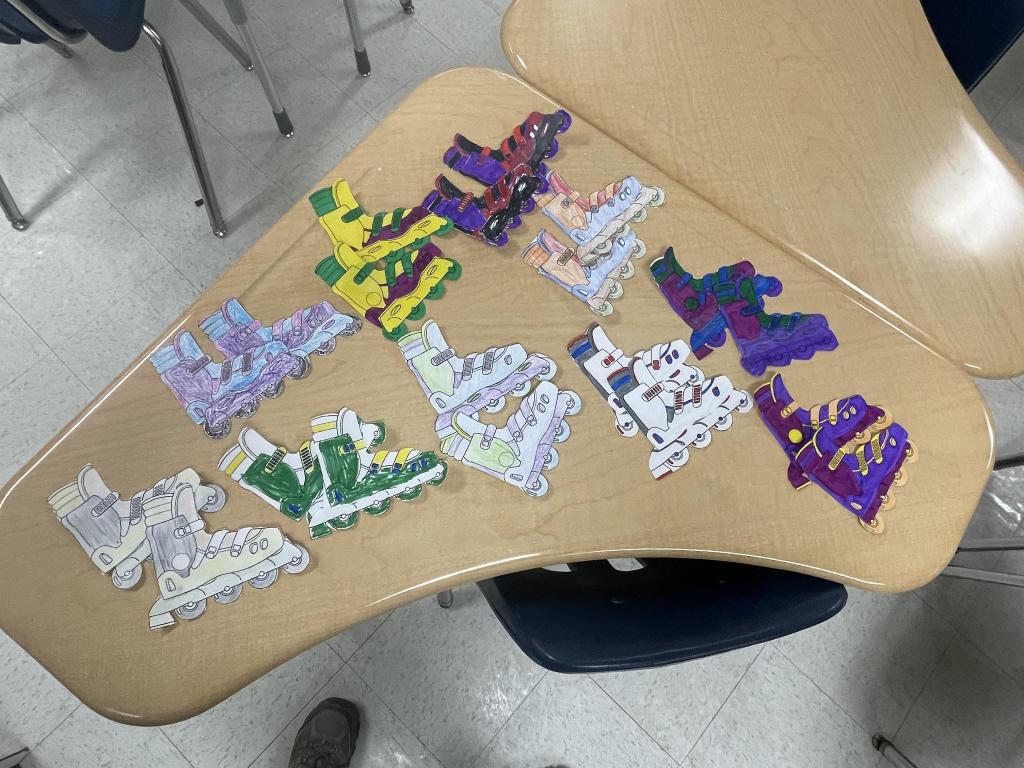
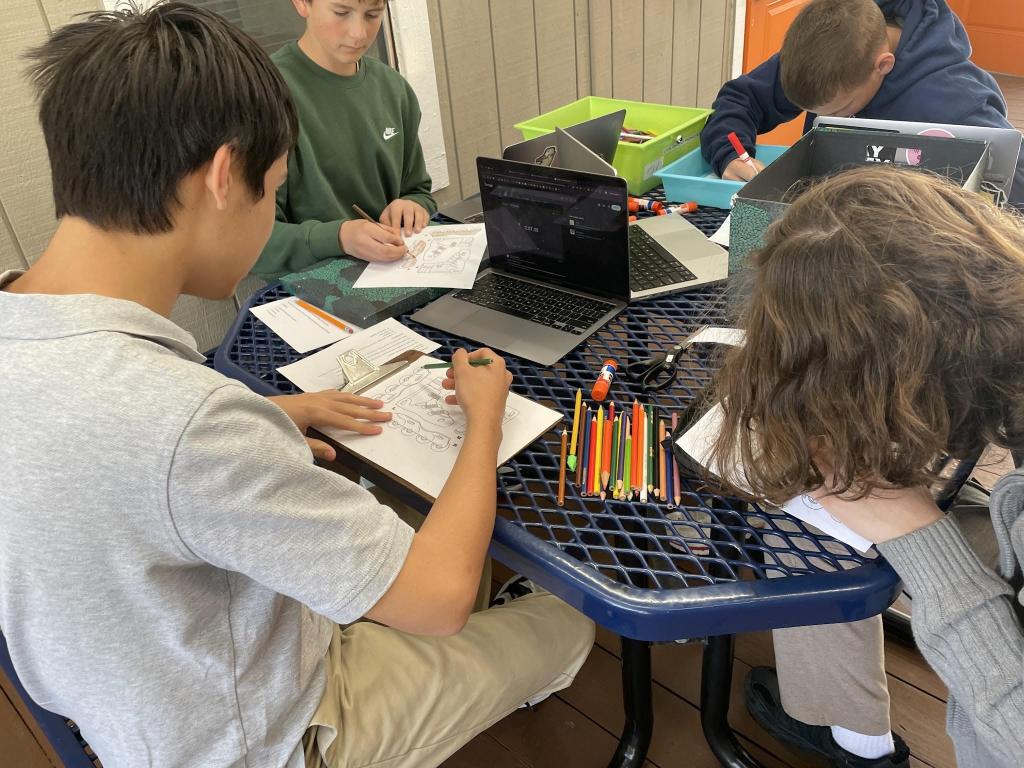
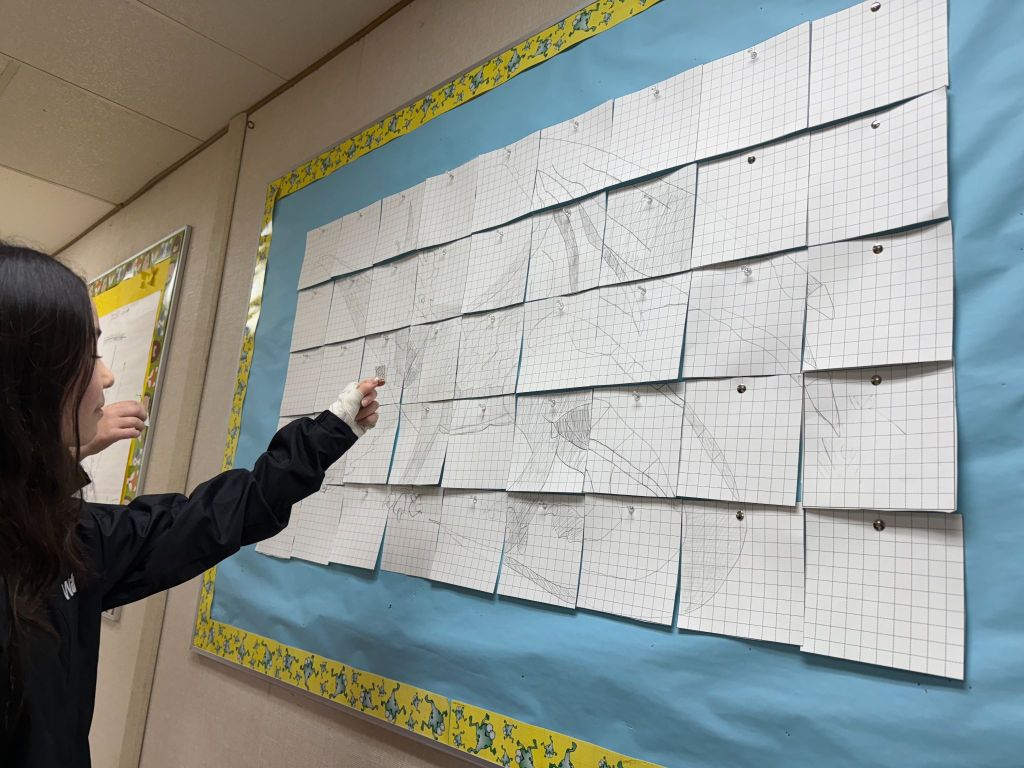
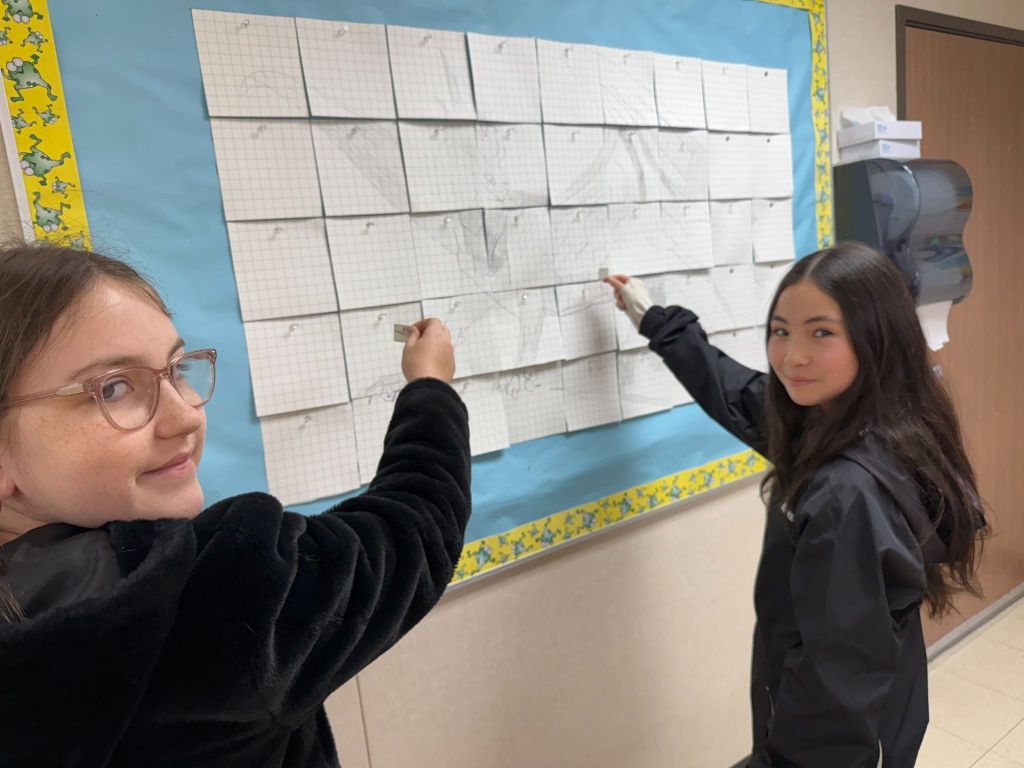
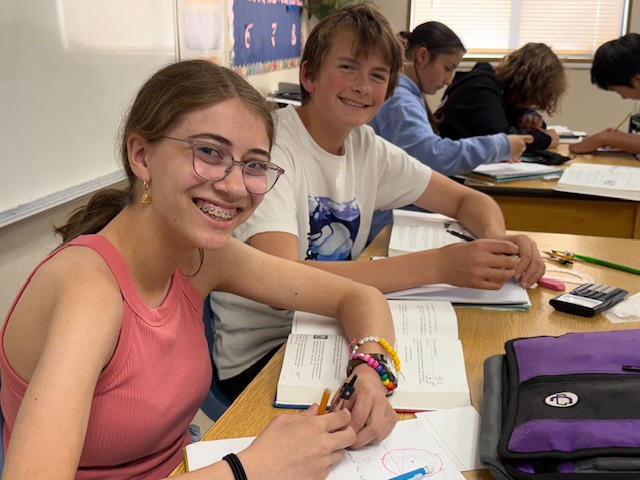
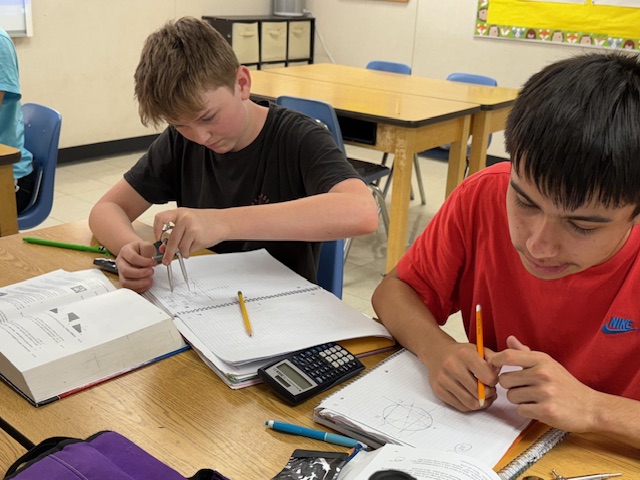
In math, sixth graders have been studying the concept of similarity, when two figures are of the same shape, but have different sizes. They began by getting several 1-inch squares with a bit of a picture on them, and they had to draw them on a 6-inch square. After the class finished, they looked at the enlargement, measured several parts, and determined that everything on their enlargement was 6 times larger than the original. They then began exploring what operations they could use to maintain similarity. They tried drawing triangles that changed by adding and by multiplying. They determined that using addition did not retain the original shape of the triangle, but multiplication and division did. Their work continued into using ratios, first of corresponding sides but then into other and more challenging situations.

#SaklanHandsOn
Immigration and Human Rights

Eighth-grade students have been reading the historical fiction novel Uprising, which tells the intersecting stories of three young women before and during the tragic Triangle Shirtwaist Factory fire in Manhattan on March 25, 1911. Two of the protagonists are newly arrived immigrants from Southern and Eastern Europe.

To provide historical context for the story and develop historical empathy, the class began their study by answering the question: Why do people migrate? Answers included “to escape war and political persecution,” “to find better work,” and “to join their families.” 

Their next discussion question was: What issues would you need to consider if you chose to move to another country? Among the issues the 8th graders identified were the need to learn a new language as well as the need to learn about and adapt to new cultural norms and practices.

The students brainstormed their own lists for their final discussion question: What are human rights?

They shared their answers verbally, and then they practiced “upholding” human rights in the classroom.

The class then compared their list of human rights to an abridged version of the Universal Declaration of Human Rights (UDHR). They discussed how and why the document was created by the United Nations in 1949. Next, the eighth graders circled those rights they feel are the most important, and then discussed why those specific rights are so important to them.

Subsequently, the students examined some facts and debunked common myths about immigration and migrants before analyzing this bar graph showing the numbers of immigrants who came to the U.S. and the locations of their origins. 

Each student then selected a card telling the true-life story of a migrant who came to the United States sometime between the 1790s and the 2000s. They wrote down the reasons why this person migrated and which Articles in the UDHR were relevant to that person’s experience. 

After each student shared their person’s story and relevant UDHR Articles in date order, the class compiled an Immigration Timeline, which tells the true stories of 40 migrants to the United States.

The class finished up with a gallery walk during which the students read all of the life stories on the timeline, identified the most common reasons why immigrants came to the U.S. throughout history, and made connections to the specific violations of the migrants’ human rights that motivated them to do so.

Learning in the Field: O’ahu Edition

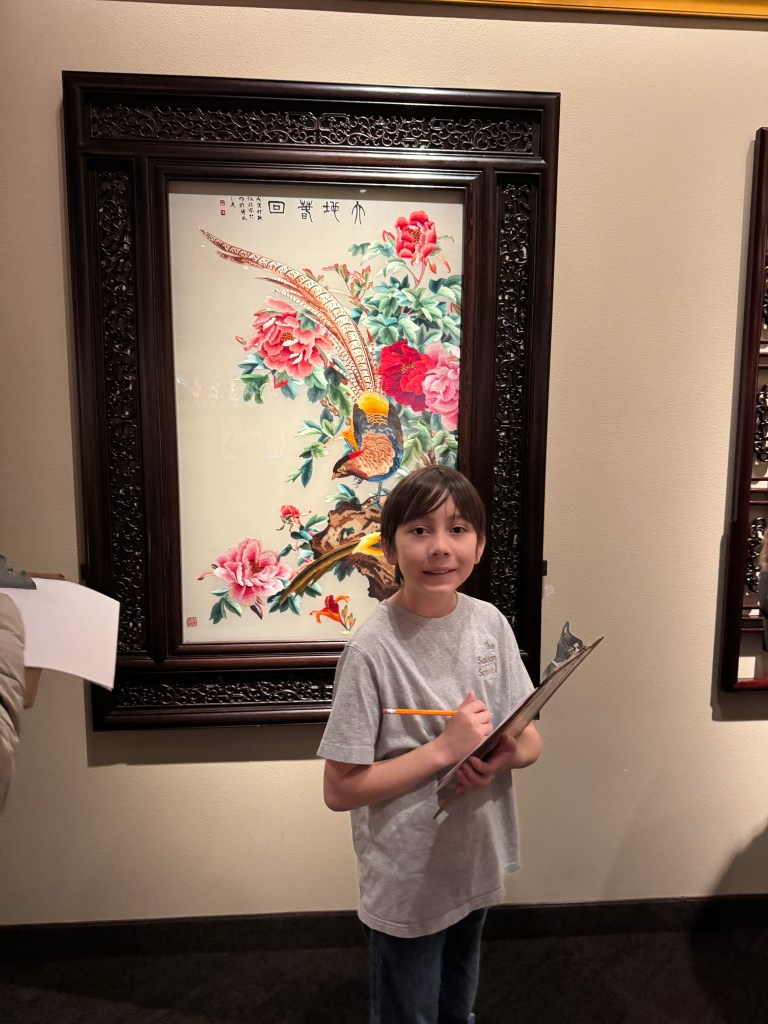
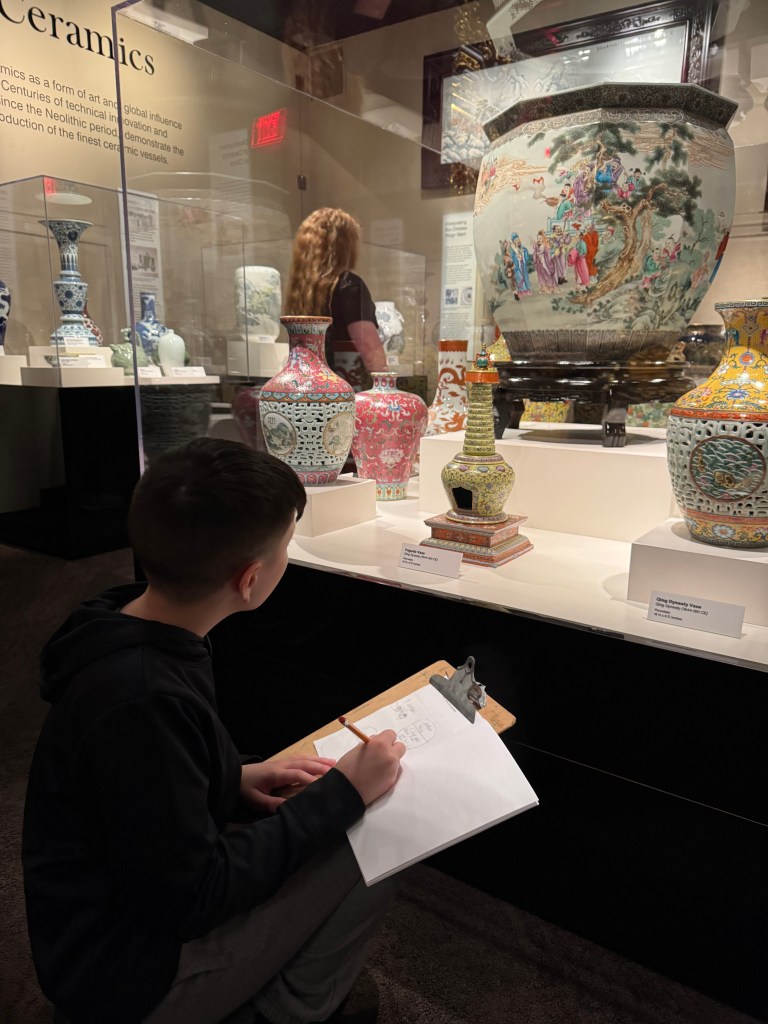
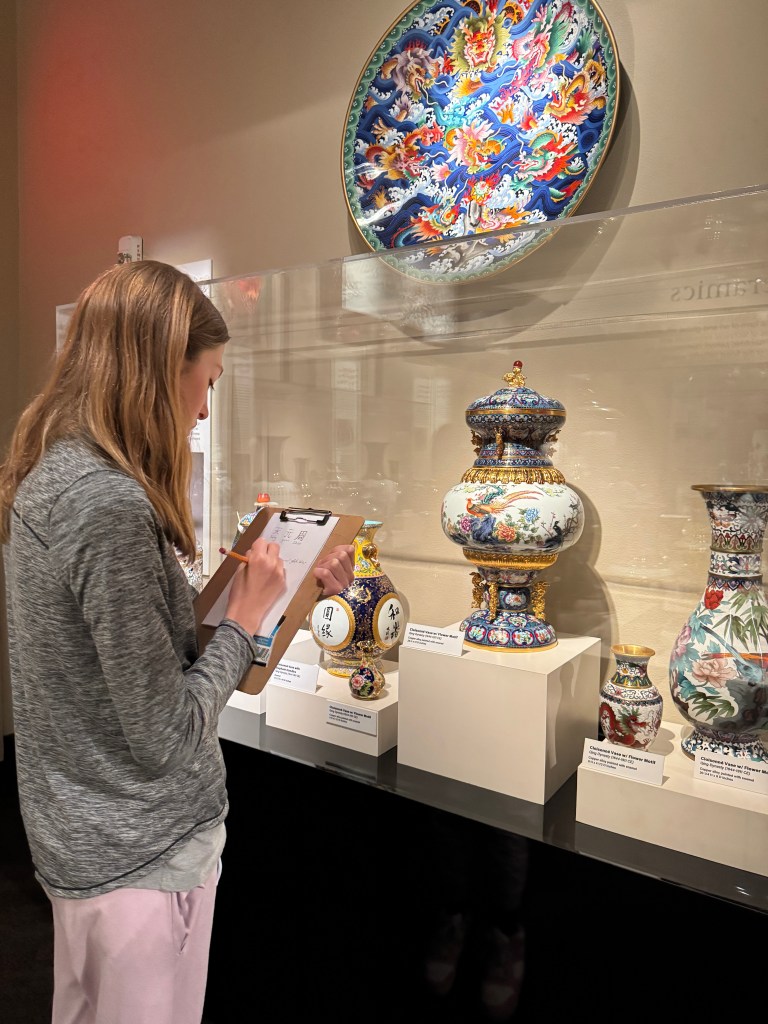
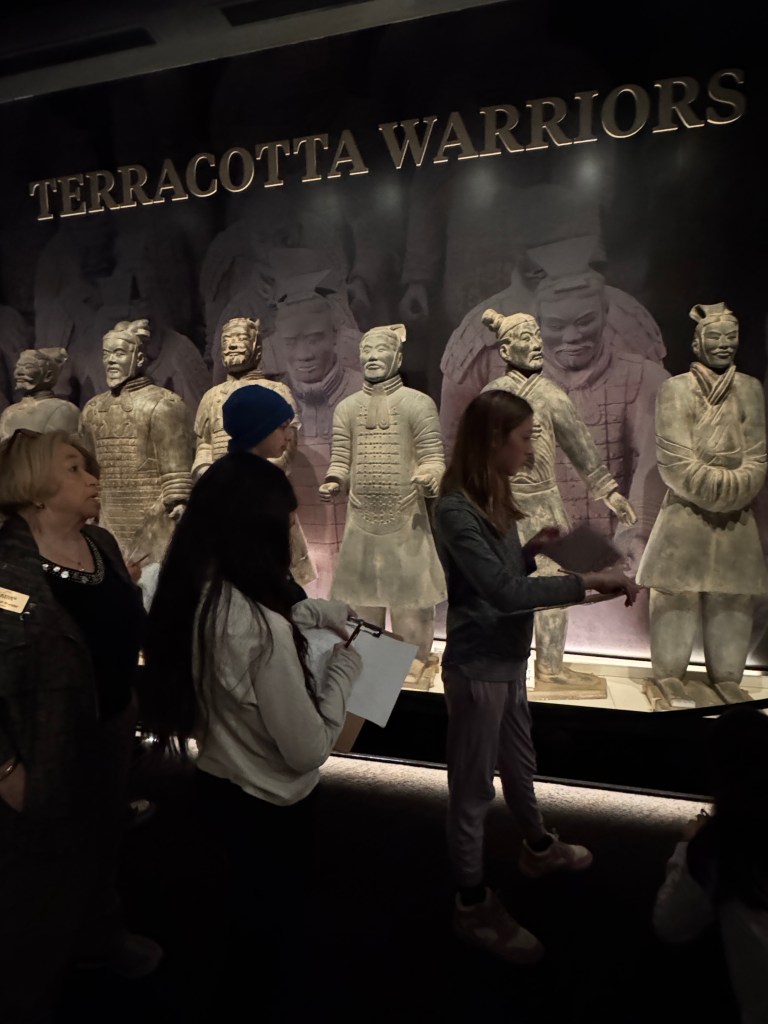
Field trip? Field experience? These terms may feel synonymous; however, at Saklan we draw an important distinction between a field trip and a field experience. Instead of trips that may loosely connect in terms of content, a field experience takes students into the field to work directly with experts, answer key need-to-know questions, and drive our project work forward. 

One example of connecting with experts in the field is the 7th grade field experience to the island of O’ahu. The driving question for this science PBL unit is, “What can we do to help reduce the single use plastics in our area?” 

Prior to arriving on the island, students watched the Mockumentary: Majestic Plastic Bag and looked at photos of different animals impacted by plastic waste including sea turtles and albatrosses. They also saw direct evidence of animals ingesting plastic waste via the dissection of an albatross bolus, in which they found: a lighter, fishing lures, fishing line, bottle caps, toy parts, plastic flatware, and many small plastic fragments. They came to the realization that, if there is trash in the ocean, animals will ingest it. 

Still, for students, an albatross and their food sources can feel removed from our local environment and experiences. They wondered what type of waste is in our local environment. Students went “foraging” for “food” around Saklan and found many waste and plastic items that animals could ingest. It became clear that, despite our best efforts, waste still finds its way into our local ecosystem and therefore ends up in our waterways, and ultimately oceans and ocean animals. 

So how can we reduce the plastic waste that impacts our environment? The field experience to O’ahu helps students better understand the impacts of pollution on ocean life, connect with Hawaiian organizations already working to reduce waste, and learn about sustainable alternatives that already exist, as they prepare to answer the driving question by developing their own single-use plastic alternative. 

Students met Rebecca, Hideki, and Lynn from Sustainable Coastlines Hawaii, a local nonprofit organization that runs beach clean-ups, partners with schools, and educates the community at local events. Together they had the opportunity to mālama, care for, the ocean by completing a beach clean-up at the Mālaekahana Beach. Using a sieve-like tool, students removed 30 pounds of waste! Much of it could be classified as “micro-plastics,” or plastics that are less than 5mm in size. While students did find a large blue plastic jug on the sand, most of what they collected were super tiny bits of blue plastic, evidence of many different large blue plastic jugs that have broken down over time. Another surprise was the tiny white disks called nurdles, which are pre-production microplastics that are super tricky to recover from accidental spills into the ocean. The class was reminded that choices on land impact the oceans and that beach clean-ups can only take us so far! The staff from Sustainable Coastlines provided some great inspiration and ideas for alternatives to these plastics that are washing up on Hawaiian shores each day.

Sustainable Coastlines was just the beginning, while on O’ahu, students also connected with experts at Hanauma Bay Nature Preserve and Project Genki Ala Wai where they made and deployed Genki balls in the Ala Wai Canal to restore its ecosystem making it safer for both people and animals. 

The 7th graders will take these many rich learning experiences in the field back to the classroom to help them answer their driving question and refocus on sustainable alternatives to single-use plastics in our local environment. 

As always, the students aren’t the only ones gaining inspiration and connections to drive their work forward! While on the island, Linda Lathrop visited Punahou School to learn about how they approach projects and design thinking. From the integration of native Hawaiian language, music, food, and dance to design projects in their STEM labs and art rooms, it is always enriching to connect with other teachers to hear about their practices. Just like our 7th graders are out in the field grappling with the content of their project, our staff enjoyed the opportunity to discuss project hurdles and successes from another school site. Opportunities like these to connect with different schools give us new ideas and potential solutions to our own project hurdles! It is also exciting to see practices we have in common too! Can you spot any in the photos below?

We look forward to hearing more about all this rich teacher and student learning when the students and teachers return to campus next week!

#SaklanPBL

Celebrating Lunar New Year

Saklan students celebrated Lunar New Year with some special activities on Wednesday. Lunar New Year, which celebrates the start of the lunisolar Chinese calendar, is celebrated in China, Vietnam, Korea, Malaysia, and Singapore, among other countries.

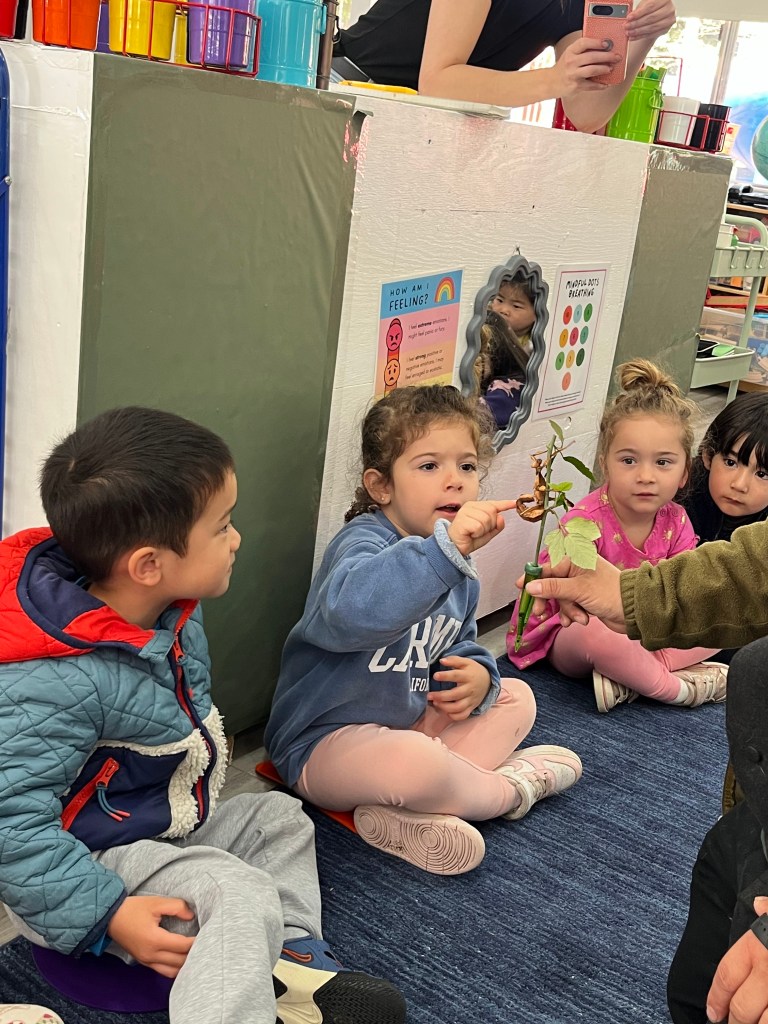
Preschool students welcomed two guest experts to share about Lunar New Year. Samantha, an Owlet parent, read a book to the class and shared red envelopes with them. Sharon, an Owlet grandparent, shared Lunar New Year traditions that take place in China, told the story of The Great Race, and shared tangerines with the students. The Owlets also enjoyed making snake paper lanterns, Lunar New Year yoga, and listening to traditional Chinese music.

Pre-K students celebrated by welcoming Heidi, a Hoot Owl mom, into their class. Heidi shared that Lunar New Year is based on the Moon instead of the sun and talked about the Chinese word for fortune, 福, and its importance. Heidi shared pictures of her children wearing special Lunar New Year outfits and then treated the class to some bao filled with custard.

Maggie also taught the Hoot Owls about her family’s Lunar New Year traditions, including cleaning their homes and putting up Chinese sayings with good wishes for the new year. The Pre-K students enjoyed watching a video of a lion dance, as well as talking about and receiving red envelopes.

To help with the campus celebrations, the 5th graders put together a dragon which Peta hung on the pergola to welcome students to campus on Wednesday. The fifth graders also made lanterns and dragon drawings.

In humanities class, Christina shared some of her family traditions with the 6th graders, including the tradition of eating tangerines, which are believed to bring good fortune, and of giving red envelopes with money in them as a symbol of good luck. She also shared the proper etiquette for giving and receiving the red envelopes to show respect. The 6th graders also talked about the importance of the Chinese word for fortune and then learned how to write it.

The 6th graders then took their newly acquired skills over to the Hoot Owl classroom, where they taught the Hoot Owls how to write the word for fortune with brushes and ink.

May the Year of the Snake be prosperous for all!

#SaklanCommunity

Ecosystems and Adaptations

In science, the 6th graders recently explored Earth’s biomes. Working in pairs, they created educational slideshows to teach their classmates about our planet’s incredible variety of ecosystems. Afterward, they dove deeper into the topic by examining how organisms adapt to survive in diverse environments. This culminated in an engaging “Adaptation Auction,” focusing on two contrasting ecosystems: the ocean and the desert.

The 6th graders explored the stark differences between these ecosystems, identifying particularly beneficial adaptations in each. The desert’s unique ability to preserve species, culture, and history—due to its dry climate, fewer large scavengers, and minimal decomposers—sparked fascinating discussions. To bring this concept to life, students mummified apples in class! They created a narin mixture of salt and baking soda to act as our drying agent. Students then carved a face into an apple and let it sit in the narin mixture for a week. They observed how the drying agent caused noticeable changes in size, texture, and weight after just one week.

Next, the students moved on to studying the relationships between species within ecosystems, such as mutualism, parasitism, and commensalism. They created comics that illustrate these interactions in real-world scenarios to demonstrate their understanding. Below are examples of their creative work.

#SaklanHandsOn #SaklanCreativity
Successful Community Spaces

As part of their Community Spaces Project Based Learning unit, 7th graders recently analyzed, brainstormed, collaborated and categorized to answer the focus question: What makes a community space successful and sustainable?

First, each student wrote a paper analyzing the successful and sustainable features of one space or structure in the Maya, Aztec/Mexica, or Inka civilizations. The spaces and structures they studied included the construction and urban design of Tenochtitlán, temples, marketplaces, ballcourts, observatories, homes, and palaces. 
Next, the class brainstormed successful features of the places they visited during field experiences: Moraga Commons, the Wellness Center at Los Perales Elementary School in Moraga, the Oakland Museum of California, and Temple Hill in Oakland. The students also learned about contemporary sustainable low-rise buildings designed by Japanese architect Kengo Kuma, such as the National Stadium built for the 2020 Tokyo Olympics. 

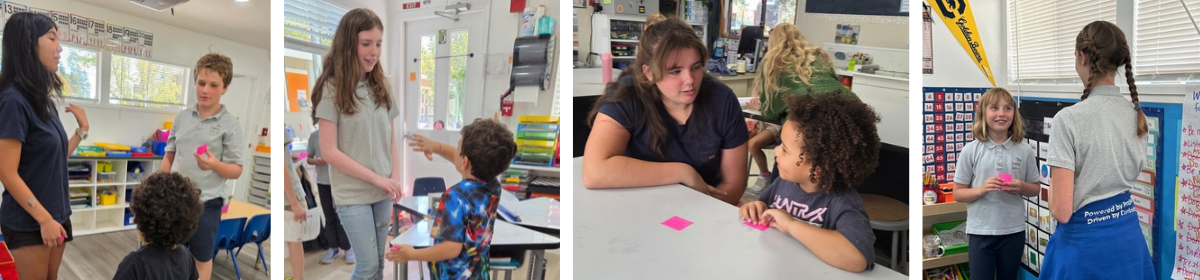
After they generated lists of the successful features of all of these spaces and structures, the students worked in small groups to place these features into categories. They used the below visual representation as a model. Next, the class narrowed down their successful space criteria into six categories. Working in groups, the class collaborated to create their own version of the diagram (click the arrows below to see their version).

To conclude the unit, the 7th graders applied the success criteria they developed to propose improvements to the existing Saklan School campus or a redesigned and rebuilt Saklan campus. The students presented their suggested improvements to members of the Saklan Board of Trustees and the administrative team on Thursday and Friday of this week.

To learn more about their campus improvement suggestions, please join us for CLAS next week, on Friday, January 31st, when the 7th graders will share an overview of their project with the community.

#SaklanPBL

Spreading Holiday Cheer

The Middle School Choir musicians have been working on mastering the harmonies of “Happiness” from You’re a Good Man, Charlie Brown. They have also added a few more songs to their repertoire, including “Together, Wherever We Go” from Gypsy and “It’s Possible” from Seussical. In addition, the student musicians are learning choreography to enhance their song performances, as well as adding in handbell parts!

Their harmonizing, choreography, and handbell work came together on Wednesday when the choir shared a holiday performance with our neighbors who live at Moraga Royale (a senior living community). To prepare for the show, the students learned holiday songs that they thought the seniors would know. During the show, they invited the audience to sing along with them, and to their amazement, they did!

The heartwarming performance brought smiles to the faces of the Moraga Royale staff and residents and filled the room with great holiday cheer. We hope the video below does the same for you!

#SaklanCompassionate

Bagging Apples

The 7th-grade class started off the week volunteering at the Alameda County Food Bank in Oakland. Most of the class remembered helping out last year, but for a few, this was their first visit.

During this trip to the food bank, the students were tasked with bagging apples. After 90 minutes of filling and tying bags of apples, the group had prepared 4,800 pounds of food. This equated to 3,984 meals as a group or 234 meals per volunteer.

The staff and volunteers at the Food Bank extended their gratitude for this community support. Nice work, 7th grade!

#SaklanCompassion