Collaborative Group Work

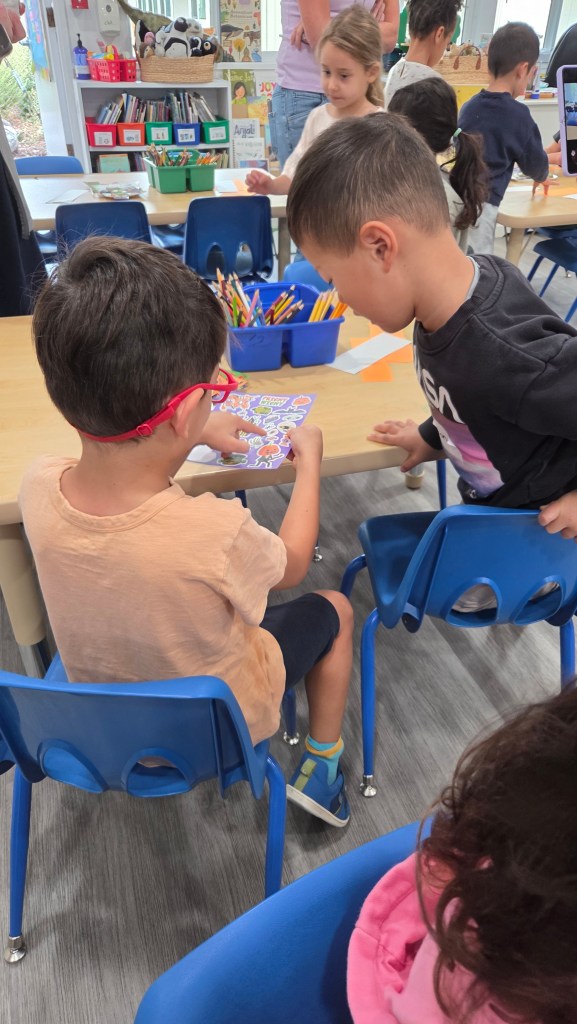
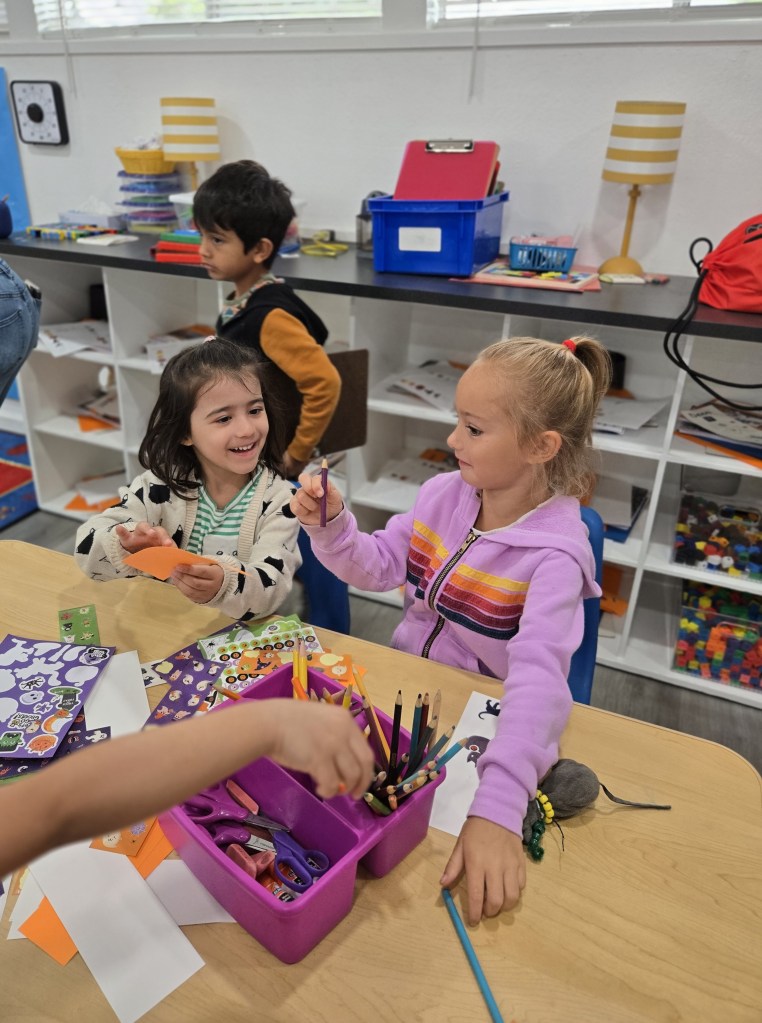
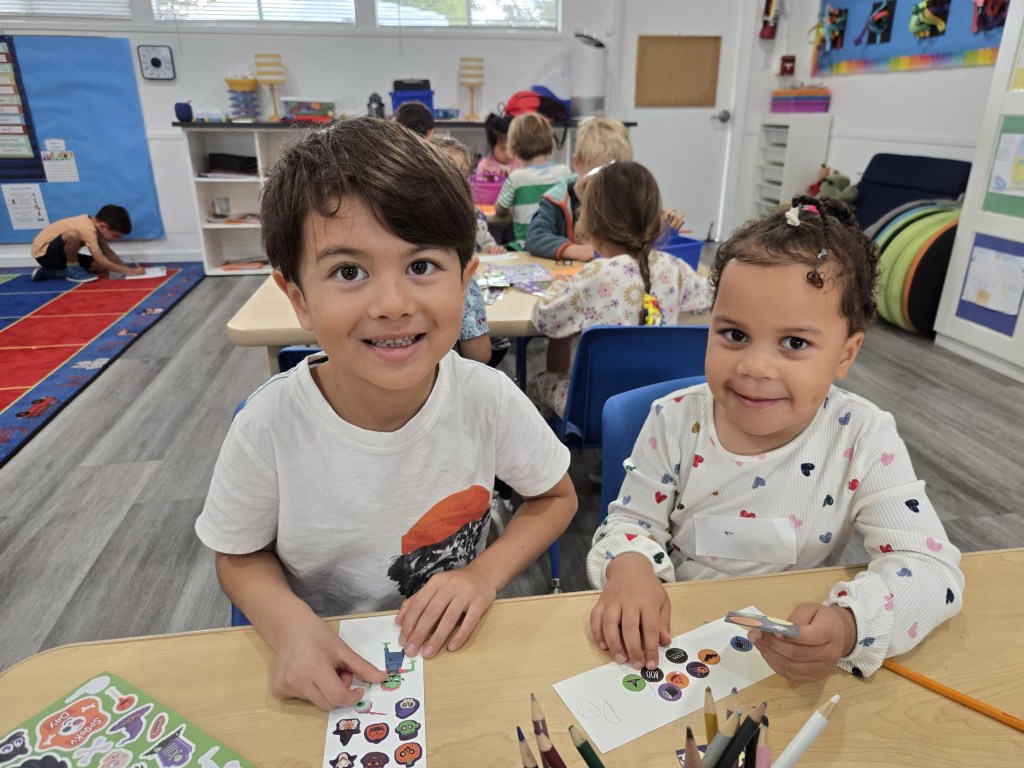
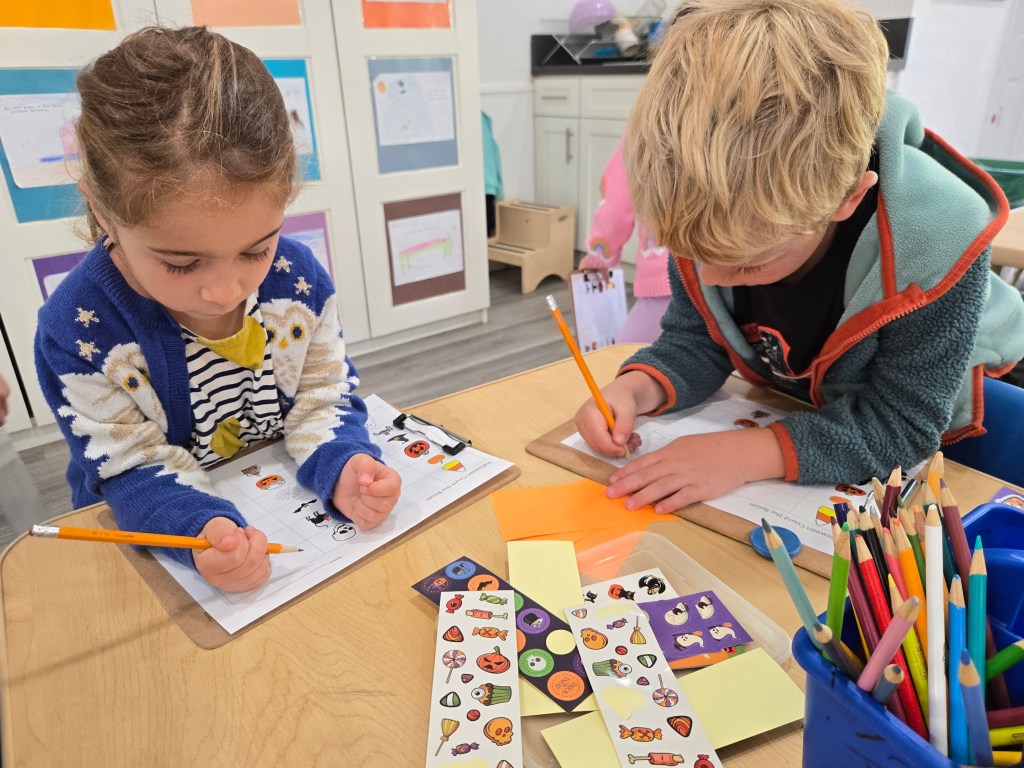
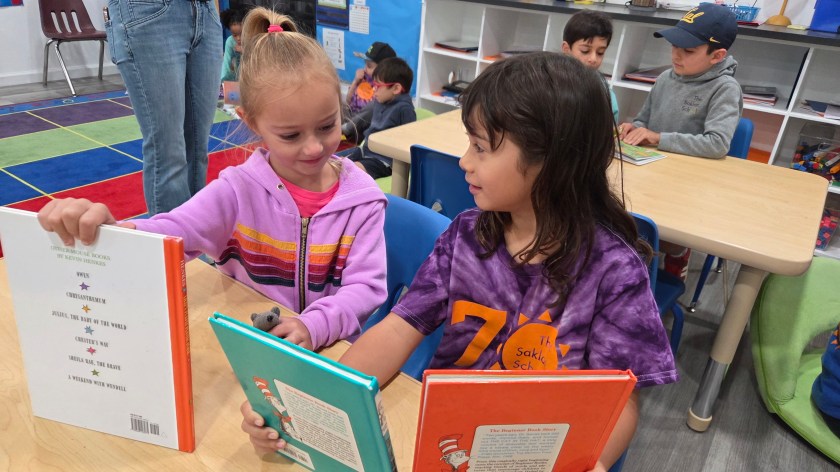
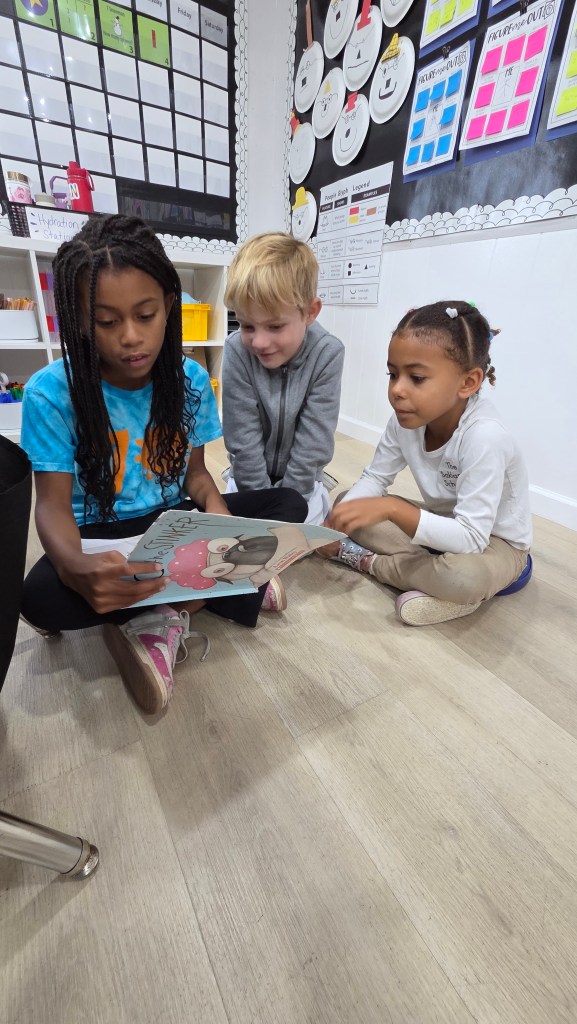
Collaborating to solve problems is a key element of PBL work at Saklan and a skill that many of us need to employ in our workplaces too. Intentionally building this skill is one of many ways that project work benefits Saklan students long after they leave our campus. Here are some ways we develop our skill of collaboration! 

To effectively collaborate, we must develop relationships that are grounded in trust, interdependence, and shared accountability. Rich learning experiences that develop the skill of effective collaboration do not happen by chance, but are instead, intentionally woven throughout our project design. Teachers use success skills rubrics alongside content-specific learning goals, directly teach and model collaboration, and create driving questions and topics that encourage students to share and showcase their stories, skills, and talents. 

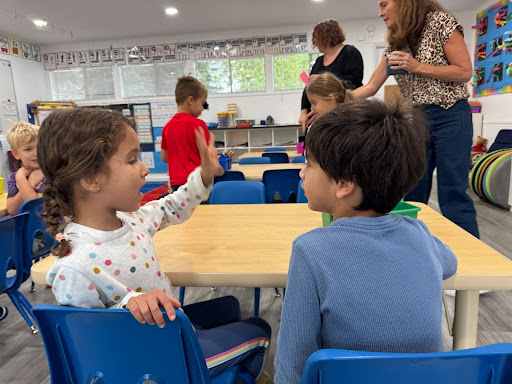
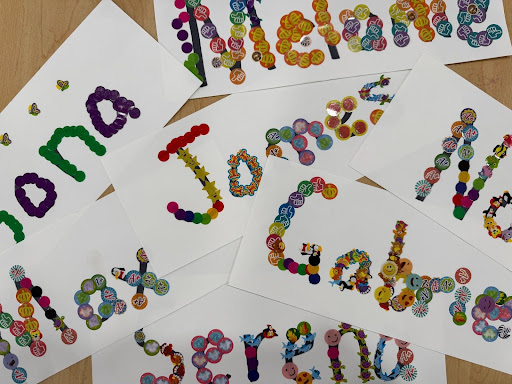
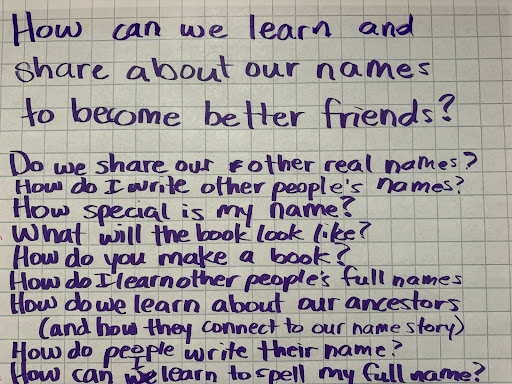
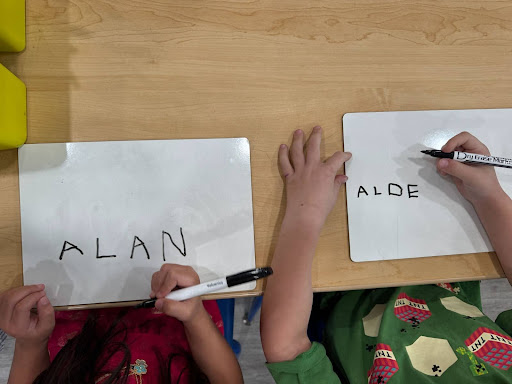
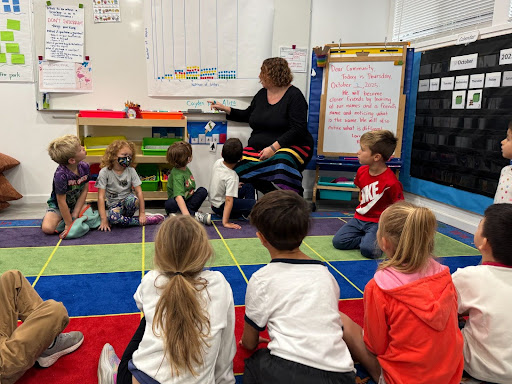
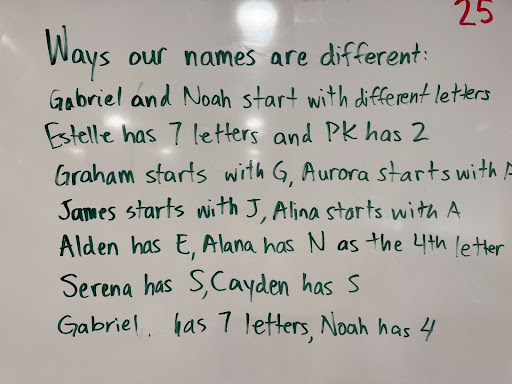
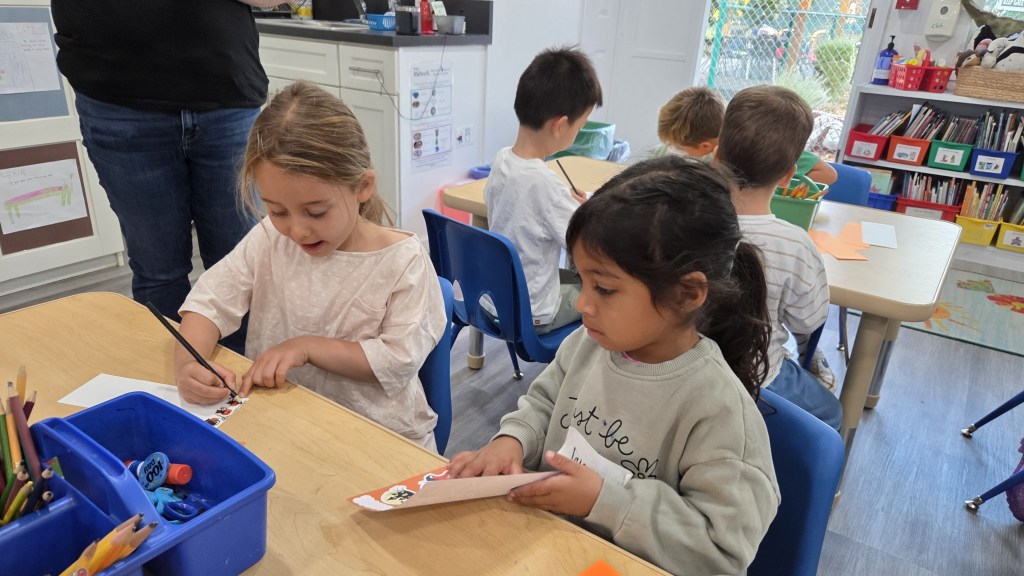
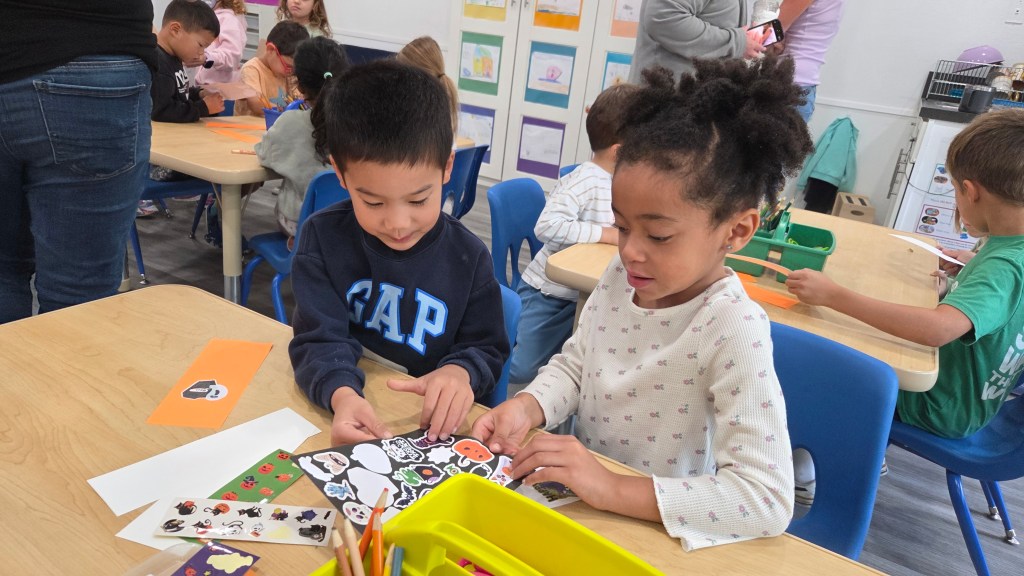
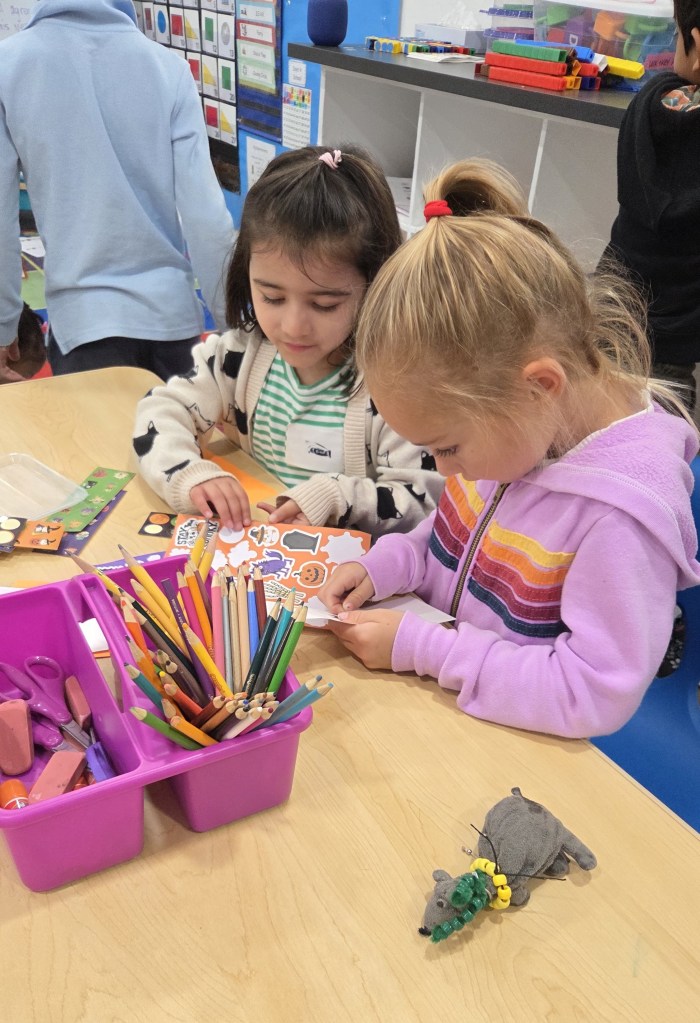
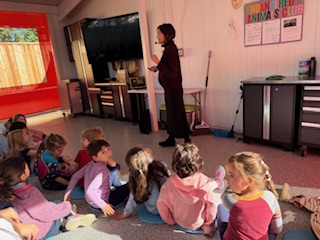
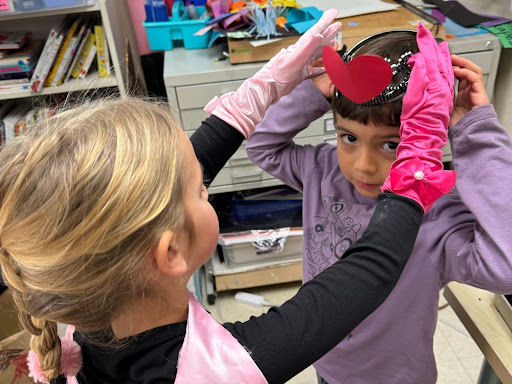
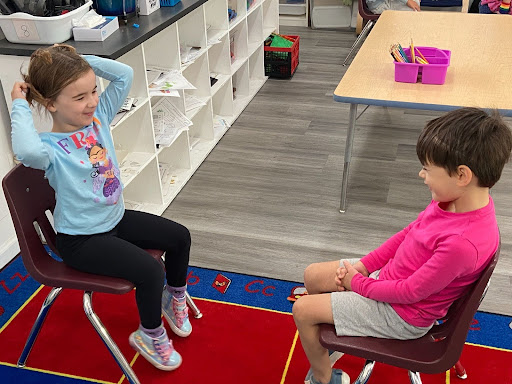
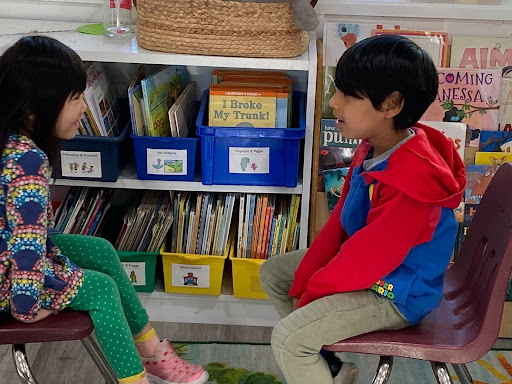
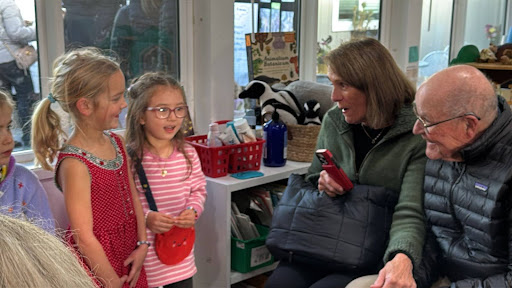
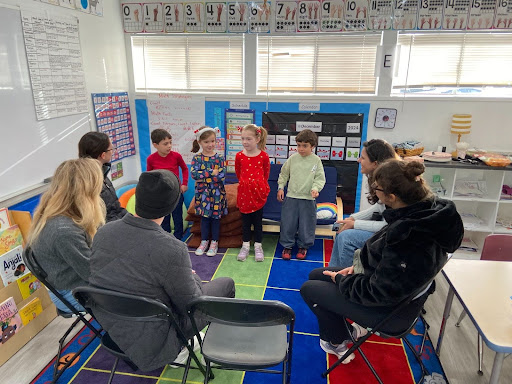
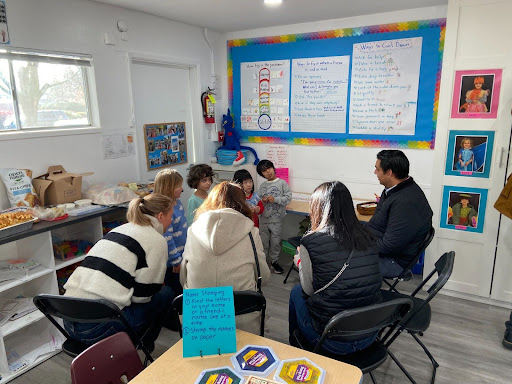
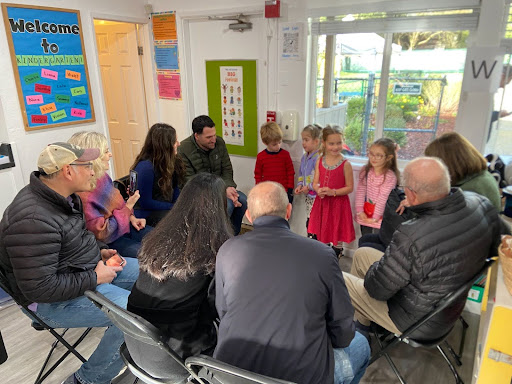
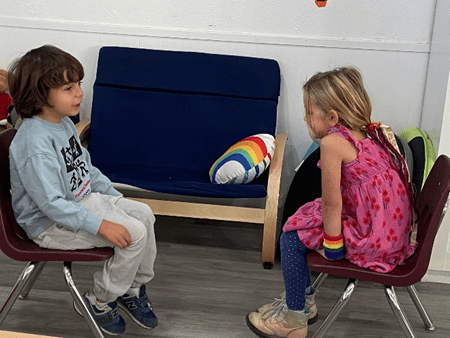
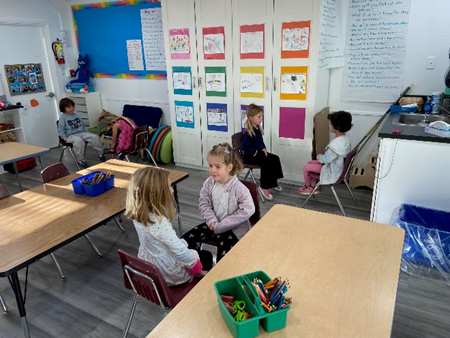
A recent student example can be found in Kindergarten’s PBL unit on names. During this unit students explored the driving question, “How can sharing about our names help us become better friends?” Throughout the unit milestones, students worked on their capacity to tell their own name stories, ask questions about each other’s names, and really listen to their peers. Name stories open endless opportunities to share about culture, language, and family histories. Throughout each stage of this unit, learning experiences were designed to not only meet academic learning goals but also foster students’ trusting relationships and their sense of interdependence. Whether it was helping design a name story costume for self-portraits in art class, sharing their favorite part of their name stories with each other, or telling our families about each other’s names, the fruits of intentionally collaborative project design were on full display in this unit. Our Kindergarteners undoubtedly grew their capacity for collaboration.

At Saklan it isn’t just the students working to deepen their collaboration and sense of interdependence. The teachers at Saklan are also actively improving our practice.

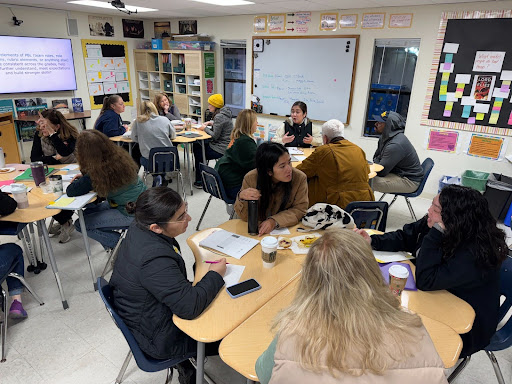
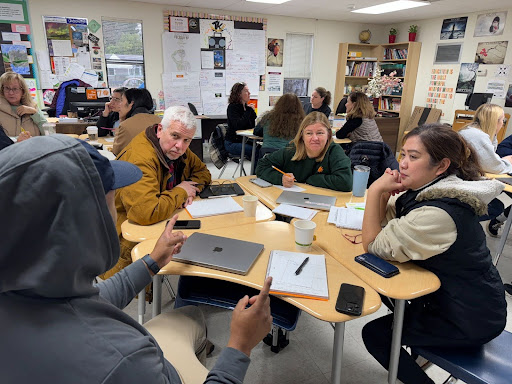
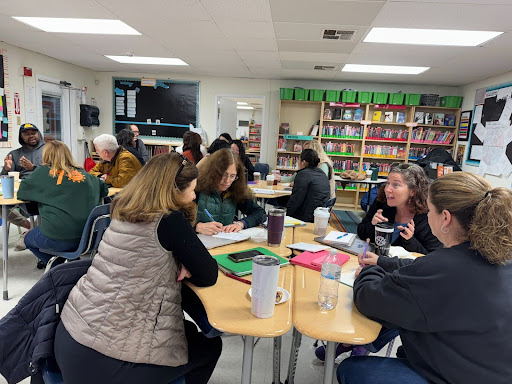
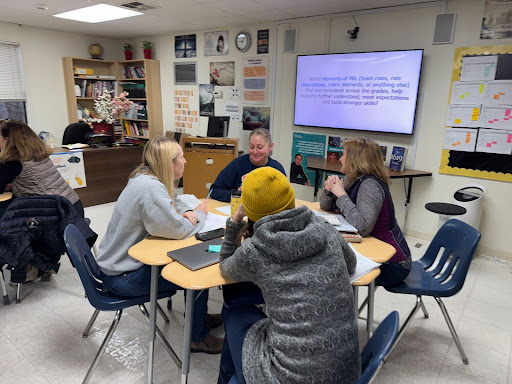
One way we are doing this as faculty is through our Professional Learning Community. A Professional Learning Community (PLC) is a way for our staff to share and grow in our capacity for project based learning with a pervasive, ongoing impact on the structure, style, and culture of PBL at Saklan. Instead of a series of stand-alone meetings, a PLC is intended to be an ongoing process in which educators work collaboratively in recurring cycles of collective inquiry and action research to achieve better results for Saklan students. 

At our most recent session on the January 6th PD day, there were two elements to our PLC work. Each teacher met as part of their year-long small group focused on one particular area of interest: using rubrics, managing team tasks, sustaining inquiry, and differentiation. Before these breakout sessions, the whole group worked on deepening our understanding of Universal Design for Learning (UDL) and discussed how we can increase our alignment of collaborative work expectations across grade levels and divisions. It was a lively discussion and we are excited to implement our learning from the research we’ve discussed AND from each other.

#SaklanCollaboration #SaklanLifeLongLearners

Name Stories

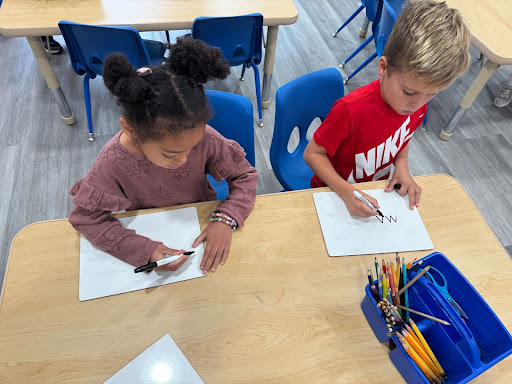
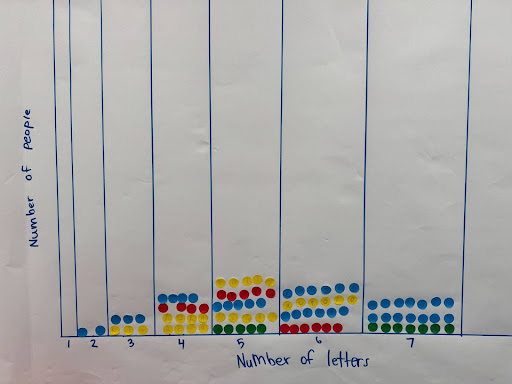
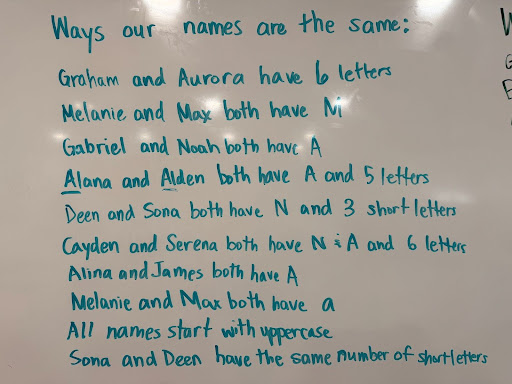
In their Names Project, kindergartners have been sharing and learning about each other’s names to build community and deepen friendships. The students have learned and shared the letters in their names, compared the number of letters, and found similarities and differences with friends’ names. The class has read a variety of mentor texts that highlight the unique characteristics of characters’ names. The kindergartners learned about interviewing and listening to plan for and interview their parents about their name stories. The class will bring all this together in a book about their name stories.

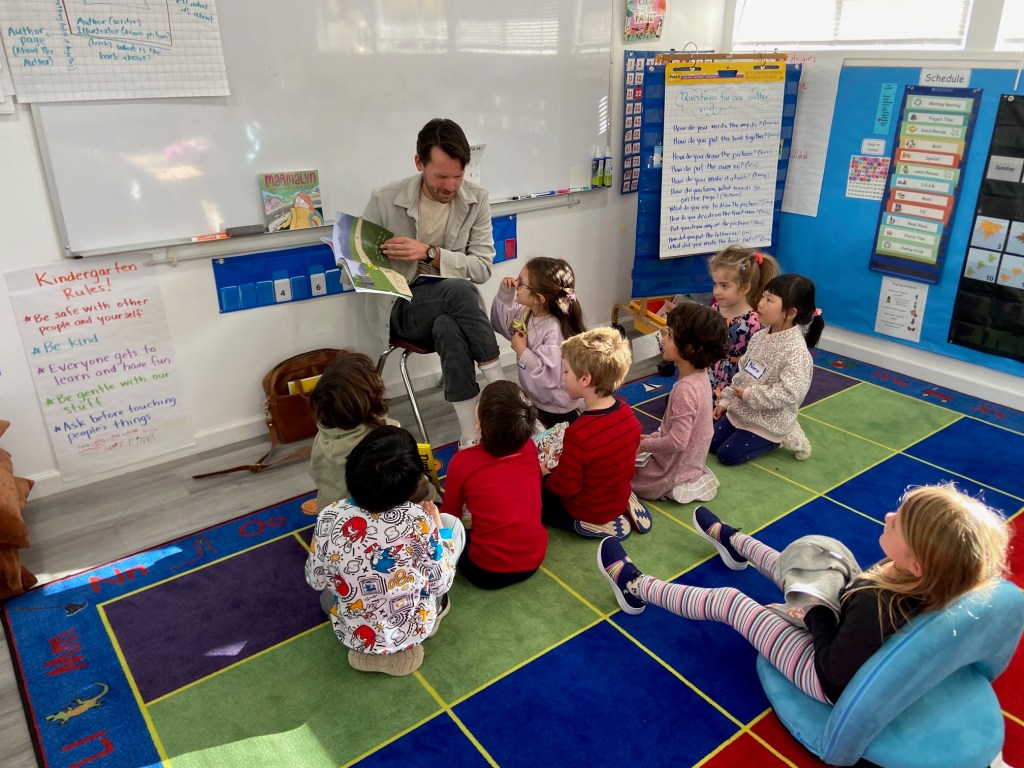
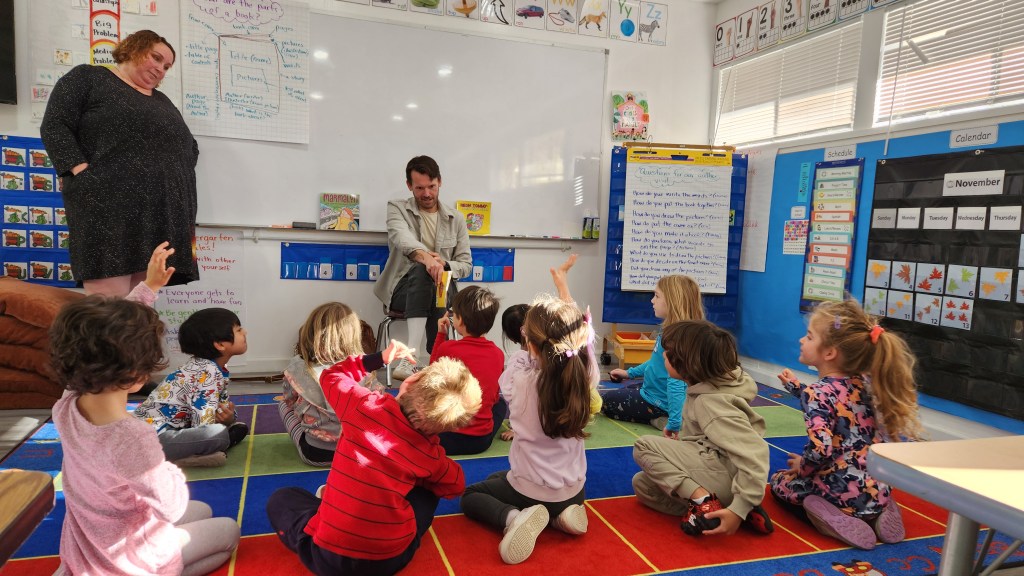
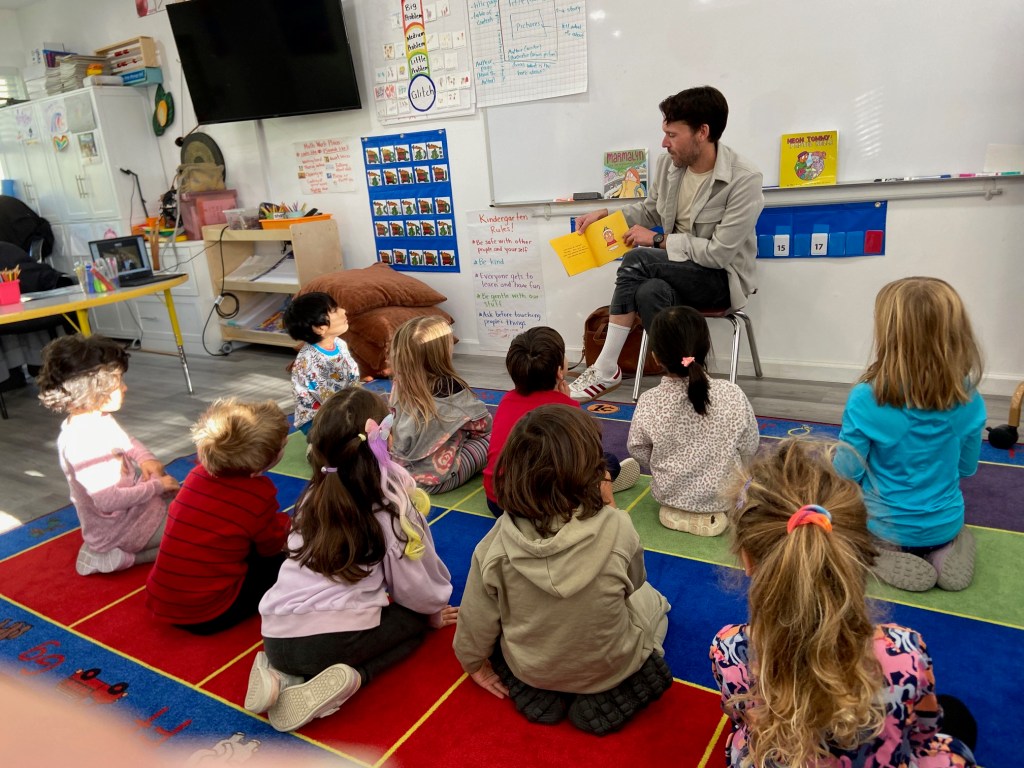
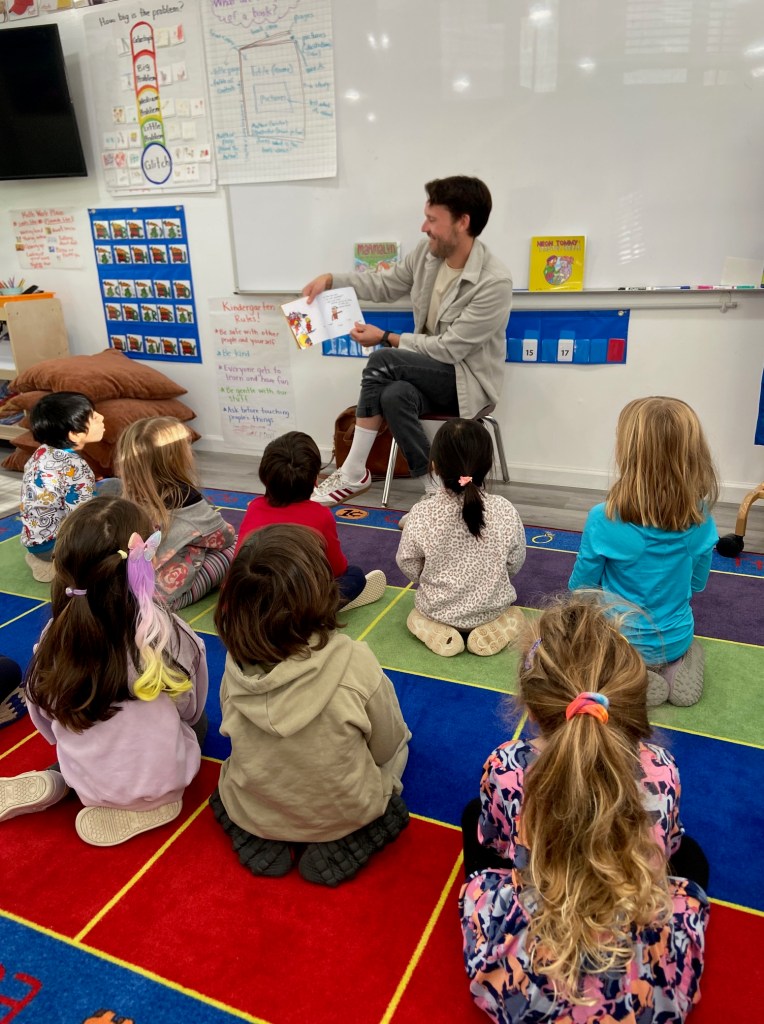
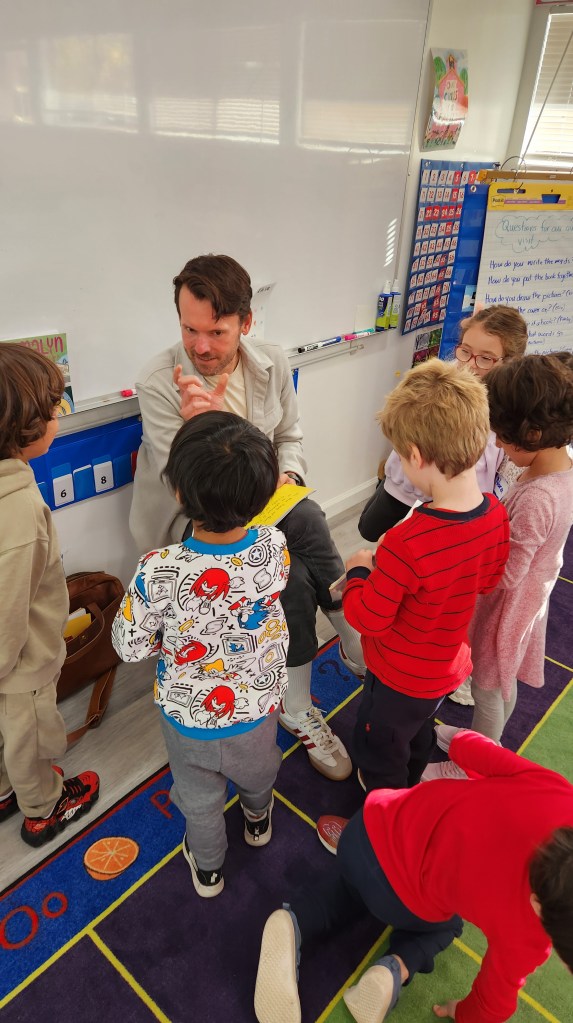
To prepare to write their own book, Saklan Kindergarteners were delighted to host guest expert and children’s book author Matt Hintze on Wednesday, November 13th. Matt read his newest book, Santa Stole My Cookies, to the class. They loved it! 

After the reading came the most important part of the expert visit: the class interviewed Matt about writing and publishing books. The kindergartners planned for the visit the day before by coming up with questions they wanted to know about making books, which might be useful when creating their name books.

Matt was so impressed by the students’ smart, thoughtful questions, and the kindergartners were very happy with the helpful information Matt provided.

The kindergartners will share their name books and other aspects of their learning during their Names Project Culmination on Thursday, December 12th at 8:45 a.m. They would love for you to attend their culmination!
#SaklanProjectWork

Kindergarten Ensemble

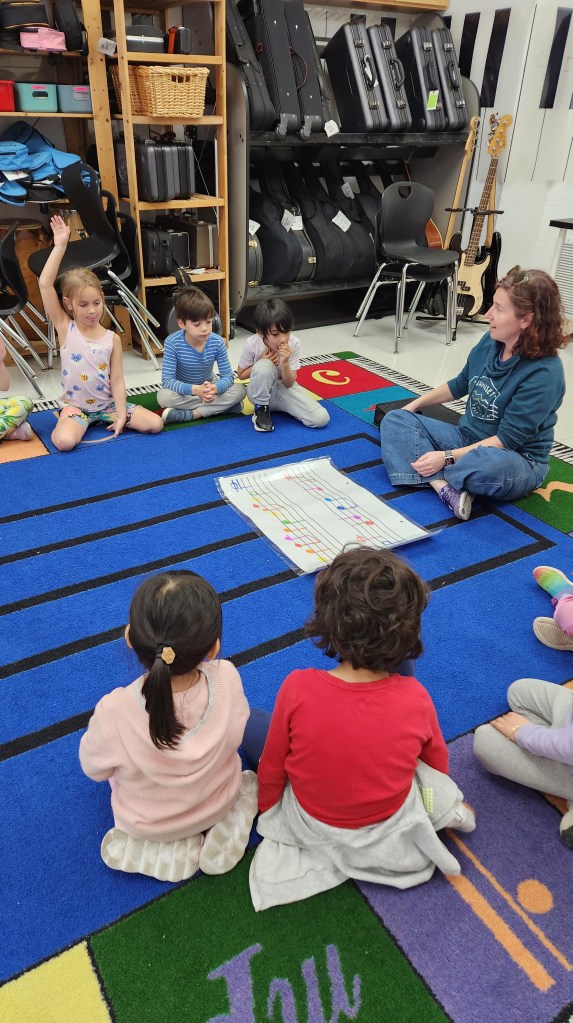
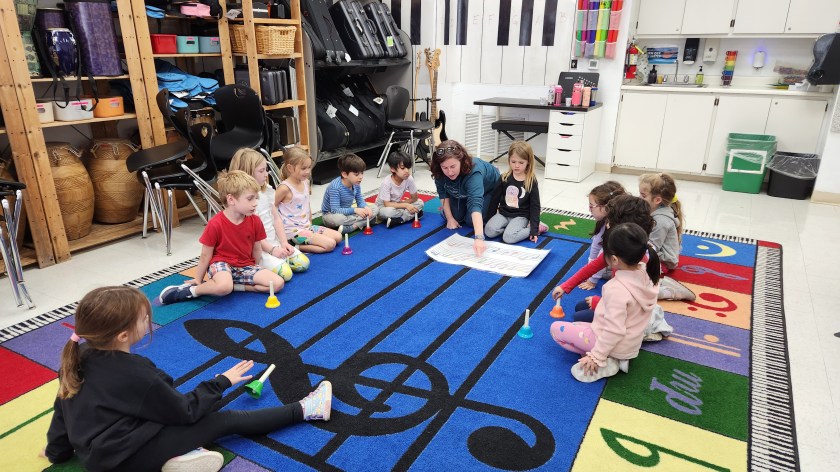
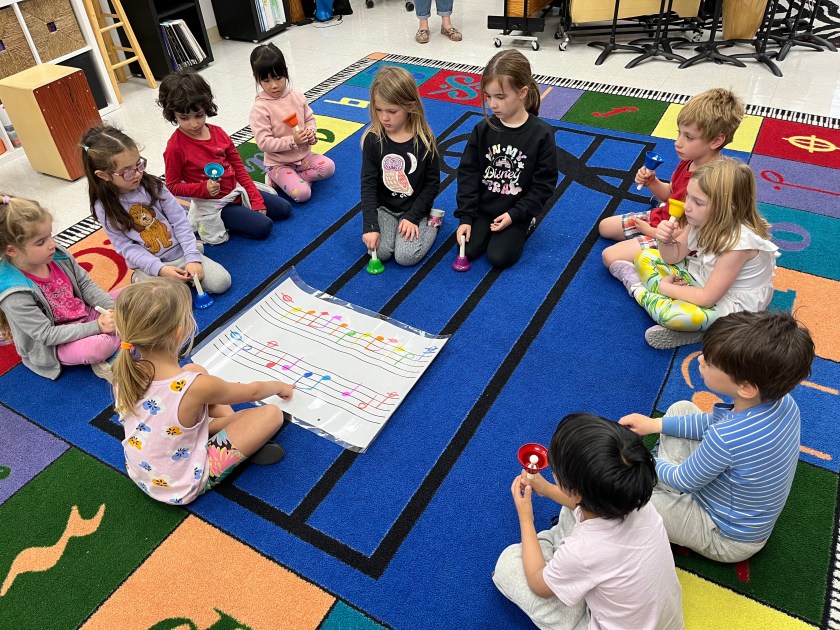
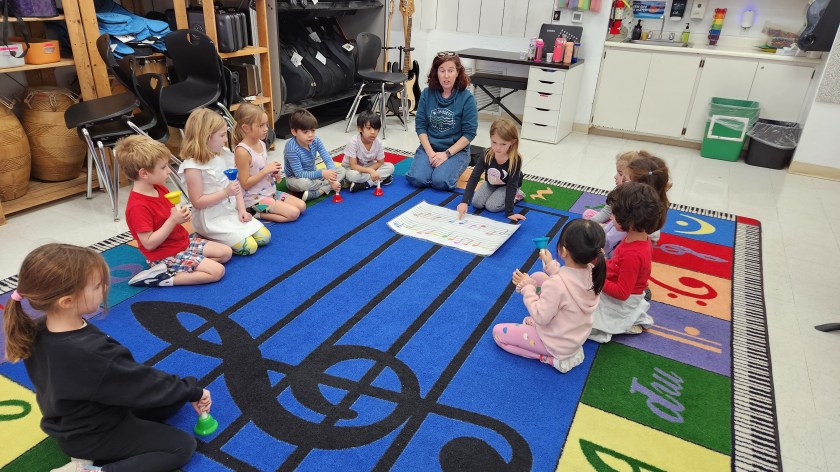
In music class, kindergartners are thrilled to be learning to play handbells! They started the year mostly playing and singing in unison, and now student musicians have the opportunity to understand how they can play different parts within an ensemble. While playing handbells, students must track others’ playing and know when they will play their notes to help complete the phrase or song. The class has talked about the different parts of the bells, how to use them safely, and how to get different sounds when playing these instruments. Student musicians have also had the chance to read music on the treble clef for this unit. They use chart paper-sized sheet music so all musicians can look on together!
The music is color-coded to match the bells, allowing students to practice seeing different pitches on the musical staff while matching the colors to play the correct pitch. This scaffolded practice supports their understanding of both what different notes look like on the staff, as well as what they sound like. Since the musicians need to work together as an ensemble to play songs, conducting is essential. Students have been taking turns as the conductor by pointing to the note on the shared giant music sheet as their classmates follow along.

The kindergarten musicians have already been practicing “Somewhere Over the Rainbow,” “Down By the Bay,” and the theme from Beethoven’s Ninth Symphony. They are eagerly looking forward to what comes next!

#SaklanCollaboration

Self-Regulating Kindergarteners

Kindergarten has been learning about self-regulation. While self-regulation is something that everyone is always working on and practicing, it helps to make our strategies and tools for self-regulation visible for others to better understand.

First, it’s important to make sure we all know what calm feels like so that in moments of upset or silliness, we can get ourselves back to calm. The class read a story about a very moody cow and compared how it feels in their bodies when they are mad versus when they are calm. Next, they read a story about a boy who had a horrible day and discussed things he could have done to feel better throughout the day. Then Riva introduced the “break chair” to the class, which is a tool that students can use to calm down after upset, overstimulation, anger, distraction, etc. She modeled how to use it, and then the class shared what they noticed. A student modeled for the class as well, and again the students shared what they noticed. Then came the kindergartners’ favorite part, sending Riva to take a break in the chair. But, Riva did the WRONG thing! Hilarity ensued, and even Riva couldn’t keep a straight face, as everyone was cracking up. Since introducing this self-regulation tool, Riva has been thrilled to see many students using the Break Chair throughout the day. It’s clearly a tool that works for them!

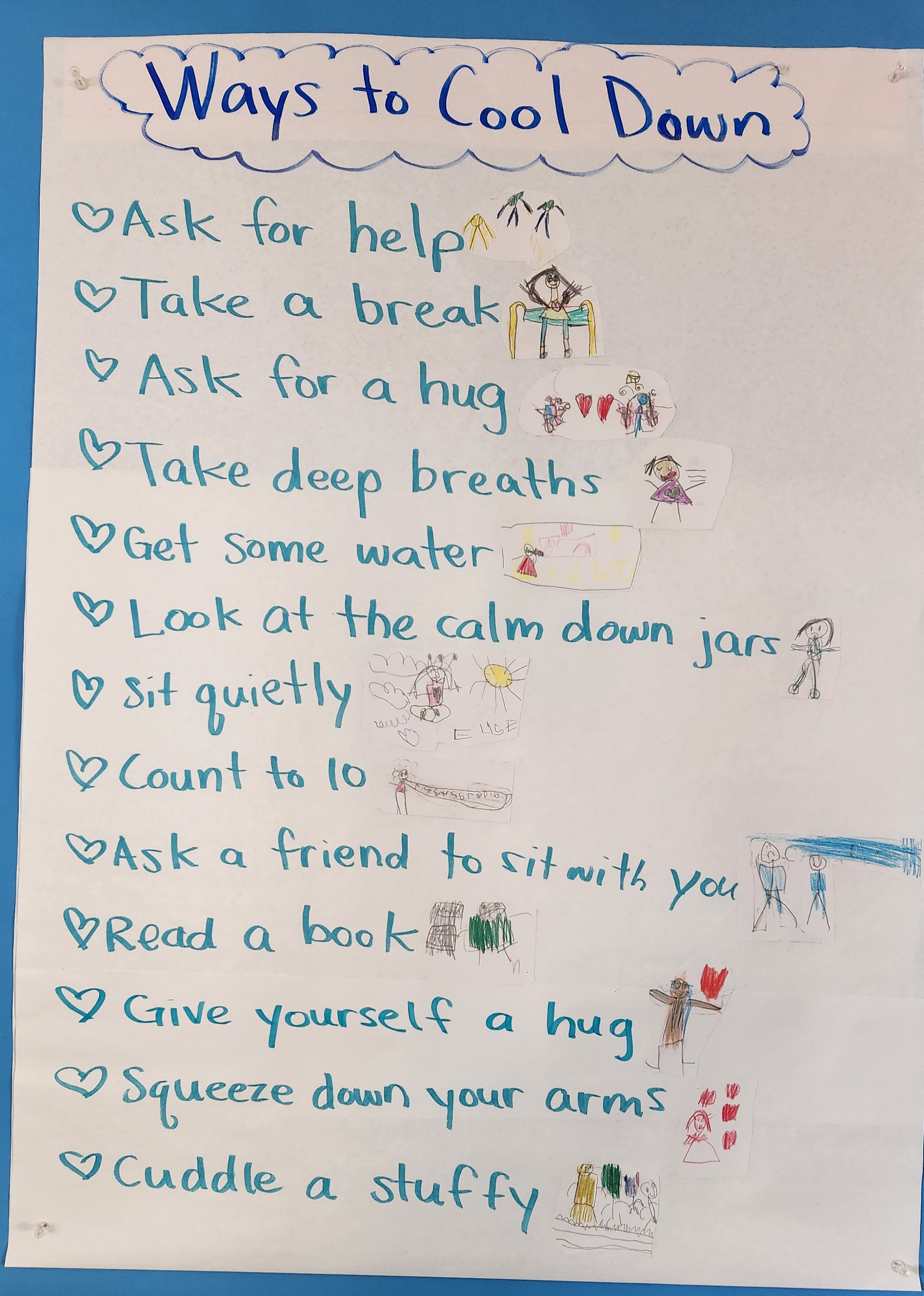
The self-regulation discussions and activities culminated in the class creating a list of “Ways to Cool Down,” which will hang in the Kindergarten classroom all year. Anytime someone needs help, they can check the list and try one of the many excellent strategies their peers came up with.

If you need help calming down, feel free to ask one of our resident self-regulation experts in the kindergarten room!

#SaklanSEL

CLASY Resilience

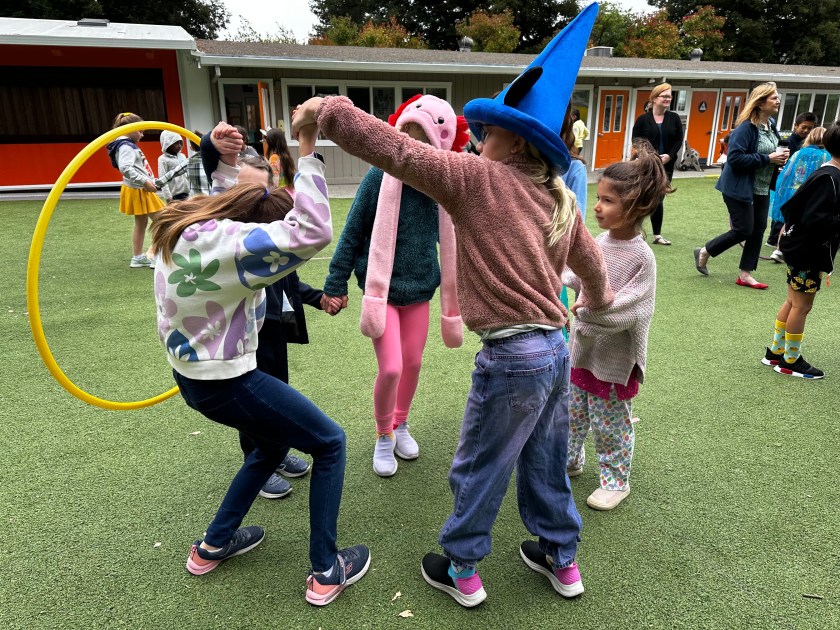
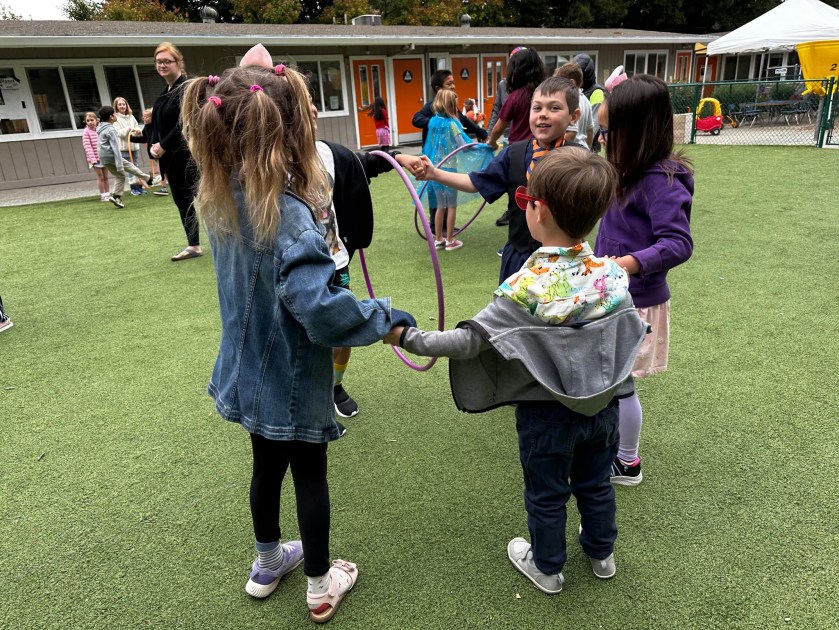
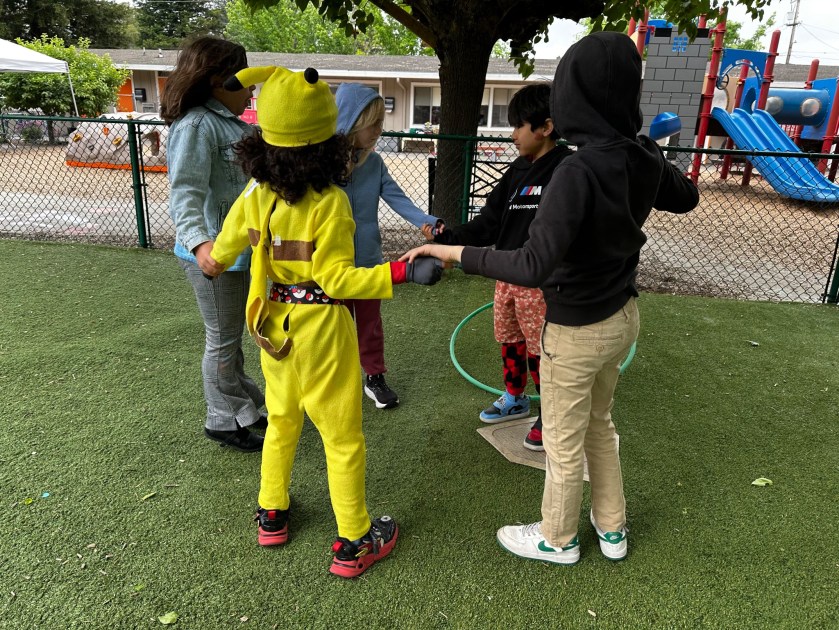
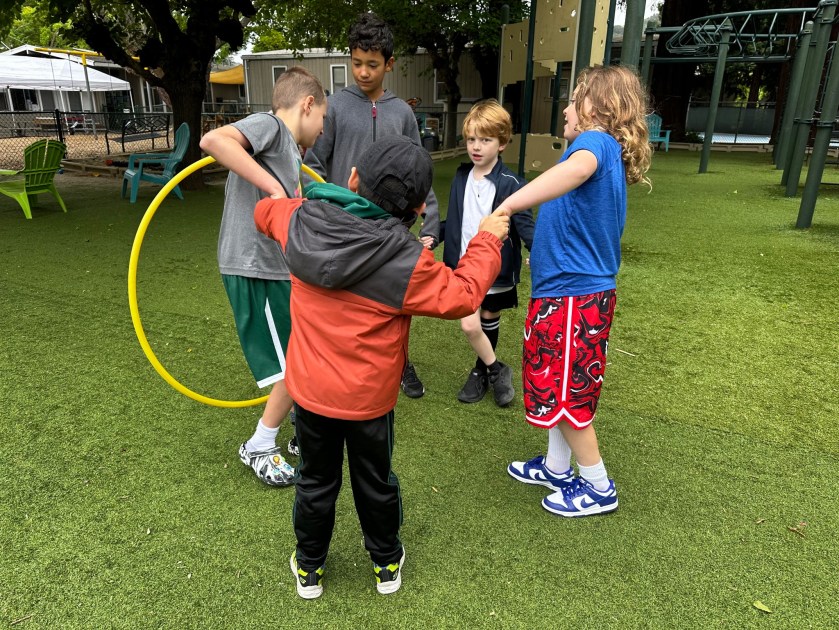
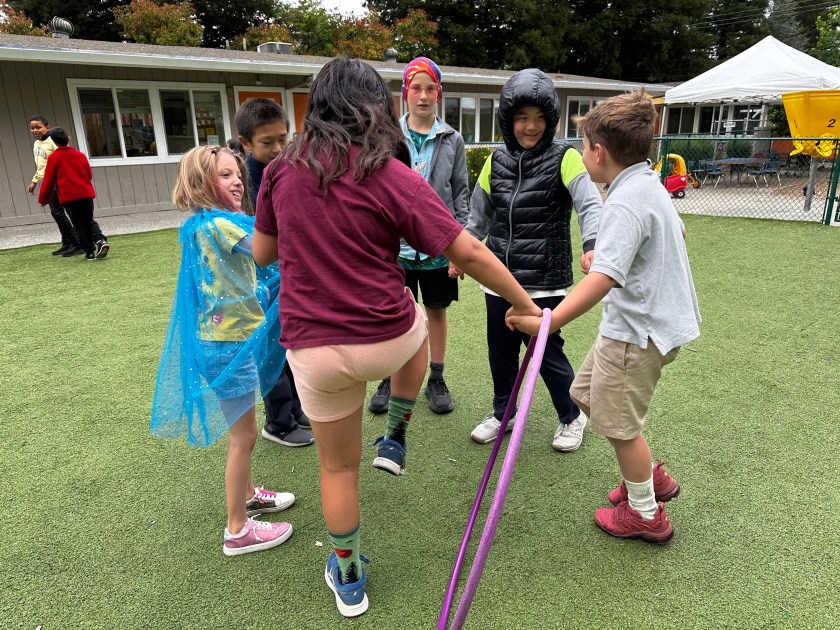
Last Friday, the lower school students had their very last CLASY meet up of the year. For our social and emotional learning this month all students have been thinking about what it means to be resilient. They have been talking about what people can do when things are hard, including to keep going, positive self talk, and breaking down difficult tasks into smaller chunks. During this CLASY the Kindergarten – 5th grade students worked on a tricky activity with their friends: passing a hula hoop around a circle while everyone was holding hands, and thus couldn’t use their hands.

The students were delightfully surprised that hard work could be so much fun! 

#SaklanSEL

100 Days of Learning

Did you know that on Thursday, February 8th, Saklan students celebrated the 100th day of the school?  

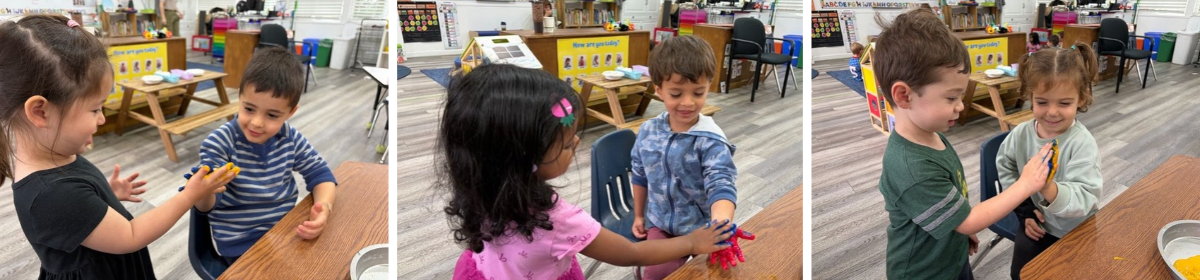
The Hoot Owls celebrated by making 100 hand prints, 100-day crowns, and counting to 100.

Kindergarteners made a special snack of 100 things, did 100 different exercises, counted to 100 in many different ways, made cheerio necklaces with 100 cheerios, wrote numbers to 100 and built different structures with 100 cups!

One of the highlights of the 100th day of school for the Hoot Owls, Kindergartners and 1st graders was the opportunity to gather in the Pre-K room and watch a video of Joanna’s 100 year old grandmother, who answered questions the students had about being 100. Witnessing a healthy centenarian left the students in awe and provided them with a unique perspective on the passage of time. Check out the video here!

The 4th graders celebrated during their Ohana Circle Time by estimating 100 in various ways, writing their names in cursive 100 times, and tackling an Order of Operations challenge to create equations of 100. 

The students had a wonderful day celebrating 100 days of learning!

Importance of a Backbone

The Kindergarten class has been going to the Science Lab in January to learn about living and nonliving things. Once they determined what was living and what was not, they discussed many of the varieties of life on our planet. From worms, to dancing spiders, to turtles, and even themselves!

They spent one day learning about the importance of a backbone, and how cartilage helps us move and not splinter our bones when we bend. The students enjoyed protecting their spinal cord with noodle bones and gummy cartilage, and enjoyed munching on them afterwards!

#SaklanHandsOn #ScienceLab

Carnival of the Animals

The Kindergarten students have been immersed in a music project centered around Camille Saint-Saens’ “Carnival of the Animals.” In music class, they have been exploring the movements and behaviors of various wild creatures through this music.

As a culmination of their “Carnival of the Animals” music unit, the kindergartners took a field experience to the Oakland Zoo, where they went on a musical scavenger hunt! The students listened to each piece, using musical clues to guess which animal they were after. They then put their heads together, using basic map skills to track down their chosen animal.

Once they reached their destinations, it was all about observation. They compared the real-life behaviors of the animals with those expressed in the music. It was an opportunity for the kindergartners to use teamwork, honing their listening and observation skills.

Their love of animals and natural curiosity definitely shone through!

#SaklanFieldExperience

 Día de los Muertos

In October, the Kindergarten – 3rd grade students celebrated Día de los Muertos and California’s cultural roots with a field experience to watch the professional performance group Cascada de Flores. The bilingual and participatory performance included lively songs, stories, musical instruments, and dance. Students learned about the difference between Halloween and Day of the Dead, and then explored Day of the Dead traditions, such as building an altar, to honor lost love ones.

Student highlights of the trip included the opportunity to participate in the performance by dancing on stage and carrying flowers to the altar, as well as riding in a yellow school bus!

#SaklanFieldExperience

Fun and Learning

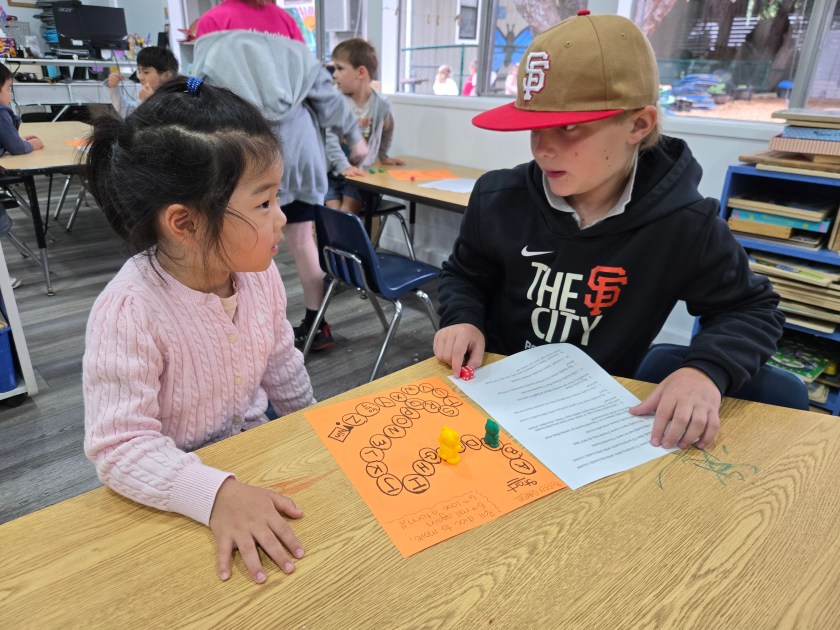
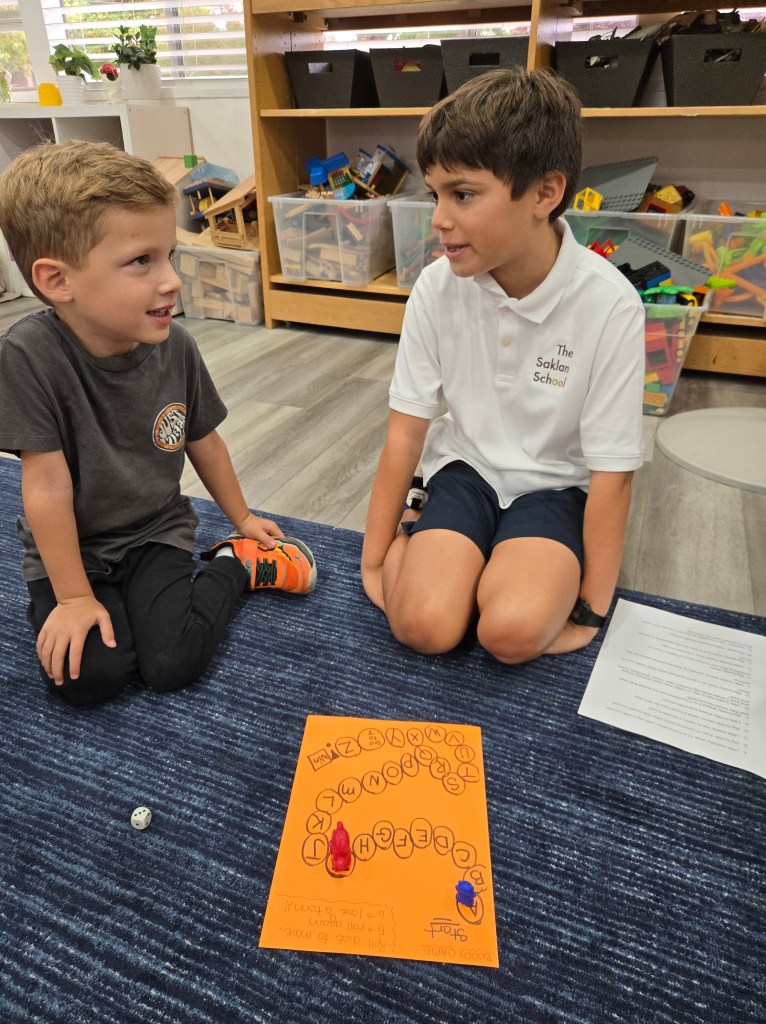
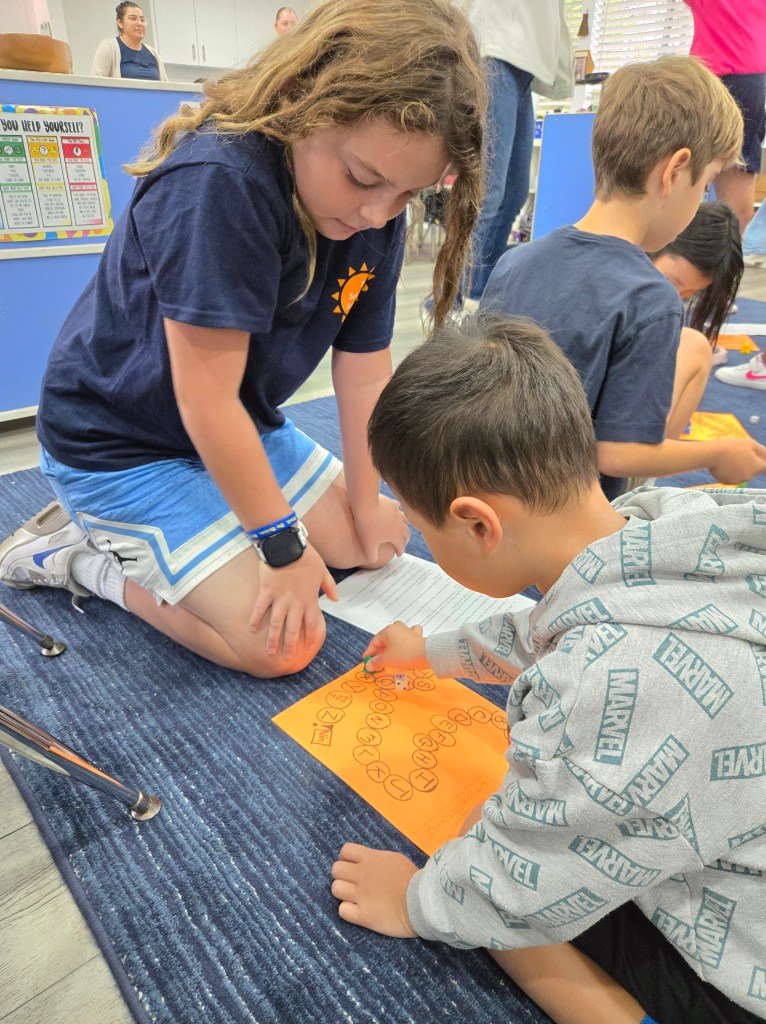
An important way that Saklan students practice key math skills is by playing math games. These games are an engaging way to reinforce concepts, build number sense and practice using math vocabulary.

Most math games are played with partners or small groups, and so they also help students practice interpersonal skills like communicating and problem solving.

Games provide an environment in which students can create and try strategies, and can also learn strategies from others.

Students often identify math games as some of their favorite activities completed in the school day and look forward to them as an opportunity to interact with classmates, learning buddies and friends. The games and activities capture their enthusiasm and create environments that make concepts and skills tangible and learning memorable, meaningful and fun!