Head’s Corner: Celebrating Connection, Joy, and Learning

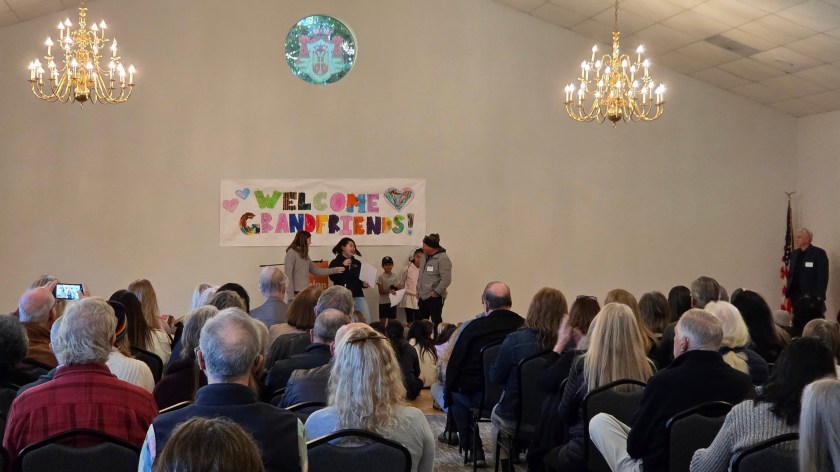
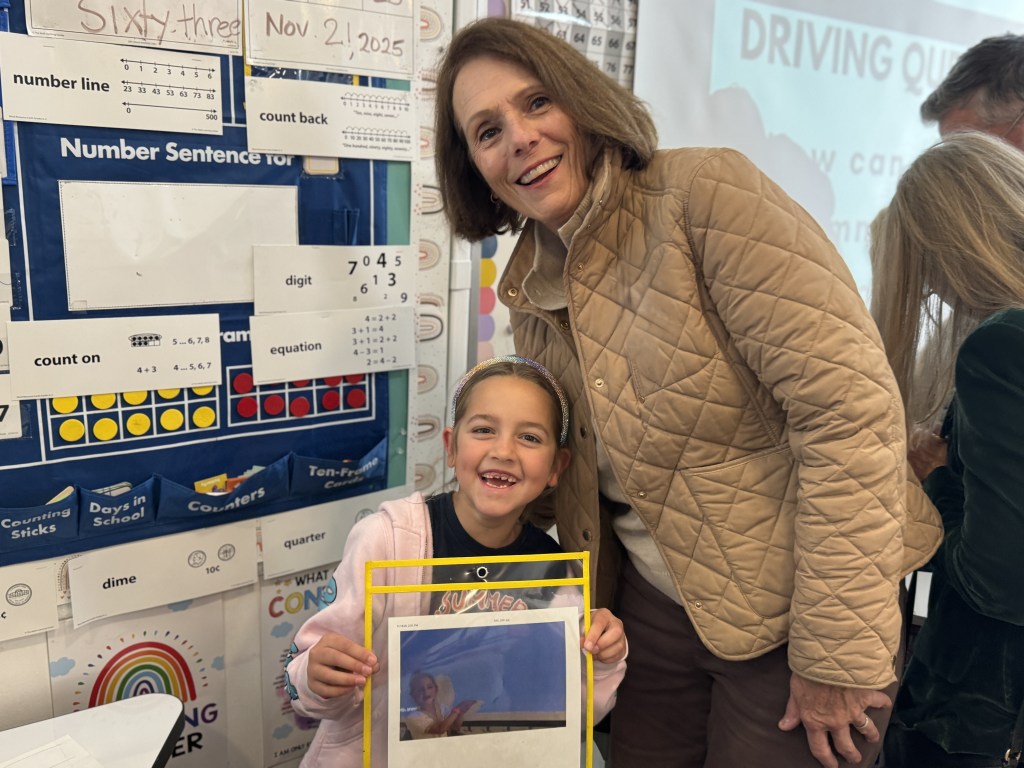
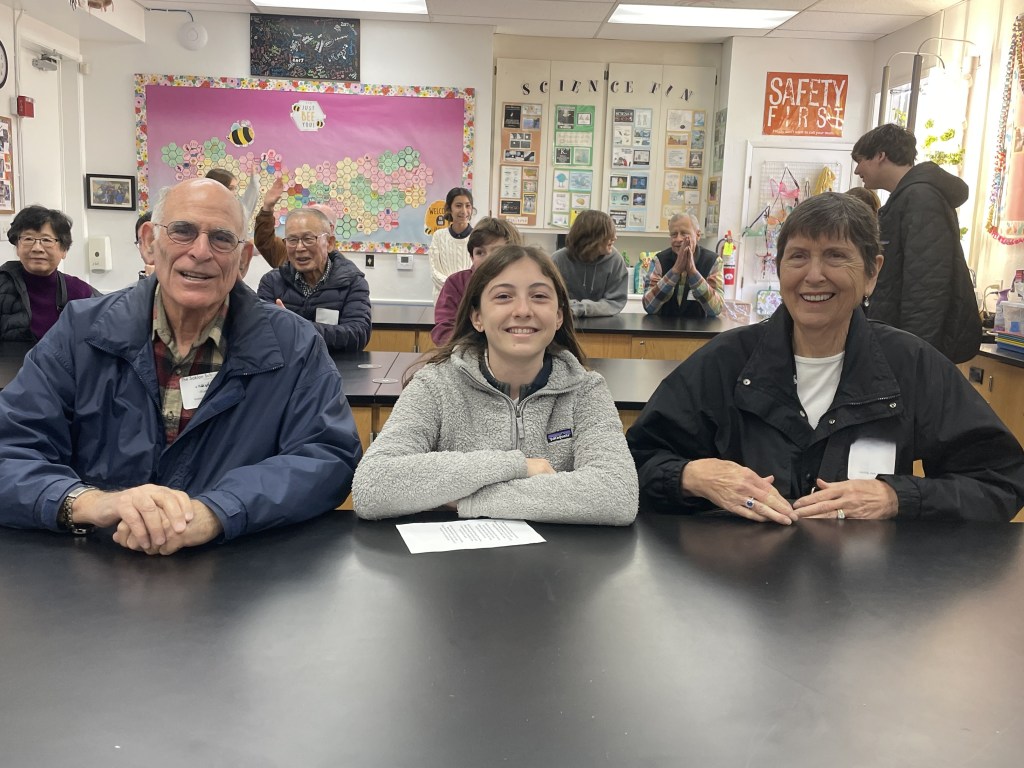
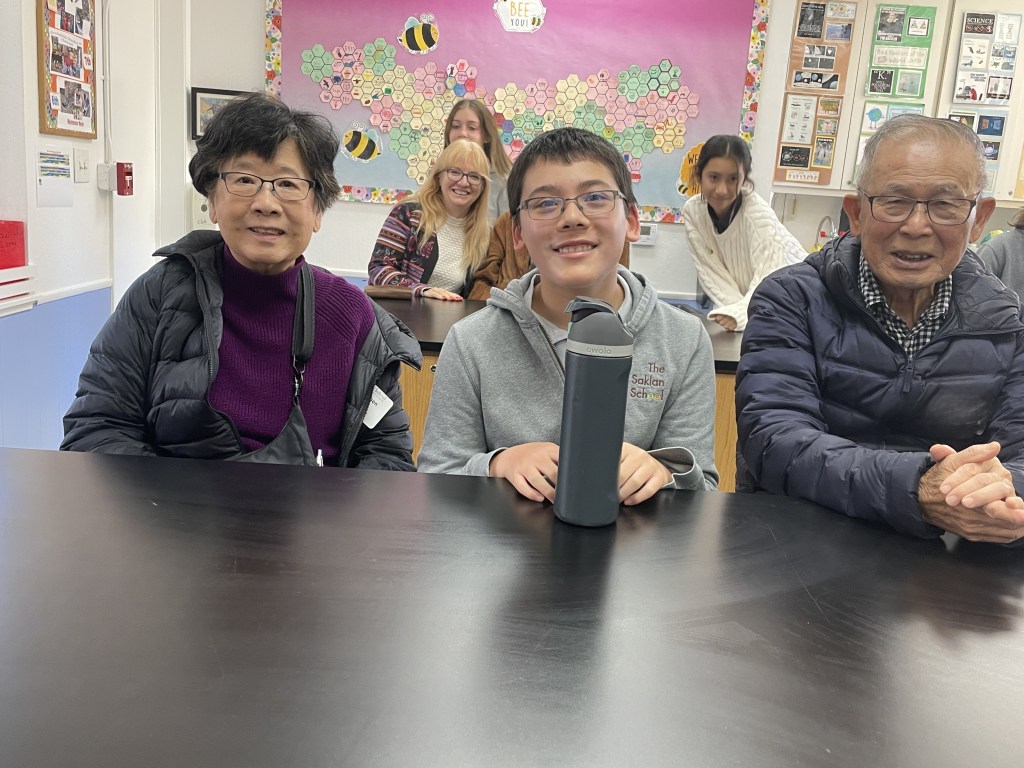
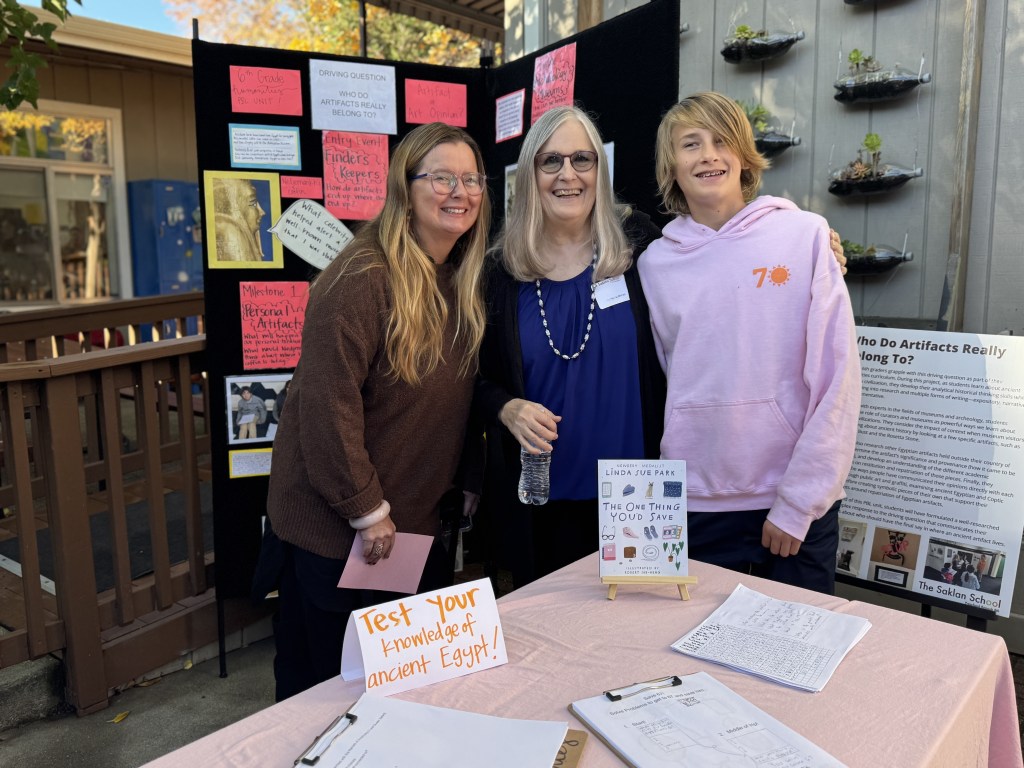
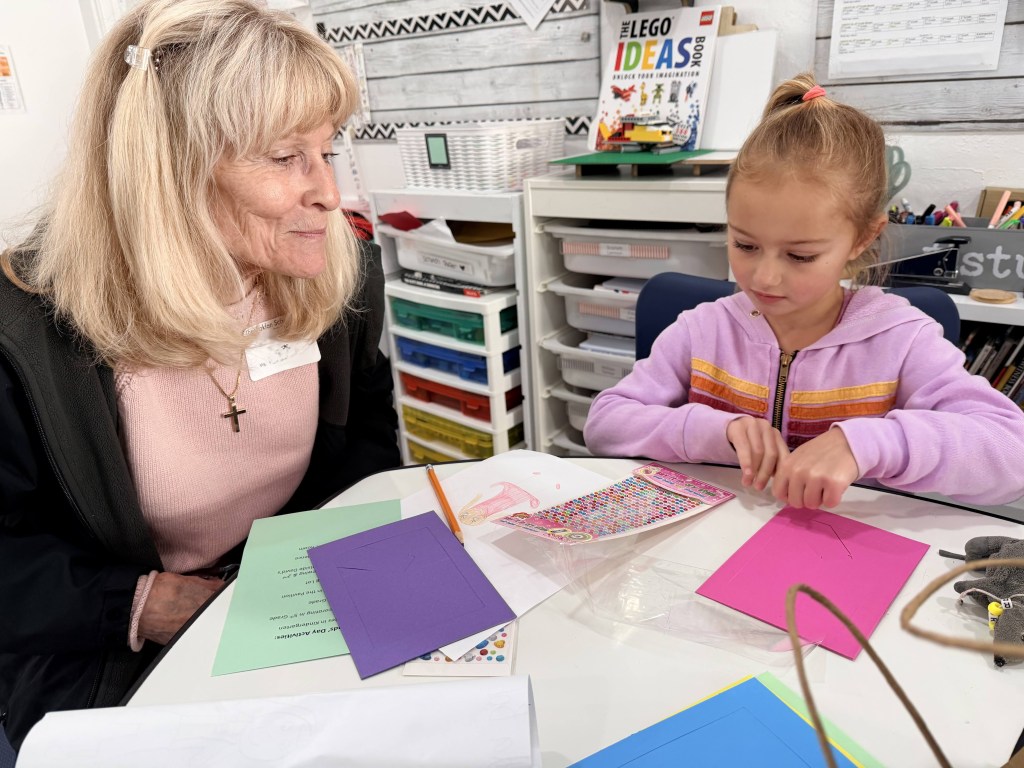
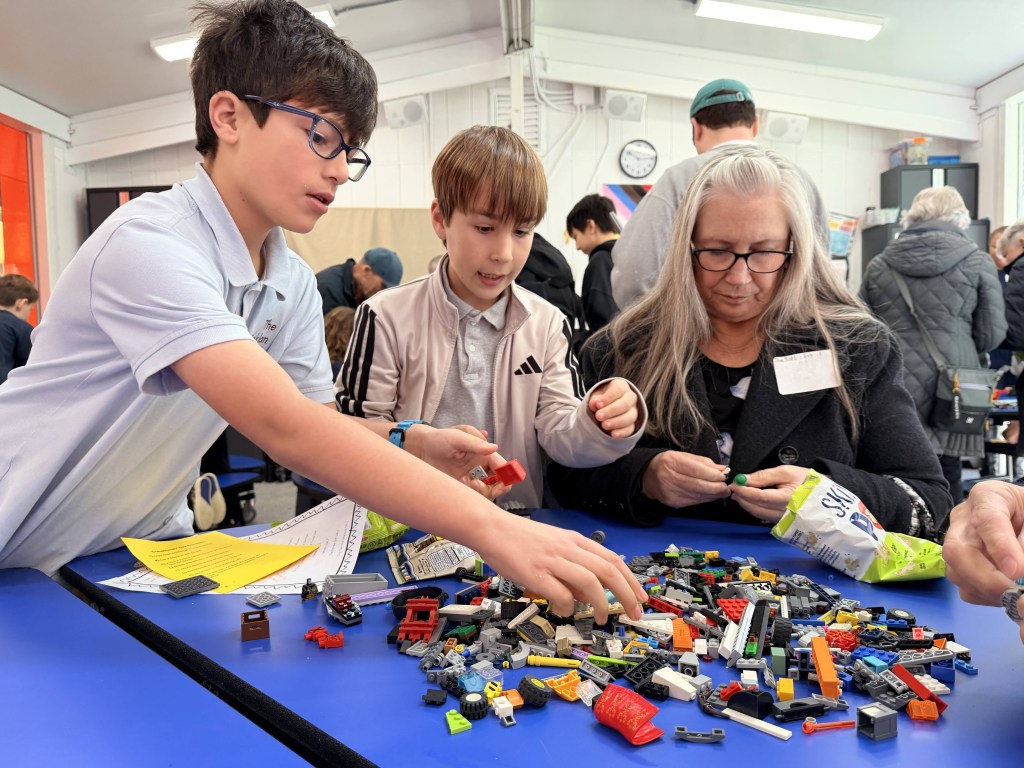
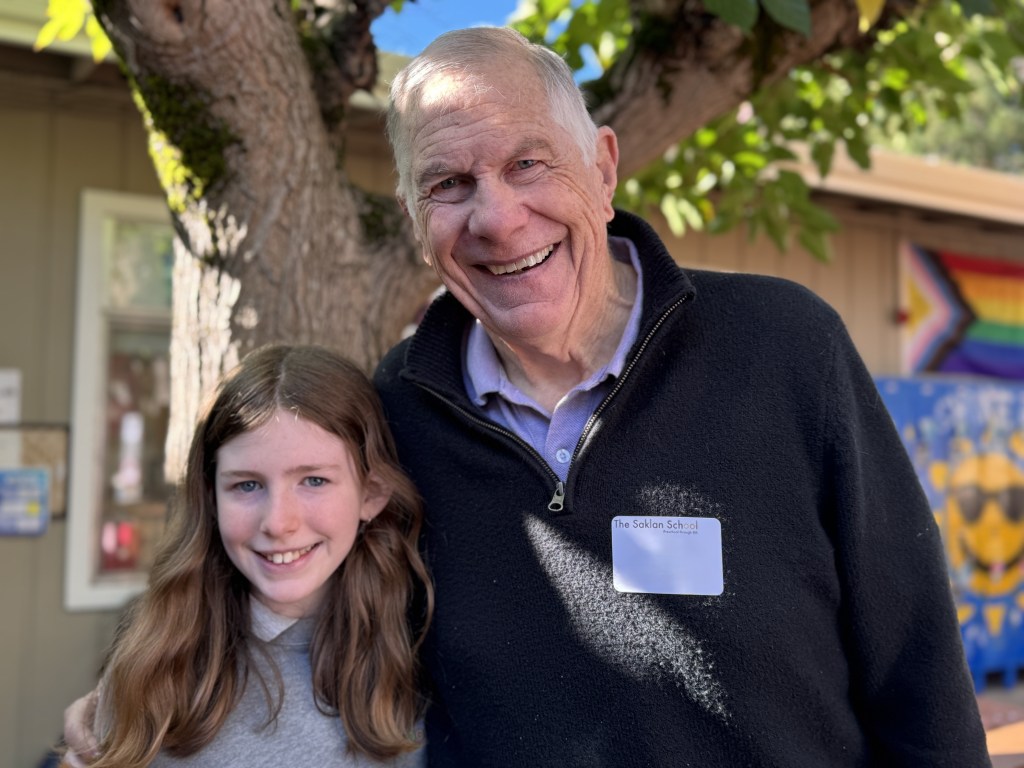
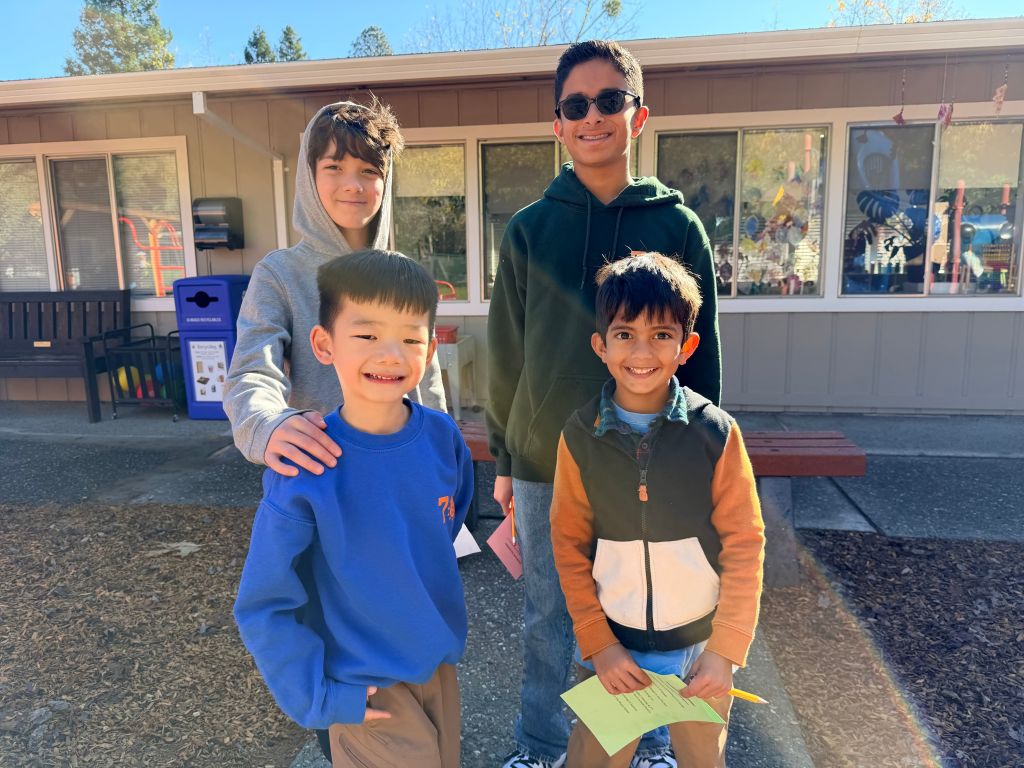
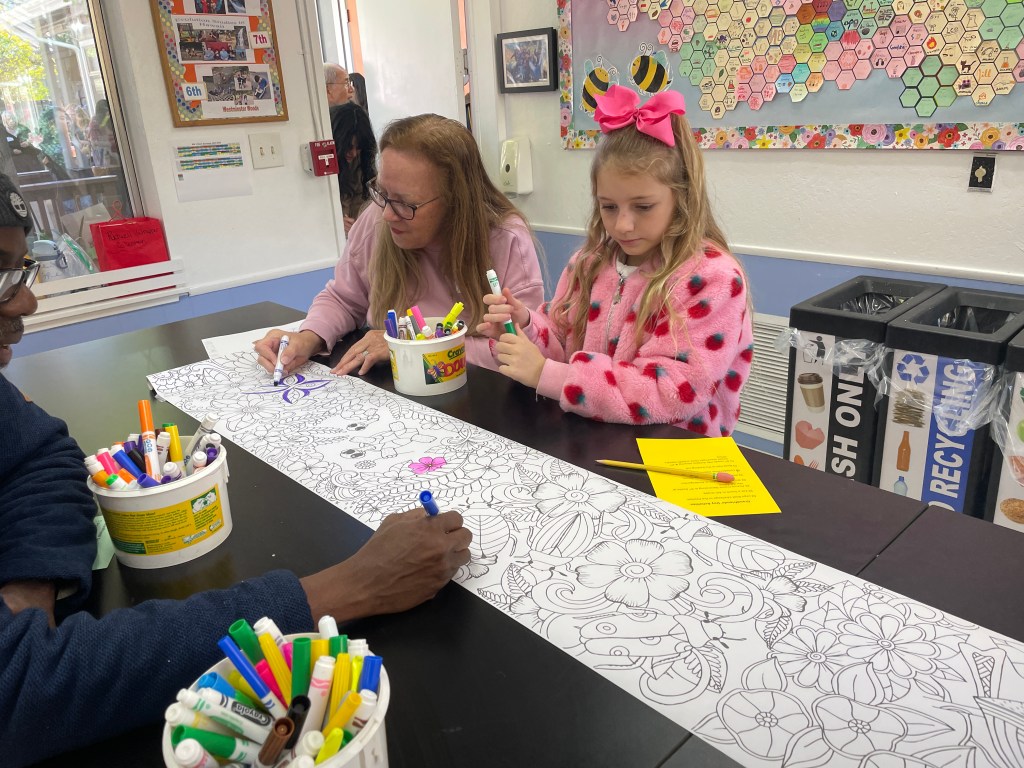
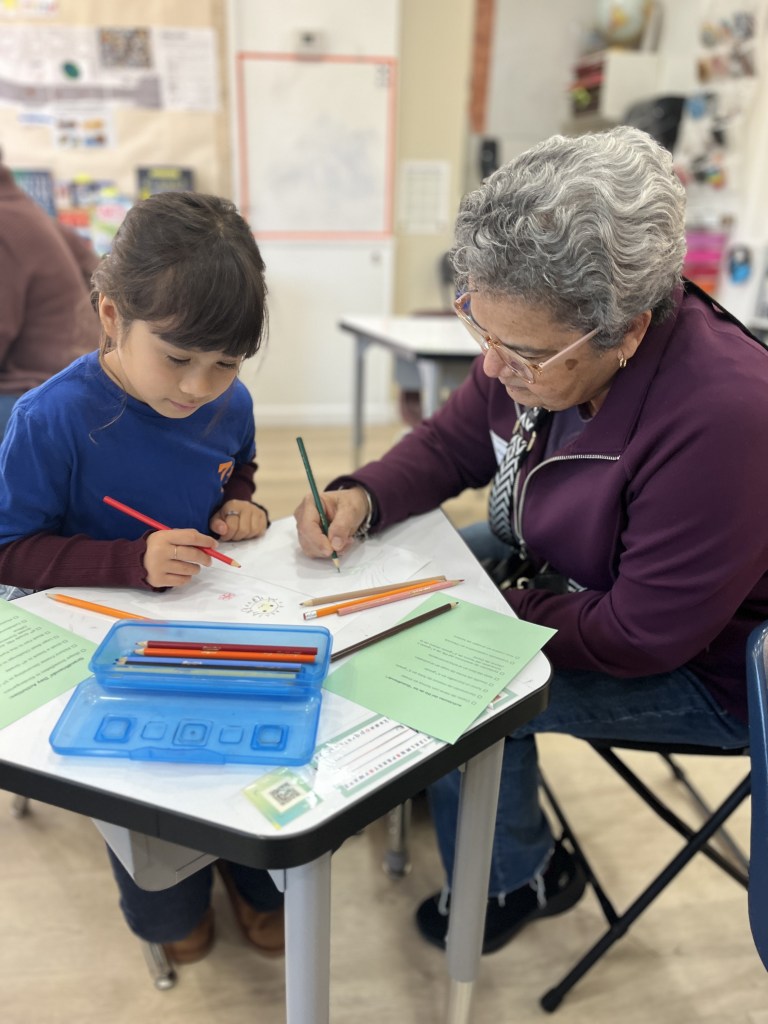
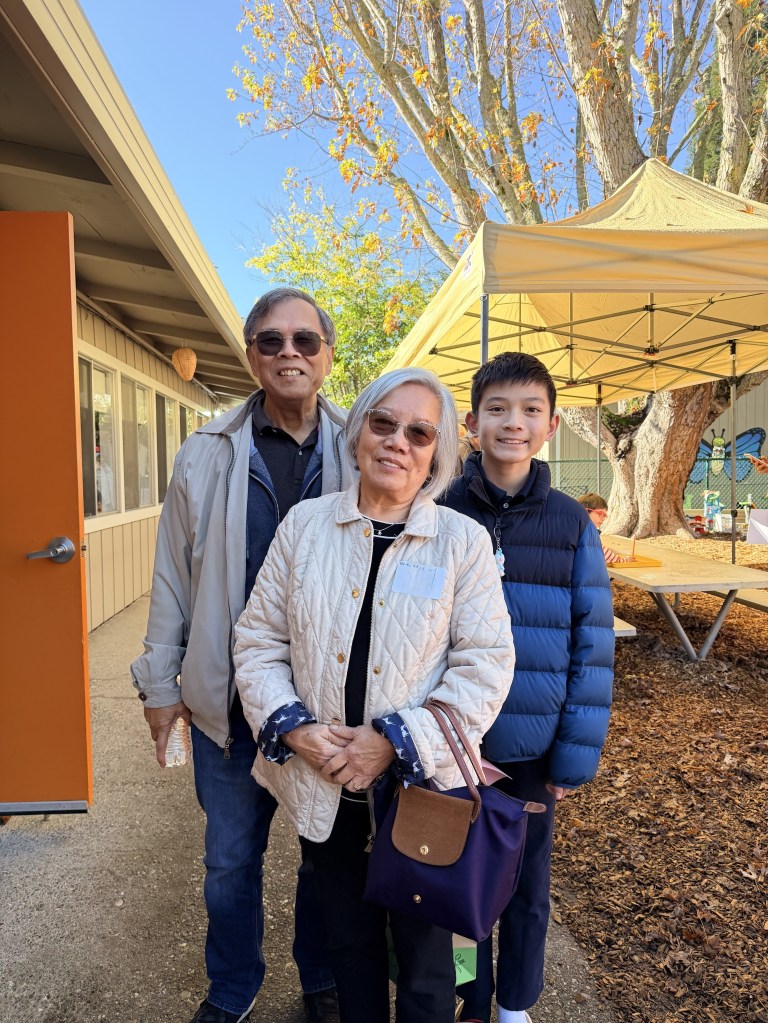
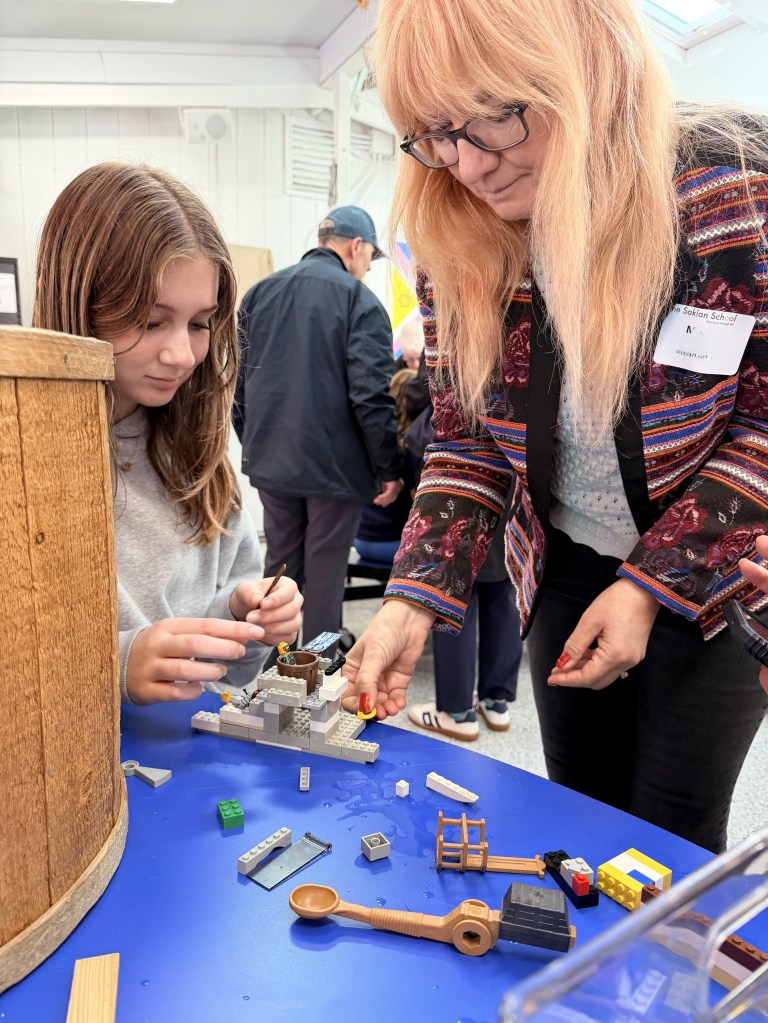
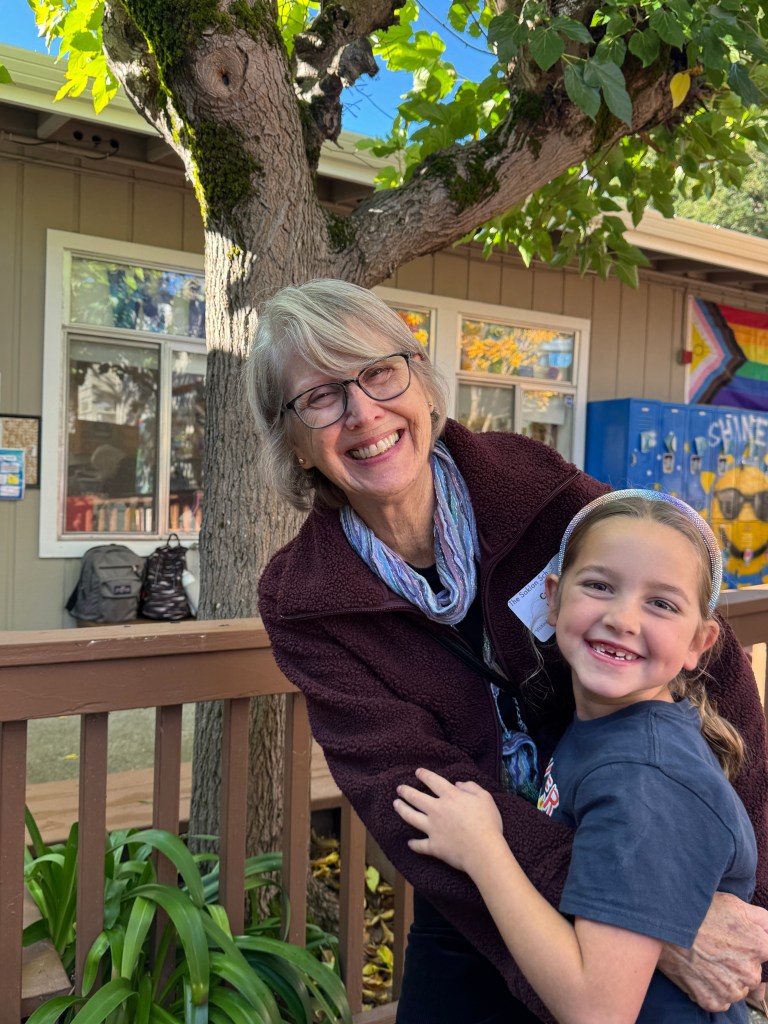
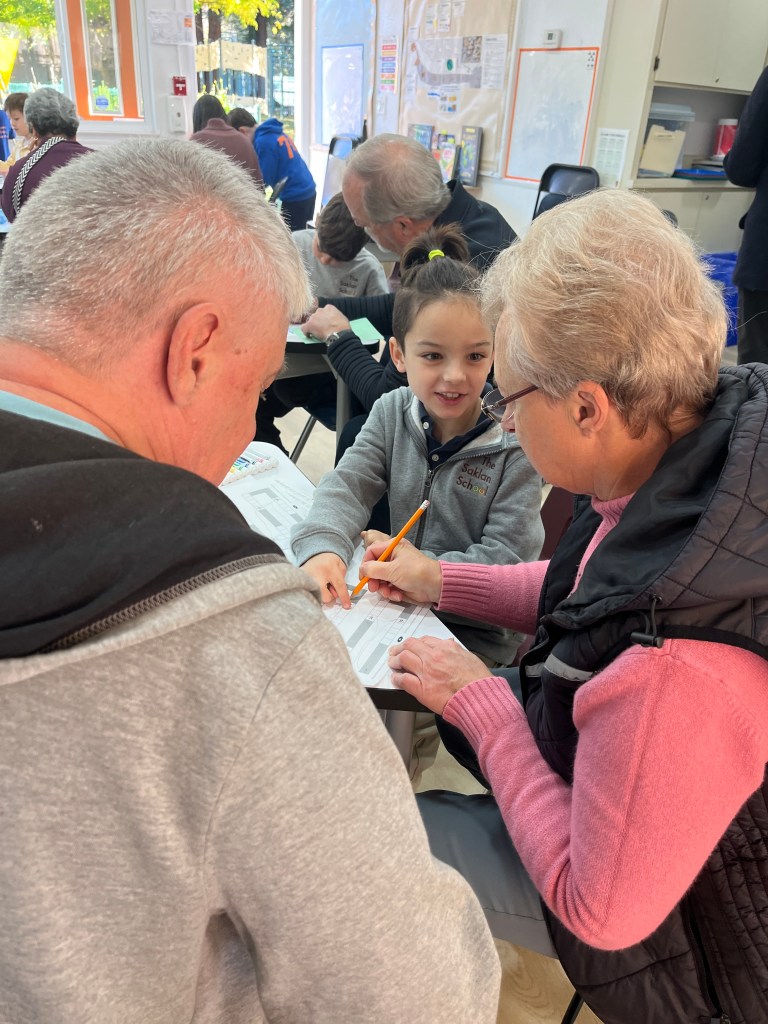
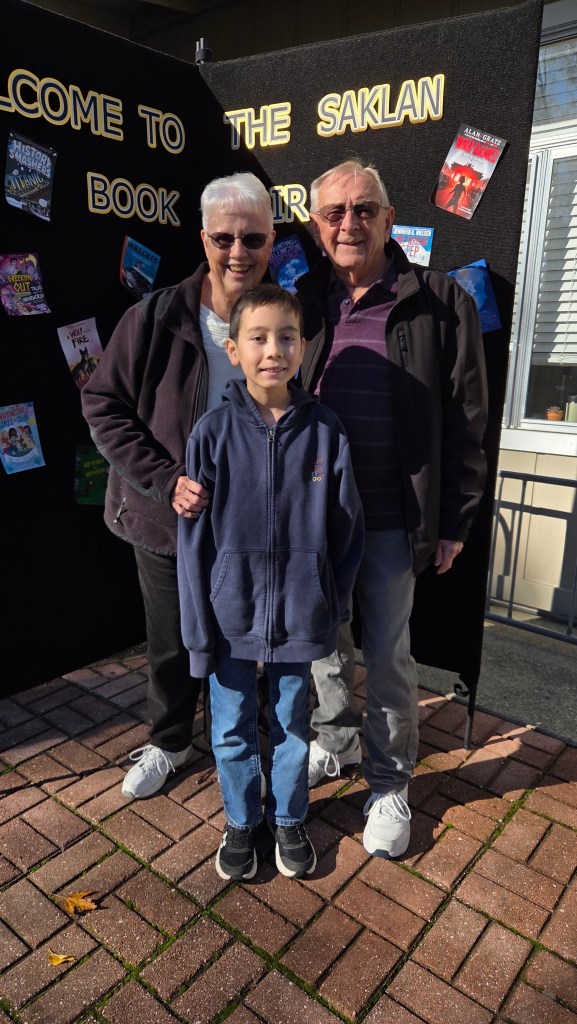
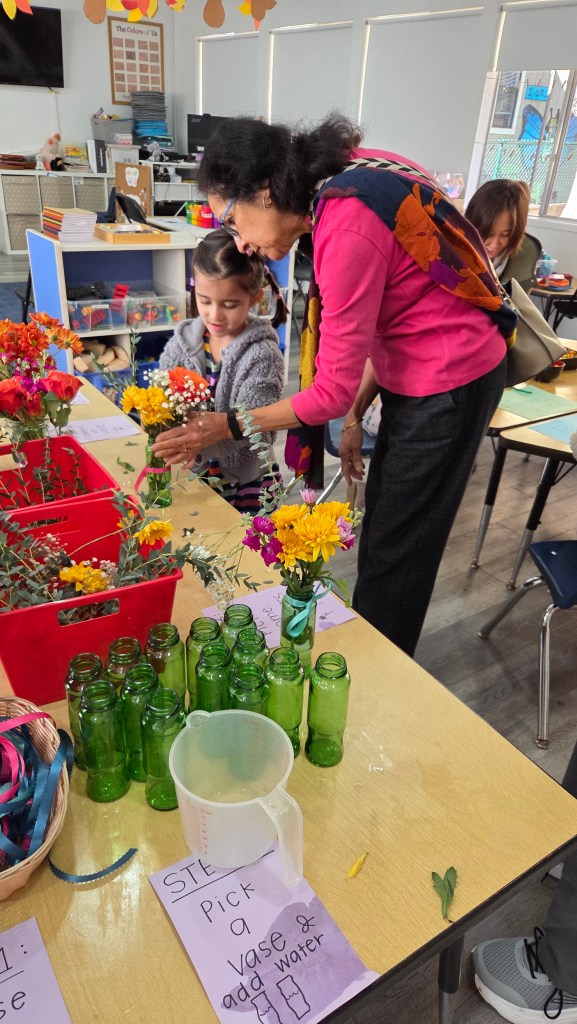
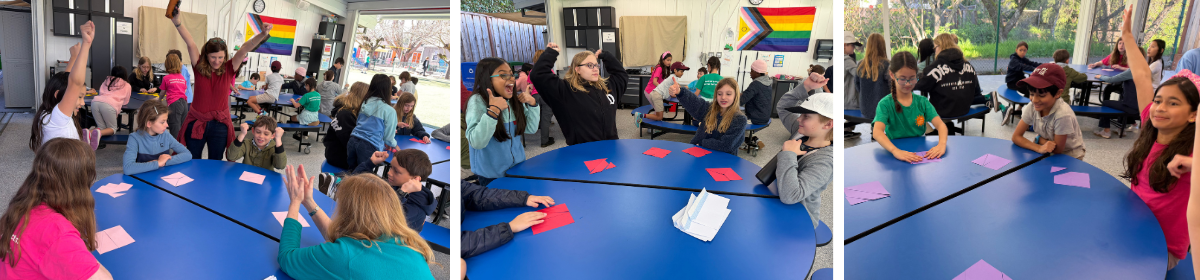
Just before the Thanksgiving Break, our campus was filled with joy, laughter, and heartfelt moments as we welcomed beloved grandparents, family friends, and special adults to celebrate Grandfriends’ Day at Saklan. It was a beautiful morning that highlighted the power of connection across generations and the vibrant learning that happens in our classrooms every day.

From the moment guests arrived, students were beaming with pride, eager to share their school, their work, and the people who guide their learning. The morning began with CLAS, where student voices, hard work, creativity, and compassion were showcased. 

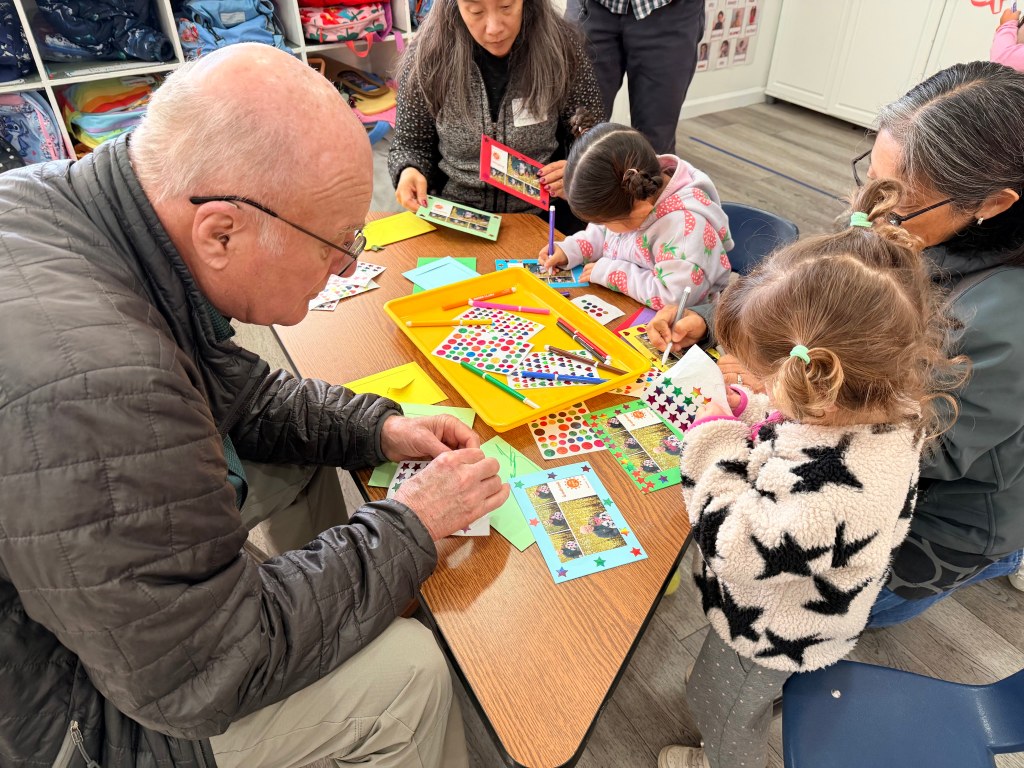
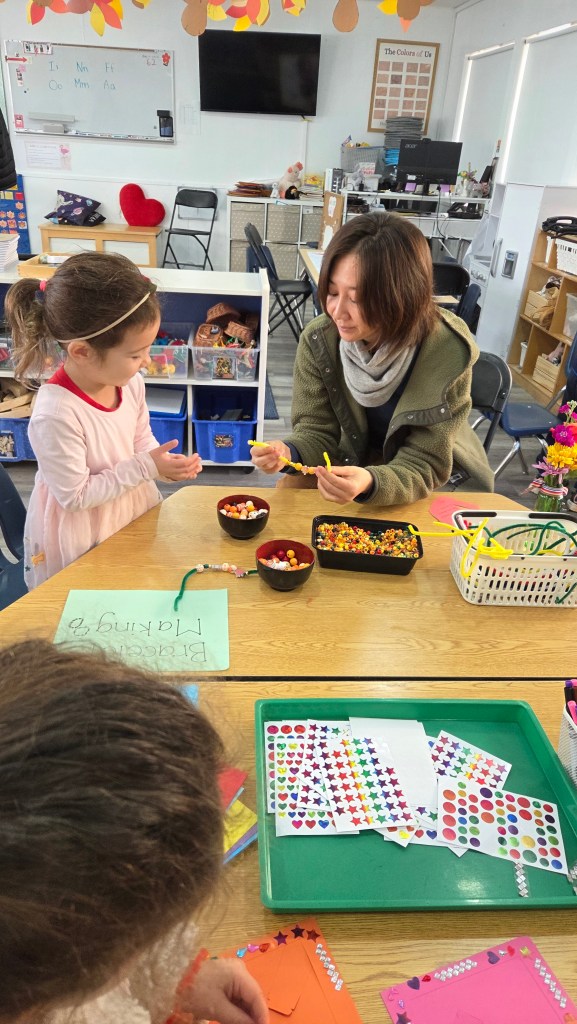
After CLAS, grandfriends joined students in their classrooms for activities designed to spark curiosity, conversation, and connection. Some collaborated on art projects, others explored math games, science challenges, or writing prompts, and many simply enjoyed the chance to sit side-by-side and experience learning through a child’s eyes. Classrooms buzzed with energy as students proudly introduced their grandfriends to classmates and teachers, and shared their daily routines.

The magic of the morning wasn’t just in the activities; it was in the relationships. When students see someone they love and trust engaging with their school world, it deepens their sense of belonging and strengthens their emotional connection to learning. Grandfriends’ Day isn’t just a celebration; it’s an important part of how we cultivate confidence, curiosity, and community at Saklan.

We are deeply grateful to everyone who joined us and helped make the day meaningful. Your presence enriches our students’ lives in ways that extend far beyond the classroom.

Thank you for being part of our community, and for helping us nurture joyful, connected, and courageous learners. We can’t wait to welcome you back next year!

Warmly,

David

#SaklanCommunity
Head’s Corner: Where is the Rigor?

Every so often, I get the question from a prospective parent about rigor. They love our approach, and are firm believers that students need to have a “love of learning” and a “love in learning”. But they ask: Is it rigorous? 

As adults, our concept of rigor is informed by our own experiences. When many of us think of rigor, we think of lots of homework, long tests, sitting at a desk, and grinding it out. While that kind of work may be hard, is it rigor or compliance? Is it the type of learning that benefits future-facing students? 

True rigor is about the level of thinking kids are doing, not how stressed they are. Can they analyze, design, and create? Do they grapple with open-ended questions well? Can they explain their thinking, defend their work? Do they persist and have grit?  

Our project-based approach demands synthesis, application, and transfer—the highest levels of Bloom’s Taxonomy. It also requires something traditional rigor often ignores: motivation. When students care about what they’re doing, they naturally push themselves further.

This type of work is cognitively rigorous; what we grew up with feels more like compliance rigor.  

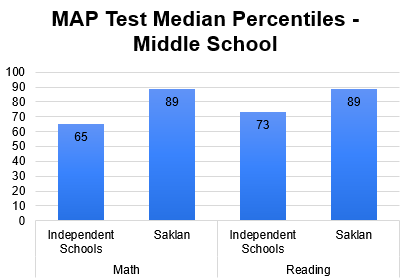
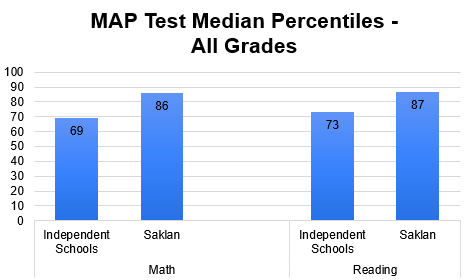
If you are not sold on the idea that what we do is truly rigorous, let our MAP results speak for us. NWEA administers the MAP test to over 35,000 schools across the country. Of those schools, 3,500 are private schools like Saklan. If you look at our results, we not only rank well against schools in general, but score significantly higher than most of our private school cohort. 

What we do may not look like the rigor of our childhoods. But it’s the rigor kids need today—and the rigor that prepares them for tomorrow.

Warmly,
David

#SaklanAcademics

Head’s Corner: Loving the Teen You Have by Joining the Resistance 

Last week, Saklan co-hosted a conversation with Dr. Ann-Louise Lockhart, author of Love the Teen You Have, in partnership with ParentMap—a consortium of schools that brings thoughtful authors and researchers to school communities like ours.

Dr. Lockhart’s message to parents was simple but radical: join the resistance. Resist the urge to fix, control, or over-teach your teens. Resist the pressure to be perfect. Resist the voice that says if you just say it one more time, they’ll finally listen. This conversation was full of gems—here are some of my takeaways.

Meet Them Where They Are and Join the Resistance

When your child resists, don’t fight it—join it. If your teen doesn’t want to talk, don’t push. Maybe text. Maybe just sit quietly beside them. Be attuned to what they need in the moment, not what you need. Joining the resistance isn’t about giving in; it’s about shifting from confrontation to connection. It’s realizing that presence—not persuasion—is what keeps the door open.

Do Less, Be Present

When our kids were little, we tried to make every moment a teachable one—narrating, correcting, guiding. But the older they get, the less that works. Teens don’t need a constant teacher; they need a calm, steady presence. Sometimes love means doing less—being available, not instructional. It can be surprising how zen it can feel just to “be” with them.

Nagging Is Kryptonite

Few things shut a teenager down faster than repetition. Nagging doesn’t motivate; it hardens resistance. Instead of asking the same question again, try curiosity: “I’ve noticed that assignment’s been hard to start—what do you think’s getting in the way?” That one shift invites conversation instead of combat.

Connection Over Correction

Everything comes back to relationships. When we focus less on managing behavior and more on understanding emotion, we help teens develop self-regulation and trust. They don’t need perfect parents—they need present ones.

At Saklan, this message resonates deeply. Our teachers know that learning—academic, social, or emotional—happens in the space between curiosity and connection. And our partnership with parents is strongest when we, too, resist the urge to over-manage and instead choose to be attuned, curious, and grounded.

So this weekend, take a breath, step back, and love the teen you have—right where they are.

You can view the recording of the conversation with Dr. Ann-Louise Lockhart here, using the access password: edTalks*2526.

Warmly,
David

#HeadsCorner

Head’s Corner: Foundations Built With Care

I recently reread Kim Brooks’ New York Times piece, “We Have Ruined Childhood.” While the piece pointed out all the things in society that make childhood seem like an internship for adulthood, it left me optimistic. Optimistic, because it reminded me why what we do at Saklan matters so much. In a world that’s forgotten what kids really need—connection, curiosity, play—we get to build something different every day. We get to show what childhood should look like.

What stood out most to me in Brooks’ article was her point that kids today have fewer chances to practice the social-emotional skills that make us human—to start friendships, navigate conflict, solve problems, or just be with others without adults steering the moment. Working with Denise Pope from Challenge Success (an organization Saklan has partnered with), Brooks highlights a simple but powerful truth: kids need family time, strong relationships, independence, and agency.

This is where Saklan matters.

We’ve made a conscious choice to prioritize what research tells us children actually need. How to communicate. How to handle disappointment. How to work through disagreement. How to persist when things get hard. We deliberately create time and space for students to develop those vital human skills. These aren’t add-ons to our curriculum. They’re at the heart of what we do.

And here’s what’s remarkable: this approach doesn’t just create happier, healthier kids (though it absolutely does that). It also leads to stronger academics. Counterintuitive? Maybe. But the research bears it out. Time and again, studies show that when children have space to play, to create, to connect with others, and to develop social-emotional skills, their academic performance improves. They become more engaged learners. They develop genuine curiosity. They build resilience.

This doesn’t mean we’re perfect or that we’ve solved every challenge facing modern childhood. But it does mean we’re intentional. We understand that school should be a place where children learn to be fully human—intellectually curious, emotionally resilient, socially connected, and creative. Childhood isn’t a race to adulthood. It’s a foundation to be built with care.

Warmly, 

David

Head’s Corner: Connection + Agency = Exceptional Academics

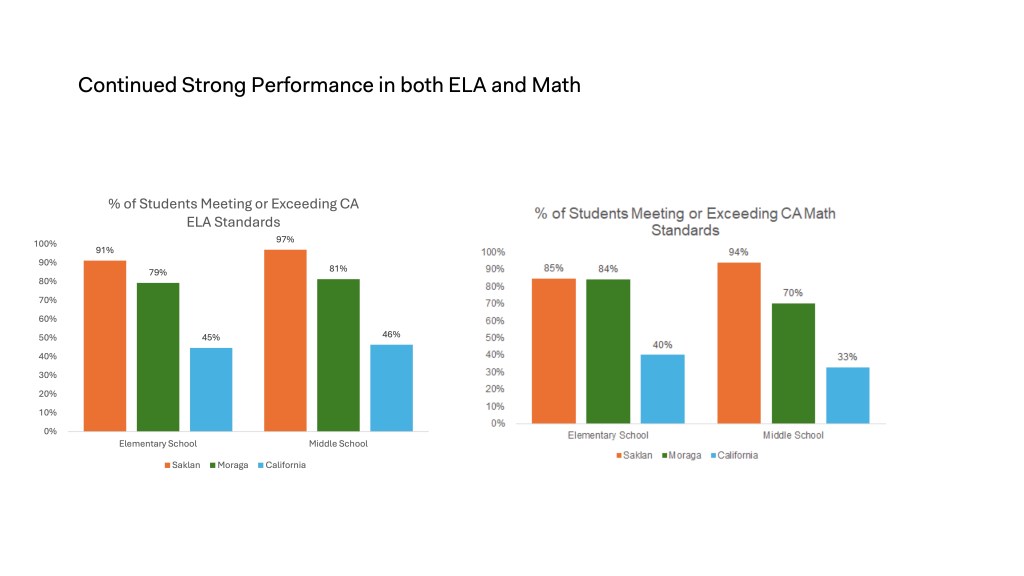
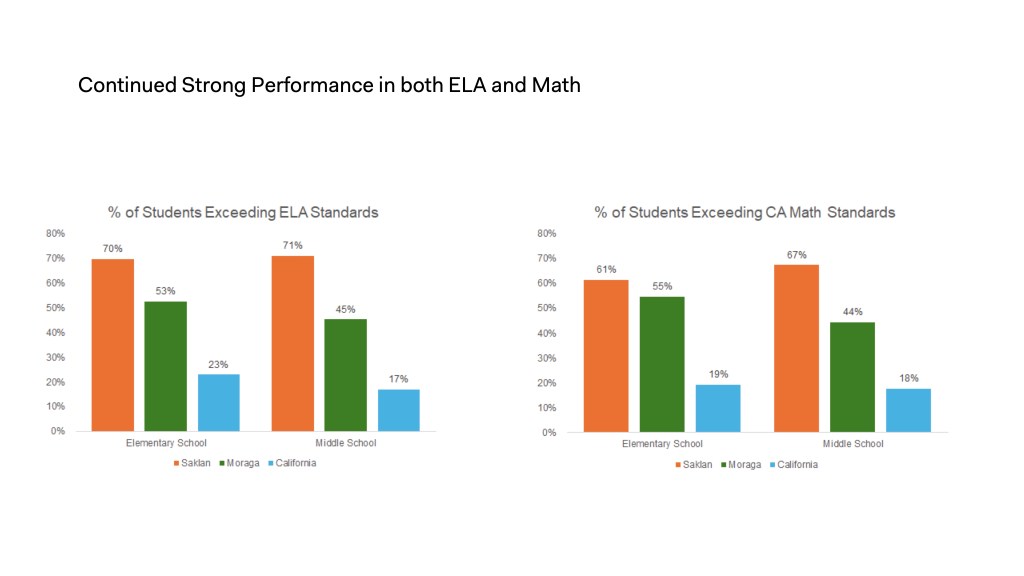
I have never been a fan of standardized testing, mostly because it is often used to focus on the wrong way to approach learning. Standardized testing is used to promote the lie that high achievement comes from drilling content or teaching to the test. Saklan presents a counterargument. Our approach of doing school differently produces exceptional results, not because we chase scores, but because we prioritize two powerful drivers of learning: connection and agency.

People learn best from those with whom they have a genuine connection. In an previous blog, I shared a quote from David Brooks’s, “Students learn from people they love.” At Saklan, “love in learning” comes first. Teachers know and care for their students deeply, not only as learners but as whole individuals. That trust provides the foundation for intellectual risk-taking, perseverance, and curiosity. Connection isn’t a “soft” factor—it’s an accelerator of academic achievement.

Equally important is student agency—the belief that students should have a meaningful voice and choice in their education. Agency shifts learning from something done “to” students to something done “with” them. When students are trusted as co-authors of their education, they engage more fully, reflect on their growth, and take pride in their accomplishments. In our classrooms, this takes the form of Project Based Learning, where student questions and curiosities drive inquiry, and ownership fuels motivation.

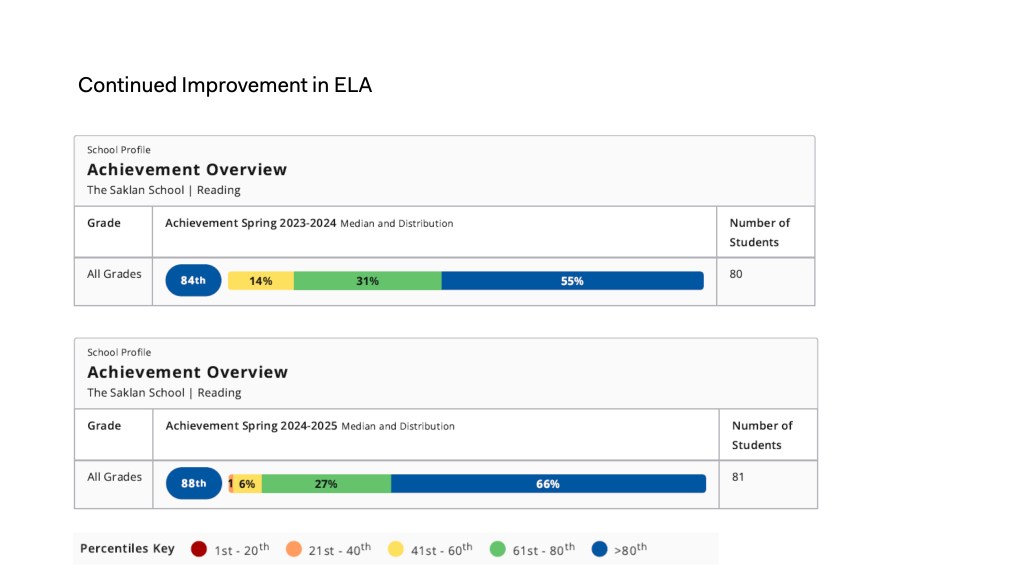
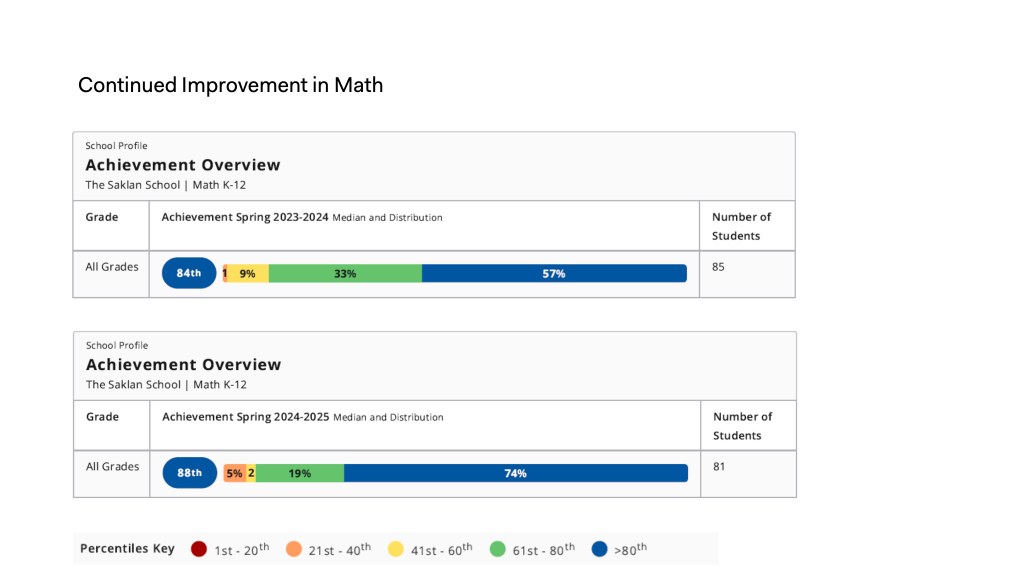
When connection and agency are at the center of a school’s culture, exceptional academic results follow naturally. Our MAP scores offer external validation of what we witness daily: students who are not only mastering content but also developing resilience, adaptability, and a lifelong love of learning. The data is proof of concept—showing that deep relationships and authentic student engagement are not at odds with academic rigor; they are the very things that create it.

Too often, schools measure success by numbers alone, forgetting the human conditions that allow those numbers to flourish. The lesson from Saklan’s experience is clear: emotional connection and student agency are not “nice to haves” but the key ingredients to a strong academic program.

#HeadsCorner

A Redwood Play Area – Designed for Explorers

At Saklan, we know that play is more than just fun — it’s where children test their limits, use their imaginations, and connect with each other. This year, we’re taking a big step forward in making our campus play spaces as inspiring as the learning that happens here every day.

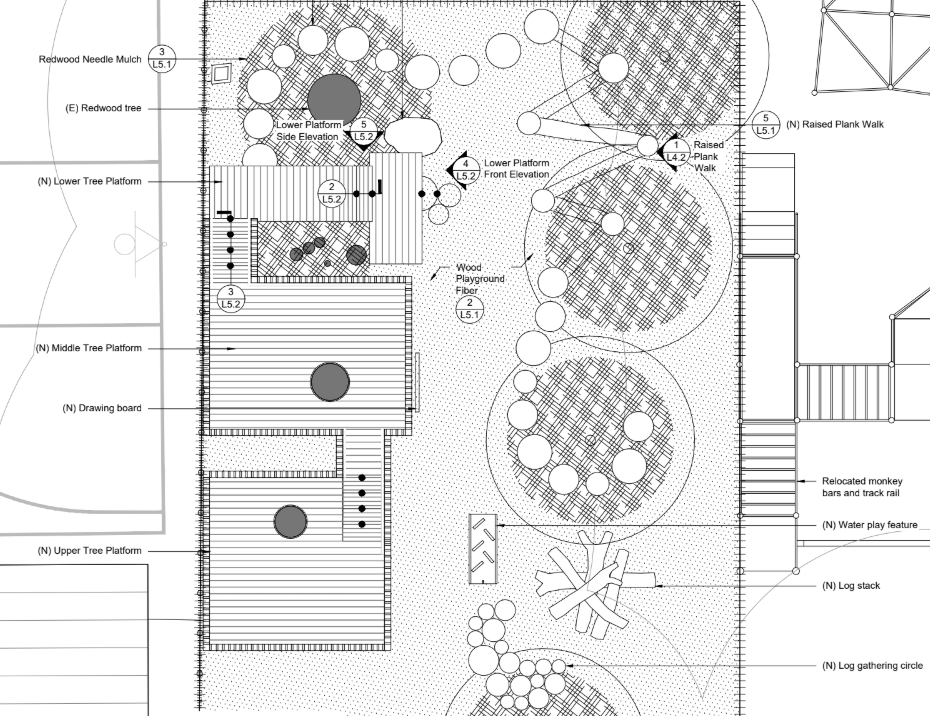
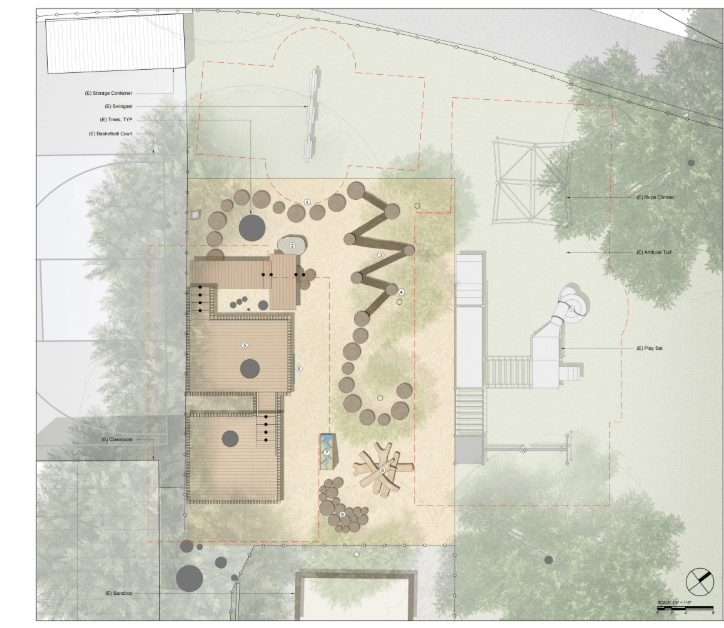
With the help of Bay Area landscape architect Ron Lutsko, we are transforming our redwood grove into a natural play area designed for creativity and adventure. While we are still in the early phases of the design process, below are some of the elements we are considering.

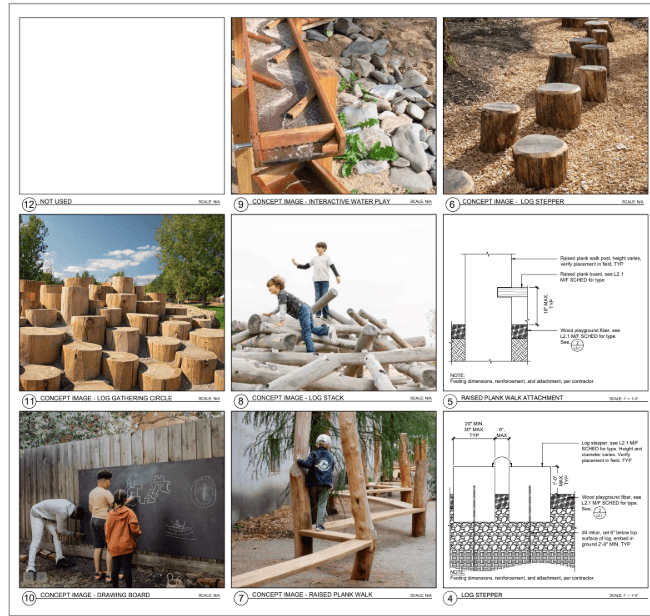
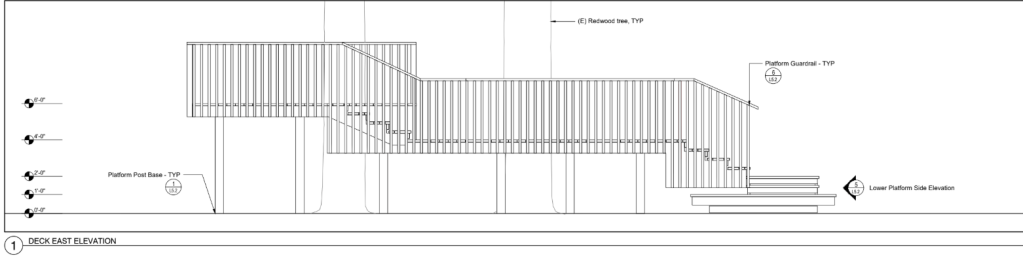
  • Tree platforms that give the feel of small “treehouses”
  • Raised plank walks that wind between the trees
  • Log steppers and climbing features to challenge balance and coordination
  • A chalkboard tucked into the grove for drawing, writing, or group games

The design makes use of the existing redwoods, while adding new ones to create a Redwood Grove.  The design intends to weave new and natural play elements into the beauty of the grove. Children will be able to climb, balance, imagine, and create — all while being surrounded by nature.

This project is only possible because of our community’s generosity. At our 70th Anniversary Auction, Saklan families and friends raised over $115,000 through the Fund-A-Need. That collective gift is helping us reimagine what play can look like at Saklan.

The design is still evolving, and we’ll continue to gather feedback as we move forward. Our plan is to break ground later this year and open the new play area in the spring. When it opens, it will be more than just a playground — it will be a space where children can take risks, solve problems, and dream big. A place that feels both adventurous and nurturing, where Saklan students can grow together under the trees.

#HeadsCorner

Head’s Corner: Letting Curiosity Lead

This past Monday, I visited our Kindergarten classroom and found myself in the middle of something quietly profound. The students were working on their individual year-long learning quests — each one rooted in something they were deeply curious about. One child wanted to know how rats smell. Another wondered why cheetahs run so fast. A third was eager to learn how to be a teacher. These weren’t topics pulled from a textbook or assigned by a teacher — they were questions sparked by innate wonder.

What struck me as so “Saklanish” was how naturally the students took ownership of their learning. These quests weren’t for school — they were for themselves. Each student will pursue their question throughout the year, exploring, researching, creating, and sharing their discoveries with purpose and pride.

Neuroscientist Mary Helen Immordino-Yang puts it simply: “Whatever you’re having emotion about is what you’re thinking about. And whatever you’re thinking about, you might be able to learn about.” Her research shows that when students are emotionally connected to a subject, their learning becomes deeper, more resilient, and more meaningful. She calls this transcendent thinking — the kind that helps students not only master content, but also connect it to who they are and who they’re becoming.

At Saklan, this is at the heart of what we do. Whether it’s a Kindergartener exploring animal senses or a Middle Schooler wrestling with global issues through literature and debate, we begin with the learner — their questions, their voice, and their agency.

As we kick off the school year, I invite all of us to hold space for the questions that come from our children’s hearts. Let’s listen when they ask how to make shoes, why koalas climb, or why the world is the way it is. These questions aren’t distractions from learning — they are the beginning of deep, meaningful learning. When we honor our students’ natural curiosity and support their journey to make sense of the world, we’re not just teaching them facts — we’re helping them become thoughtful, compassionate, and capable learners. And that, after all, is the real purpose of school.

Warmly,

David 

The inspiration for this blog was drawn from kindergartners and the podcast “The Hidden Brain: How Our Brains Work. 

Head’s Corner: So Much Appreciation

I will start this week’s blog by recognizing and appreciating all the parent love that came onto campus this week via food and gifts. Thank you very much, our hearts and tummies are full.  As I enjoy all the love and gratitude, it makes me think of everything I appreciate about everyone here at Saklan.  Hence, it might be fitting to share some of the things I appreciate about those I work with.

Each person on this team brings something unique and meaningful to our school community. Here’s a snapshot of the qualities I appreciate in each of them:

  • Annette – Brings a 100% can-do attitude, always willing to do more, and is genuinely a Math Guru.
  • Christina – Cares deeply about student growth, both academically and social-emotionally.
  • Dianne – Meets pressure with creativity and calmness, a rare and steady force.
  • Emily – Has a vision for what’s ahead and catches every detail before it’s missed.
  • Erin – Solid, dependable, and incredibly caring—always there when needed.
  • Ester – Brings a breath of calm to every interaction, soothing and grounded.
  • Hector – Infuses fun into everything he does and is always ready to lend a hand.
  • Isaac – Offers a unique and powerful approach to both music and life.
  • Ivonne – Passionate about all things Spanish.
  • Javier – Can fix almost anything, but his true superpower is uplifting spirits.
  • Jennifer – Committed to turning good writers into great ones—one word at a time.
  • John – Helps students solve problems with agency, notices details about students we sometimes miss.
  • Joy – Always calm, always positive, always caring.
  • Kim K – Absolutely dependable and level-headed—our steady anchor.
  • Kim P – Deeply passionate about children and education; dedicated, caring, and always ready to help others.
  • Lauren – Creative and caring, always thinking outside the box.
  • Linda H – A voice of wisdom when it comes to understanding what children truly need.
  • Linda L – Deeply committed and tenacious—takes on the hard stuff with thoughtfulness and care.
  • Lisa – Knows her students through and through; thorough and fully committed to children.
  • Maggie – Takes on challenges with humility, humor, and a healthy attitude.
  • Maria – Brings a deep love and warmth to every interaction.
  • Meredith – Her passion for children and books has made reading a central tenet of Saklan life.
  • Mylesa – Radiates happy energy and an infectious “we got this” attitude.
  • Peta – Her wealth of experience makes every conversation about students a learning experience.
  • Philippa – A hidden talent of excellent writing paired with high creativity.
  • Riva – Brings extraordinary care and attention to every one of our kindergartners.
  • Rob – Models how to deliver high expectations with warmth and genuine care.
  • Saul – Calls himself the Math King (rightfully so!)—he takes students to the deep end of the pool.
  • Shay – Resourceful and adaptable, and keeps us all organized.
  • Vickie – Has a passion not only for science, but for all things learning, kids, and exploration.
  • Victoria – Quiet but deeply helpful and incredibly knowledgeable.
  • Yette – A great sense of humor, task-oriented, and a problem solver.
  • Zuly – Always positive and caring, with just the right dose of humor—and a laugh that lights up the room.

With gratitude and appreciation to everyone, 

David

Head’s Corner: How Life Imitates Project Work (and Vice Versa)

Pop Quiz! Which of the following statements applies to Project Work at Saklan?

 A. At the start of a Project, the end product is unknown
B. Project often takes unexpected twists and turns
C. Project is driven by prior experience and curiosity
D. All of the above

The answer, of course, is D—but you knew that already.

Now, go back and reread A, B, and C. This time, replace the word “Project” with “Life.”

That isn’t just a clever switch—it’s the reason project-based learning prepares students so well for life. Through project work, our students are practicing the very skills they’ll use every day: embracing uncertainty, exploring new ideas, and following their curiosity wherever it leads.

That’s what’s been on my mind lately, especially as we turn our attention to this year’s Fund-a-Need. What began as a straightforward plan to update some of our traditional play structures has grown into something much more meaningful, just like a good project.

The shift started with something small: a water spigot installed near the redwoods. That’s all it took. The kids flocked there, drawn by the natural beauty, the water, and the freedom to imagine. What emerged was an impromptu play zone, rich with storytelling, collaboration, and creativity.

Then came a visit from a landscape architect. And just like that, our focus shifted—from replacing monkey bars to reimagining our redwood grove as a nature-based play and exploration space, inspired by the children themselves.

This is what happens when we listen to kids, honor their play, and trust in the process. It’s life. It’s Project. It’s learning in motion.

This year’s Fund-a-Need will help bring this vision to life. With your support, we can transform our redwood grove into a place where imaginations continue to bloom.

Let’s build a space worthy of their creativity.

Head’s Corner: Playgrounds that Inspire

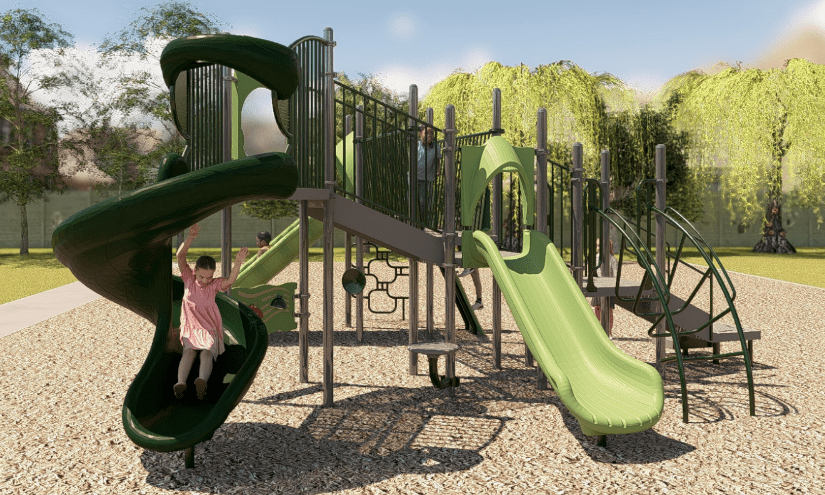
The Evolution of Play Structures – This Year’s Fund-A-Need

As a child, my memory of play structures at school is pretty vivid. We can start with the color—predominantly metal gray. Much of the parts looked like they were taken from the hardware store plumbing aisle. During the winter, they were cold to the touch; in the heat of summer—untouchable. How many of you have a memory—seared into your bottom—of speeding down the shiny metal slide on a hot July day?

Most of all, though, they lacked space for imagination.

Play structures have undergone a significant transformation over the decades, reflecting our evolving understanding of child development. It wasn’t until the past 20 years or so that play structures moved from being prescriptive in how children were meant to use them to designs open to a child’s imagination—a place where children could direct their own experiences.

Well-designed equipment becomes a canvas for inventive play, changing its purpose to match the day’s adventure. These structures support not just physical development but also cognitive growth, social skills, and emotional resilience—all through the power of self-directed play.

This evolution reflects a broader shift in how we view childhood—moving from seeing children as passive recipients of instruction to recognizing them as active constructors of their own understanding. Today’s most innovative play structures (and educational approaches) reflect a deep respect for children’s capabilities.

Sound familiar? It should; students’ “meaning making” of what they learn is a foundational tenet of authentic Project-Based Learning.

This year’s Fund-a-Need is more than just playground equipment—it’s an investment in the kind of education we believe in. Your contribution will directly impact how our students play, learn, and grow every day at Saklan. When we give our children thoughtfully designed spaces to play, we give them the tools to become the innovative thinkers our world needs through the simple but profound act of play.

Join us in bringing this vision to life! Your support for this year’s Fund-a-Need will help create dynamic play spaces that foster creativity, collaboration, and exploration—just as we do in the classroom. Every contribution, big or small, makes a lasting impact on our students’ daily experiences. Let’s build playgrounds that inspire the next generation of innovators and problem-solvers. Donate today and be a part of shaping the future of play at Saklan!