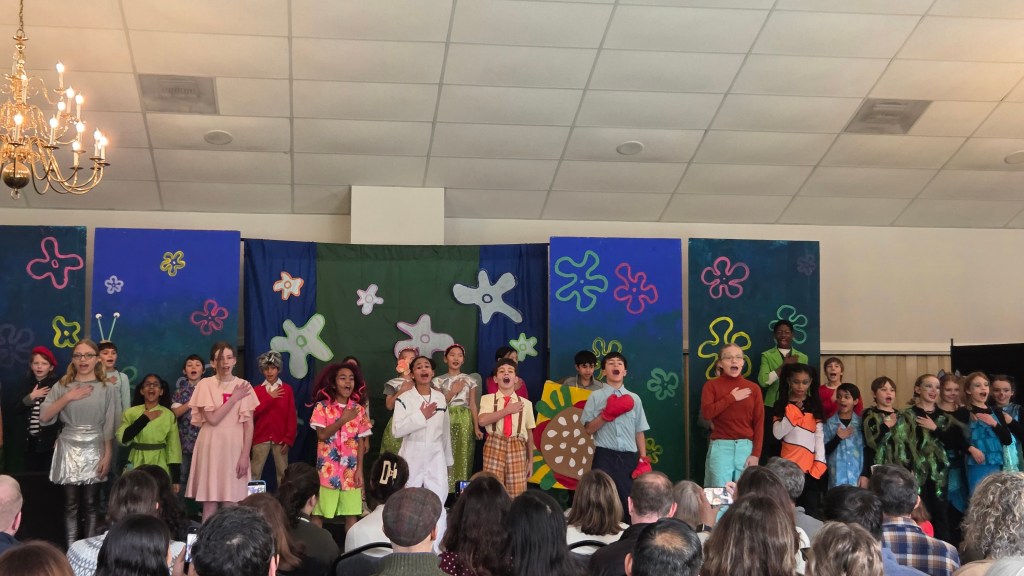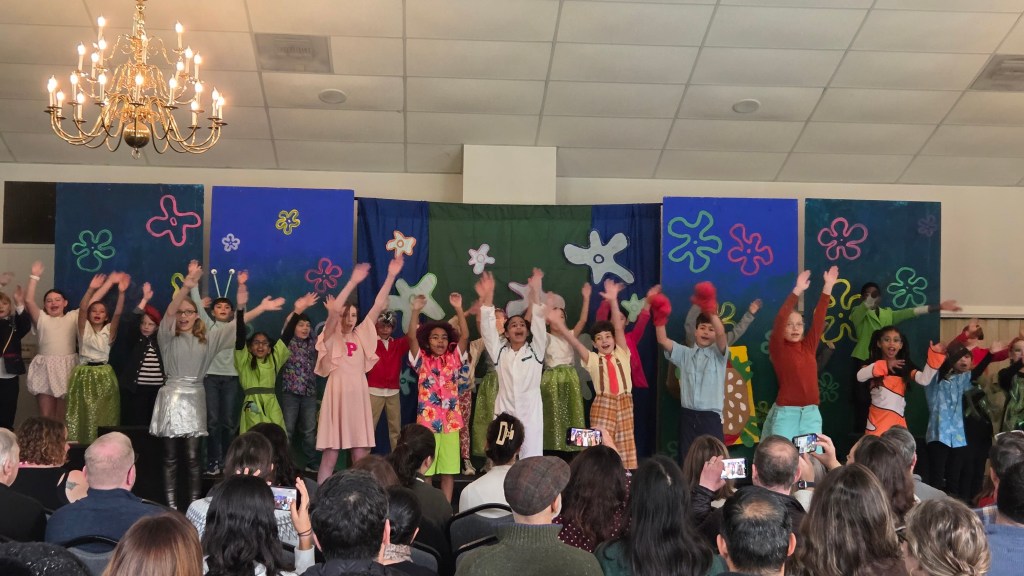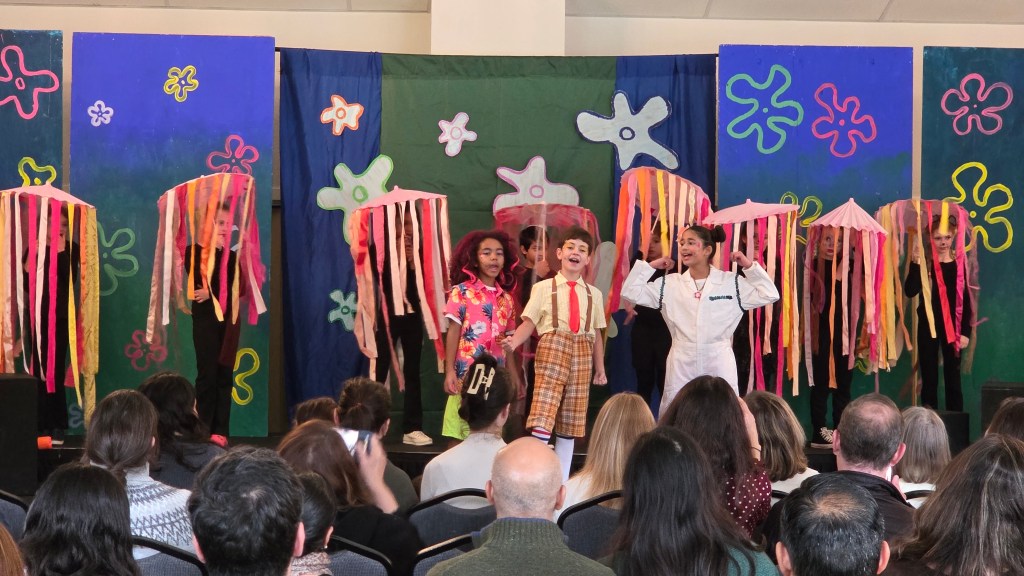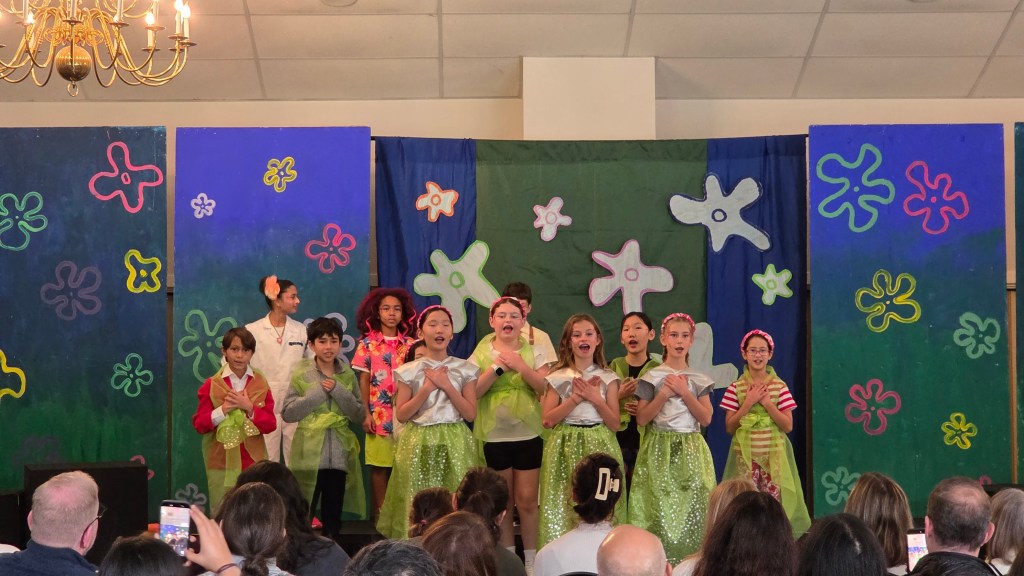
The SpongeBob Musical

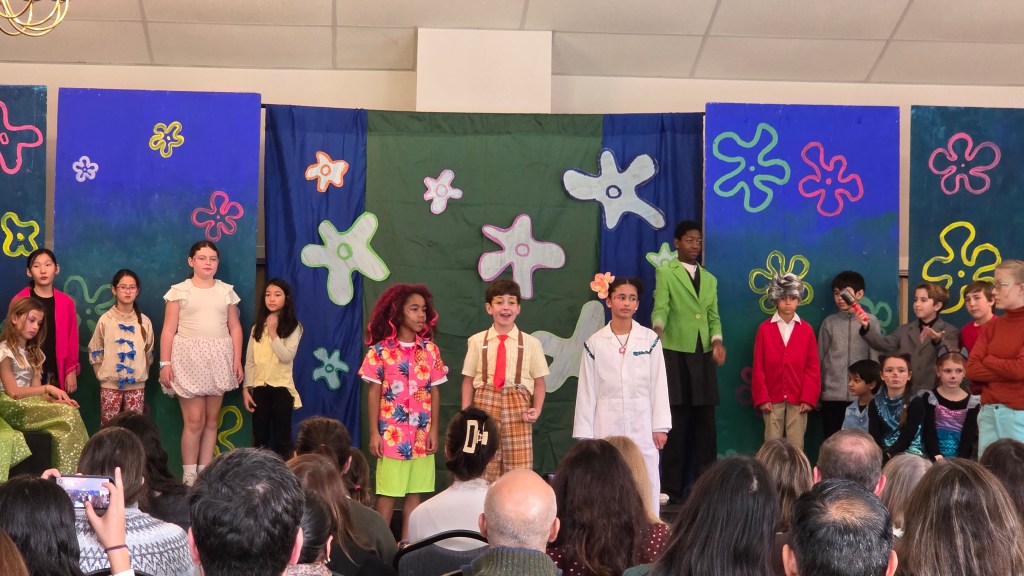
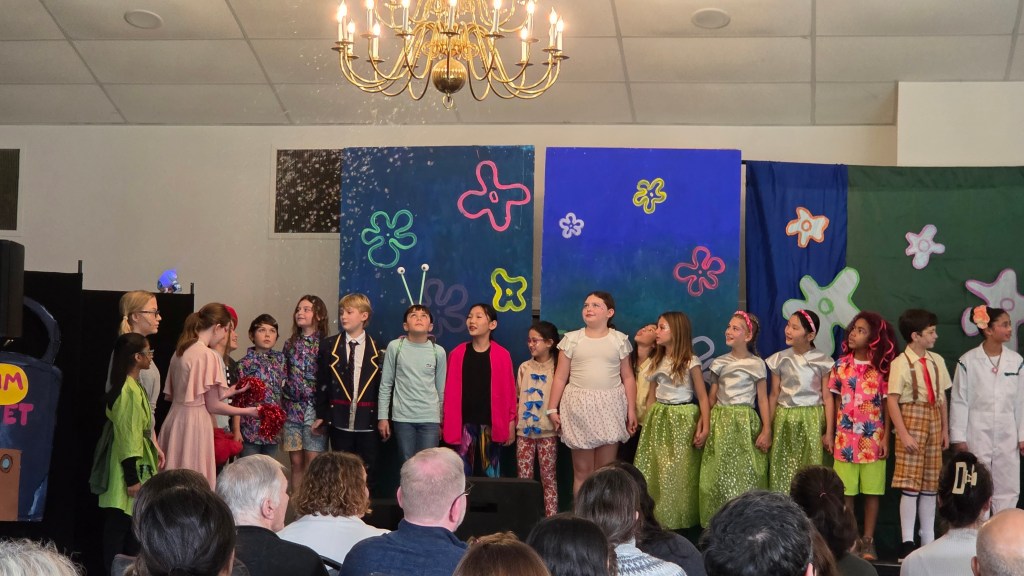
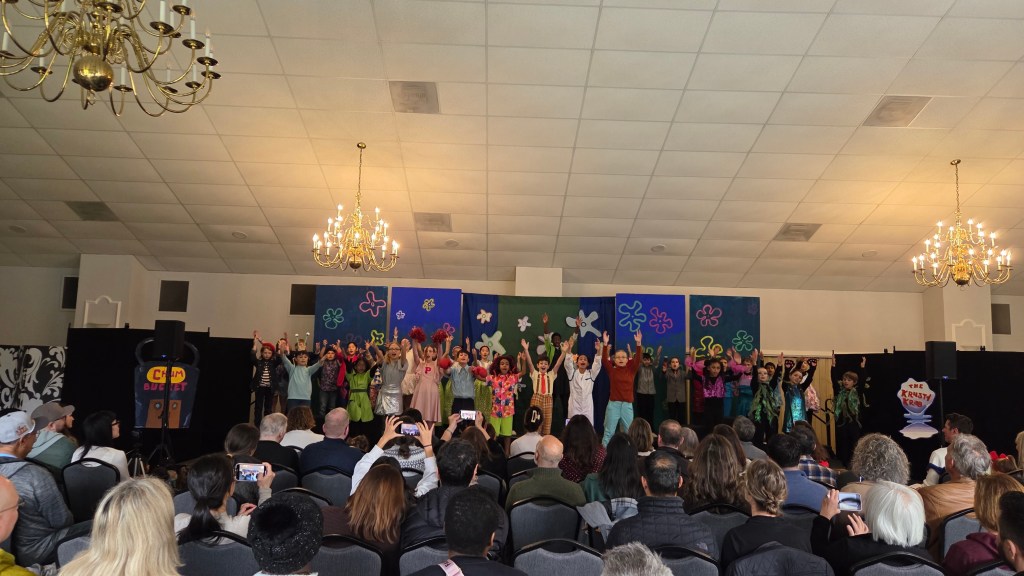
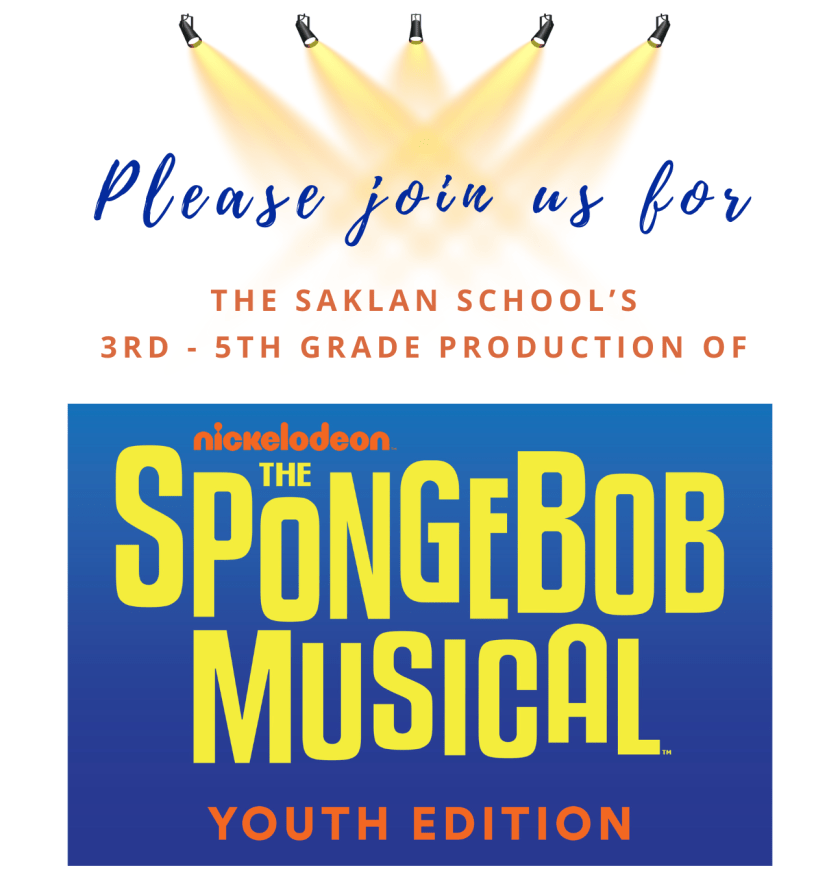
All Saklan community members are invited to join us for The Saklan School’s 3rd – 5th grade production of The SpongeBob Musical on Friday, December 19th at 10:30 a.m. The show will take place in the Holy Trinity Cultural Center (next door to Saklan). Doors will open at 10:15 a.m.

If you will attend and haven’t already done so, please RSVP here. There is no cost to attend; we want to ensure we have enough seats for all!

#SaklanCreative #SaklanCourage

Discovering Ohlone Culture

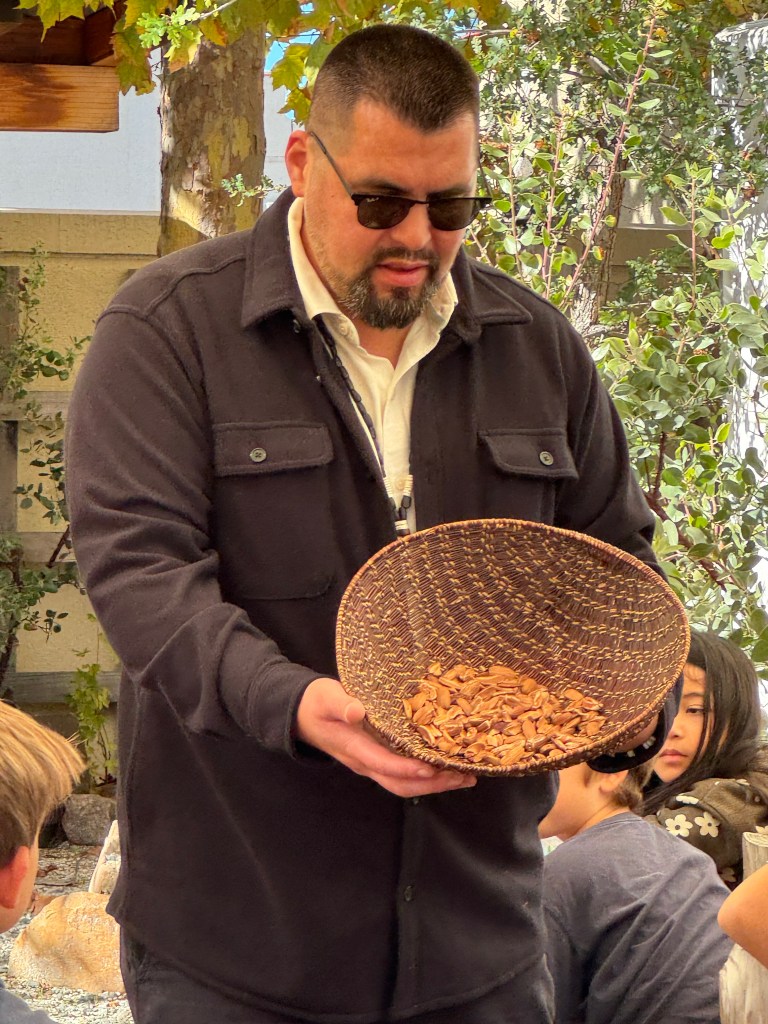
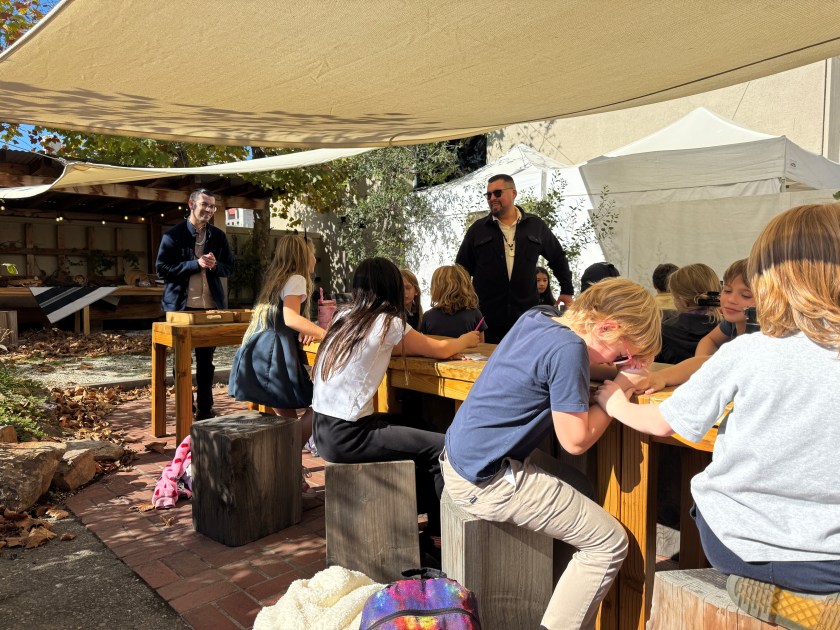
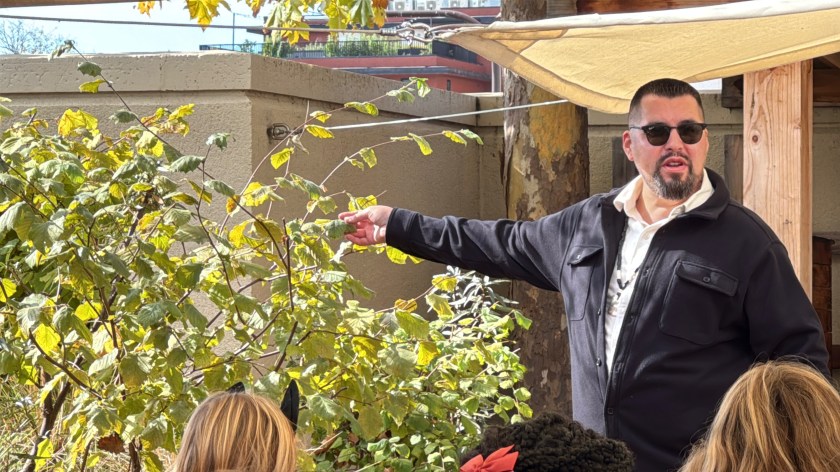
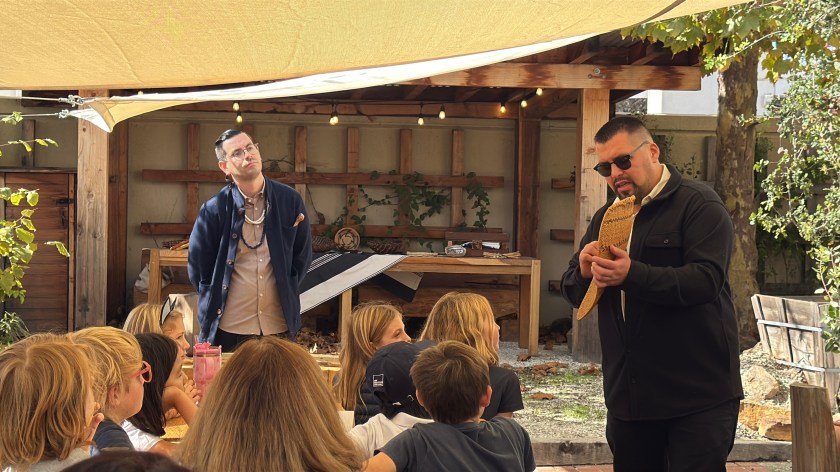
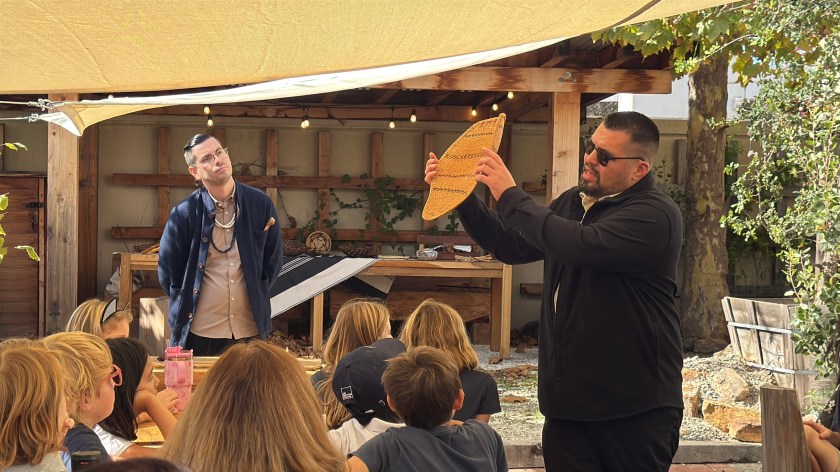
The third and fourth grade students recently spent a memorable day on the UC Berkeley campus visiting Café Ohlone as part of their Project Based Learning units. During this field experience, students stepped into a living story of culture, language, and resilience. Café founders Vincent Medina and Louis Trevino welcomed the group with warmth and generosity, sharing the many ways they keep Ohlone traditions alive through language, food, and community.

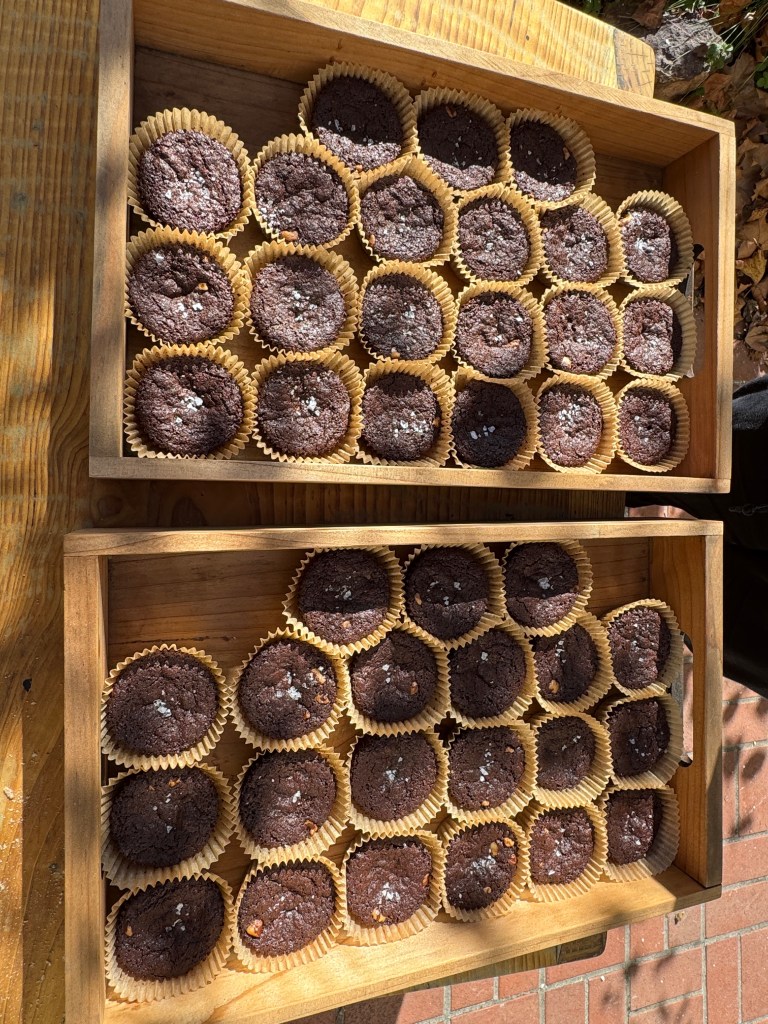
As students listened, they learned about the deep and enduring relationship the Ohlone people have with the land—how native plants serve as food, material for basketry, and sources of medicine. They were especially fascinated to discover that acorns, a staple of the Ohlone diet, require six months of careful preparation before becoming soups and breads.

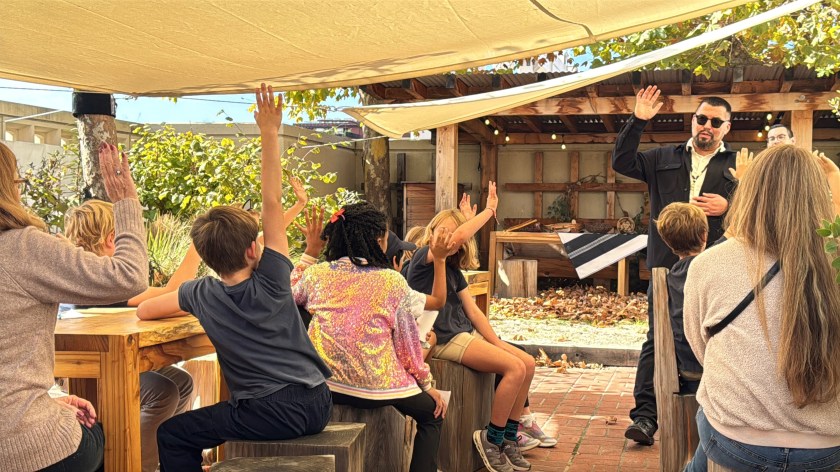
Student curiosity sparked a steady stream of thoughtful questions, so many that Vincent and Louis kindly extended their presentation to continue the dialogue. Students were eager to understand how traditional foods, languages, and customs continue to shape Ohlone life today. Vincent and Louis emphasized one message above all: Ohlone people are still here, actively preserving, practicing, and celebrating their culture.

A highlight for many students was learning to say several words in Chechenyo, the traditional Ohlone language. Speaking the language offered students a meaningful way to honor and connect with the living culture they had just encountered.

This field experience deeply enriched students’ exploration of their driving question. By connecting firsthand with Ohlone voices, students gained a more nuanced understanding of history, identity, and belonging—and a lasting appreciation for the resilience and vibrancy of the Ohlone community.

#SaklanProjectBasedLearning #SaklanFieldExperience

Fourth Graders Embrace Struggle

Recently, the fourth-grade class has been exploring an important idea: struggle is part of learning. Together, they have been reflecting on the tools that help them persevere through challenges, grow comfortable making mistakes, and have an open mindset.

To launch this work, students were introduced to research studies showing that when learners engage with challenging problems, their brains form new neural pathways that actually make them smarter. In other words, mistakes are not setbacks—they are opportunities for growth. With this perspective, the fourth graders are approaching all areas of learning—math, reading, writing, science, social studies, and project-based units—with a spirit of risk-taking, resilience, and perseverance.

Building a Model of the Earth
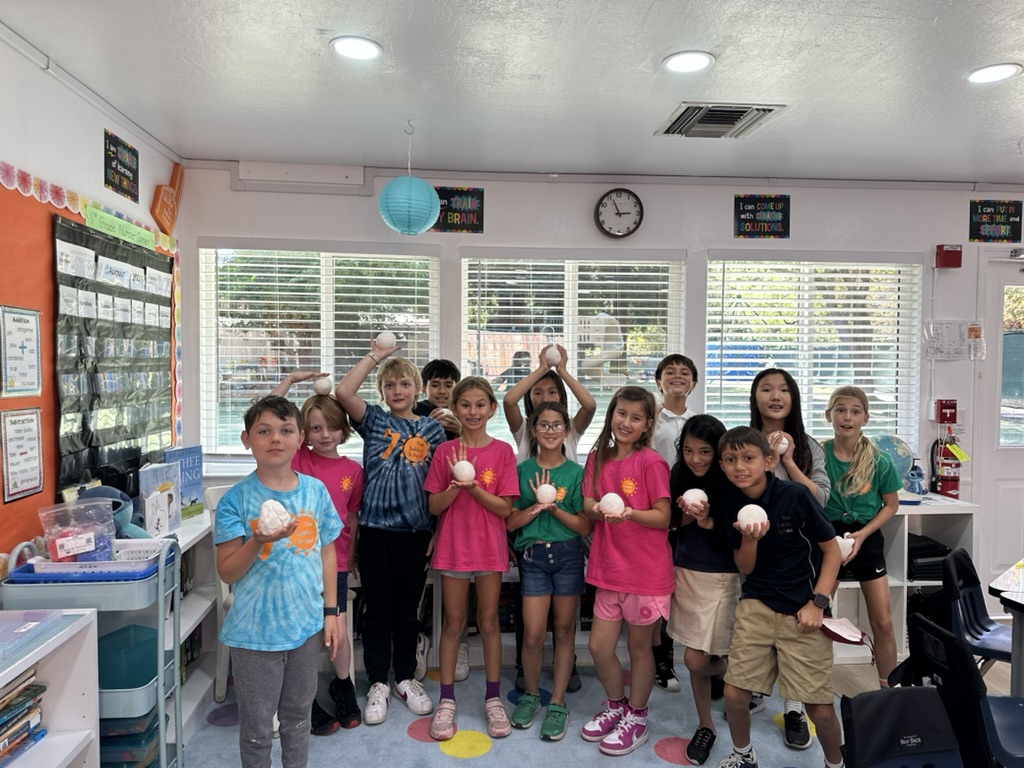
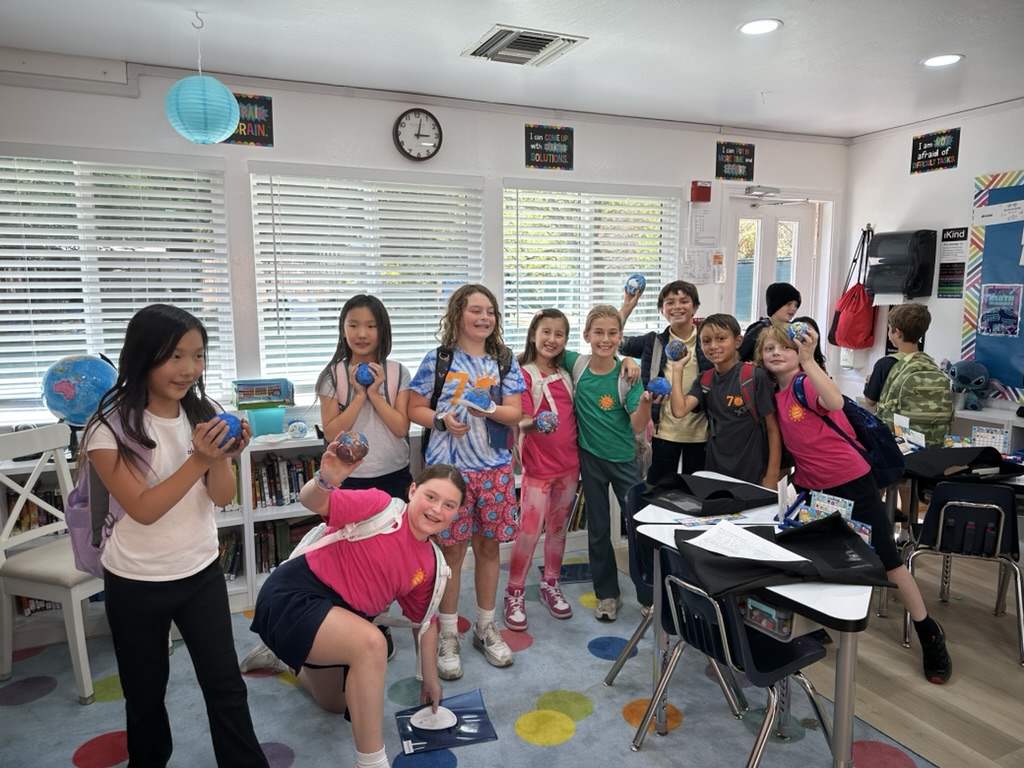
One project where students put this mindset into practice was their Earth model study. They began by learning about the layers of the Earth, then moved on to studying the Earth’s surface and the seven continents. To accurately place the continents, they used the prime meridian and the equator as guides and practiced understanding how longitude and latitude form a coordinate system for locating places on Earth.

The process required many rounds of practice. Students free-drew the continents several times before transferring them onto their final models. While the task was challenging, it provided meaningful opportunities to practice perseverance and open mindset thinking in a real and tangible way. The final models reflect both effort and growth, and the class celebrated the learning journey just as much as the finished products.

As the year continues, the fourth graders will keep building not only their academic skills, but also their confidence, resilience, and ability to embrace challenges as opportunities for growth.

#SaklanSEL

Learning Buddies Kick Off a Year of Connection and Growth

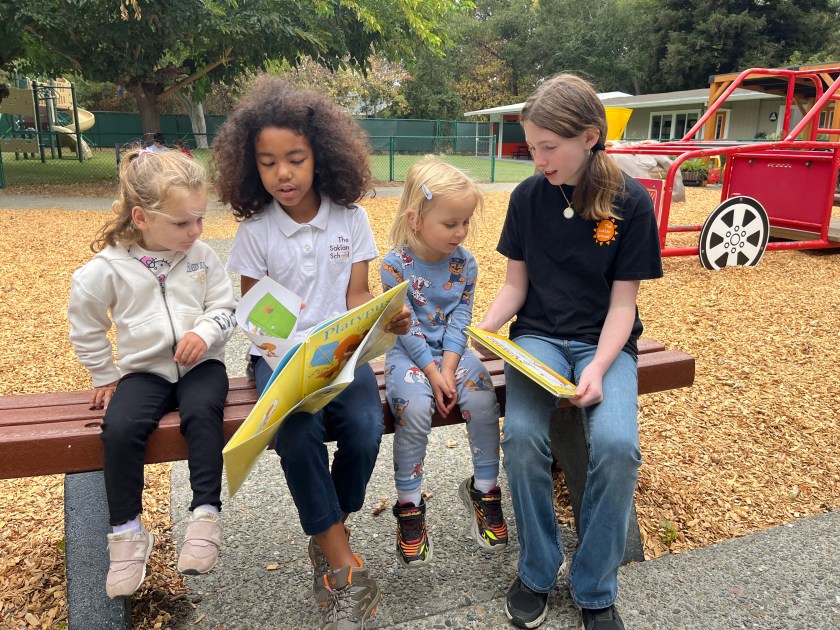
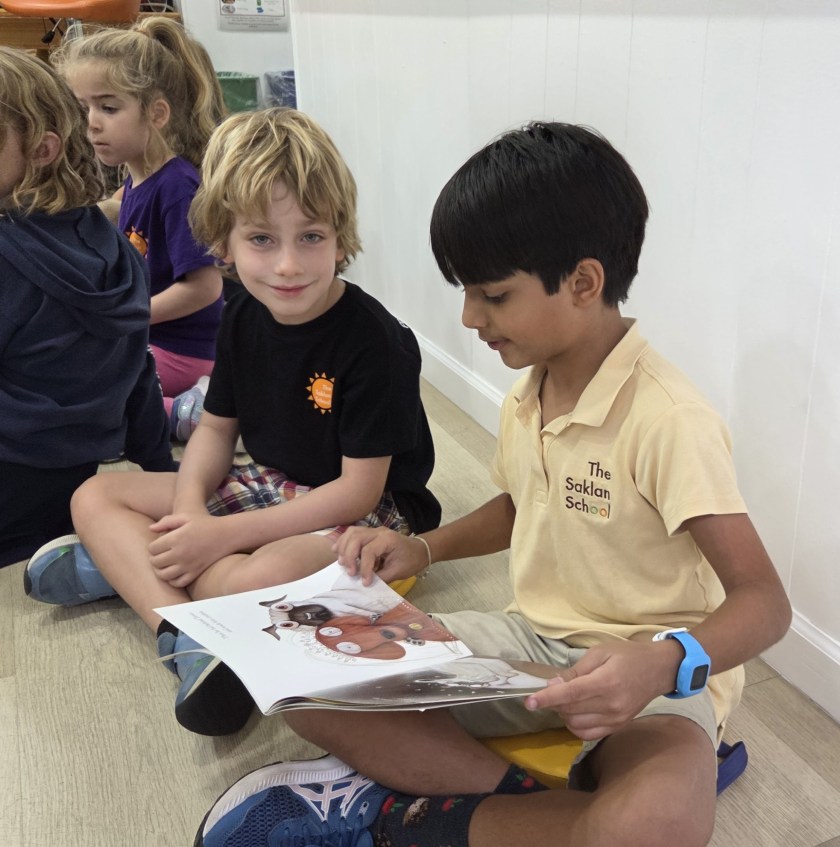
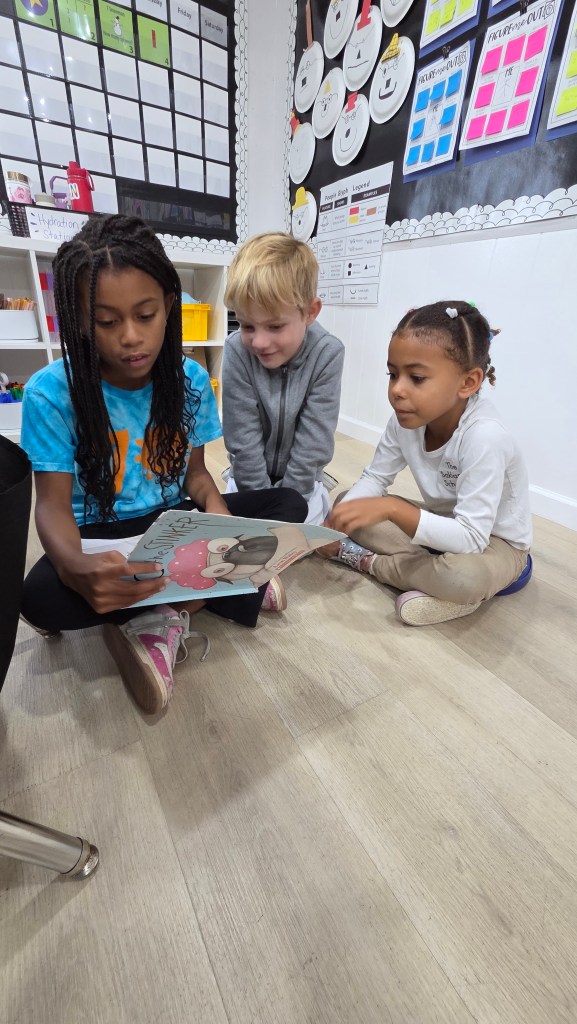
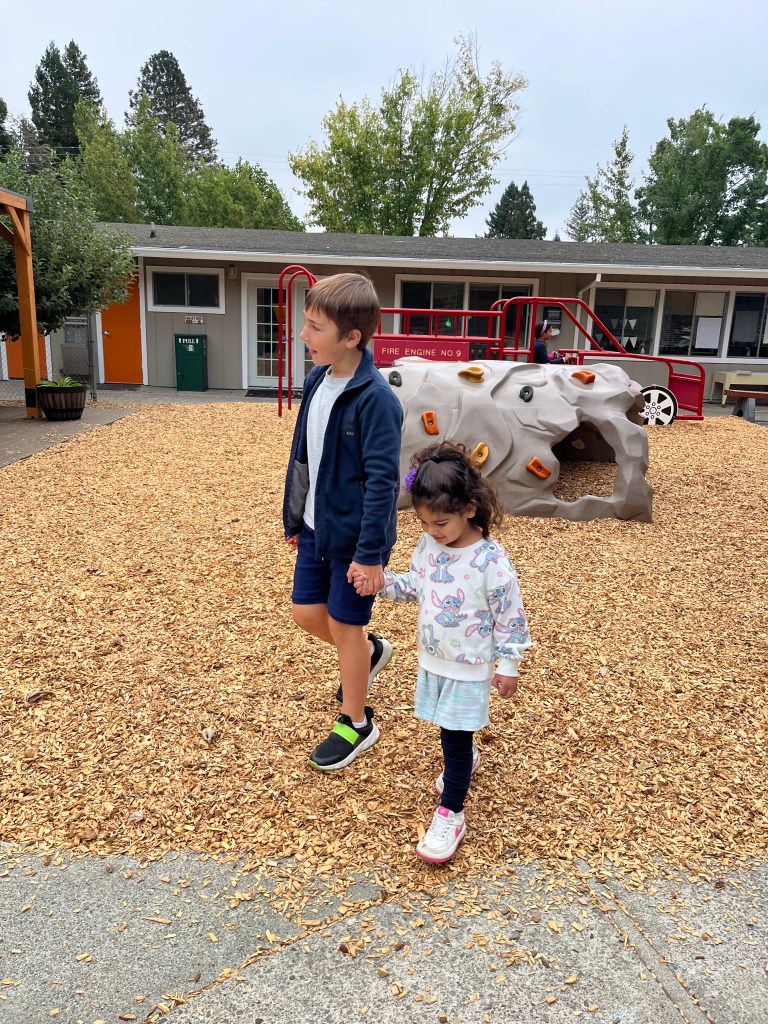
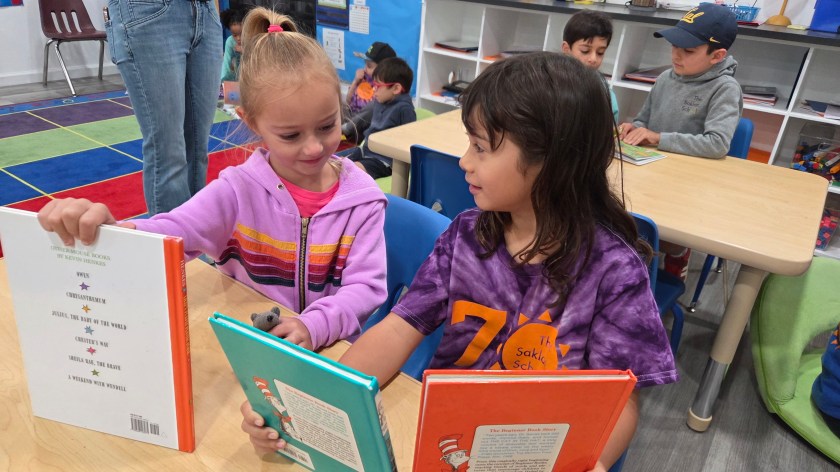
This morning, campus was buzzing with excitement as we launched our Learning Buddy program for the year! Designed to encourage cross-grade friendships, foster responsibility and mentorship, and make learning engaging and fun, Learning Buddies are a treasured Saklan tradition.

During their first meeting, buddies took time to get to know one another before diving into some shared reading. Older students modeled strong reading behaviors—using expression, fluency, and confidence—while also listening attentively as their younger buddies proudly read aloud.

The joy was evident on both sides: older students embraced their roles as mentors, while younger students felt supported, inspired, and eager to spend more time with their new friends. By the end of the morning, many were already asking the same question: When do we get to meet with our buddies again?

We look forward to seeing these relationships blossom throughout the year as students learn, grow, and shine together.

#SaklanCommunity
Journey Back to the Gold Rush

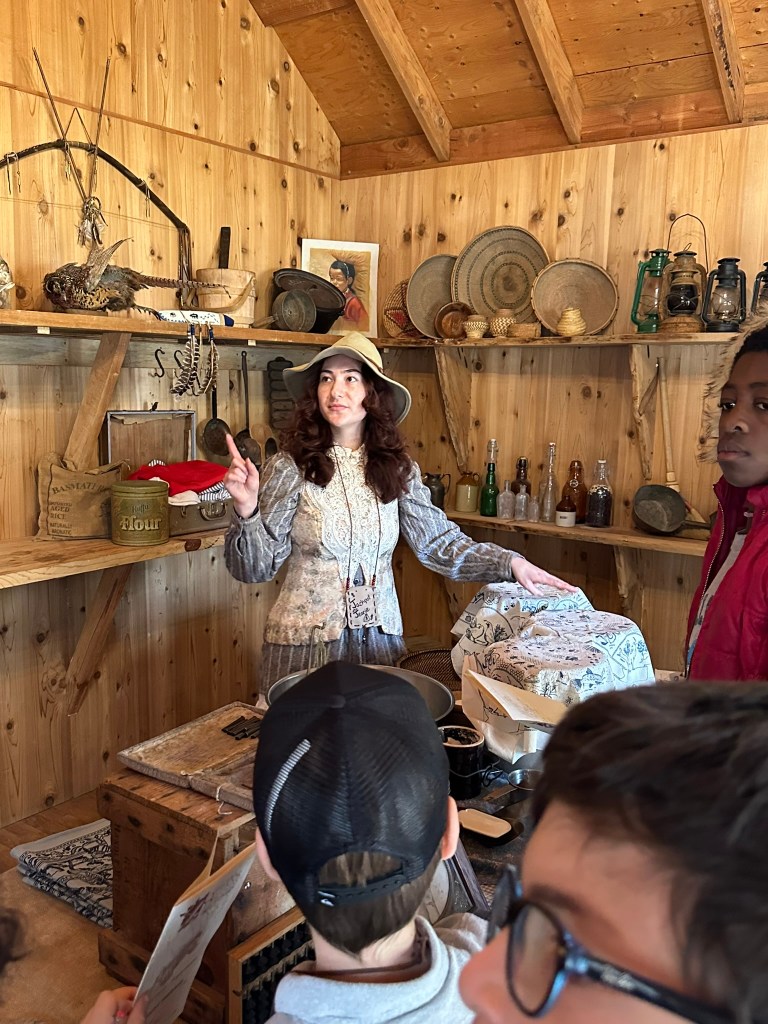
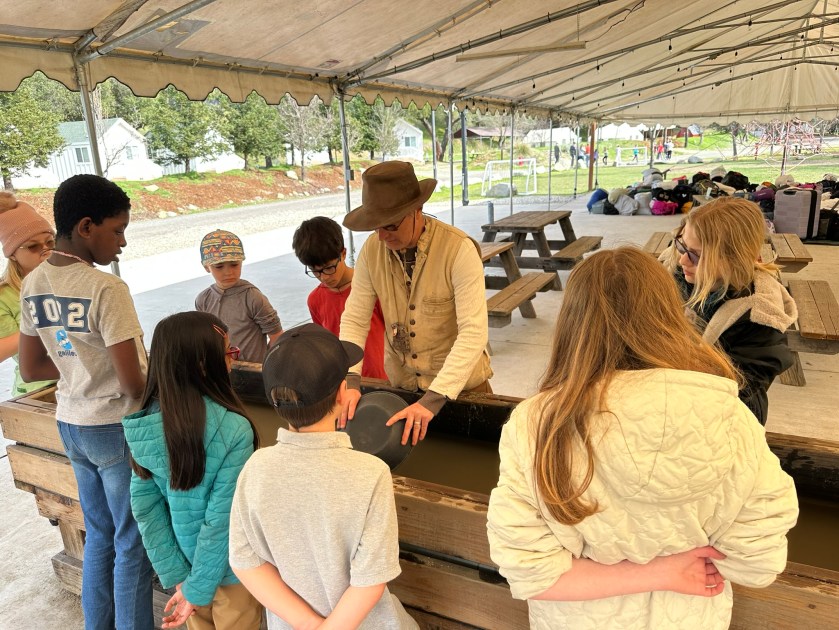
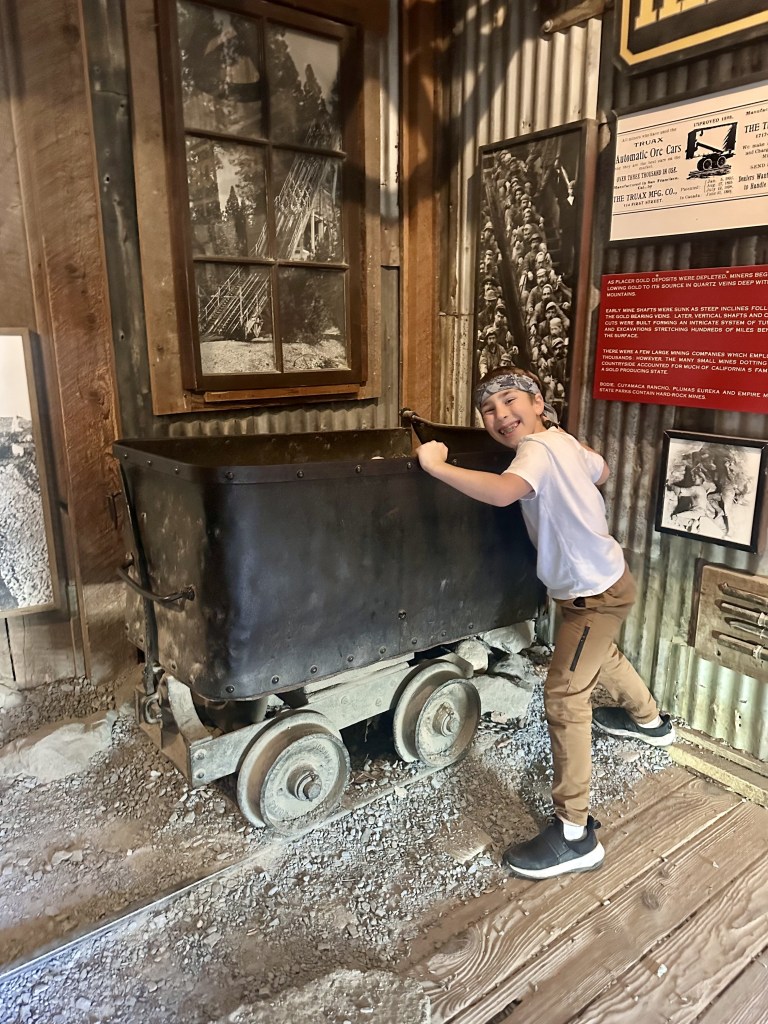
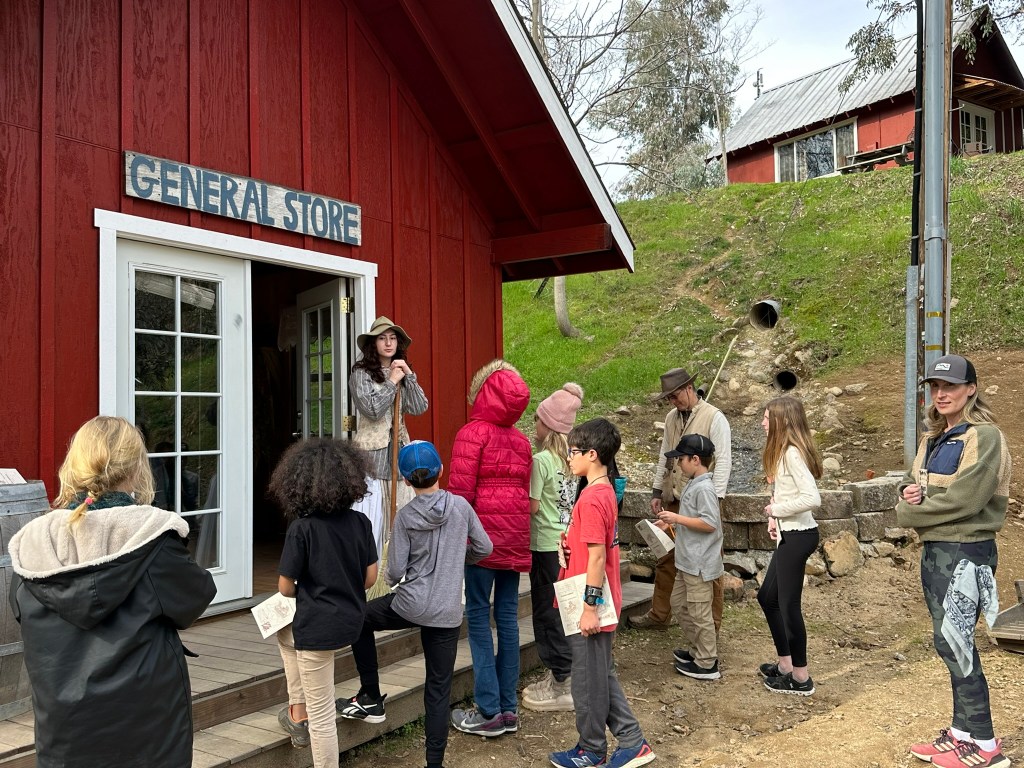
The Saklan 4th graders recently embarked on an unforgettable journey to Coloma, where history came alive in the heart of Gold Rush country. Stepping into the past, they laced up their miner boots and experienced life as it was in 1849, guided by their enthusiastic program leader, Tim.

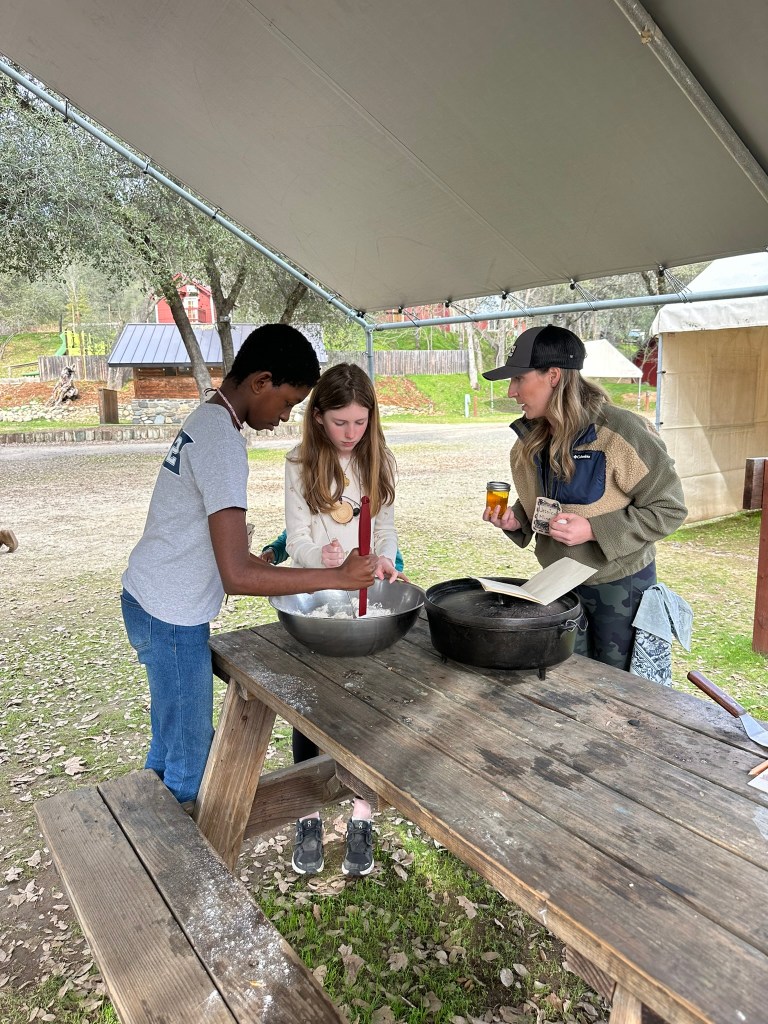
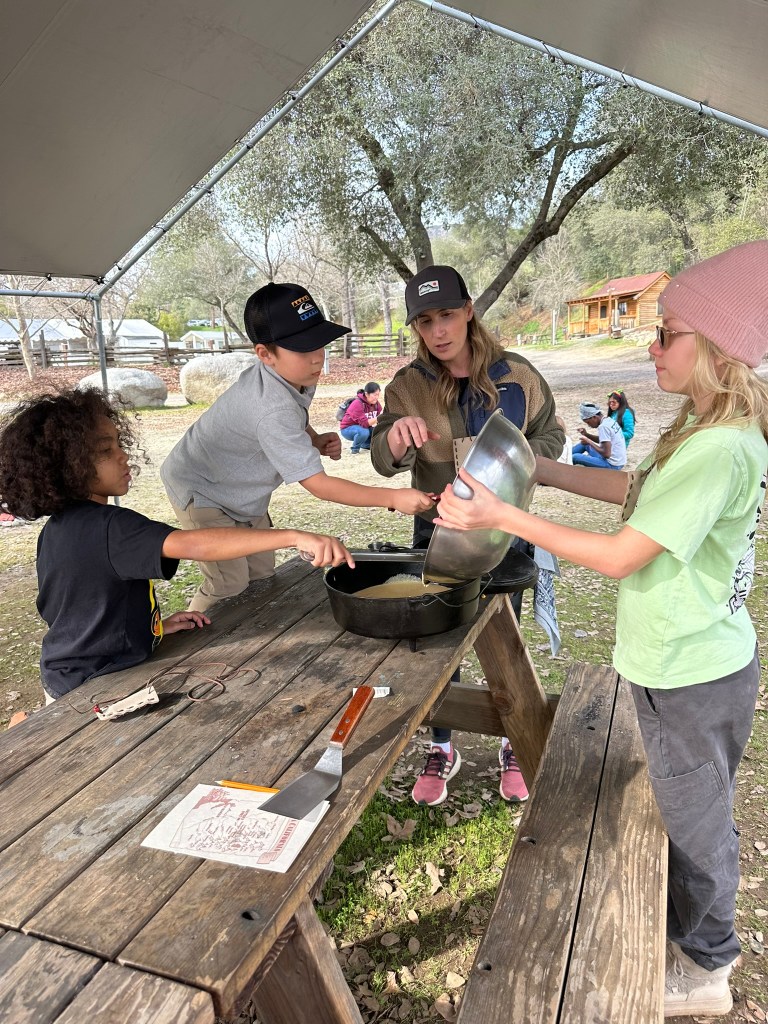
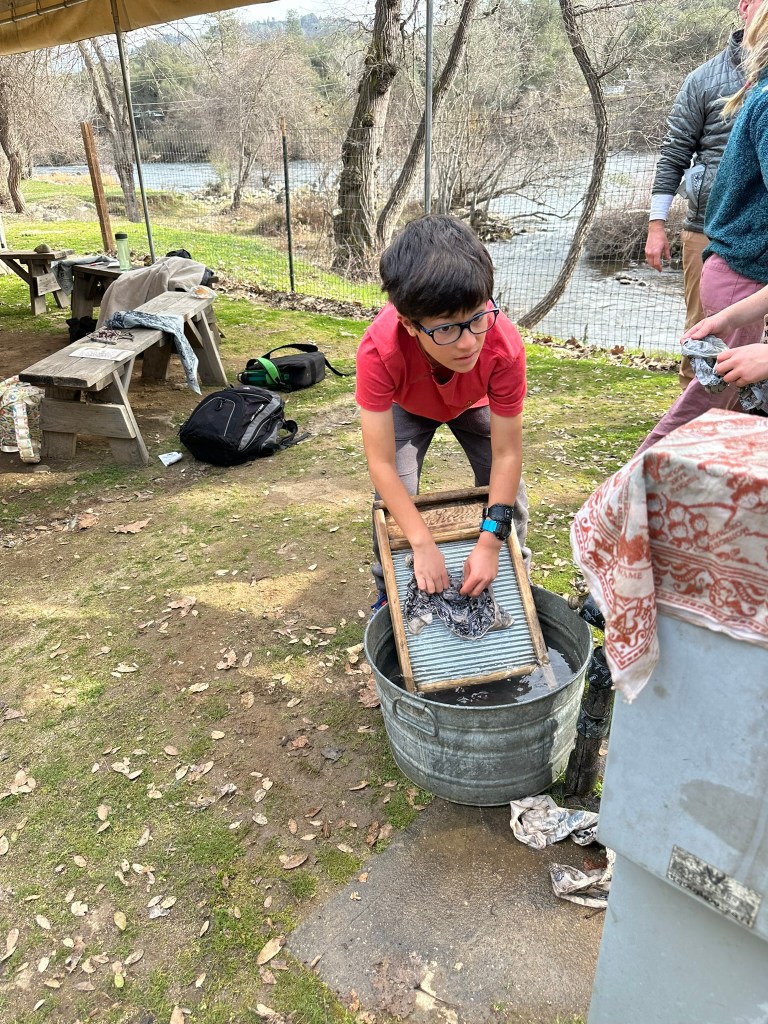
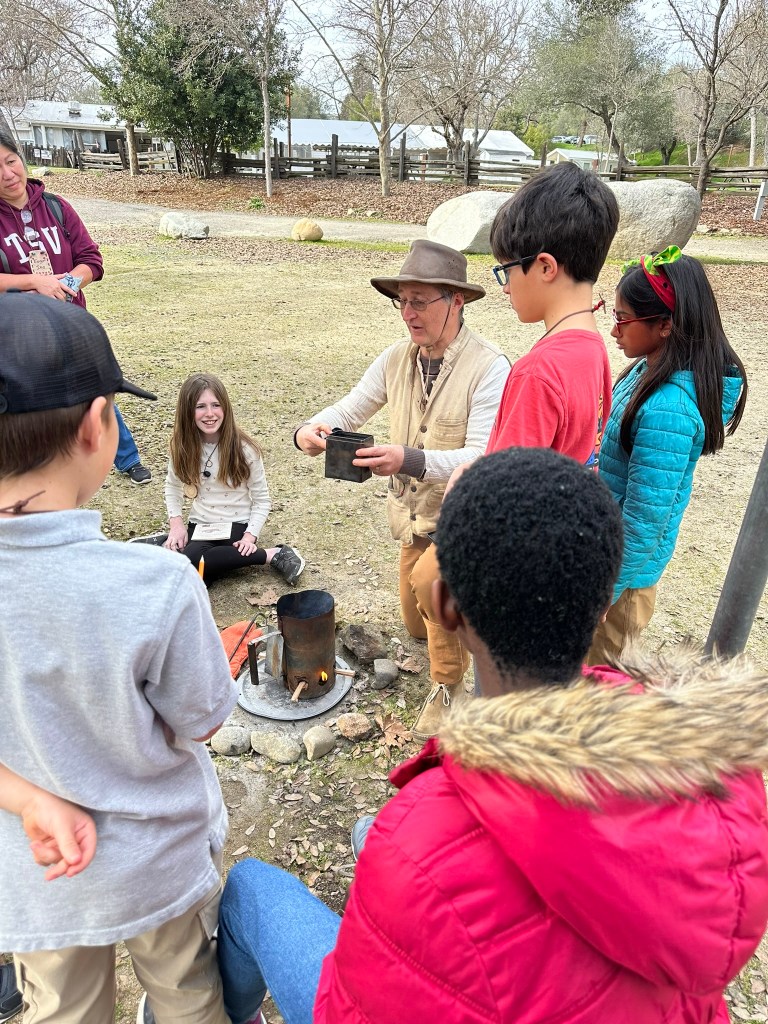
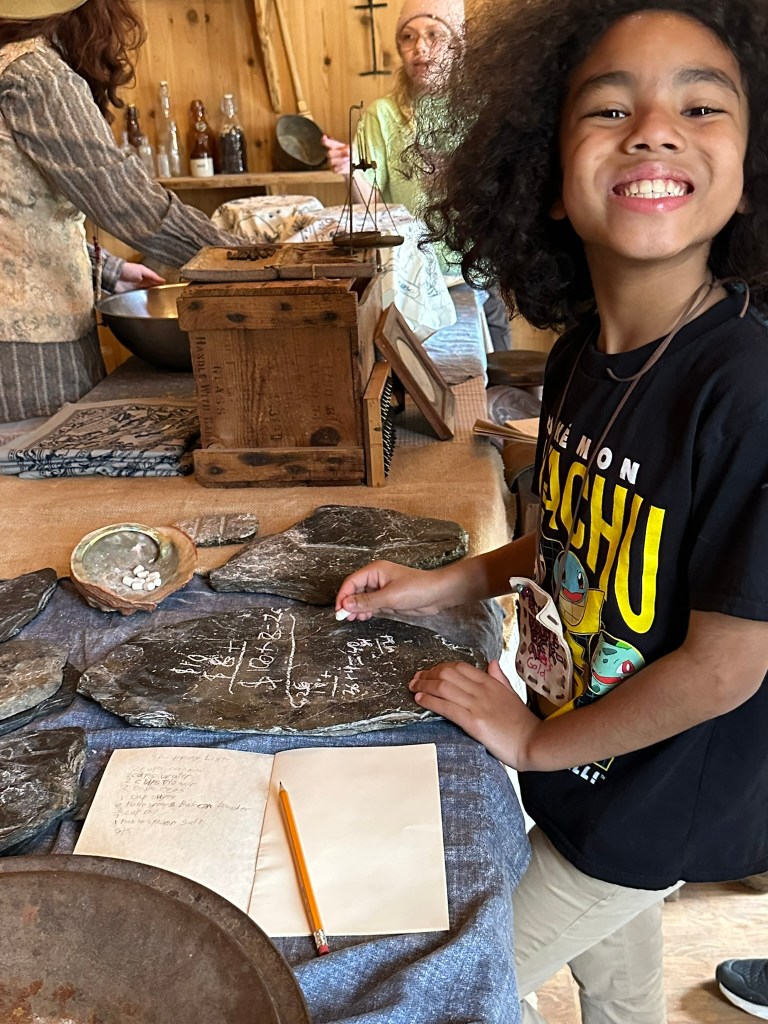
The adventure began with a visit to a bustling mining camp, where the aroma of freshly baked cornbread filled the air. The students purchased ingredients from a general store, just as miners once did, and patiently waited as the bread cooked over an open fire in a cast-iron Dutch oven. While the cornbread baked, they learned essential pioneer skills—sewing, washing clothes on a washboard, and working together to build a shelter. Living the life of a Coloma miner along the riverbanks provided a first-hand glimpse into the daily challenges and triumphs of those seeking fortune in the golden hills.

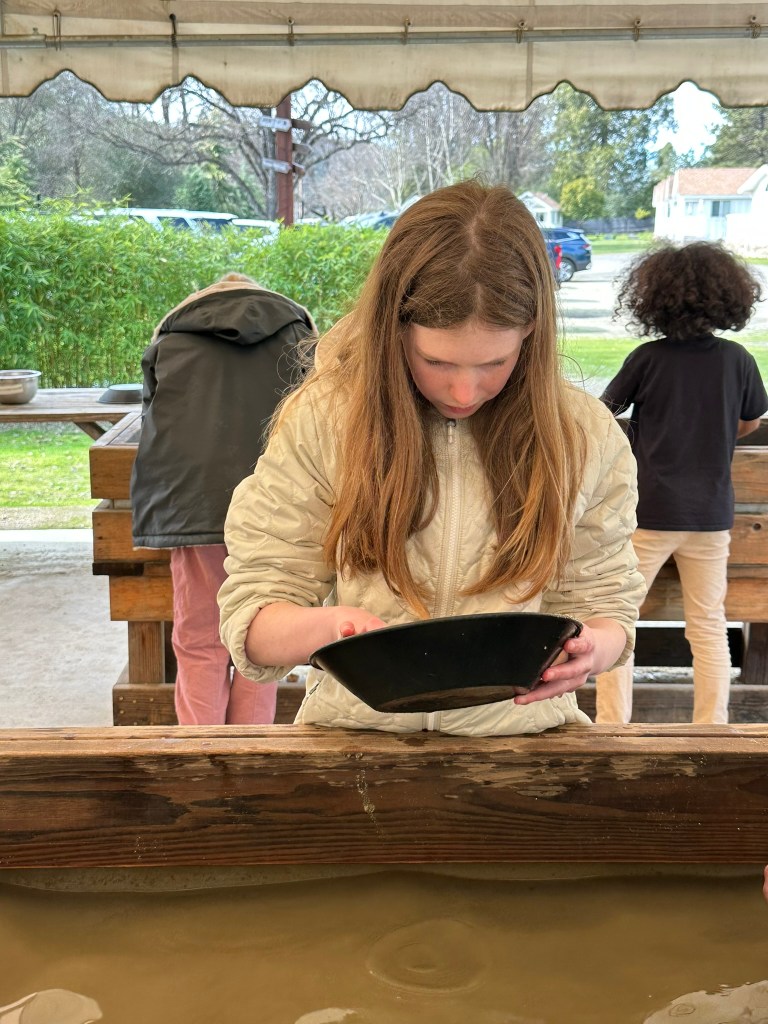
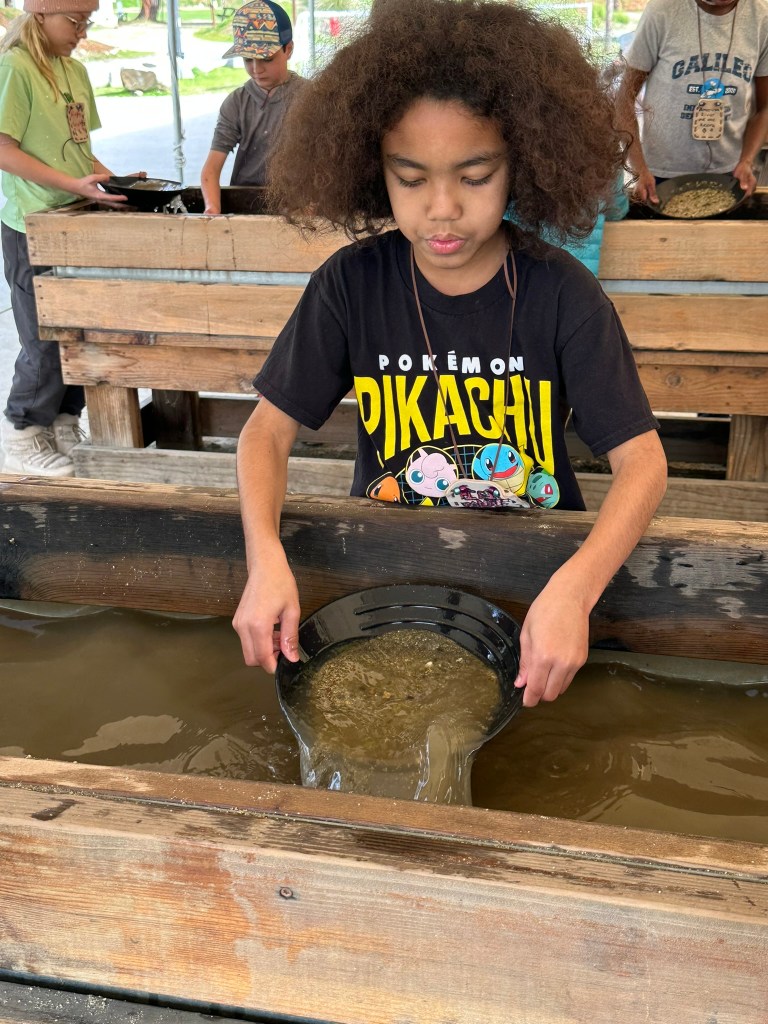
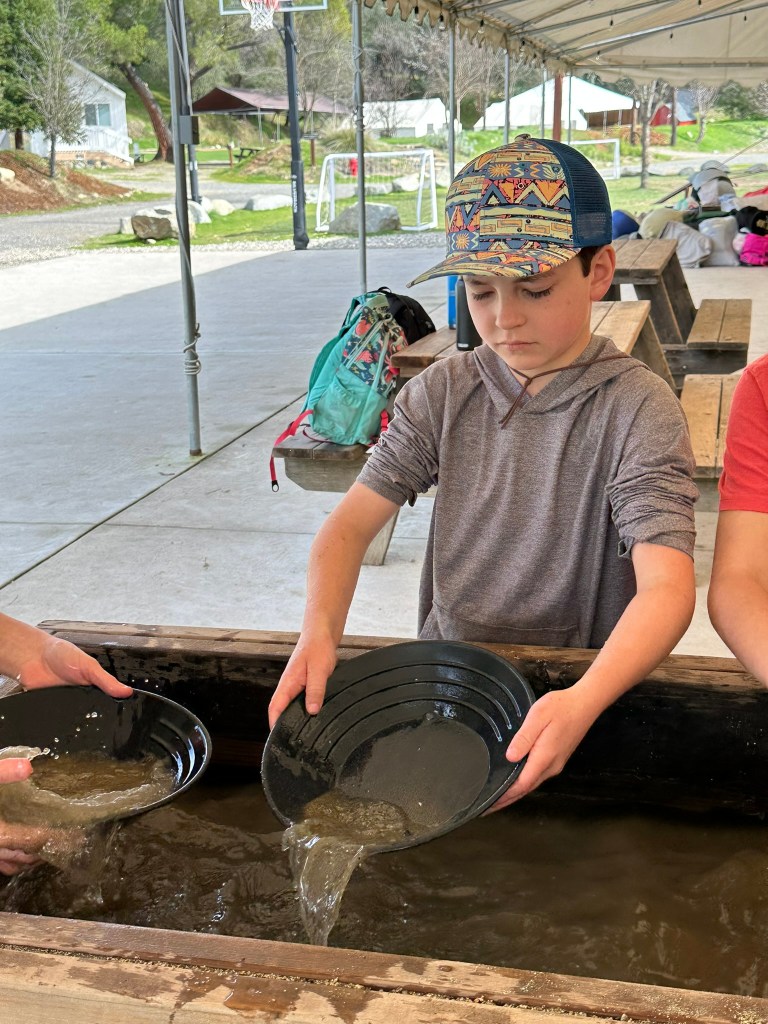
Of course, no trip to Coloma would be complete without the thrill of gold panning! Armed with pans and determination, the young prospectors eagerly sifted through pay dirt from the American River, their excitement growing with every swirl of water. Shouts of EUREKA! rang through the air as gold fever took hold, mirroring the elation of those who had once sought their fortunes in the very same spot.

The journey through time deepened when the group met with a local Miwok cultural leader, who shared stories and traditions from an indigenous perspective. Through this powerful experience, the students gained a richer understanding of the impact of the Gold Rush on the Native American communities of California.

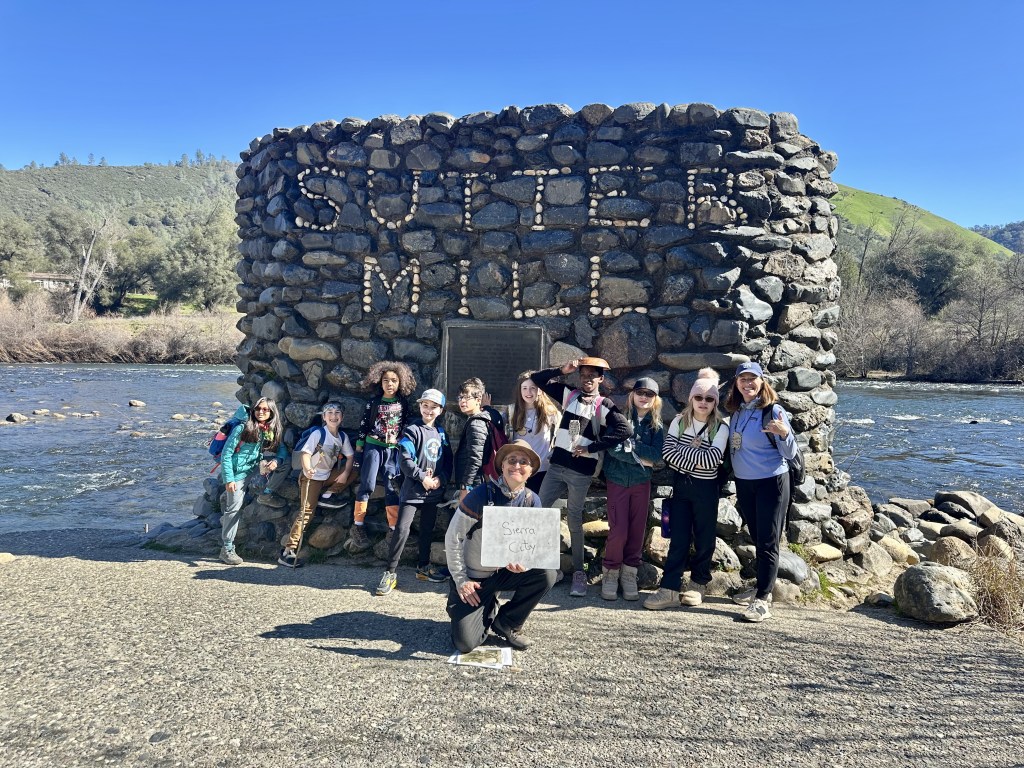
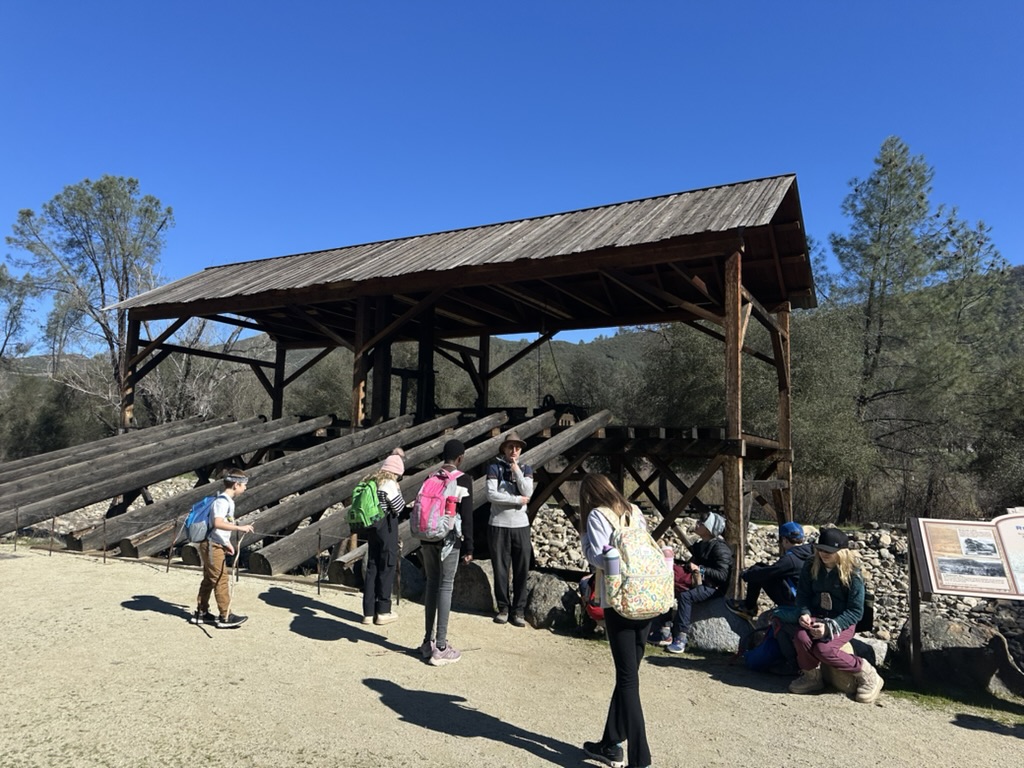
On the second day of their adventure, the students hiked through Coloma’s rolling hills, exploring key historical sites, including Sutter’s Mill, where the first famous gold nugget was discovered. Standing on the very ground where history was made, they connected even more deeply with the past.

As they packed up their belongings and bid farewell to Coloma, the 4th graders carried with them more than just memories—they brought home a deeper understanding of the trials and triumphs of those who came before them.

#SaklanFieldExperience #SaklanHandsOn

Inspiring Author Visit

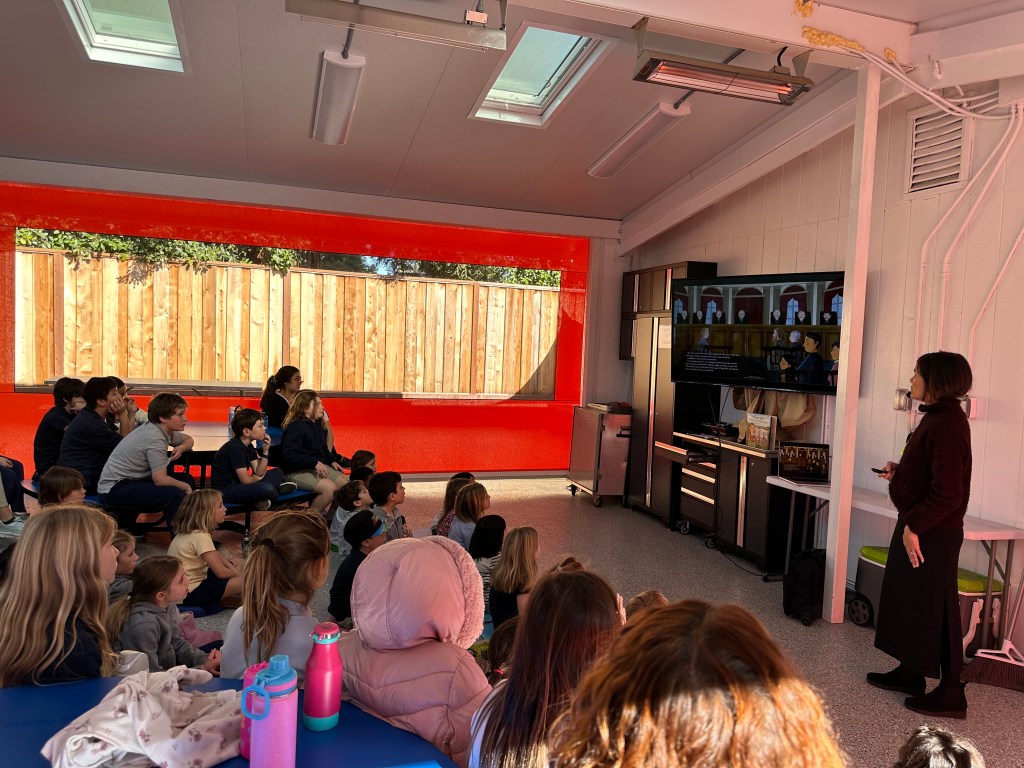
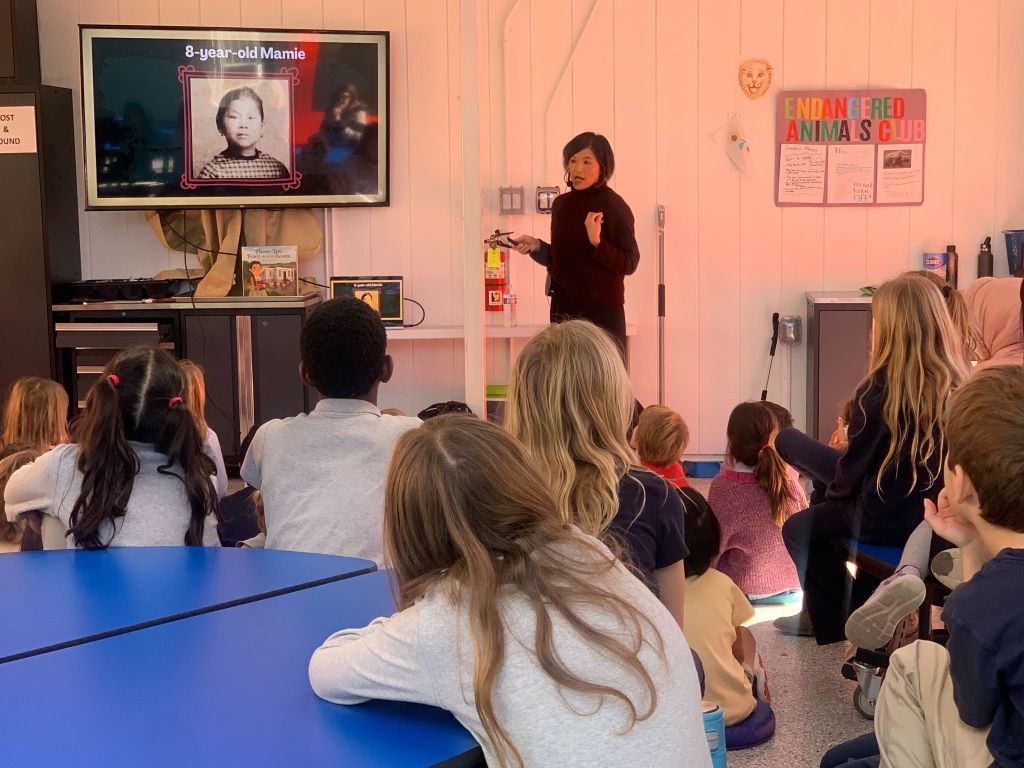
Our lower school students were recently thrilled to welcome author Traci Huahn to Saklan for an inspiring visit centered around her book, Mamie Tape Fights to Go to School. During the 45-minute session, students enjoyed a captivating read-aloud of the book, learned about the historical significance of Mamie Tape’s fight for school desegregation during the era of the Chinese Exclusion Act, and explored how this moment in history connects to the broader civil rights movement.

Ms. Huahn also shared her journey as an author, offering an inside look at the research, writing, revising, and publishing process. Students were delighted by a special video message from the book’s illustrator, Michelle Jing Chan, who revealed her creative process and behind-the-scenes details.

The visit sparked engaging discussions about bravery, standing up for your rights, and the power of storytelling. Students asked thoughtful questions during the Q&A, deepening their understanding of the themes and lessons in the book.

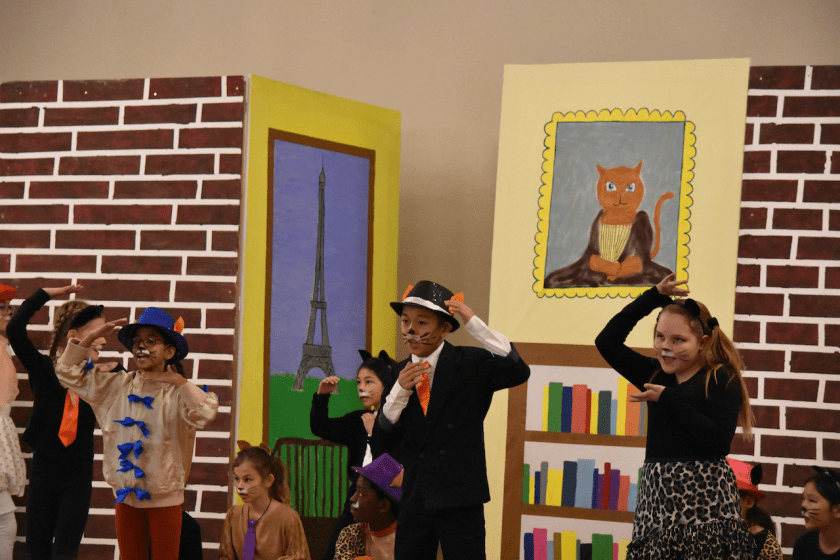
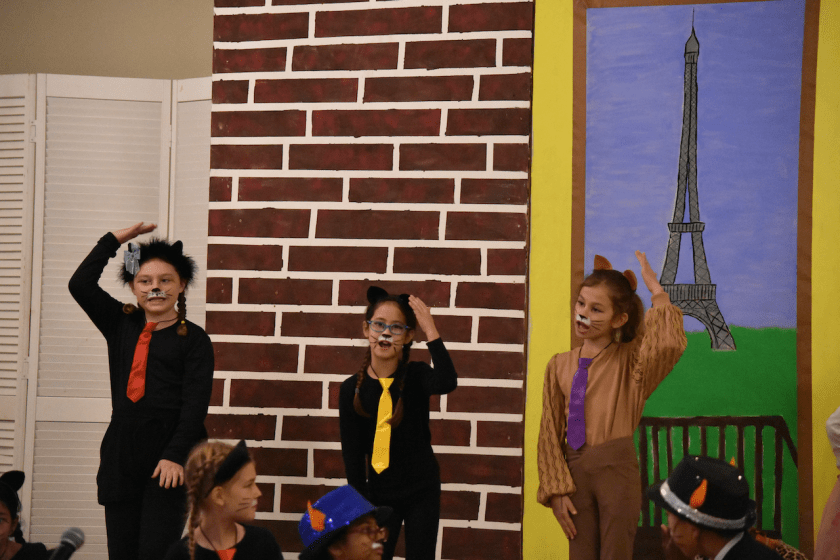
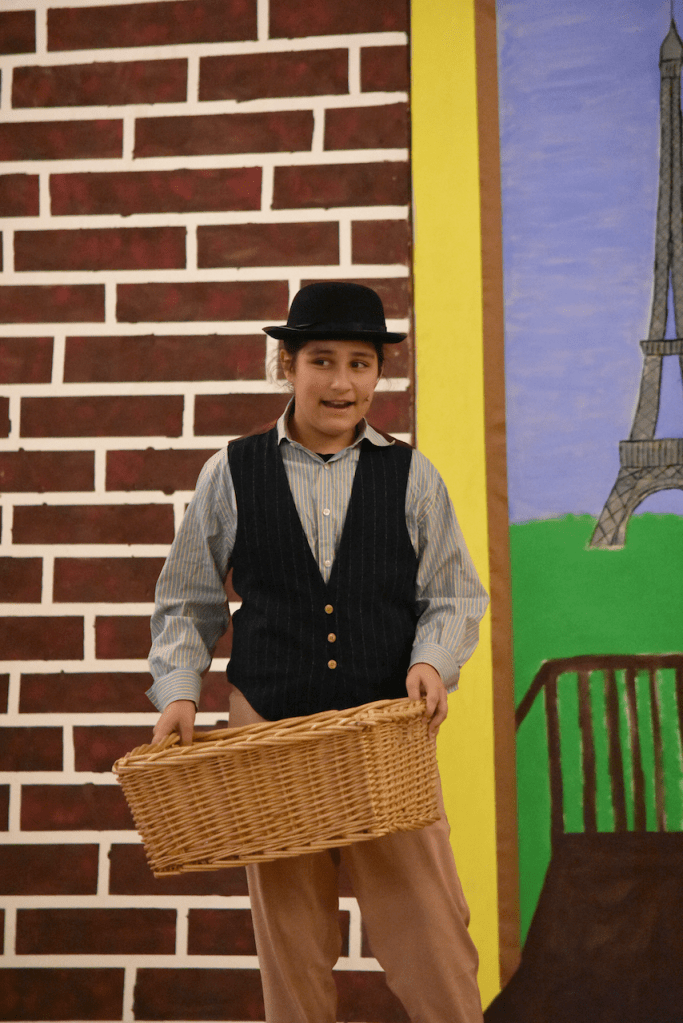
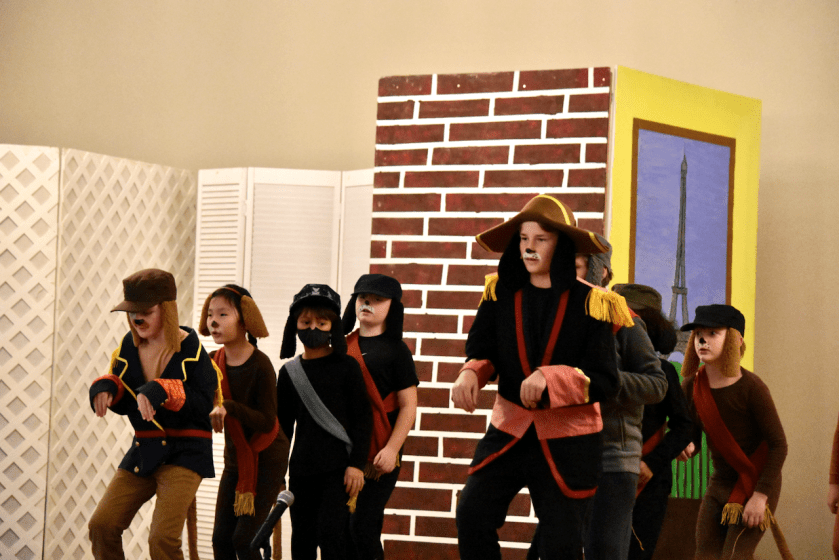
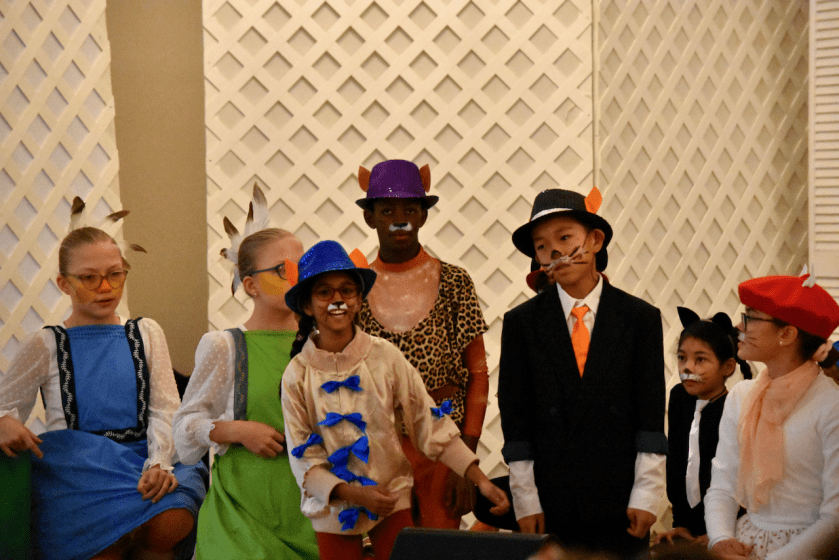
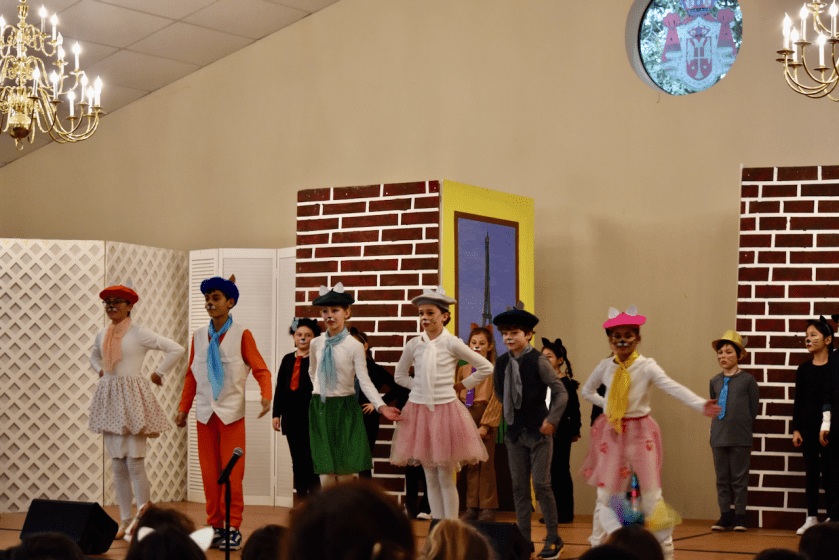
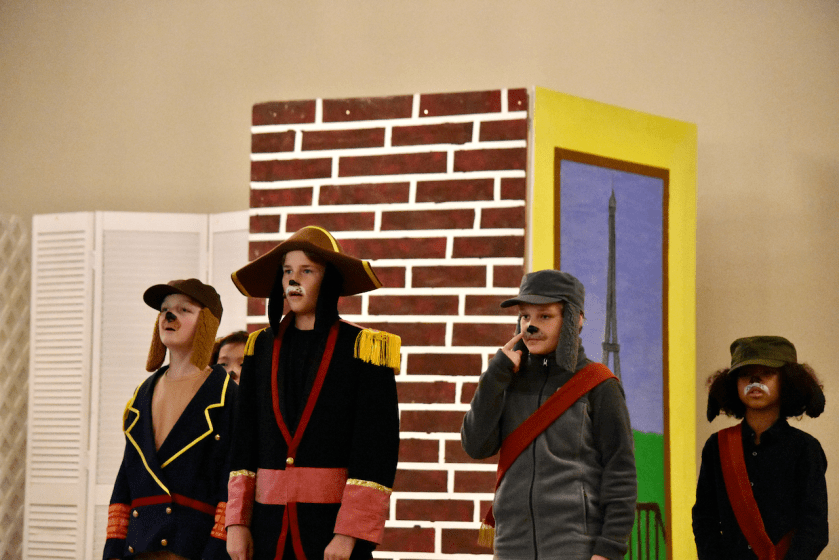
Congrats to “The Aristocats” Cast

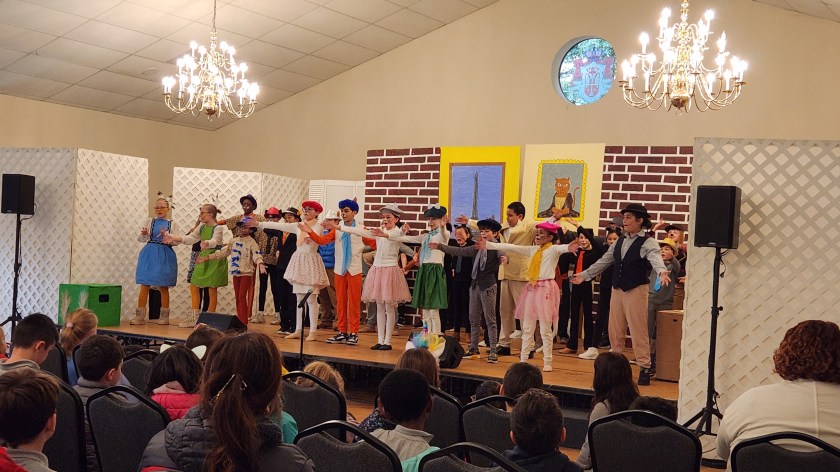
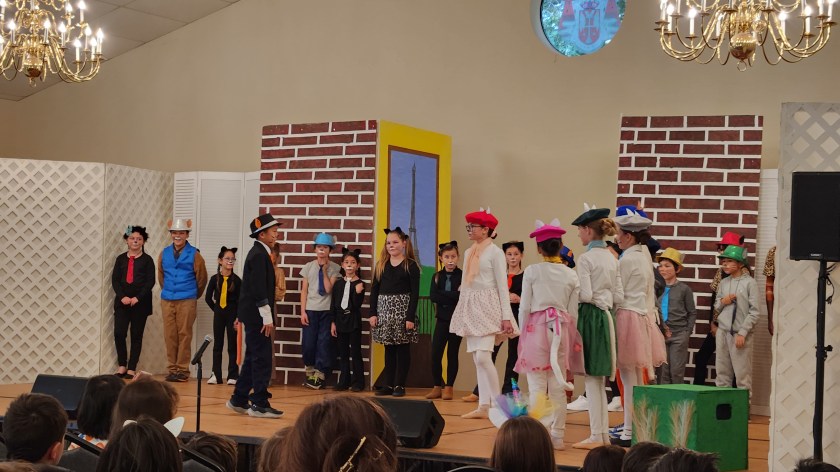
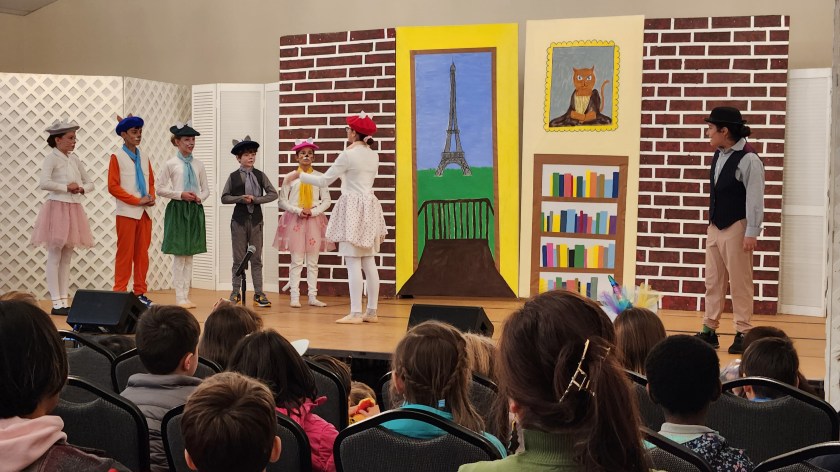
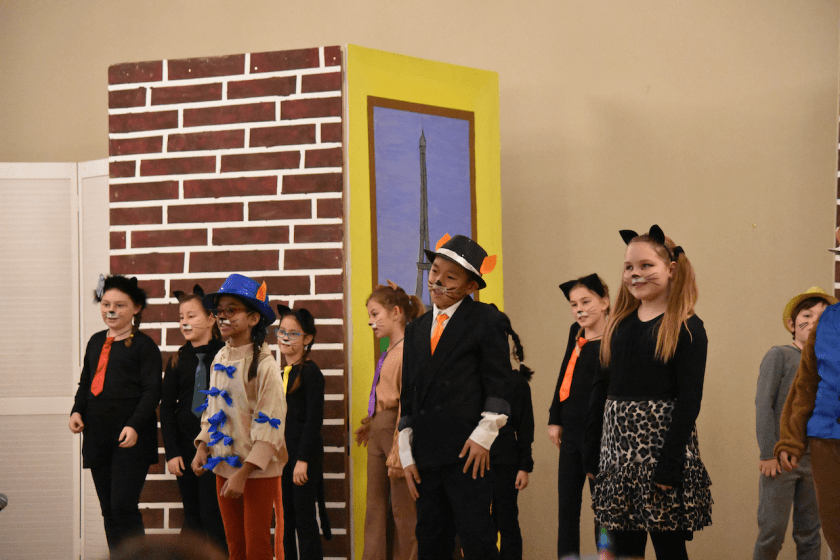
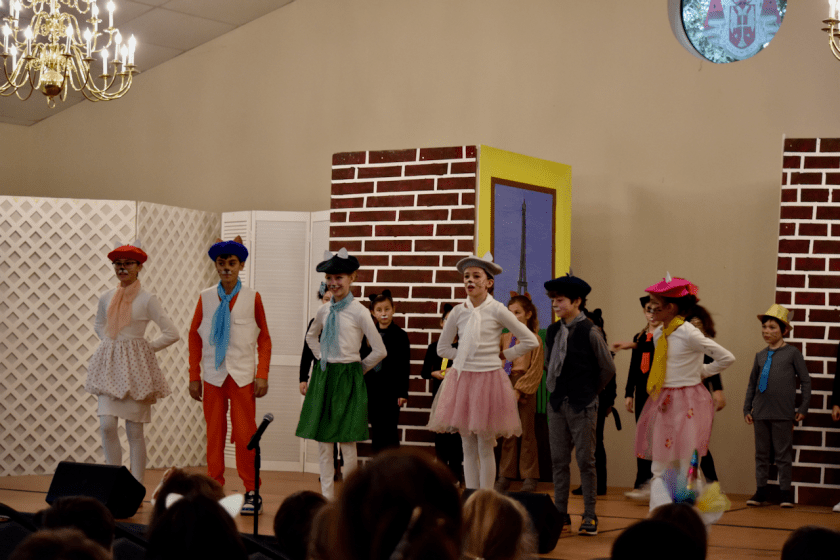
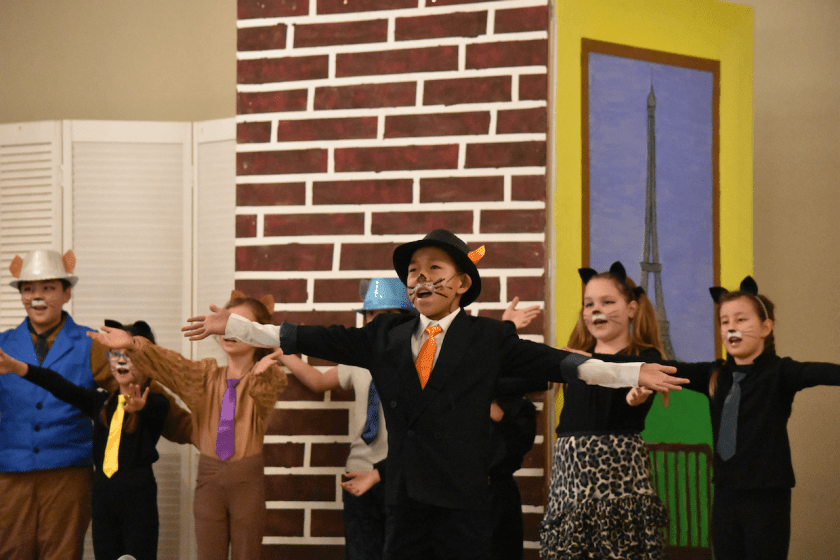
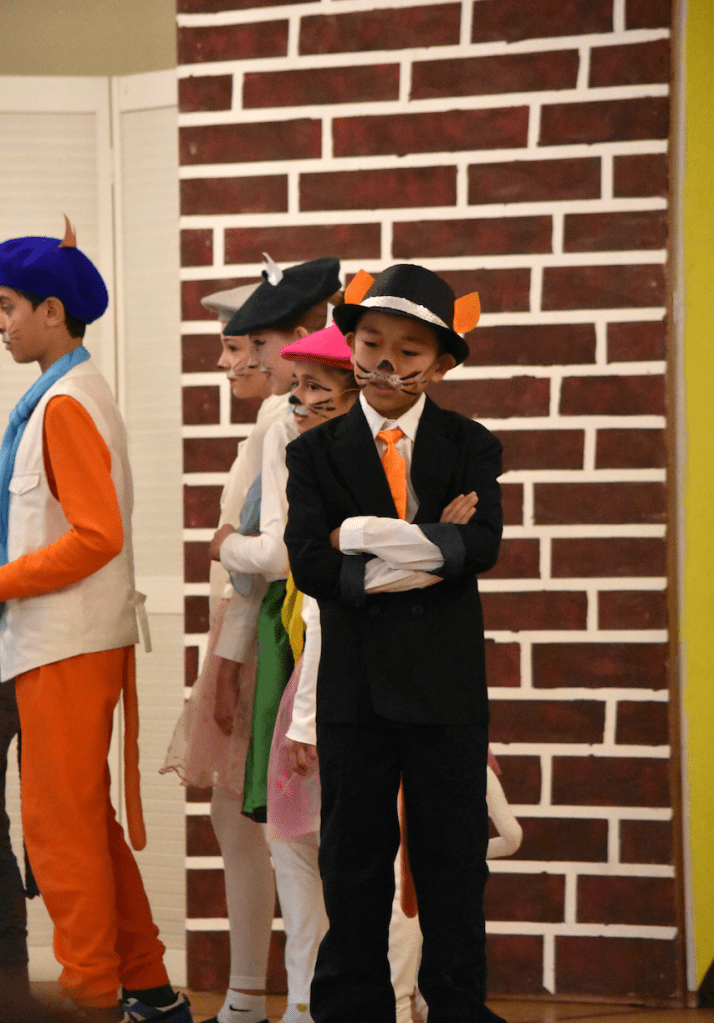
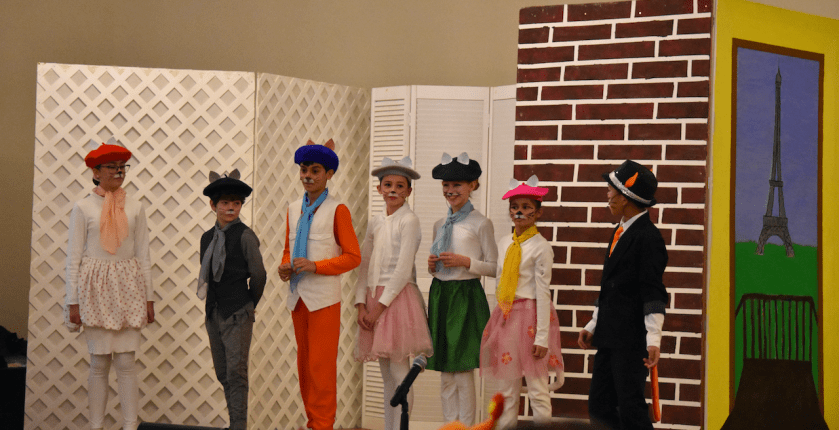
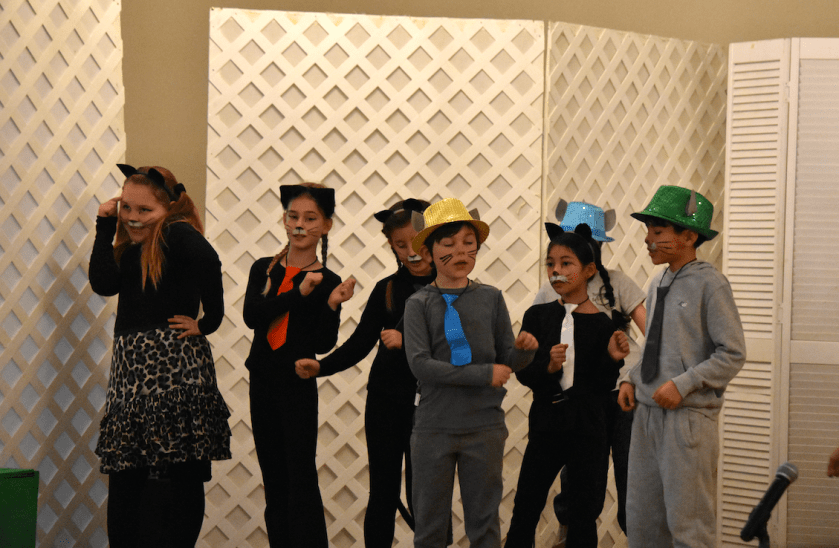
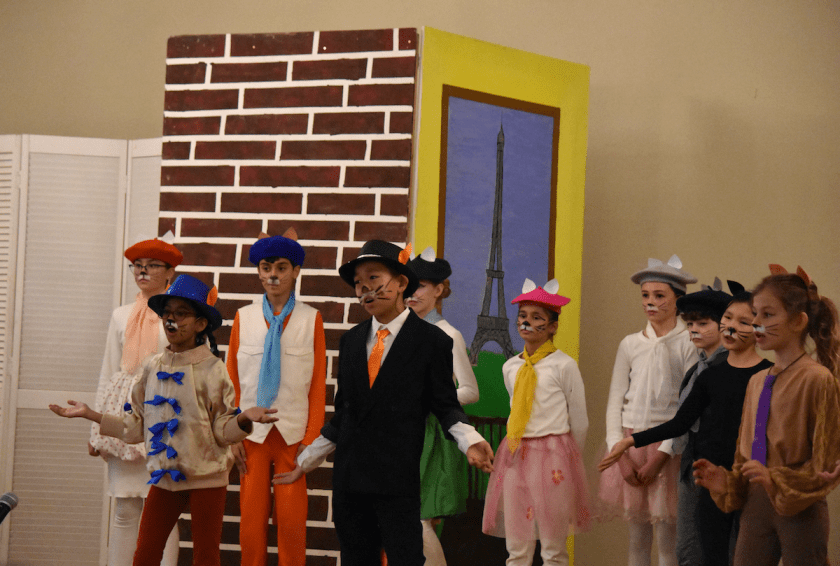
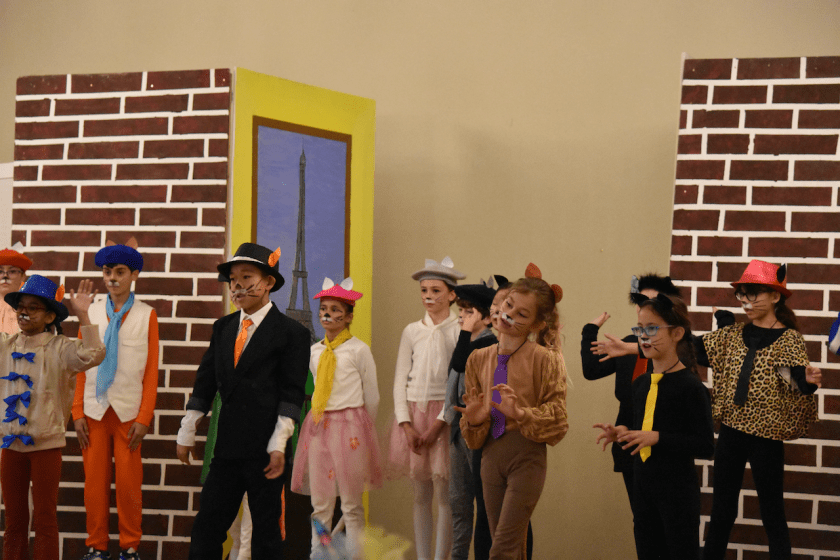
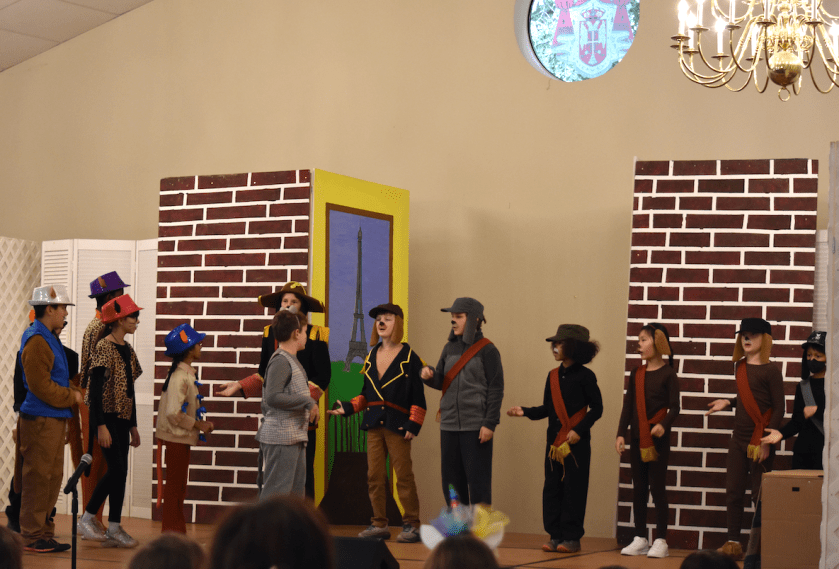
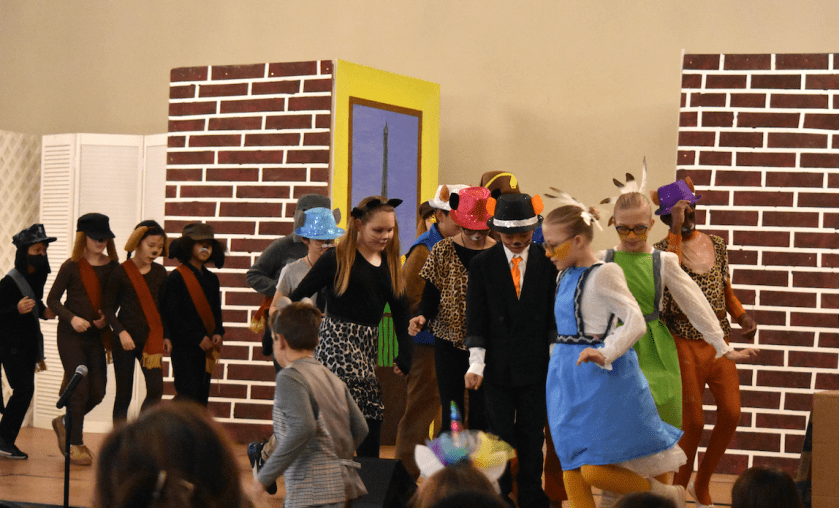
Congratulations to our third, fourth, and fifth-grade students on their wonderful performance of The Aristocats Kids right before Winter Break!

From memorizing lines, finding costumes, designing sets, and applying makeup, it takes a village to bring these productions to life. Thank you to all the performers for the courage and creativity they put into their characters. Thank you to the parents who helped run lines, arranged for base costumes, and worked on hair and makeup. Thank you to all who joined us for the show and cheered on the cast.

Additionally, we have a few special thank yous we would like to share:

  • Special thanks to Dianne Hurvitz for directing the lower school students’ wonderful performance. Her hard work, dedication, and love for the students were evident throughout the show.
  • Special thank you to Javier Yacarini and John Miazga for all their work constructing the stage and the set.
  • And a very special thank you to Jayme Feldhammer for her work on the costumes.

It was a fabulous show! We hope you enjoy the photos from the performance below.

#SaklanCreative

Building Community With Ewe Music

Thursdays at The Saklan School sound different thanks to African Drumming classes. Learn more about the classes and instructor in the post below, written by guest blogger and Saklan African Drumming Teacher, Isaac Narell.

Alfred and Kobla Ladzekpo came to the United States in the 1960s to teach Ewe music. The Ladzekpos came from a village in the southern Volta region of Ghana called Anyako, an Ewe village. Ewe is one of over 20 languages spoken in Ghana. Ewe music is divided into styles. Each Style has songs (for singing), drum patterns and dance steps. The singing, drumming and dancing together form the musical style.

Alfred Ladzekpo taught at the California Institute of the Arts (Calarts) for over 40 years, and I was fortunate to study with him from 2002-2006. He became my mentor and my friend.

Alfred’s main goal with his students at Calarts was to show them how to be an effective musician in his style of music. Ewe music is an oral tradition. Musicians coming from different backgrounds begin a new process of learning through listening. Alfred reveled in every opportunity he had to lecture his students on the importance of listening. Despite the simplicity of the message, every student who embraced this concept came away from Alfred’s class as an improved musician.

As a young musician, my fascination with Ewe music was sparked by my admiration of its construction. Ewe music weaves a complex counterpoint through all of its elements that rival the greatest art forms of humanity. I was enamored with the sophistication of the drumming patterns and the ability of musicians to dialogue through musical language. The lead drummer directs the ensemble into new dance moves, drumming patterns, or songs, by playing a call on the drum. Everyone has to listen or they might miss the call!

This felt like a secret language and my friends and I were hooked. We took every opportunity to learn from Alfred and eventually, we were helping him teach his classes and performing in his professional ensemble at schools and community events. Later in life, I found another beautiful side to the art form.

The main function of music in Ewe culture is to promote community. People gather in social groups for musical performances. These groups perform at funerals and weddings and are the backbone of both religious and secular events. This is extremely valuable in our recent culture fueled by social media. People crave interaction and Ewe music is a world-class option for community building.

I teach Ewe music as a celebration of West African brilliance. Through honoring and respecting Ewe culture I have found that we can bring value to our school not only through the acute development of musicianship but through the strengthening of our community.

#SakalanCommunity #SaklanArts
CLASY Resilience

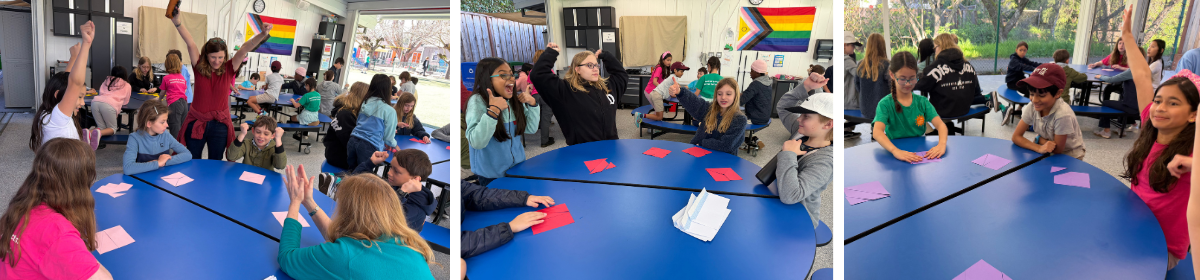
Last Friday, the lower school students had their very last CLASY meet up of the year. For our social and emotional learning this month all students have been thinking about what it means to be resilient. They have been talking about what people can do when things are hard, including to keep going, positive self talk, and breaking down difficult tasks into smaller chunks. During this CLASY the Kindergarten – 5th grade students worked on a tricky activity with their friends: passing a hula hoop around a circle while everyone was holding hands, and thus couldn’t use their hands.
The students were delightfully surprised that hard work could be so much fun! 
#SaklanSEL

Spring Holidays

For those who attended CLAS last Friday, you caught a glimpse of the learning our students have done around spring holidays. Here is a deeper glance into some of the learning that has taken place during the month of March.

Fourth grade students partnered up to explore and learn about various spring holidays including Holi, Easter, Ramadan, and St. Patrick’s Day. Their collaborative efforts culminated in the creation of informational posters which they formally presented to their classmates, and then put on display at CLAS. Through this activity, the fourth graders emphasized the importance of respecting and understanding different cultures while celebrating diversity.

Earlier this month, Hoot Owl parents, Rachel and Richa, taught the Hoot Owls about Holi. They shared that Holi is the Indian festival of colors which happens in Spring when new colors start showing up in nature. It is a time to celebrate our differences, and even though we are all different, we are all beautiful.  They read the book Festival of Colors by Surishtha Sehgal and Kabir Sehgal, and illustrated by Vashti Harrison. It shared the meaning of the holiday and how people celebrate it by wearing white and throwing powders of various colors (made from dried flowers) at each other in a fun and festive way. As a class the Hoot Owls represented this by creating marble art with lots of different colors. The marbles were rolled on top of paper in different skin colors, and when the paint dried they cut them out into people.

The Owlets learned about Ramadan when Nadia, an Owlet parent, visited their classroom. Nadia narrated the book Moon’s Ramadan and showed the Preschoolers images of her family celebrating Ramadan. The students discovered that Ramadan is observed throughout the new moon phase and concludes on the new moon. Adults fast during the day and eat at night, breaking their fast with an iftar, a meal which usually starts by eating dates. The Owlets also enjoyed painting some Ramadan decorations!