The Saklan School is a private Pre-K through 8 school located in Moraga, CA. Our mission is to think creatively, act compassionately, and live courageously.
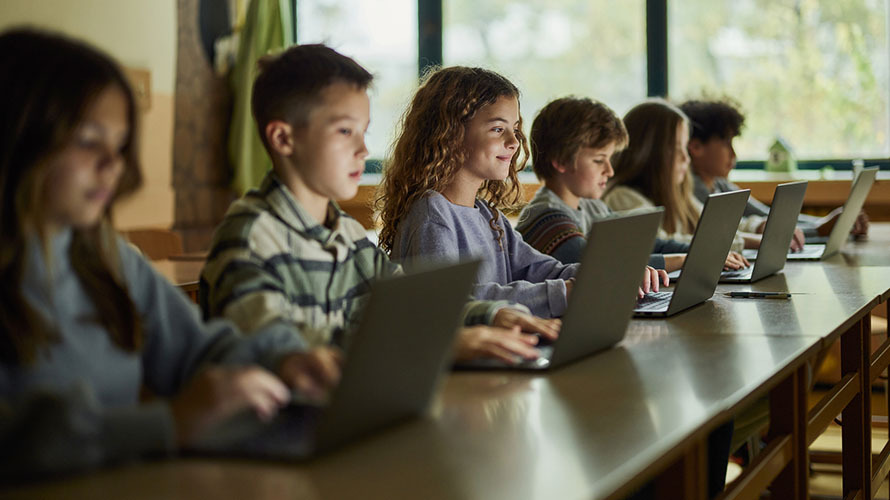
Saklan is excited to share an opportunity for our community to hear from neuroscientist Dr. Jared Cooney Horvath, whose recent congressional testimony has sparked a national conversation about how technology is affecting the way children learn.
On Tuesday, March 10, at 12:00 p.m., Dr. Horvath will present a live, interactive talk titled “The EdTech Wake-Up Call: Rethinking Digital Learning for Kids.” Drawing on the research behind his bestselling book The Digital Delusion, he will explore how excessive technology use can impact children’s attention, memory, and learning.
During the session, Dr. Horvath will share clear, evidence-based insights along with practical strategies that parents and educators can use to support deeper, more meaningful learning both at school and at home.
Reserve your spot here for the live interactive talk using promo code SAKSCHL to attend for free (a $10 value). Registration also includes access to the recording, so you can watch the presentation at your convenience if you are unable to attend live.
We hope you will take advantage of this timely and thought-provoking conversation.
How do we prepare children for a world we can’t fully predict?
Our students are growing up in what can best be described as a climate of whitewaters — a period of rapid change marked by social fragmentation, global uncertainty, and accelerating artificial intelligence. The world they will inherit will demand more than information. It will require judgment, empathy, adaptability, and wisdom.
Last month, at the CAIS Trustee/Heads Conference, I heard Pedro Noguera, Dean of the USC Rossier School of Education, speak directly to this challenge. He reframed what many see as societal crises as something else entirely: learning challenges. As he spoke, I found myself thinking — this is the work we are already doing at Saklan.
Preparing students for the future requires cultivating the human capacities that technology cannot replicate — imagination, empathy, ethical reasoning, and sound judgment.
It also means addressing what some describe as an “empathy gap.” Too often, we care most deeply about problems only when they affect us personally. Schools can help close that gap by teaching students how to listen across differences, collaborate meaningfully, and build authentic relationships.
At Saklan, this belief shapes daily practice. Relationships are not separate from rigor; they make rigor possible. Curiosity is not enrichment; it is the engine of deep learning. Intrinsic motivation fuels risk-taking, persistence, and lasting confidence — the kind that grows not from ease but from learning to navigate challenges.
Hearing Dr. Noguera did not feel like a call to change direction. It felt like an affirmation of what we do at Saklan. The work of cultivating curious, compassionate, and capable learners is not peripheral to education — it is essential.
Helping students learn how to navigate these whitewaters with wisdom, grit, and empathy may be the most important work we do.
Warmly,
David
If you would like to view Dr. Noguera’s full speech, click here.
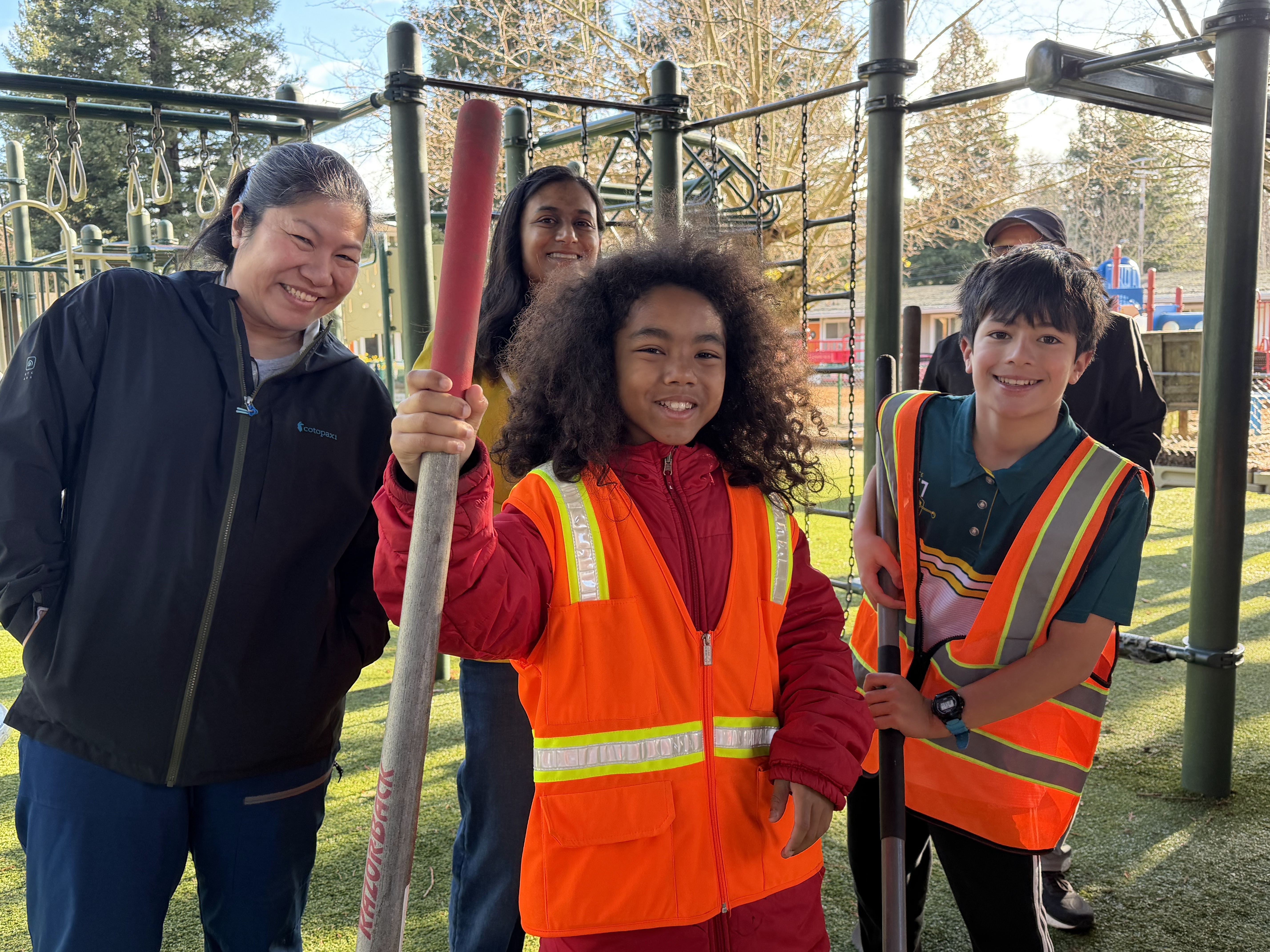
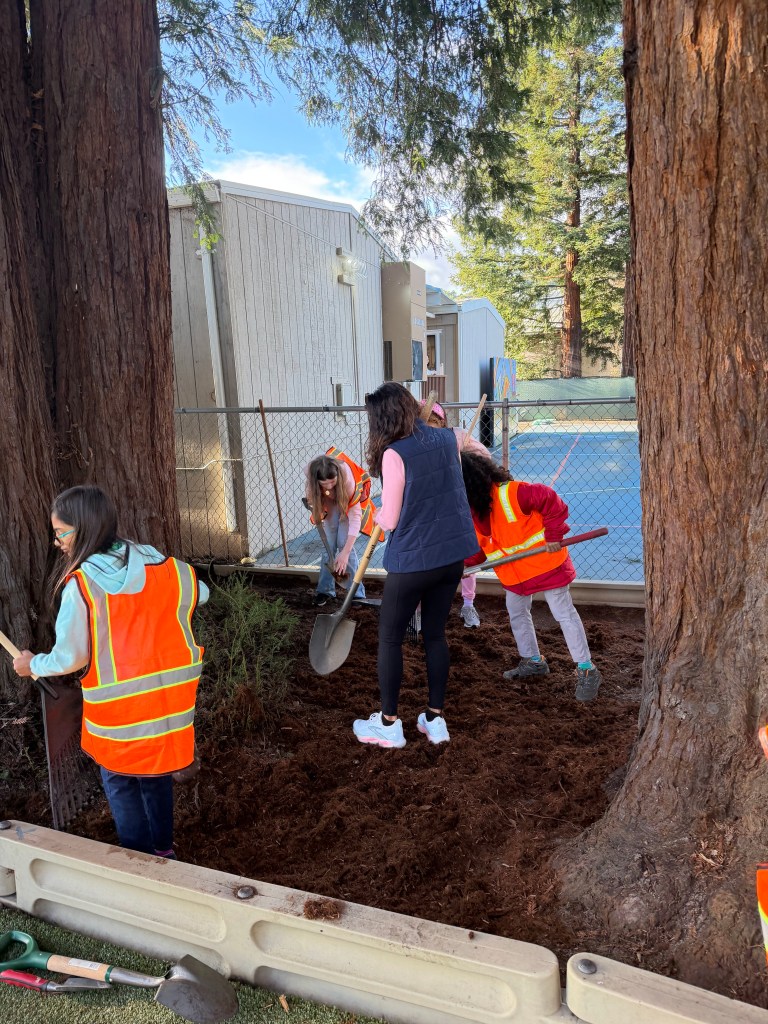
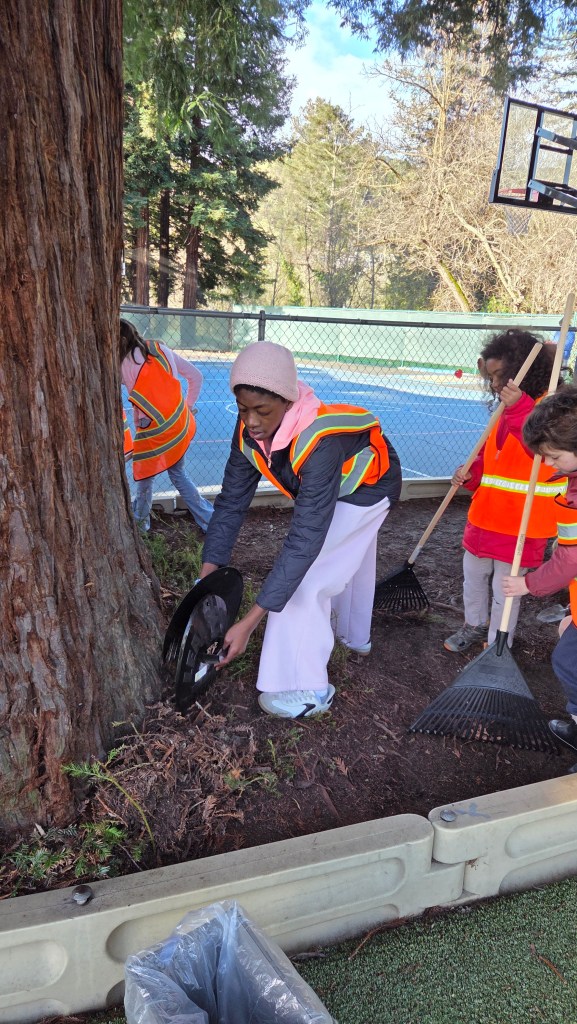
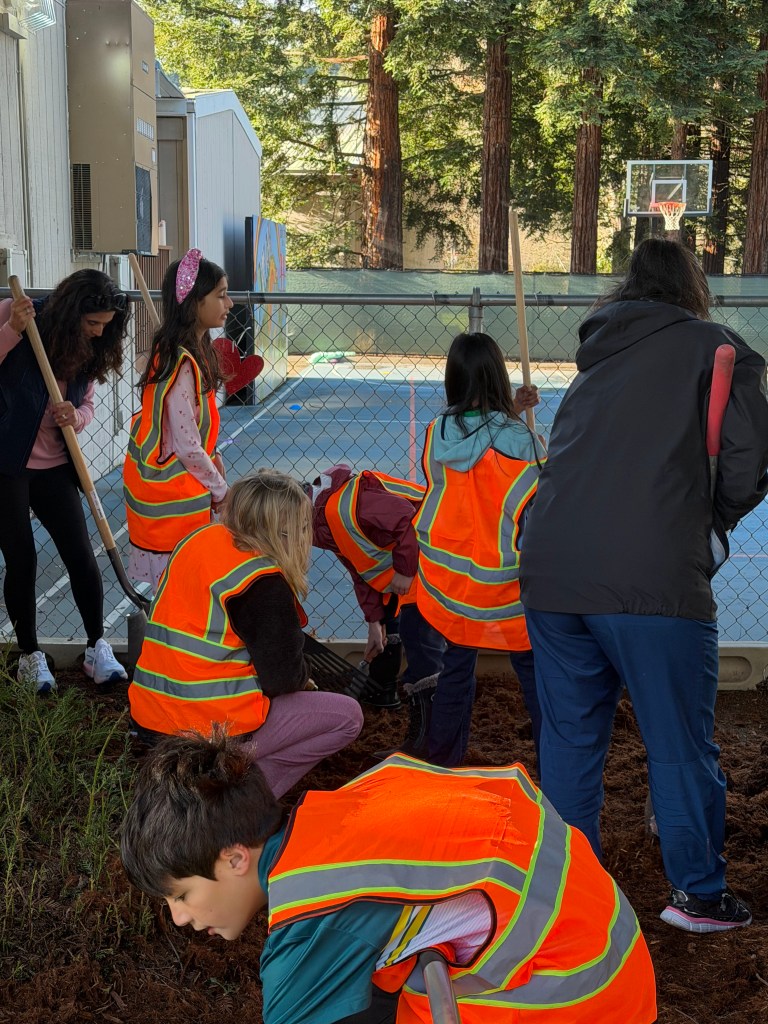
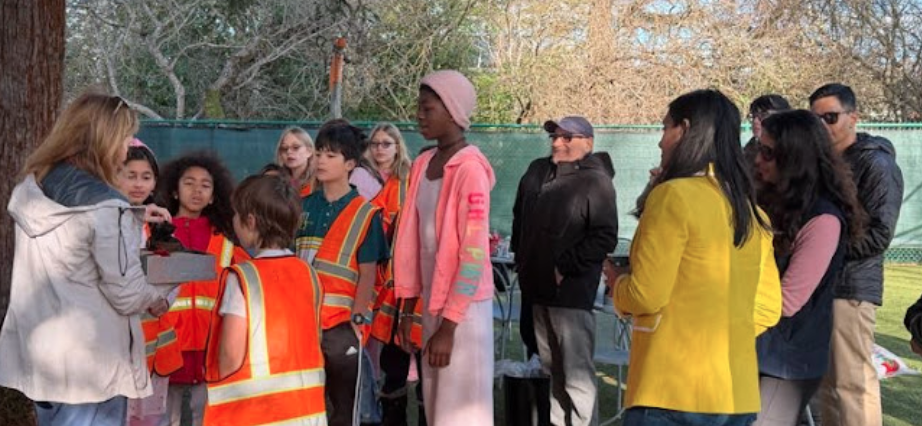
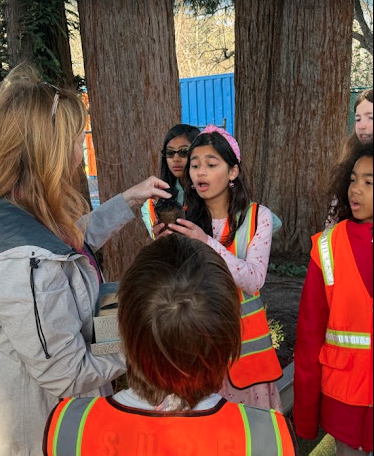
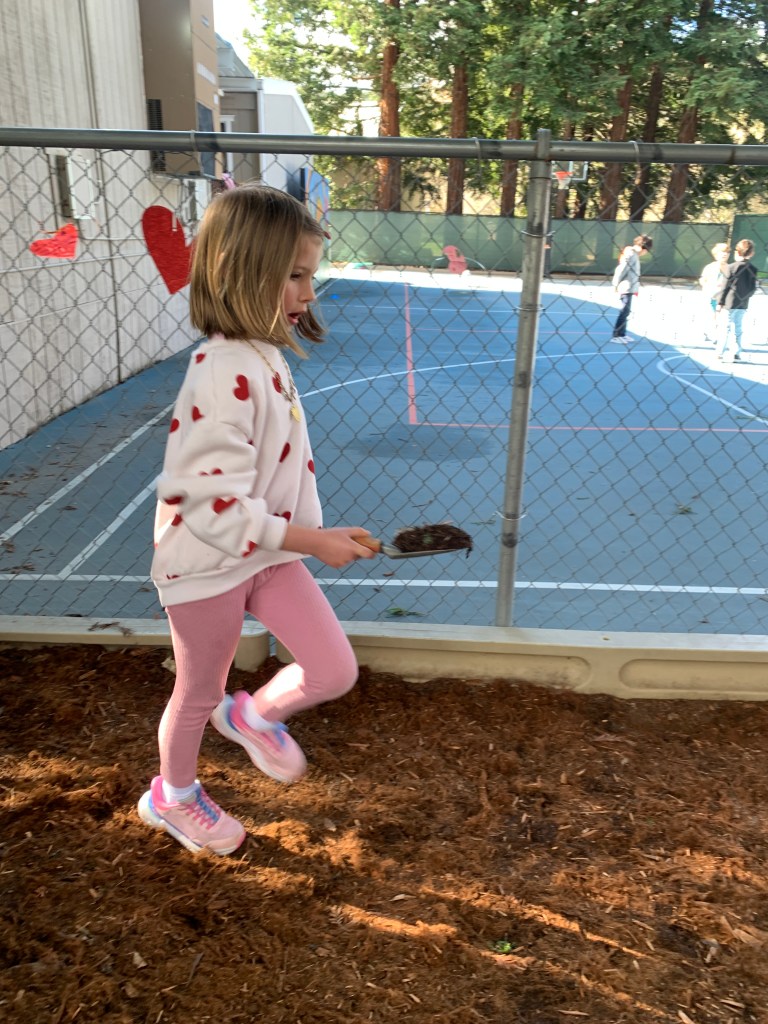
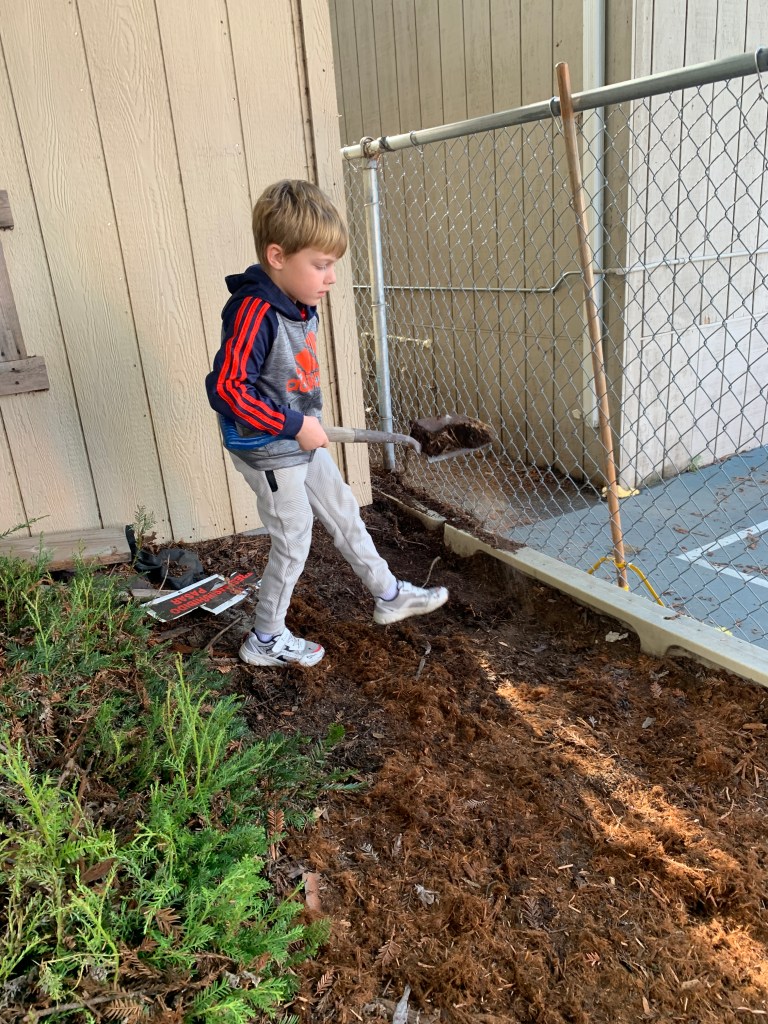
The culmination of fifth grade’s Redwood Grove Project Based Learning unit was a powerful example of student leadership in action. After weeks of studying forest ecosystems and soil health, students led a shared effort to show their beloved redwood grove some love, restoring natural forest-like conditions to support the trees’ long-term health.
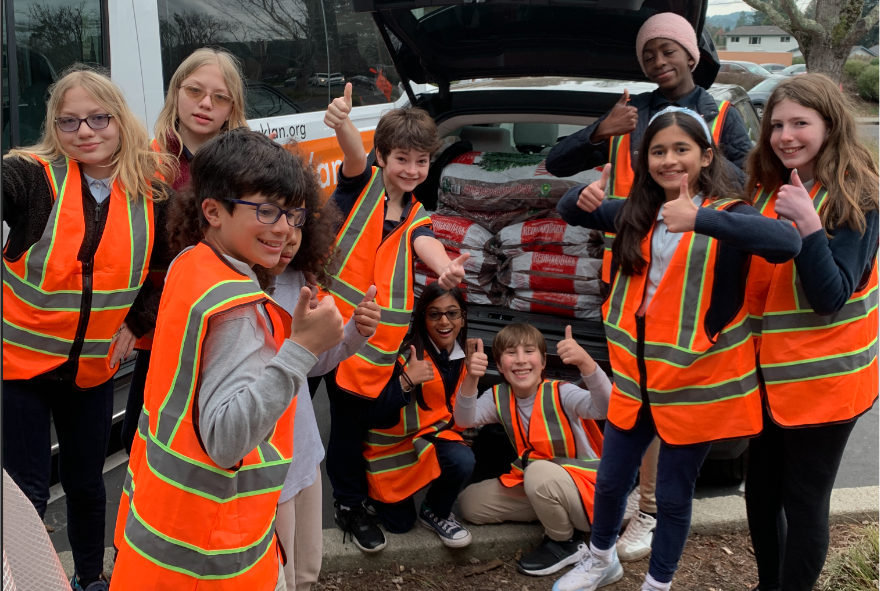
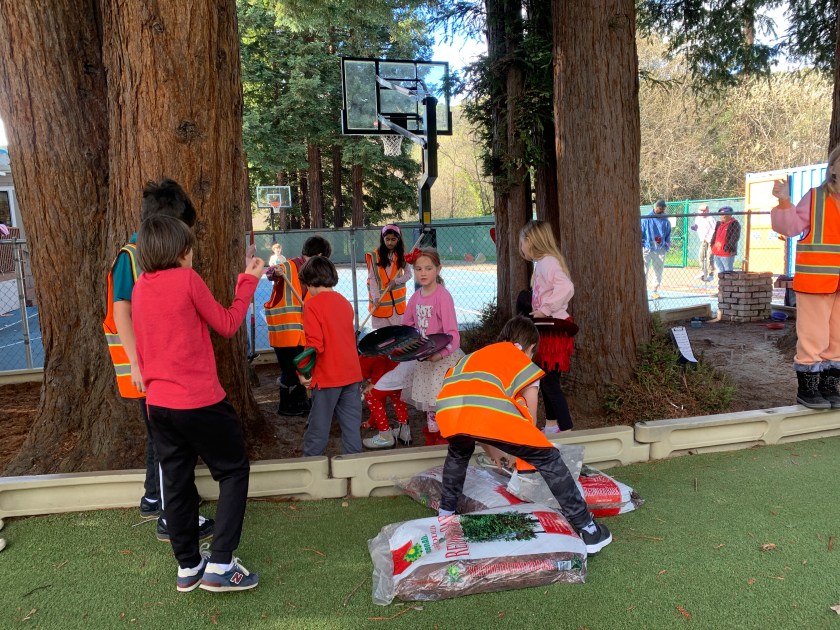
The culmination began with a purposeful walk to Outdoor Supply Hardware, where garden staff offered just the expert advice students needed. Rather than “feeding” the trees, they learned that the grove required a return to natural conditions. Mulch would help retain moisture and encourage the healthy decomposition of fallen leaves, needles, and twigs. With this knowledge, students selected shredded redwood mulch, leaf scoops, and rakes, tools that will allow fallen leaf litter to be returned to the grove year-round.
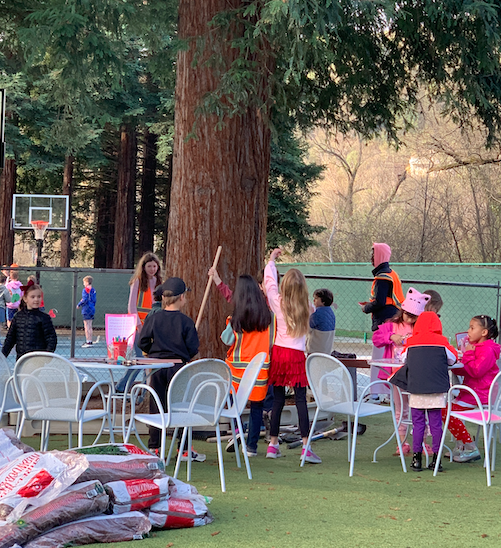
Back on campus, students worked collaboratively and followed their team contracts to prepare for service day. They drafted a formal purchase request, created hearts and ribbons with messages of appreciation, designed and hung posters, unloaded supplies, and set up tables and chairs. Every detail was thoughtfully planned and entirely student-led.
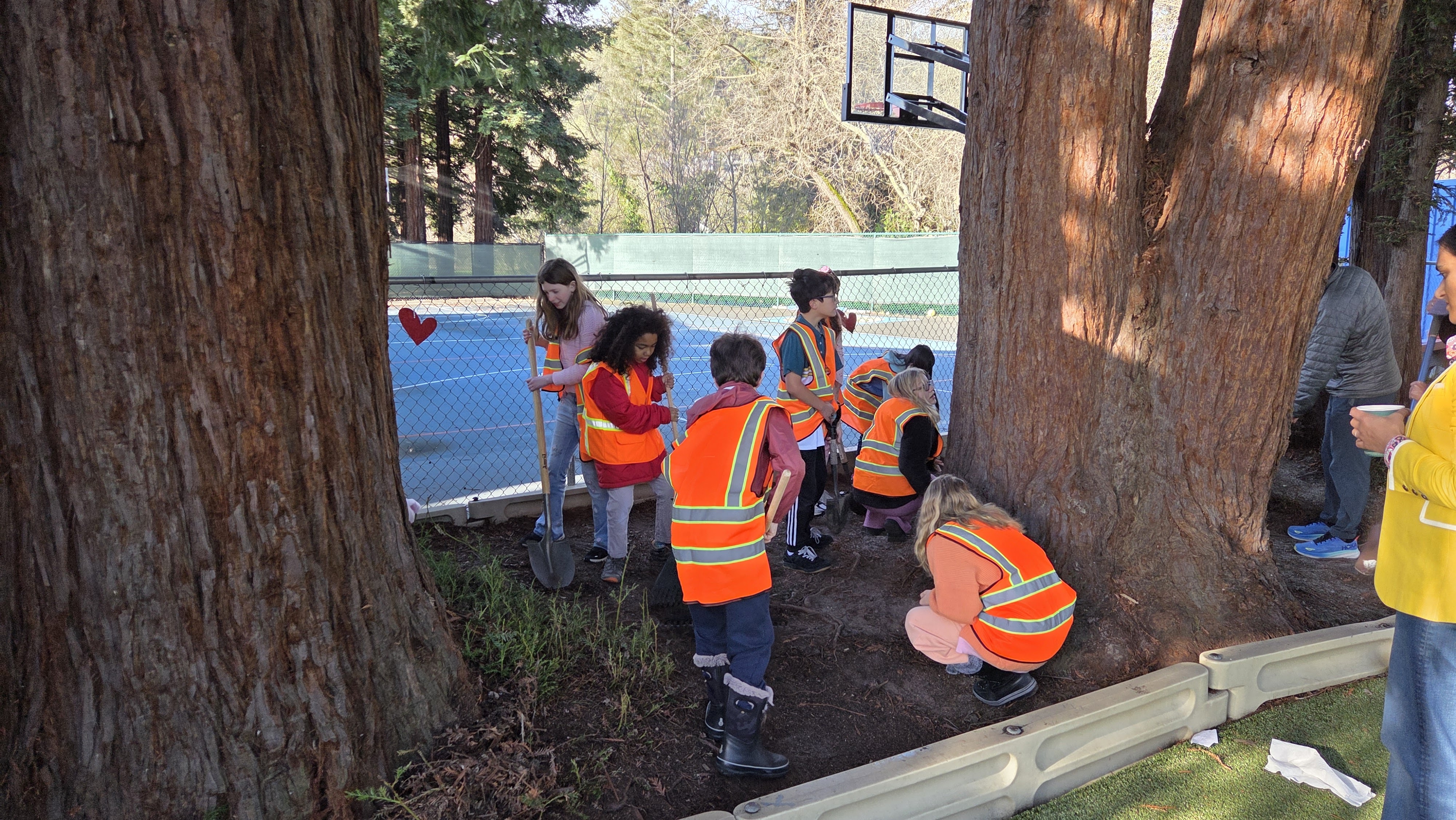
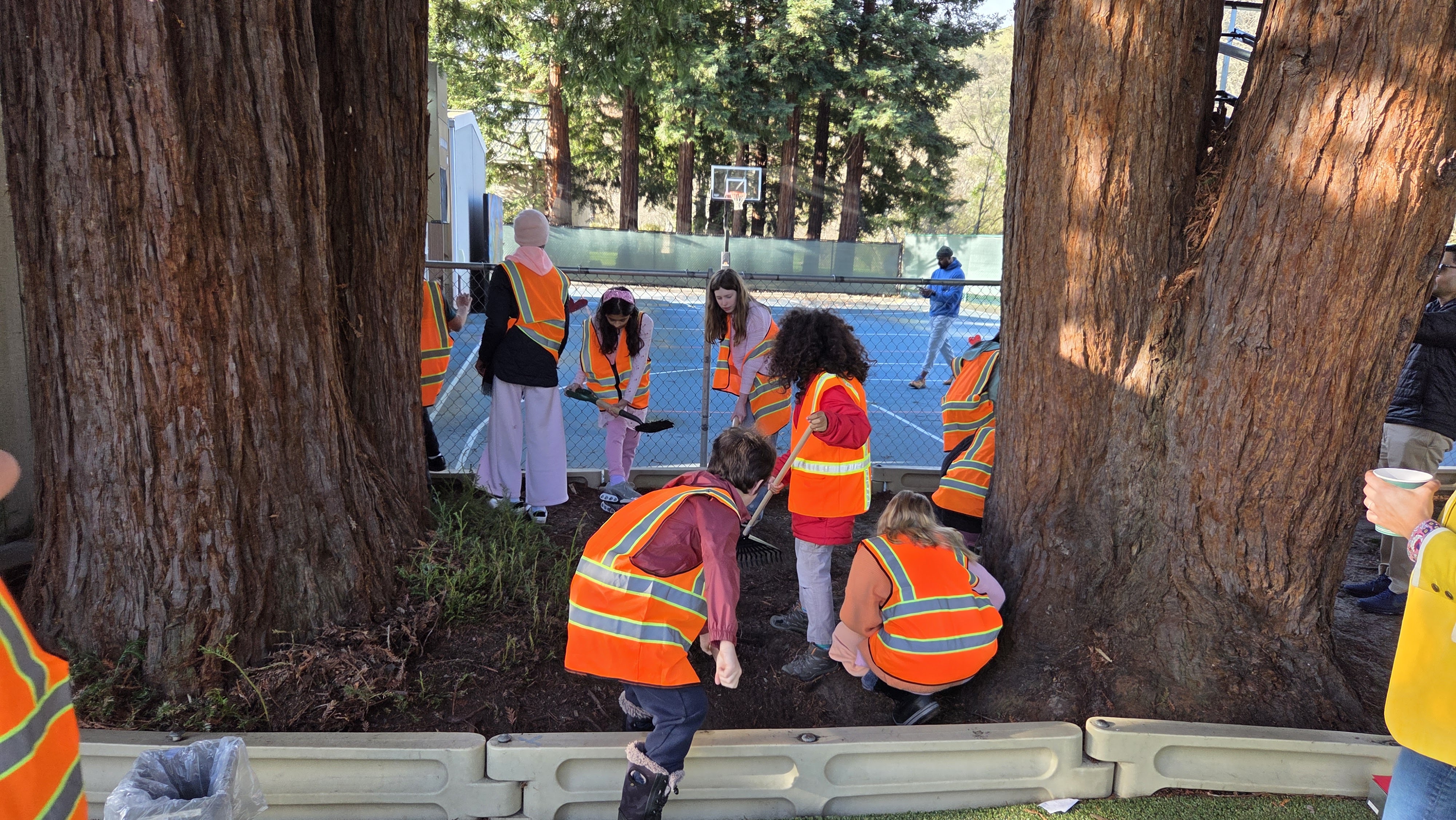
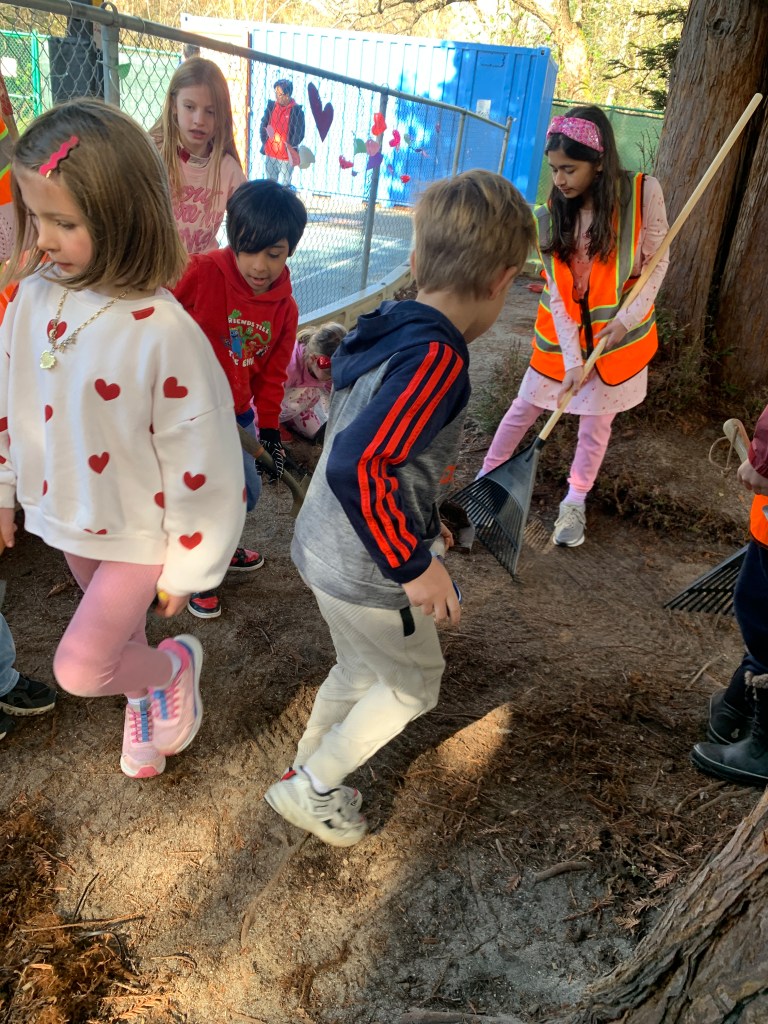
On the morning of the restoration, they were ready. Students shared their research, explained their decisions for the grove, and confidently guided family members through the work they had prepared: loosening compacted sand, carefully spreading mulch, and protecting exposed roots in one section of the grove.
As the first section wrapped up, students received a surprise gift: Dawn Redwood seeds. If successfully grown, one may eventually stand in the new redwood playground, becoming a living learning legacy for future students.
The work didn’t stop there. During recess, fifth graders invited younger students to help restore the next section of the grove, modeling leadership and stewardship. Even steady rain at lunchtime could not dampen their momentum. Paths were raked, clear “go” and “no-go” zones were established, and by the end of the day, the transformation of the grove was visible.
This project was more than a lesson in ecology. It was a lesson in agency. When students are trusted to lead meaningful work, motivation and engagement flourish.
Love wine? We are excitedly preparing a Wine Ring Toss for this year’s Starlight Gala and Auction, and we would love your help!
Please consider donating a favorite bottle or two of wine (valued at $20 or more) to help build a fantastic collection for this fun and popular event. Bottles can be dropped off in the main office at any time.
Thank you for your support of Saklan’s Starlight Gala & Auction.
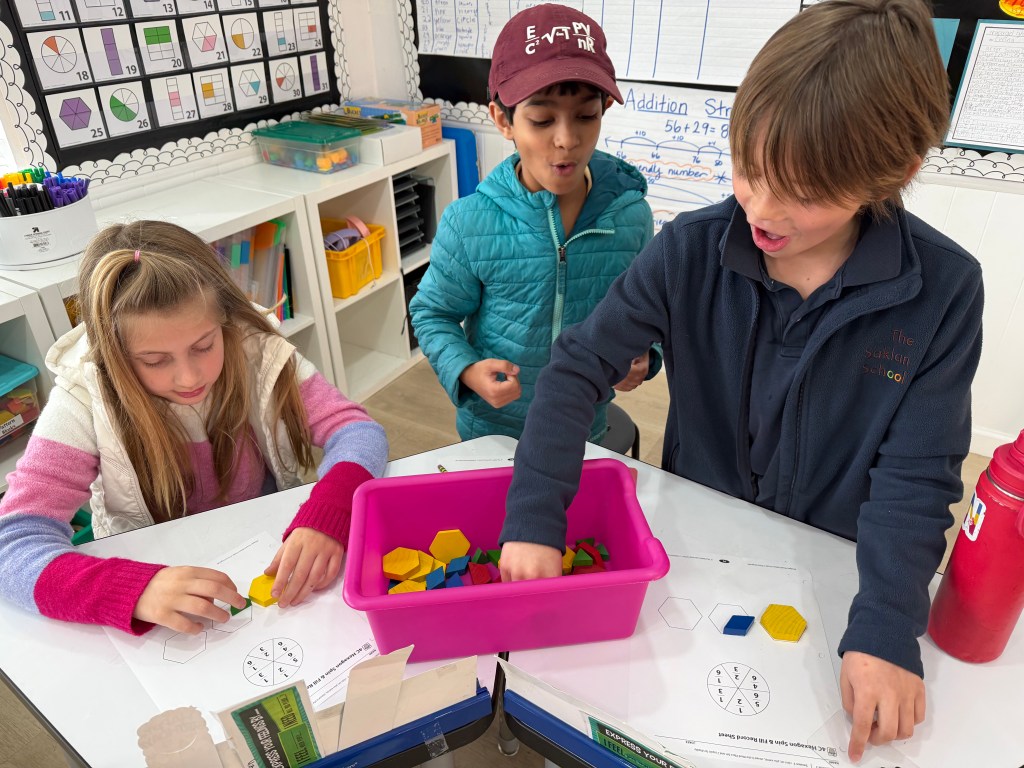
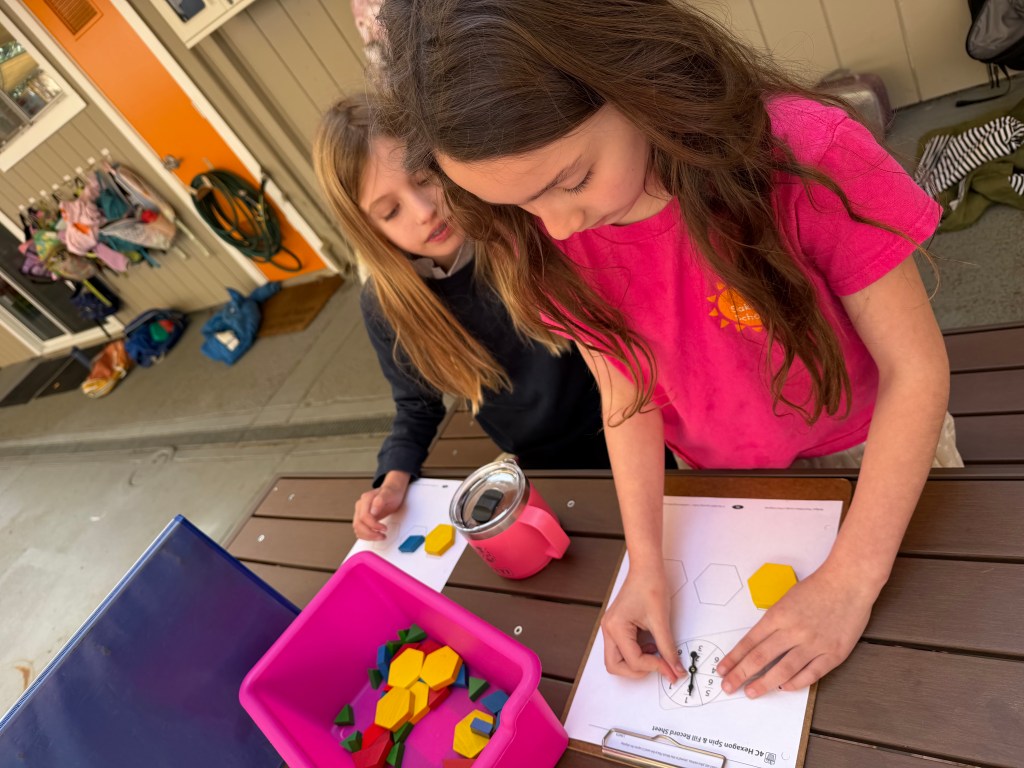
What do sunflower drawings, pattern blocks, rulers, and a classroom clothesline have in common? In third grade, they have all been bringing fractions to life.
Over the past several weeks in both Number Corner and their Bridges unit, third graders have been developing a meaningful understanding of fractions as numbers: not just pieces of shapes, but values that can be measured, compared, and located on a number line.
The learning began with a scenario challenge: How could an art club fairly share wall space for a mural? As students explored dividing the same whole among two, three, four, six, and even eight artists, they discovered the important role of the denominator and noticed how the size of each share changes as the whole is partitioned into more equal parts.
This foundational idea — that fractions represent equal parts of the same whole — helped students understand why fractions must refer to the same whole to be meaningfully compared.
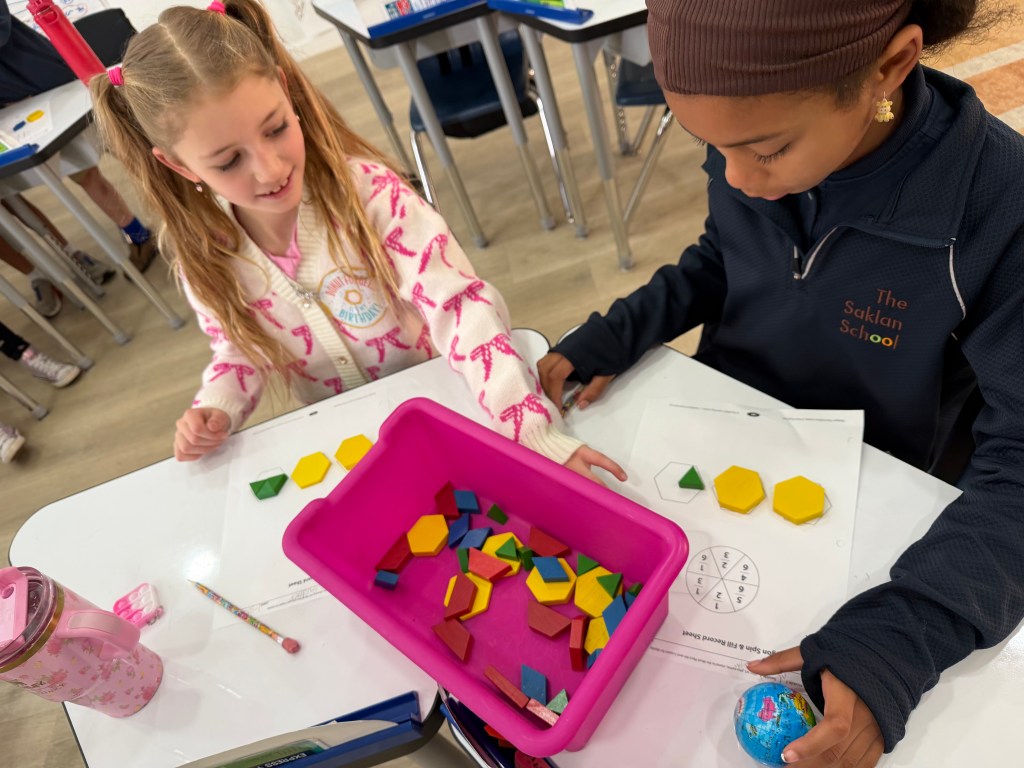
Hands-on exploration anchored the learning. Students folded paper into equal parts, modeled fractions with pattern blocks, and represented their thinking symbolically using numerators and denominators. Using a clothesline number line, students hung fractions in the correct location and justified their reasoning.
Through this visual and interactive experience, students discovered equivalent fractions and explored numbers greater than one, strengthening their understanding that fractions are numbers with precise locations and relationships.
Fractions and measurement intersected when student pairs created detailed sunflower drawings and measured leaf lengths to the nearest ½ and ¼ inch. Workplace games like Fraction Tic-Tac-Toe and Hexagon Spin & Fill encouraged strategy, collaboration, and joyful practice.
These rich, hands-on experiences are building far more than fraction skills; they are strengthening mathematical confidence, perseverance, and flexible thinking.
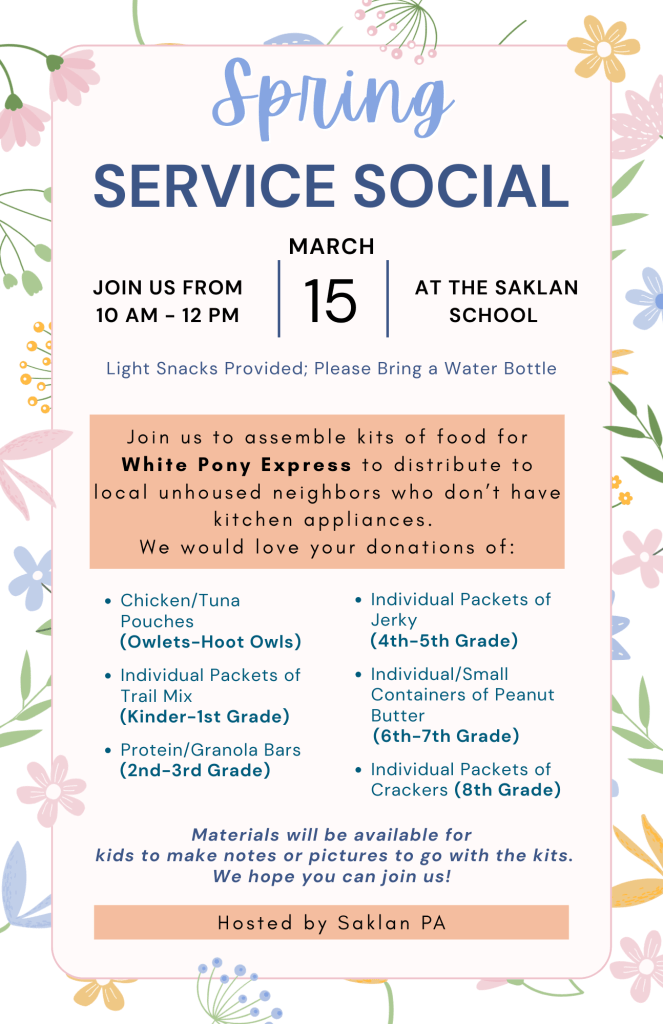
All Saklan community members are invited to join us for our Spring Service Social this Sunday, March 15th, from 10:00 a.m. – 12:00 p.m. in the Saklan Pavilion. Light snacks will be provided. Please bring your water bottles.
Together, we will be assembling kits of food for White Pony Express to distribute to local unhoused neighbors who do not have kitchen appliances.
We would love your donations of the food items shown above to help make this event a success. Thank you for your support!
With Jared Cooney Horvath, Ph.D., educator and author
Tuesday, March 10, 2026 noon–1 p.m. PT Live Q&A webinar streamed on Zoom
Educational technology has rapidly reshaped classrooms, but is all this screen-based instruction actually helping our kids learn? In this live ParentEd Talk, neuroscientist and “The Digital Delusion” author Dr. Jared Cooney Horvath joins ParentMap and Saklan to challenge EdTech’s biggest promises and examine what the data truly shows. He will explain how excessive technology use can undermine kids’ learning and attention, and share clear, practical ways parents and educators can restore meaningful learning at school and at home.
You’ll leave with:
A simple understanding of the neuroscience behind how kids learn — and how EdTech-based learning can fall short.
Eye-opening data on the impacts of EdTech and how parents and educators can encourage schools to strike a healthier balance with technology.
Practical strategies you can use at home to boost your child’s learning.
Reserve your spot here for the live interactive talk using promo code SAKSCHL to attend for free (a $10 value) — and get access to the recording to watch anytime.
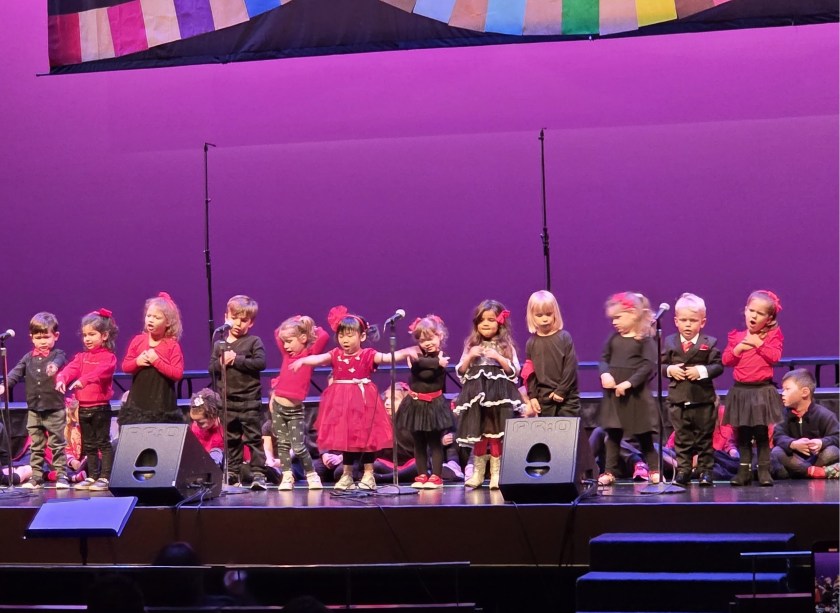
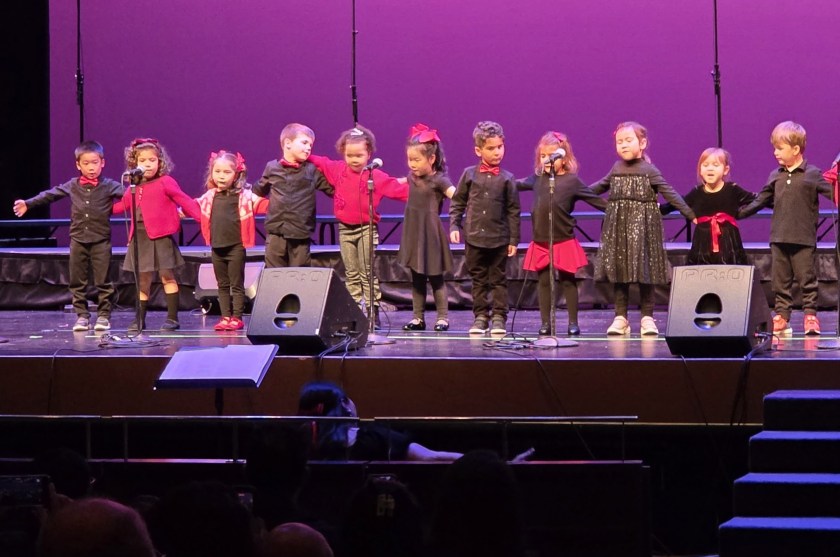
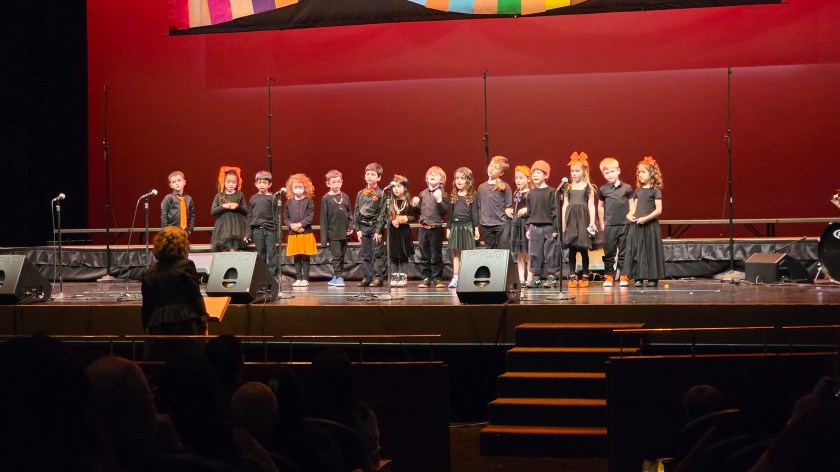
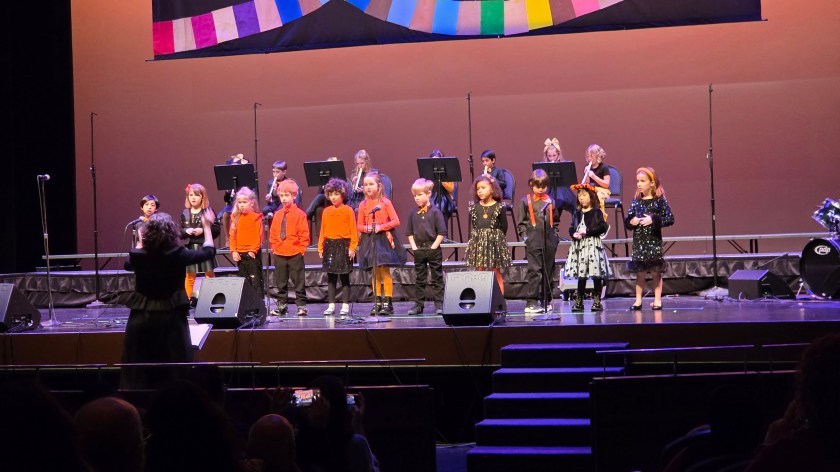
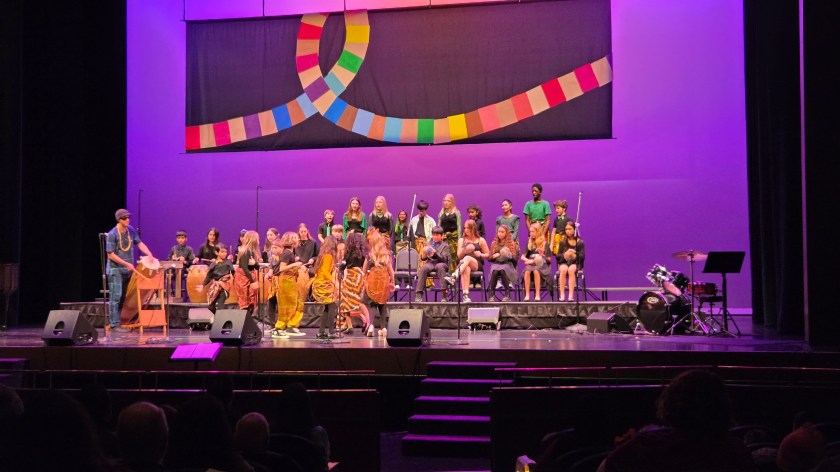
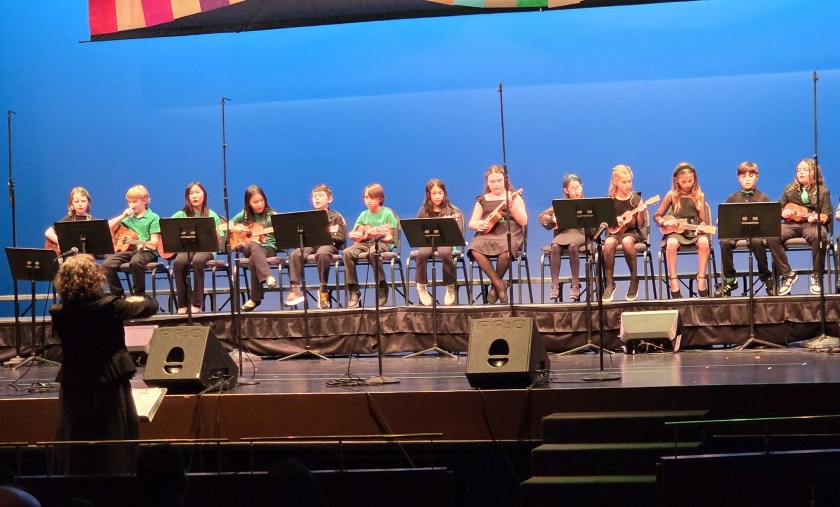
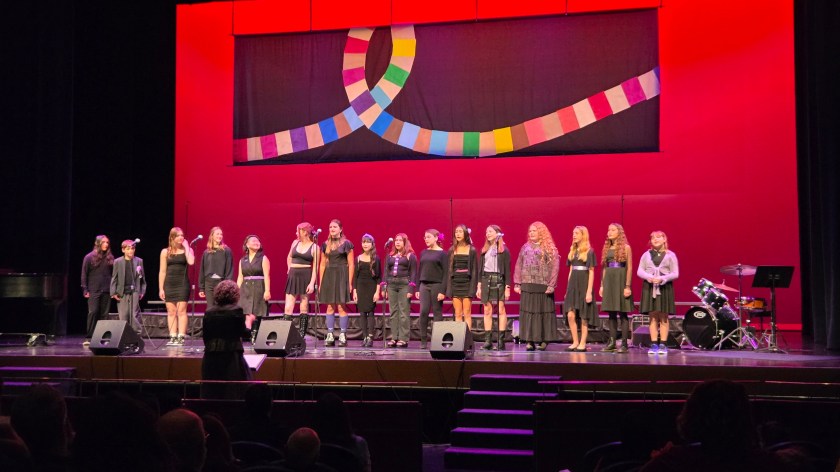
What a joy it was to gather together at the Lesher Center last Thursday and watch our students shine on stage!
Thank you to our families for navigating the logistics of the day and showing up in such strong support of our students. Your presence made the evening even more meaningful.
To our students: bravo! Your creativity, courage, and heart were on full display as you sang and played for a packed audience. We are so proud of you for taking the stage with such confidence.
Thank you to our incredible faculty and staff for the countless behind-the-scenes efforts, from schedule flexibility to rehearsals and encouragement. Your dedication ensures our students feel prepared and supported.
A special thank you to Victoria for guiding our Owlet and Hoot Owl students. Their joy, courage, and love of music truly lit up the stage!
Thank you to Lauren and Linda for the stunning backdrop created with our second and third graders—your PBL work continues to elevate student voice and creativity.
Thank you to Javi, Lauren, Vickie, Rob, and Hector for managing all the back-stage logistics and keeping everything running smoothly.
Thank you to Shay, Mylesa, Linda, and Emily for managing the front-of-house logistics.
And finally, heartfelt gratitude to Dianne for leading the concert with such passion and purpose. Your dedication to bringing music to life at Saklan helped make the evening unforgettable.
What a beautiful celebration of talent, teamwork, and belonging!
As we look forward to the 2026-2027 school year, we want to share the important calendar dates so that you, too, can begin planning. Below are the dates for school breaks, noteworthy events, and early dismissal days for next year. A more detailed calendar will be shared over the summer.
2026-2027 IMPORTANT CALENDAR DATES
July 9
Middle School Advance Meeting on Zoom at 12:00 PM
Aug. 7
New Parent Orientation on Zoom at 9:00 AM
Aug. 14
New Middle School Student Orientation at 3:00 PM
Aug. 14
Welcome Back BBQ at 4:00 PM
Aug. 18 – 20
Middle School Advance for 6th – 8th Grade
Aug. 19
First Day of School for PS – 5th Grade
Aug. 21
Middle School Rest Day (NO SCHOOL for 6TH-8TH GRADE)
Sept. 7
Labor Day (NO SCHOOL)
Sept. 14 – 18
6th Grade Field Experience
Oct. 12
Indigenous Peoples’ Day (NO SCHOOL)
Oct. 13
Professional Development Day (NO SCHOOL)
Oct. 22-23
Parent-Teacher Conferences (NOON DISMISSAL)
Oct. 30
Halloween Parade at 8:35 AM (2 PM DISMISSAL)
Nov. 11
Veterans Day (NO SCHOOL)
Nov. 23 – 27
Thanksgiving Break (NO SCHOOL)
Dec. 18
Lower School Musical at 10:30 AM (NOON DISMISSAL, NO EXTENDED DAY)
Dec. 21 – Jan. 1
Winter Break (NO SCHOOL)
Jan. 4
Teacher Work Day (NO SCHOOL)
Jan. 18
MLK Jr. Day (NO SCHOOL)
Feb. 12 – 15
Presidents’ Day Weekend (NO SCHOOL)
Mar. 4
All-School Concert at 4:30 PM (NOON DISMISSAL)
Mar. 5
Professional Development Day (NO SCHOOL)
Mar. 11-12
Parent-Teacher Conferences (NOON DISMISSAL)
Apr. 5 – Apr 9
Spring Break (NO SCHOOL)
May 3 – 7
Teacher Appreciation Week
May 7
Teacher Appreciation Day (NO SCHOOL)
May 28
Graduation, Last Day of School (NOON DISMISSAL, NO EXTENDED DAY)
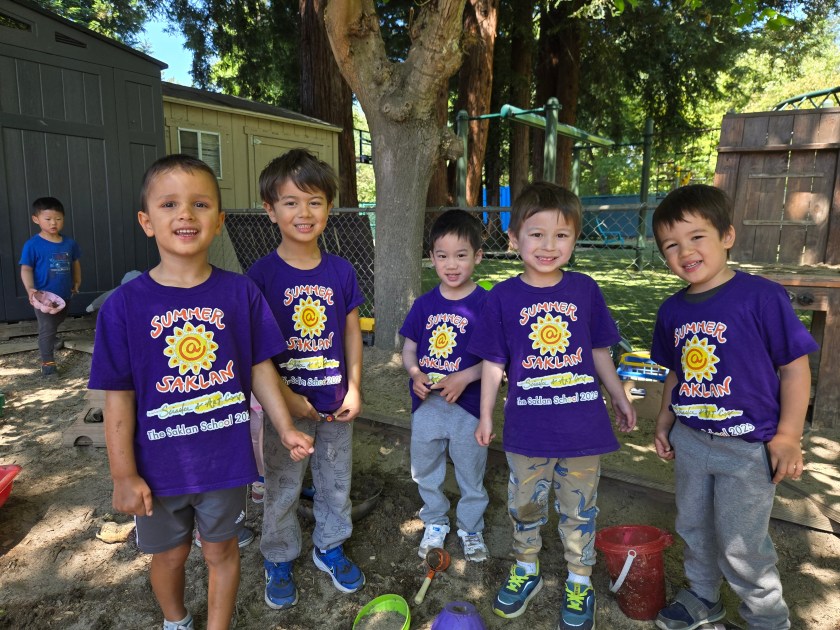
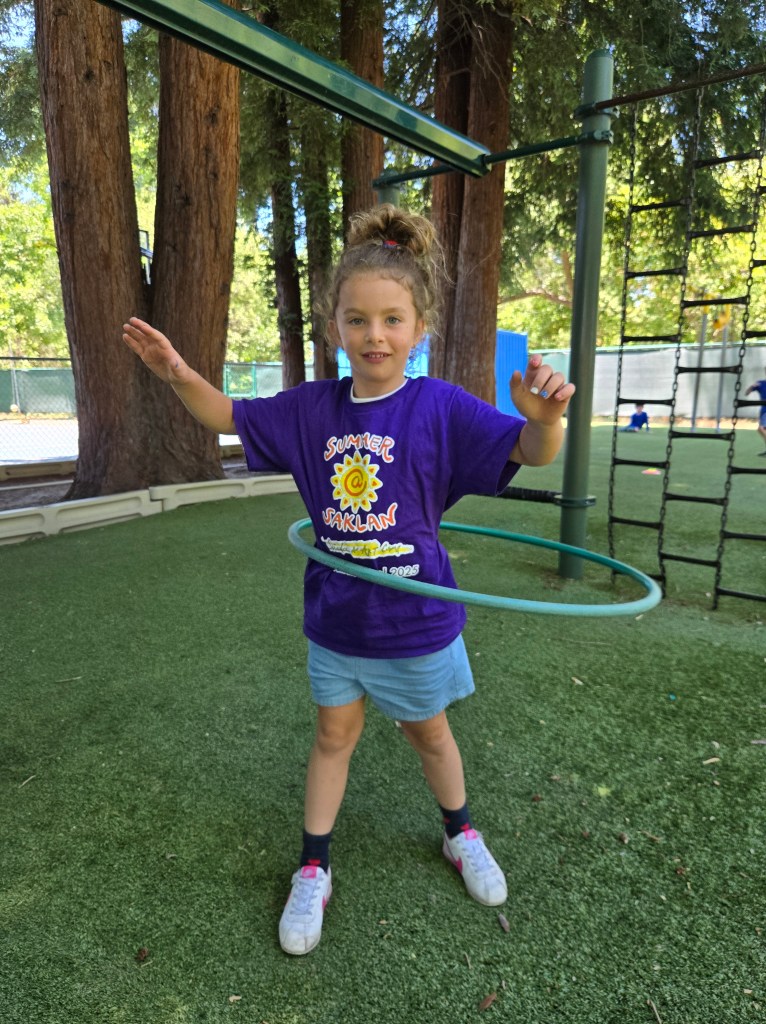
Registration is now open for Summer@Saklan 2026! A summer of creative exploration awaits your child. Camp runs in one-week sessions from June 15th to July 31st and is open to children ages 3 through entering 3rd grade.
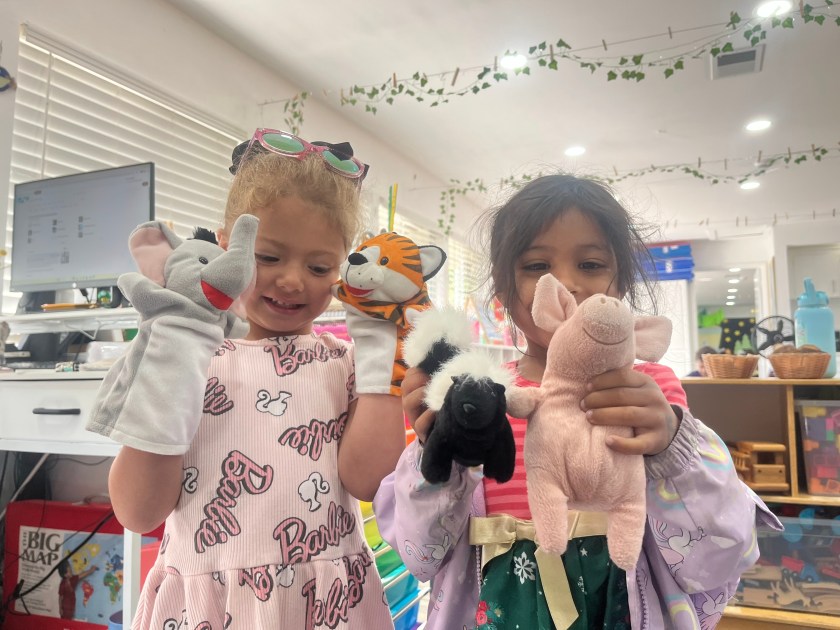
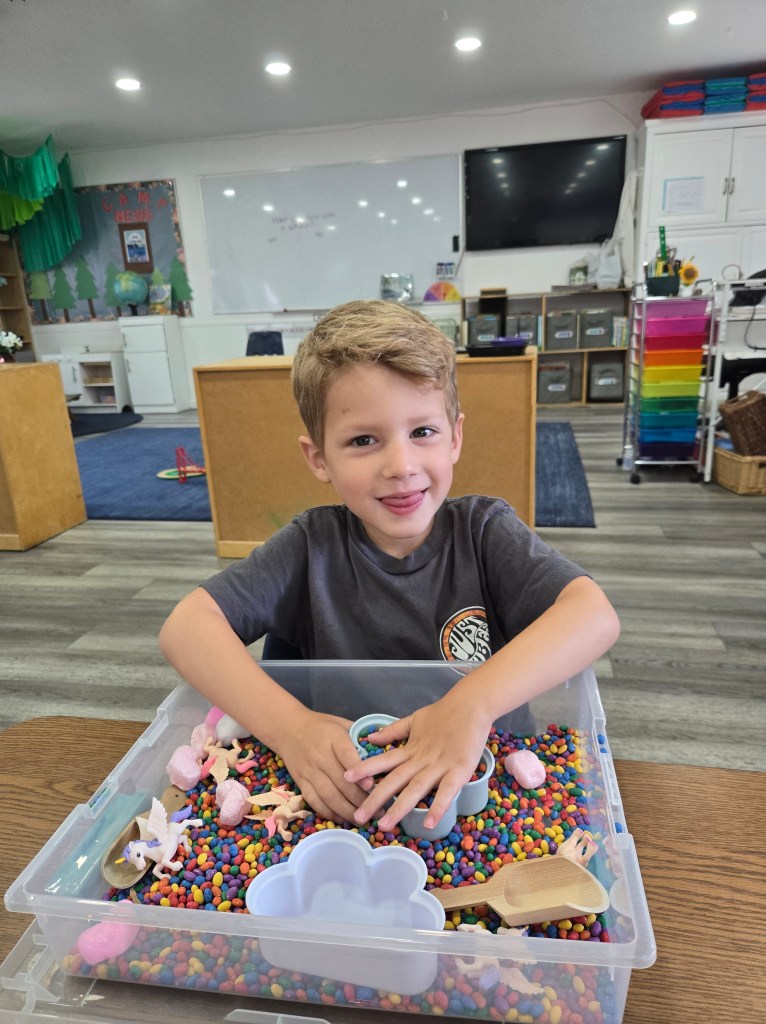
Each week is packed with engaging art and/or science activities; think crafts, experiments, games, and hands-on fun! Friday afternoons bring extra excitement with water play, a bounce house, and special guests like magicians and puppeteers. It’s the perfect blend of learning, laughter, and summer magic!
Visit the summer camp webpage to learn more about Summer@Saklan 2026. We can’t wait for another incredible summer of creativity, friendship, and fun!


 FRIDAY BLOG
You must be logged in to post a comment.