Ecosystems and Adaptations

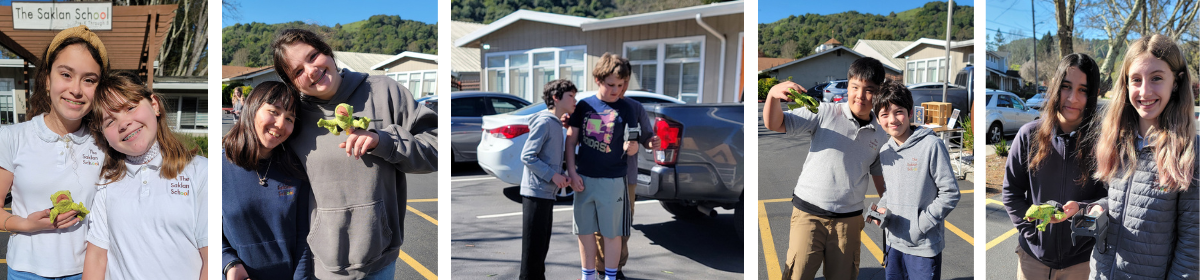
In science, the 6th graders recently explored Earth’s biomes. Working in pairs, they created educational slideshows to teach their classmates about our planet’s incredible variety of ecosystems. Afterward, they dove deeper into the topic by examining how organisms adapt to survive in diverse environments. This culminated in an engaging “Adaptation Auction,” focusing on two contrasting ecosystems: the ocean and the desert.

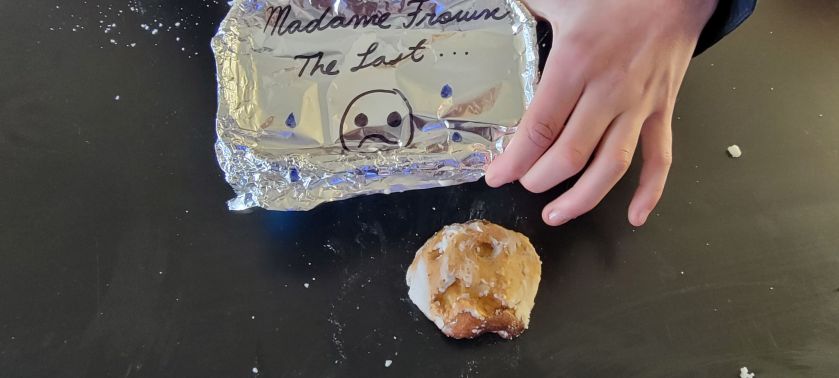
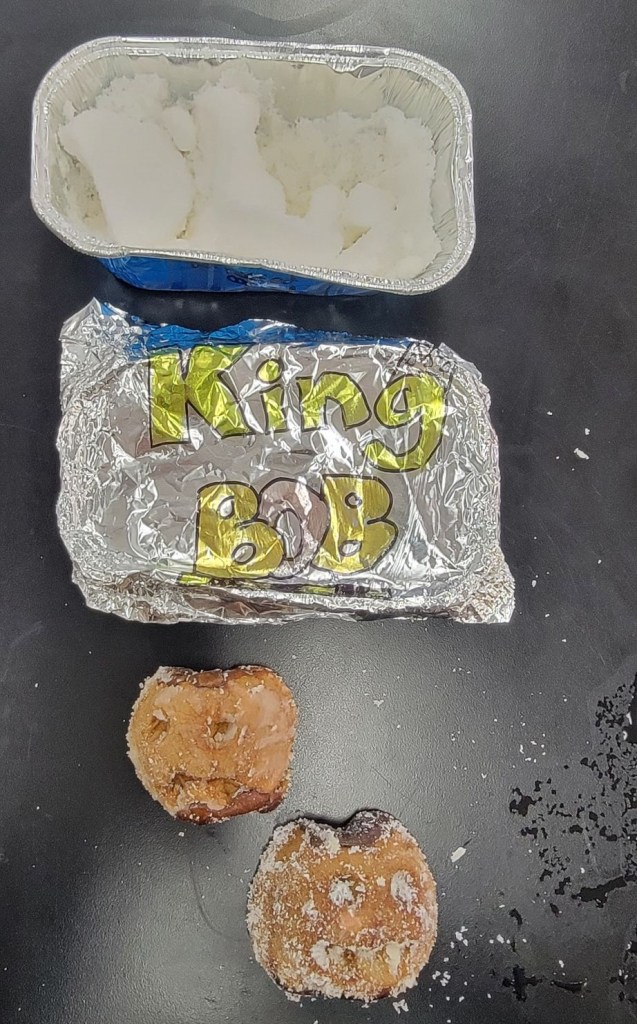
The 6th graders explored the stark differences between these ecosystems, identifying particularly beneficial adaptations in each. The desert’s unique ability to preserve species, culture, and history—due to its dry climate, fewer large scavengers, and minimal decomposers—sparked fascinating discussions. To bring this concept to life, students mummified apples in class! They created a narin mixture of salt and baking soda to act as our drying agent. Students then carved a face into an apple and let it sit in the narin mixture for a week. They observed how the drying agent caused noticeable changes in size, texture, and weight after just one week.
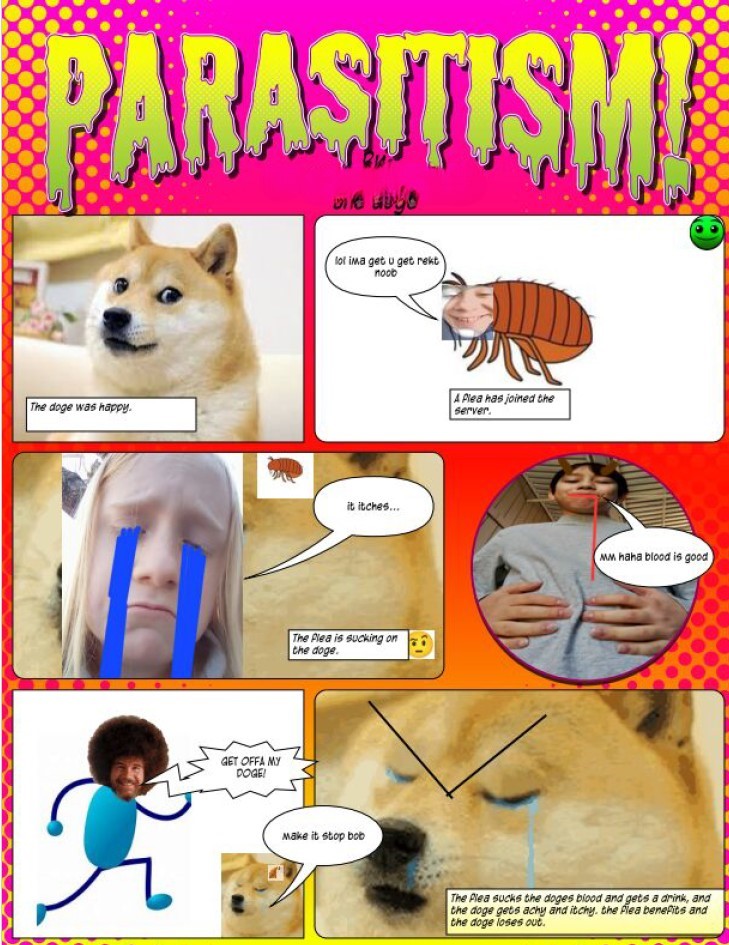
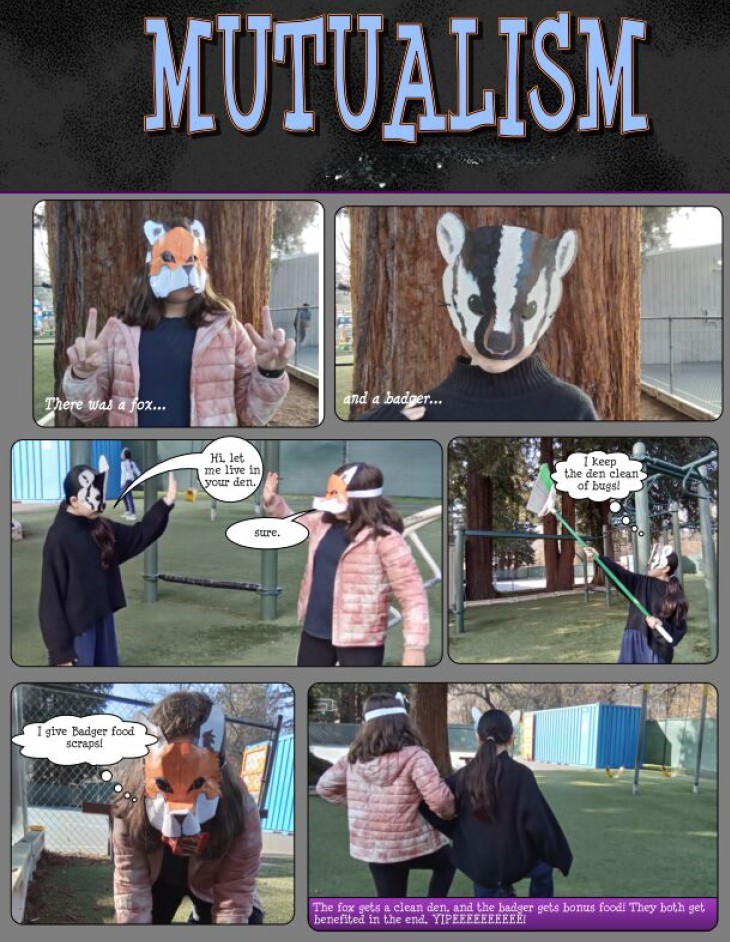
Next, the students moved on to studying the relationships between species within ecosystems, such as mutualism, parasitism, and commensalism. They created comics that illustrate these interactions in real-world scenarios to demonstrate their understanding. Below are examples of their creative work.
#SaklanHandsOn #SaklanCreativity
Head’s Corner: Teaching How to Think, Not What to Think

As someone who has taught history for a good portion of my professional life, I’ve always felt that how history is taught in the U.S. is a disservice to students. There is an emphasis on students “knowing” the country’s entire history, without understanding it. The curriculum will lean into a simplified version of history that leads students to a particular perspective. Rarely does history teaching slow down and ask students to wrestle with both sides of an issue and develop their own opinions. (Think Moraga Police Chief King reading All American Boys along with our eighth-grade class and then coming in to discuss his take on the novel.)

The other sin of how we approach history teaching in the U.S. is one of omission. We simplify complicated stories into fables that are easy to digest. For example, unpack the popular myth of Rosa Parks and her famous refusal to give up her seat on a Montgomery bus – the story that a meek, tired seamstress was too exhausted to walk to the back of the bus and accidentally started a movement that changed civil rights. There is a romanticism to that story, but it is wrong.

In reality, Rosa Parks had been an activist fighting for racial justice for decades before her bus stand. Though described as “quiet” in most of the obituaries that ran after her 2005 death, she was anything but.

The fable of Rosa Parks and the civil rights movement of the time betrays the reality, pain, and sacrifice of those who fight the good fight. It ignores how resistant Americans worked to challenge the status quo. It is also a disservice to the country.

As educators, we owe it to society to examine the fables and myths we have heard and those we have perpetuated – from Christopher Columbus to American Exceptionalism. We also owe it to our students to help them know less but understand more and reach their own conclusions, not ours.

Peace,

David

Name Stories

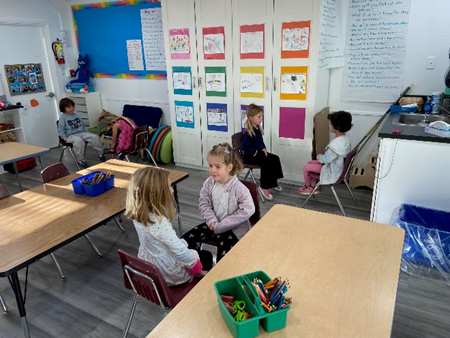
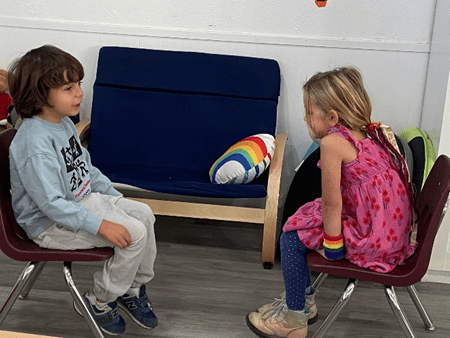
In their Names Project, kindergartners have been sharing and learning about each other’s names to build community and deepen friendships. The students have learned and shared the letters in their names, compared the number of letters, and found similarities and differences with friends’ names. The class has read a variety of mentor texts that highlight the unique characteristics of characters’ names. The kindergartners learned about interviewing and listening to plan for and interview their parents about their name stories. The class will bring all this together in a book about their name stories.

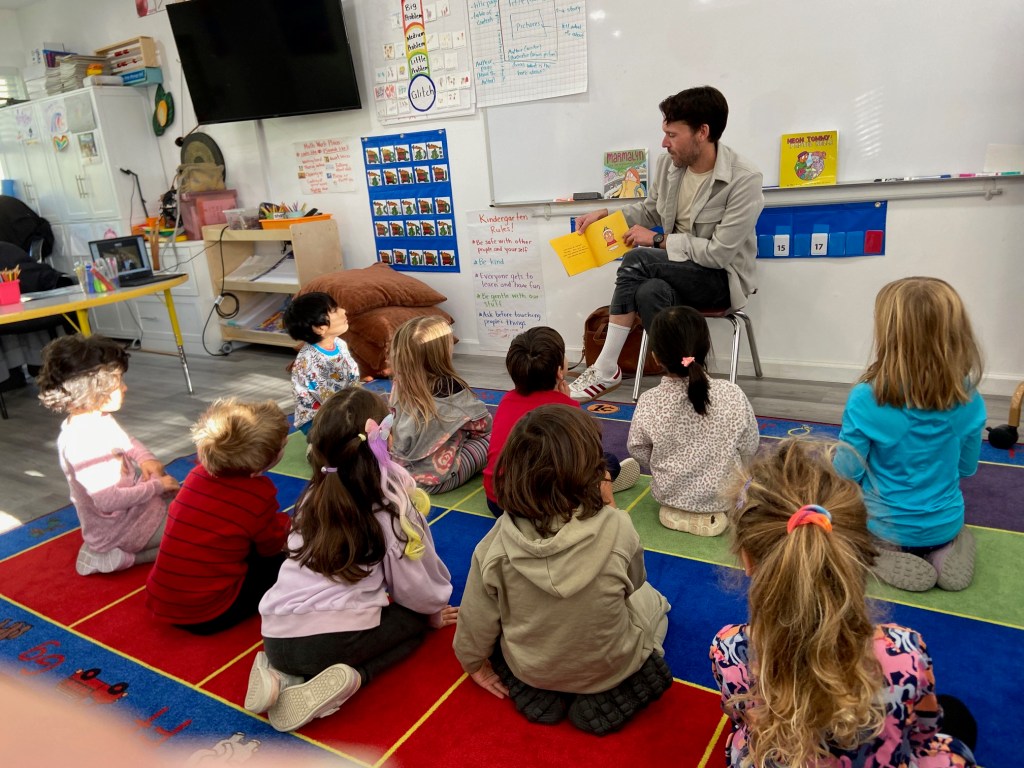
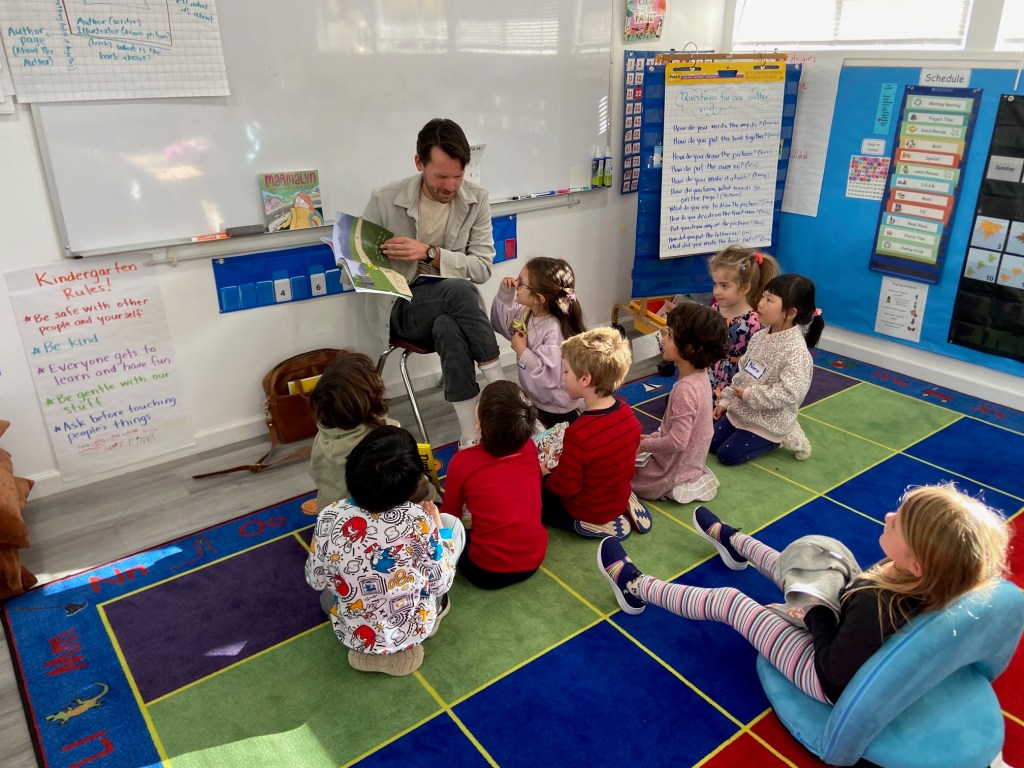
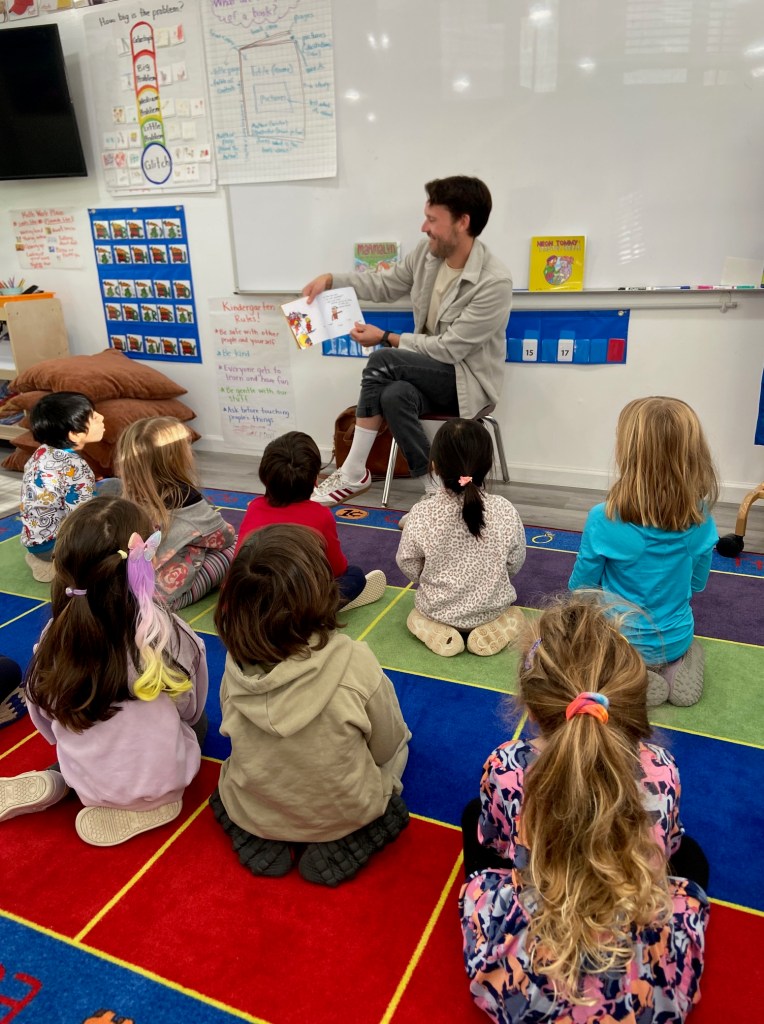
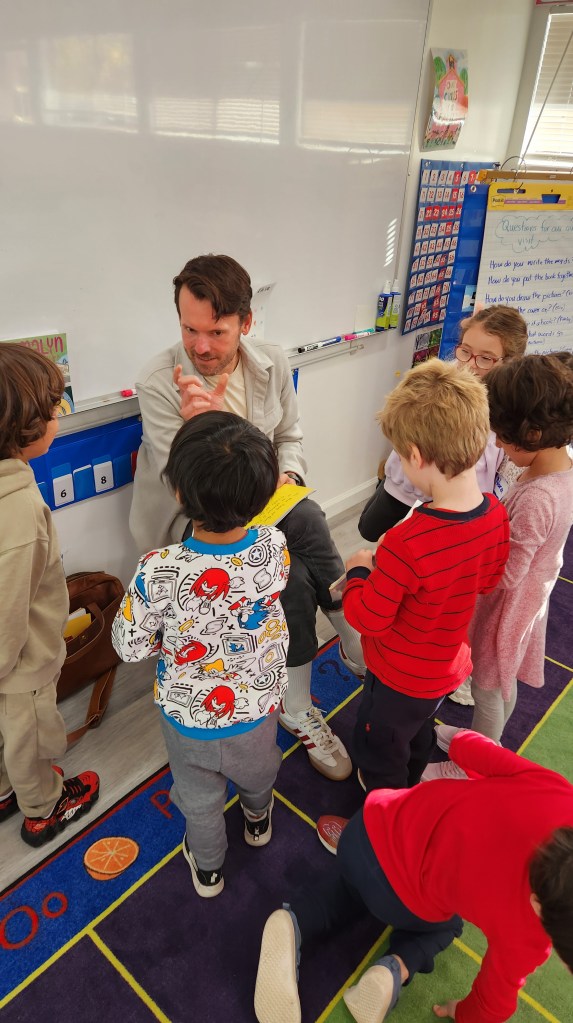
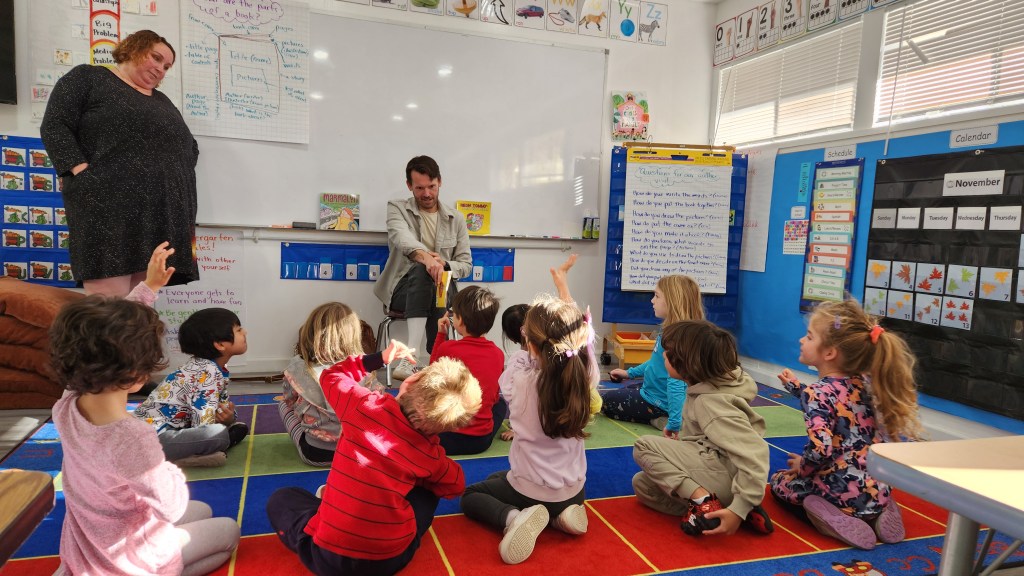
To prepare to write their own book, Saklan Kindergarteners were delighted to host guest expert and children’s book author Matt Hintze on Wednesday, November 13th. Matt read his newest book, Santa Stole My Cookies, to the class. They loved it! 

After the reading came the most important part of the expert visit: the class interviewed Matt about writing and publishing books. The kindergartners planned for the visit the day before by coming up with questions they wanted to know about making books, which might be useful when creating their name books.

Matt was so impressed by the students’ smart, thoughtful questions, and the kindergartners were very happy with the helpful information Matt provided.

The kindergartners will share their name books and other aspects of their learning during their Names Project Culmination on Thursday, December 12th at 8:45 a.m. They would love for you to attend their culmination!

#SaklanProjectWork