Authenticity and Student Inquiry

Doing a project is not the same as Project Based Learning. The differences may seem minor at first glance, but the impact on student learning and engagement is tremendous. Two vital components that differentiate “doing a project” from Project Based Learning are authenticity and student-driven inquiry. 

High-level Project Based Learning has an authentic context. It involves tasks, questions, or ideas that connect to the world outside of the school walls: students’ personal experiences, concerns, interests, or identity. Student-driven inquiry means students are engaged in an iterative process of asking questions, gathering and interpreting data, and developing solutions or deeper questions to investigate. 

Two fantastic examples of these elements in high-level Project Based Learning at Saklan are the Kindergarten Names unit and the Owlet Leaf unit. 

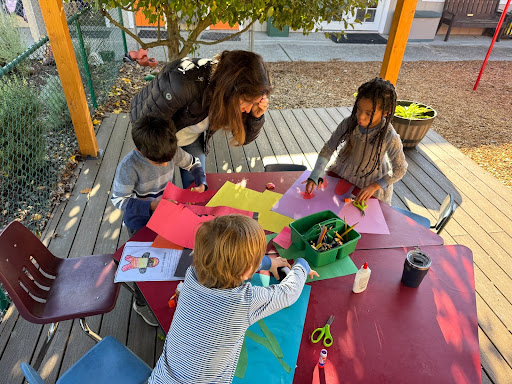
Our Kindergarten names unit brings students’ family stories and cultures to the forefront of learning. The students investigate how to become better friends by learning about each other’s names. Closer bonds and deeper friendships are developed by bringing students’ rich family lives and stories into the classroom. They interview their families and each other about their names, learn to read and write each other’s names, explore ways to represent the meaning of their names together, and study how people share their names through picture books.

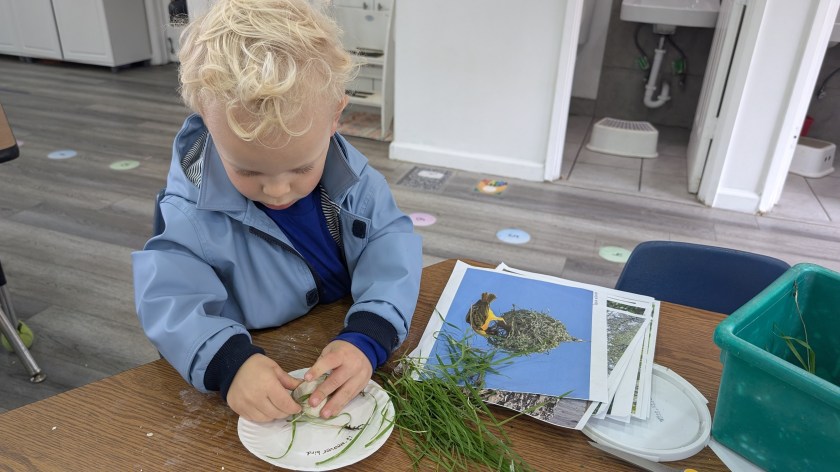
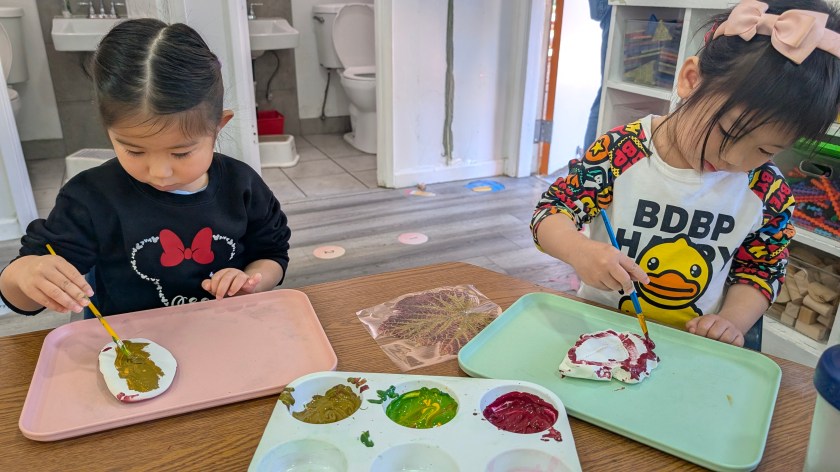
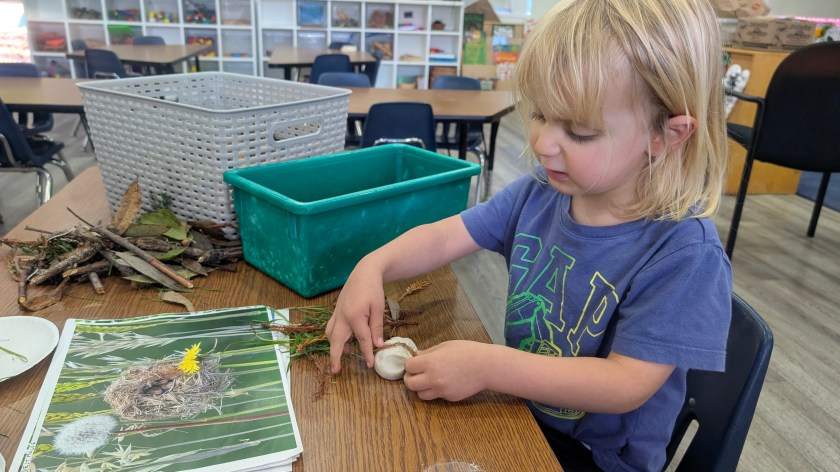
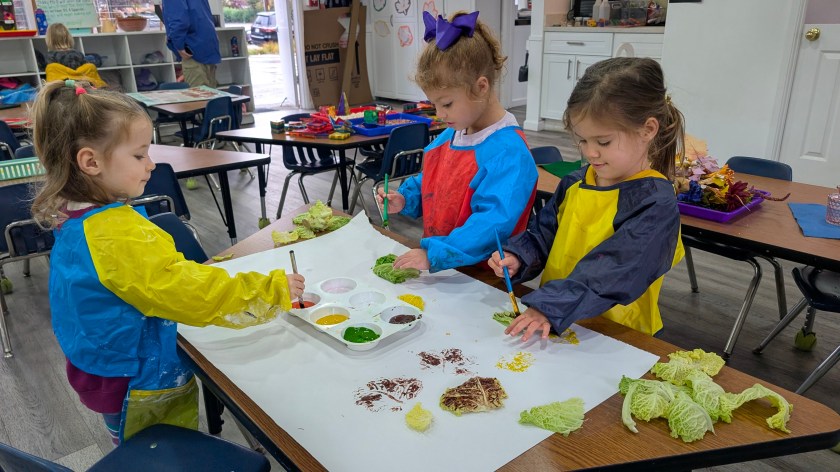
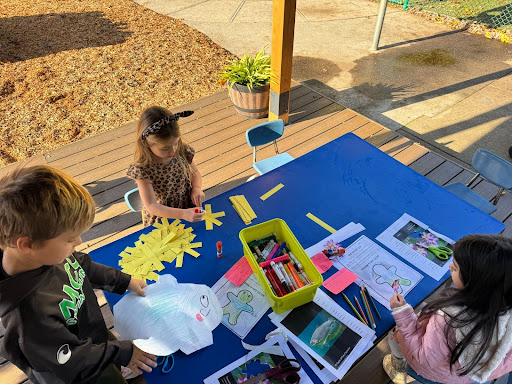
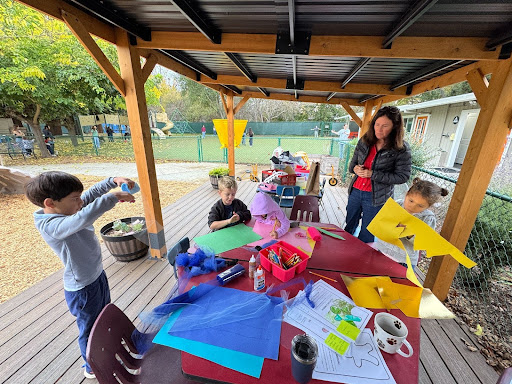
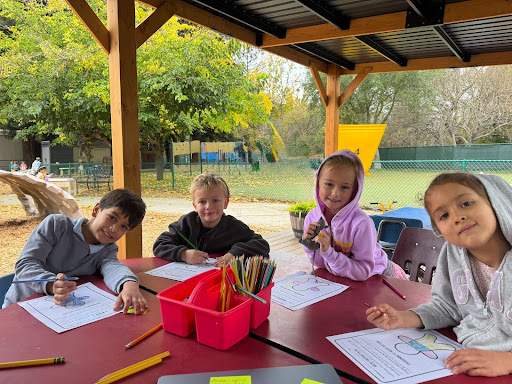
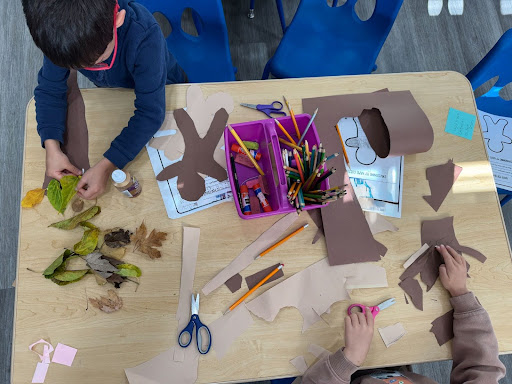
Our youngest learners, the Owlets, have been engaging in a deep exploration of leaves. For our ECE students, part of an authentic unit means pursuing a topic that they experience in their daily lives. During this time of year, when the trees are changing colors and leaves are falling to the ground all around us, student questions about leaves are abundant. They first began their study by sharing their own knowledge about leaves before generating questions. Next, the class engaged in experiences that helped them answer their questions, and then made physical representations of their growing knowledge of leaves. 

For both of these units, students engaged in multiple rounds of inquiry and had the rich opportunity to explore a topic with personal meaning while also tackling academic, social, and emotional learning goals. You are invited to join us on December 11th at 8:40 a.m. to celebrate the culmination of both of these project units. We hope you join us! 

#SaklanProjectBasedLearning

Exploring Animal Care

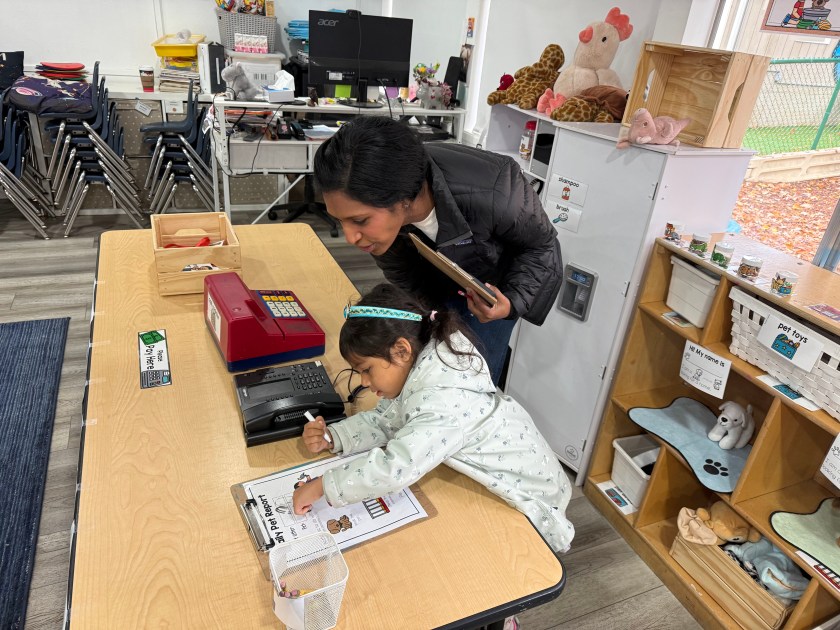
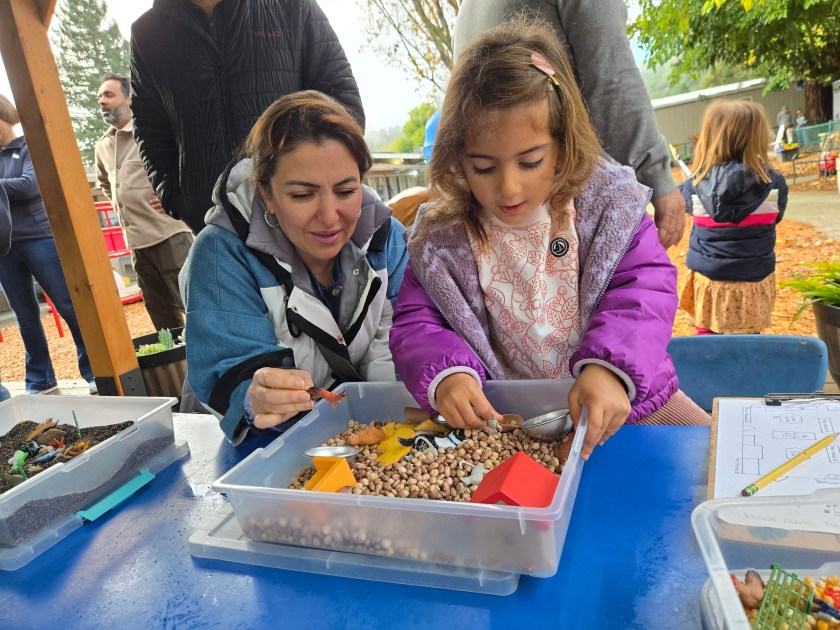
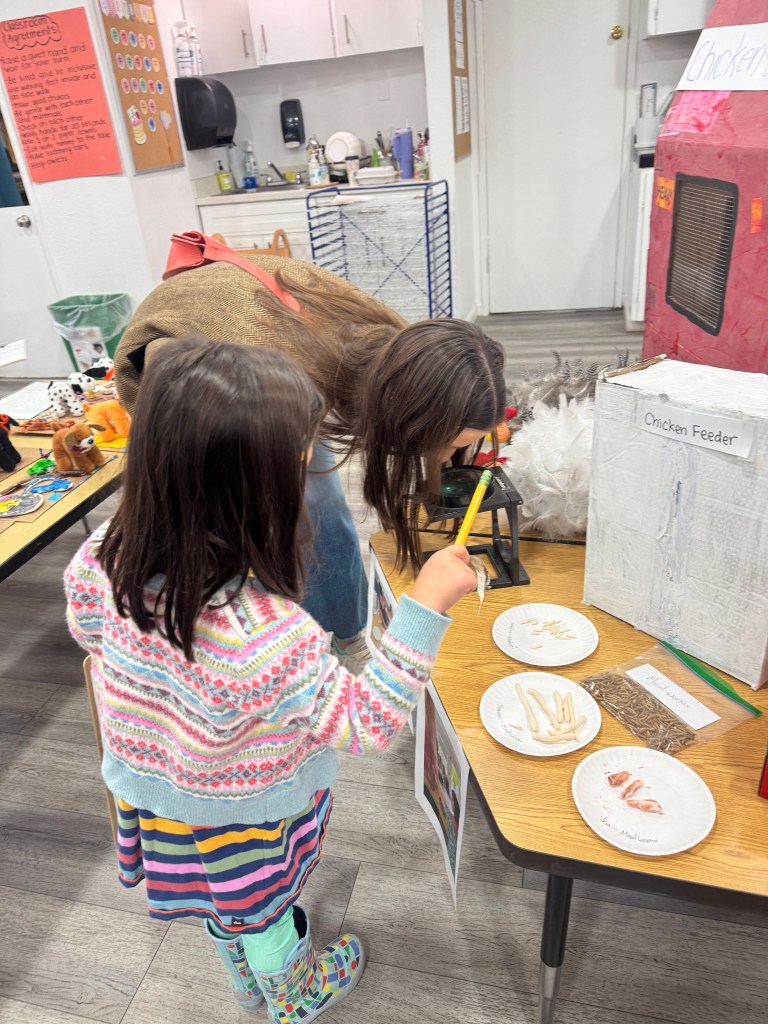
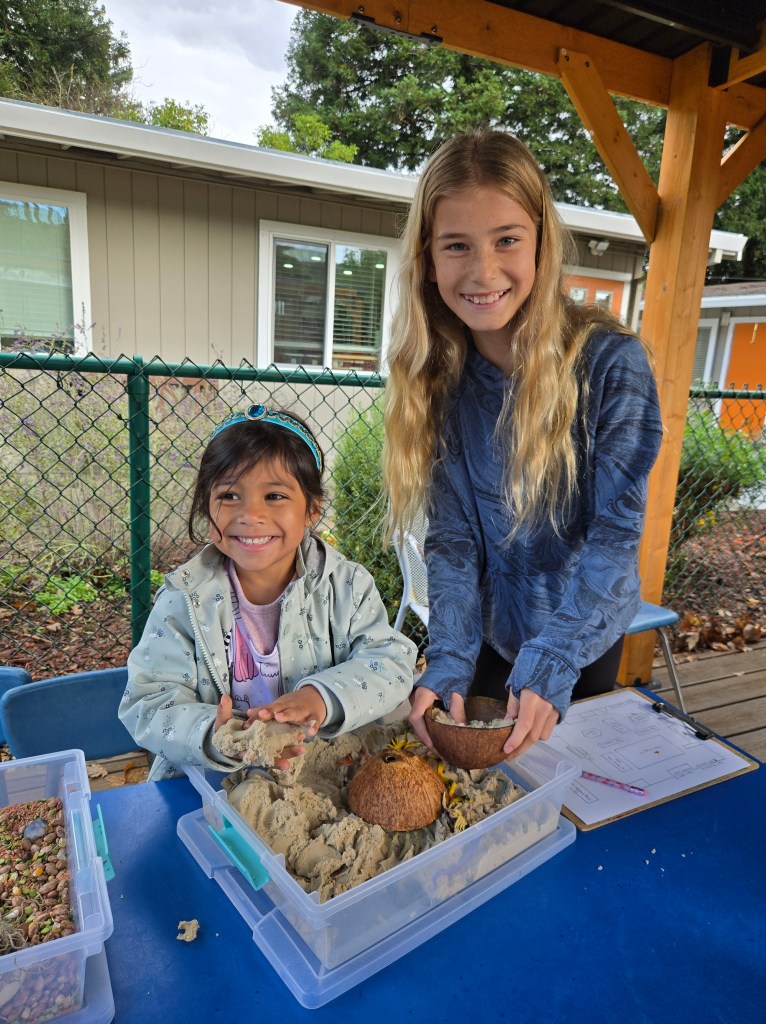
Last Friday, the Hoot Owls proudly shared the culmination of their two-month-long Pets Project, inviting families and community members to celebrate their hard work. This project blended research, fieldwork, creativity, and expert guidance as students explored what it means to responsibly care for a wide range of pets.

The learning journey began with each student selecting a pet to focus on—either a dream pet or one they already have at home. As they learned more about different animals, the Hoot Owls designed and built homes for their chosen pets. They drew inspiration from books, videos, classroom experts, and their own imaginations to create thoughtful and detailed habitats.

A highlight of the project was a Spider Hunt. After learning about spiders, students ventured outdoors with Observational Notebooks in hand. Like true scientists, they sketched what they observed and took note of the spiders’ natural environments. These observations helped them better understand what spiders need to thrive.

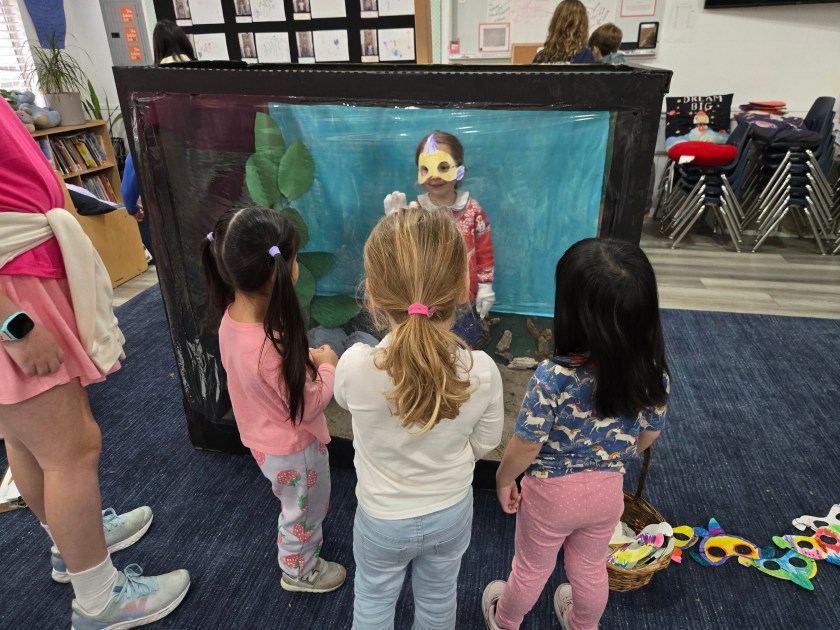
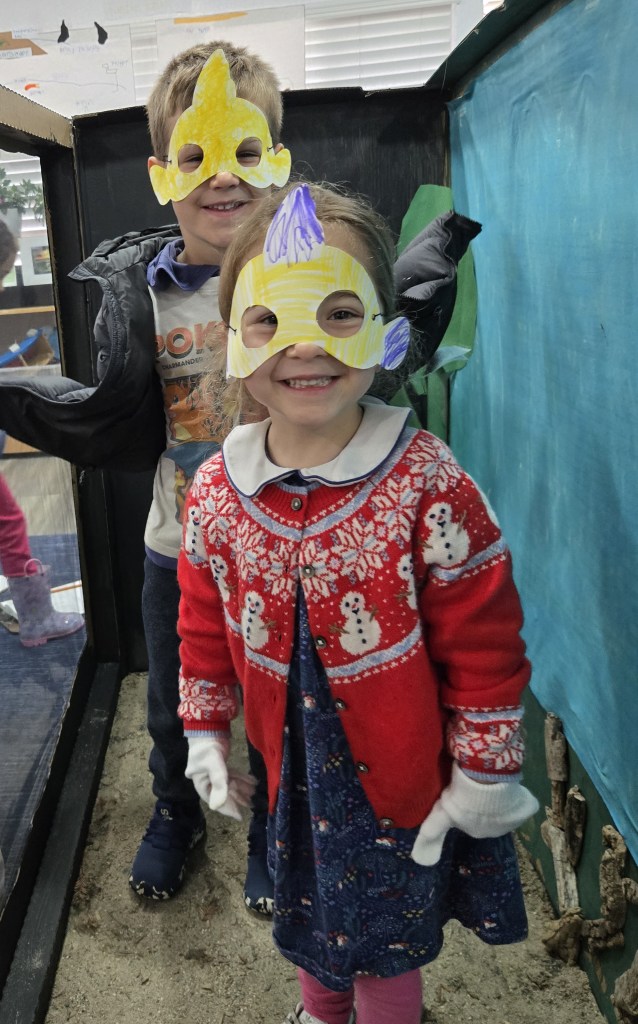
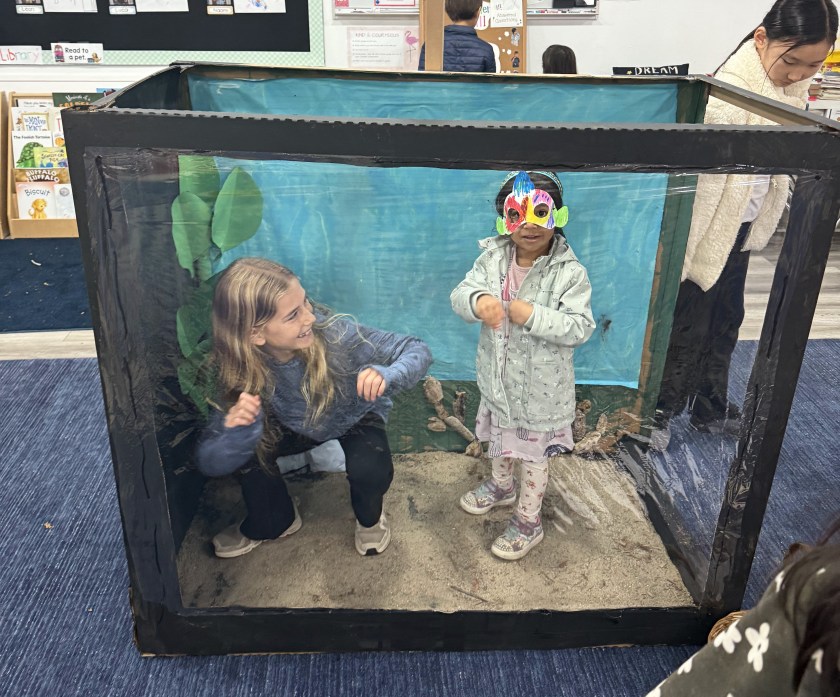
The class also dove into learning about fish as pets. Students discovered that fish care is more complex than it first appears. They examined cleaning tools, water test kits, and a special bucket used only for tank maintenance. Conversations about the role of light in supporting aquatic plants sparked thoughtful questions—such as why fish don’t sleep with pillows! This curiosity inspired the creation of a life-sized fish tank representation to help students visualize a fish’s natural environment and daily needs.

As the culmination approached, the Hoot Owls worked diligently to ensure guests felt welcomed. They carefully wrote and decorated invitations for families and friends. Inside the classroom, they helped plan the layout of all their project representations—no small task given the limited space. They worked together to problem-solve, make signs, organize materials, and prepare the room for visitors.

Their excitement and pride were evident as they shared their learning with the community. The Pets Project not only strengthened their understanding of animal care but also fostered creativity, curiosity, and collaboration—skills they will carry into future explorations.

Ecosystems and Adaptations

In science, the 6th graders recently explored Earth’s biomes. Working in pairs, they created educational slideshows to teach their classmates about our planet’s incredible variety of ecosystems. Afterward, they dove deeper into the topic by examining how organisms adapt to survive in diverse environments. This culminated in an engaging “Adaptation Auction,” focusing on two contrasting ecosystems: the ocean and the desert.

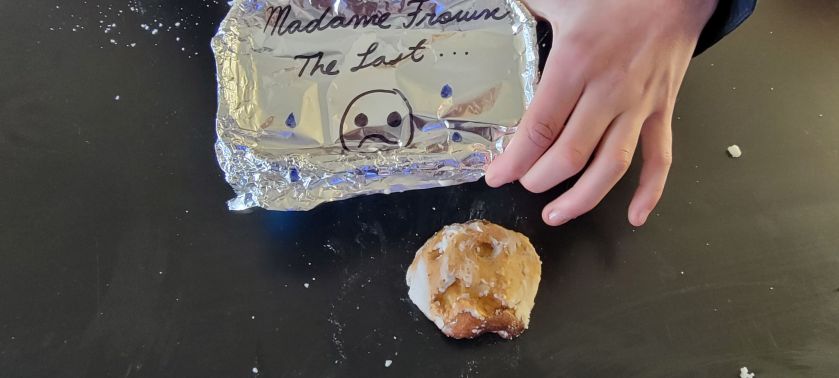
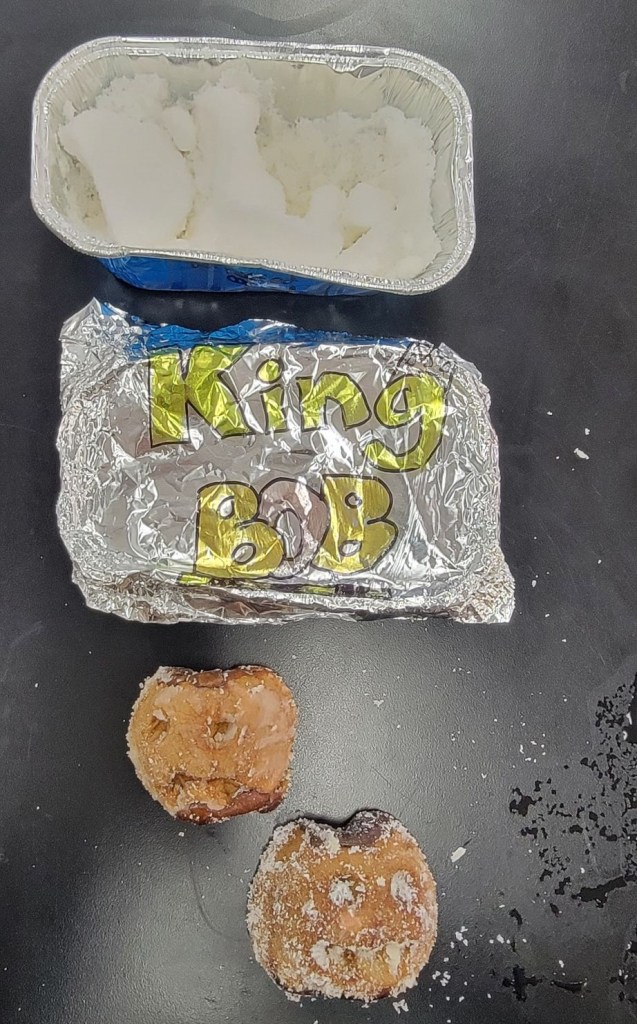
The 6th graders explored the stark differences between these ecosystems, identifying particularly beneficial adaptations in each. The desert’s unique ability to preserve species, culture, and history—due to its dry climate, fewer large scavengers, and minimal decomposers—sparked fascinating discussions. To bring this concept to life, students mummified apples in class! They created a narin mixture of salt and baking soda to act as our drying agent. Students then carved a face into an apple and let it sit in the narin mixture for a week. They observed how the drying agent caused noticeable changes in size, texture, and weight after just one week.

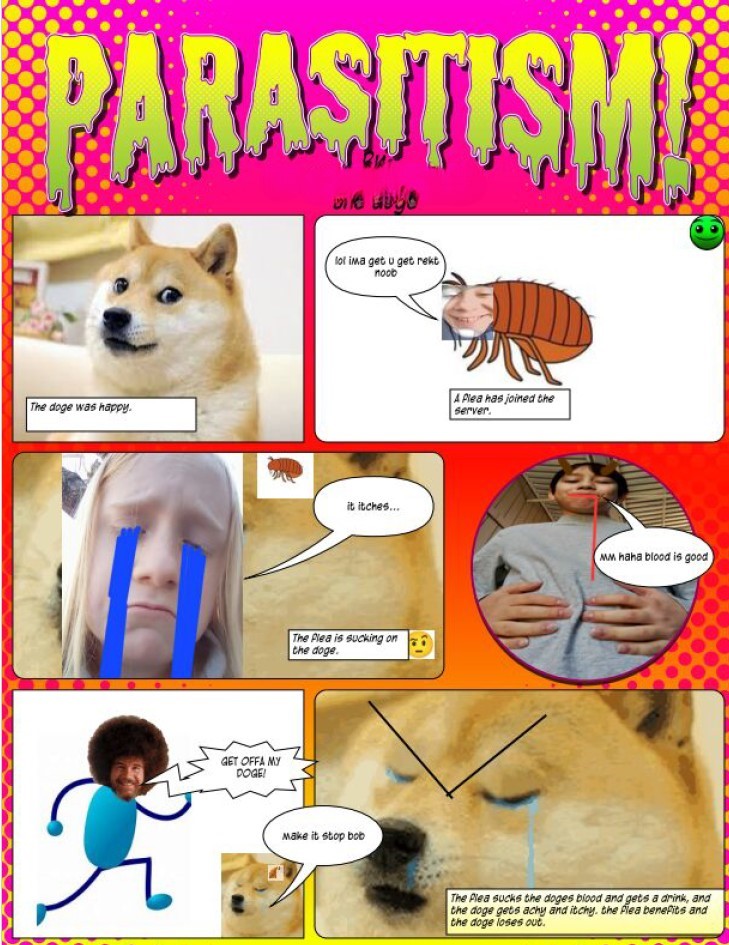
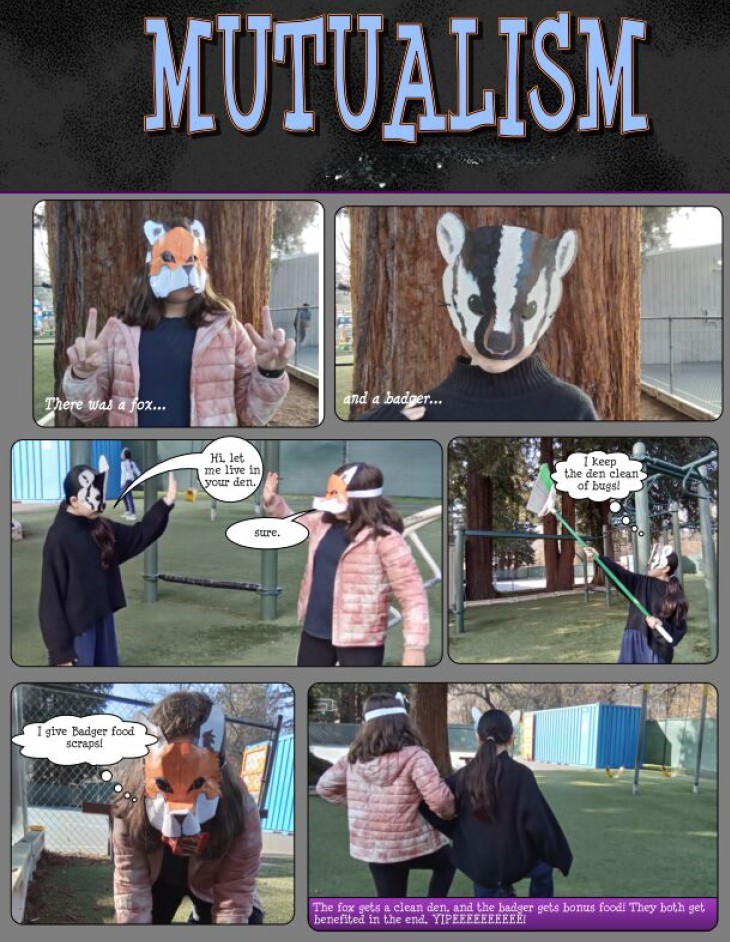
Next, the students moved on to studying the relationships between species within ecosystems, such as mutualism, parasitism, and commensalism. They created comics that illustrate these interactions in real-world scenarios to demonstrate their understanding. Below are examples of their creative work.

#SaklanHandsOn #SaklanCreativity