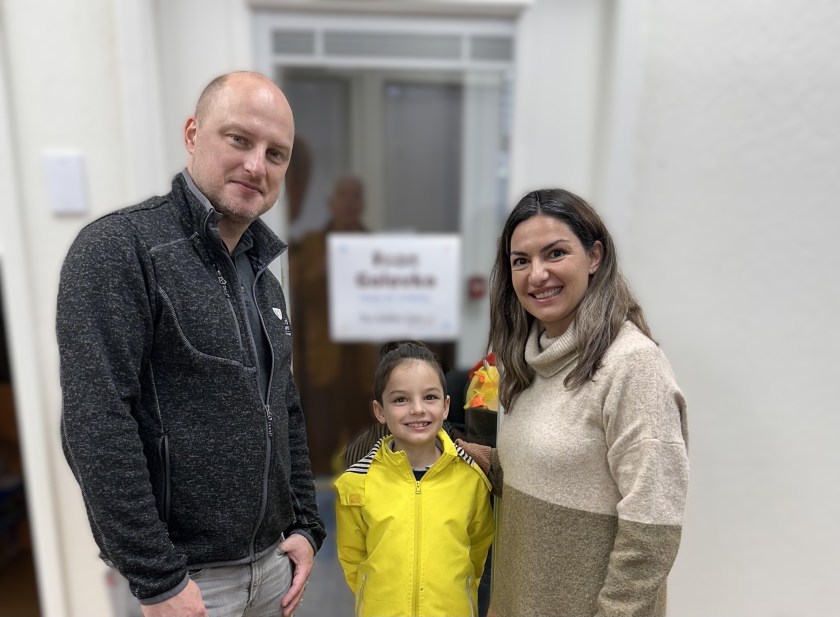
Why I Give: Investing in a Community That Invests in Children

I chose Saklan because it offers a different kind of education. One that helps students understand subjects deeply and reach their own conclusions. In a world where this generation has information and misinformation at their fingertips, it’s crucial they learn how to think, not what to think—and to show up with the courage to do the right thing.

Saklan is also where my son is seen, not as a test score or a kid to mold, but as himself. Here he’s encouraged to think independently, follow his own developmental timeline, and nurture his genuine love of learning. I don’t take that for granted. I know it isn’t true everywhere.

I give to Saklan my most limited resource: my time. To me, community isn’t an extra; it’s formative. I want my son to see that showing up matters, that relationships shape the places we care about, and that being part of something means taking responsibility for it. You don’t just show up—you help build the places you belong. That looks like reading to a class, organizing a potluck, cheering at CLAS, lending a skill to a project, or helping a new family find their footing. It’s introducing yourself at drop-off, showing up when someone needs a hand, and caring about others’ well-being.

I also give financially to Saklan because I want it to endure. Like many independent schools, Saklan operates with a gap between what tuition covers and what it actually costs to sustain small classes, rich programming, and support the teachers who pour so much into all the kids. Each year, I make a contribution that’s meaningful for our family. I see it as investing in the future of a community that invests in our children.

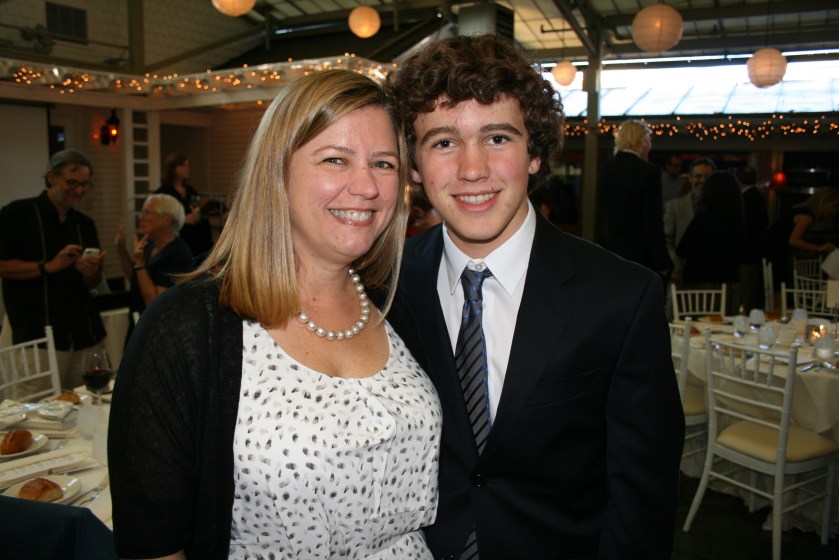
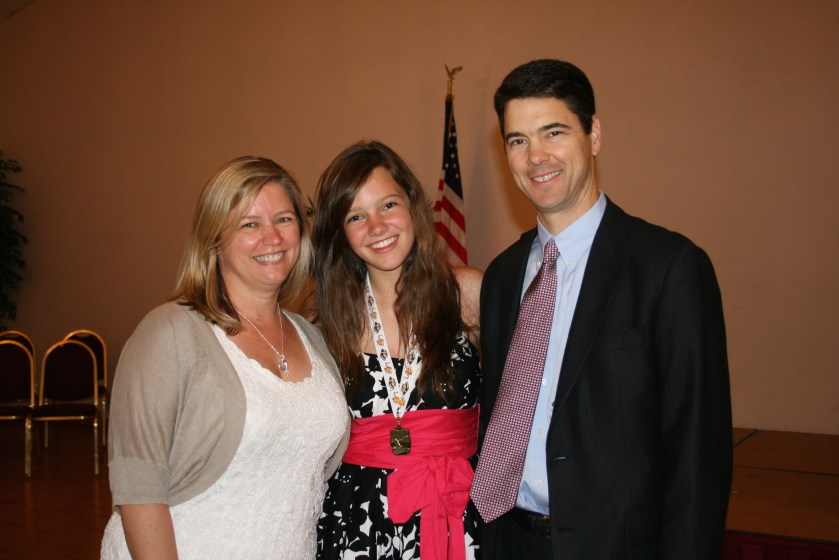
Join Ani and her family in supporting Saklan’s Annual Giving Fund.

#SaklanGiving #SaklanCommunity
Head’s Corner: Loving the Teen You Have by Joining the Resistance 

Last week, Saklan co-hosted a conversation with Dr. Ann-Louise Lockhart, author of Love the Teen You Have, in partnership with ParentMap—a consortium of schools that brings thoughtful authors and researchers to school communities like ours.

Dr. Lockhart’s message to parents was simple but radical: join the resistance. Resist the urge to fix, control, or over-teach your teens. Resist the pressure to be perfect. Resist the voice that says if you just say it one more time, they’ll finally listen. This conversation was full of gems—here are some of my takeaways.

Meet Them Where They Are and Join the Resistance

When your child resists, don’t fight it—join it. If your teen doesn’t want to talk, don’t push. Maybe text. Maybe just sit quietly beside them. Be attuned to what they need in the moment, not what you need. Joining the resistance isn’t about giving in; it’s about shifting from confrontation to connection. It’s realizing that presence—not persuasion—is what keeps the door open.

Do Less, Be Present

When our kids were little, we tried to make every moment a teachable one—narrating, correcting, guiding. But the older they get, the less that works. Teens don’t need a constant teacher; they need a calm, steady presence. Sometimes love means doing less—being available, not instructional. It can be surprising how zen it can feel just to “be” with them.

Nagging Is Kryptonite

Few things shut a teenager down faster than repetition. Nagging doesn’t motivate; it hardens resistance. Instead of asking the same question again, try curiosity: “I’ve noticed that assignment’s been hard to start—what do you think’s getting in the way?” That one shift invites conversation instead of combat.

Connection Over Correction

Everything comes back to relationships. When we focus less on managing behavior and more on understanding emotion, we help teens develop self-regulation and trust. They don’t need perfect parents—they need present ones.

At Saklan, this message resonates deeply. Our teachers know that learning—academic, social, or emotional—happens in the space between curiosity and connection. And our partnership with parents is strongest when we, too, resist the urge to over-manage and instead choose to be attuned, curious, and grounded.

So this weekend, take a breath, step back, and love the teen you have—right where they are.

You can view the recording of the conversation with Dr. Ann-Louise Lockhart here, using the access password: edTalks*2526.

Warmly,
David

#HeadsCorner

Head’s Corner: Foundations Built With Care

I recently reread Kim Brooks’ New York Times piece, “We Have Ruined Childhood.” While the piece pointed out all the things in society that make childhood seem like an internship for adulthood, it left me optimistic. Optimistic, because it reminded me why what we do at Saklan matters so much. In a world that’s forgotten what kids really need—connection, curiosity, play—we get to build something different every day. We get to show what childhood should look like.

What stood out most to me in Brooks’ article was her point that kids today have fewer chances to practice the social-emotional skills that make us human—to start friendships, navigate conflict, solve problems, or just be with others without adults steering the moment. Working with Denise Pope from Challenge Success (an organization Saklan has partnered with), Brooks highlights a simple but powerful truth: kids need family time, strong relationships, independence, and agency.

This is where Saklan matters.

We’ve made a conscious choice to prioritize what research tells us children actually need. How to communicate. How to handle disappointment. How to work through disagreement. How to persist when things get hard. We deliberately create time and space for students to develop those vital human skills. These aren’t add-ons to our curriculum. They’re at the heart of what we do.

And here’s what’s remarkable: this approach doesn’t just create happier, healthier kids (though it absolutely does that). It also leads to stronger academics. Counterintuitive? Maybe. But the research bears it out. Time and again, studies show that when children have space to play, to create, to connect with others, and to develop social-emotional skills, their academic performance improves. They become more engaged learners. They develop genuine curiosity. They build resilience.

This doesn’t mean we’re perfect or that we’ve solved every challenge facing modern childhood. But it does mean we’re intentional. We understand that school should be a place where children learn to be fully human—intellectually curious, emotionally resilient, socially connected, and creative. Childhood isn’t a race to adulthood. It’s a foundation to be built with care.

Warmly, 

David

Celebrating Uniqueness in the Owlet Classroom

Over the past few weeks, the Owlets have been exploring themes of diversity, uniqueness, and the importance of celebrating what makes each of us special. Their learning journey began with The Colors of Us, a story that highlights the many different shades of skin tones. After reading, the class reflected on how each person is unique and how all of our colors are beautiful.

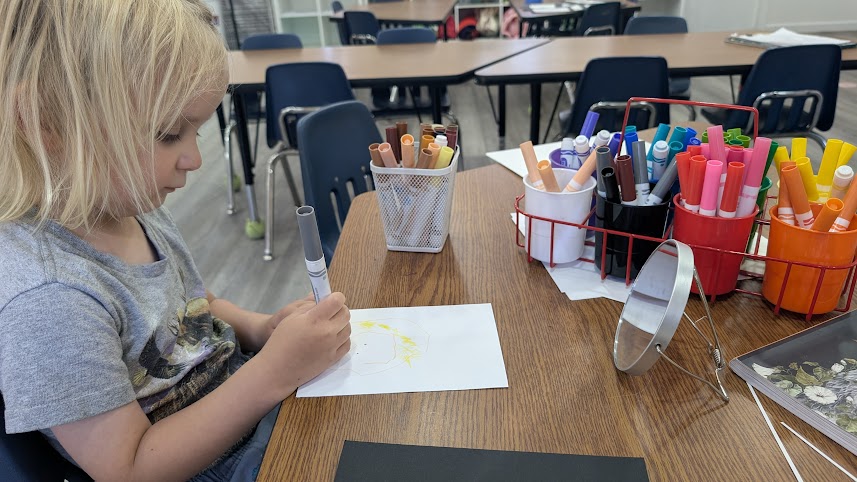
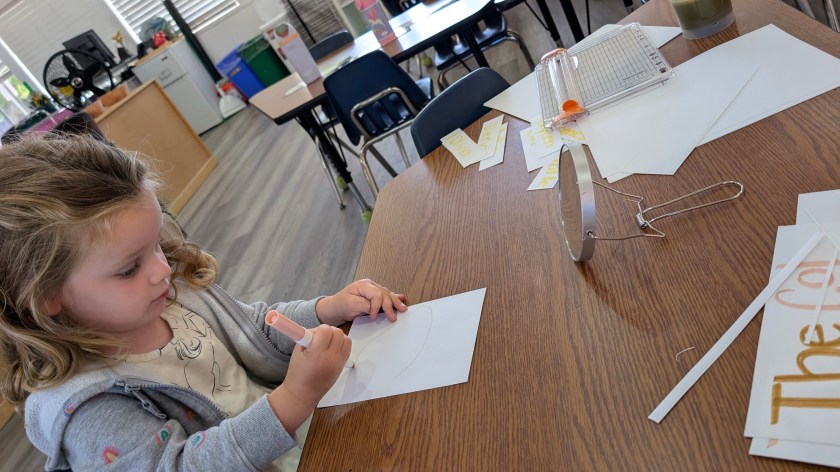
With this inspiration, the Owlets experimented with skin tone markers to find shades that matched their own. Using these, they created their first self-portraits of the year, carefully noticing the shapes of their features and expressing themselves with color and detail. Beyond being a creative activity, self-portraits encourage self-awareness, observation skills, and artistic expression. The class will return to self-portraits throughout the year, offering a wonderful opportunity to see how their drawings evolve as their skills and confidence grow.

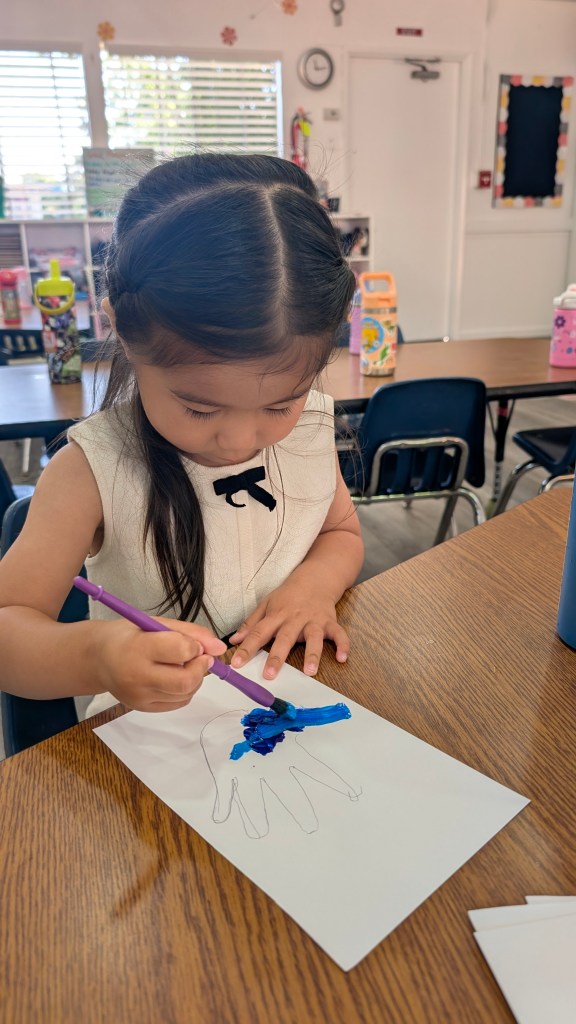
In another activity with Ms. Linda, the children created All About Me handprint posters to display in the classroom. Each child chose a favorite color for their handprint and shared more about themselves by adding favorite games, toys, animals, and foods. Activities like these help children appreciate their individuality while also building community as they learn more about one another.

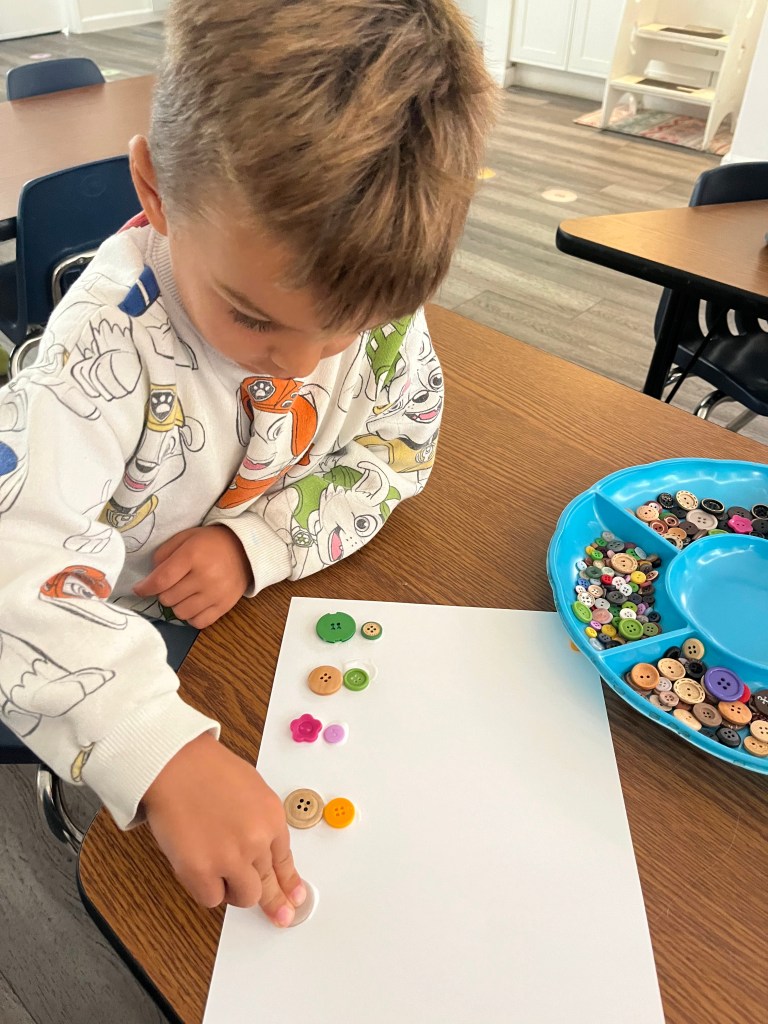
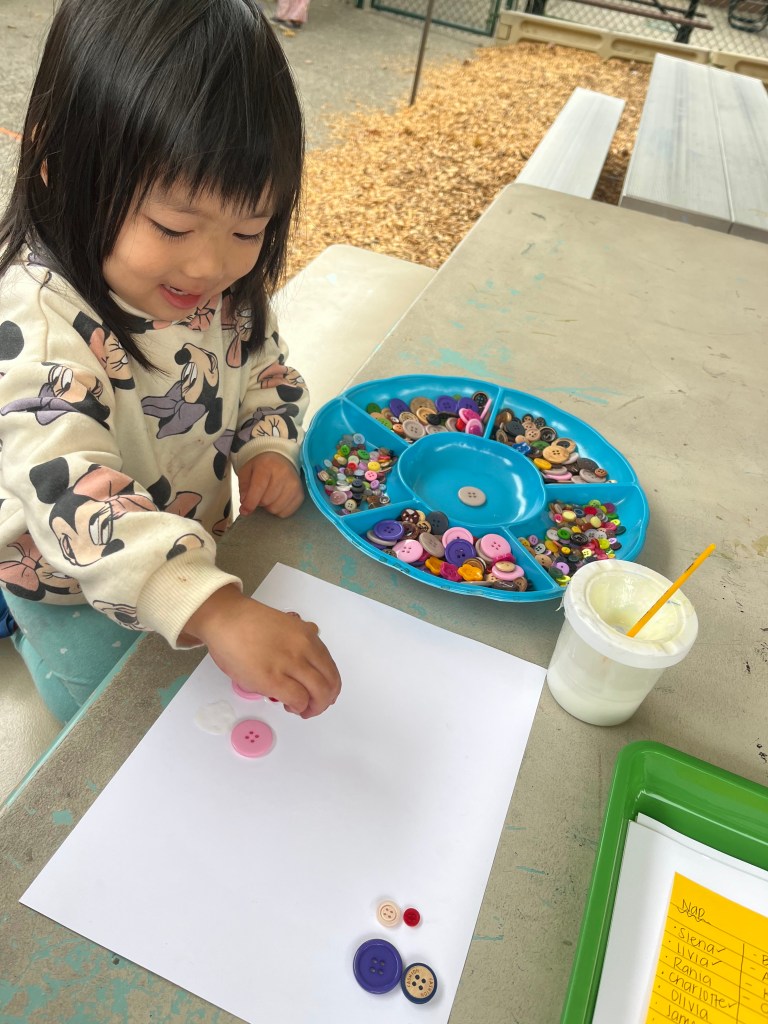
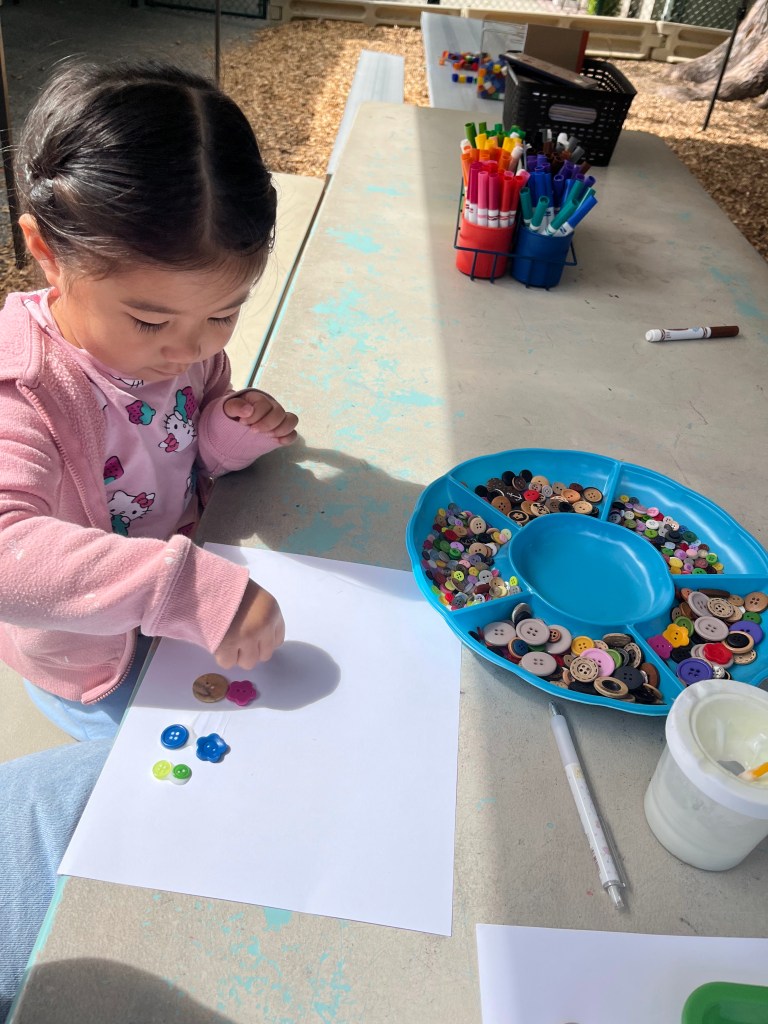
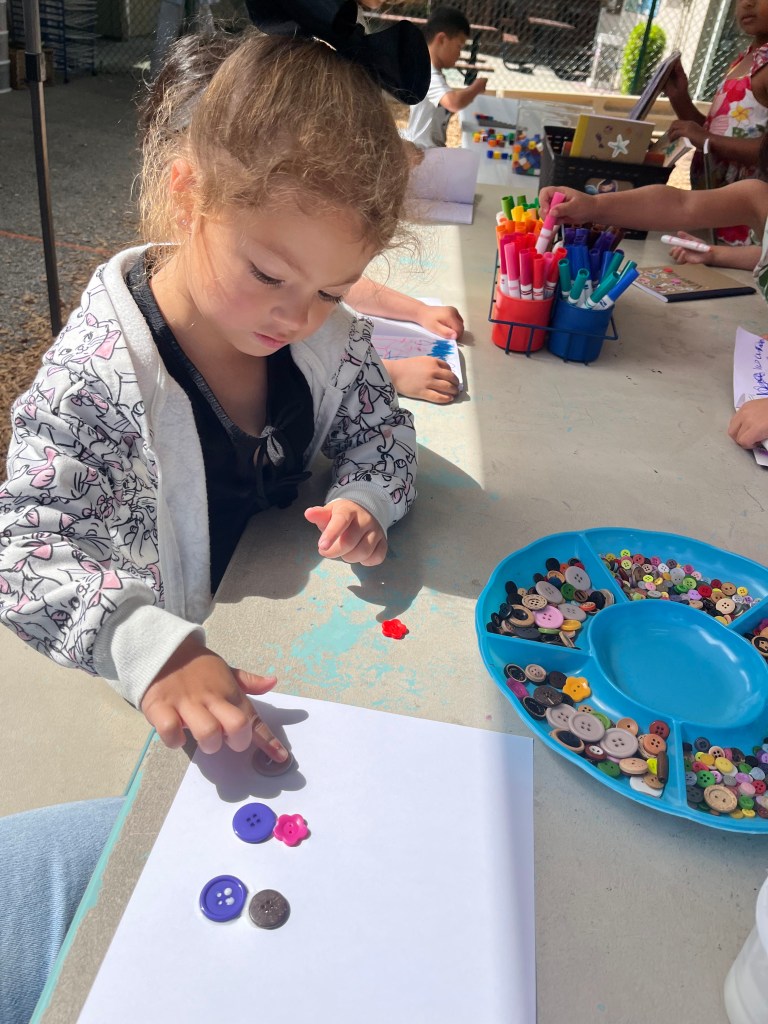
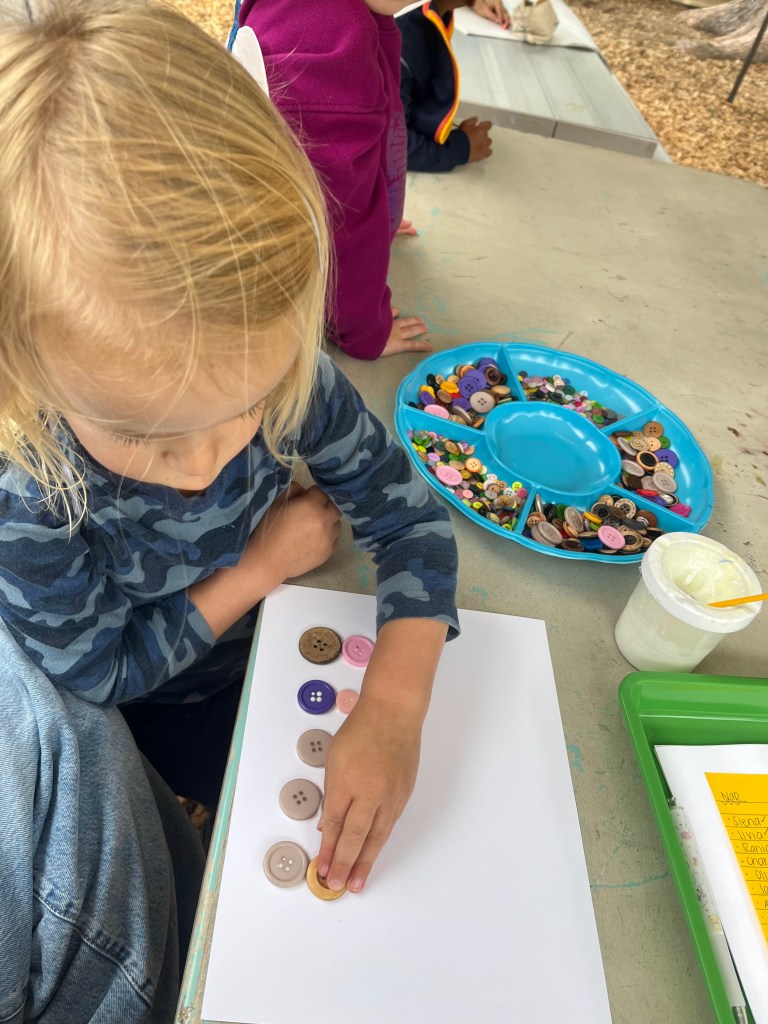
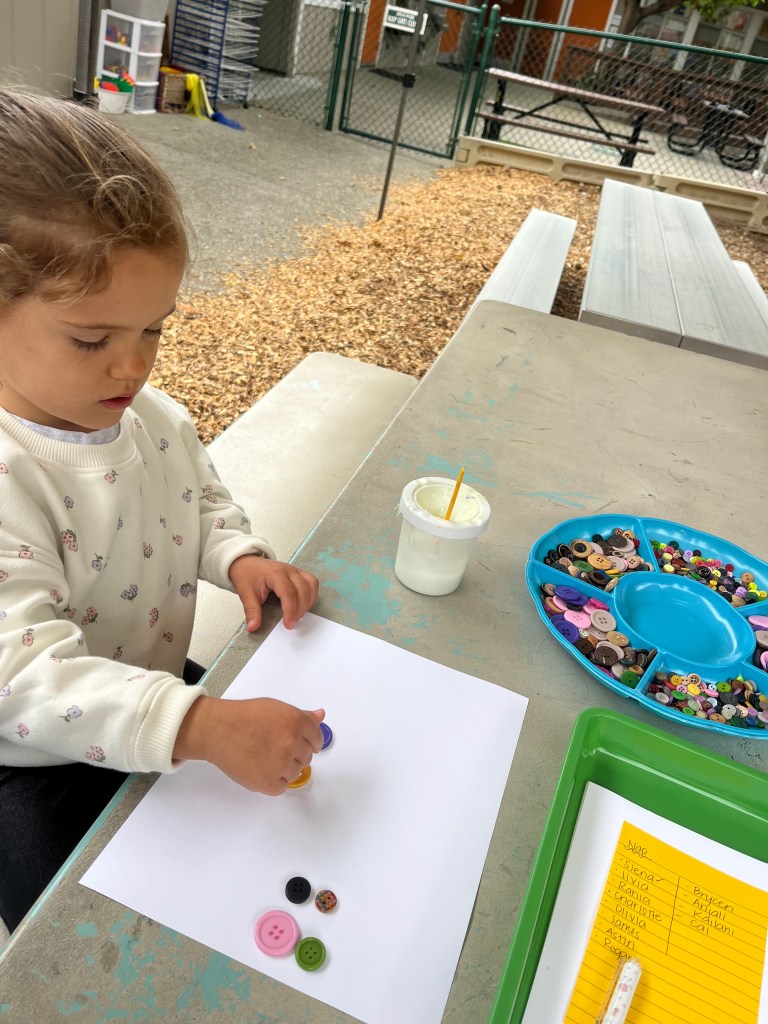
Victoria introduced the story A Handful of Buttons, a heartwarming book that celebrates the diversity of families. The Owlets discovered that families come in many shapes and sizes—some with just two people, others with many—and that each one is special in its own way. Afterward, the children designed their own “button families,” thoughtfully selecting buttons to represent the people who are important in their lives.

Through books, art, and hands-on activities, the Owlets are developing a deep appreciation for what makes each person unique—while also building a classroom culture rooted in belonging, empathy, and celebration.

#SaklanCommunity #SaklanBelonging
Head’s Corner: Playgrounds that Inspire

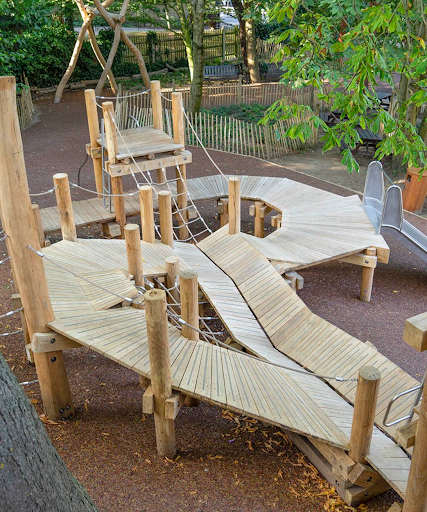
The Evolution of Play Structures – This Year’s Fund-A-Need

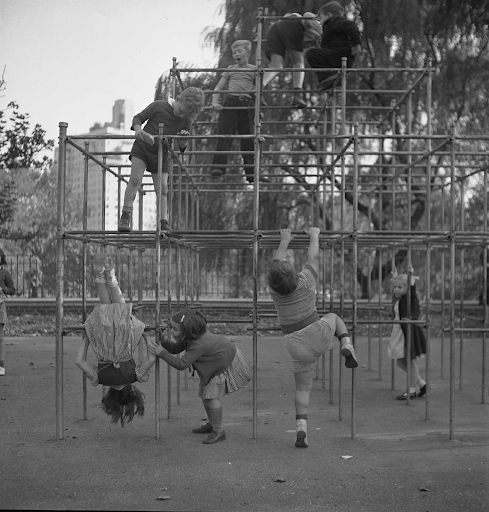
As a child, my memory of play structures at school is pretty vivid. We can start with the color—predominantly metal gray. Much of the parts looked like they were taken from the hardware store plumbing aisle. During the winter, they were cold to the touch; in the heat of summer—untouchable. How many of you have a memory—seared into your bottom—of speeding down the shiny metal slide on a hot July day?

Most of all, though, they lacked space for imagination.

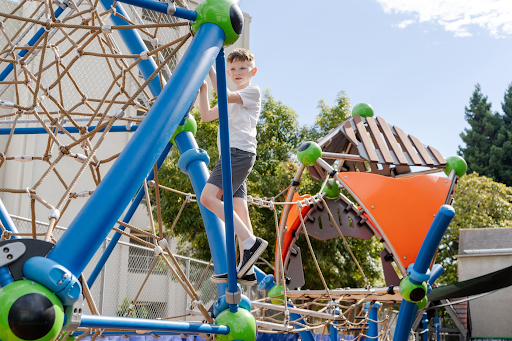
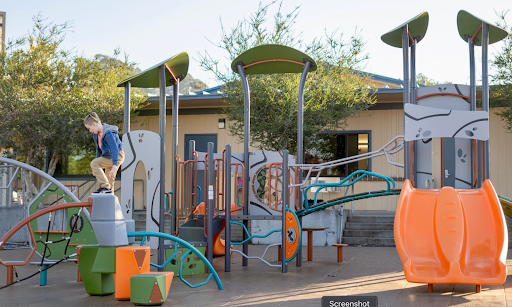
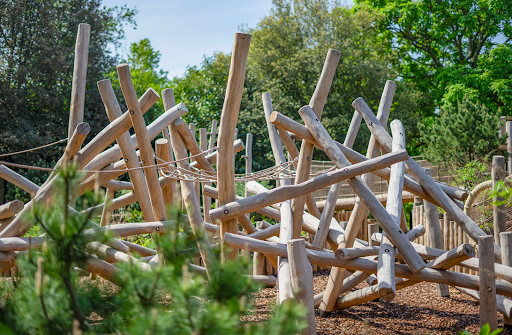
Play structures have undergone a significant transformation over the decades, reflecting our evolving understanding of child development. It wasn’t until the past 20 years or so that play structures moved from being prescriptive in how children were meant to use them to designs open to a child’s imagination—a place where children could direct their own experiences.

Well-designed equipment becomes a canvas for inventive play, changing its purpose to match the day’s adventure. These structures support not just physical development but also cognitive growth, social skills, and emotional resilience—all through the power of self-directed play.

This evolution reflects a broader shift in how we view childhood—moving from seeing children as passive recipients of instruction to recognizing them as active constructors of their own understanding. Today’s most innovative play structures (and educational approaches) reflect a deep respect for children’s capabilities.

Sound familiar? It should; students’ “meaning making” of what they learn is a foundational tenet of authentic Project-Based Learning.

This year’s Fund-a-Need is more than just playground equipment—it’s an investment in the kind of education we believe in. Your contribution will directly impact how our students play, learn, and grow every day at Saklan. When we give our children thoughtfully designed spaces to play, we give them the tools to become the innovative thinkers our world needs through the simple but profound act of play.

Join us in bringing this vision to life! Your support for this year’s Fund-a-Need will help create dynamic play spaces that foster creativity, collaboration, and exploration—just as we do in the classroom. Every contribution, big or small, makes a lasting impact on our students’ daily experiences. Let’s build playgrounds that inspire the next generation of innovators and problem-solvers. Donate today and be a part of shaping the future of play at Saklan!

Staff Spotlight: Lisa

Connected to Saklan way back when it was named Carden School. Lover of the Matterhorn at Disneyland. Excited about innovative math instruction. Served as not only a teacher but also the Saklan PA President and Chair for the Board of Trustees. Can you guess who we are highlighting as this month’s Staff Spotlight? Our third-grade teacher, Lisa Rokas, has worn many hats here at Saklan. Read on to learn more about her decades-long journey at The Saklan School.

How did you first hear about the Saklan School?

I have a long history with Saklan. I grew up in Orinda and attended Miramonte High School. My brother, who is 6 years younger than me, attended Saklan (which was named Carden School at the time). Once I had my driver’s license I used to drive him to and from school. Fast forward to when my son was in kindergarten, I decided to look for alternatives to our local public school and my mom suggested I look at Saklan. My son joined in first grade back in 2004, and my daughter joined the following year in kindergarten. I have been connected to the school ever since.

What about the Saklan community has kept you so invested and engaged in different ways over the years? 
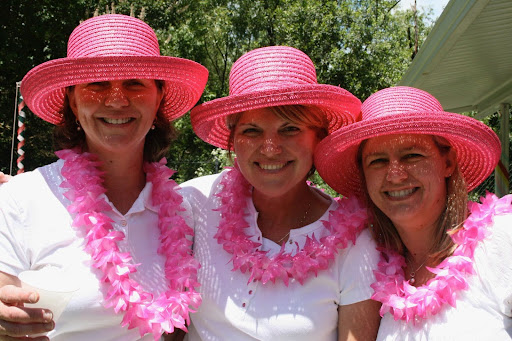
I have worn many hats here at Saklan. When my kids were students at Saklan I joined the Parent Association, where I held many roles, including auction chair and PA President. I started on the Board of Trustees as the Parent Association representative and eventually served as Board Chair for a number of years. I made lifelong friends with many of my fellow board members on both the board of trustees and parent association, as well as many strong friendships with Saklan faculty and staff. One memorable moment includes dressing up as pink cotton candy ladies for the end-of-year carnival. When my daughter graduated from Saklan in 2014, I couldn’t imagine saying goodbye to a place where I had been so connected for so many years. I decided to go back to teaching, my first profession before having kids. I started teaching at Saklan in the fall of 2014 and have had the honor of teaching here ever since. Saklan is truly a part of my family and my home away from home.

What has been your favorite project based learning unit in your time here and why?

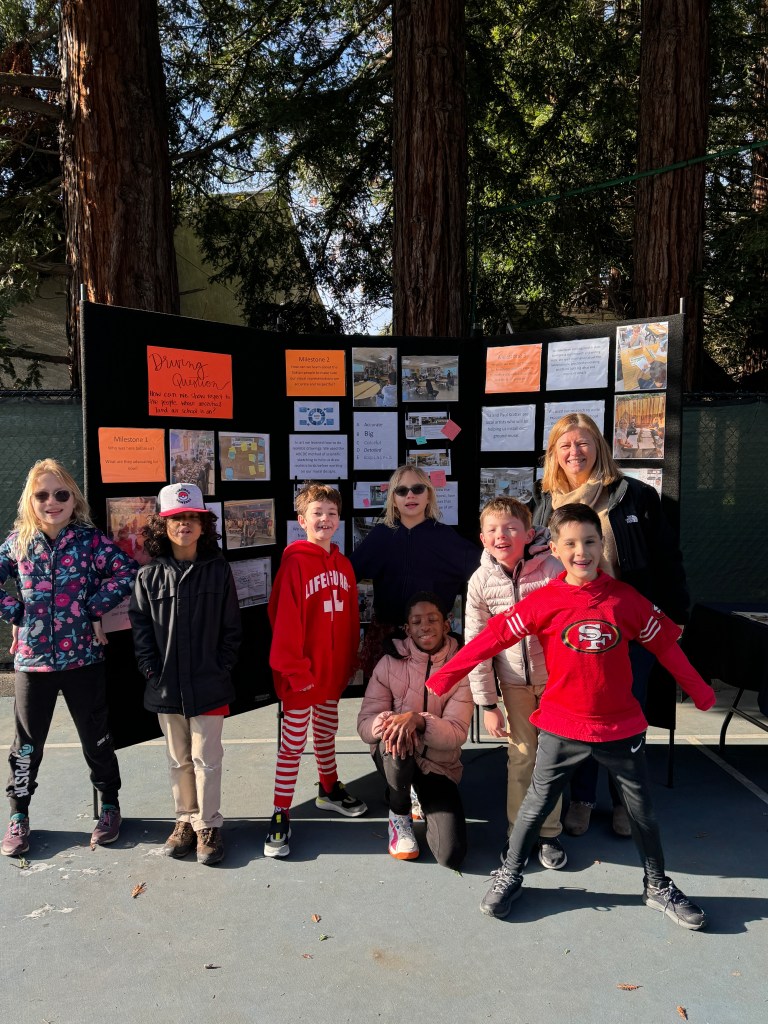
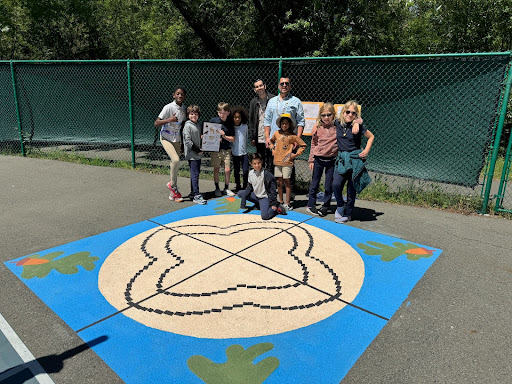
My favorite project based learning unit each year has been our third grade Saklan/ Bay Miwok Unit where we learn about the local indigenous peoples from the Moraga Valley. Our driving question is “How can we show respect to the people whose ancestral land our school is on?” I especially love this project because each year the third graders have found different ways to answer our driving question in meaningful ways; such as writing a land acknowledgement and creating murals and posters including traditional language and symbols representing Saklan culture. This year students researched indigenous plants we hope to plant on our campus. We have had the opportunity to work closely with Vincent Medina and Louis Trevino, the cofounders of Cafe Ohlone who both have Ohlone heritage and who are focused on sustaining their traditional Ohlone culture. The most important lesson the students learn is that Saklan/Bay Miwok/ Ohlone people are still here and their culture and traditions are still being practiced and celebrated.

We know your love for Disneyland runs deep, what is your favorite season to visit the park and the snack and/or ride you look forward to most?

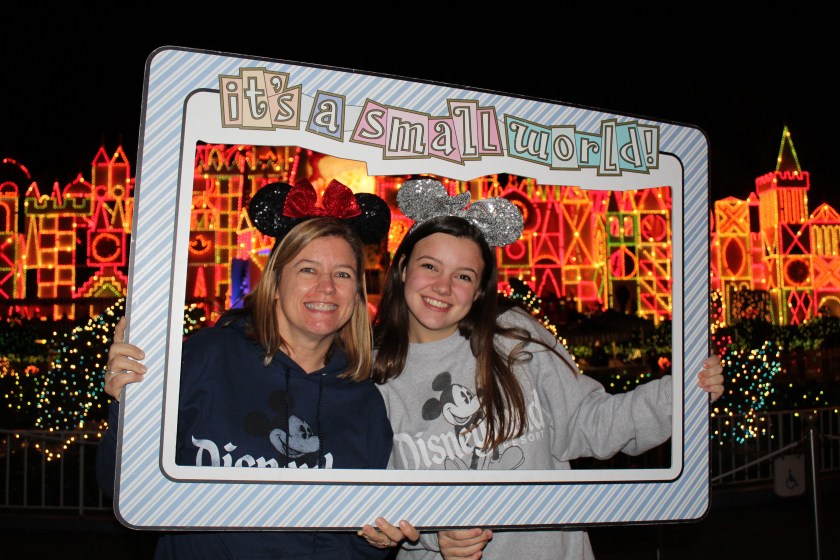
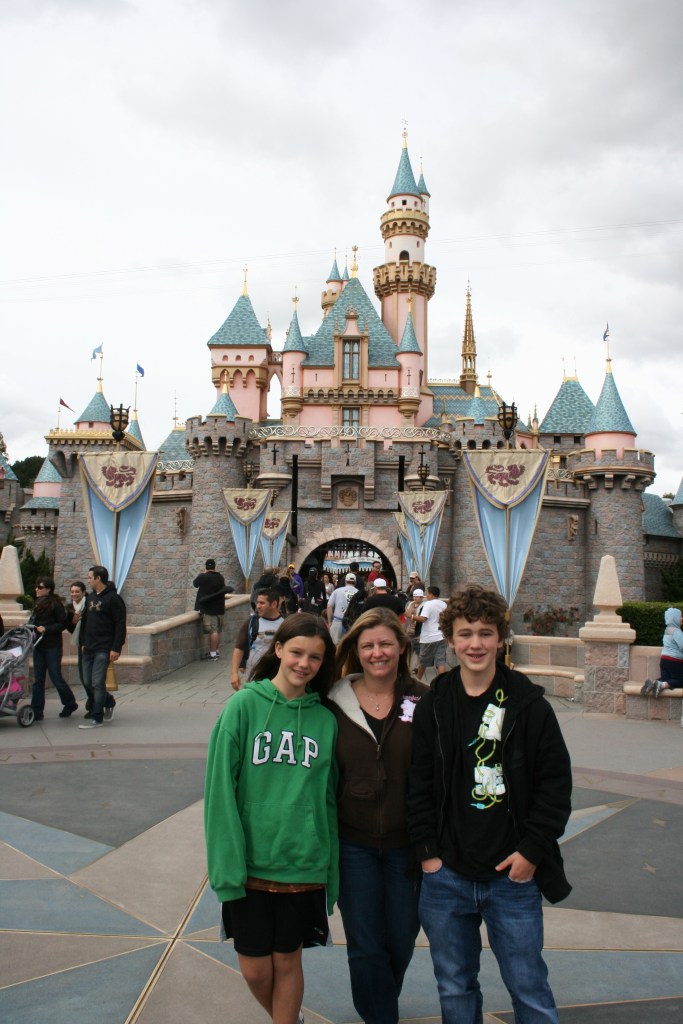
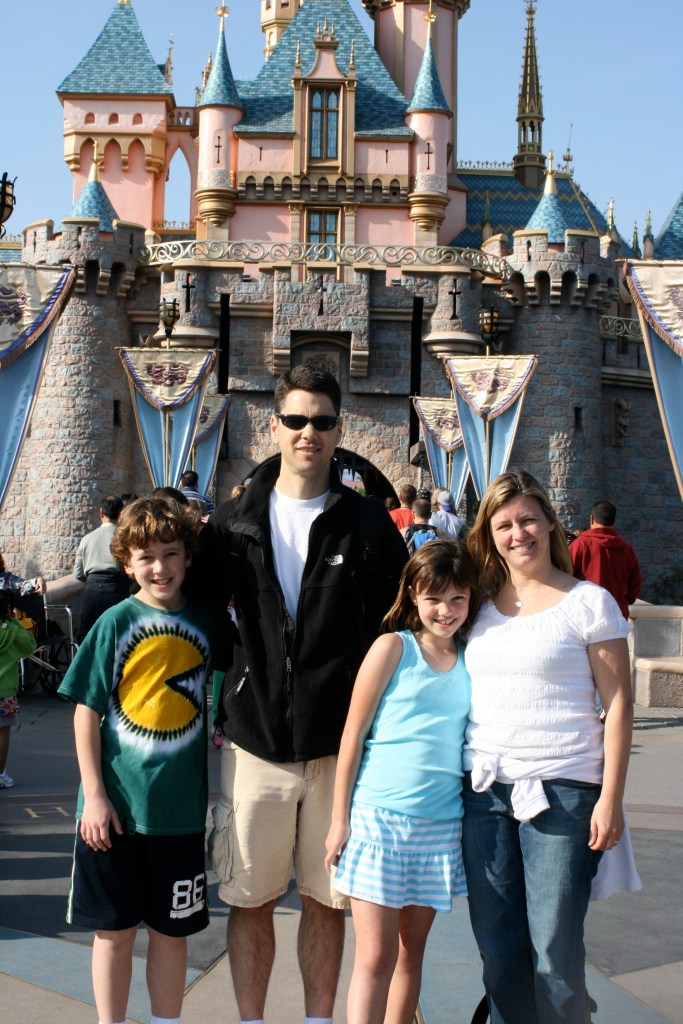
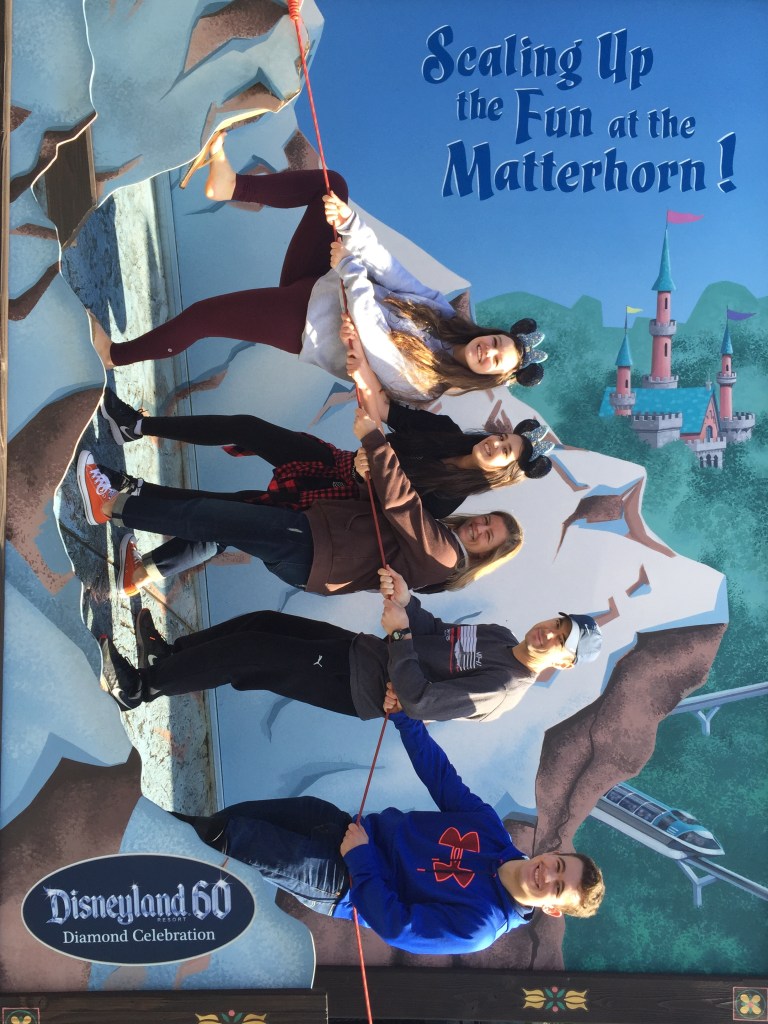
I do love Disneyland! It is one of my absolute favorite places! I enjoy visiting anytime of the year, but my favorite time to visit is during November or December when the holiday decorations are up. It is so festive! I especially love watching Fantasmic on the Rivers of America and also the fireworks from Main Street! My favorite ride ever since I was kid is still the Matterhorn Bobsleds, and my favorite snacks at Disneyland are definitely their fresh-popped buttery popcorn or churros from the snack carts. Thankfully, I have passed on my love of Disneyland to my kids so that they still enjoy going to the park with me.